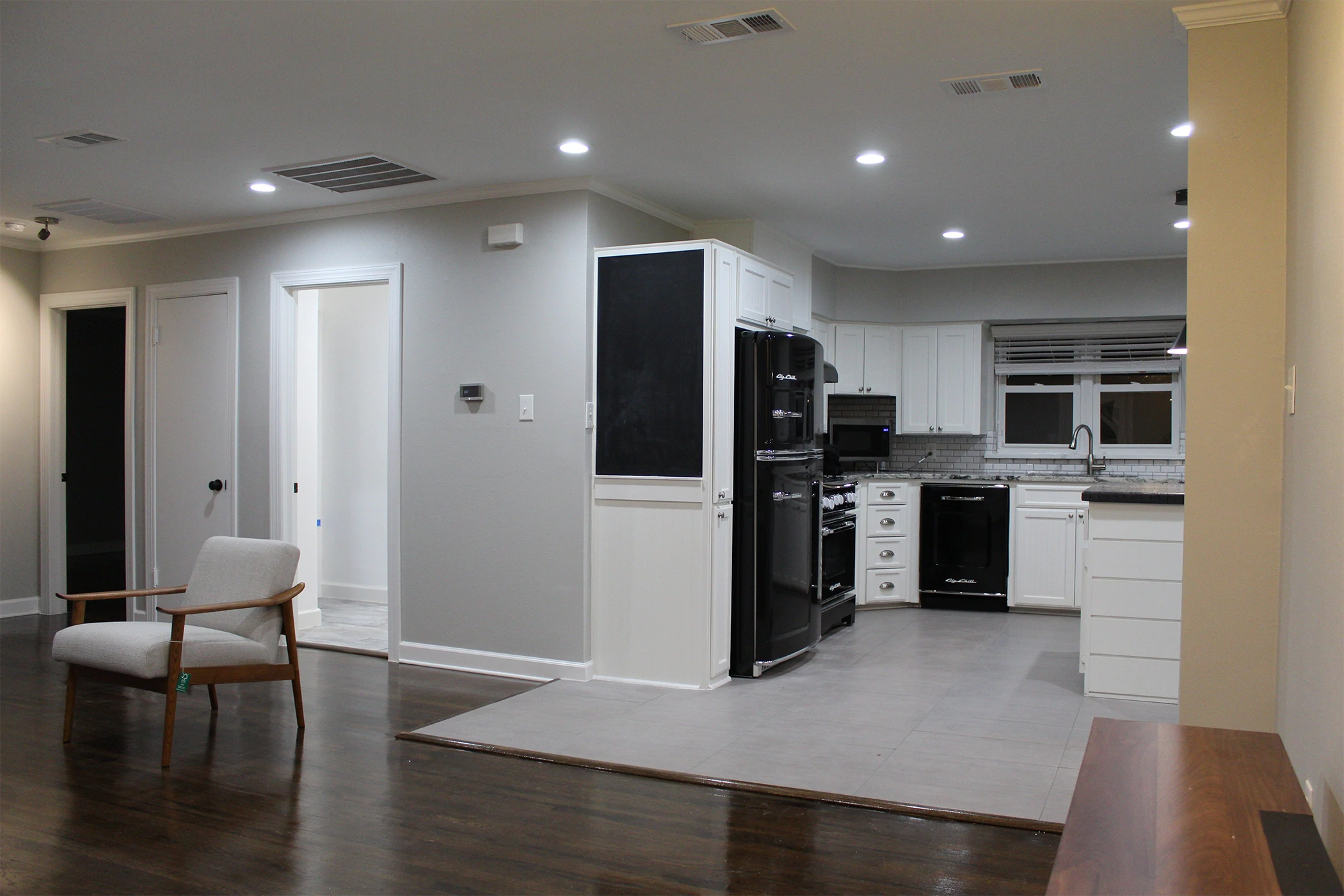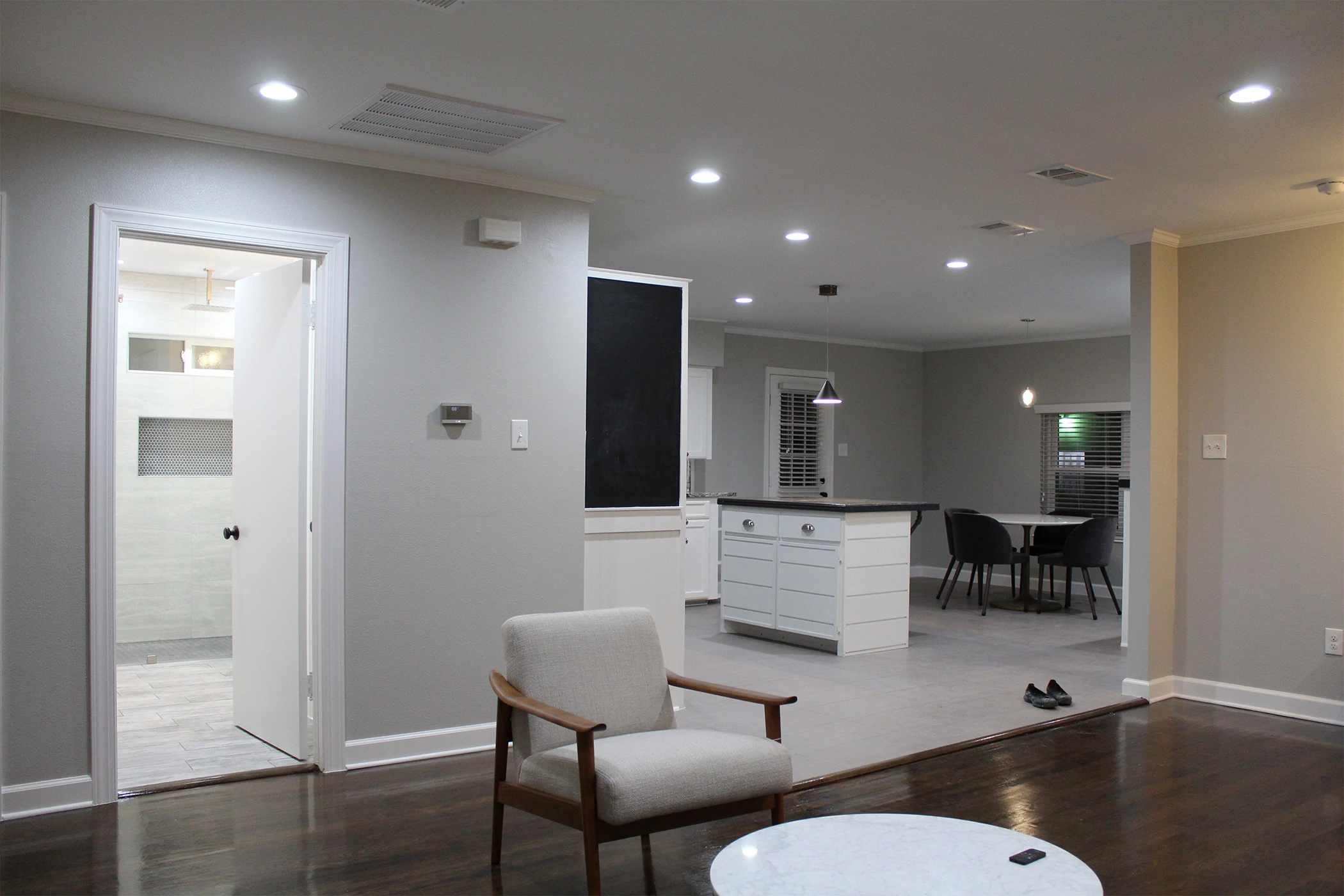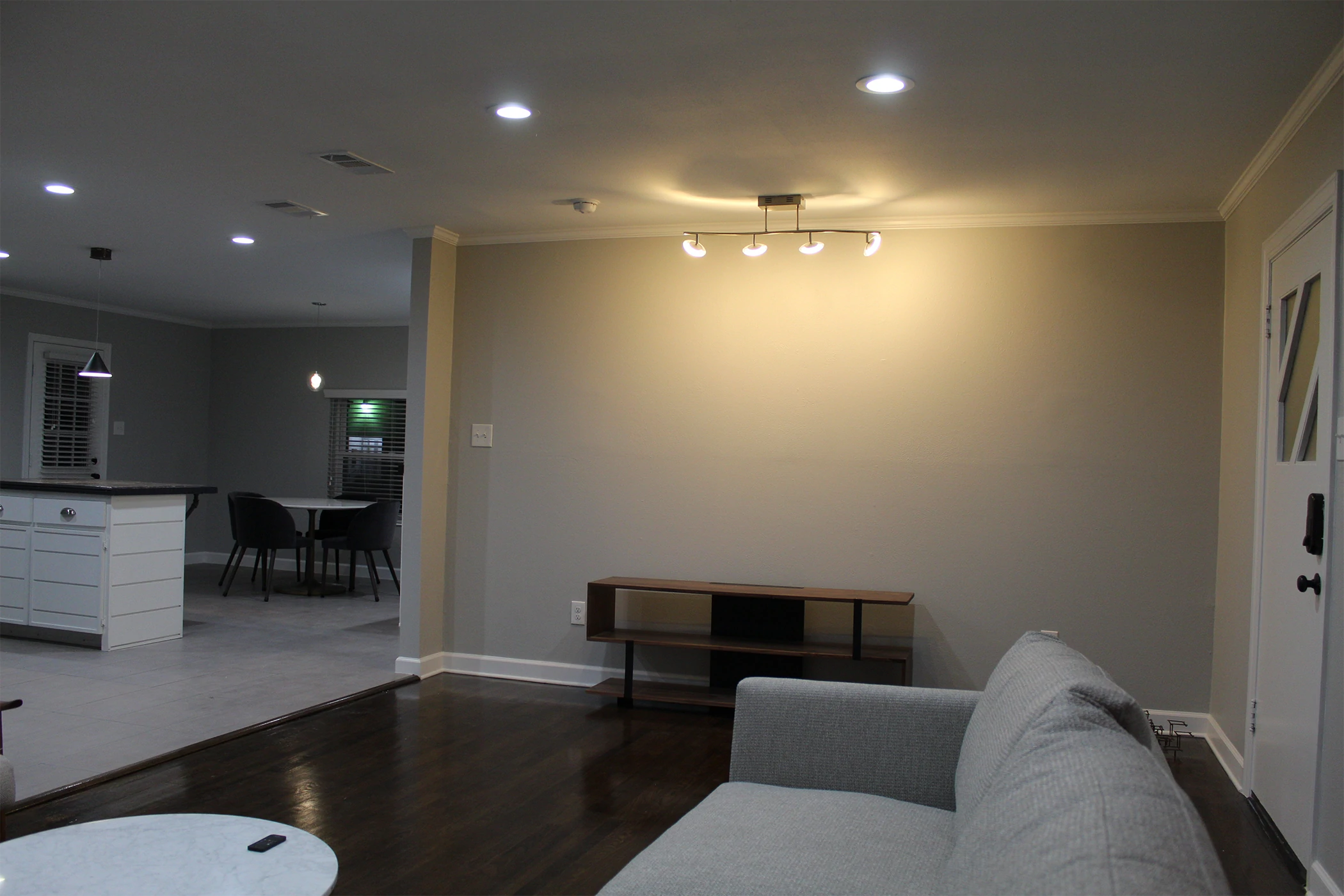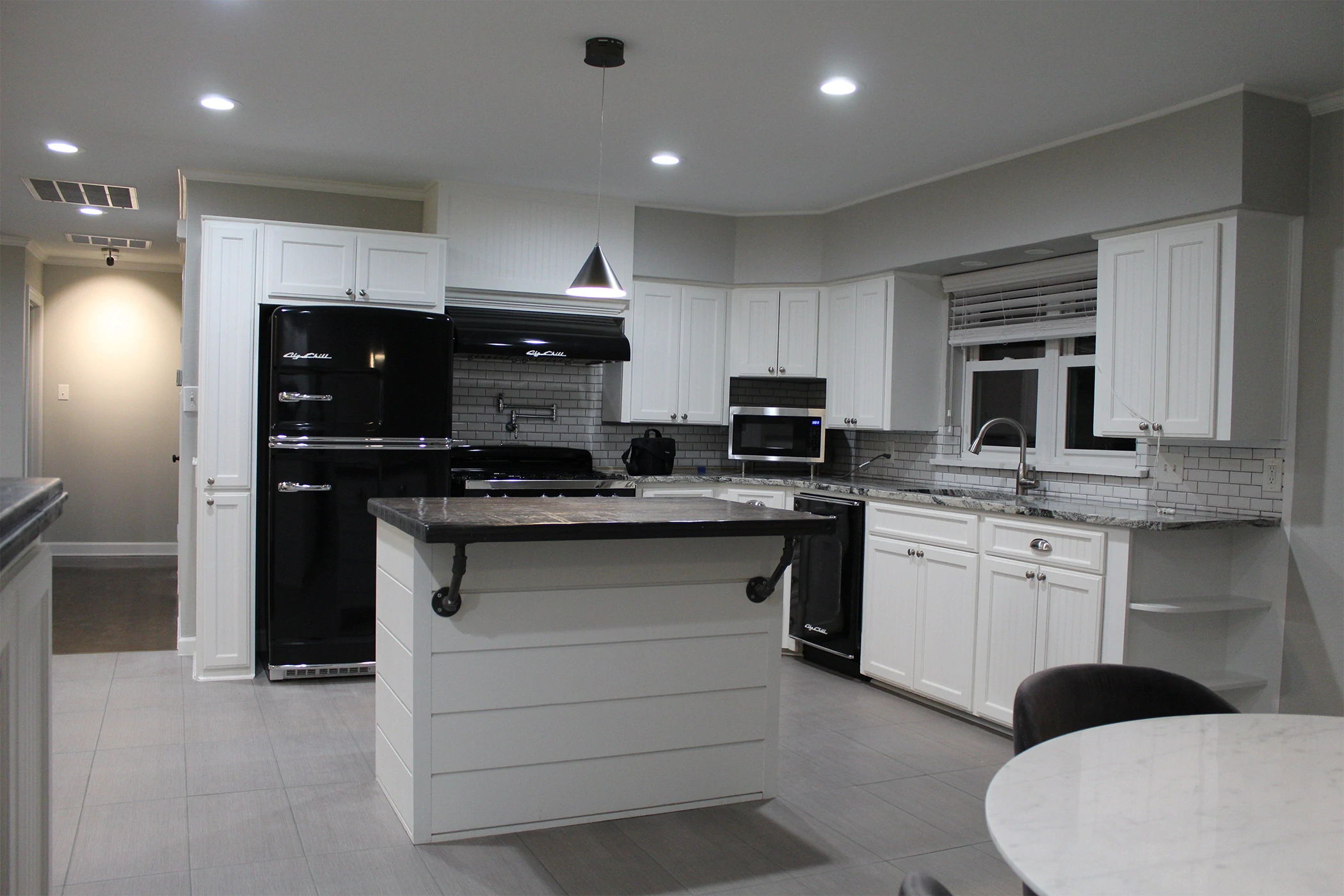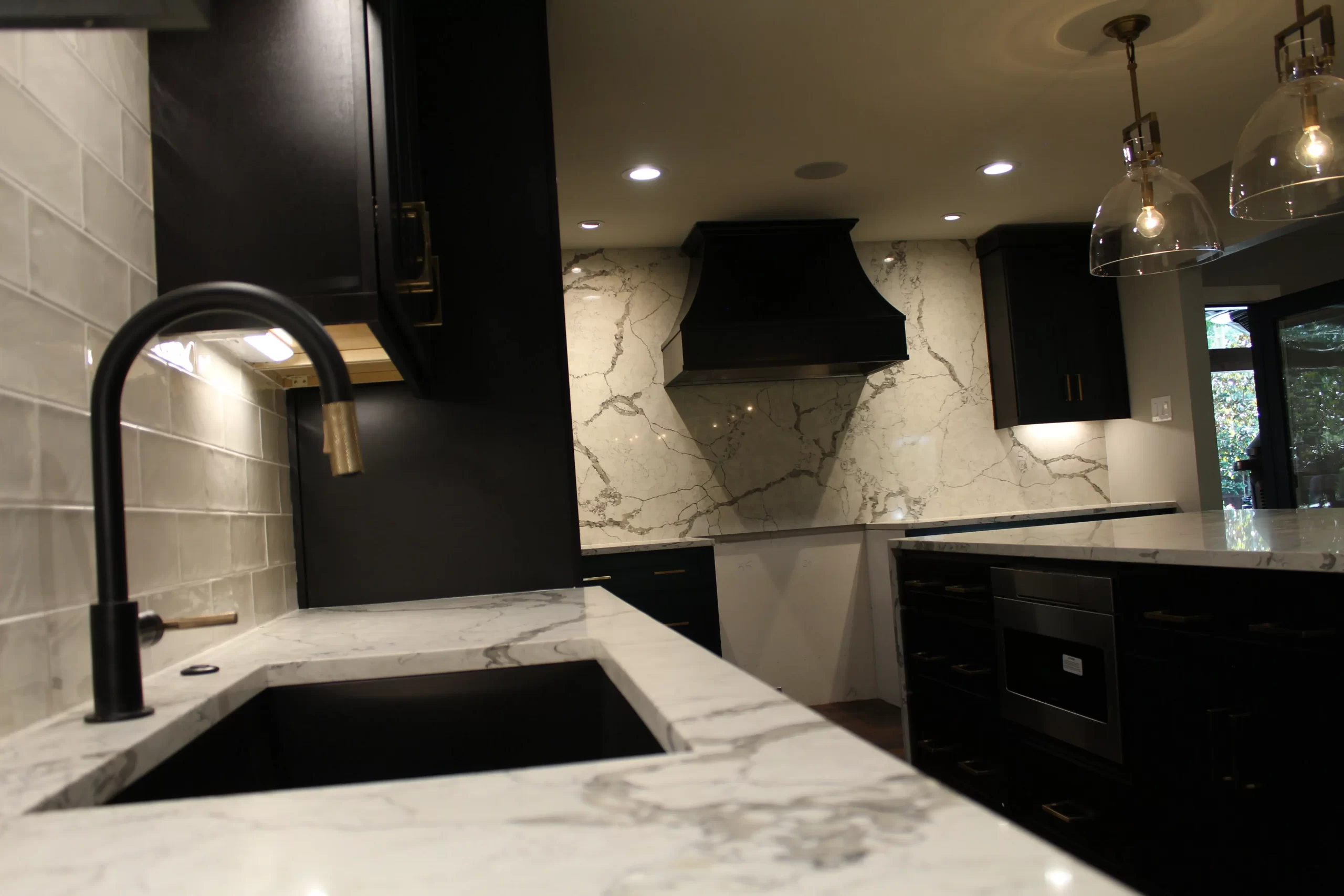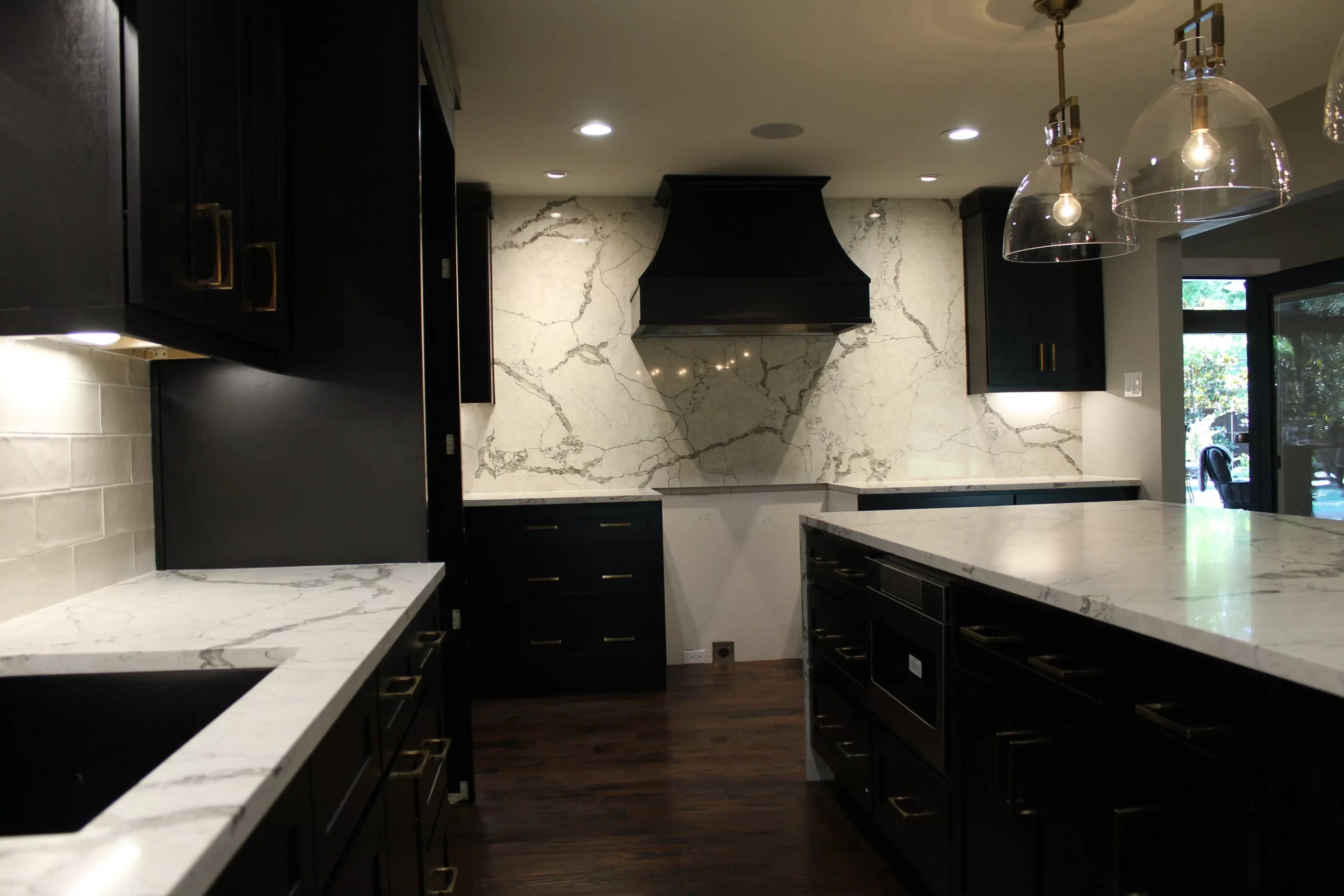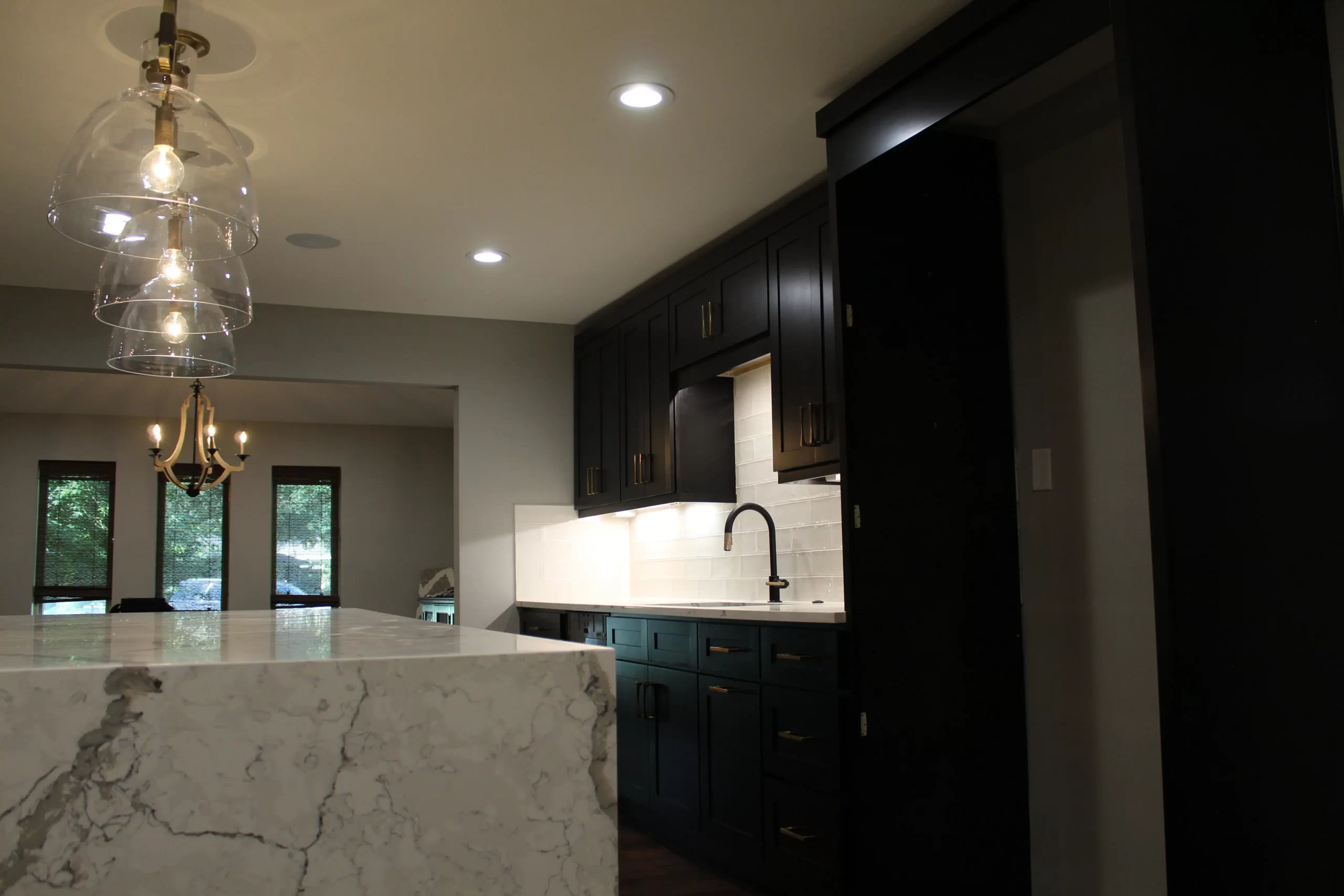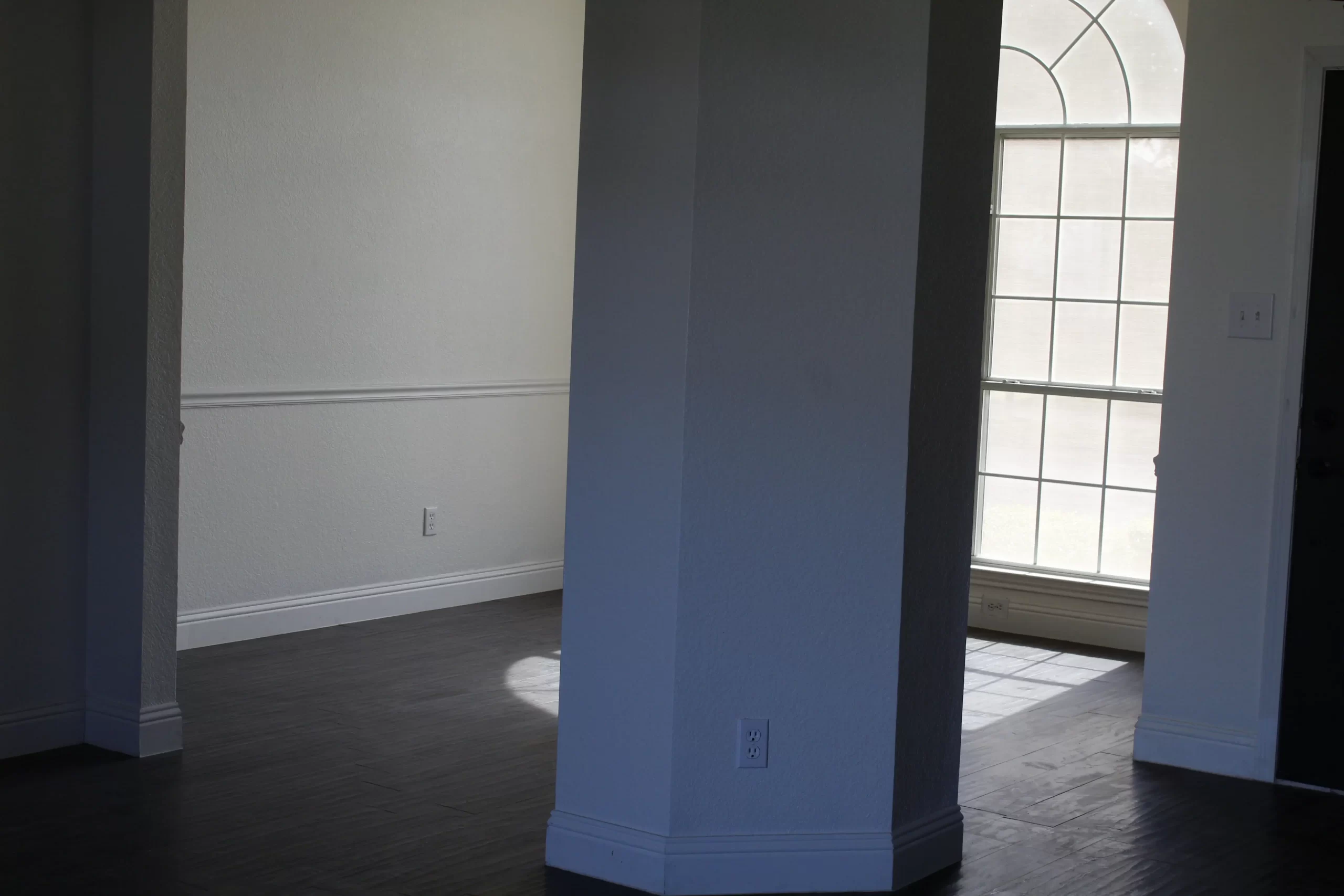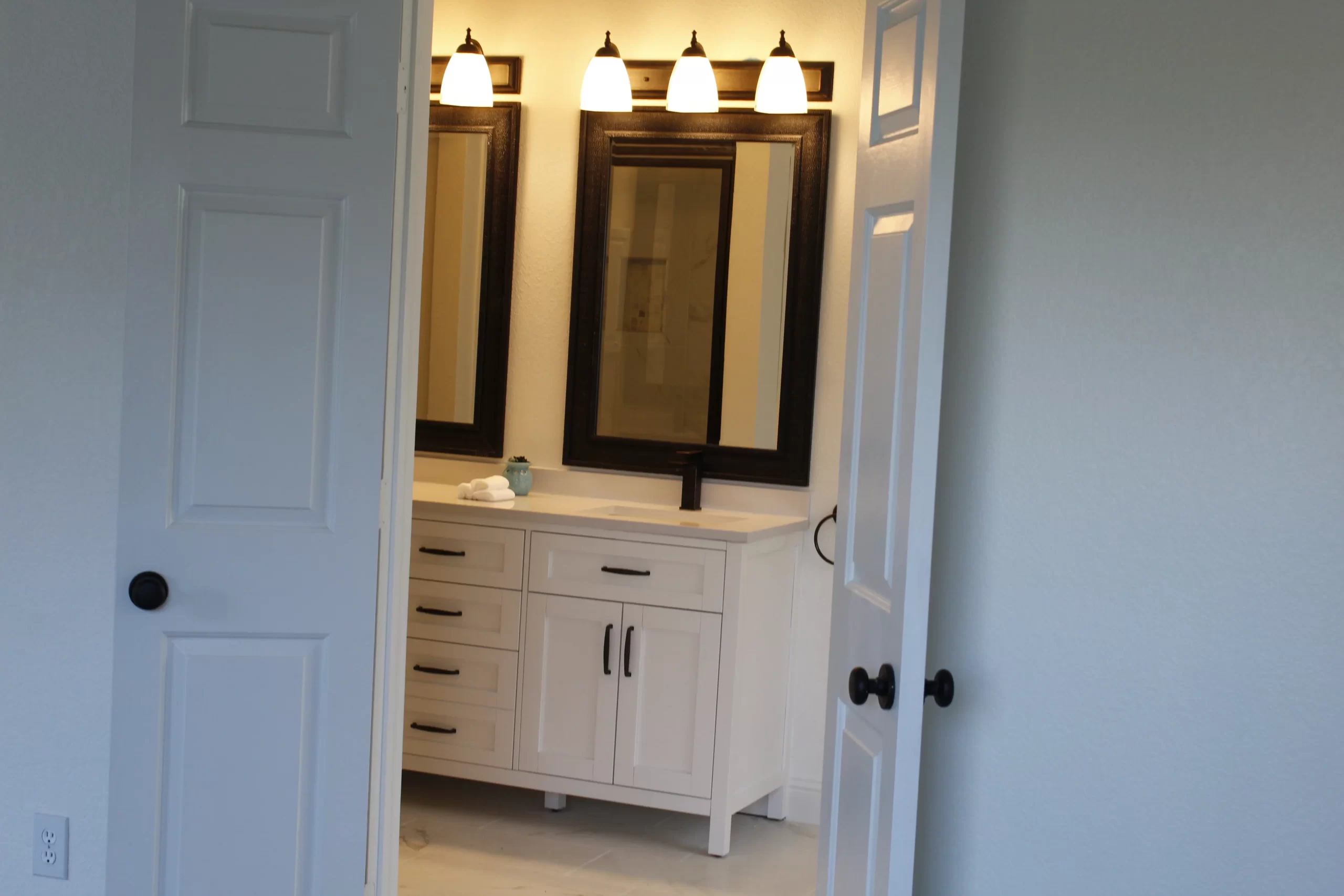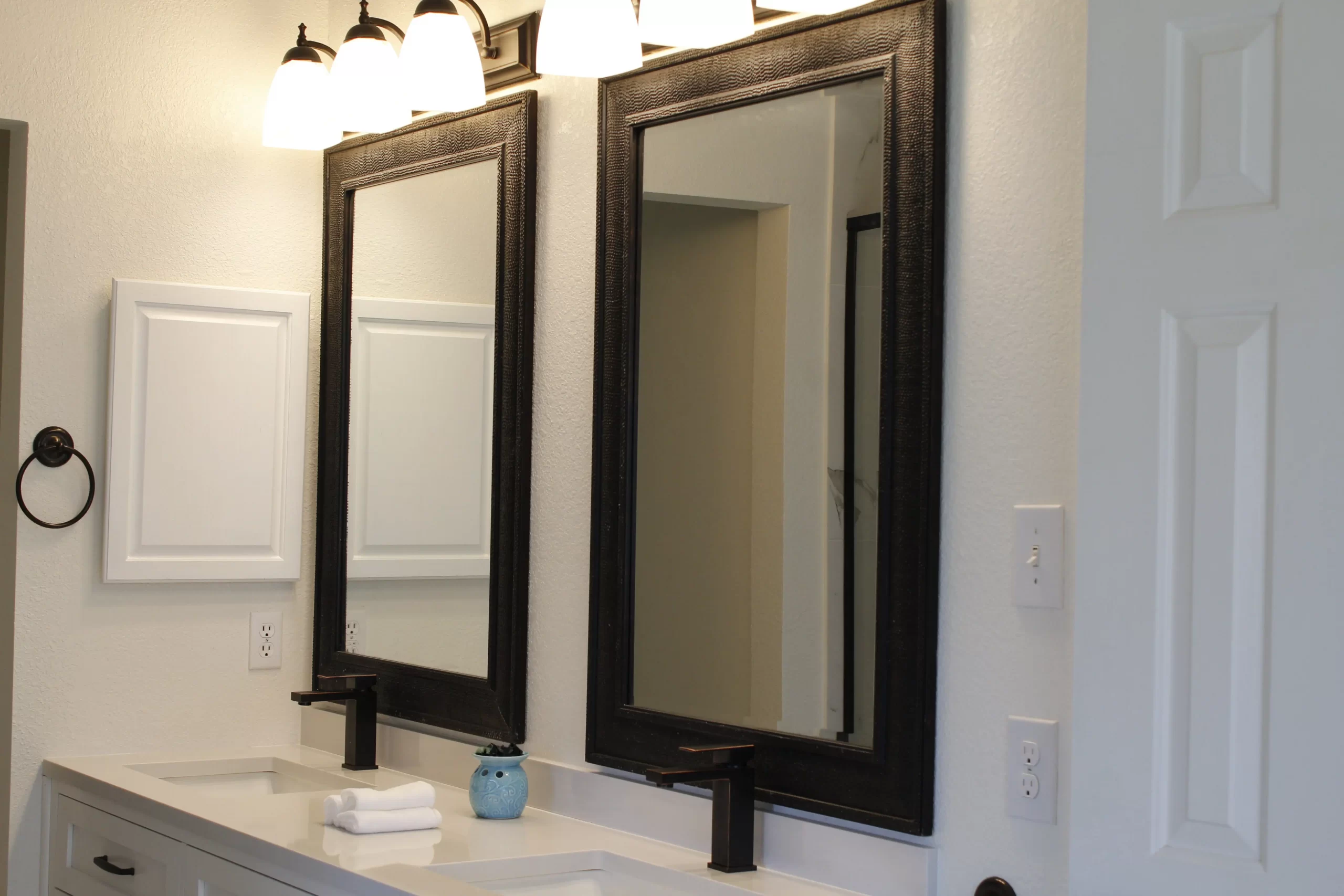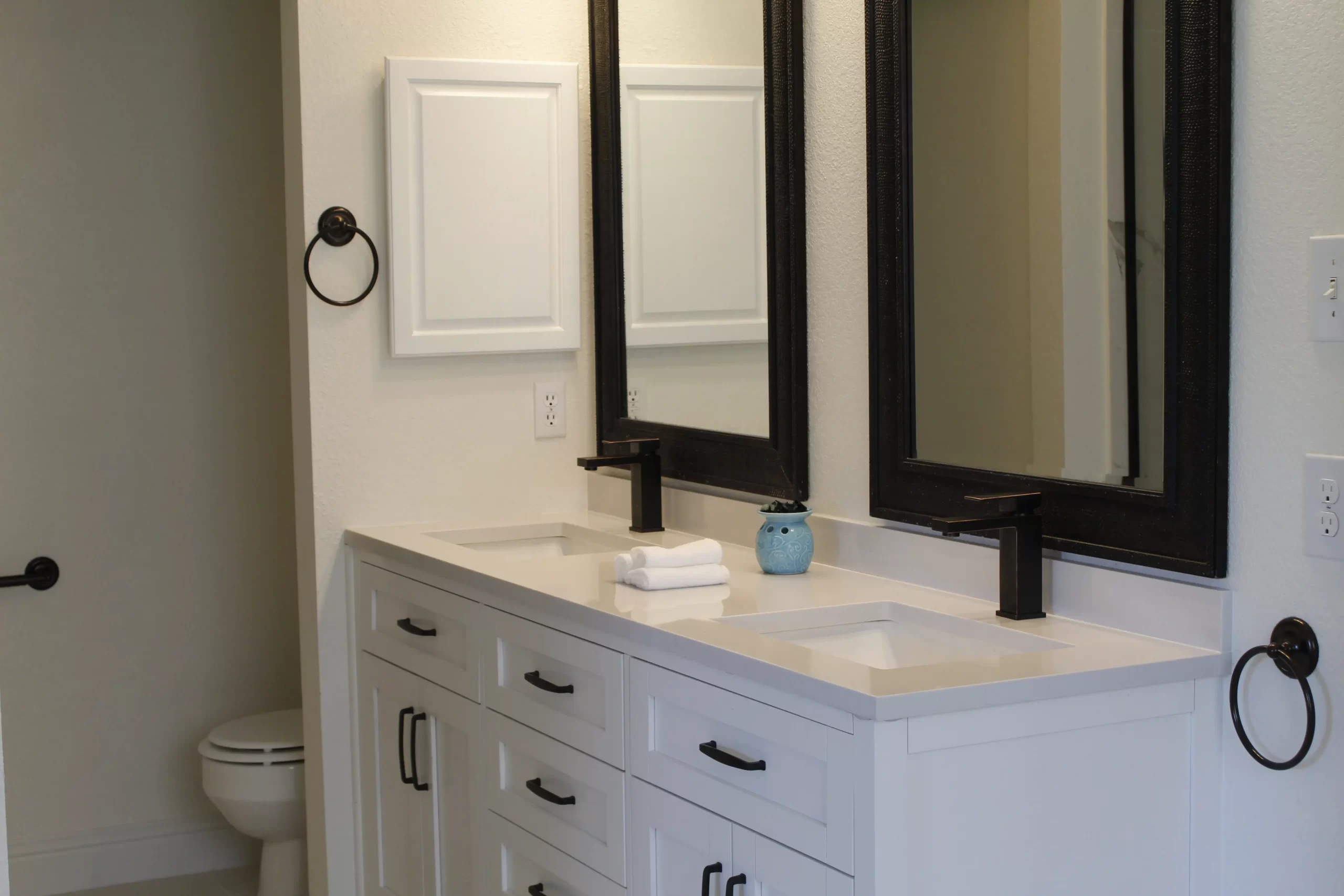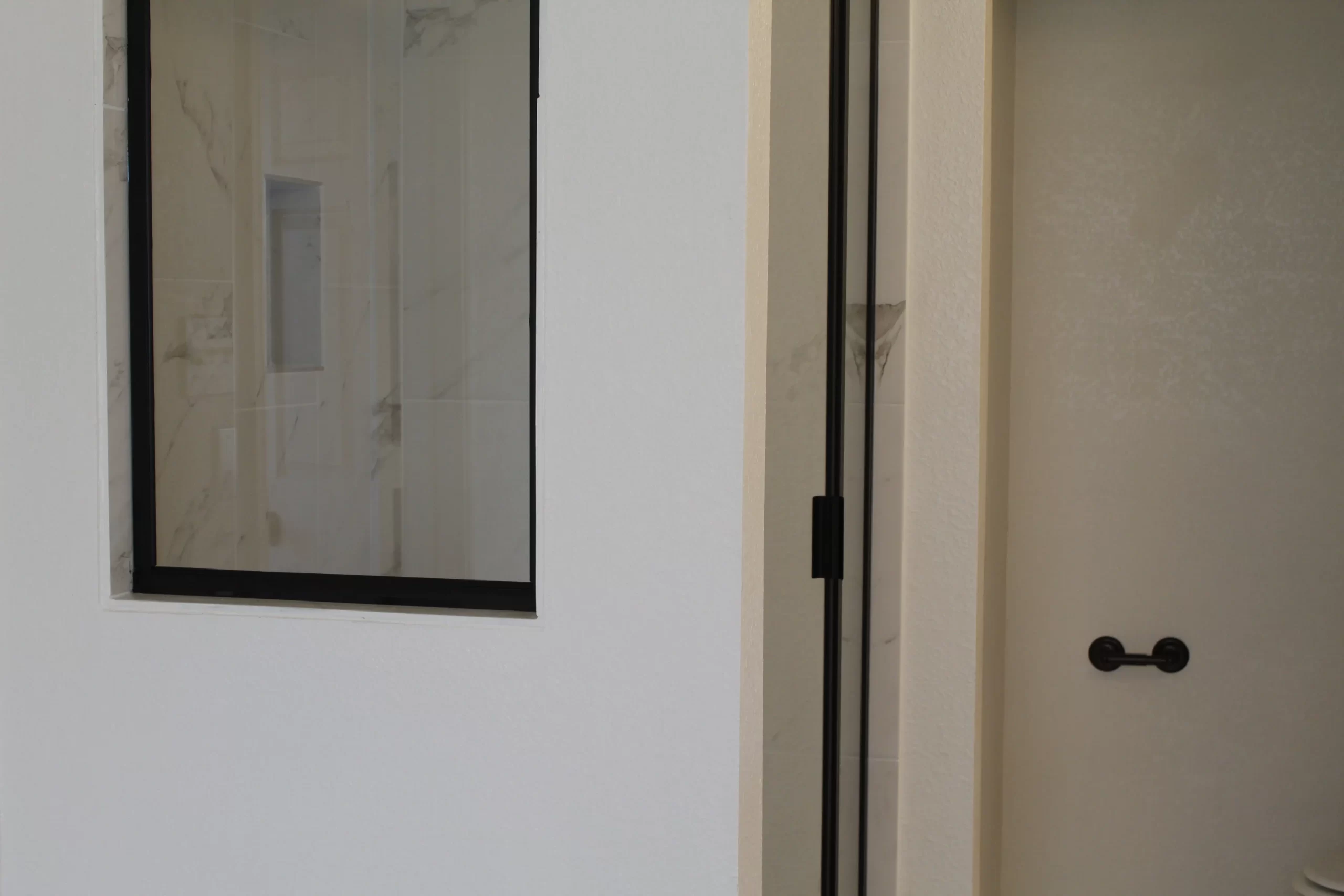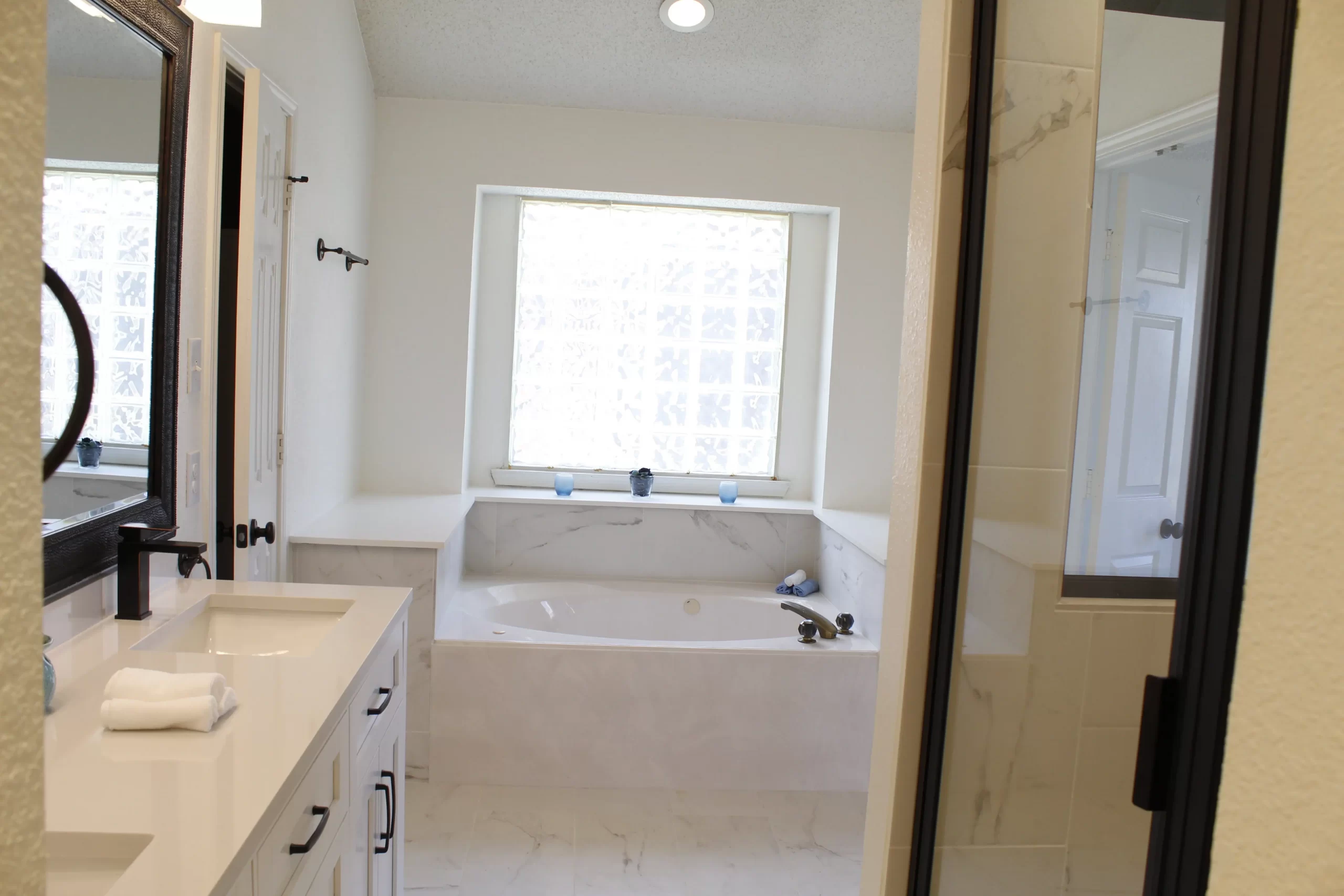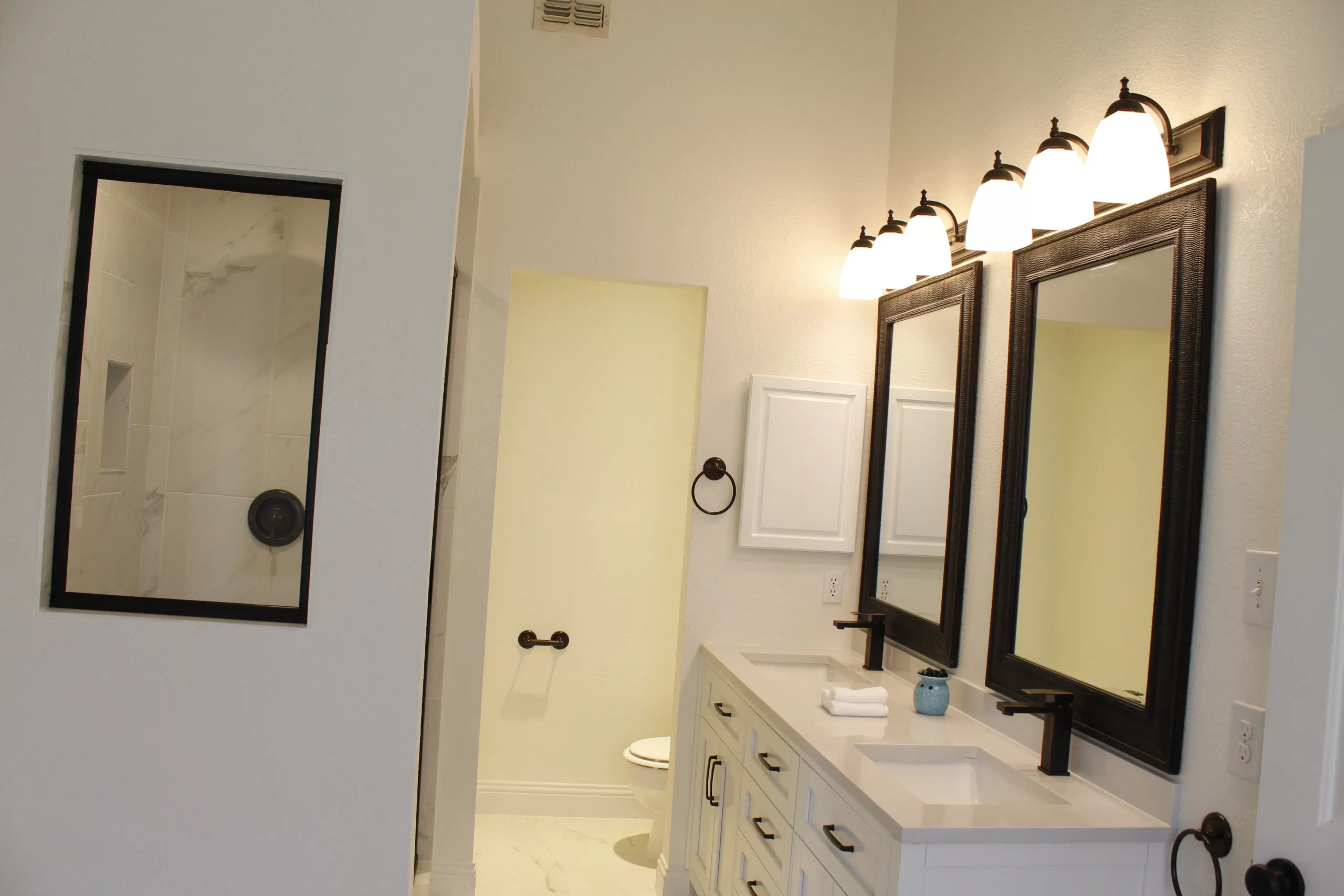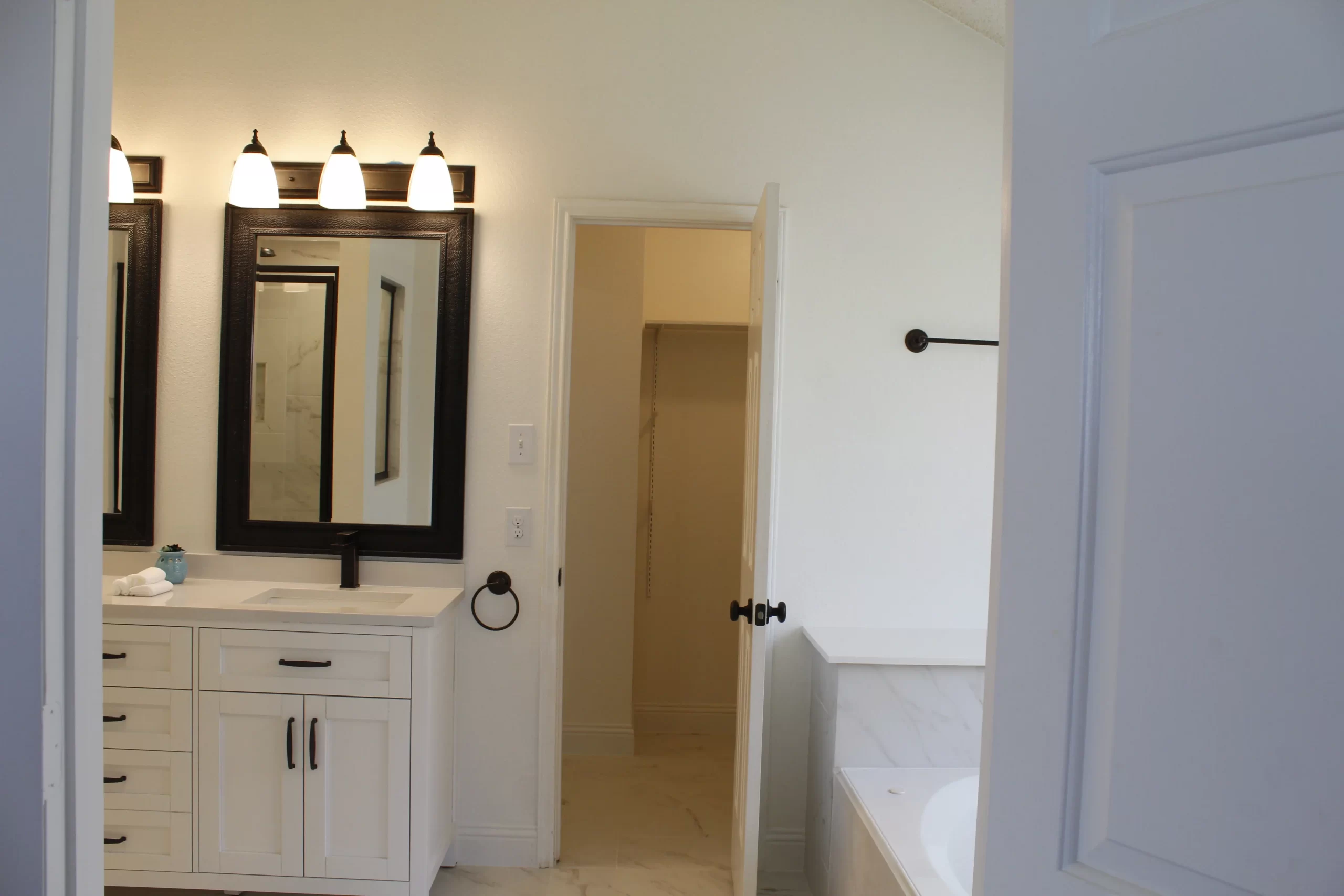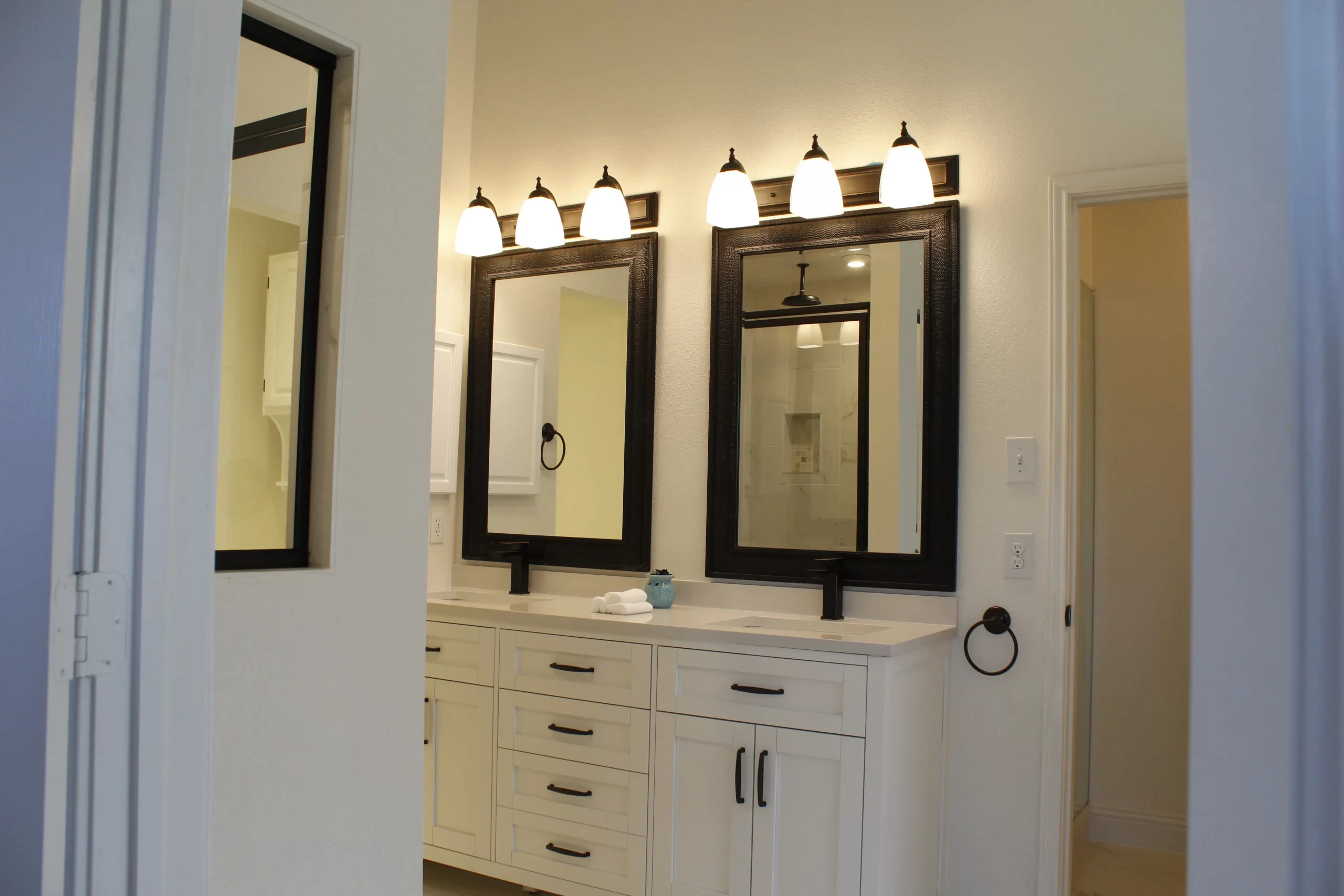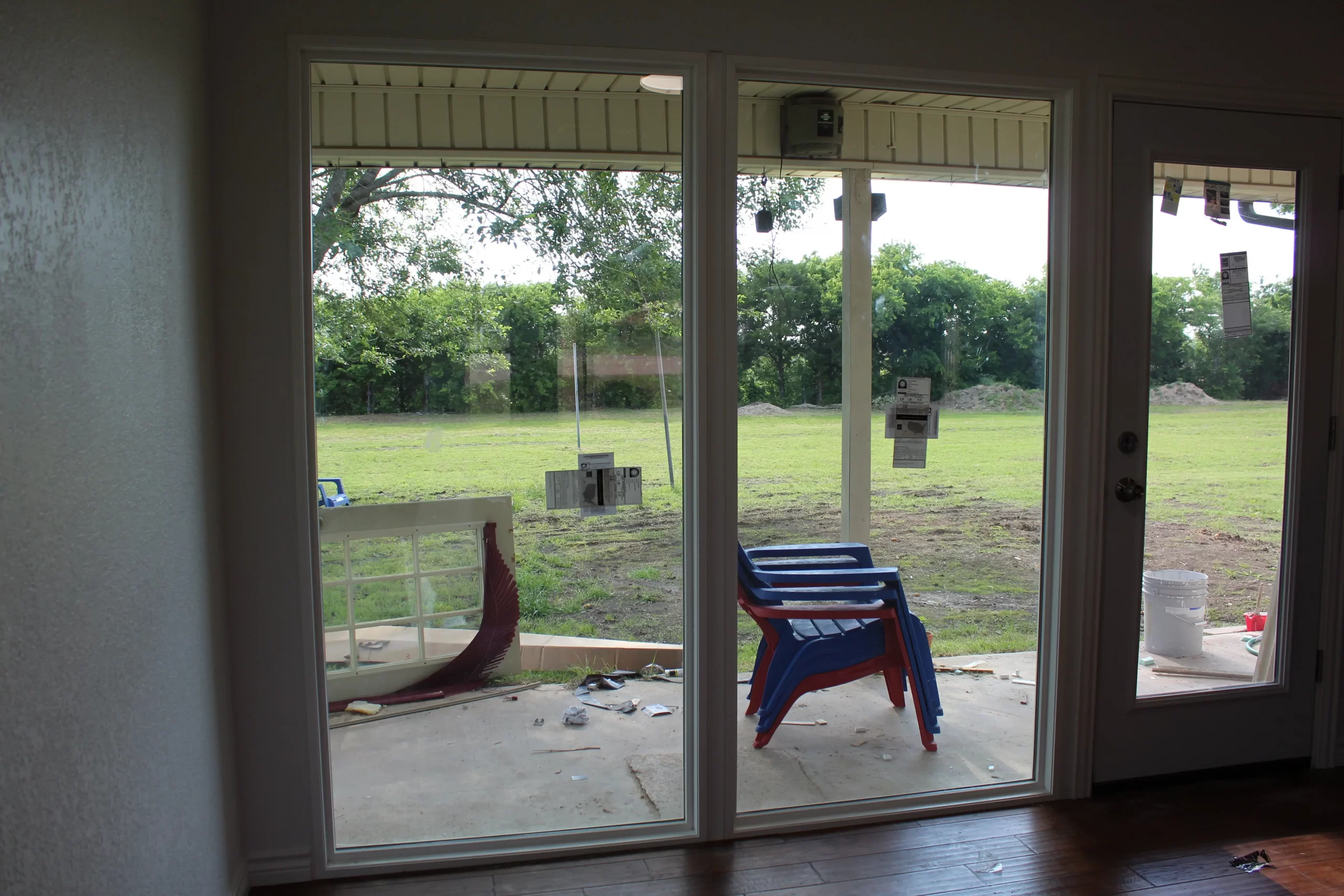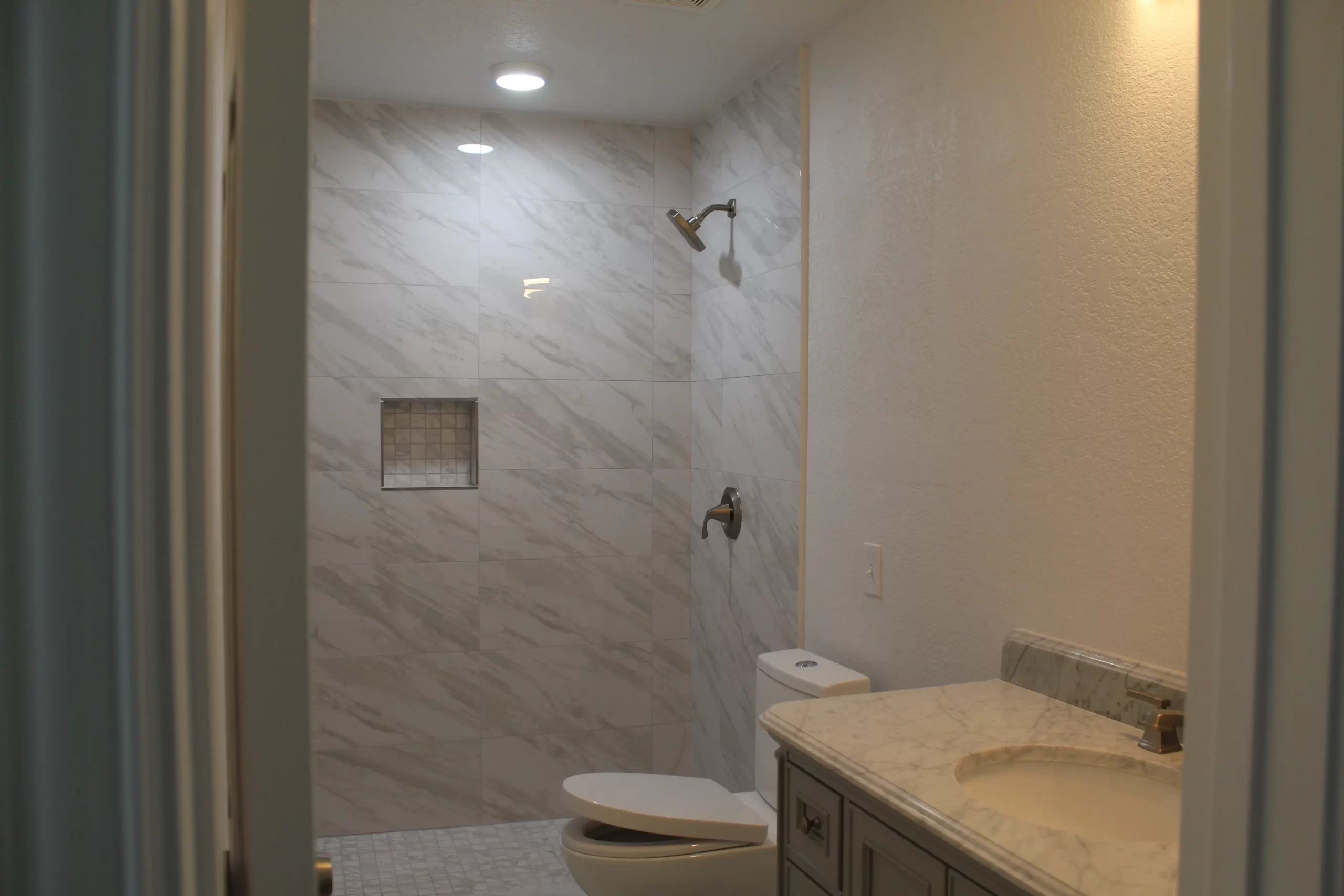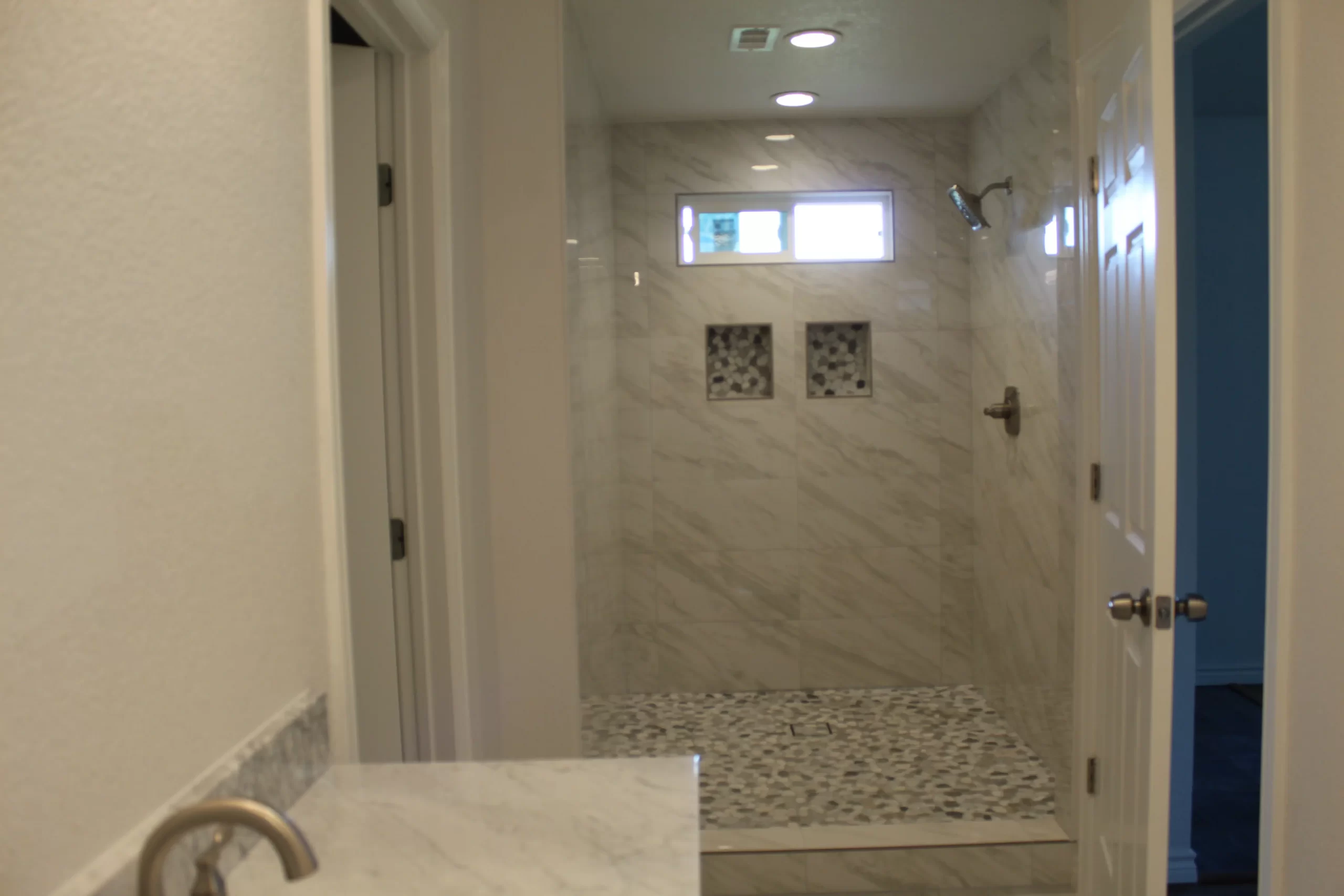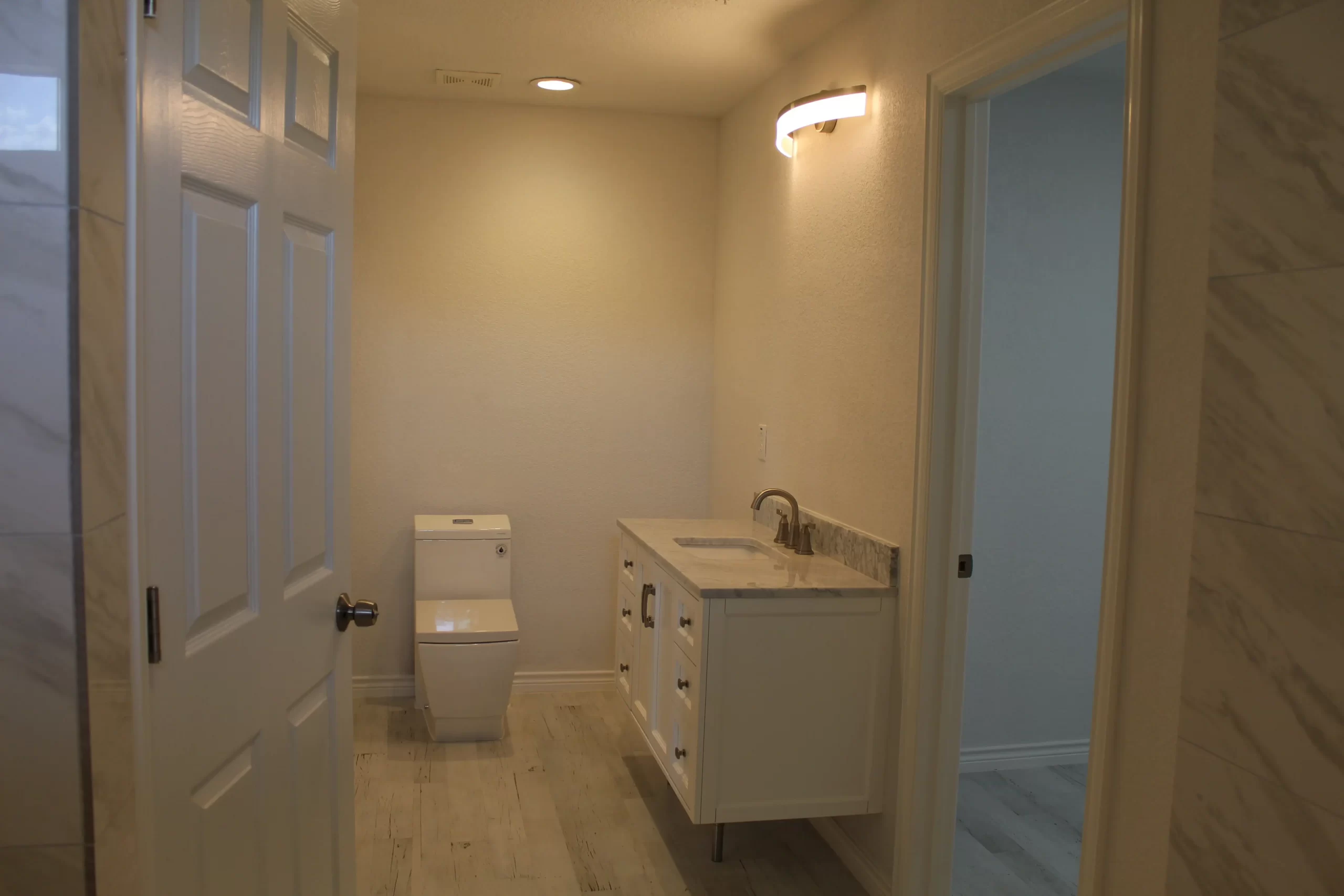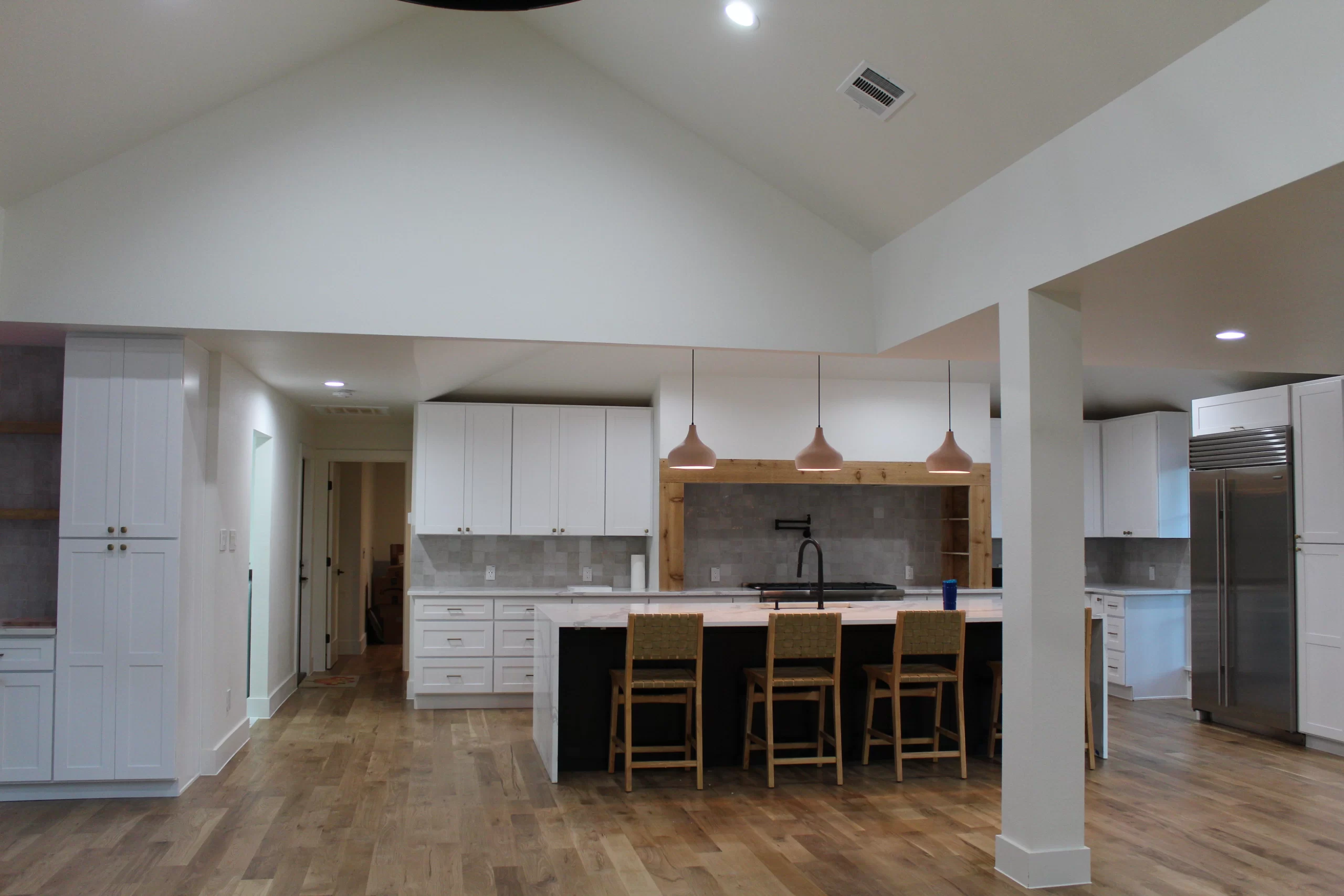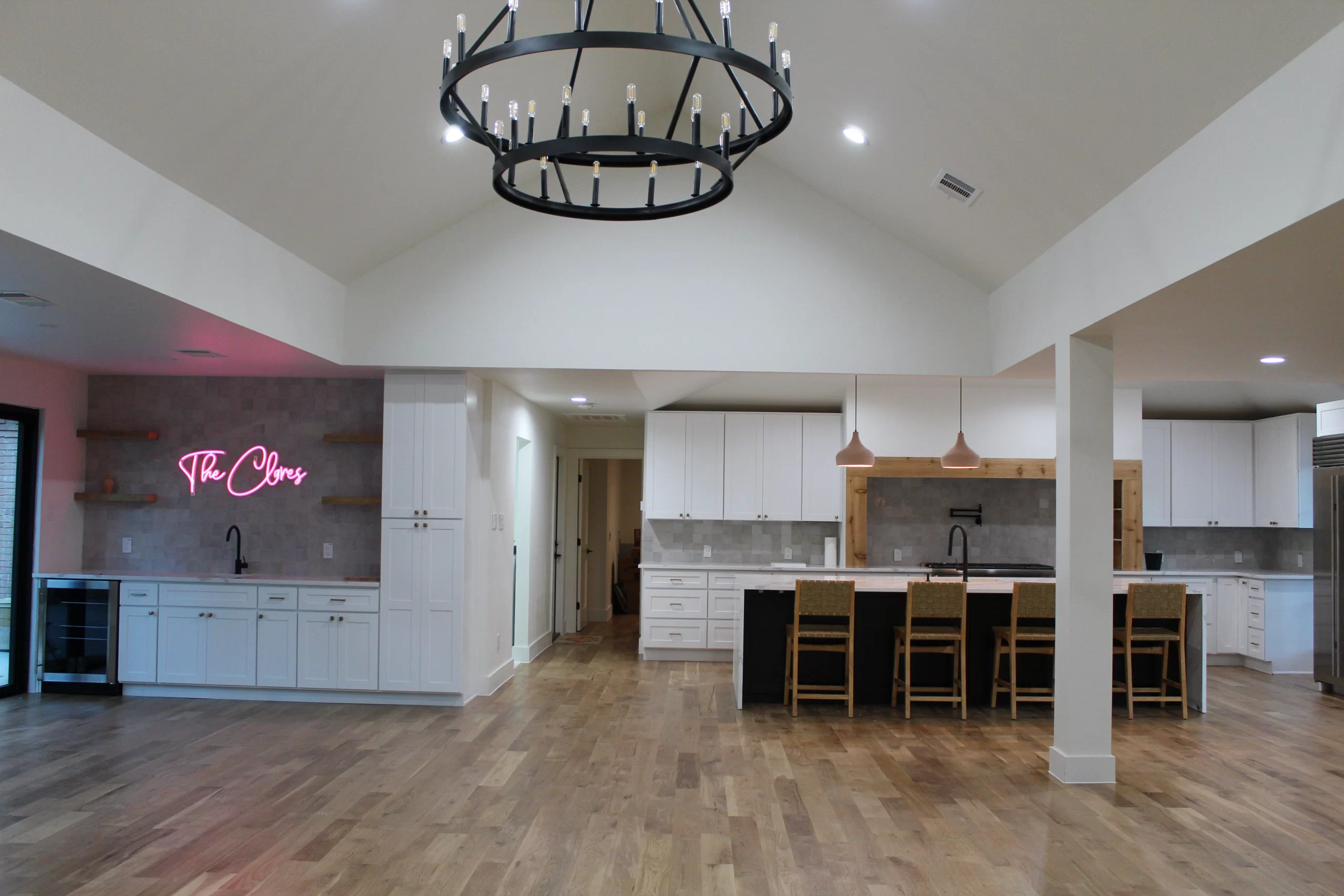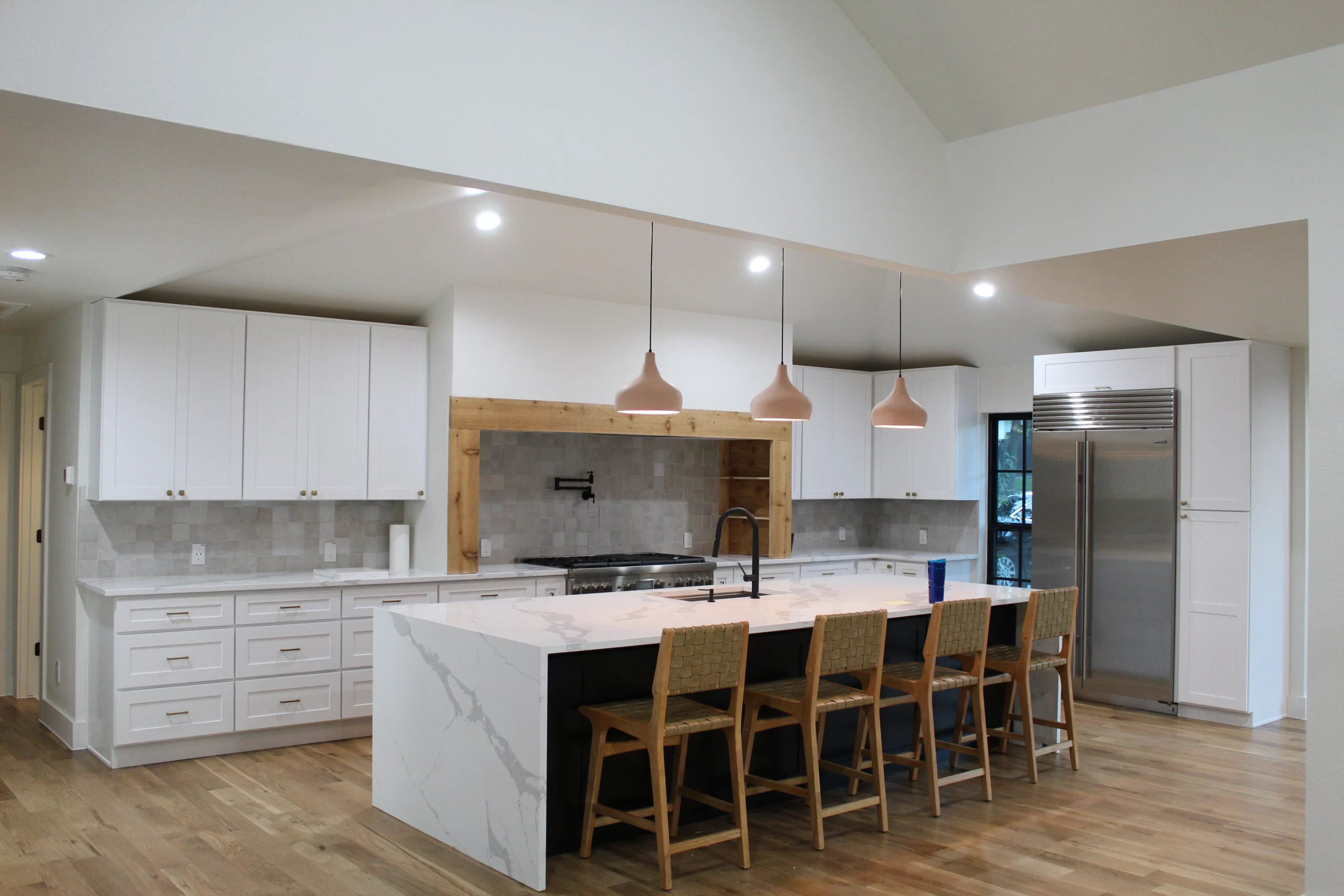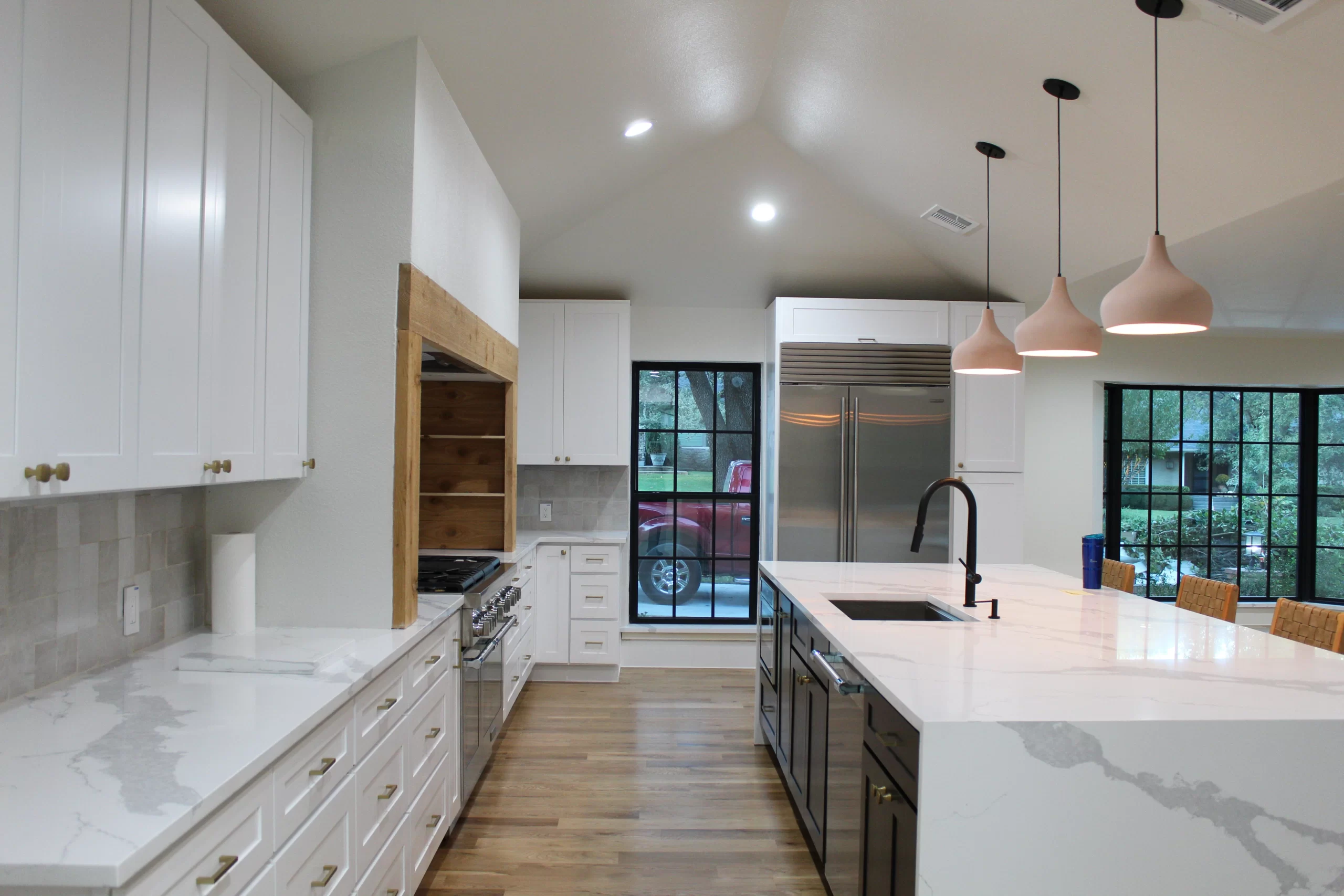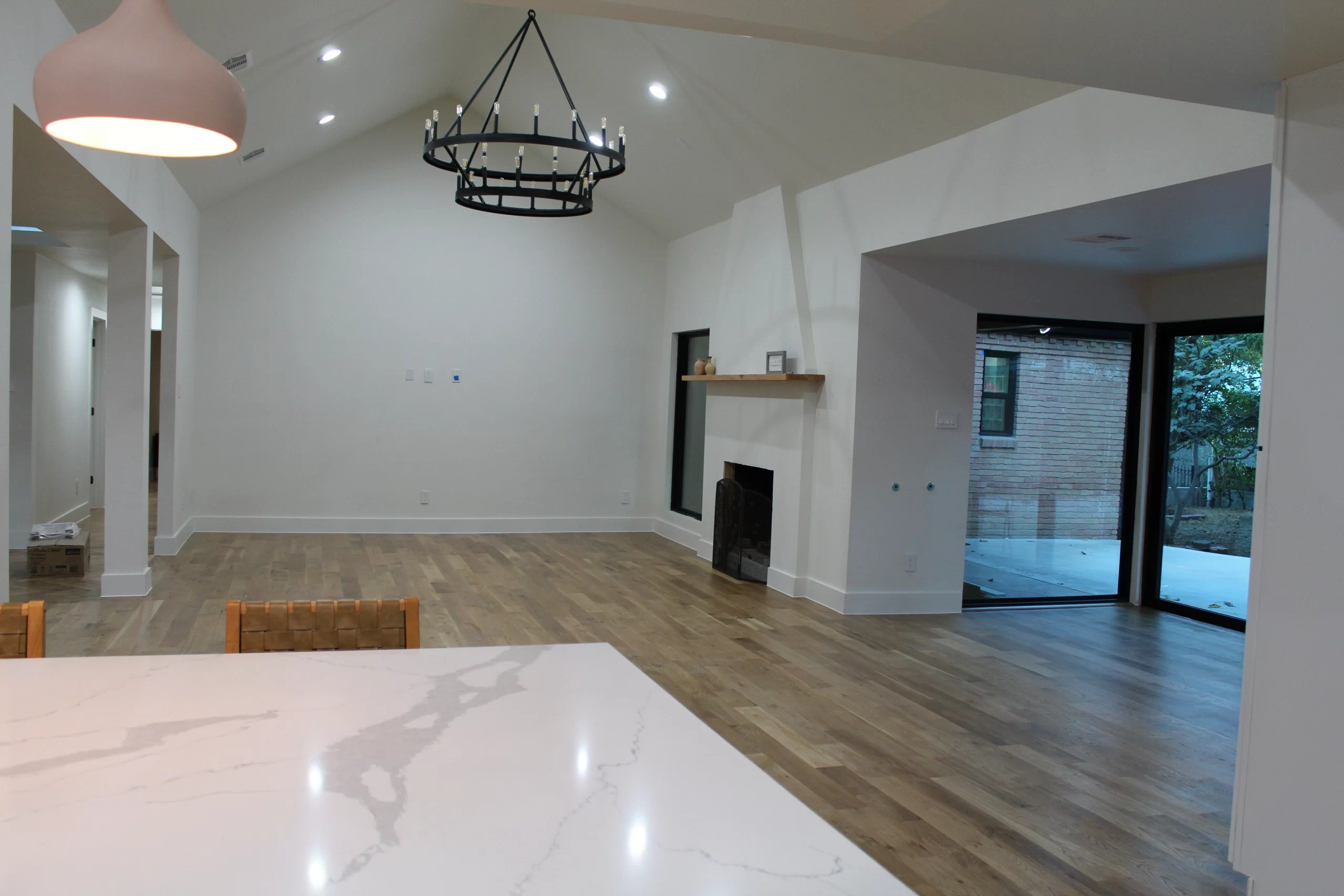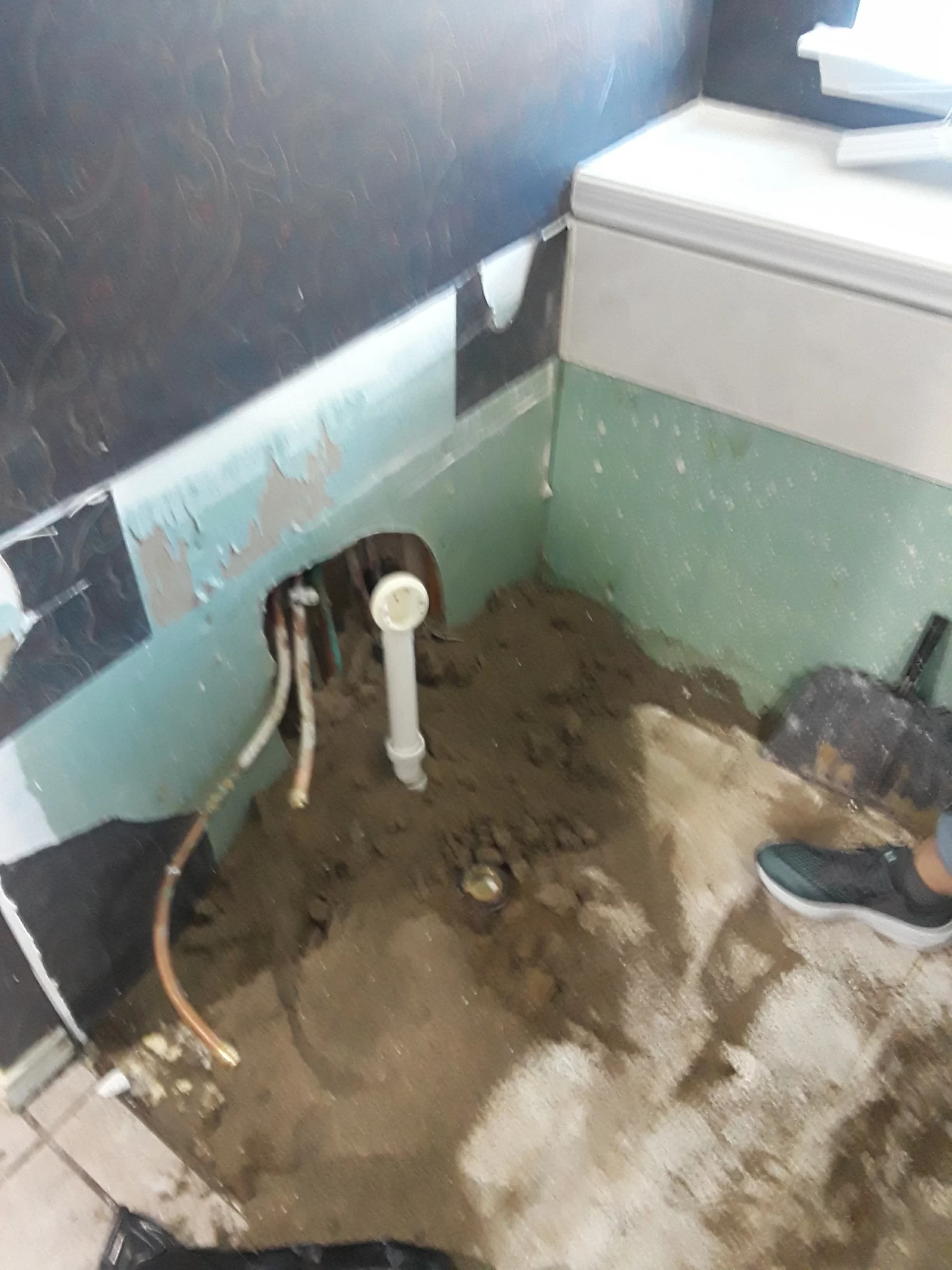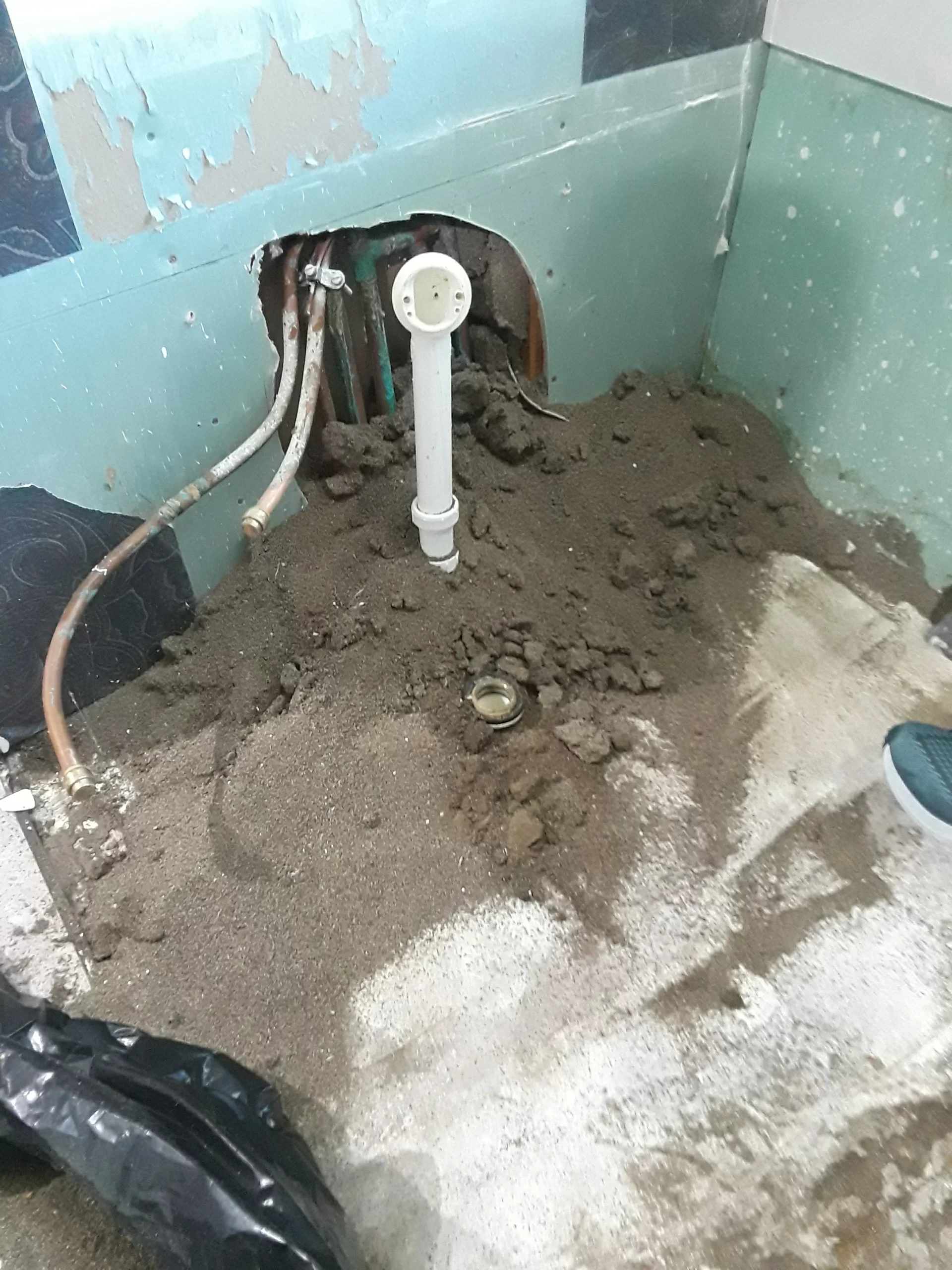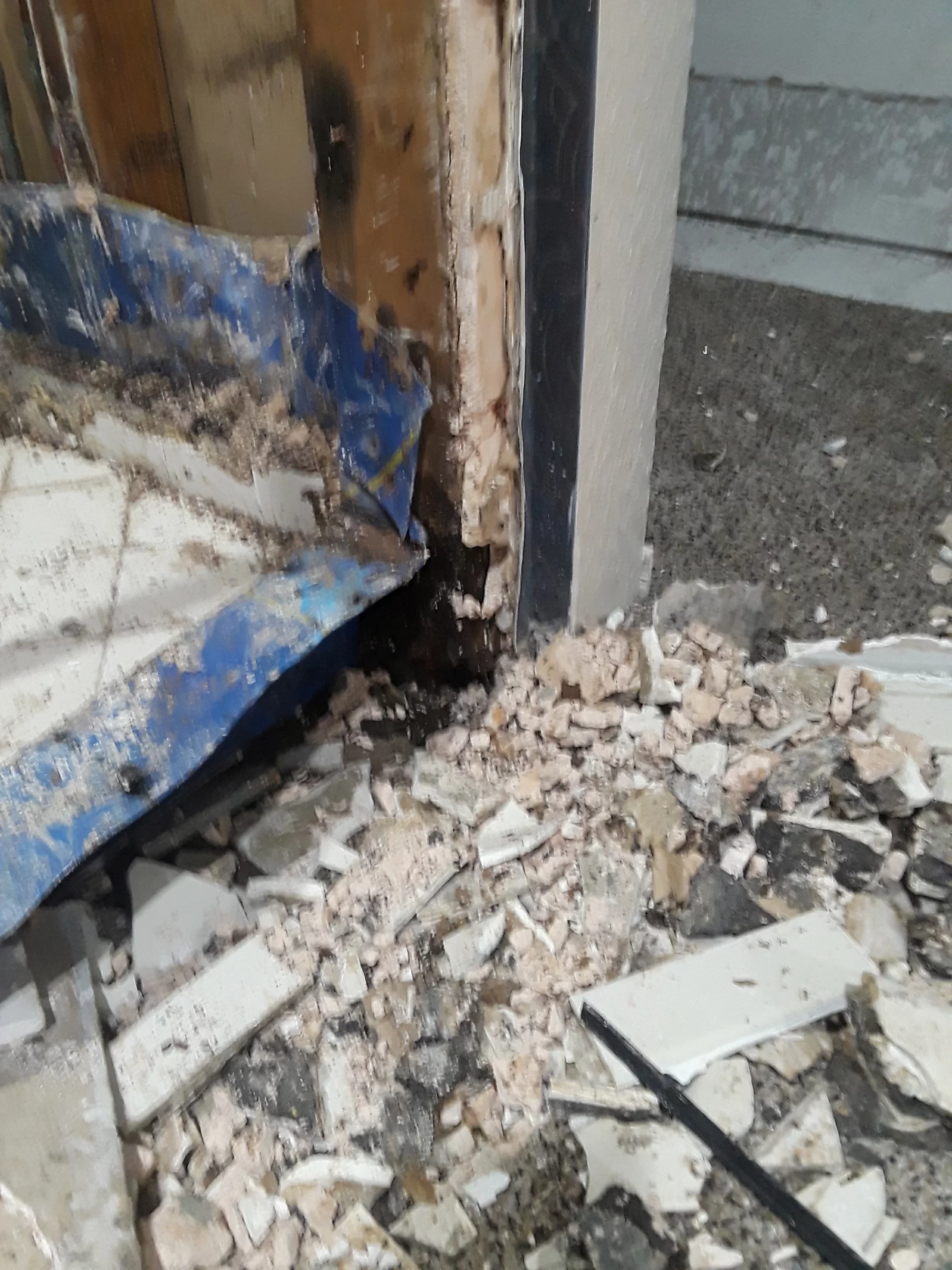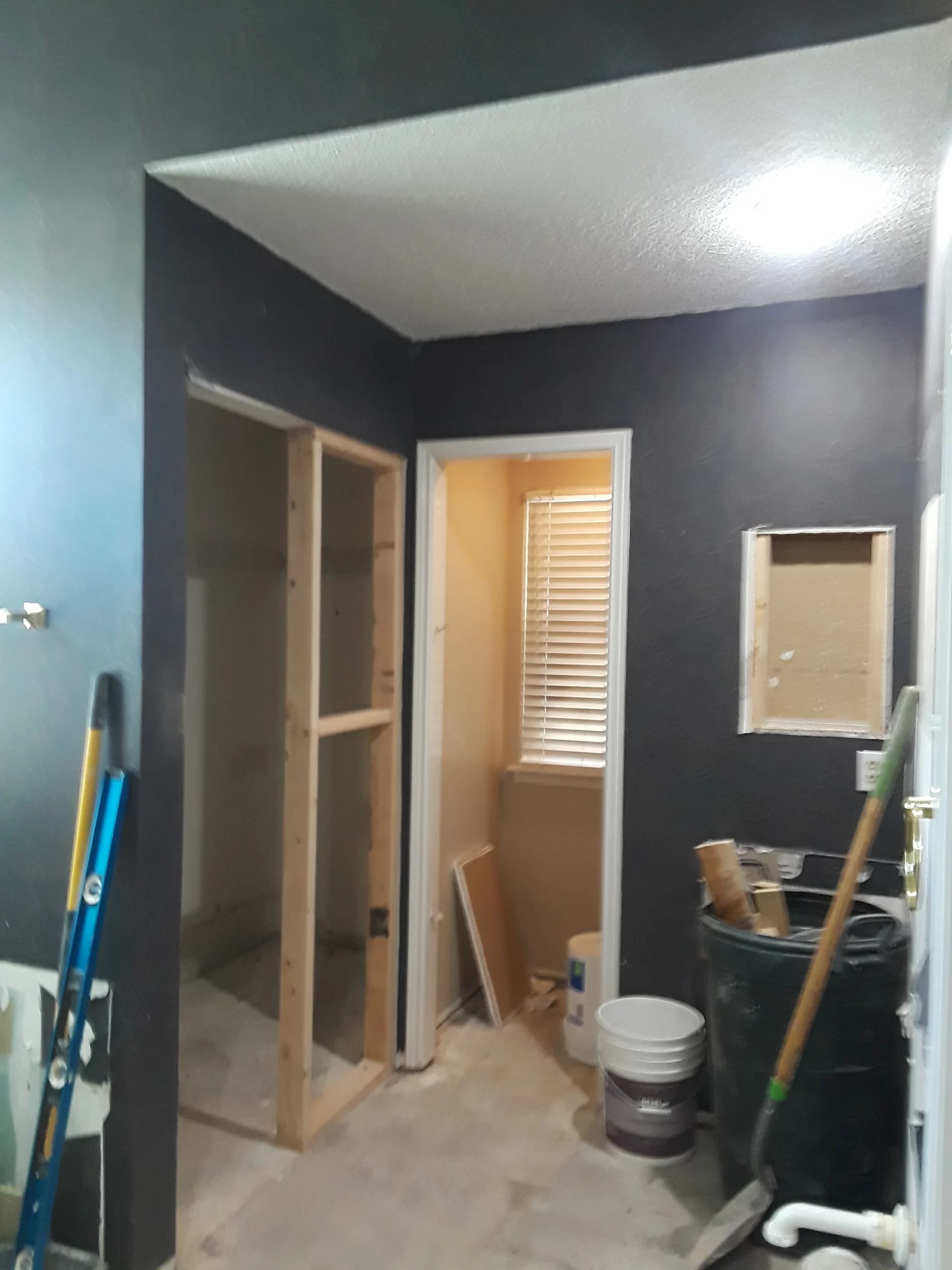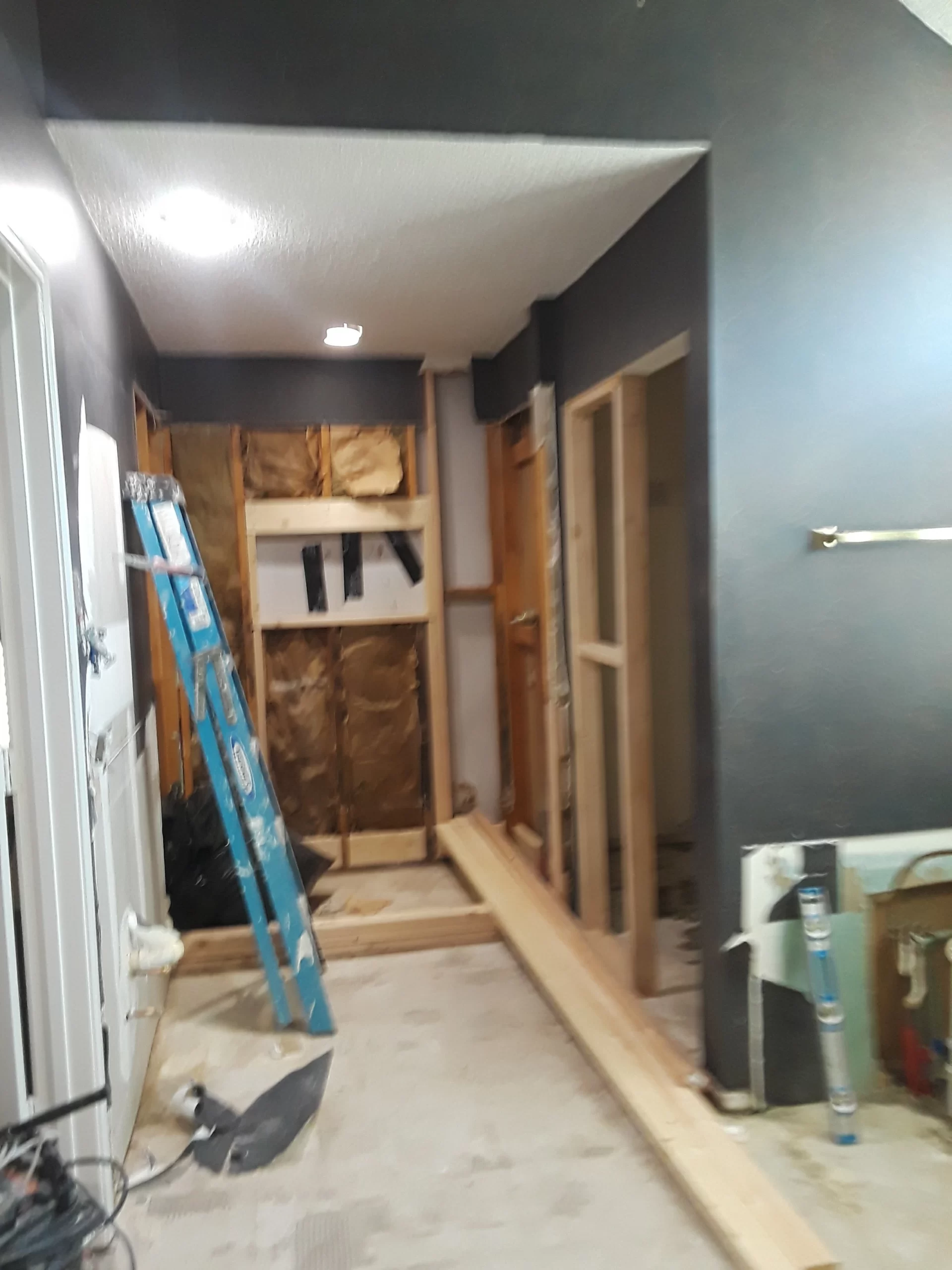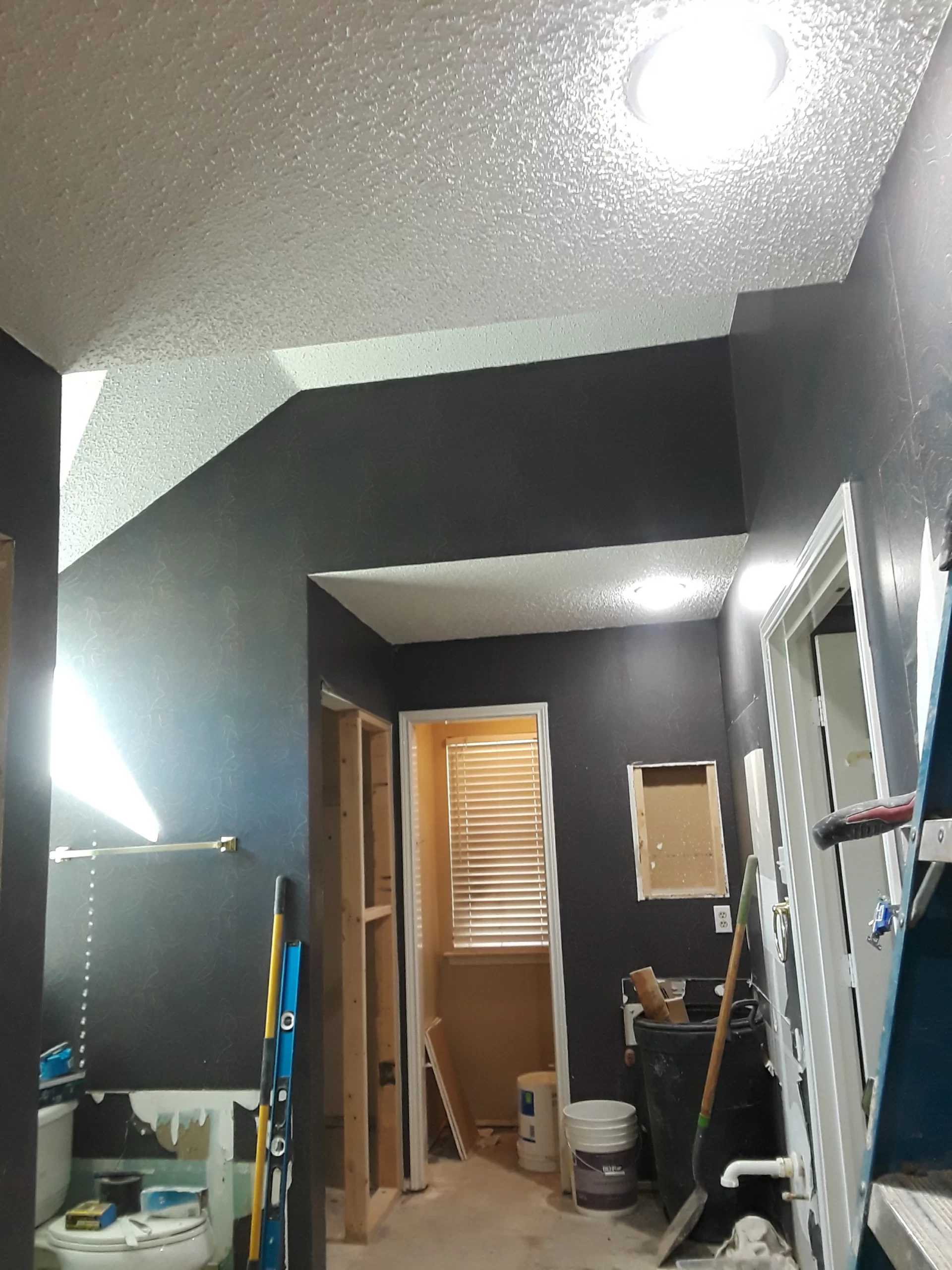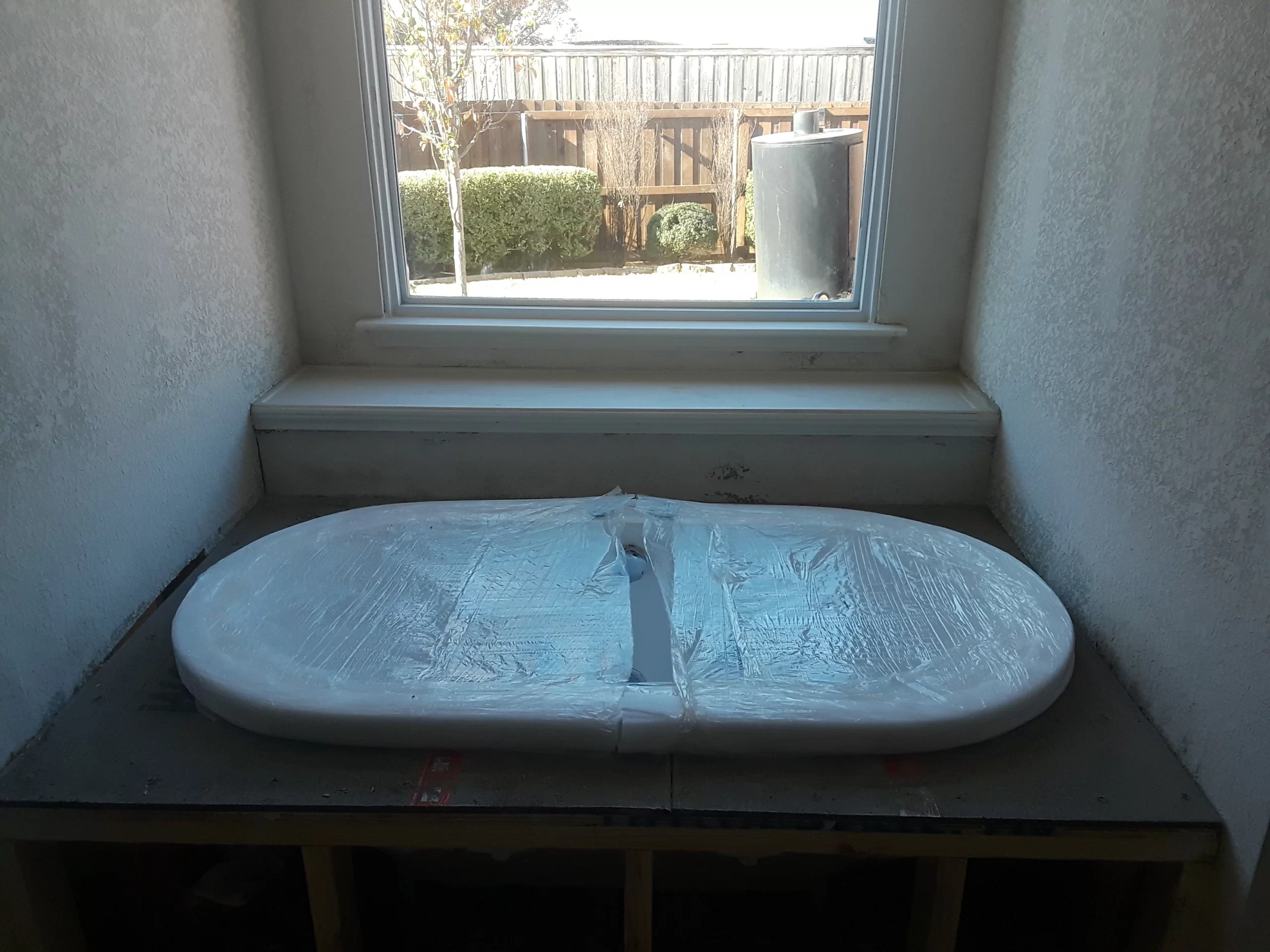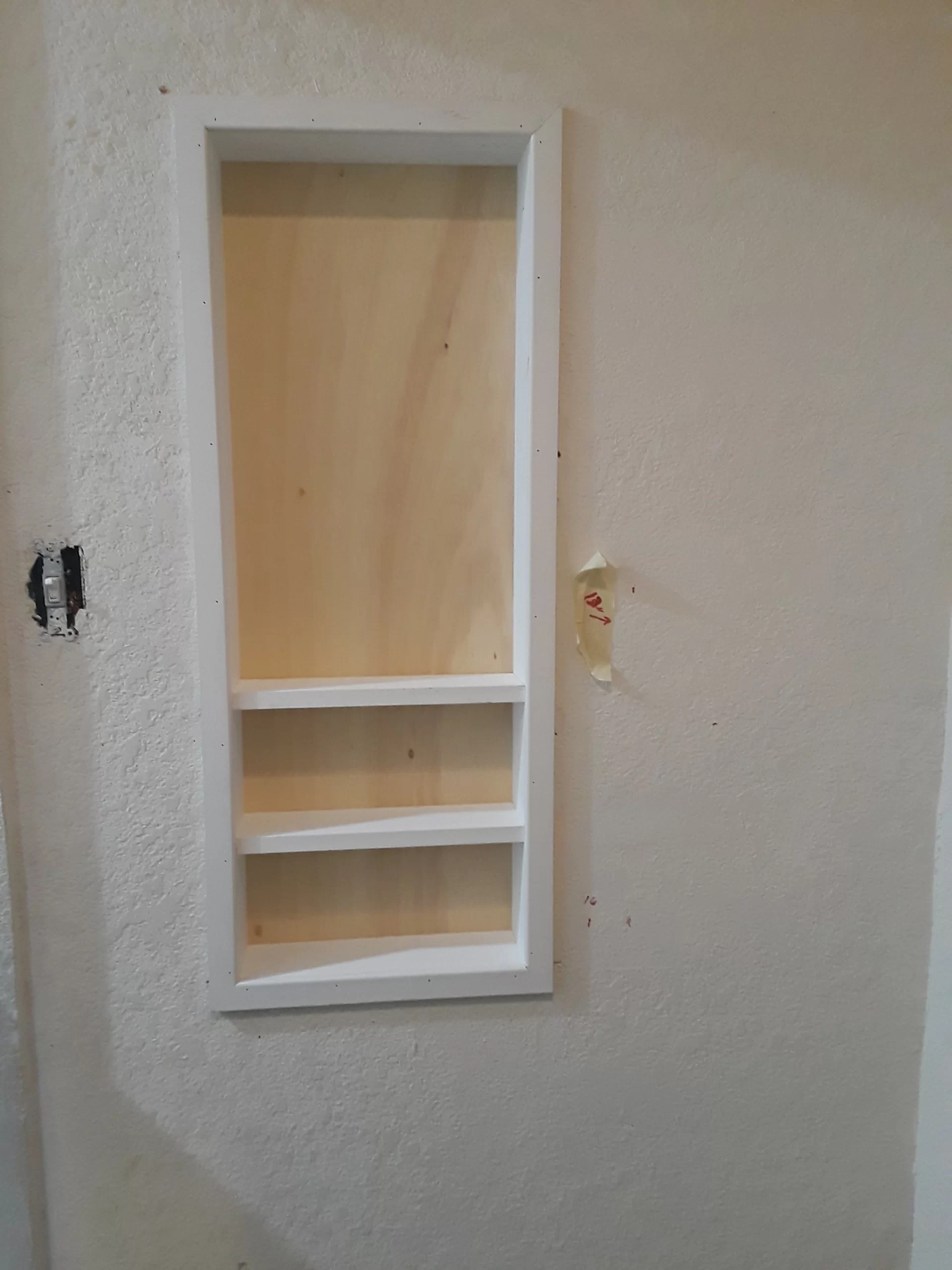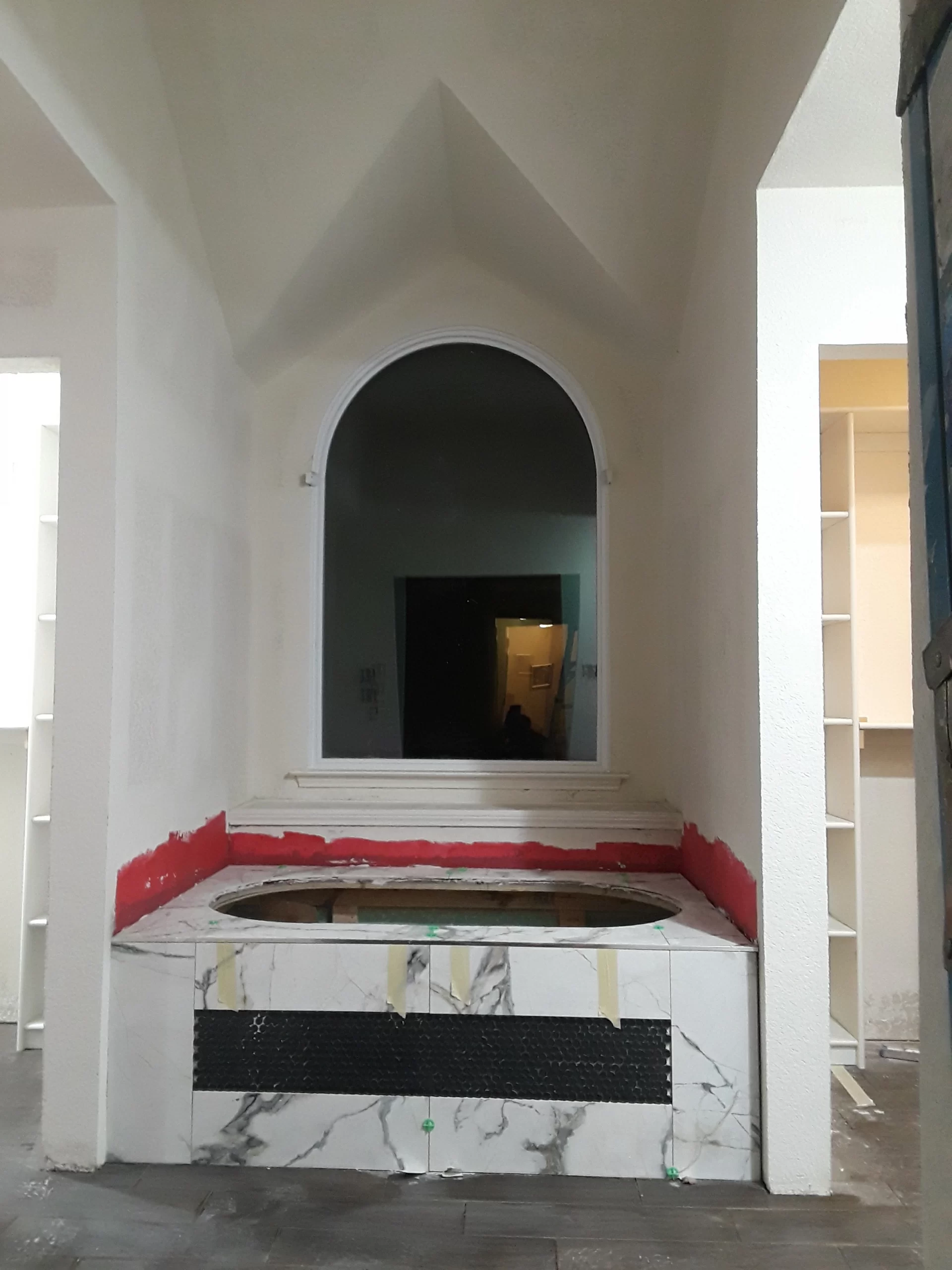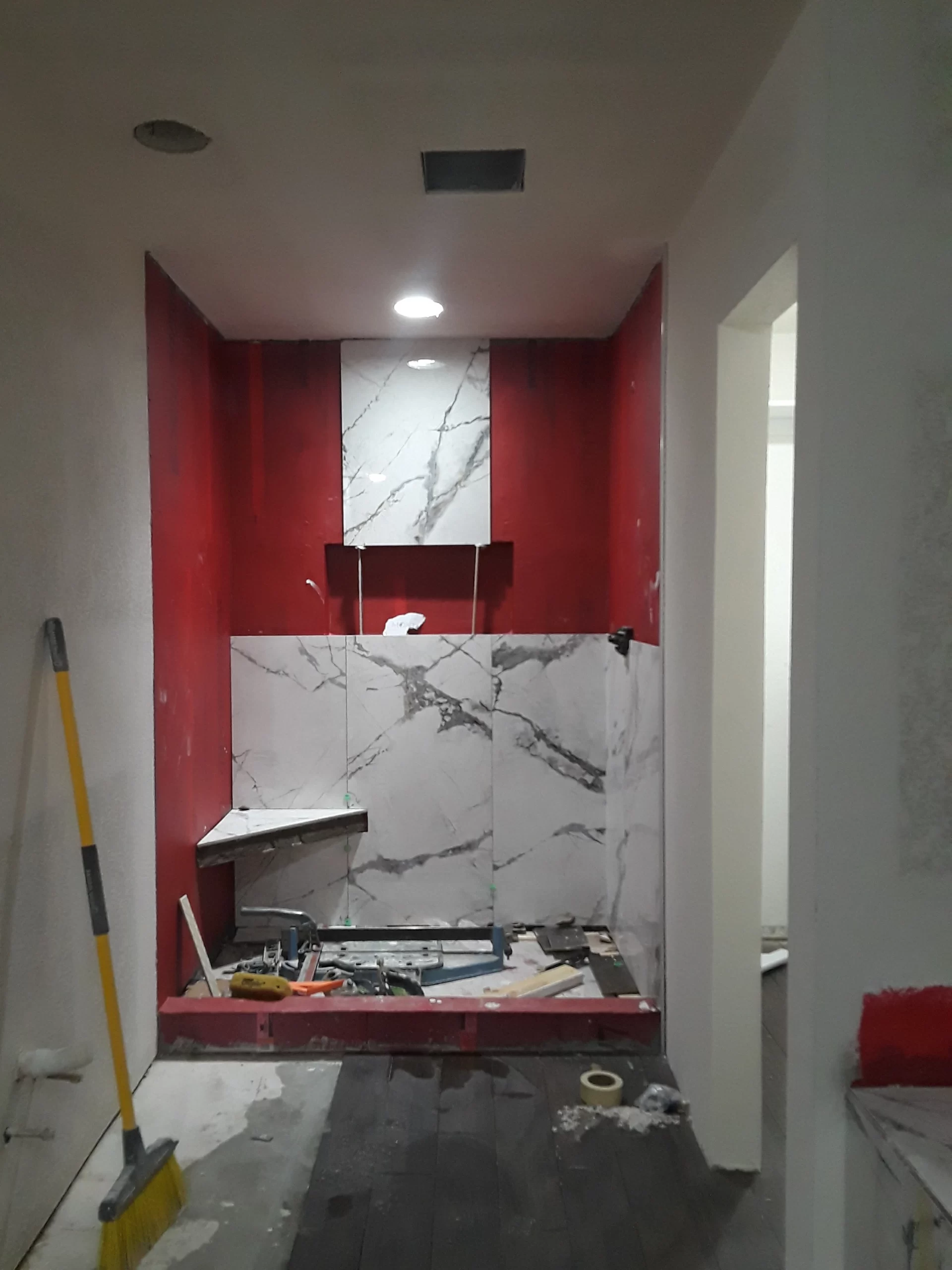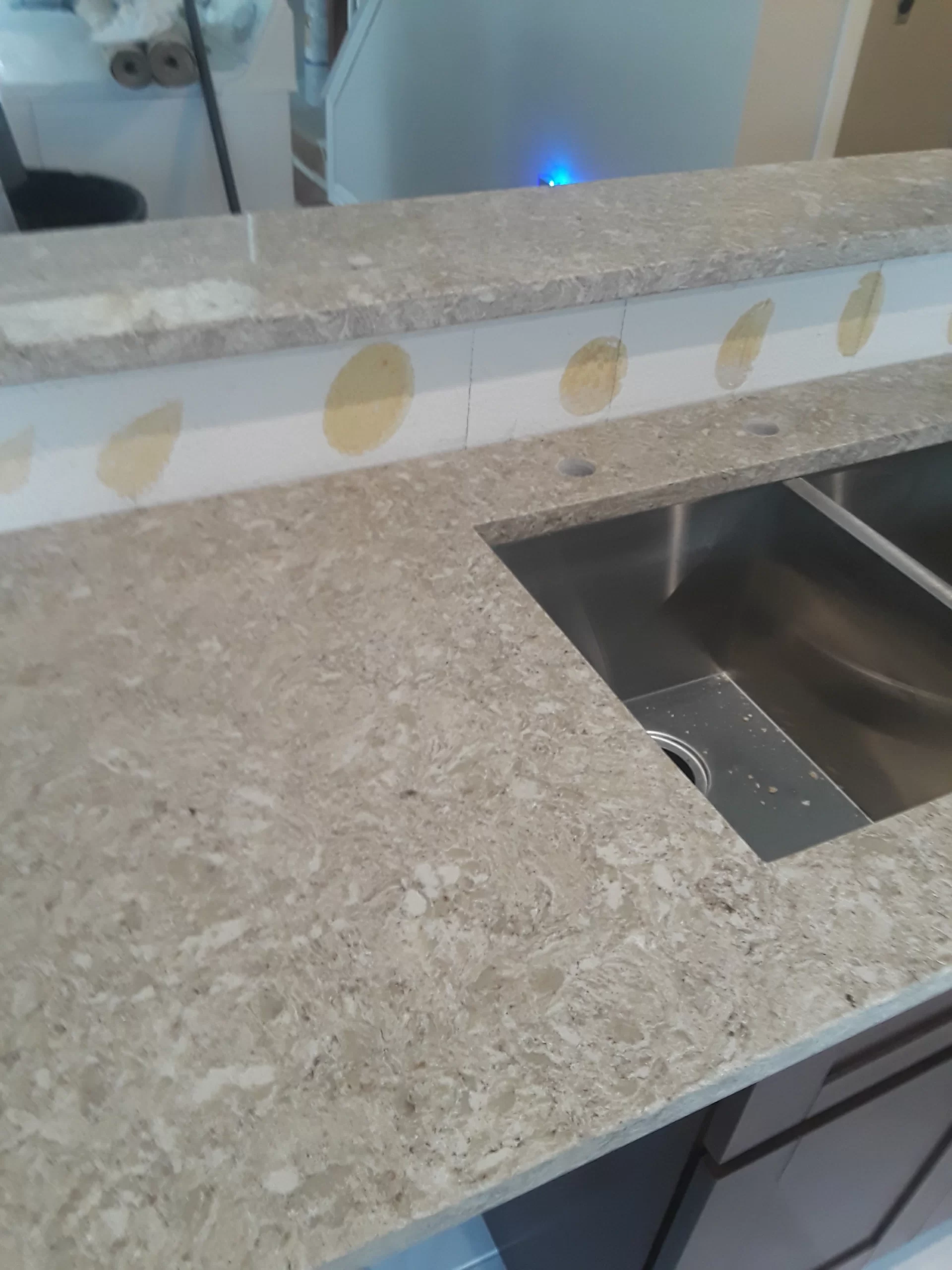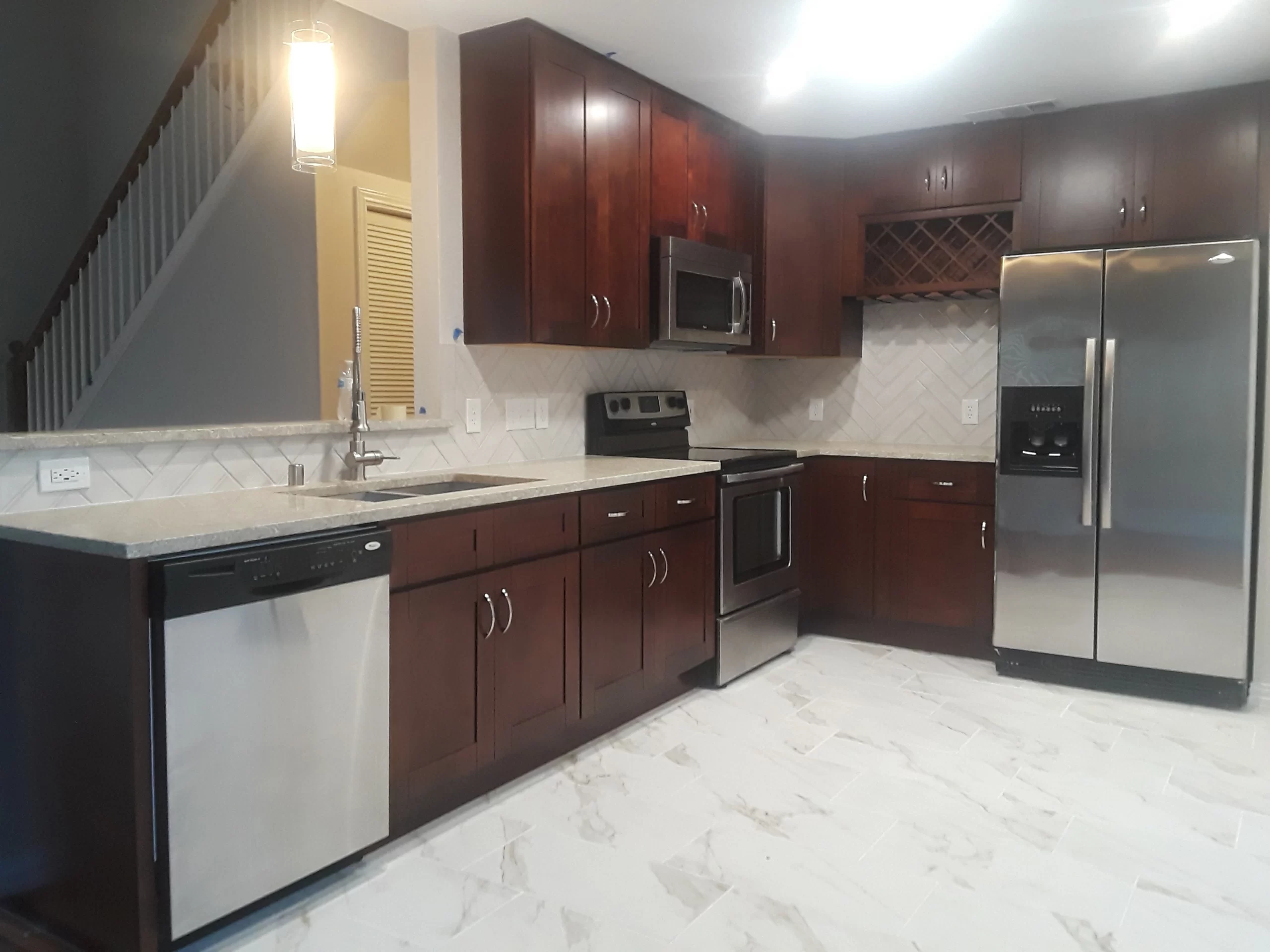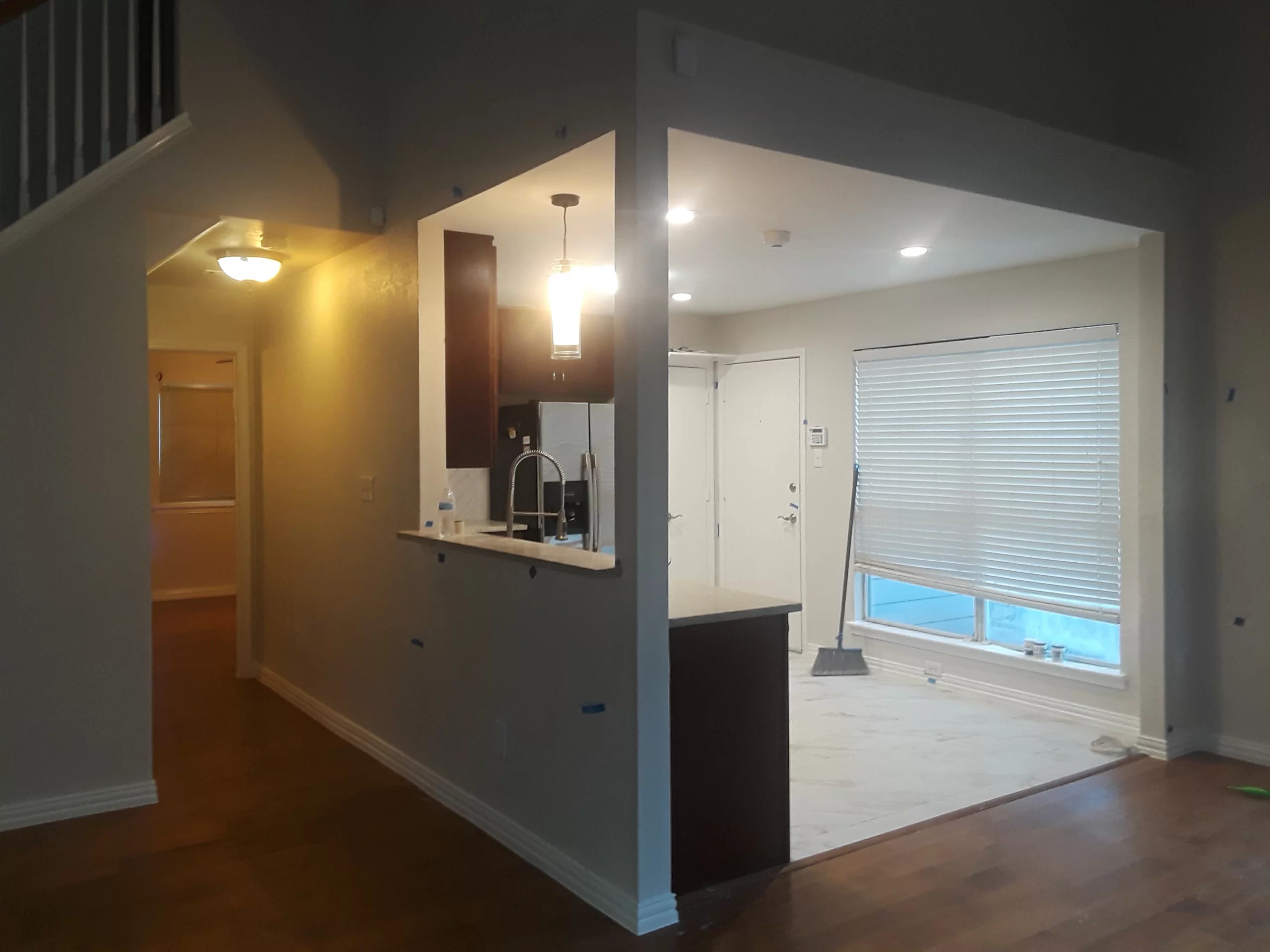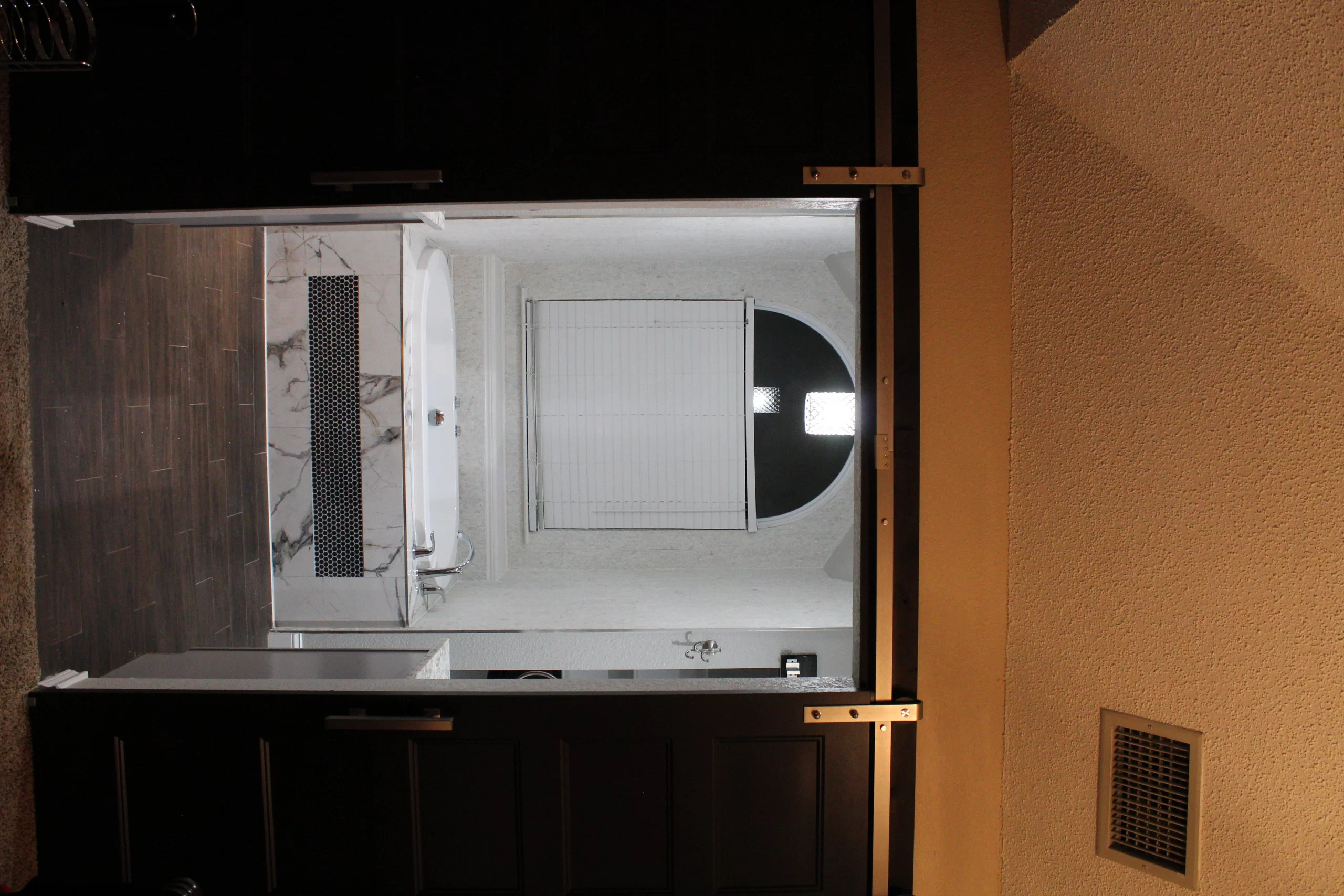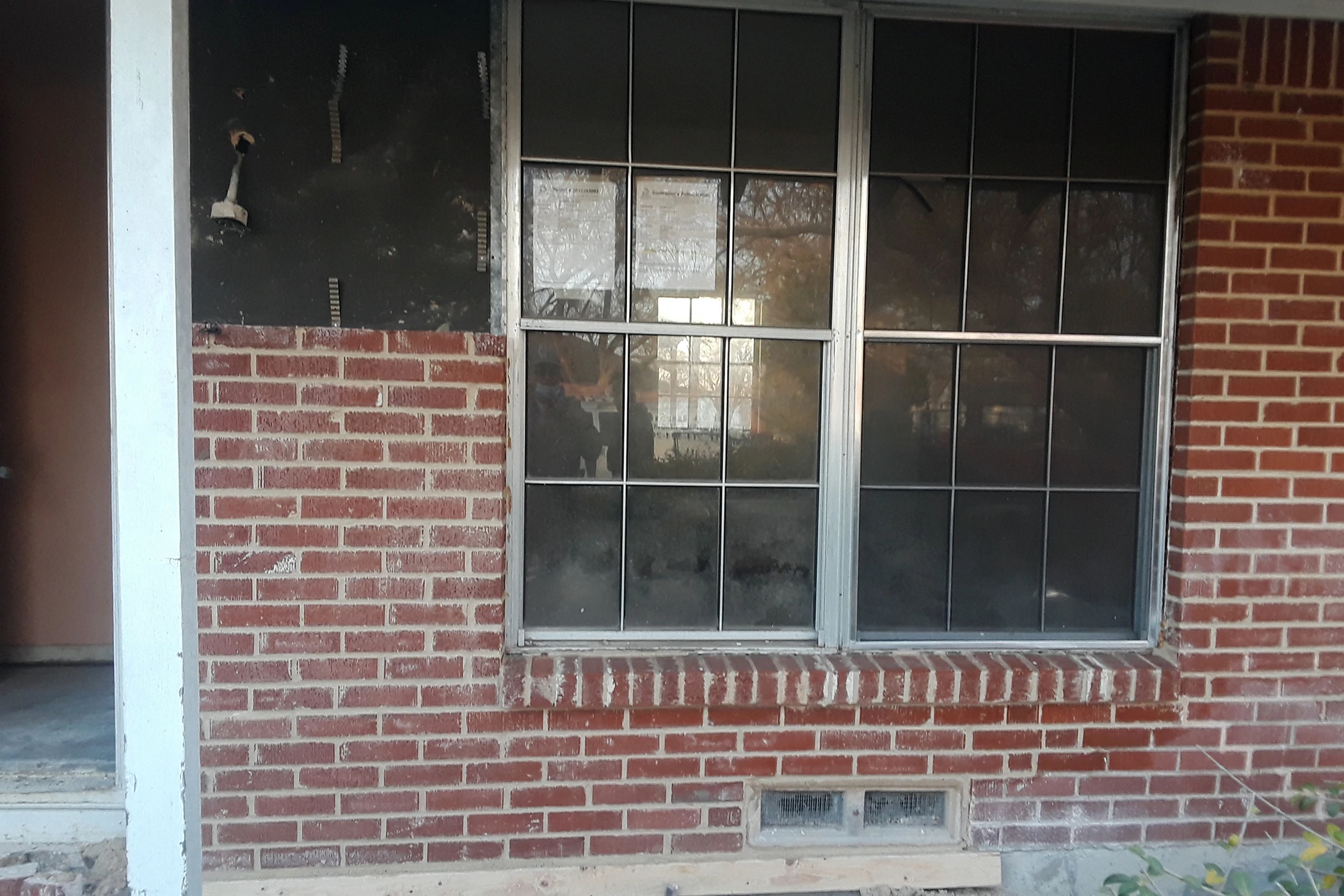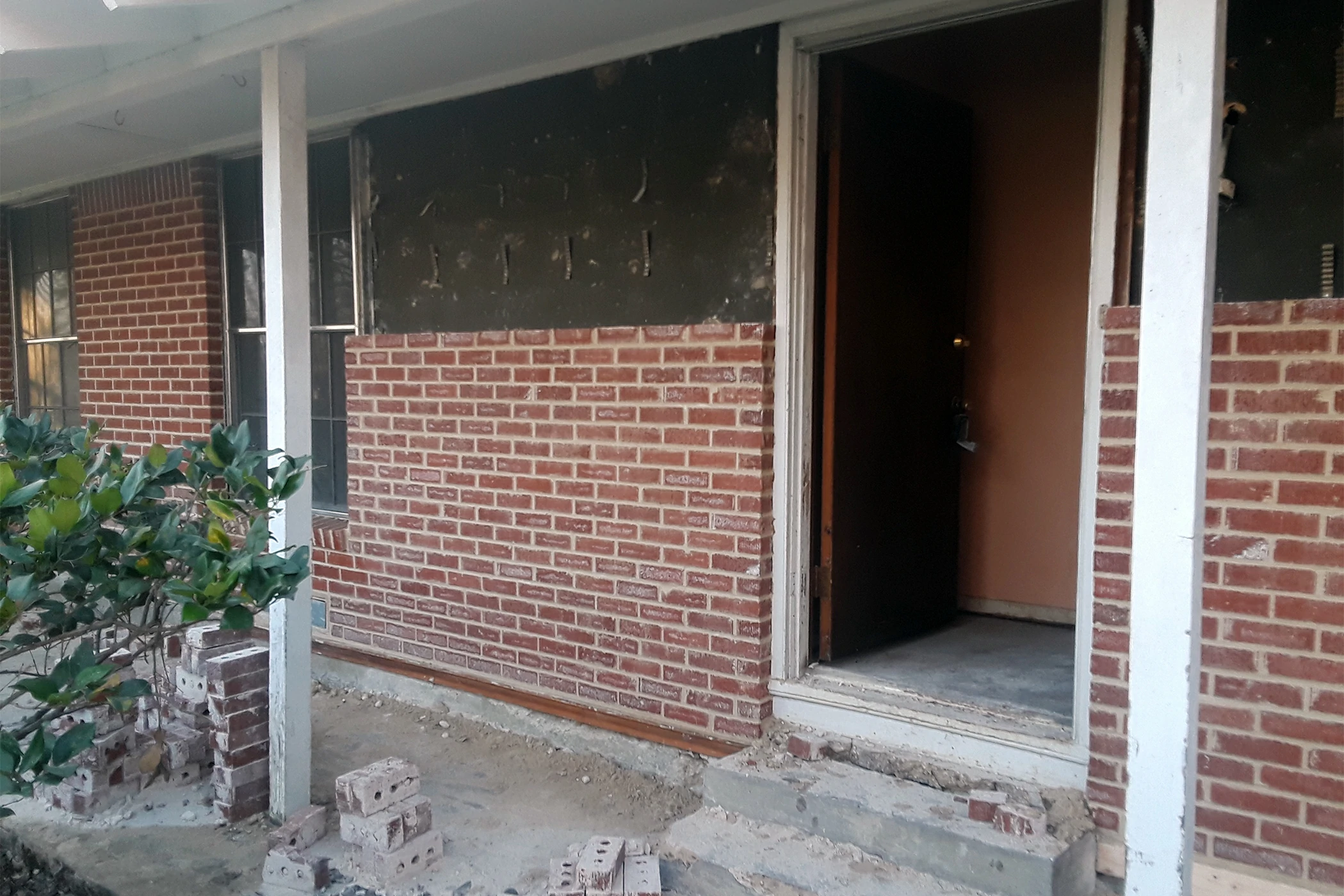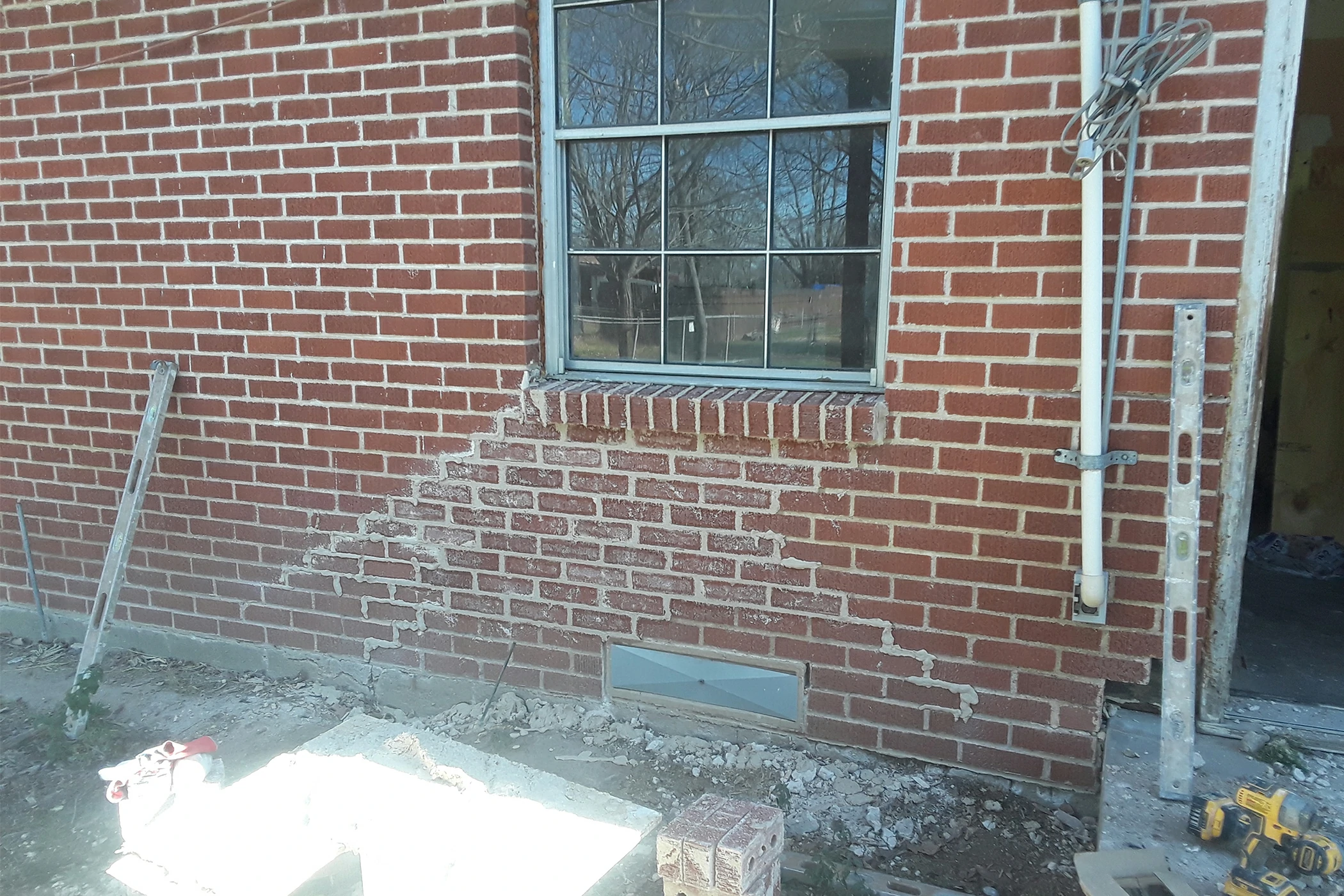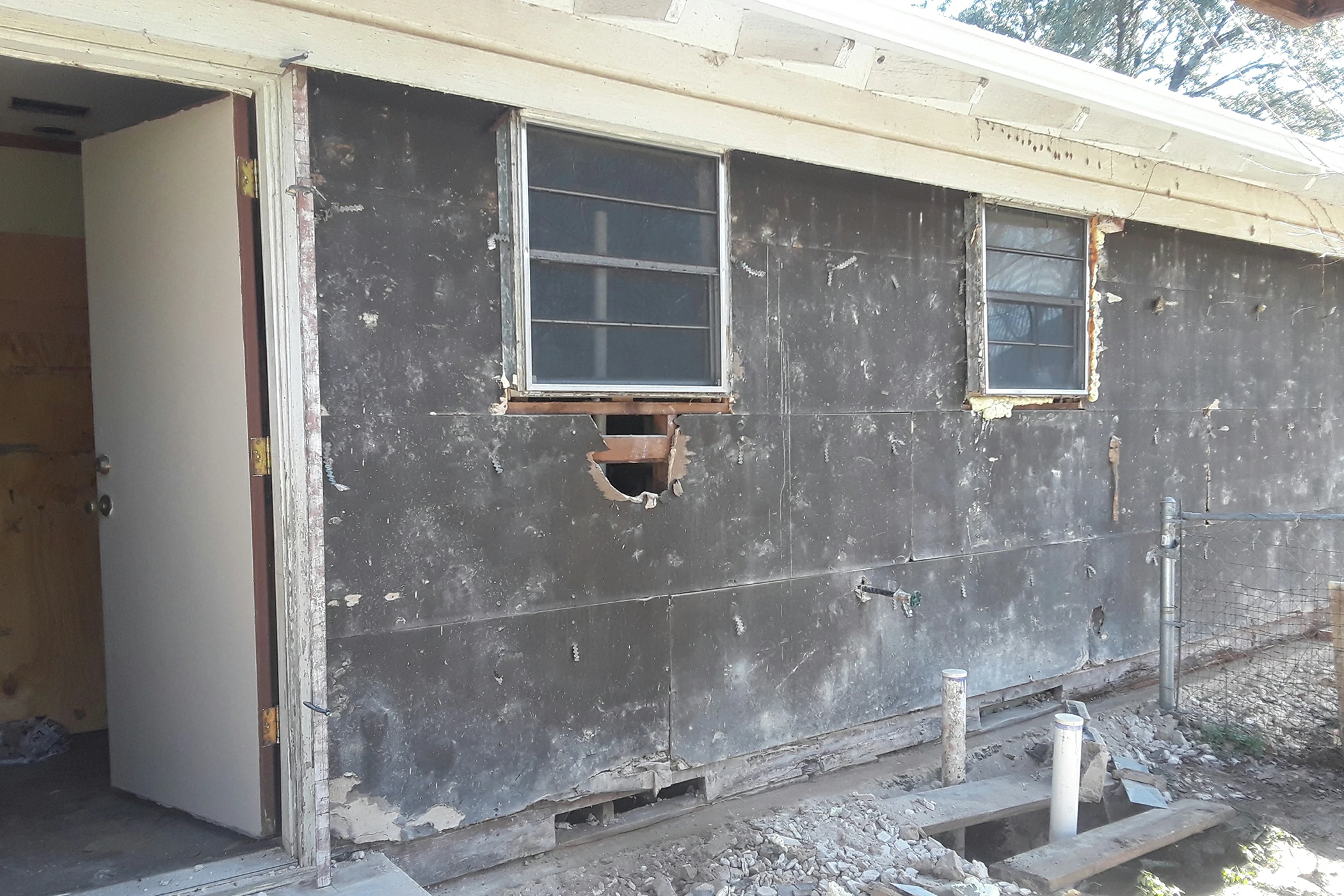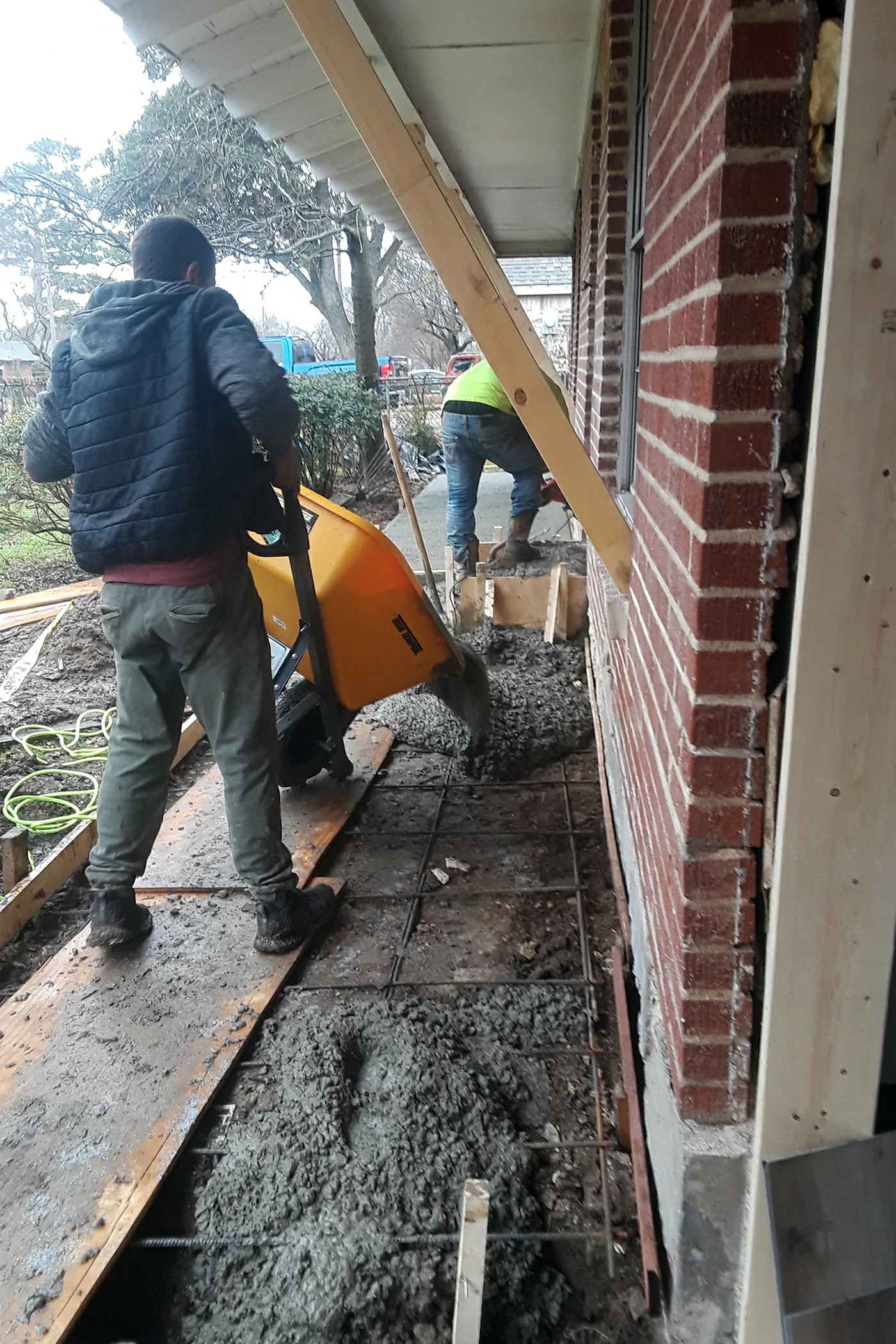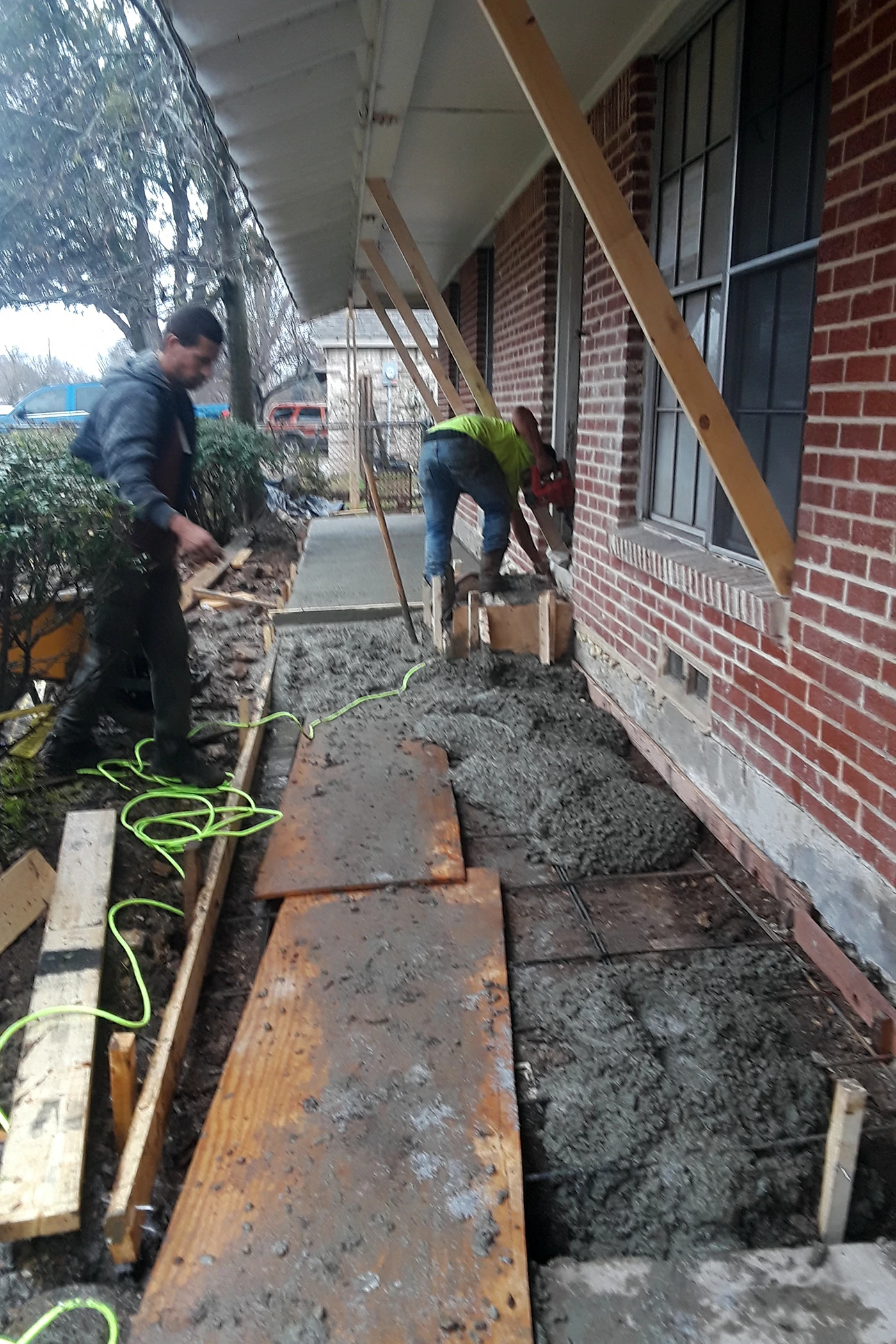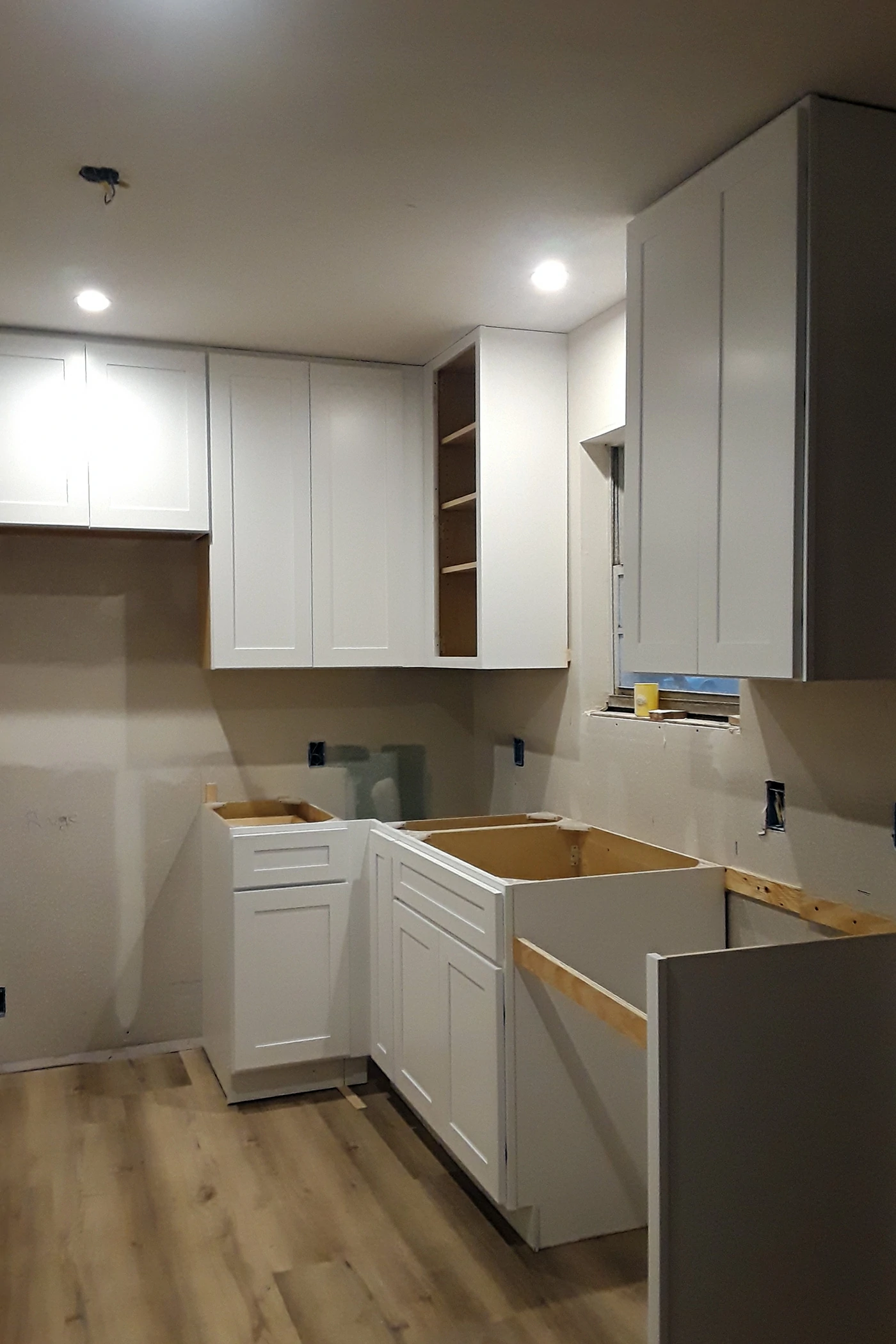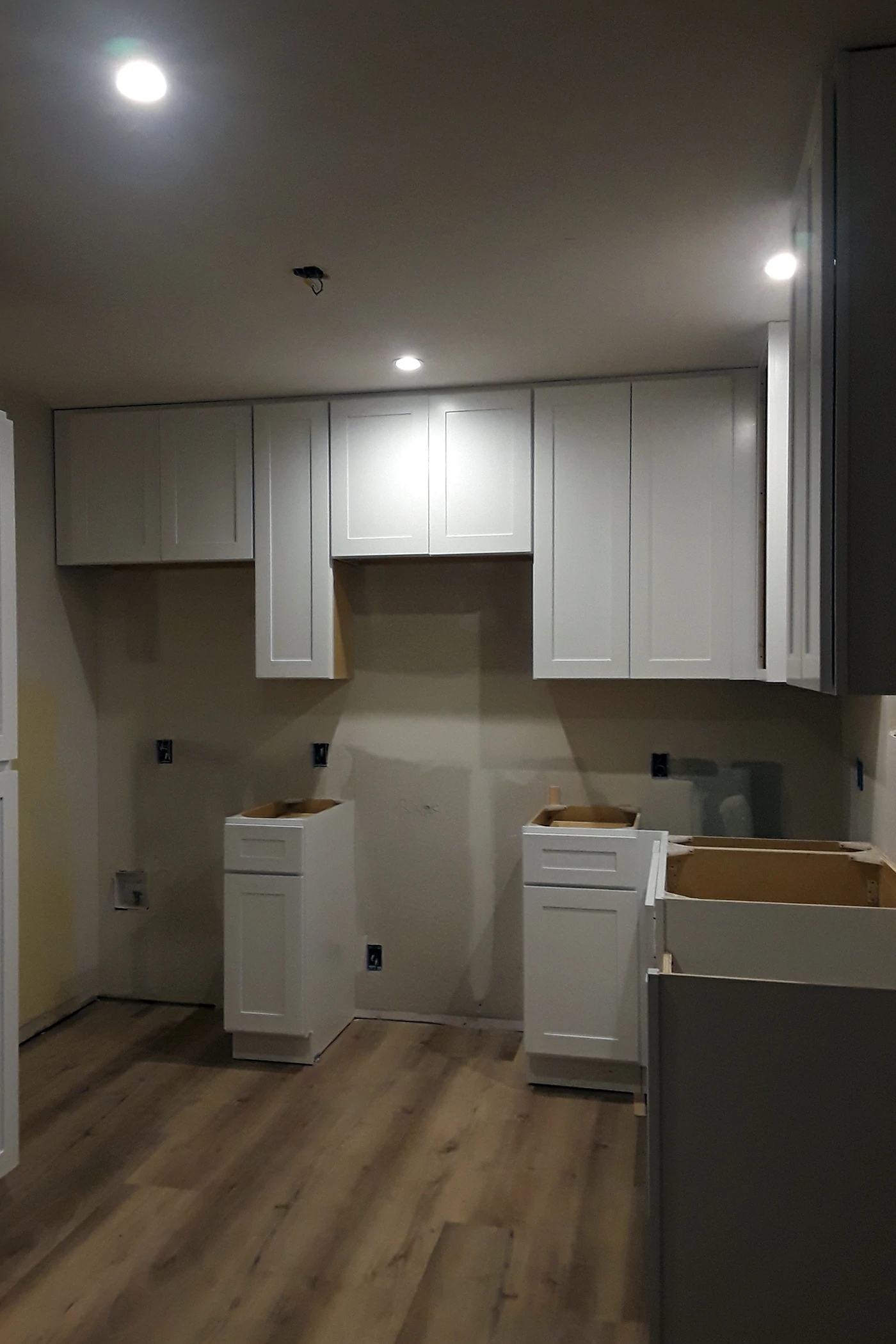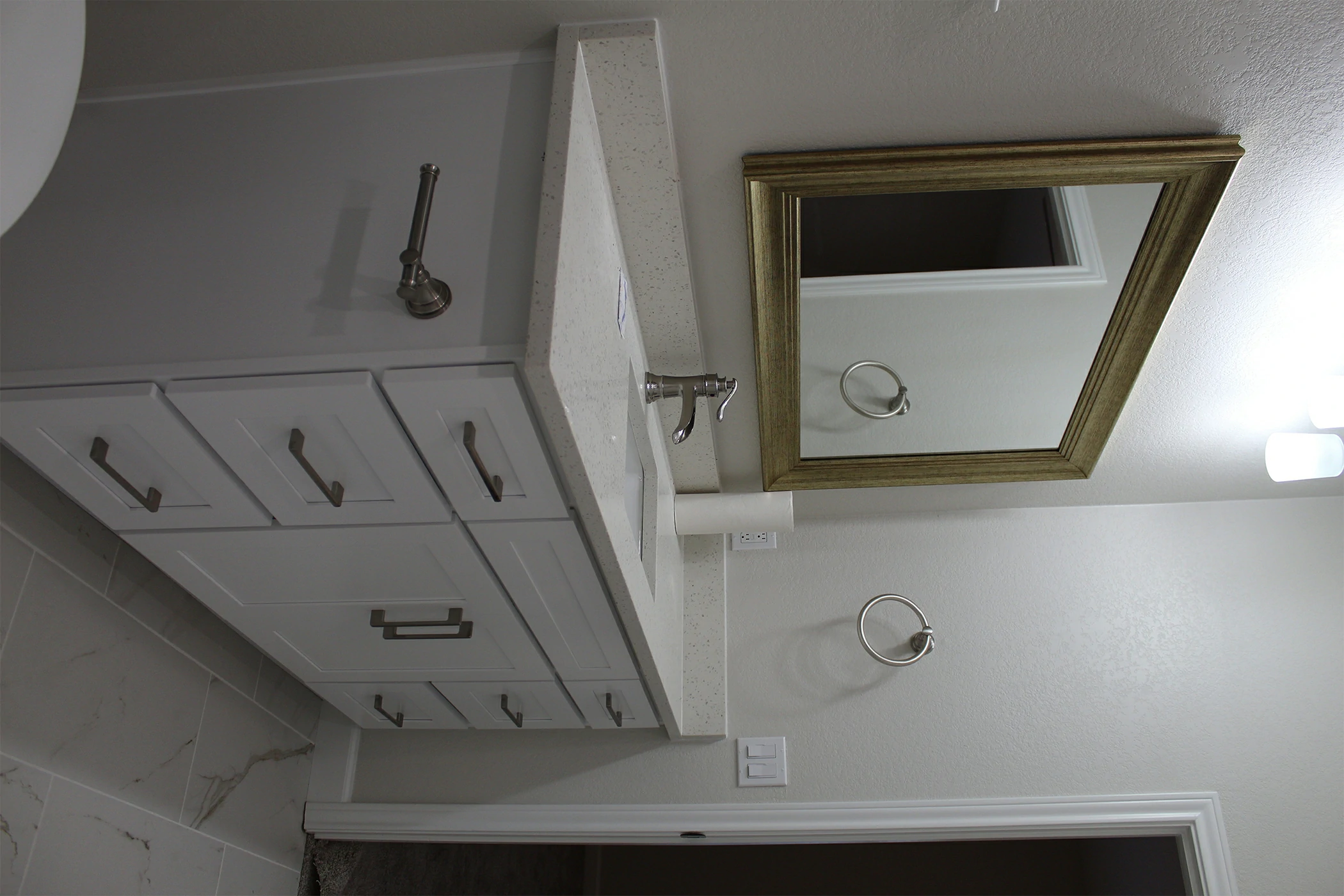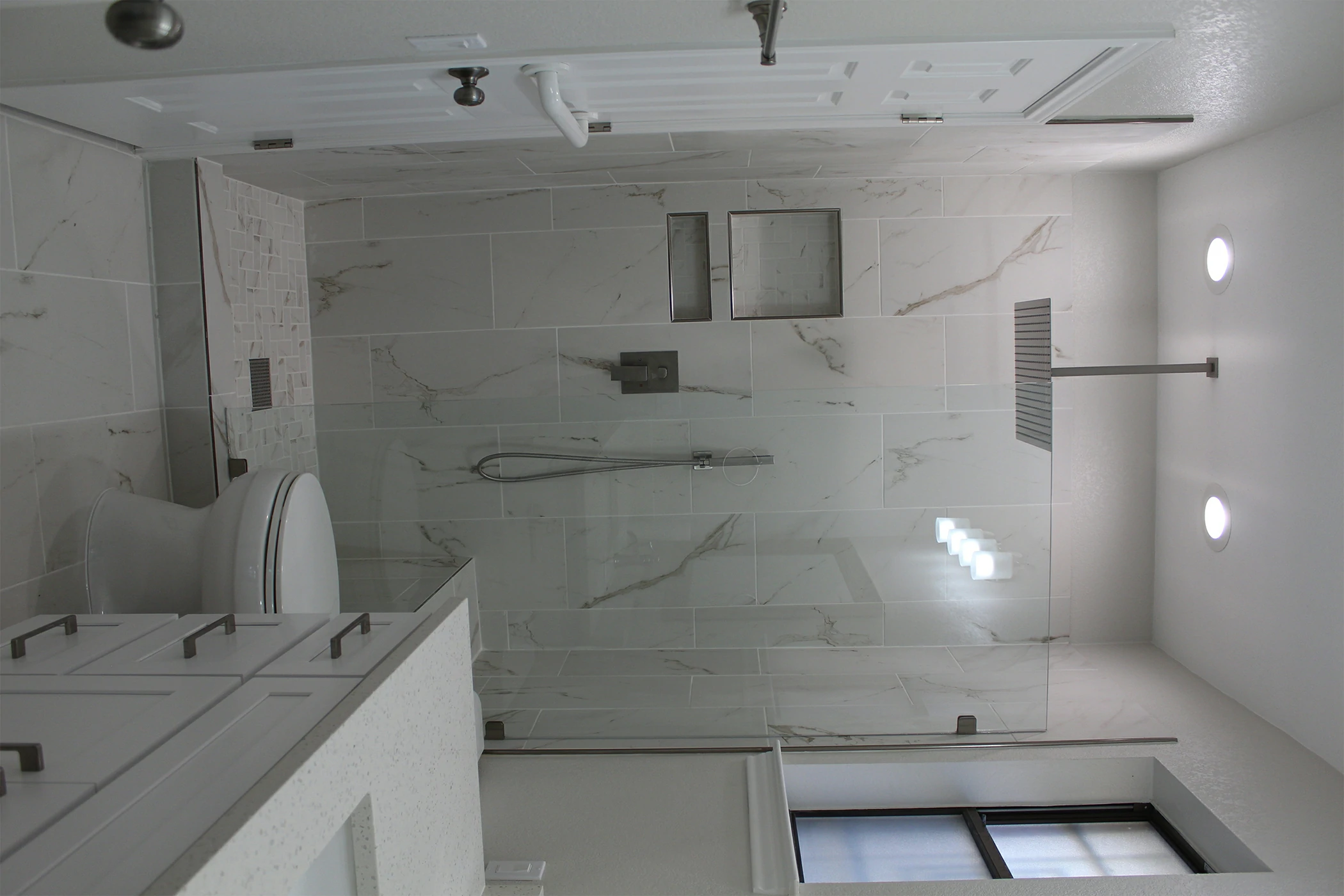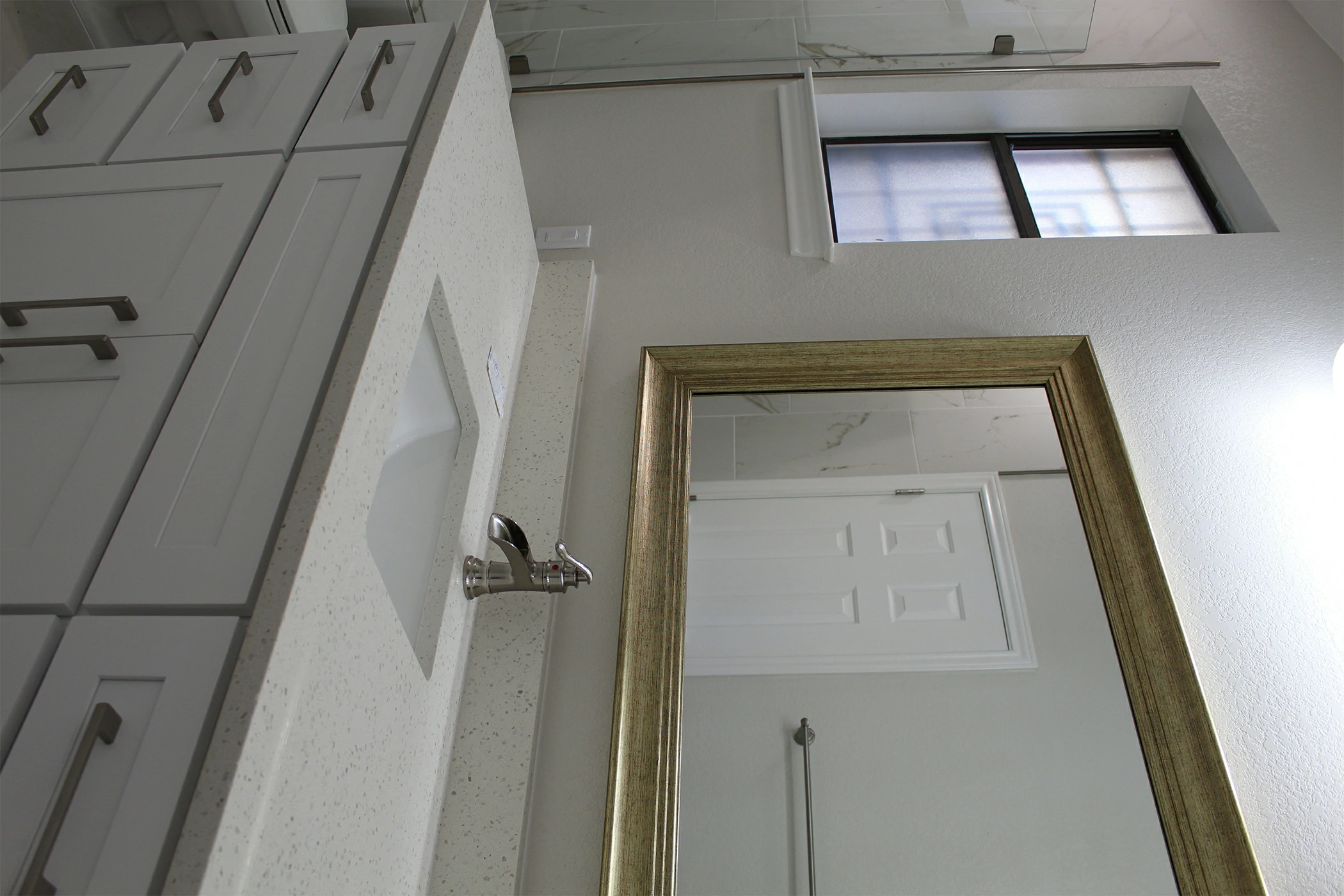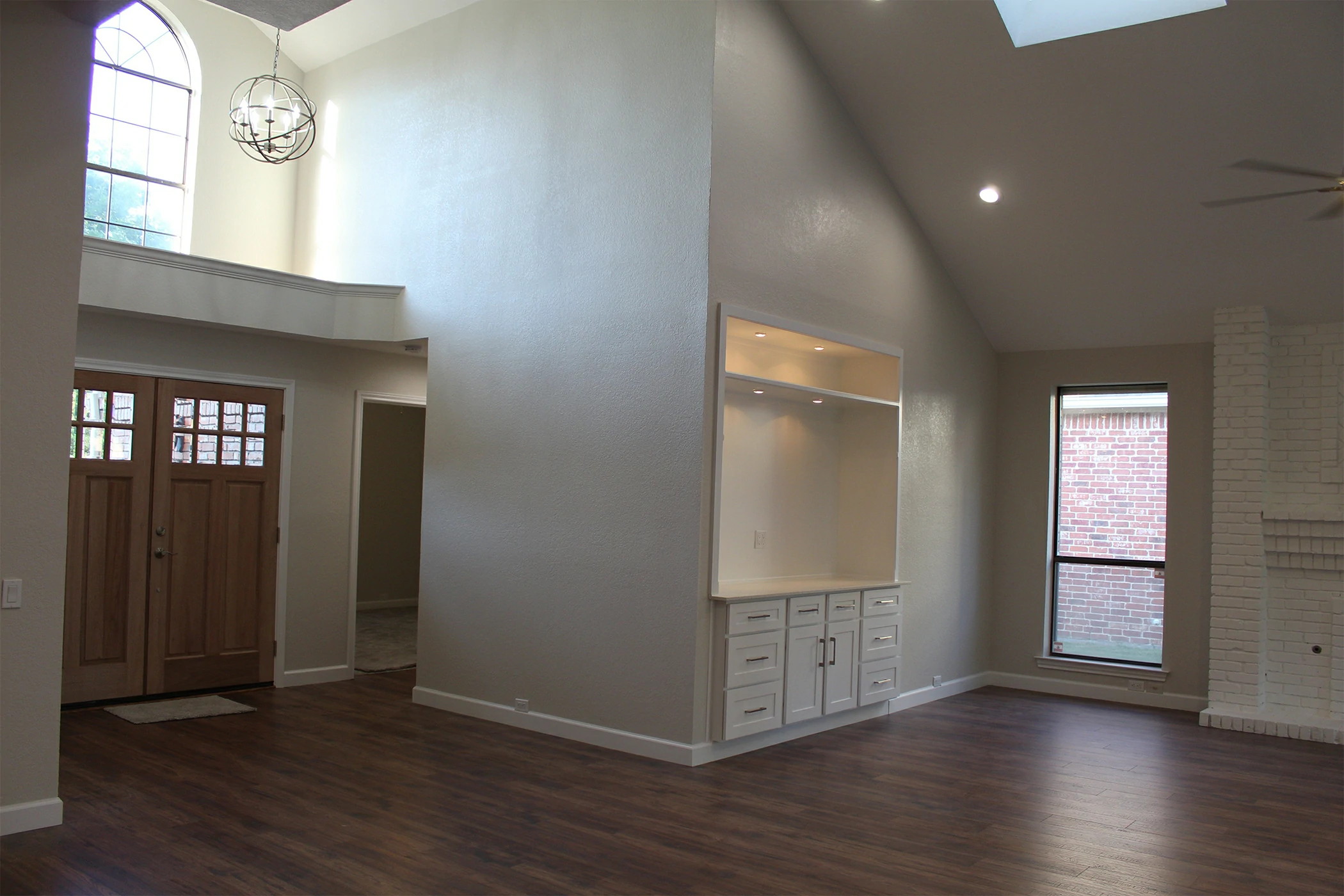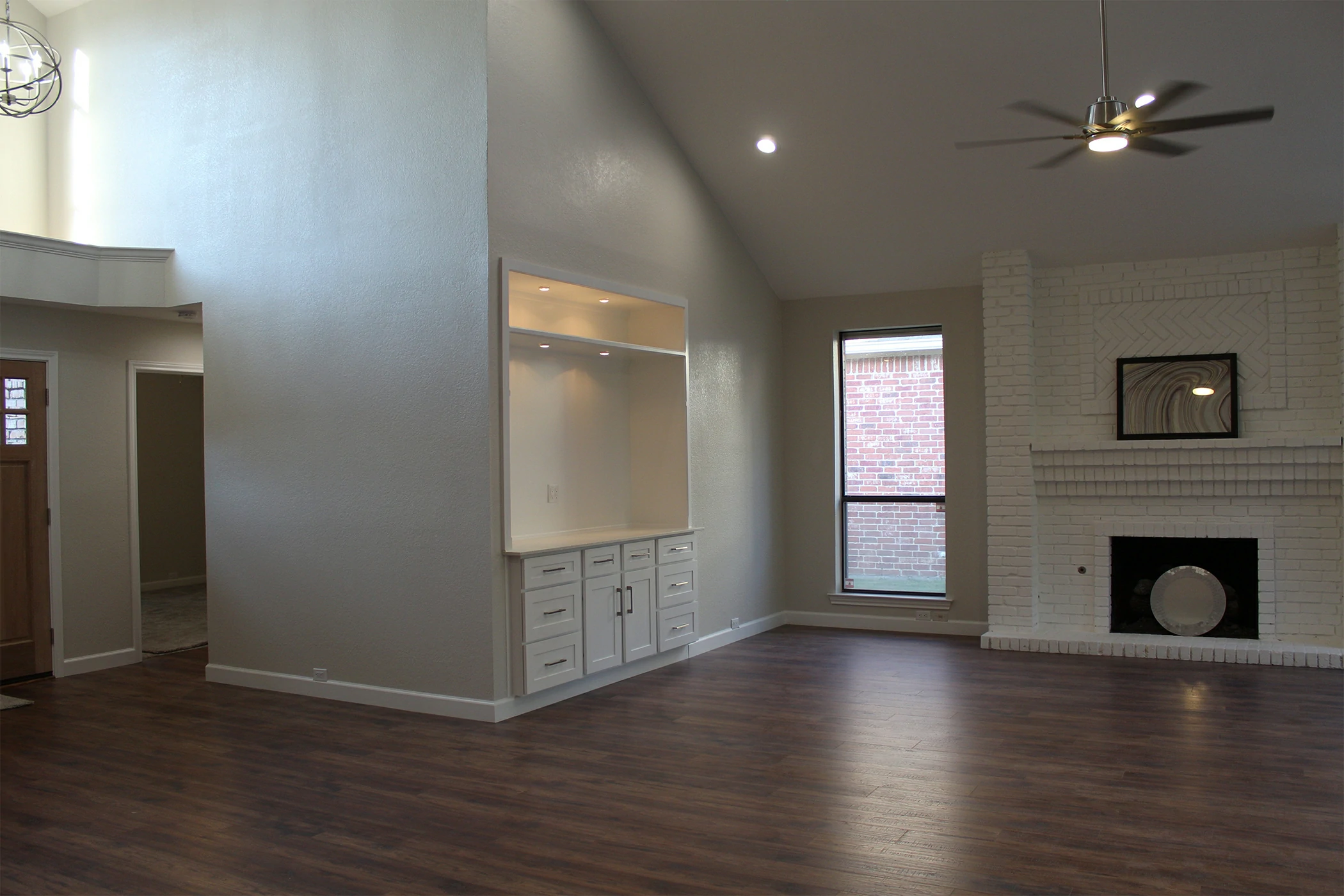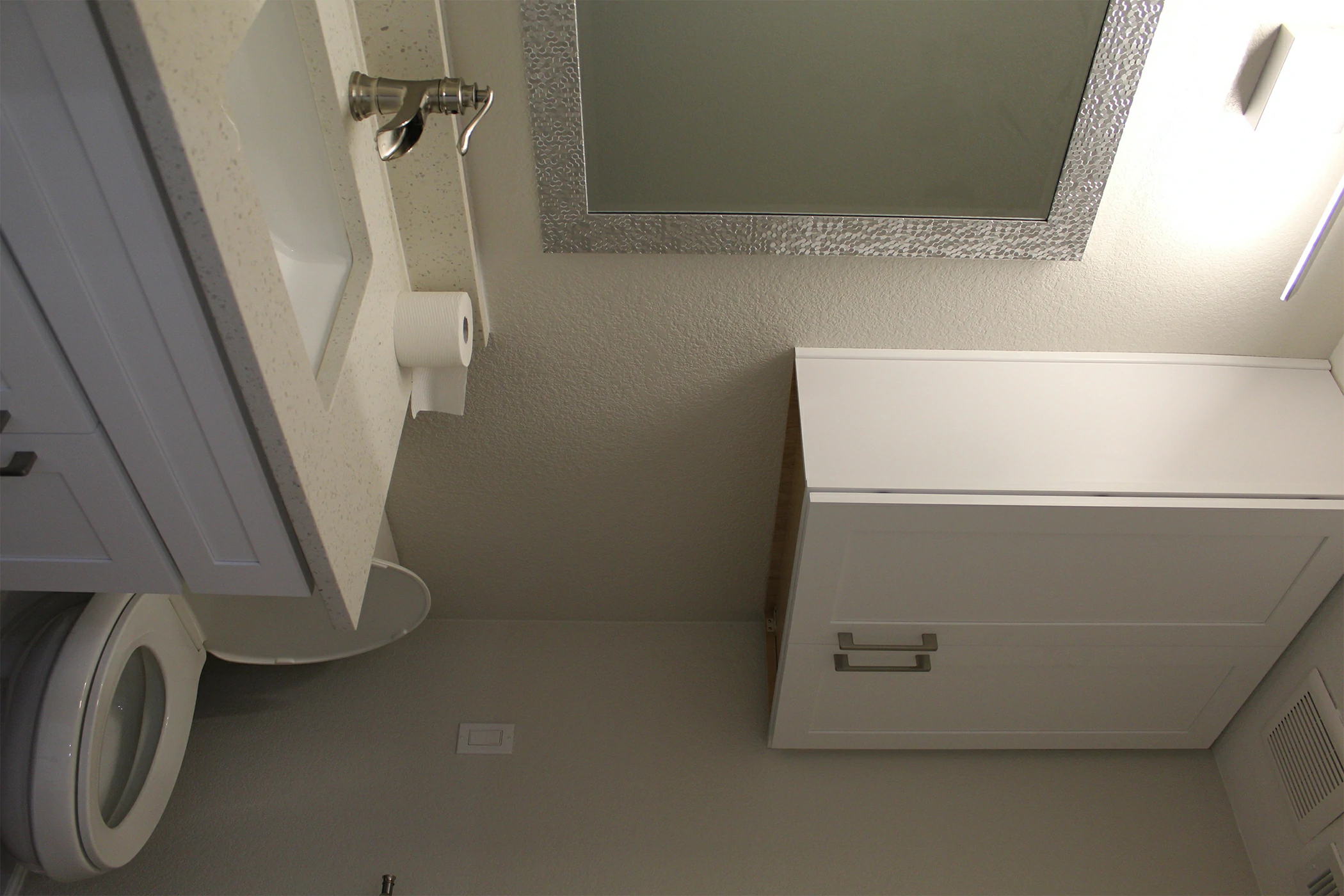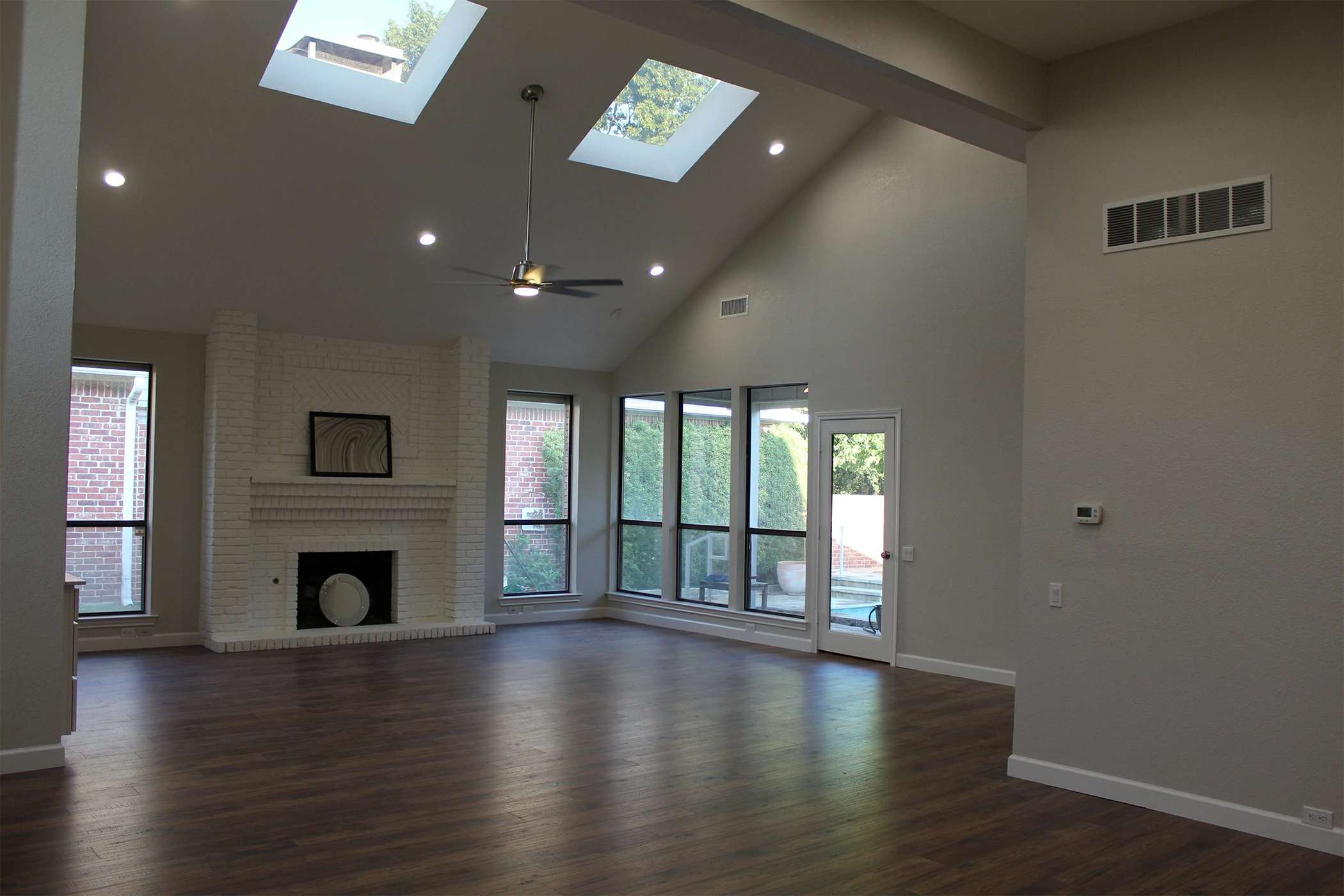

Expanding your home is one of the most exciting and daunting projects a homeowner can undertake. A well-designed extension not only improves comfort and space but can also significantly increase property value. Yet, when it comes to actual execution, homeowners often struggle with an important question: should they do it themselves (DIY) or hire experienced home extension contractors?
This decision is not always straightforward. While DIY projects can save money and give a sense of accomplishment, major renovations and home additions require specialized expertise, permits, and careful planning. Knowing when to take on a project yourself versus when to call home addition contractors can spell the difference between a successful expansion and a costly mistake.
This article explores the pros and cons of both approaches, highlights the role of professional home addition builders, and explains why experienced house addition contractors are often necessary in large-scale home projects.
The Appeal of DIY Home Additions
DIY home renovations have grown tremendously in popularity, thanks in part to television shows, online tutorials, and the general rise of the “do-it-yourself” mindset. Many homeowners undertake their own projects for reasons such as:
-
- Saving money on labor: Avoiding contractor fees can reduce initial costs.
-
- Personal satisfaction: There’s genuine pride in saying, “I built this myself.”
-
- Control of the project: DIYers decide on every detail, from materials to design execution.
-
- Flexibility of pace: The homeowner dictates the timeline, working at their own speed.
DIY is particularly suitable for smaller or cosmetic projects that don’t require structural changes, permits, or expert handling. For example:
- Repainting interiors or exteriors
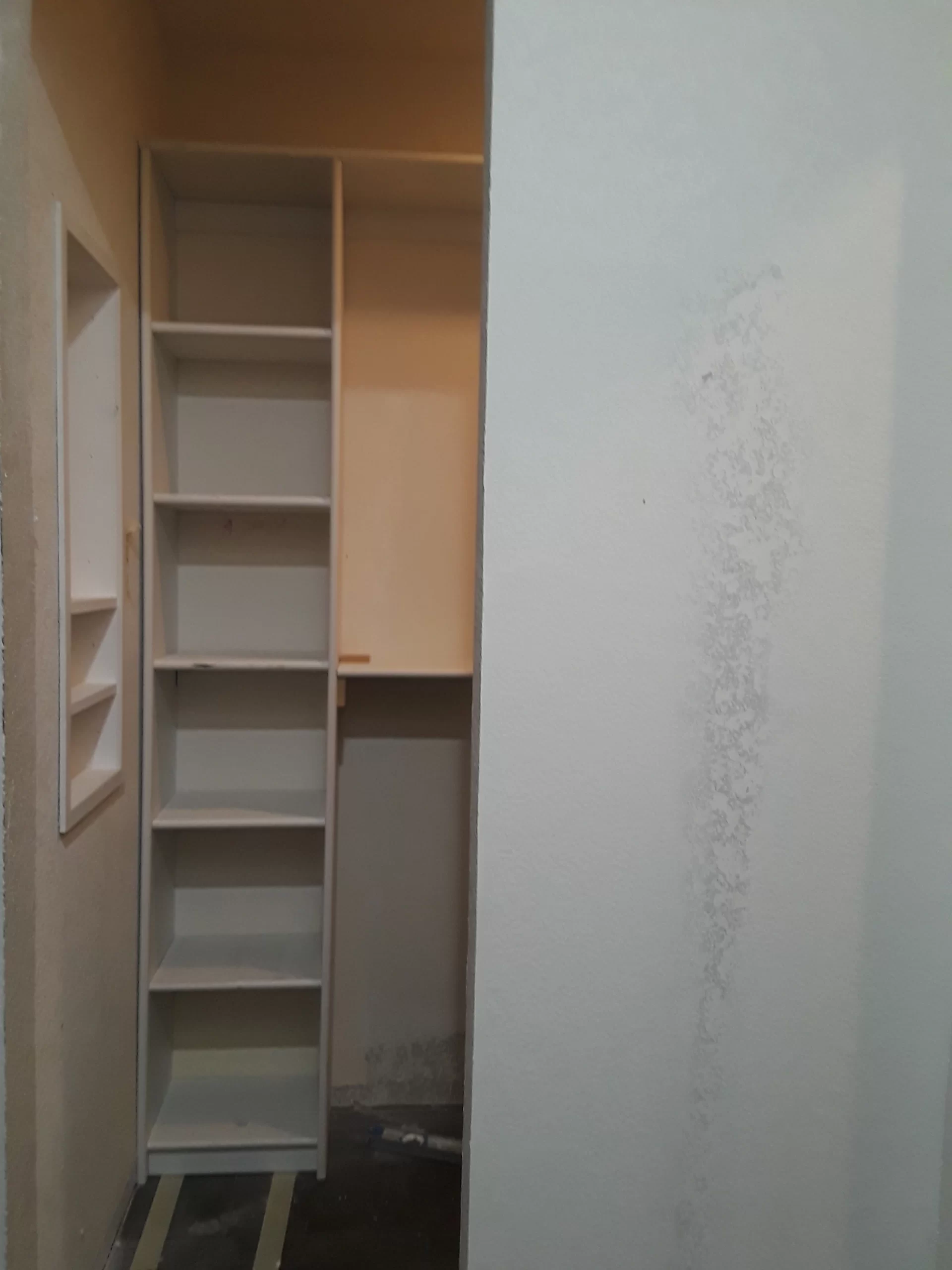
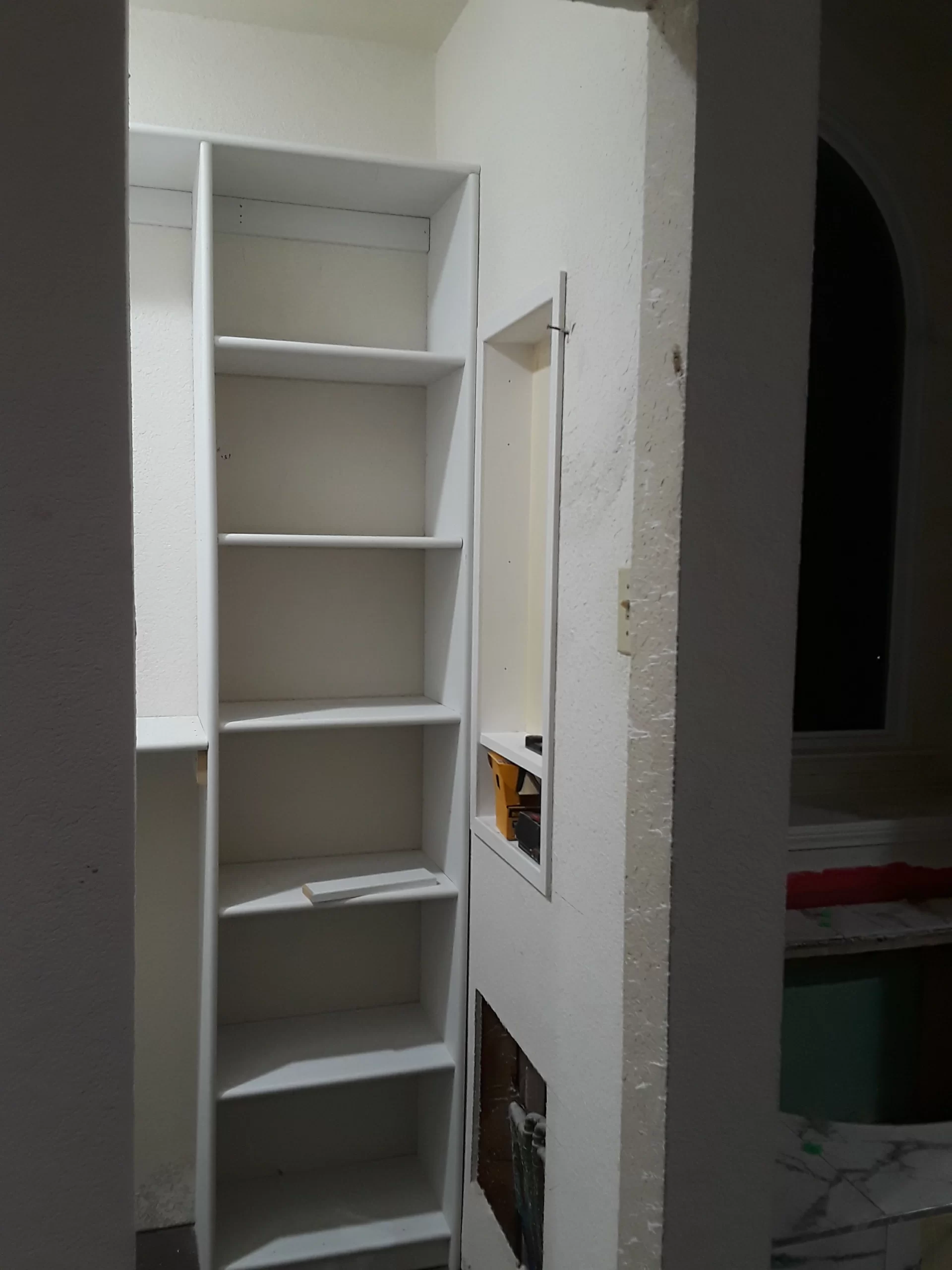
- Installing shelves, cabinetry, or light fixtures
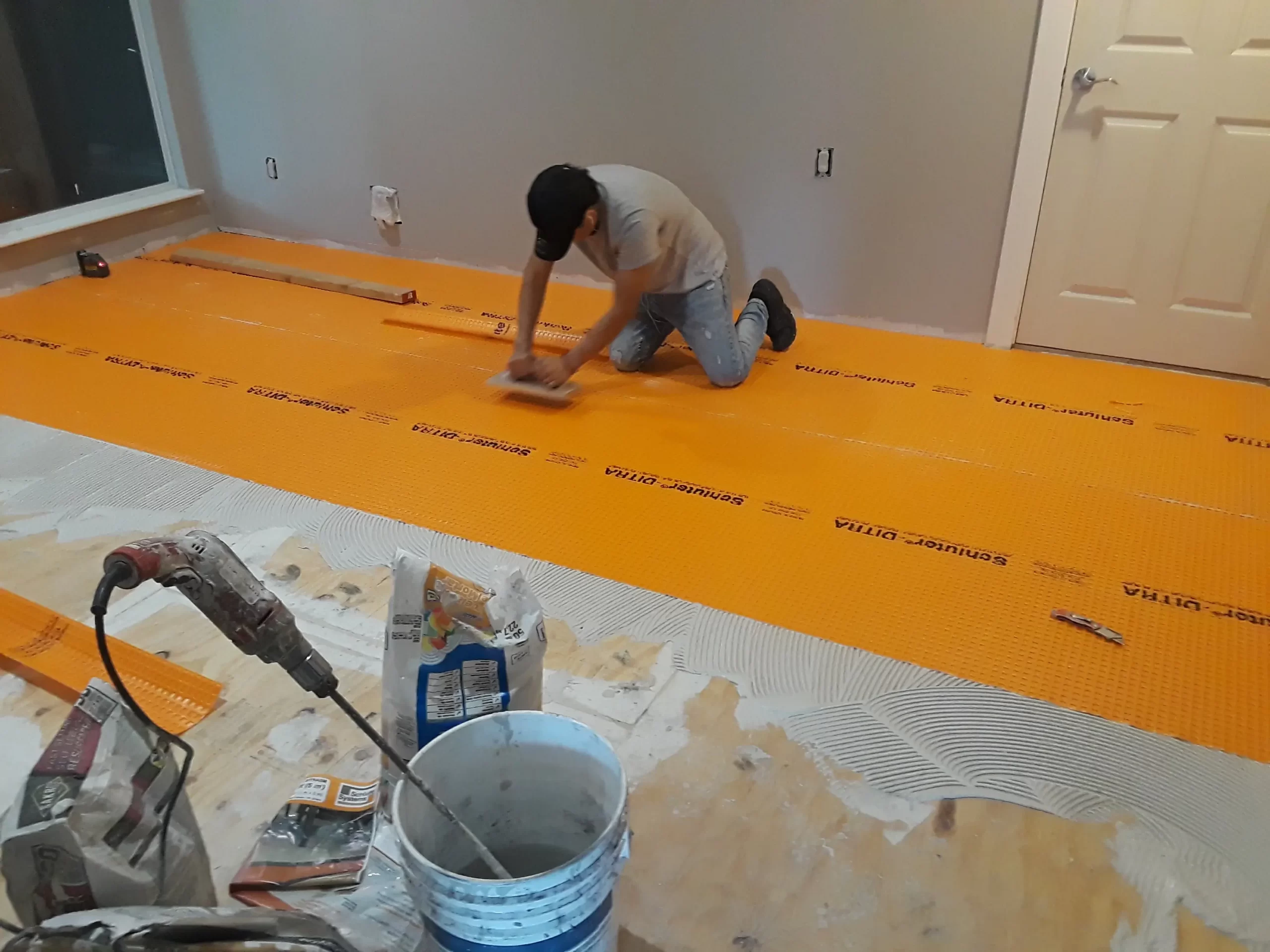
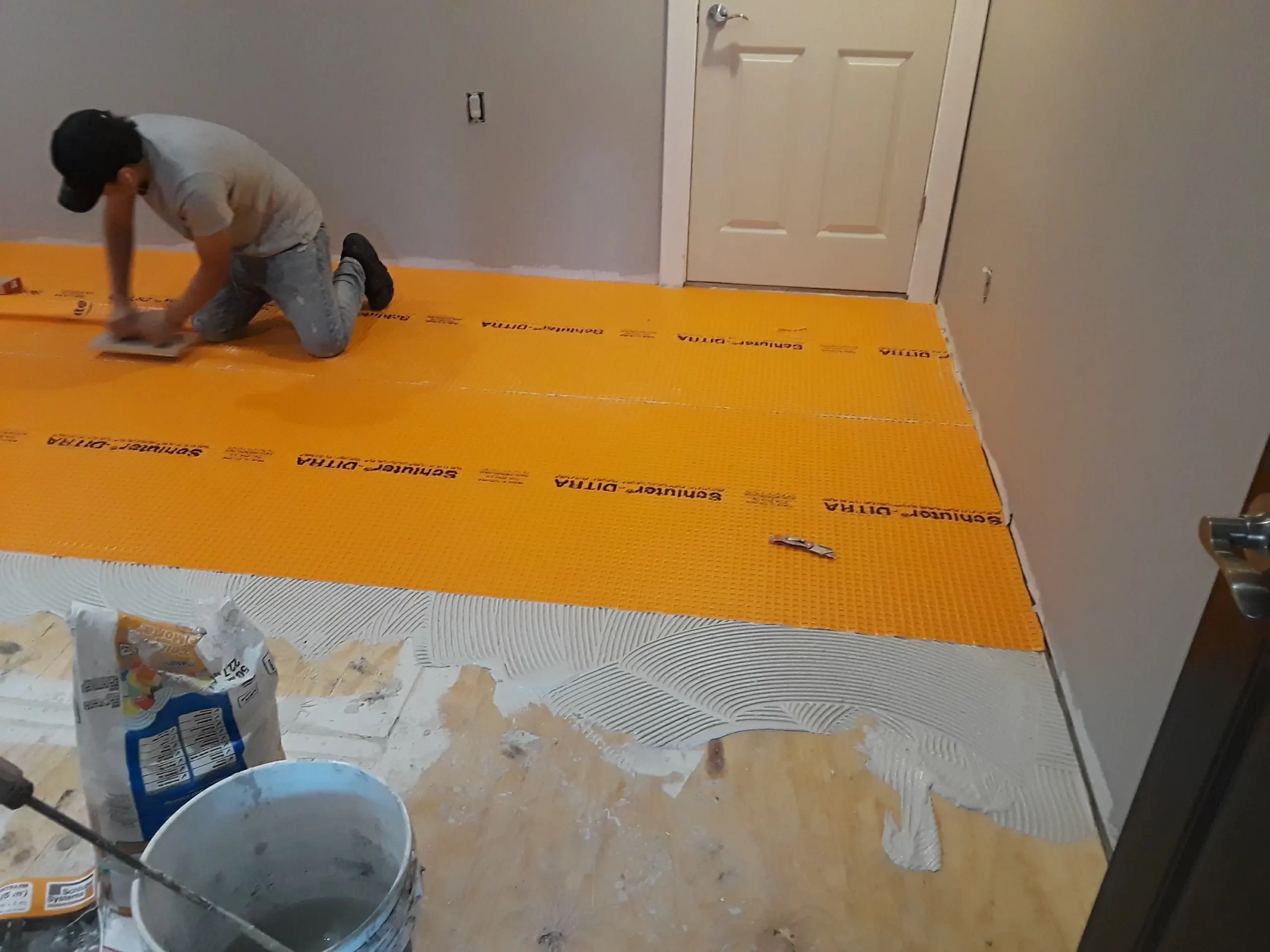
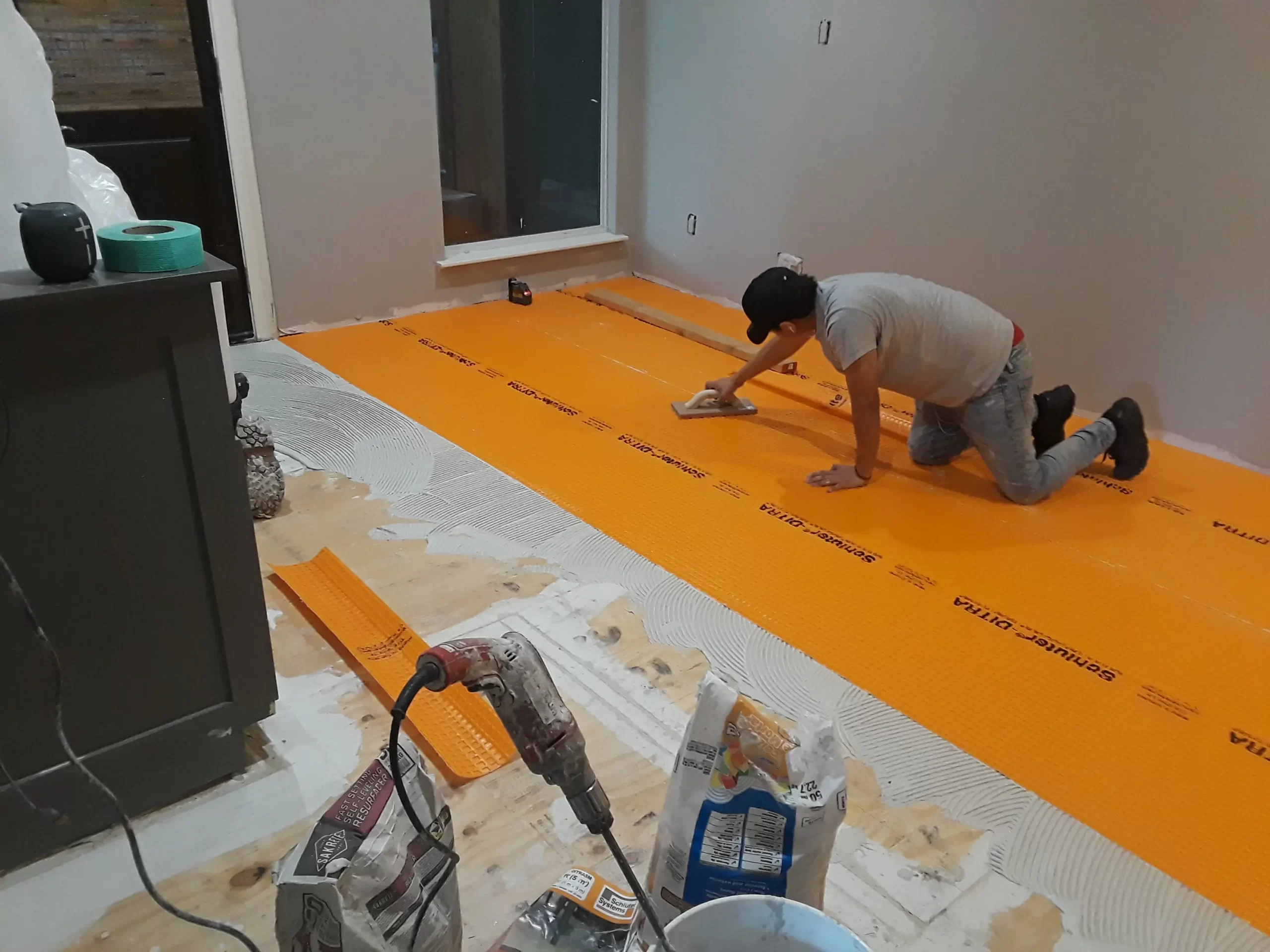
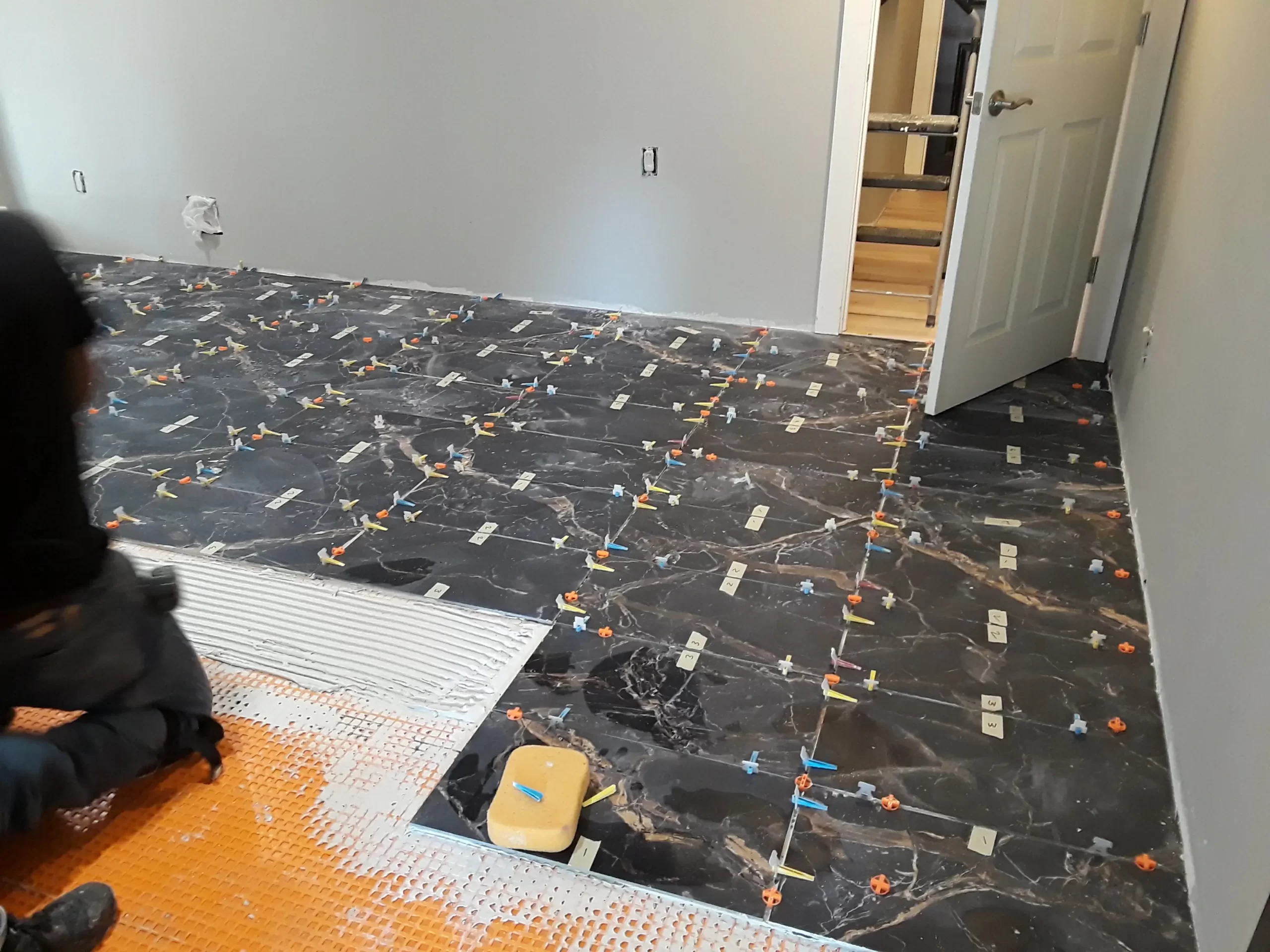
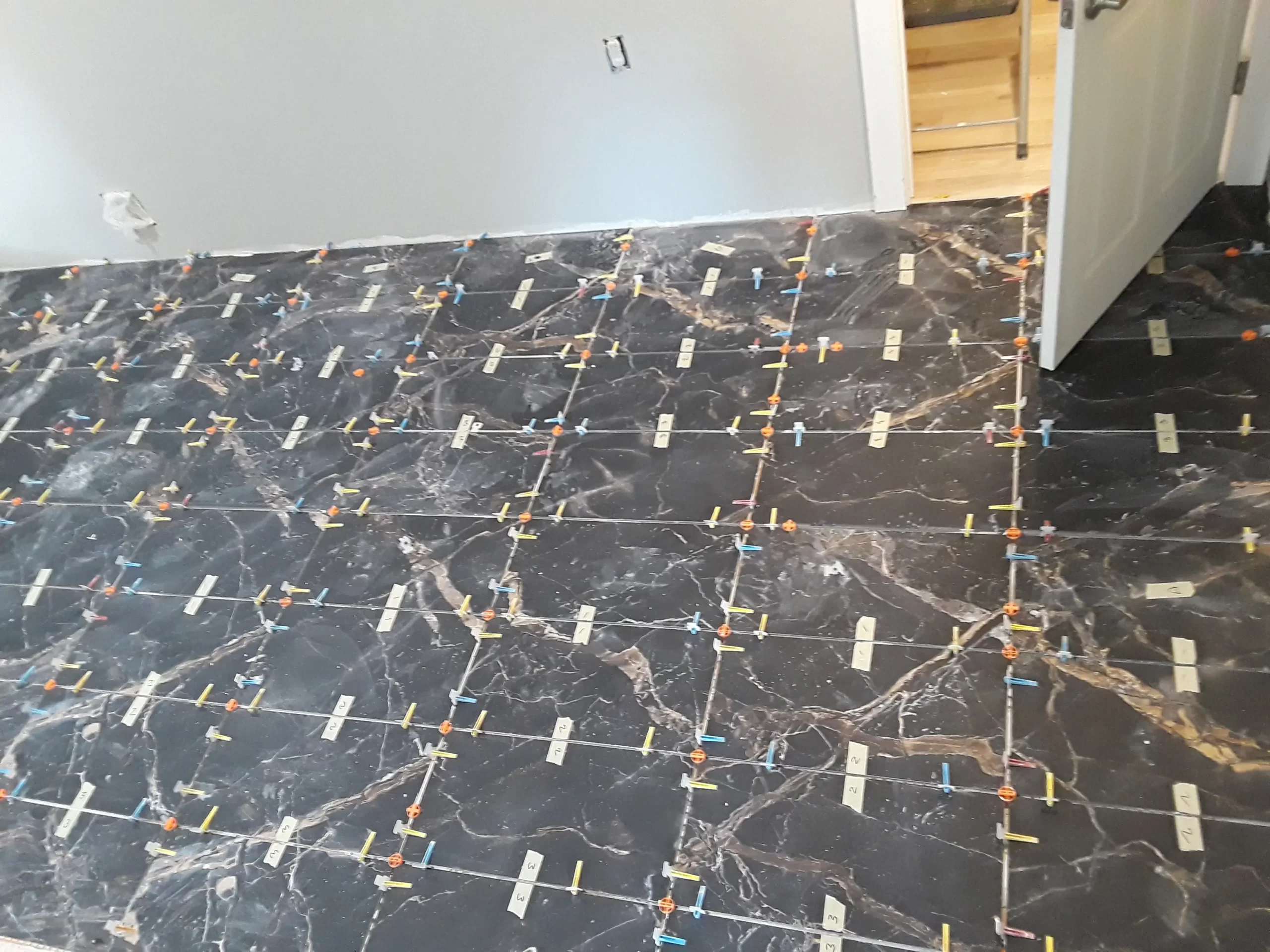
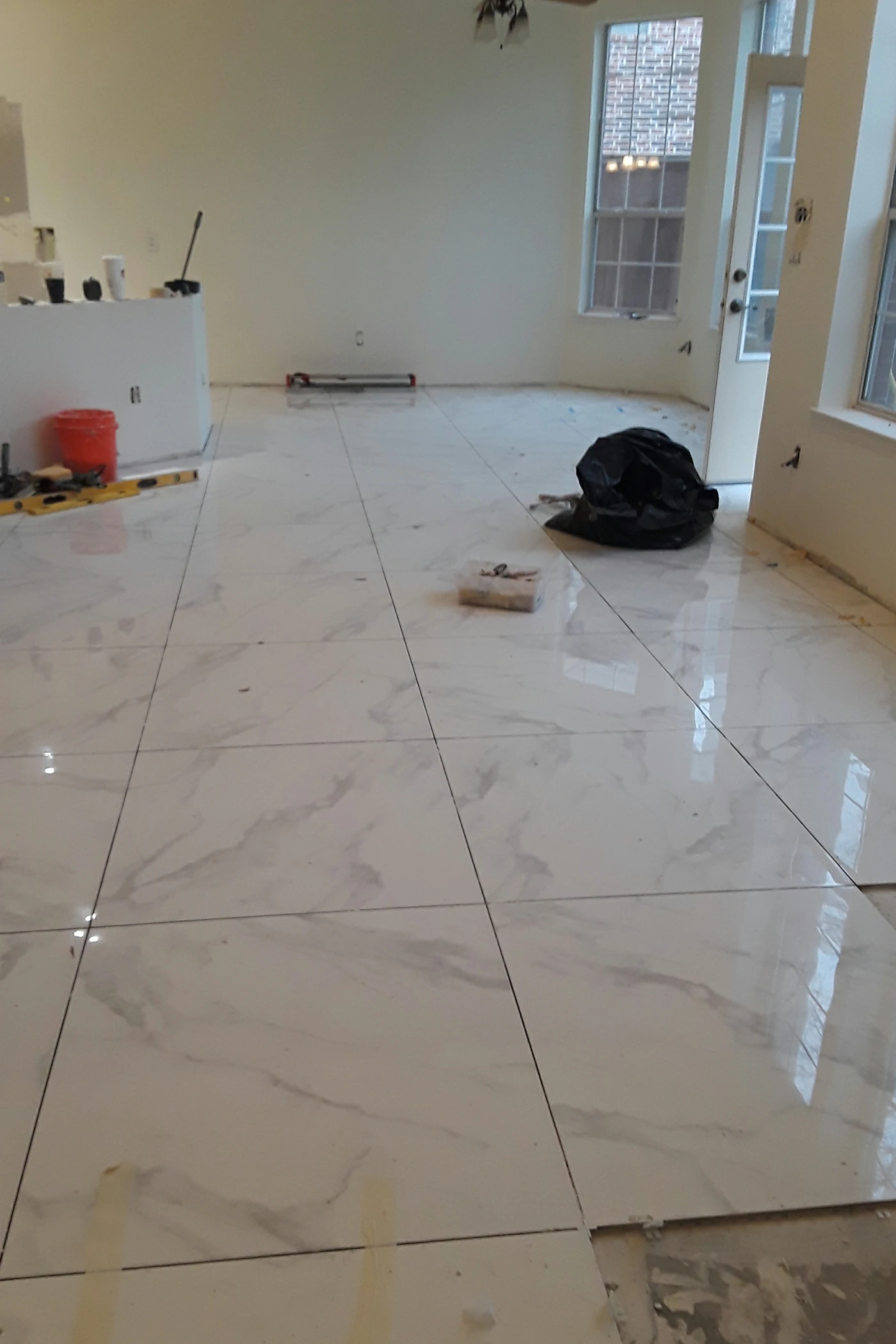
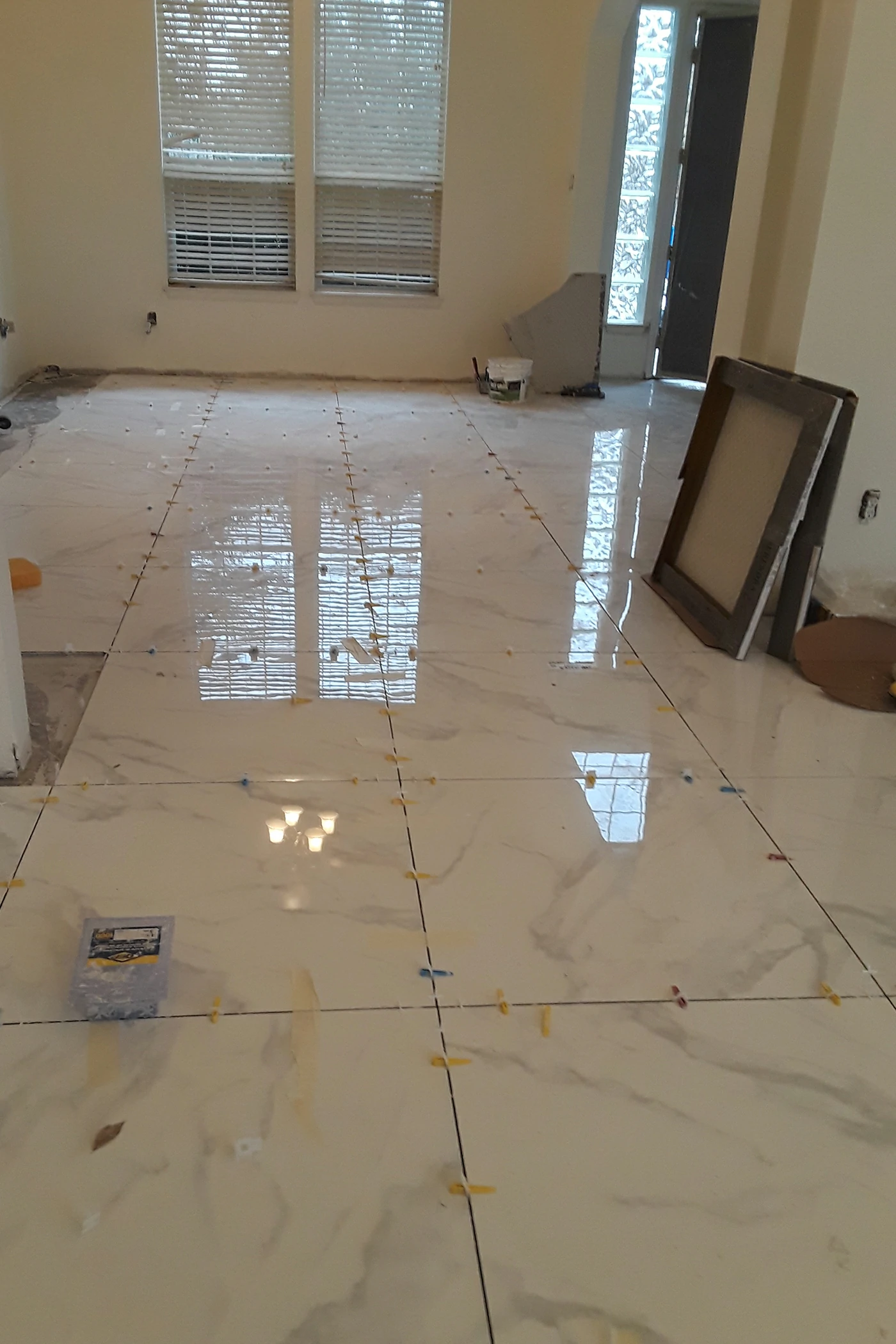
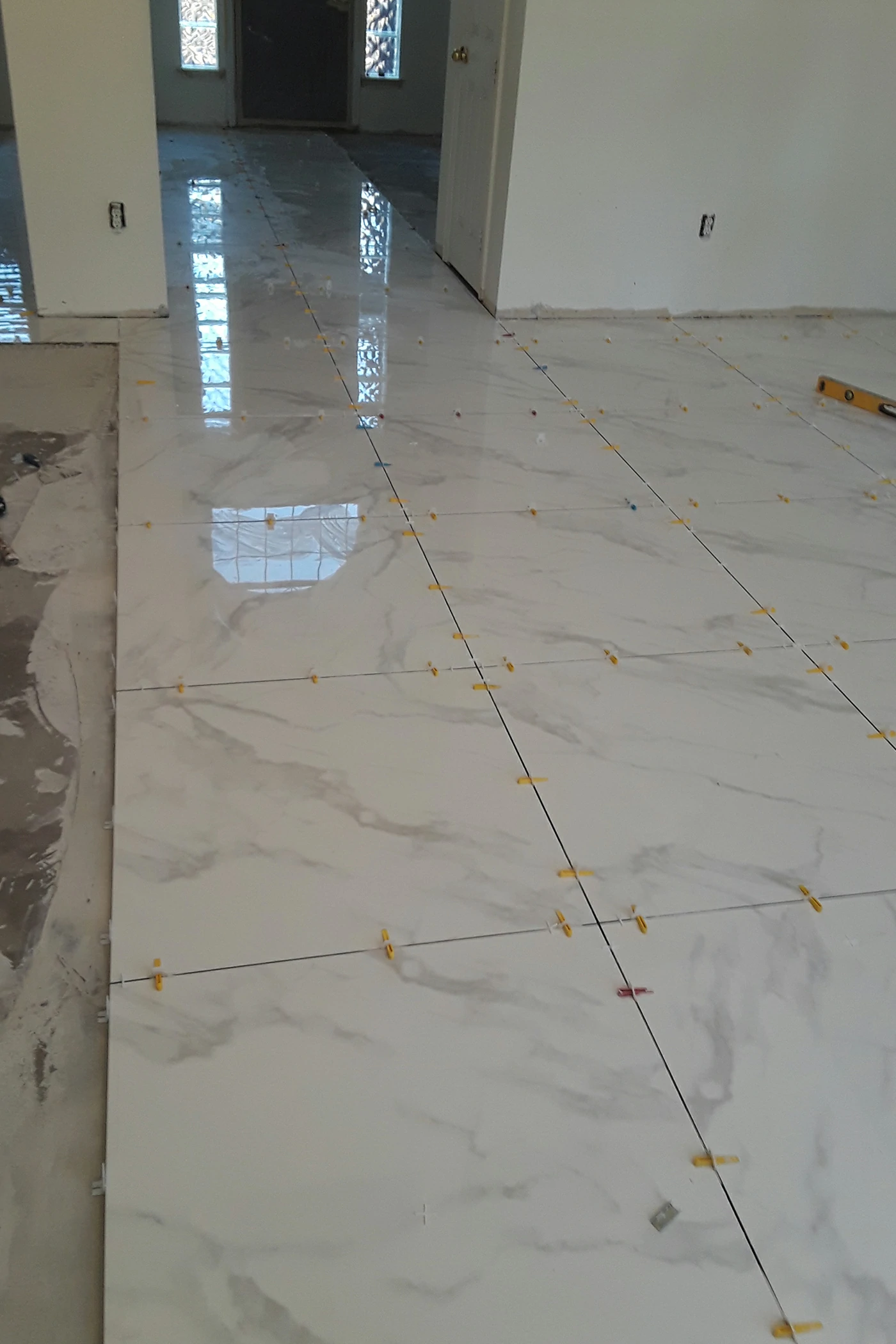
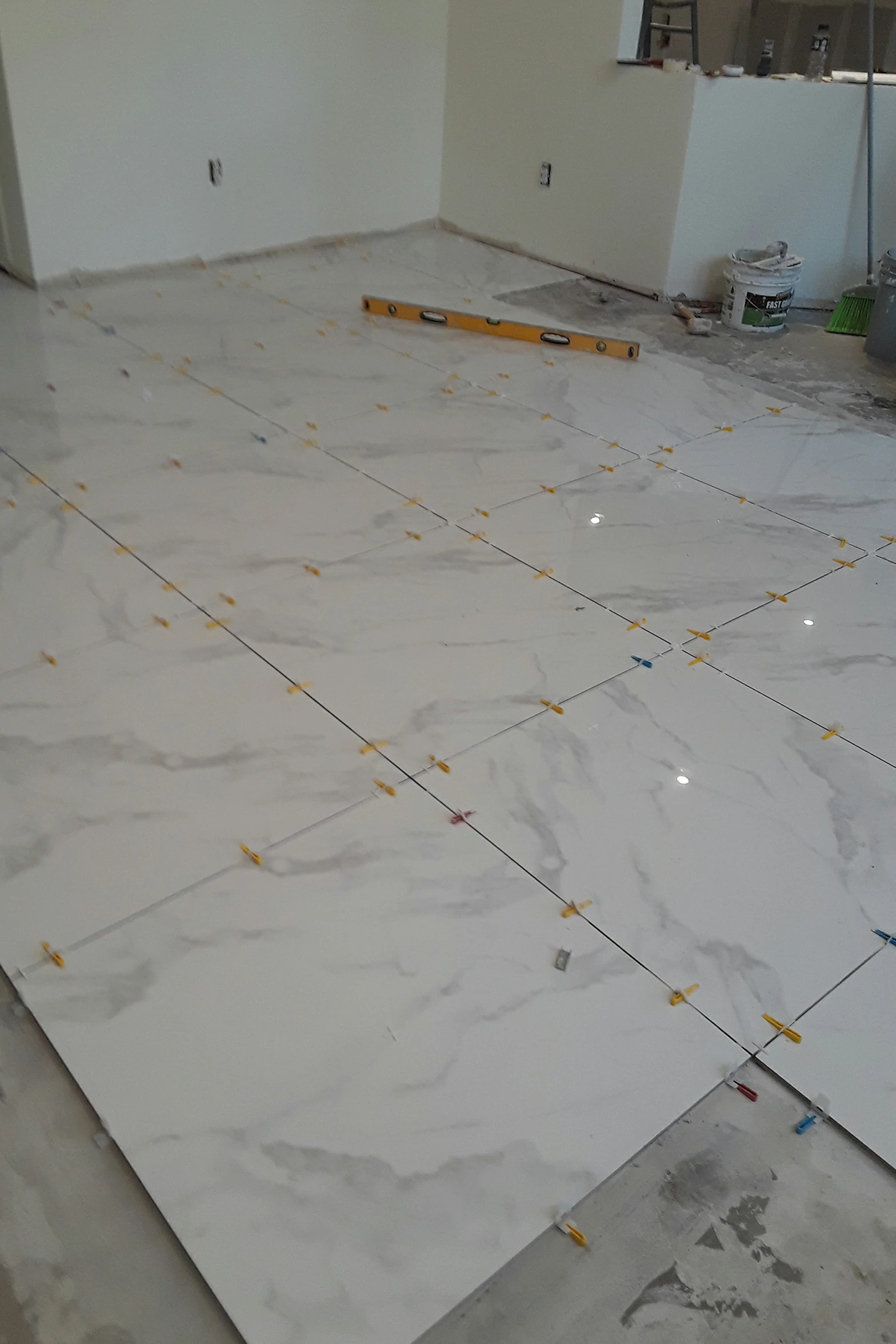
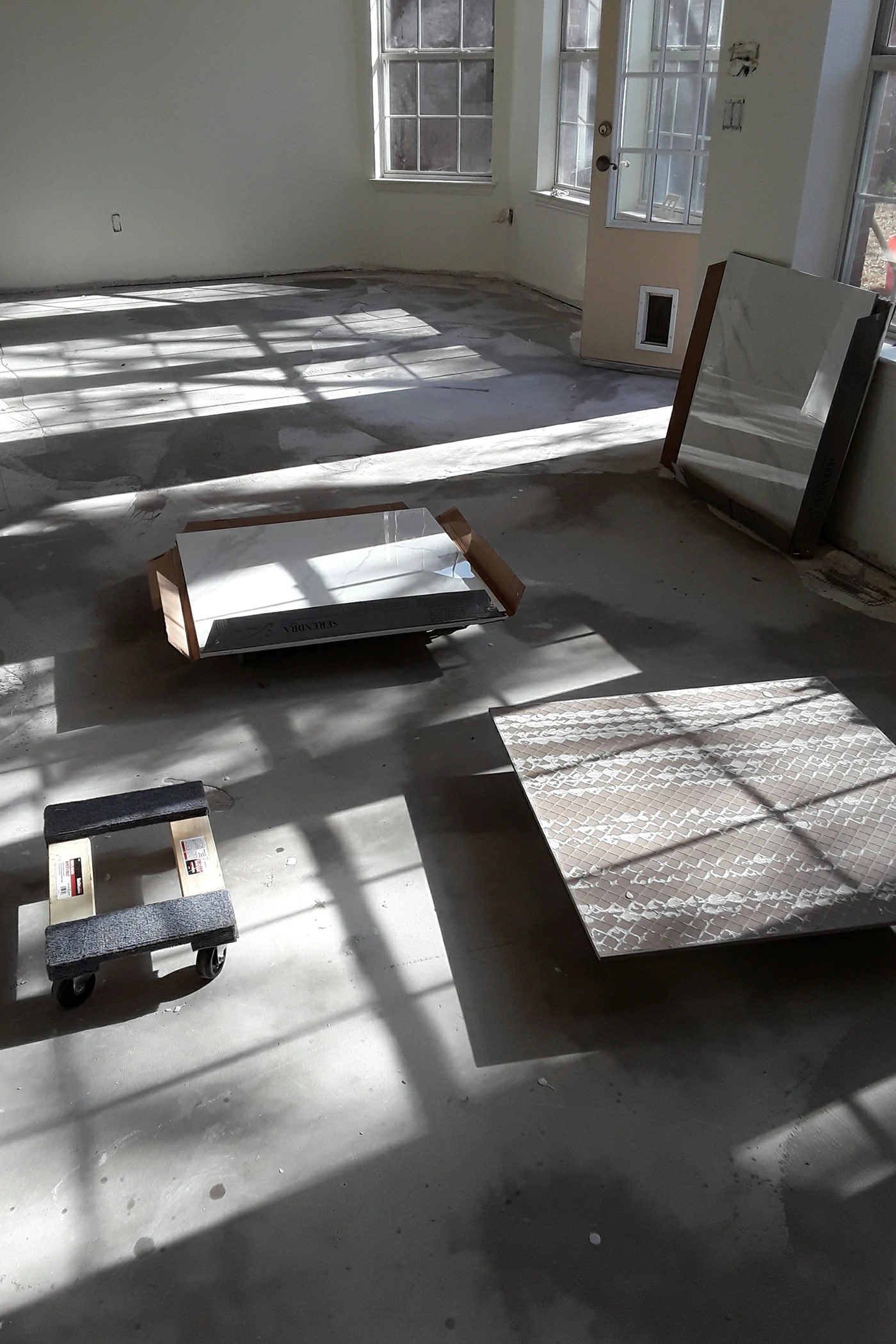
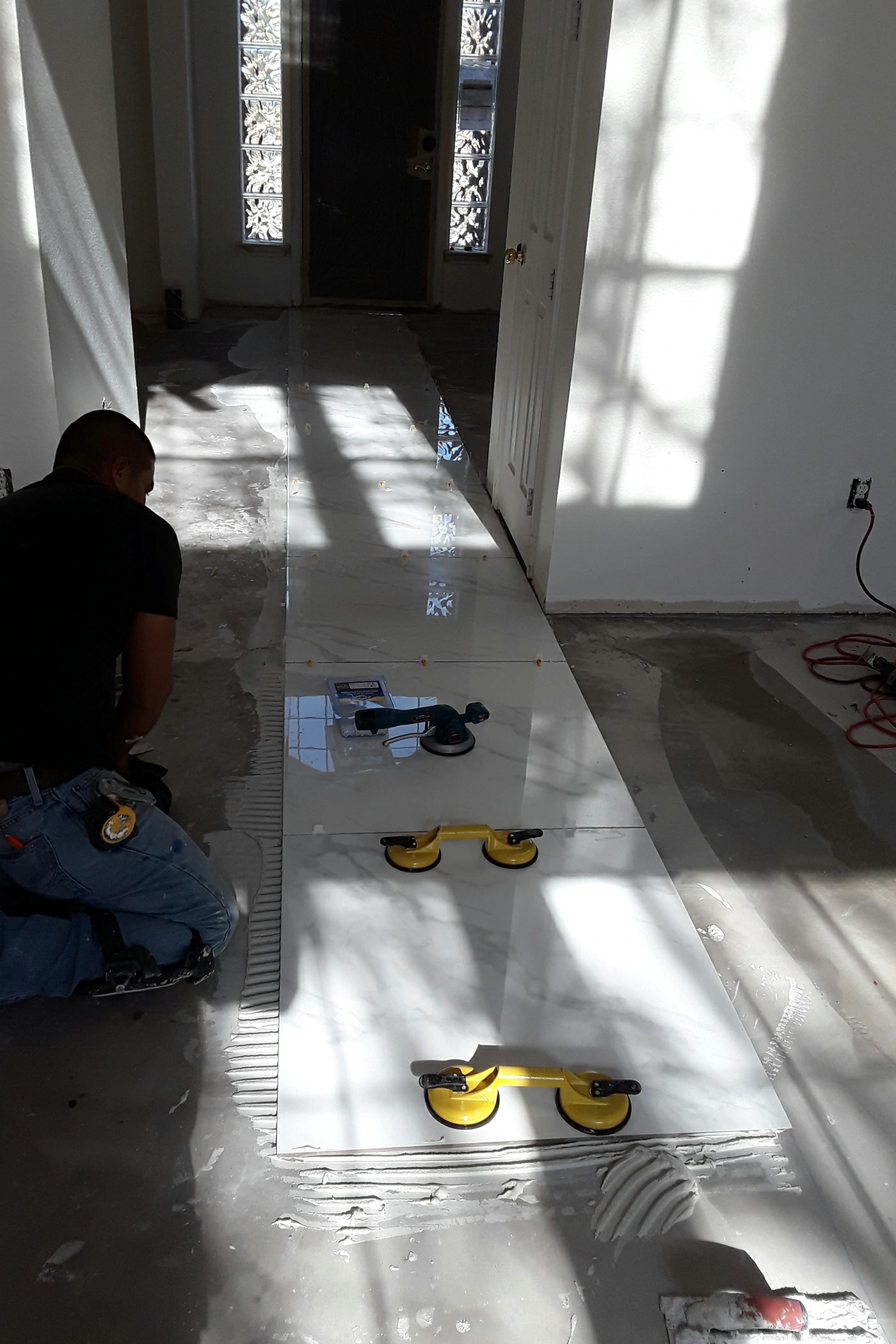
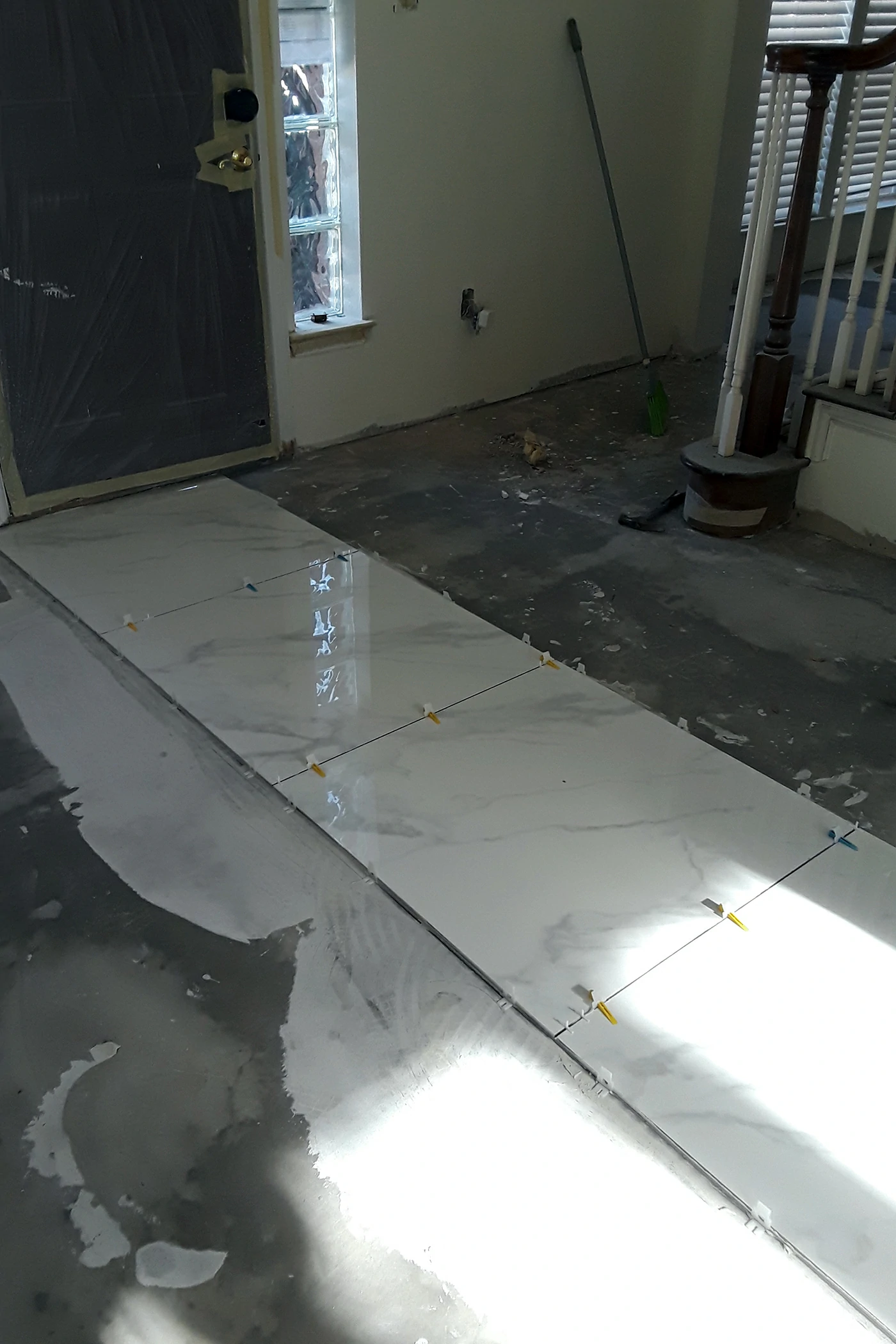
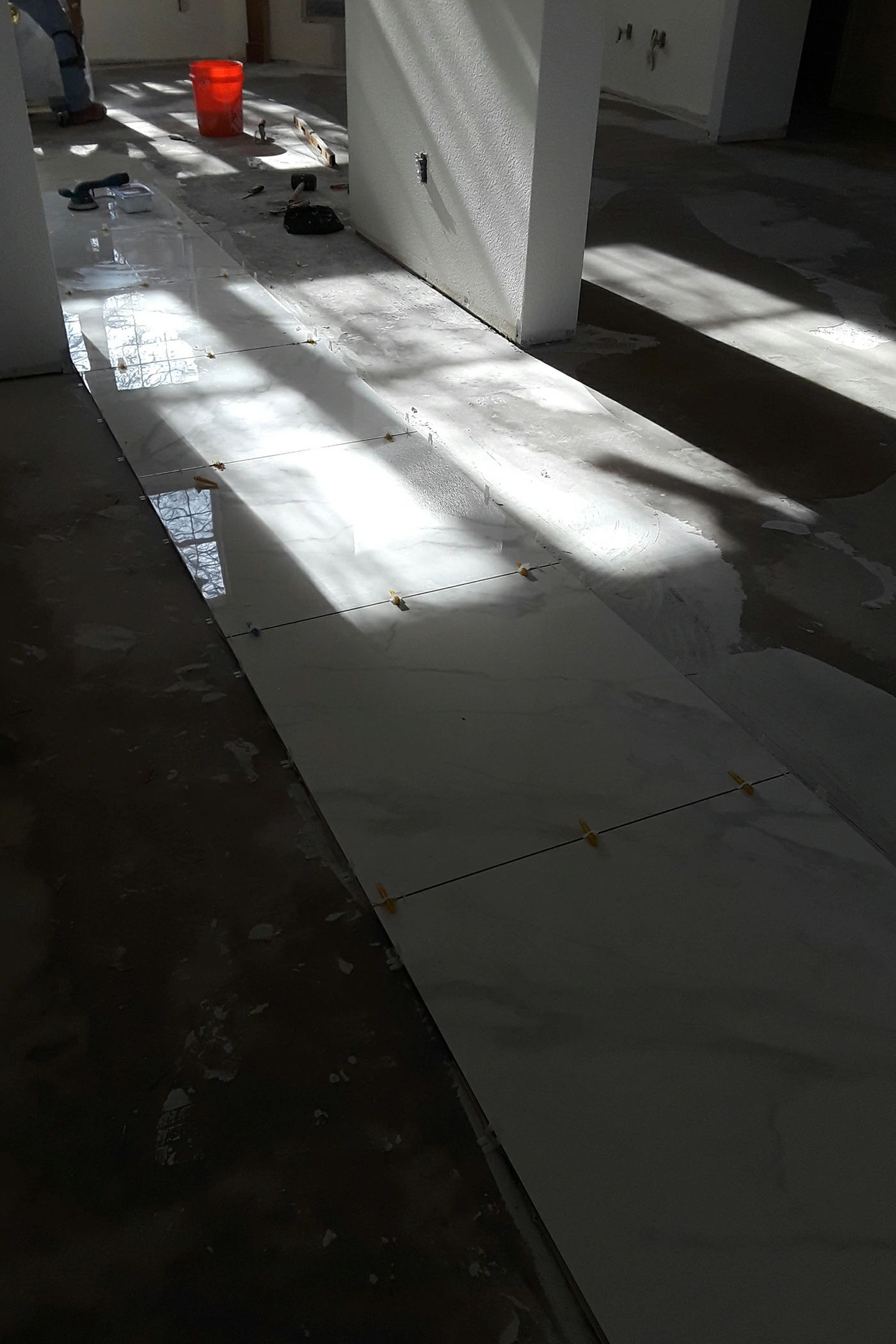
- Updating flooring or tiling
- Landscaping and outdoor projects
- Assembling modular furniture
These are manageable for a handy homeowner with patience and basic tools.
The Limits of DIY Home Additions
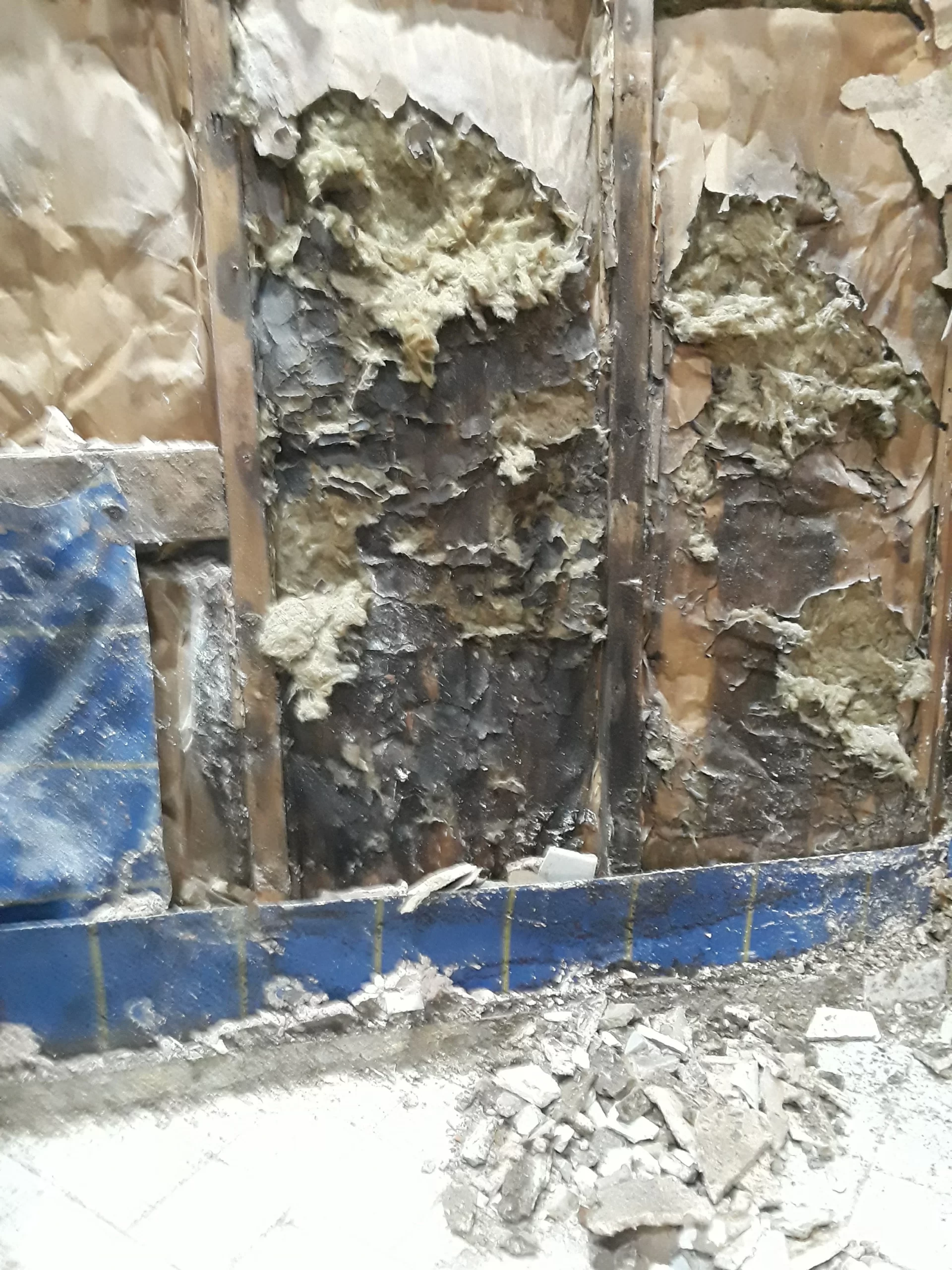
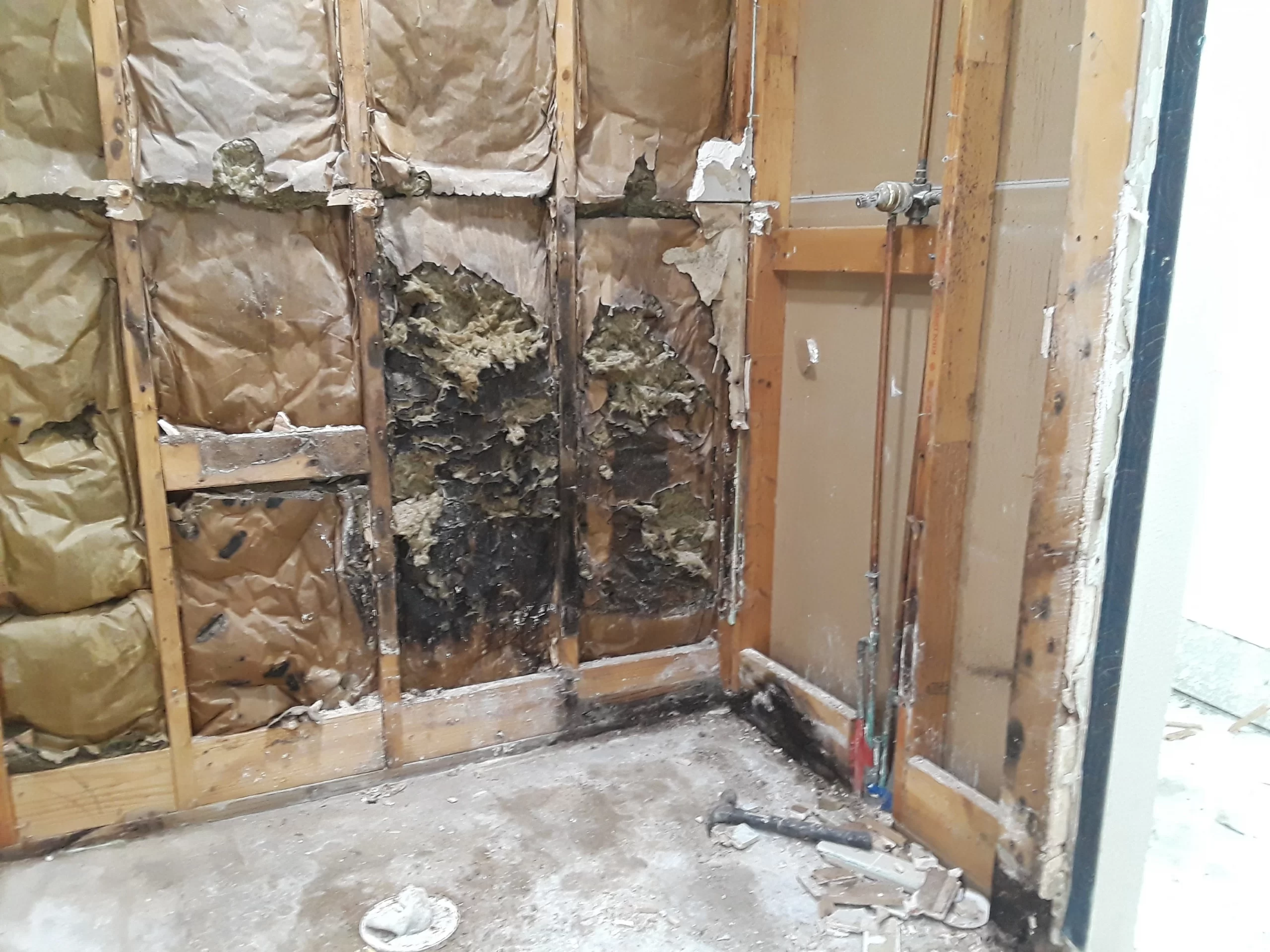
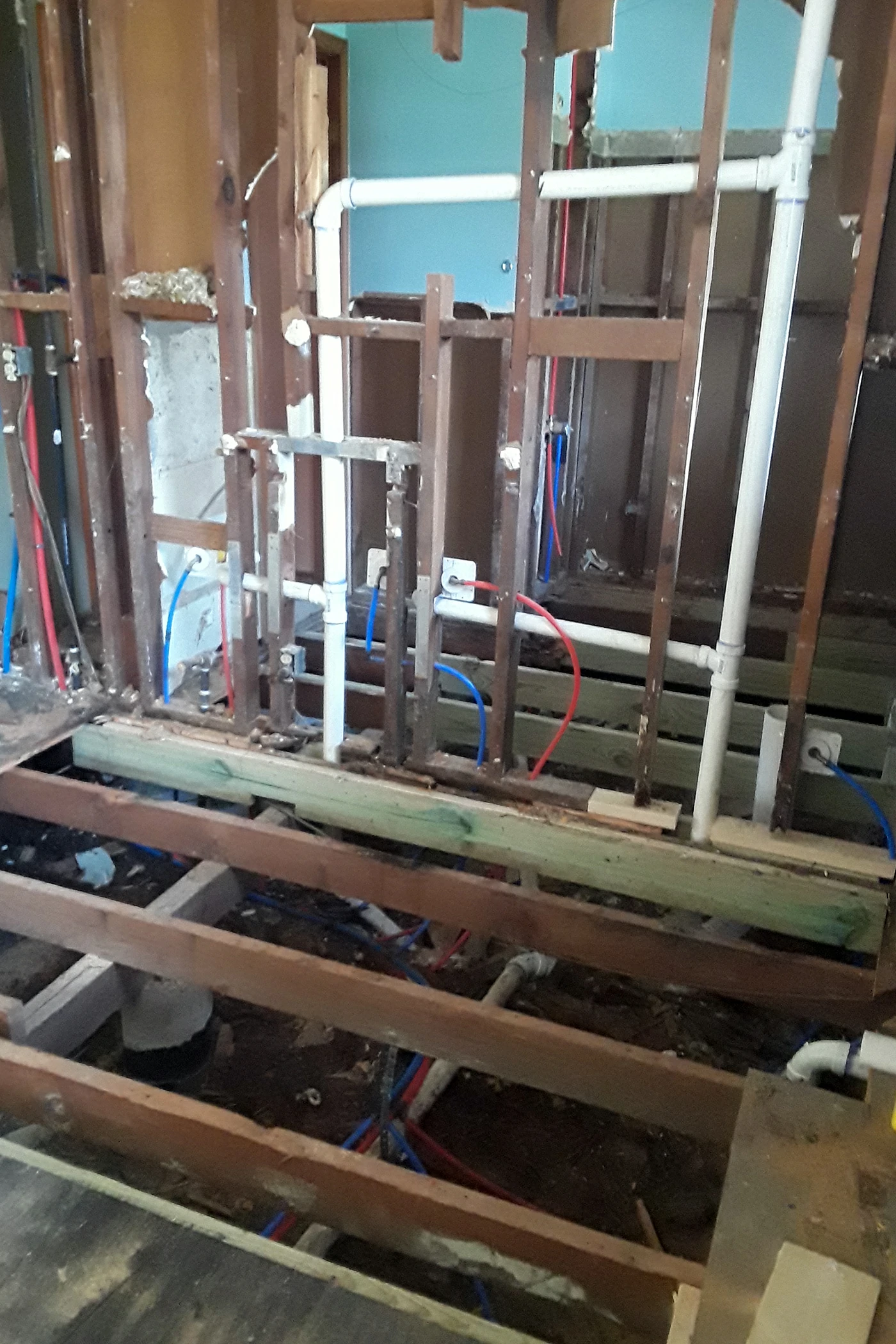
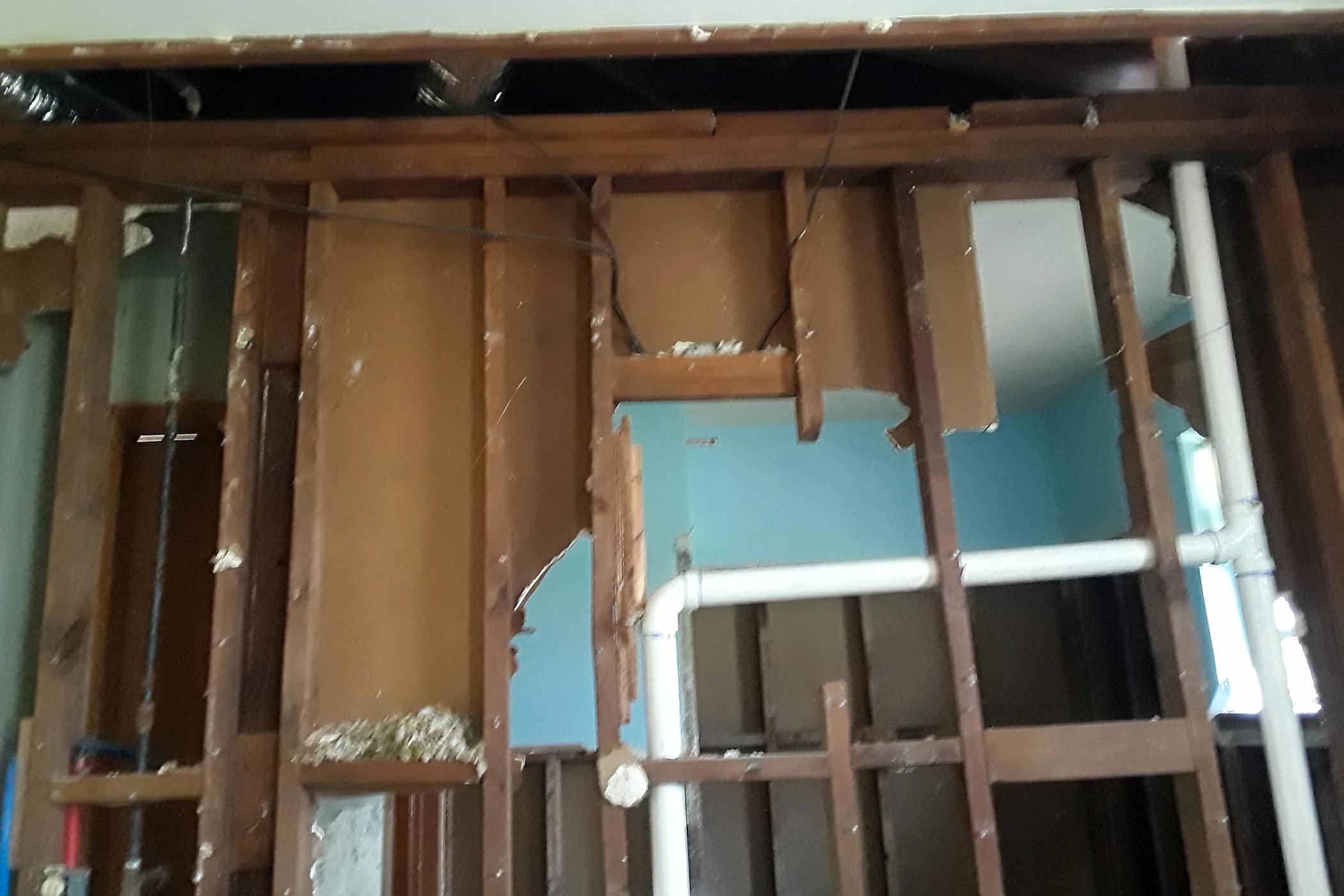
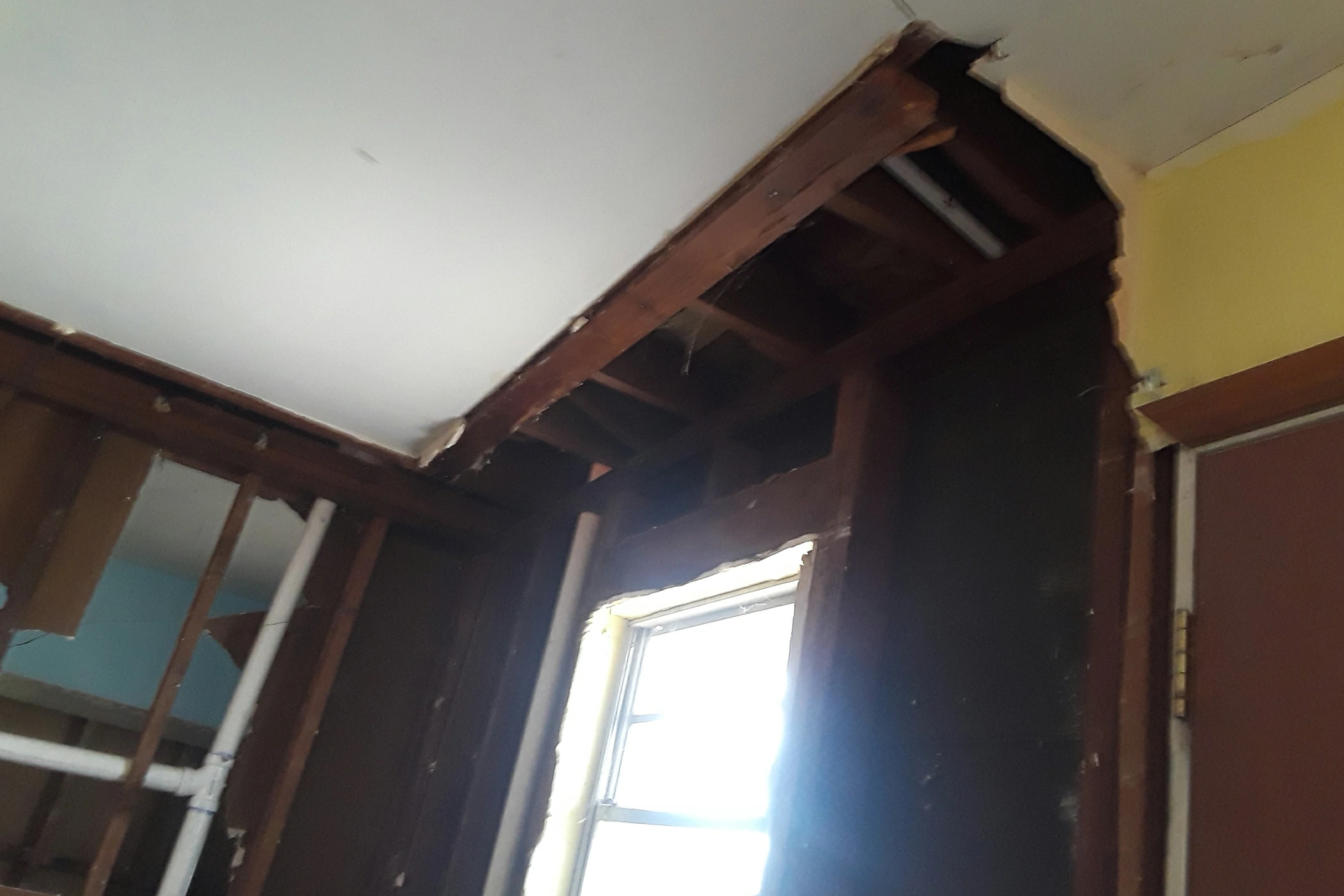
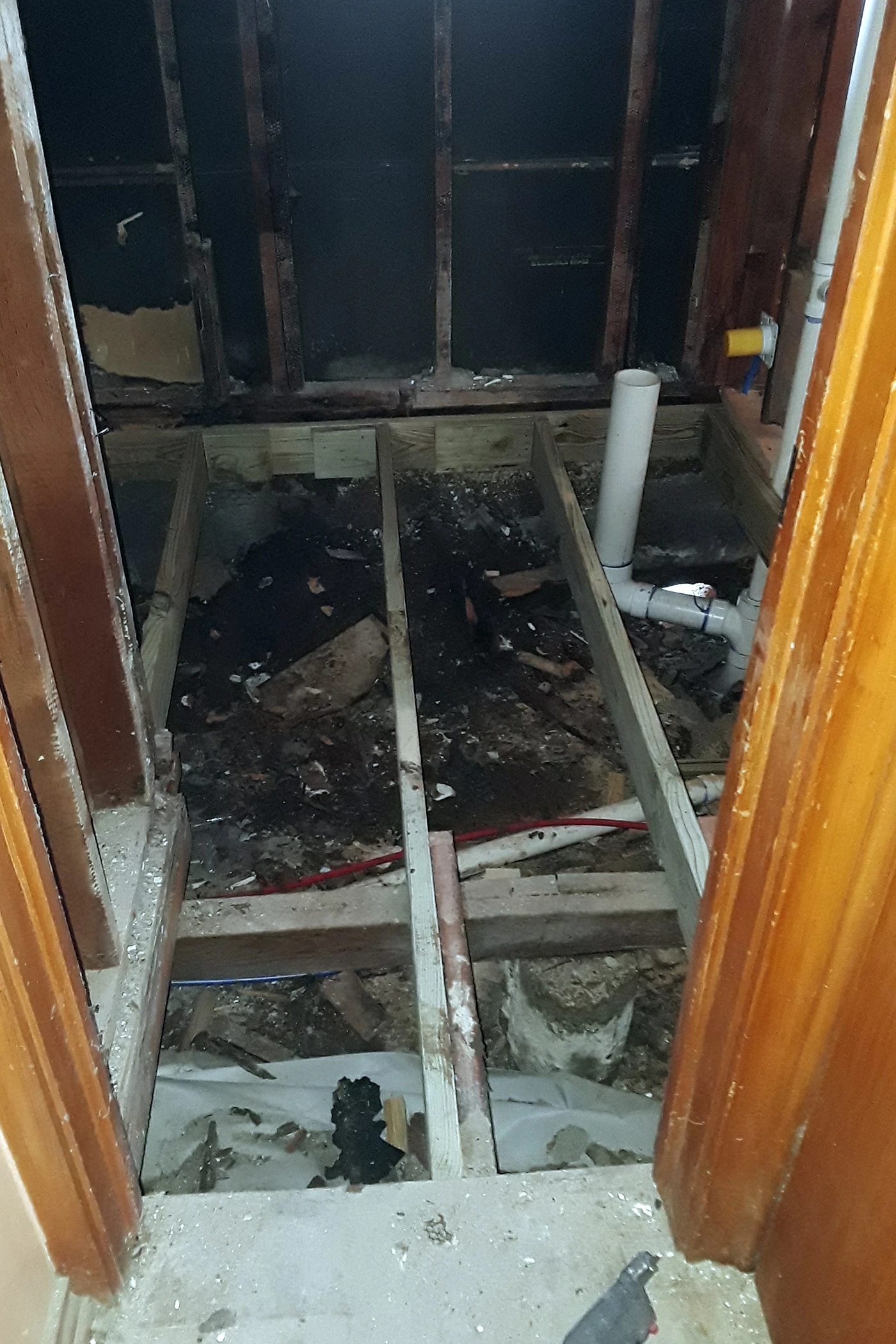
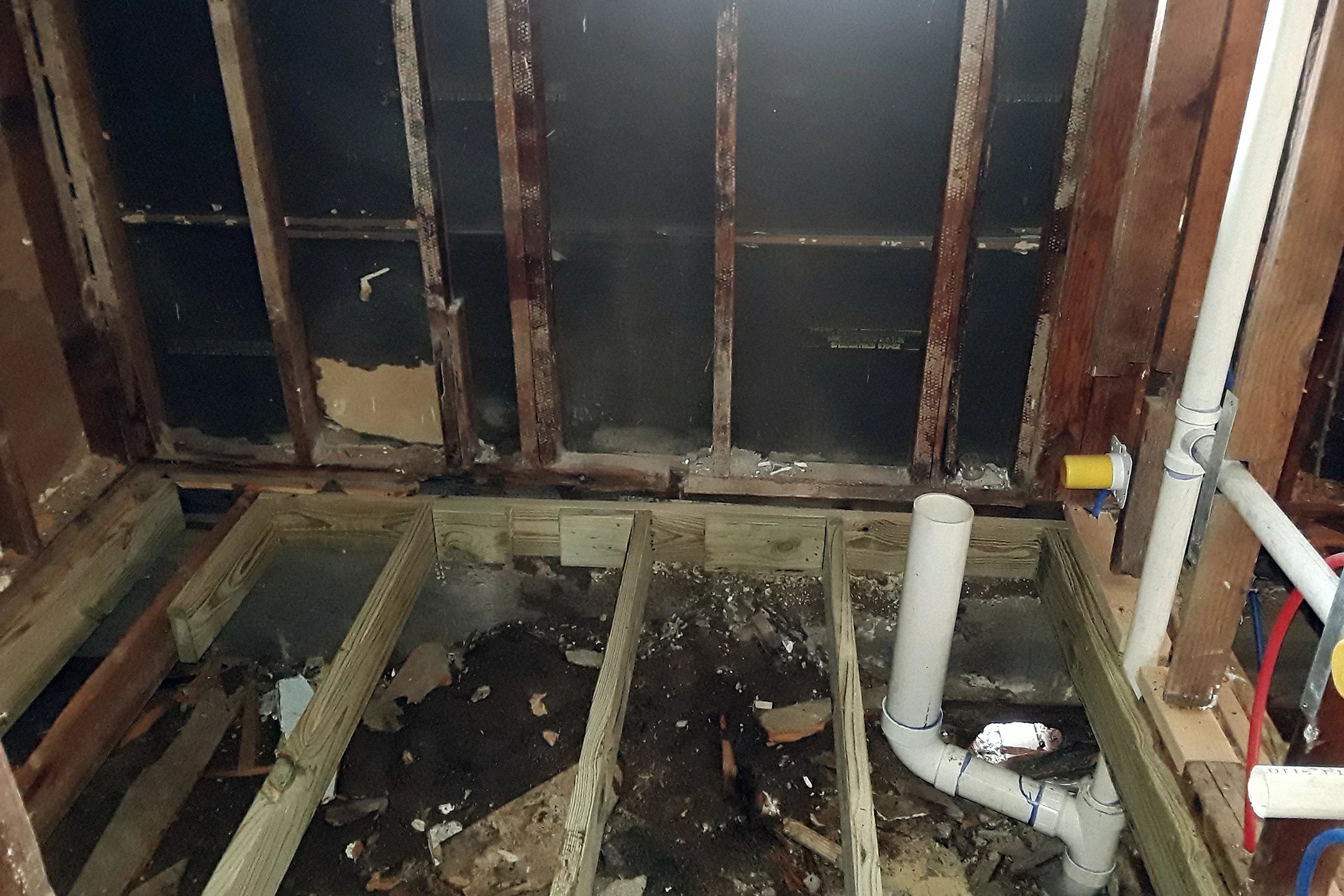
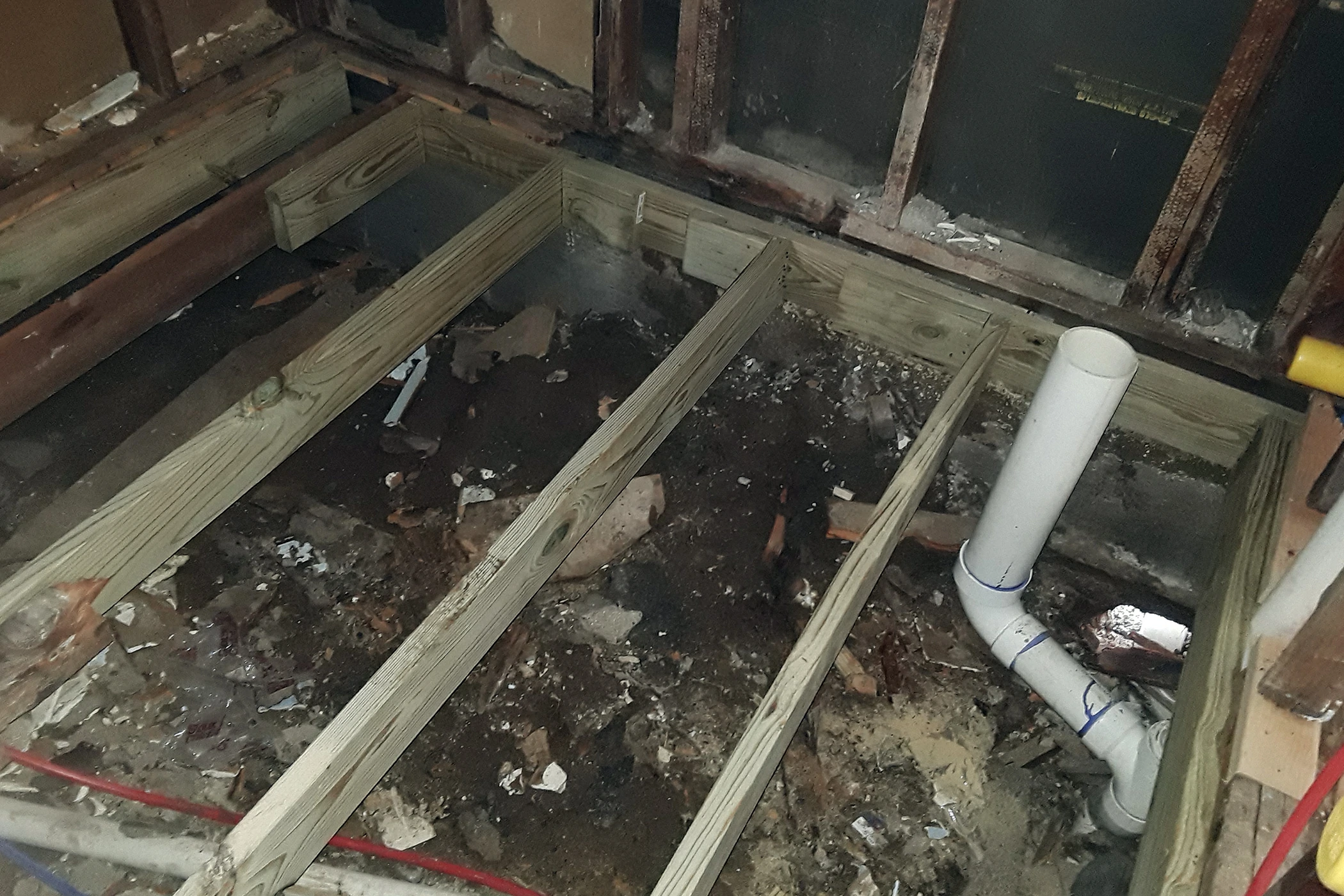
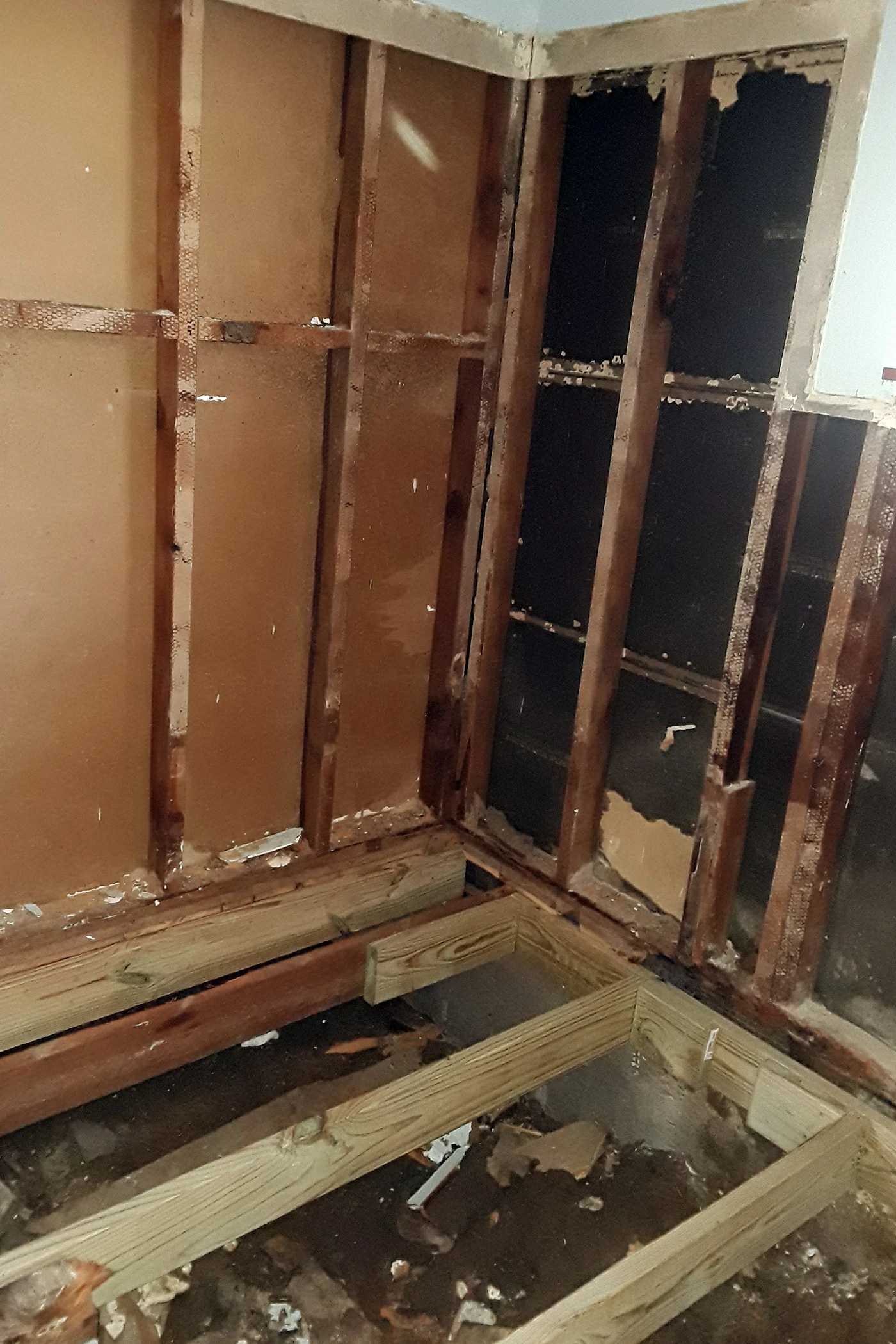
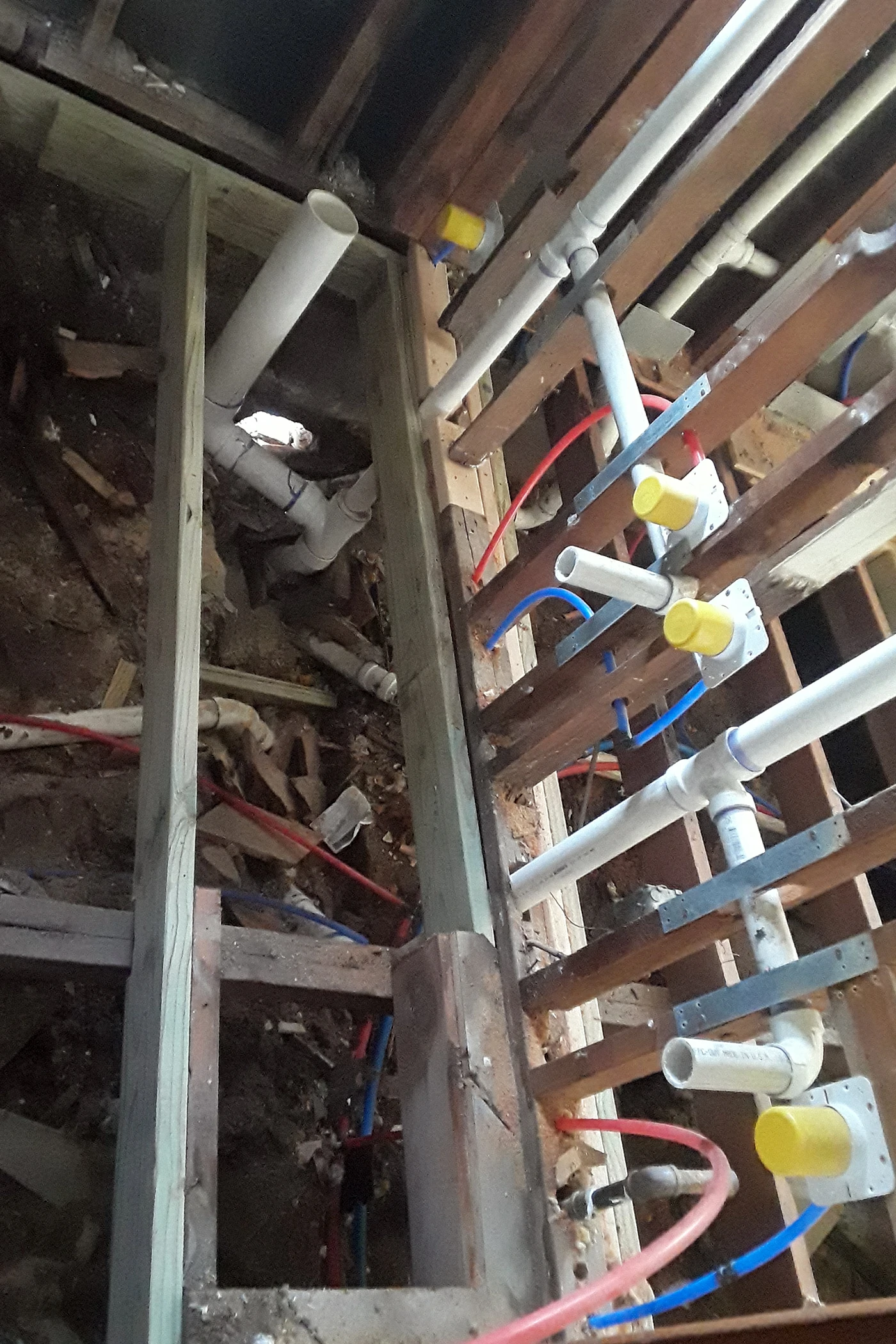
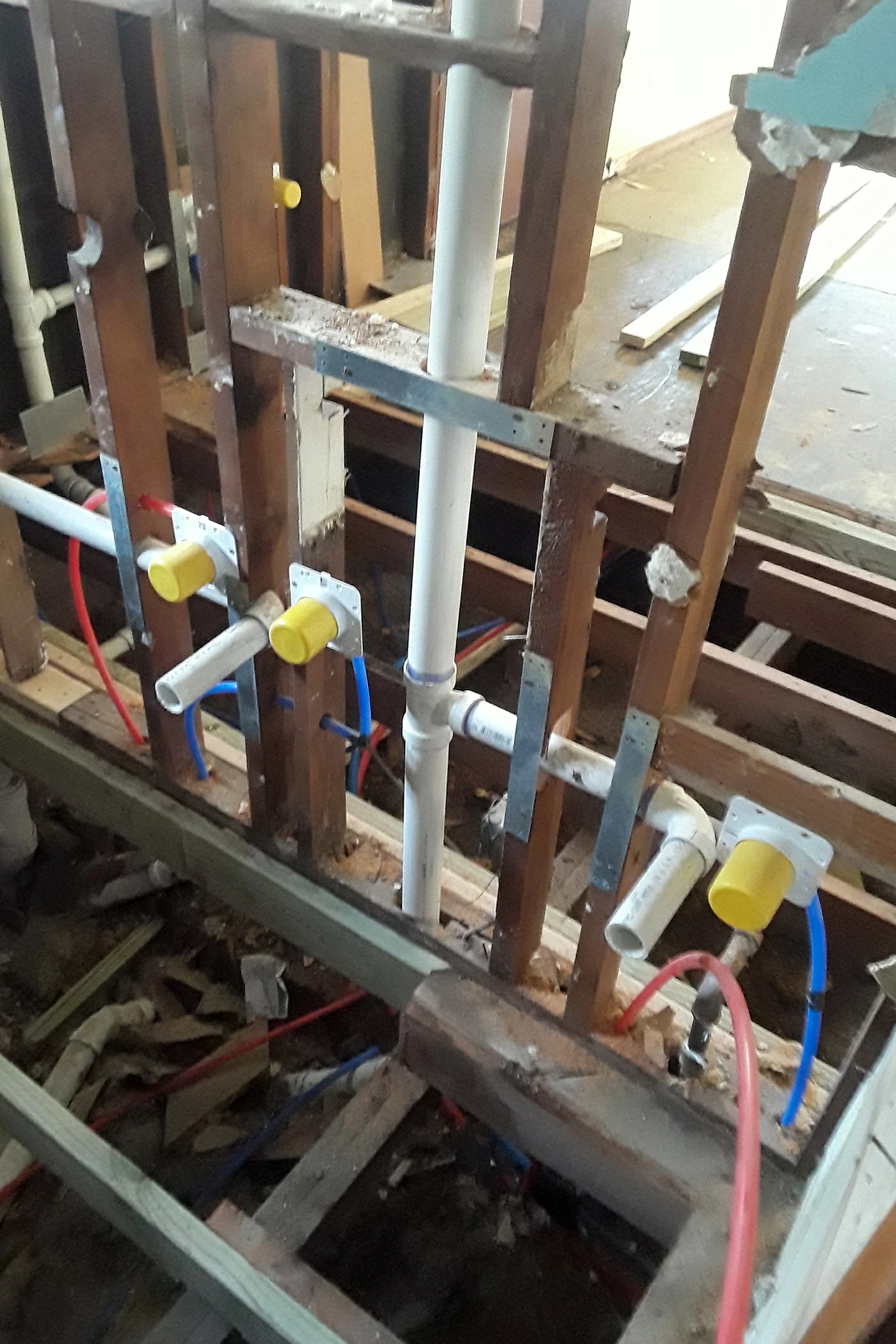
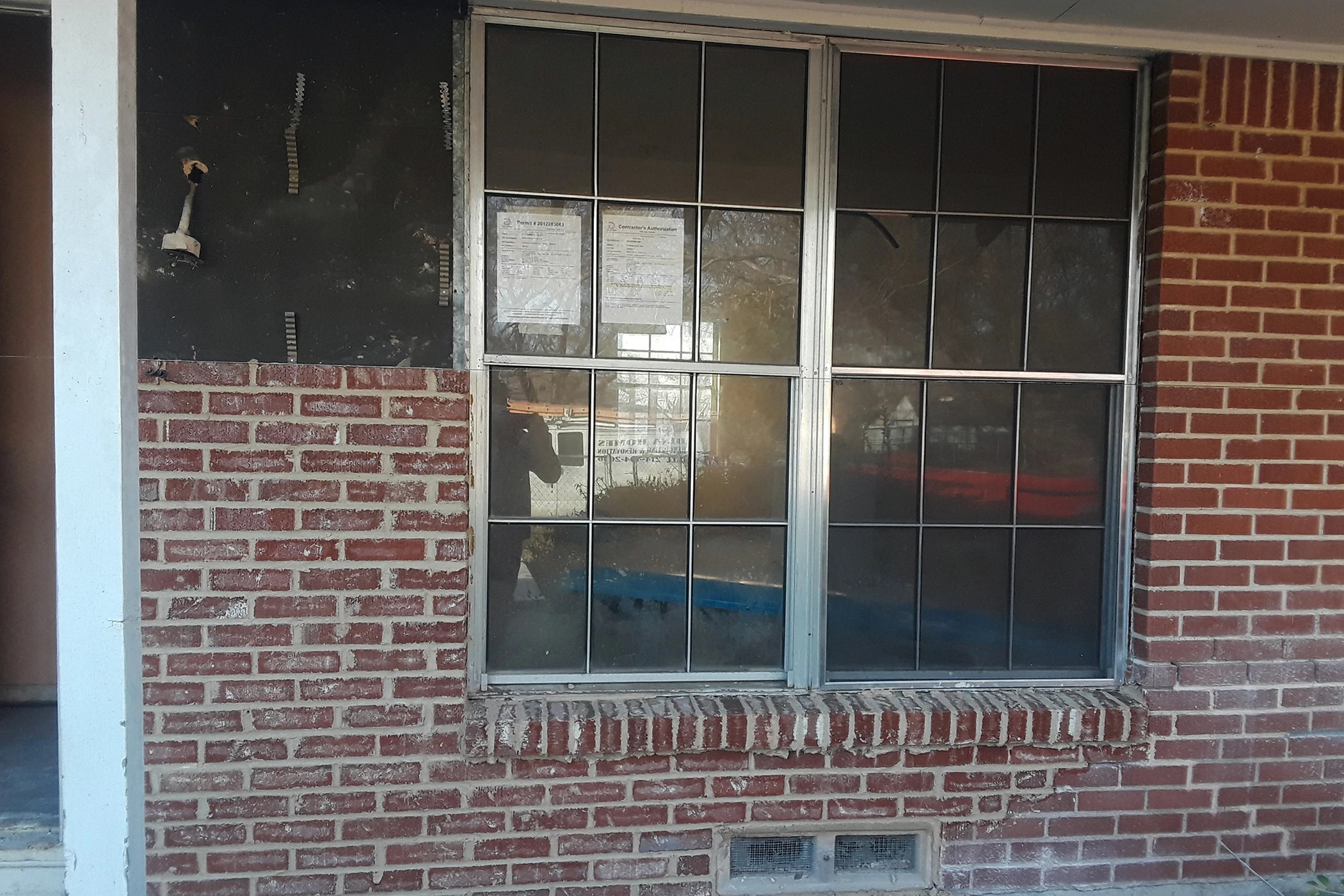
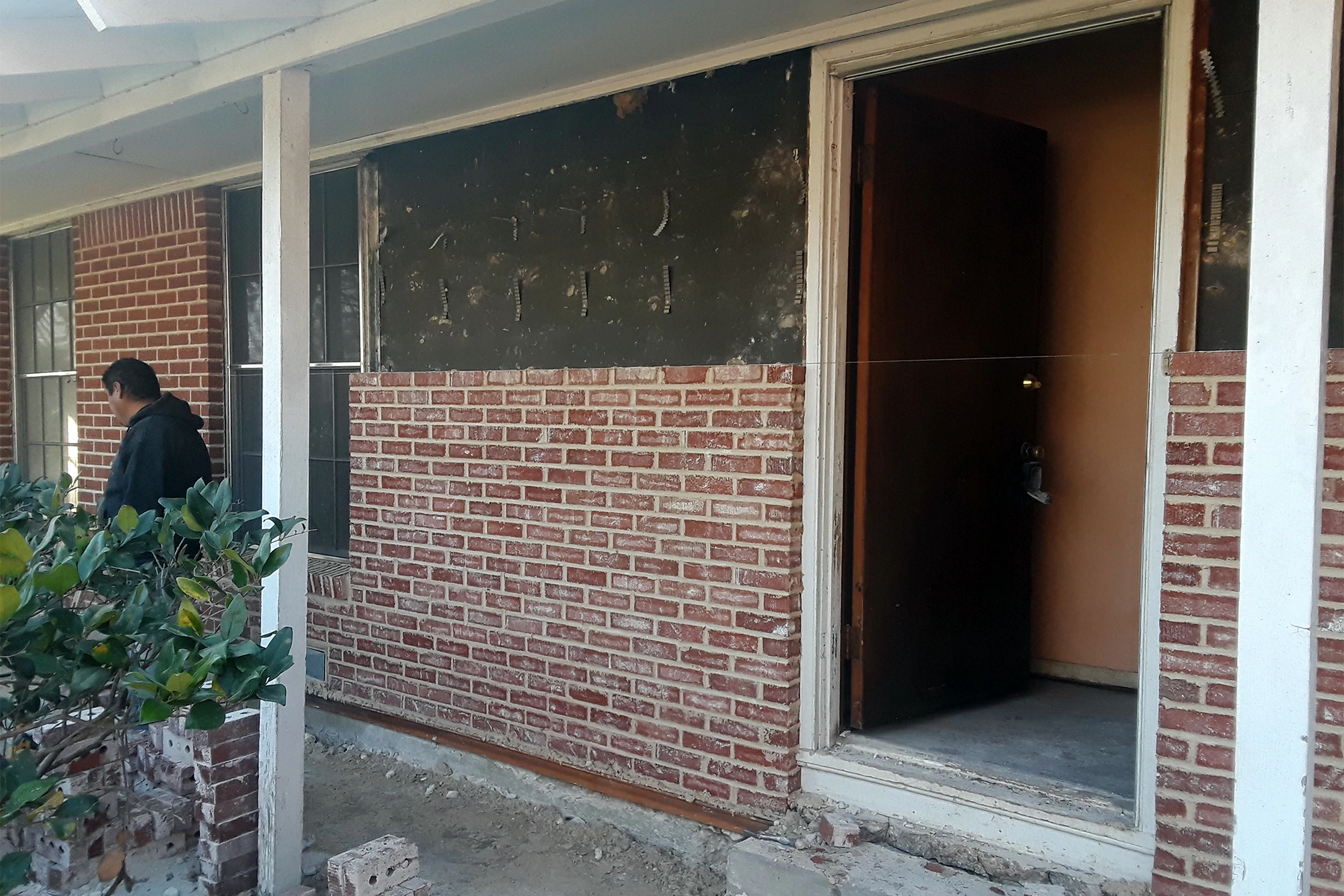
However, when the project moves from updating finishes to physically expanding a house, DIY becomes risky. Home addition construction is rarely straightforward. Even seemingly simple projects like adding a garage or extending a bedroom often involve far more complexity than most DIYers anticipate.
The primary risks of DIY in large-scale expansions are:
-
- Structural integrity issues: Removing walls or building new foundations without engineering knowledge can compromise safety.
-
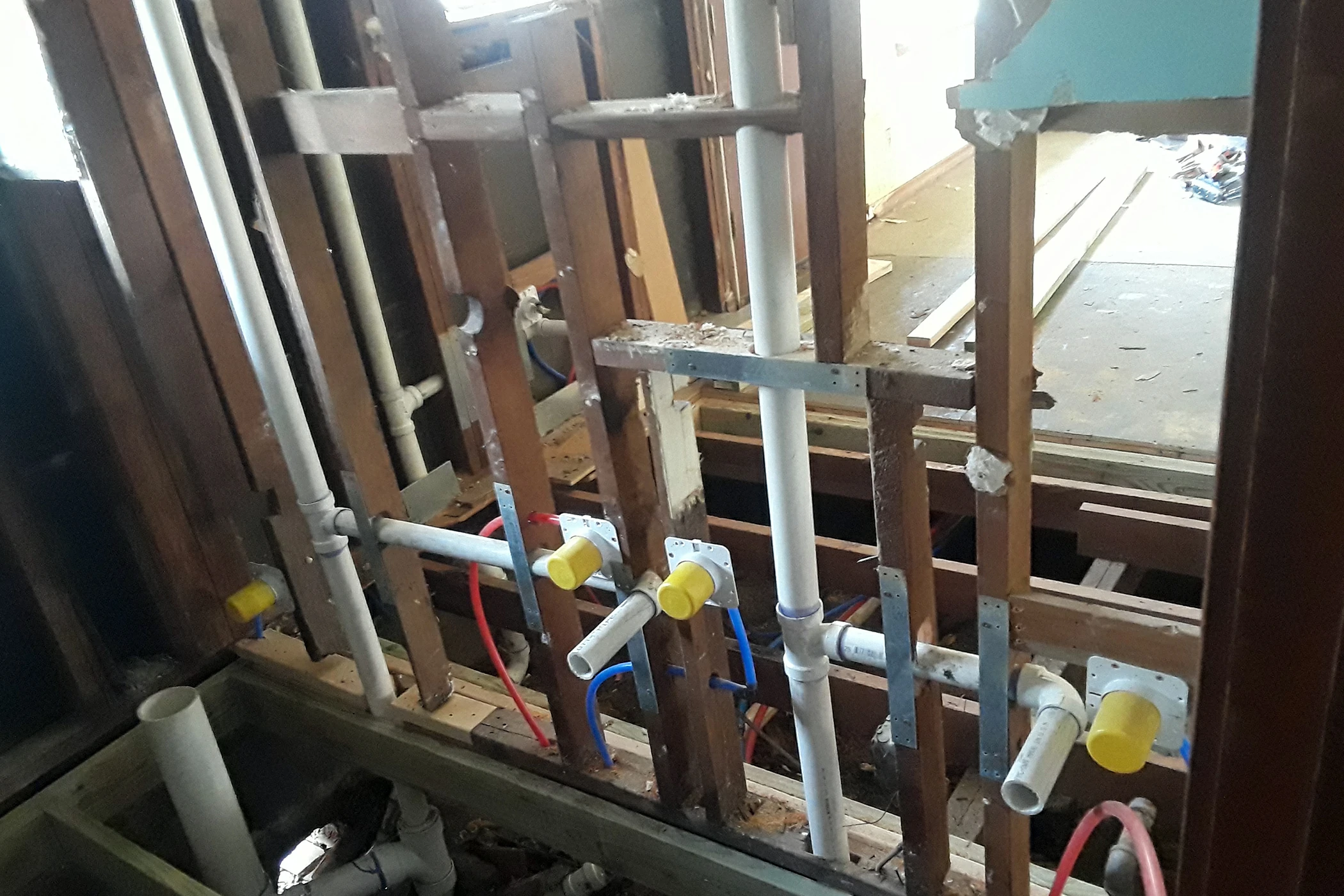
- Electrical and plumbing hazards: Incorrect setups can cause fire risks, leaks, or code violations.
-
- Permit challenges: DIYers often struggle with building permits and inspections required by local authorities, especially in regions like home additions Texas, where regulations vary county by county.
-
- Cost overruns: Mistakes must be corrected, sometimes requiring professionals anyway negating the initial savings.
-
- Time delays: Large additions often take much longer for untrained homeowners, disrupting family life.
In fact, studies show that many DIY projects end up costing more in the long run due to mistakes and rework.
Why Hire Home Extension Contractors?
Home extension contractors are licensed professionals with expertise in managing large-scale expansion and renovation projects. Hiring them ensures compliance, safety, and quality—a trio that DIY cannot consistently guarantee.
Professional home addition contractors bring several advantages:
-
- Technical expertise: They understand architectural design, load-bearing walls, foundations, and all structural requirements.
-
- Full-service management: From permits to construction and final inspection, they handle everything.
-
- Project efficiency: Contractors streamline timelines by coordinating skilled teams.
-
- Quality assurance: Their work usually comes with guarantees and warranties.
-
- Code compliance: Licensed addition contractors ensure your project meets legal standards.
For a family needing long-term peace of mind, hiring home expansion contractors is often the safer investment.
Types of Home Additions That Require Contractors
While DIY works for cosmetic projects, nearly all structural expansions should rely on expert house addition contractors. Examples include:
-
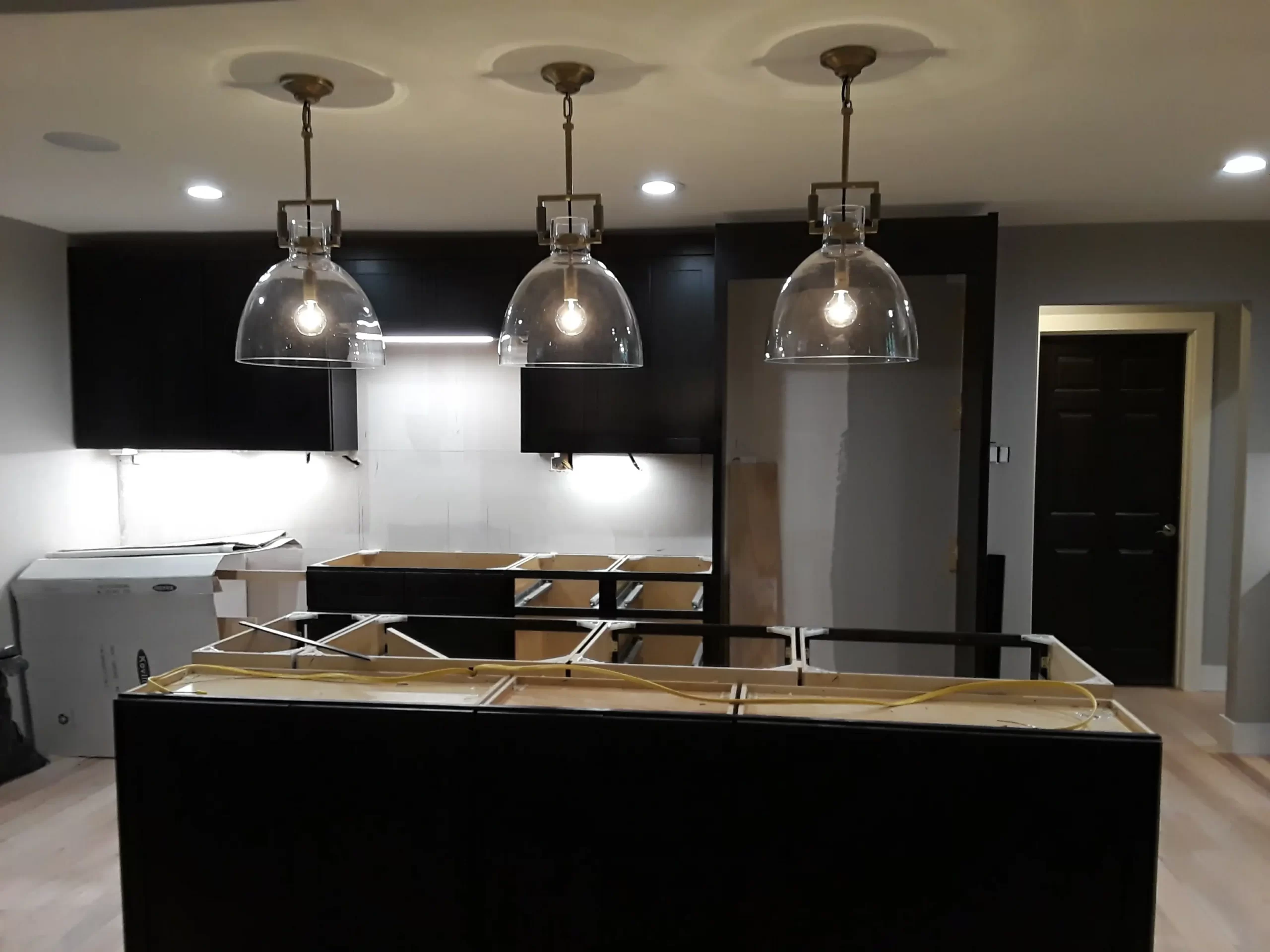
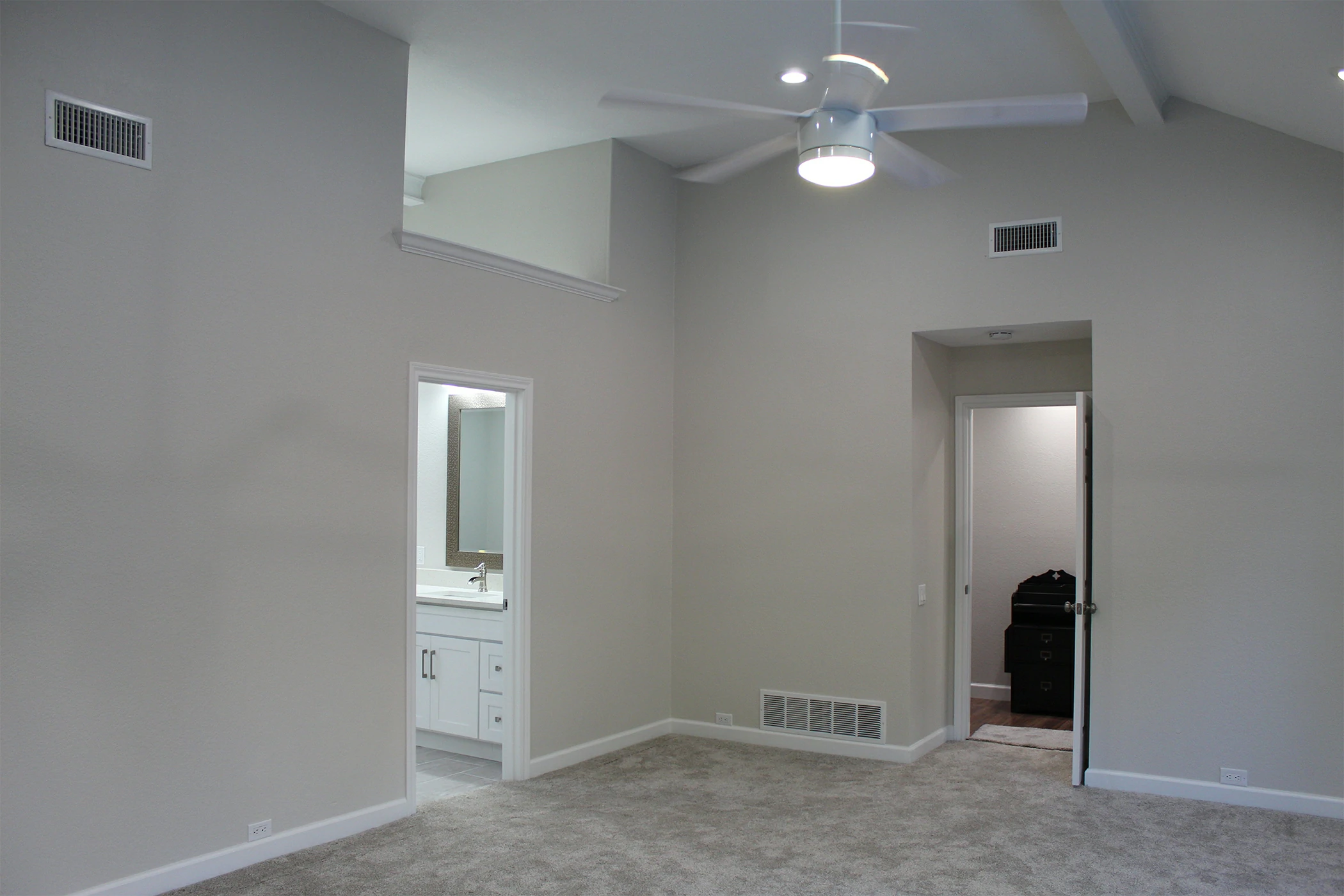
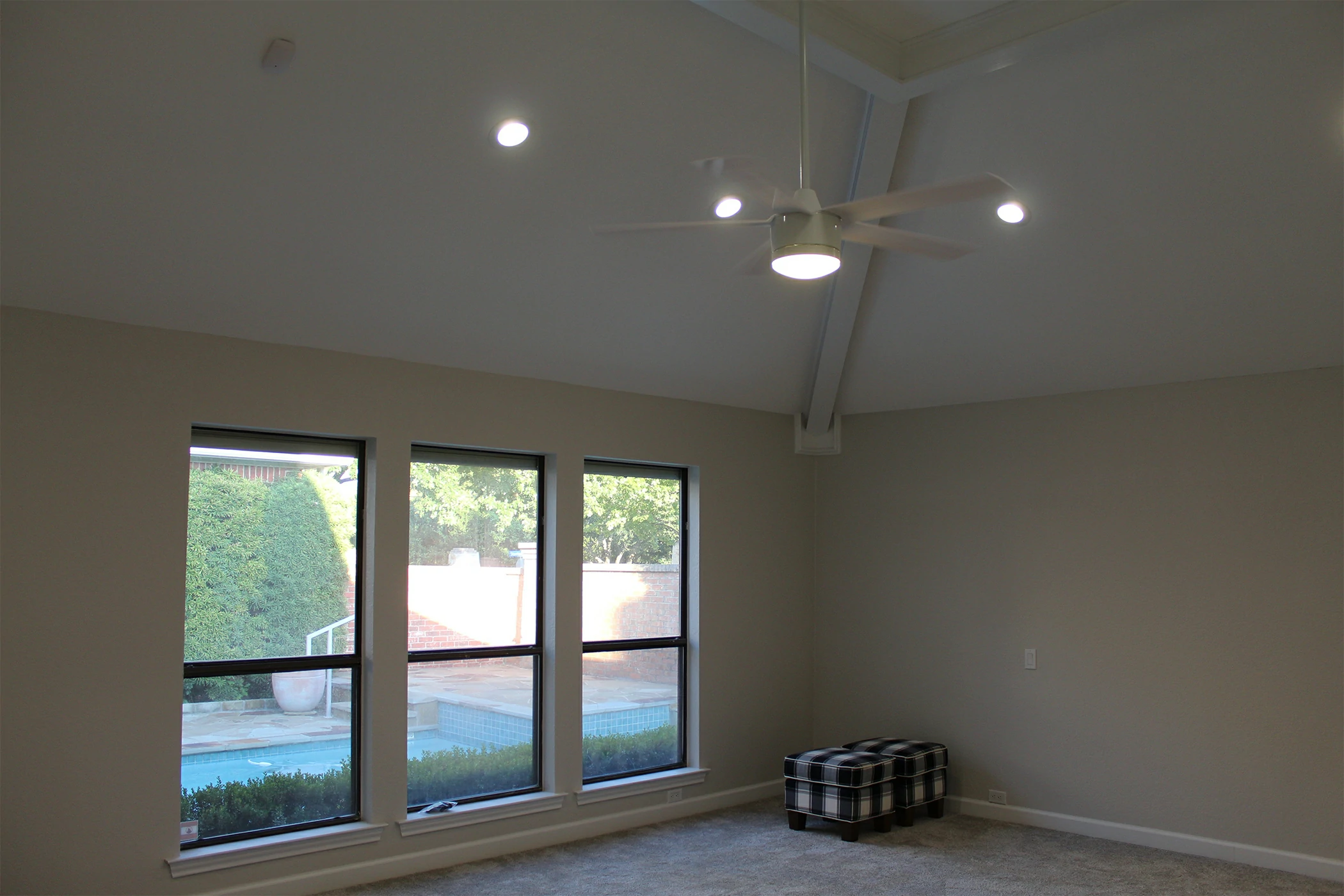
- Room Additions: Whether you need a new bedroom, home office, or family space, this involves new walls, plumbing, and electrical work.
-
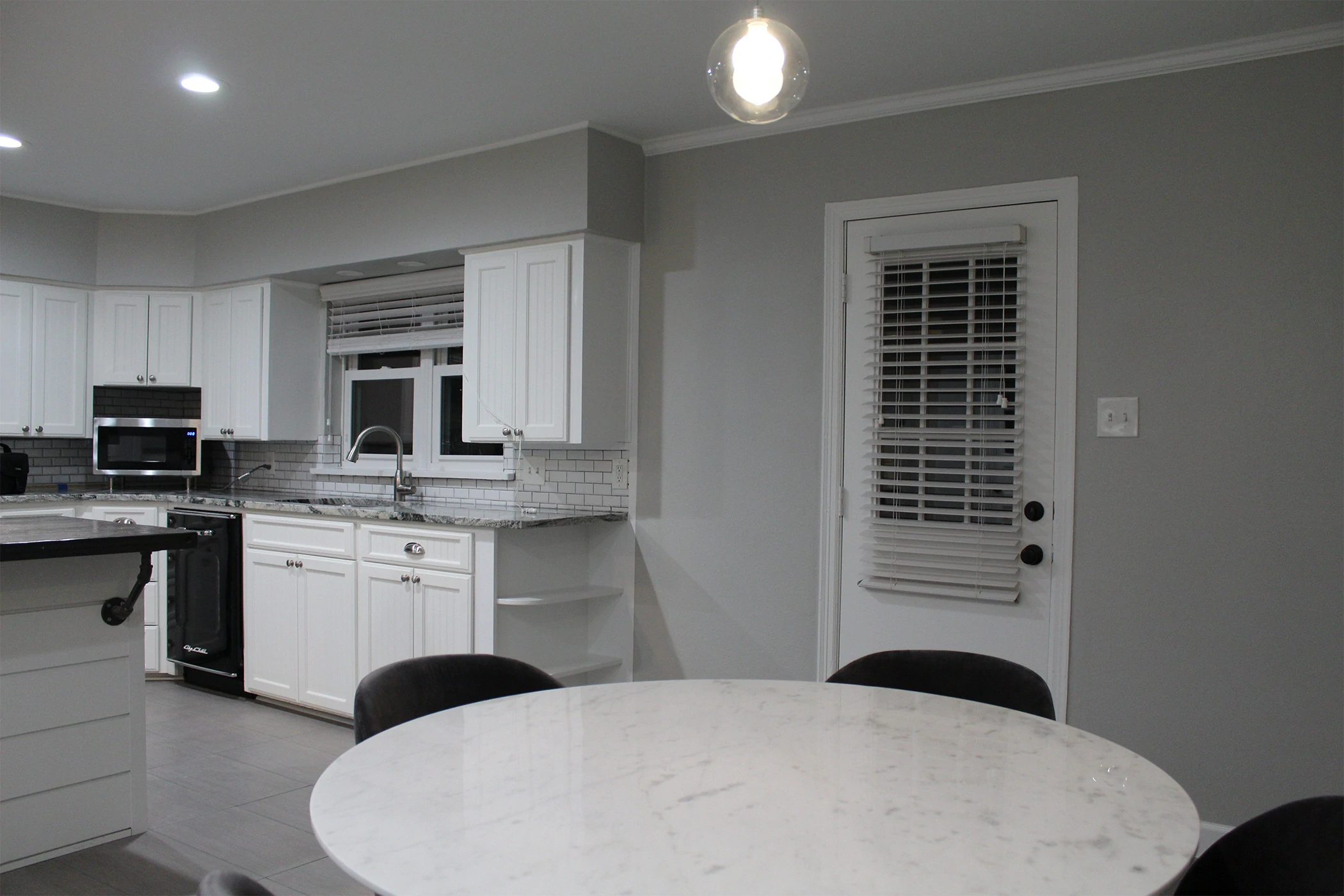
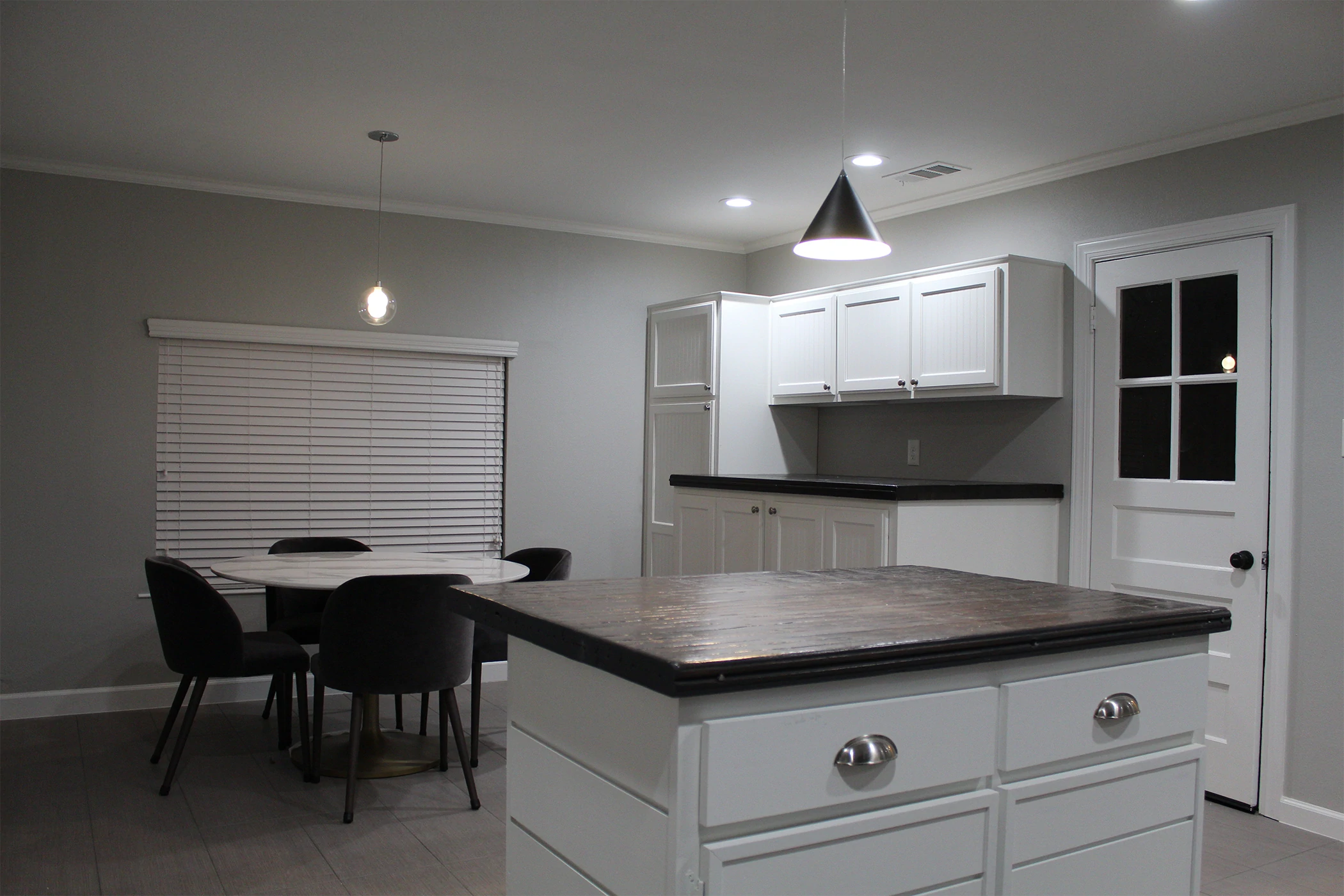
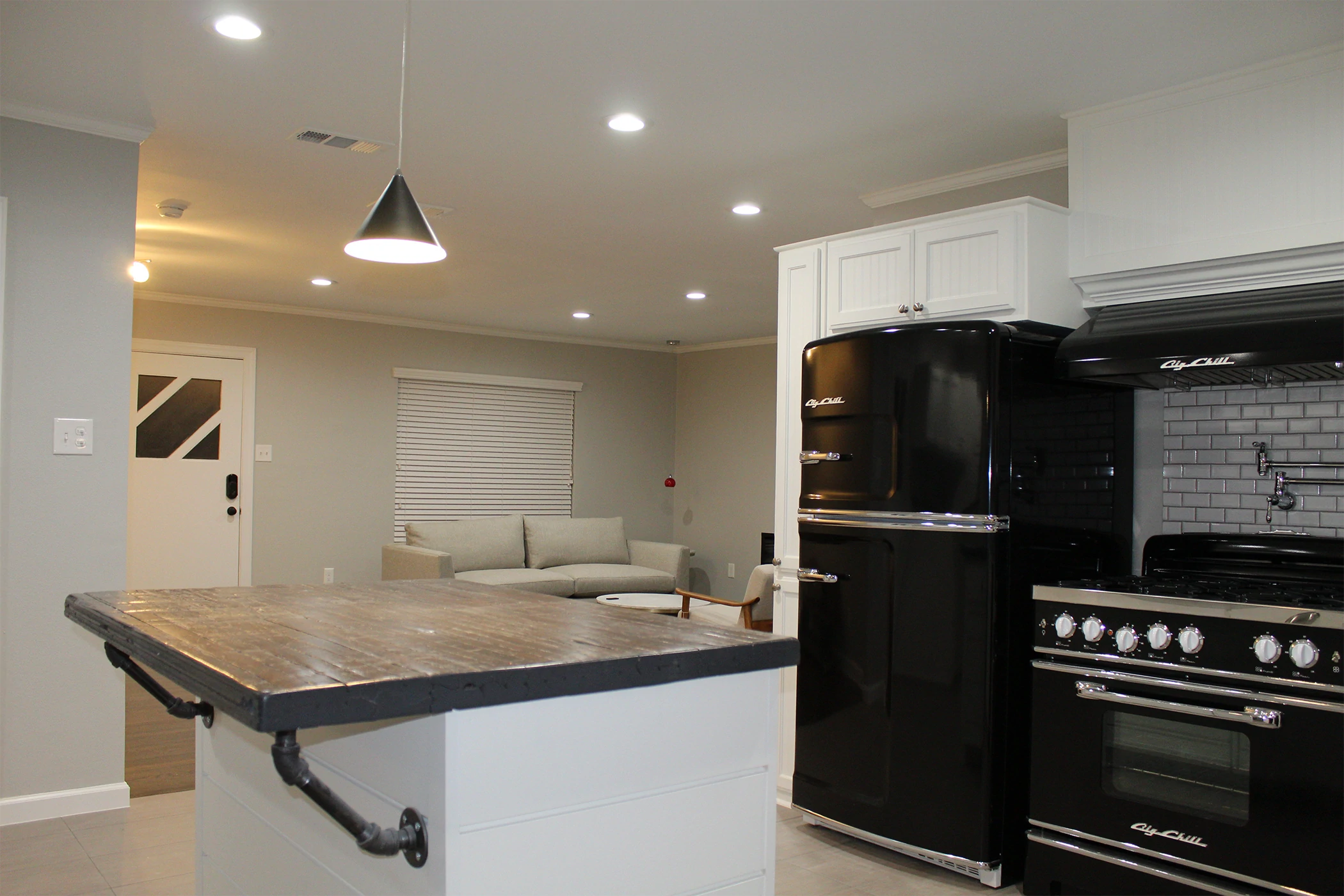
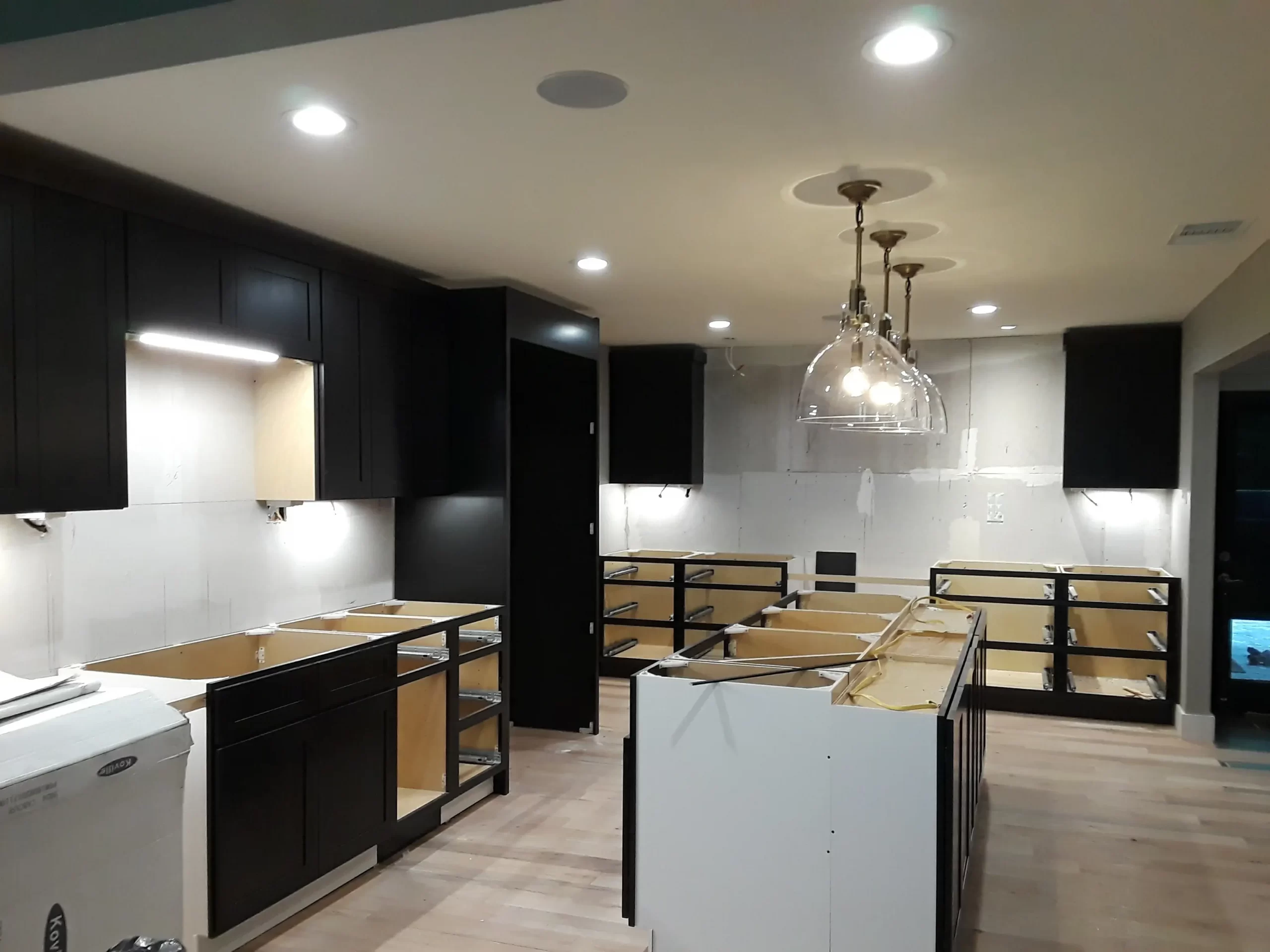
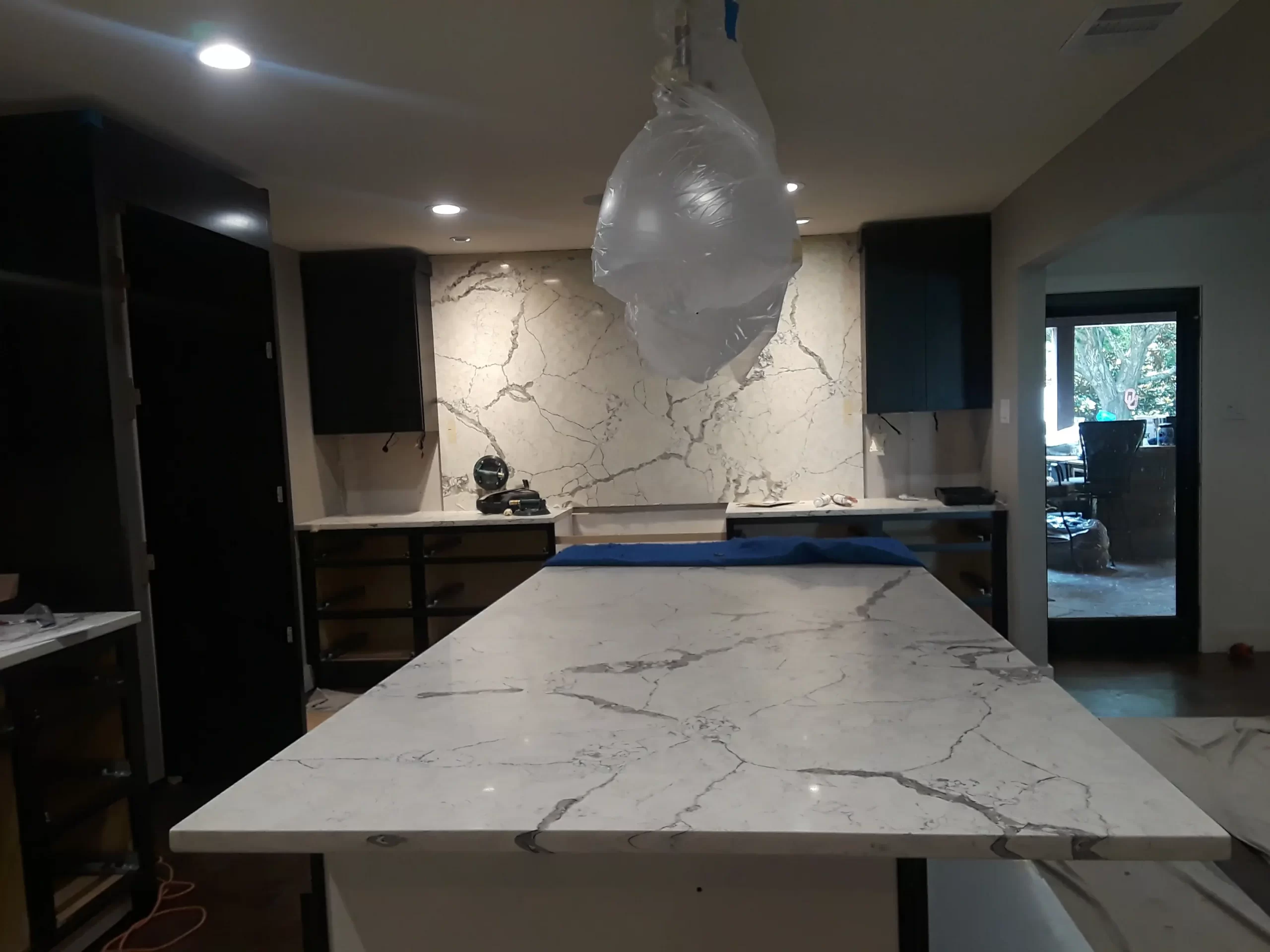
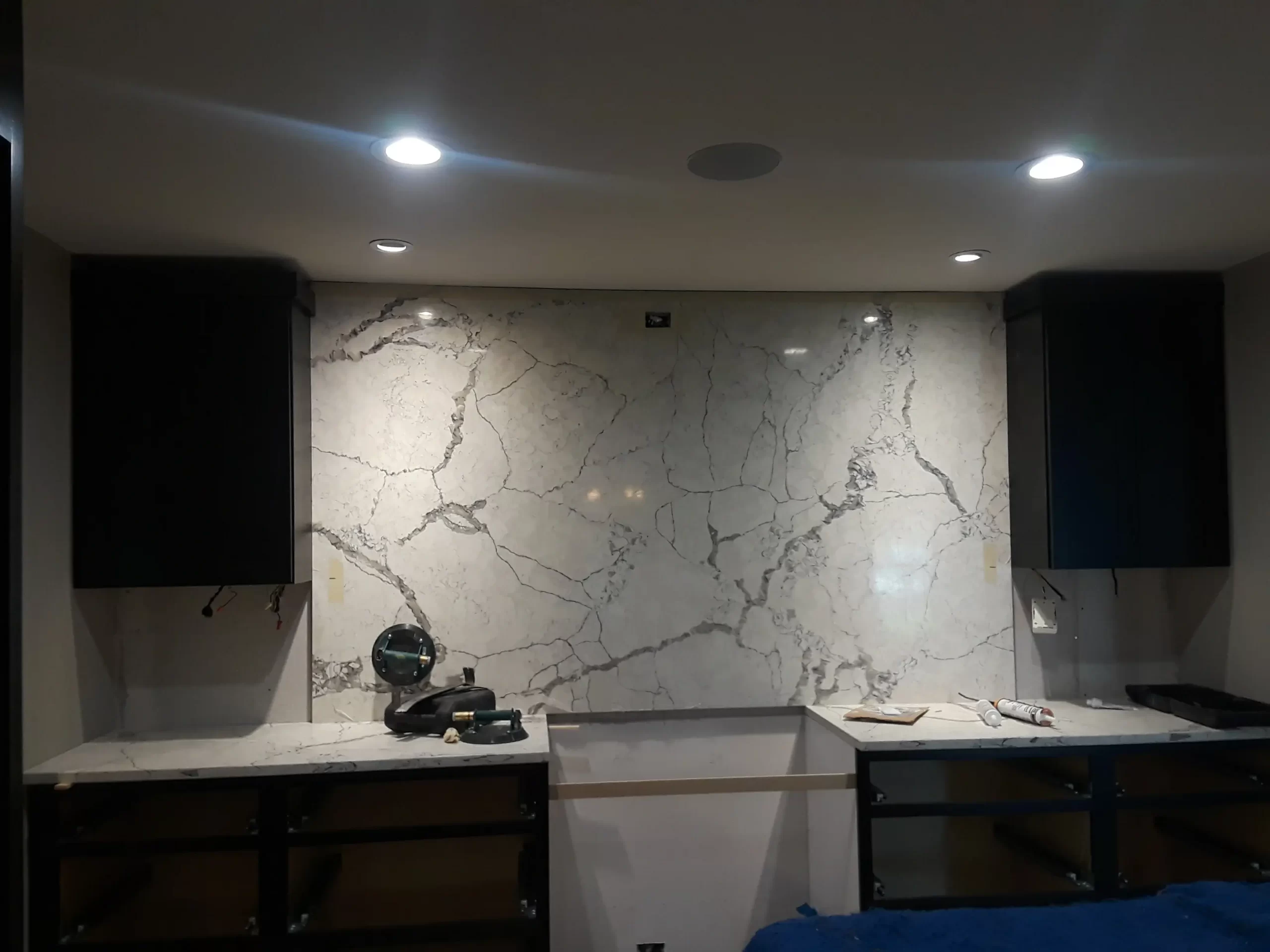
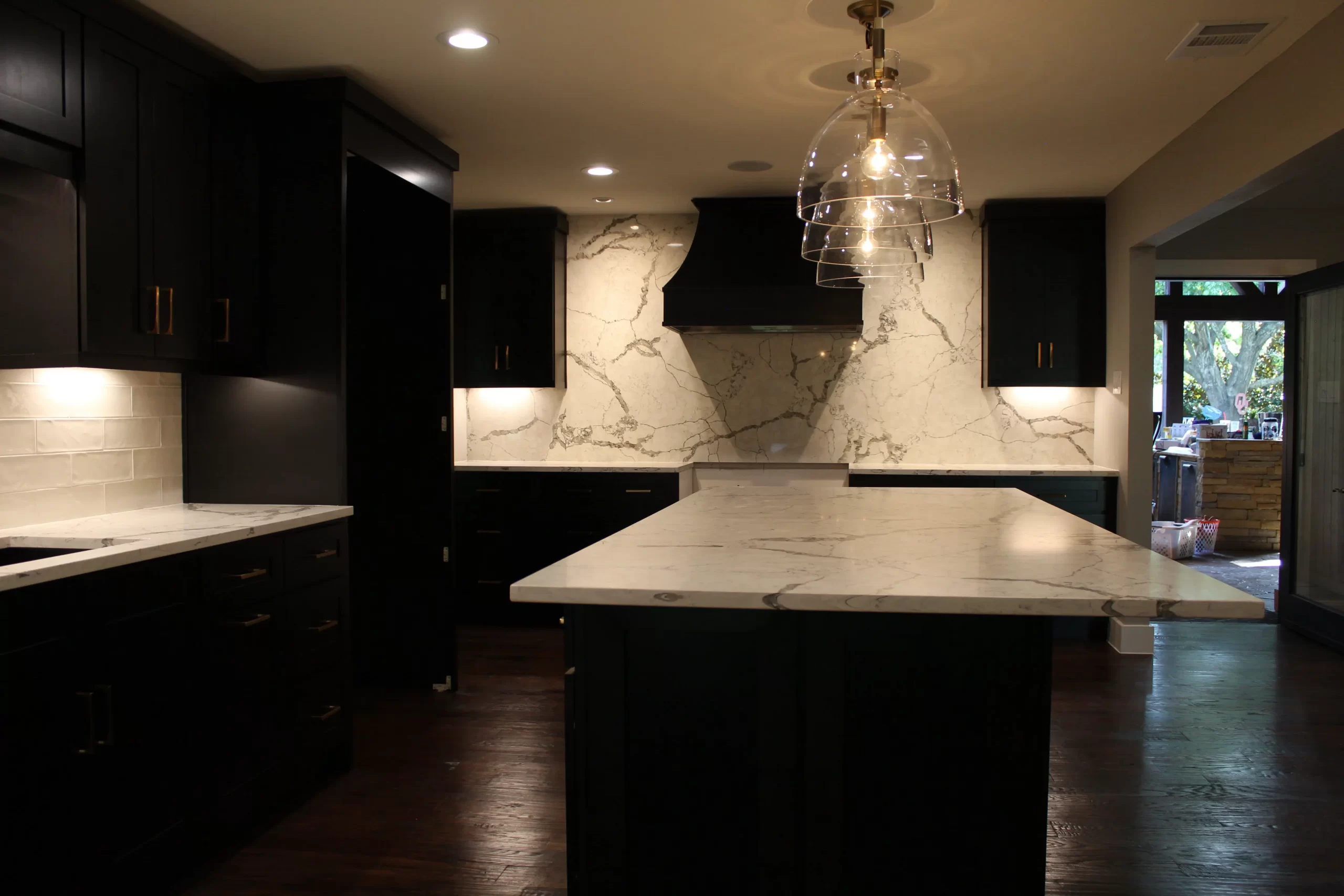
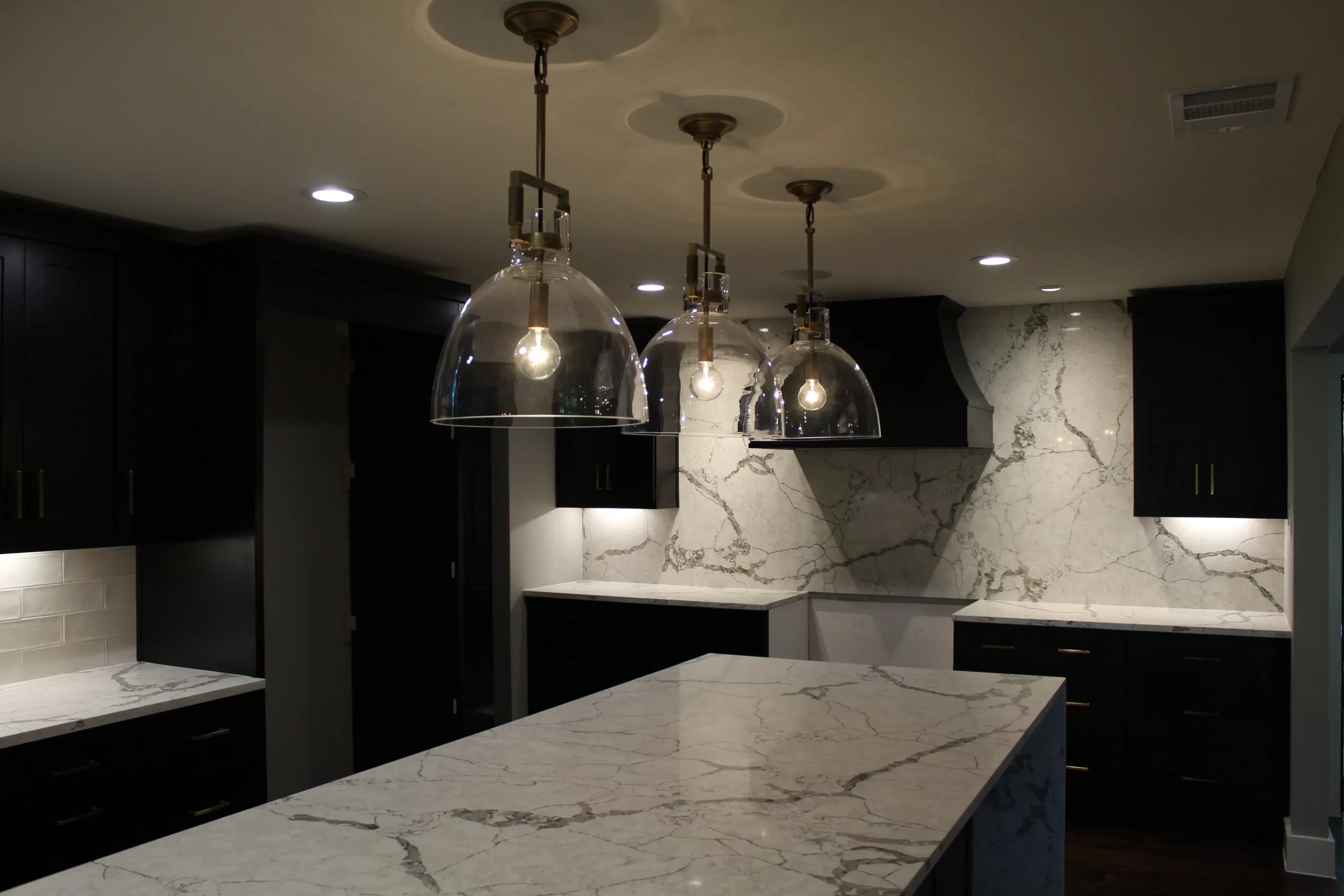
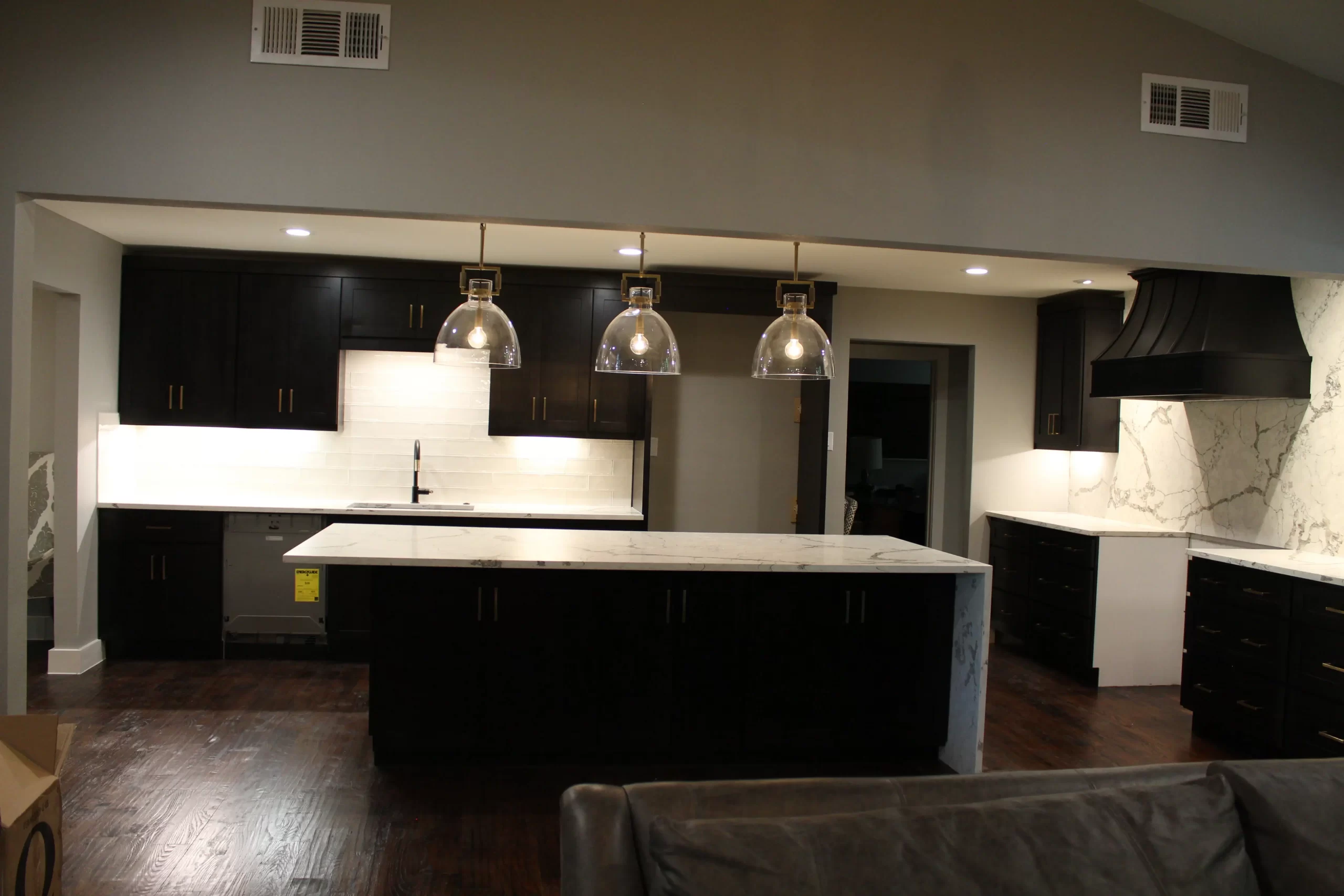
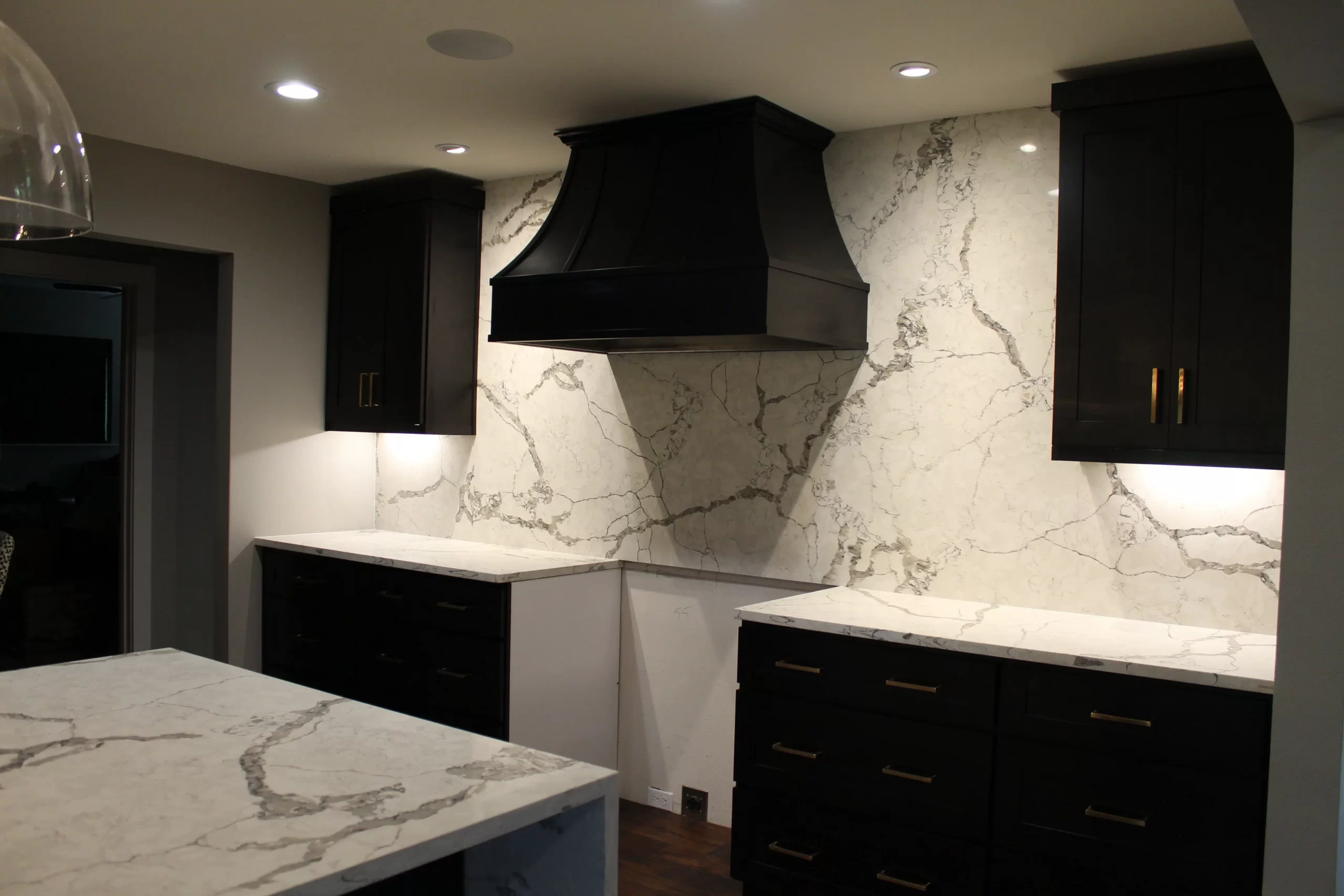
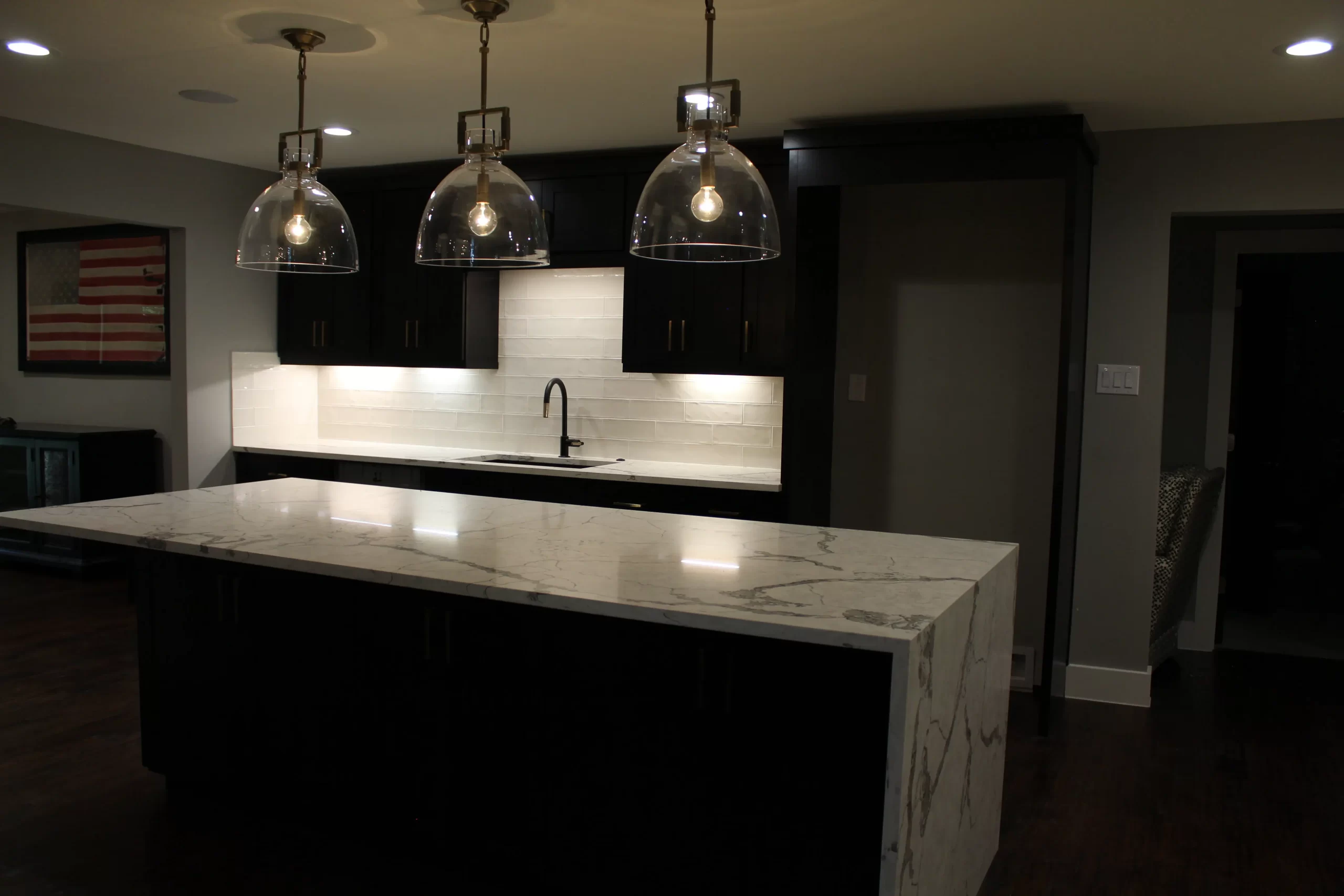
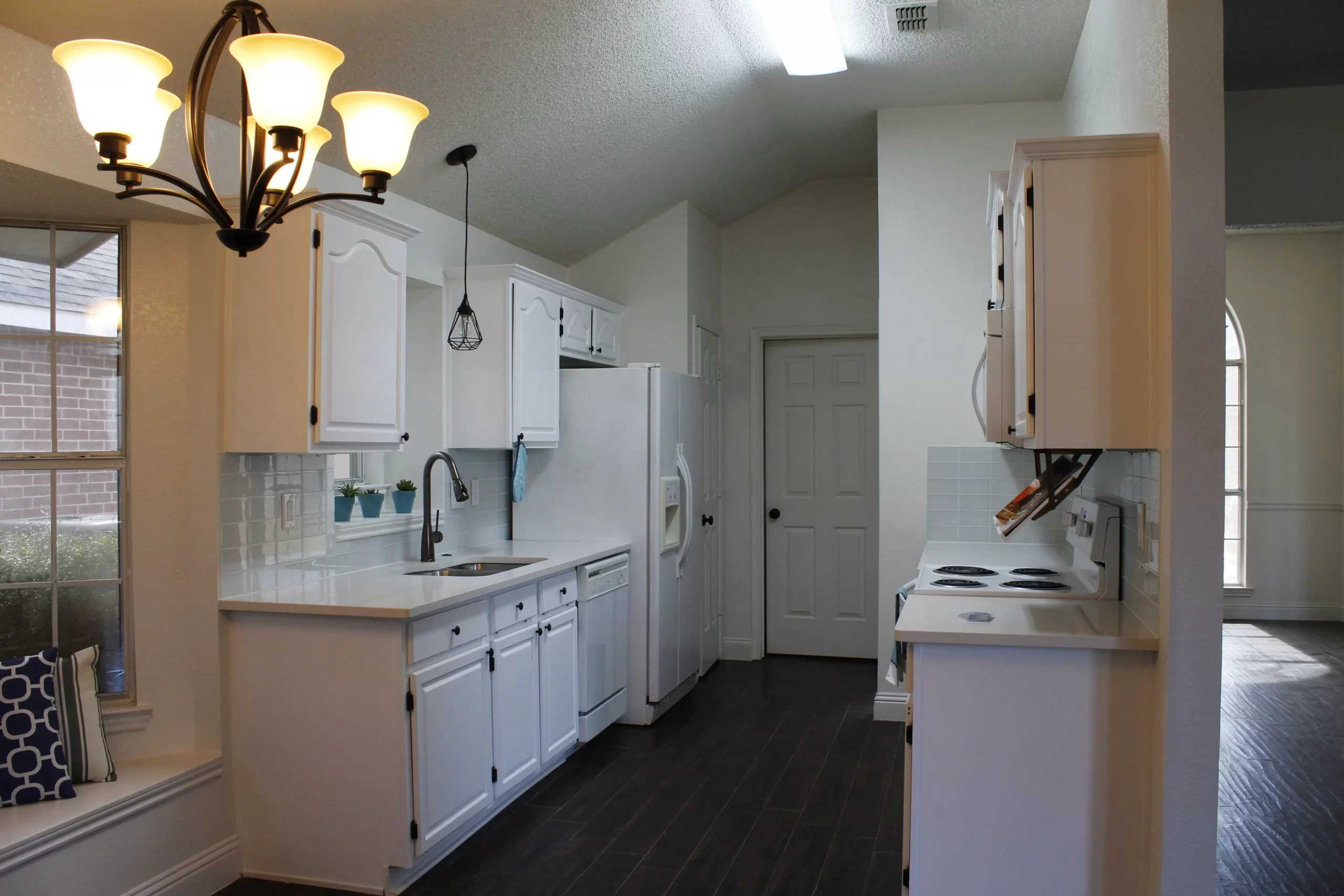
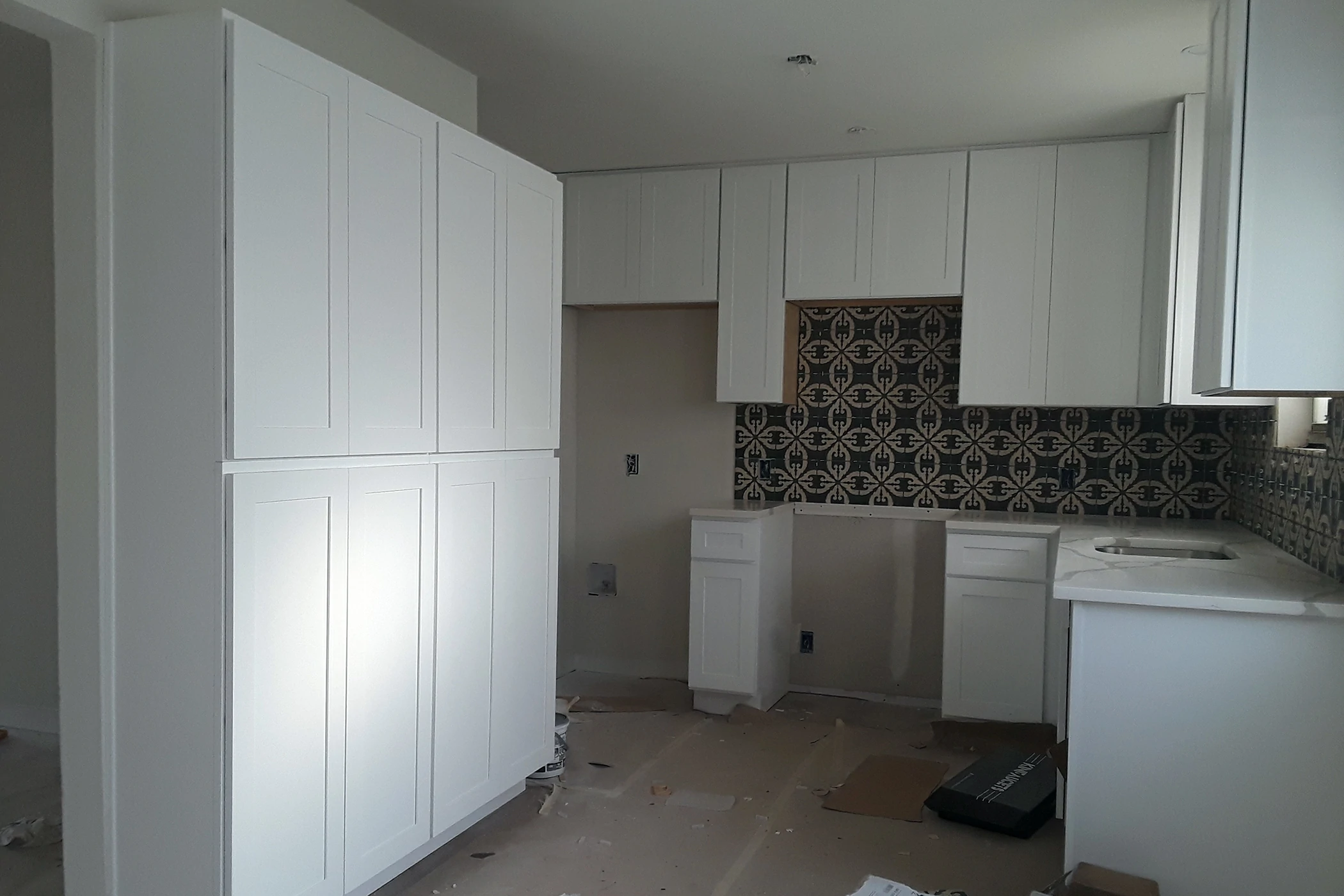
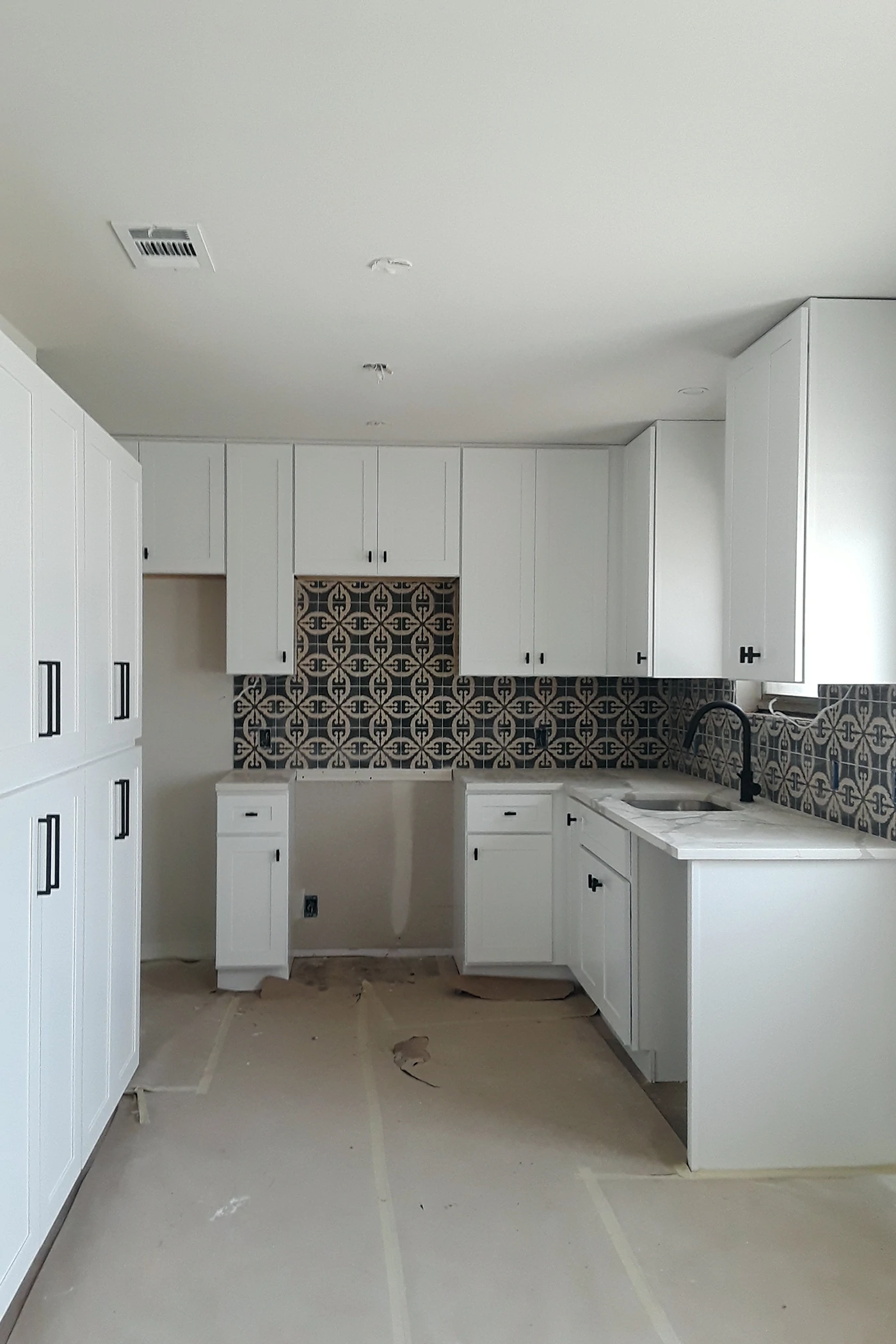
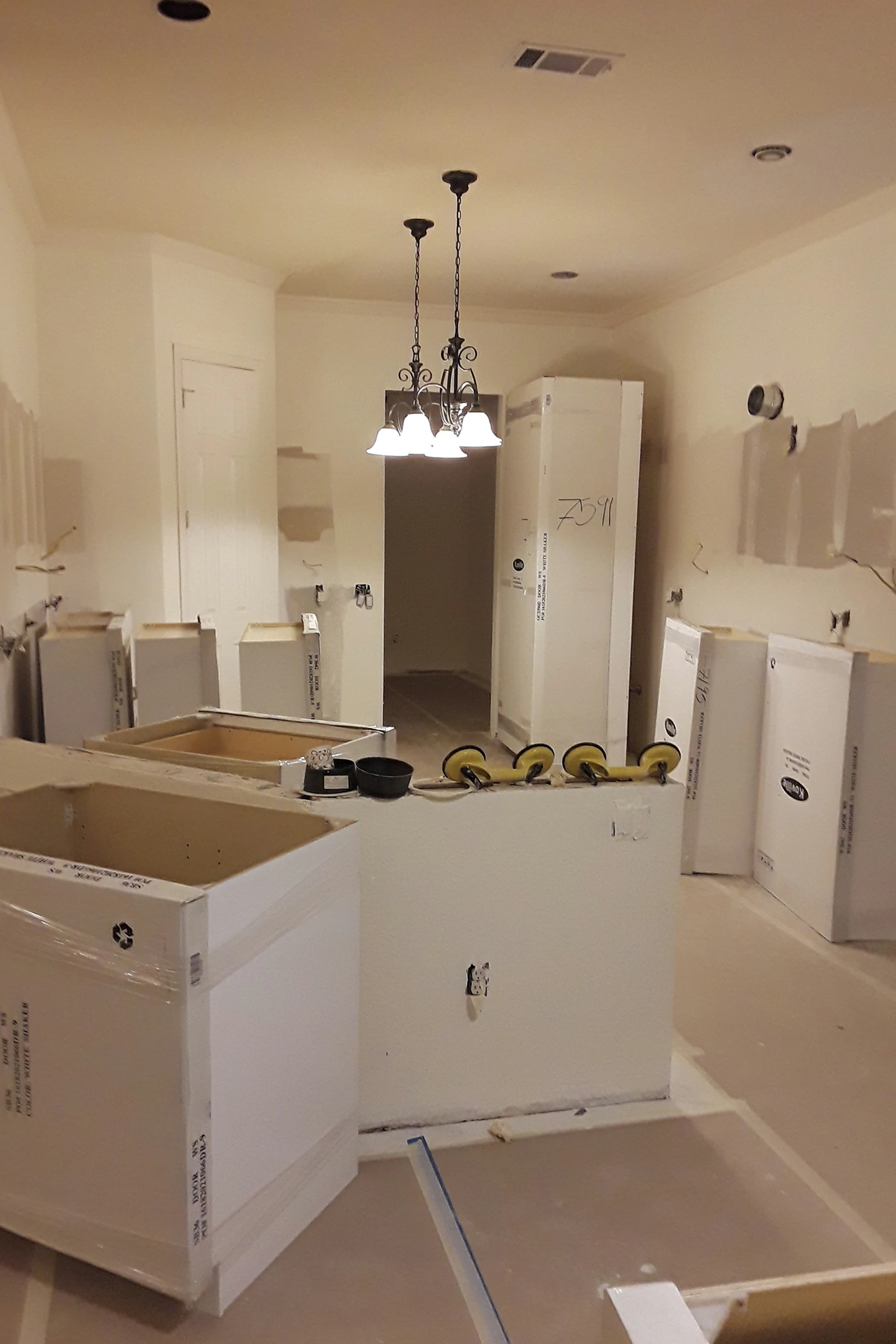
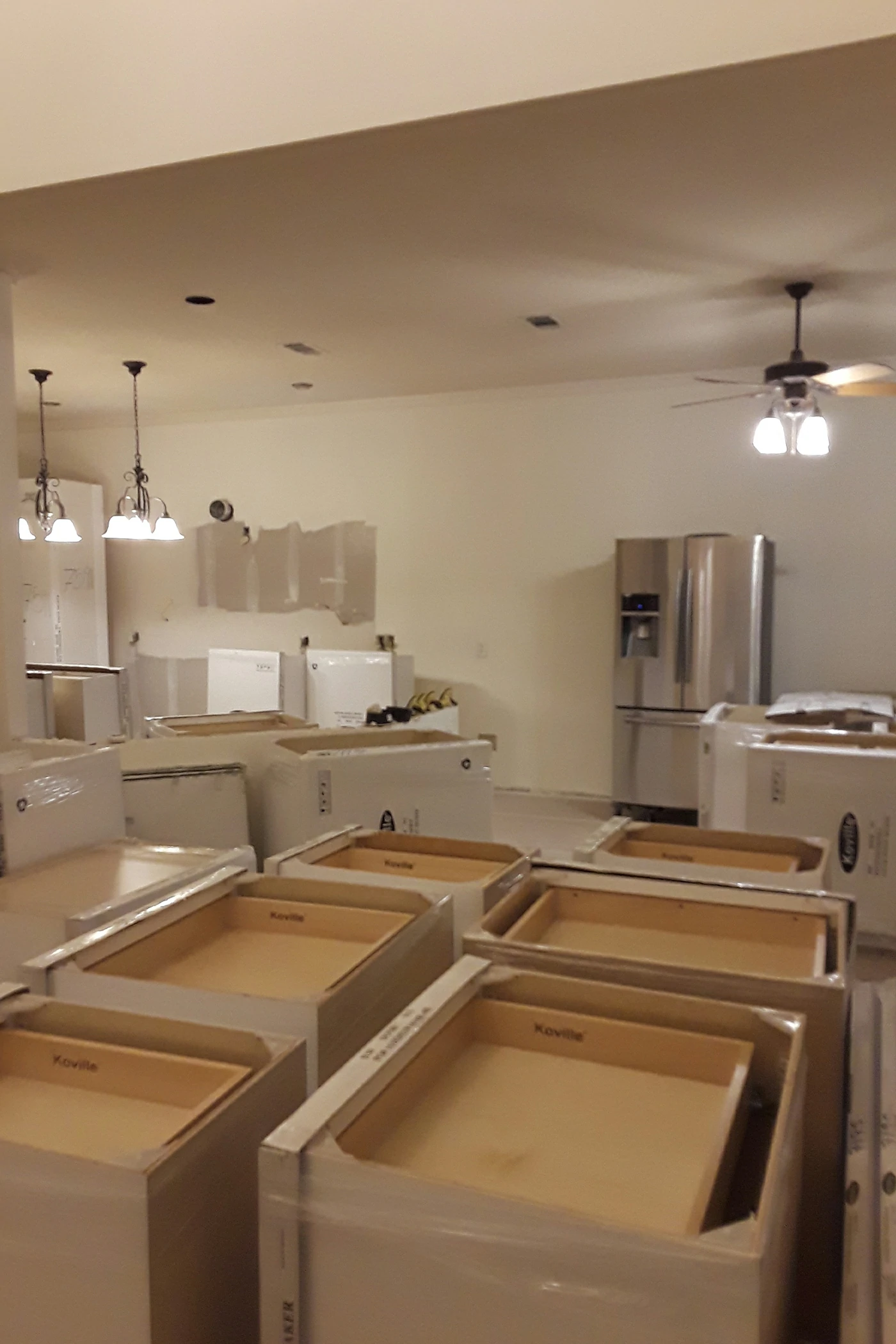
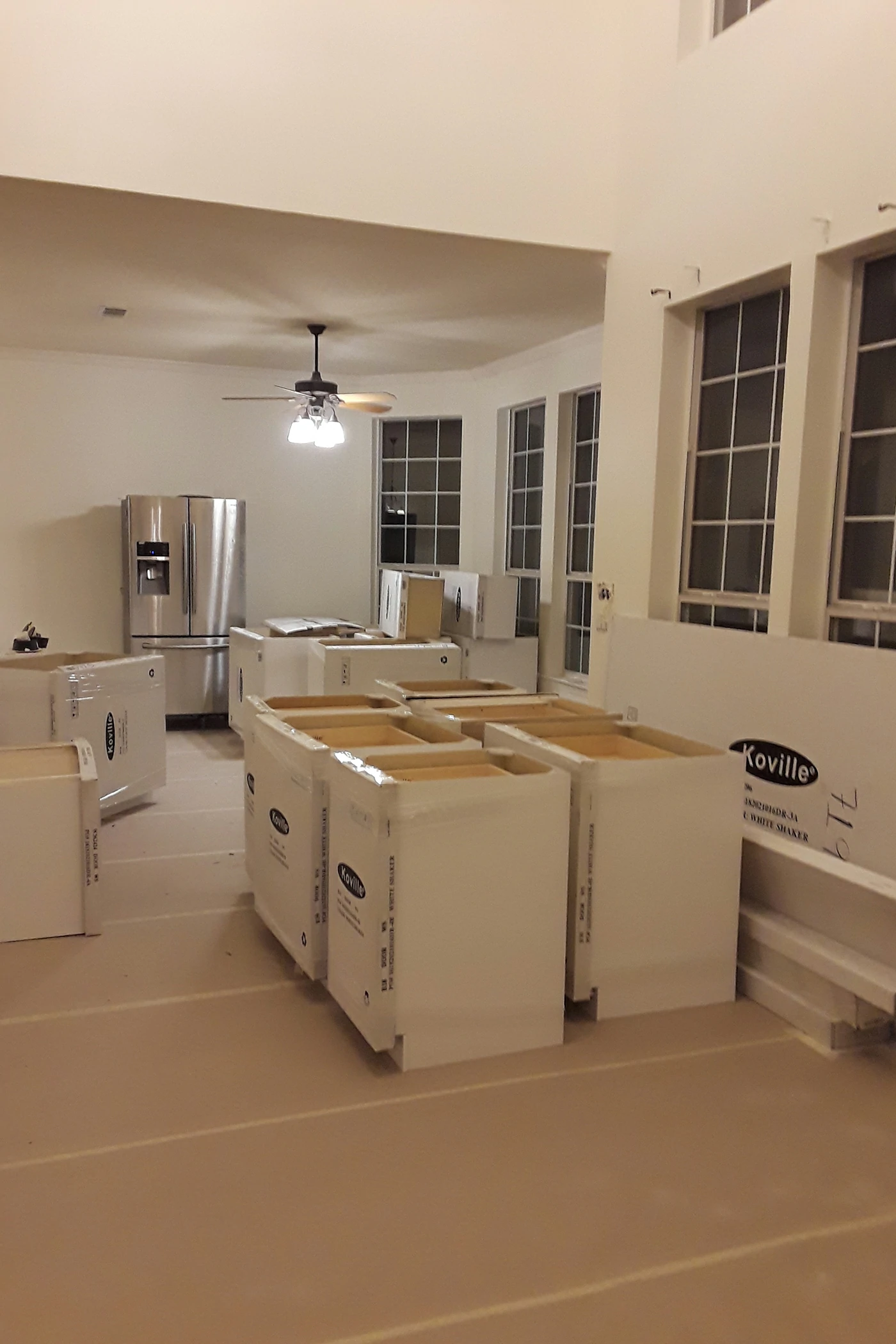
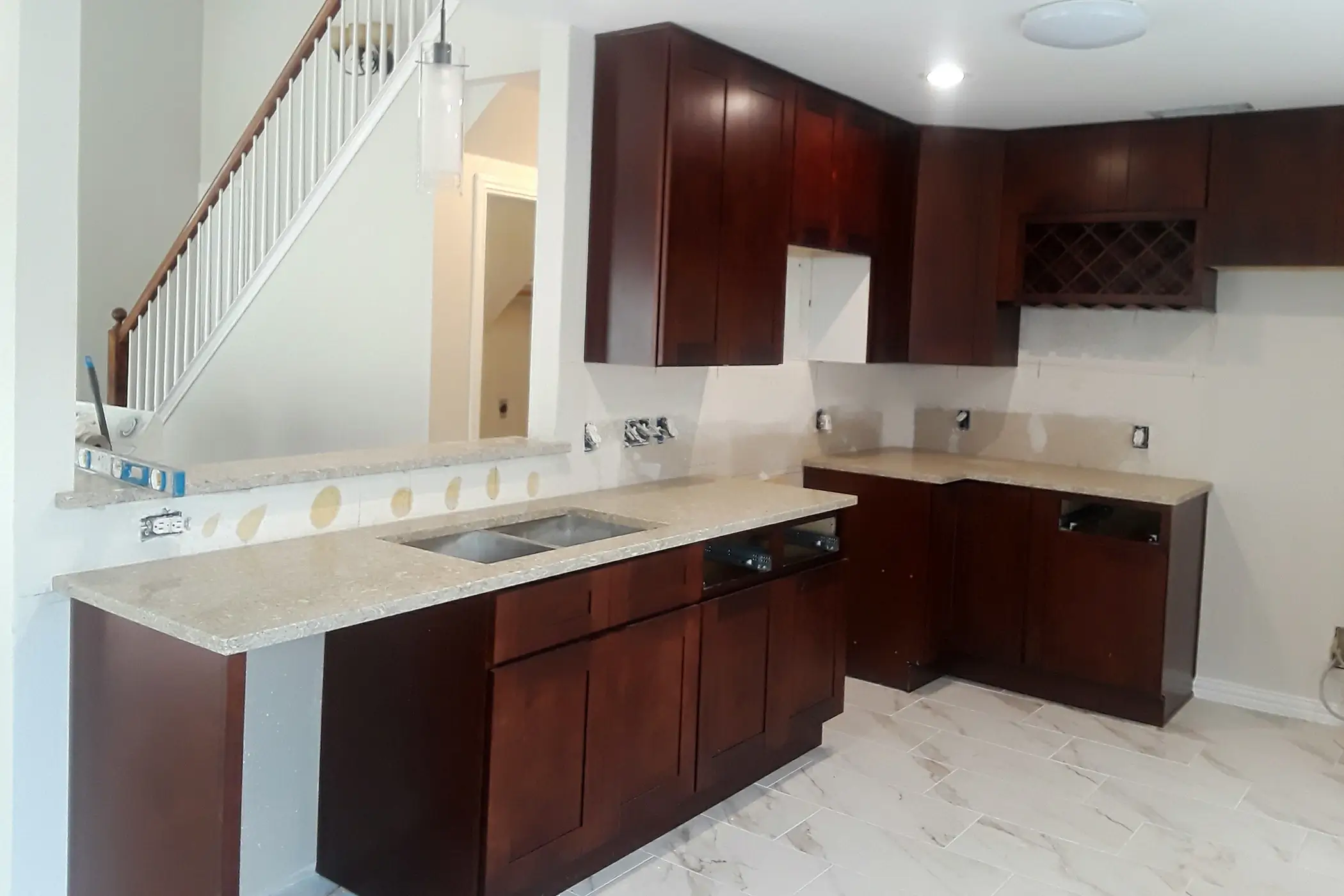
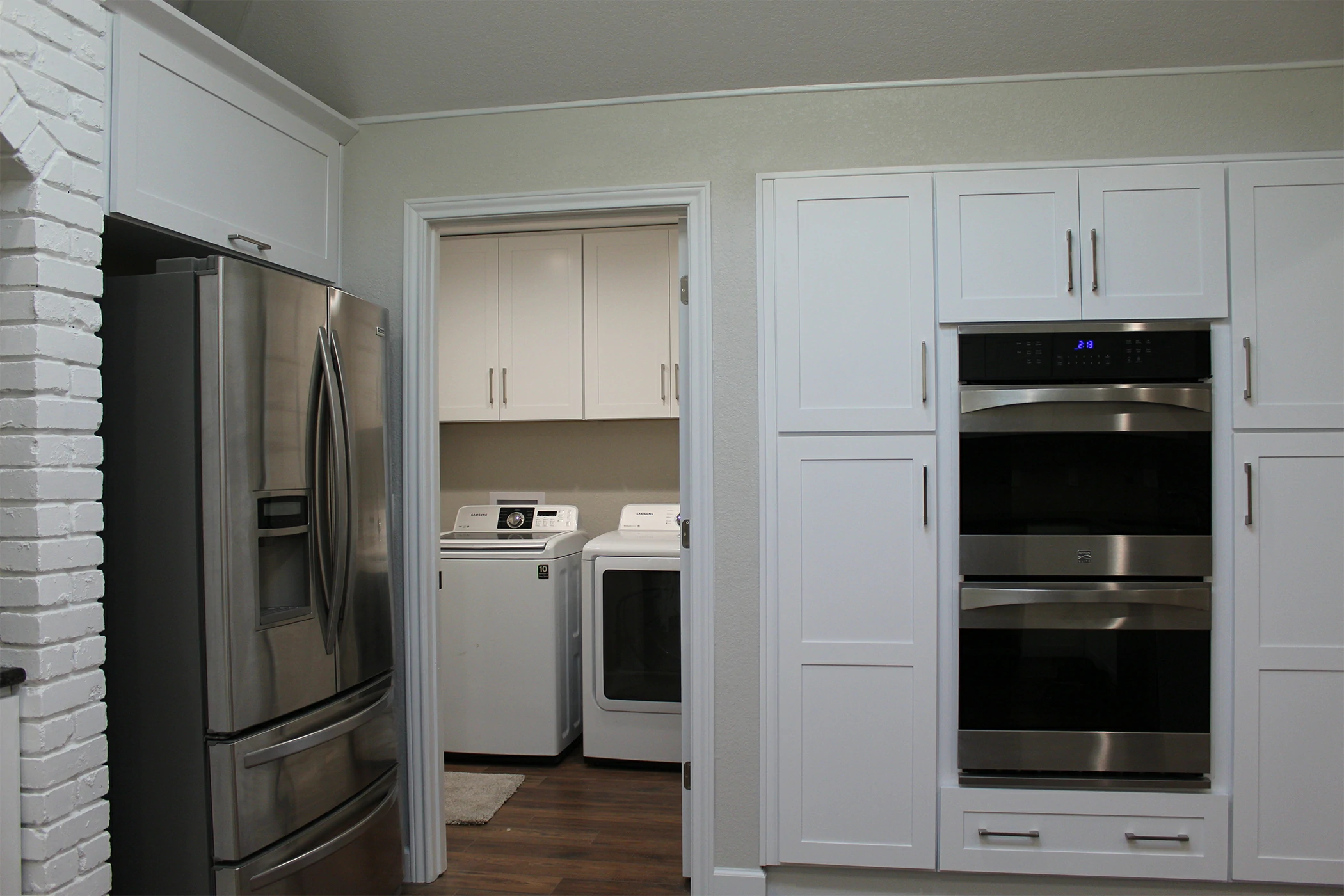
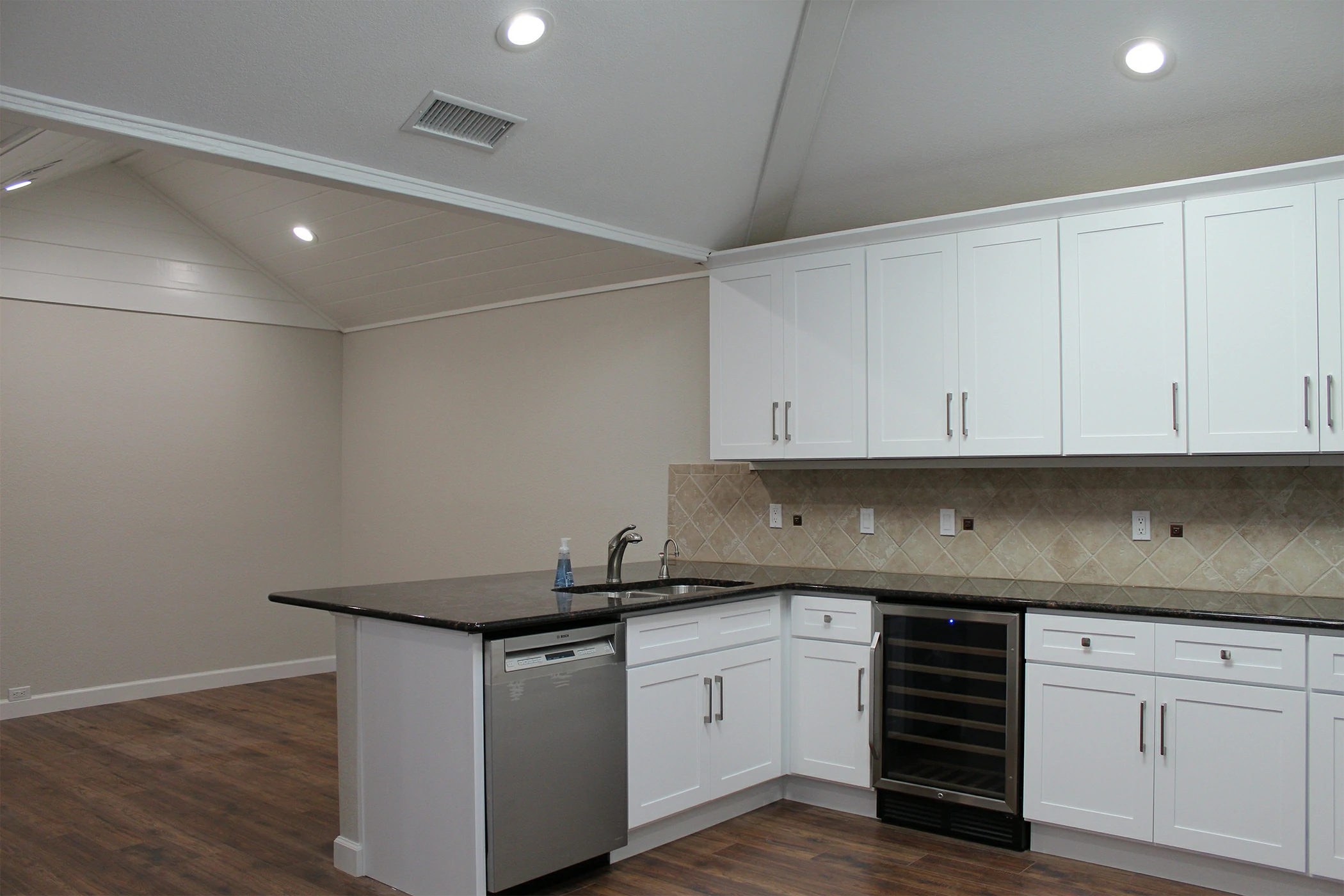
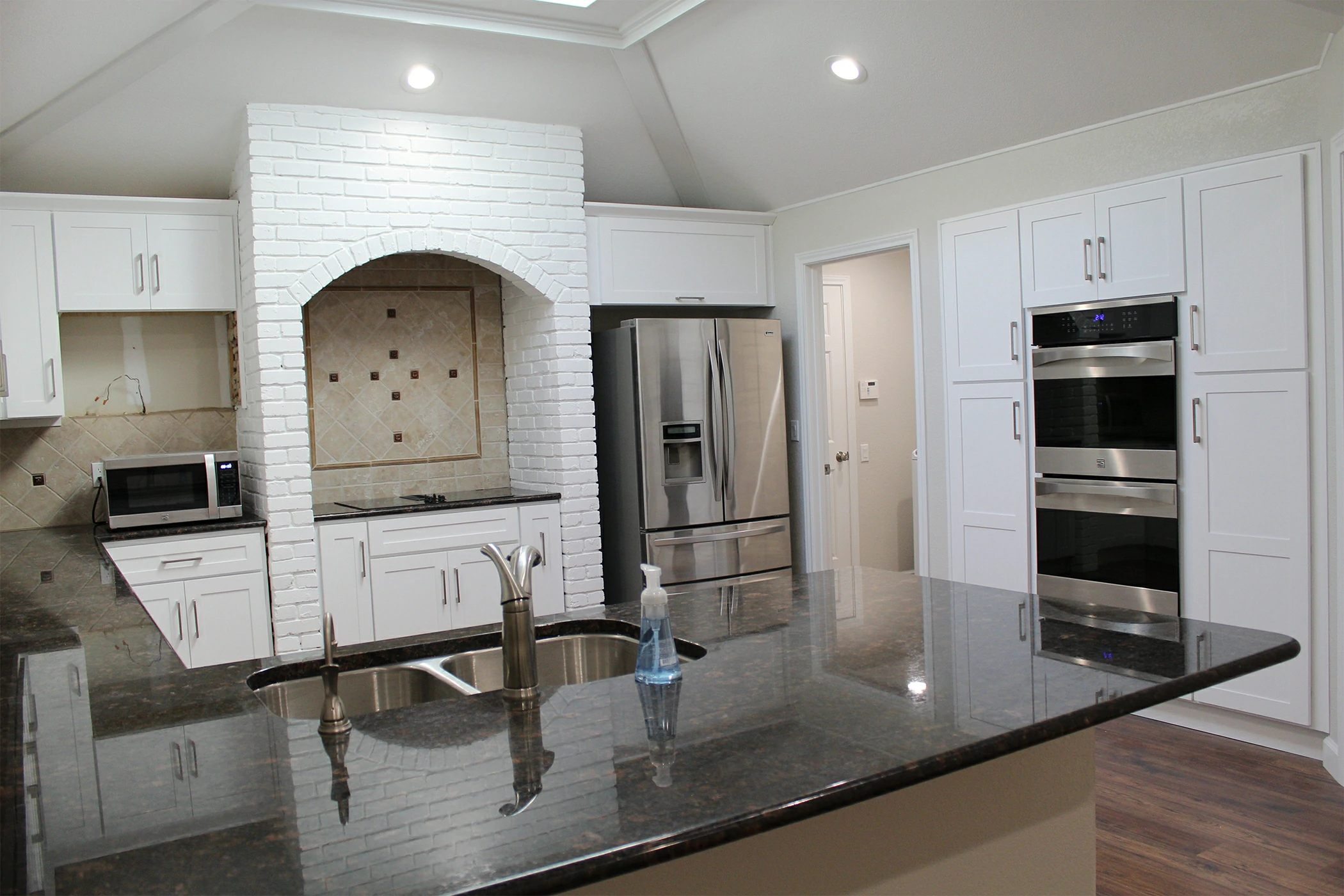
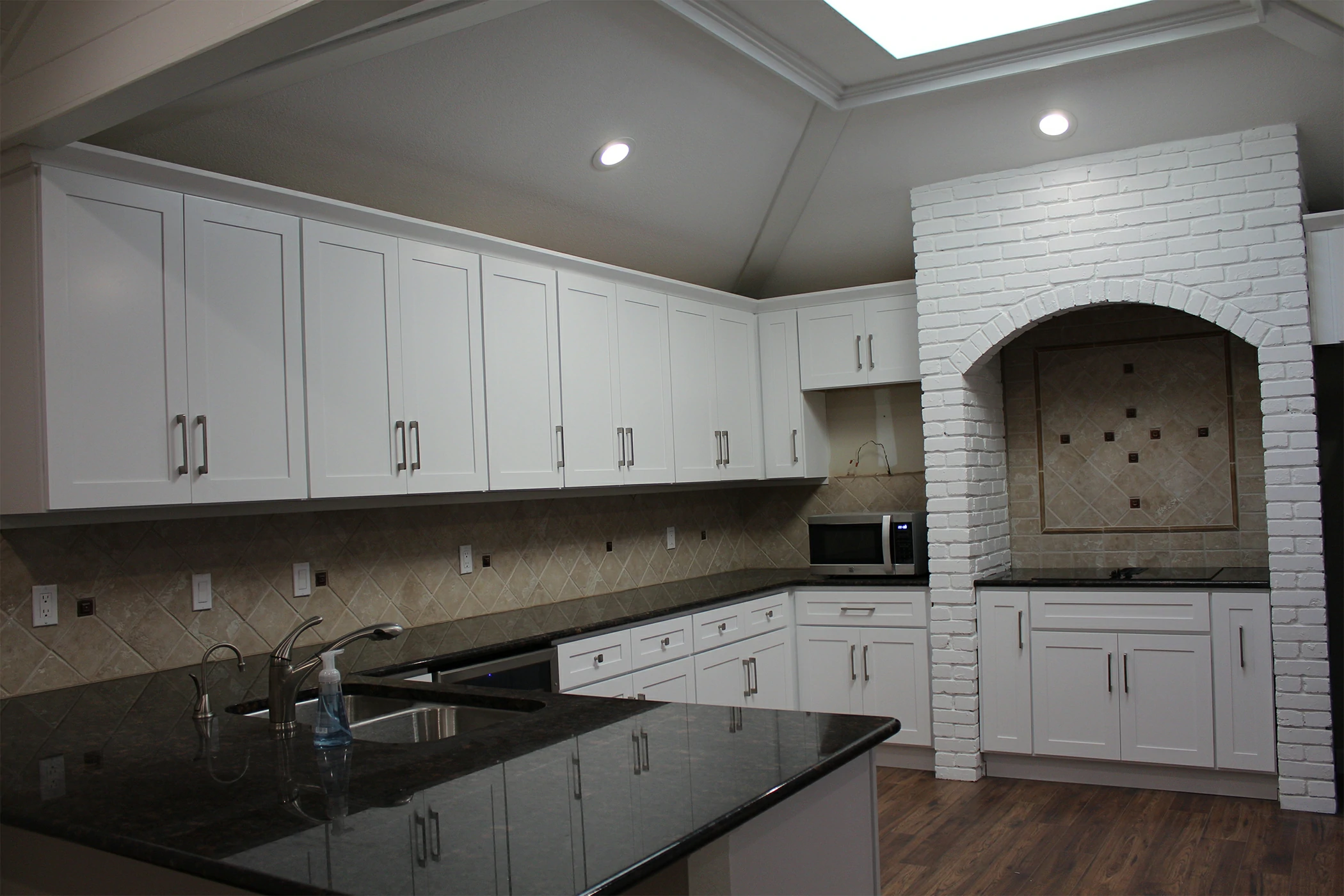
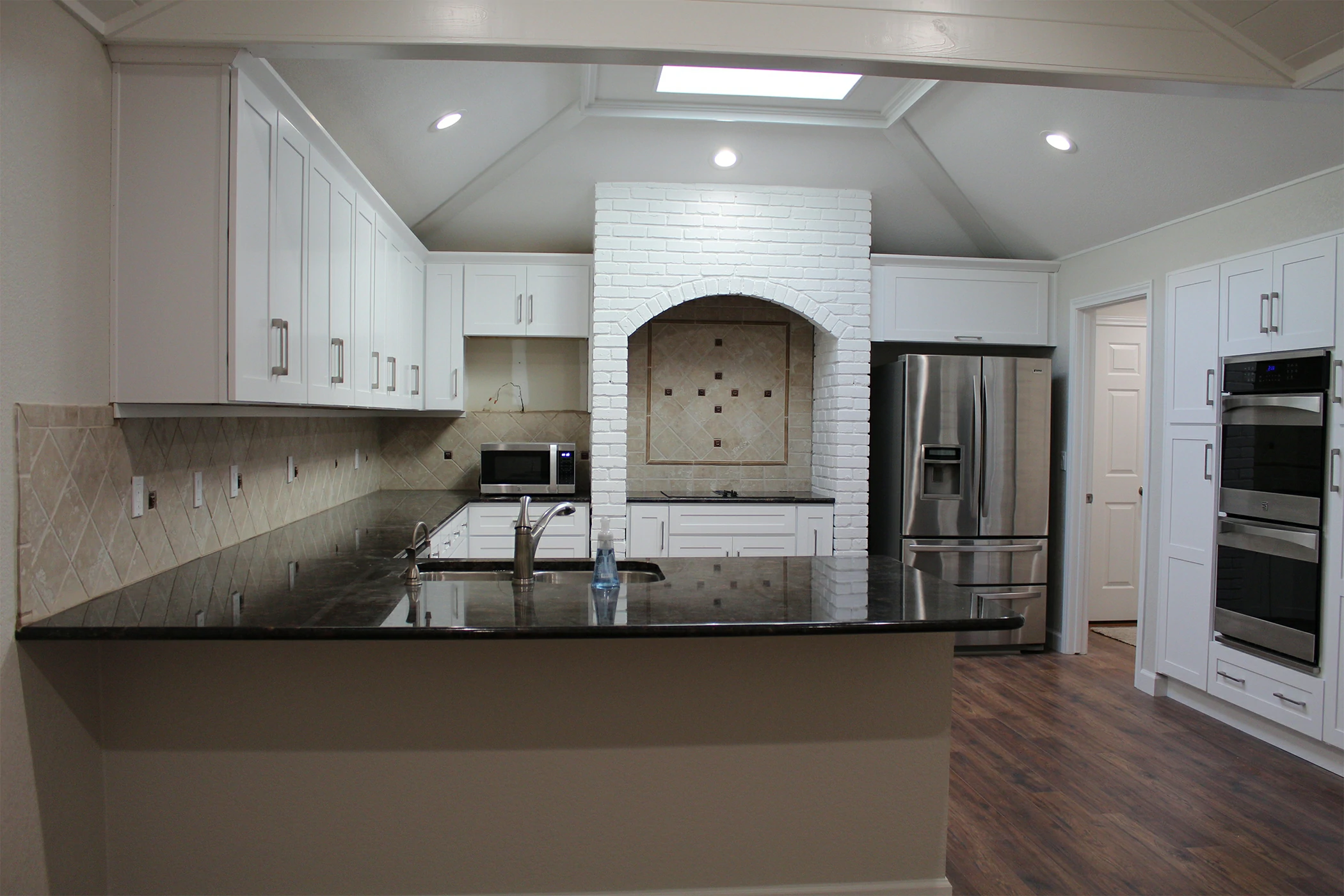
- Kitchen Expansions: Enlarged kitchens require complex plumbing and ventilation systems best managed by professionals.
-
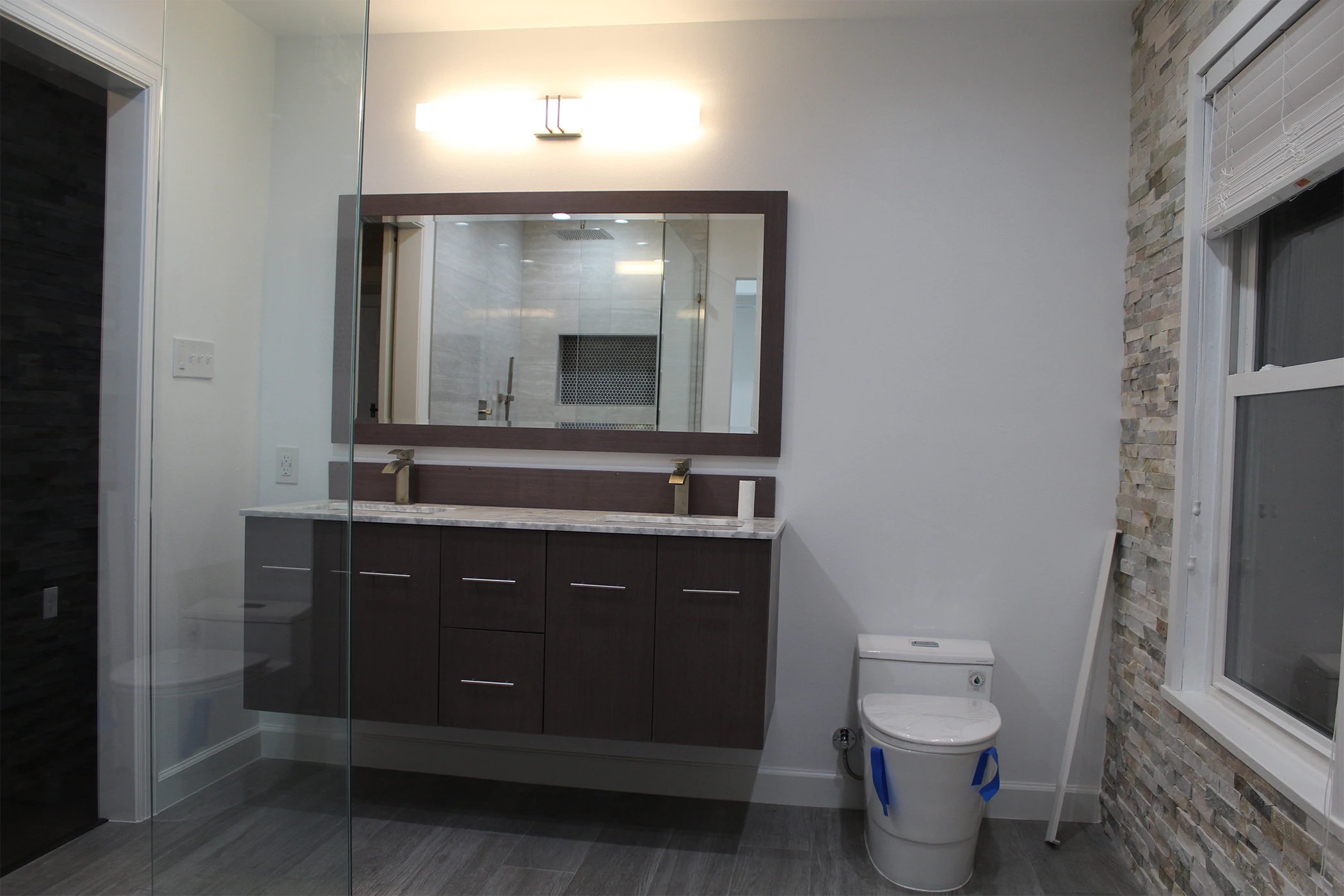
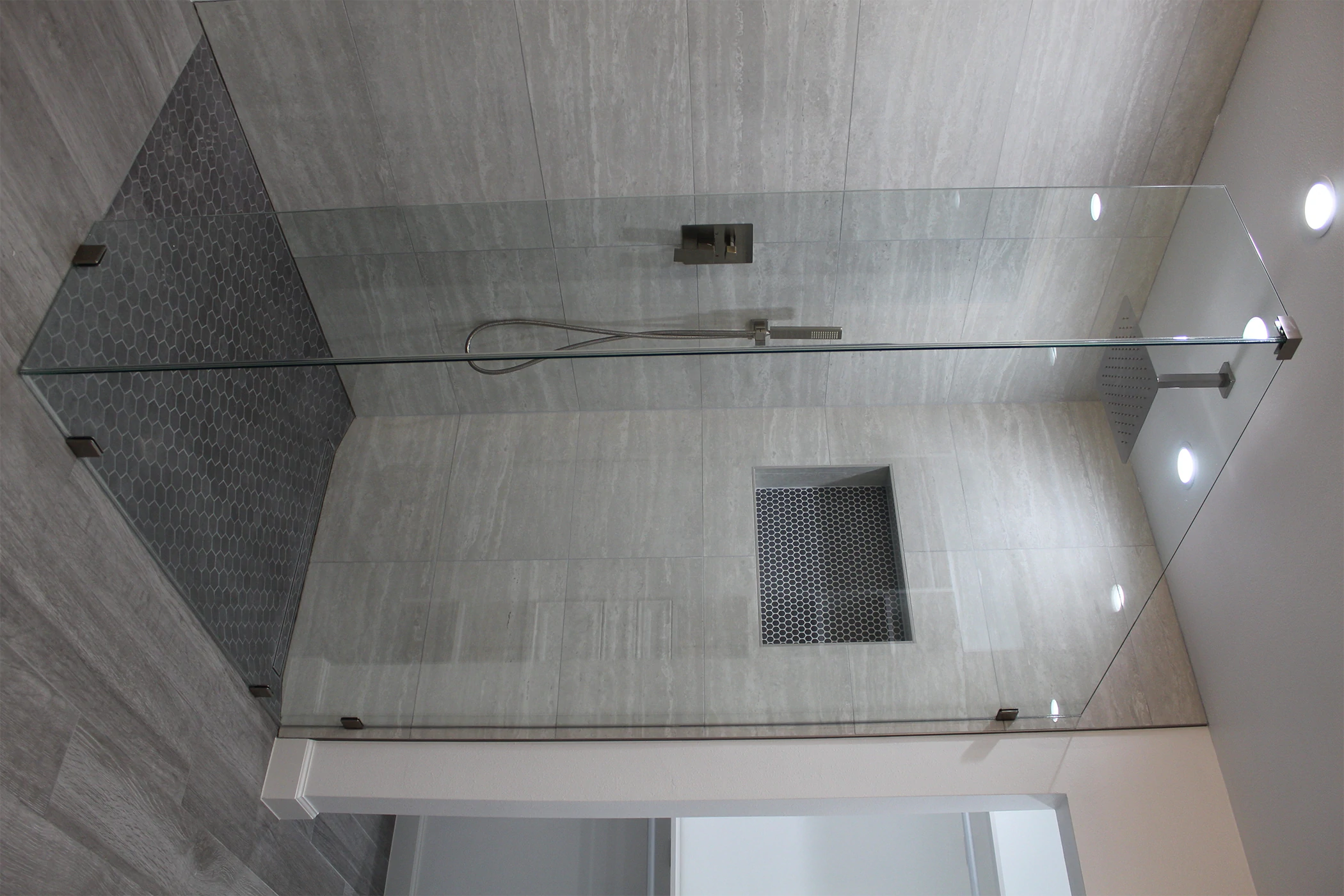
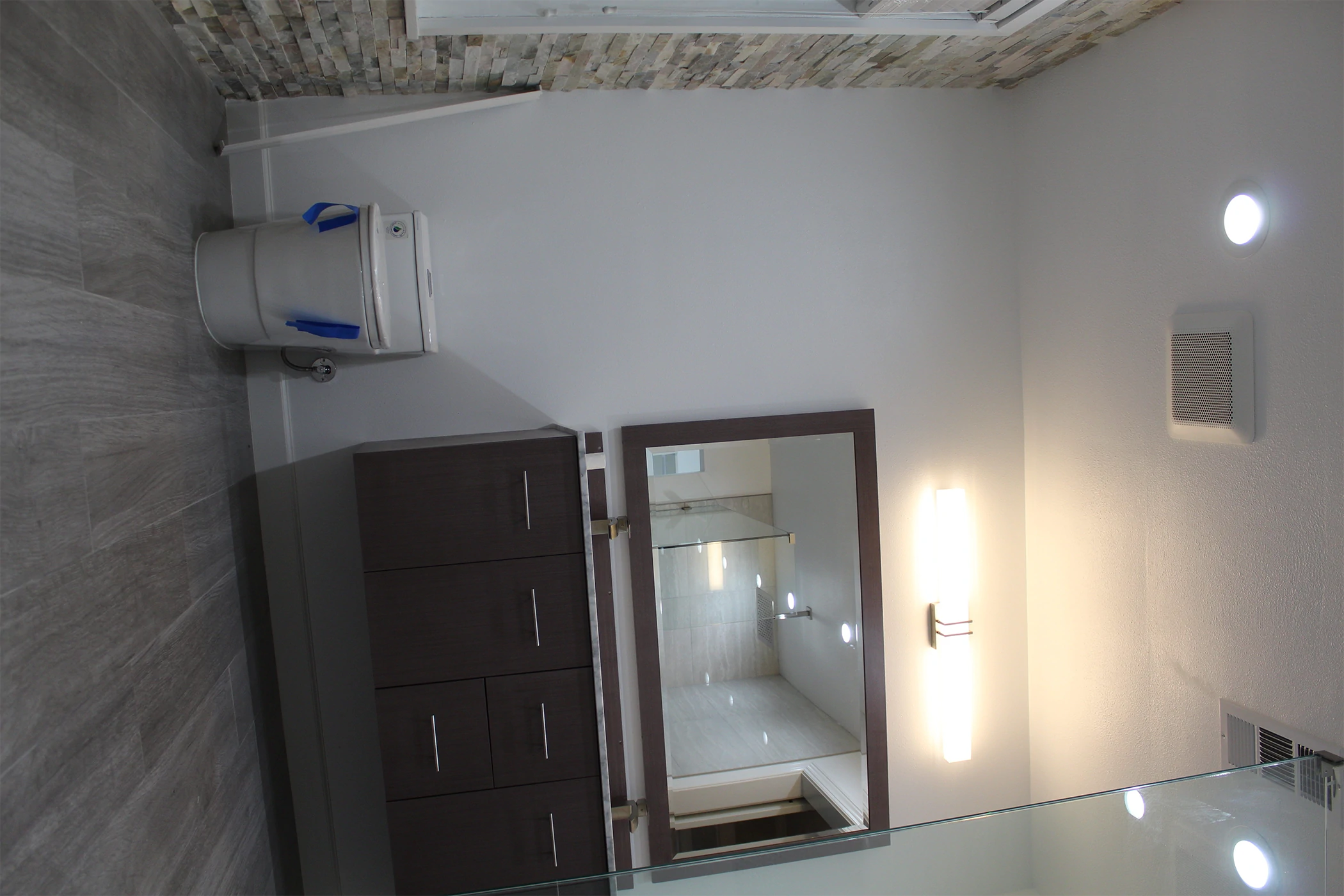
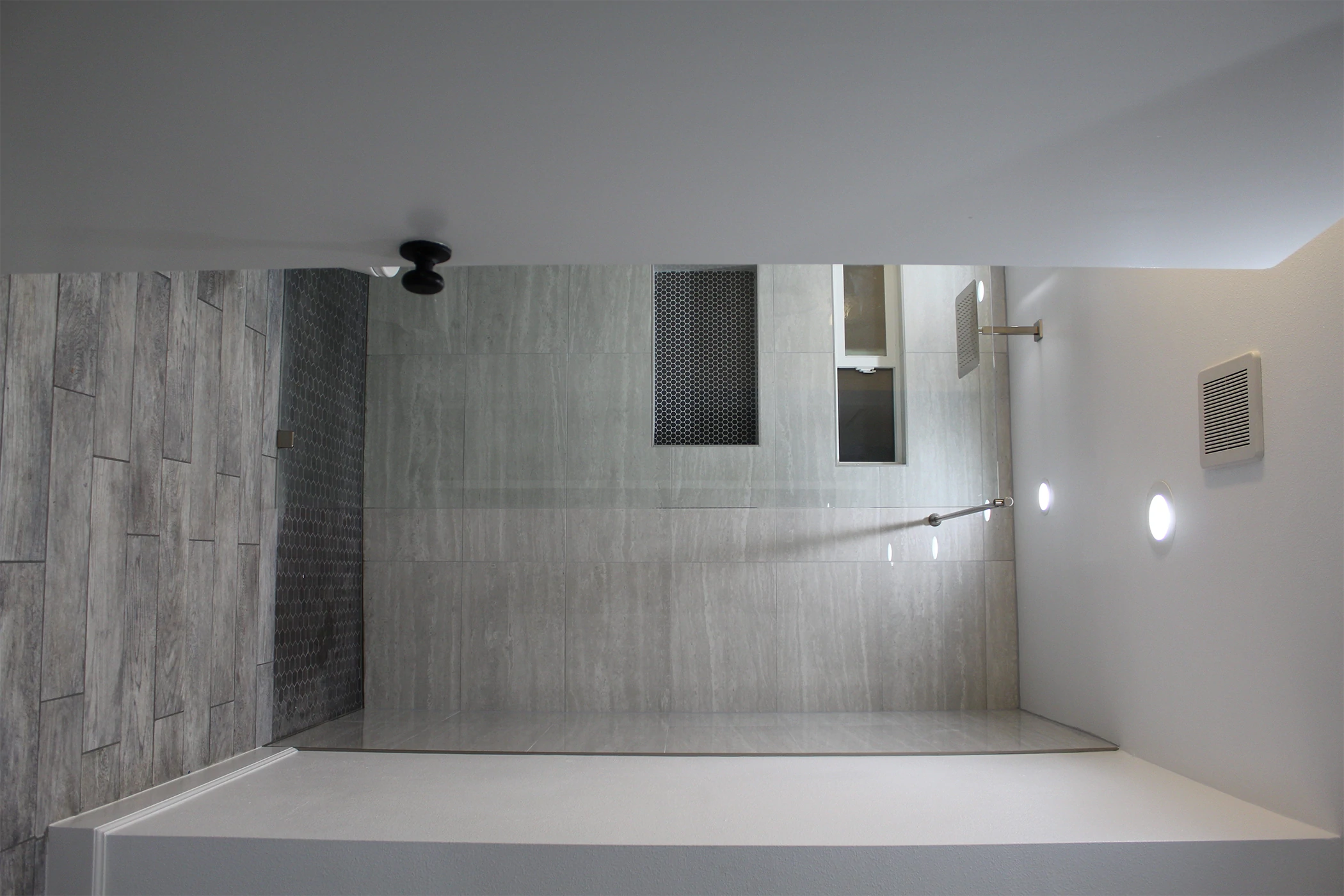
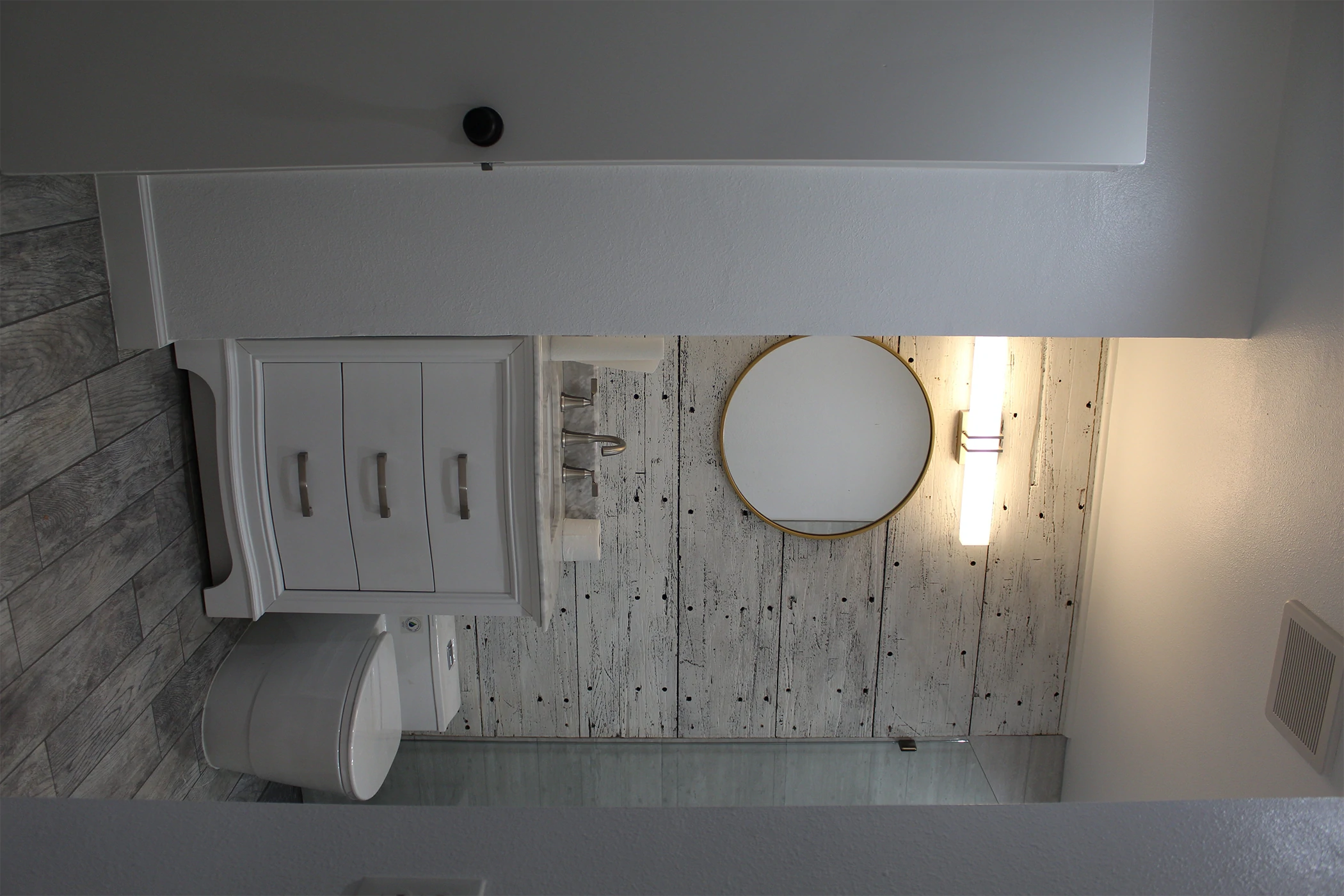
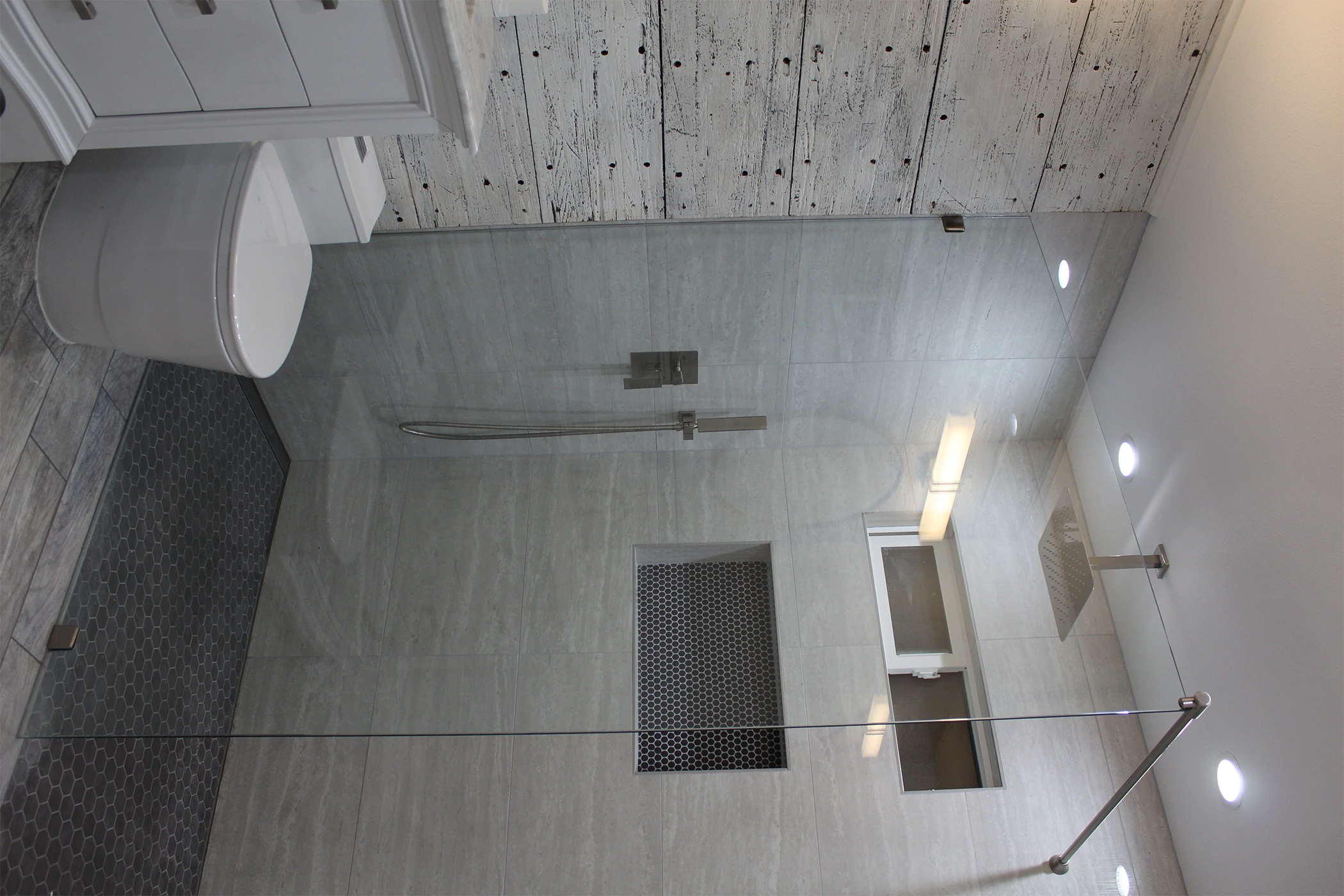
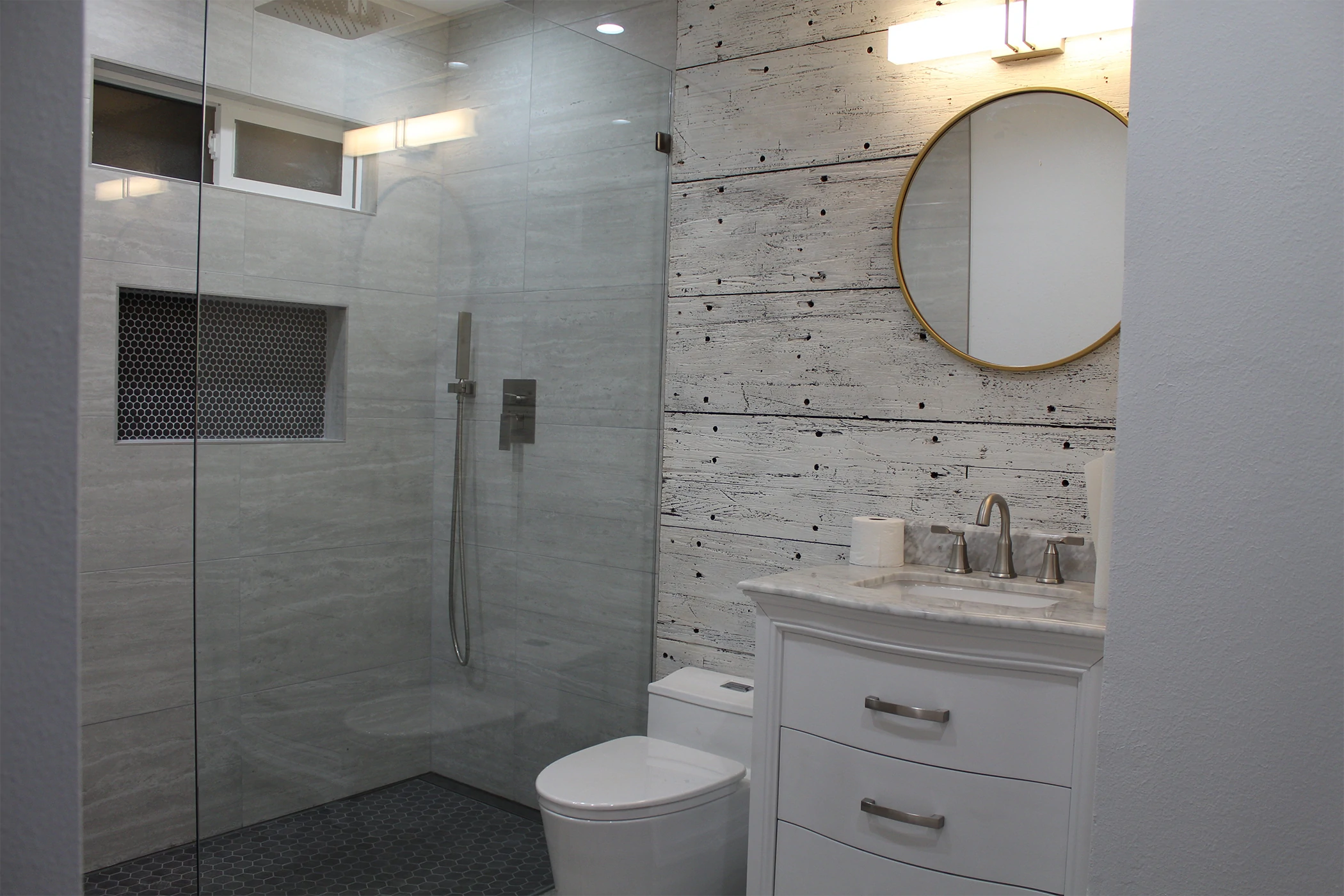
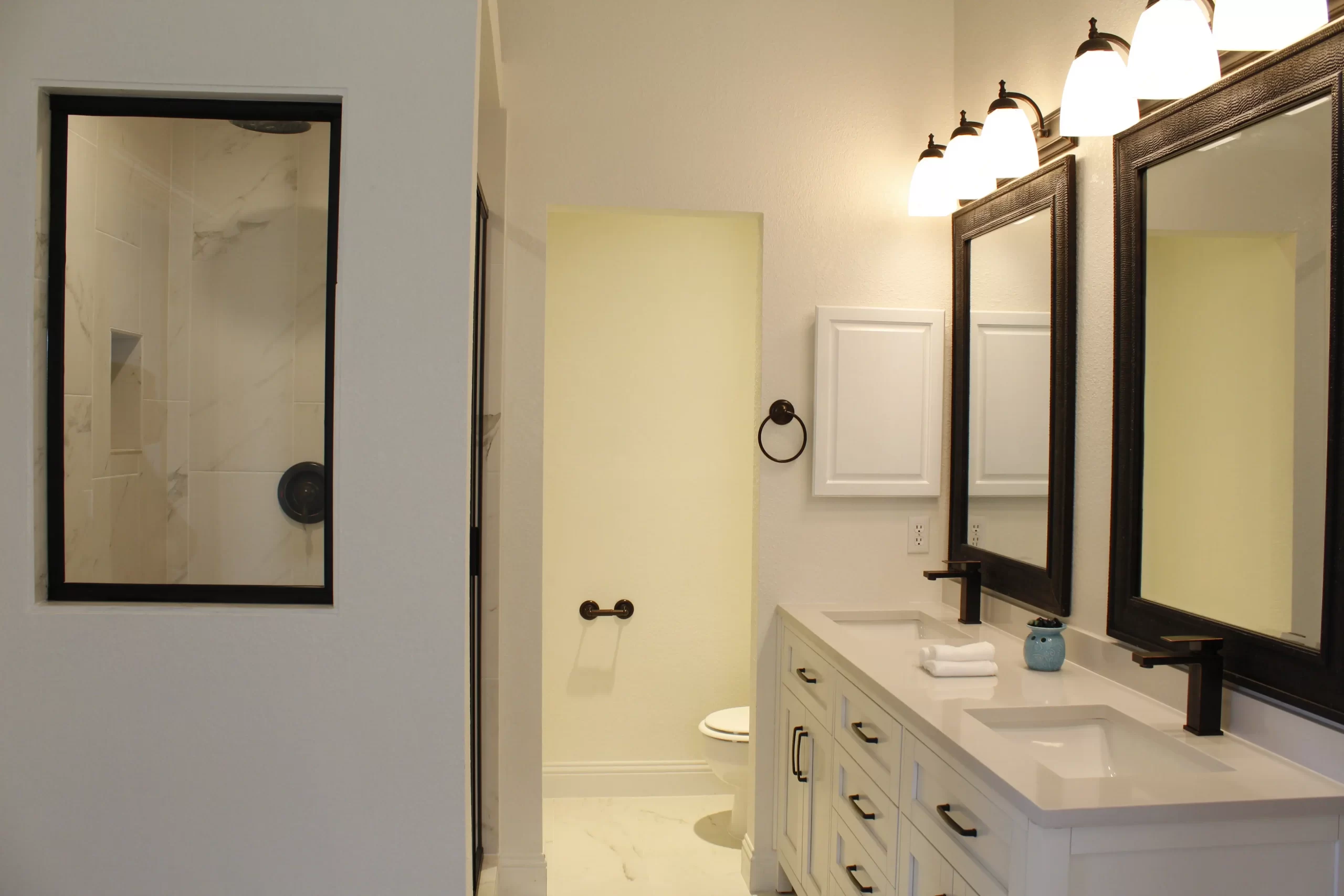
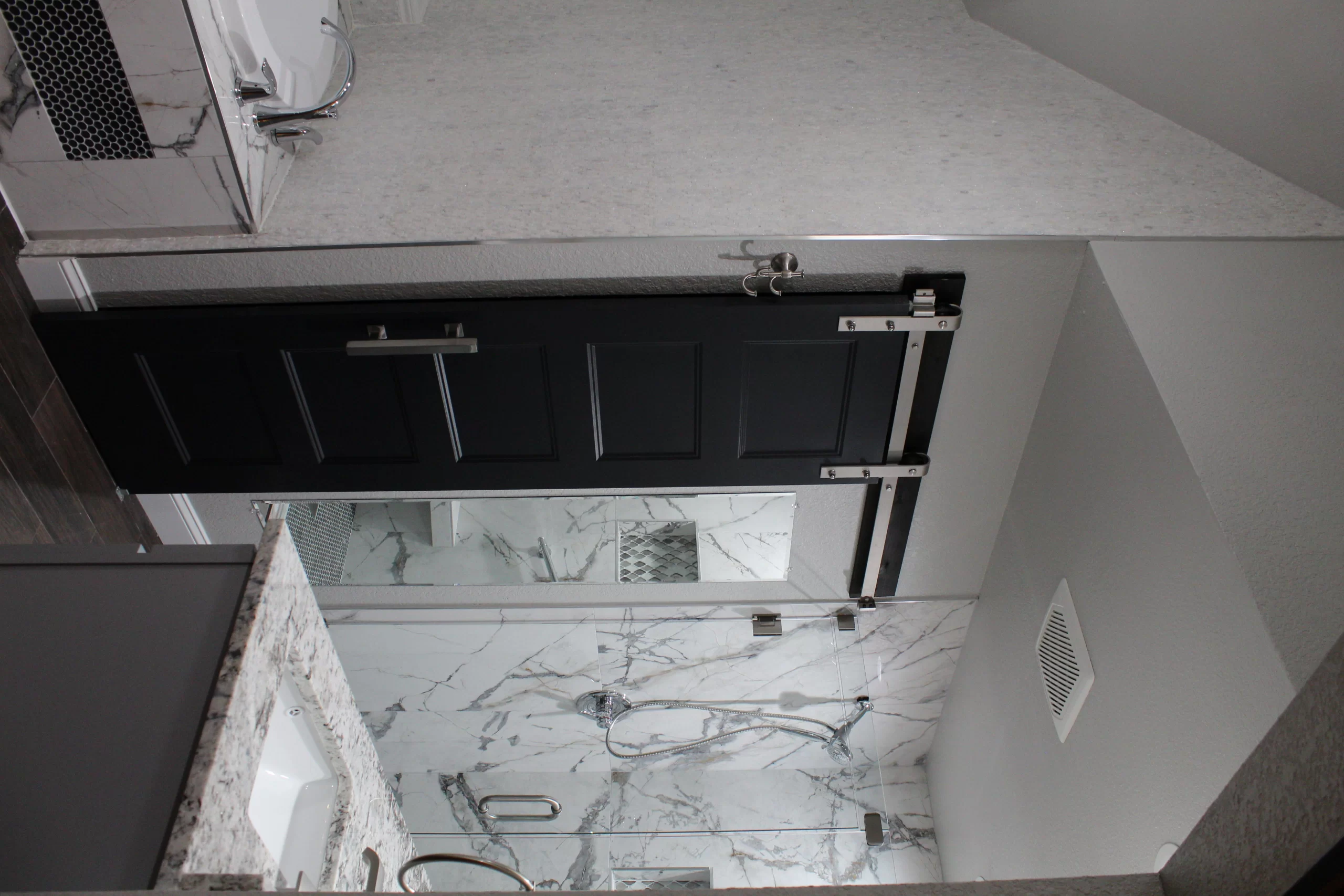
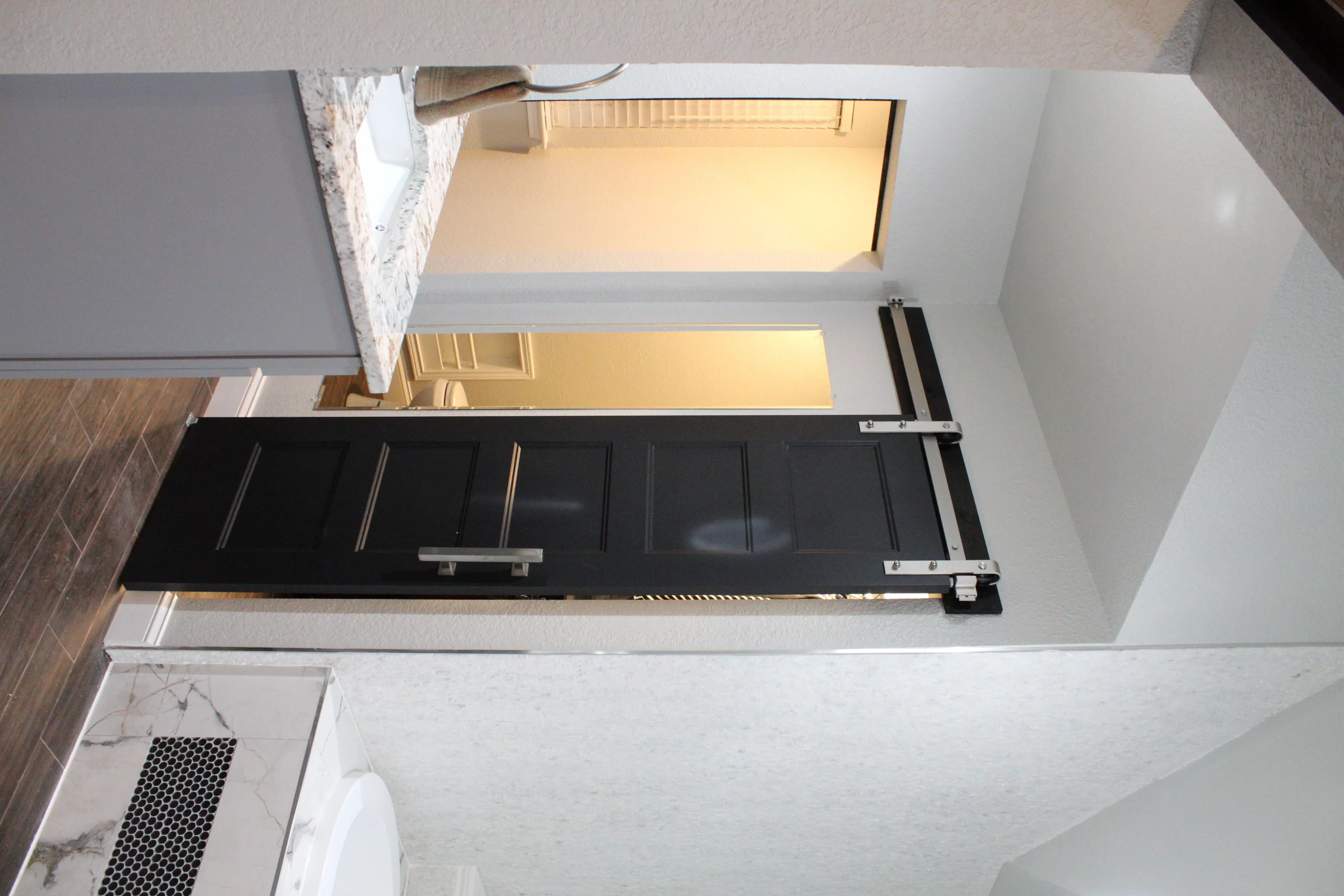
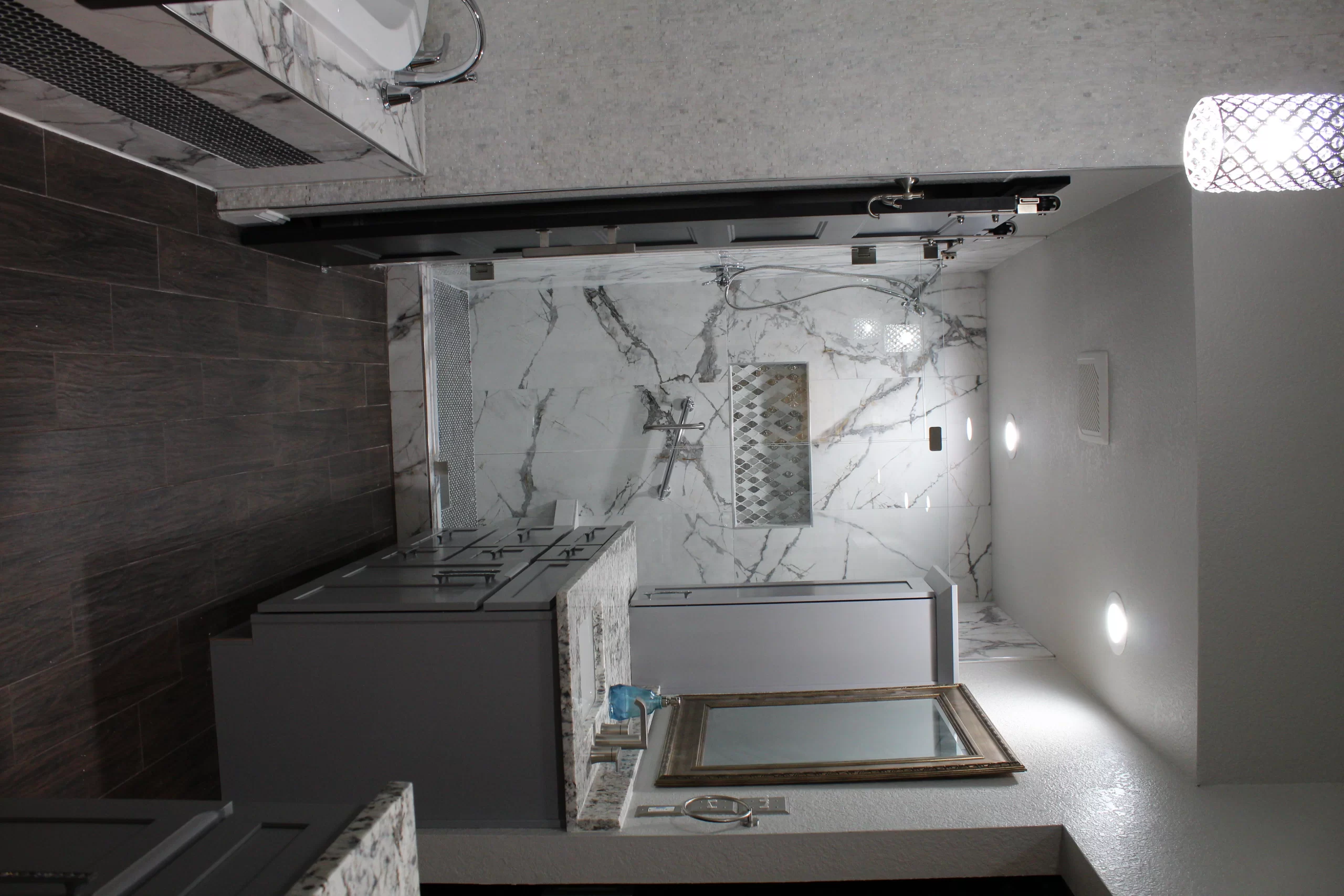
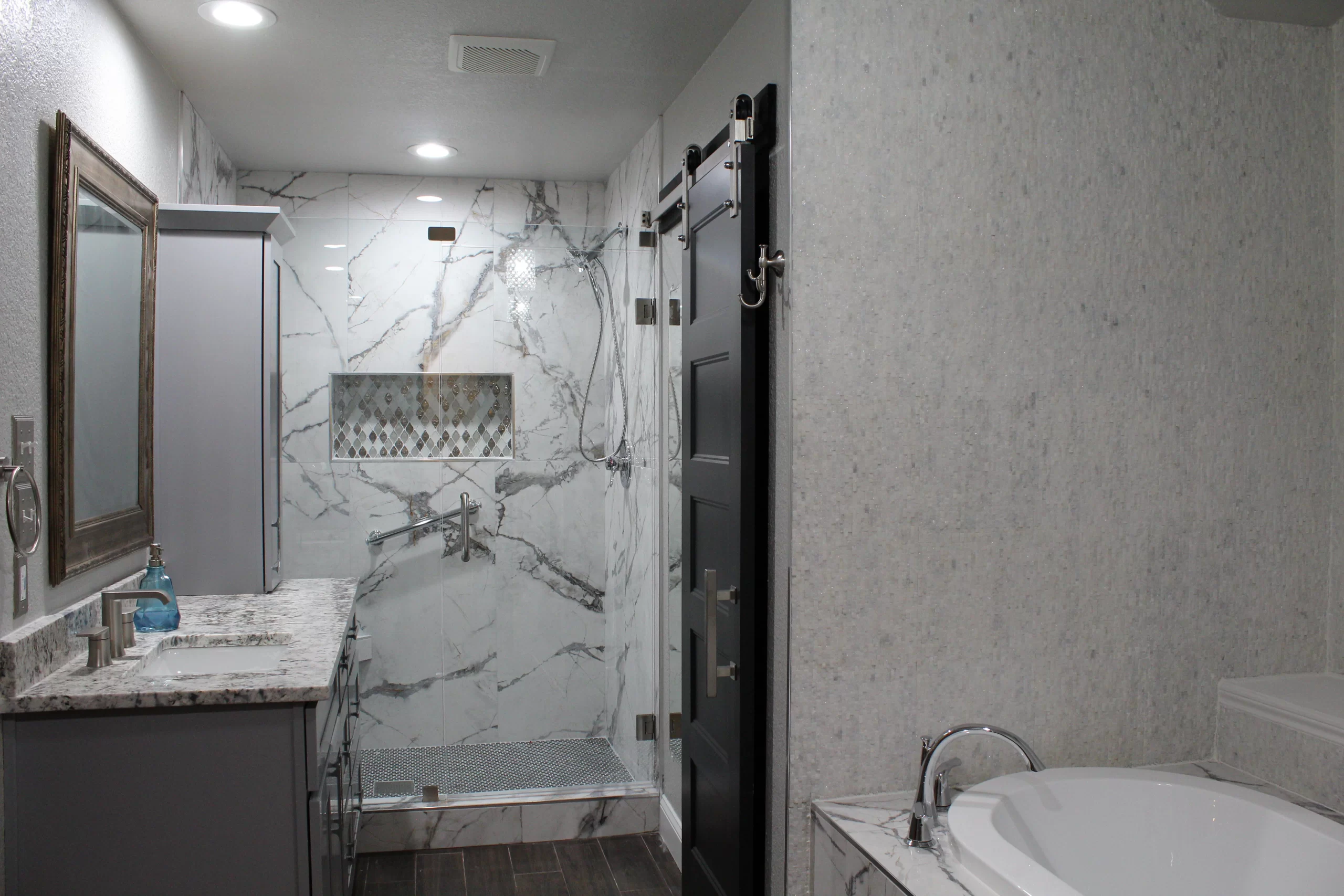
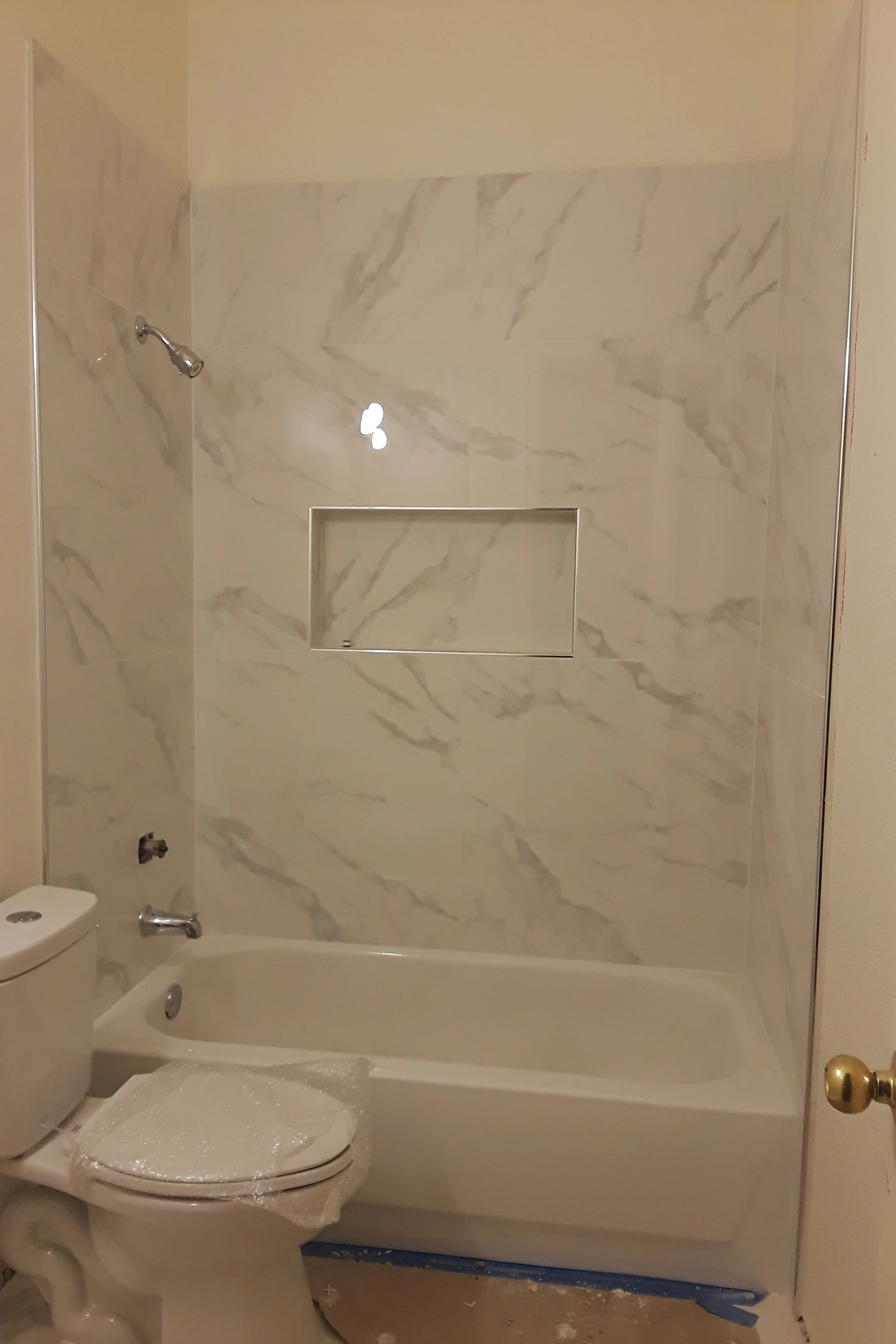
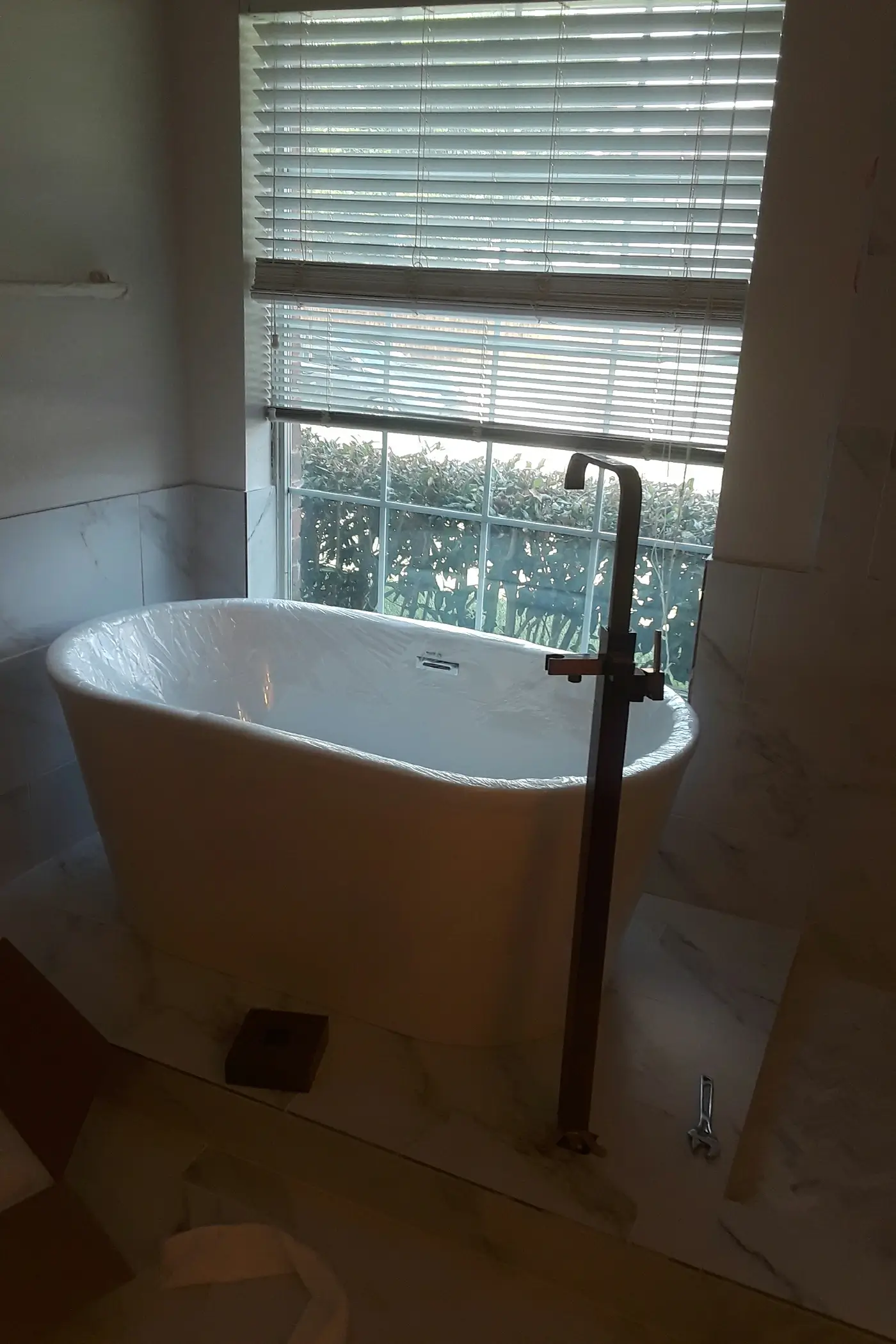
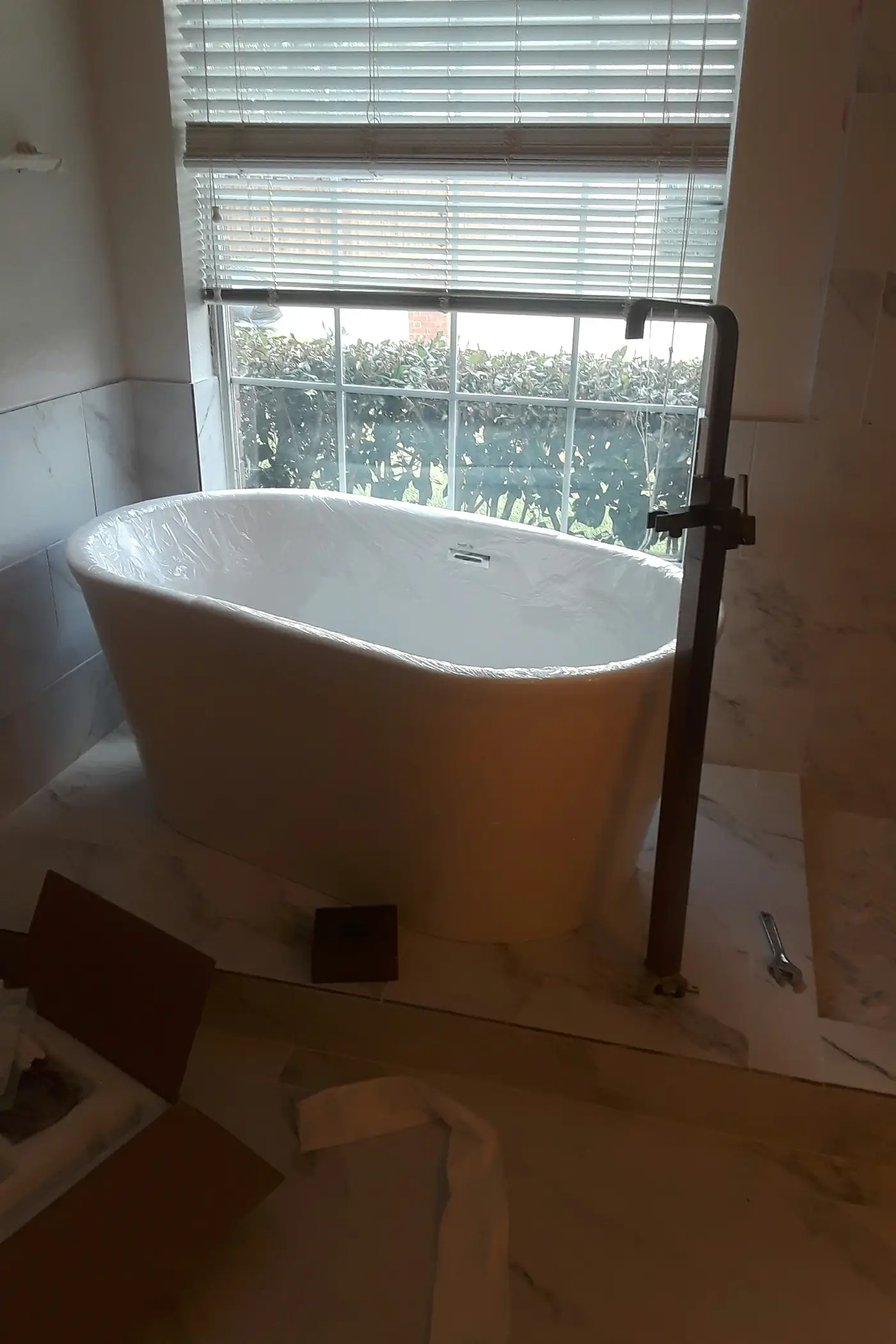
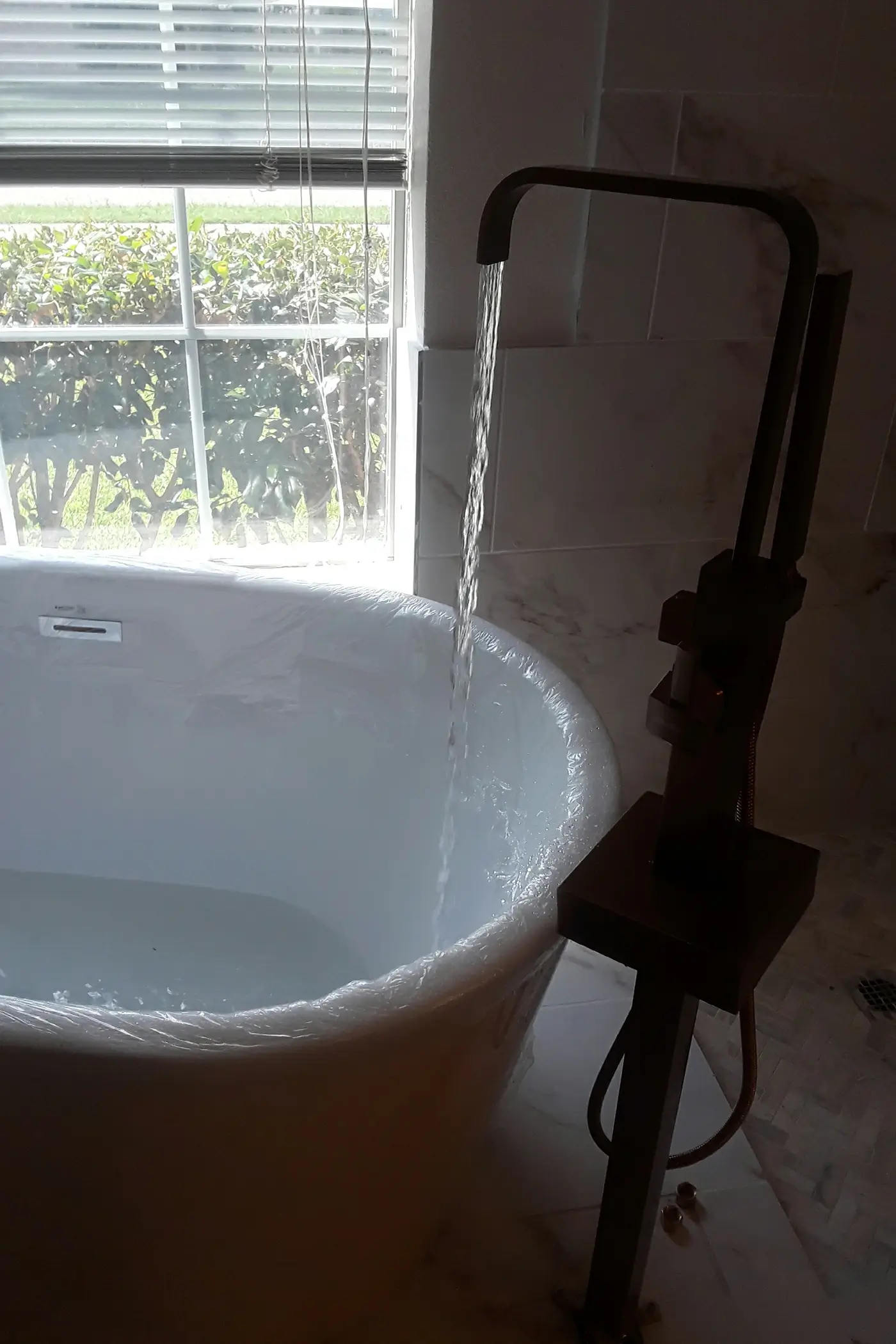
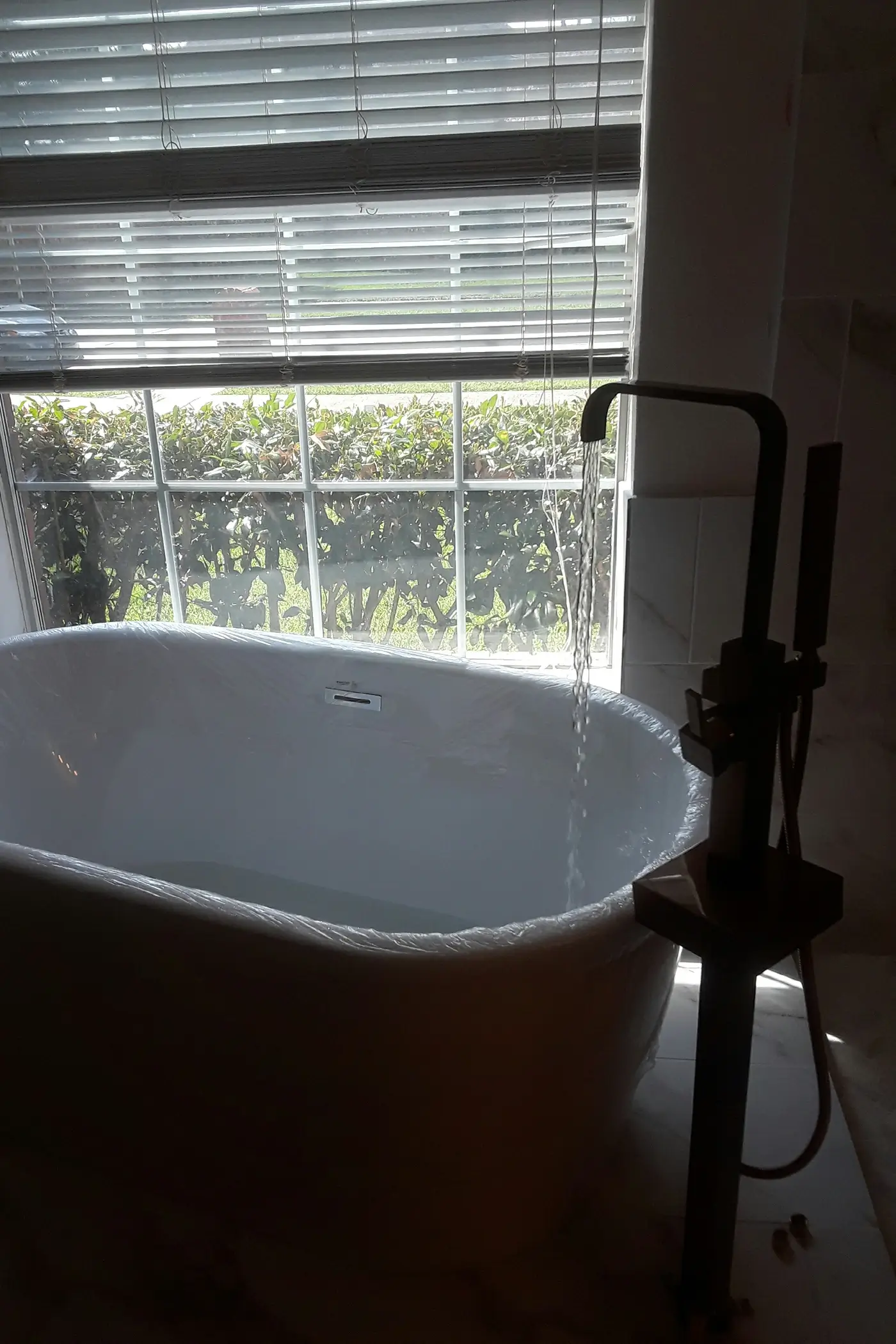
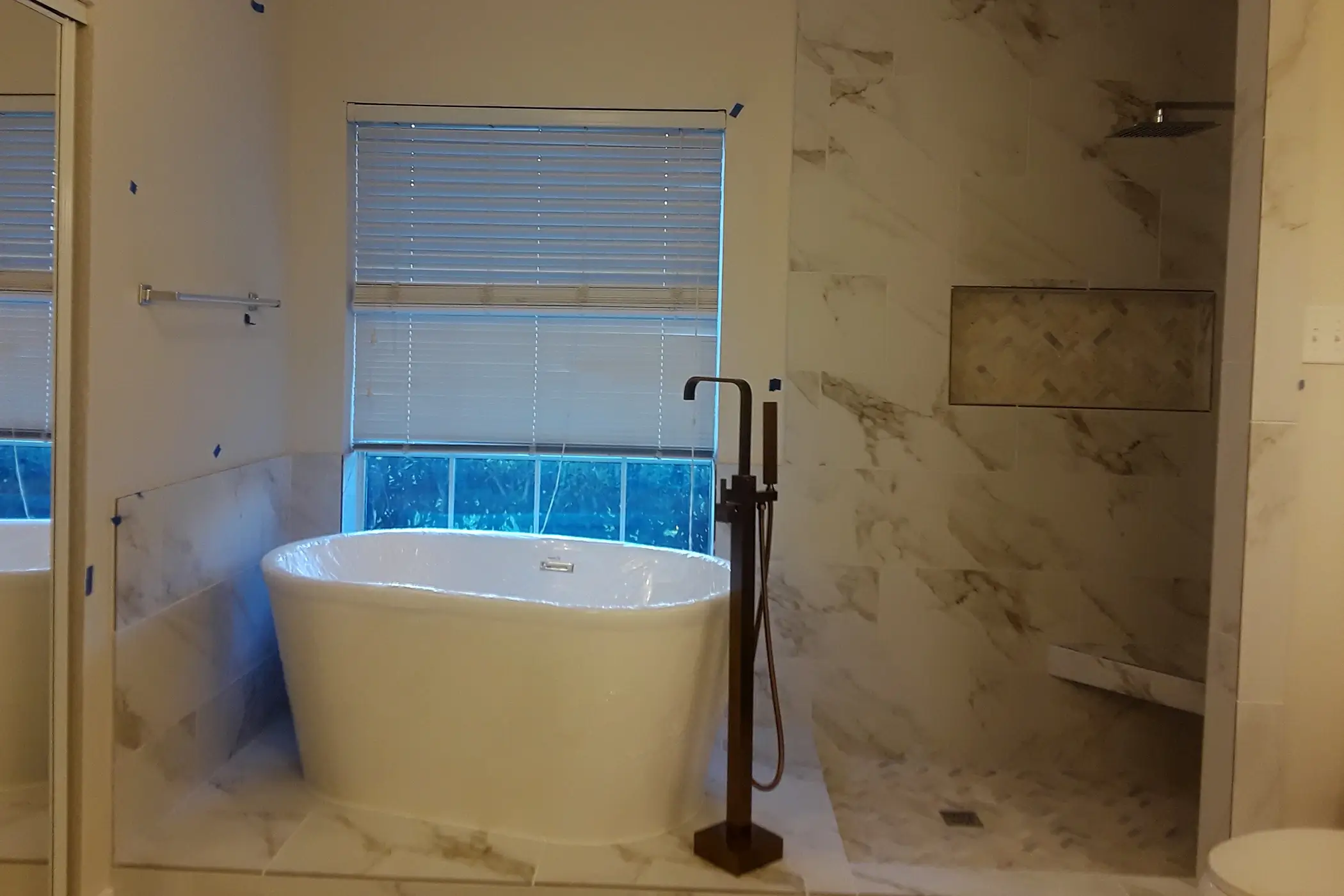
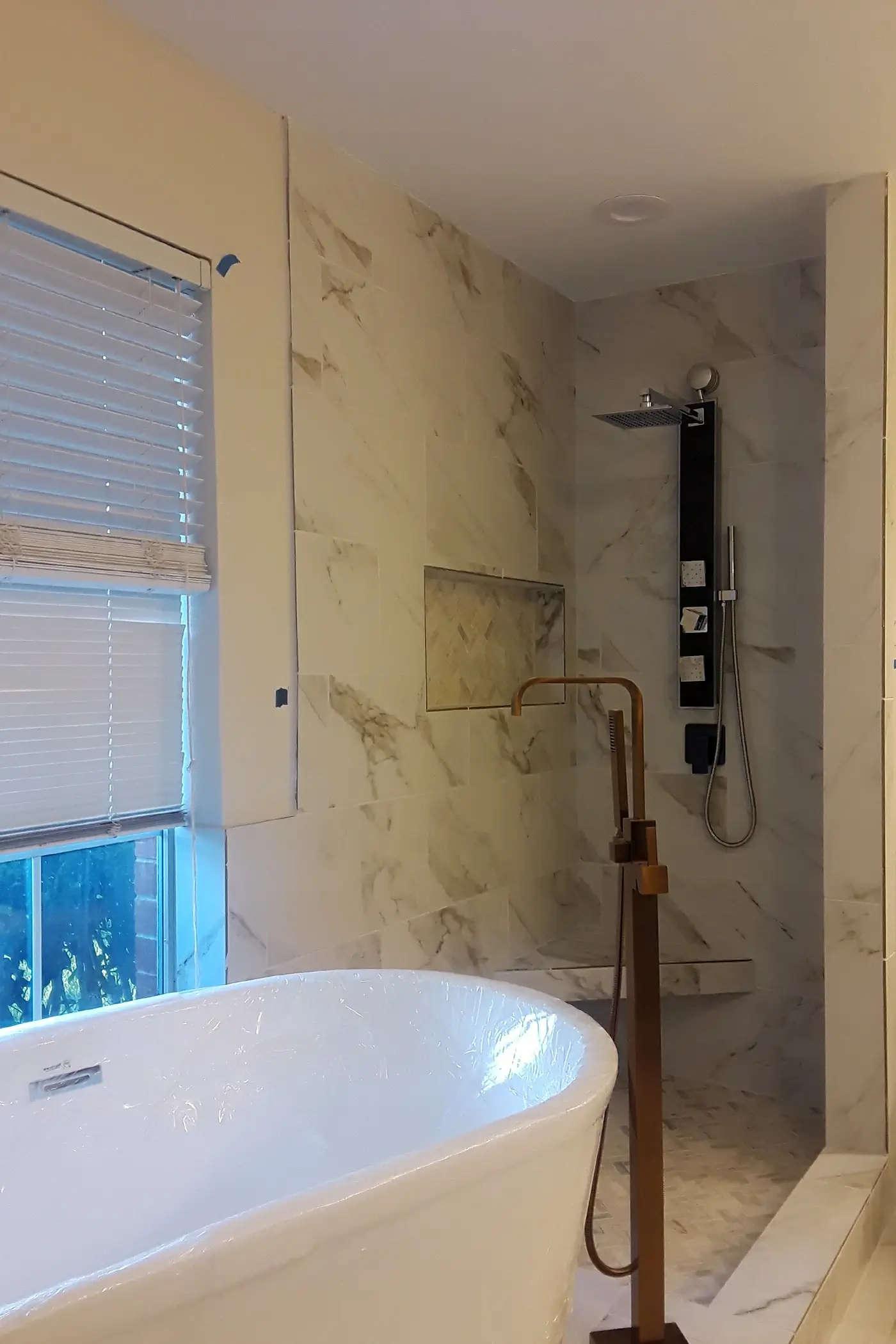
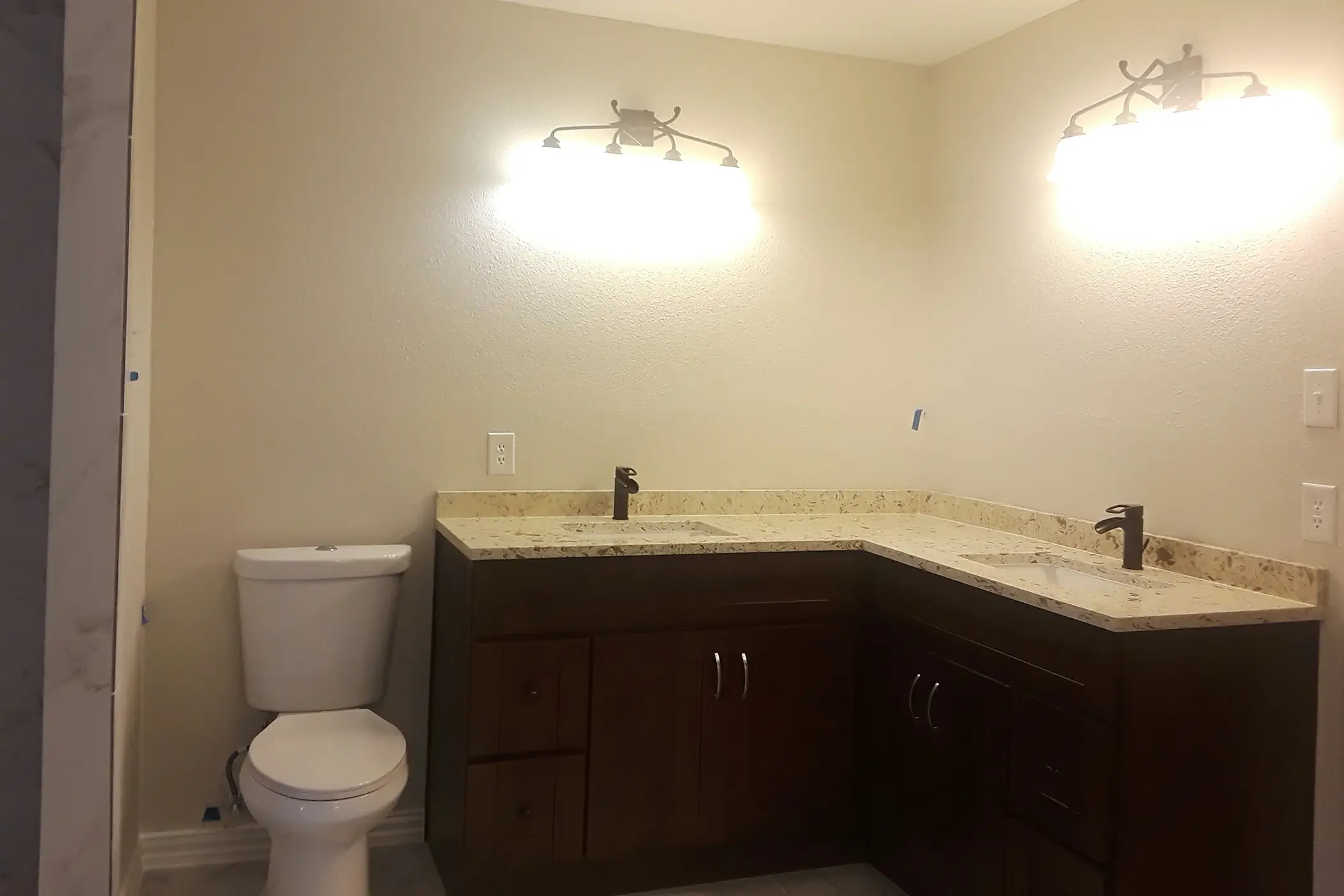
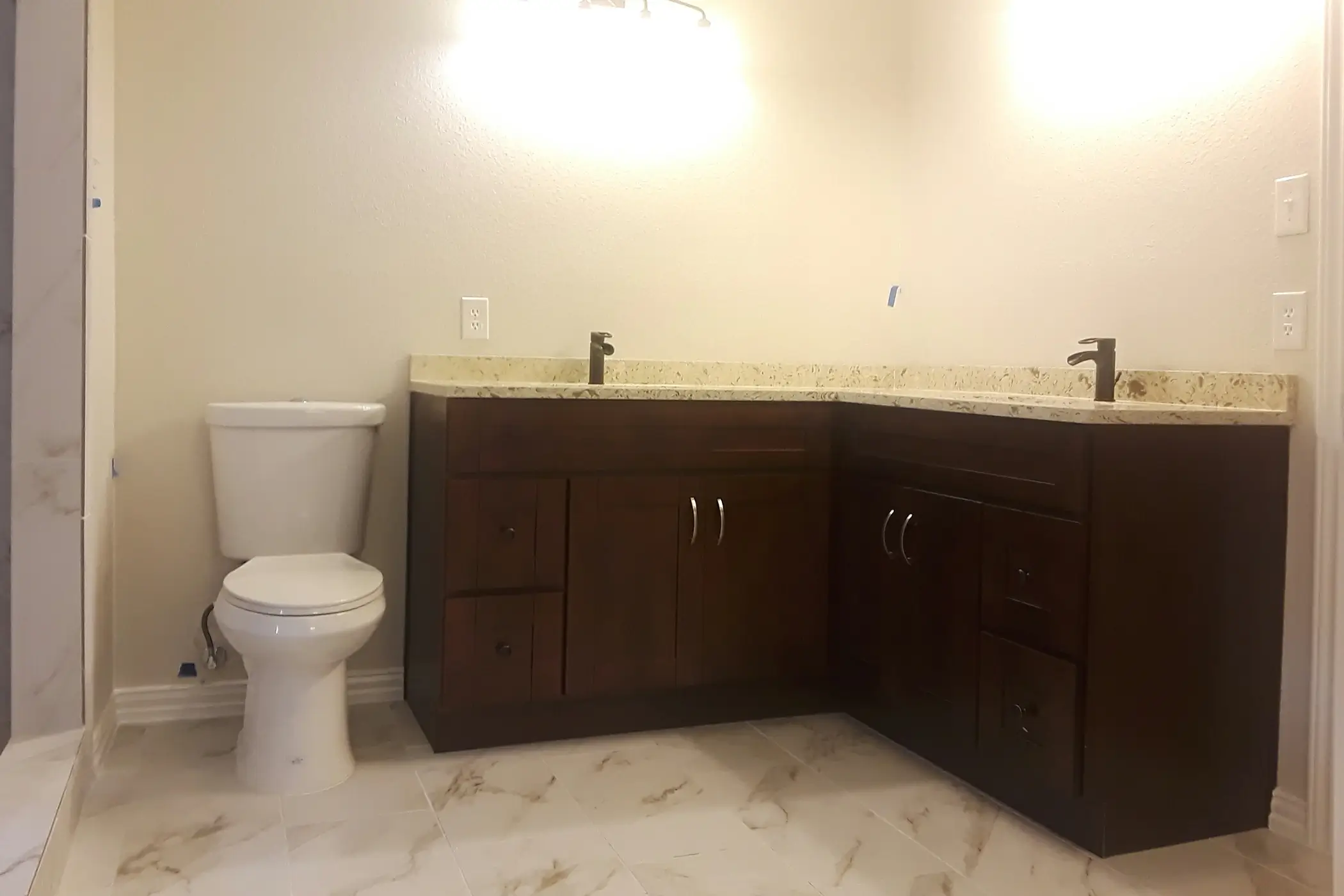
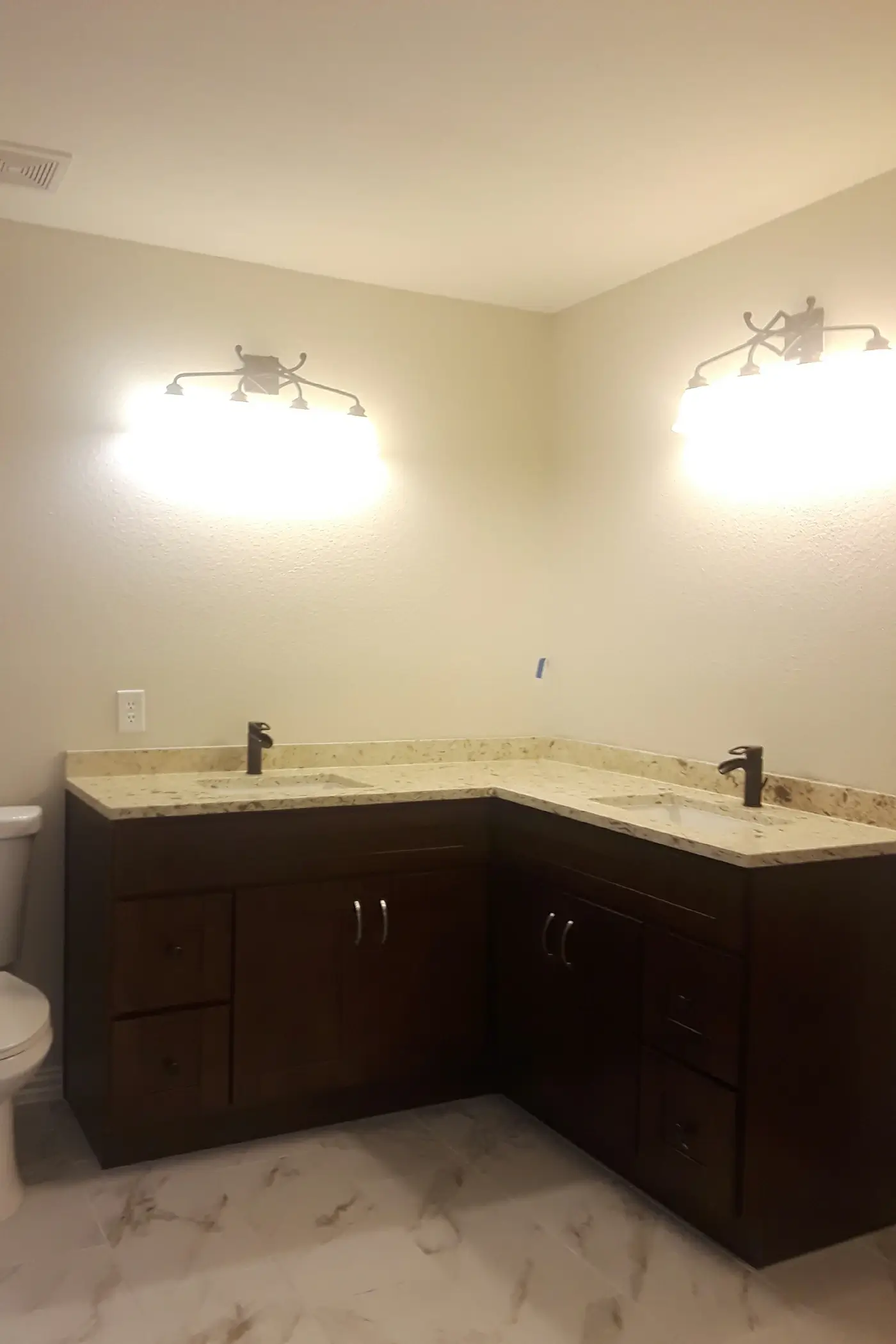
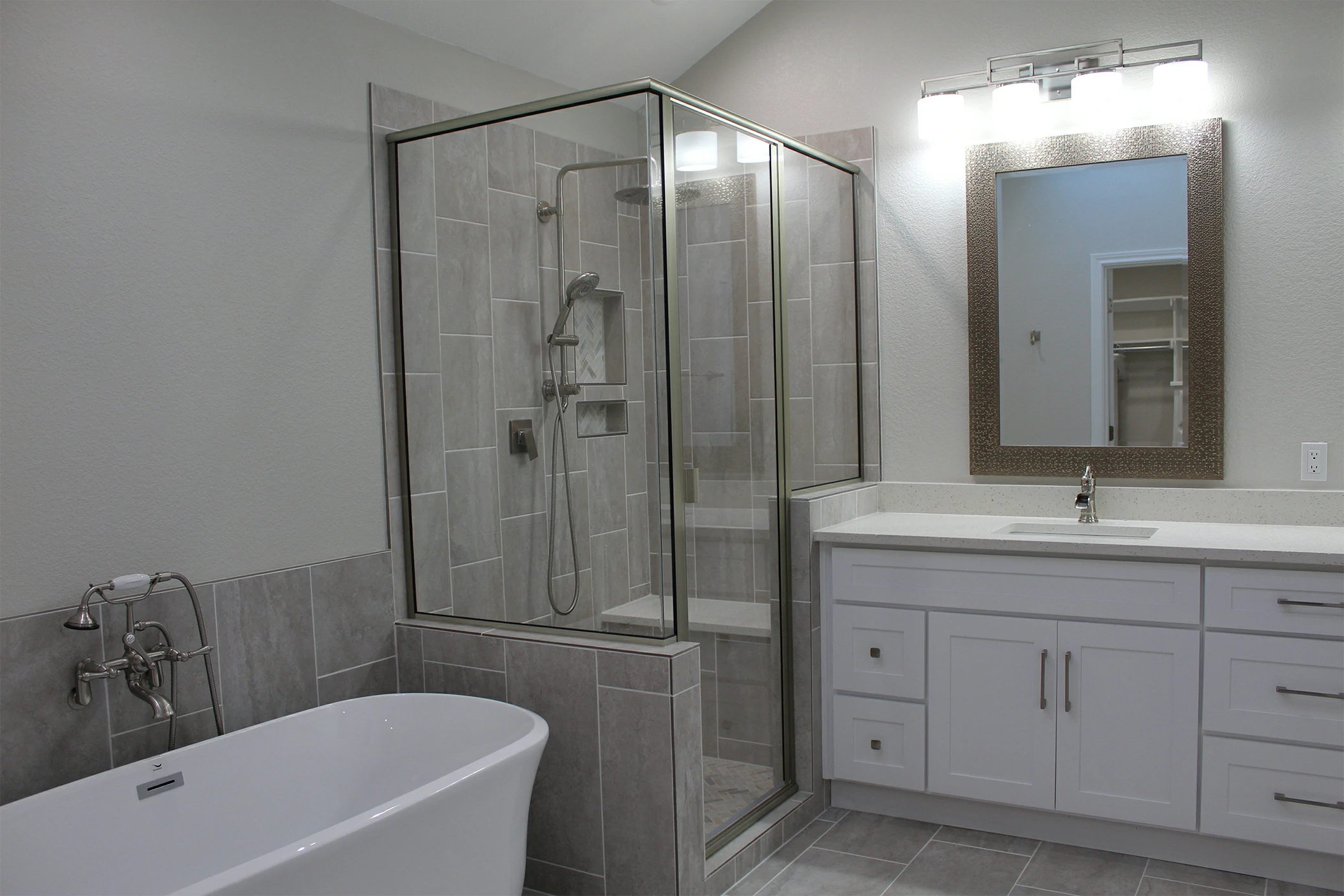
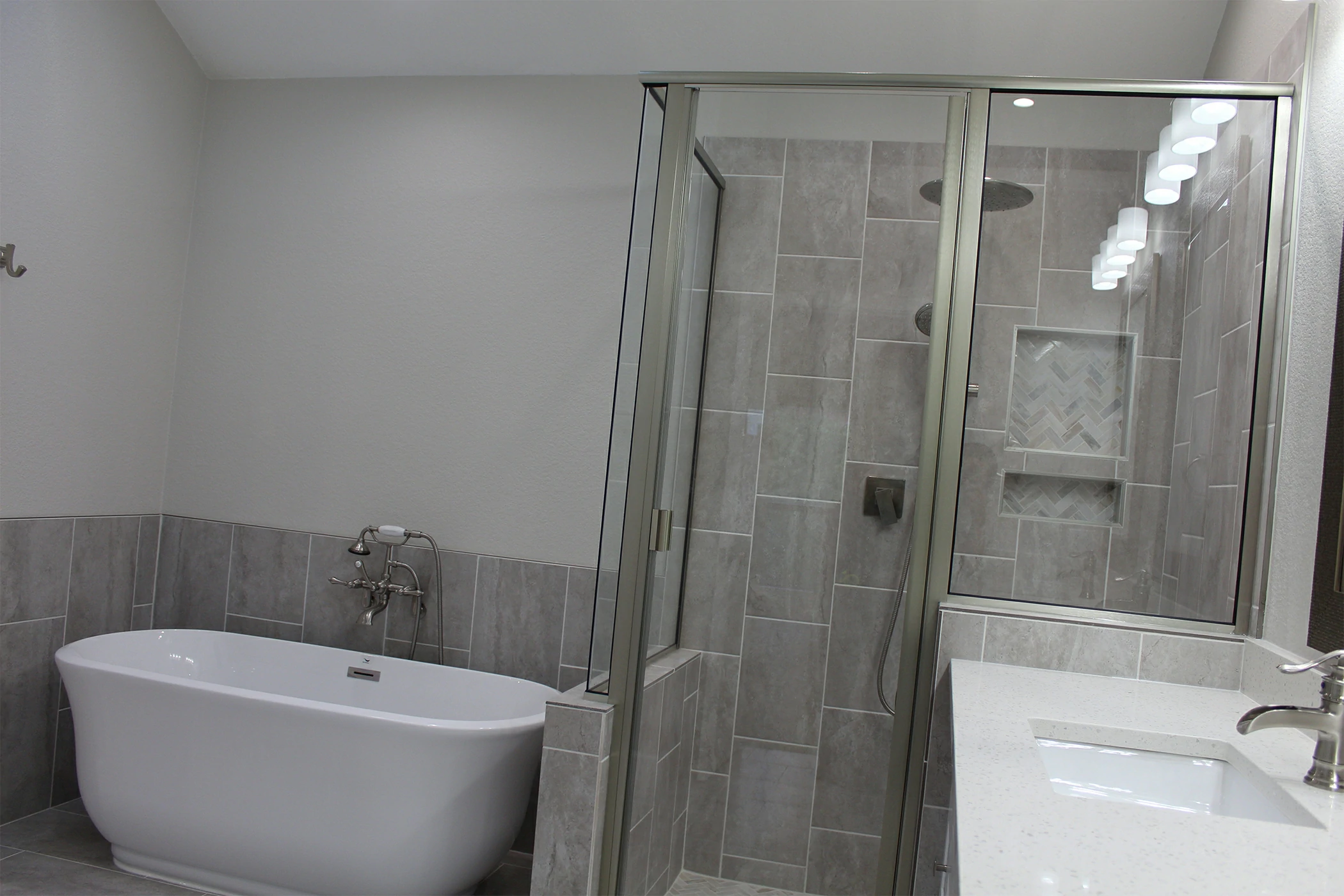
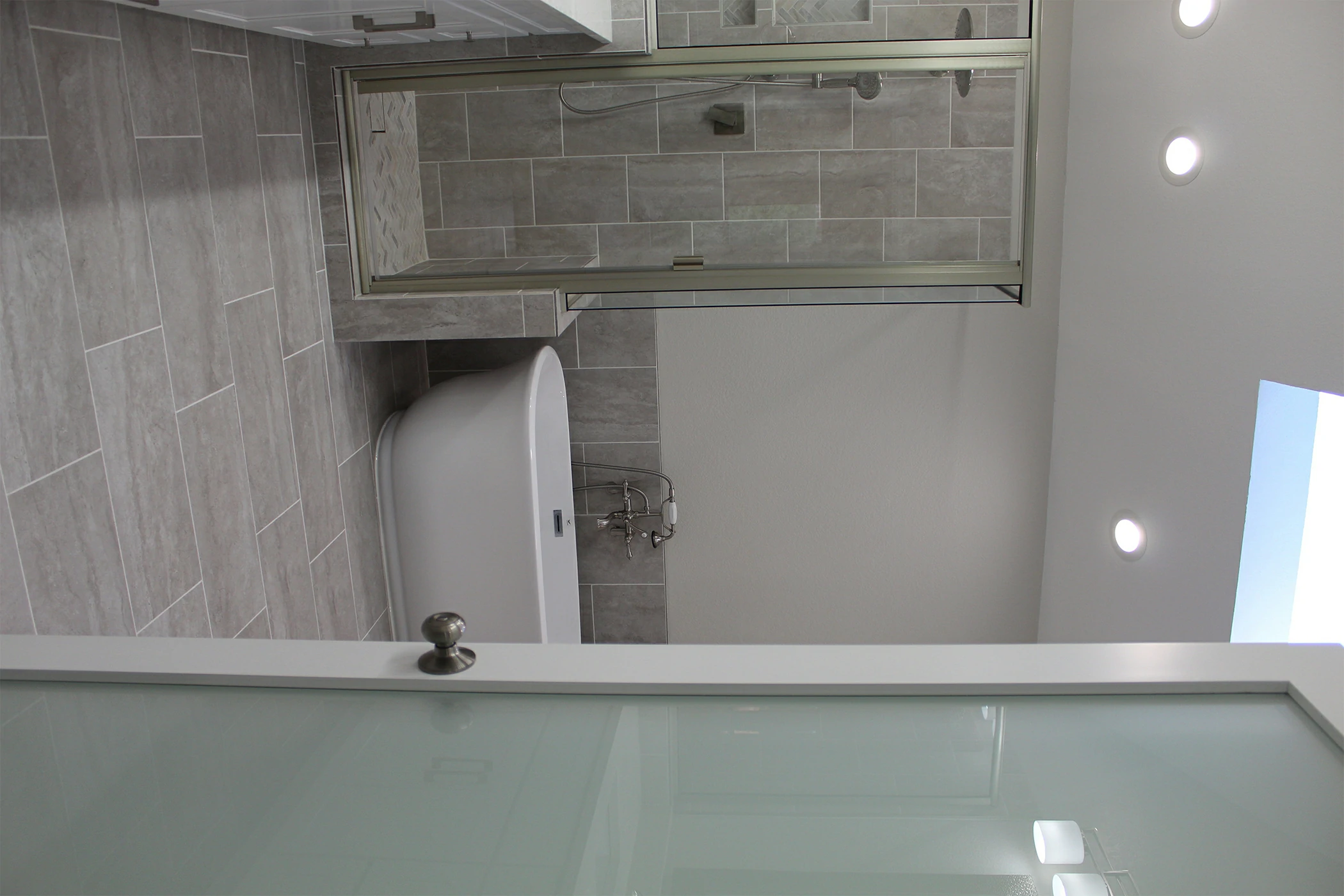
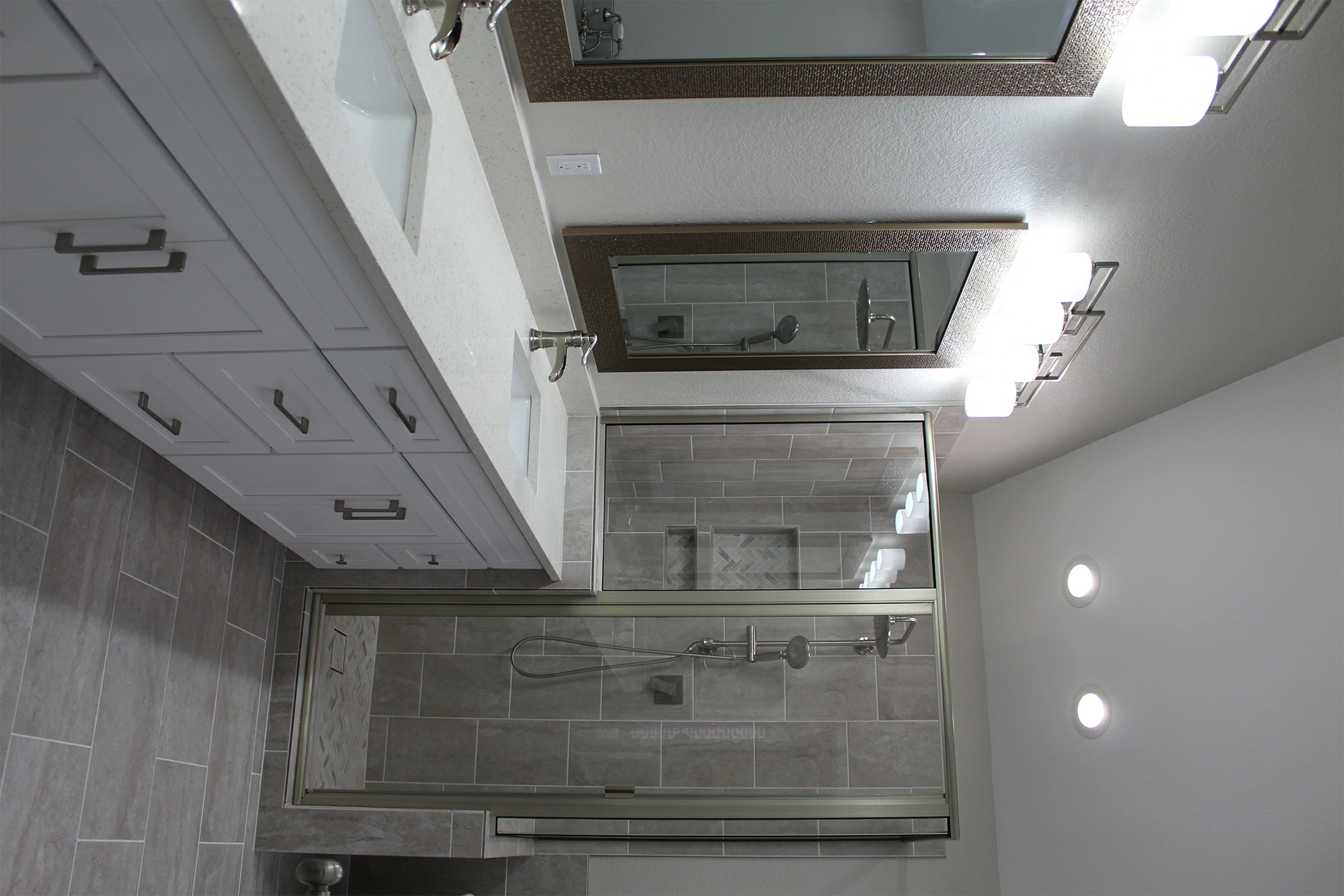
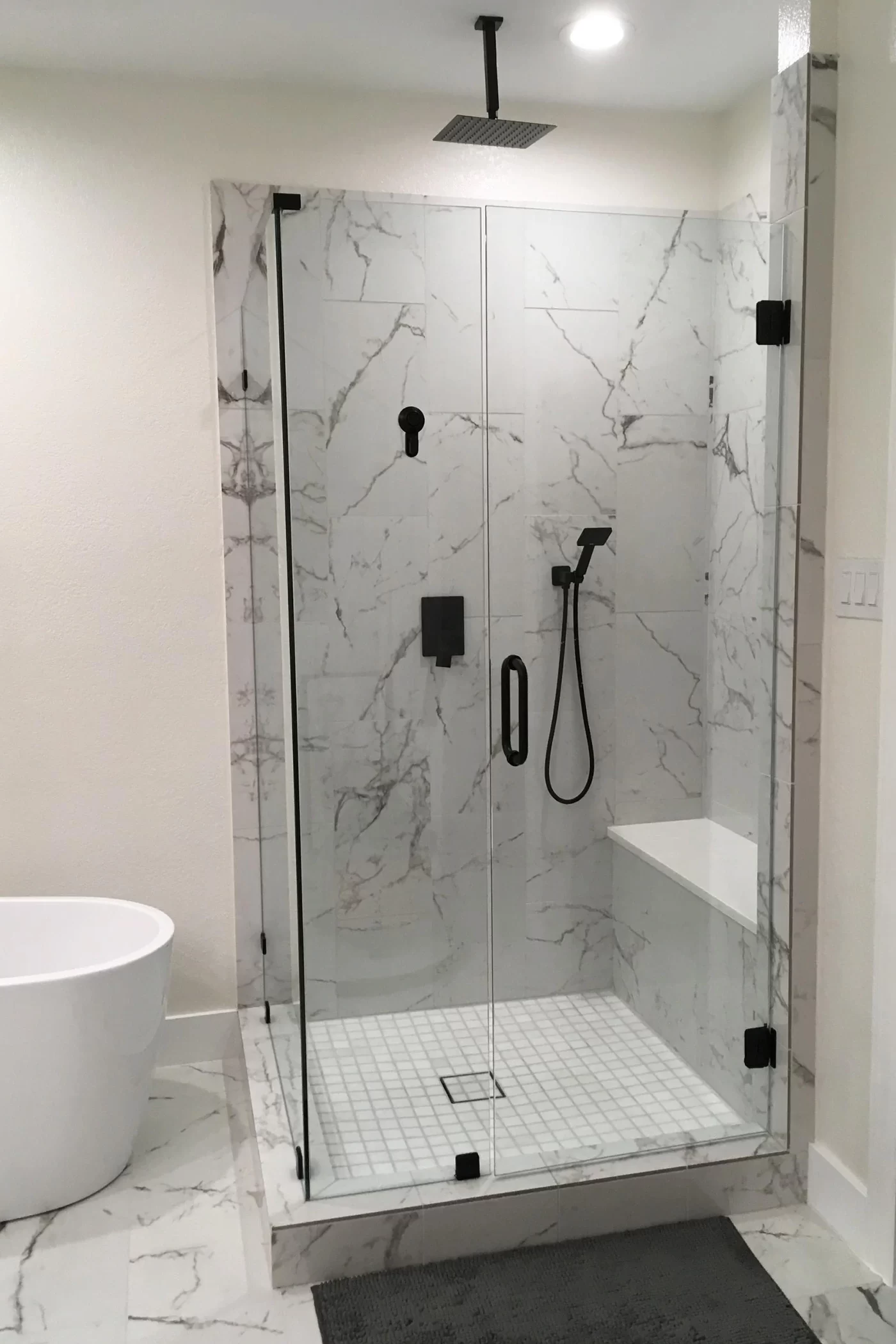
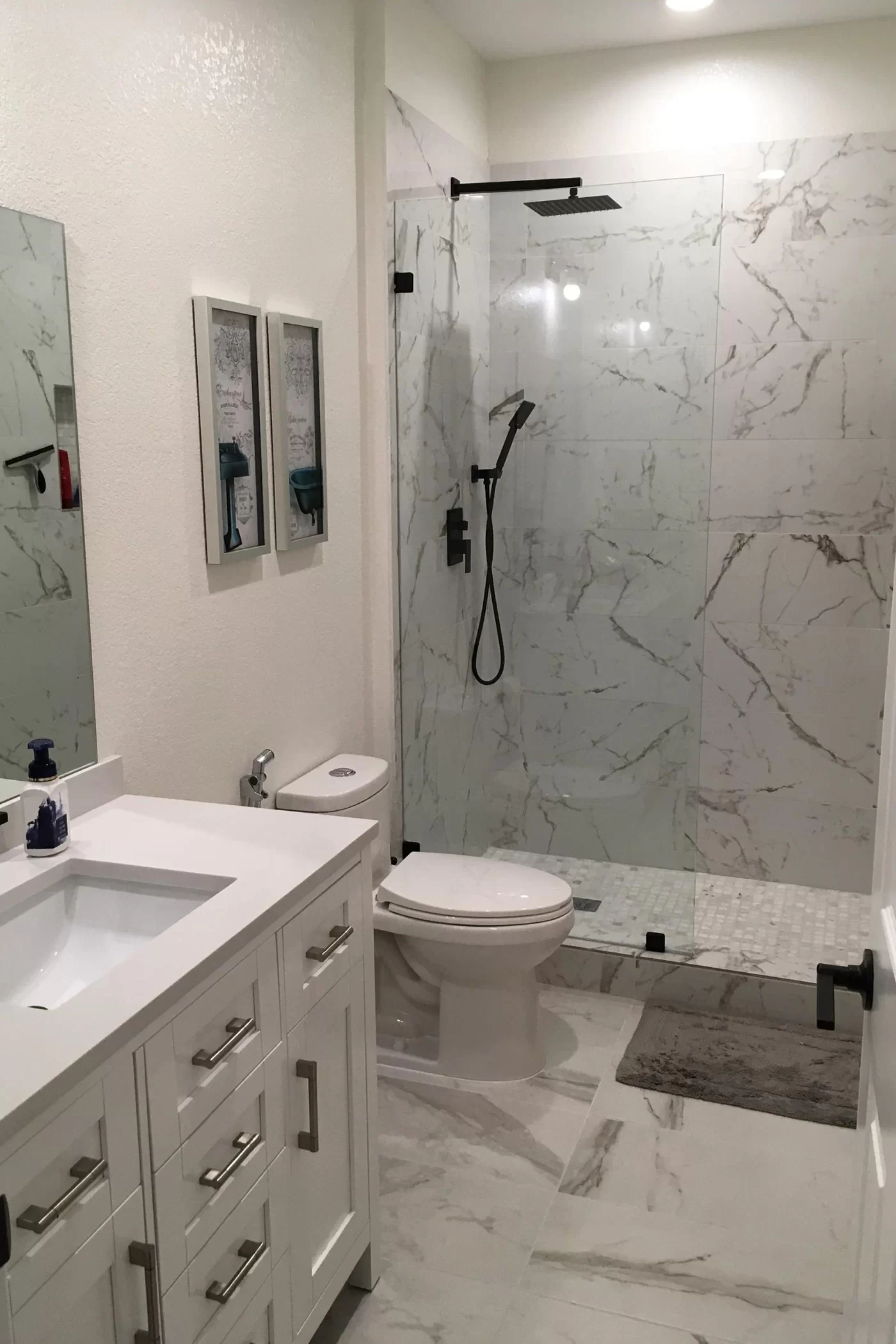
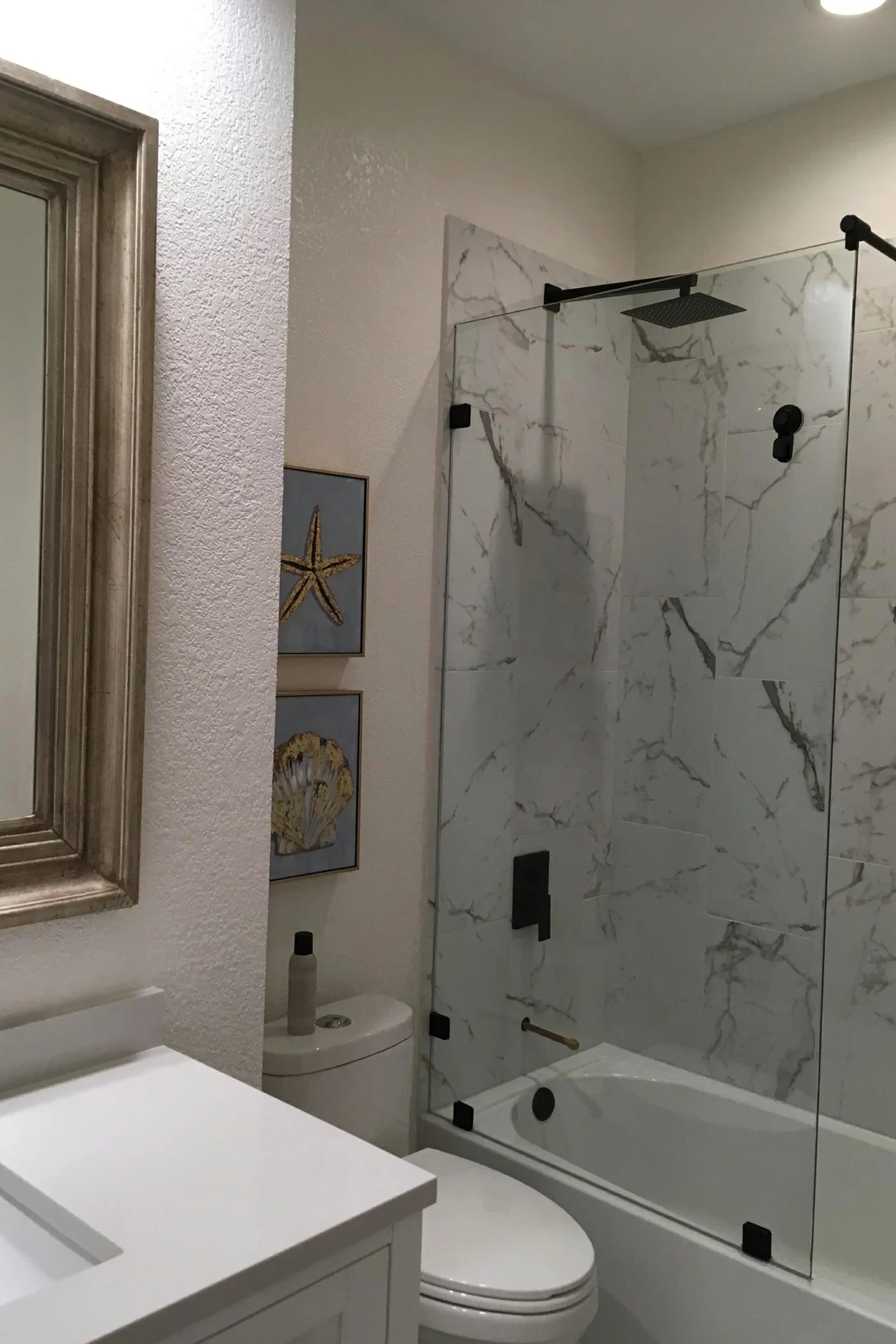
- Bathroom Additions: Plumbing, waterproofing, and ventilation make this one of the trickiest projects.
-
- Second-Story Additions: Engineering expertise is essential to ensure the existing structure supports the weight.
-
- Garage or Basement Conversions: These require significant reinforcement, electrical rewiring, and insulation.
-
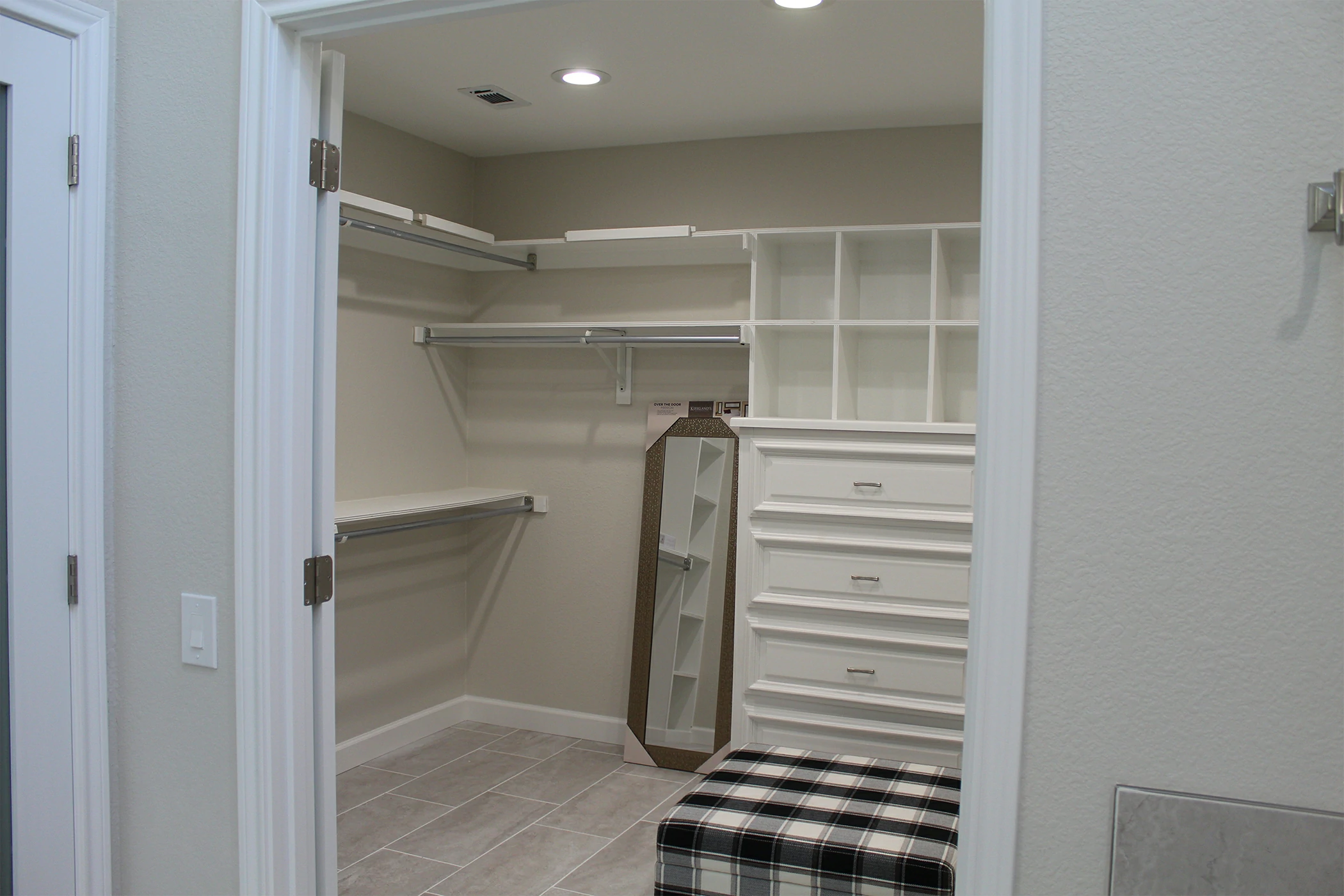
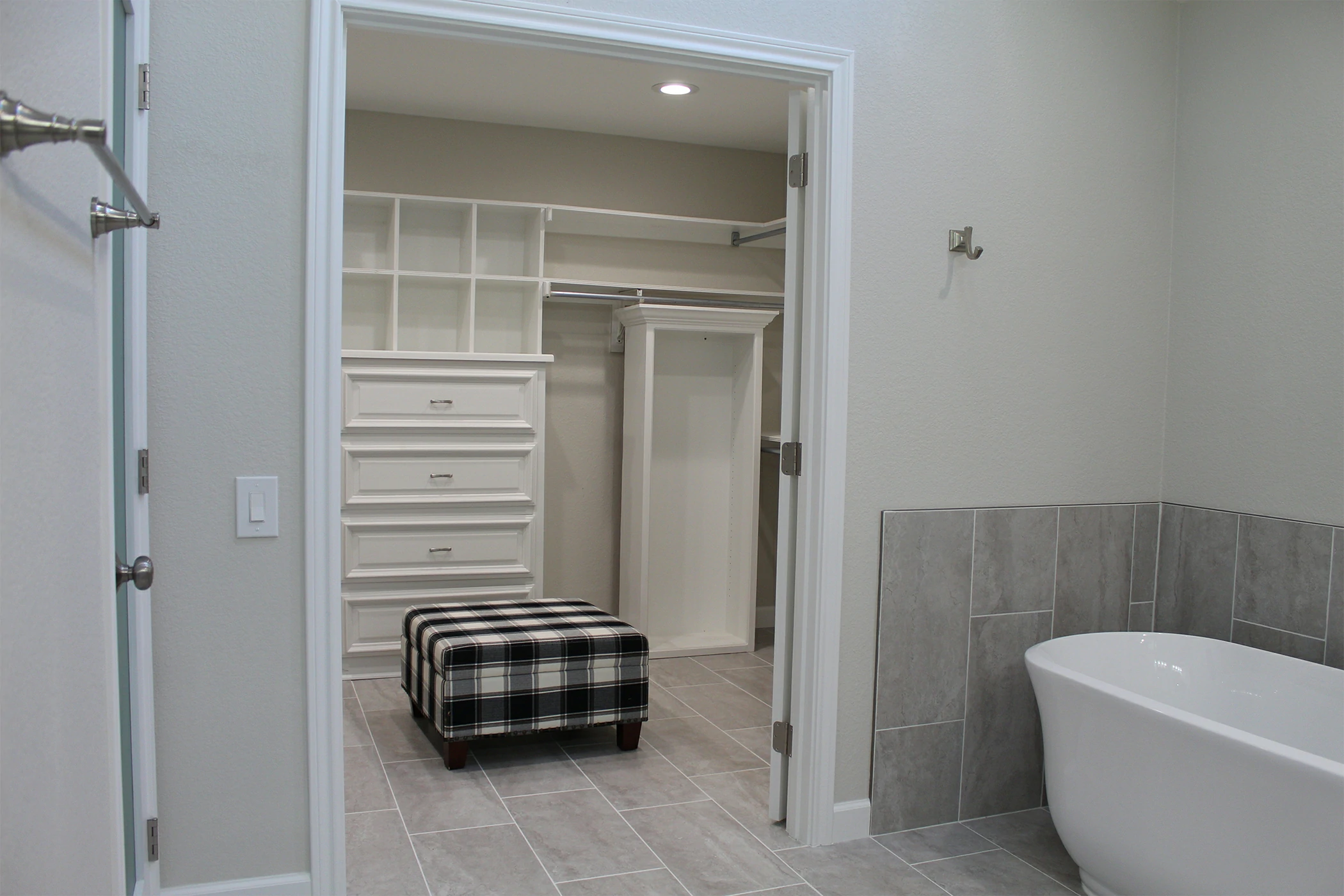
- Luxury Extensions: Sunrooms, entertainment rooms, or master suites all demand precise finishing and design coordination.
In short, if the project affects the skeleton of your home (foundation, load-bearing walls, roof), contractors are non-negotiable.
Cost Considerations: DIY vs. Contractors
One major factor influencing homeowners is money. DIY seems like the cheaper route, but let’s break it down realistically.
DIY Costs
-
- Lower upfront expenses for labor
-
- Higher risk of material waste due to mistakes
-
- Extra costs for rework if something fails inspection
-
- Hidden expenses like renting specialized tools
Contractor Costs
-
- Higher upfront costs for labor and professional fees
-
- Lower risk of rework because of guaranteed workmanship
-
- Accurate budgeting based on extensive planning
-
- Value added to the home from professional craftsmanship
In many cases, hiring home addition builders can actually be more cost-effective in the long run.
Home Additions in Texas
The popularity of home additions Texas continues to grow as families seek more living space without relocating. However, this is also one of the most highly regulated states for residential construction. Building codes, zoning rules, and utility regulations vary widely between cities and counties.
For example:
-
- Some municipalities strictly control how far you can extend toward property lines.
-
- Others require specialized permits for electrical or plumbing changes.
-
- Foundation depths must meet soil-specific requirements.
A DIY homeowner may not have the knowledge or access to navigate these rules, but home extension contractors in Texas are familiar with local codes and can ensure projects pass inspections smoothly.
Choosing the Right Home Addition Contractors
Once you’ve decided to hire professionals, the next step is selecting the right contractor. Not all addition contractors are equal. Factors to consider include:
-
- Licensing and insurance: Always verify credentials.
-
- Experience portfolio: Request to see examples of completed home addition construction projects.
-
- References and reviews: Ask past clients about their experiences.
-
- Work contracts: Ensure there’s a written agreement detailing costs, timelines, and guarantees.
-
- Specialization: Some contractors focus on luxury spaces, while others are budget-friendly.
Finding reliable house contractors ensures your investment adds value, safety, and function to your home.
Balancing DIY and Professional Work
For many homeowners, a hybrid approach works best. For example:
-
- Hire home expansion contractors for structural work like framing and utility installation.
-
- Do smaller finishing jobs yourself, such as painting or installing light fixtures.
This allows for cost savings while still ensuring that the critical elements—safety, permits, and structure—are handled by experts.
Long-Term Value of Professional Additions
Hiring home addition builders does more than complete a project—it creates long-term value. A well-designed home extension:
-
- Increases resale value
-
- Improves functionality and comfort
-
- Enhances curb appeal
-
- Reduces maintenance costs due to quality workmanship
Compared to DIY work that might require future corrections, professional additions are an investment in the future security and worth of your property.
Conclusion
When it comes to home additions, the choice between DIY and hiring home extension contractors depends on the size and complexity of the project. Cosmetic updates can be rewarding DIY ventures, but structural expansions call for expertise. Professionals like home addition contractors provide not just building services but also peace of mind, ensuring your dream extension is safe, compliant, and long-lasting.
Ready to bring your dream home to life? Book now with trusted home extension contractors and start building the space you deserve today!
FAQs
They oversee design, permits, construction, and compliance, ensuring the new addition is structurally sound and up to code.
DIY can lead to structural, electrical, and plumbing mistakes, which can lower property value, cause hazards, and result in failed inspections.
Check for licensing, insurance, positive reviews, references, and a proven portfolio of home addition construction projects.
Depending on size, they can range from a few weeks for small projects to several months for larger expansions.
Most reputable house addition contractors offer warranties for workmanship and materials, offering homeowners added protection.