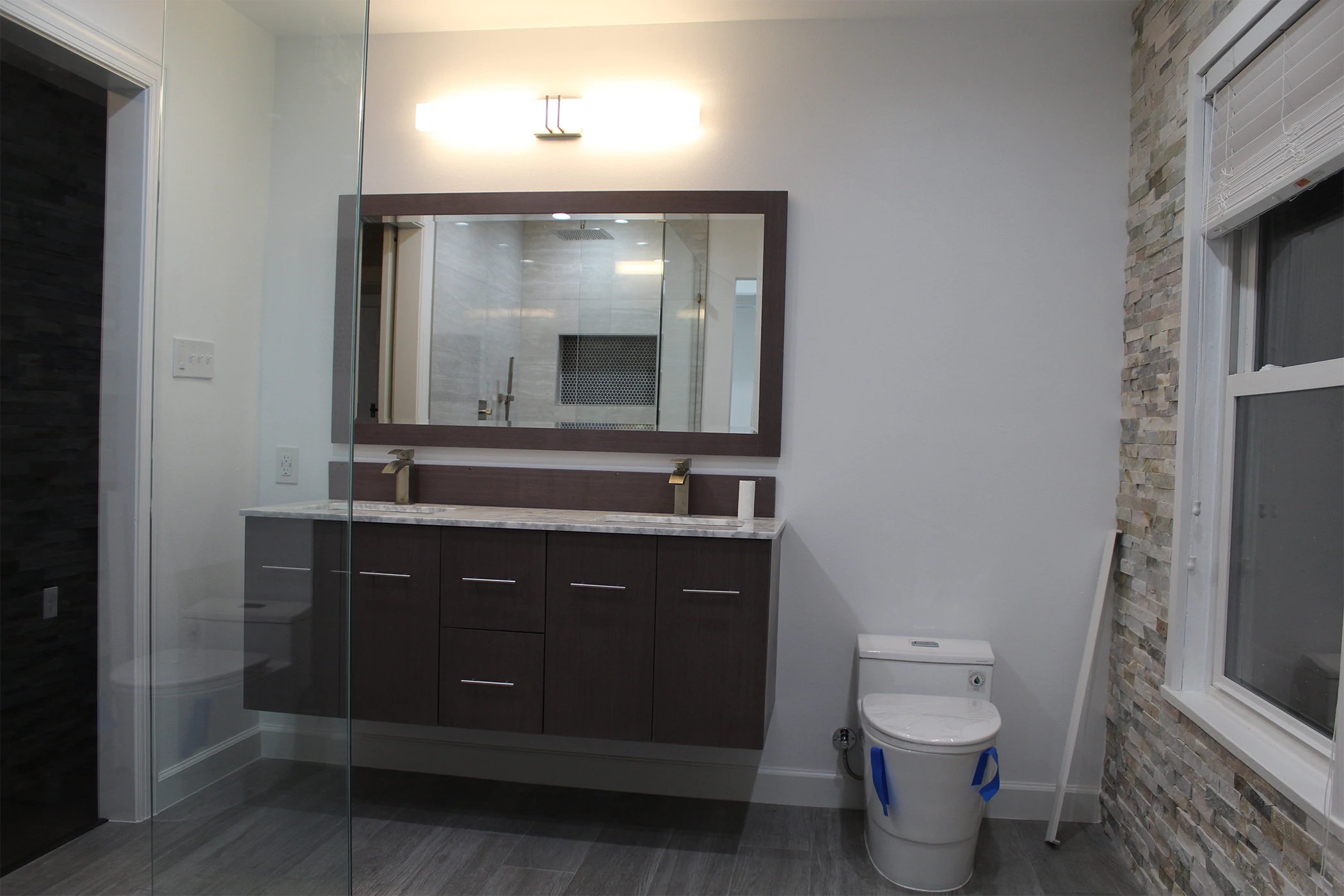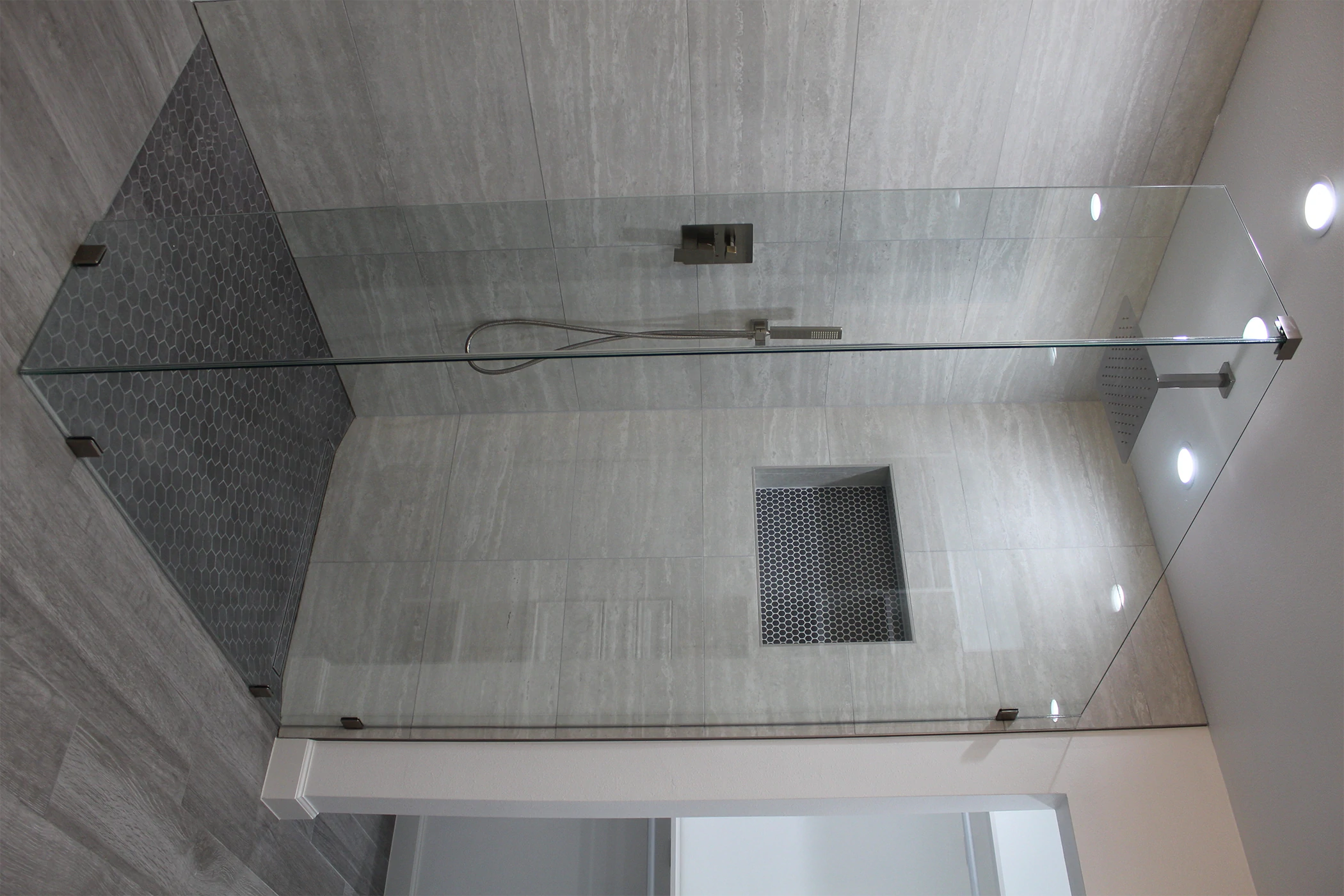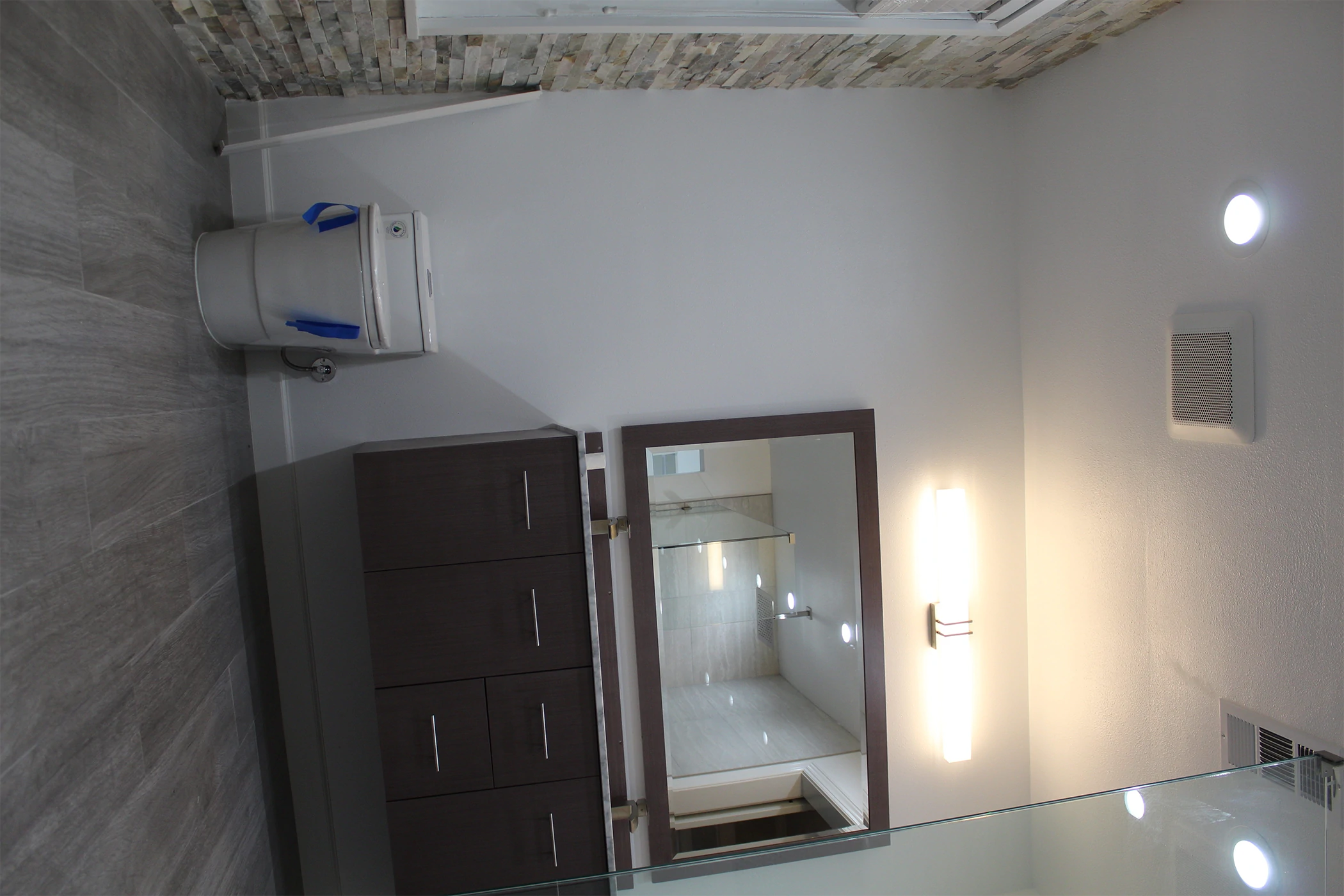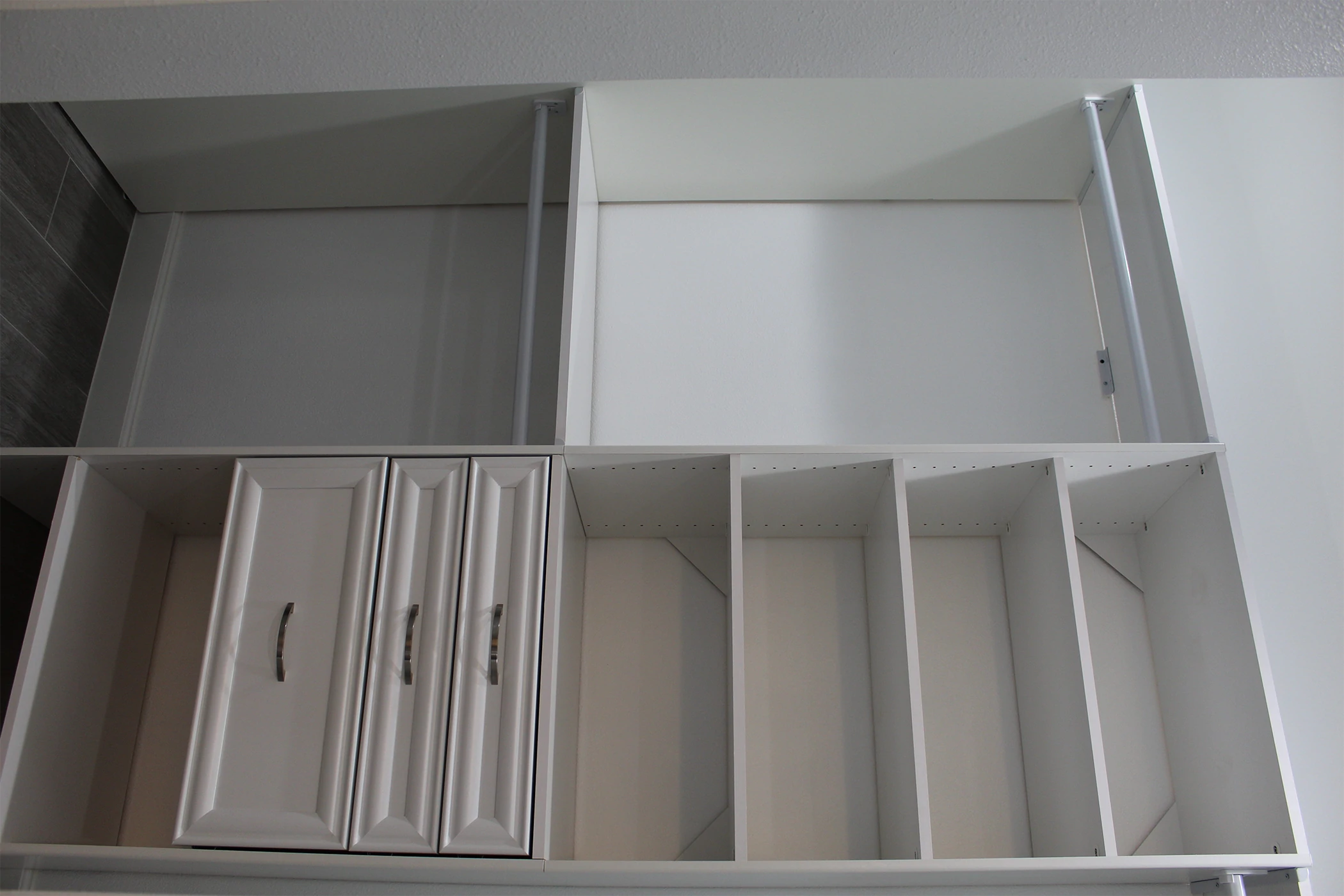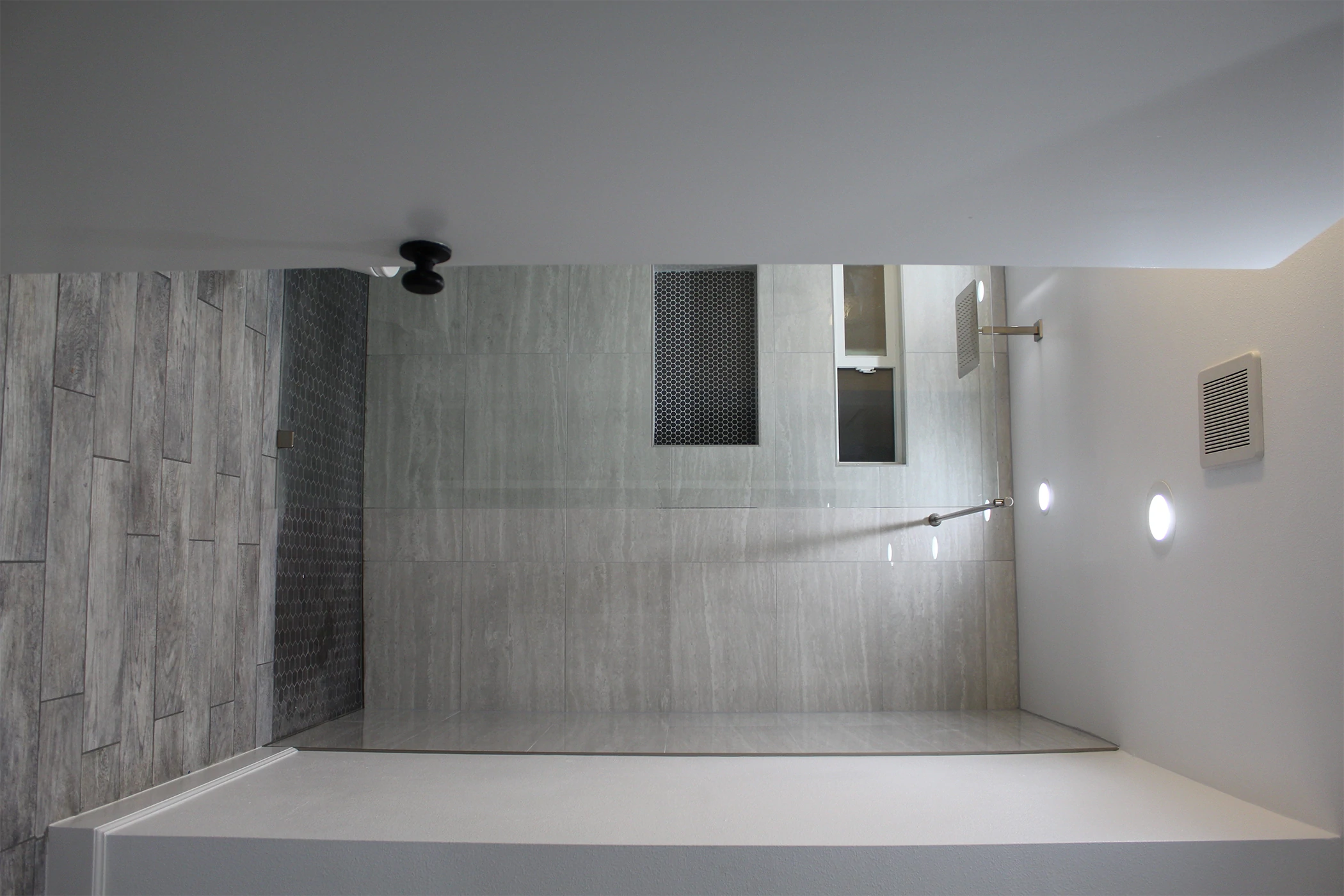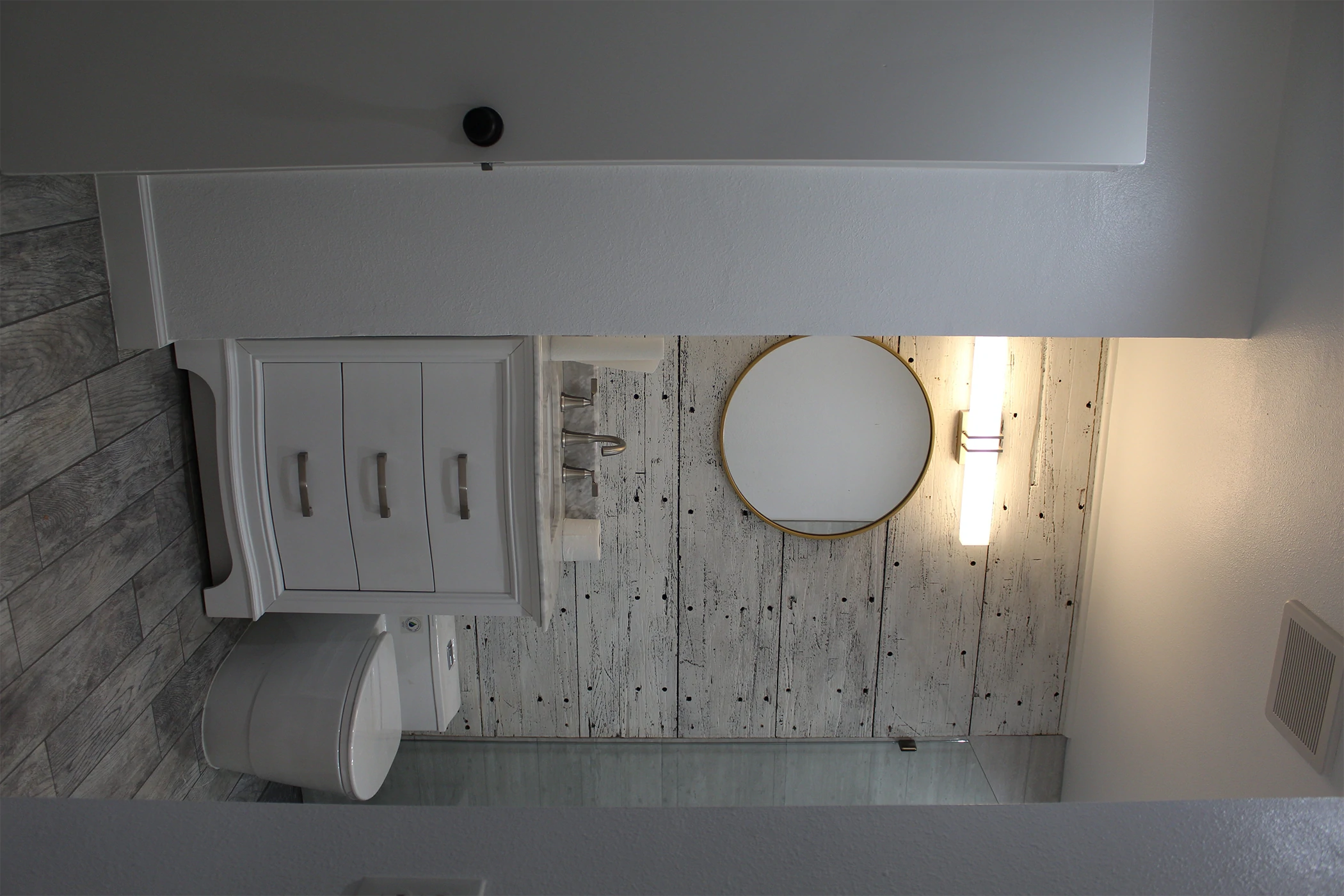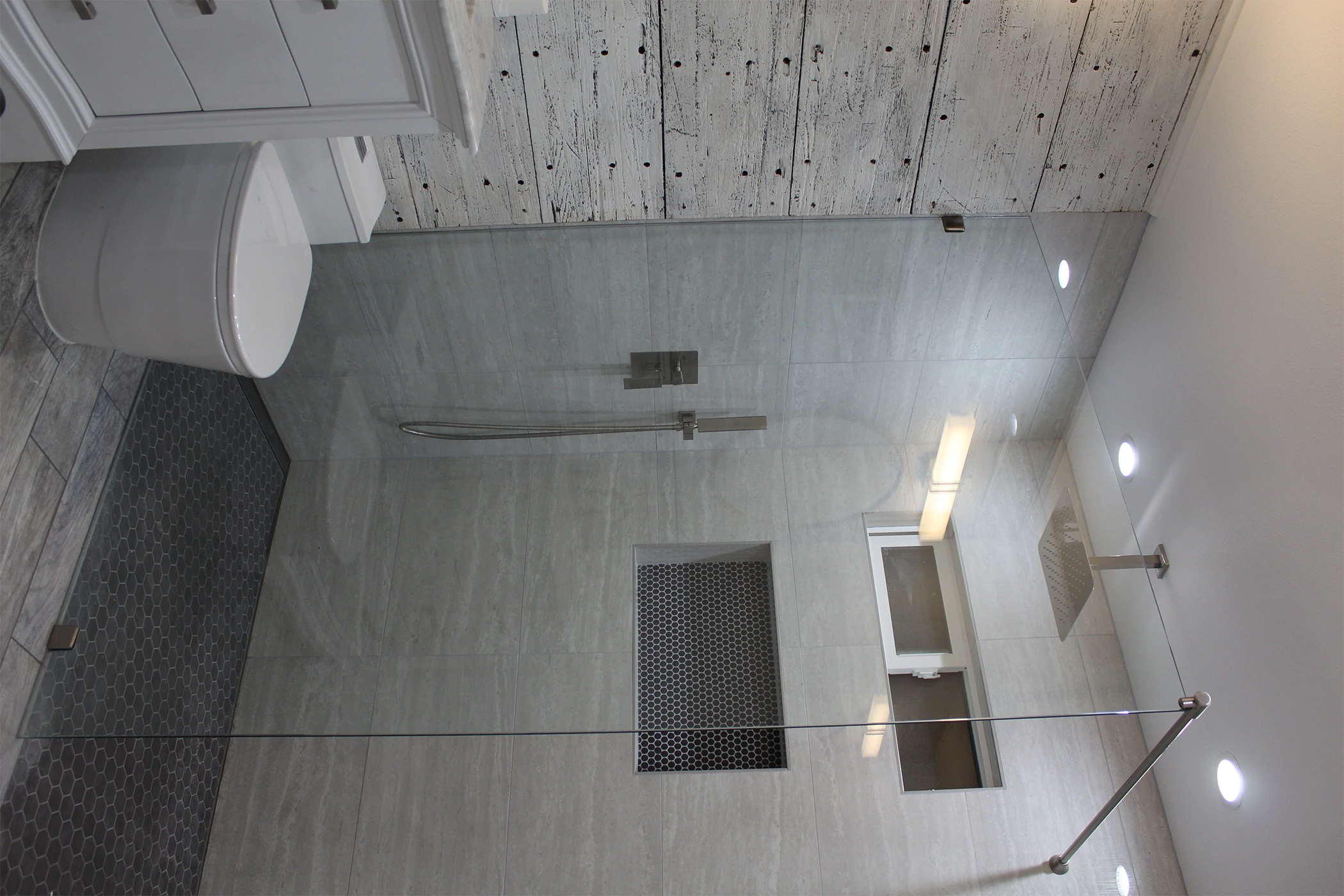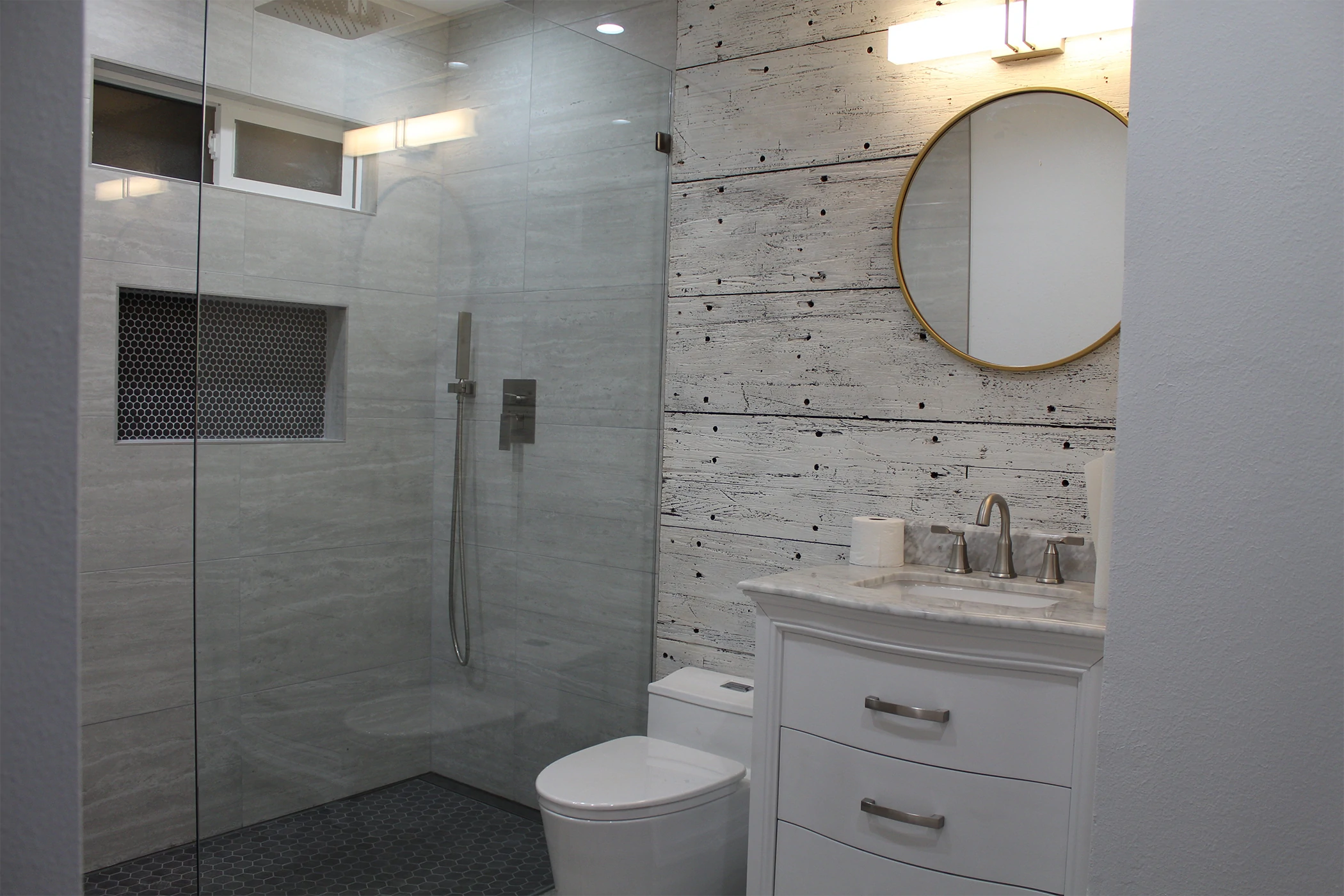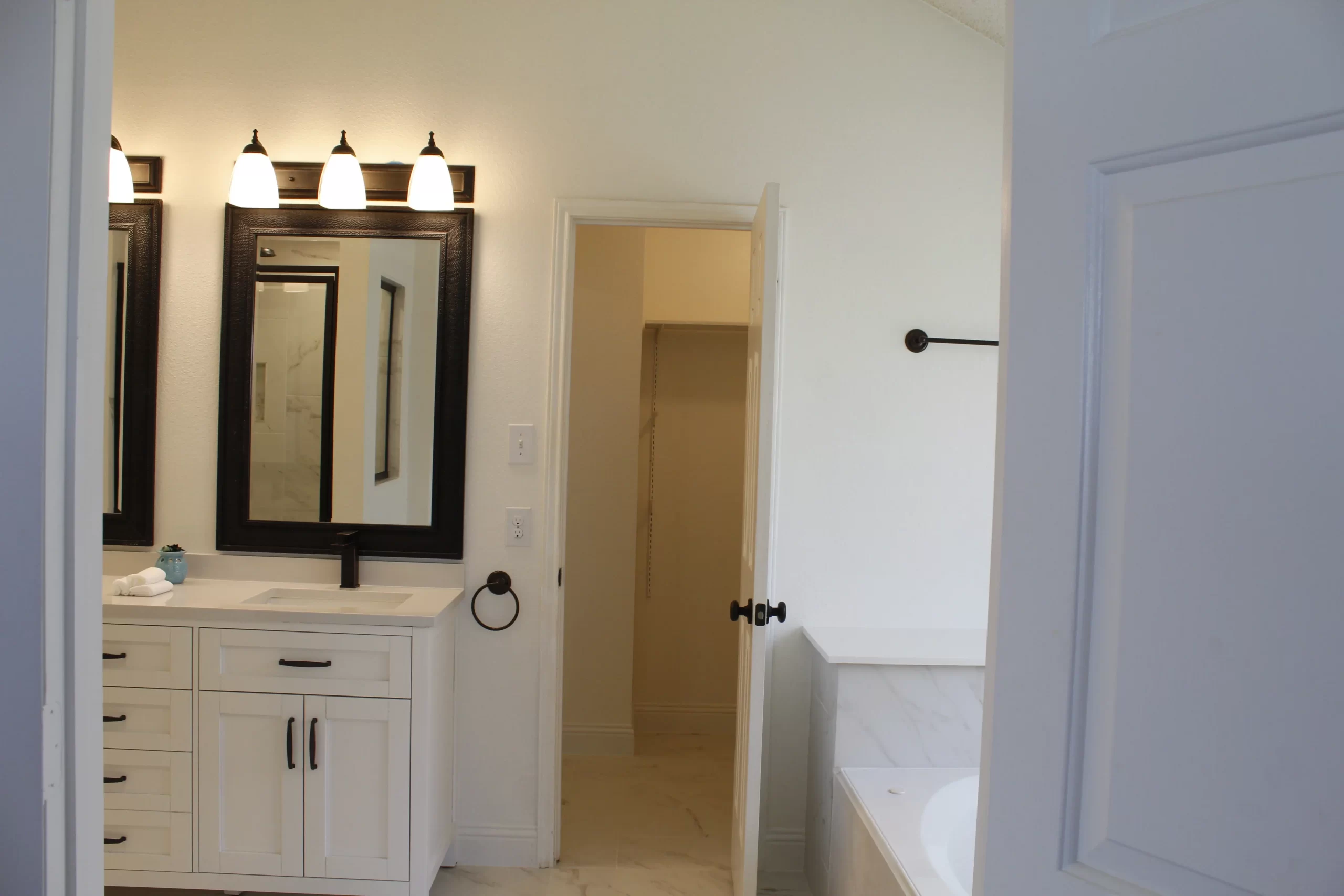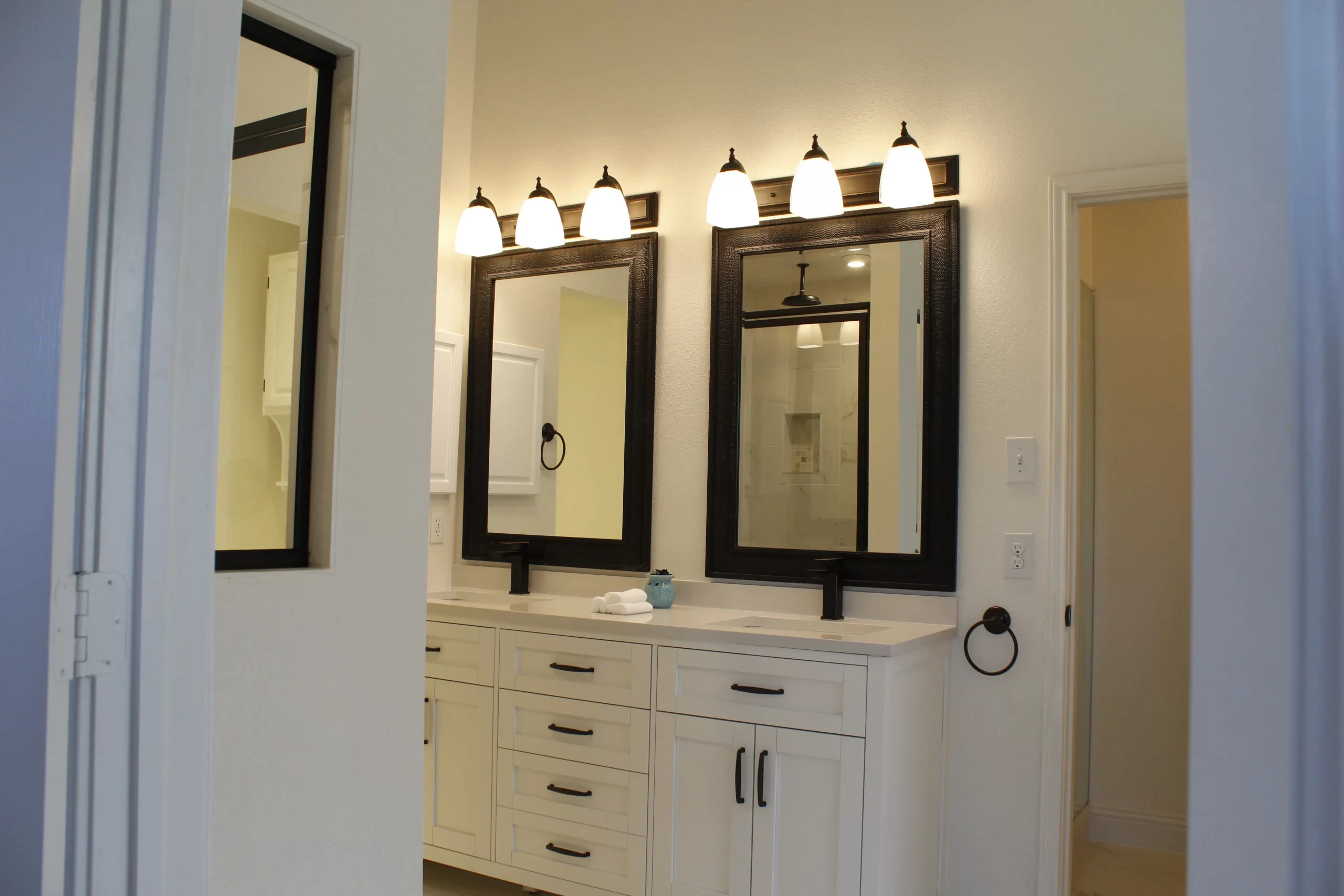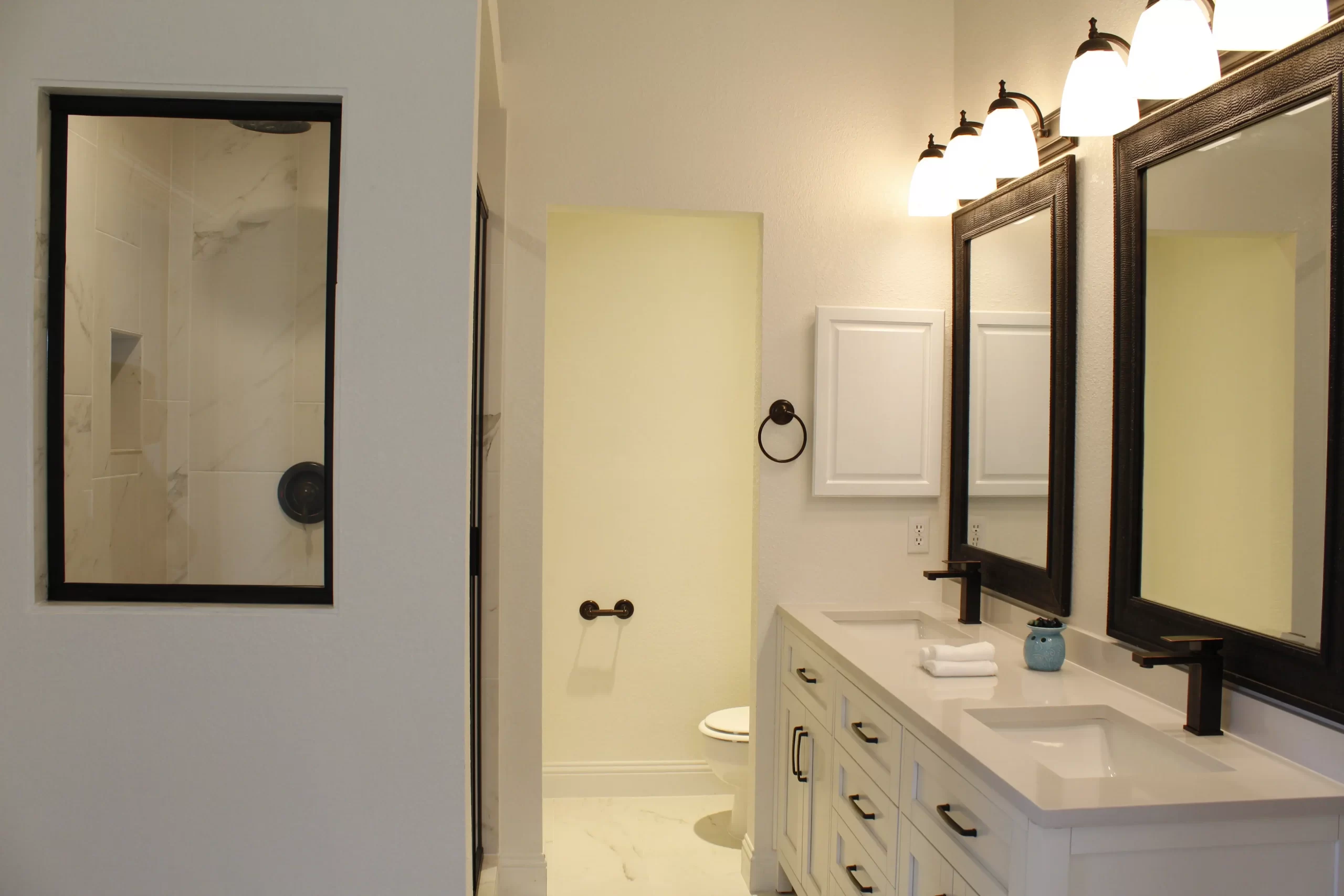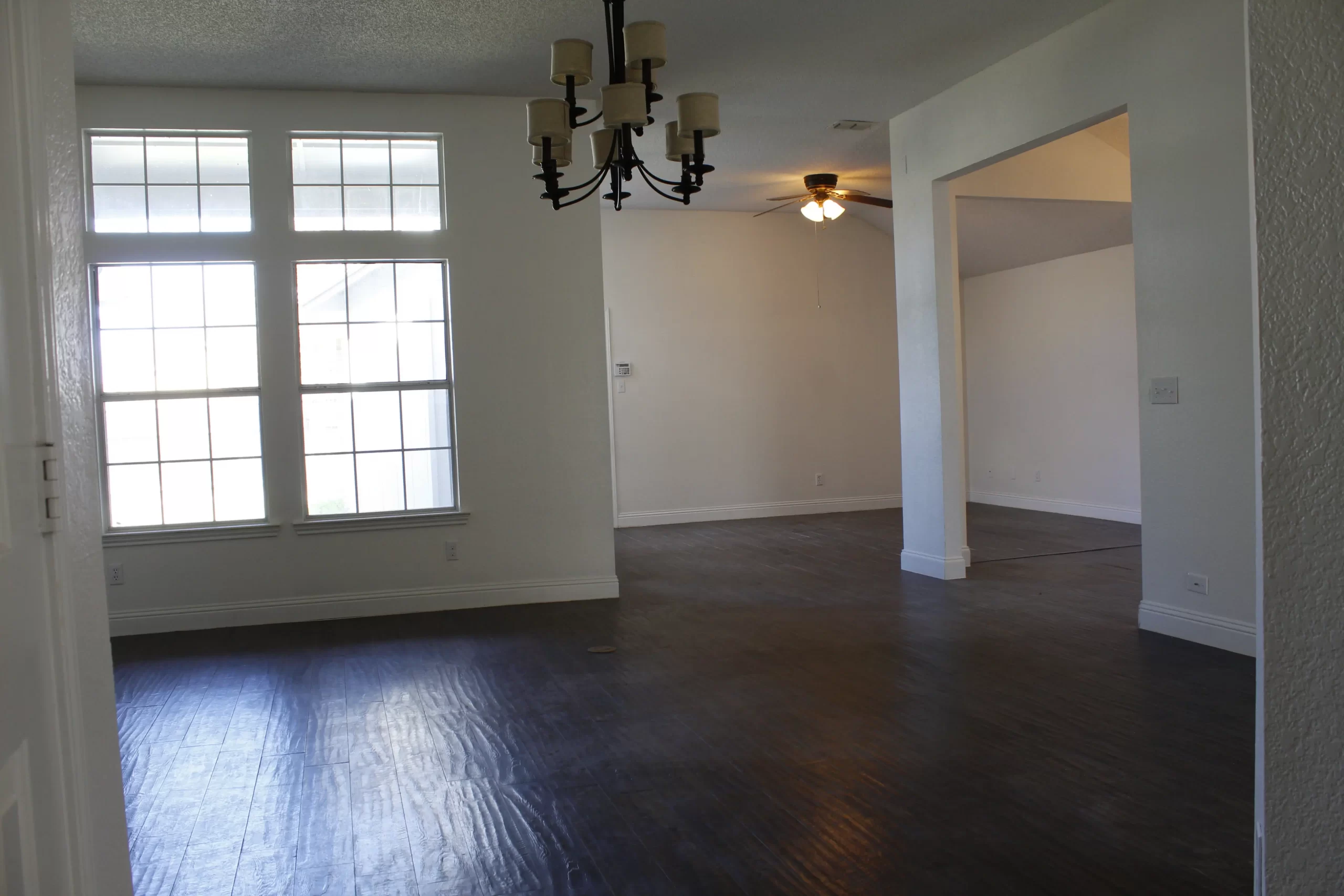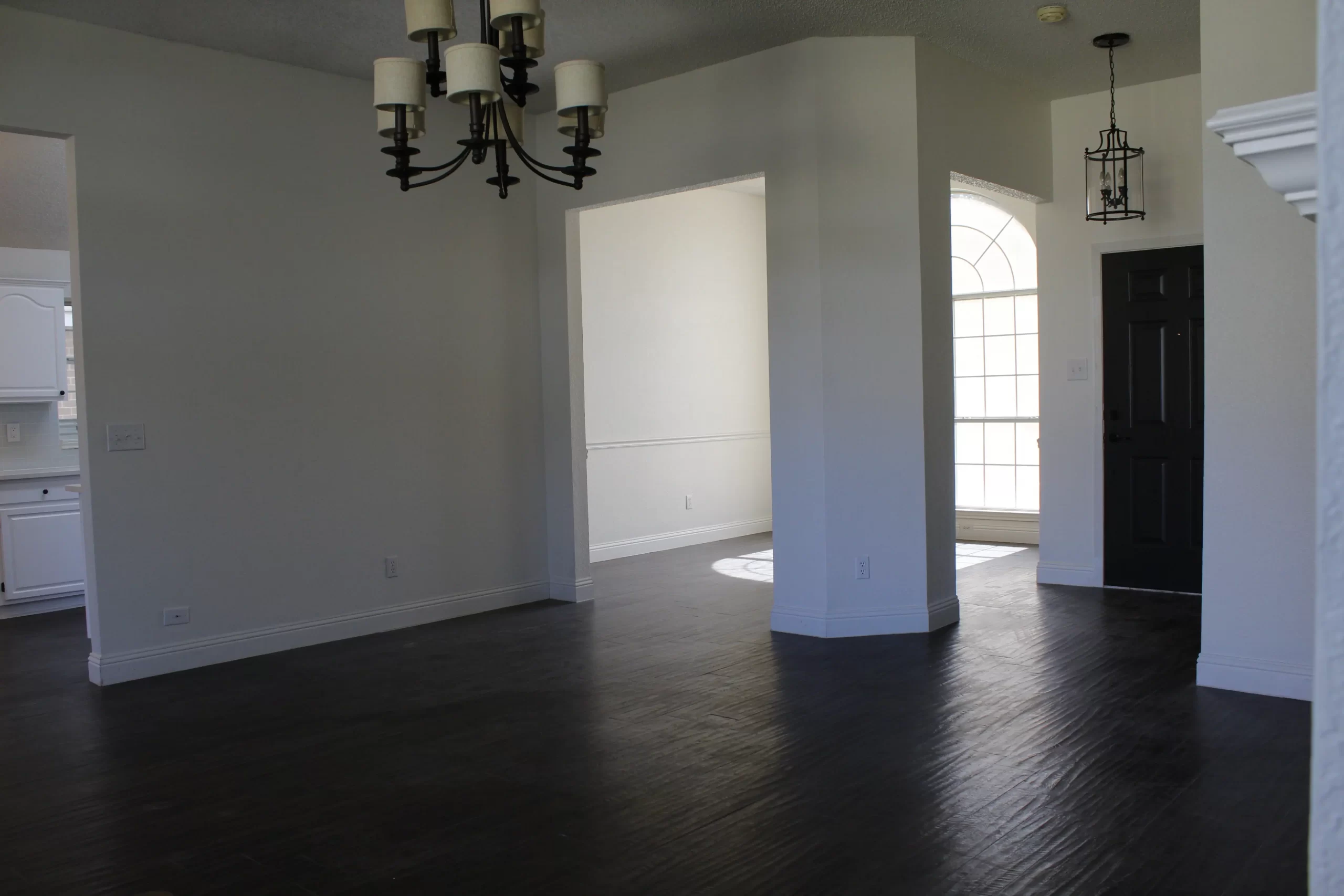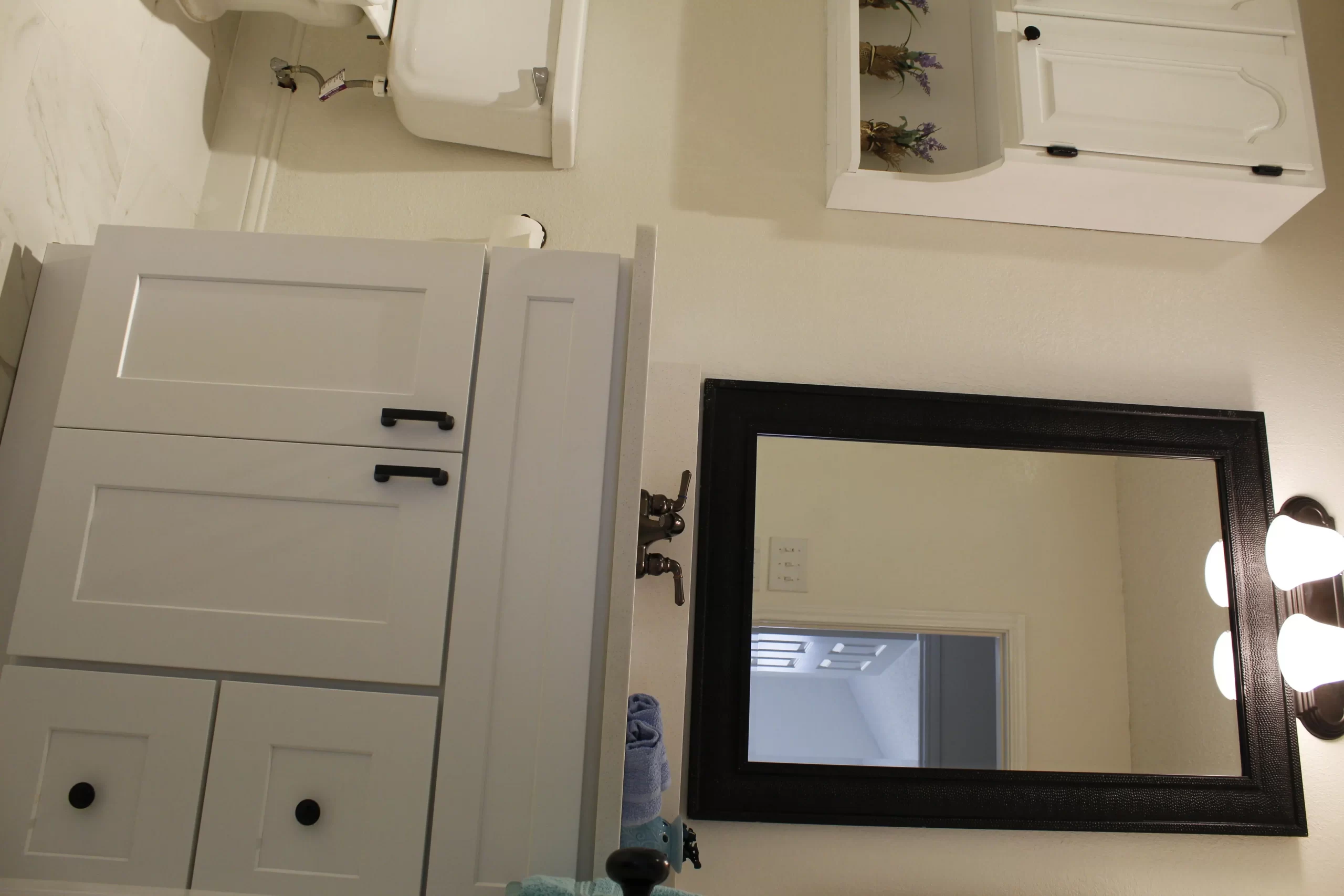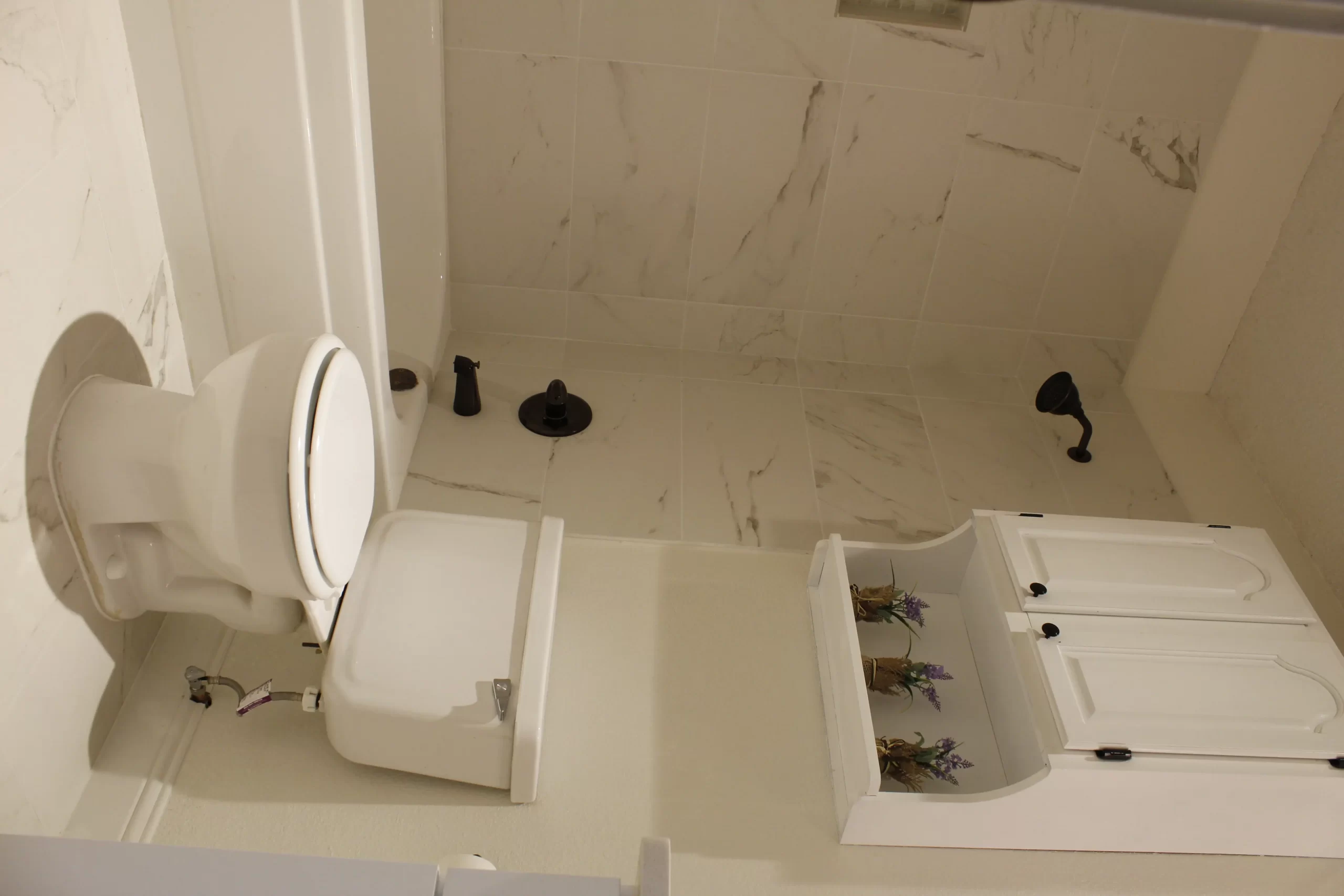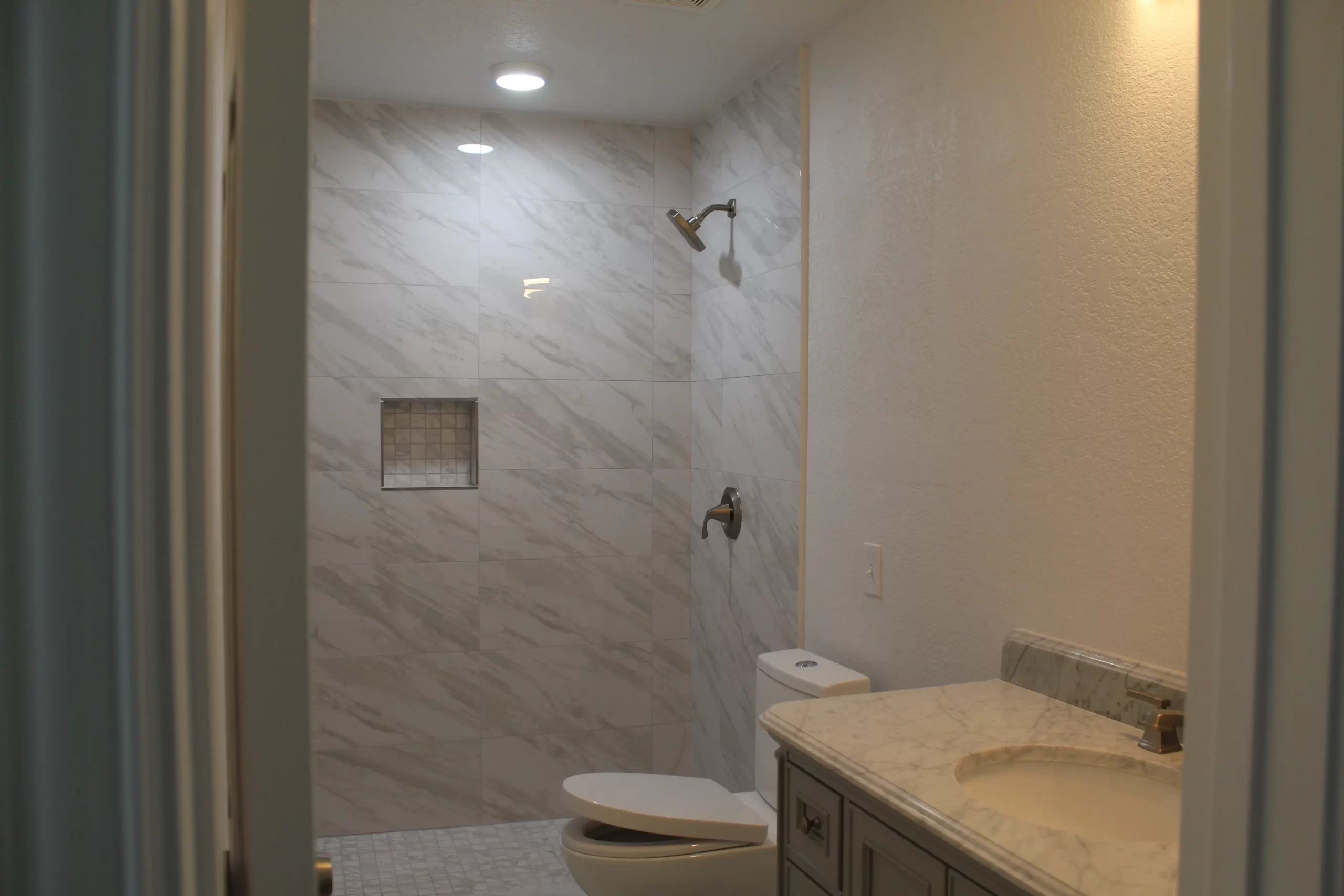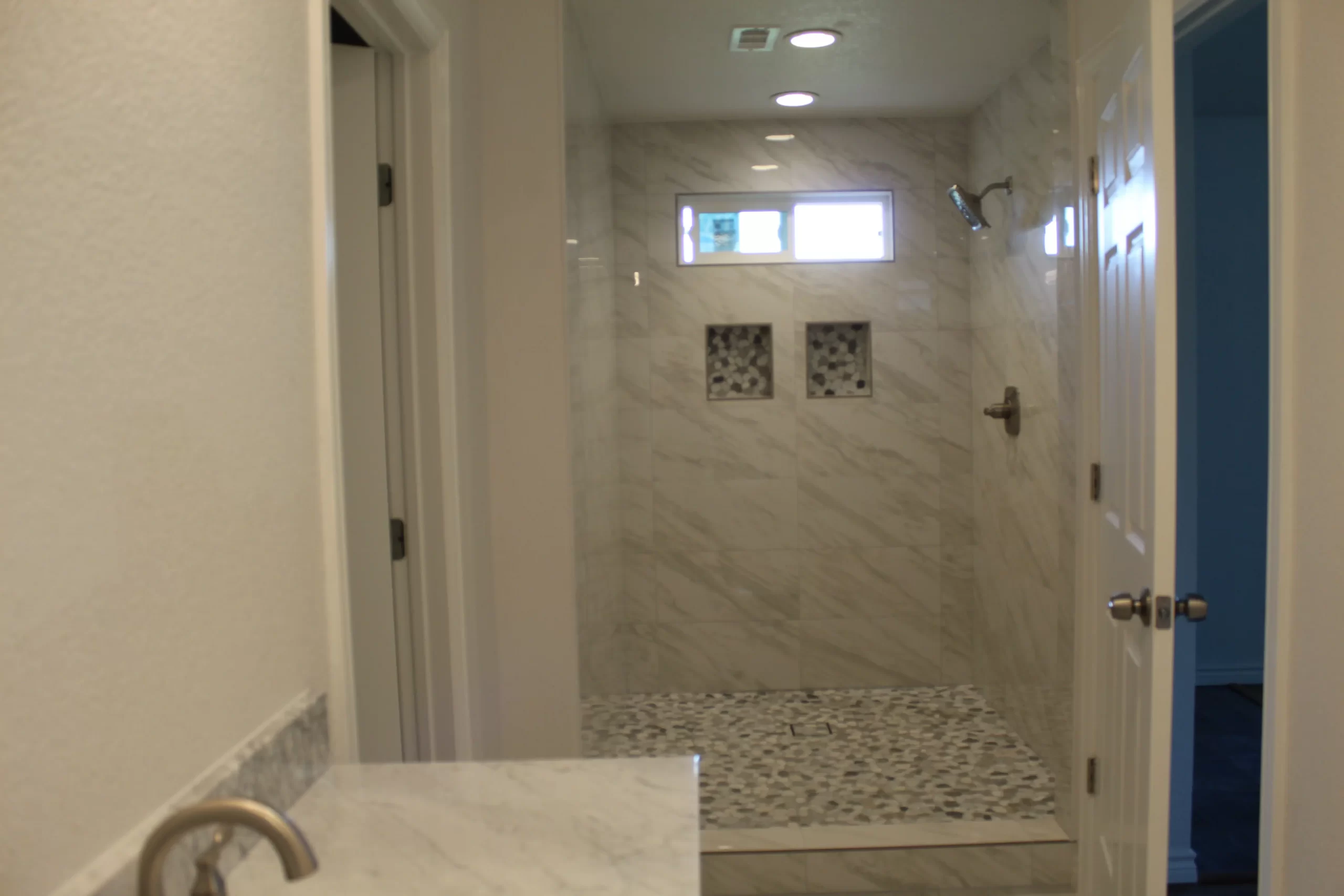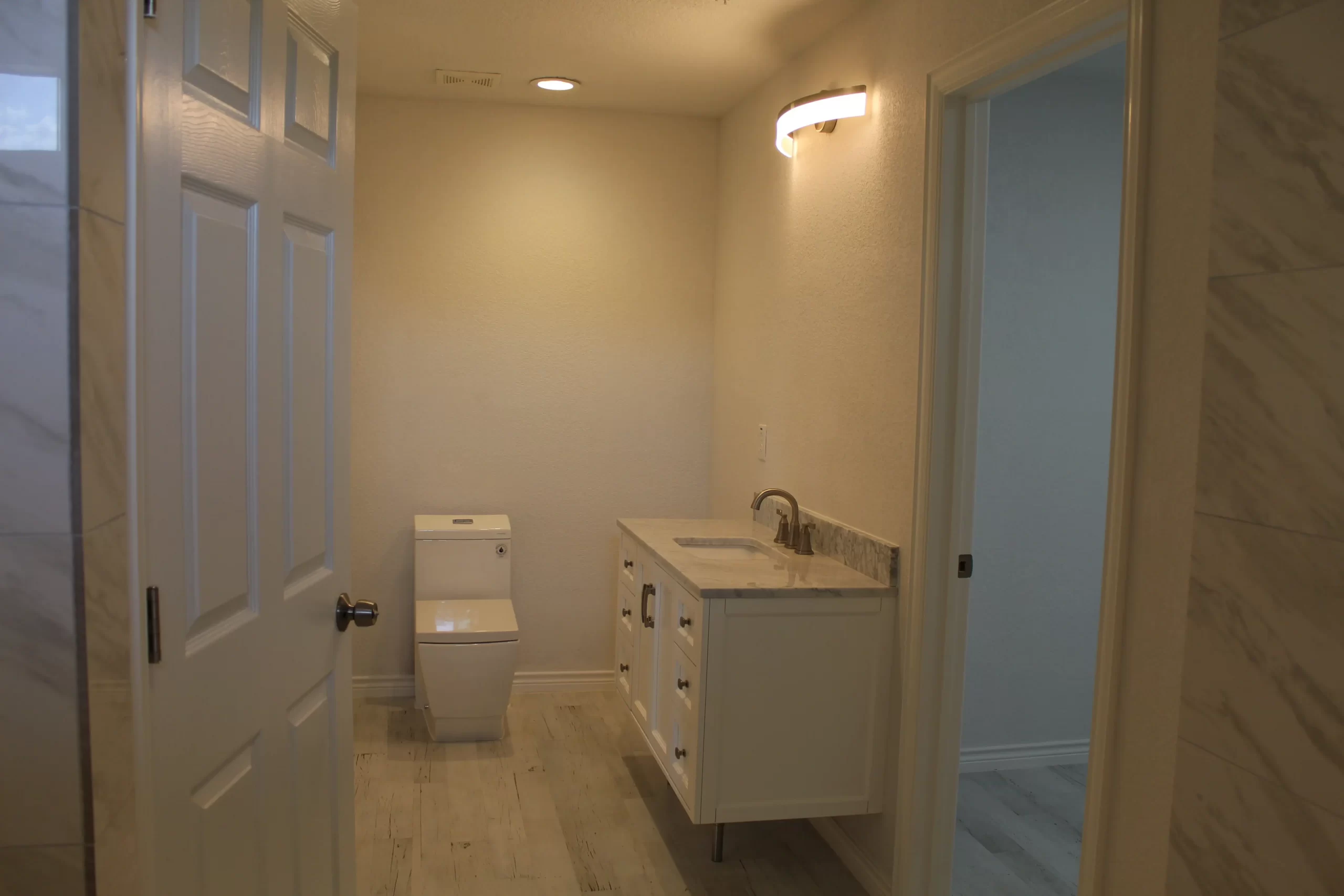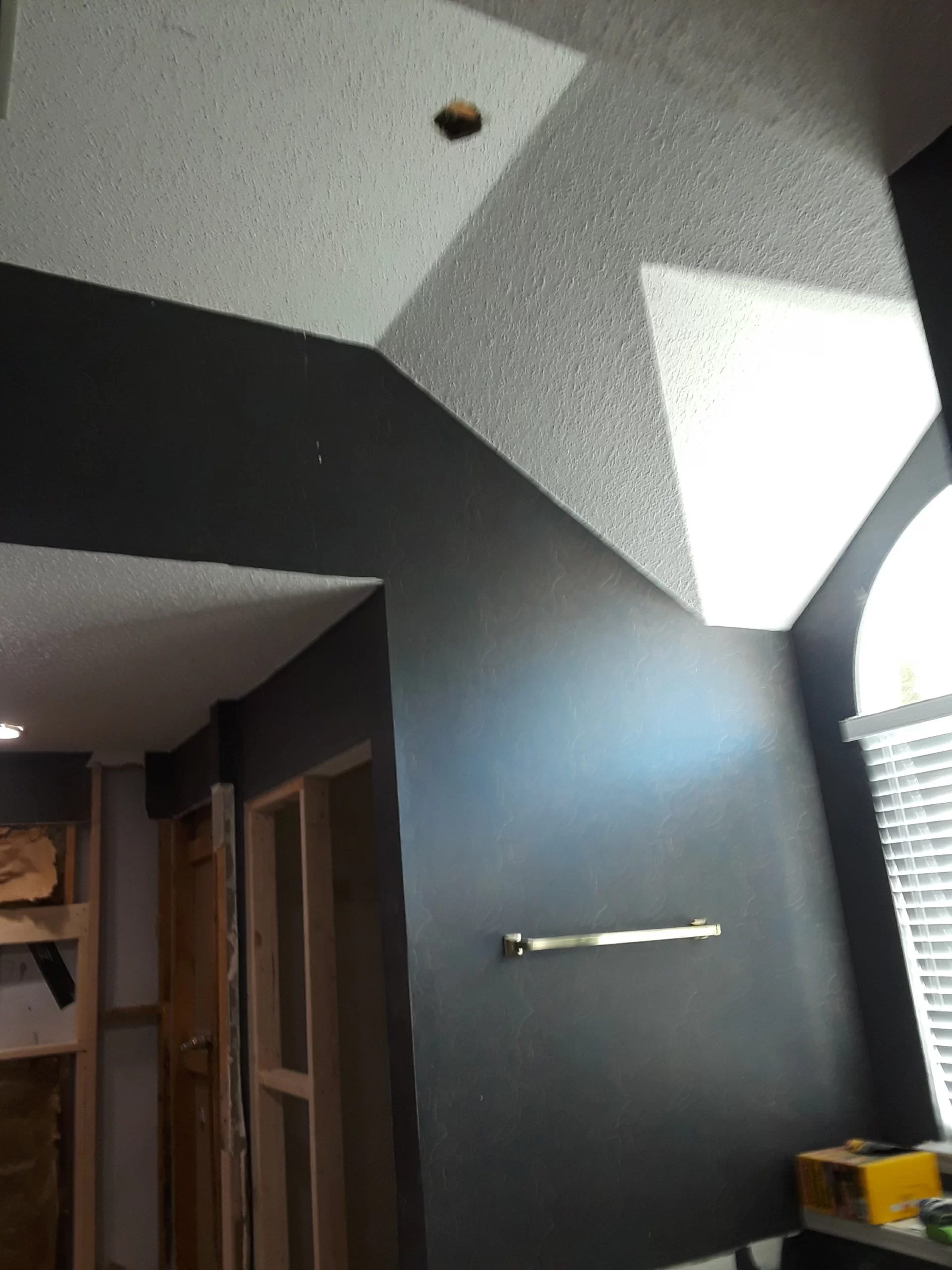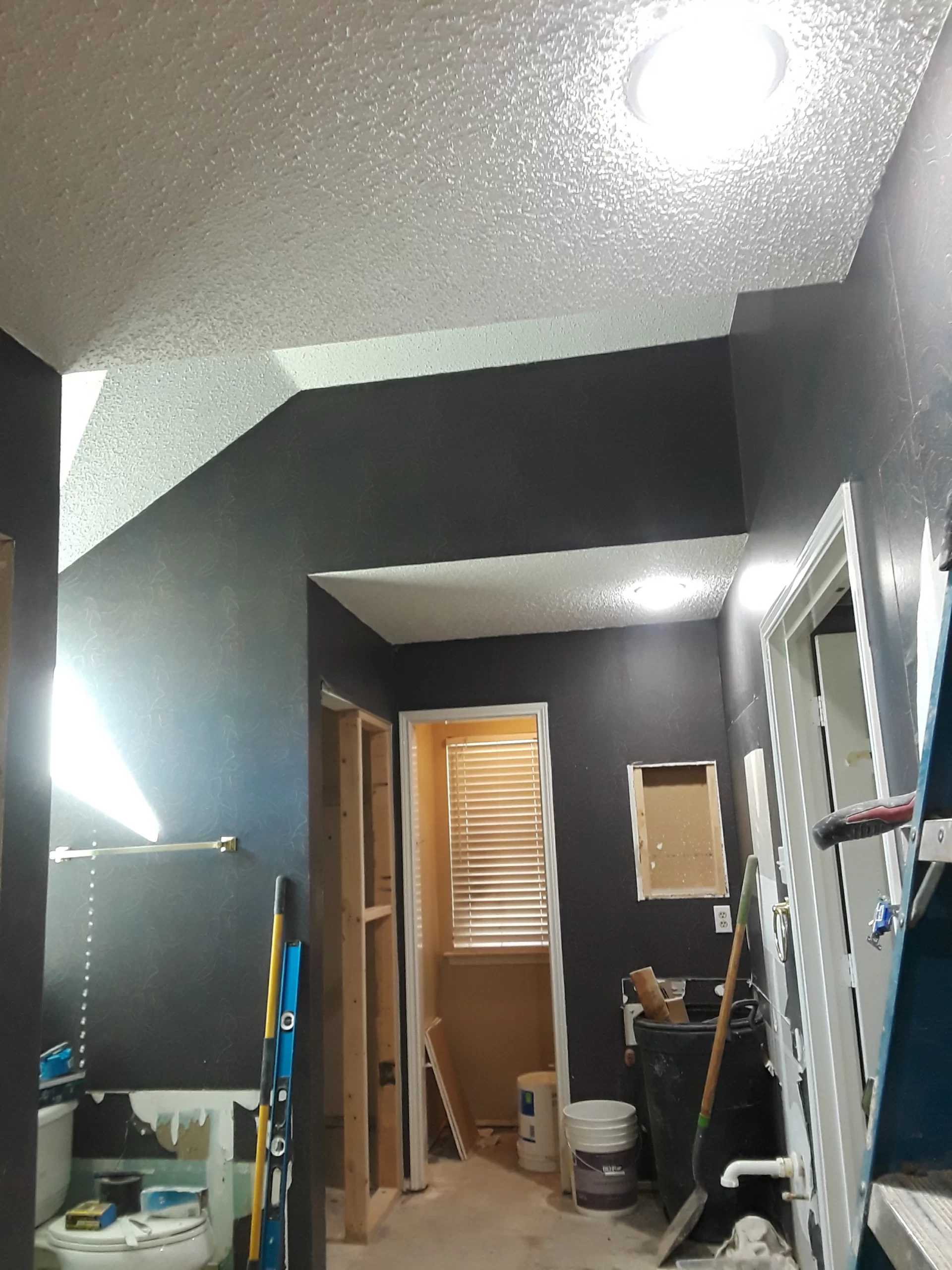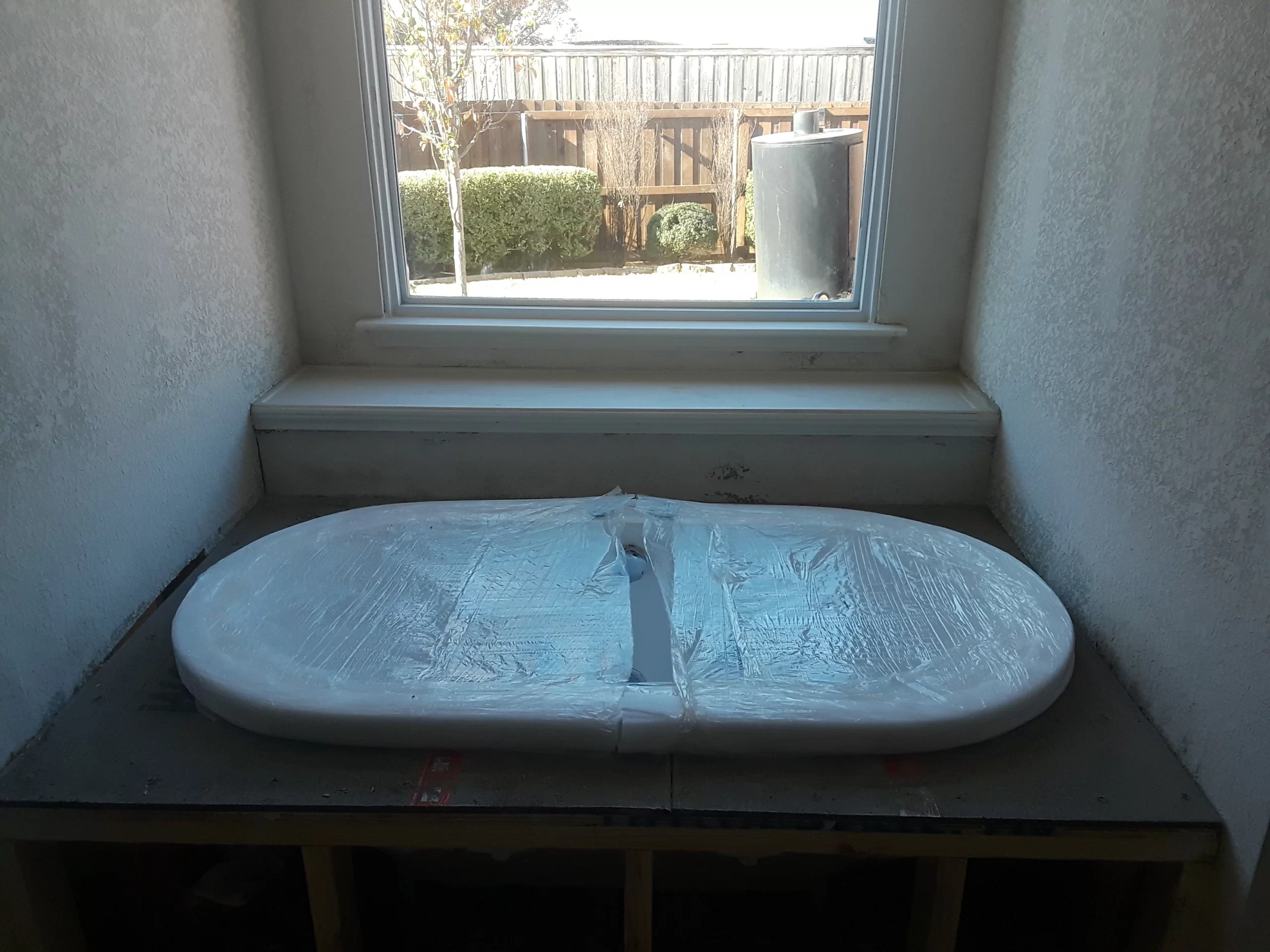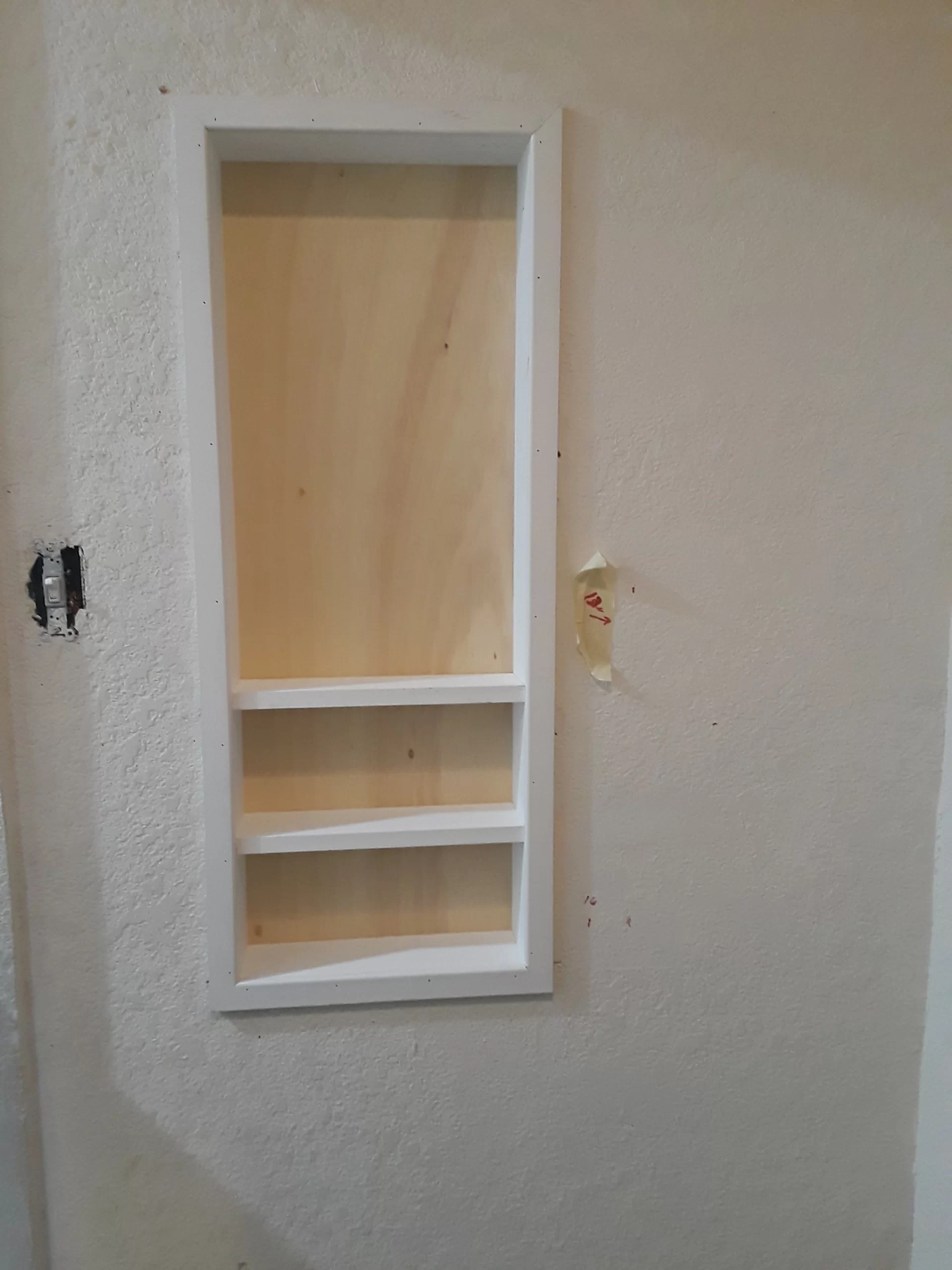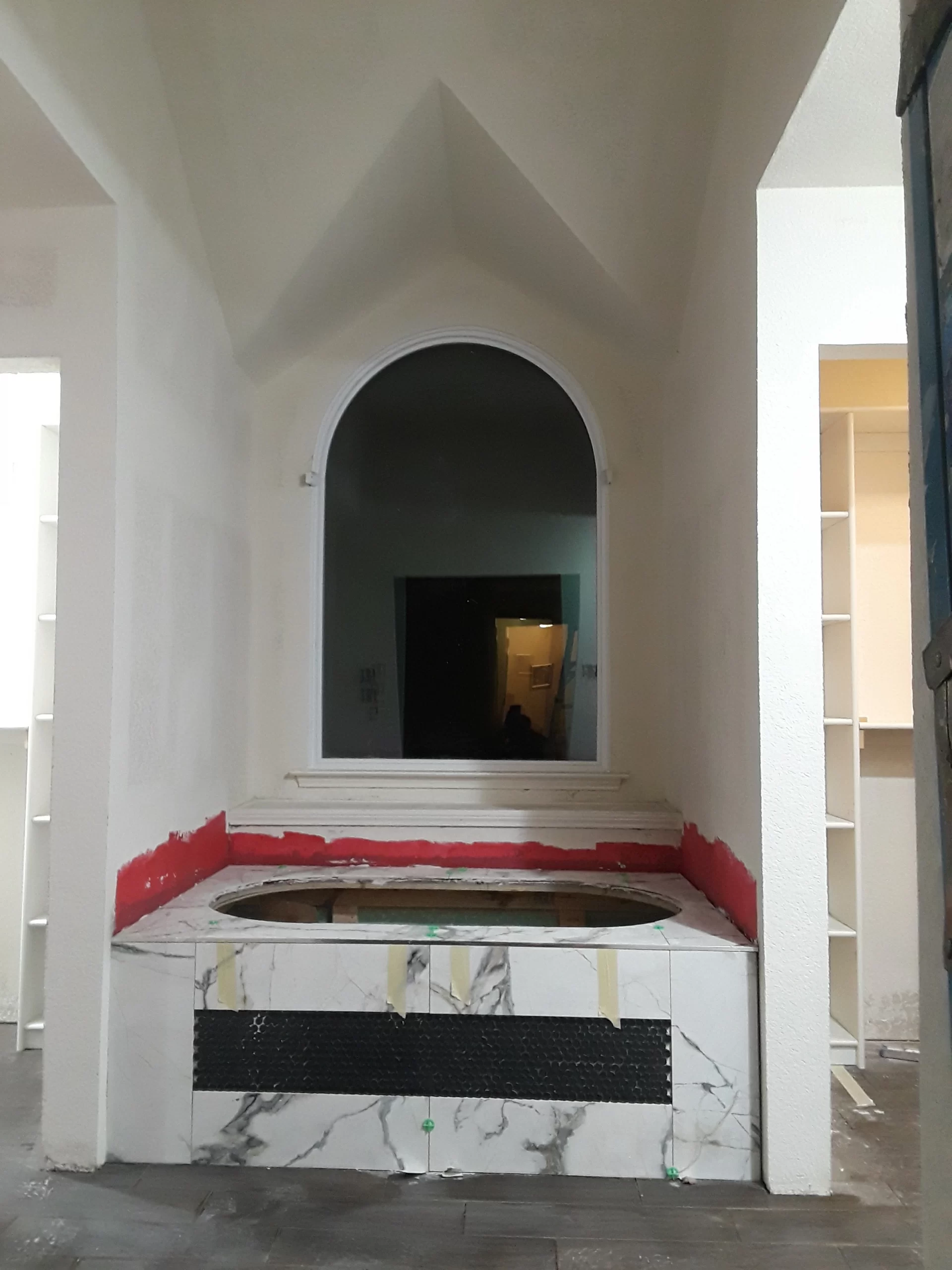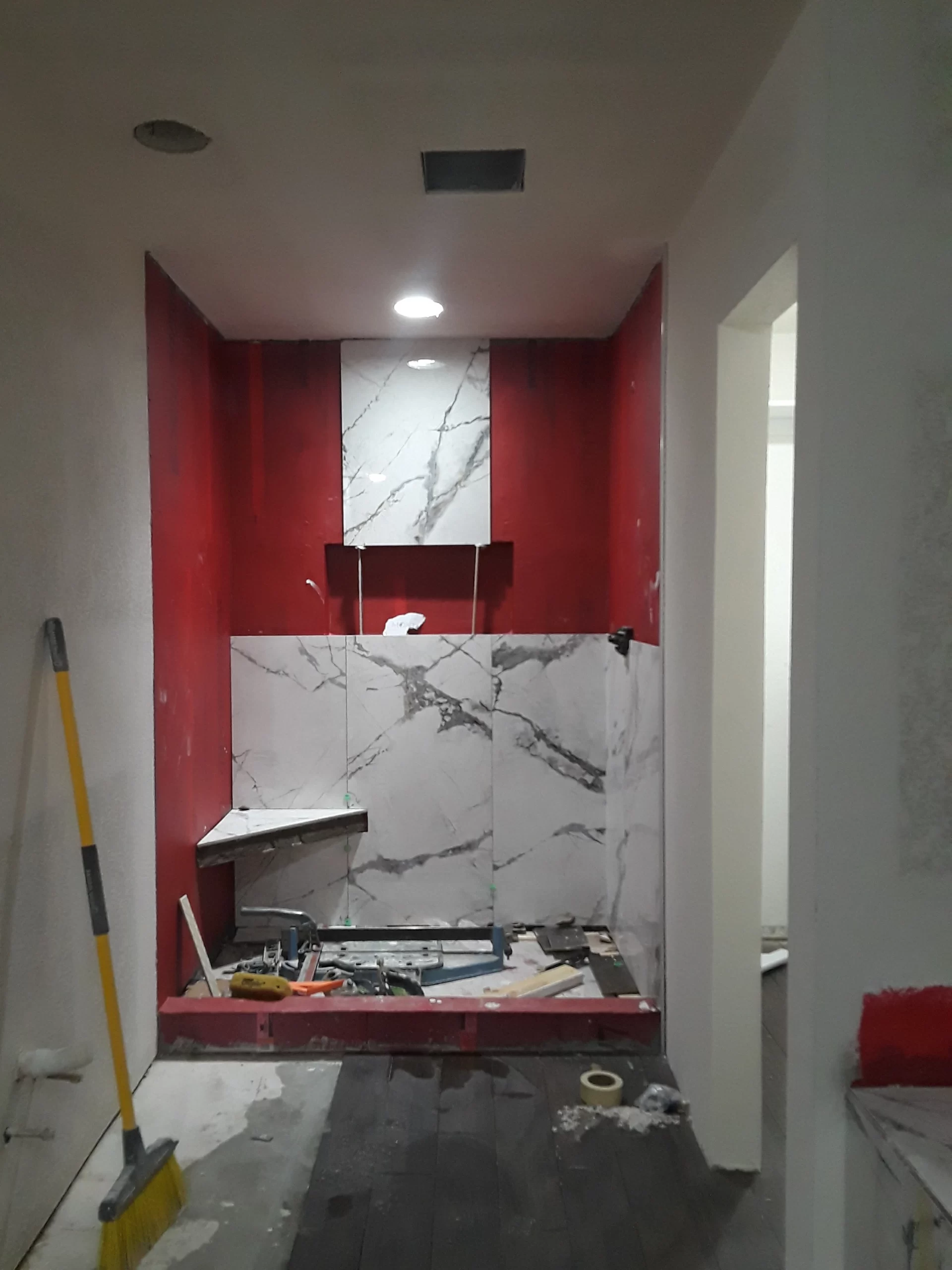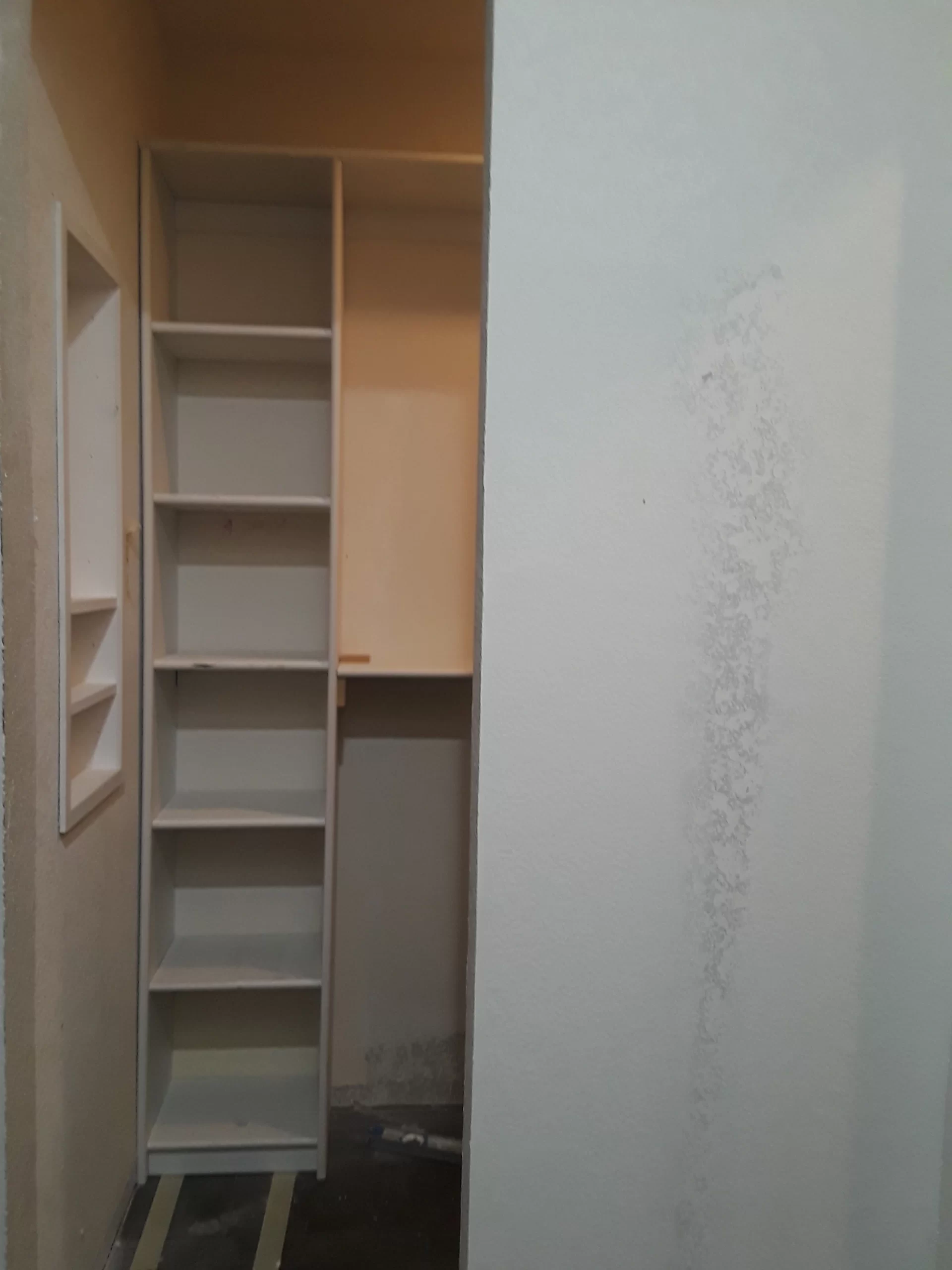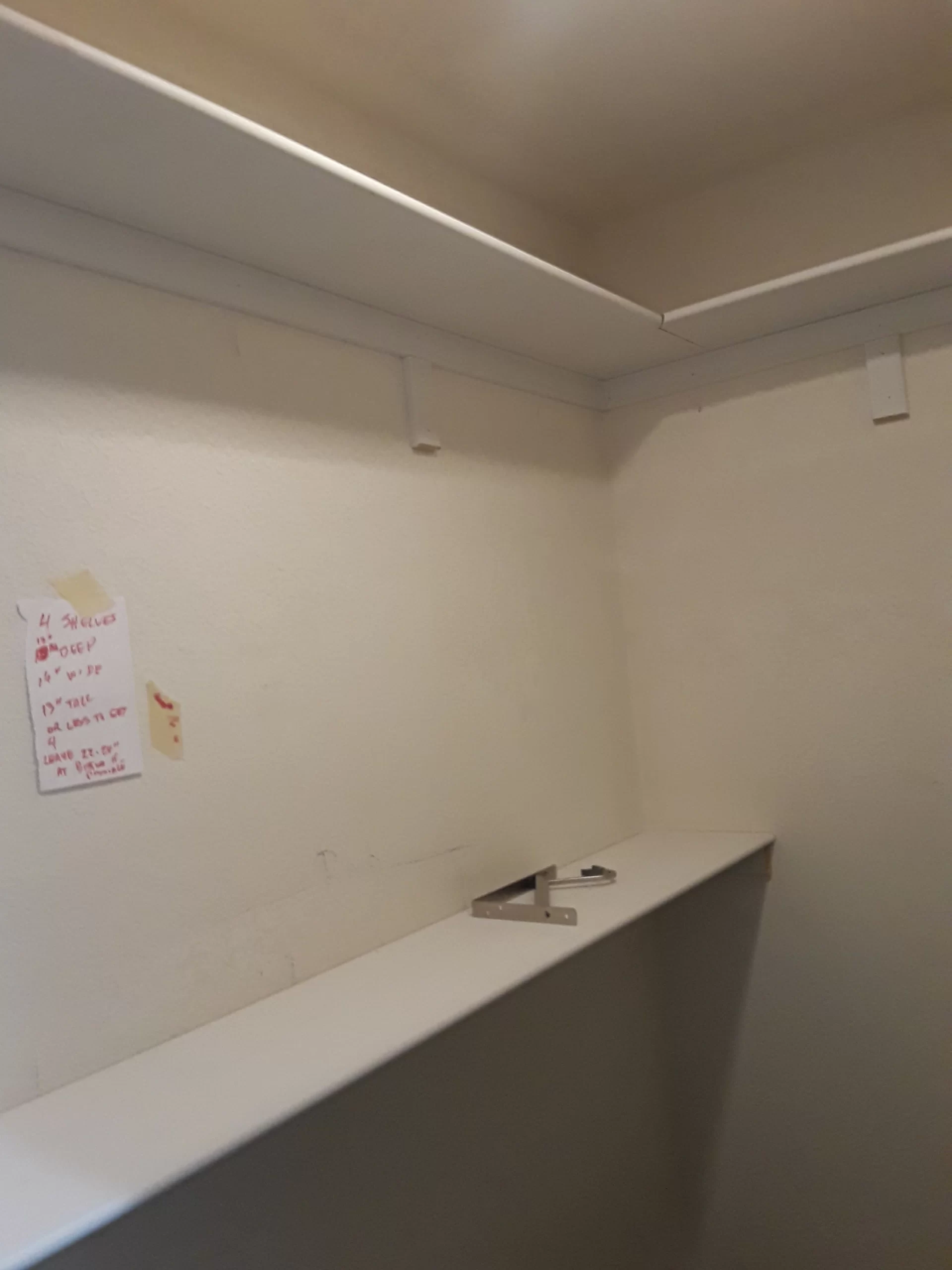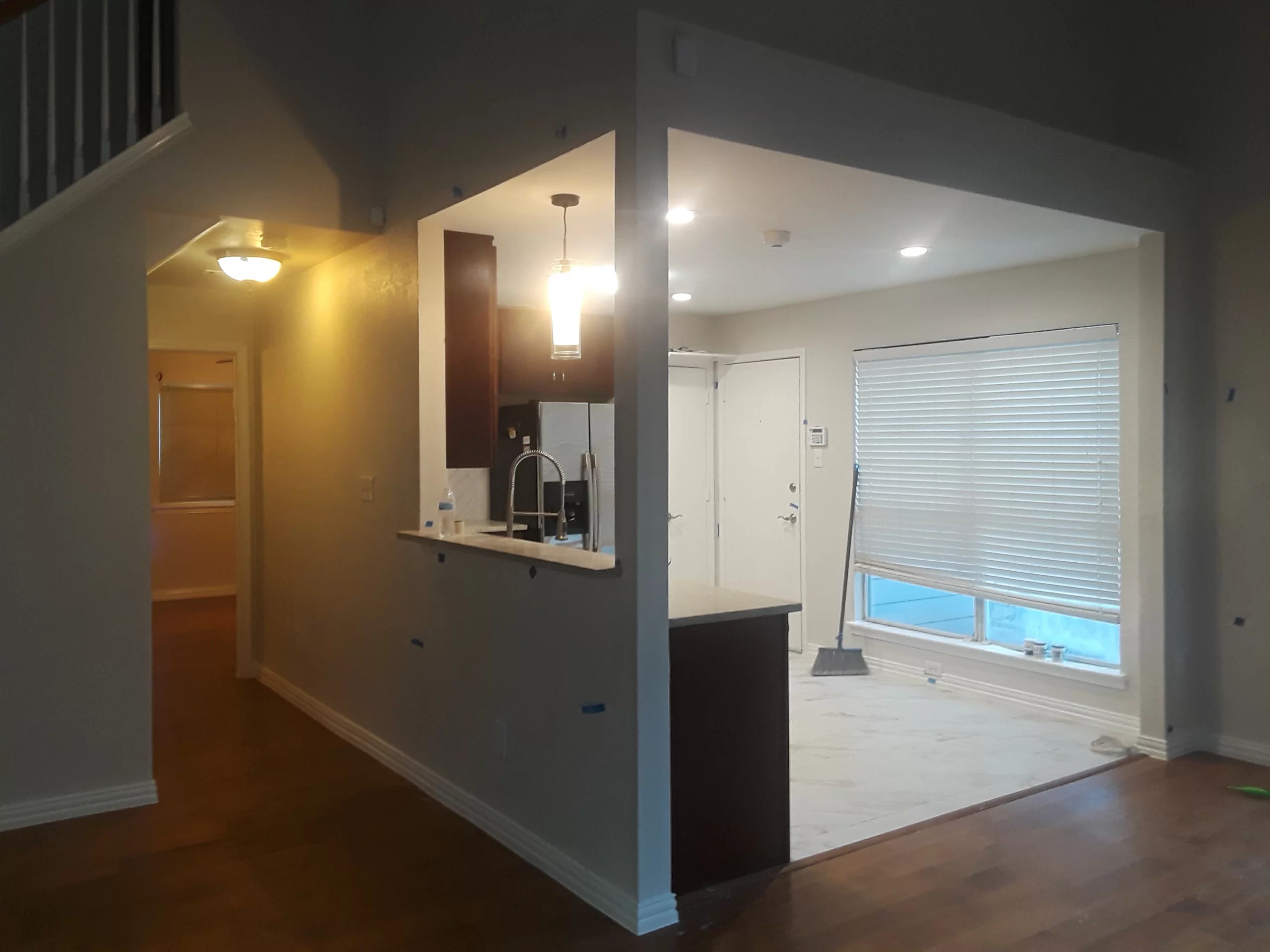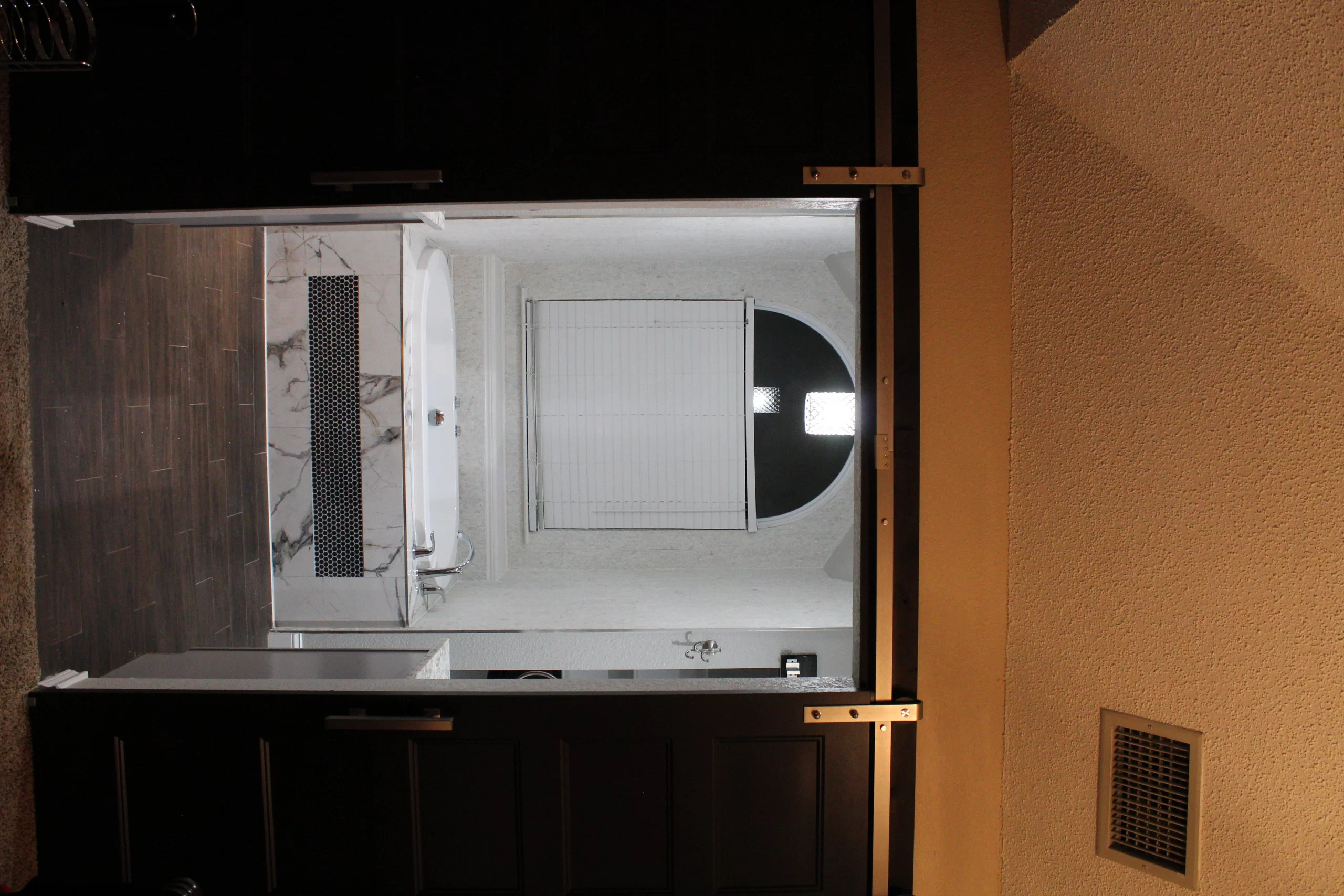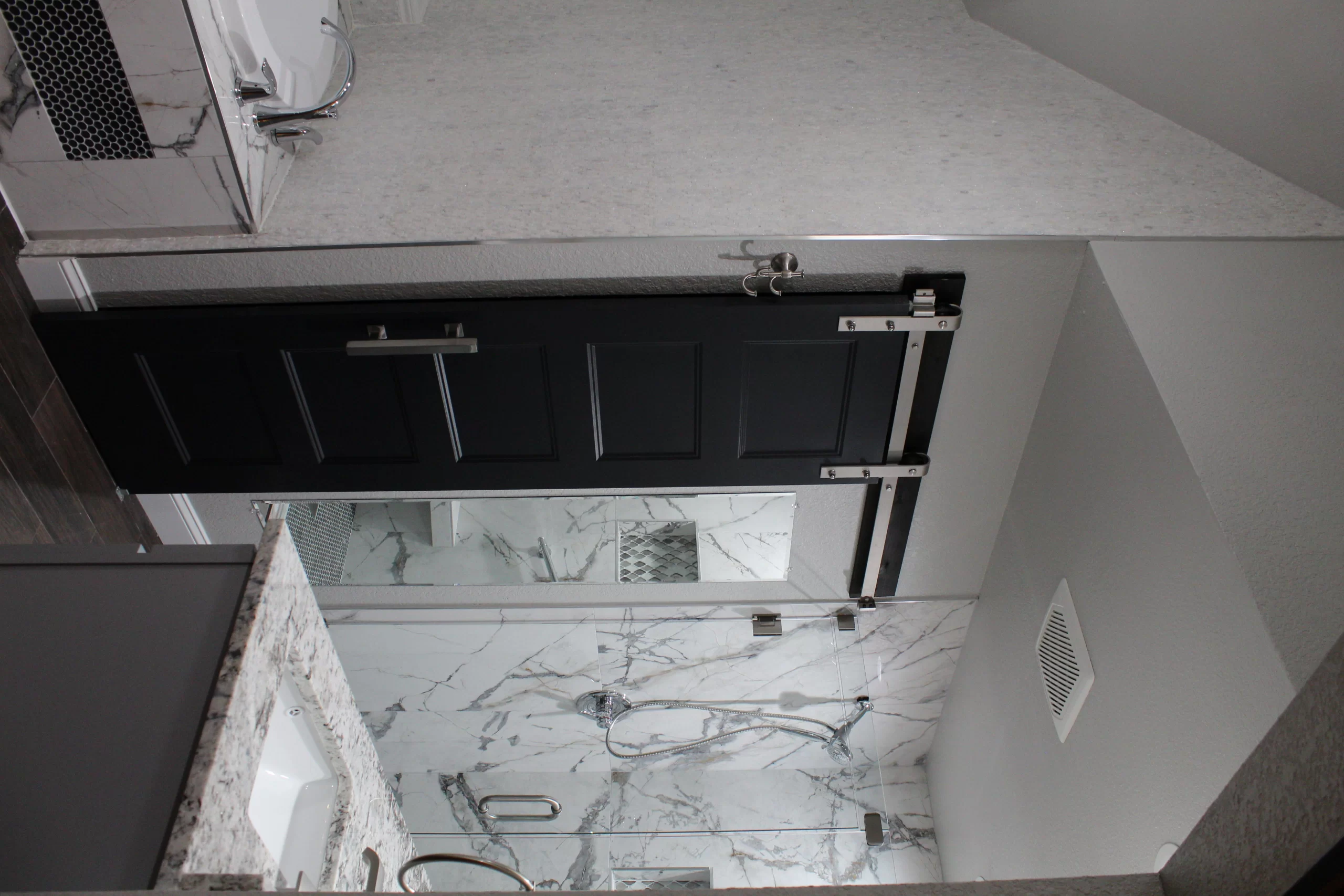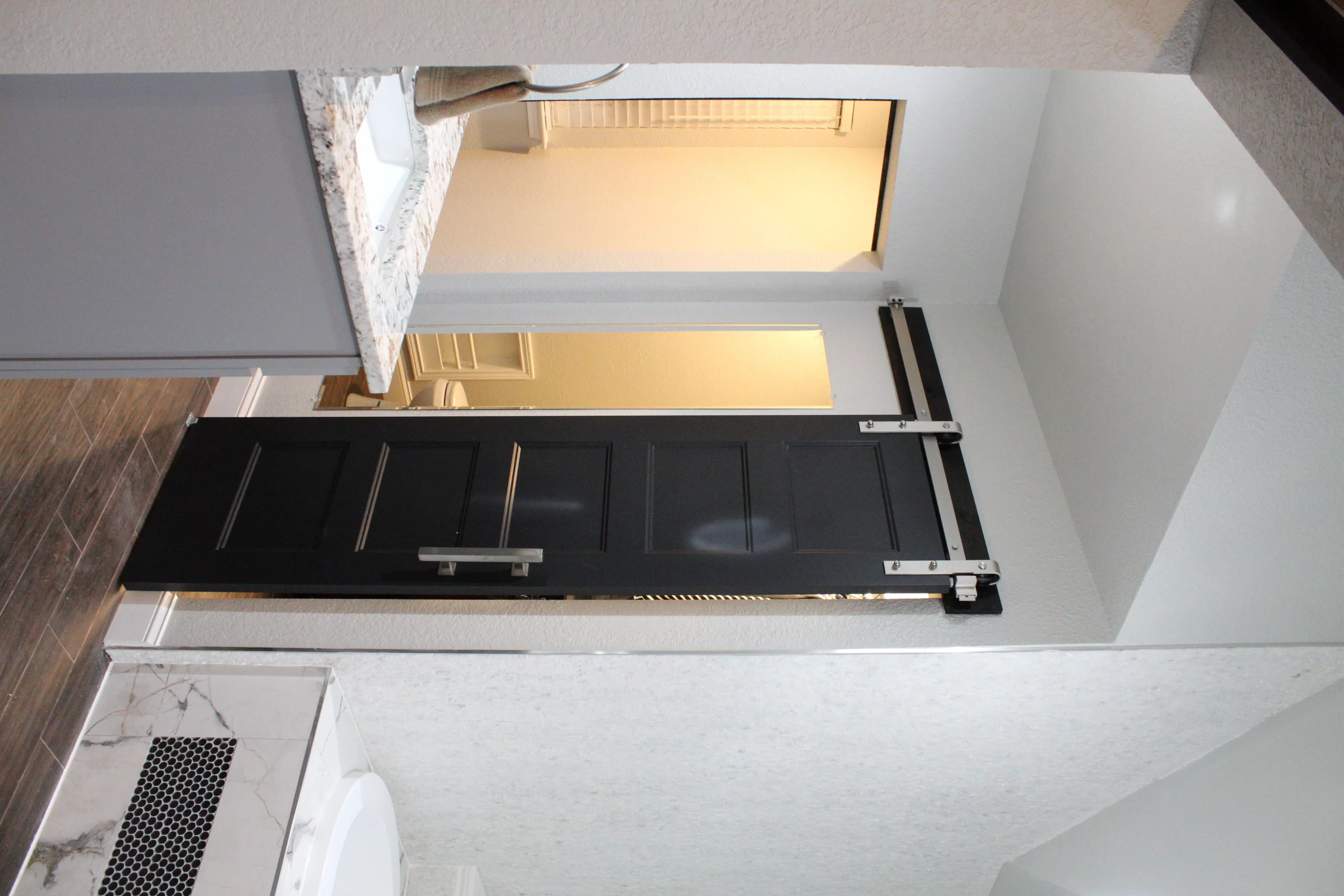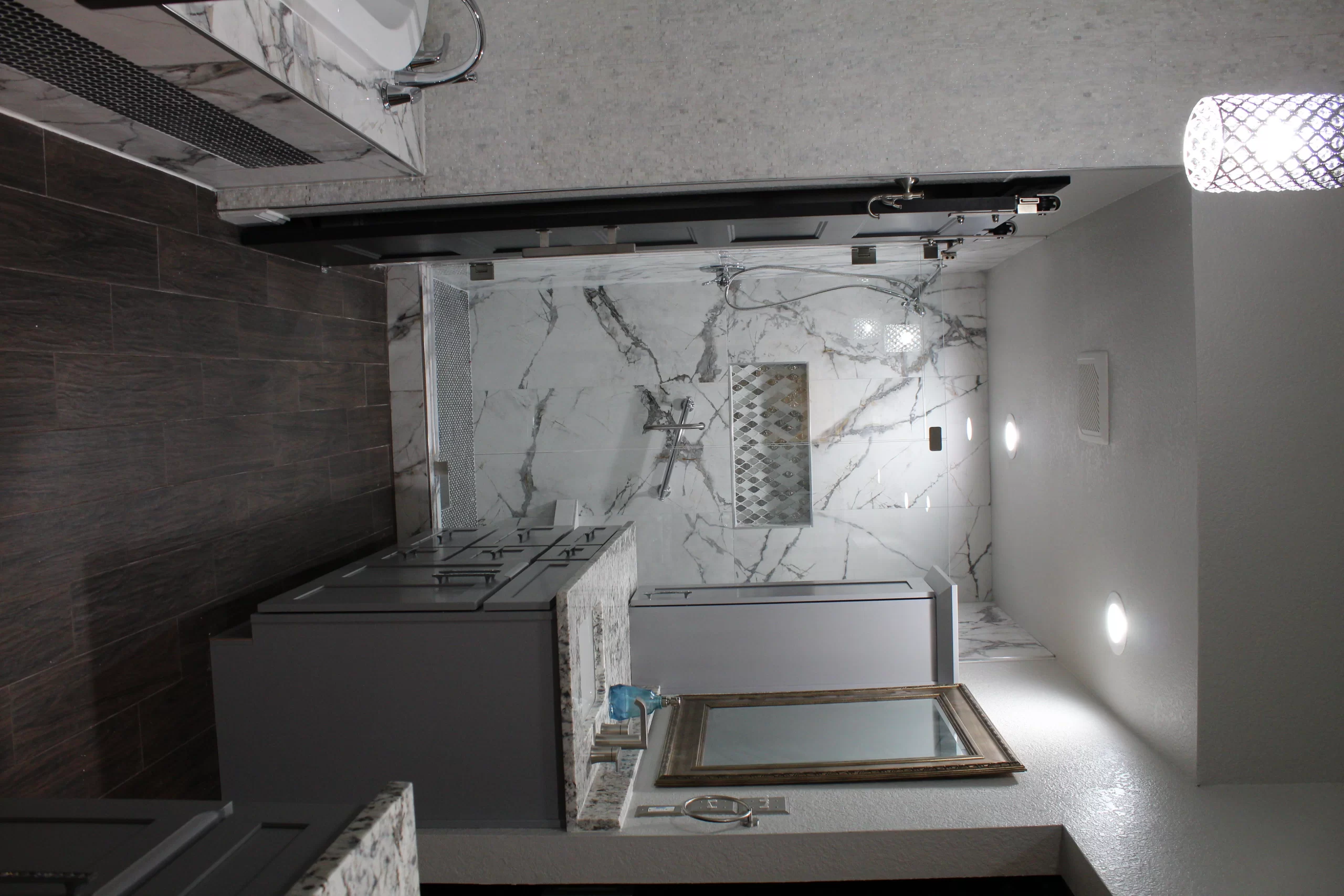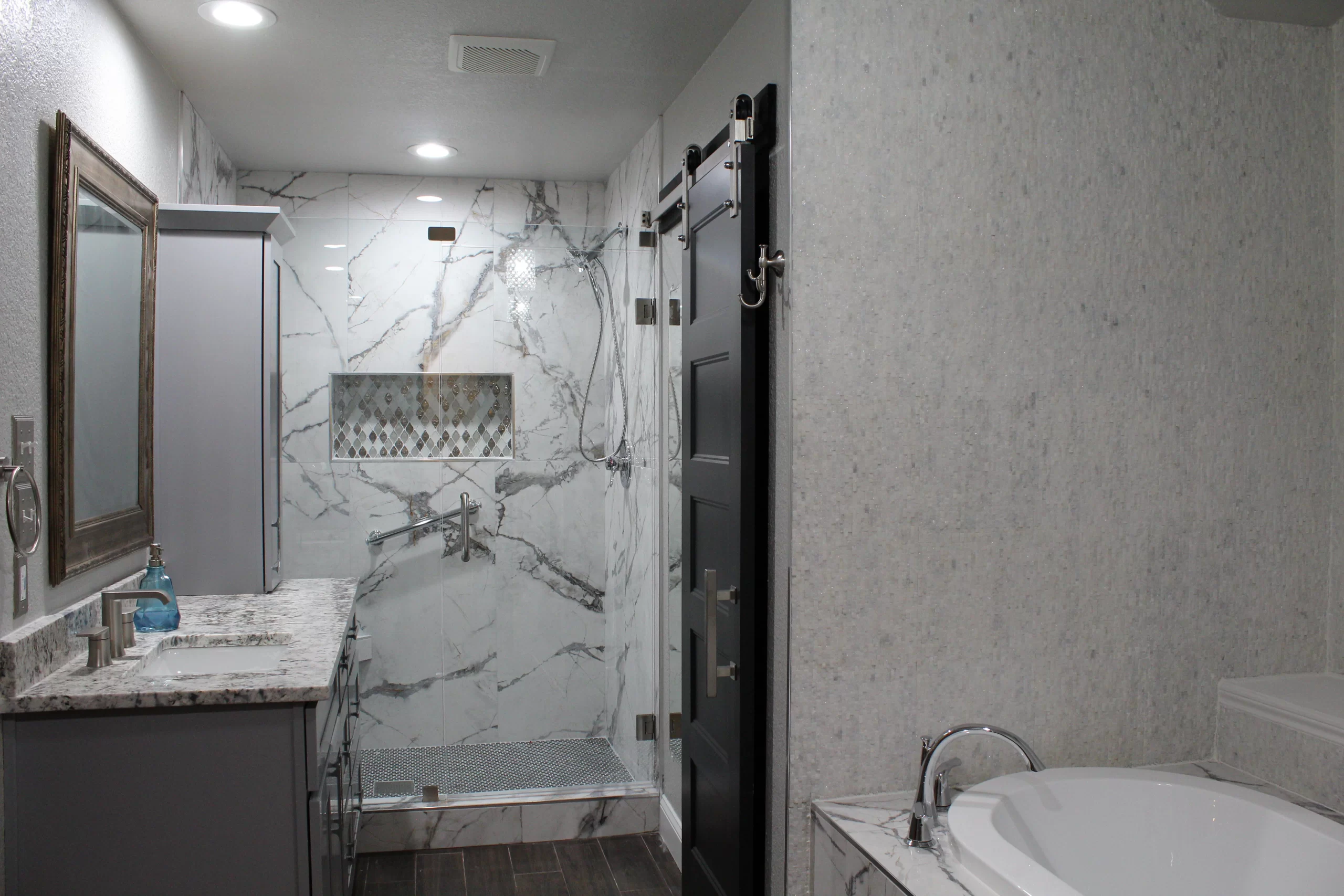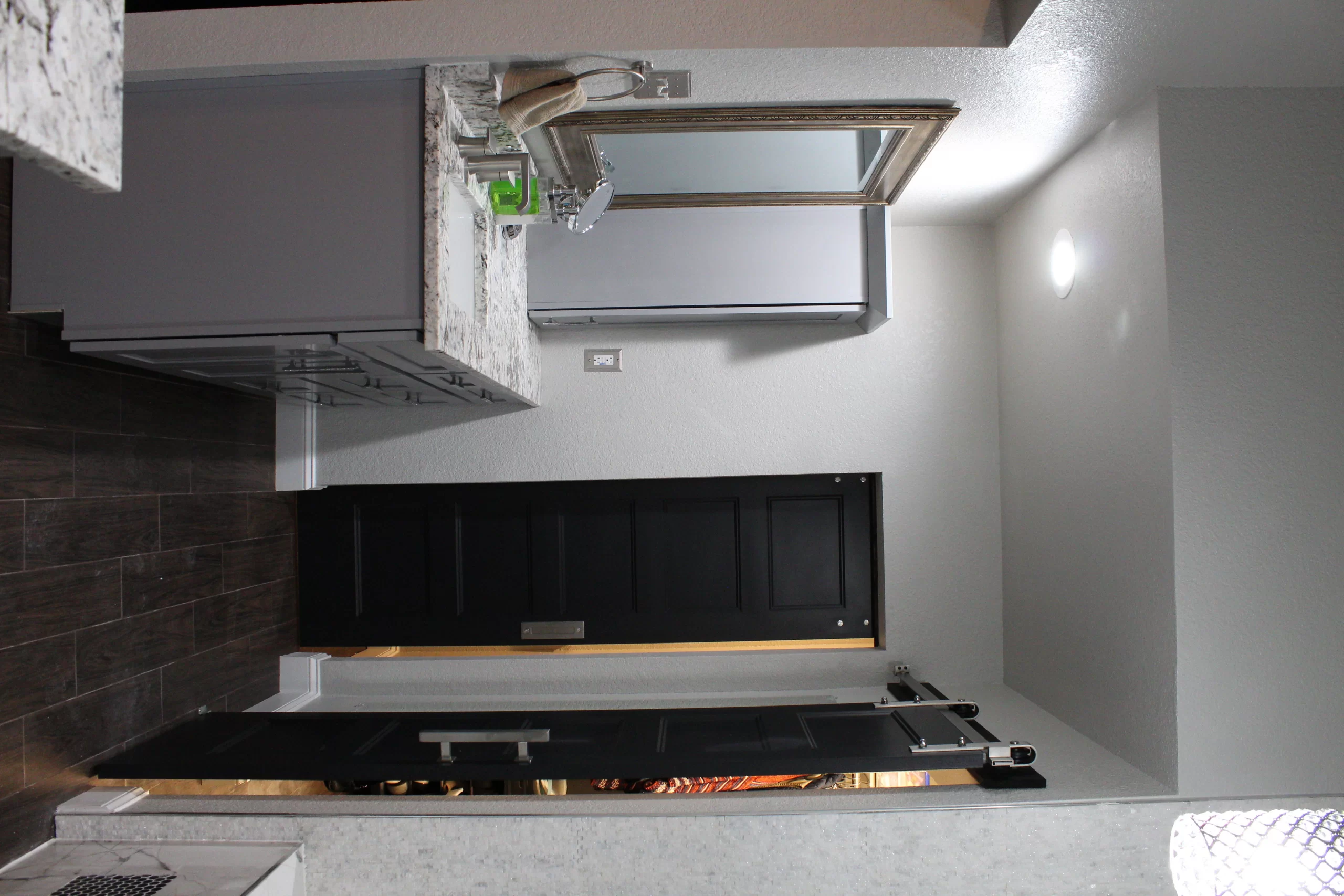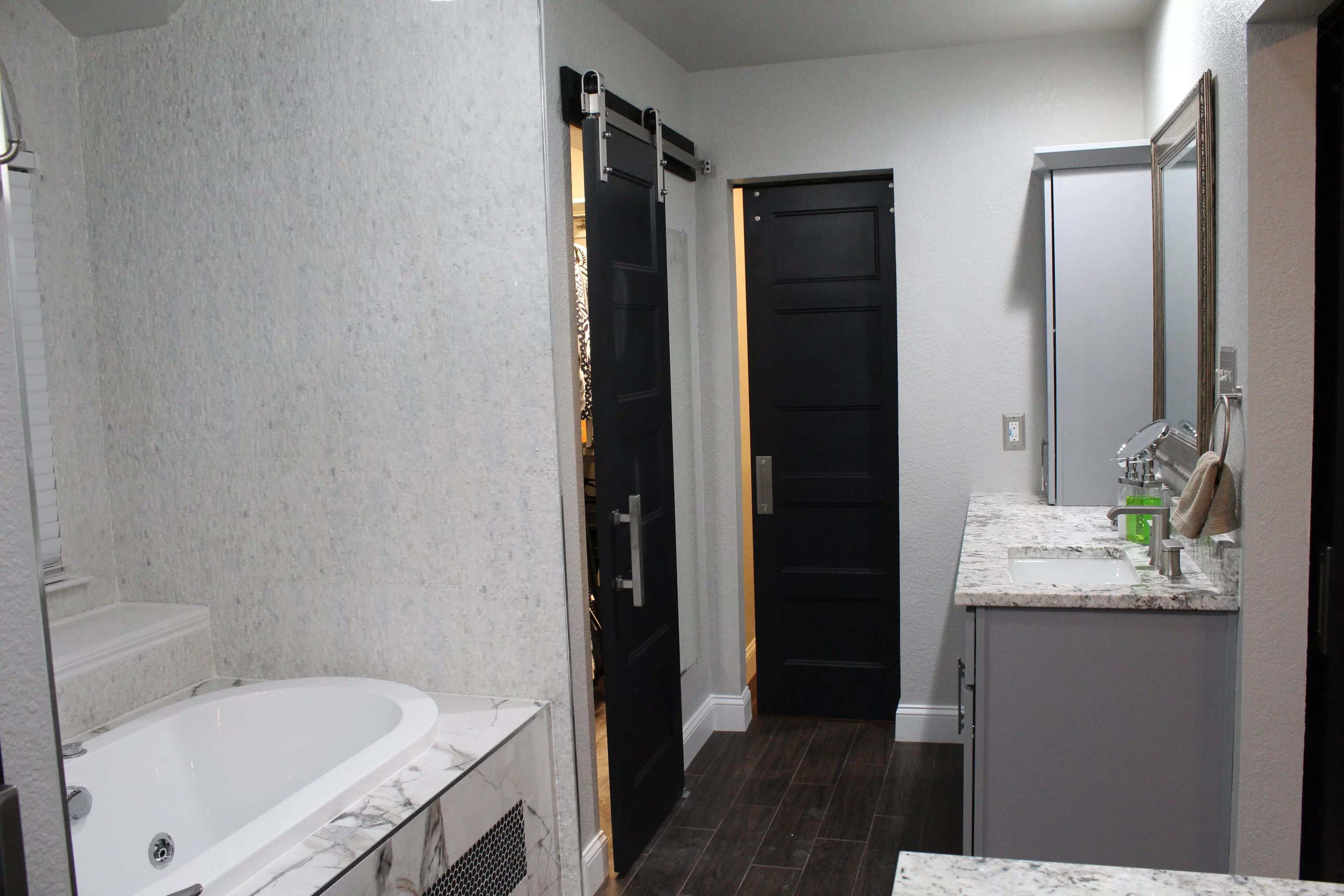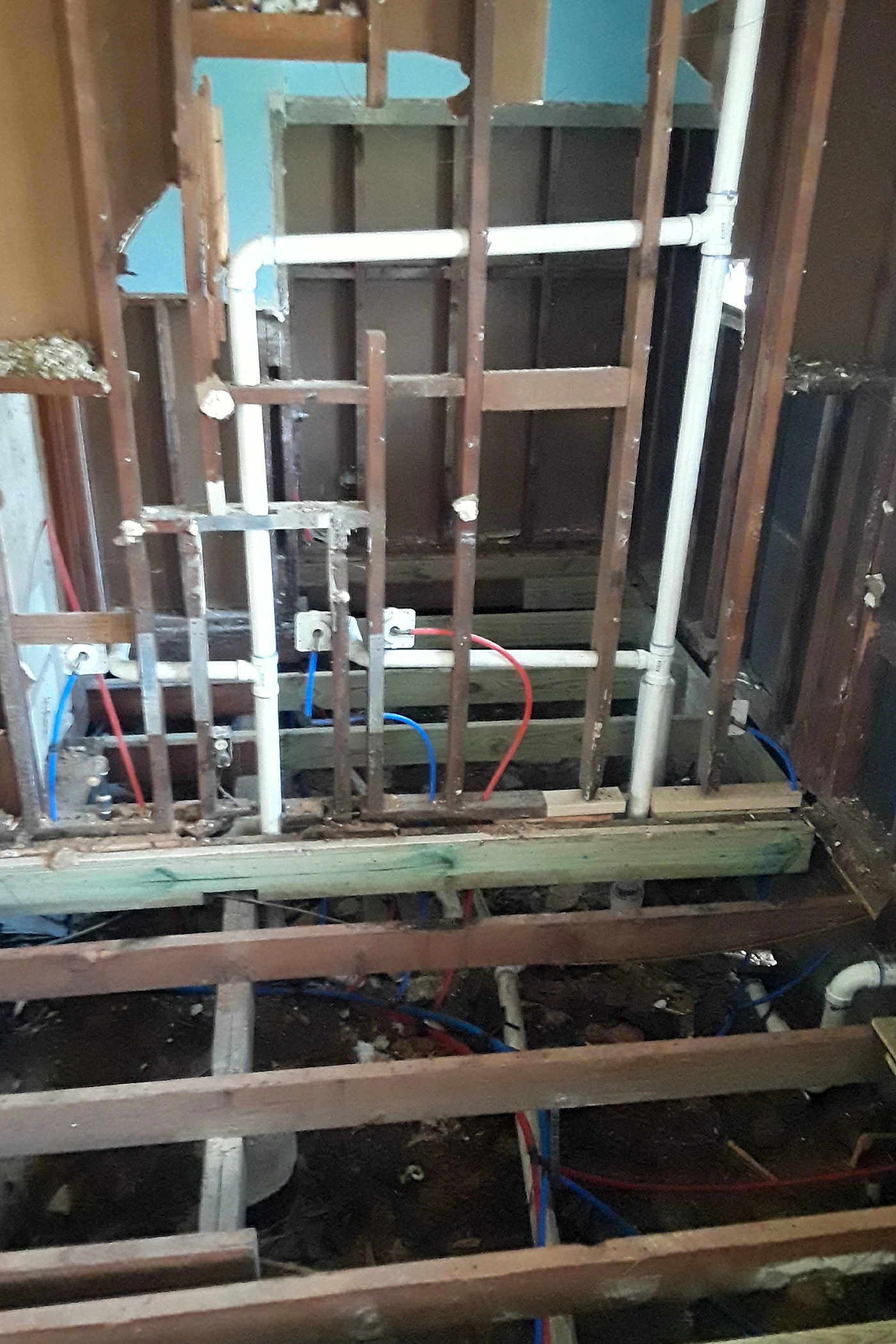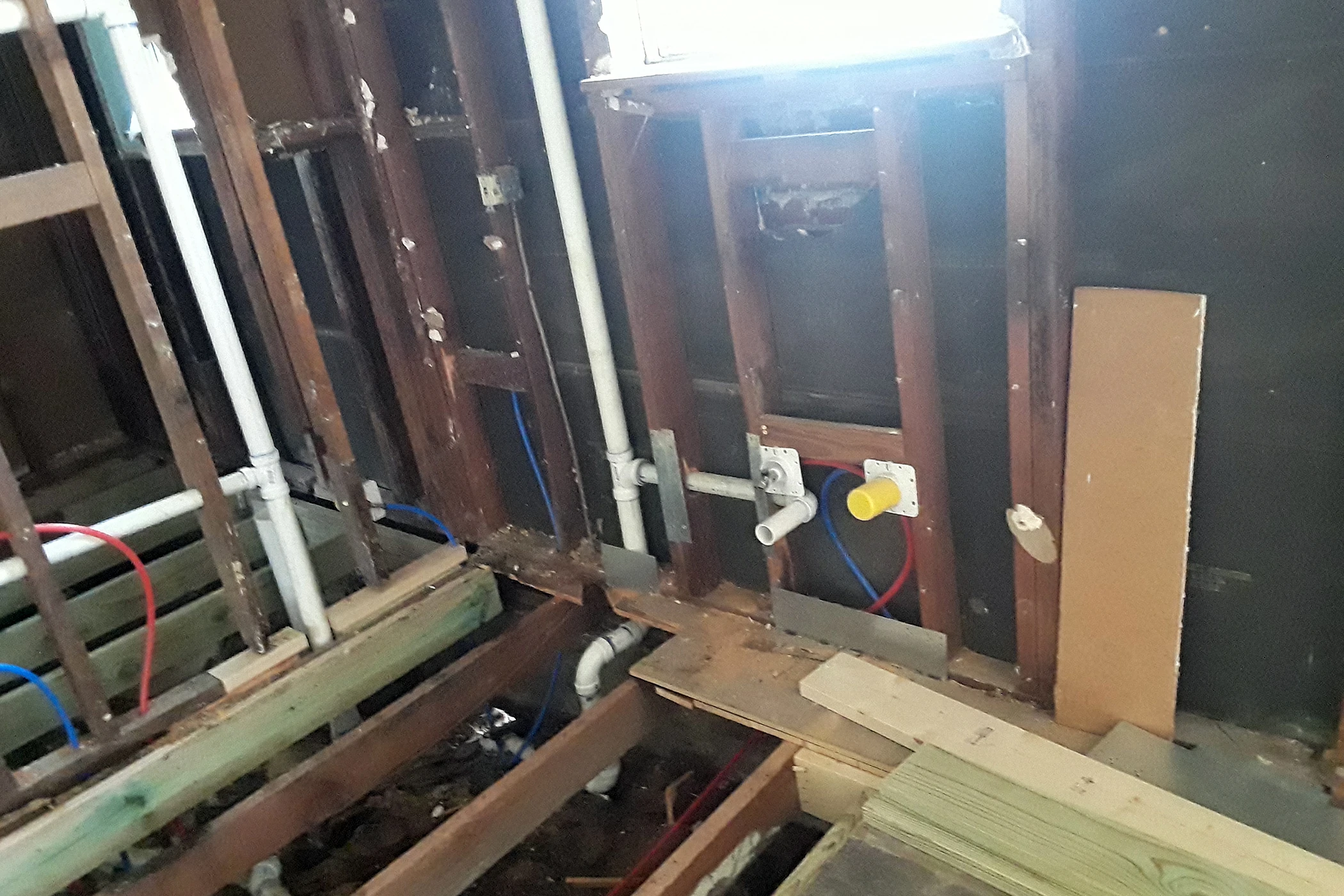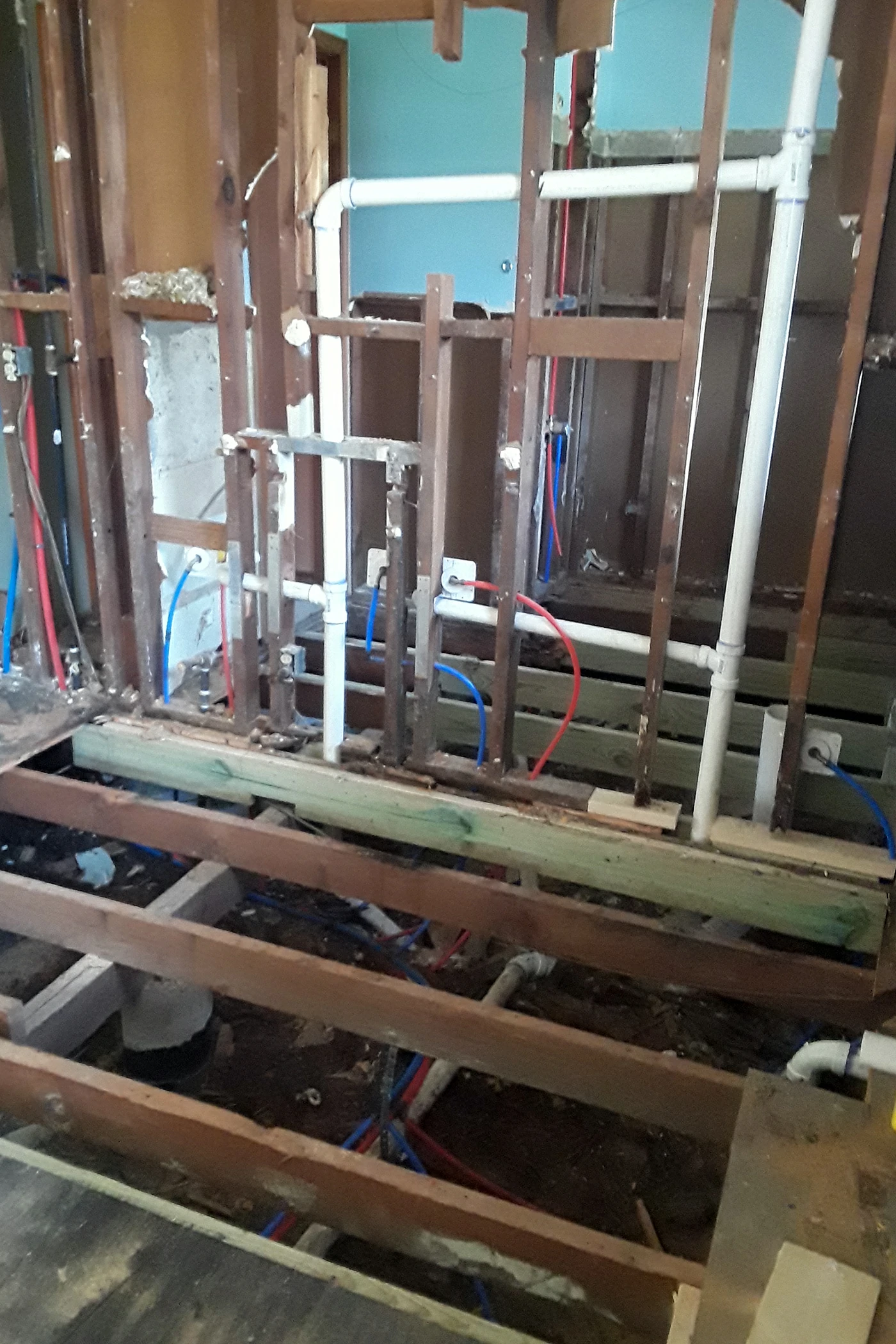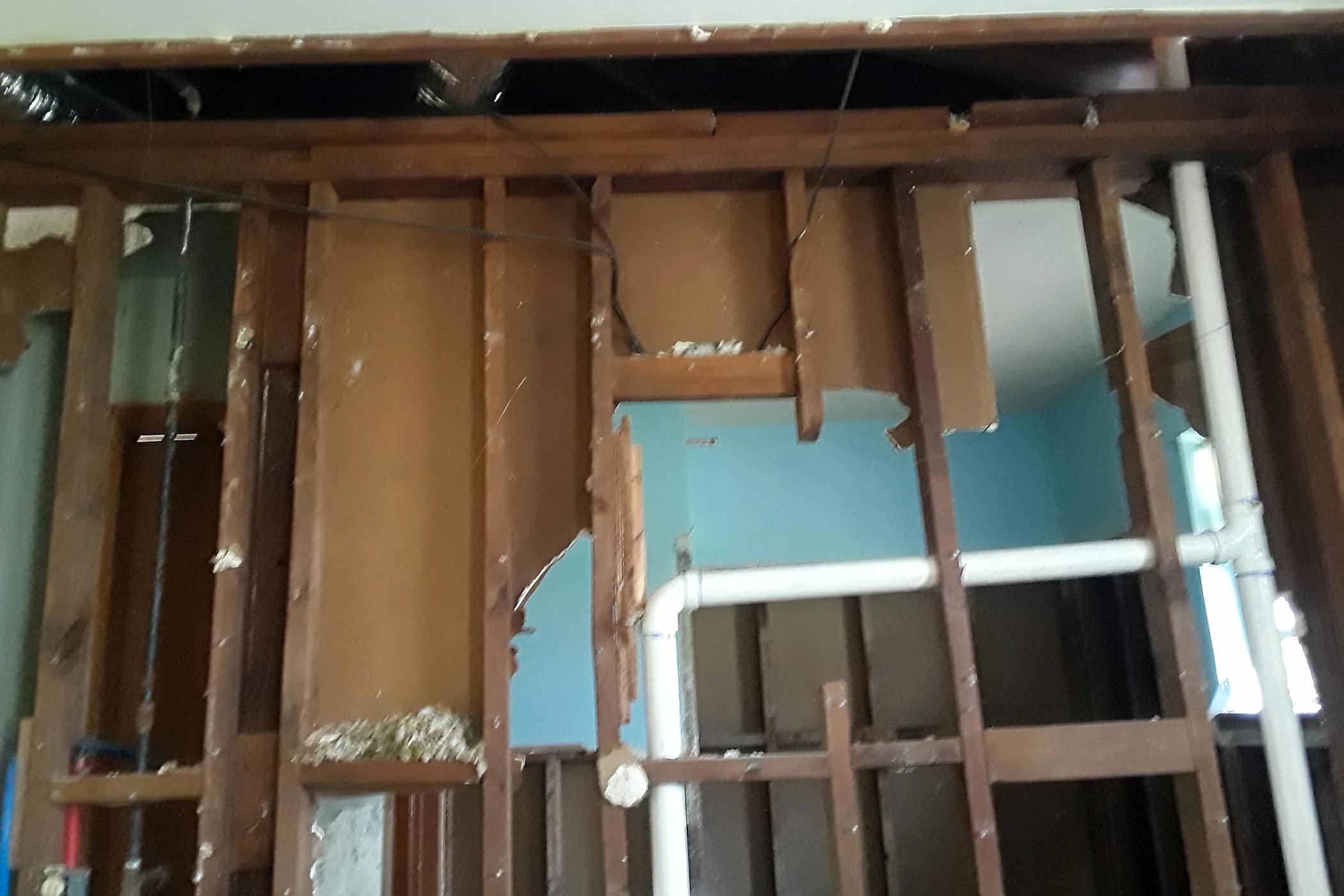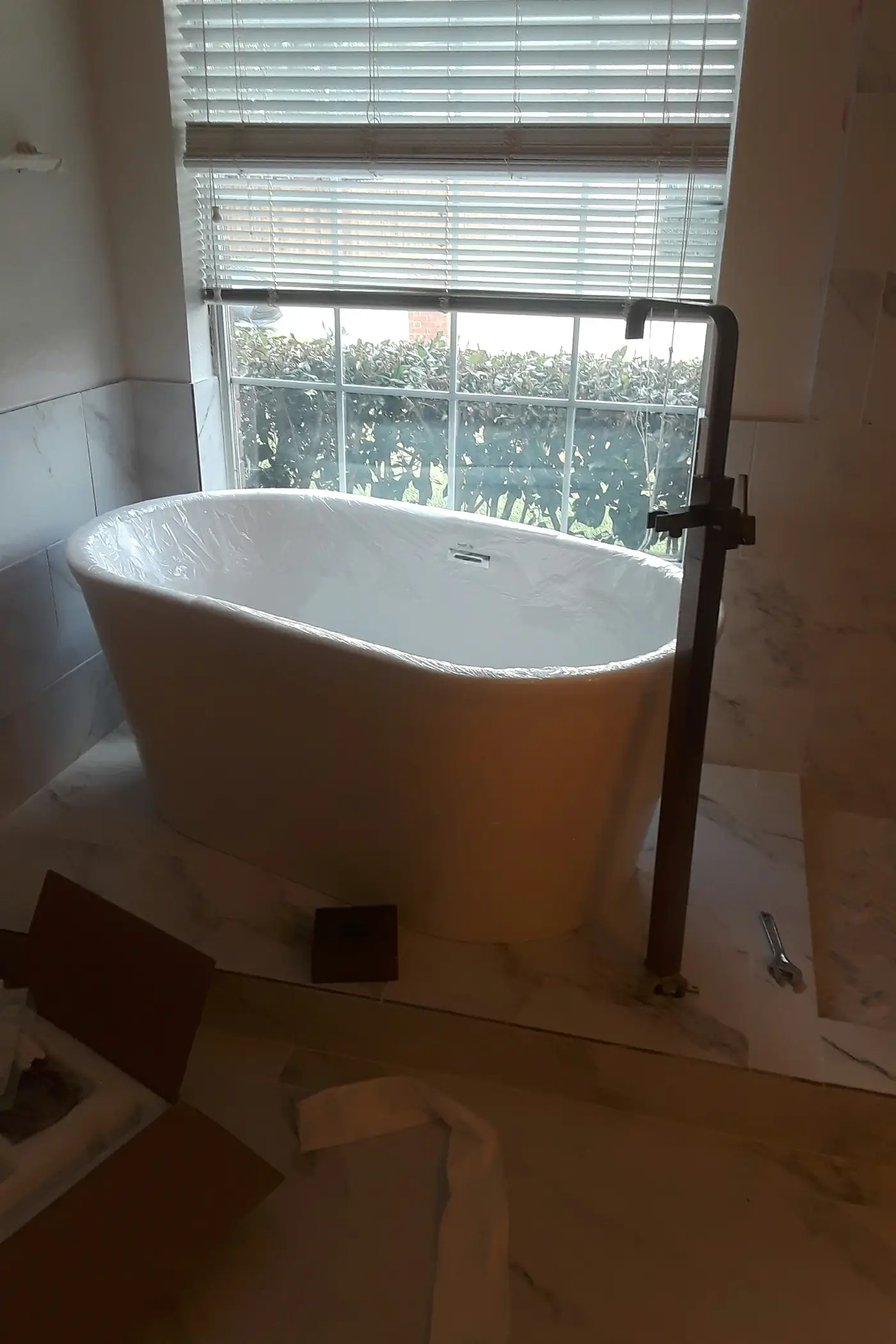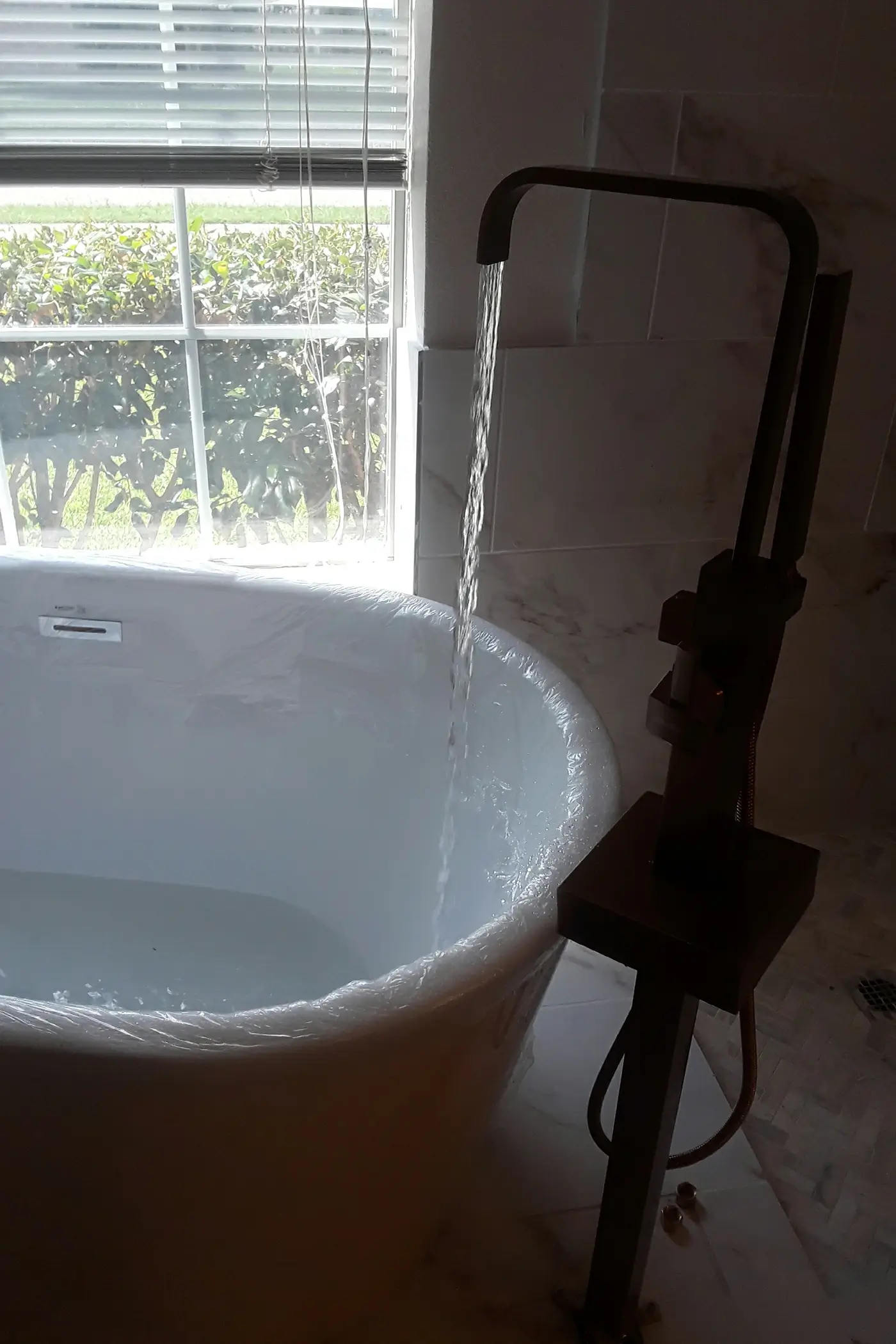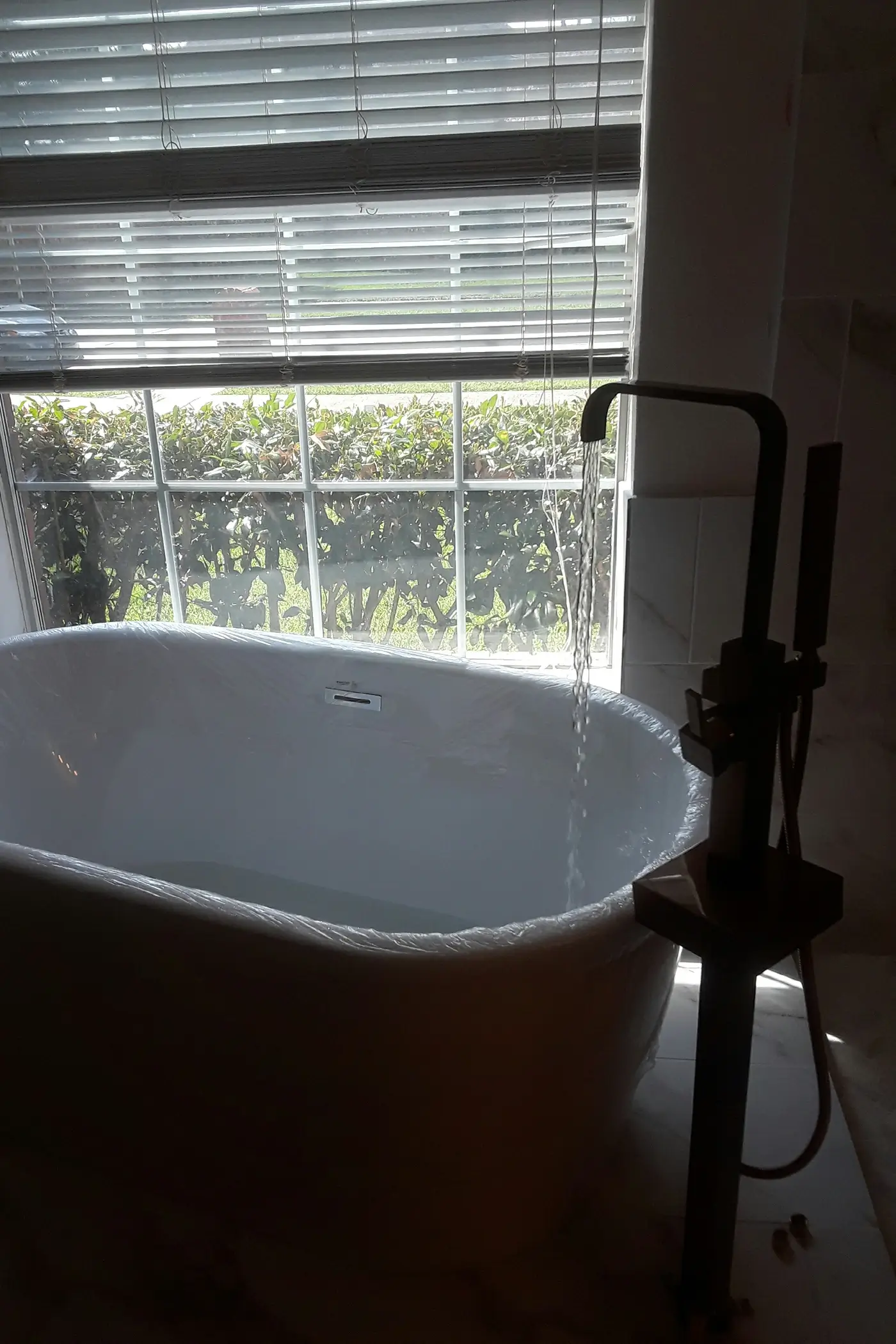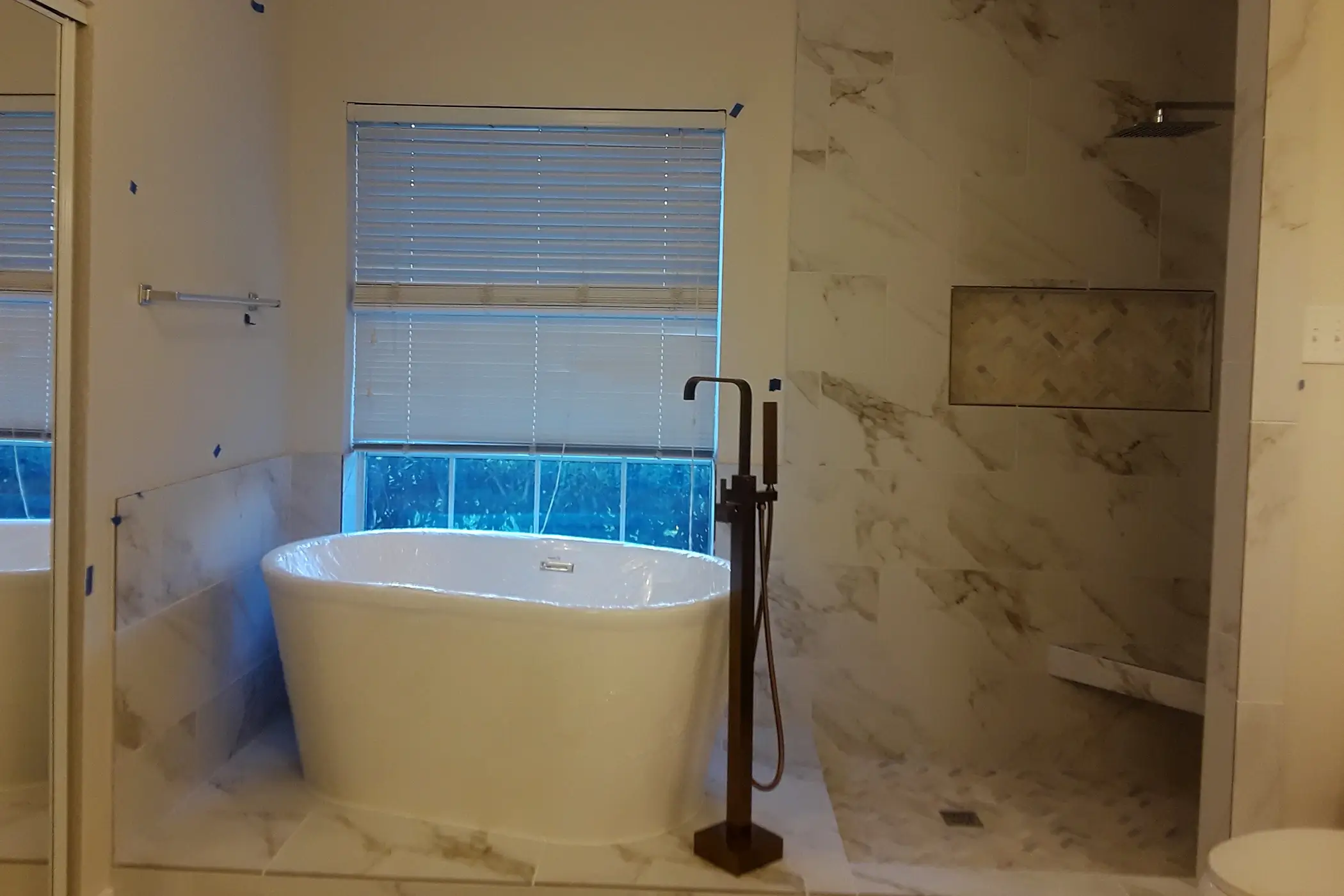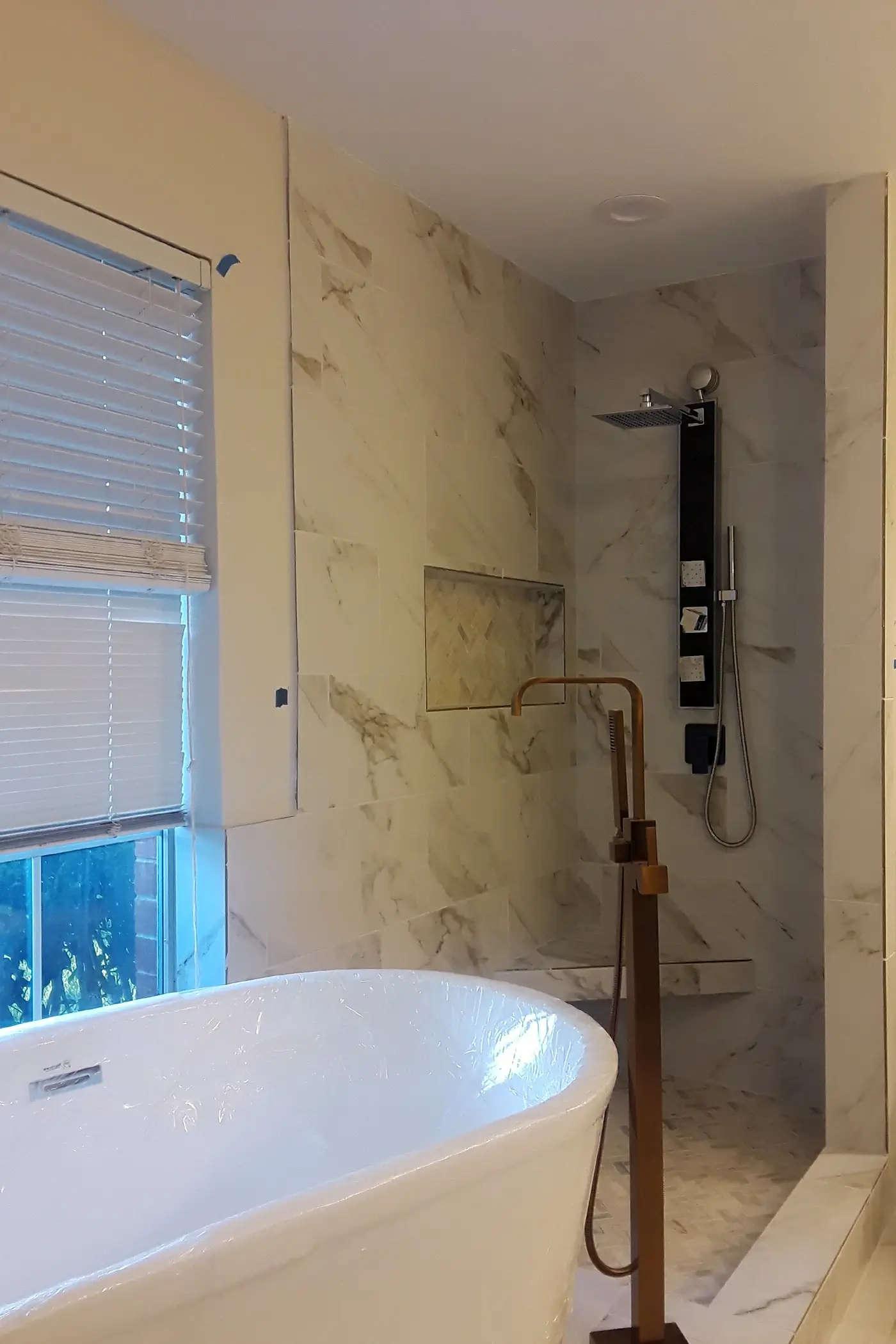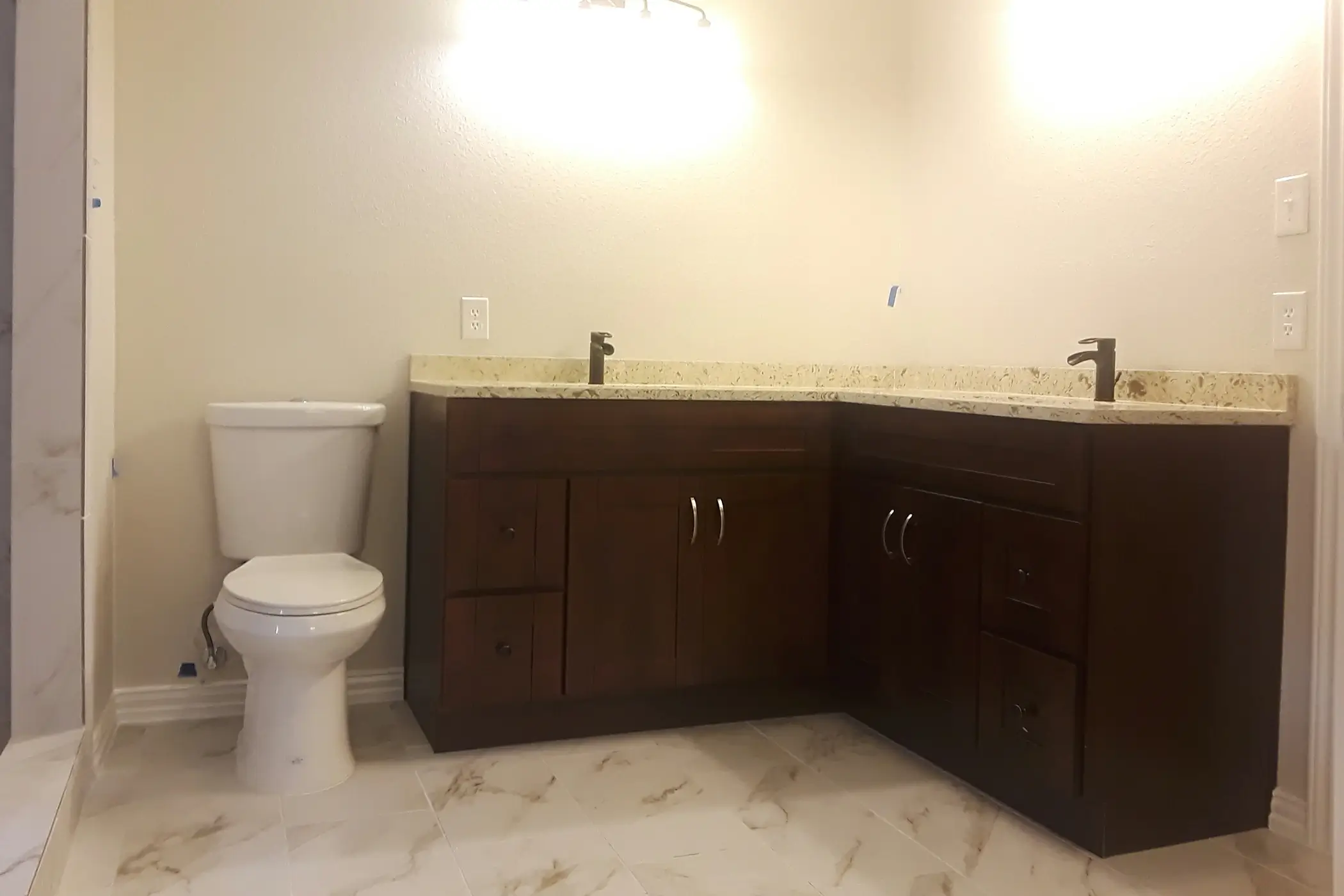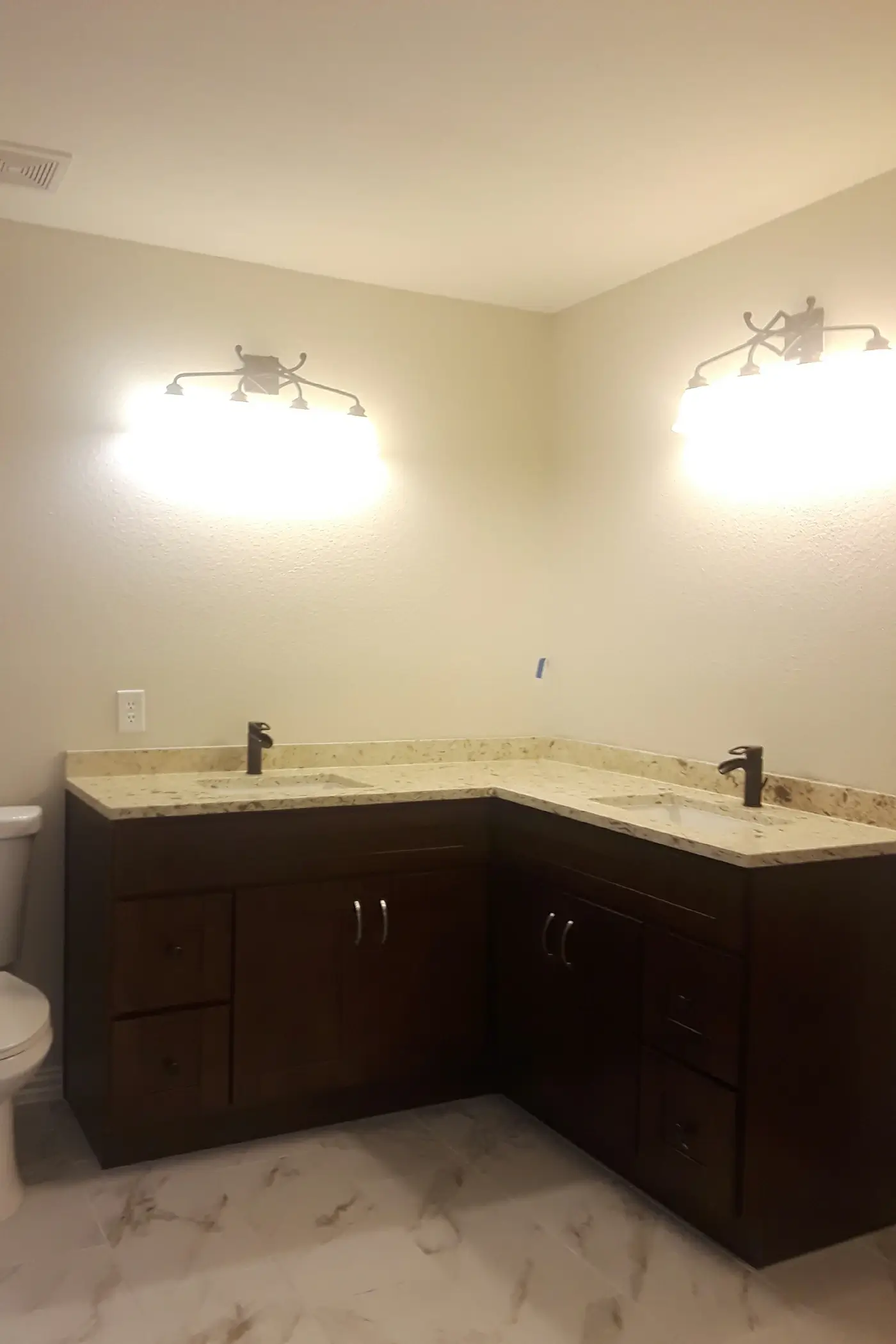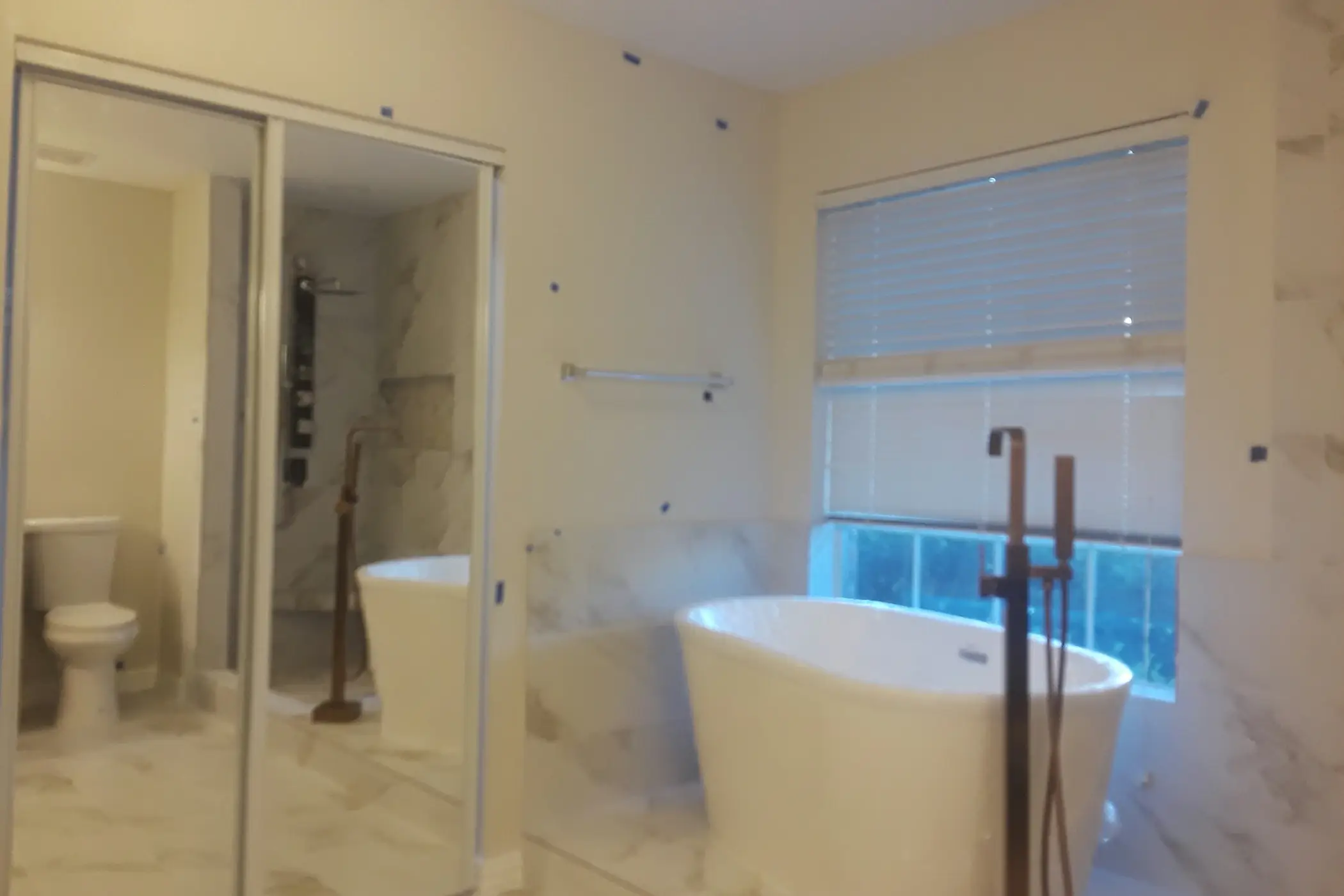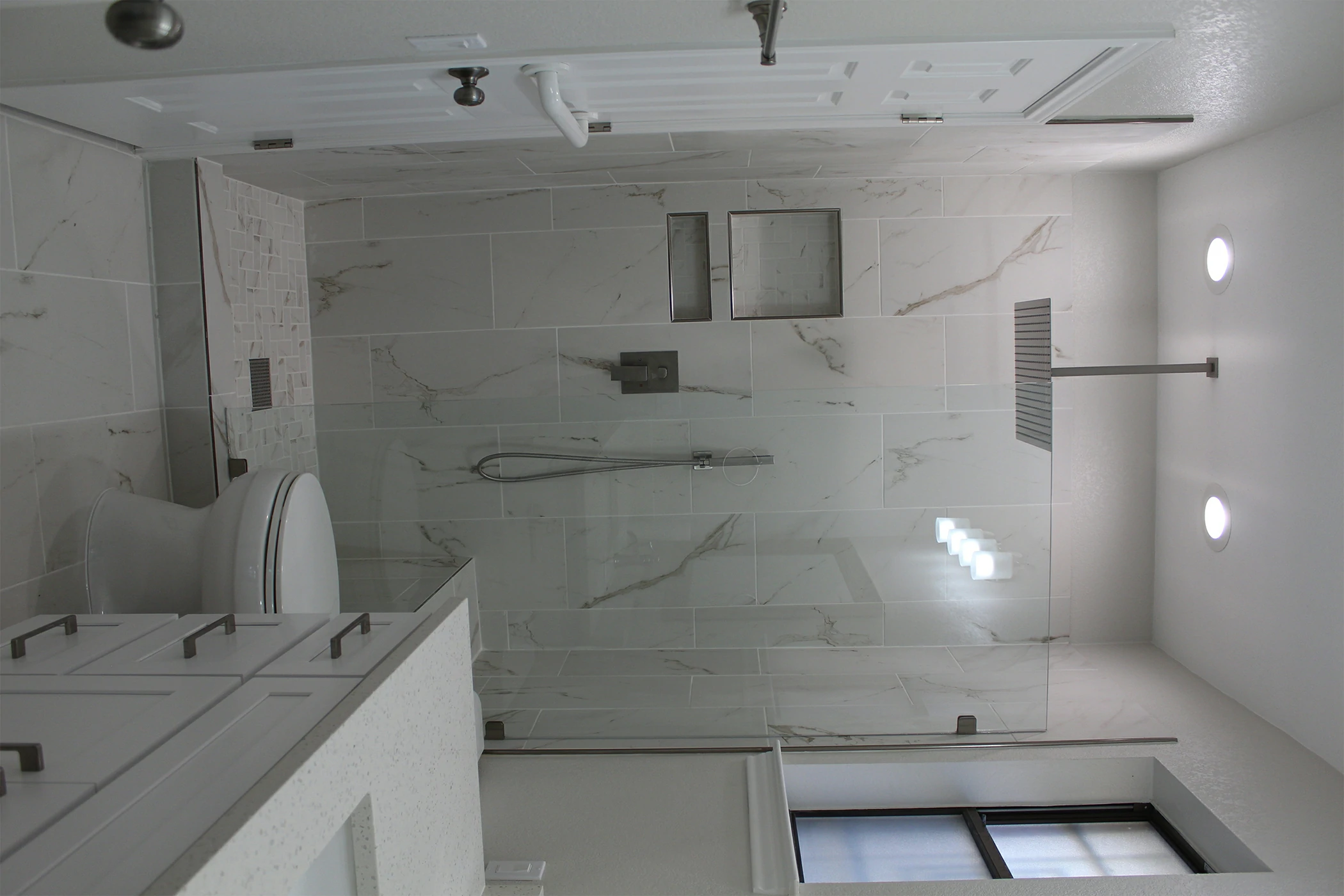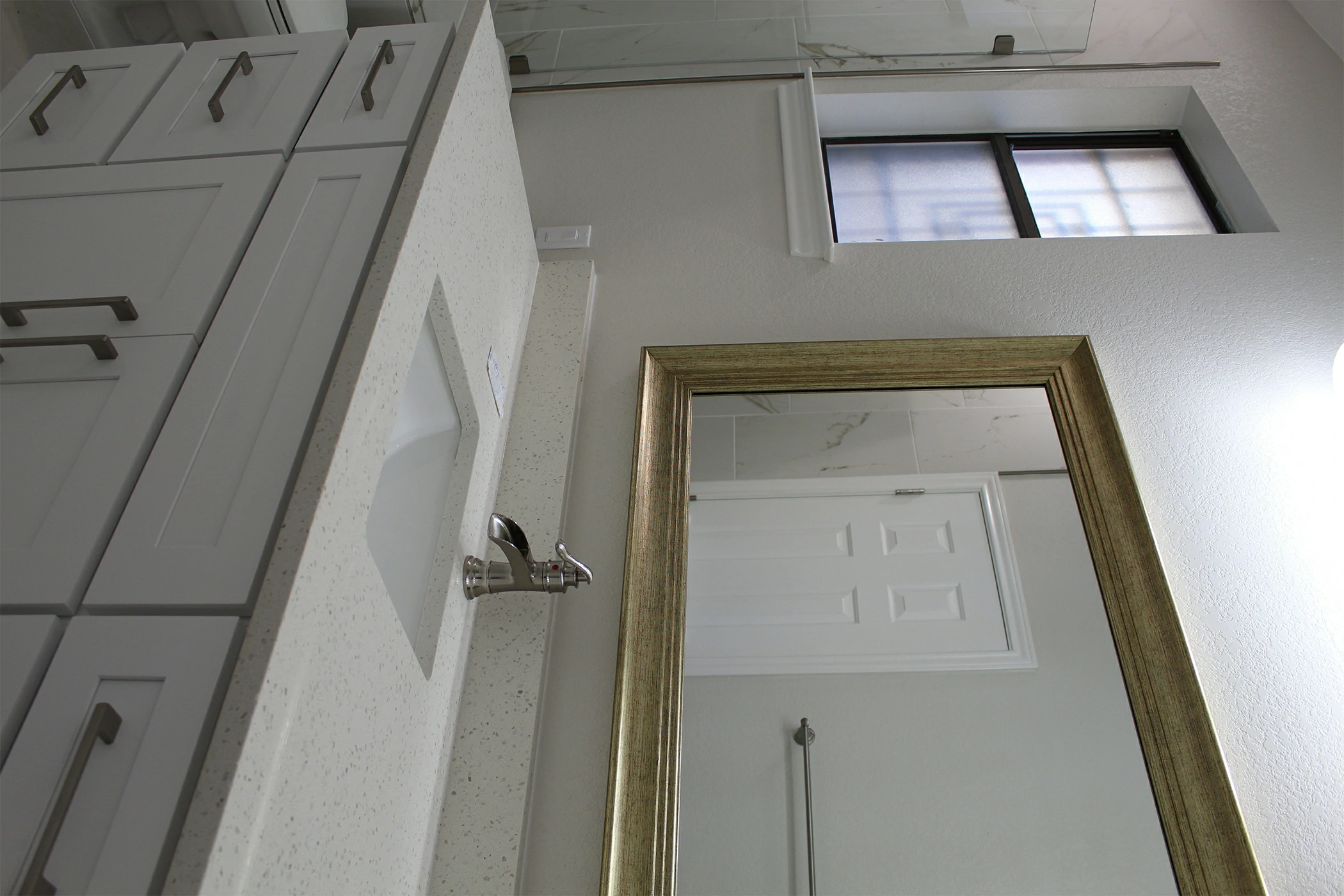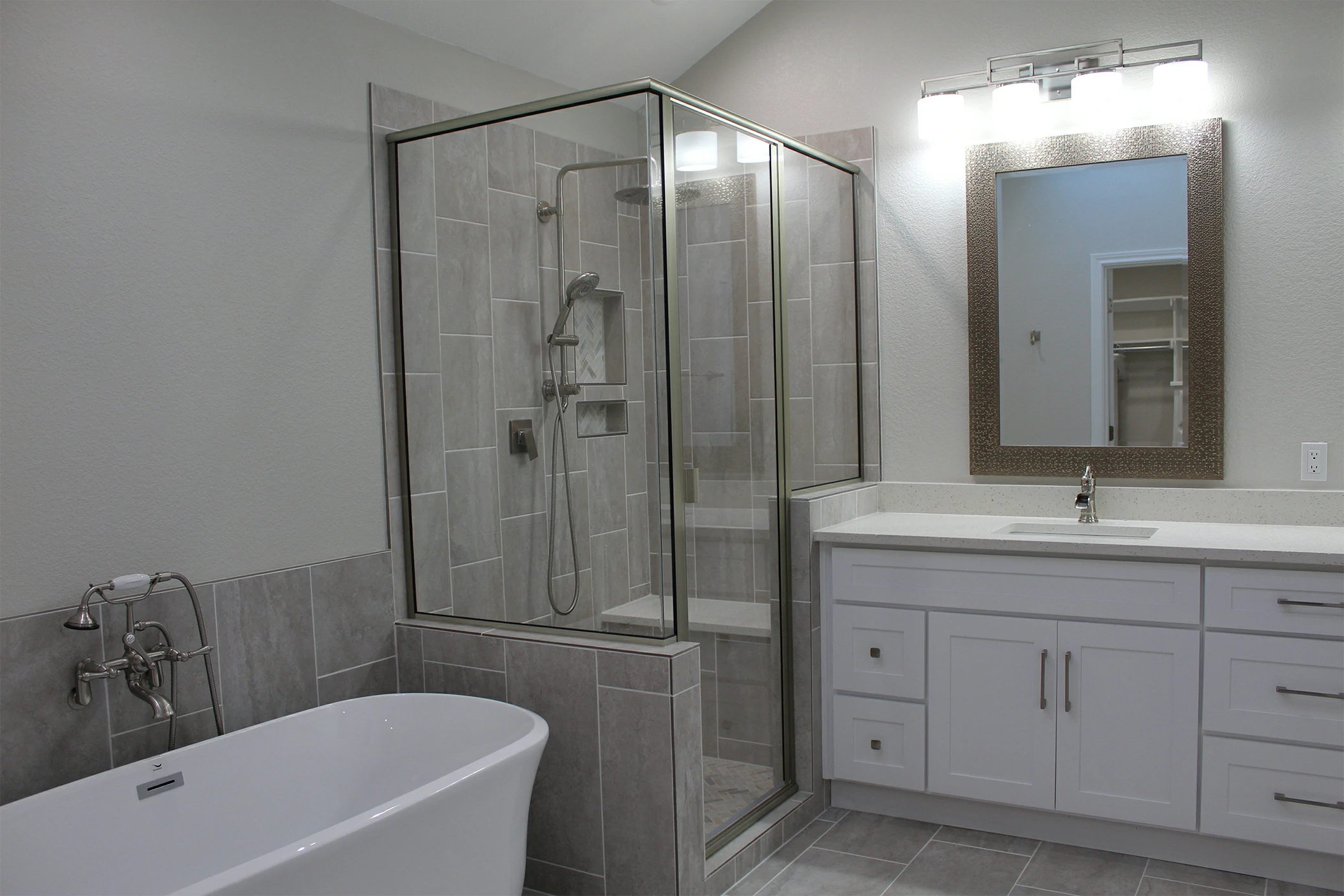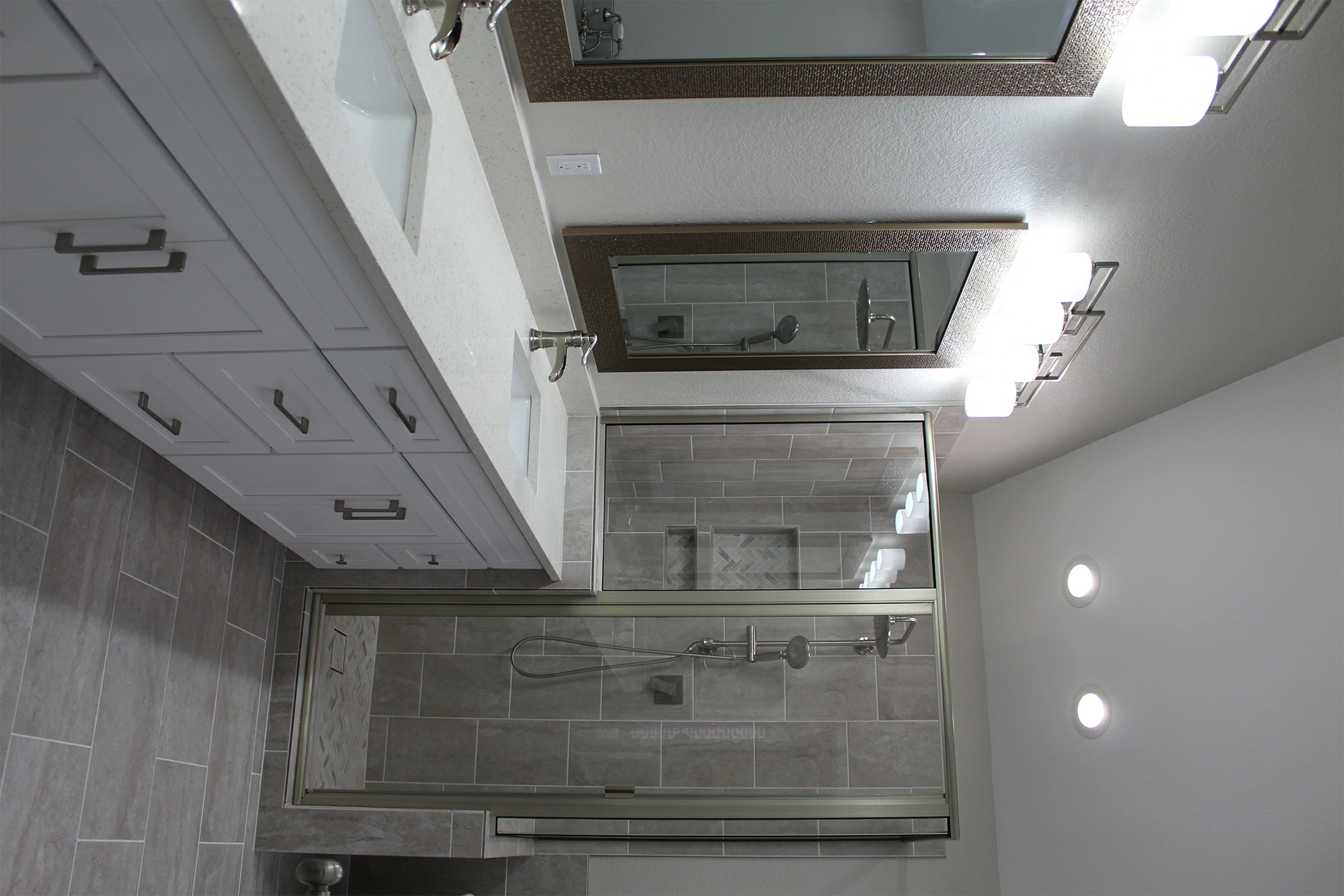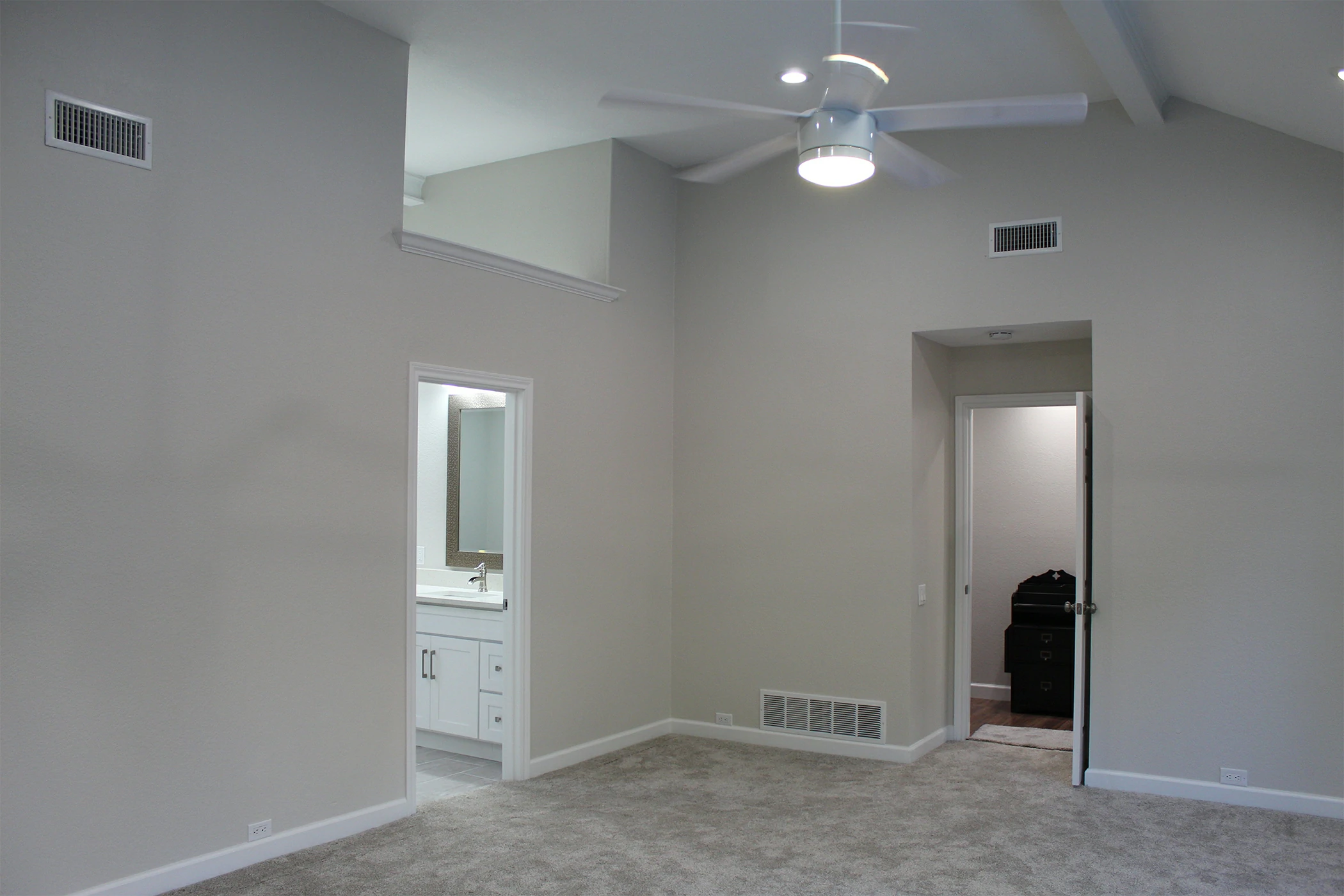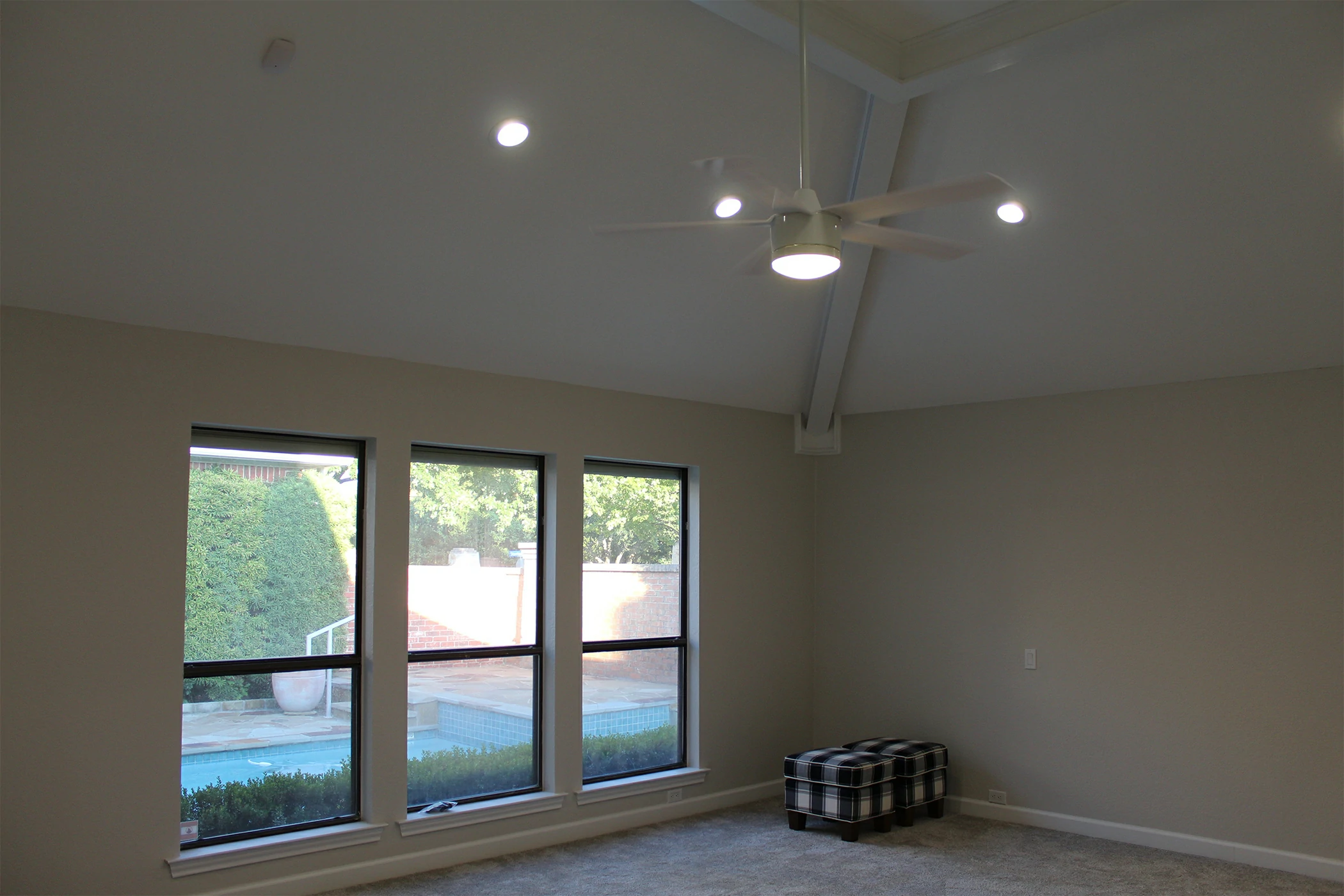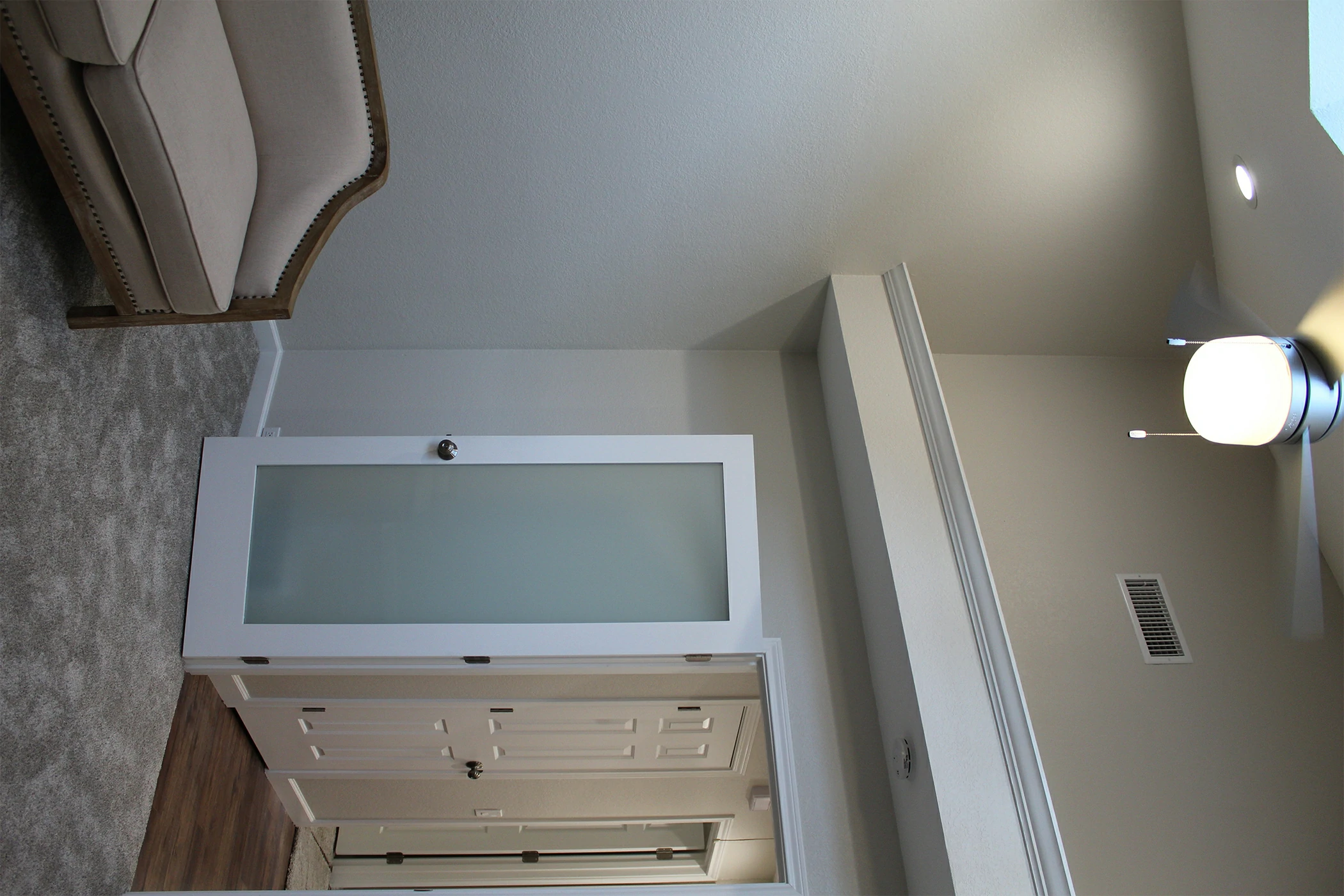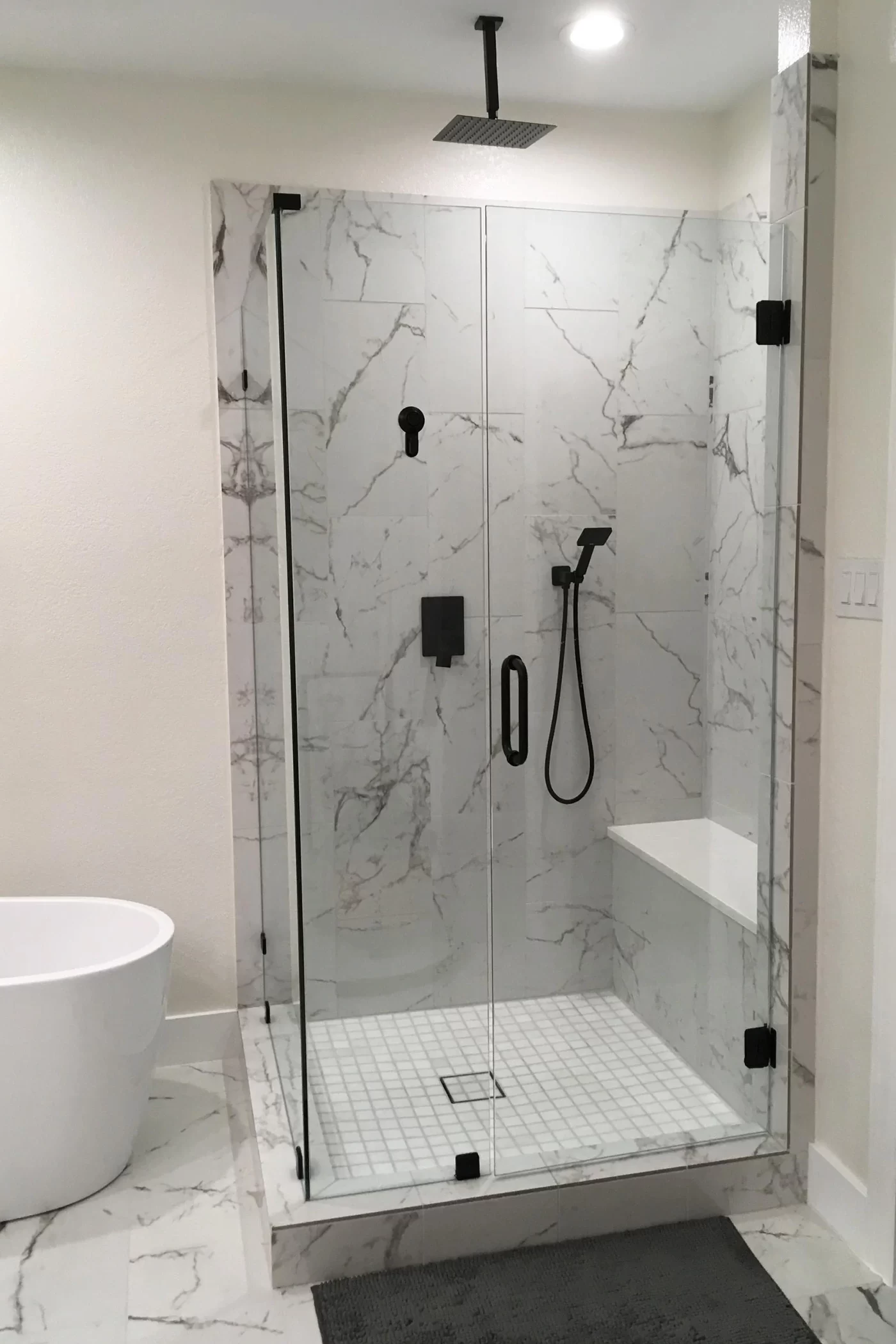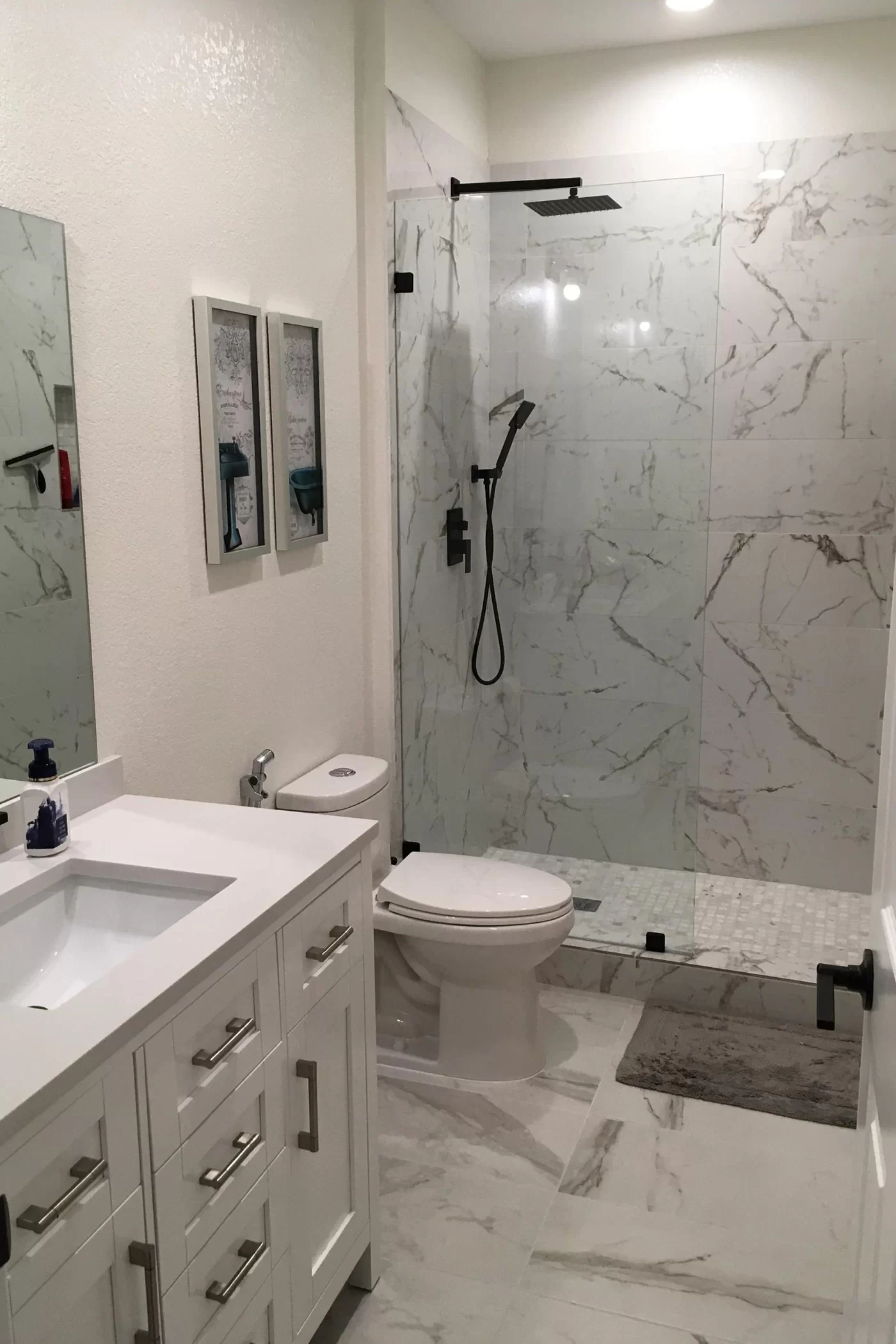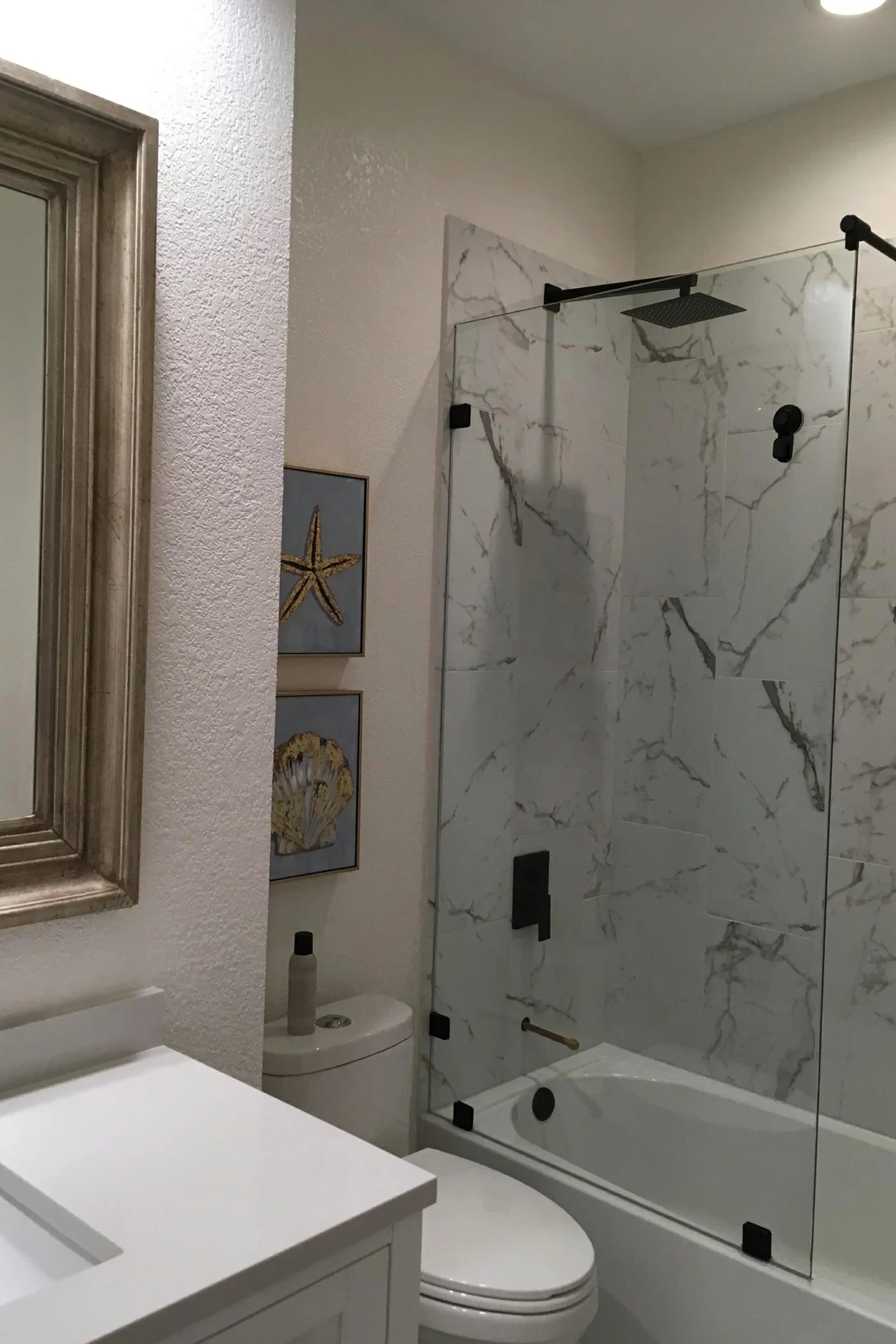
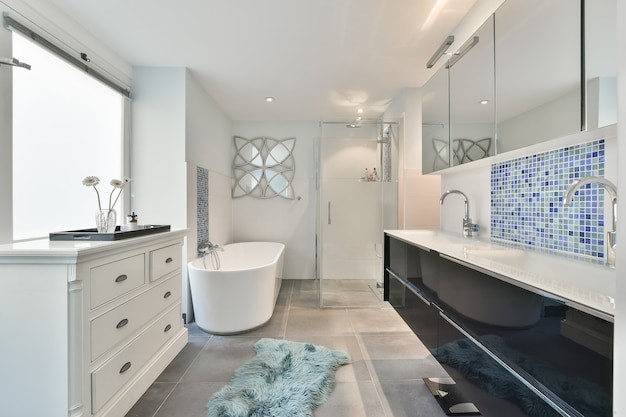
Bathroom remodeling is one of the most common home improvement projects for homeowners in Allen, Texas. Whether you want to modernize an outdated layout, improve functionality or address long-term maintenance issues, planning plays a significant role in achieving a successful renovation. Before choosing fixtures or selecting tiles, it is important to understand the role of permits, construction requirements and local guidelines.
Homeowners often begin their research by evaluating remodeling companies or browsing design ideas. If you are exploring remodeling solutions or learning about the stages of renovation, you can find helpful information through resources such as the home improvement insights available on the official website of Bina Homes. Their pages on home remodelling in Allen and bathroom remodeling services provide additional context for homeowners preparing for a project.
This guide provides a detailed explanation of the planning and permitting process for bathroom remodeling in Allen. It focuses on factual, location-specific information to help you manage expectations, avoid delays and stay aligned with municipal regulations.
Understanding Bathroom Remodeling Requirements in Allen
Bathroom remodeling projects vary widely in scope. Some projects involve cosmetic updates, while others require structural, plumbing or electrical modifications. In Allen, certain types of work require permits because they involve safety considerations or changes to systems regulated by city codes.
Understanding these requirements helps homeowners budget time and resources more effectively. It also ensures that the project complies with local regulations, which is essential for long-term safety, insurance compliance and property value.
When Permits Are Required
For bathroom remodeling in Allen, permits are generally required when a project includes any of the following:
- Relocating plumbing lines
- Rewiring or adding electrical circuits
- Structural changes, including altering wall framing
- Installing or modifying ventilation systems
- Replacing or moving HVAC components
- Expanding or reducing the size of the bathroom footprint
Projects limited to surface-level updates such as painting, replacing fixtures without relocating plumbing or installing new décor typically do not require a permit. However, any change that affects mechanical, electrical or plumbing systems must be reviewed through the city’s permitting process.
The Role of the Allen Building and Code Department
The City of Allen oversees building permits and code enforcement. Their primary role is to ensure that remodeling work meets safety, structural and environmental standards. Inspectors verify that components such as wiring, drainage, ventilation and load-bearing structures meet required codes.
Working with licensed professionals who understand these regulations can reduce the likelihood of revision requests or re-inspections. For homeowners comparing remodeling teams, the resource page on home remodeling services can provide additional insight into how experienced contractors manage complex projects.
Planning Your Bathroom Remodel in Allen
Successful bathroom remodeling requires careful preparation. While design and material selection are important, early planning should include an understanding of layout, utility systems and code compliance.
Assessing Your Current Bathroom
Before developing a remodeling plan, assess existing conditions. This includes evaluating:
- Plumbing age and layout
- Electrical panel capacity
- Ventilation performance
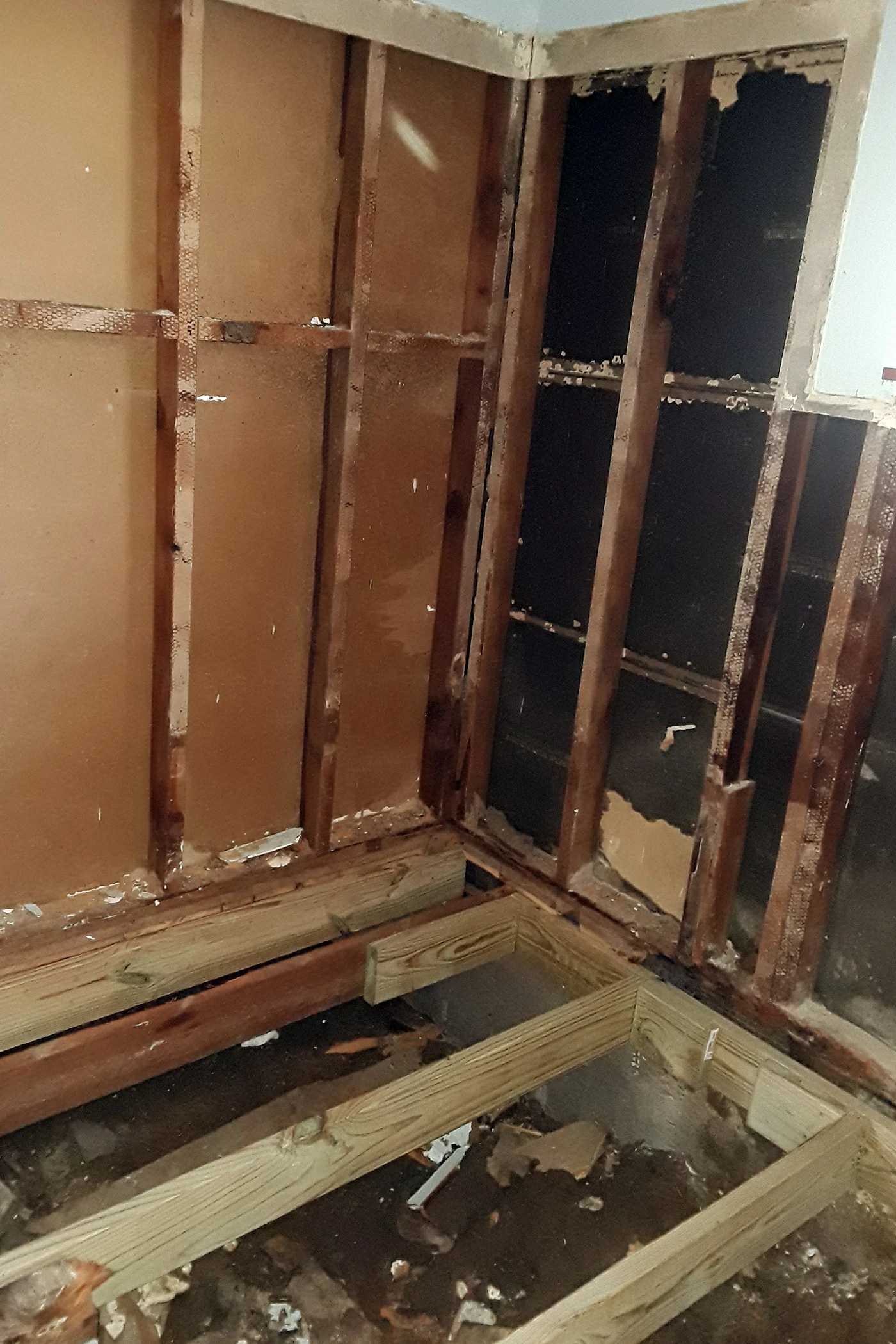
- Moisture levels and potential damage
- Structural limitations
Mapping out these conditions informs the design process and reduces unexpected changes during construction.
Defining the Scope of Work
A clear project scope helps determine budget, timeline and permit needs. For example, relocating a bathtub may require rerouting plumbing and reinforcing flooring. Adding recessed lighting can require a new electrical circuit. By establishing the project scope early, homeowners can prepare for the required permit applications and inspections.
Setting a Realistic Budget
Budget planning should consider both visible design elements and hidden infrastructure requirements. Costs may vary based on:
- Demolition
- Plumbing or electrical upgrades
- Material selection
- Labor
- Required inspections
Many homeowners underestimate the complexity of plumbing and moisture control in bathrooms. An article available at why paying more for a bathroom remodel saves you time and money explains how planning for long-term durability can prevent future repairs.
Creating a Functional Layout
Bathrooms require an efficient layout that balances comfort, code compliance and available space. When planning placement of showers, tubs, toilets or vanities, consider:
- Drain line routing
- Clearances required by local building codes
- Ventilation paths
- Electrical outlet placement
- Storage needs
A well-planned layout minimizes the need for costly structural changes.
The Permit Process for Bathroom Remodeling in Allen
Understanding the steps involved in the permitting process can help homeowners stay on schedule and prevent delays.
Preparing Permit Documentation
Most bathroom remodeling permits require:
- A floor plan showing existing and proposed layouts
- Plumbing and electrical diagrams
- Material specifications if structural elements are involved
- Contractor information
- Estimated project valuation
Accurate documentation helps streamline the approval process.
Submitting the Permit Application
Permit applications in Allen can typically be submitted online or in person. When applying, ensure that all required forms and diagrams are included. Missing information may result in application delays or additional review cycles.
Plan Review and Approval
Once submitted, the plans undergo review by city officials. Their role is to confirm that proposed changes align with building codes and safety requirements. The timeline varies depending on project complexity.
Homeowners should avoid beginning construction until formal approval is received.
Scheduling Inspections
During the remodeling process, different stages may require inspections. Common inspection points include:
- Rough-in plumbing
- Rough-in electrical
- Framing
- Ventilation
- Final inspection for overall safety and functionality
Passing these inspections ensures that the project complies with local standards.
Important Considerations for Bathroom Remodeling in Allen
Certain elements of bathroom remodeling require thoughtful planning due to safety regulations and long-term durability.
Plumbing Considerations
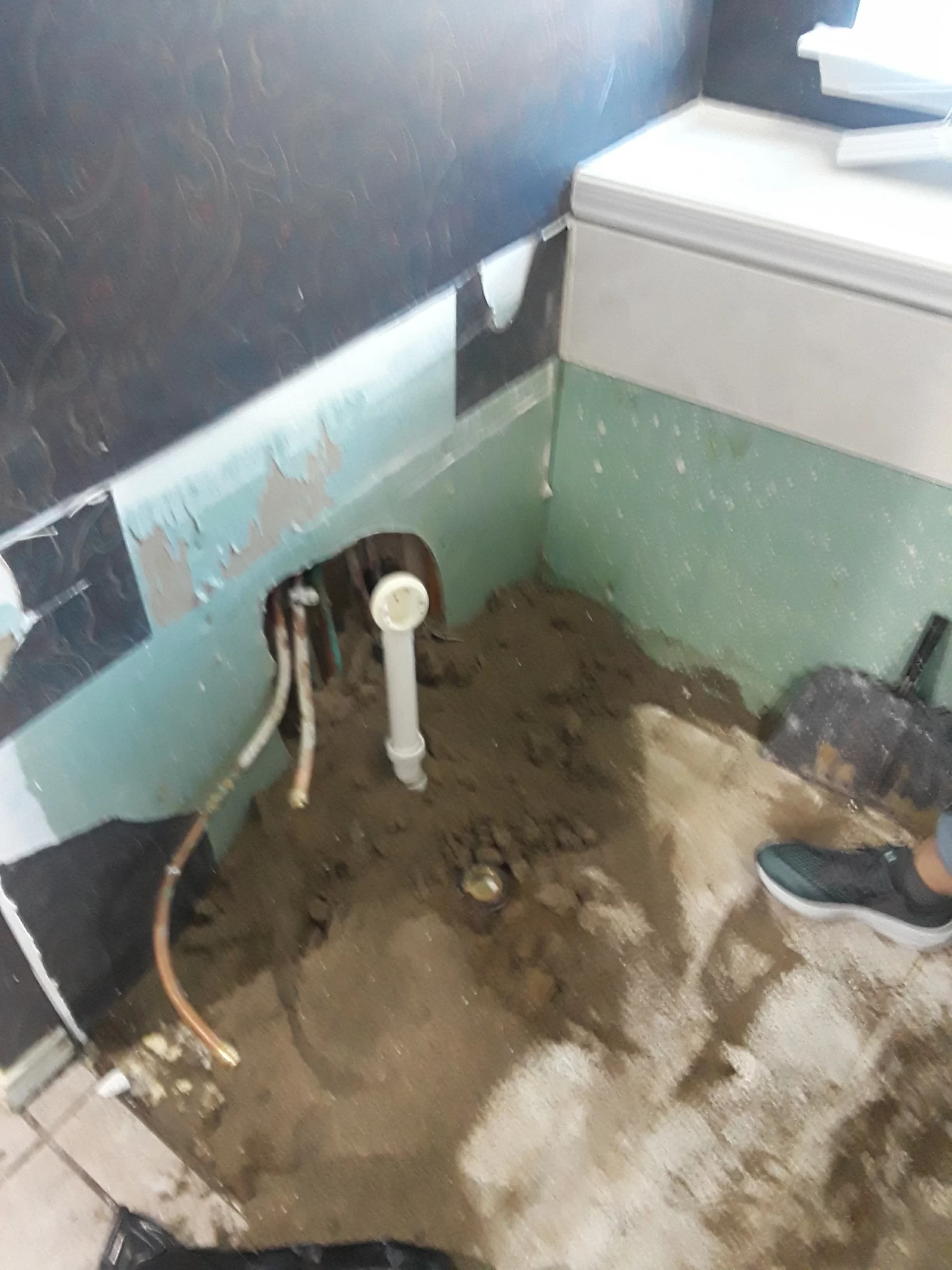
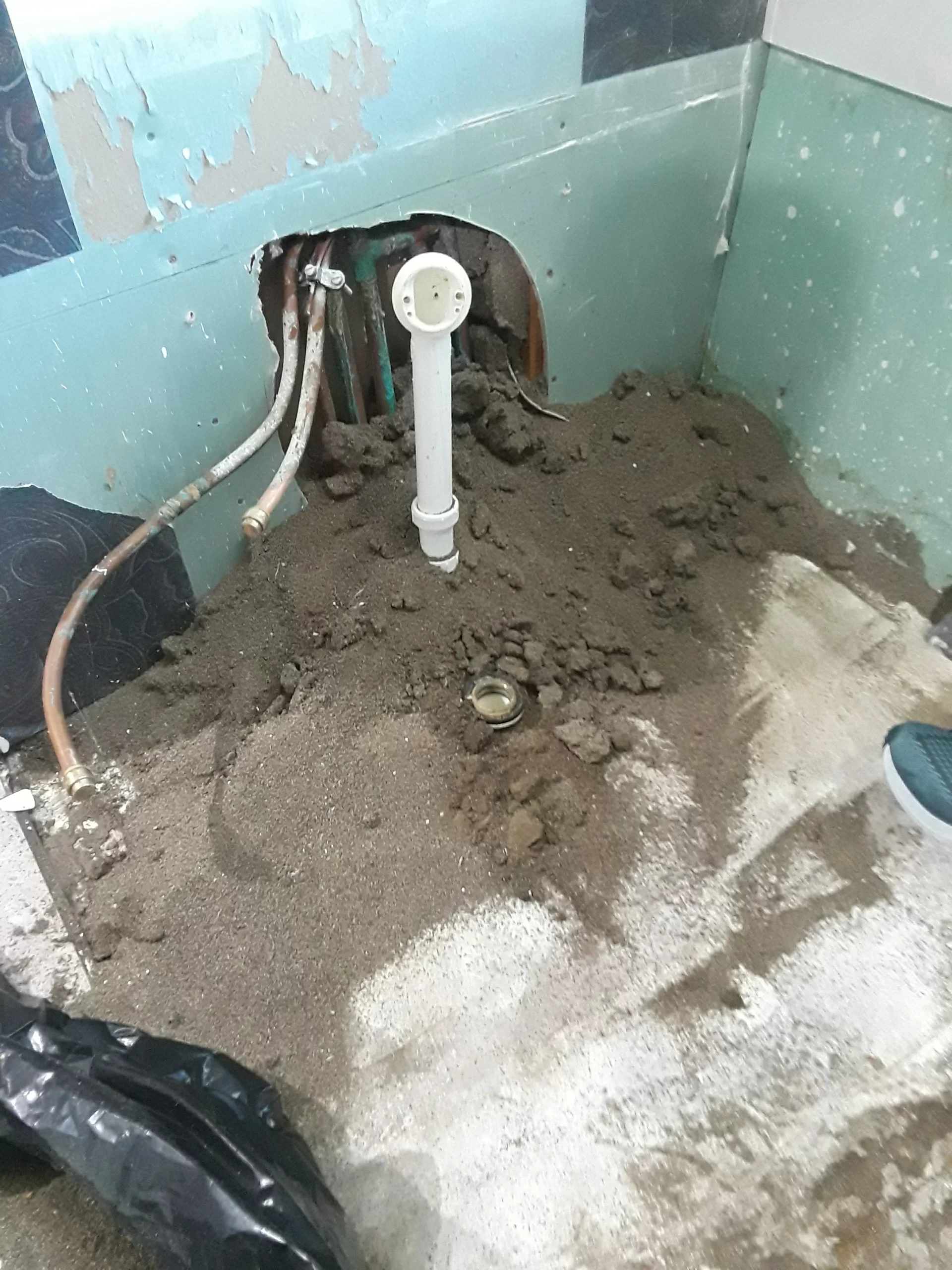
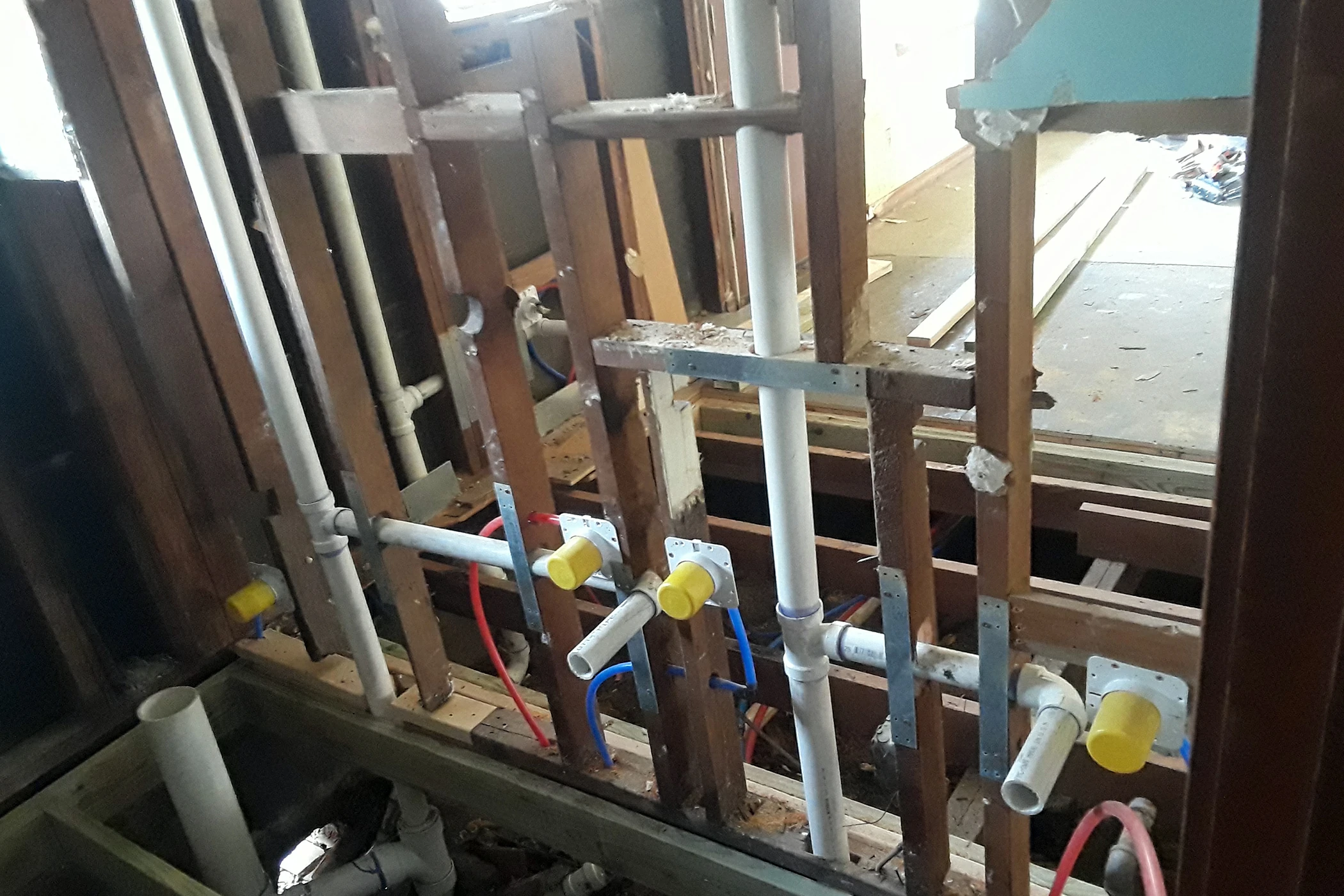
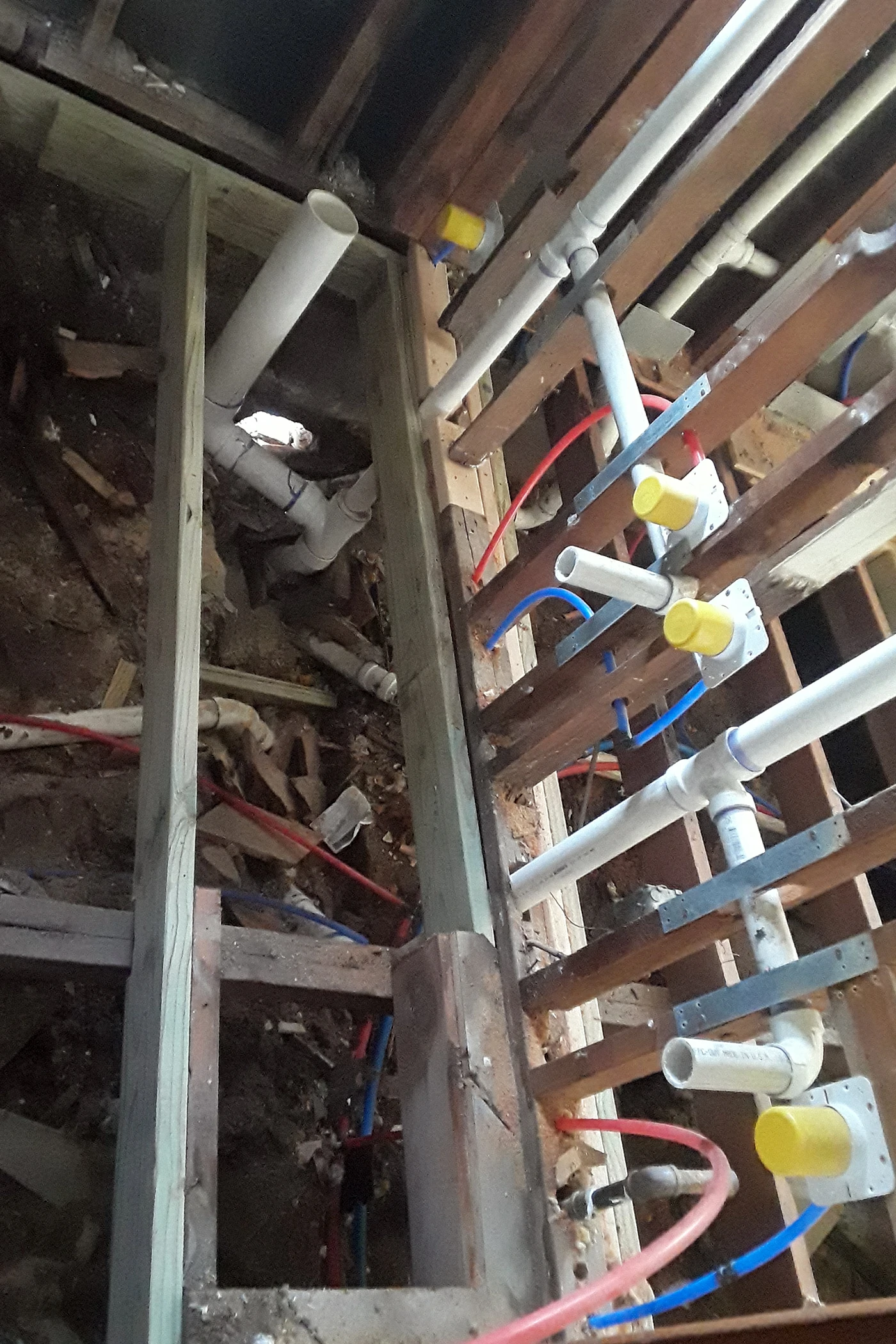
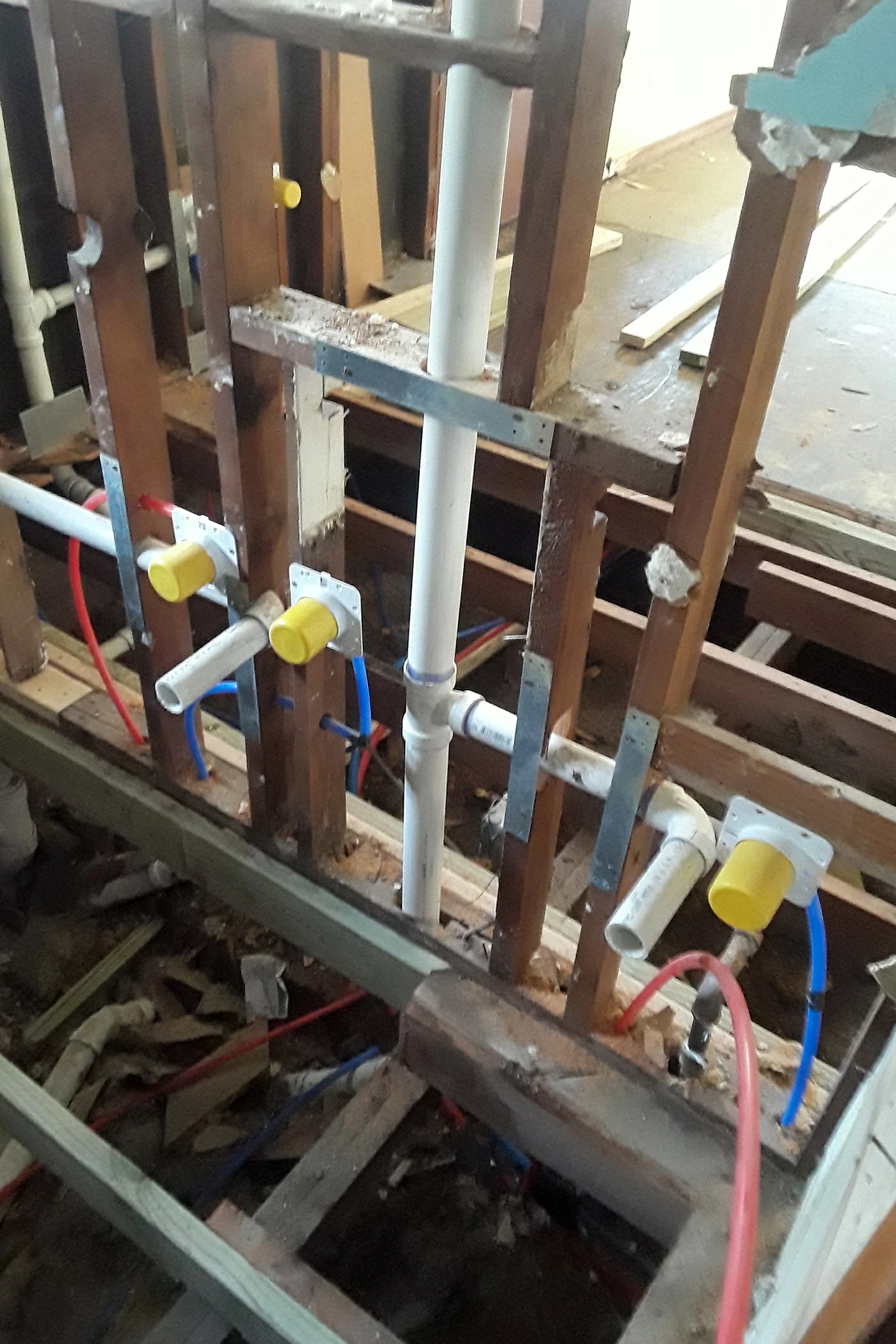
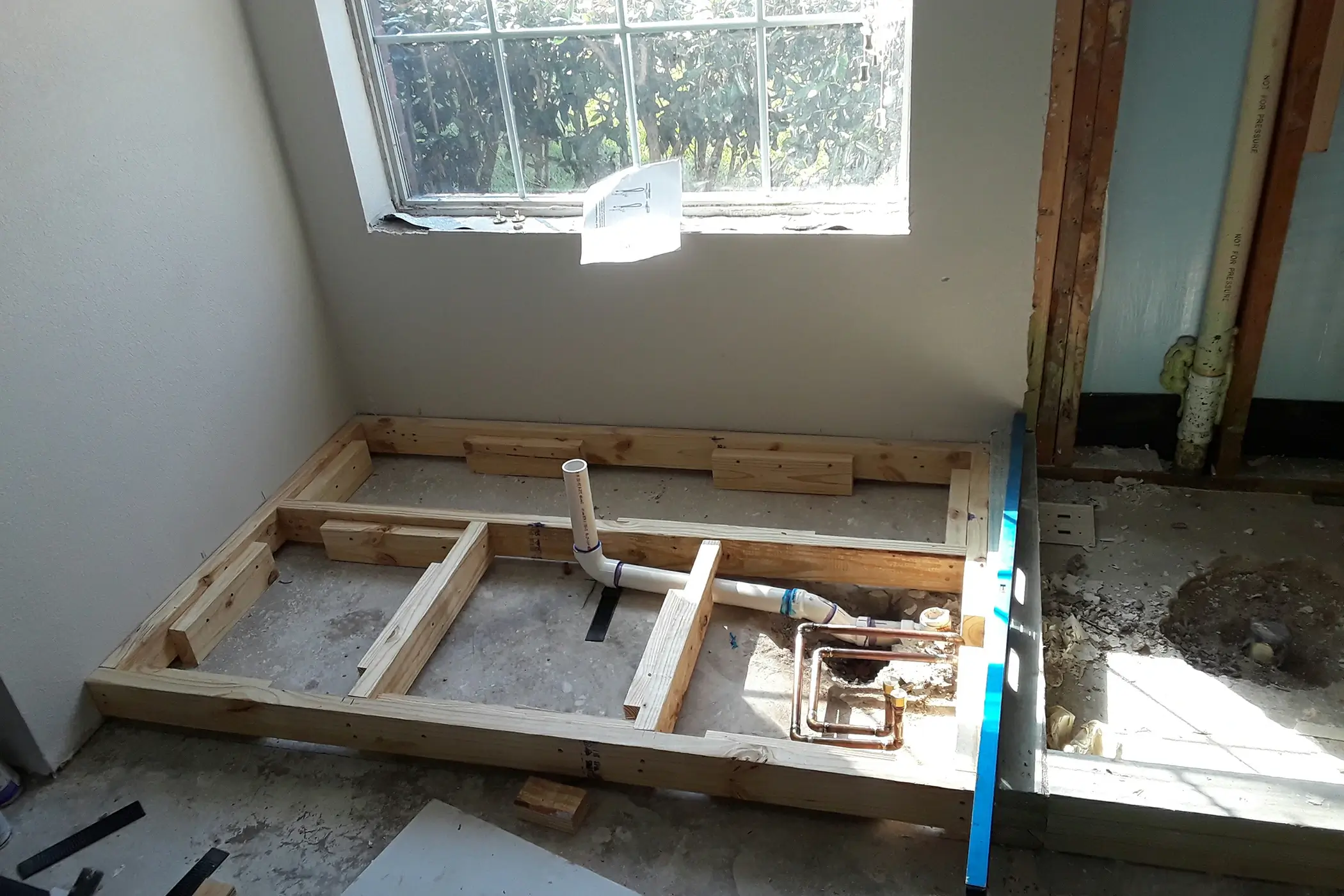
Changes to plumbing systems must follow plumbing codes related to pipe sizing, venting, drainage slopes and fixture spacing. Proper installation helps prevent leaks, backups and moisture damage.
Older homes may require drain line upgrades due to age or corrosion. Assessing these components early can prevent unexpected costs.
Electrical Requirements
Bathrooms require specific electrical safety measures, including:
- Ground Fault Circuit Interrupter (GFCI) outlets
- Correct spacing of lighting elements
- Dedicated circuits for certain fixtures
- Proper wiring of exhaust fans
These requirements protect against electrical hazards in moisture-prone environments.
Ventilation and Moisture Control
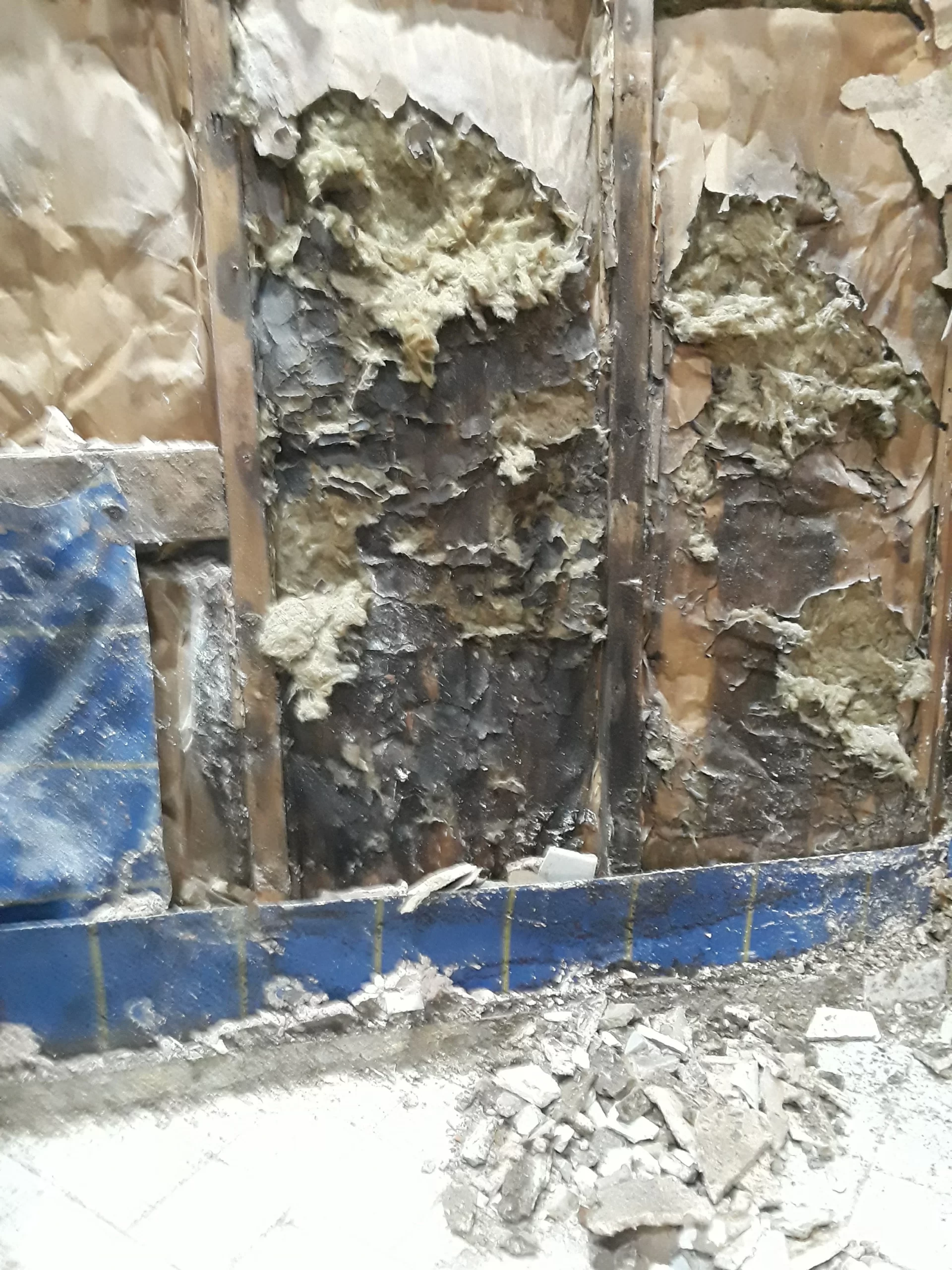
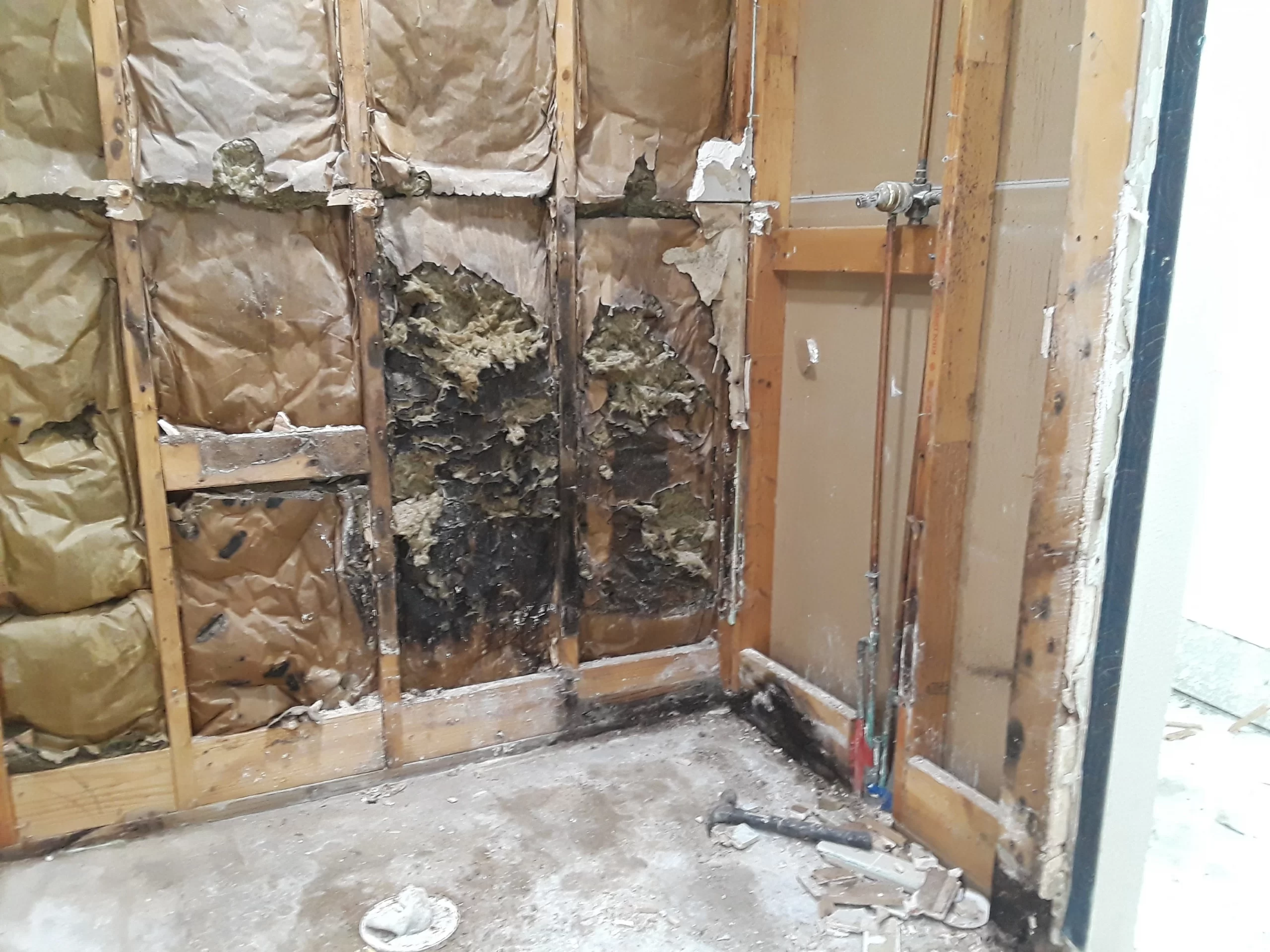
Adequate ventilation is critical in preventing mold, mildew and indoor air quality issues. The City of Allen requires exhaust systems that meet specific airflow standards.
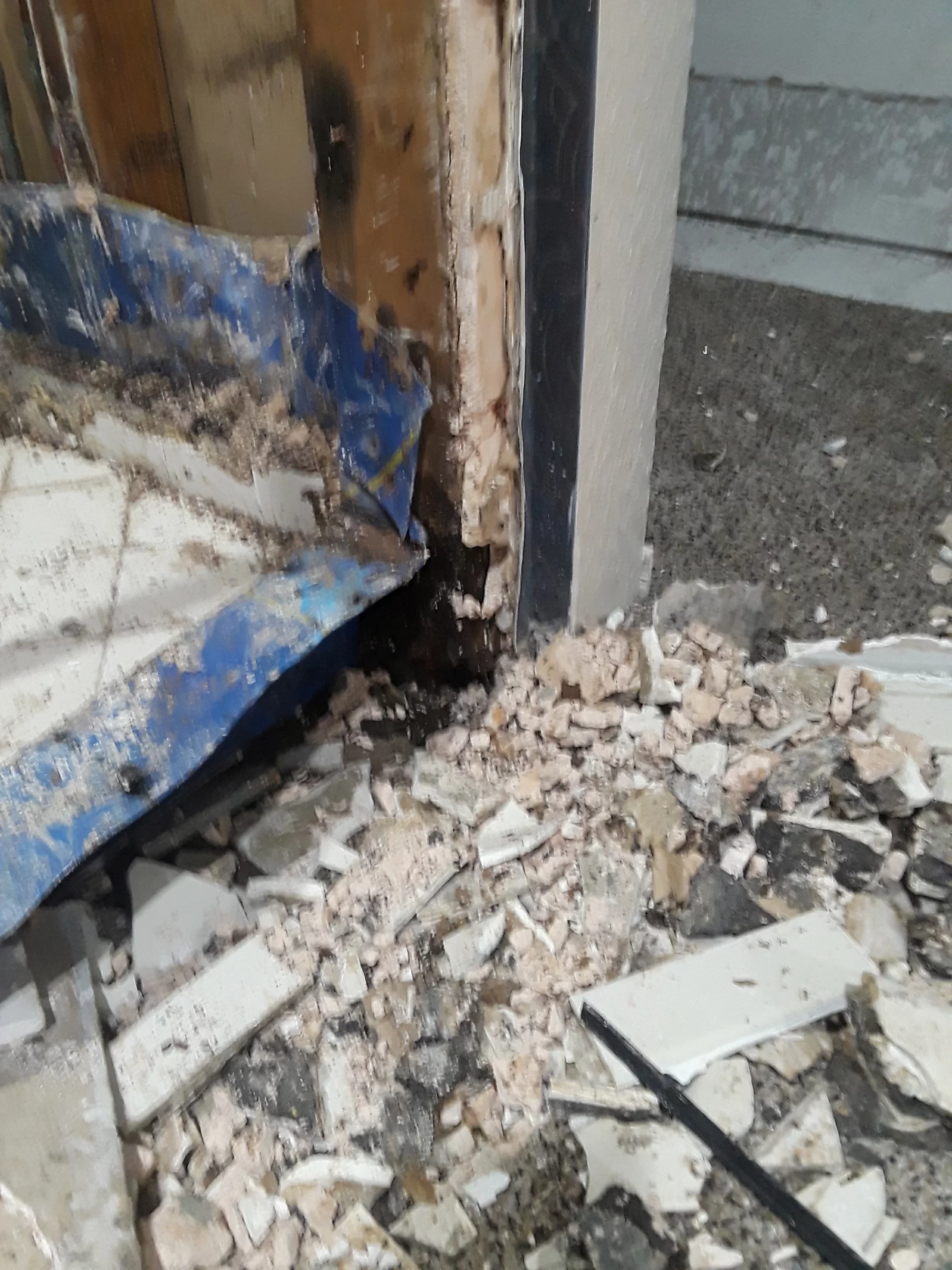
Improper ventilation can lead to long-term structural damage, making this a priority component of remodeling.
Structural Elements
If your project includes removing or modifying walls, it is important to confirm whether they are load-bearing. Structural changes require engineering review and proper reinforcement to ensure building stability.
Design Choices That Align With Long-Term Planning
While functionality and code compliance form the foundation of bathroom remodeling, design choices also influence the long-term success of a project.
Material Selection
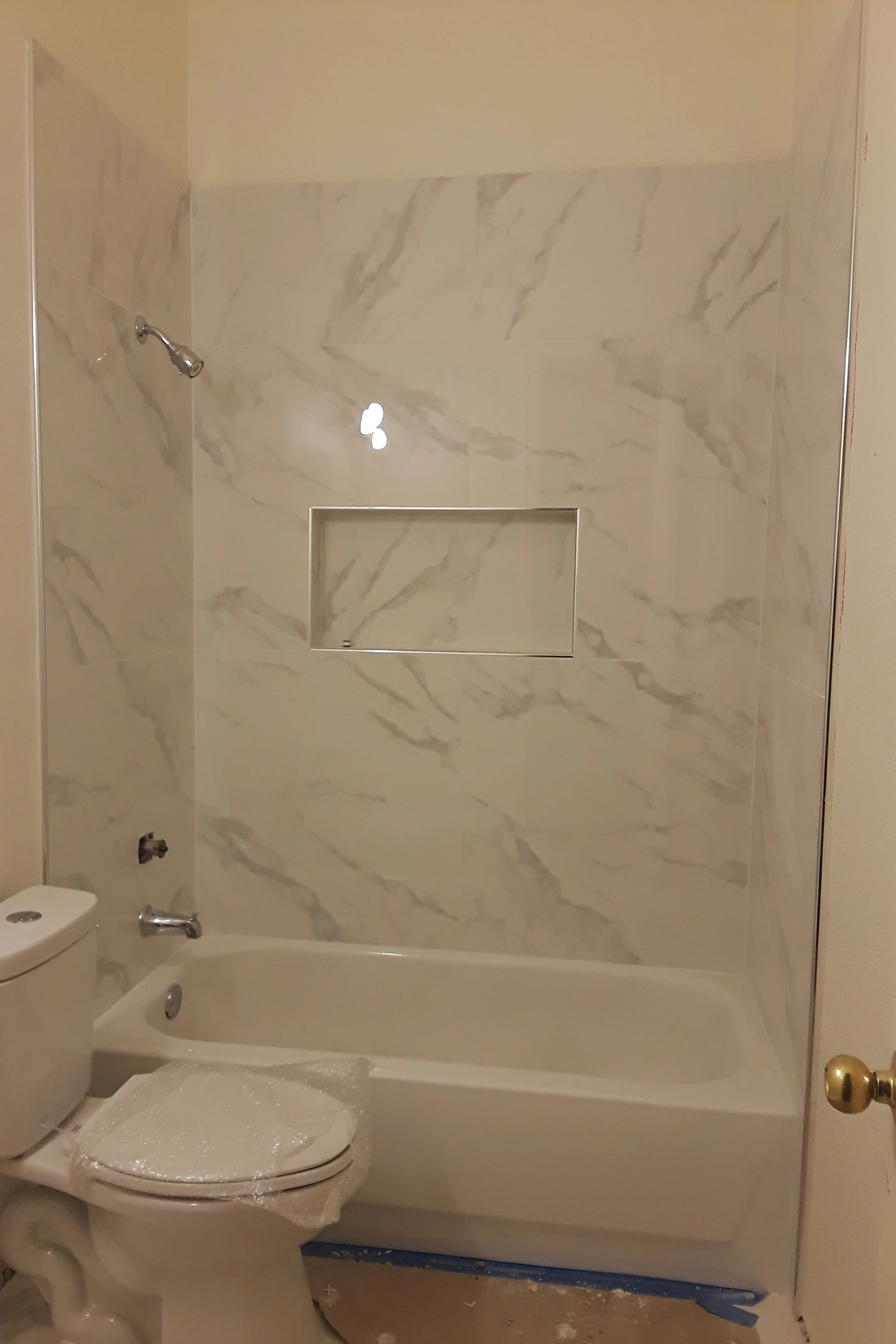
Bathrooms experience significant moisture, temperature changes and daily wear. When choosing materials, consider durability, maintenance requirements and slip resistance. Porcelain tiles, sealed stone and moisture-resistant paint are common choices.
Storage Solutions
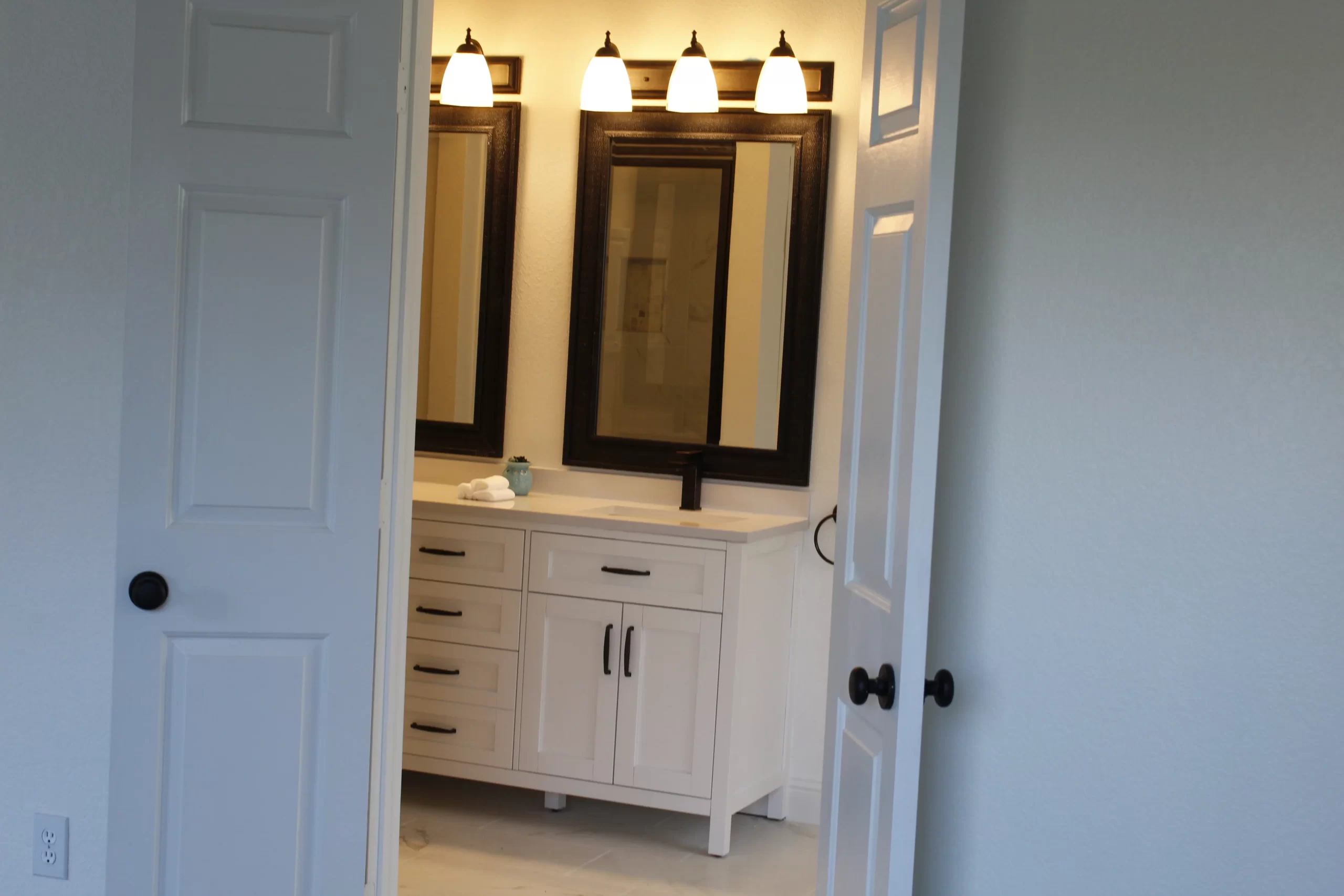
Well-designed storage enhances convenience and reduces clutter. Integrated shelving, recessed niches and vanity cabinets can add functionality without impacting layout clearances.
Lighting and Visibility
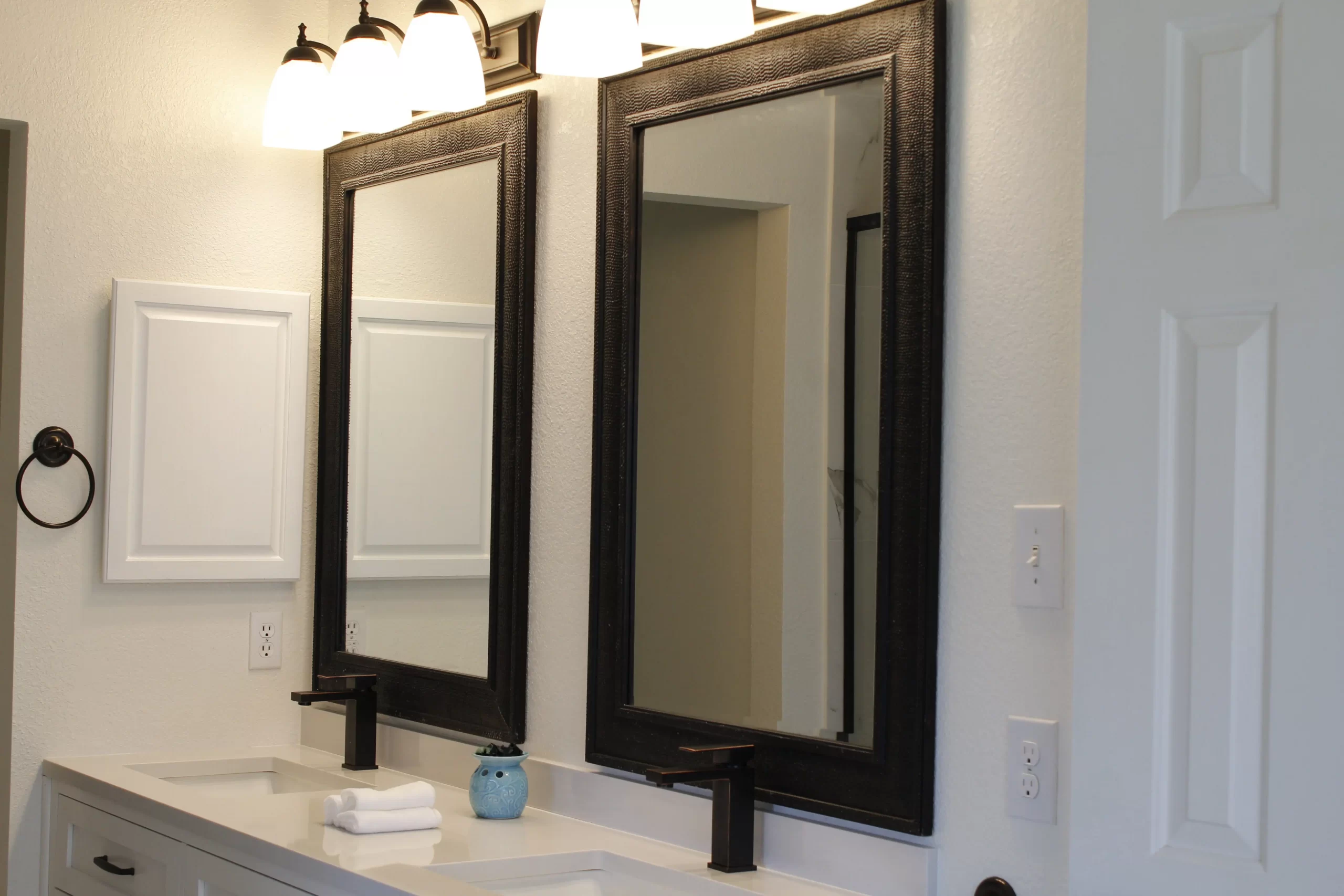
Layered lighting improves visibility and comfort. Consider a combination of ambient, task and accent lighting. Proper placement around mirrors enhances usability during grooming activities.
Mistakes to Avoid During Bathroom Remodeling
A thoughtful remodeling approach helps avoid common issues that lead to delays or increased costs.
Starting Work Without Permits
Failing to obtain required permits can result in fines, forced removal of completed work or problems during future home sales. Always confirm permit needs before beginning construction.
Overlooking Moisture Prevention
Improper waterproofing can lead to long-term structural damage. Ensure that showers, floors and walls are adequately sealed and that the ventilation system is functioning properly.
Ignoring Electrical Load Limits
Older homes may require electrical panel upgrades. Failing to address this can cause circuit overloads or limit the ability to add new appliances or lighting.
Choosing Materials Based Only on Appearance
Aesthetic appeal is important, but durability and maintenance requirements should also guide material choices.
How to Prepare Your Home for a Remodeling Project
Preparation can reduce disruption and contribute to a smoother process.
Steps to Take Before Work Begins
- Clear the bathroom of personal items and accessories
- Create temporary alternatives for daily routines if you have only one bathroom
- Discuss noise, dust control and access with your contractor
- Budget additional time for inspections and adjustments
Good communication ensures a more predictable remodeling experience.