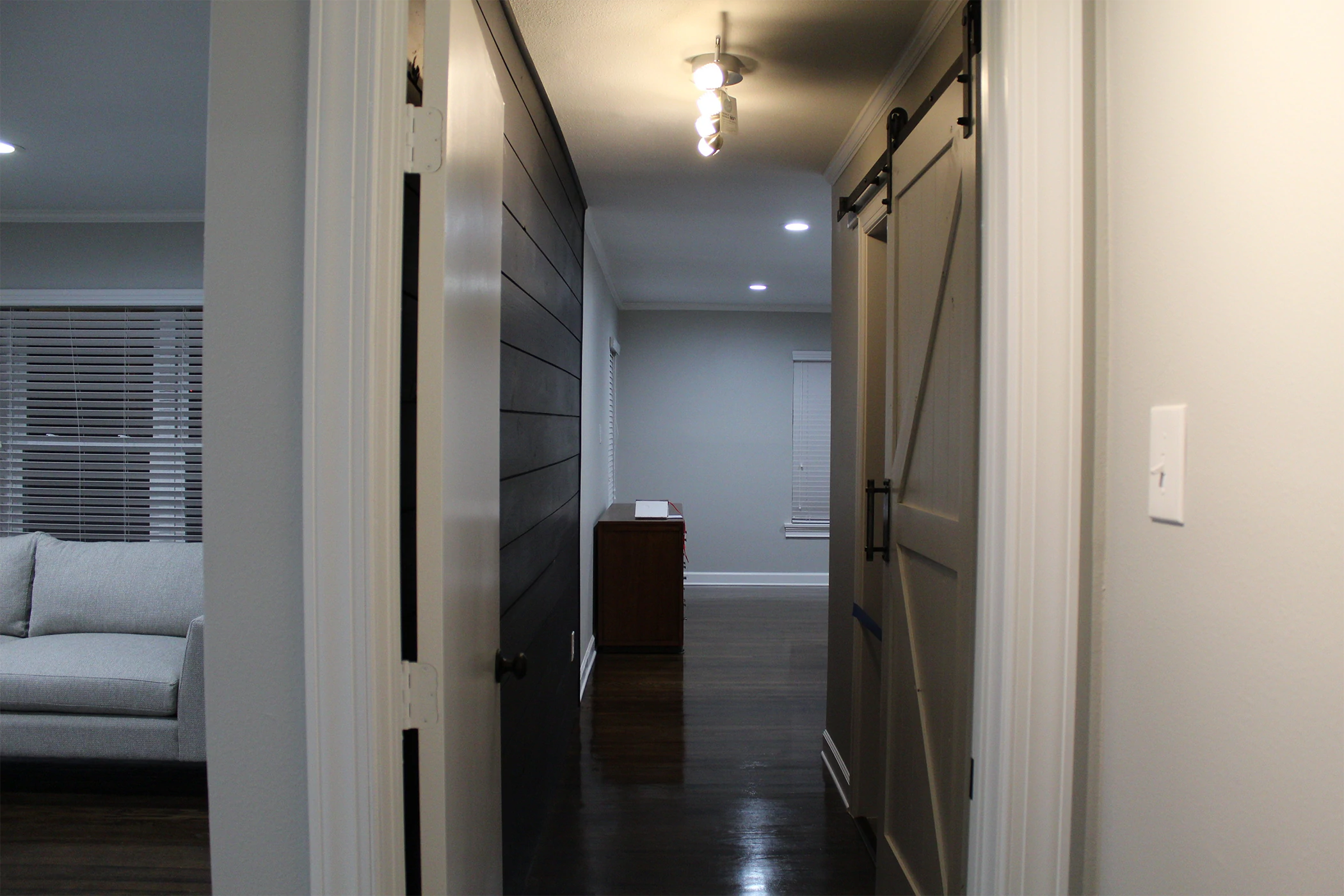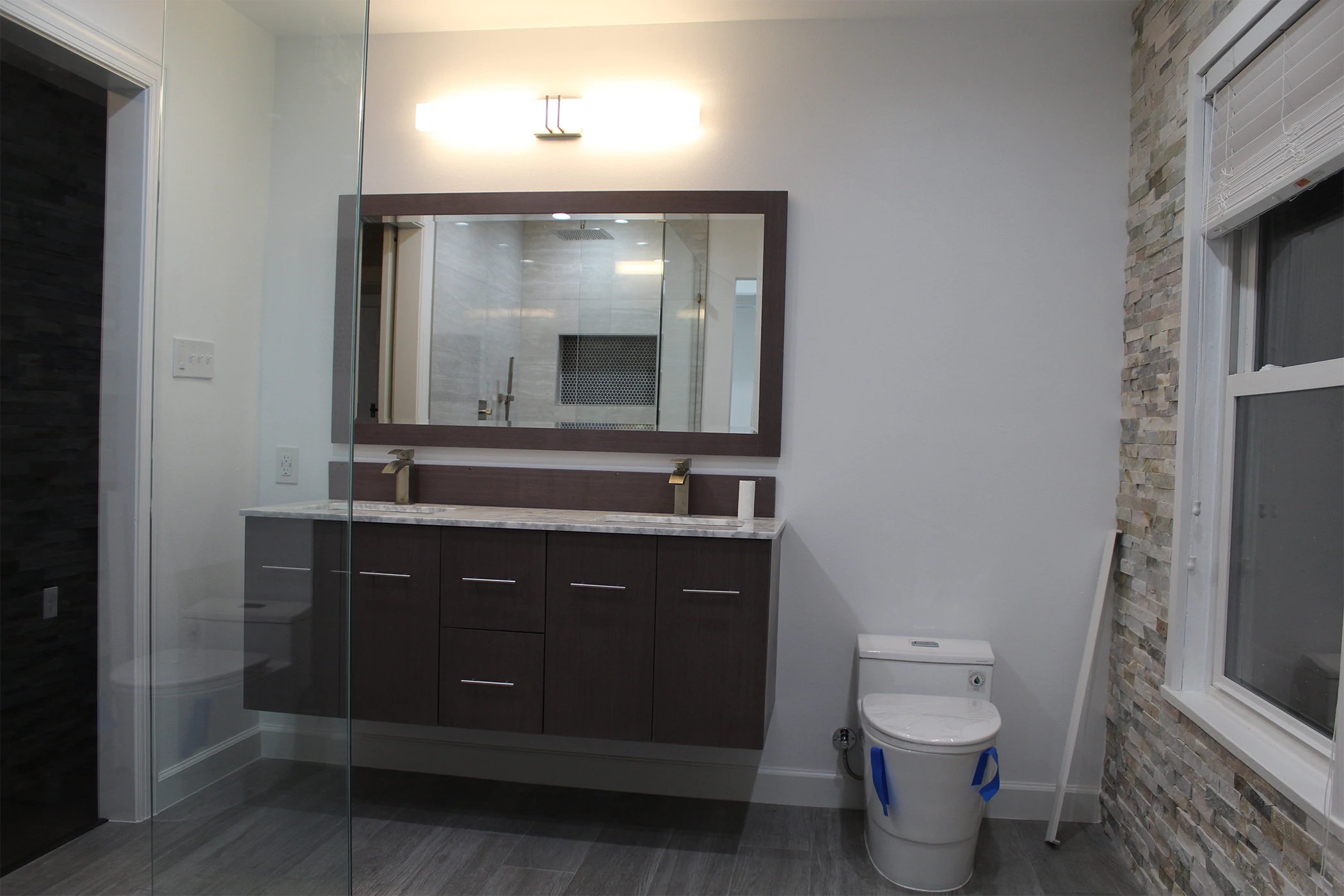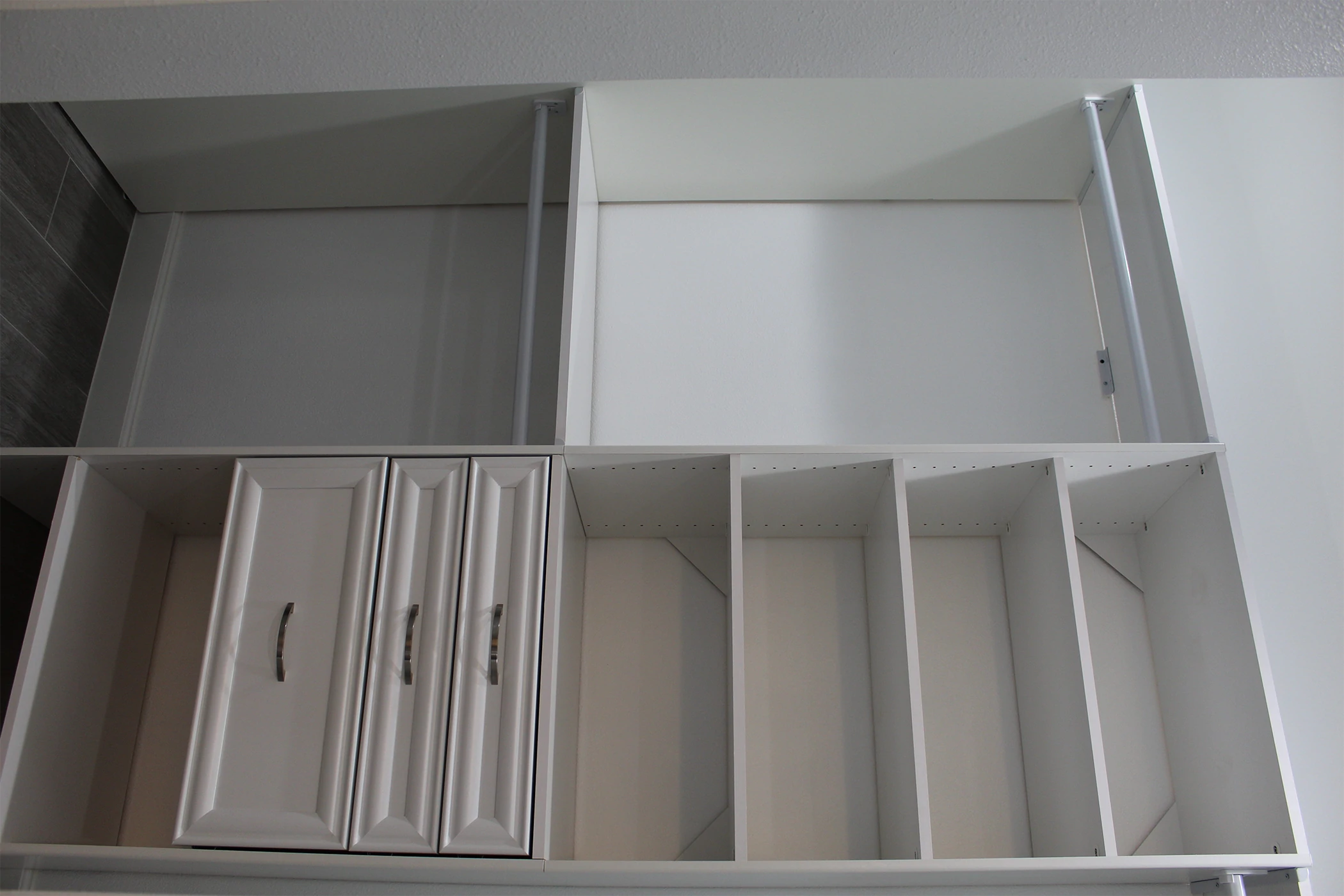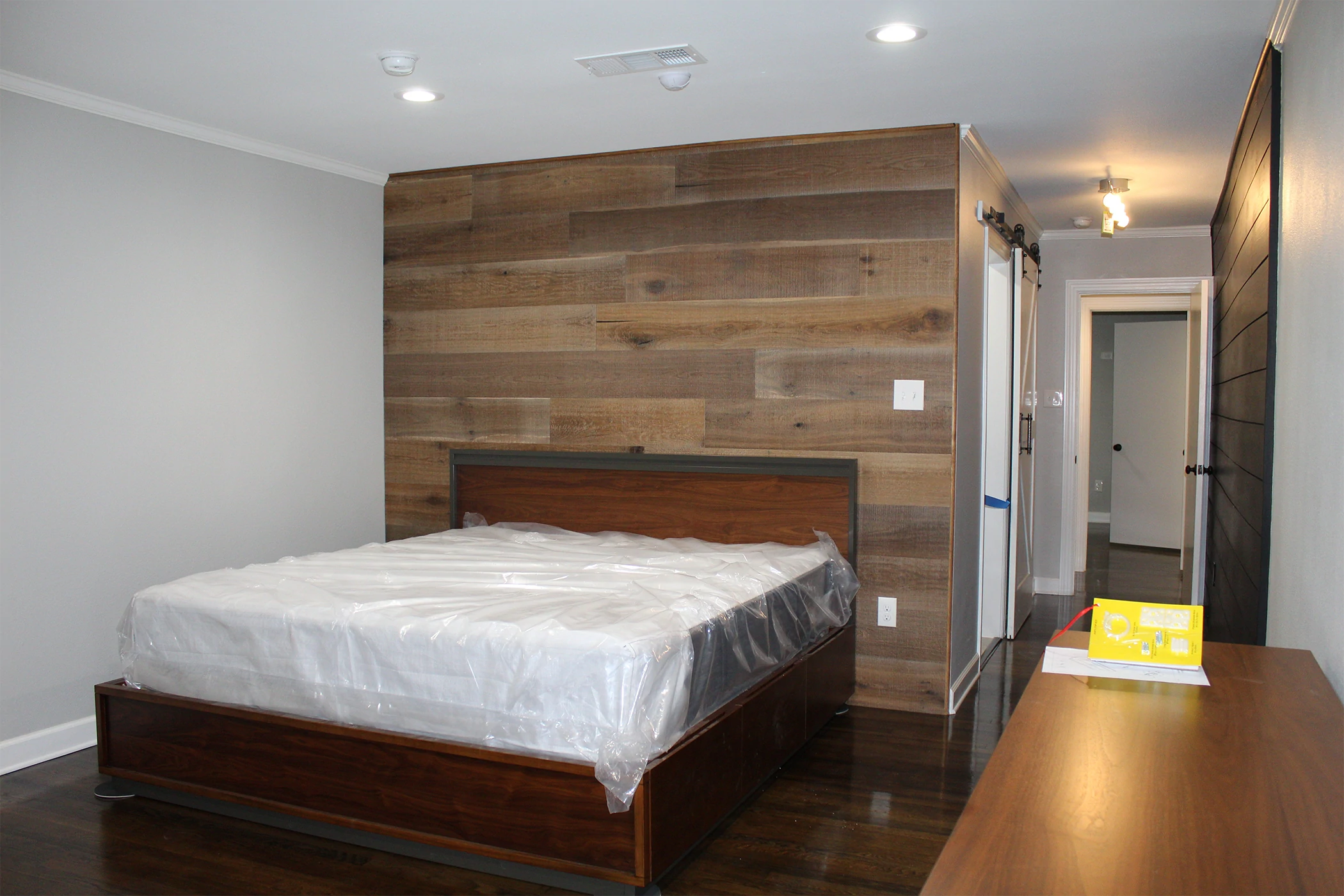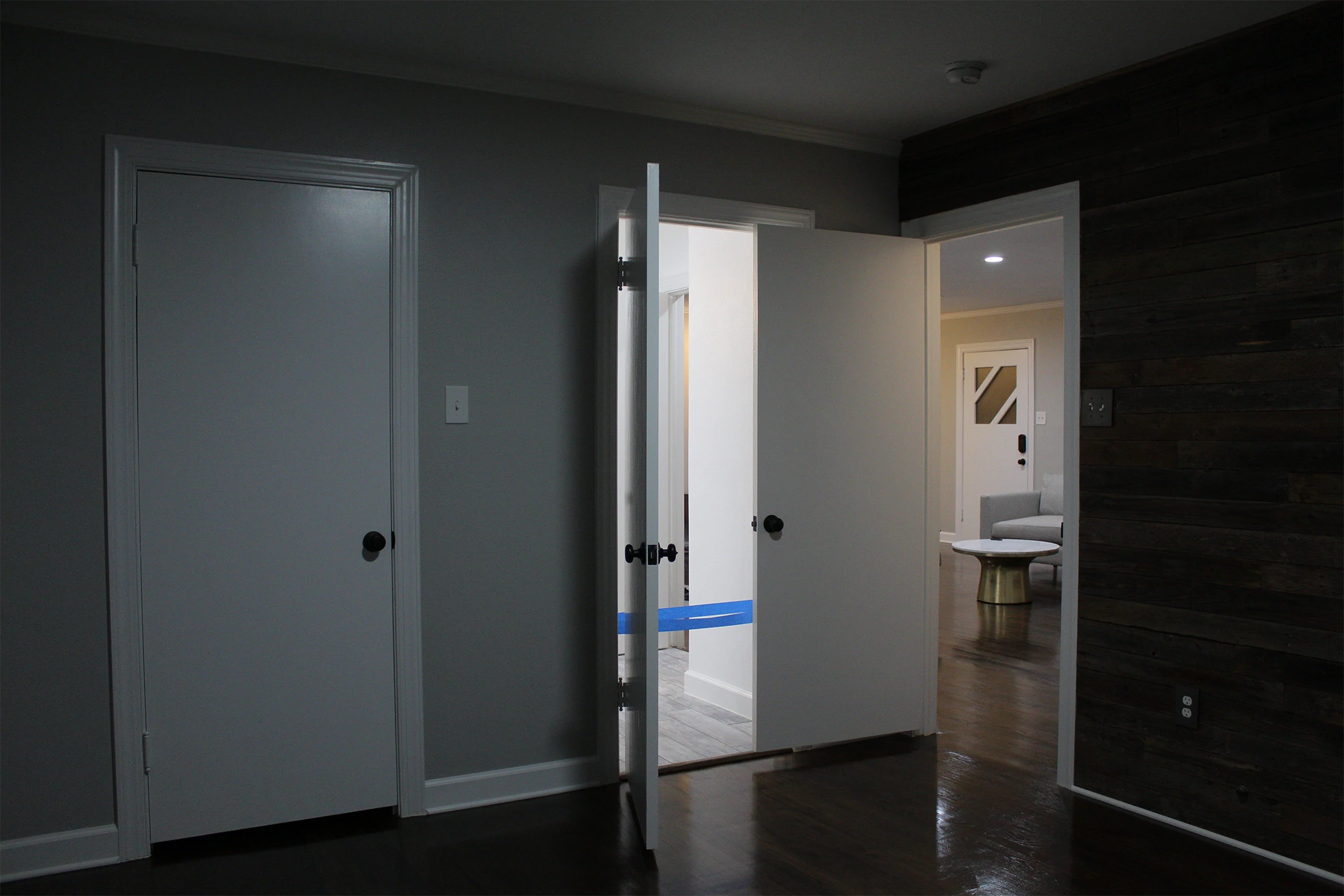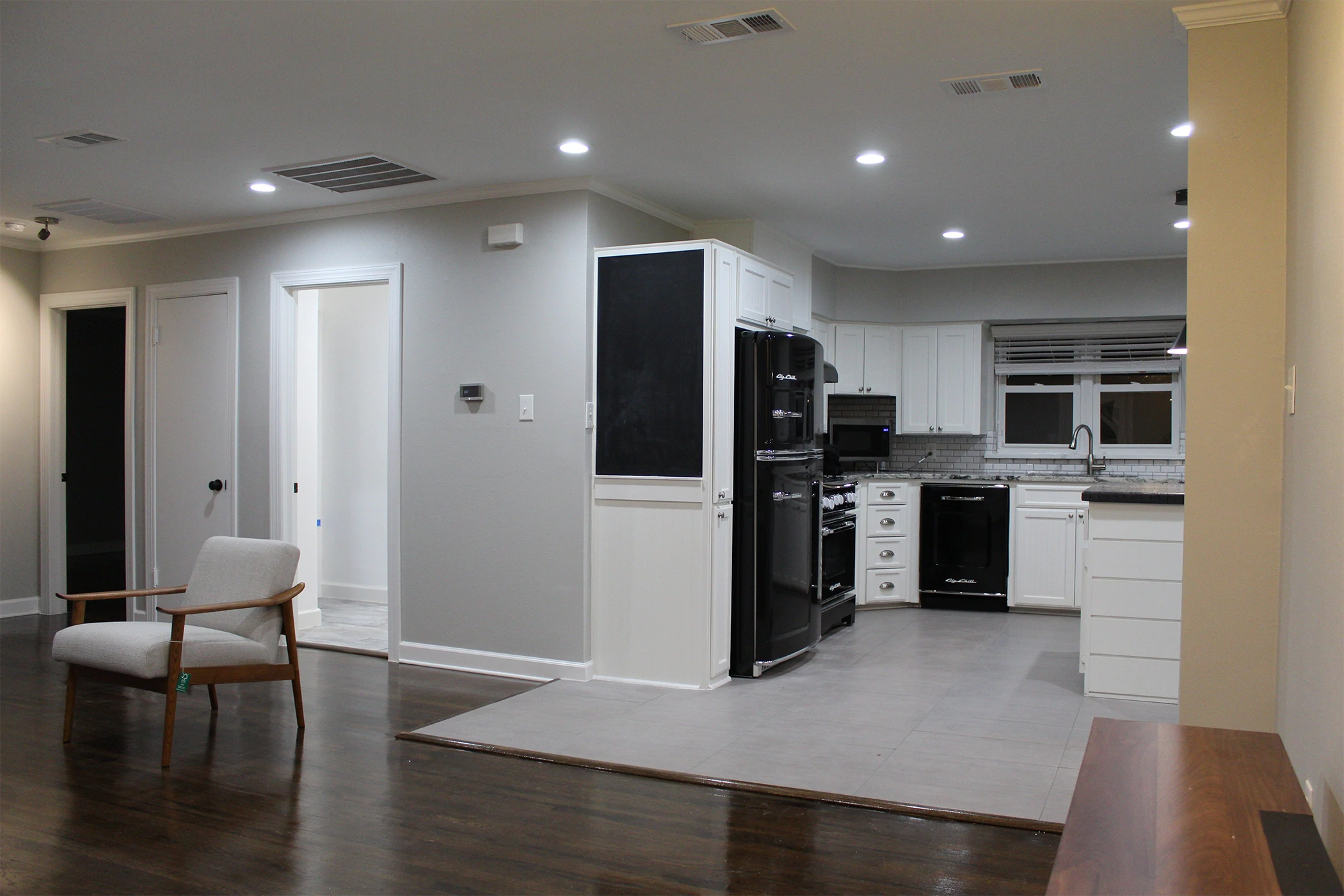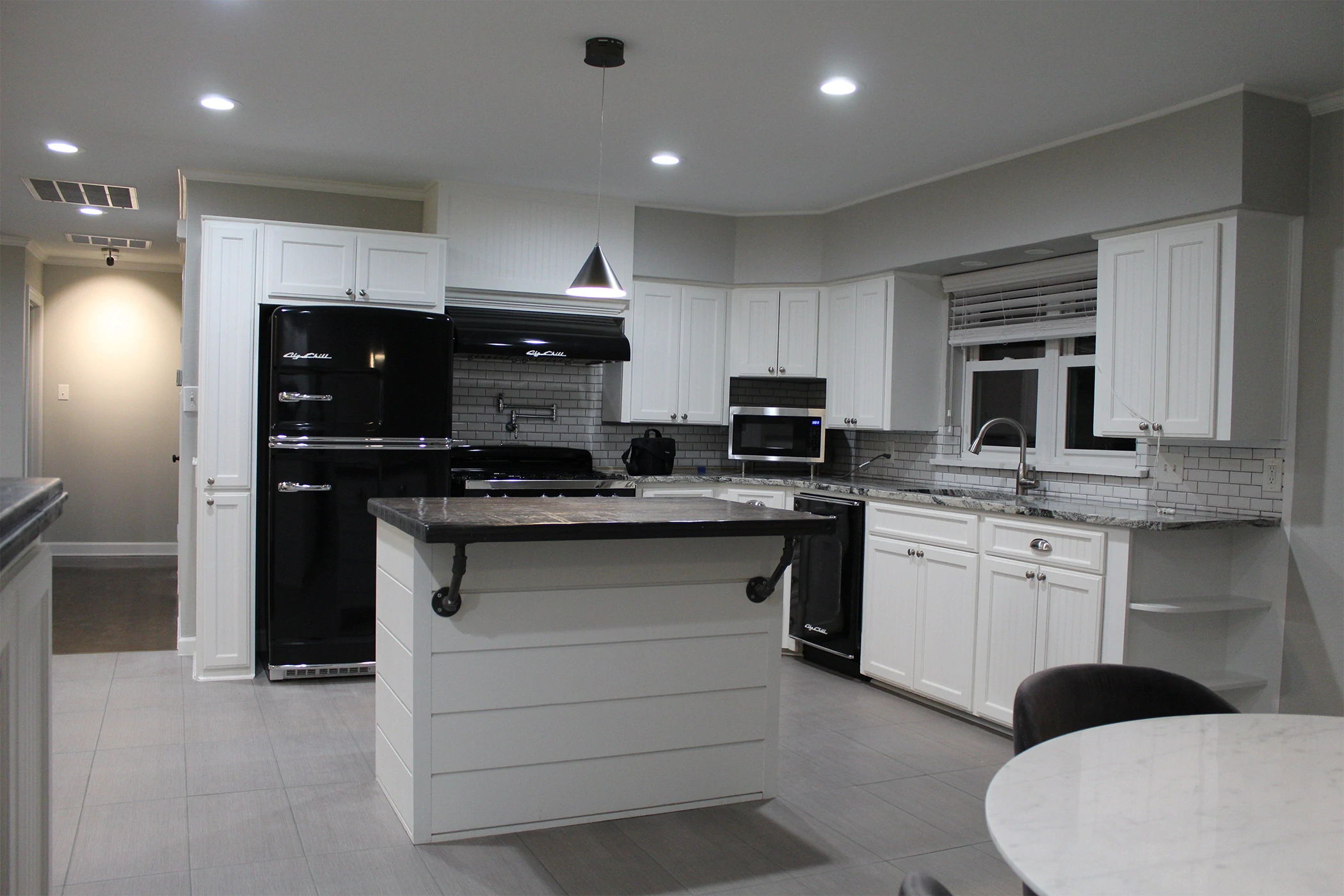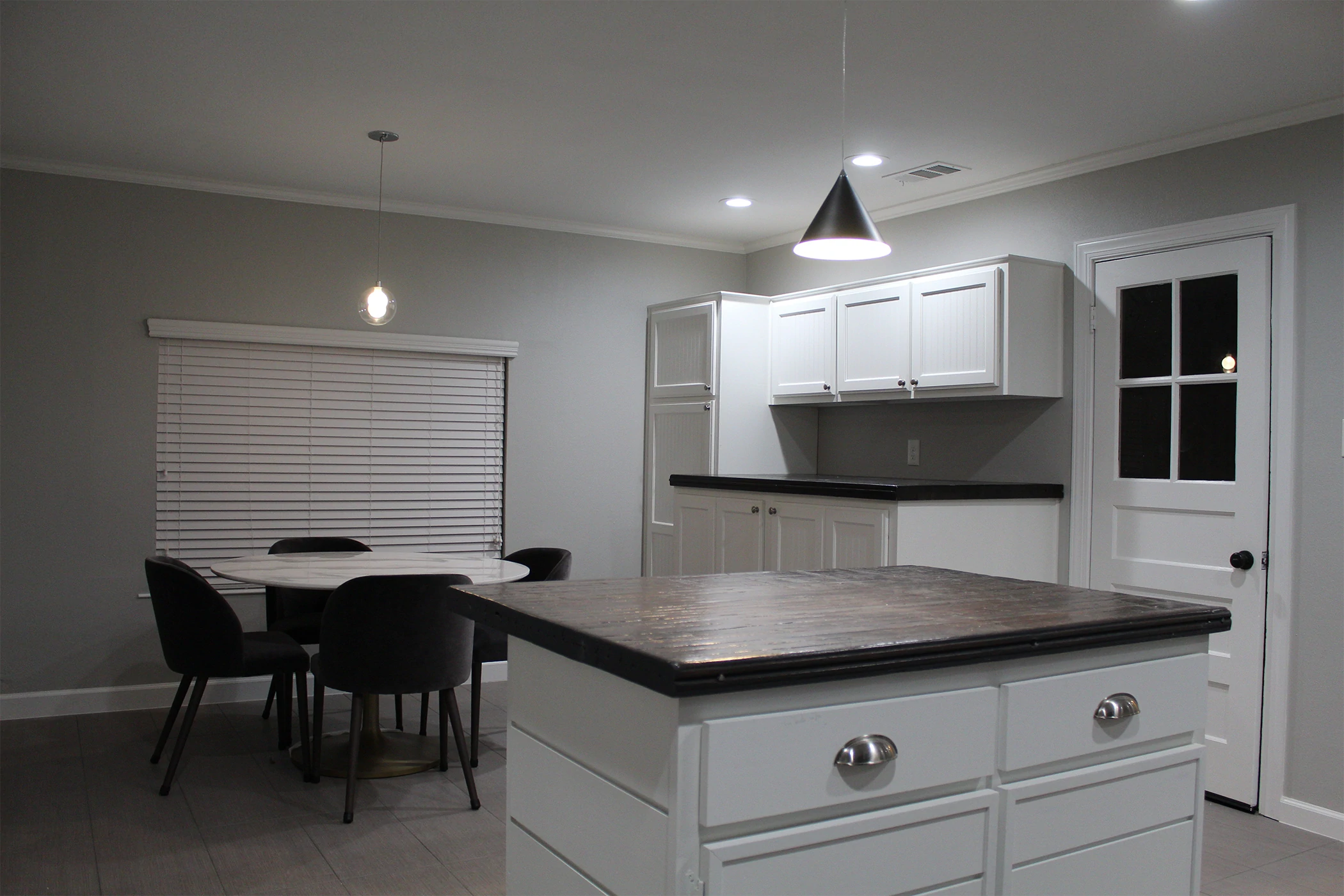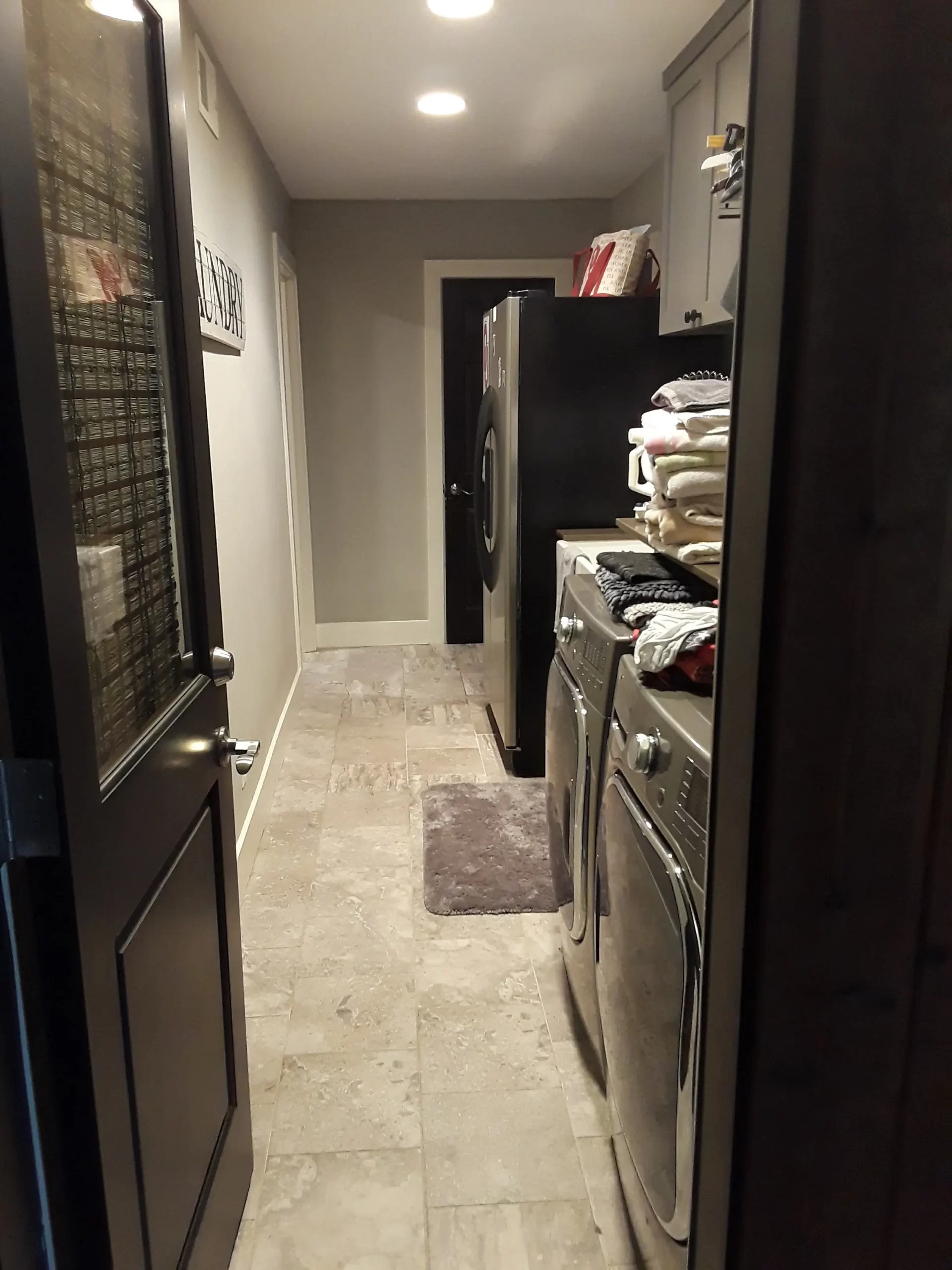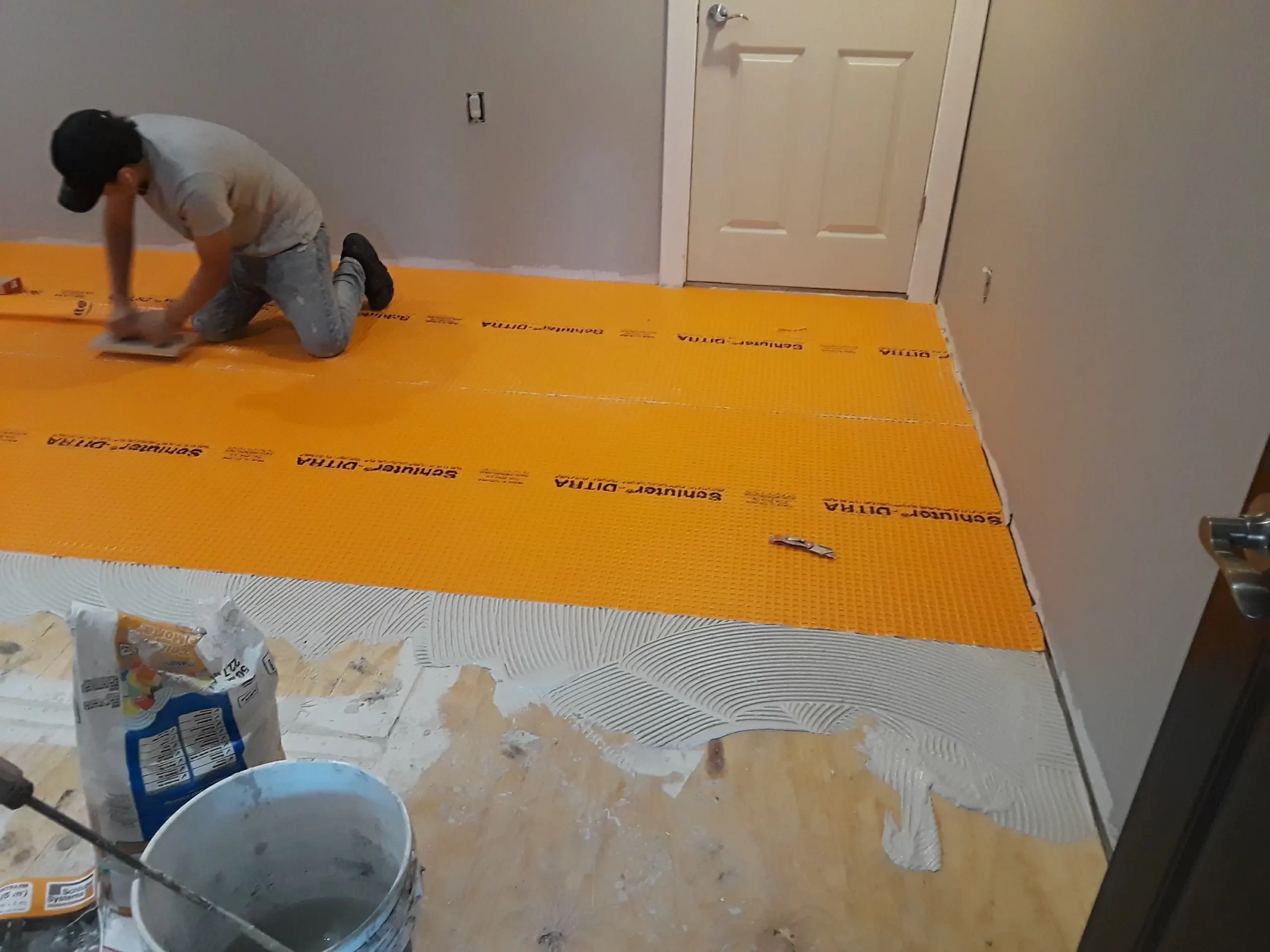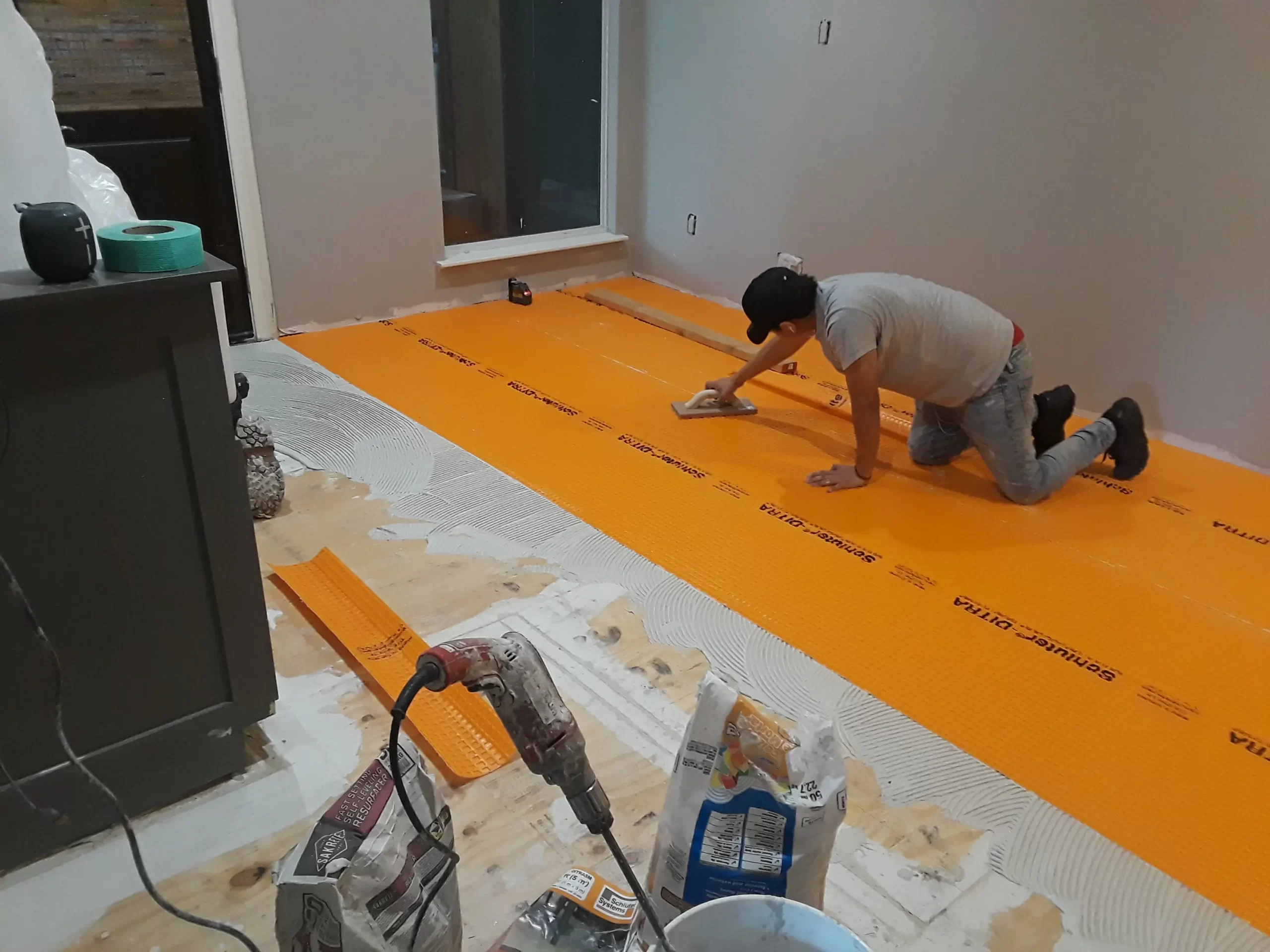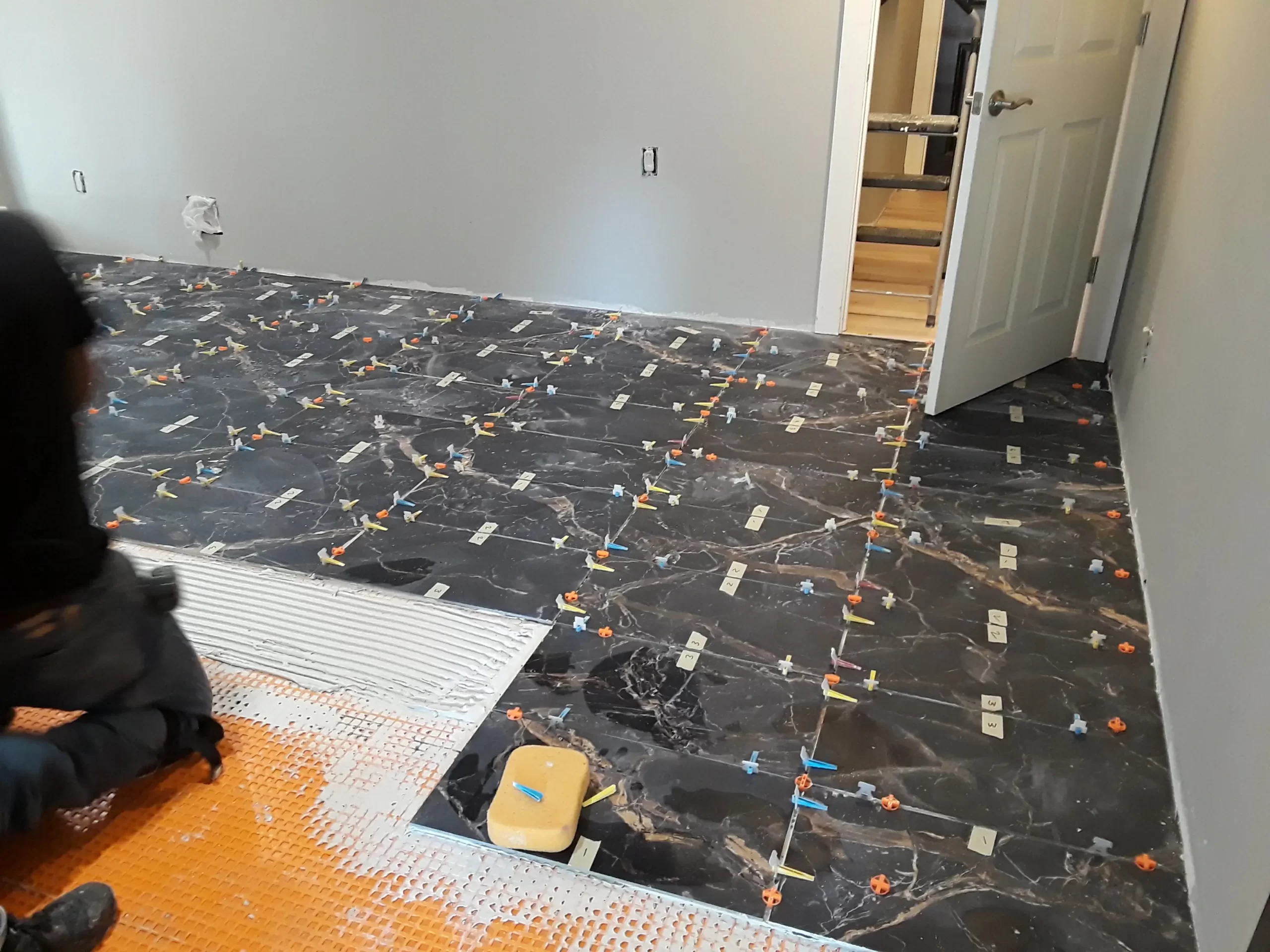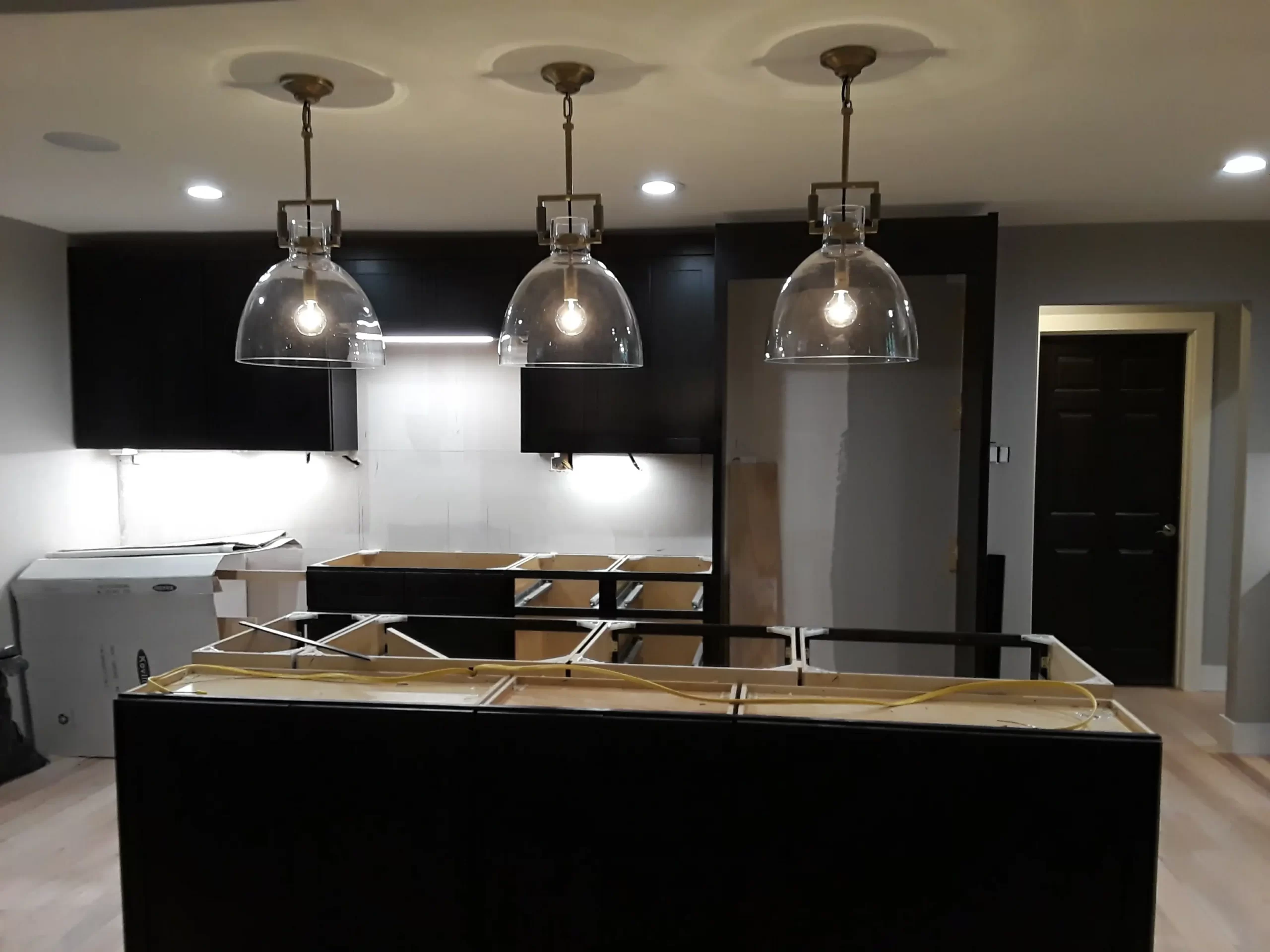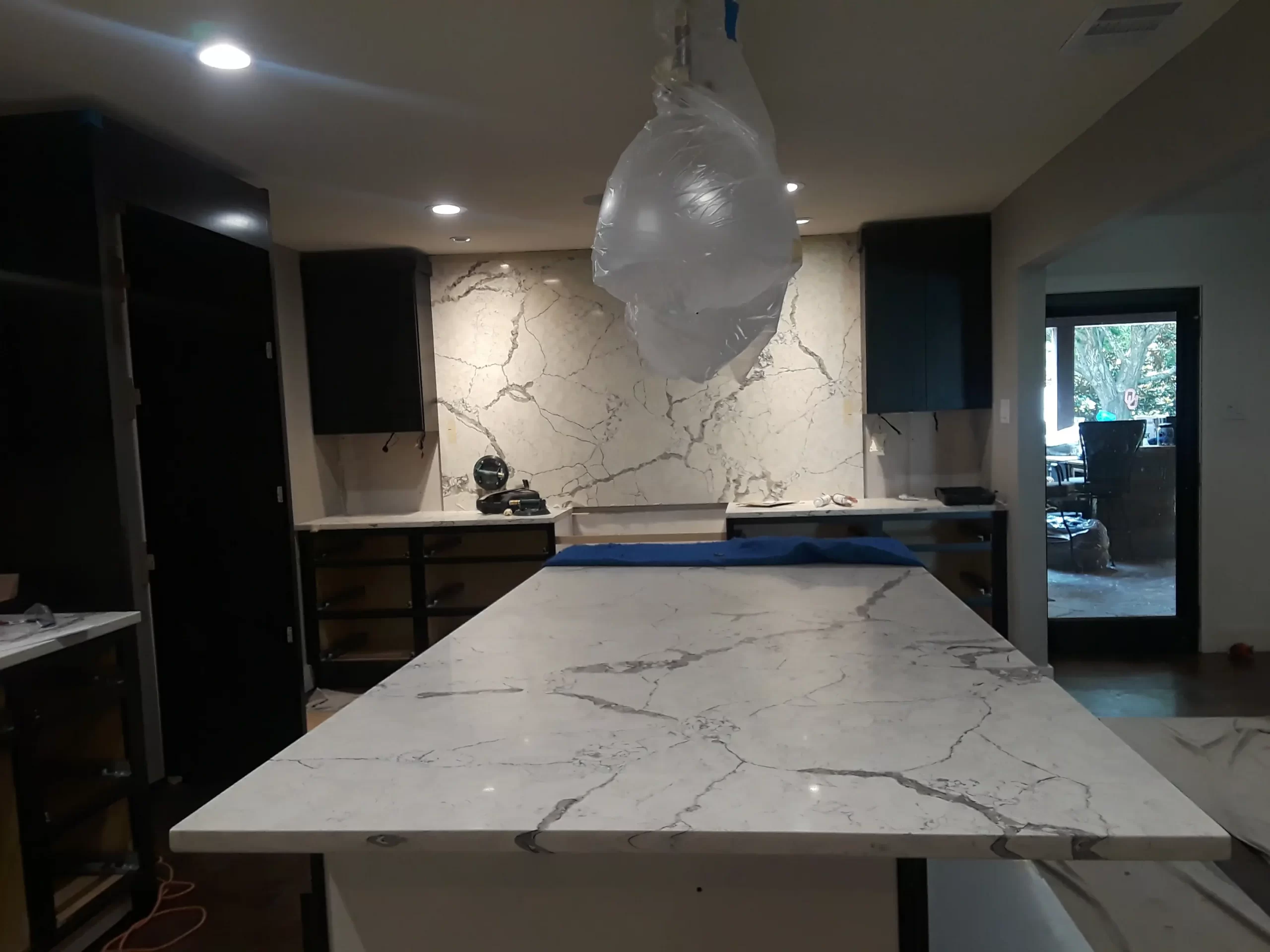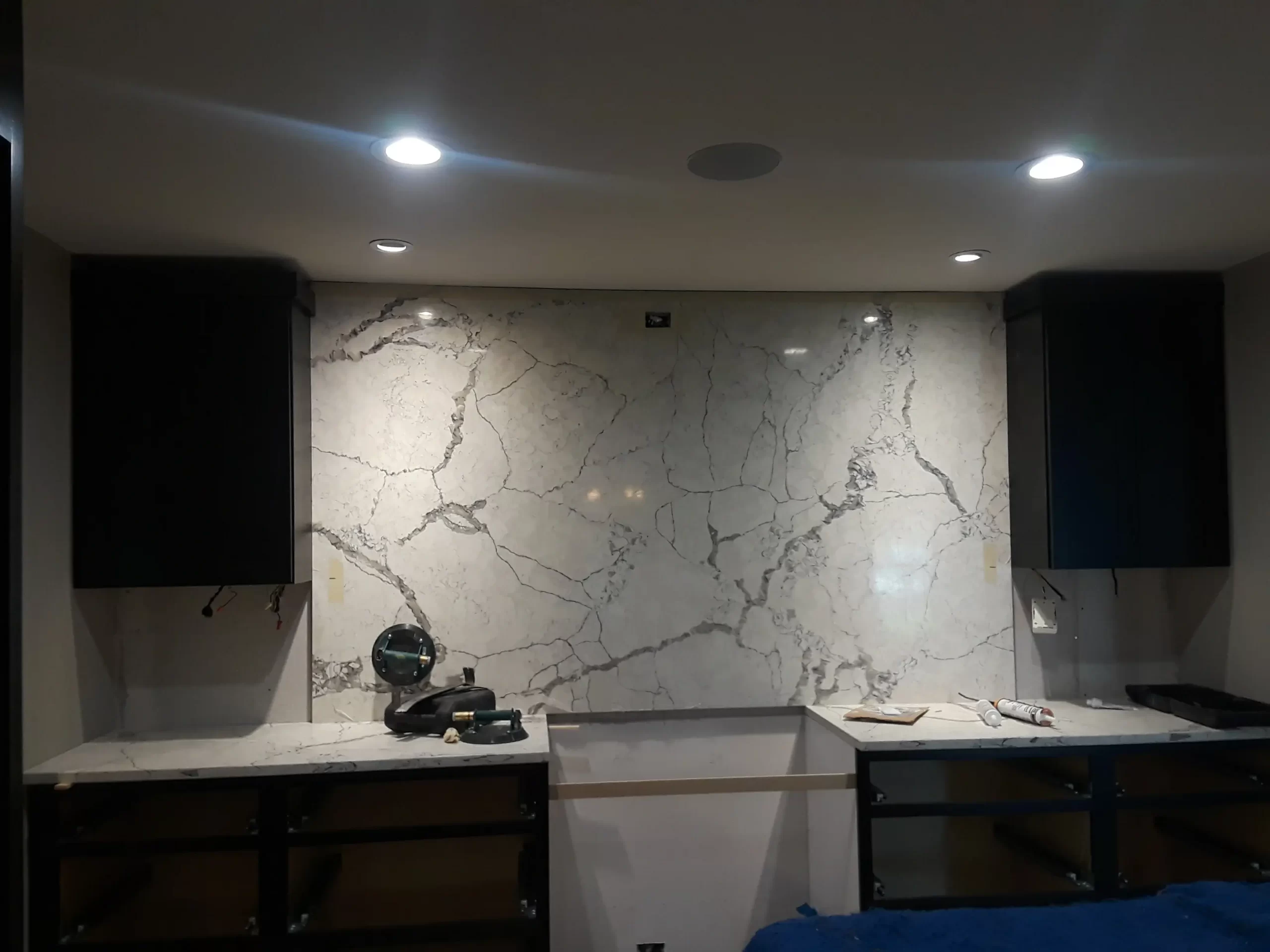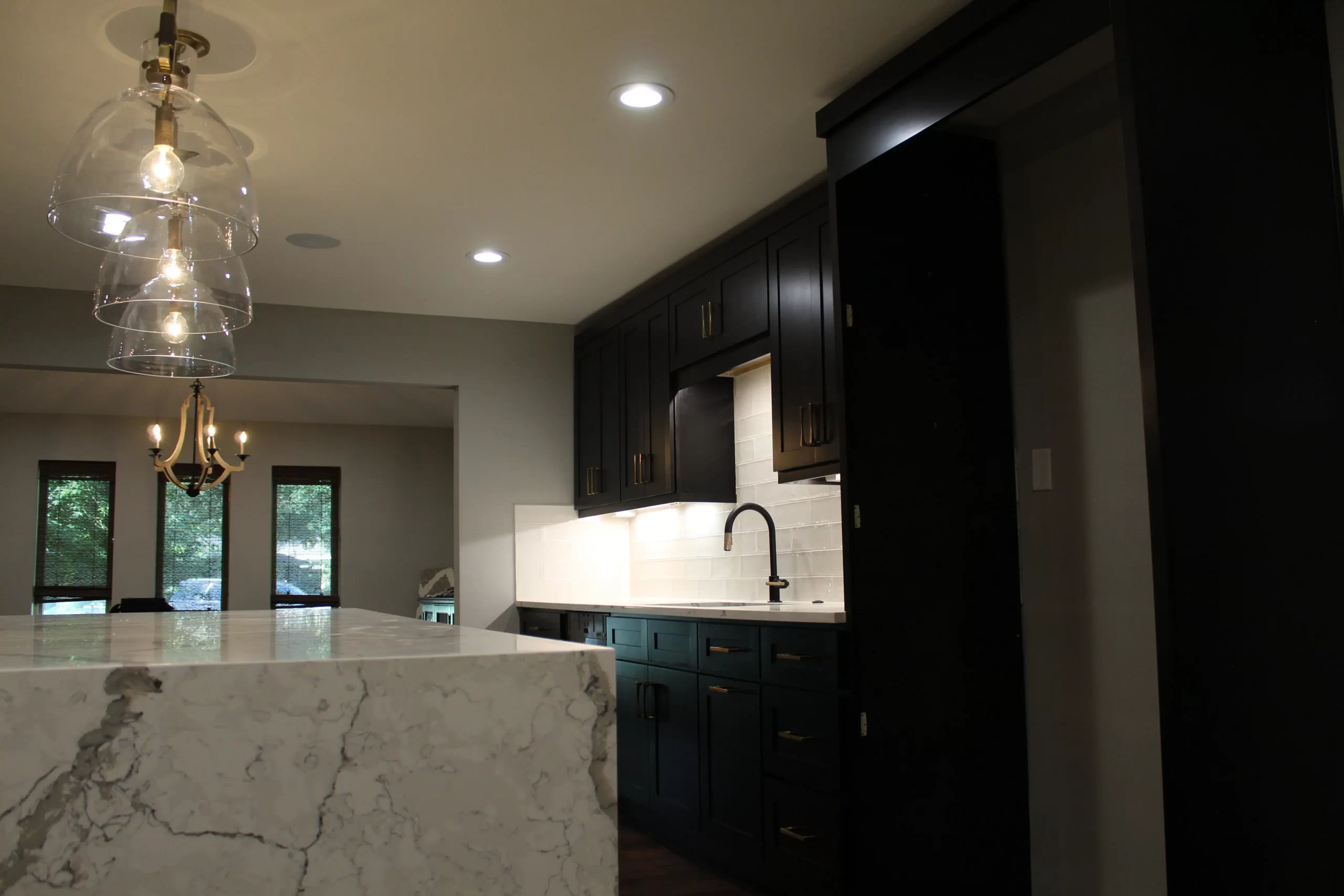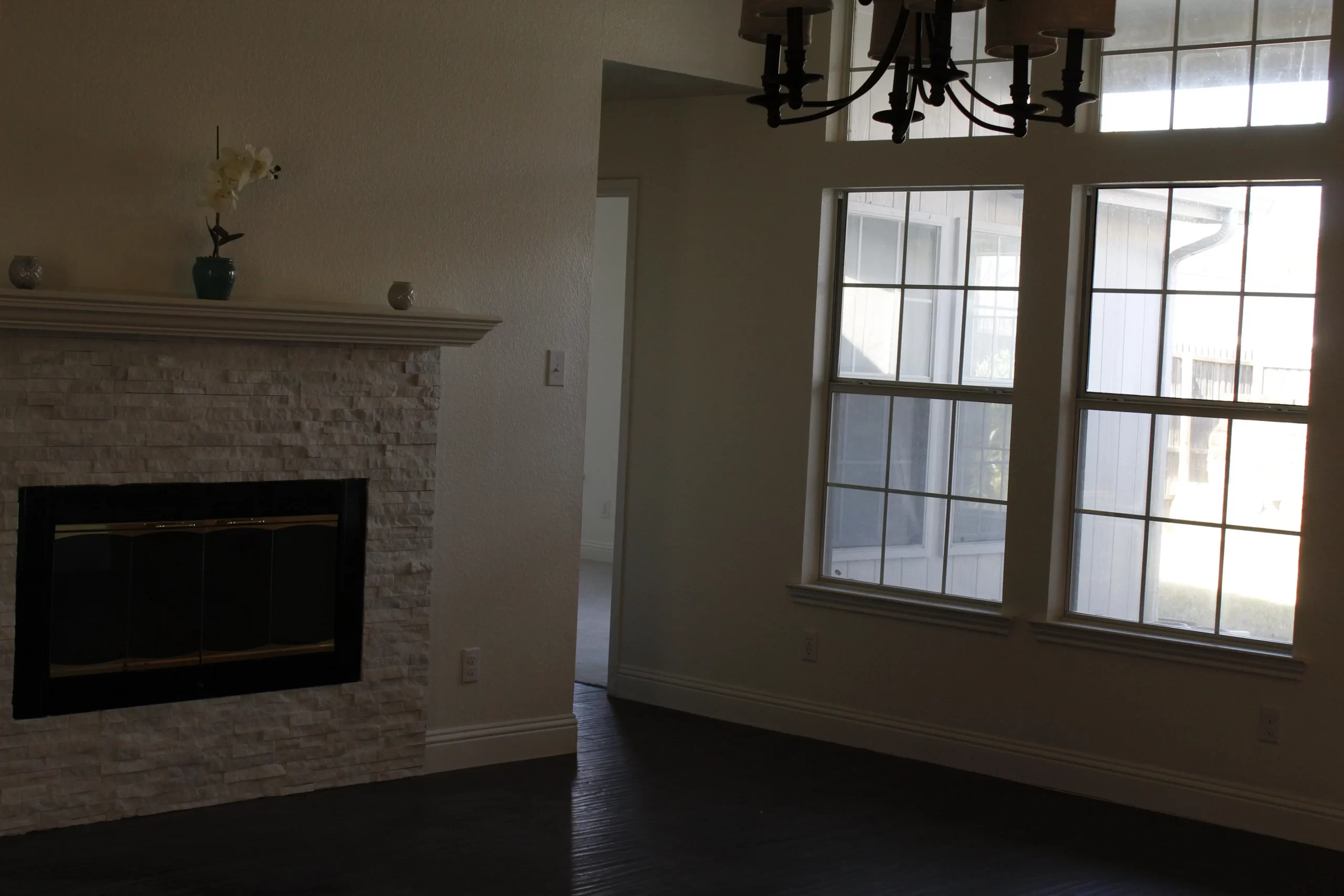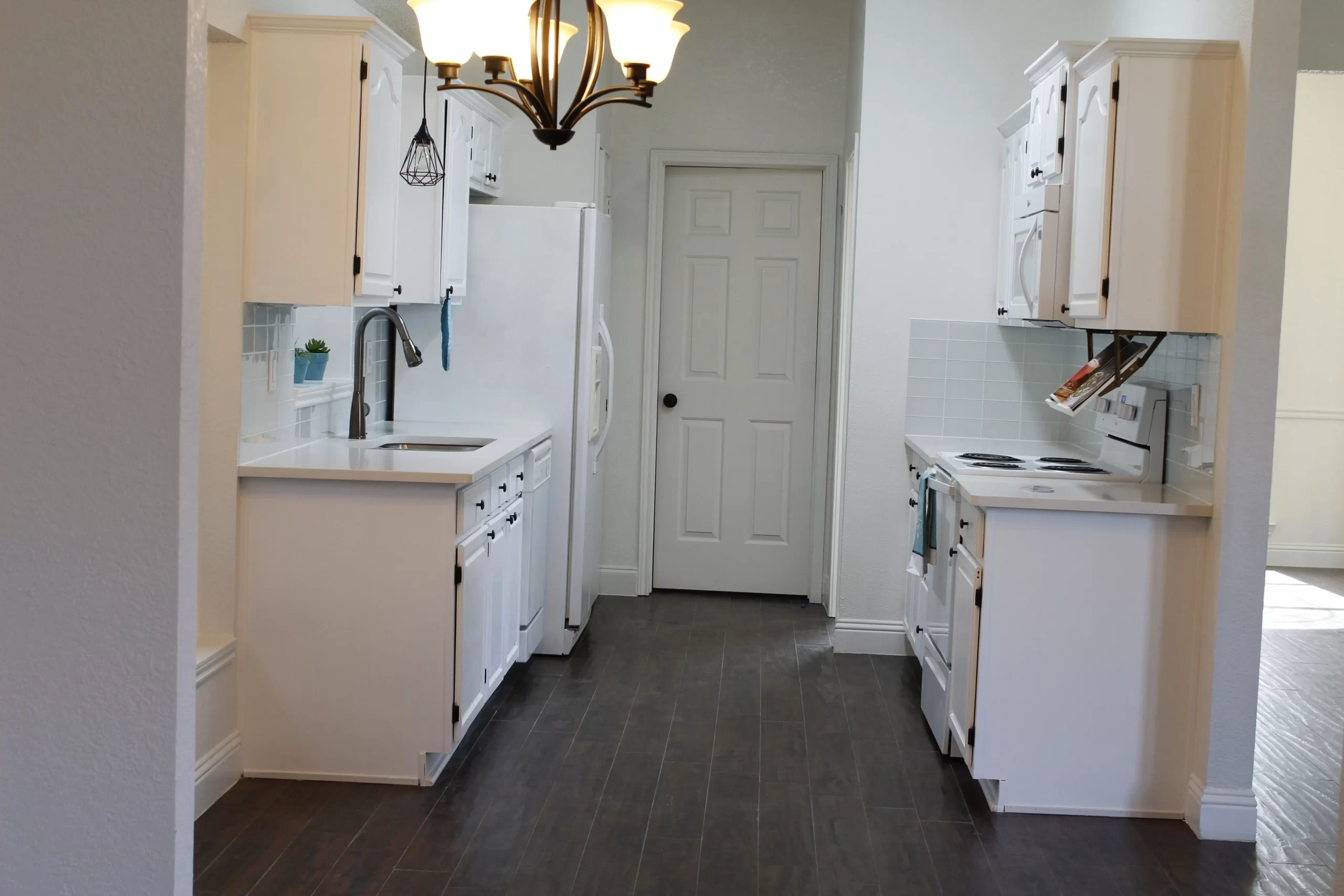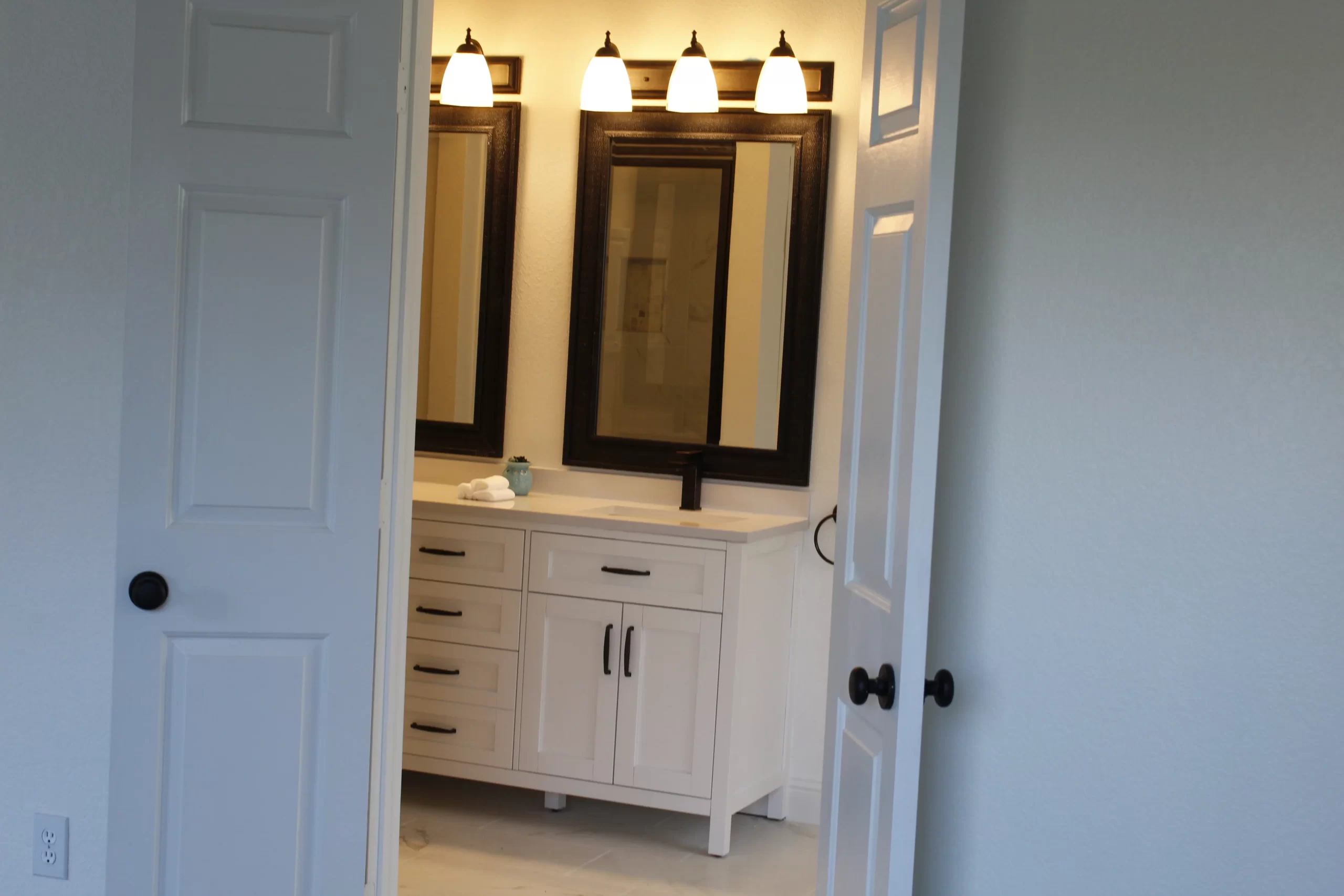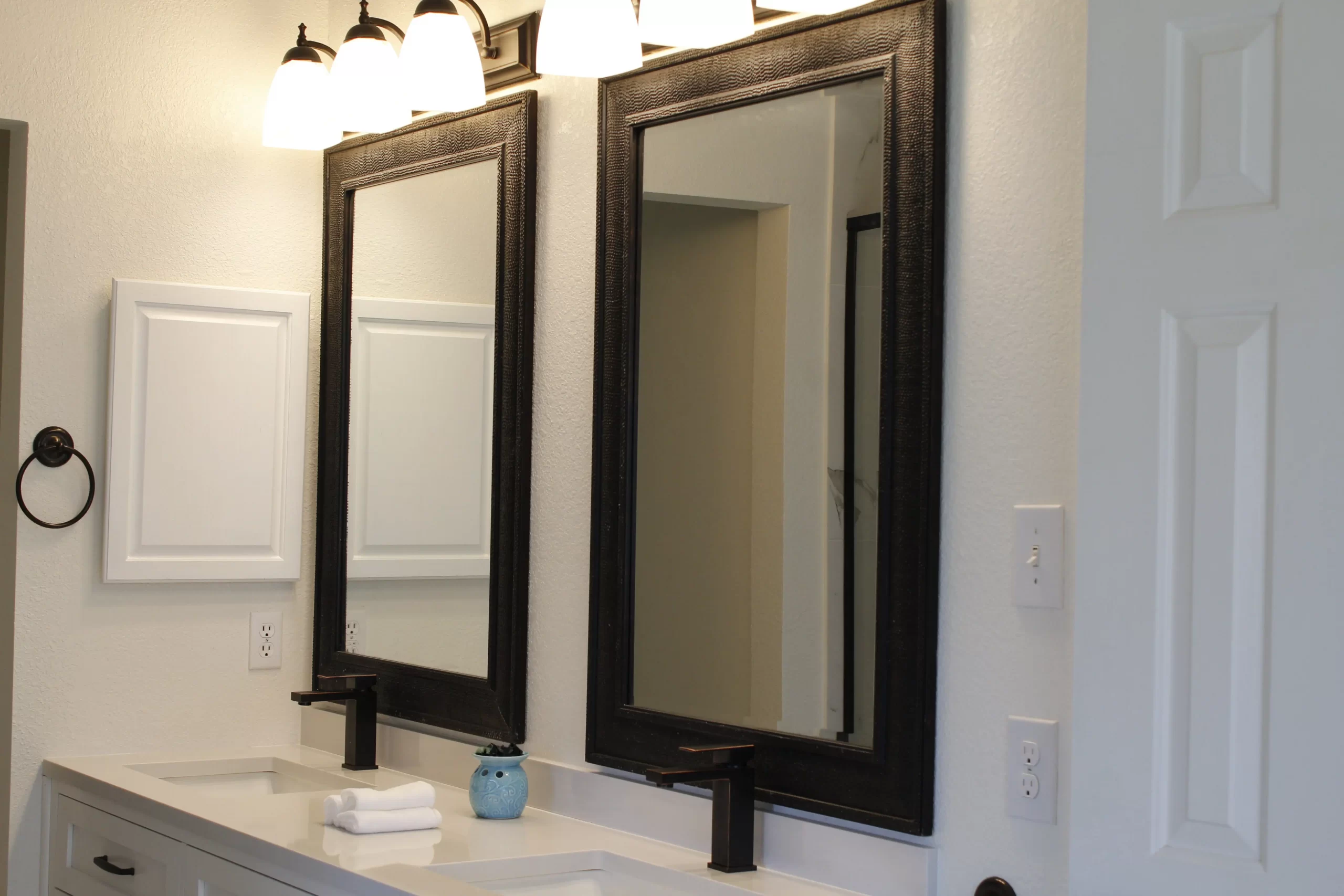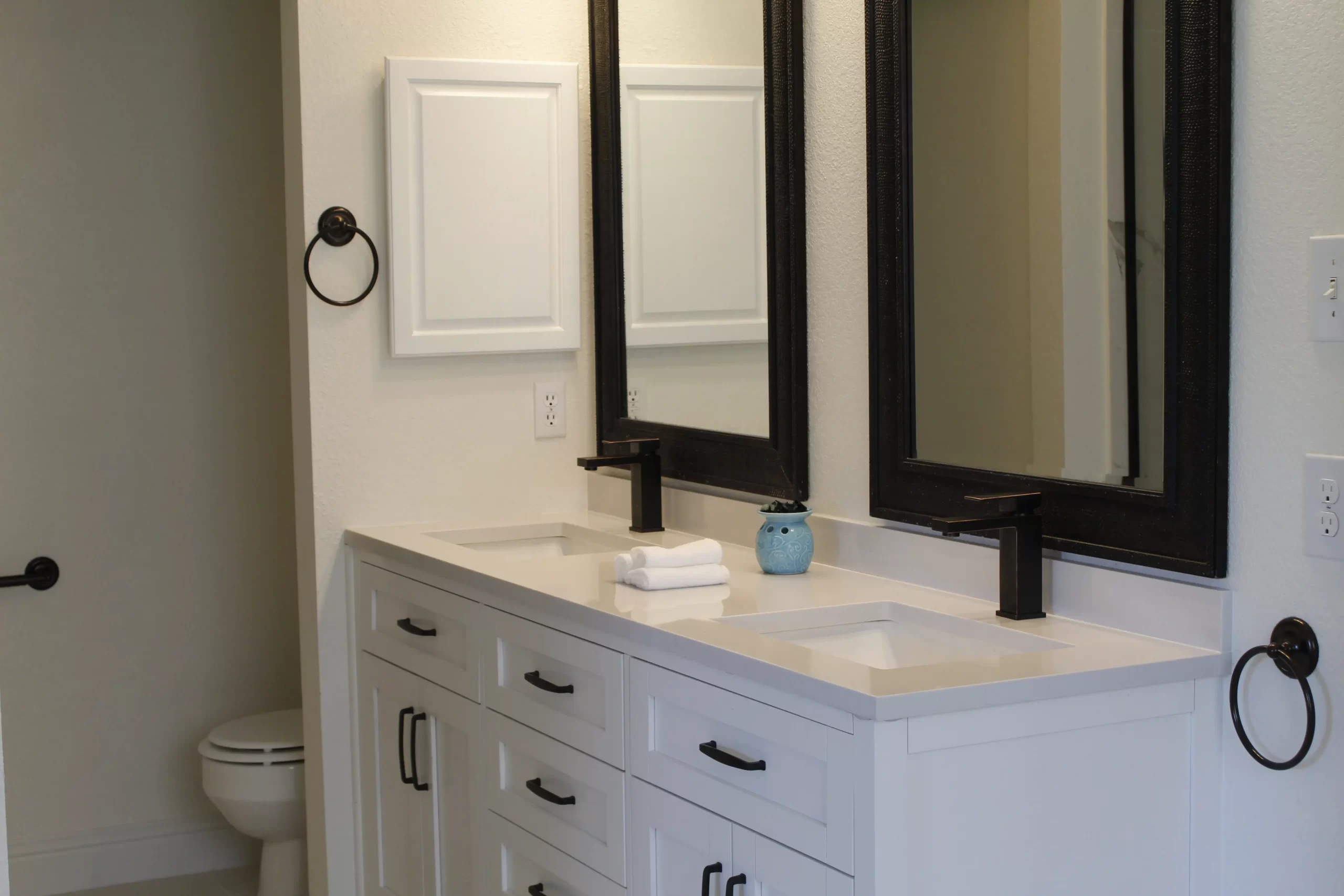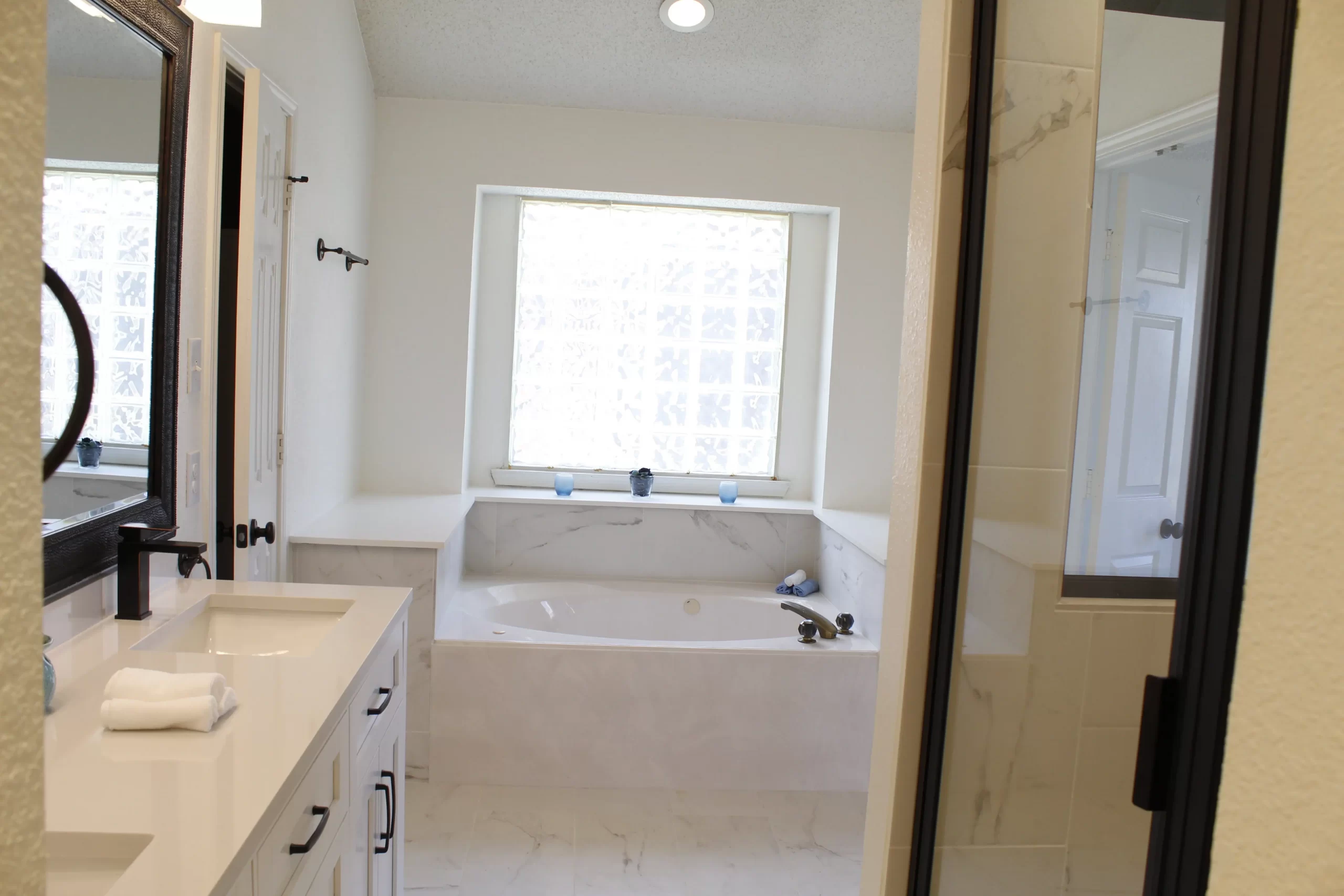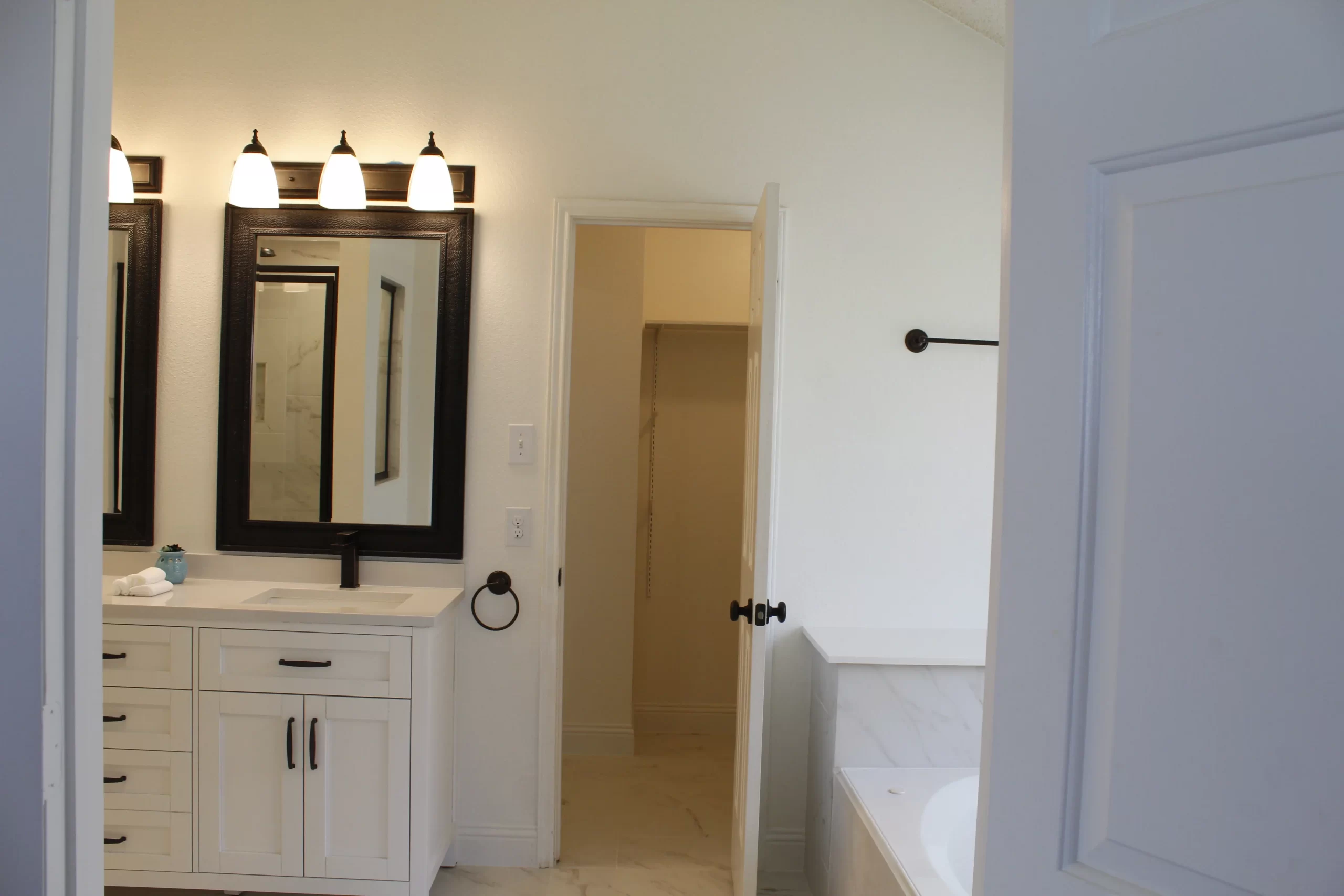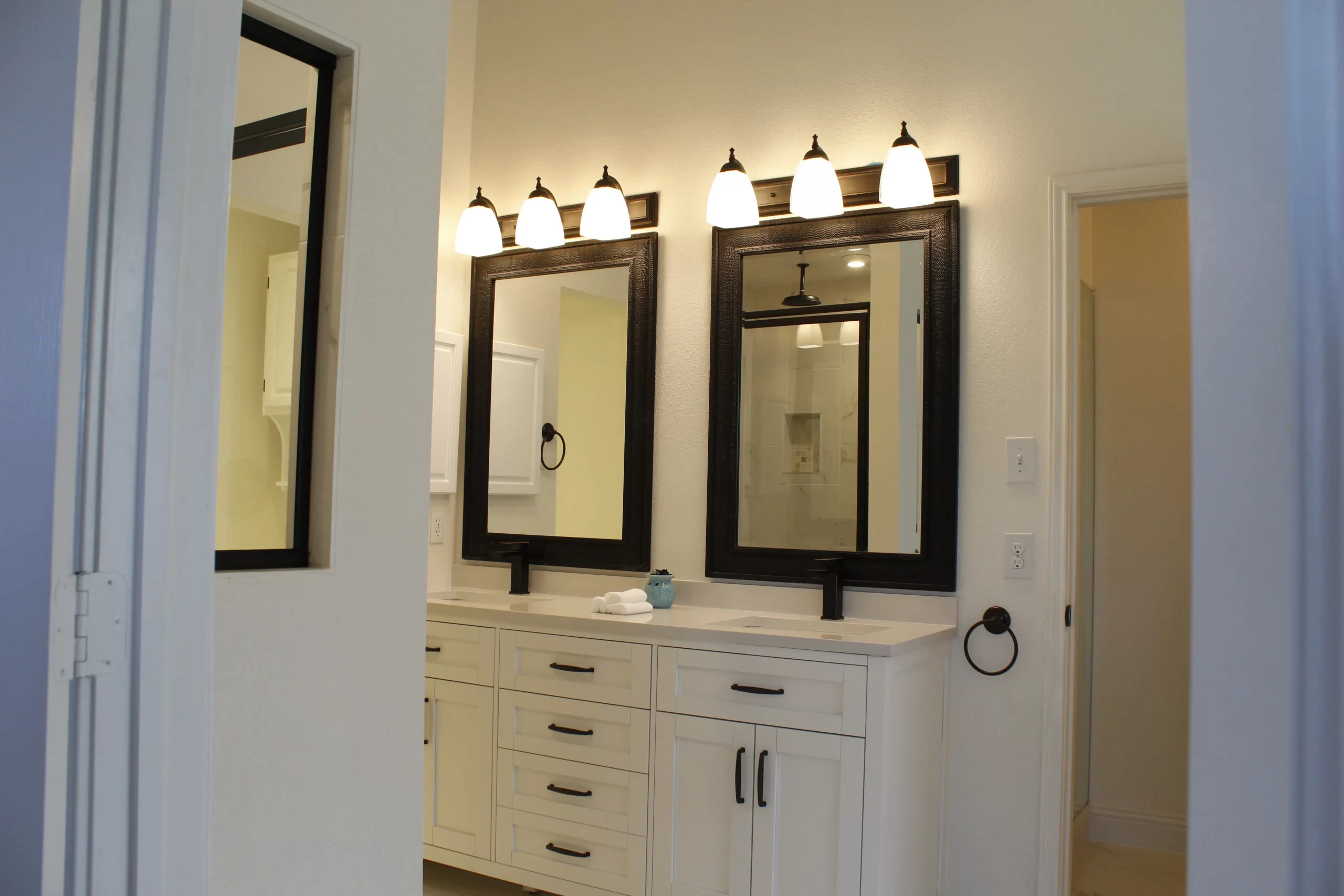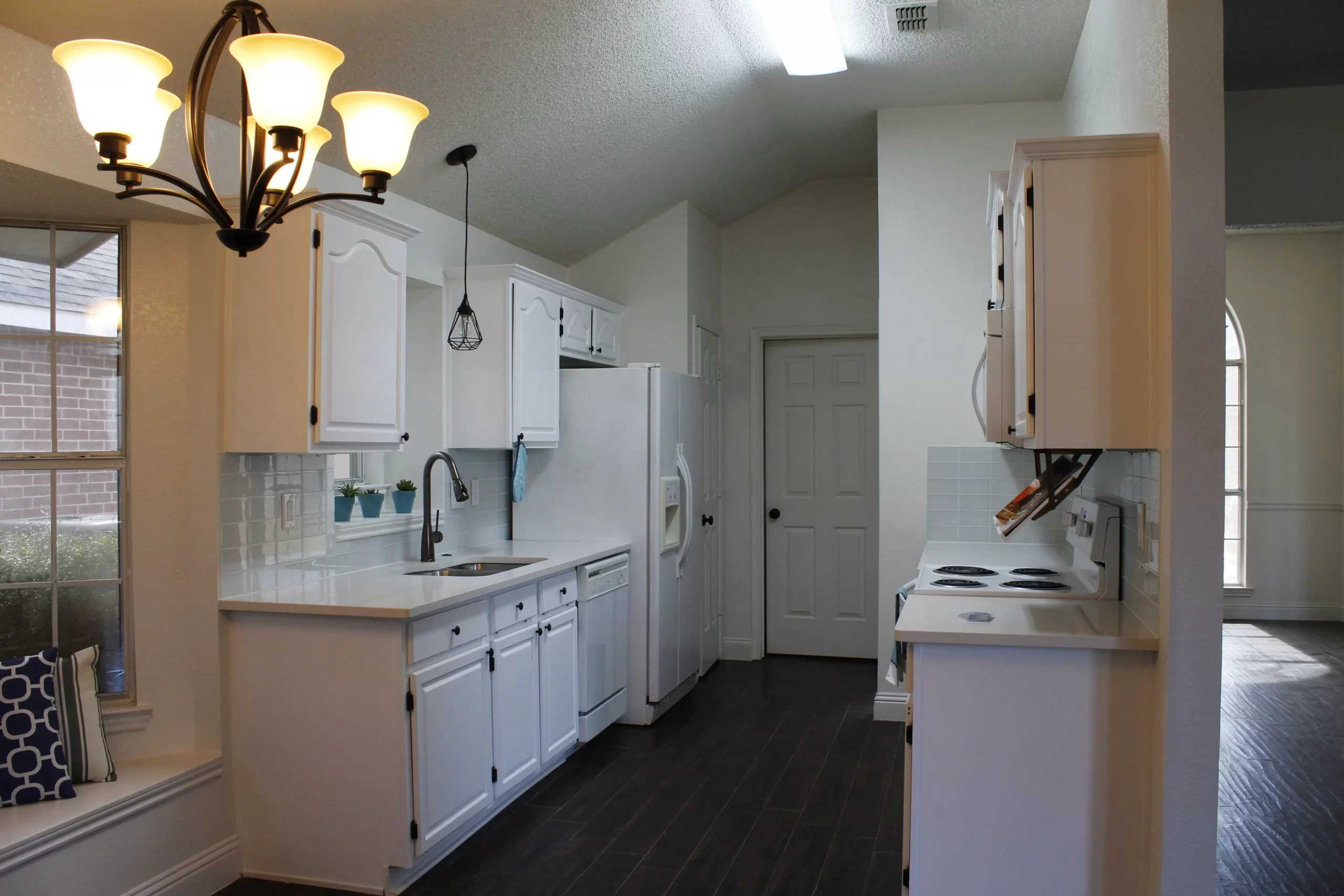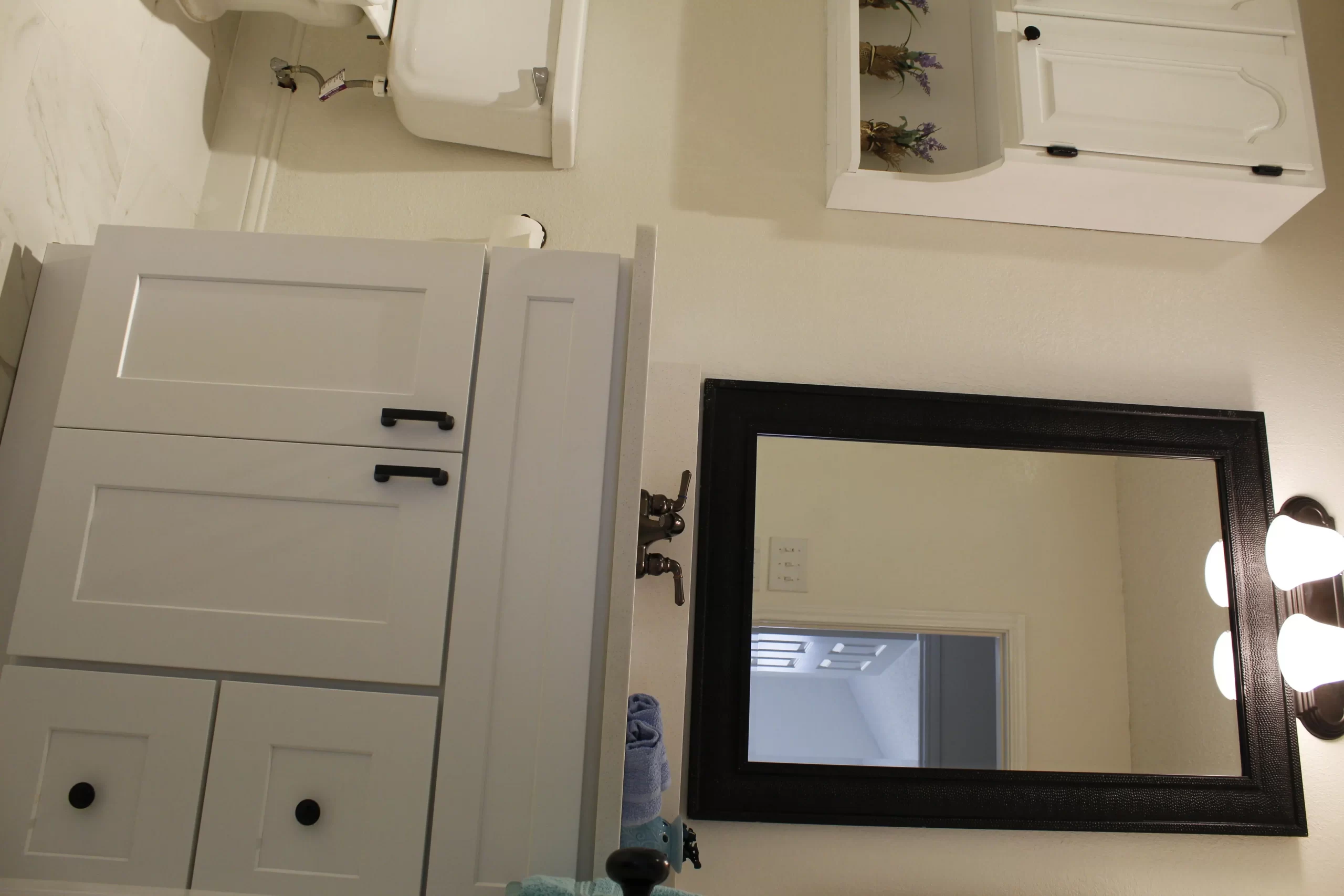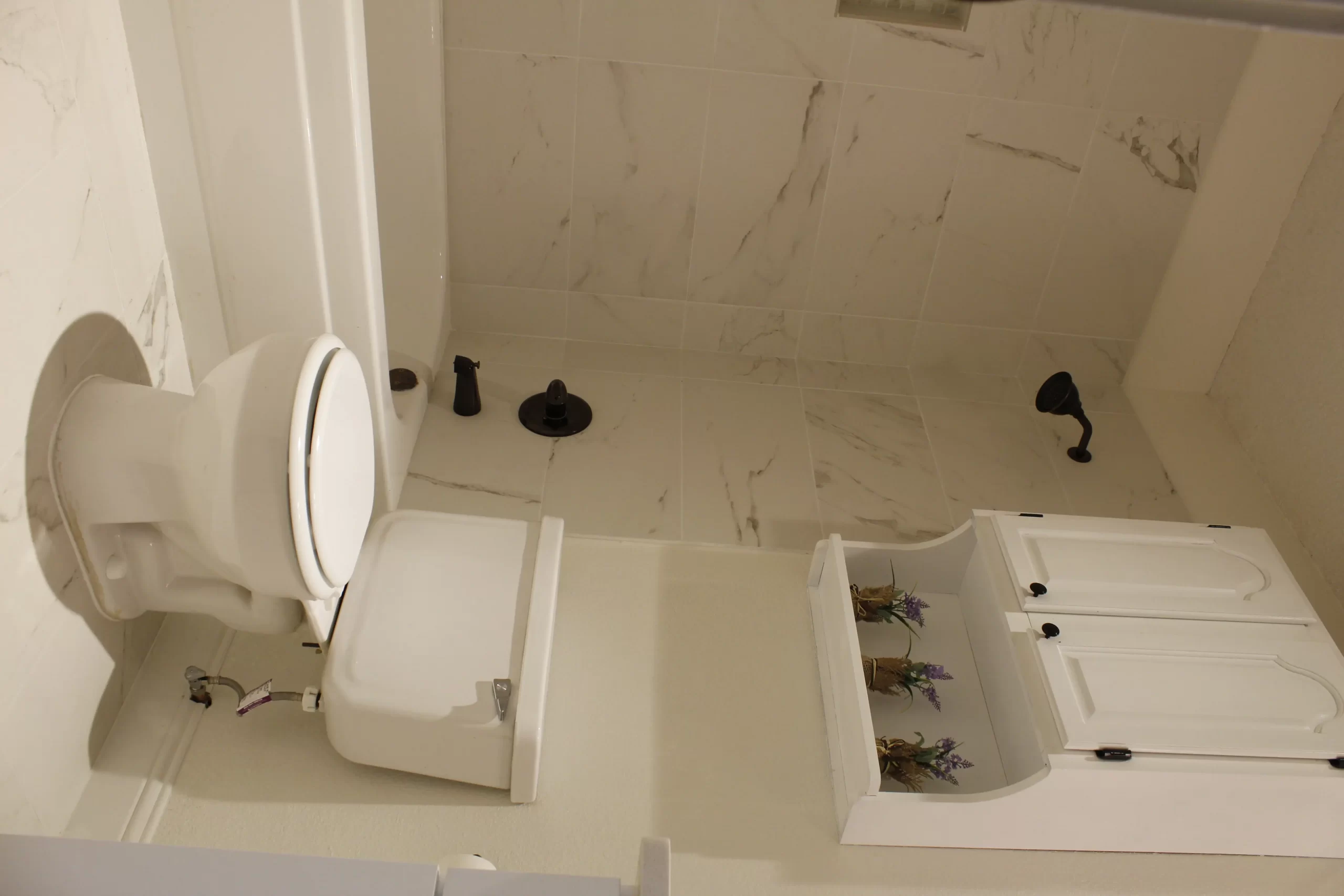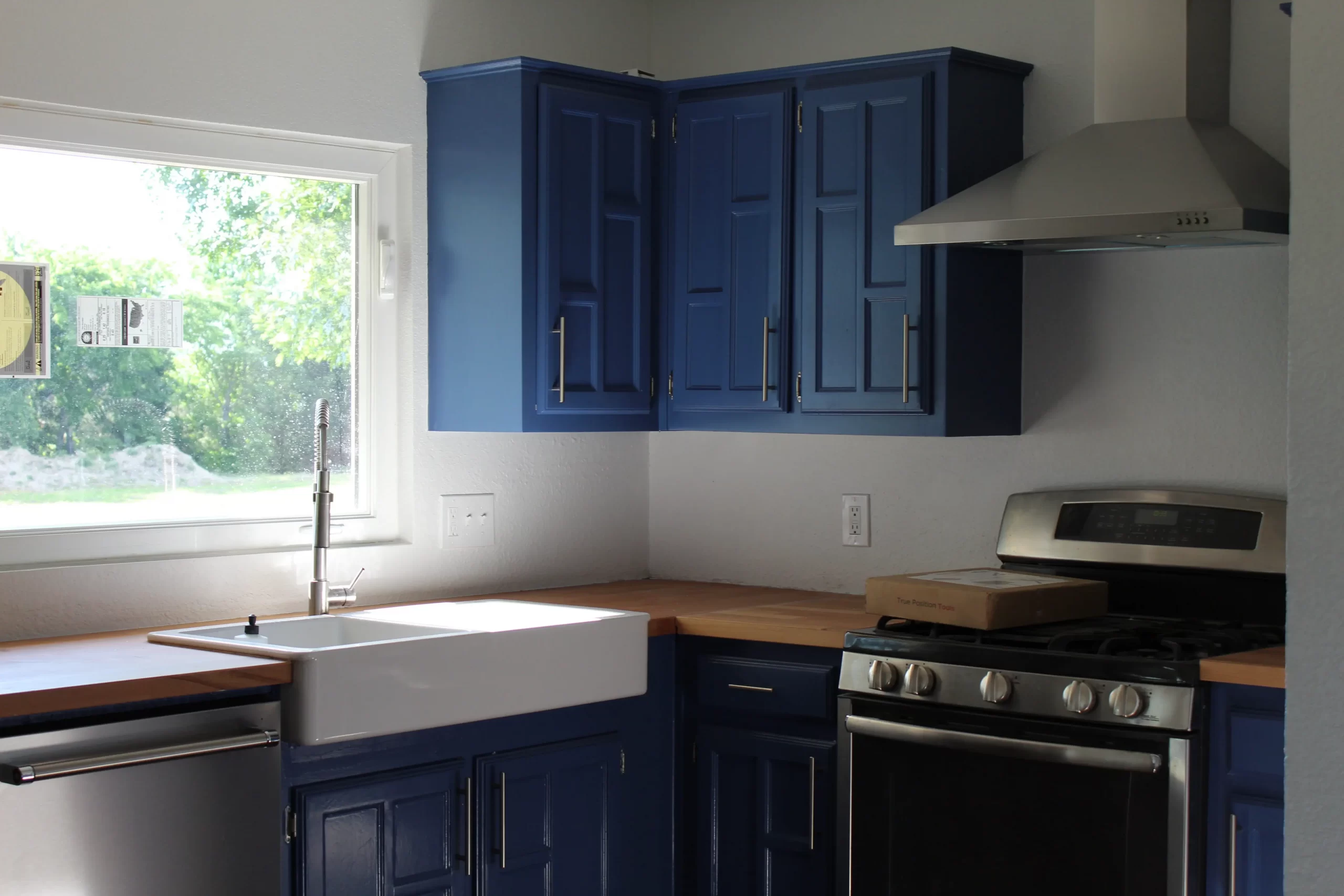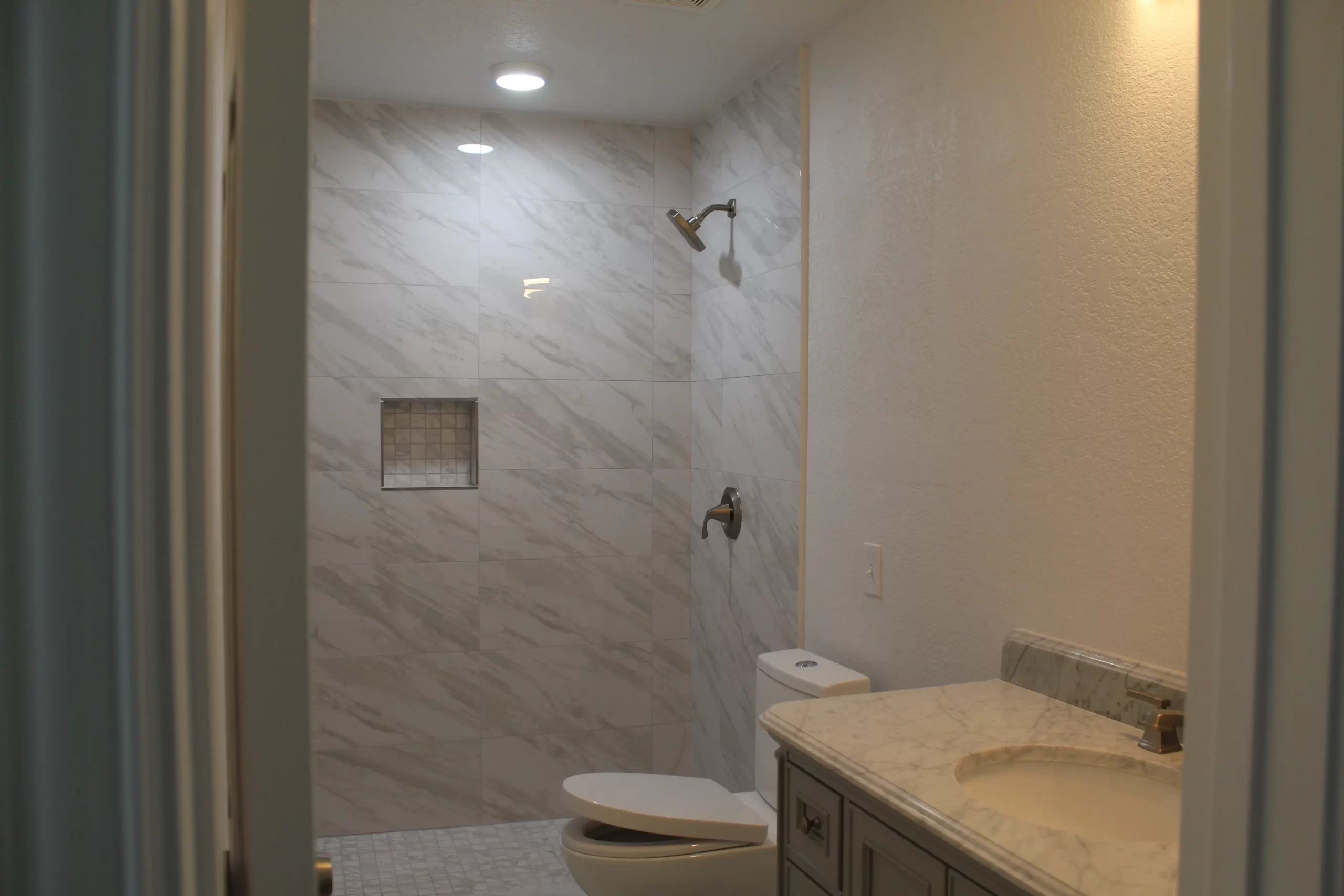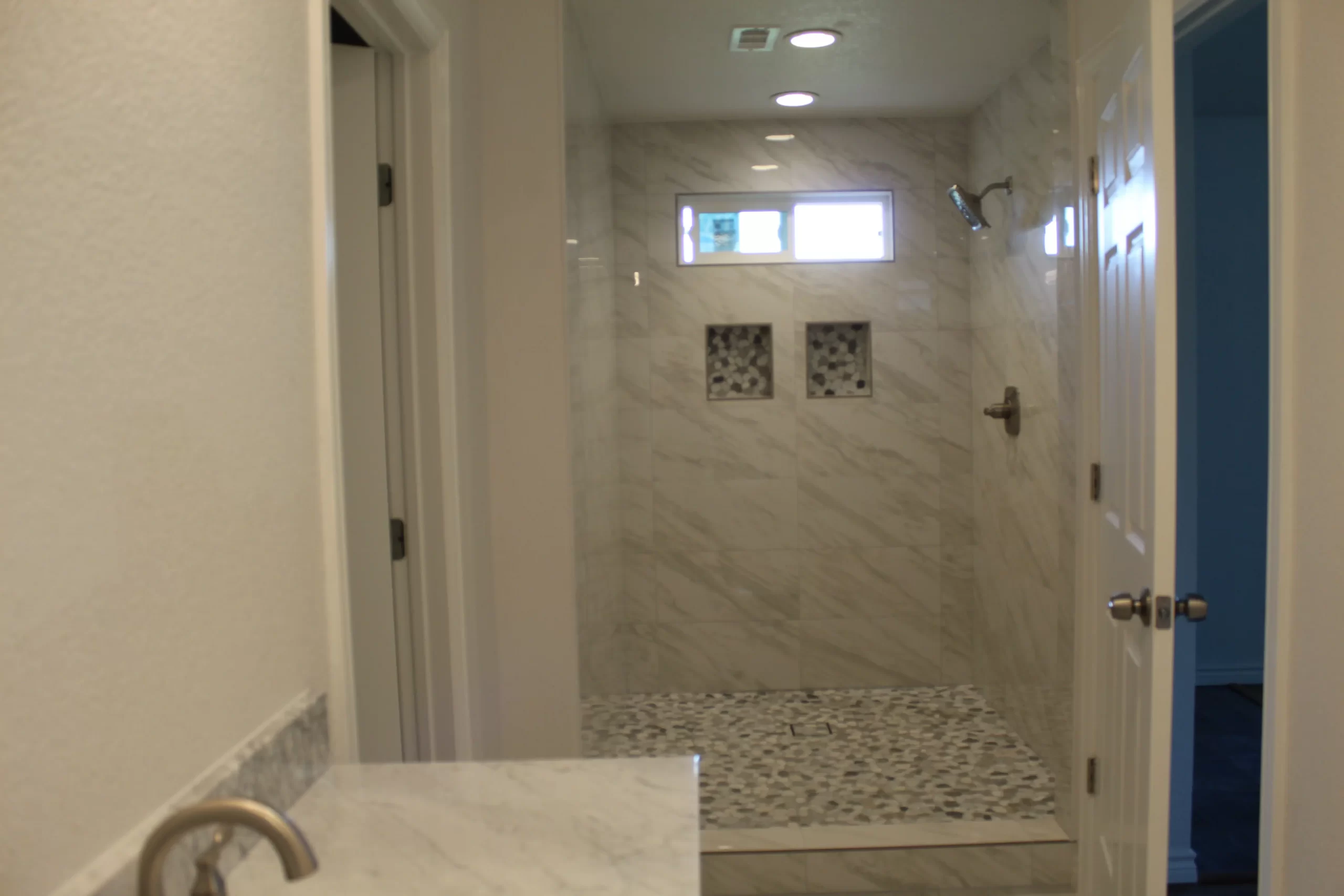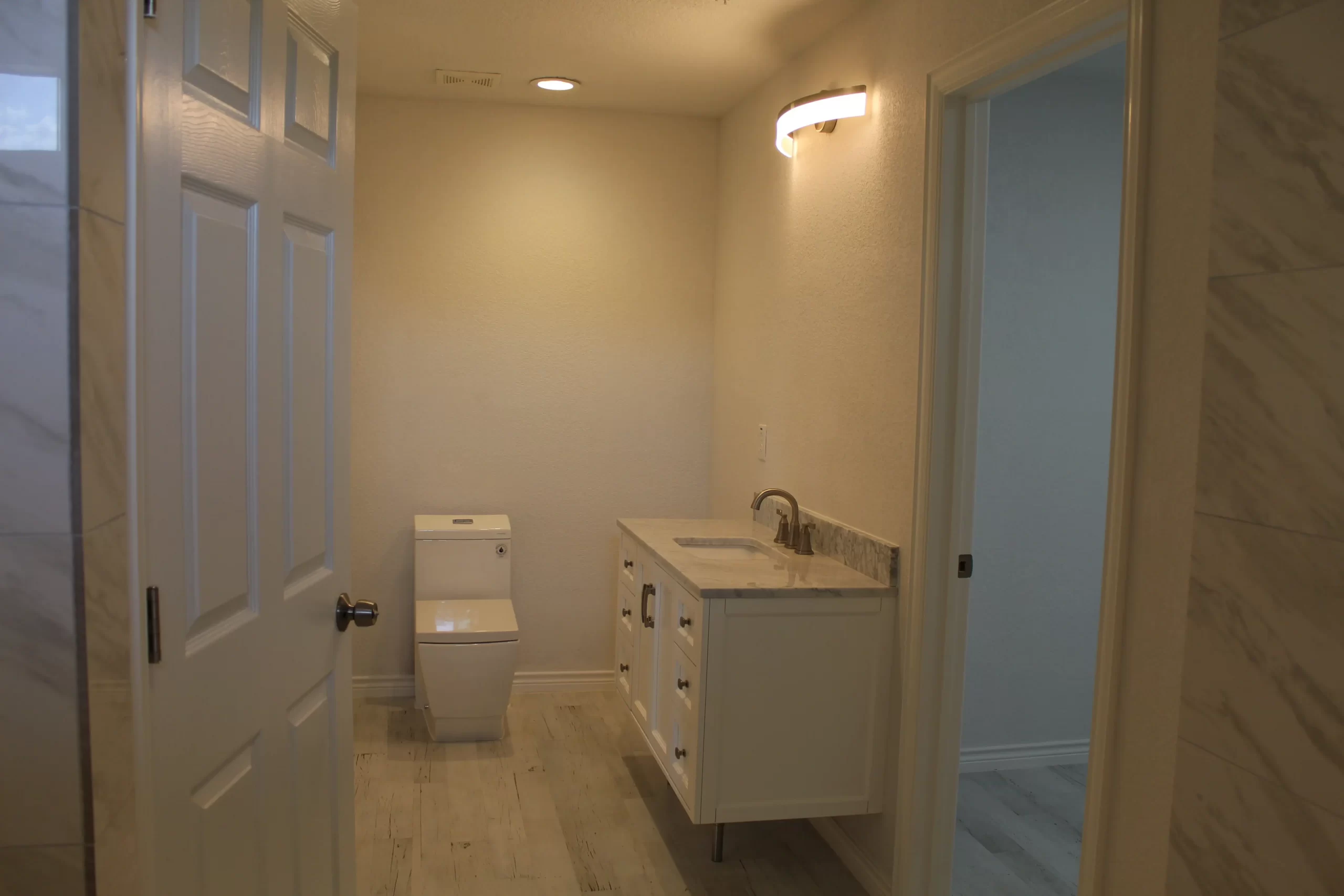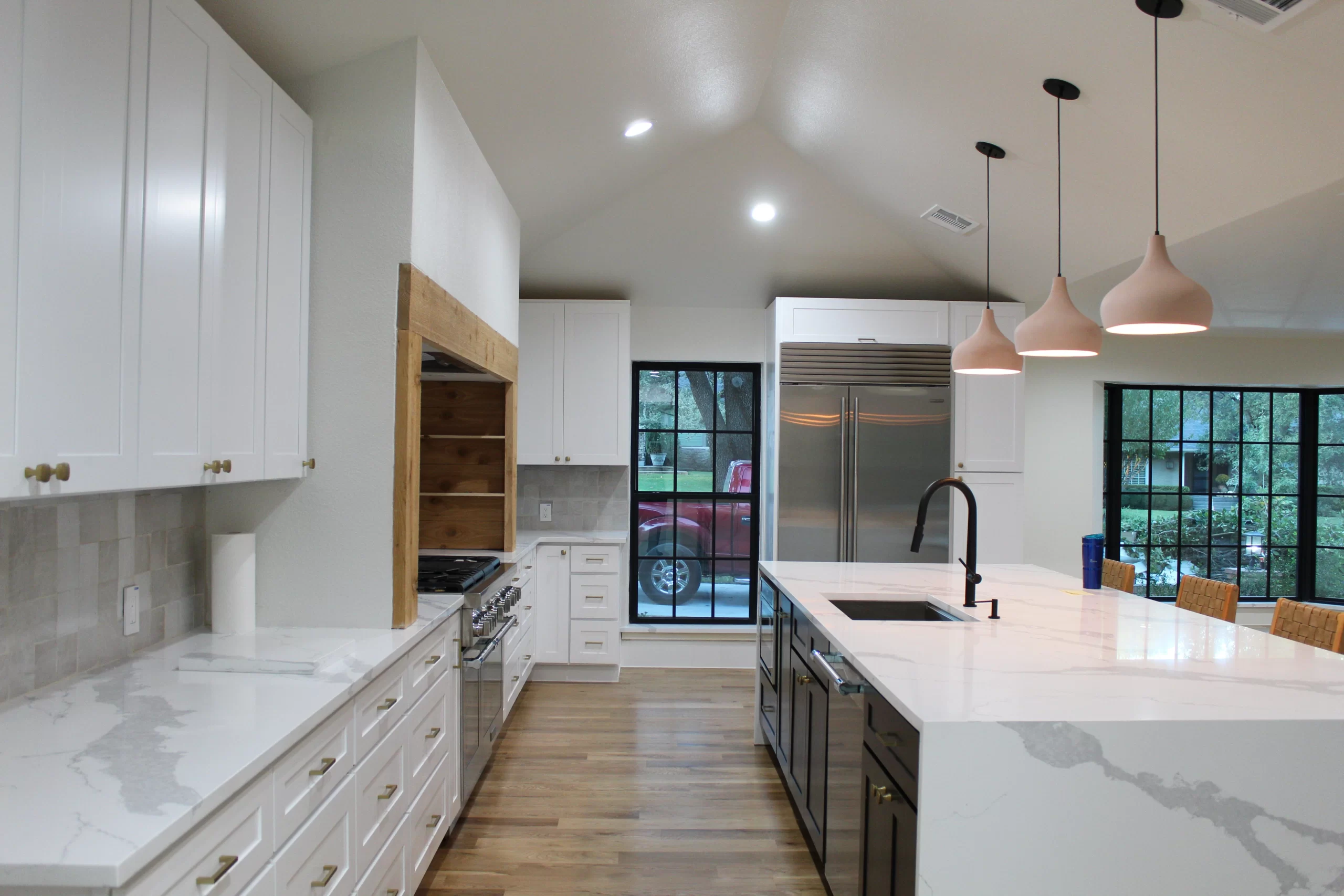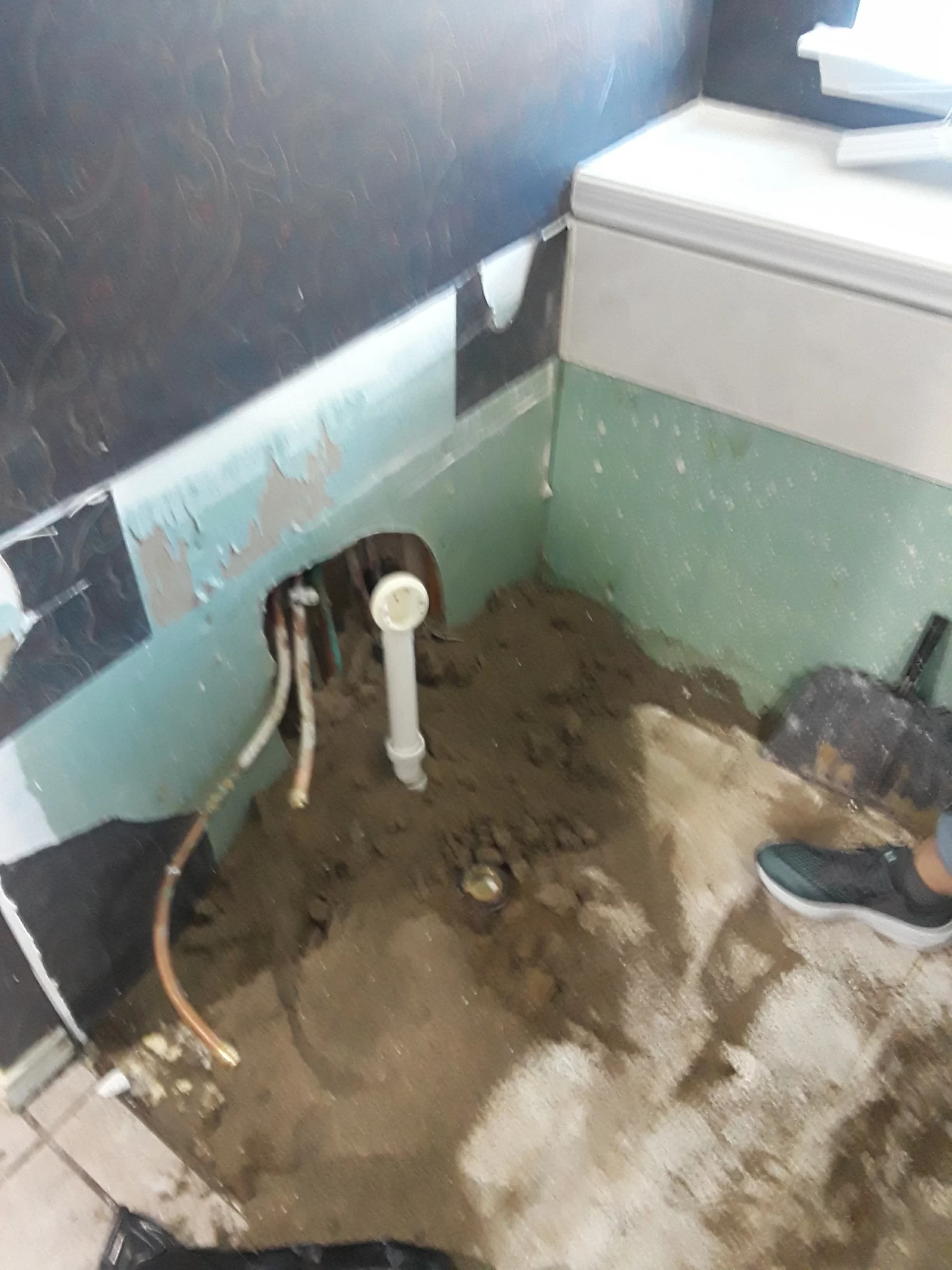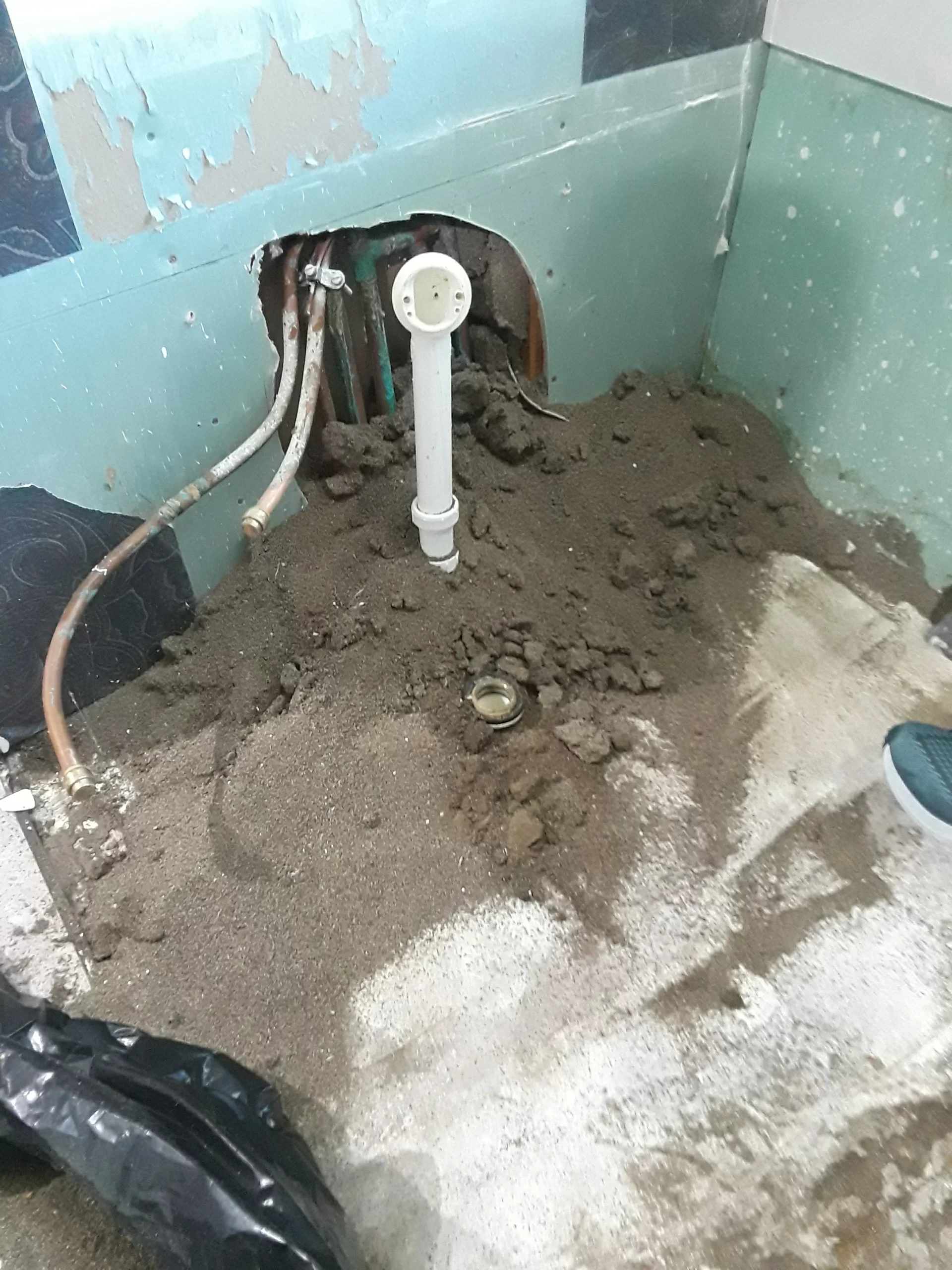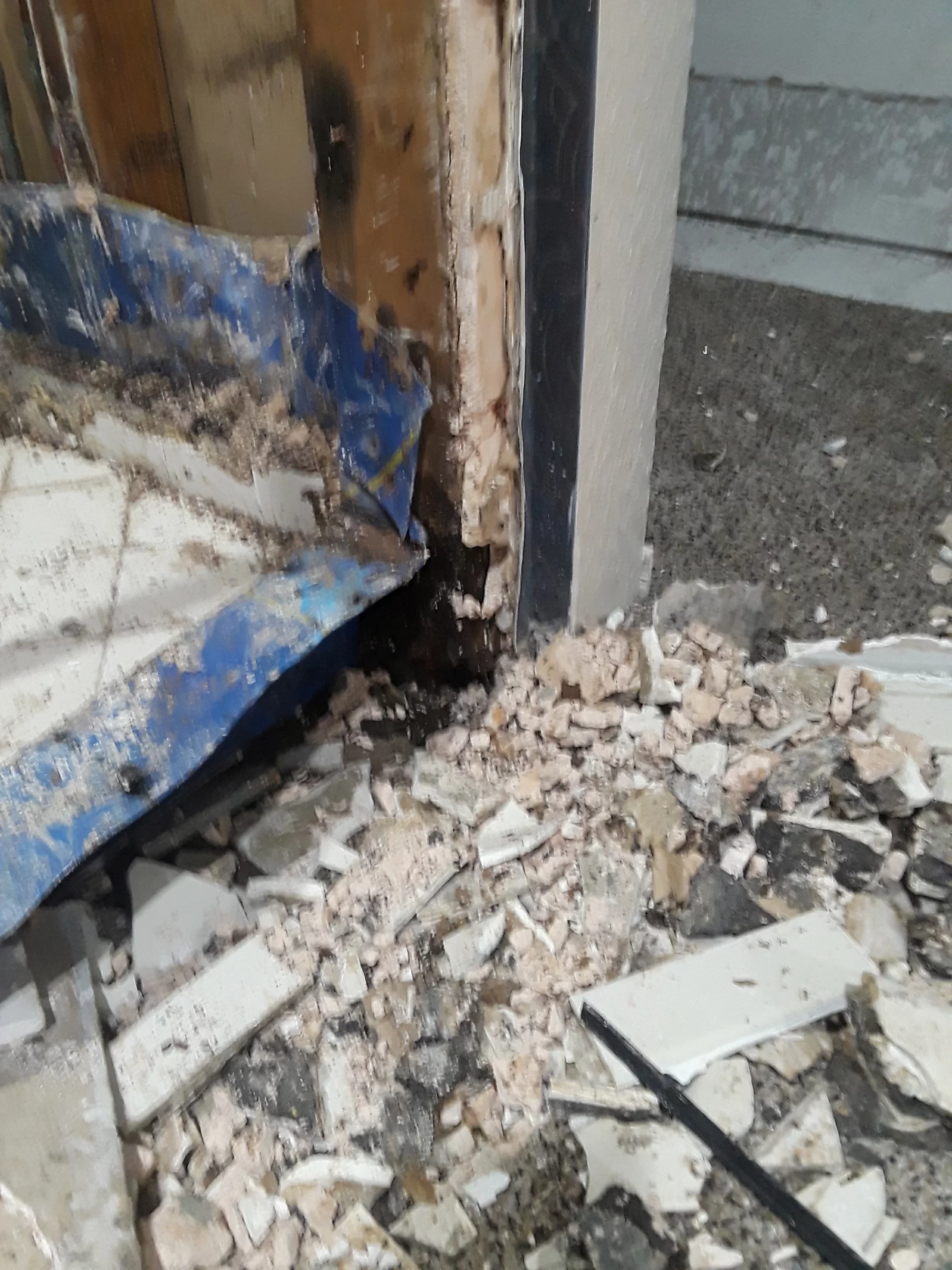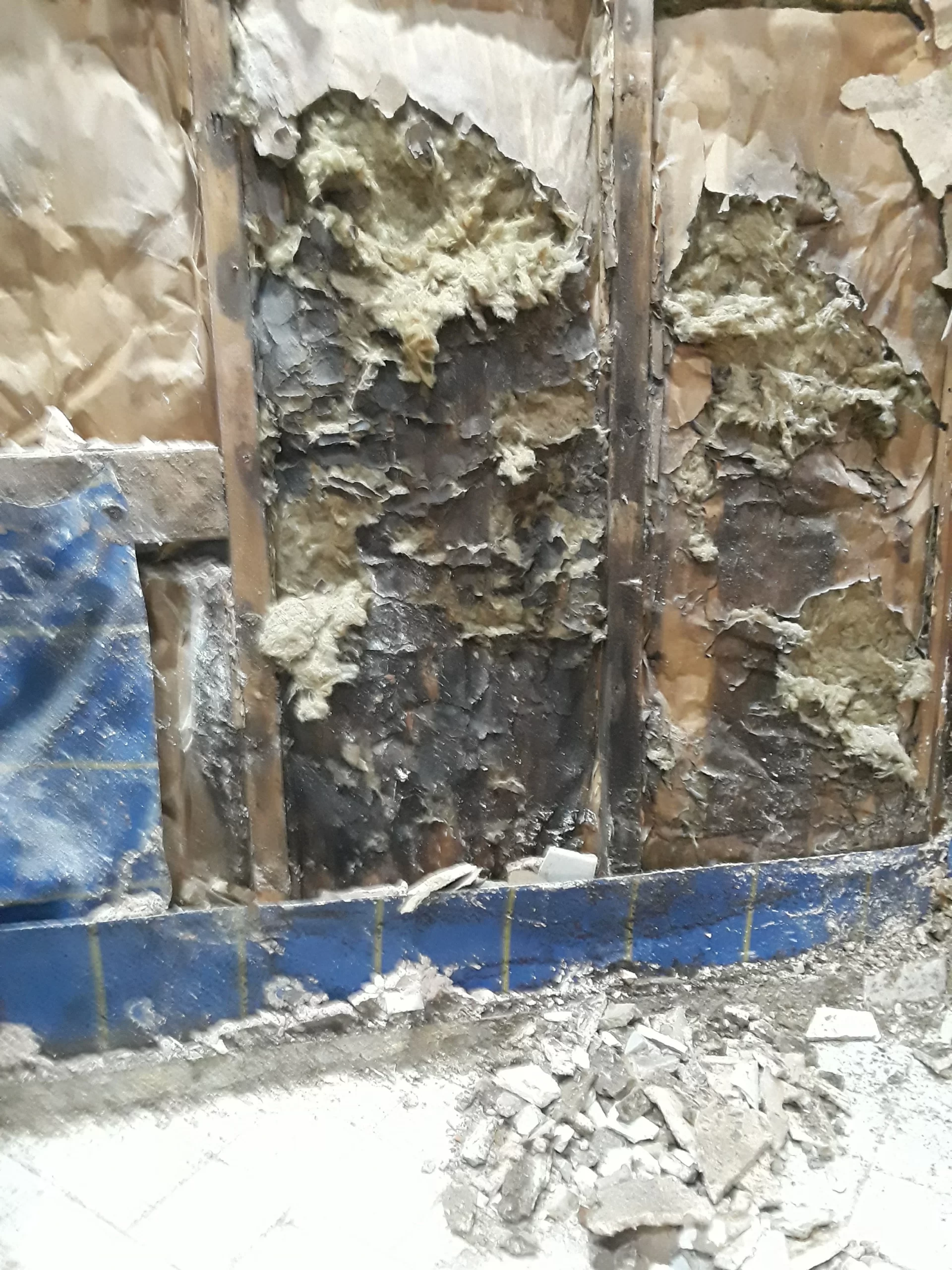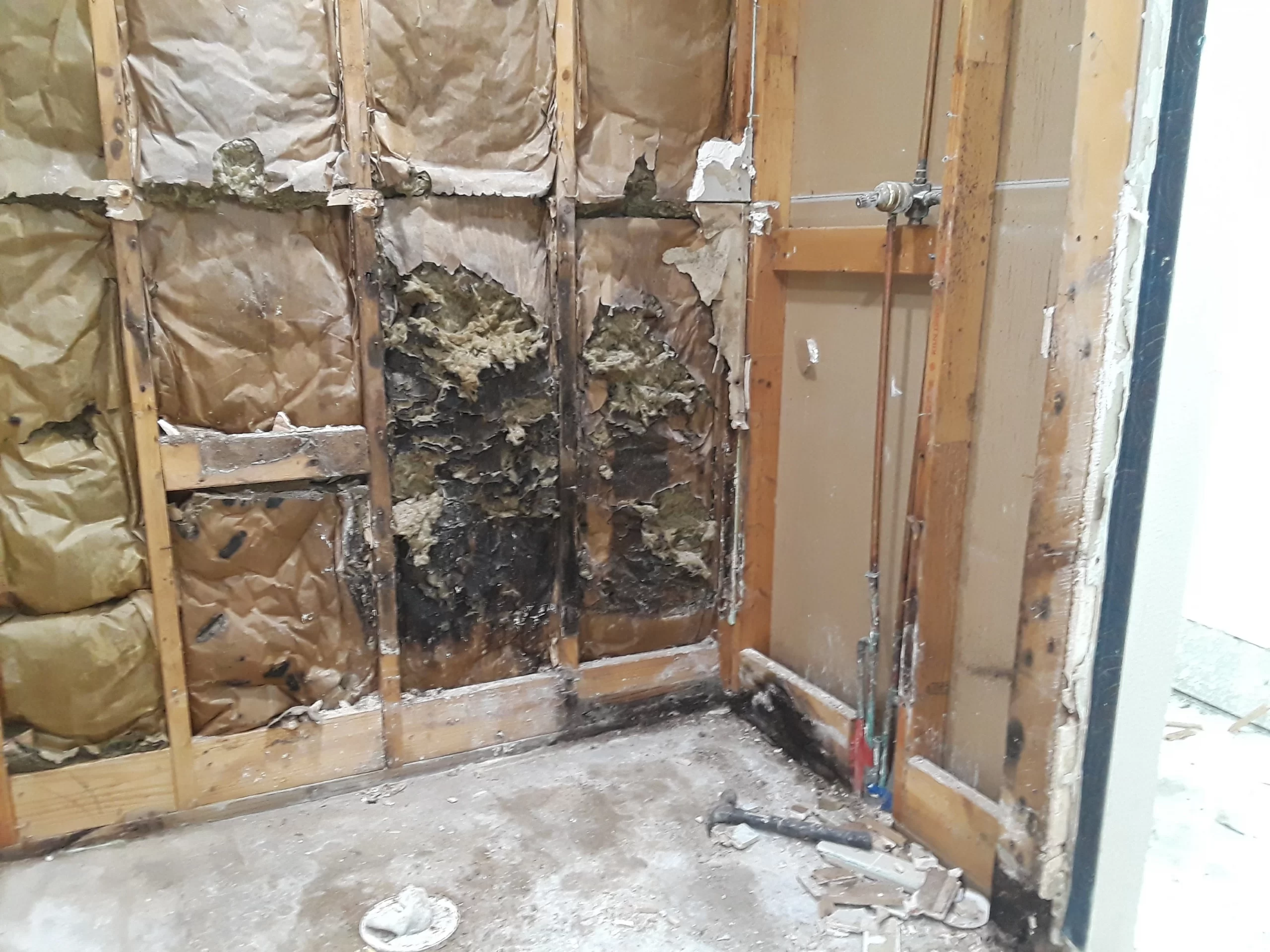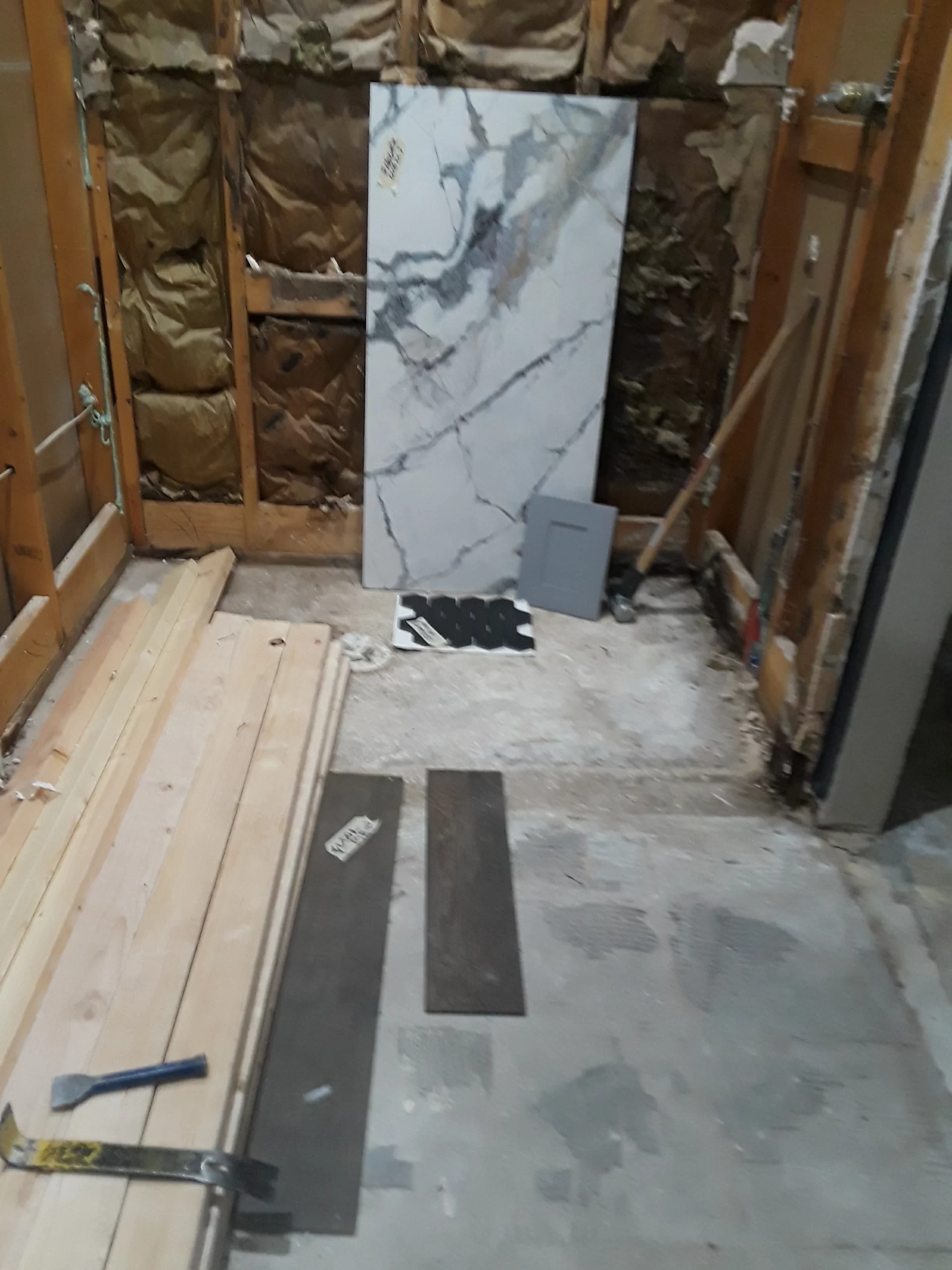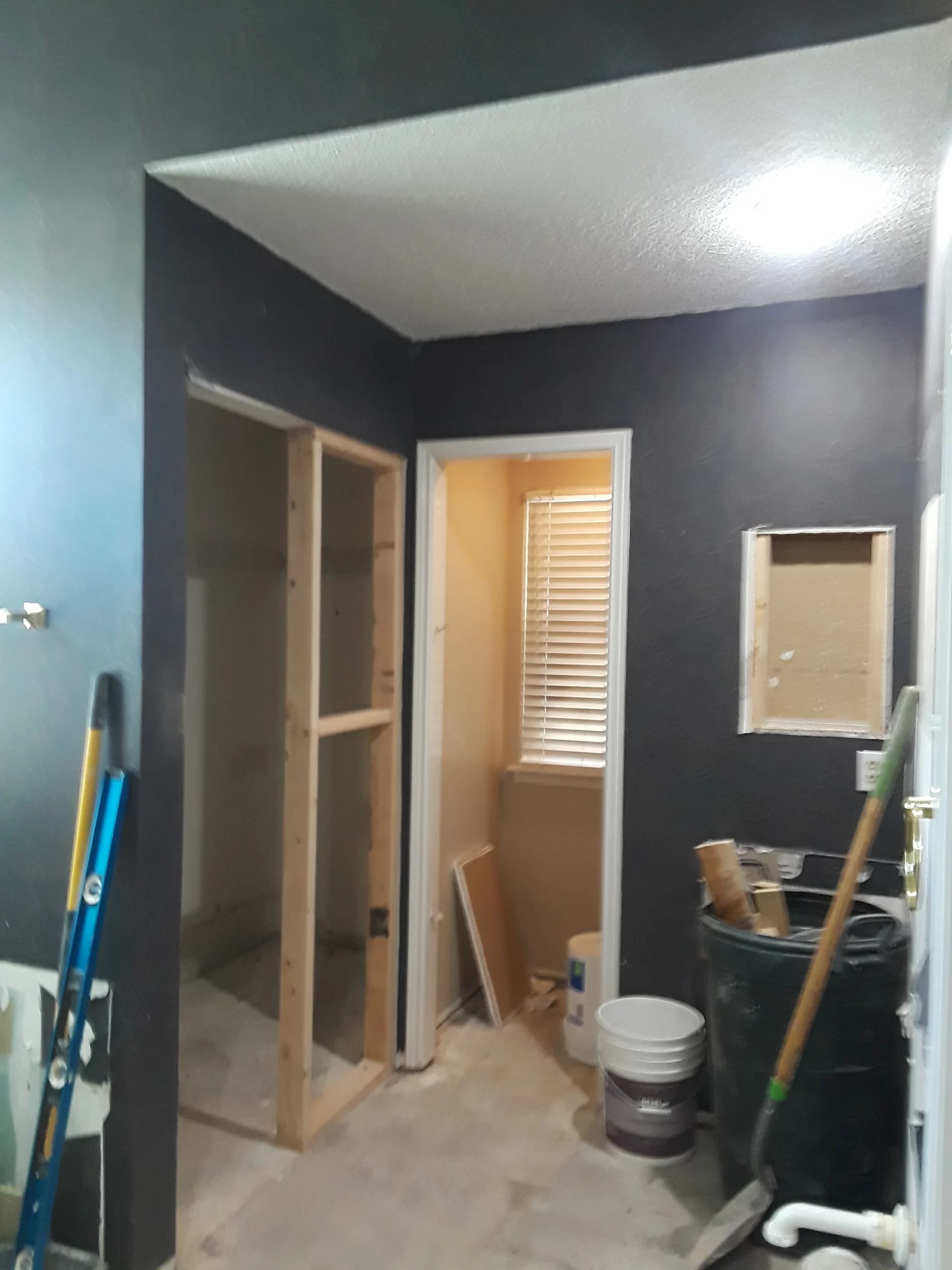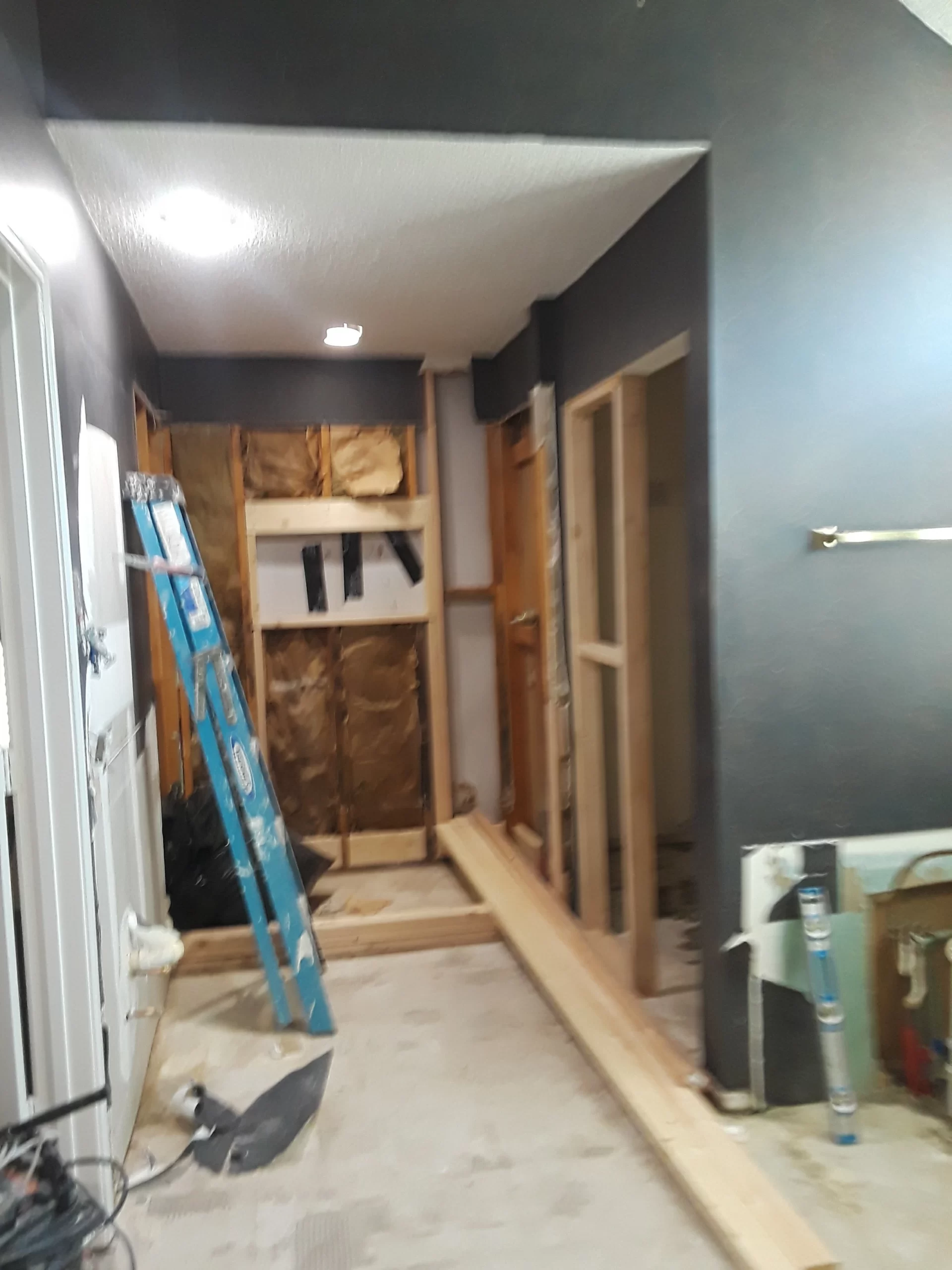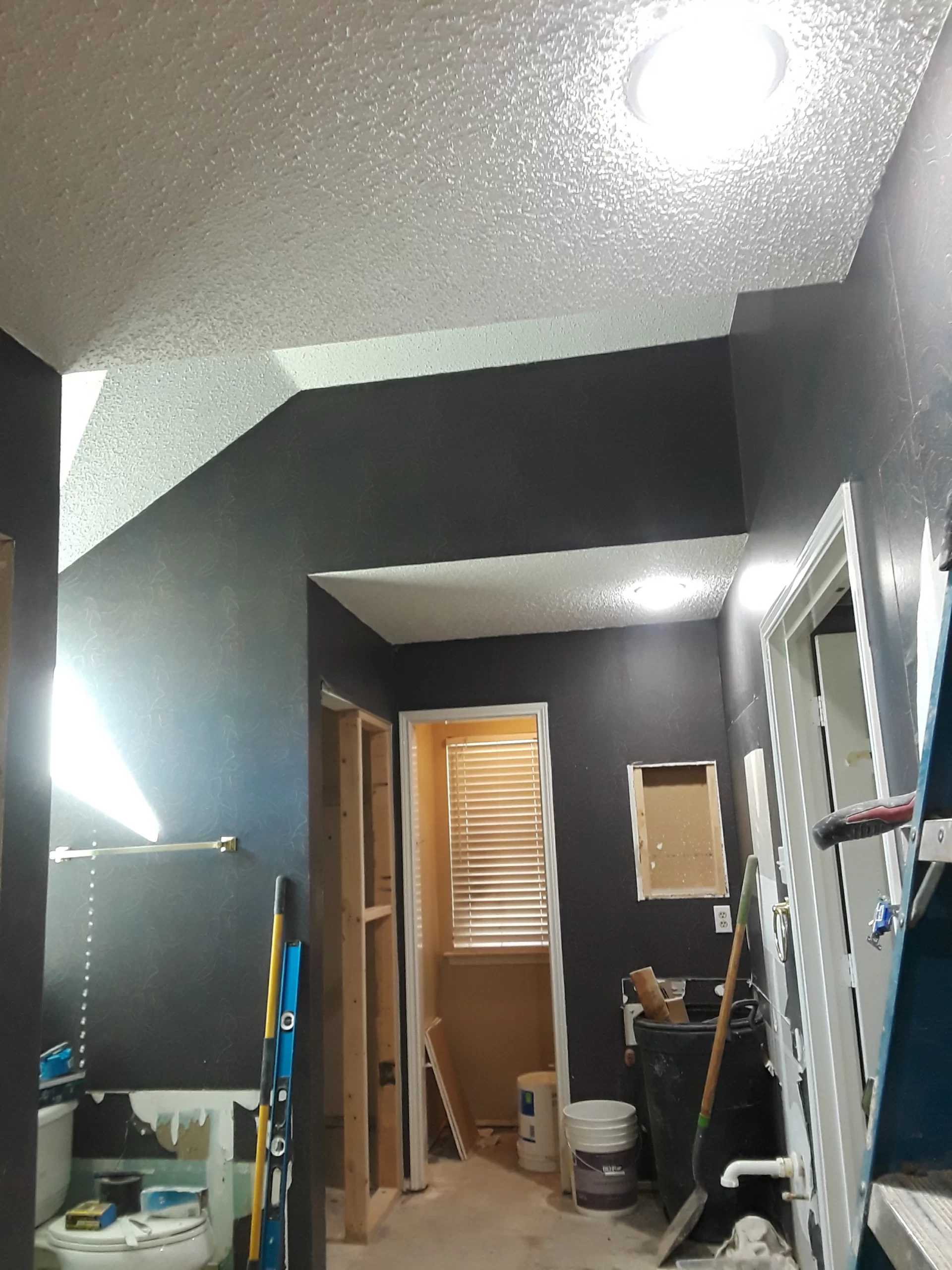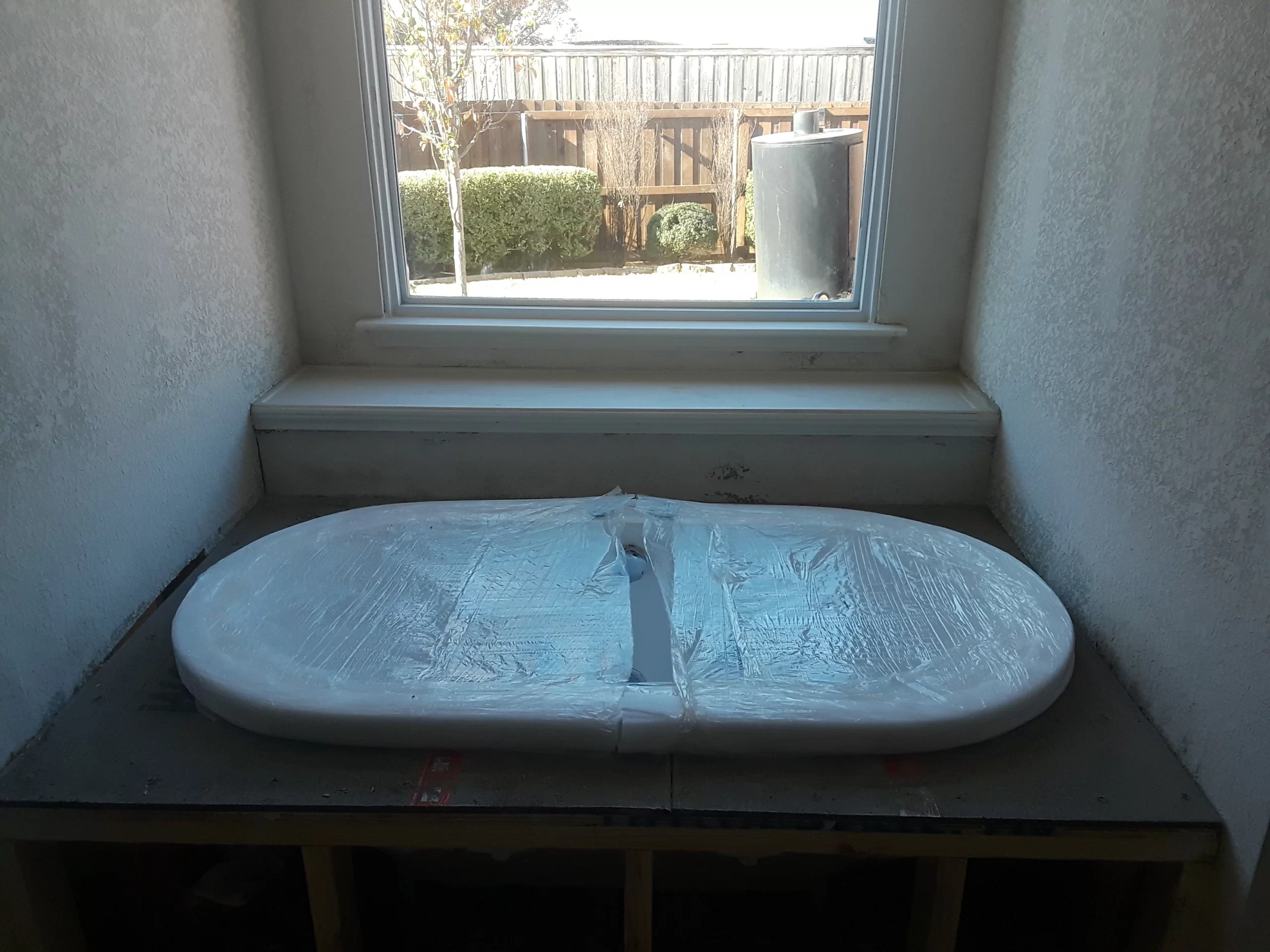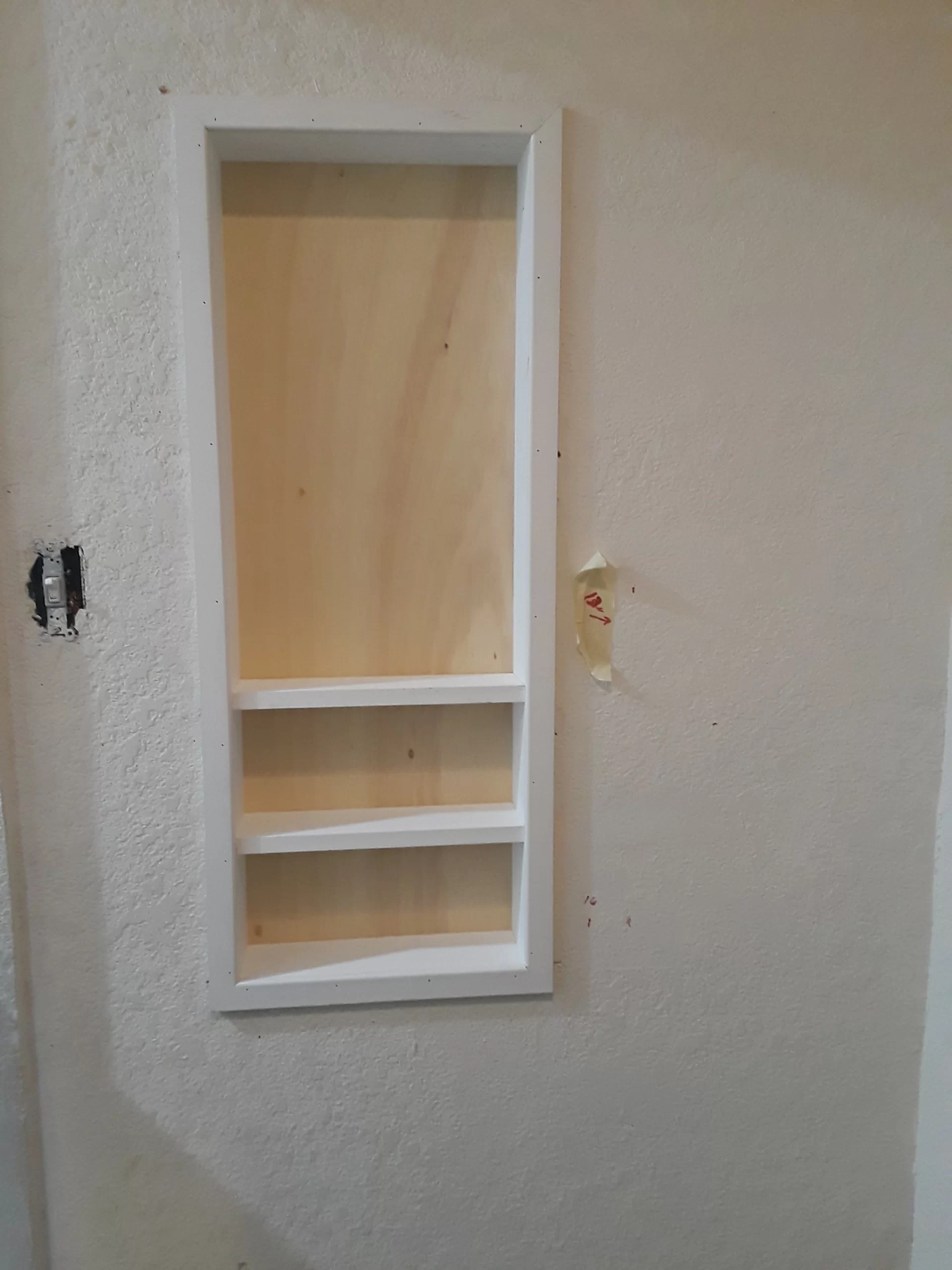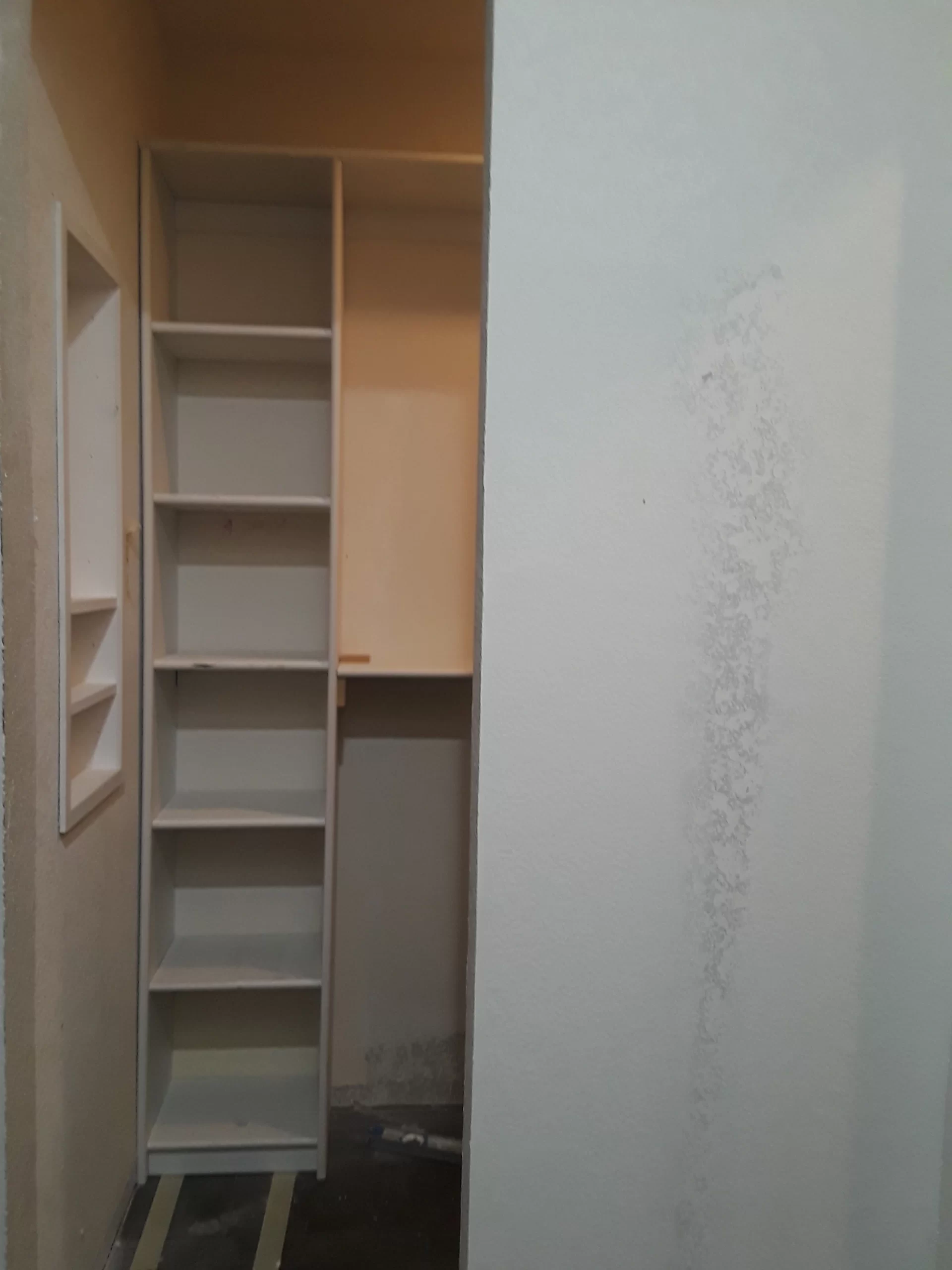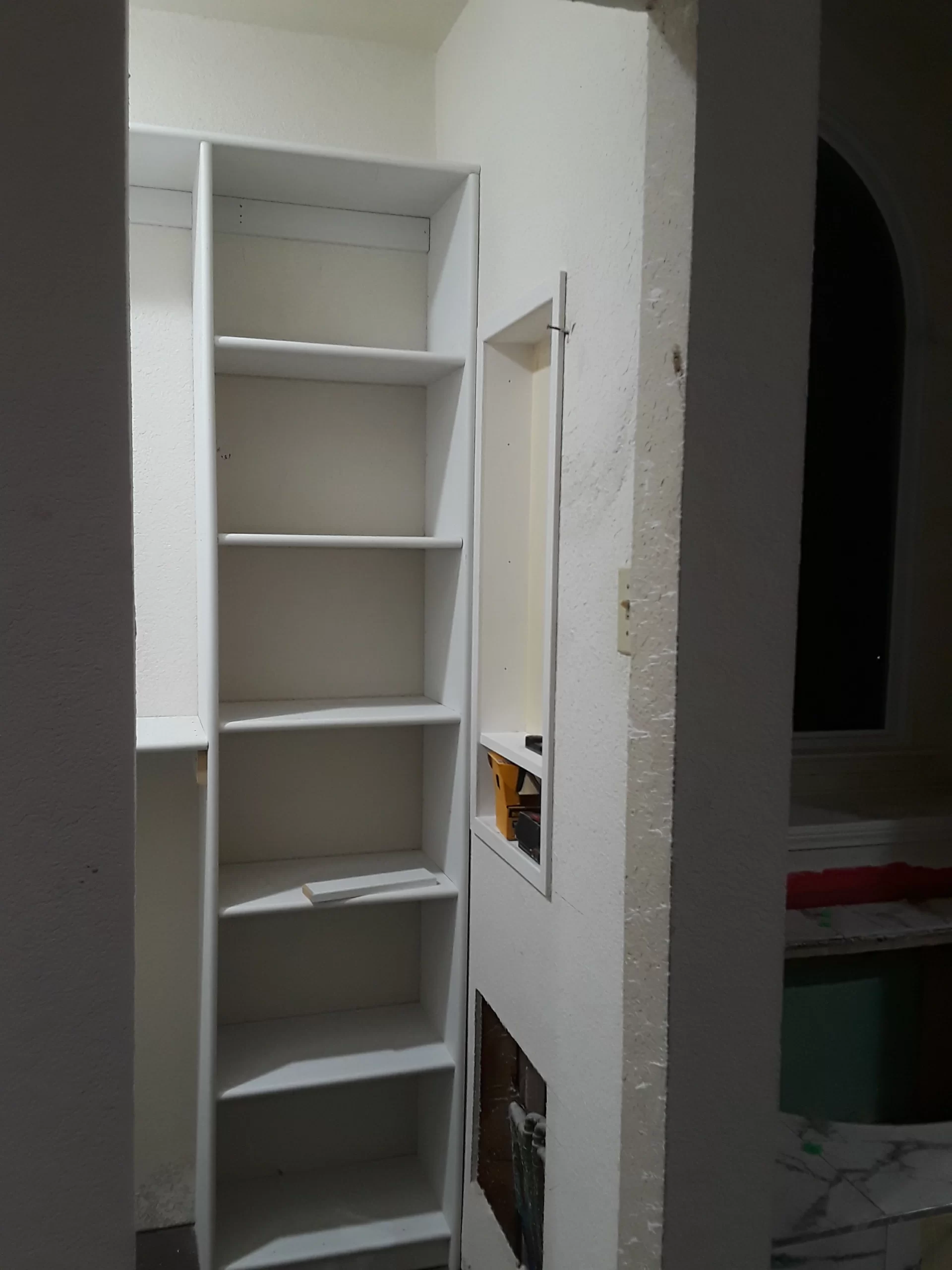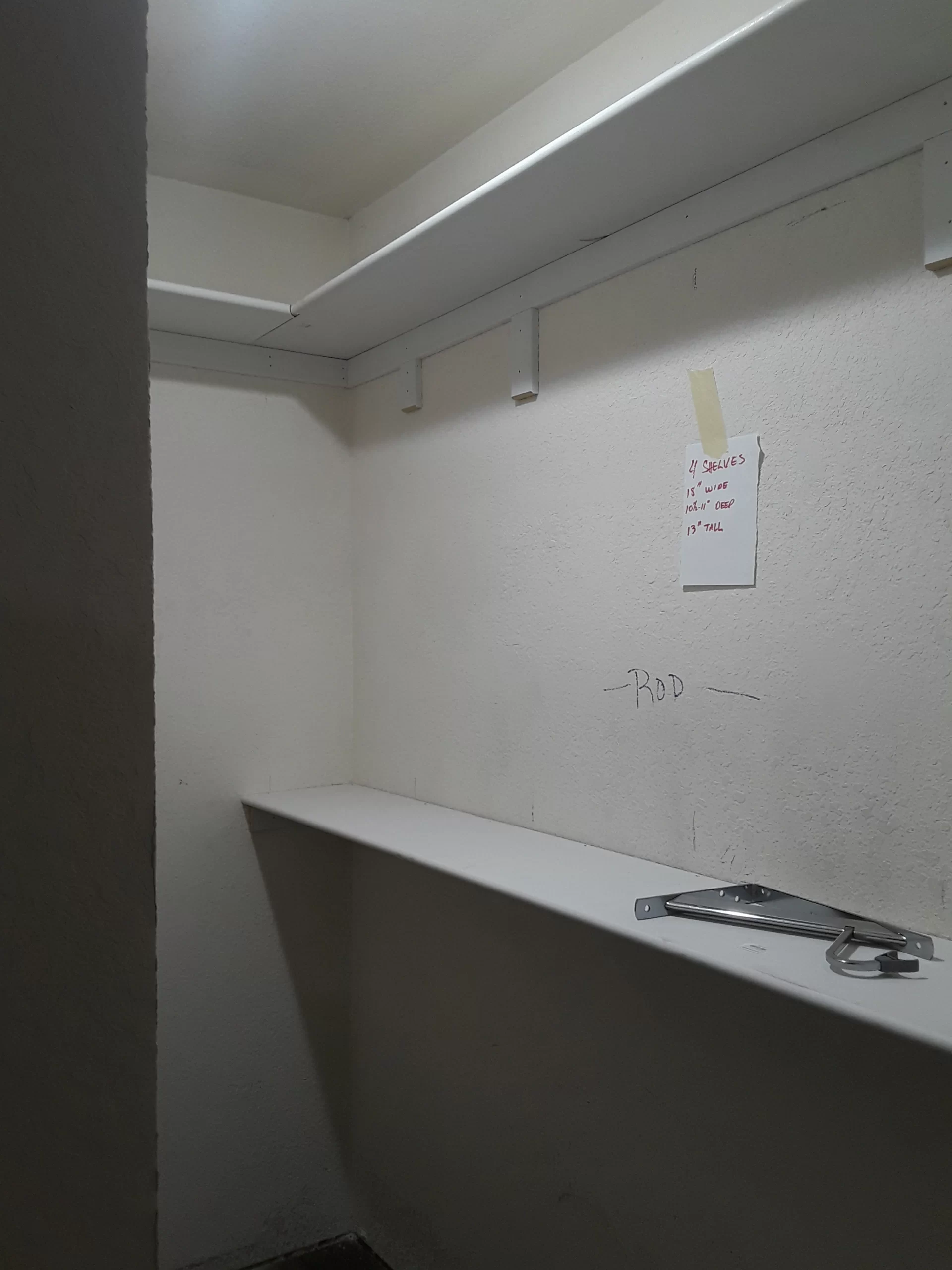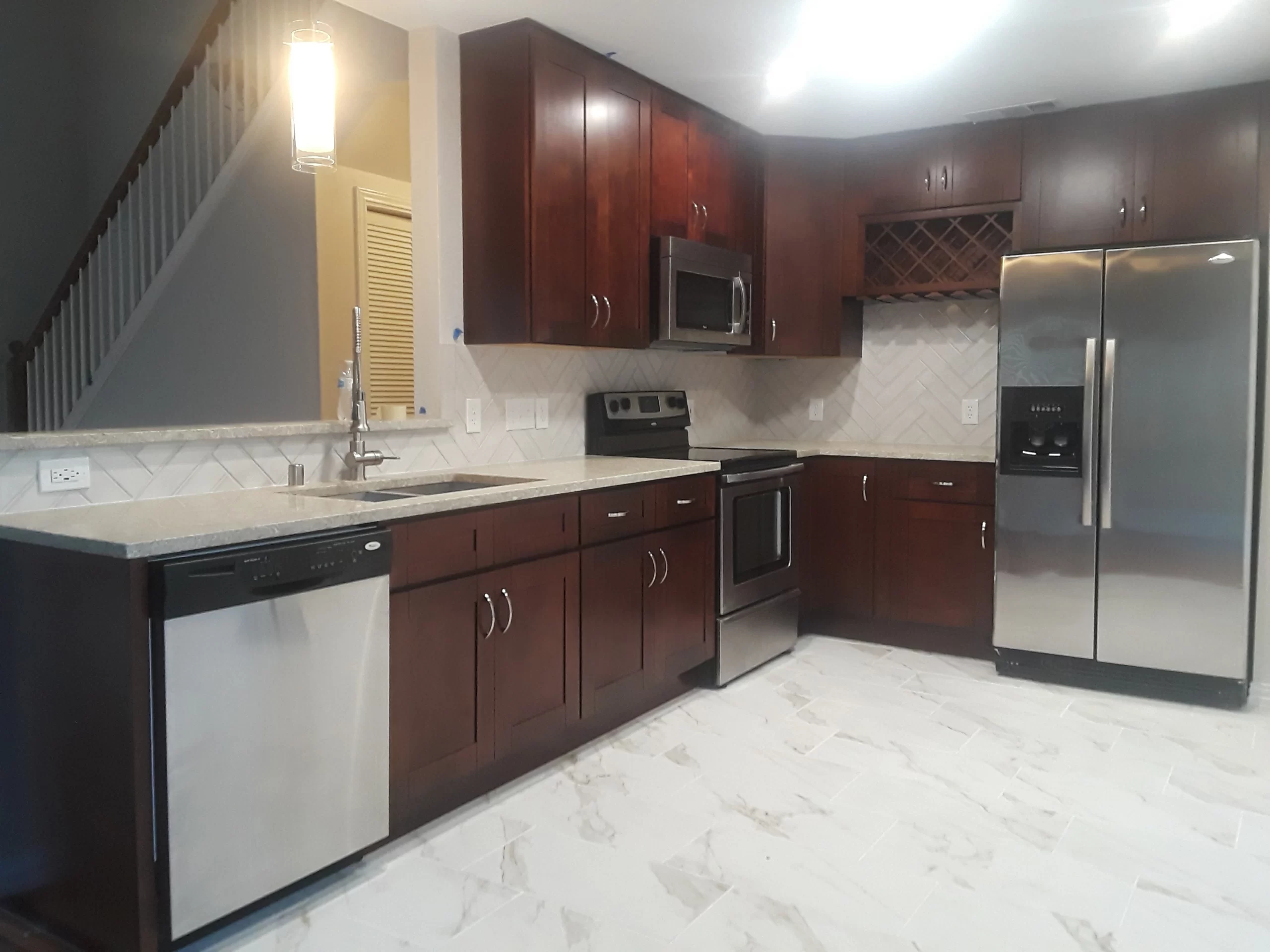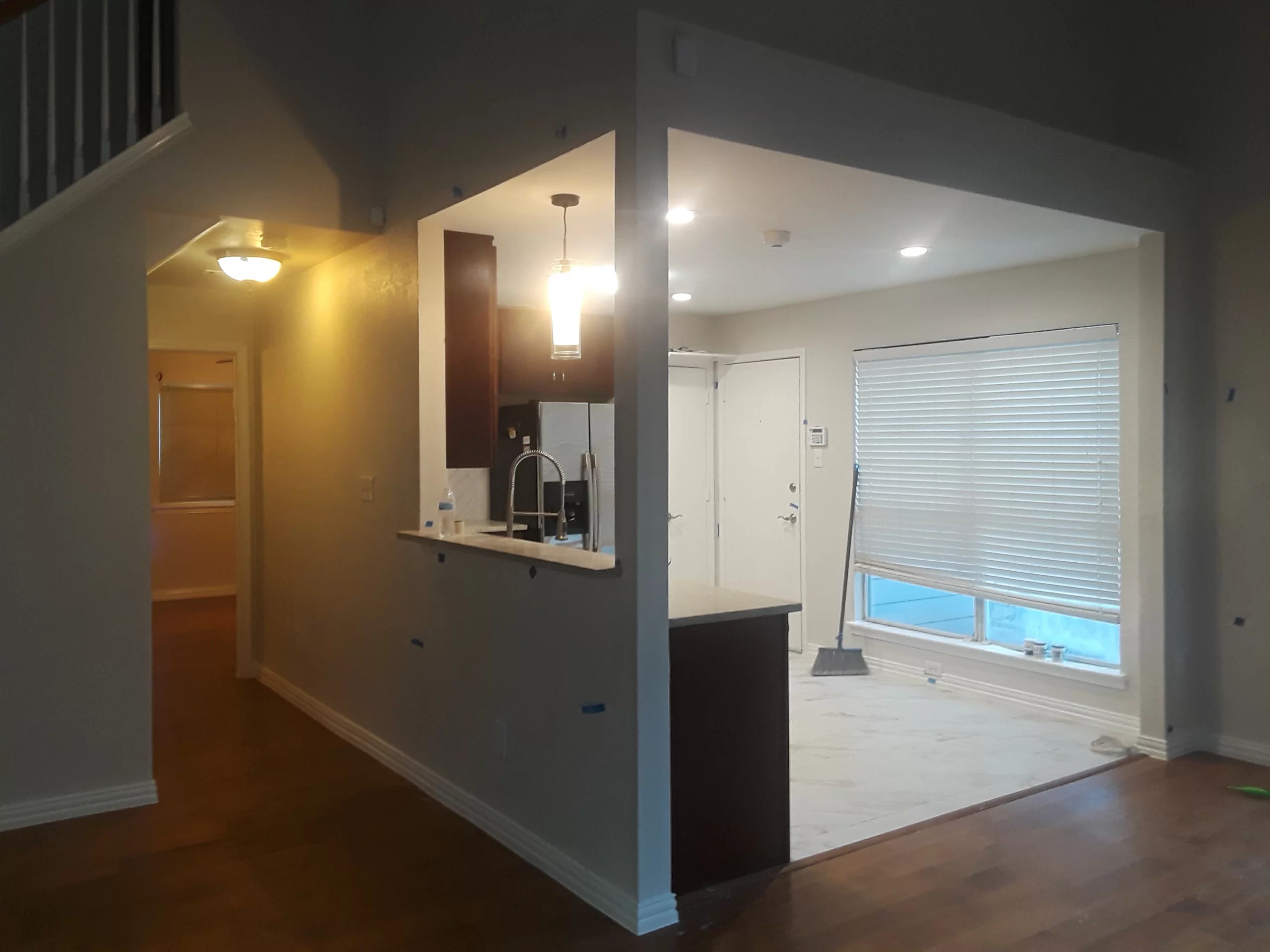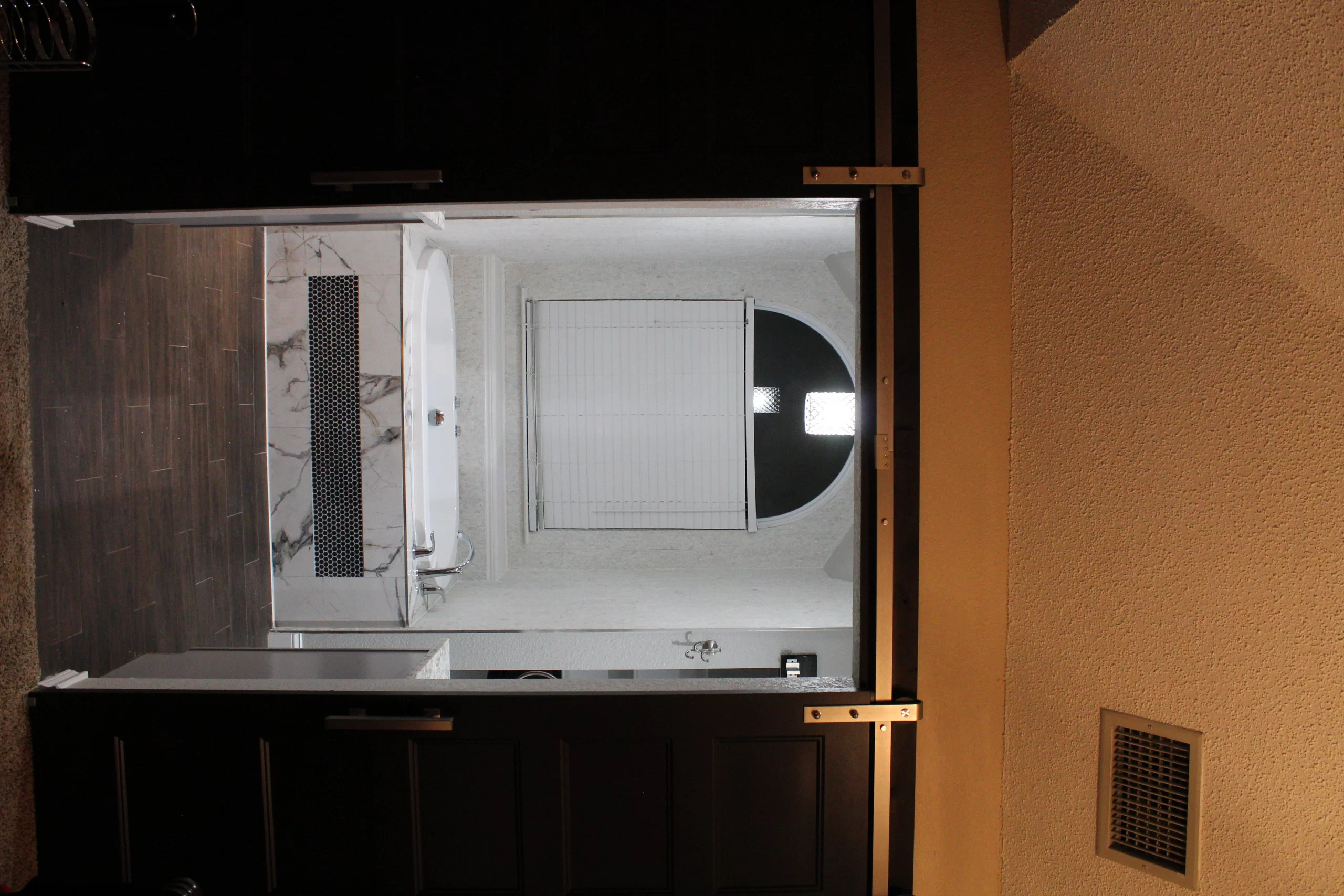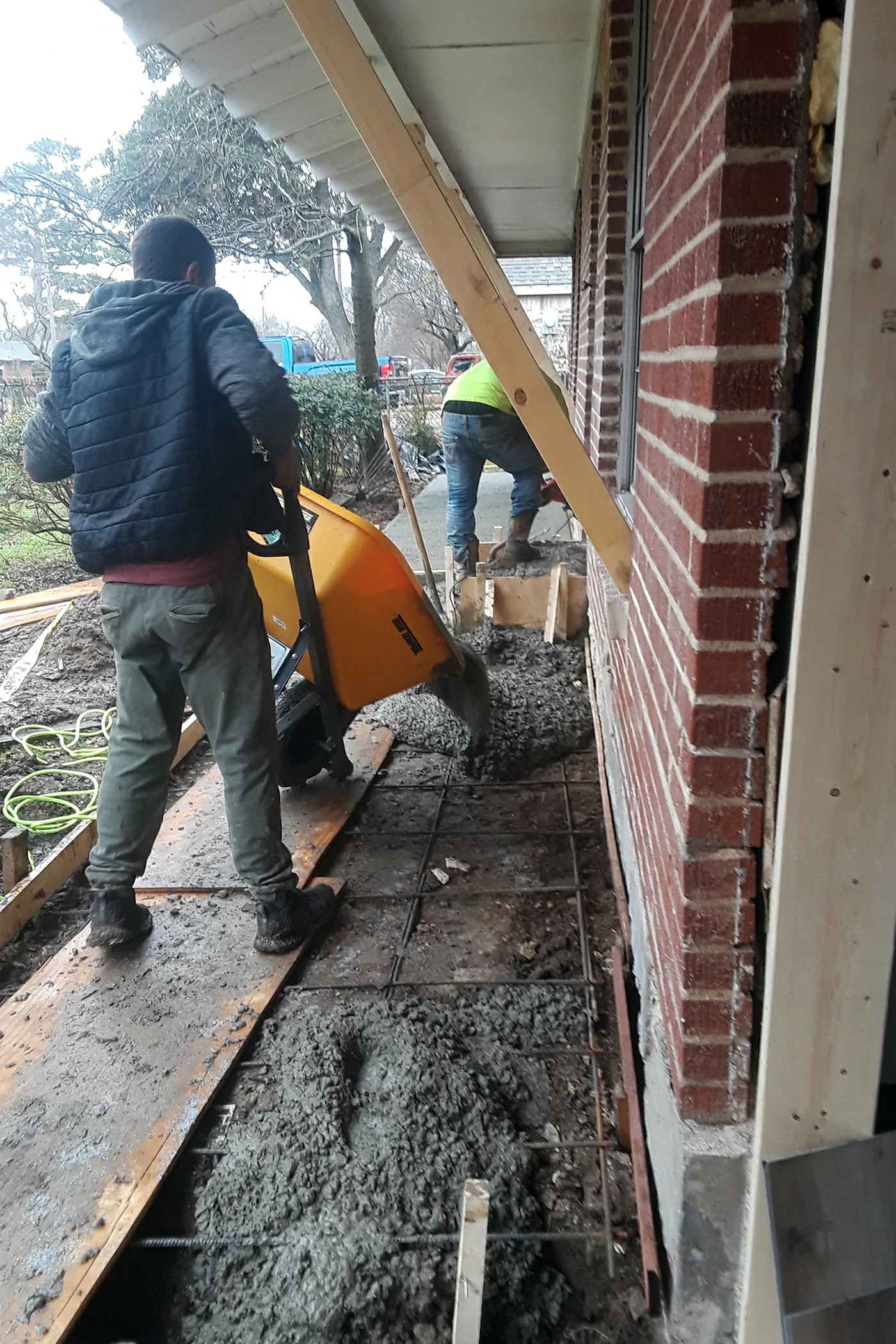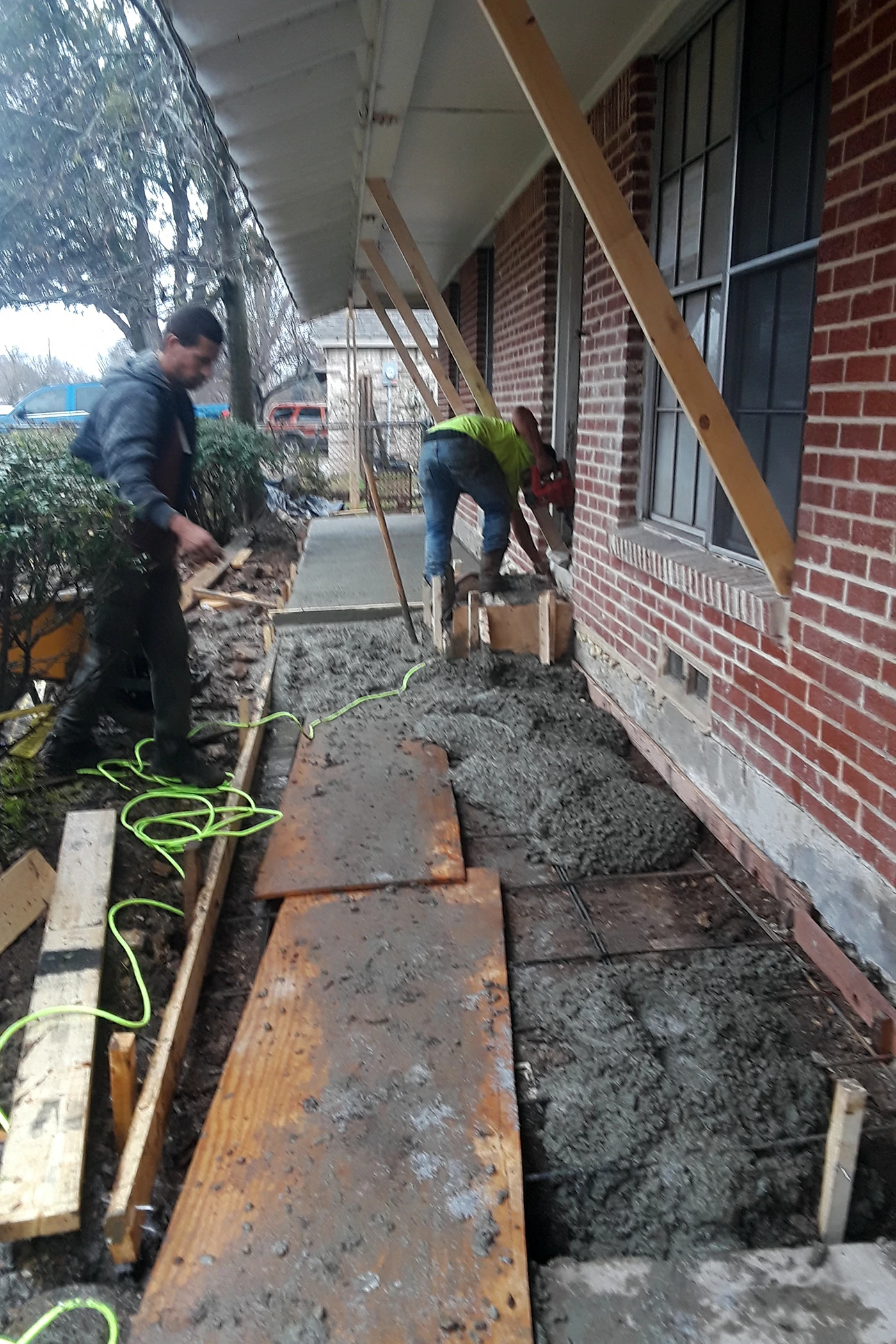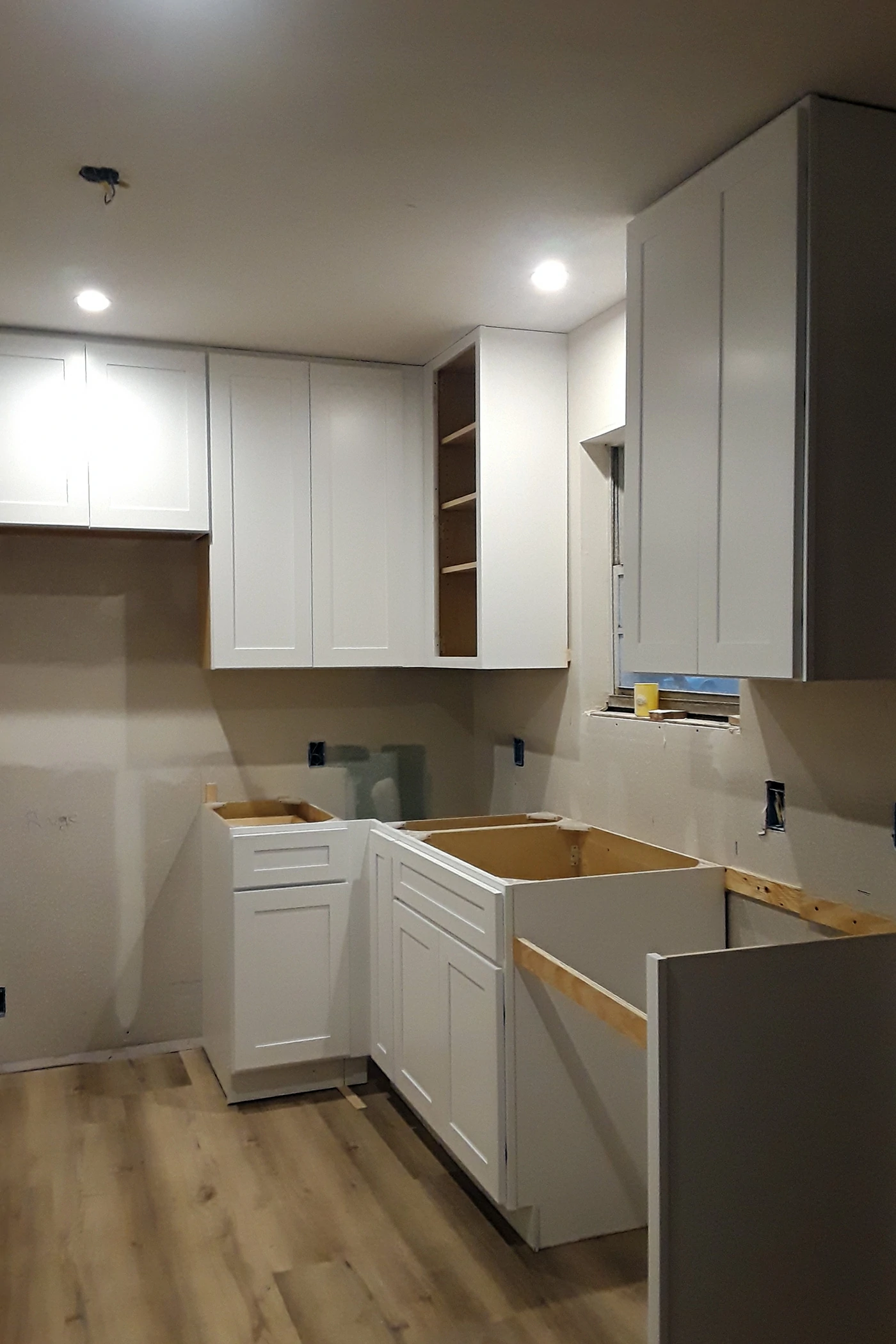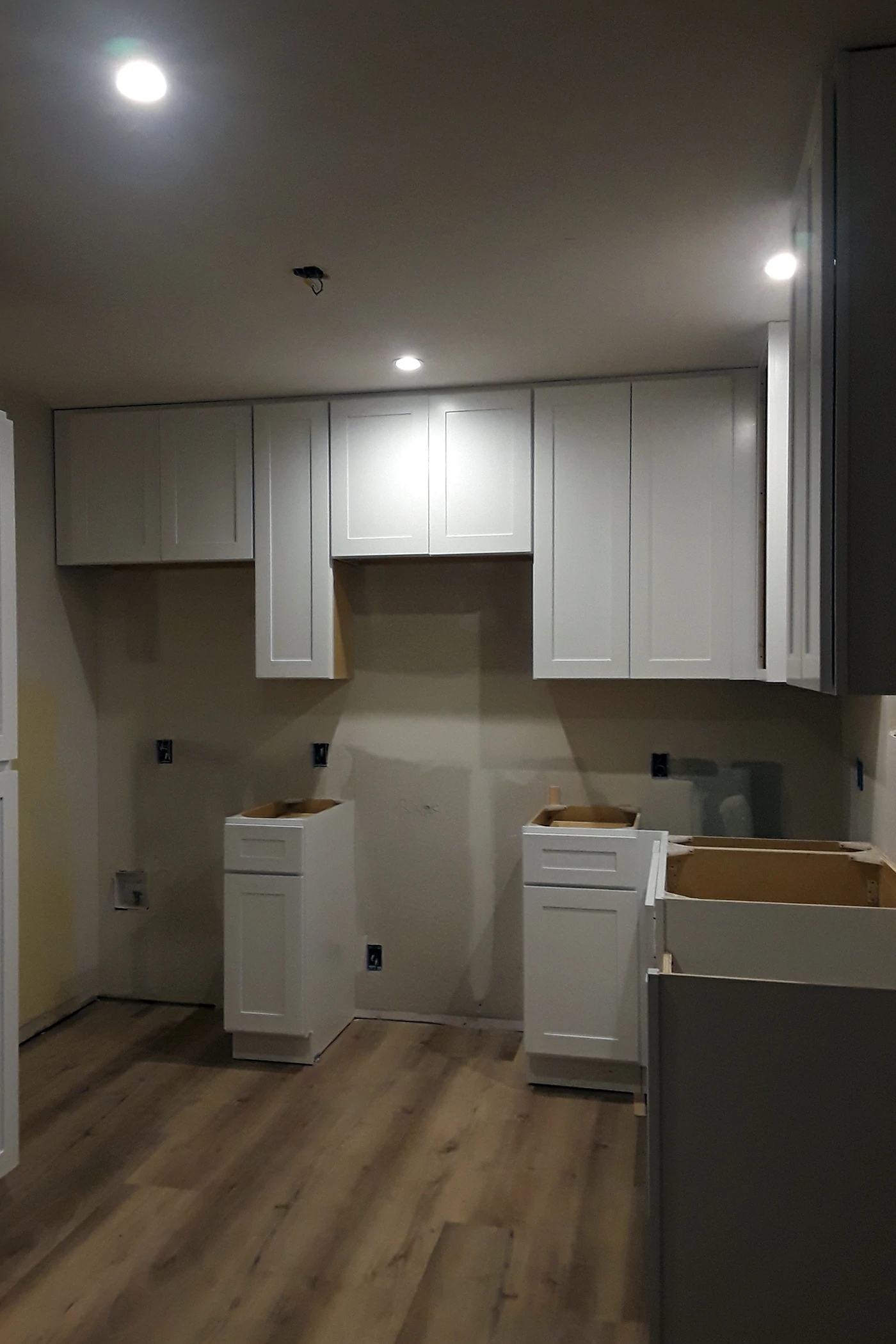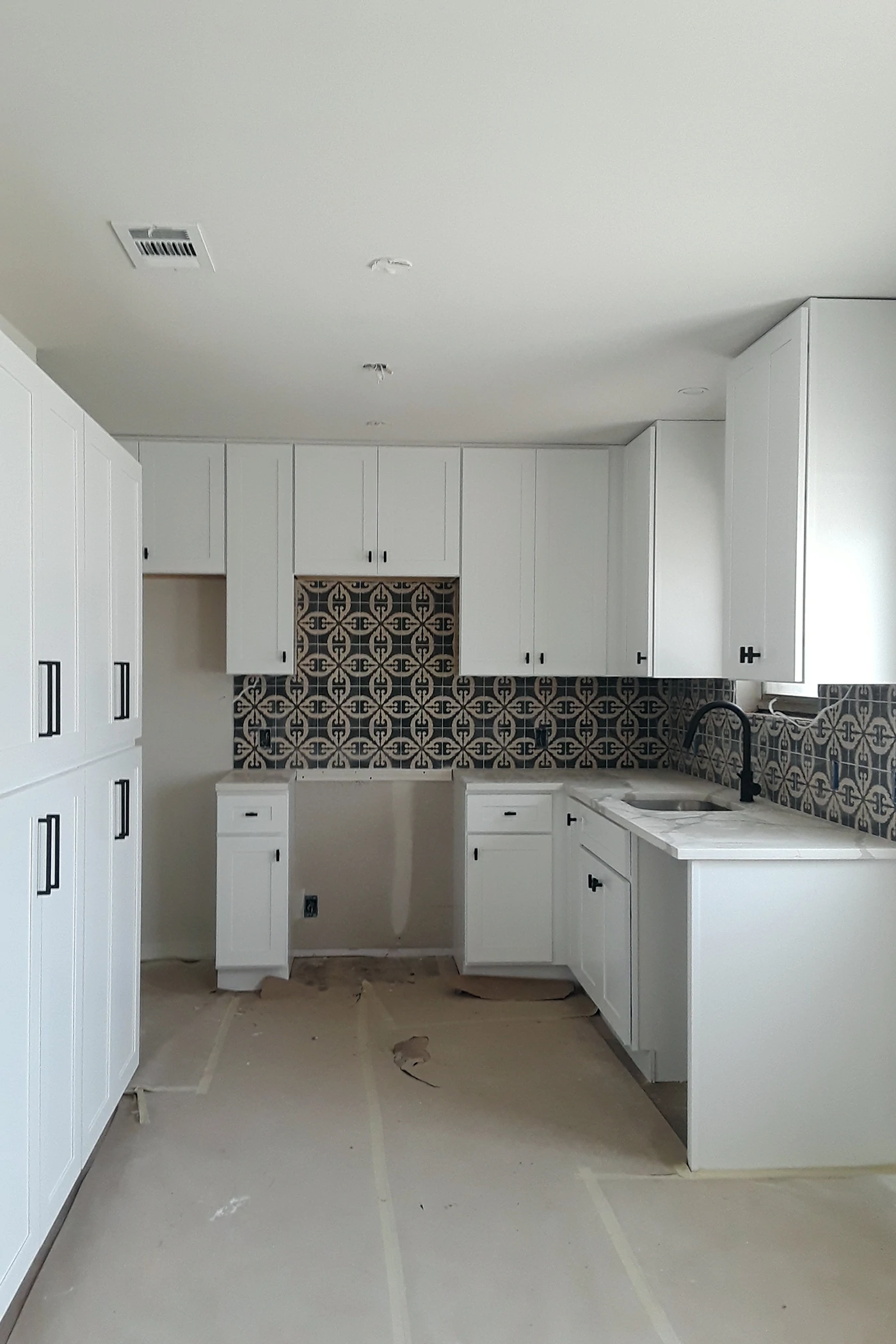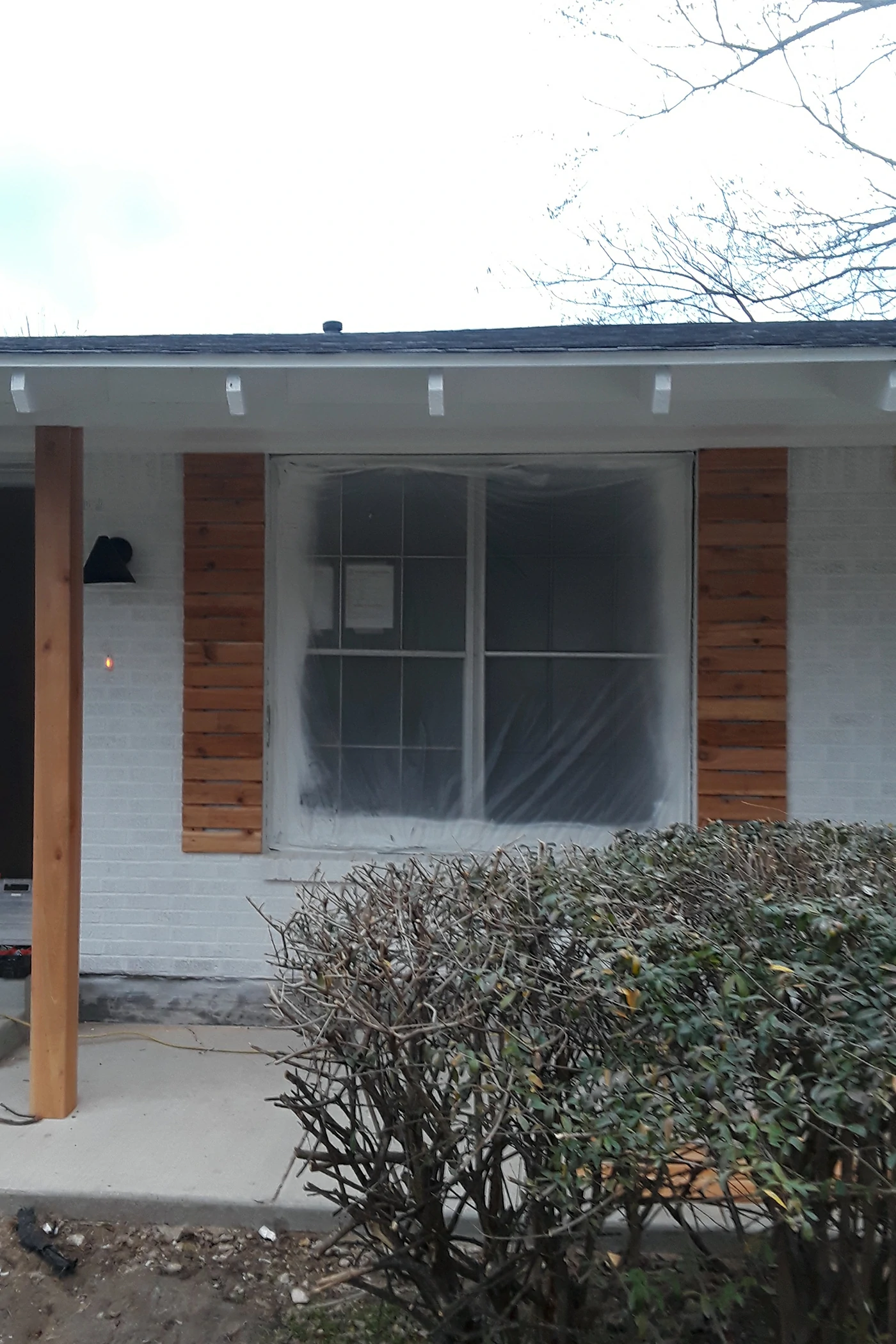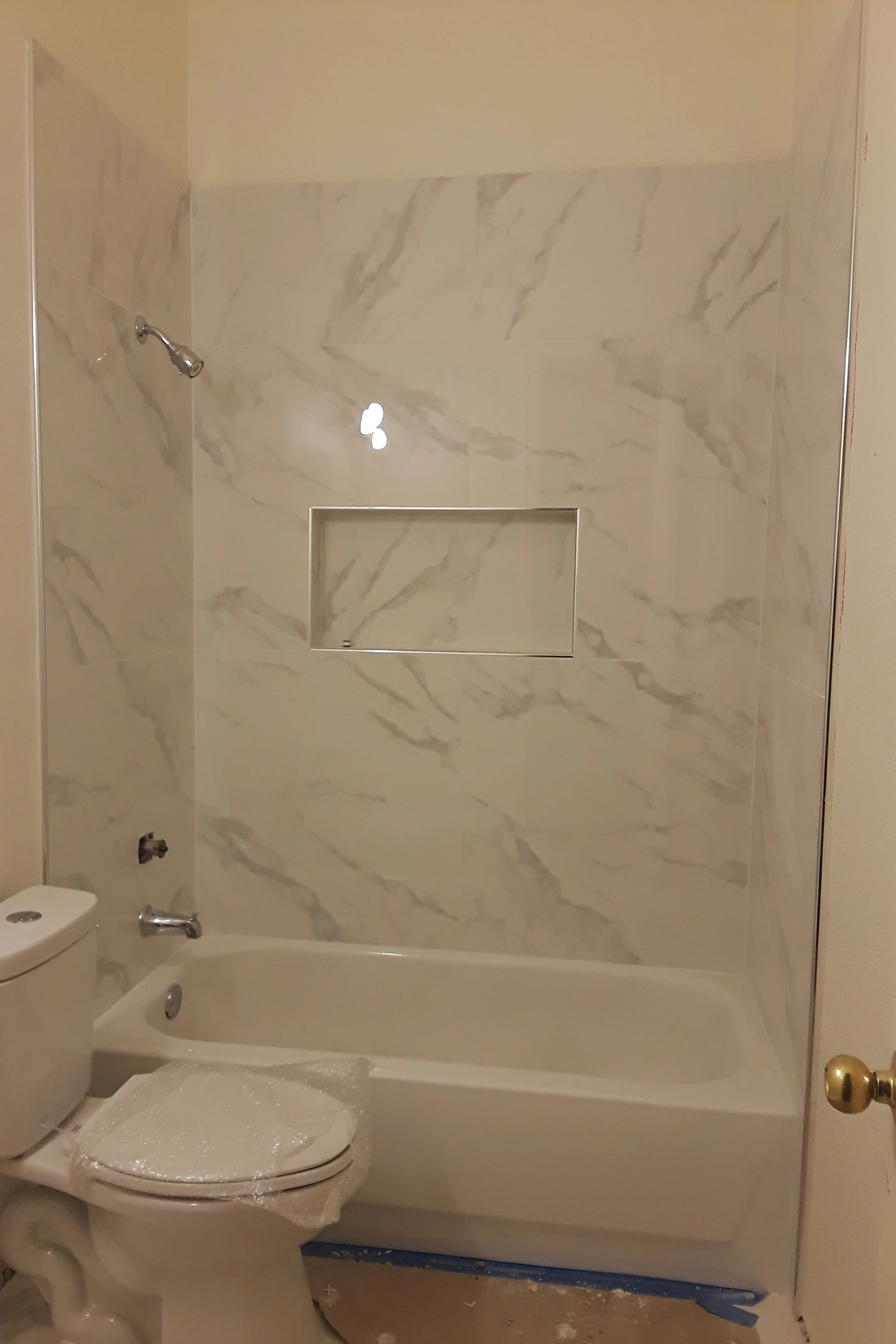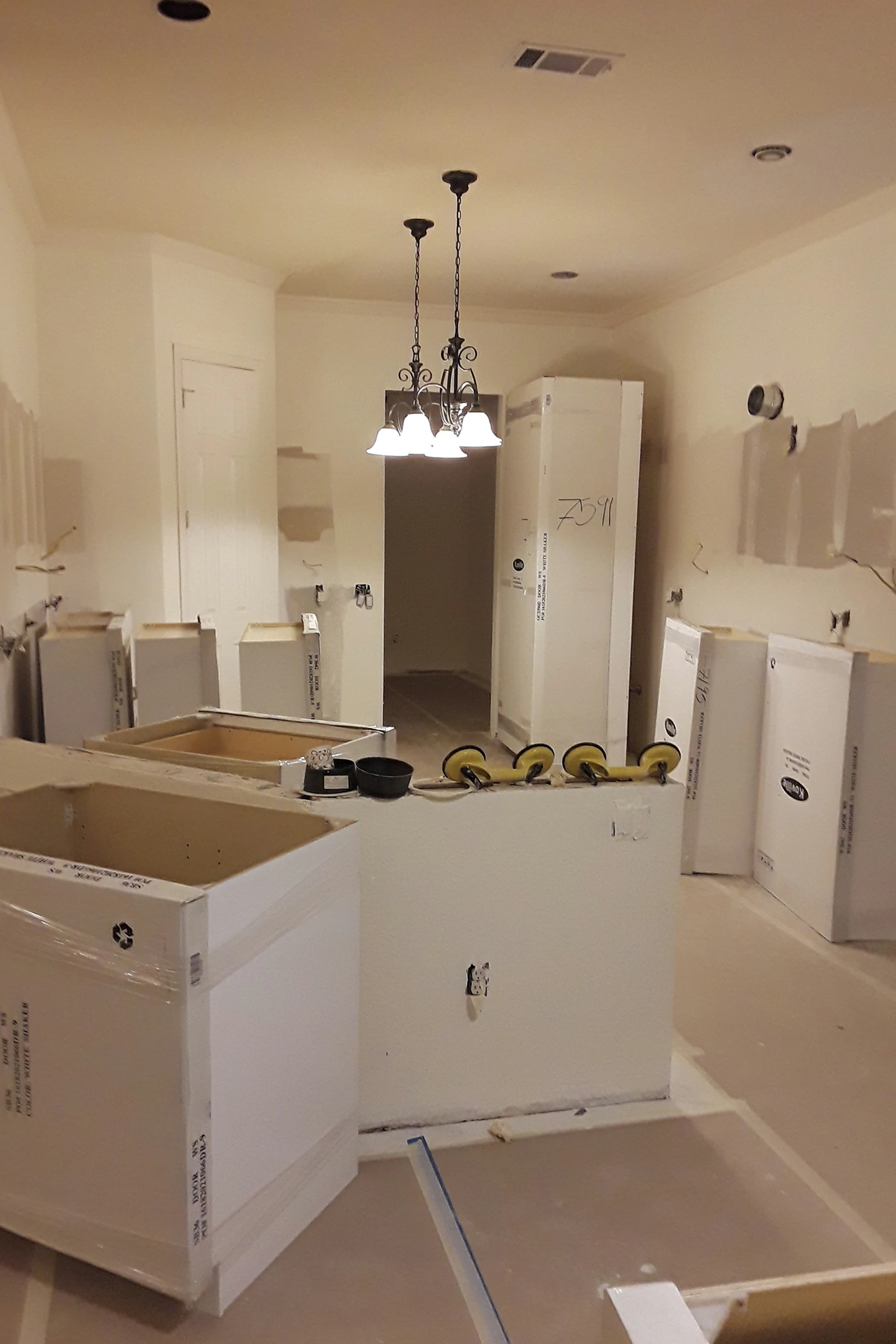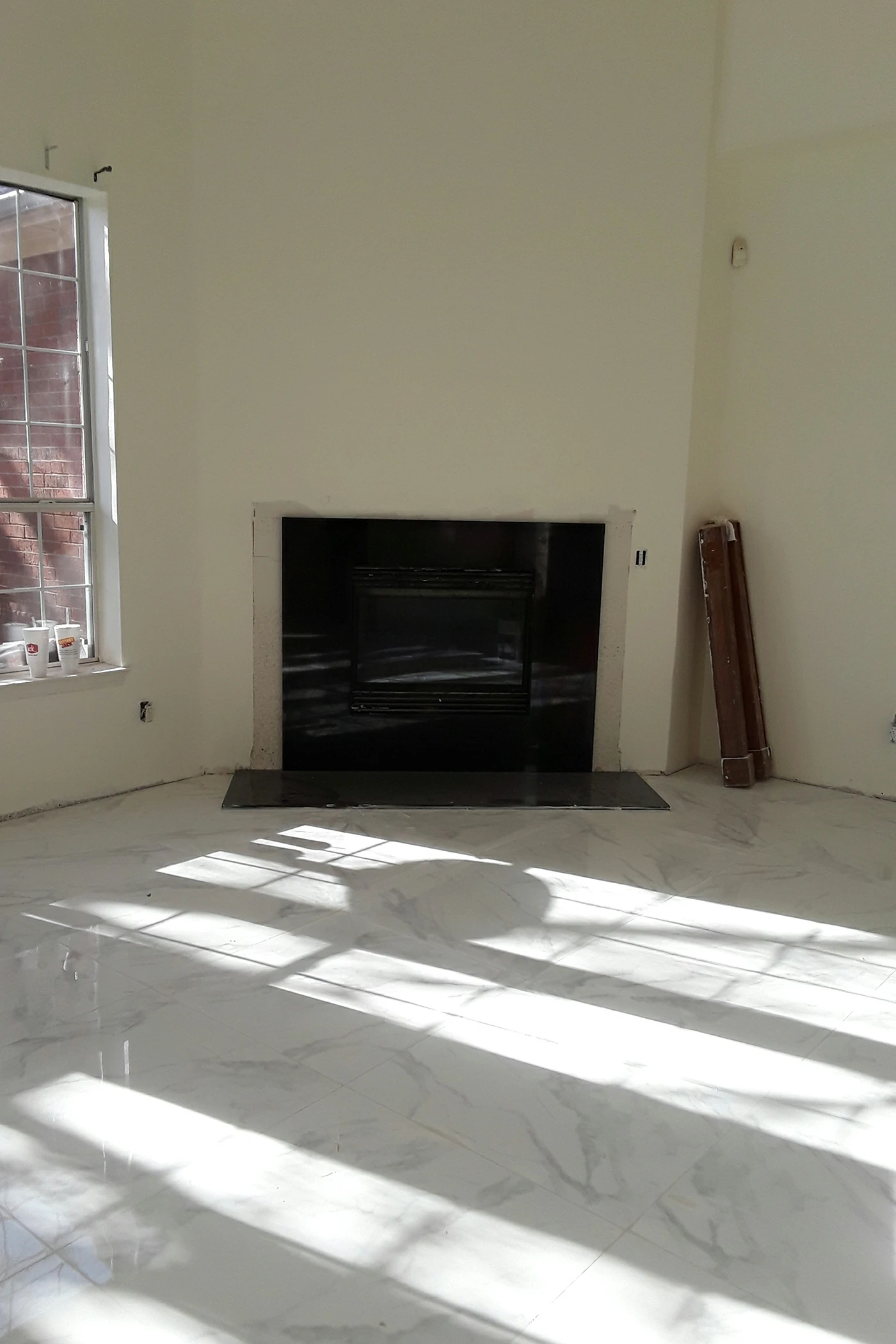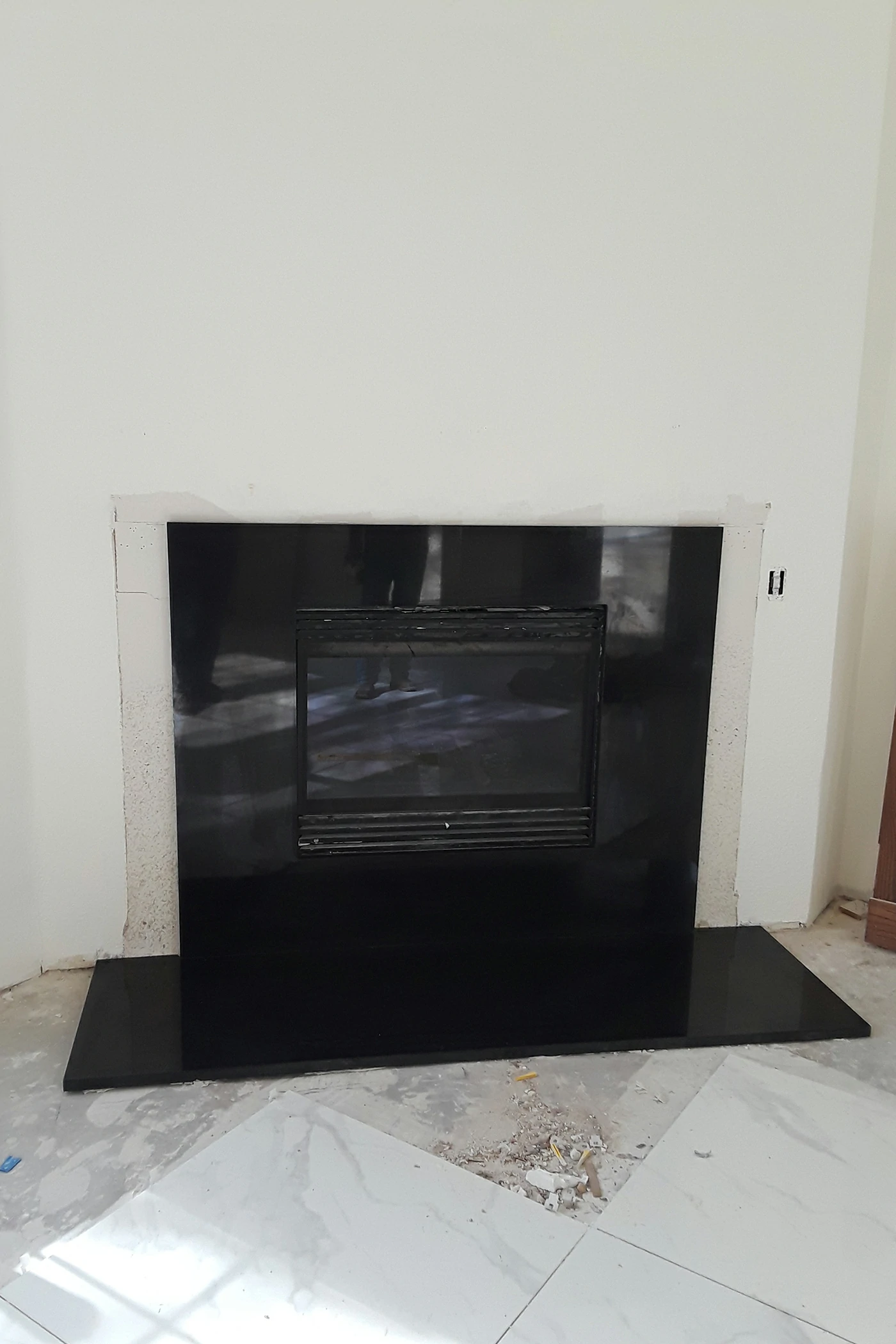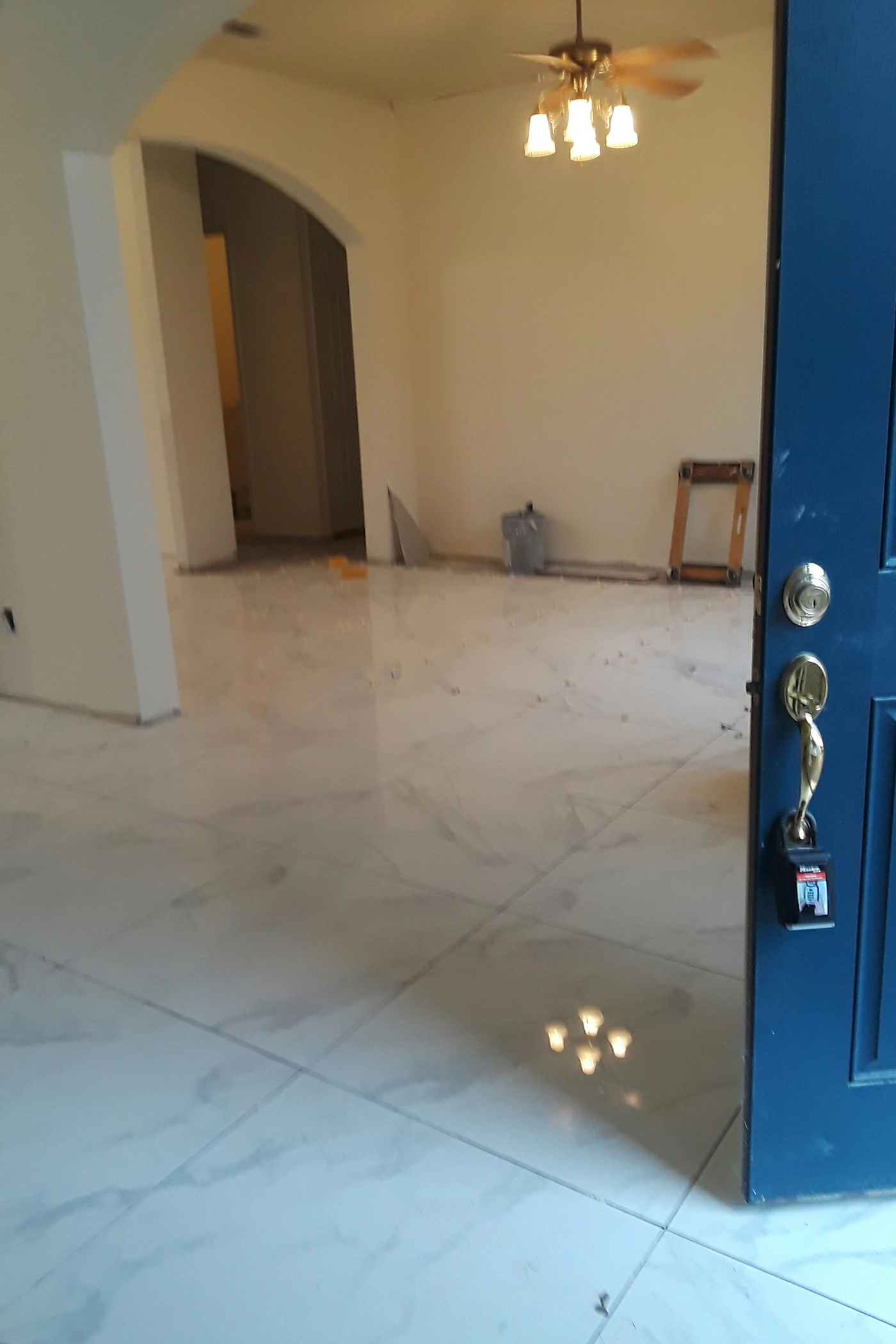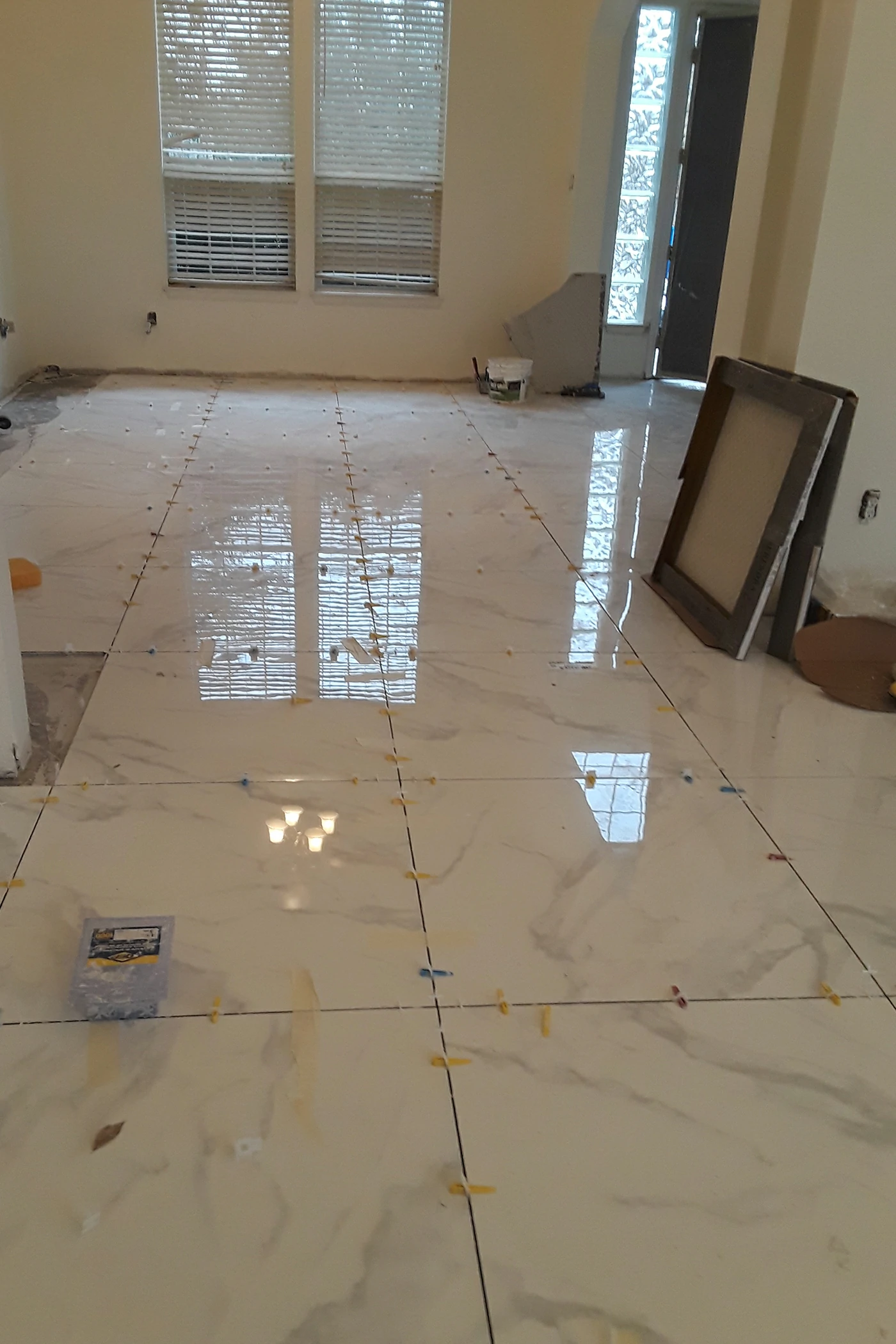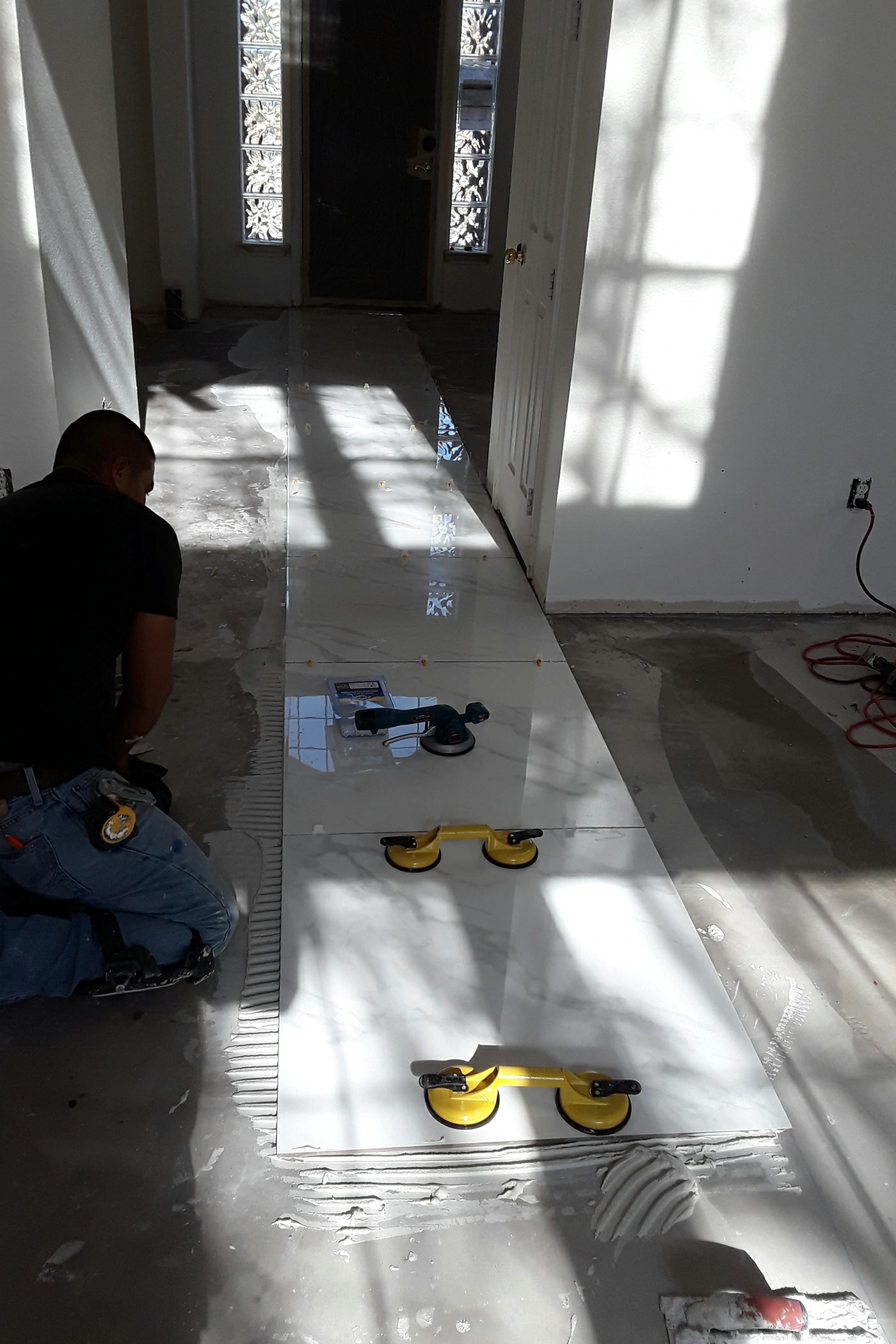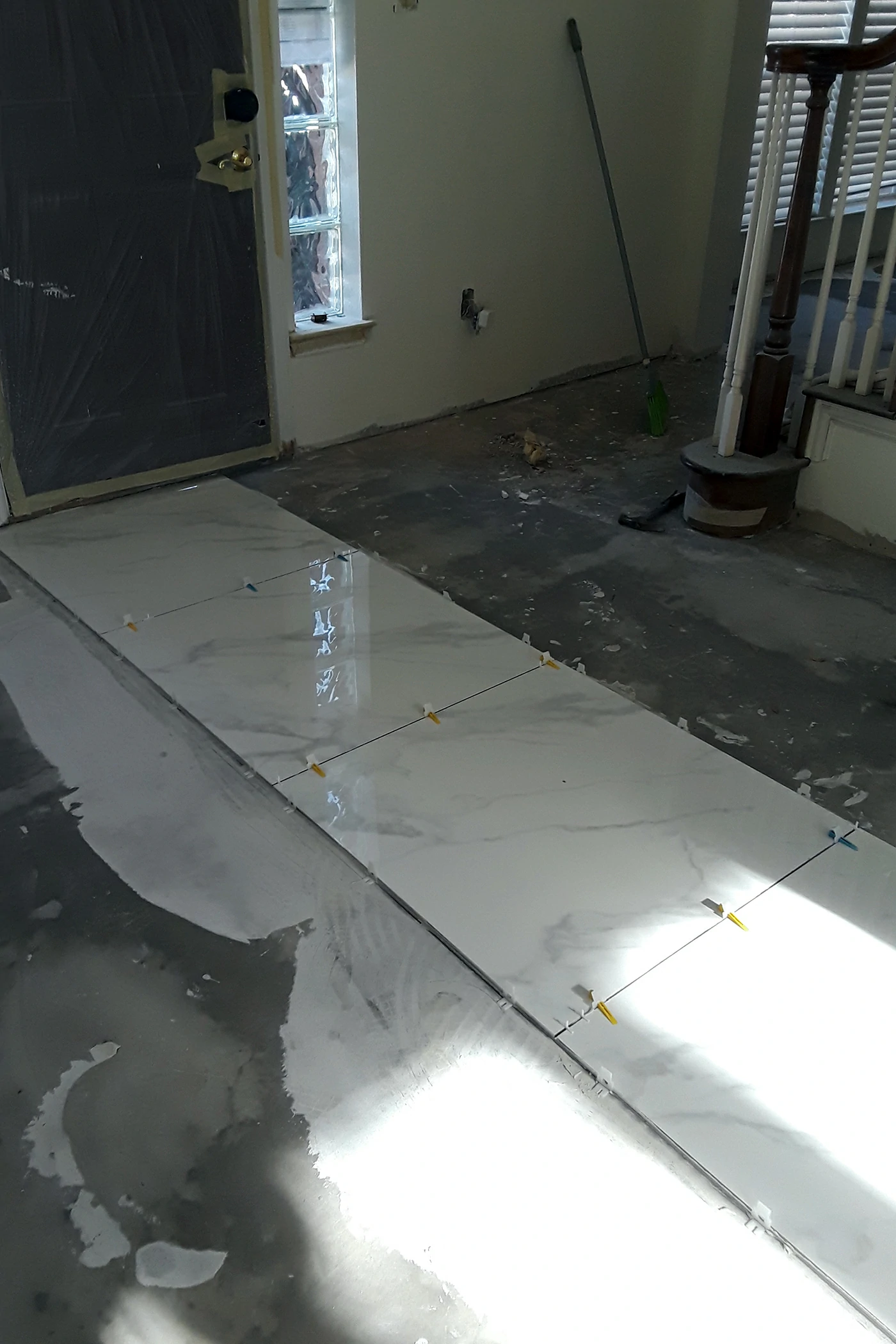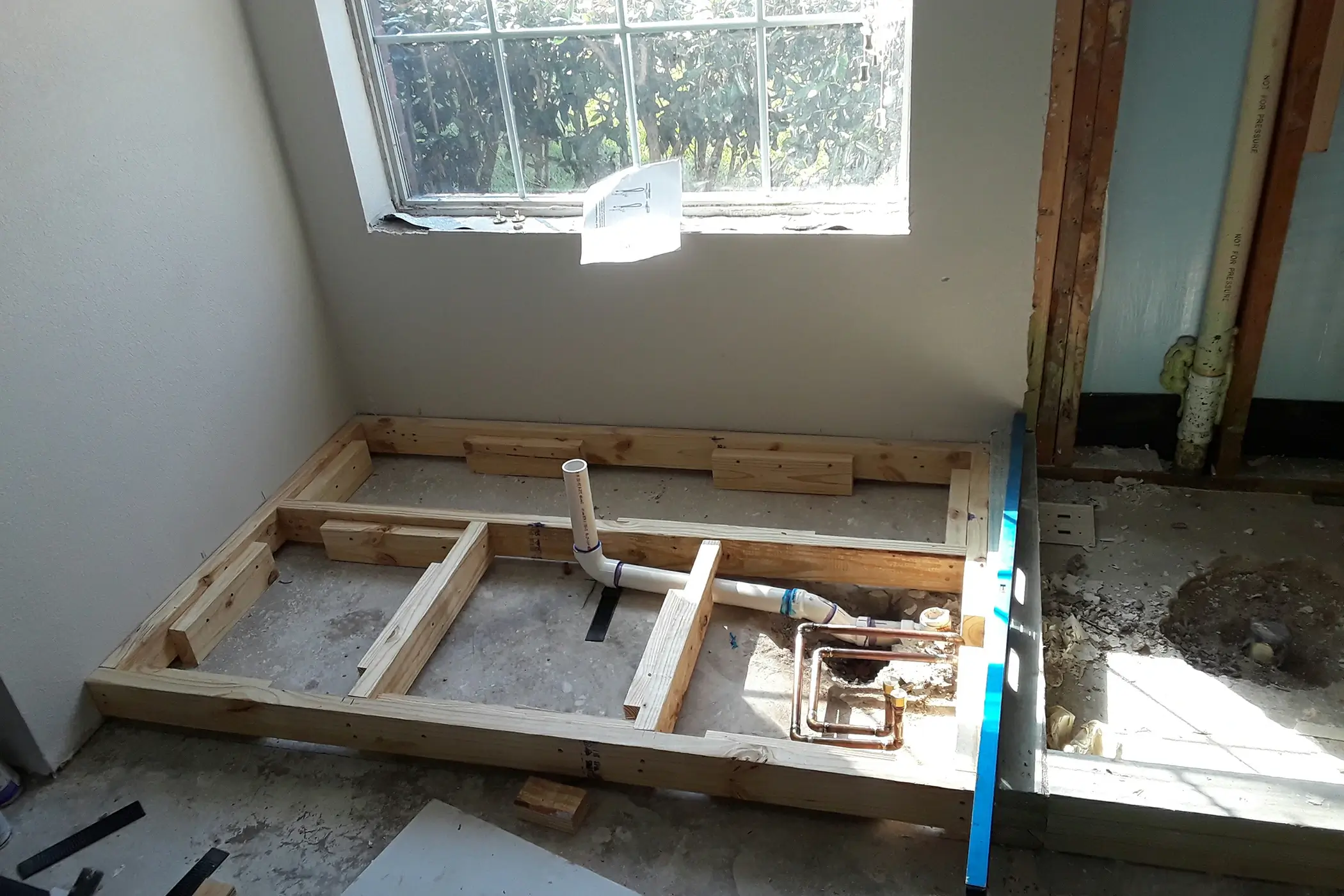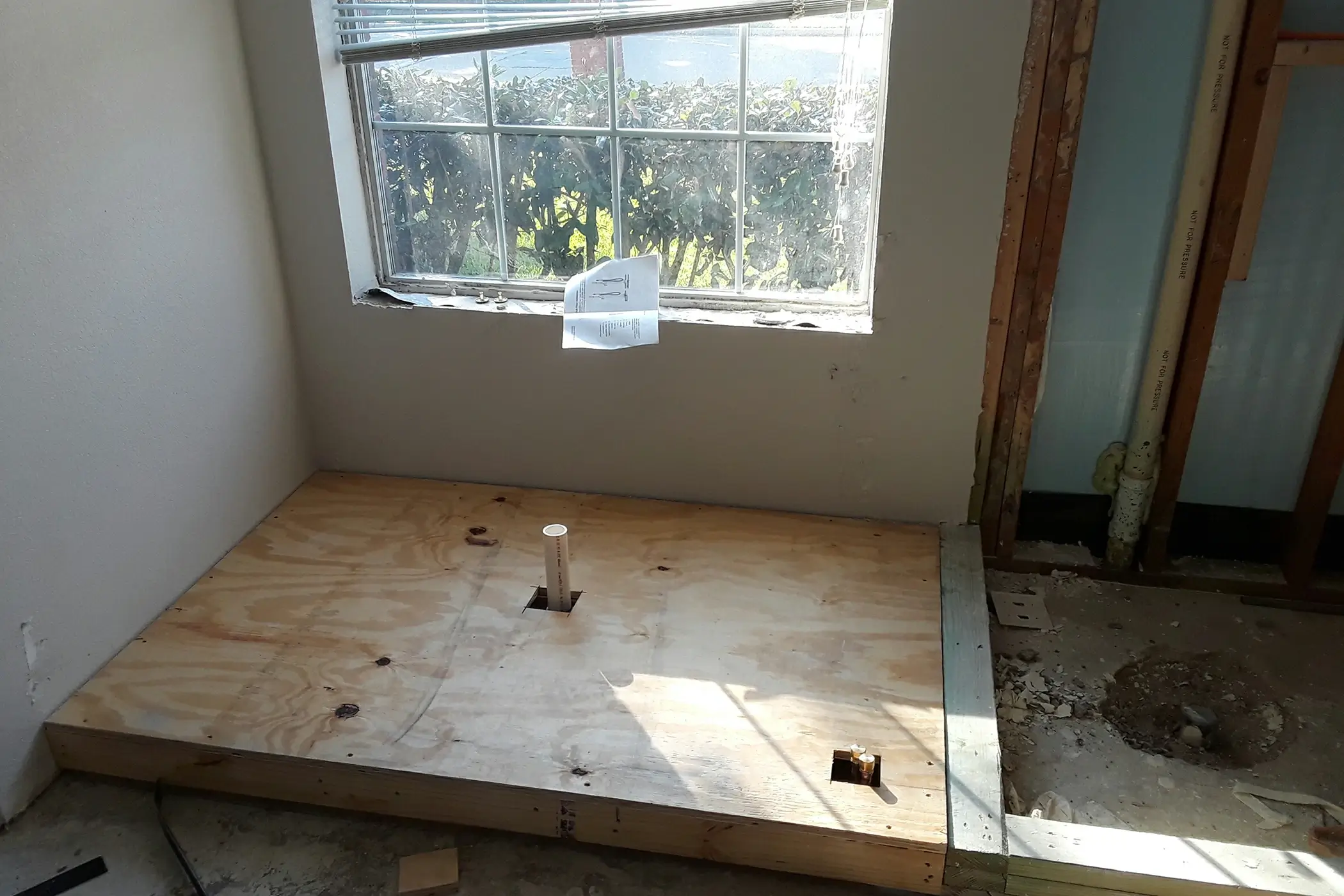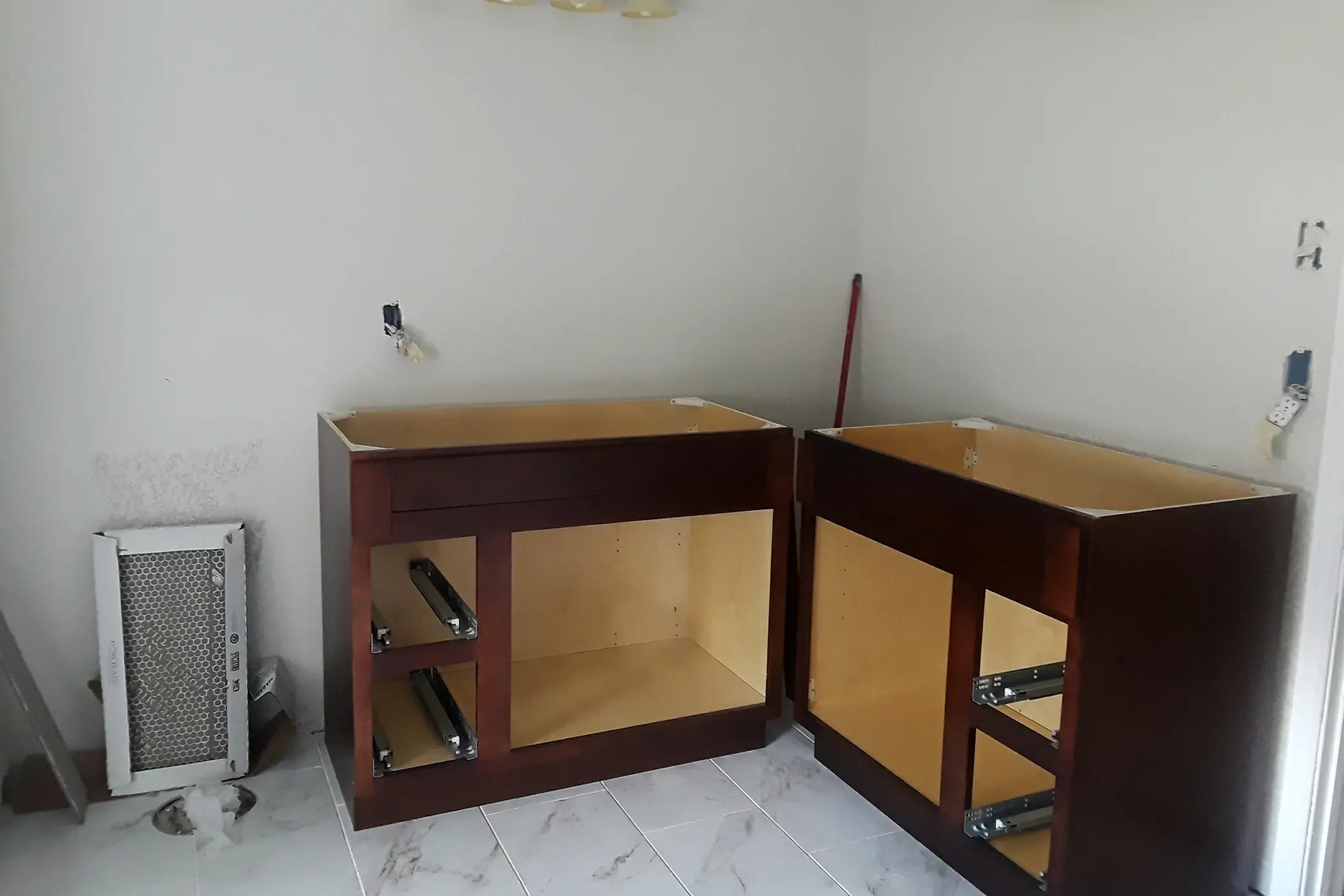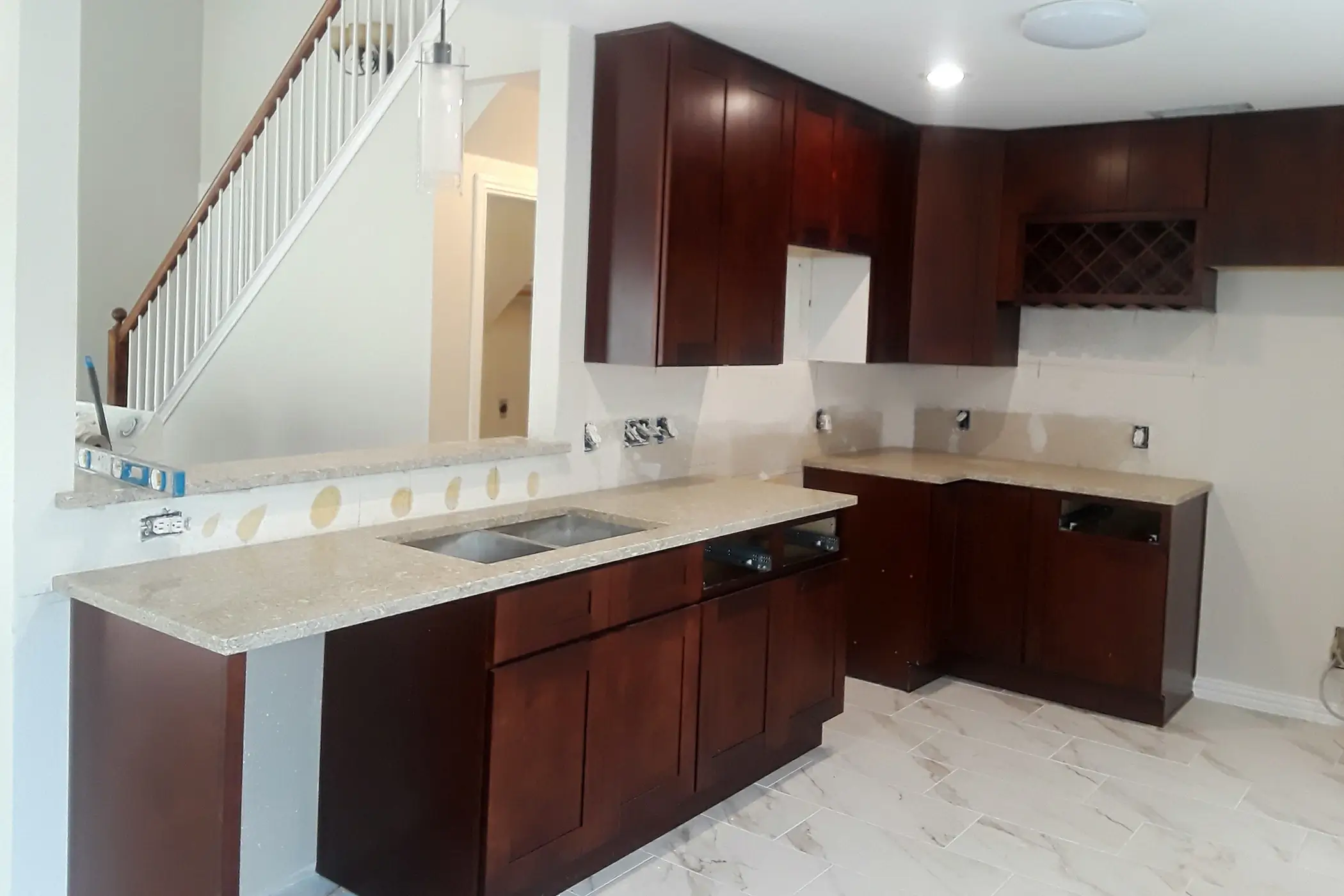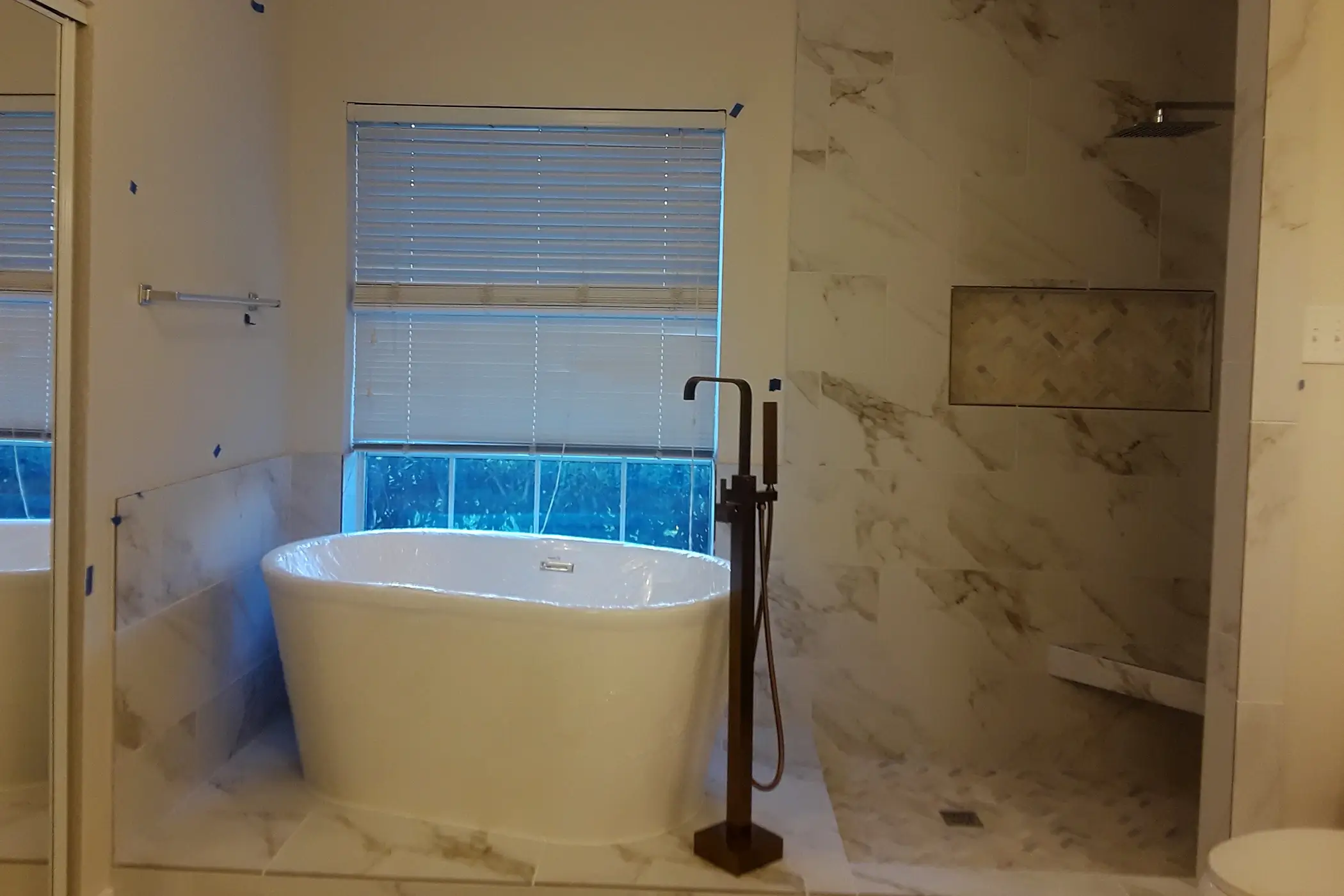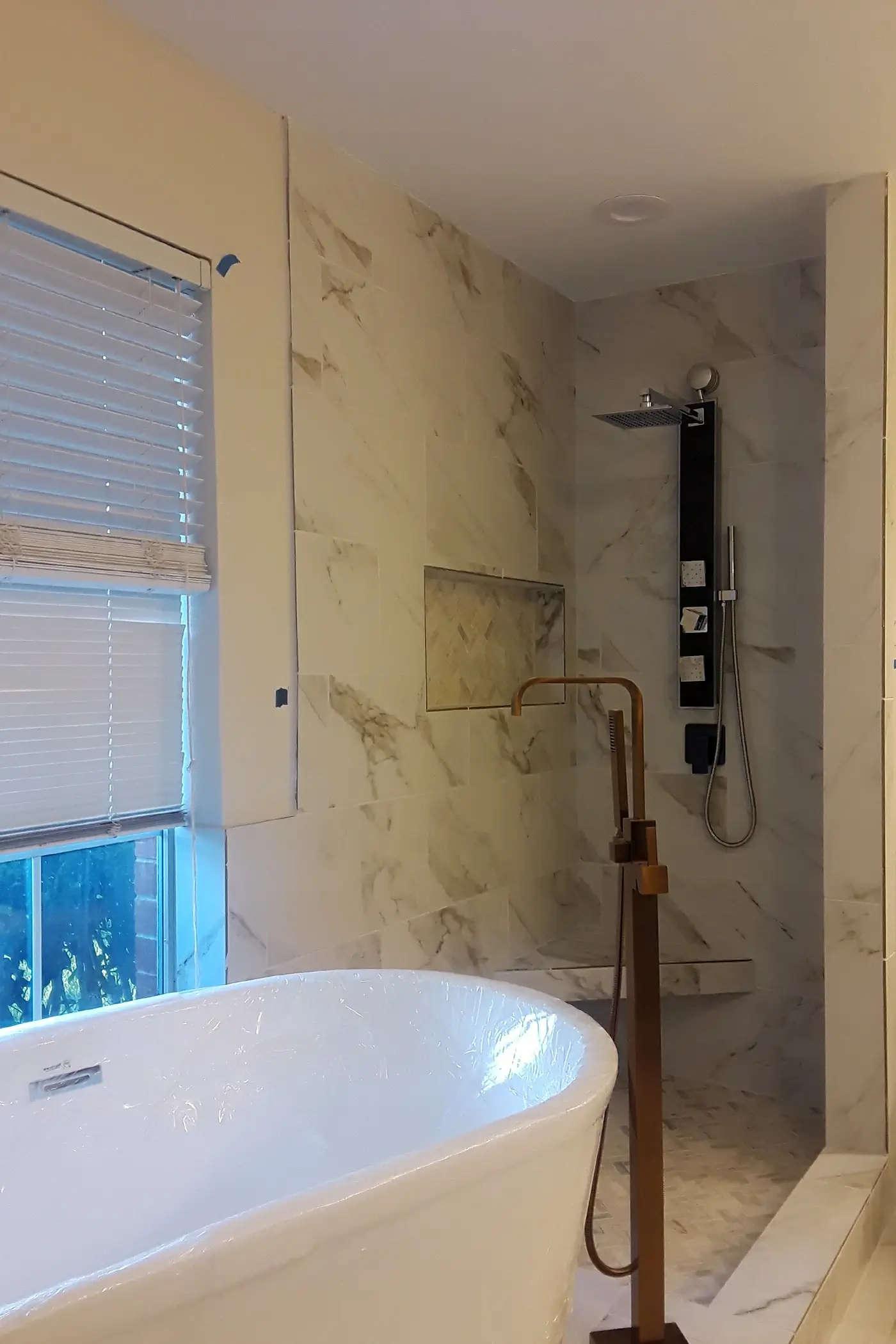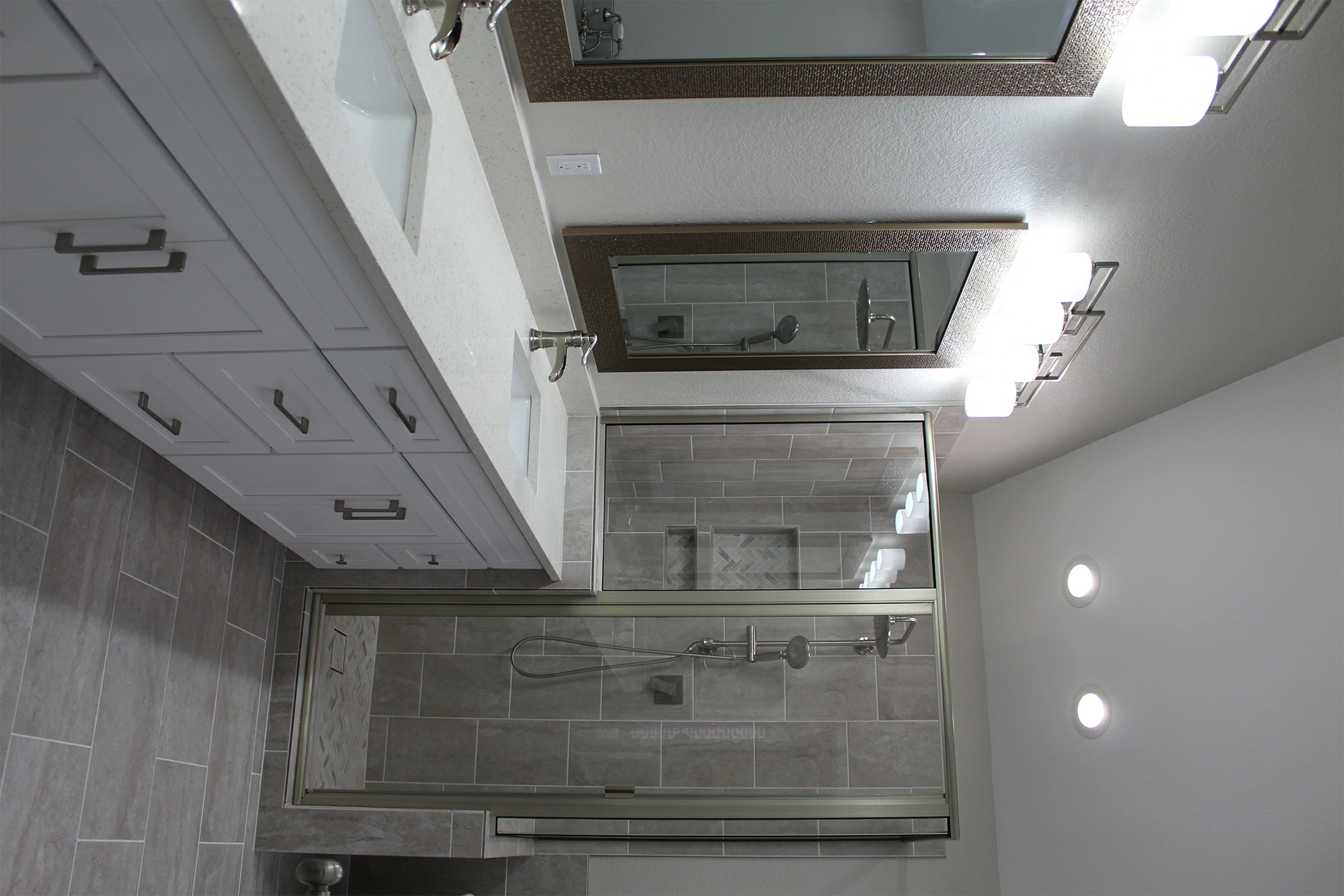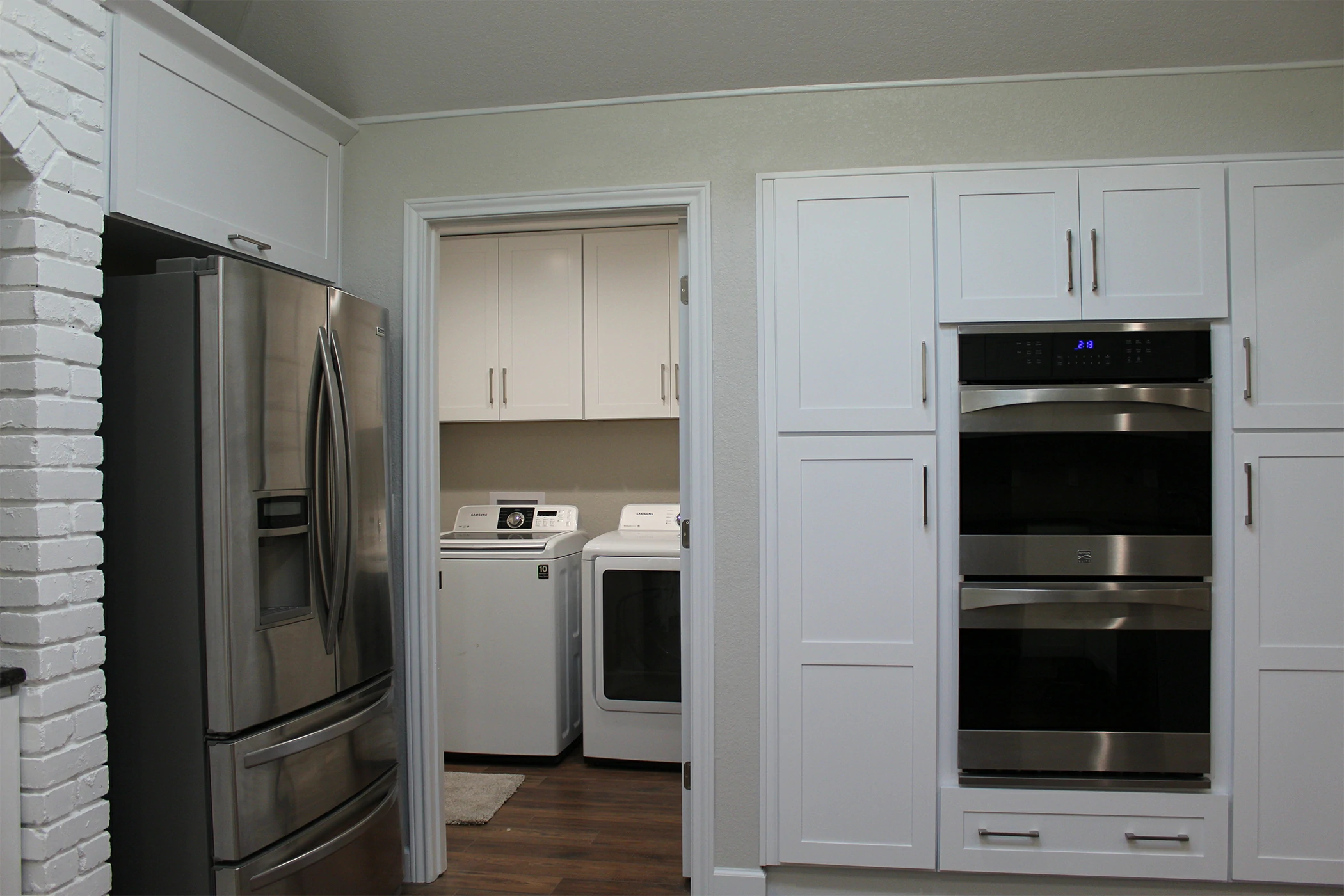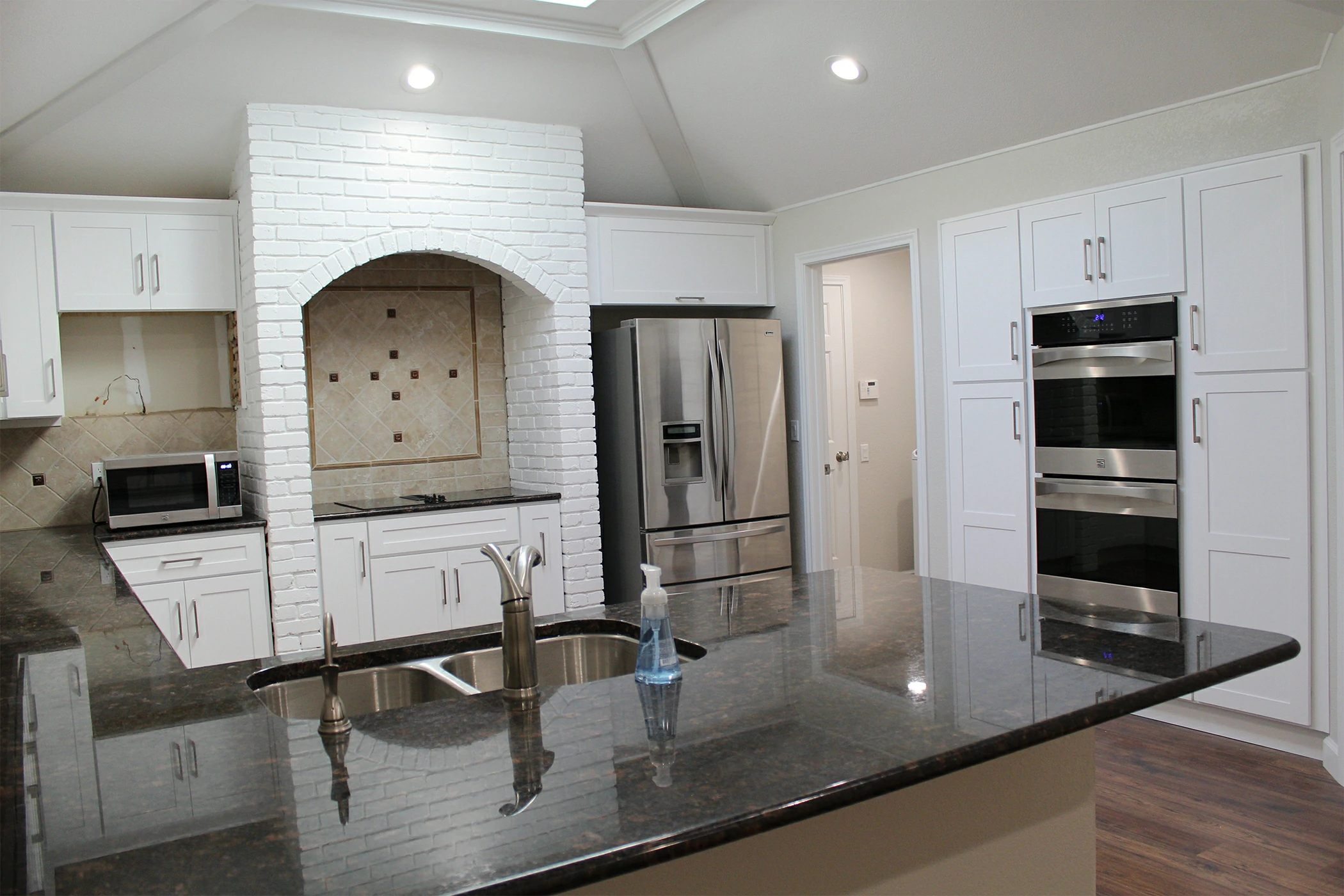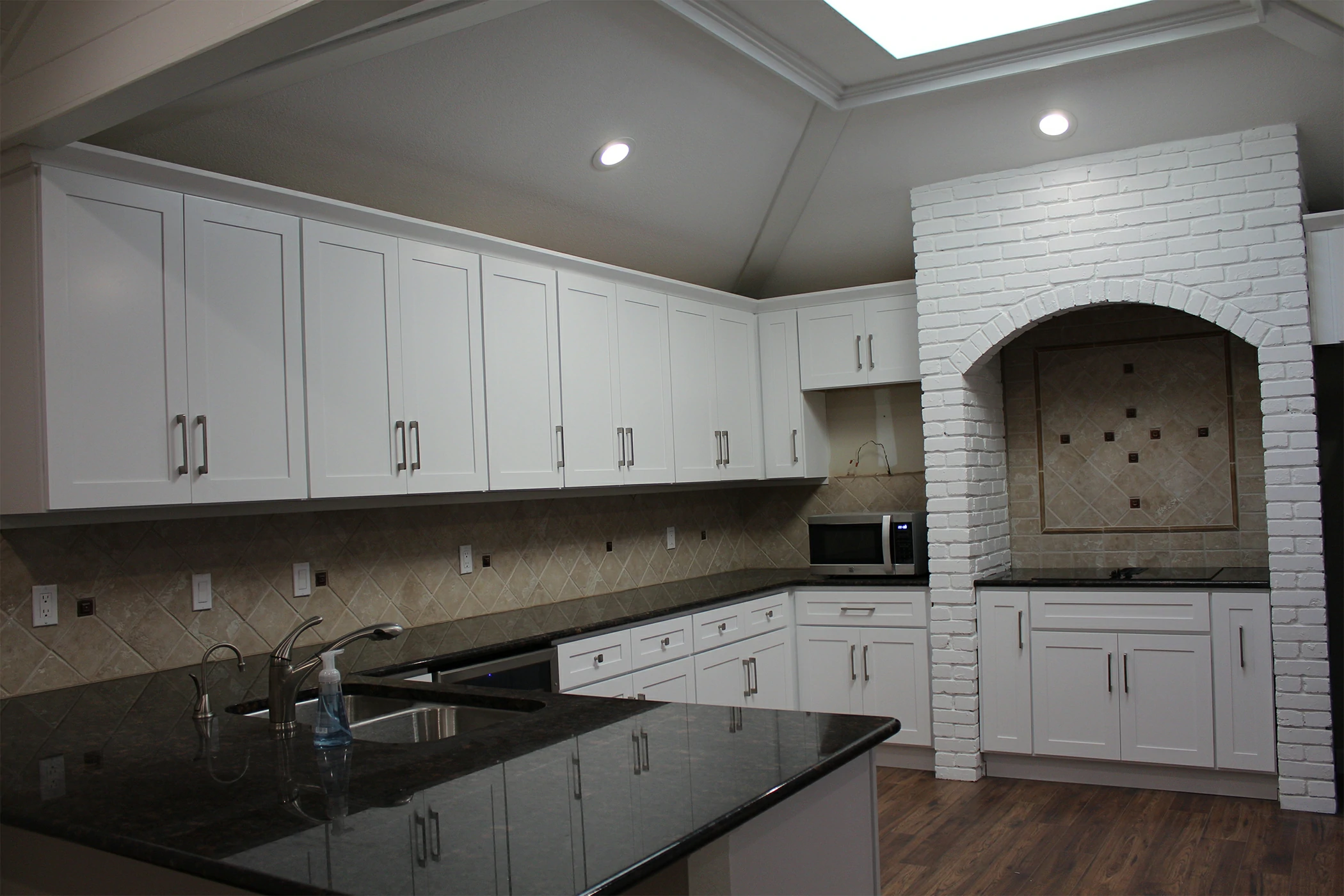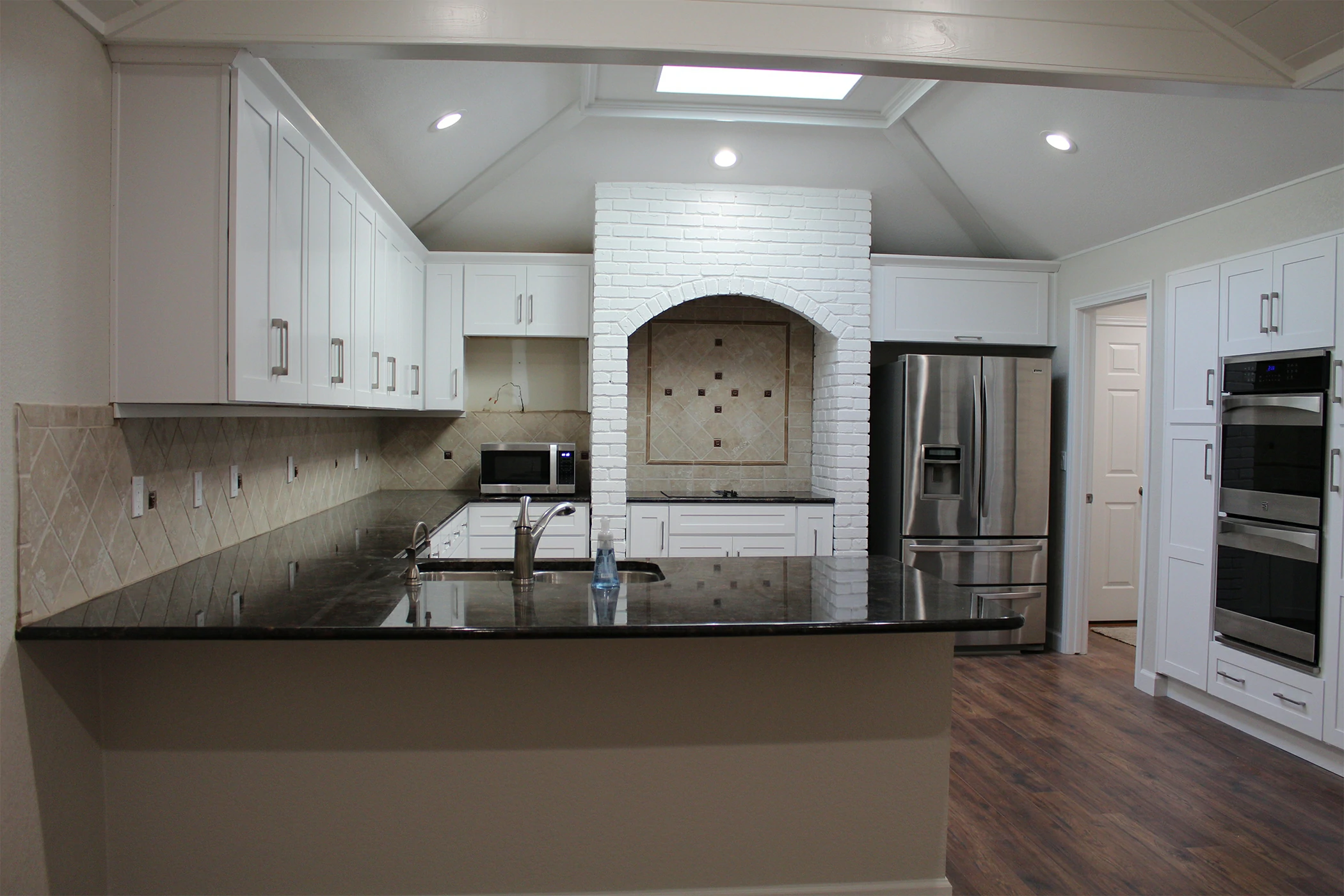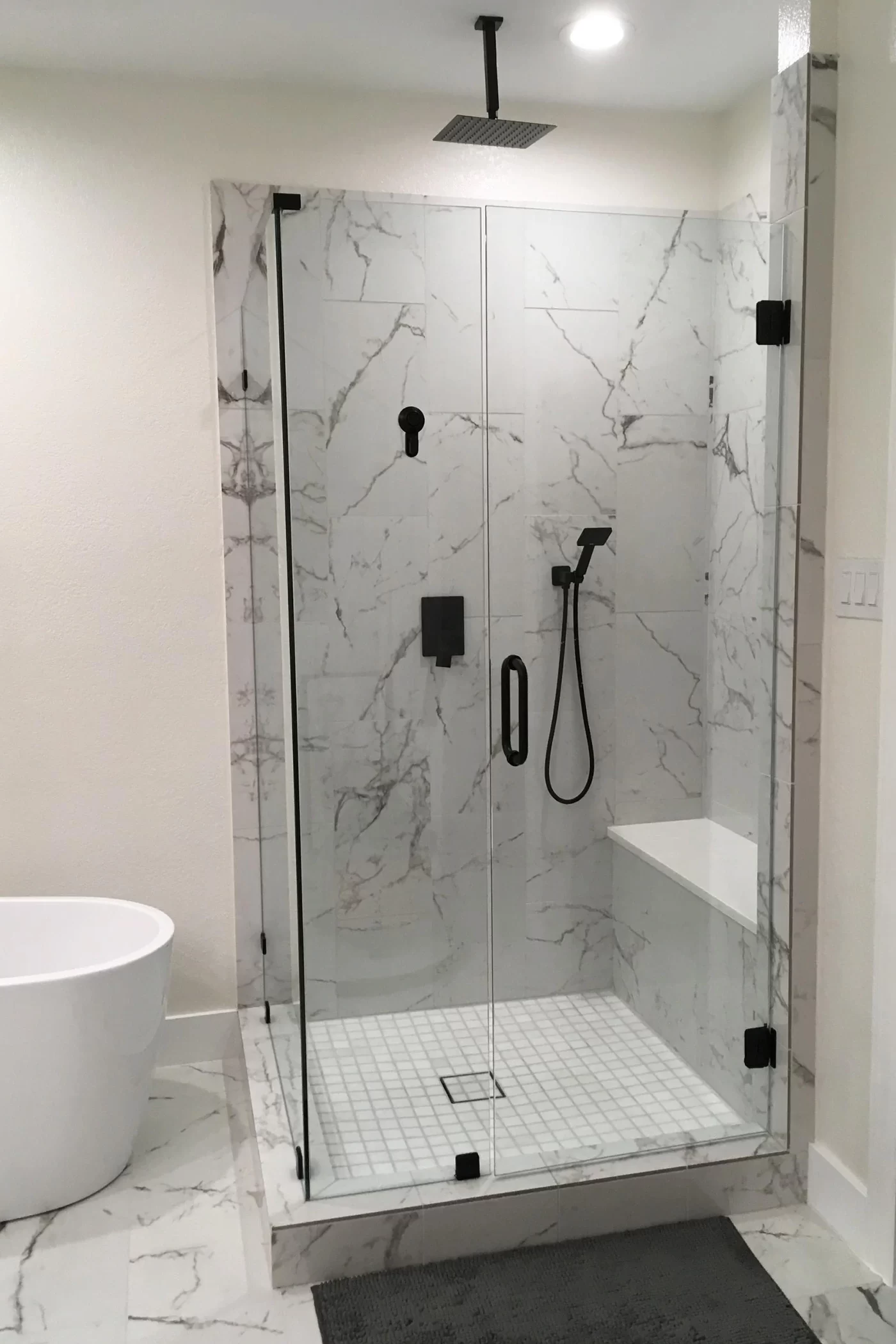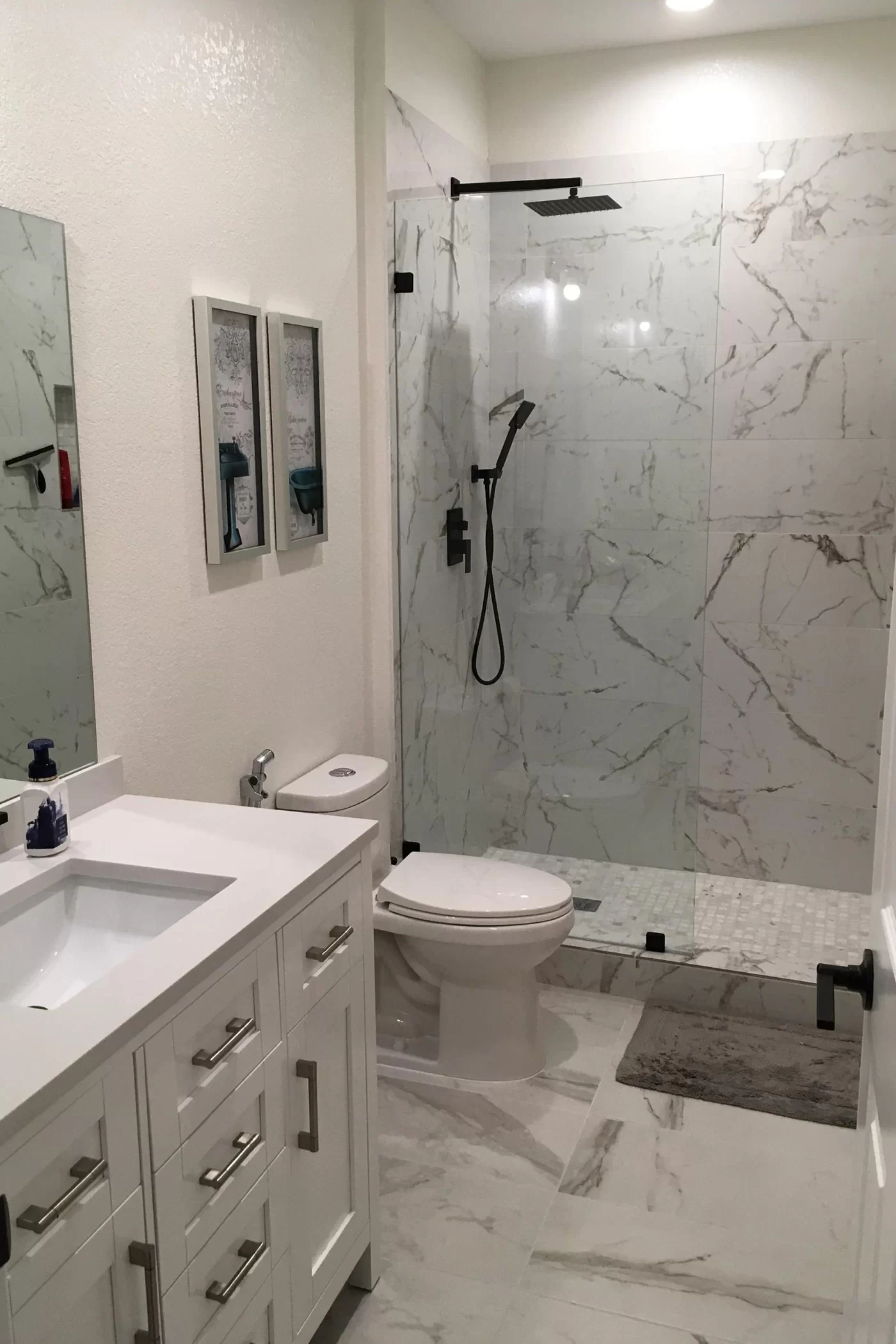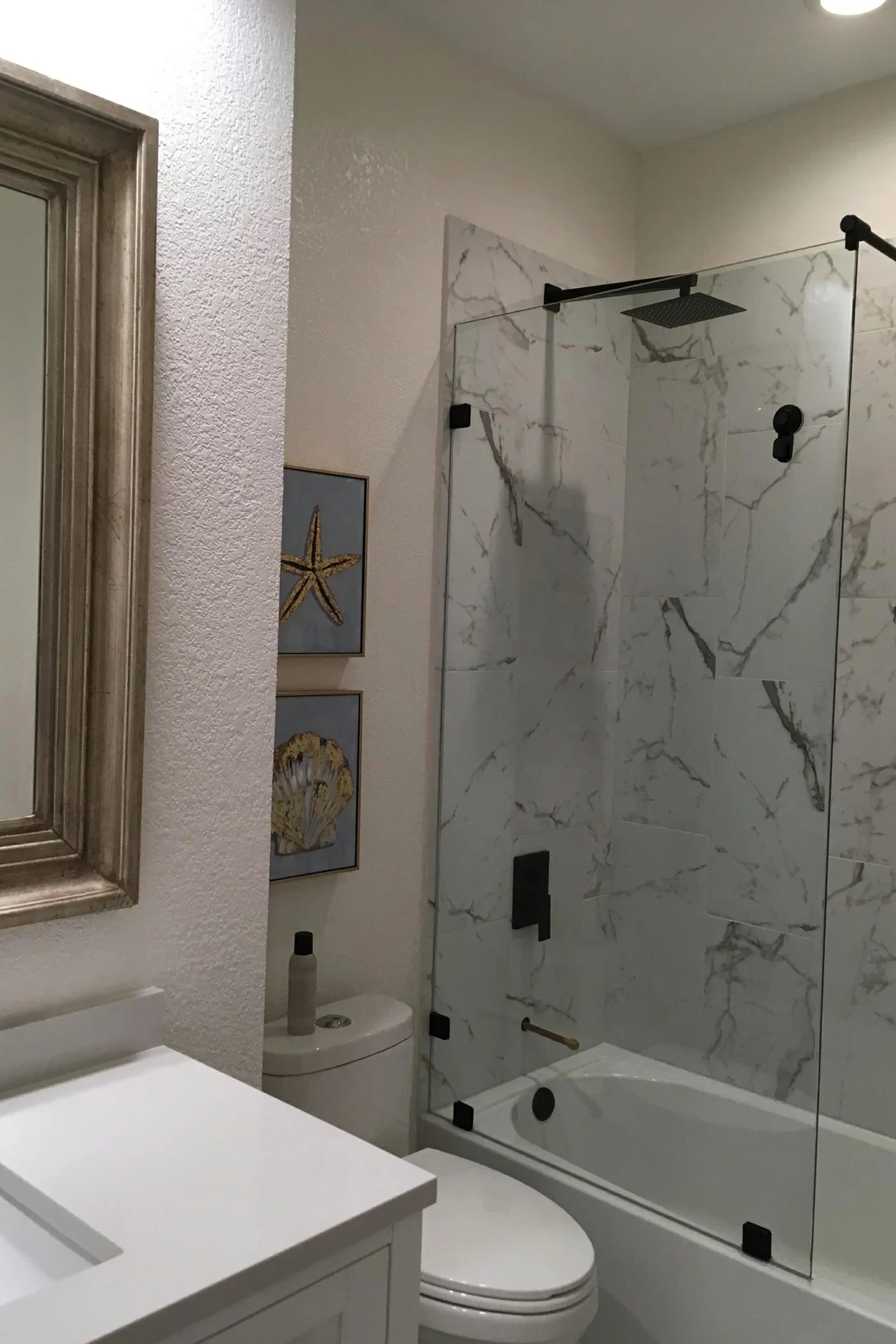

Selecting a reliable home remodeling contractor is one of the most important decisions Texas homeowners faces when planning a renovation. Whether the goal is a full home remodel, a kitchen upgrade or a room addition, the quality of the contractor will directly affect the outcome. A thoughtful selection process helps protect your investment and ensures your renovation supports the long-term function, value and comfort of your home. Bina Homes, which offers home, kitchen and addition remodeling services in Texas, is one example of a provider in this field, but the guidance in this article is designed to help you evaluate any contractor you may consider.
This detailed guide explains how to identify trustworthy home remodeling contractors, what factors matter most, how to compare estimates and what questions to ask. The goal is to help you approach your project with clarity and confidence.
Understanding the Job of a Home Remodeling Contractor
A home remodeling contractor oversees the planning and construction of renovation projects. Their responsibilities can include project design, material sourcing, scheduling, managing subcontractors, ensuring compliance with local building codes and coordinating inspections. Because a remodeling project often requires coordination between carpenters, electricians, plumbers and other specialists, a contractor must be skilled at planning and communication.
Texas has a wide range of home styles, from older structures needing structural updates to newer homes requiring efficient layout changes. A reliable contractor helps navigate decisions, identifies potential risks and provides realistic guidance on budget and timeline.
Why Contractor Selection Matters in Texas
Building regulations in Texas vary by city and county. This affects:
- Permit requirements
- Structural standards
- Zoning regulations
- Inspection procedures
- Material recommendations suited for local climate conditions
Hiring a contractor who lacks Texas-specific experience can result in delays, rework or code violations. A knowledgeable contractor understands regional considerations such as humidity control, energy efficiency standards and foundation requirements. These factors influence durability, safety and long-term performance of your renovation.
Key Qualities of Trustworthy Home Remodeling Contractors
1. Valid Insurance Coverage
Insurance is essential for homeowner protection. A reliable contractor carries general liability and worker compensation coverage. These policies protect both the homeowner and workers from accidents, property damage or injuries. Always ask for documentation and verify that policies are active.
2. Proven Remodeling Experience
Experience directly affects project quality. Contractors with a strong background in remodeling understand construction challenges, material behavior and efficient project planning. Review their previous work, especially projects similar to yours.
3. Consistent Communication
Clear communication is essential throughout the project. A dependable contractor explains timelines, discusses potential obstacles, provides written documentation and responds to questions promptly. Early communication patterns often reflect how the project will be managed from start to finish.
4. Reliable References
Speaking with past clients provides meaningful insight into the contractor’s reliability. Customers can describe how the contractor handled scheduling, unexpected issues, subcontractor work quality and cleanliness during the project. Online reviews are useful, but direct communication with previous clients is more detailed and trustworthy.
5. Detailed Written Estimates
A thorough estimate includes:
- Labor details
- Material lists
- Timeline expectations
- Payment schedules
- Allowances for unforeseen issues
Estimates that lack detail or appear unusually low may indicate cost-cutting, hidden expenses or poor planning. A detailed estimate reflects professionalism and clarity.
Steps to Select a Reliable Contractor in Texas
Step 1: Identify Your Remodeling Goals
Before meeting contractors, define your project’s purpose. Consider layout changes, material preferences, space functionality and long-term plans for the home. Clarifying your needs helps contractors give accurate recommendations and cost estimates.
Step 2: Create a Shortlist of Potential Contractors
Seek recommendations from friends, neighbors or local professionals. Online research can also help identify home remodeling contractors who specialize in your type of project. Narrow your list to contractors with experience relevant to your goals, such as kitchen upgrades, bathroom remodeling or additions.
Step 3: Conduct Initial Interviews
Interview each contractor to learn more about their approach. Discuss:
- Availability
- Project planning methods
- Experience with similar renovations
- Subcontractor coordination
- Material recommendations
- Potential obstacles
An interview helps you evaluate communication style, professionalism and industry knowledge.
Step 4: Verify Insurance and Trade Licensing
Even though Texas does not require a general contracting license, many trades such as plumbing and electrical work require specific licensing. Confirm that subcontractors under the contractor carry the appropriate credentials. Ask for proof of insurance and check expiration dates.
Step 5: Review Their Project Portfolio
Request photos of completed jobs and, if possible, arrange visits to active job sites. Site visits show how the contractor manages safety, organization and work quality during construction. For projects involving structural changes or custom design work, reviewing past projects is especially important.
Step 6: Compare Detailed Estimates
After receiving estimates, compare the contents carefully. Look for clarity in materials, labor rates and scheduling. Ensure that each estimate is based on the same project details. Differences in scope can make estimates difficult to compare.
Comparing estimates is not about choosing the lowest price. Instead, look for balance between value, accuracy and quality.
Step 7: Evaluate Professionalism and Organization
Throughout the selection process, note how the contractor manages appointments, follow-up conversations and documentation. Contractors who are organized at the start generally continue that behavior during the project.
Step 8: Review the Contract Thoroughly
Before signing, confirm that the contract includes:
- Project scope
- Payment schedule
- Material specifications
- Timeline expectations
- Warranty details
- Change order procedures
- Responsibilities for permits
A precise contract protects both parties and establishes clear expectations.
Step 9: Understand Permits and Inspection Responsibilities
A reliable contractor knows the permitting requirements for your Texas municipality. Confirm who will submit permit applications and coordinate inspections. Work completed without proper permits may result in fees or complications when selling the property.
Step 10: Stay Involved After the Project Begins
Regular communication supports a smooth renovation. Schedule progress checks and ensure any changes to the plan are documented in writing. Staying engaged helps prevent misunderstandings regarding materials, finishes or timelines.
Mistakes to Avoid When Choosing a Contractor
Choosing Solely Based on Price
Low prices can be appealing, but they sometimes indicate inexperienced labor or lower-quality materials. Focus instead on experience, planning and clarity.
Skipping Reference Checks
References help confirm whether the contractor delivers dependable work. A lack of references or reluctance to provide them may signal a problem.
Ignoring Contract Details
Never rely on verbal agreements. All project decisions must appear in the written contract.
Rushing the Decision
Take time to research, interview and compare. Rushed decisions often lead to unexpected delays or additional expenses.
Benefits of Working With a Local Texas Contractor
Local contractors understand regional building practices and environmental factors such as heat, humidity and soil conditions. They also have established relationships with local suppliers, which can reduce material delays.
Working with a Texas-based contractor supports smooth communication, faster response times and easier scheduling, especially for large projects or additions.
When Full Home Remodeling is the Right Choice
Homeowners often consider full home remodeling when:
- The layout limits functionality
- Several rooms require updates
- The home needs structural improvements
- Efficiency upgrades are planned
- The goal is to modernize the home for long-term use
When to Choose a Kitchen Remodel
Kitchen renovations are among the most common home improvements due to their impact on daily routines and property value. A kitchen remodel may be appropriate when:
- Appliances are outdated
- Storage is limited
- The layout restricts movement
- Materials show wear
- Lighting is insufficient
When a Room Addition Makes Sense
Room additions help homeowners accommodate lifestyle changes without moving. Common additions include:
- New bedrooms
- Expanded living areas
- Home offices
- Sunrooms
- Garage conversions
Conclusion
Selecting trustworthy home remodeling contractors in Texas involves careful evaluation, clear communication and a solid understanding of project expectations. By reviewing experience, checking references, comparing written estimates and confirming contract details, homeowners can approach their renovations with confidence. Taking time to assess each contractor’s qualifications ensures your remodeling project is completed safely, efficiently and in line with your long-term goals.
If you are beginning your planning process and would like to learn more about working with experienced home remodeling contractors, you can request information or arrange a consultation through the contact page.