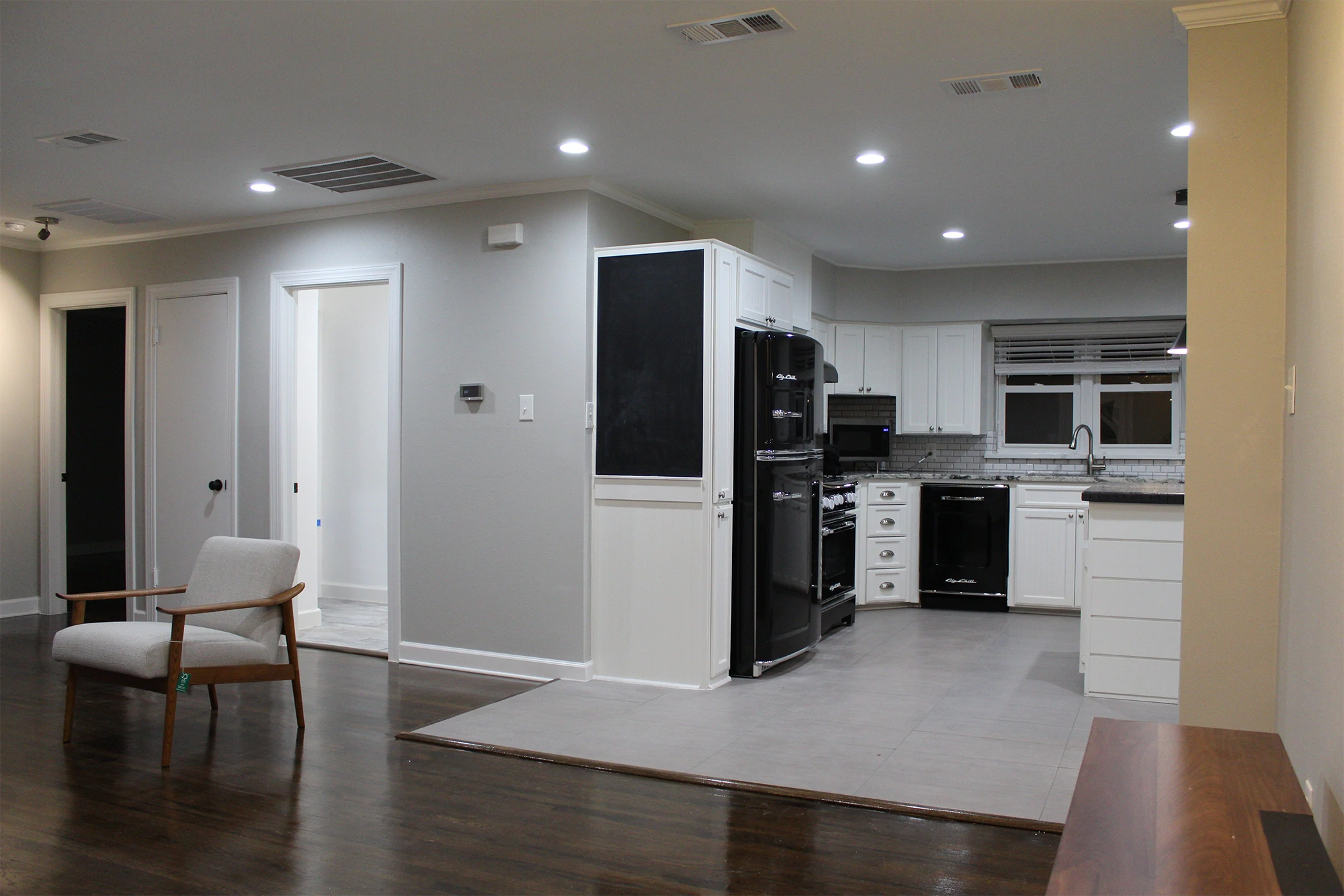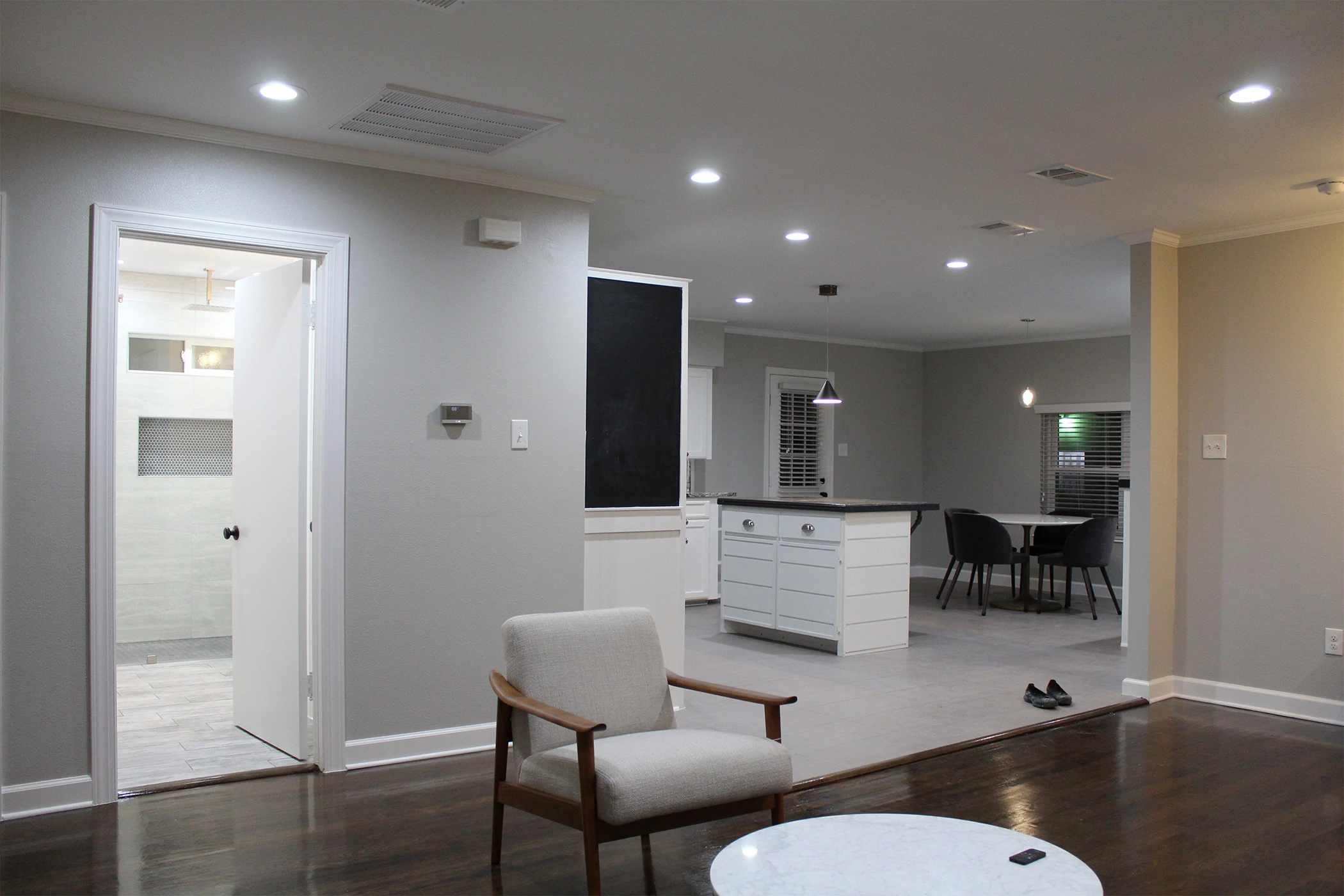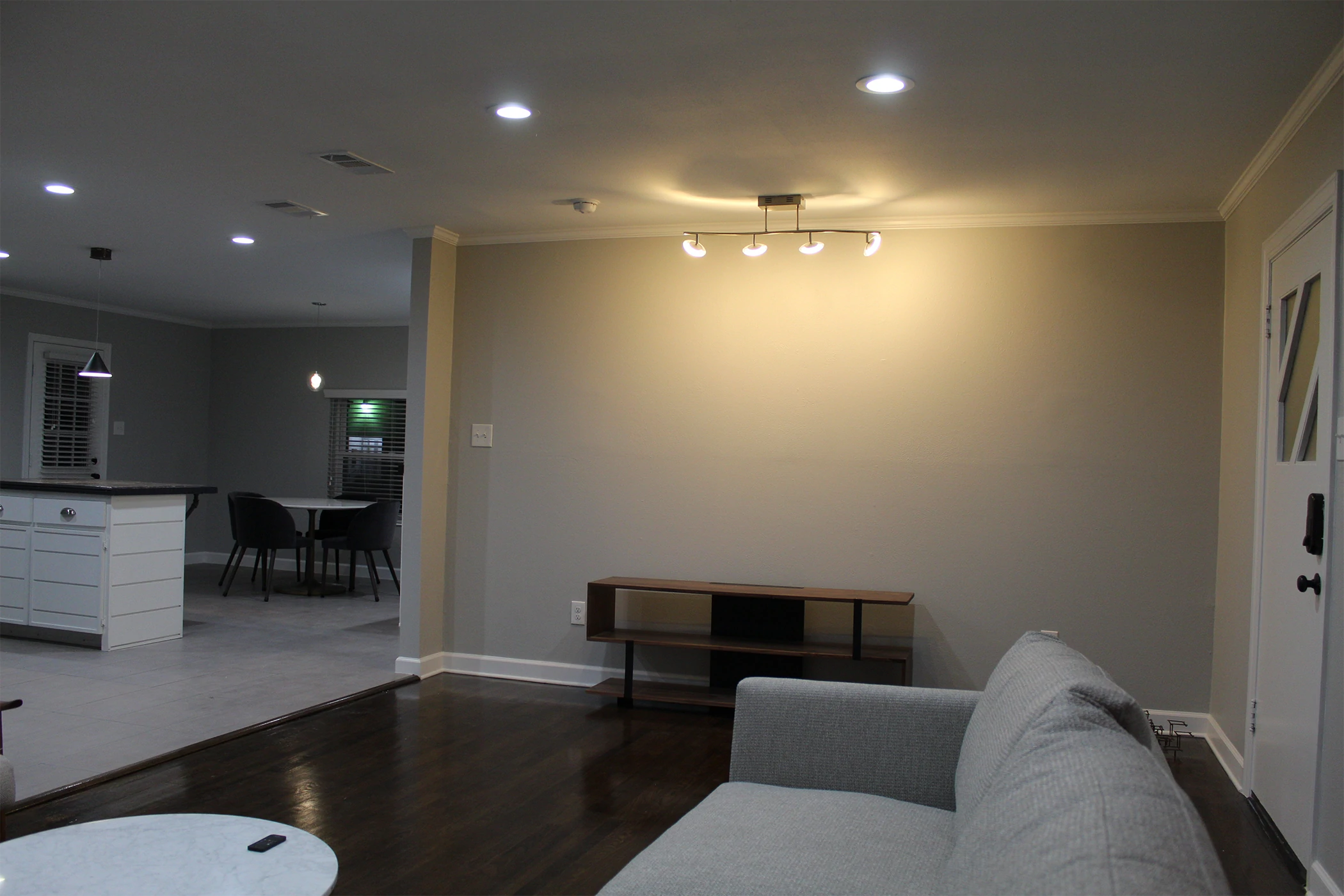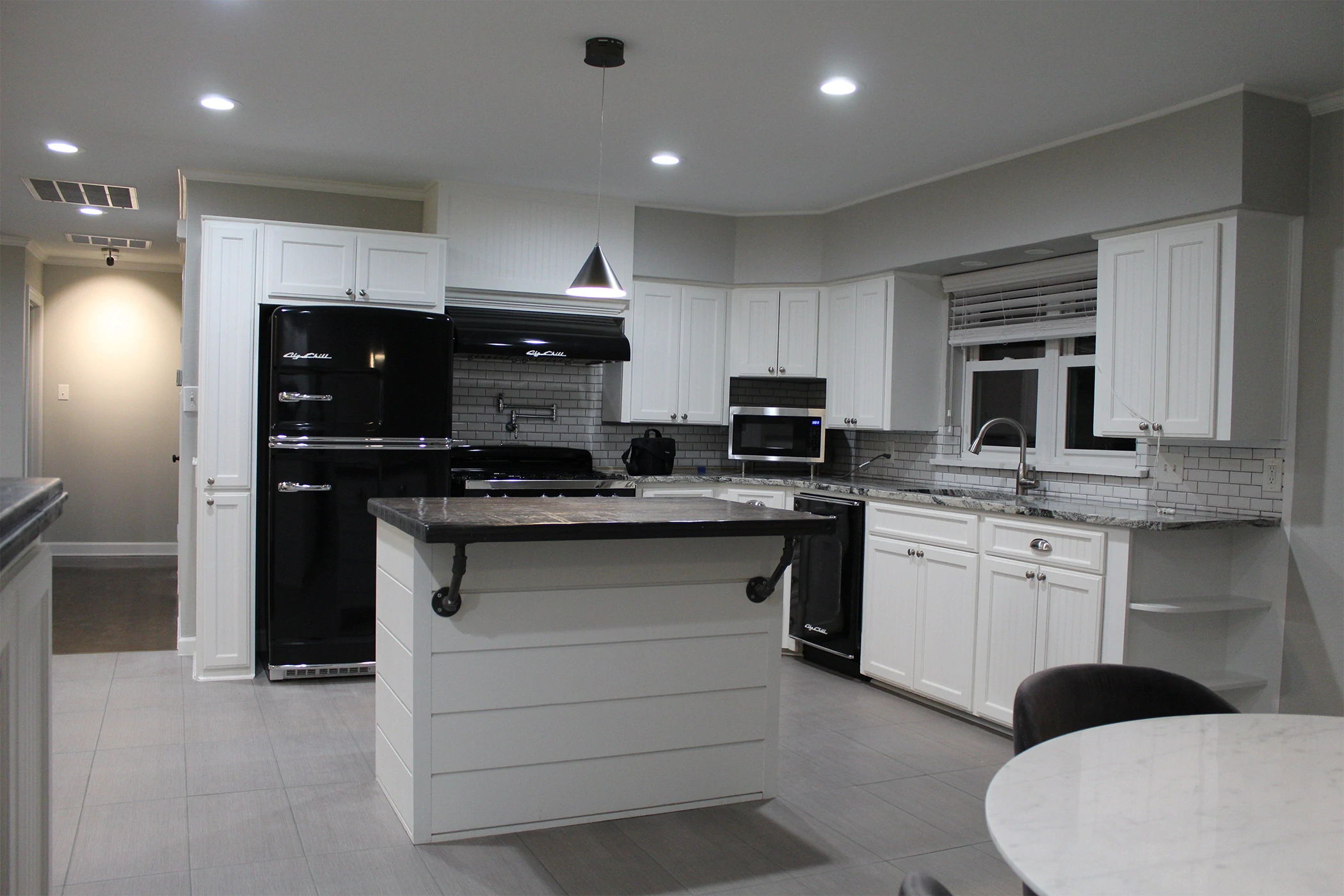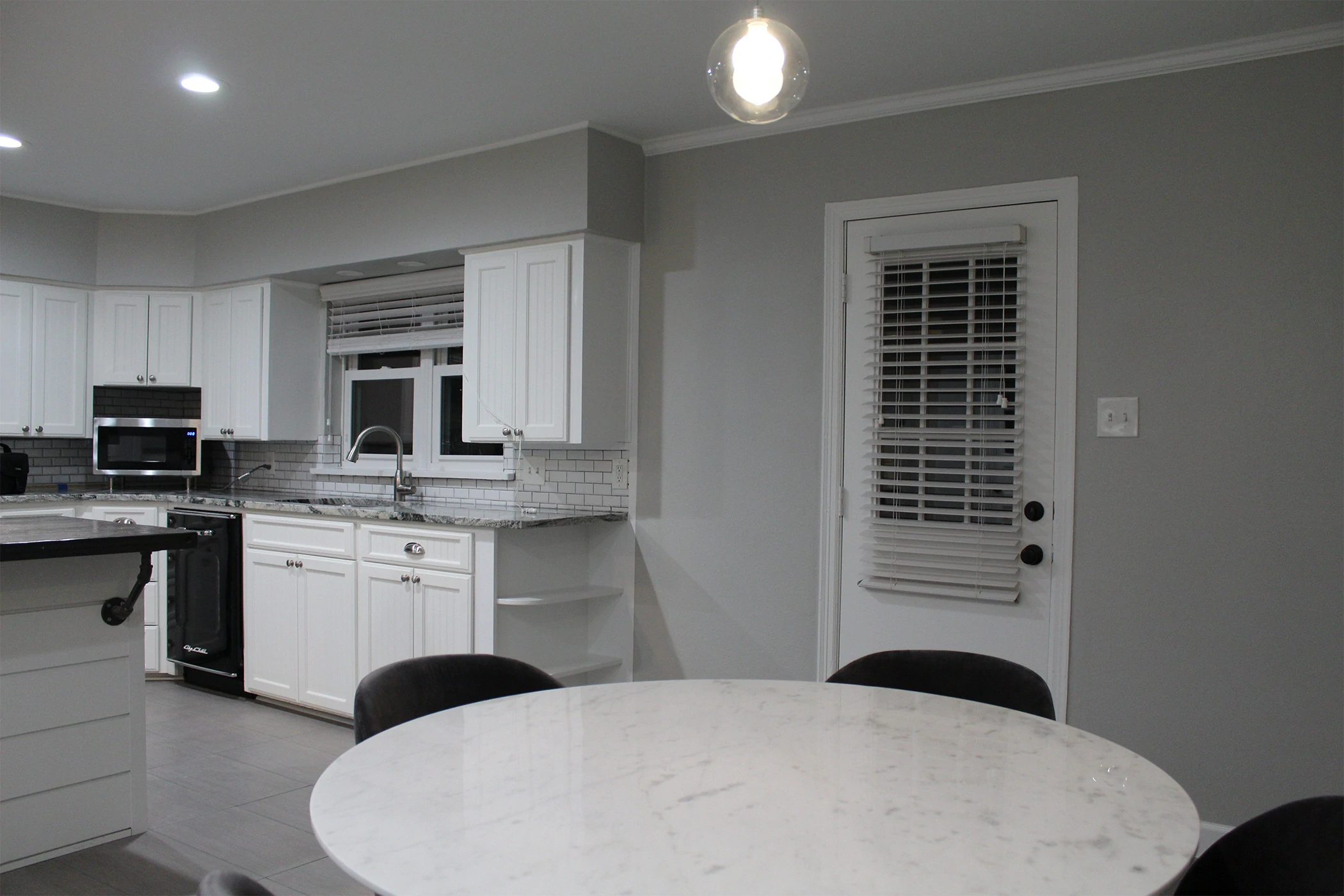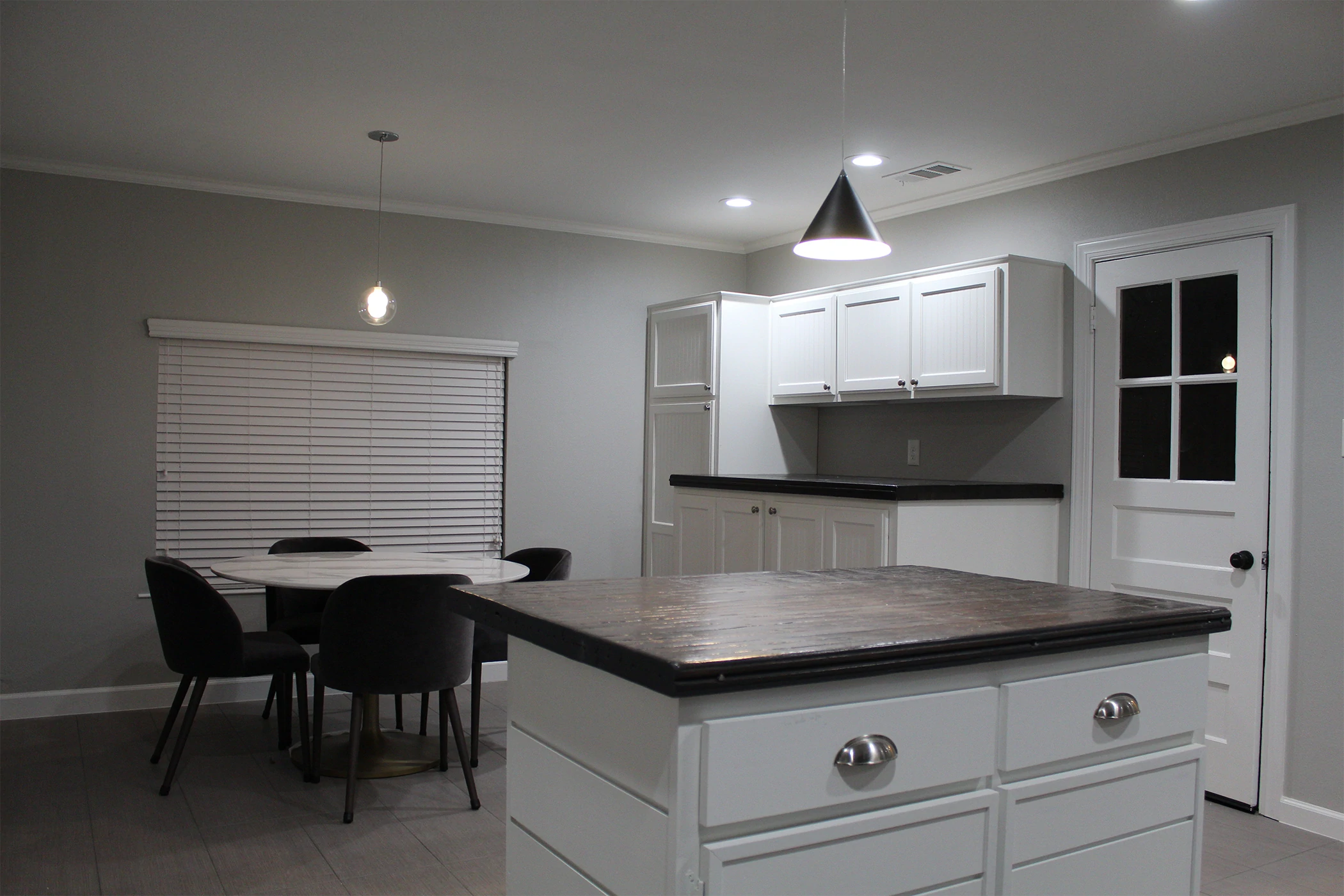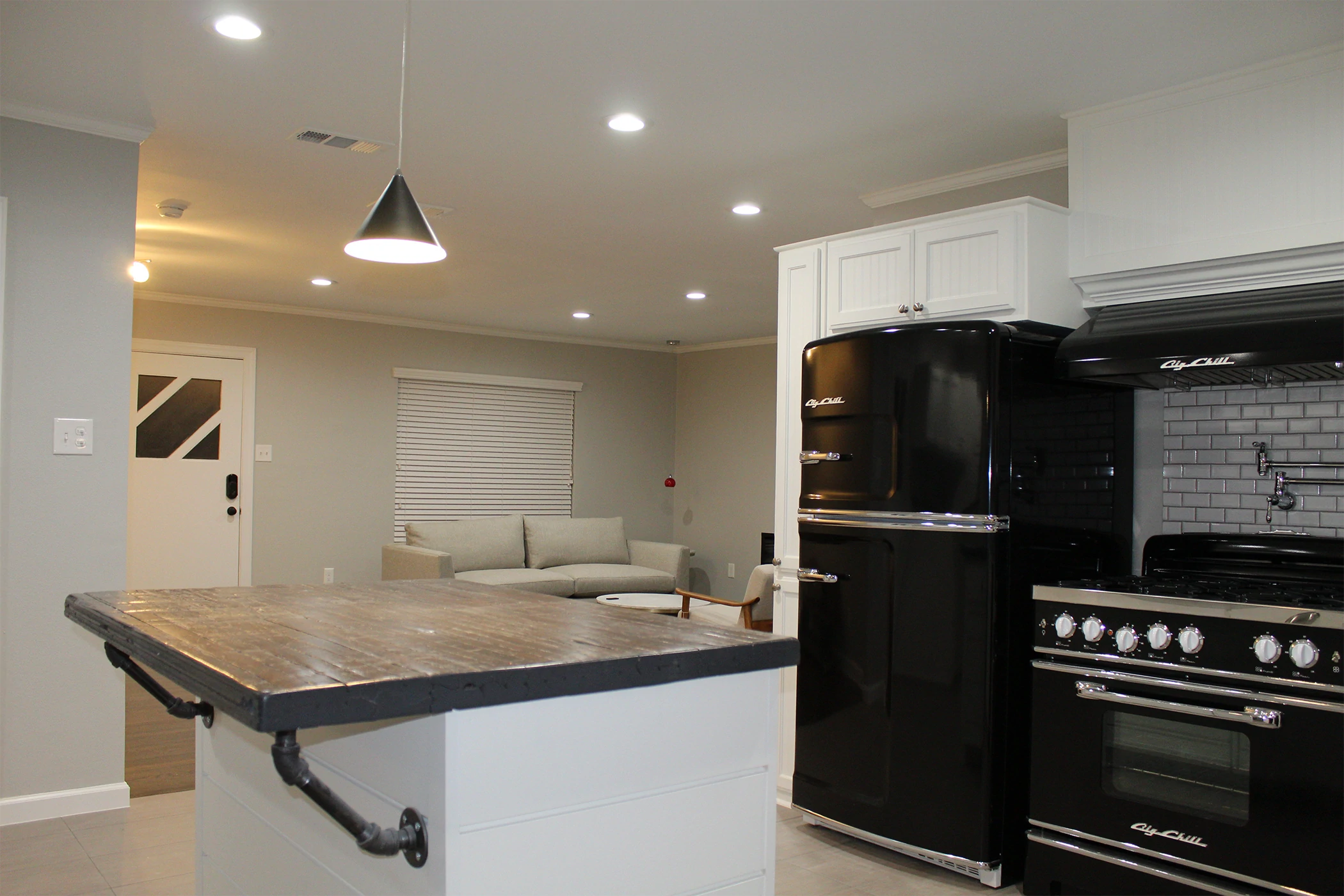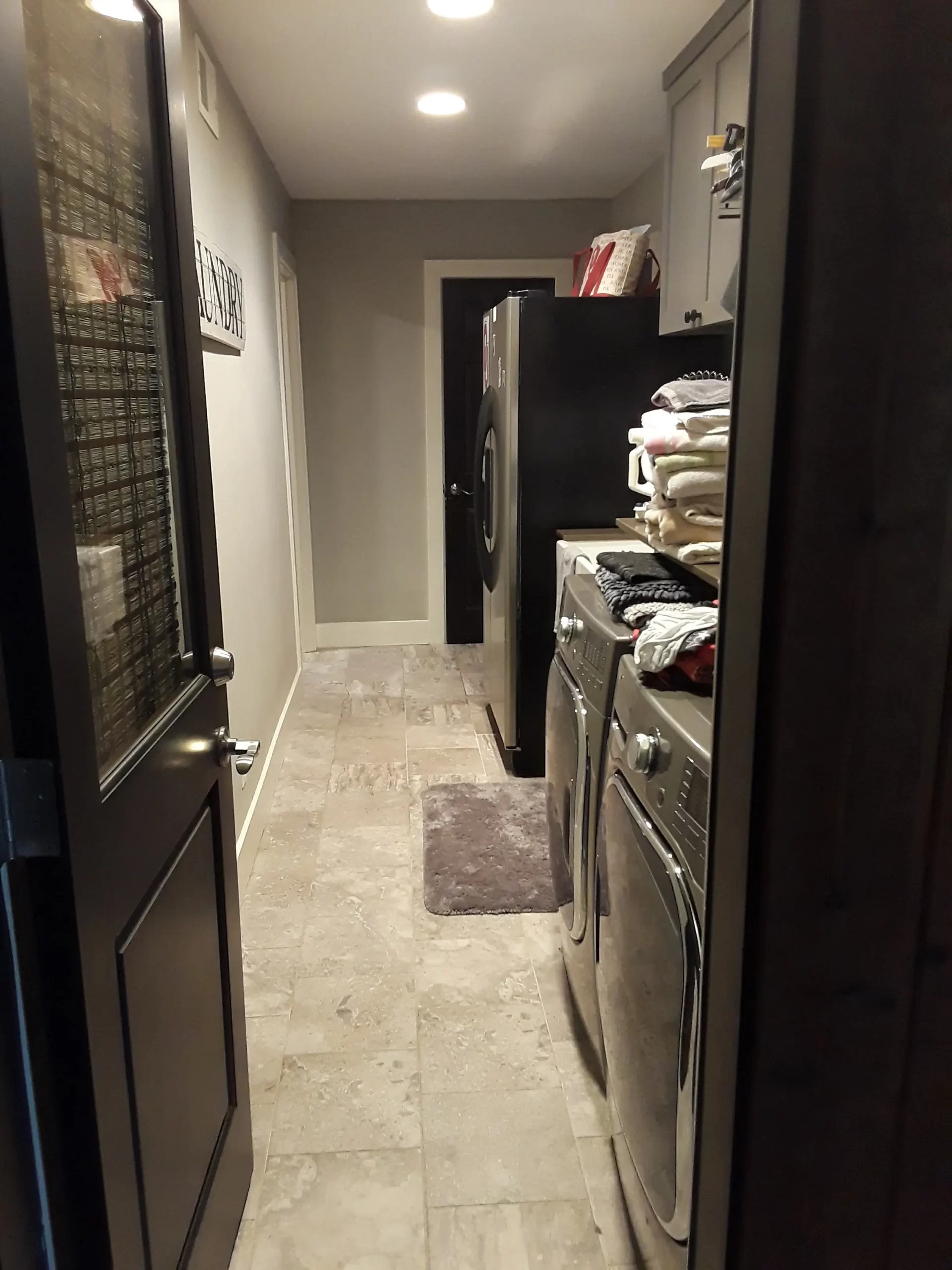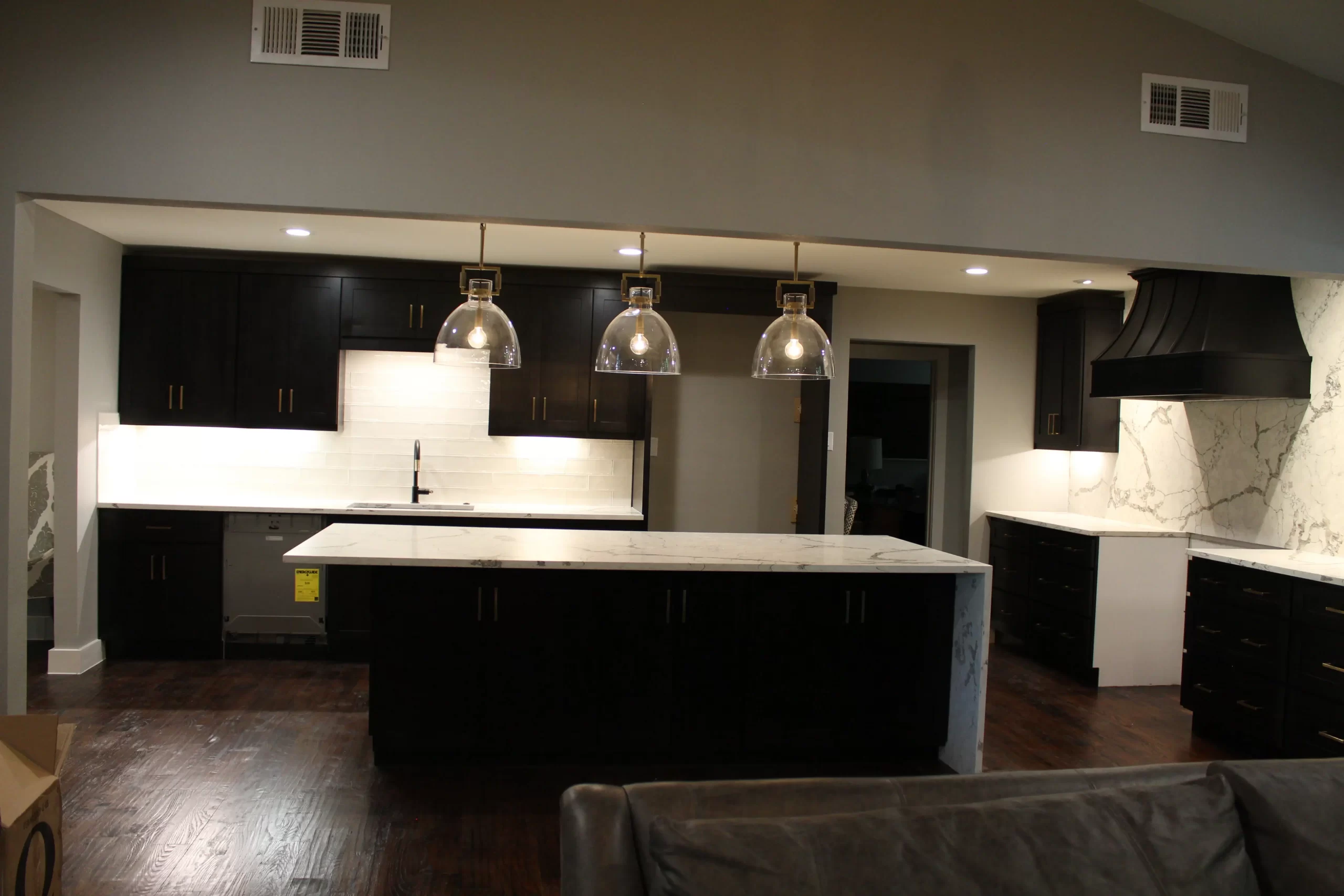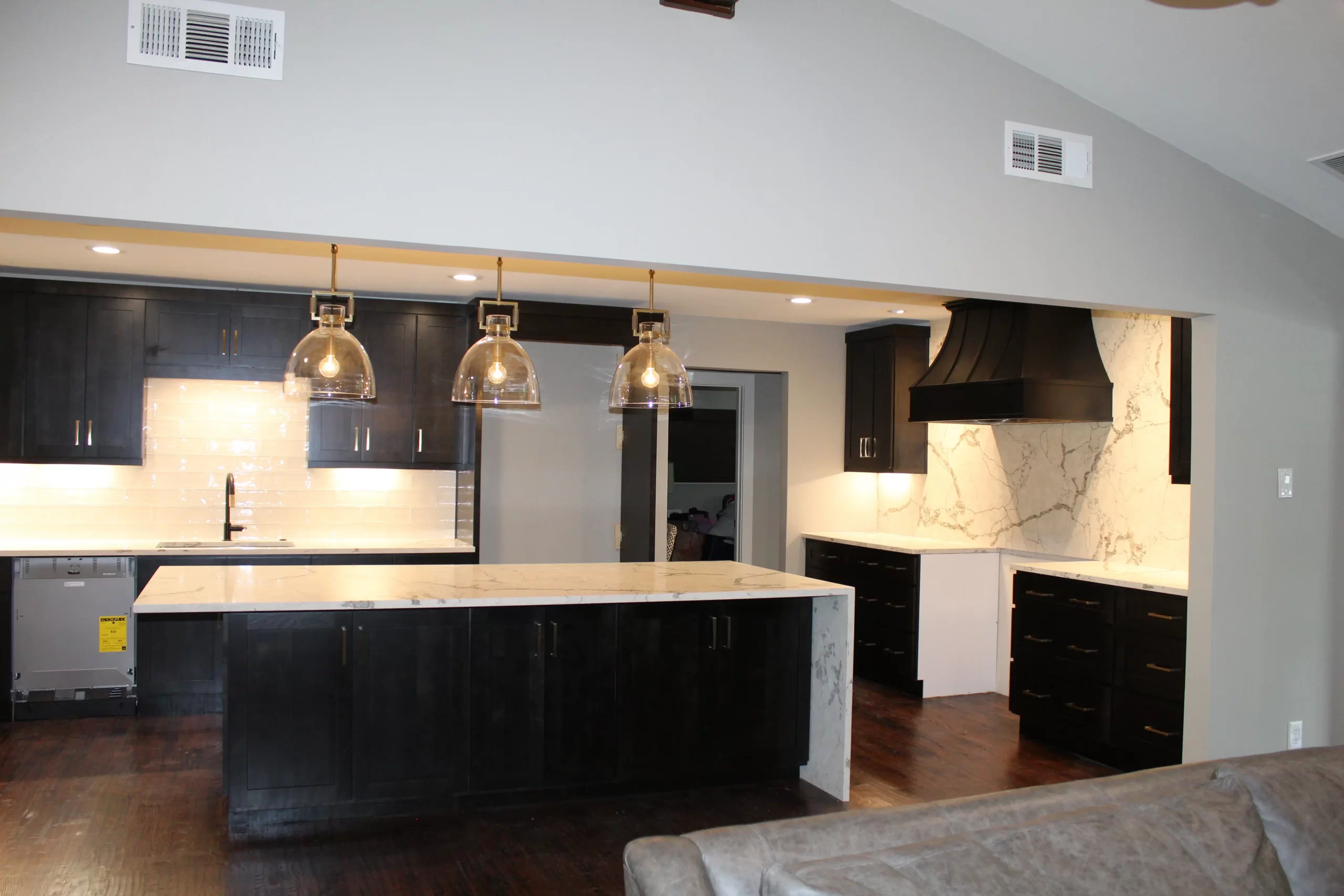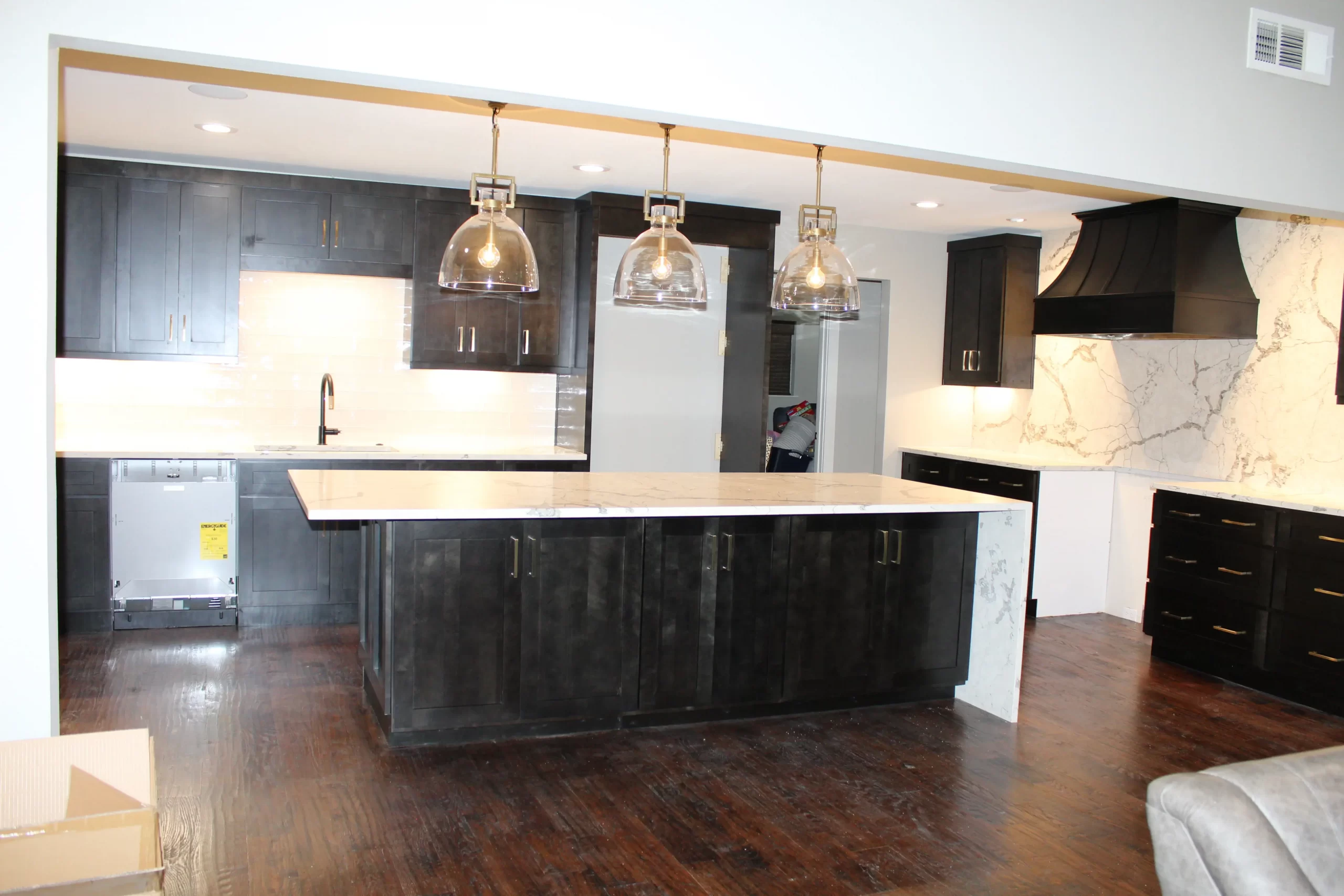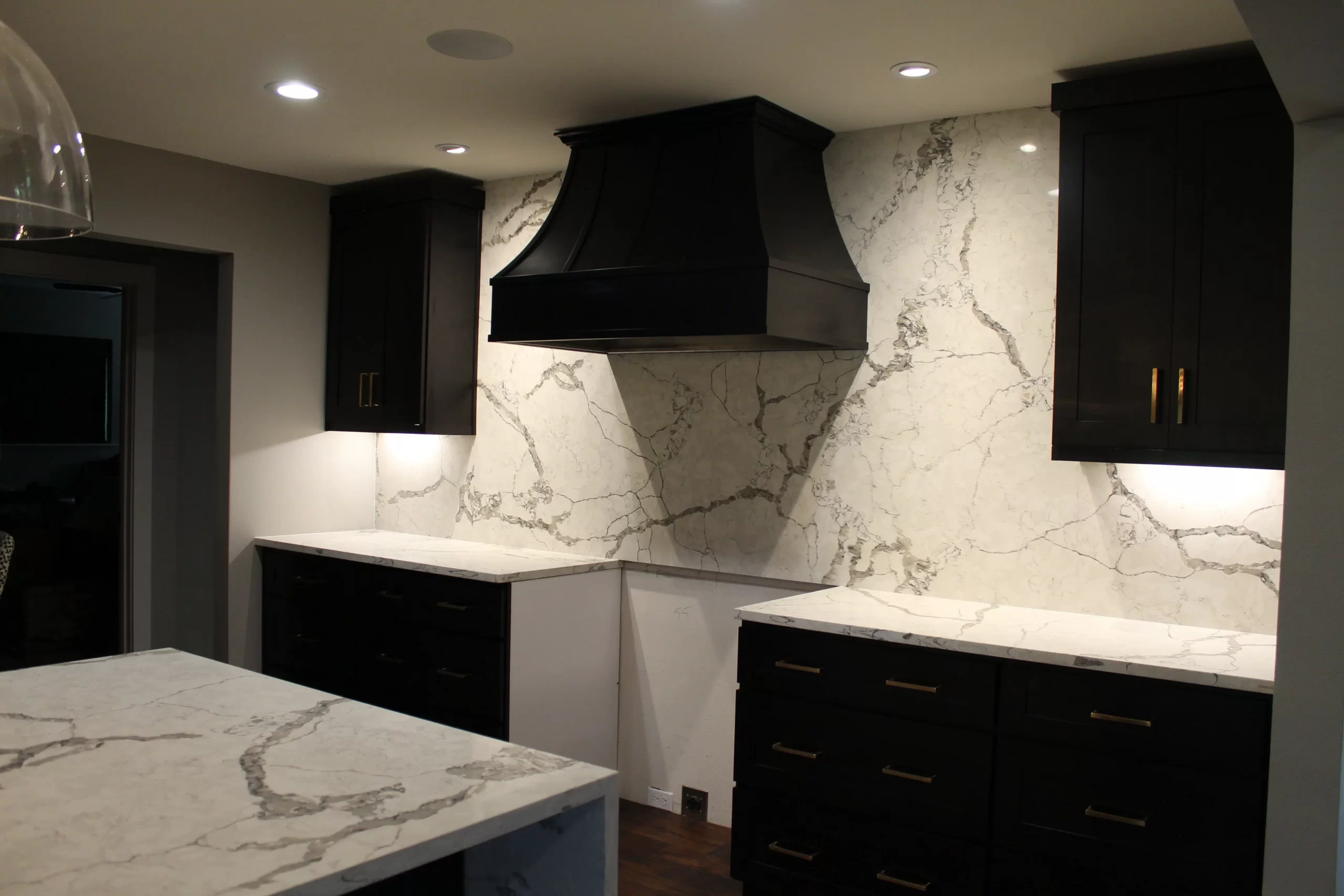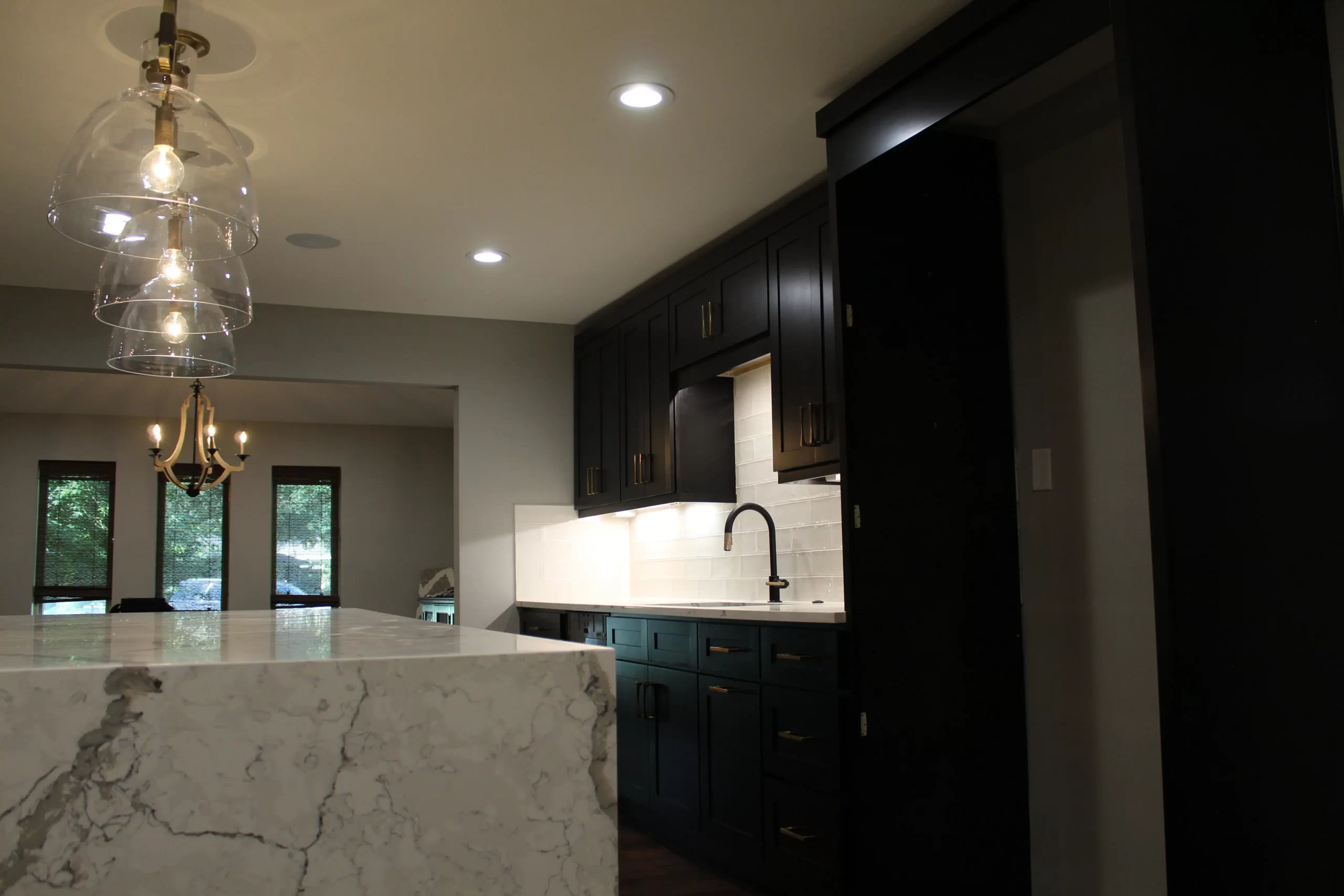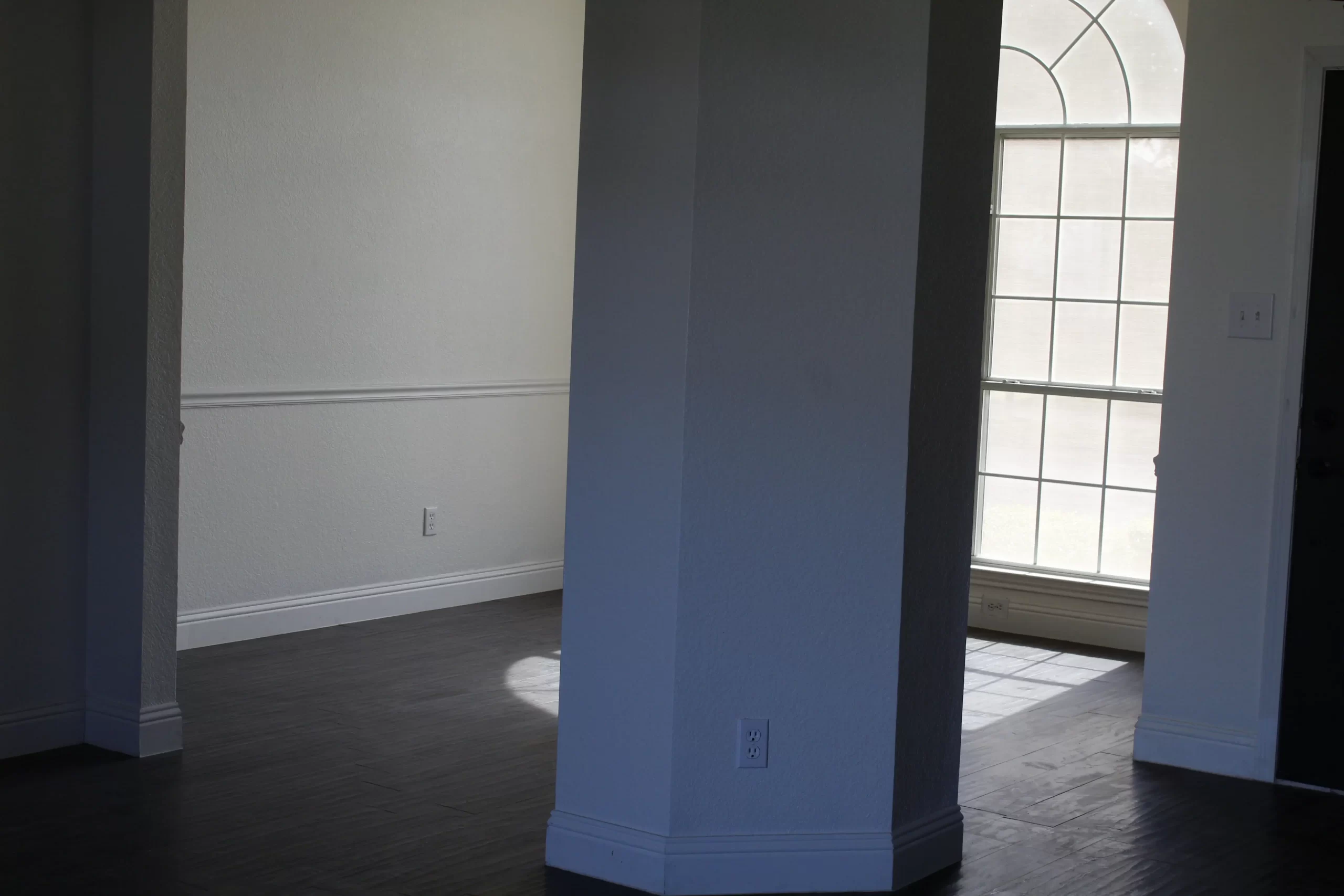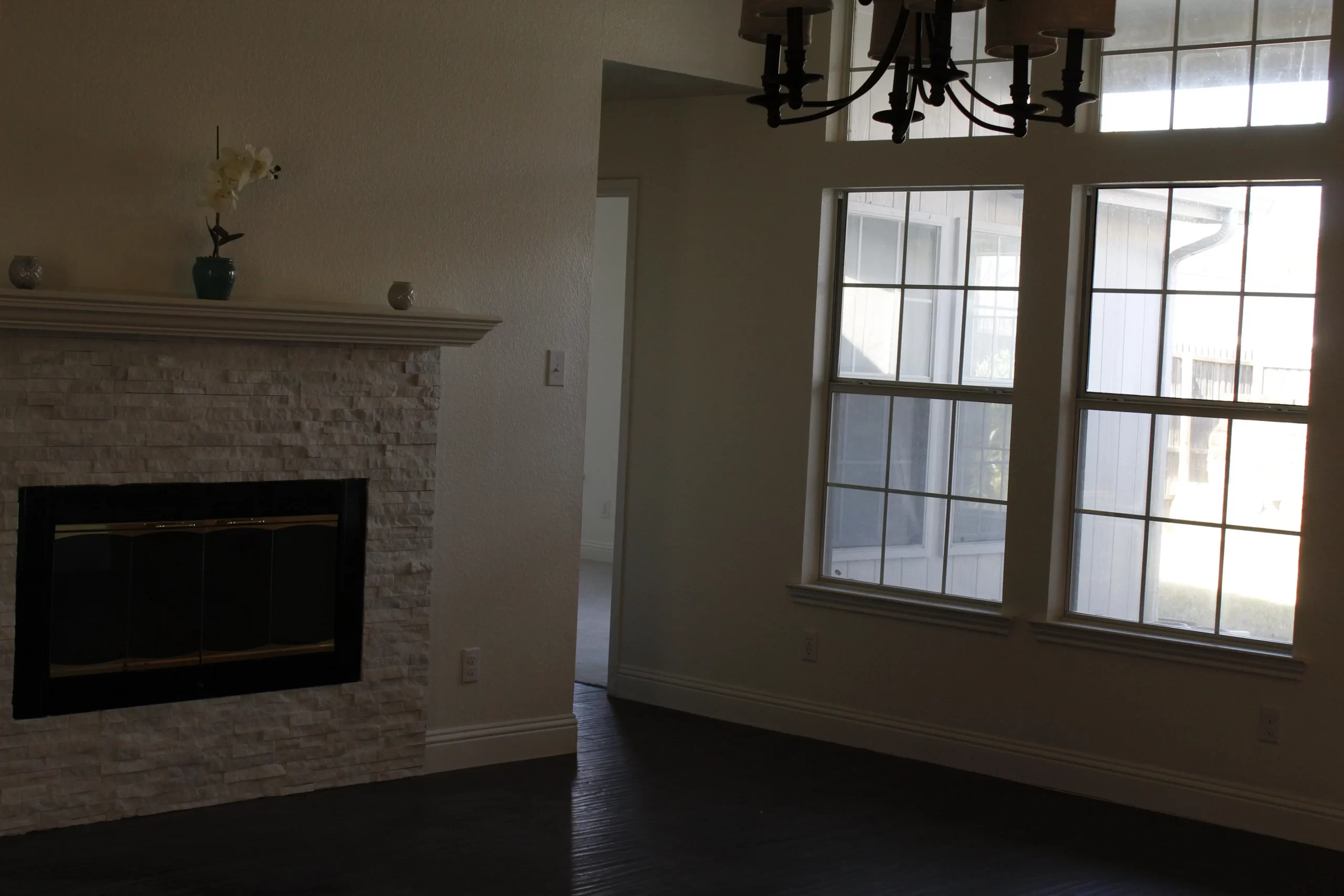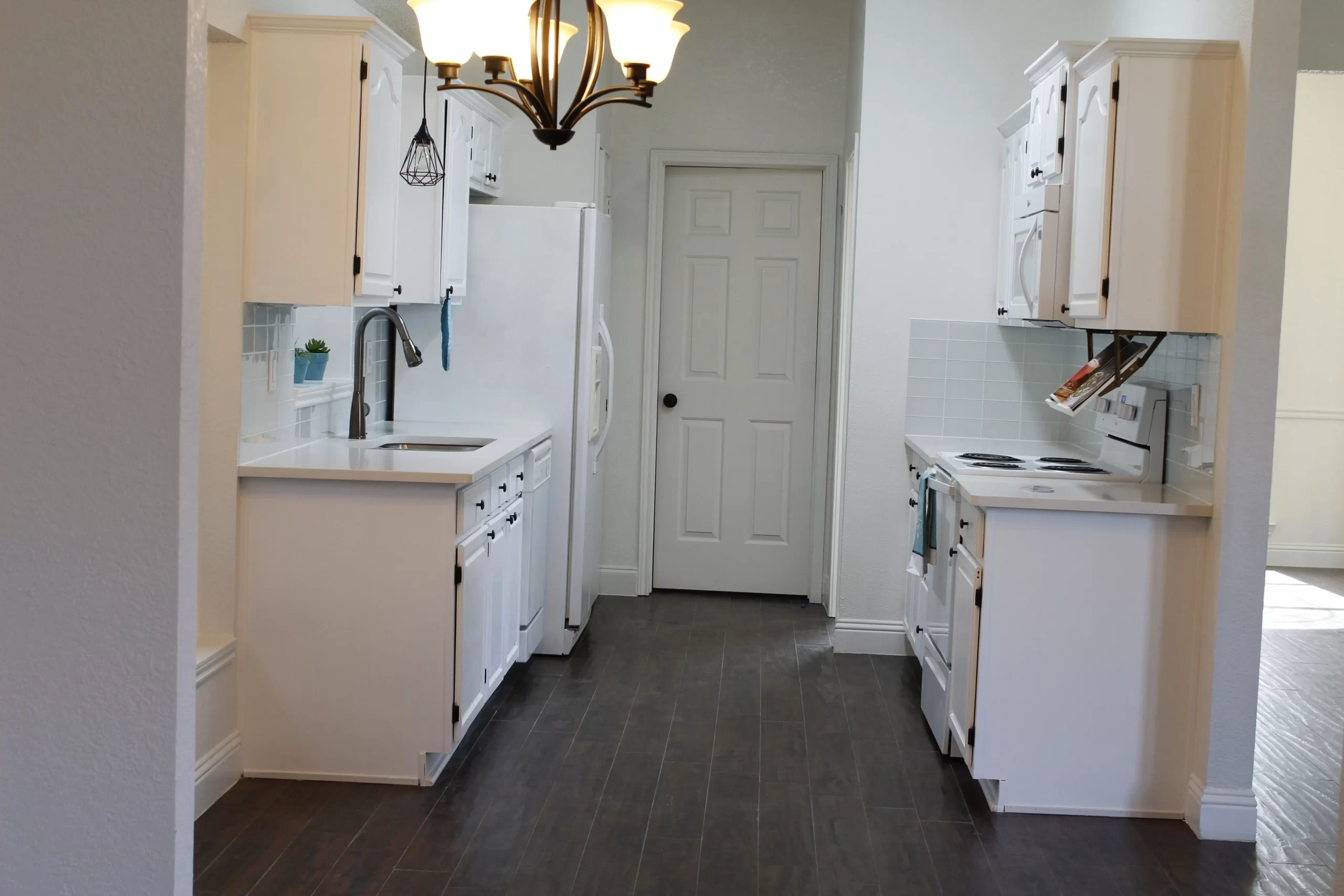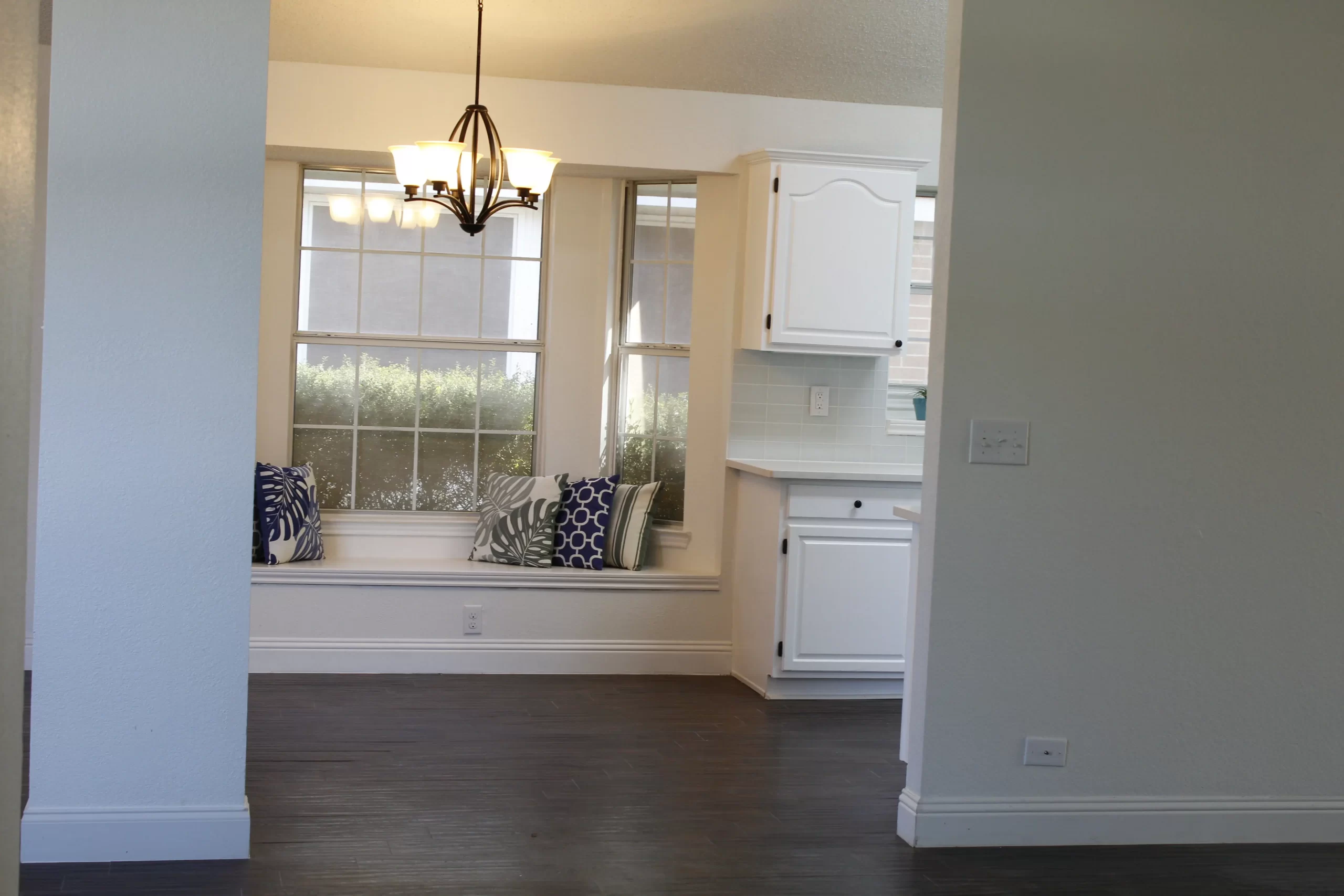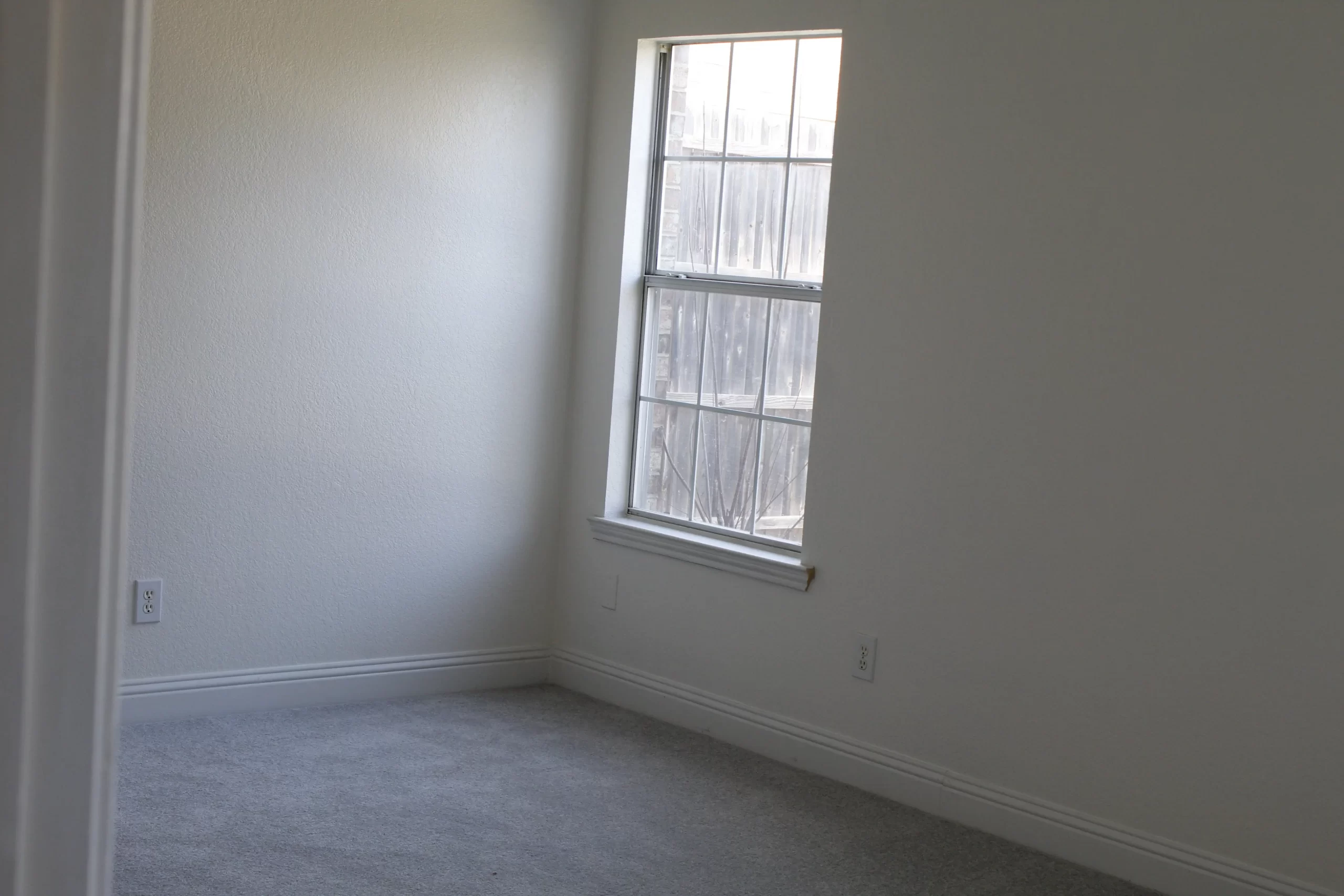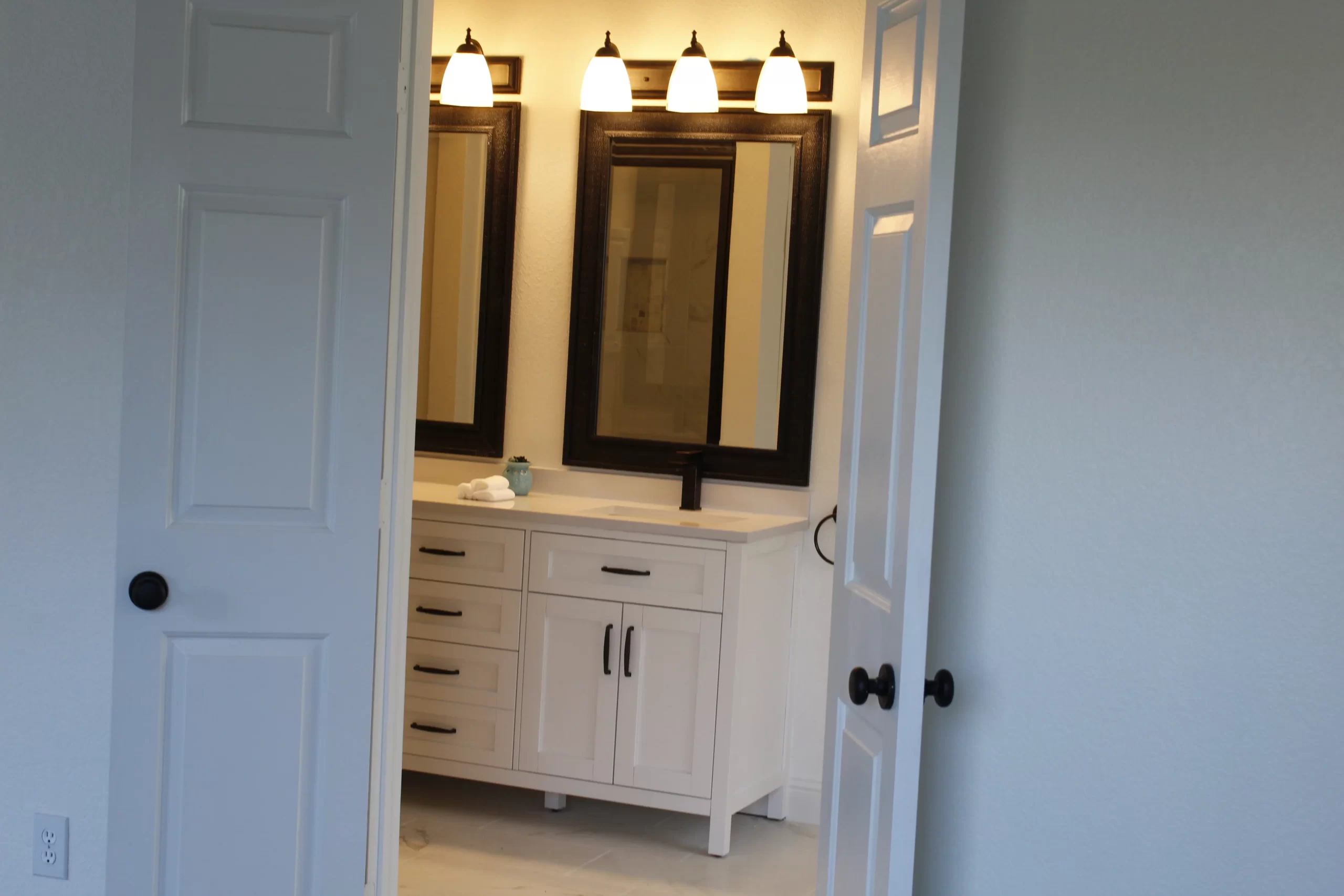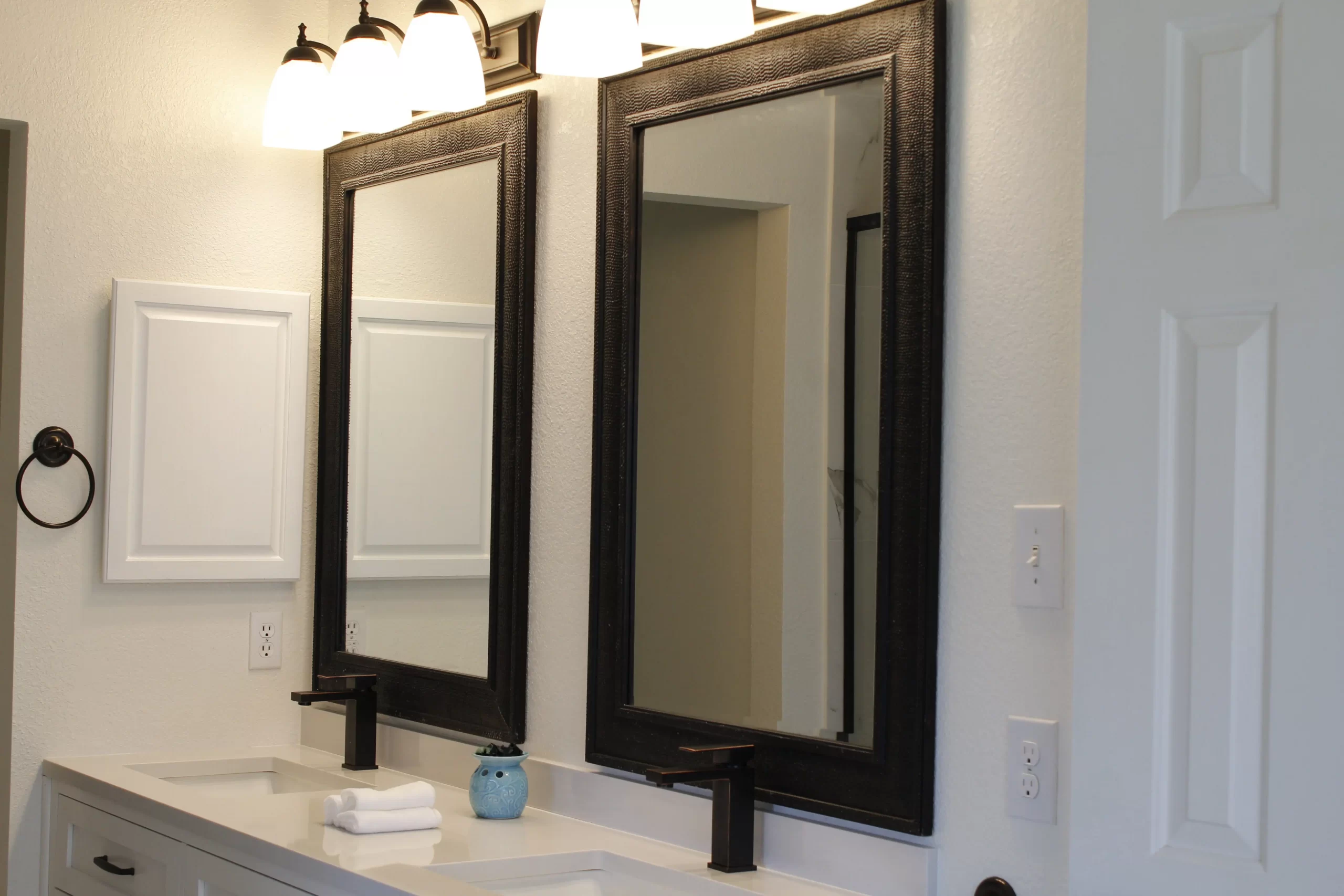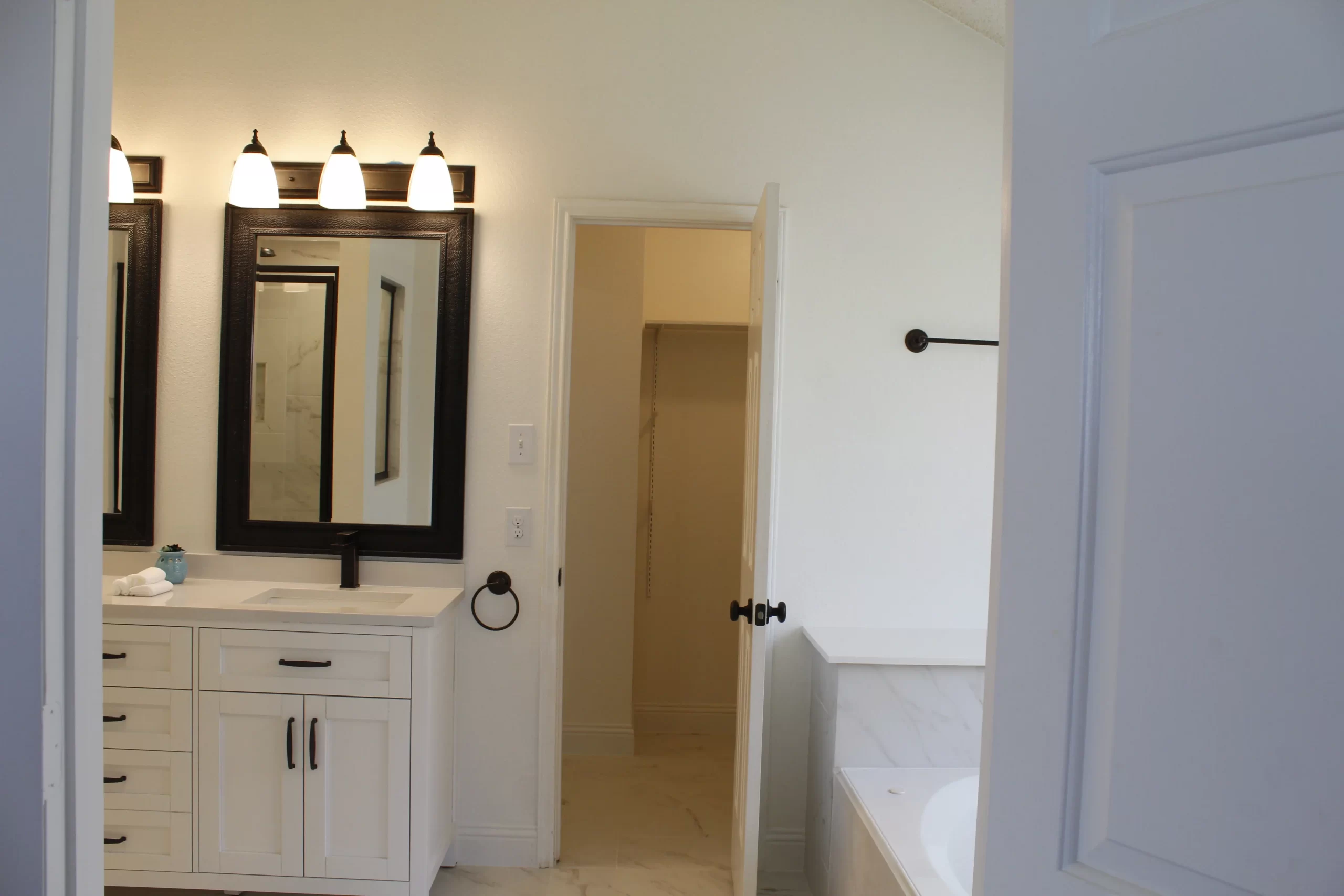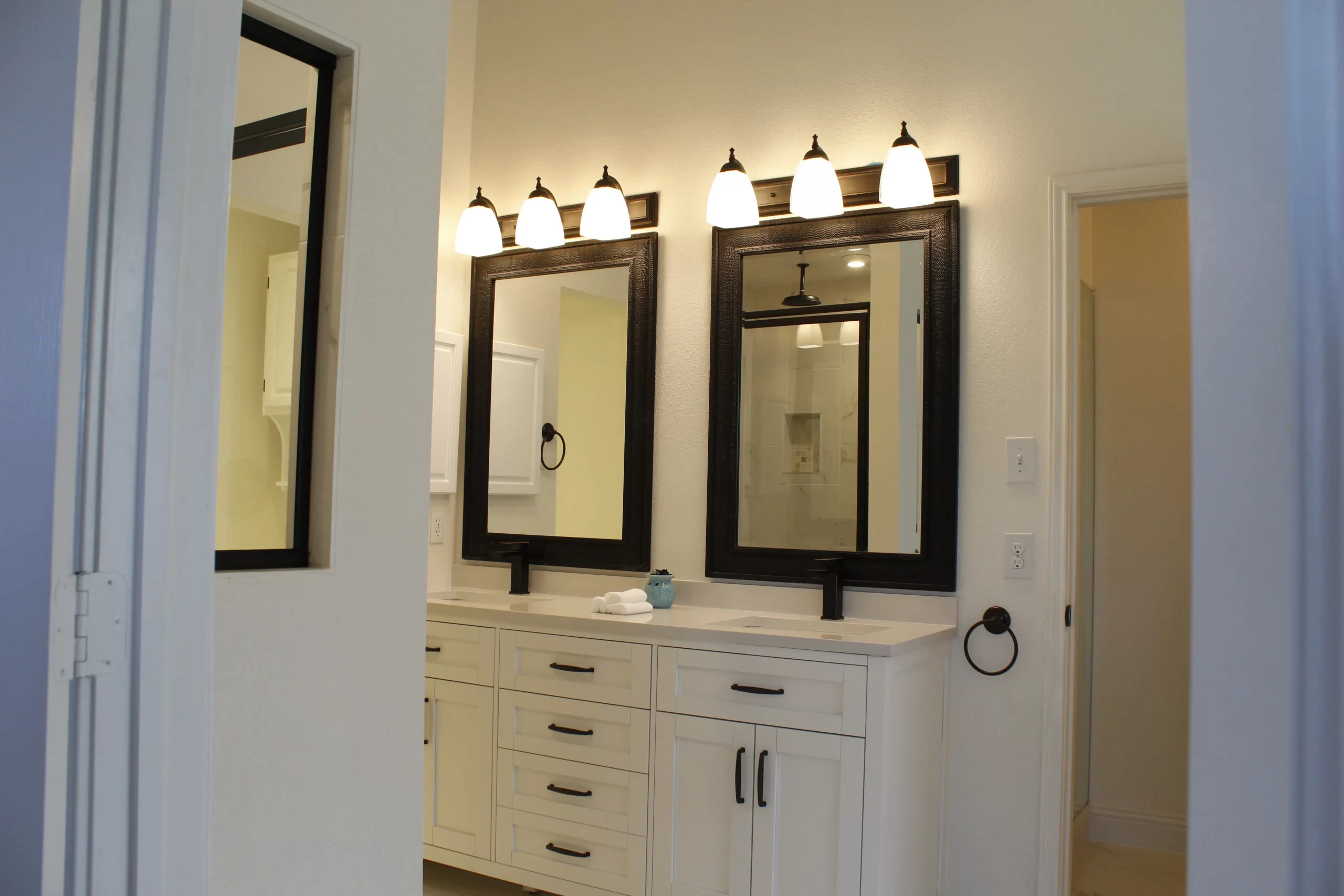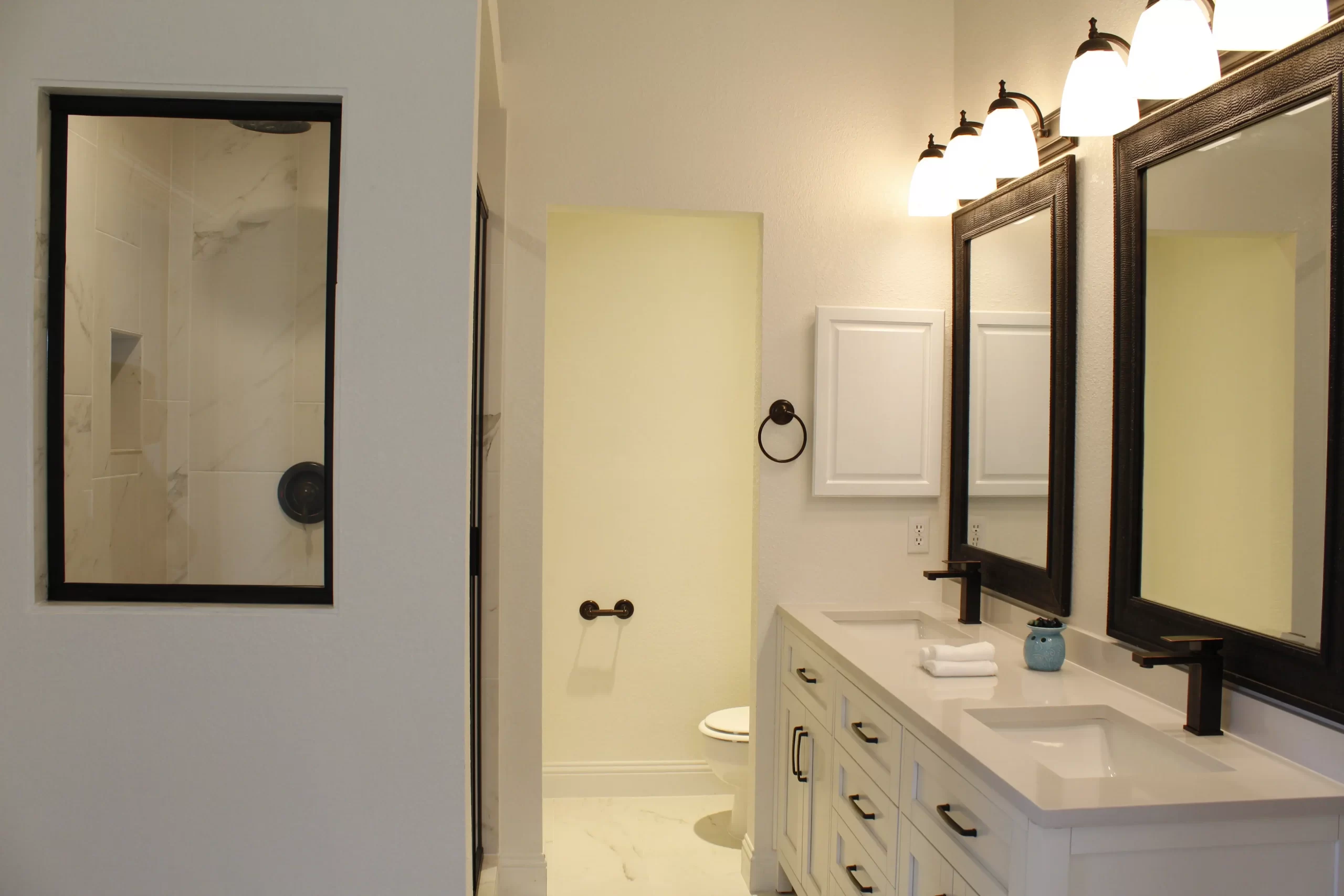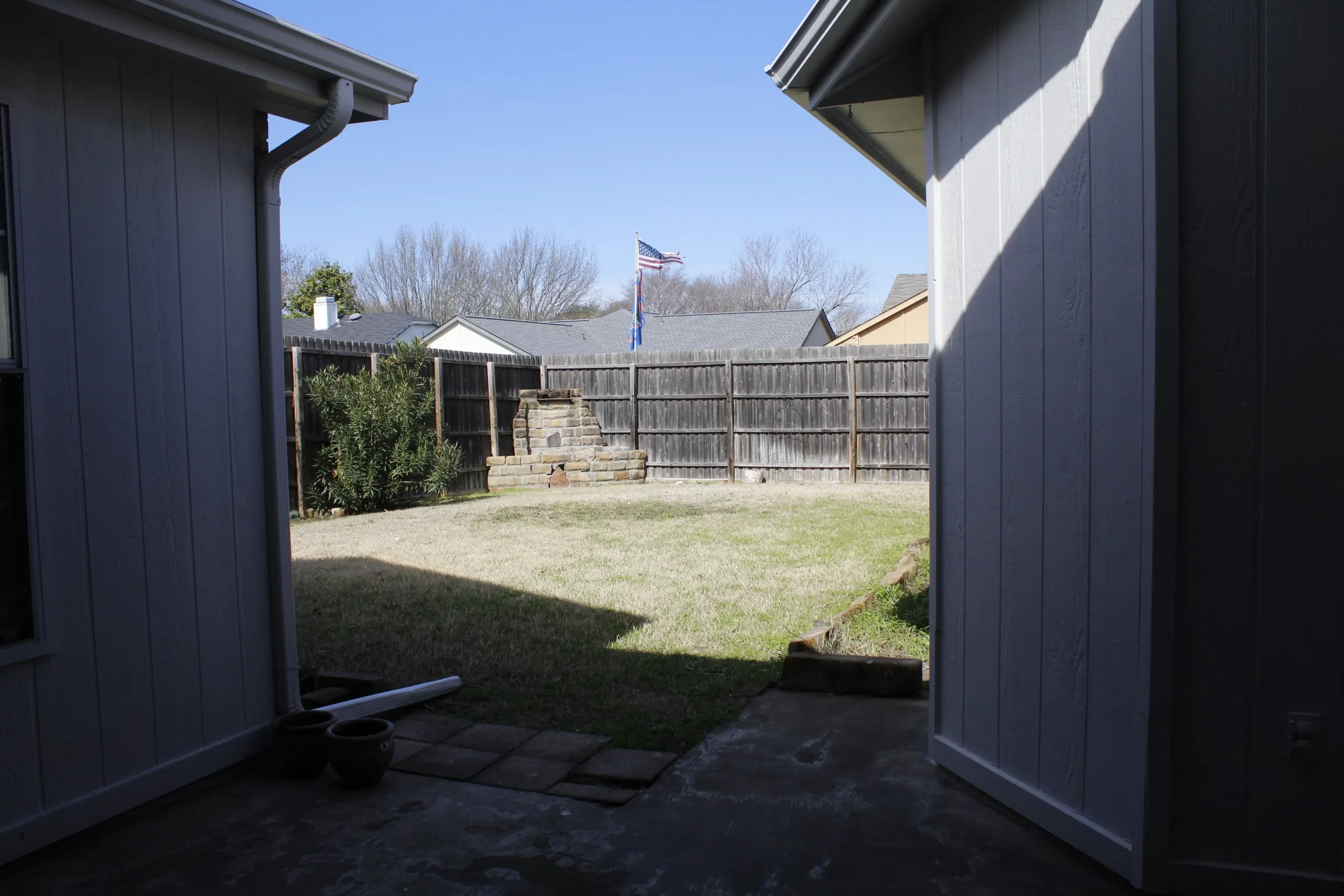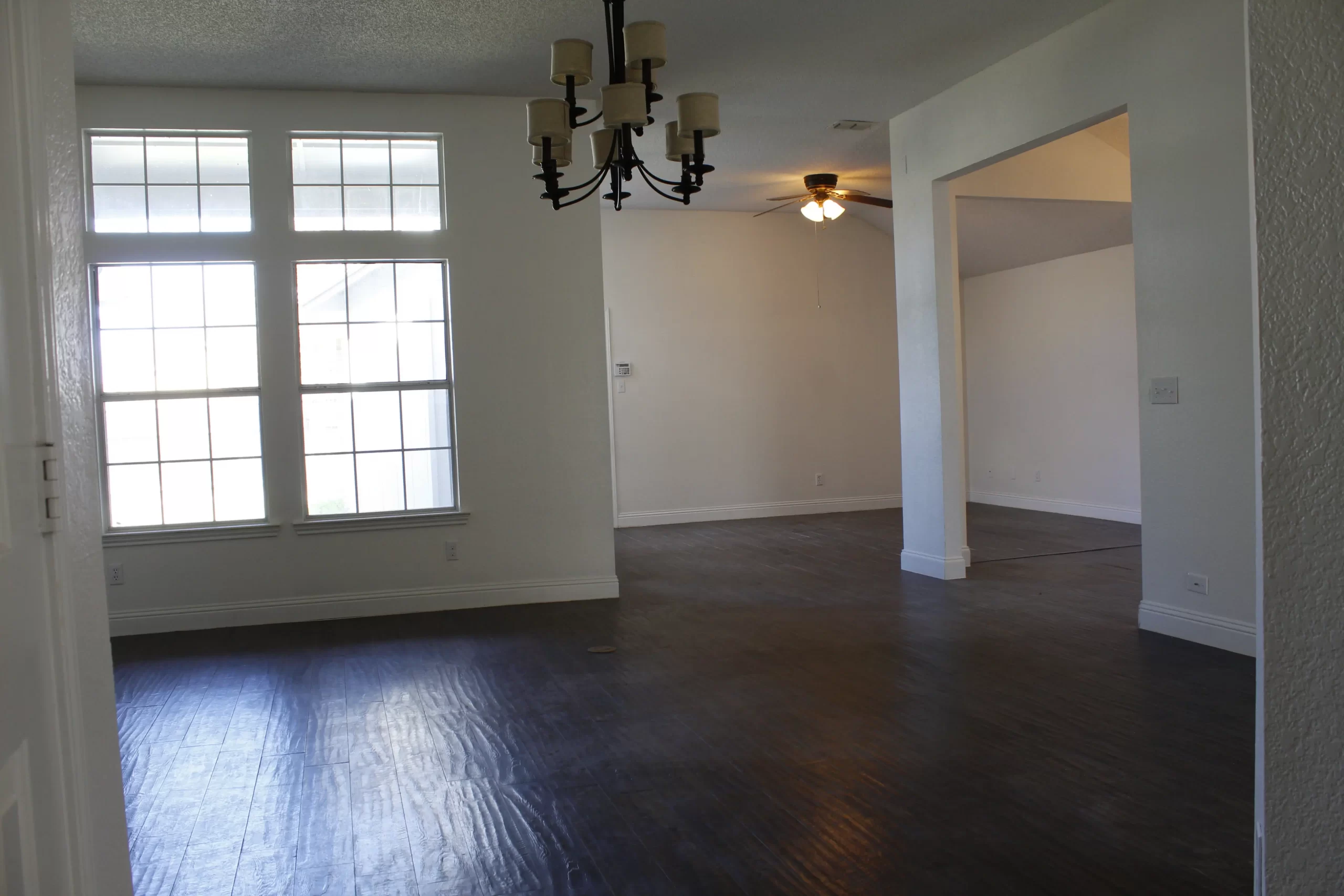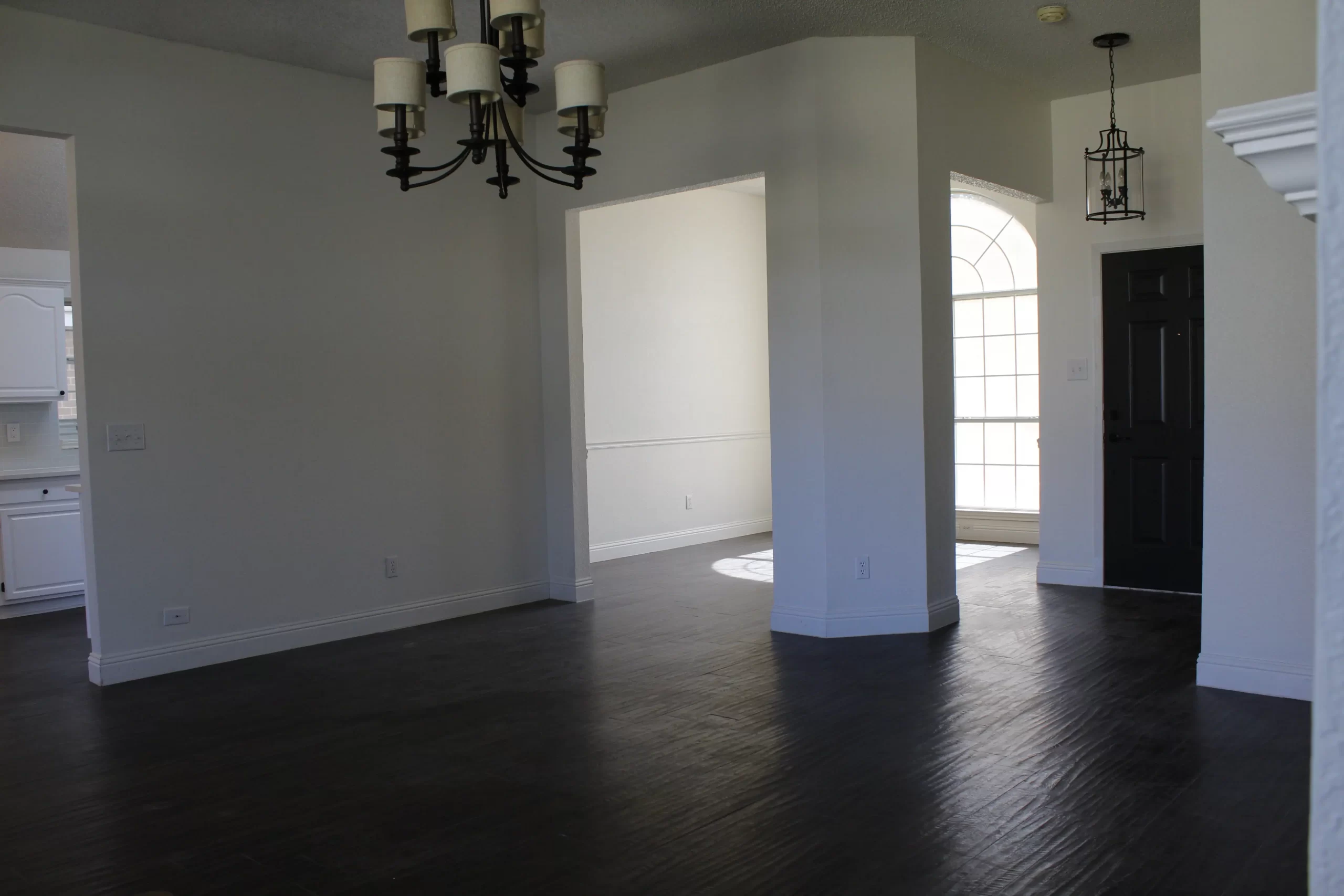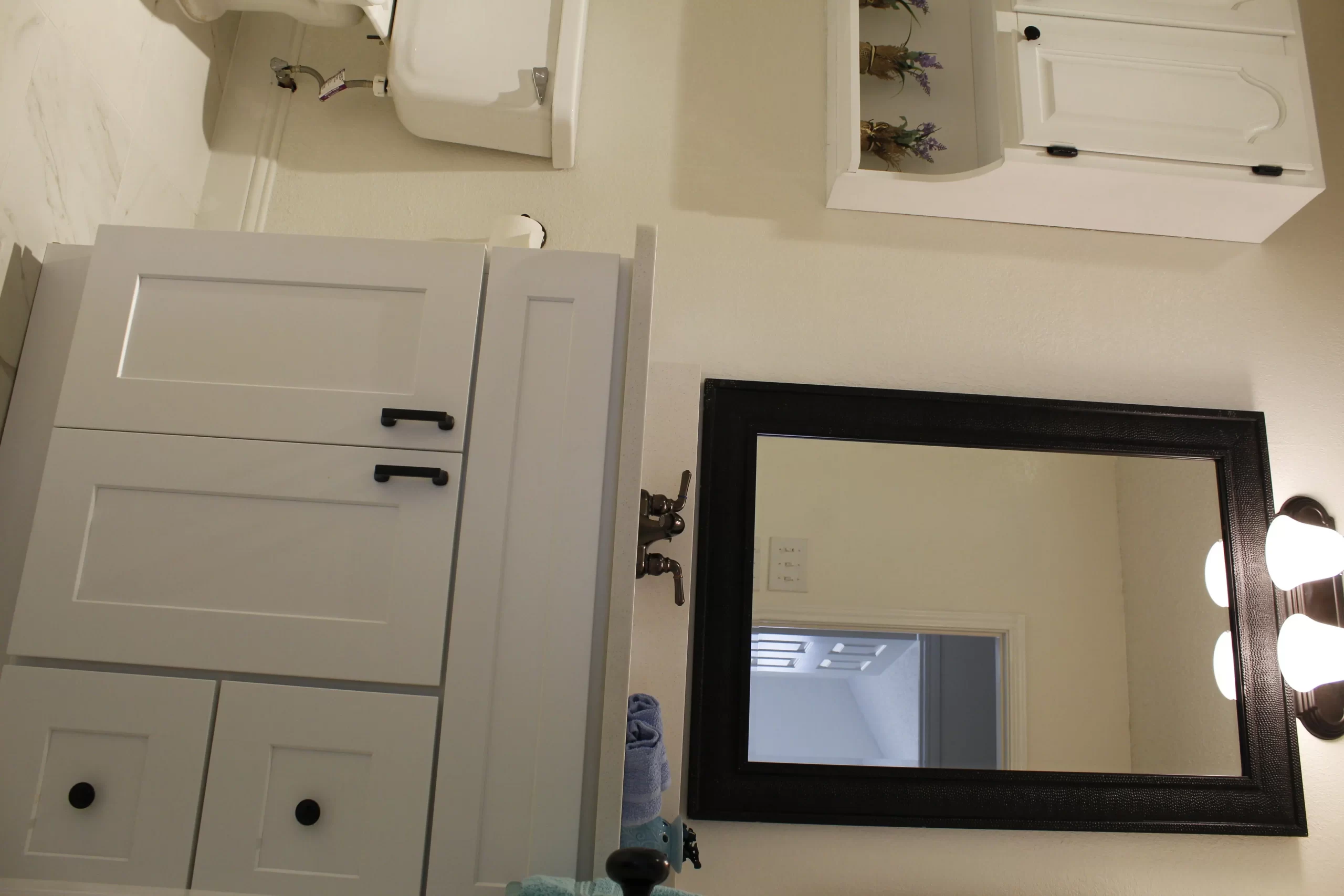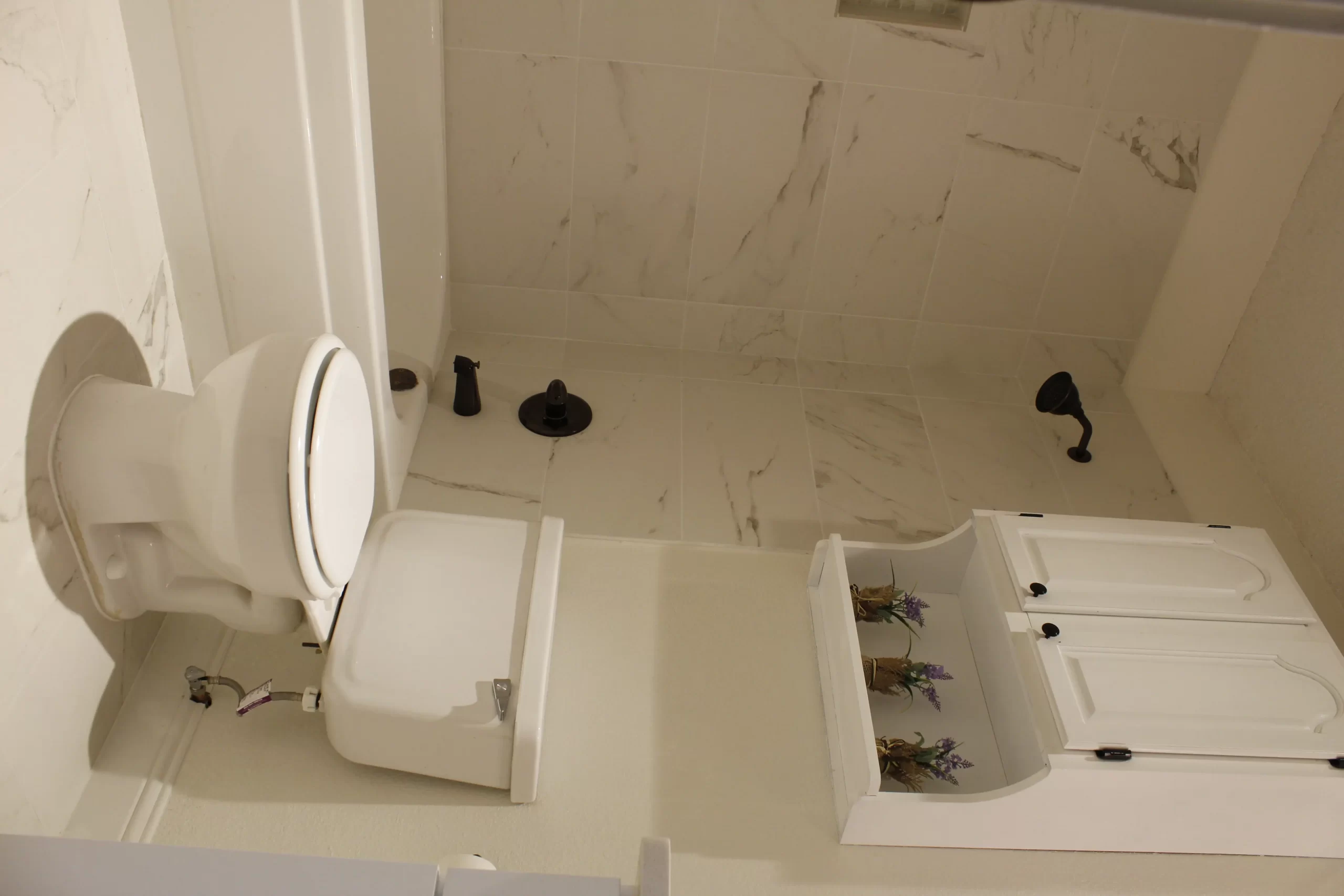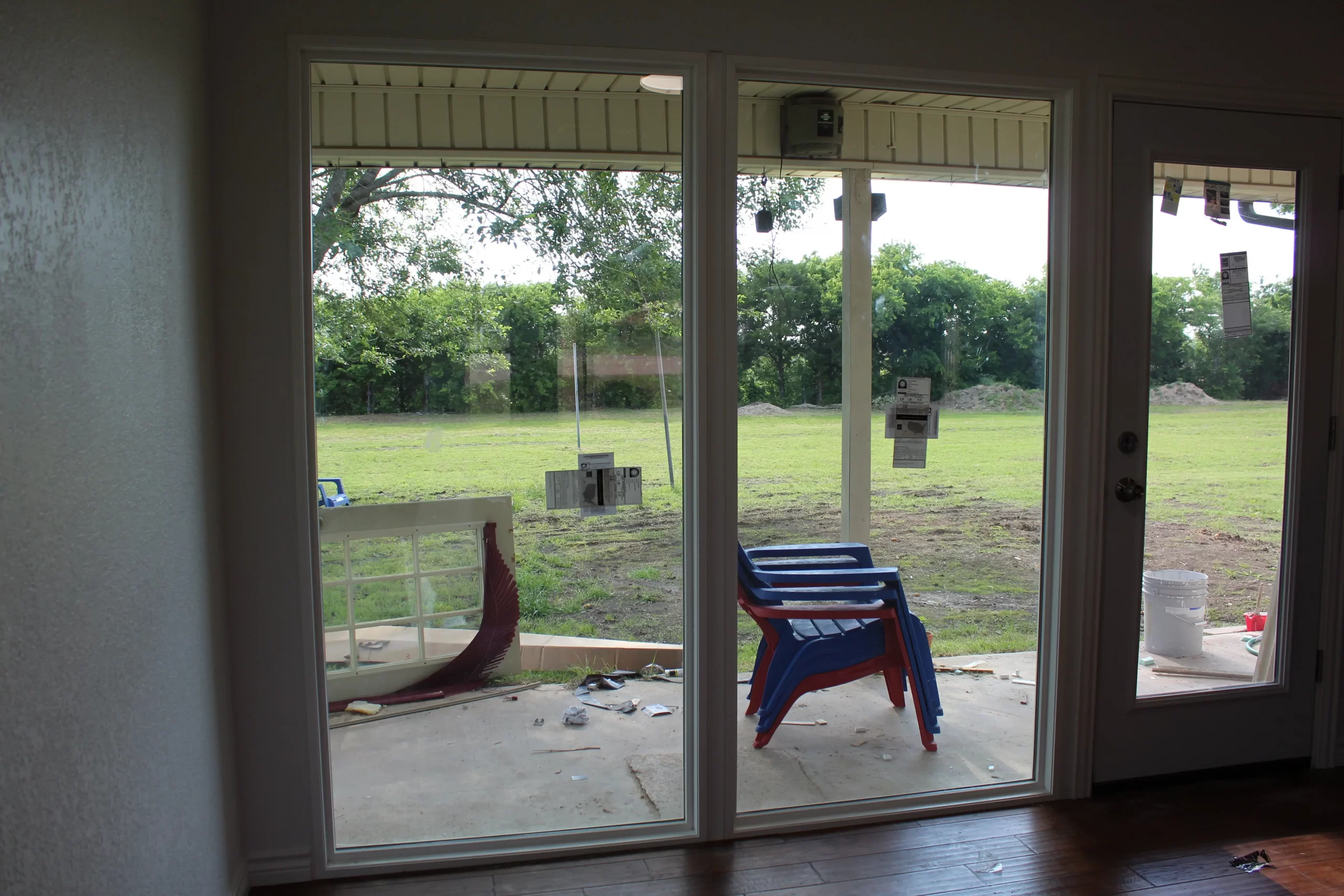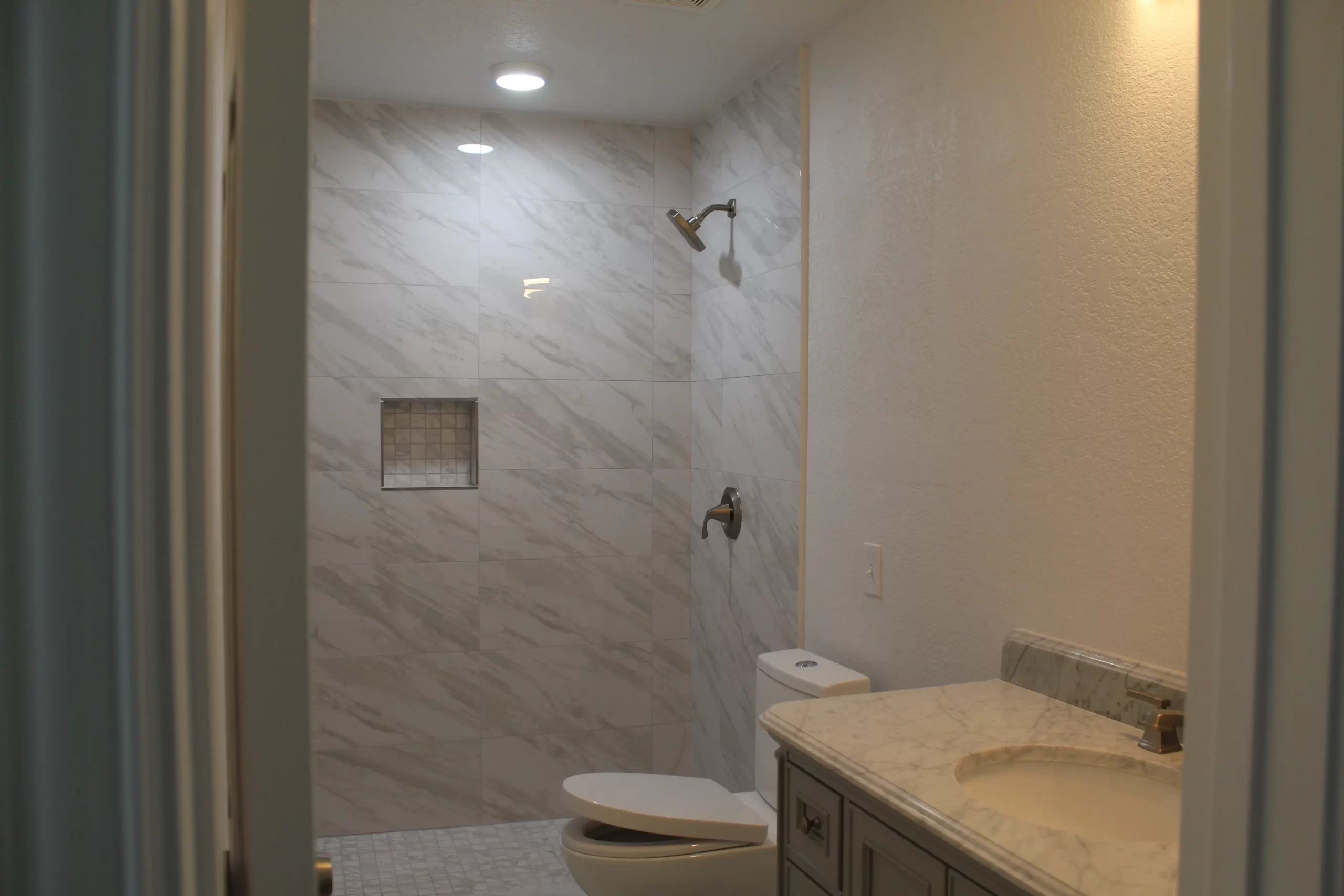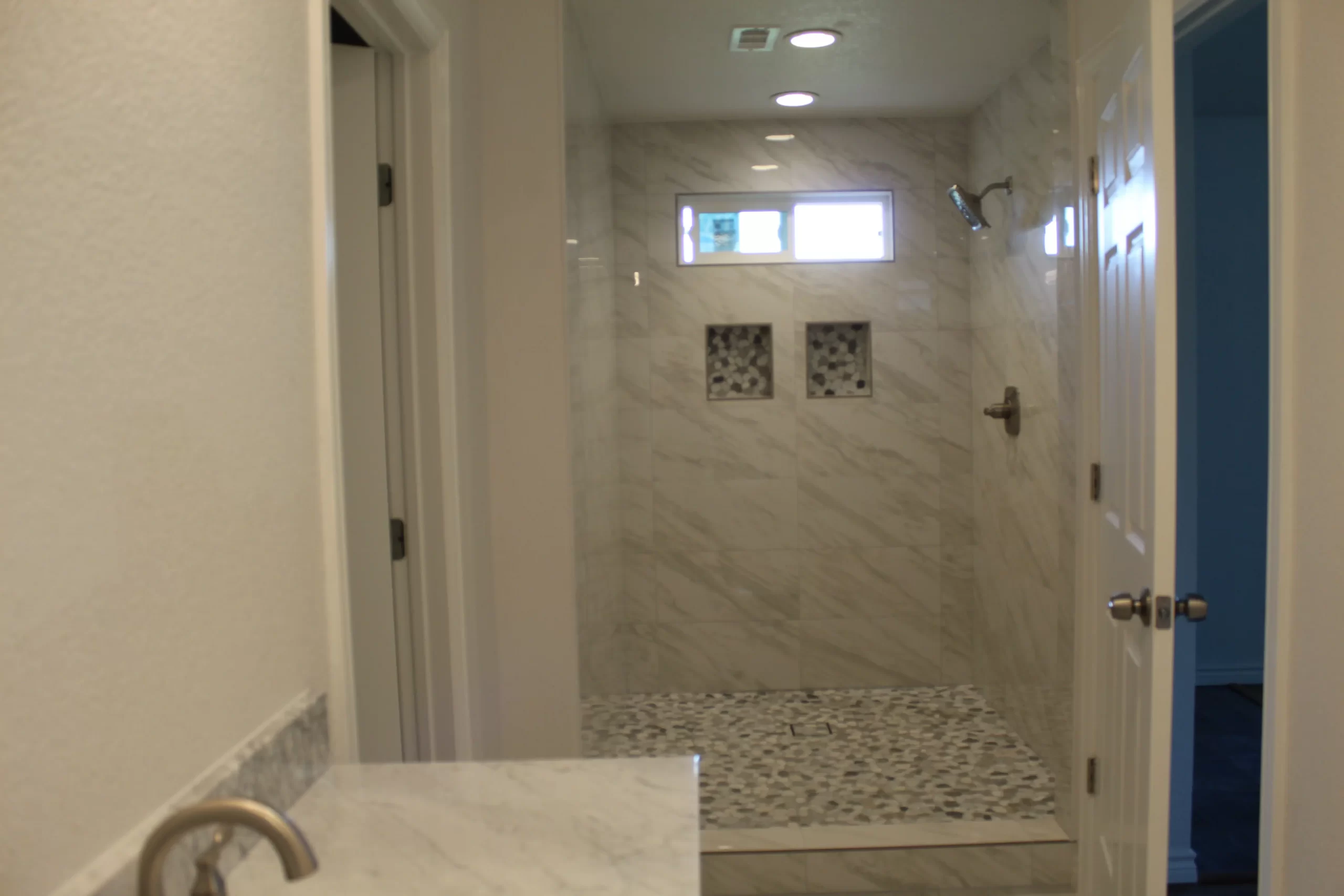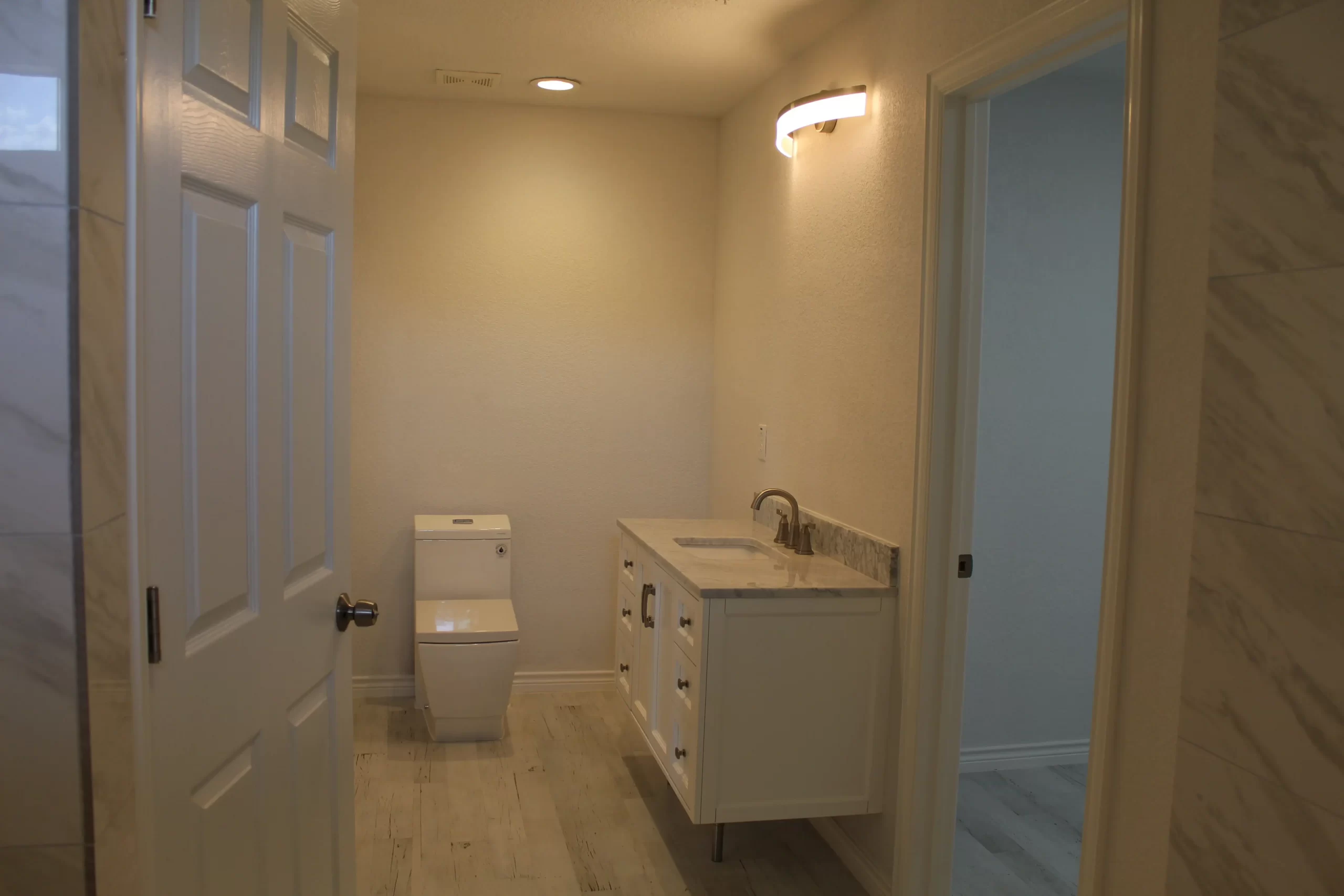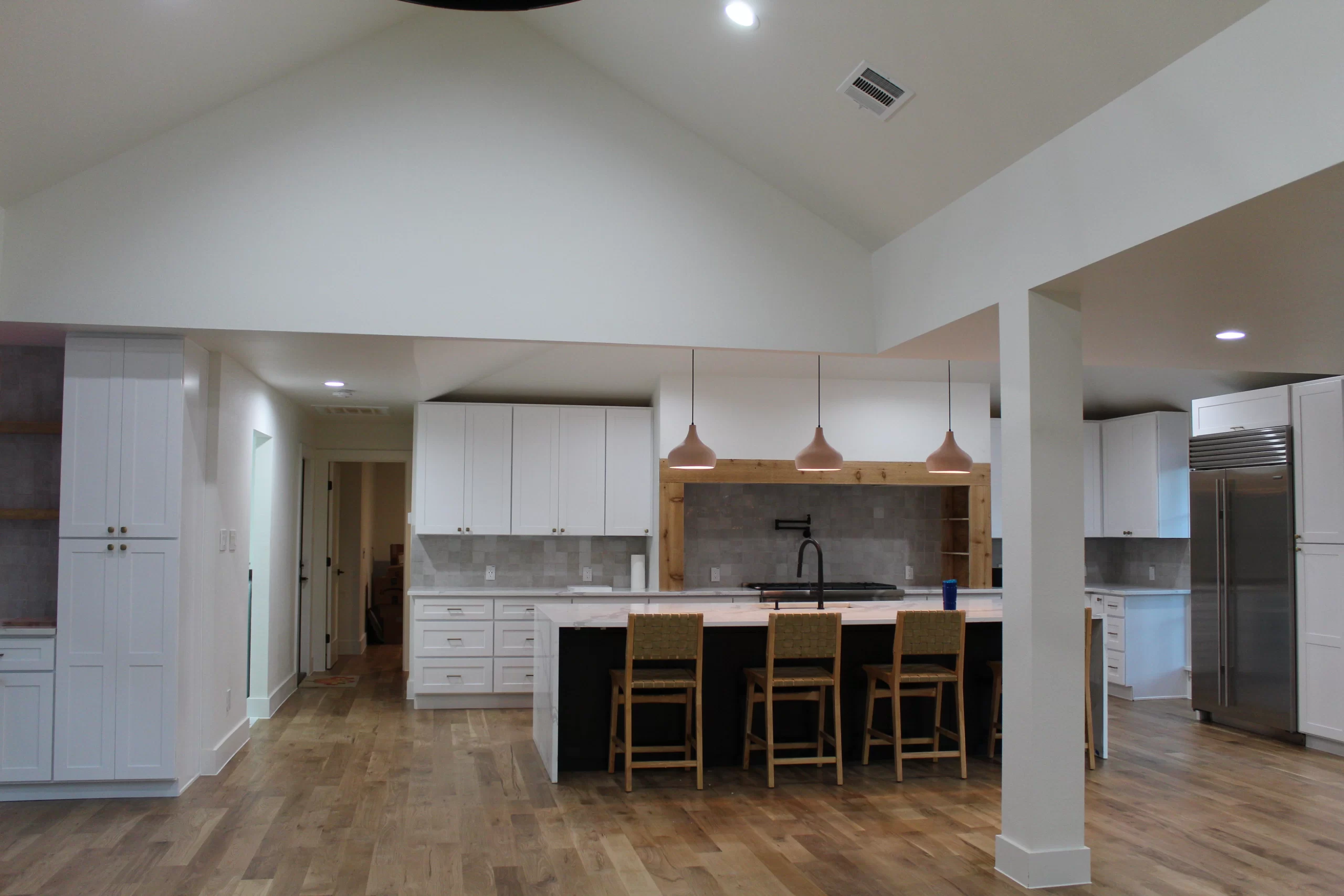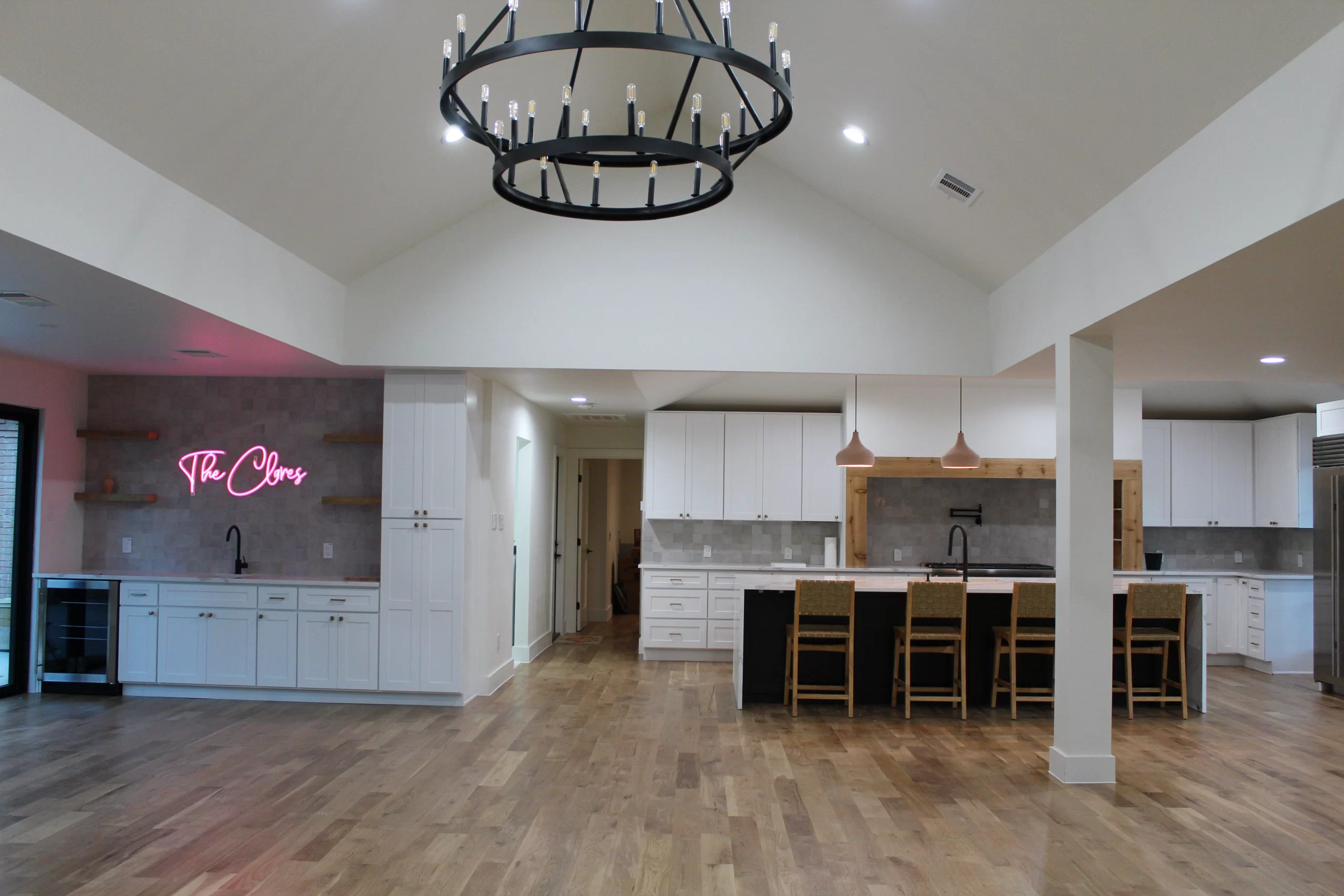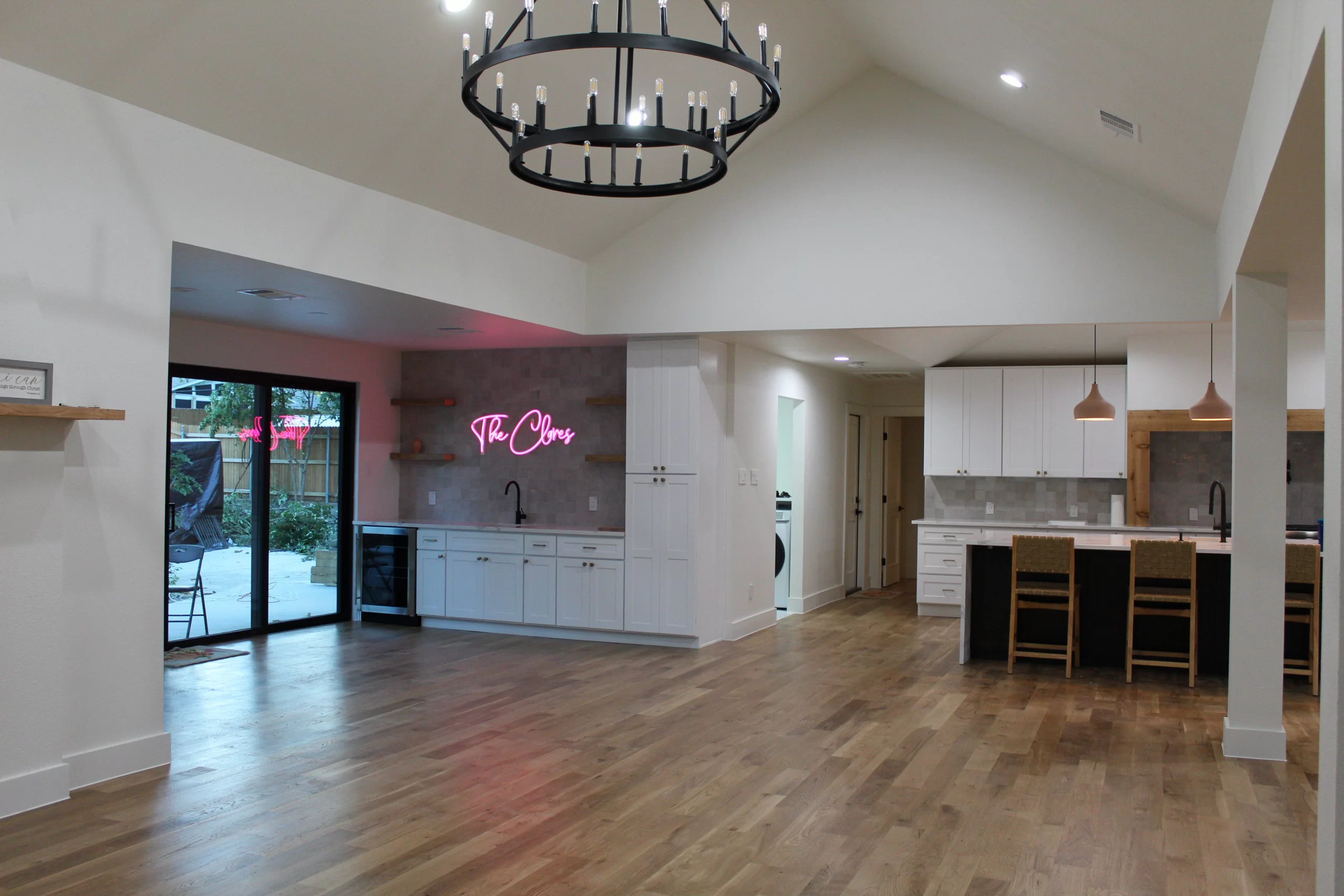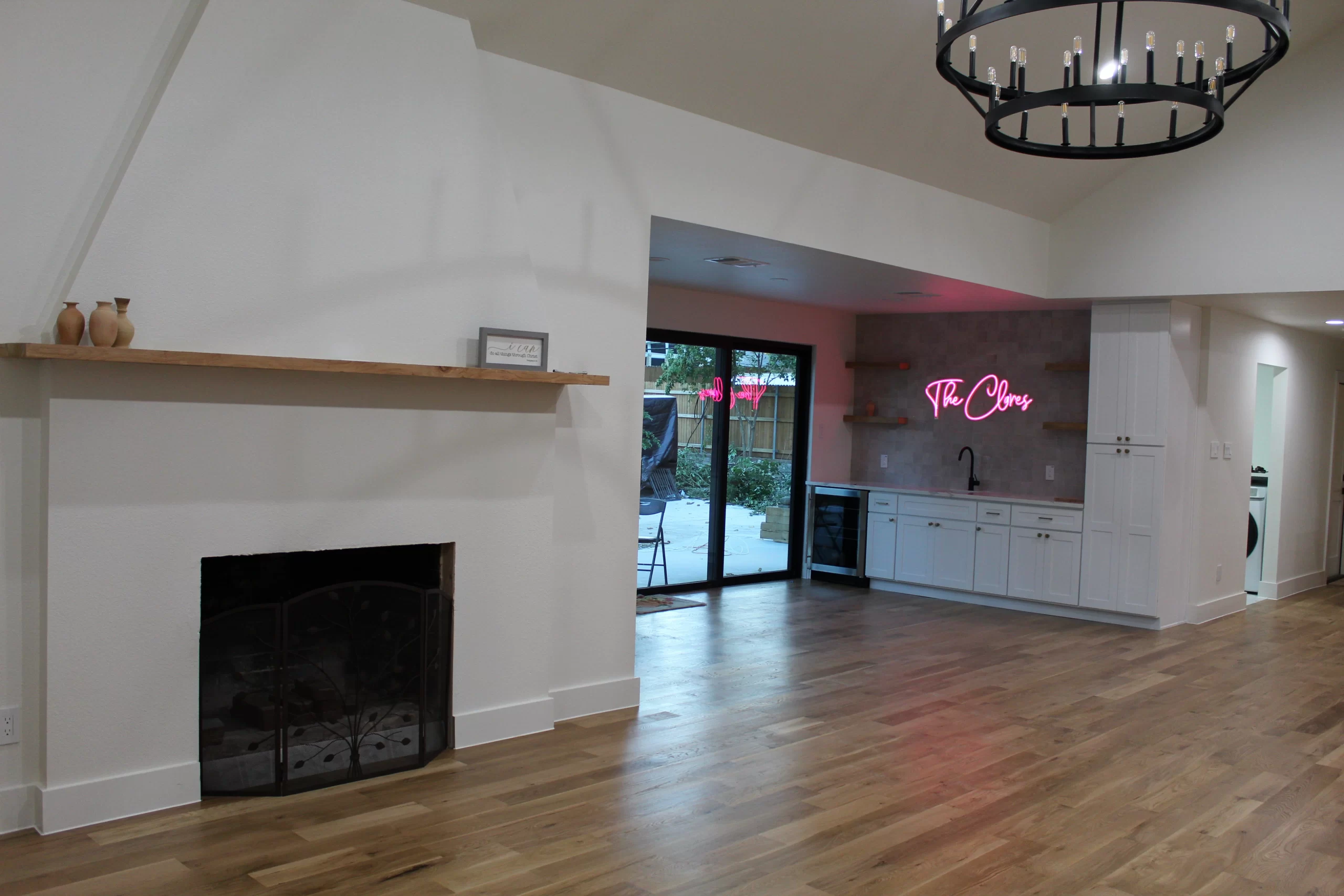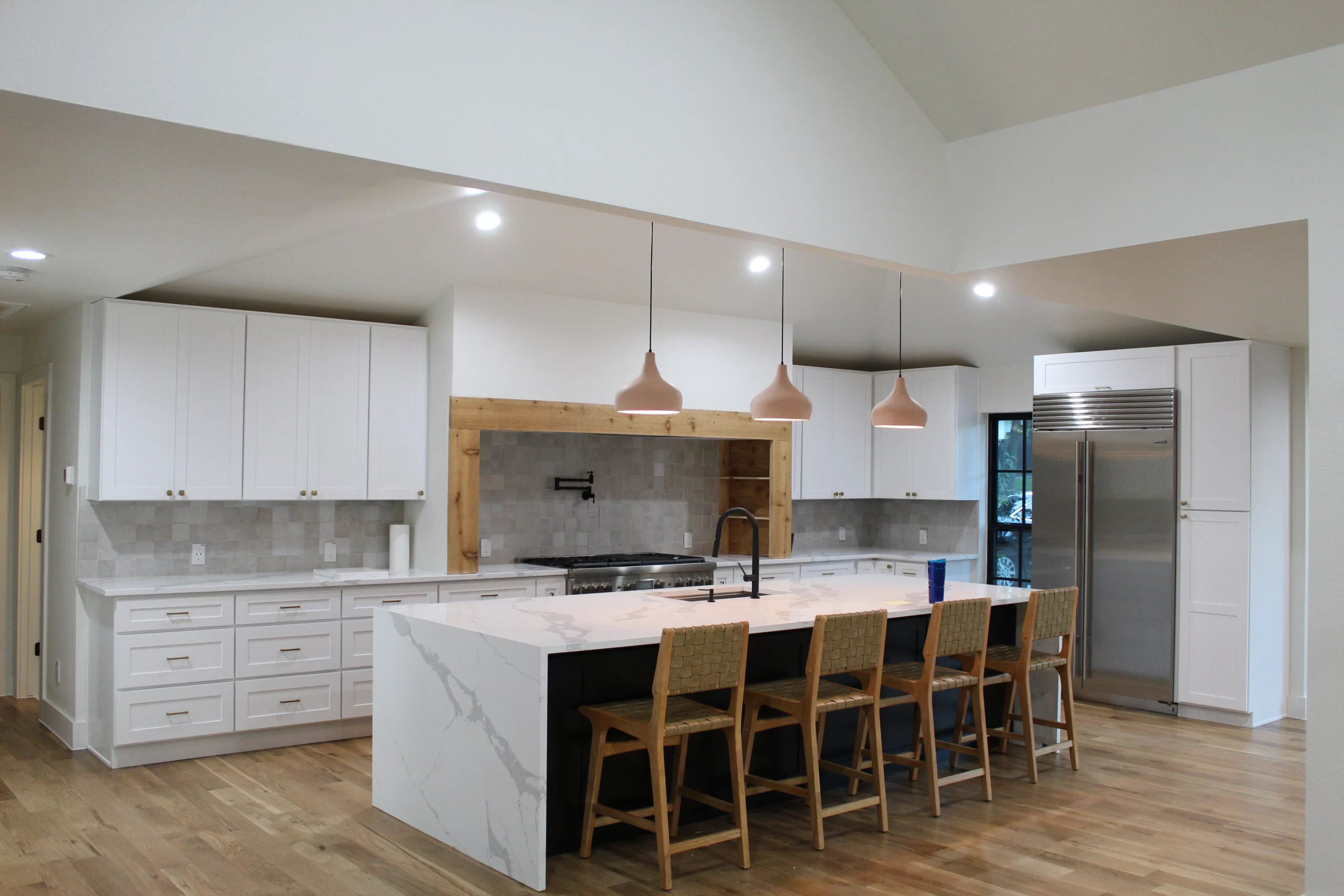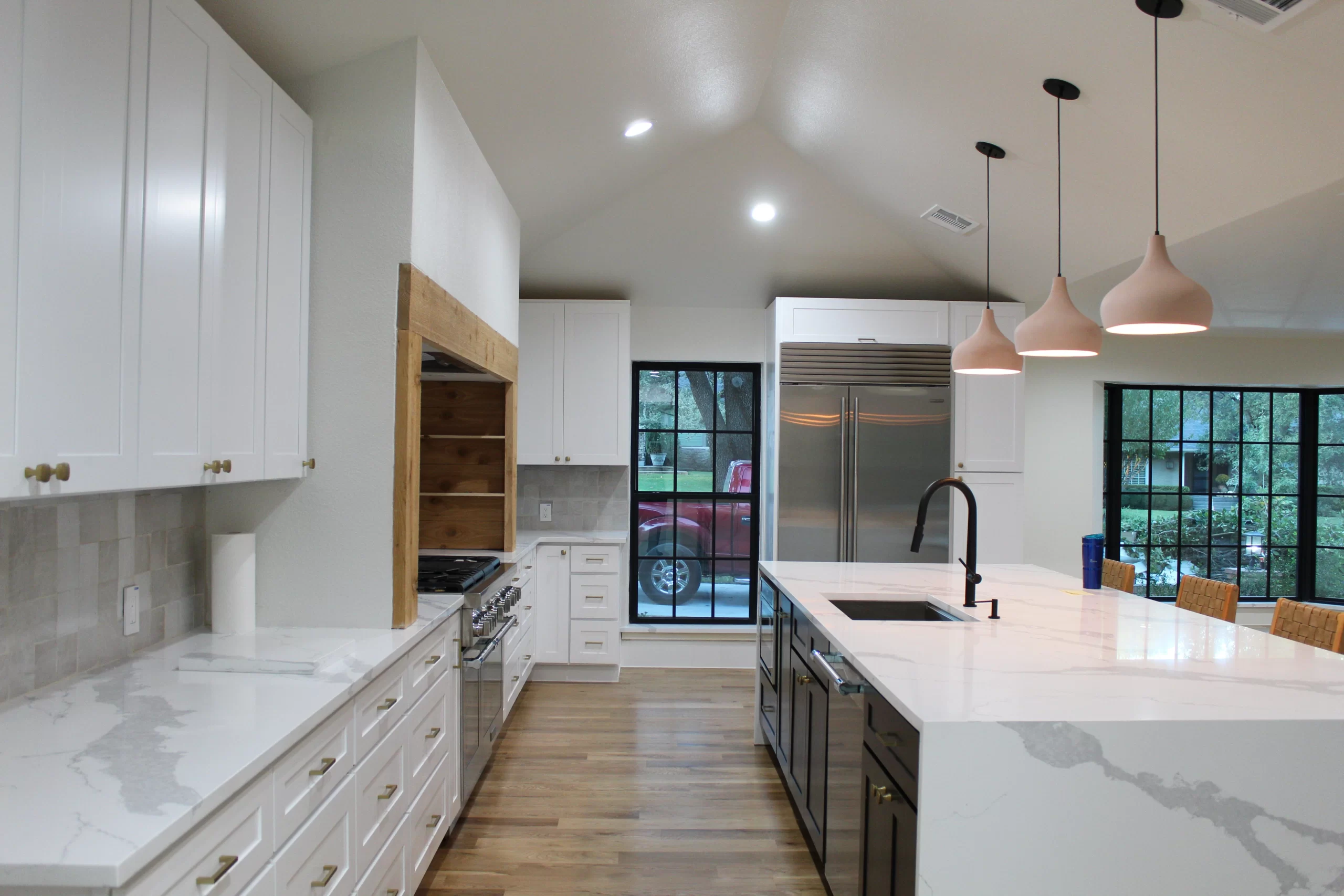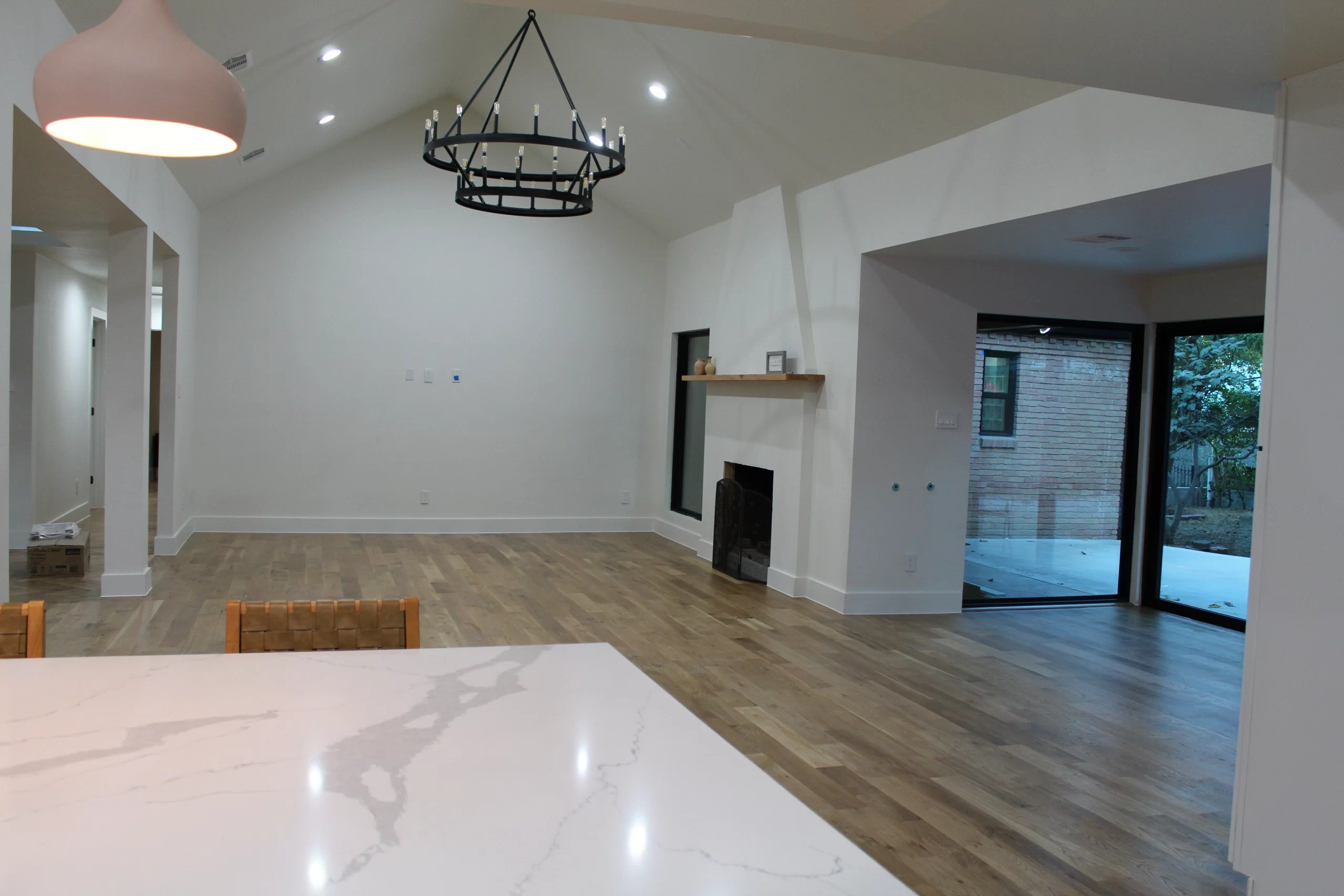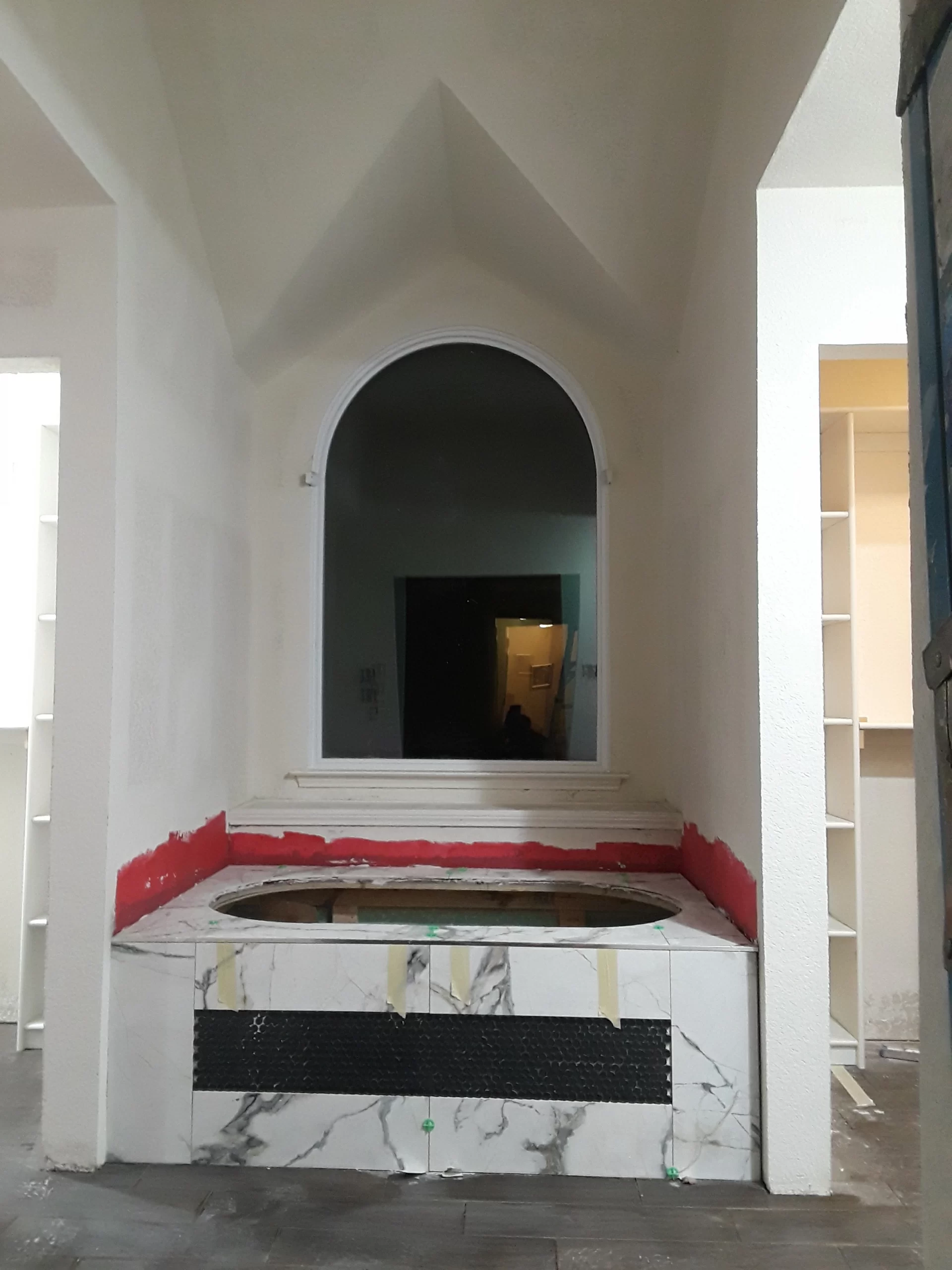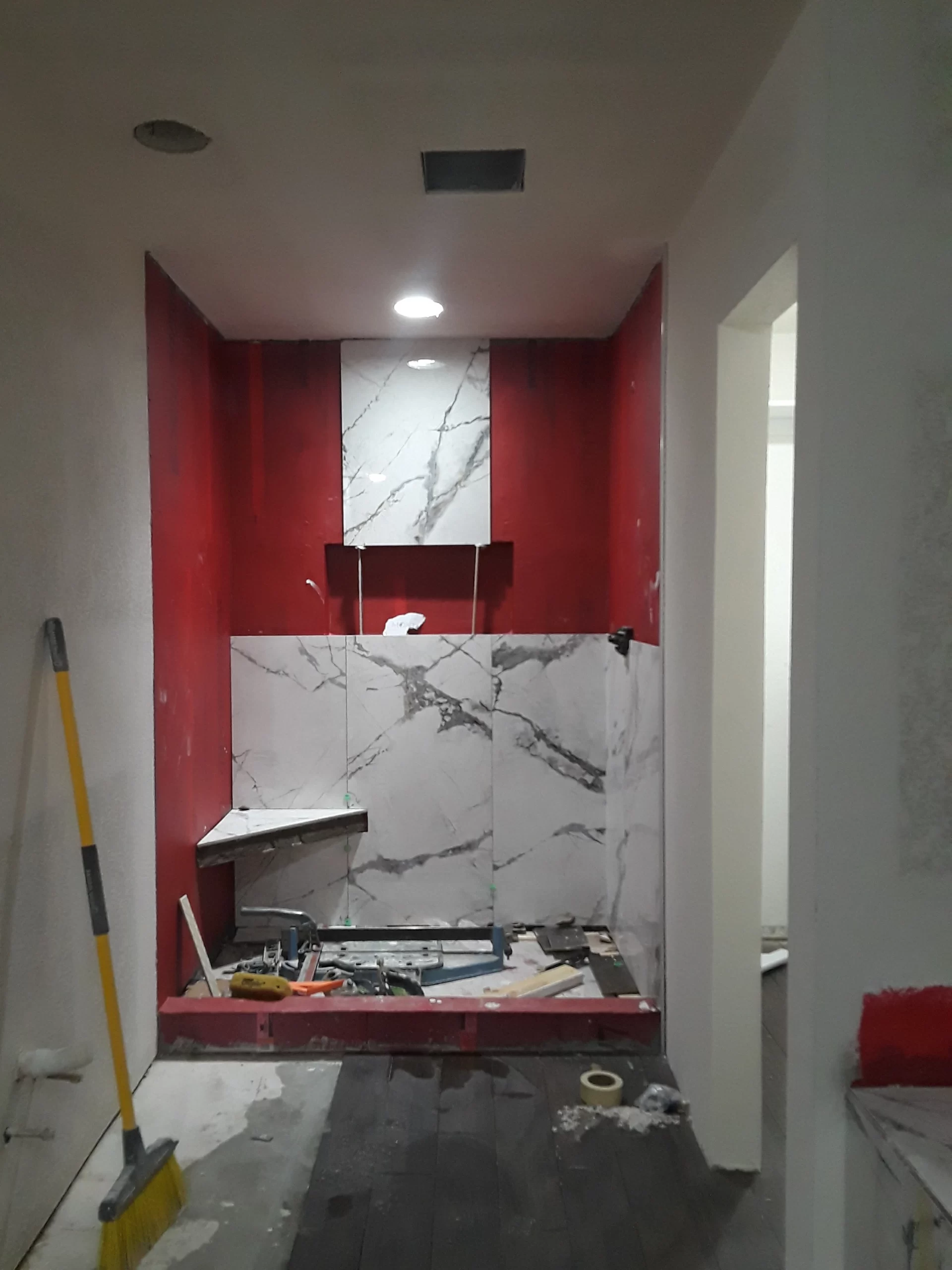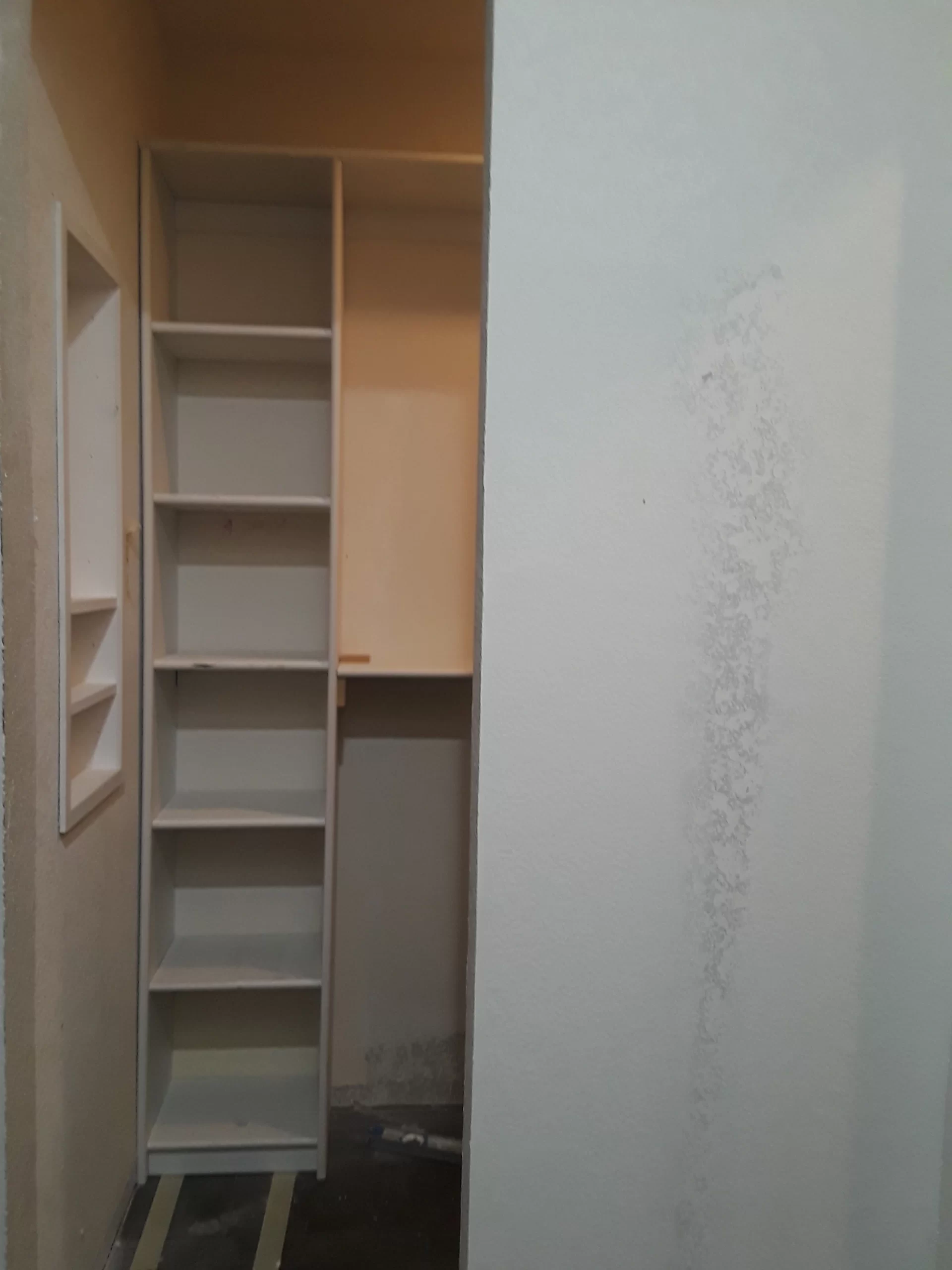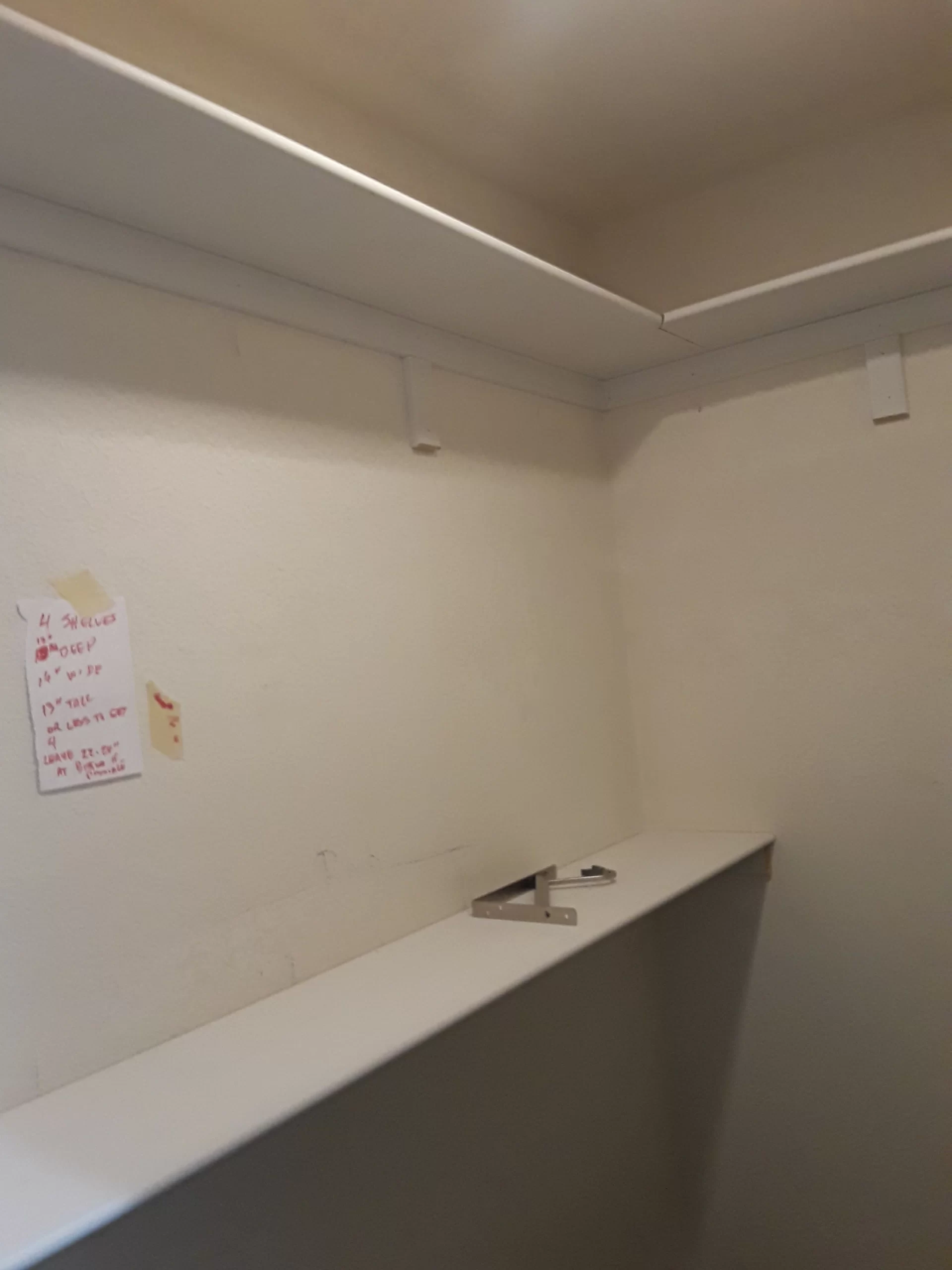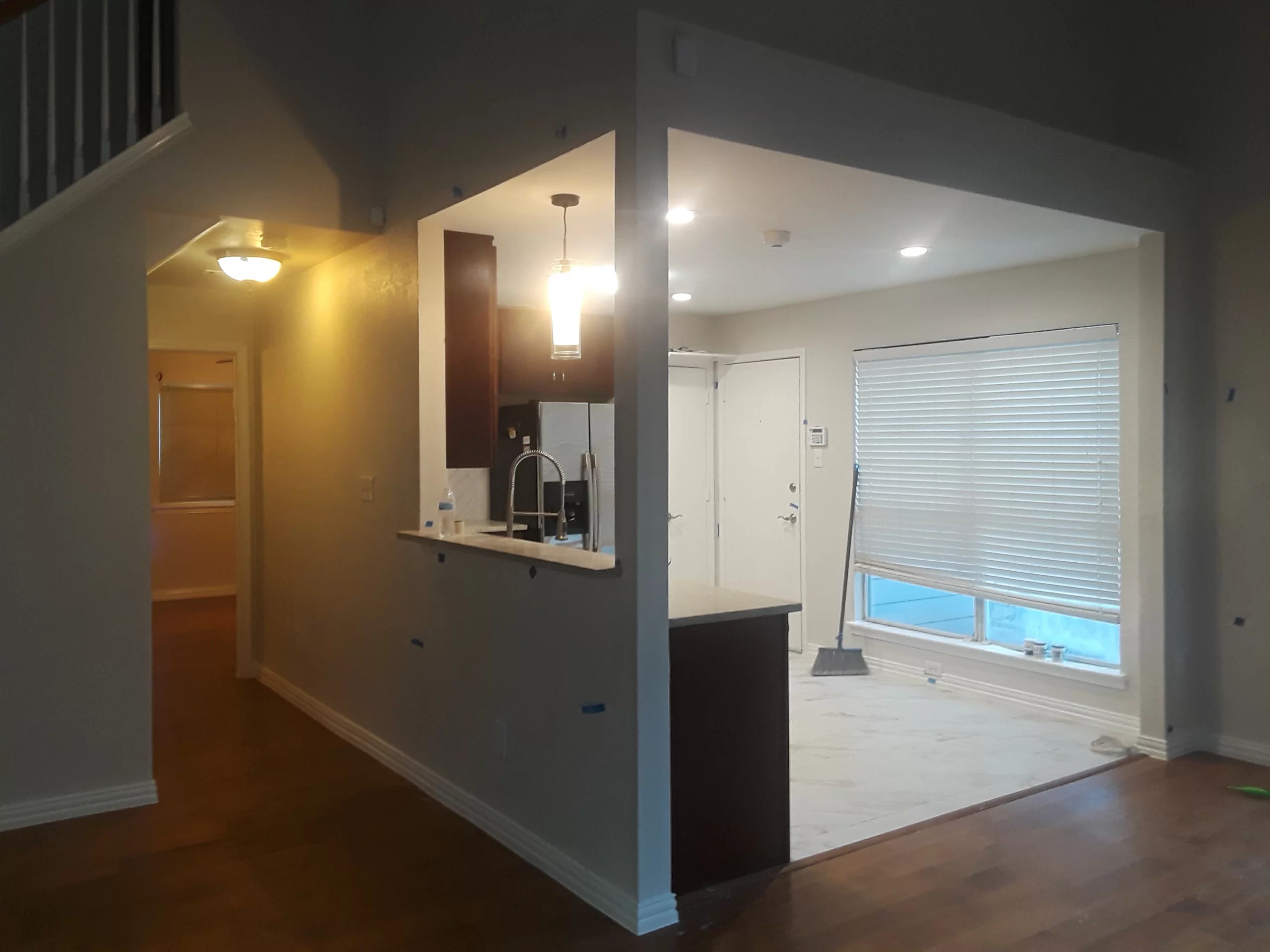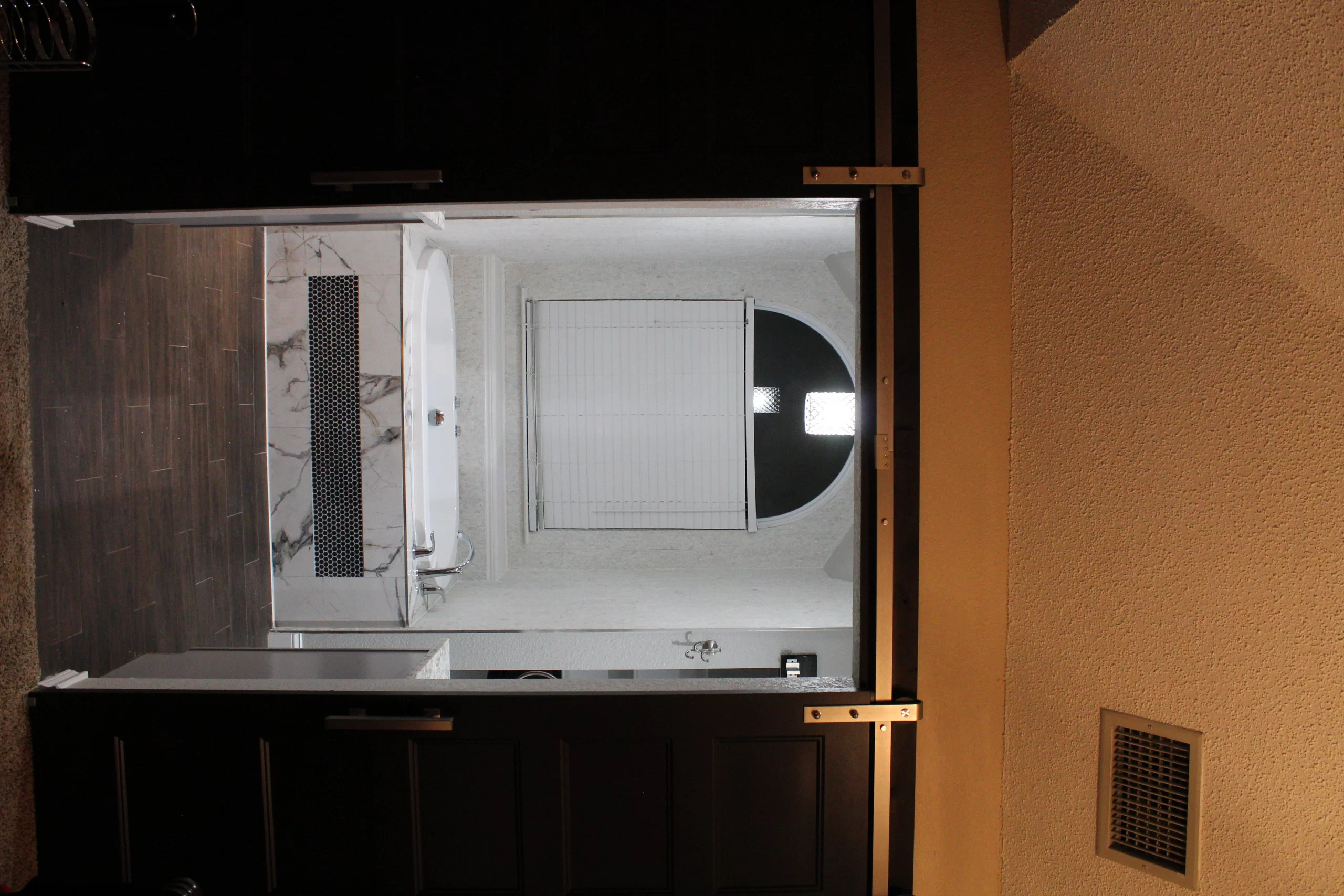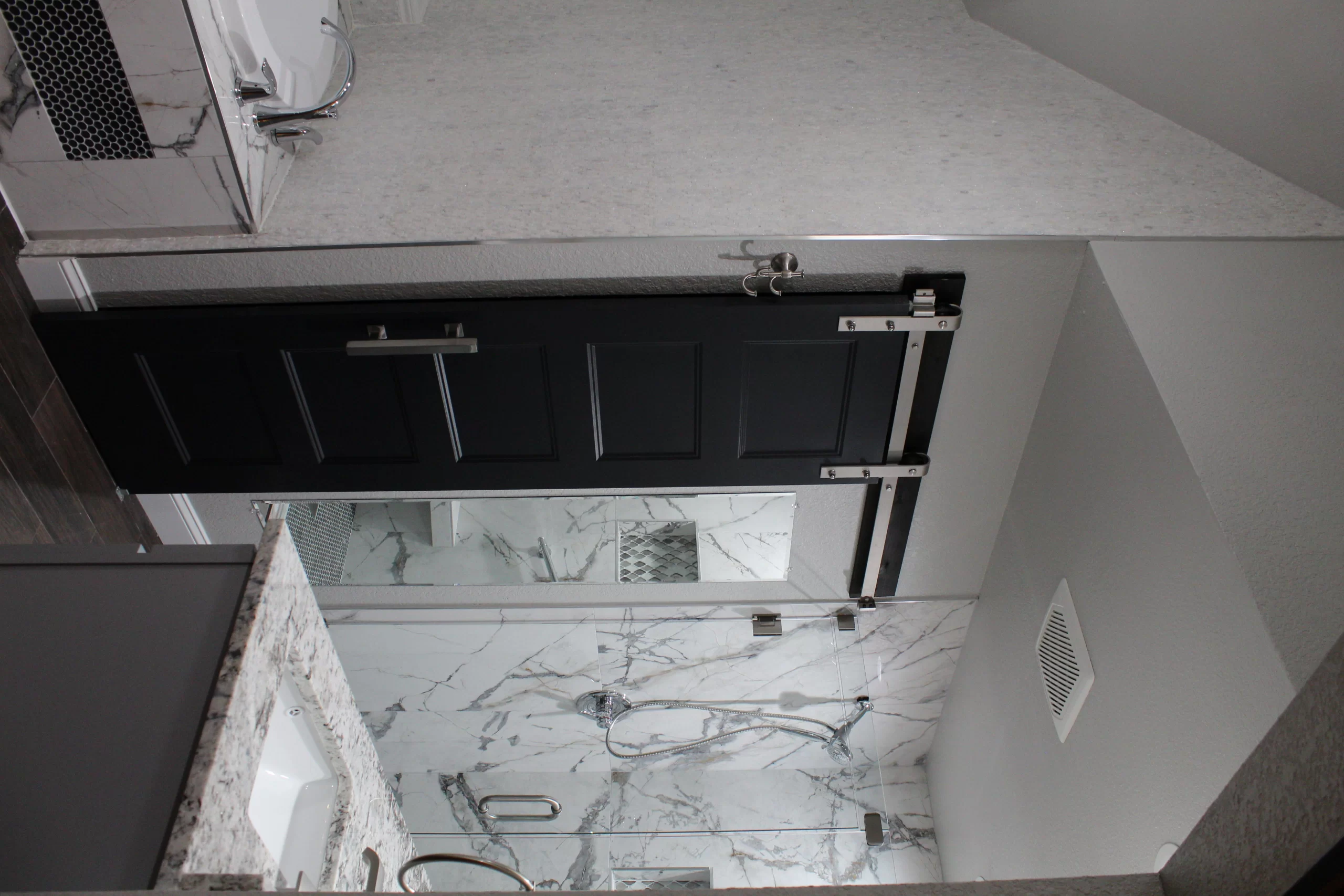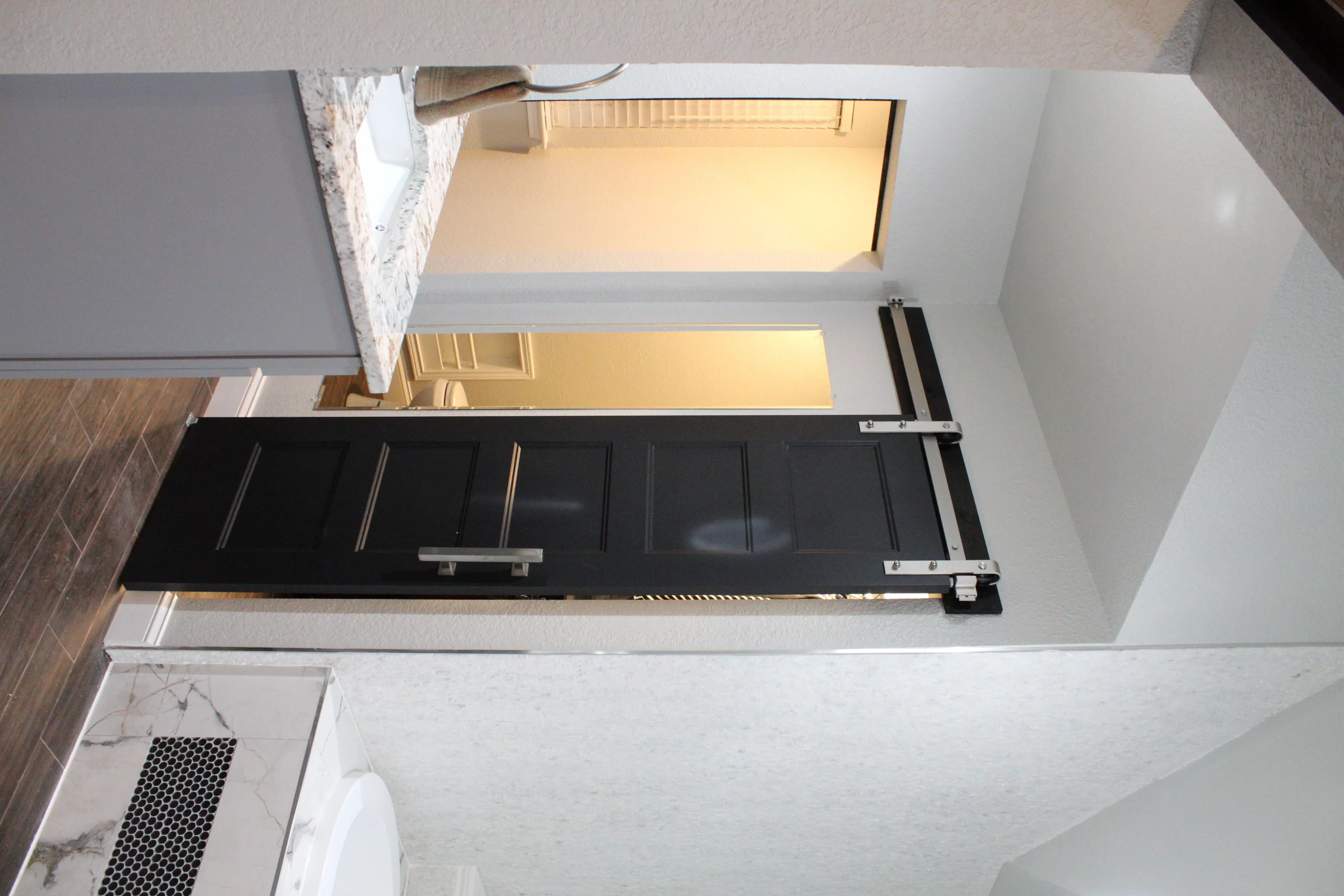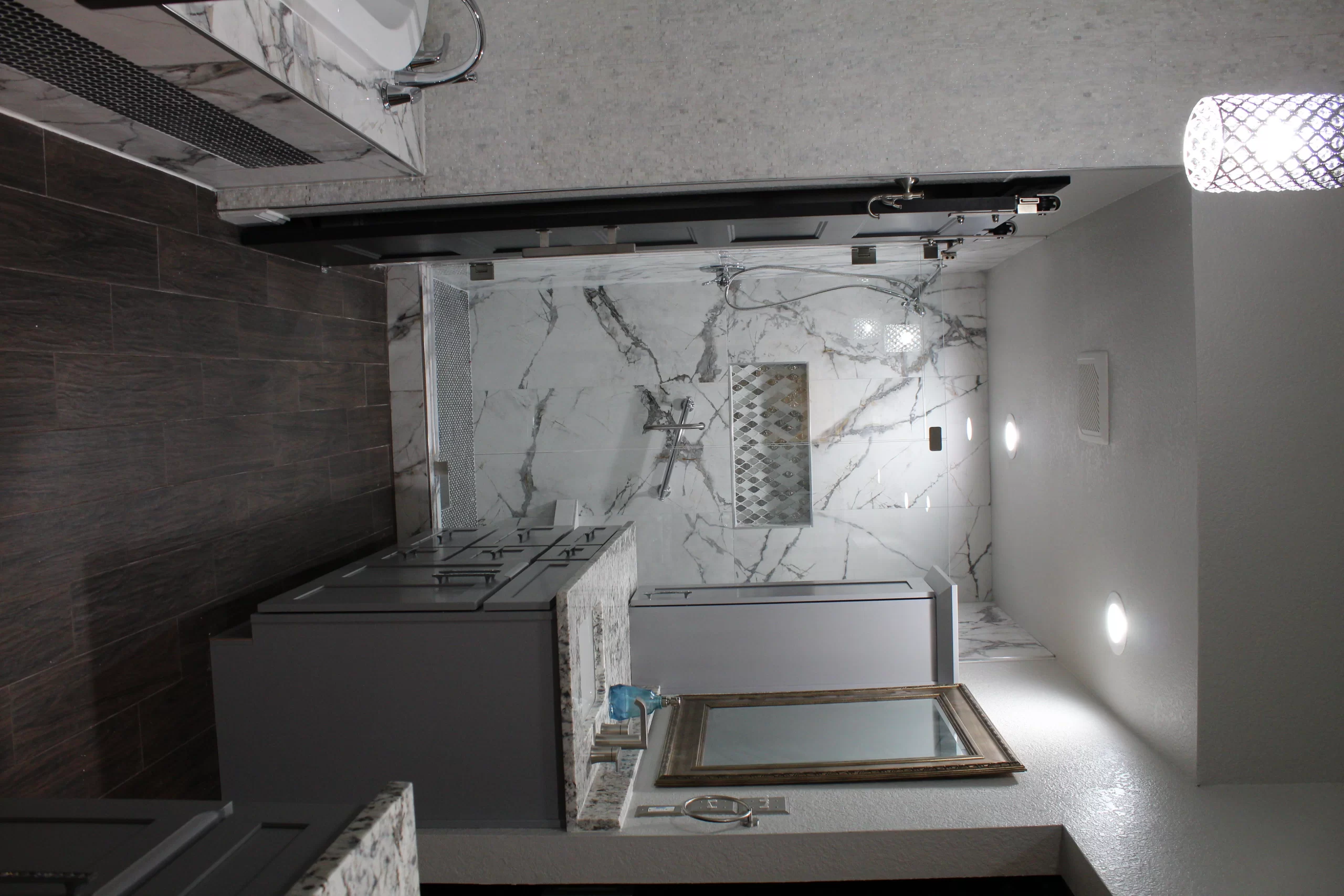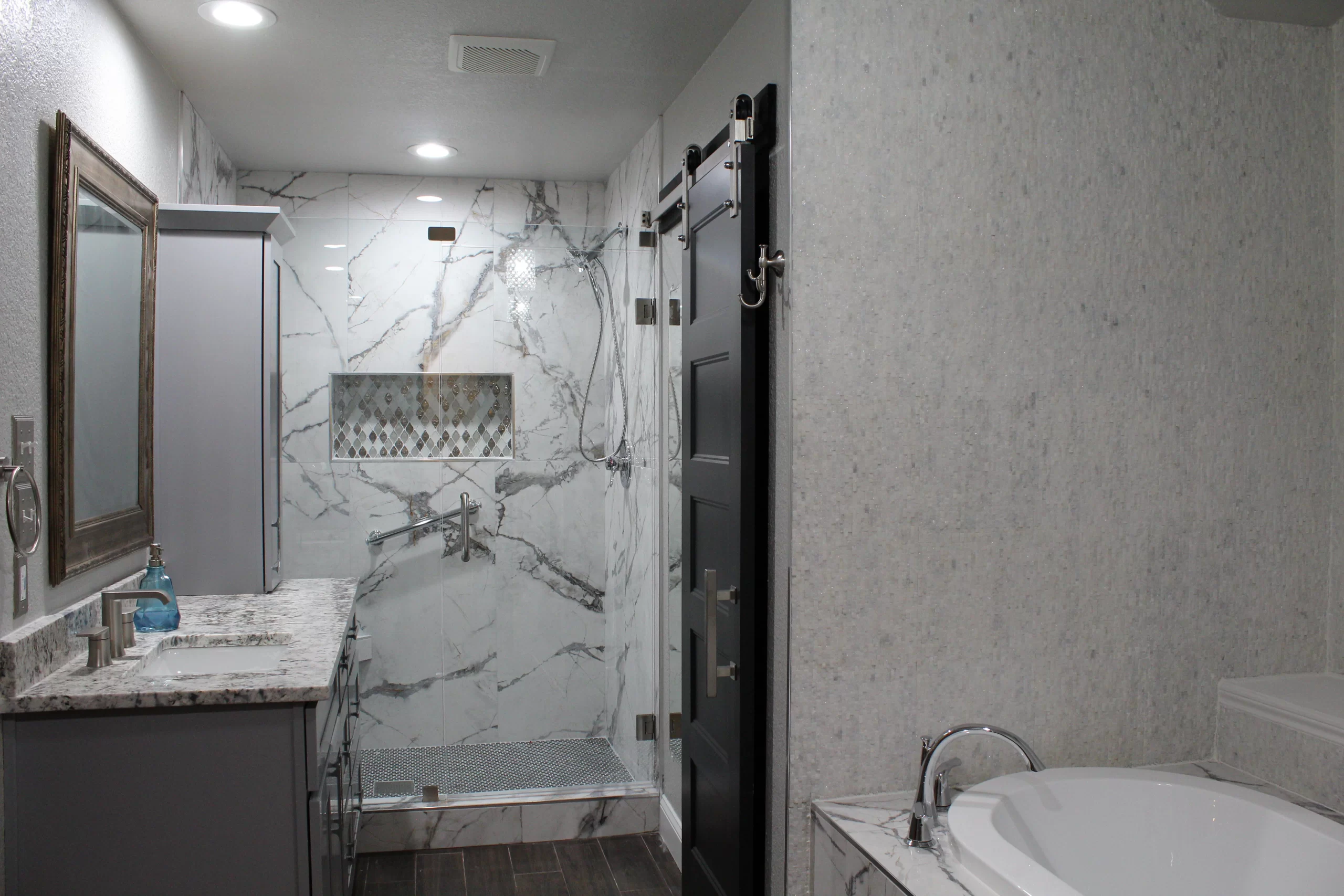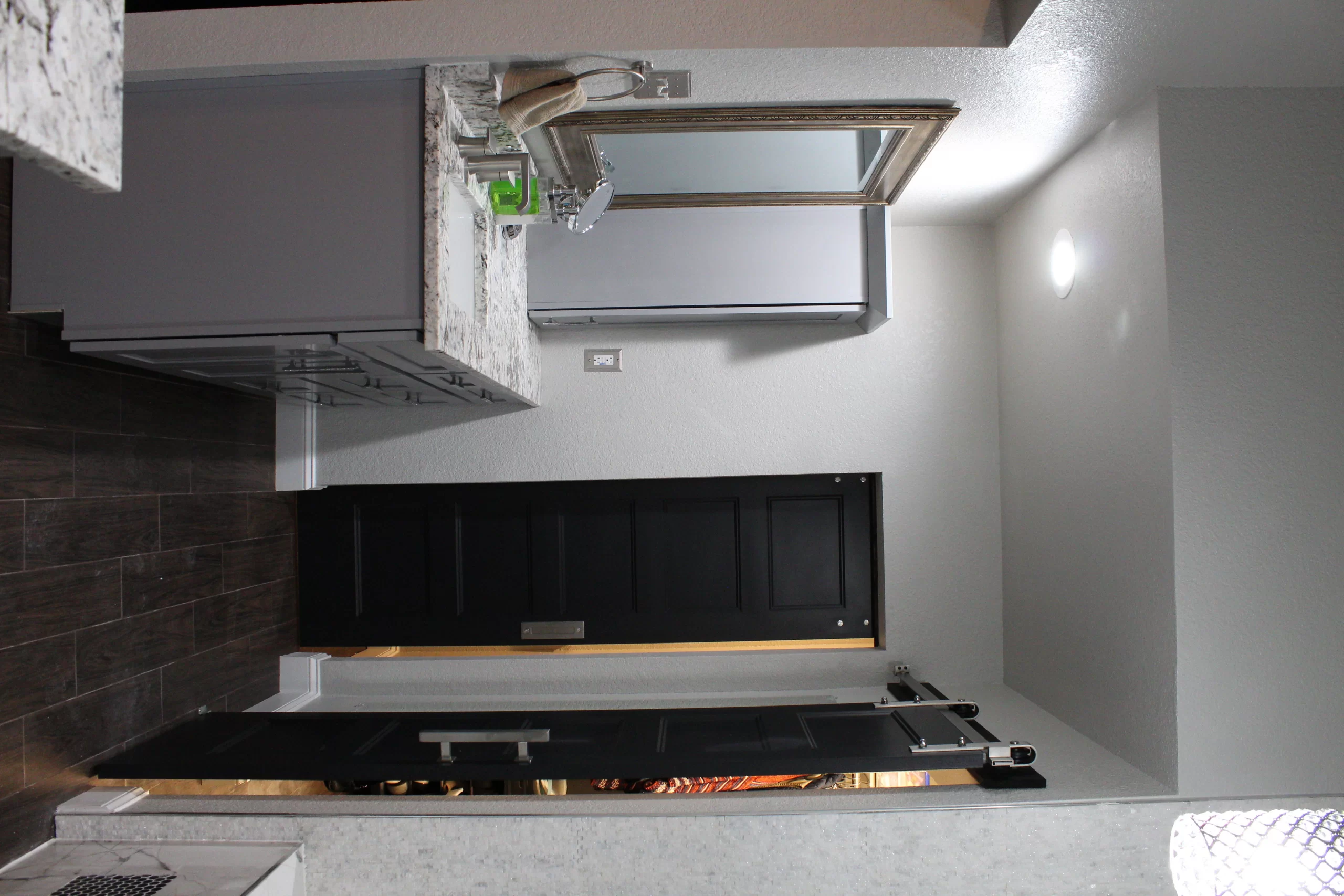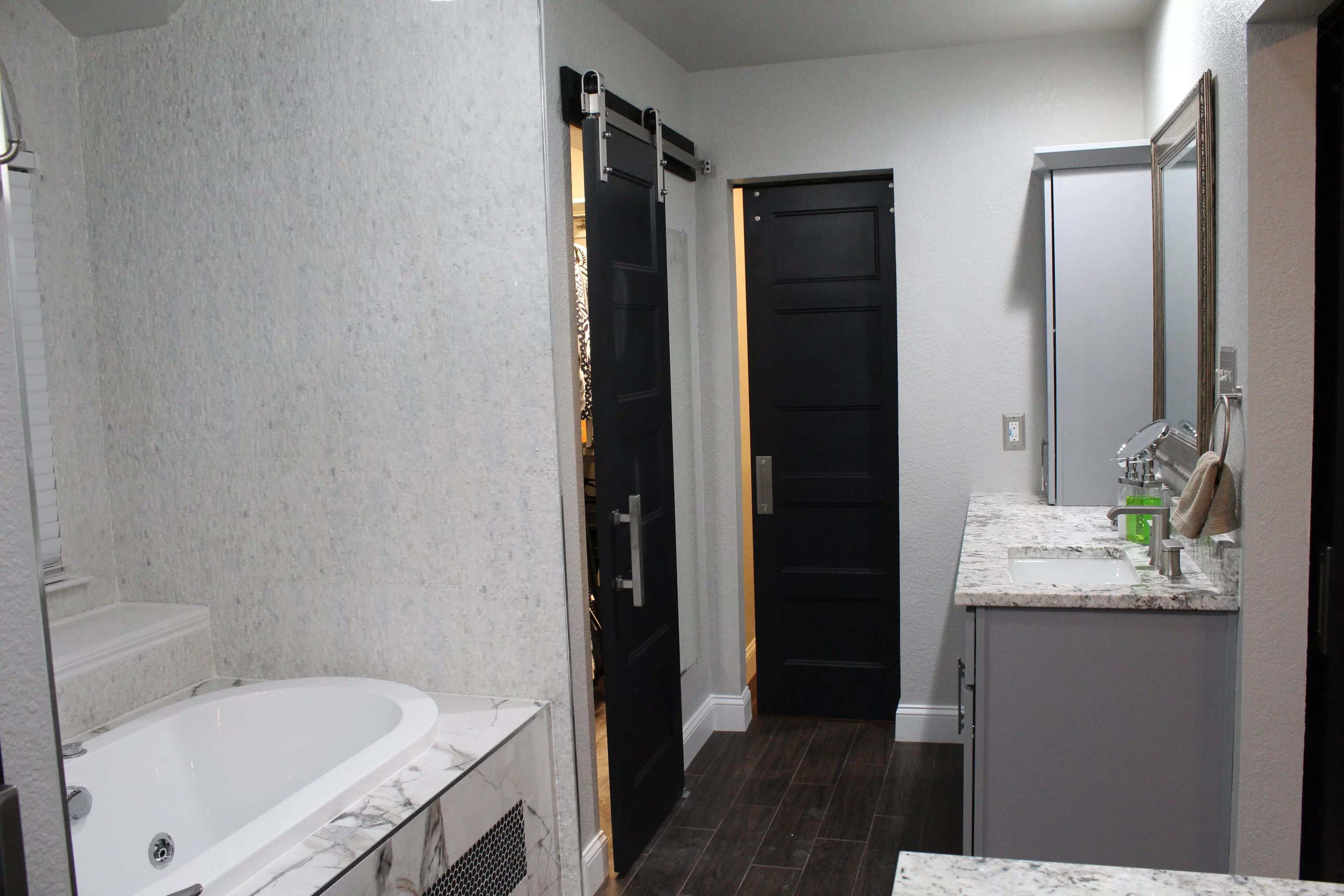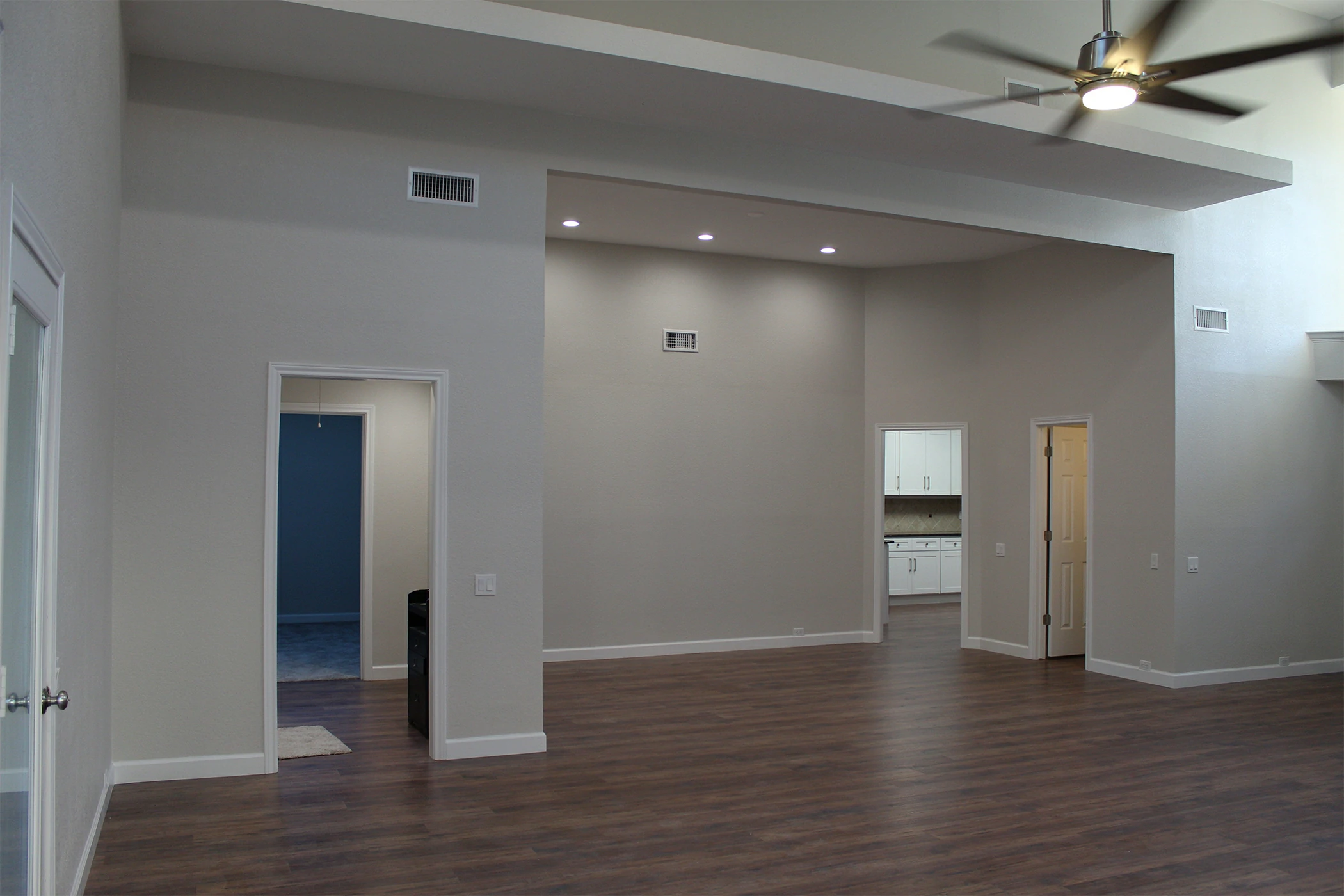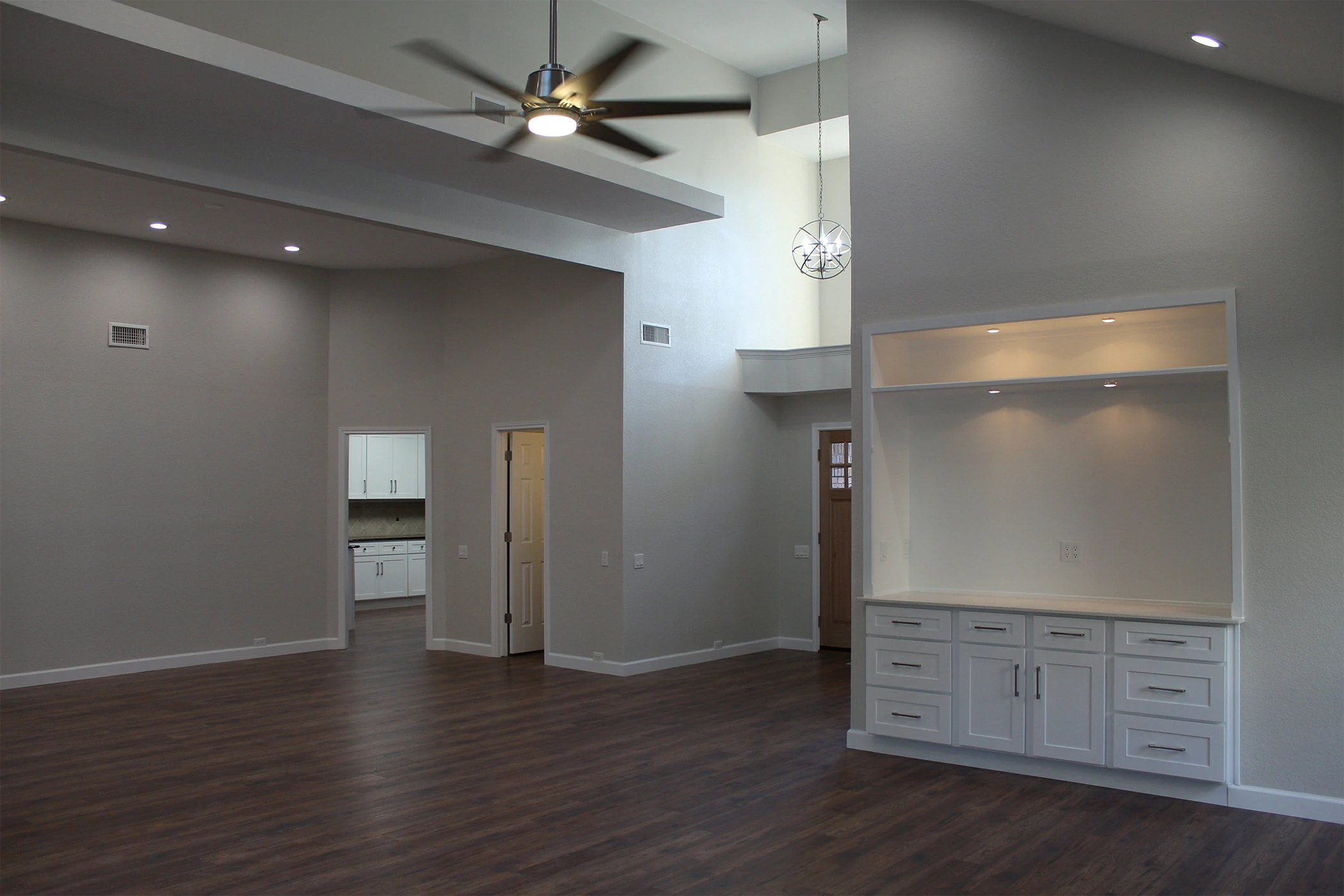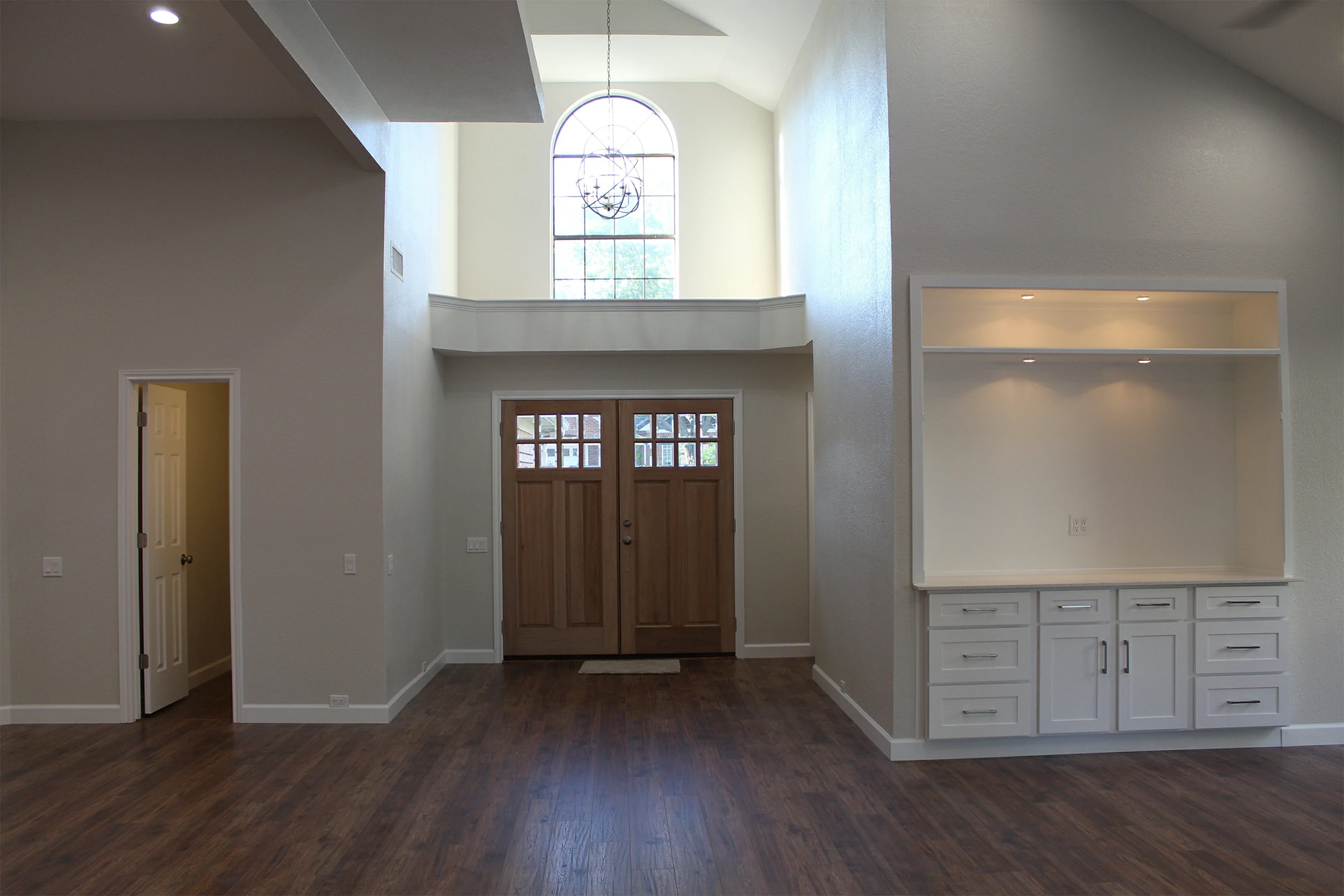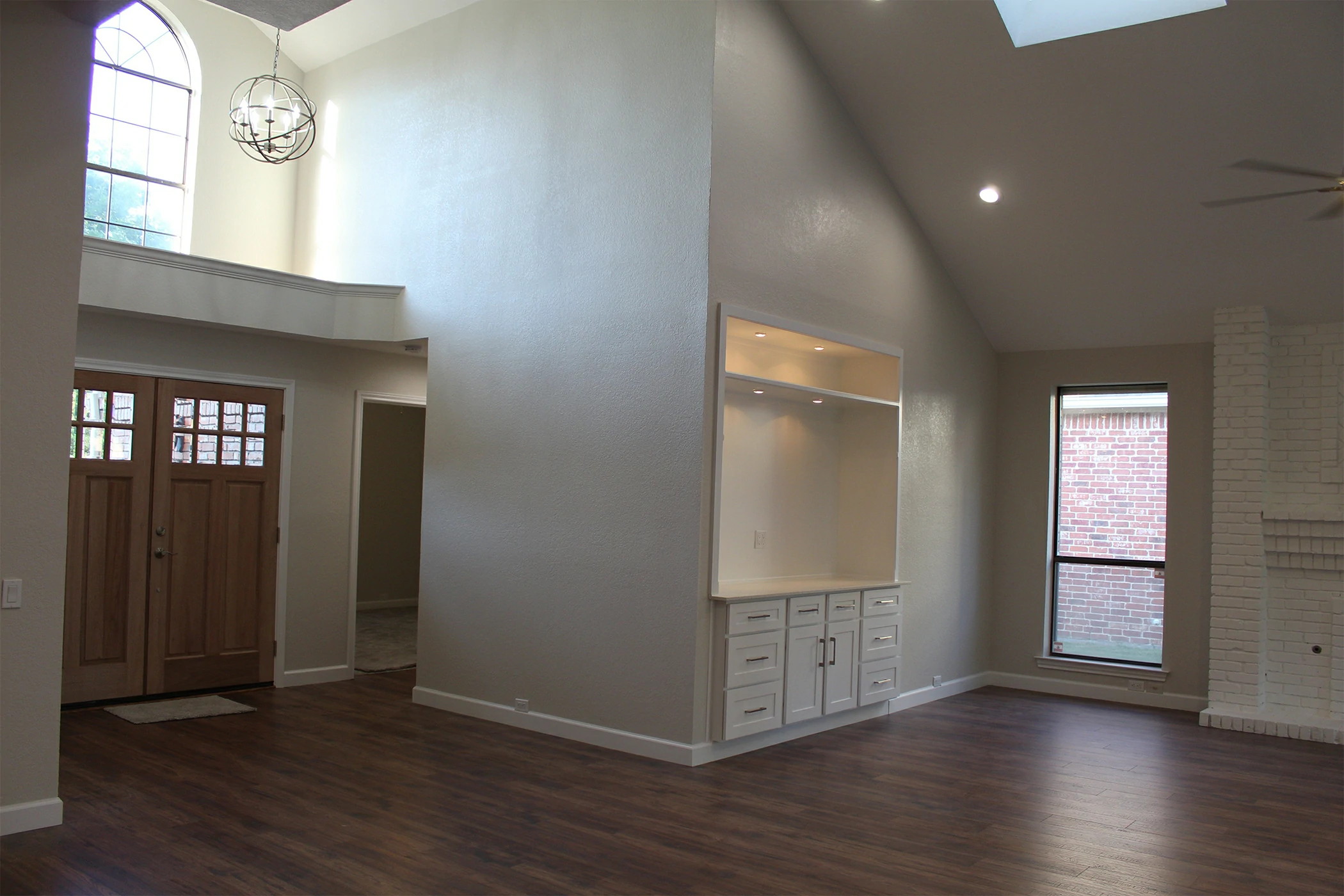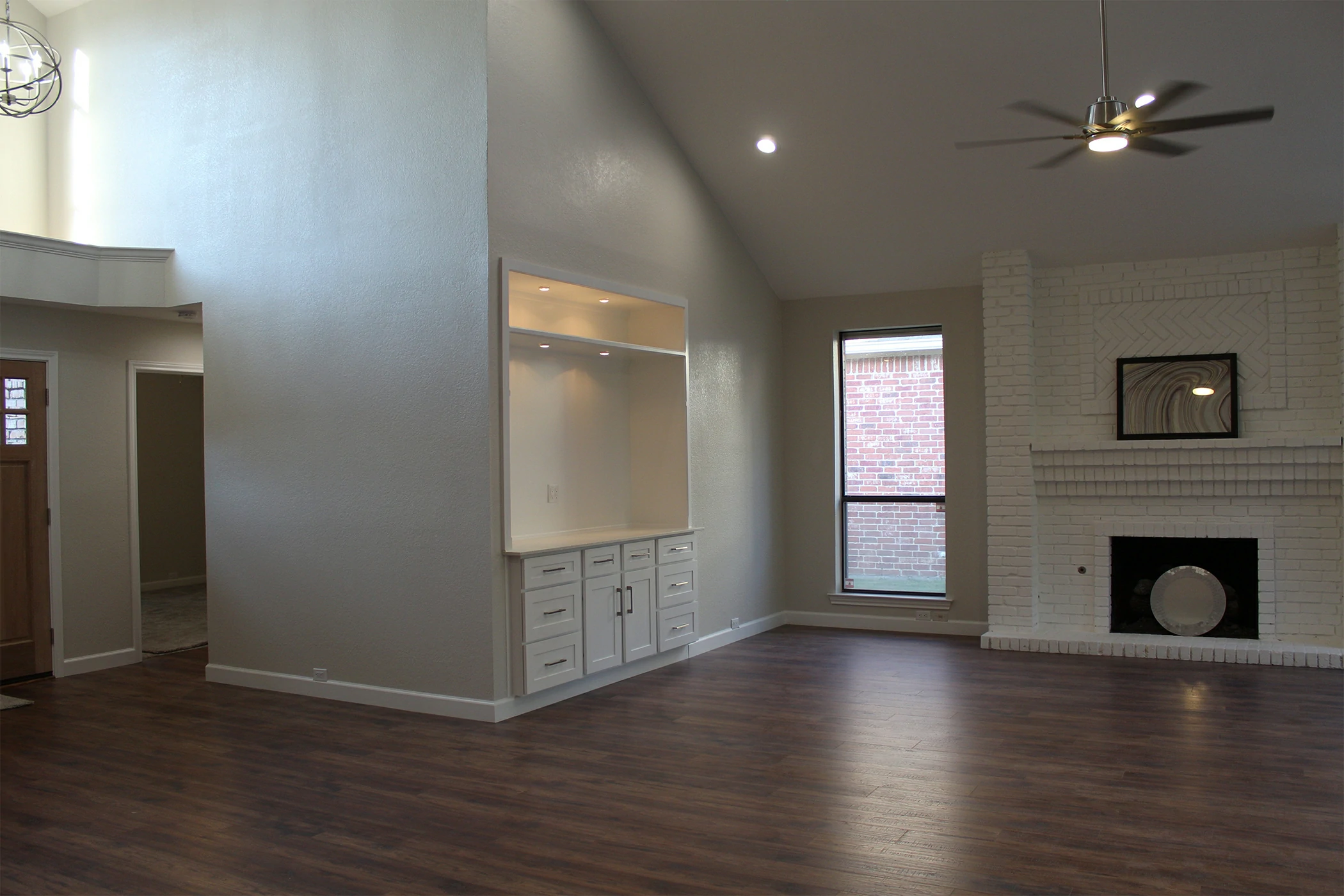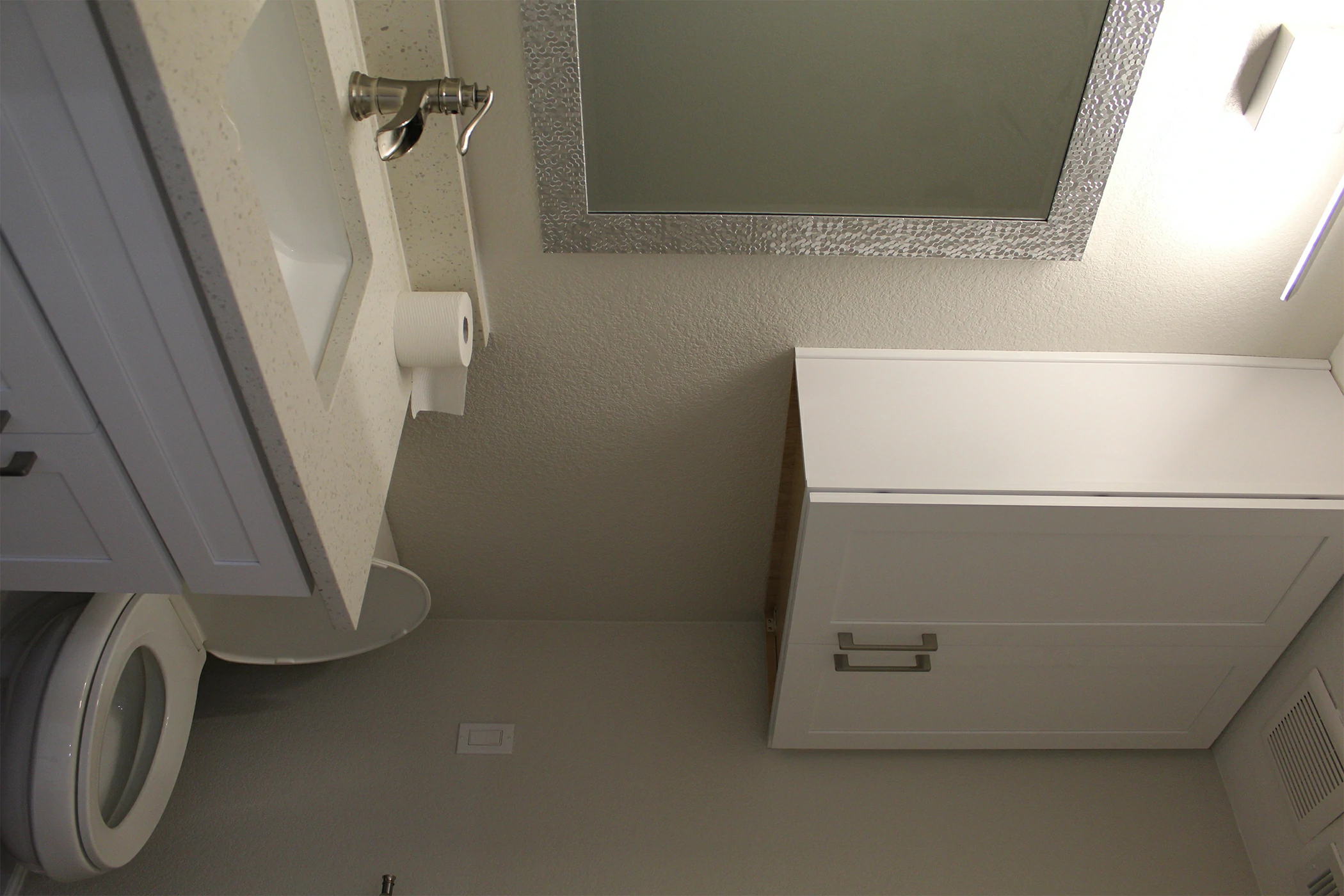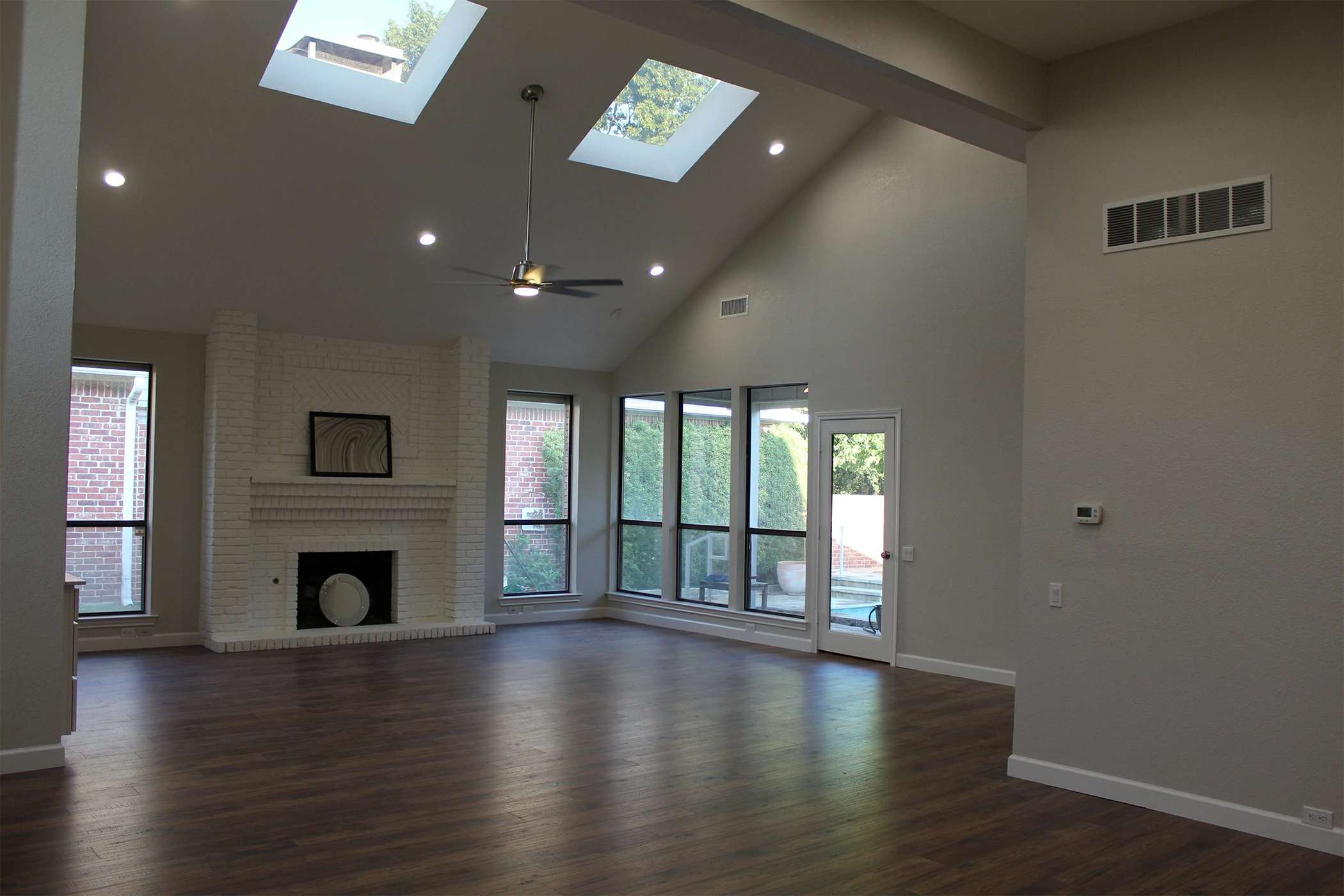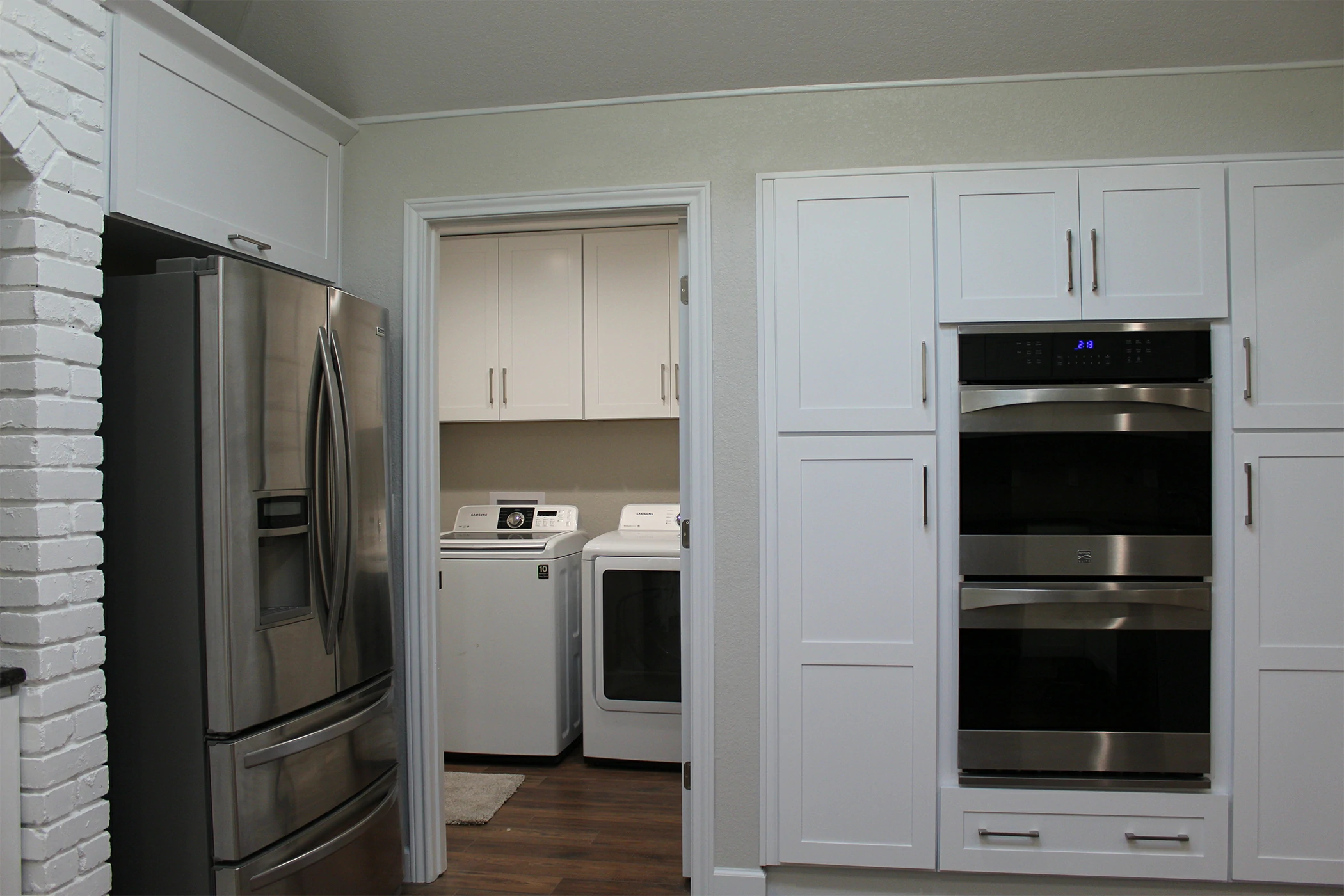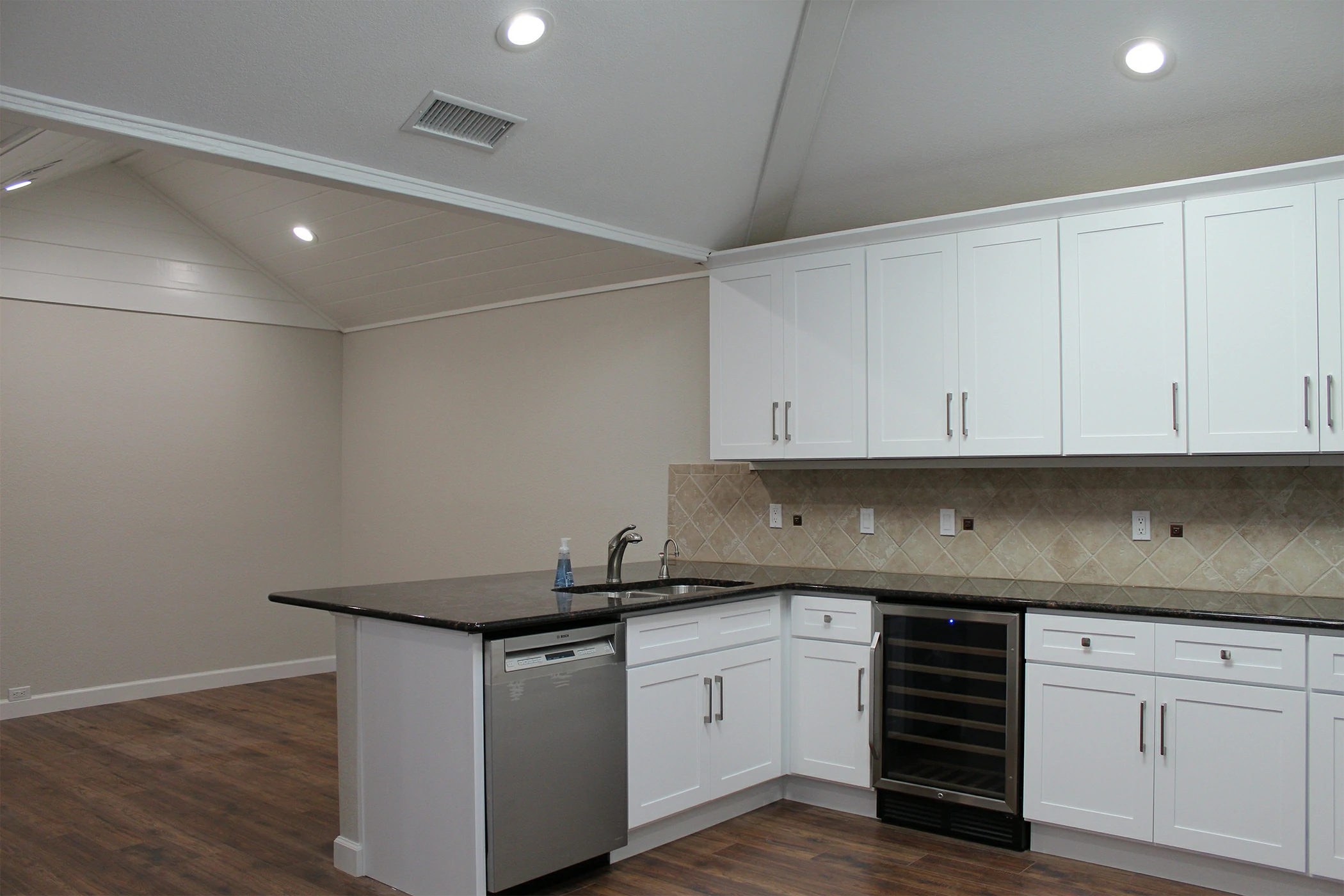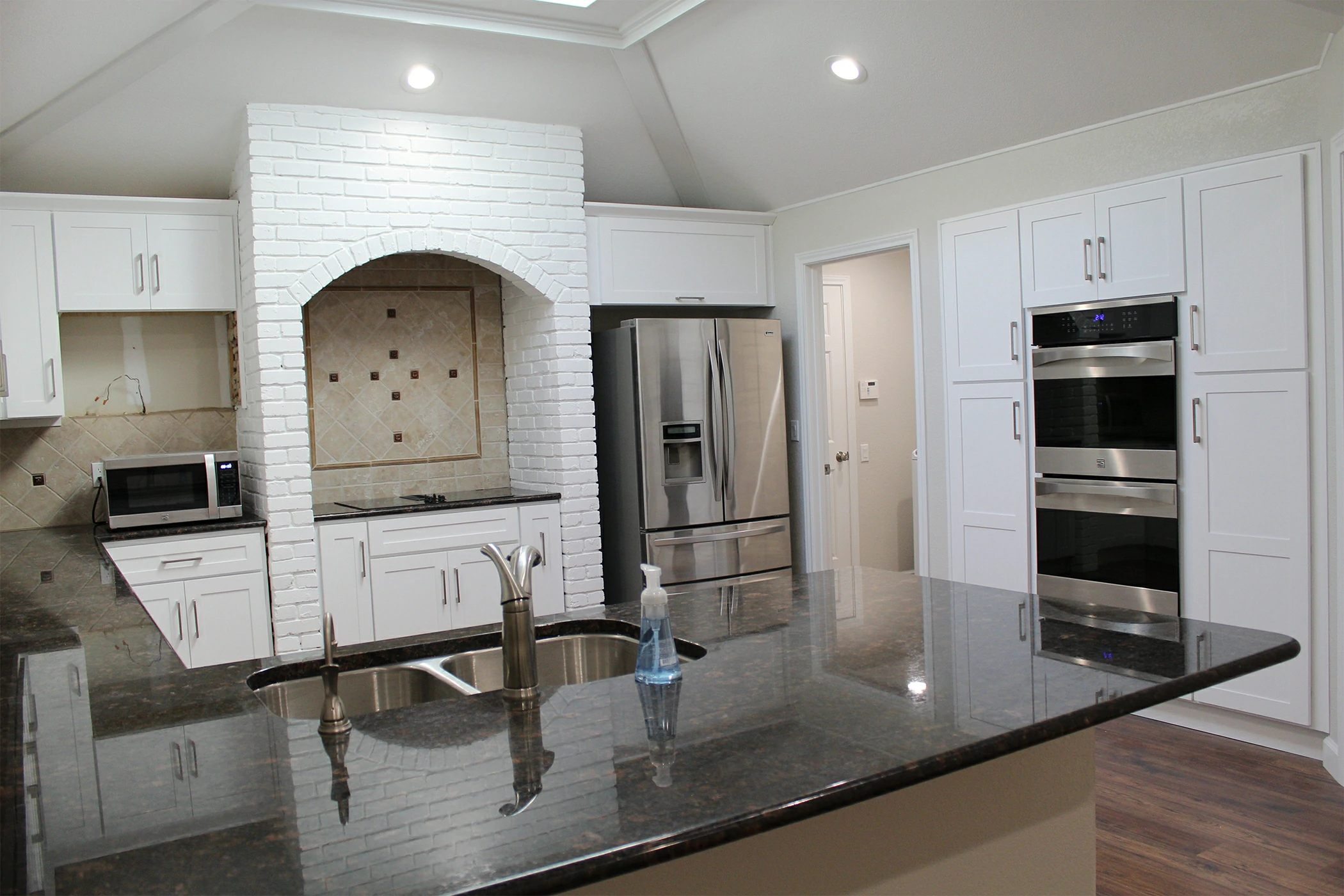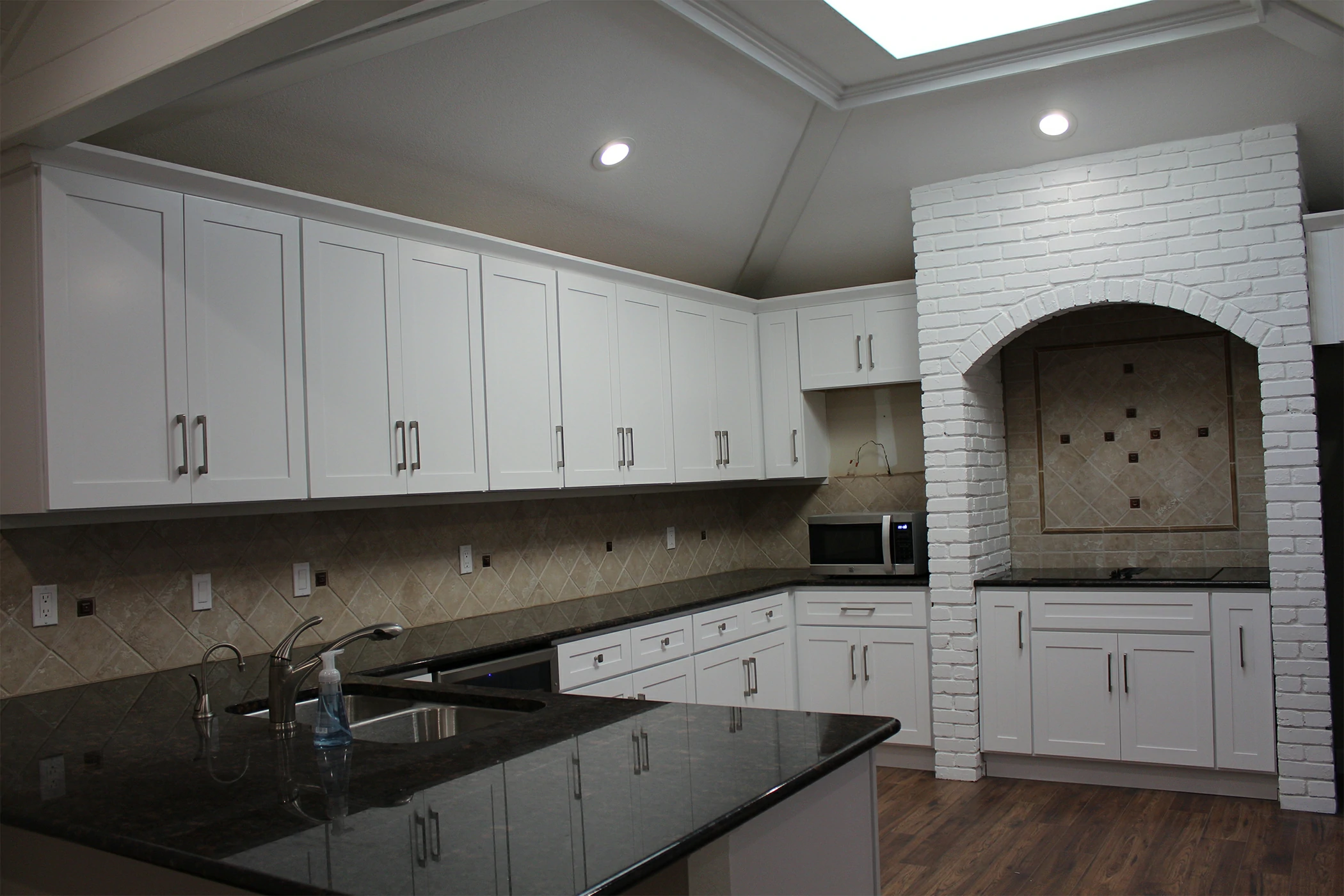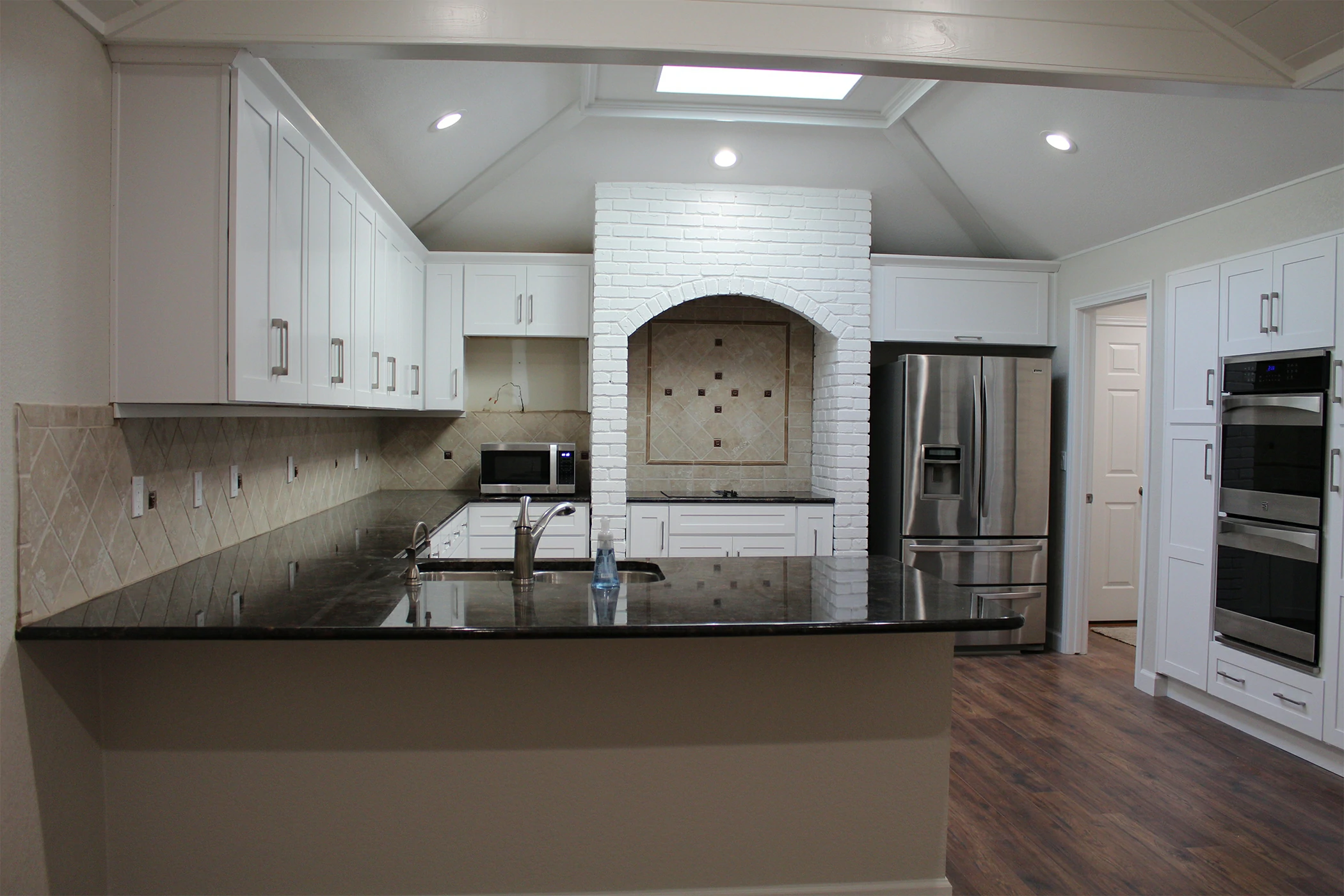
Home remodeling projects involve more than layout changes and visual upgrades. One of the most important decisions in any renovation is selecting the right materials. Durable, high quality materials help ensure that a remodel remains functional and visually appealing for many years.
When homeowners begin researching remodeling ideas, they often look for reliable information about materials, construction methods, and renovation planning. Bina Homes provide insights into home remodeling services, additions, and renovation strategies that support long term durability.
Selecting the best materials for home renovation requires careful consideration of factors such as durability, maintenance requirements, climate conditions, and overall design compatibility. The right choices can help prevent frequent repairs and maintain the value of a home over time.
This guide explores how to choose materials that support long lasting remodeling results while balancing performance, style, and practicality.
Why Material Selection Matters in Remodeling Projects
Material selection plays a major role in determining how well a renovation performs over time. Even well designed remodels may experience problems if low quality materials are used.
Durable materials help reduce maintenance costs, resist wear and tear, and maintain structural integrity. Homeowners planning upgrades through home remodeling services often evaluate several material options to ensure their renovations can withstand daily use.
Choosing the best materials for home renovation can also improve energy efficiency, indoor comfort, and overall home value.
Factors to Consider When Selecting Renovation Materials
Before deciding on specific materials, homeowners should evaluate several important factors that influence long term performance.
Durability and Longevity
Materials that resist moisture, scratches, and temperature changes typically last longer in residential environments. For example, flooring in high traffic areas requires stronger materials than flooring in rarely used spaces.
Maintenance Requirements
Some materials require frequent cleaning, sealing, or refinishing. Homeowners should consider how much maintenance they are willing to manage over time.
Climate and Environmental Conditions
Climate conditions can influence how materials perform. In regions with high humidity or seasonal temperature changes, materials must withstand expansion, contraction, and moisture exposure.
Compatibility With Existing Structures
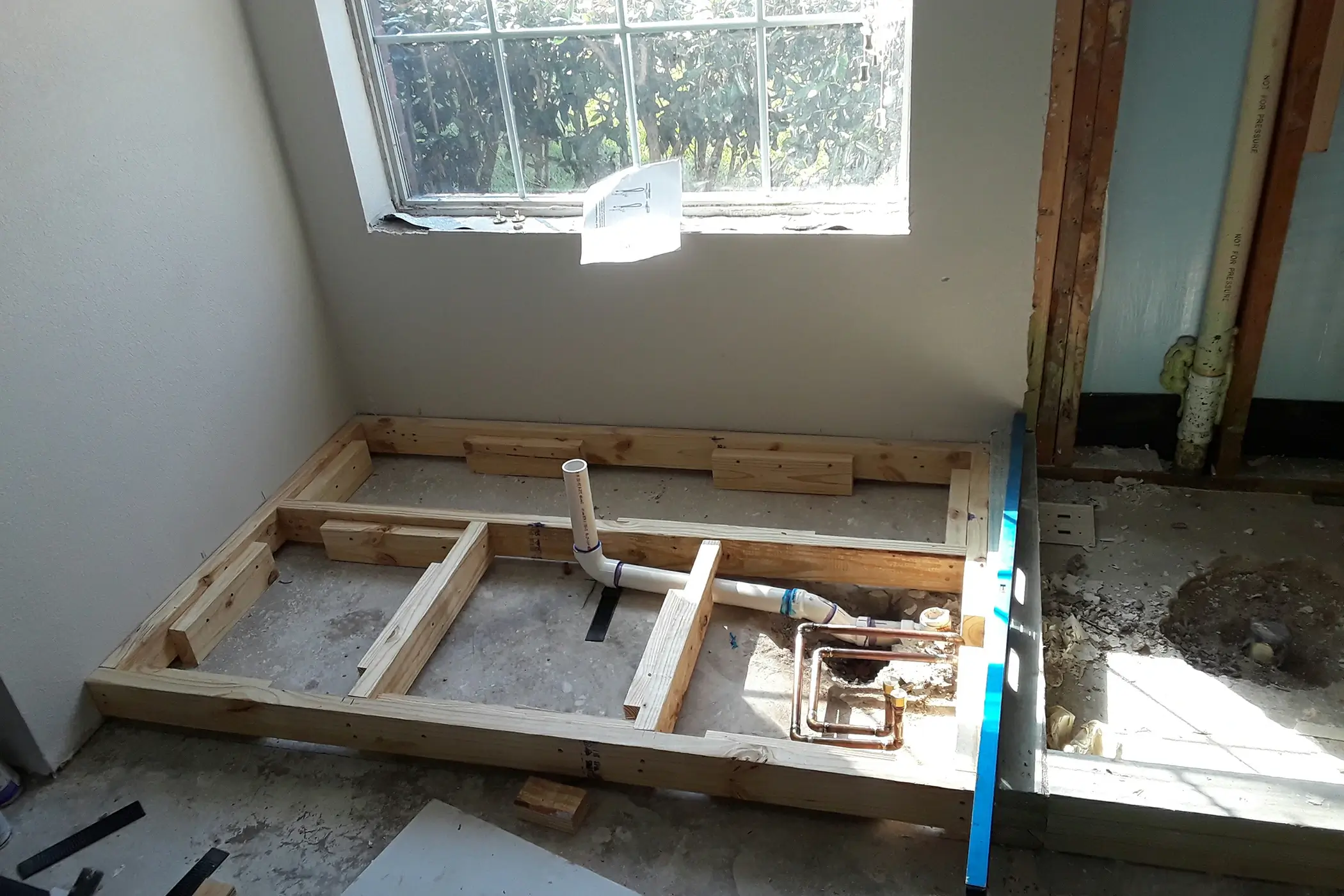
During renovation projects, new materials must integrate properly with the existing structure. This is especially important in structural upgrades or home additions where old and new building components connect.
Best Materials for Home Renovation by Area
Different parts of a home require materials that suit their specific functions. Understanding which materials perform best in each space can help homeowners make better remodeling decisions.
Durable Flooring Materials
Flooring is one of the most heavily used surfaces in a home. Selecting long lasting flooring helps reduce maintenance and replacement costs.
Hardwood Flooring
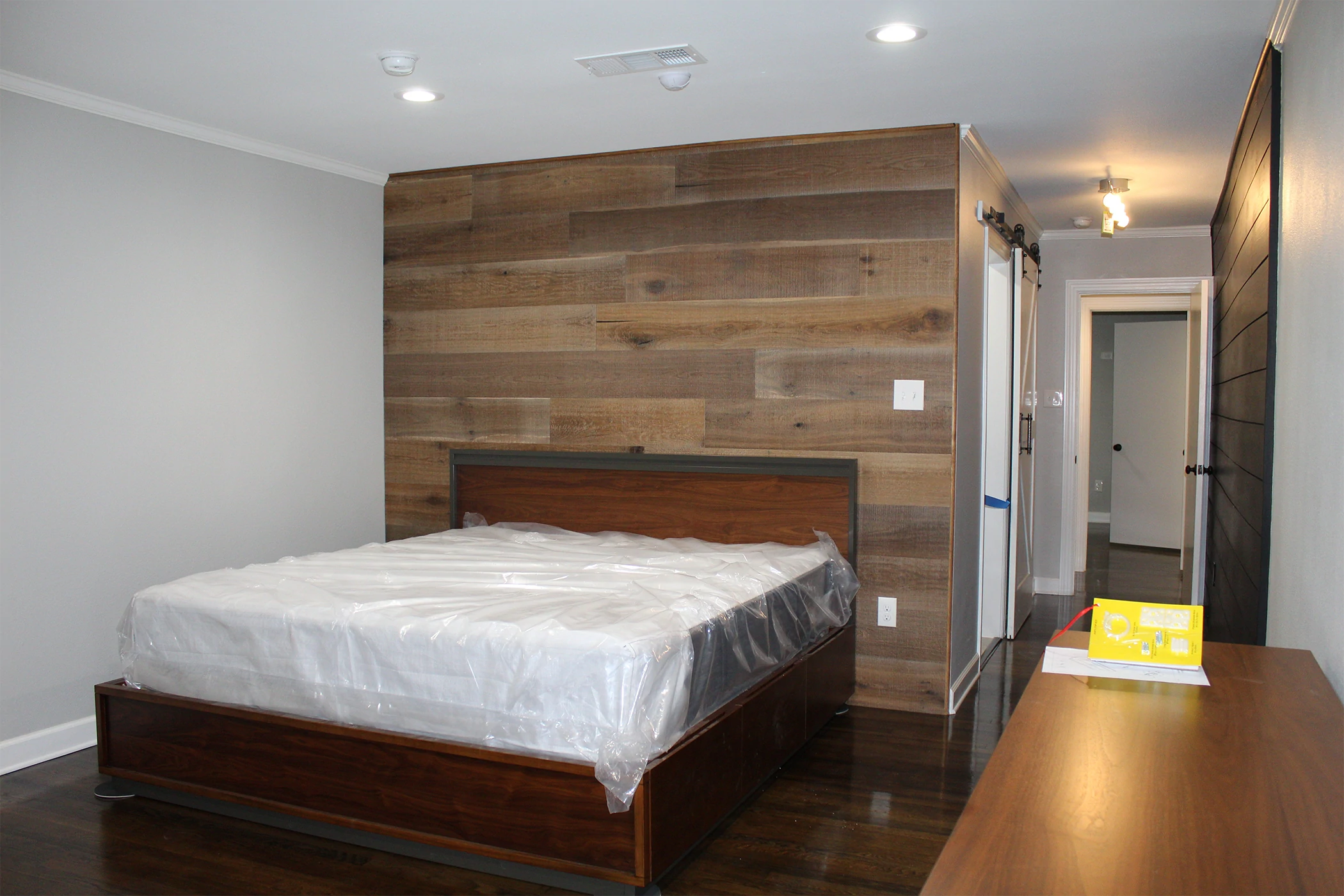
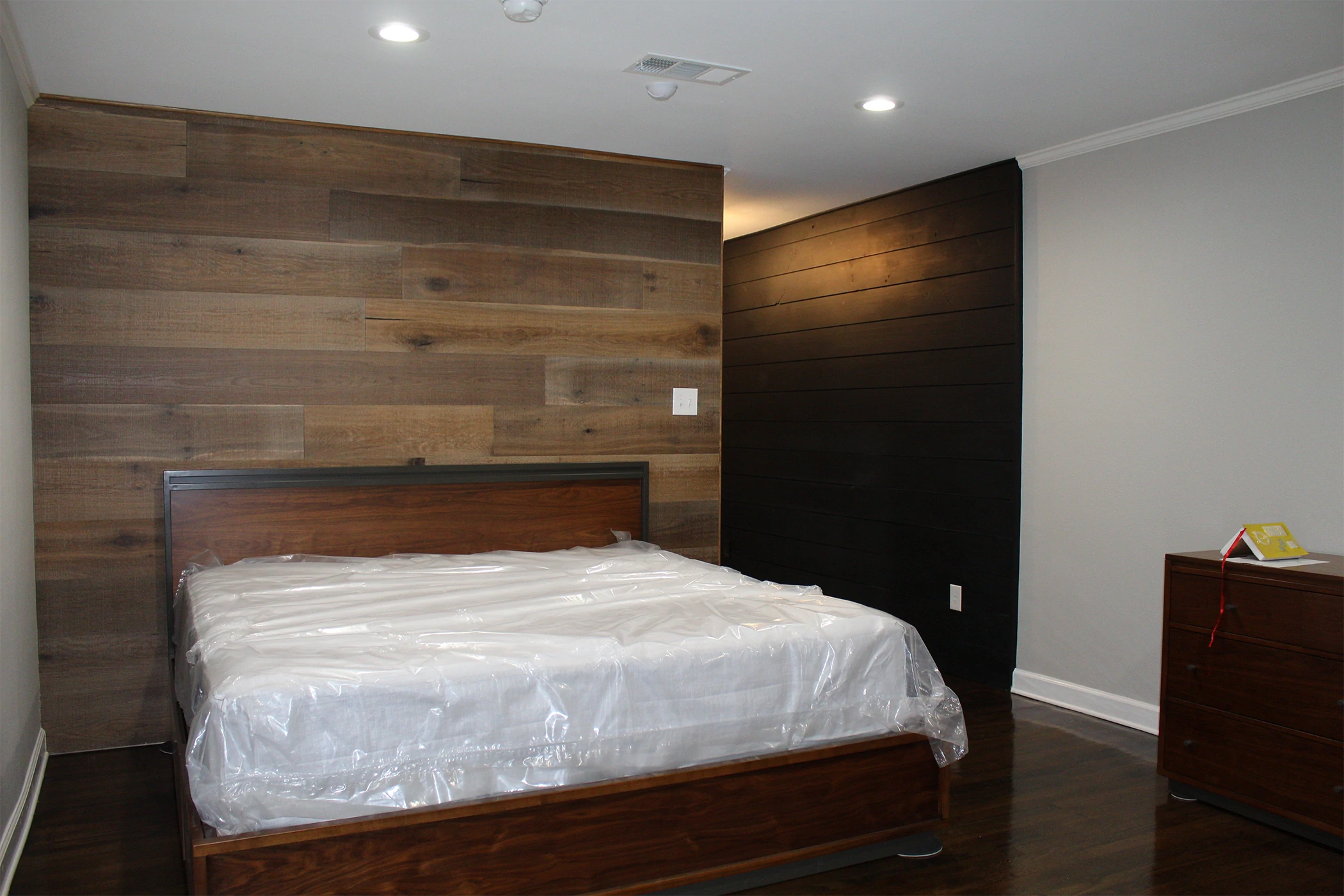
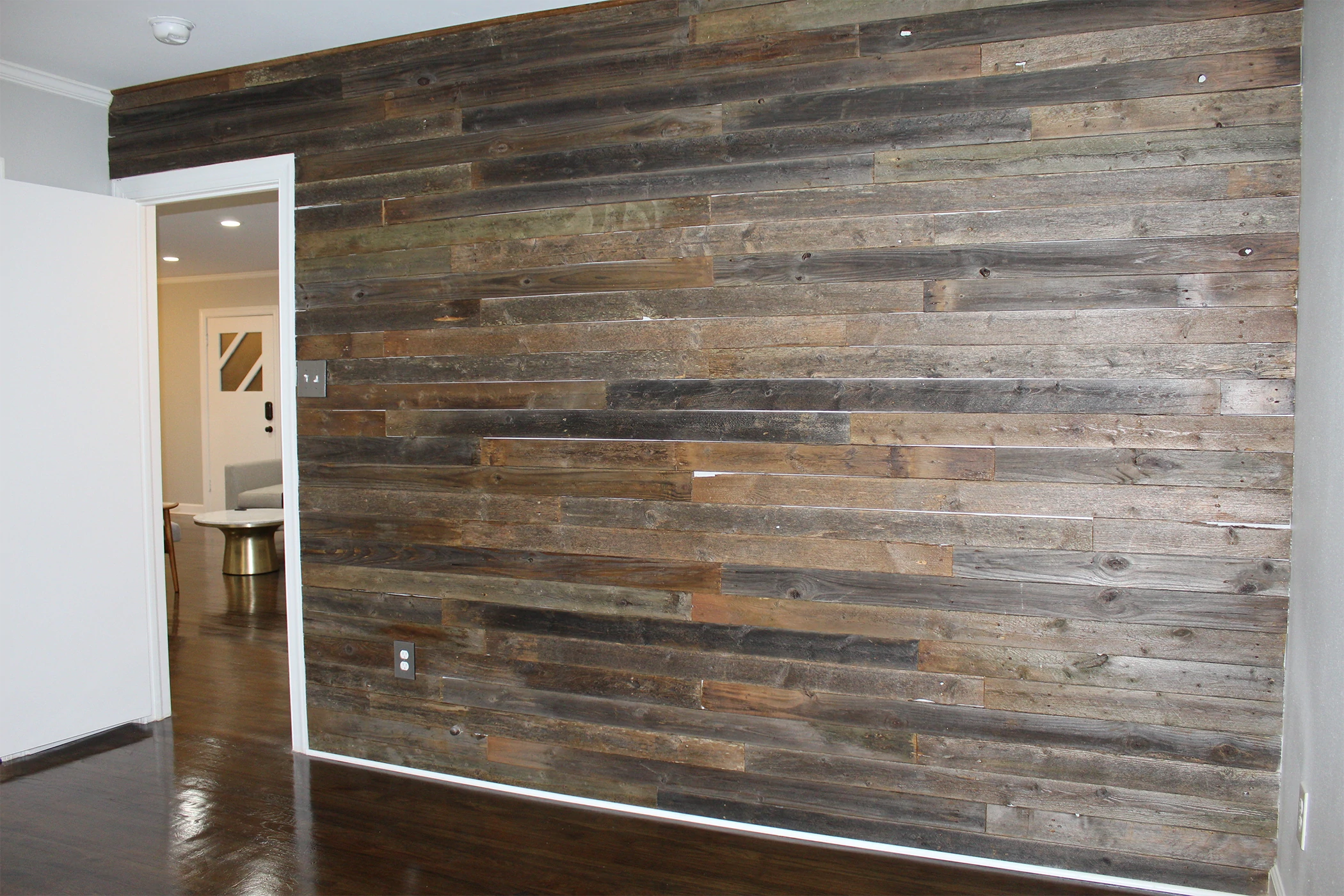
Hardwood remains a popular option because of its durability and natural appearance. Properly maintained hardwood floors can last for decades and can be refinished when they show signs of wear.
Engineered Wood
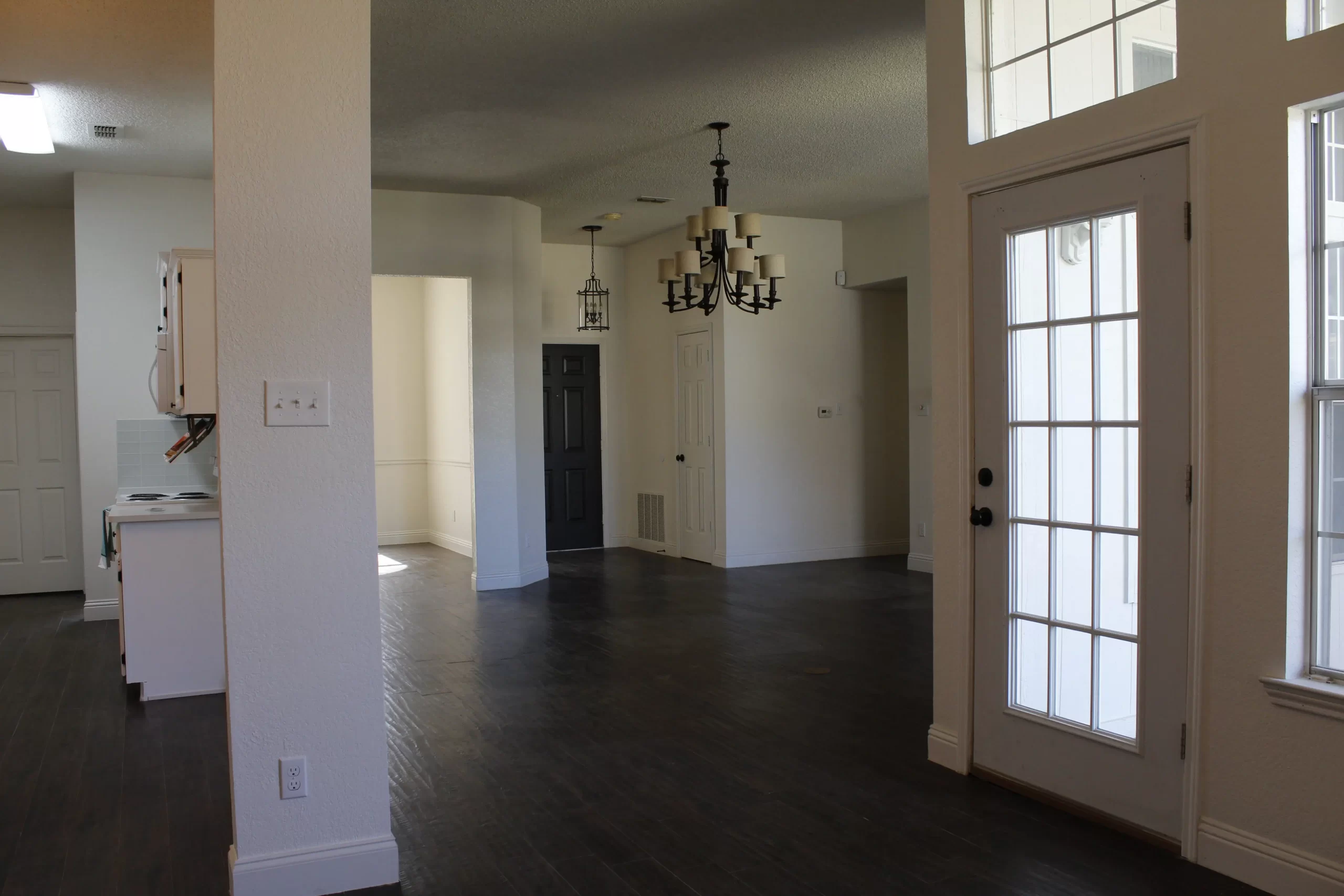
Engineered wood flooring provides the appearance of natural wood while offering improved resistance to moisture and temperature fluctuations.
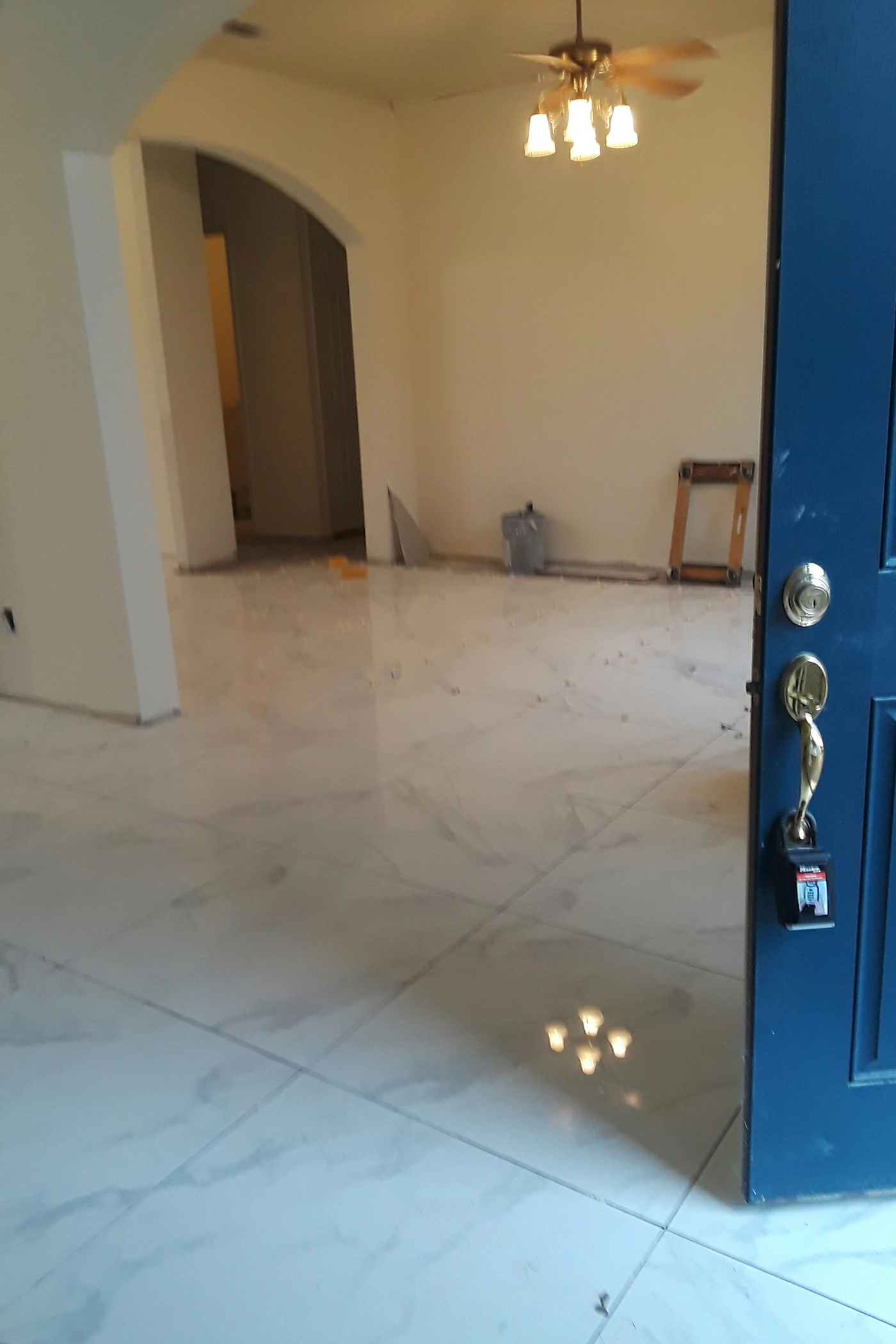
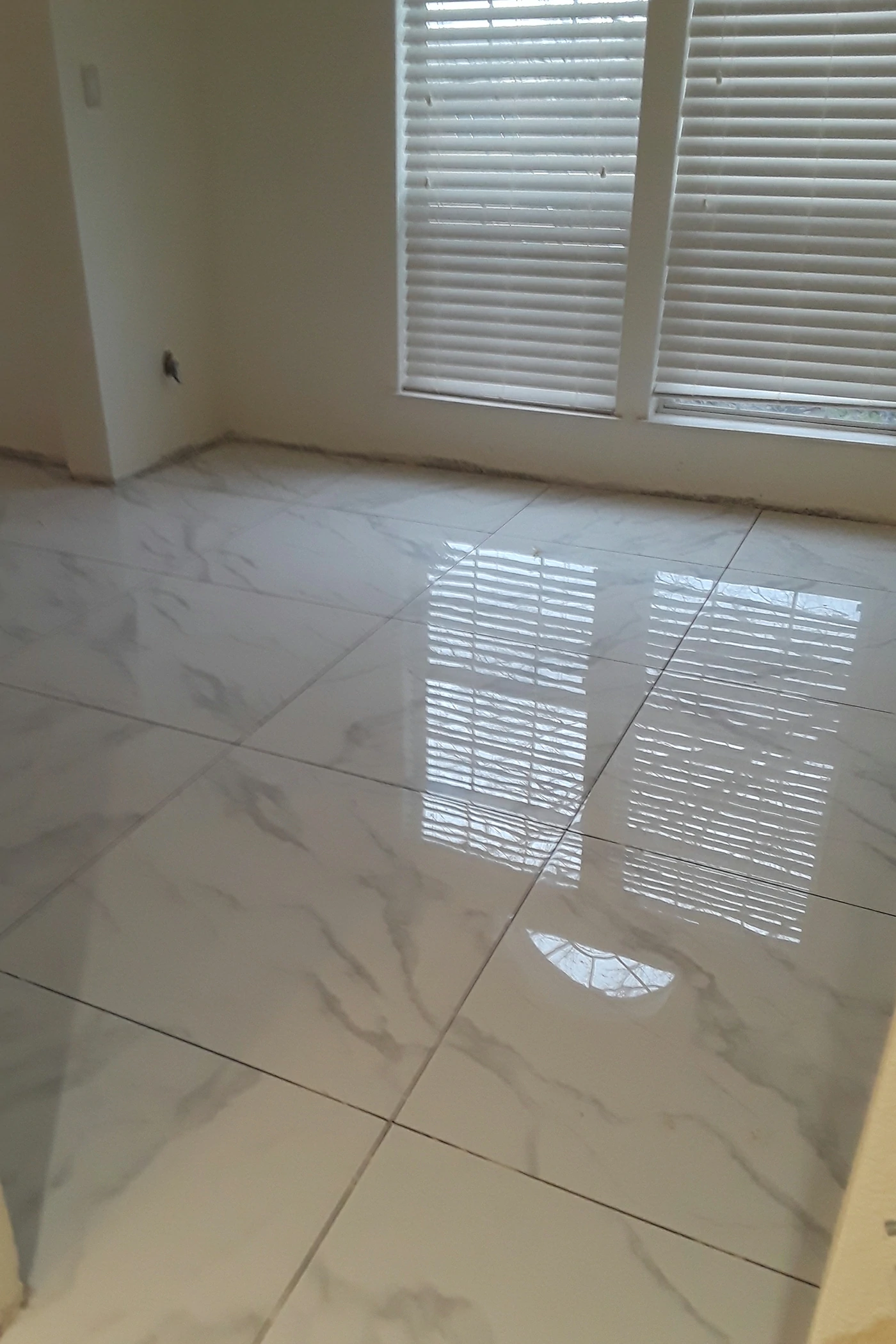
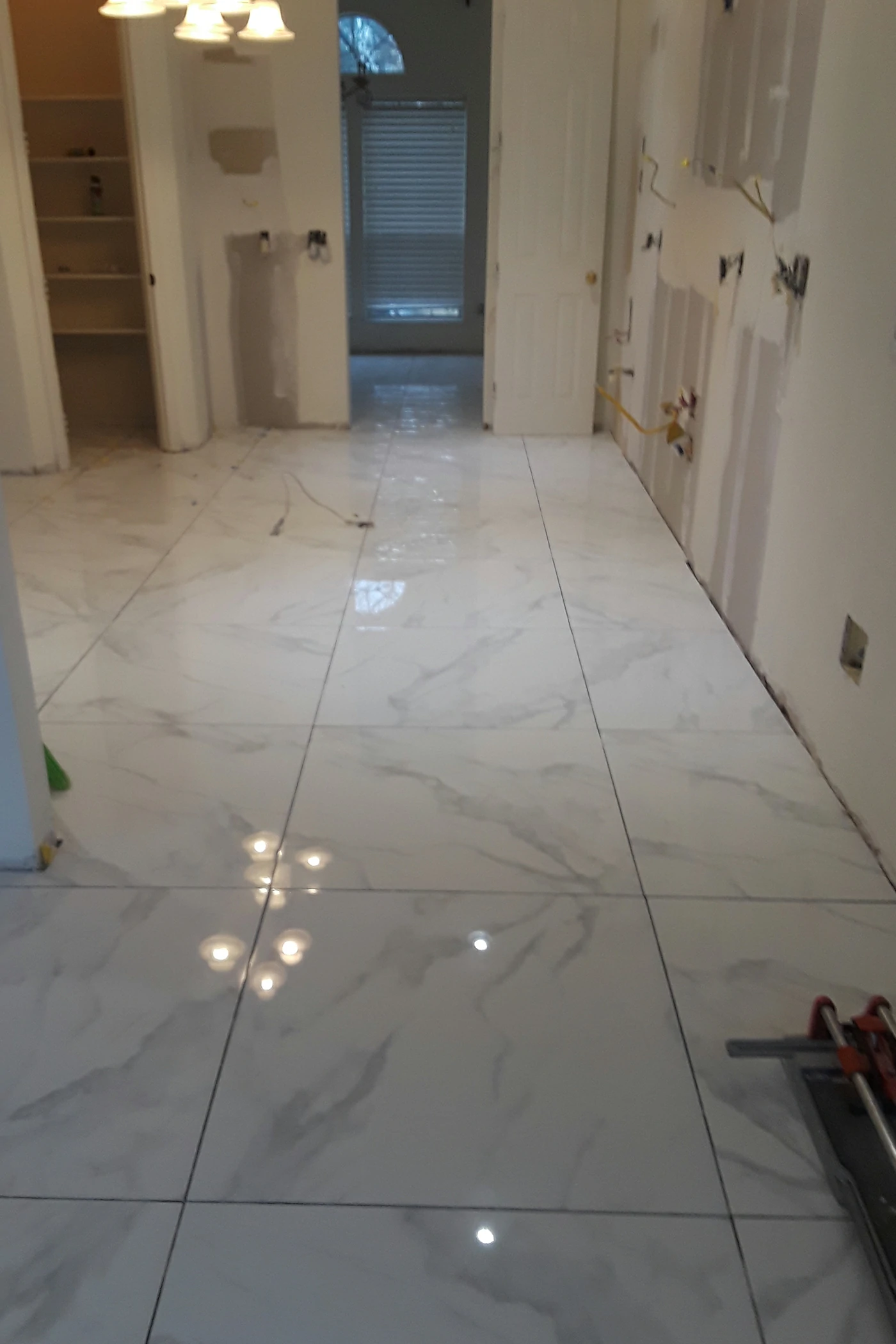
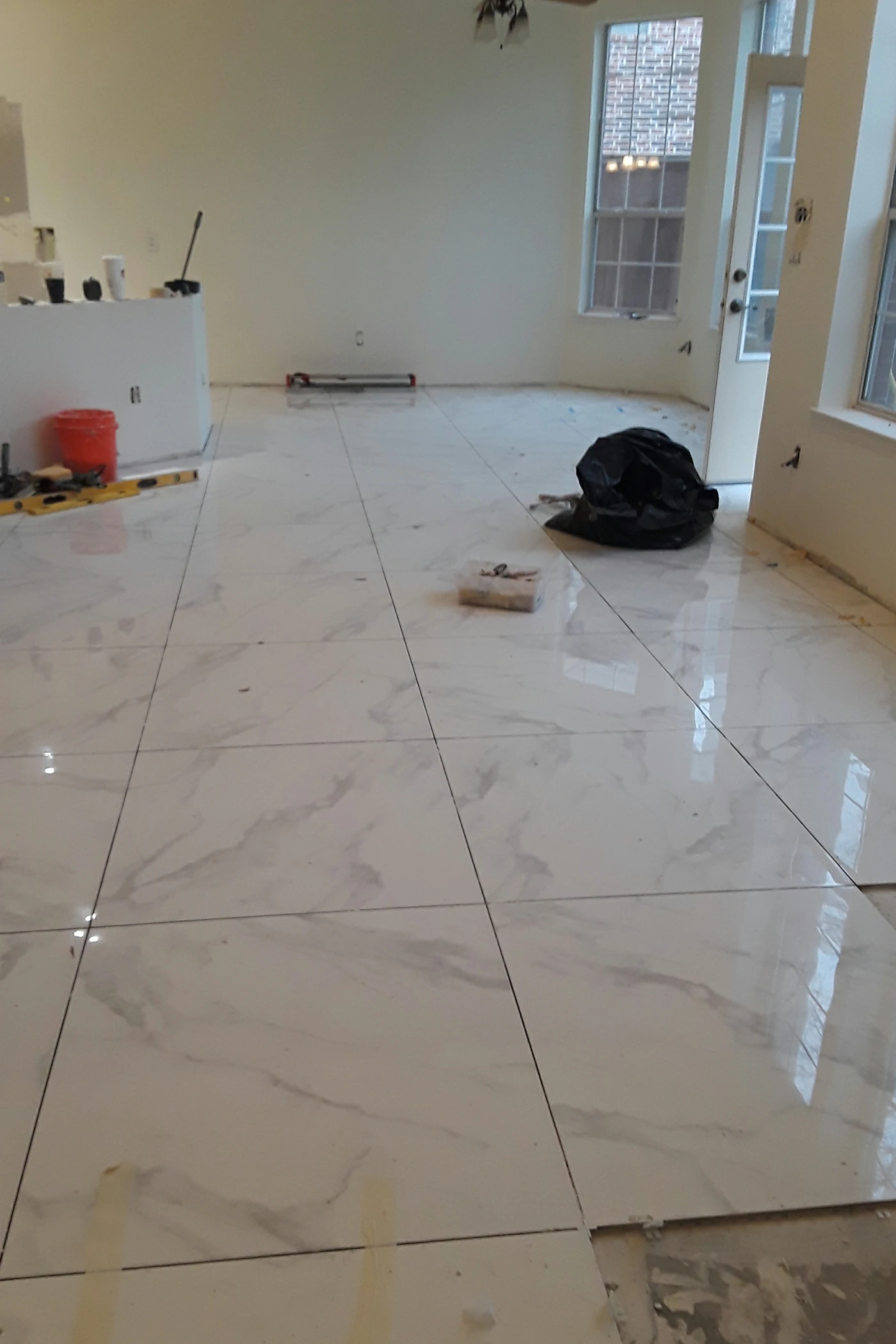
Porcelain Tile
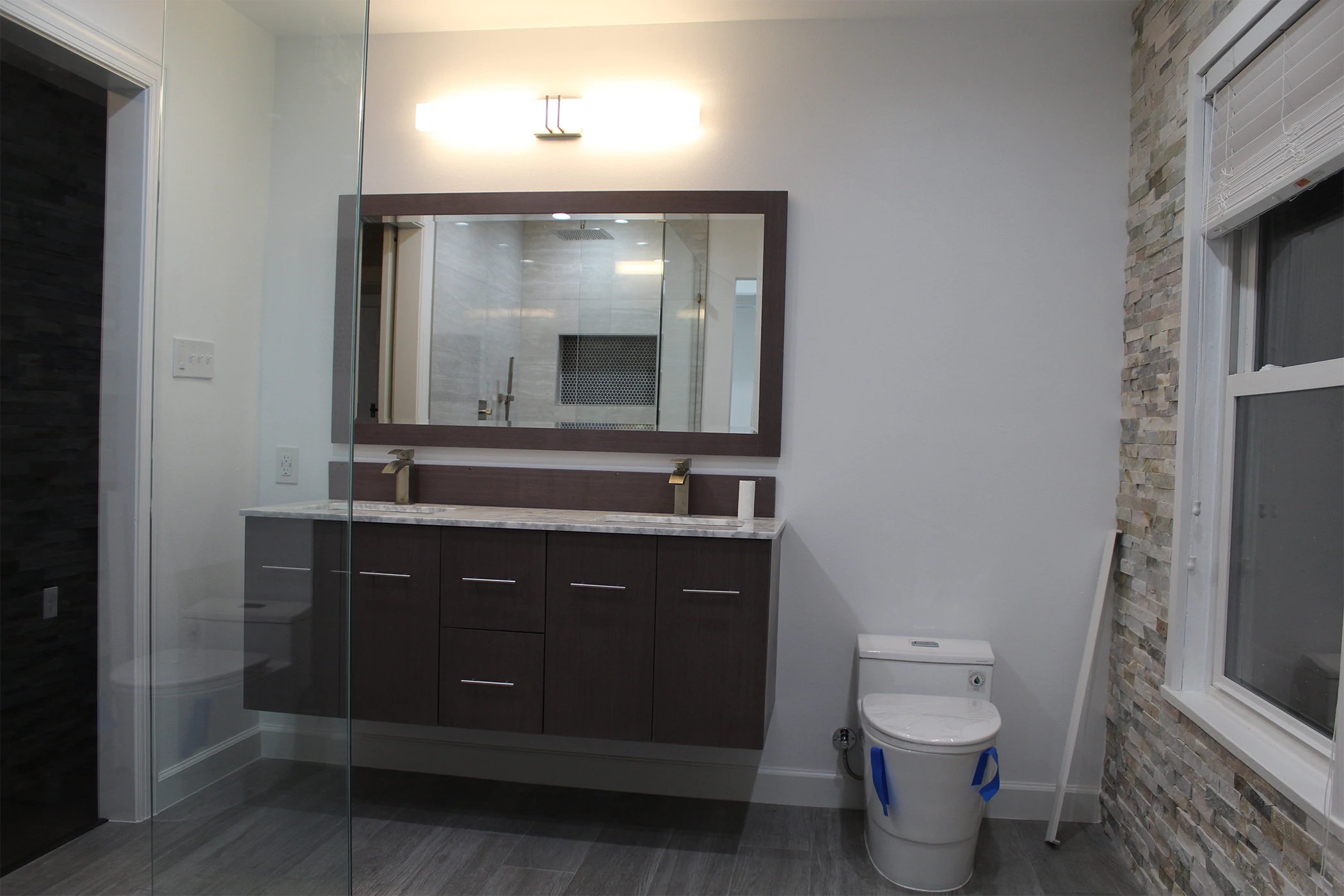
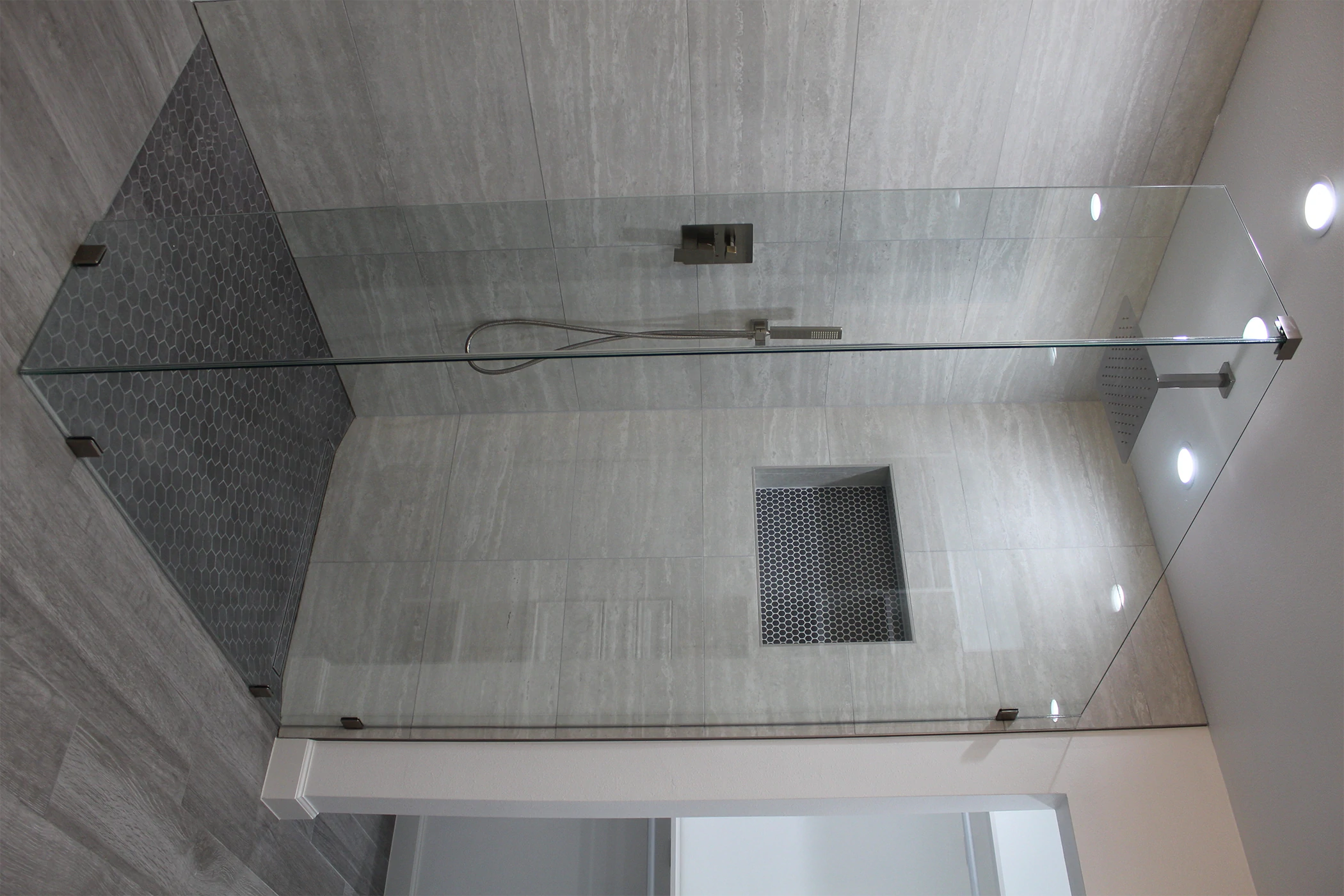
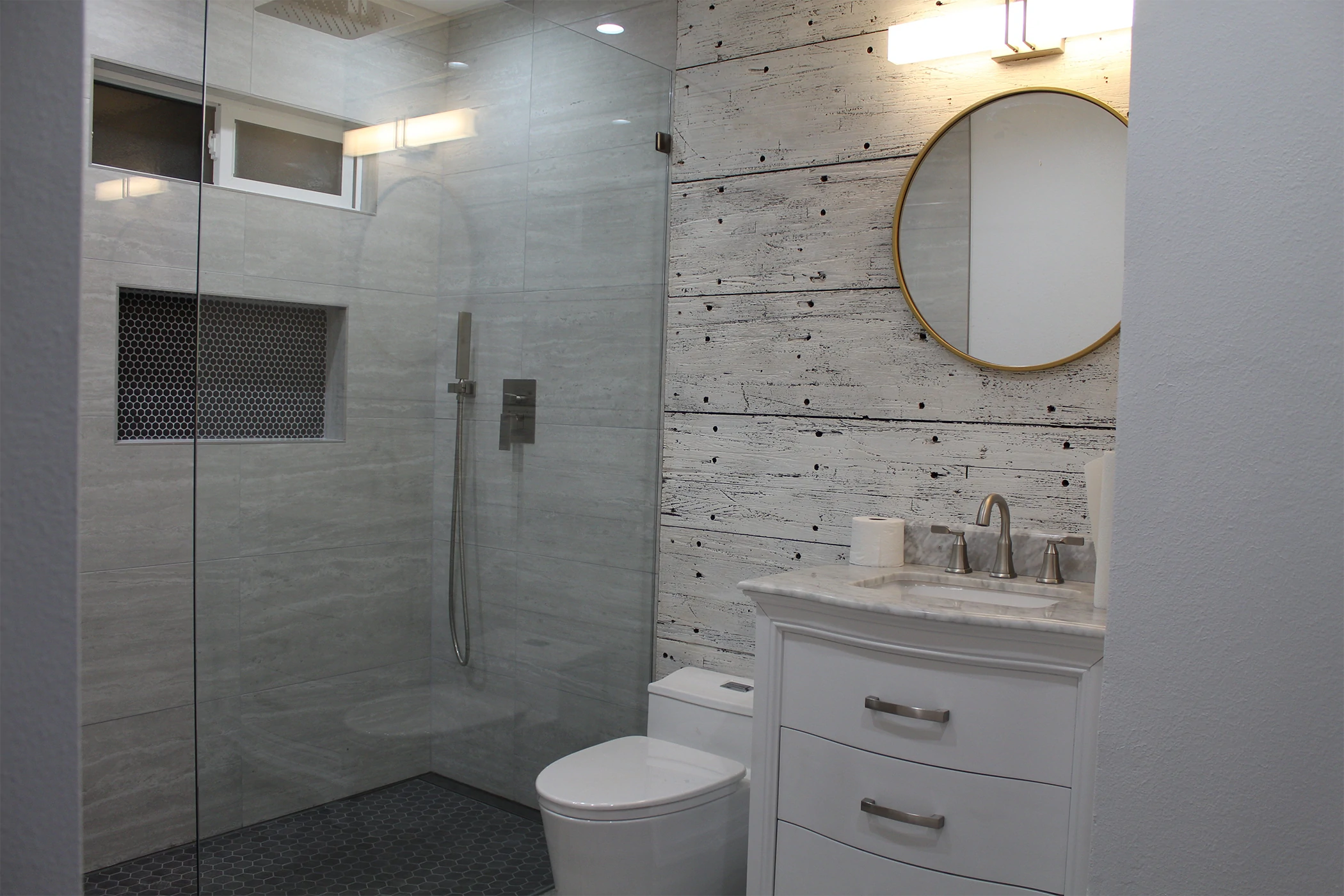
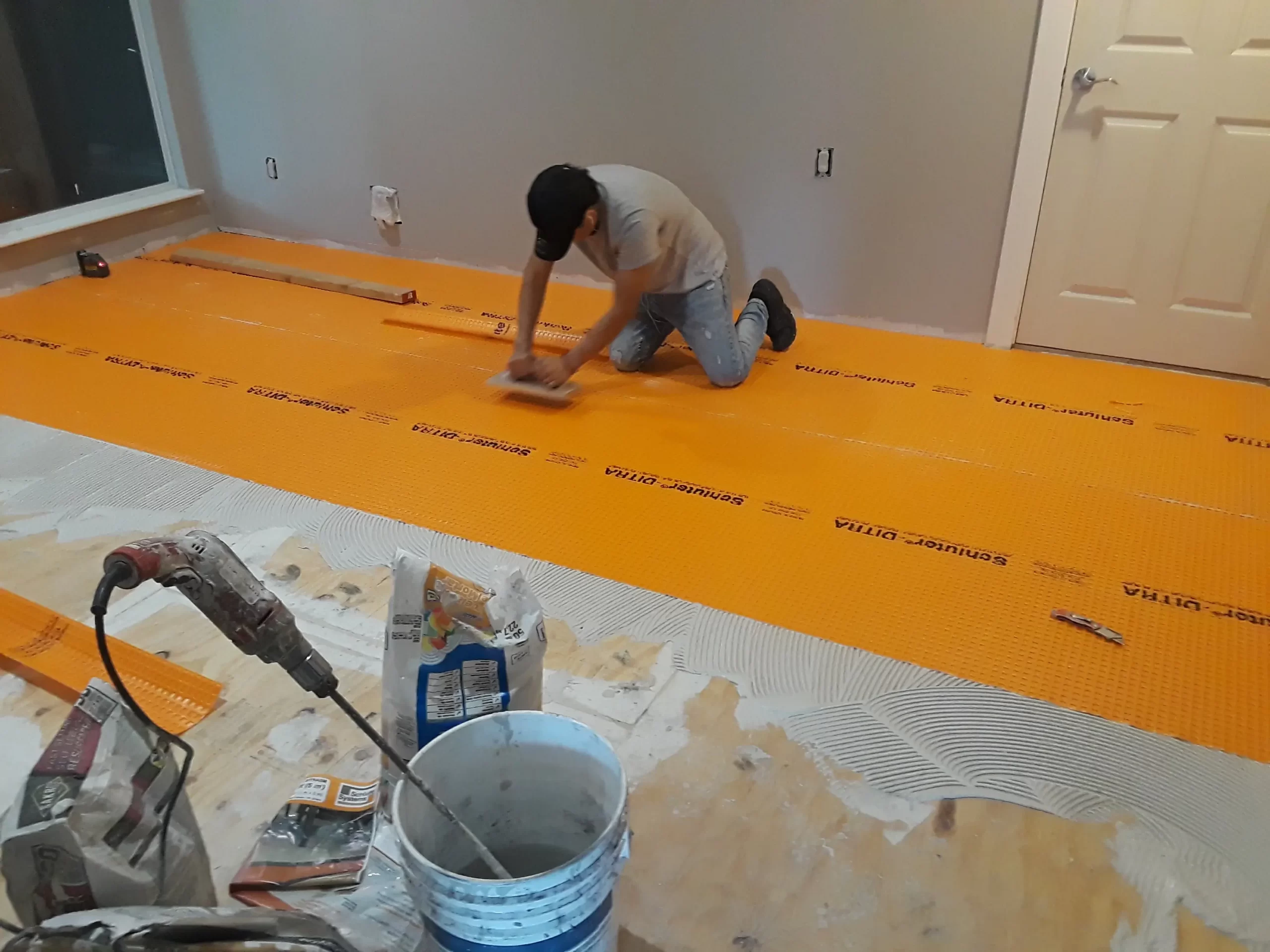
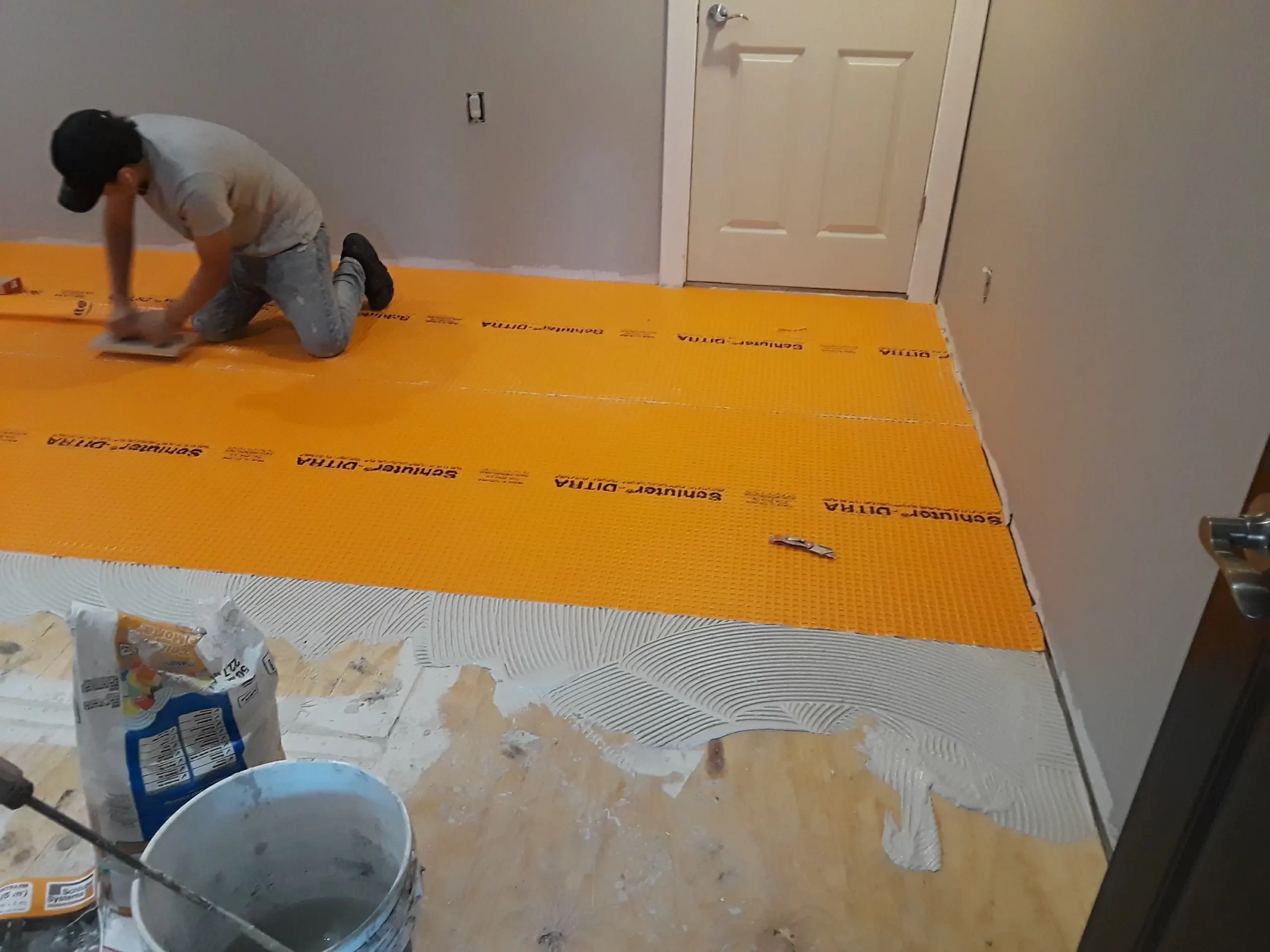
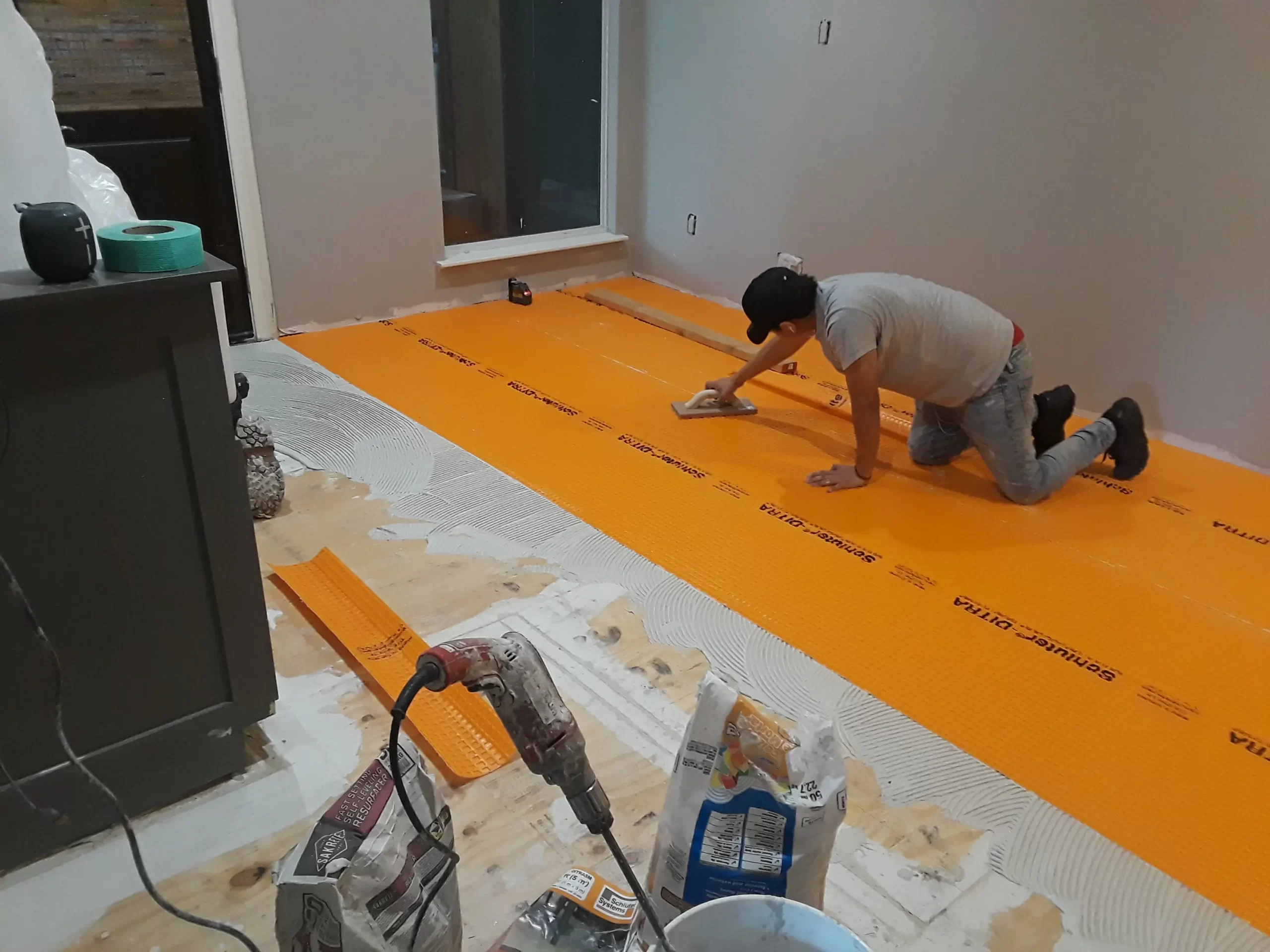
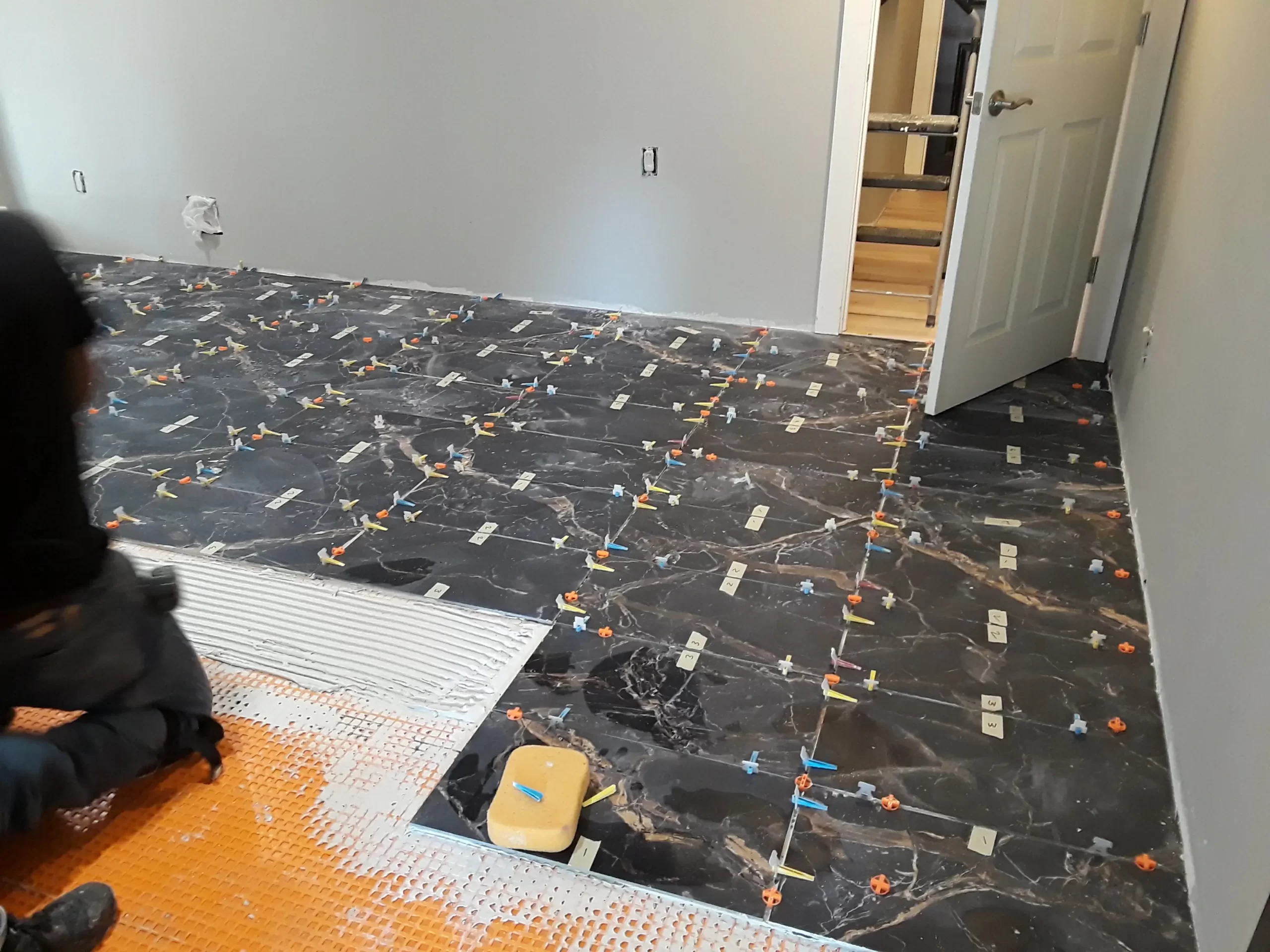
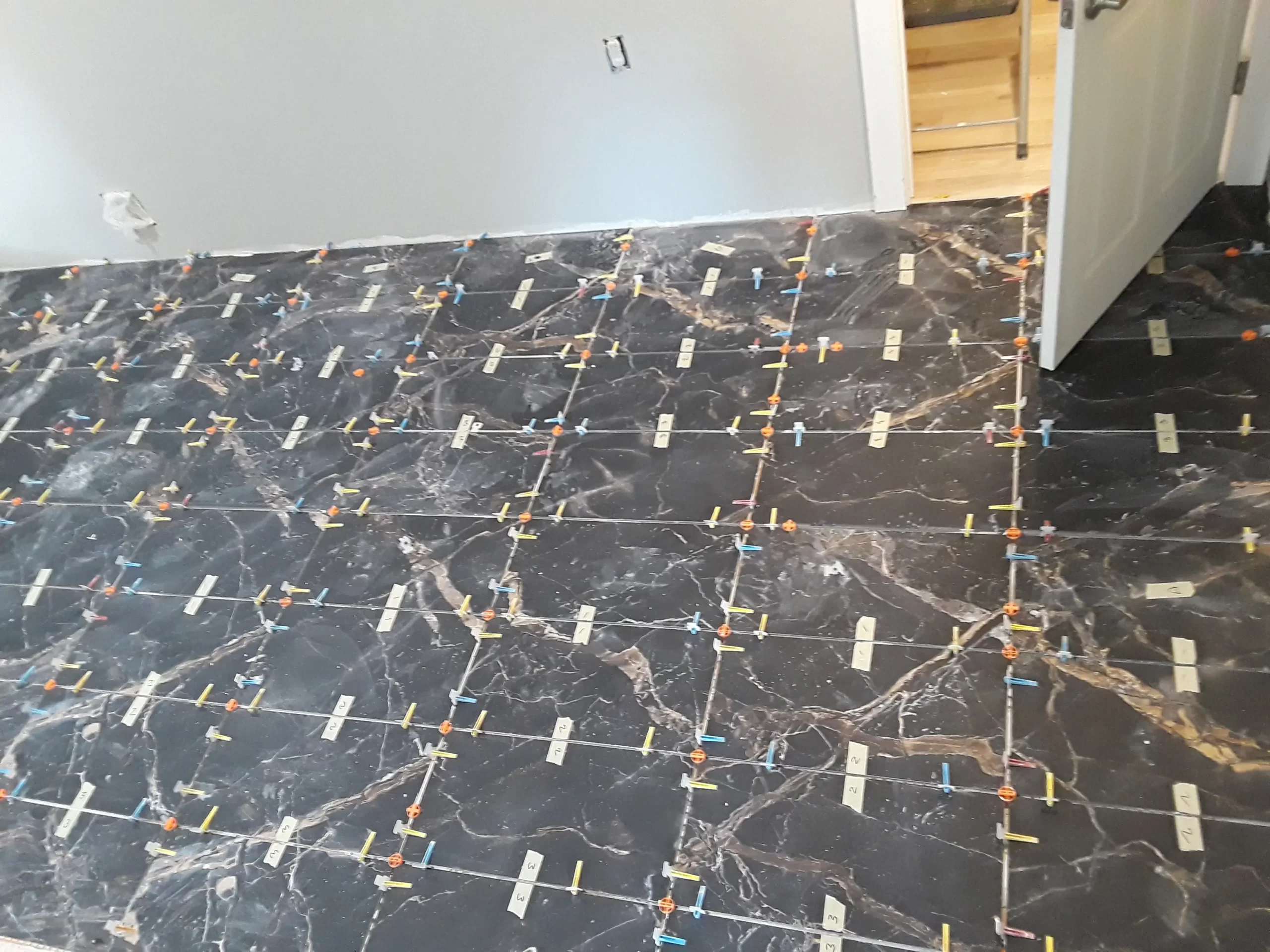
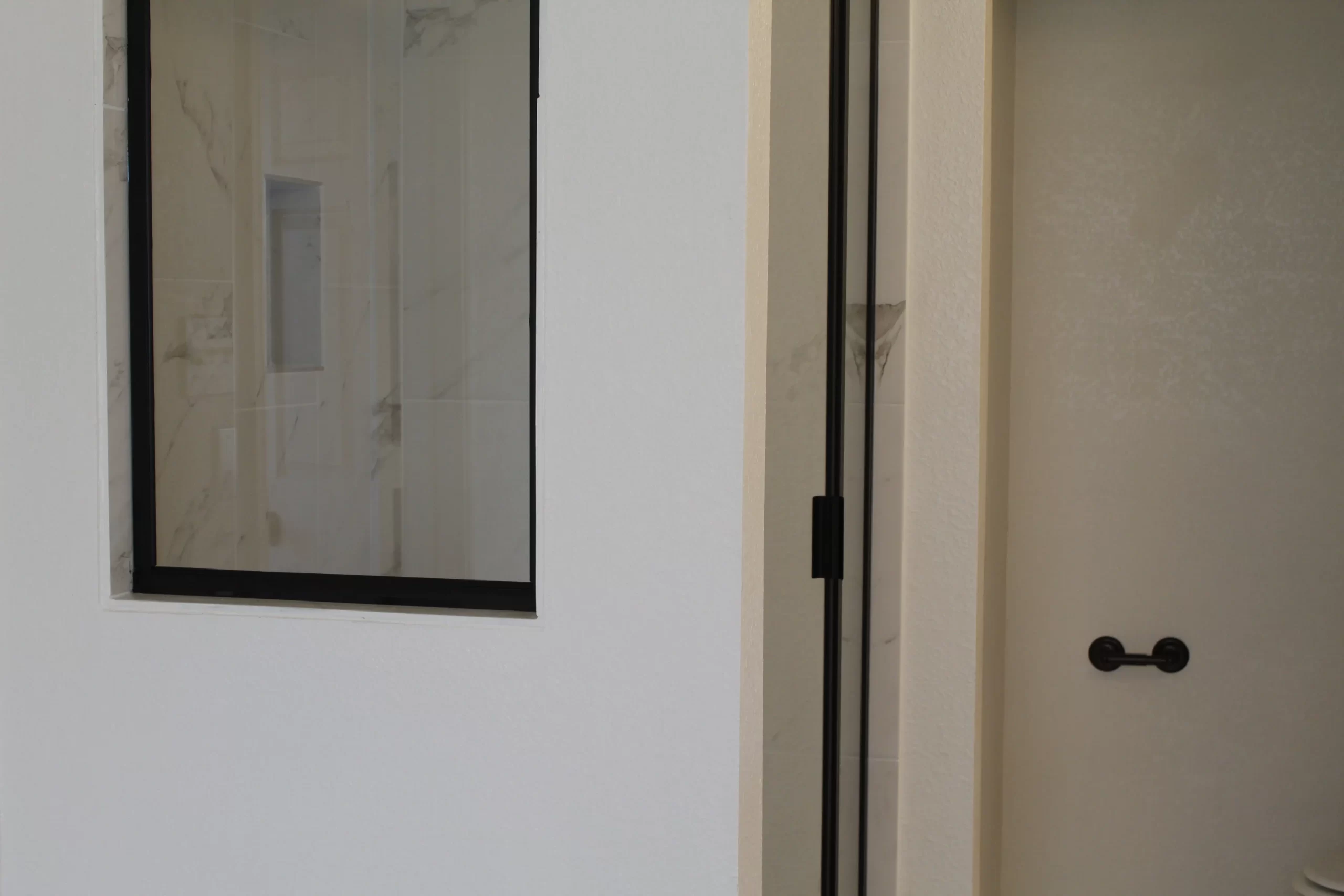
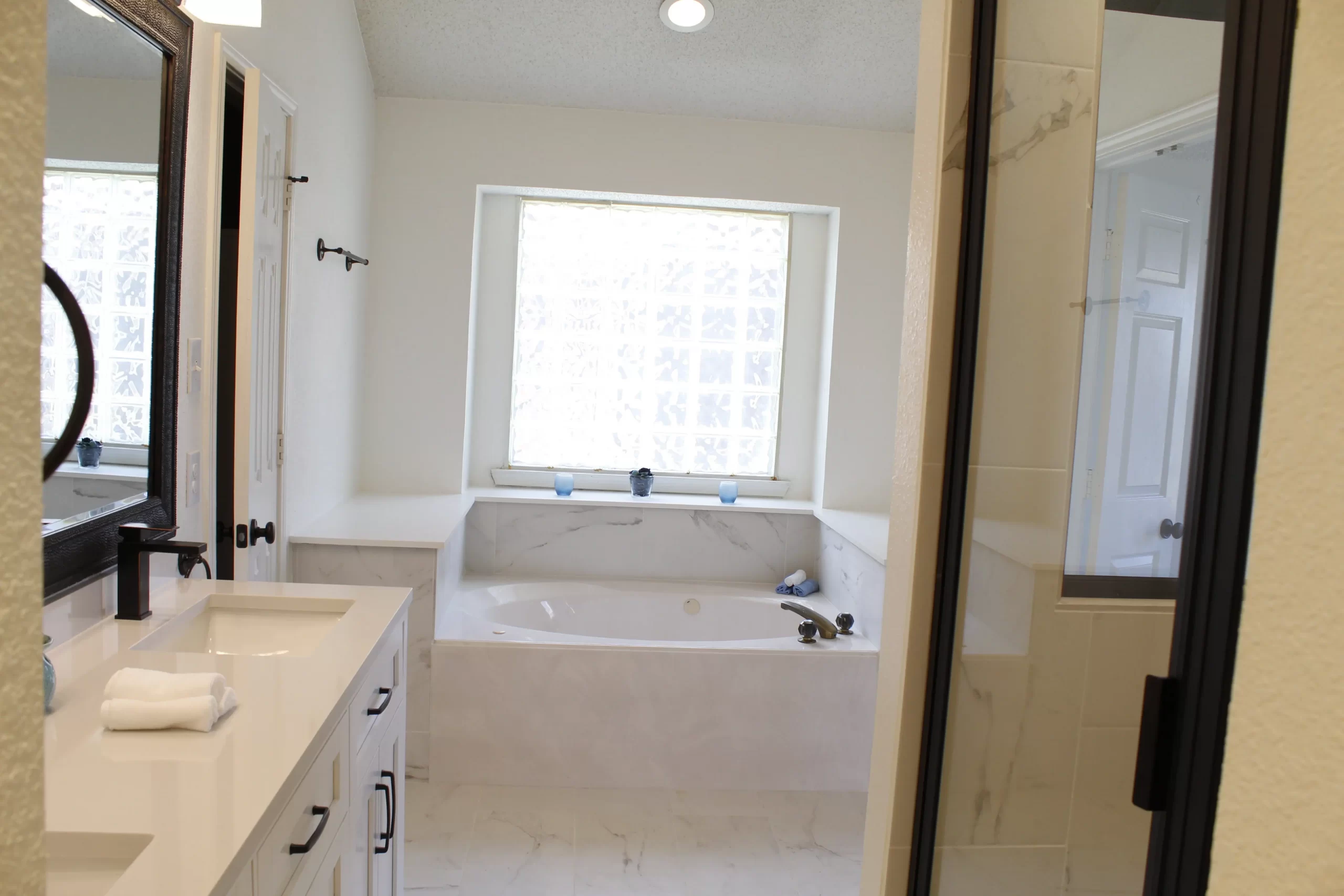
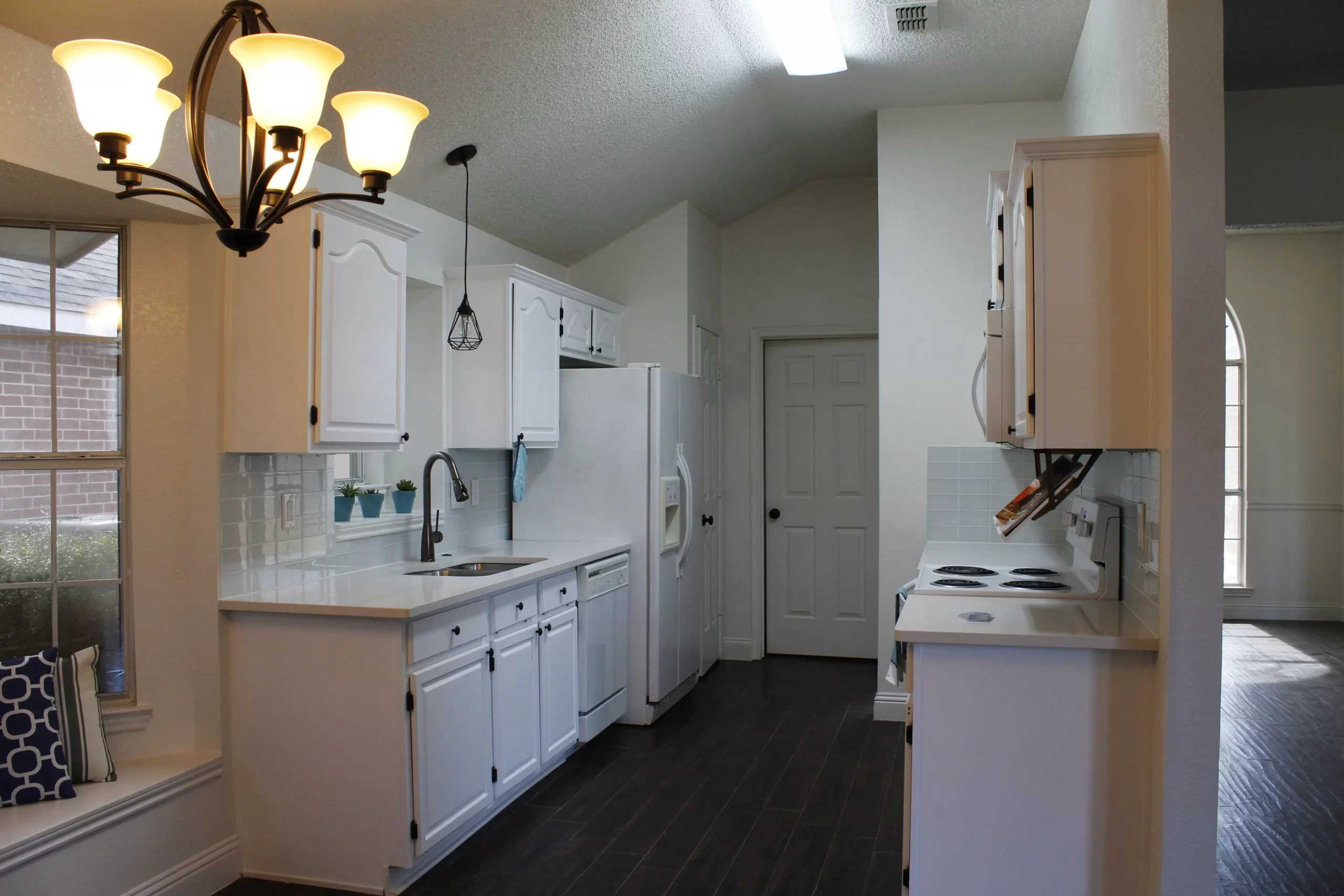
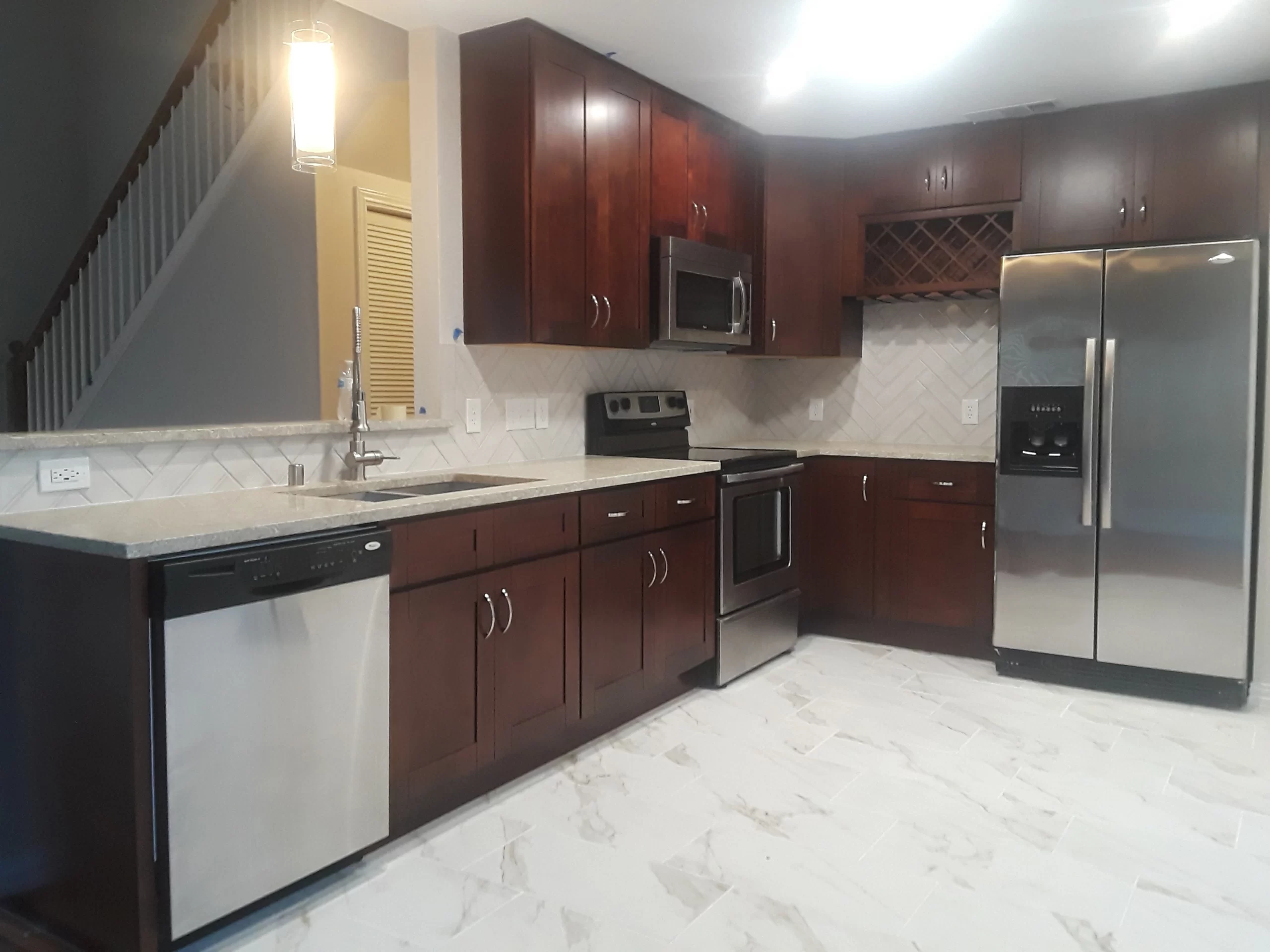
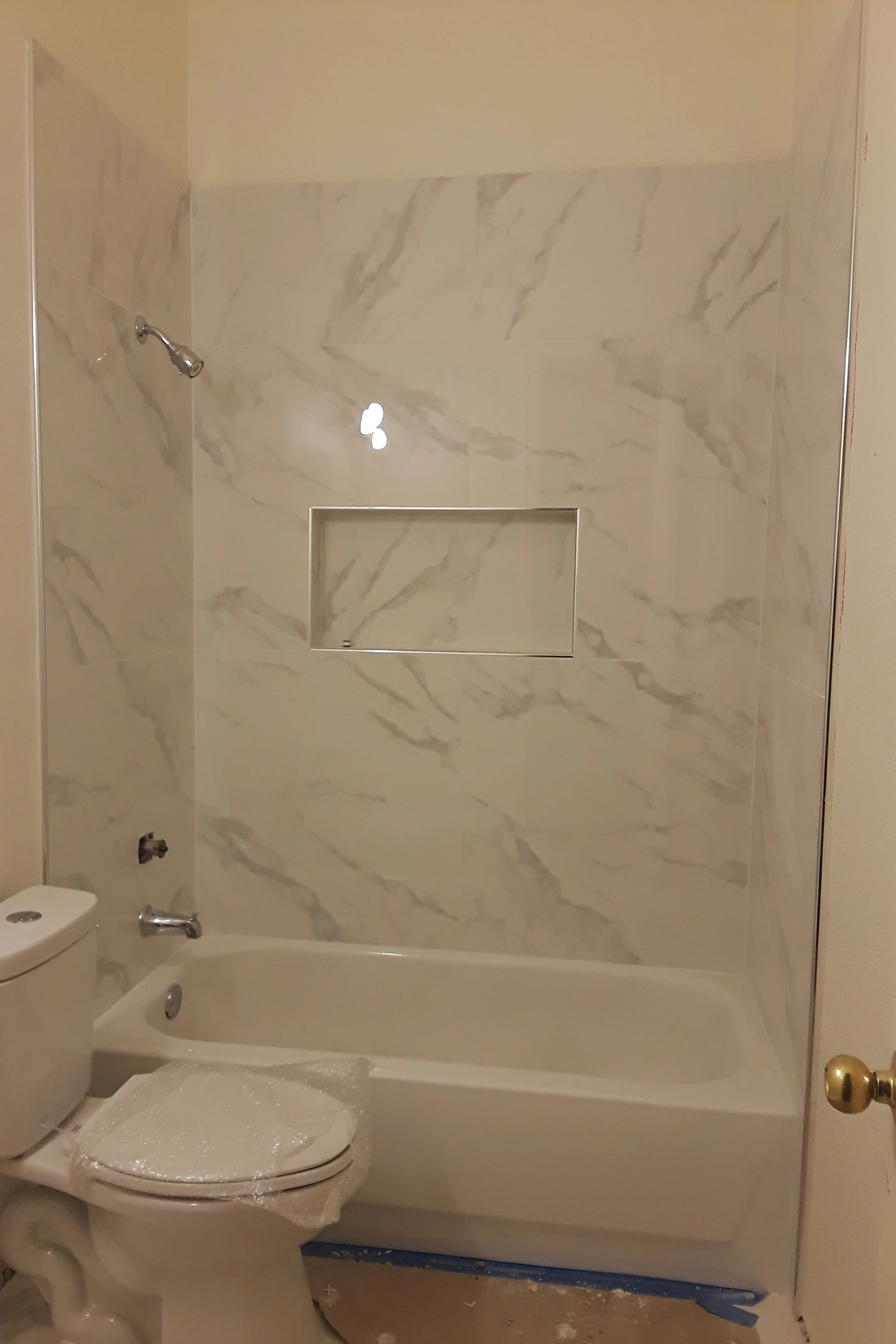
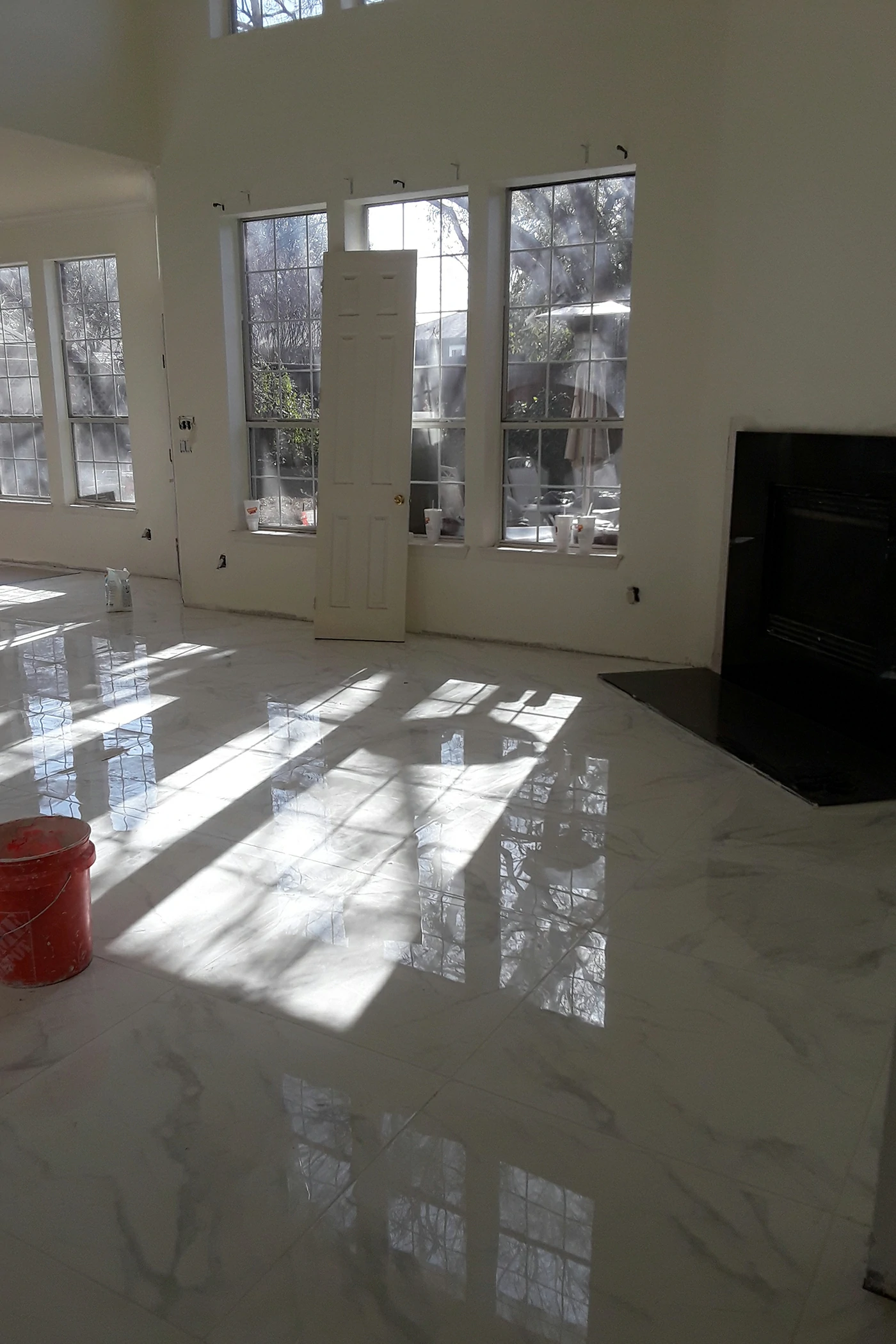
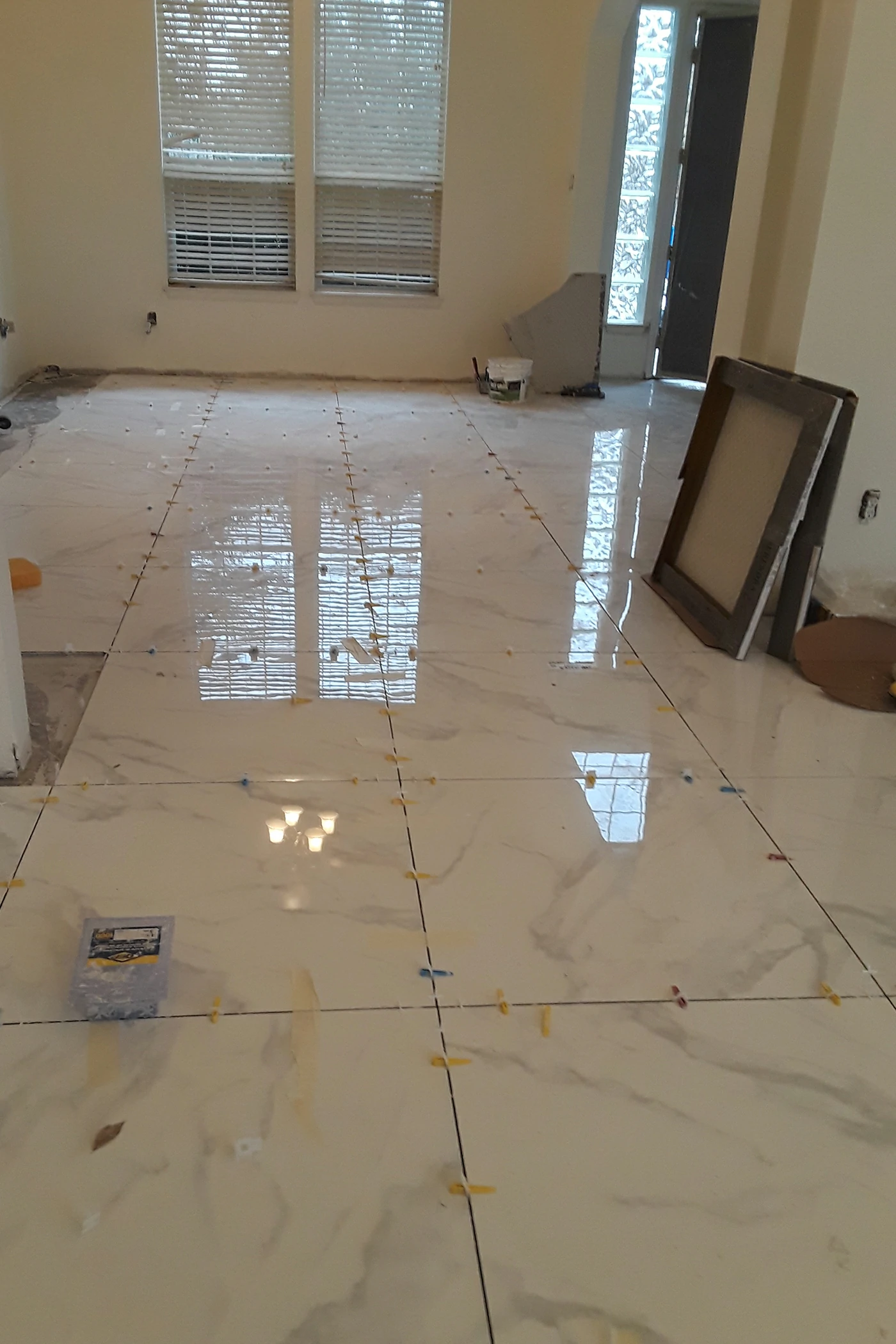
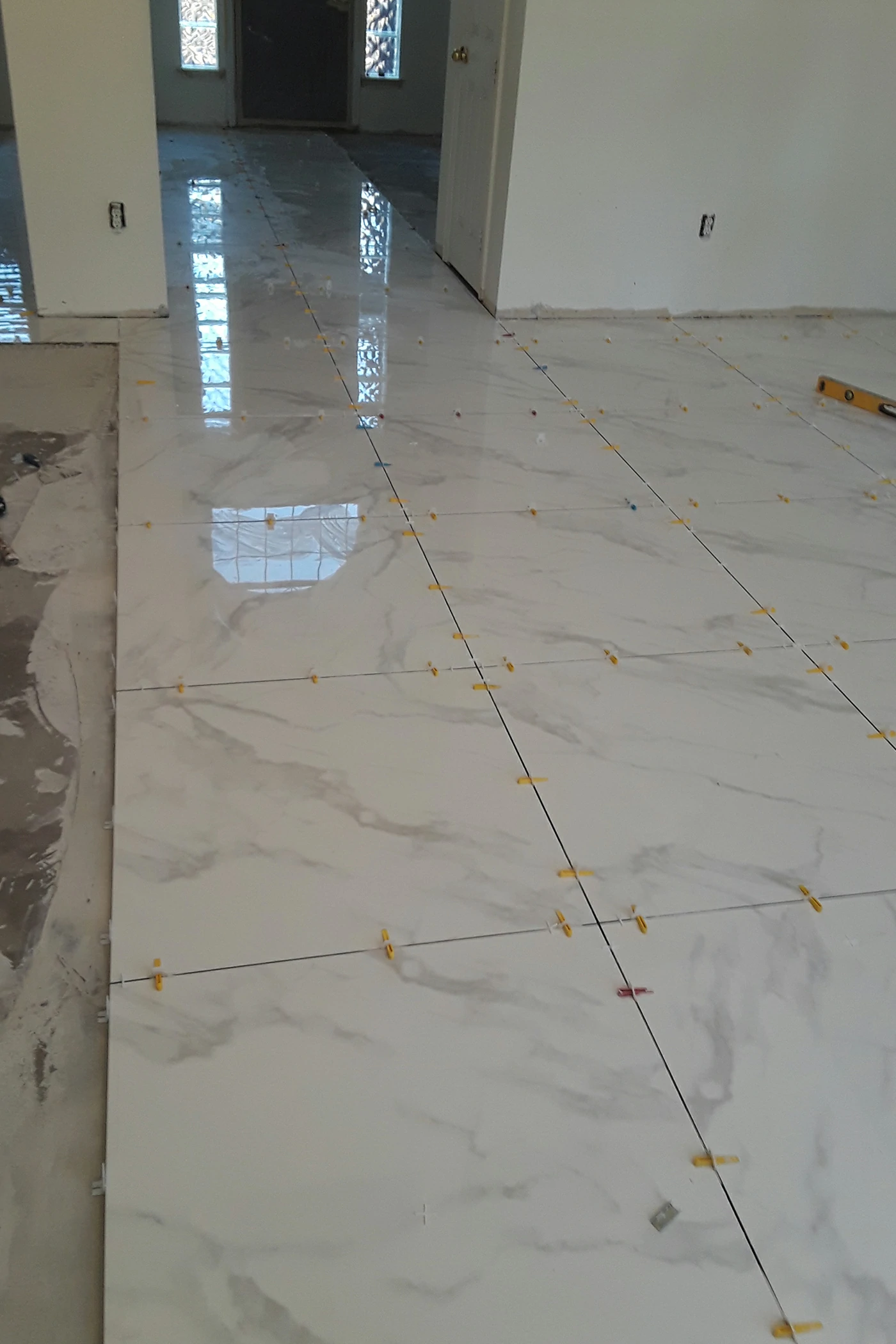
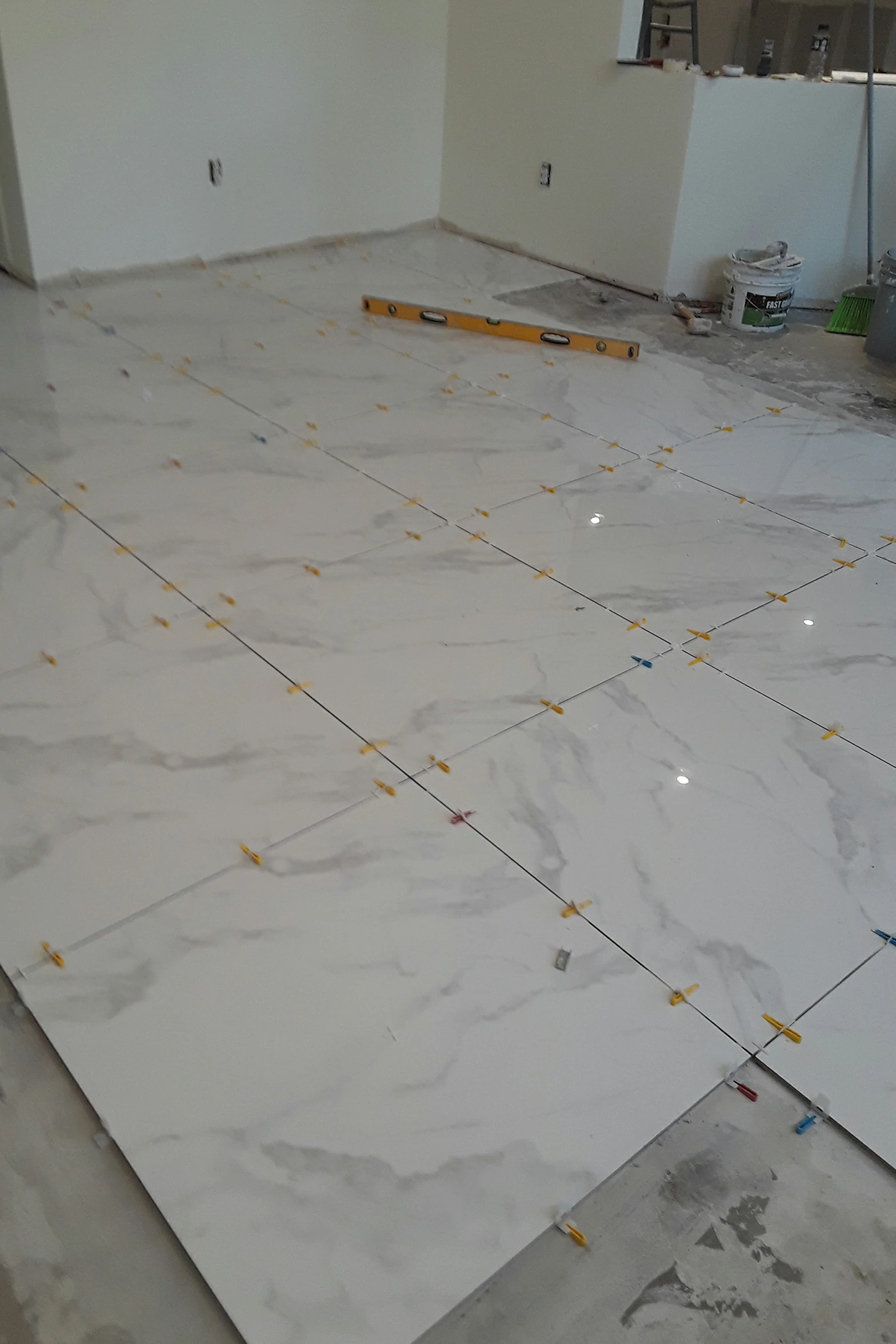
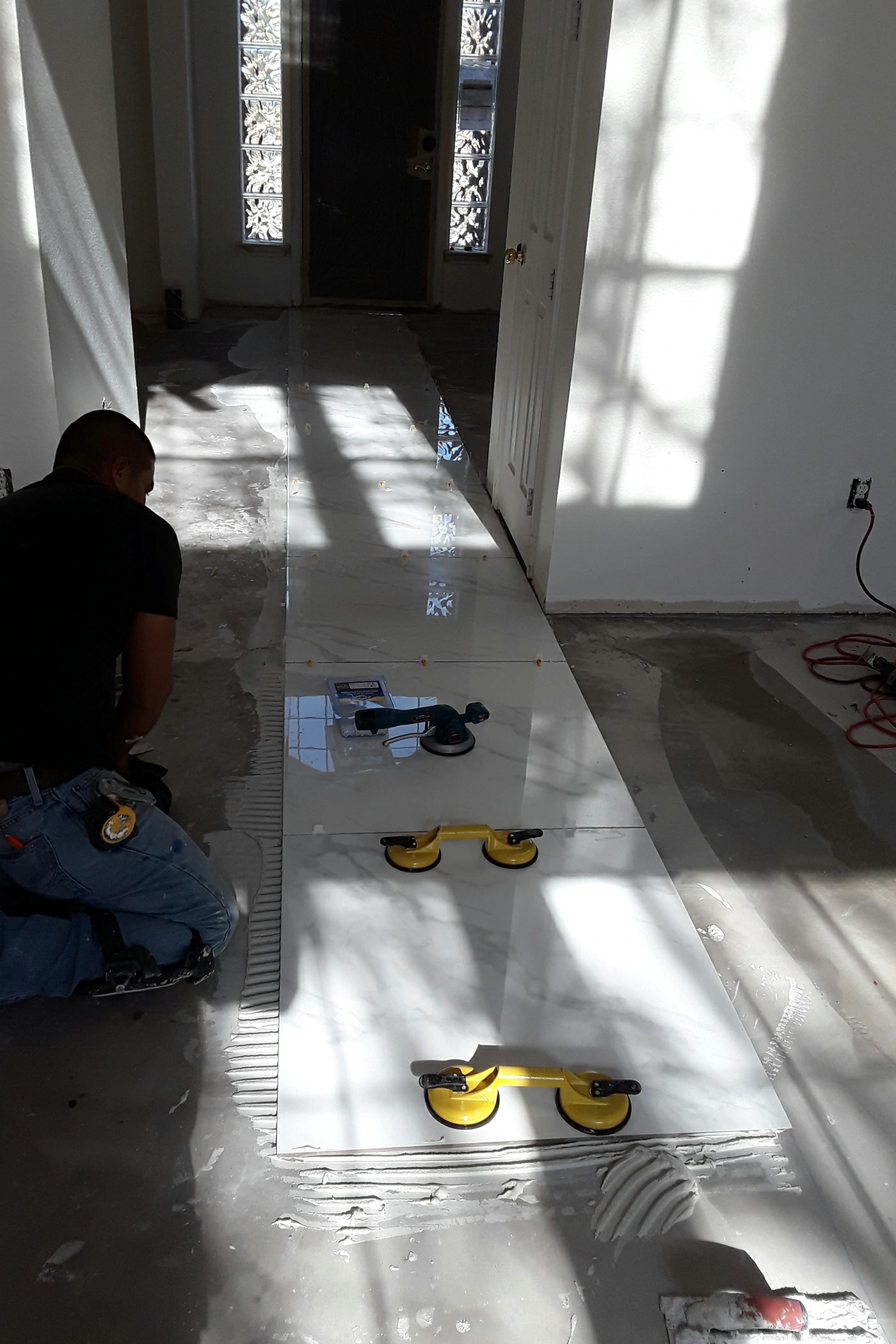
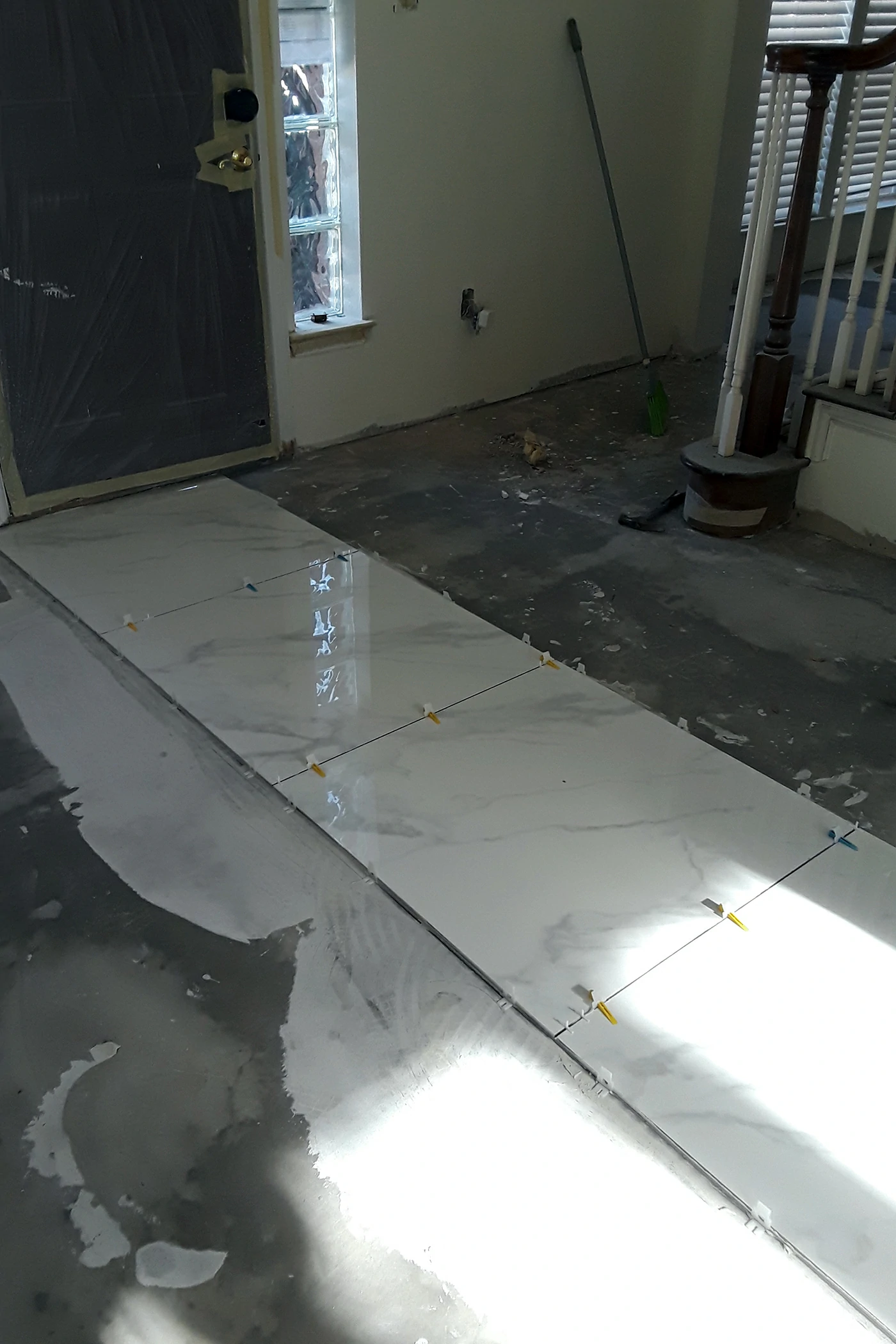
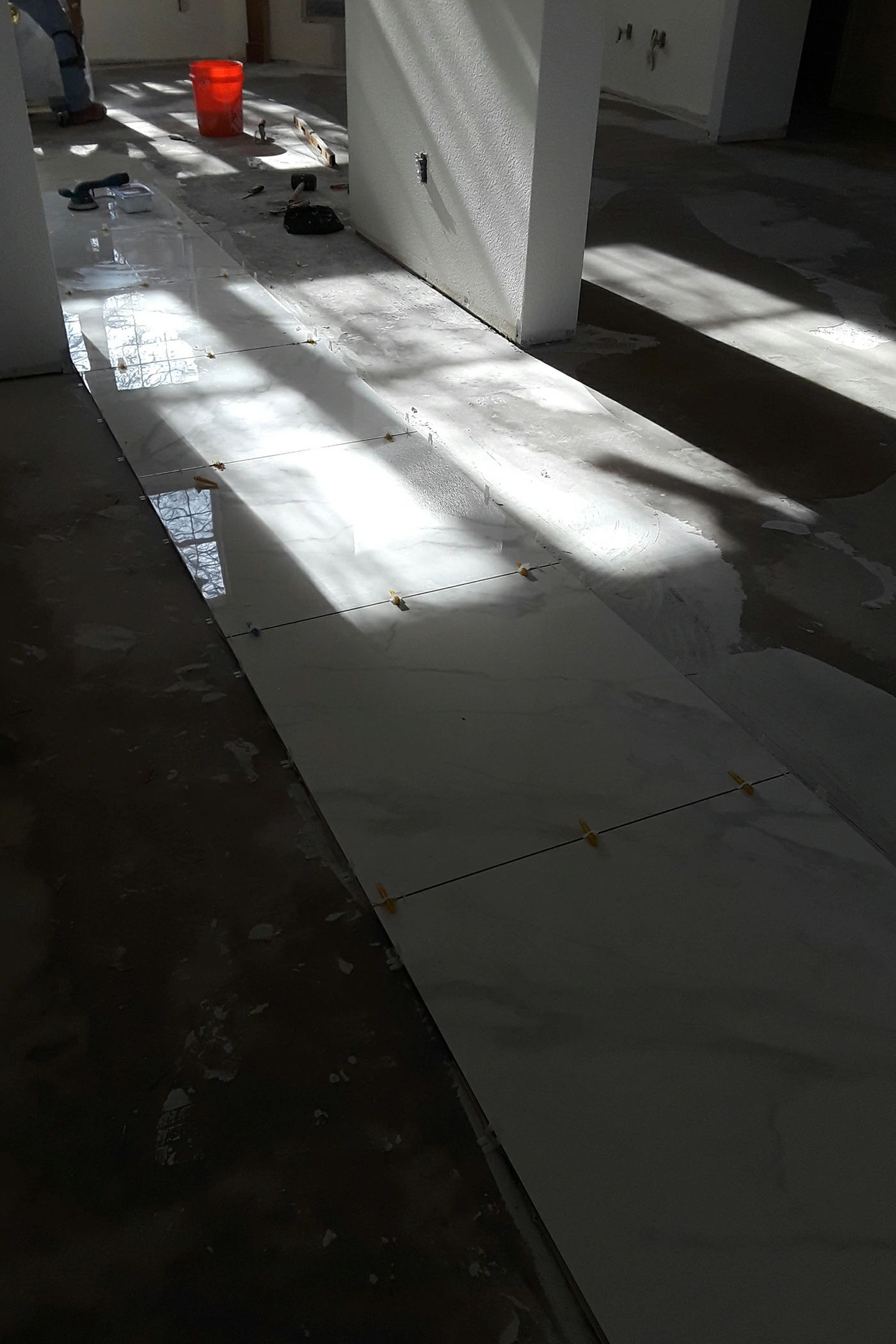
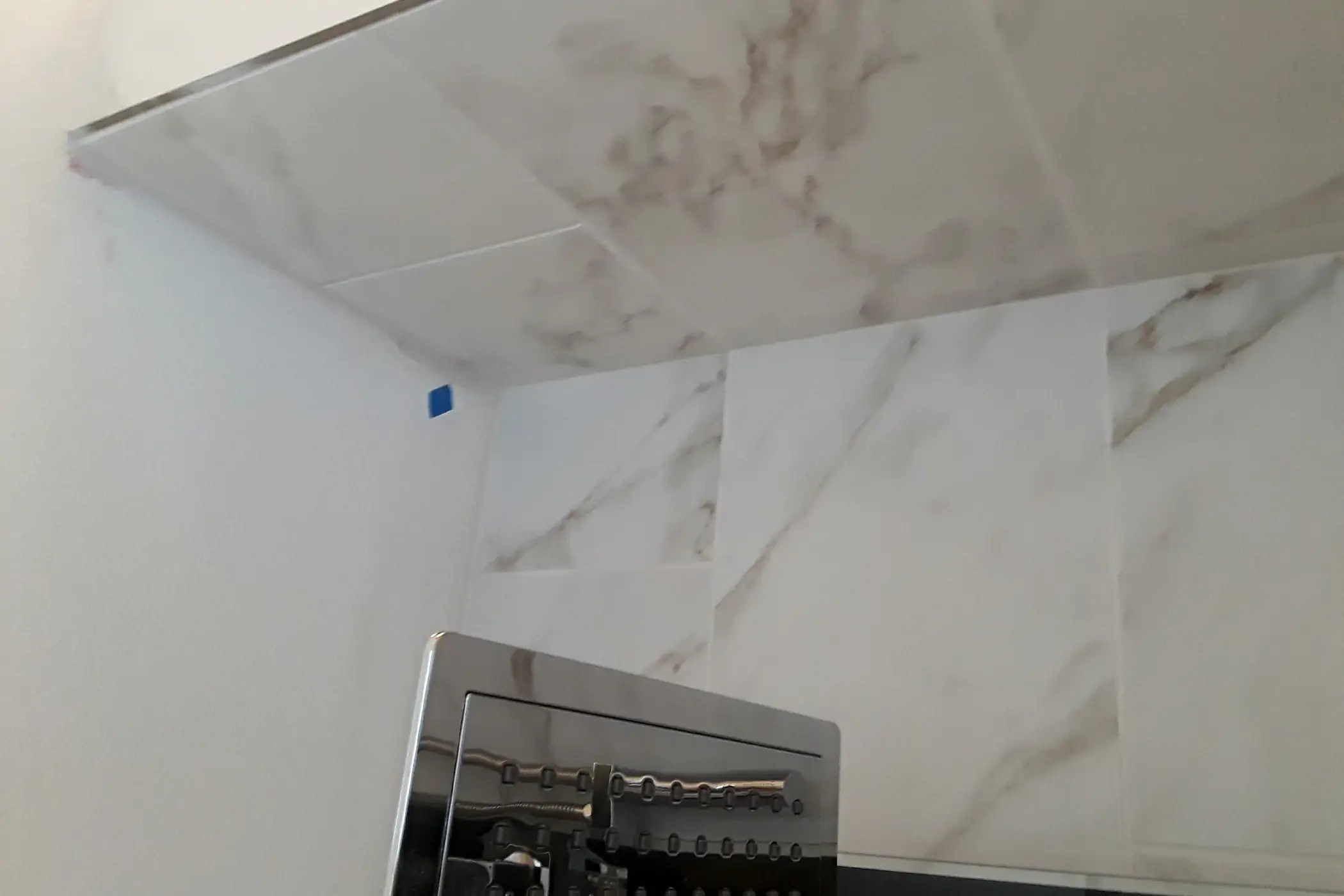
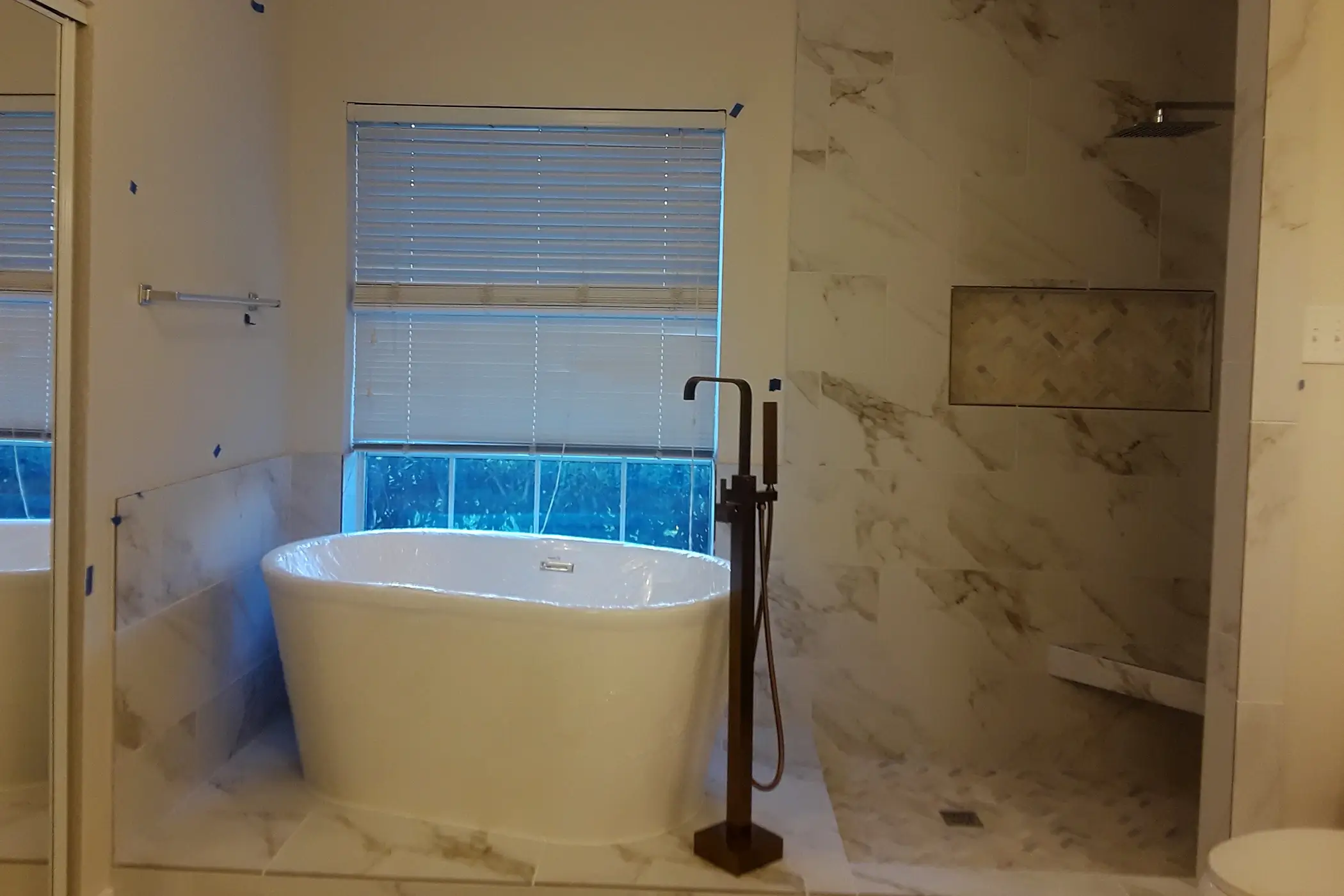
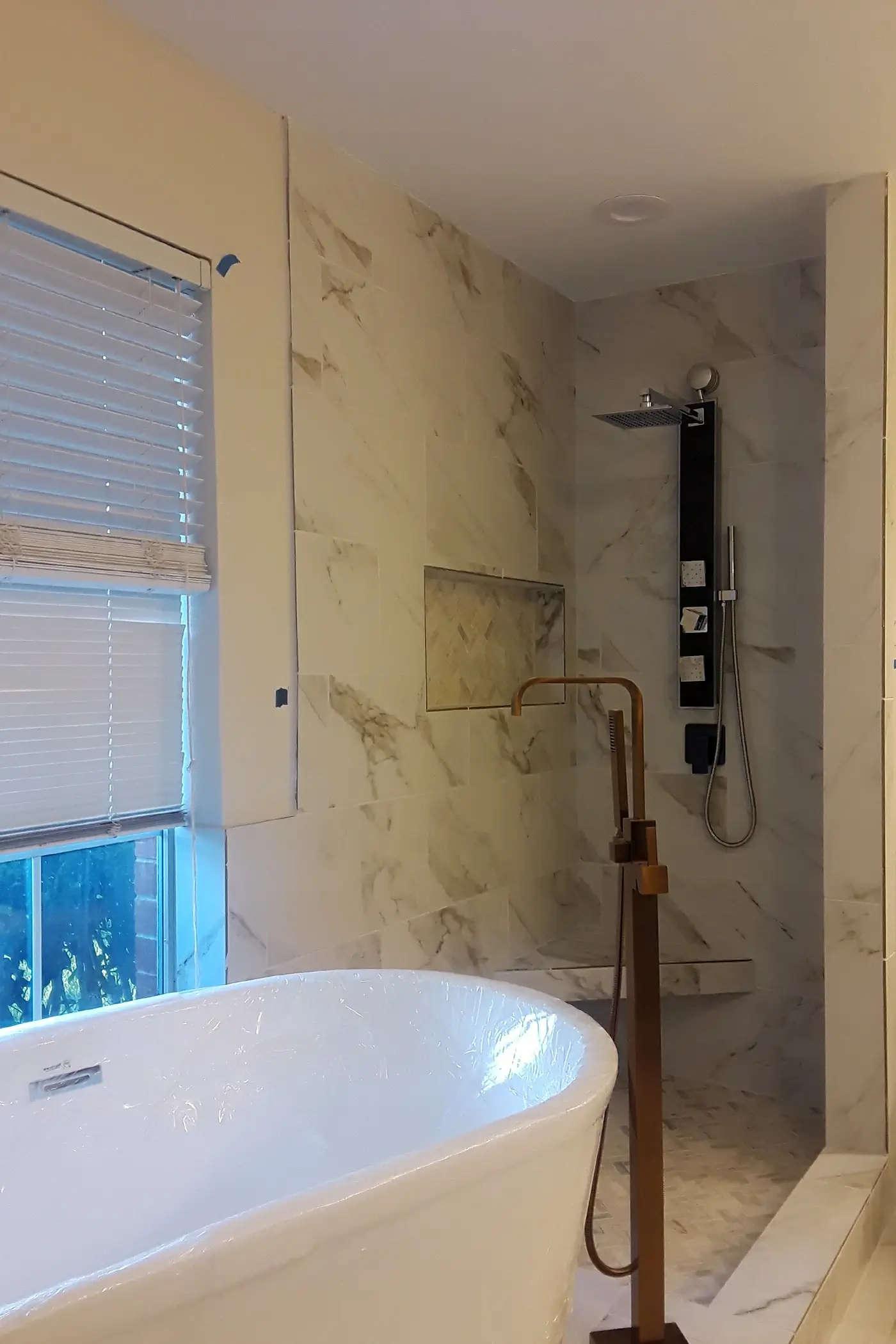
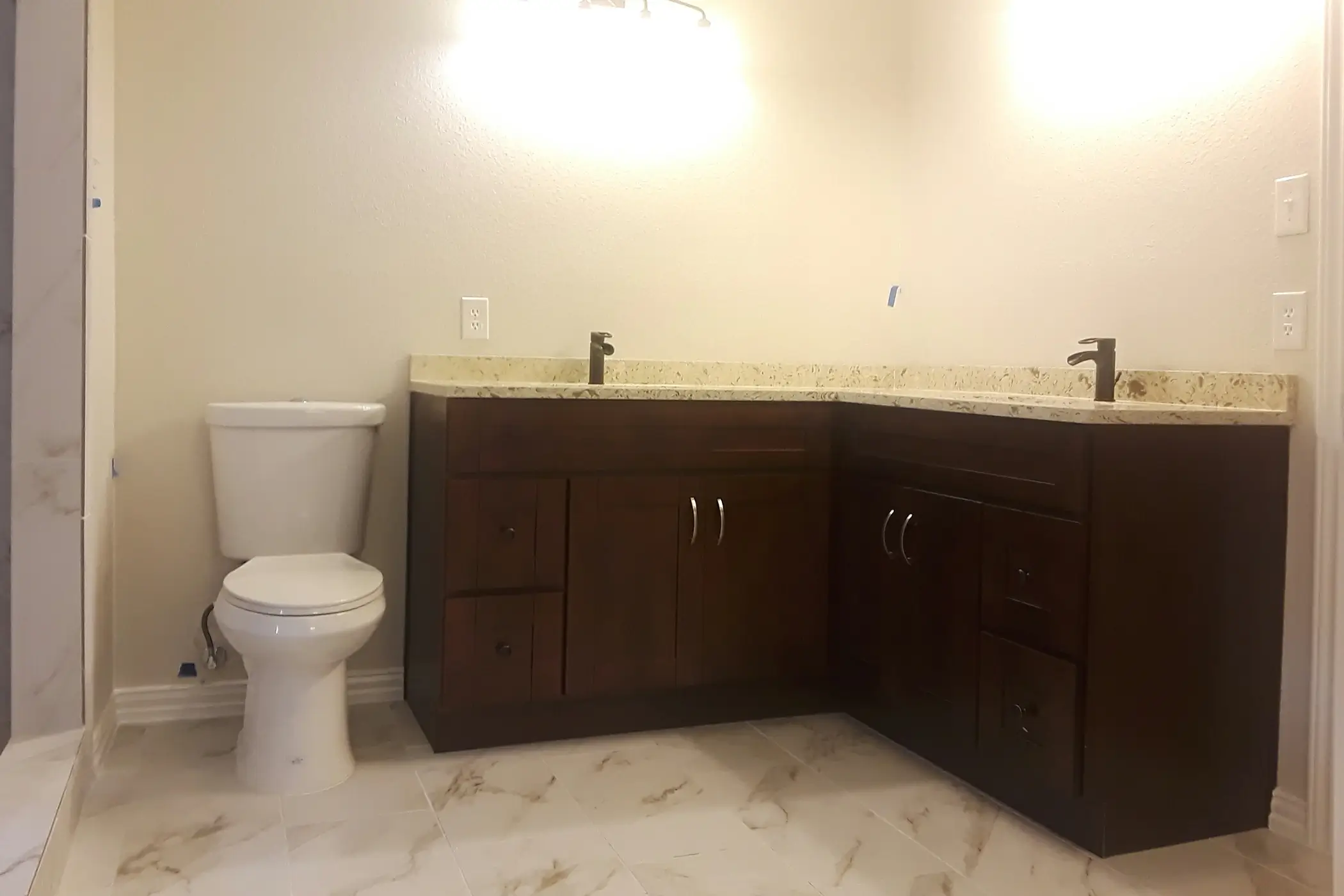
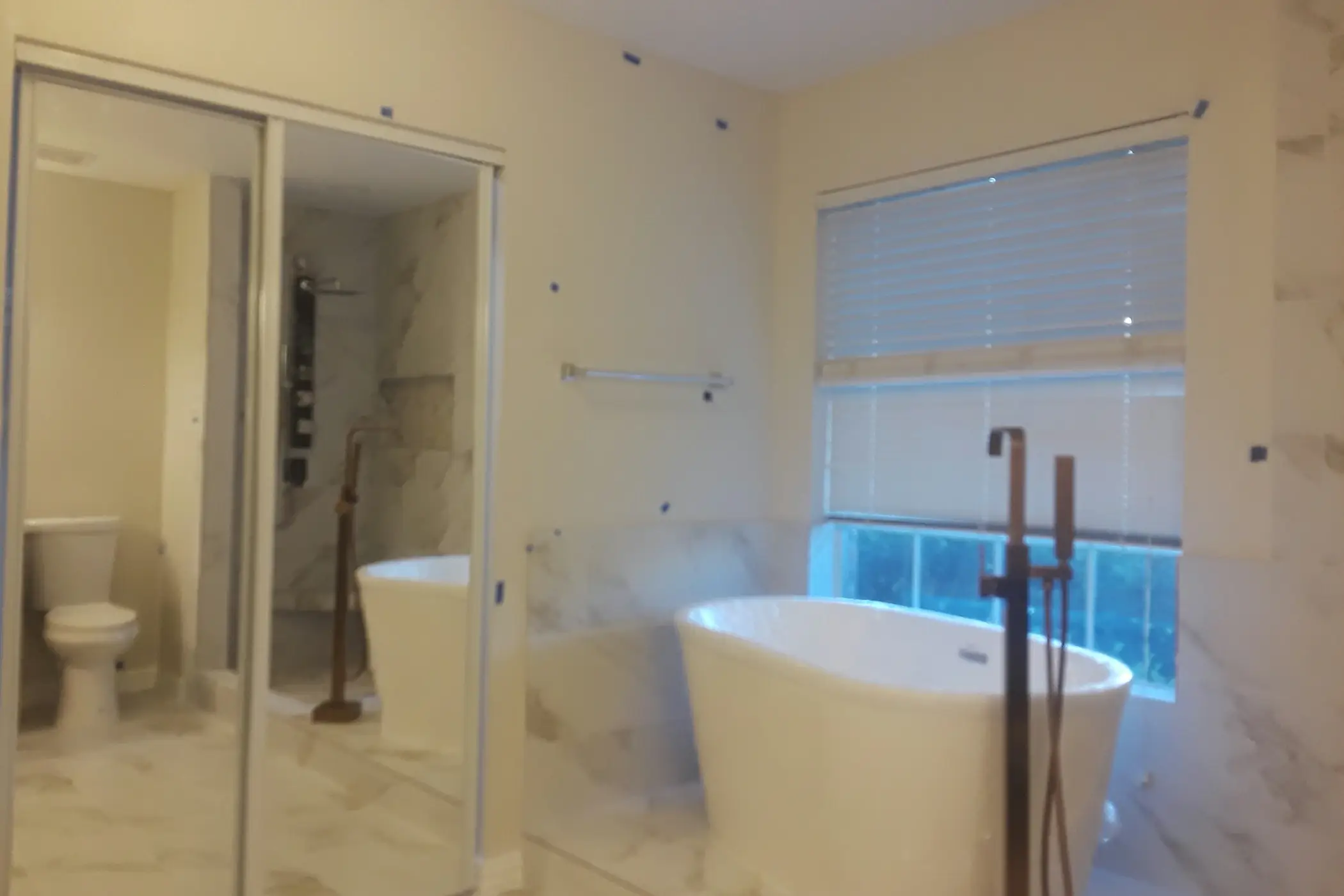
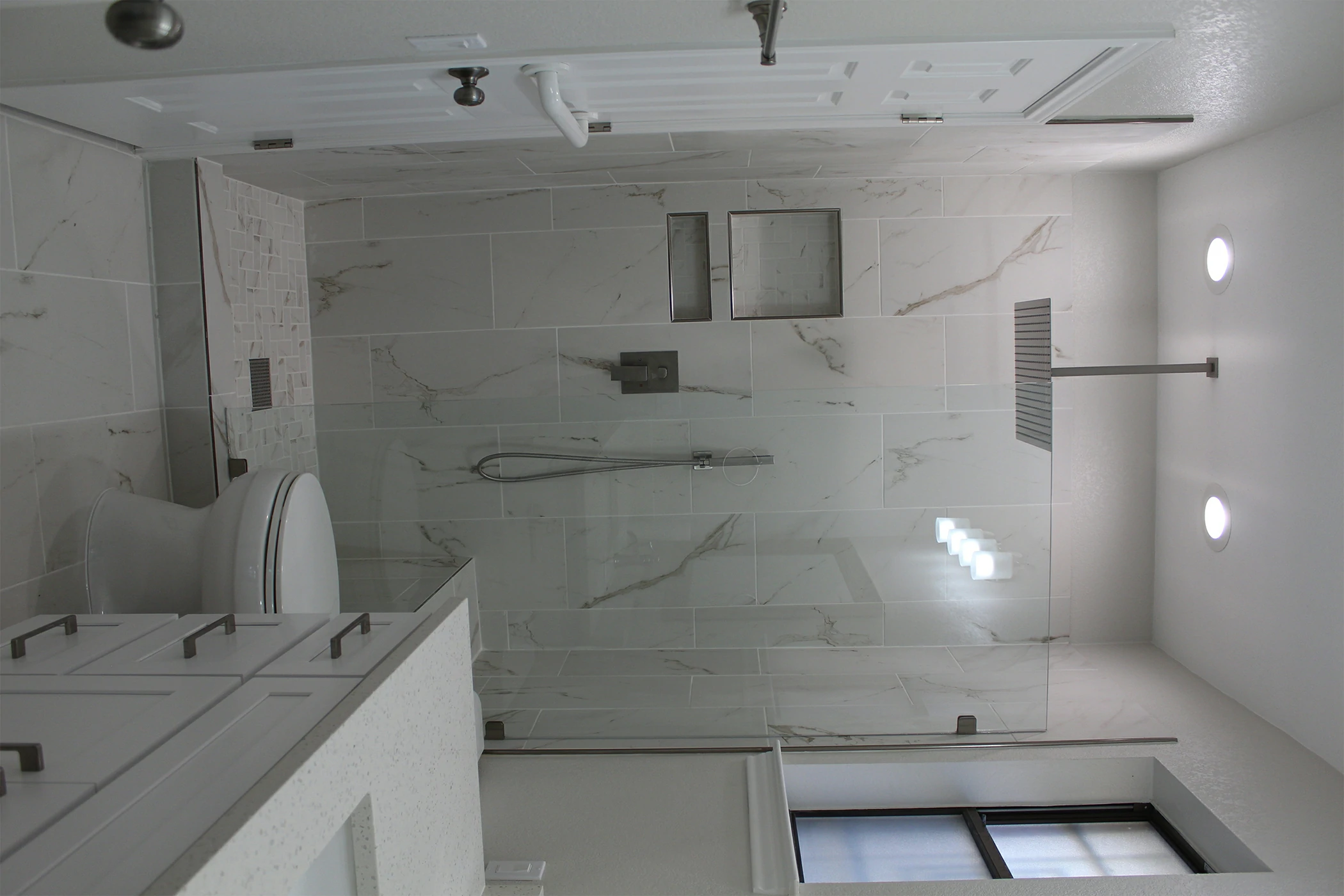
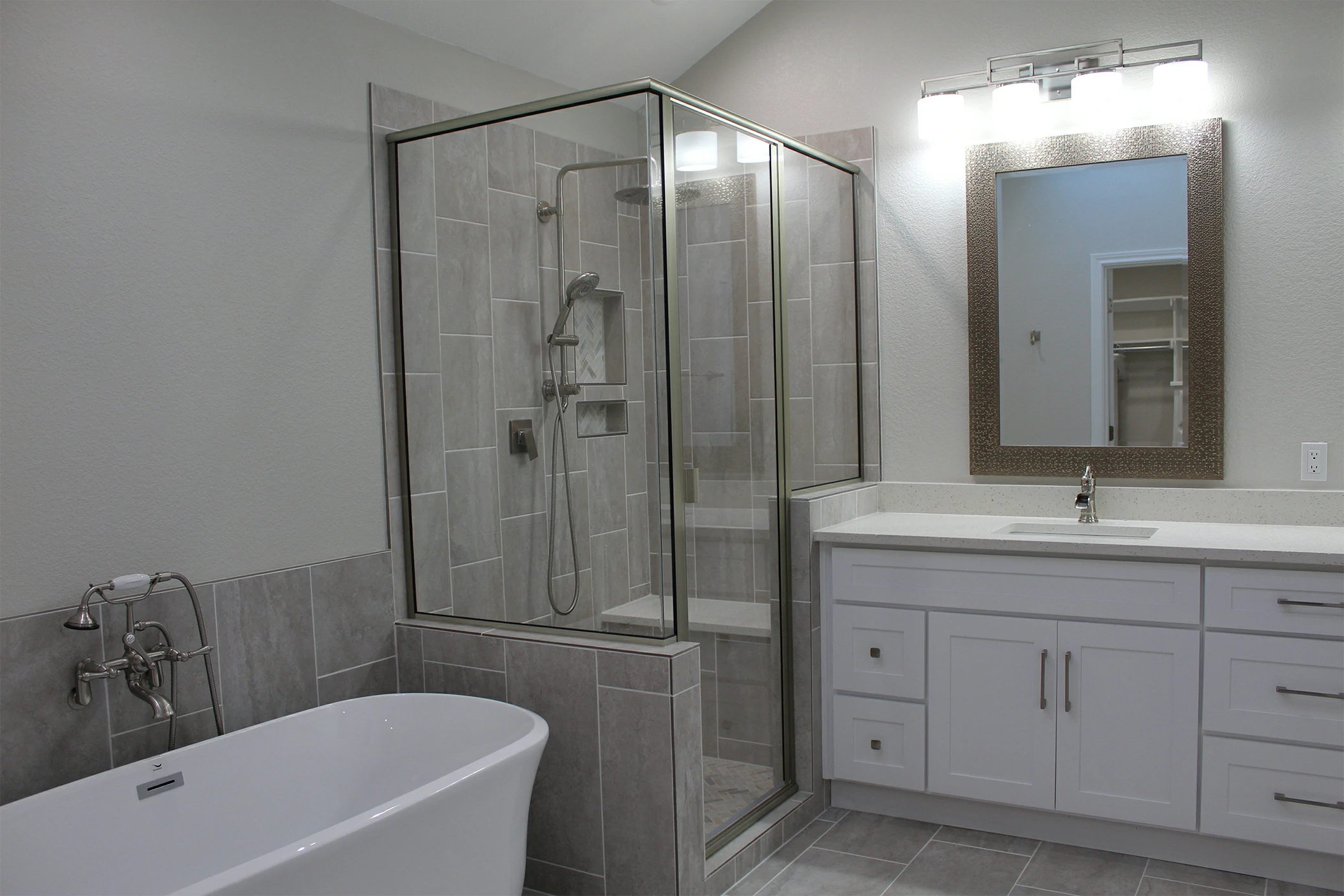
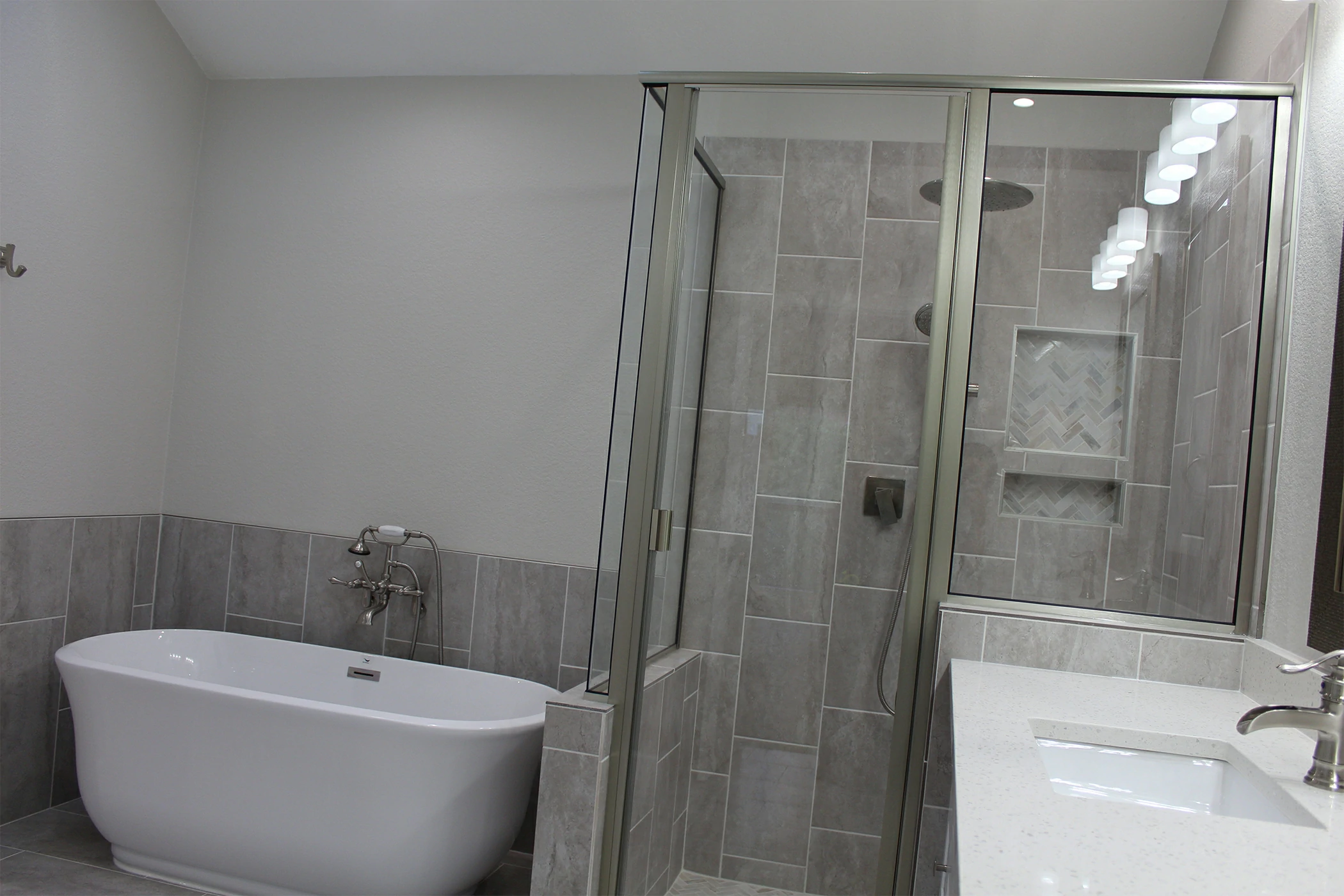
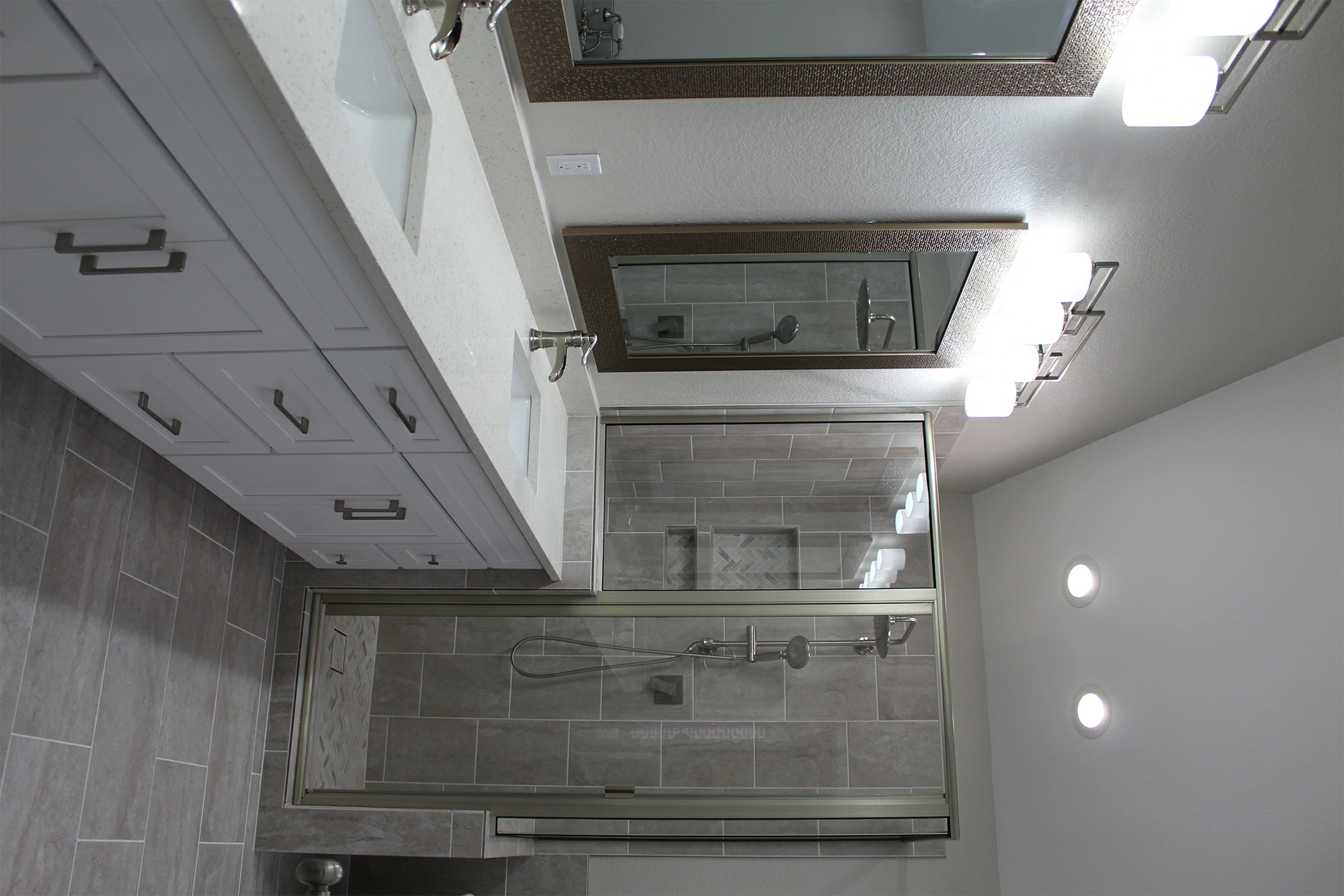
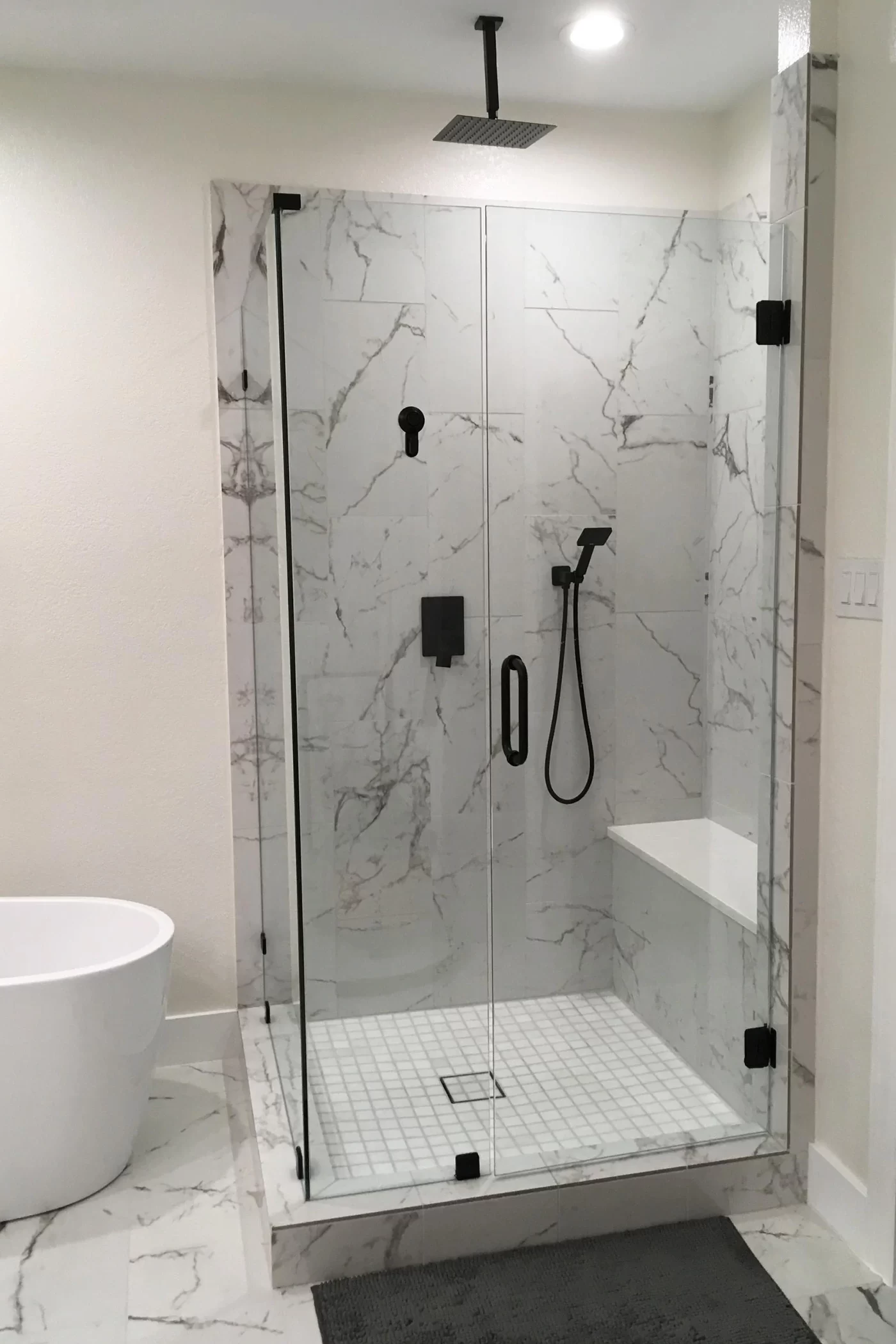
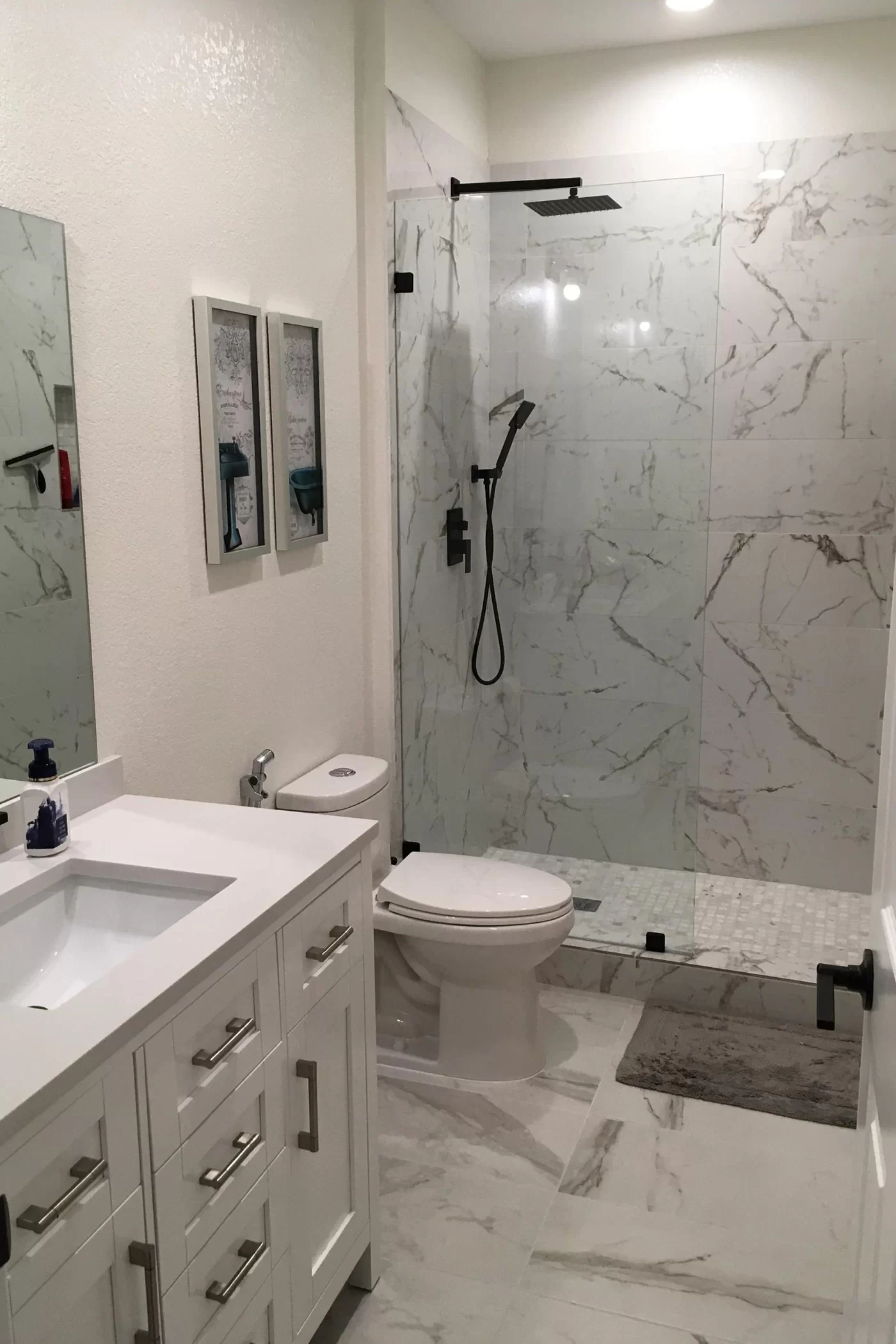
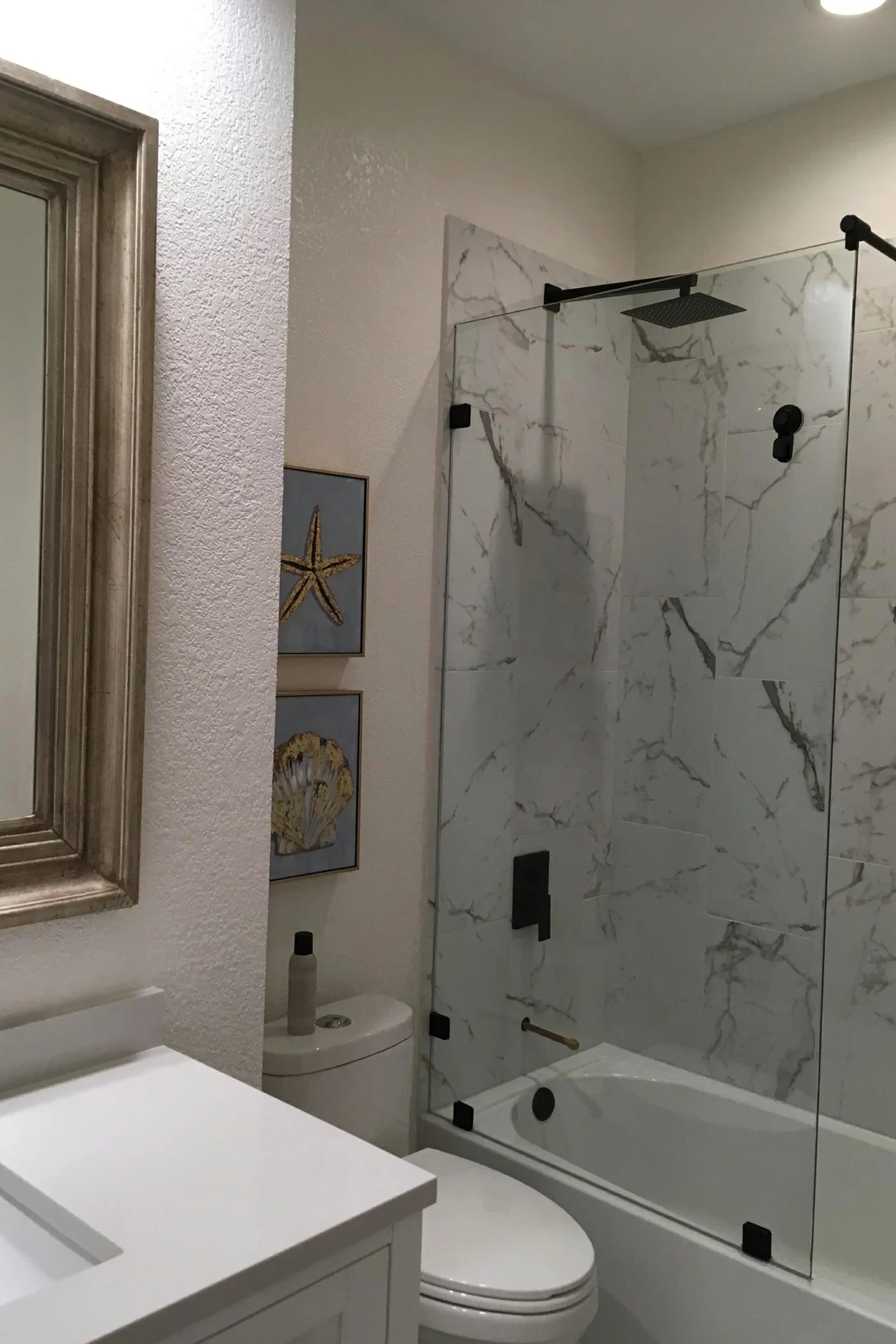
Porcelain tile is known for its strength, water resistance, and low maintenance. It is commonly used in kitchens, bathrooms, and entryways where moisture exposure is common.
Homeowners planning remodeling projects such as home remodeling in Allen often explore these flooring options to ensure durability in everyday living spaces.
Long Lasting Countertop Materials
Kitchen and bathroom countertops are frequently used surfaces that require strong and resilient materials.
Quartz Countertops
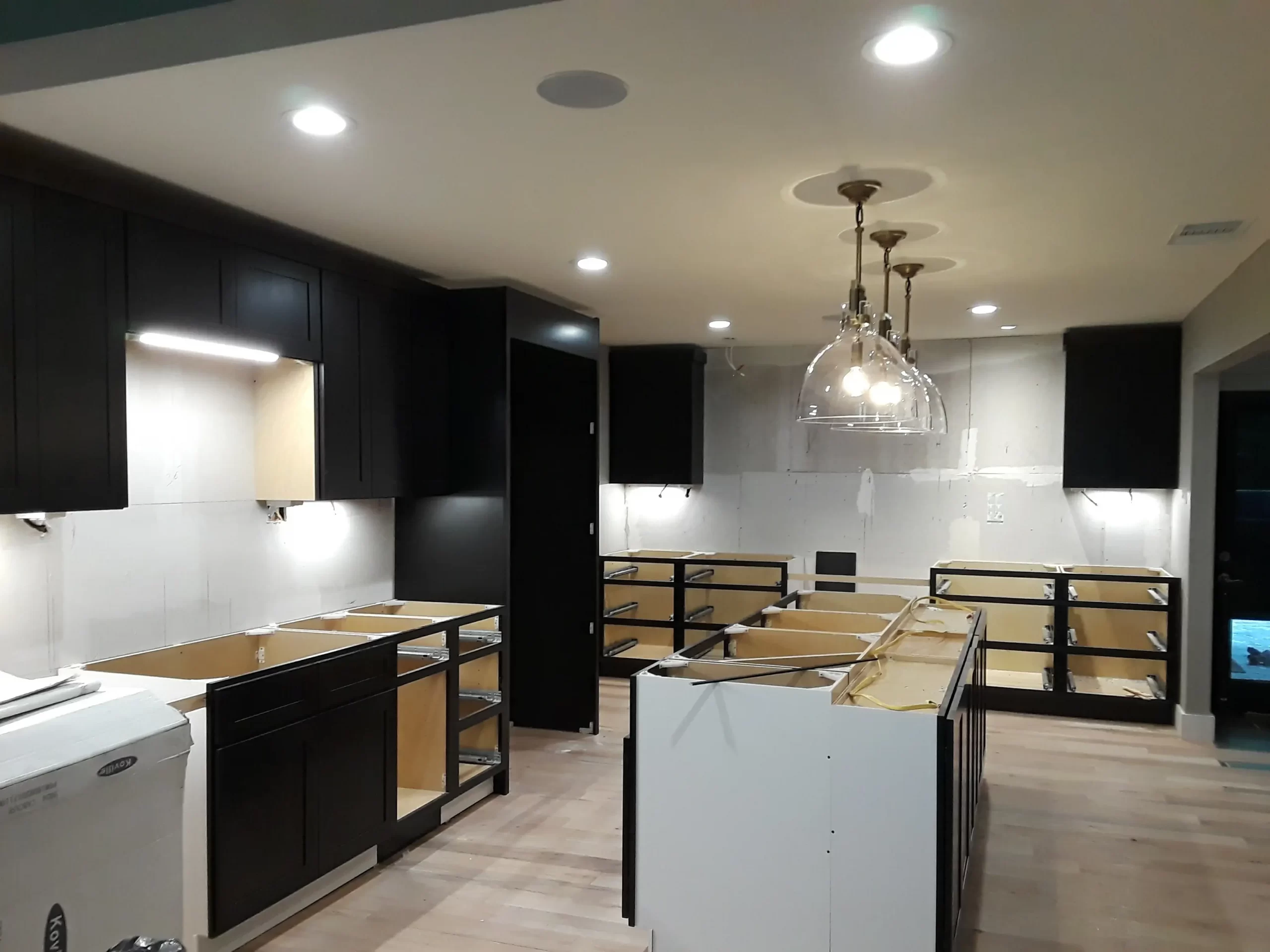
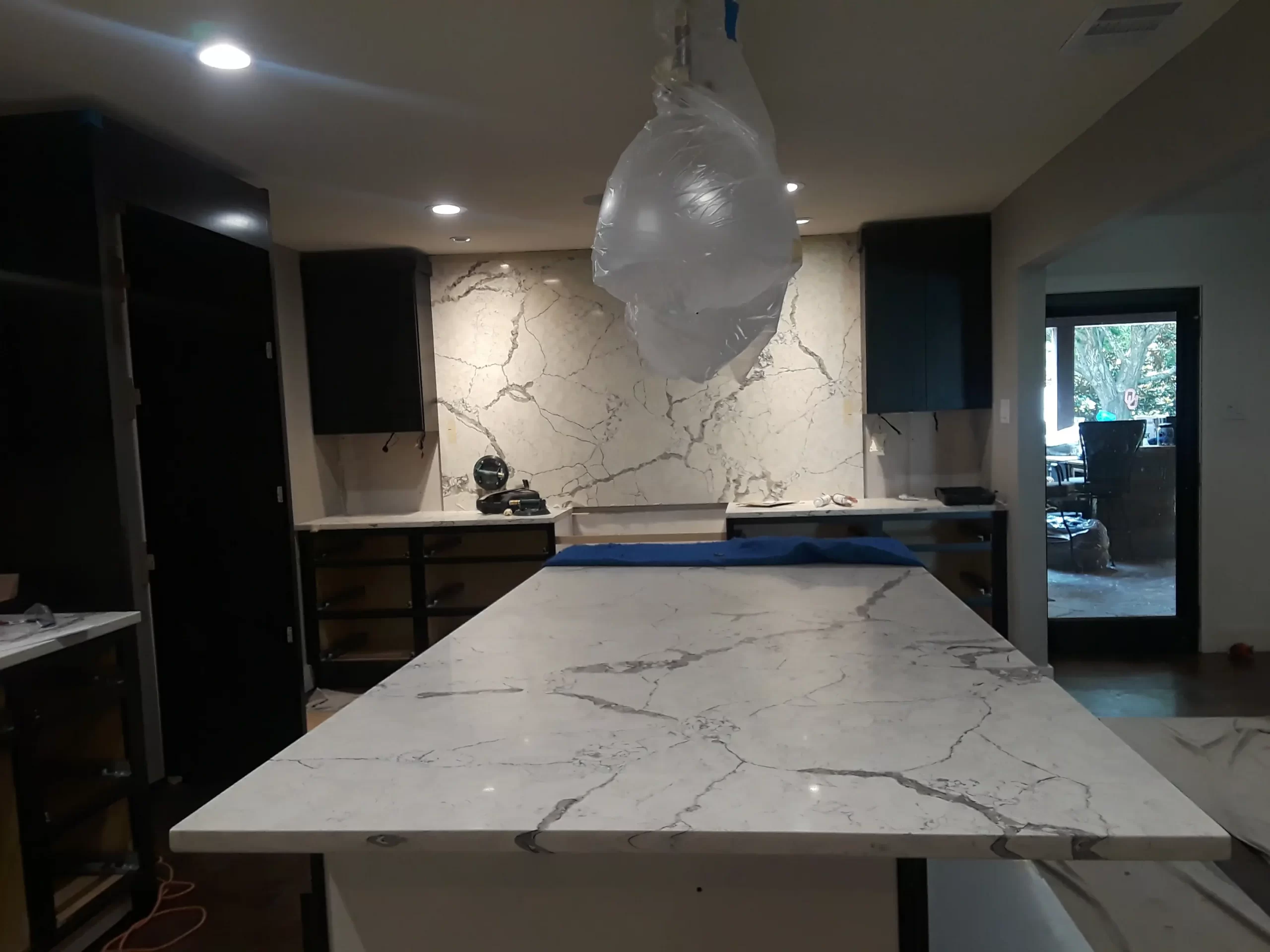
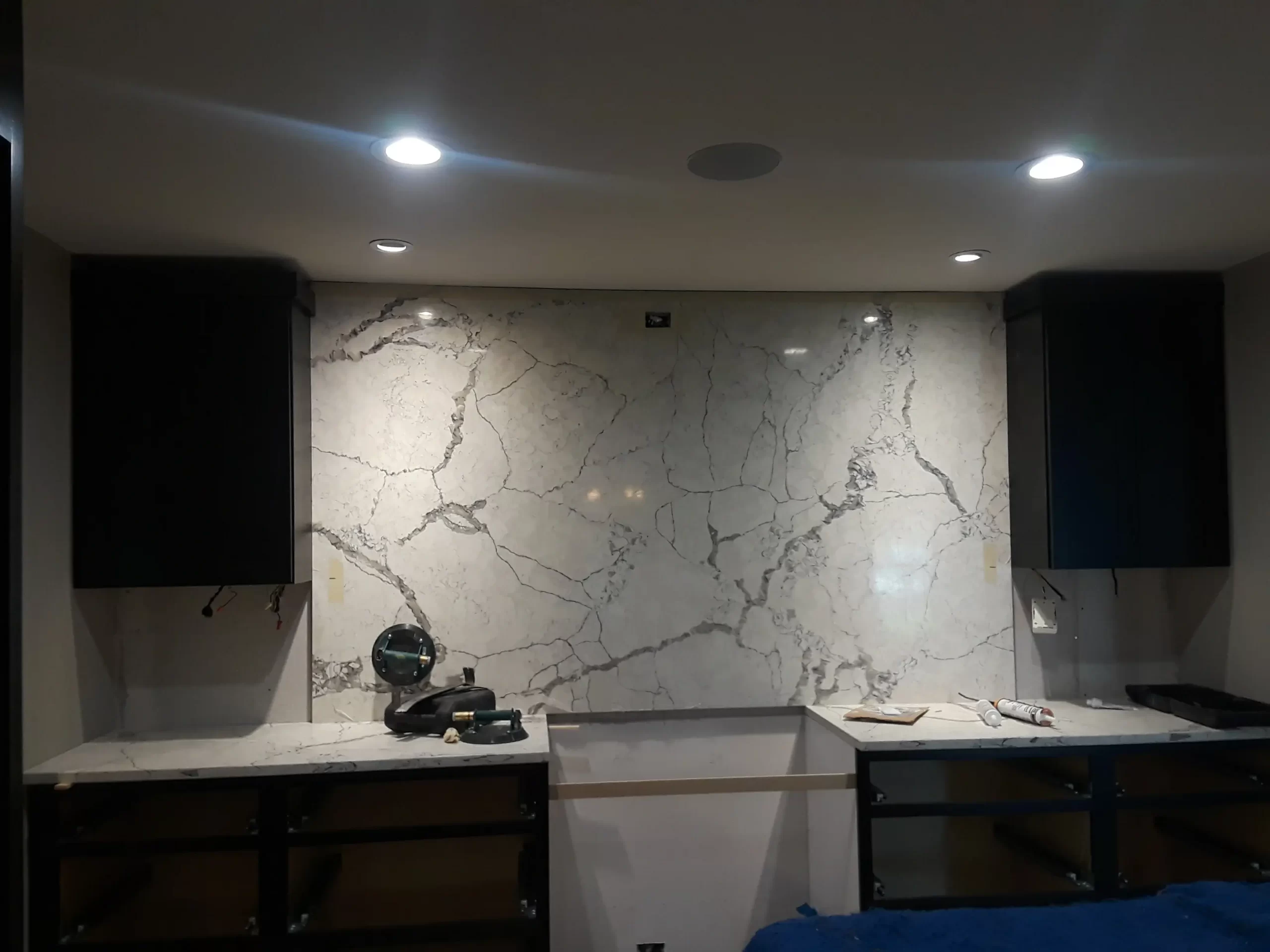
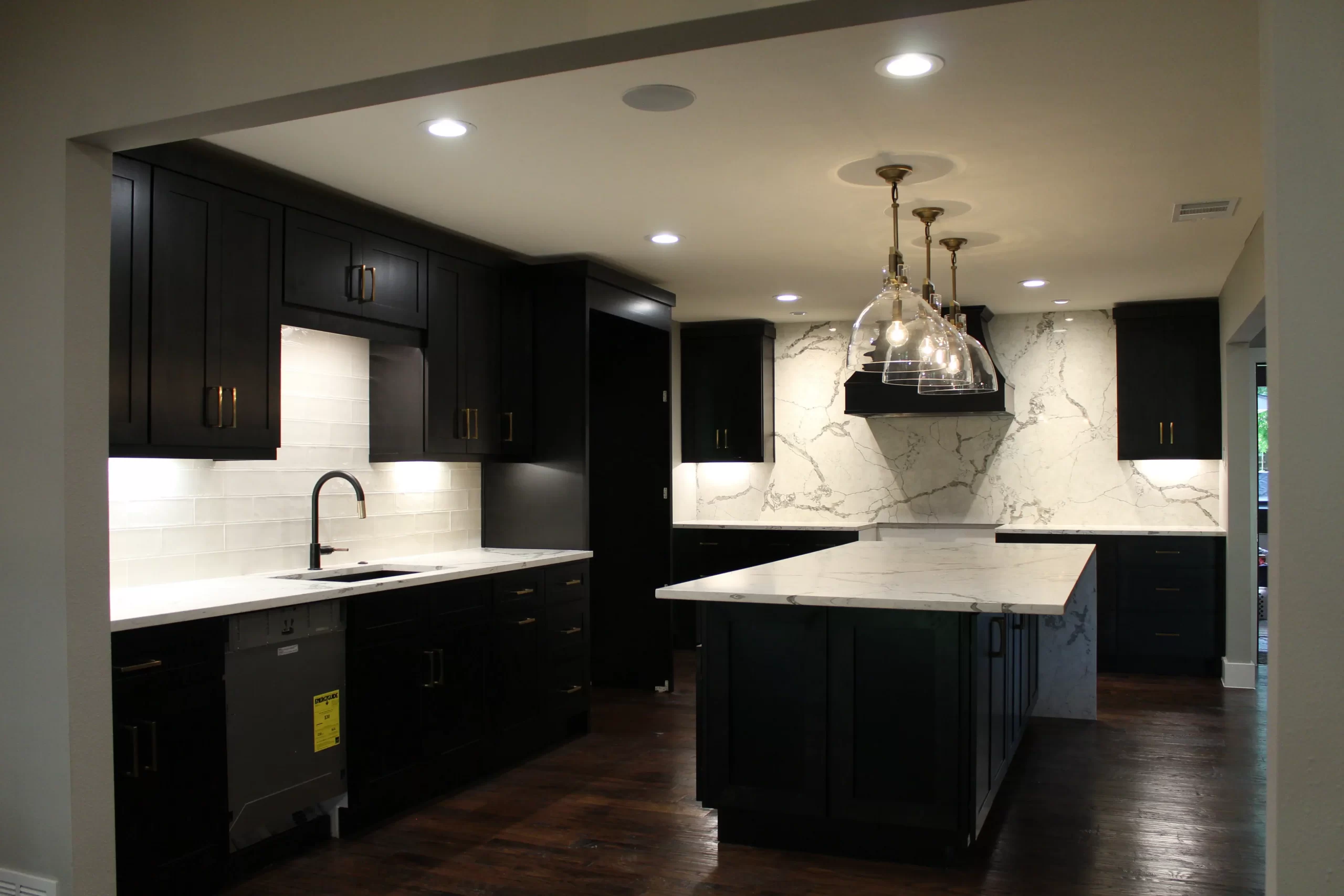
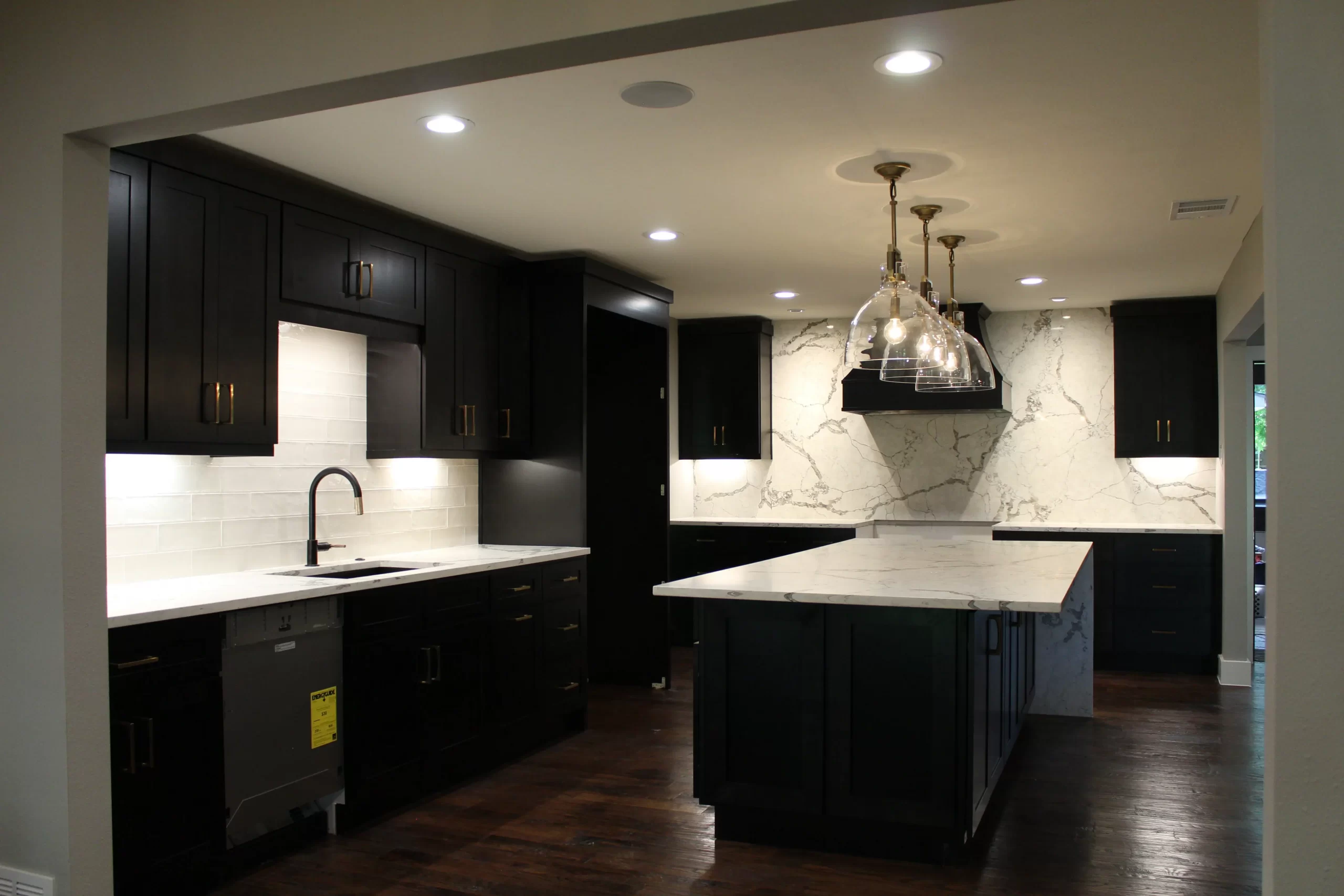
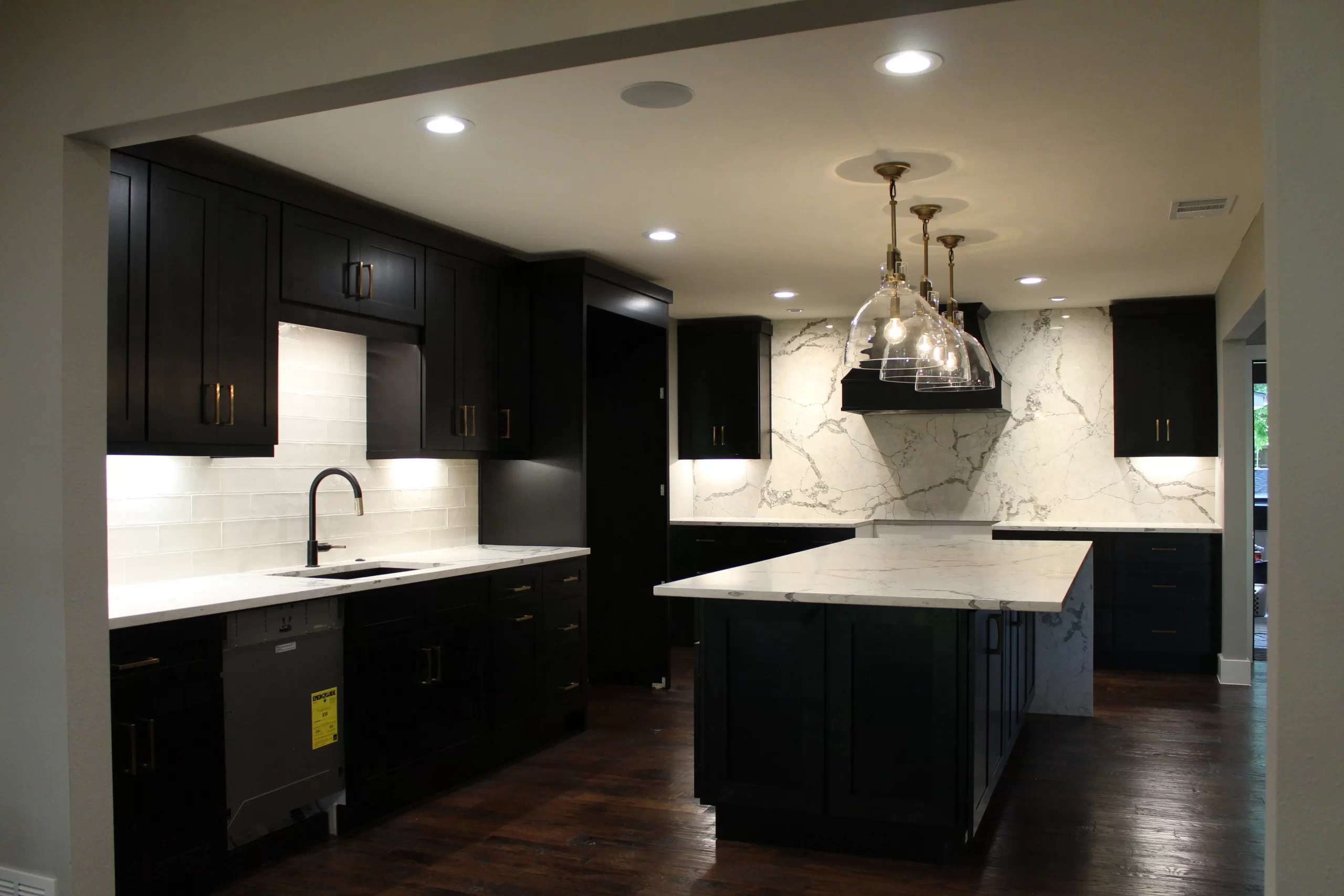
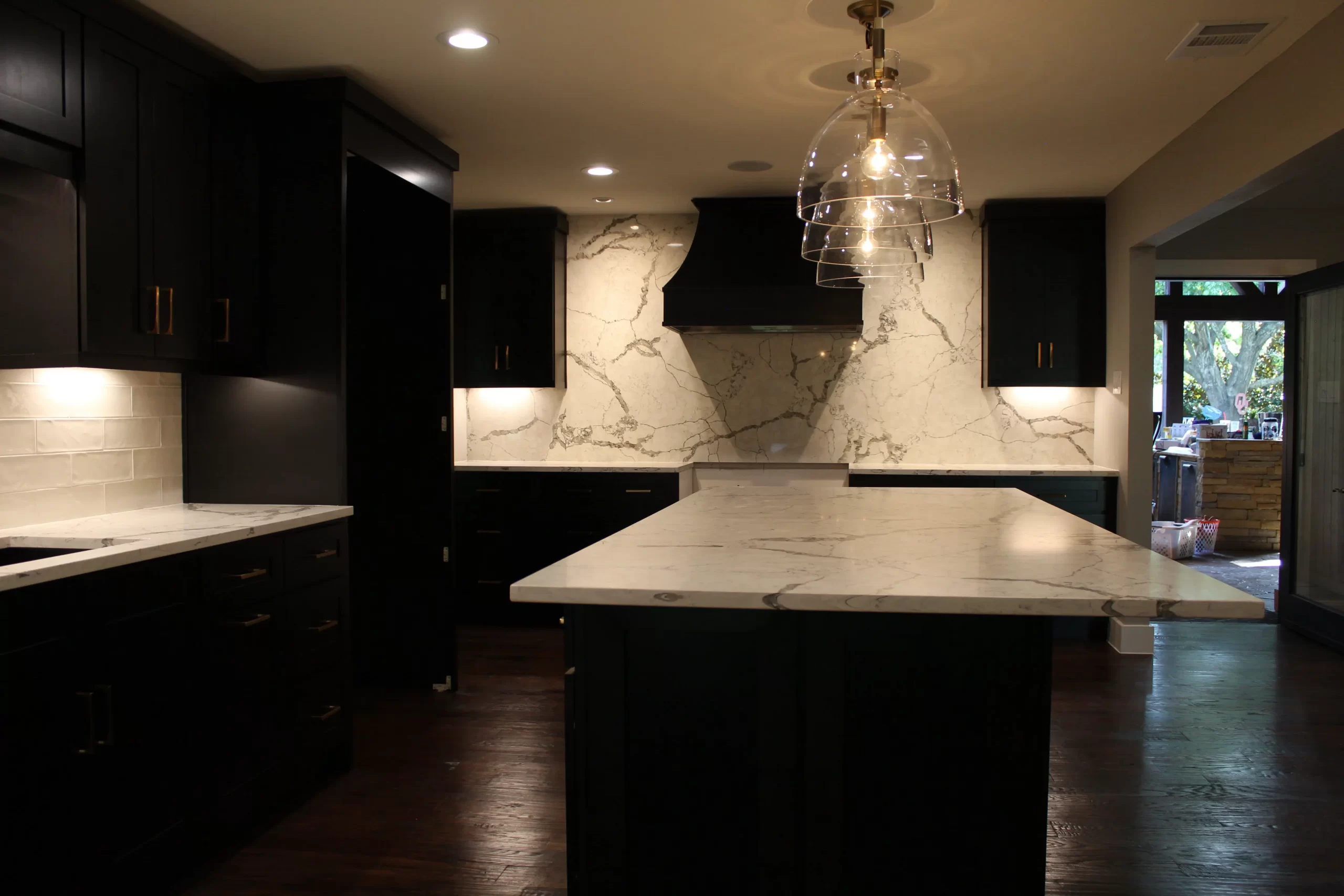
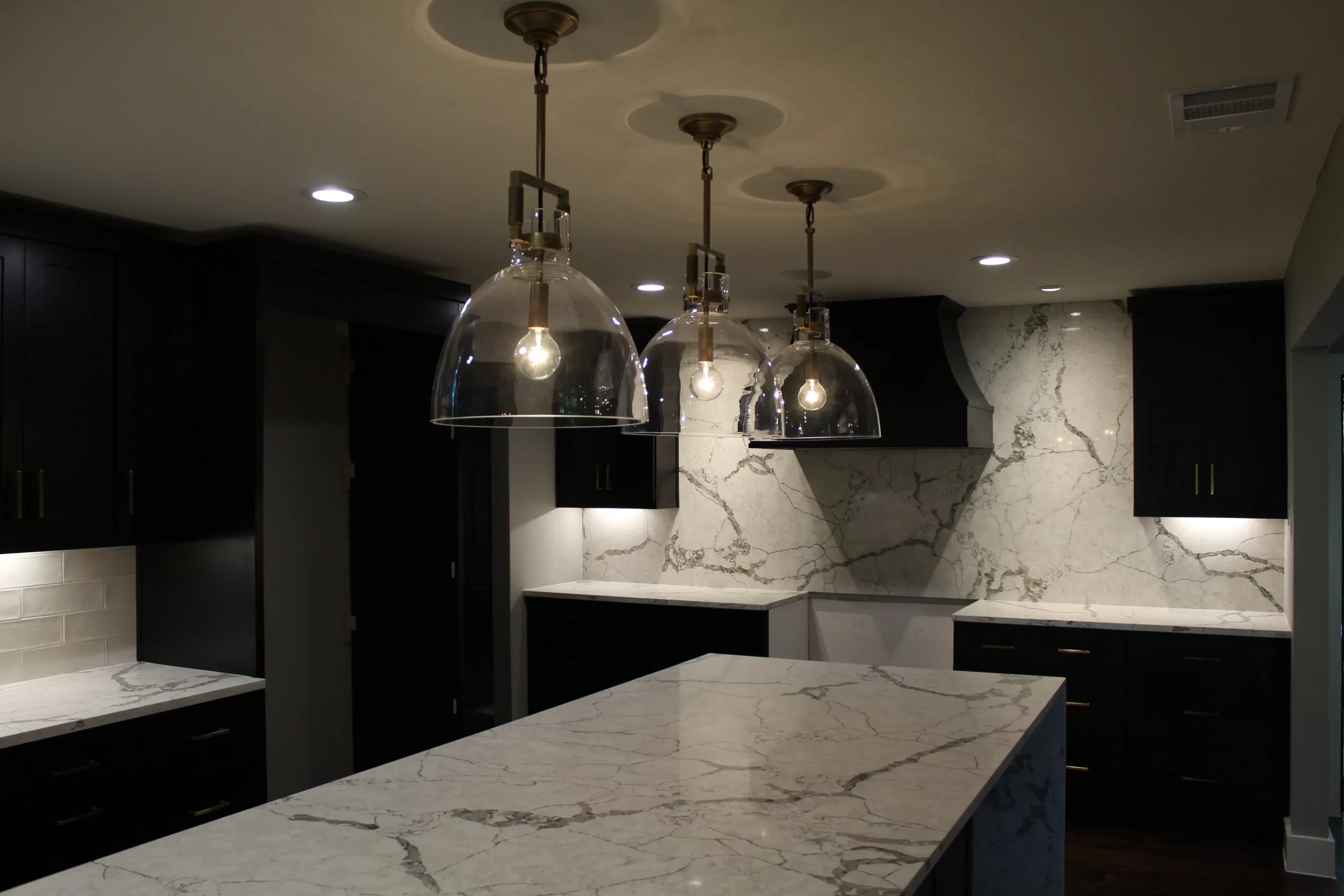
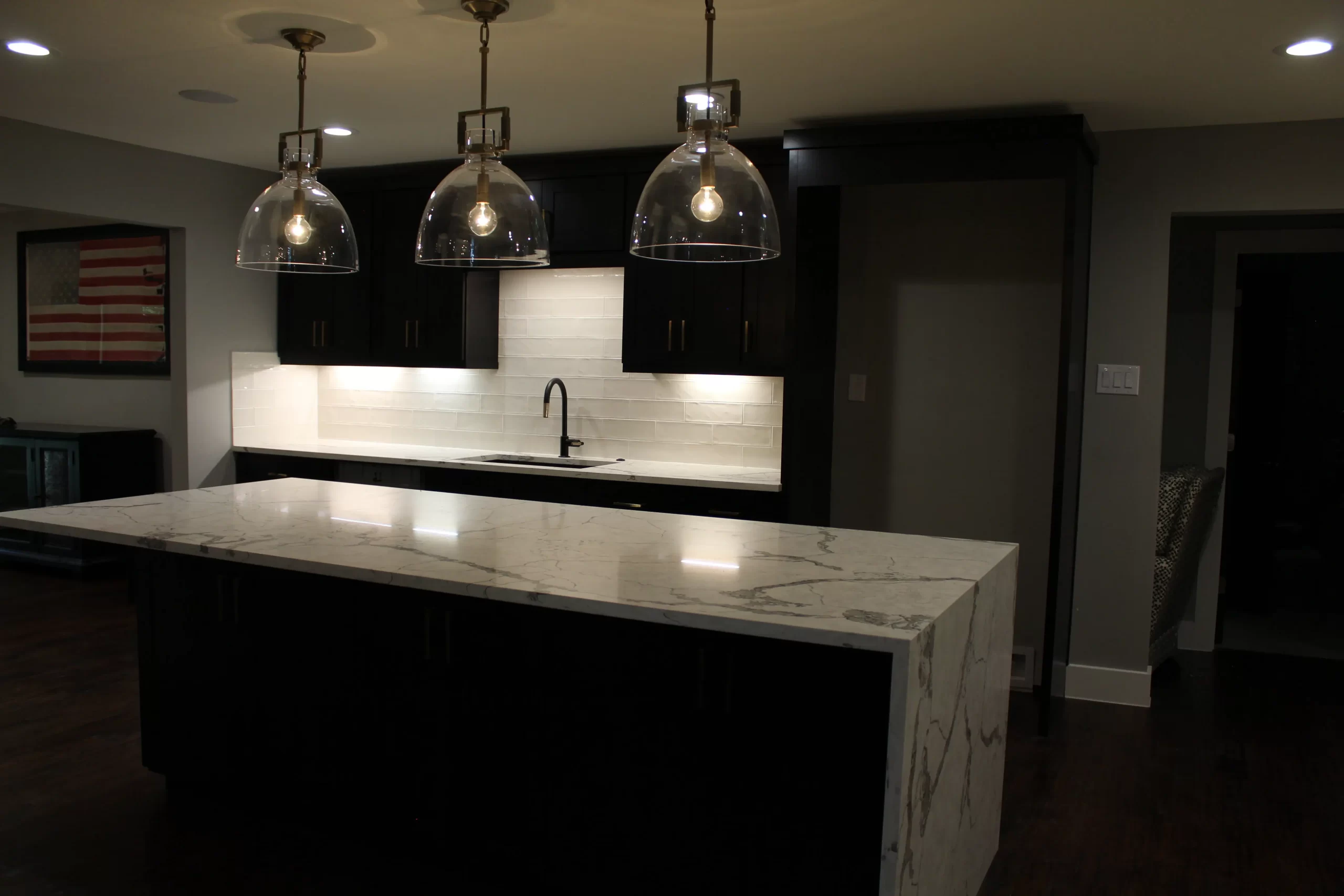
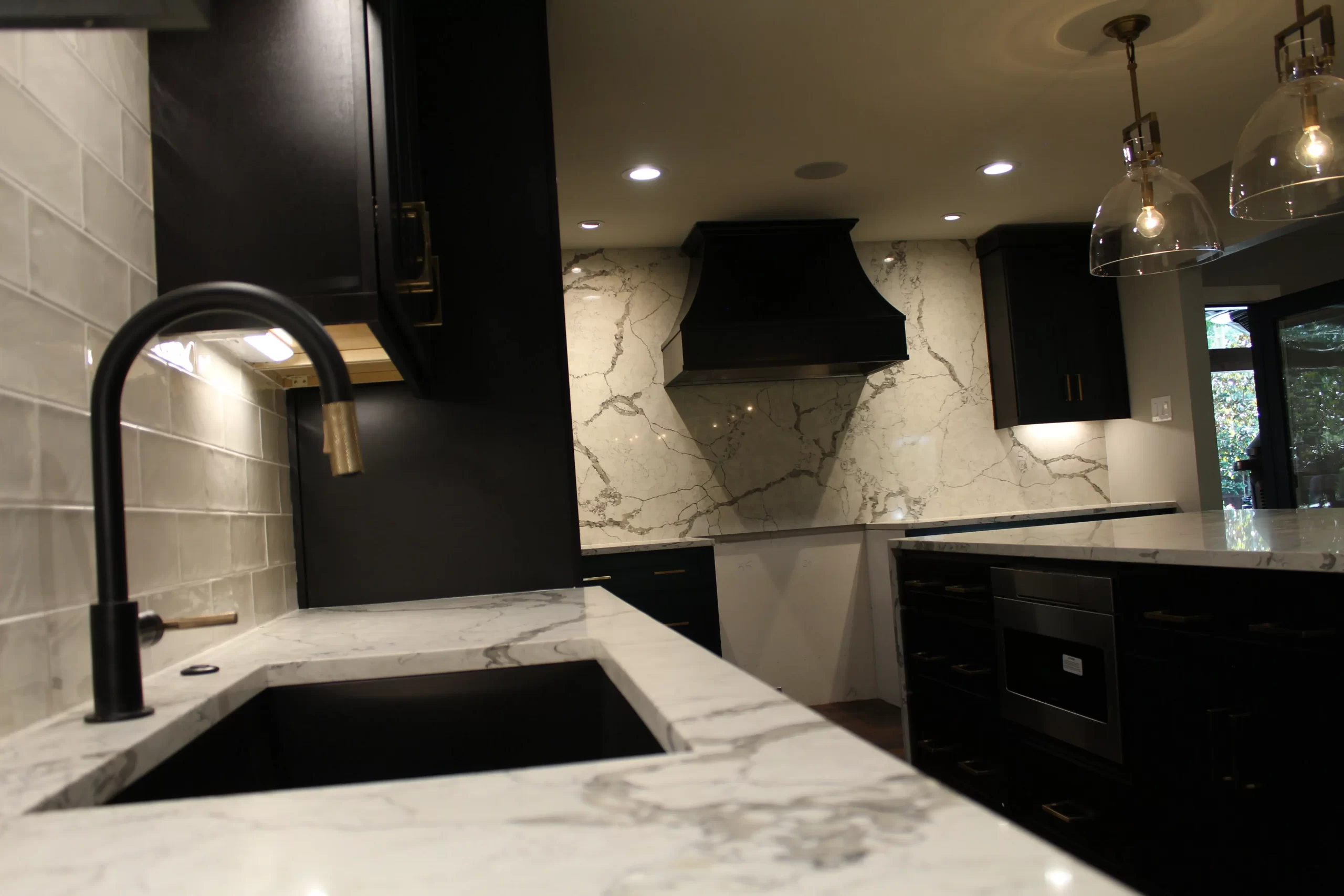
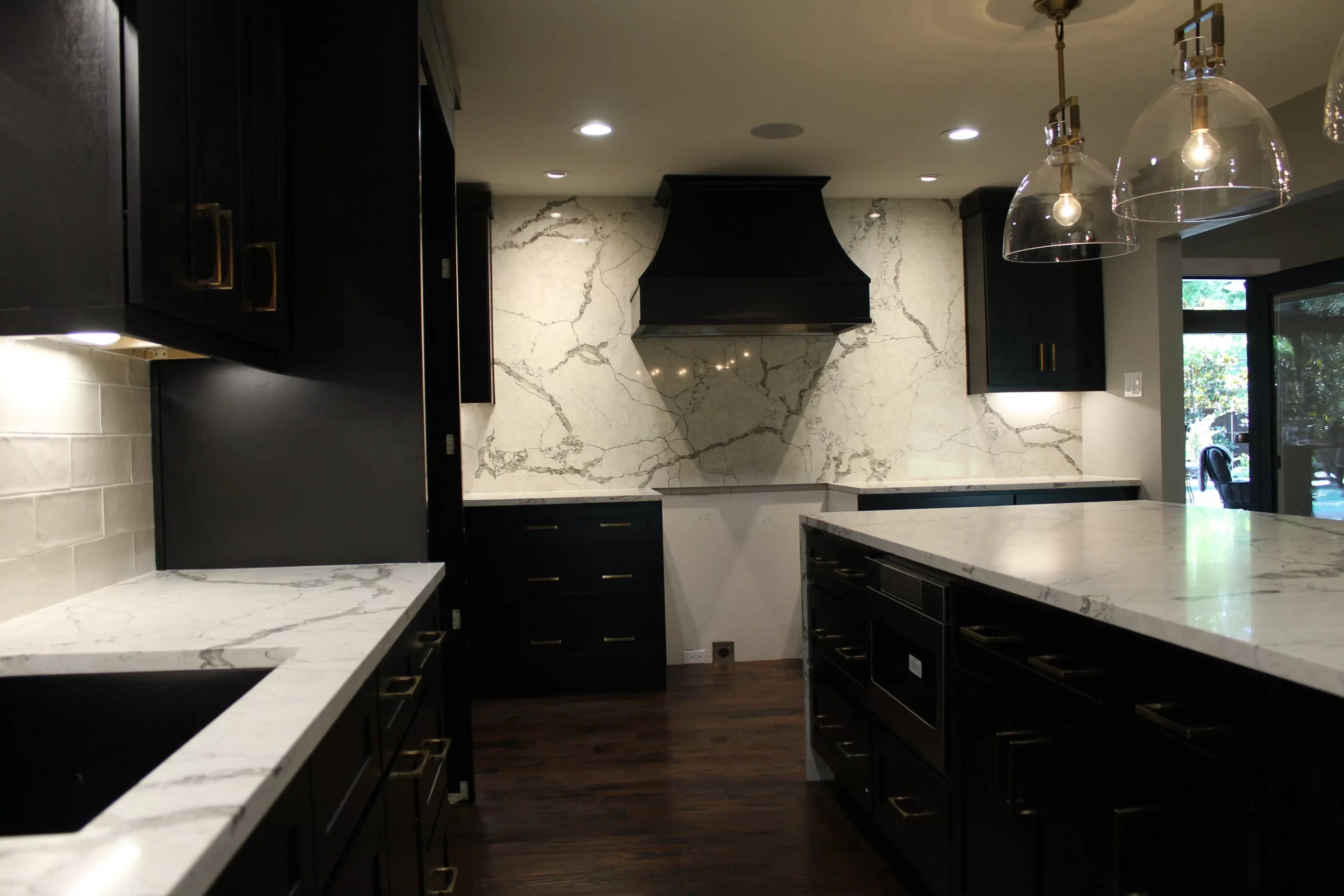
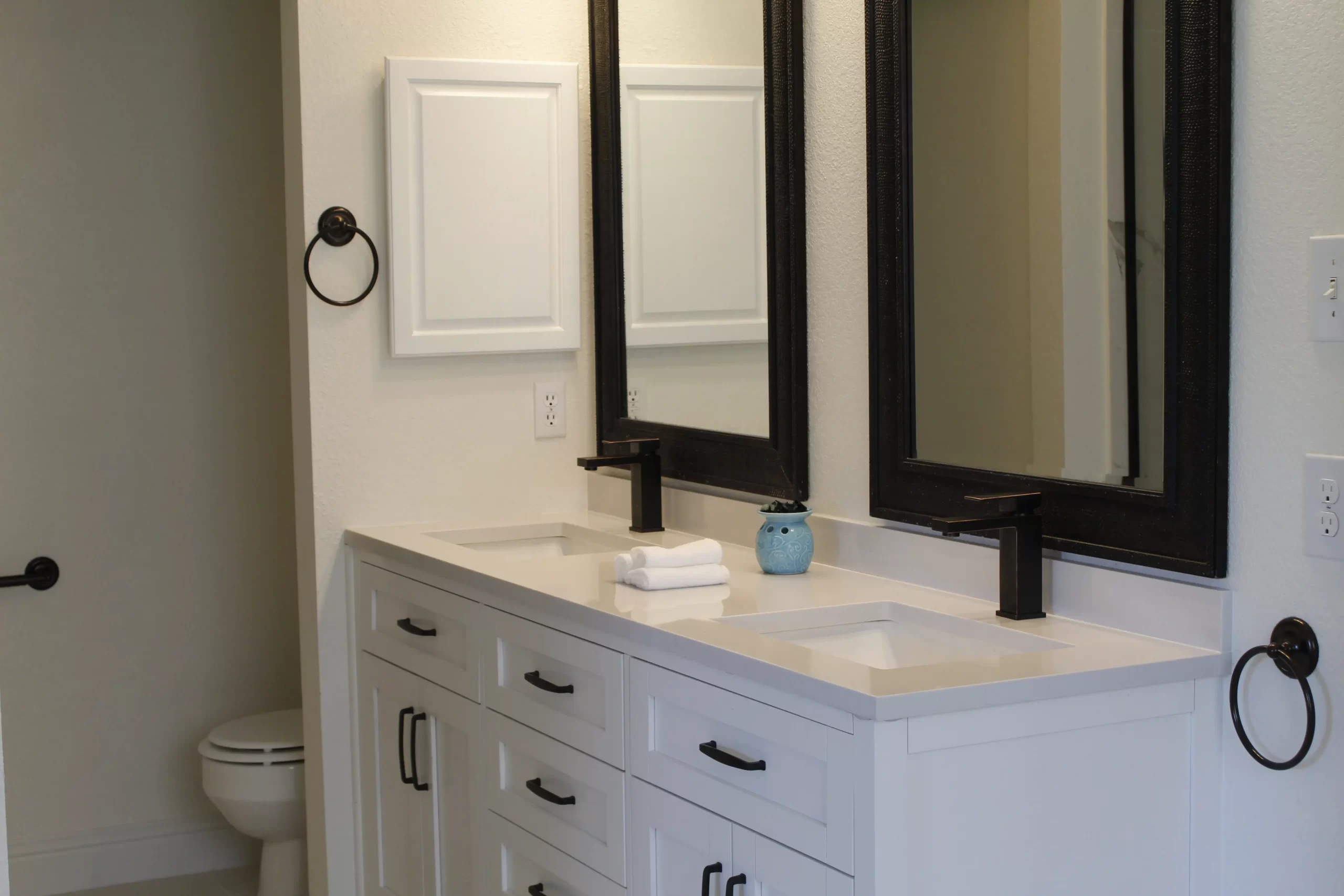
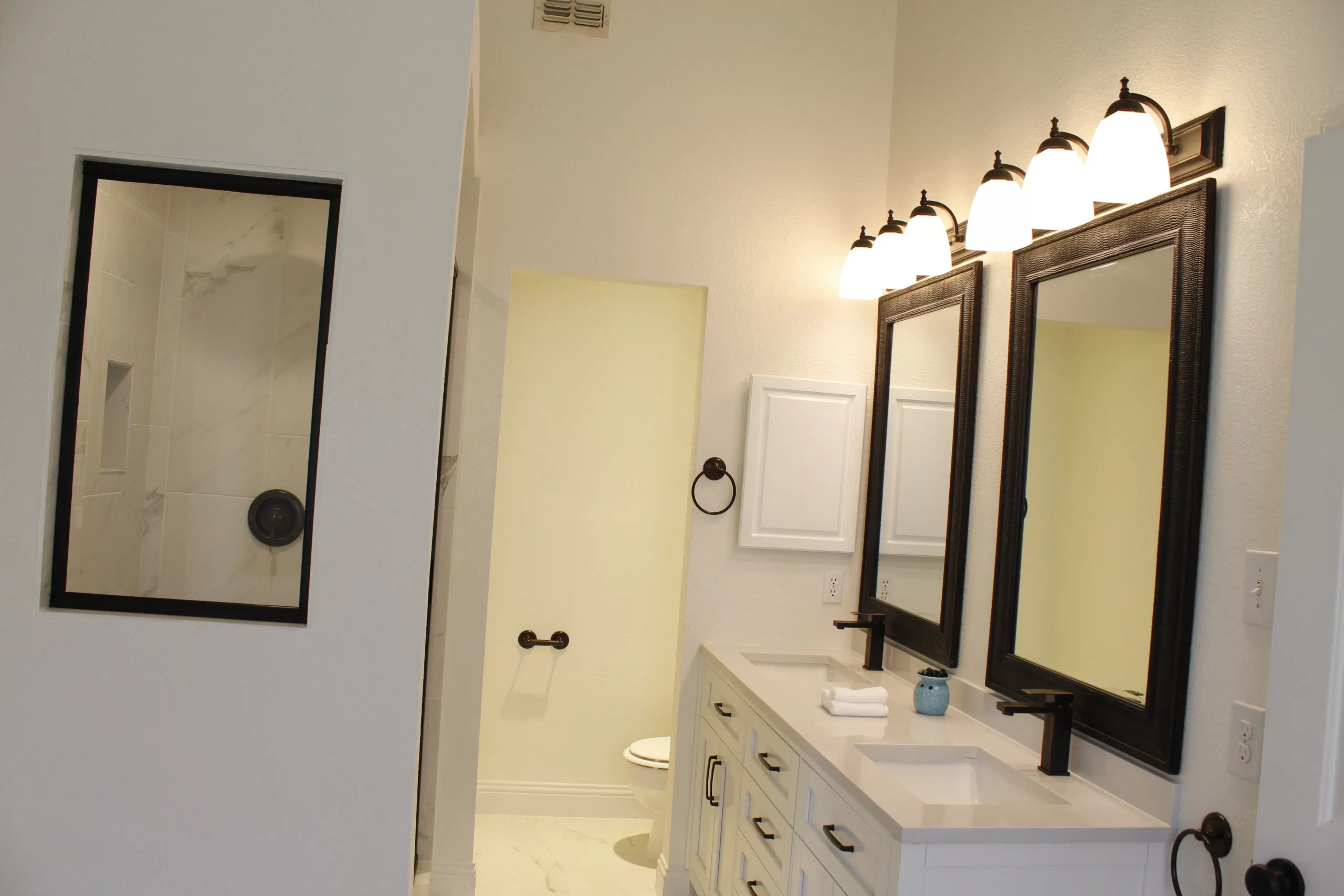
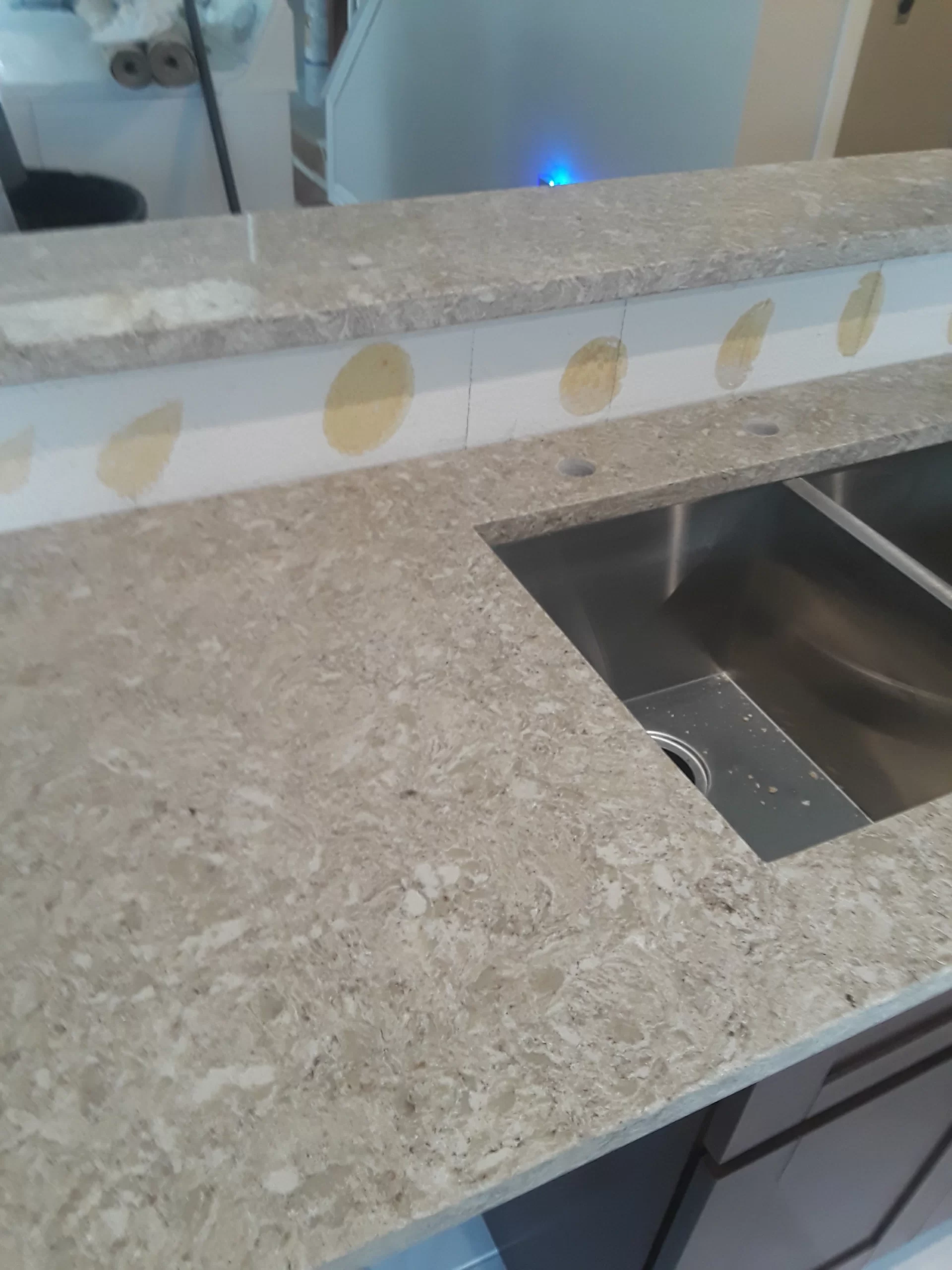
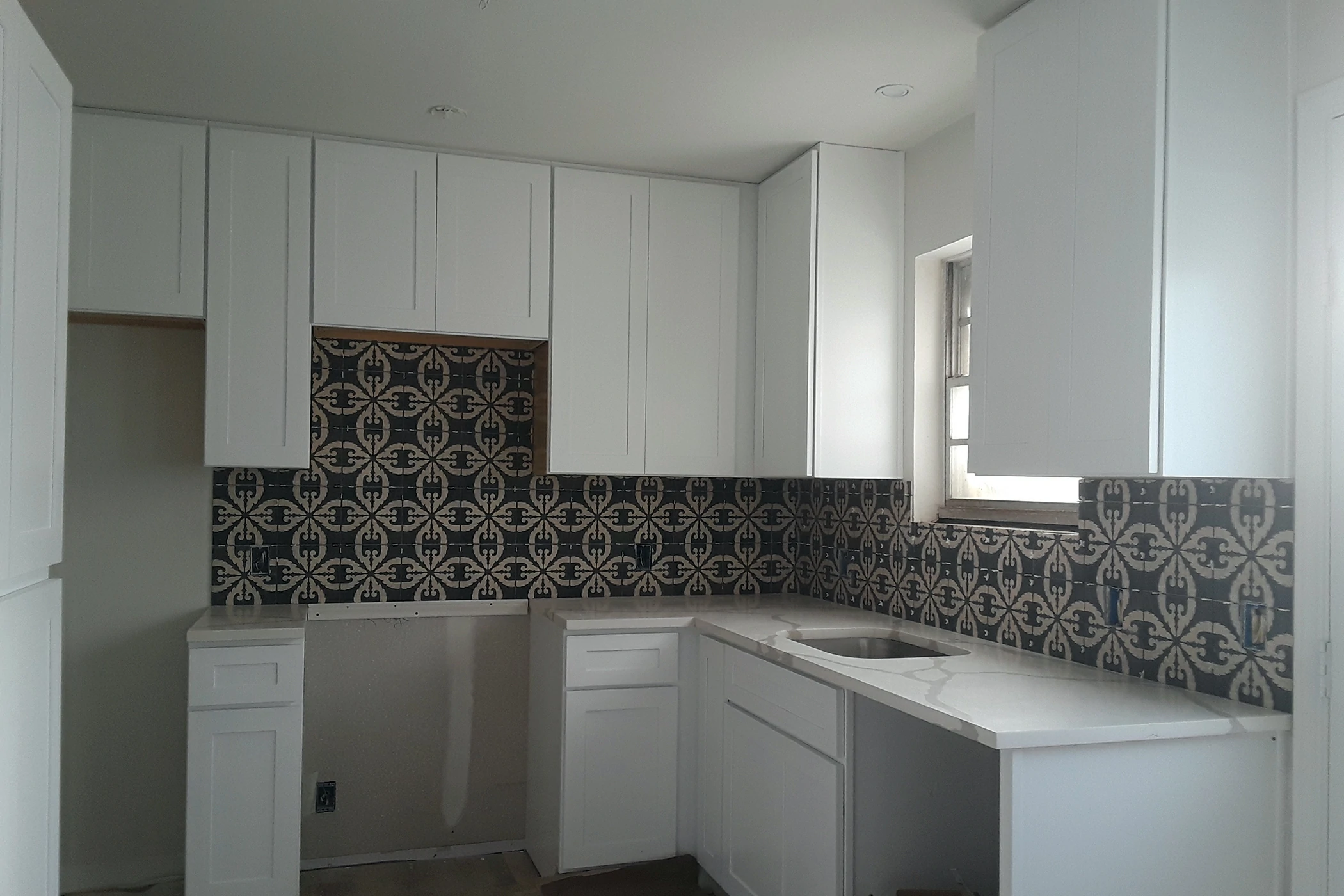
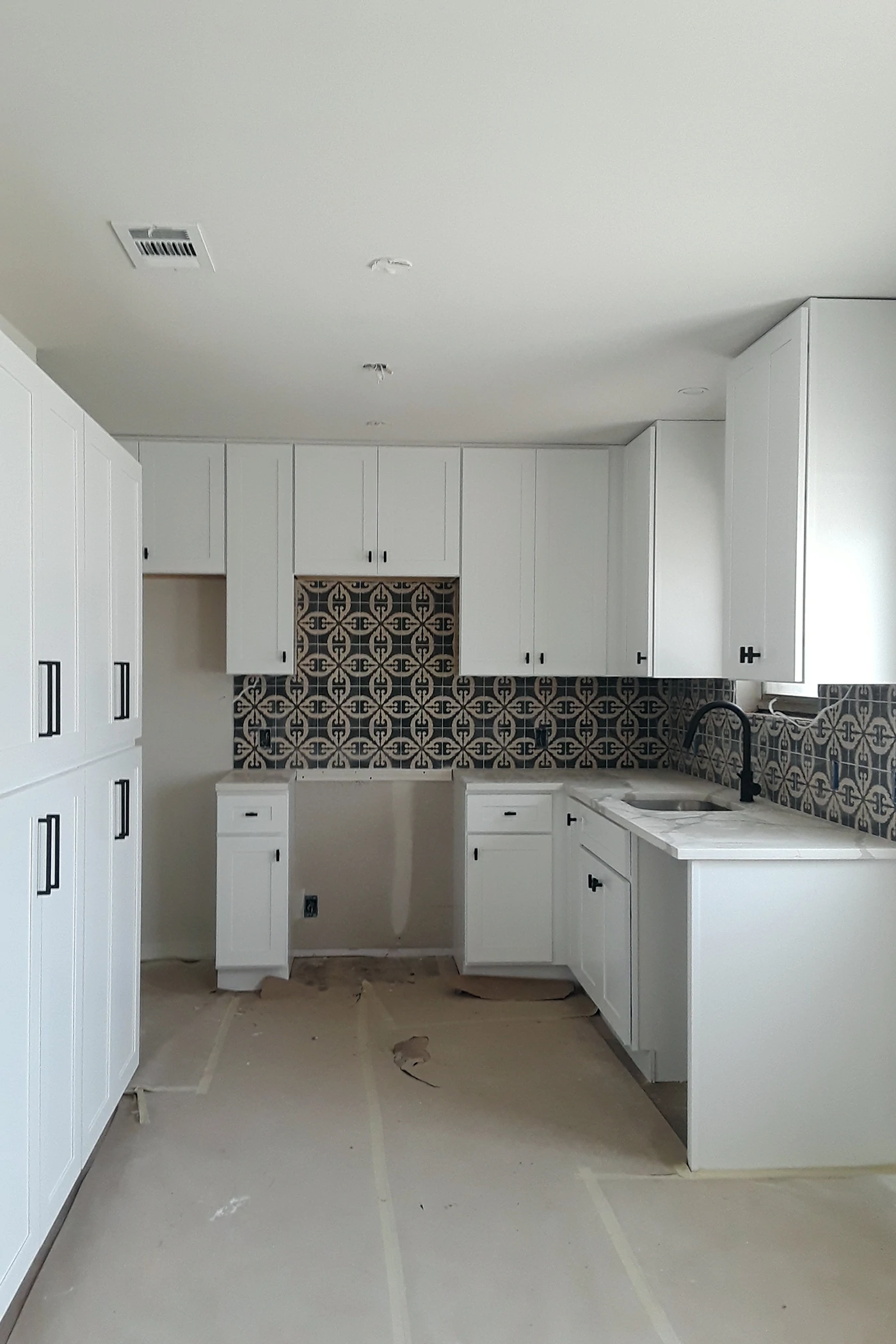
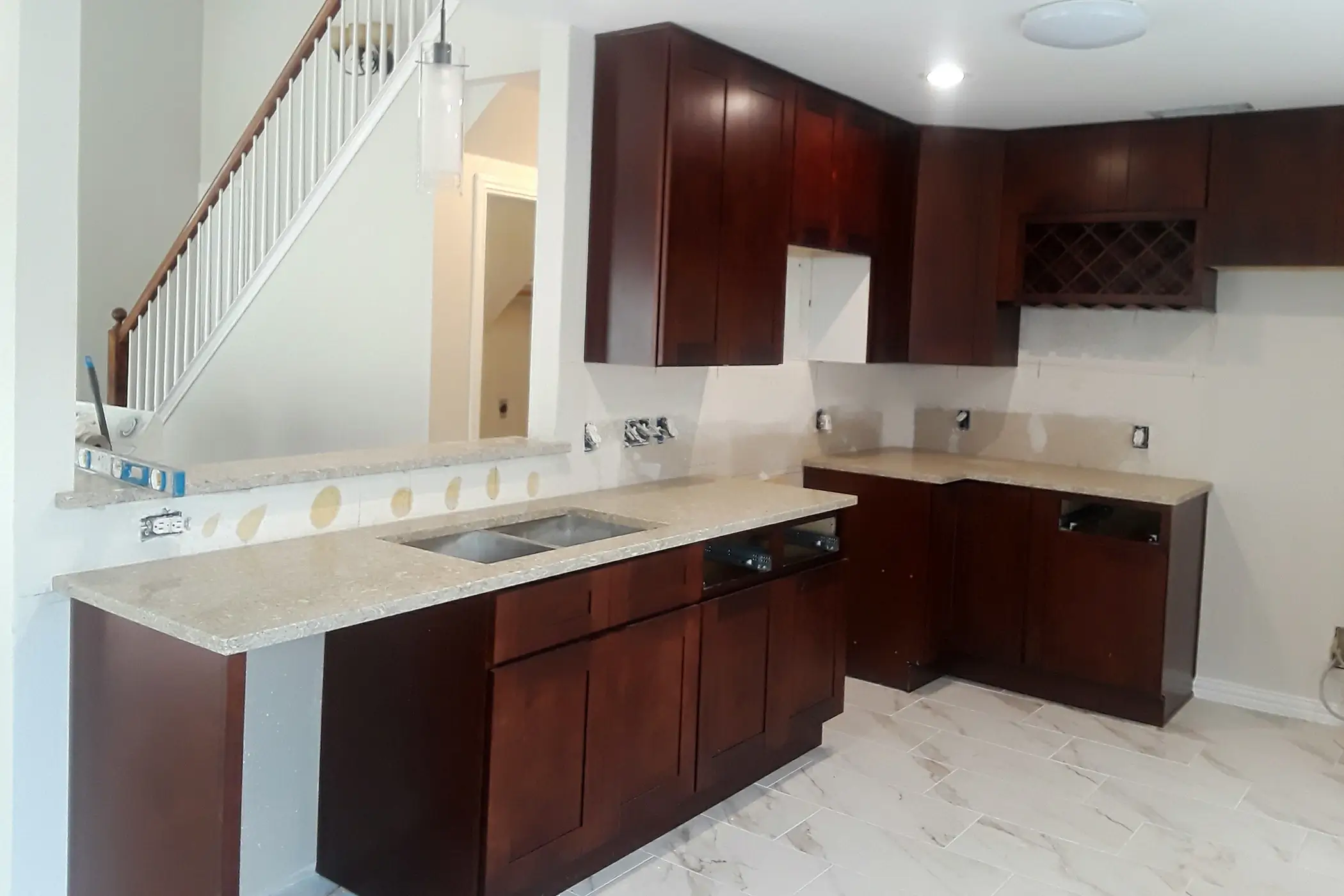
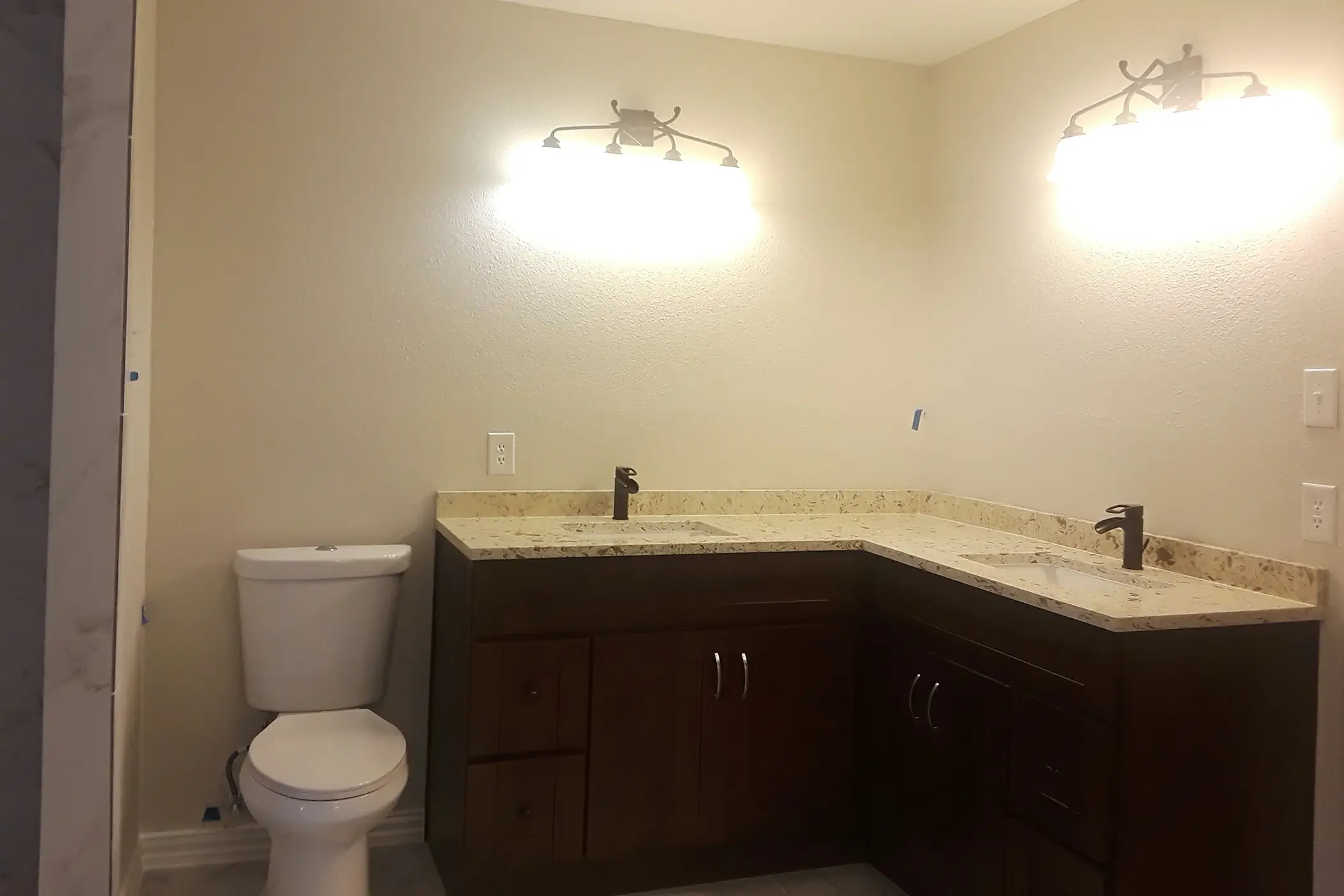
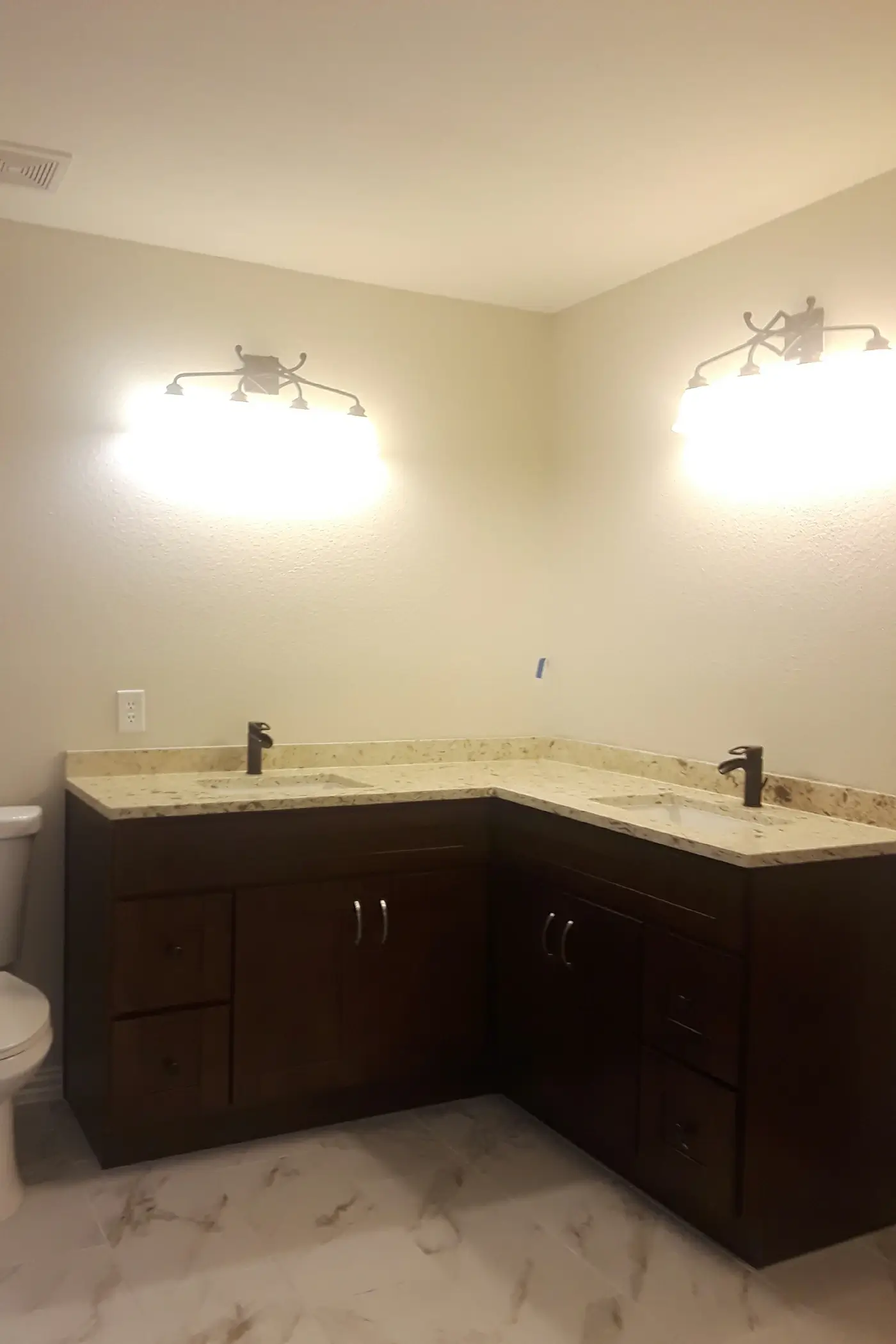
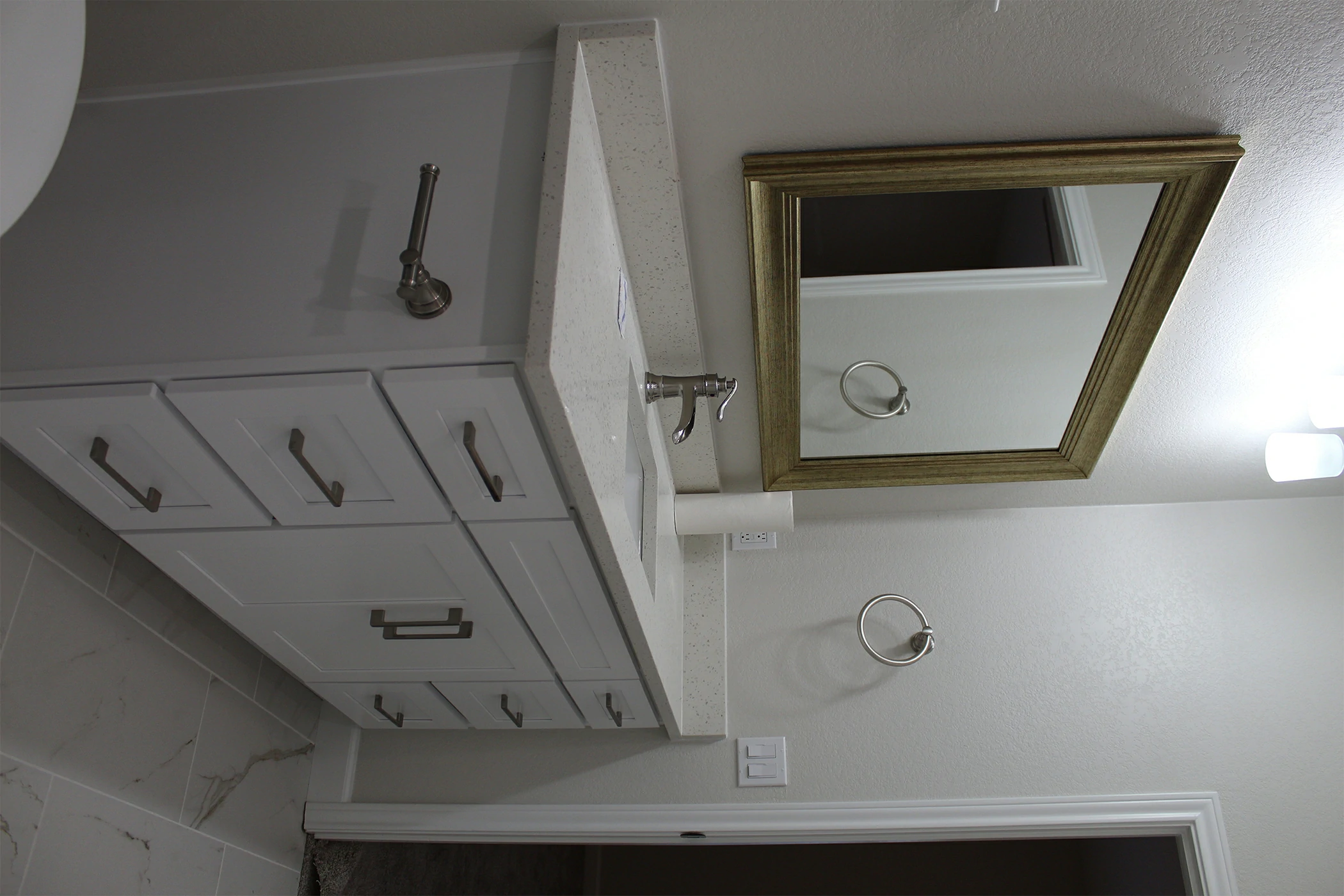
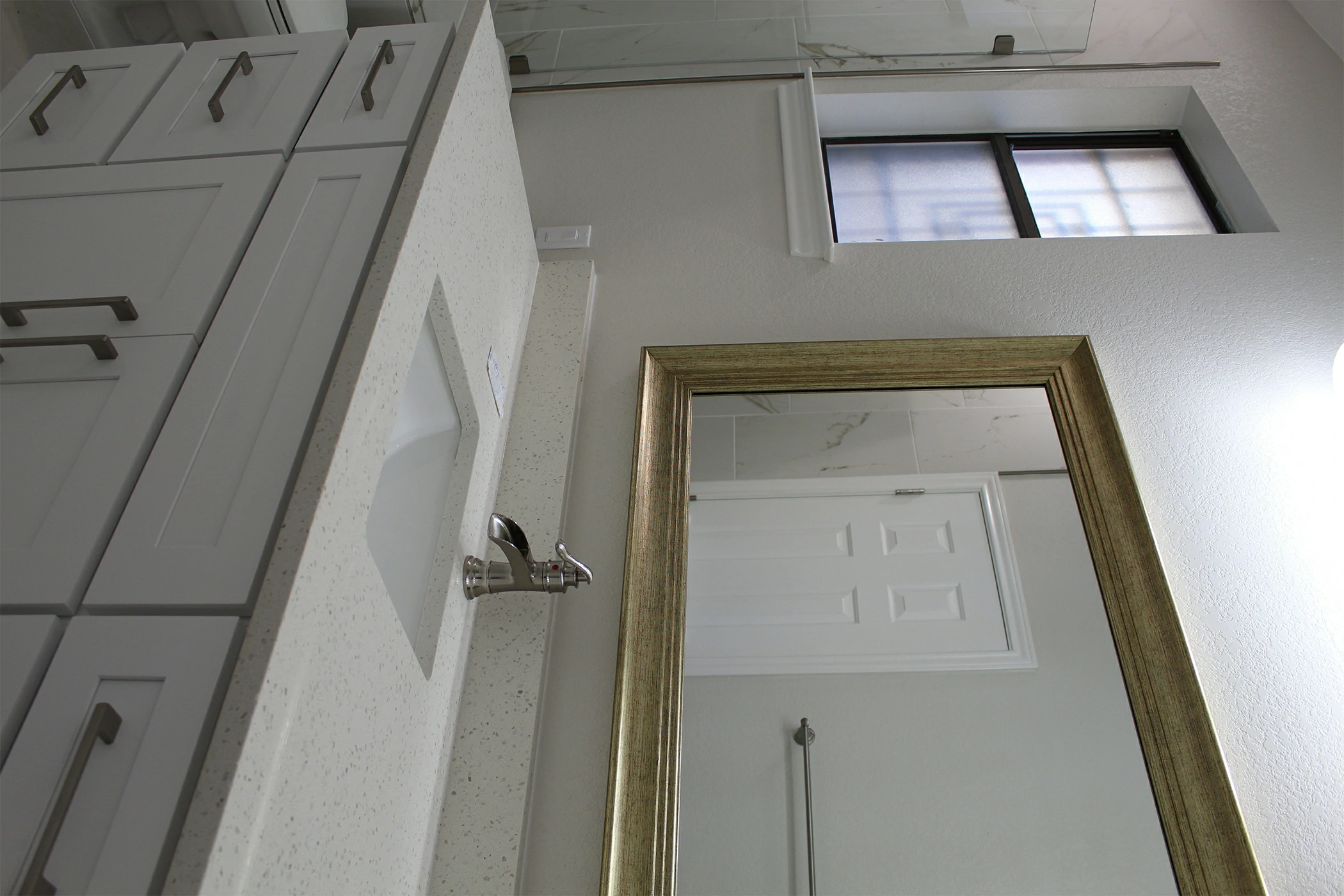
Quartz is a non porous material that resists stains, scratches, and moisture. Because it requires minimal maintenance, it has become one of the best materials for home renovation projects involving kitchens and bathrooms.
Granite
Granite is a natural stone known for its durability and heat resistance. When properly sealed, granite countertops can perform well for many years.
Solid Surface Materials
Solid surface countertops offer seamless designs and moderate durability. They can be repaired more easily than some natural stone materials.
Reliable Cabinet Materials
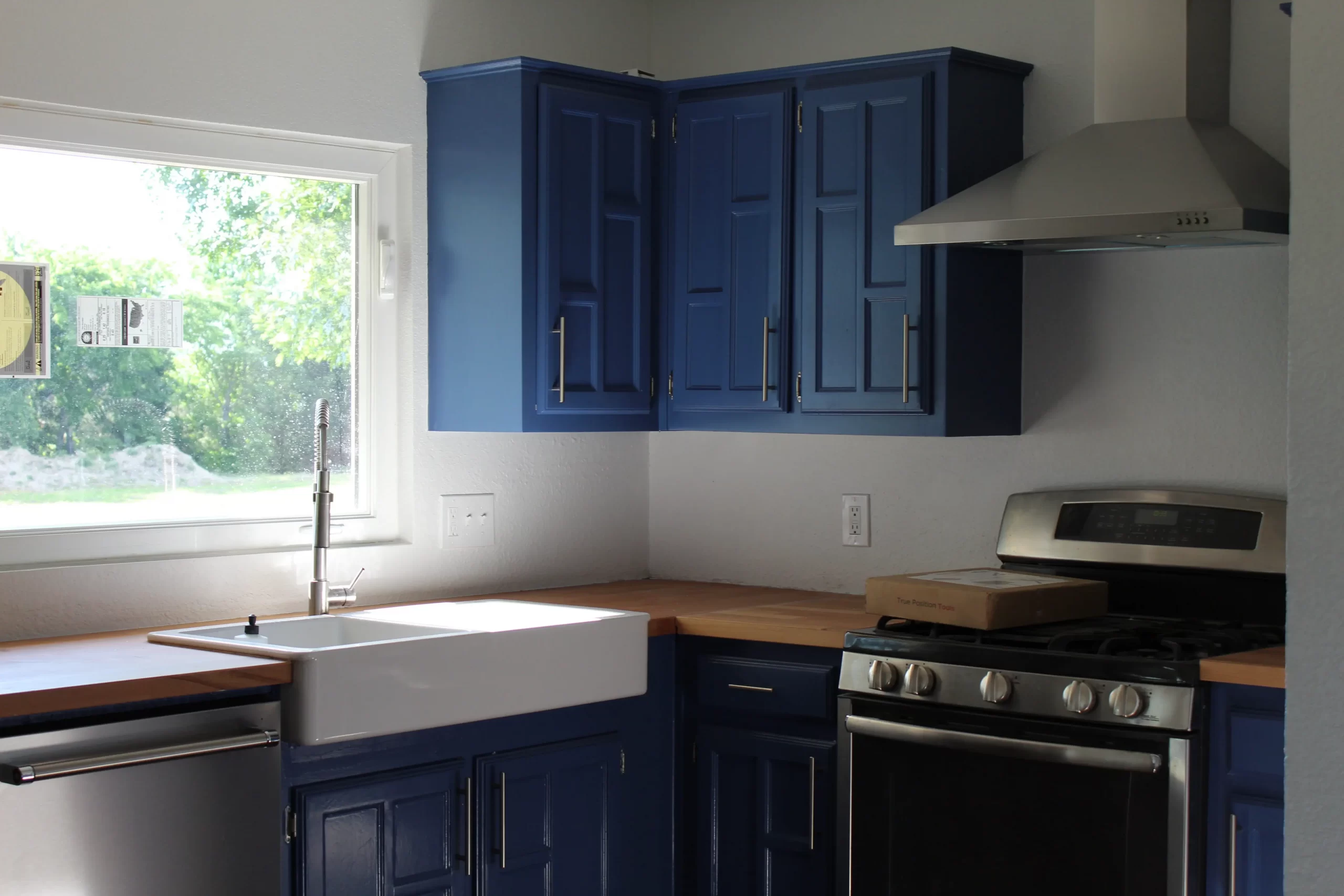
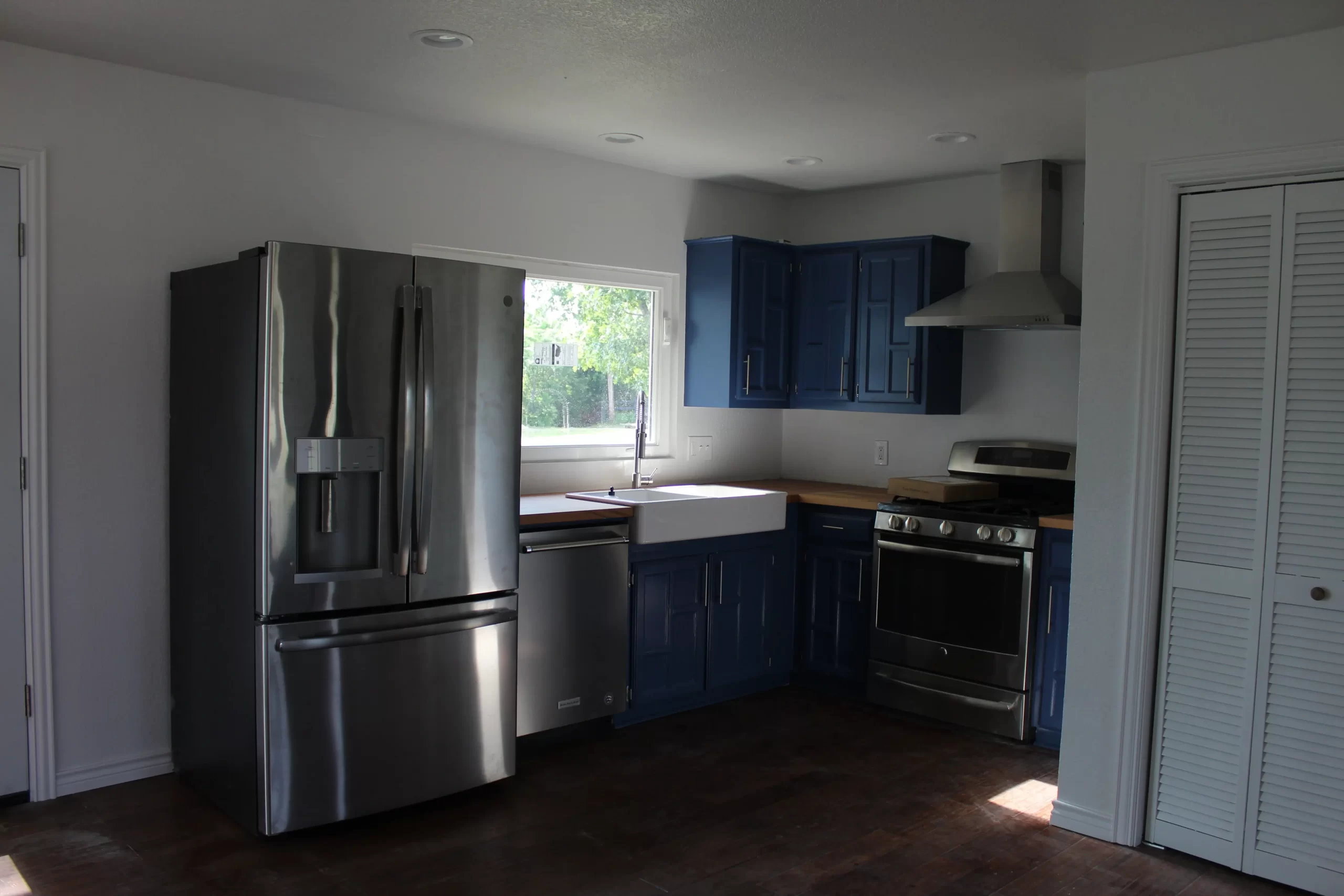
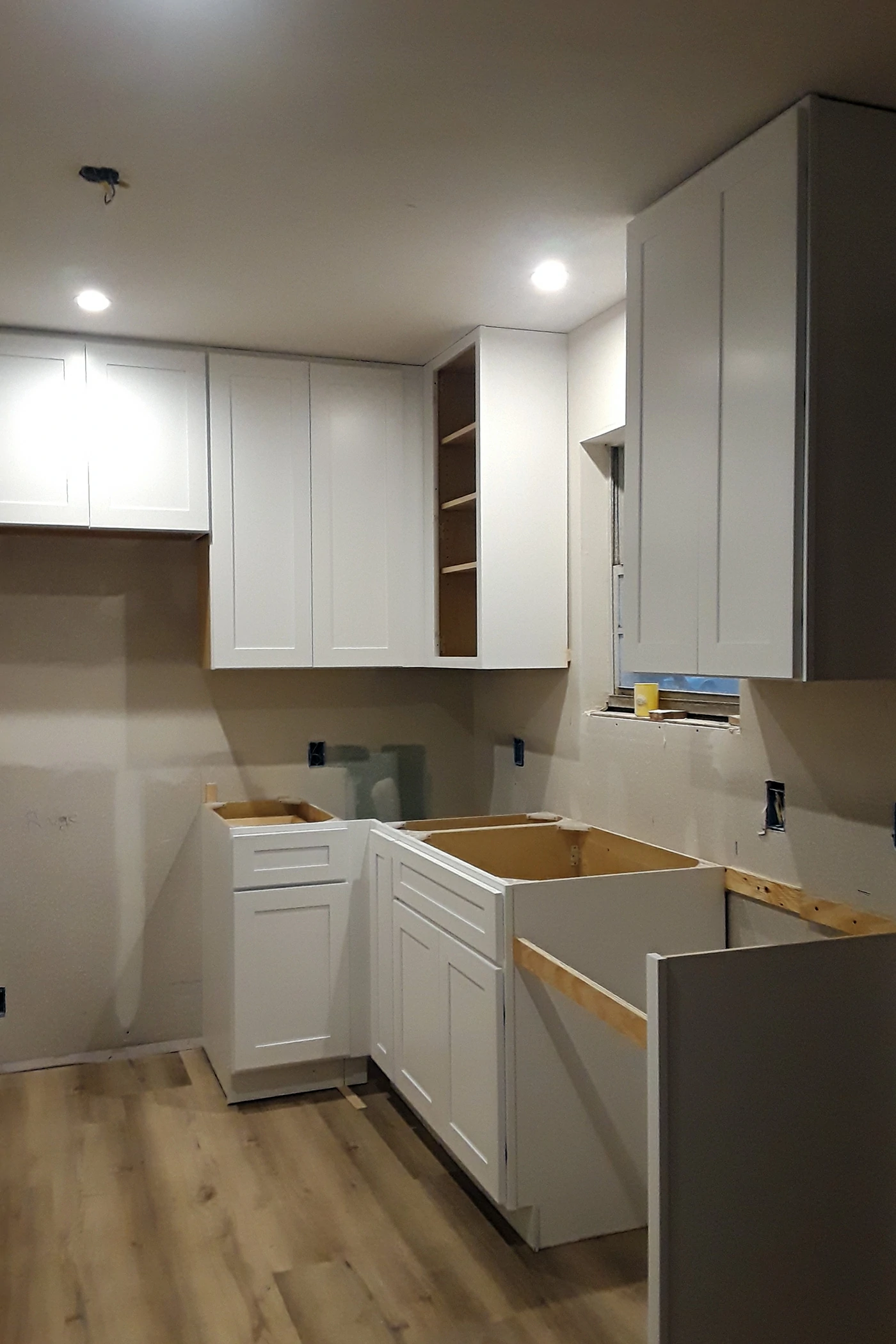
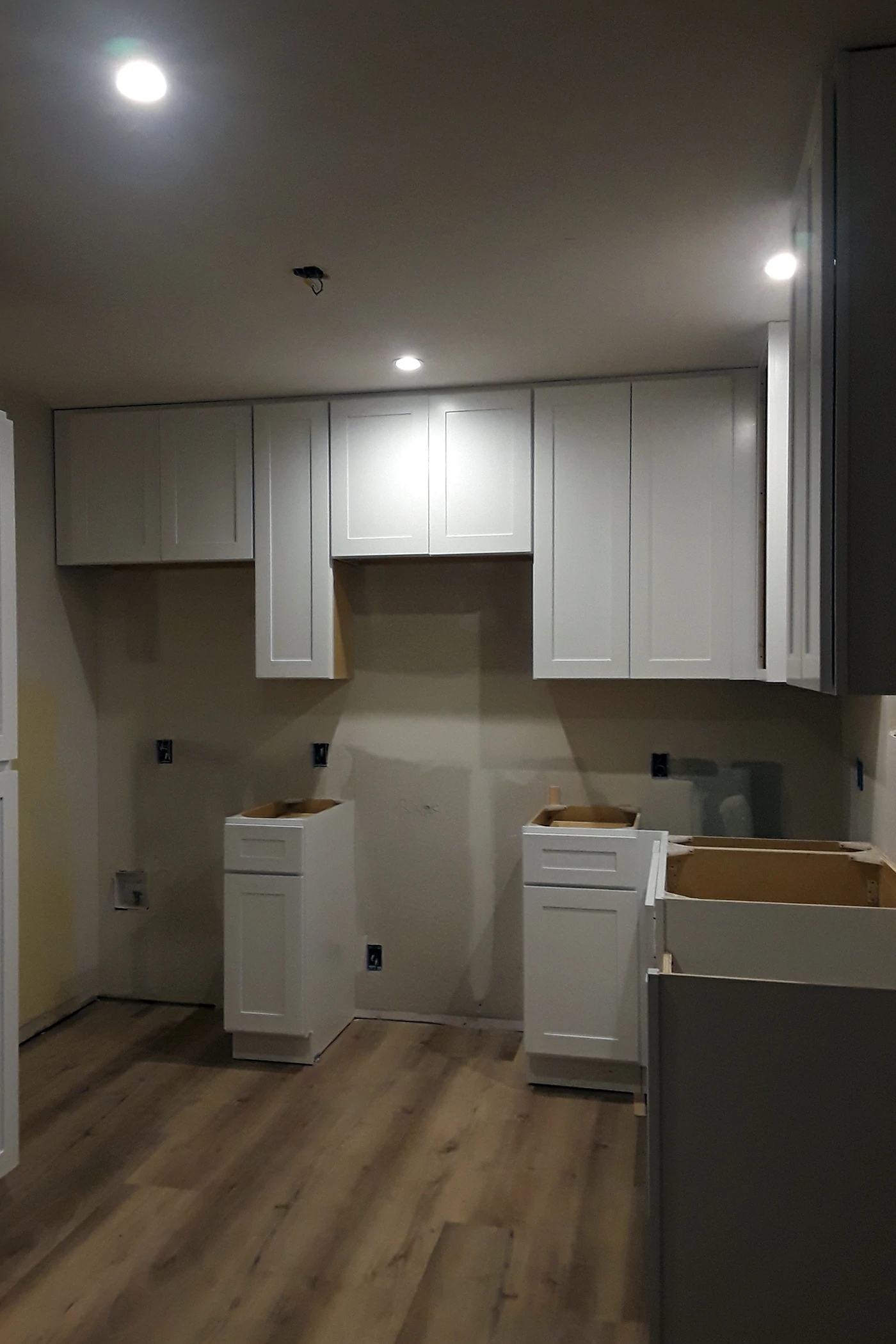
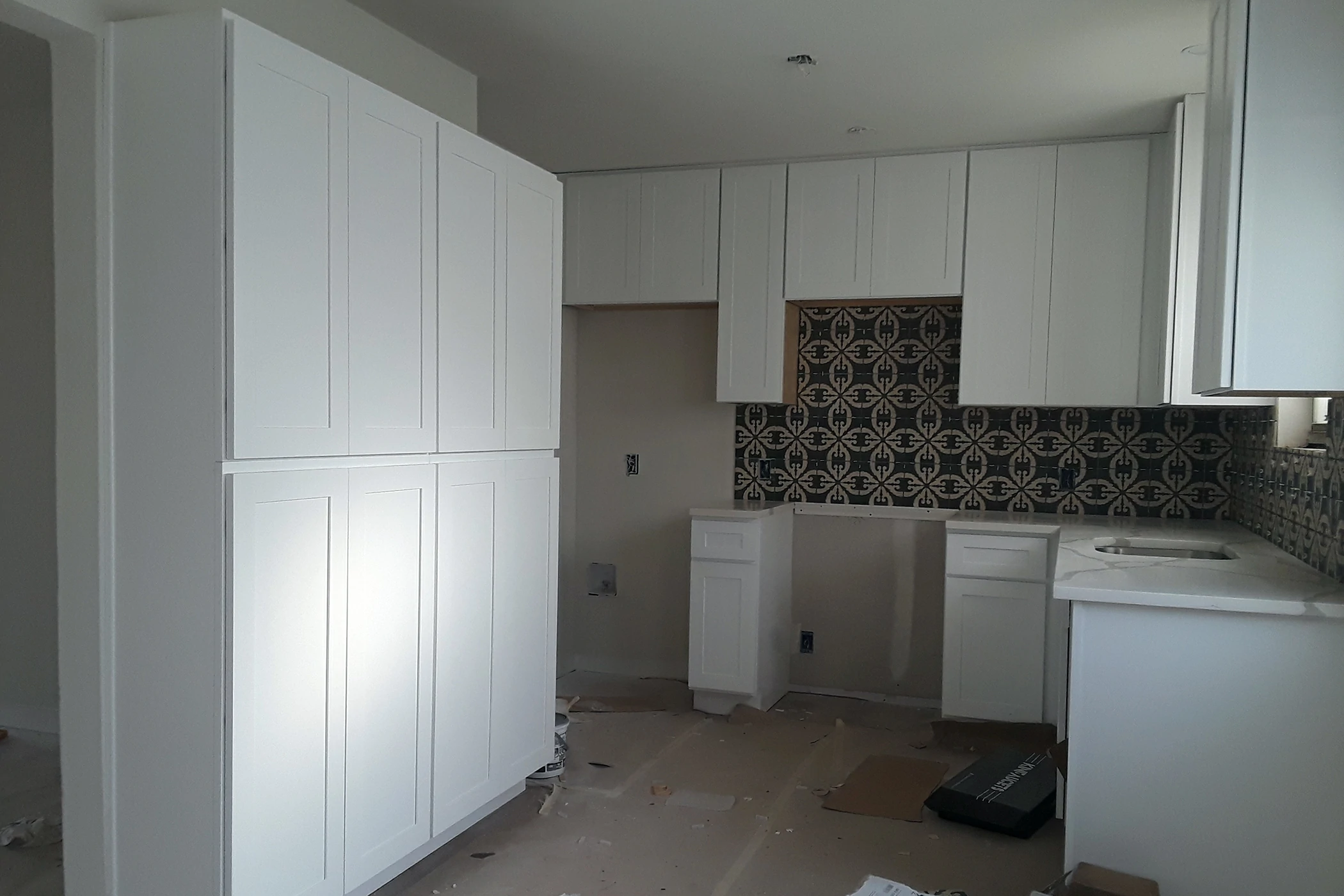
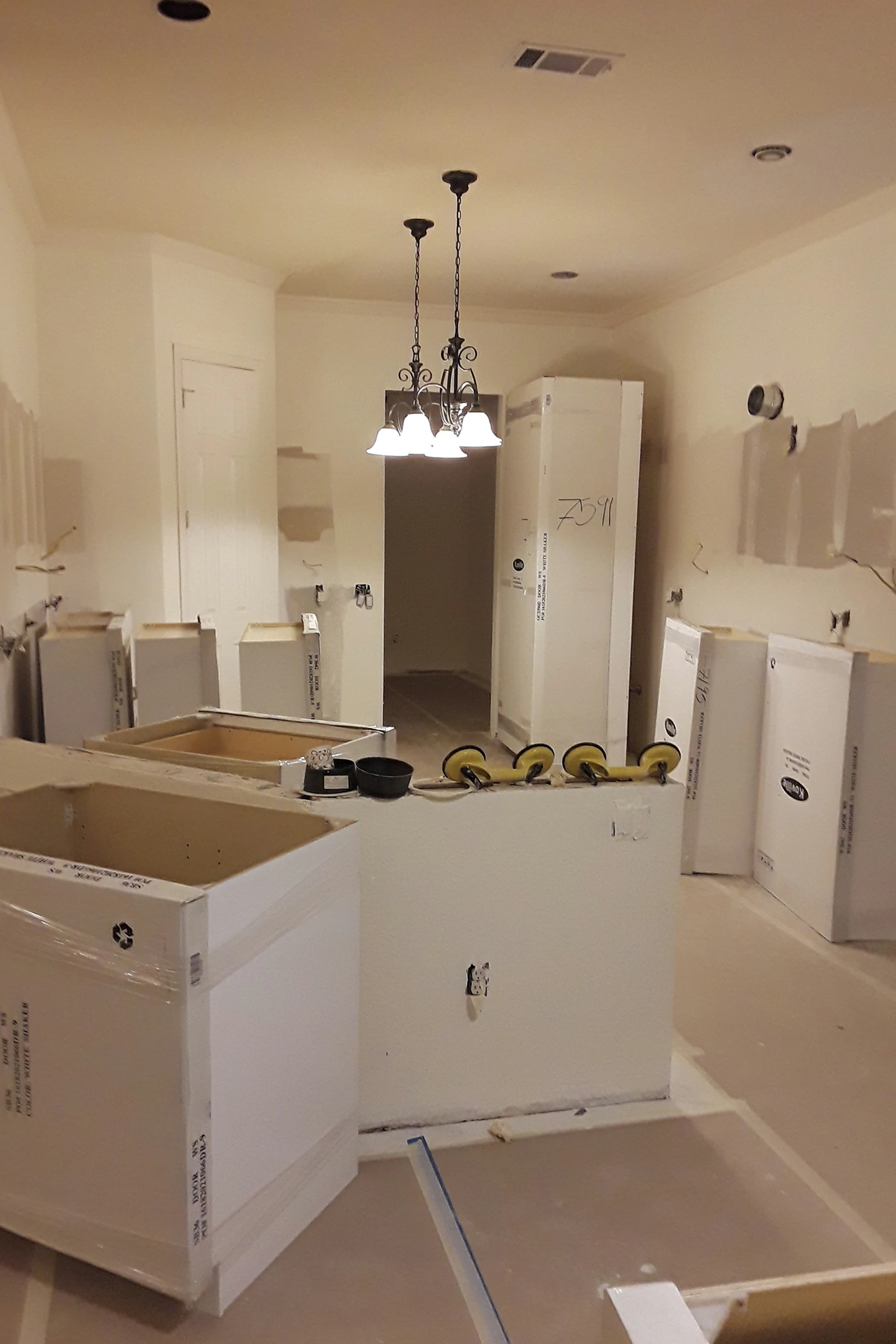
Cabinets provide storage and play a significant role in the appearance of kitchens and bathrooms. Selecting durable cabinet materials ensures that doors, hinges, and surfaces remain functional over time.
Plywood Cabinets
Plywood is a strong and stable material commonly used in high quality cabinetry. It resists warping and performs well in environments with changing humidity levels.
Solid Wood
Solid wood cabinets are valued for their durability and traditional appearance. While they may require occasional refinishing, they can last for decades when properly maintained.
Medium Density Fiberboard
Medium density fiberboard, often called MDF, is commonly used for painted cabinet doors because it provides a smooth surface finish.
Strong and Weather Resistant Exterior Materials
Exterior renovation projects require materials that can withstand environmental exposure.
Fiber Cement Siding
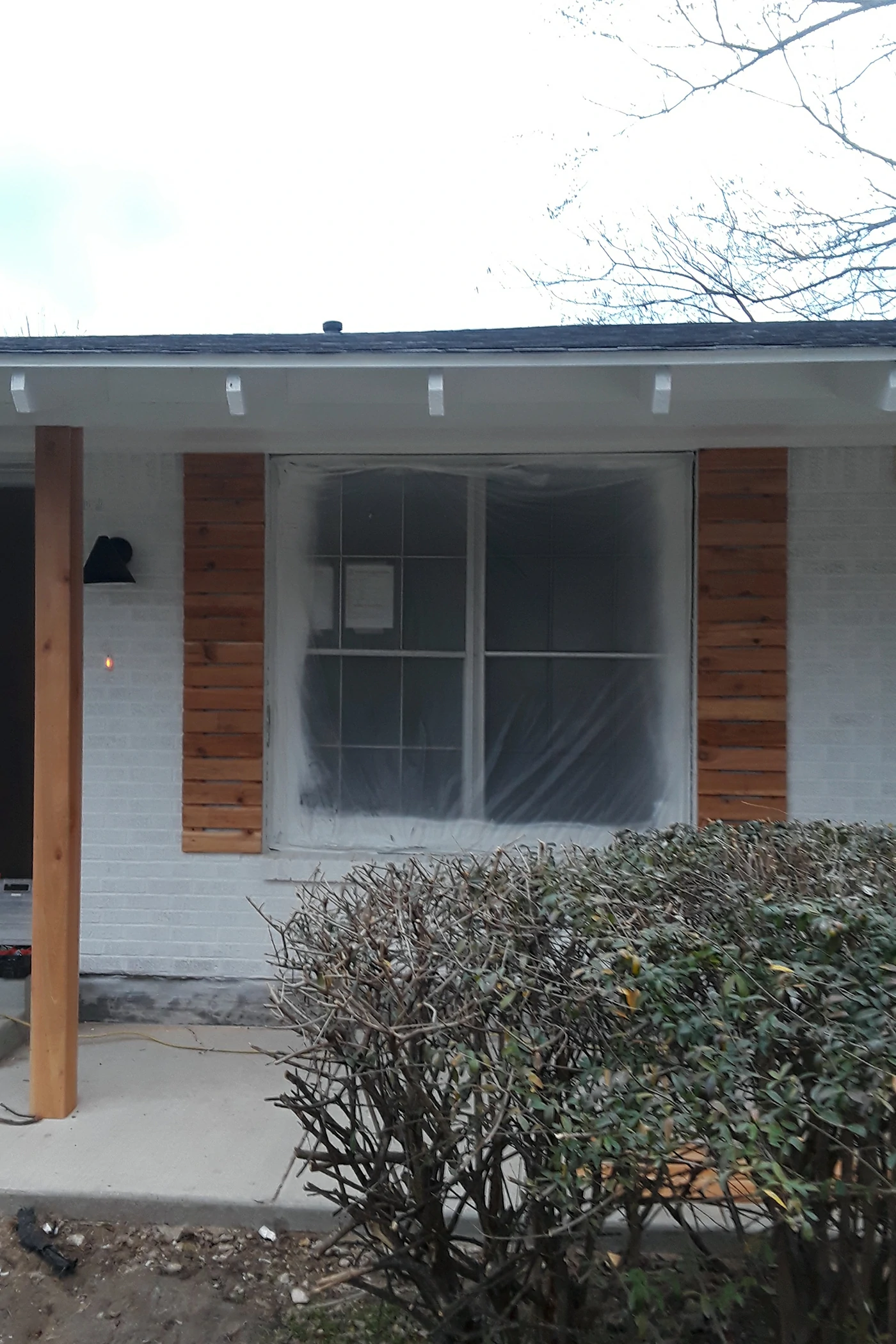
Fiber cement siding is known for its durability and resistance to moisture, insects, and fire. It can also replicate the appearance of wood while requiring less maintenance.
Brick and Stone
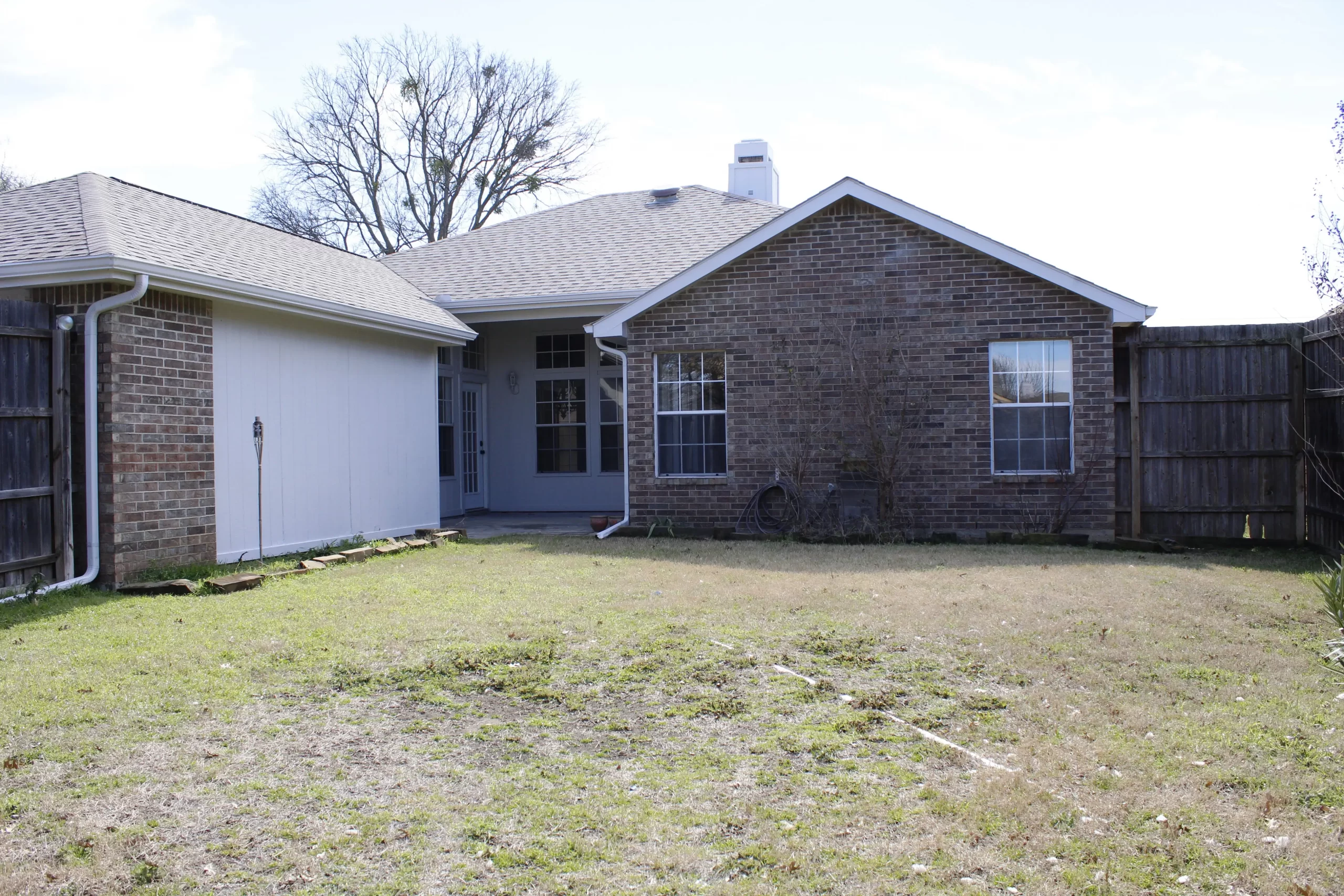
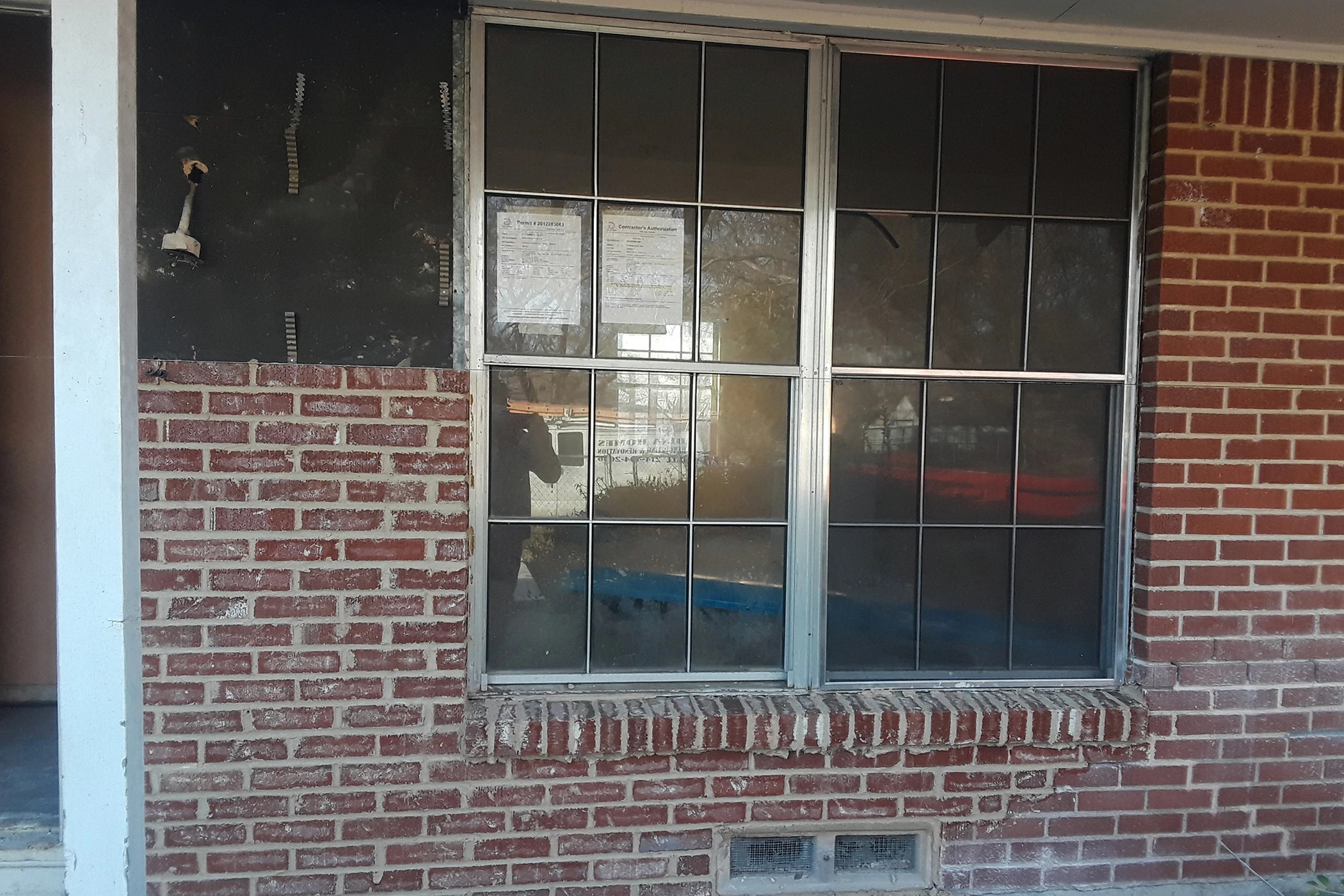
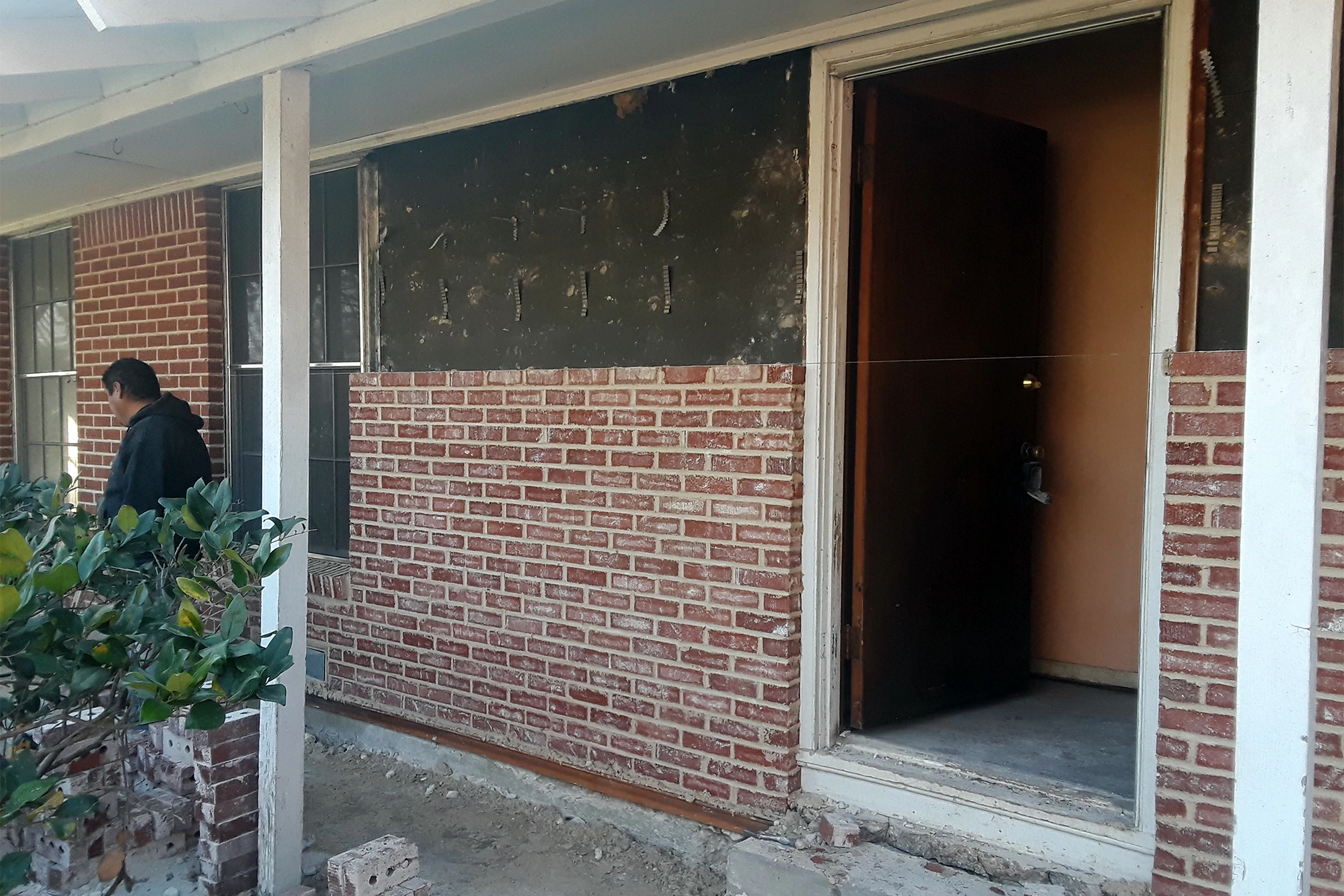
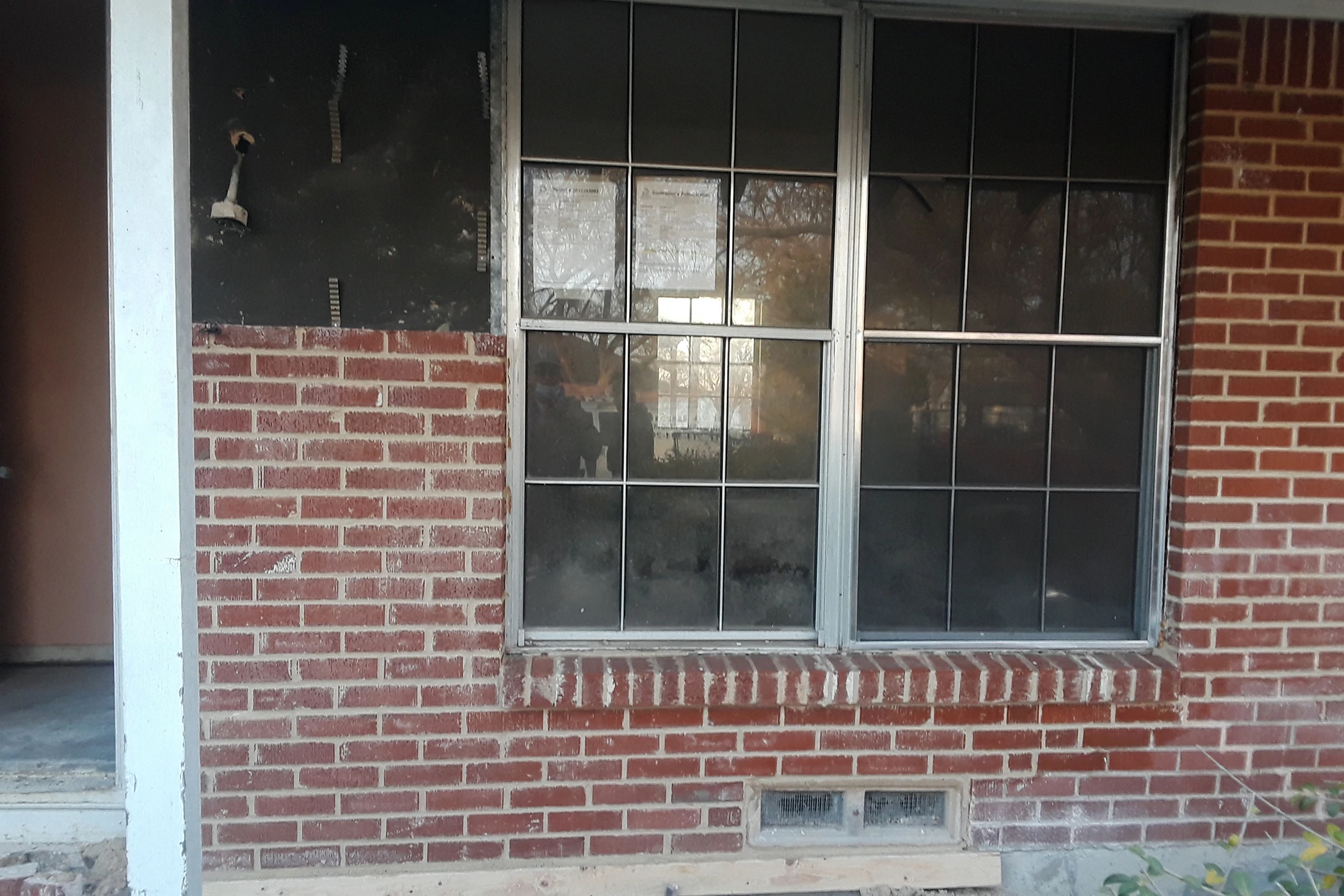
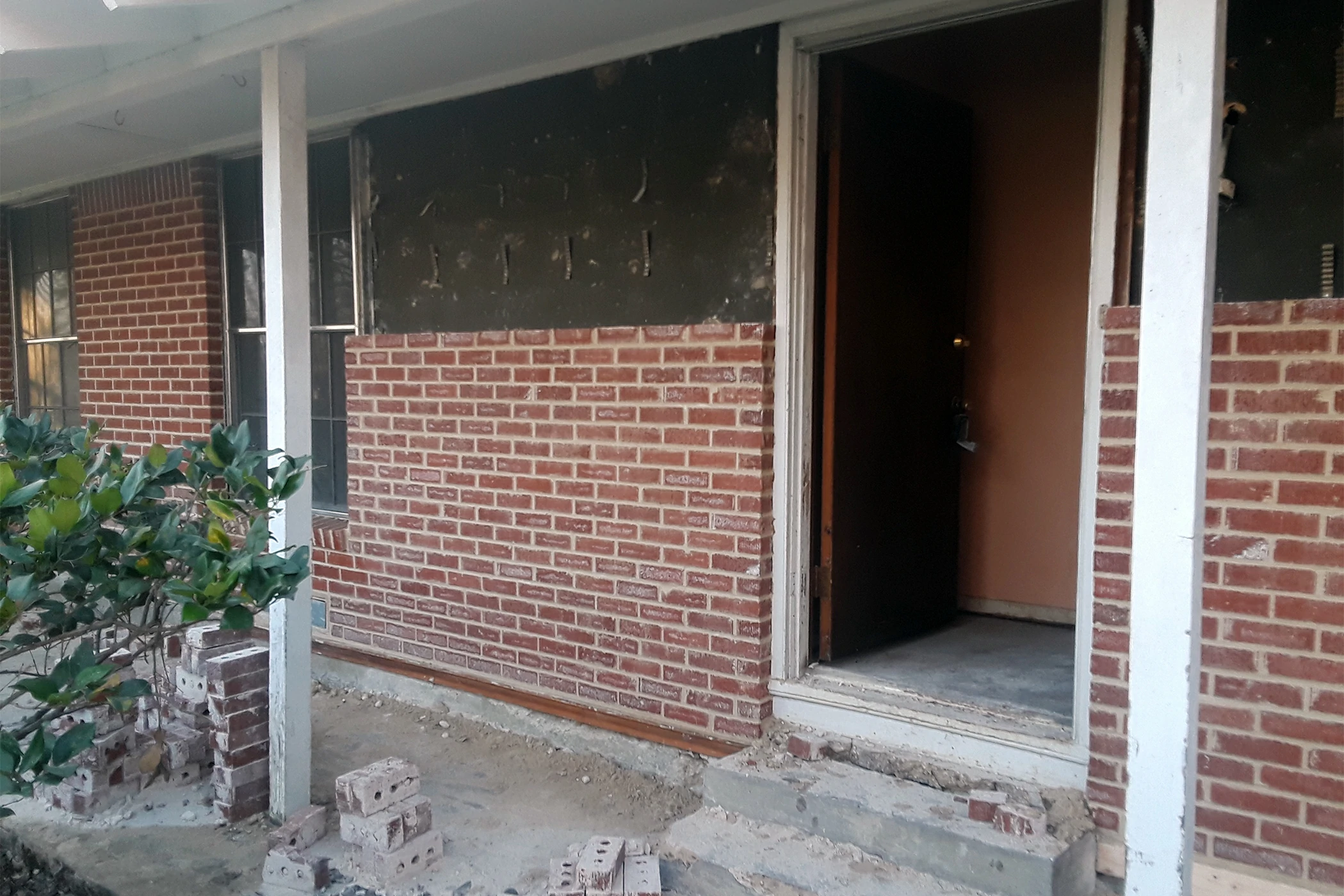
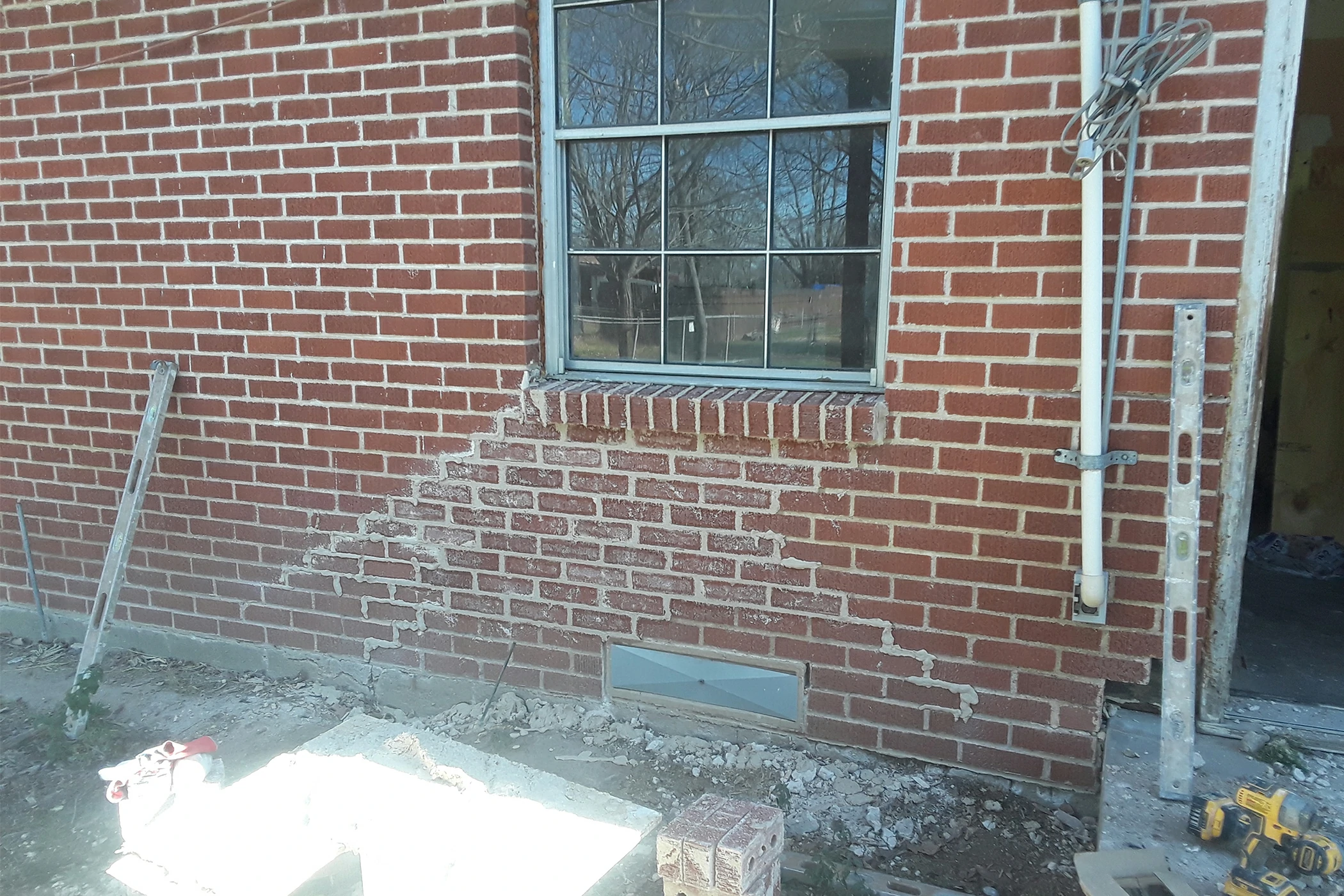
Brick and natural stone are among the most durable exterior materials available. These materials provide long term structural performance and minimal maintenance.
Metal Roofing
Metal roofing systems are designed to last for many decades while resisting severe weather conditions. They also provide energy efficiency benefits by reflecting heat.
When evaluating structural improvements or exterior upgrades, homeowners researching remodeling information through Bina Homes remodeling resources often learn how different materials perform under various conditions.
Materials That Improve Energy Efficiency
Energy efficient materials can contribute to long term comfort and lower utility costs.
Insulated Windows
Modern insulated windows help reduce heat transfer, improving indoor temperature stability.
Energy Efficient Insulation
High quality insulation materials help regulate indoor temperatures and reduce energy consumption.
Reflective Roofing Materials
Some roofing materials reflect sunlight rather than absorbing heat, which helps reduce cooling costs during warmer months.
These improvements are often included in comprehensive renovation planning as part of long term home performance strategies.
How Color and Material Choices Work Together
Material selection also influences the overall visual appearance of a renovation. Texture, finish, and color combinations all contribute to the final design outcome.
Understanding how these elements interact can help homeowners create cohesive interior spaces. For example, flooring tones should complement cabinetry and wall finishes.
Design discussions often include color strategy as well. Articles such as how home remodeling contractors use color to transform your space explain how color selection works alongside material choices to shape interior environments.
Balancing Cost and Long Term Value
While some high performance materials have higher upfront costs, they may provide better value over time. Durable materials typically require fewer repairs and replacements.
When evaluating the best materials for home renovation, homeowners should consider long term maintenance, expected lifespan, and overall performance rather than focusing solely on initial price.
Working with experienced remodeling professionals can help homeowners evaluate different options and understand the long term implications of material choices.
Homeowners who want guidance or have questions about remodeling planning can request more information through the contact page to discuss project details and material considerations.
Common Material Selection Mistakes to Avoid
During renovation planning, homeowners sometimes encounter challenges when selecting materials. Avoiding common mistakes can help ensure better long term results.
Choosing Materials Based Only on Appearance
Some materials look attractive initially but may not perform well under daily use. Durability should always be considered alongside aesthetics.
Ignoring Maintenance Requirements
Materials that require frequent maintenance may become difficult to manage over time. Understanding care requirements helps homeowners choose practical options.
Overlooking Environmental Conditions
Humidity, temperature variations, and sunlight exposure can affect material performance. Selecting materials suited to local conditions helps prevent long term issues.
Planning Renovations With Long Term Durability in Mind
A successful remodel combines thoughtful design with durable construction materials. Homeowners who focus on quality materials during planning often benefit from longer lasting results and fewer repairs.
When researching renovation ideas, exploring professional resources and consulting with experienced remodeling teams can help homeowners better understand which materials perform best in different environments.
Selecting the best materials for home renovation ultimately supports a home that remains comfortable, functional, and visually appealing for many years.