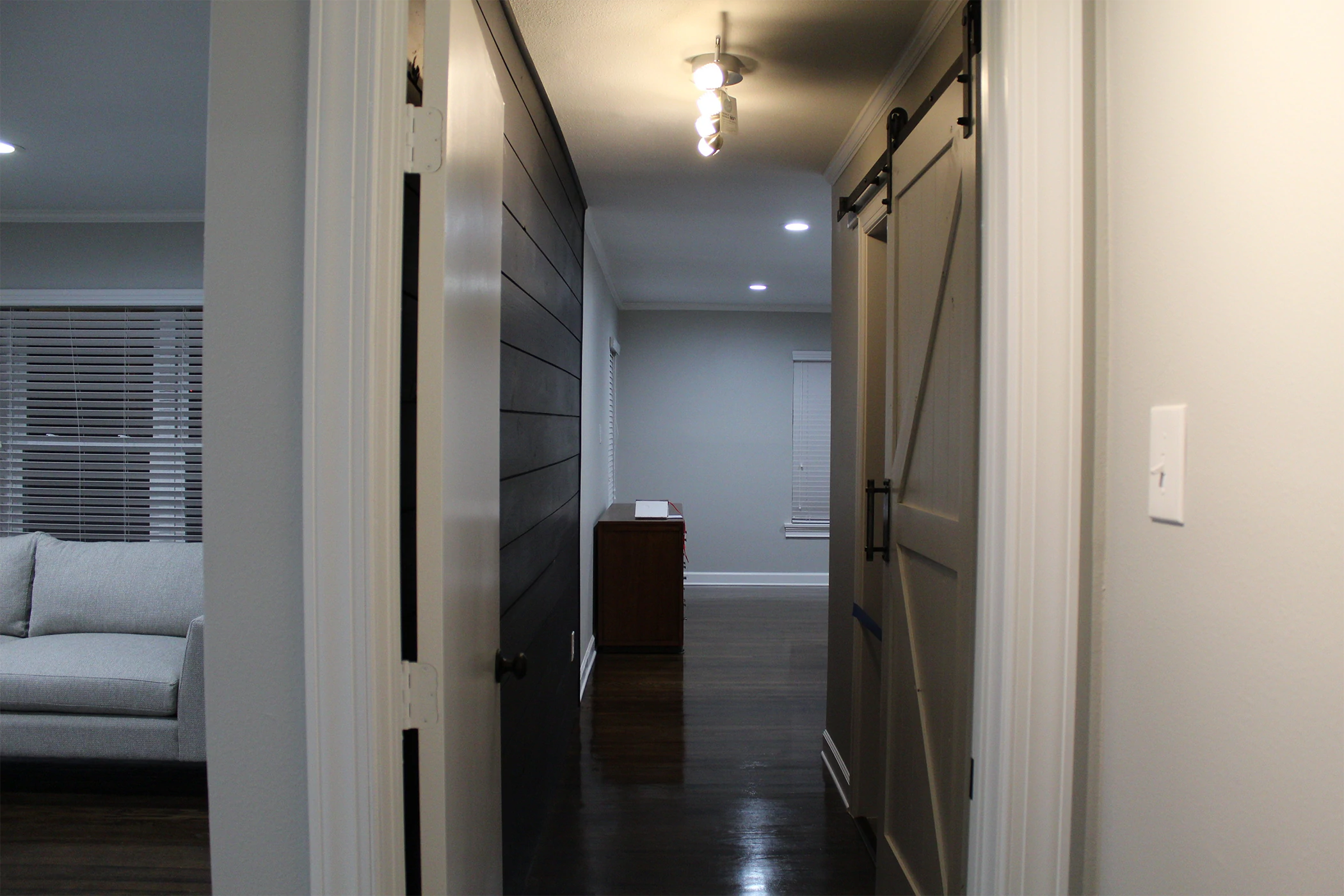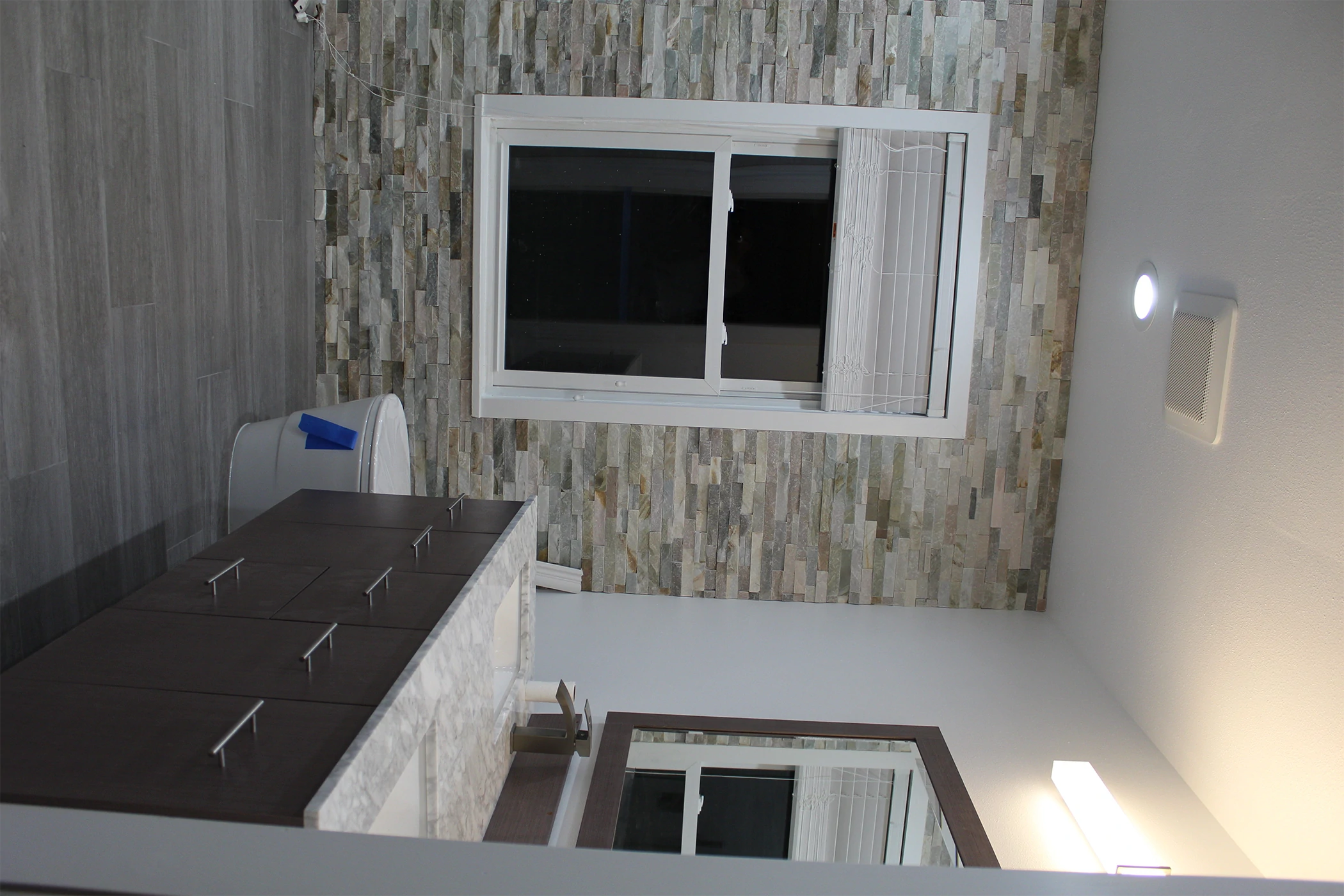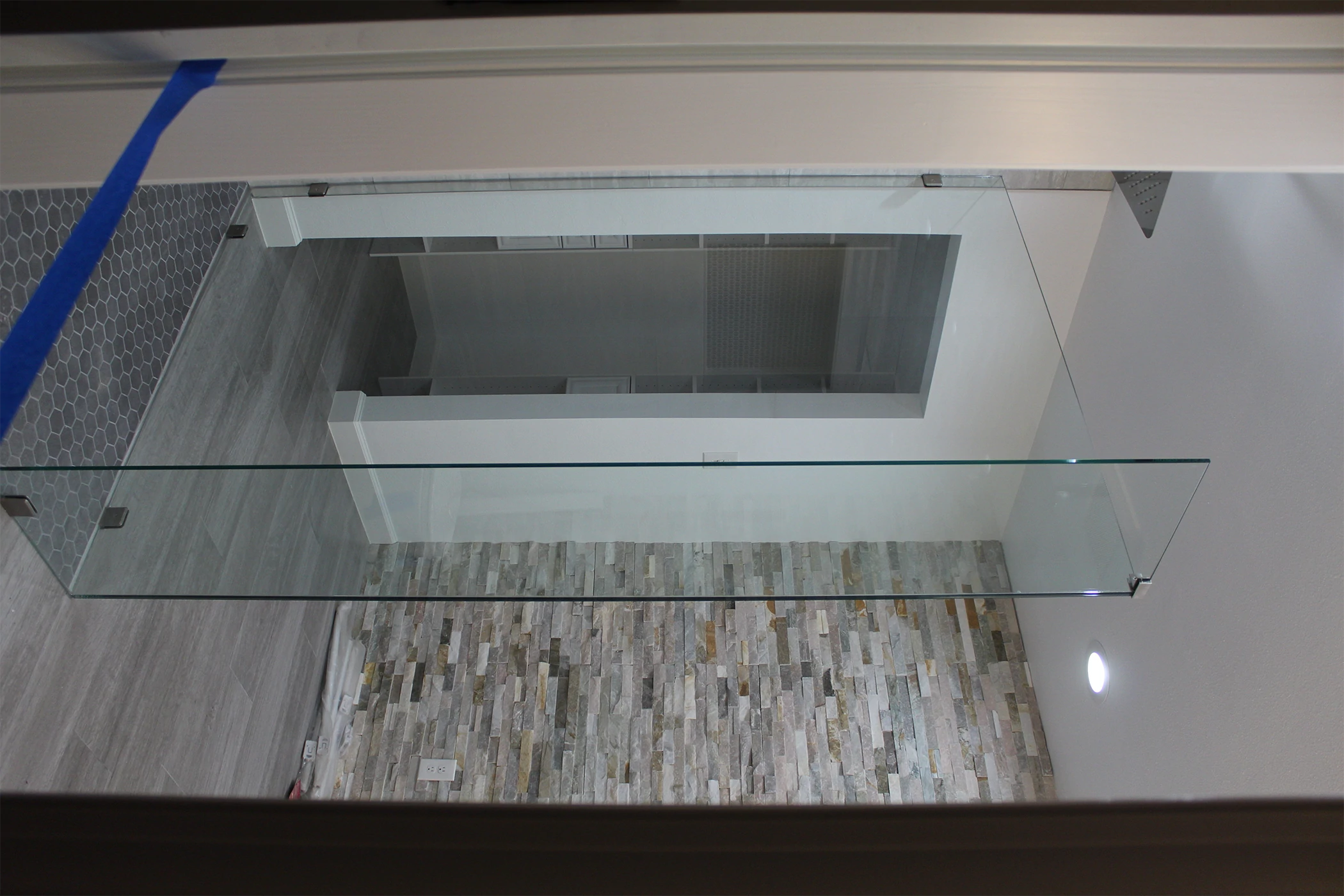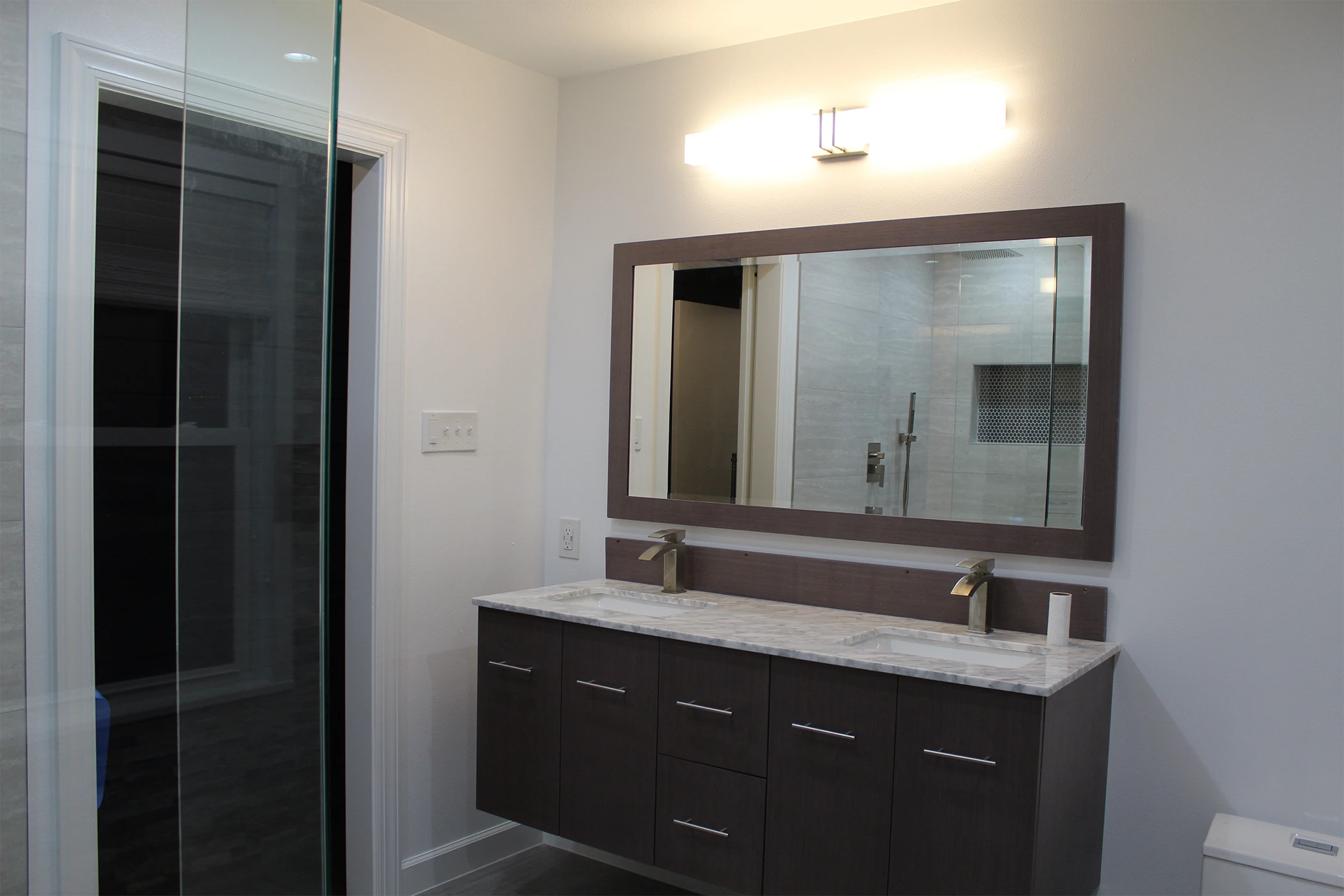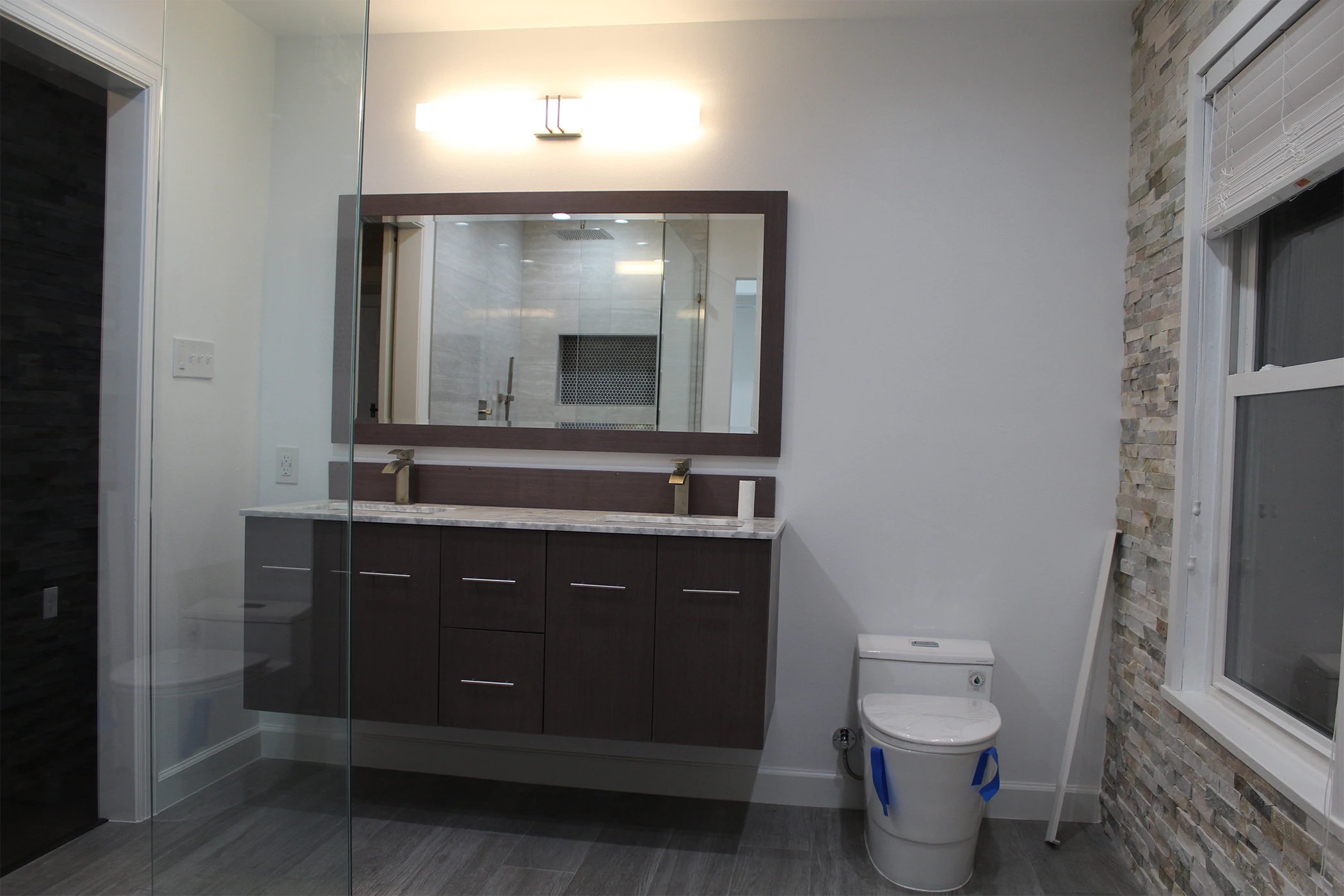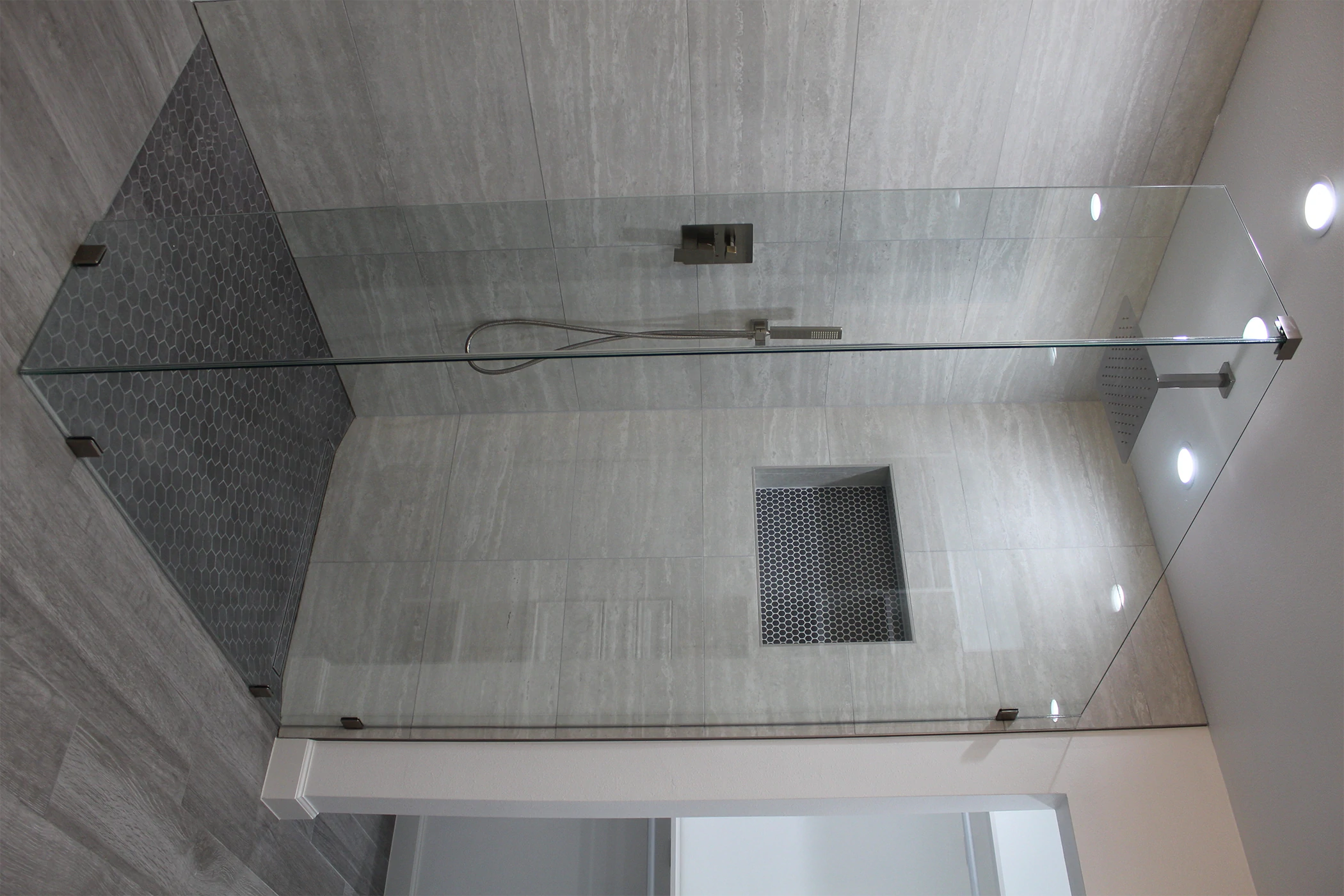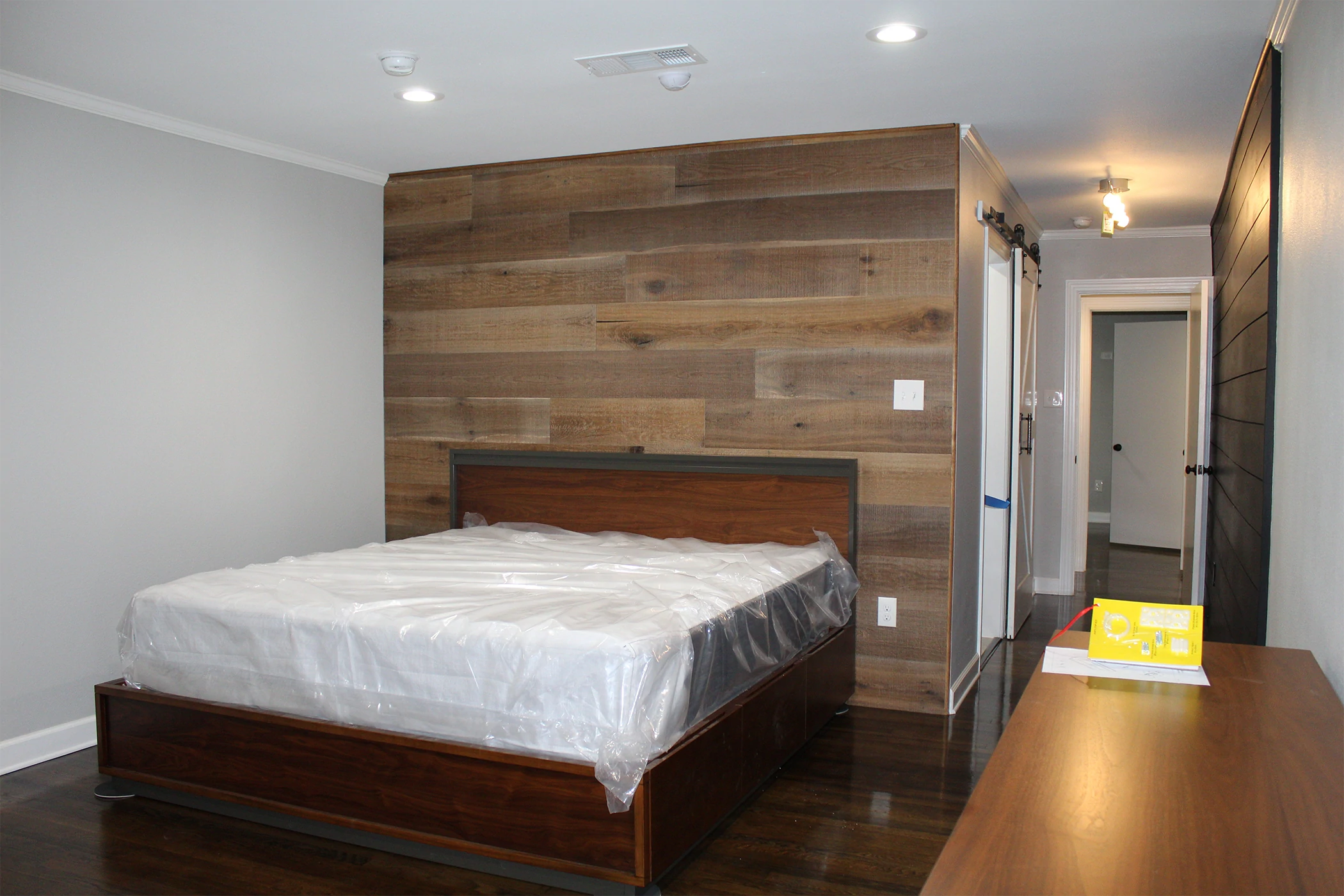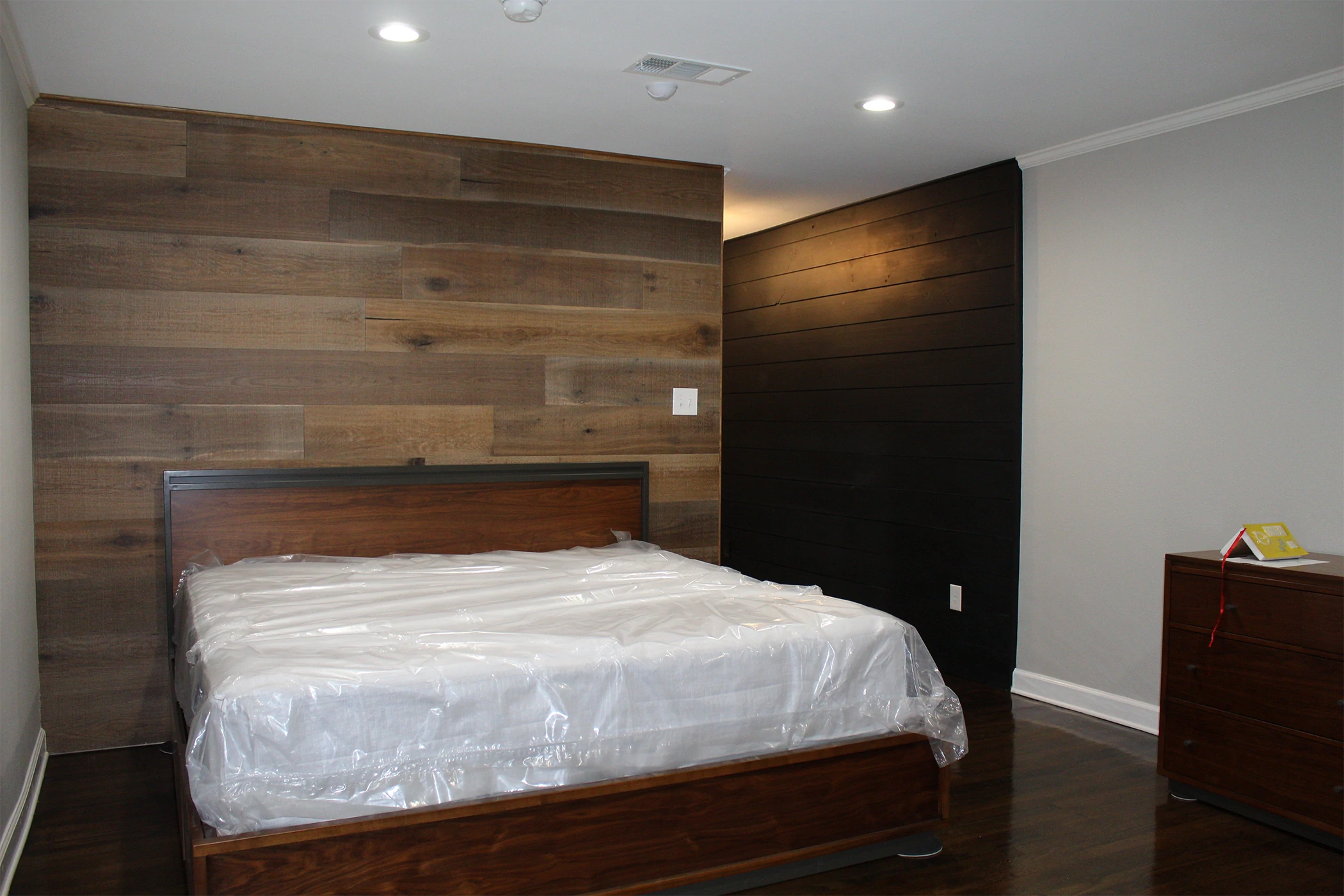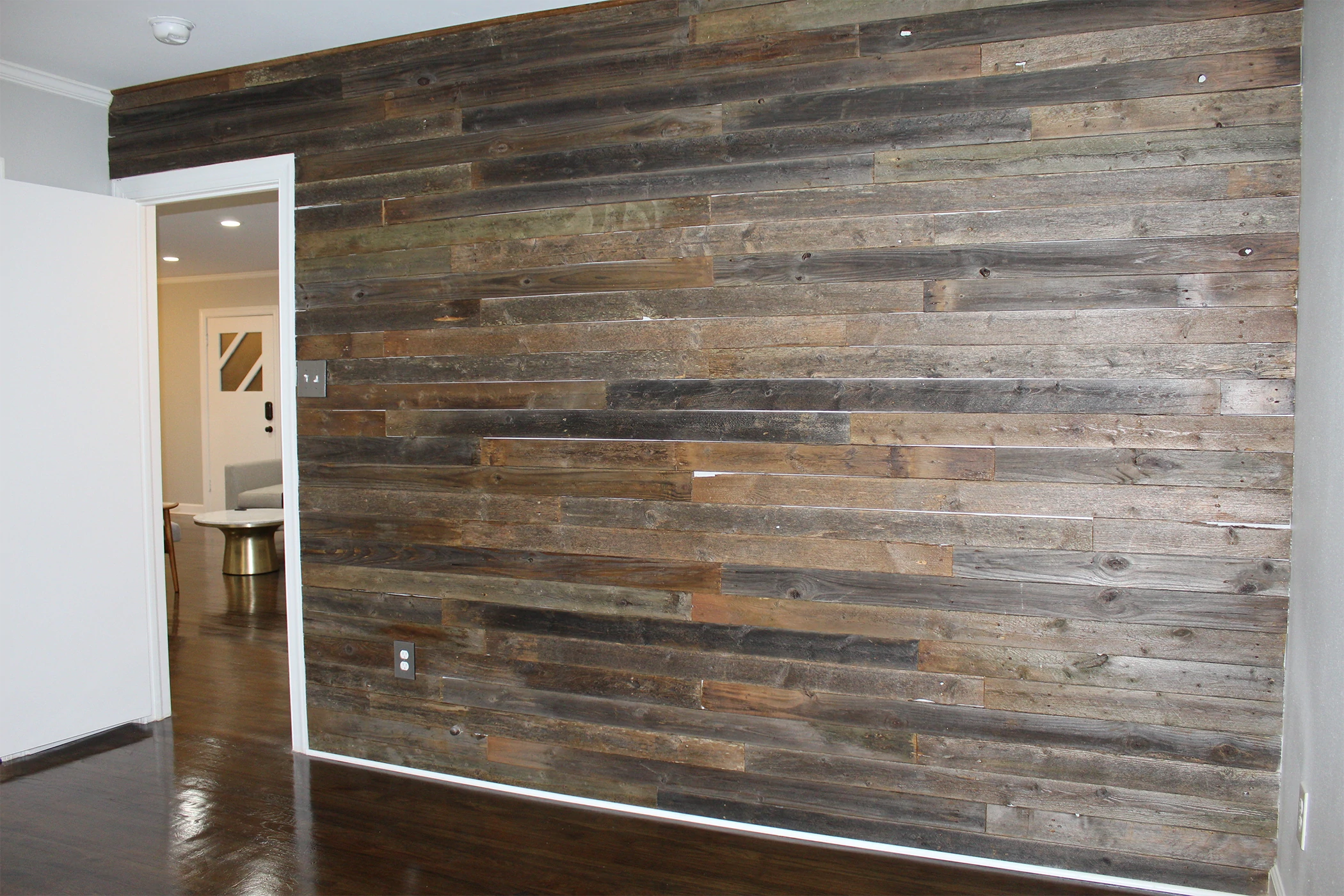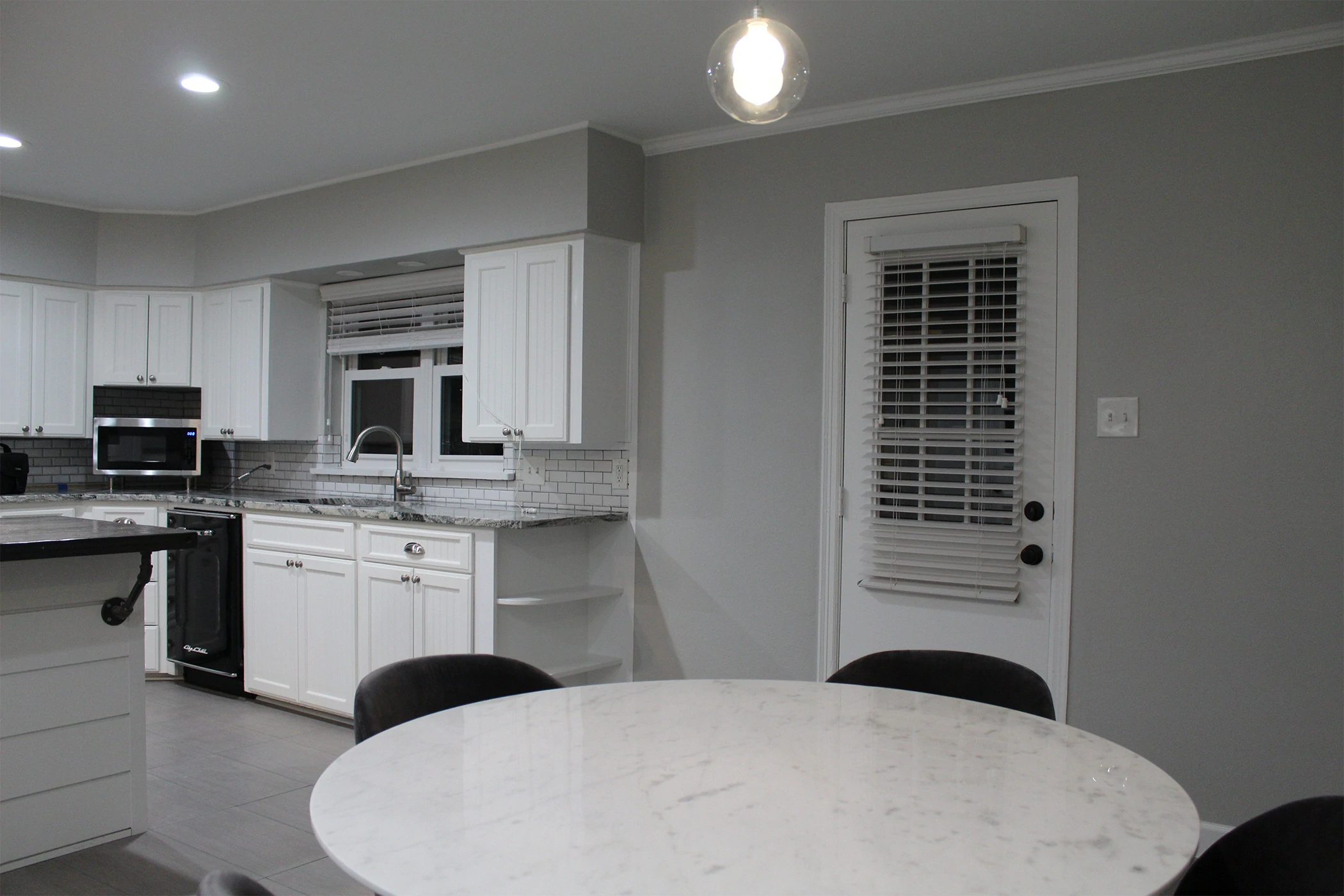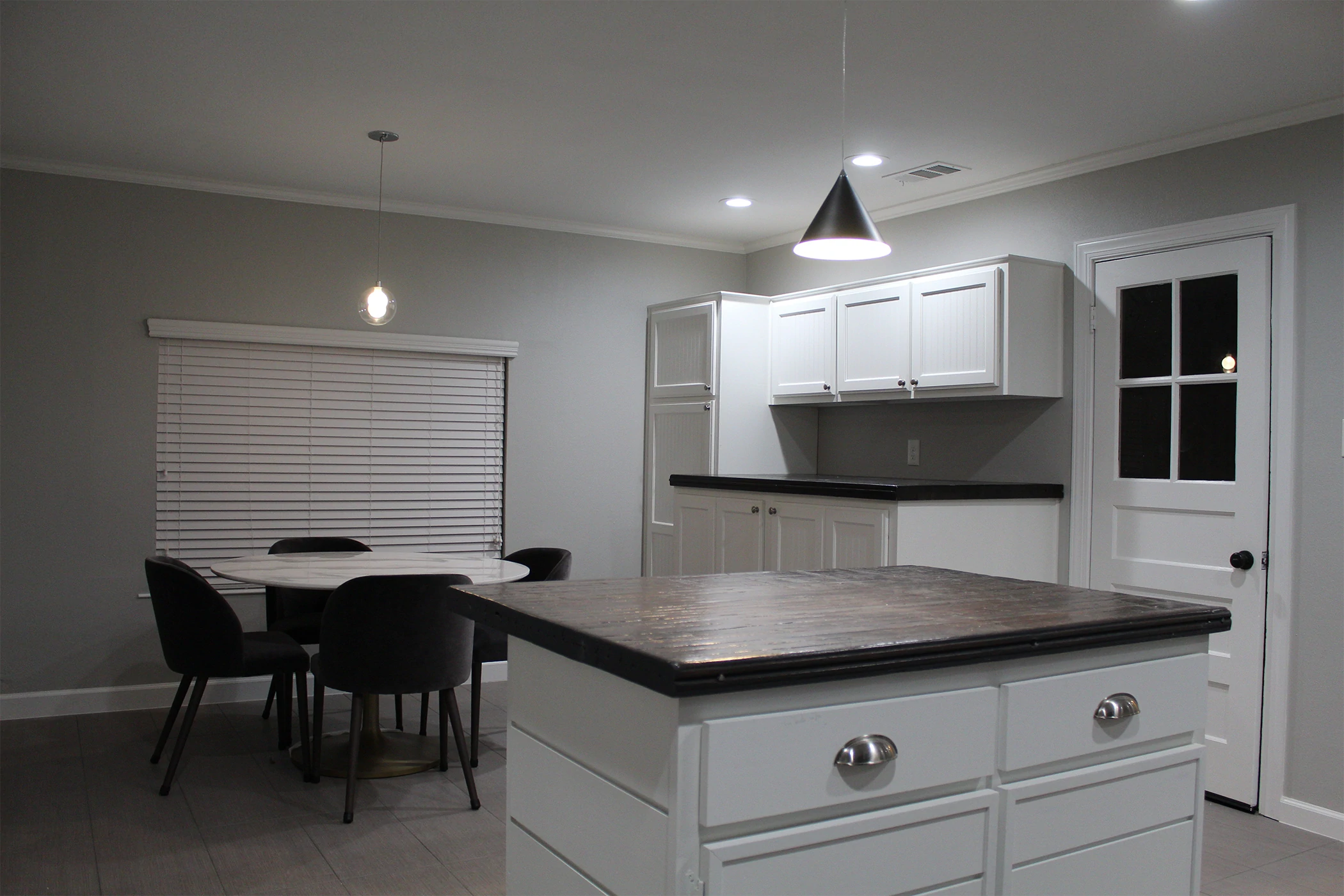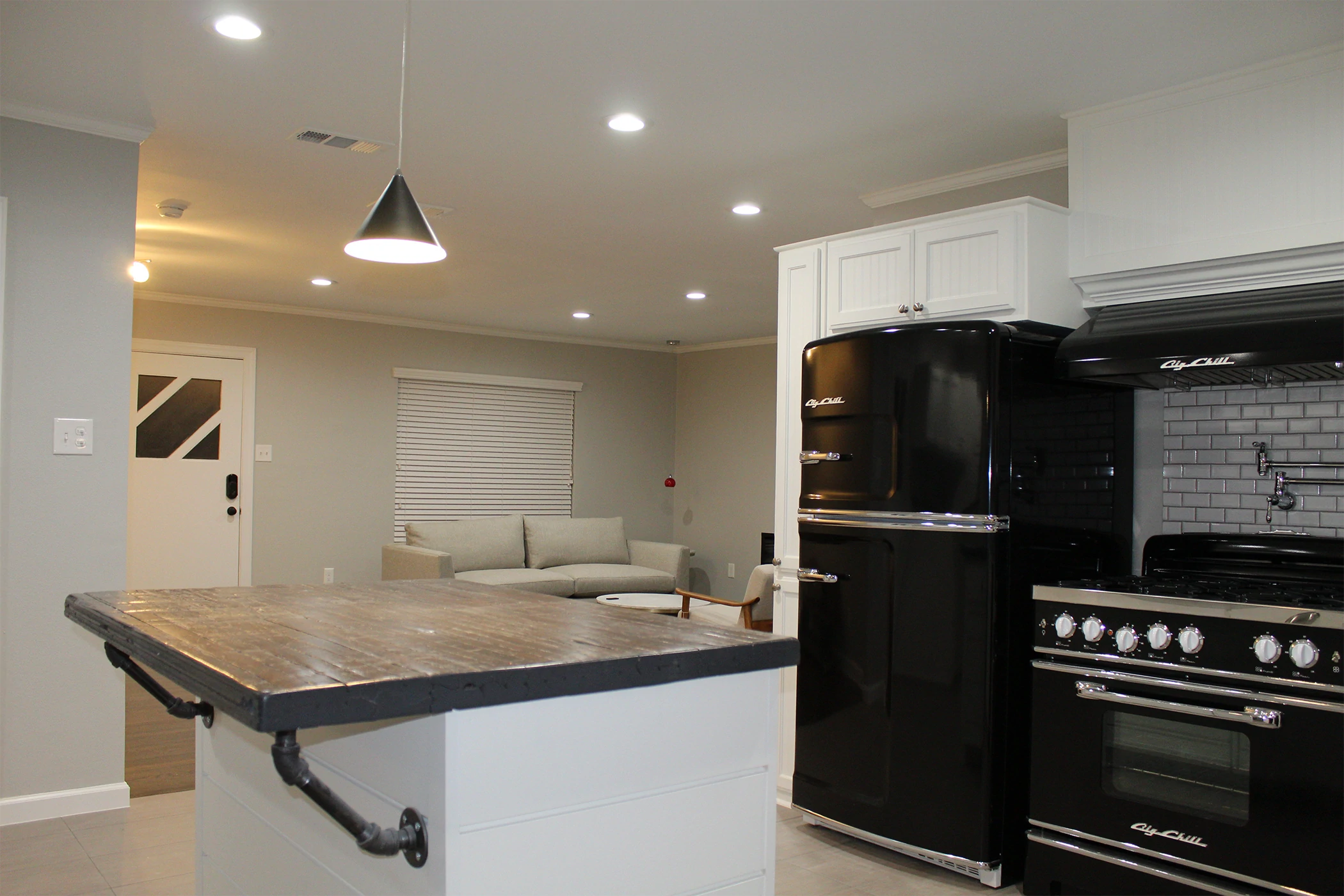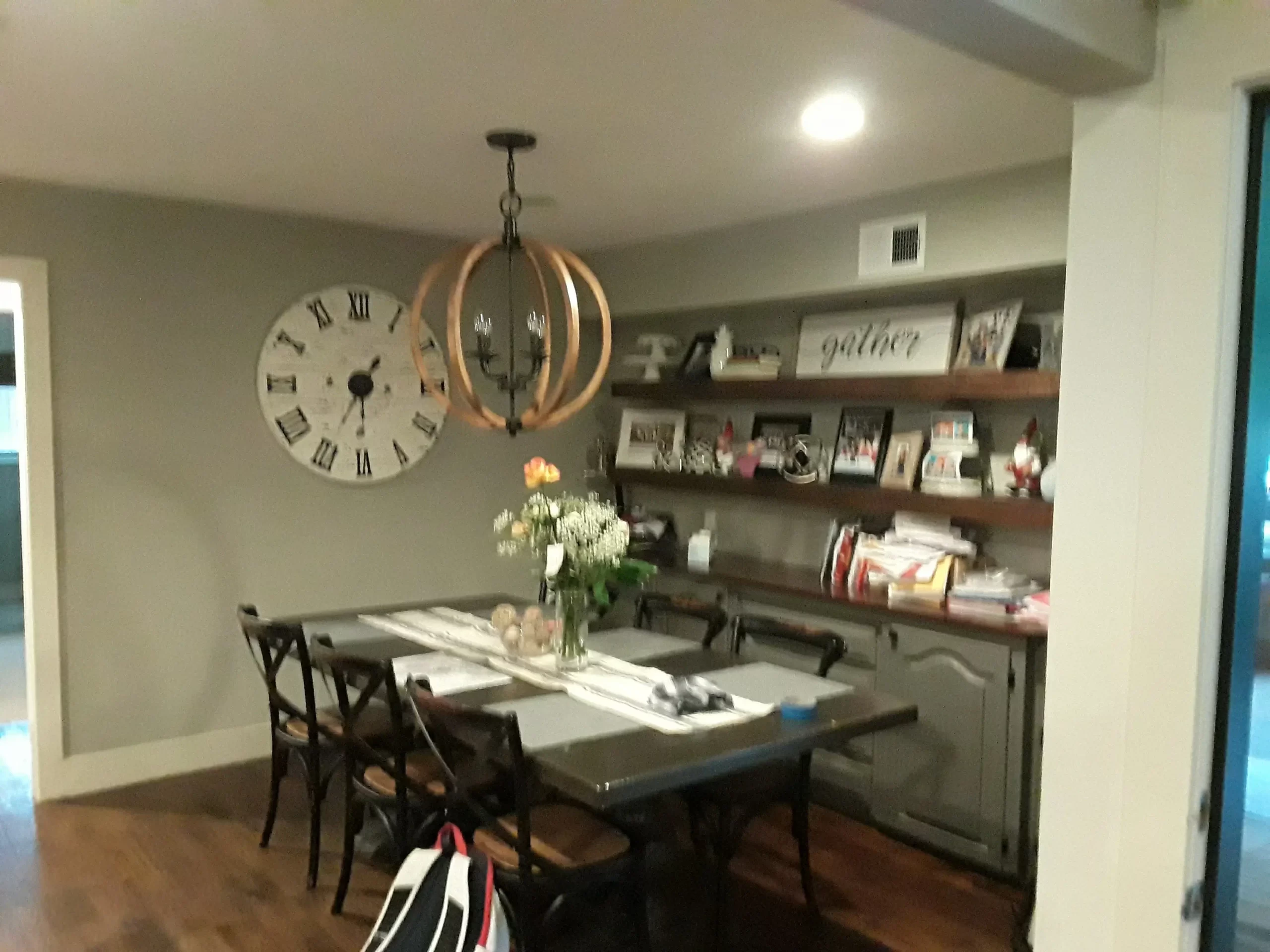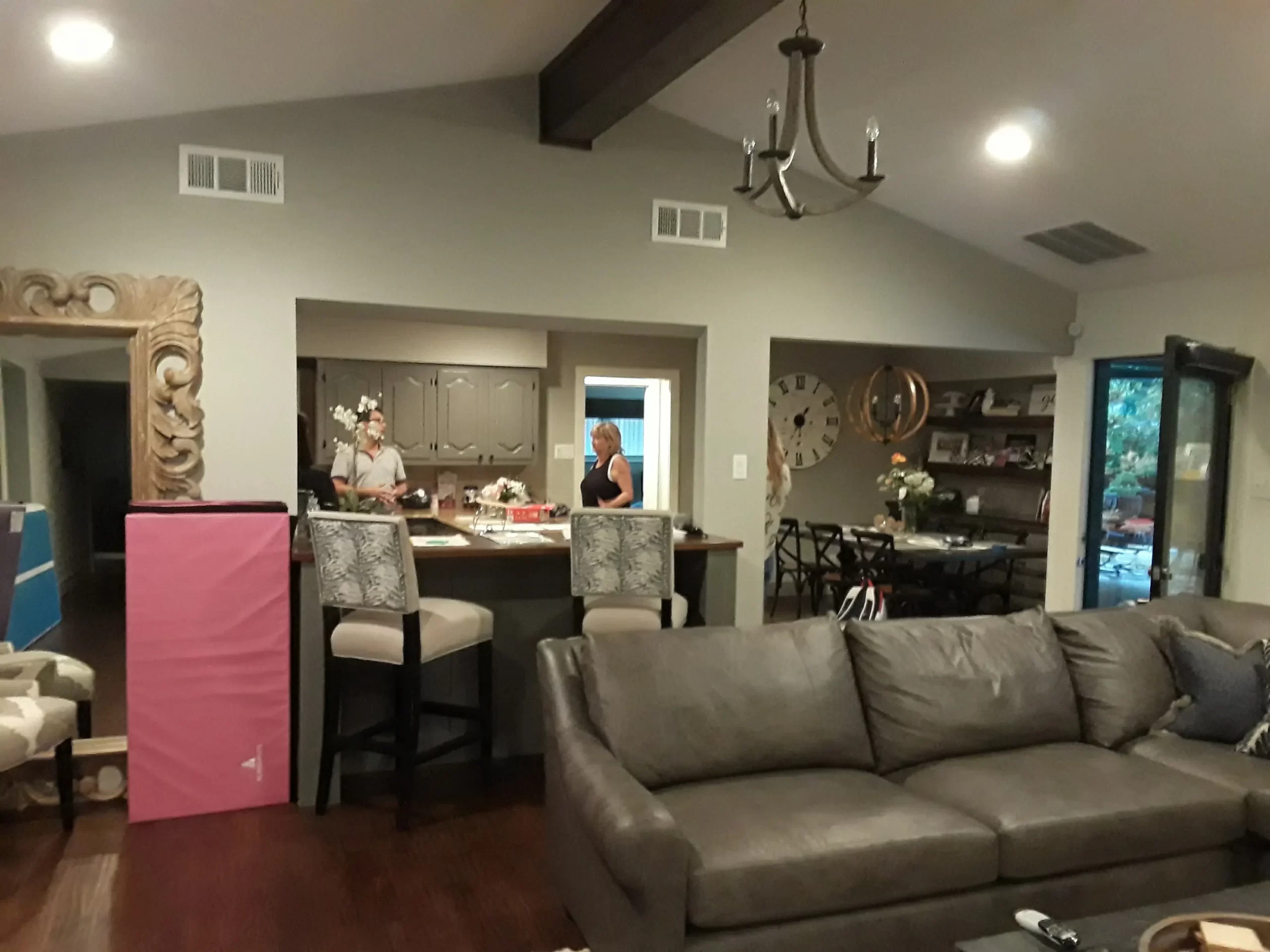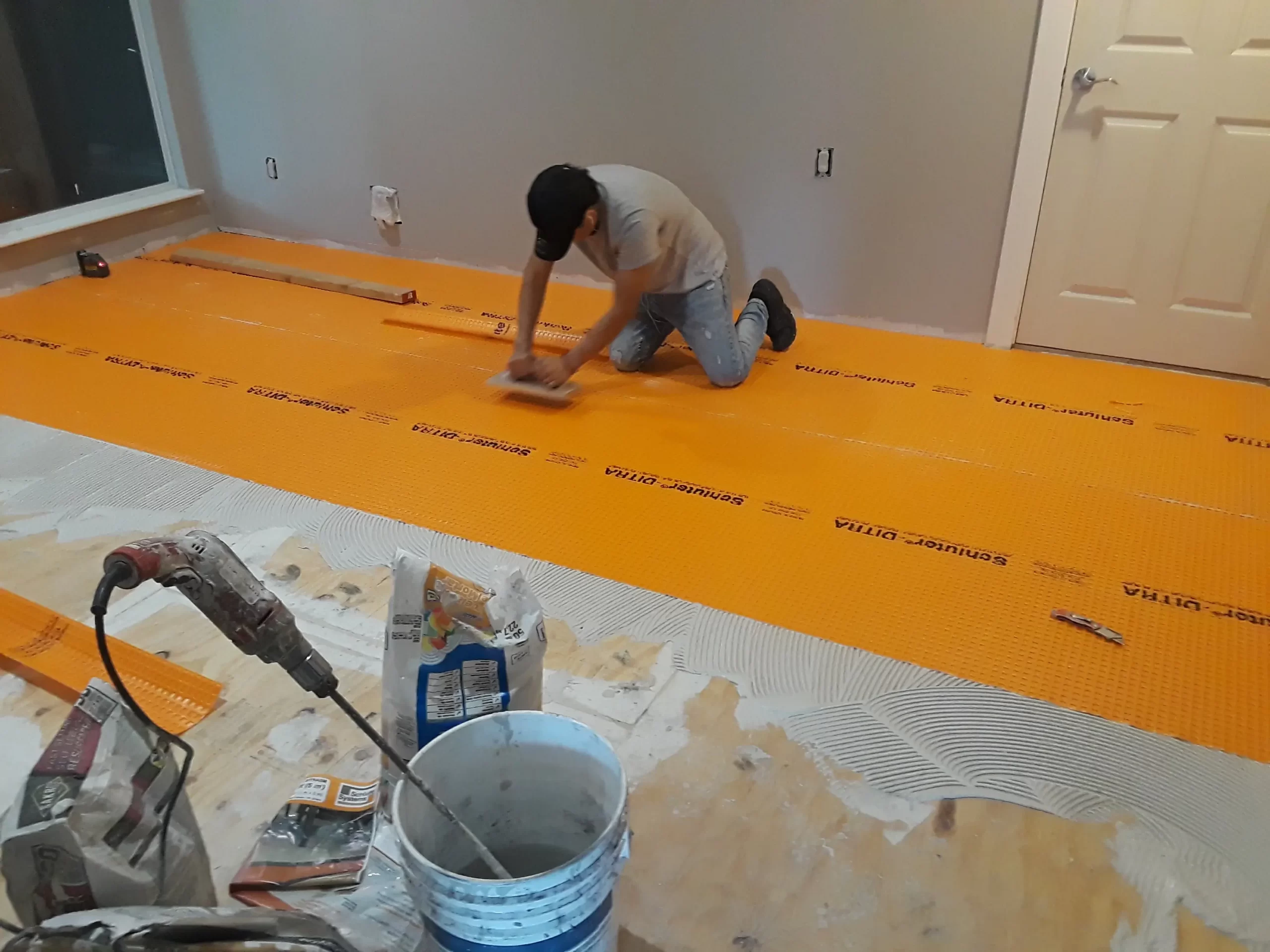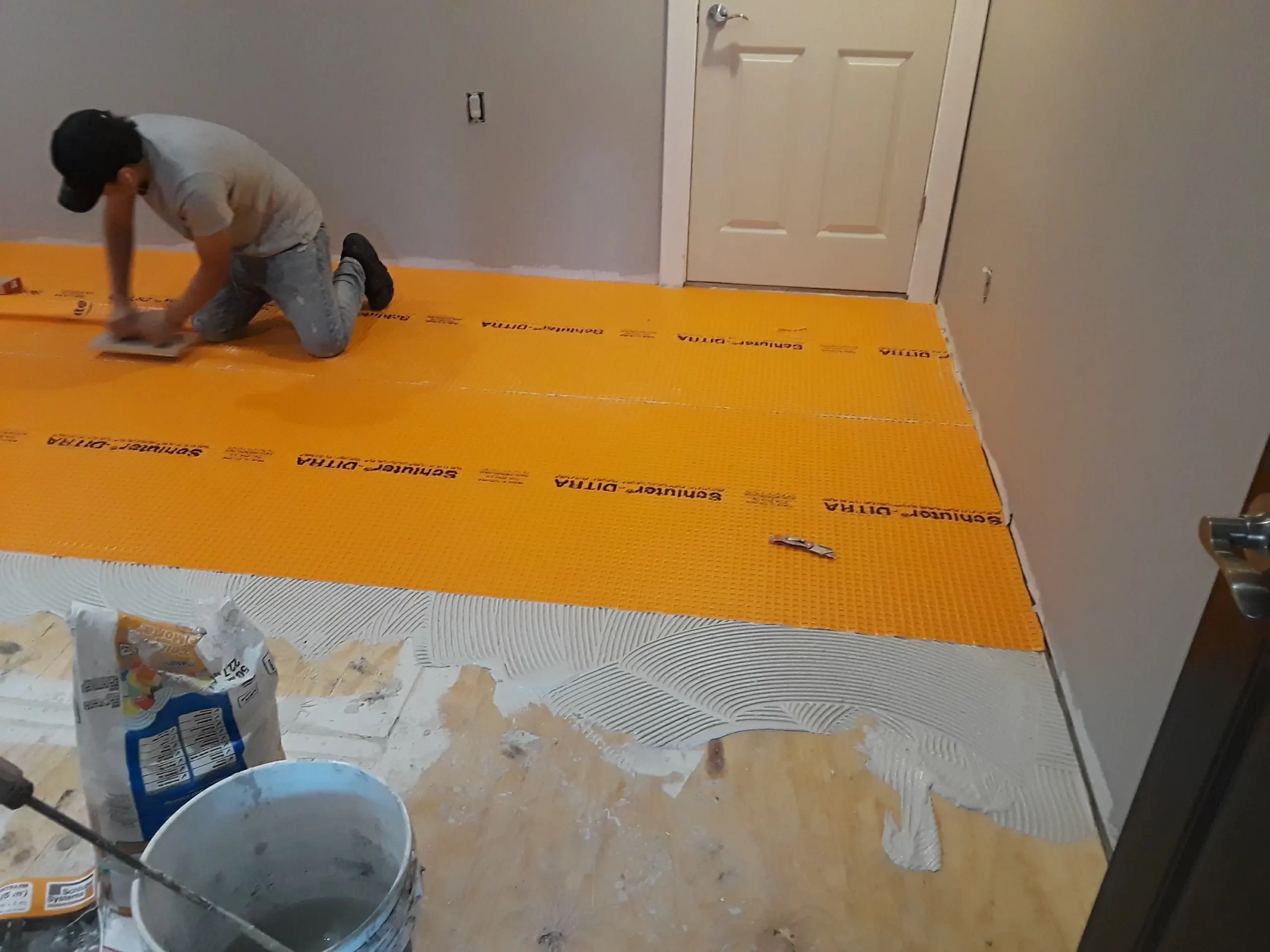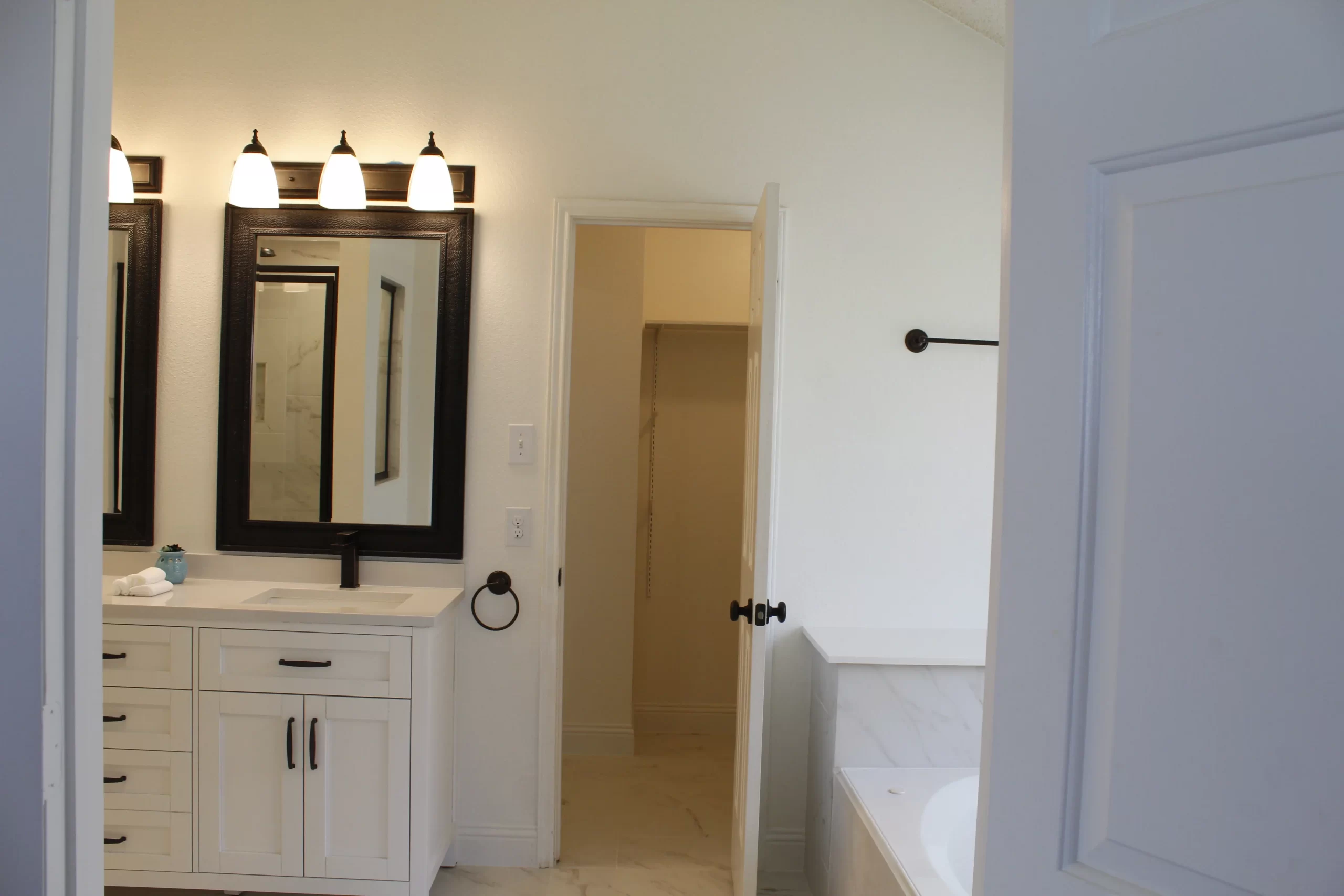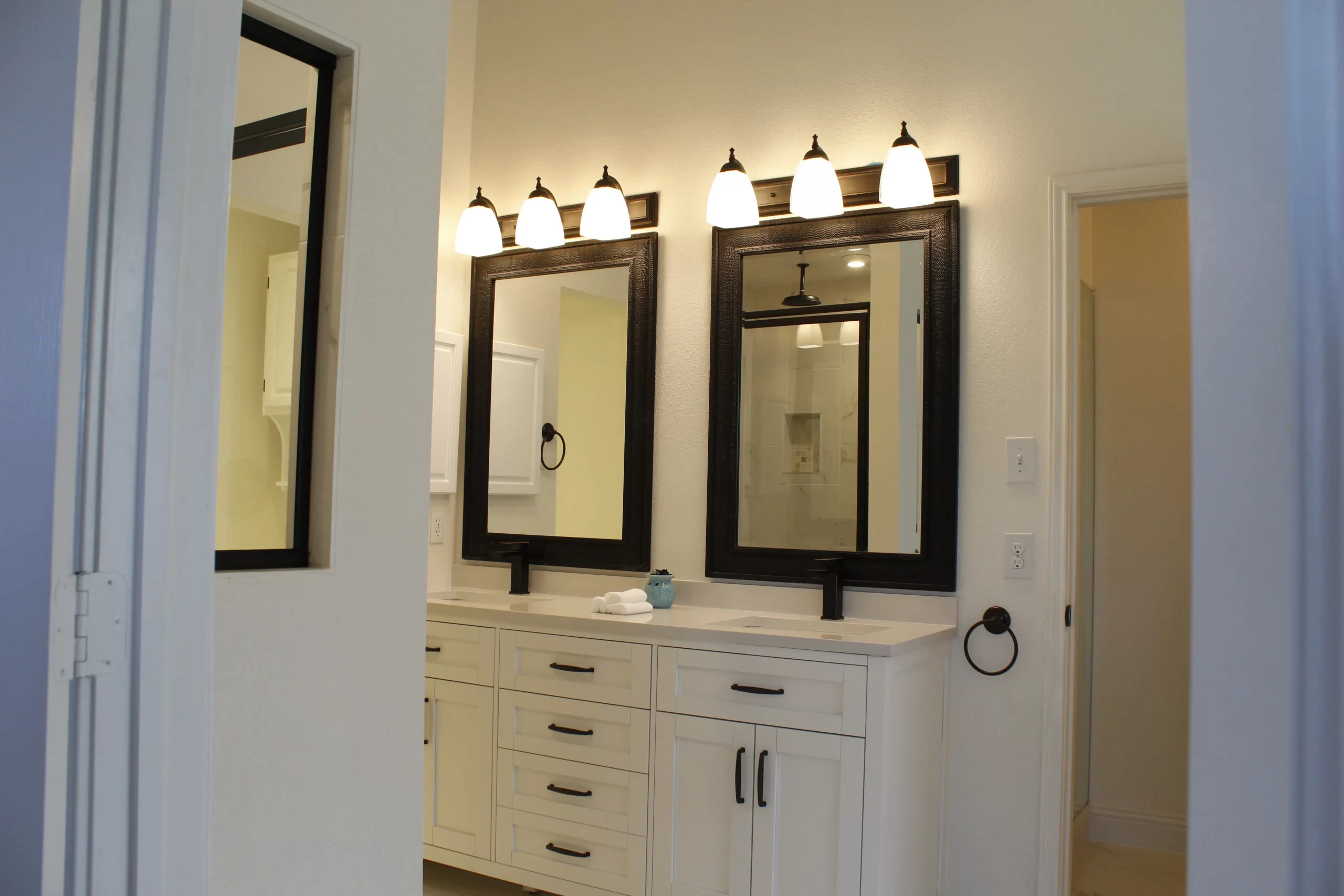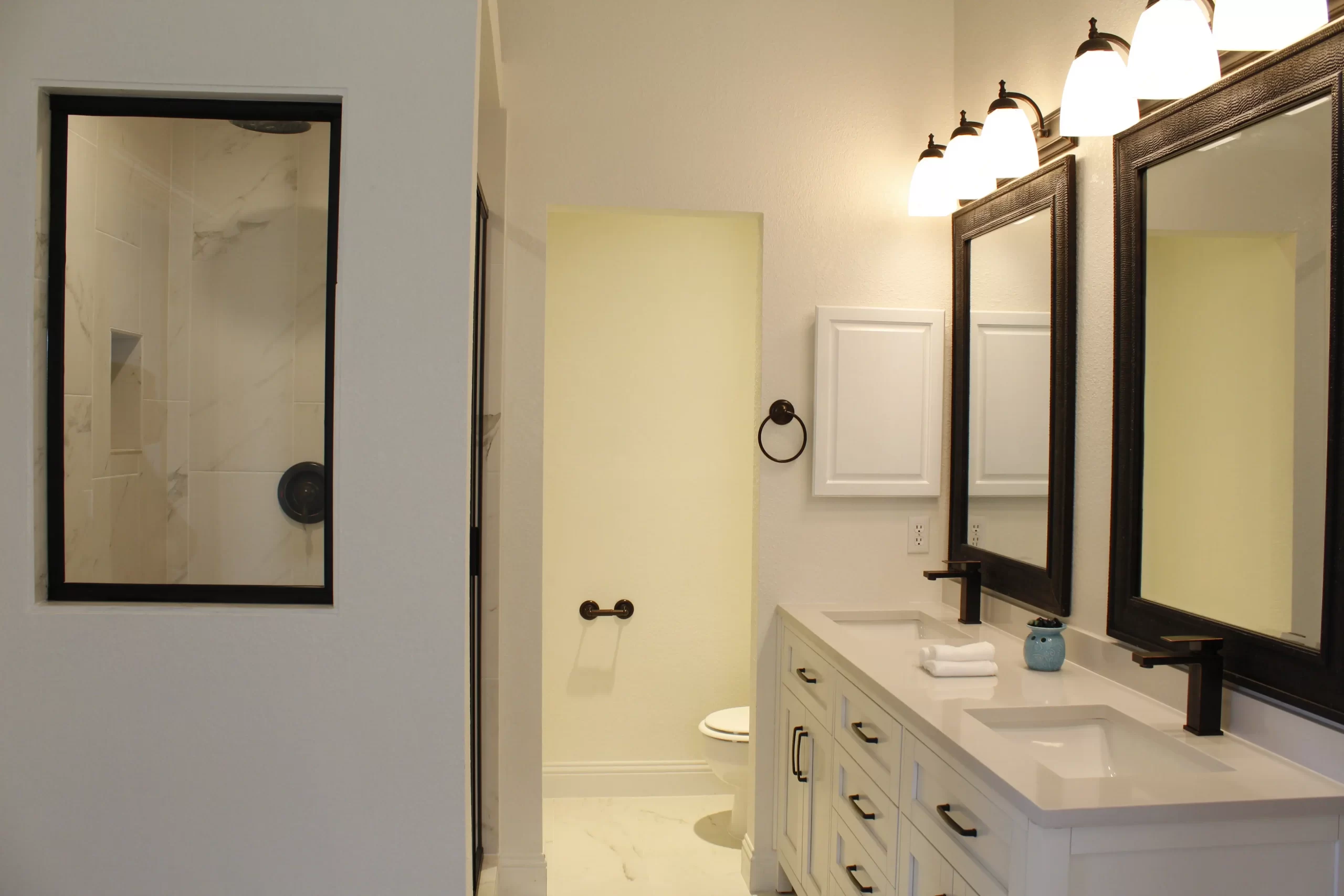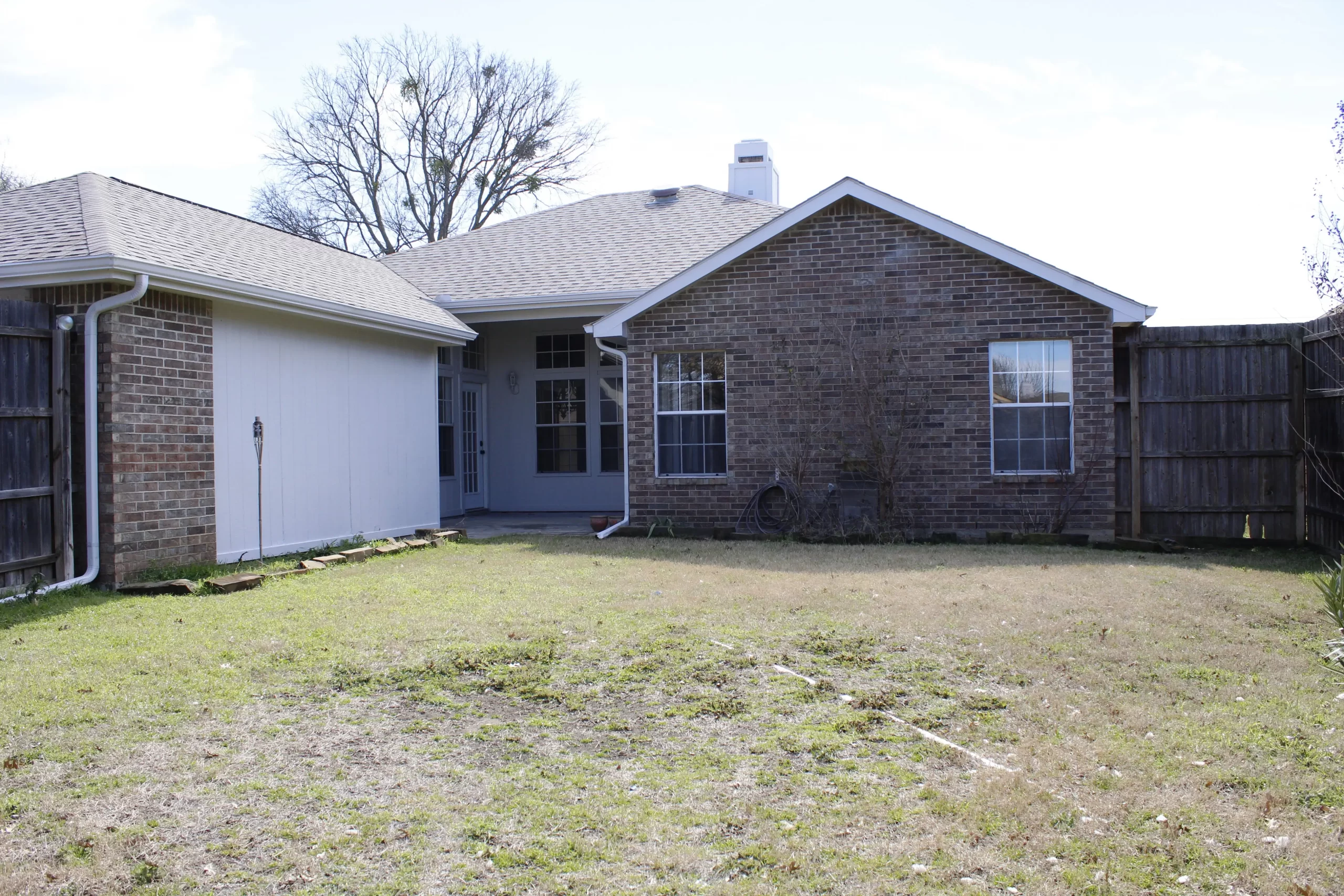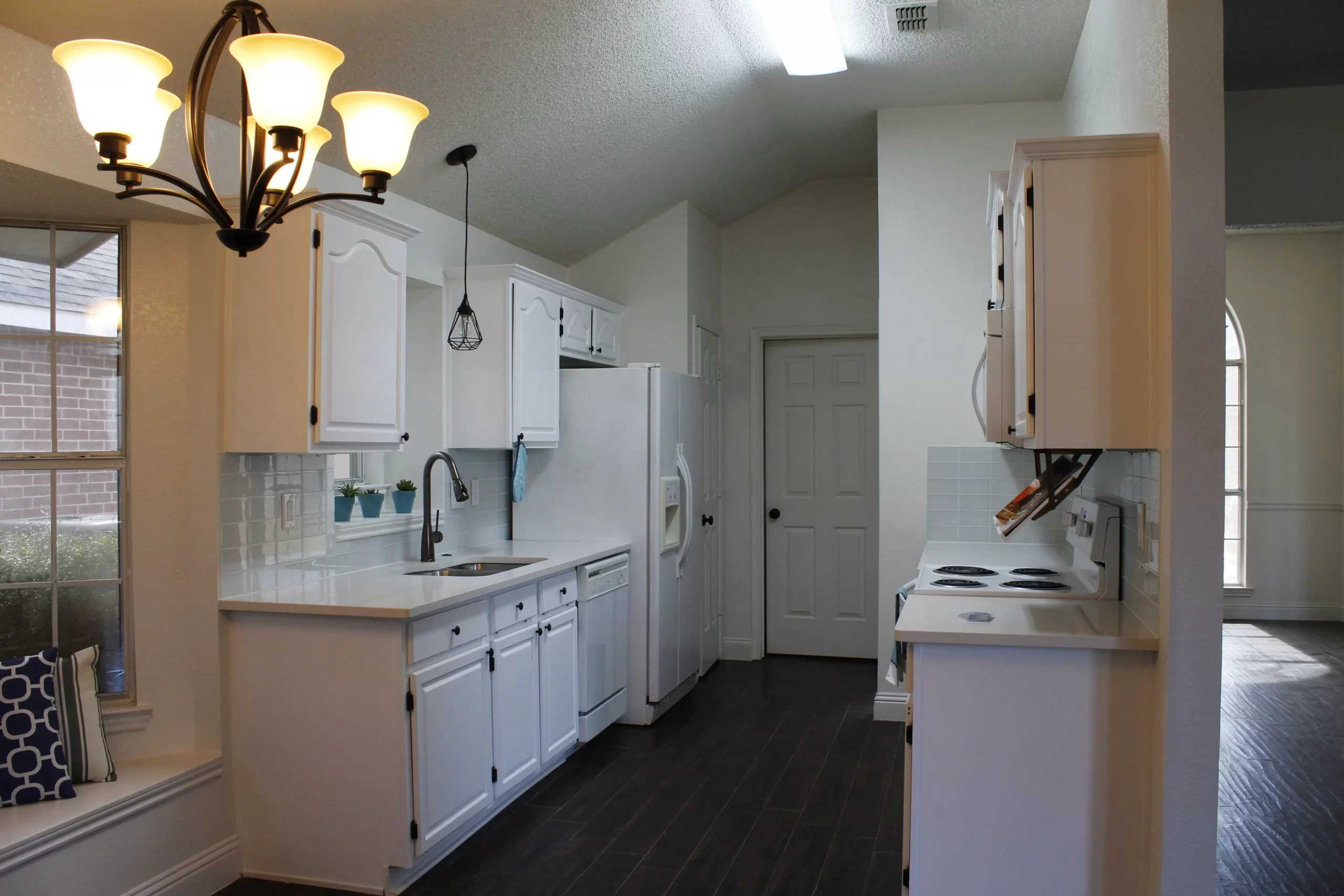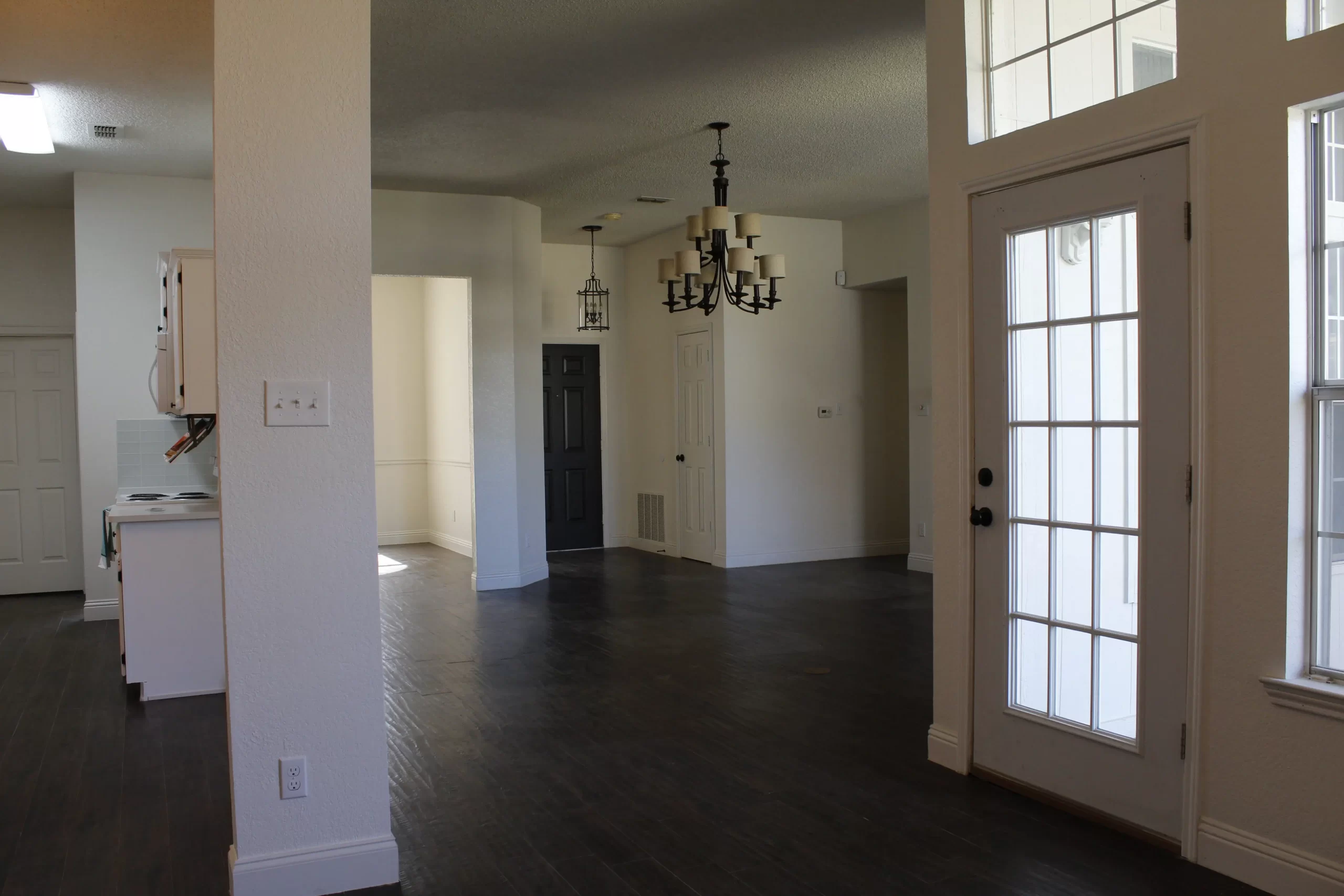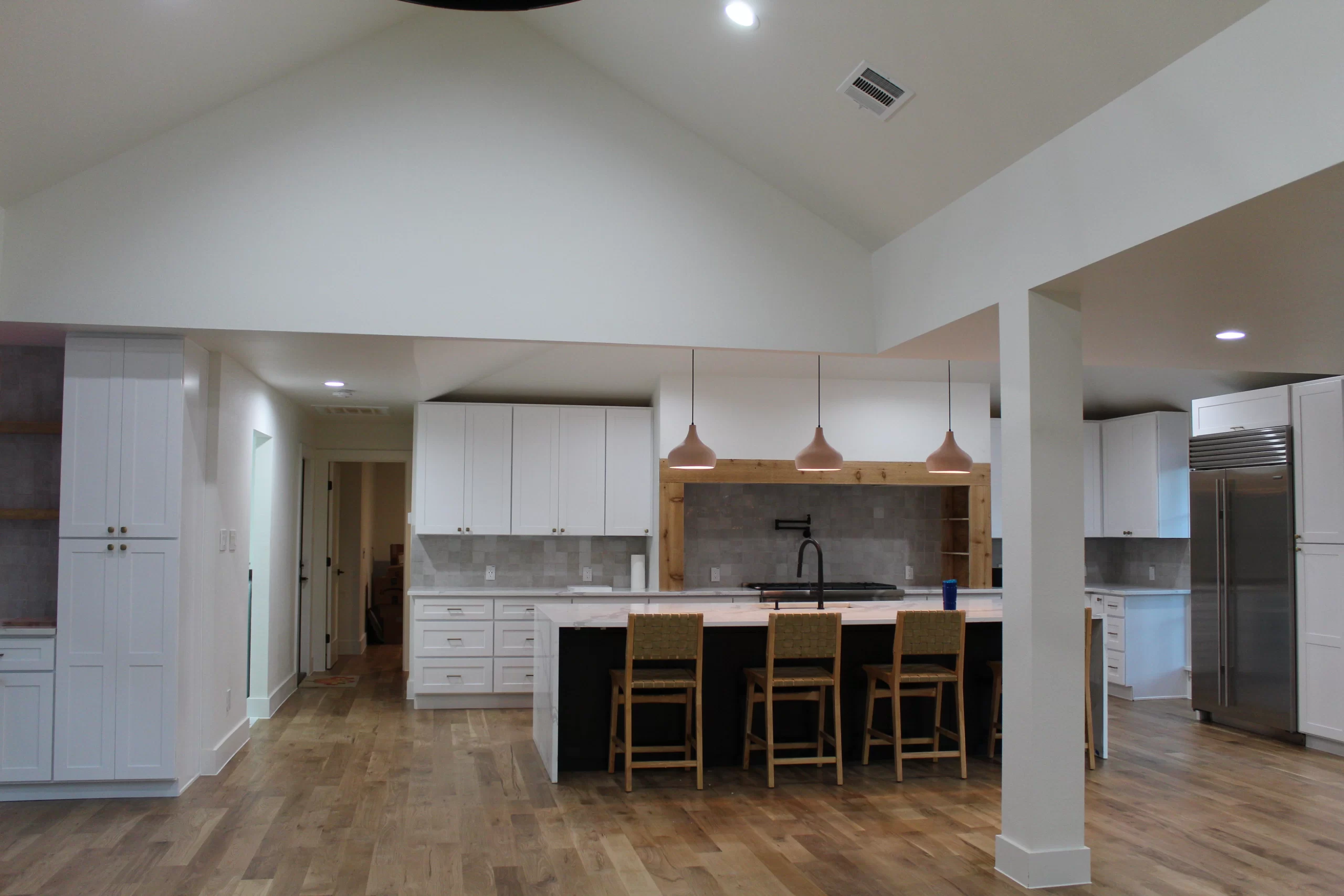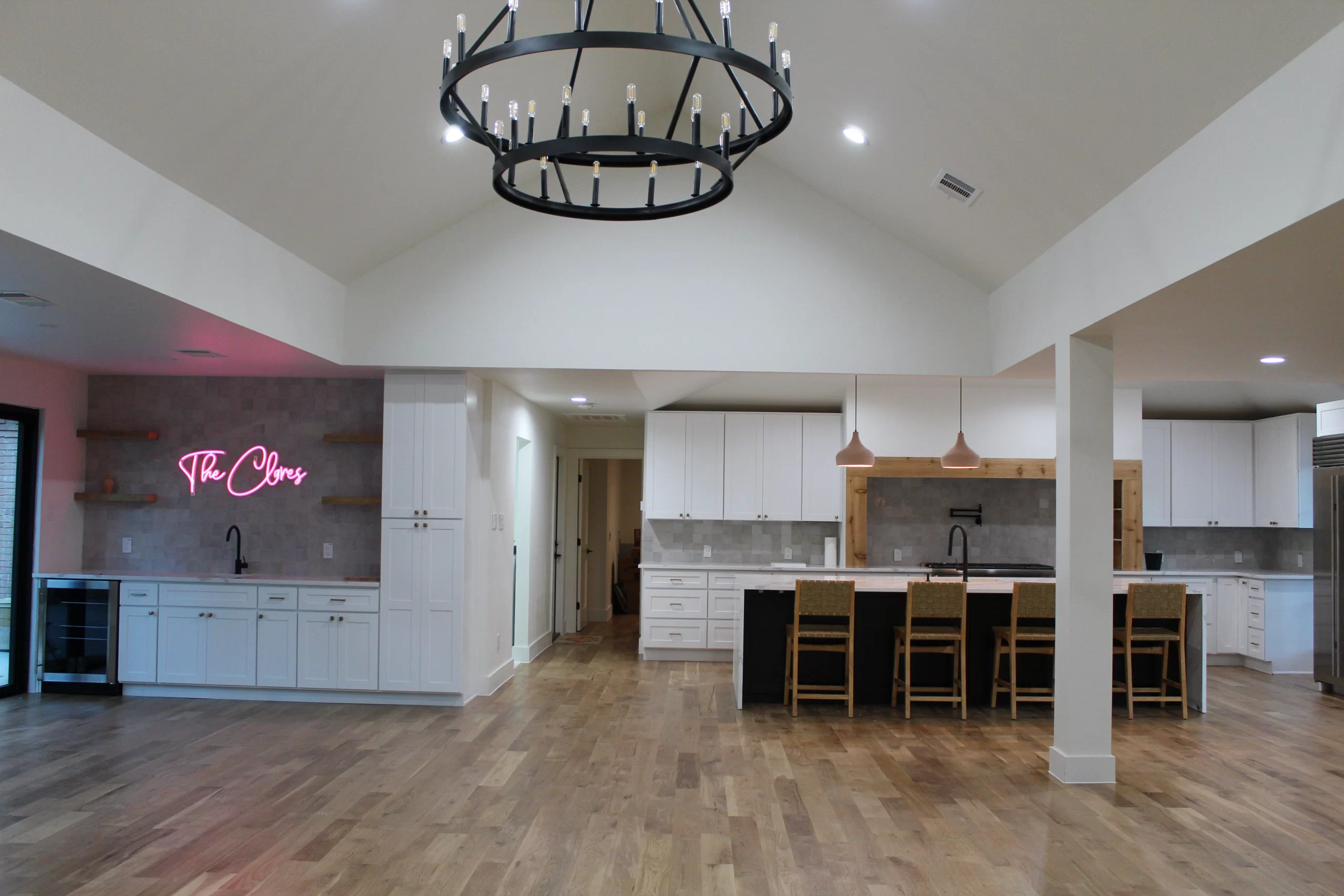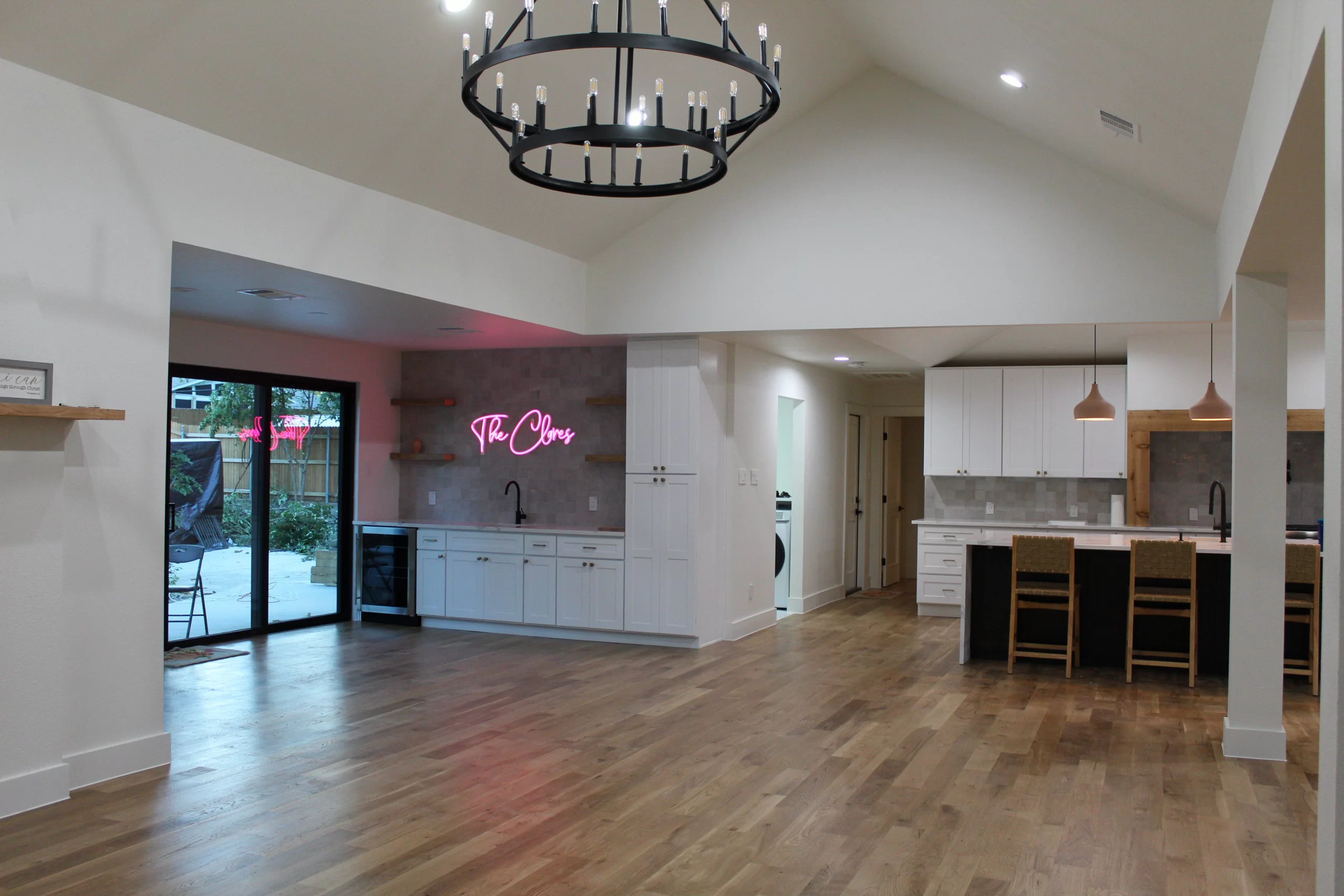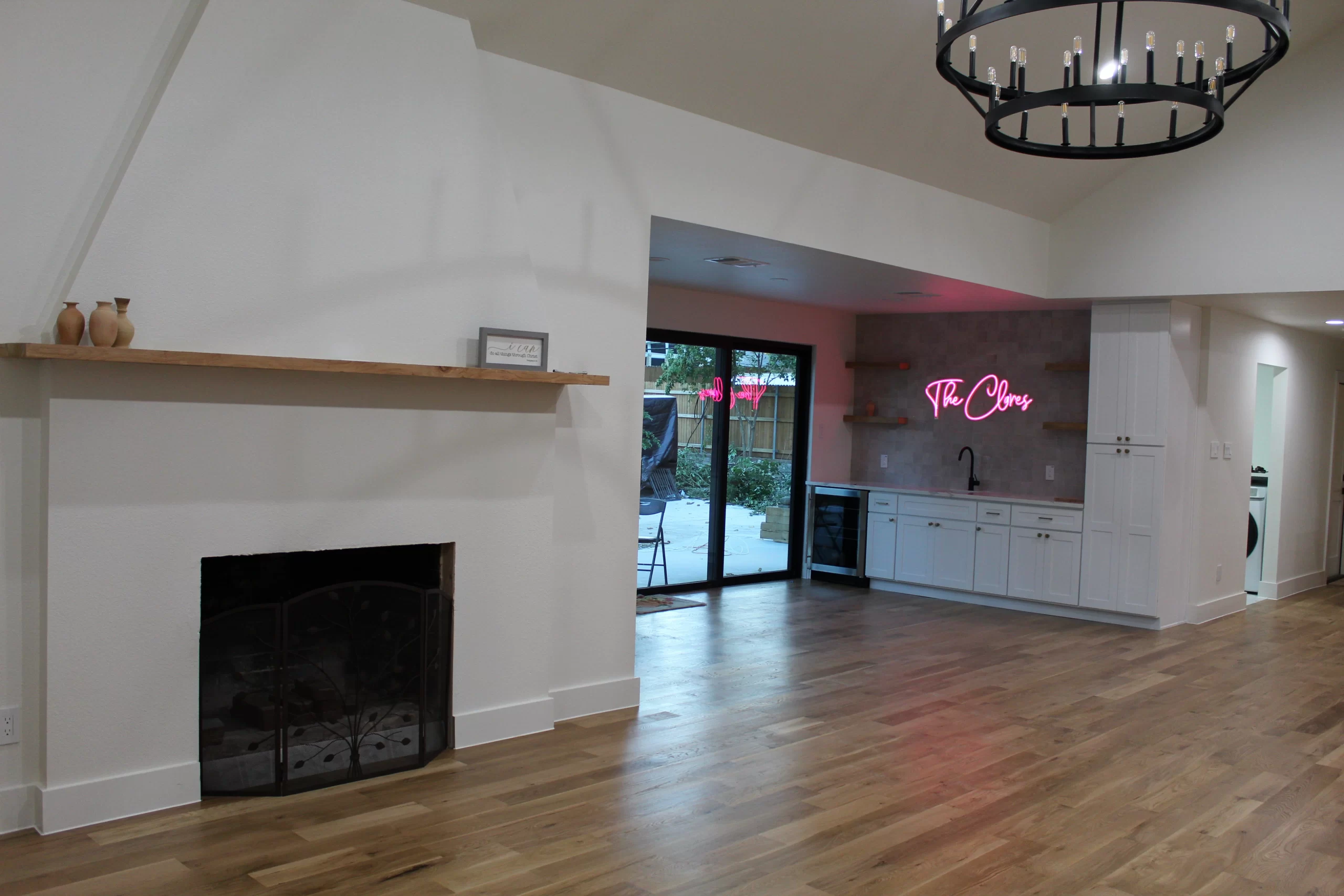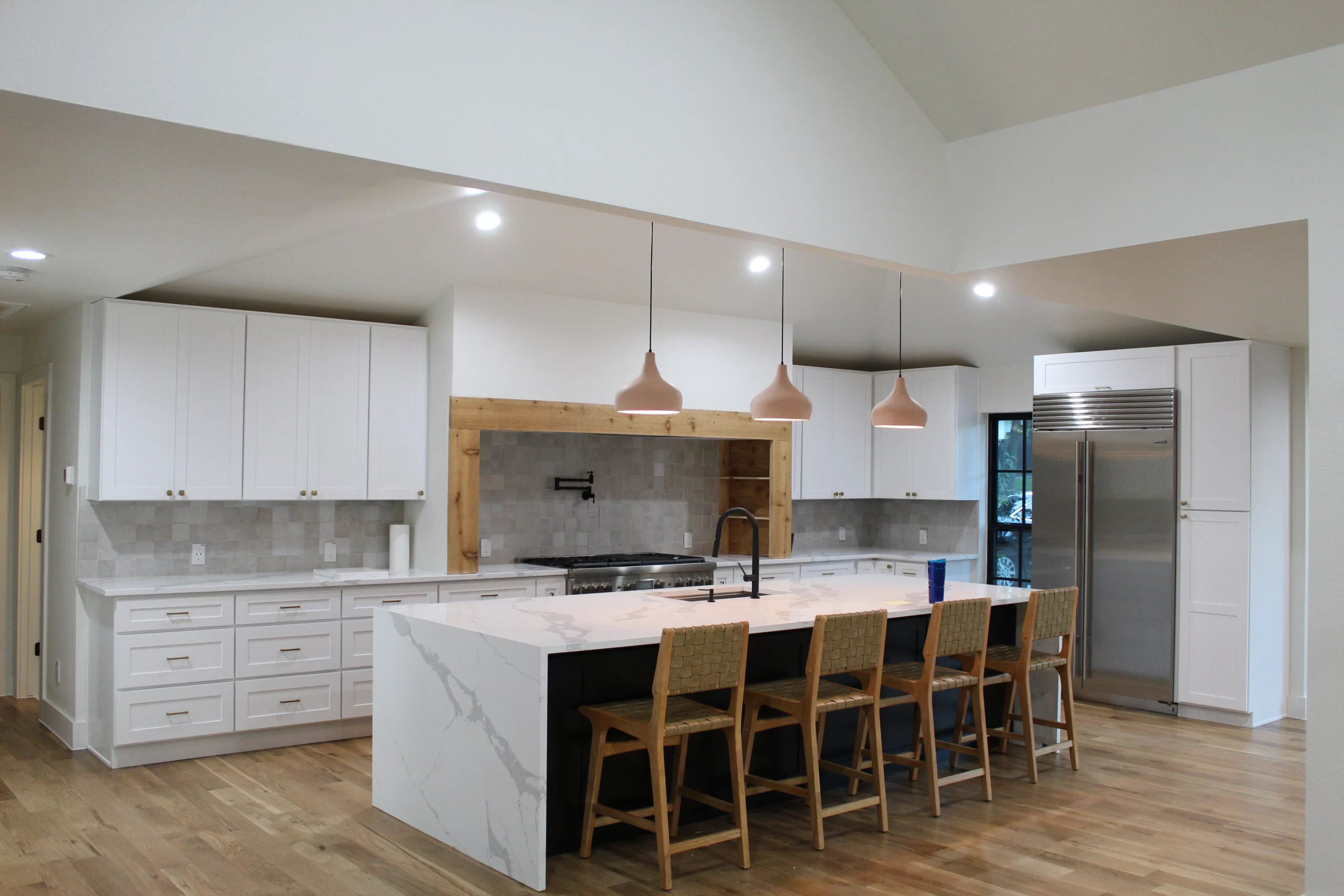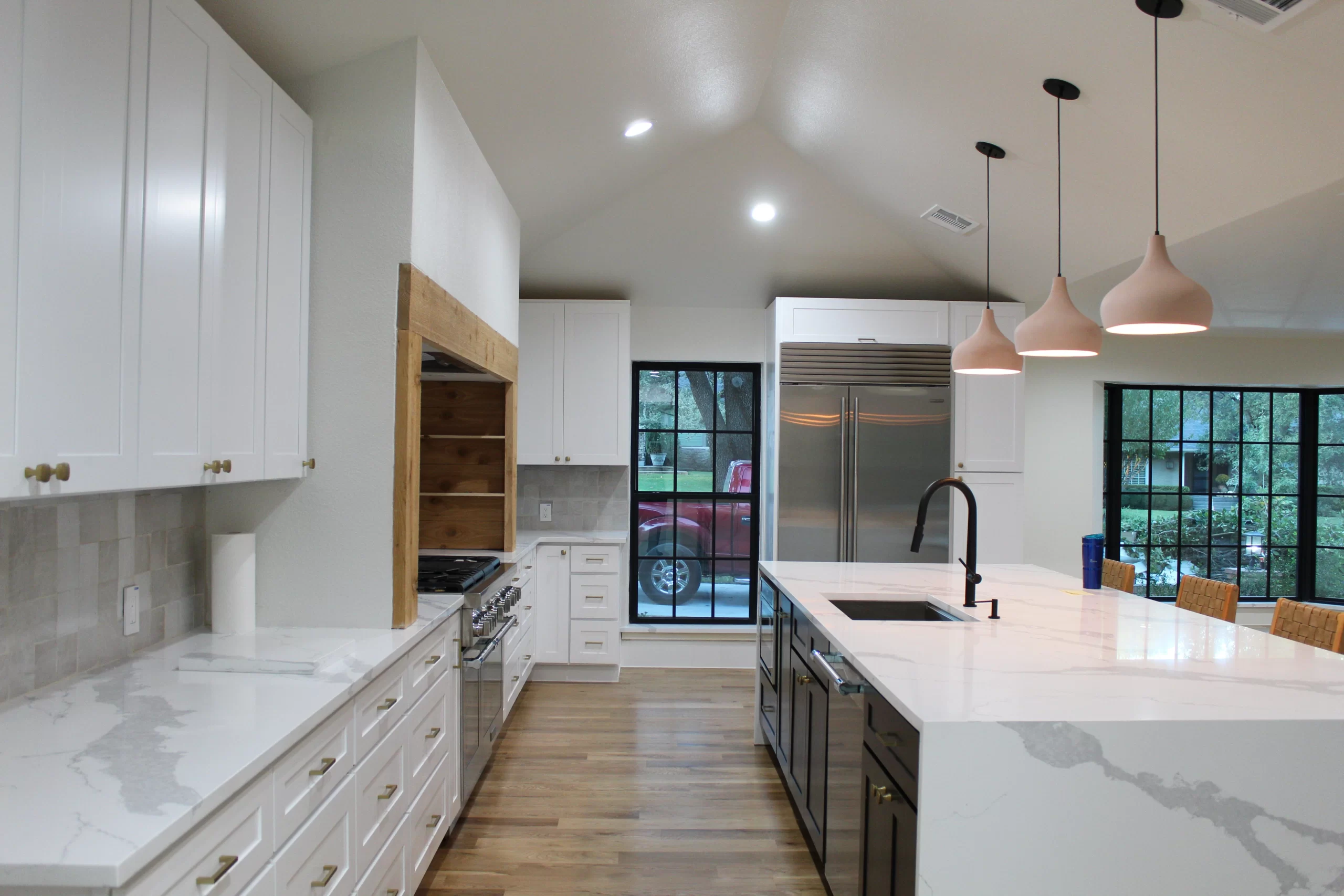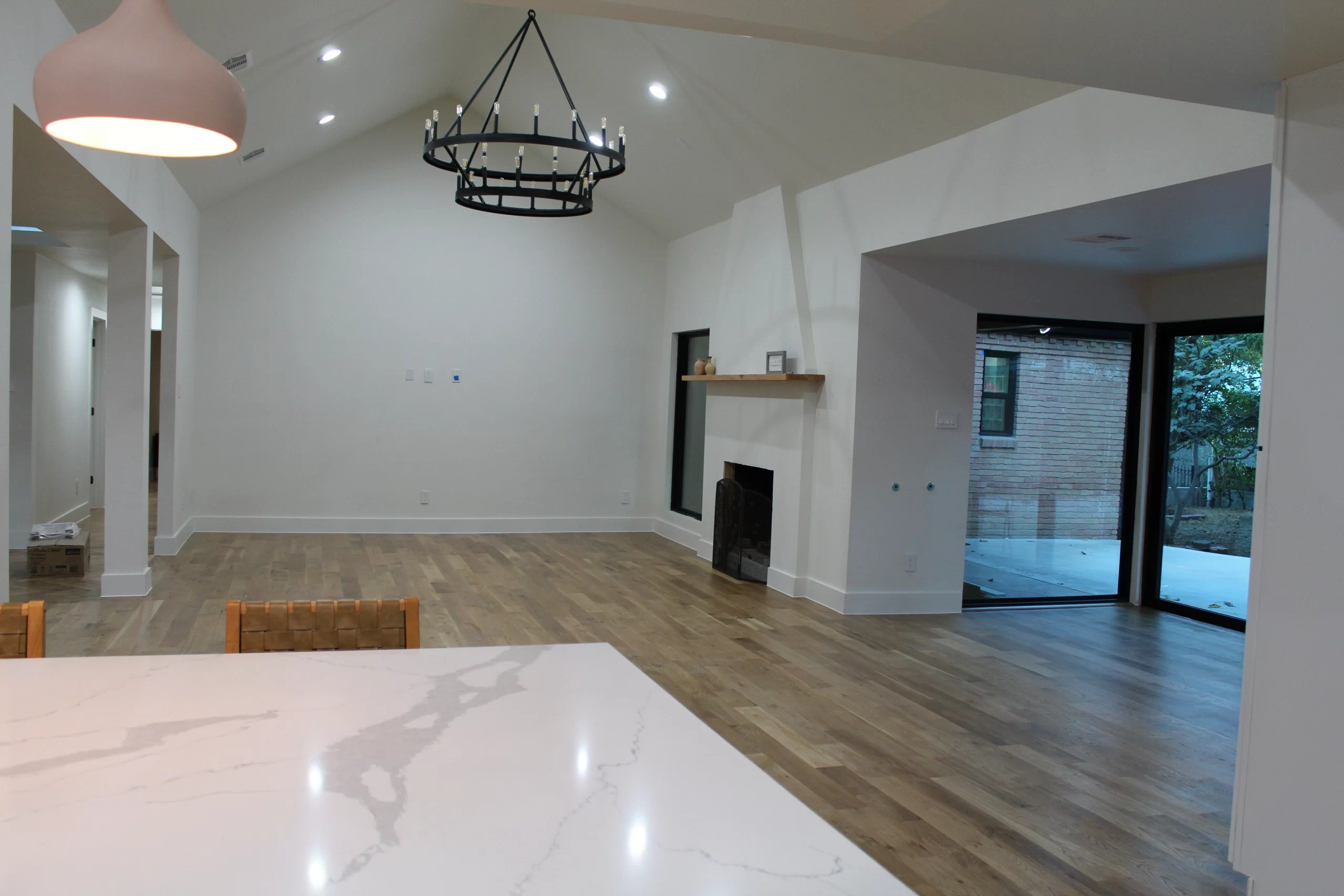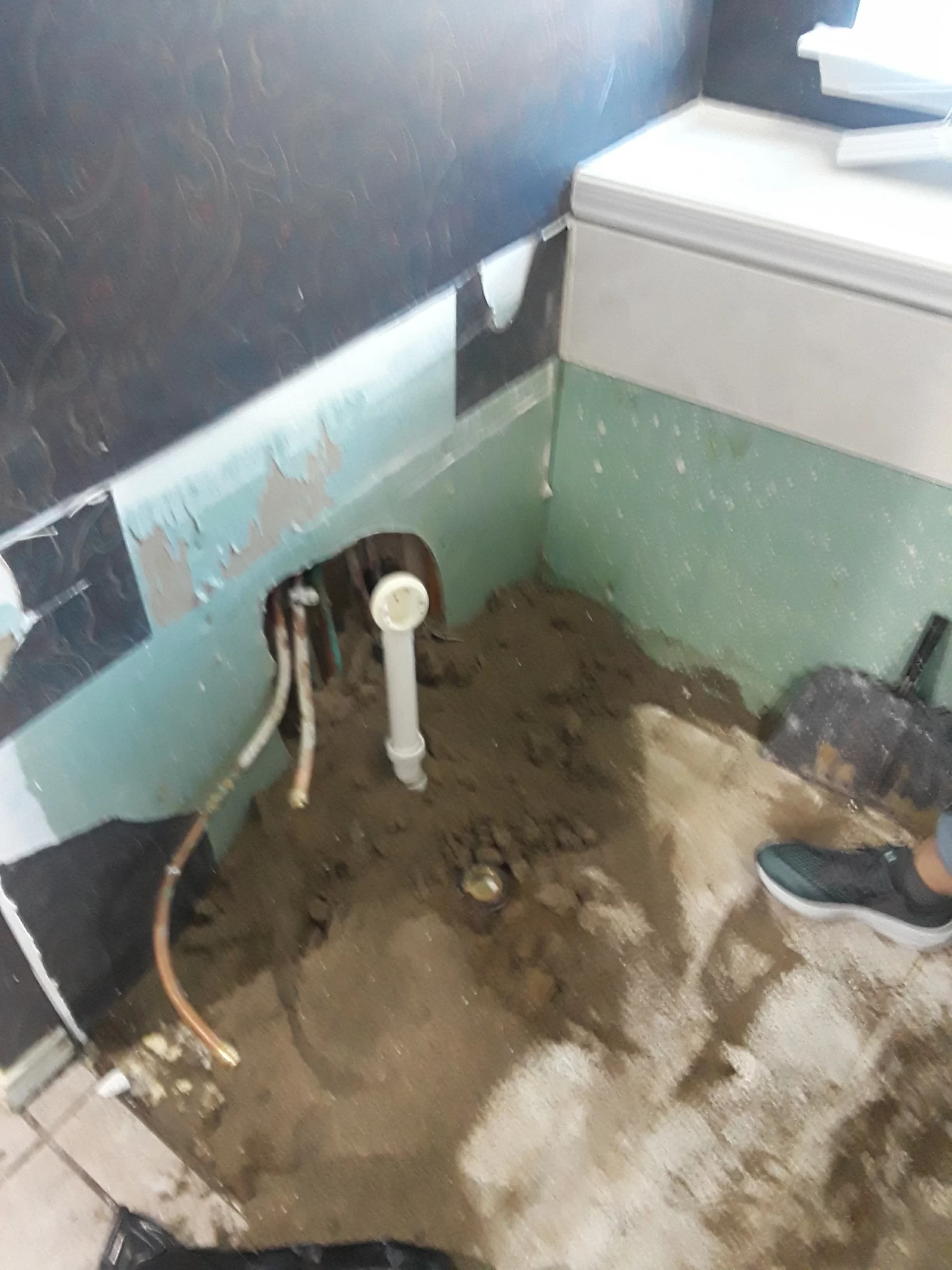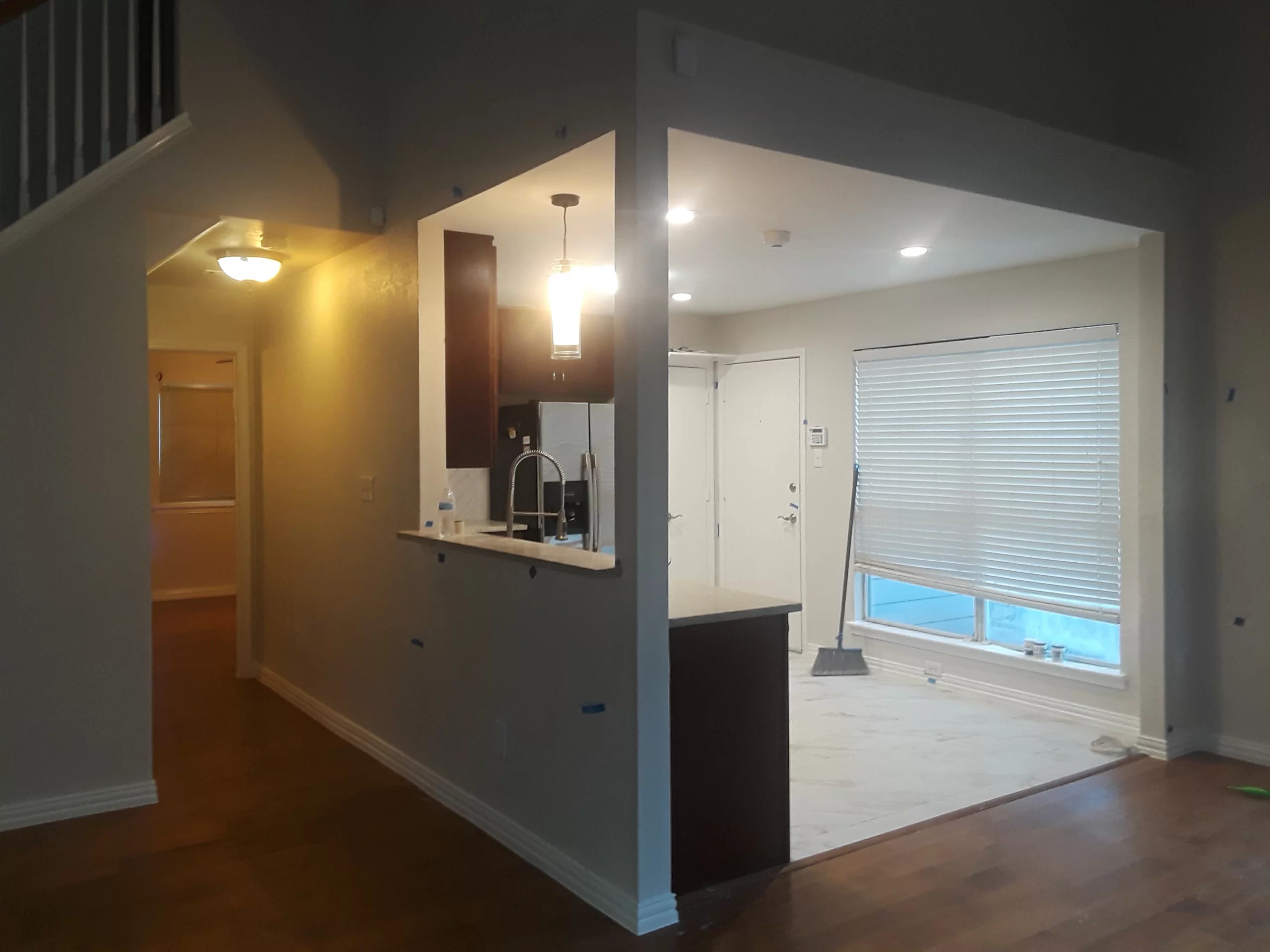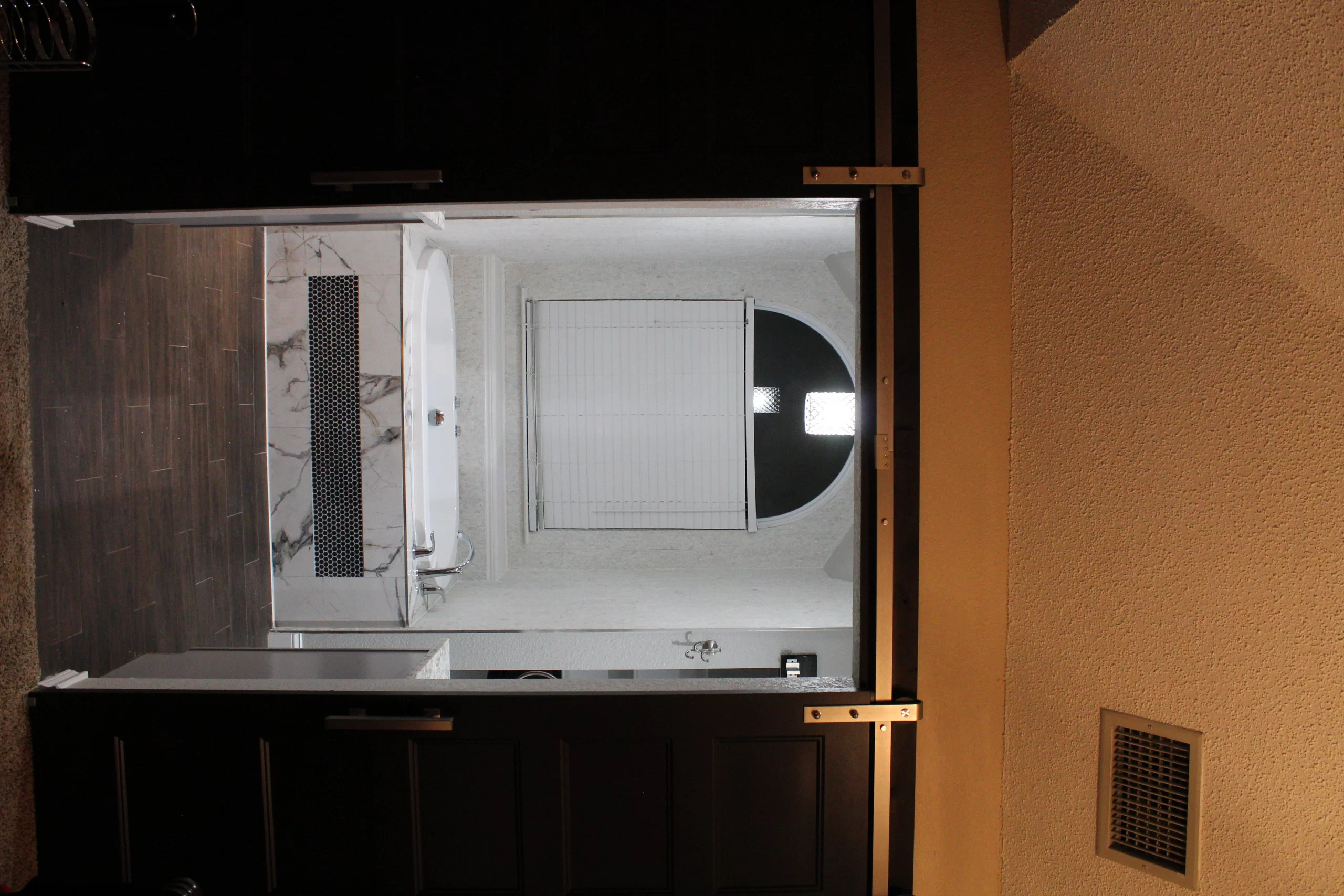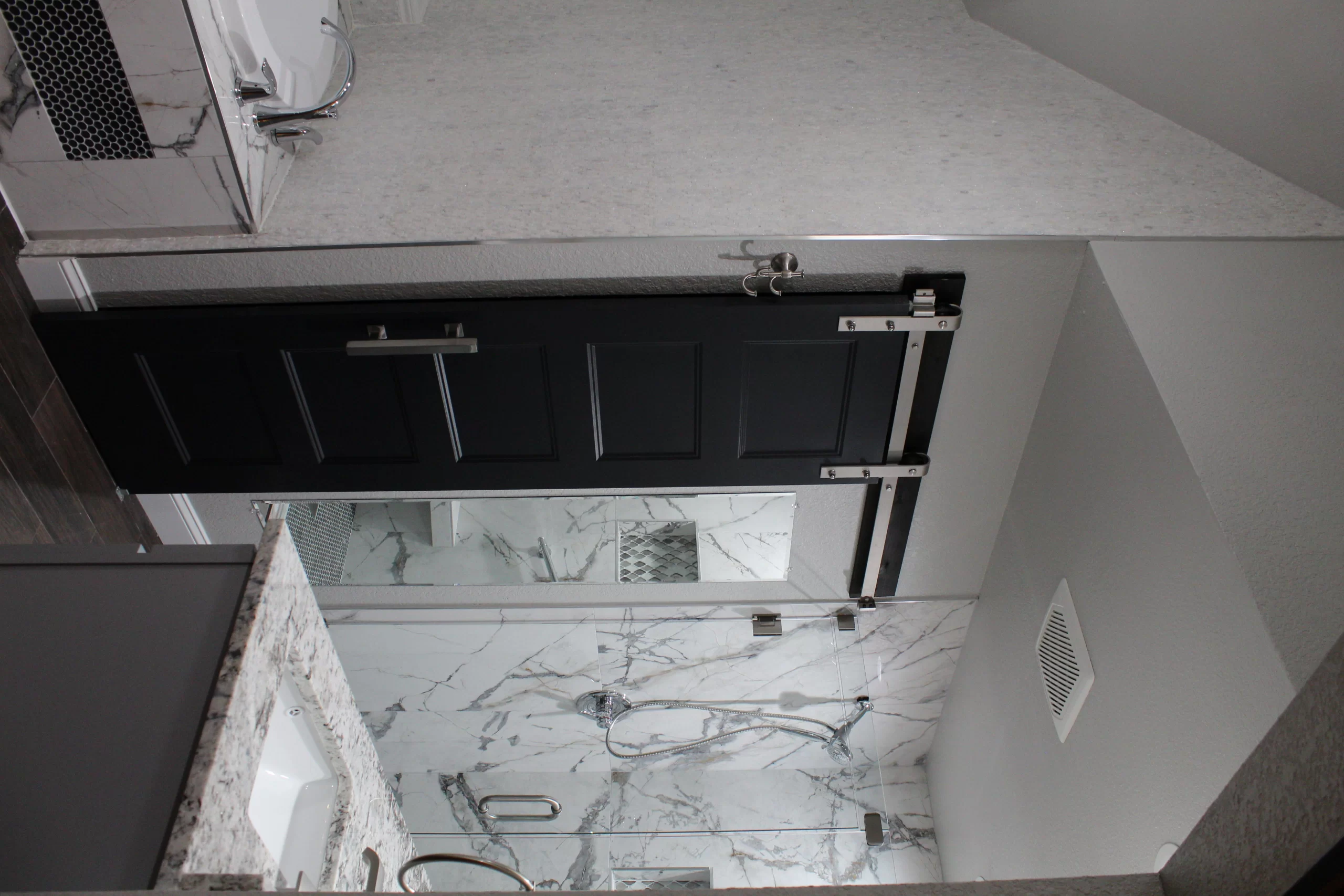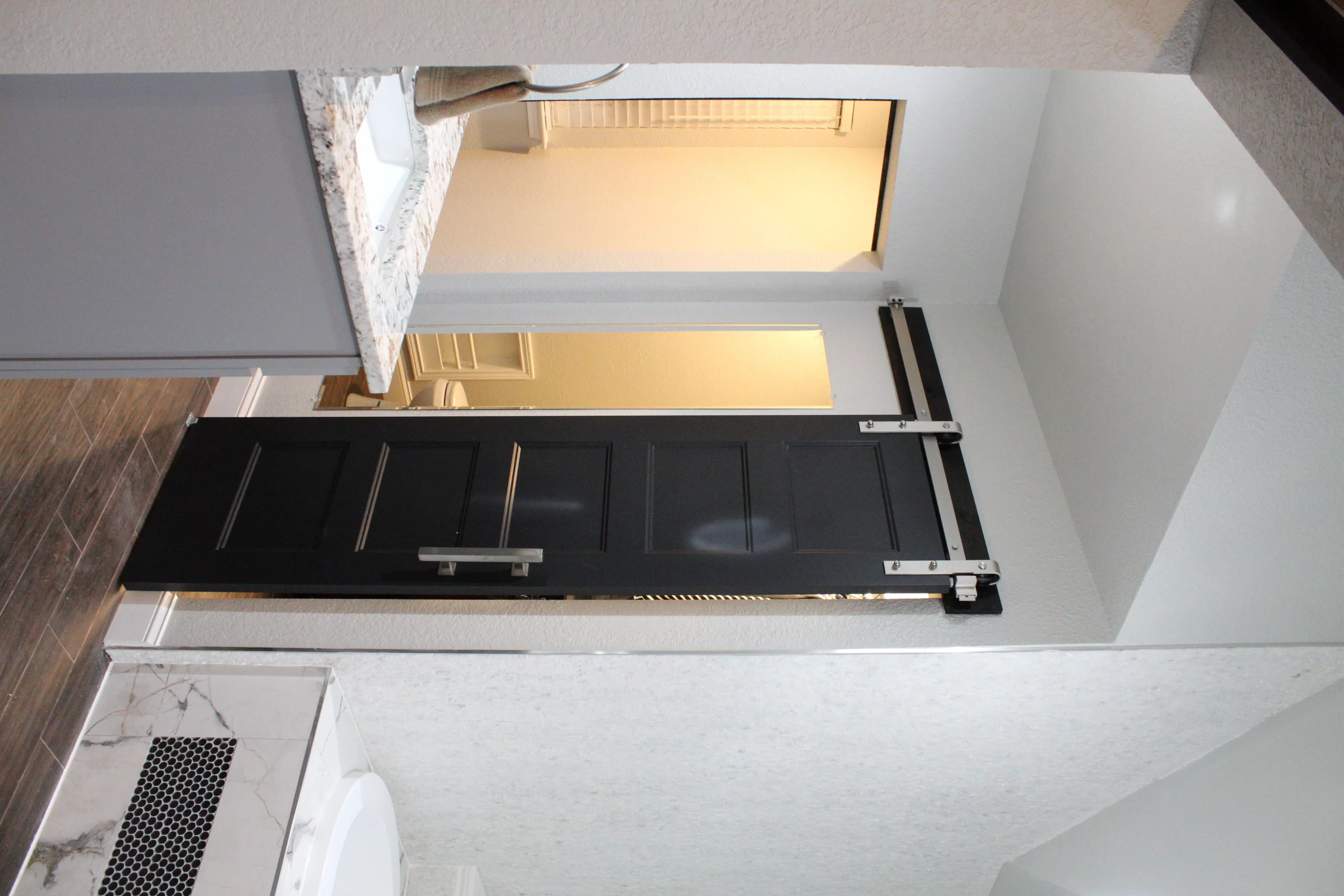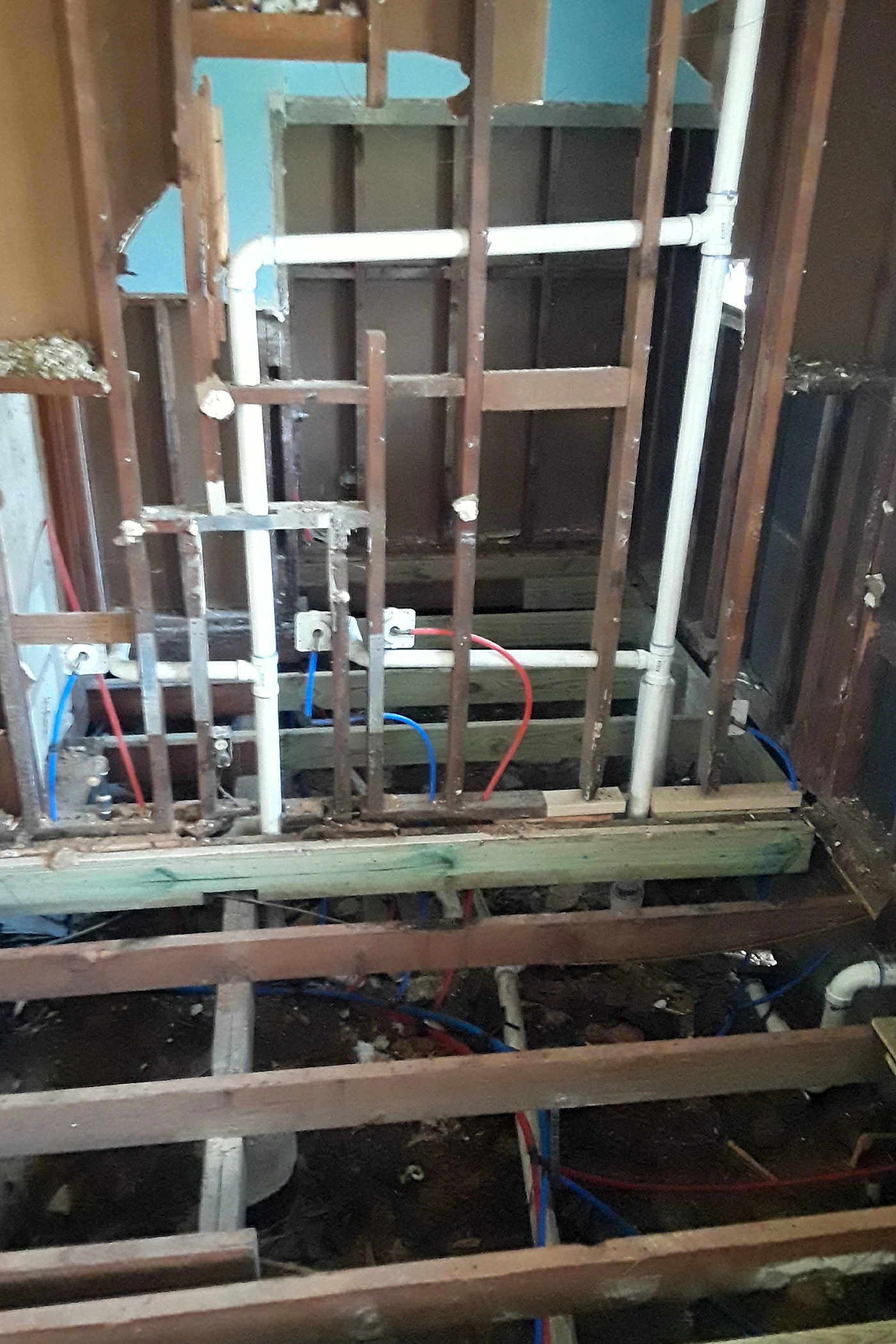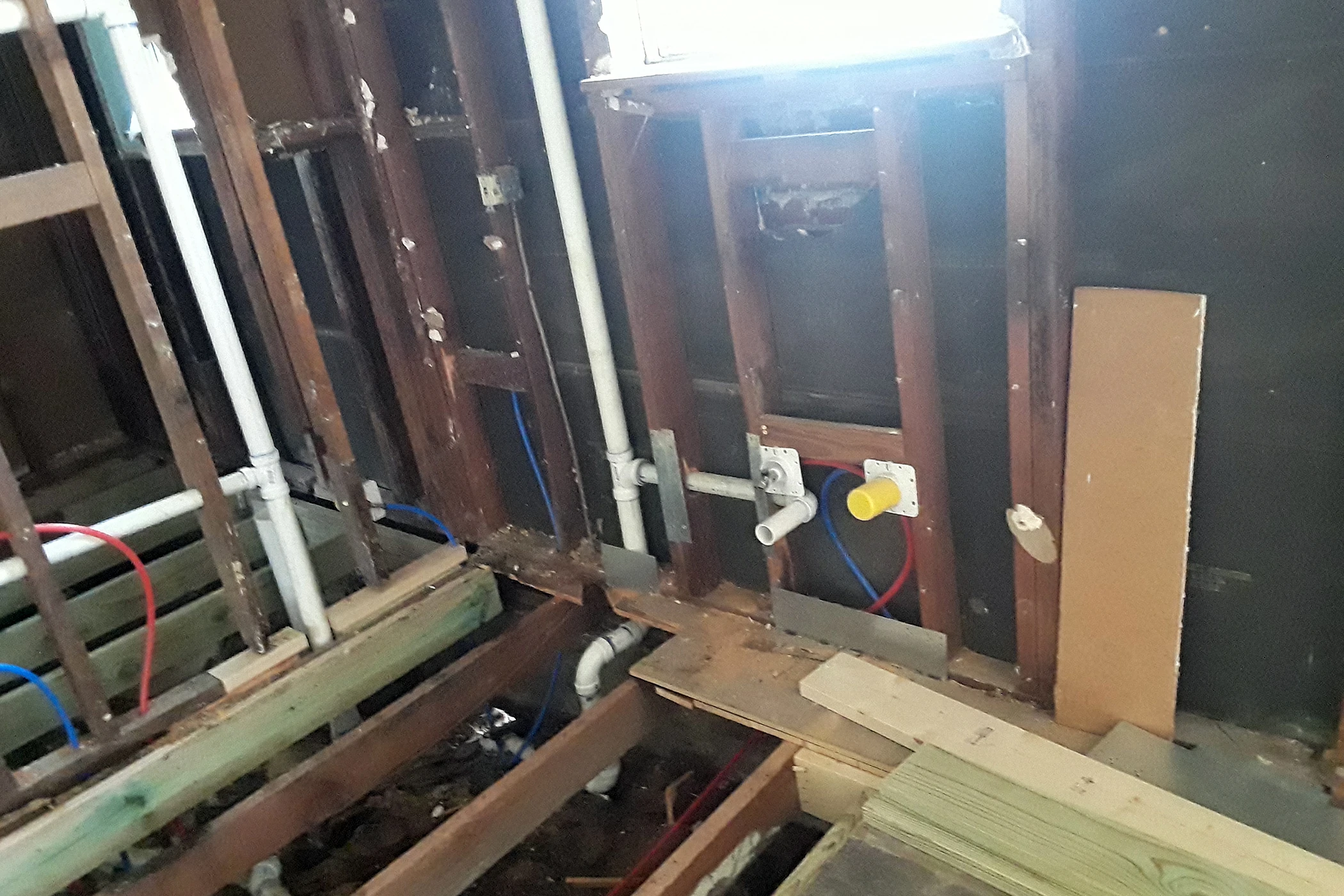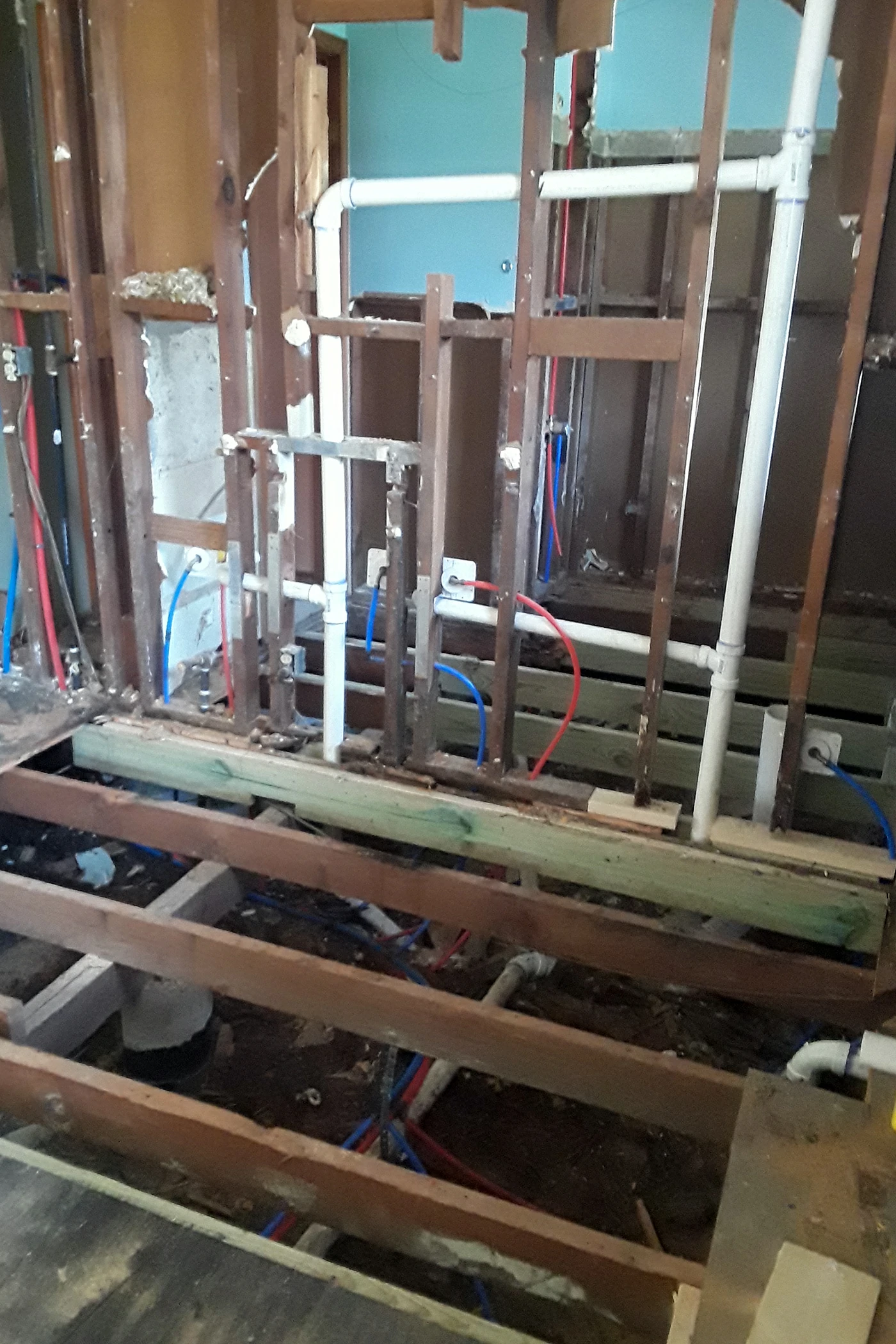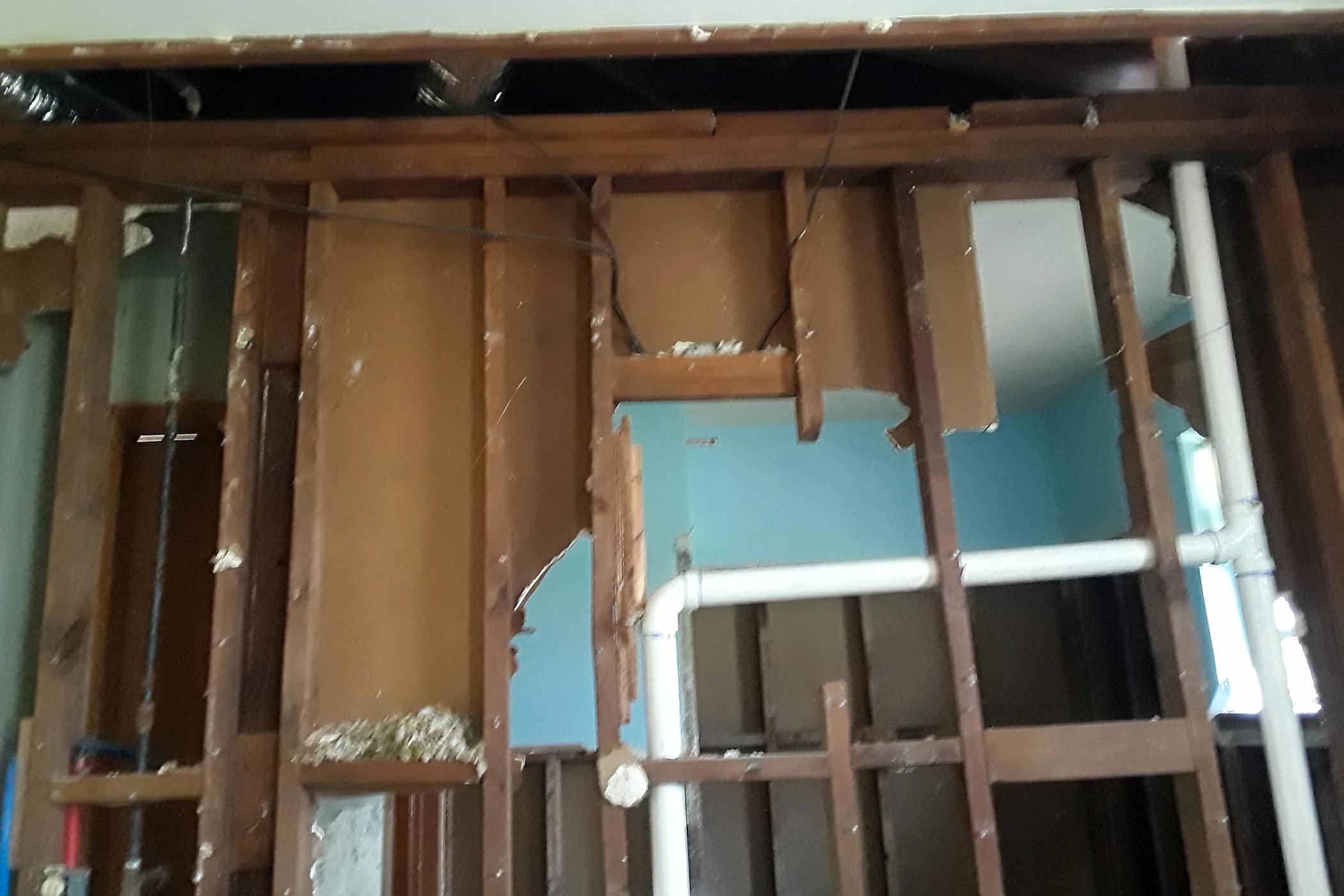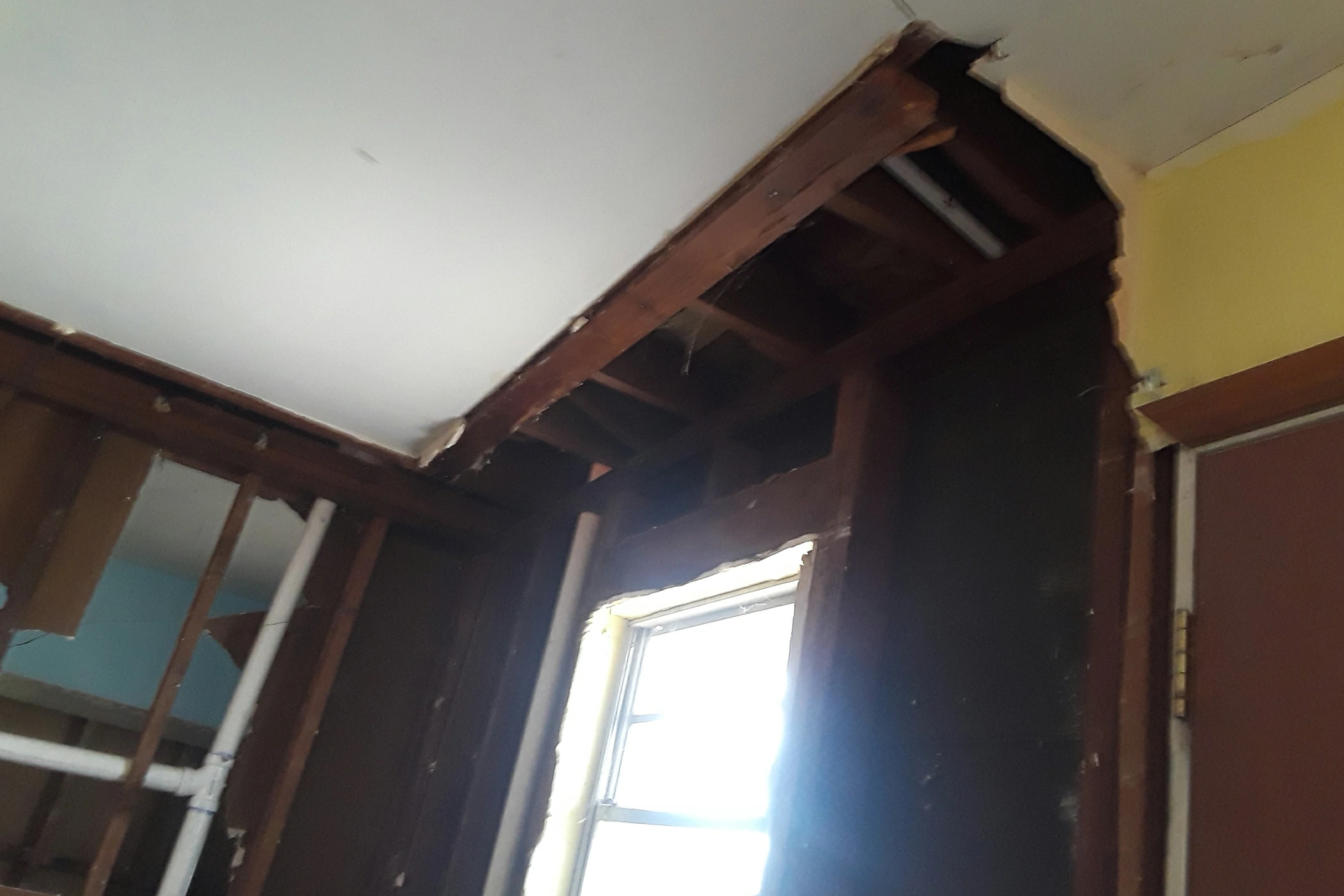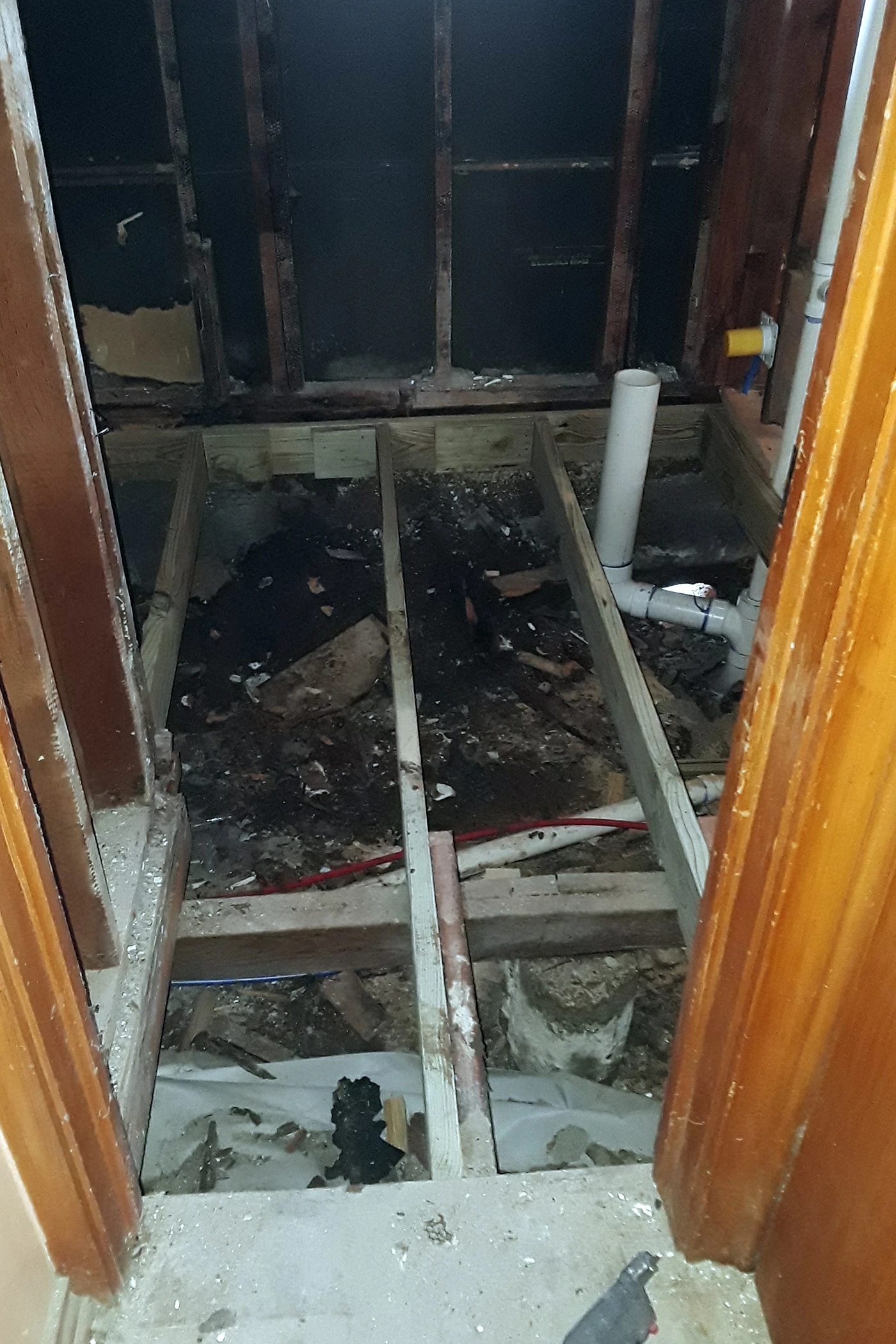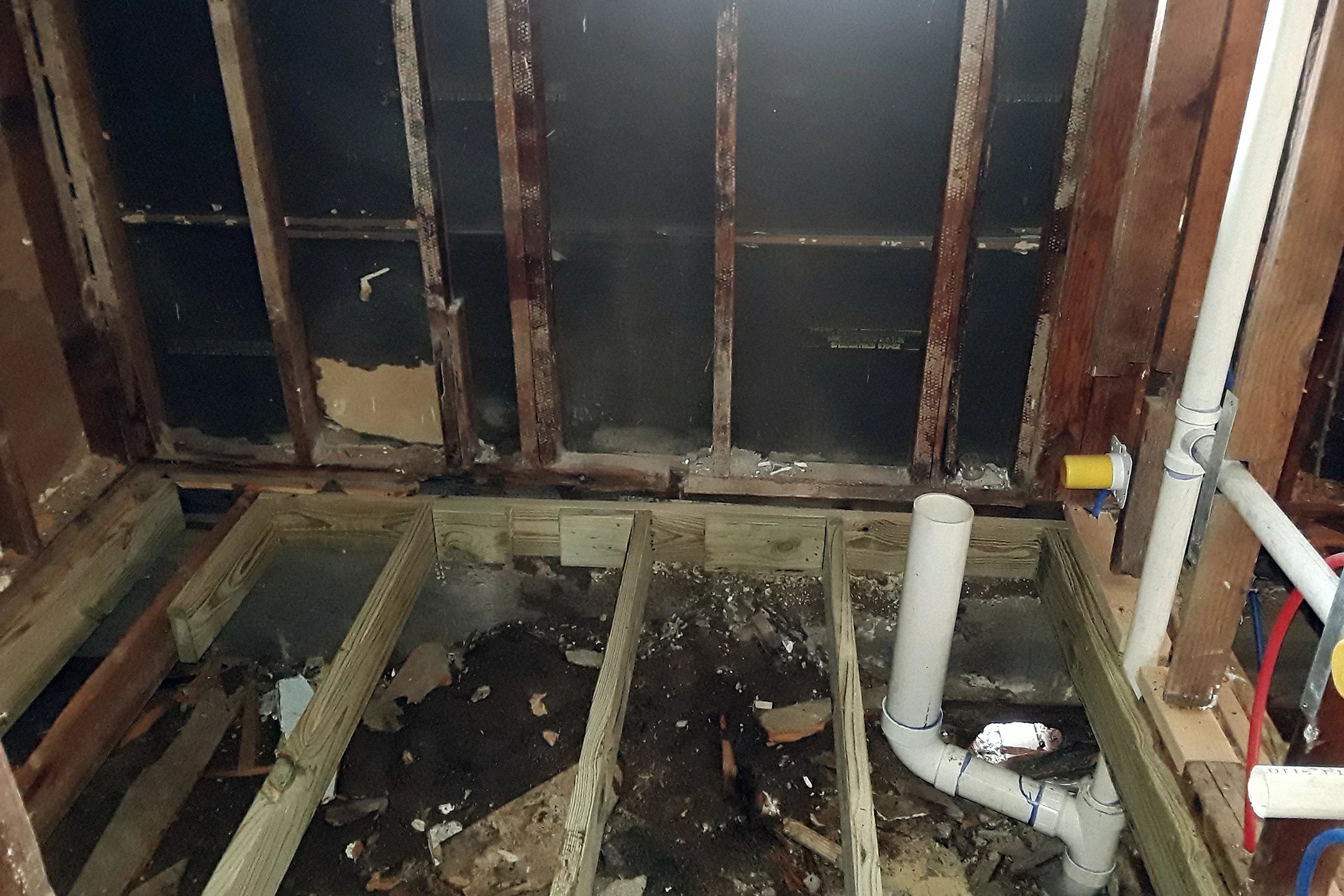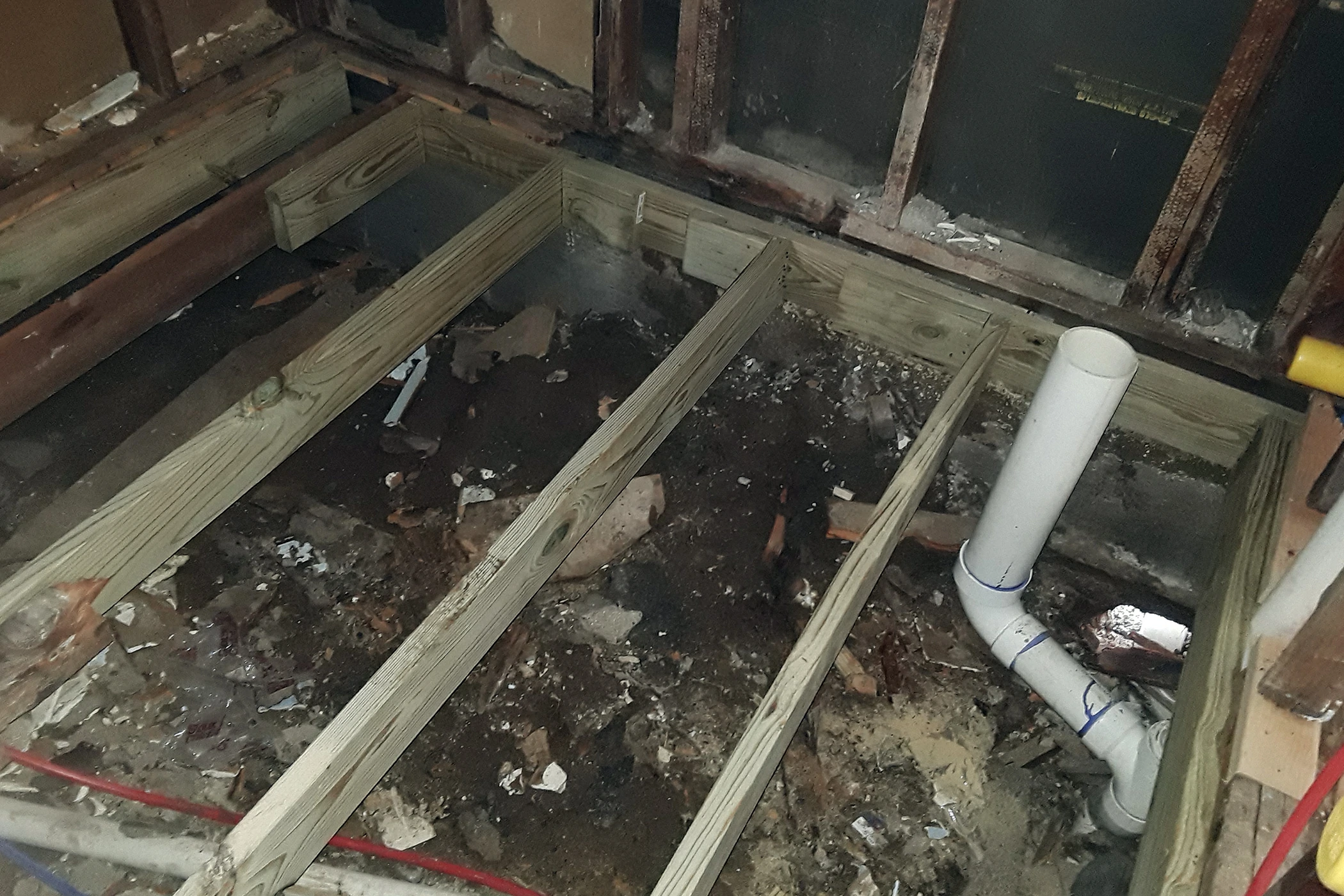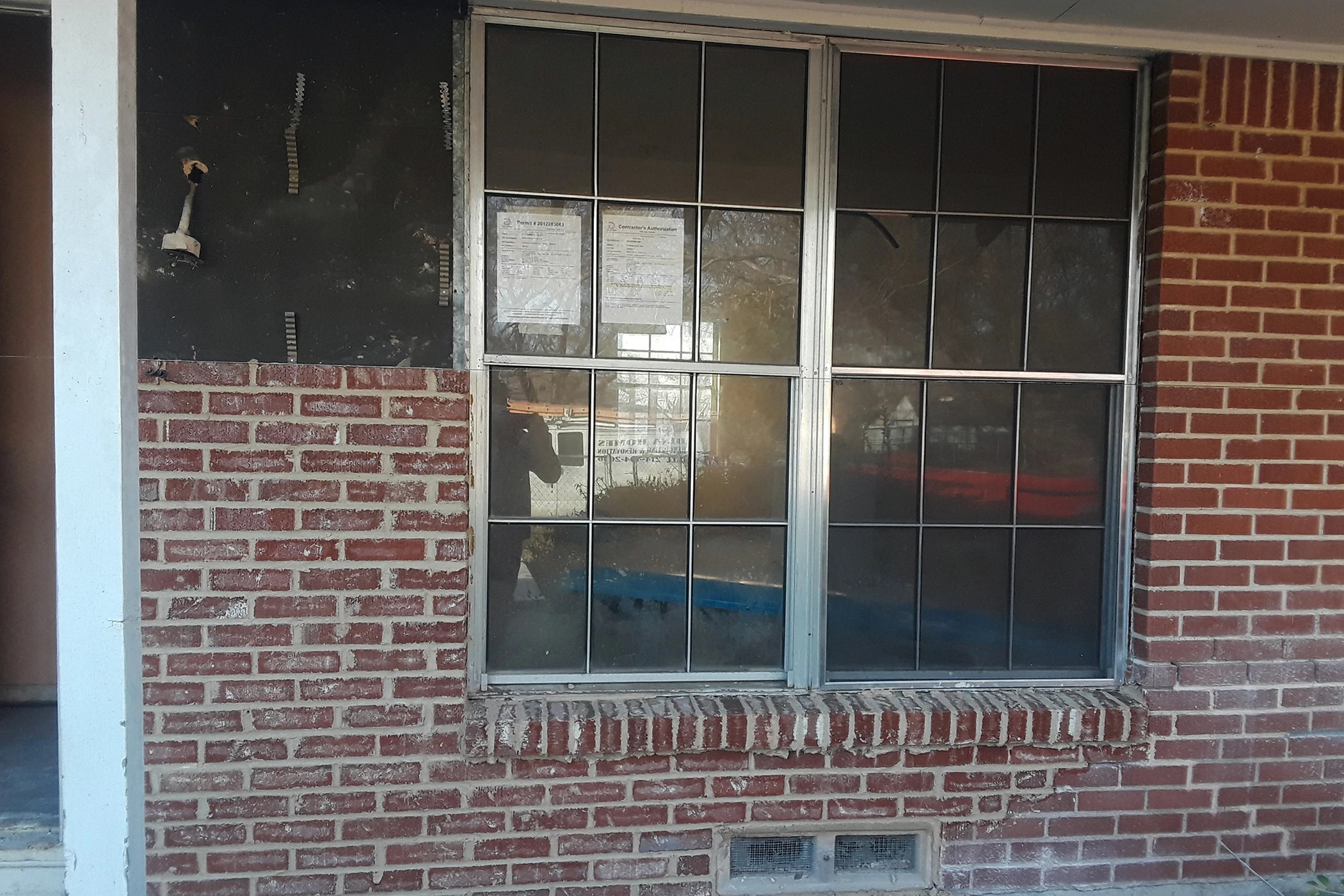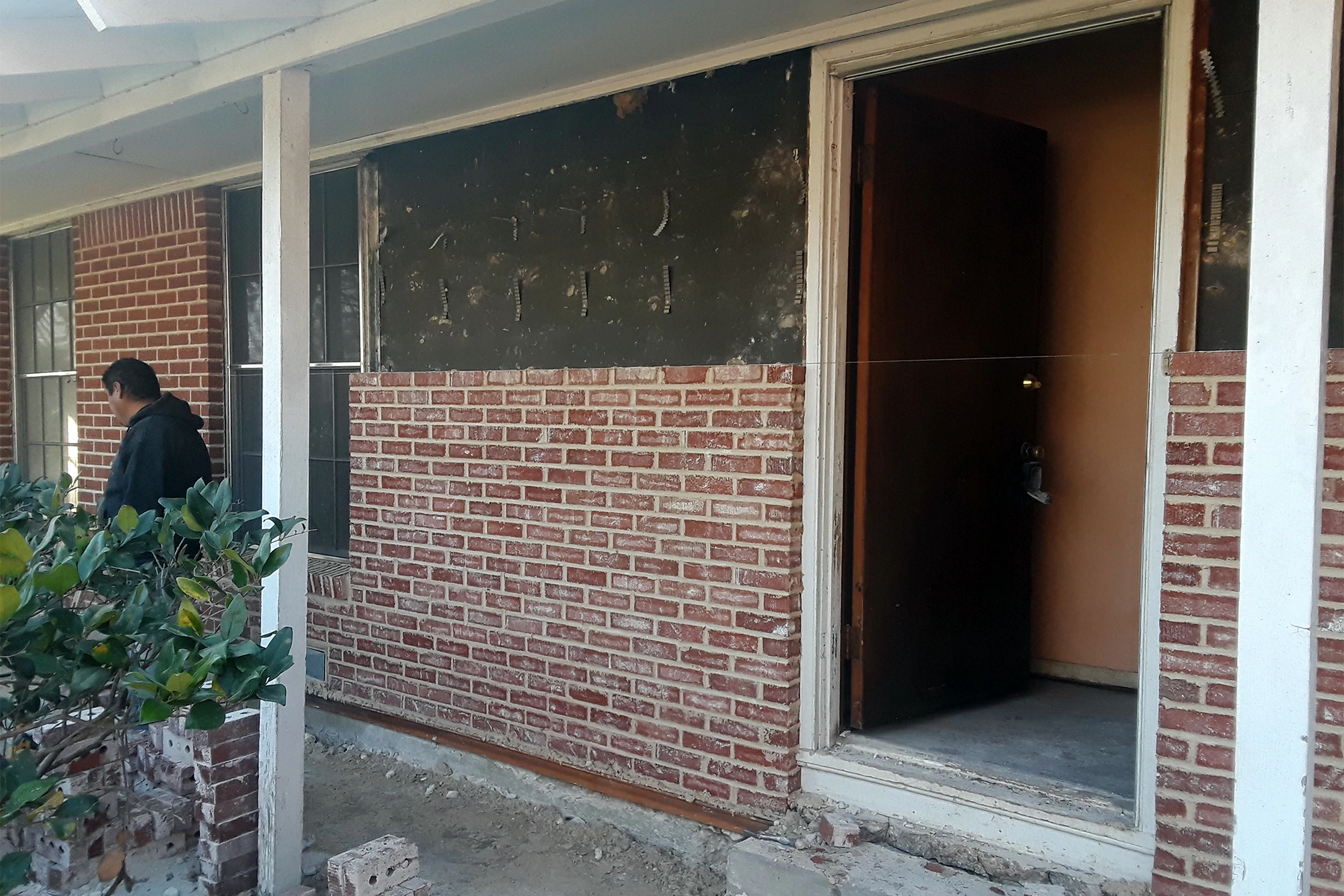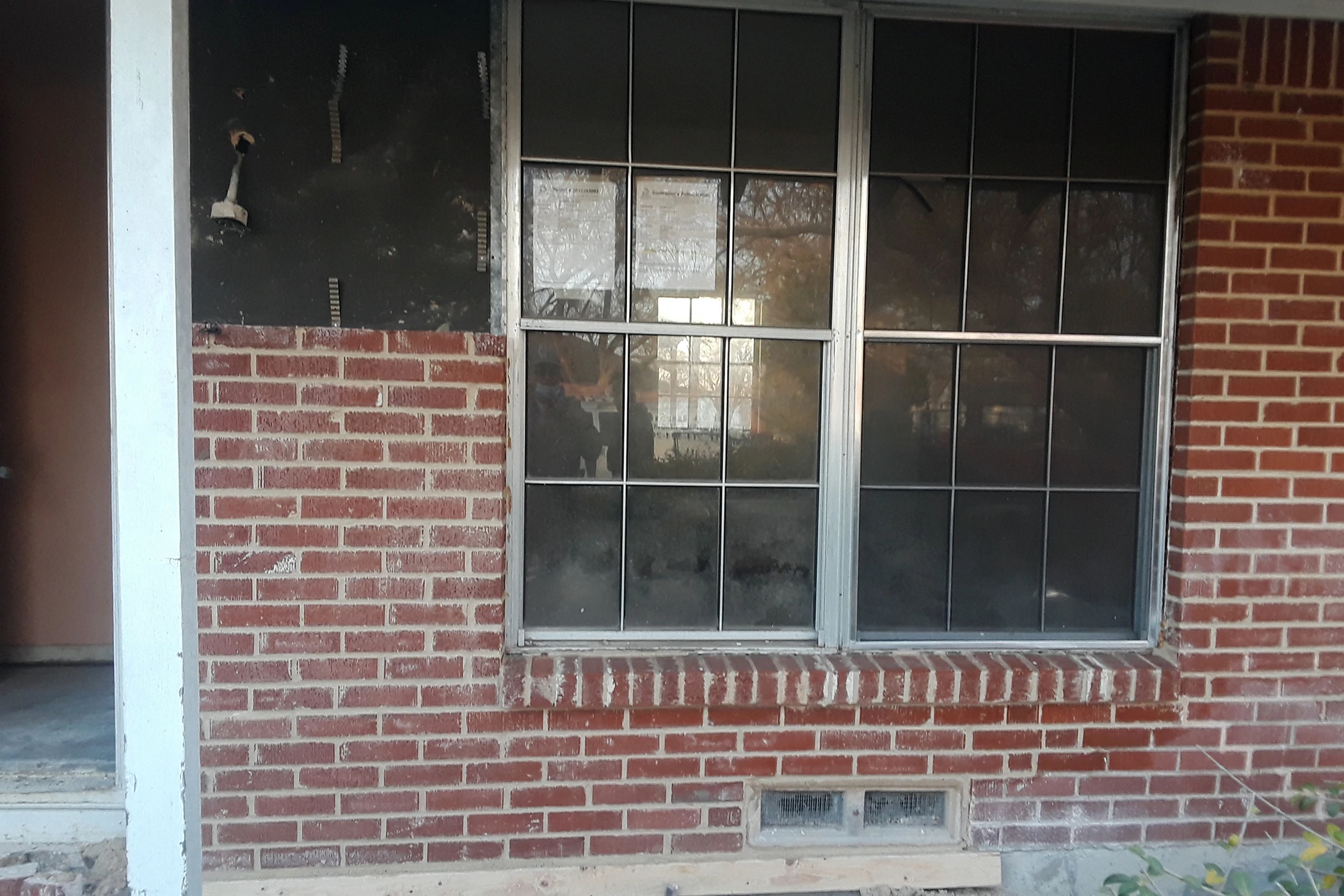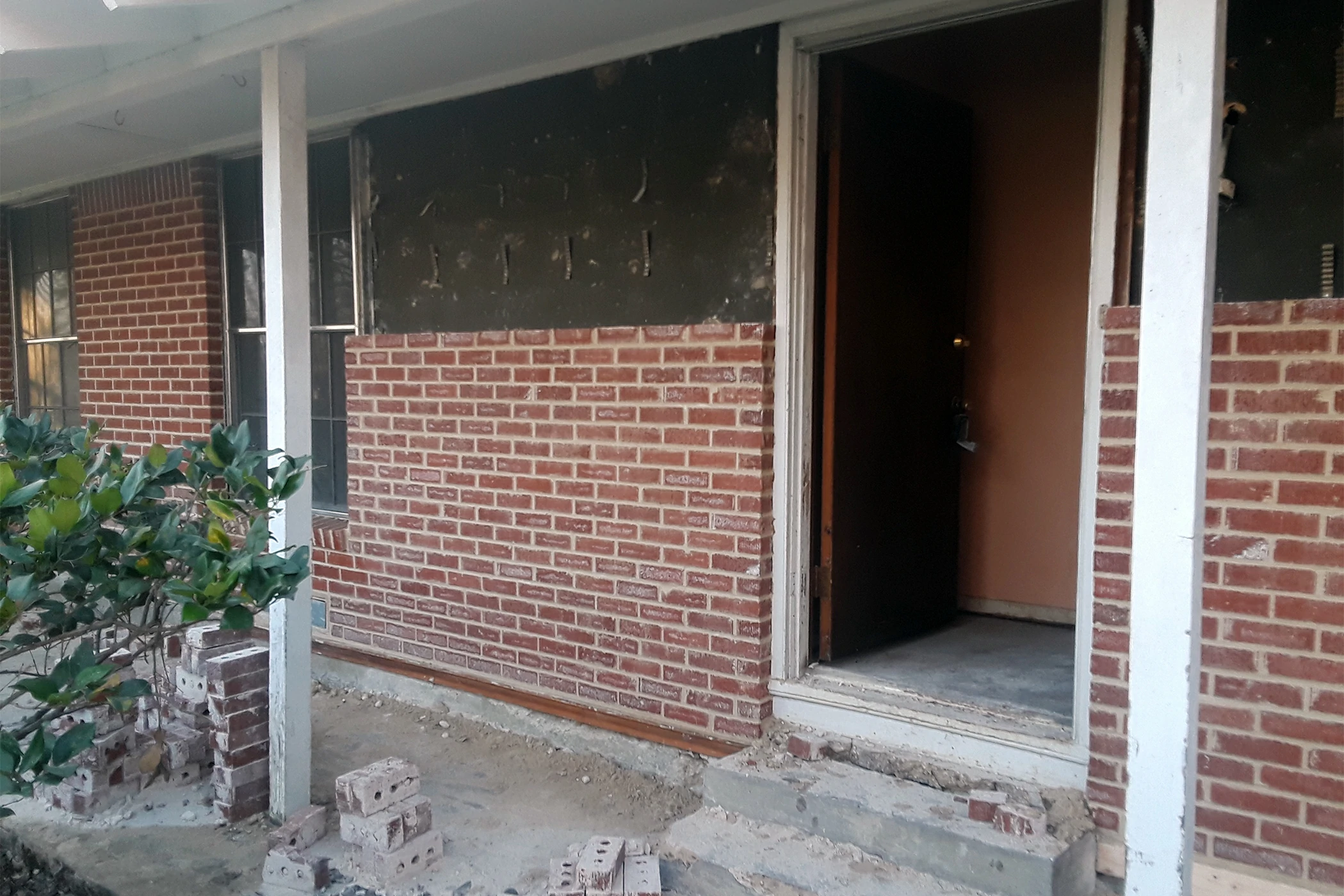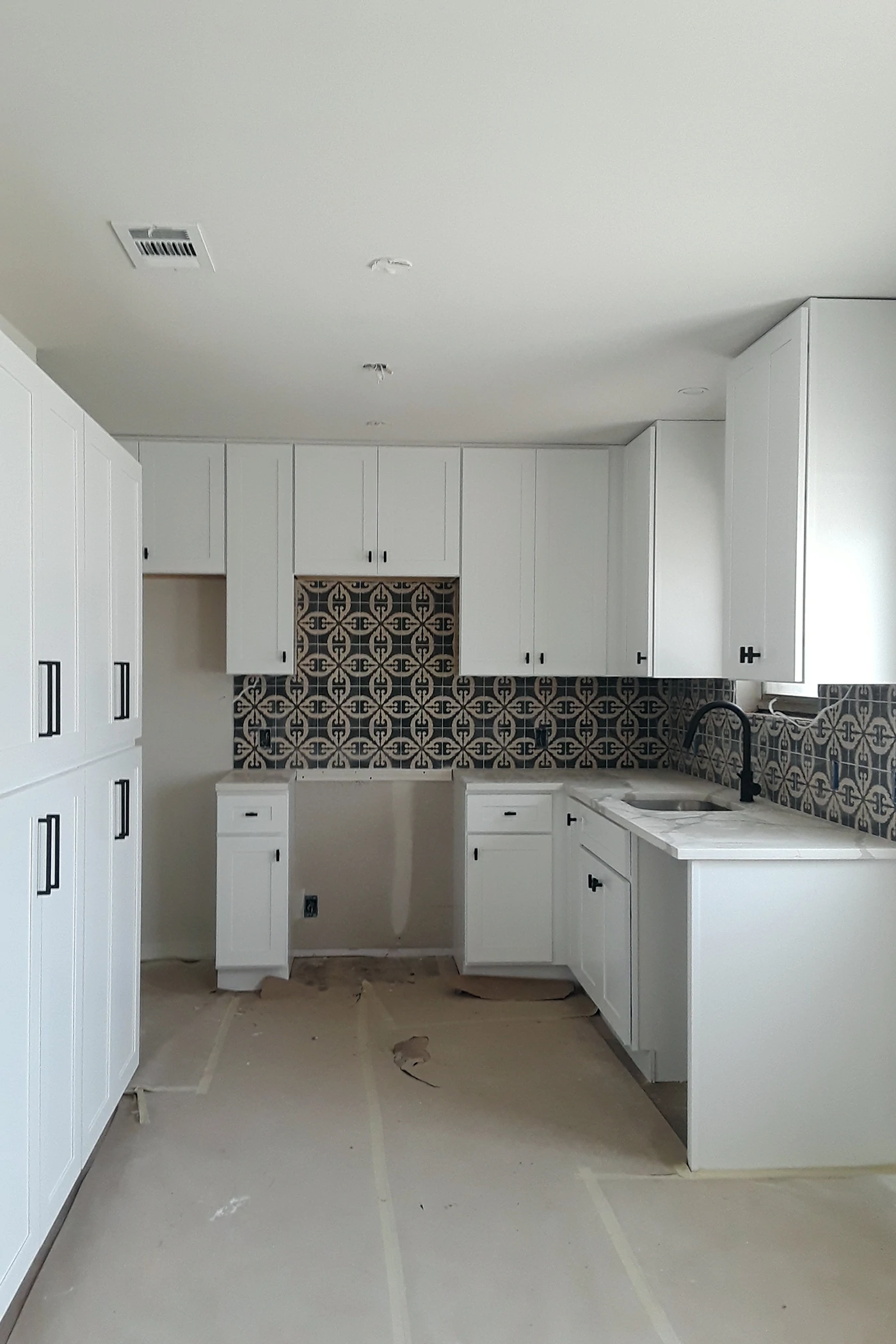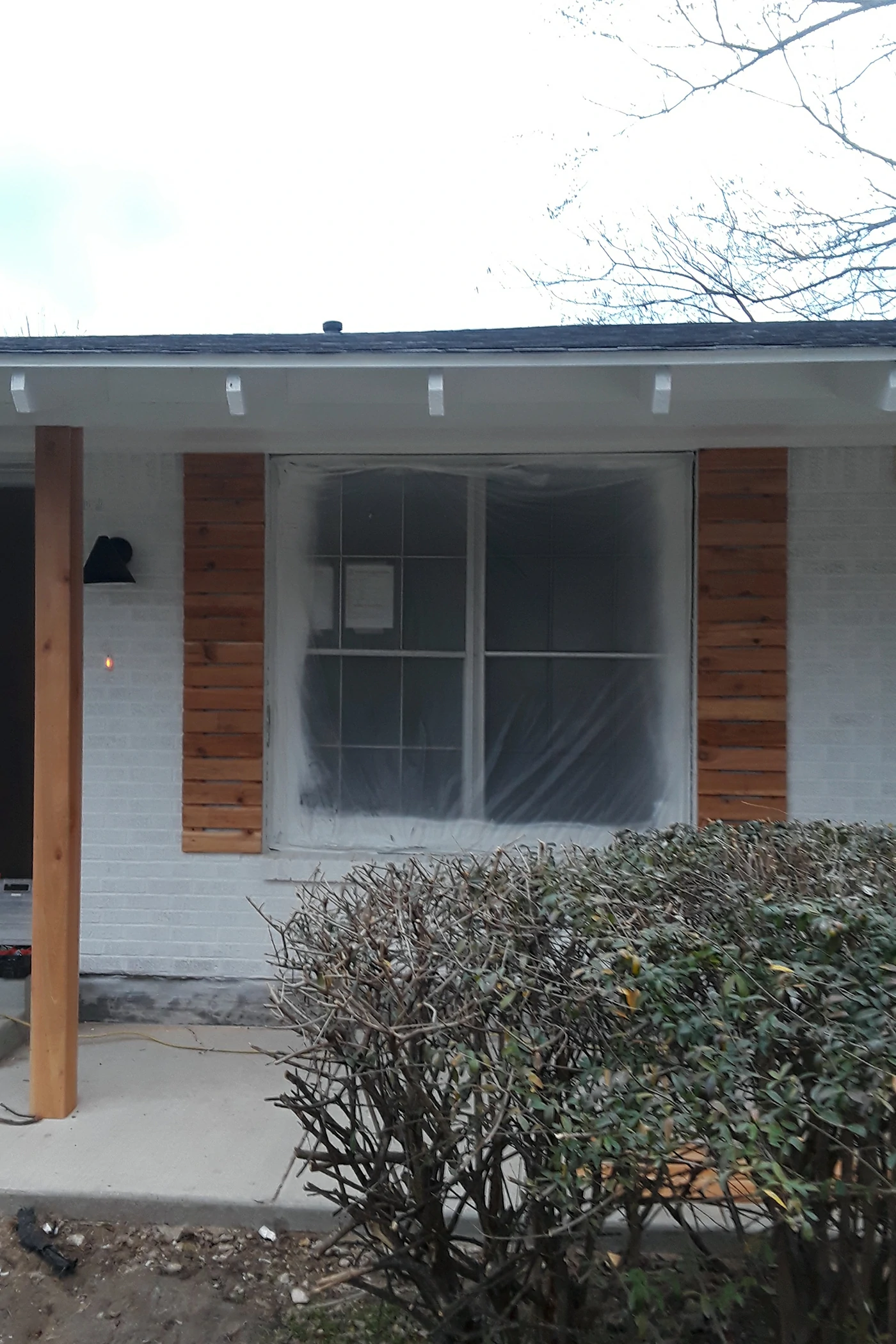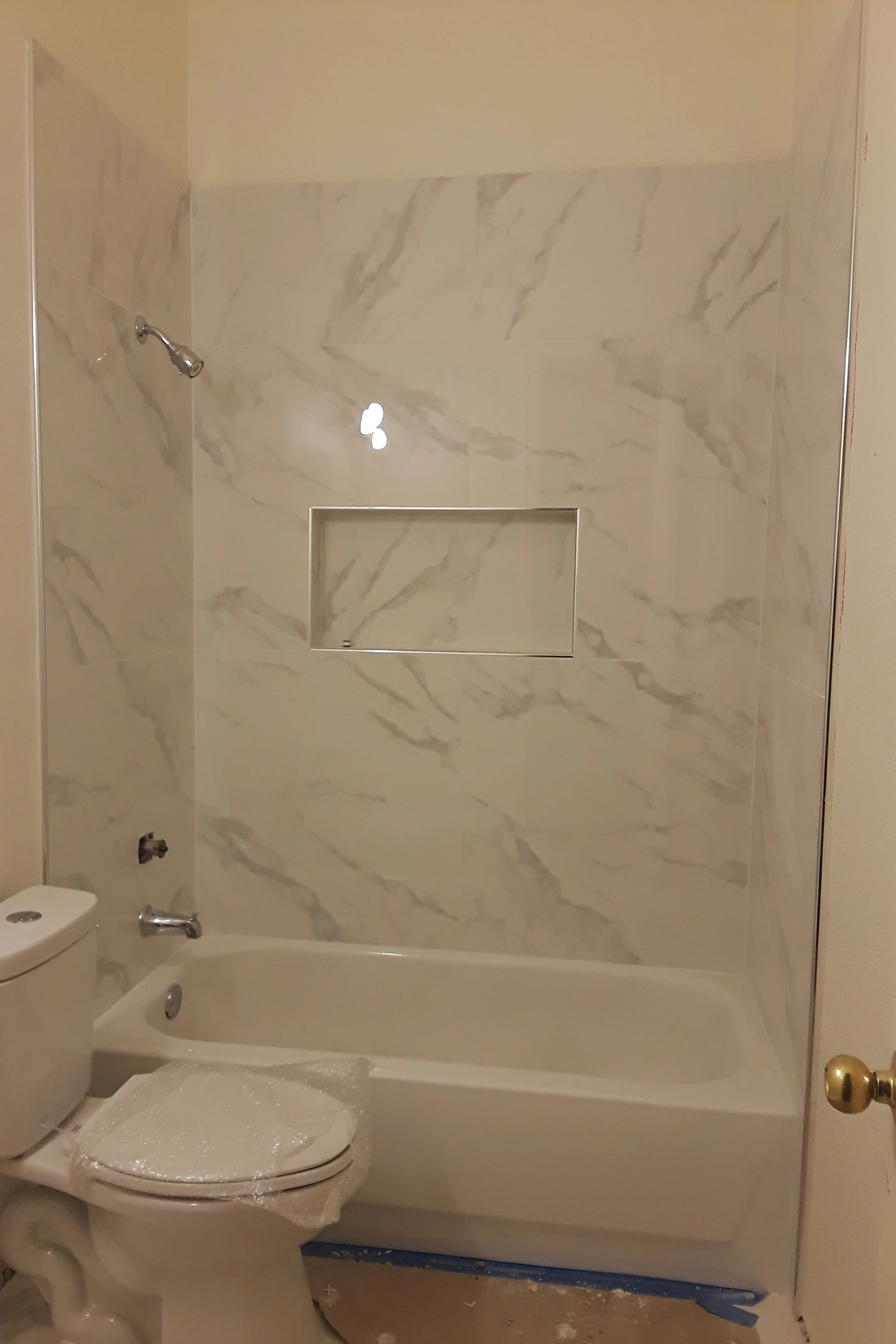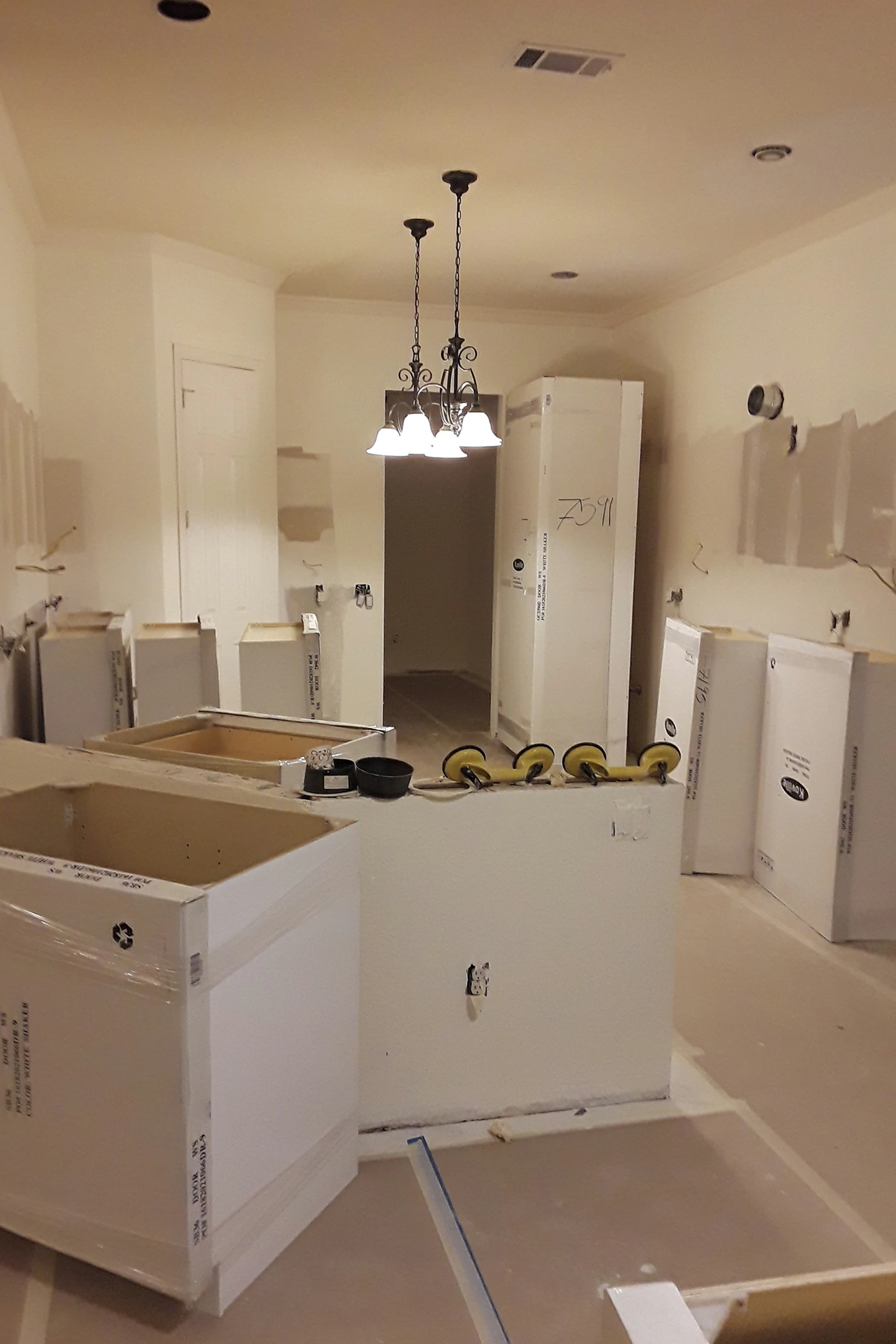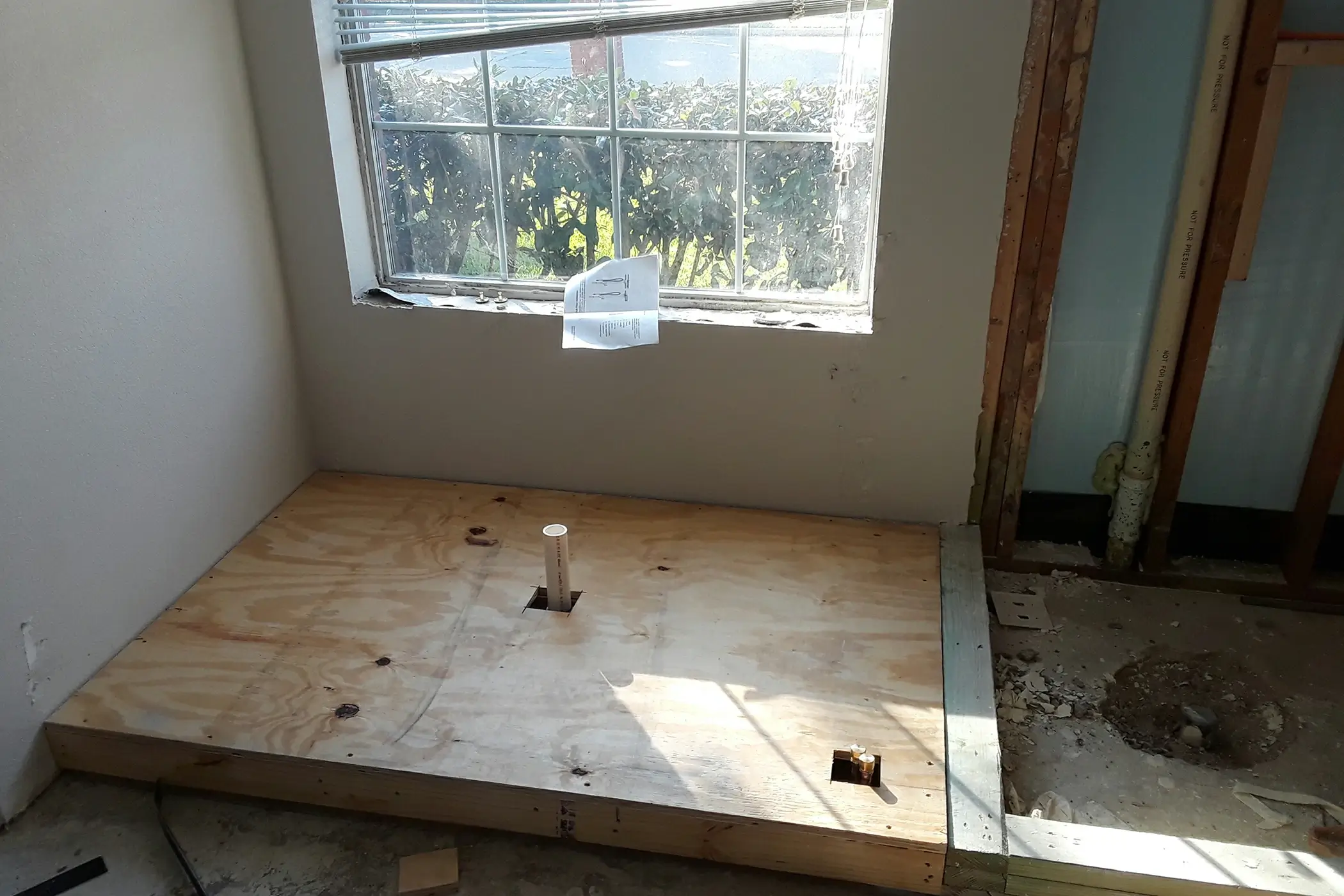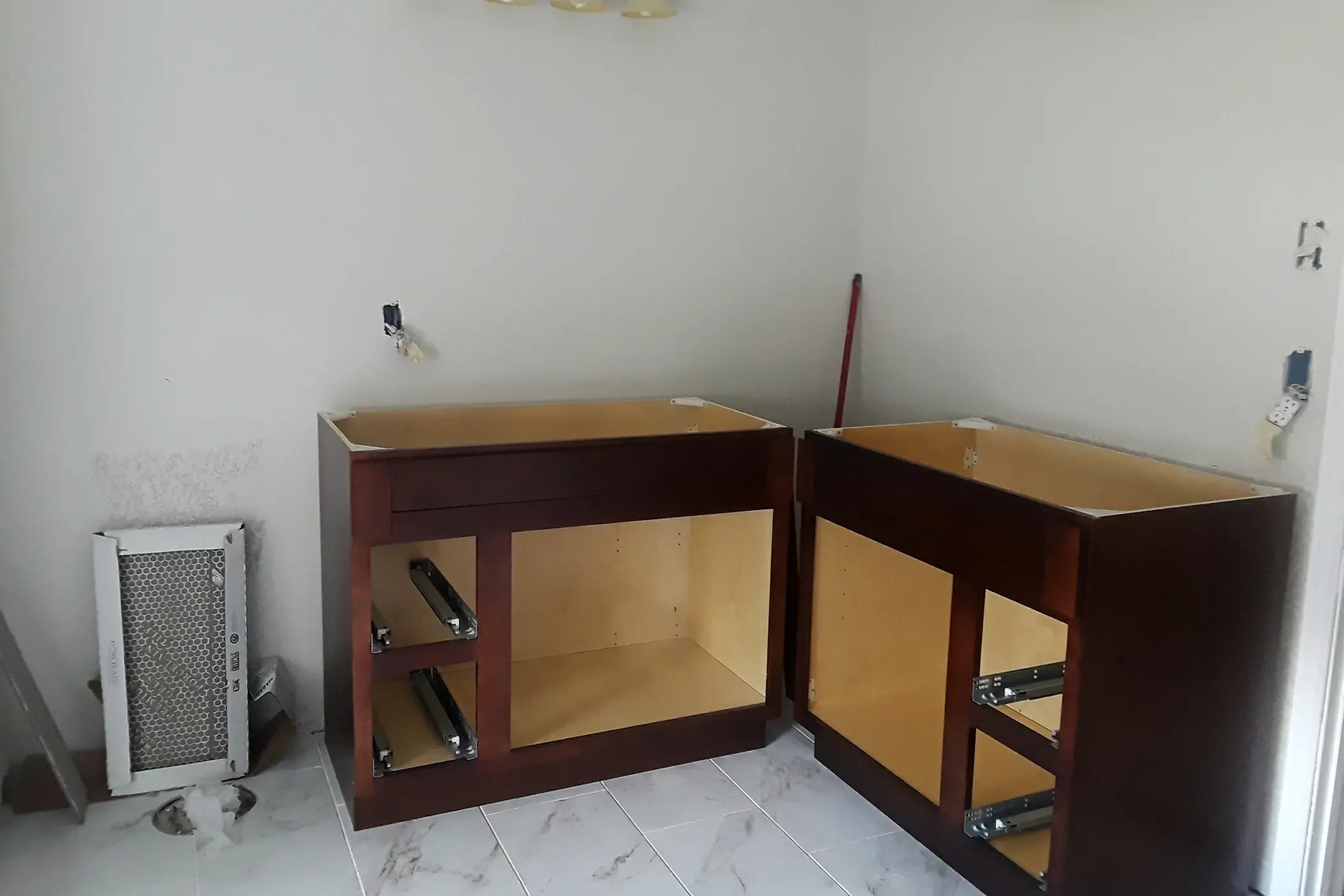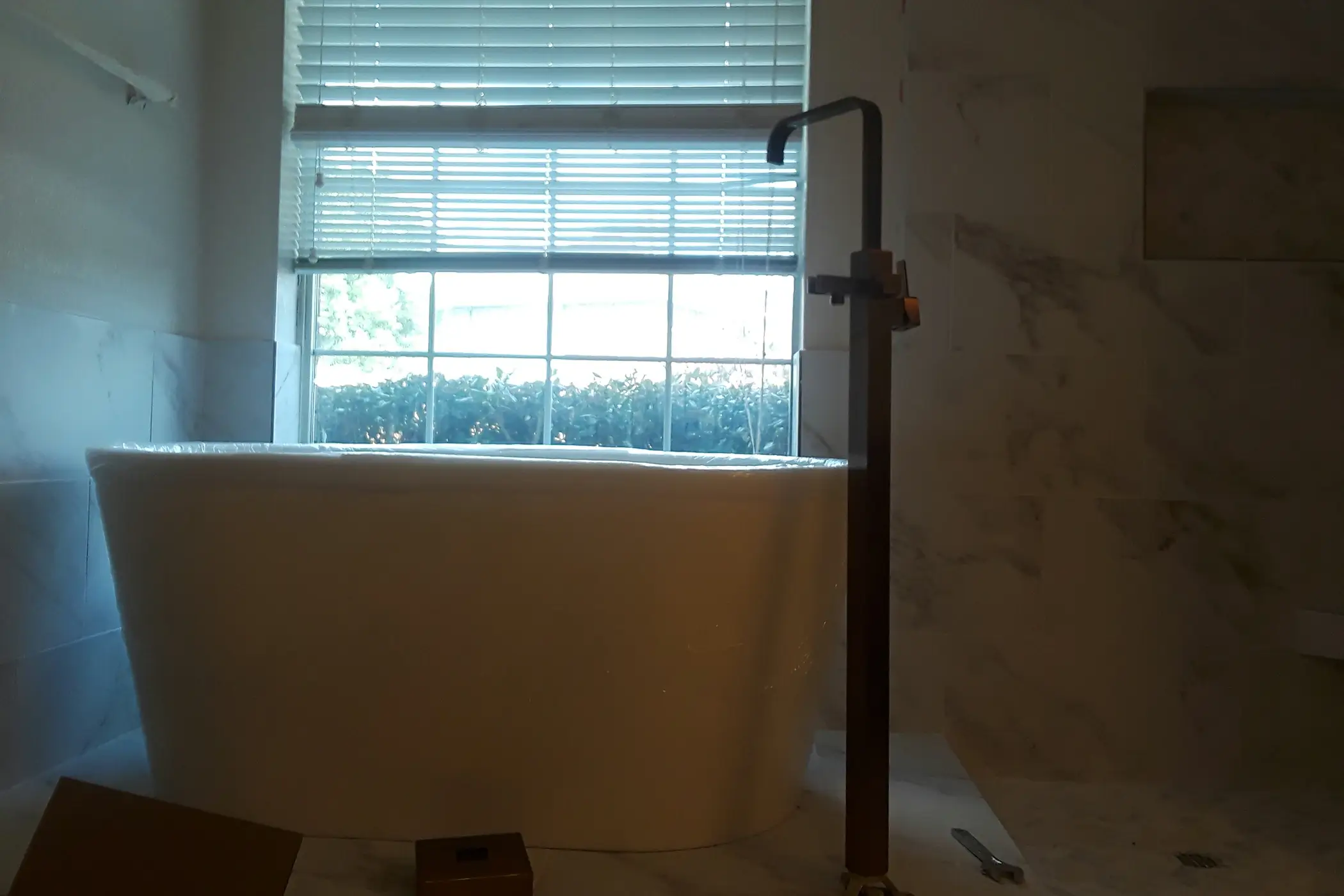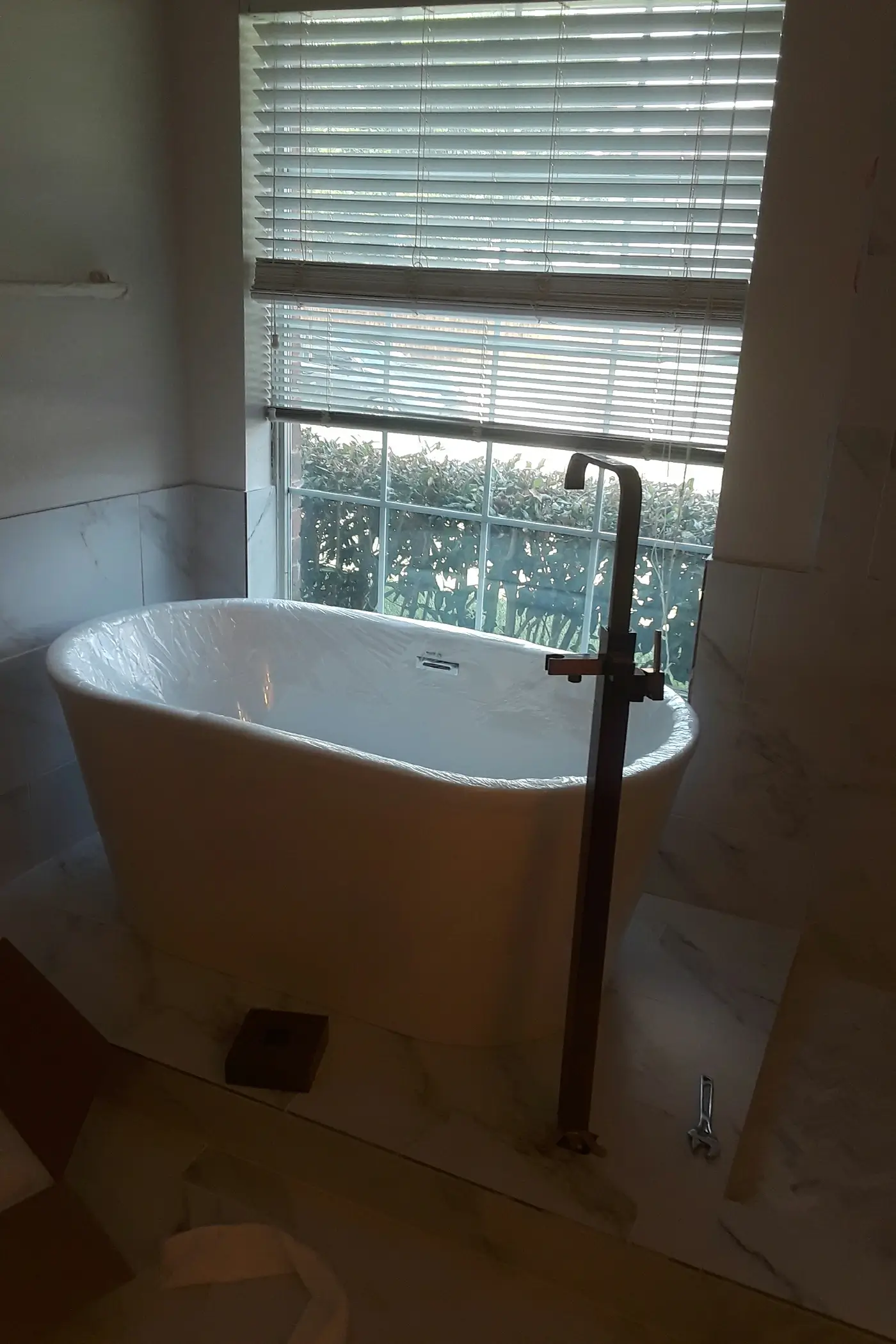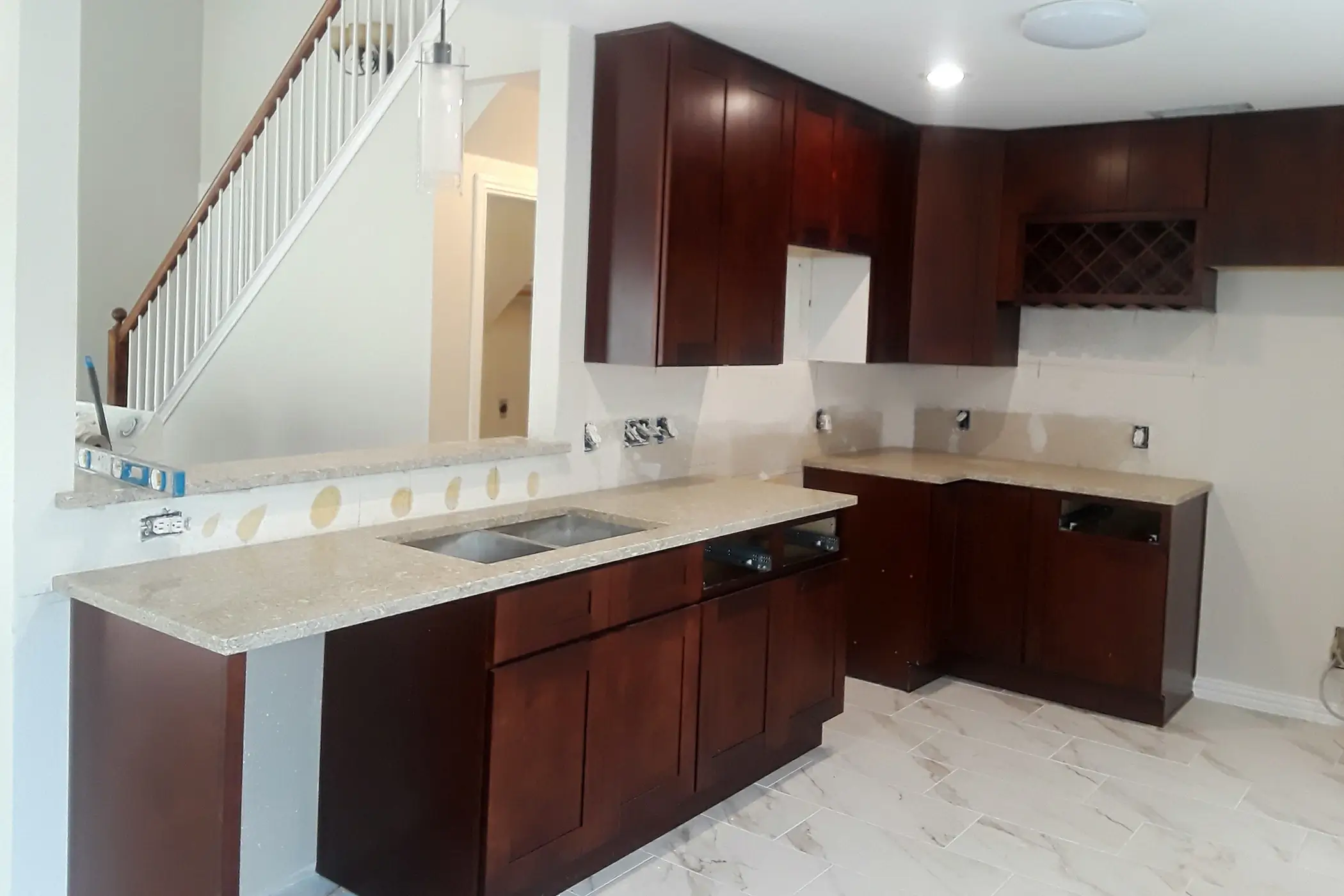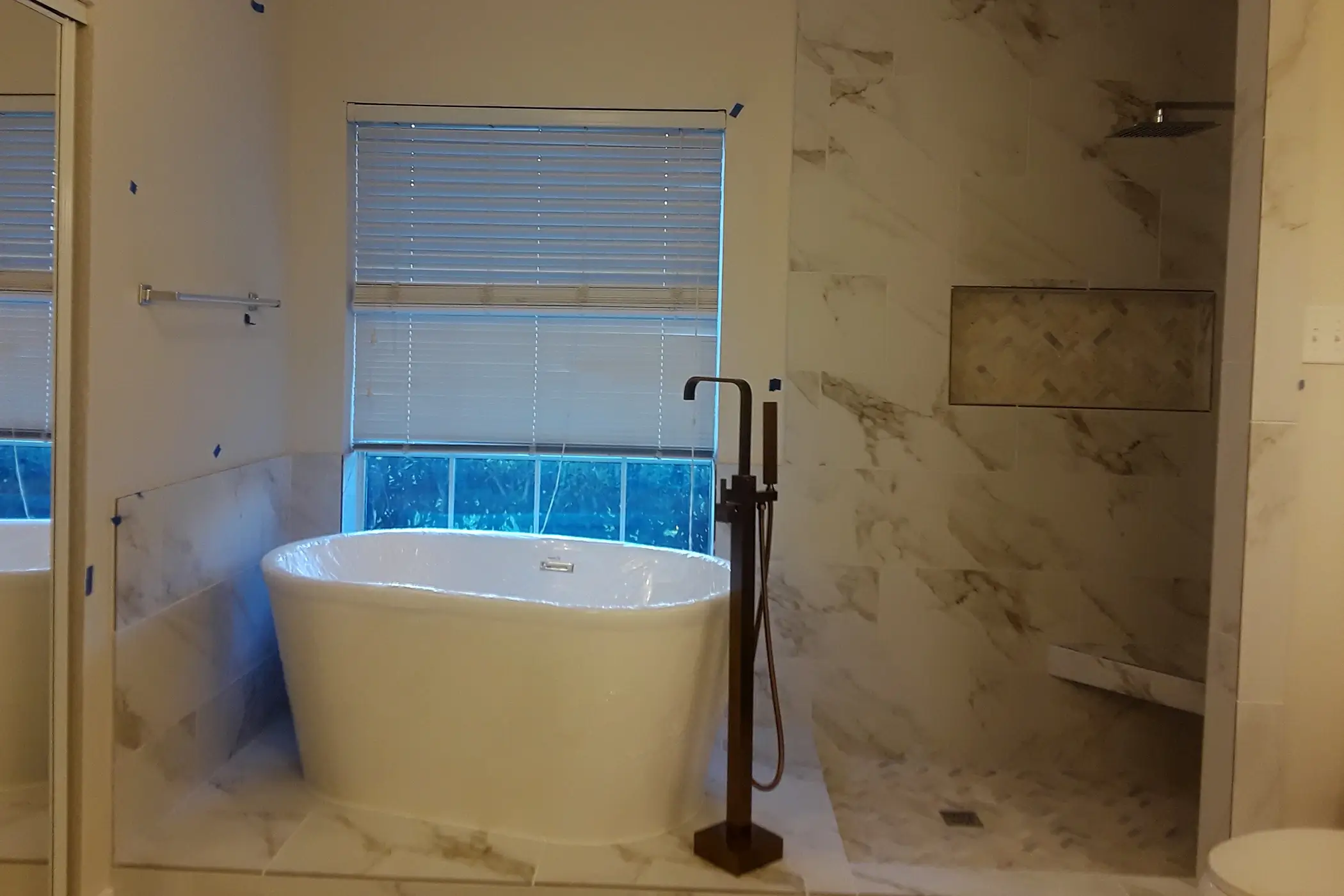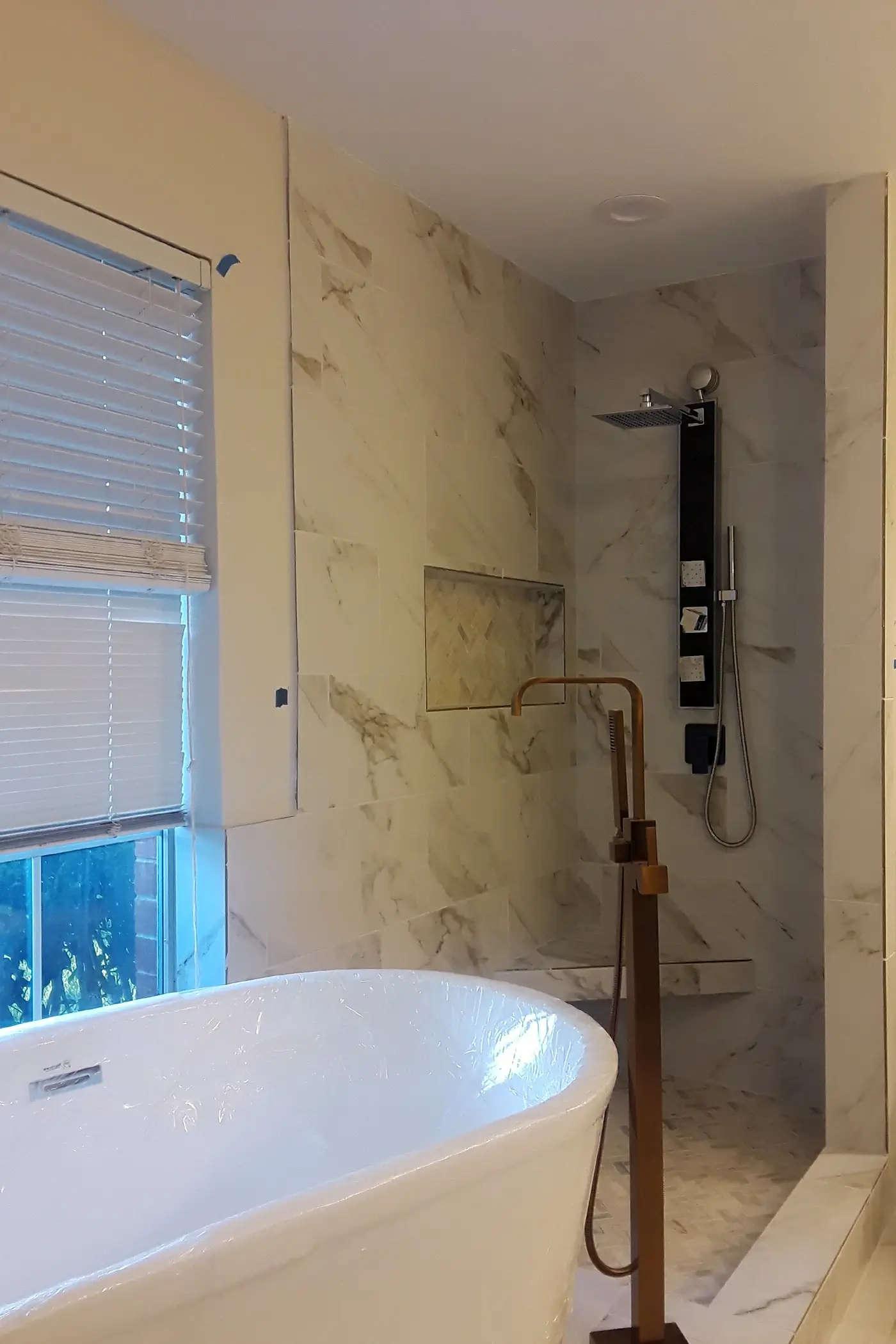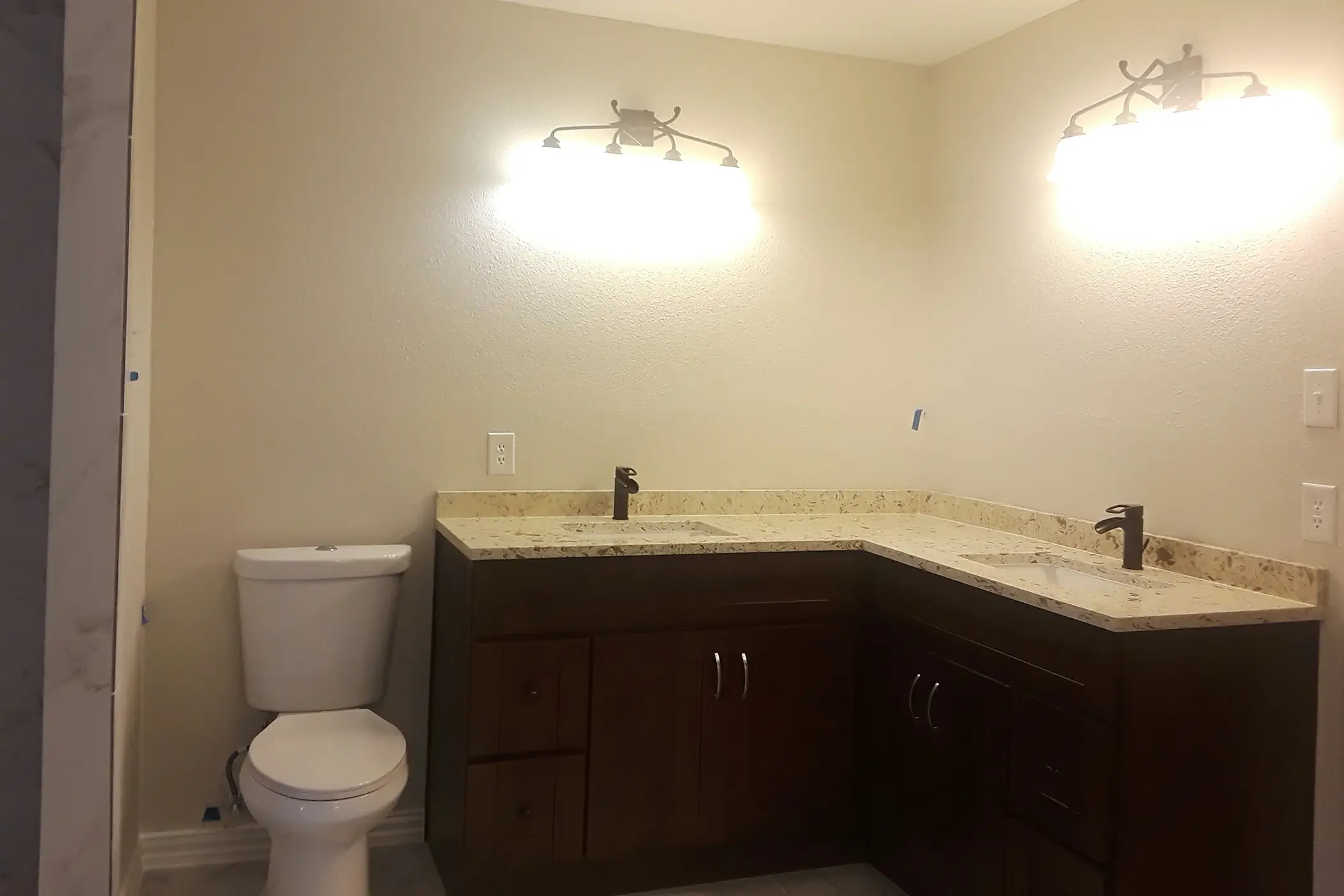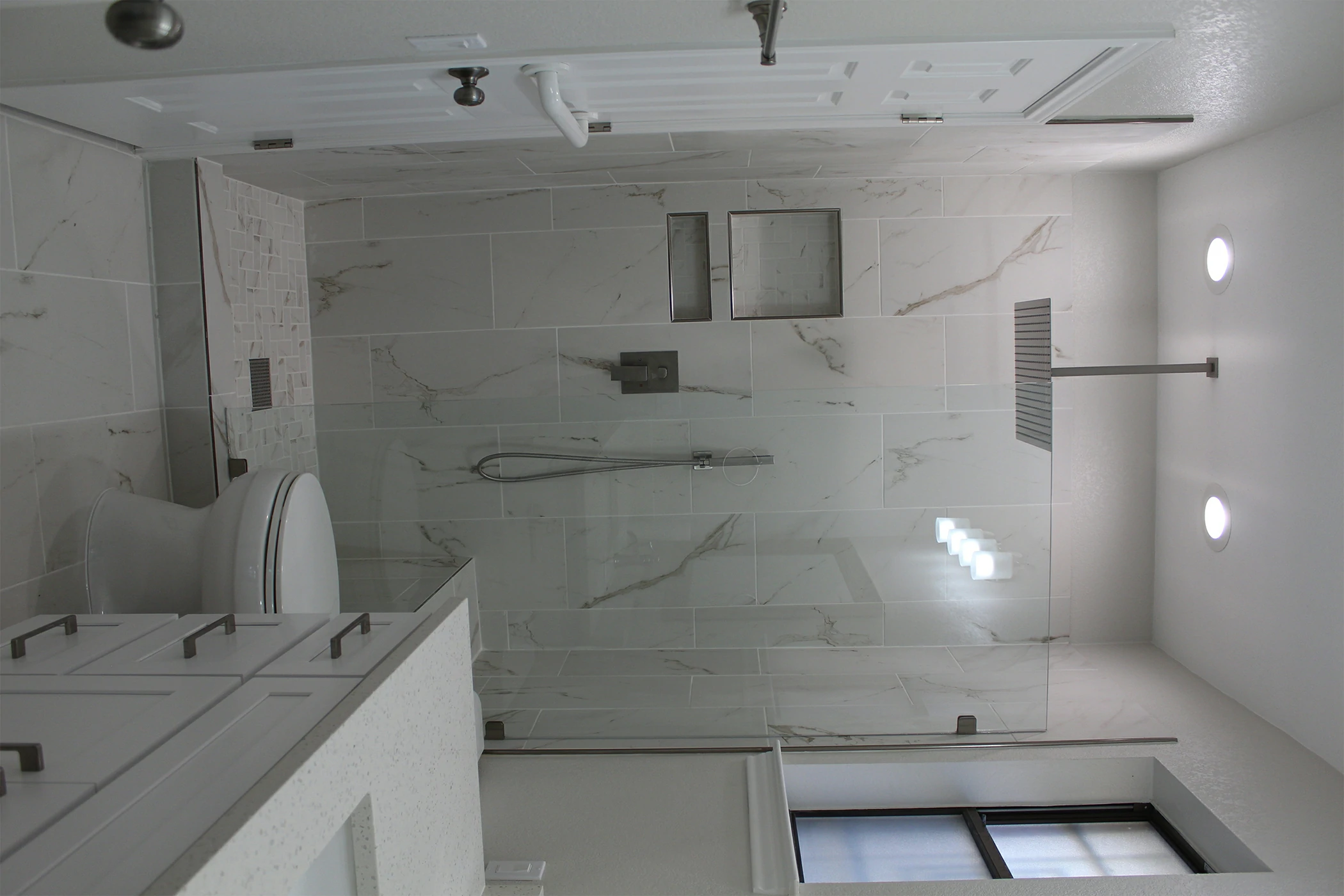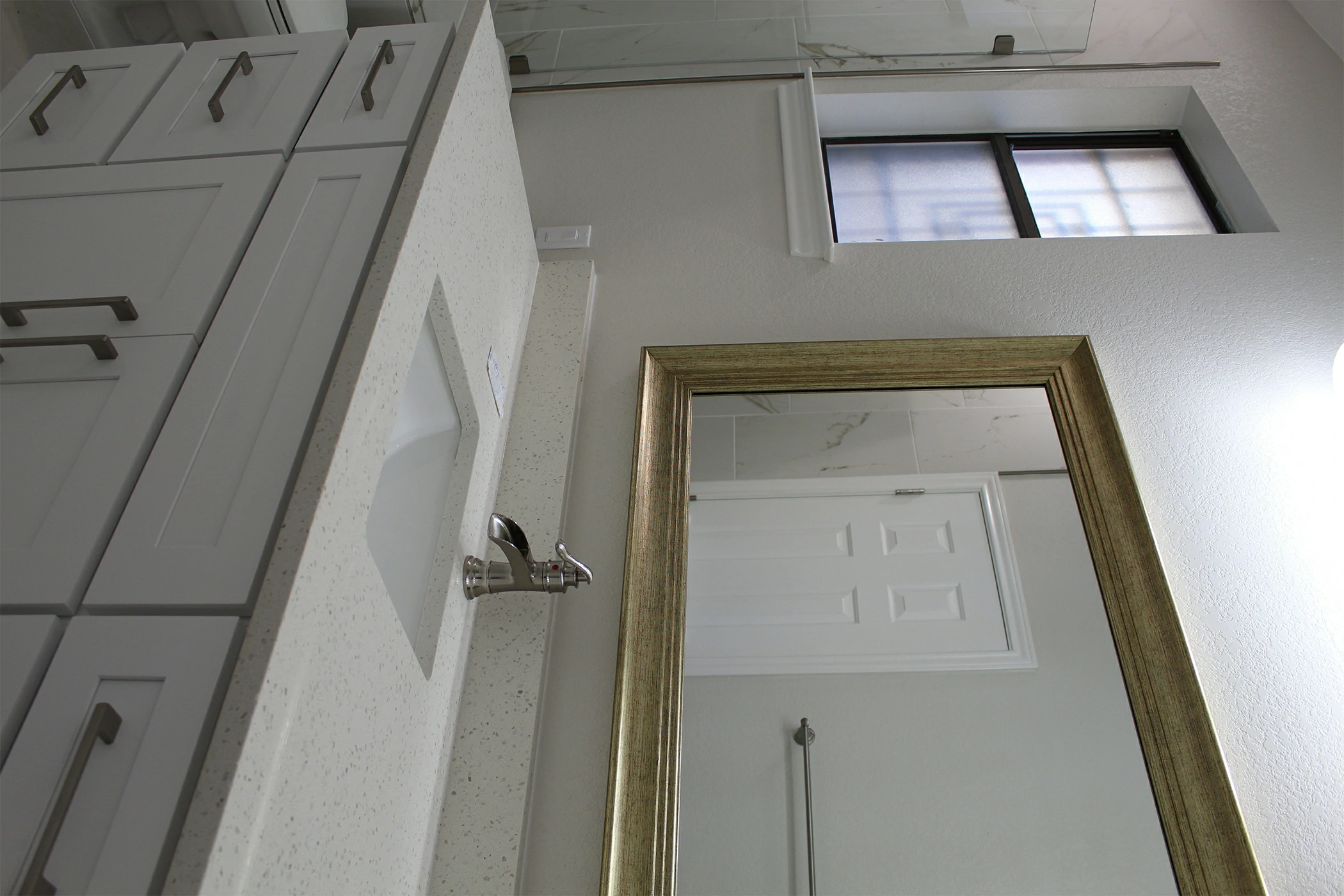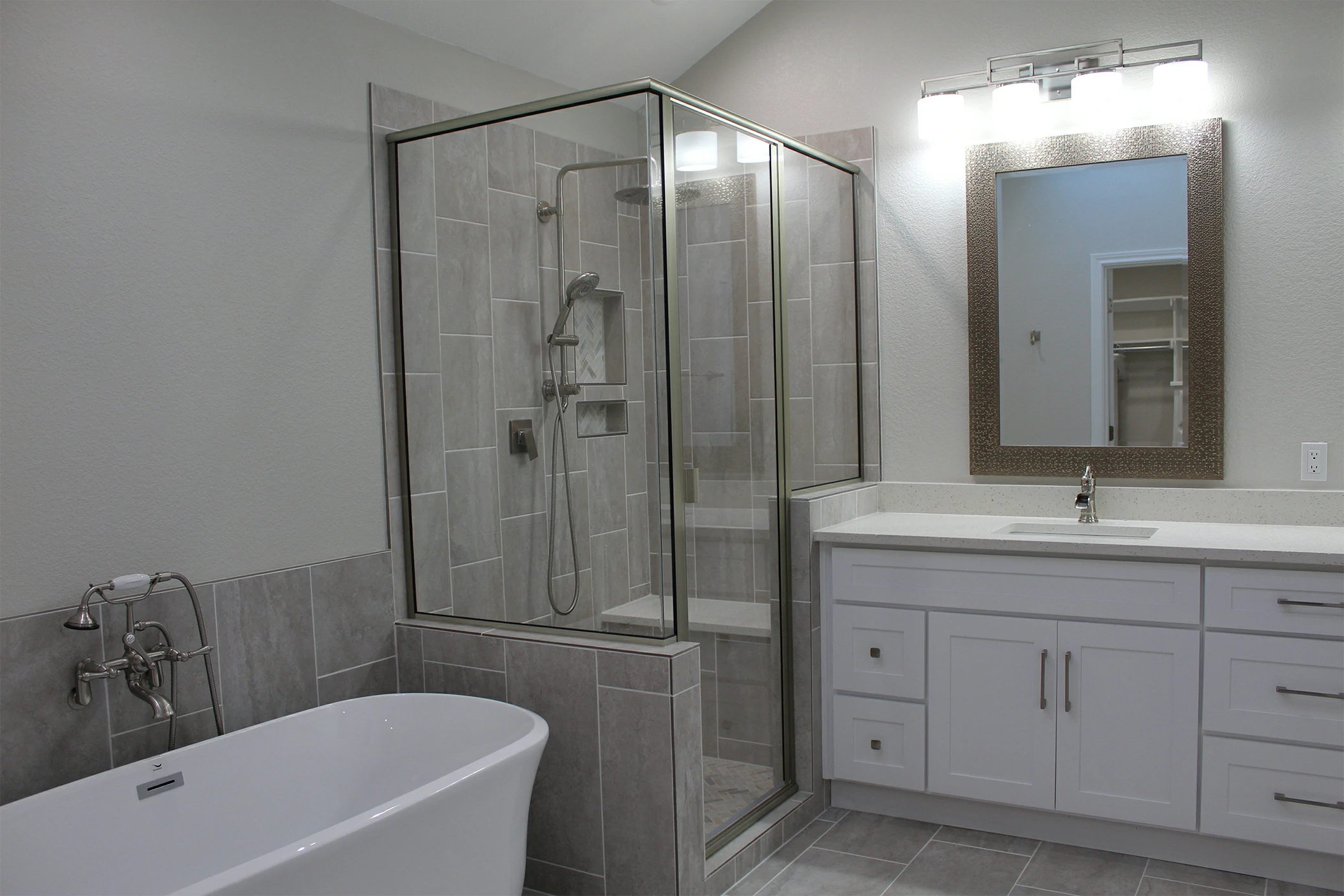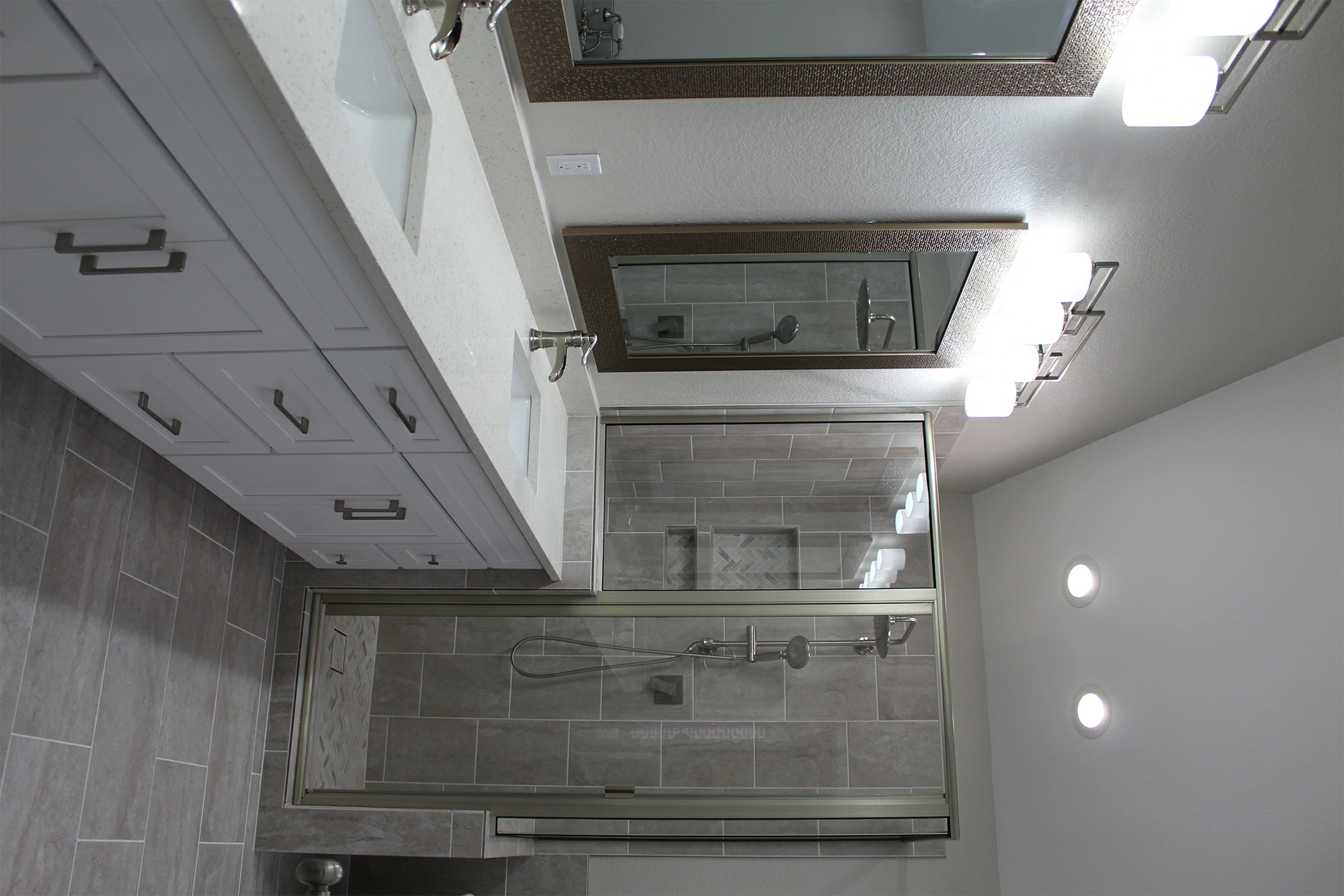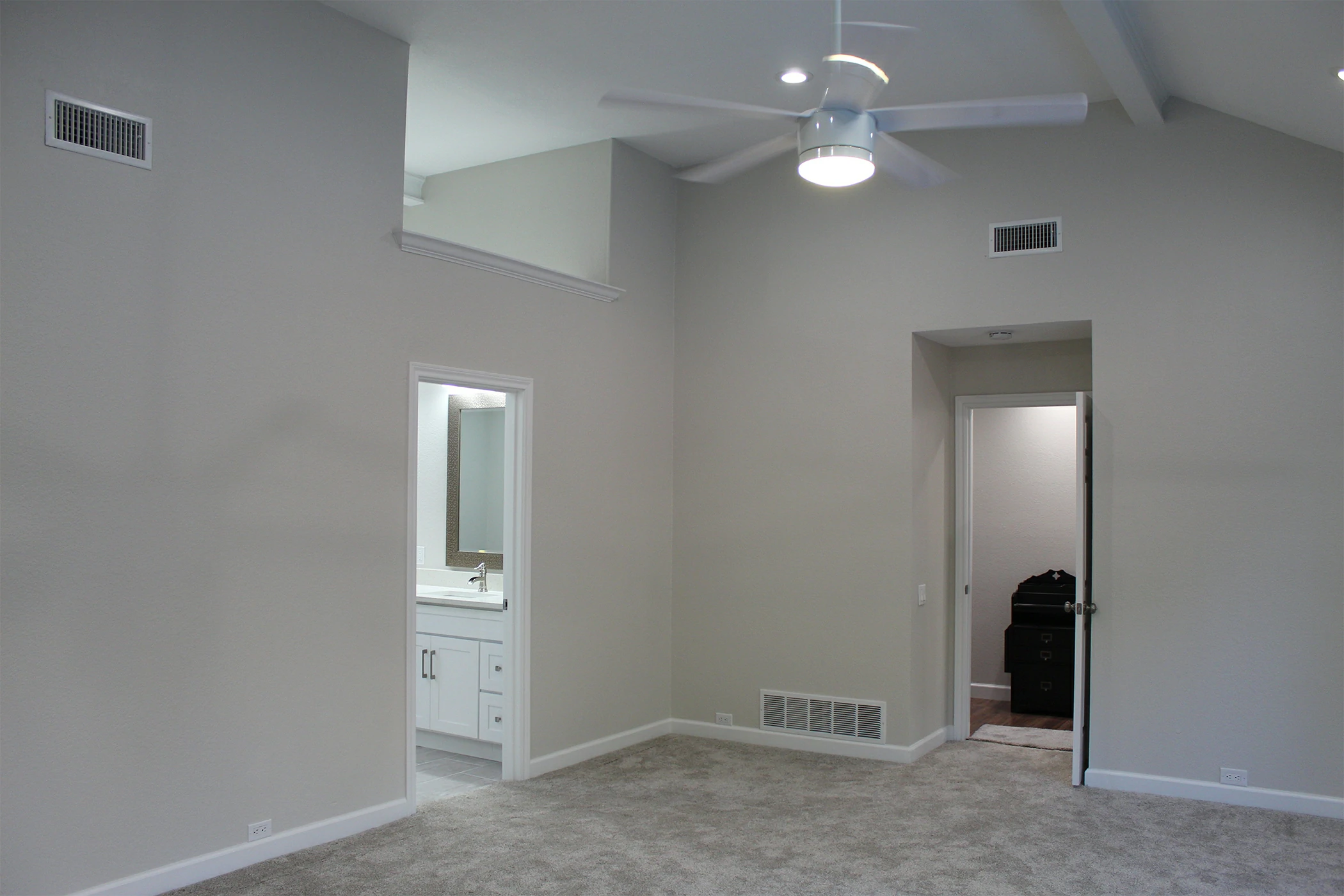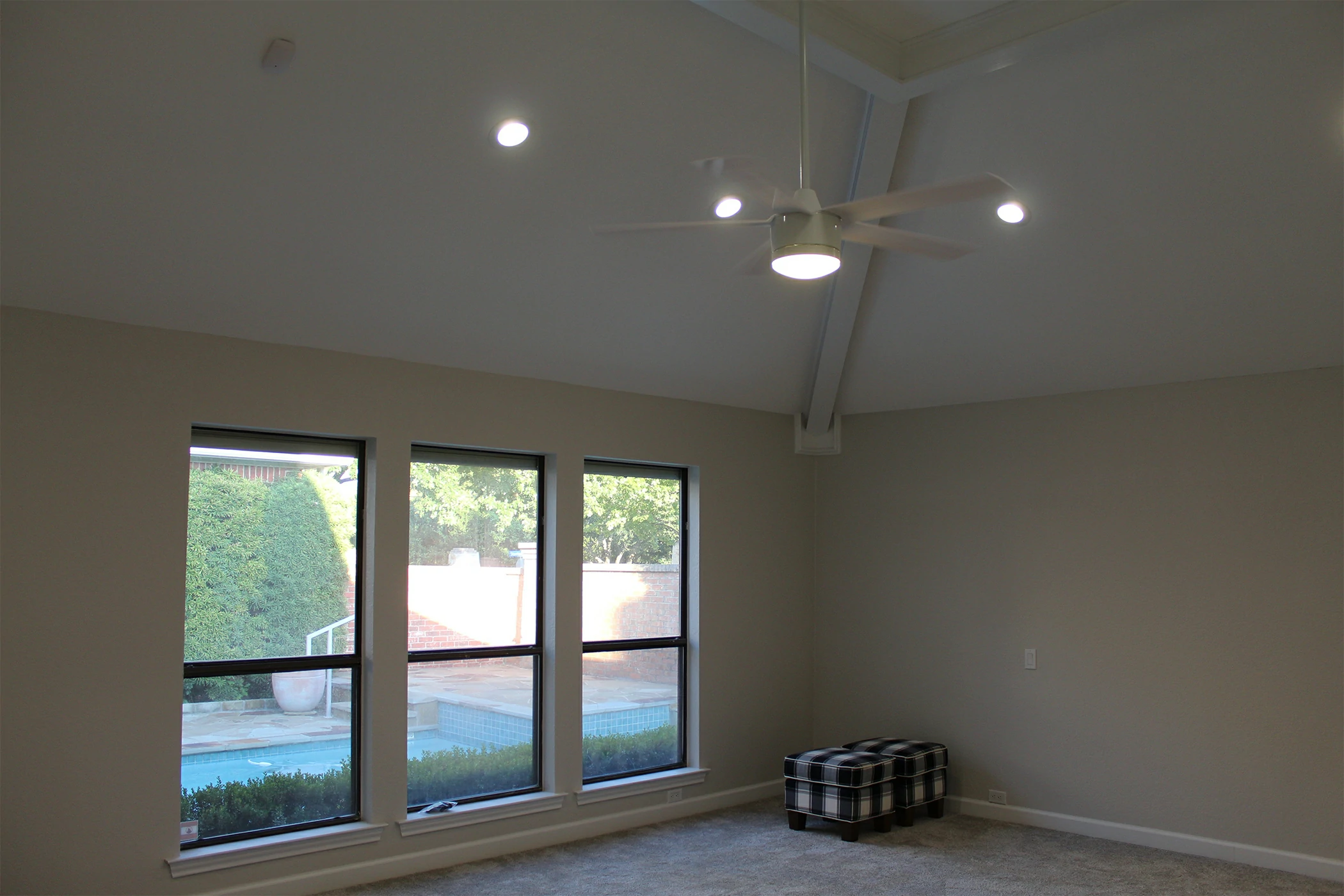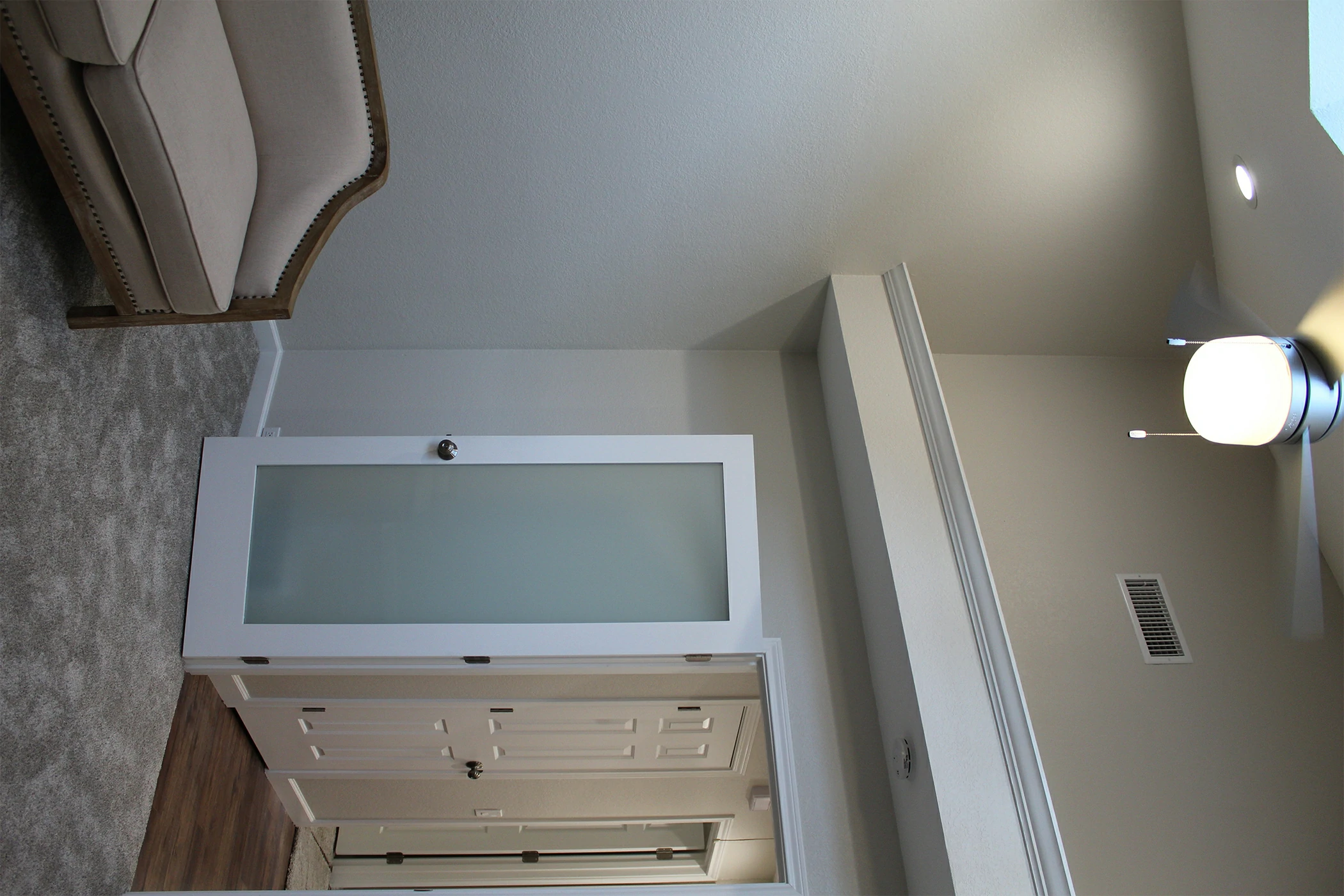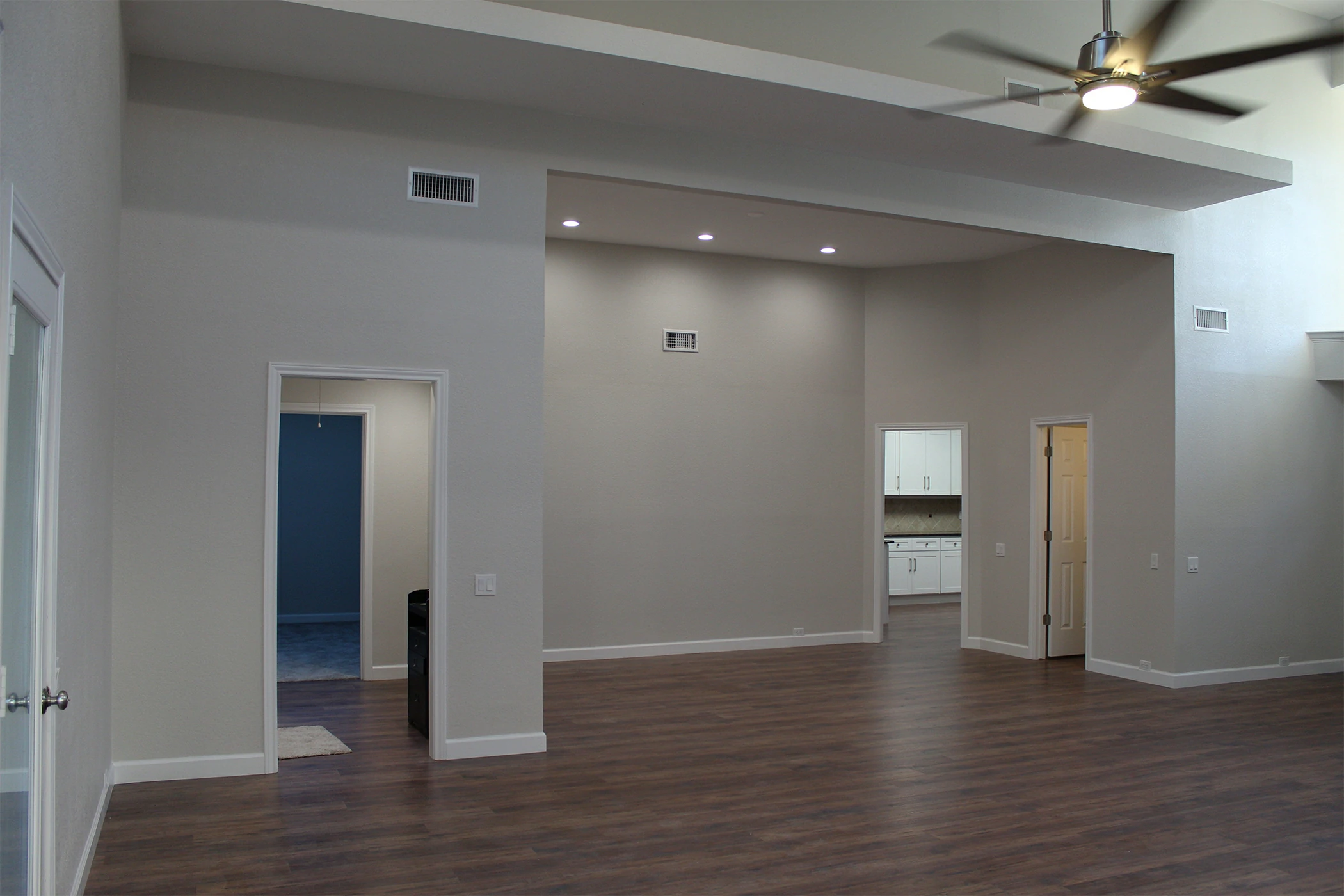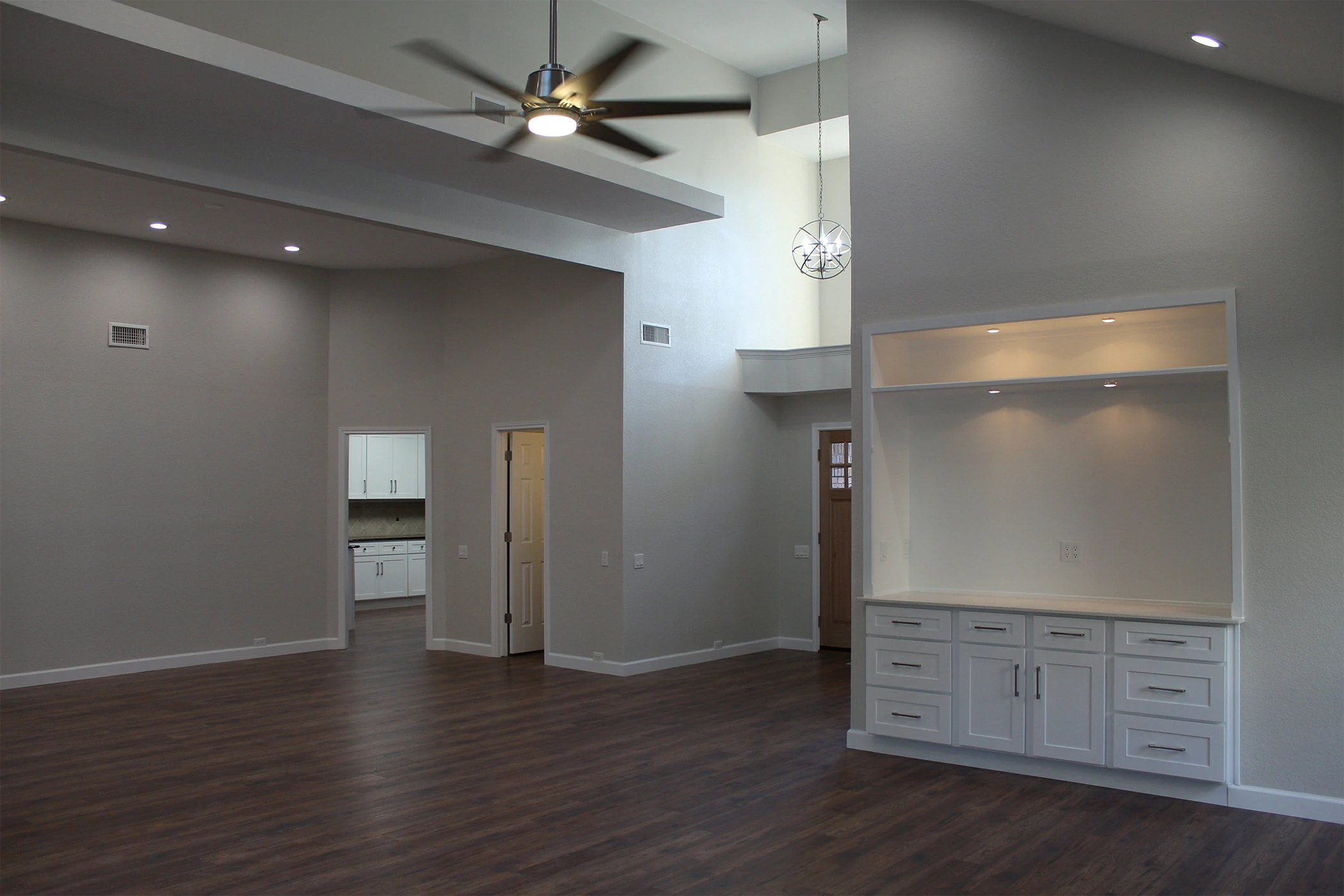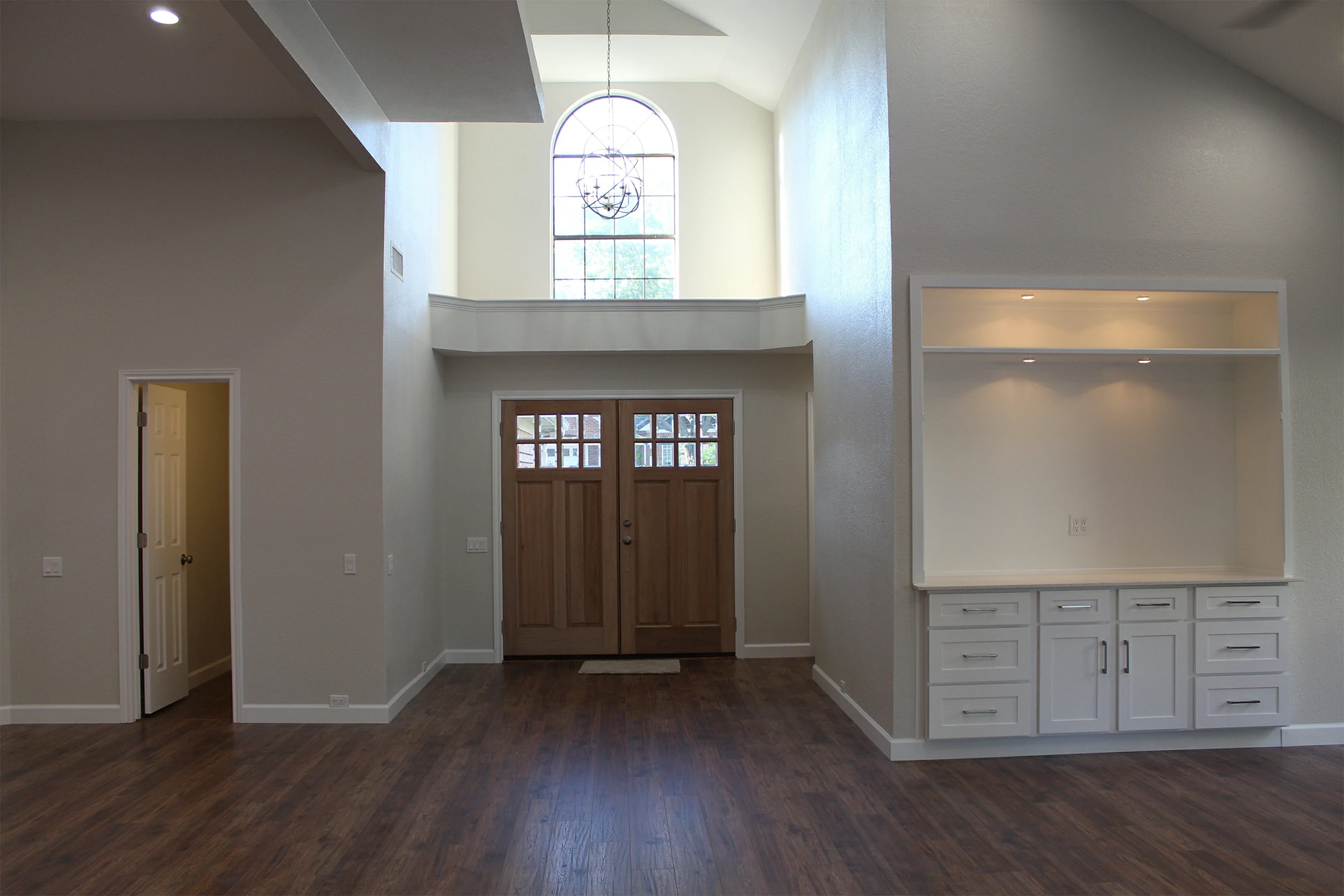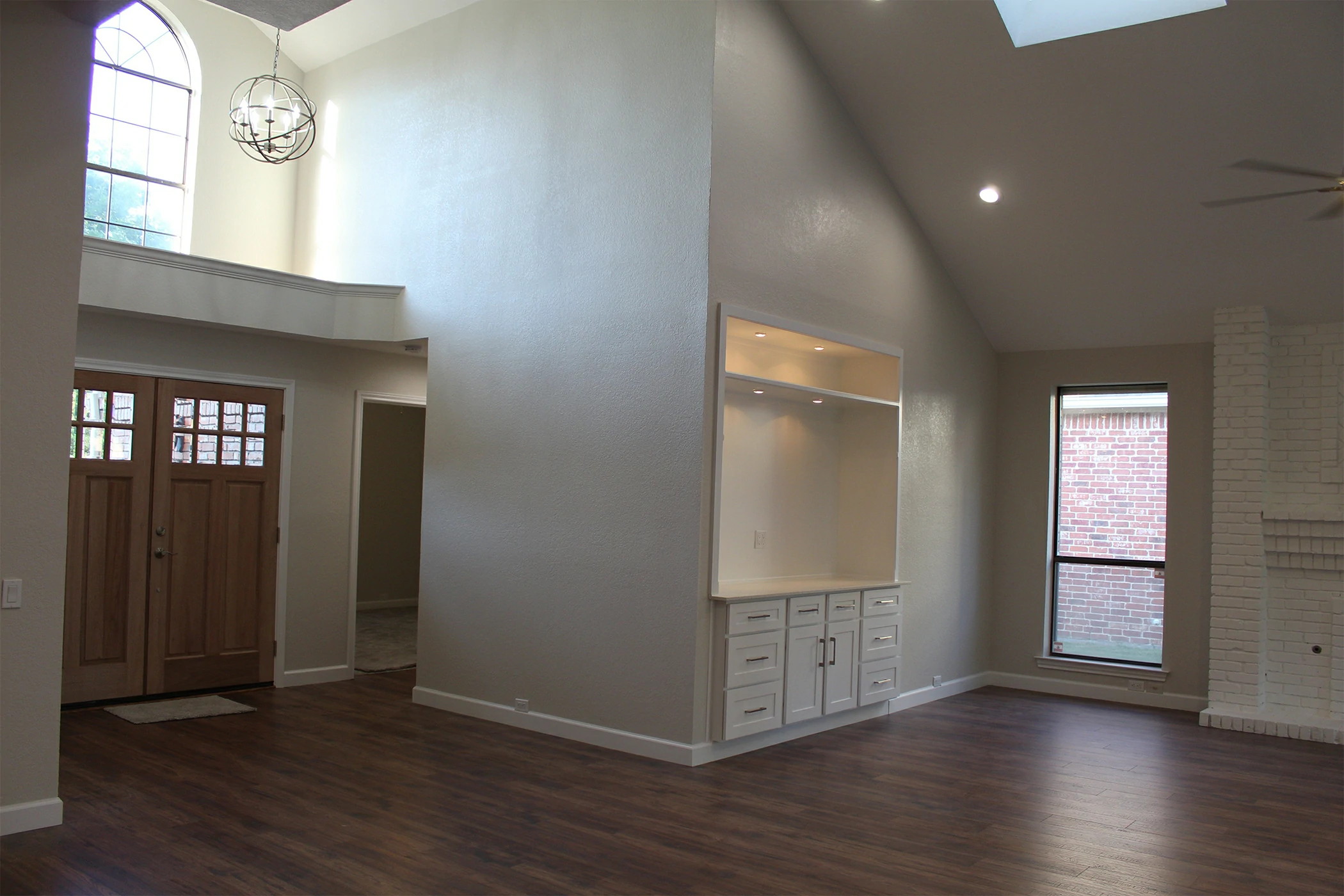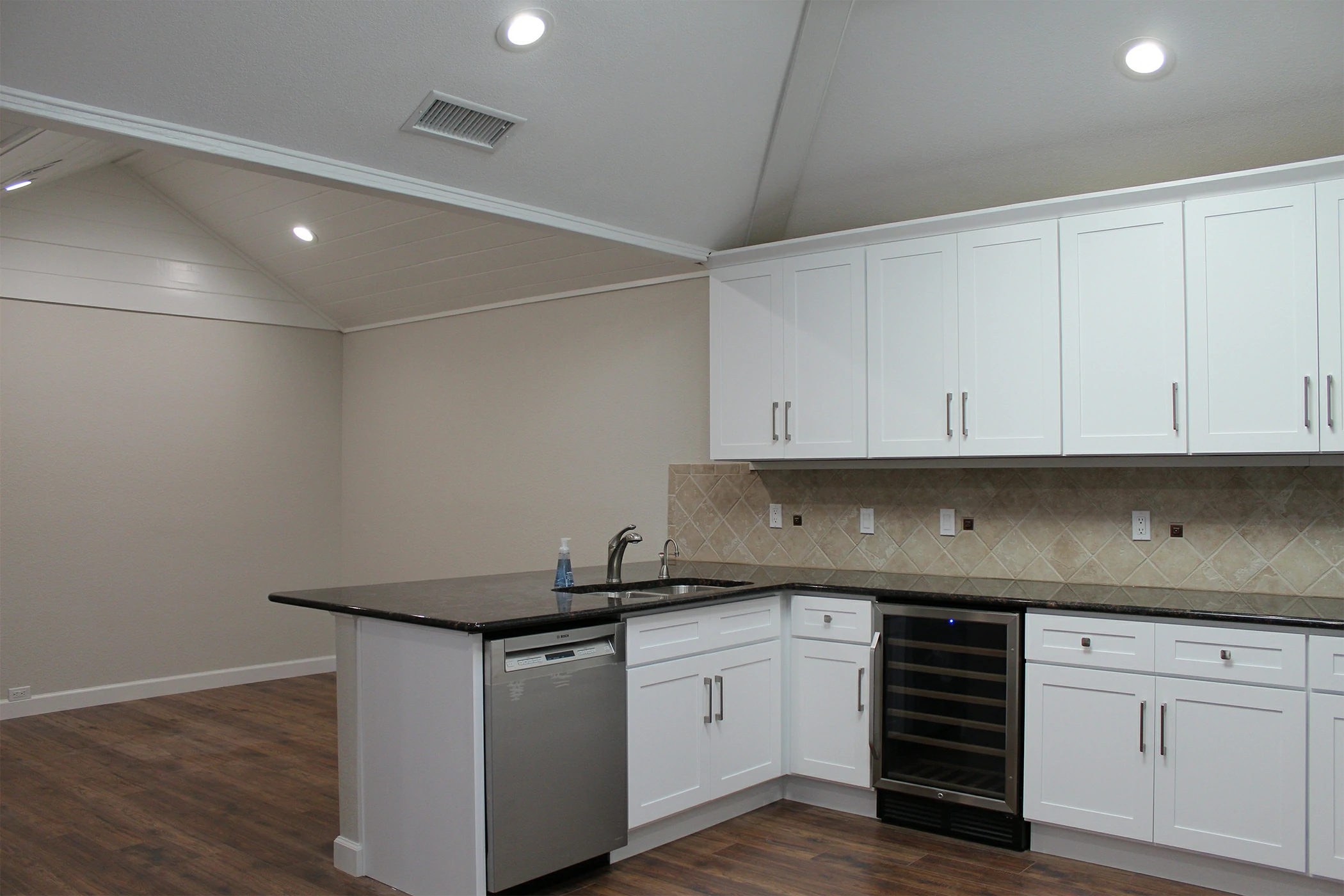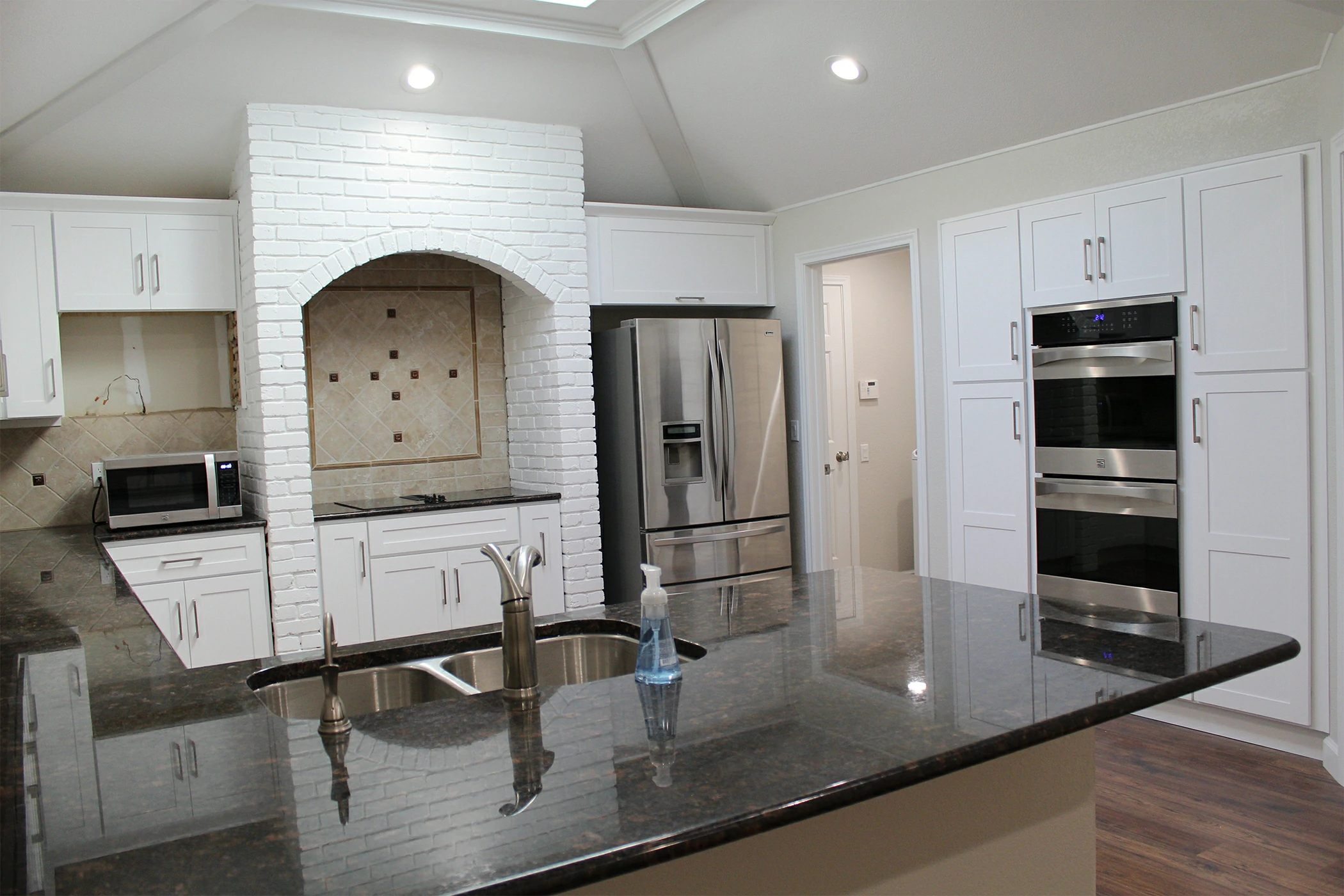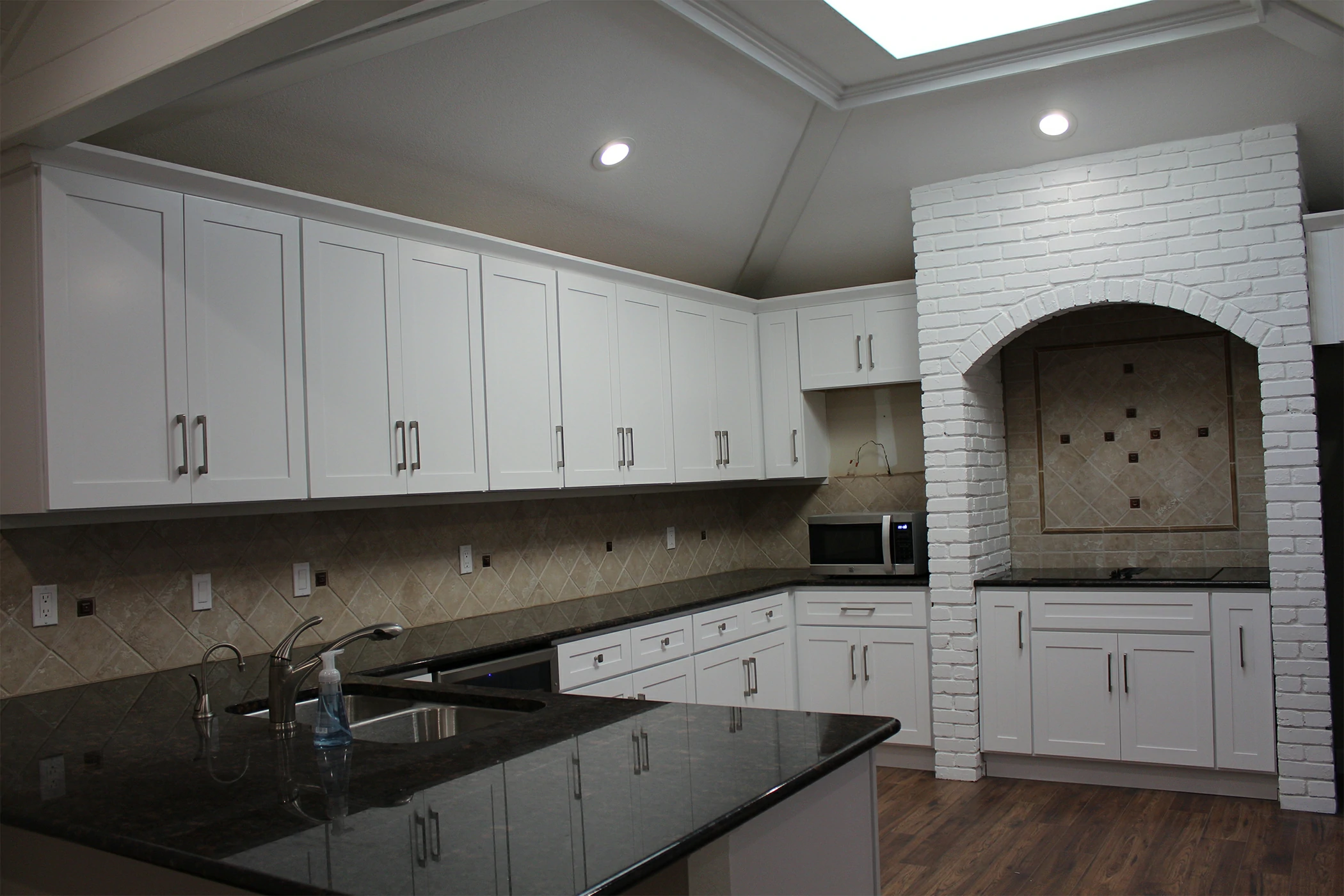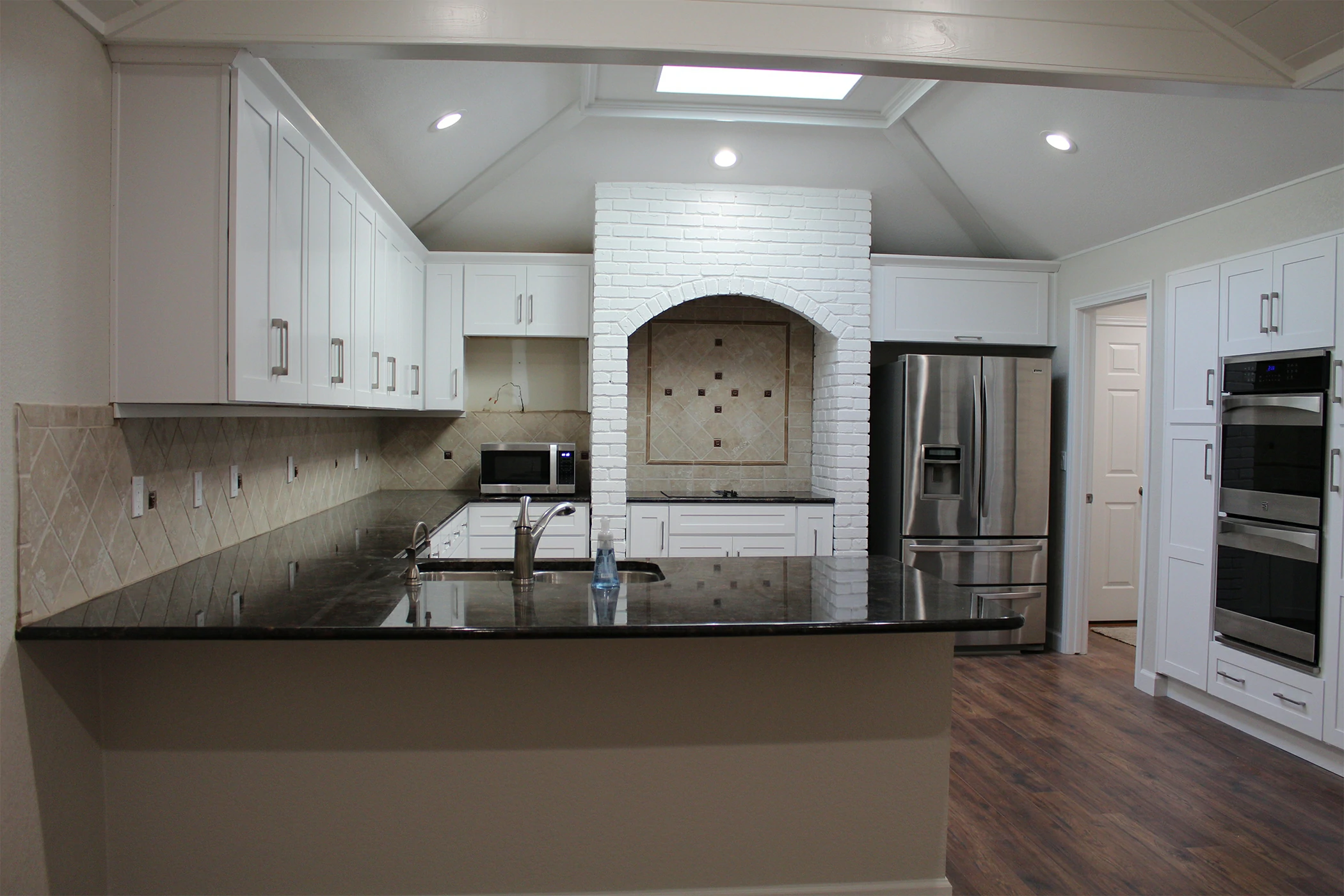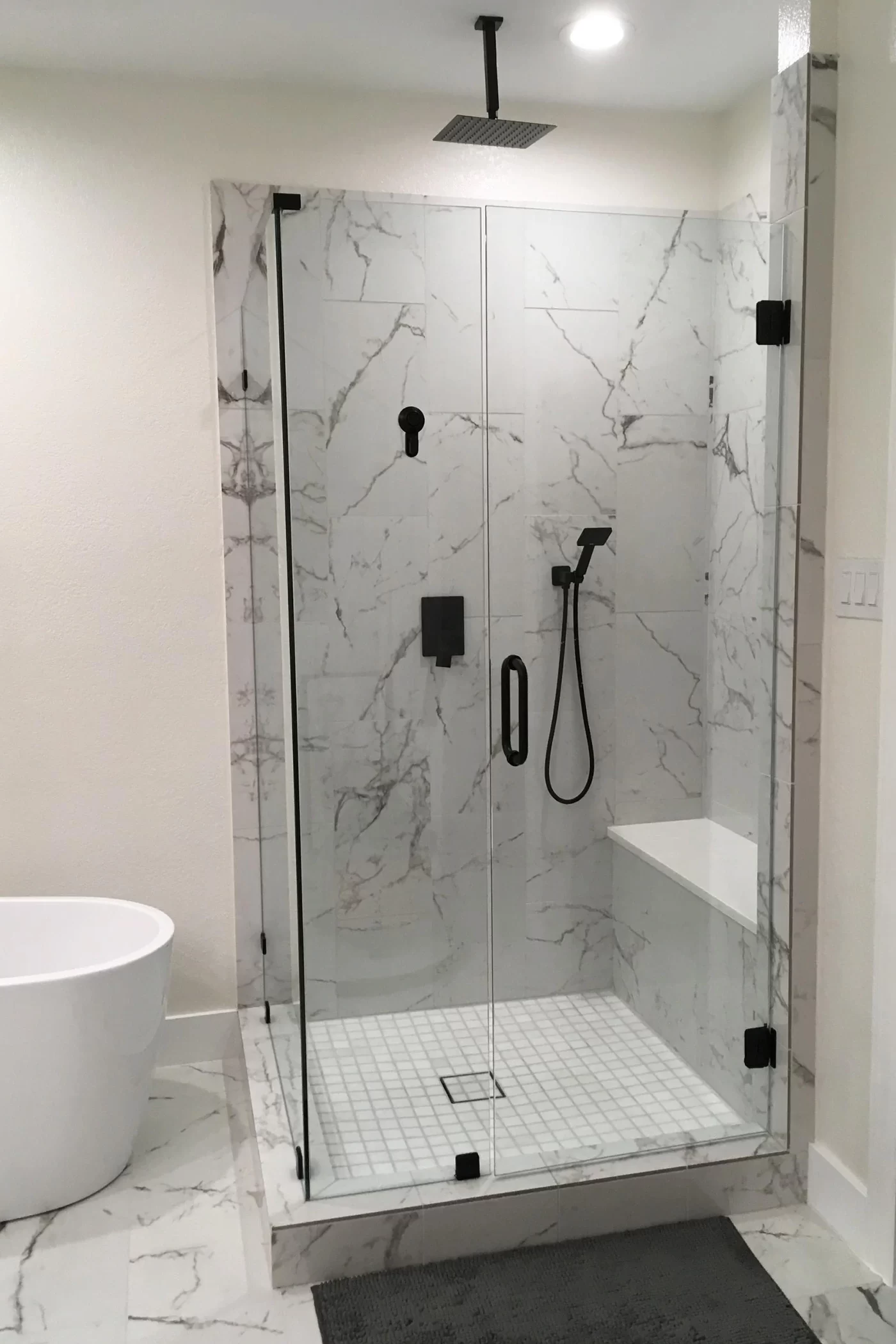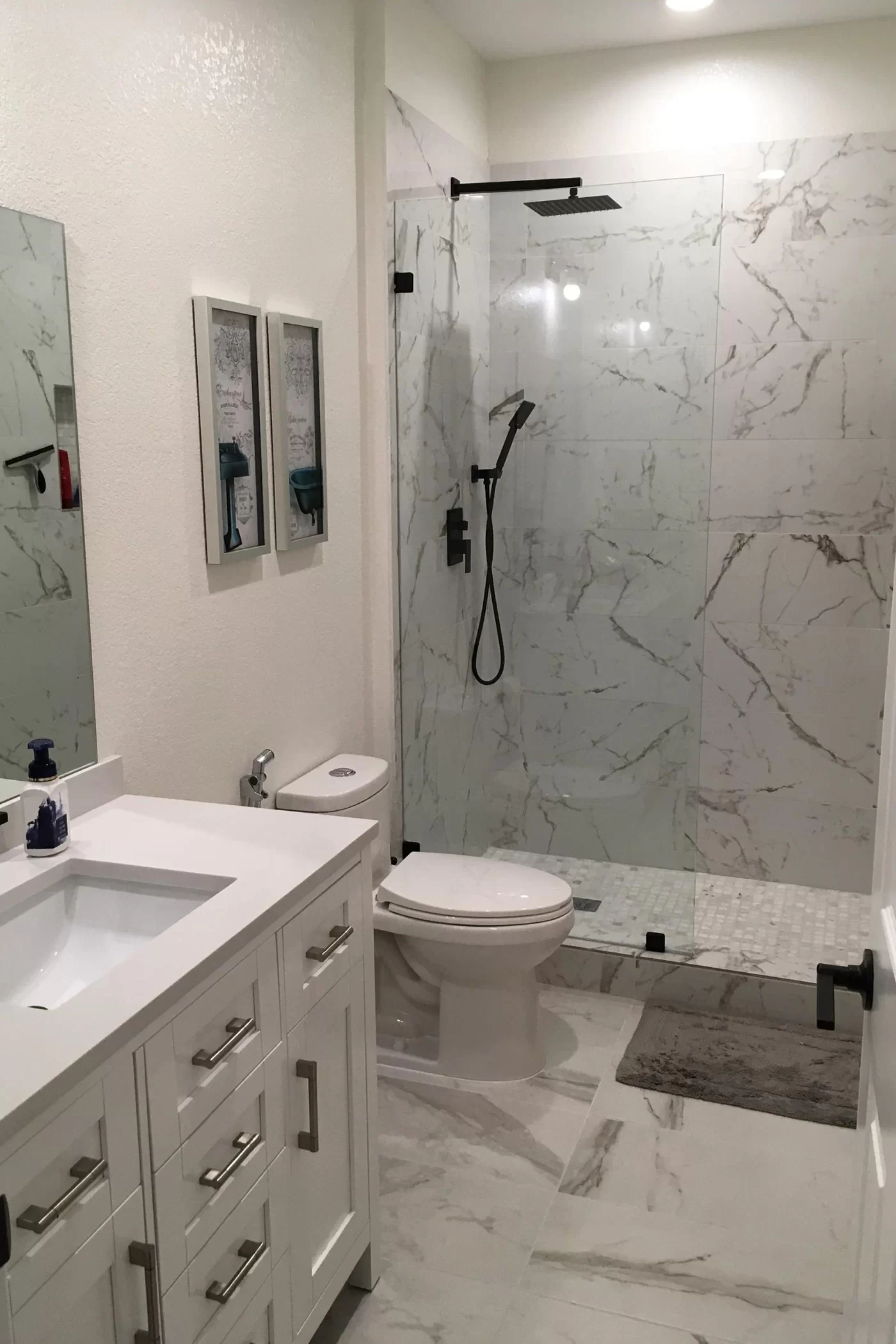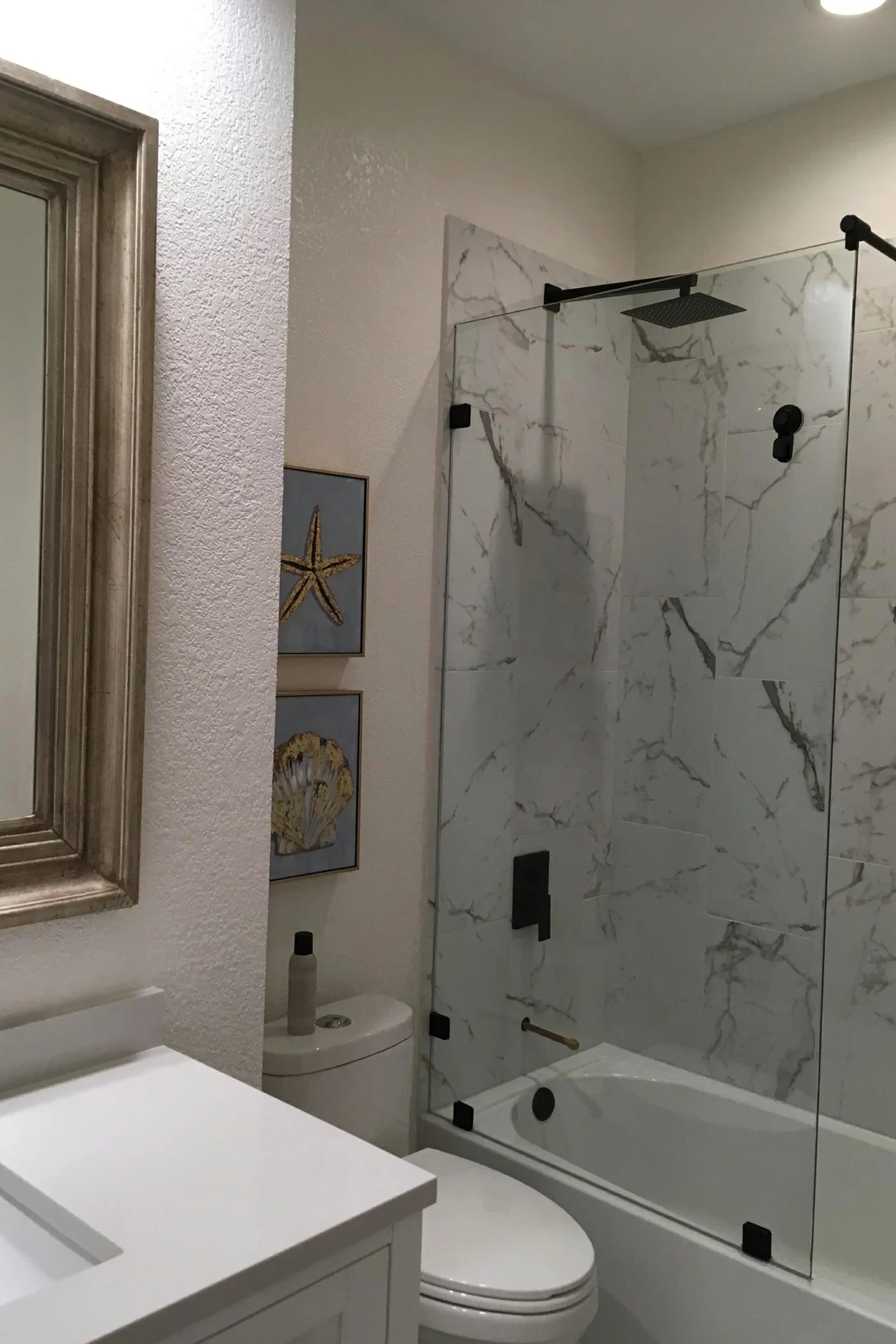

When your home starts to feel smaller but moving is not the right option, building upward can offer a practical solution. A second-story addition increases square footage without sacrificing outdoor space, making it ideal for properties with limited lot size. Homeowners researching experienced design-build firms often begin with companies,Bina Homes, which provides residential construction services including home additions and home remodeling. Reviewing completed projects can also help homeowners understand how vertical expansions are planned and executed.
This in-depth second story addition planning guide walks through every critical phase of the process. From structural feasibility to long-term resale considerations, the goal is to help you make informed, practical decisions before construction begins.
Why Choose a Second-Story Addition Instead of Moving?
Relocating involves closing costs, market uncertainty, and the emotional impact of leaving a familiar neighborhood. A second-story addition allows you to:
- Stay in your current community
- Maintain proximity to schools and workplaces
- Increase home value
- Customize space for evolving needs
- Avoid reducing yard space
In areas where lot expansion is restricted, building upward may be the only viable way to significantly increase living space.
Step 1: Assess Structural Feasibility
The most important step in any second story addition planning guide is confirming that your home can safely support another level.
Foundation Evaluation
A structural engineer evaluates whether the existing foundation can handle the additional load. Key factors include:
- Foundation type
- Footing dimensions
- Soil stability
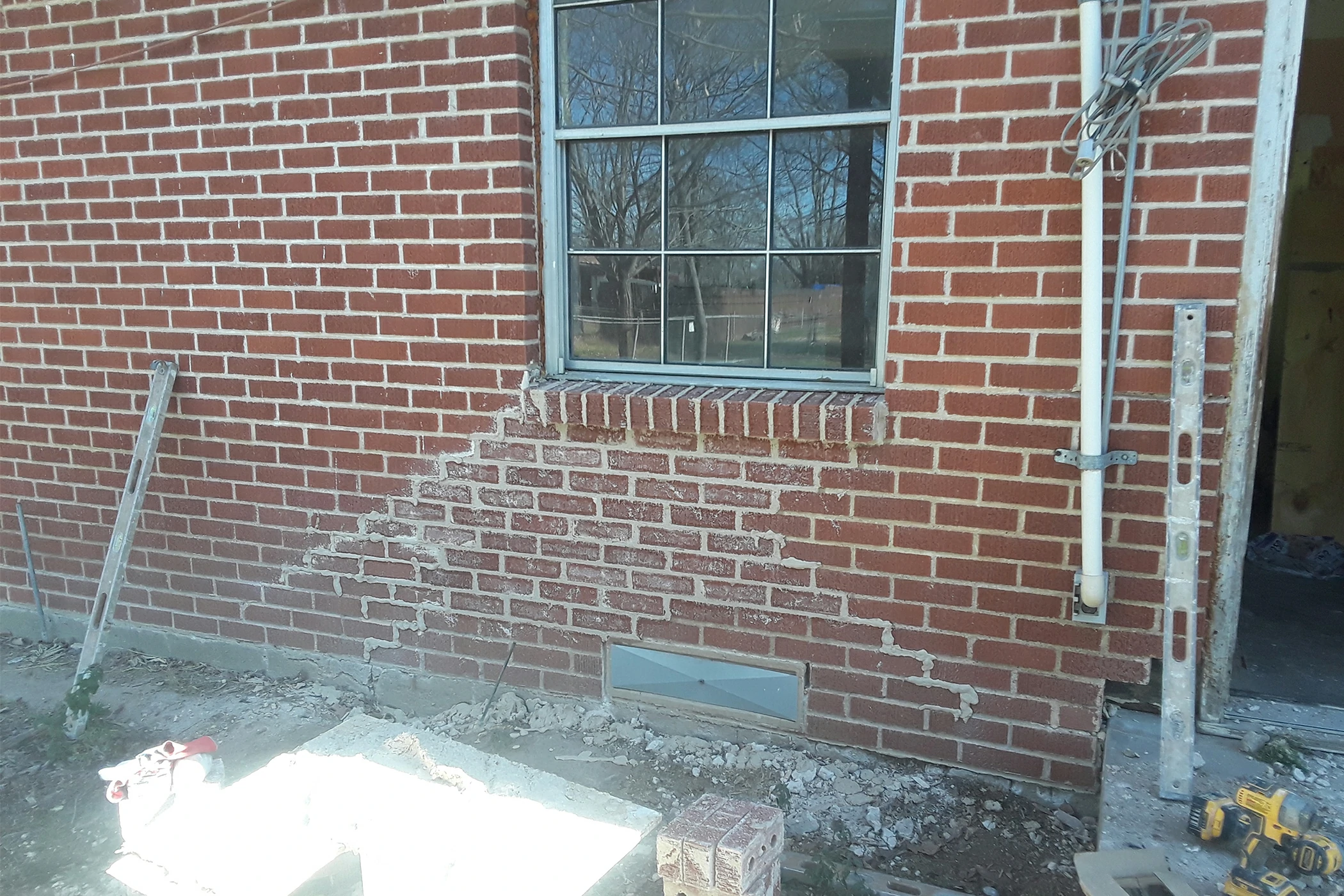
- Signs of settlement or cracking
If reinforcement is required, it may involve underpinning or expanding footings, which increases project scope and cost.
Load-Bearing Walls and Framing
Not all walls are structural. Engineers determine which walls carry weight and whether they require reinforcement. In some cases, beams or columns must be added to redistribute loads properly.
Roof Removal Strategy
Since the existing roof will likely be removed, the construction team must plan for temporary protection against weather exposure. Proper sequencing minimizes the time your home remains open.
Step 2: Review Local Zoning and Building Codes
Before investing in design, confirm that a vertical addition complies with local regulations.
Height Restrictions and Setbacks
Municipal regulations may limit maximum building height. You will need to confirm:
- Height limitations
- Property line setbacks
- Floor area ratio requirements
- Homeowners’ association restrictions, if applicable
Permit Requirements
Second-story additions typically require:
- Architectural drawings
- Structural engineering plans
- Mechanical, electrical, and plumbing permits
- Scheduled inspections
Working with a contractor experienced in navigating local permitting processes can streamline approvals.
Step 3: Define the Purpose of the New Space
Clearly identifying how the additional square footage will be used prevents design revisions later.
Common second-story additions include:
- Primary bedroom suite
- Additional bedrooms
- Full bathroom or multiple bathrooms
- Home office
- Bonus family room
- Rental or guest suite
Ask yourself:
- Will this space serve short-term or long-term needs?
- Do you anticipate multi-generational living?
- Will resale value be a priority?
Defining your goals early ensures alignment between design and budget.
Step 4: Plan the Staircase Layout Carefully
Stair placement significantly impacts both levels of your home.
Key Considerations
- Compliance with building codes
- Adequate headroom clearance
- Logical connection to common areas
- Efficient use of square footage
Poor stair placement can disrupt the first-floor layout. During planning, evaluate how the staircase integrates with hallways, living areas, and structural supports.
Step 5: Establish a Realistic Budget
Budget transparency is essential in any second story addition planning guide.
Major Cost Components
- Structural engineering and reinforcements
- Roof removal and reconstruction
- Framing and insulation
- Plumbing and electrical expansion
- HVAC upgrades
- Interior finishes and fixtures
- Permit and inspection fees
- Temporary housing, if necessary
Second-story additions generally cost more per square foot than ground-level expansions due to structural complexity and access challenges.
Contingency Planning
Unforeseen structural issues are common in renovation projects. Allocate 10 to 20 percent of your total budget as a contingency reserve.
Step 6: Evaluate Mechanical Systems
Adding a second floor increases demand on your home’s infrastructure.
HVAC Capacity
Your current heating and cooling system may not support the expanded space. Options include:
- Upgrading the existing system
- Installing a separate unit for the second floor
- Incorporating zoned HVAC controls
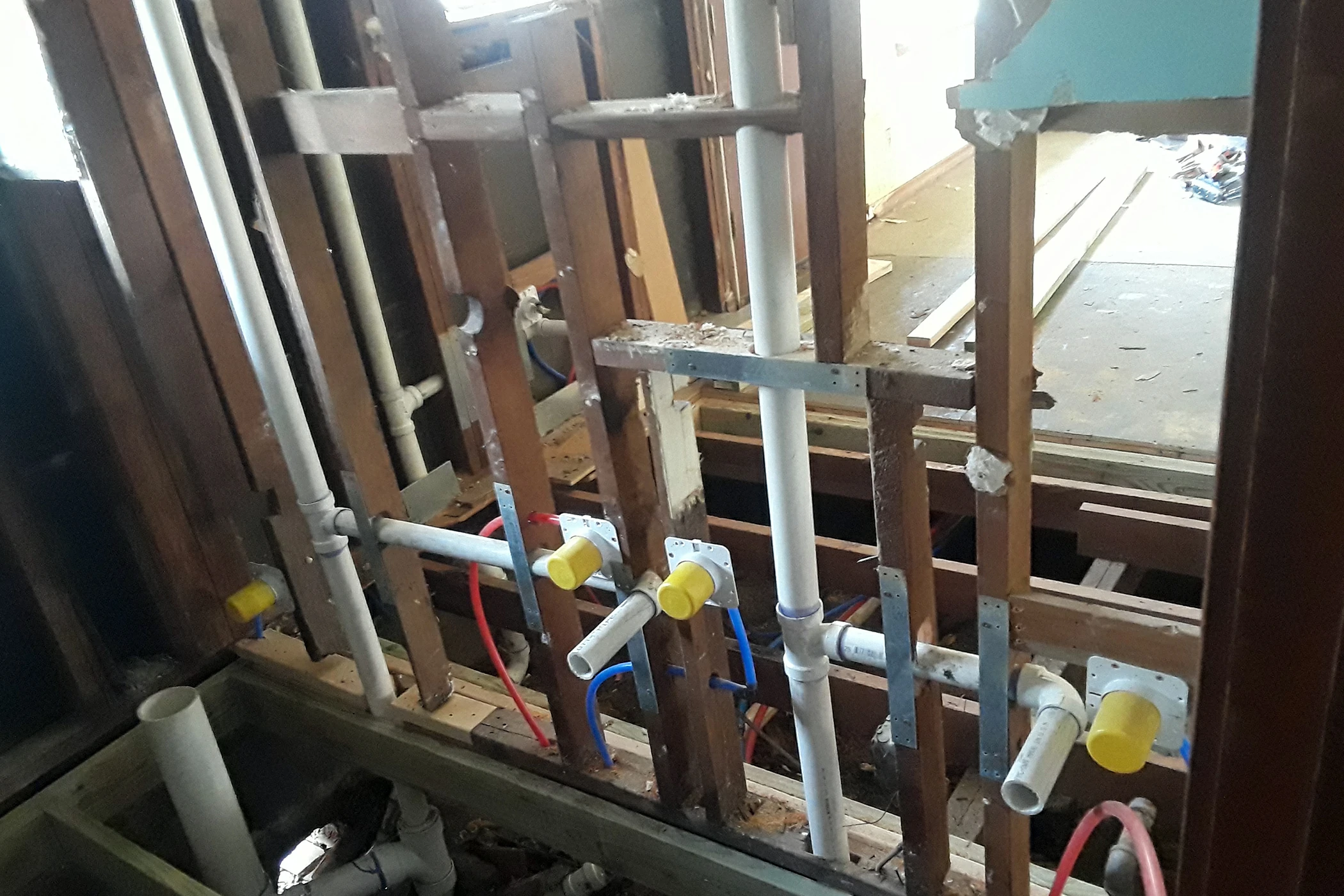
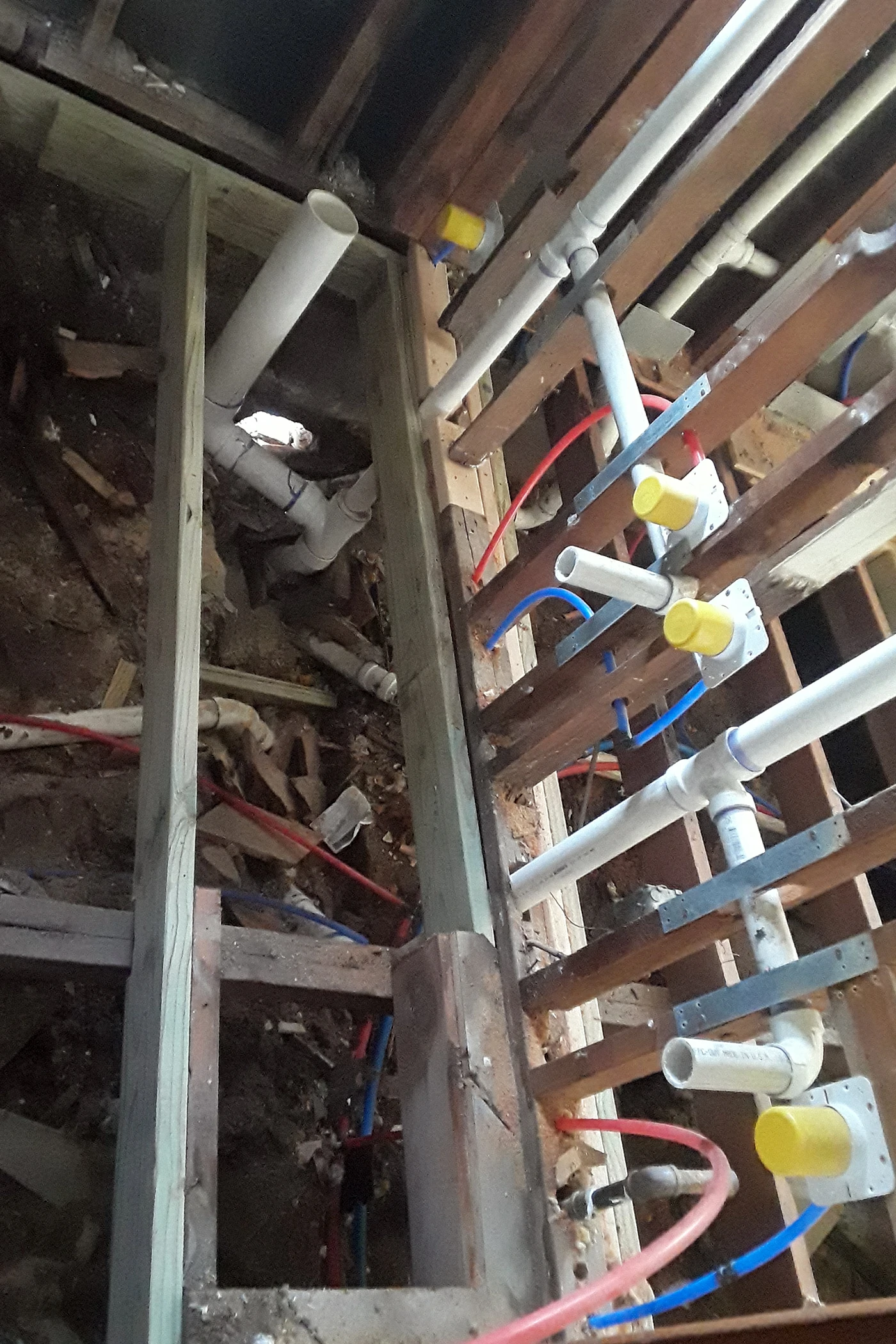
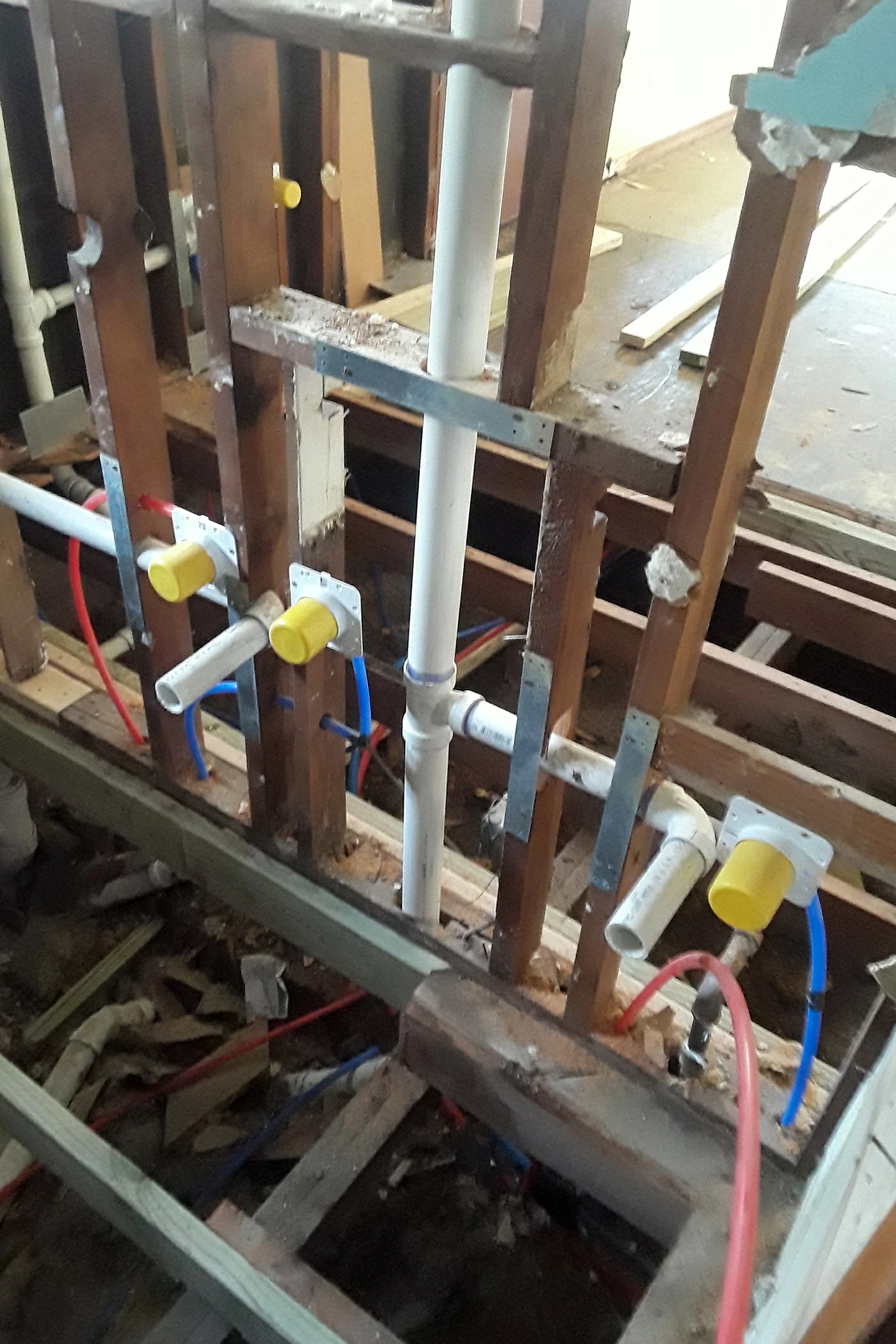
Plumbing Extensions
Adding bathrooms requires:
- Water supply line extensions
- Drain and vent system modifications
- Adequate water pressure evaluation
Electrical Upgrades
Additional square footage often requires:
- Panel upgrades
- Dedicated circuits
- Expanded lighting plans
Addressing these components during the design phase prevents costly mid-project adjustments.
Step 7: Design for Architectural Consistency
A second-story addition should blend seamlessly with your existing home.
Exterior Considerations
- Match siding and exterior finishes
- Align window sizes and styles
- Maintain consistent roof pitch
- Preserve architectural details
Interior Flow
Ensure:
- Cohesive ceiling heights
- Matching trim and molding styles
- Consistent flooring transitions
Reviewing completed projects can provide practical examples of how design continuity is achieved in vertical expansions.
Step 8: Prepare for Construction Disruption
Second-story additions are more invasive than interior remodels.
Living in the Home During Construction
Depending on scope and timeline:
- You may remain in the home
- Utilities may be temporarily interrupted
- Noise and dust levels will increase
- Temporary relocation may be advisable
Discuss expectations clearly with your contractor before construction begins.
Construction Timeline Overview
While timelines vary, most second-story additions involve:
- Design and engineering
- Permit approvals
- Structural reinforcement
- Roof removal
- Framing and enclosure
- Mechanical rough-ins
- Insulation and drywall
- Interior finishes
- Final inspections
Clear scheduling reduces unexpected delays.
Step 9: Consider Energy Efficiency and Insulation
Building a new upper level offers an opportunity to improve overall energy performance.
Insulation Upgrades
- Install high-performance insulation
- Seal air gaps thoroughly
- Upgrade attic insulation below
Window Efficiency
Energy-efficient windows reduce heating and cooling costs while improving comfort.
Roofing Materials
Since the roof is replaced, consider modern materials that enhance durability and insulation.
These improvements can offset long-term operational costs.
Step 10: Evaluate Return on Investment
A second-story addition can increase property value, but ROI depends on:
- Local real estate market conditions
- Quality of workmanship
- Functional design
- Comparable home sizes in your neighborhood
Overbuilding for the area may limit financial returns. Research nearby properties and consult professionals before finalizing plans.
For additional ideas on improving home value through expansion, homeowners can review practical concepts outlined in this resource on creative home additions.
Step 11: Choose an Experienced Contractor
Selecting the right contractor influences project success more than any other factor.
Look for:
- Experience with structural additions
- Proper licensing and insurance
- Clear contracts
- Transparent cost breakdowns
- Documented portfolio
Firms specializing in additions and broader home remodeling services typically manage both structural and aesthetic aspects of the project.
Comprehensive Second-Story Addition Checklist
Below is an expanded homeowner checklist to guide your planning process.
Structural Assessment
- Hire structural engineer
- Inspect foundation and framing
- Confirm load-bearing wall locations
Regulatory Compliance
- Verify zoning regulations
- Submit permit applications
- Schedule required inspections
Financial Planning
- Develop detailed cost estimate
- Secure financing
- Allocate contingency funds
Design Development
- Finalize floor plan
- Select exterior materials
- Choose interior finishes
- Confirm staircase placement
Mechanical Planning
- Evaluate HVAC capacity
- Plan plumbing layout
- Upgrade electrical system
Construction Preparation
- Establish timeline
- Plan temporary housing if necessary
- Review and sign contract
Keeping a detailed checklist ensures that each stage of your second story addition planning guide is addressed thoroughly.
Common Challenges and How to Avoid Them
Underestimating Structural Work
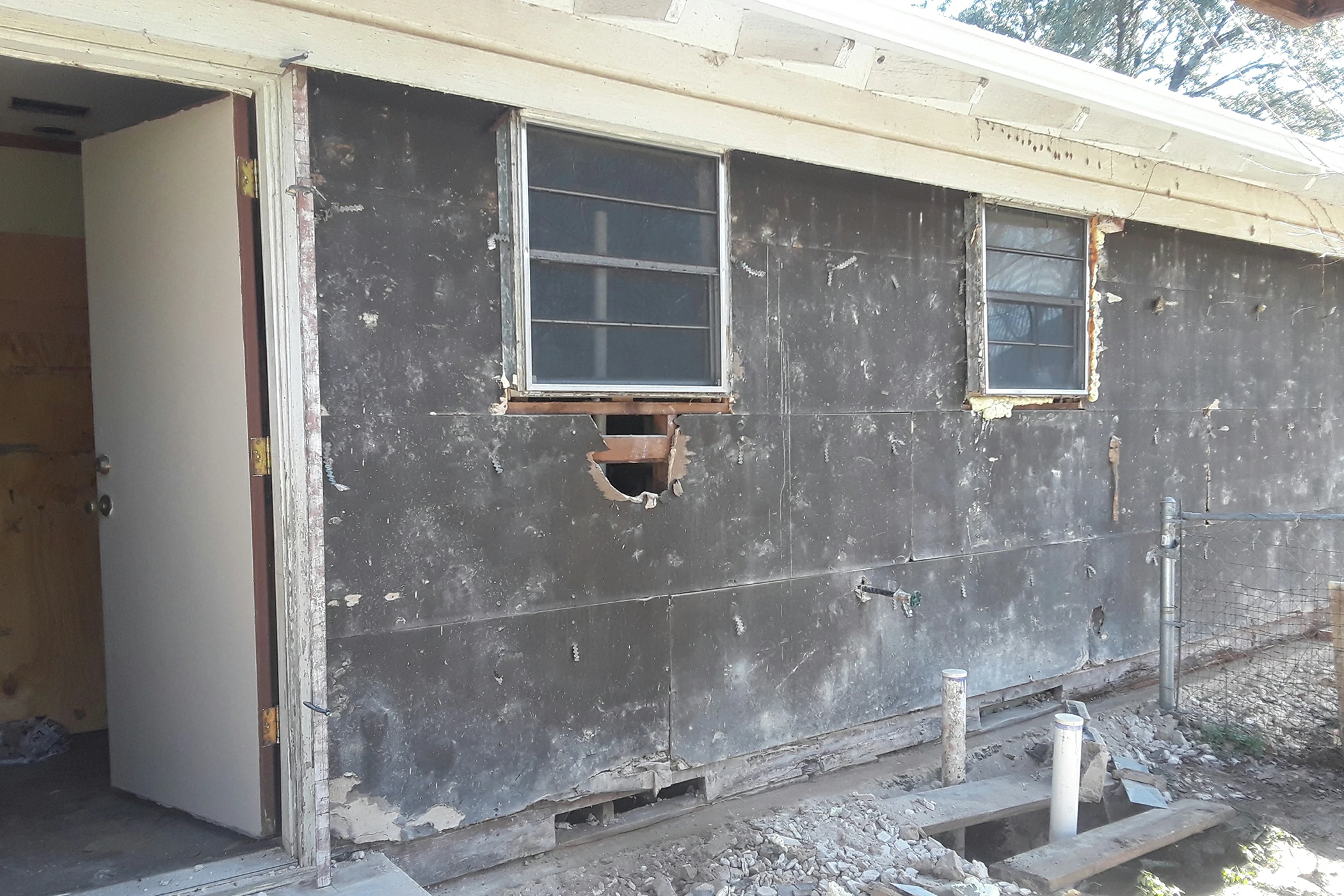
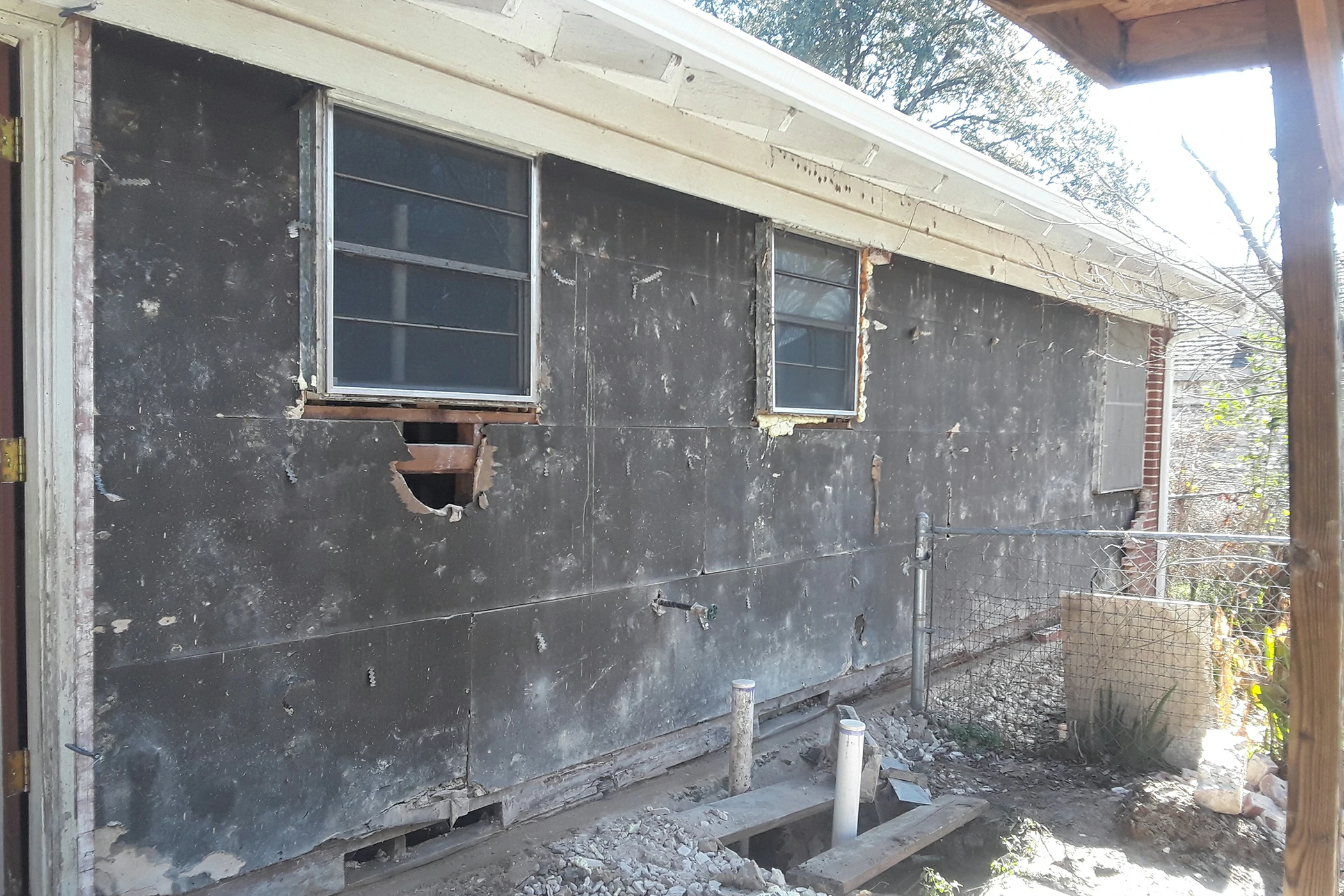
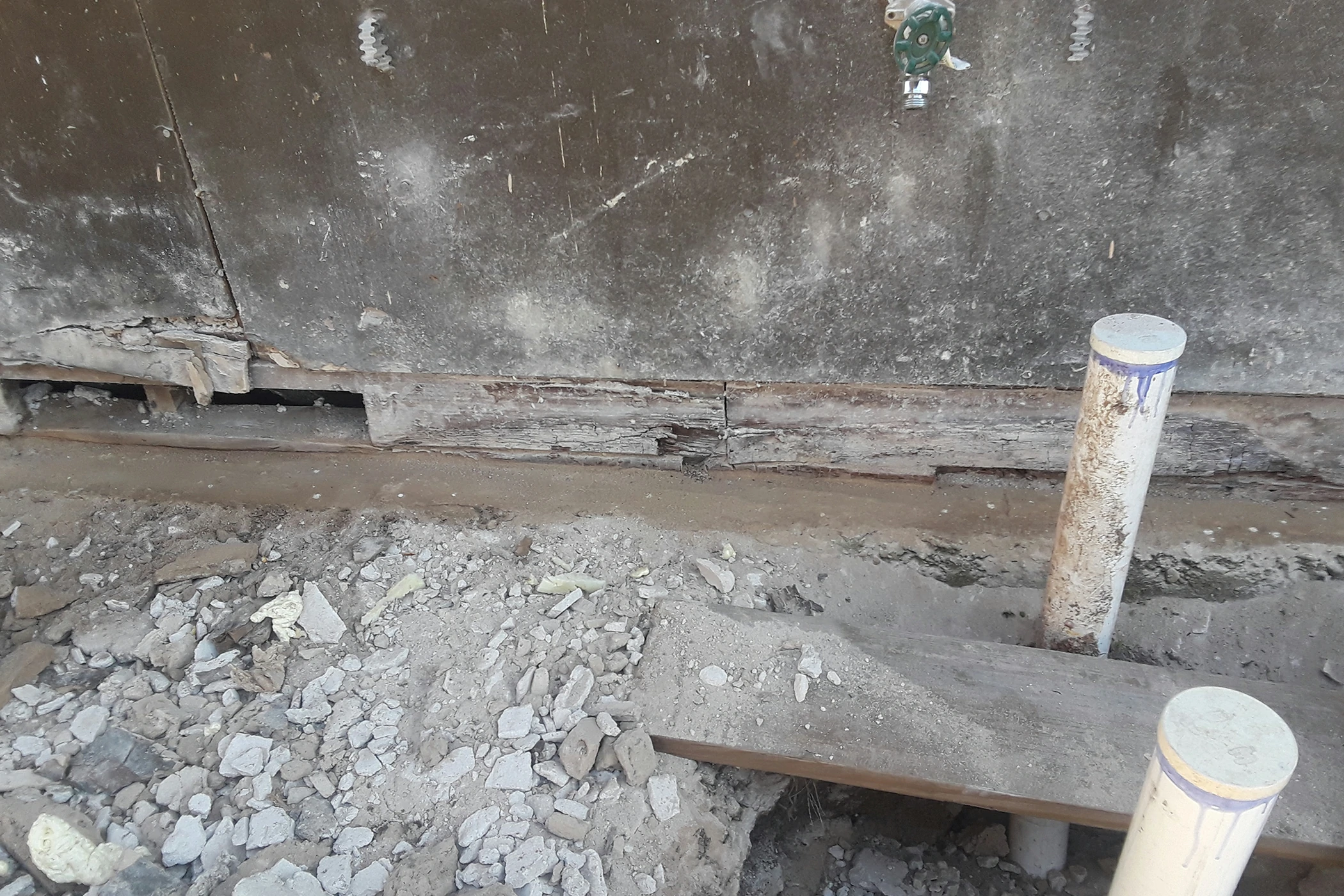
Hidden framing issues or outdated building materials can increase scope. Conduct detailed inspections before finalizing budget.
Ignoring Neighborhood Context
An addition that significantly exceeds neighboring homes in size may affect resale value.
Poor Communication
Frequent updates between homeowner and contractor reduce misunderstandings and change orders.
Skipping Professional Design
Professional architectural planning improves layout efficiency and structural safety.
Is a Second-Story Addition Right for You?
A vertical expansion is ideal if:
- Your lot size limits horizontal expansion
- You want to maintain yard space
- Your foundation can support additional weight
- You plan to stay in the home long term
If structural limitations or zoning restrictions prevent upward construction, alternative remodeling strategies may be explored.
Early consultations through a contractor’s contact pageallow you to clarify expectations before committing.
Final Thoughts
A successful vertical expansion depends on careful coordination of engineering, design, budgeting, and regulatory compliance. This expanded second story addition planning guide provides a structured approach to evaluating feasibility, defining goals, and preparing for construction.
By investing time in thorough planning and working with experienced professionals, homeowners can transform their existing property into a more functional, spacious environment while maintaining architectural integrity and long-term value.