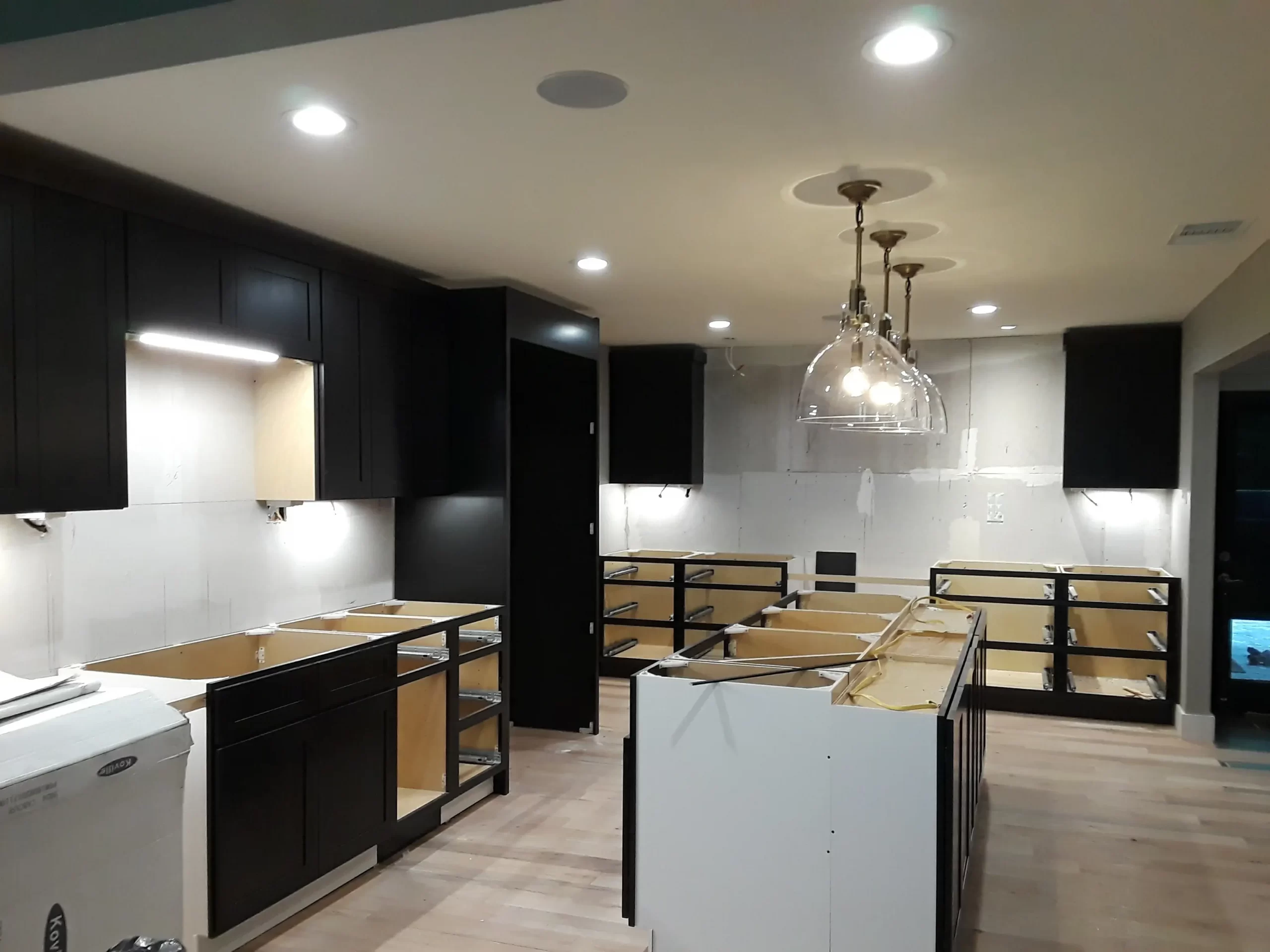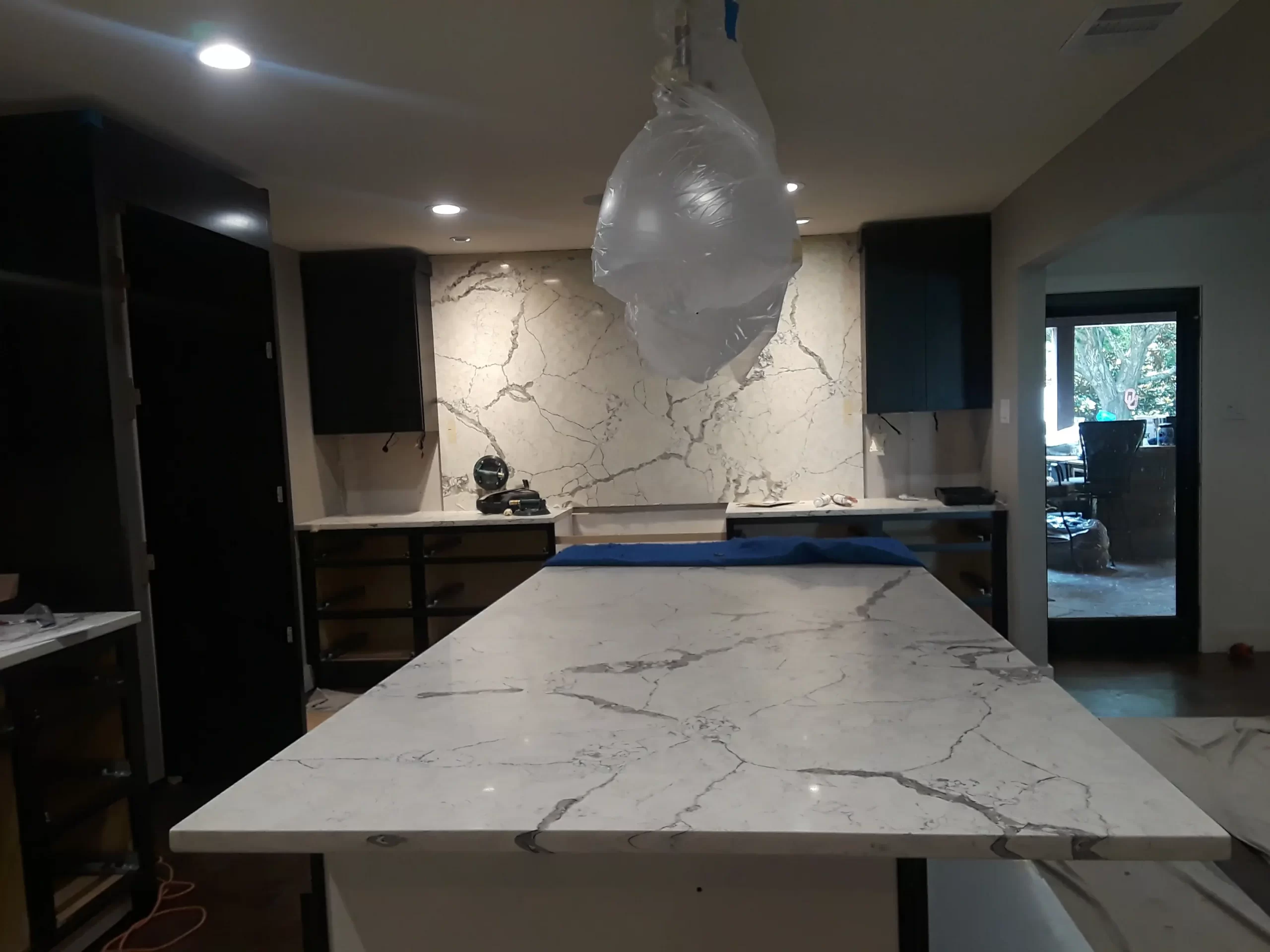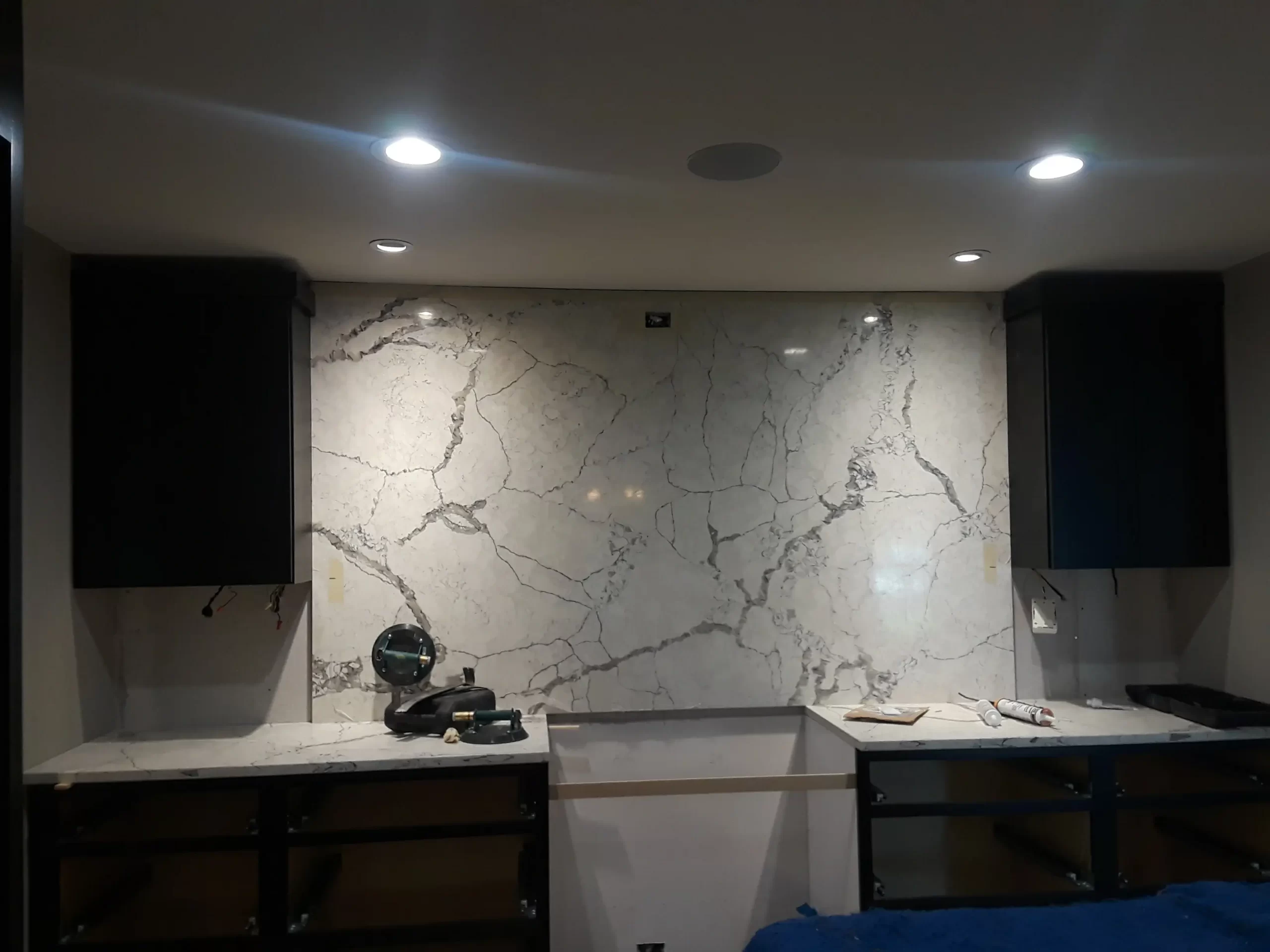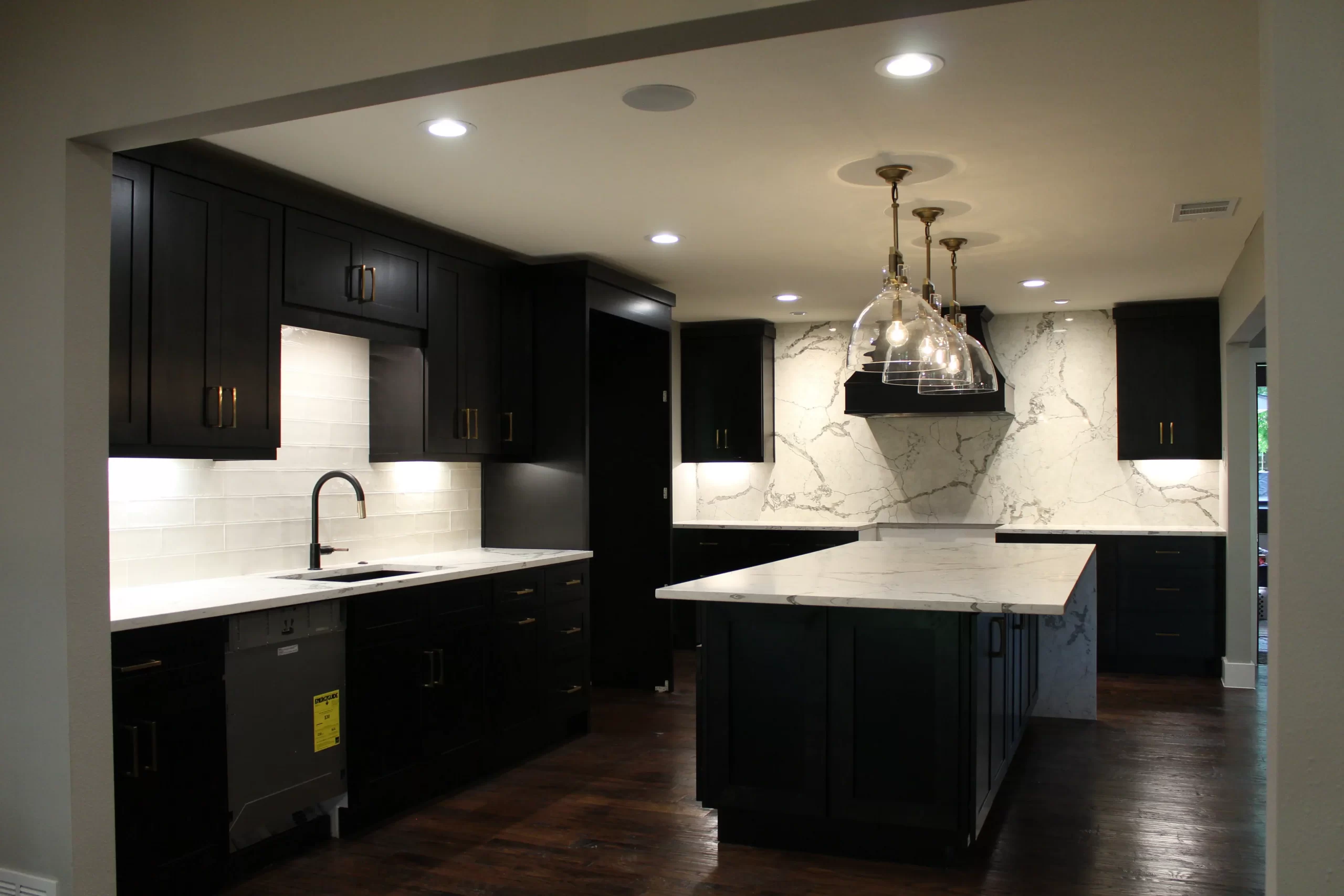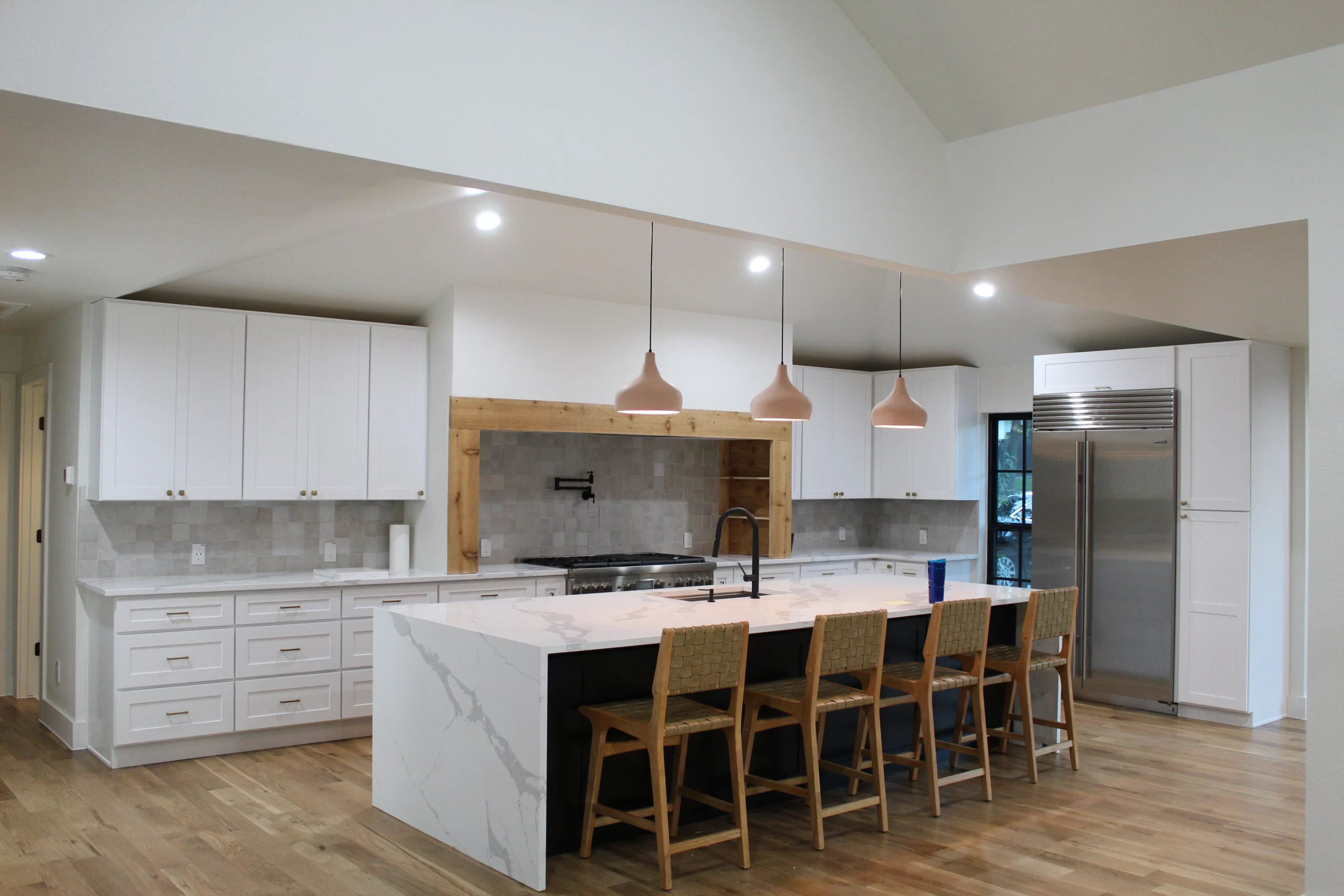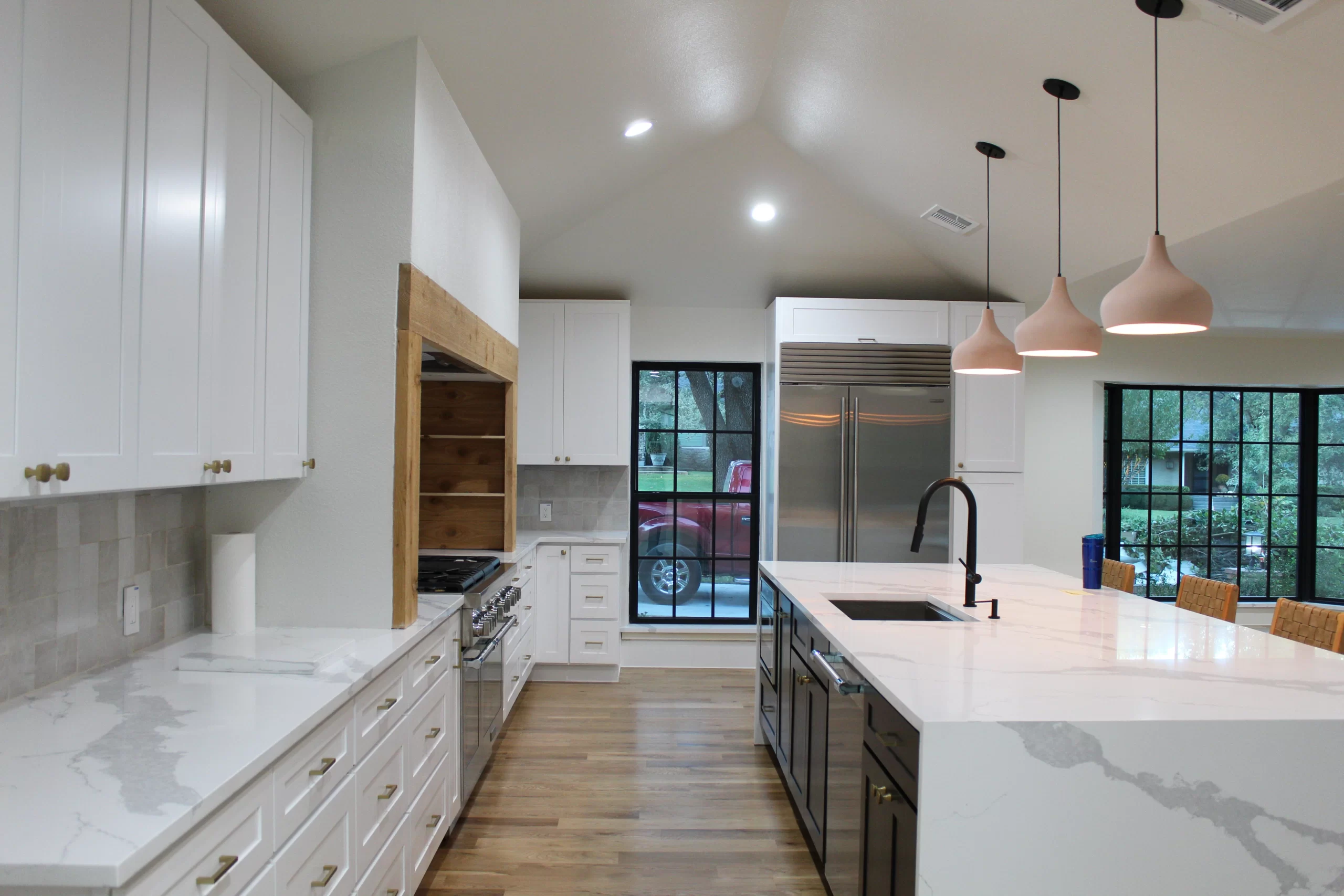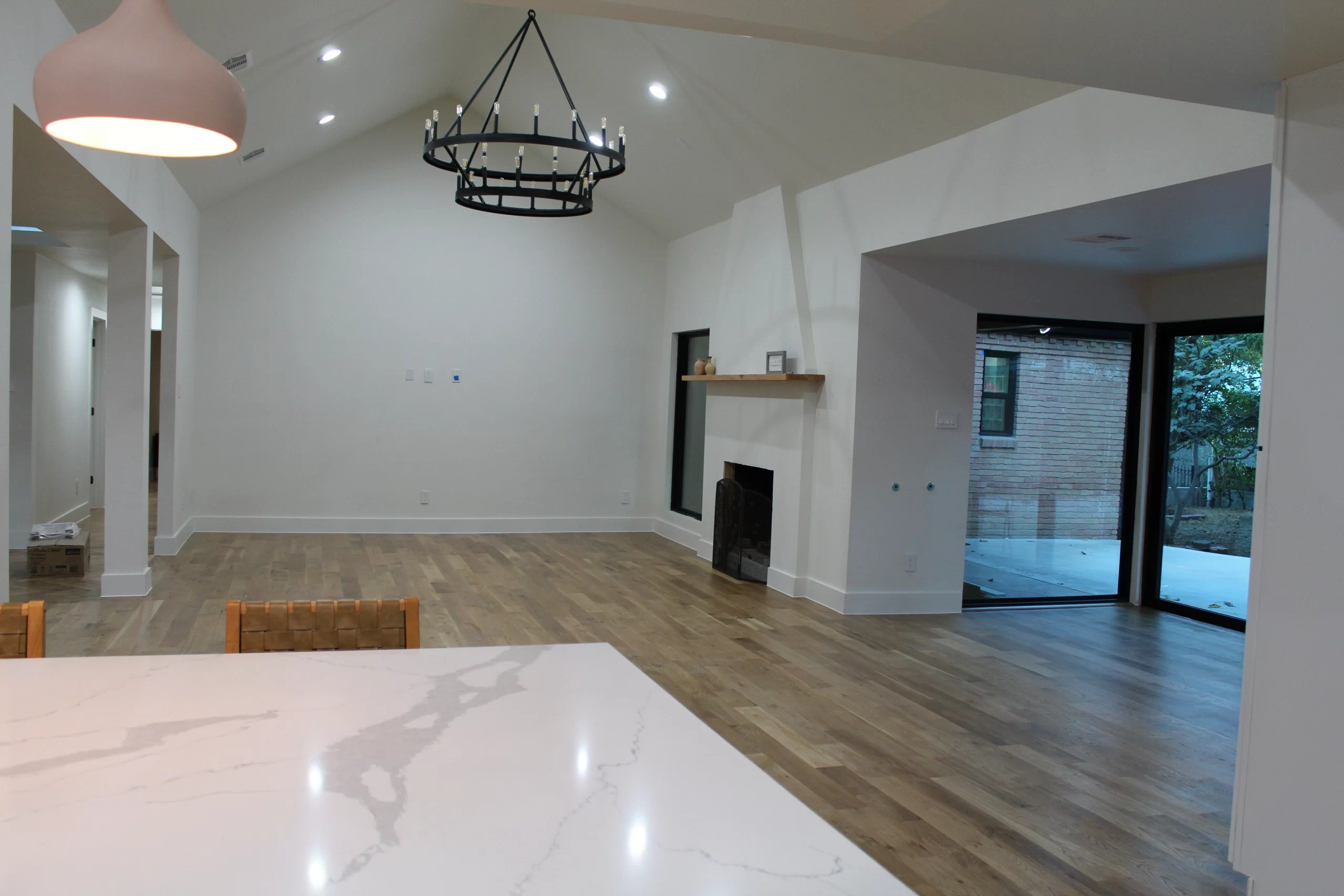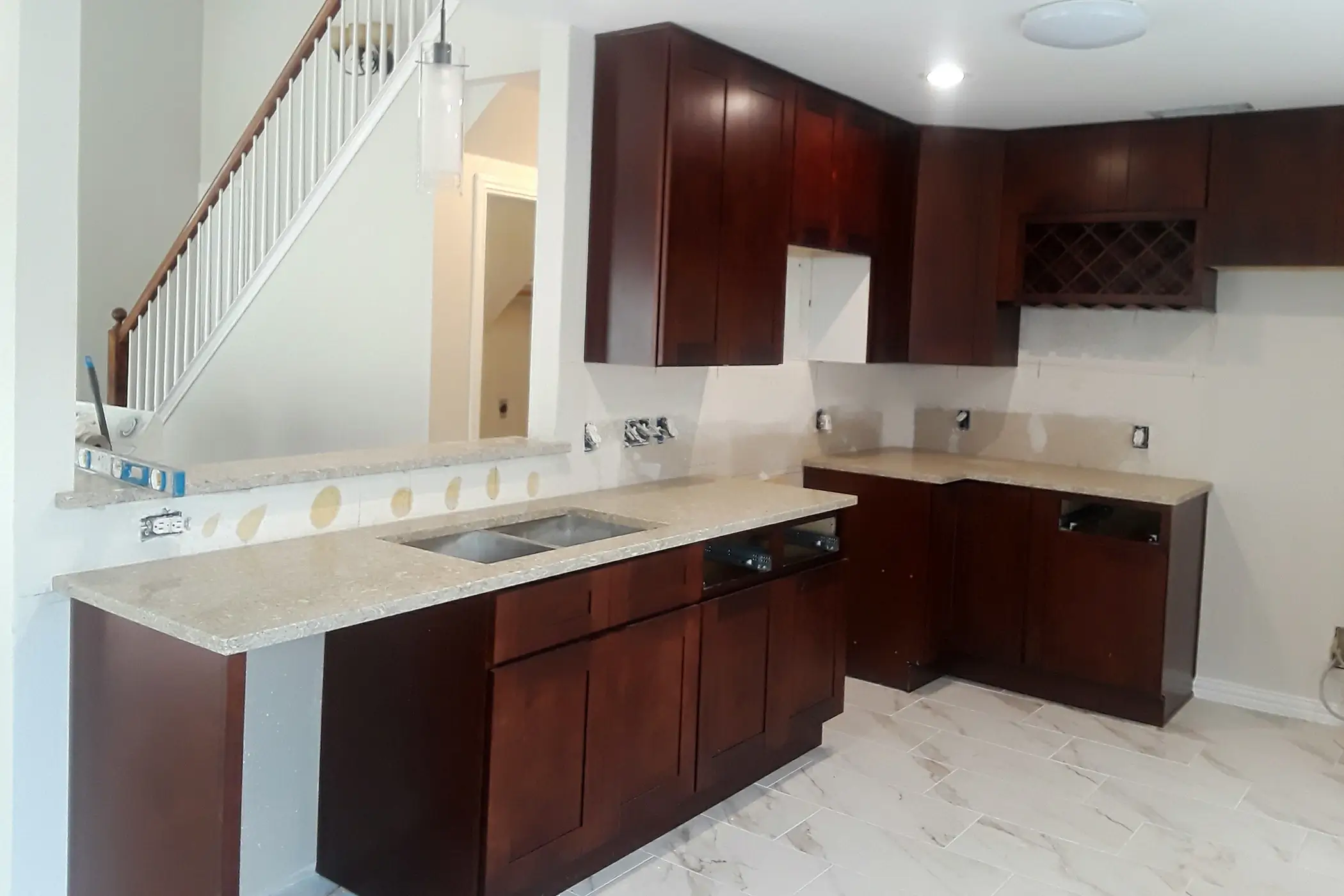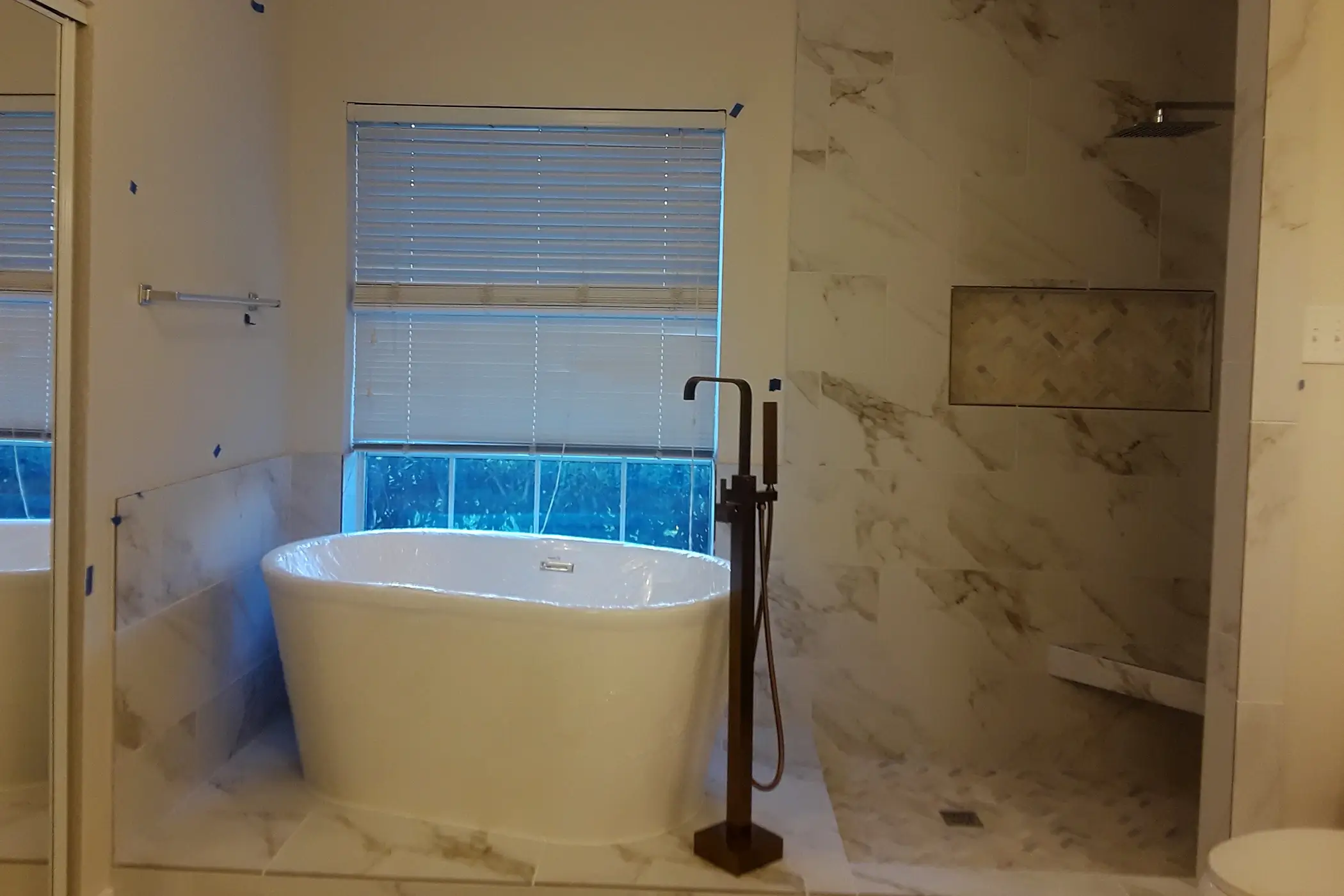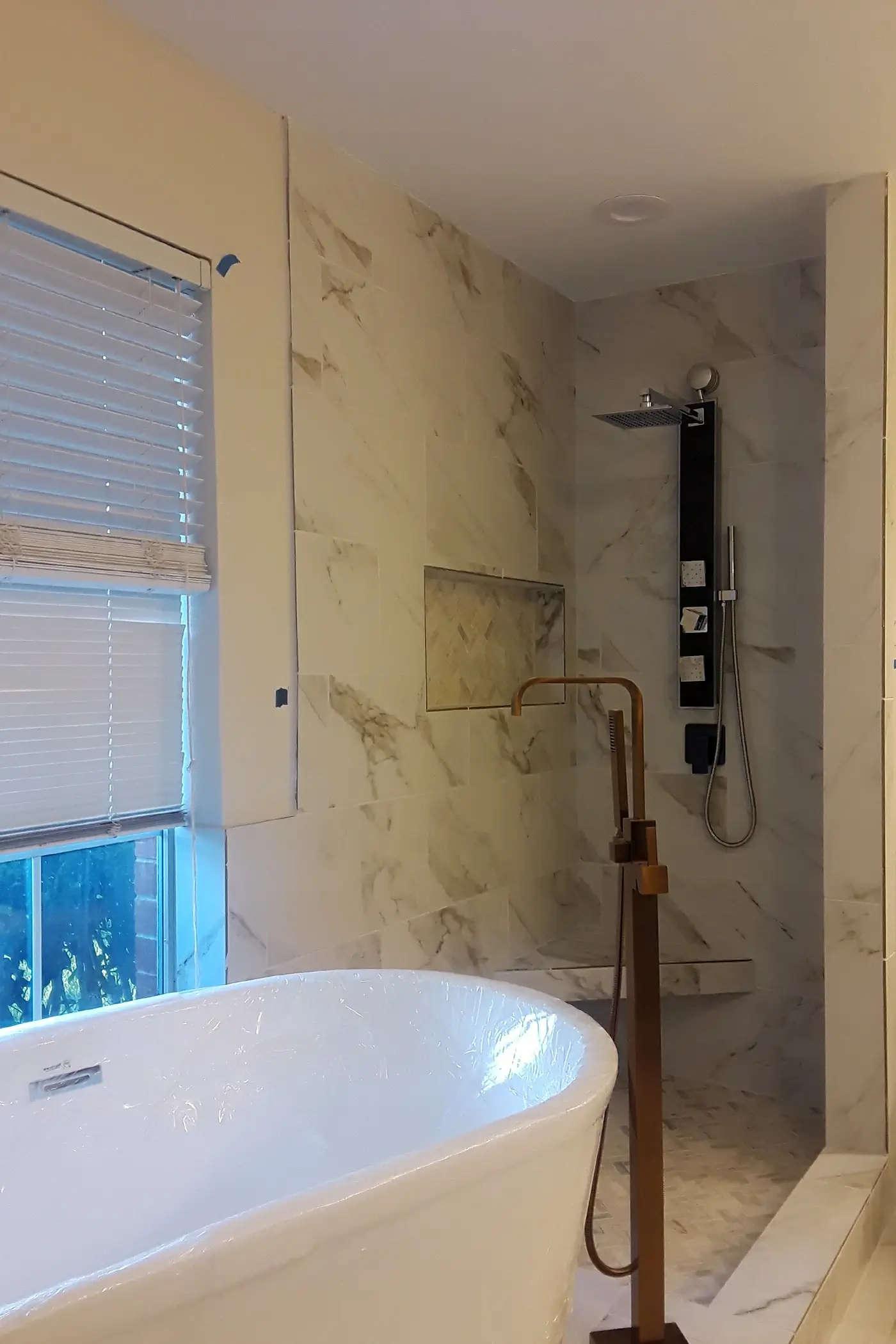
Planning a kitchen remodel can feel overwhelming, especially when it is the heart of the home and one of the most complex spaces to renovate. From layout decisions to budgeting and timelines, there are many moving parts that can quickly become stressful without a clear plan.
Bina Homes, which specialize in residential remodeling, work closely with homeowners to manage kitchen remodeling planning through a structured and transparent process. By understanding what to expect before construction begins, homeowners can make informed decisions, reduce uncertainty, and create a kitchen that supports daily life.
This guide shares expert insights to help you plan a stress free kitchen remodel with clarity, confidence, and realistic expectations.
Why Kitchen Remodeling Planning Matters
Kitchen remodelling planning is the foundation of a successful renovation. Without a clear roadmap, projects are more likely to experience delays, cost overruns, and design changes that increase stress.
A well-planned kitchen remodel helps you:
- Align your budget with realistic outcomes
- Avoid last minute material or layout changes
- Maintain functionality during construction
- Coordinate trades, deliveries, and inspections
- Reduce decision fatigue throughout the project
When planning is prioritized, the remodeling process becomes more predictable and manageable.
Understanding Your Kitchen Remodel Goals
Define How You Use Your Kitchen
Before selecting finishes or appliances, consider how your kitchen functions today. Think about cooking habits, storage needs, and how people move through the space. These observations help guide practical design decisions.
Questions to consider include:
- Do multiple people cook at the same time
- Is the kitchen used for entertaining
- Where does clutter build up
- Which areas feel cramped or inefficient
Decide What a Successful Remodel Looks Like
A successful kitchen remodel is not defined by trends alone. It is defined by how well the space supports your lifestyle. Goals may include improved workflow, increased storage, better lighting, or updated finishes that feel cohesive with the rest of the home.
Setting a Realistic Budget Early
Understand Where Kitchen Remodel Costs Come From
Kitchen remodel costs vary based on scope and material choices. Common cost categories include cabinetry, countertops, appliances, flooring, plumbing, electrical work, labor, and permits.
During kitchen remodeling planning, it is important to review these categories in detail, so financial expectations remain realistic throughout the project.
Plan for Unexpected Conditions
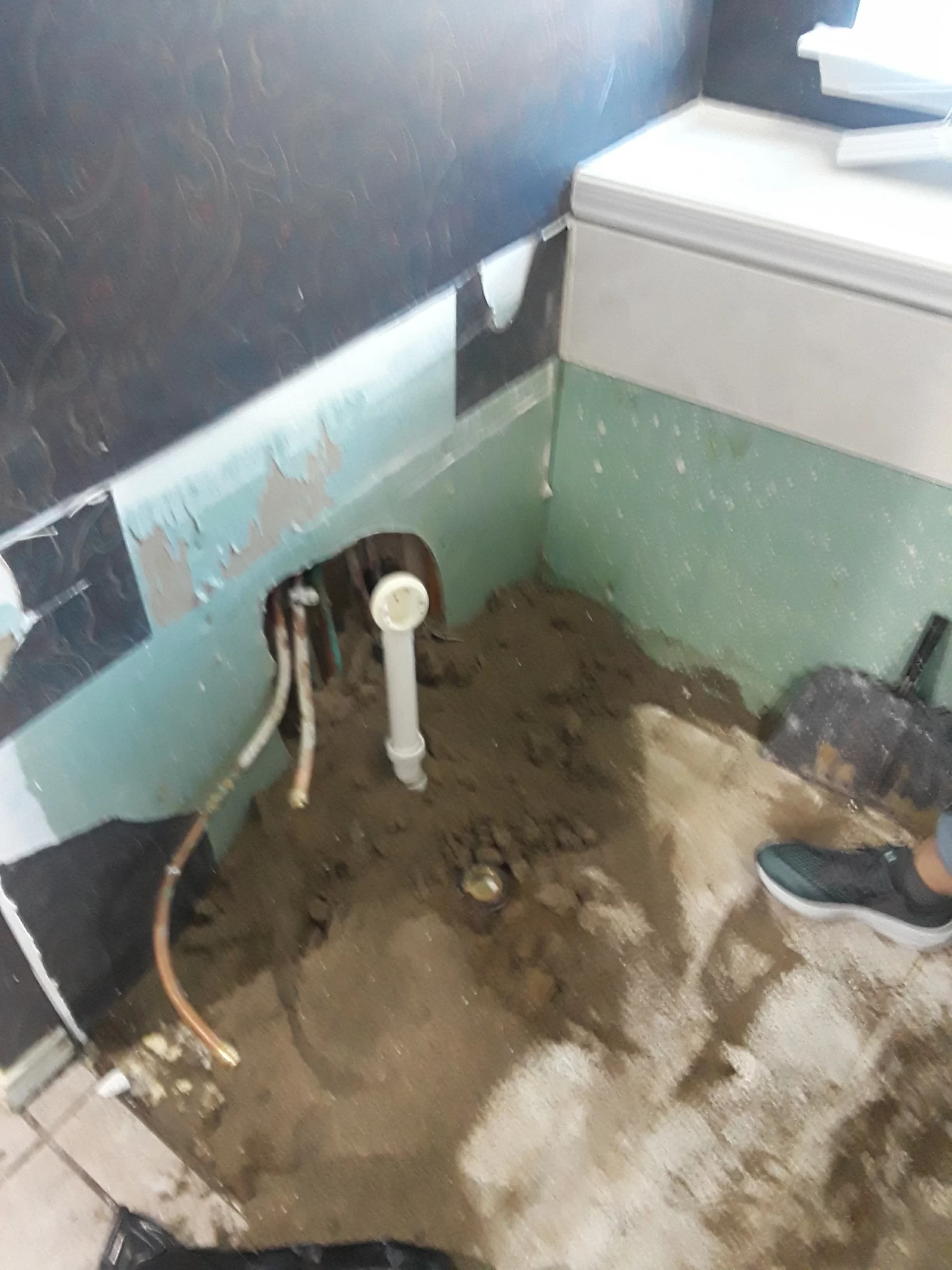
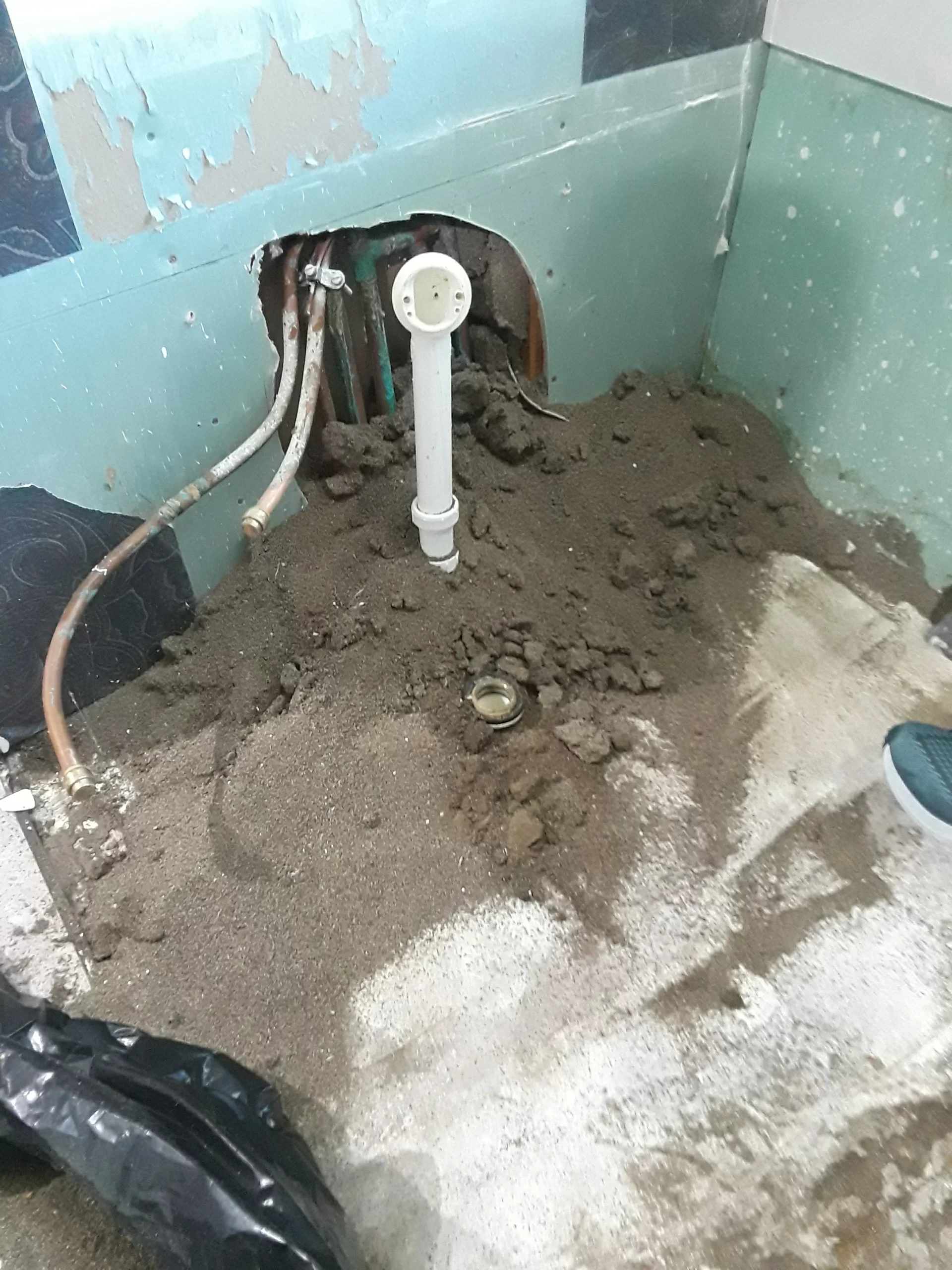
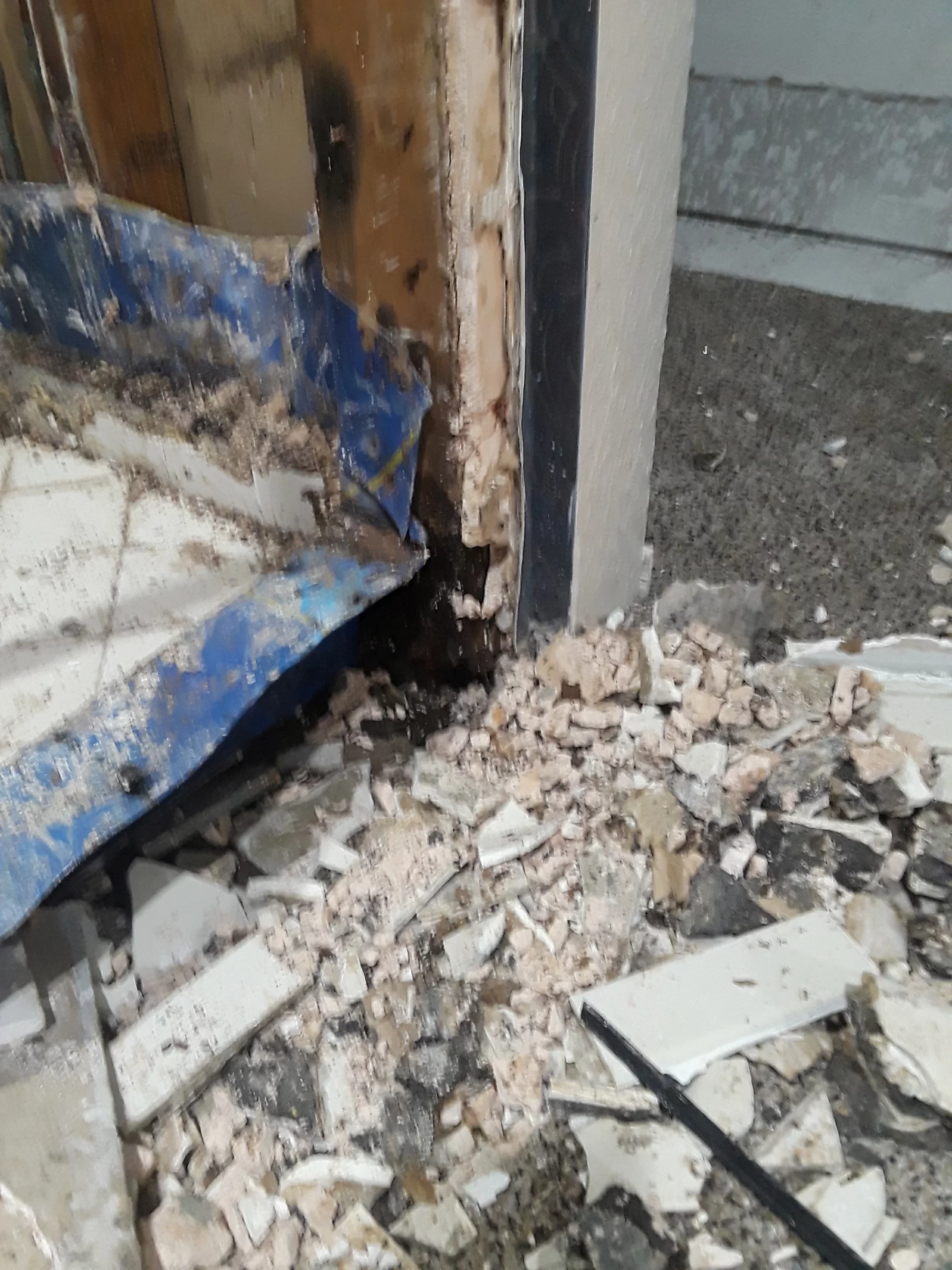
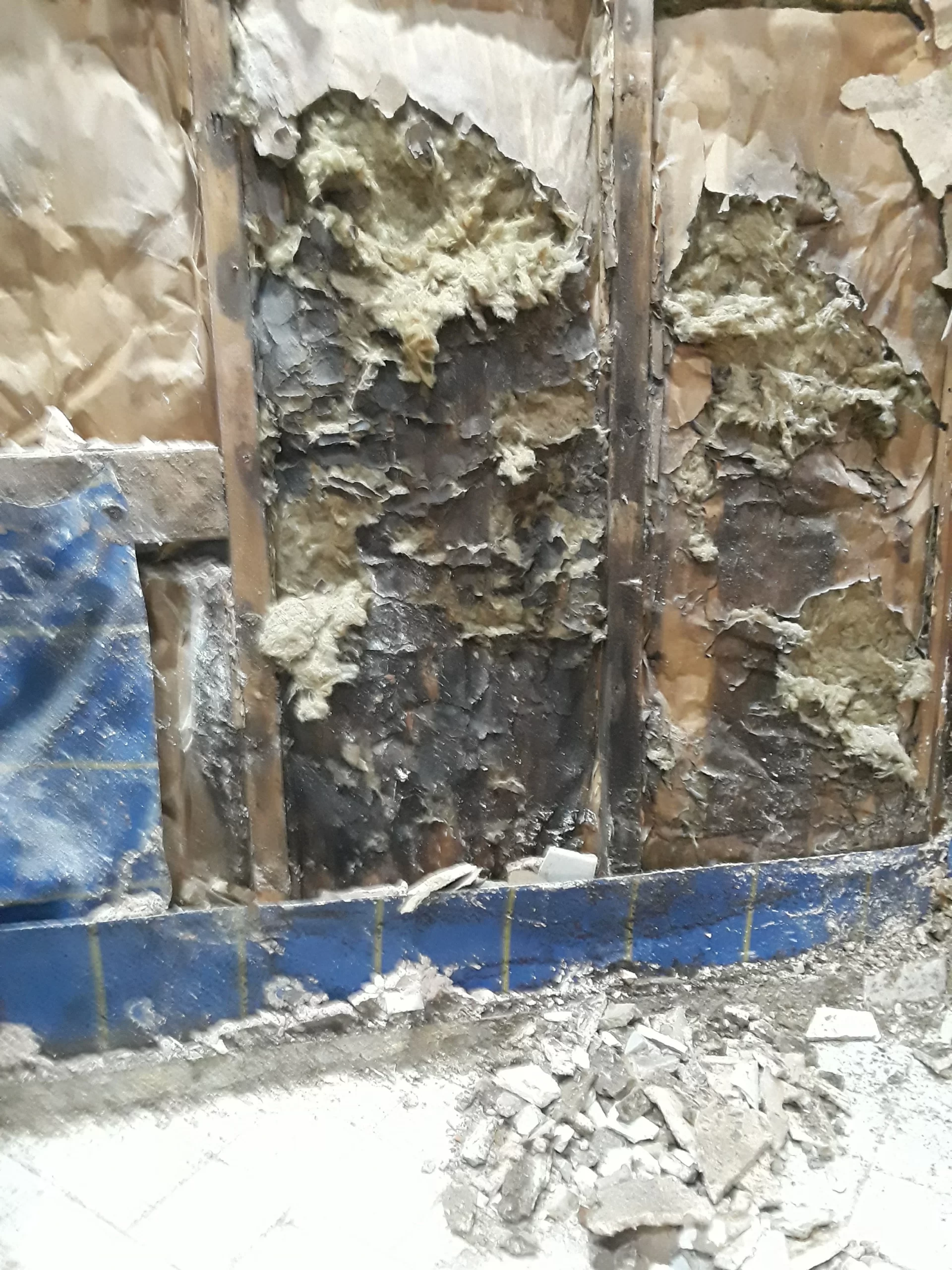
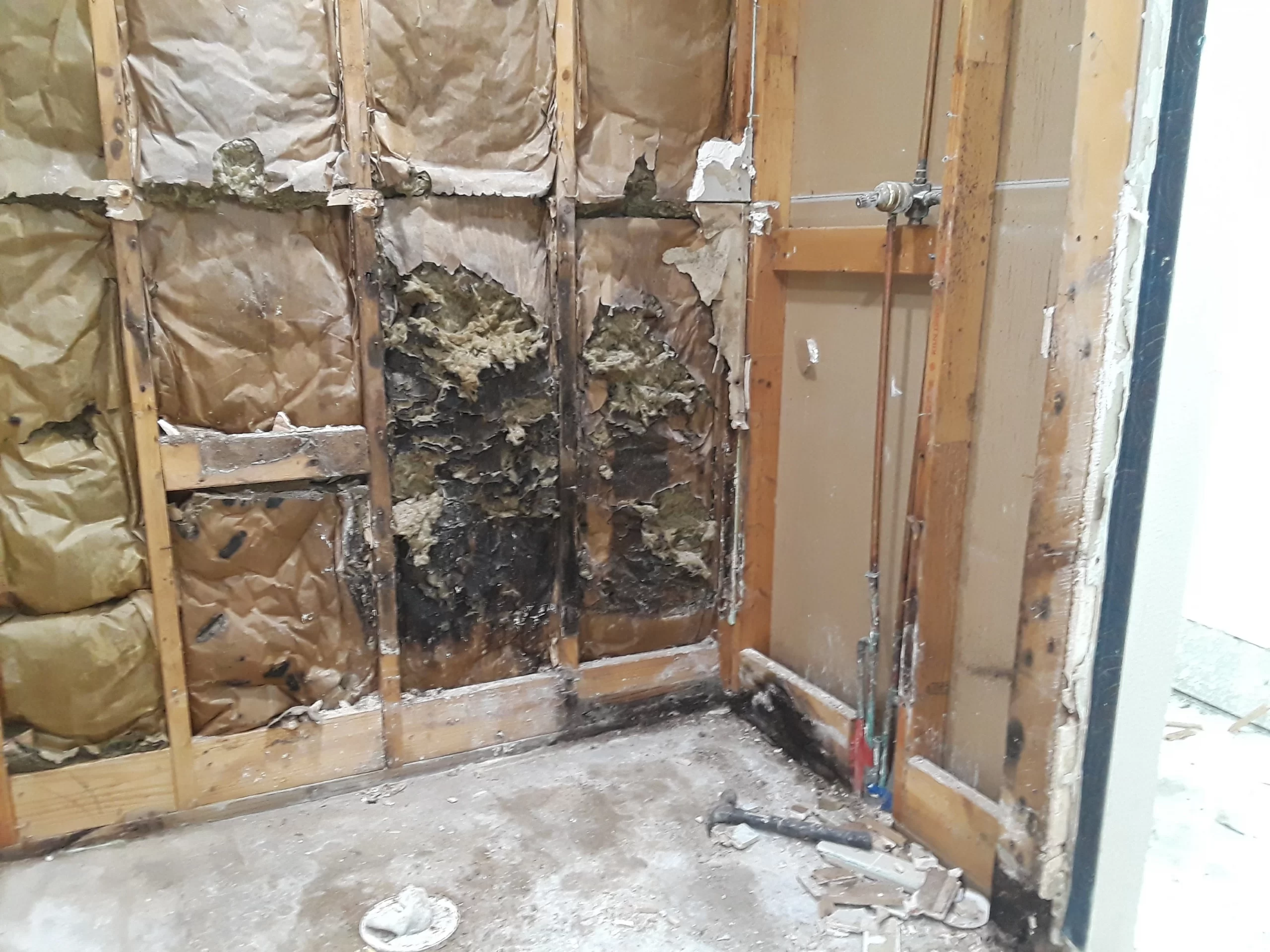
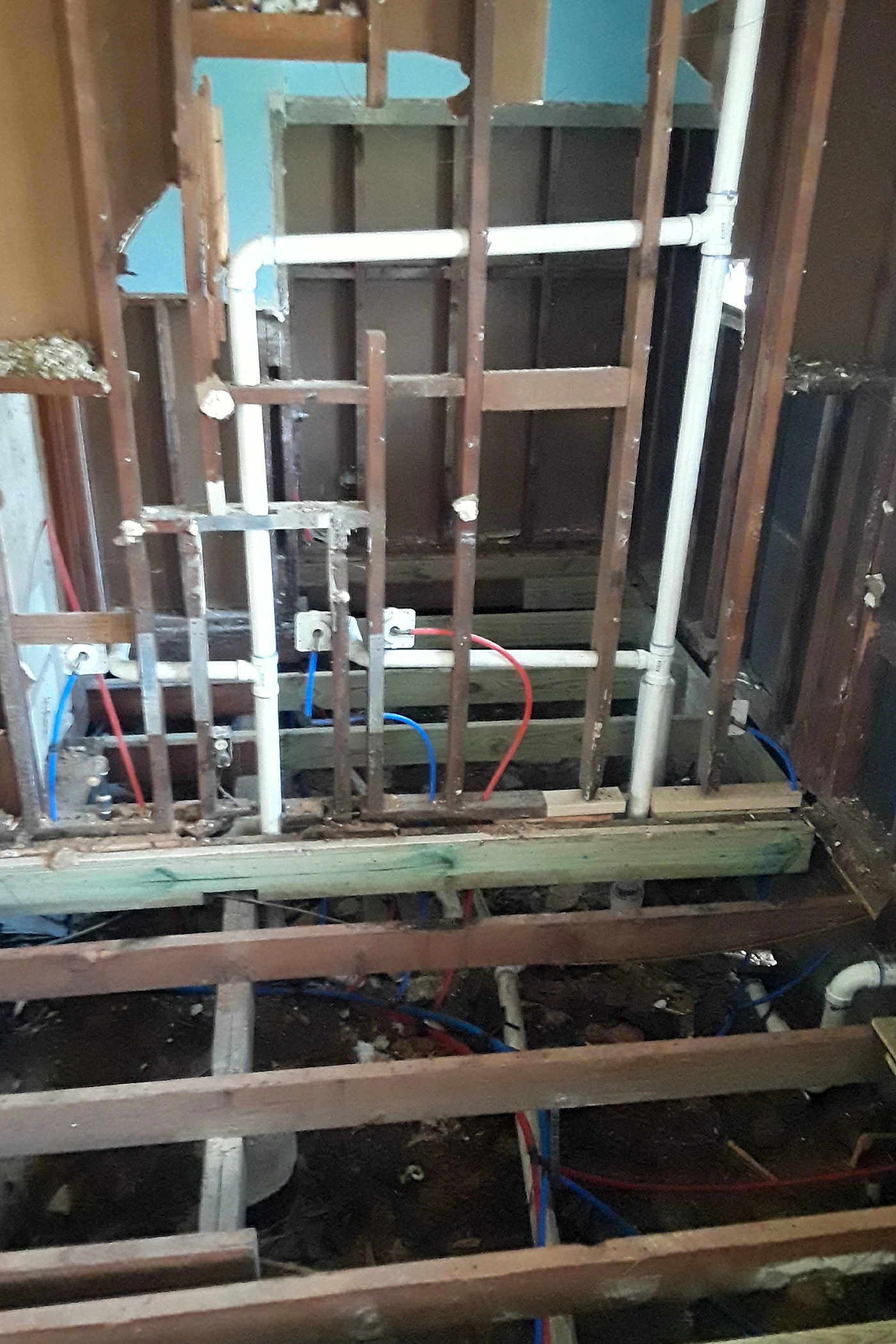
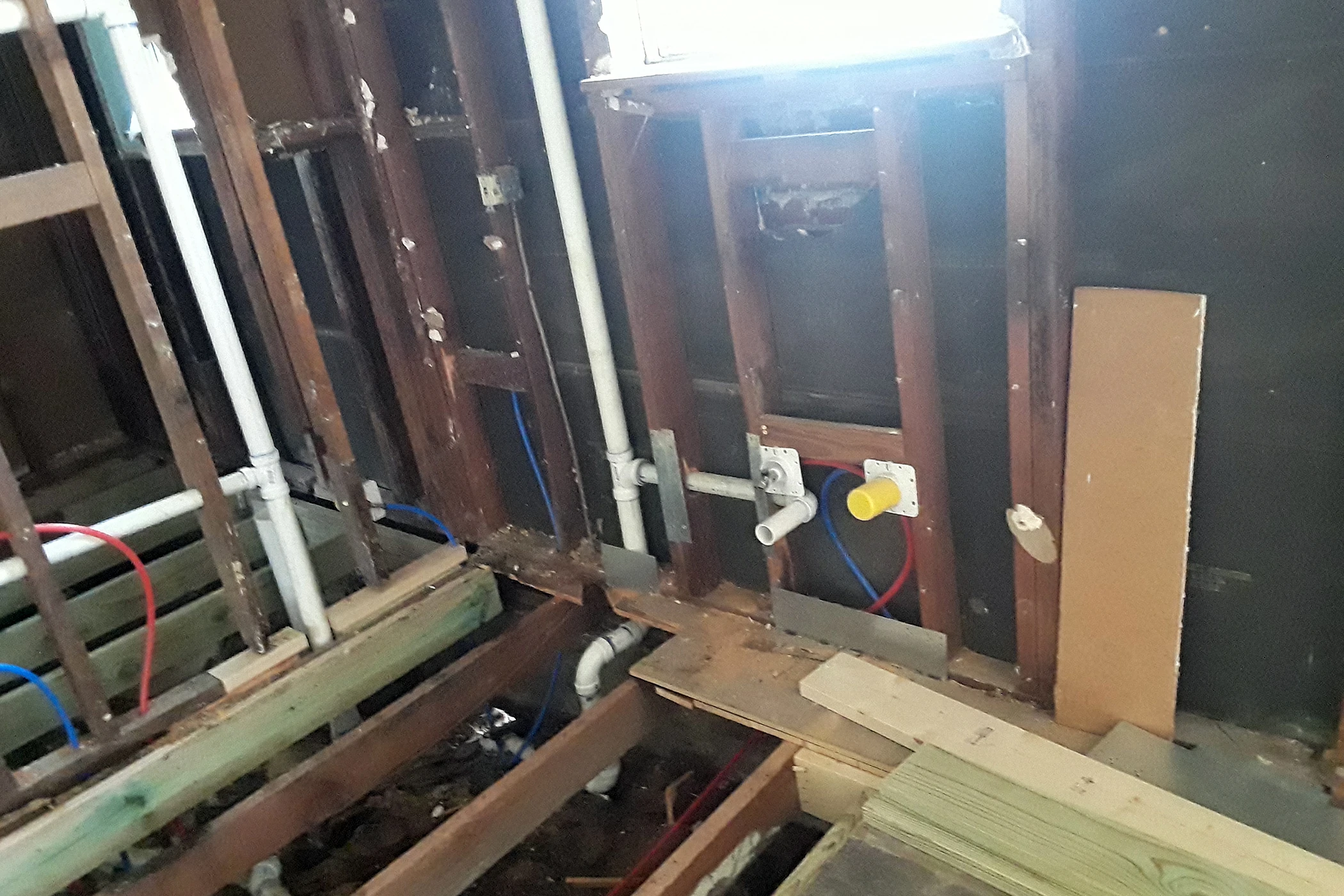
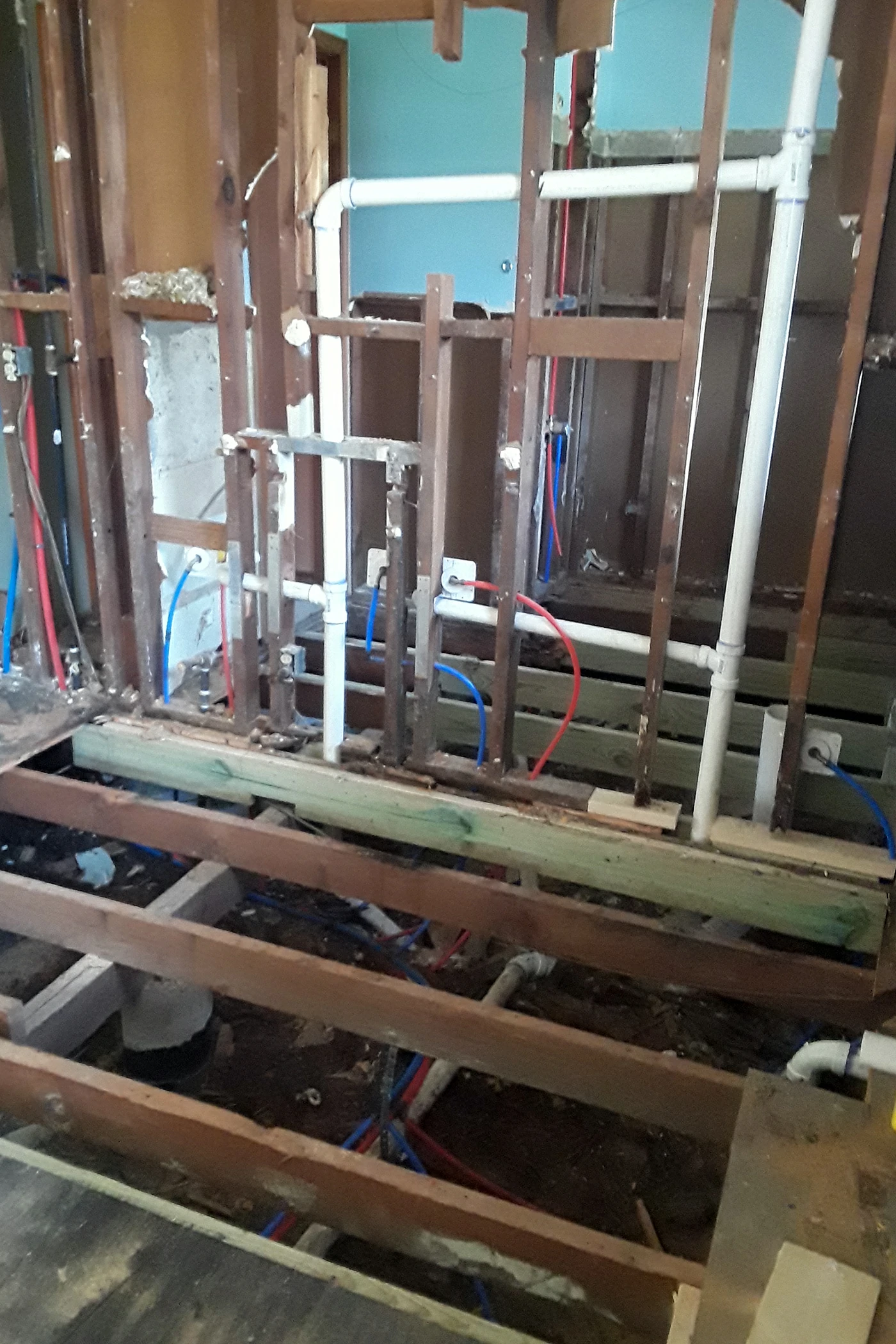
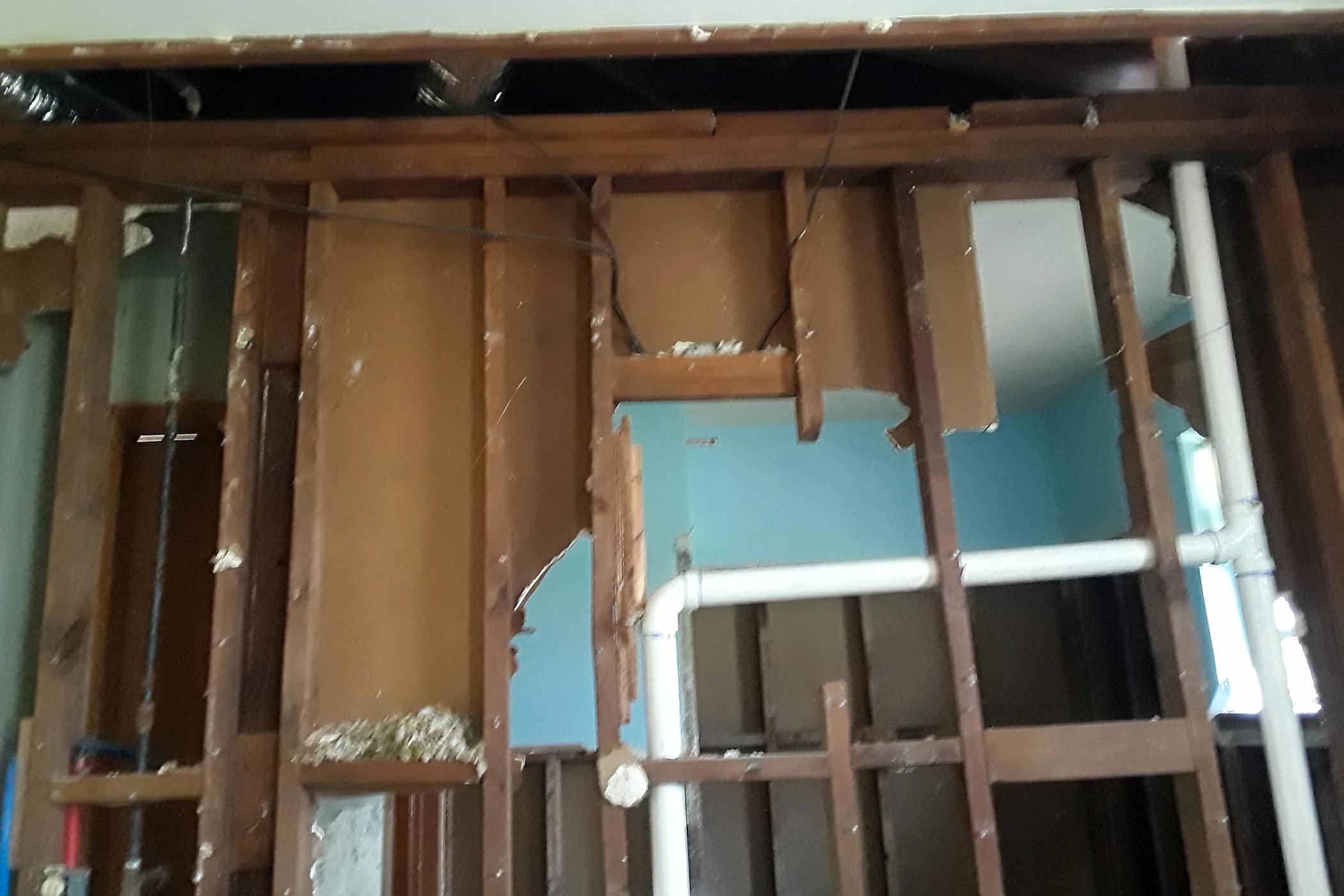
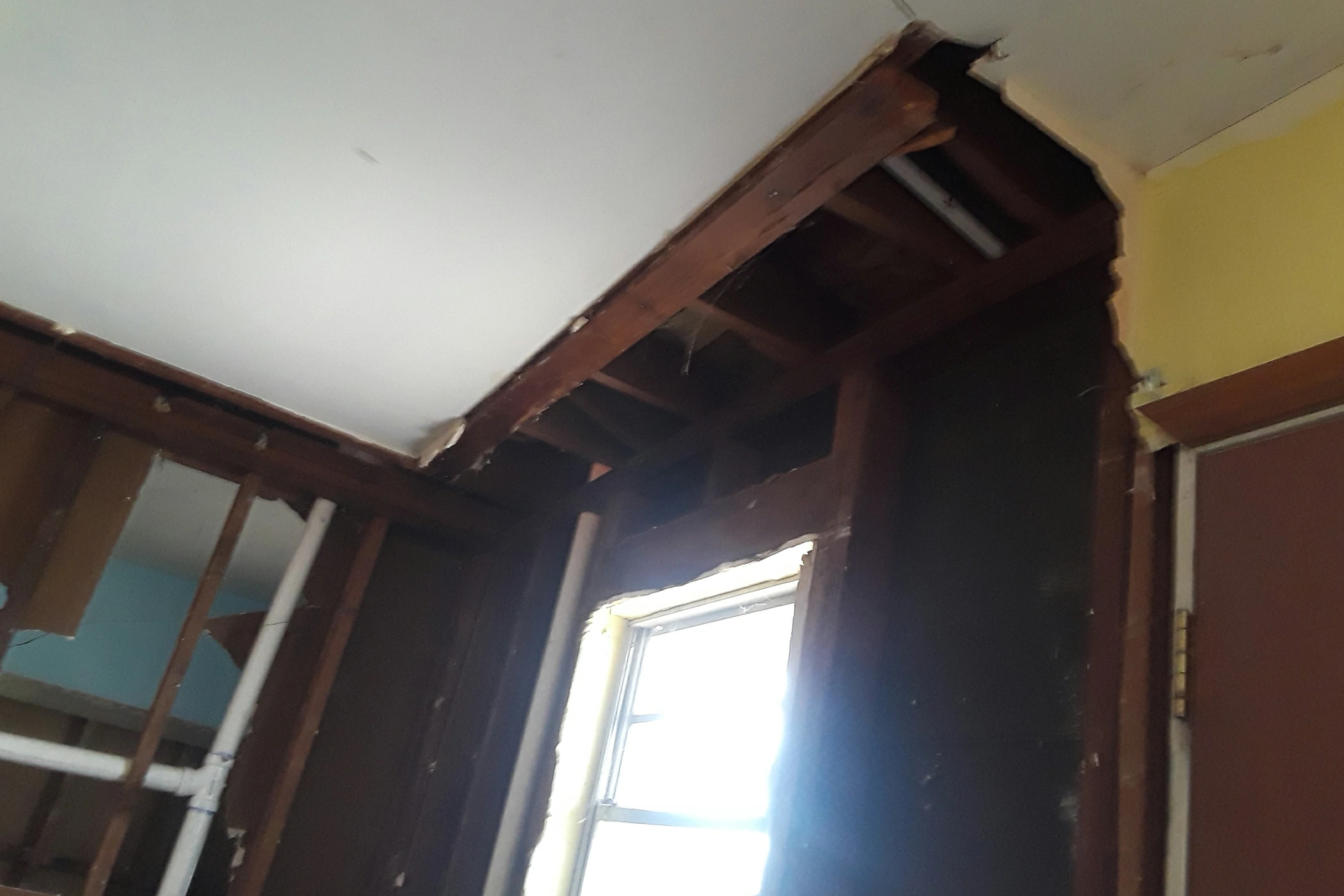
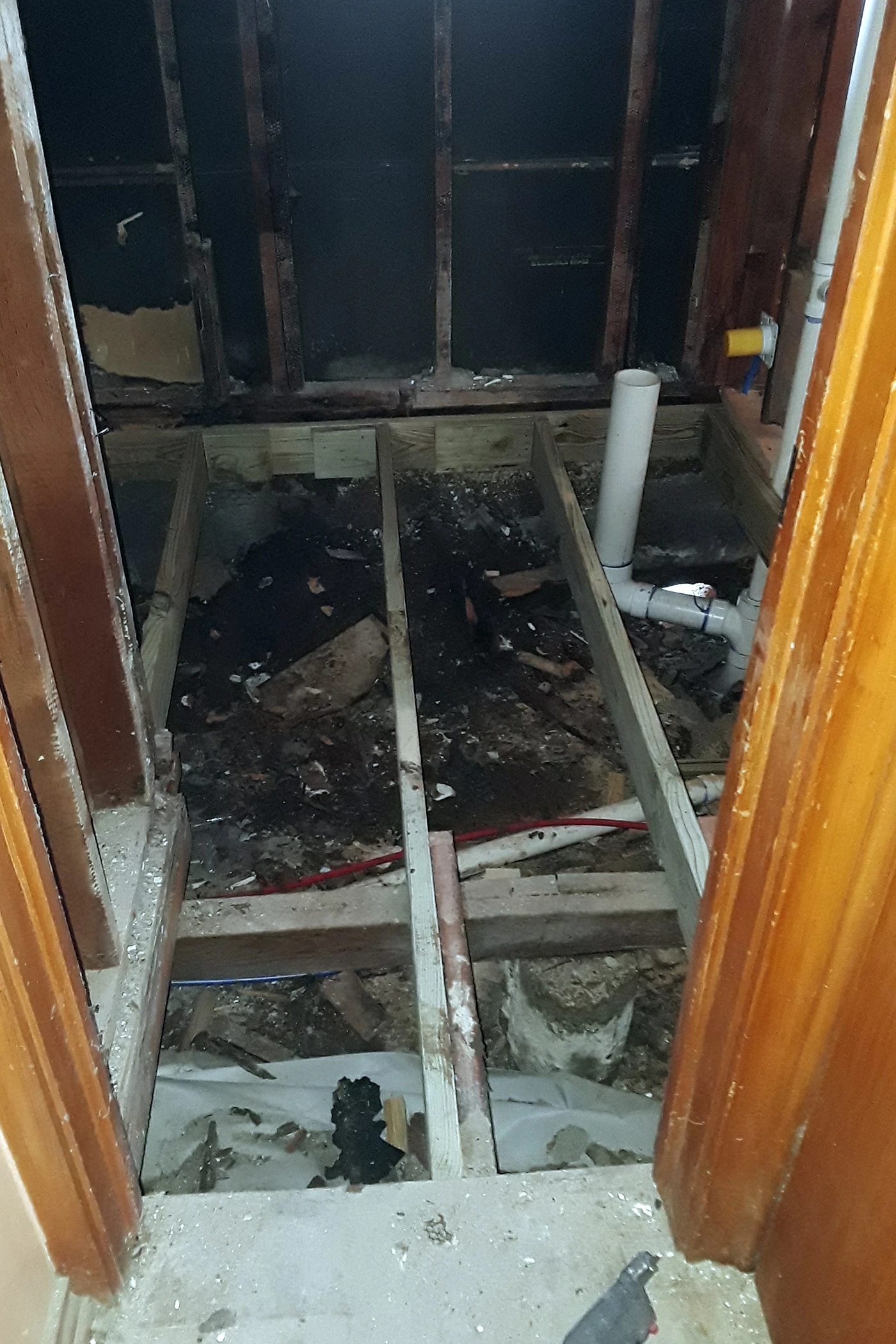
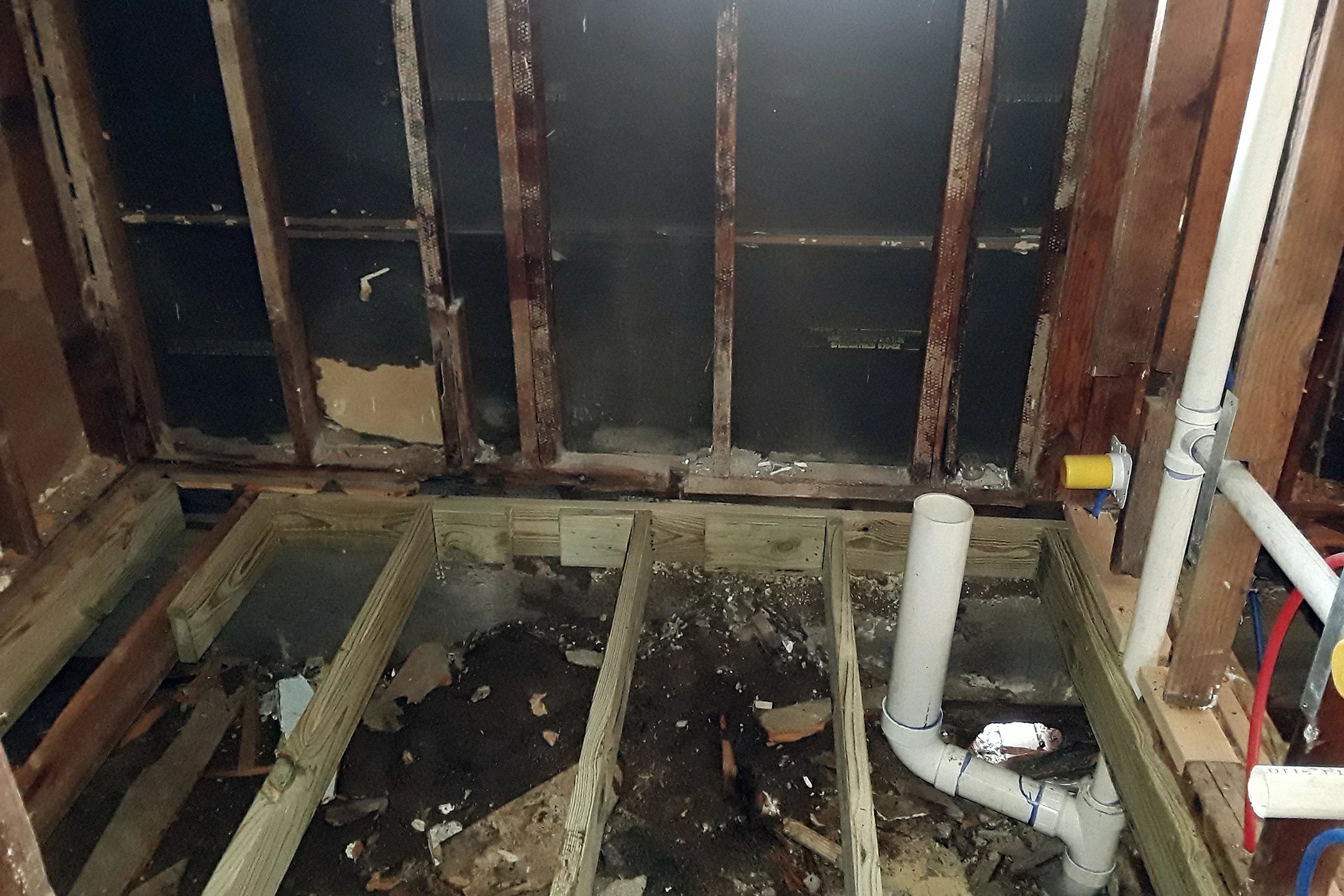
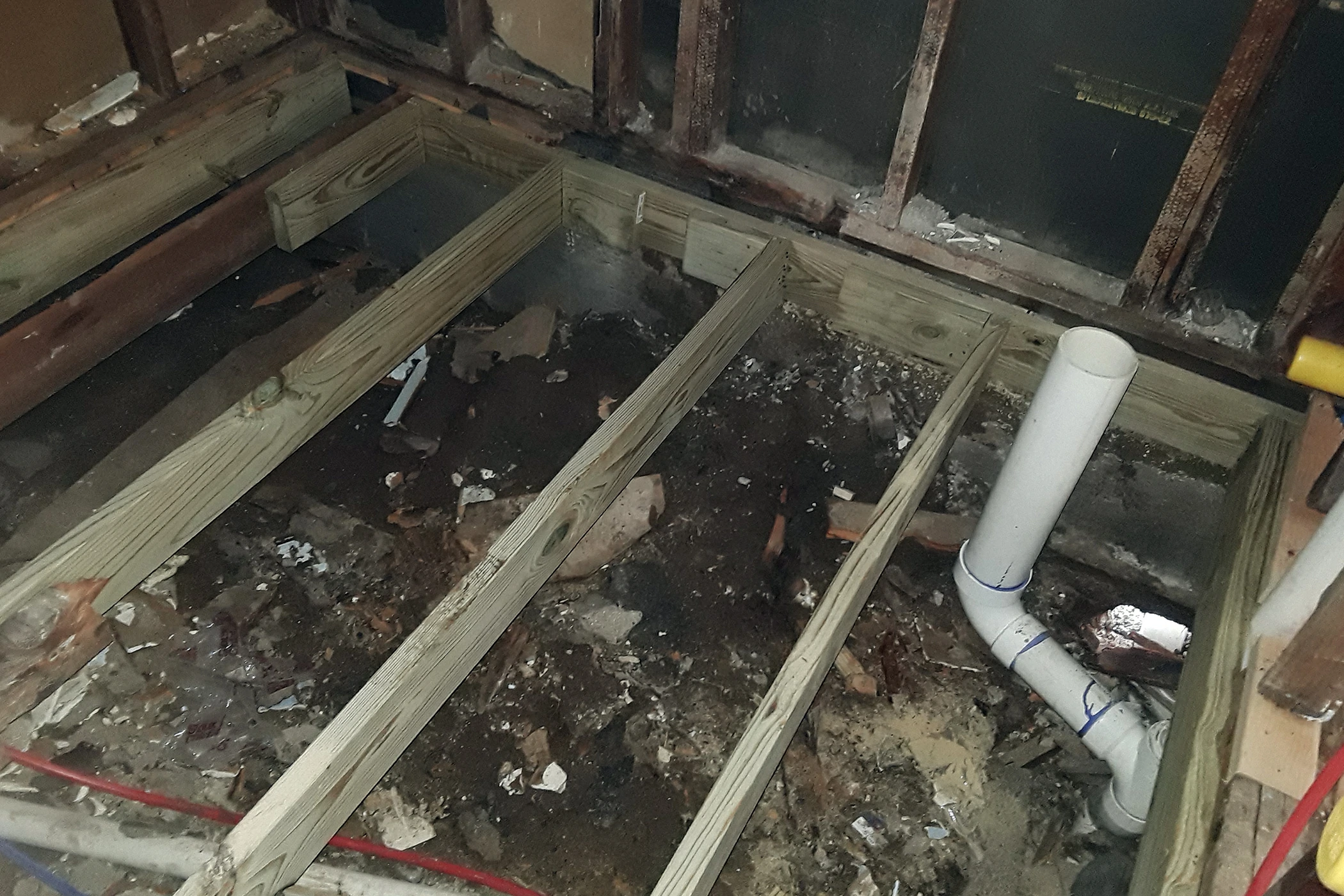
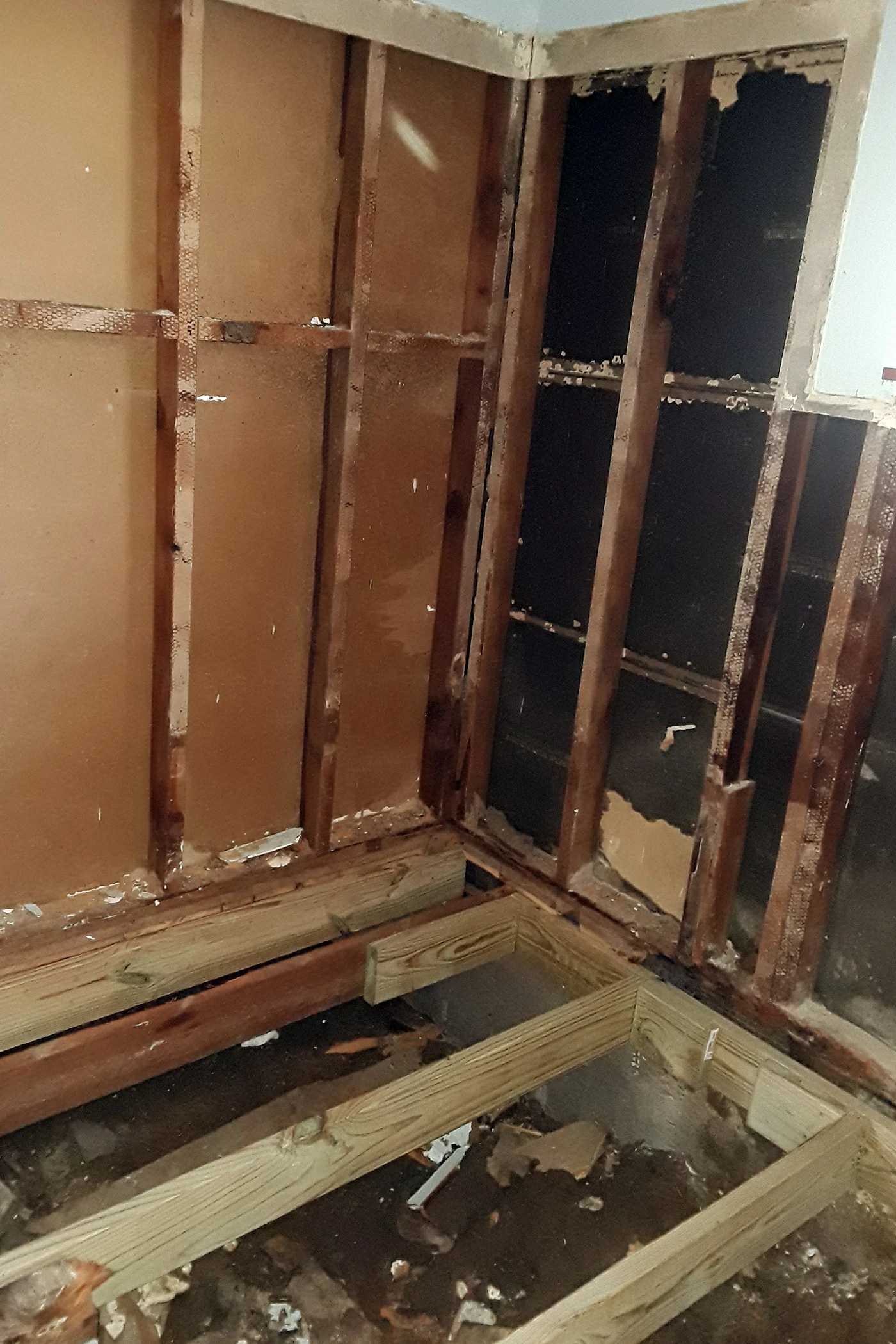
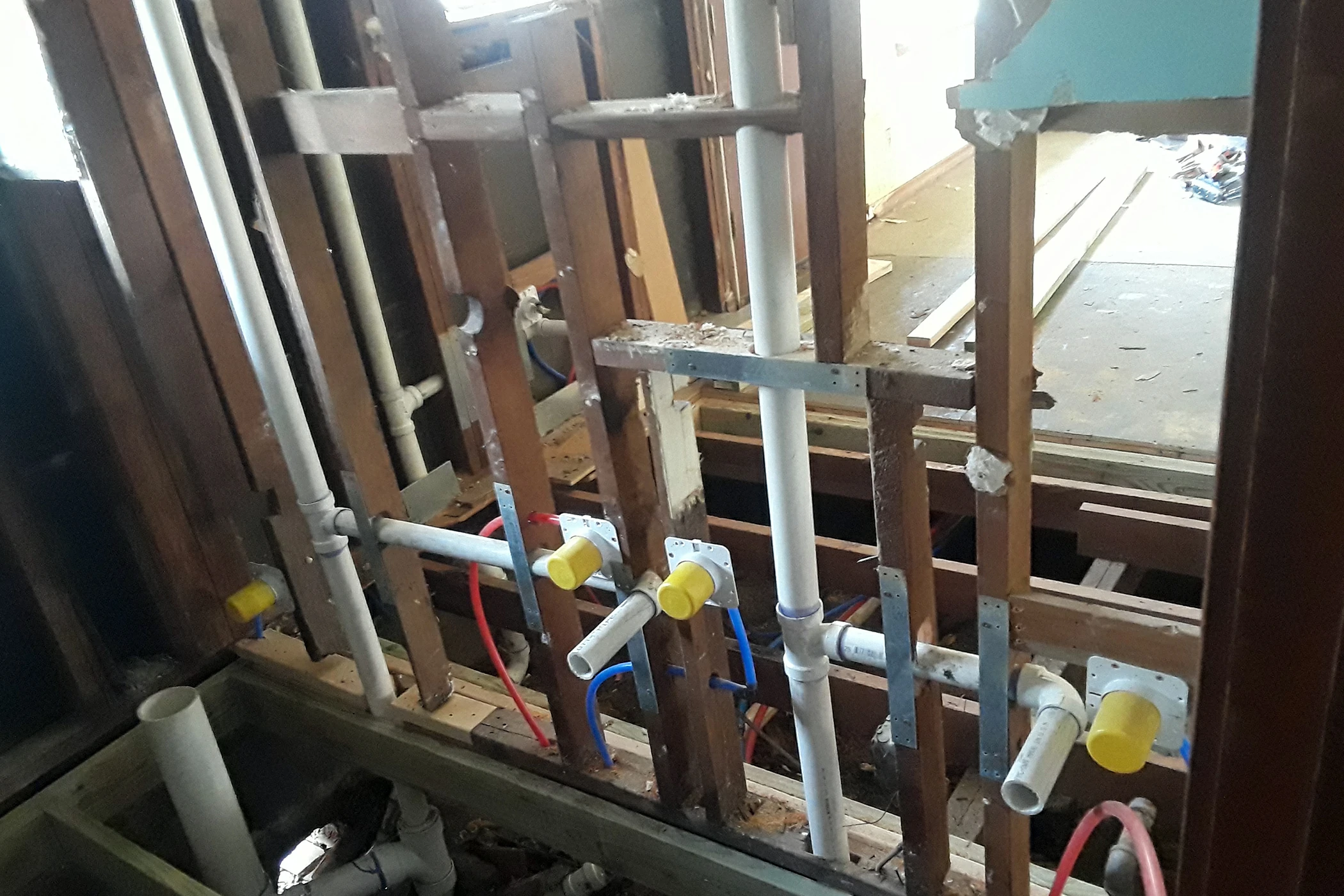
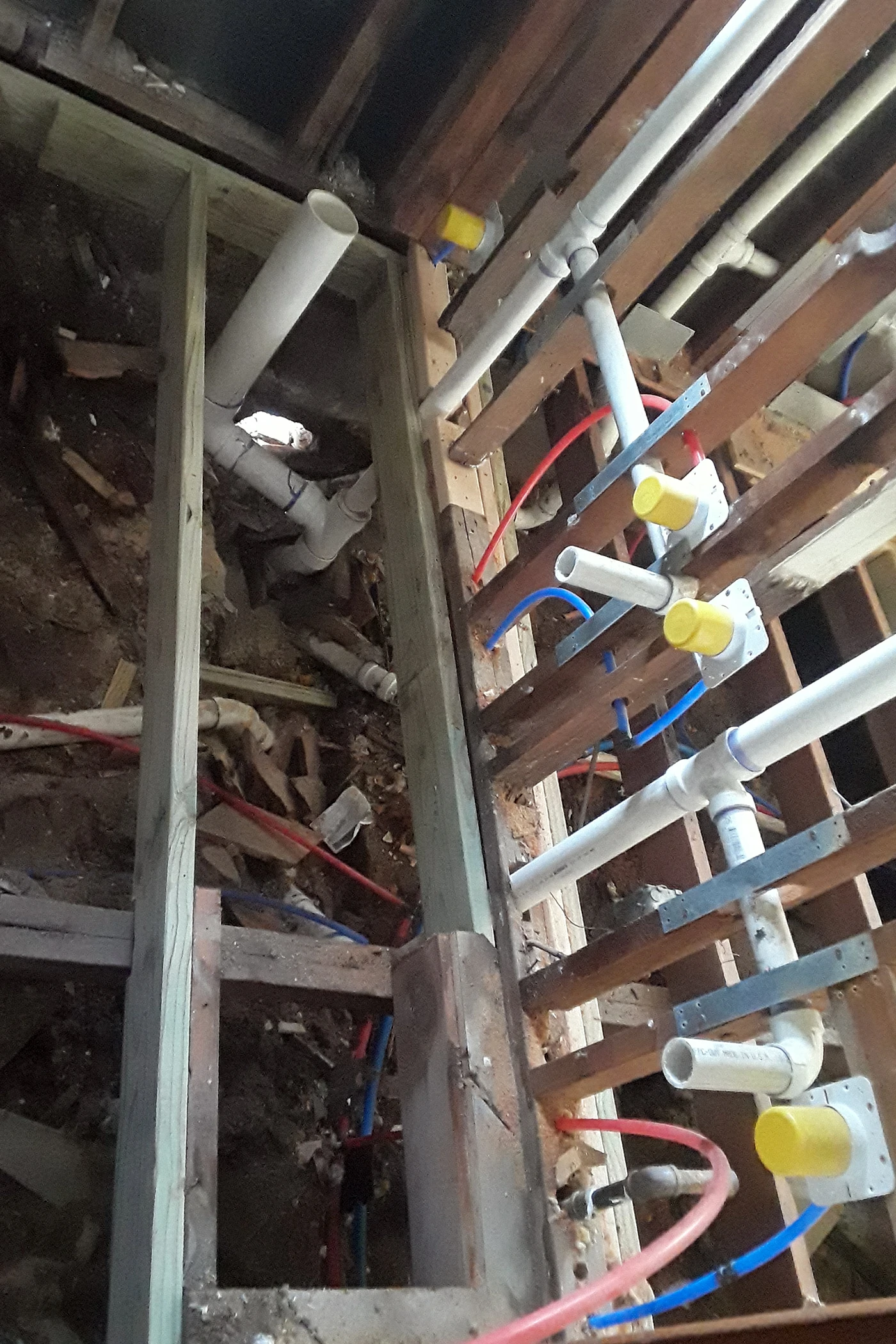
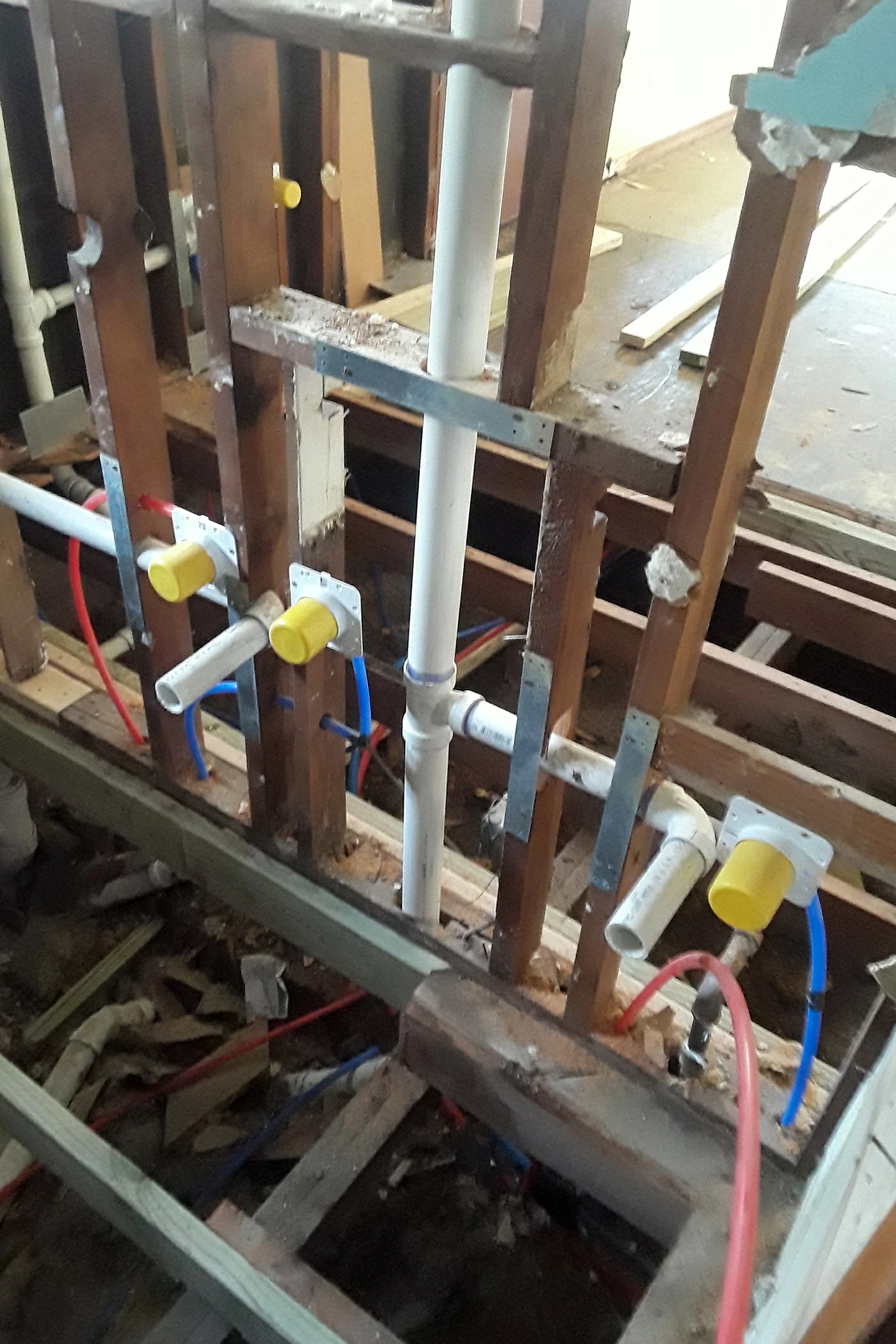
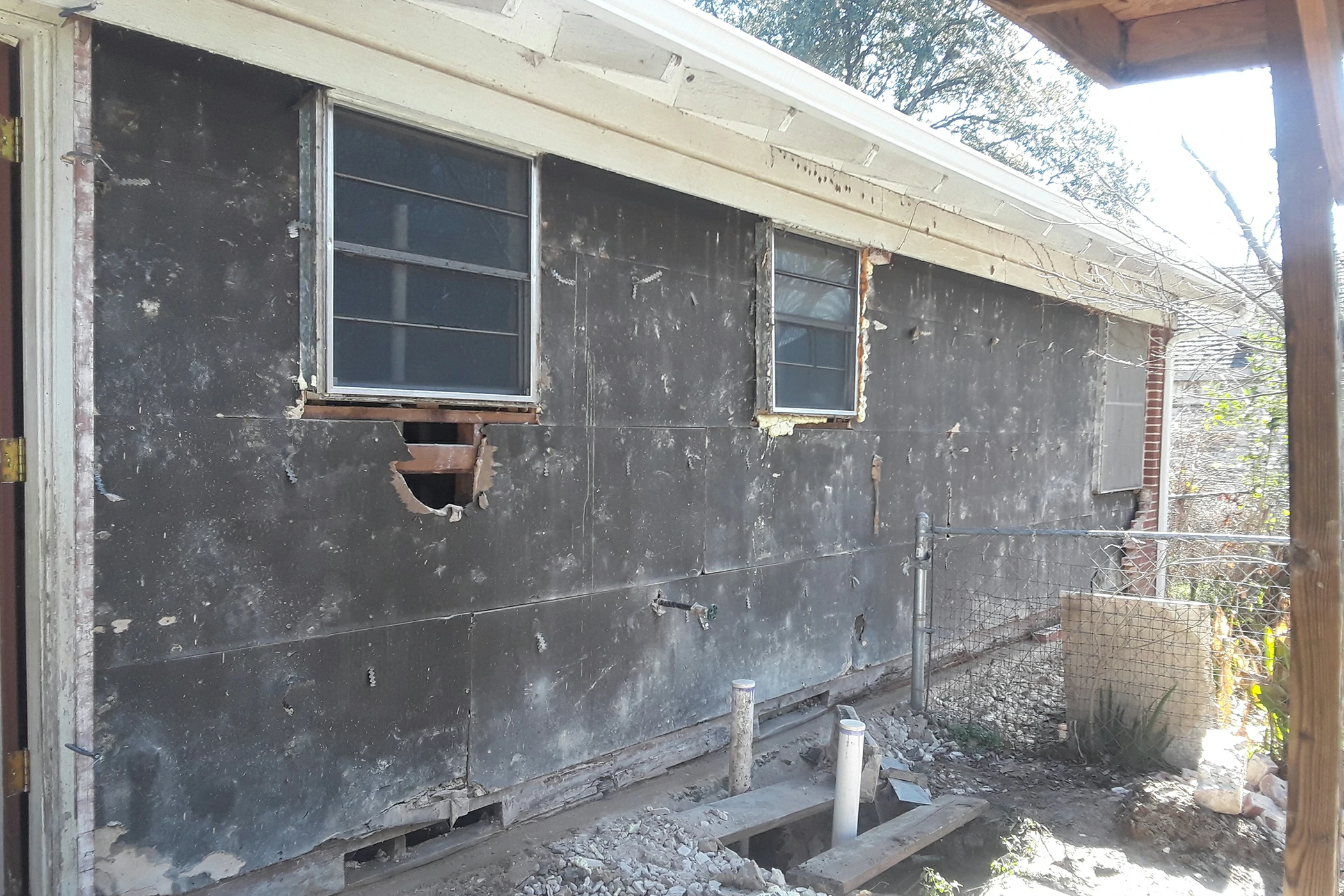
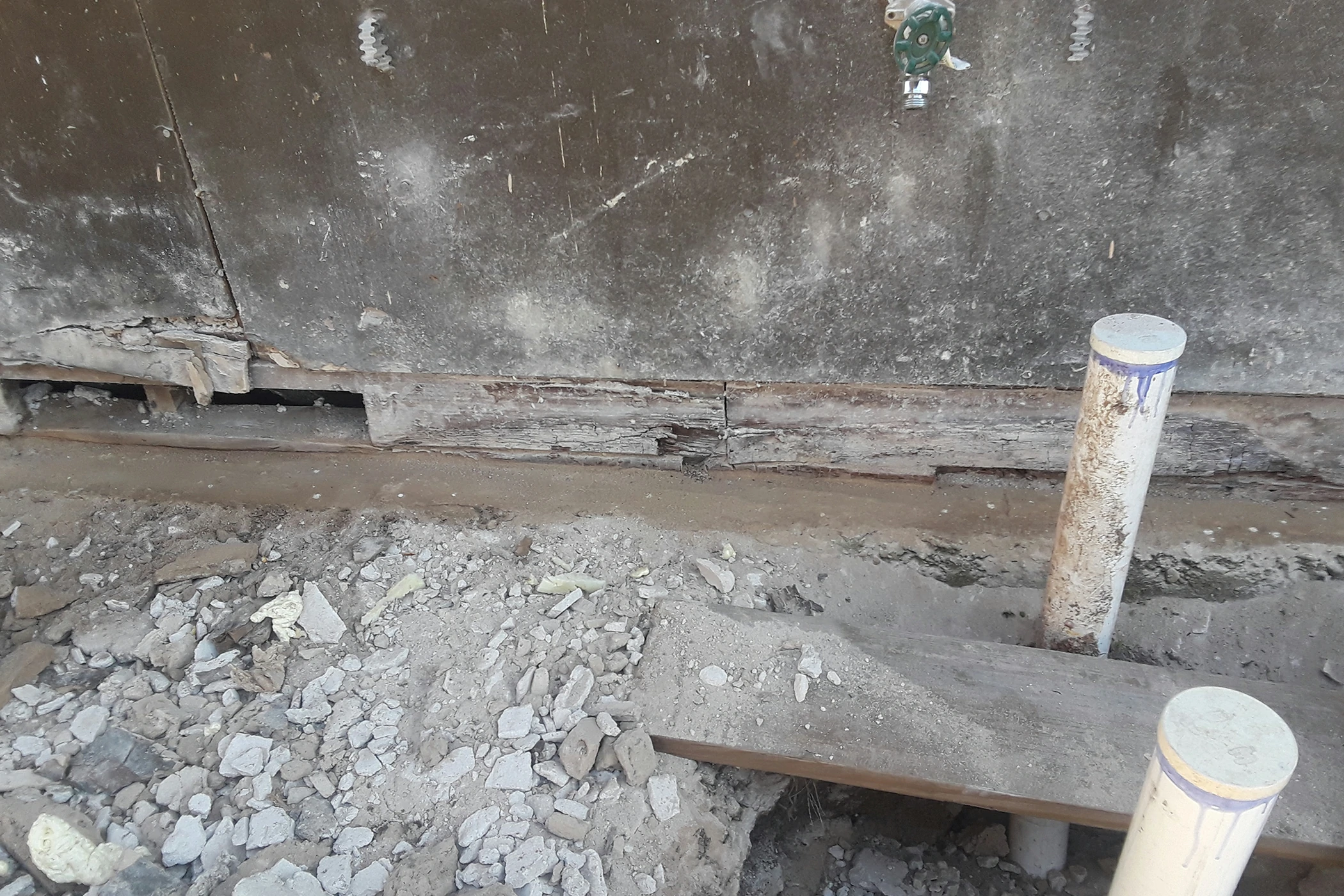
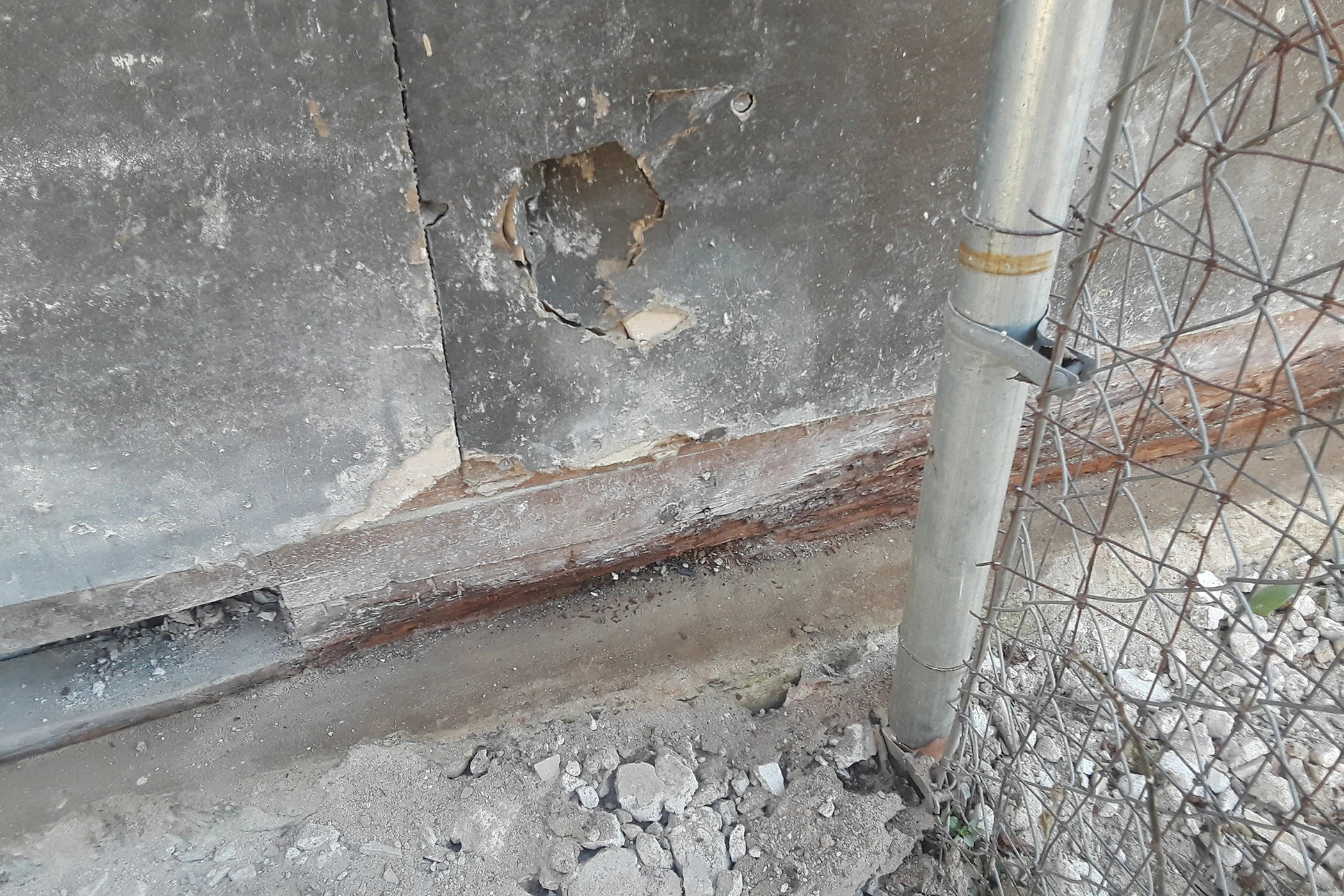
Even with careful planning, older homes may reveal issues such as outdated wiring or plumbing once demolition begins. Setting aside a contingency fund of 10 to 15 percent of the total budget helps prevent these surprises from becoming stressful.
Choosing the Right Kitchen Layout
Evaluate Your Existing Layout
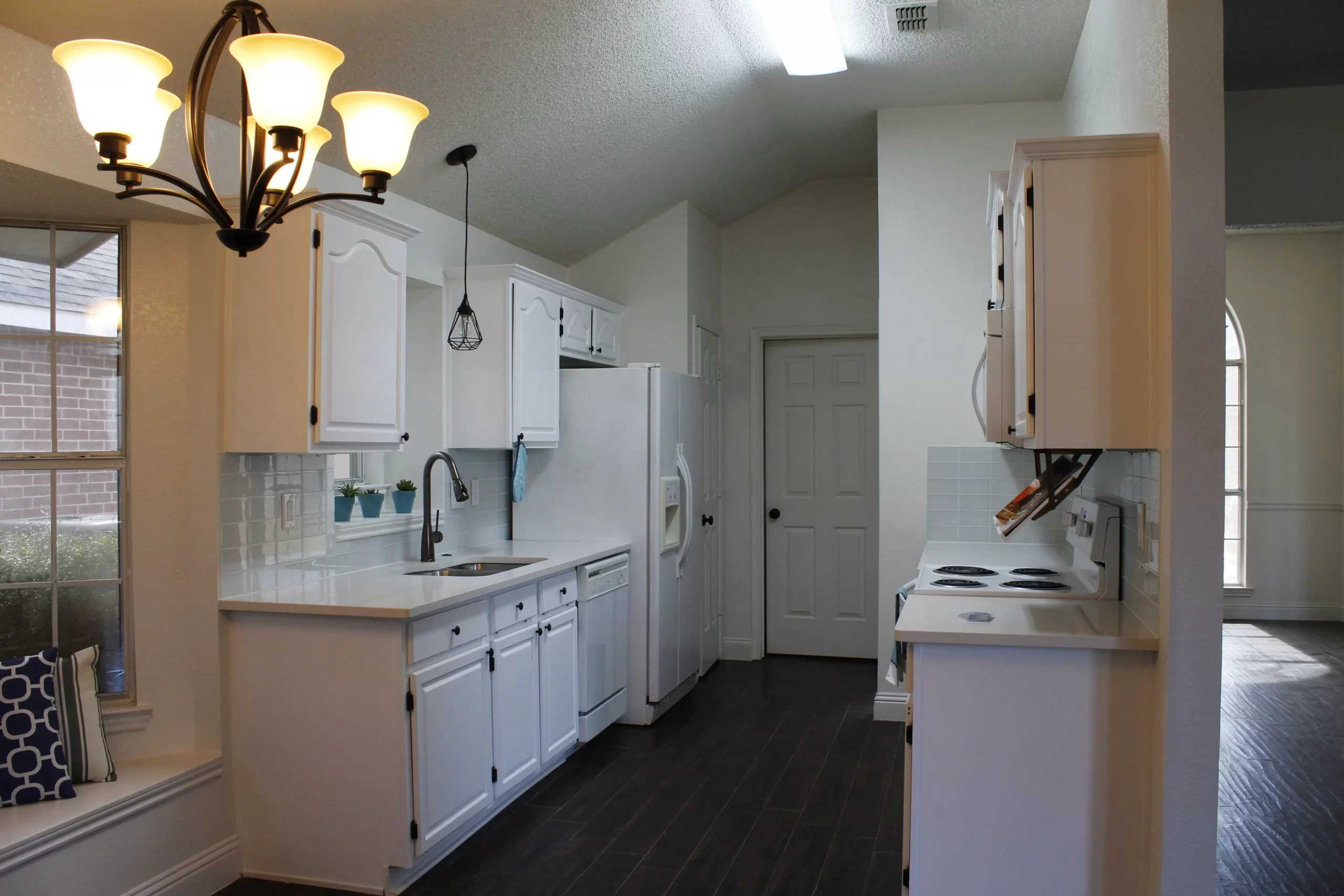
Not every remodel requires a full layout change. In many cases, small adjustments can significantly improve functionality. Reviewing appliance placement, work zones, and circulation patterns helps determine whether the existing layout can be optimized.
When Structural Changes Are Worth Considering
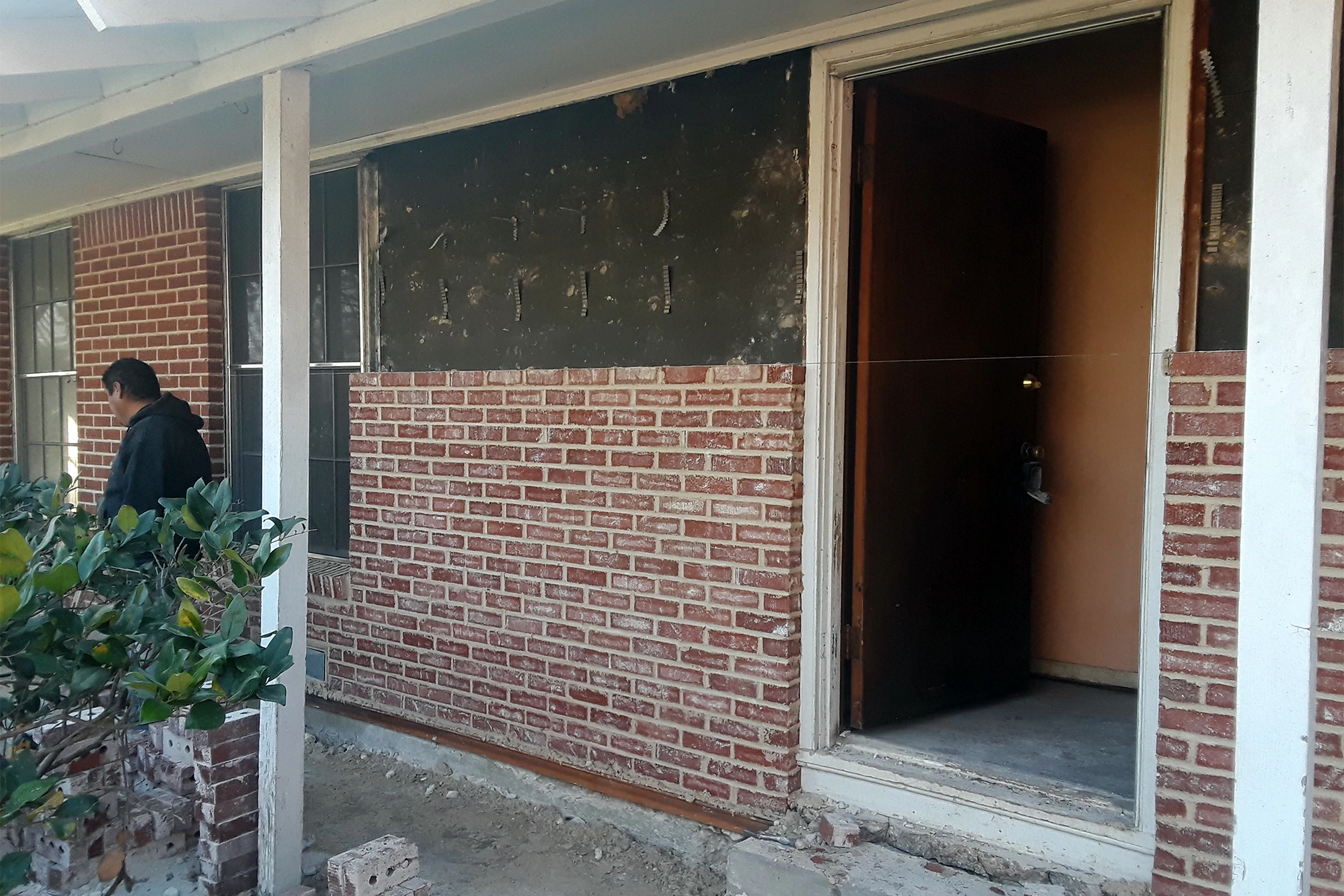
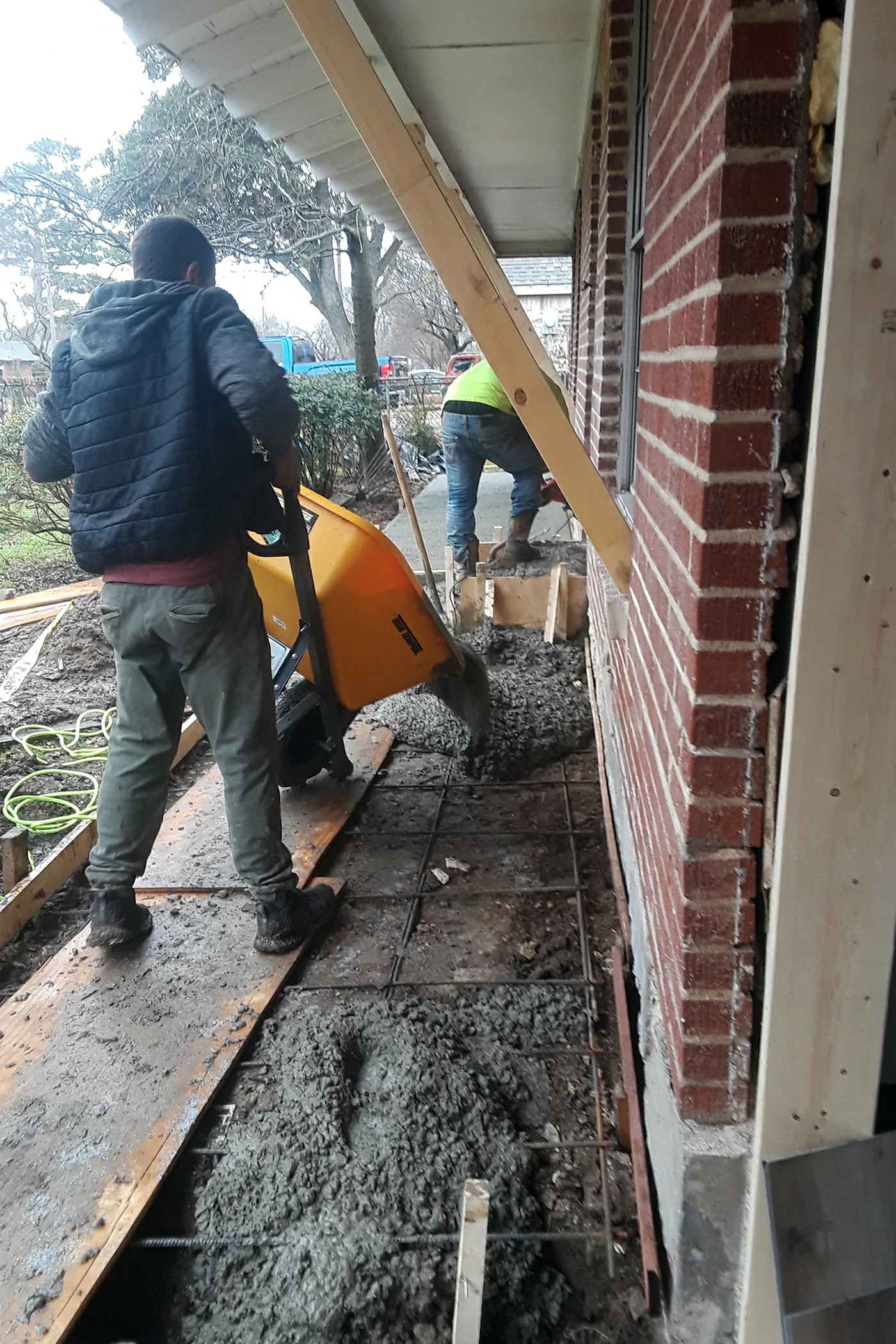
If walls restrict movement or disconnect the kitchen from nearby living spaces, structural updates may improve flow and usability. Homeowners exploring broader layout changes often consider home expansion or reconfiguration options that align with long term needs, including home additions that improve overall livability.
Planning the Remodel Timeline
Typical Kitchen Remodel Phases
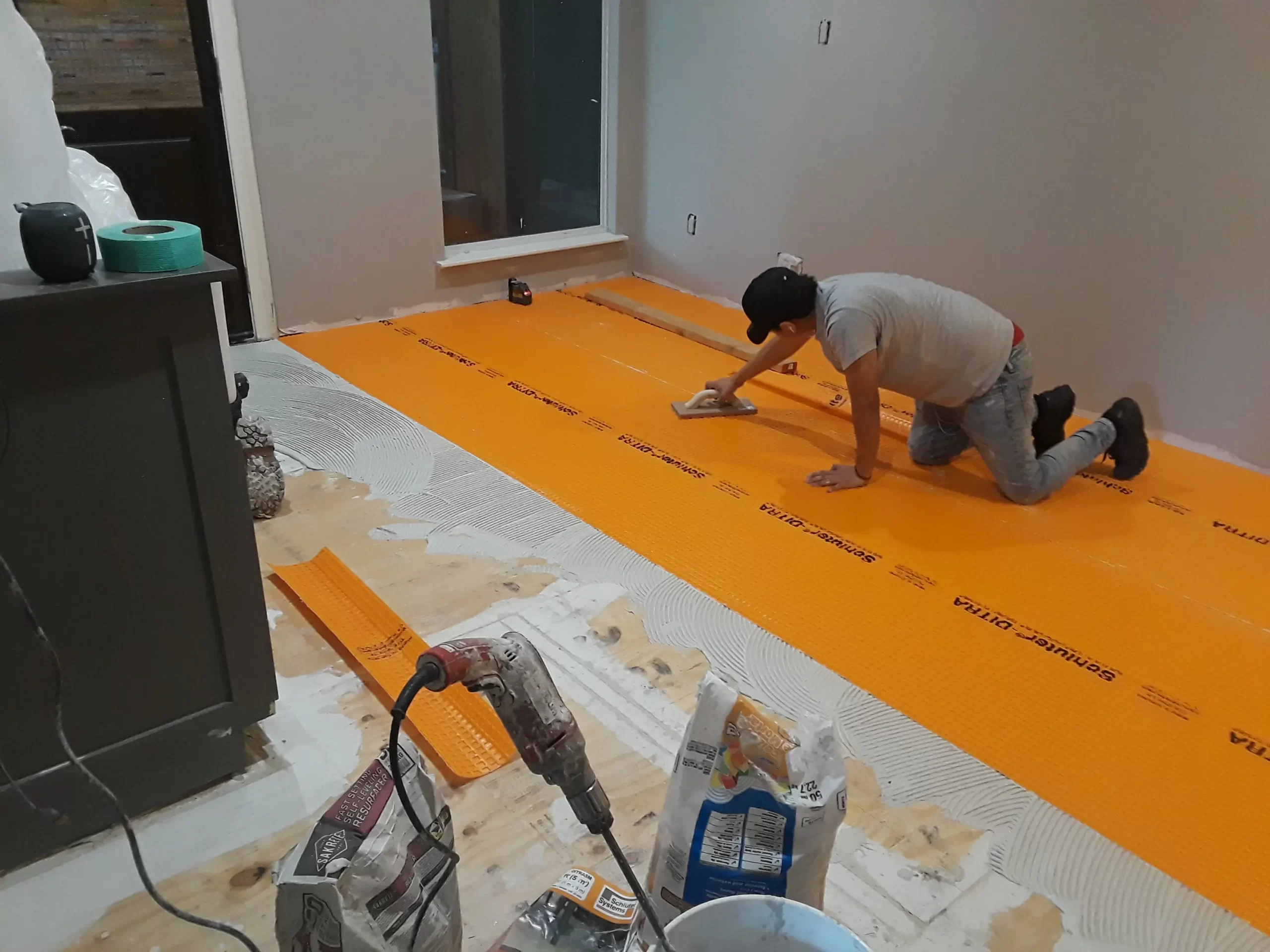
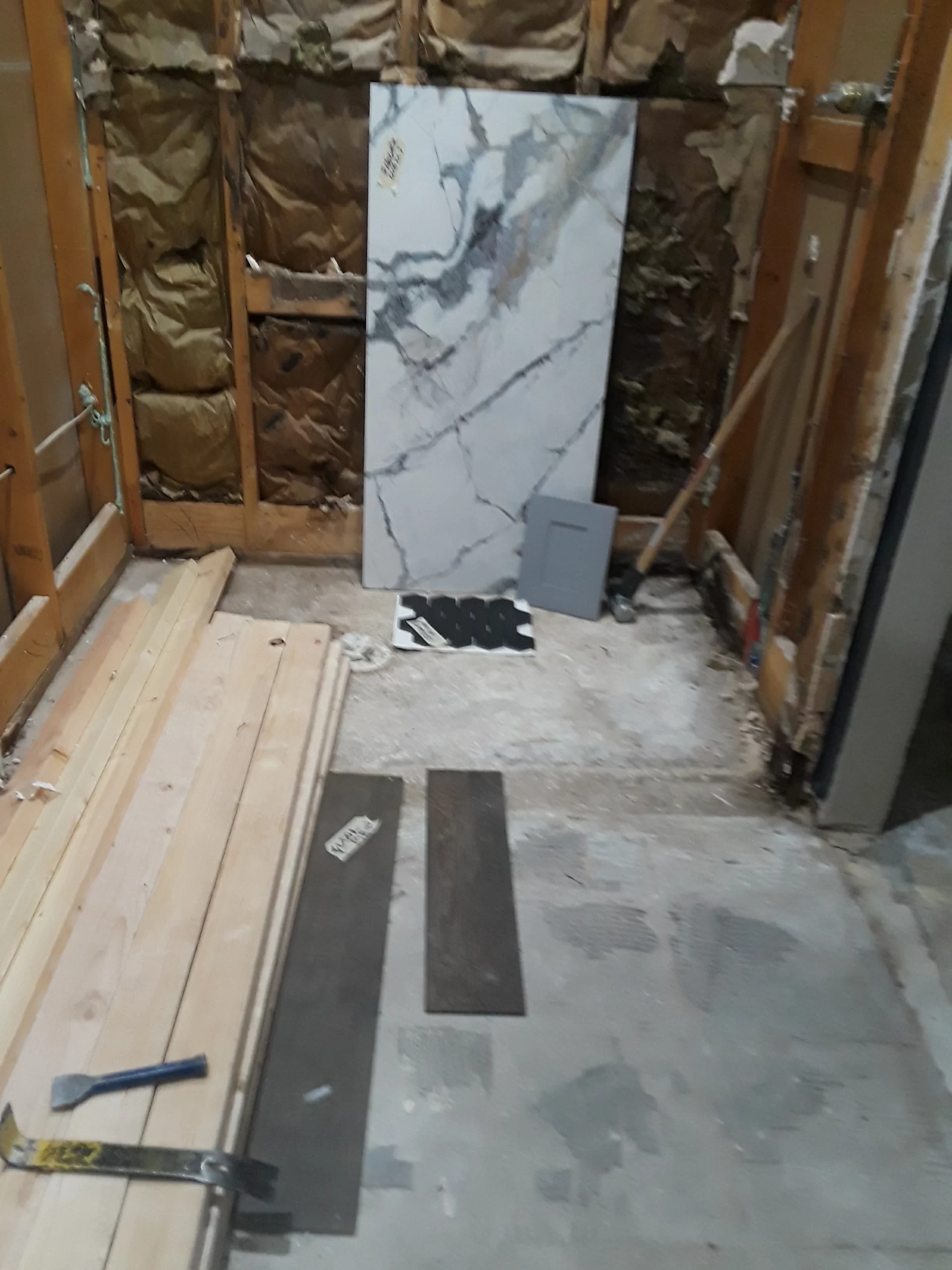
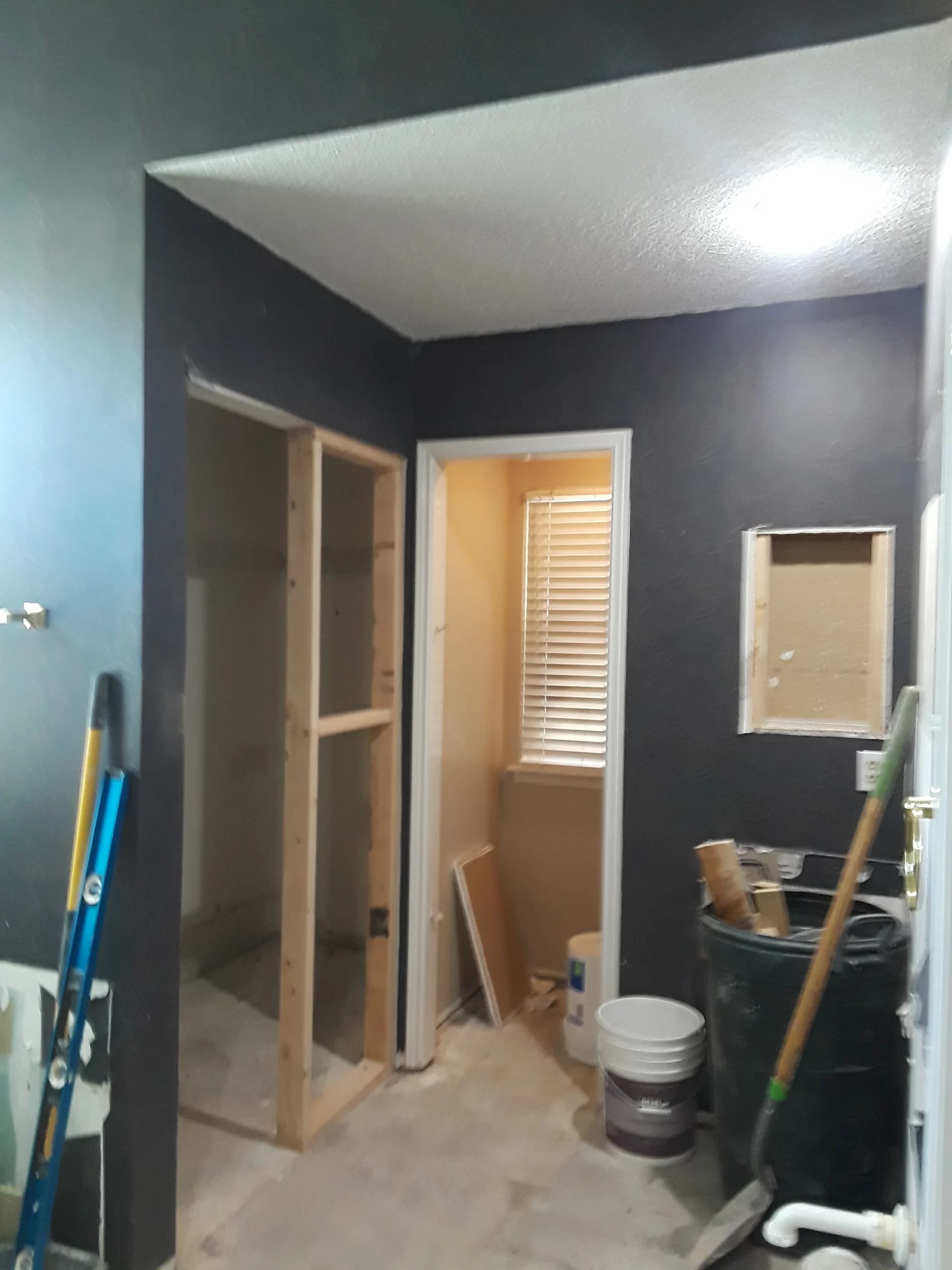
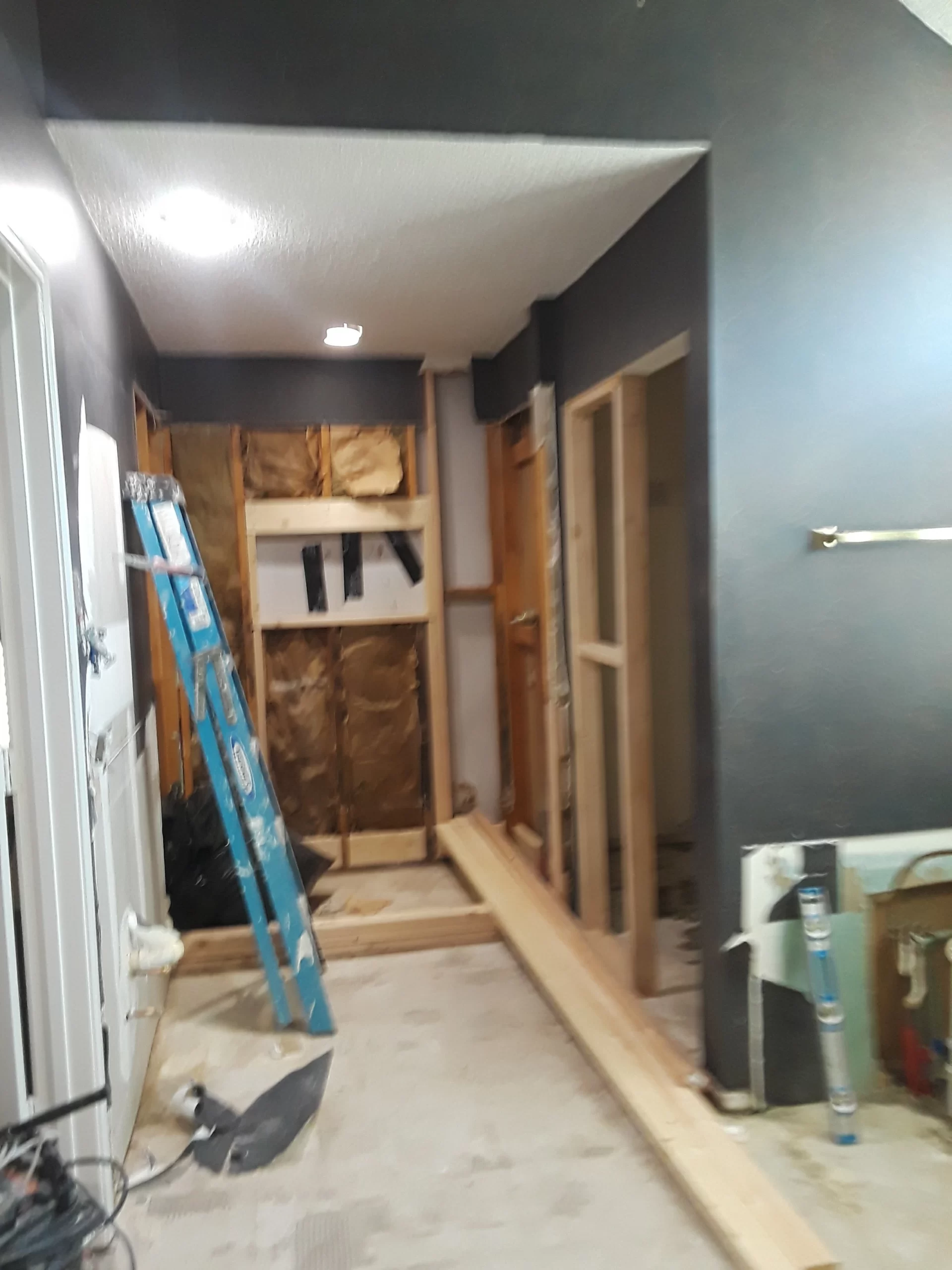
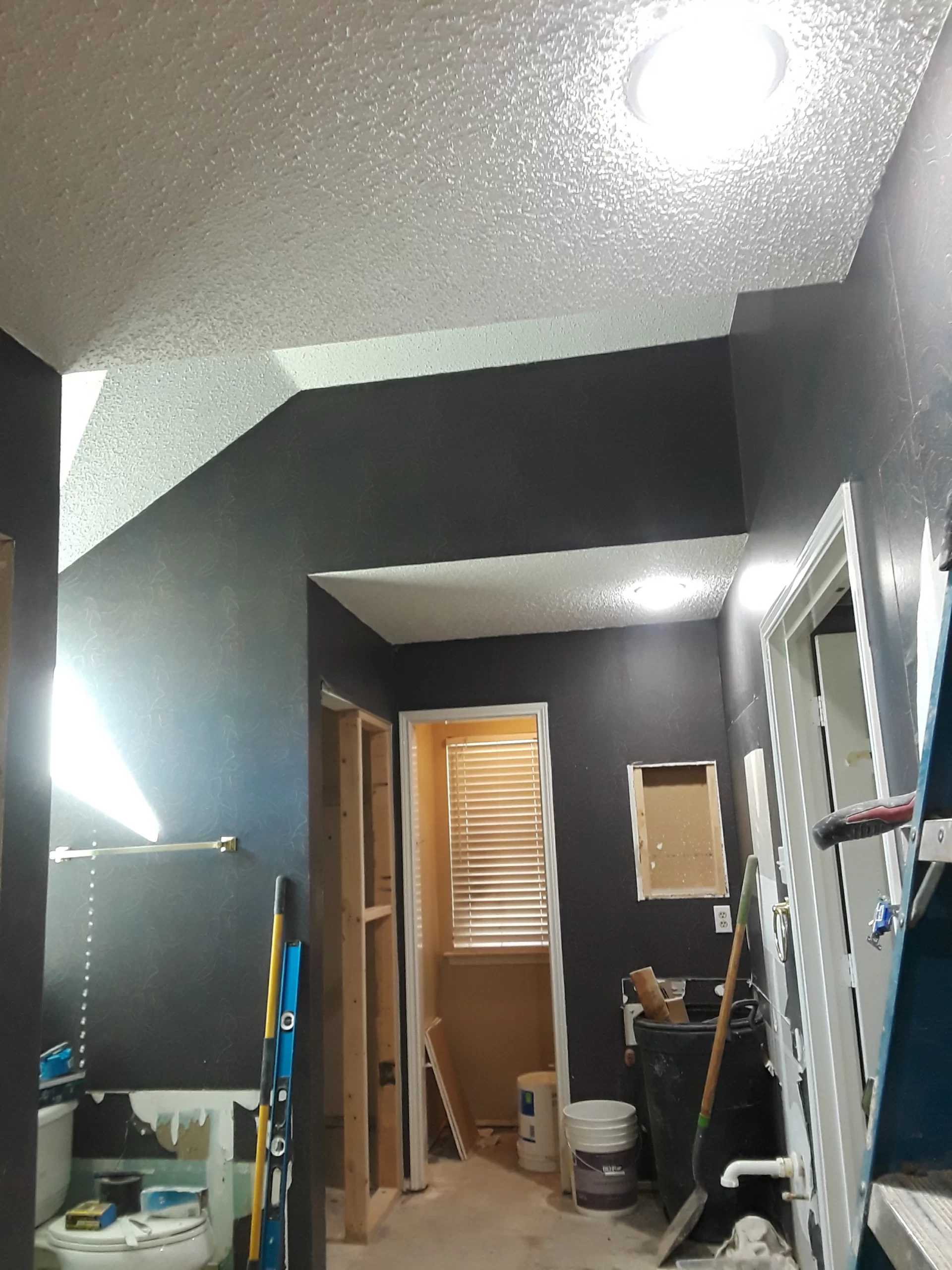
A kitchen remodel typically includes design development, permitting, material ordering, demolition, construction, and final inspections. Depending on complexity, the full process may take several weeks to a few months.
Clear scheduling during kitchen remodelling planning helps minimize disruptions and keeps expectations realistic.
Preparing for Daily Life During Construction
Living through a kitchen remodel requires preparation. Setting up a temporary kitchen area, planning meals in advance, and understanding daily work schedules can significantly reduce stress during construction.
Selecting Durable and Practical Materials
Balancing Design and Longevity
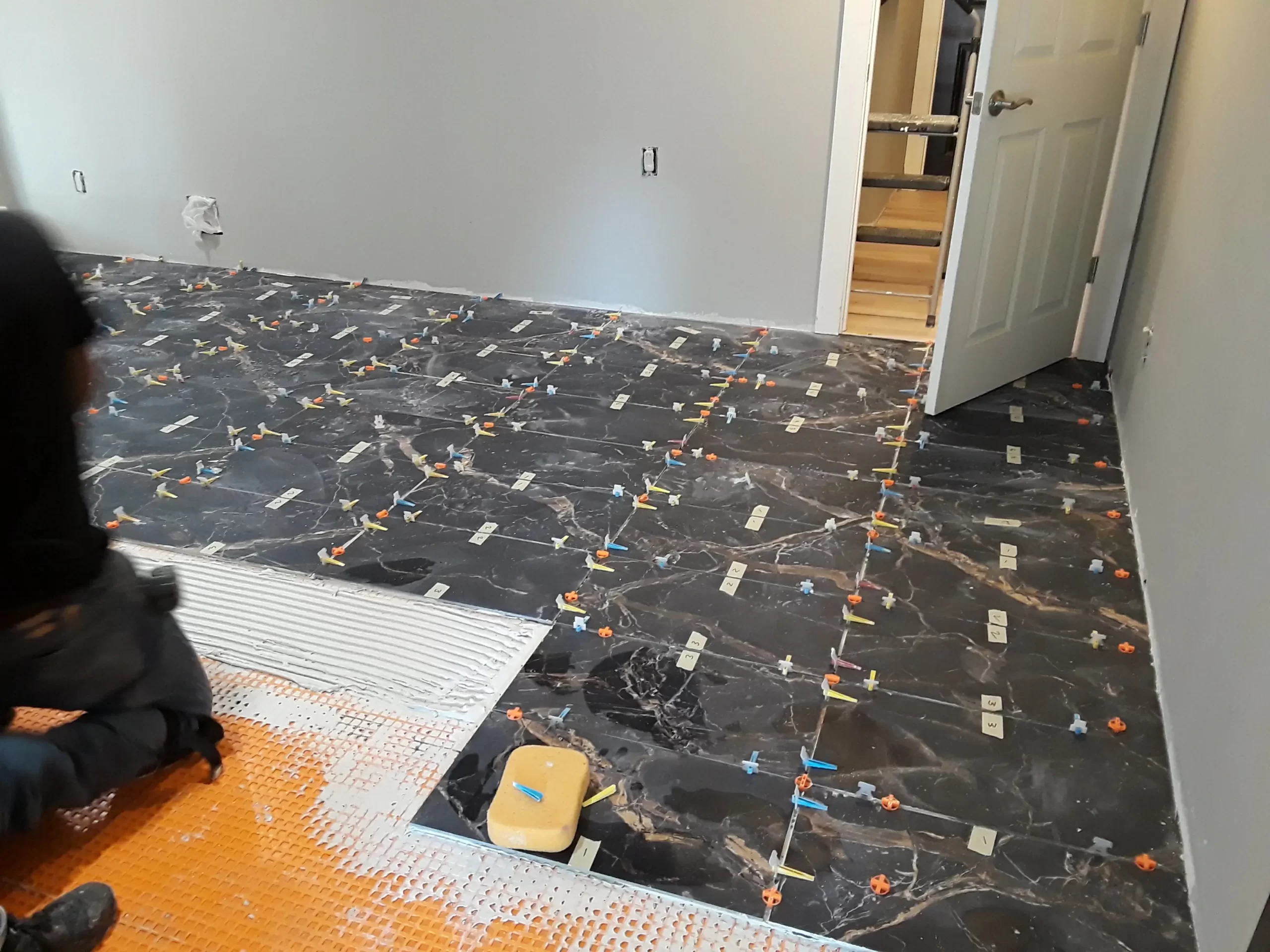
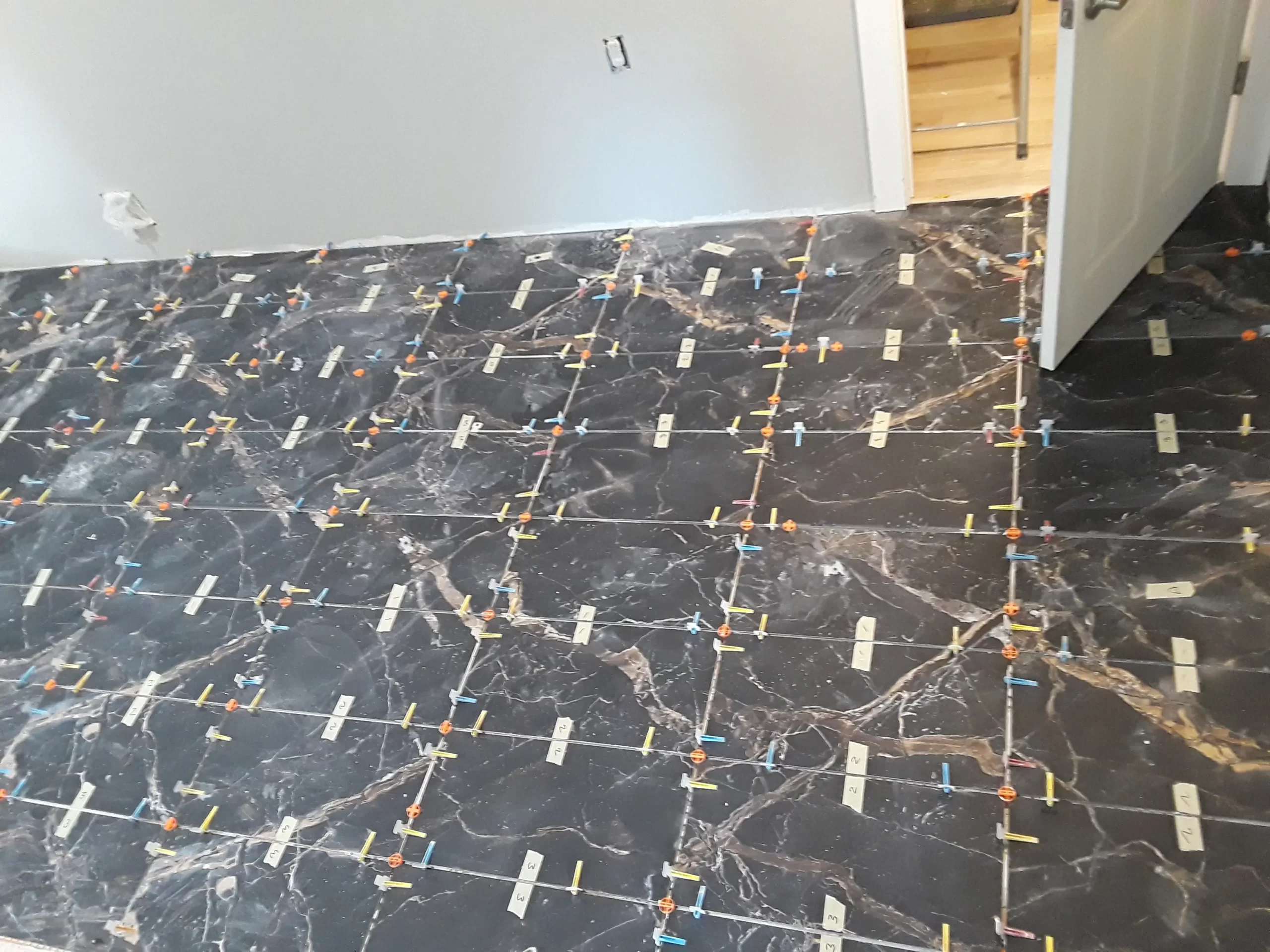
Material selection should balance visual appeal with durability. Countertops, cabinetry, and flooring should withstand daily use while remaining easy to maintain.
Many homeowners draw inspiration from future focused design insights, such as emerging layouts and finishes discussed in kitchen and bathroom remodeling trends, while still prioritizing timeless choices.
Consider Maintenance Requirements
Some materials require regular sealing or special cleaning products. Kitchen remodeling planning should include an honest evaluation of how much maintenance you are comfortable managing long term.
Improving Storage and Organization
Identify Storage Challenges
A lack of storage is one of the most common reasons homeowners remodel kitchens. Crowded cabinets, limited pantry space, and difficult to access corners reduce functionality.
Integrate Smart Storage Solutions
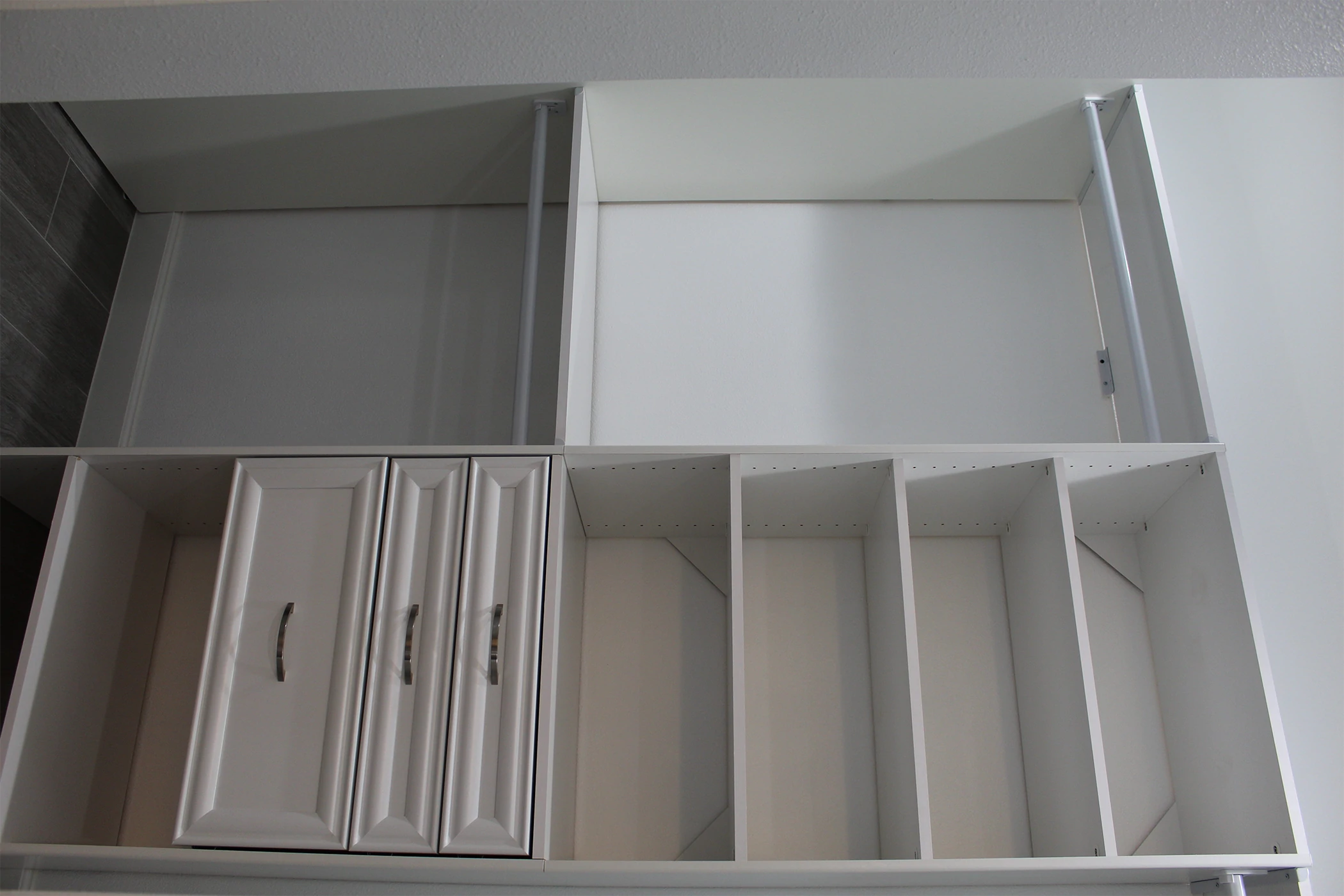
Modern kitchens often include pull out shelves, deep drawers, vertical storage, and built in organization systems. These features improve efficiency without increasing the kitchen footprint.
Lighting and Electrical Considerations
Plan Layered Lighting
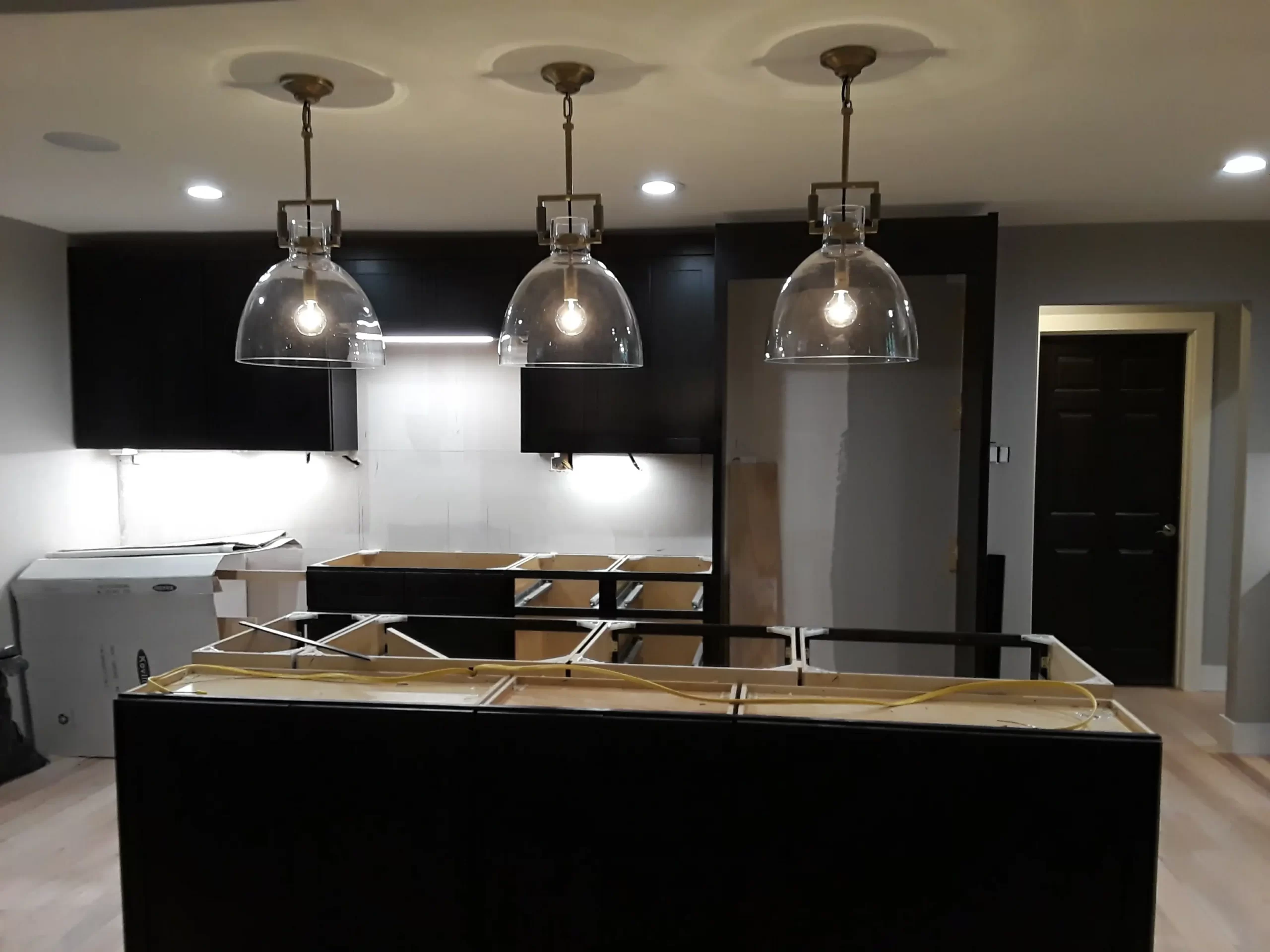
Effective kitchen lighting combines task, ambient, and accent lighting. Proper placement improves safety, comfort, and visual balance.
Anticipate Electrical Needs
Electrical planning should account for appliance placement, charging stations, and future upgrades. Making these decisions early avoids costly changes during construction.
Working With Experienced Remodeling Professionals
Why Professional Experience Matters
Kitchen remodels involve coordination between designers, contractors, and inspectors. Working with an experienced kitchen remodeling team helps ensure that planning, execution, and compliance are handled correctly.
Homeowners seeking specialized guidance often explore professional kitchen remodeling services that focus on structured planning and quality craftsmanship.
Maintain Clear Communication
Consistent communication between homeowners and remodelers helps address concerns early and keeps the project moving smoothly.
Permits and Code Compliance
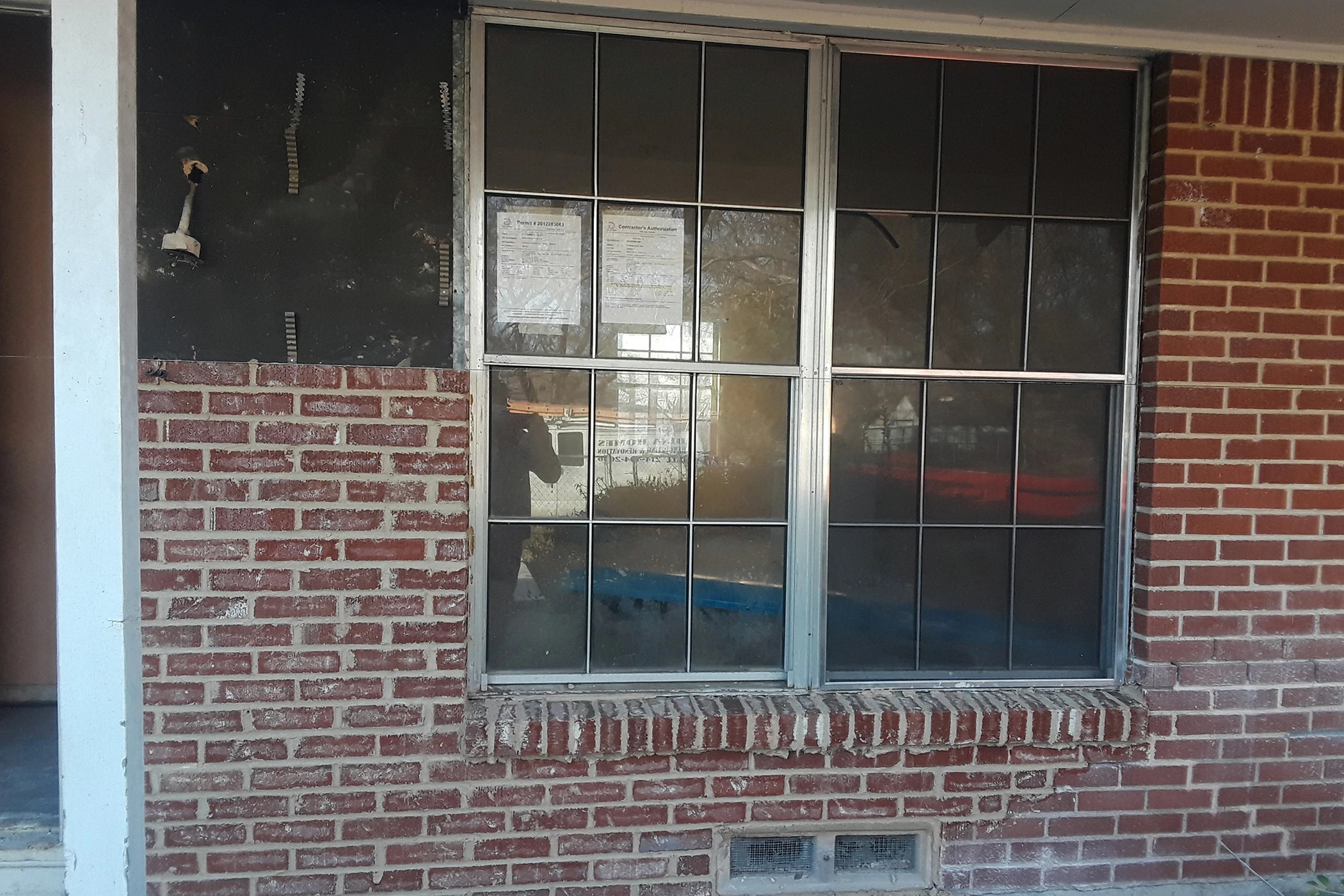
Kitchen remodels often require permits, particularly when plumbing, electrical, or structural changes are involved. Ensuring compliance with local codes protects both safety and long term property value.
Experienced remodelers typically manage permitting and inspections as part of the planning process.
Final Walkthrough and Project Completion
Before closing out the remodel, homeowners should review workmanship, appliance functionality, and finish quality. Addressing final adjustments promptly helps ensure a smooth transition into the new space.
Kitchen Remodeling Planning and Long Term Value
A thoughtfully planned kitchen remodel enhances daily living while contributing to long term home value. Homeowners considering broader renovations alongside a kitchen remodel may also explore localized remodeling solutions such as home remodeling in Allen to ensure consistency throughout the home.
When to Start Planning Your Kitchen Remodel
Ideally, kitchen remodeling planning should begin several months before construction. This allows time for design development, budgeting, material selection, and scheduling without unnecessary pressure.
Getting Professional Guidance
For homeowners seeking expert advice or next steps in the planning process, reaching out for a professional consultation can provide clarity and direction. Initial inquiries can be made through the contact page to discuss goals and expectations.
Final Thoughts
A stress free kitchen remodel starts with careful planning. By focusing on clear goals, realistic budgeting, and informed decision making, homeowners can navigate kitchen remodeling planning with confidence and achieve a functional, lasting result.