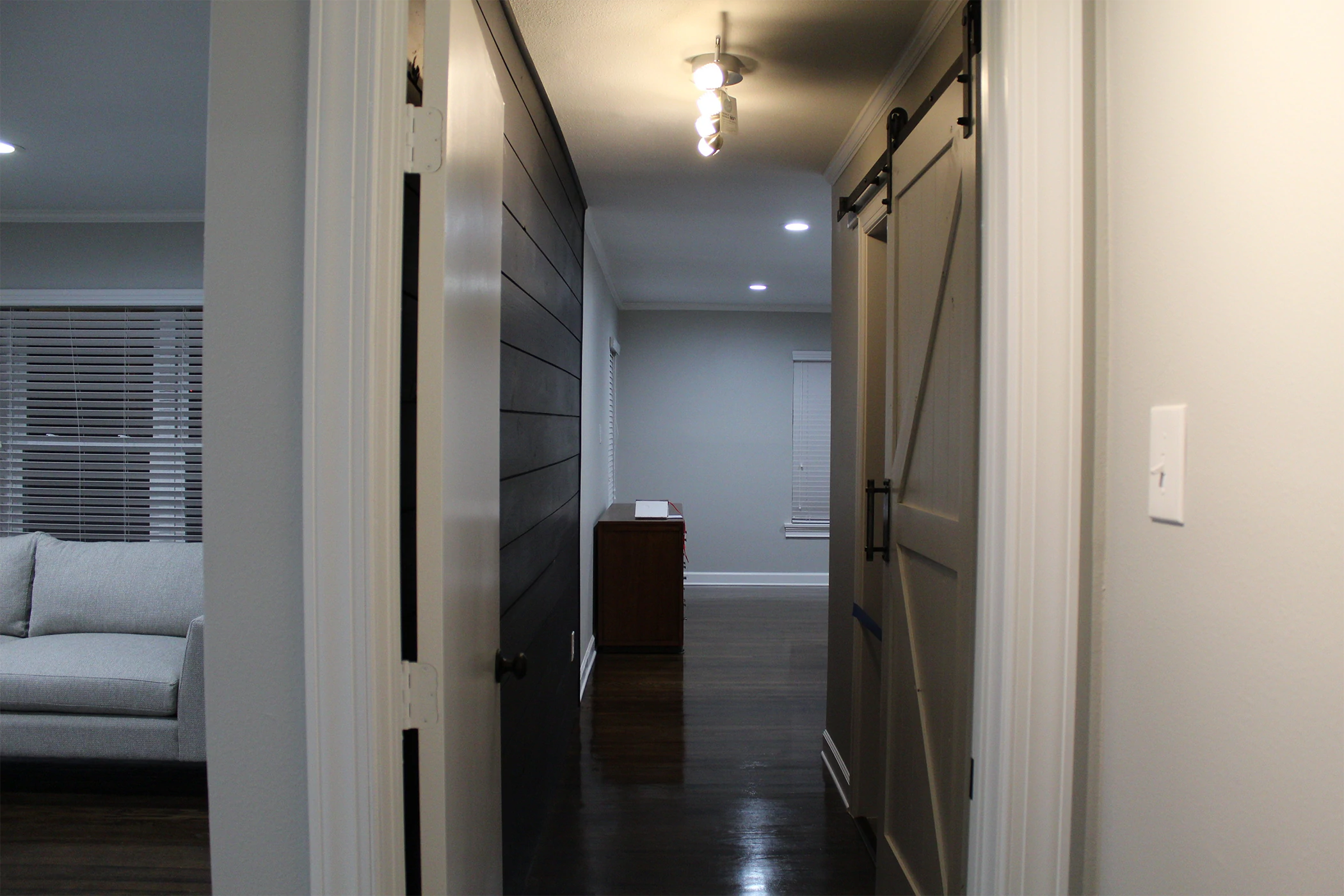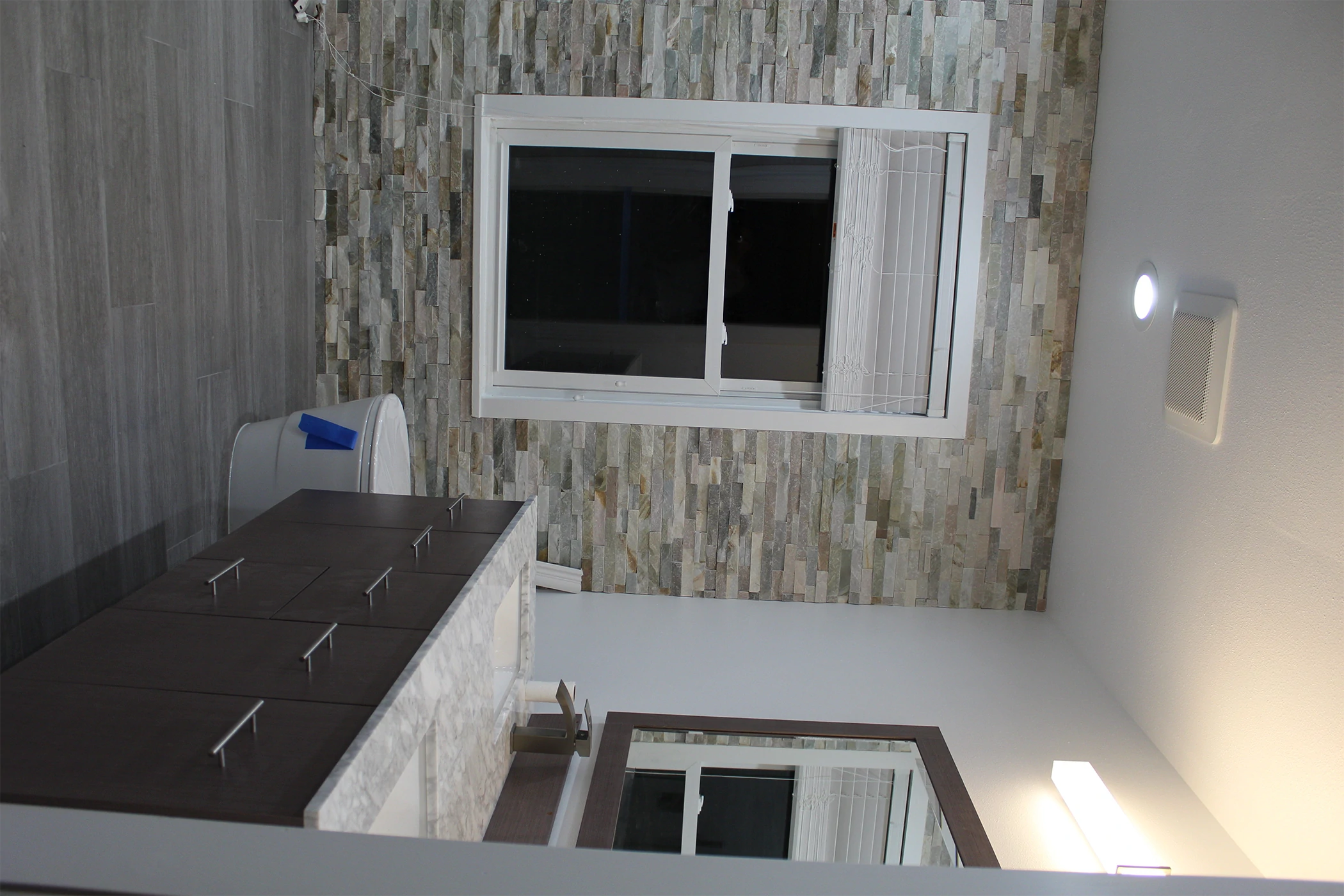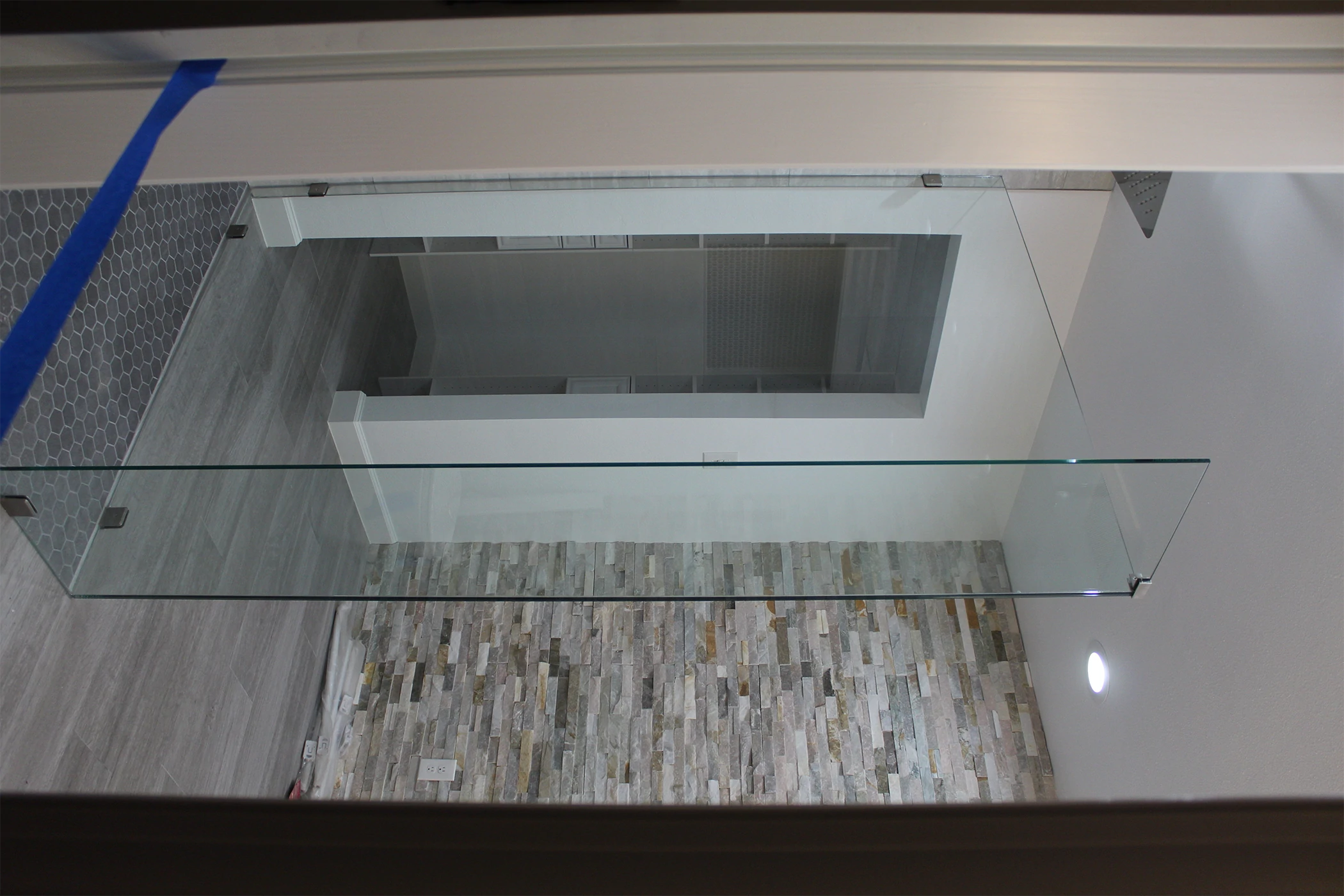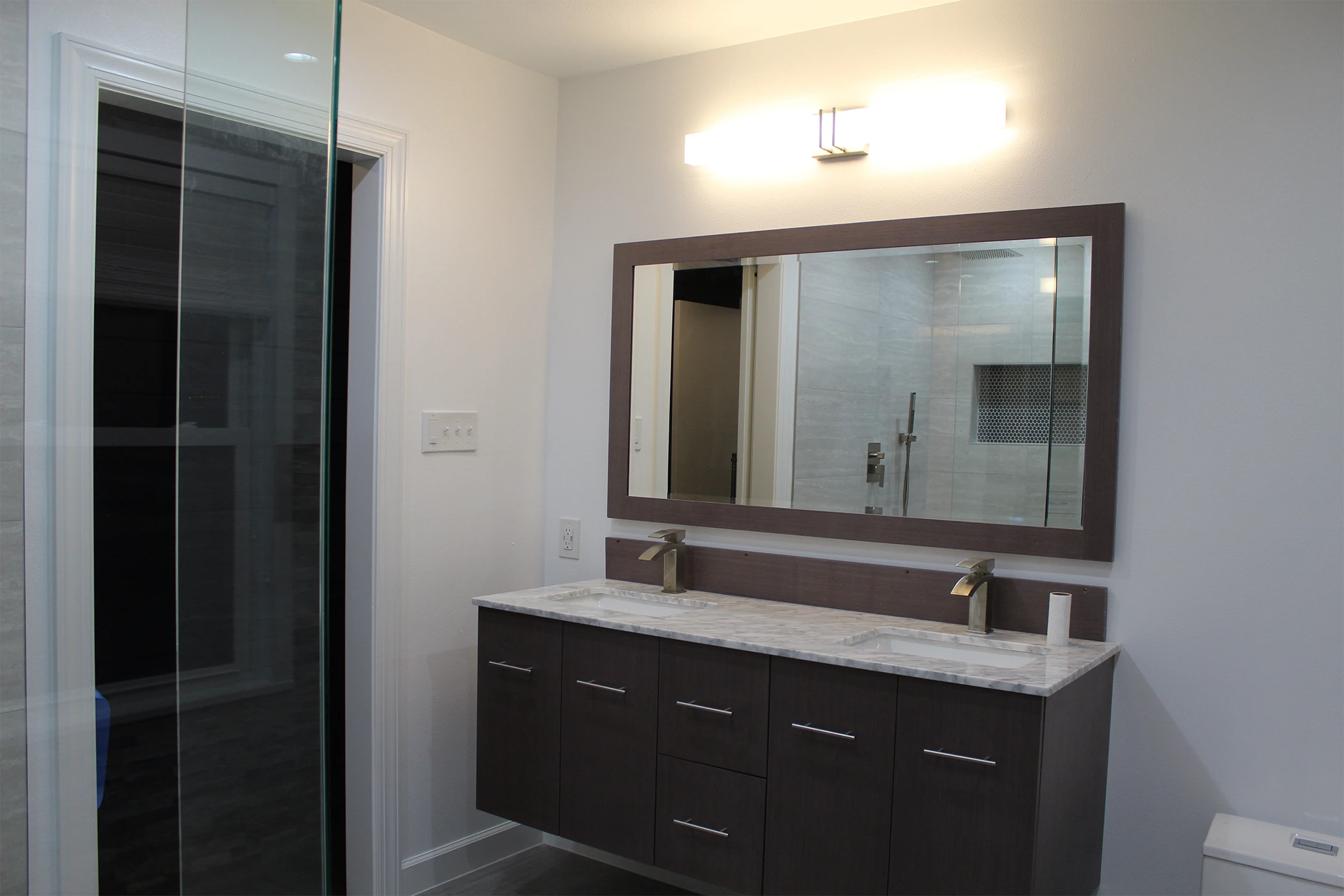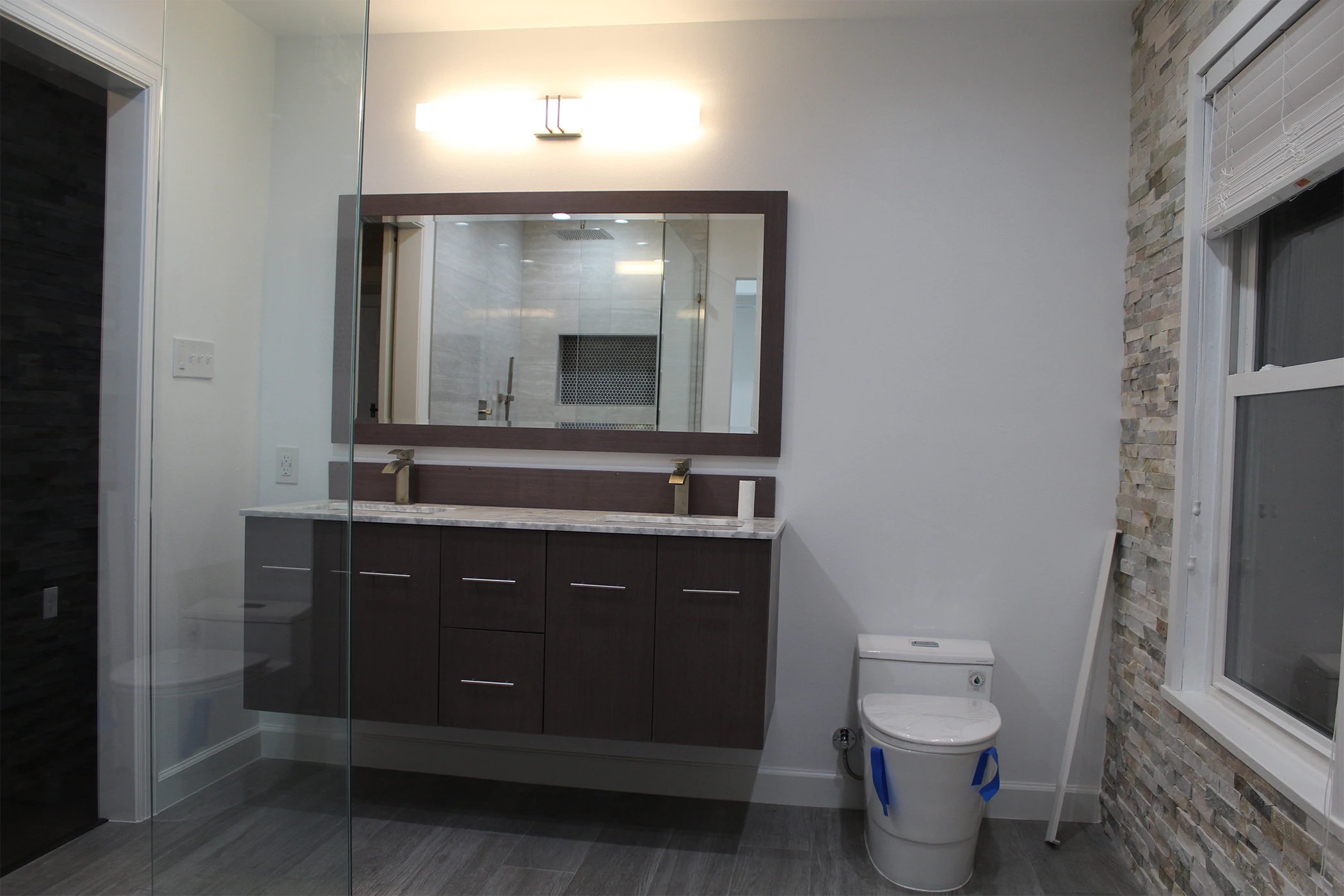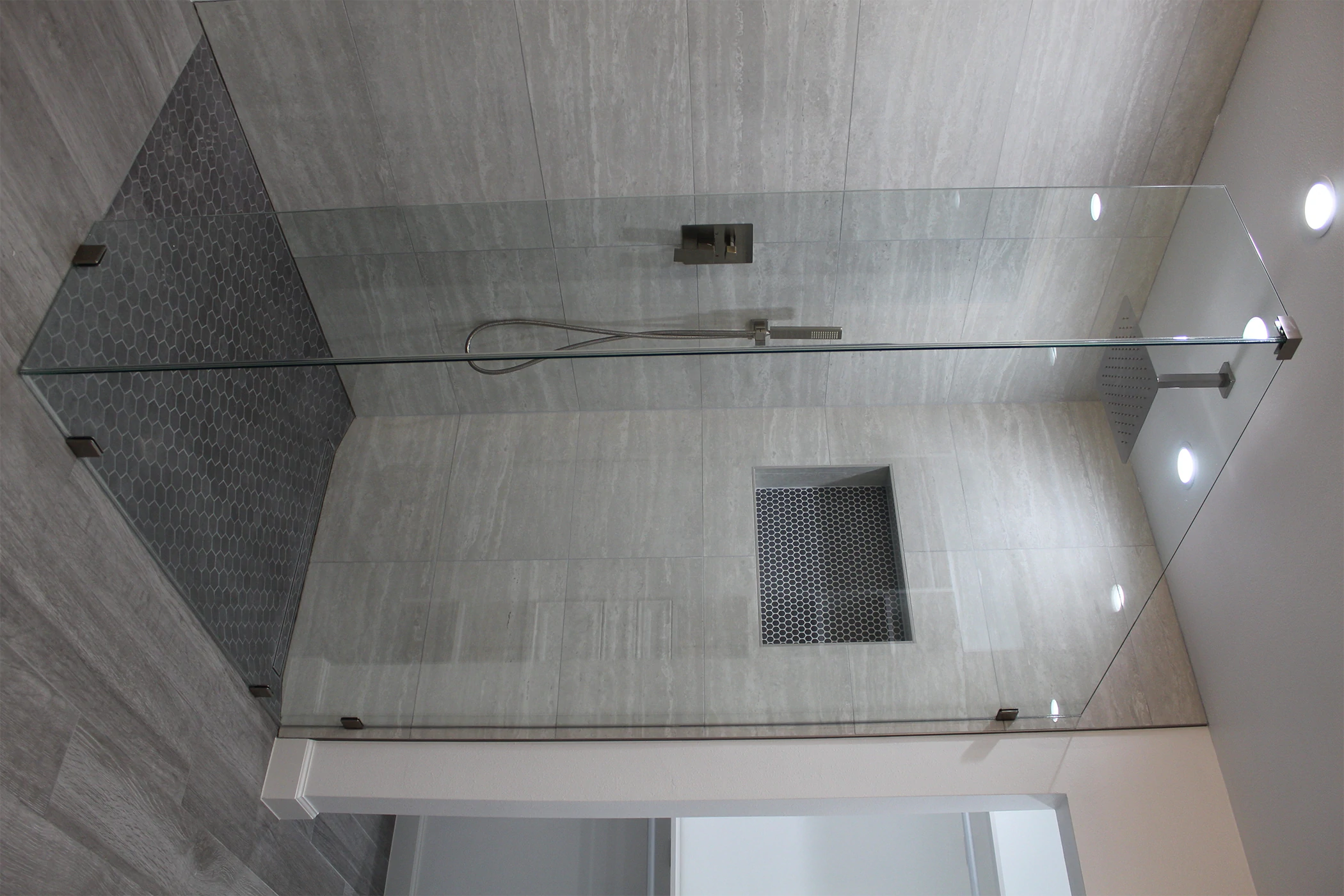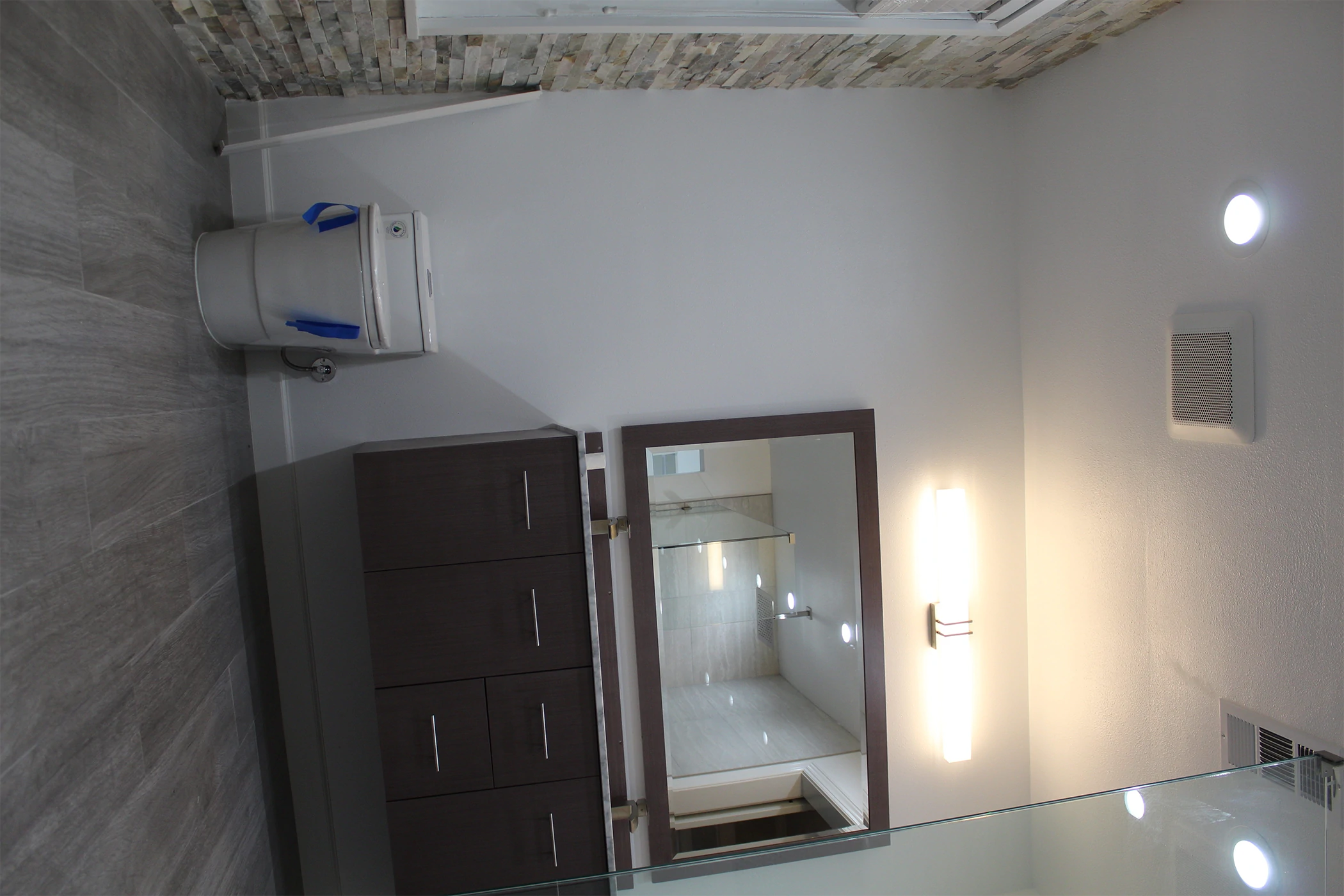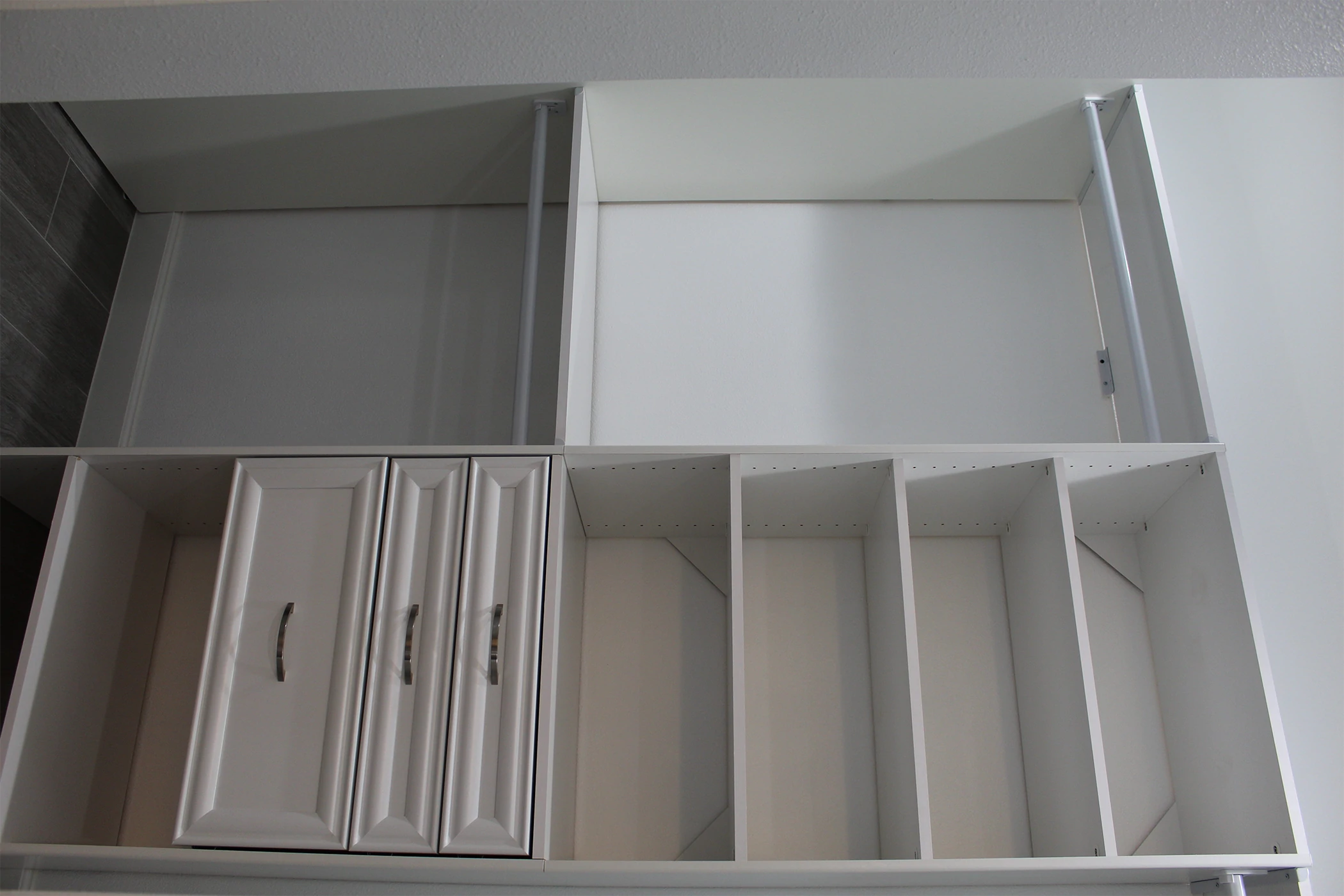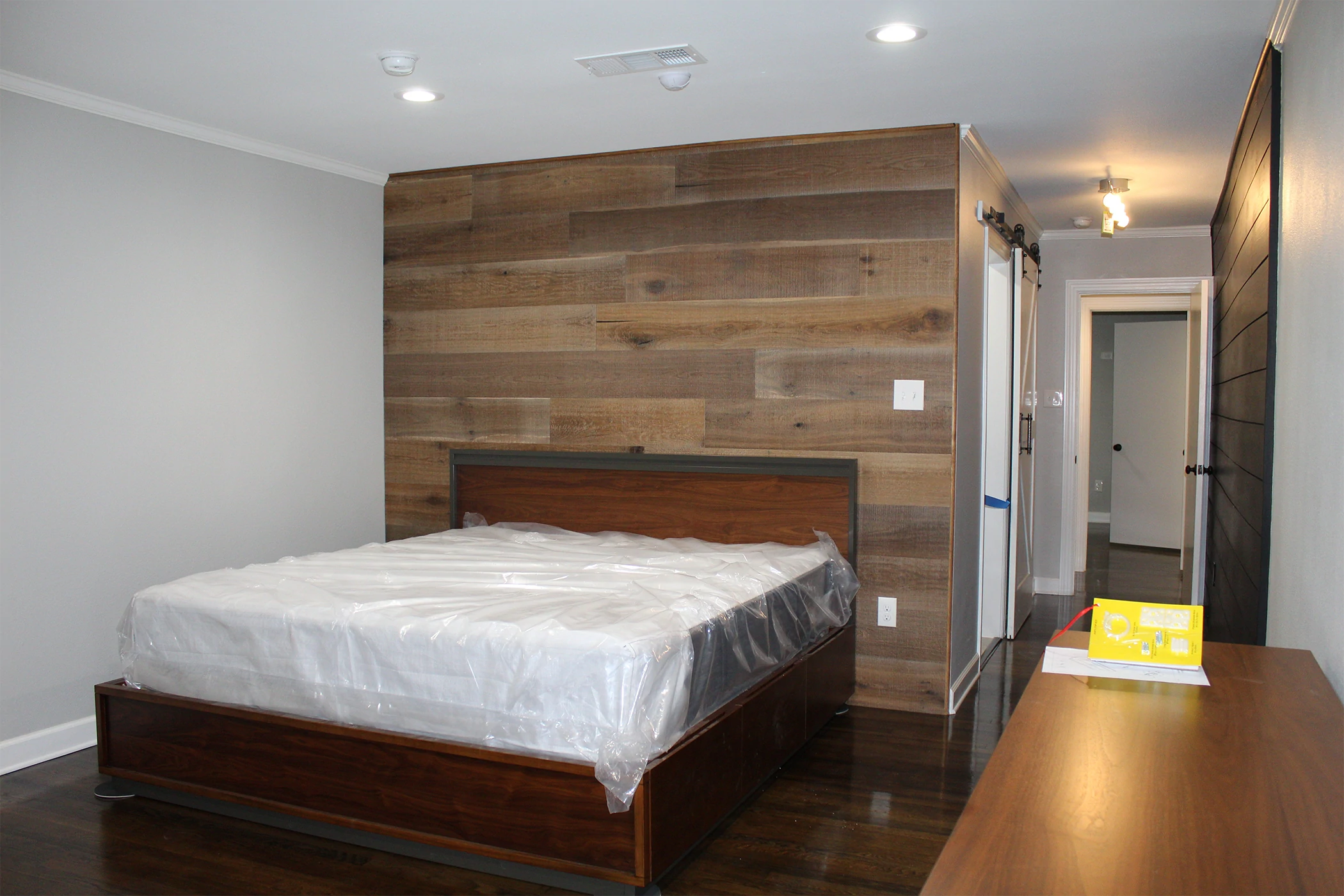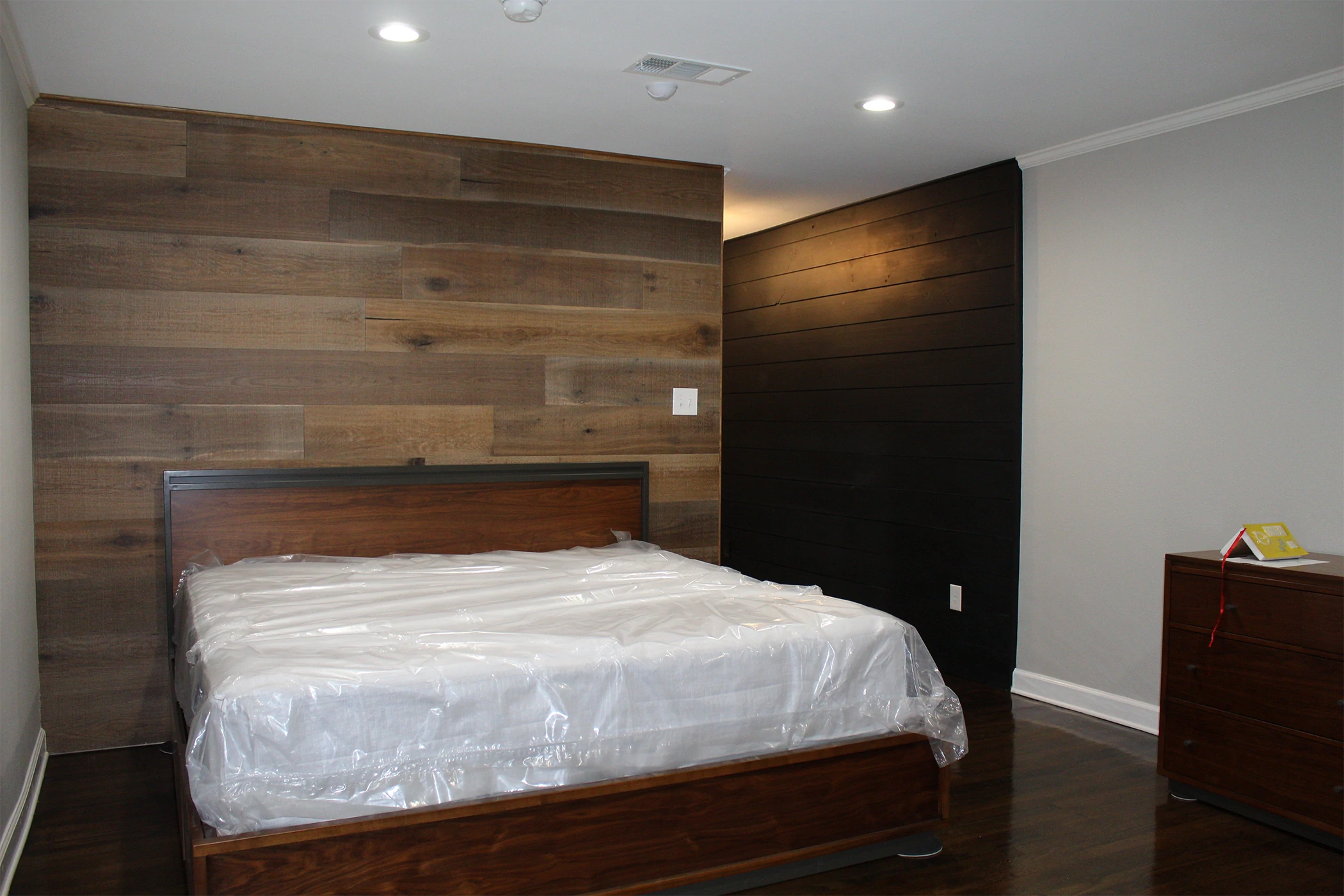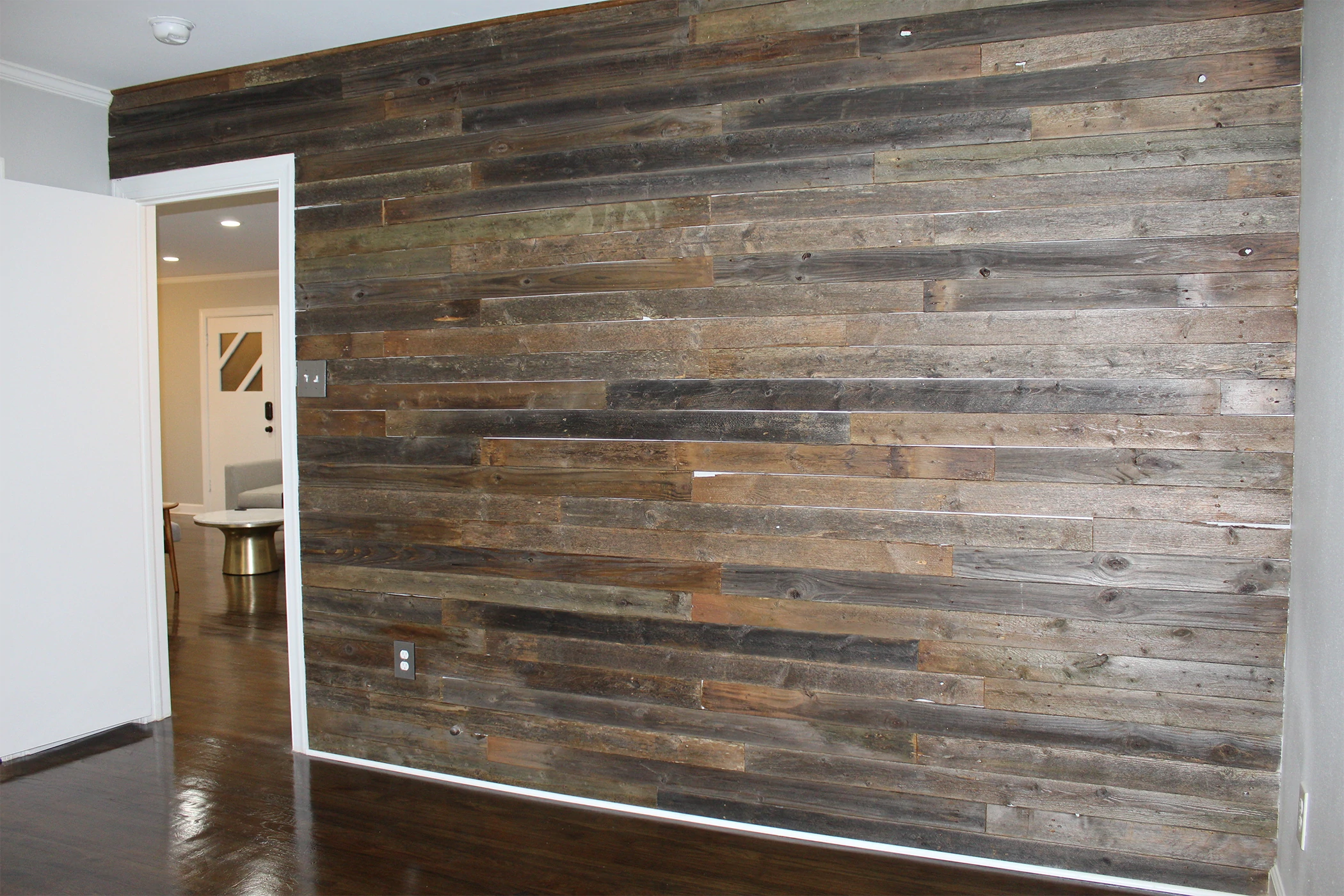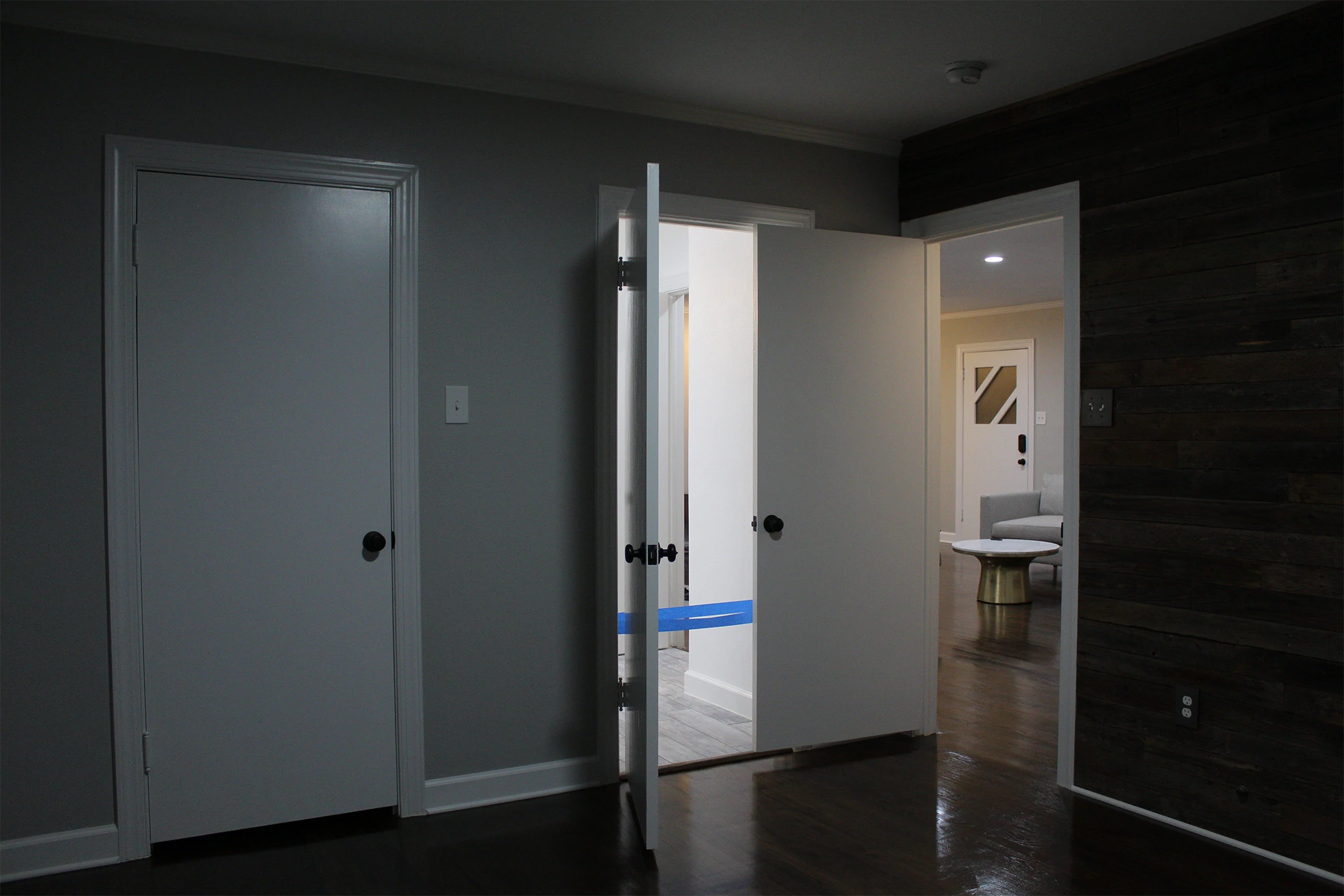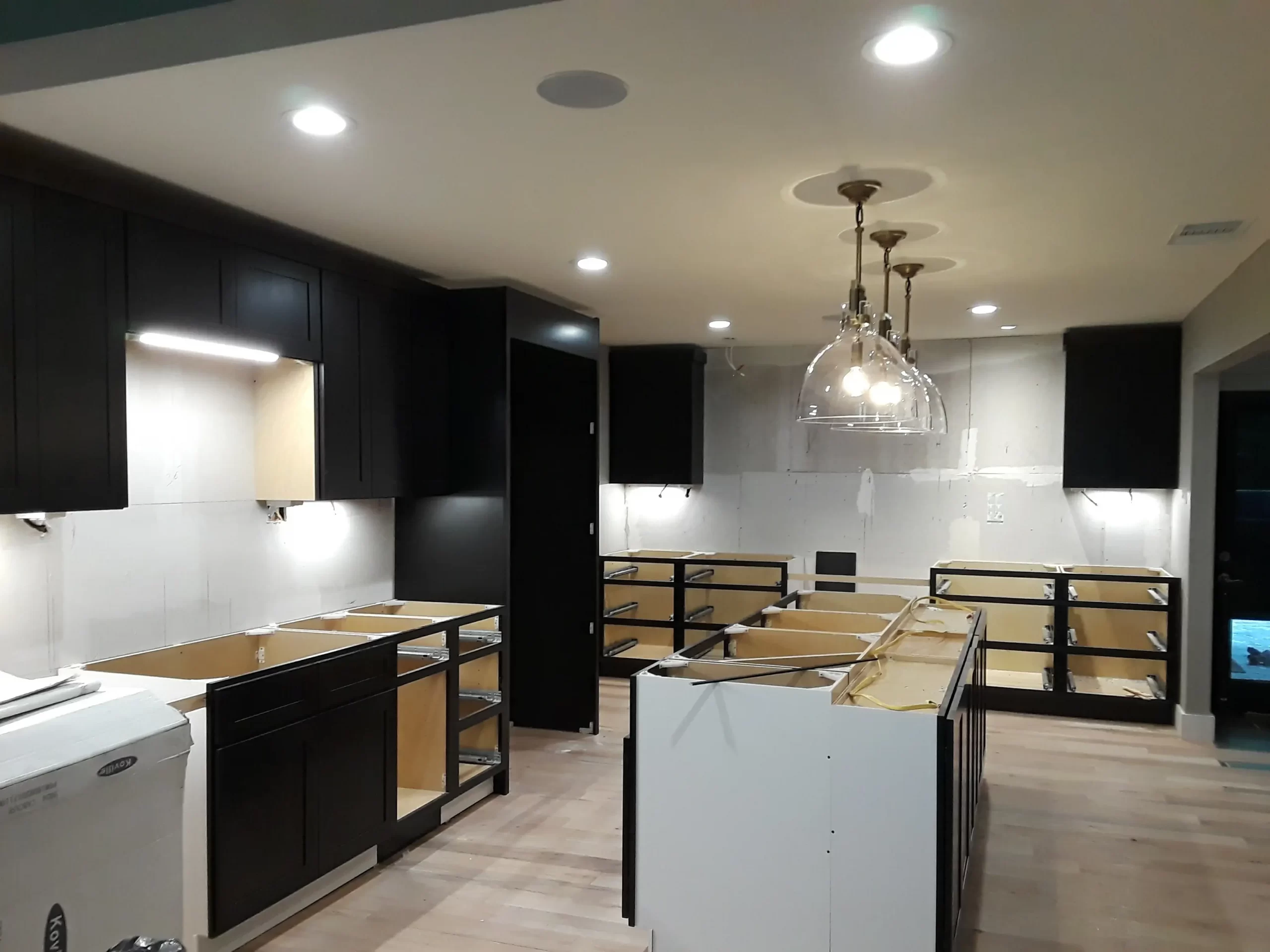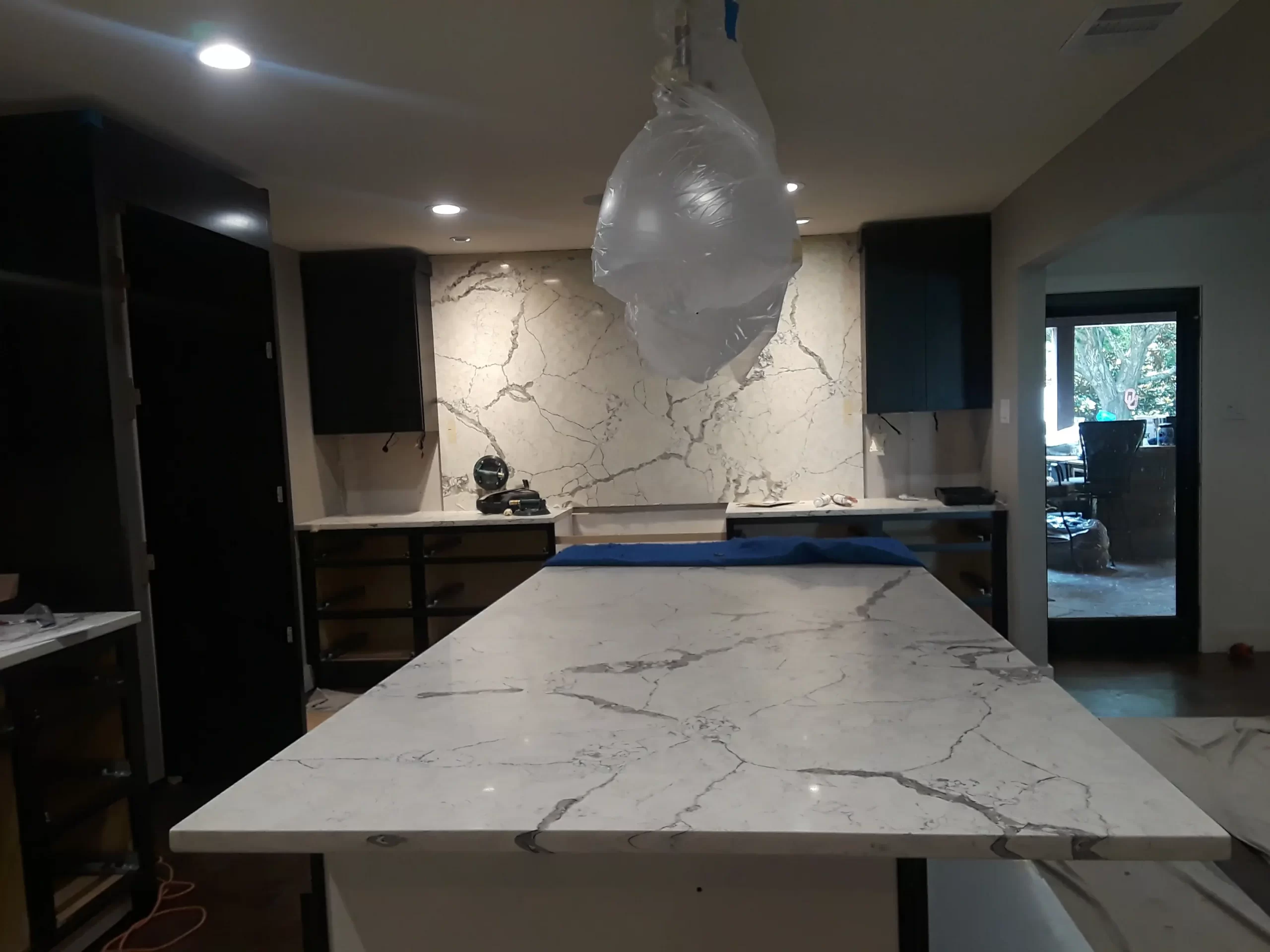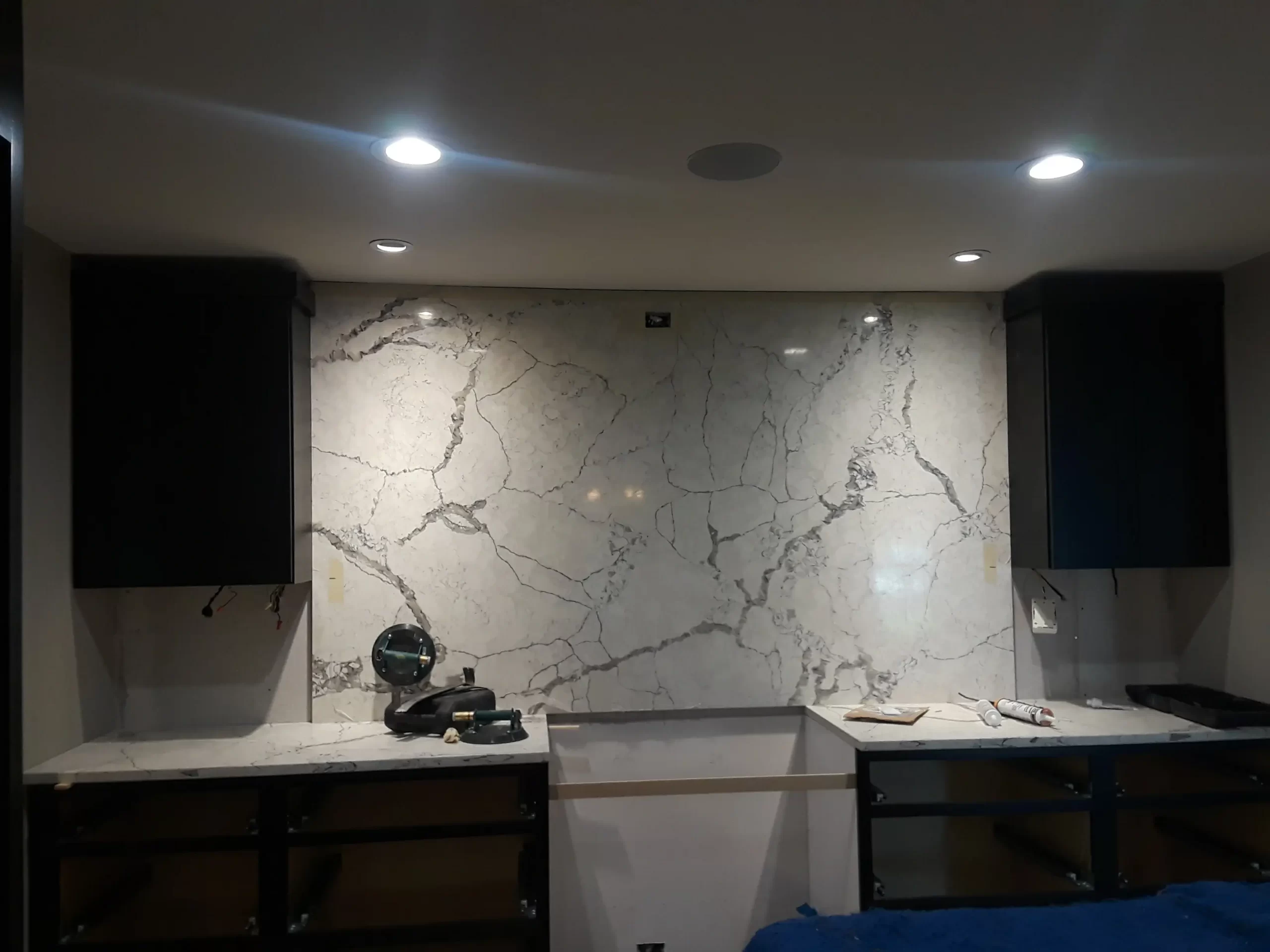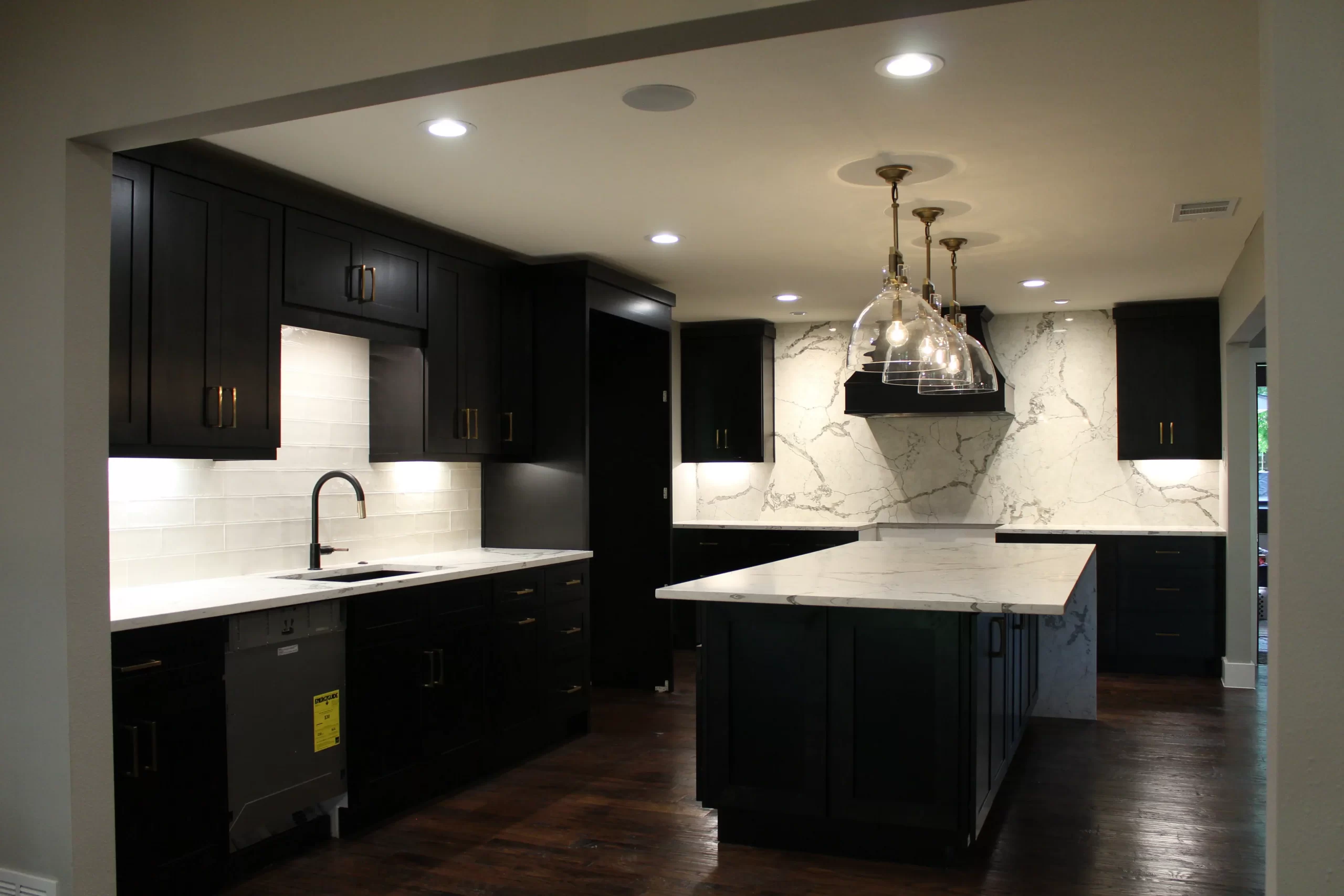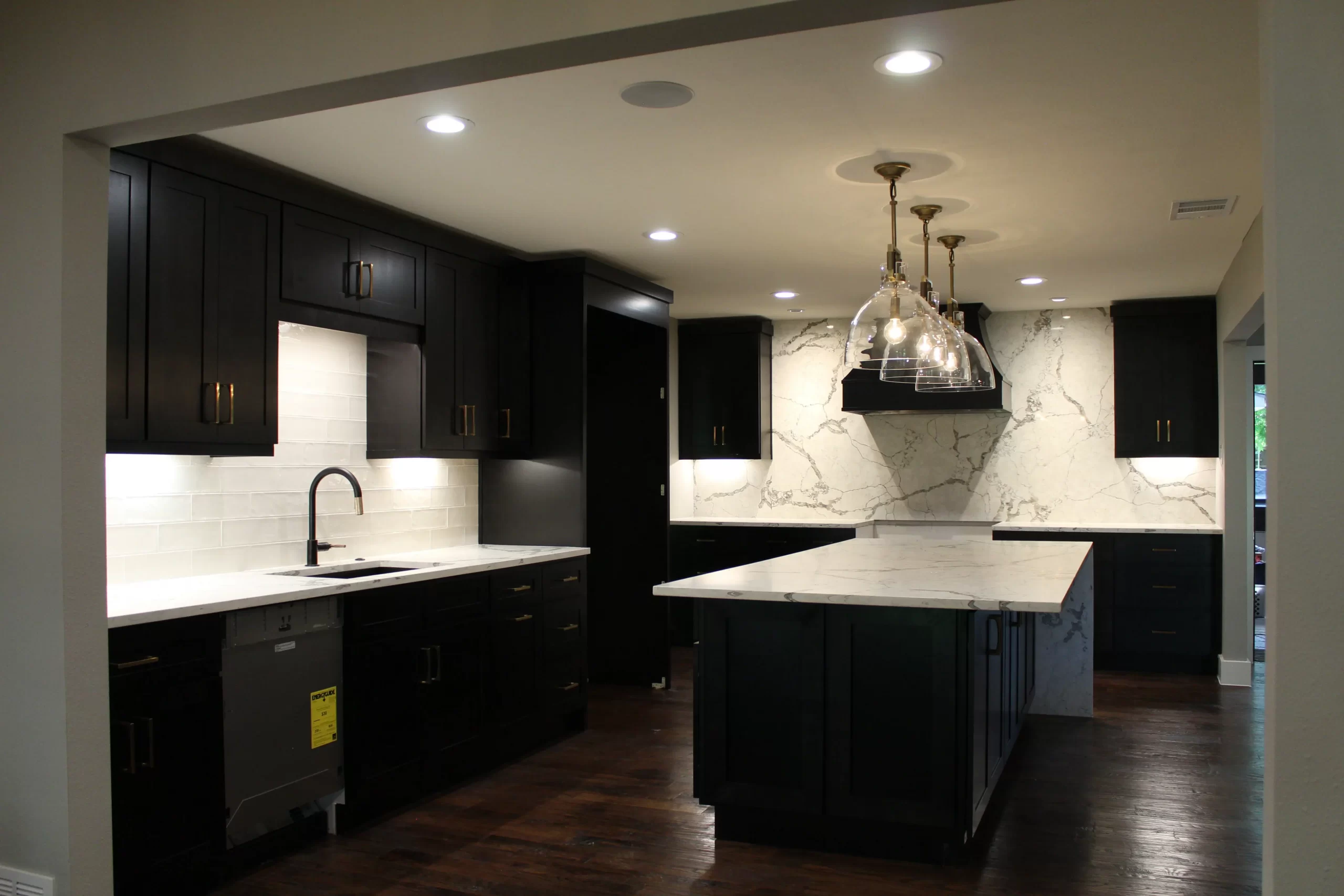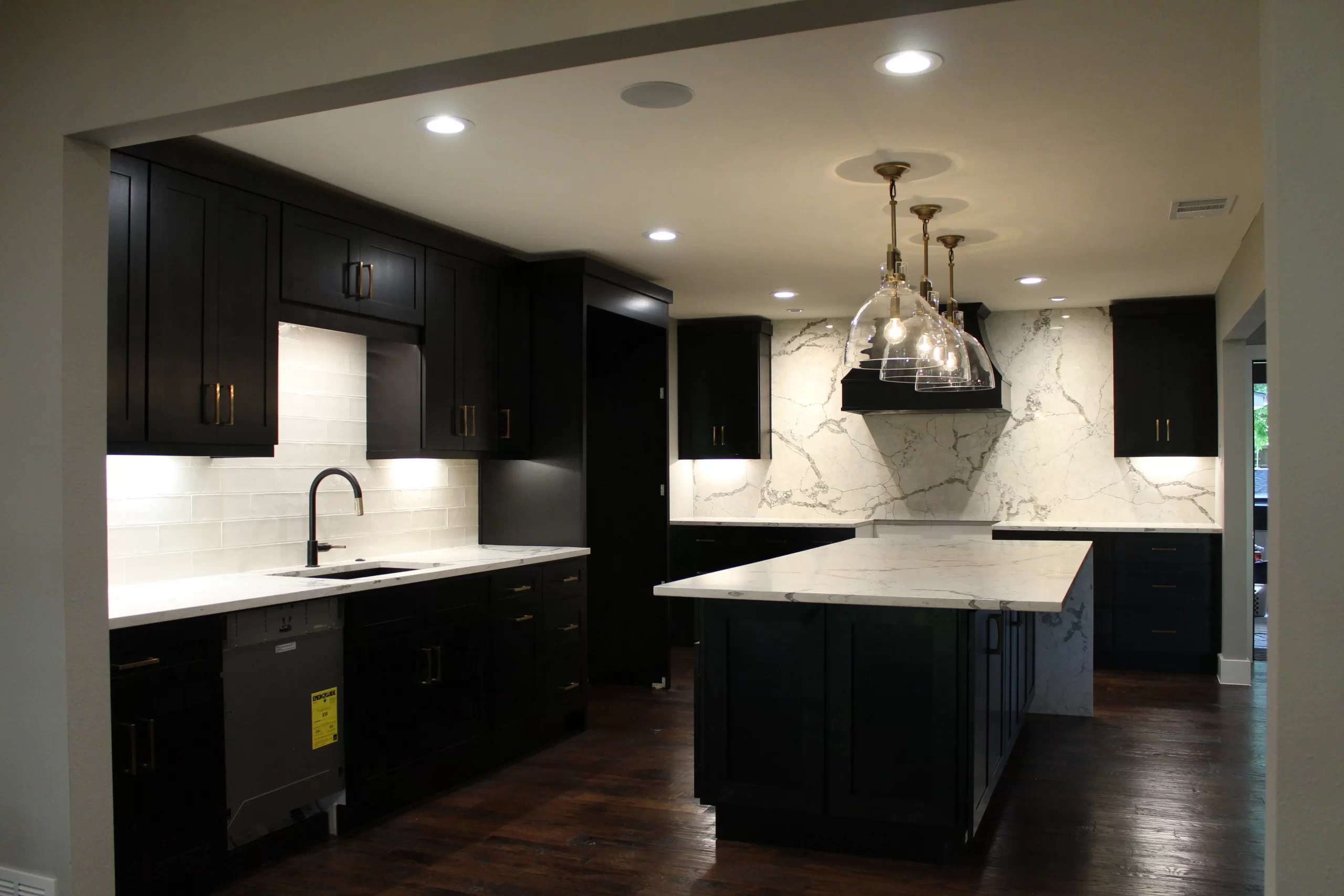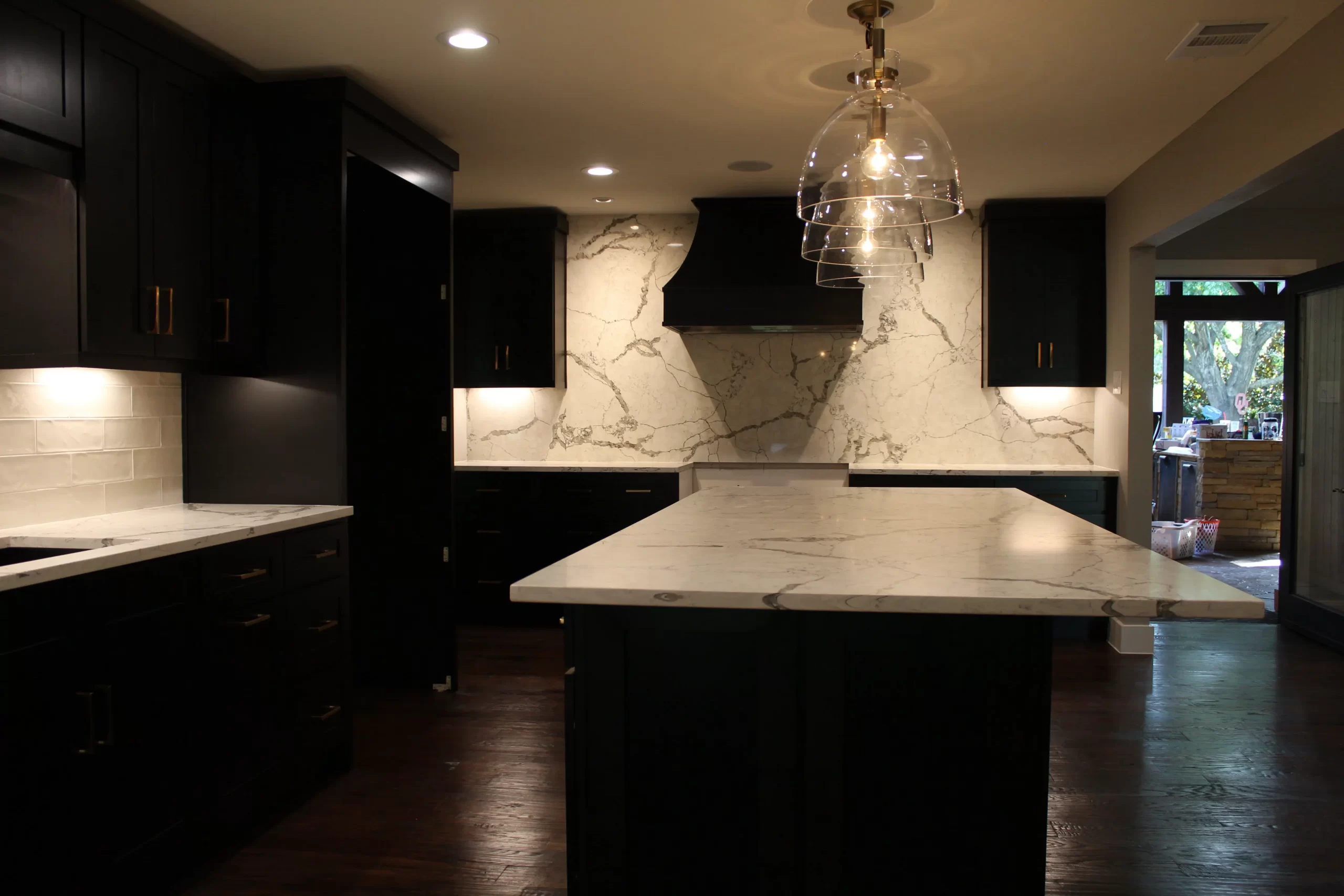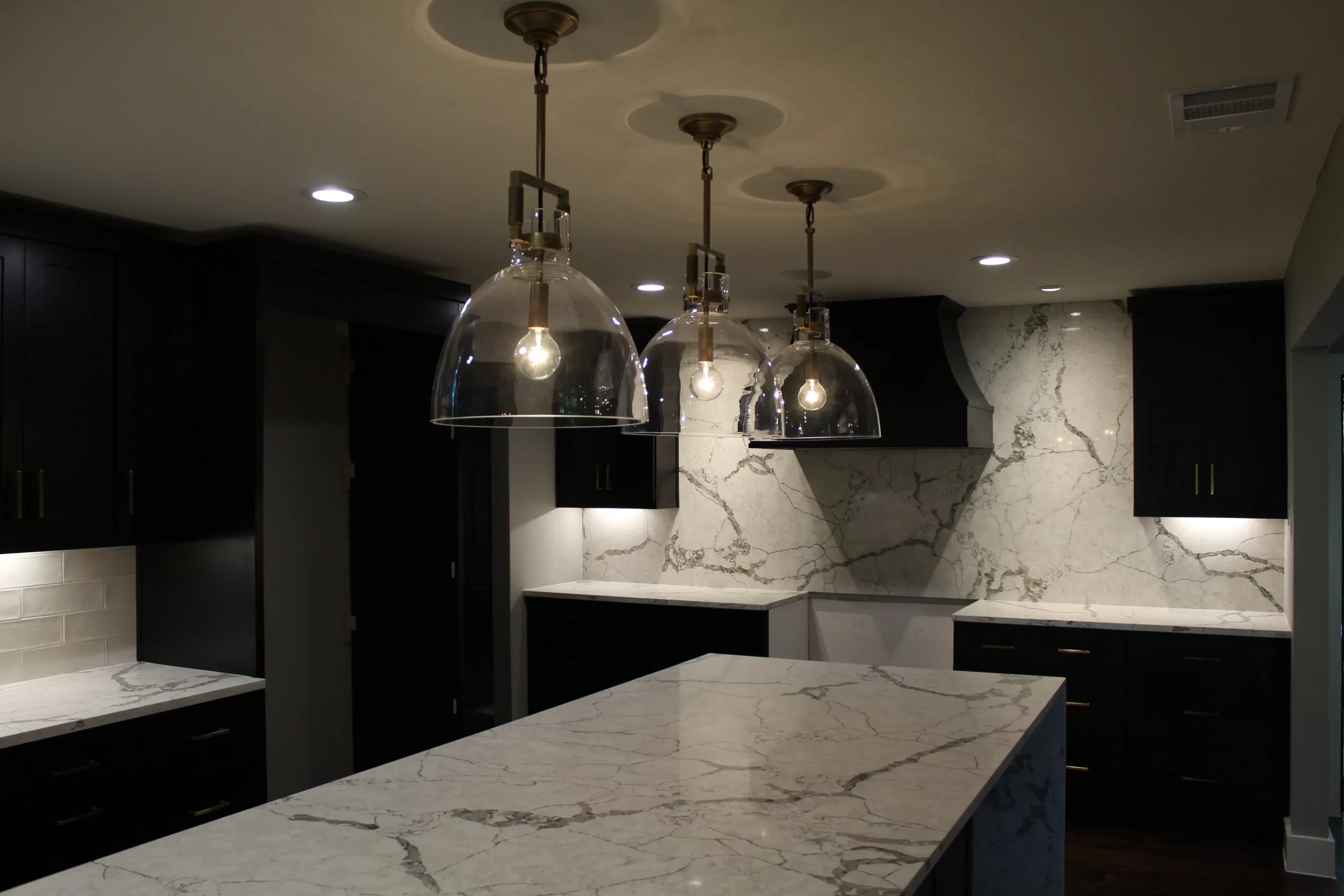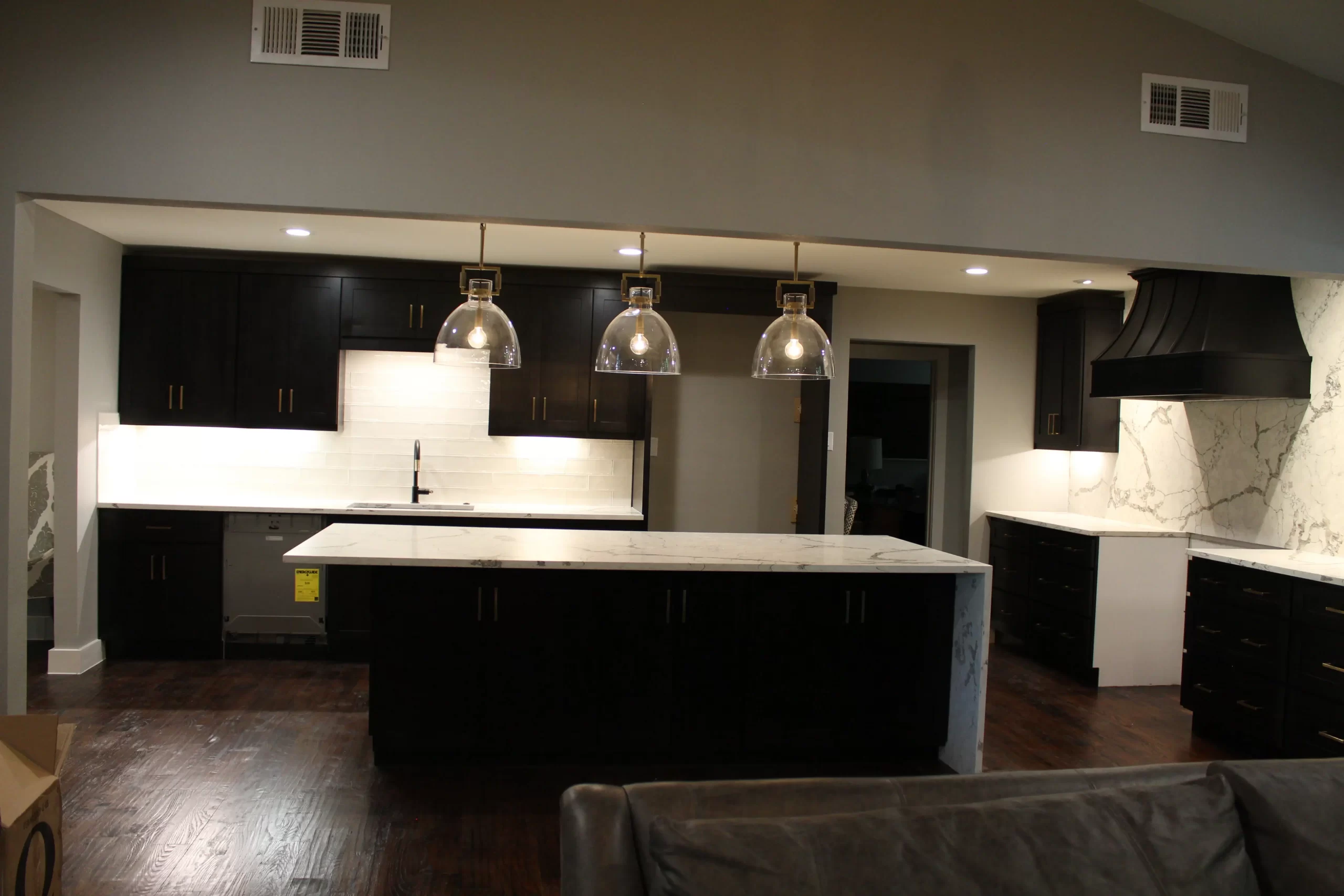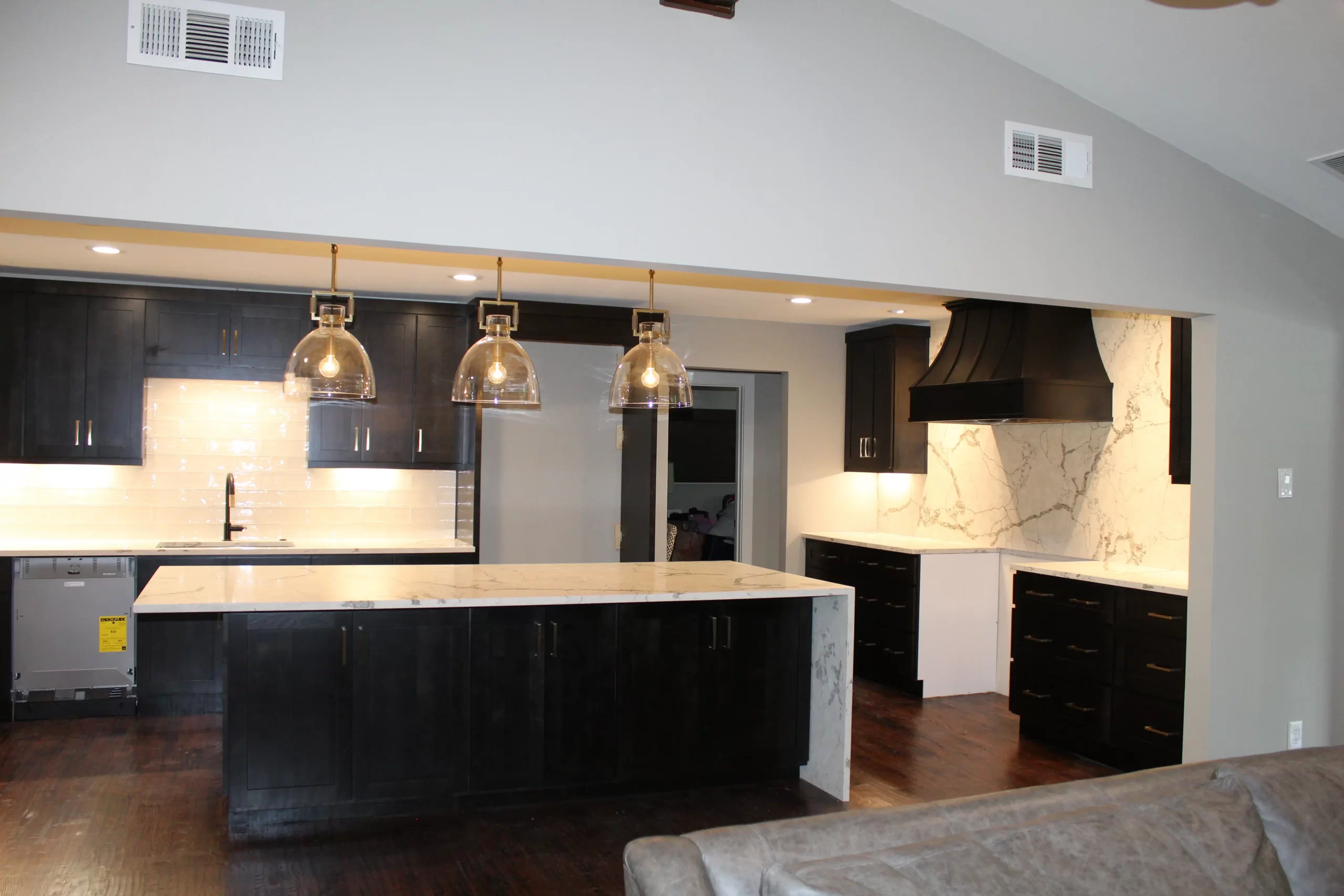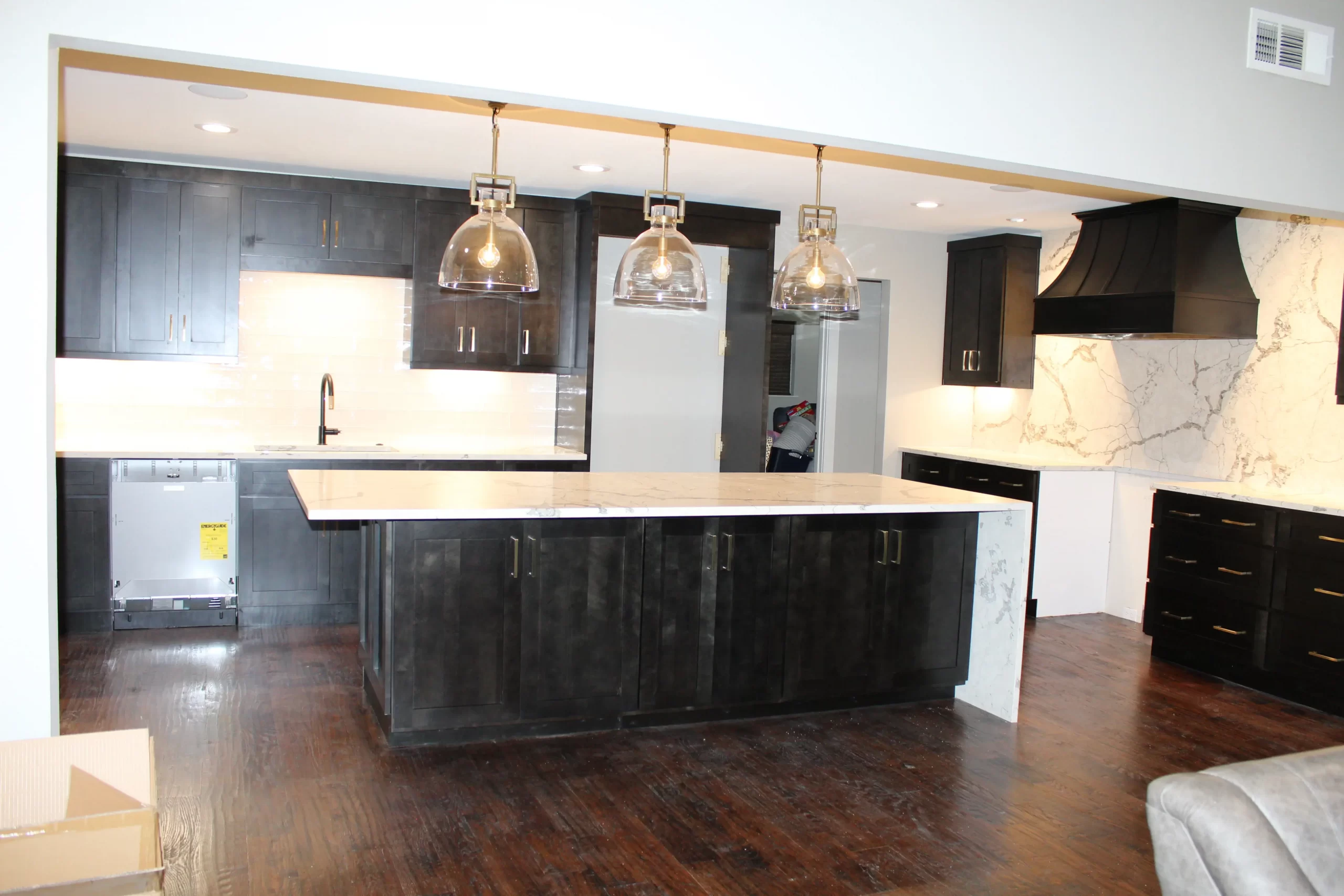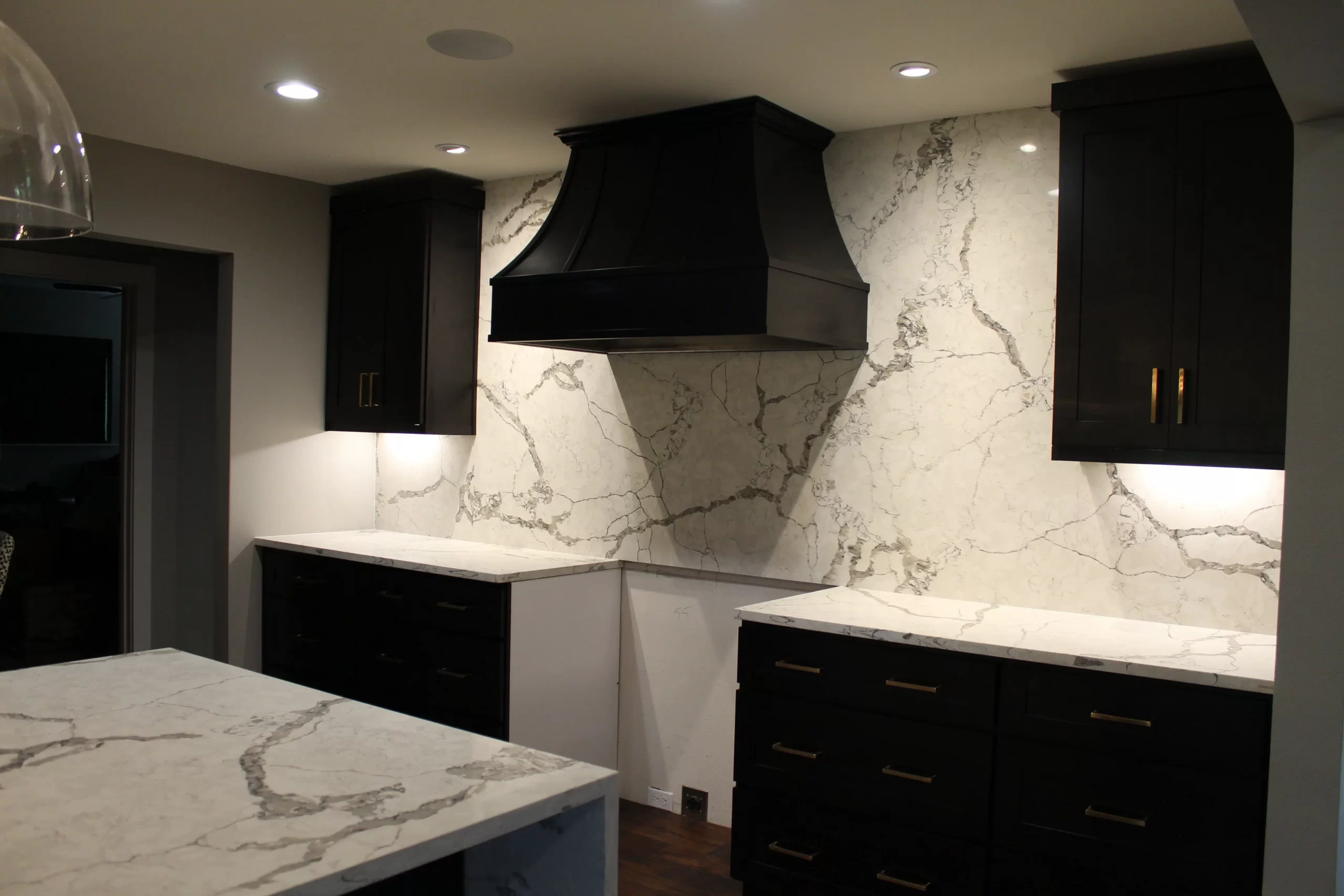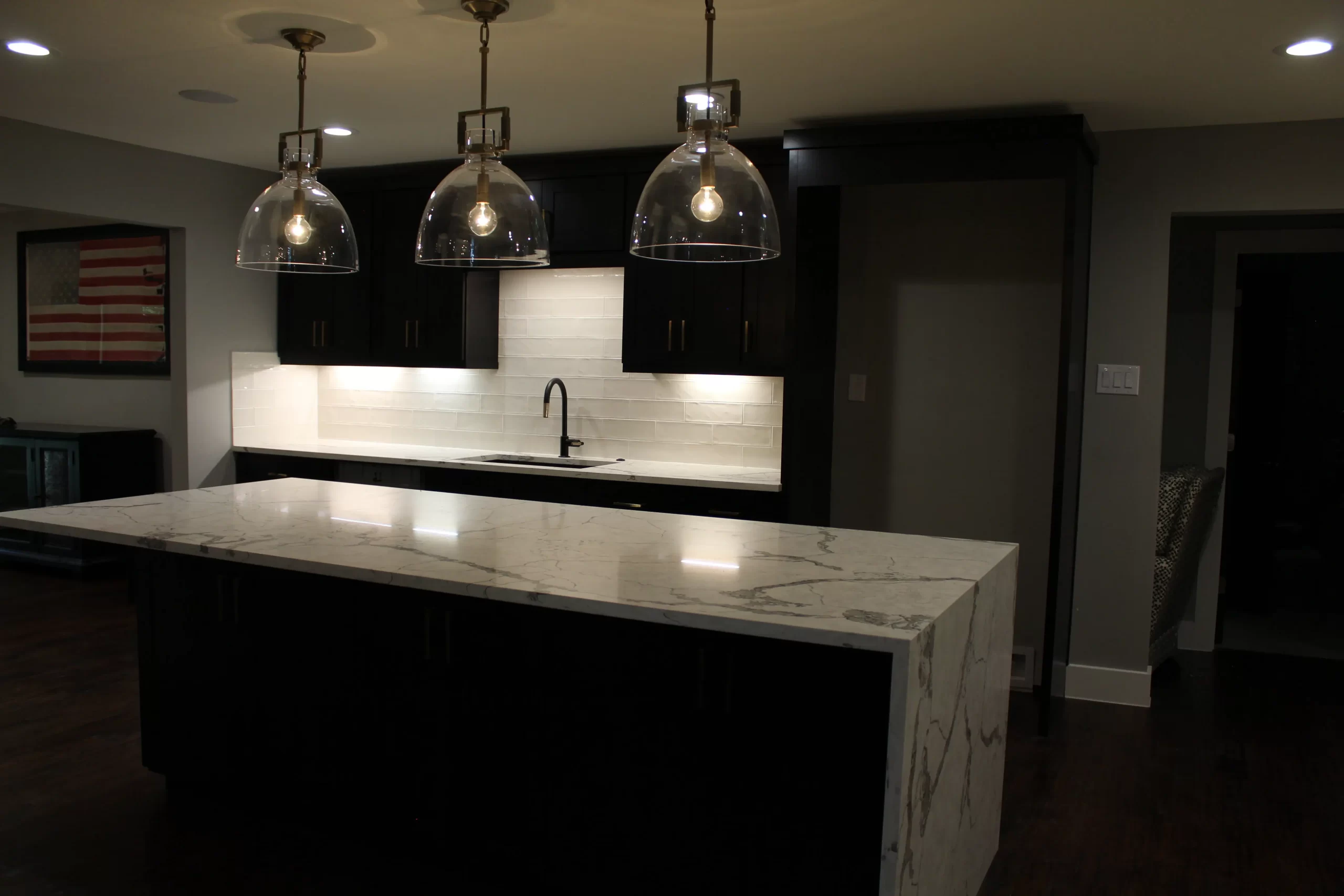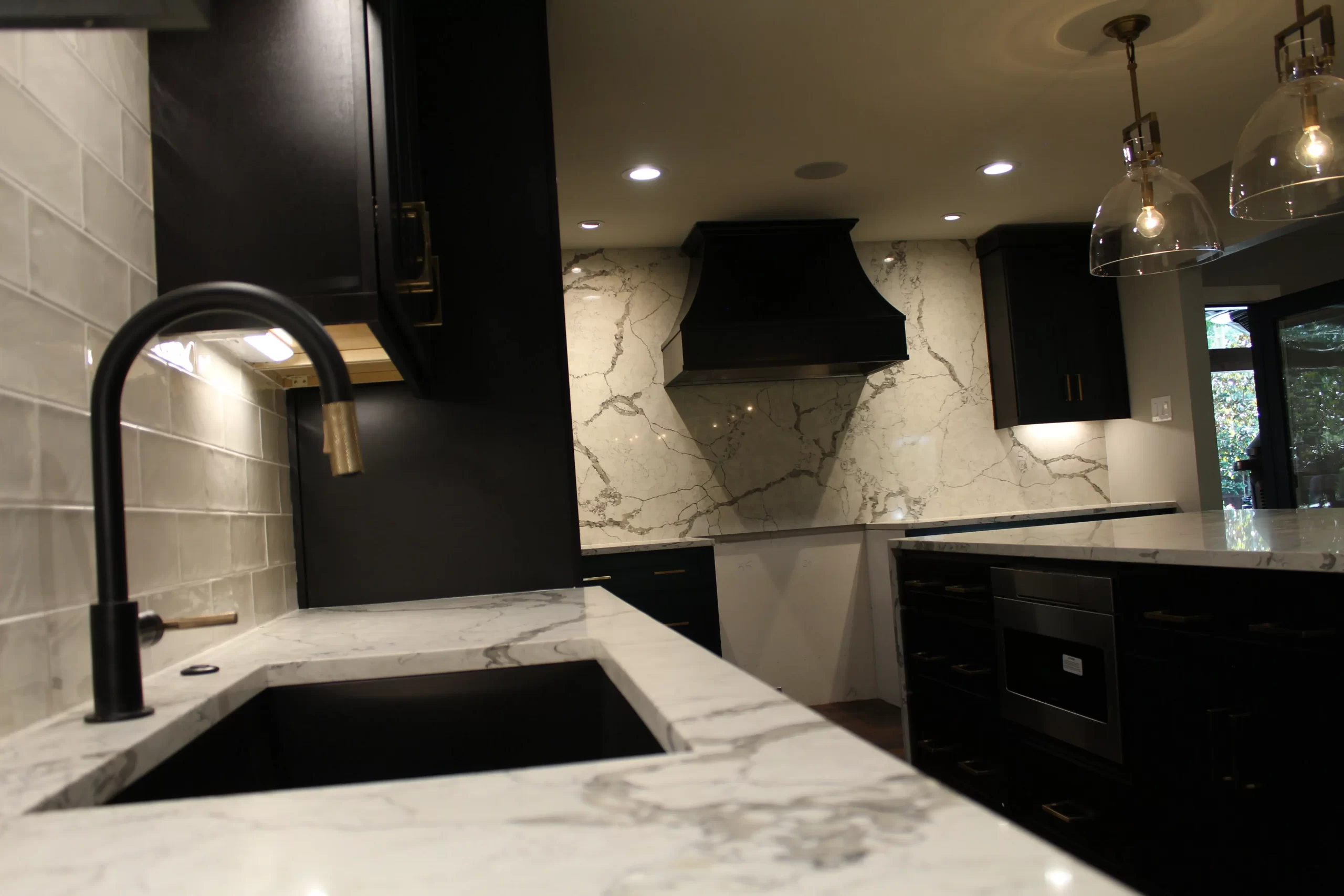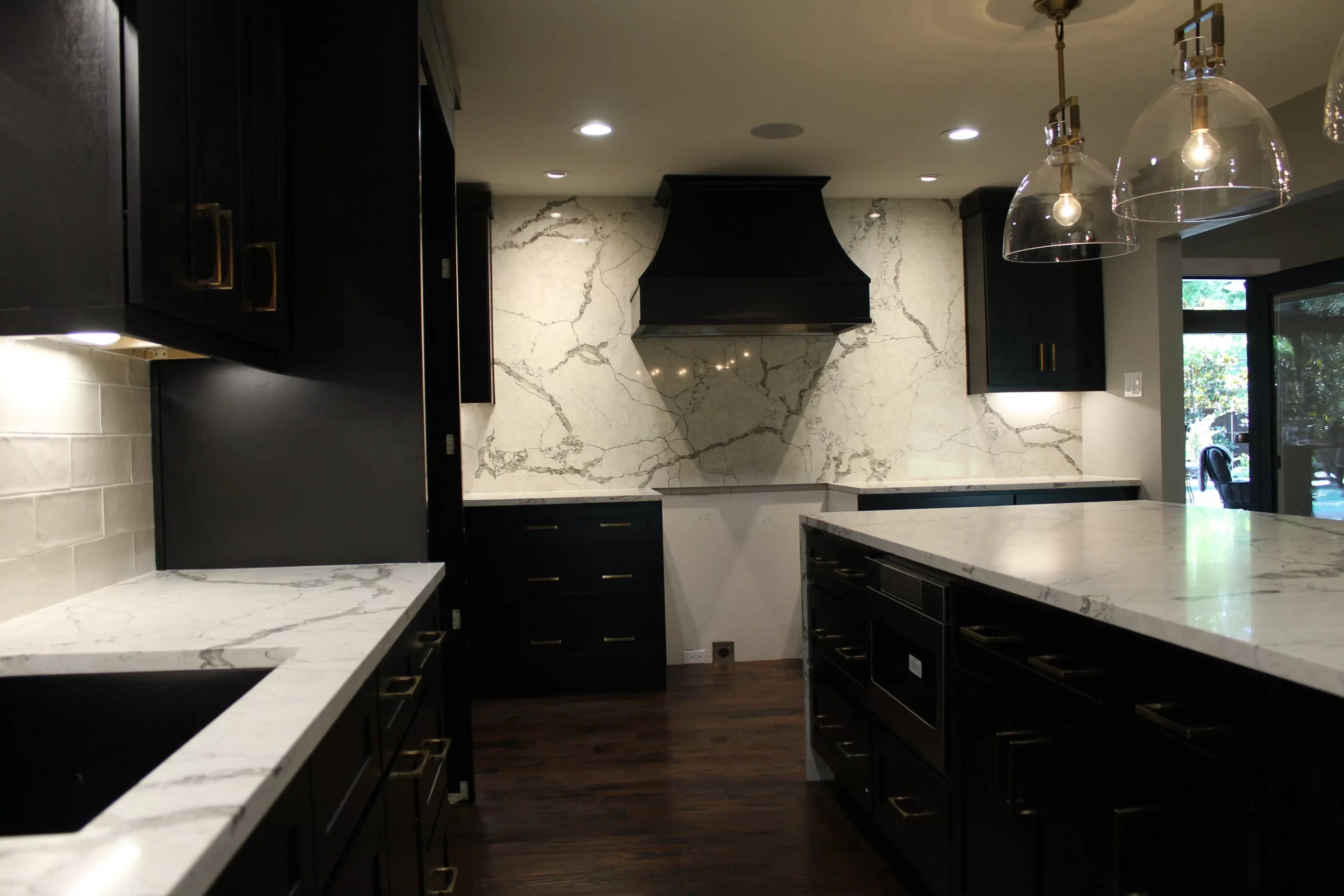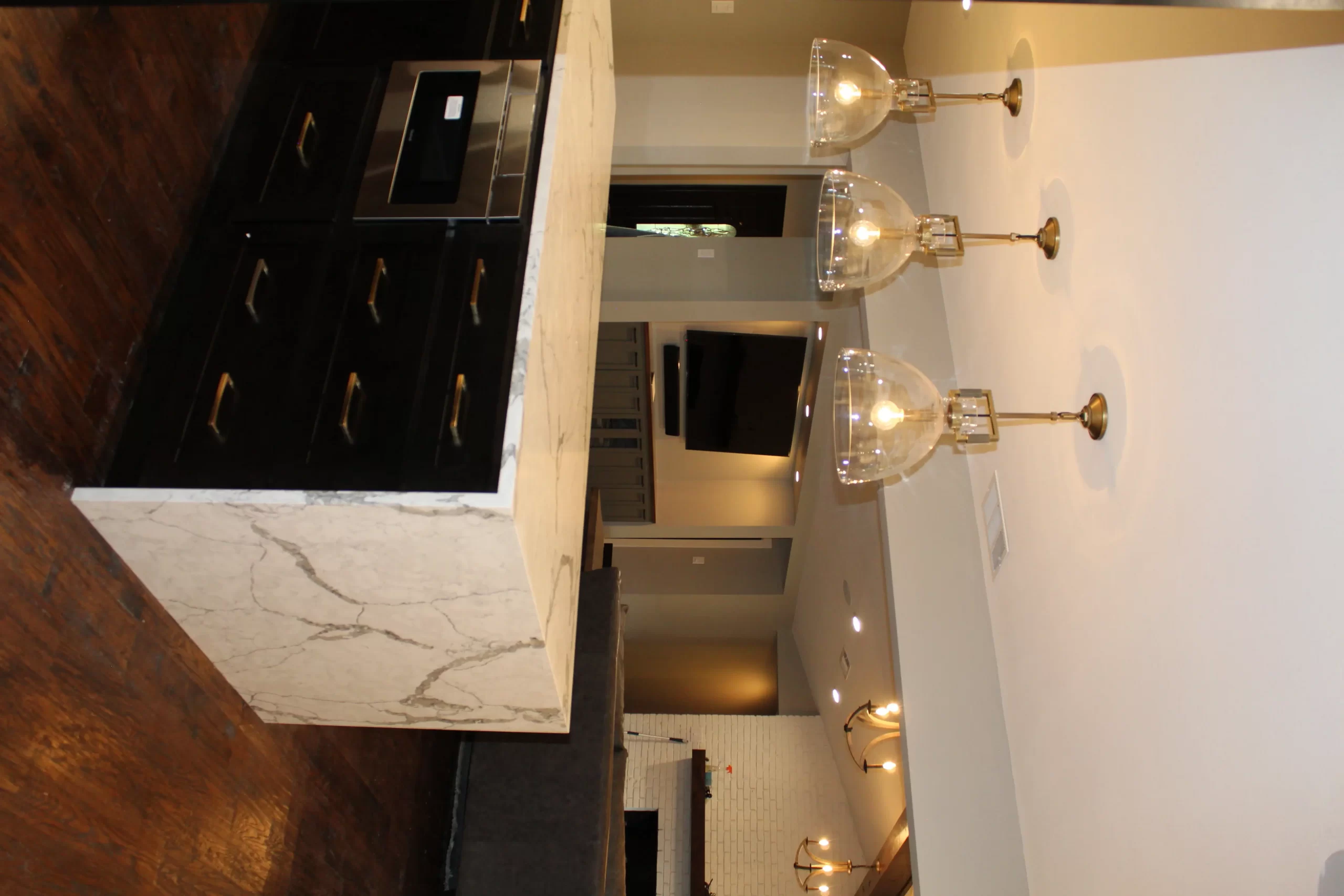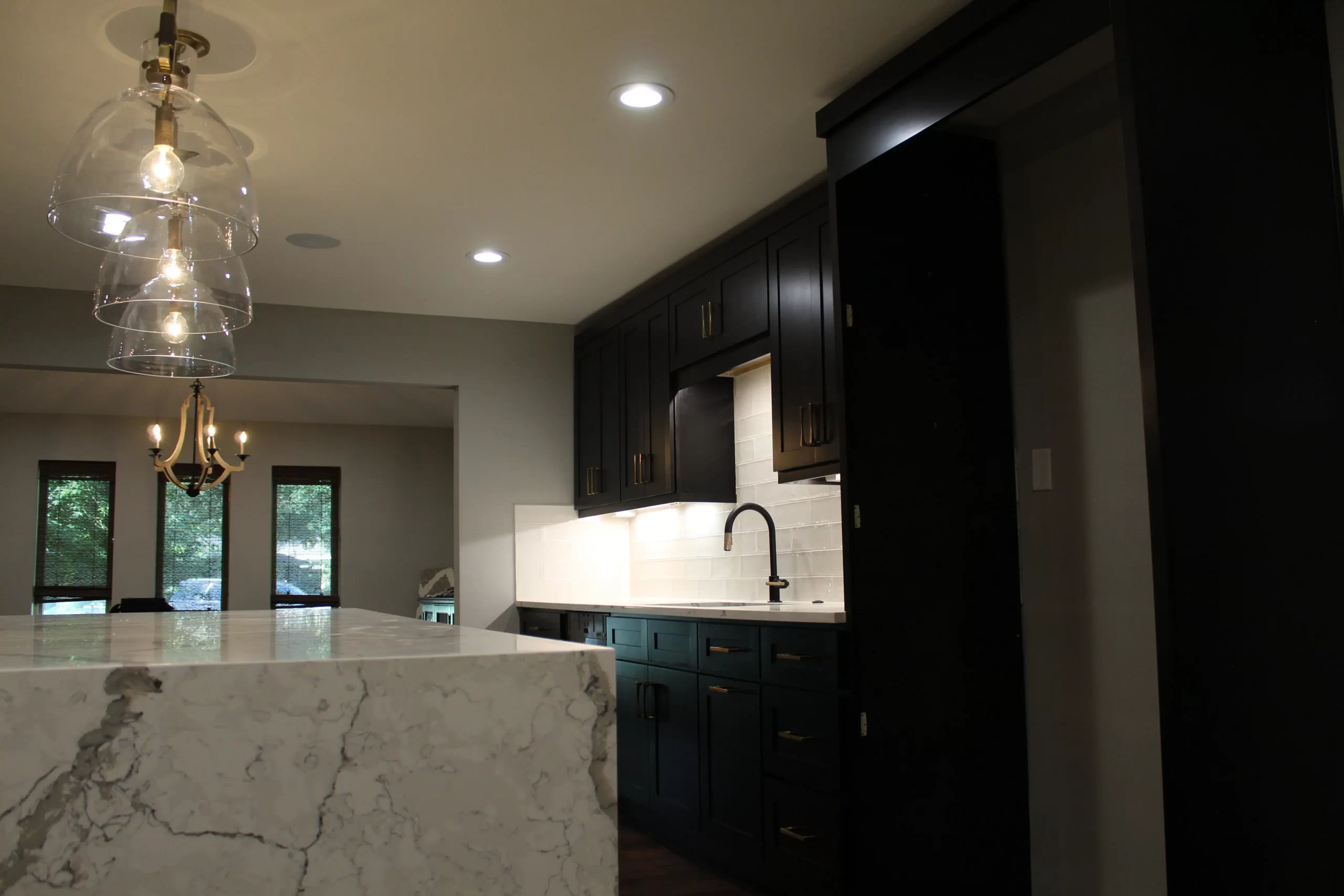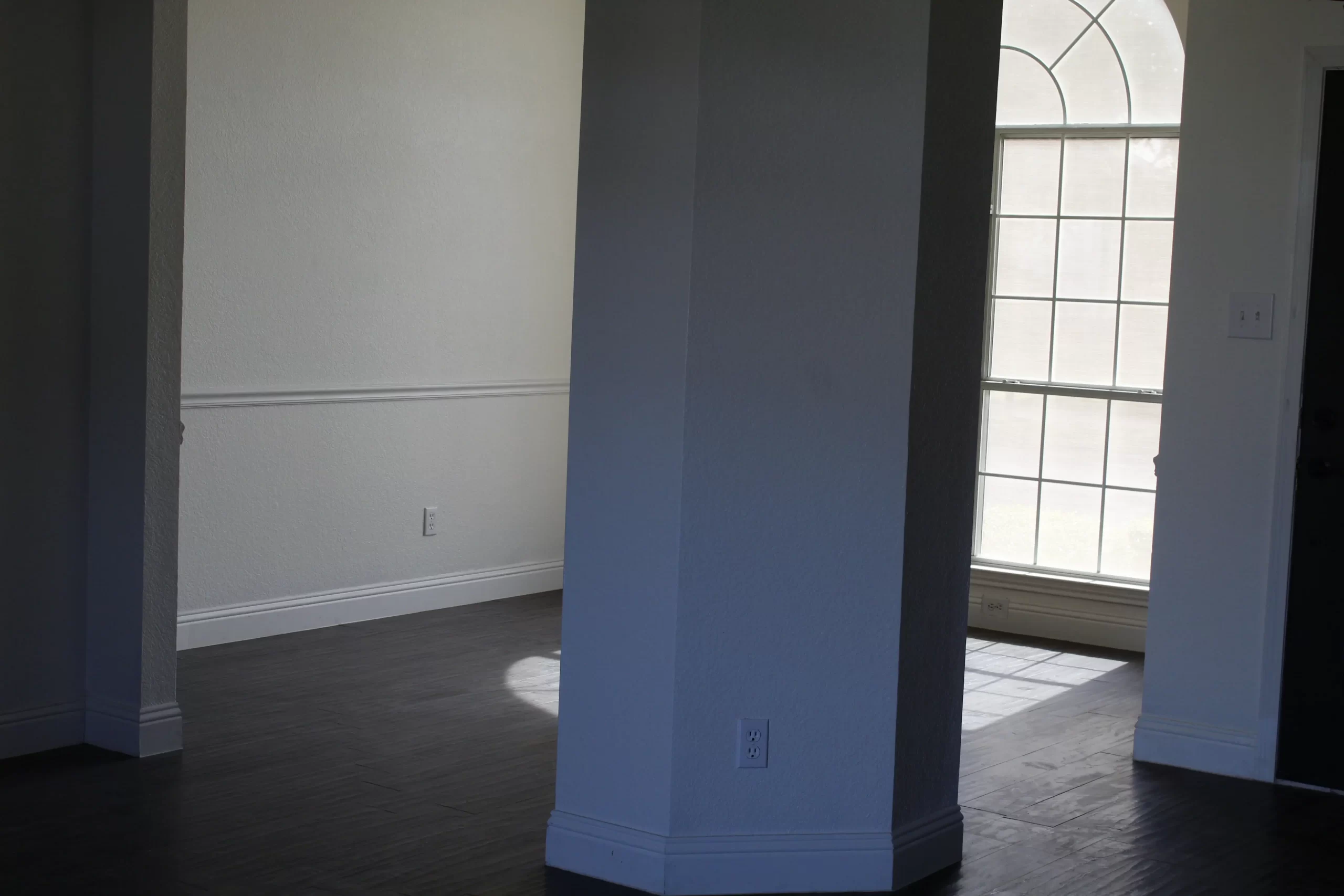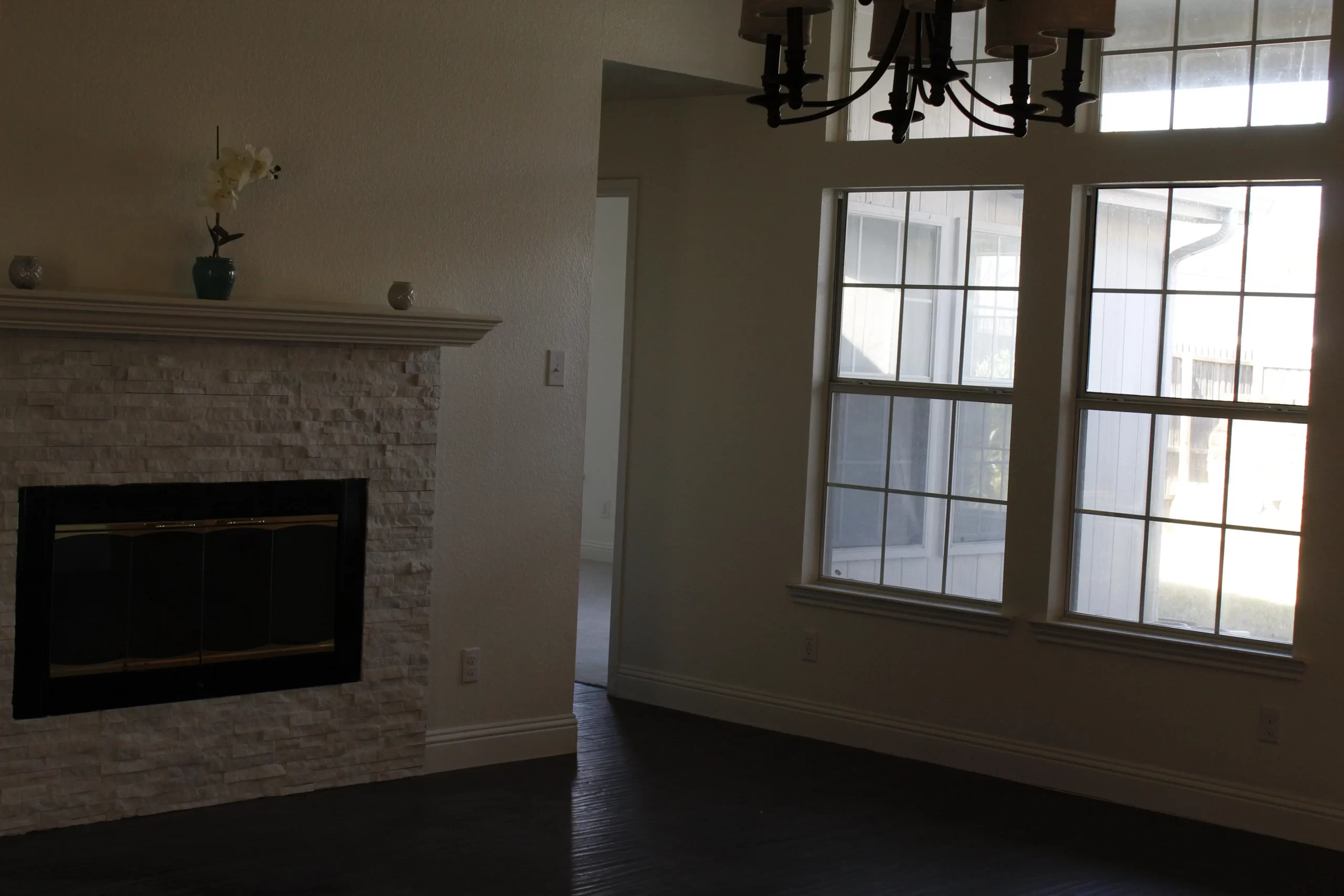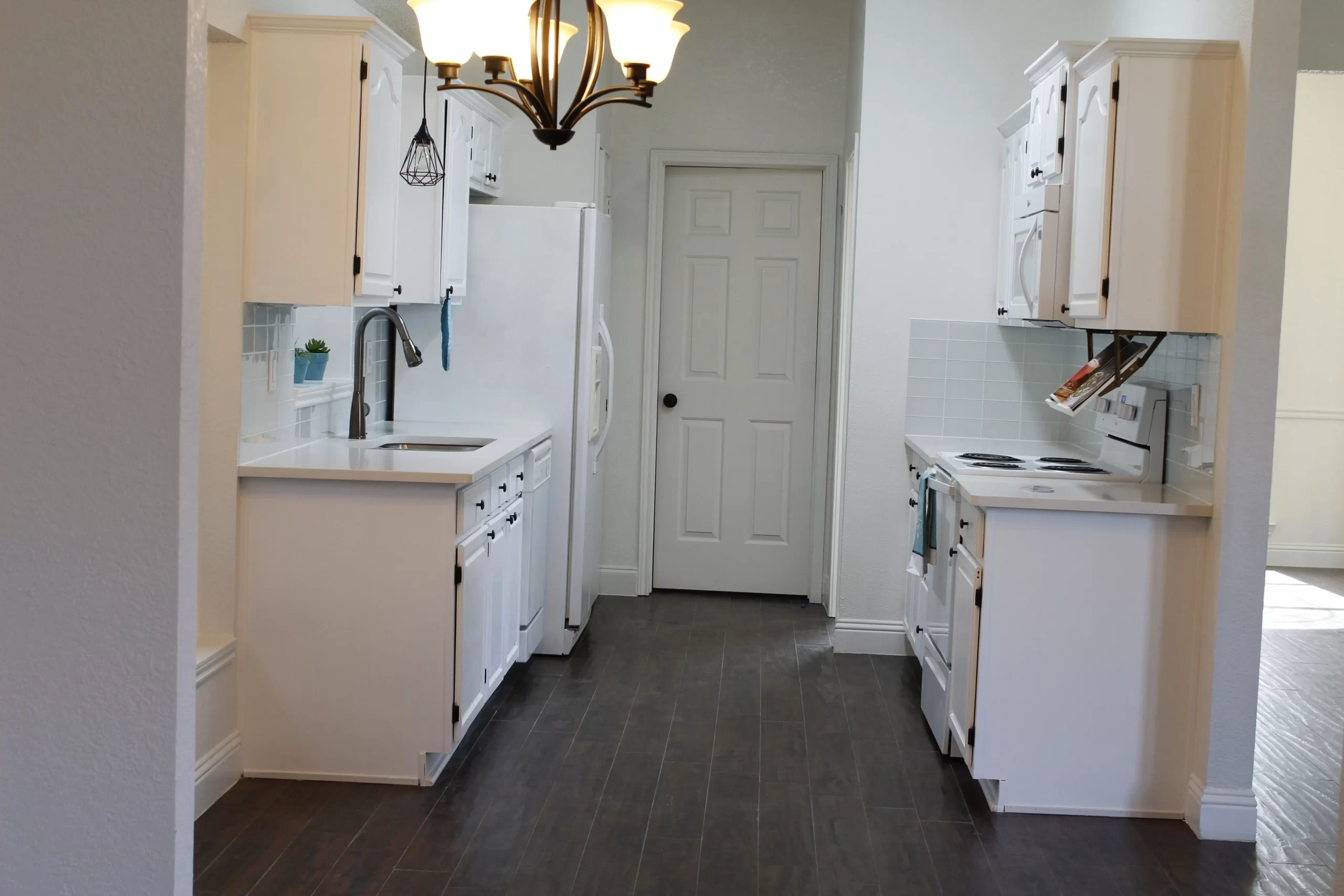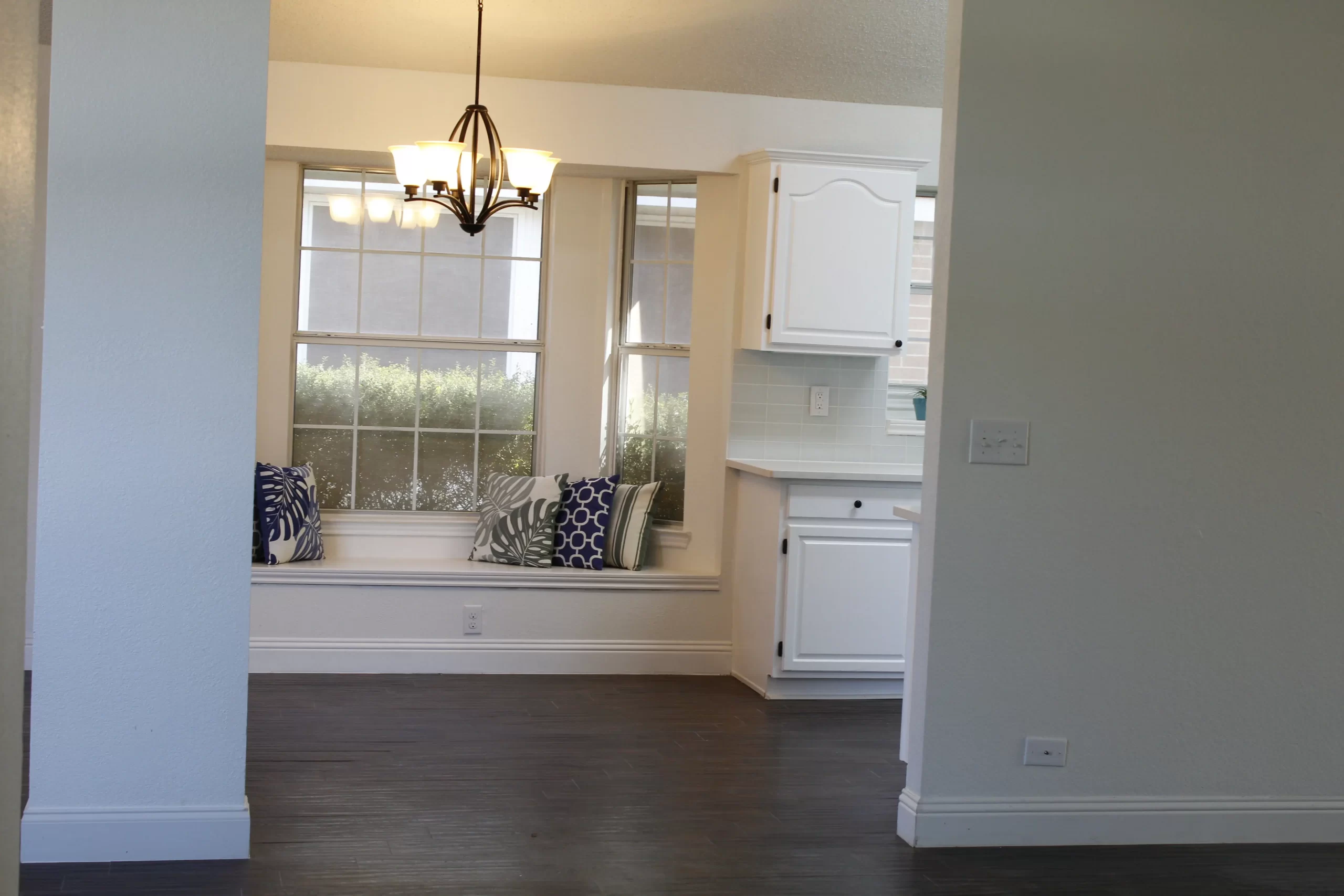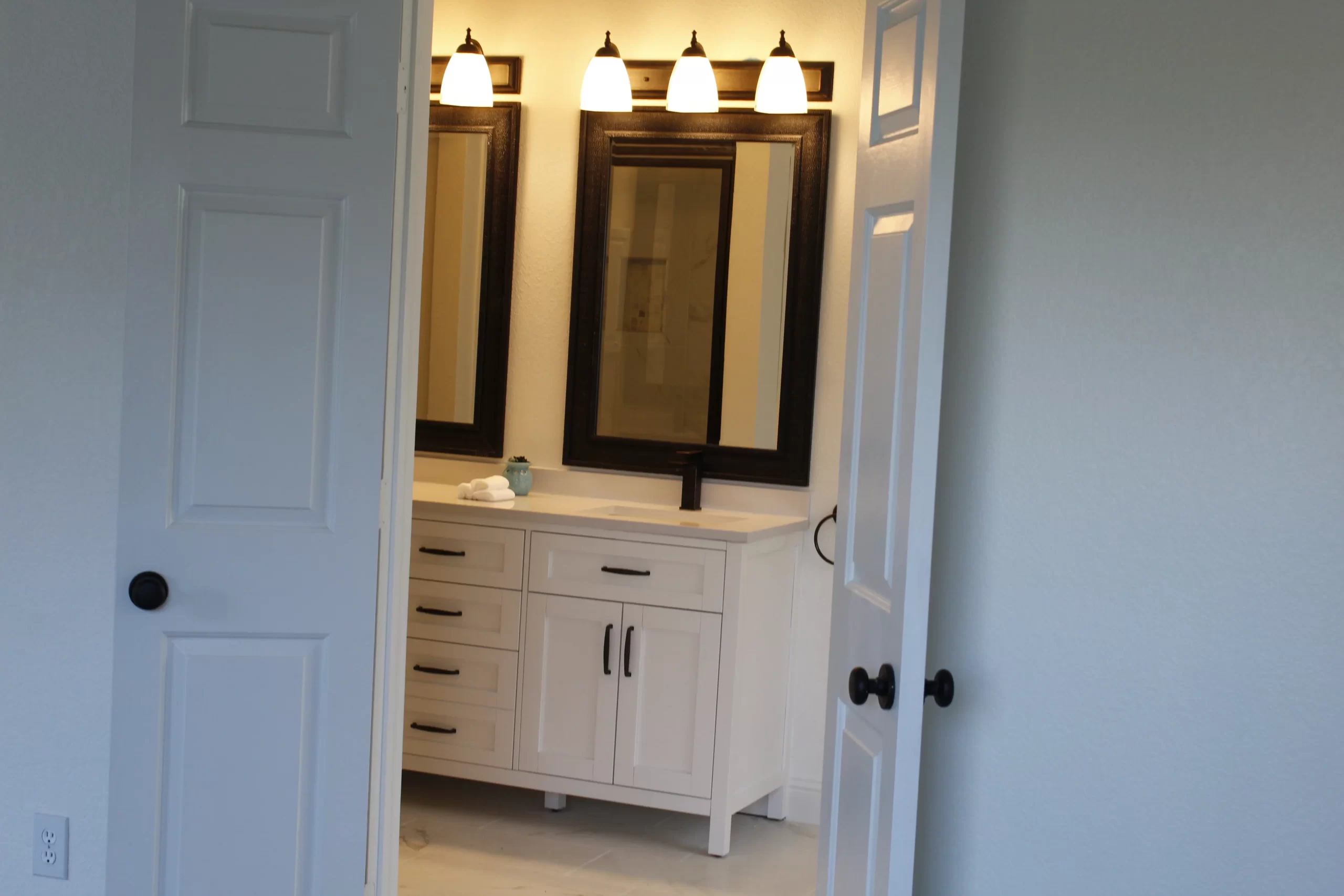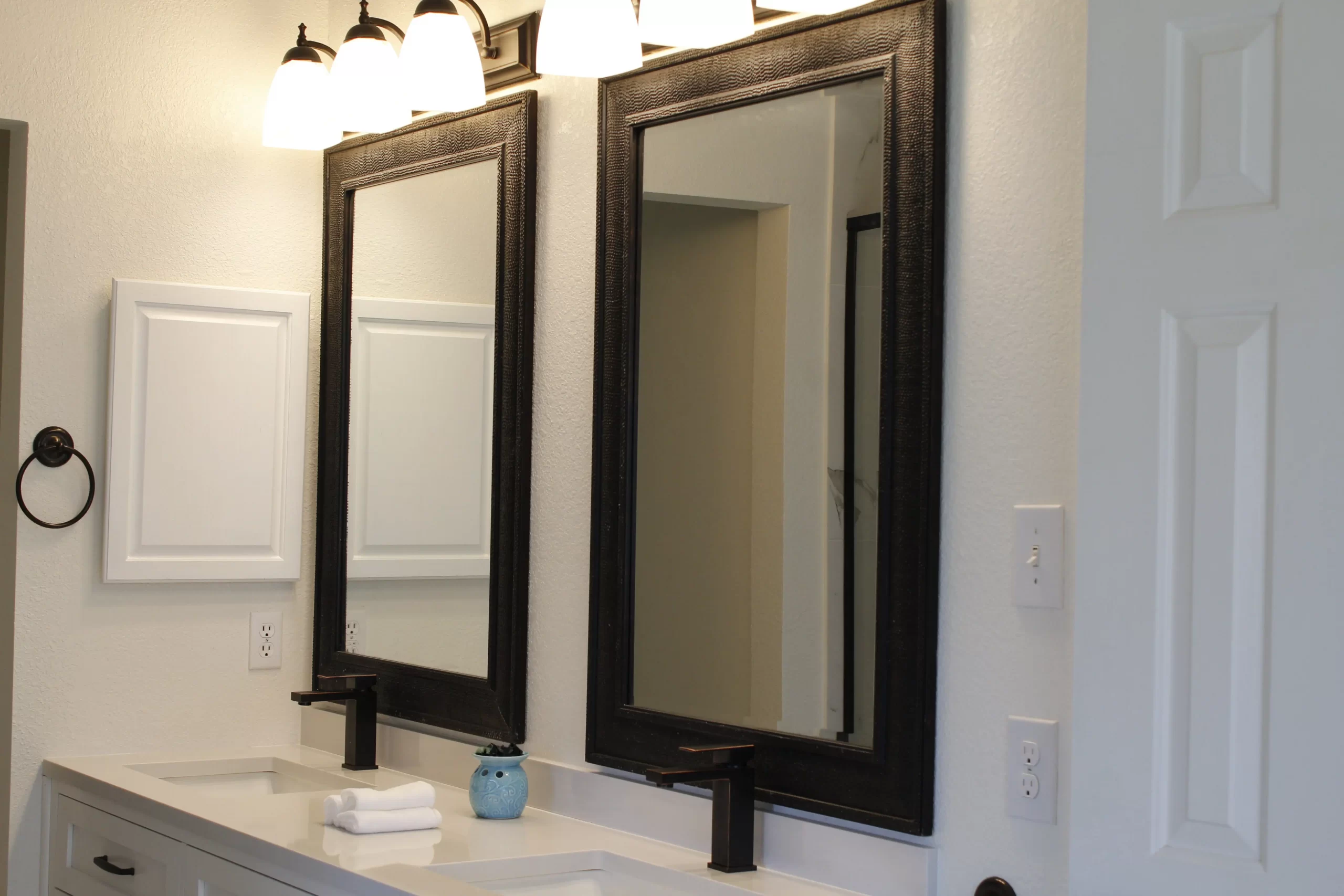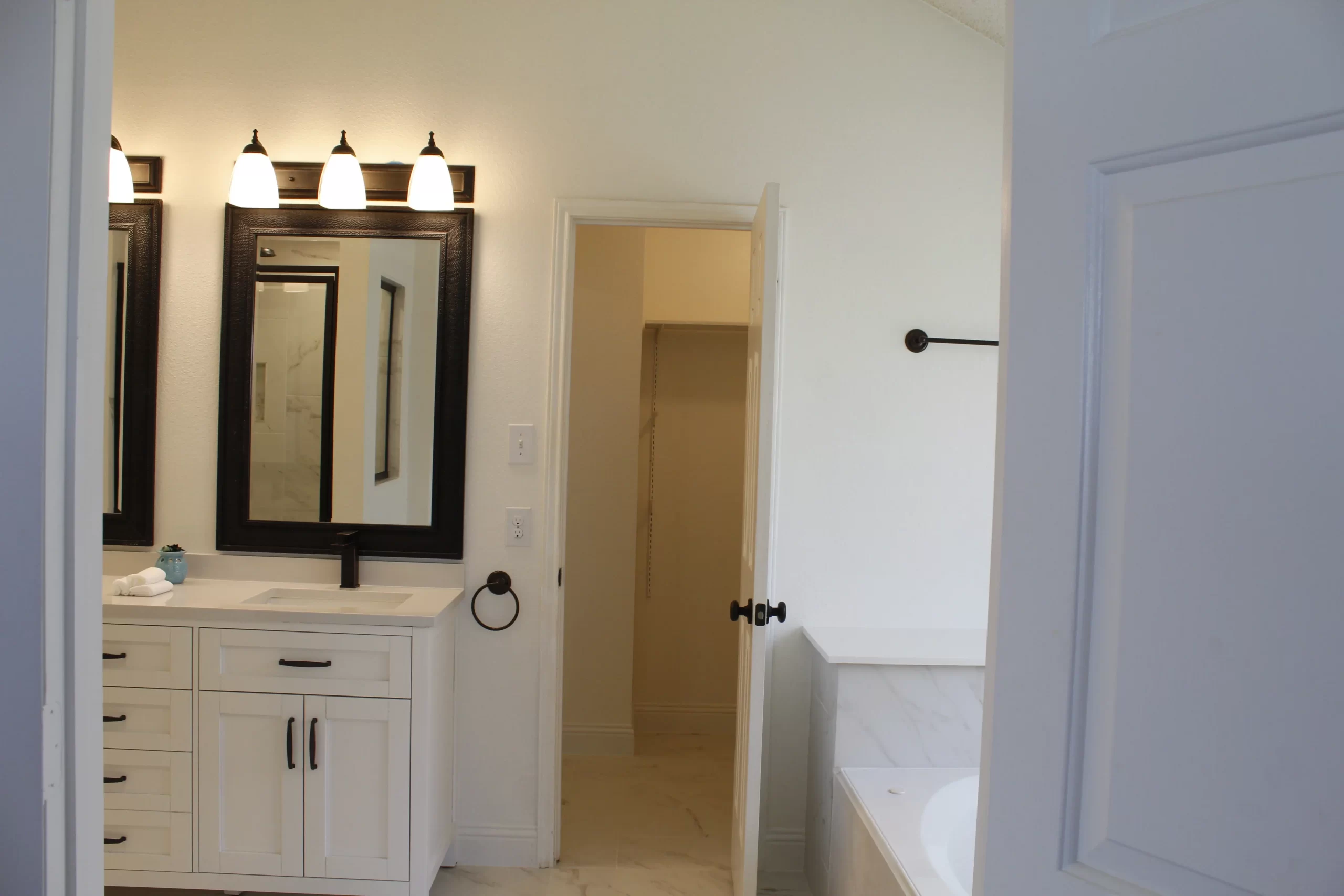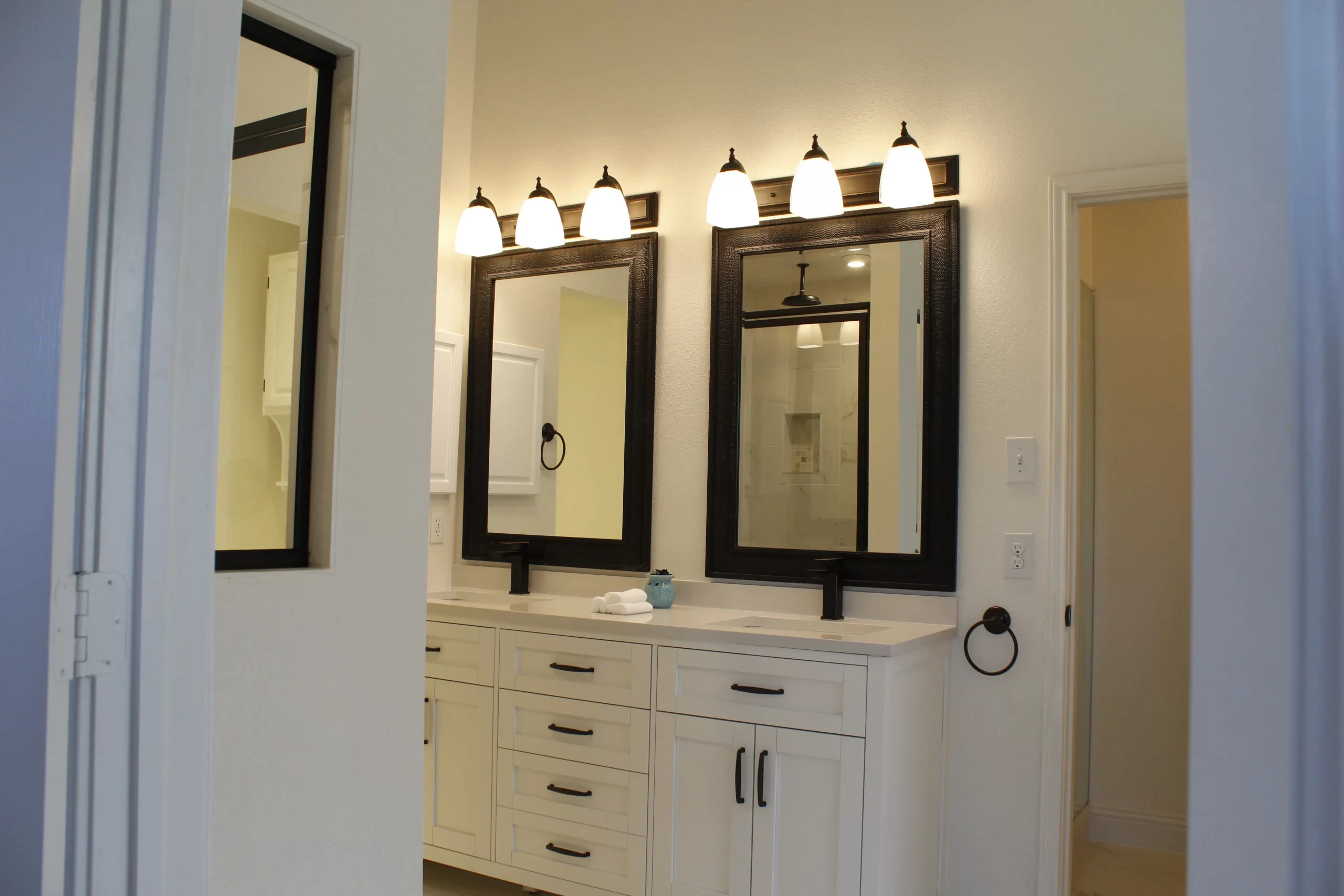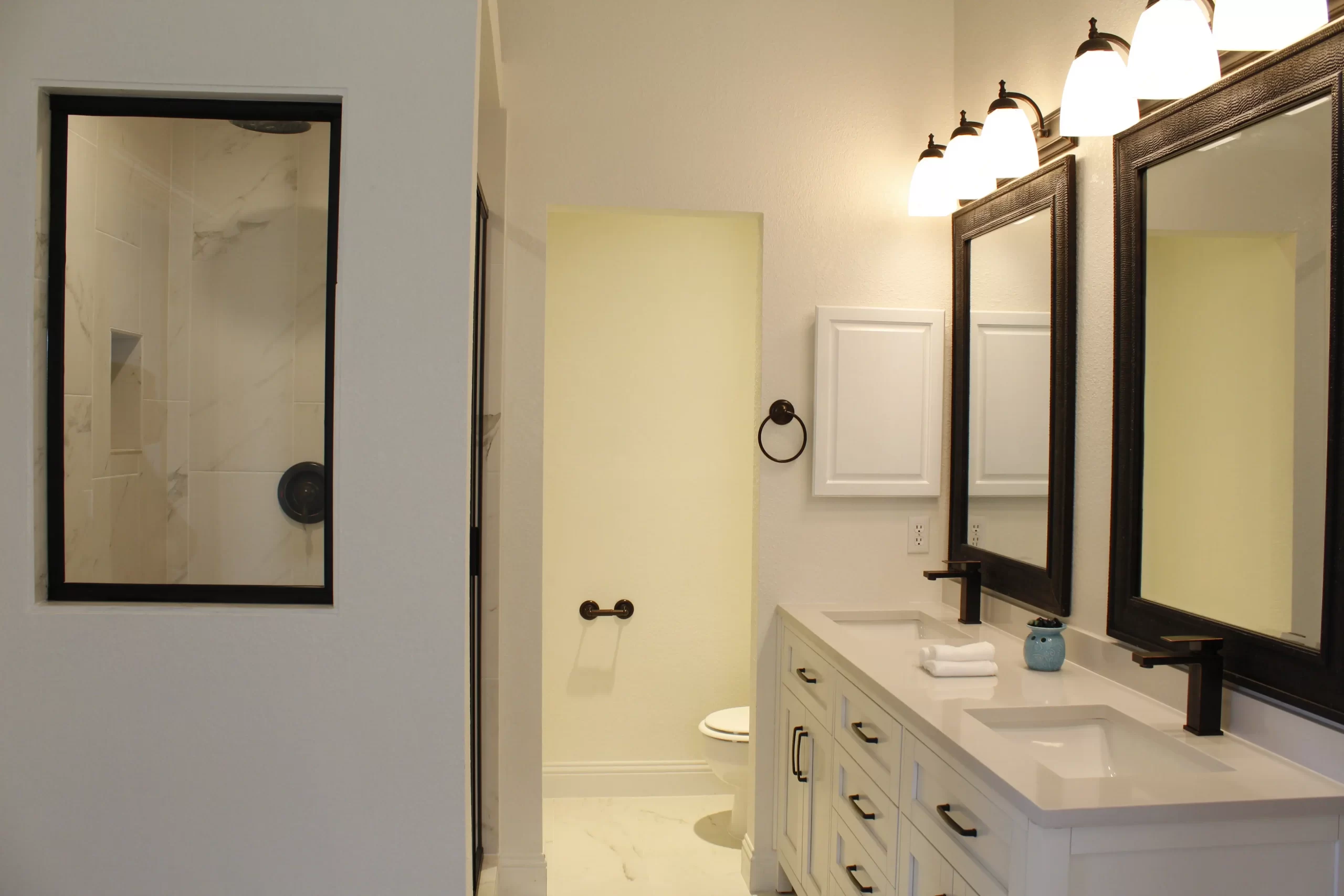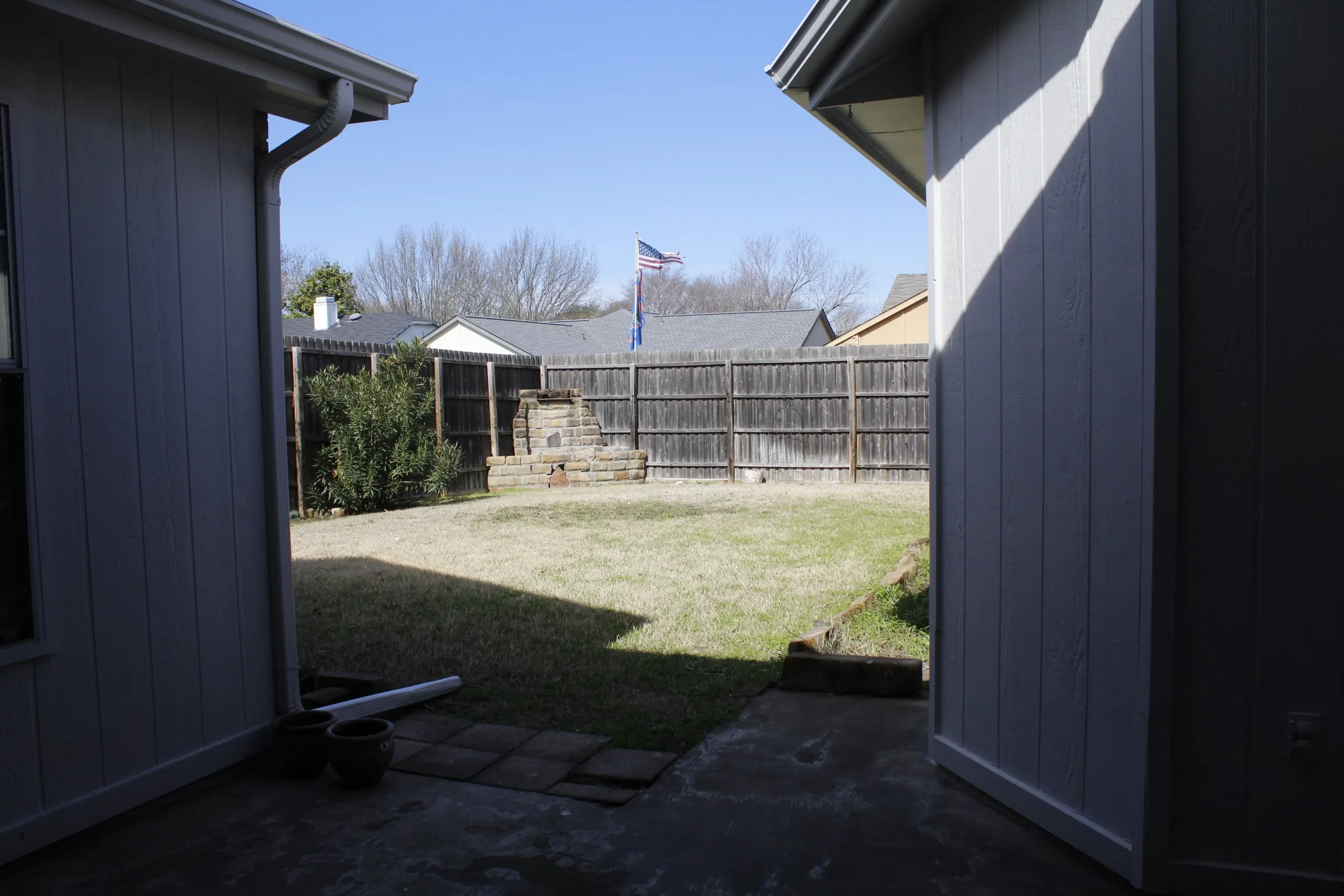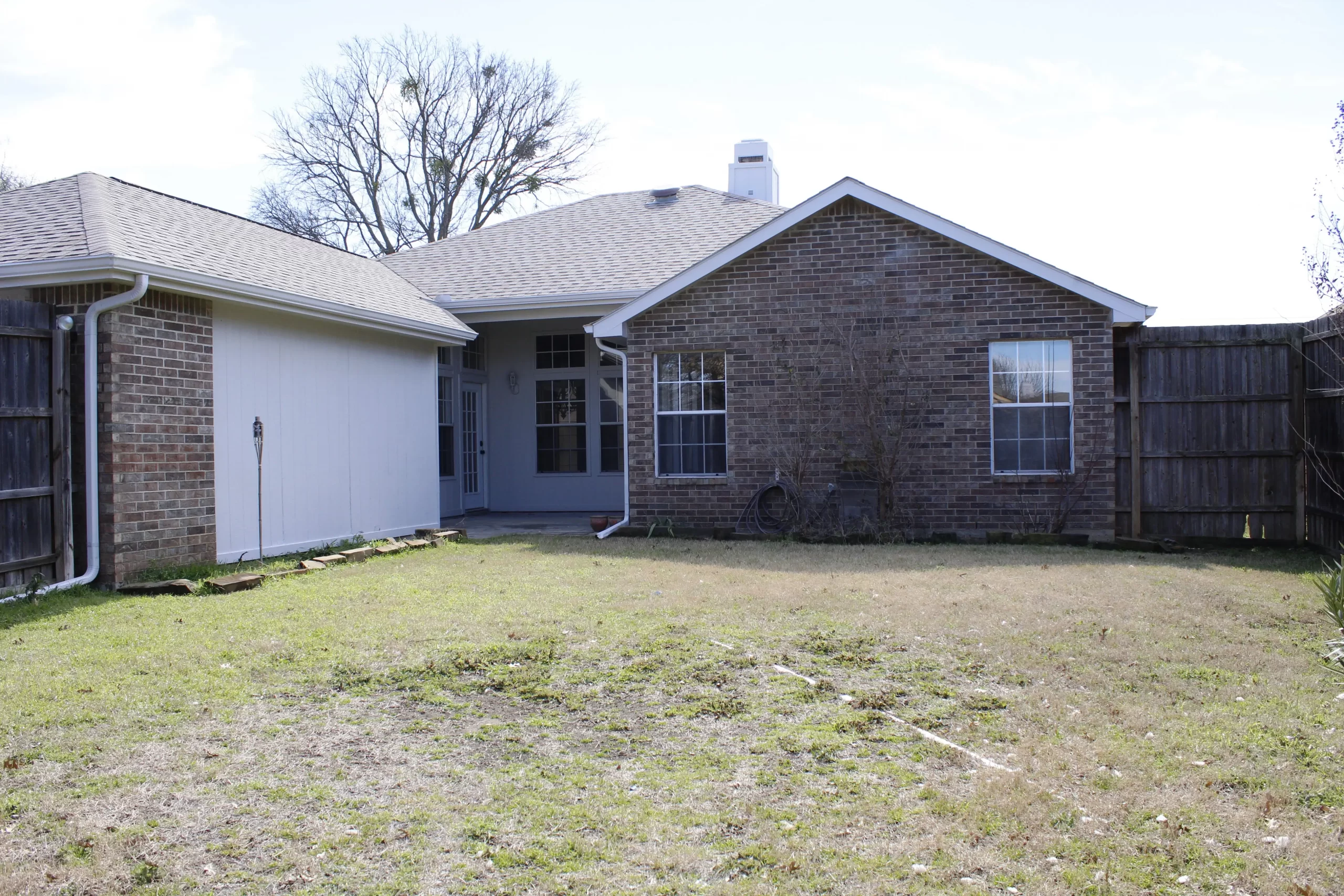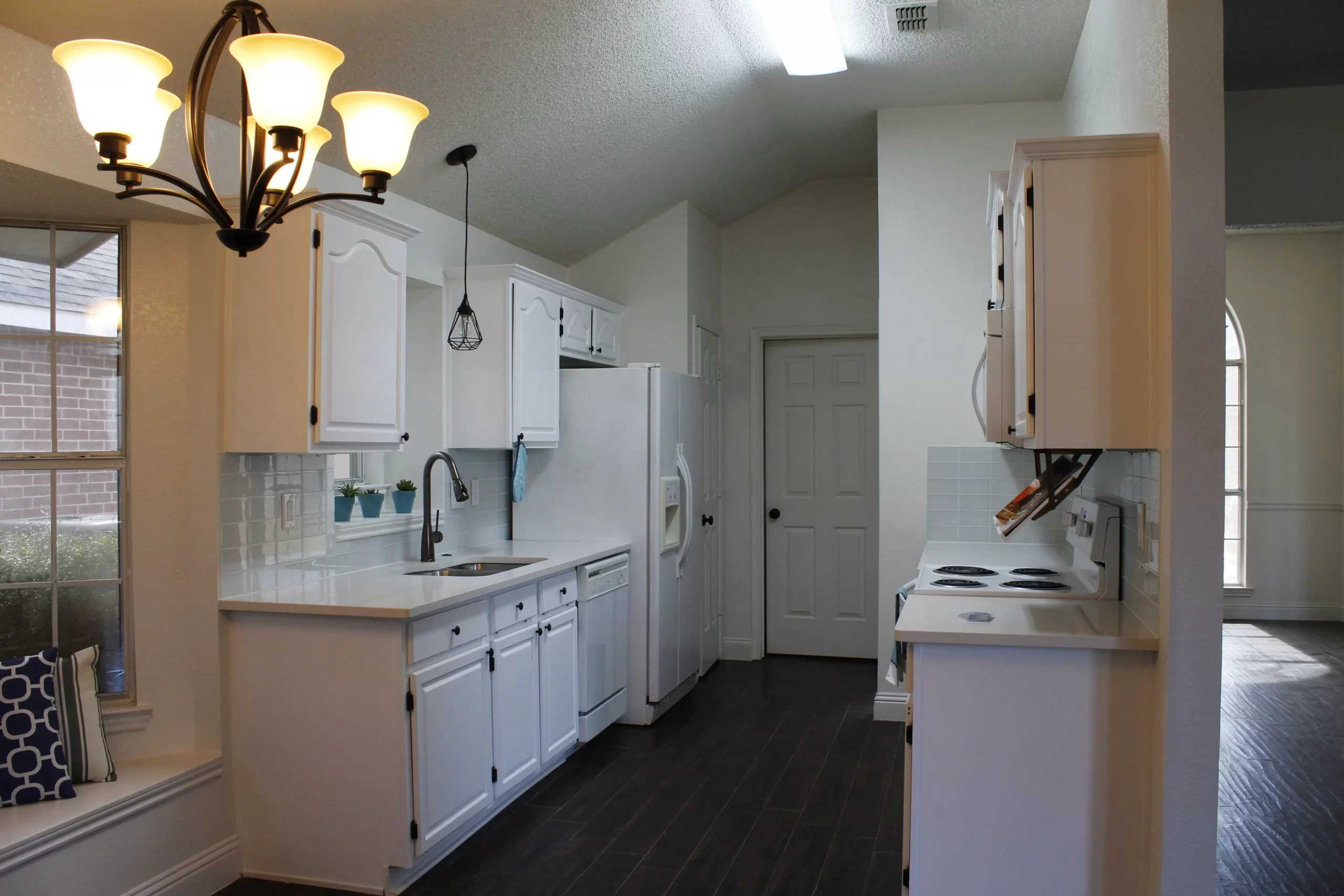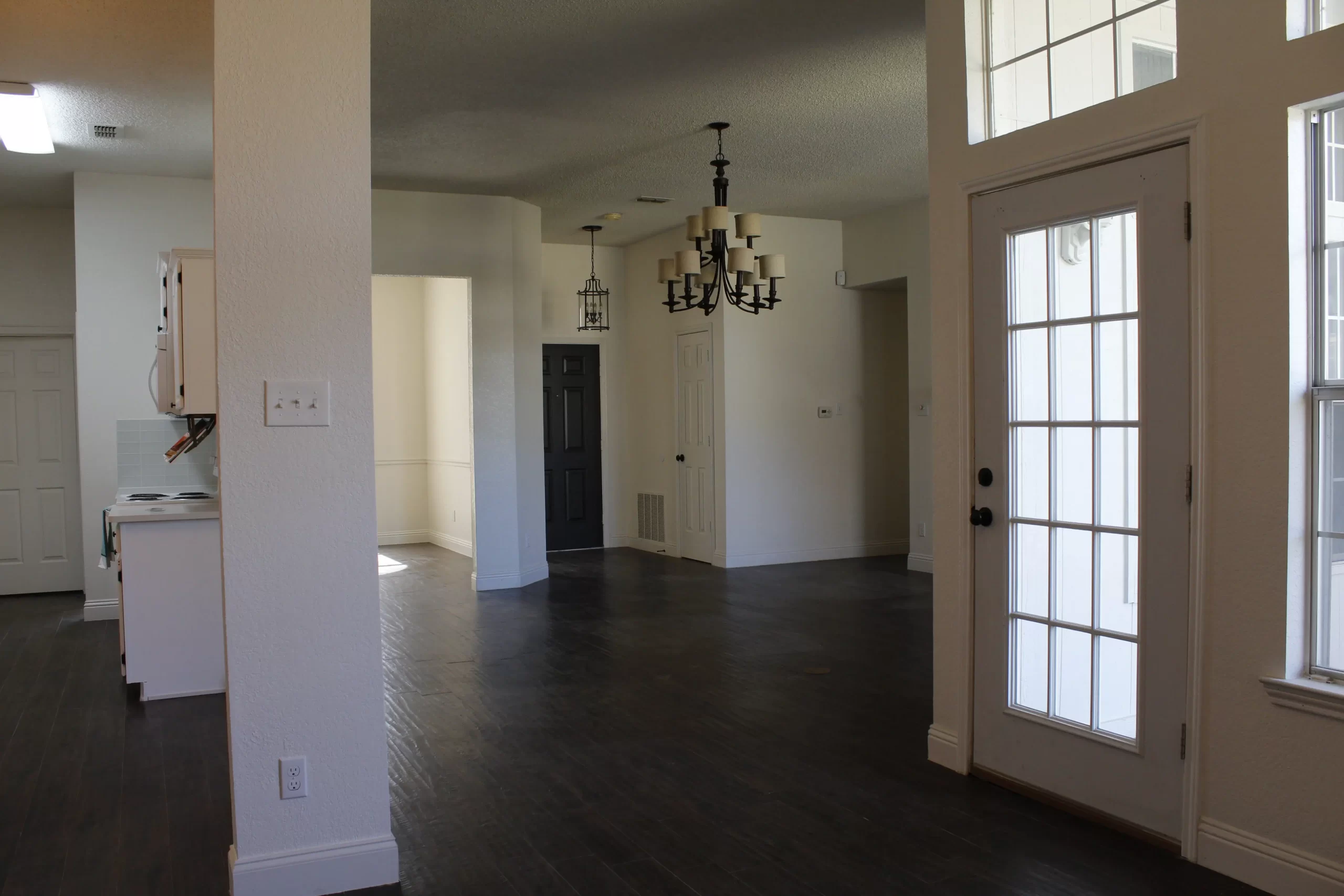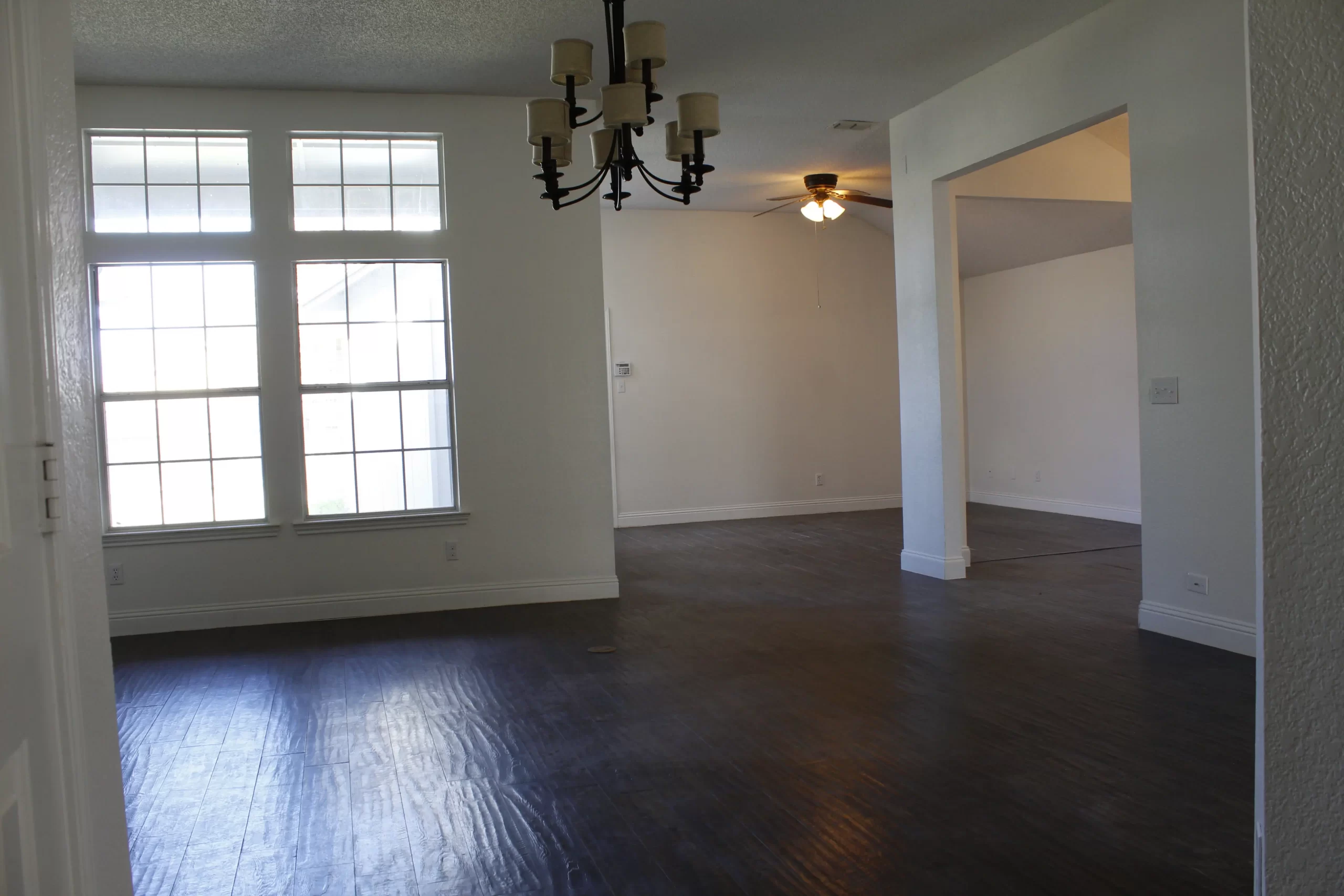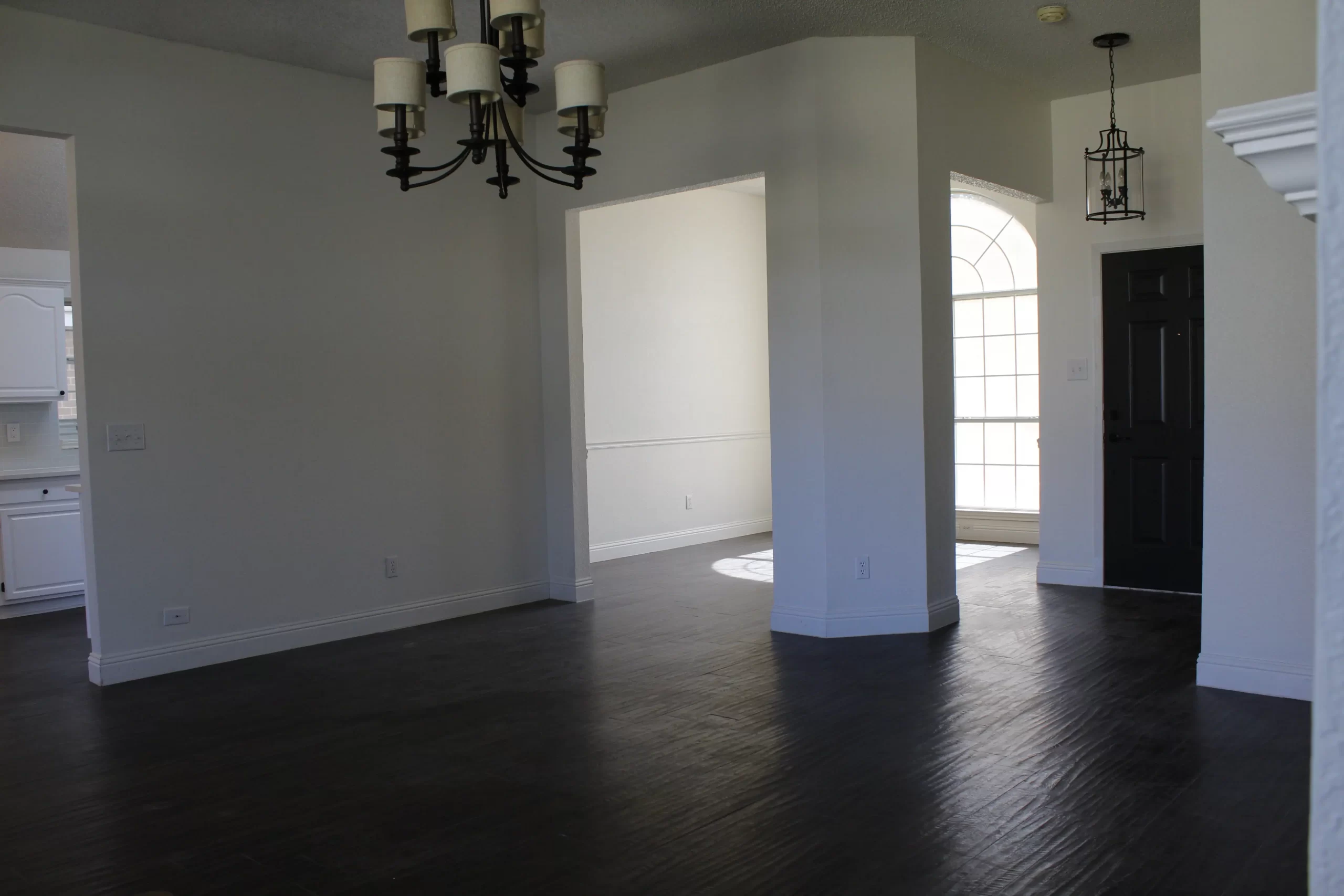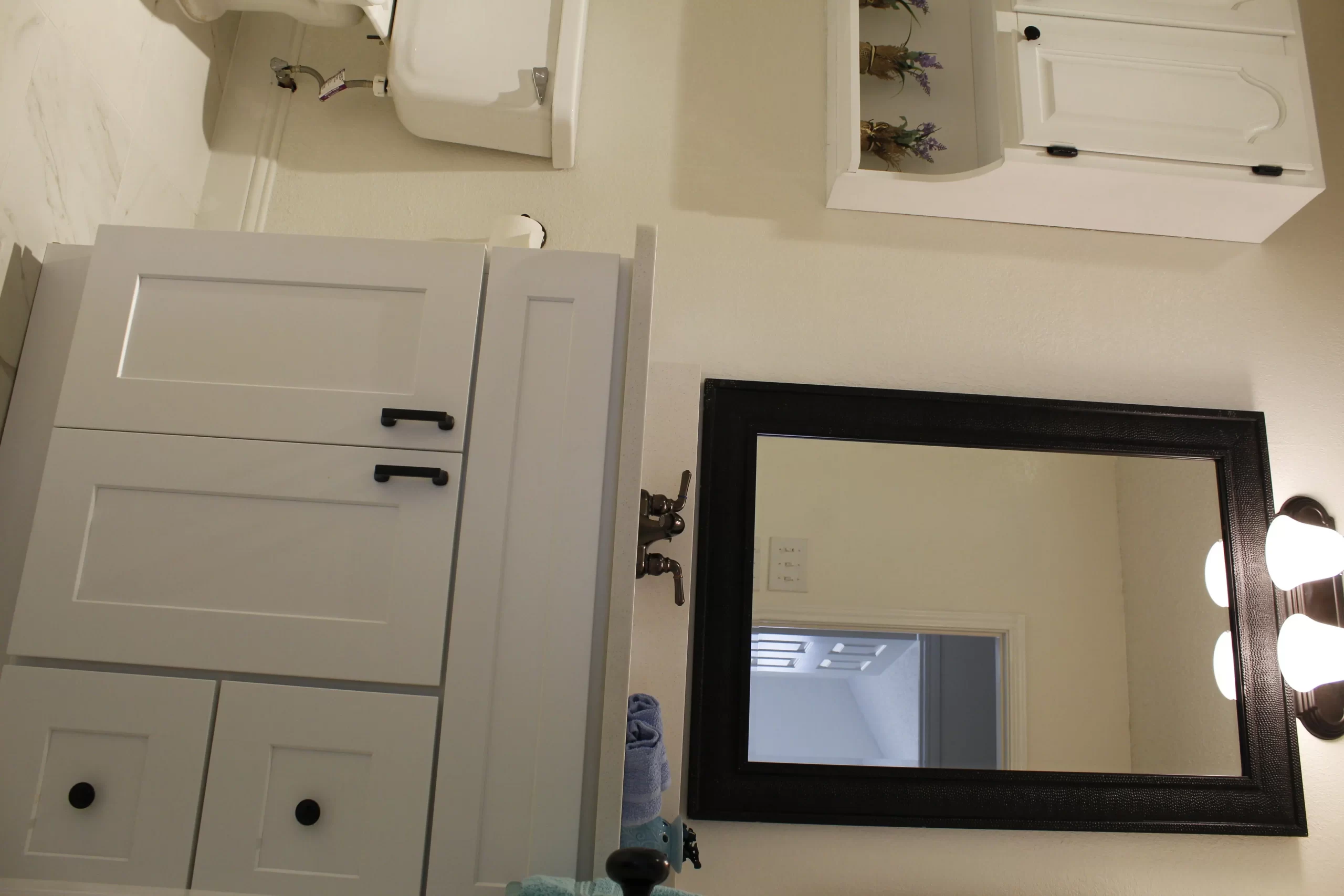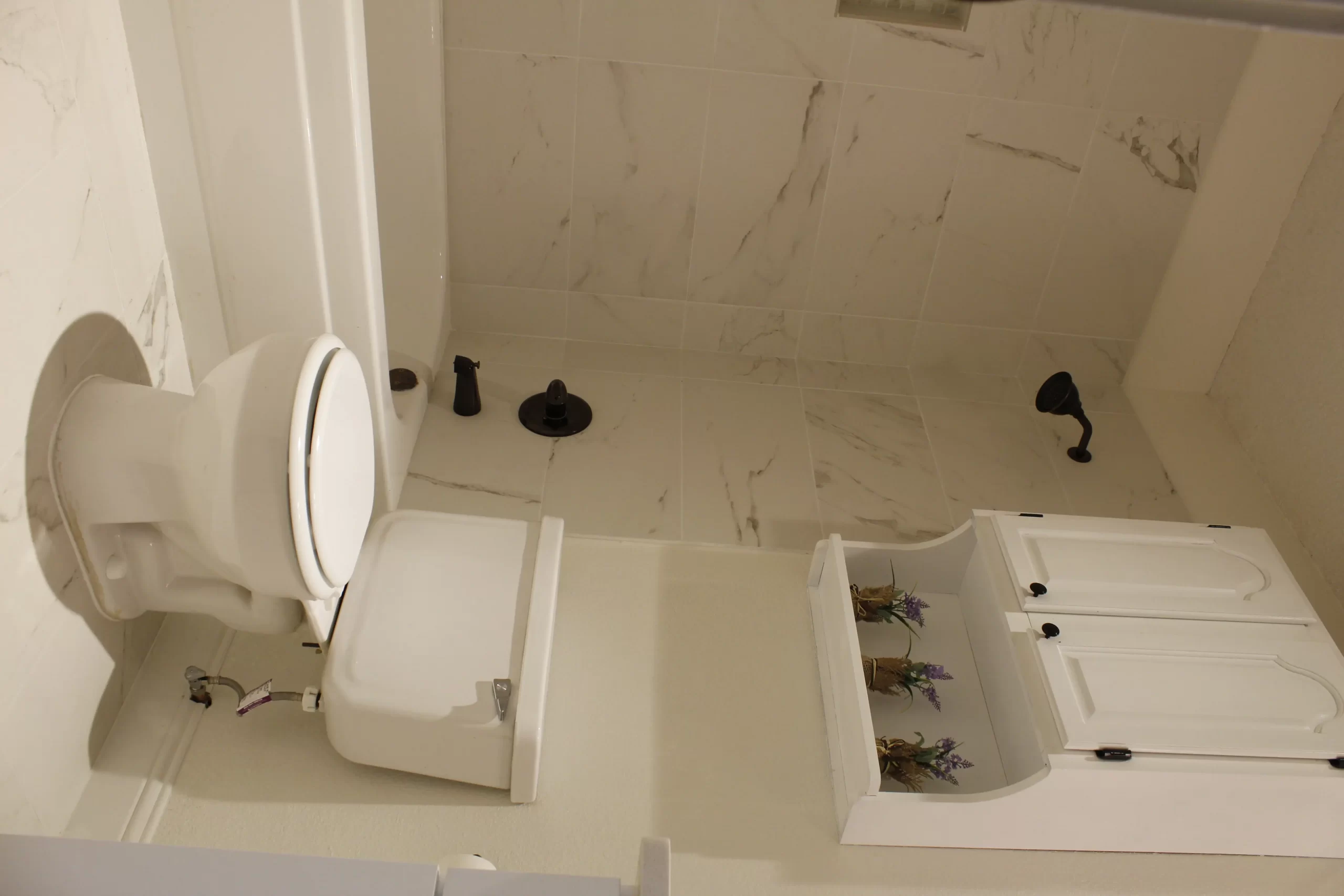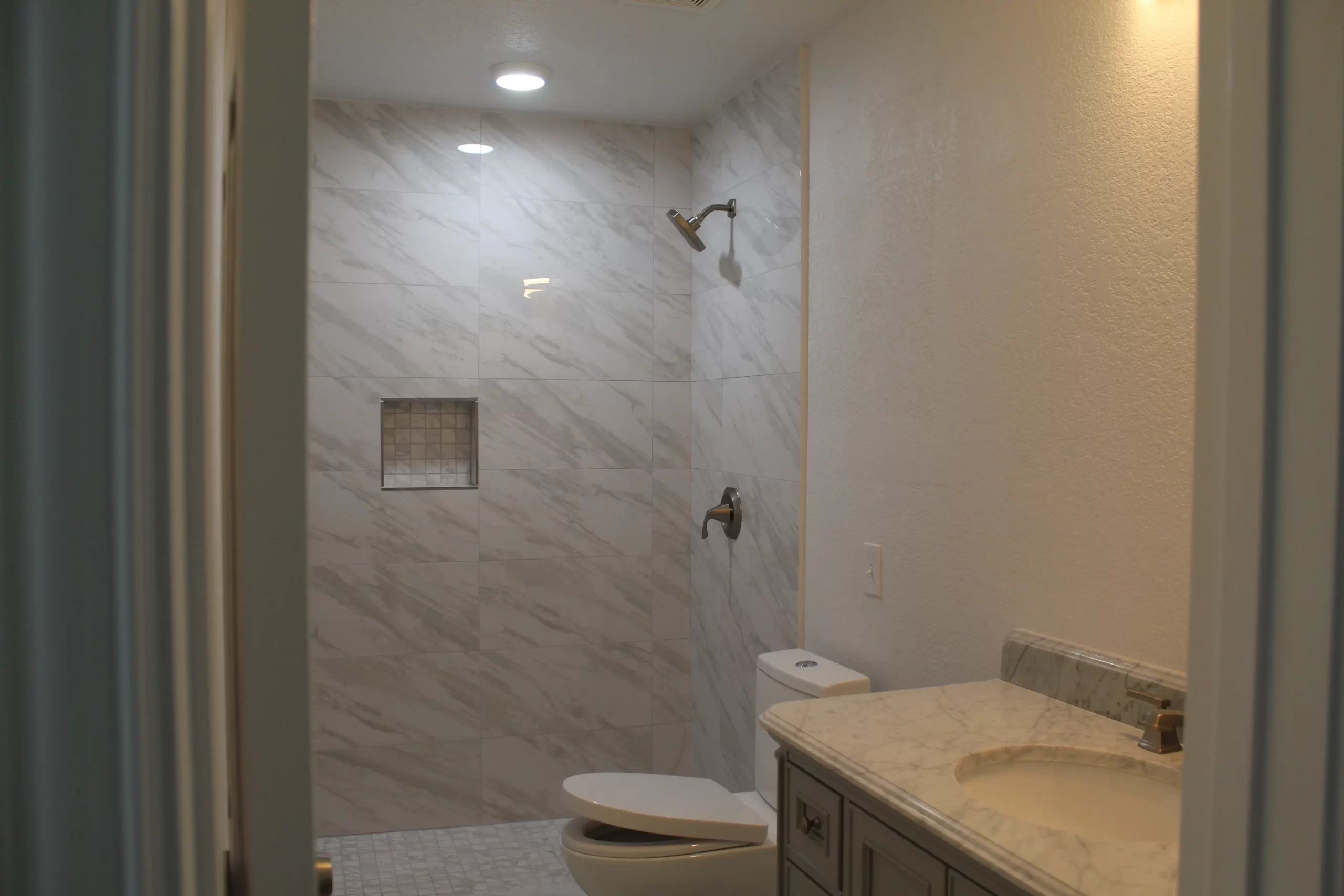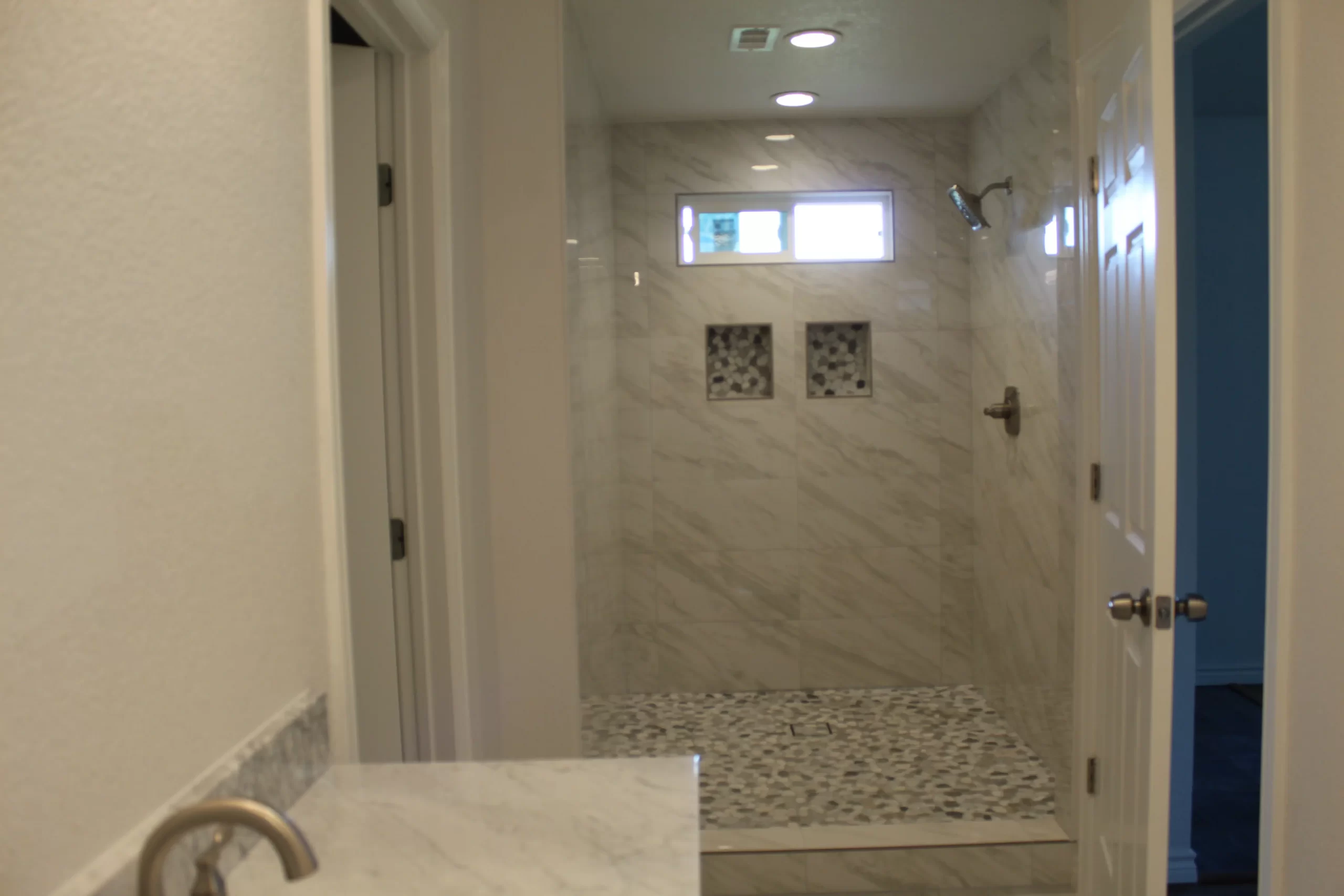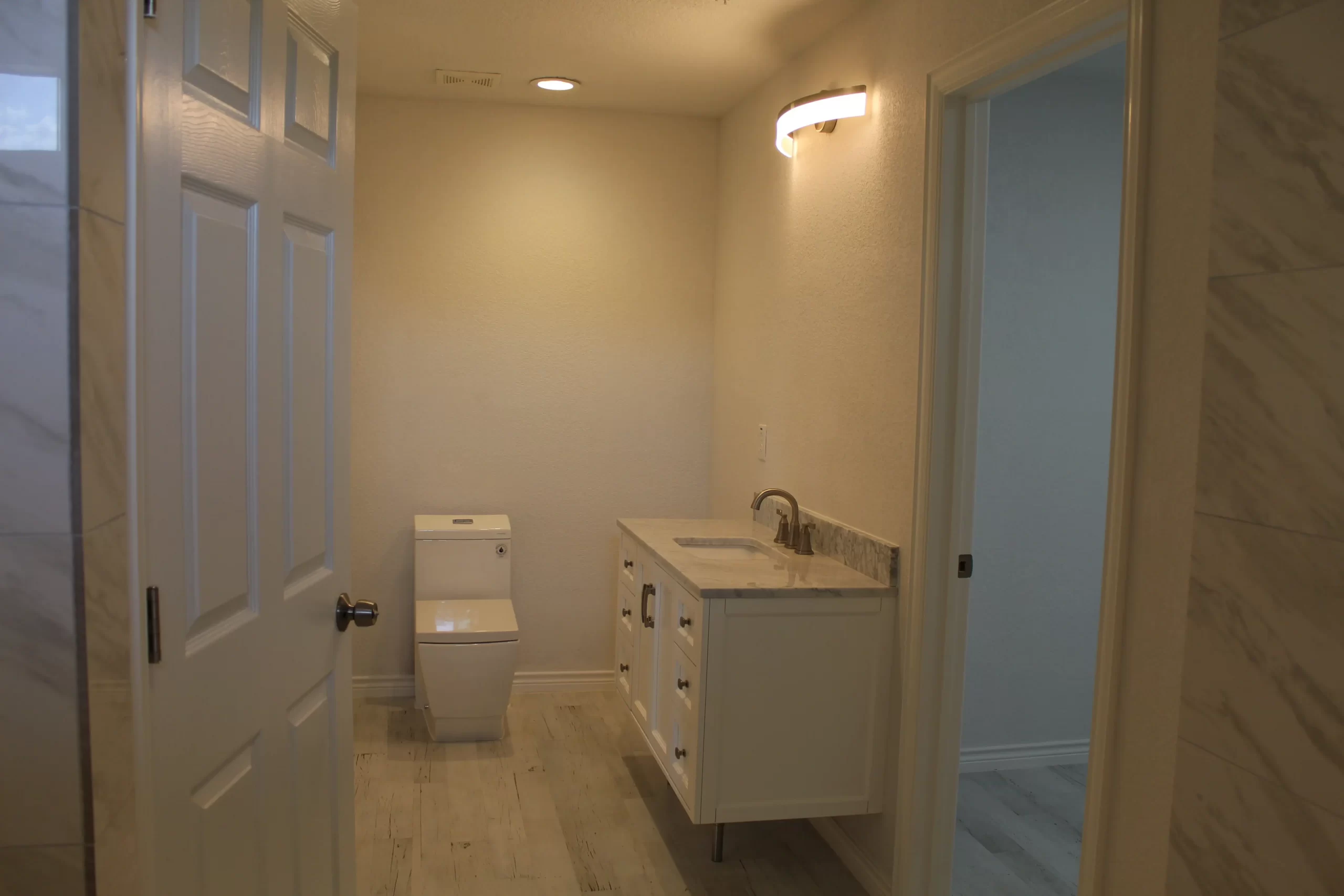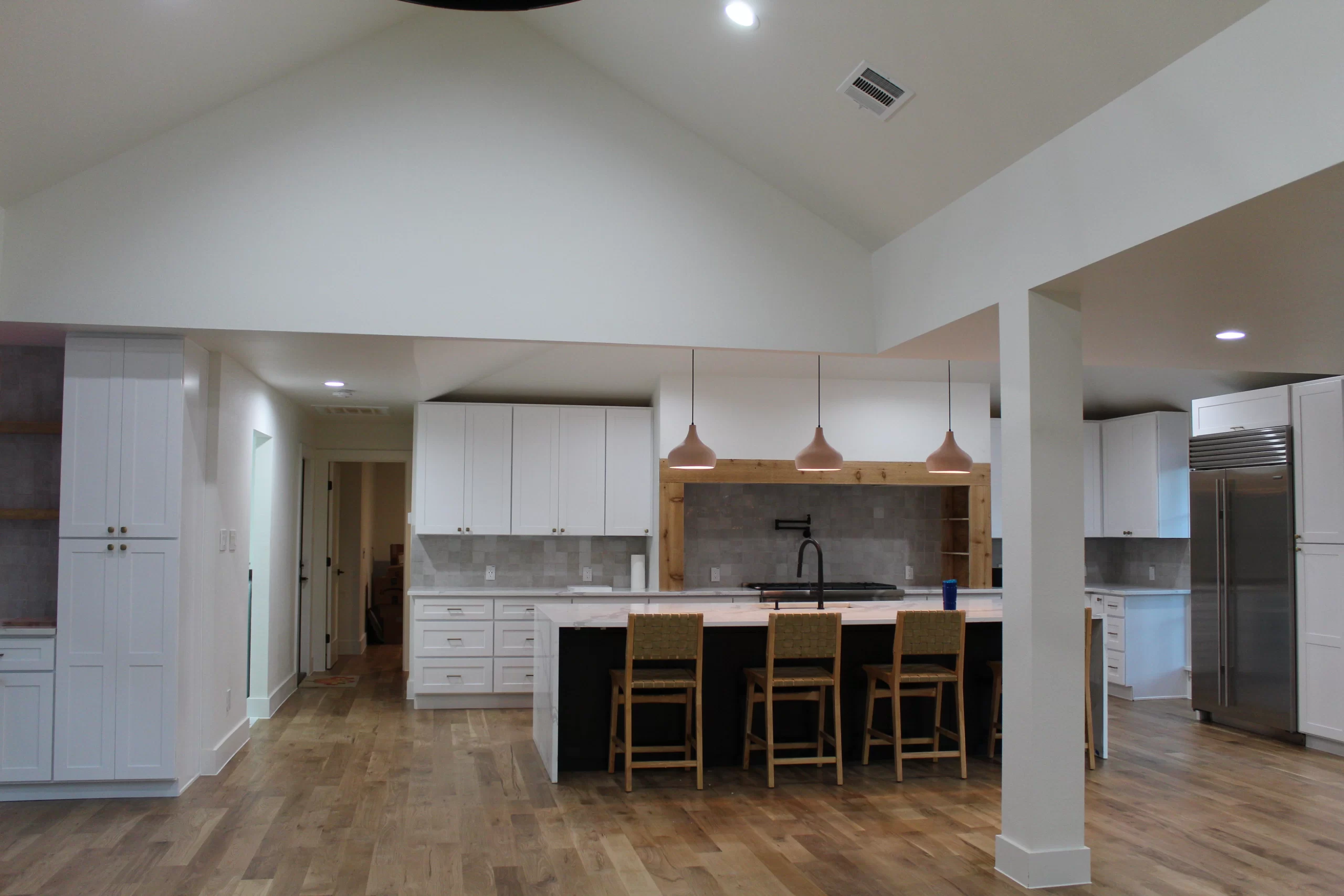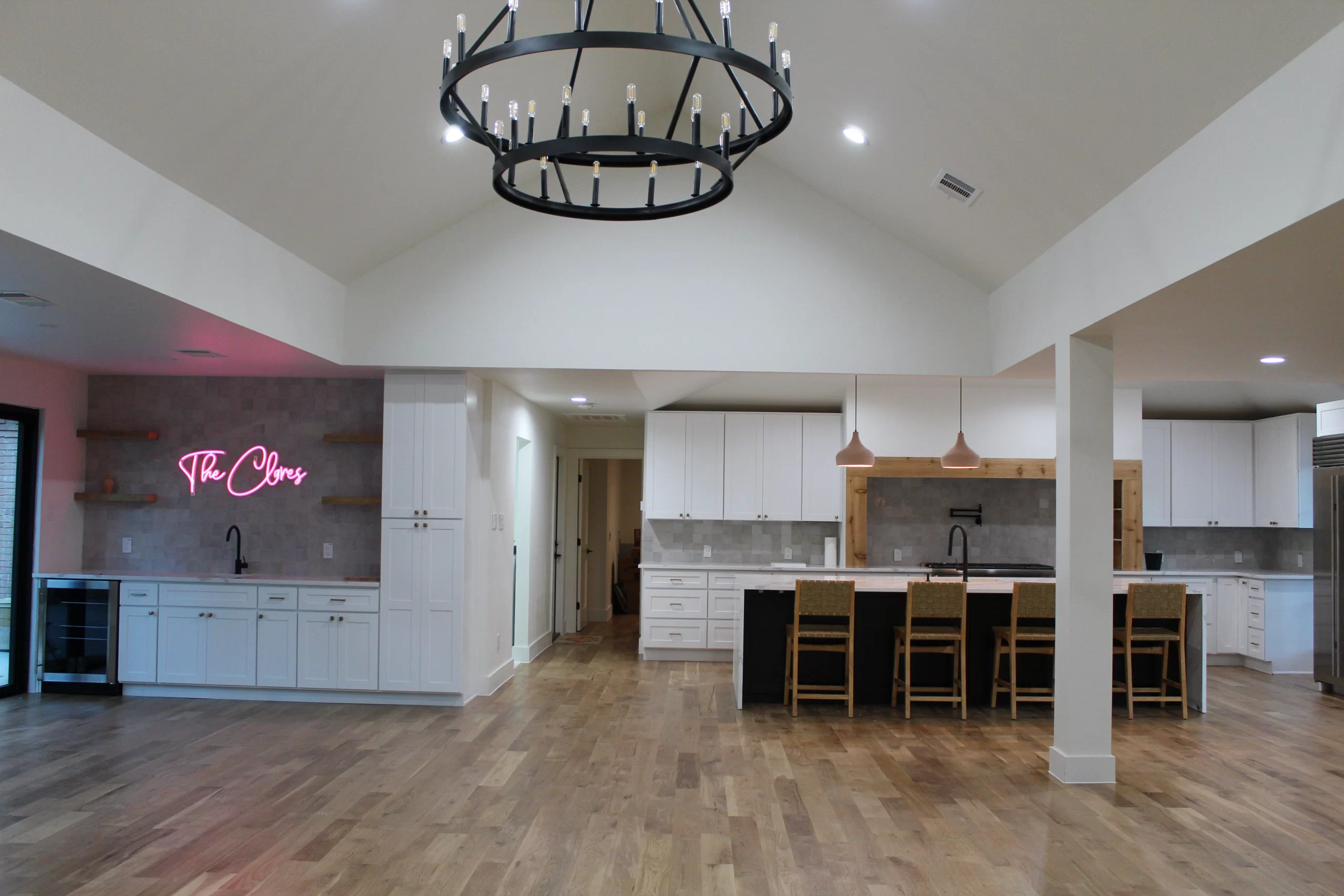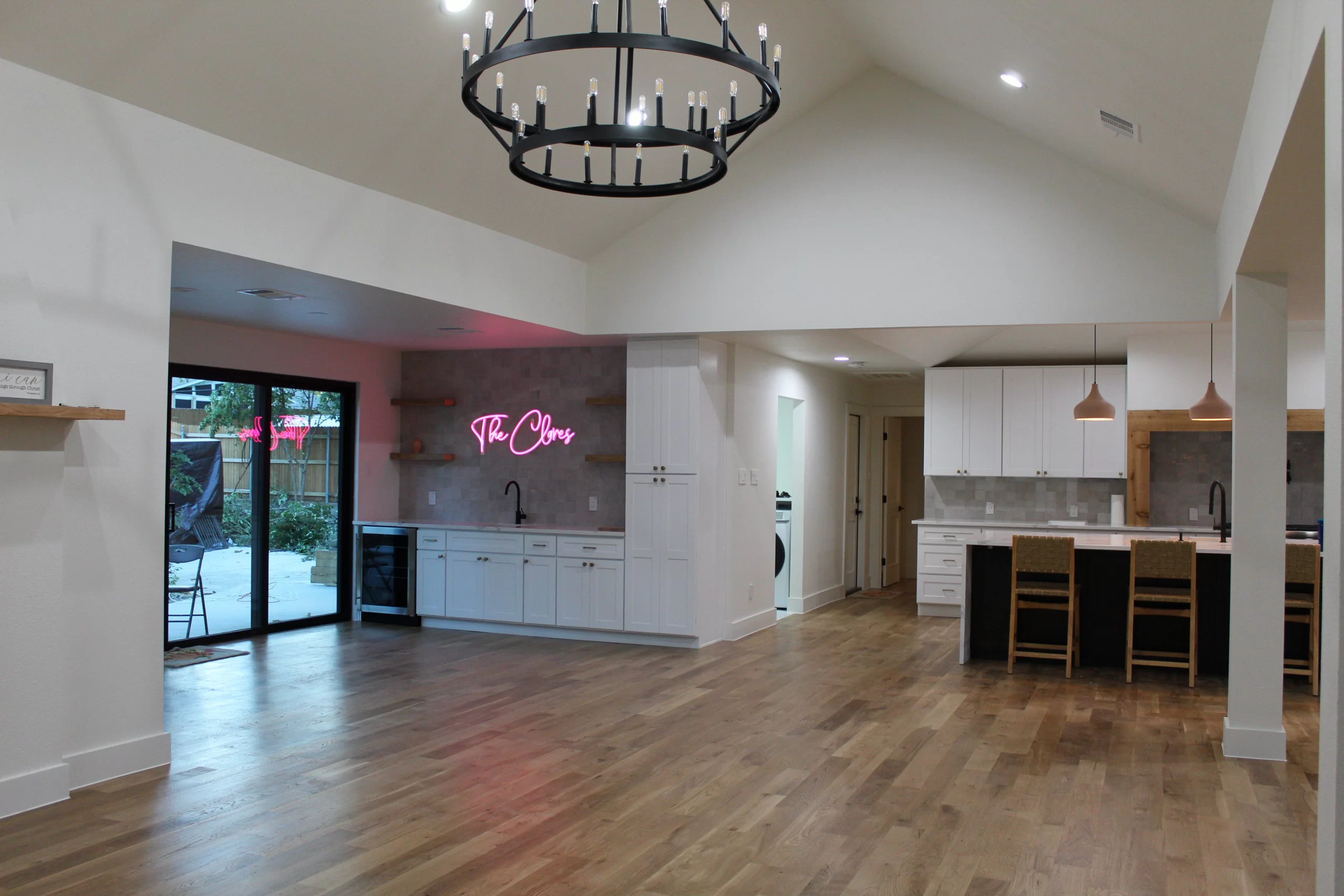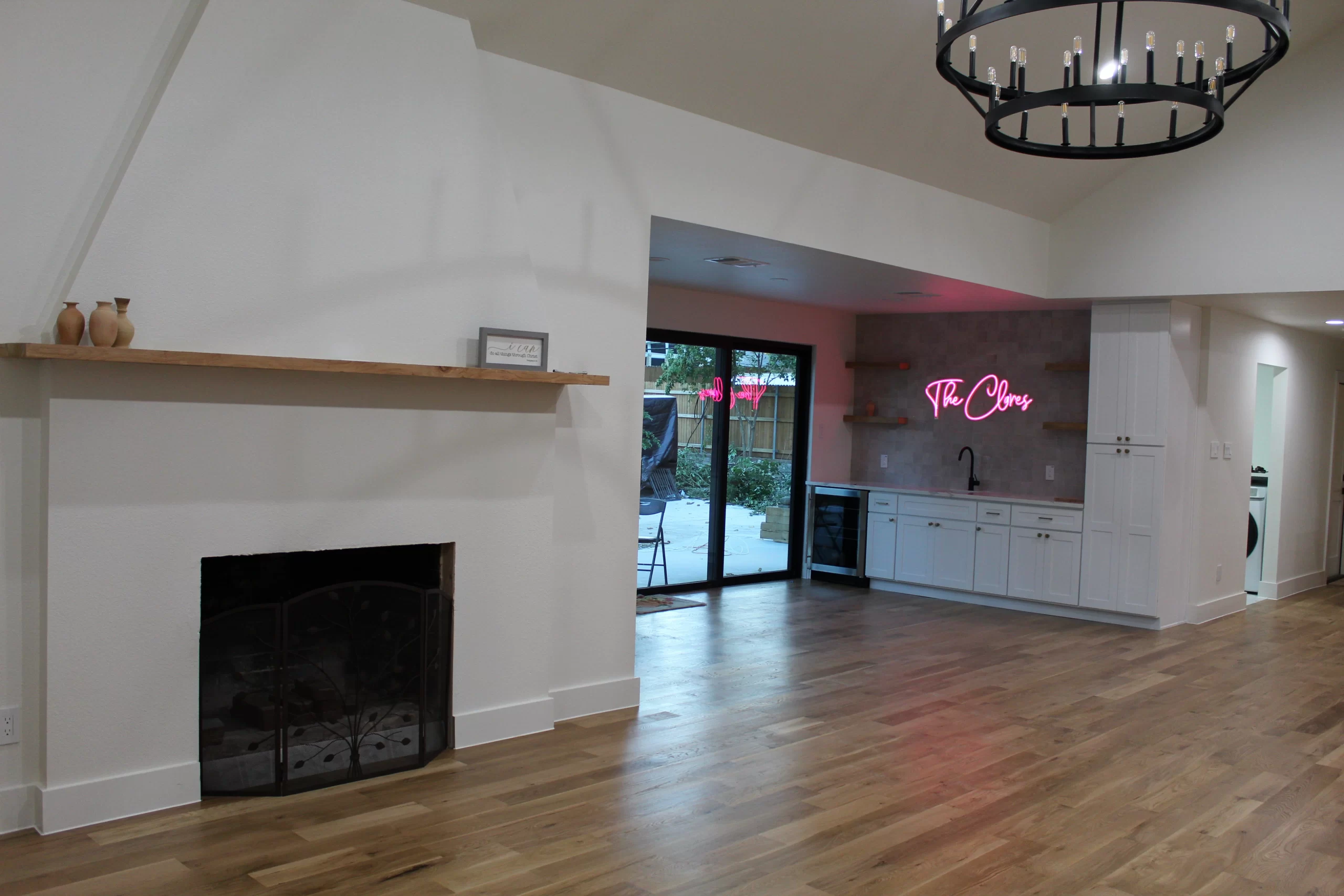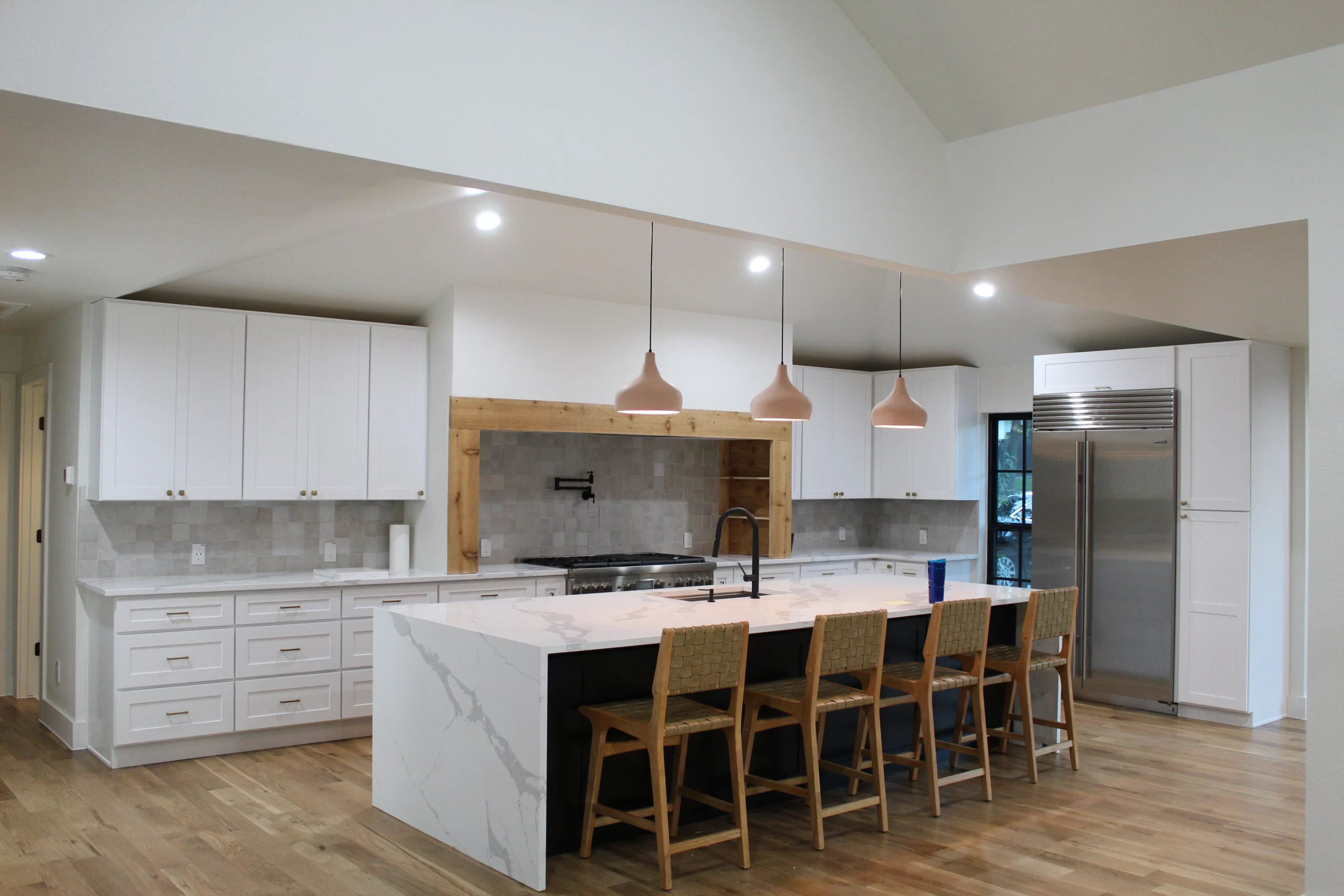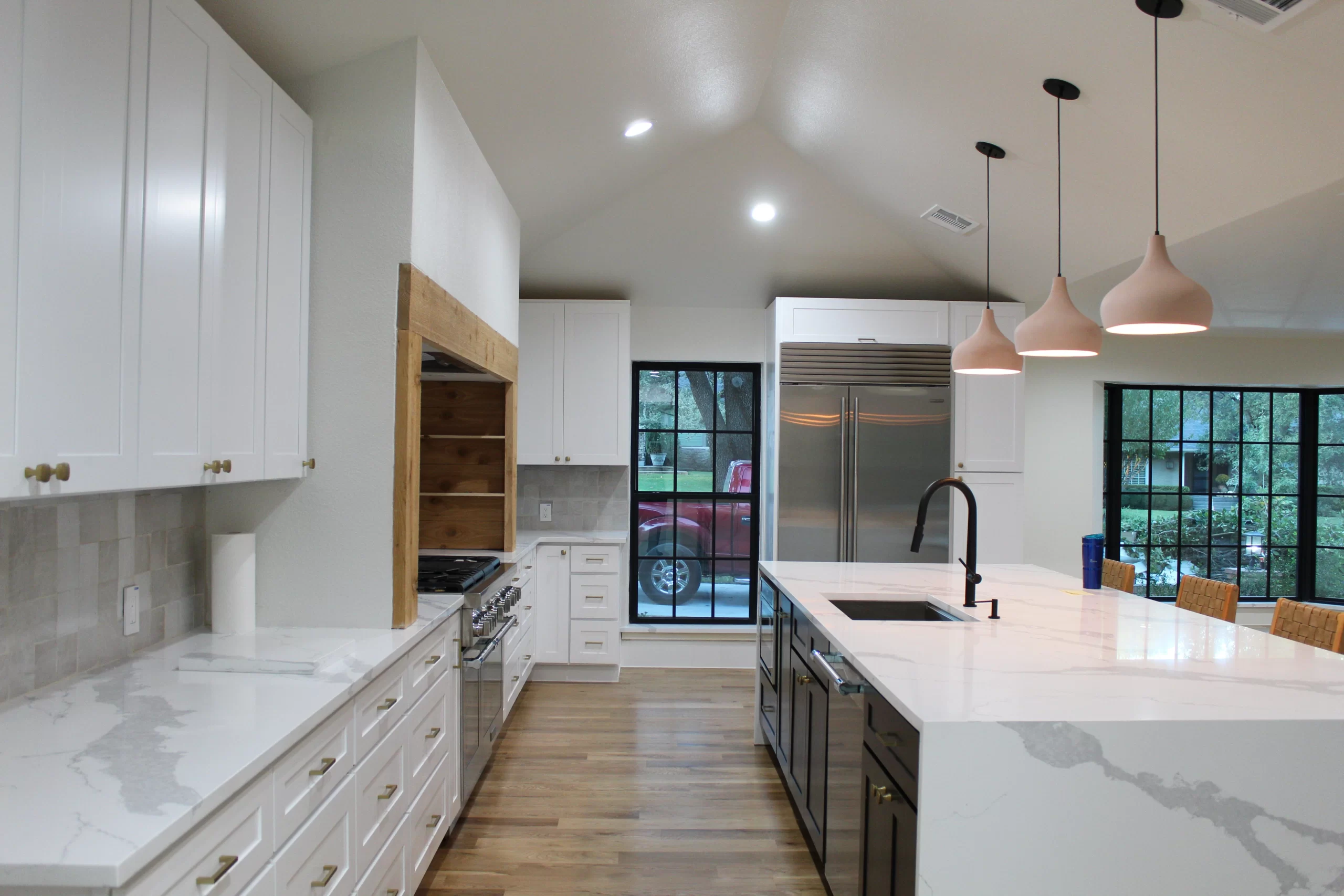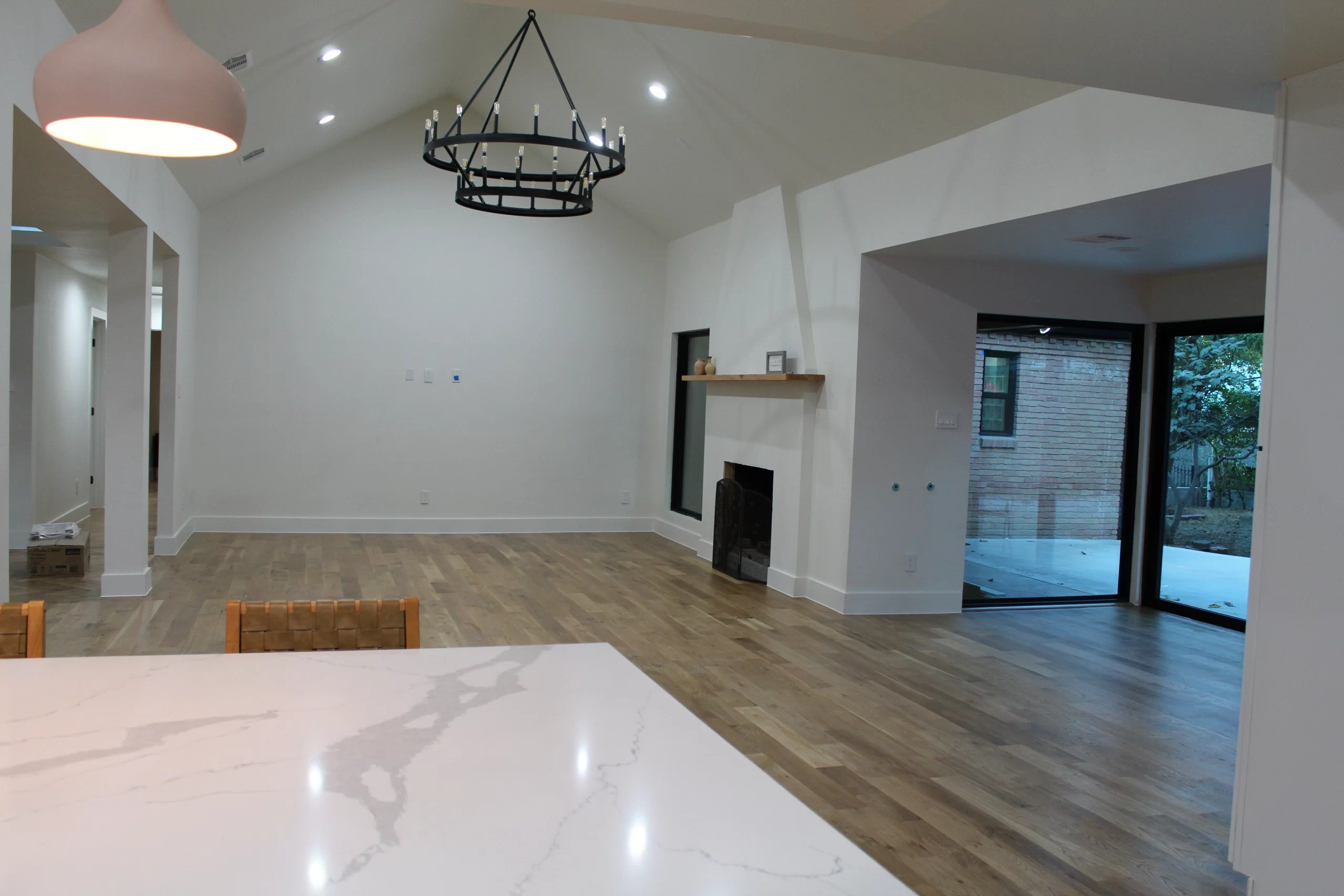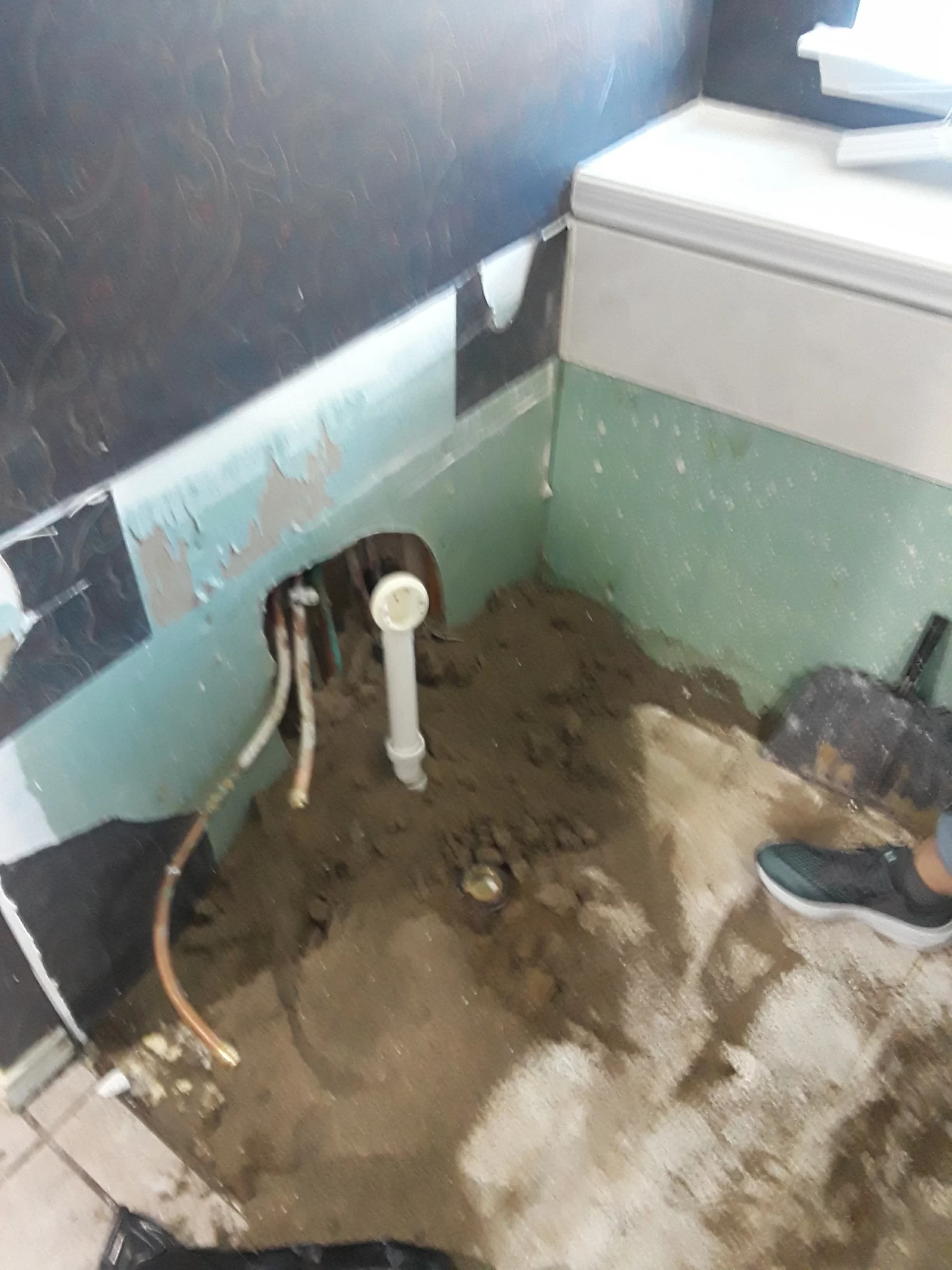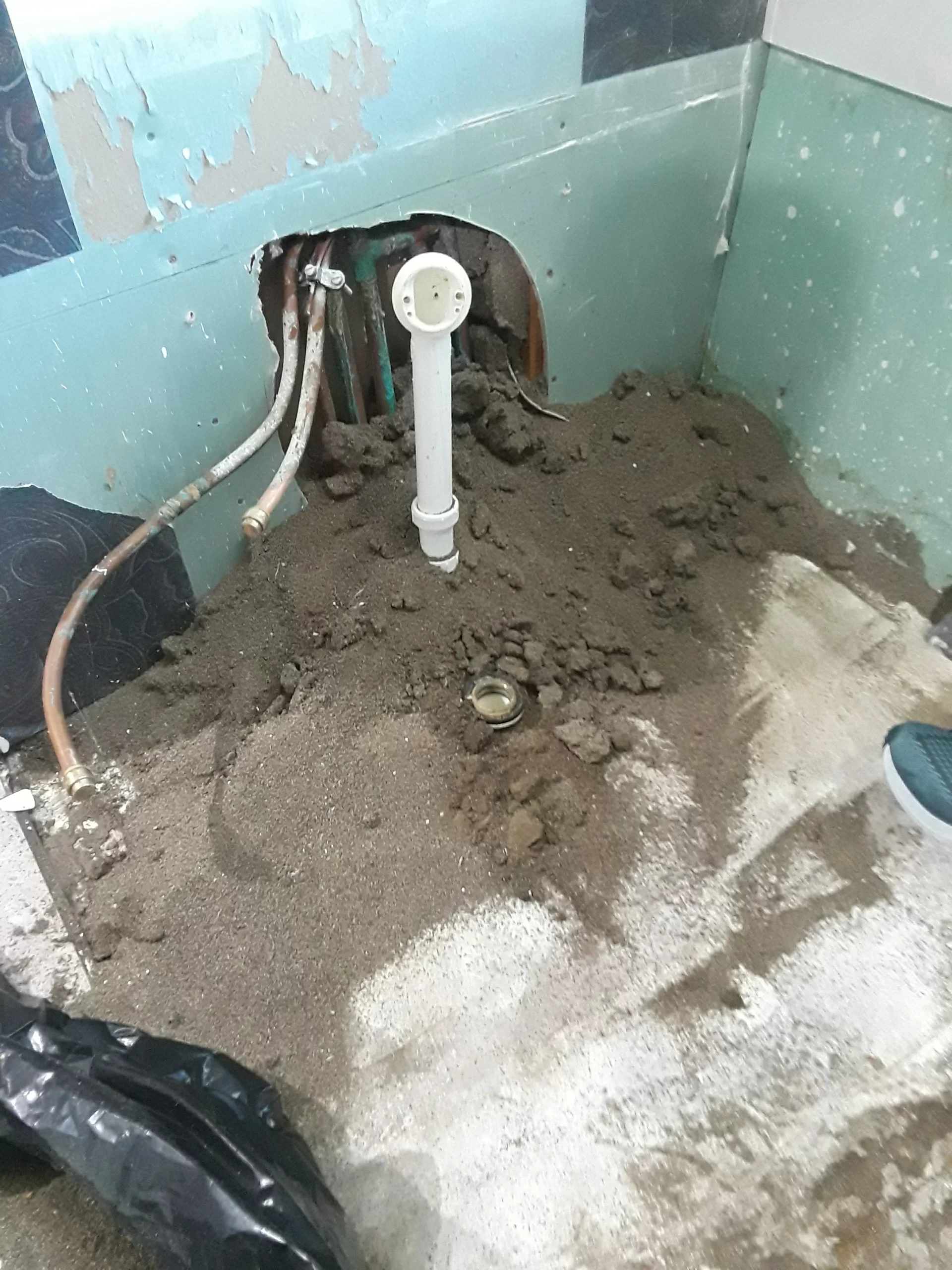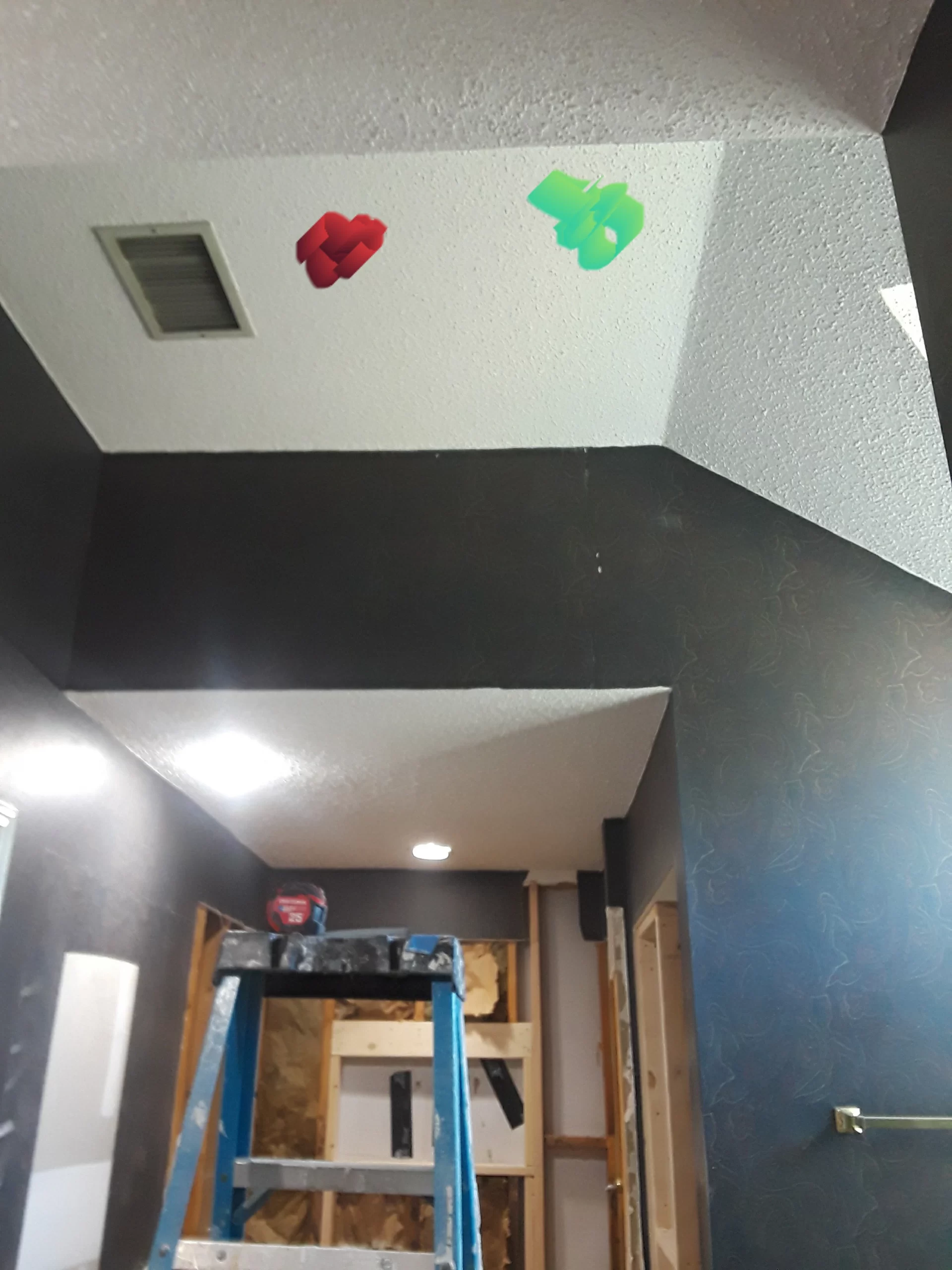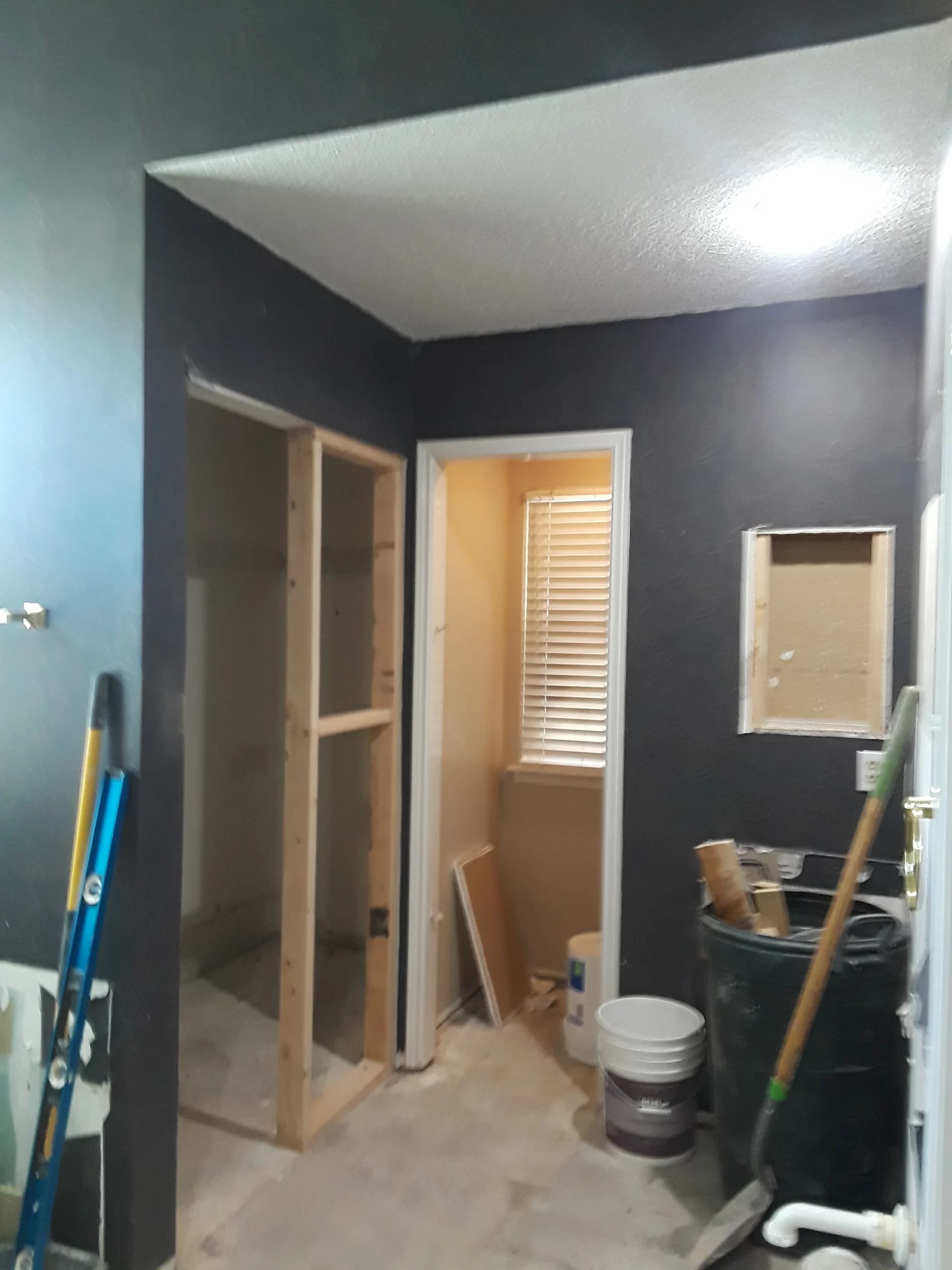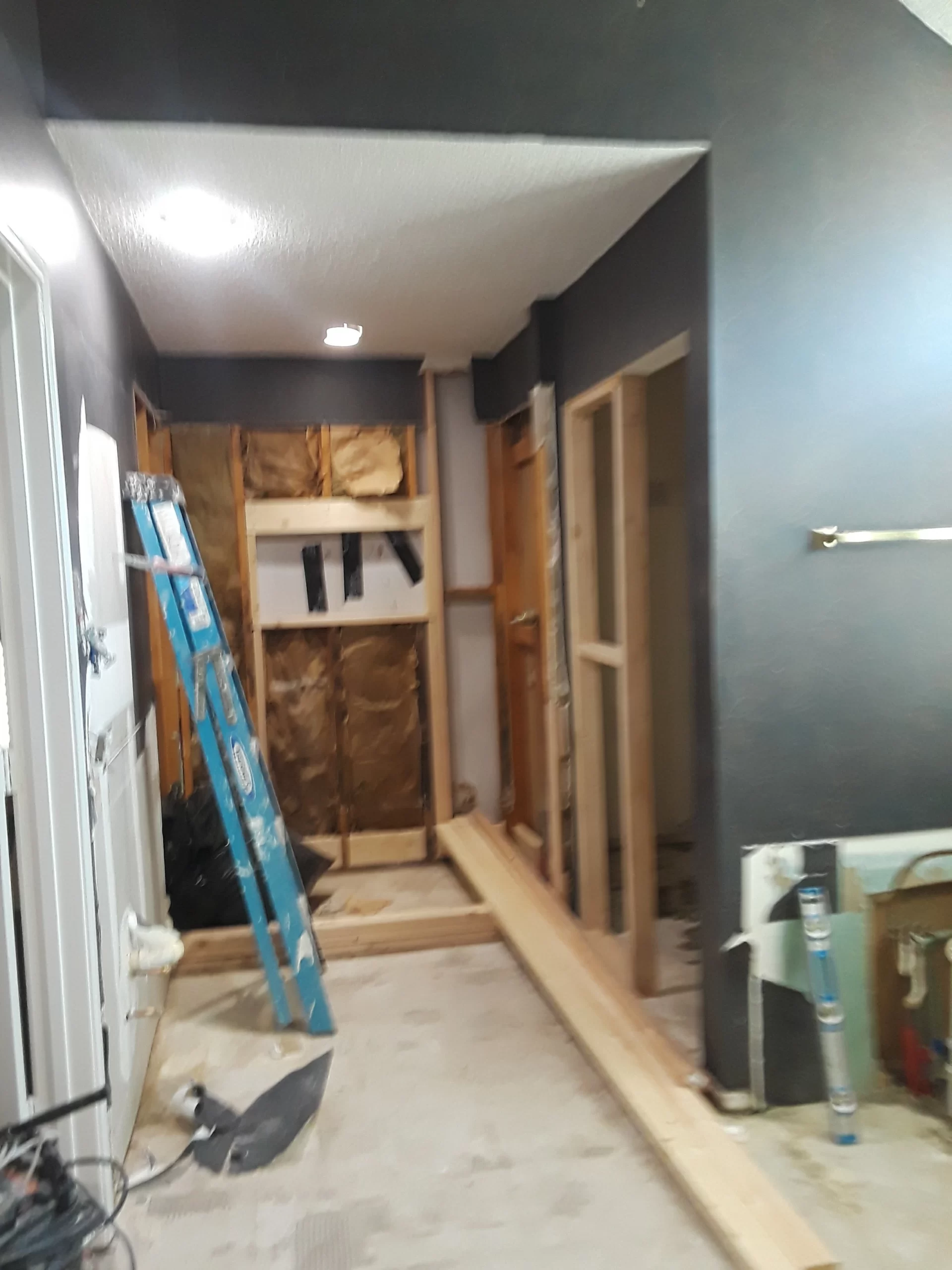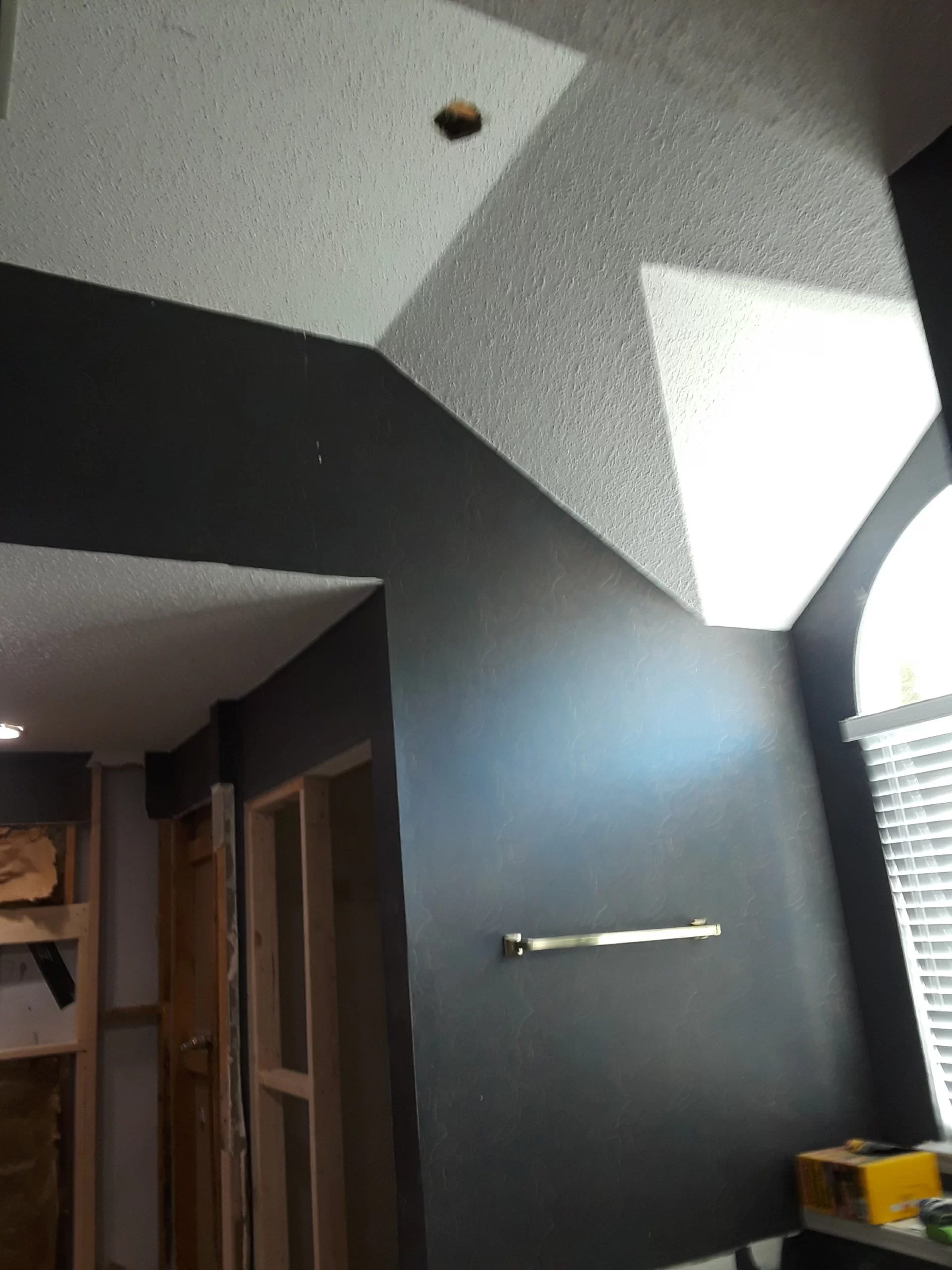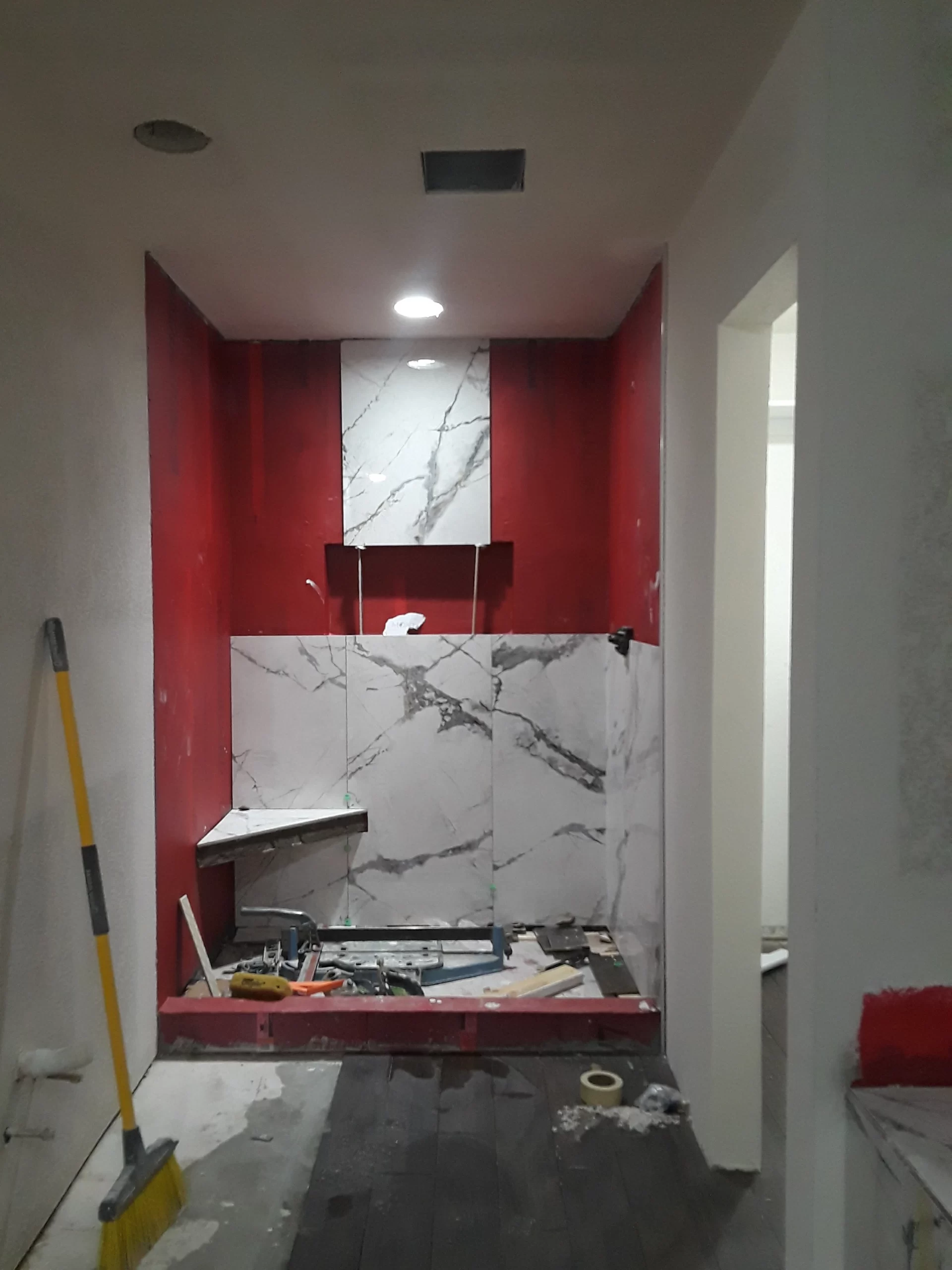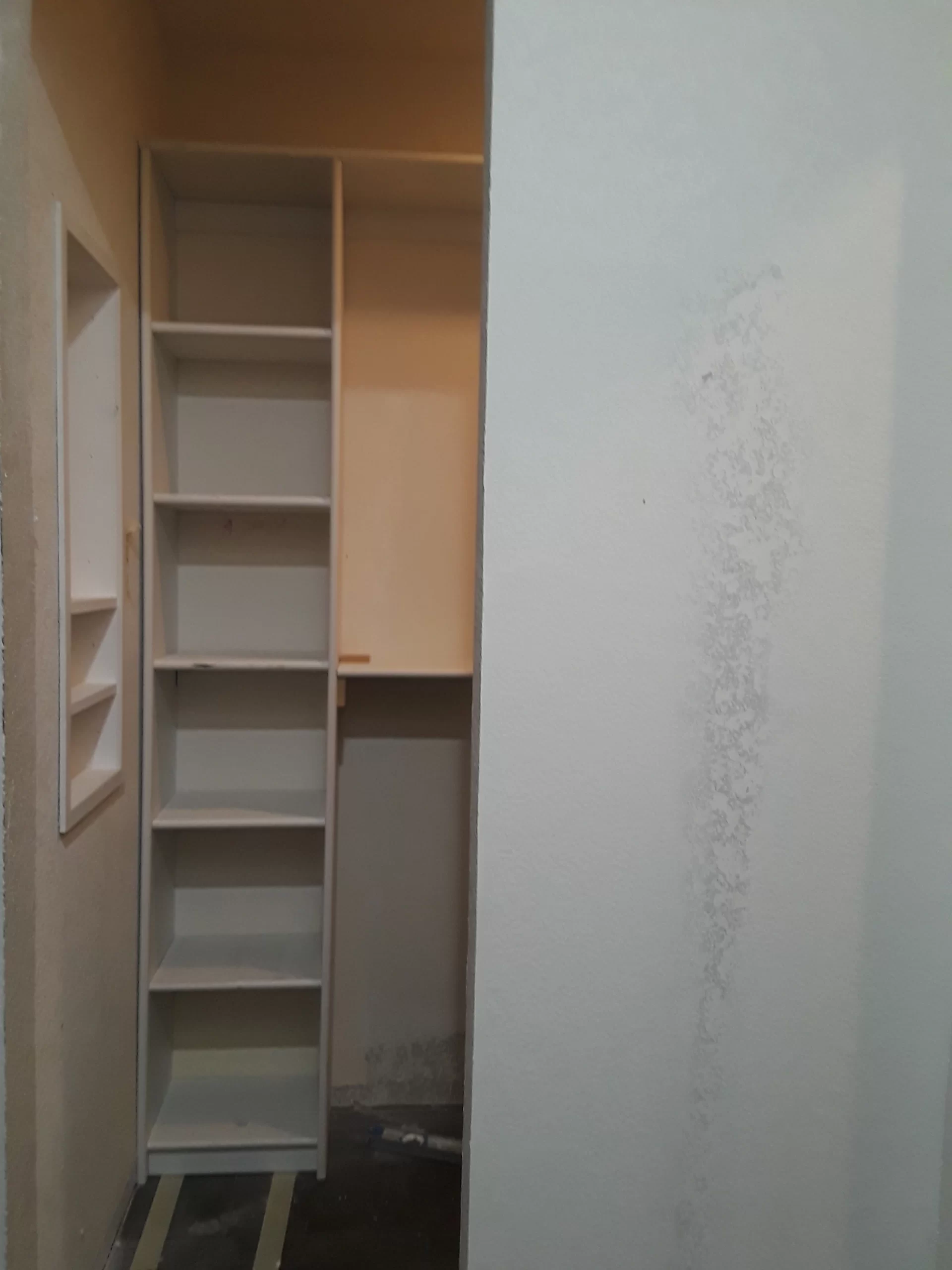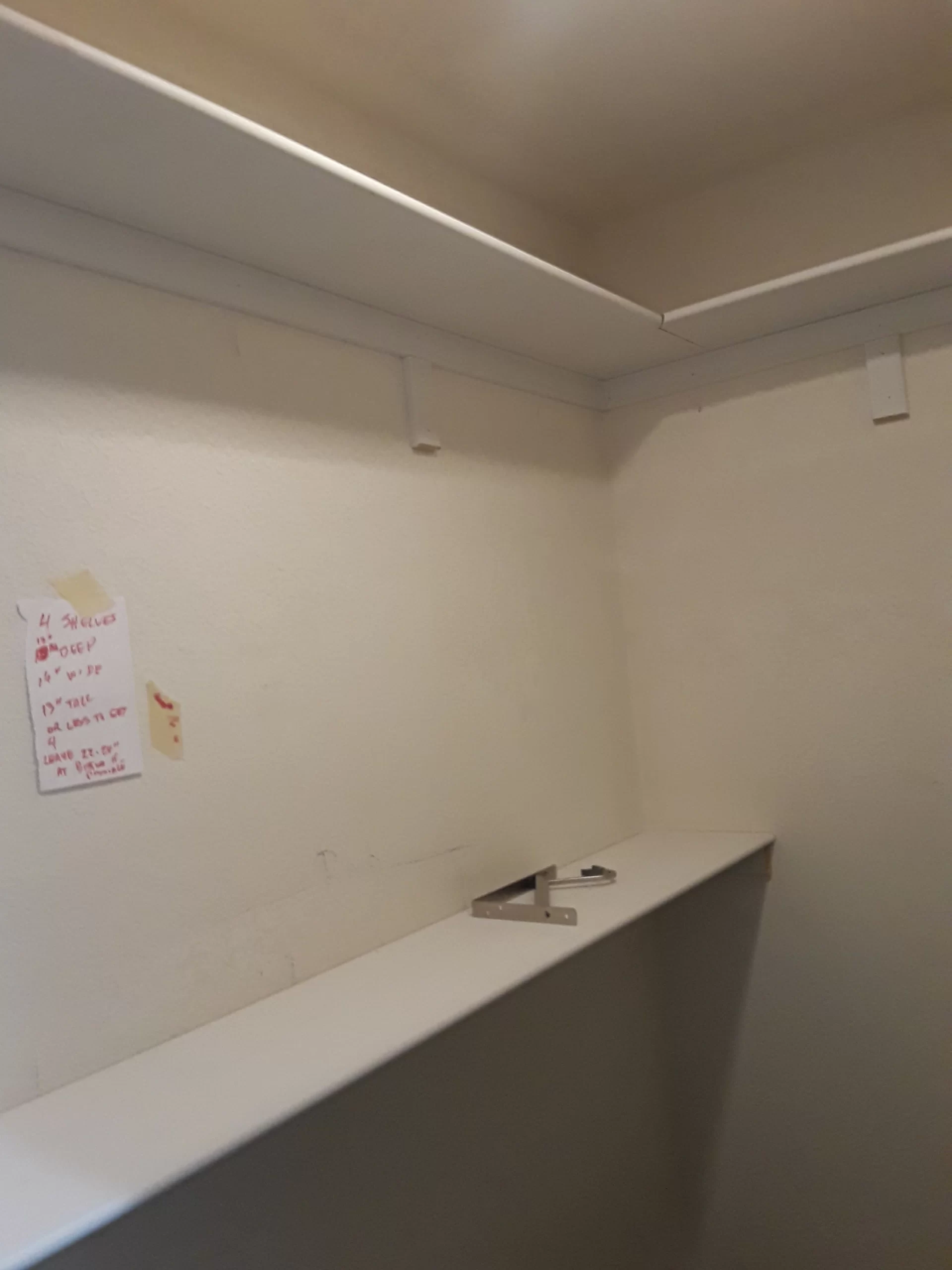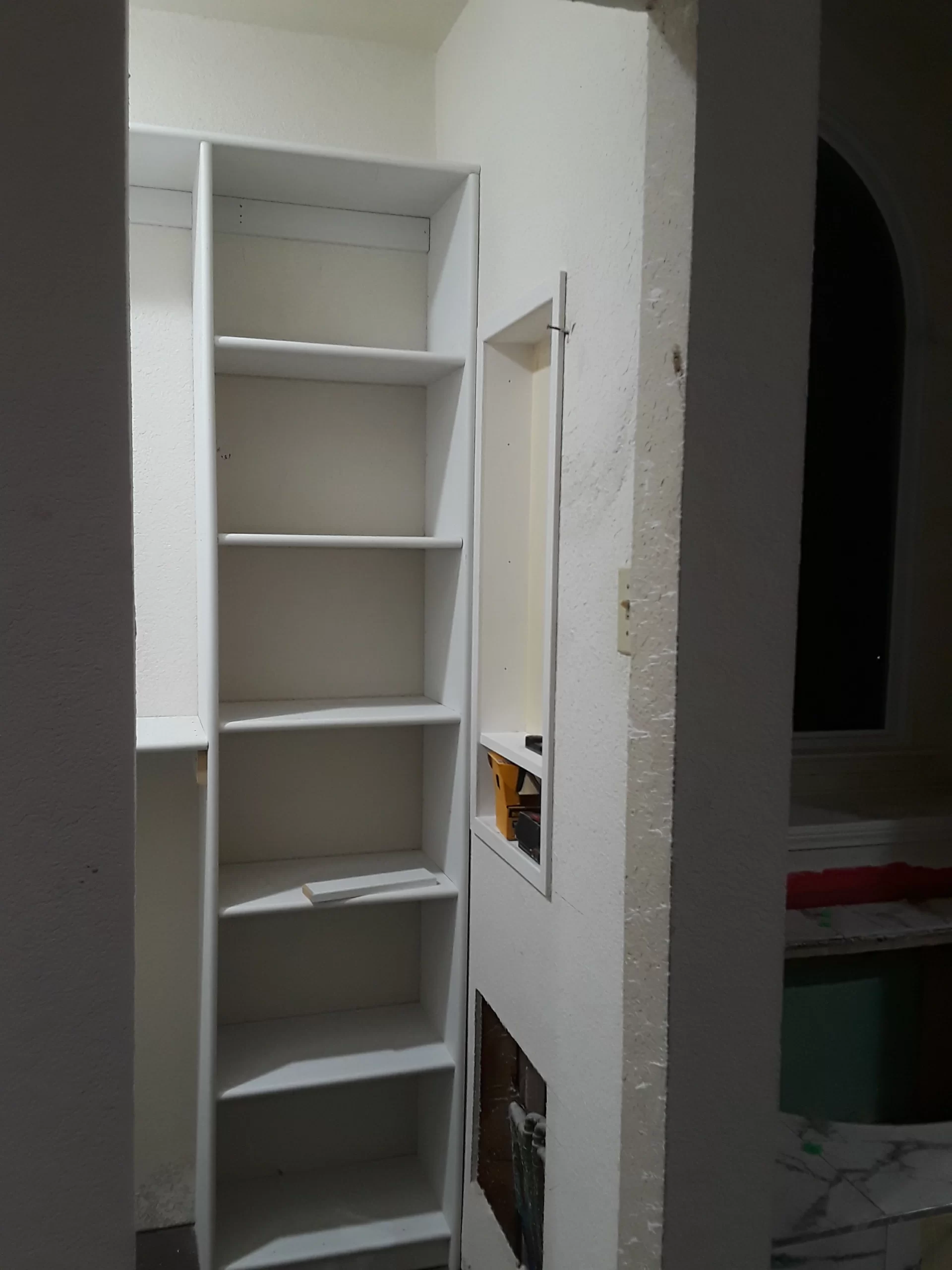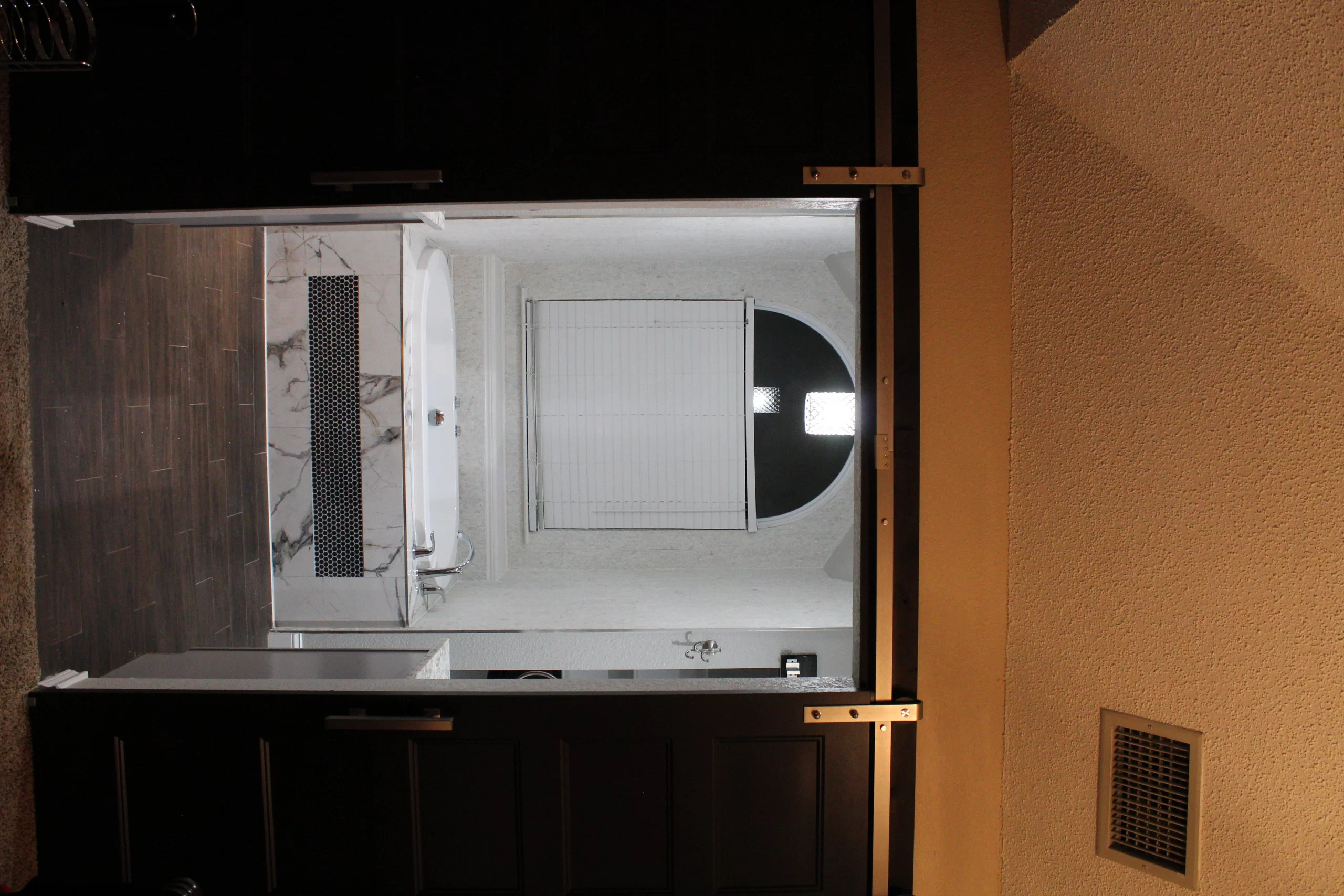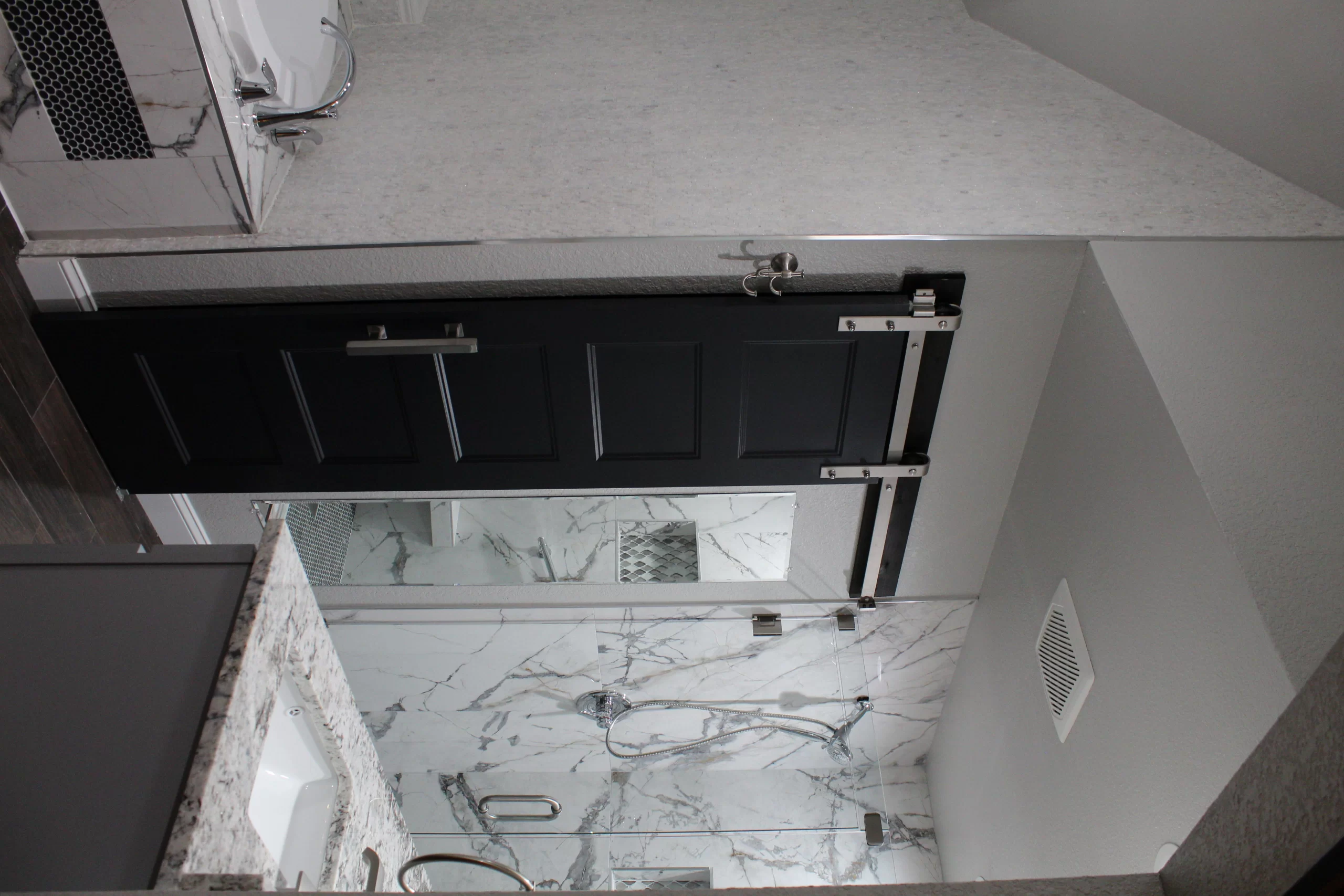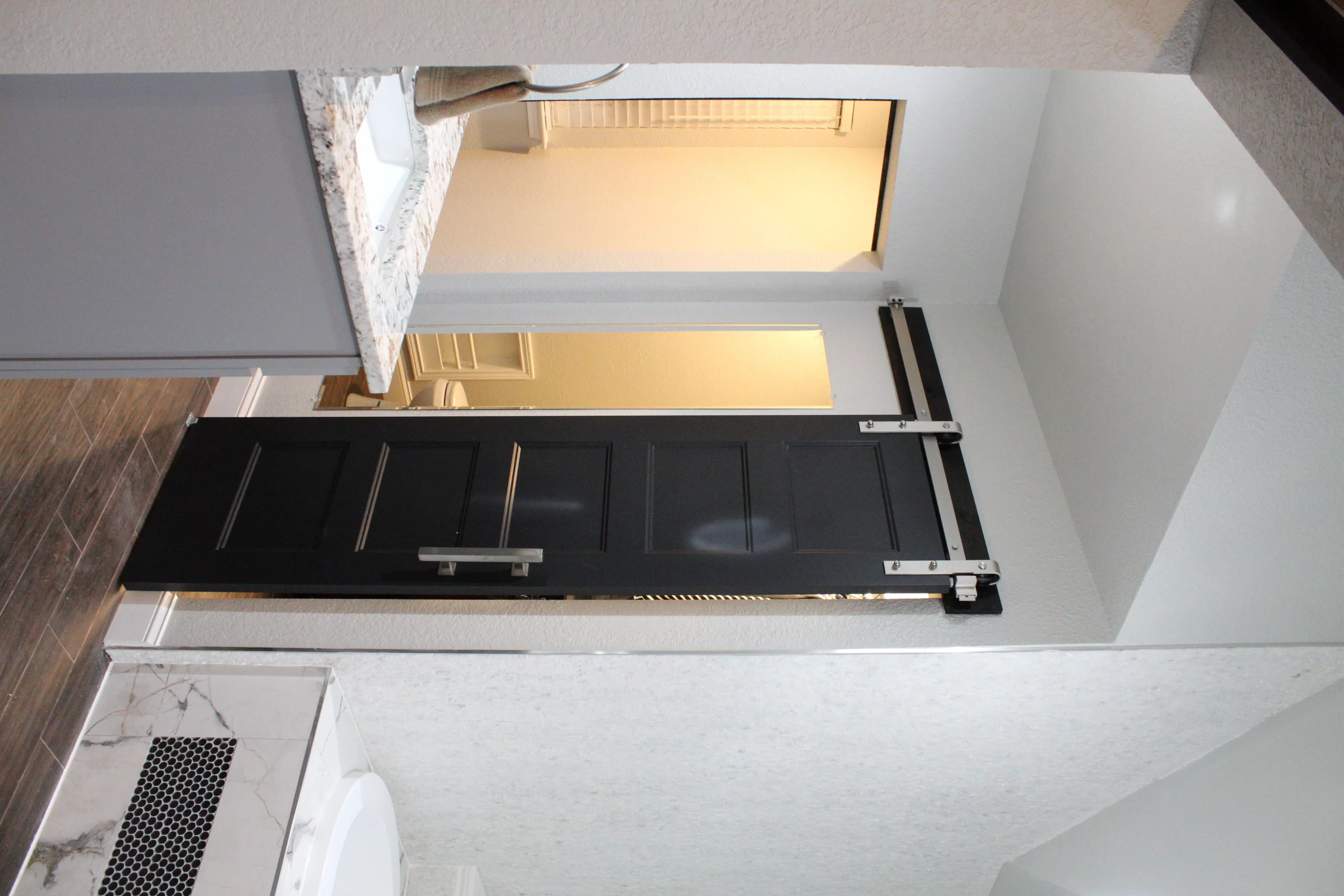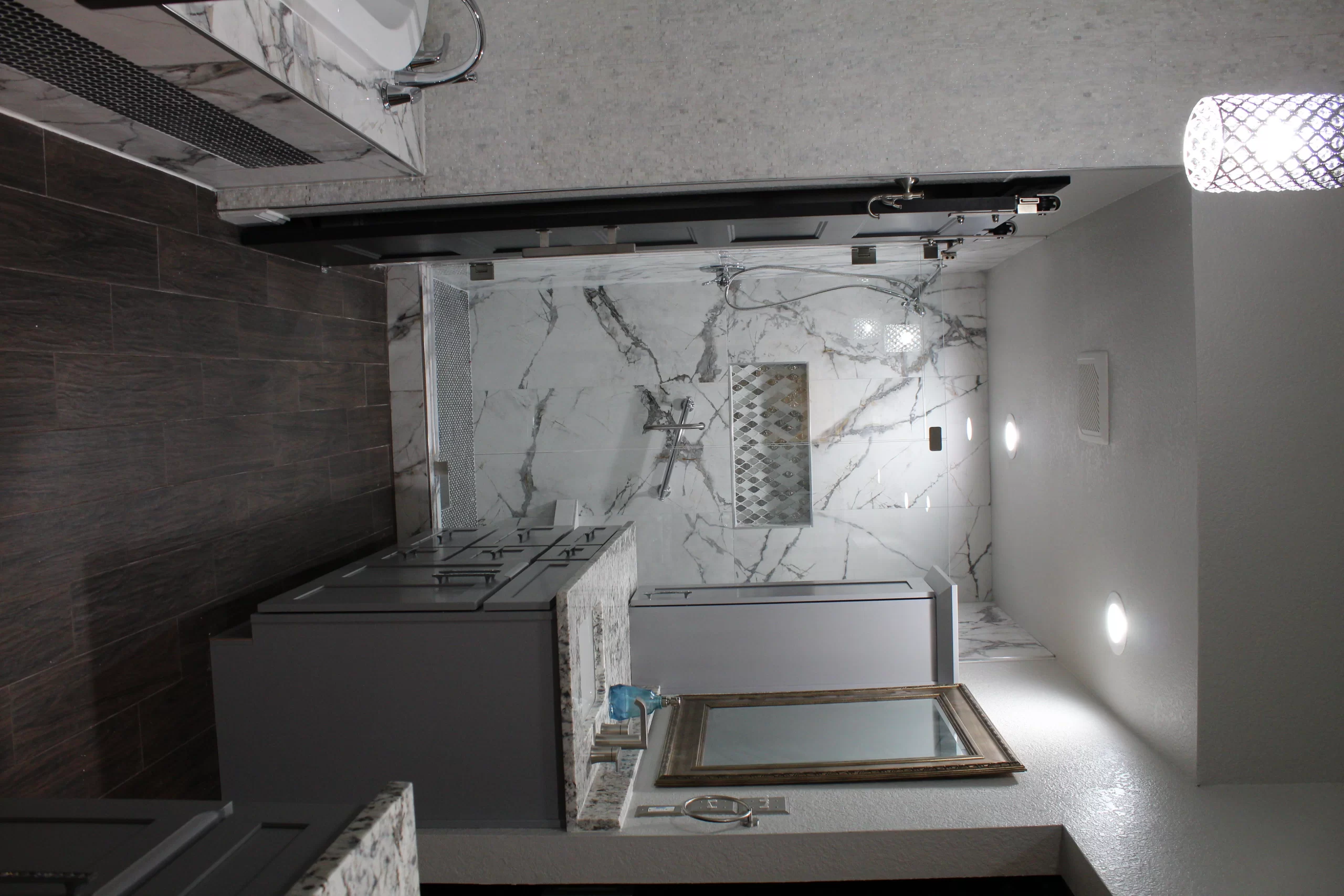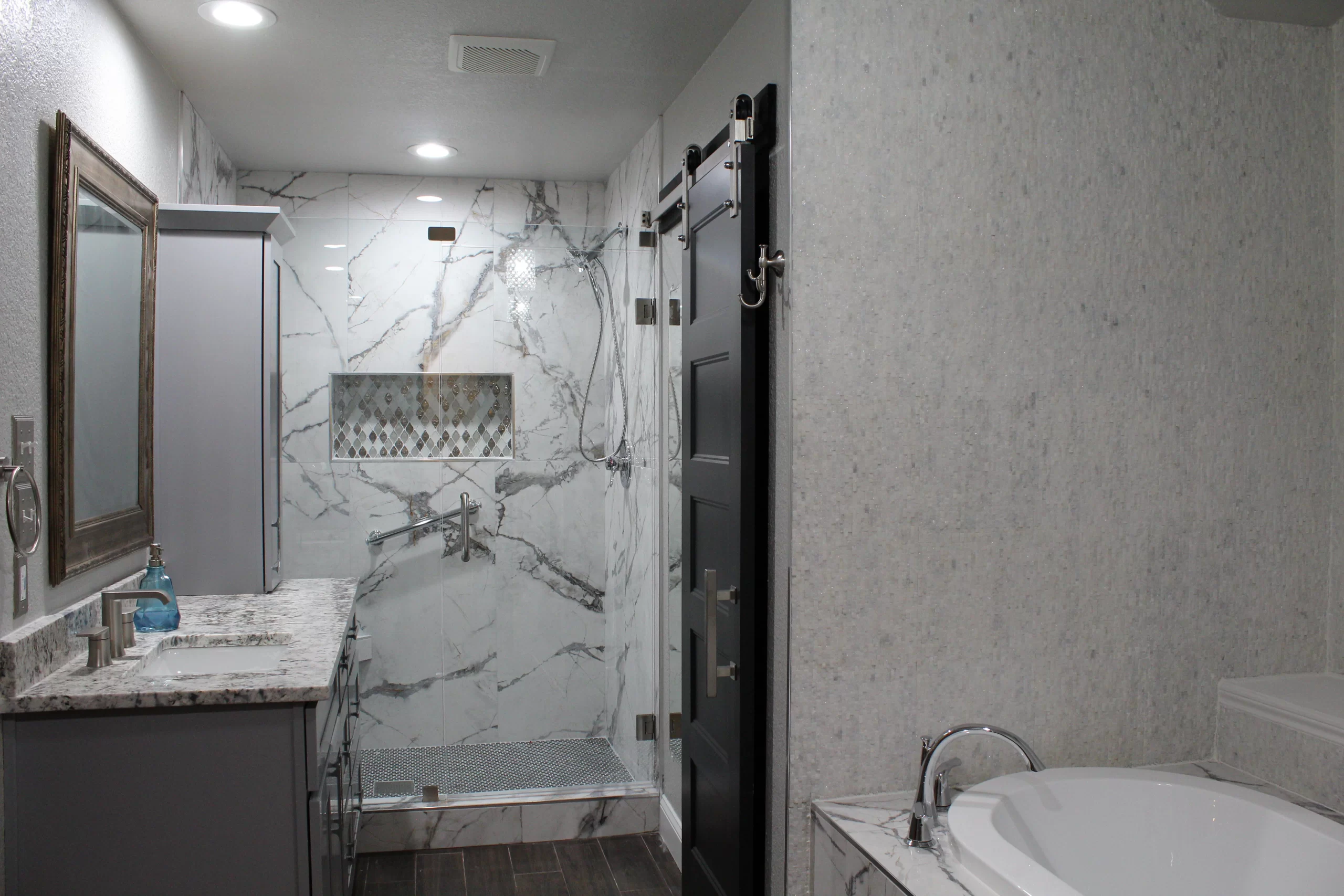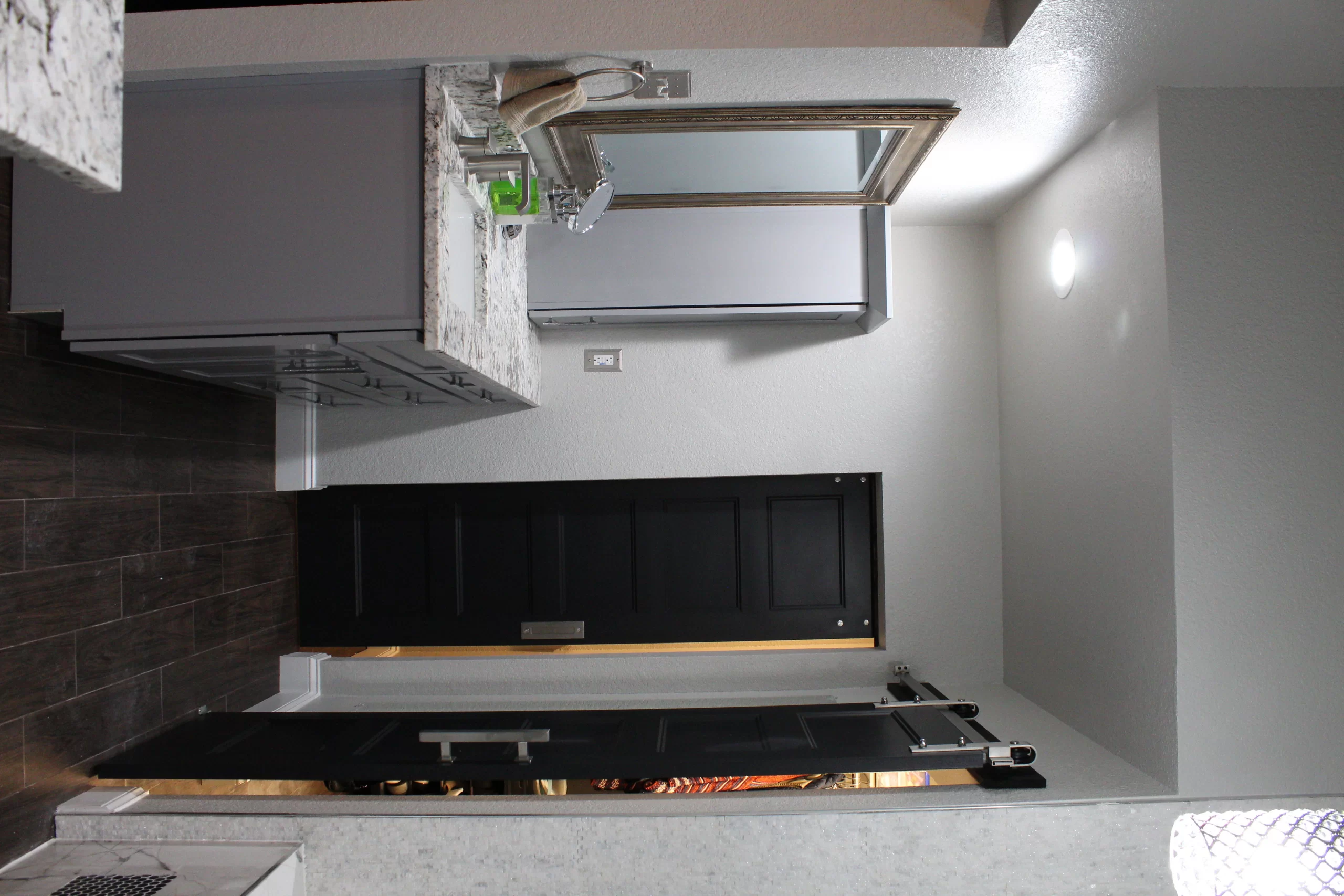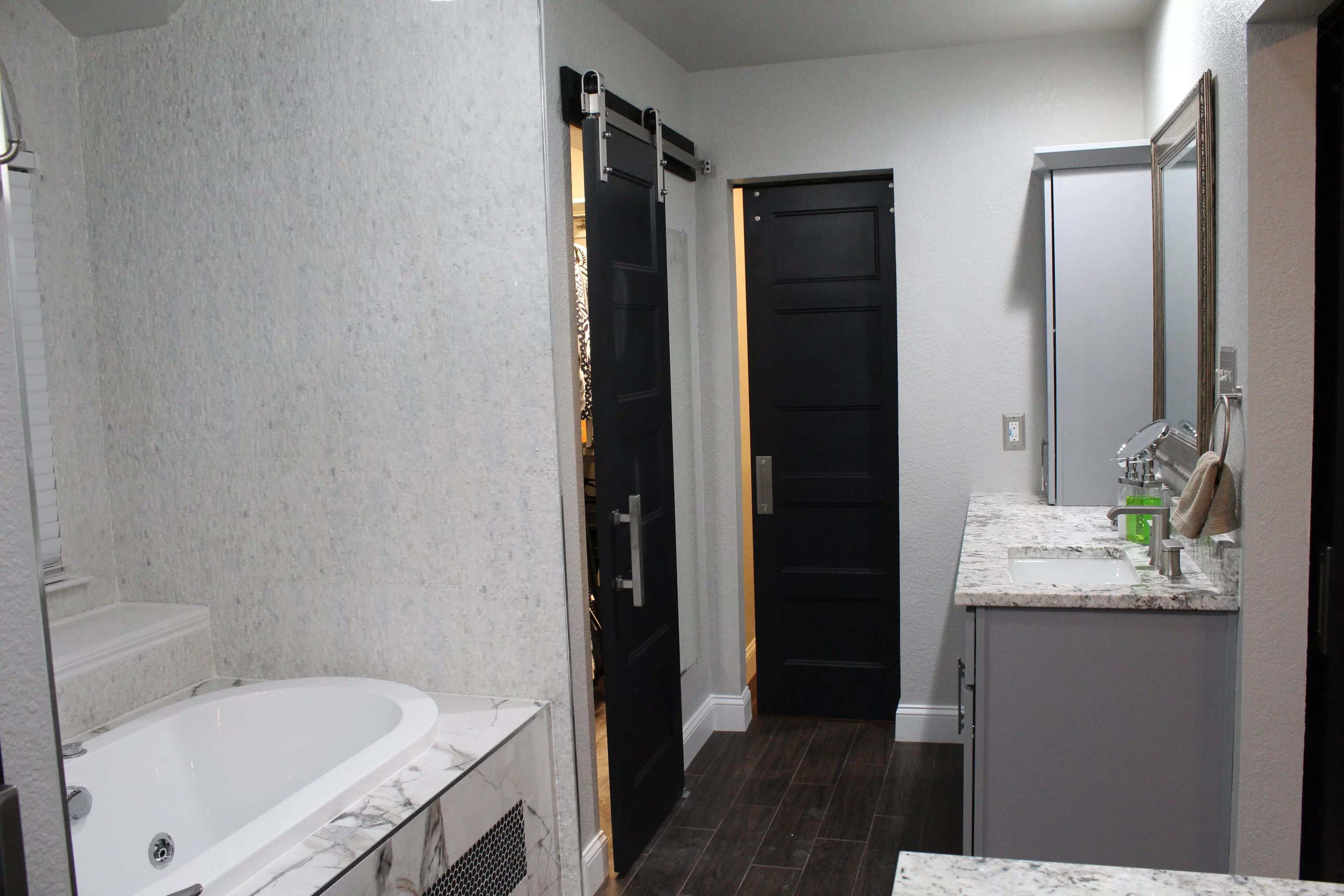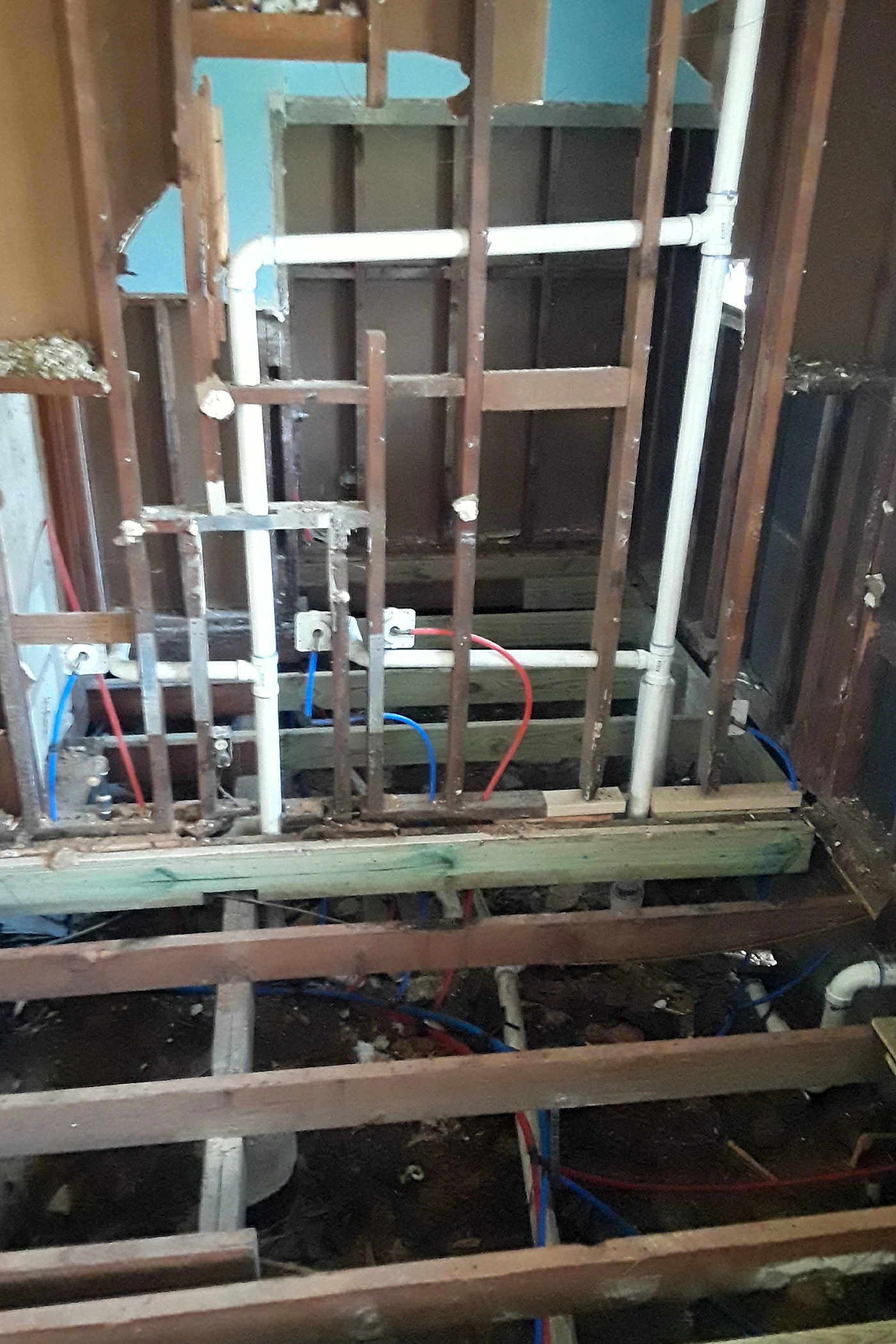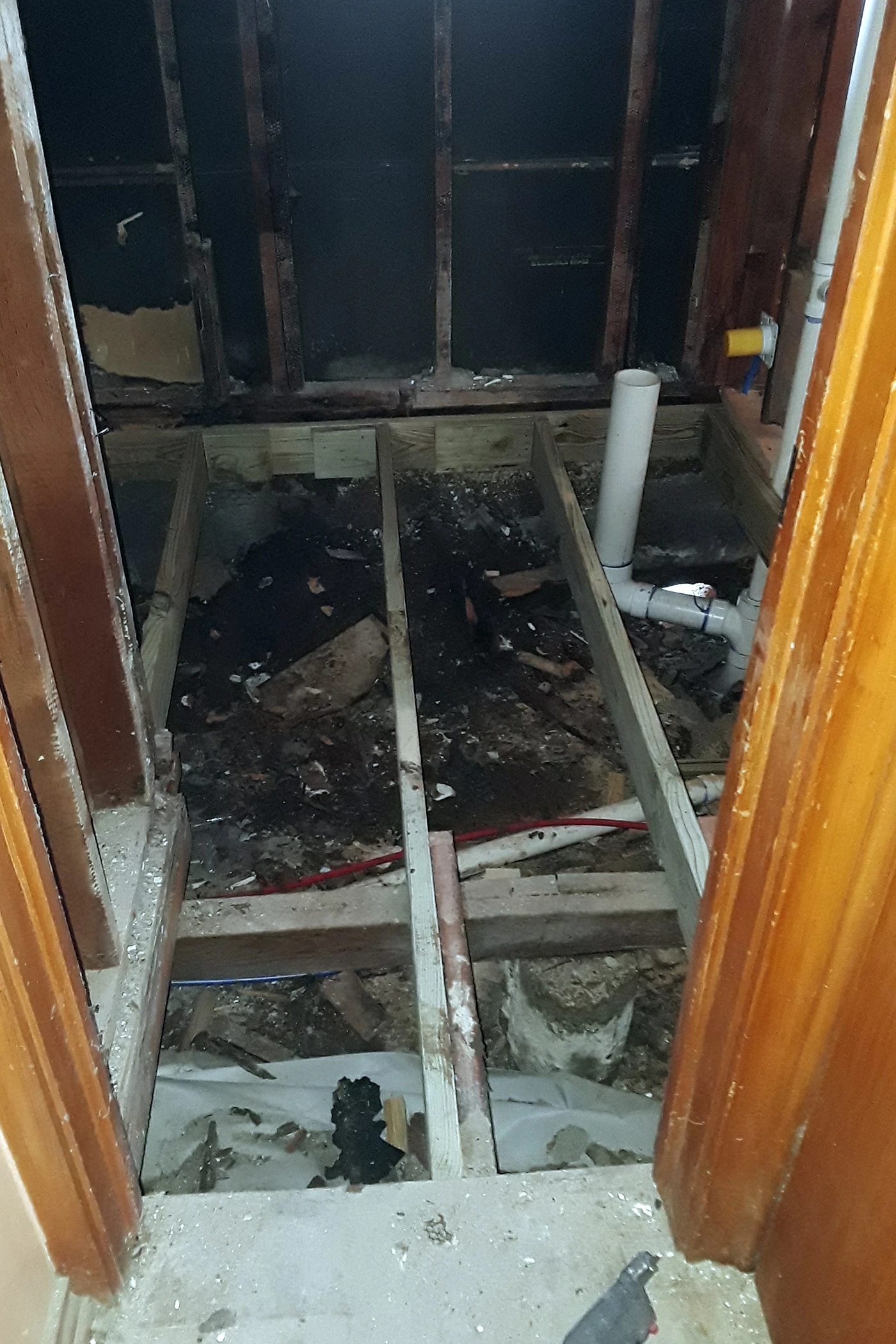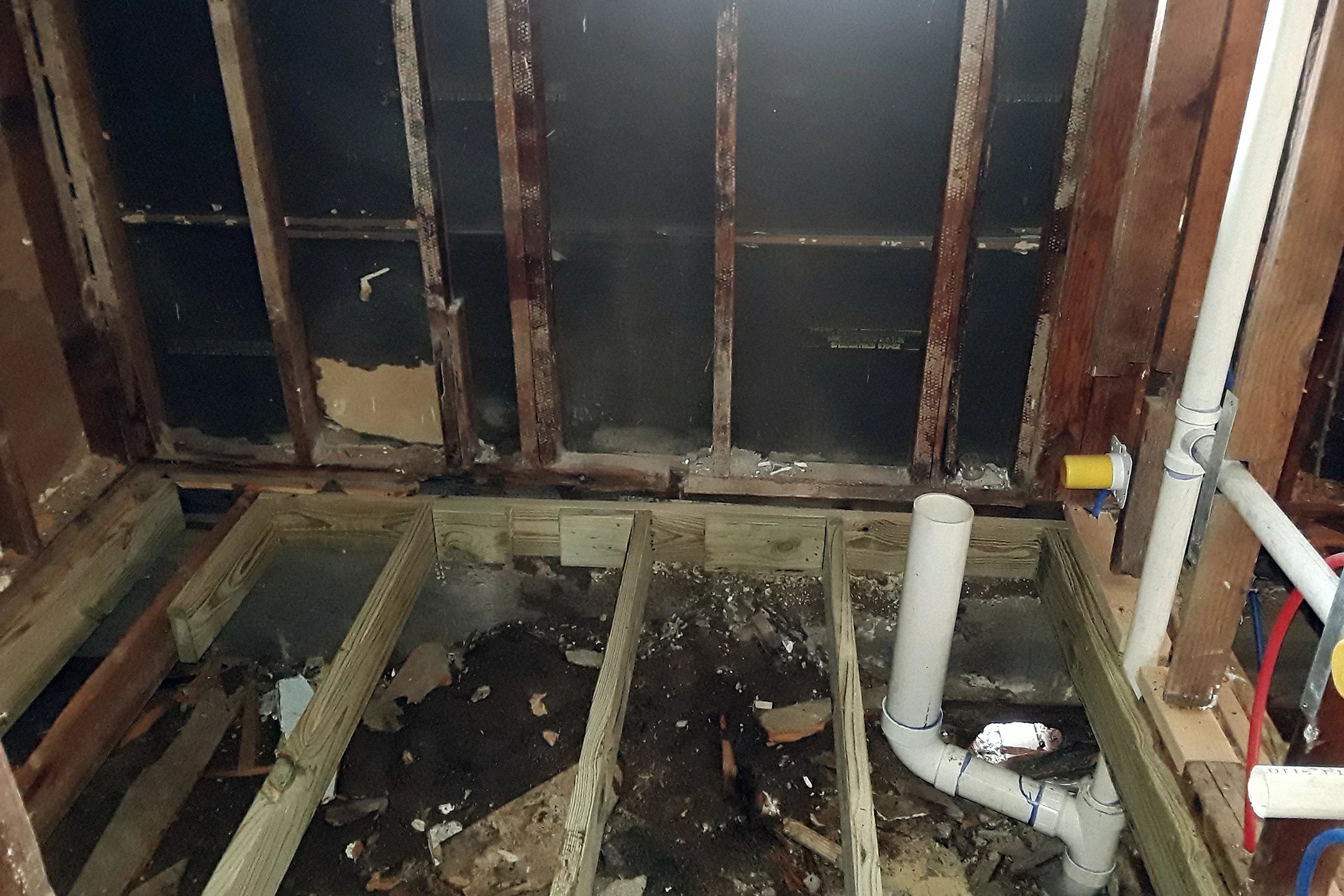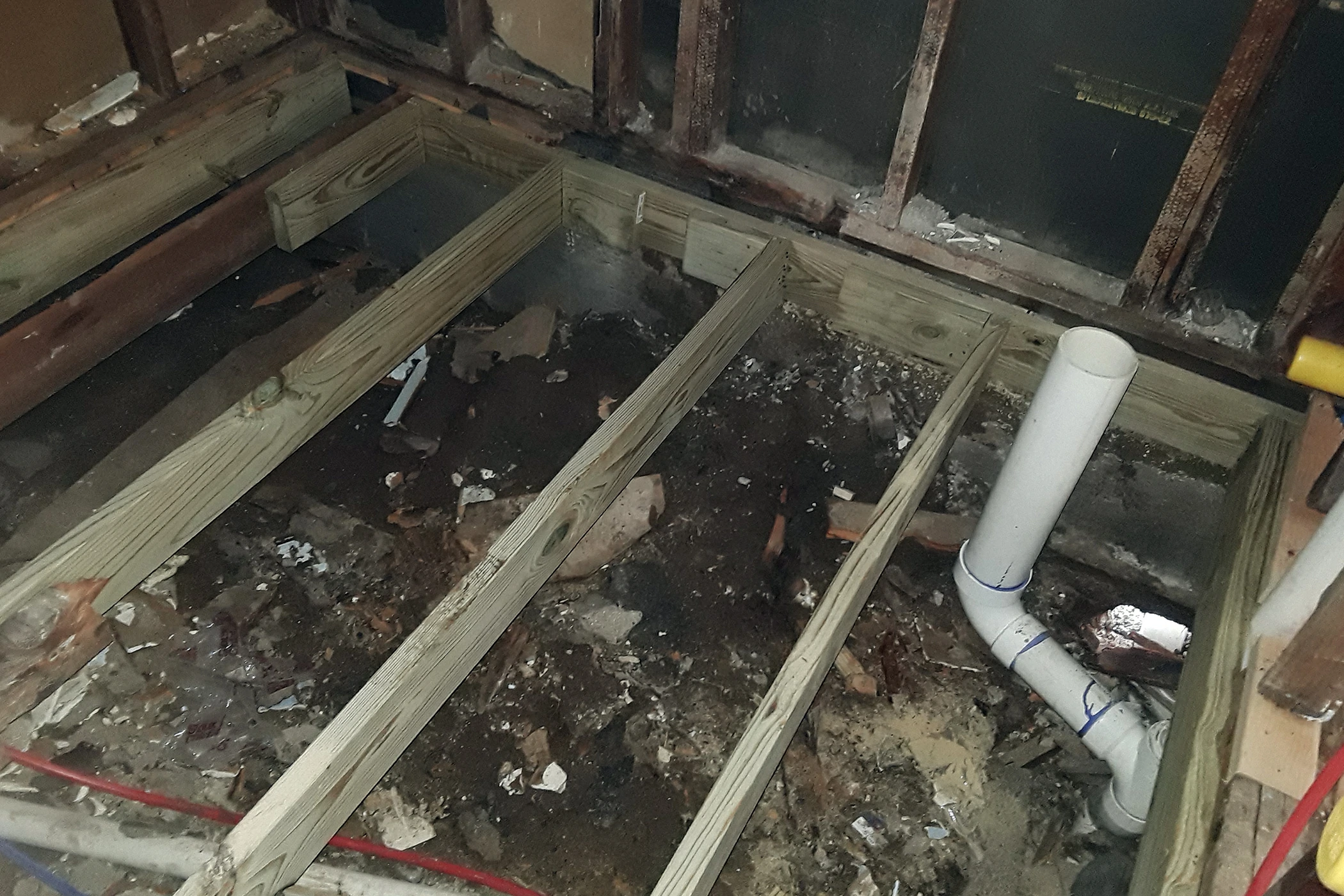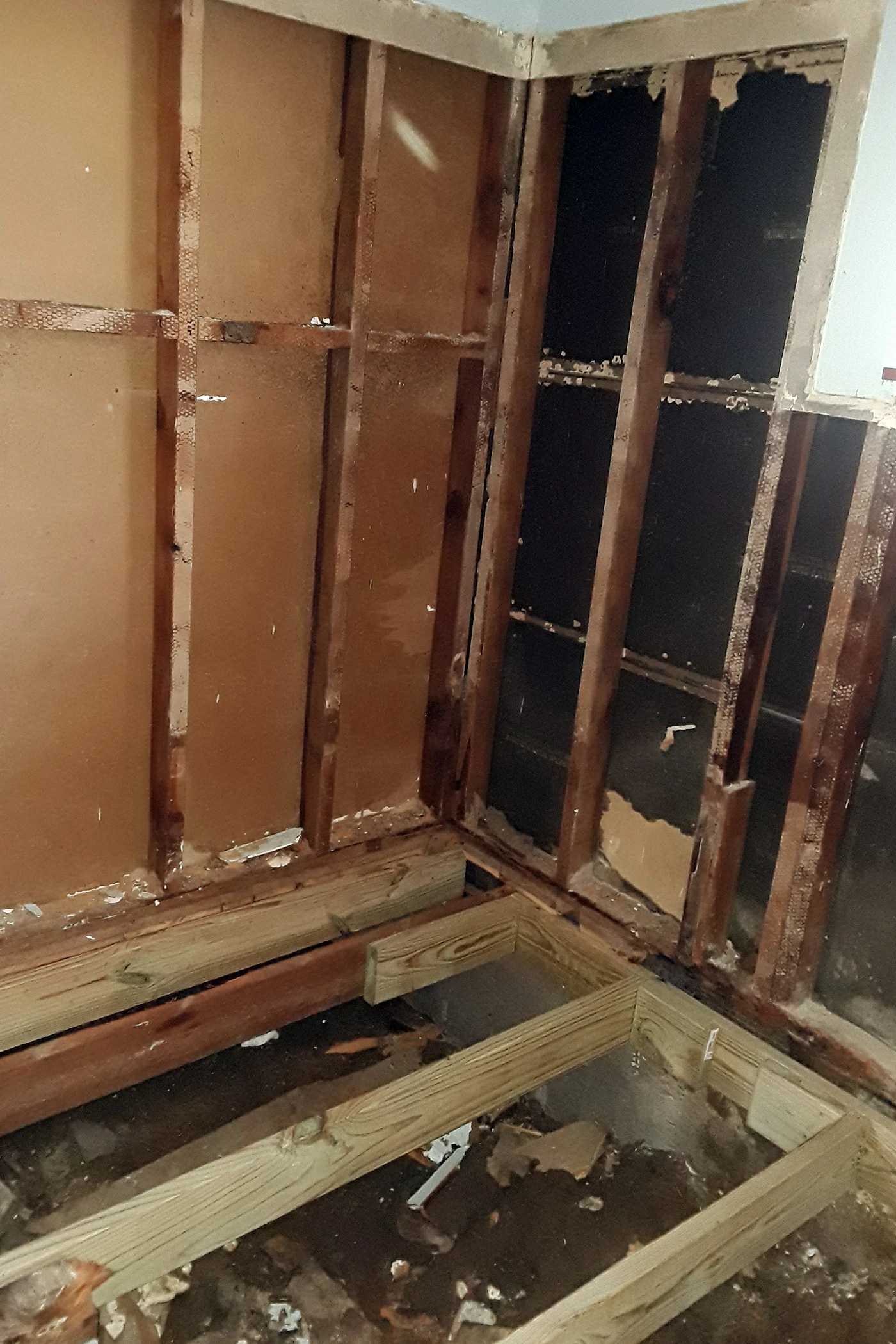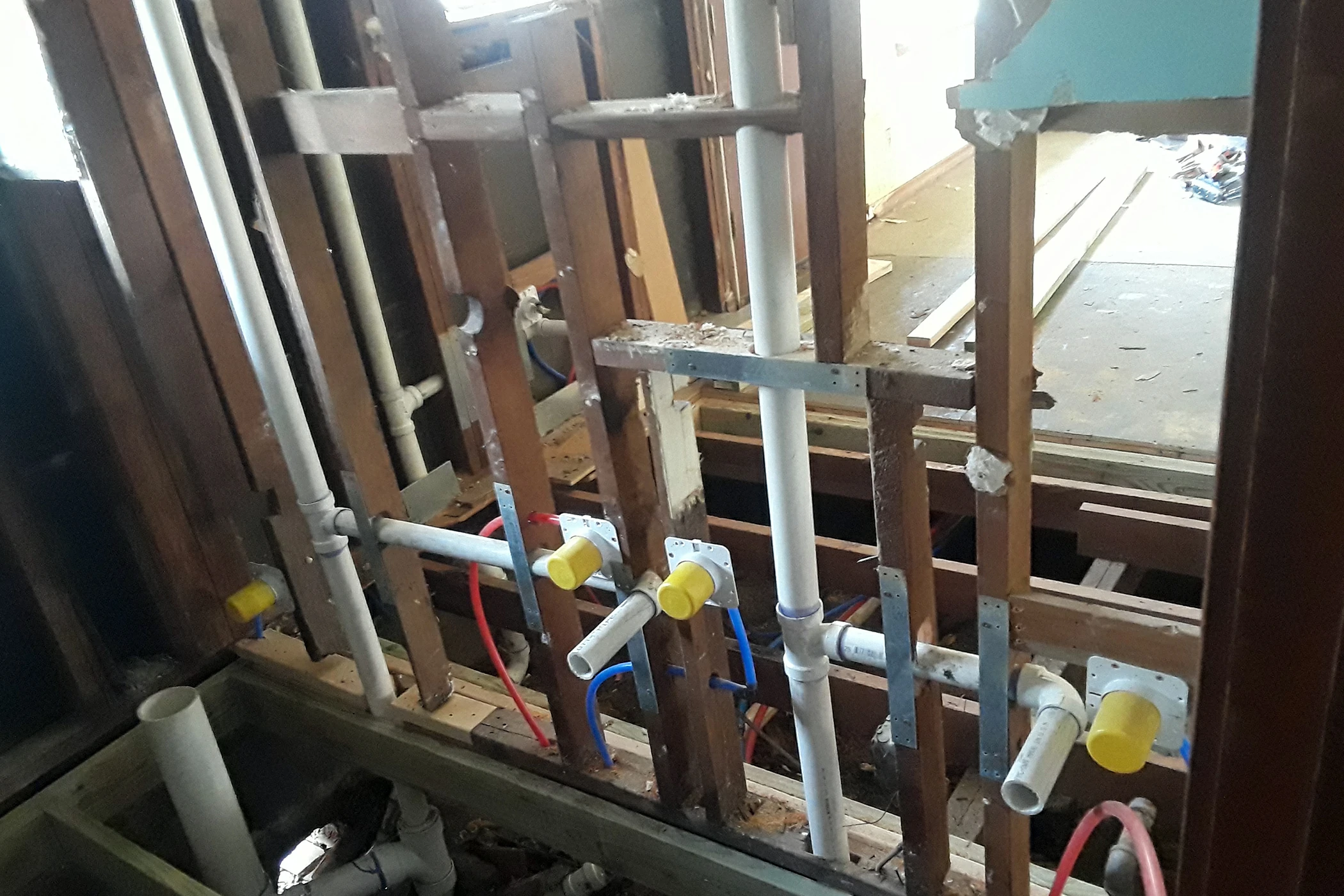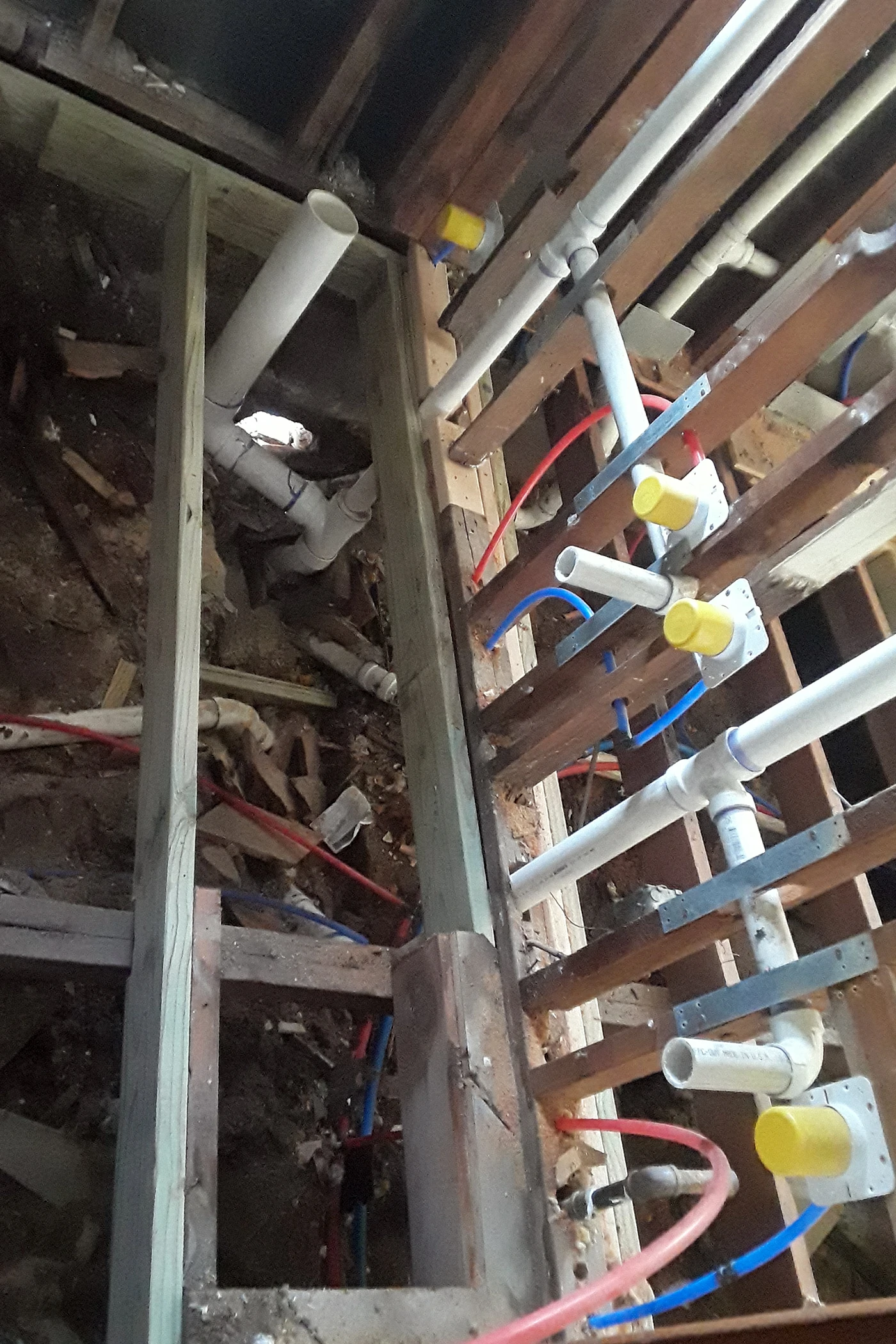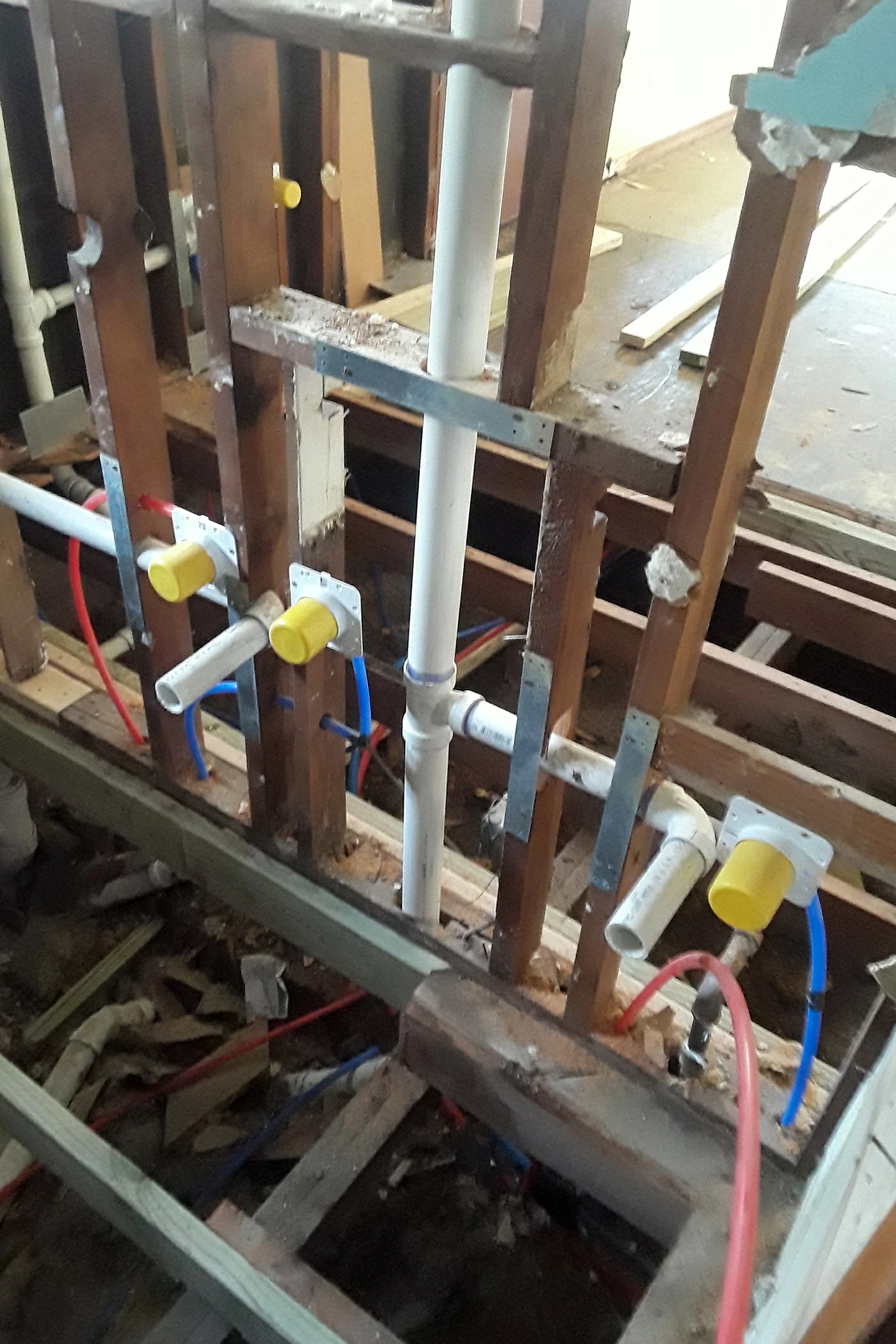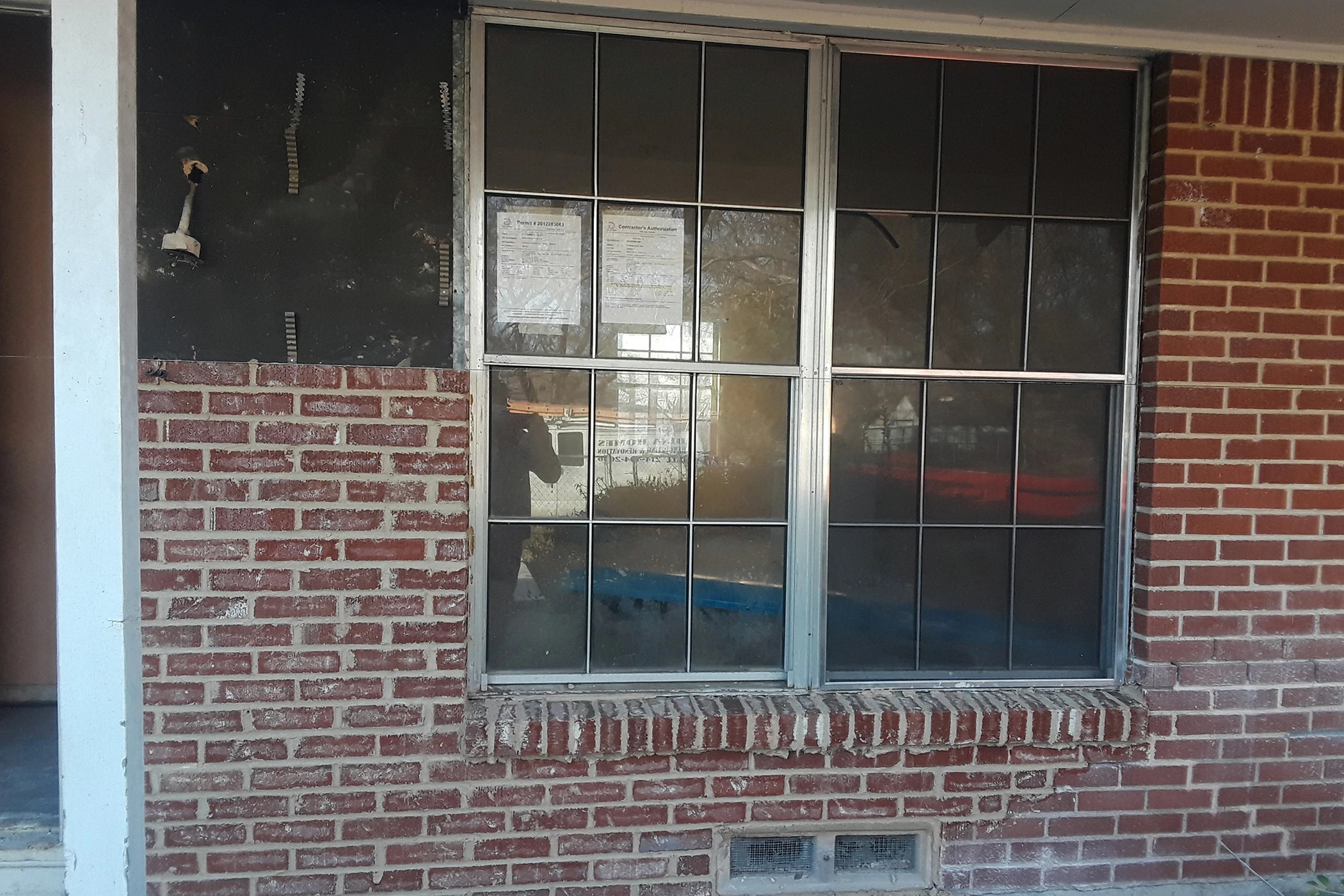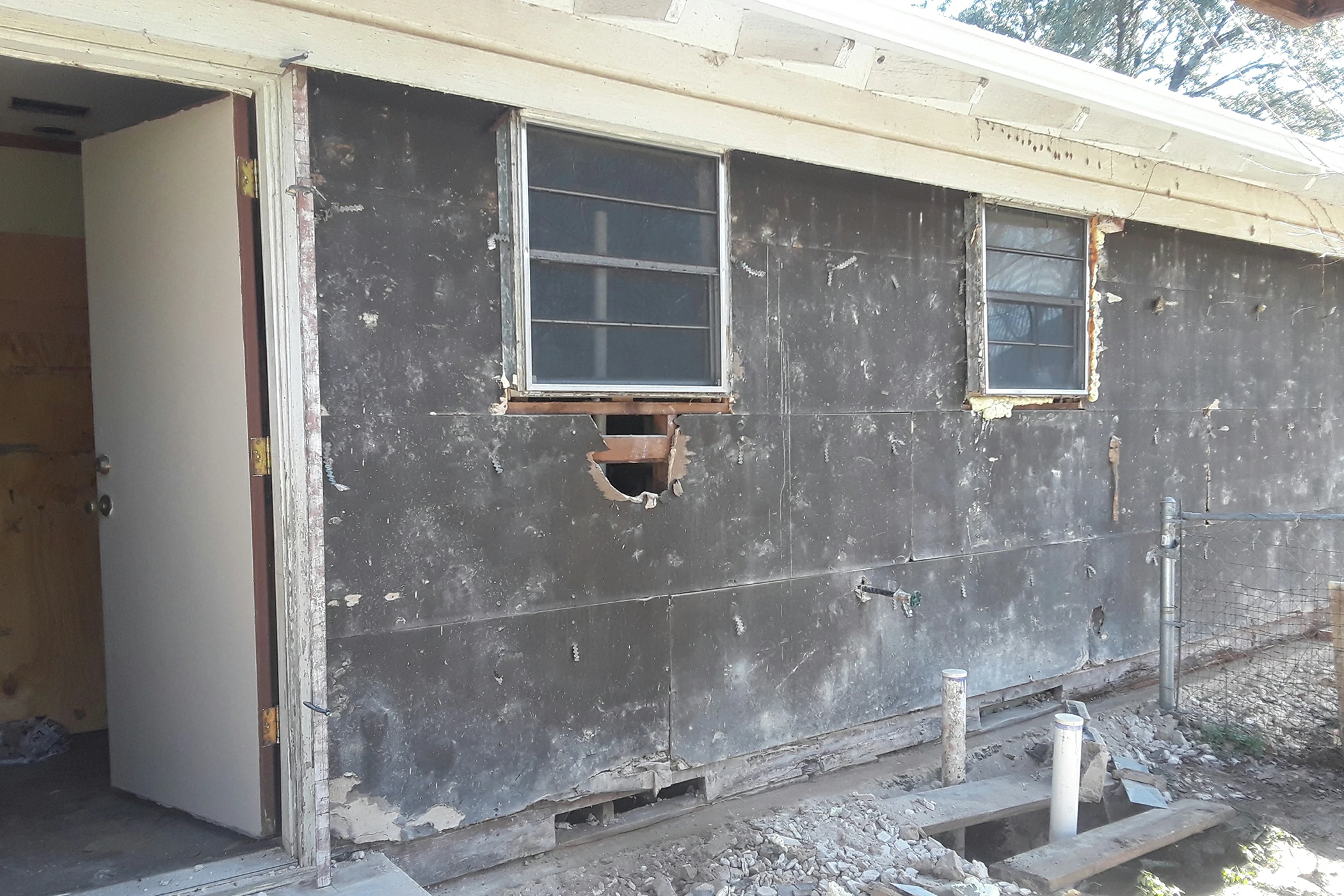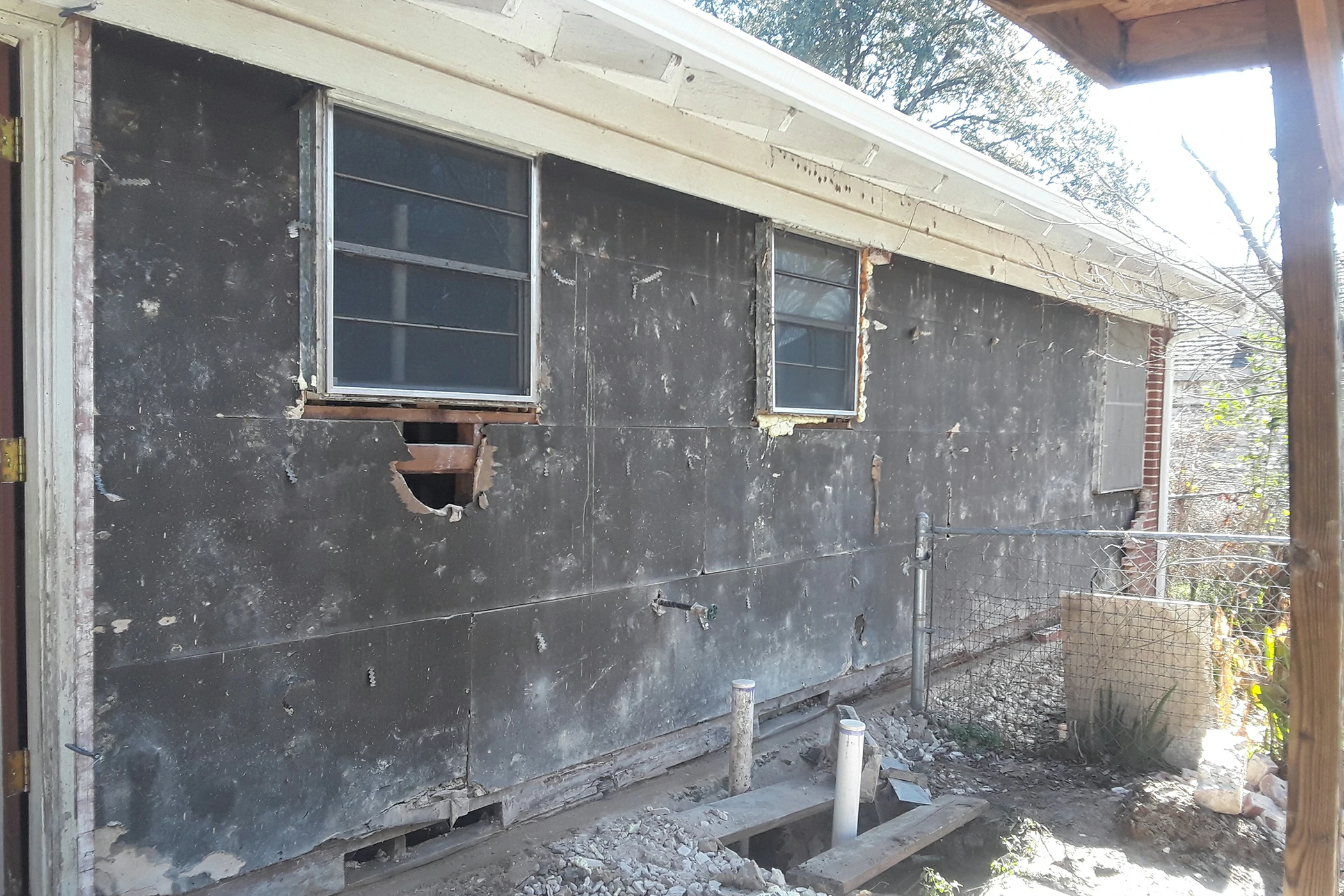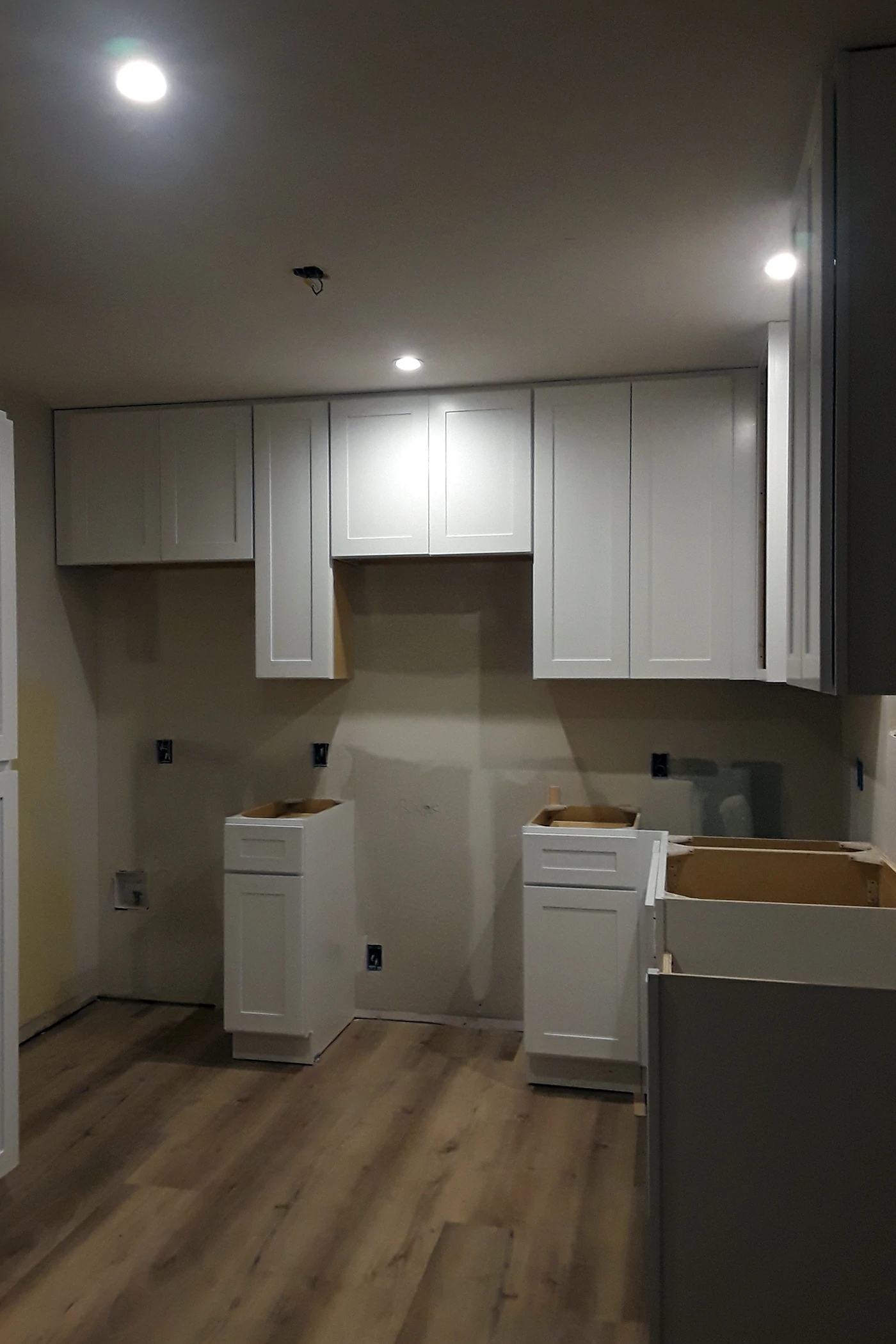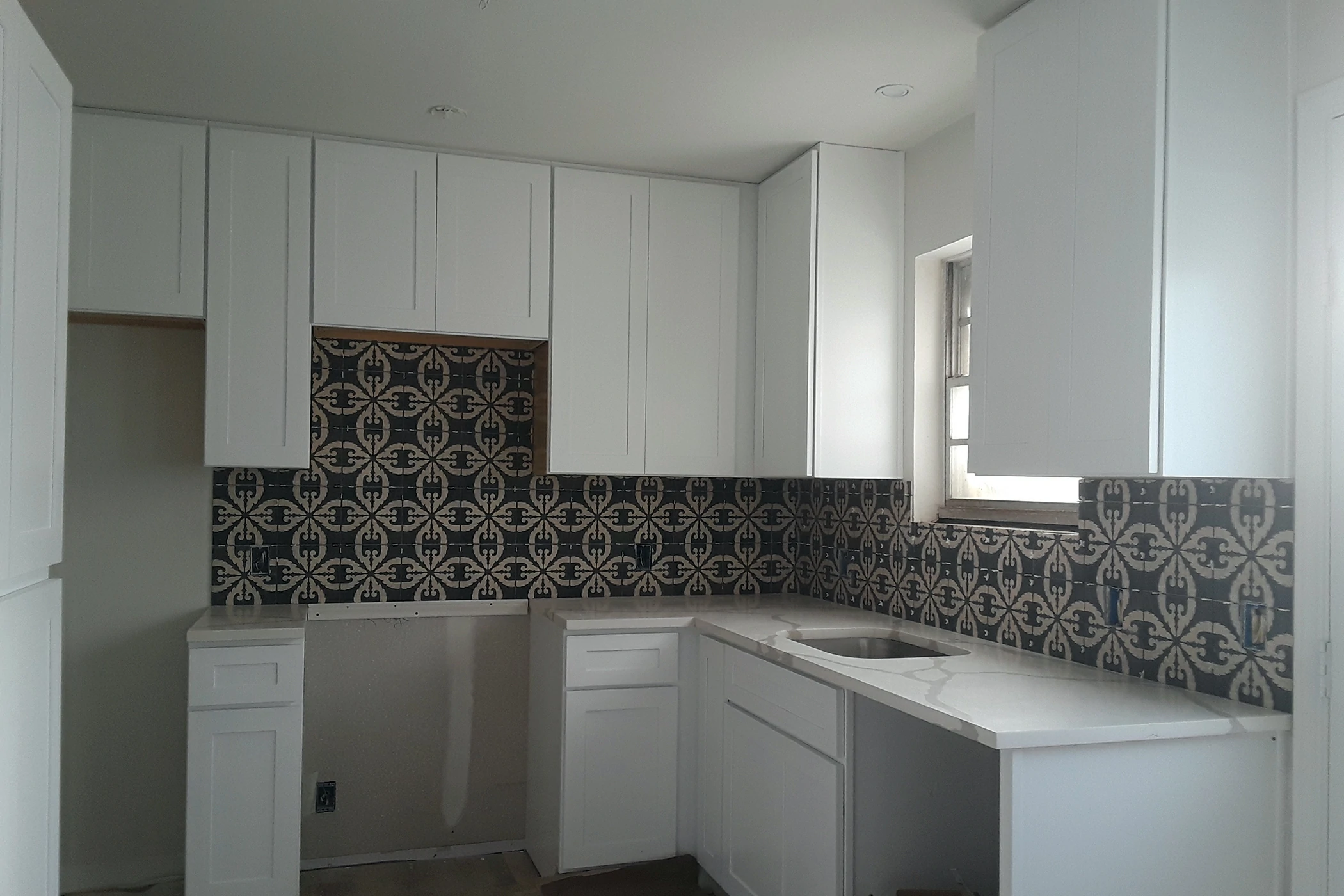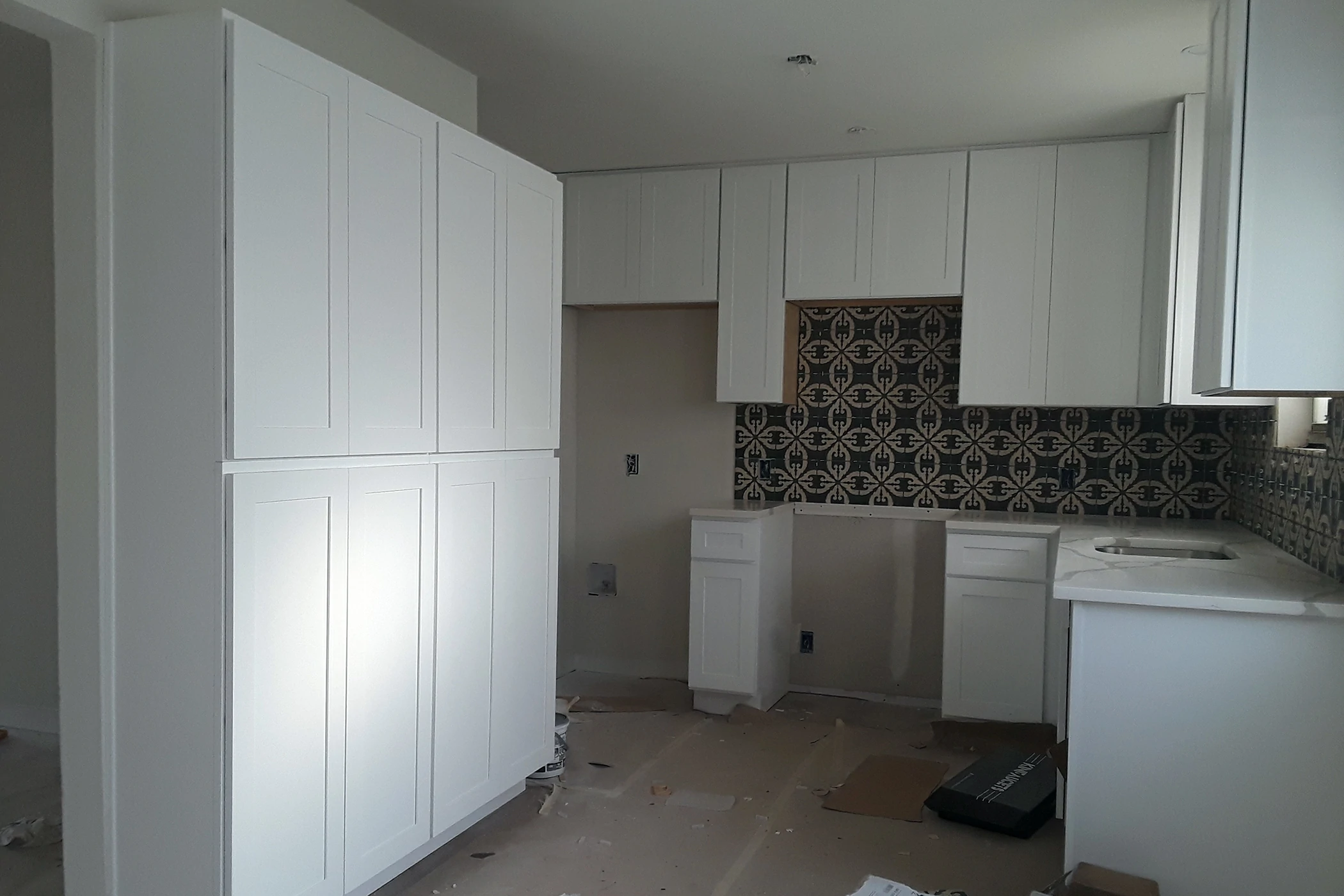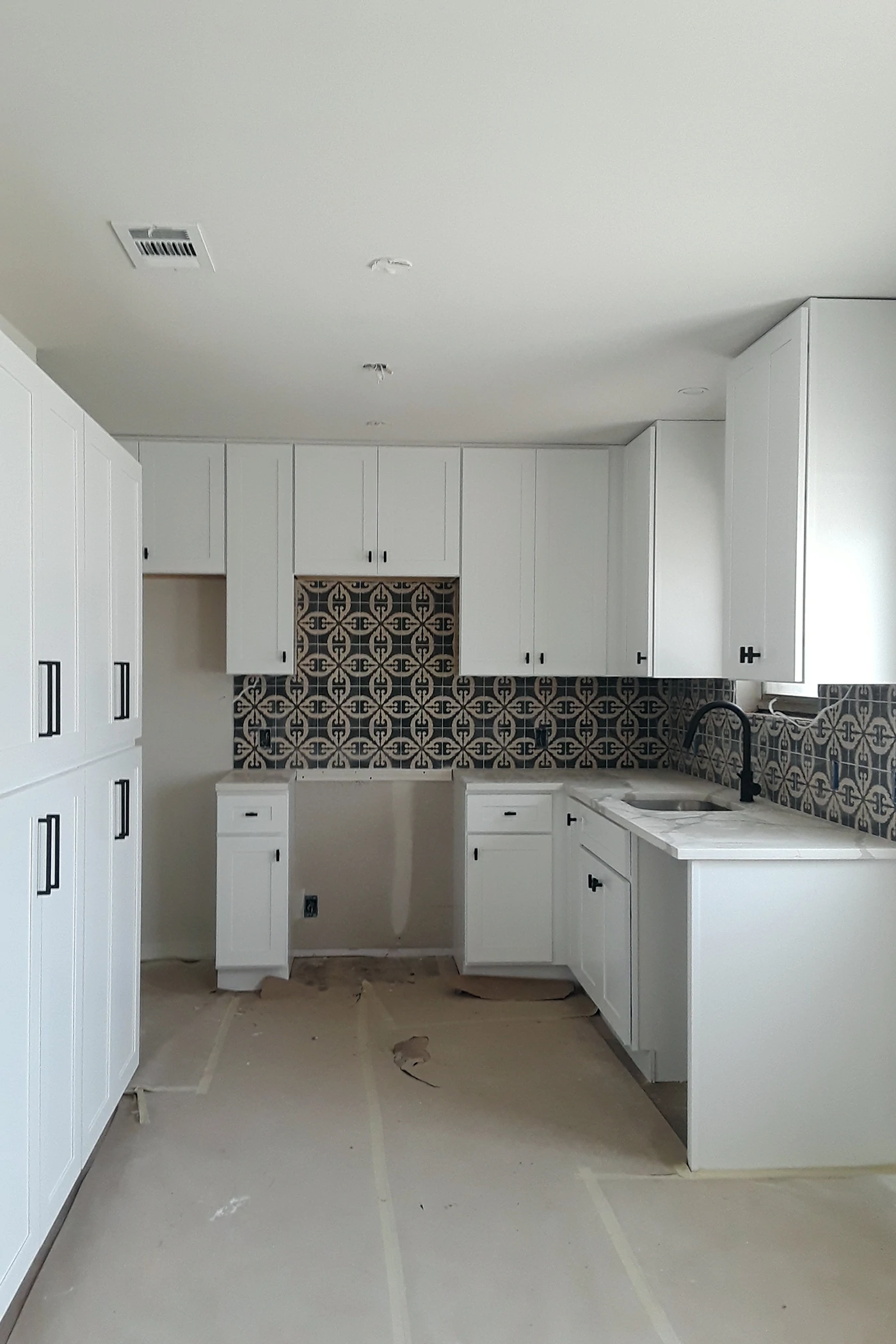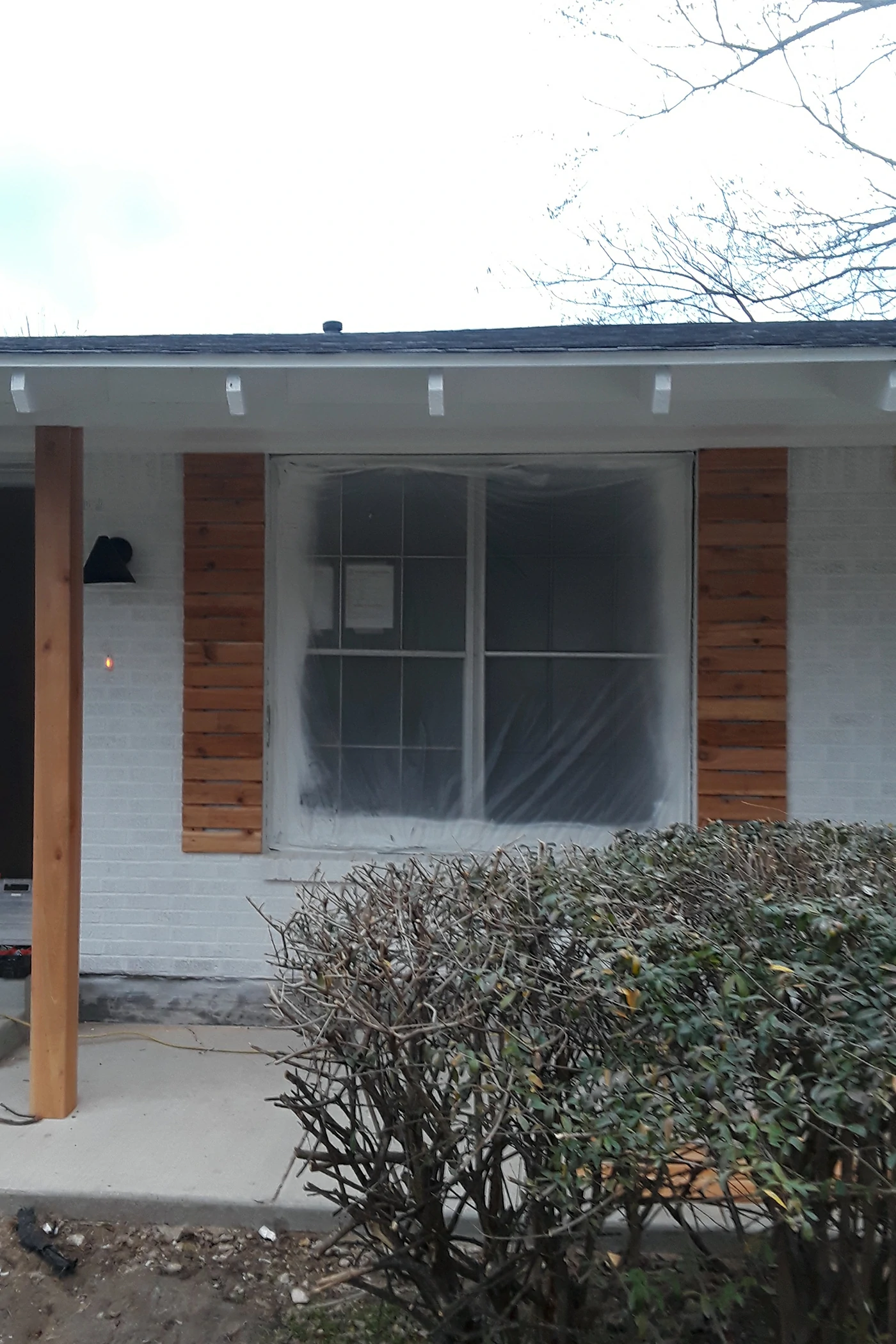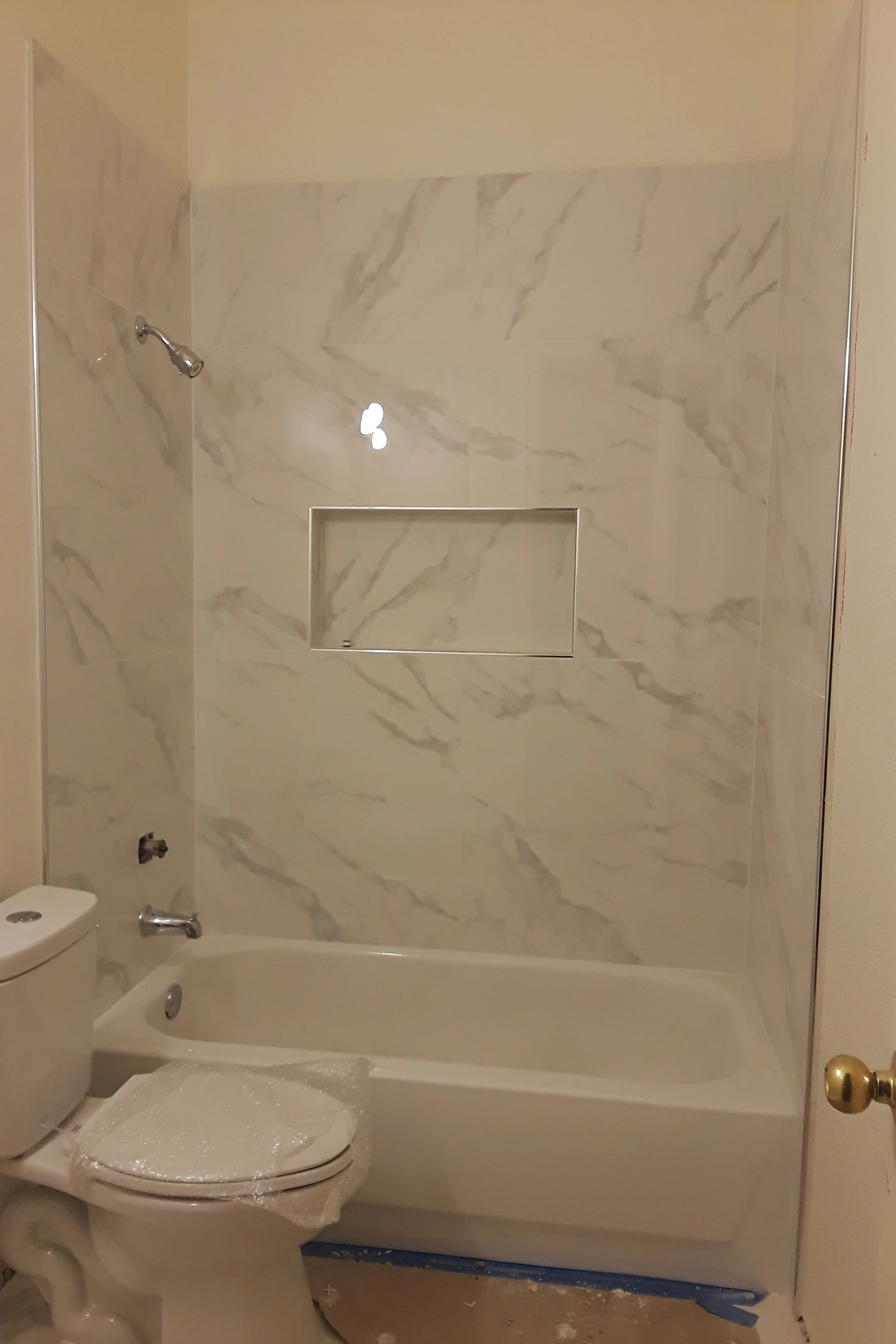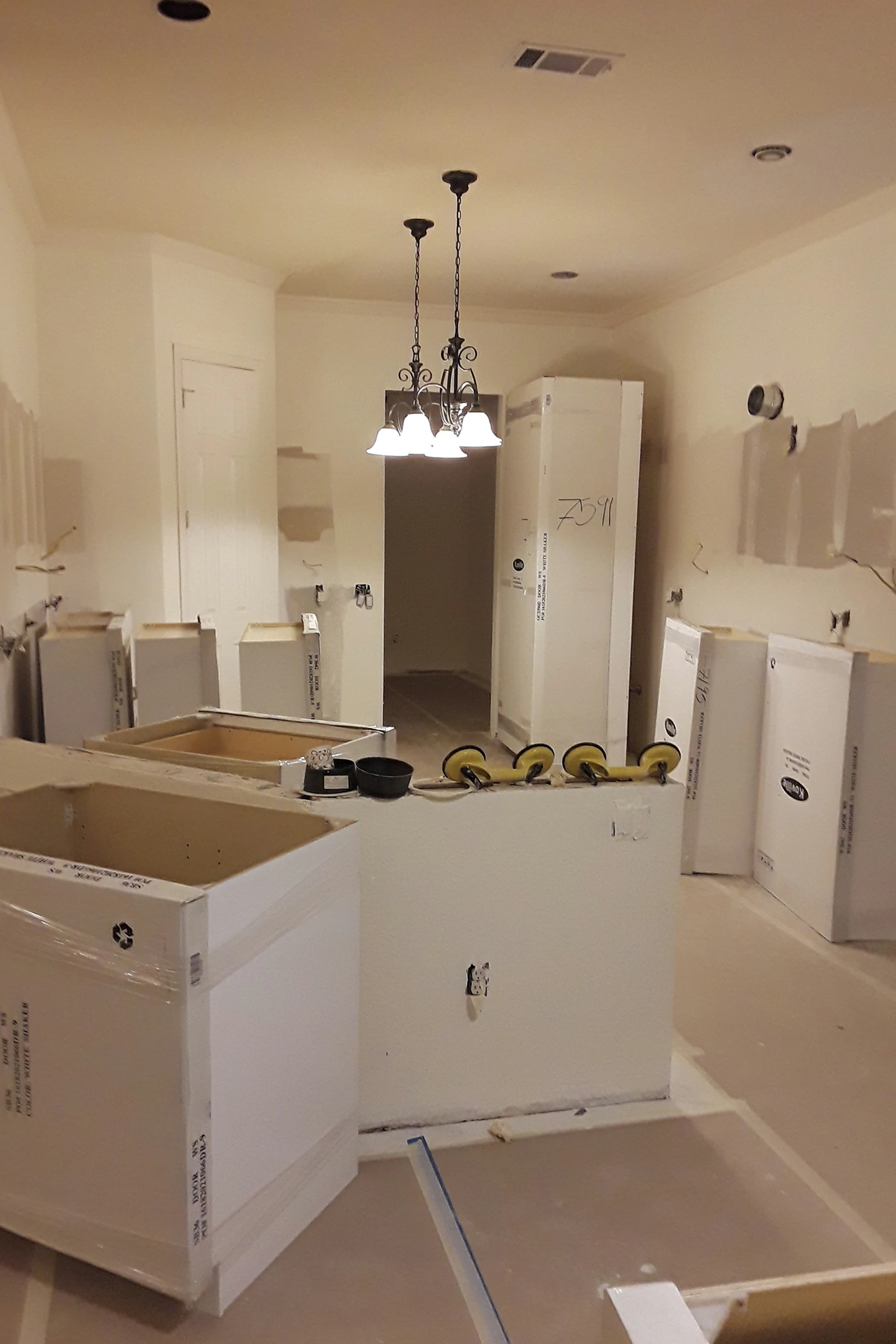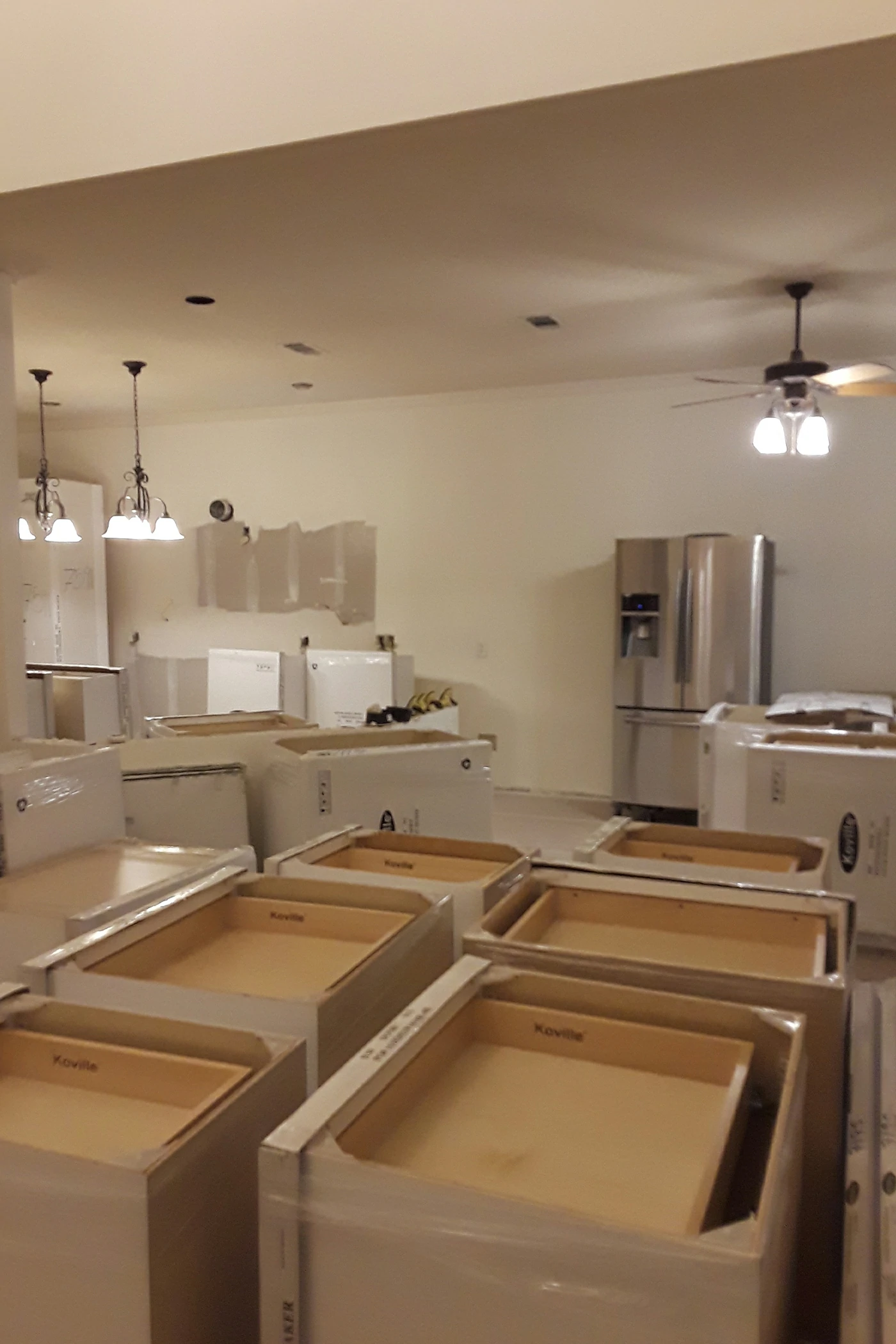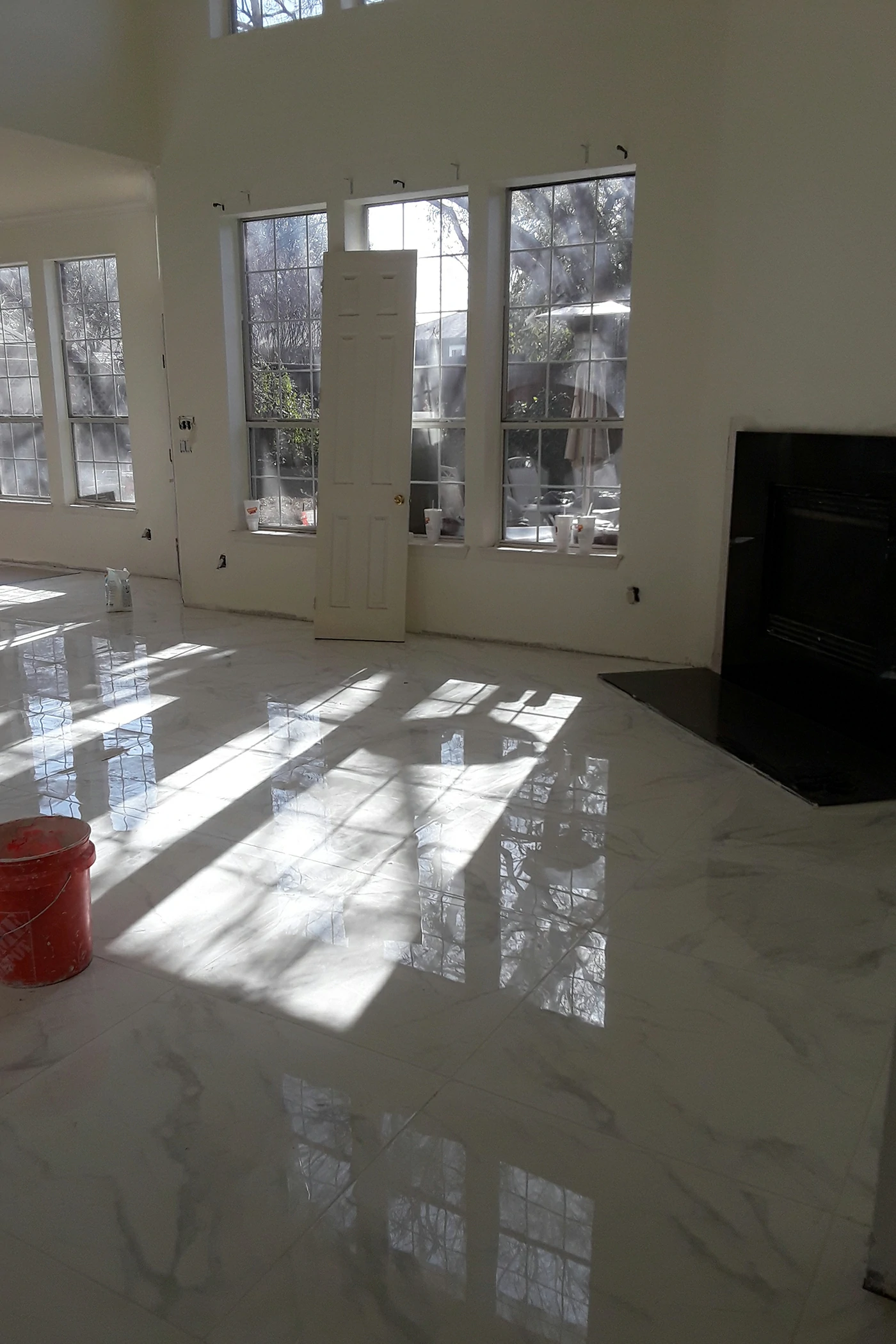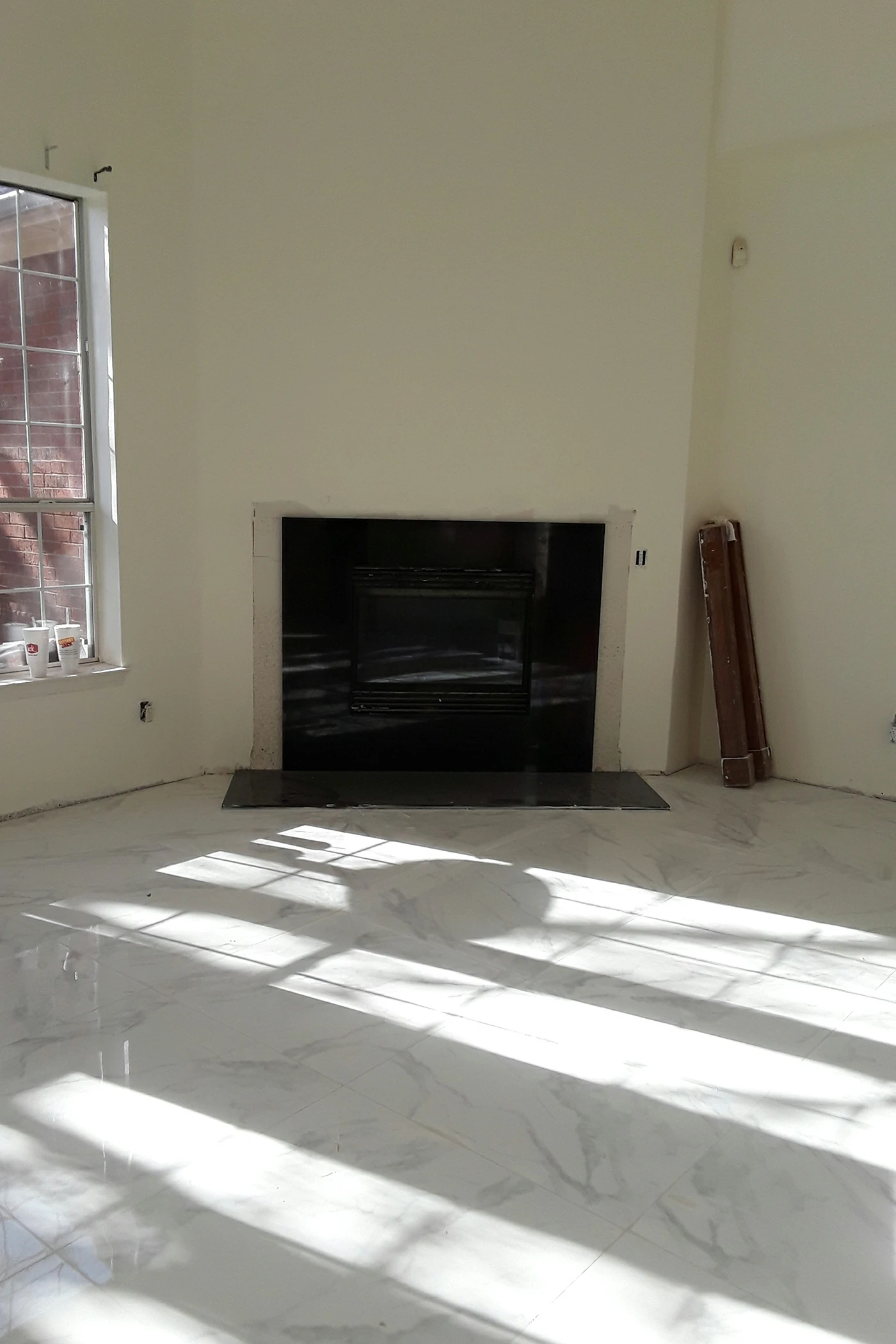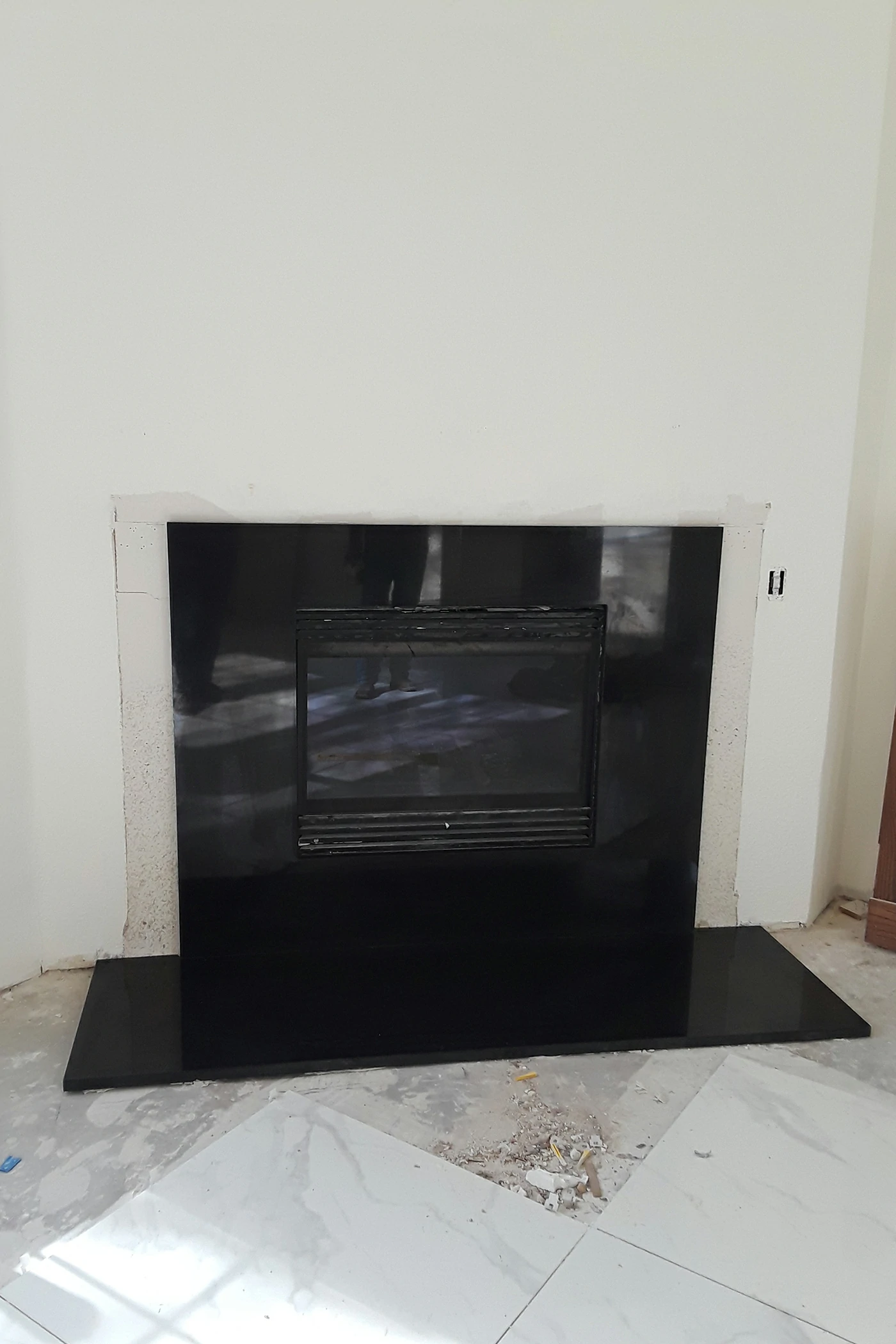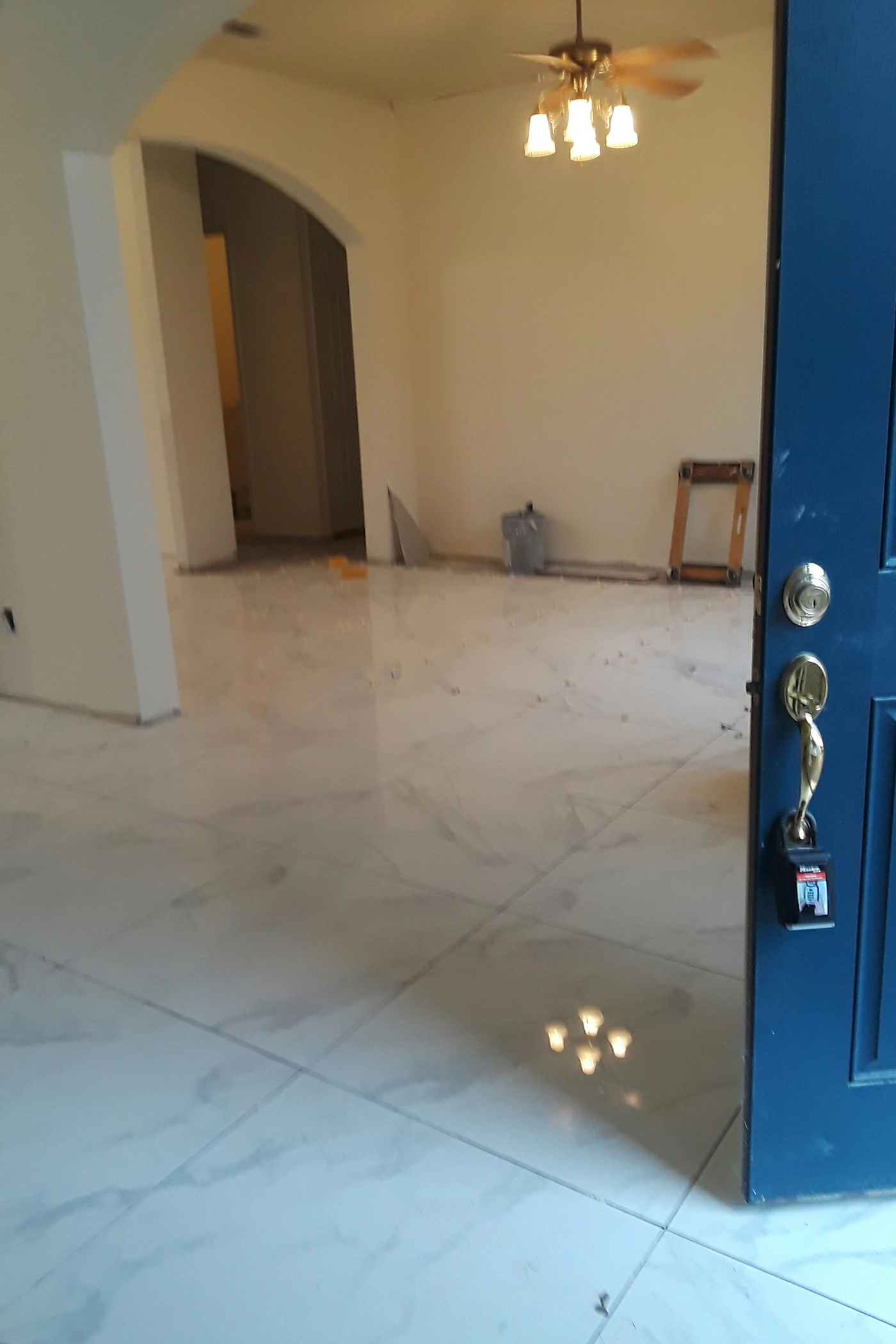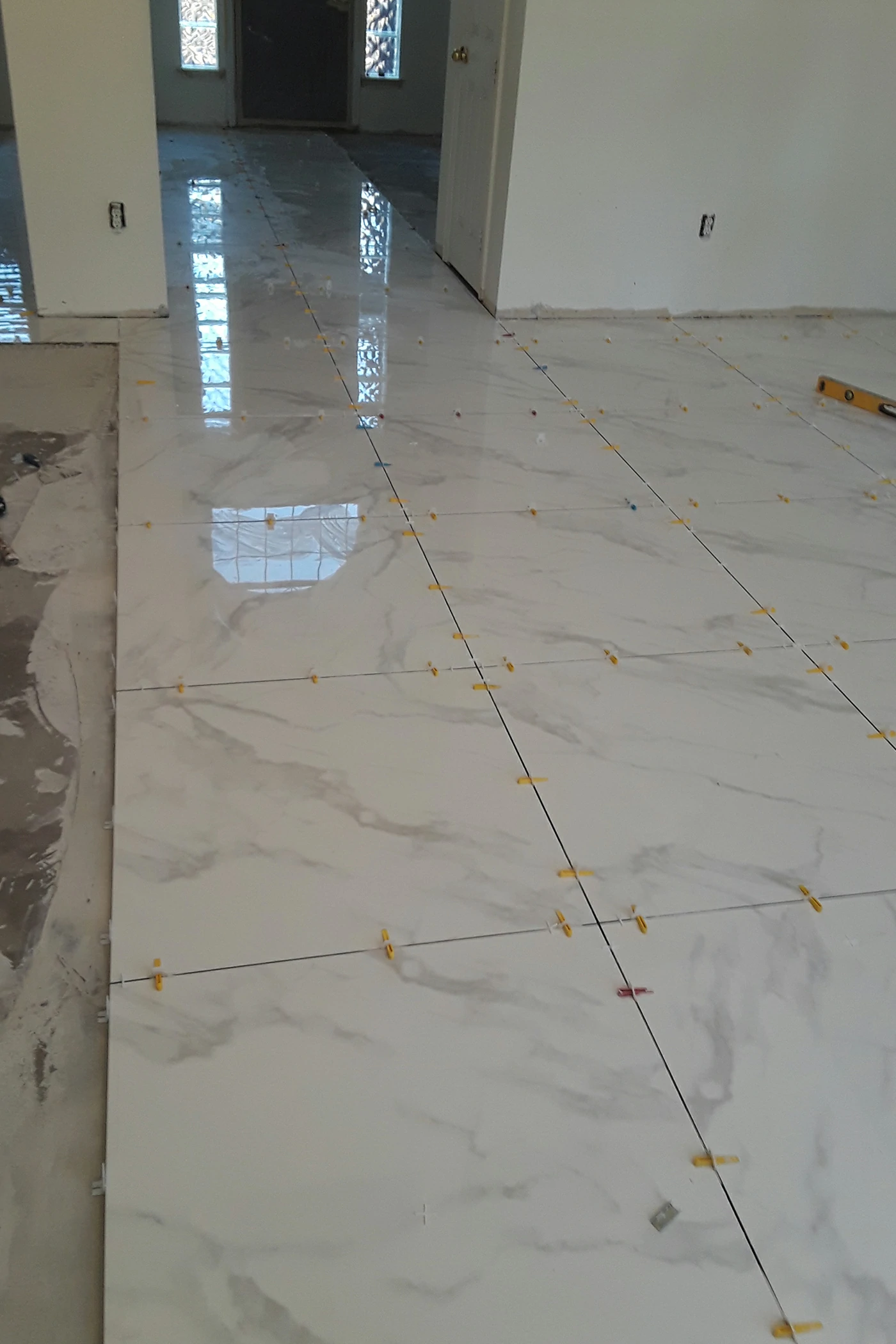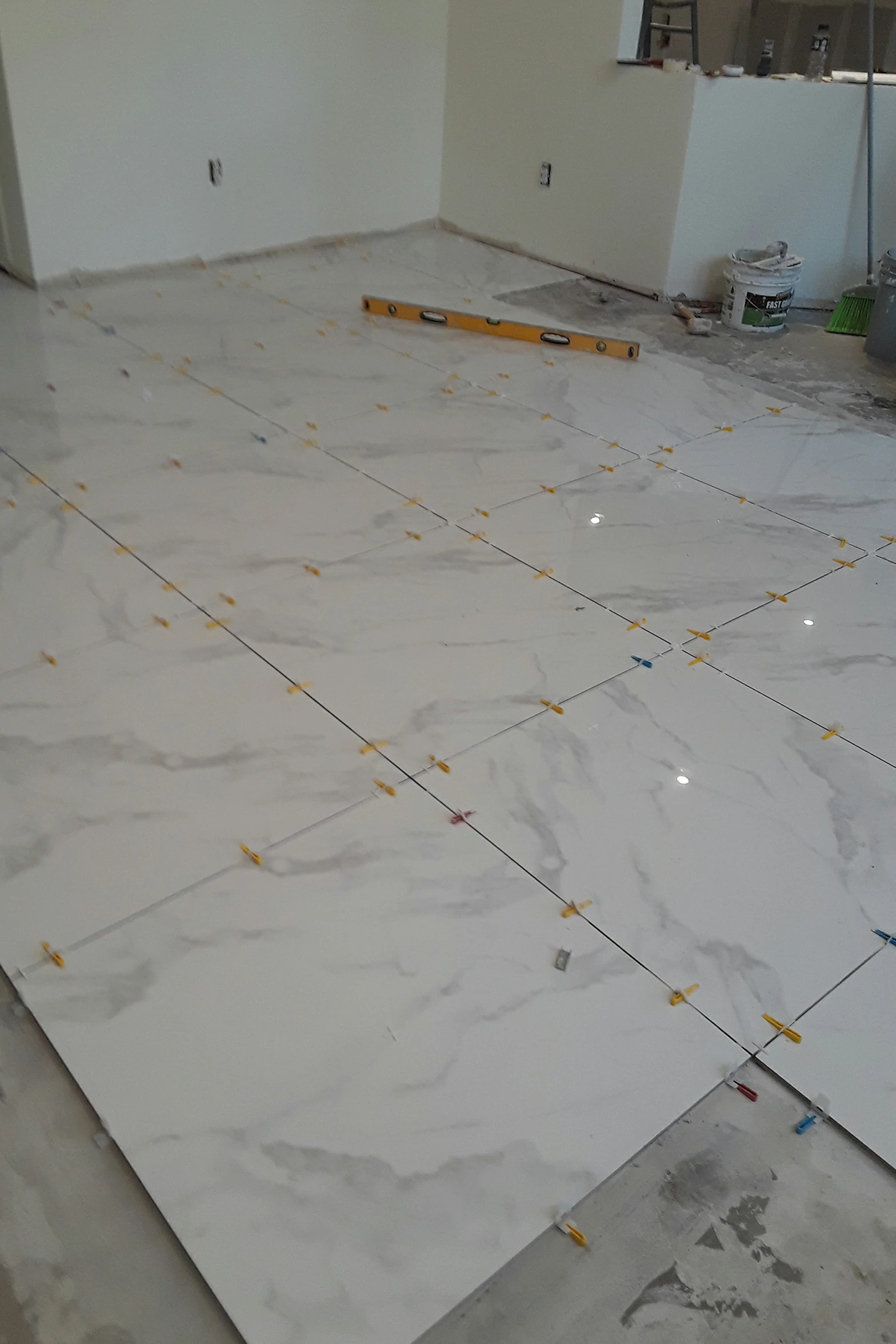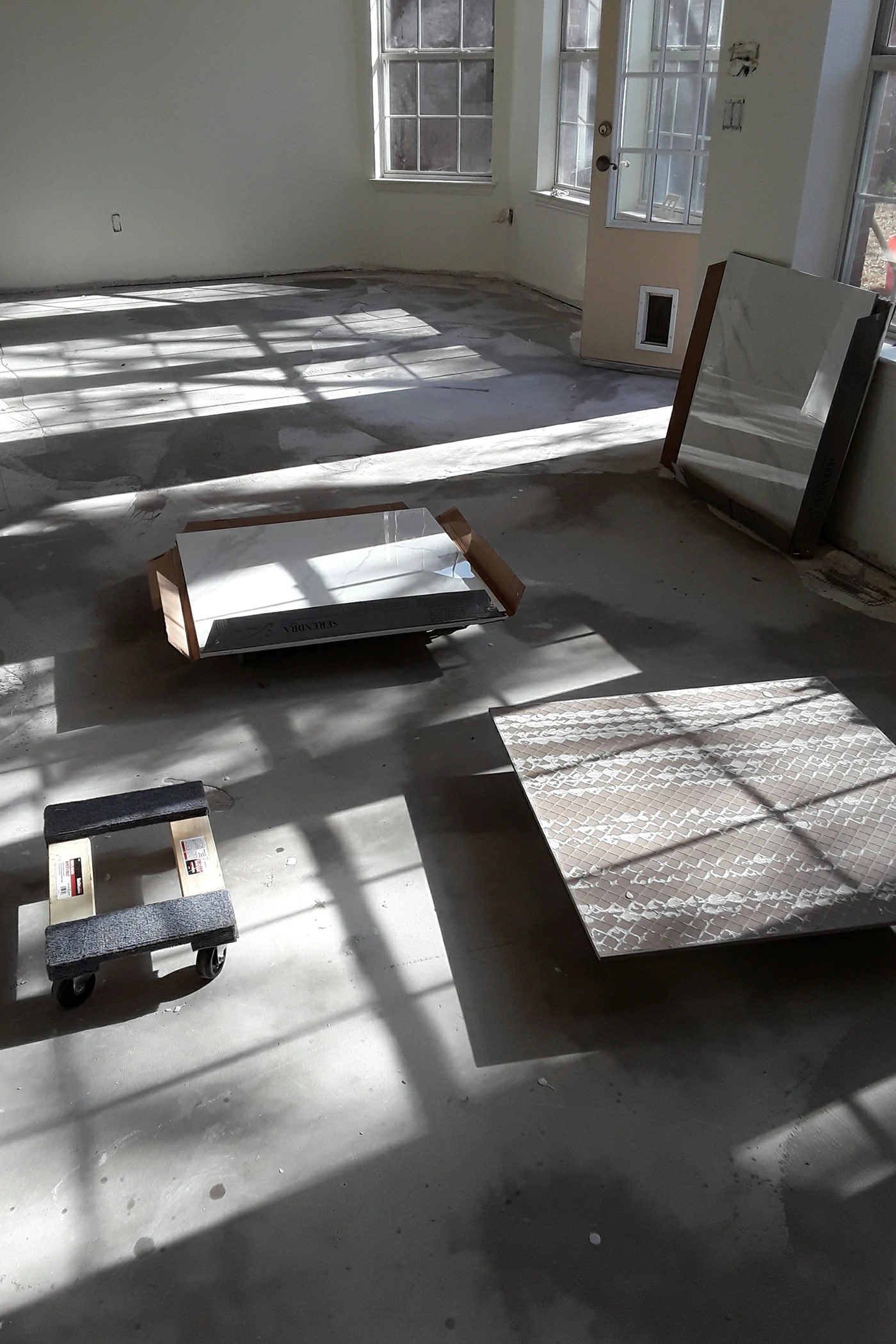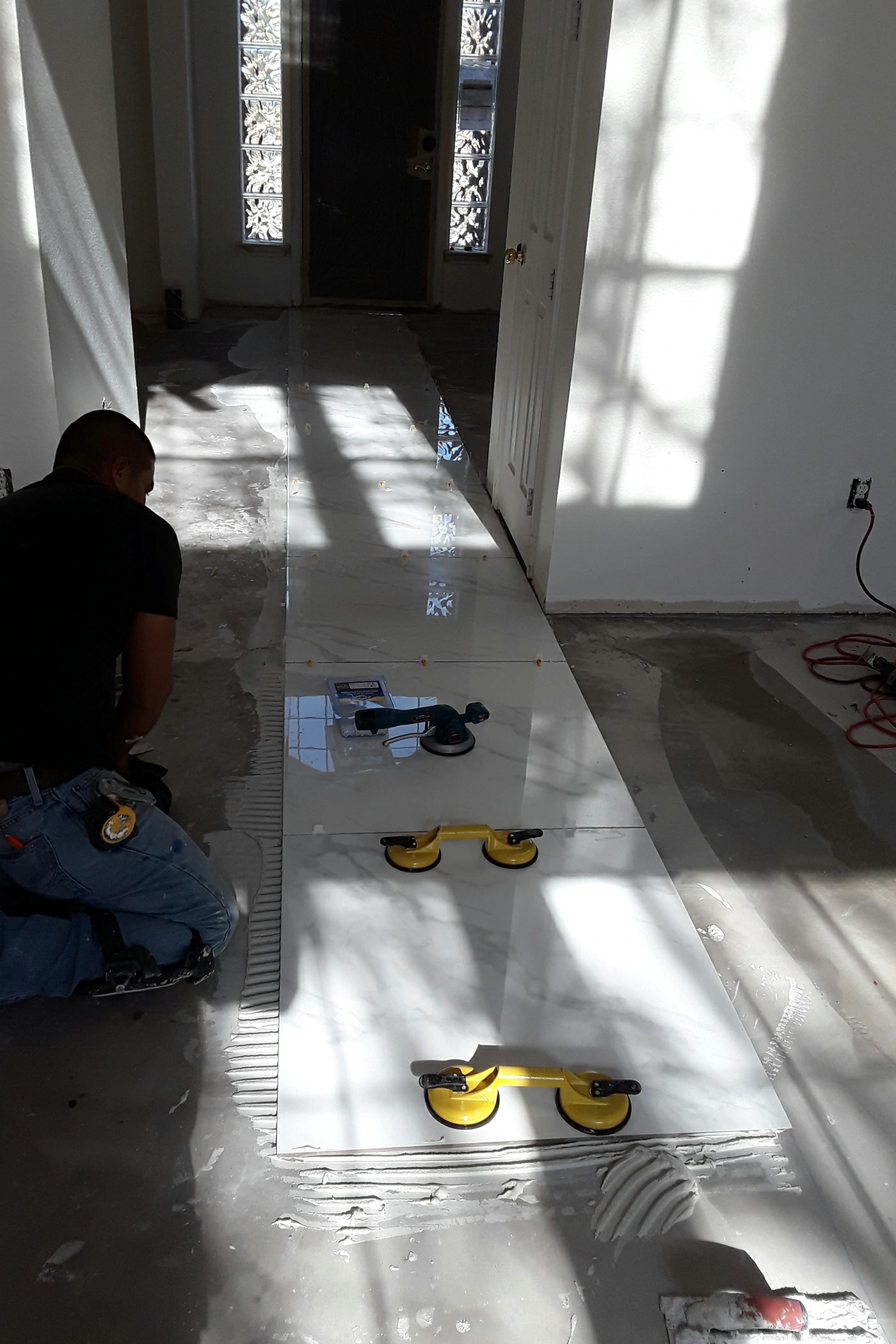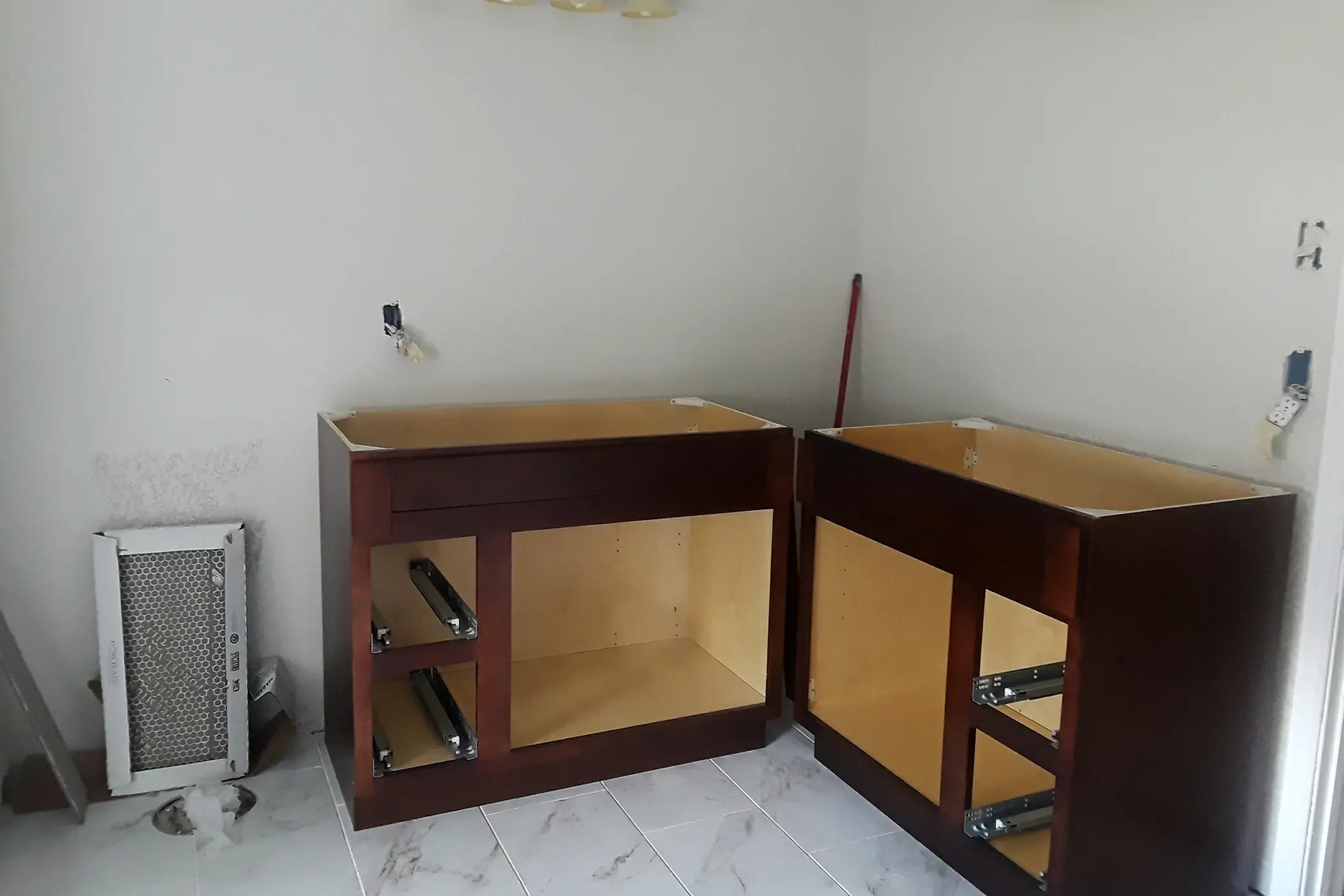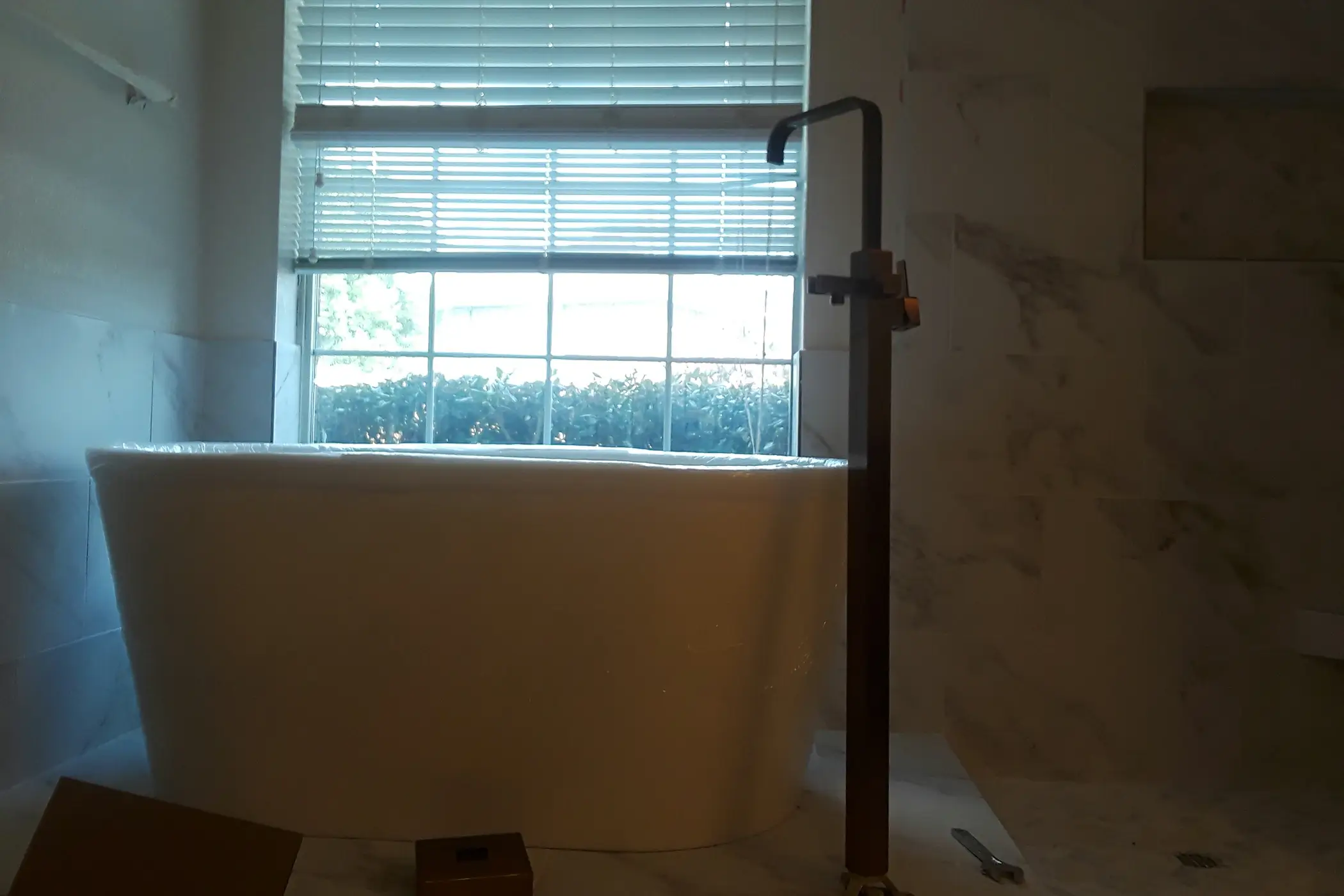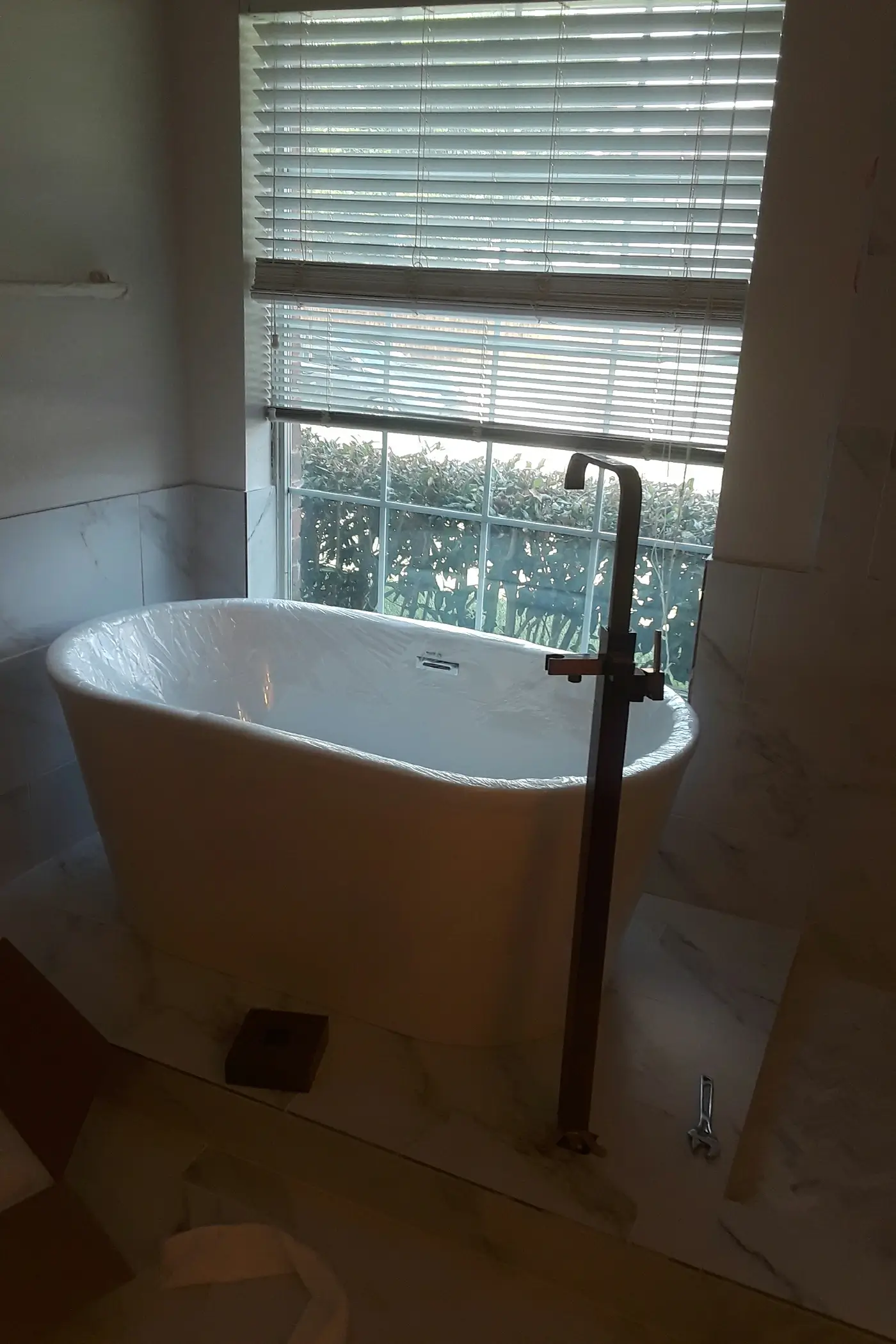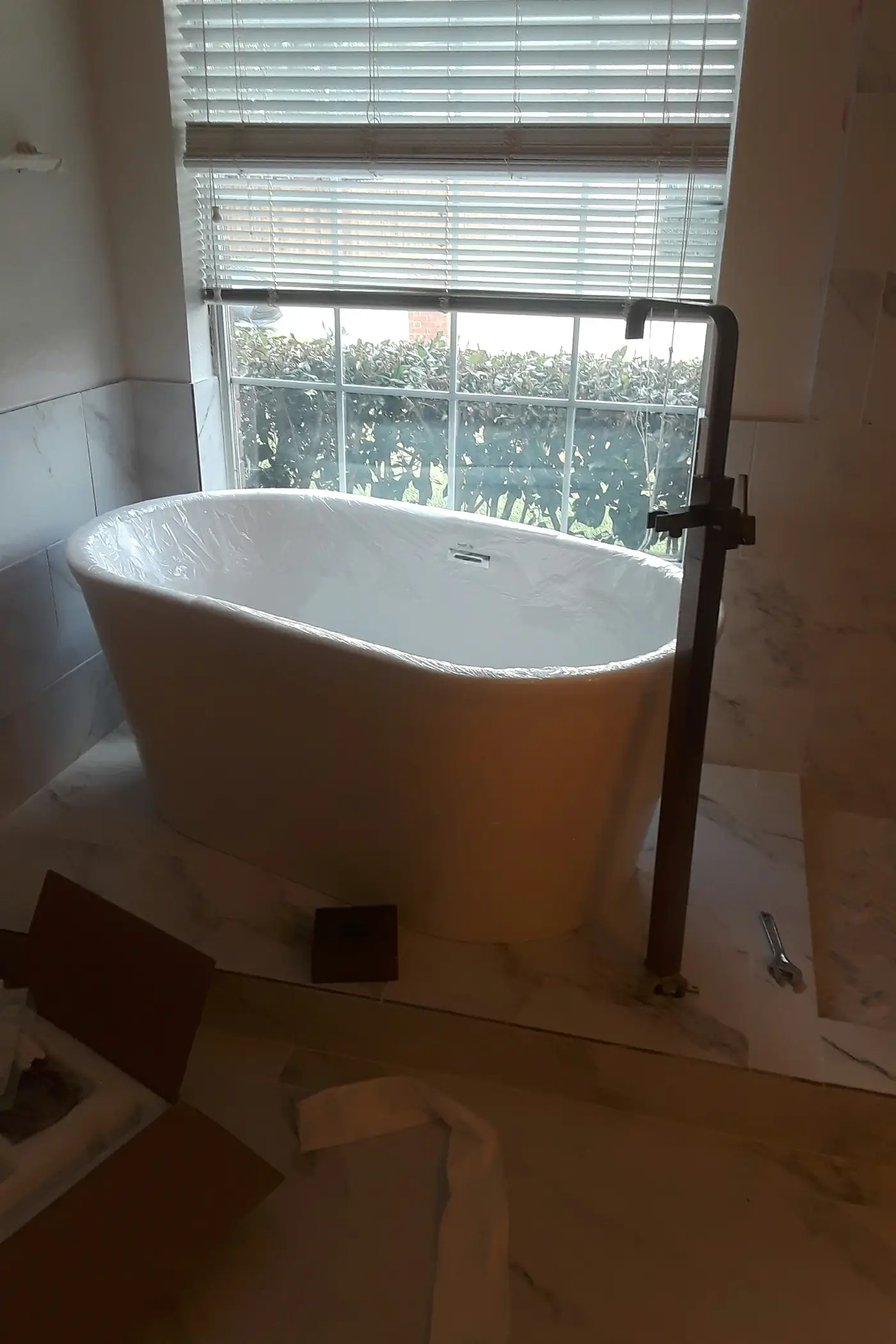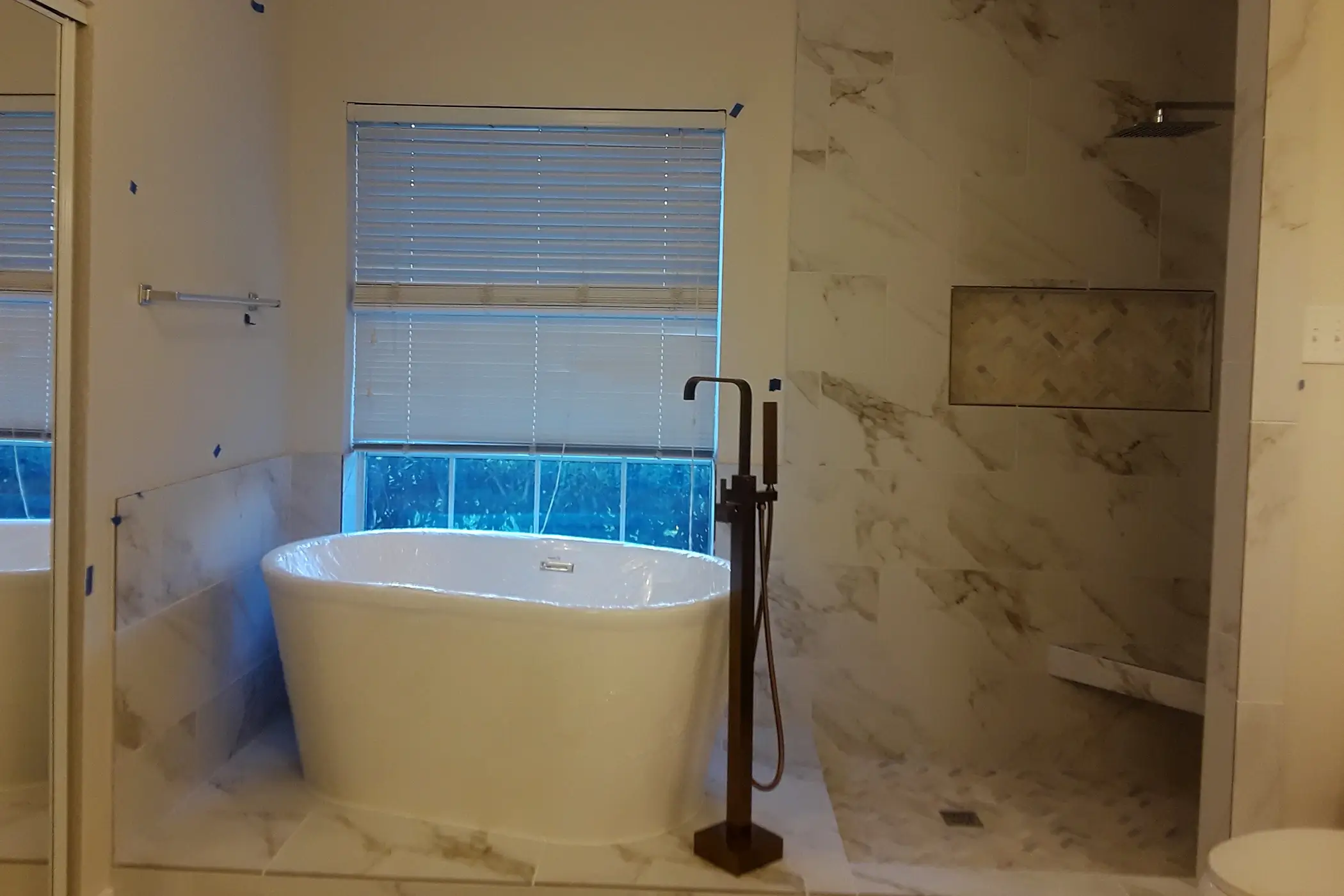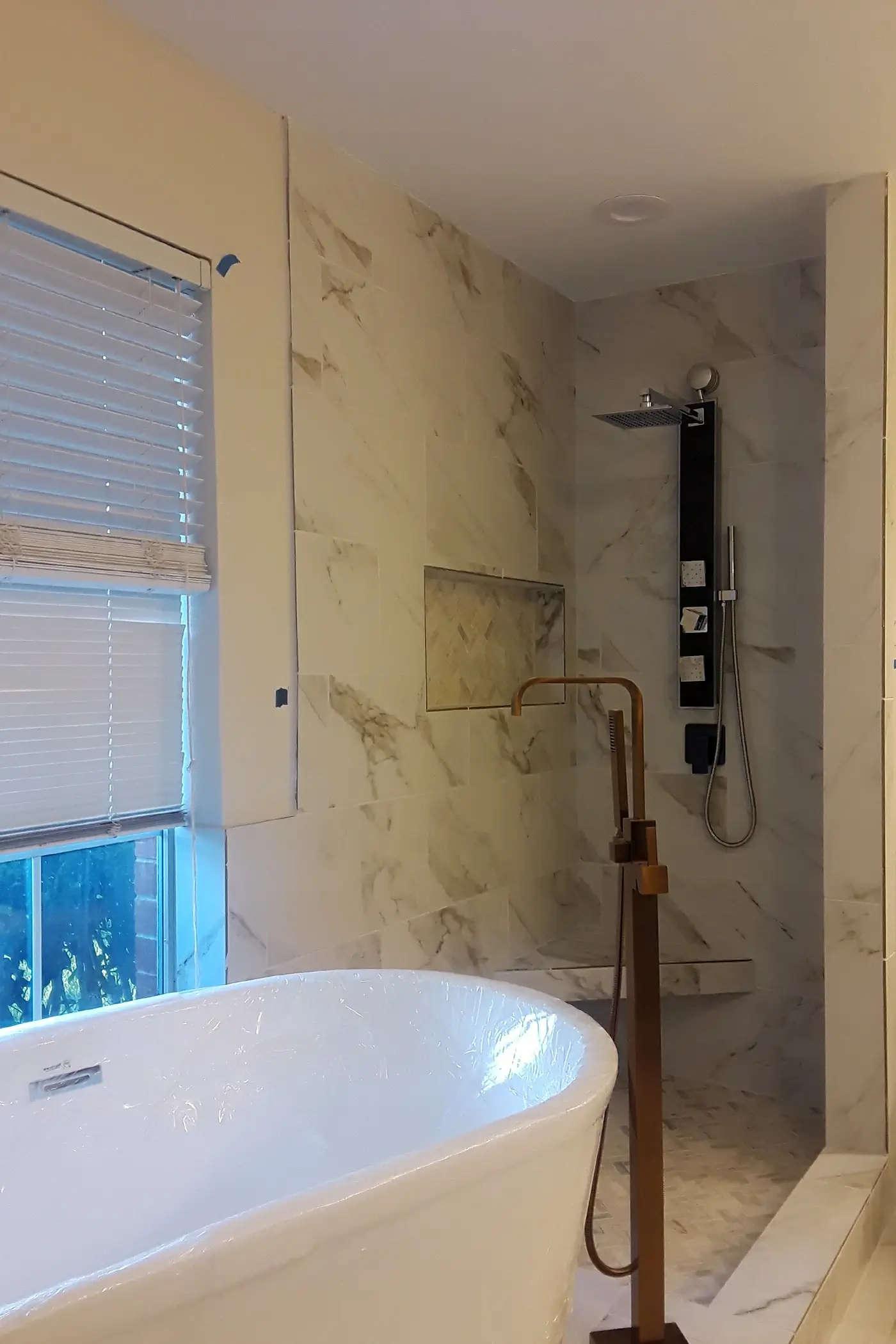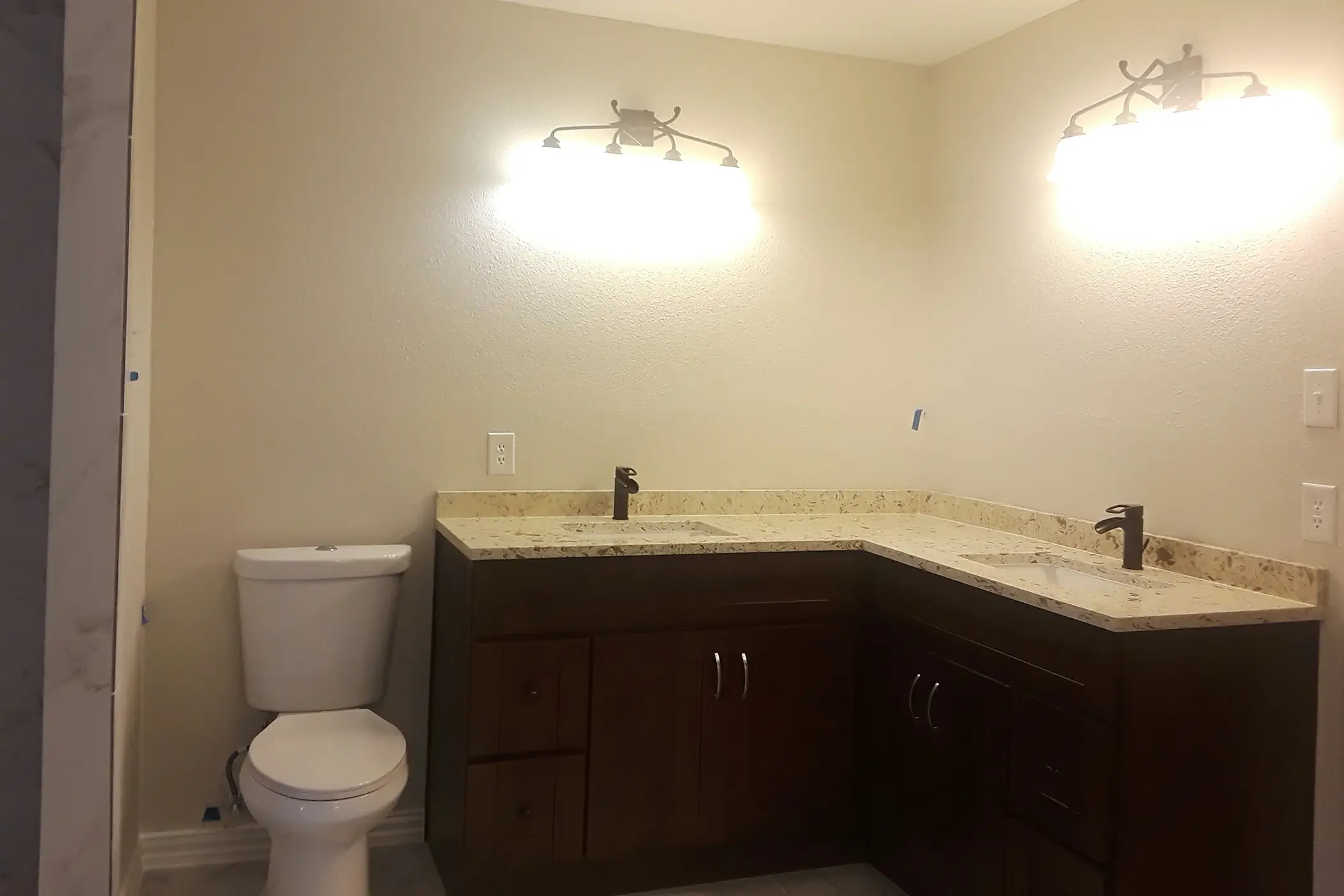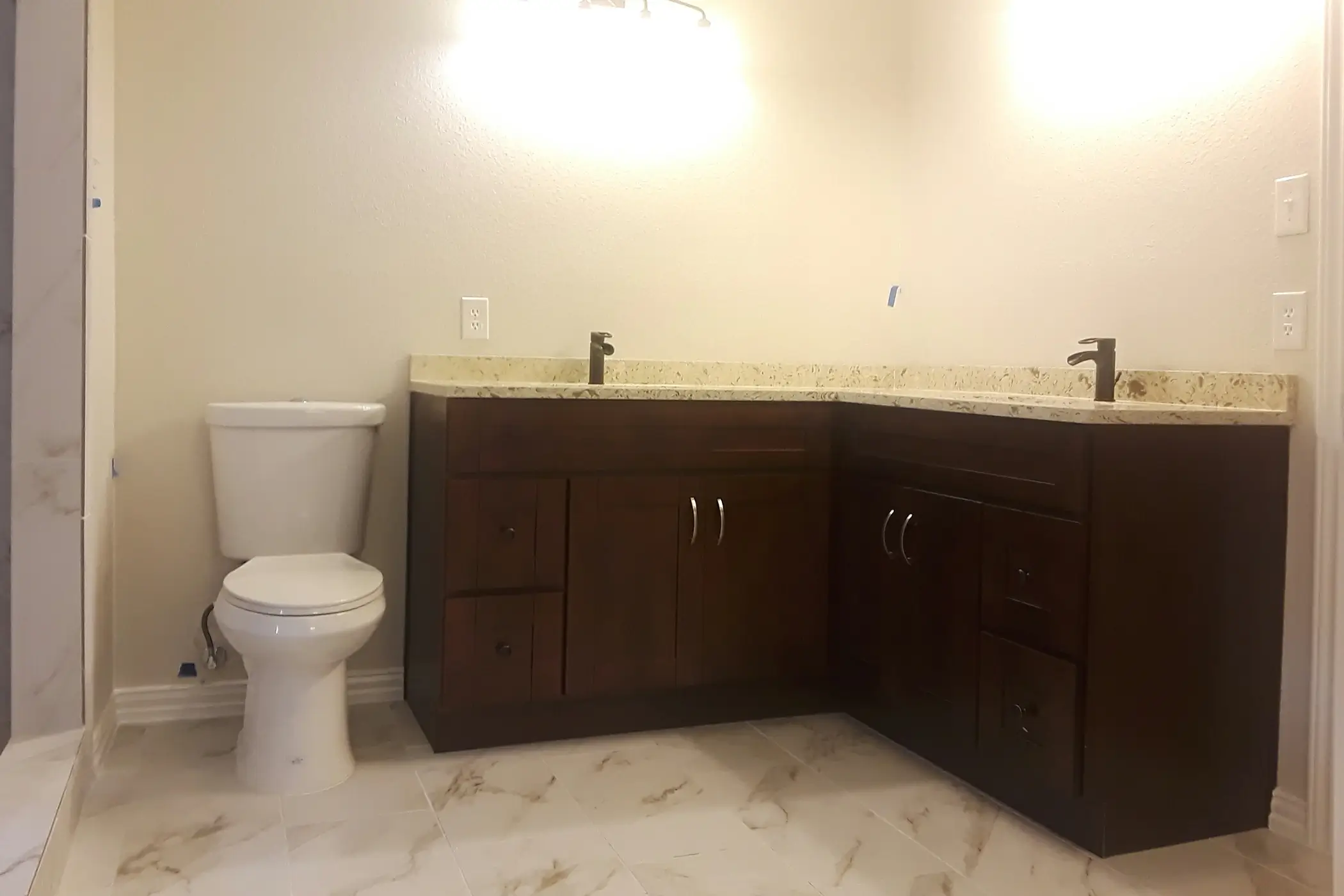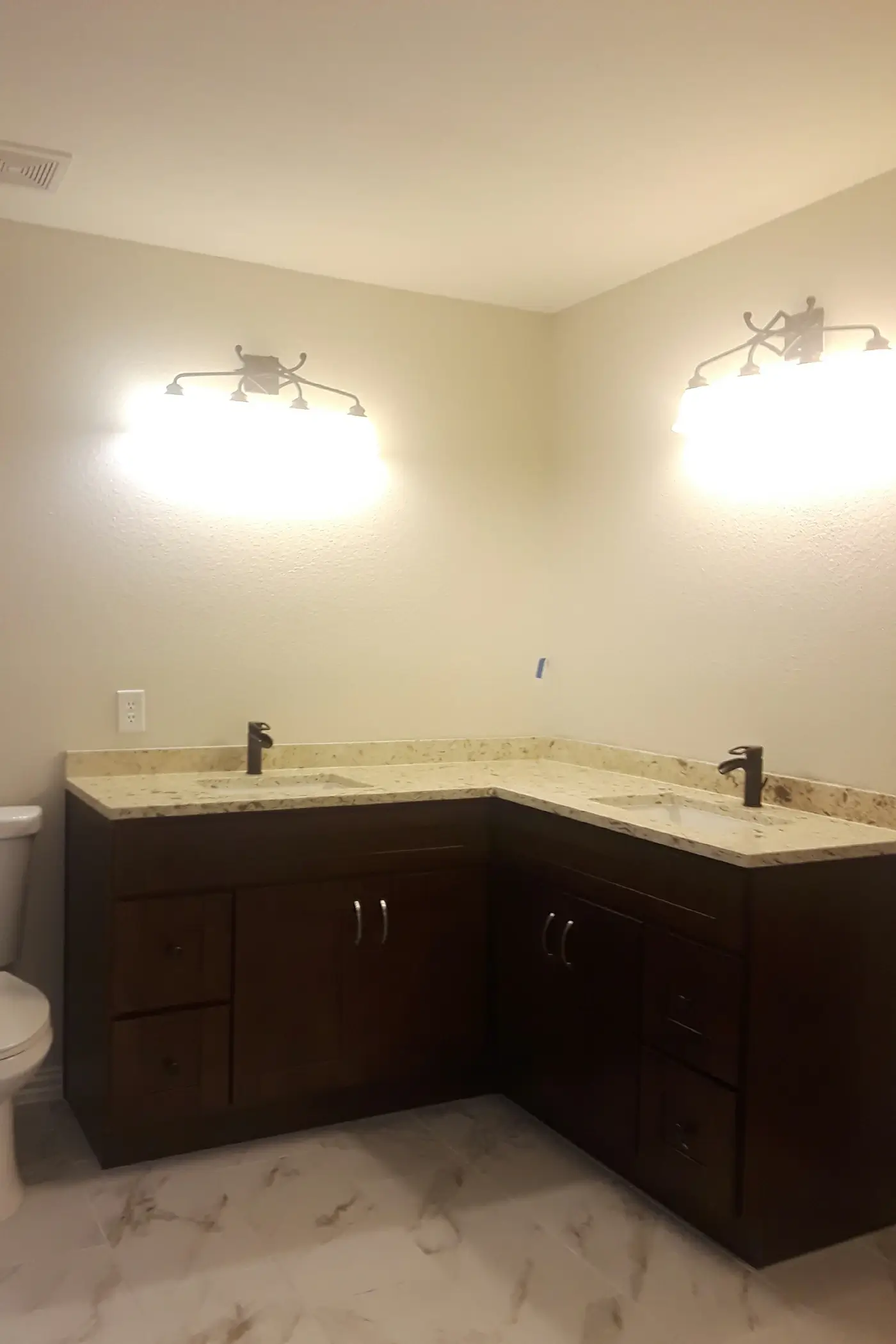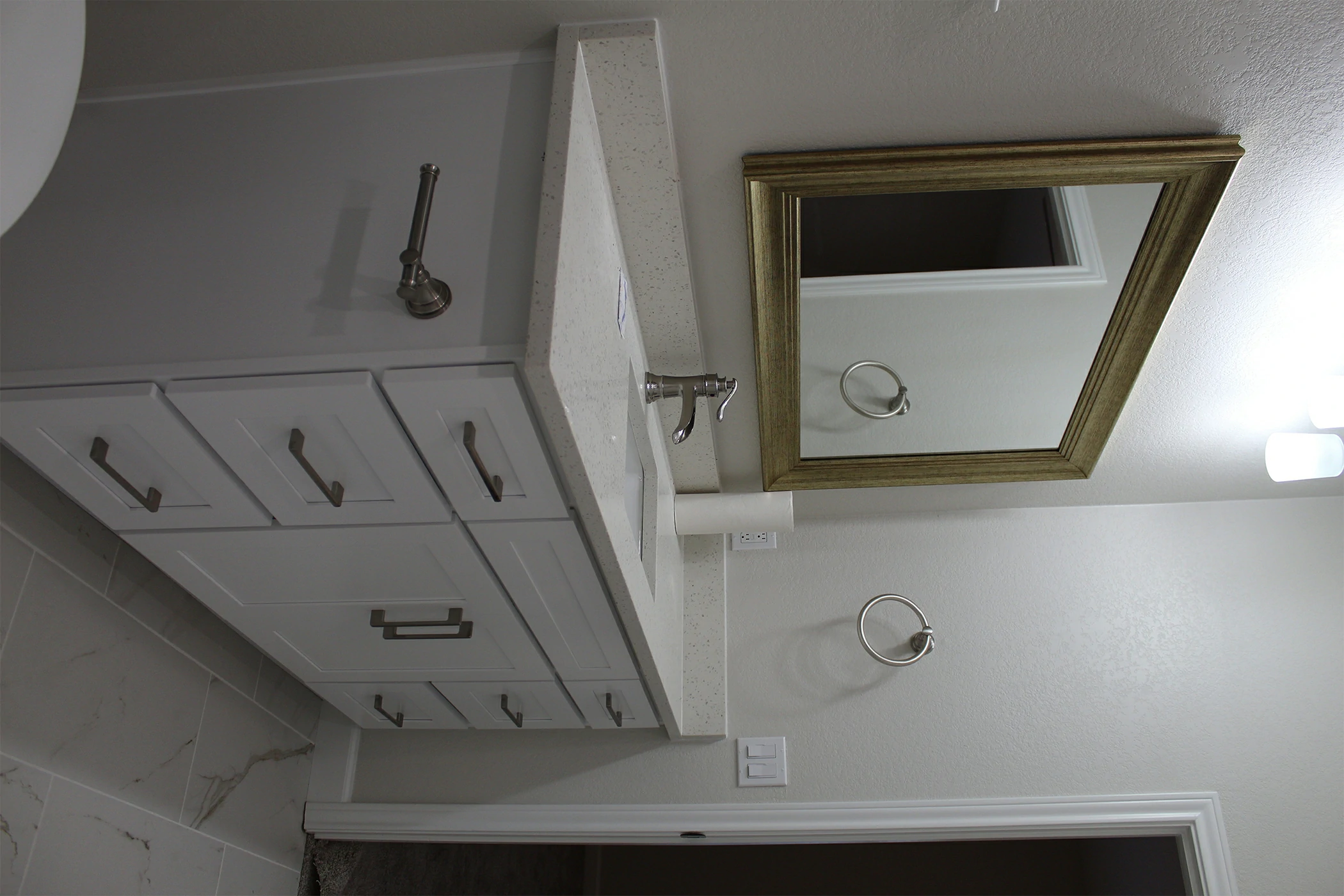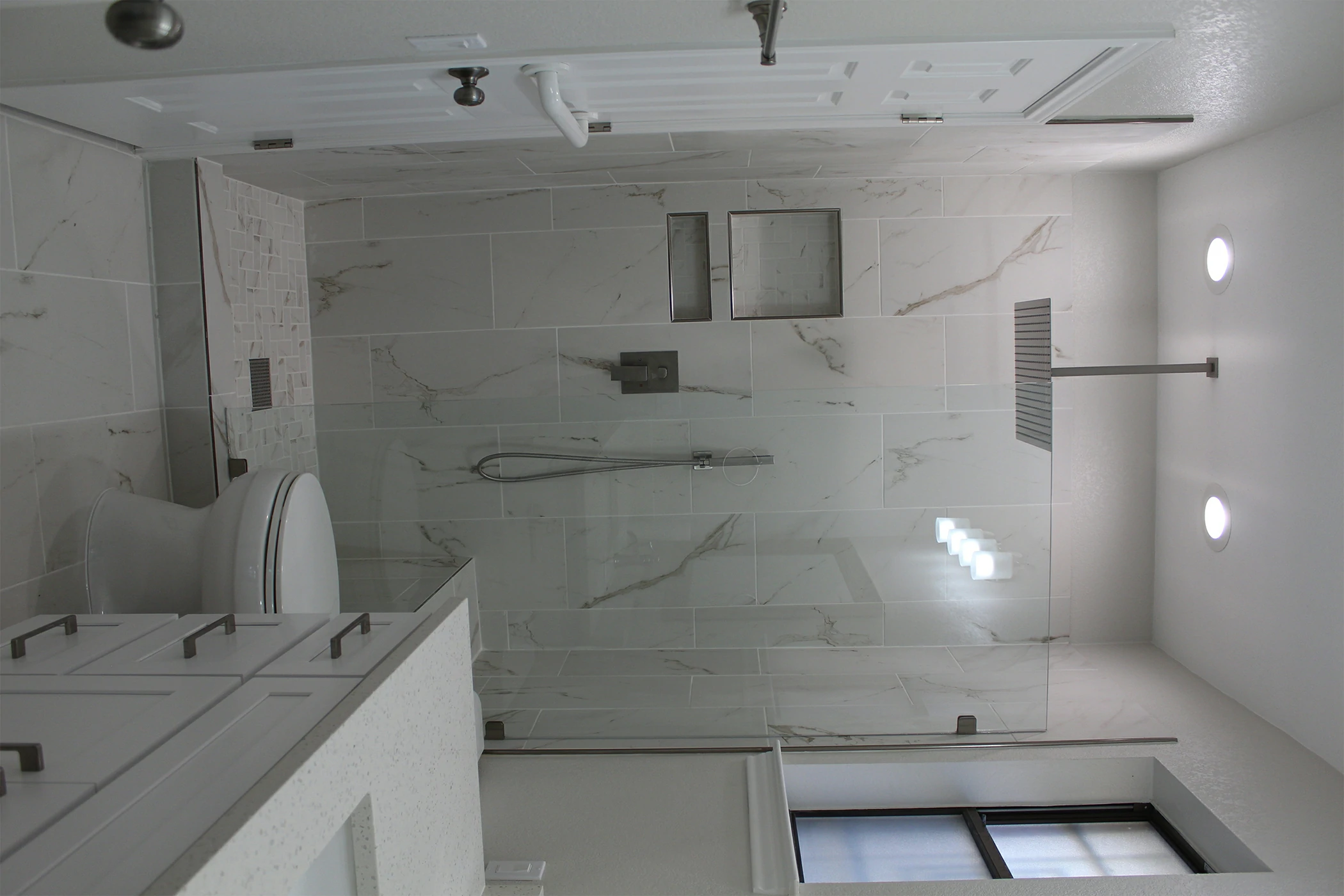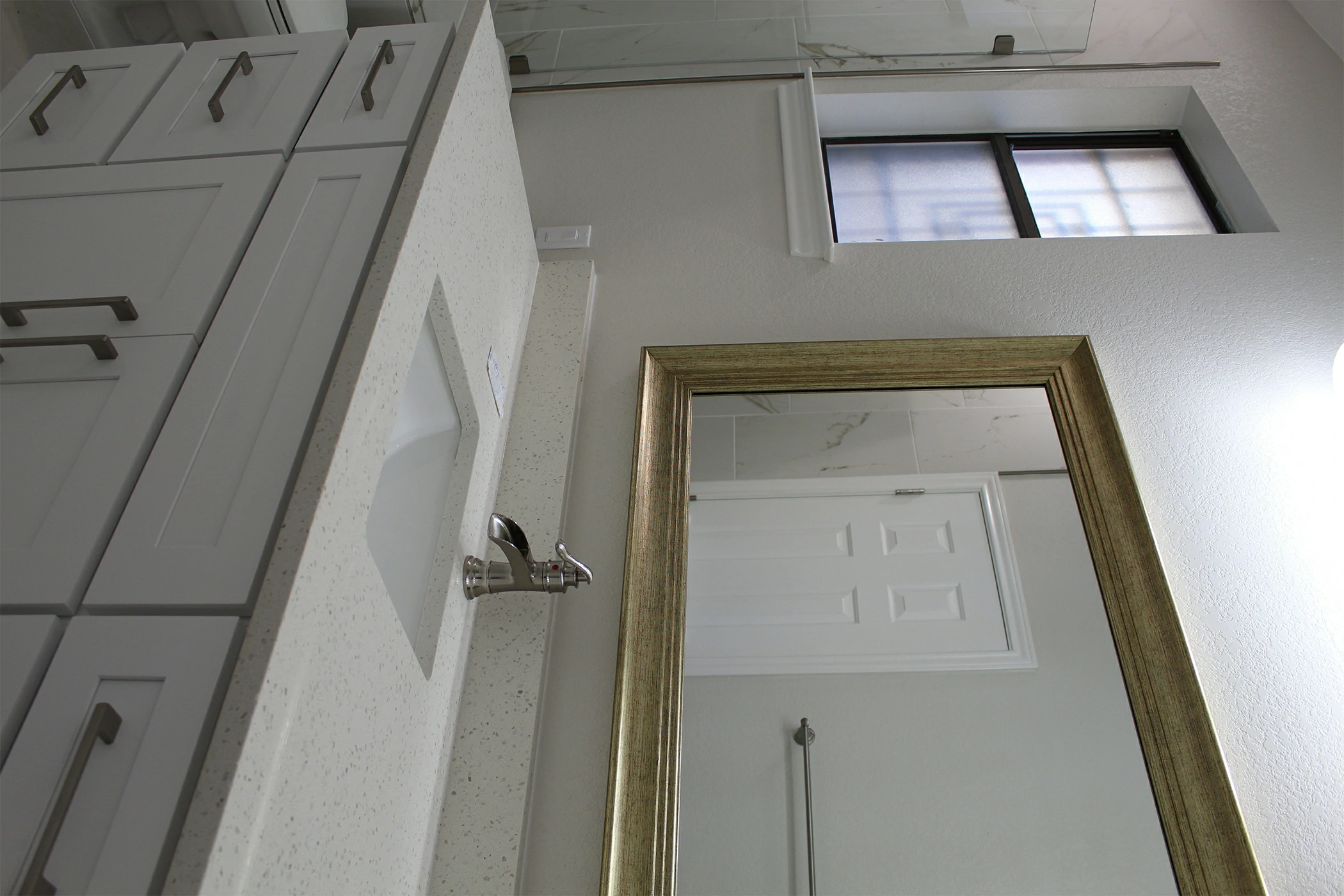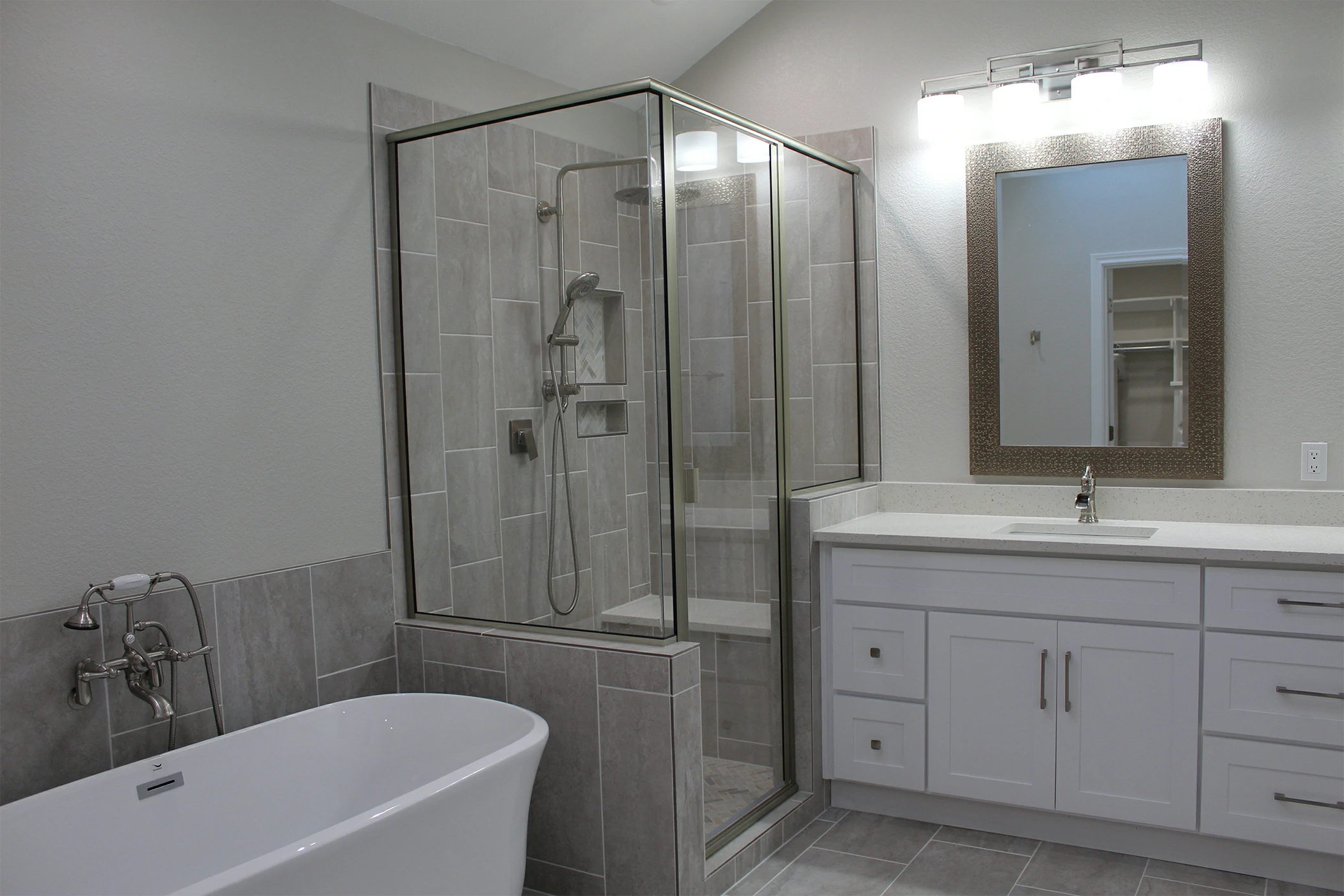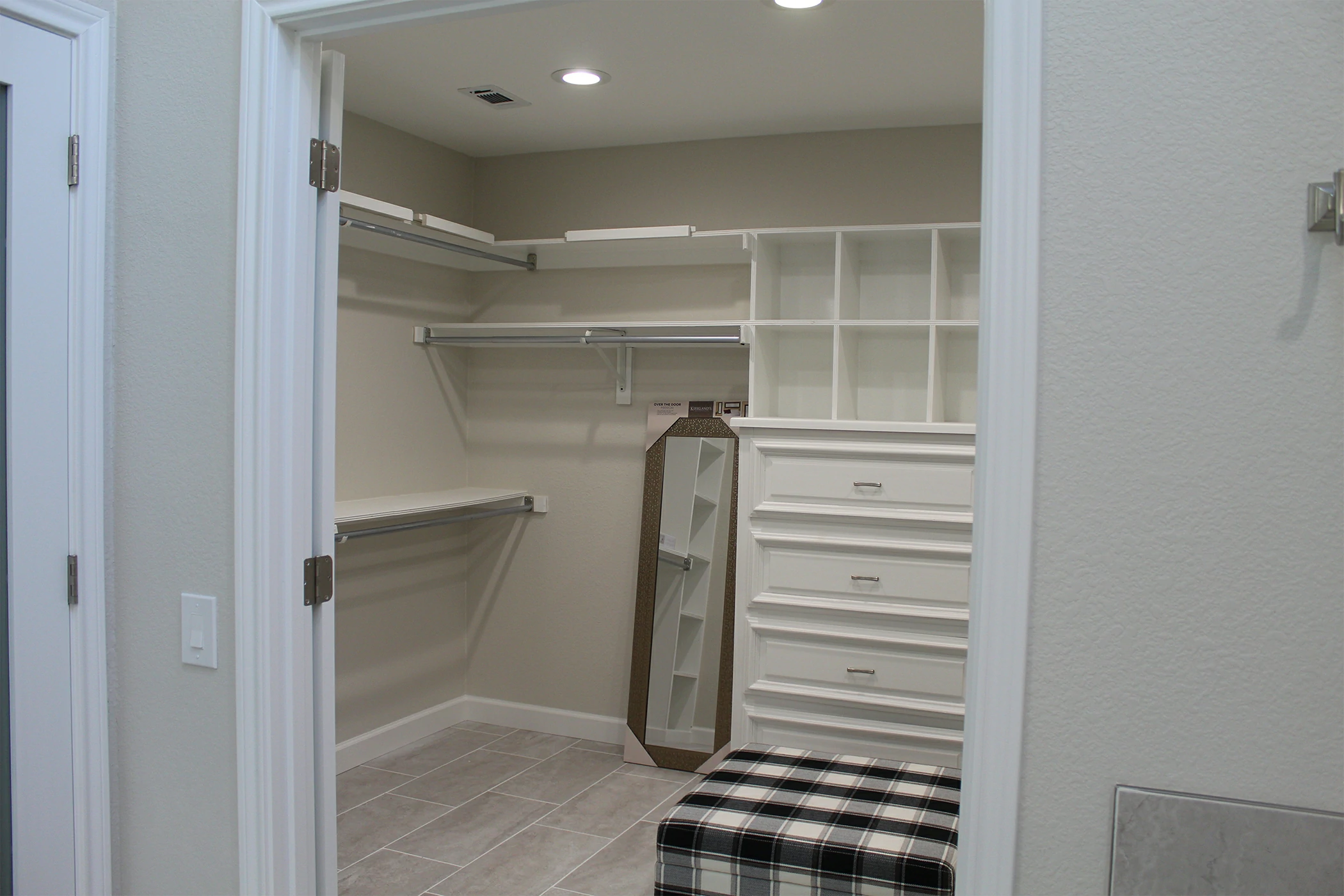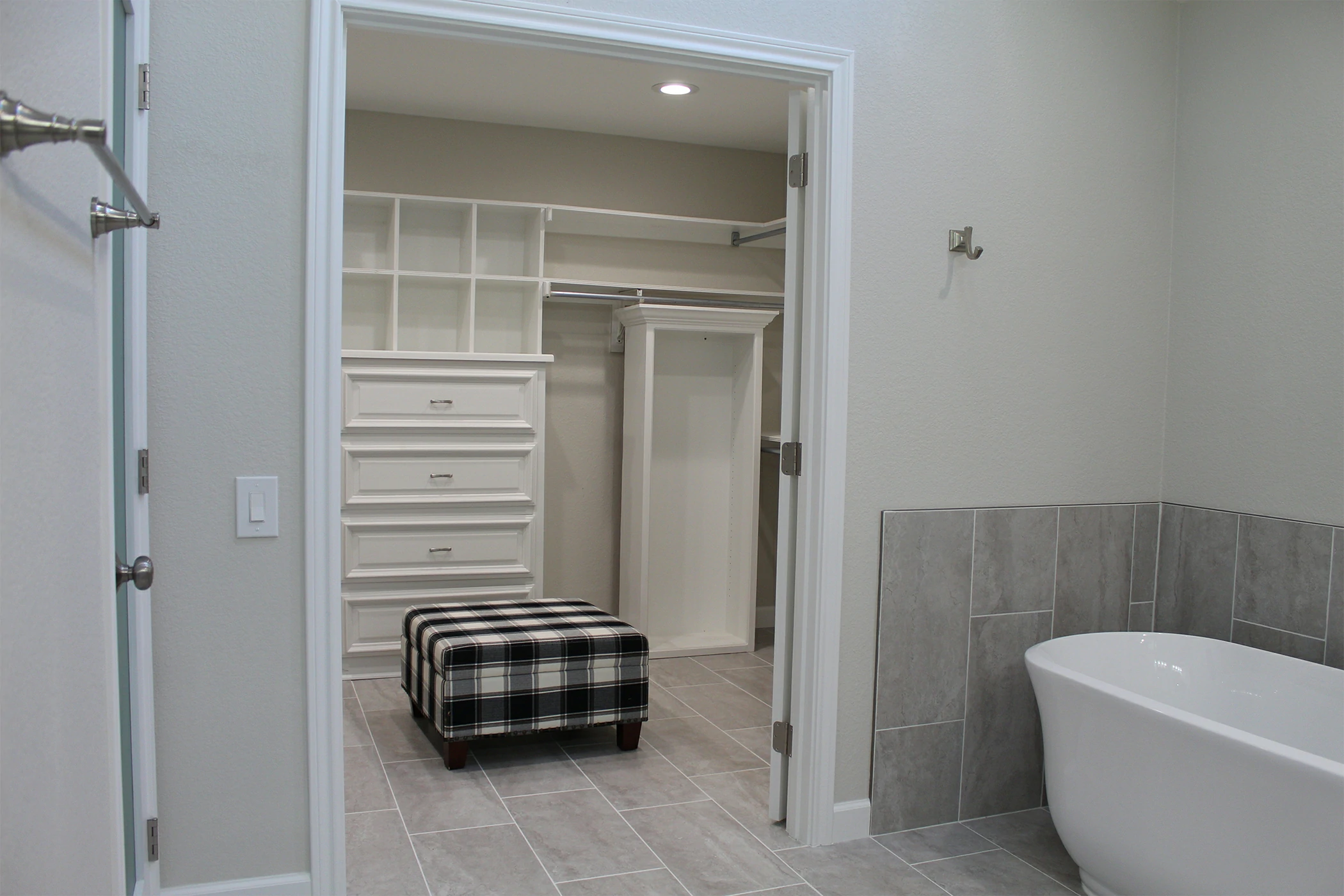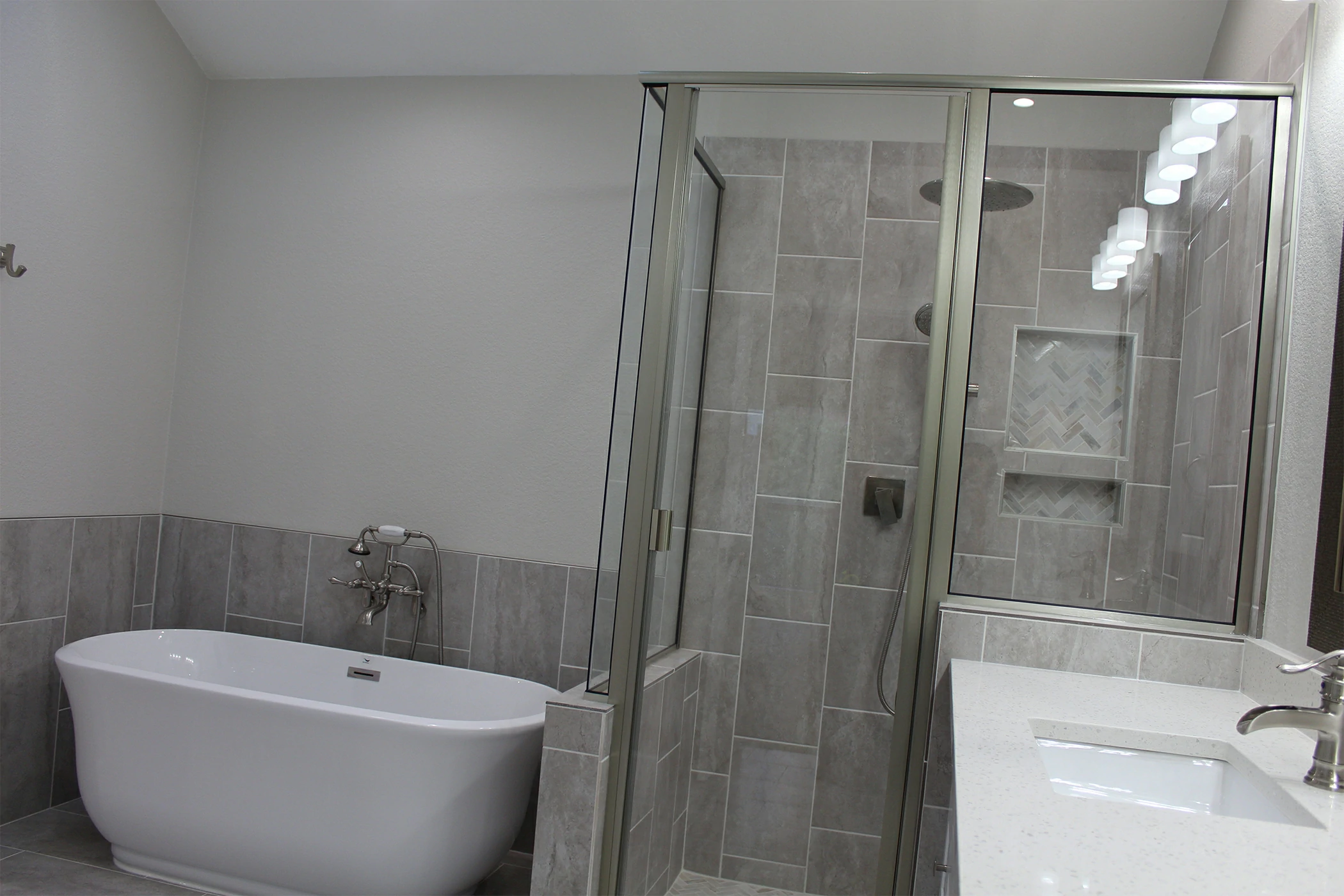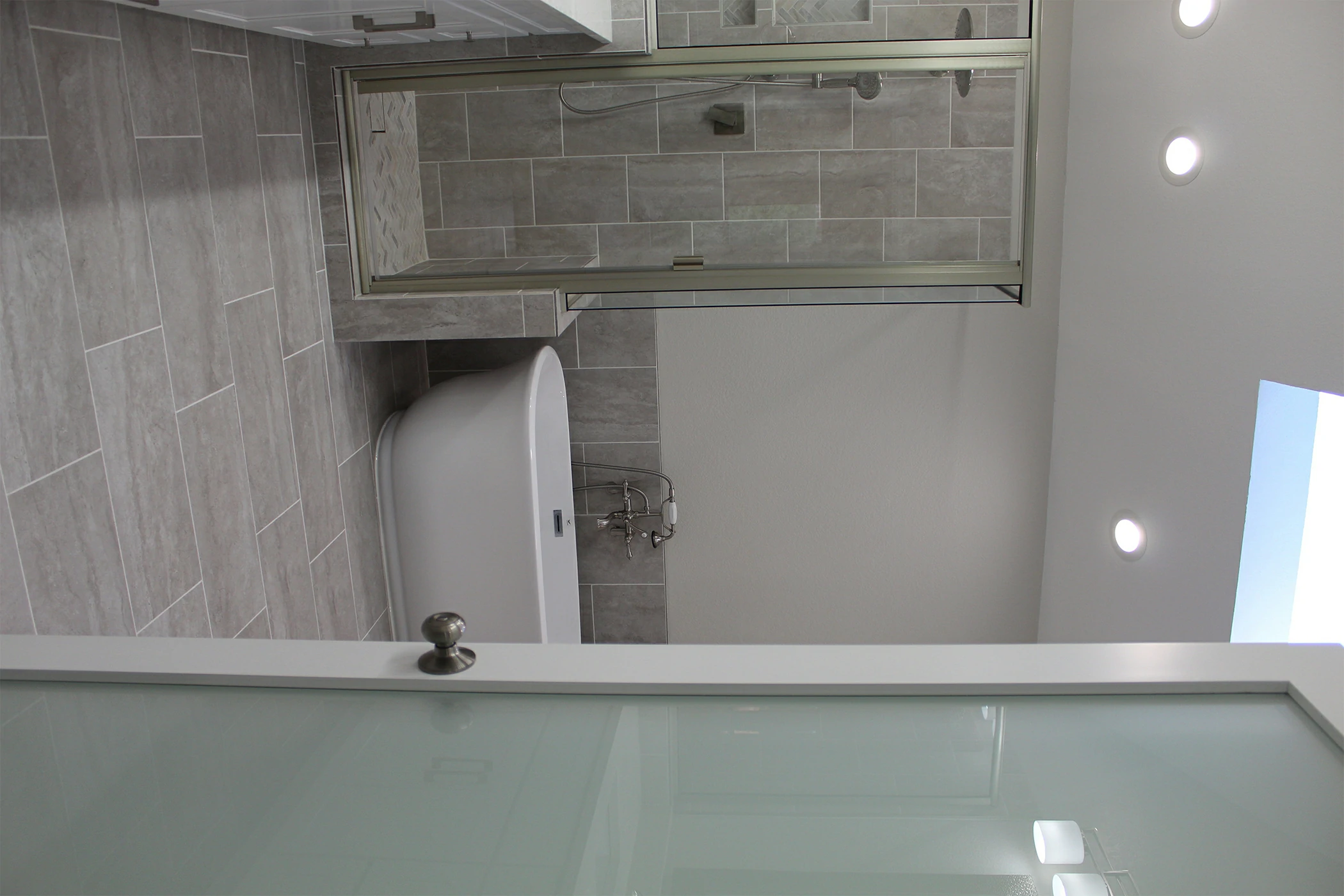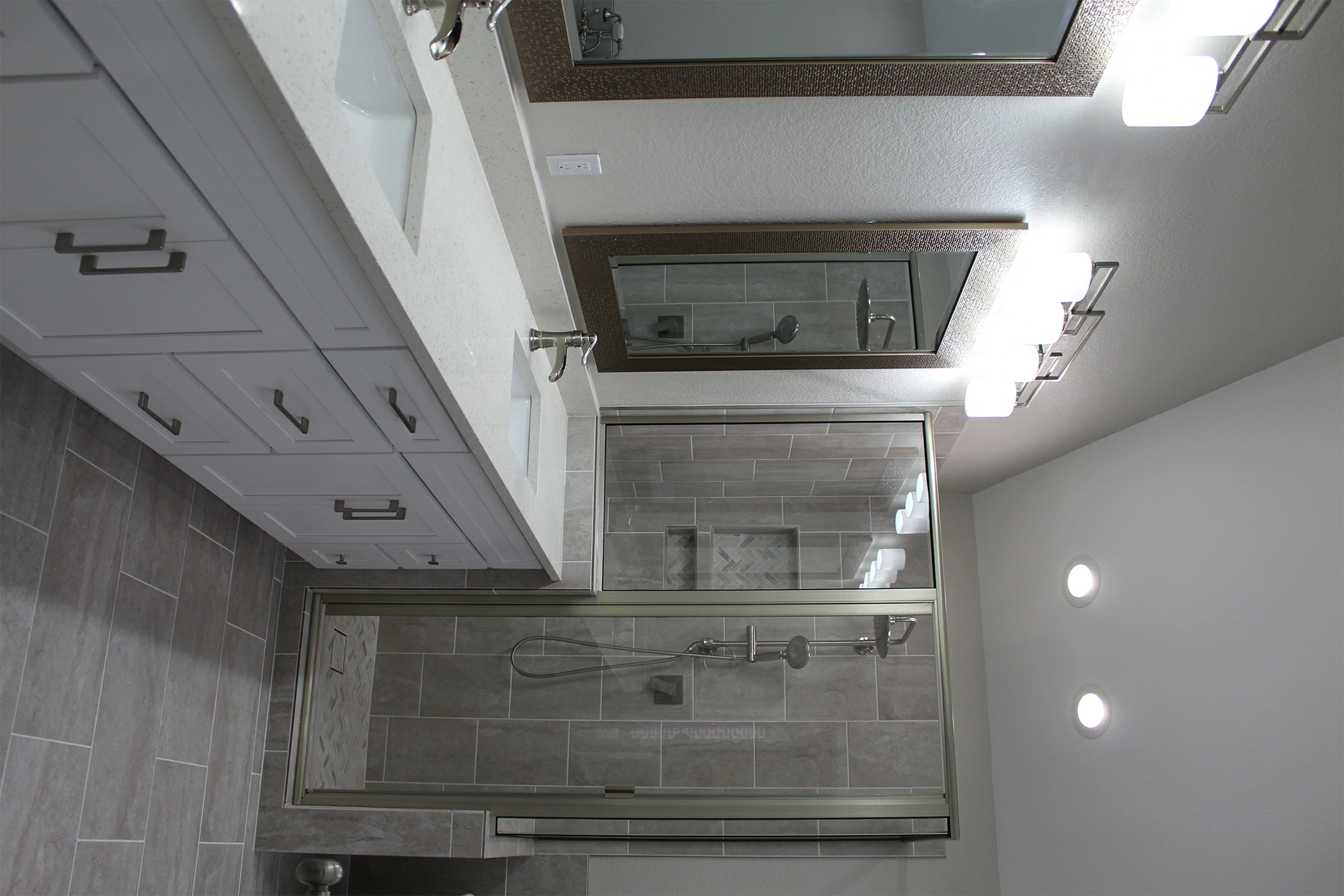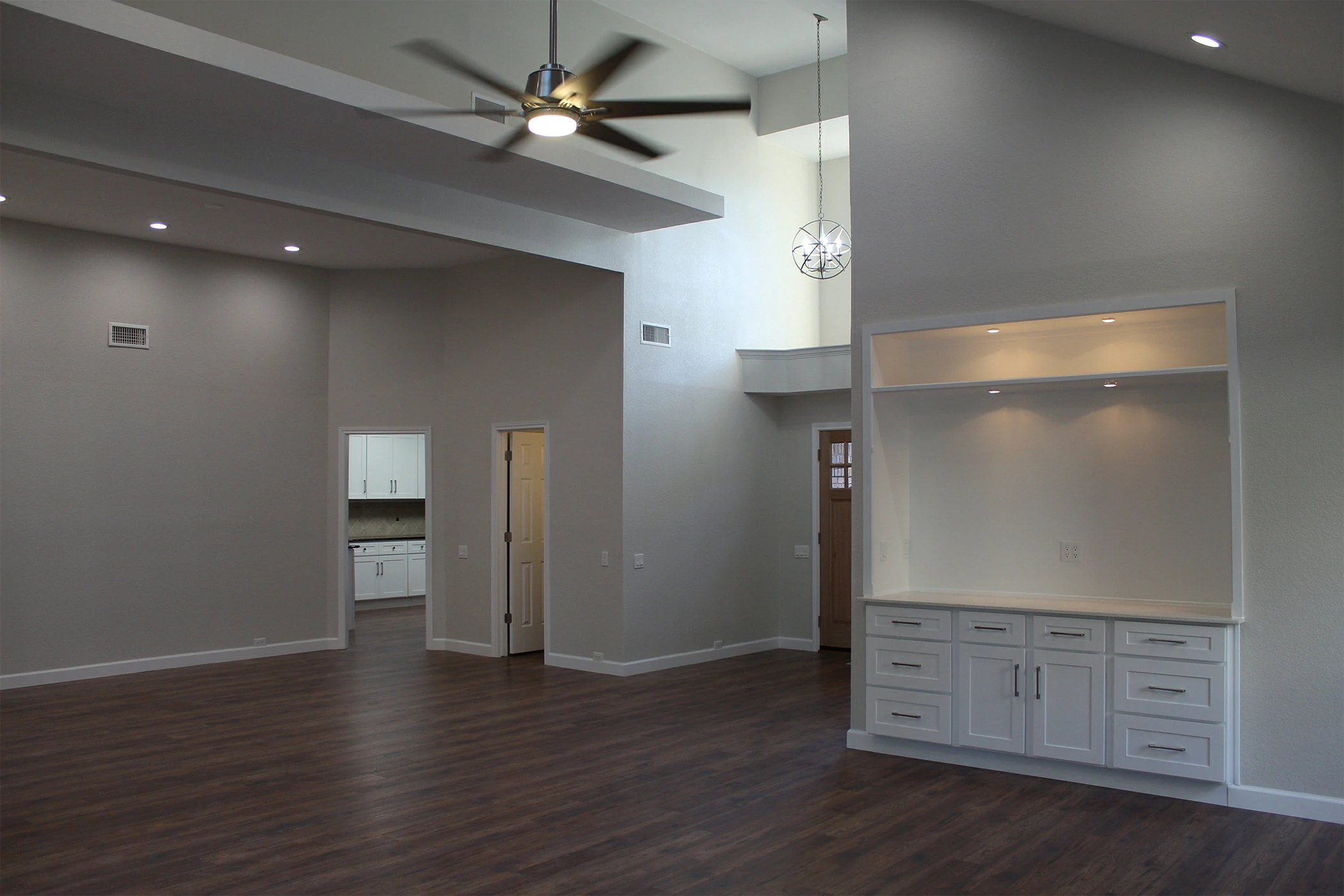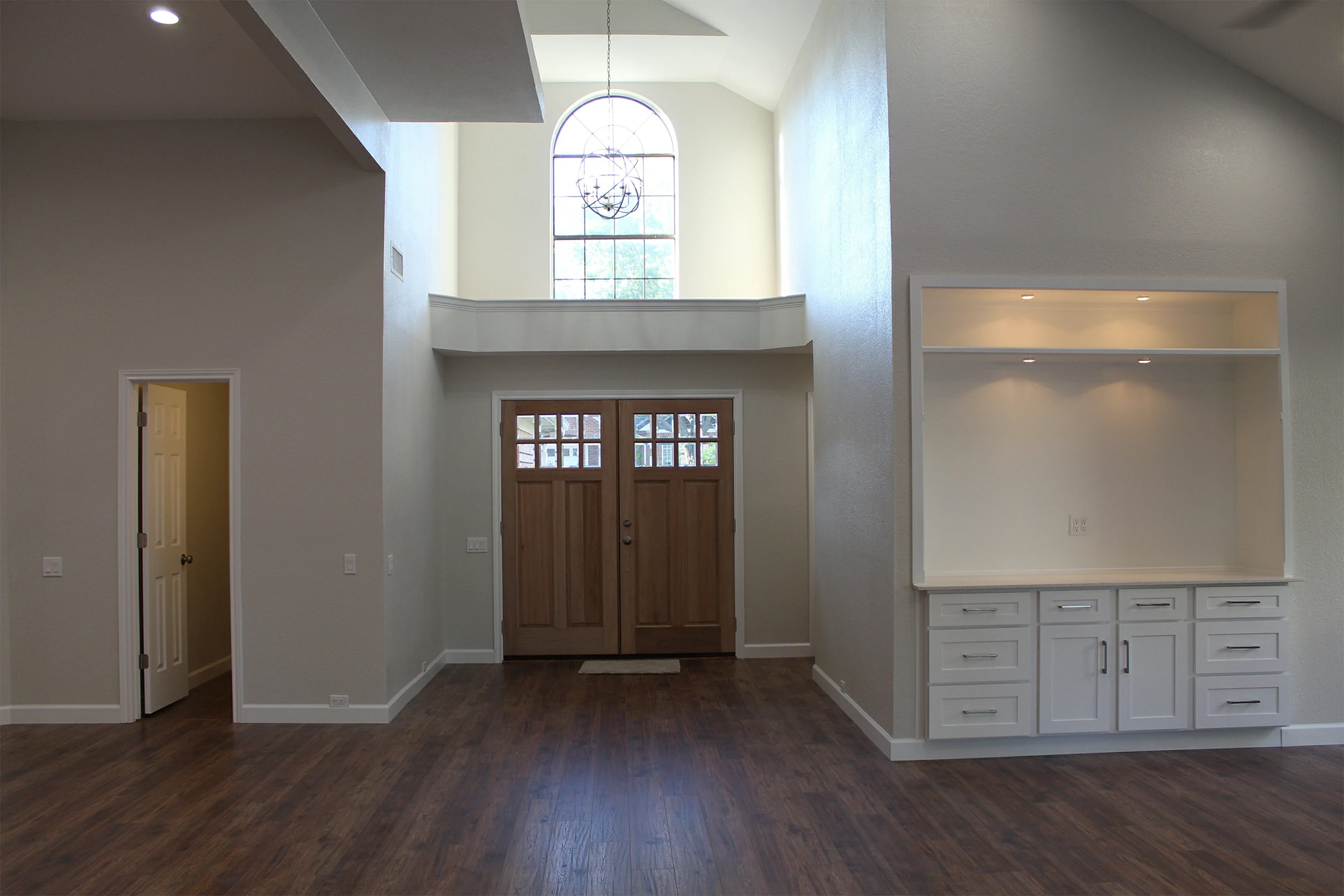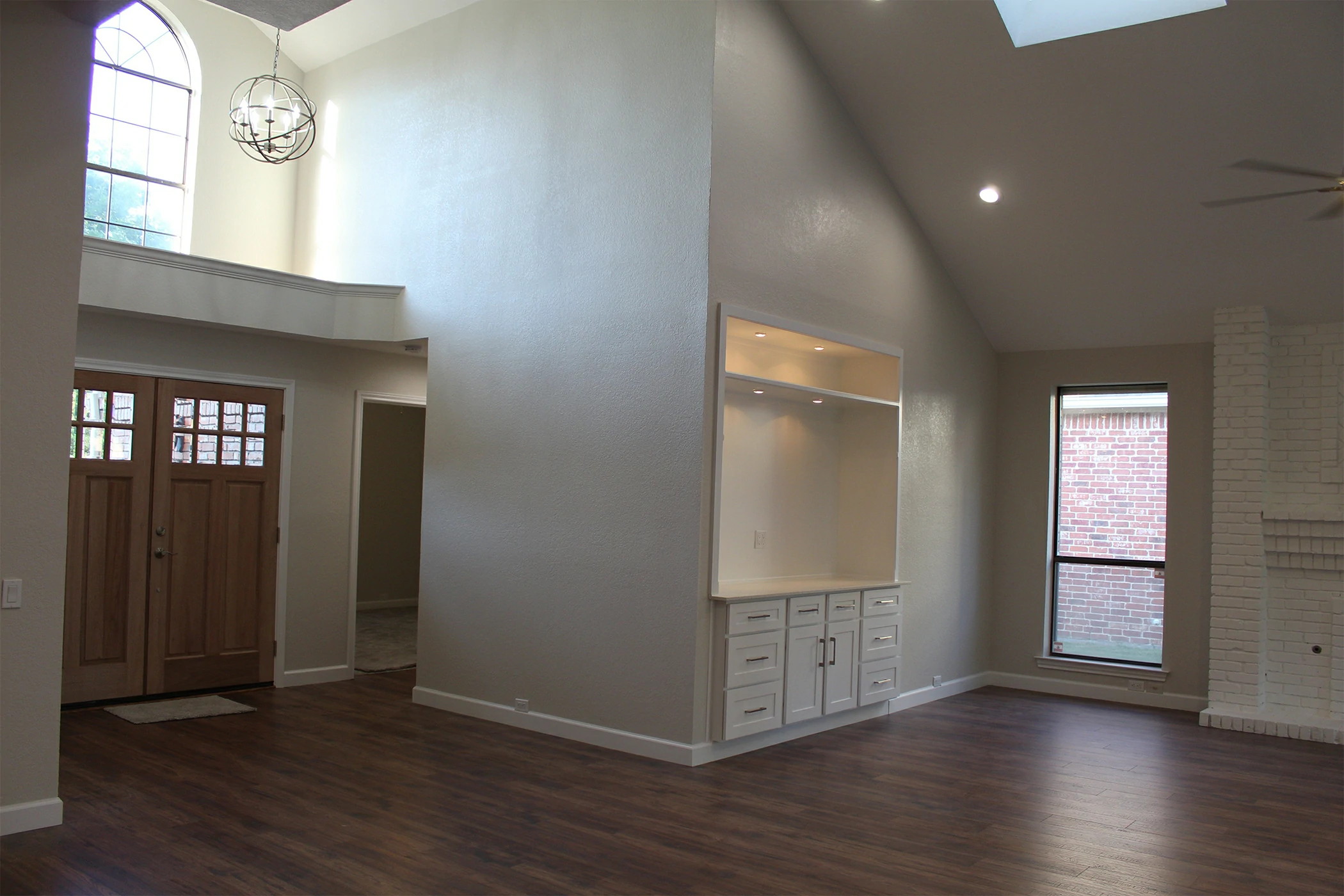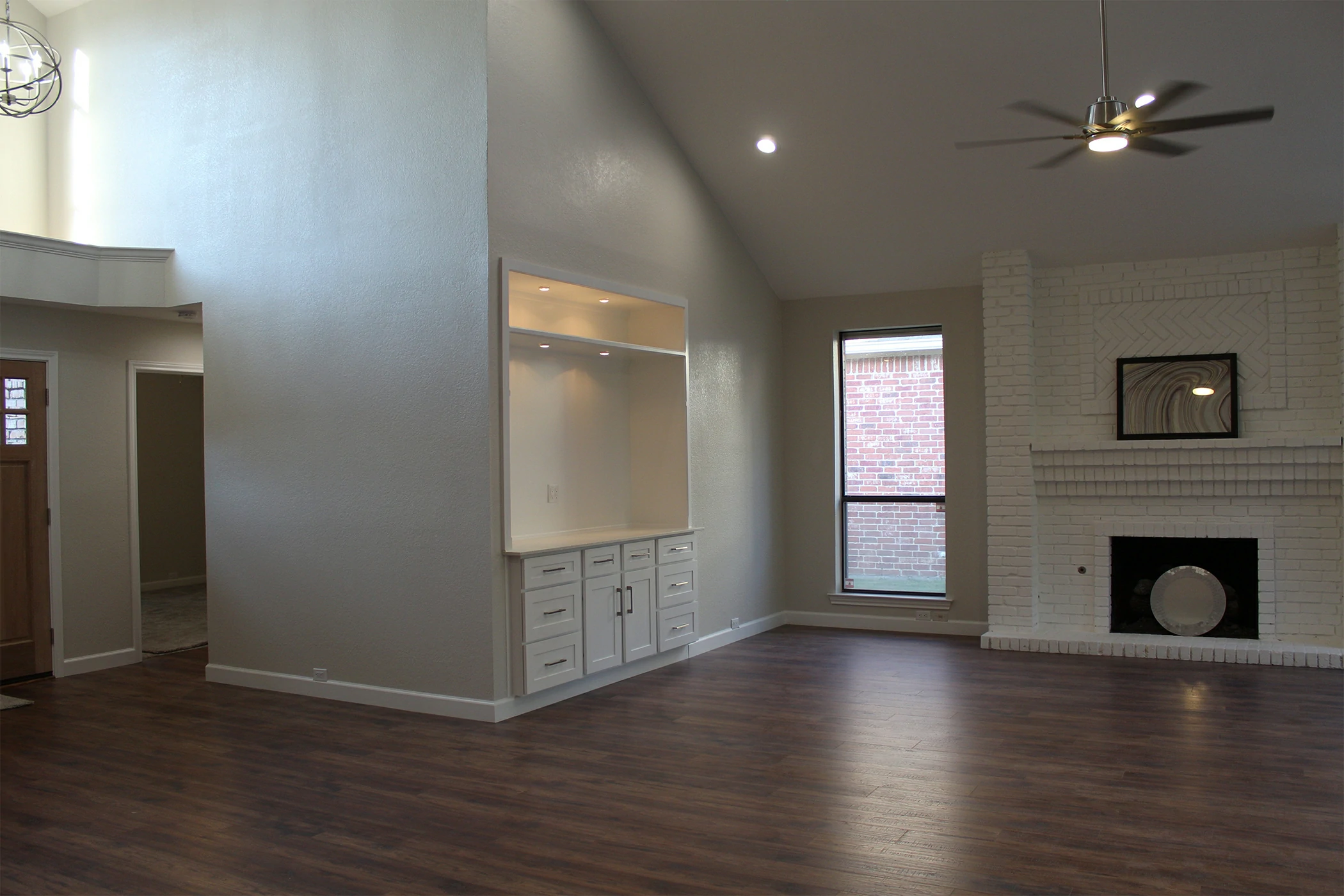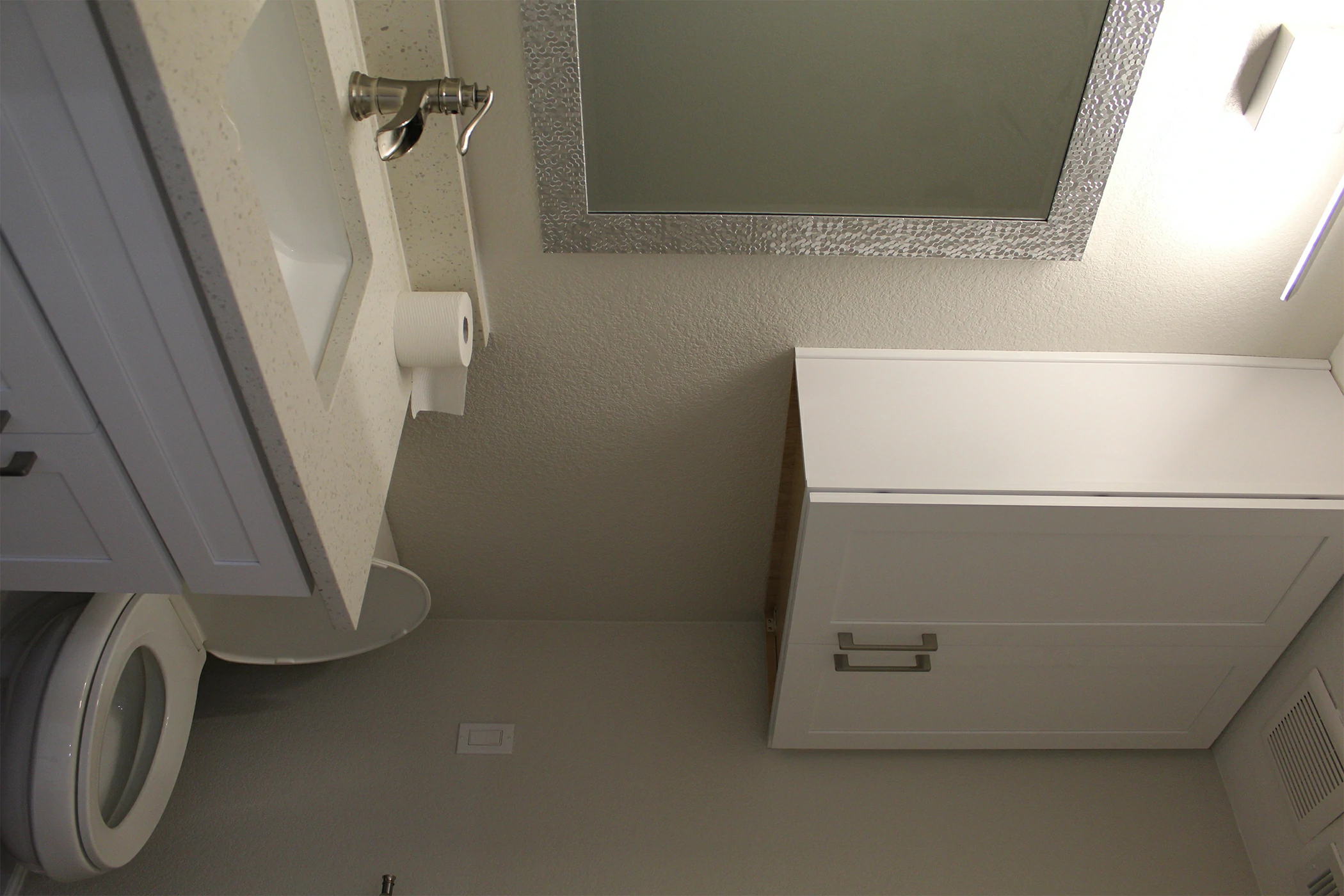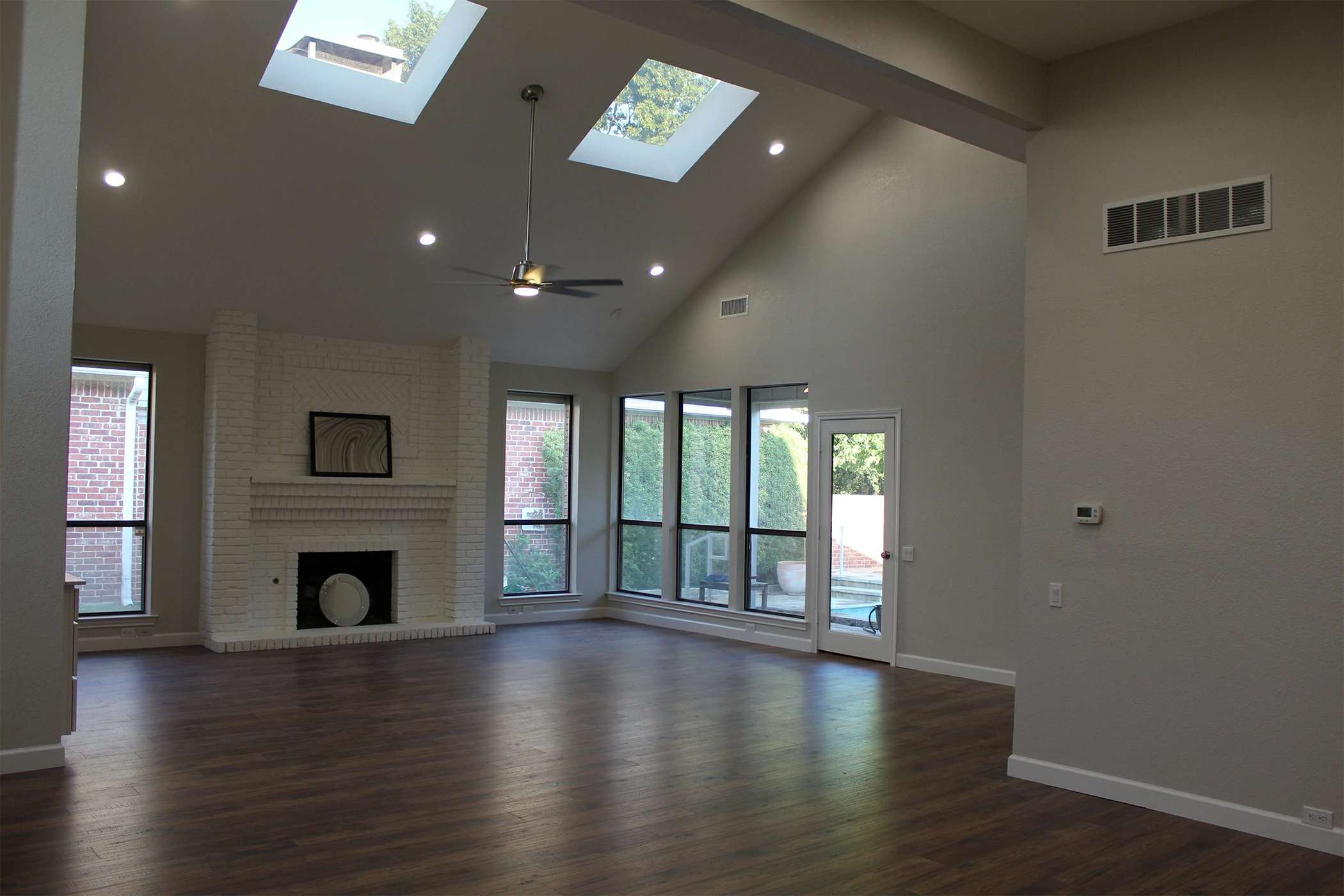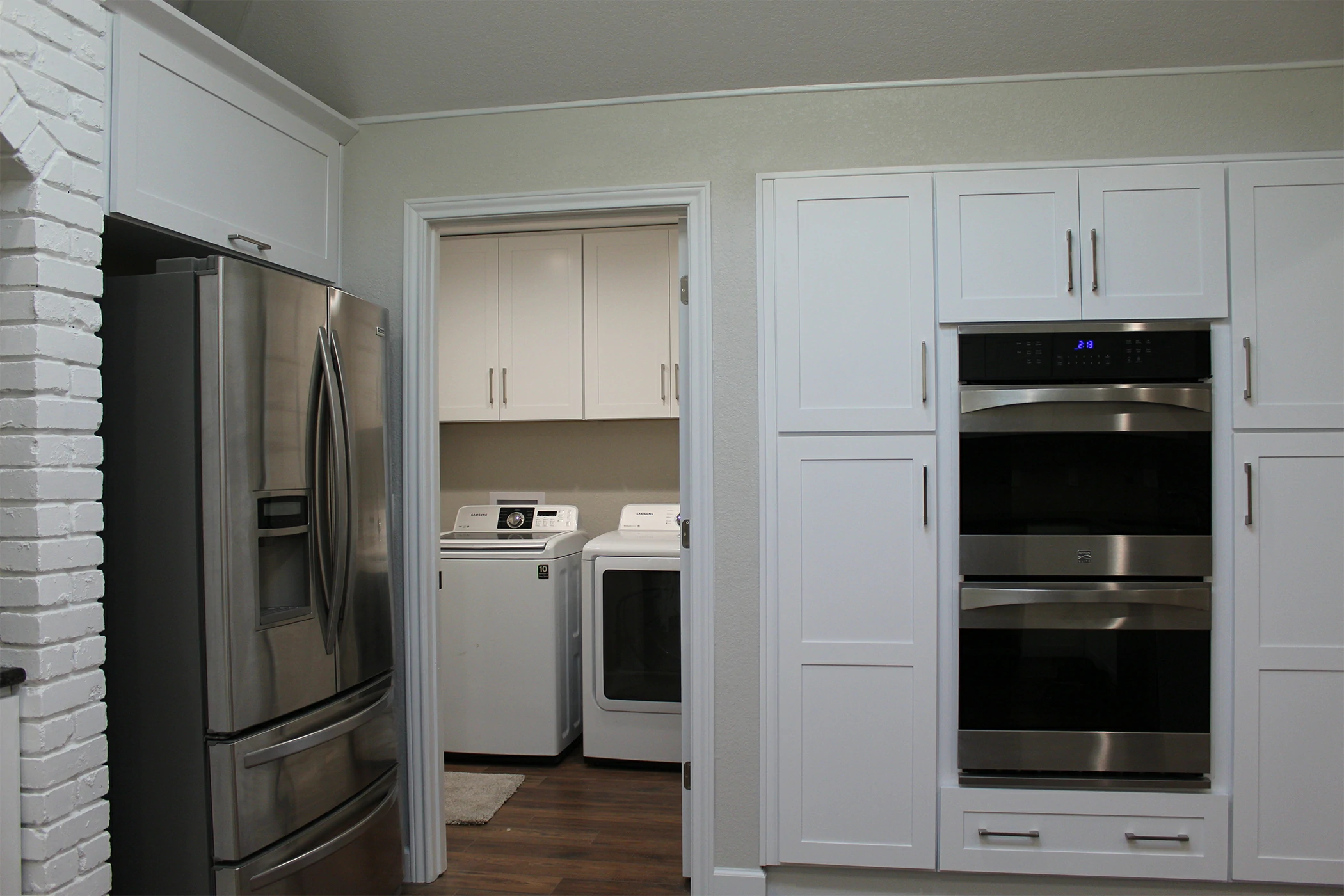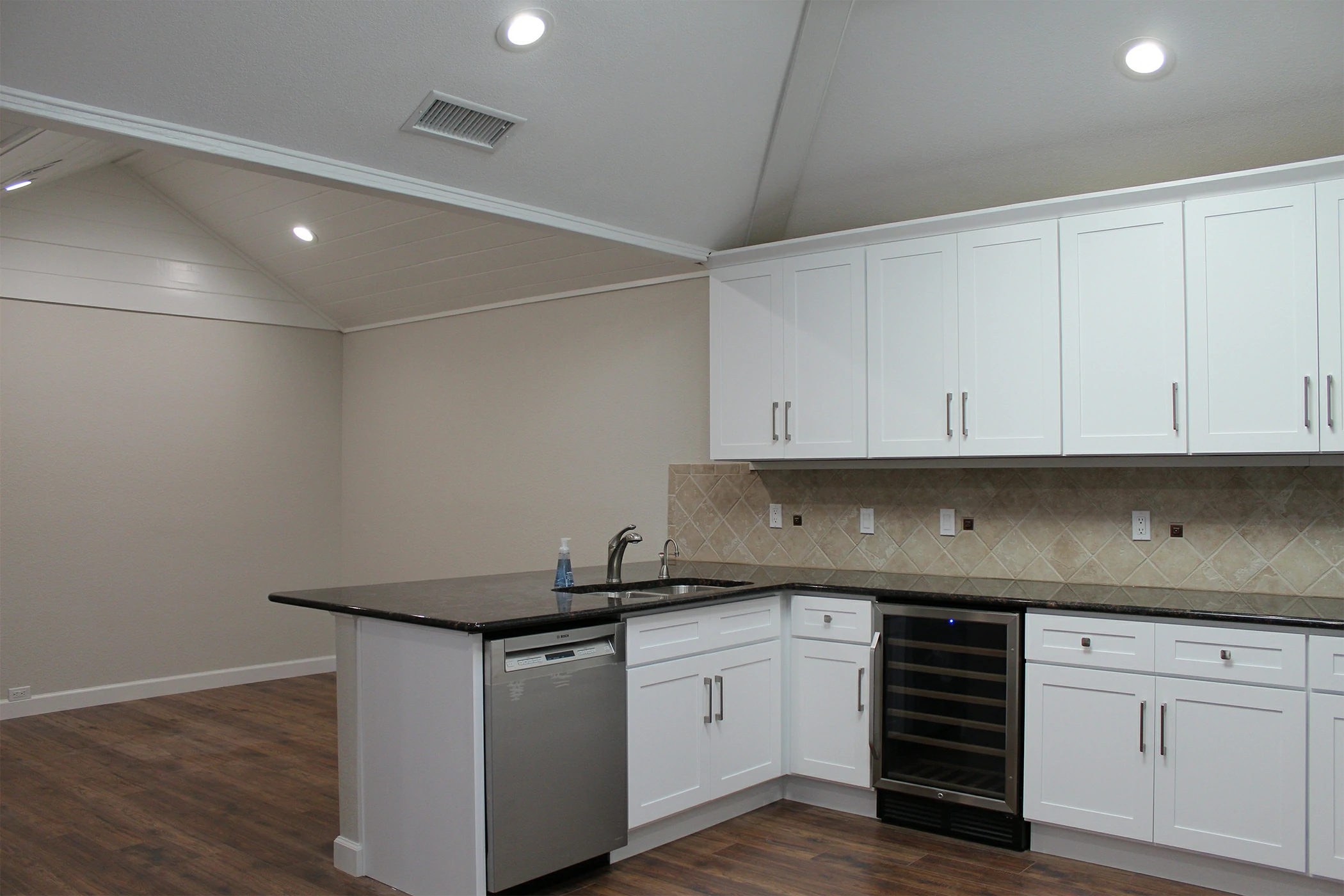
Home remodeling is a significant decision that affects both your living experience and property value. Whether you are upgrading a kitchen, redesigning a bathroom, or planning a full-scale renovation, preparation is essential. Many homeowners turn to experienced service providers such as Bina Homes to better understand the process and avoid costly mistakes.
Before starting any home remodeling project, it is important to evaluate your goals, budget, and expectations. A well-planned approach ensures smoother execution and more satisfactory results.
Understanding Your Remodeling Goals
Before beginning, clearly define why you want to remodel your home. Different goals require different approaches.
Improving Functionality
Some homeowners remodel to improve how their space works. This may involve:
- Expanding a kitchen layout
- Adding storage solutions
- Creating open floor plans
If functionality is your priority, focus on practical changes rather than aesthetic upgrades.
Enhancing Aesthetics
Aesthetic remodeling focuses on visual improvements such as:
- Updating finishes and materials
- Changing color schemes
- Modernizing outdated designs
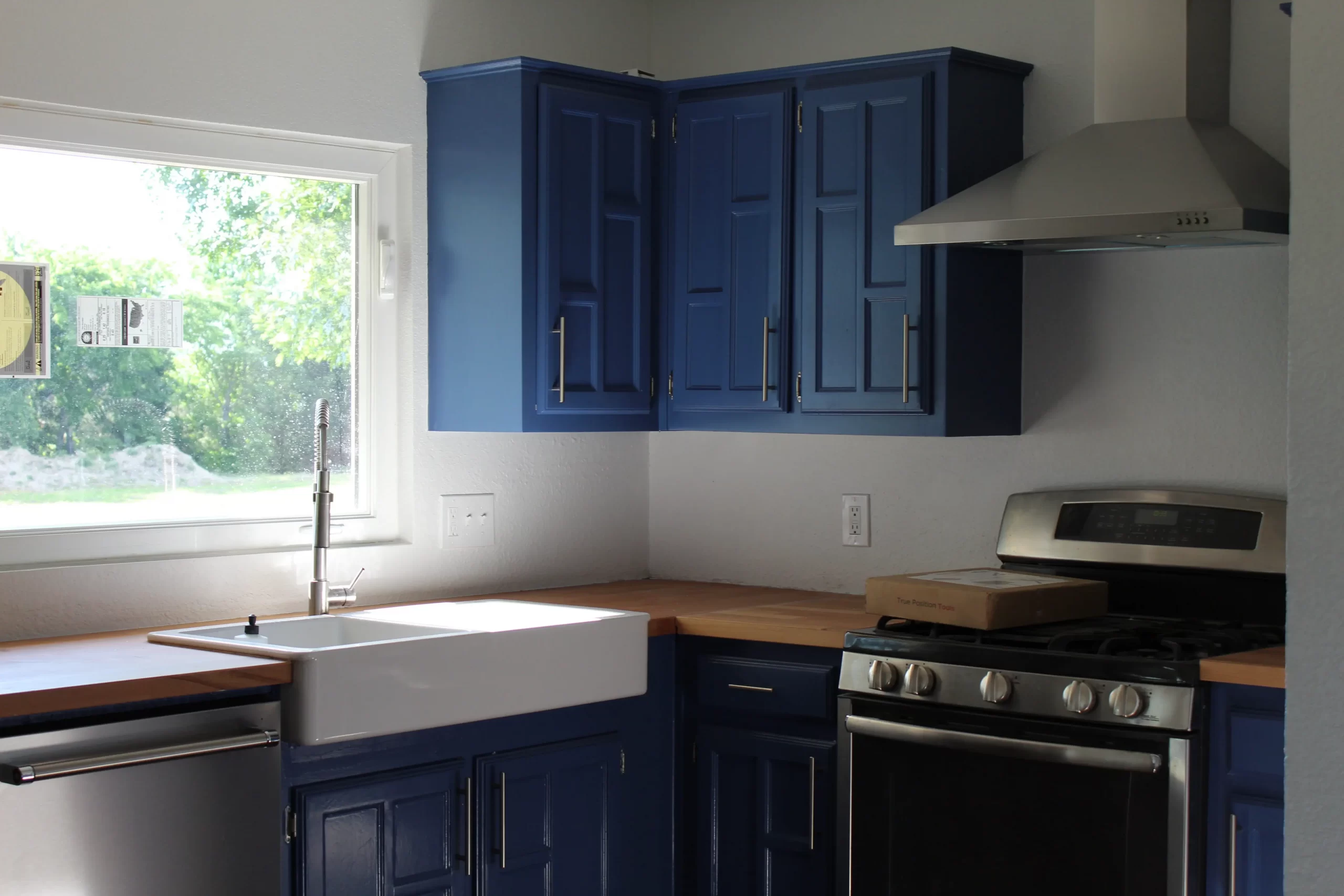
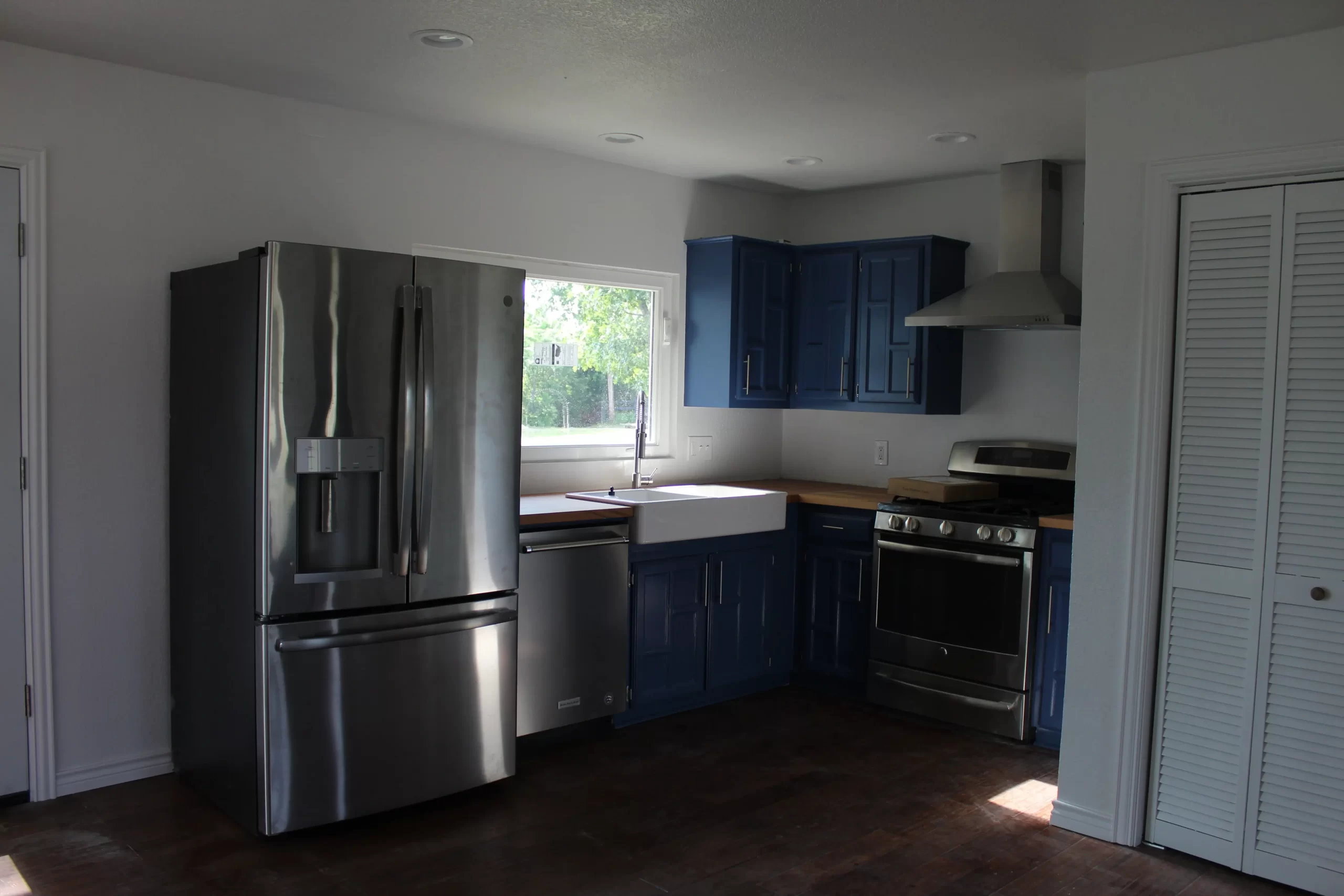
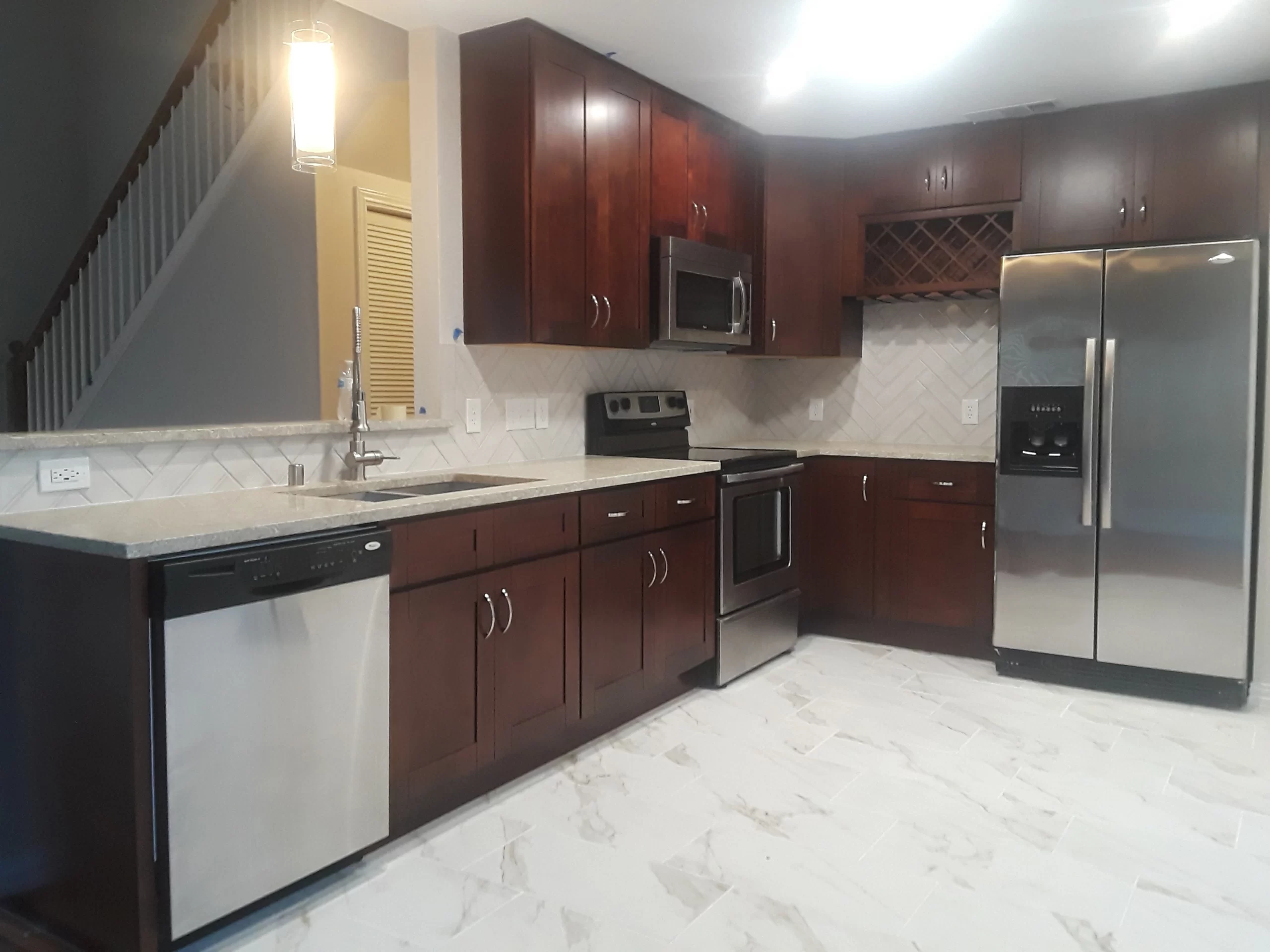
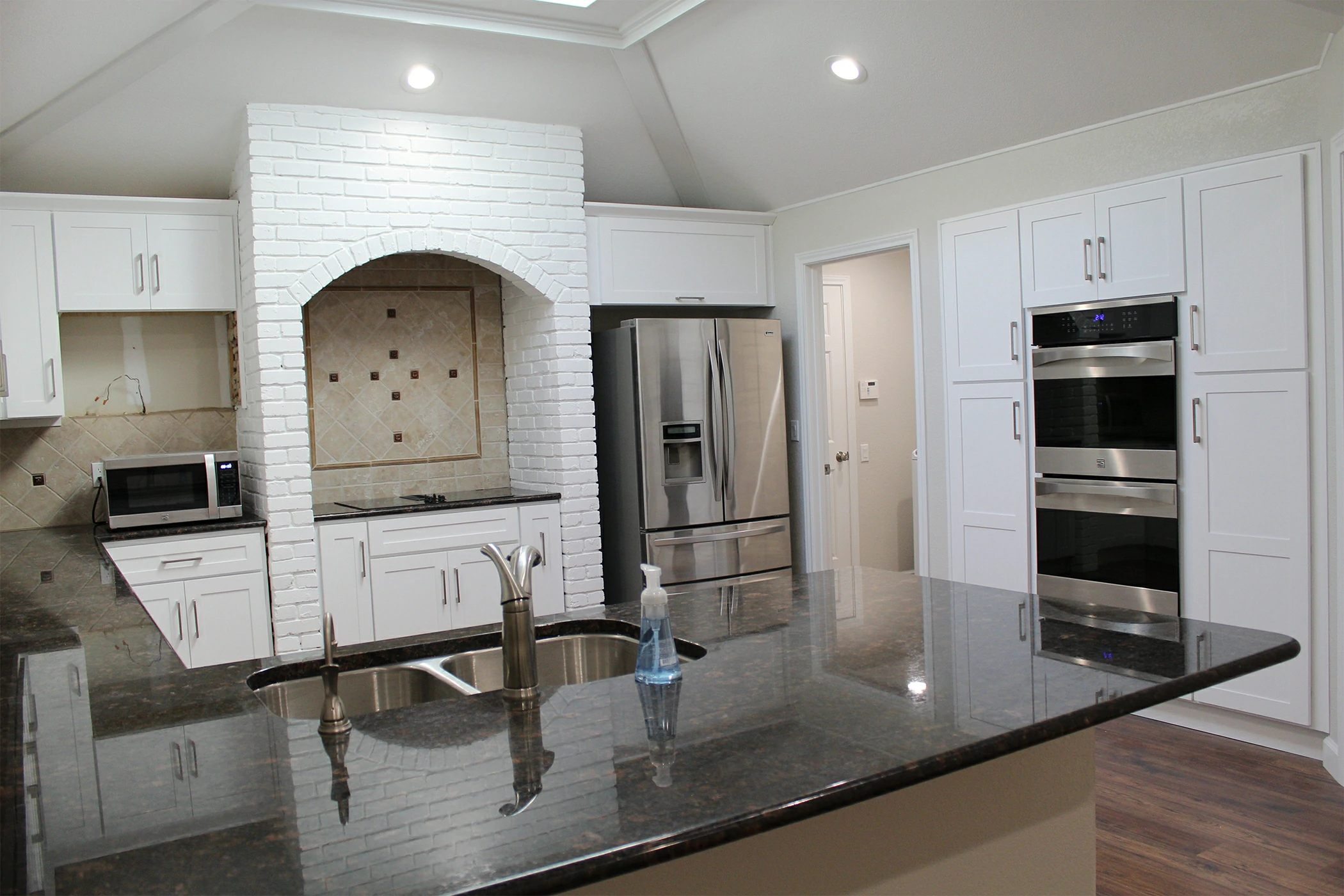
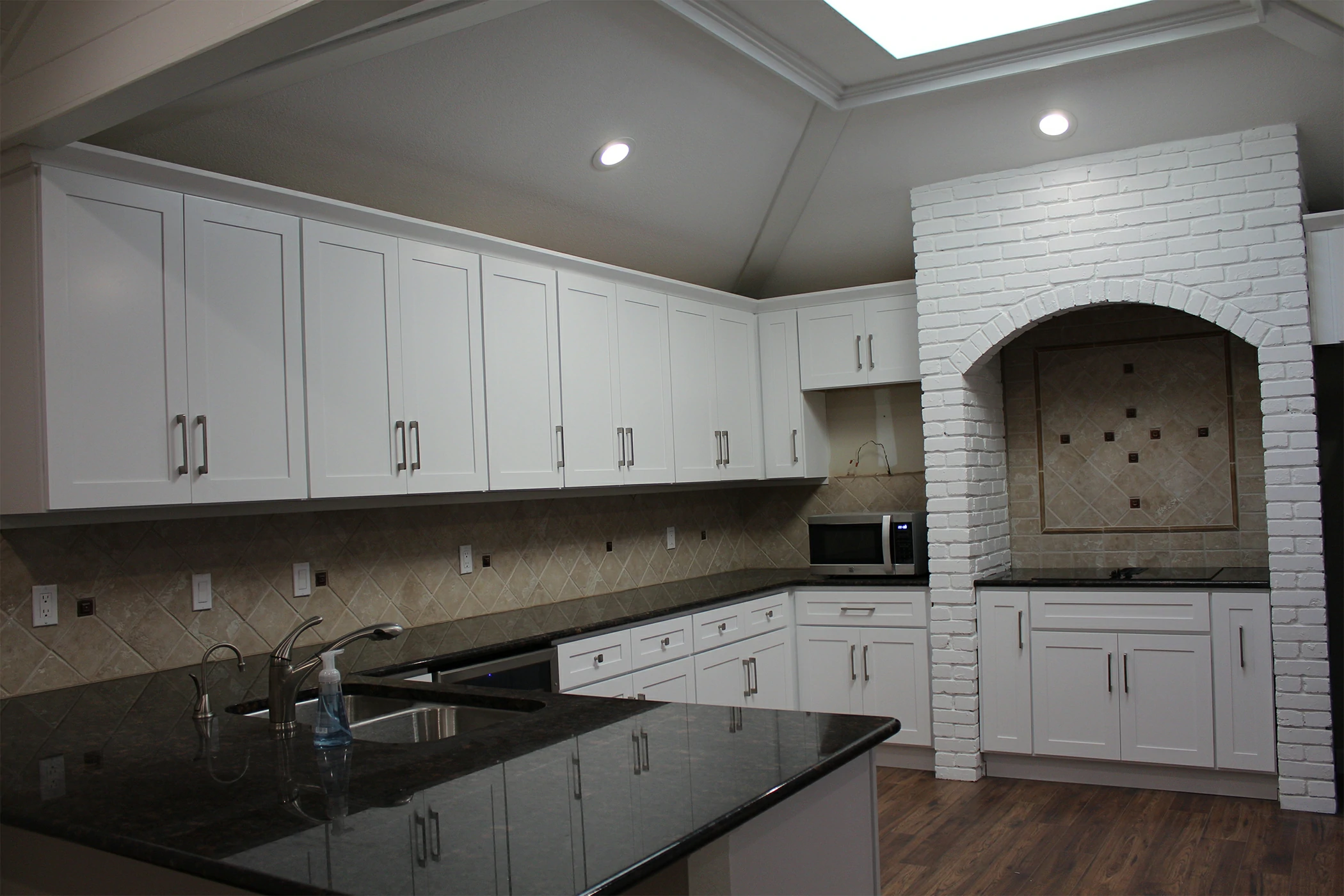
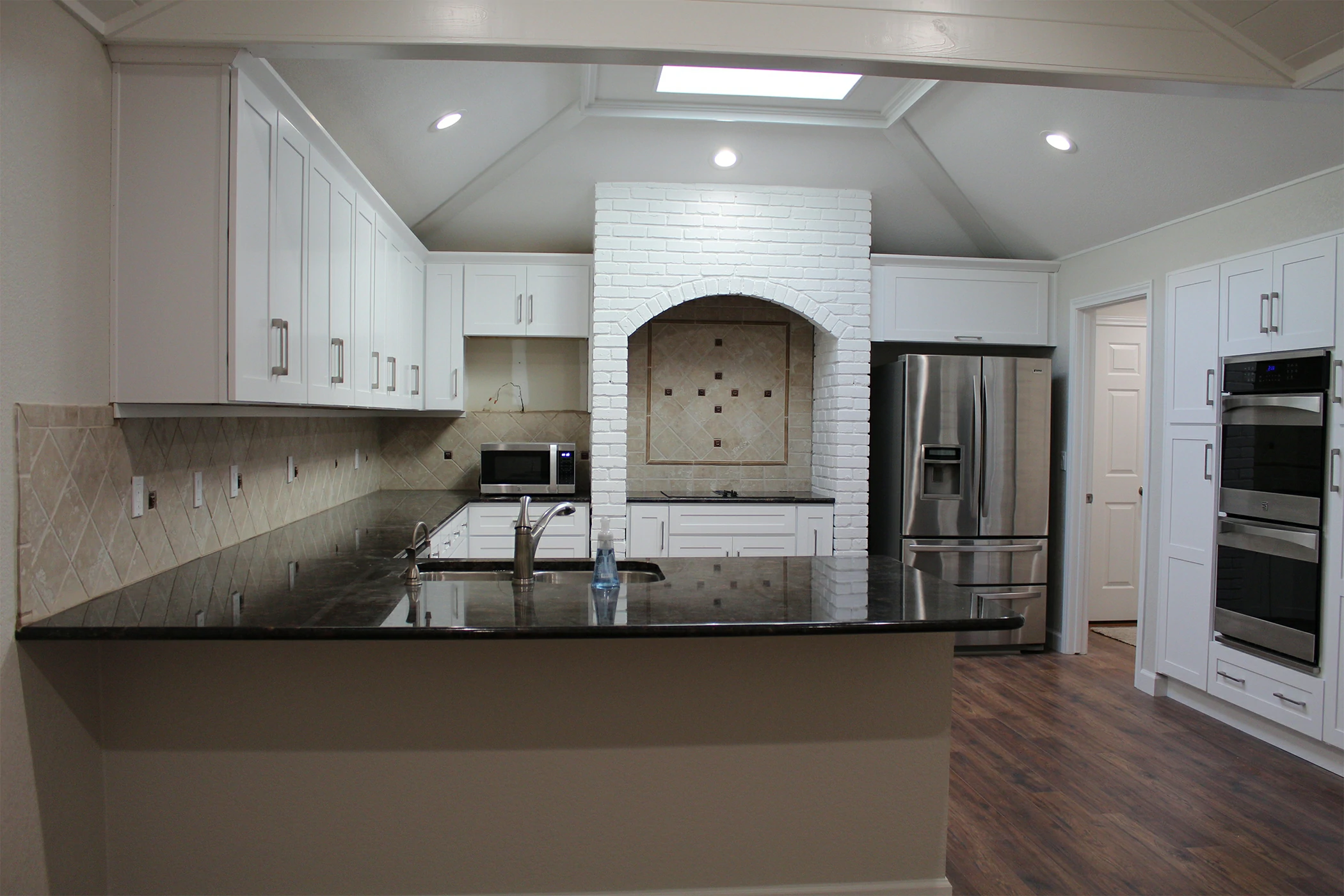
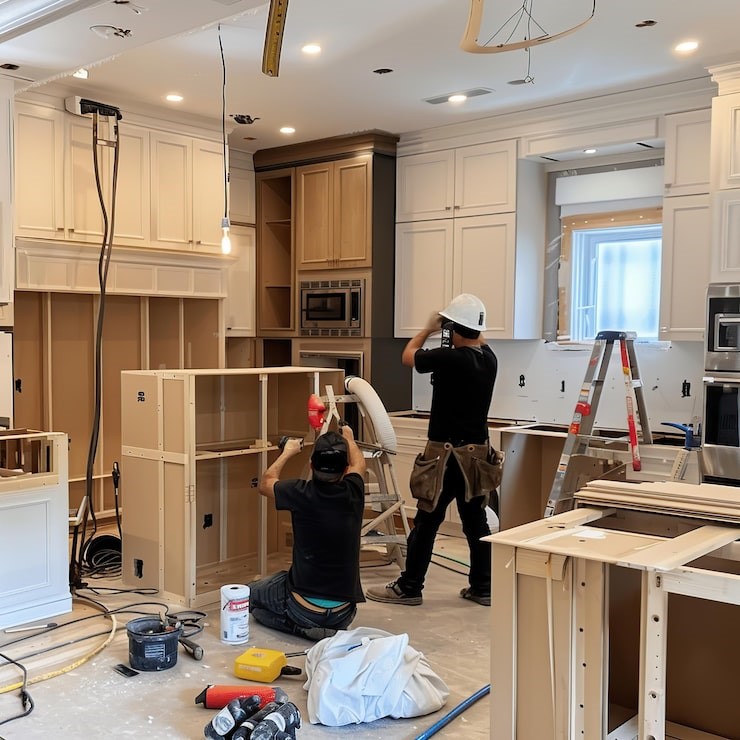
For example, exploring options like kitchen remodeling services can help you understand design possibilities.
Increasing Property Value
Remodeling can also be an investment strategy. High return areas include:
- Kitchens
- Bathrooms
- Energy-efficient upgrades
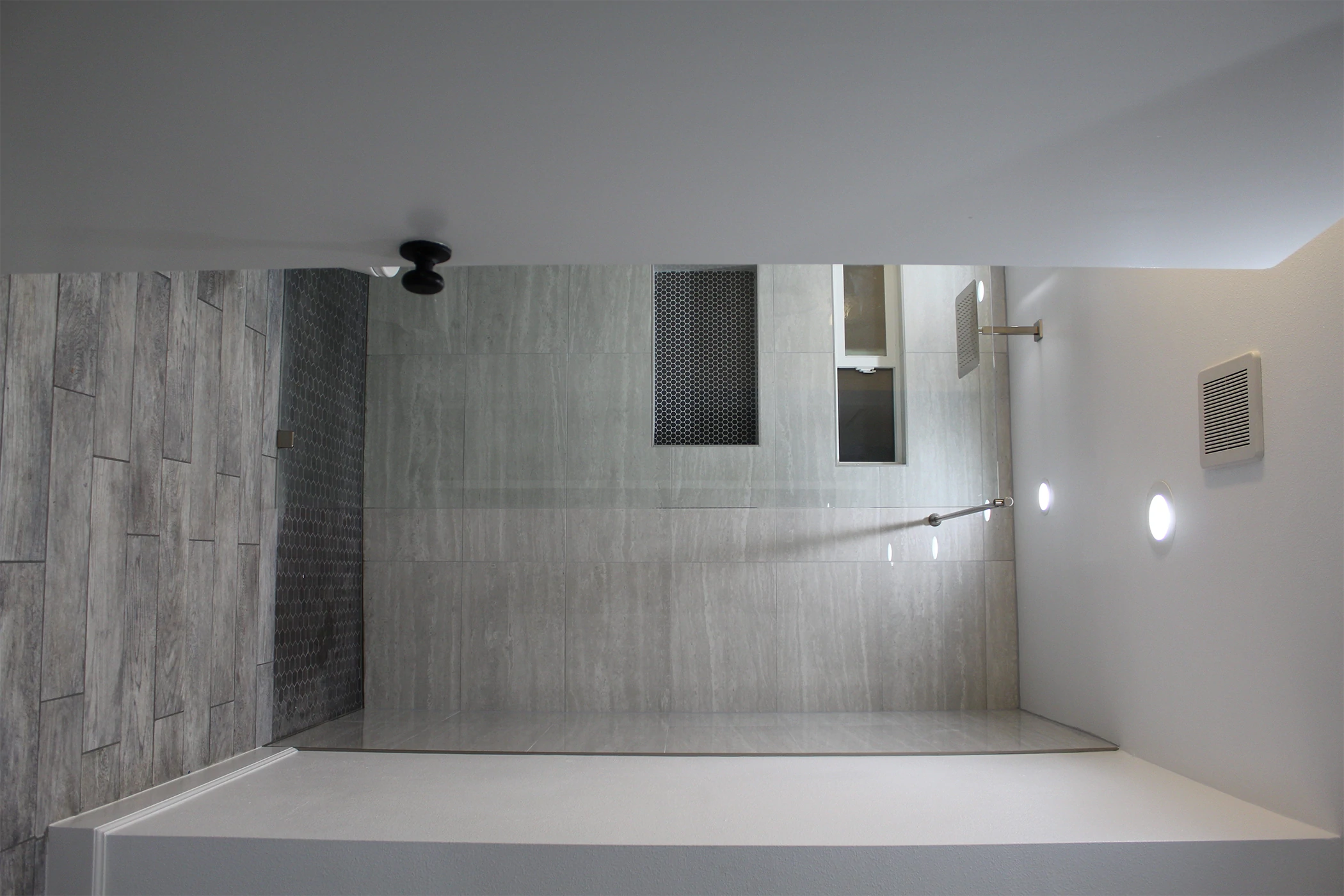
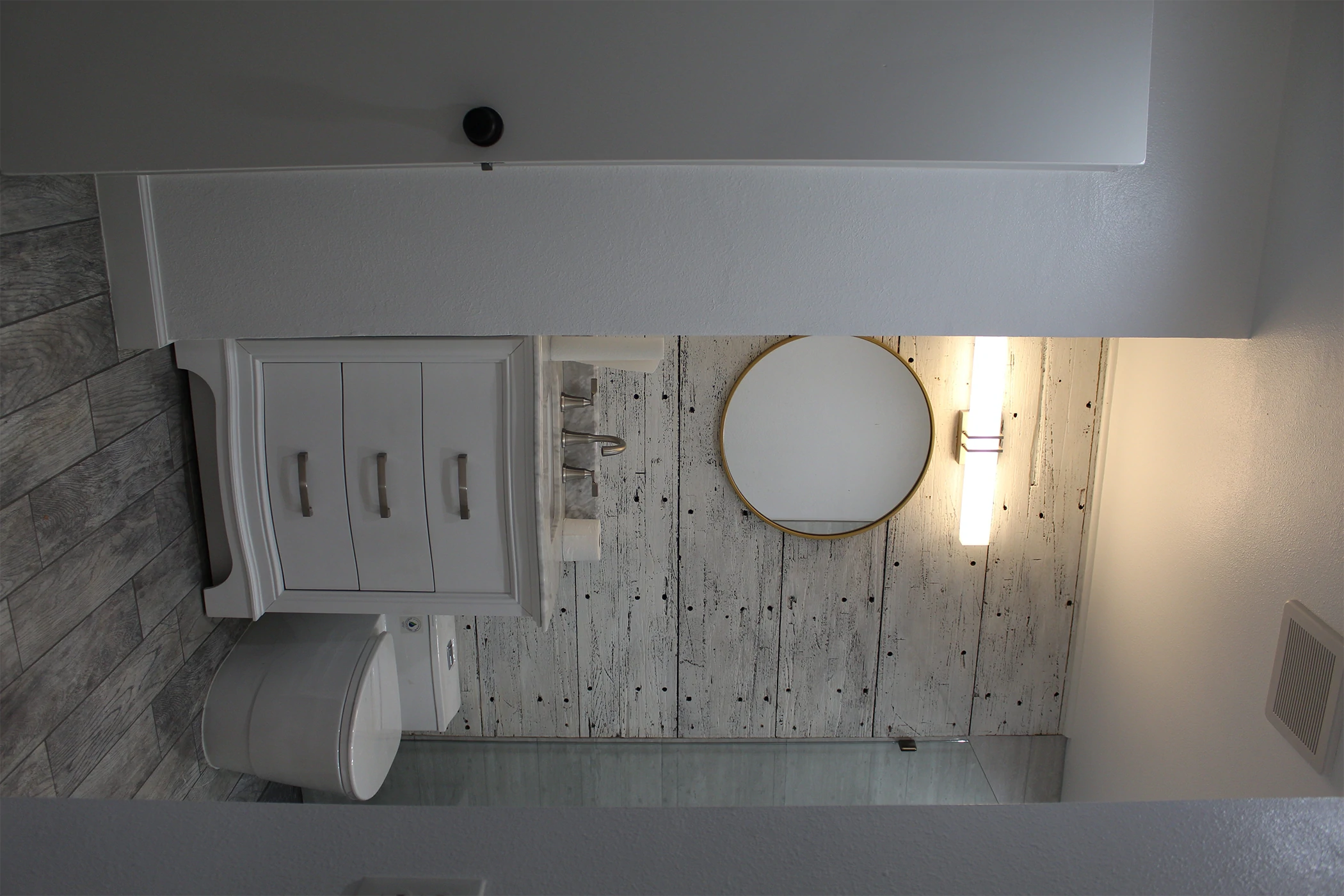
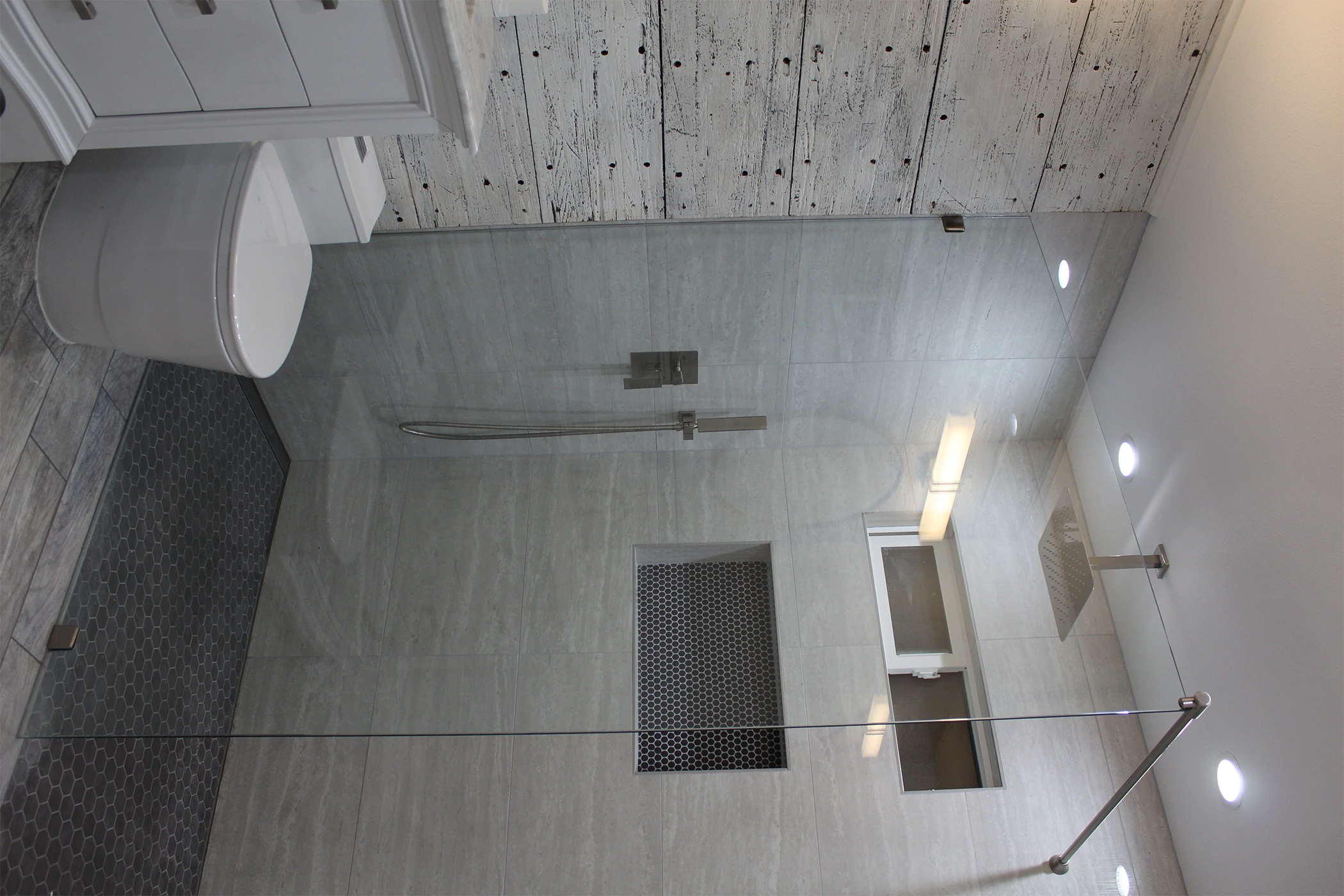
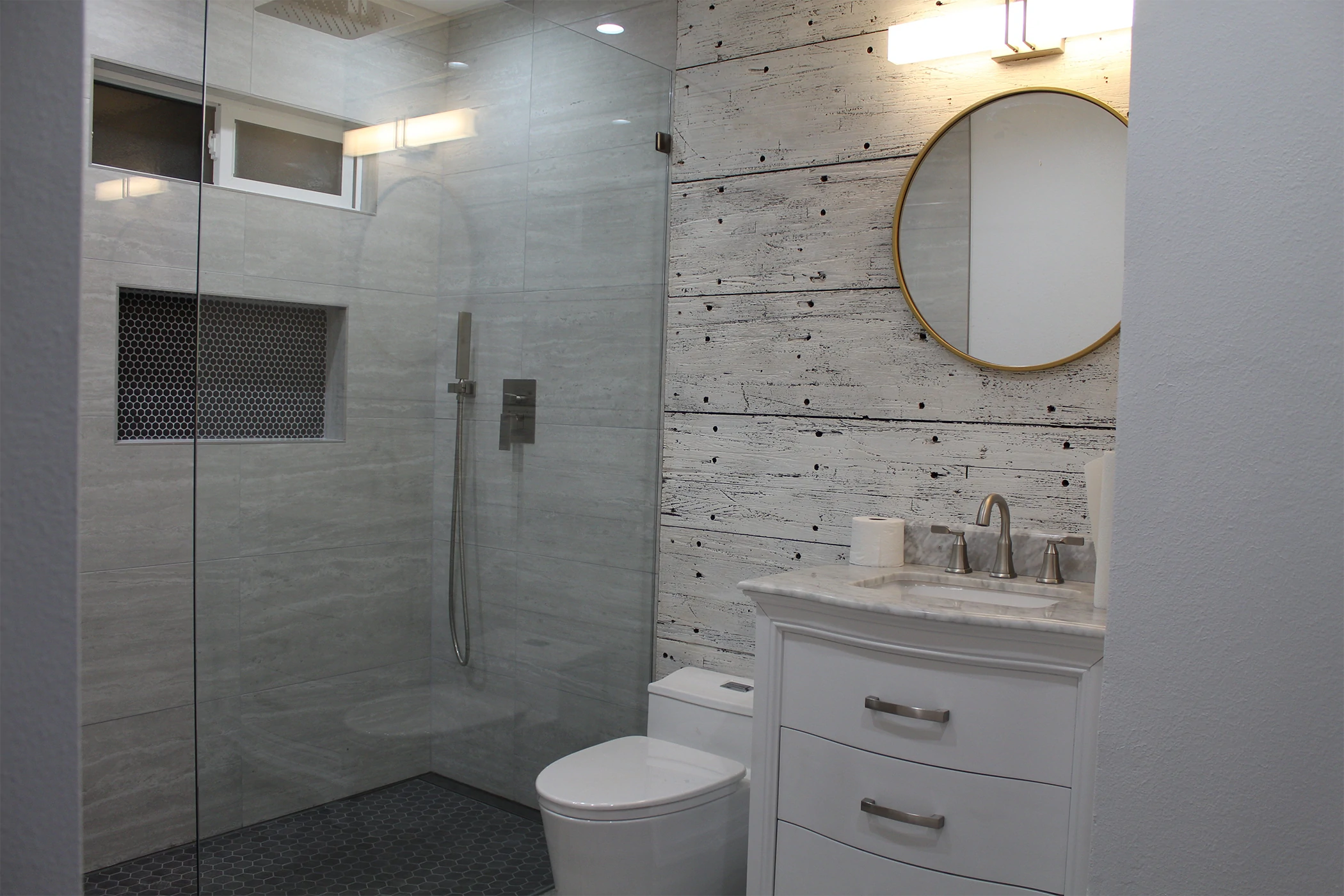
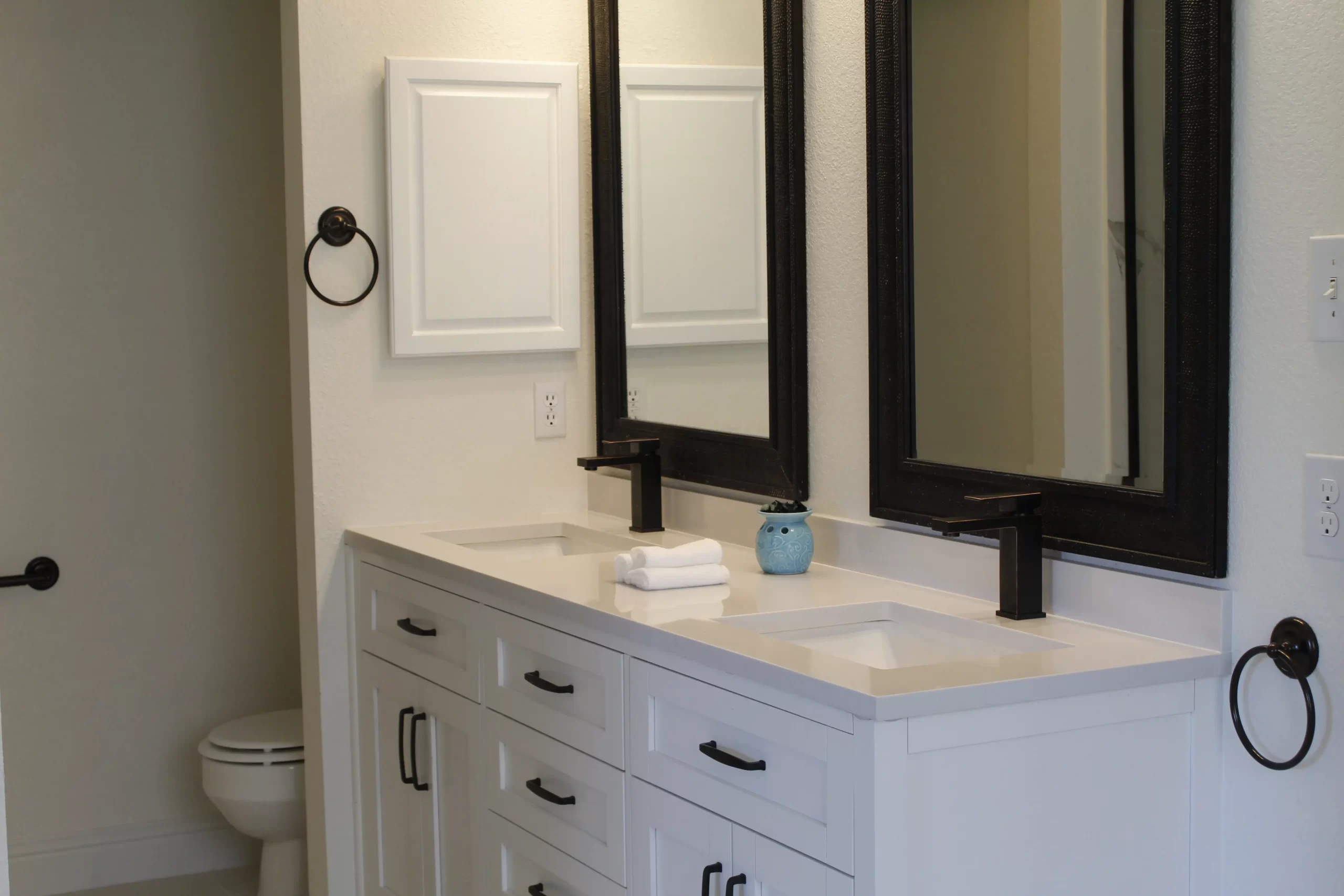
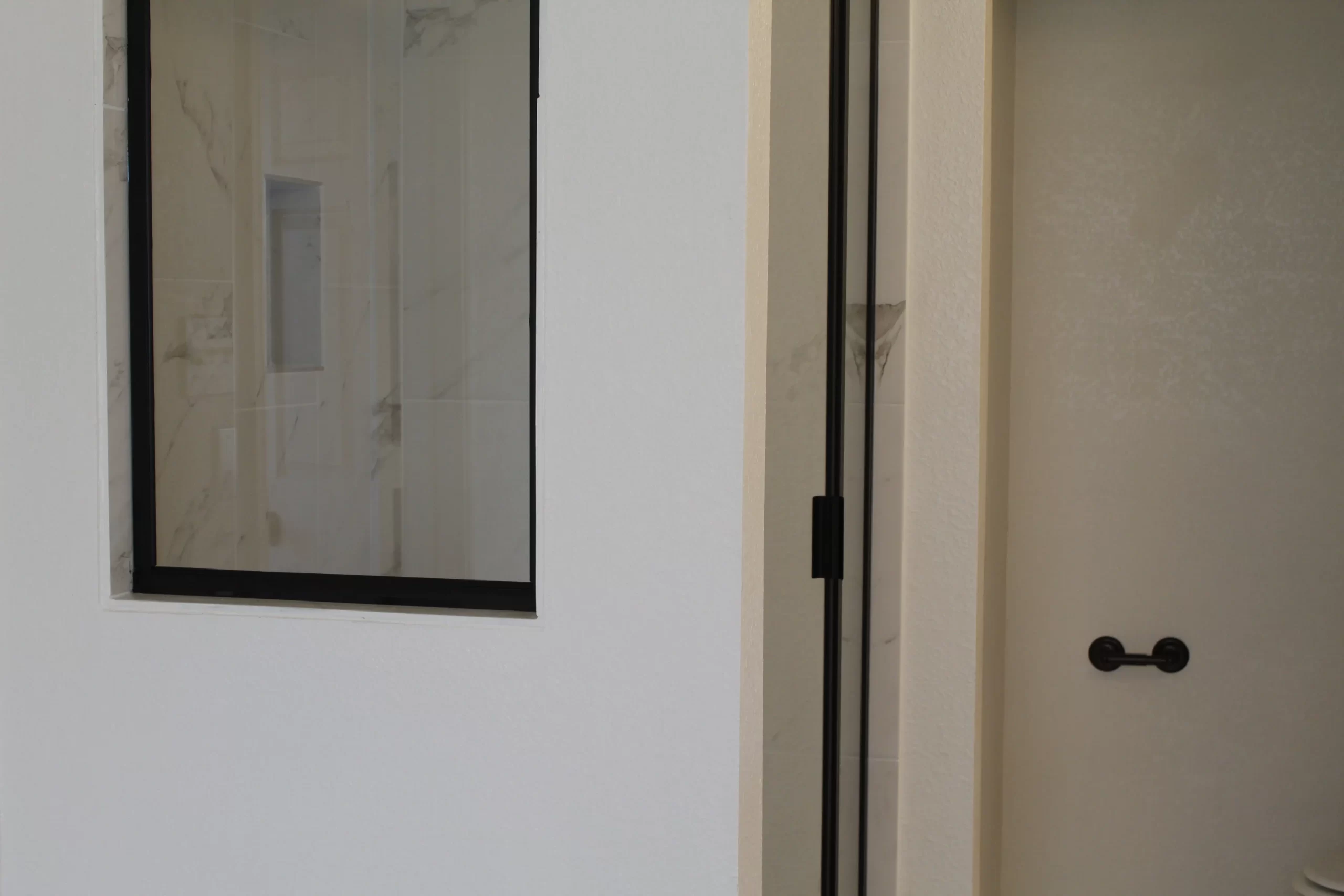
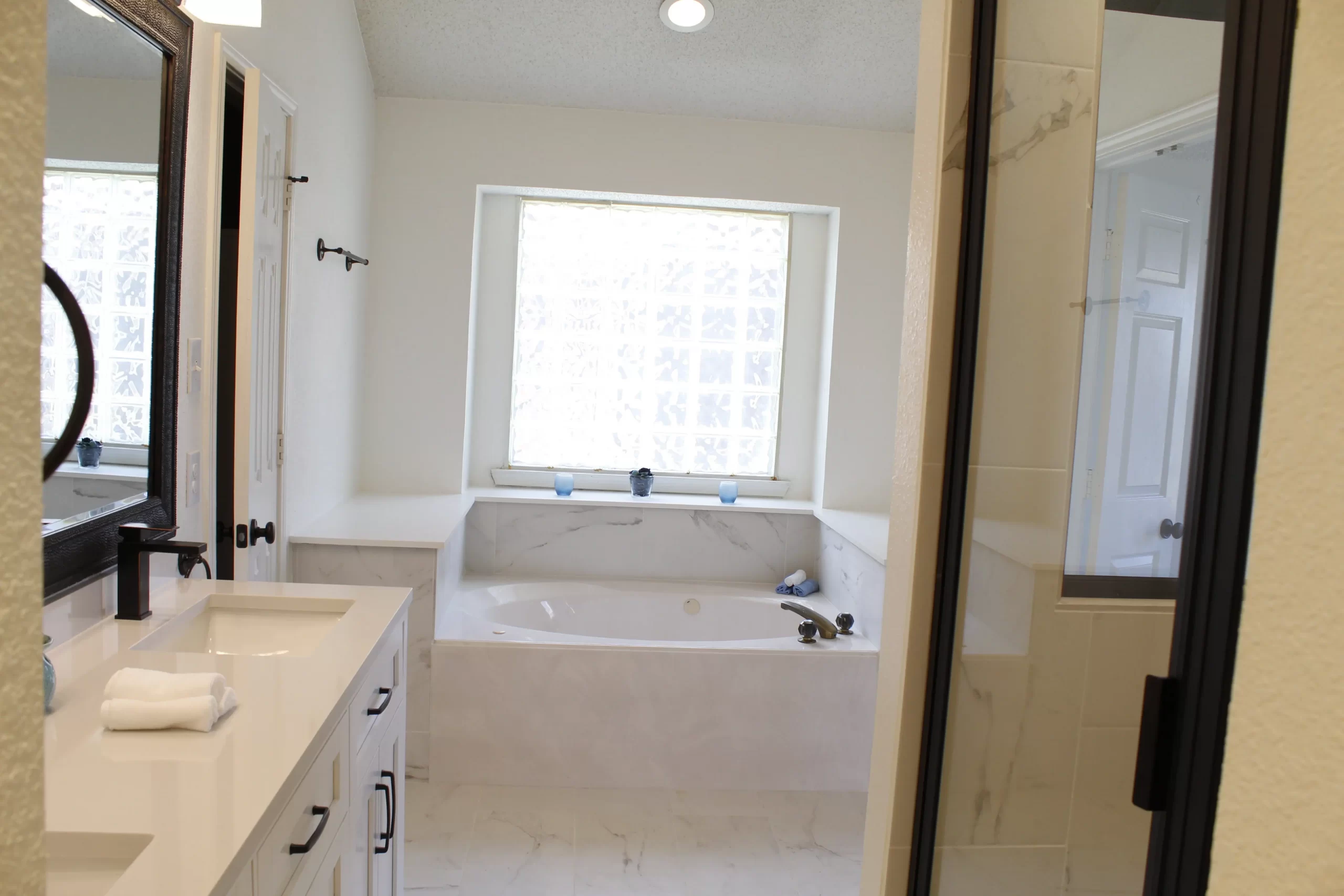
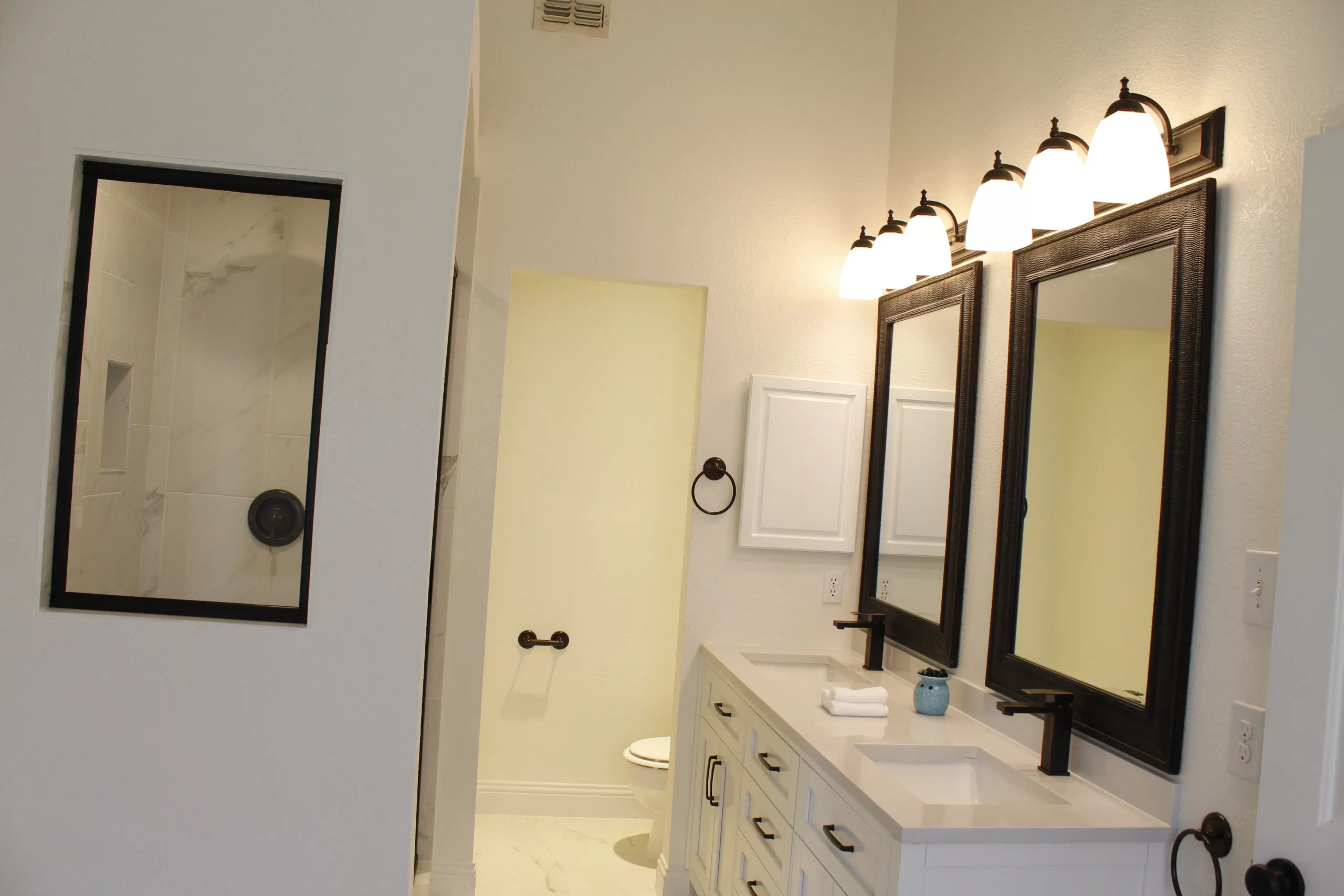
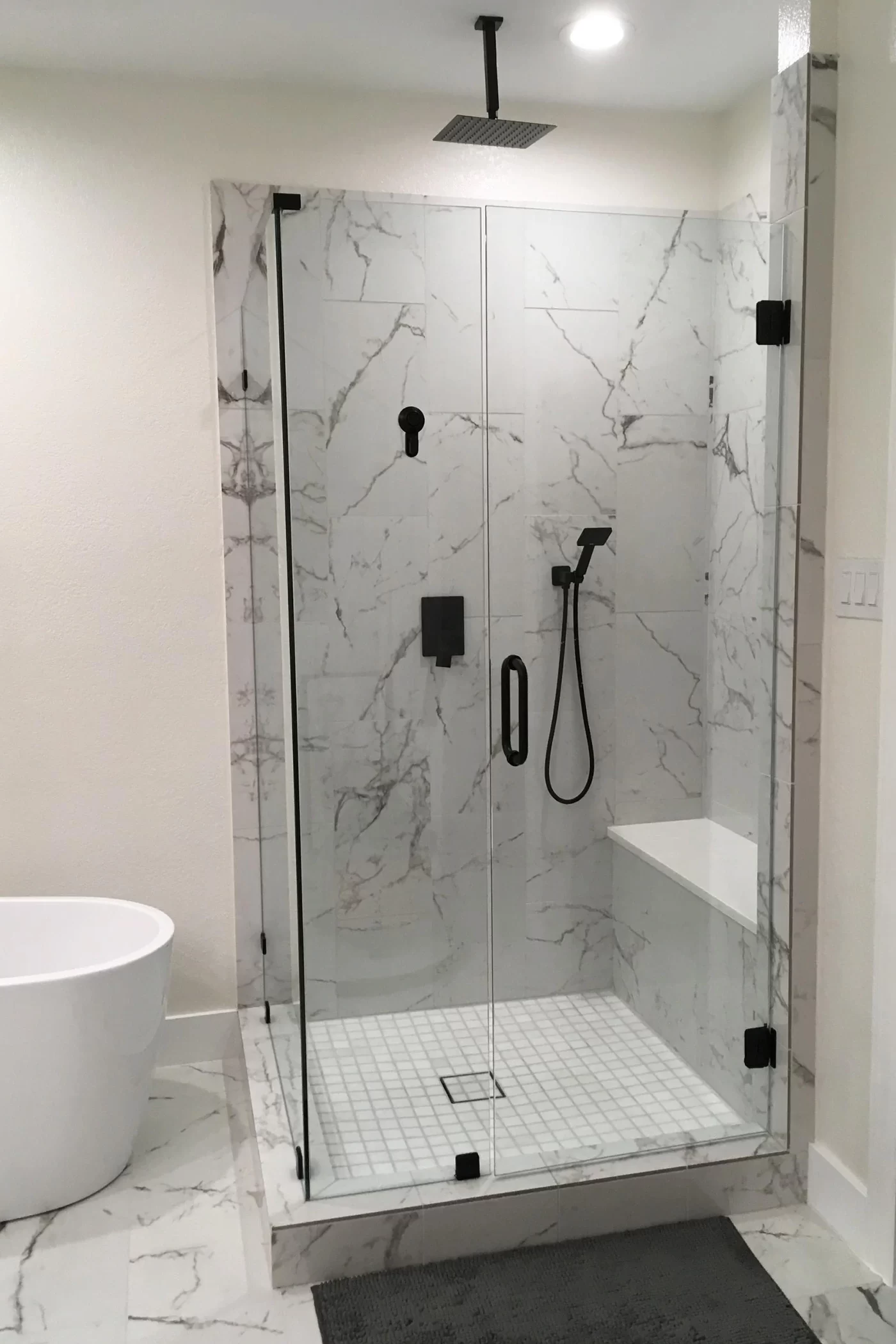
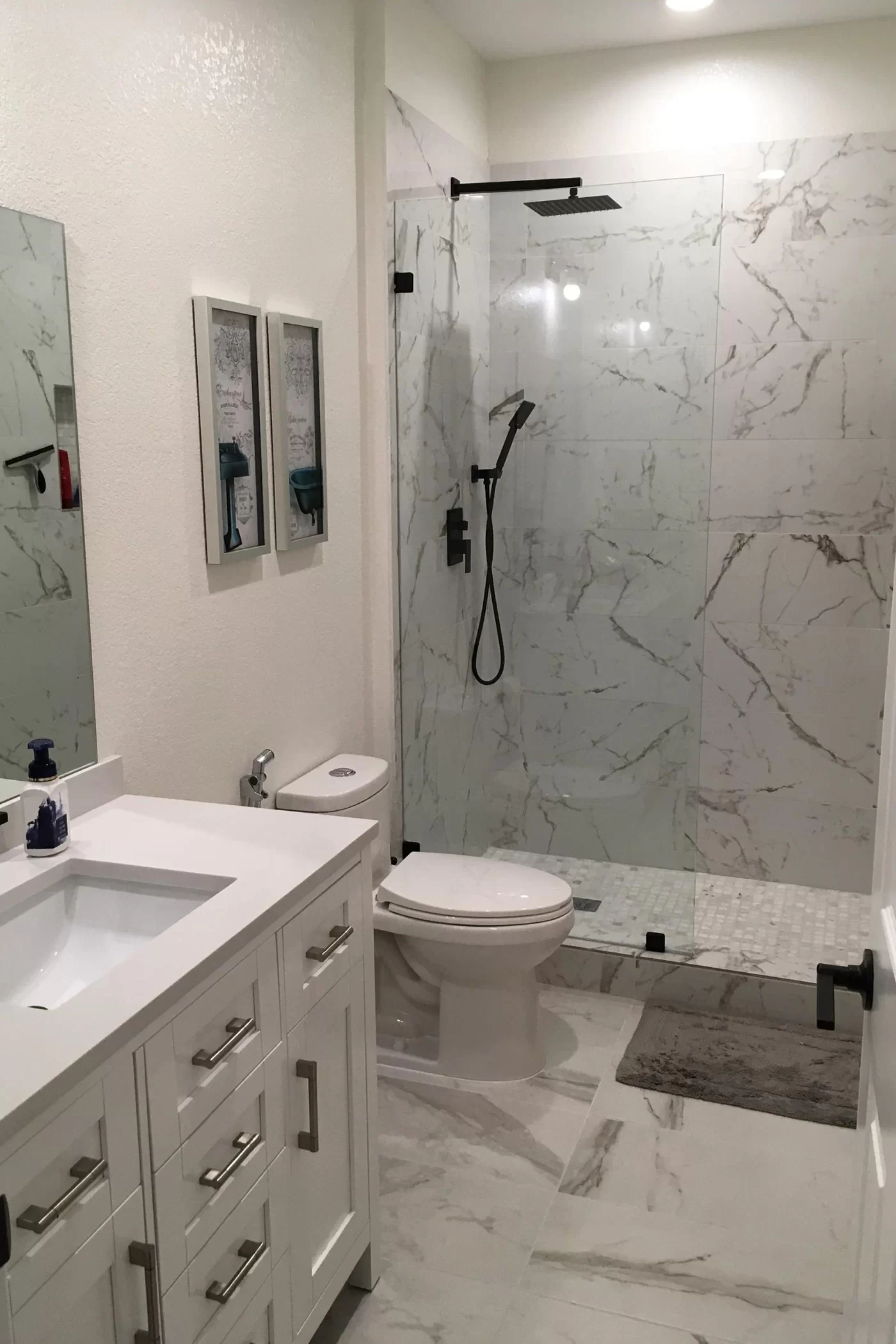
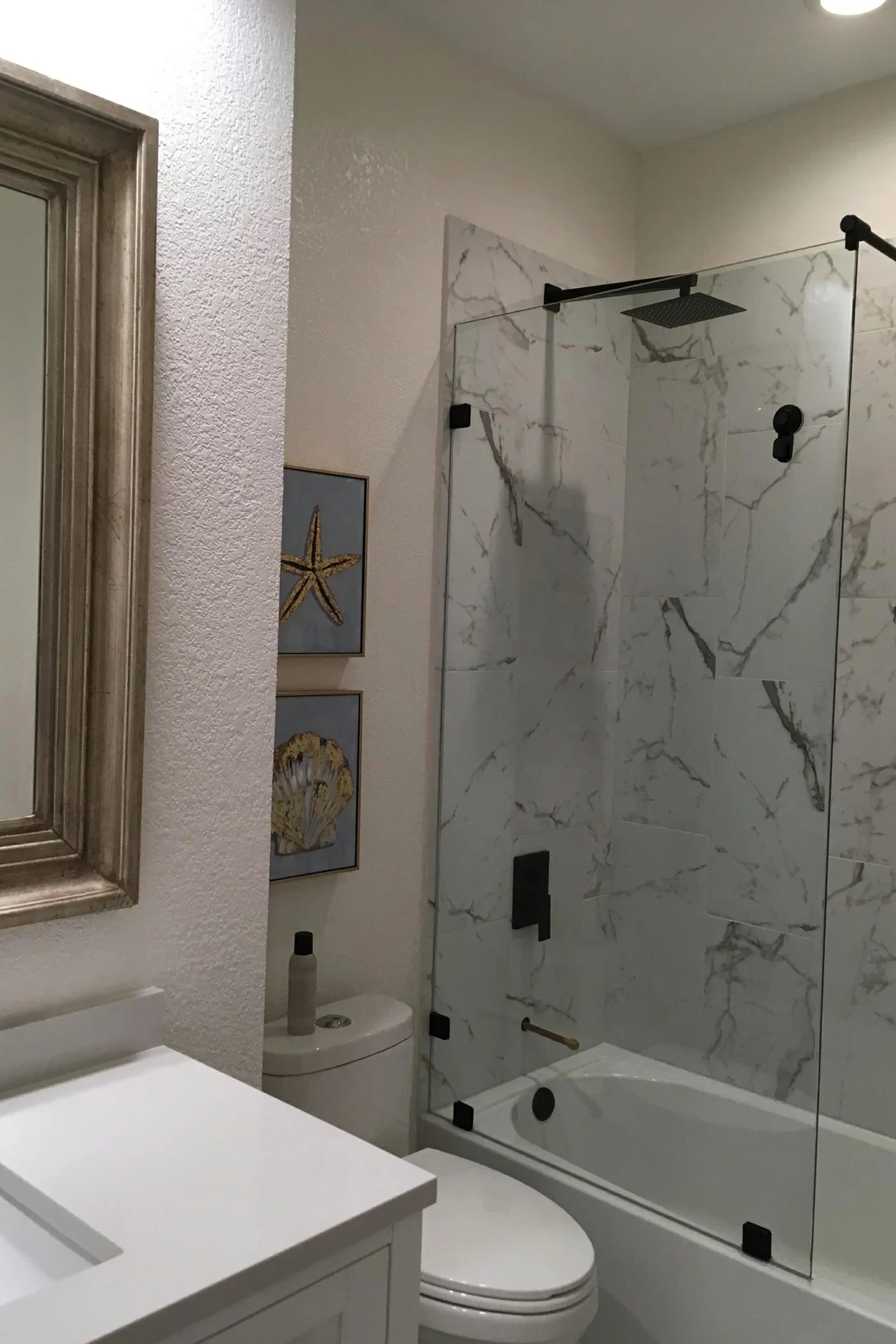
Services like bathroom remodeling are often considered valuable upgrades.
Setting a Realistic Budget
Budgeting is one of the most critical steps in home remodeling. Without a clear budget, projects can quickly become overwhelming.
Estimating Costs
Consider the following cost components:
- Materials
- Labor
- Permits
- Unexpected repairs
It is advisable to allocate an additional 10 to 20 percent as a contingency fund.
Prioritizing Expenses
Not all upgrades carry the same importance. Identify:
- Must-have features
- Nice-to-have additions
This helps you stay within budget without compromising essential needs.
Planning the Scope of Work
Defining the scope ensures clarity between you and your contractor.
Full Remodeling vs Partial Updates
- Full remodeling involves structural changes and complete redesign
- Partial updates focus on specific areas or elements
Explore detailed options through home remodeling services to determine what suits your needs.
Timeline Considerations
Remodeling projects often take longer than expected. Factors affecting timelines include:
- Project complexity
- Material availability
- Weather conditions
Planning ahead minimizes disruption to your daily routine.
Choosing the Right Contractor
Selecting a reliable contractor is crucial for the success of your project.
What to Look For
When choosing a contractor, consider:
- Experience and portfolio
- Licensing and insurance
- Customer reviews
Reading resources likehow to choose a reliable home remodeling contractor can provide helpful guidance.
Communication Matters
Clear communication ensures that:
- Expectations are aligned
- Changes are documented
- Issues are resolved quickly
Establish a communication plan before work begins.
Understanding Permits and Regulations
Many remodeling projects require permits. Ignoring this step can lead to legal complications.
When Permits Are Required
Permits are typically needed for:
- Structural changes
- Electrical and plumbing work
- Major renovations
Check local regulations before starting your project.
Inspections and Compliance
After obtaining permits, inspections ensure that the work meets safety standards. This protects both your investment and your household.
Designing Your Space
Design plays a key role in achieving a cohesive and functional result.
Creating a Design Plan
A good design plan includes:
- Layout drawings
- Material selections
- Lighting plans
Working with professionals helps translate ideas into practical solutions.
Balancing Style and Function
While aesthetics are important, functionality should not be compromised. For example:
- Choose durable materials for high-traffic areas
- Ensure adequate storage
- Plan for proper ventilation
Selecting Materials Wisely
Material selection impacts durability, cost, and maintenance.
Quality vs Cost
Higher-quality materials may cost more initially but often last longer. Consider:
- Longevity
- Maintenance requirements
- Environmental impact
Consistency in Design
Maintain consistency across your home by:
- Using complementary colors
- Matching finishes
- Keeping a unified theme
Preparing Your Home for Remodeling
Before construction begins, proper preparation is necessary.
Protecting Your Belongings
- Remove furniture and valuables
- Cover items to prevent dust damage
Managing Daily Disruptions
Remodeling can disrupt daily life. Plan for:
- Temporary kitchen or bathroom arrangements
- Noise and dust management
- Adjusted schedules
Common Mistakes to Avoid
Avoiding common pitfalls can save time and money.
Underestimating Costs
Many homeowners fail to account for hidden expenses. Always include a contingency budget.
Ignoring Professional Advice
Professionals bring experience and technical knowledge. Ignoring their recommendations can lead to costly errors.
Rushing the Planning Phase
Thorough planning reduces the likelihood of changes during construction, which can delay the project.
Sustainability in Home Remodeling
Sustainable remodeling is becoming increasingly important.
Energy Efficiency
Consider upgrades such as:
- Energy-efficient appliances
- Improved insulation
- LED lighting
Eco-Friendly Materials
Use materials that are:
- Recycled or renewable
- Low in harmful emissions
- Durable and long-lasting
Final Checks Before Starting
Before beginning your home remodeling project, review the following:
- Budget and contingency fund
- Finalized design plans
- Contractor agreements
- Required permits
If you are ready to take the next step, you can reach out through the contact page for further guidance.