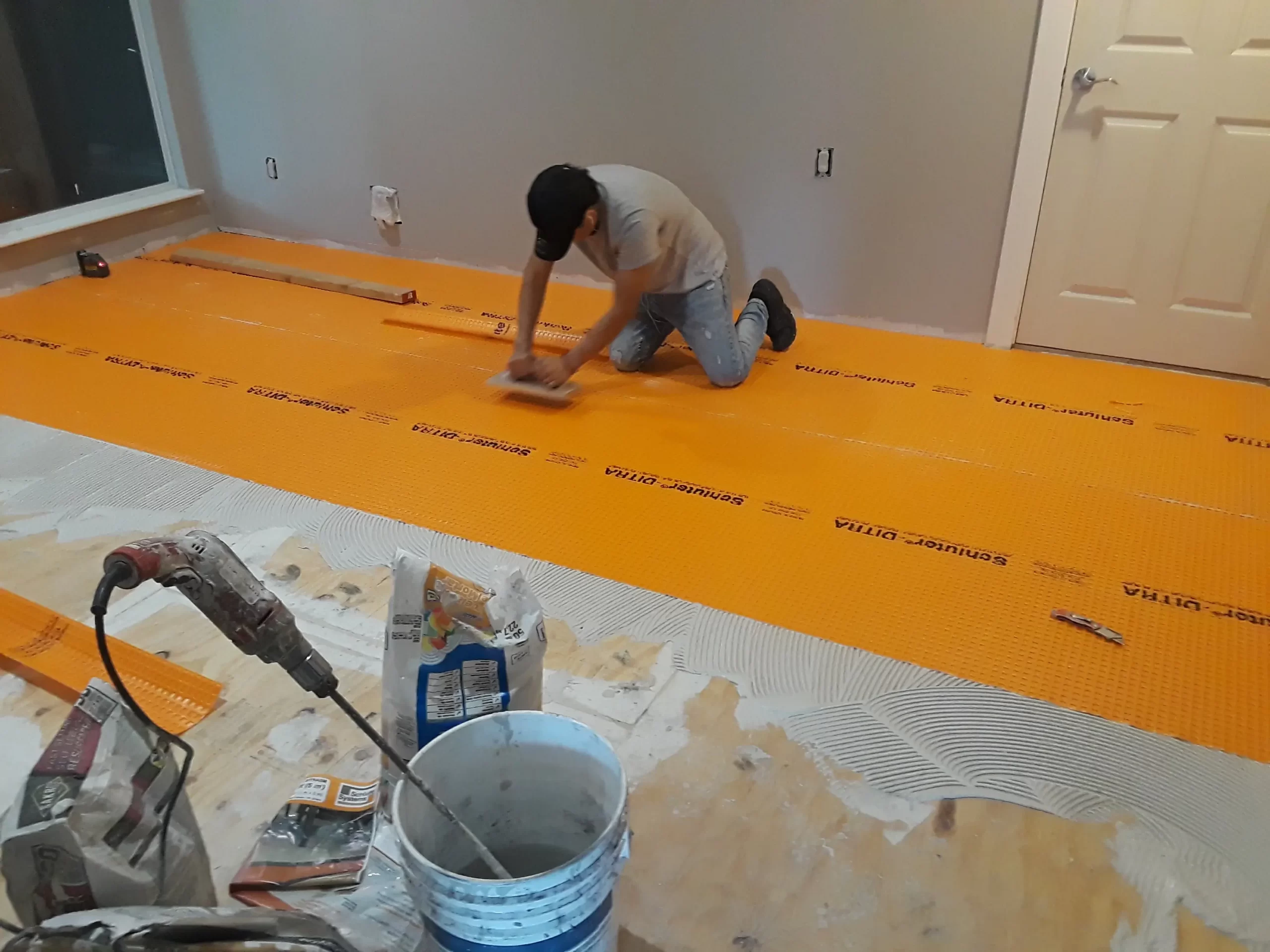
Taking on DIY repairs can be a practical and rewarding way to maintain your home. Whether you are fixing a leaky faucet or upgrading a room, safety should always come first. Many homeowners turn to reliable resources likeBina Homes for guidance on home improvement, remodeling, and maintenance. However, even with the right information, overlooking safety precautions can lead to injuries, costly mistakes, or long-term damage.
This guide covers essential home repair safety tips that every homeowner should follow before starting any DIY project. These tips are designed to help you work efficiently while minimizing risks.
Why Safety Matters in DIY Home Repairs
DIY projects often seem simple at first glance. However, they can involve tools, electricity, chemicals, and structural elements that require careful handling.
Common Risks in DIY Repairs
- Electrical shocks from improper wiring
- Falls from ladders or unstable surfaces
- Cuts and injuries from tools
- Exposure to harmful chemicals
- Structural damage due to incorrect repairs
Understanding these risks is the first step toward preventing accidents.
Essential Home Repair Safety Tips
1. Plan Before You Start
Preparation is one of the most important home repair safety tips. Before starting any project, take time to understand the scope of work.
What to Do:
- Research the repair thoroughly
- Watch tutorials from trusted sources
- Read manuals and instructions
- Make a checklist of tools and materials
If you are unsure about the complexity, consider consulting professionals through the contact page.
2. Use the Right Tools and Equipment
Using incorrect or damaged tools increases the risk of accidents.
Safety Guidelines:
- Inspect tools for wear and damage
- Use tools only for their intended purpose
- Keep tools clean and well-maintained
- Avoid makeshift solutions
For larger projects likehome remodeling, proper tools are especially critical for safety and accuracy.
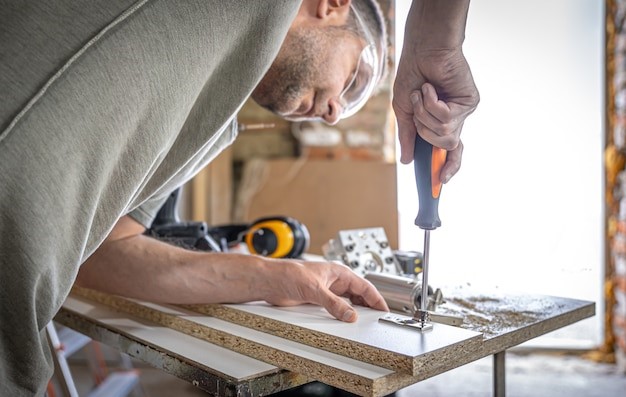
3. Wear Proper Protective Gear
Personal protective equipment is often overlooked but essential.
Must-Have Safety Gear:
- Safety goggles to protect your eyes
- Gloves to prevent cuts and burns
- Masks or respirators for dust and fumes
- Ear protection for loud tools
- Non-slip footwear
Even small repairs can generate dust or debris that can harm your health.
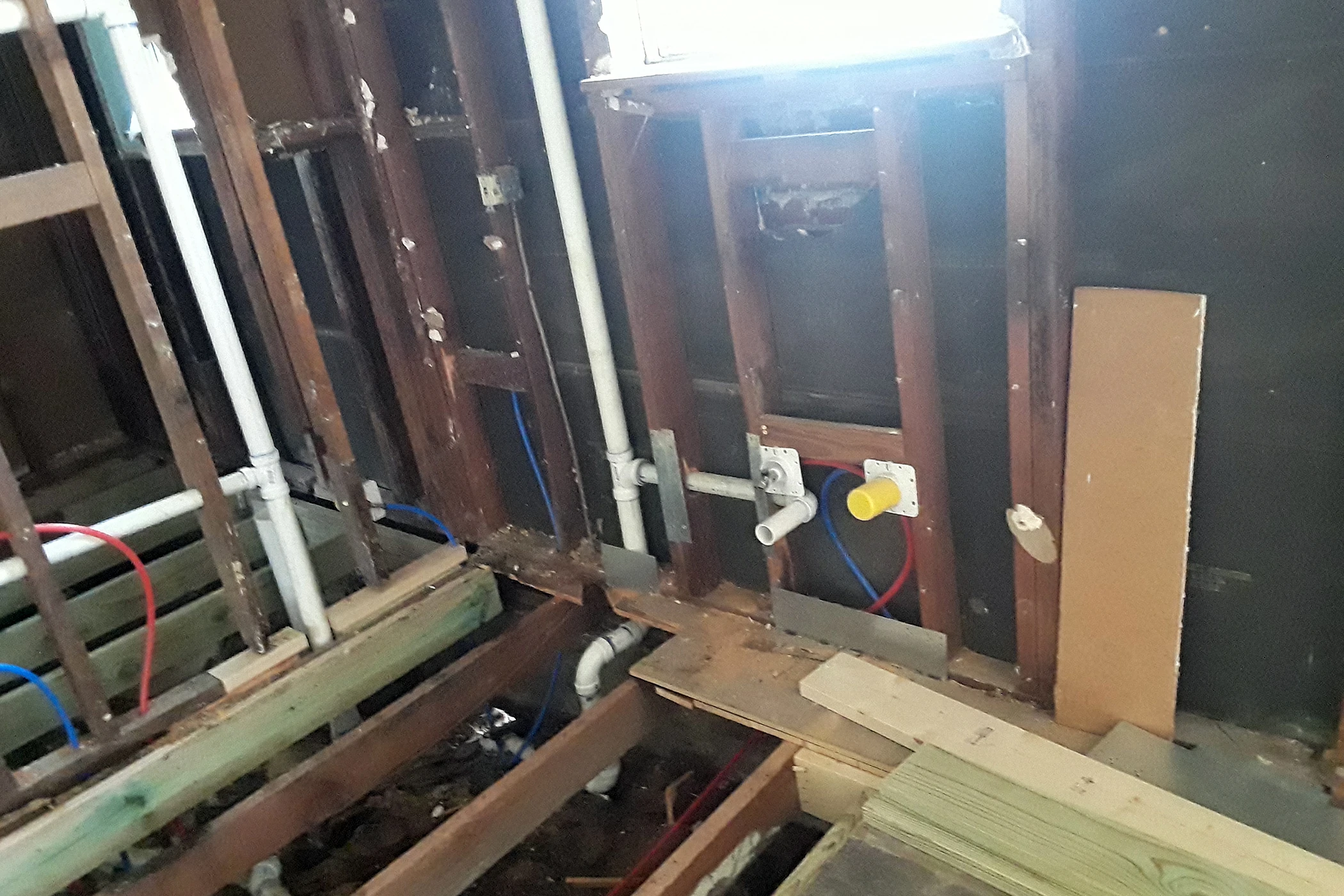
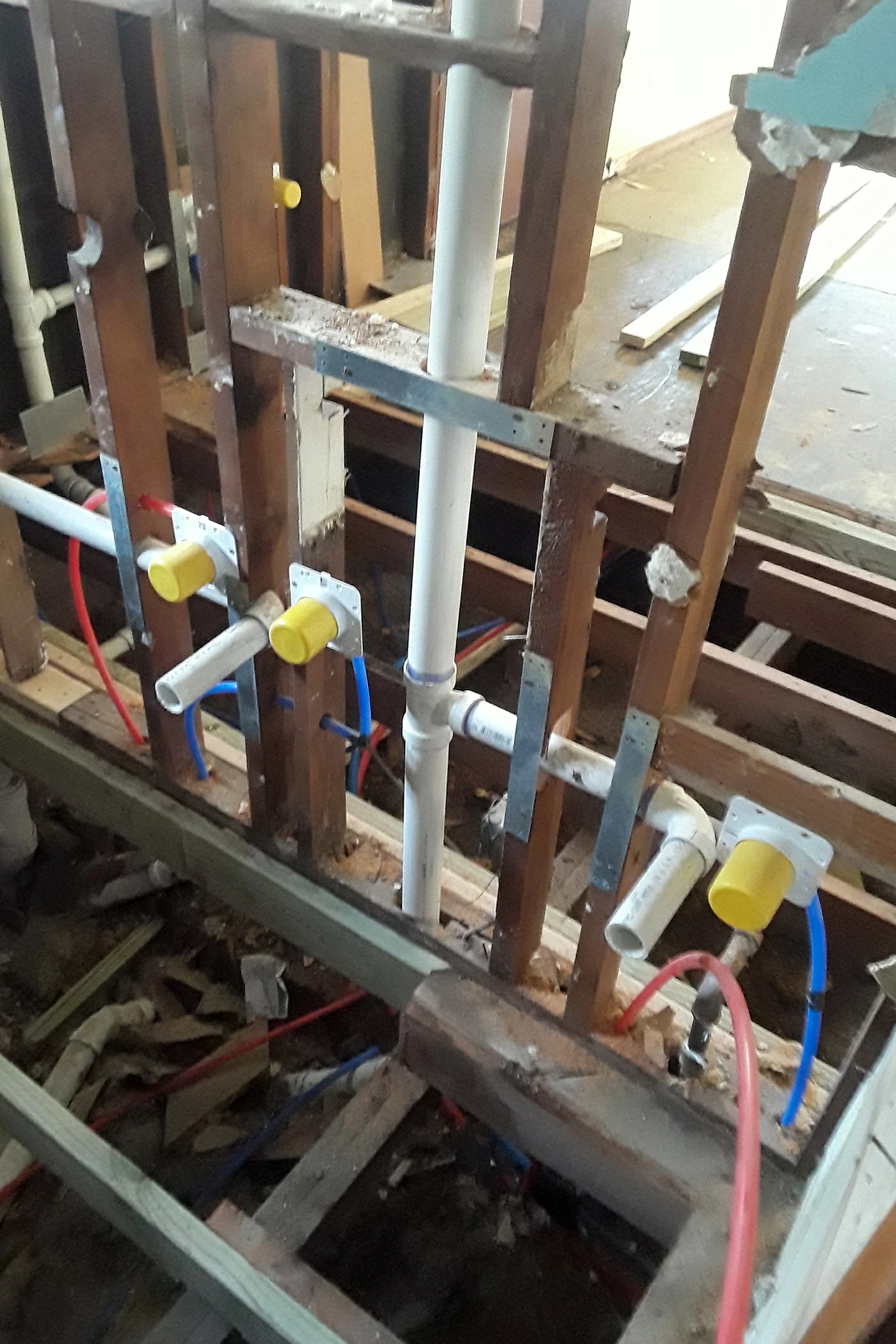
4. Turn Off Power and Water Supplies
Before working on electrical or plumbing systems, always disconnect the relevant supply.
Key Precautions:
- Switch off circuit breakers before electrical work
- Shut off water valves before plumbing repairs
- Use voltage testers to confirm power is off
This step is crucial for preventing shocks and water damage.
5. Keep Your Workspace Organized
A cluttered workspace increases the risk of accidents.
Best Practices:
- Keep tools in designated areas
- Remove unnecessary items from the work zone
- Ensure adequate lighting
- Keep pathways clear
An organized workspace helps you focus and reduces hazards.
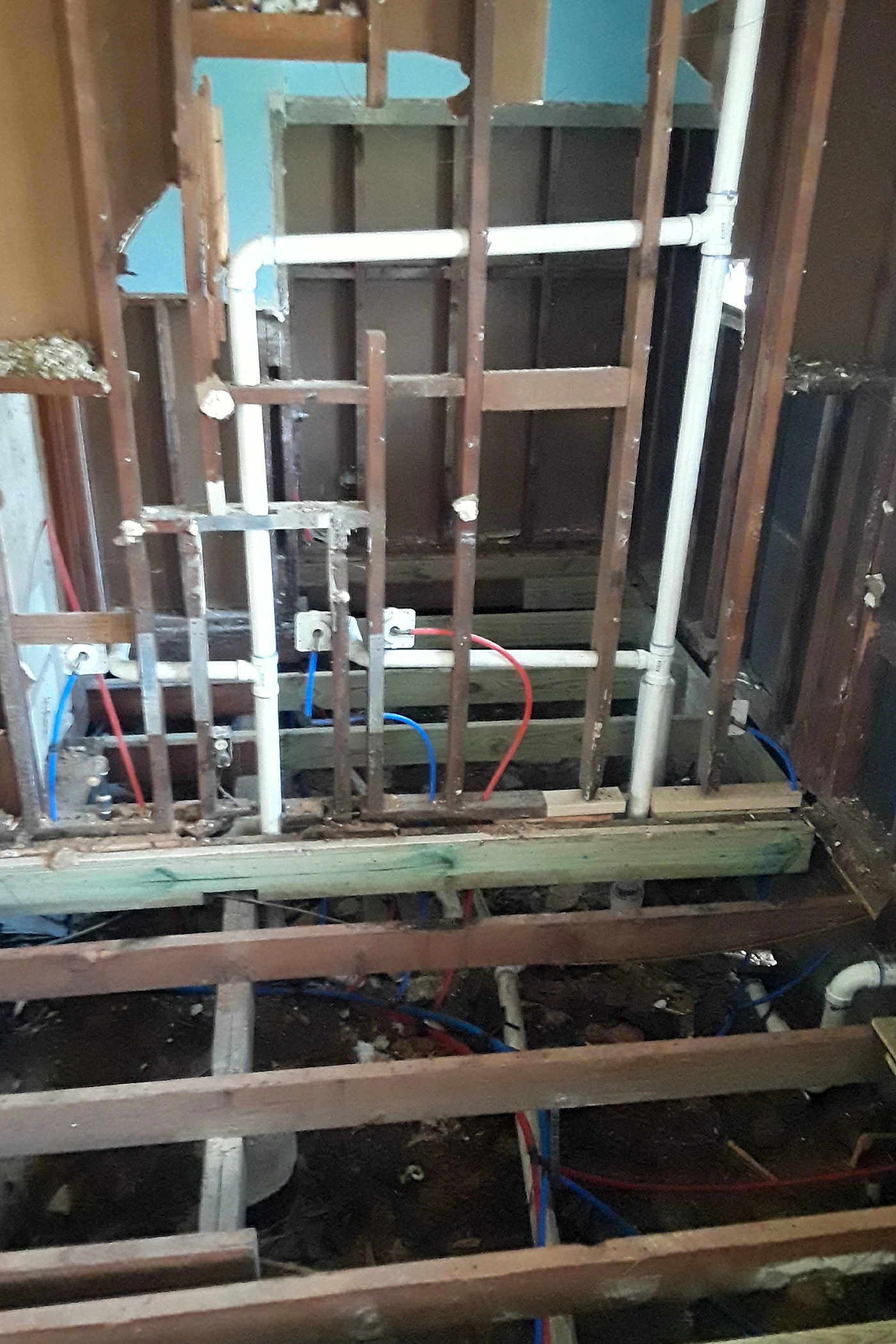
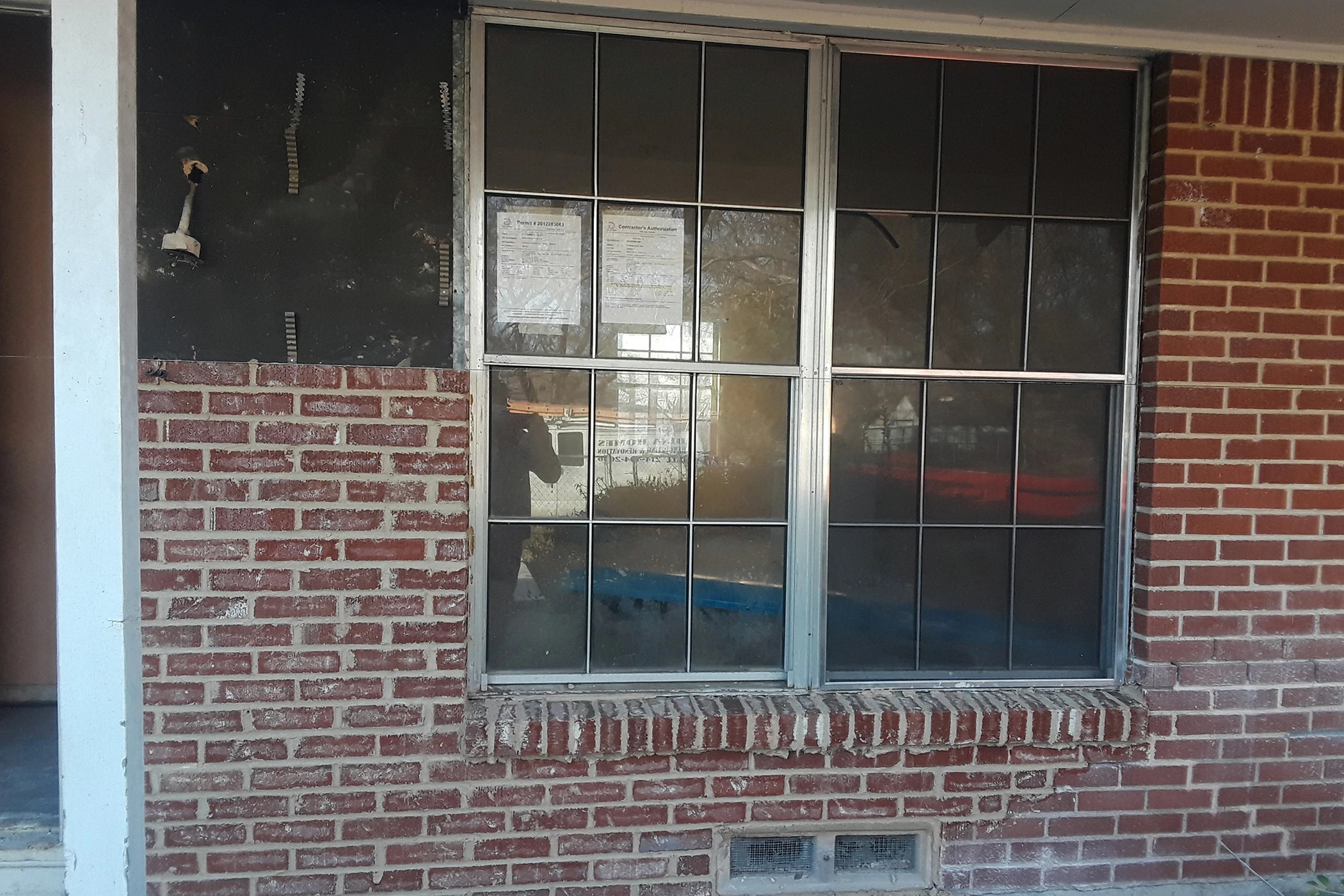
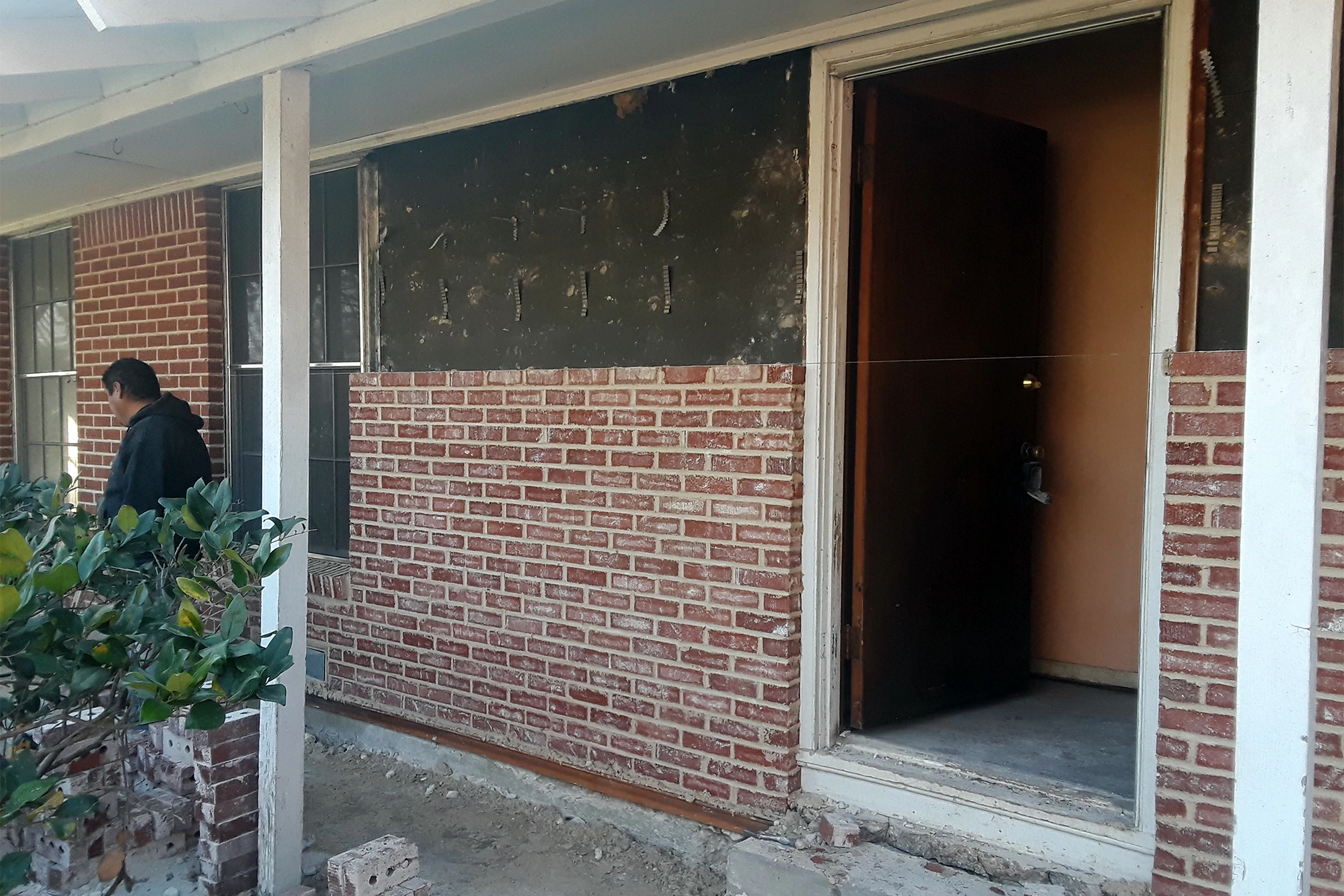
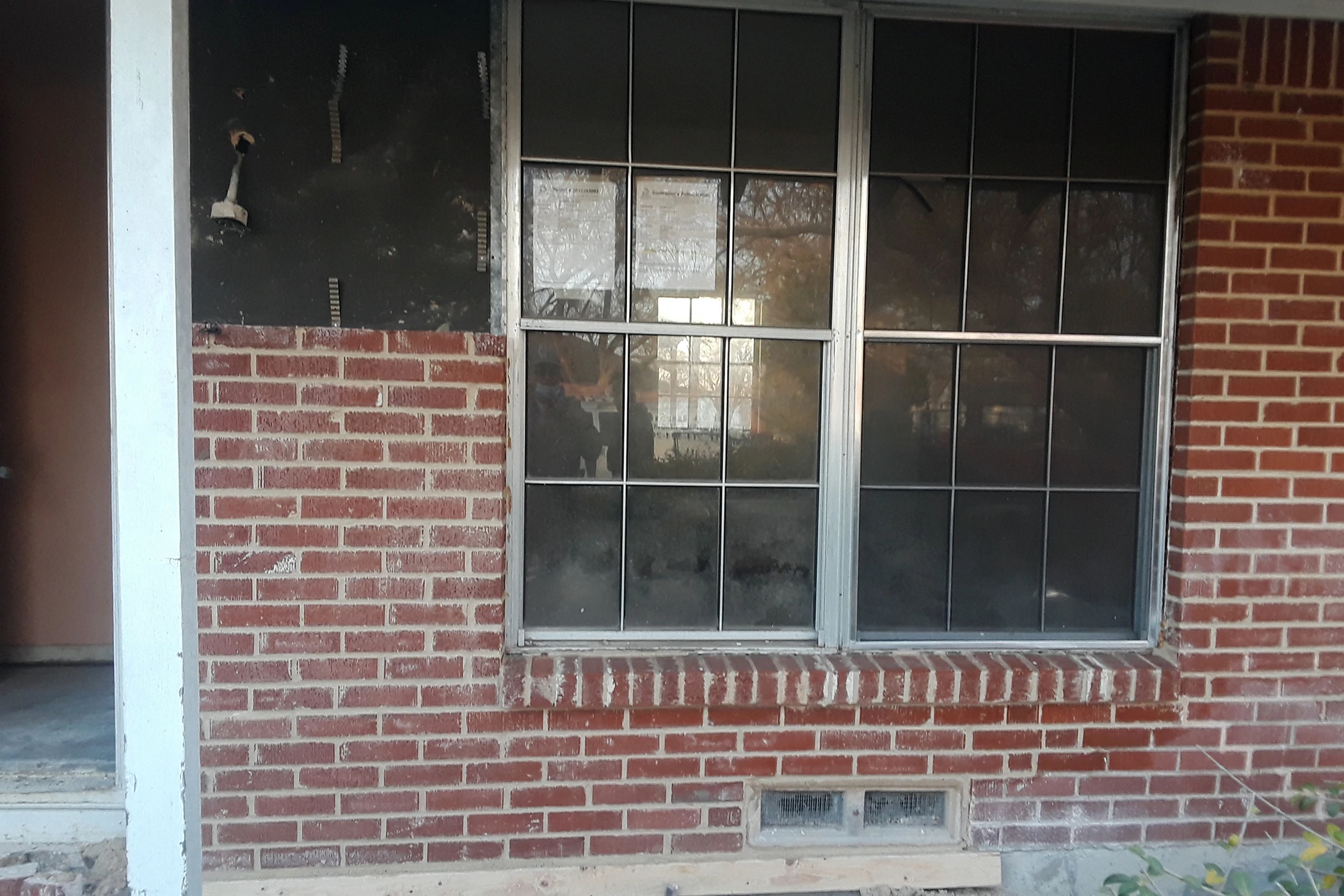
6. Understand Structural Limitations
Some repairs involve load-bearing walls, ceilings, or floors. Making changes without proper knowledge can weaken your home’s structure.
When to Be Cautious:
- Removing walls
- Installing heavy fixtures
- Modifying ceilings or beams
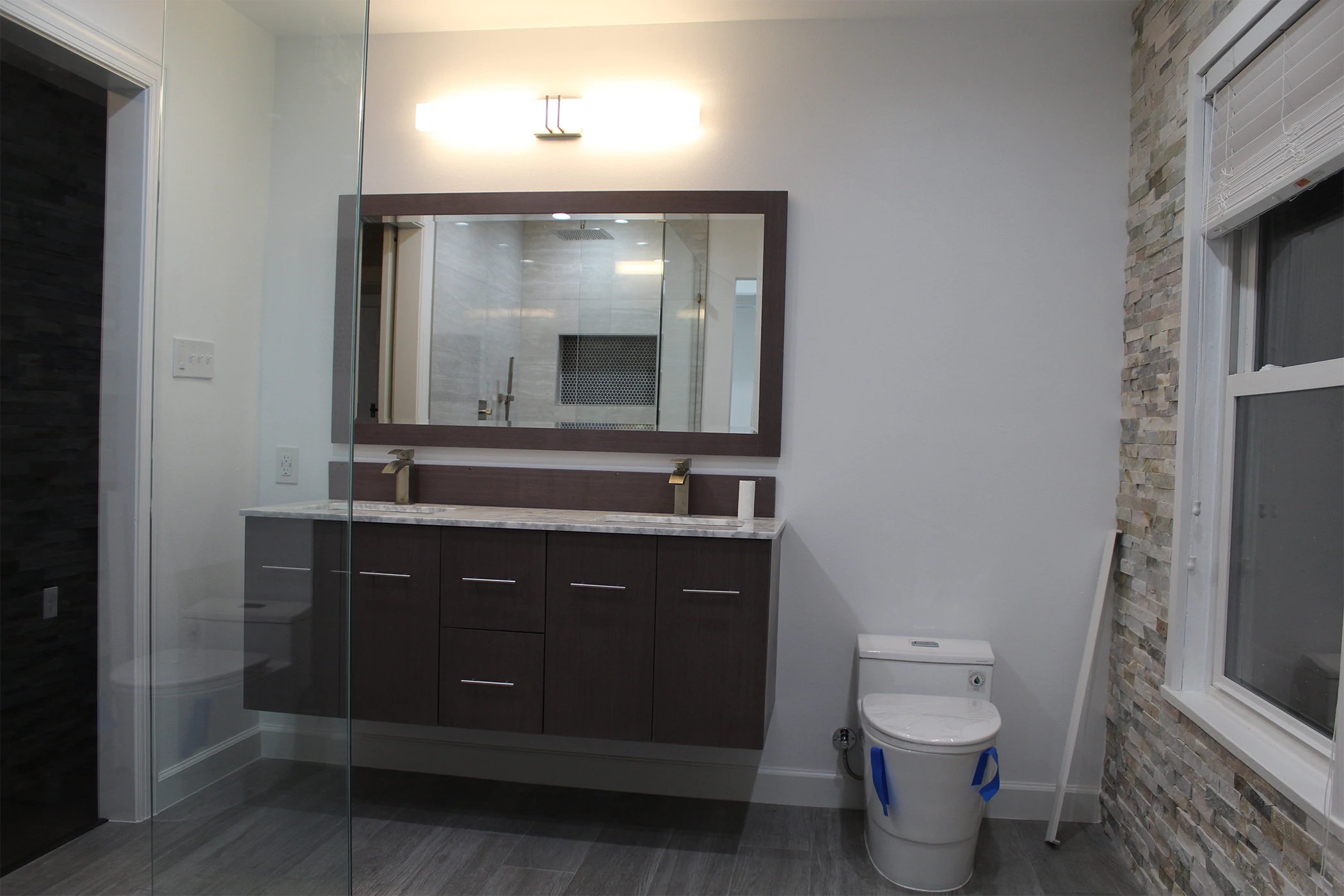
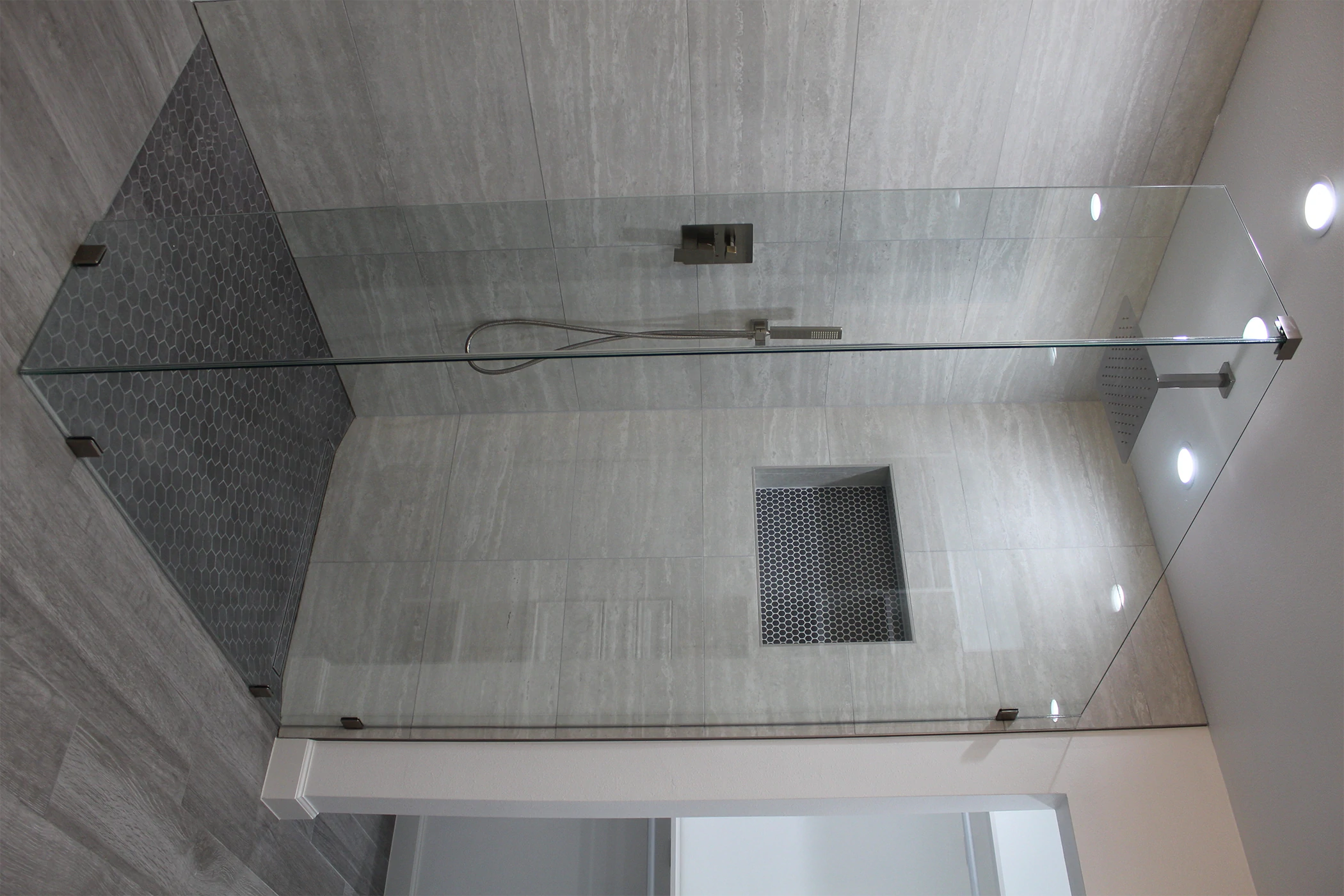
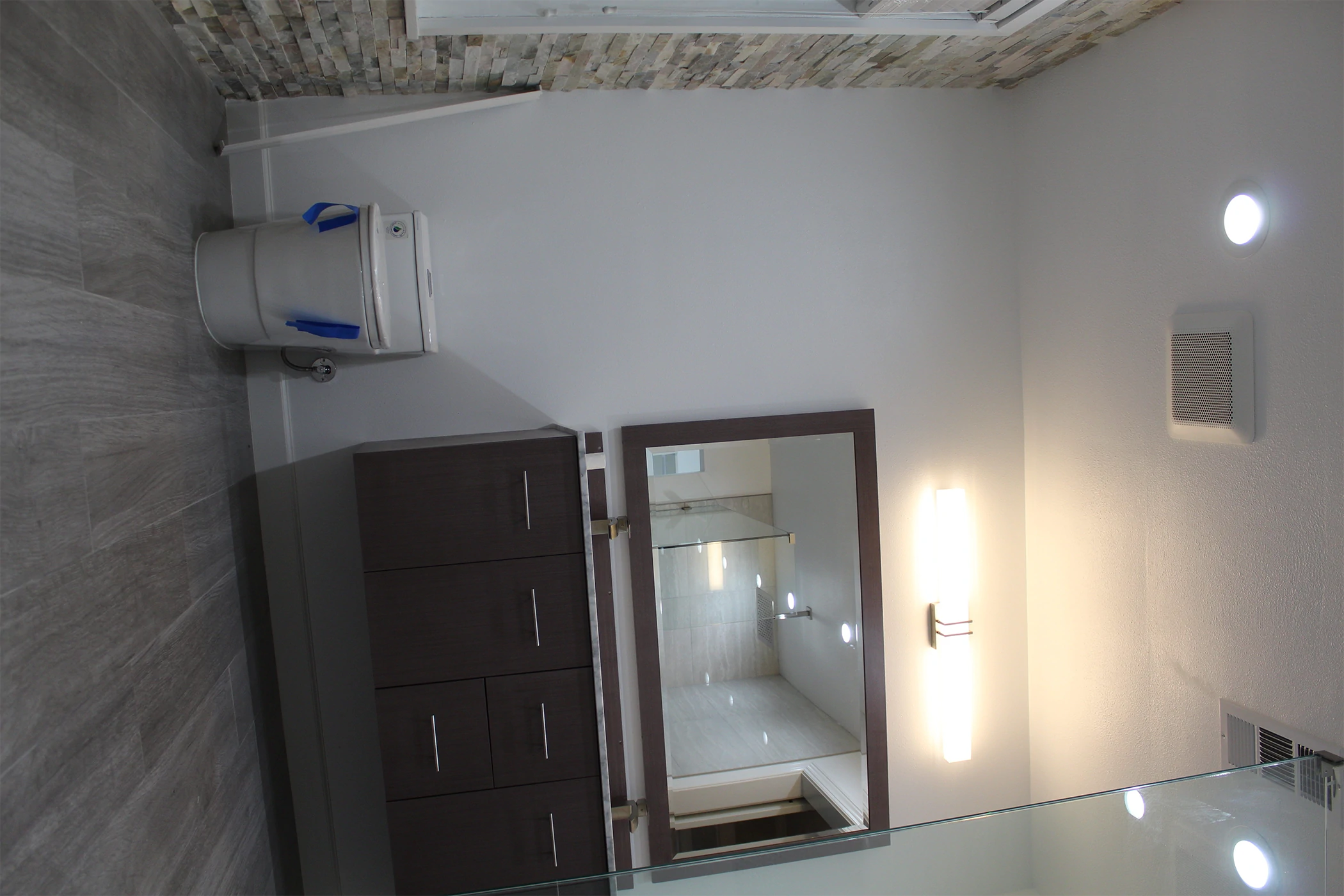
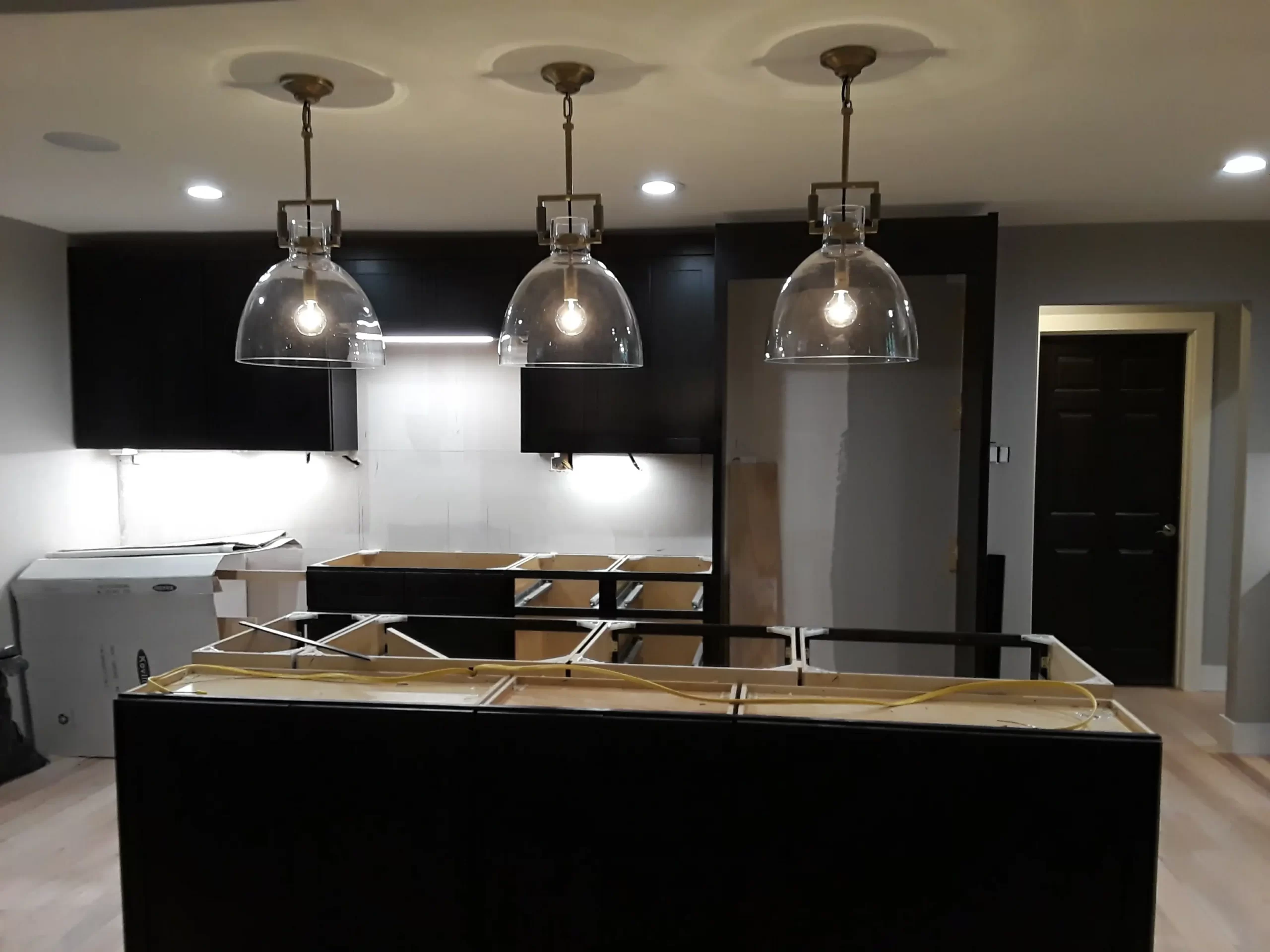
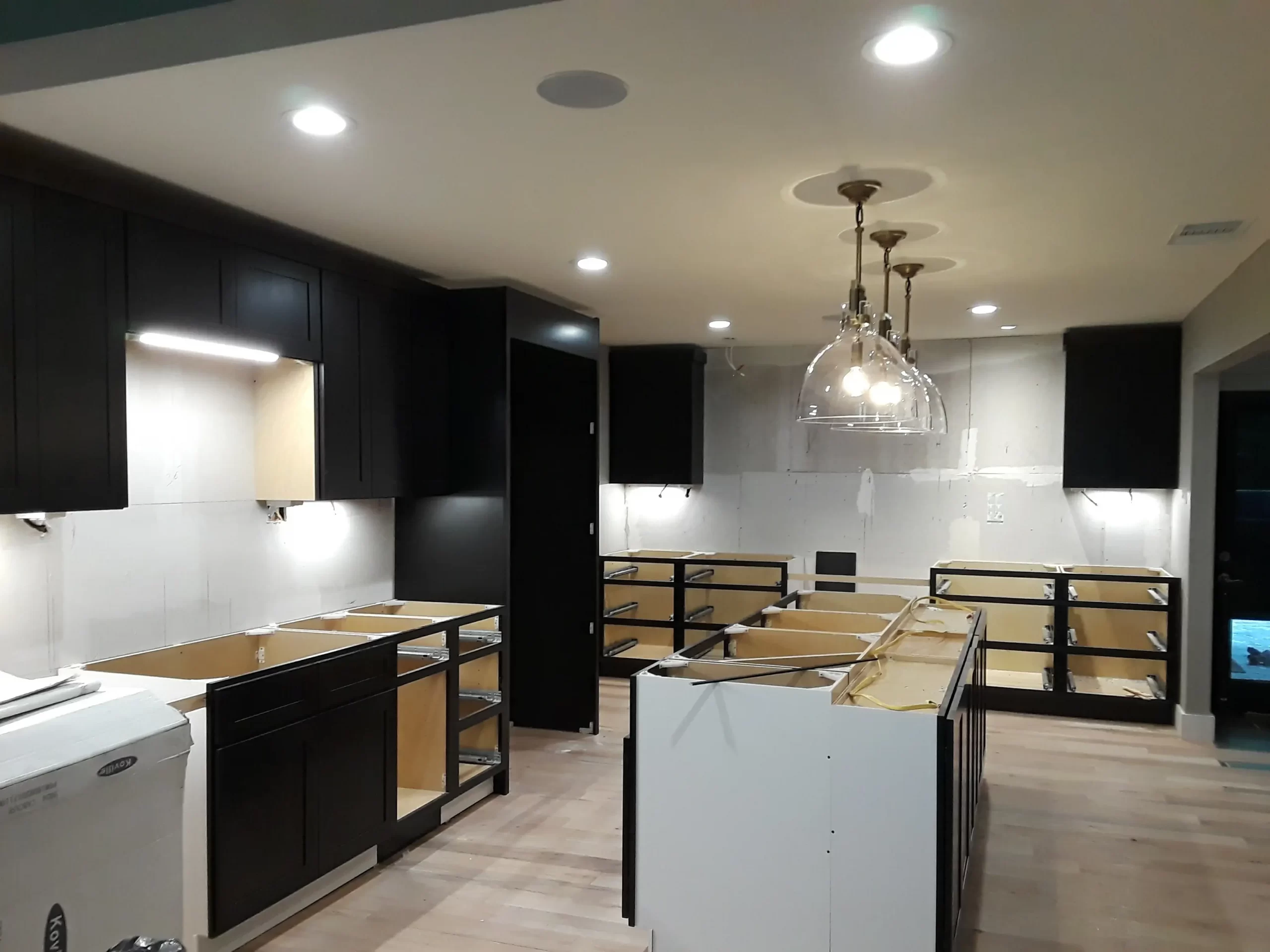
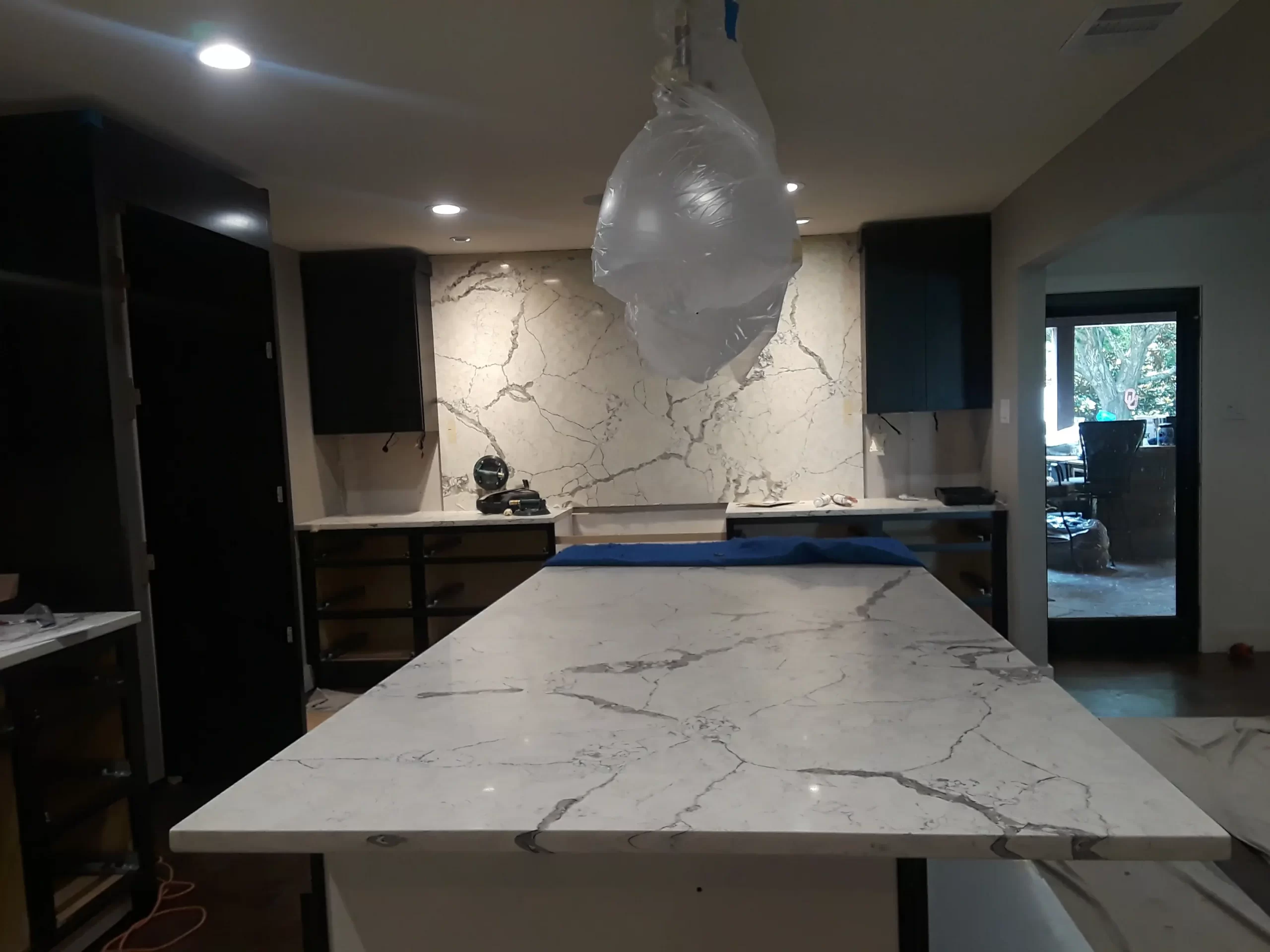
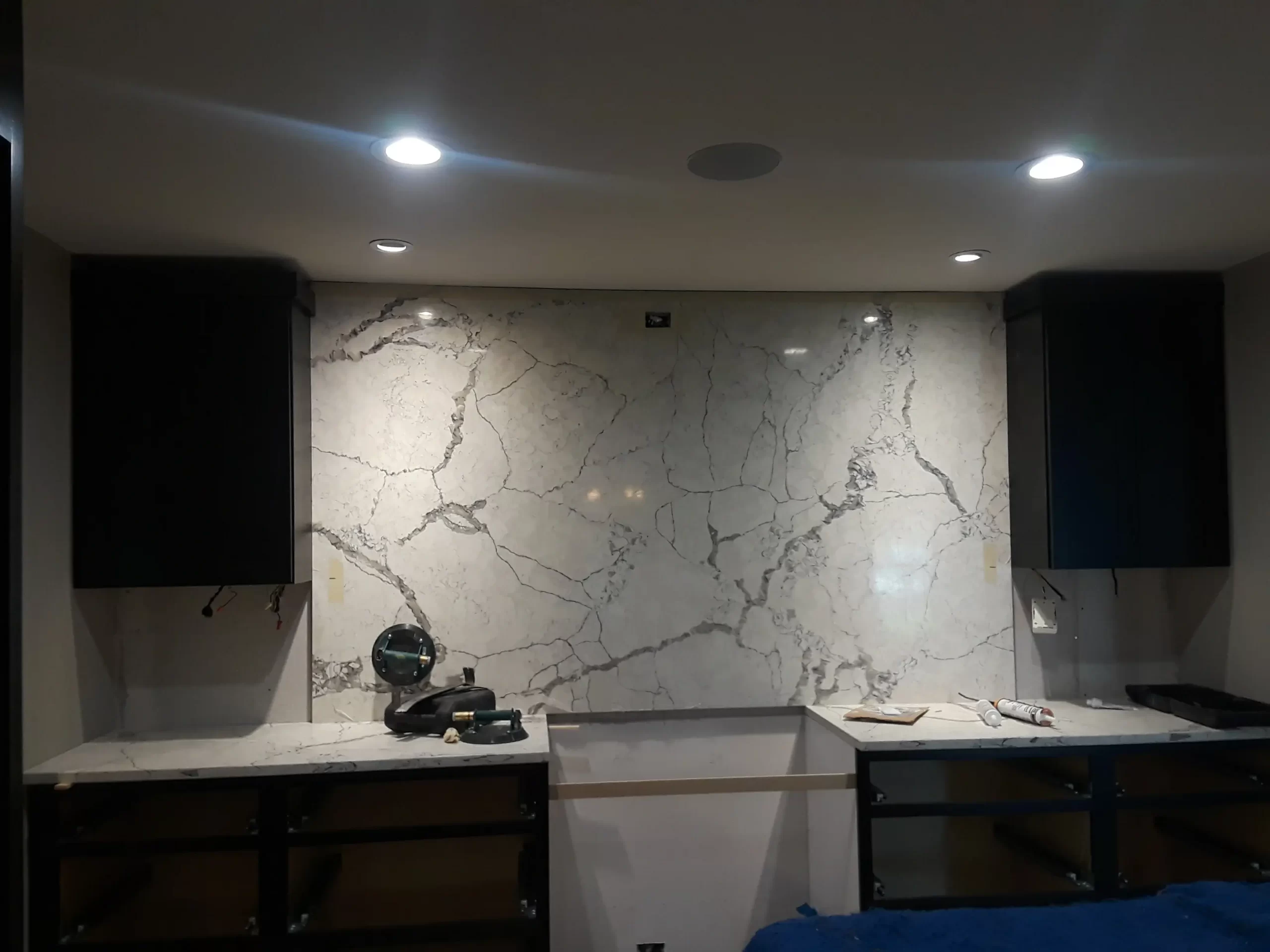
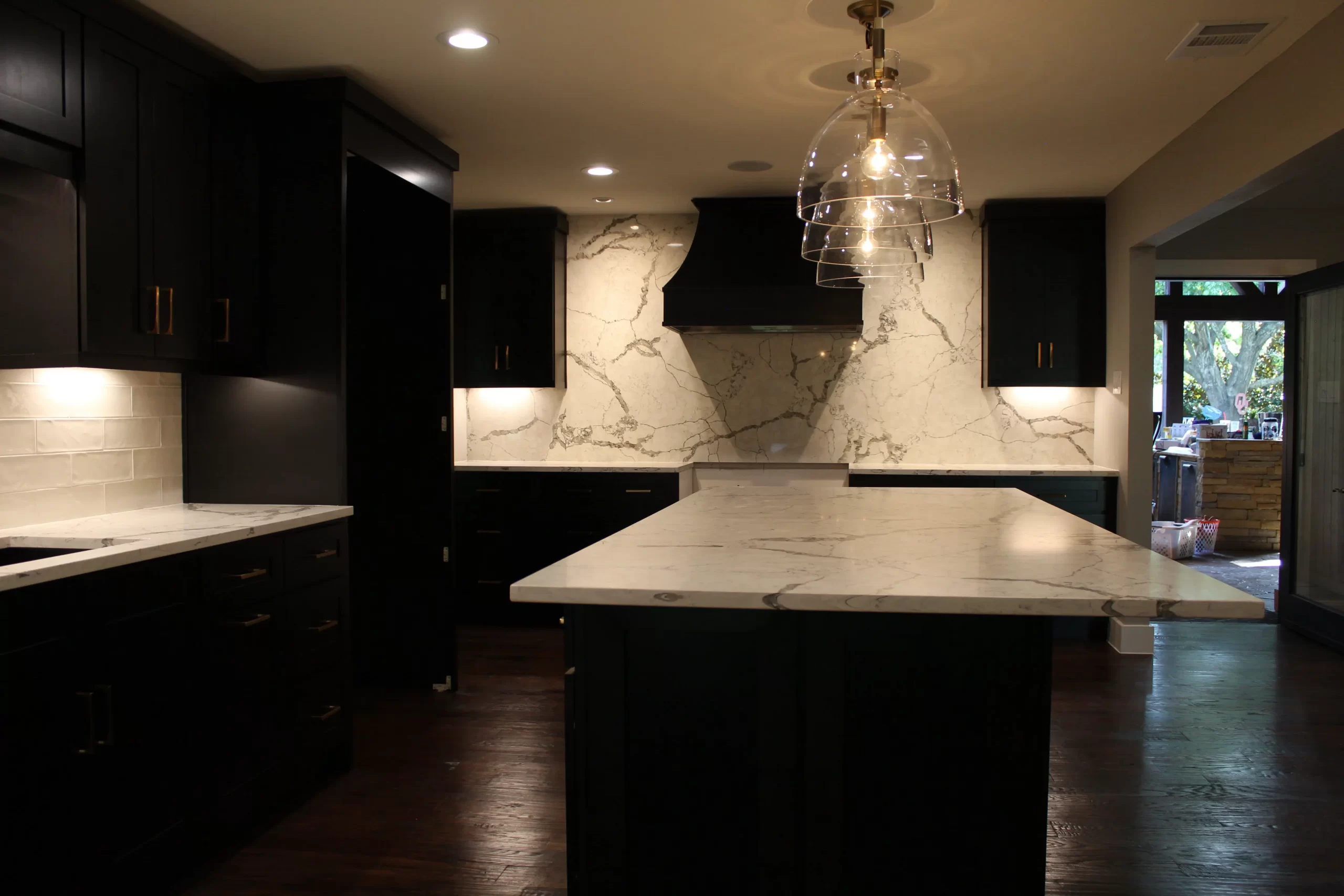
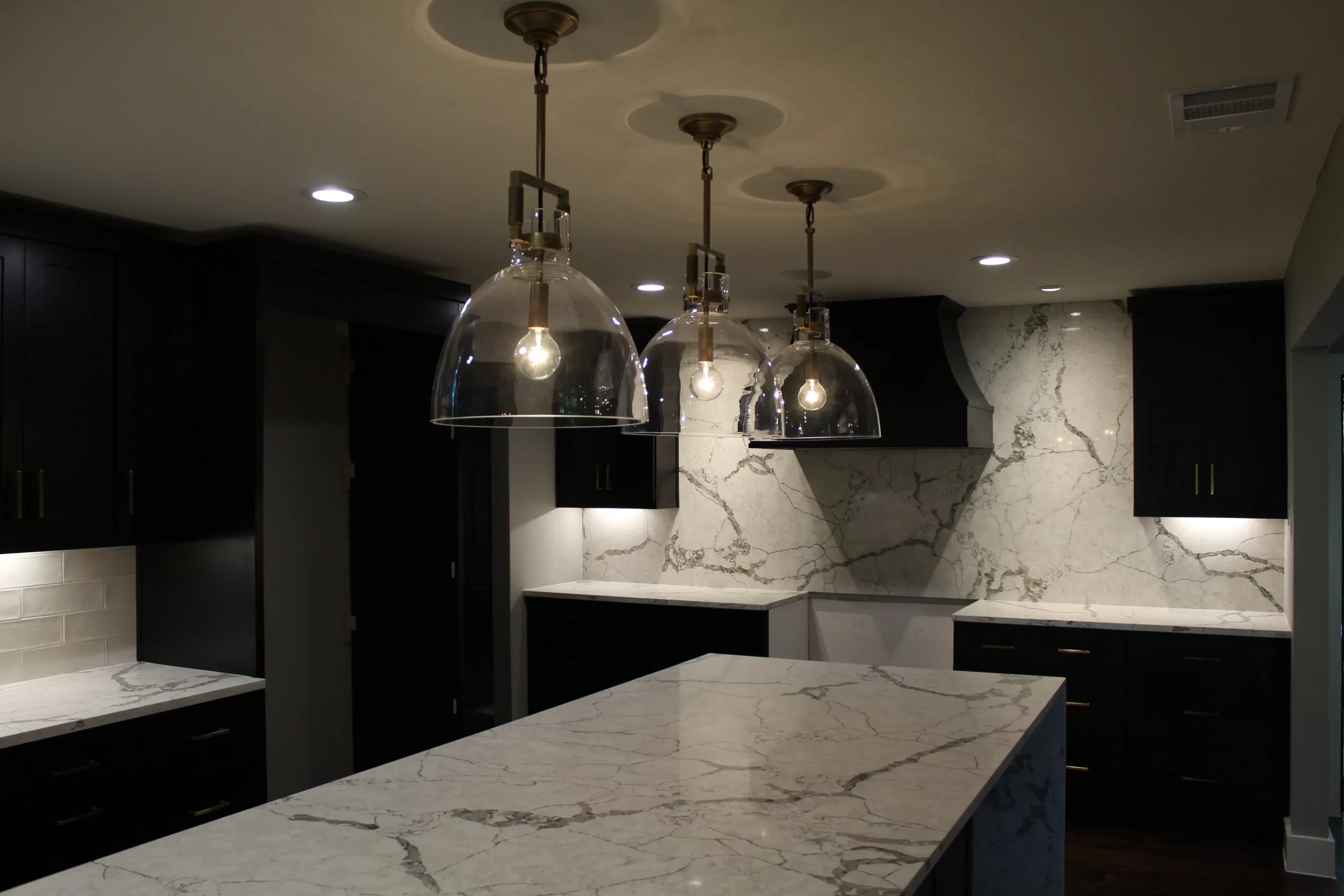
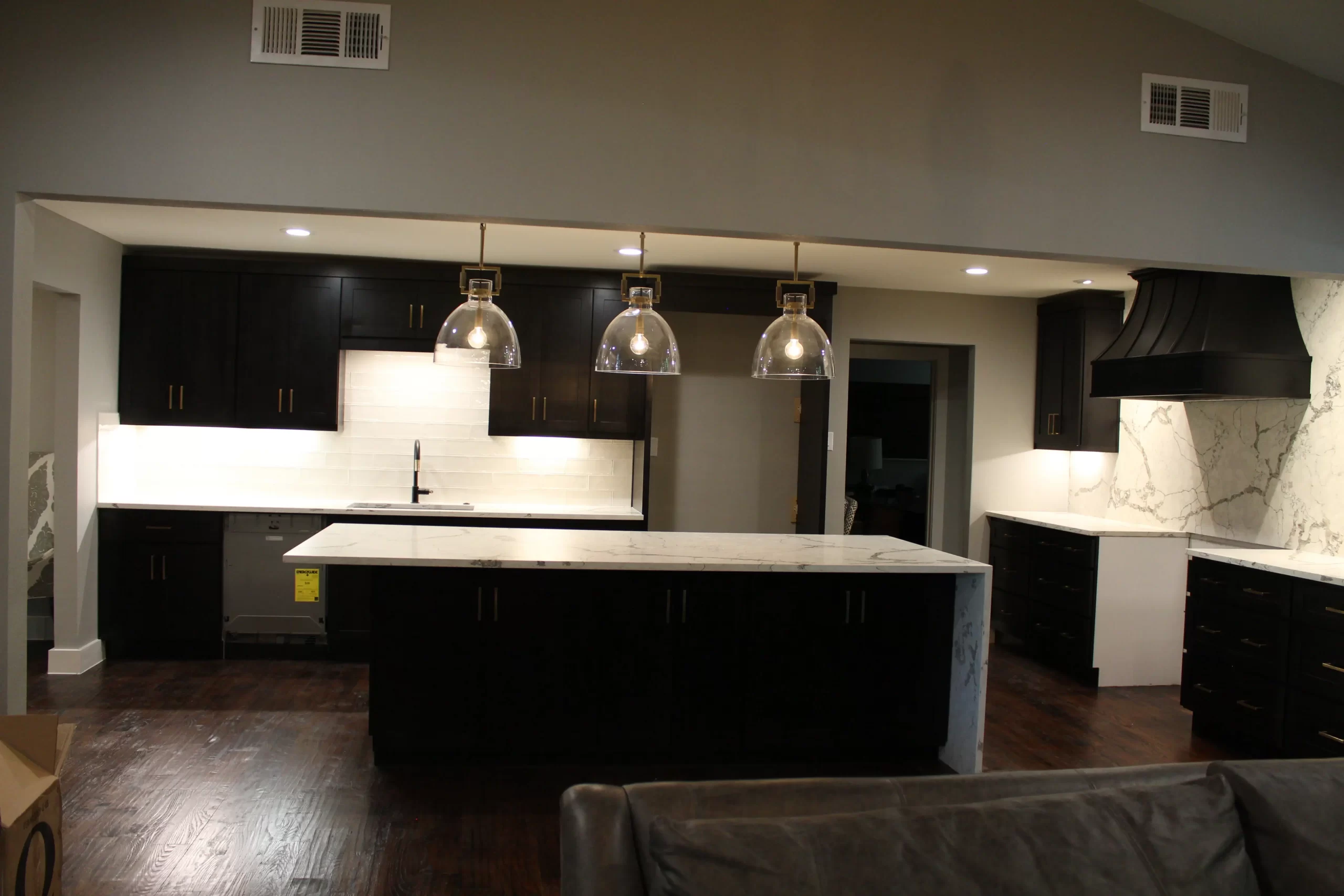
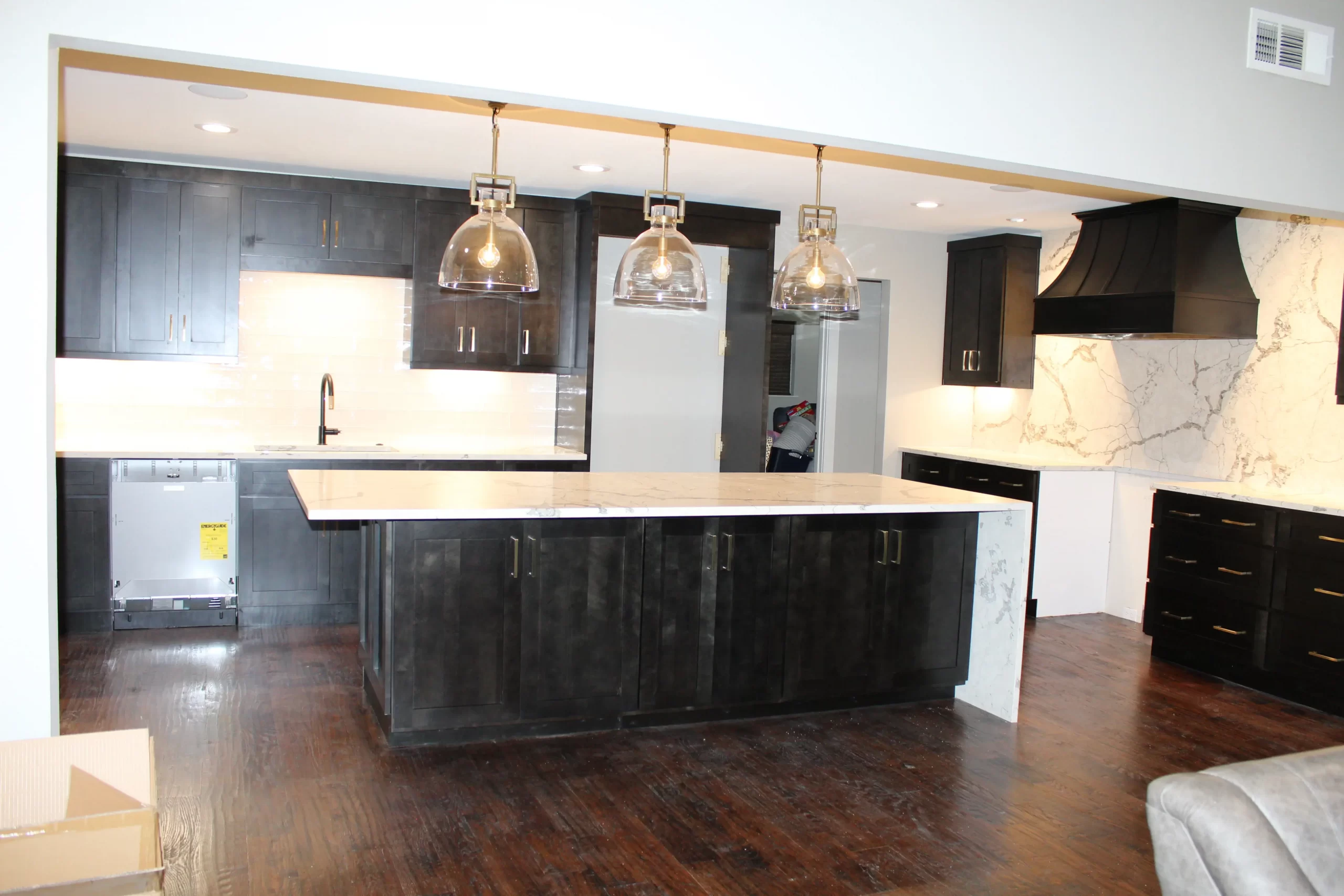
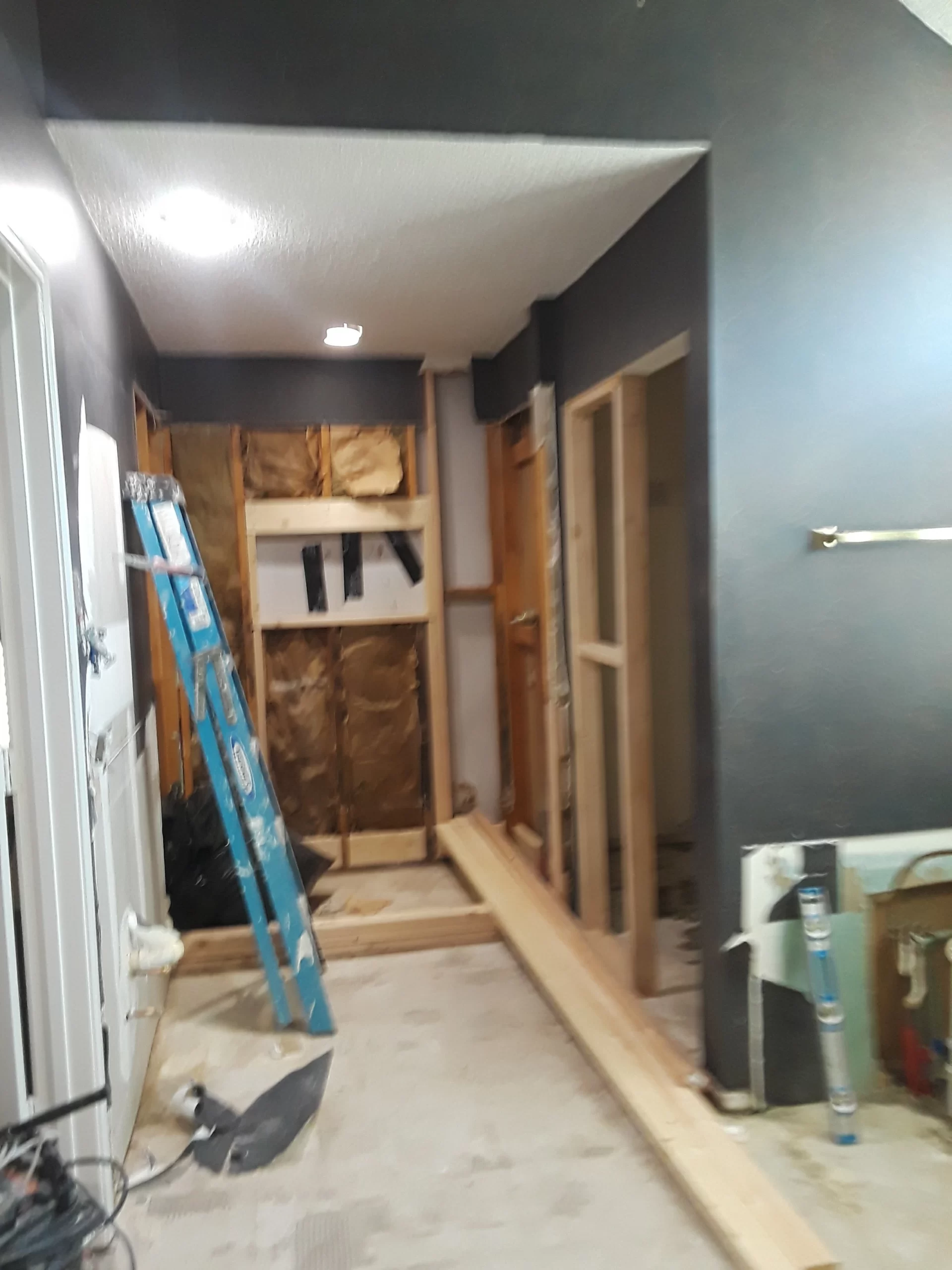
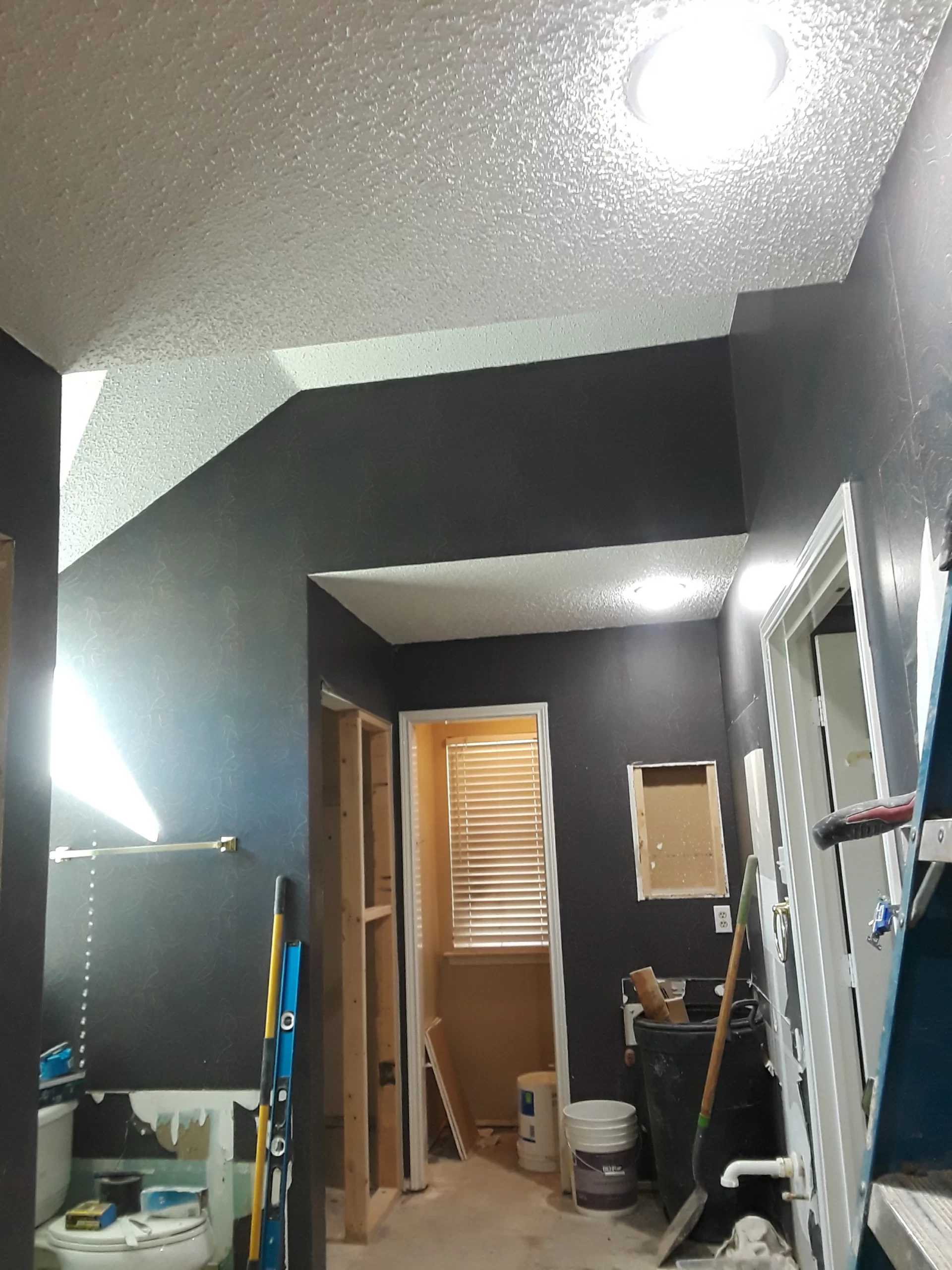
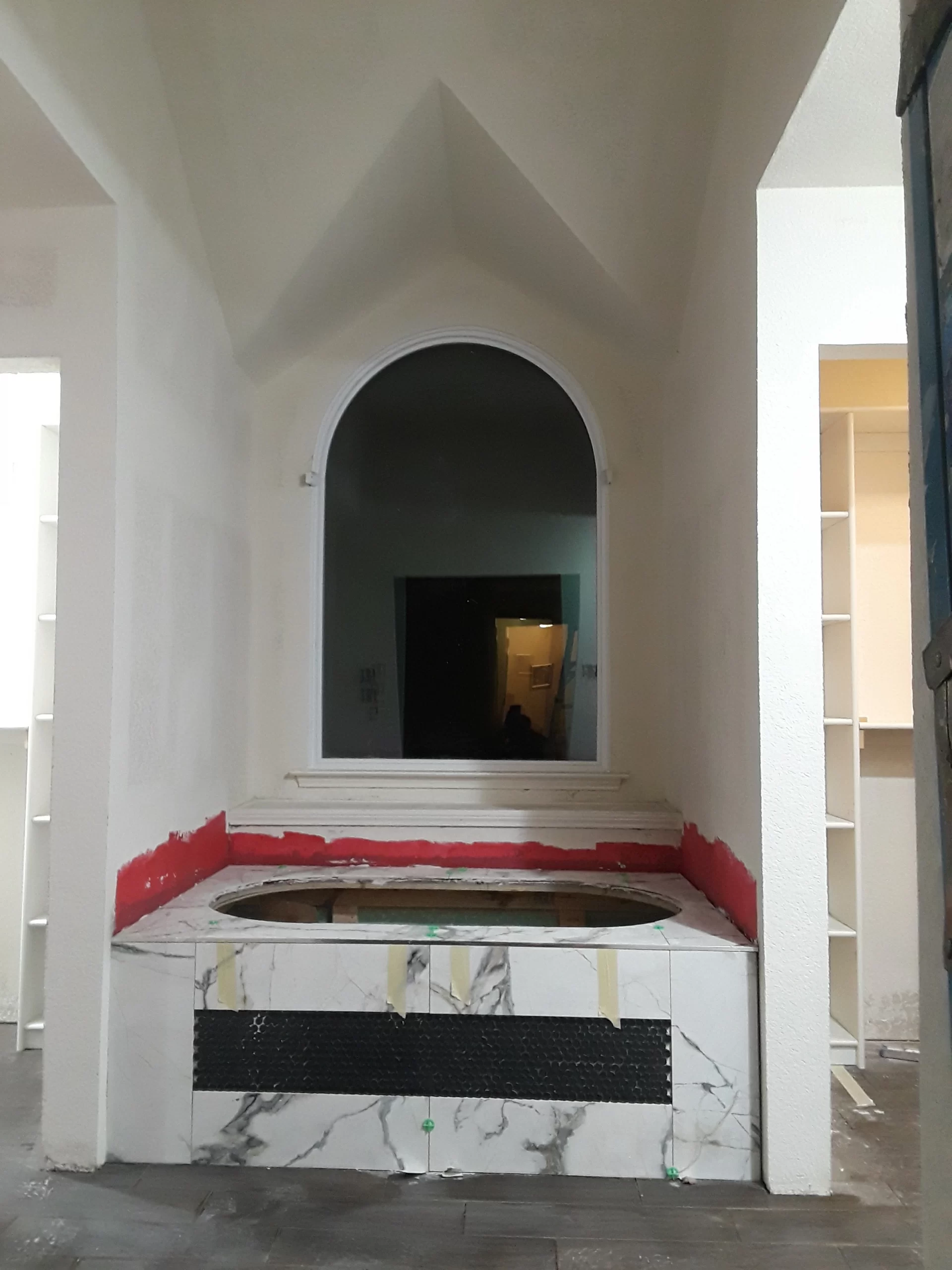
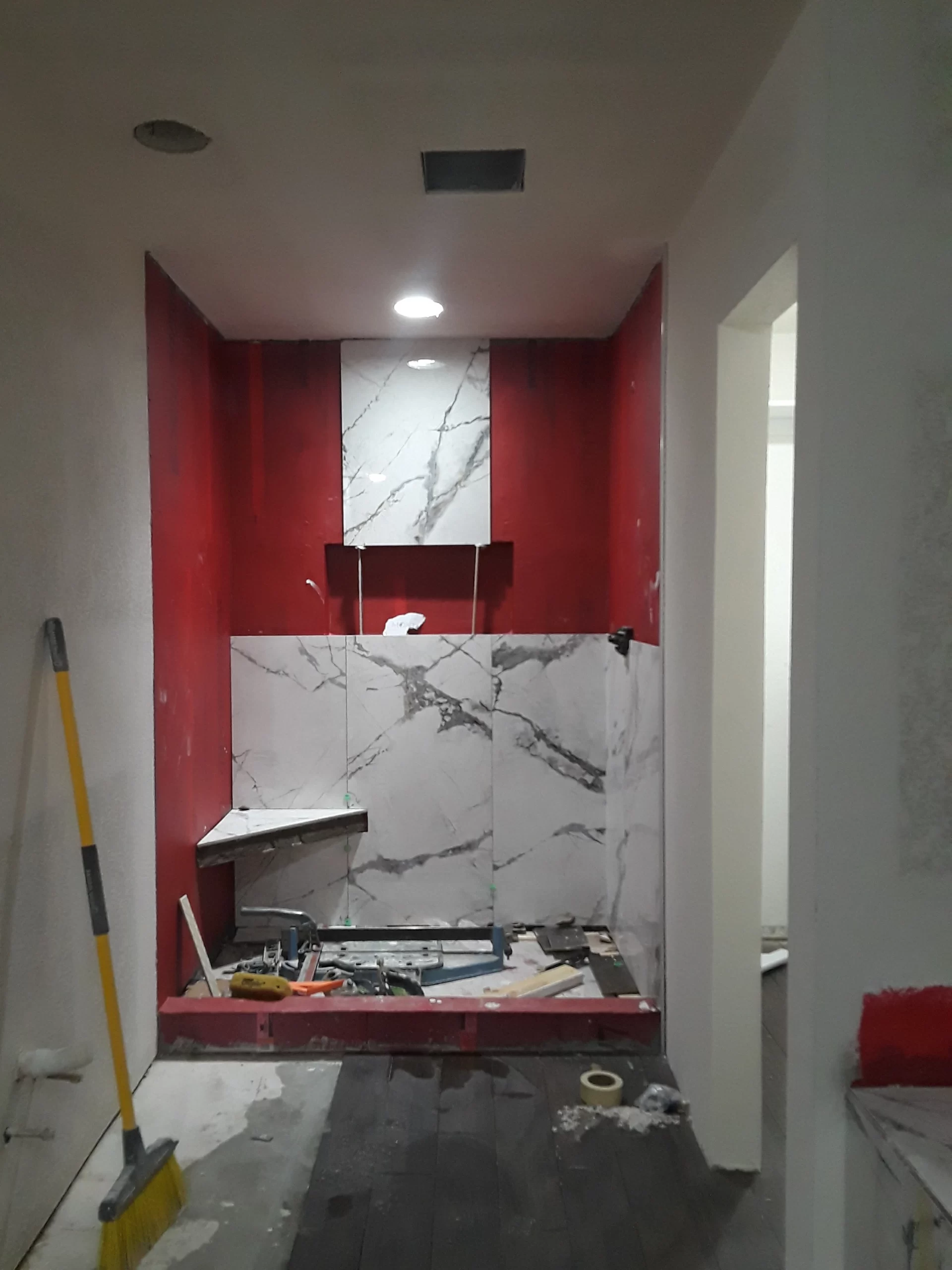
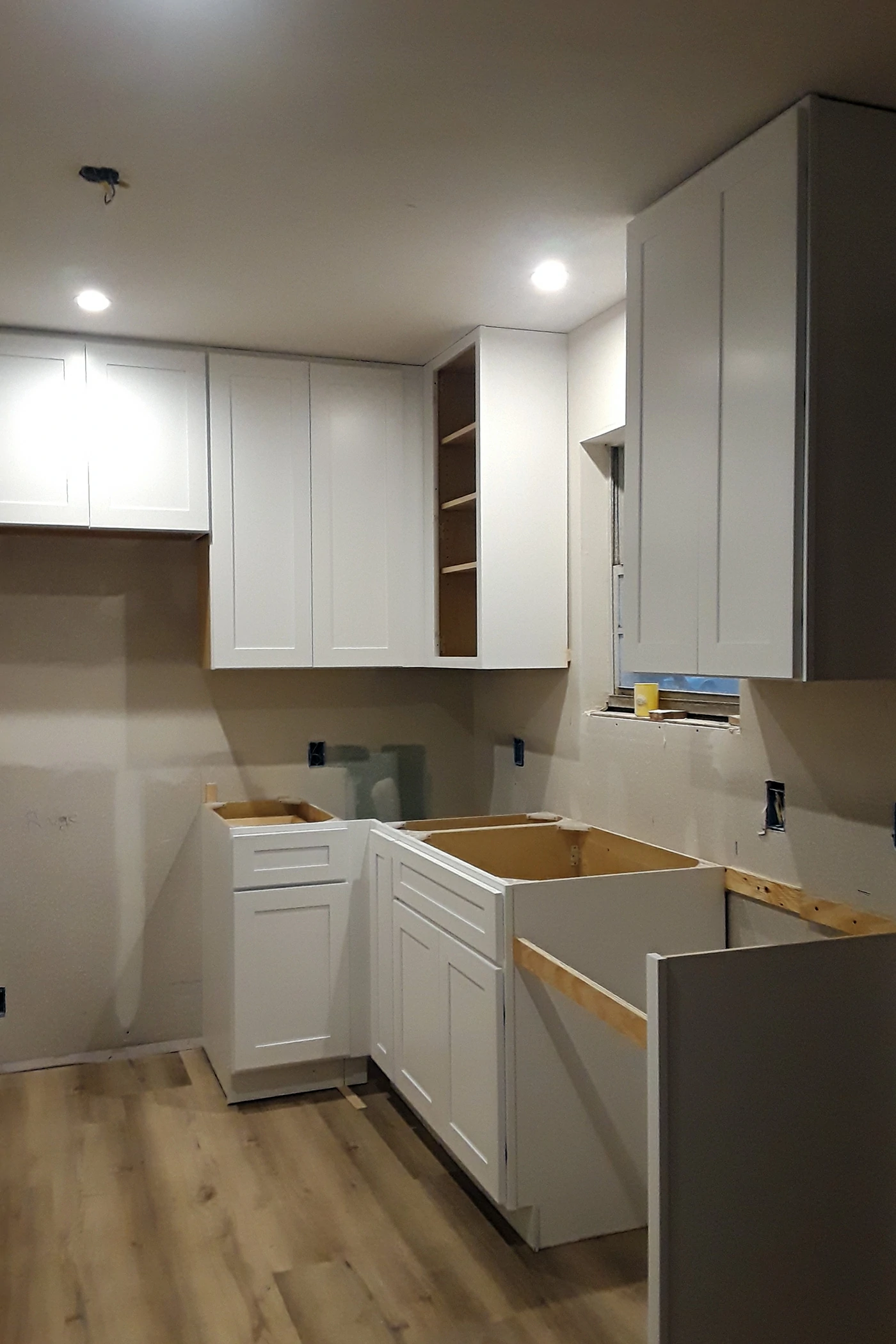
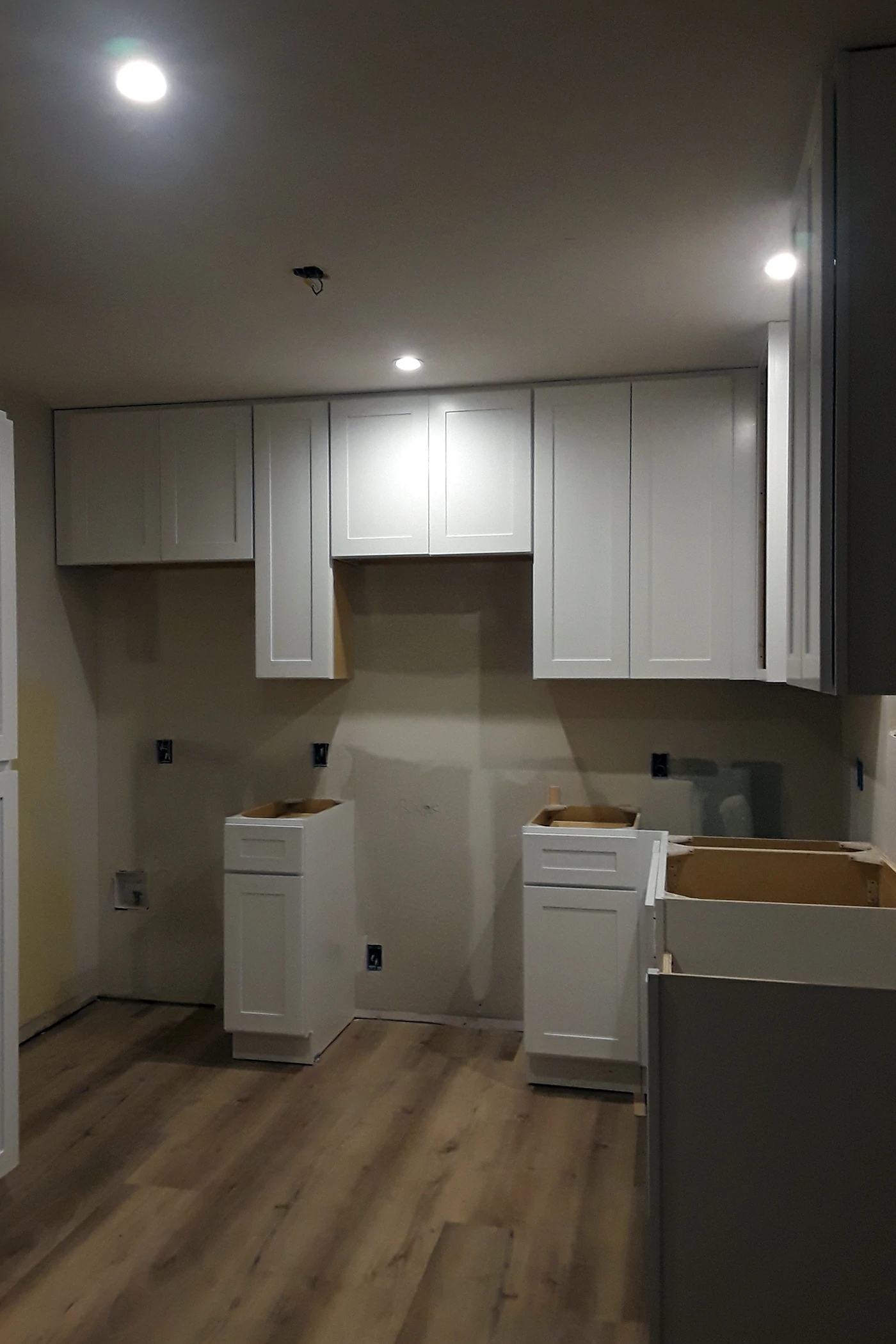
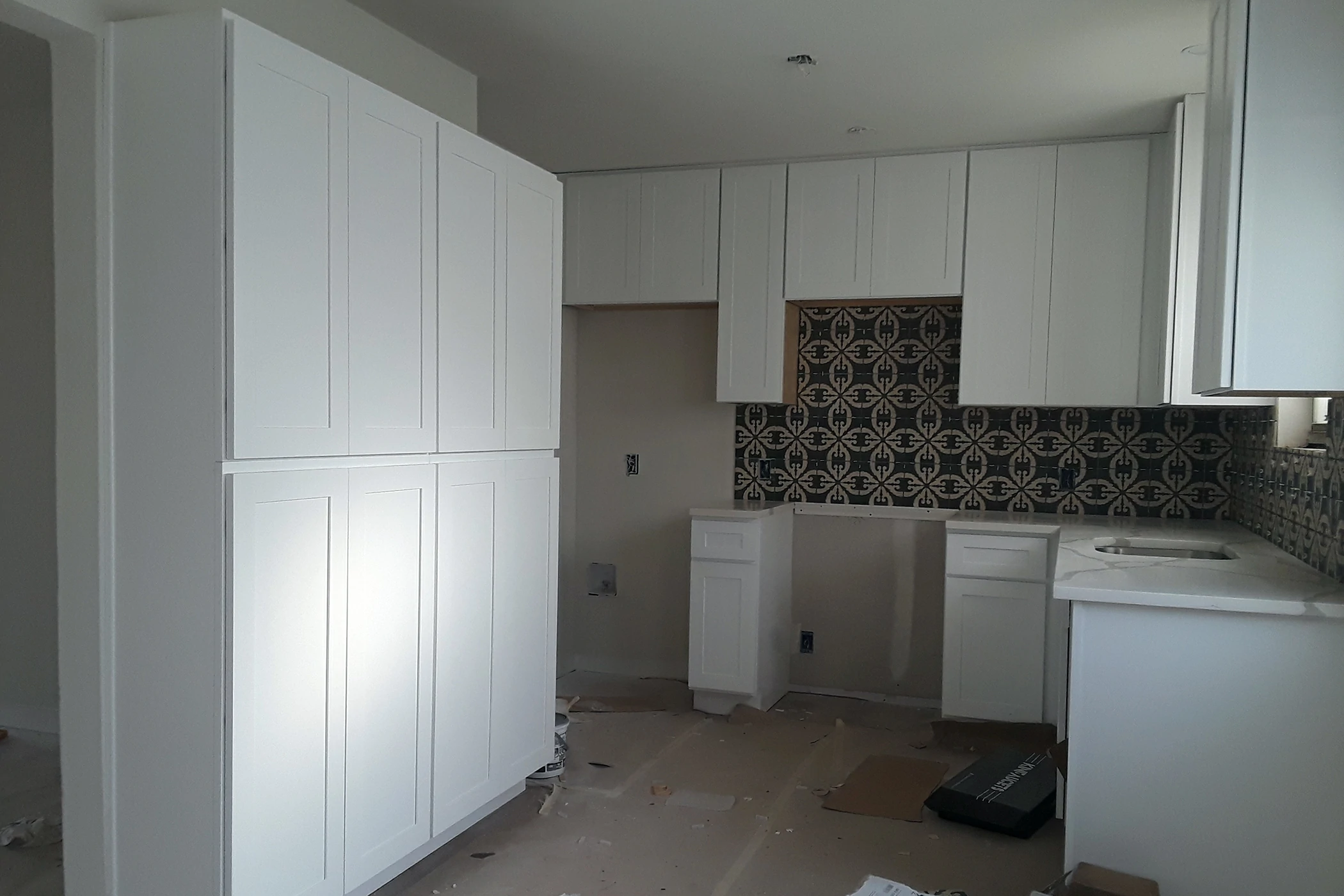
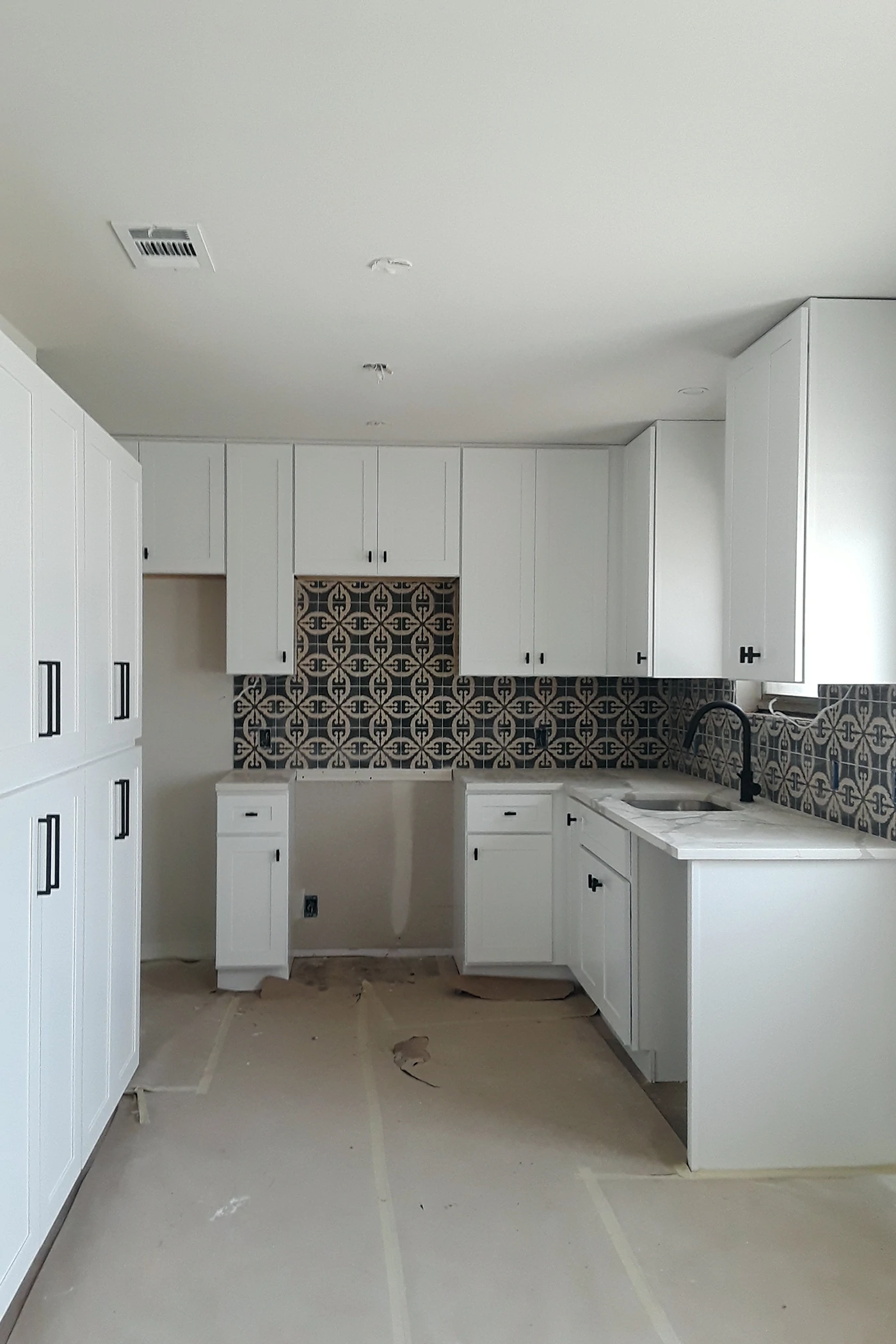
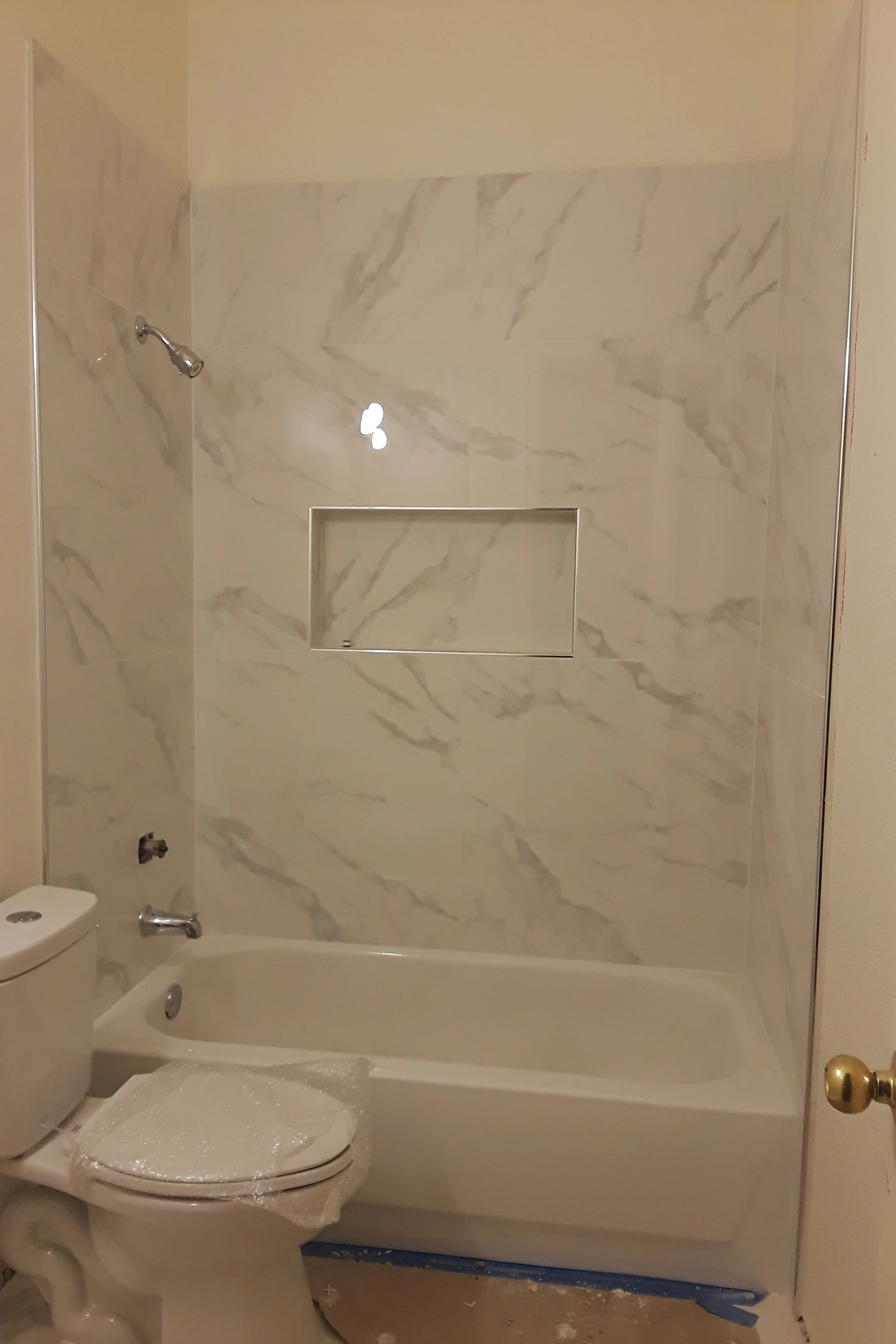
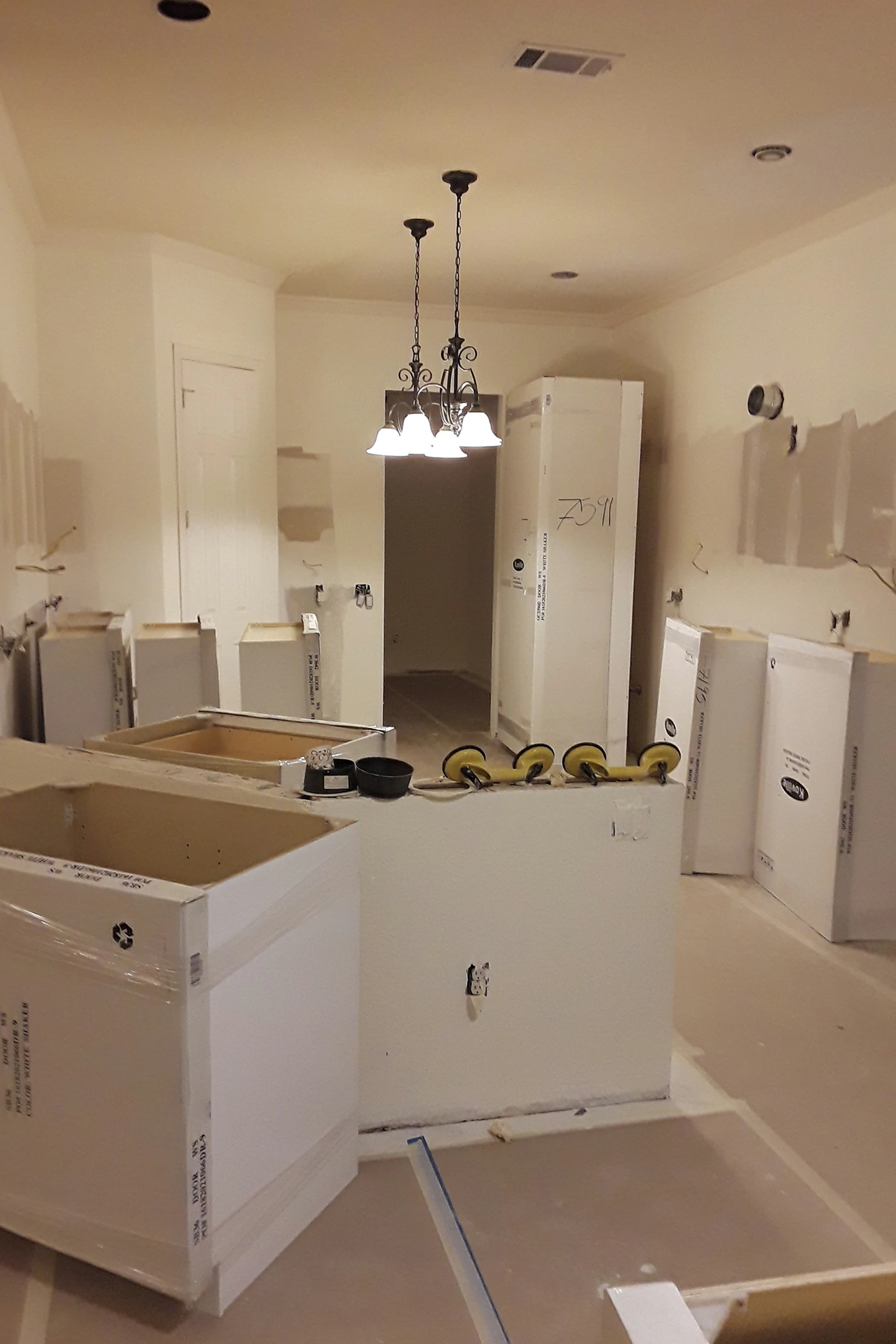
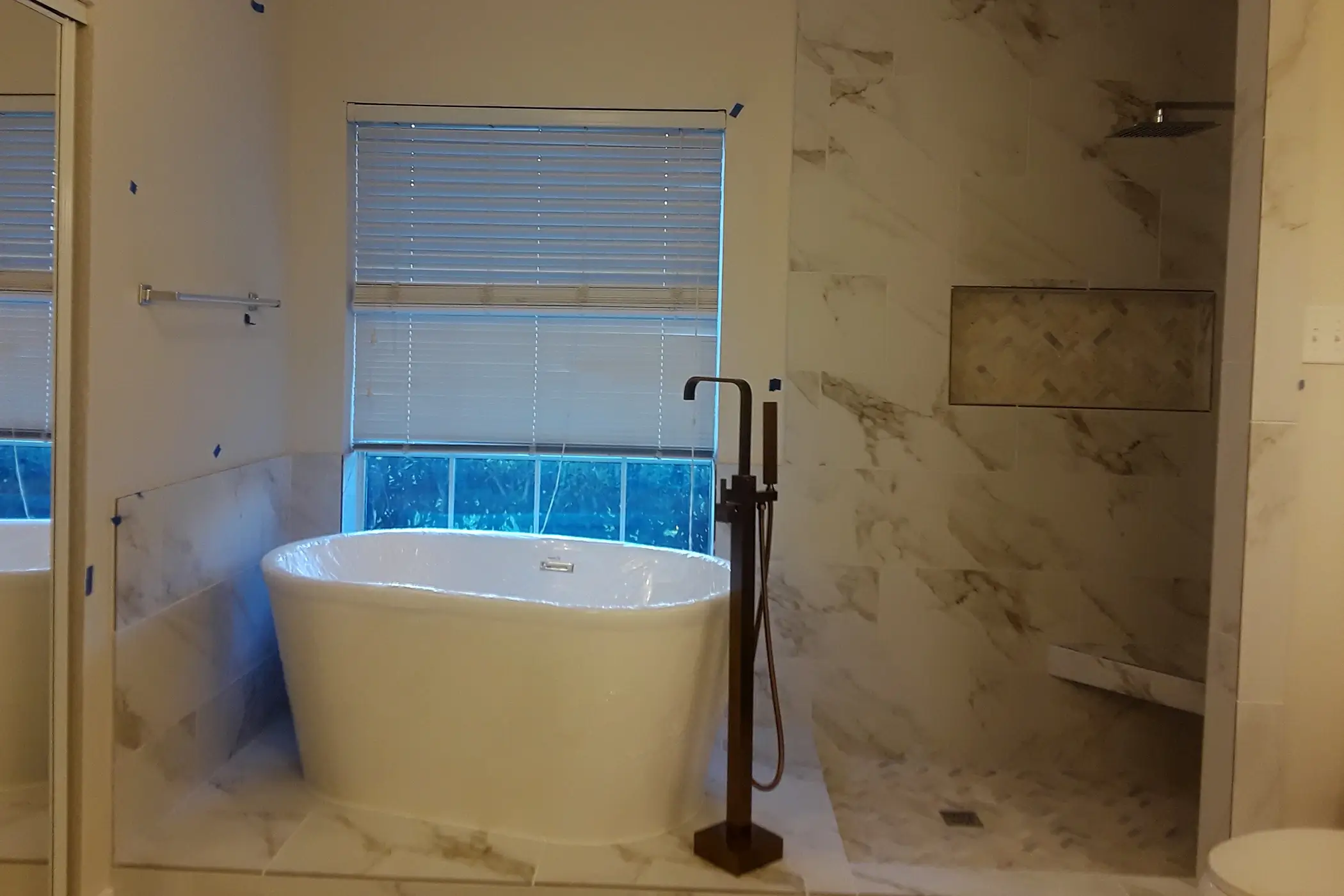
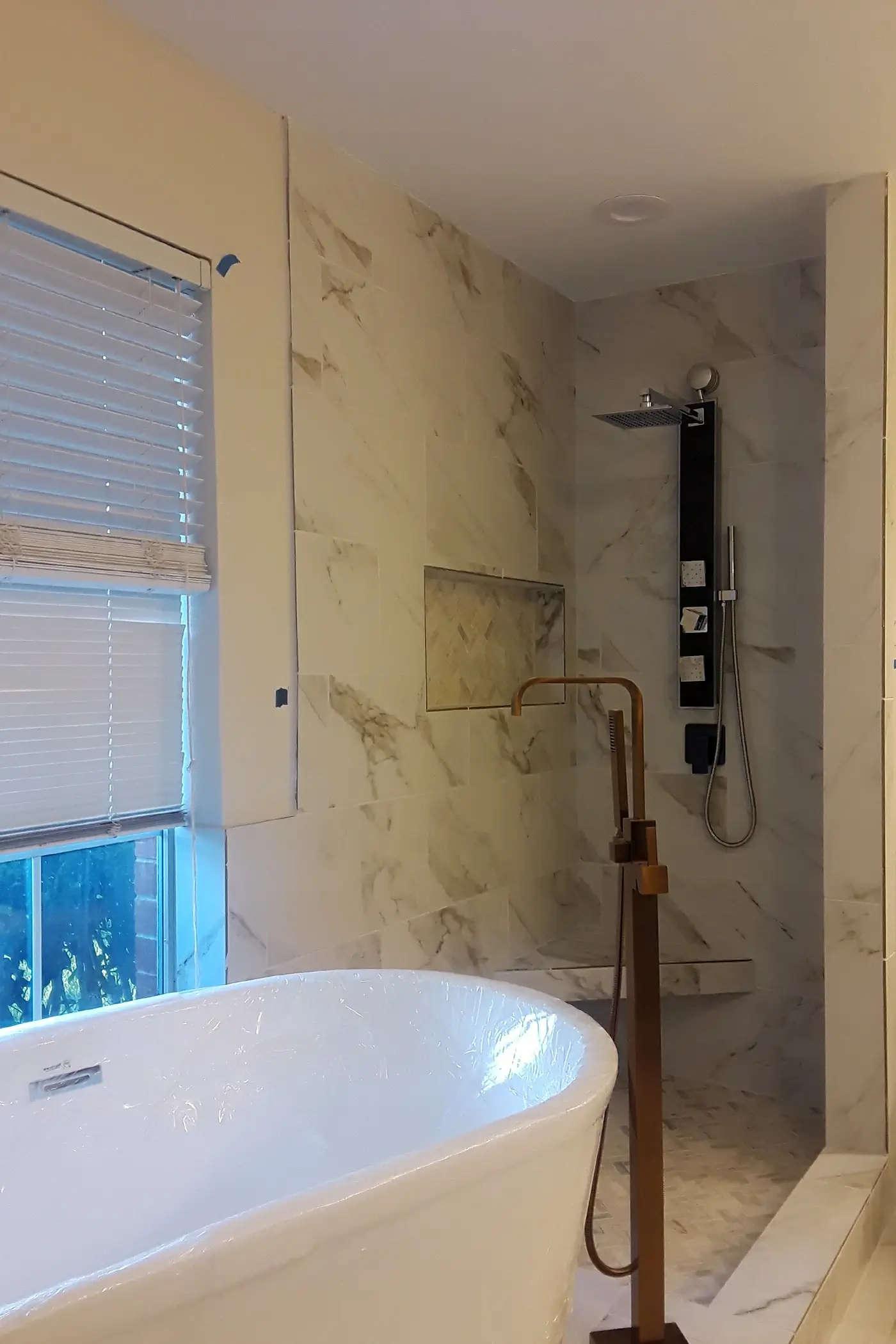
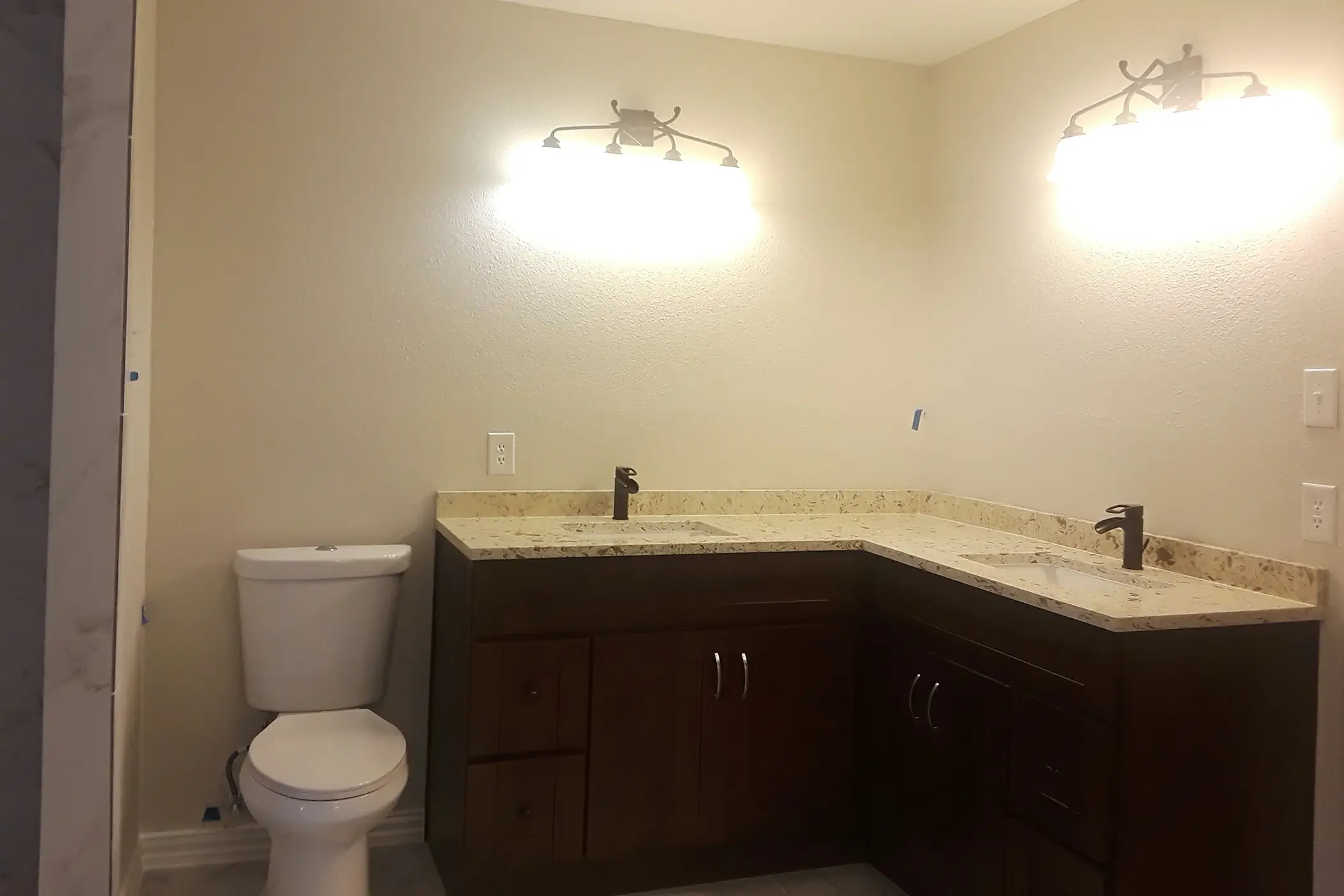
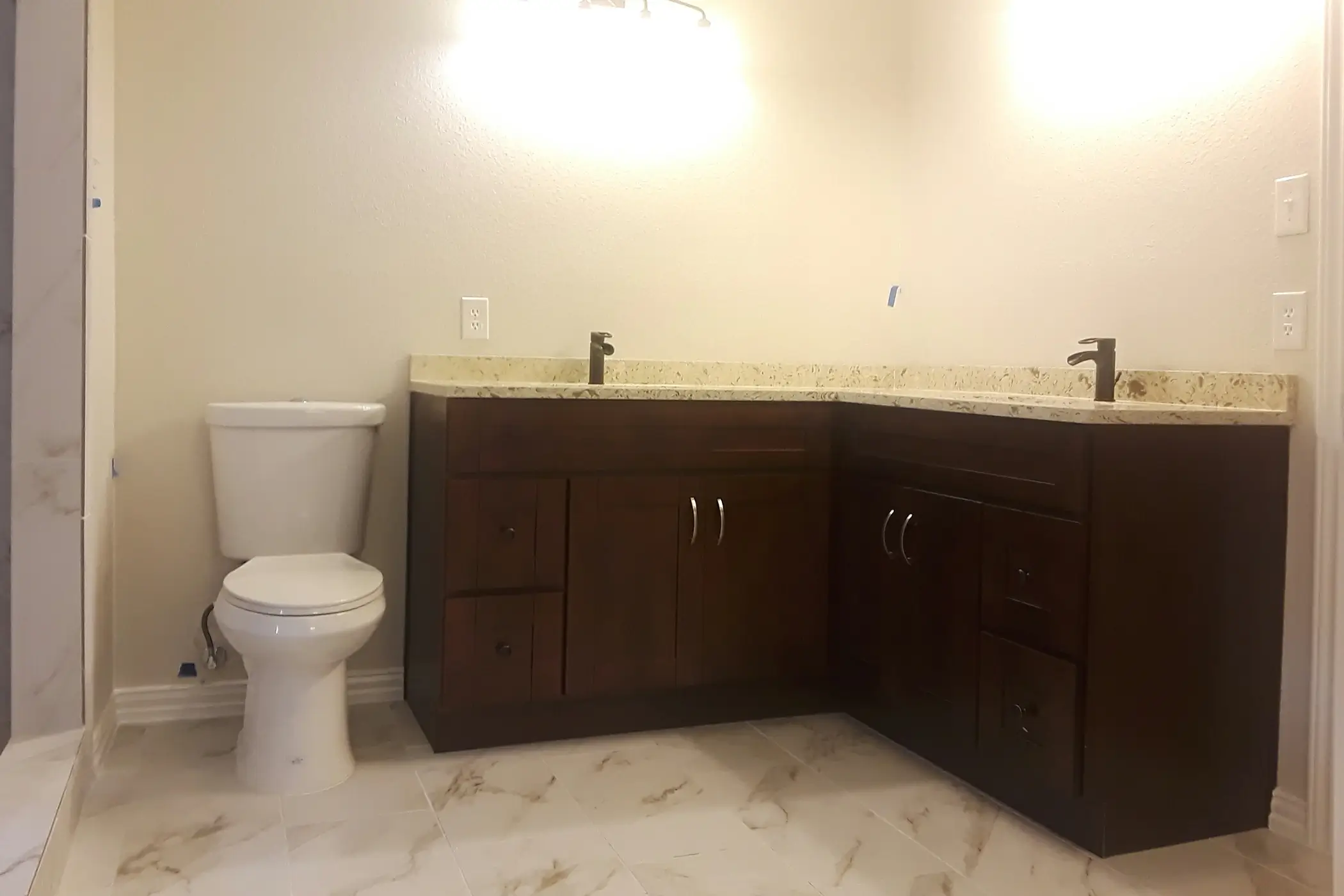
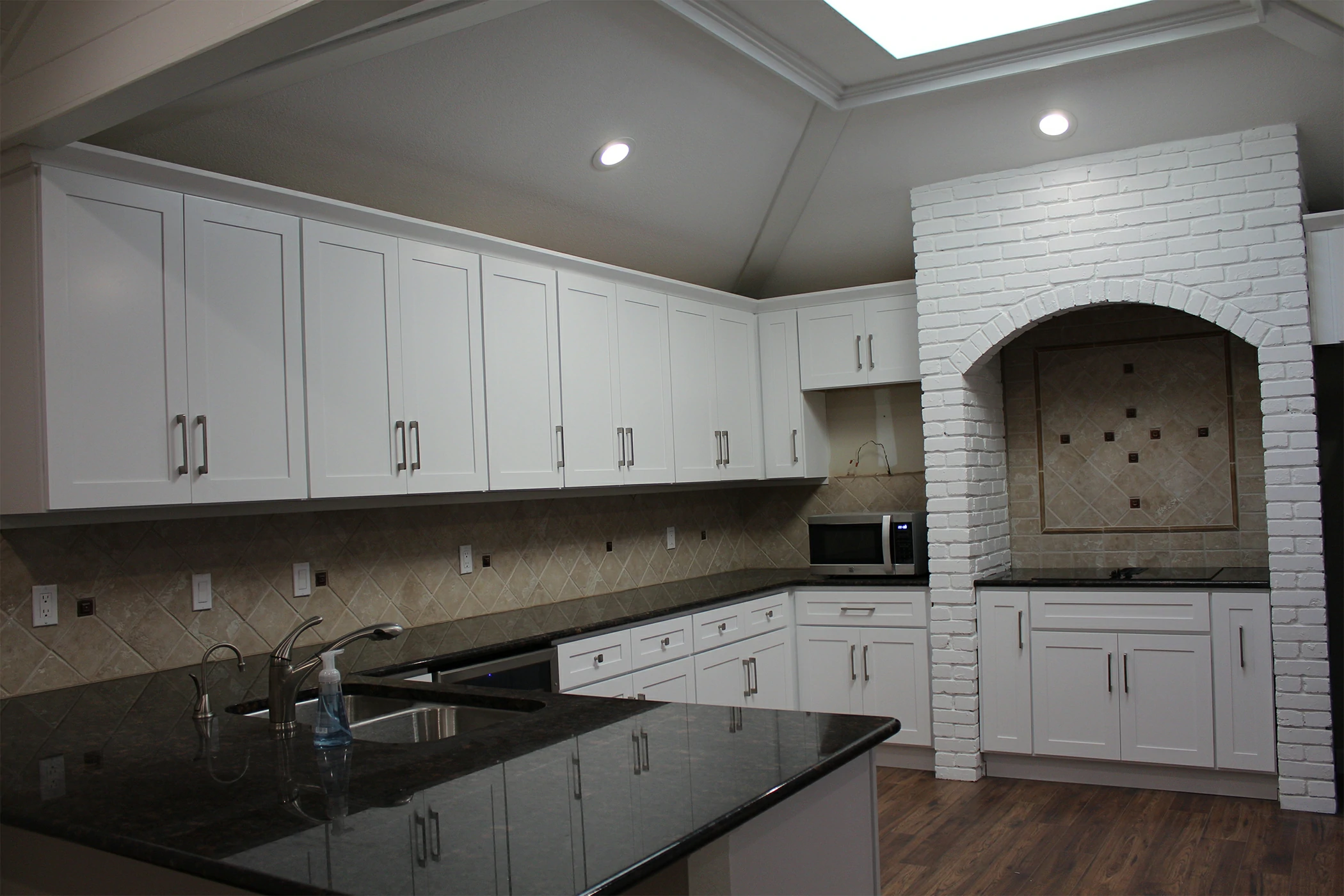
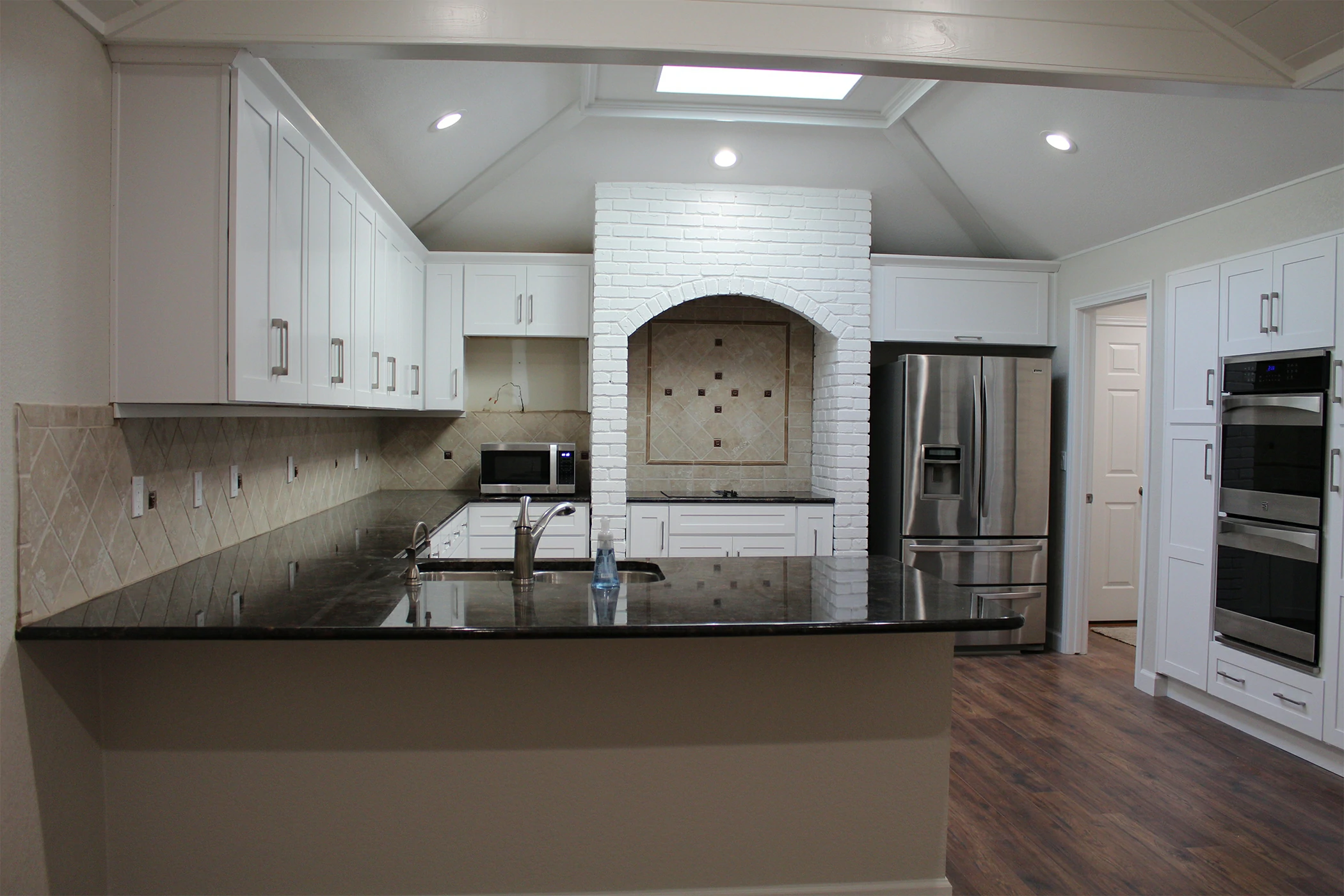
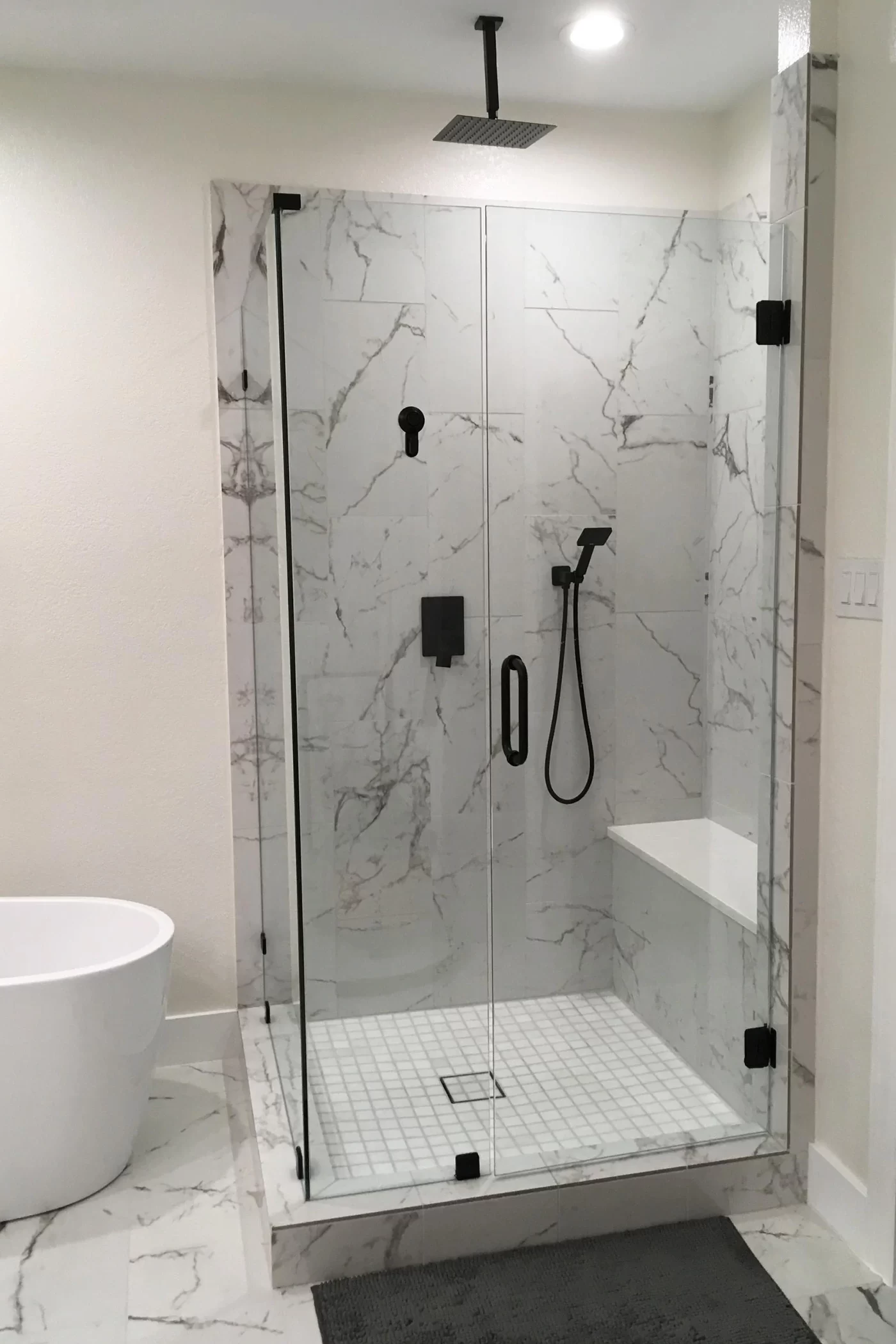
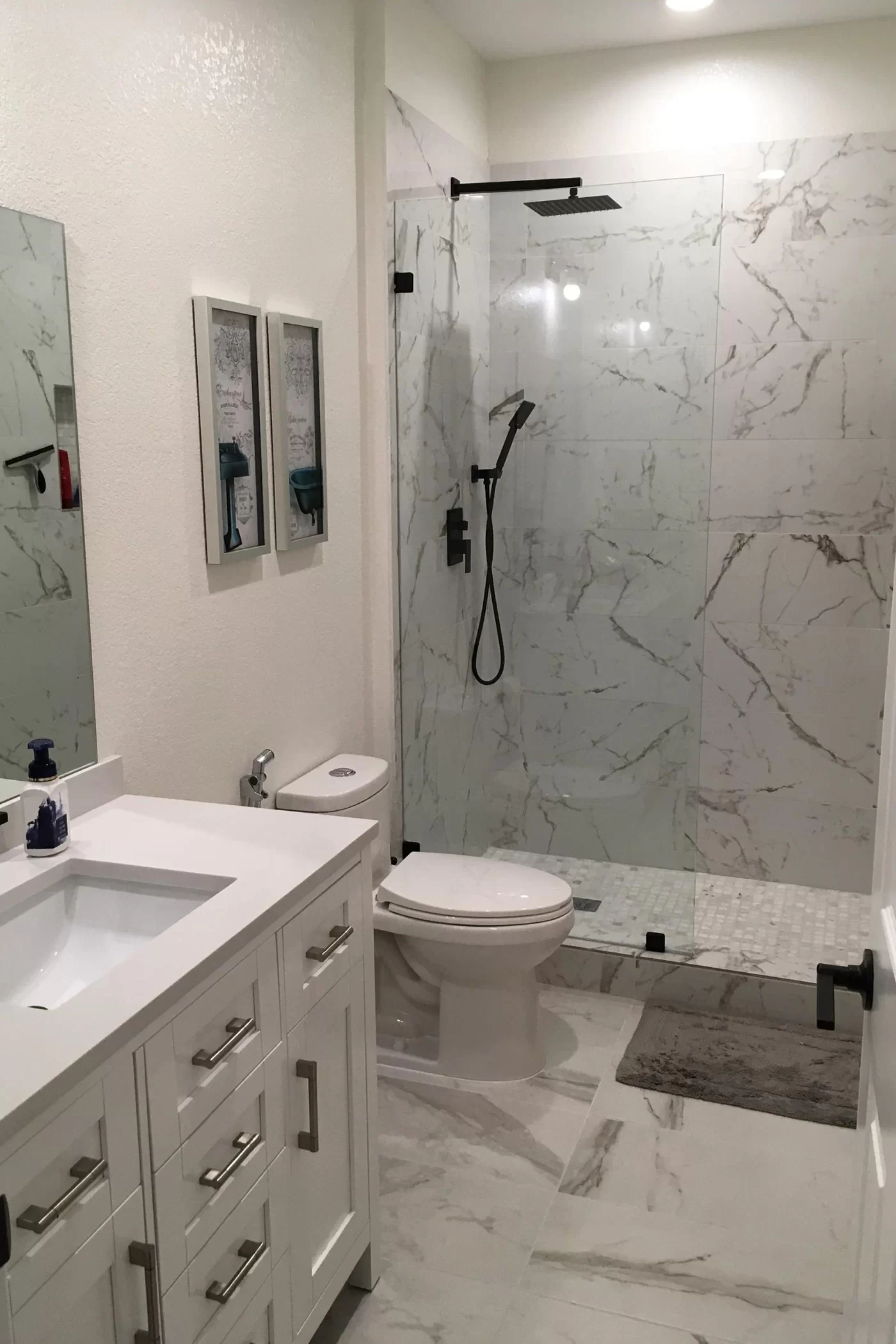
For complex projects like kitchen remodeling or bathroom remodeling, structural awareness is essential.
7. Use Ladders Safely
Falls are one of the most common DIY injuries.
Ladder Safety Tips:
- Use a stable, level surface
- Do not overreach while on a ladder
- Maintain three points of contact
- Avoid standing on the top rung
If possible, have someone assist you while working at heights.
8. Handle Chemicals Carefully
Paints, adhesives, and cleaning agents can contain harmful chemicals.
Safety Measures:
- Read labels and instructions carefully
- Work in well-ventilated areas
- Store chemicals away from children and pets
- Avoid mixing unknown substances
Proper handling reduces health risks and environmental impact.
9. Know Your Limits
One of the most important home repair safety tips is recognizing when a project is beyond your skill level.
Consider Professional Help When:
- Electrical wiring is involved
- Structural changes are required
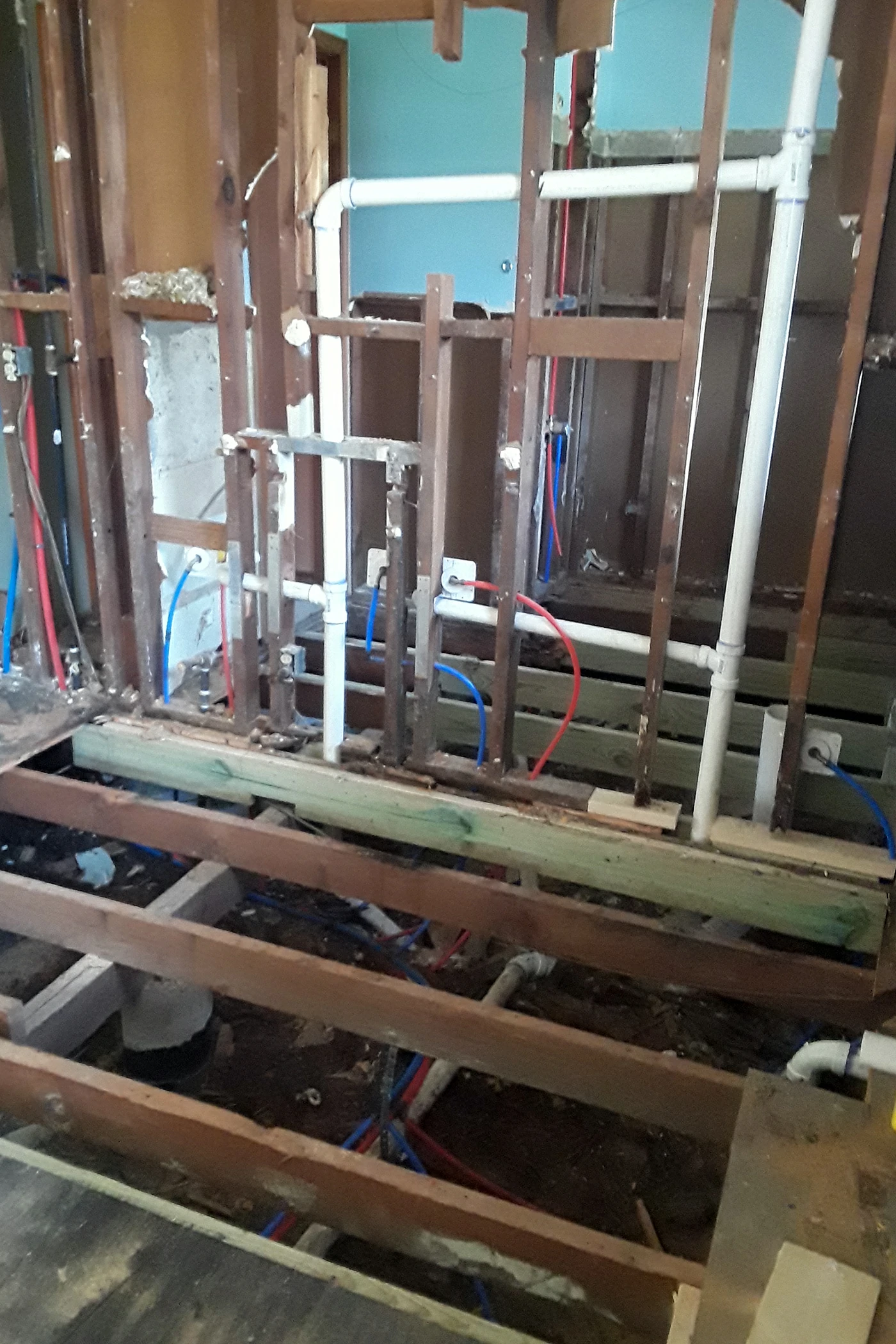
- Plumbing systems are complex
- Permits are needed
You can also explore expert advice through resources like the home renovation materials guide.
10. Follow Local Building Codes
Ignoring local regulations can lead to safety hazards and legal issues.
What to Check:
- Permit requirements
- Safety standards
- Inspection guidelines
Compliance ensures your repairs are safe and legally approved.
Room-Specific Safety Considerations
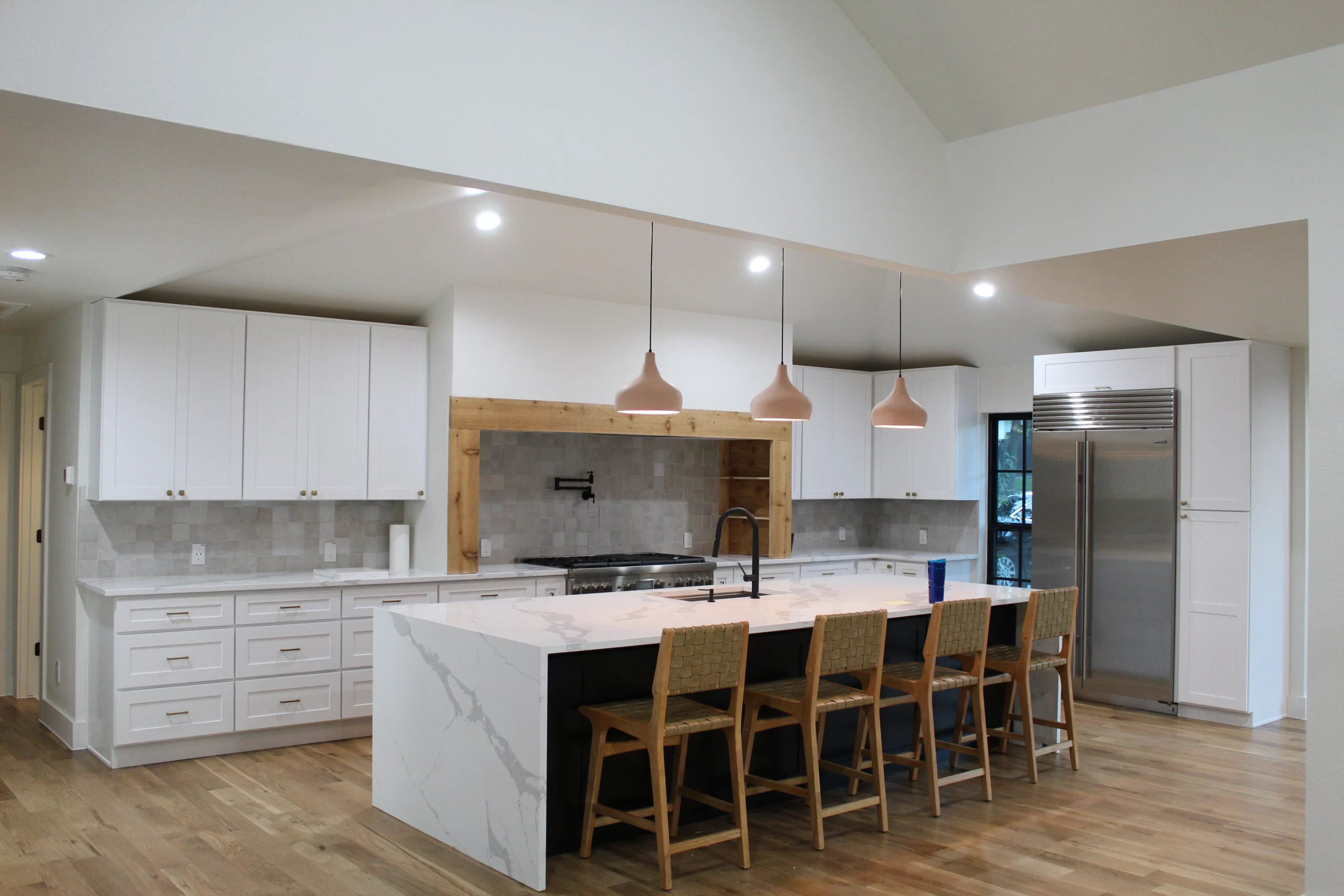
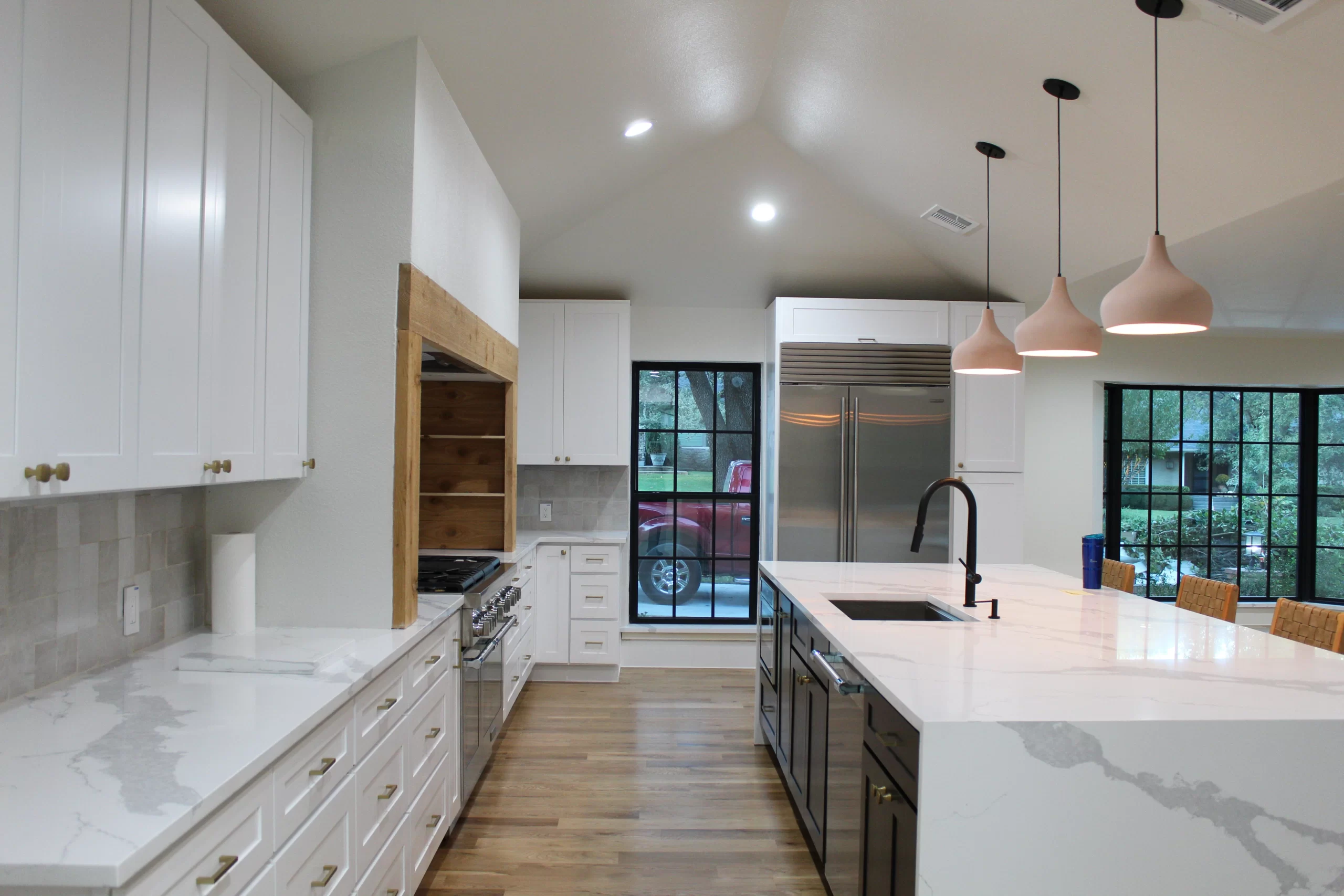
Kitchen Repairs
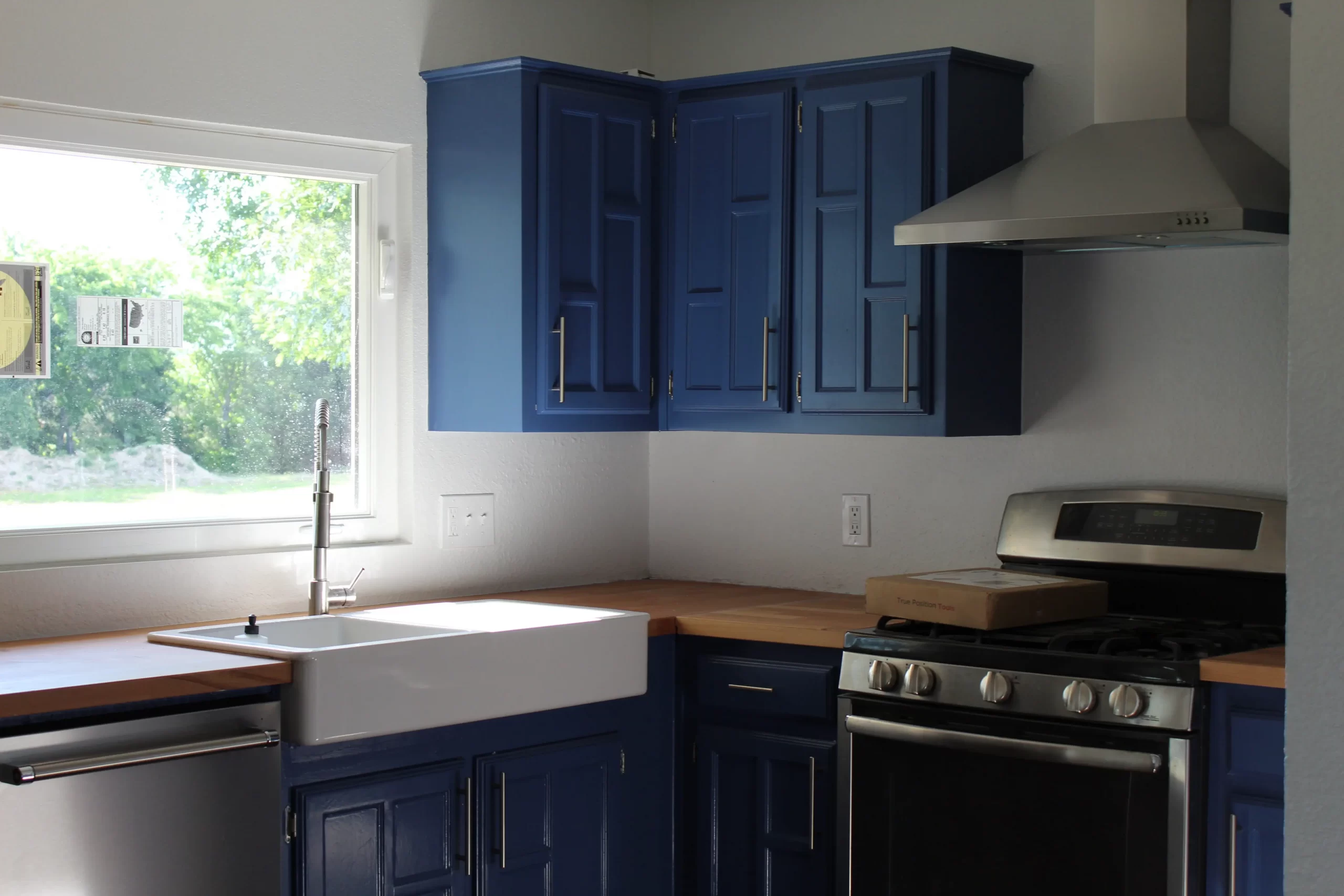
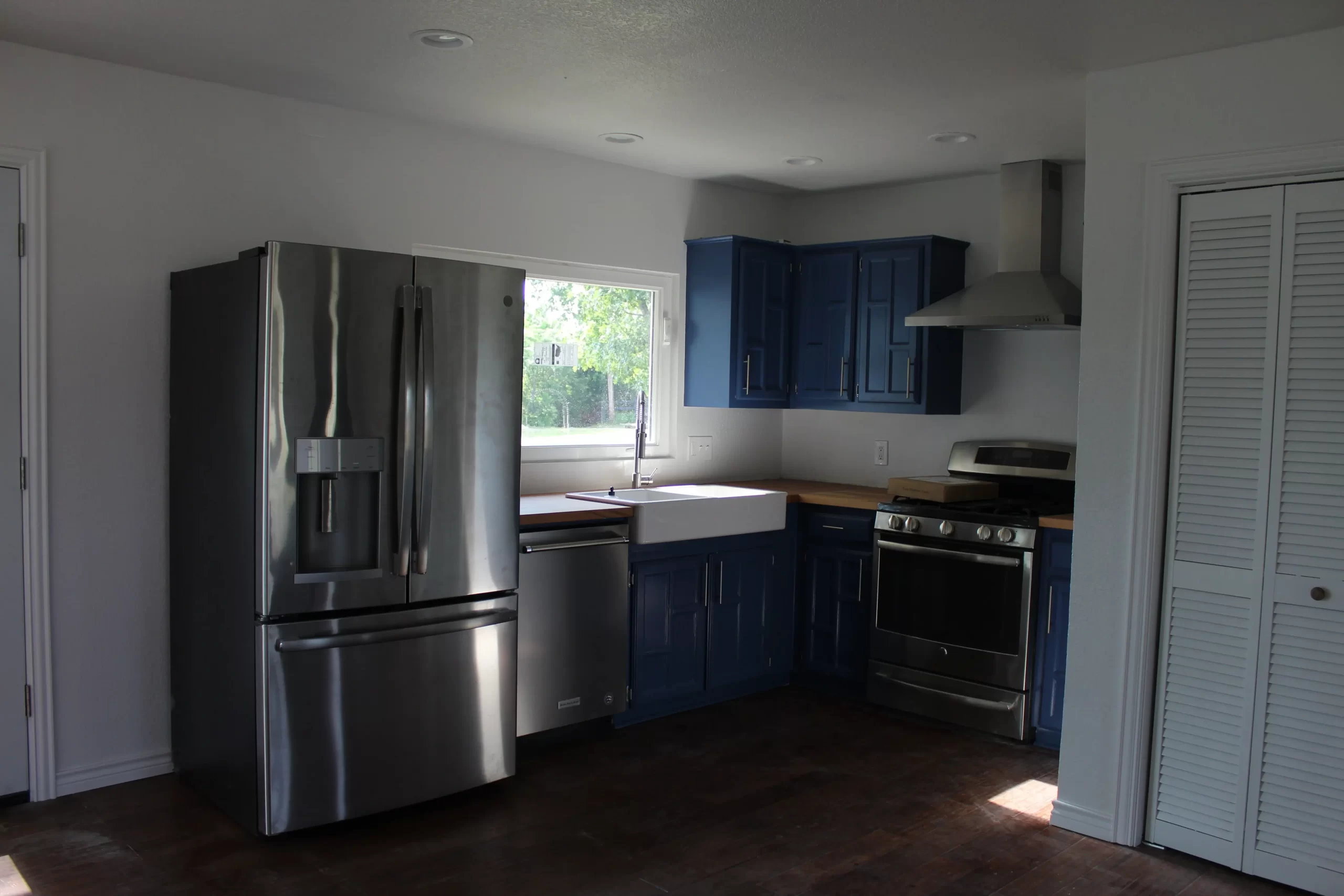
The kitchen involves electrical appliances, gas connections, and water systems.
Safety Tips:
- Turn off gas supply before working
- Avoid water contact with electrical outlets
- Use heat-resistant materials
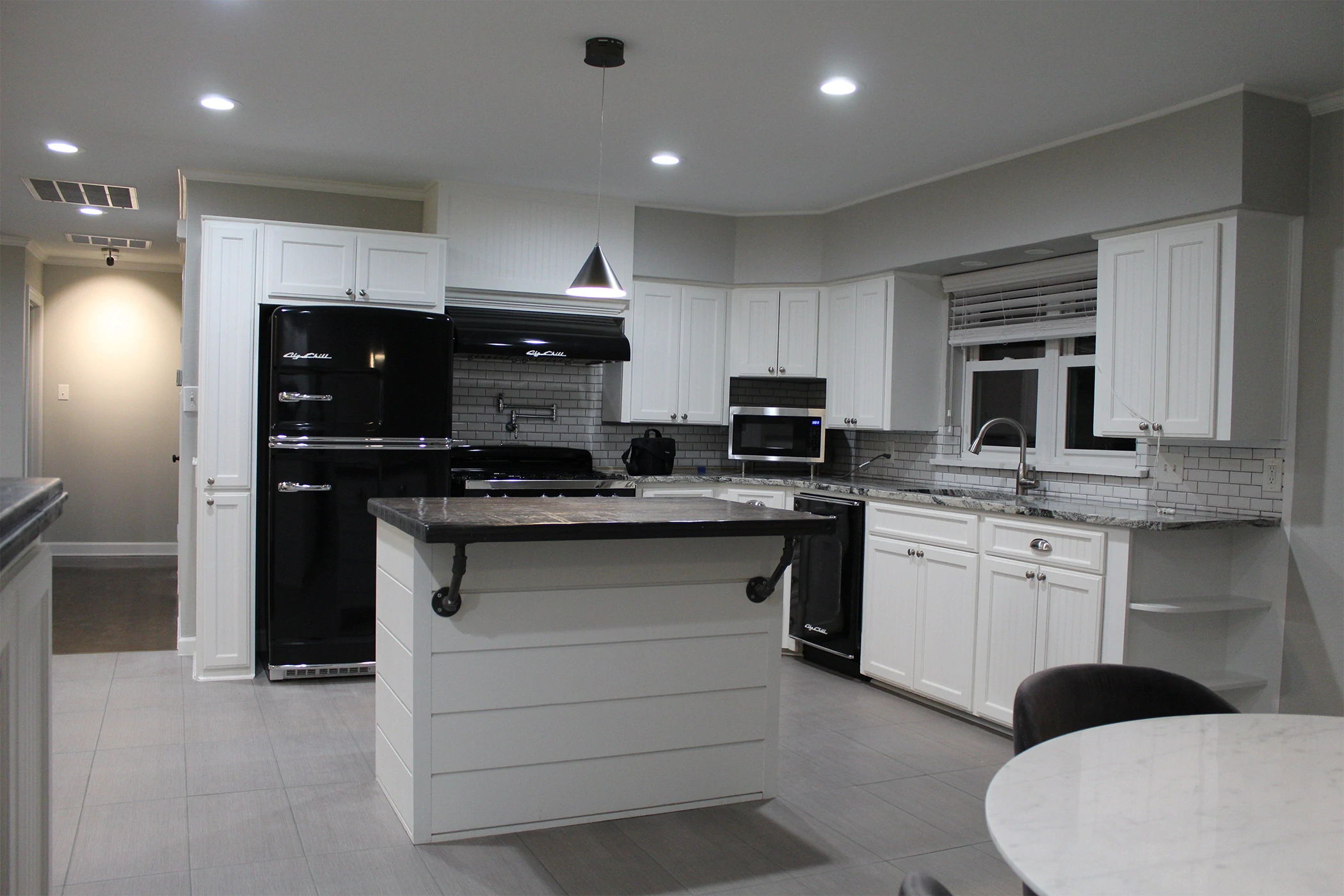
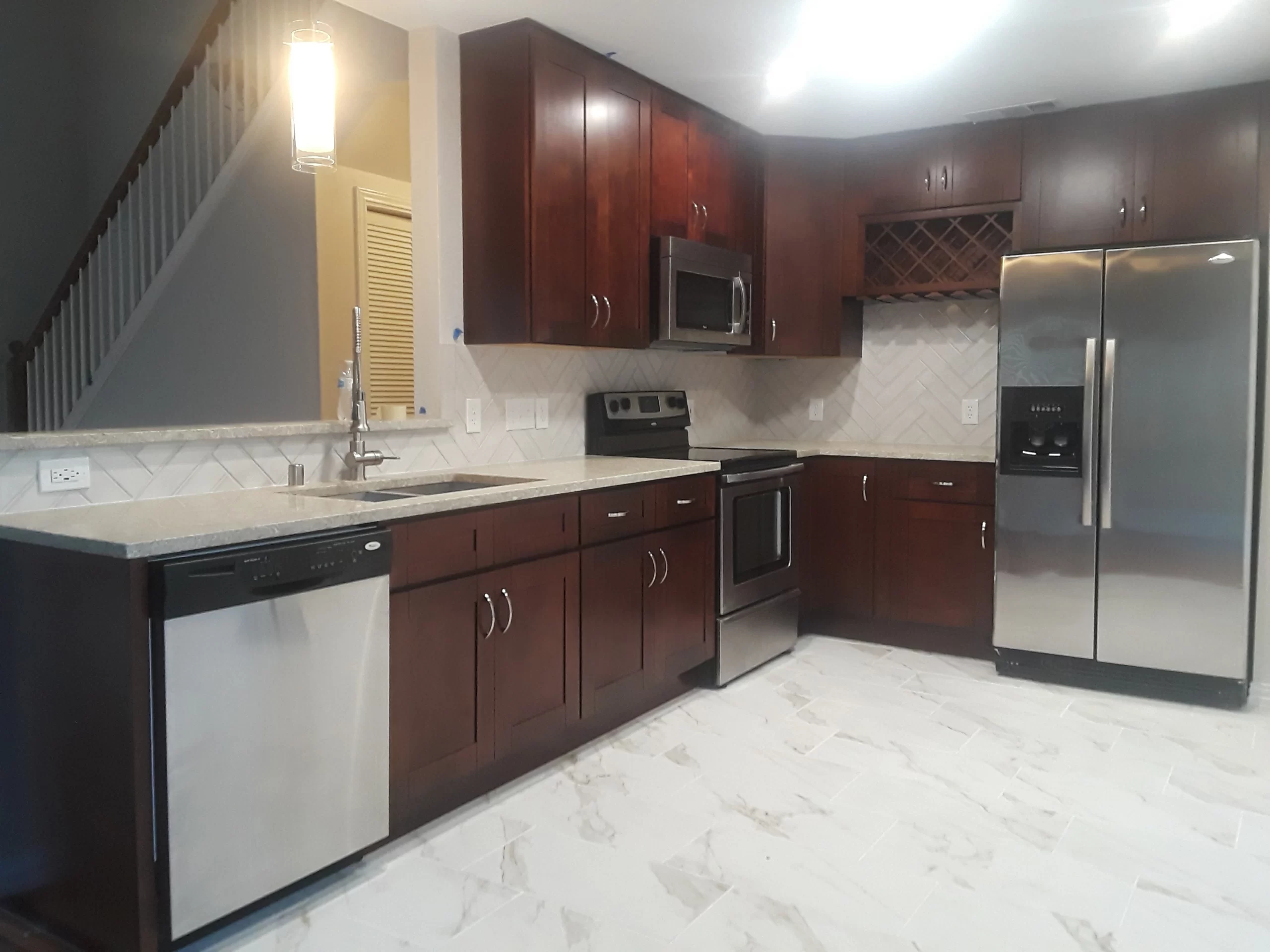
For more complex upgrades, refer to professional kitchen remodeling services.
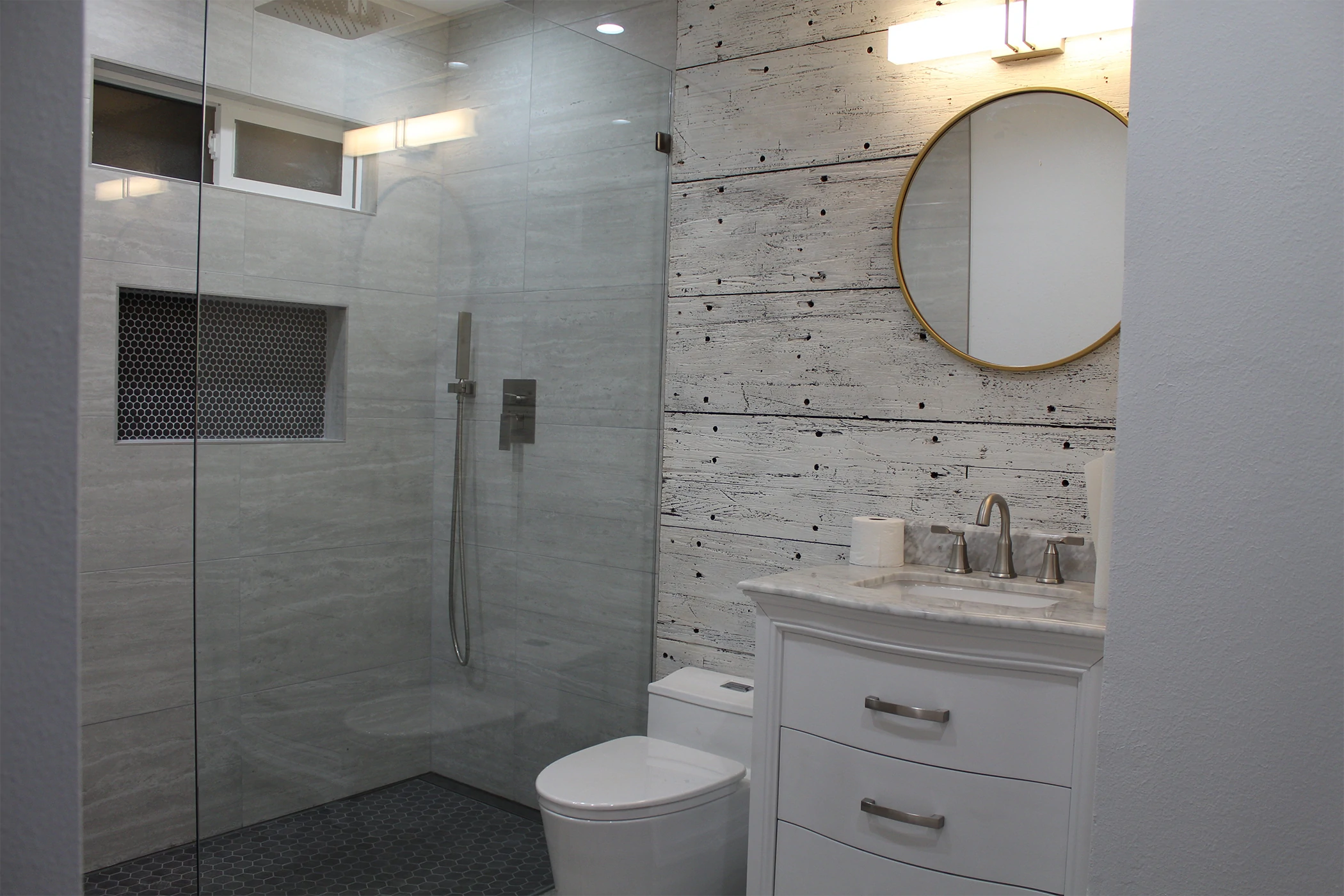
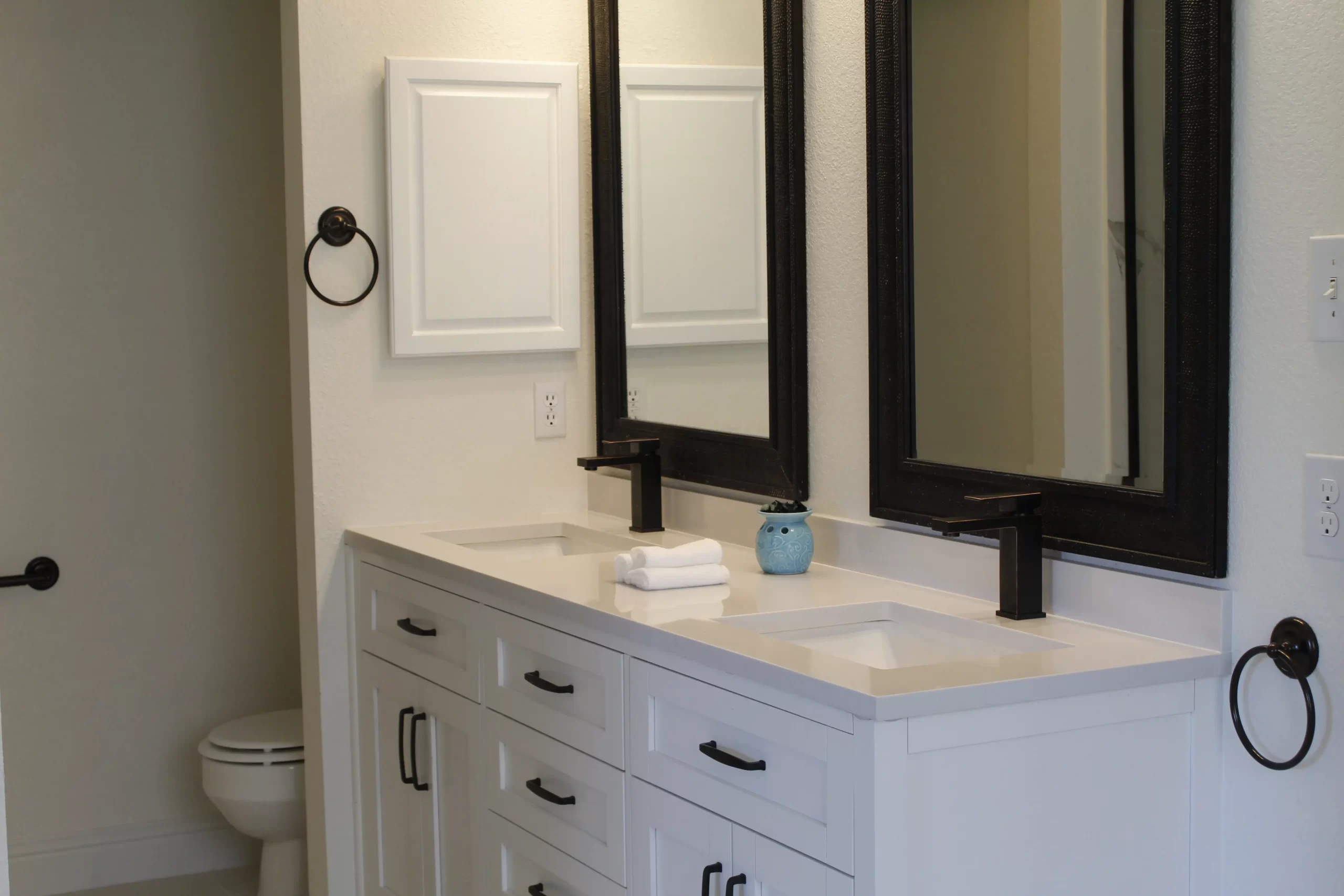
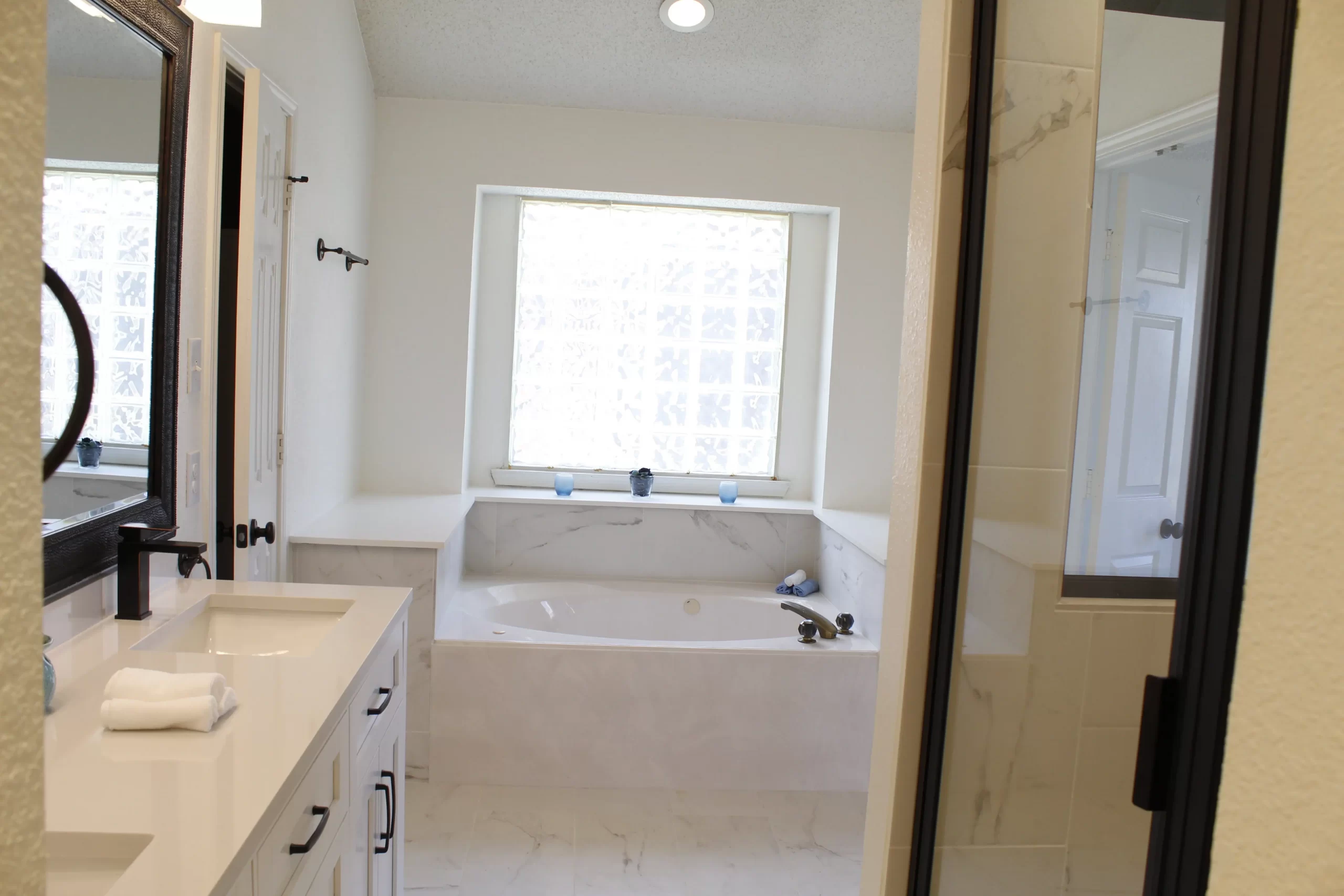
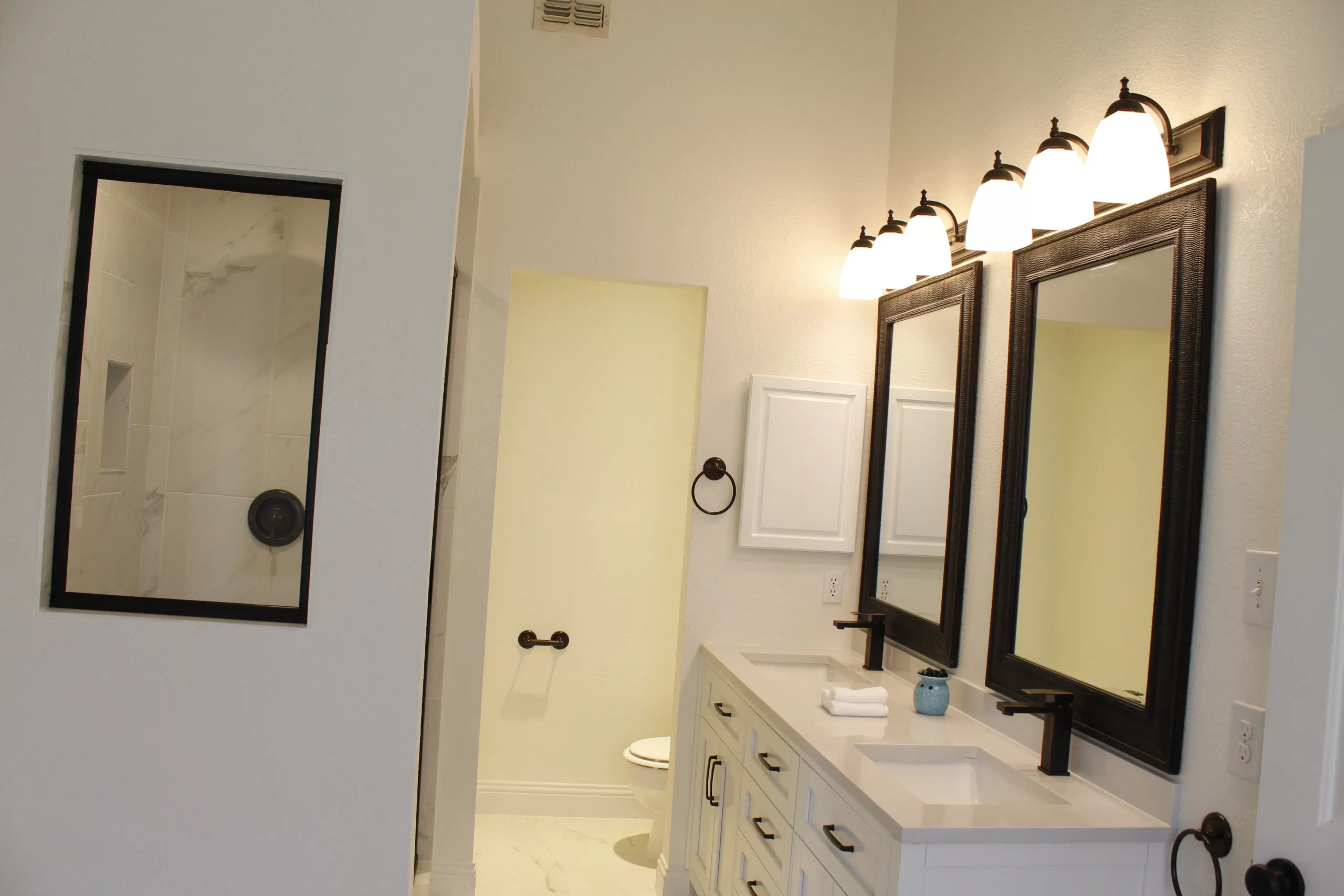
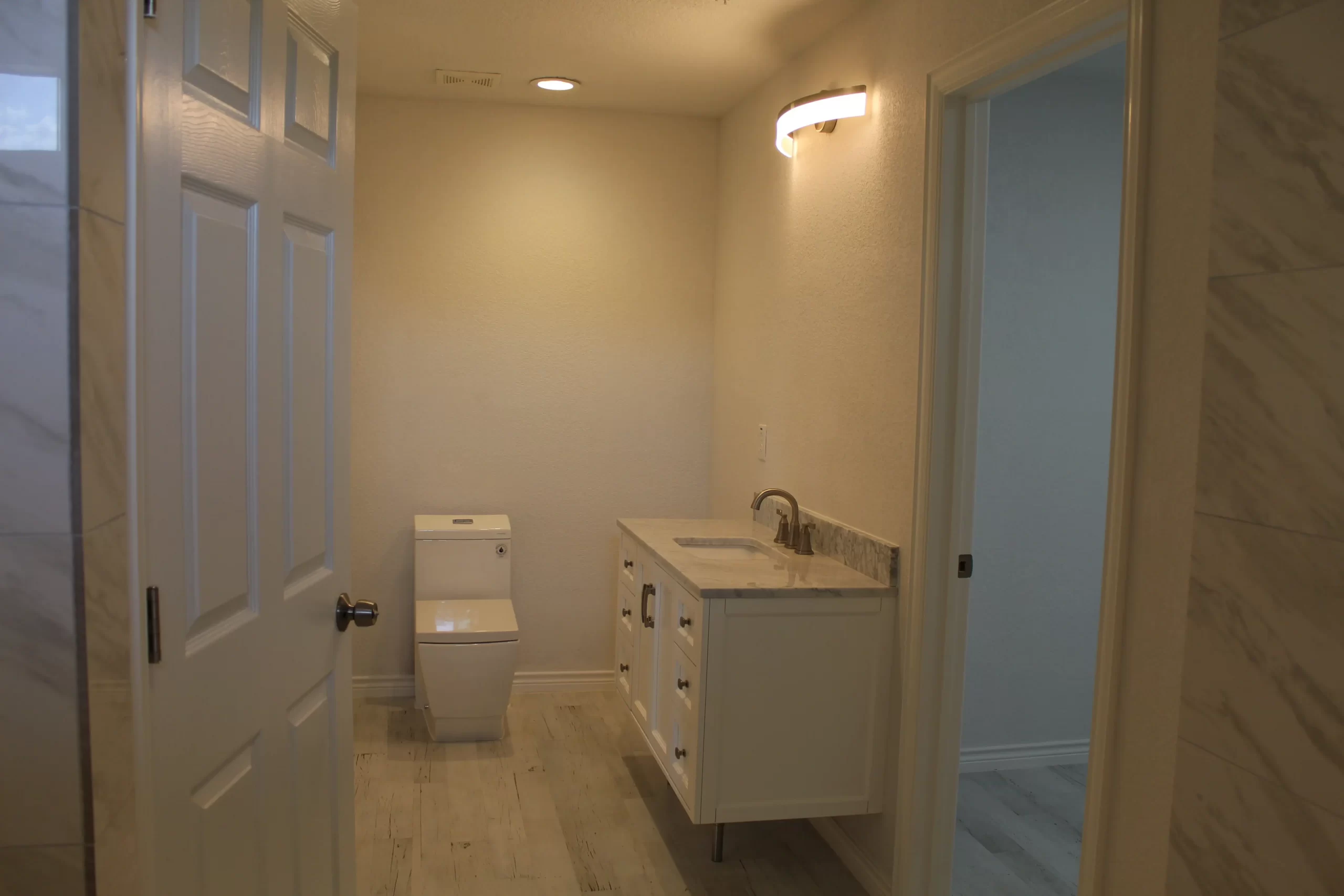
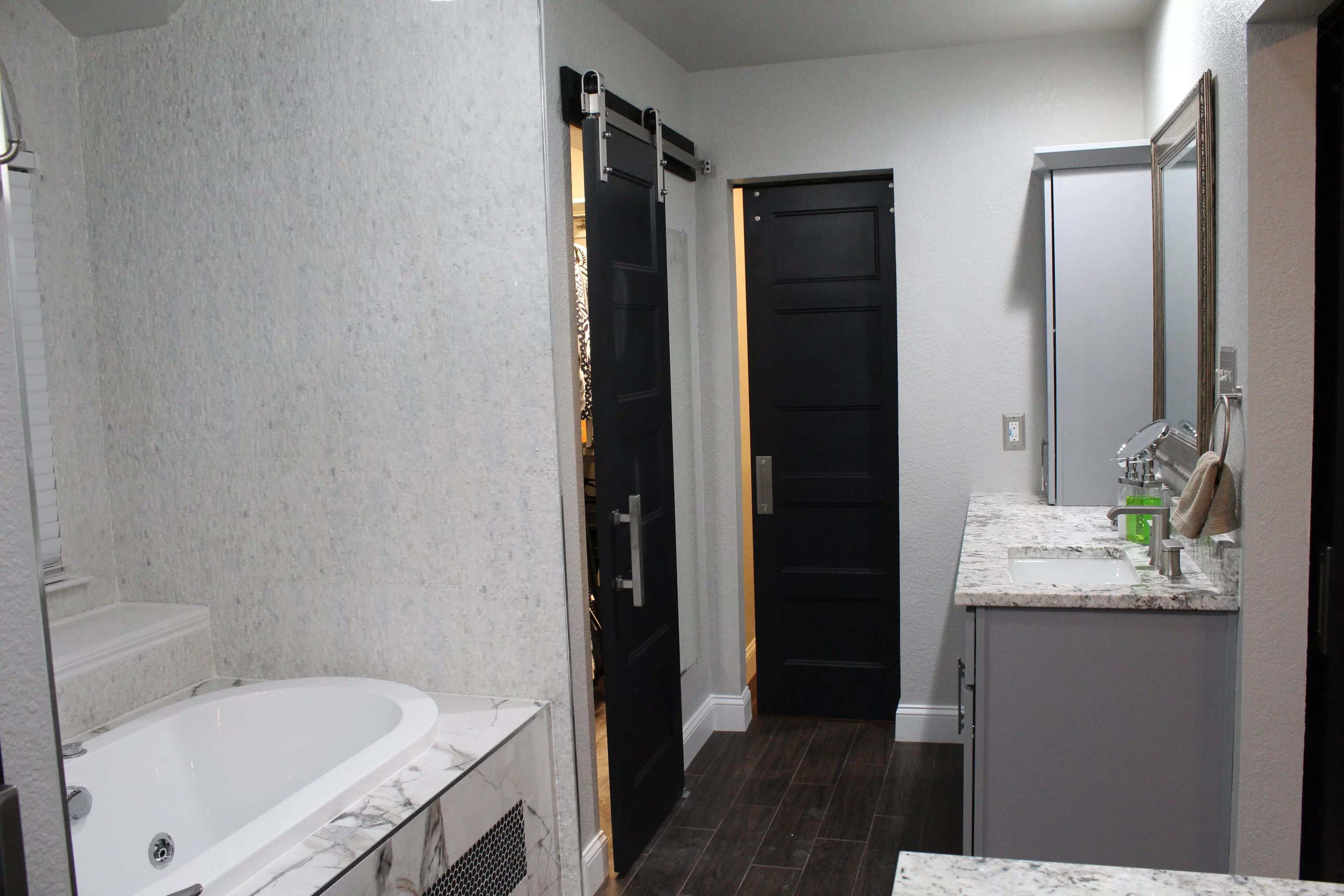
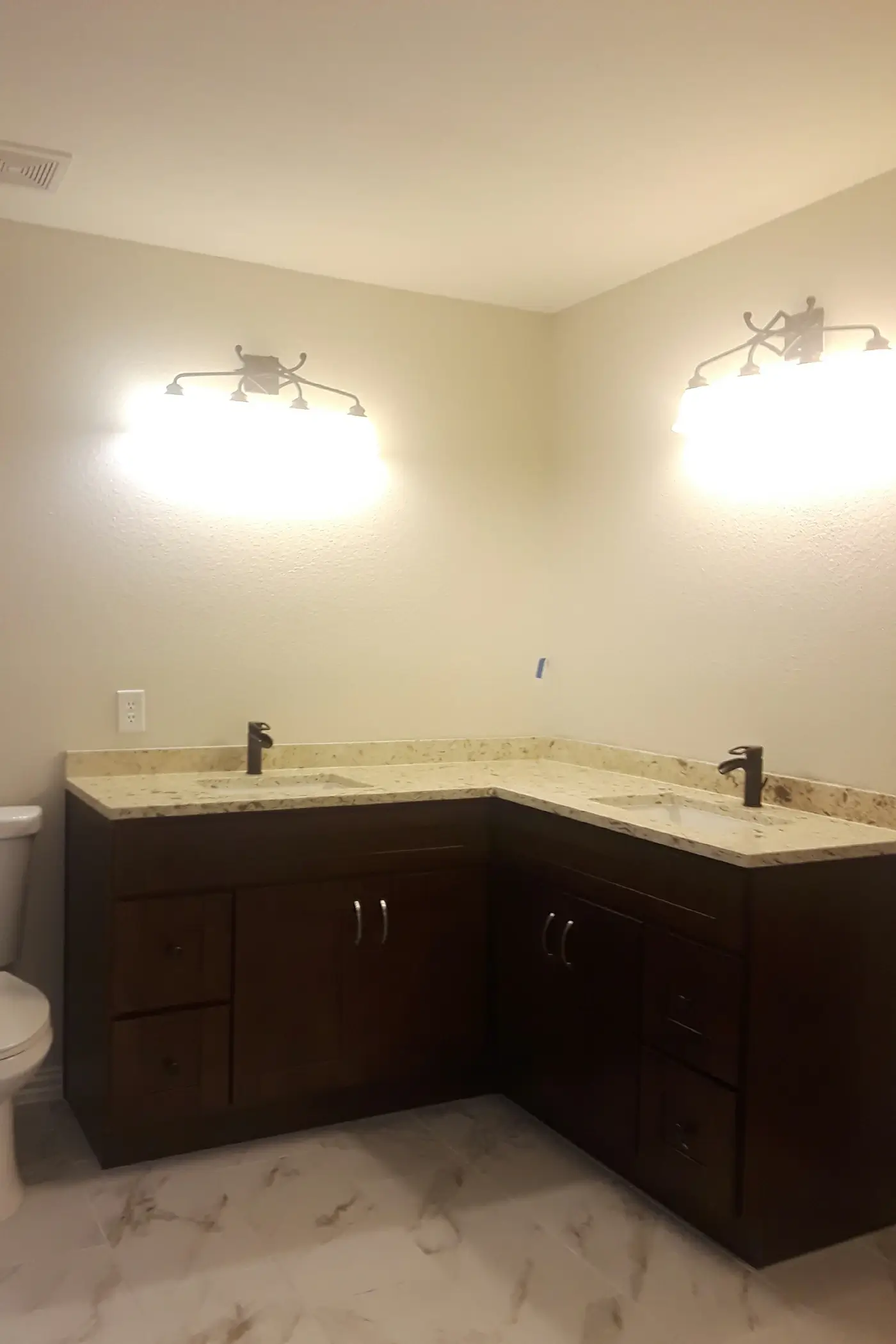
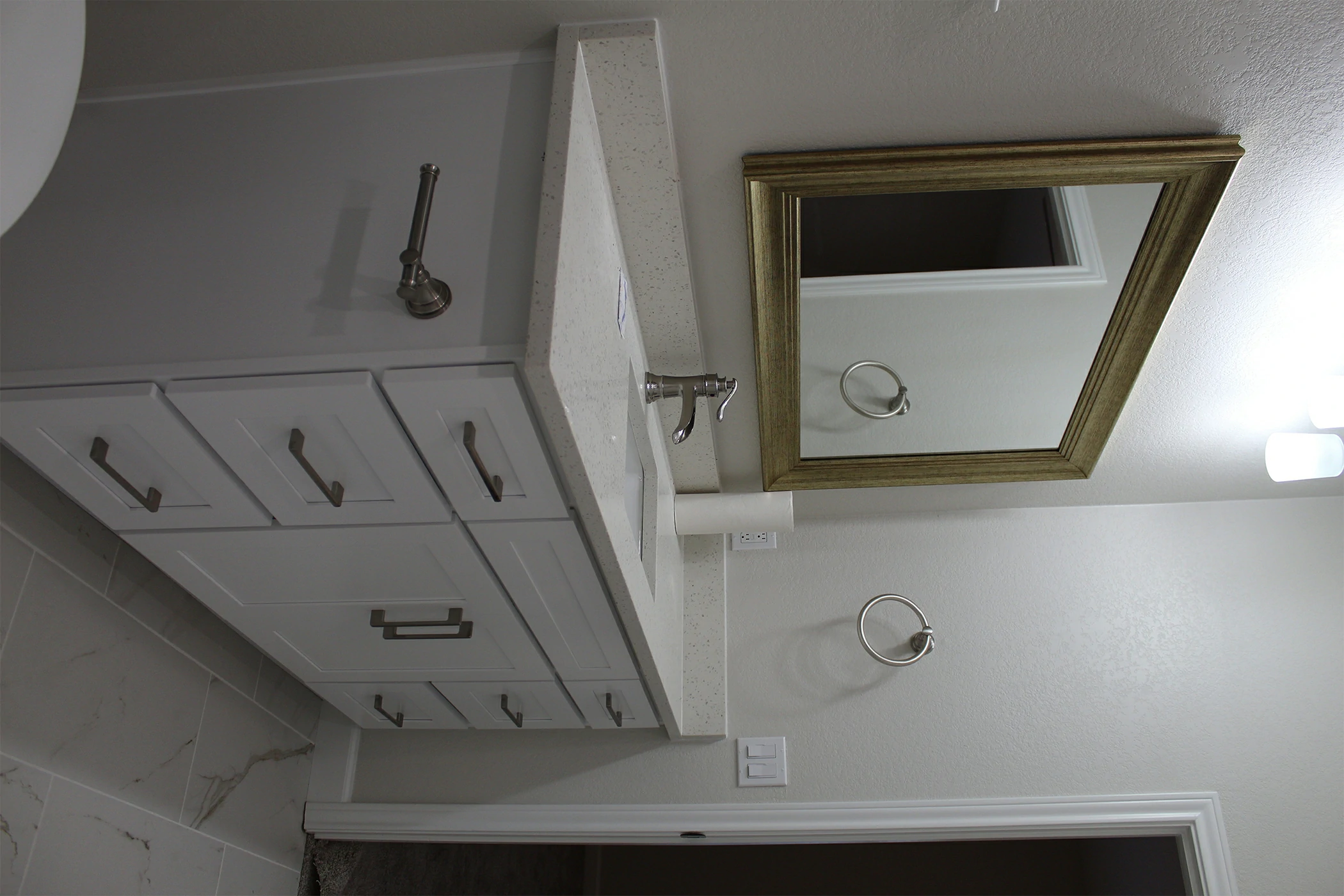
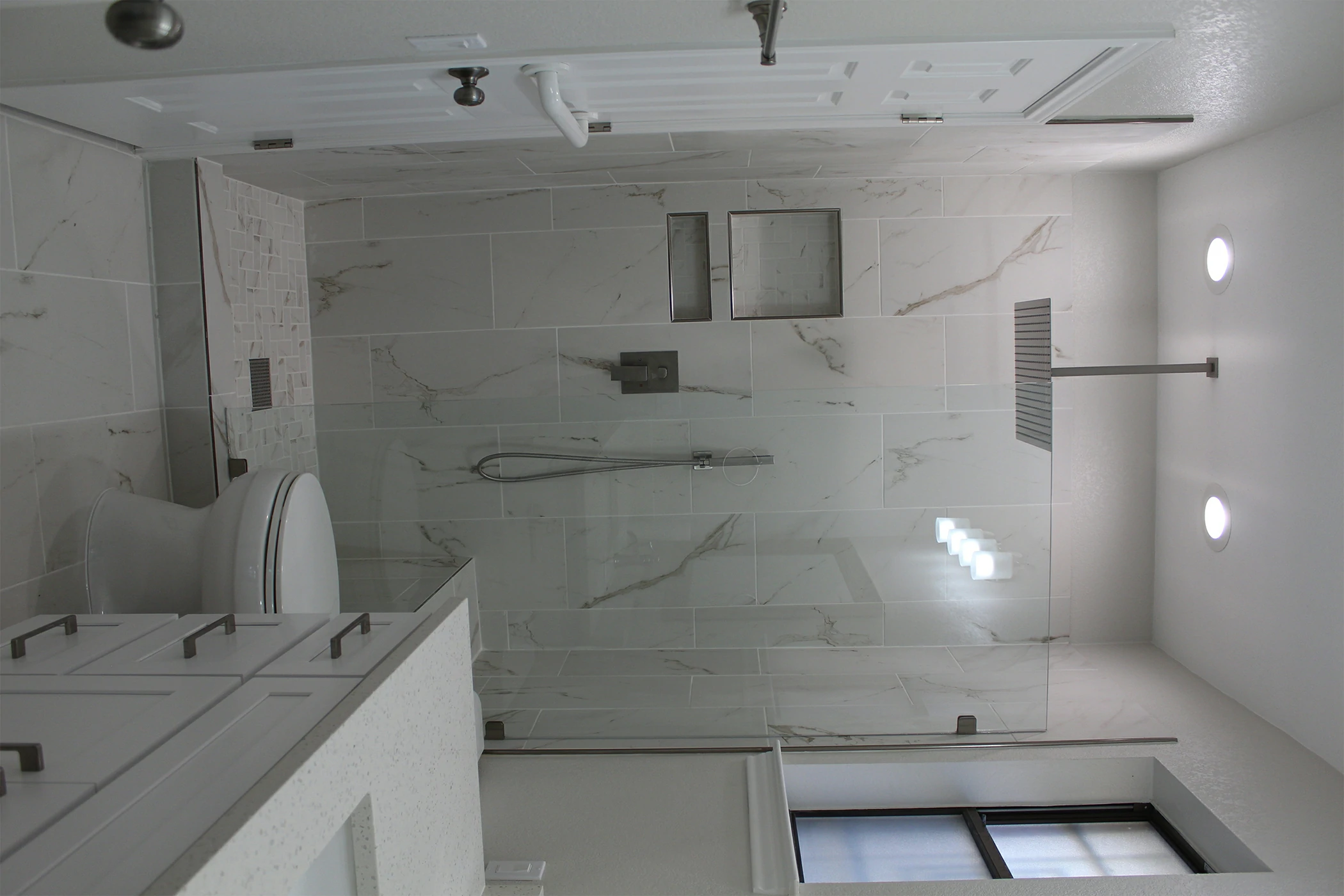
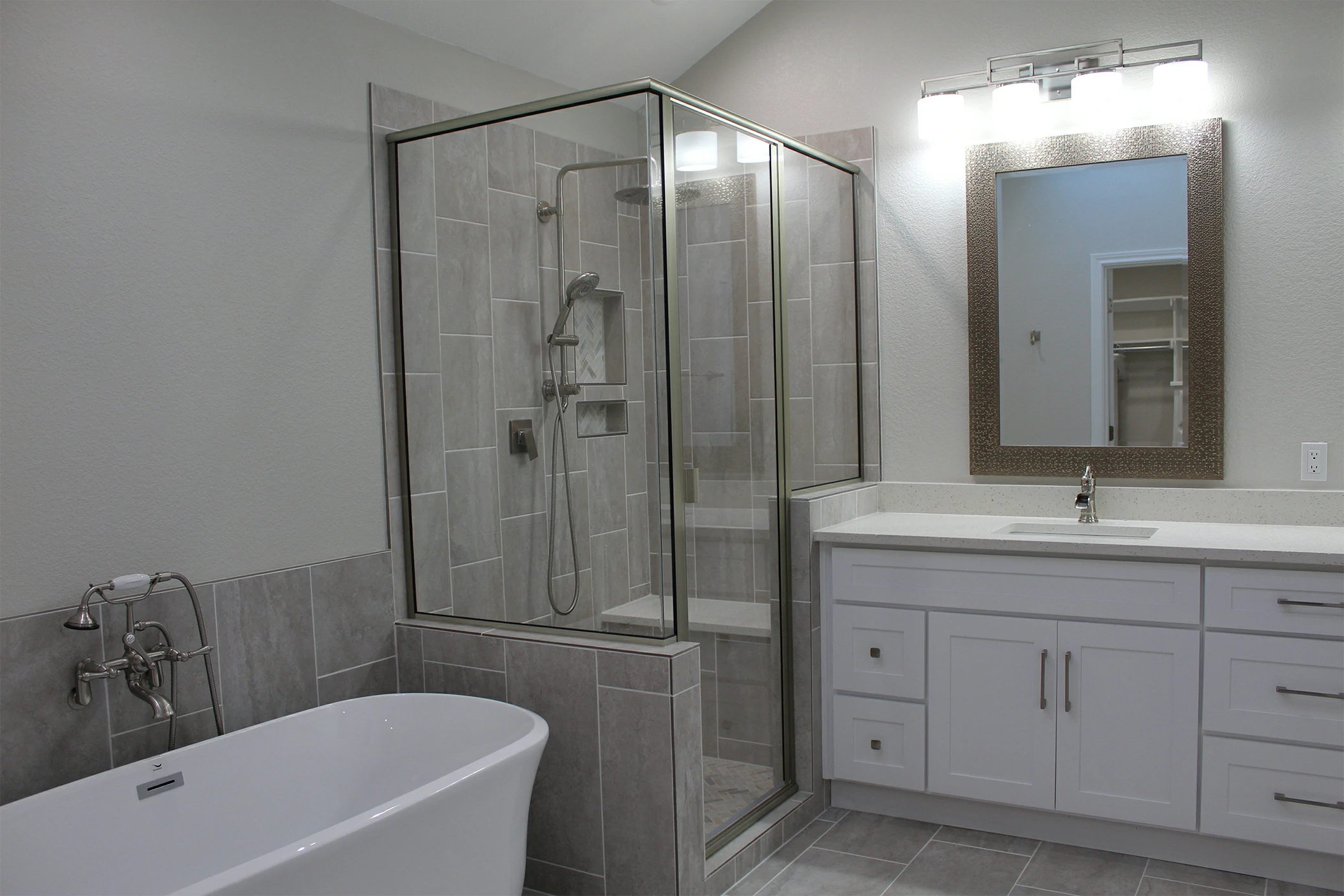
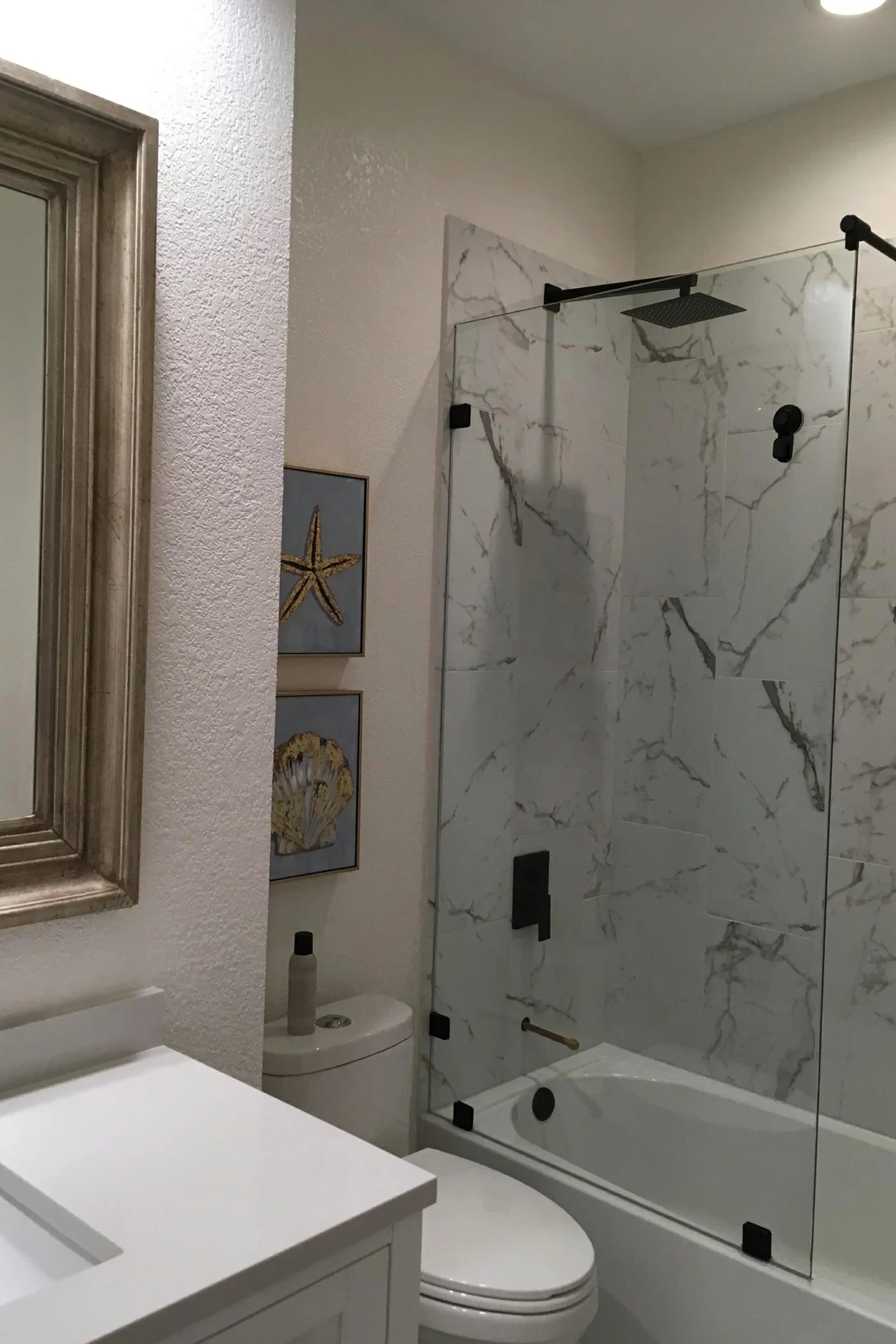
Bathroom Repairs
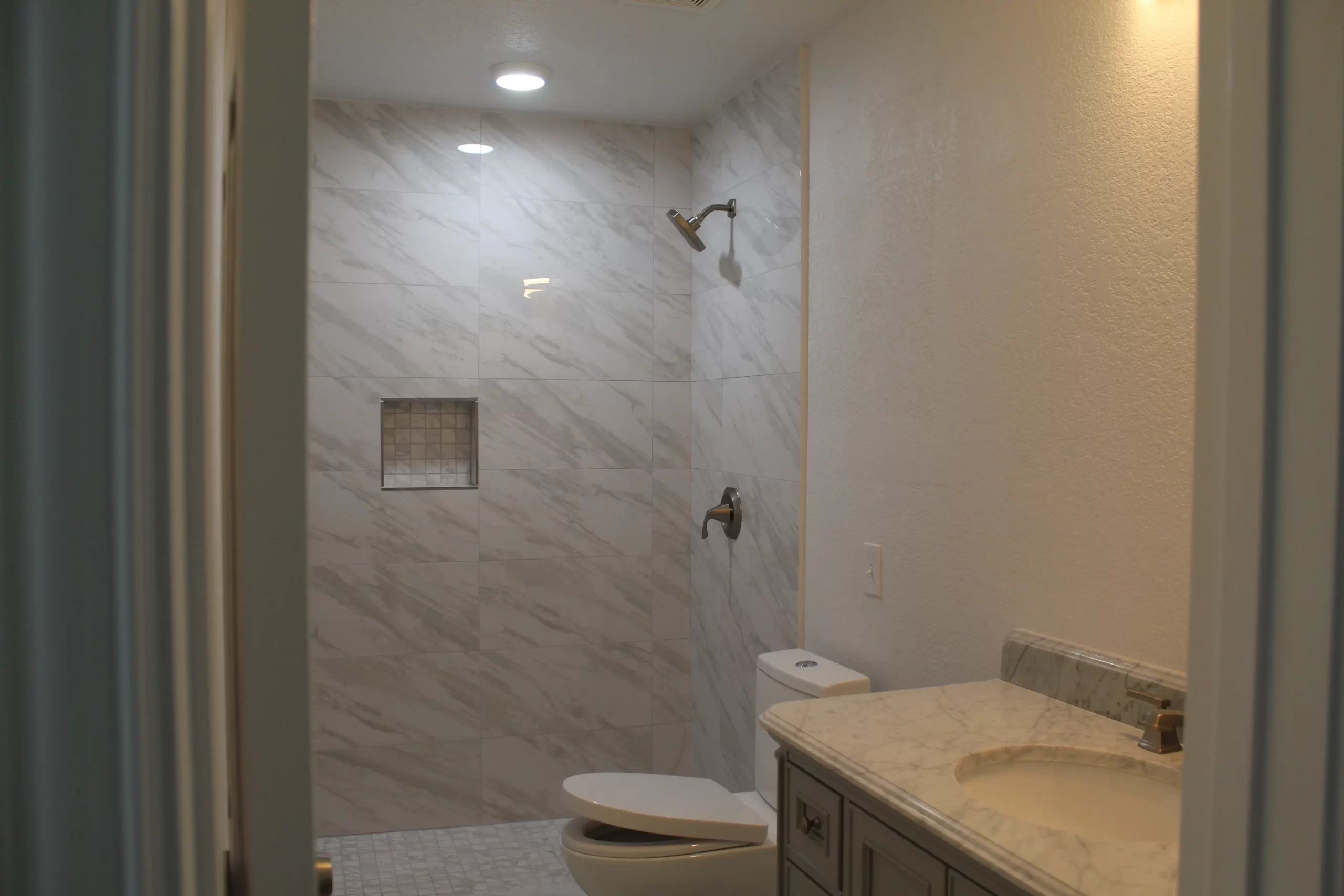
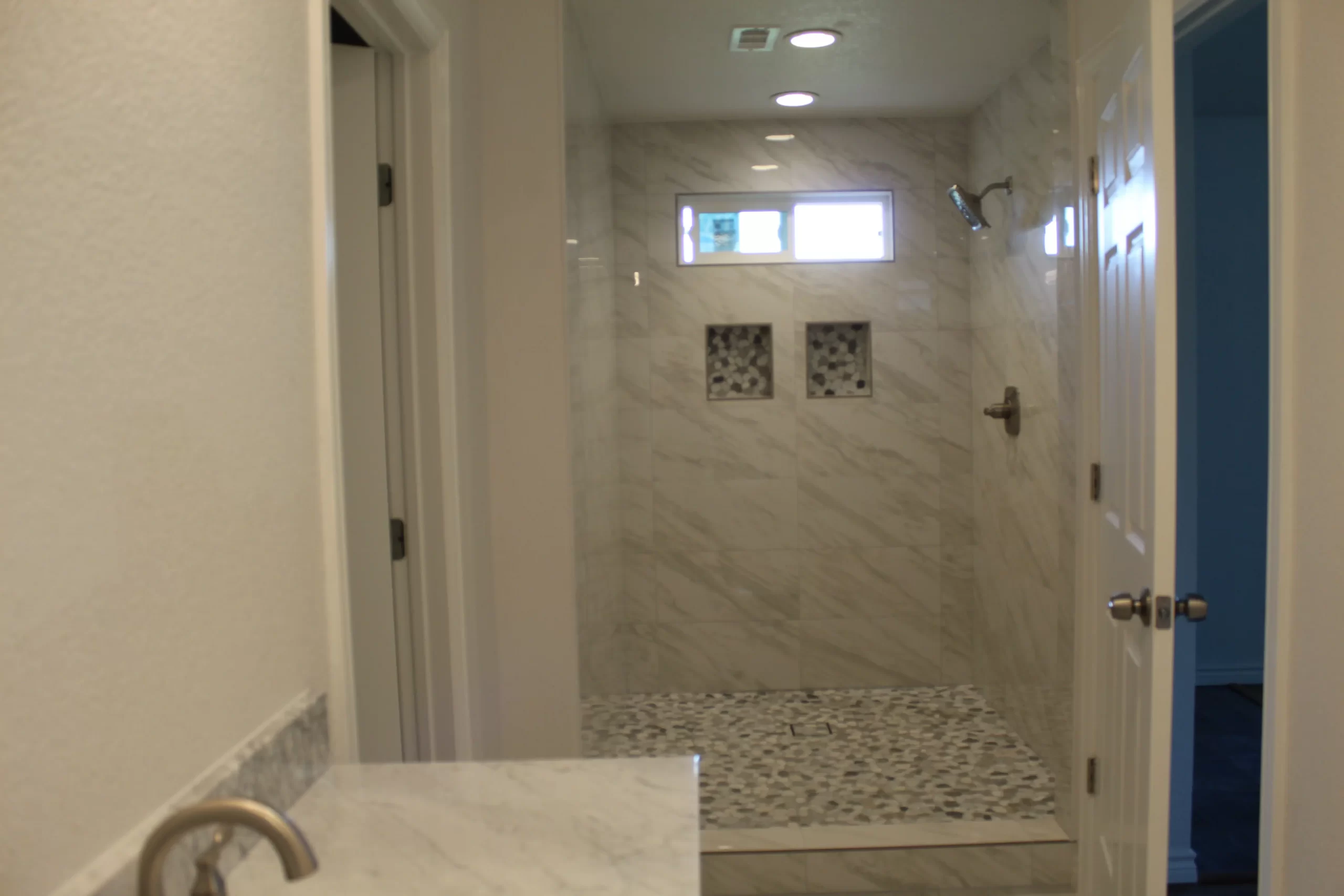
Bathrooms present unique risks due to water and confined spaces.
Safety Tips:
- Use waterproof tools and equipment
- Prevent slips with anti-slip mats
- Ensure proper ventilation
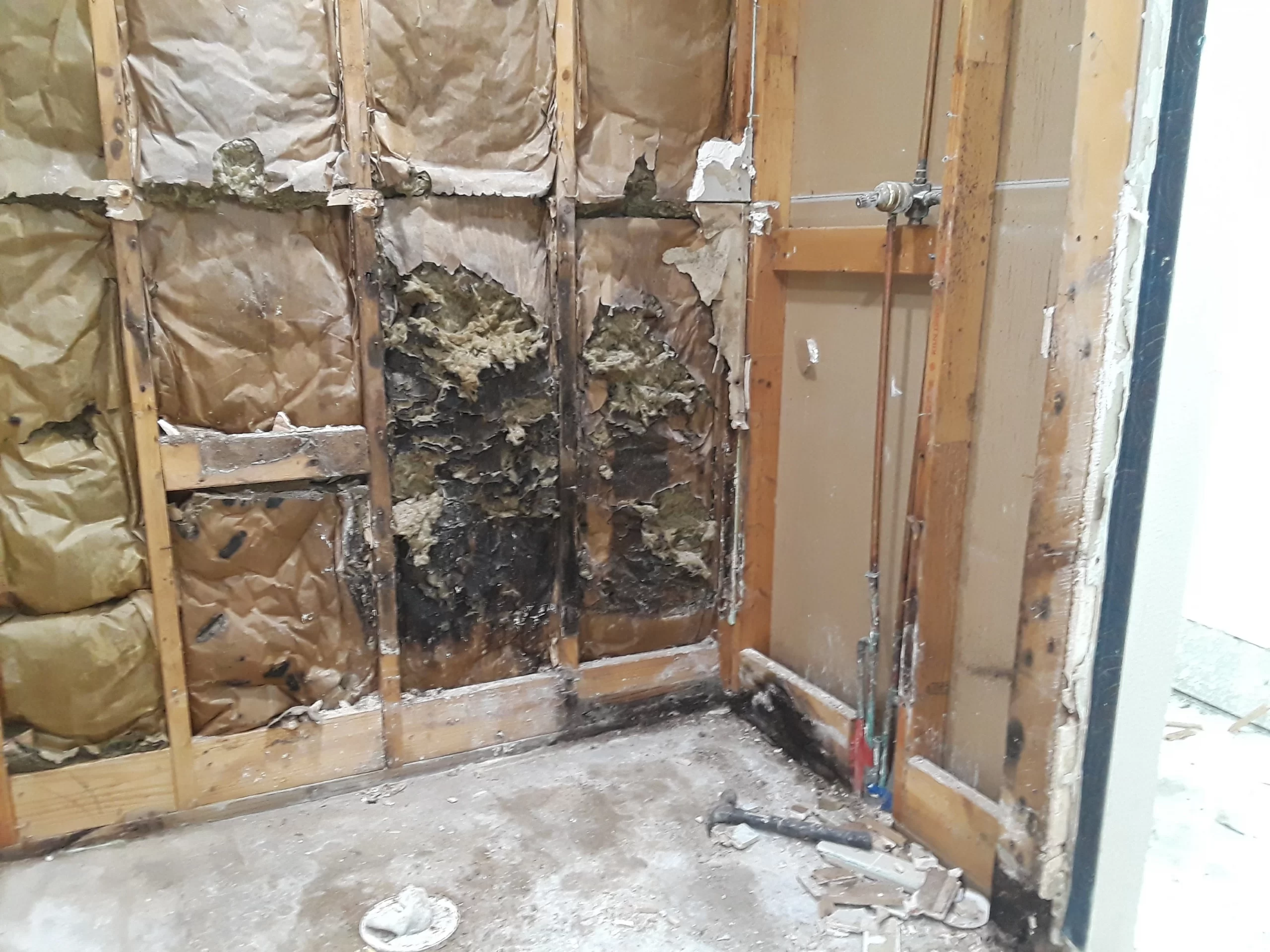
Humidity can also affect materials and tools, so take extra precautions.
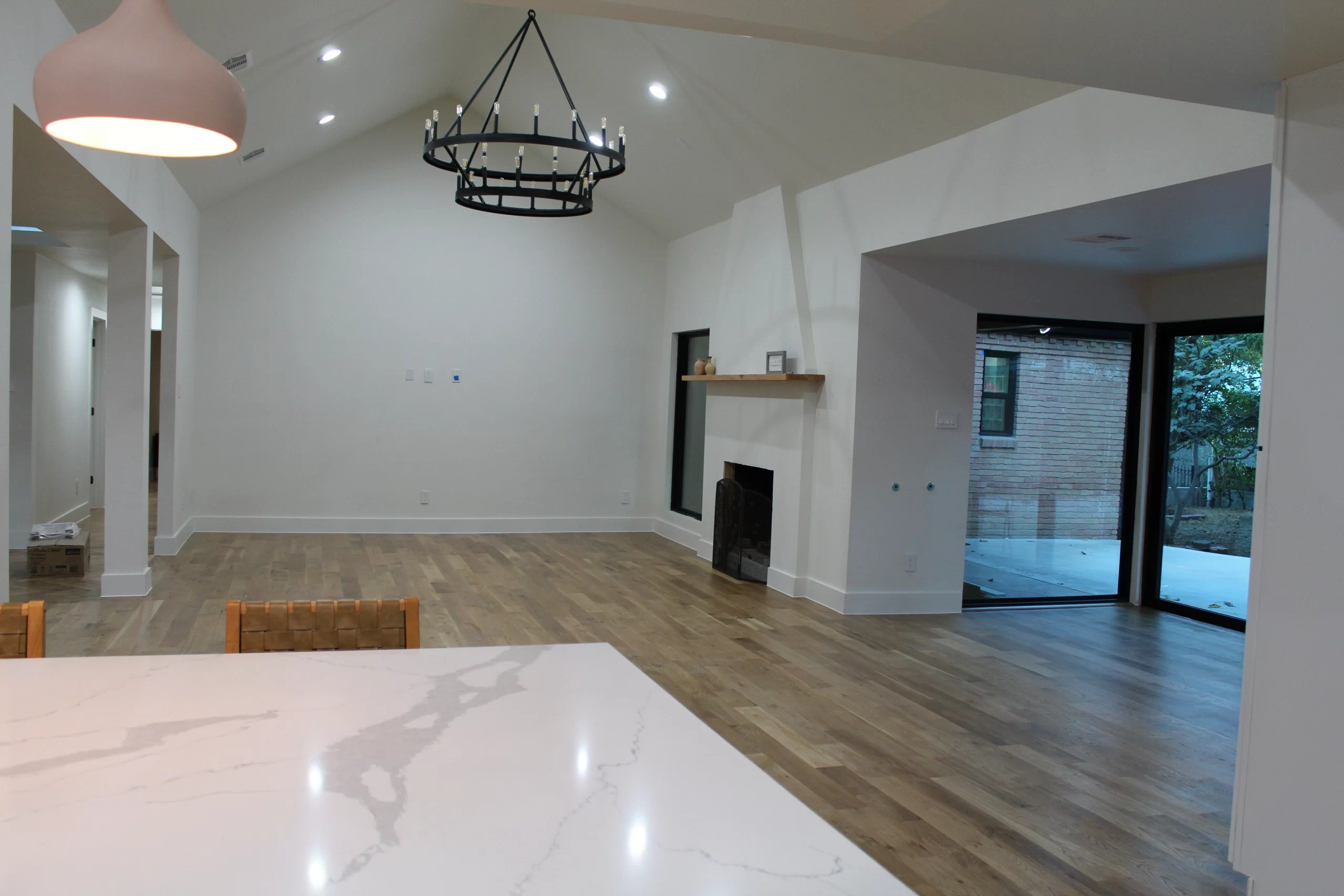
Living Areas and Bedrooms
These spaces may seem safer but still require attention.
Safety Tips:
- Secure heavy furniture to walls
- Use proper anchors for installations
- Avoid overloading electrical outlets
Common DIY Mistakes to Avoid
Even experienced homeowners can make mistakes.
Frequent Errors:
- Skipping safety gear
- Rushing through projects
- Ignoring instructions
- Using low-quality materials
- Overestimating skills
Avoiding these mistakes can significantly reduce risks.
Benefits of Following Safety Practices
Adhering to proper safety measures offers several advantages.
Key Benefits:
- Reduced risk of injury
- Better quality results
- Cost savings from avoiding mistakes
- Increased confidence in DIY projects
- Long-term durability of repairs
Safety is not just about prevention but also about improving overall outcomes.
When to Choose Professional Help
DIY is not always the best option.
Situations That Require Experts:
- Major renovations
- Electrical system upgrades
- Plumbing overhauls
- Structural modifications
Professional services ensure work is done safely and efficiently.
Conclusion
DIY repairs can be fulfilling, but safety should never be compromised. By following these home repair safety tips, homeowners can reduce risks, improve efficiency, and achieve better results. Whether you are handling a small fix or considering a larger renovation, preparation and caution are key.
For more detailed insights and guidance, exploring reliable resources and professional services can help ensure your home remains safe and well-maintained.