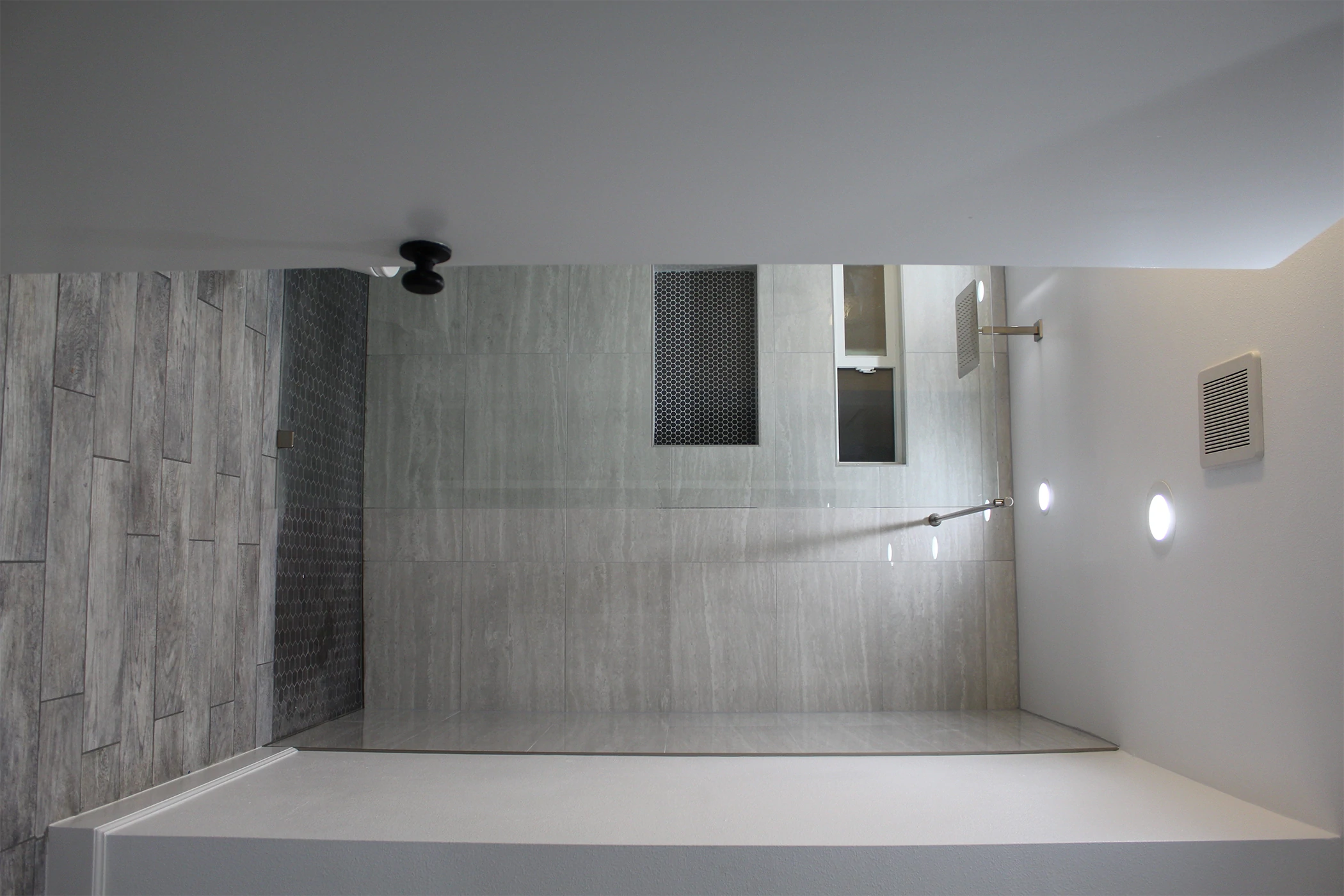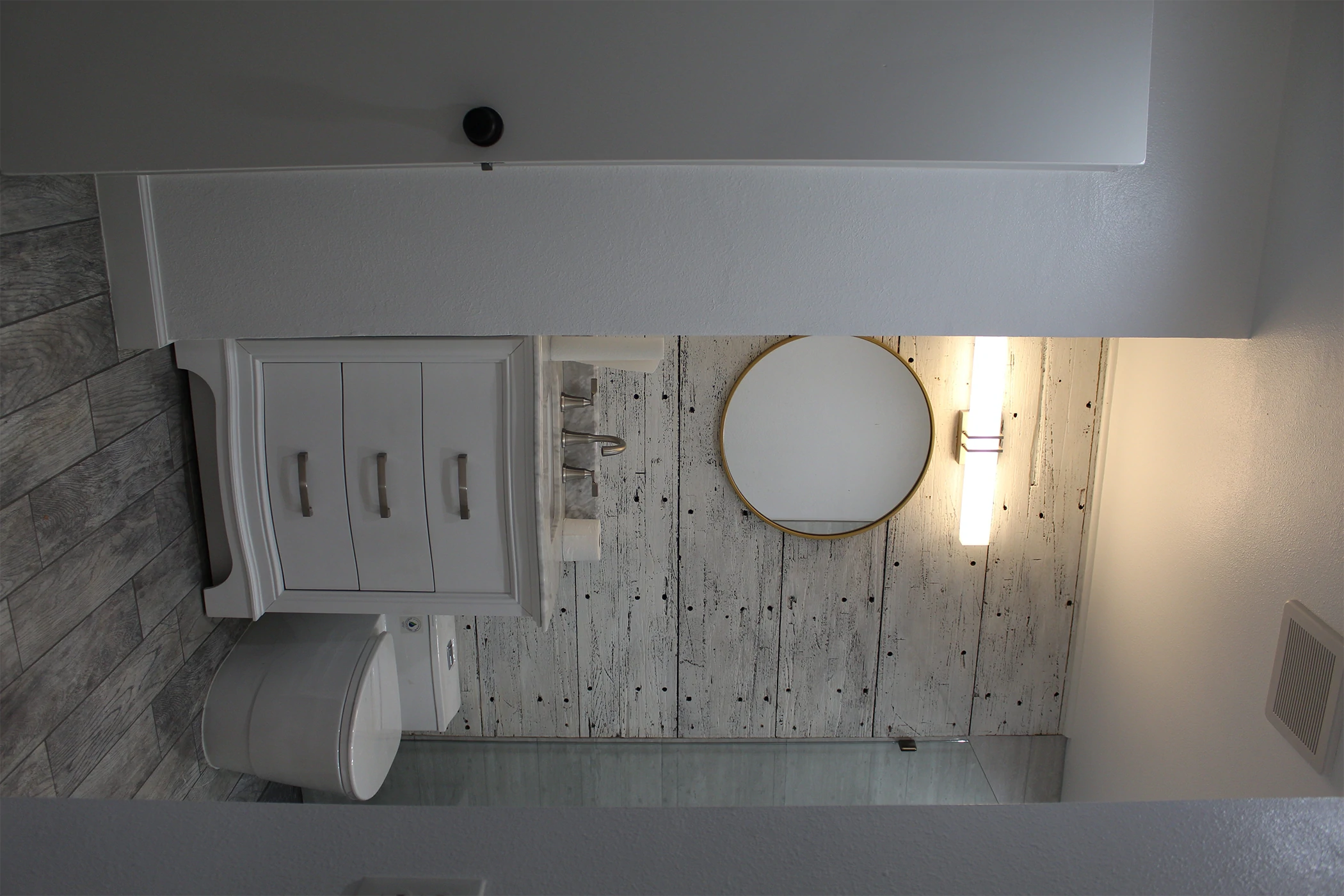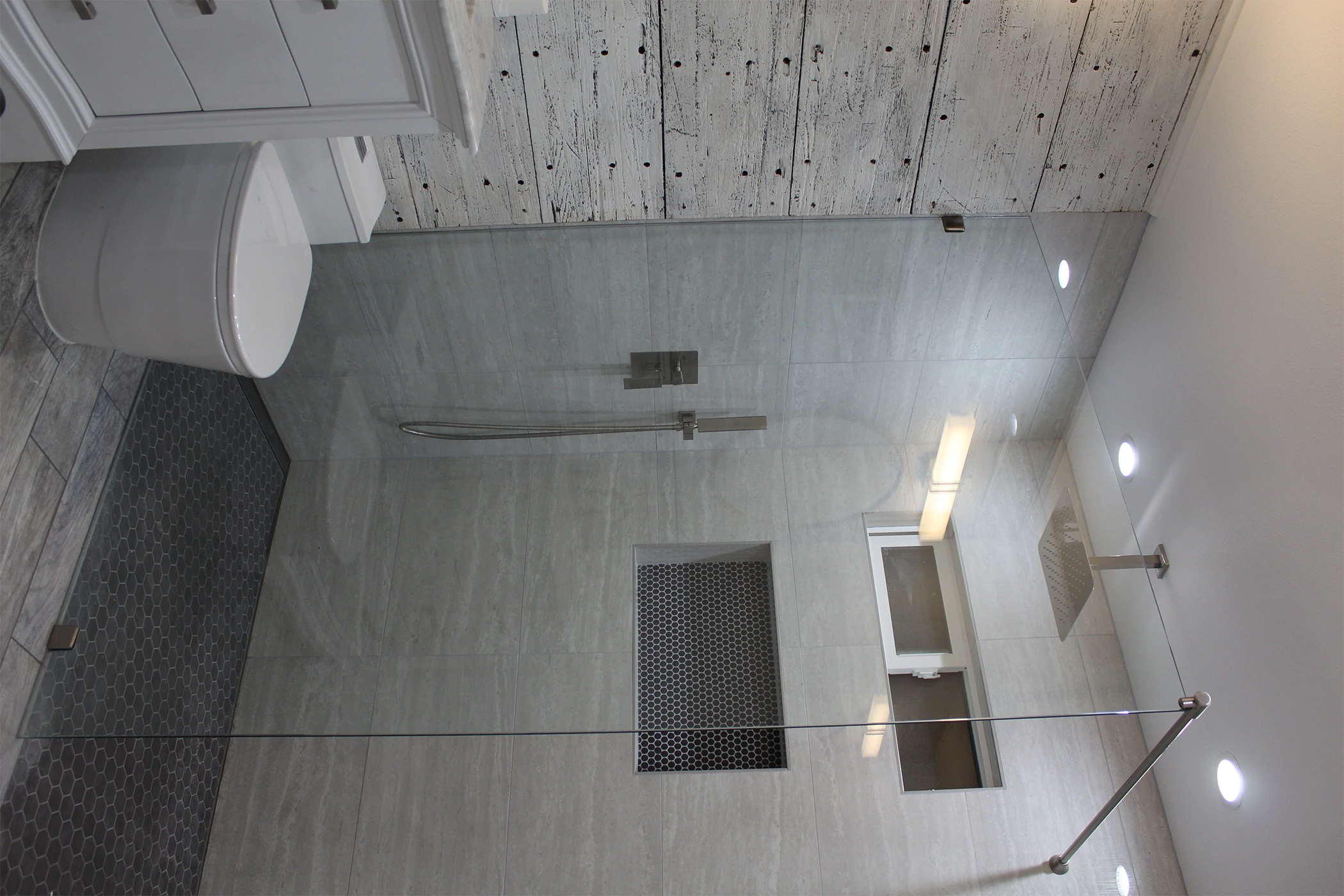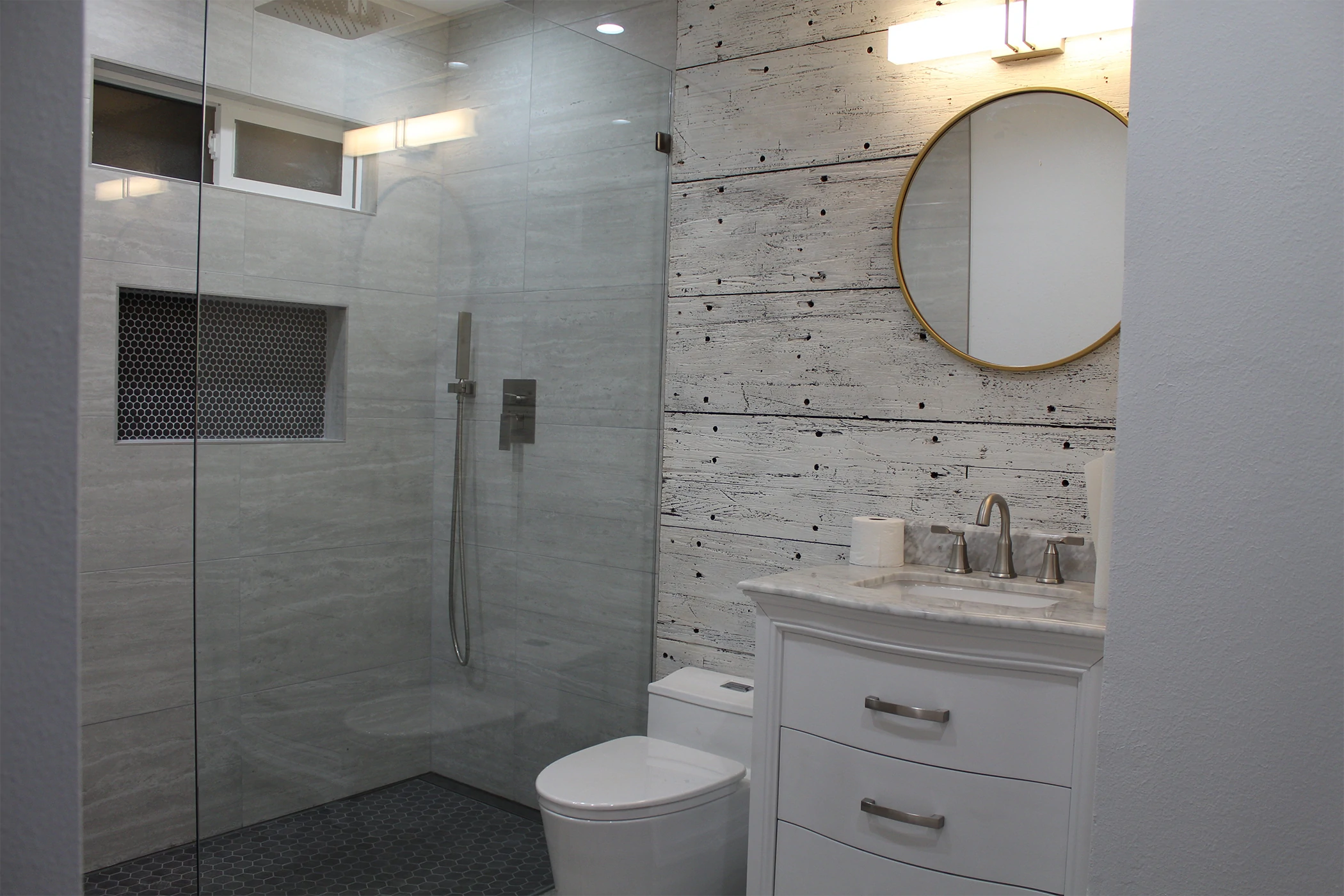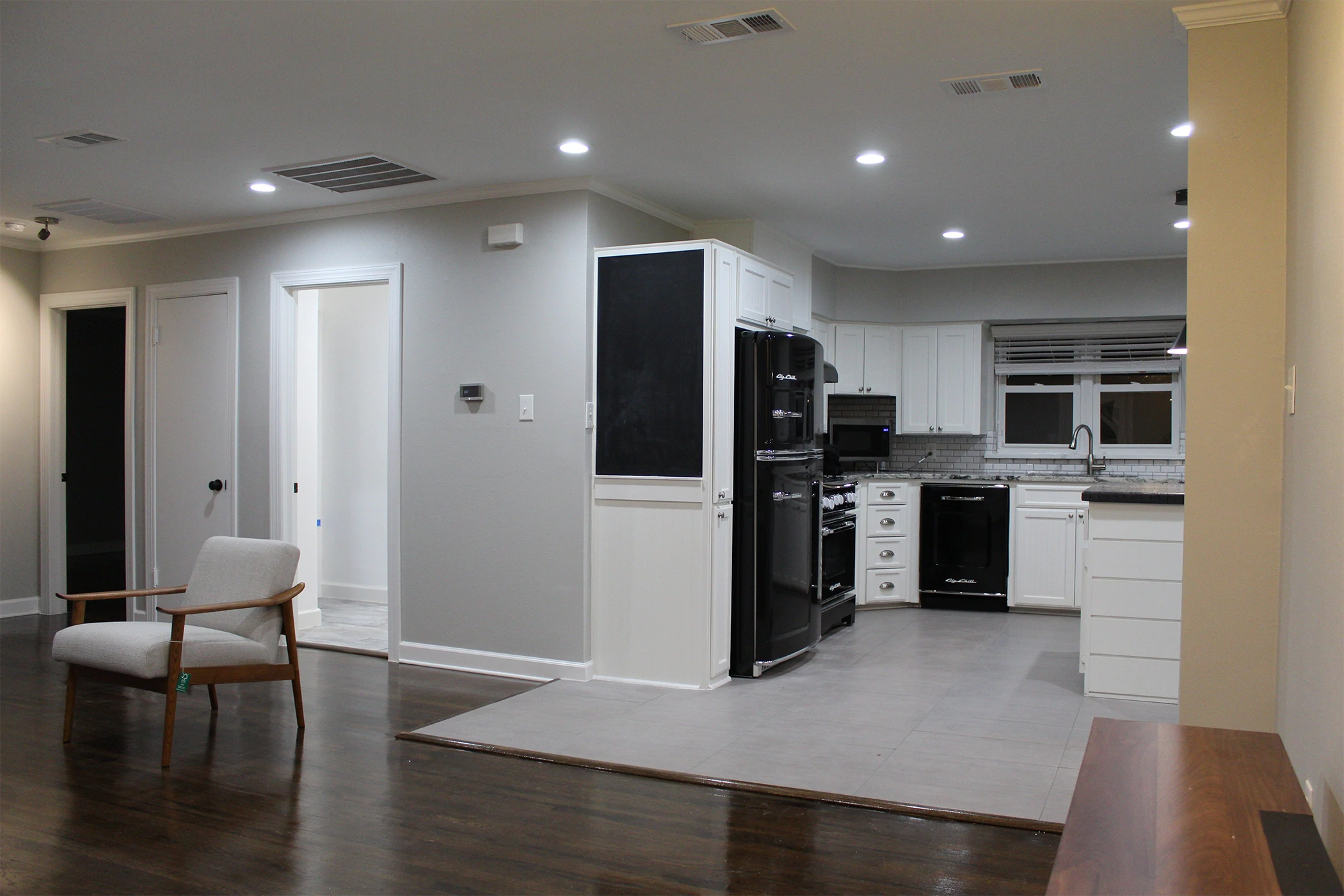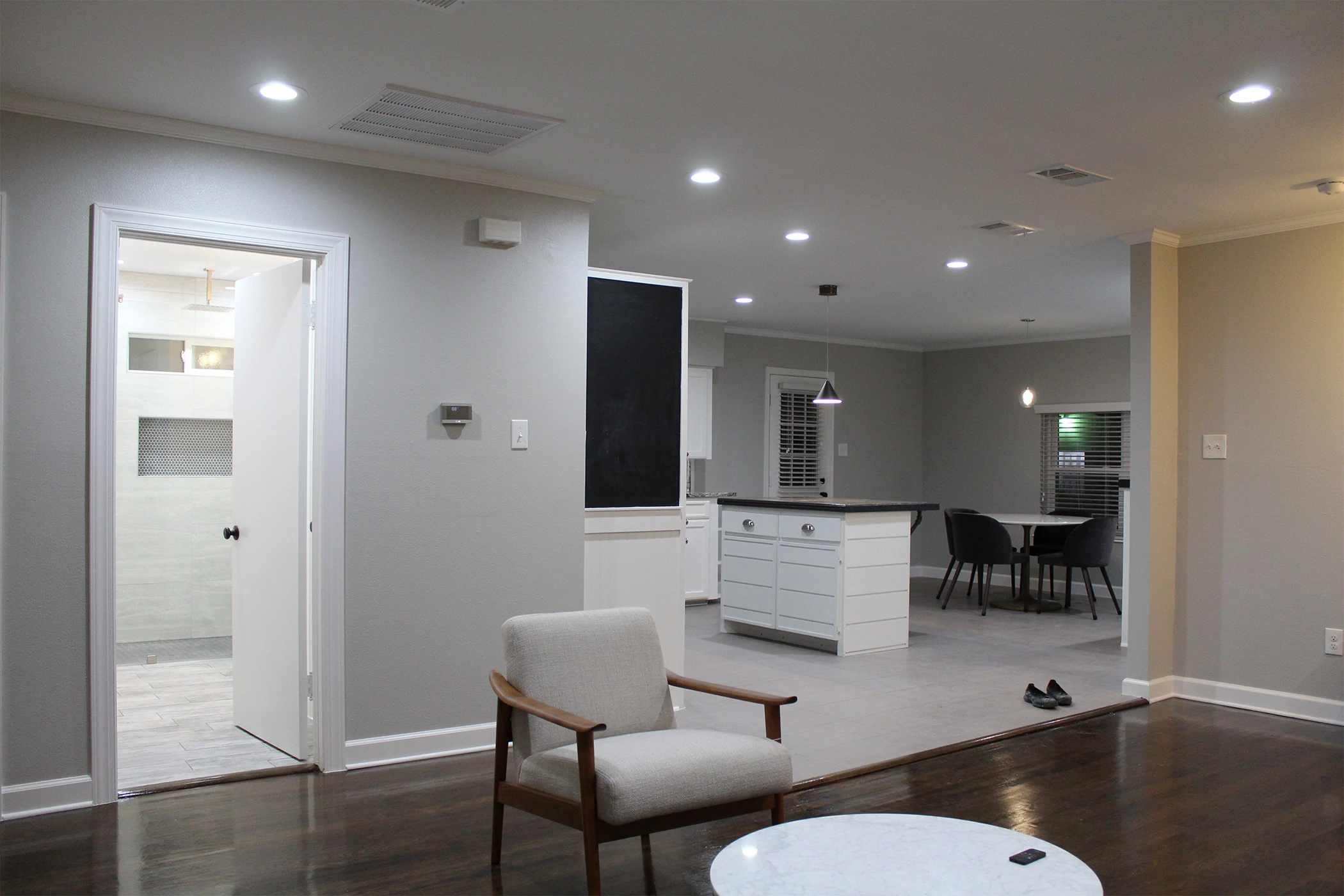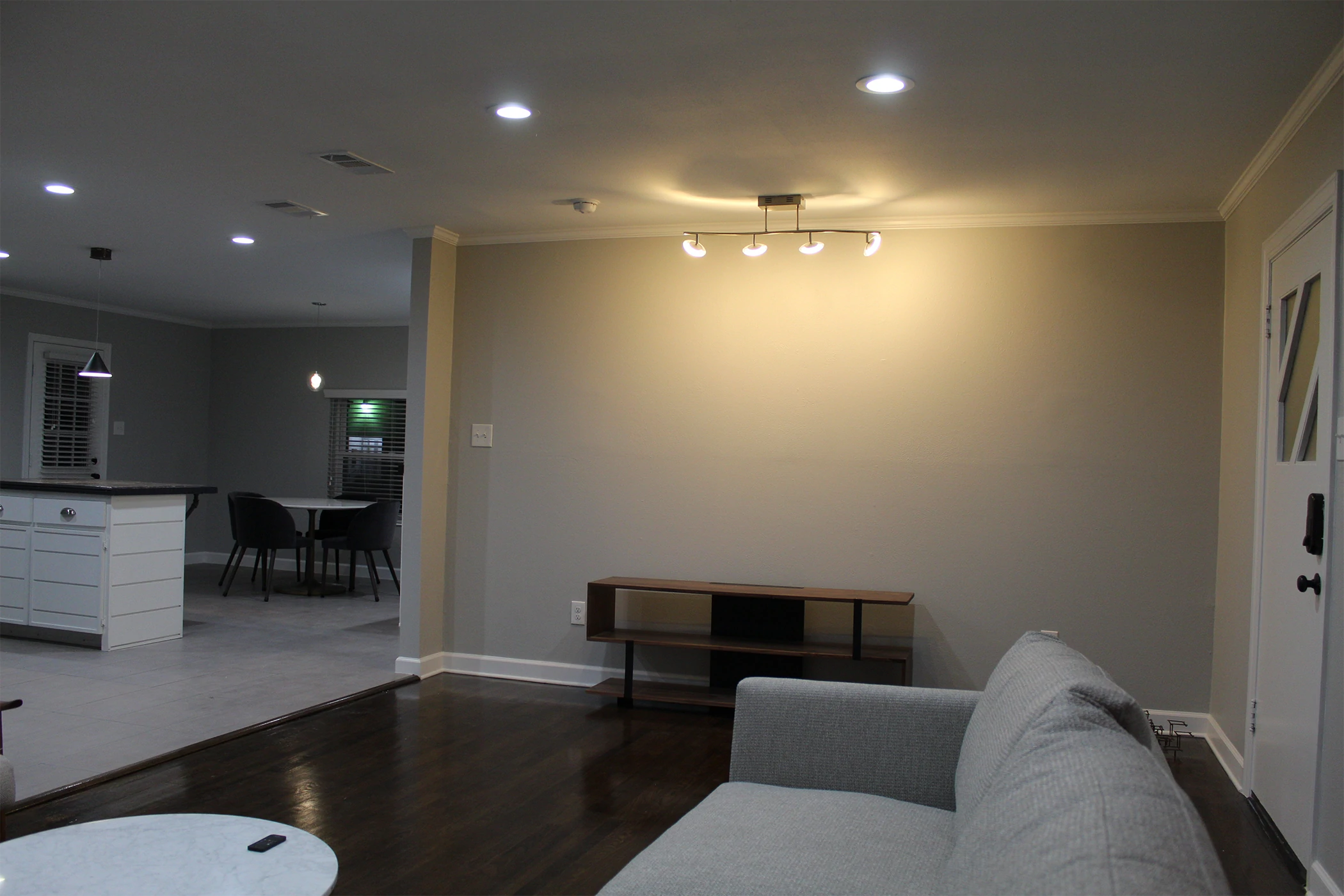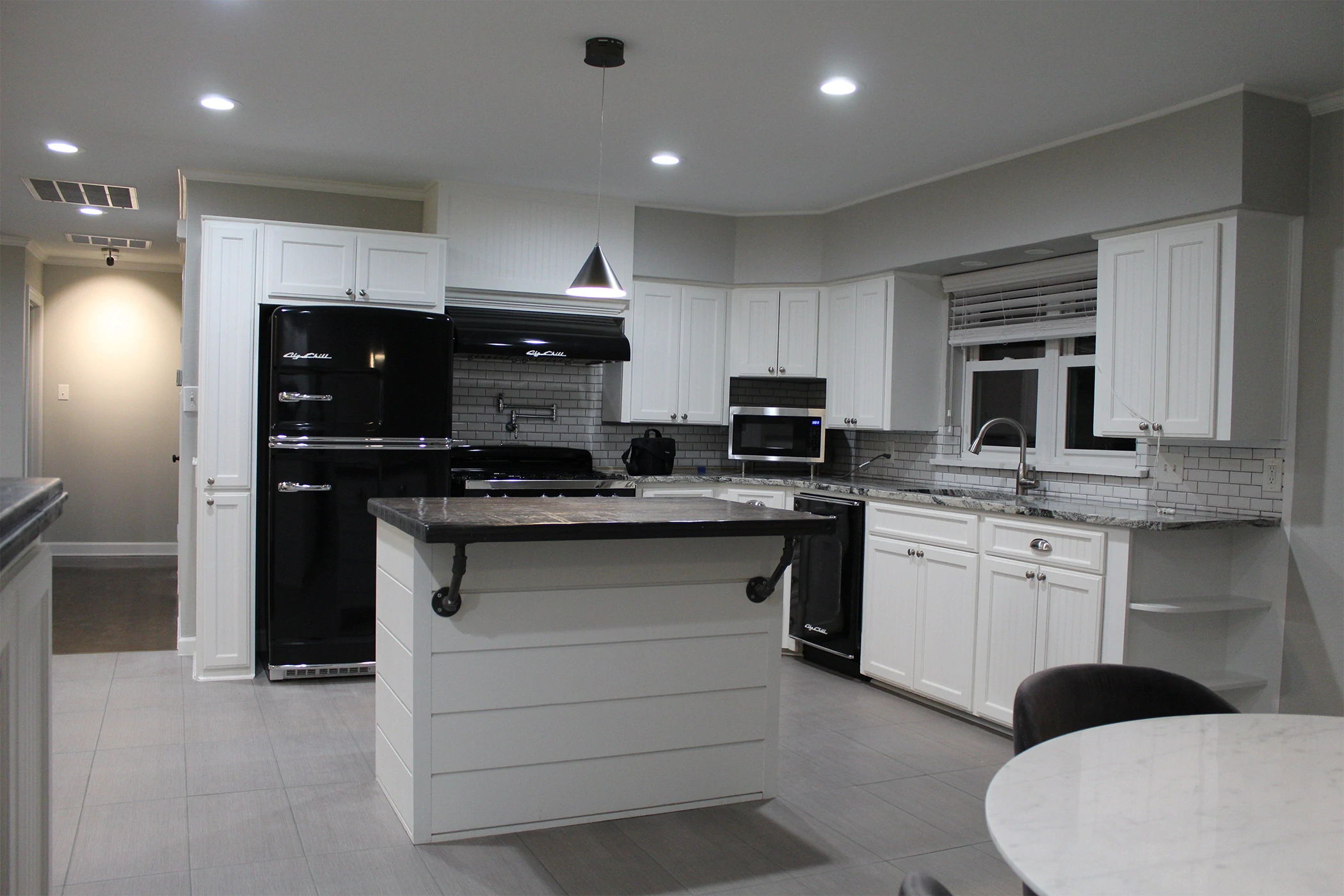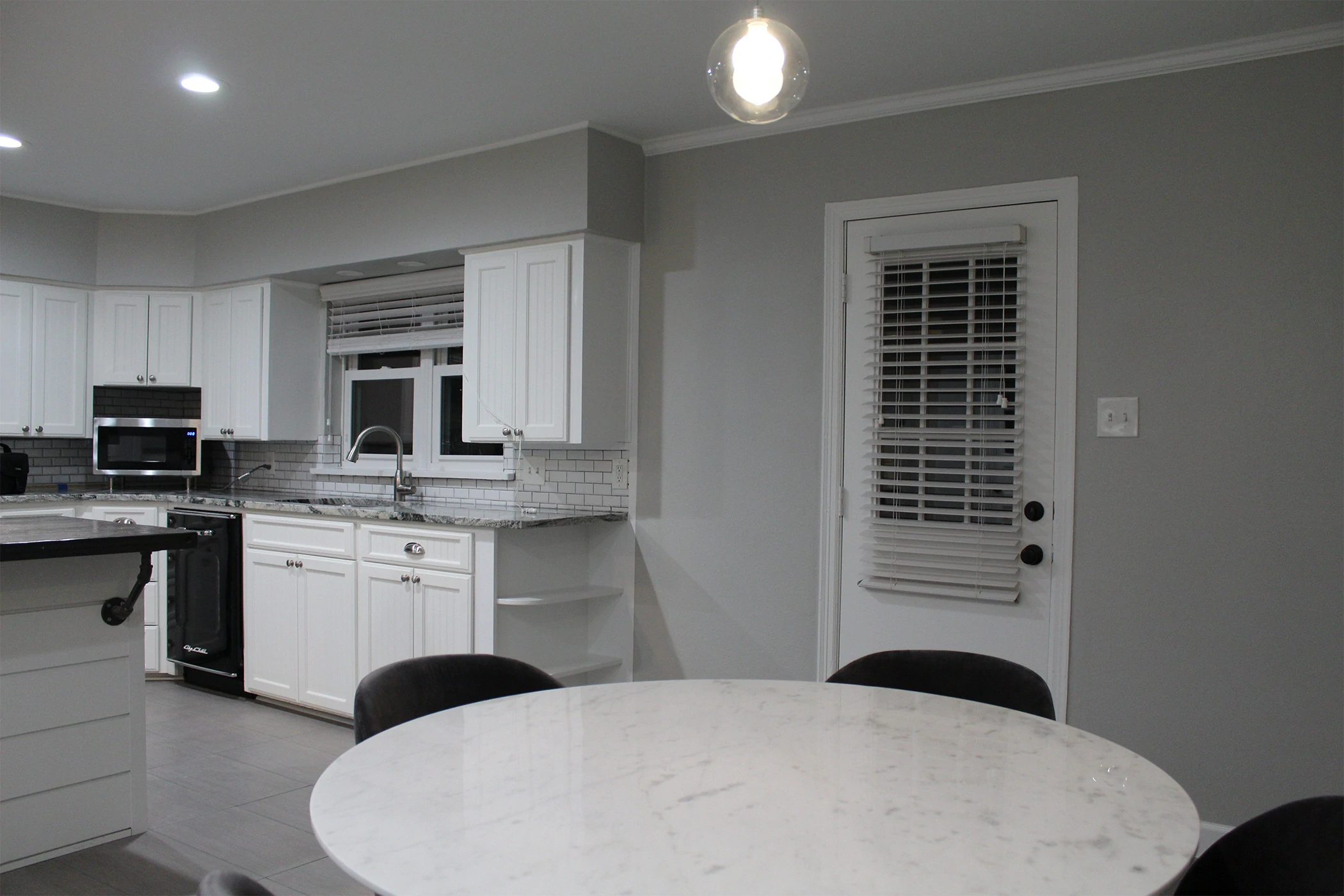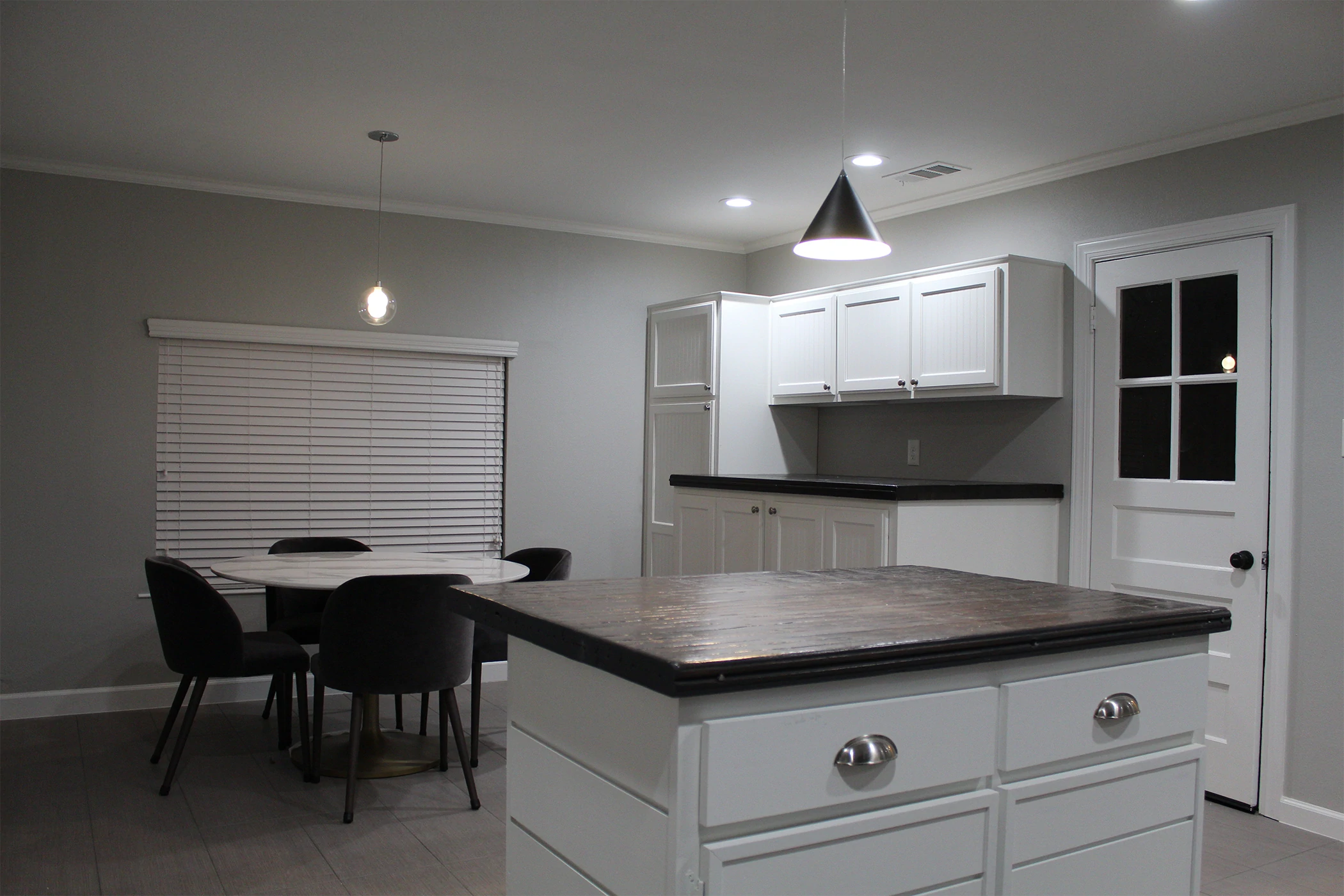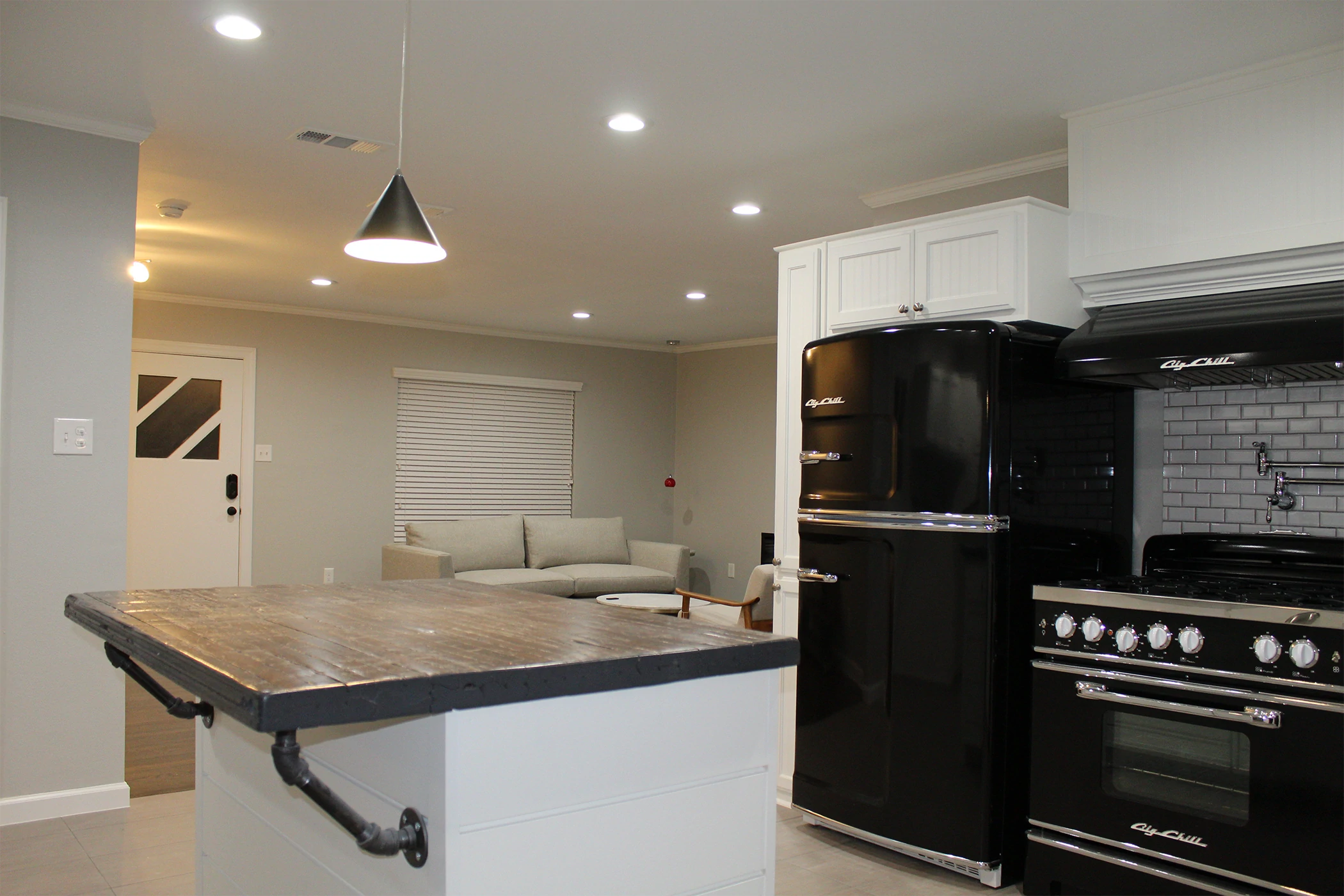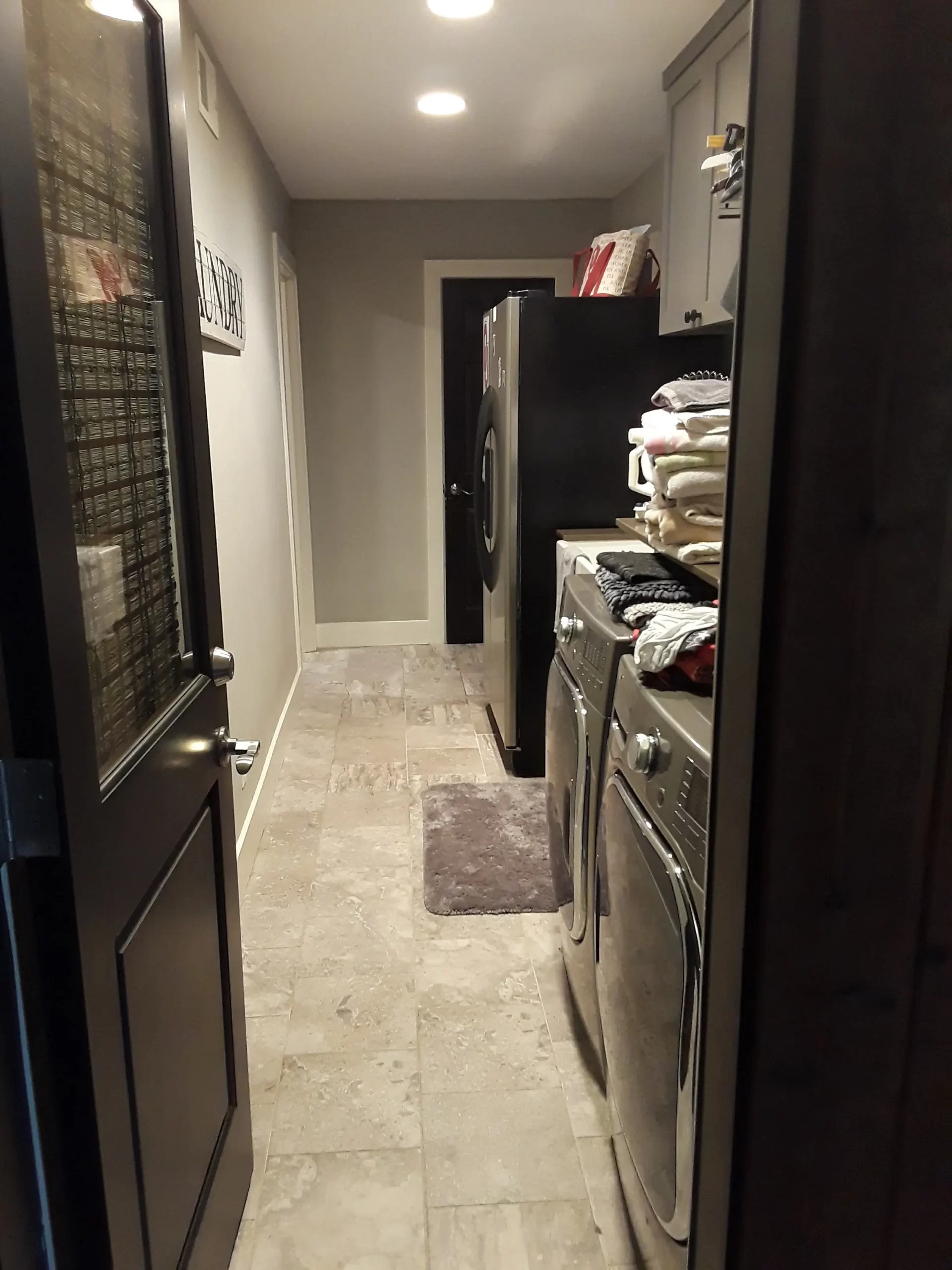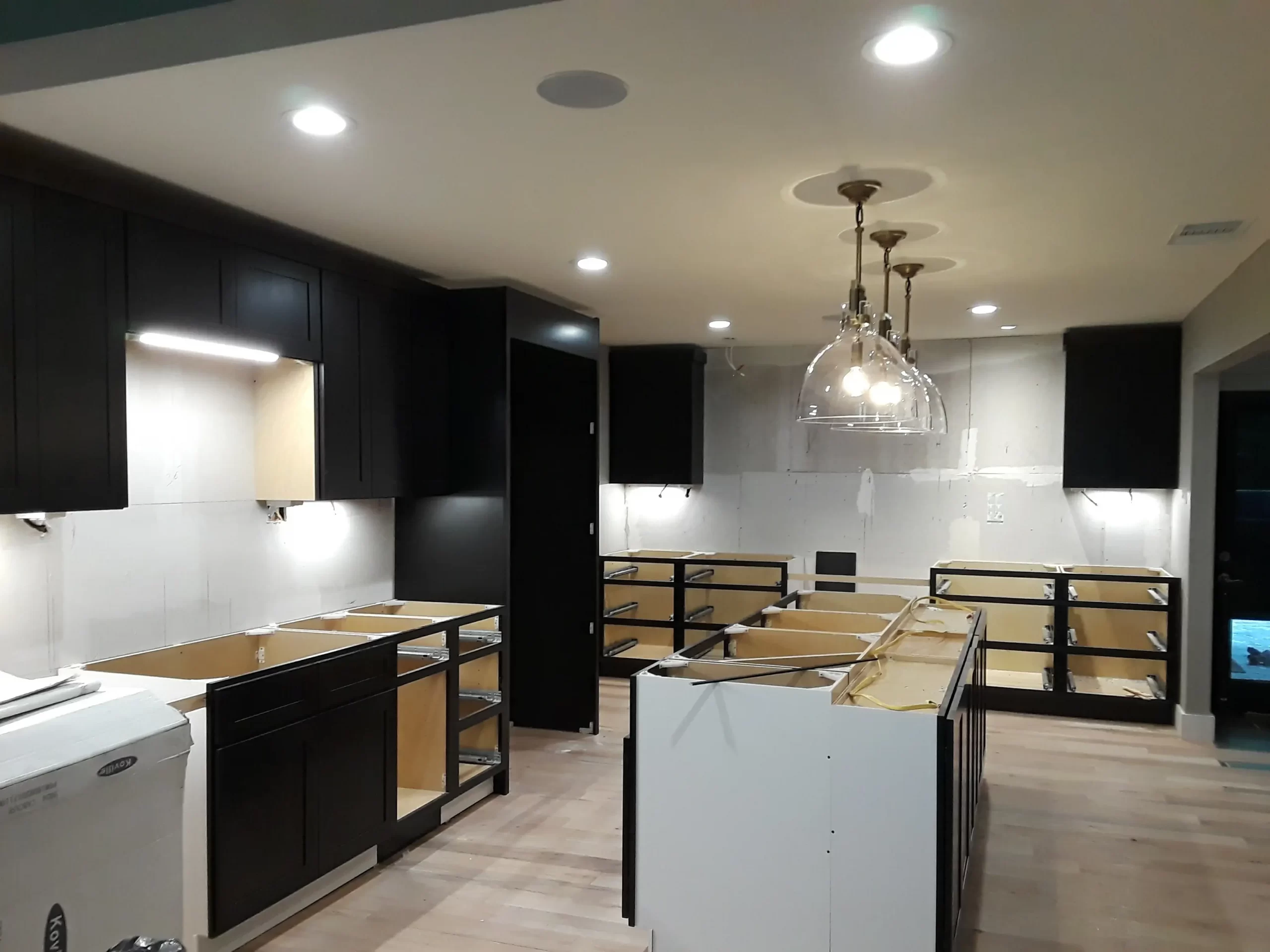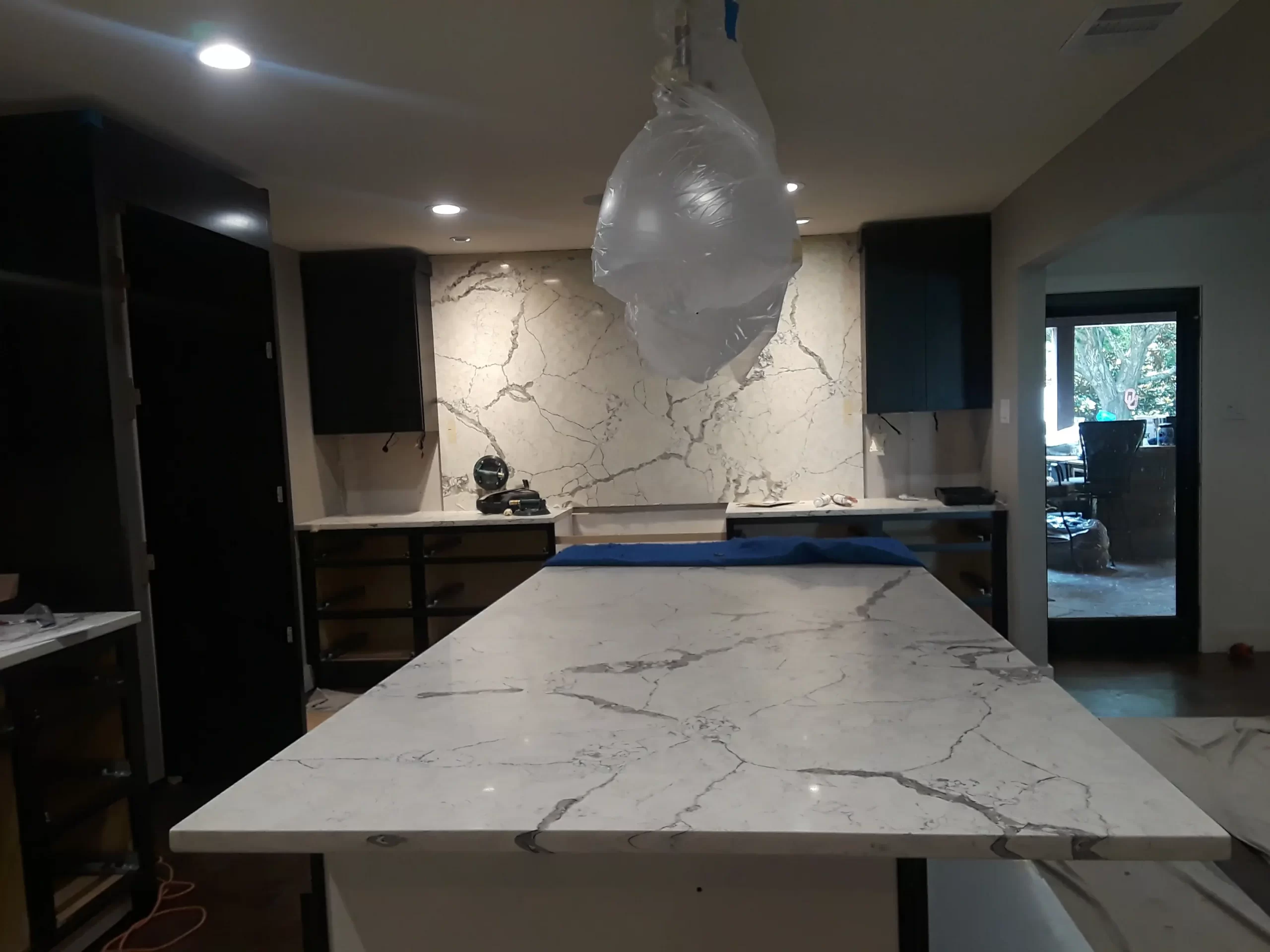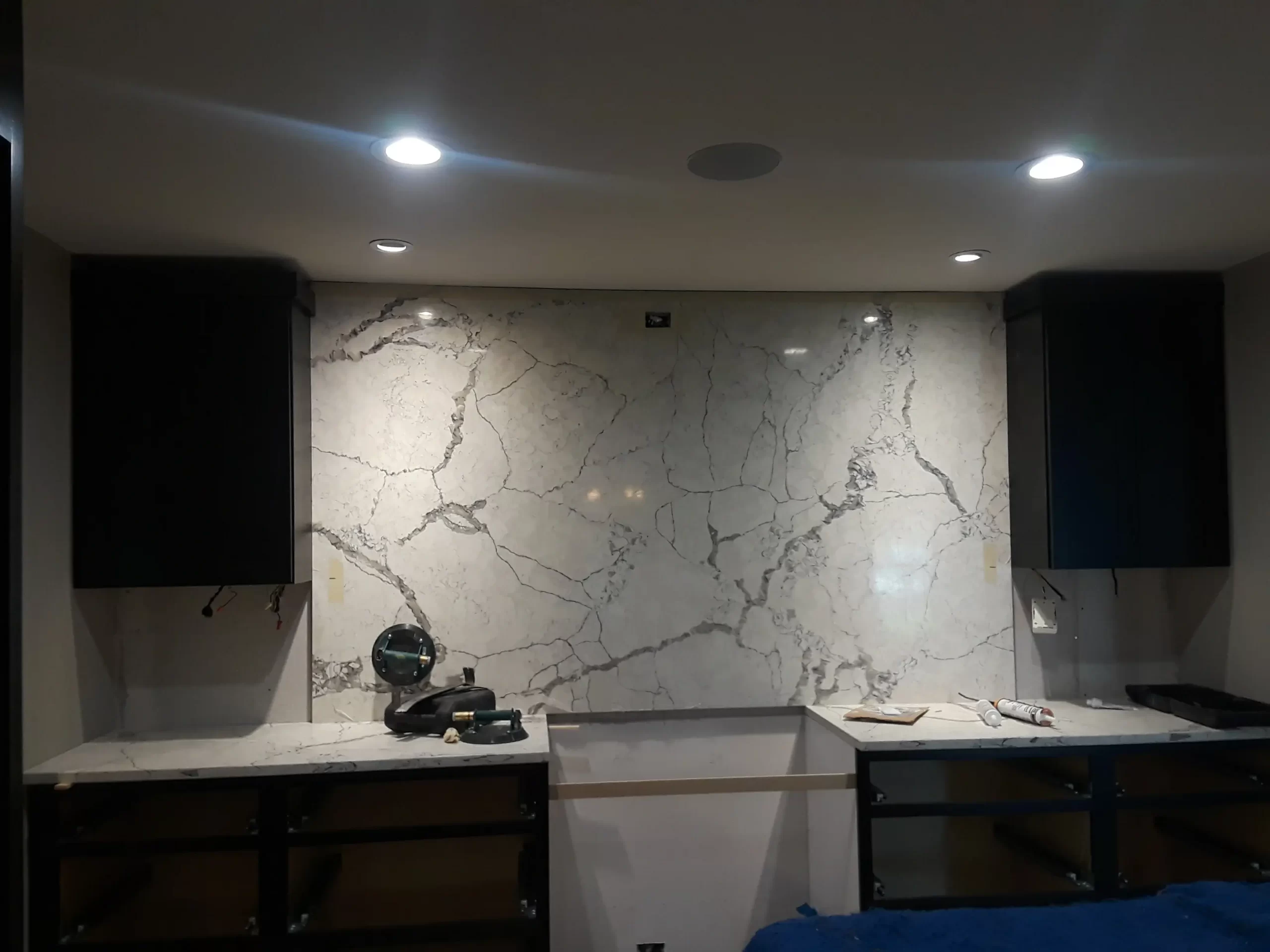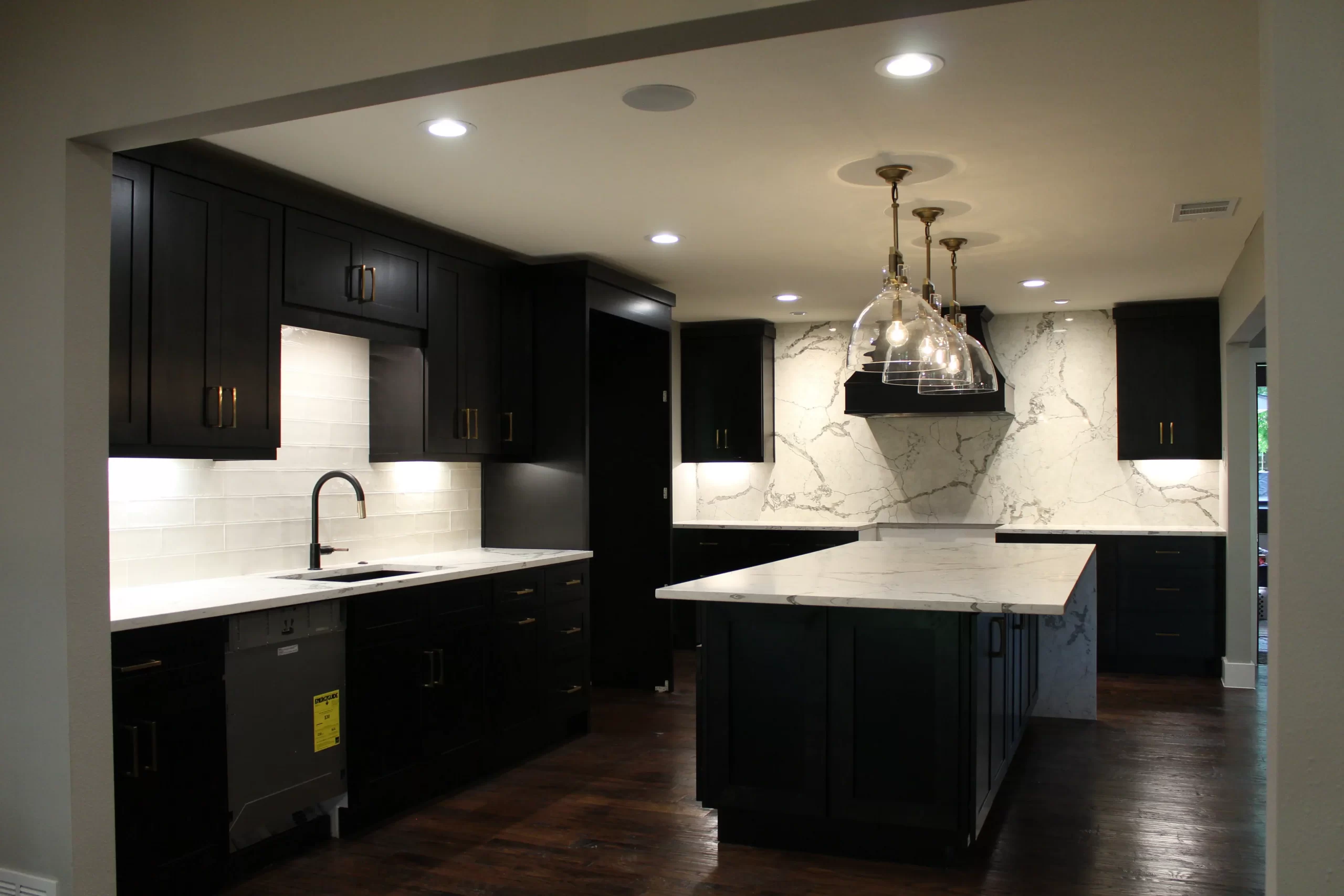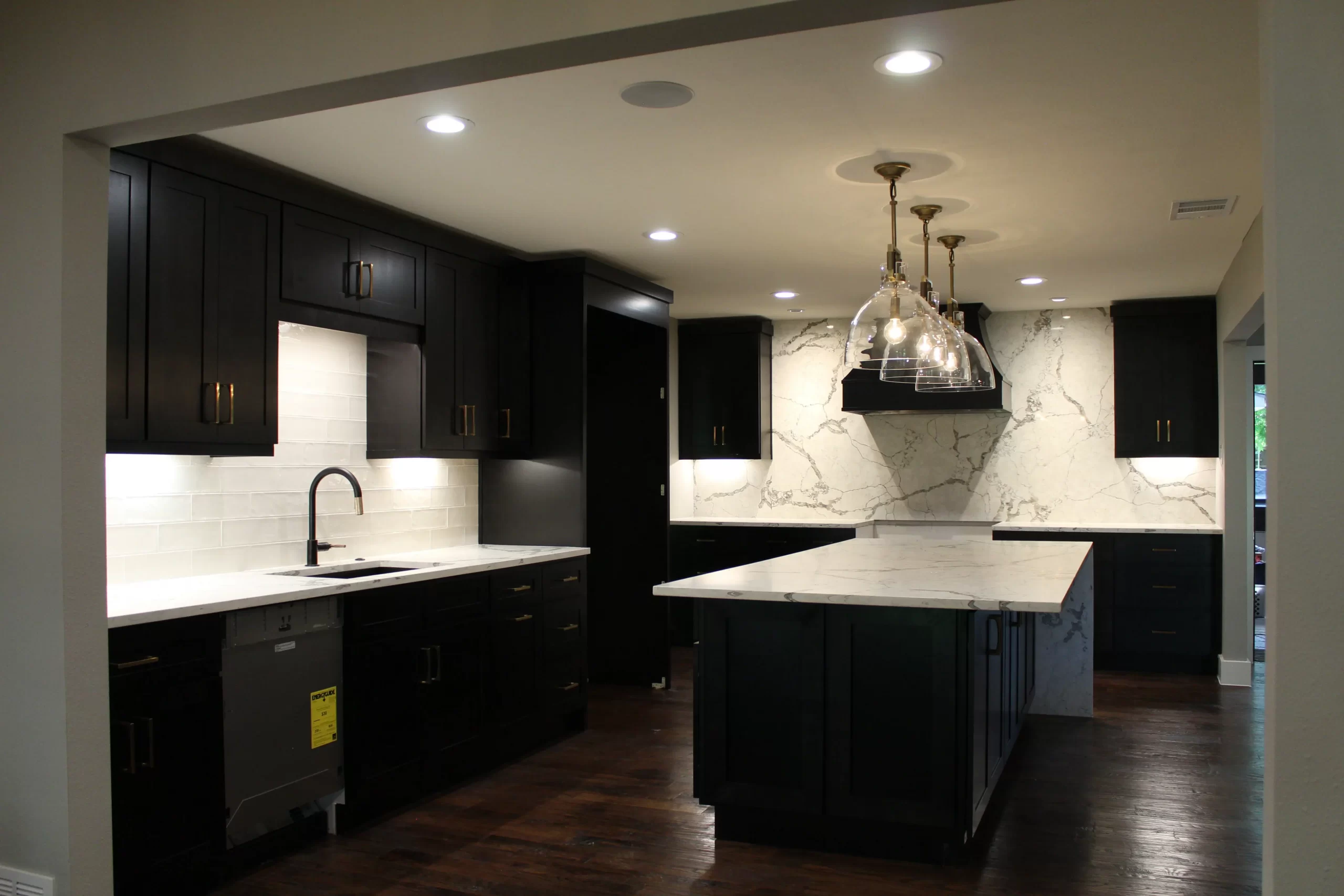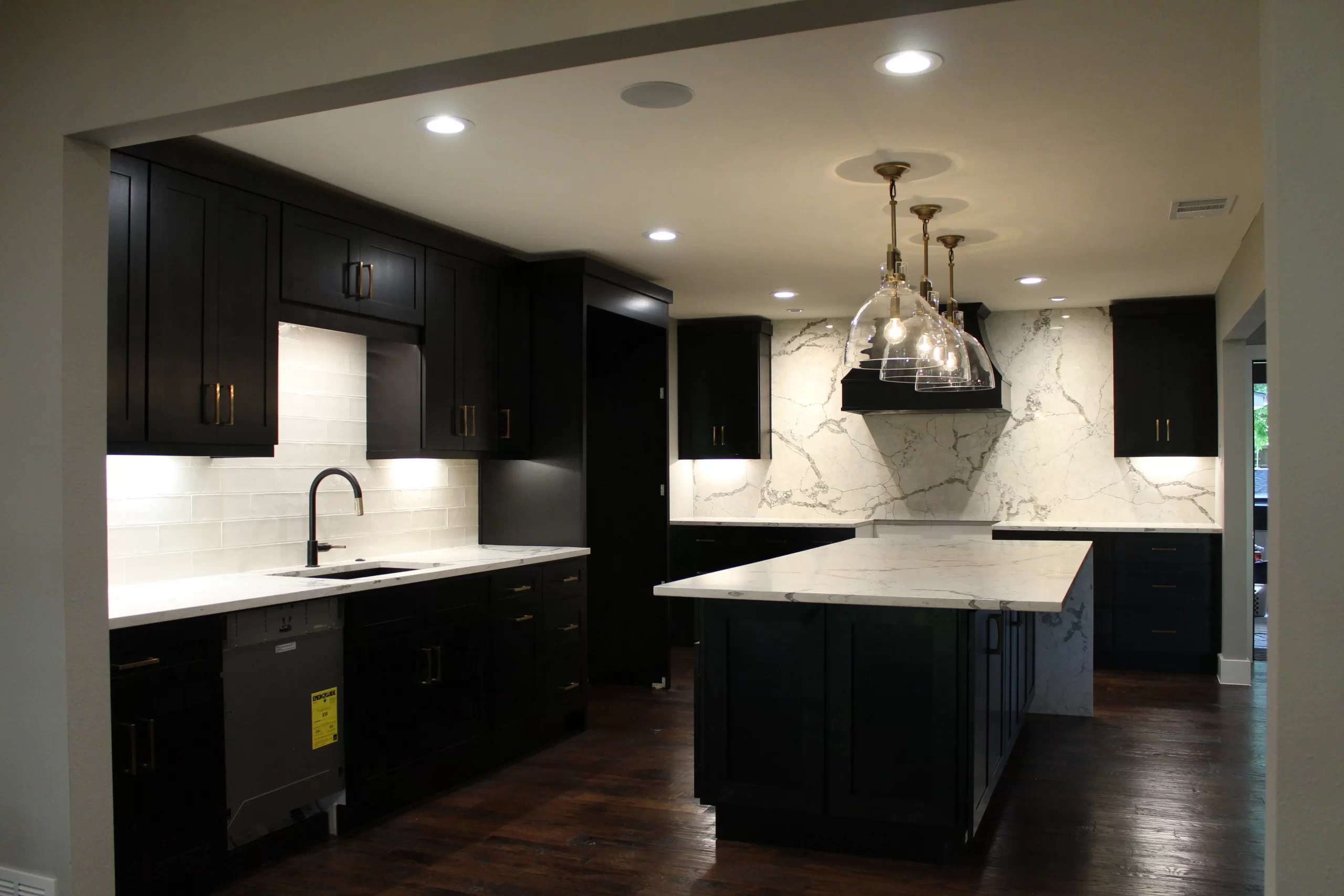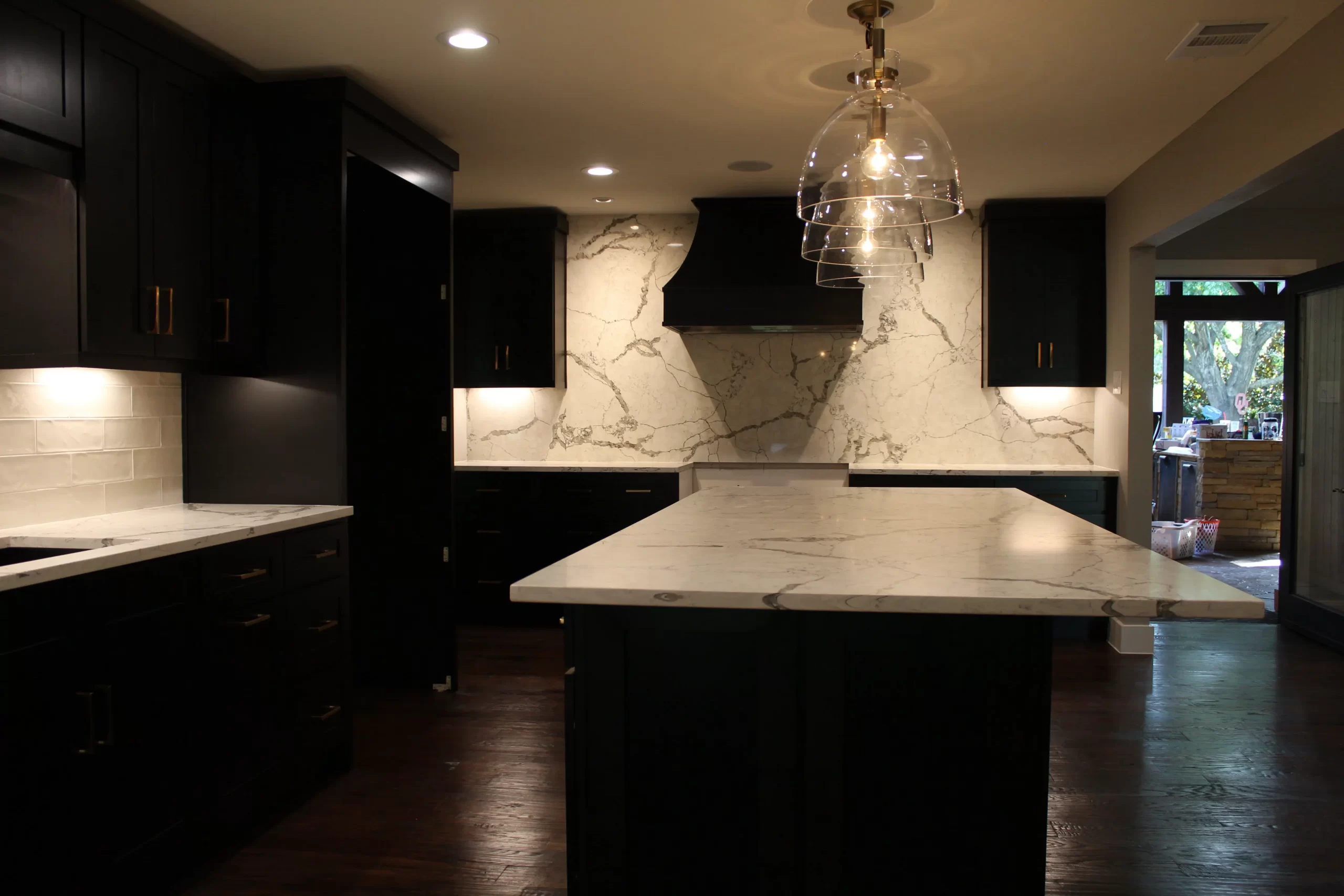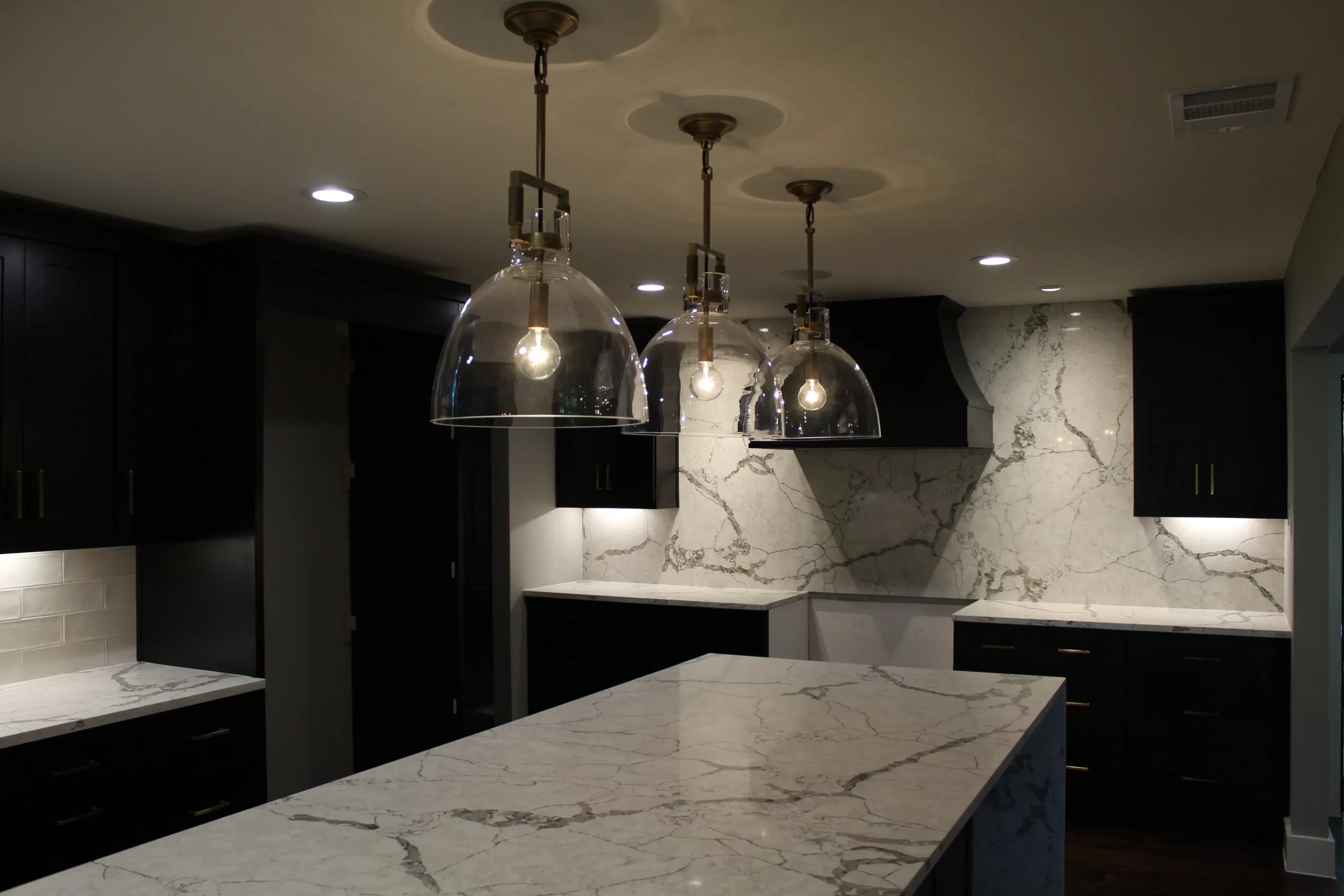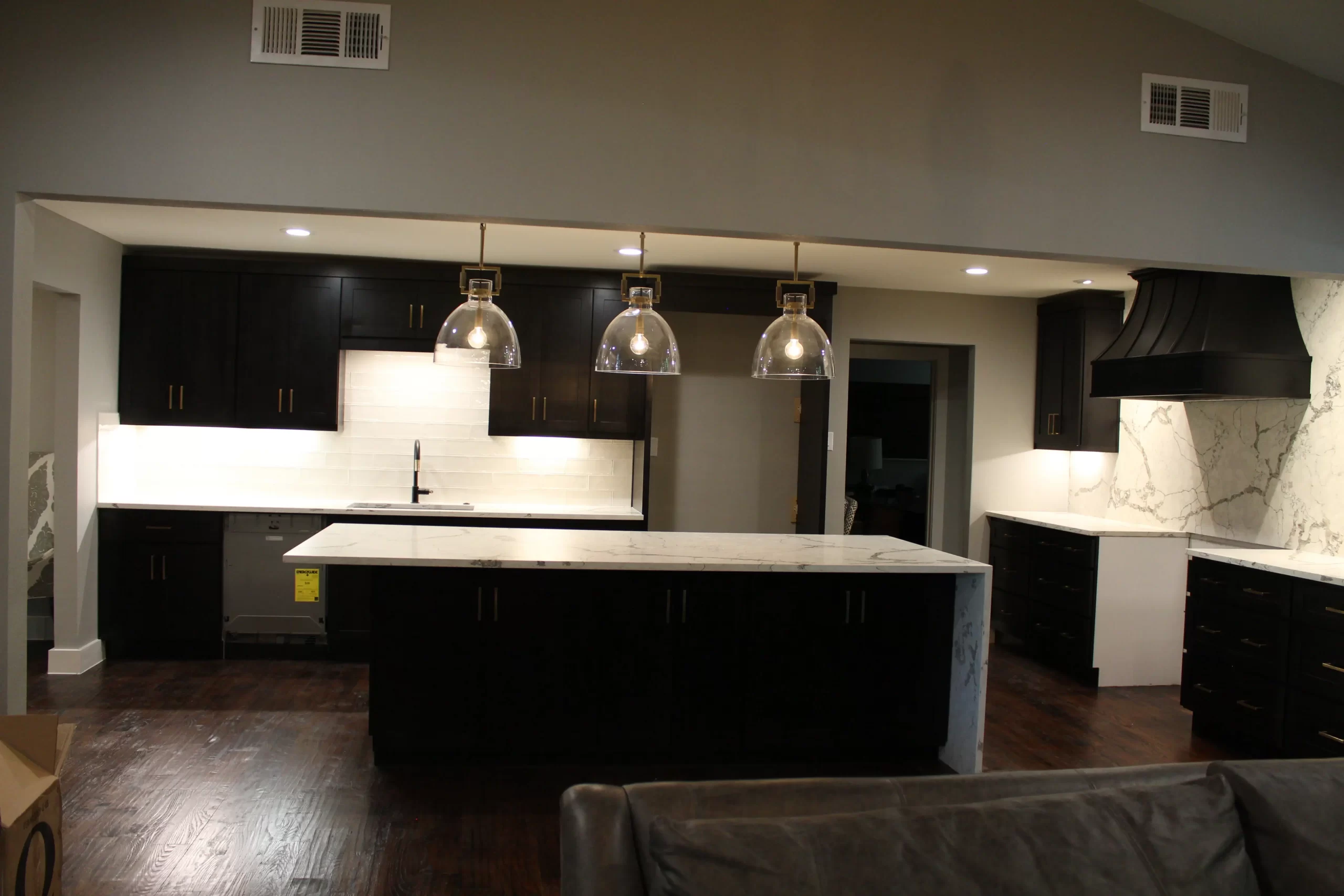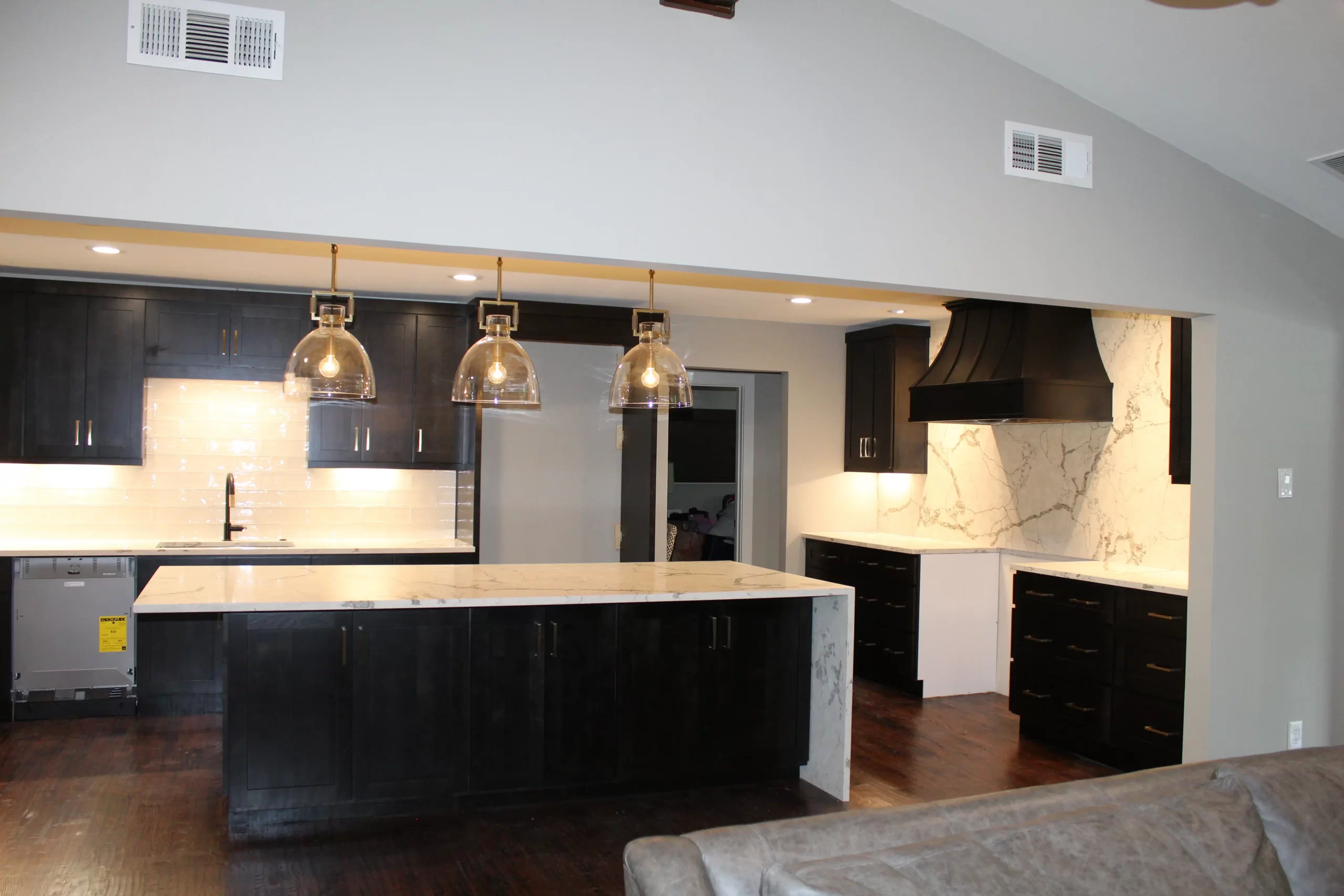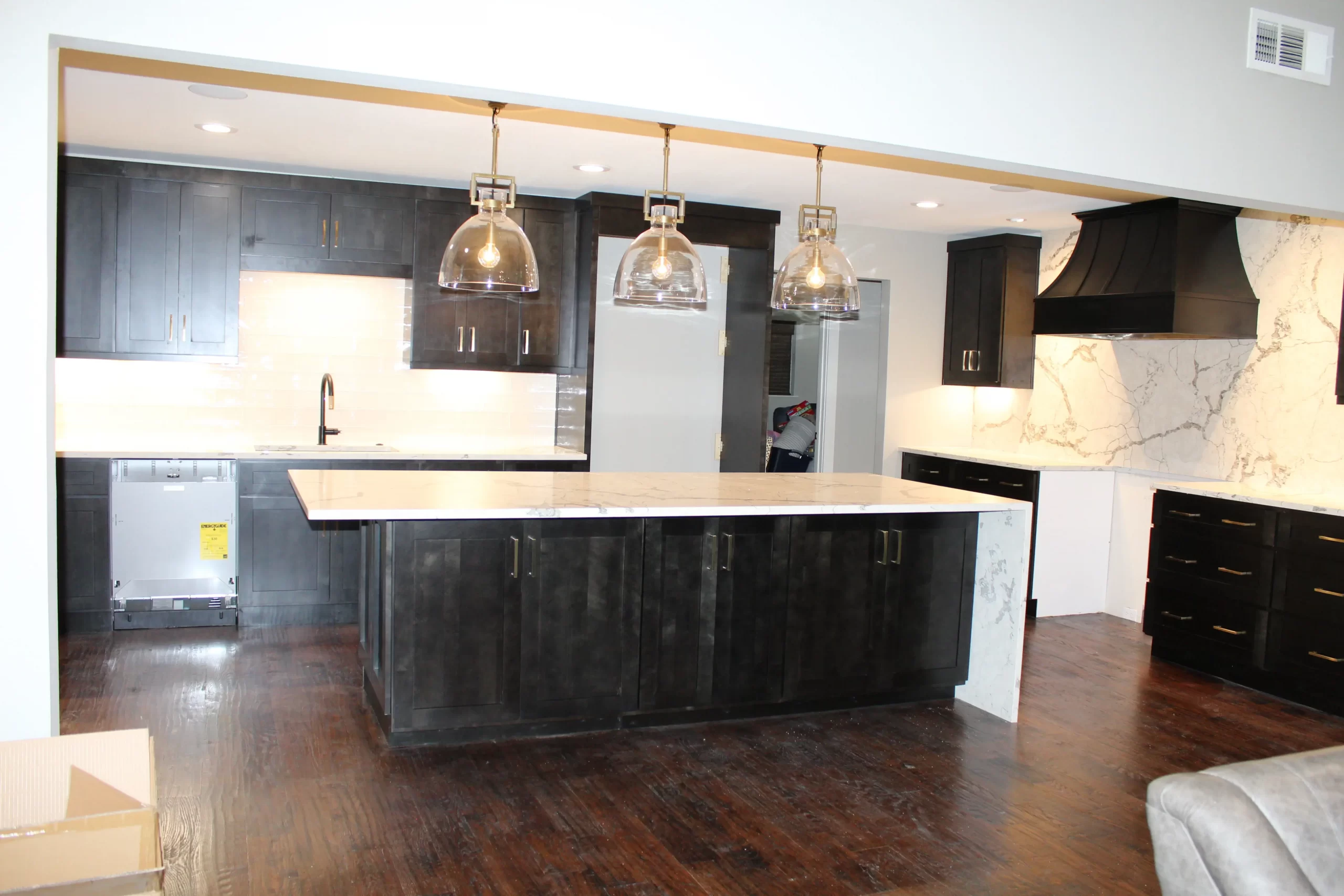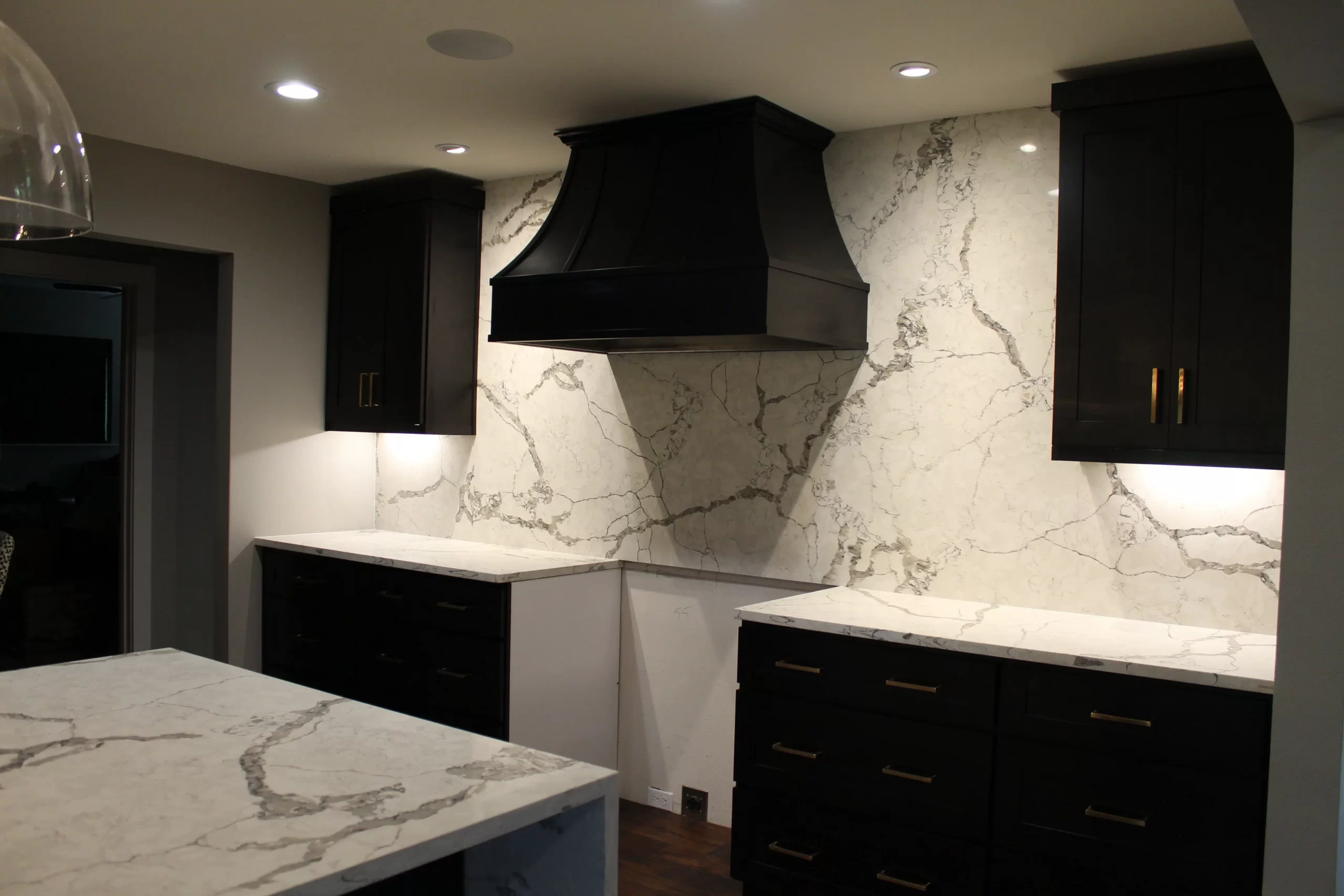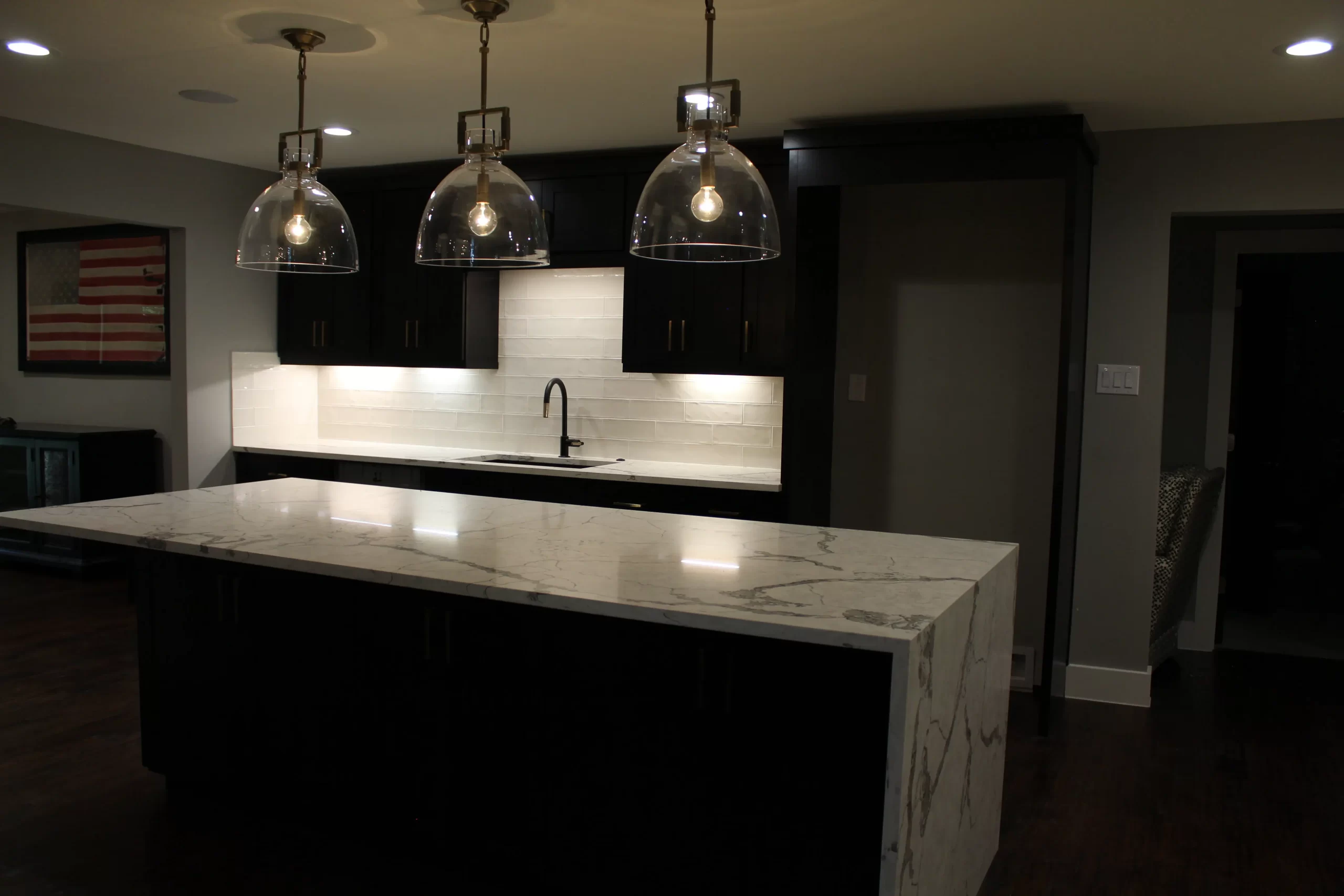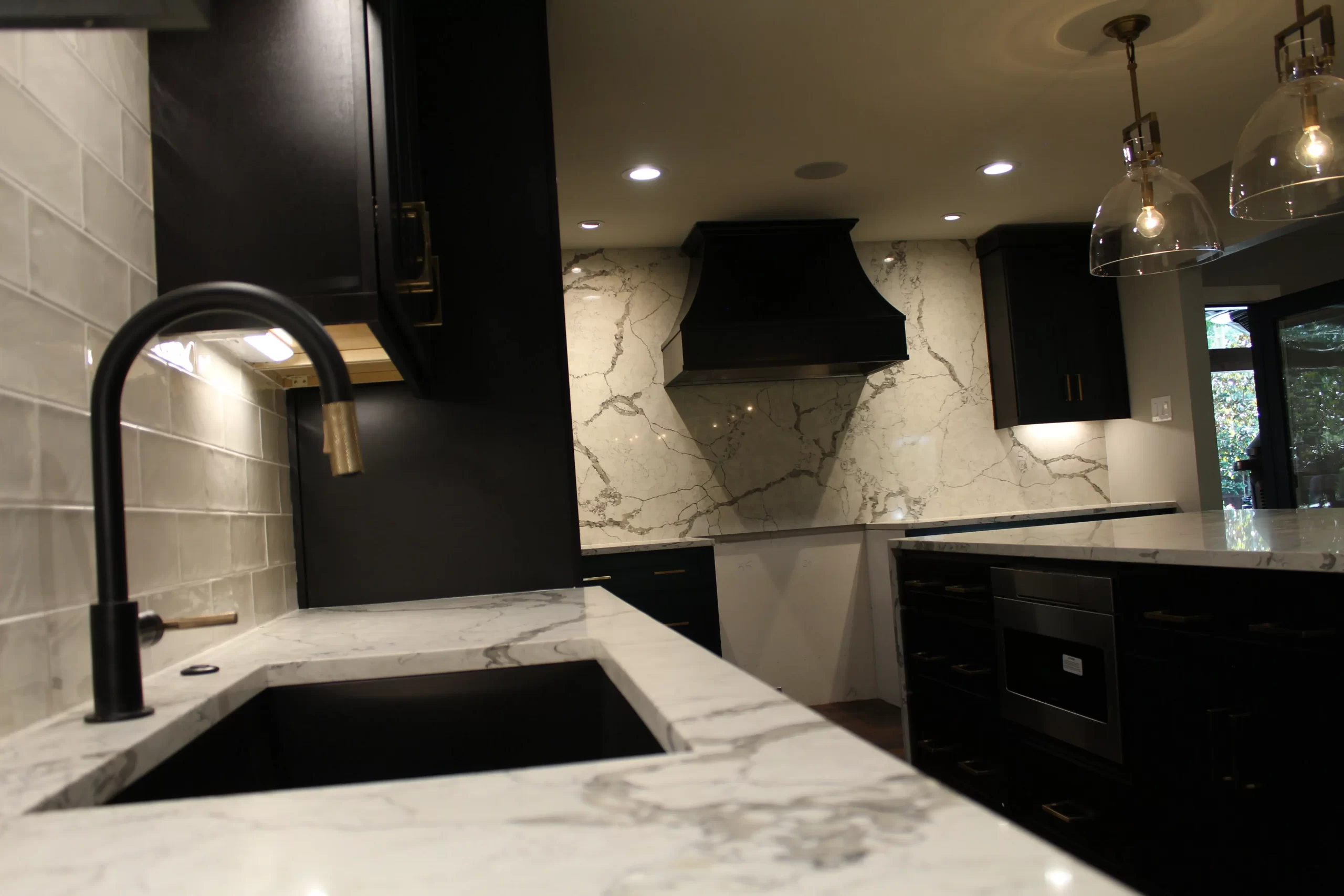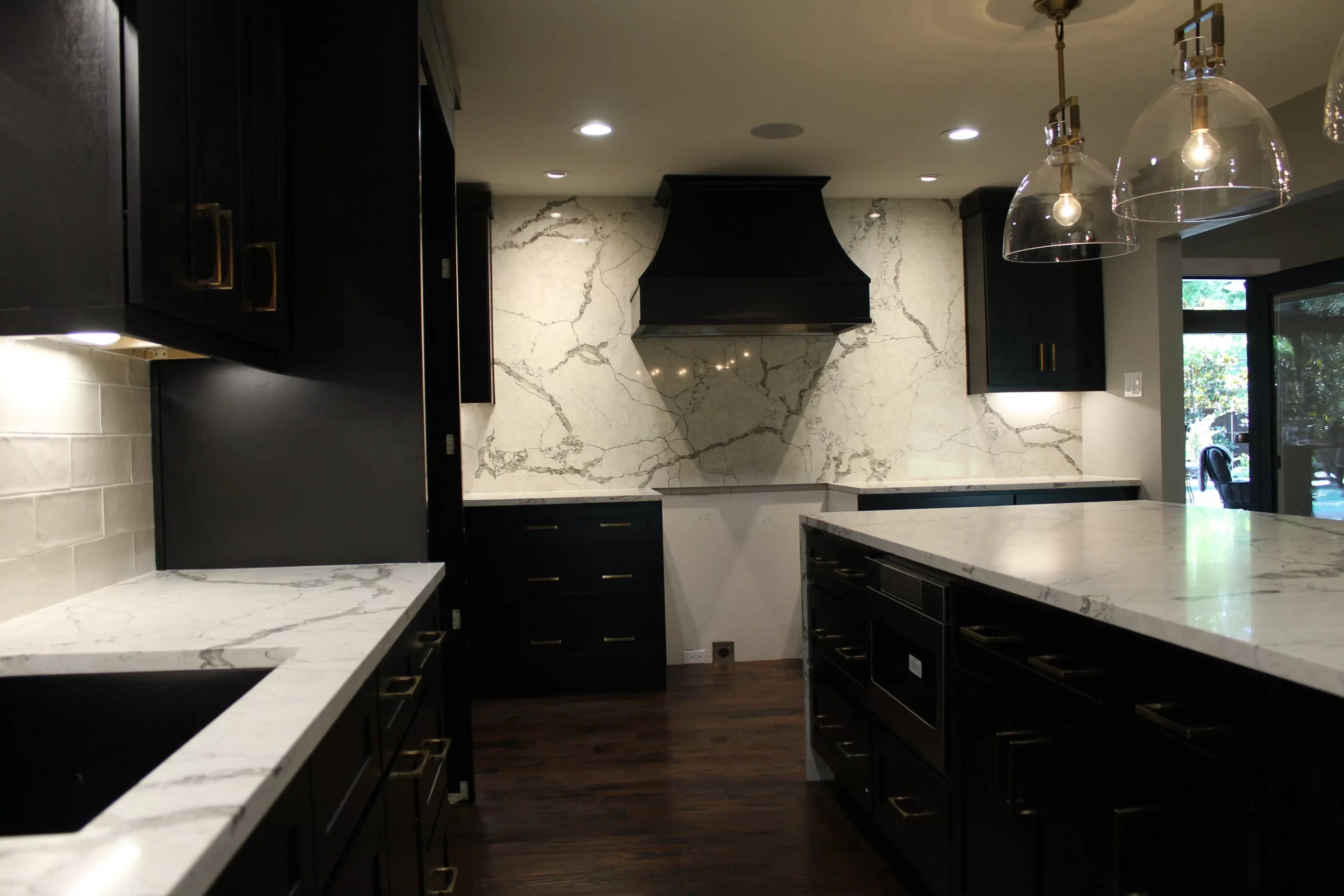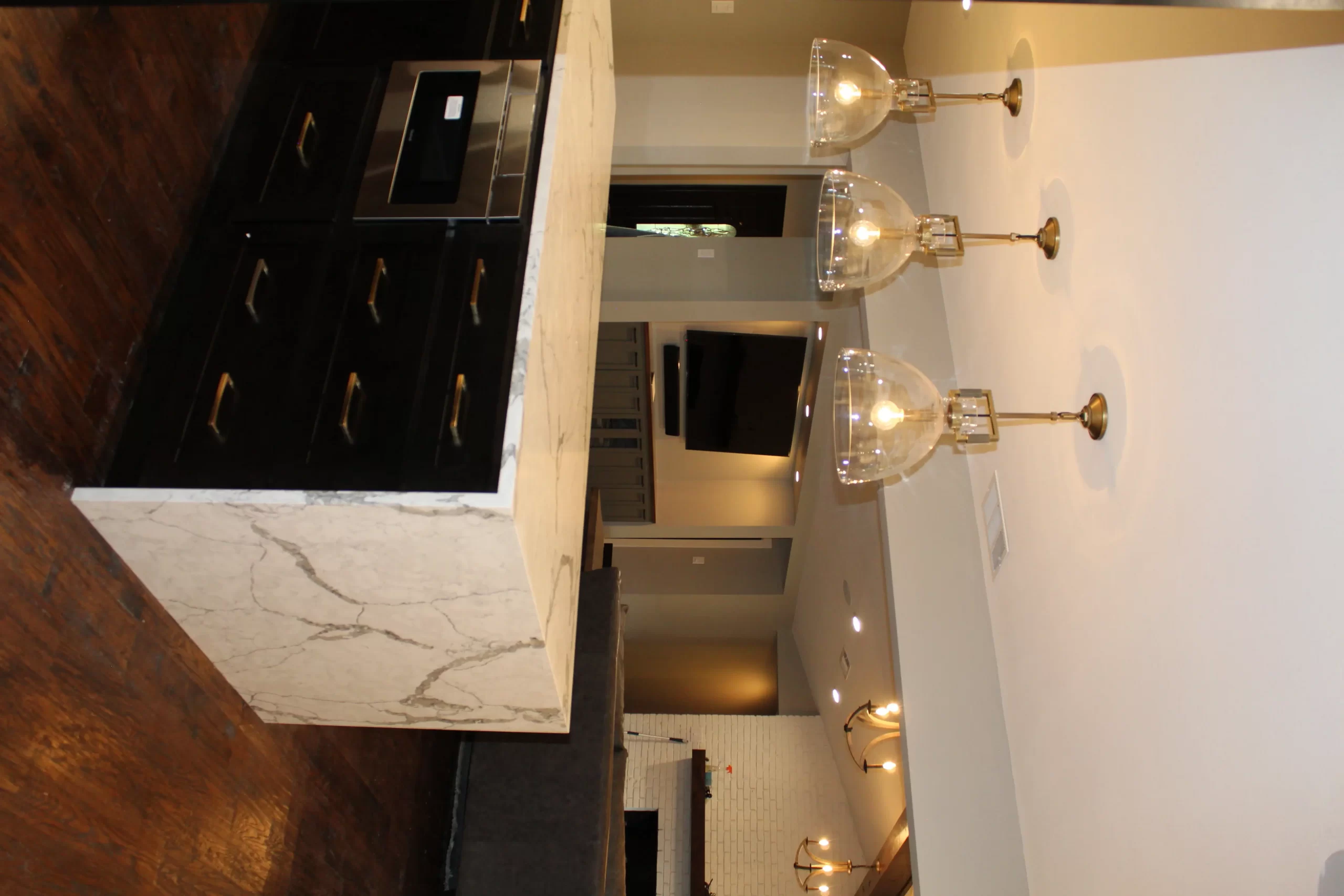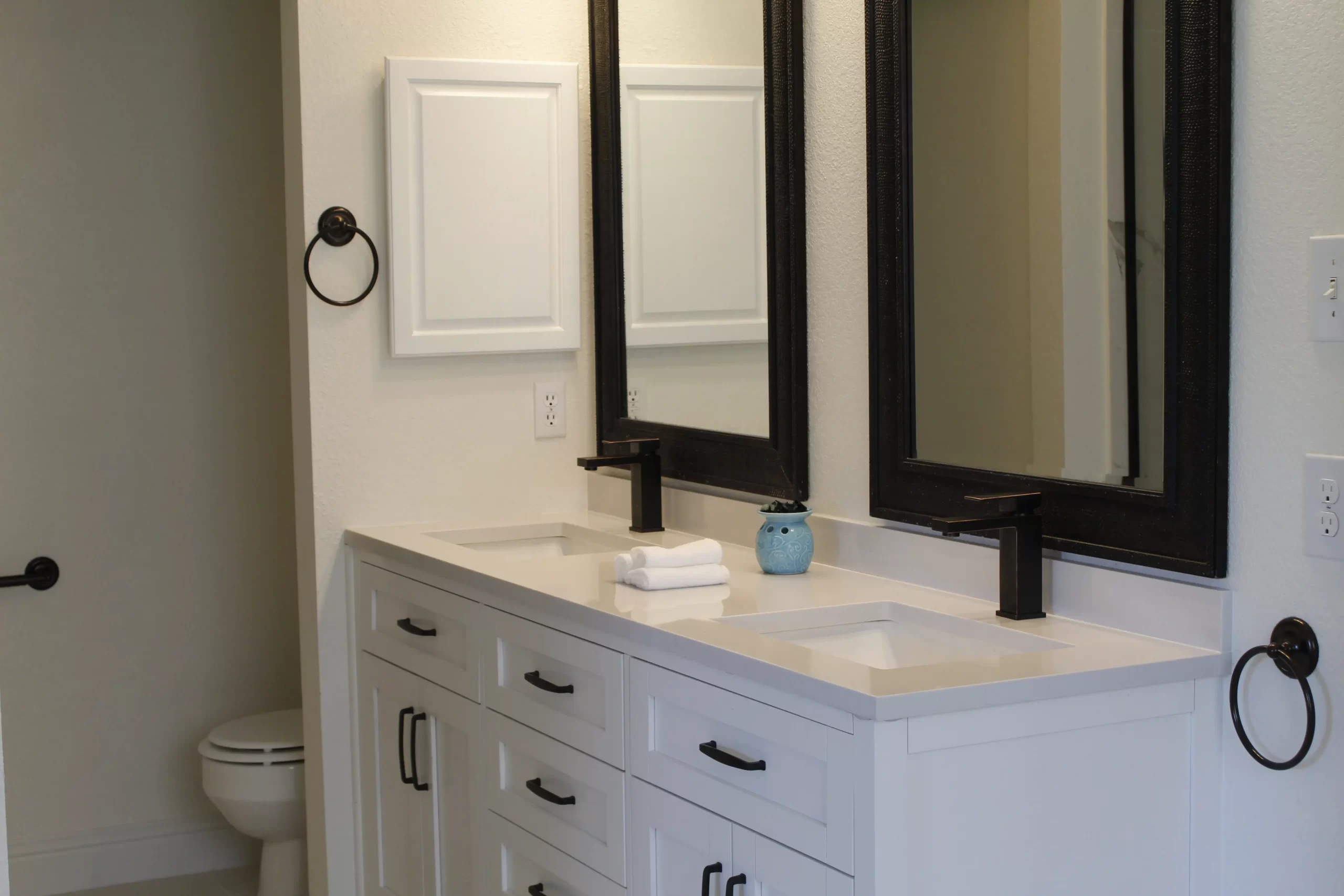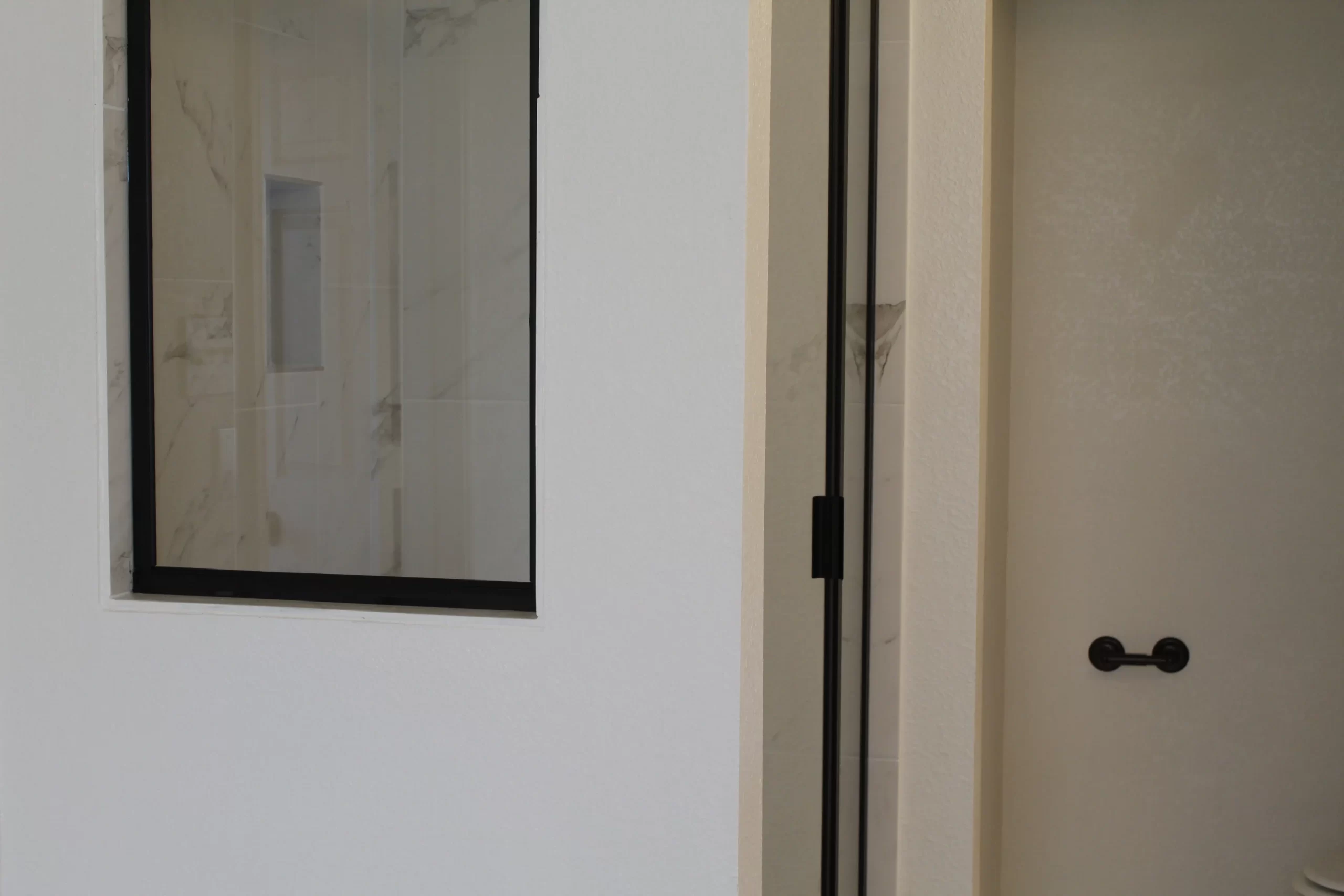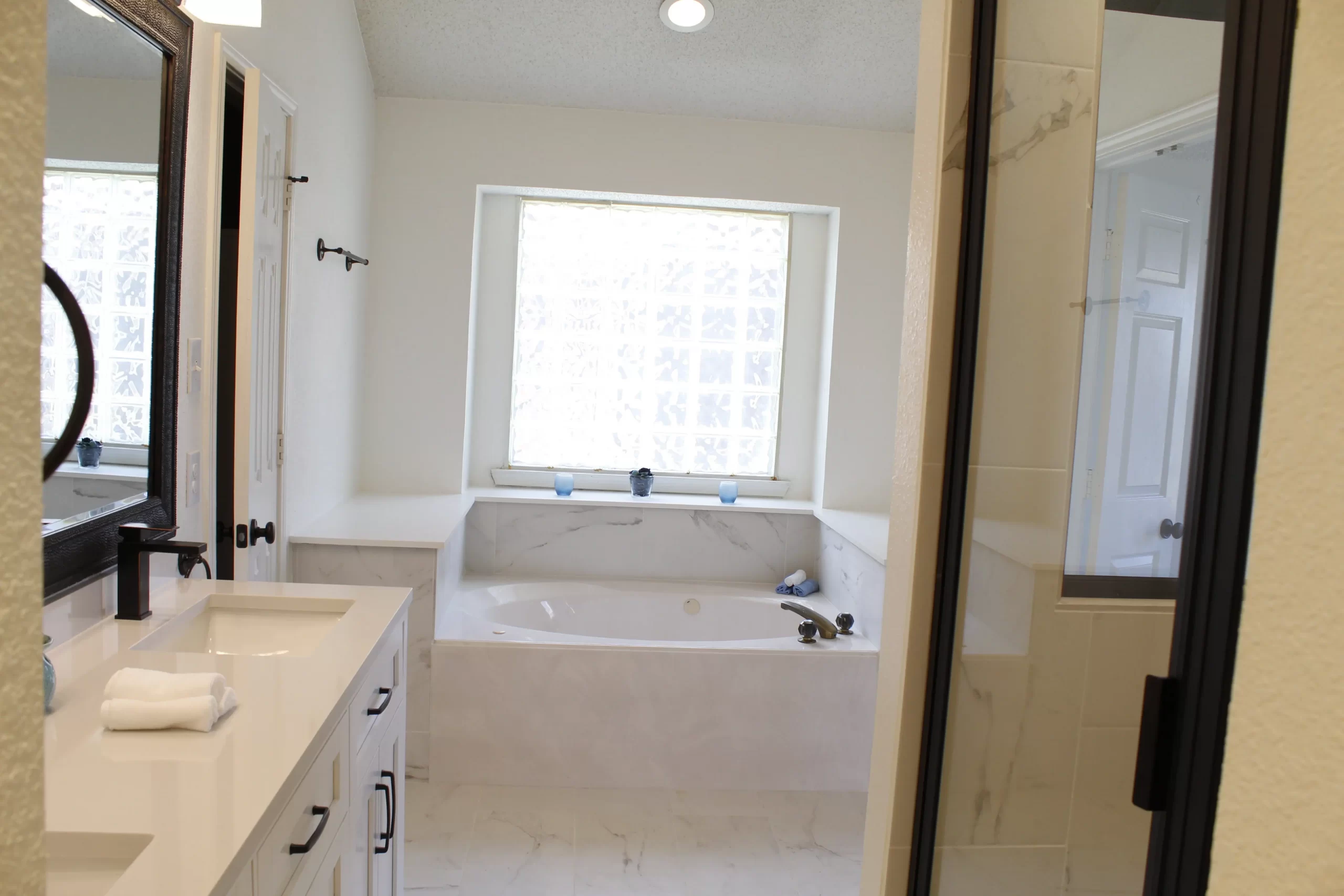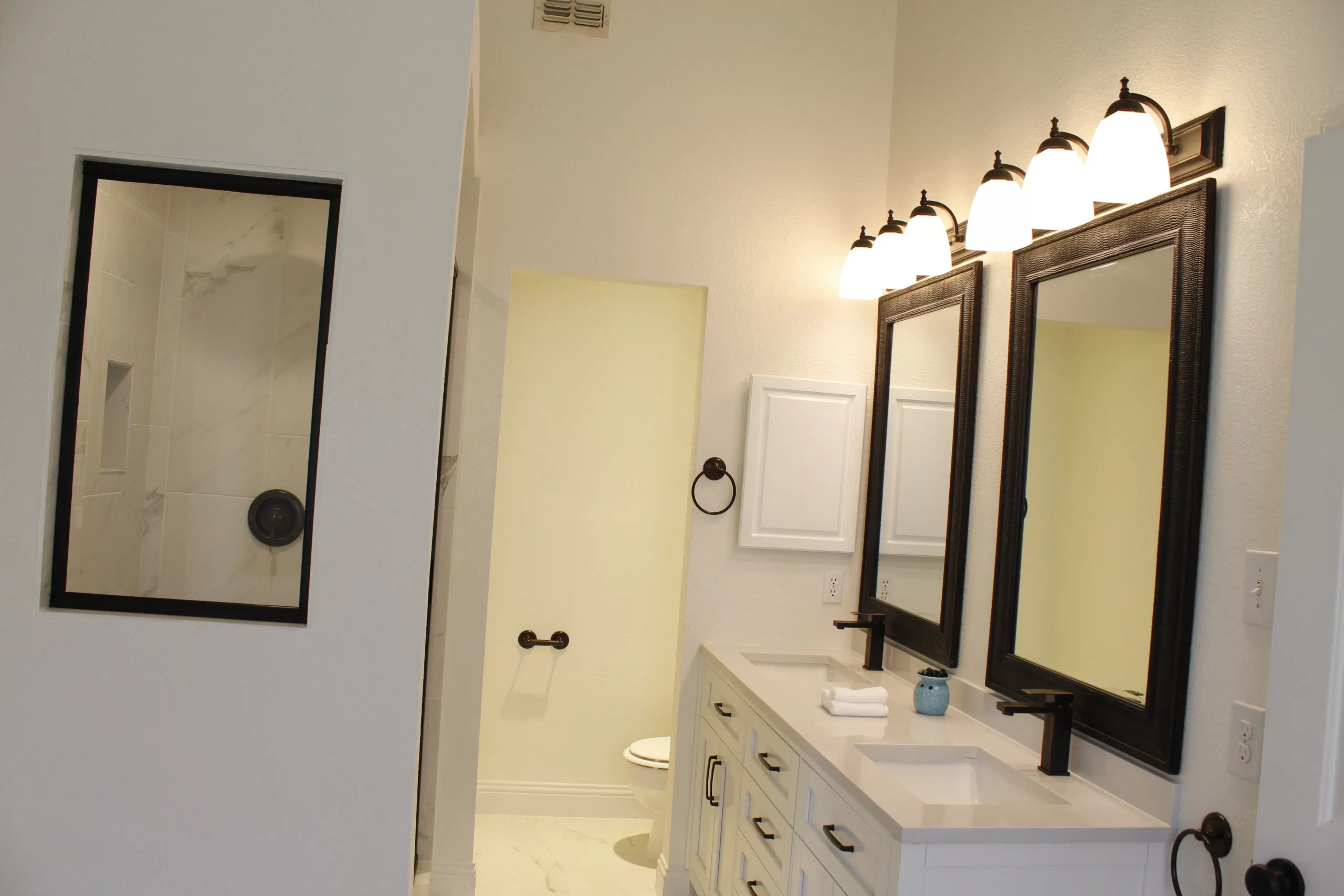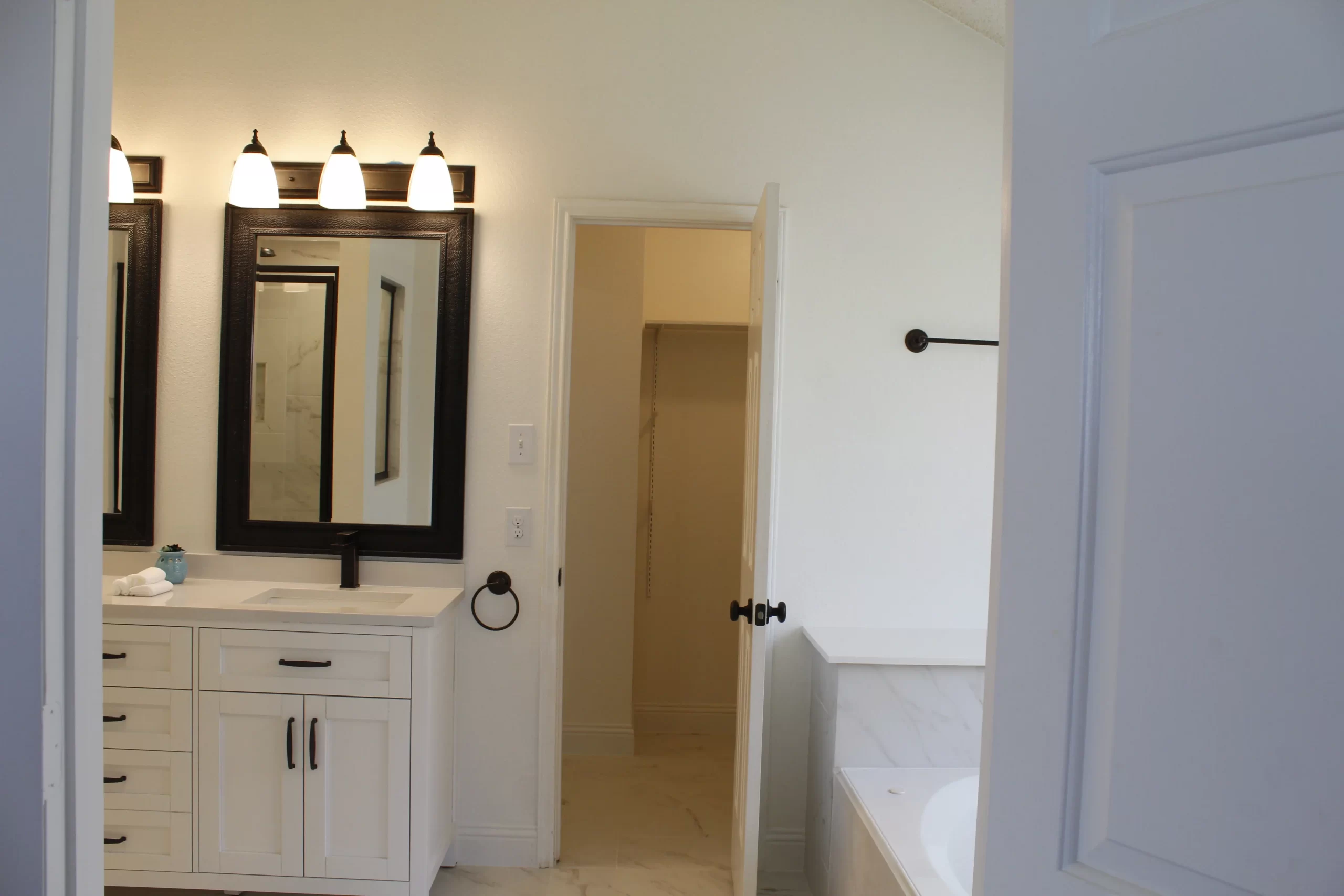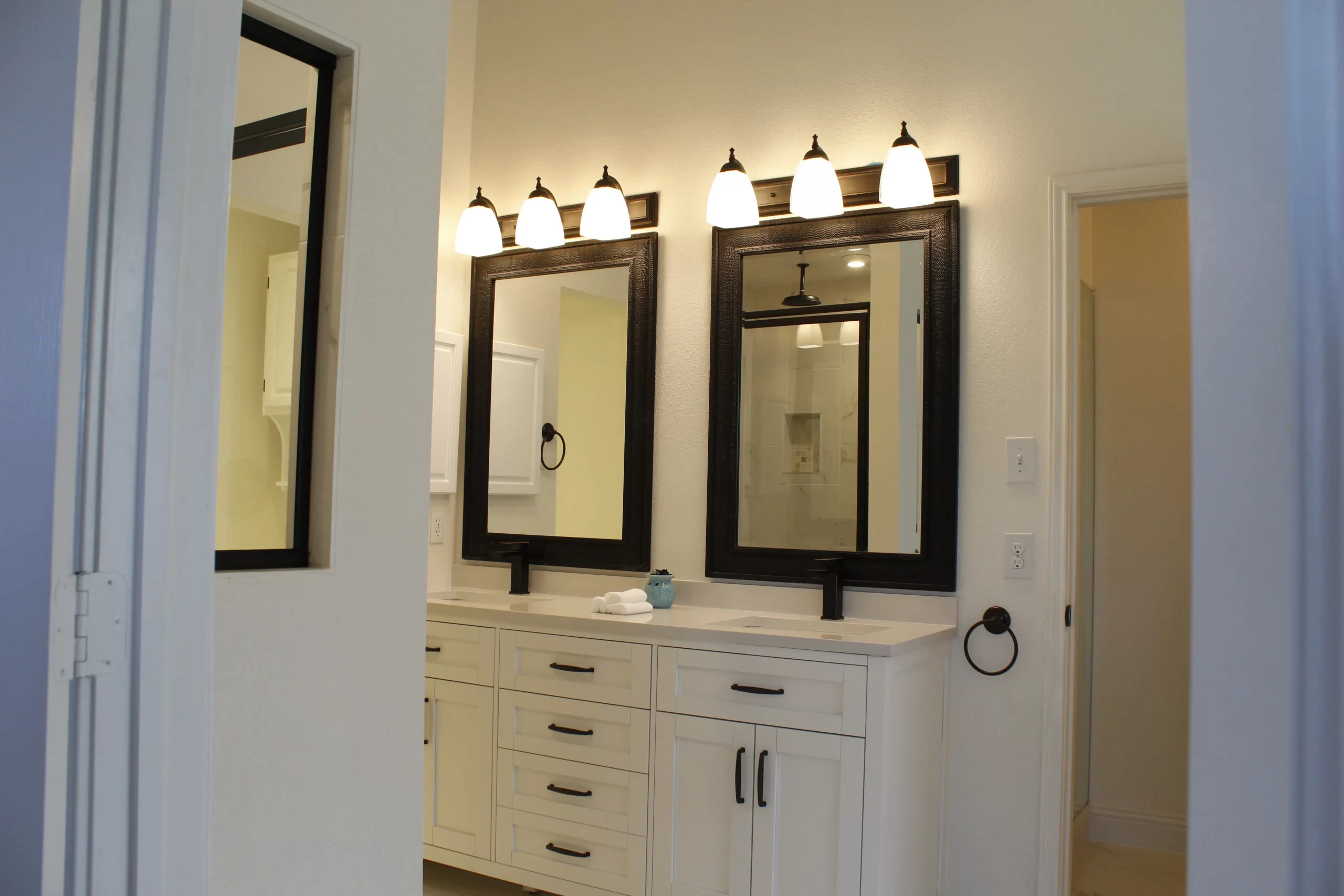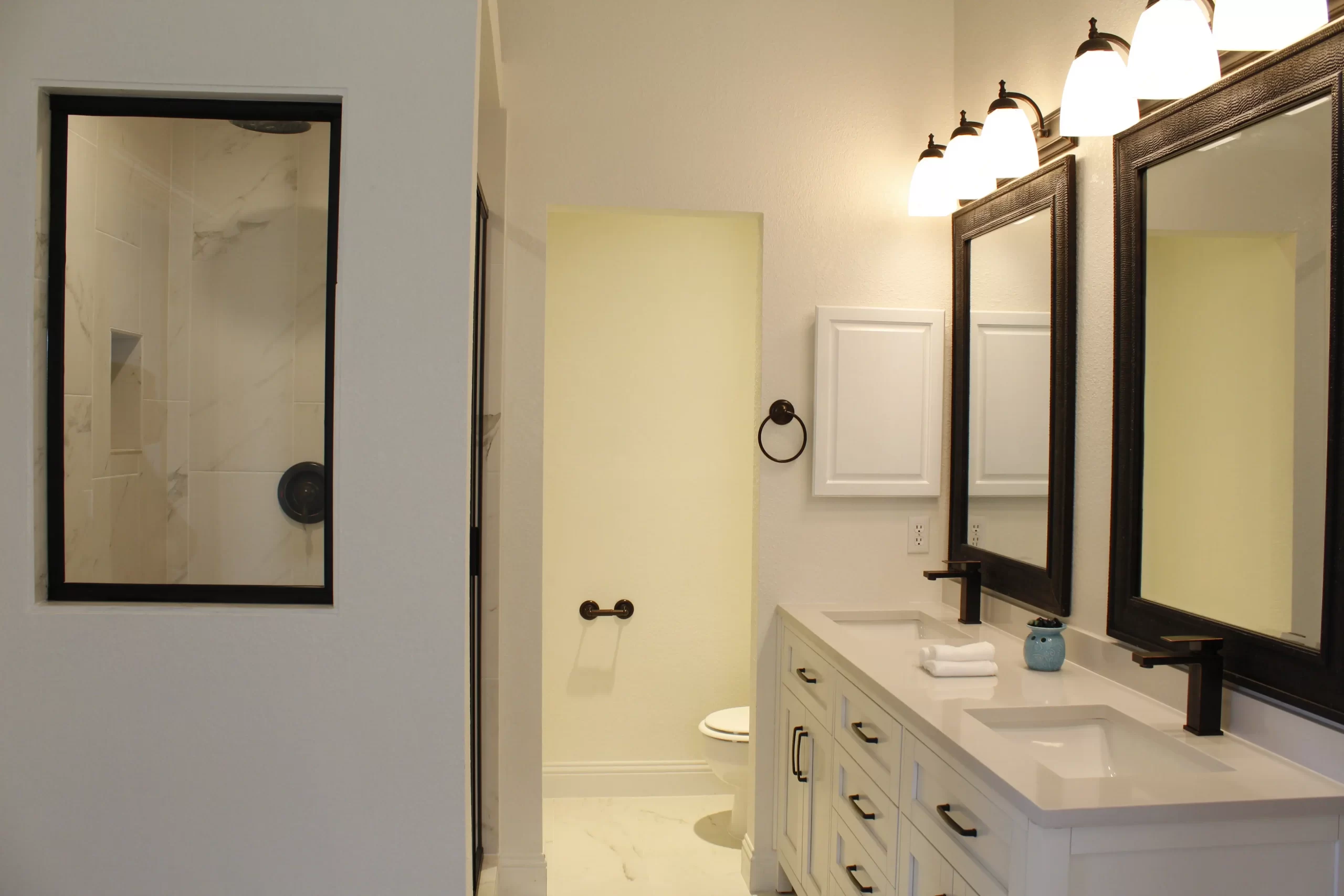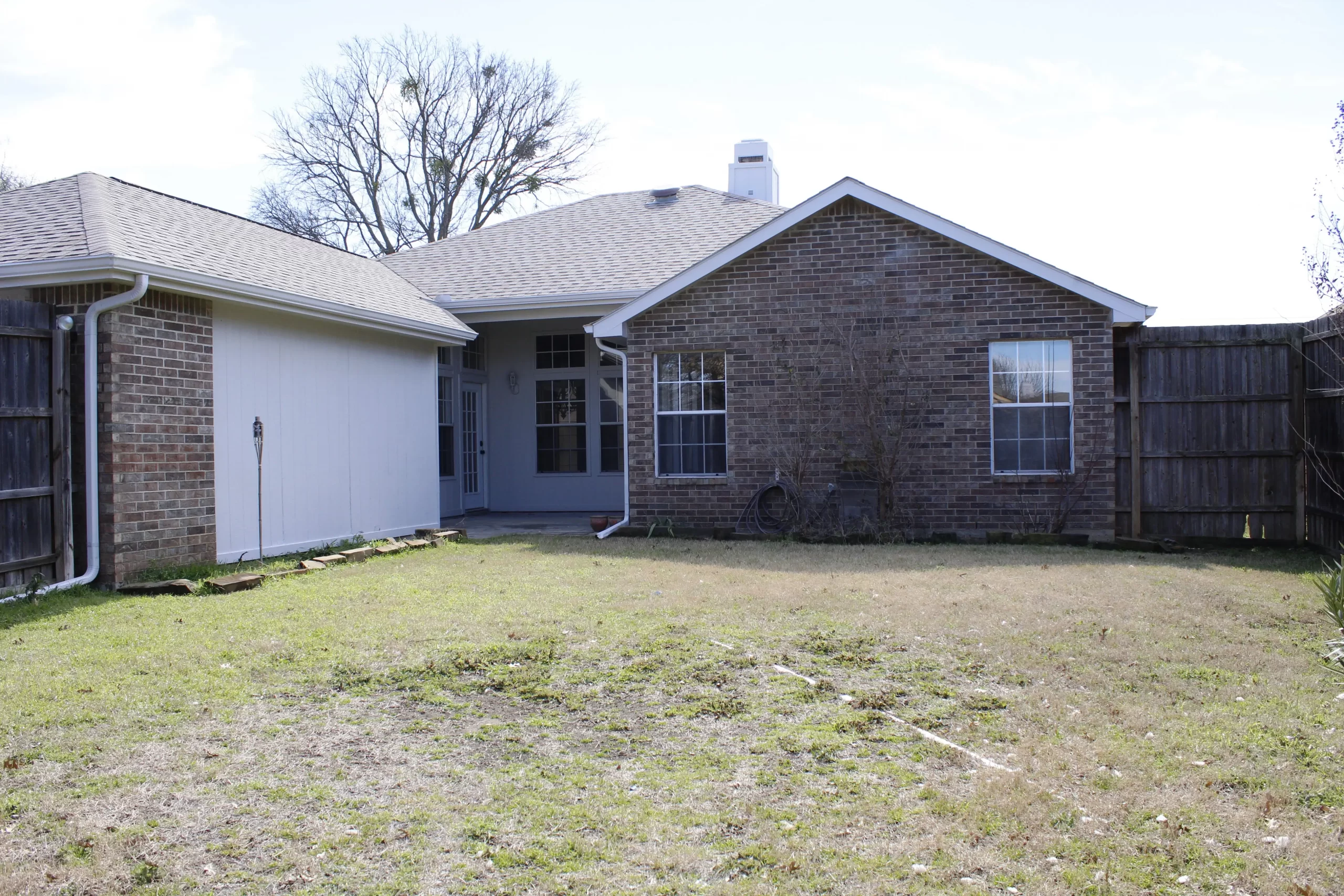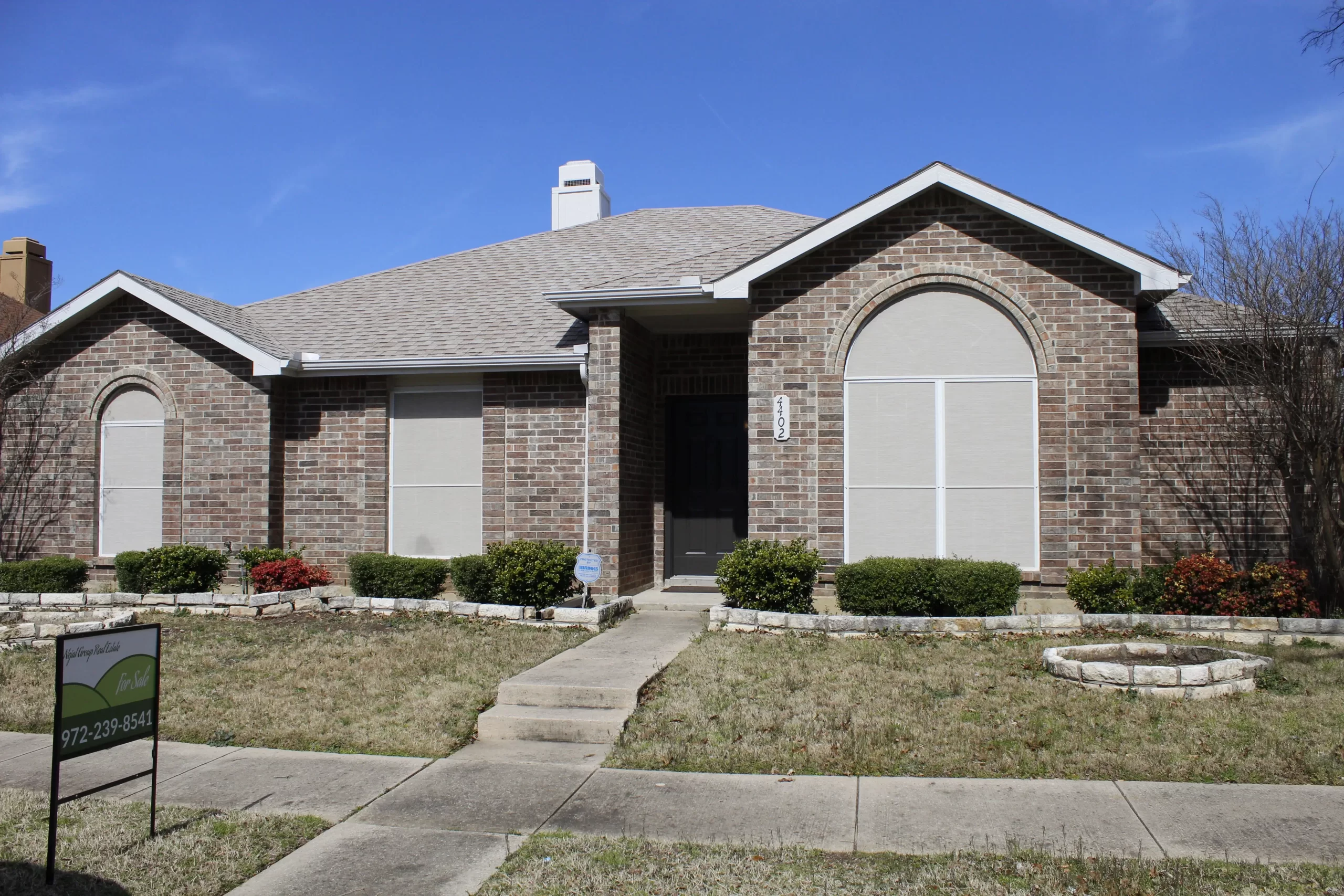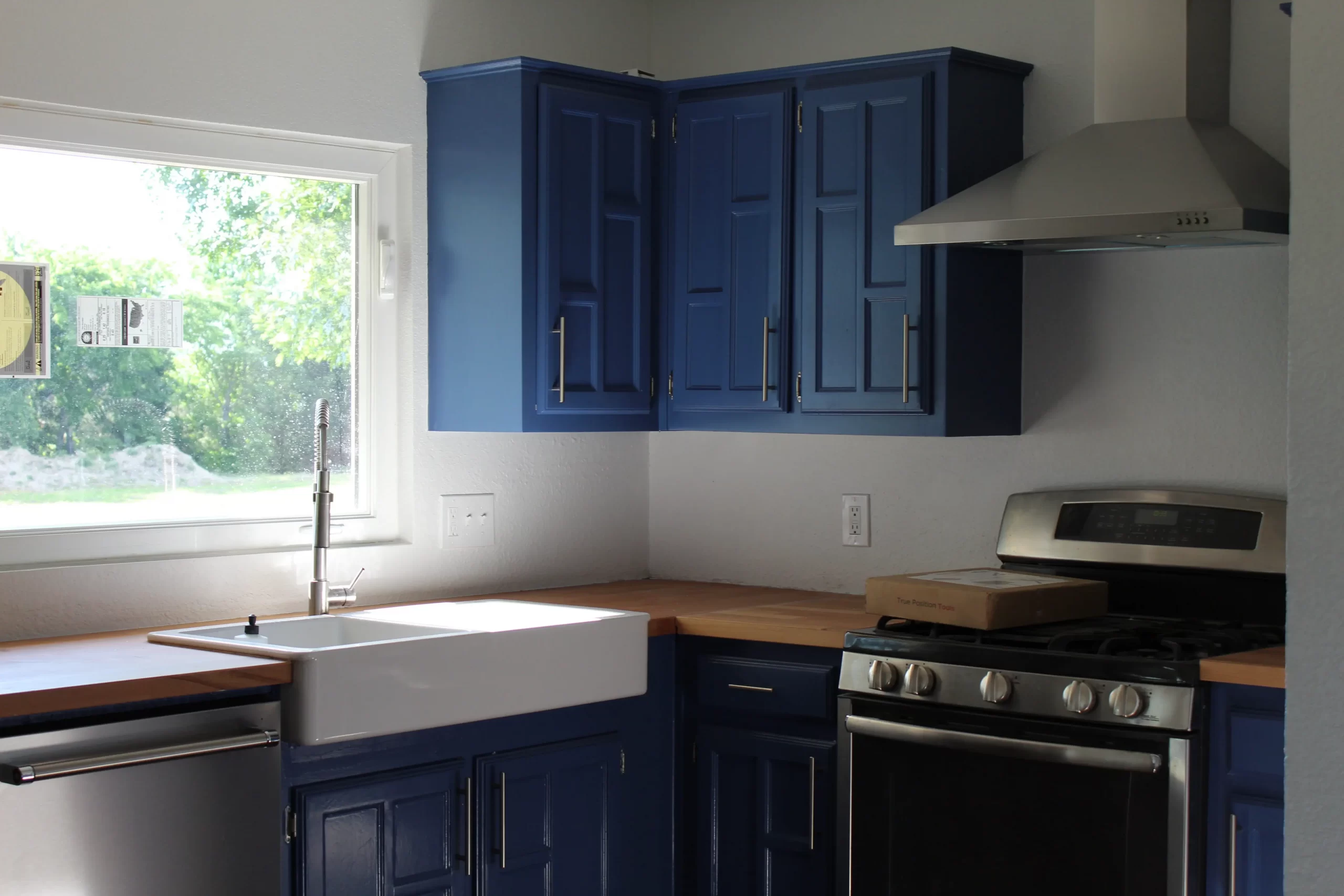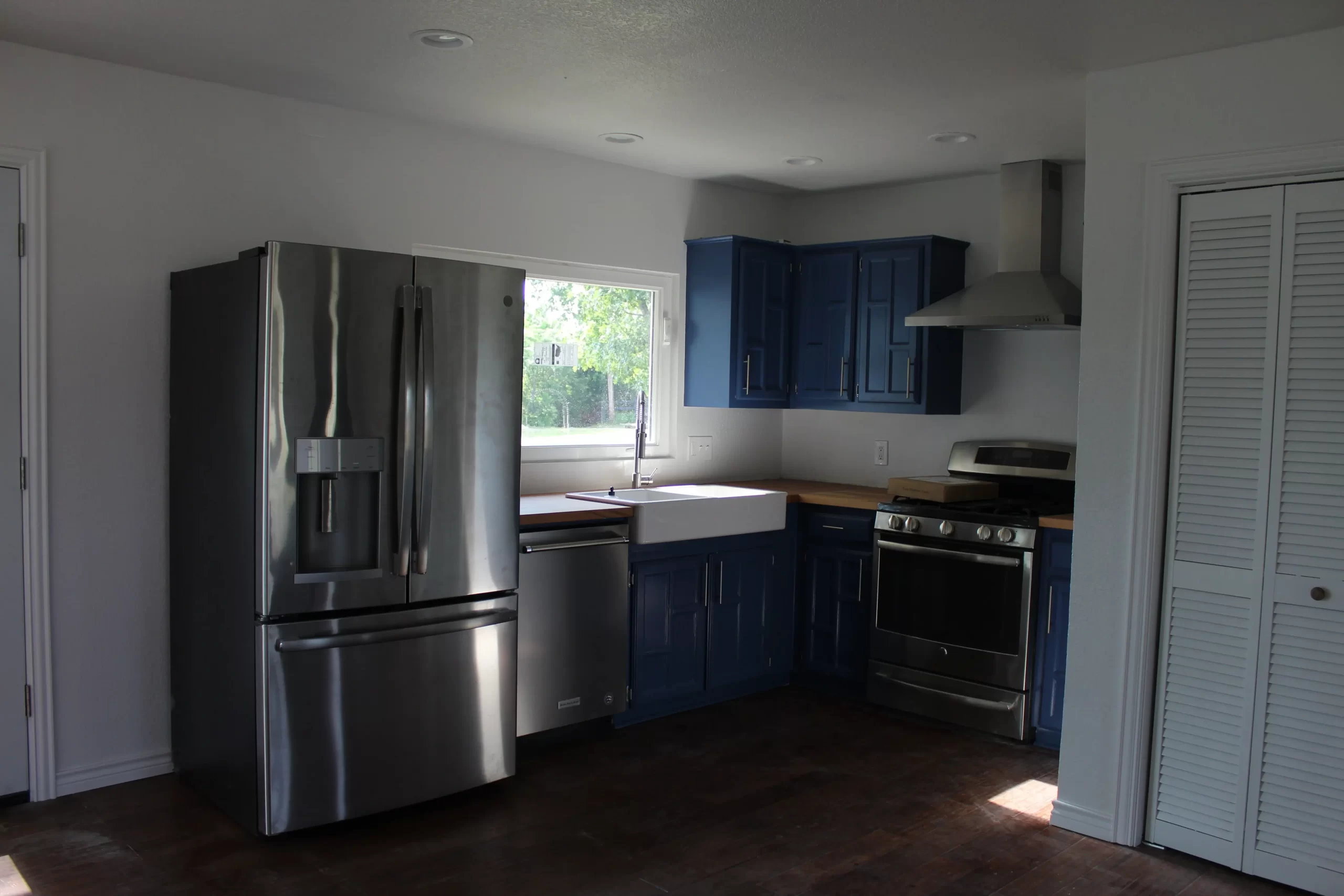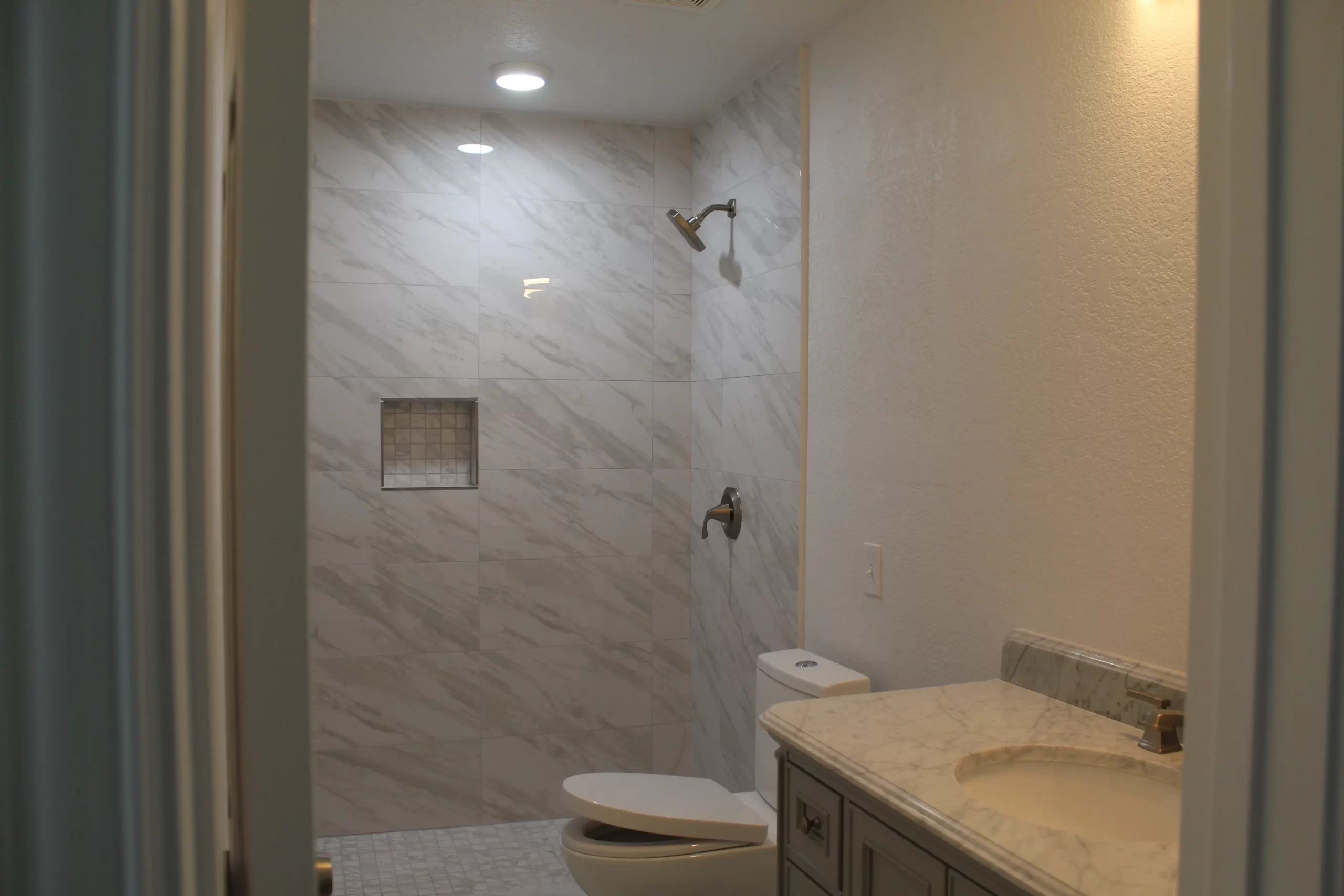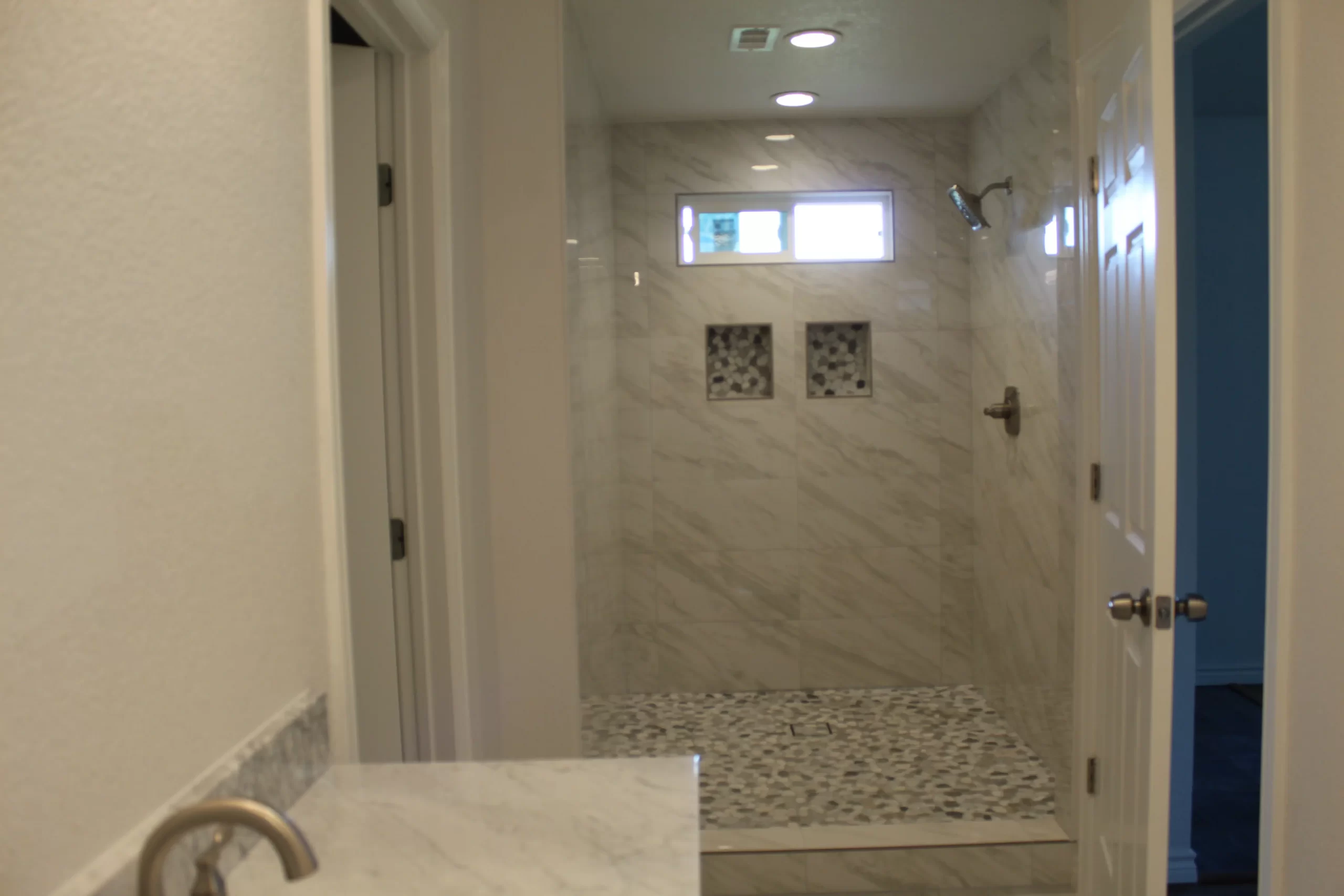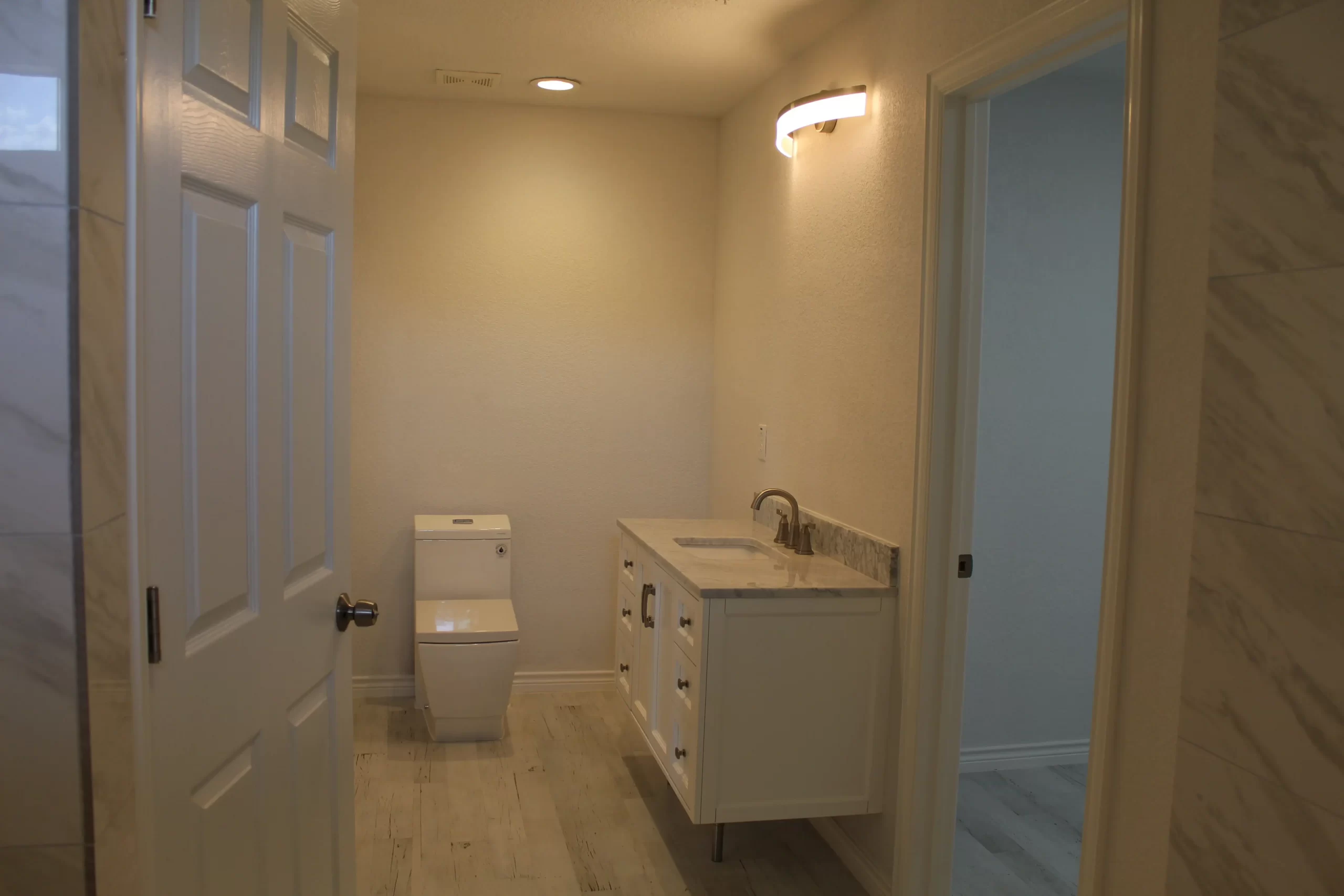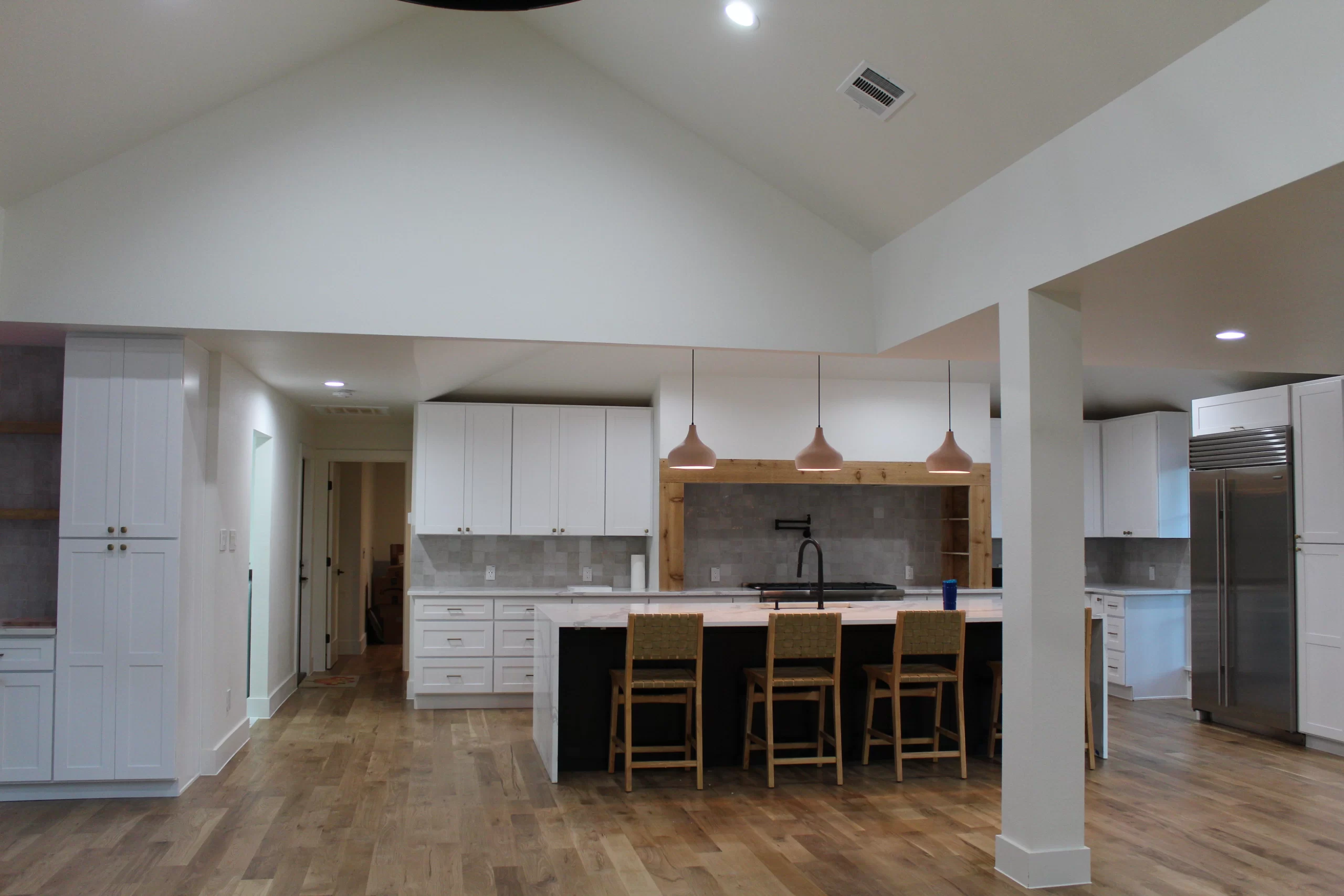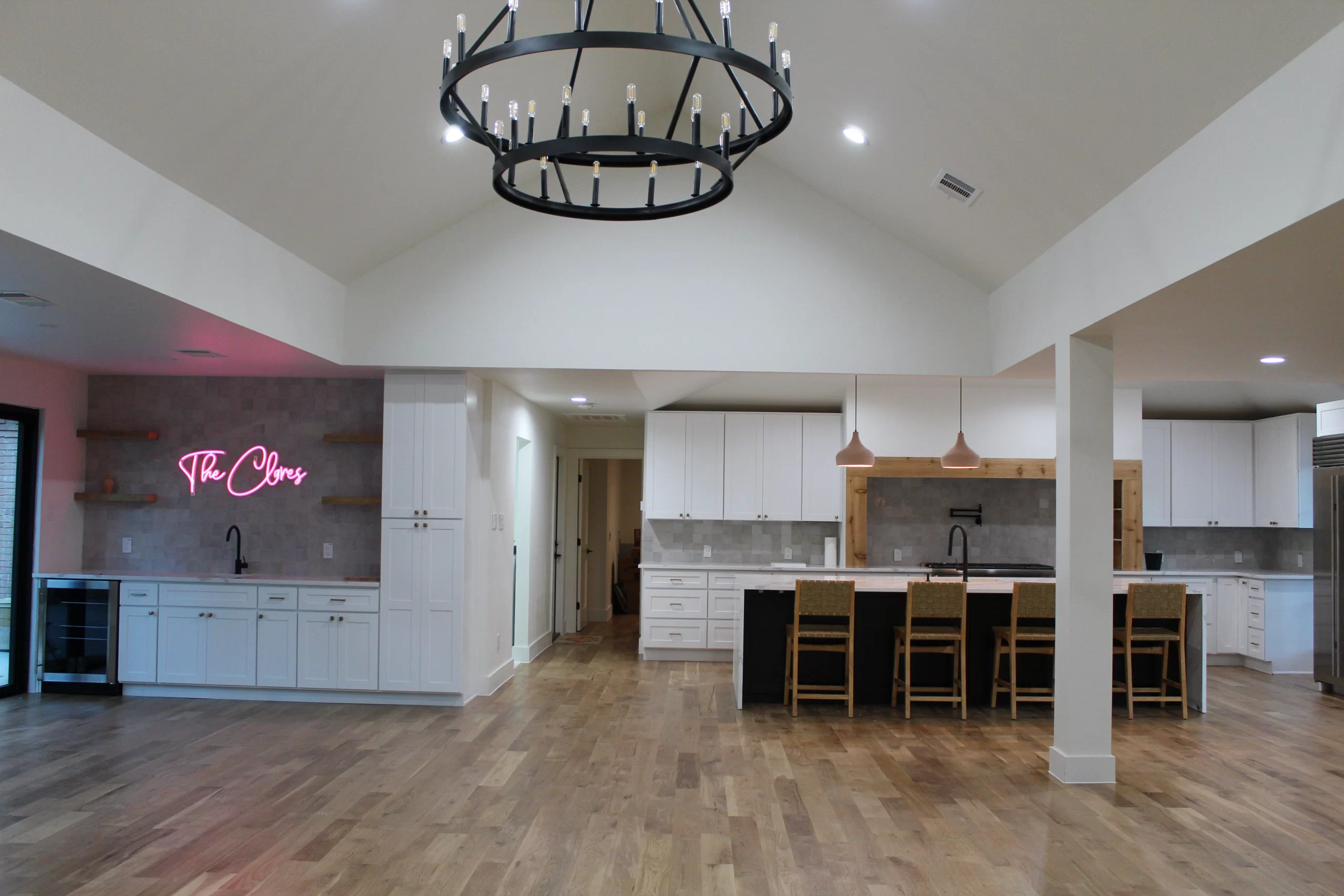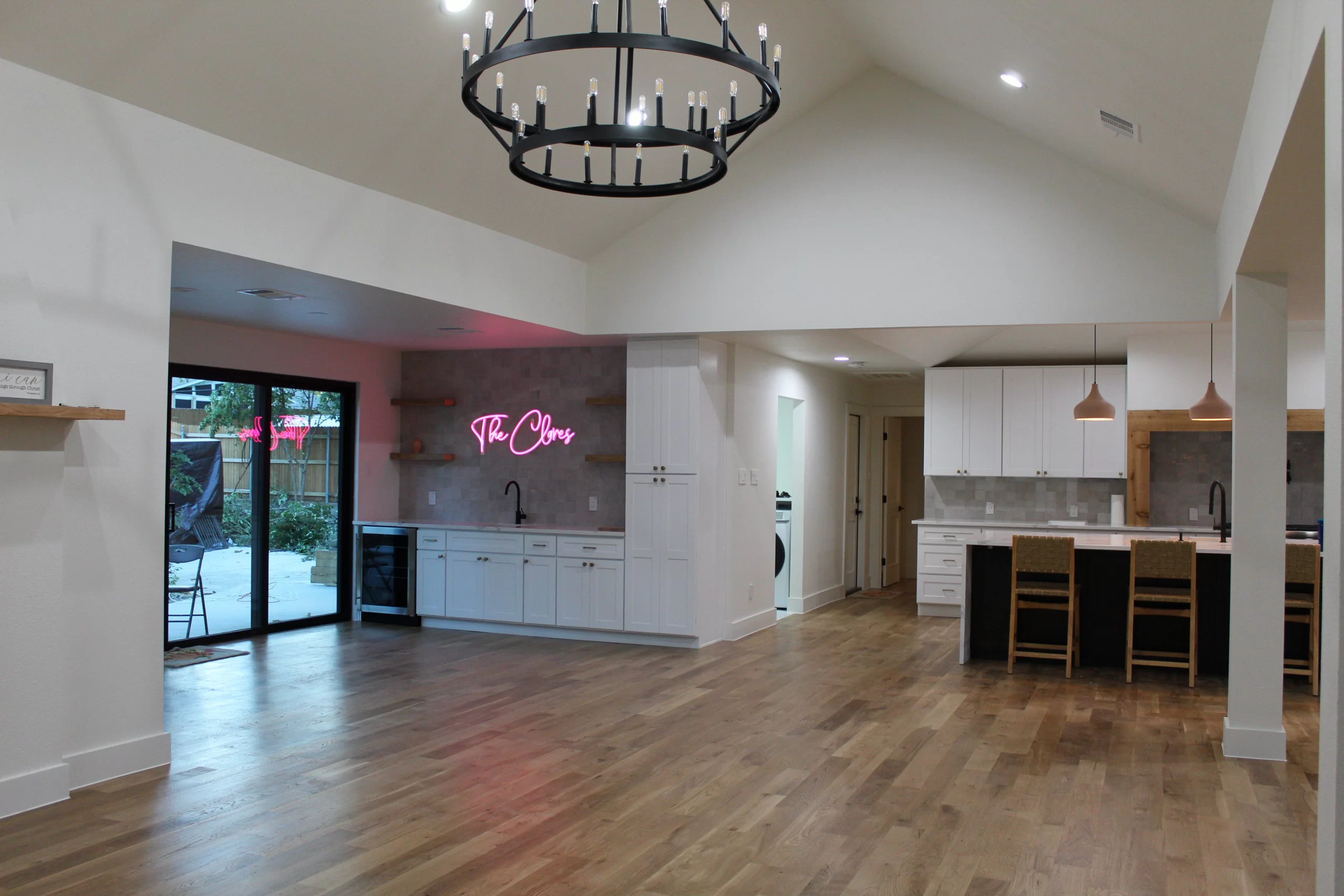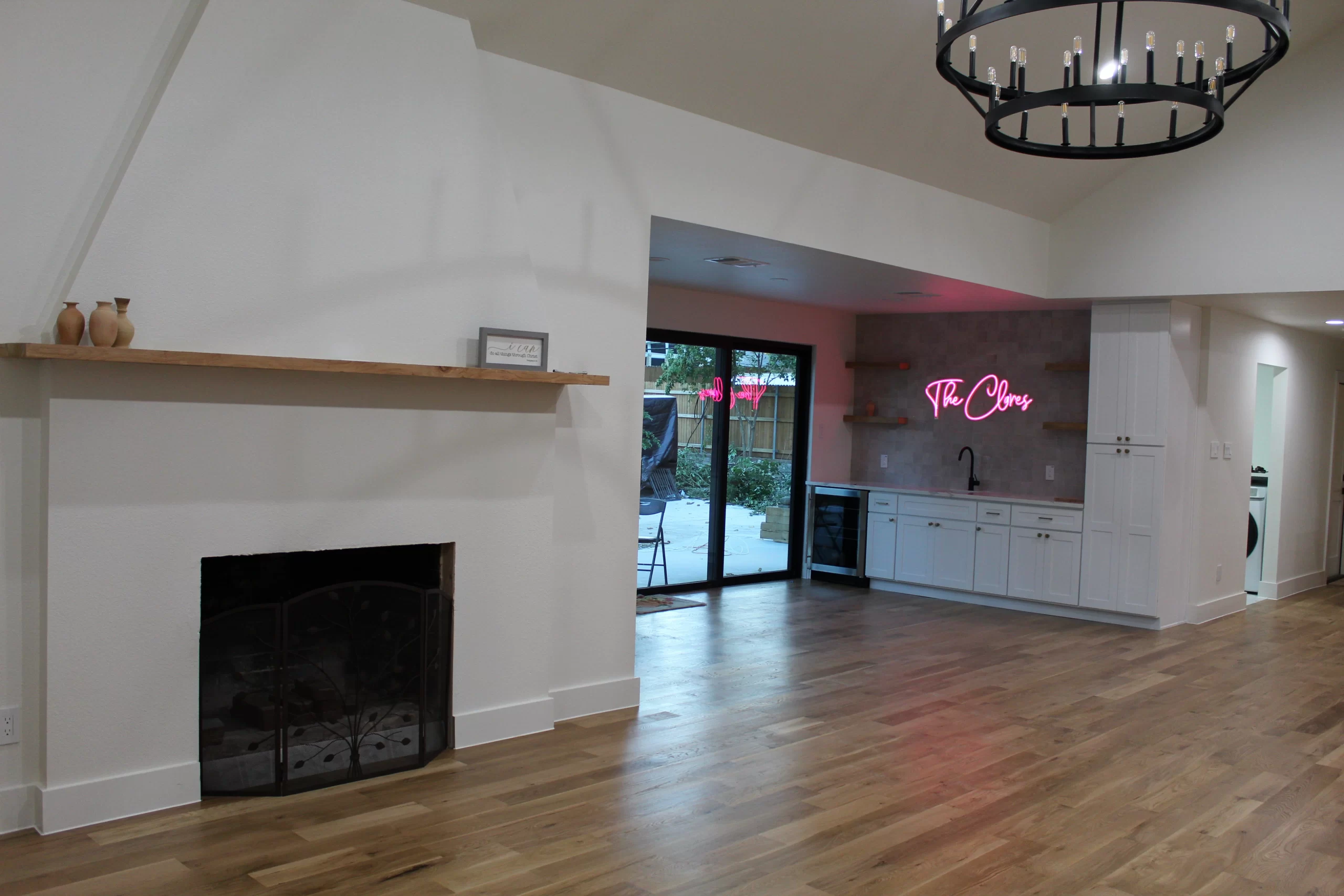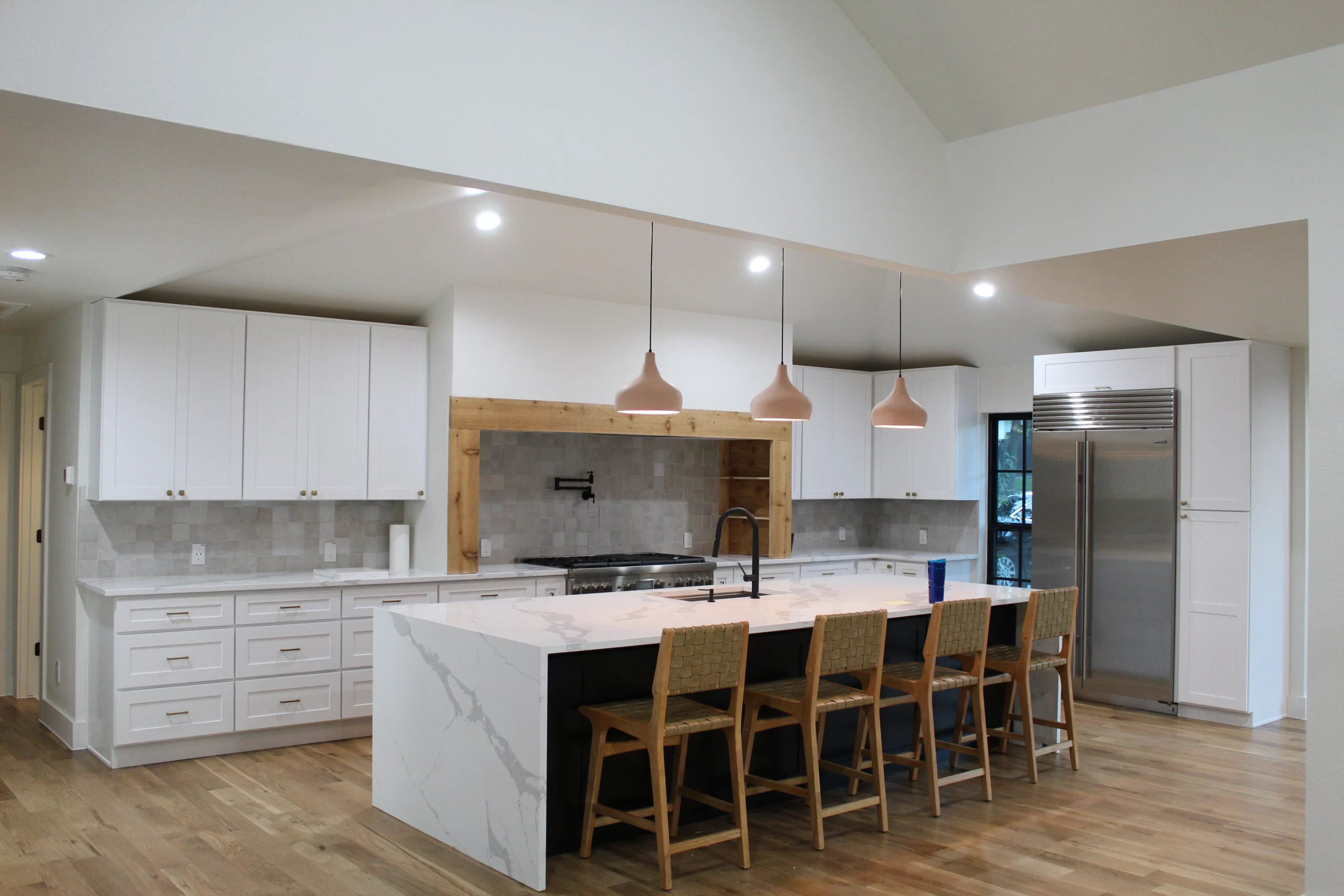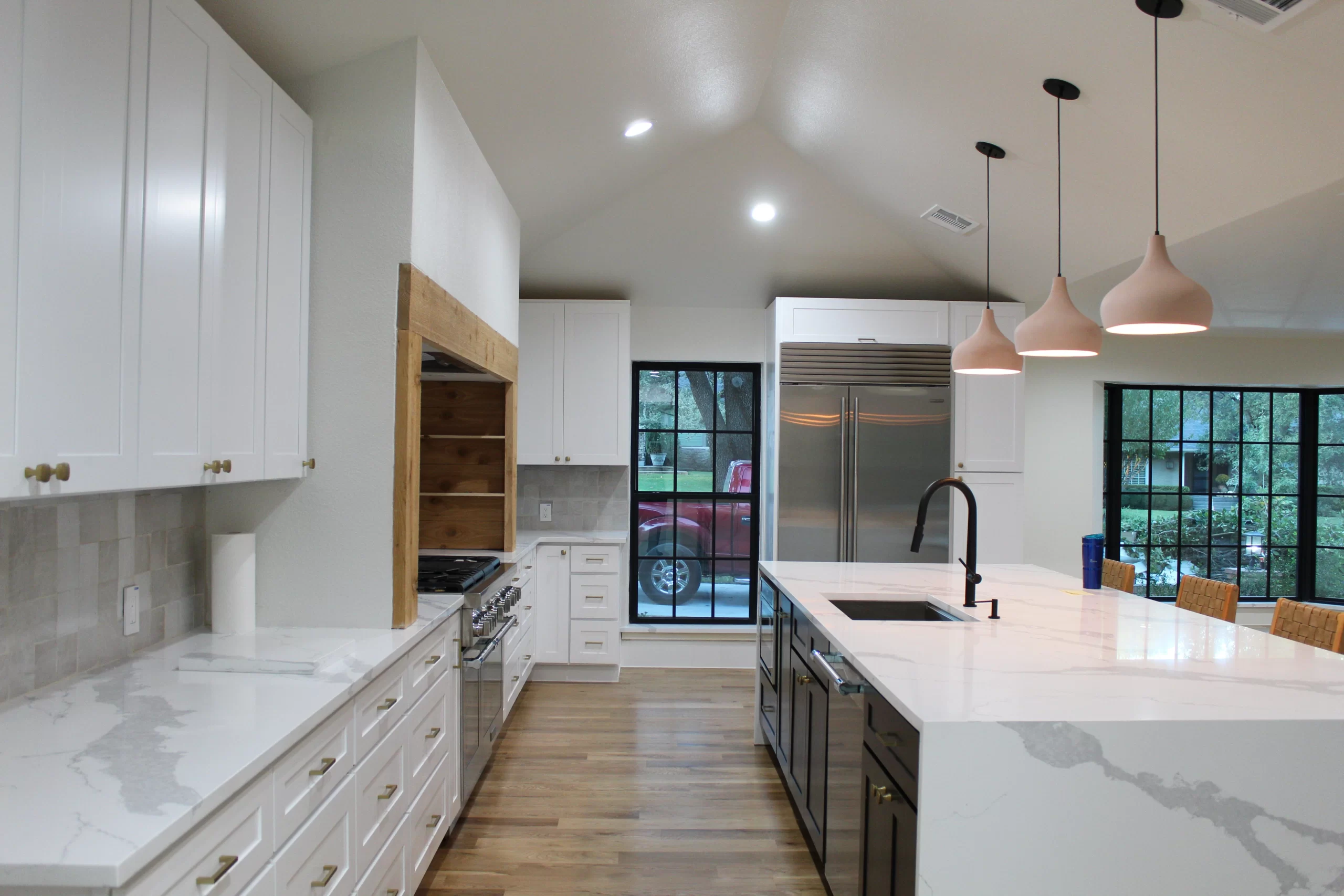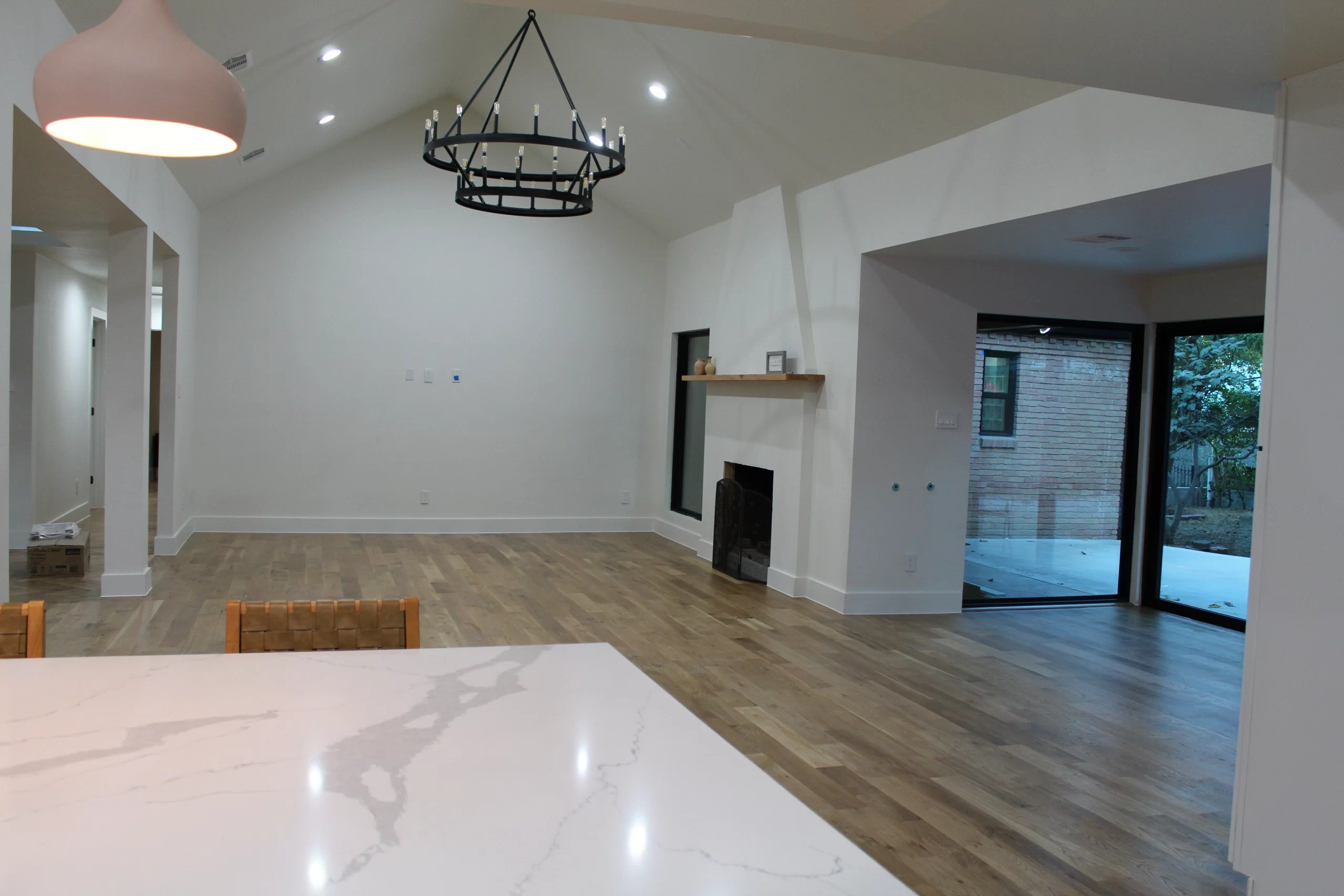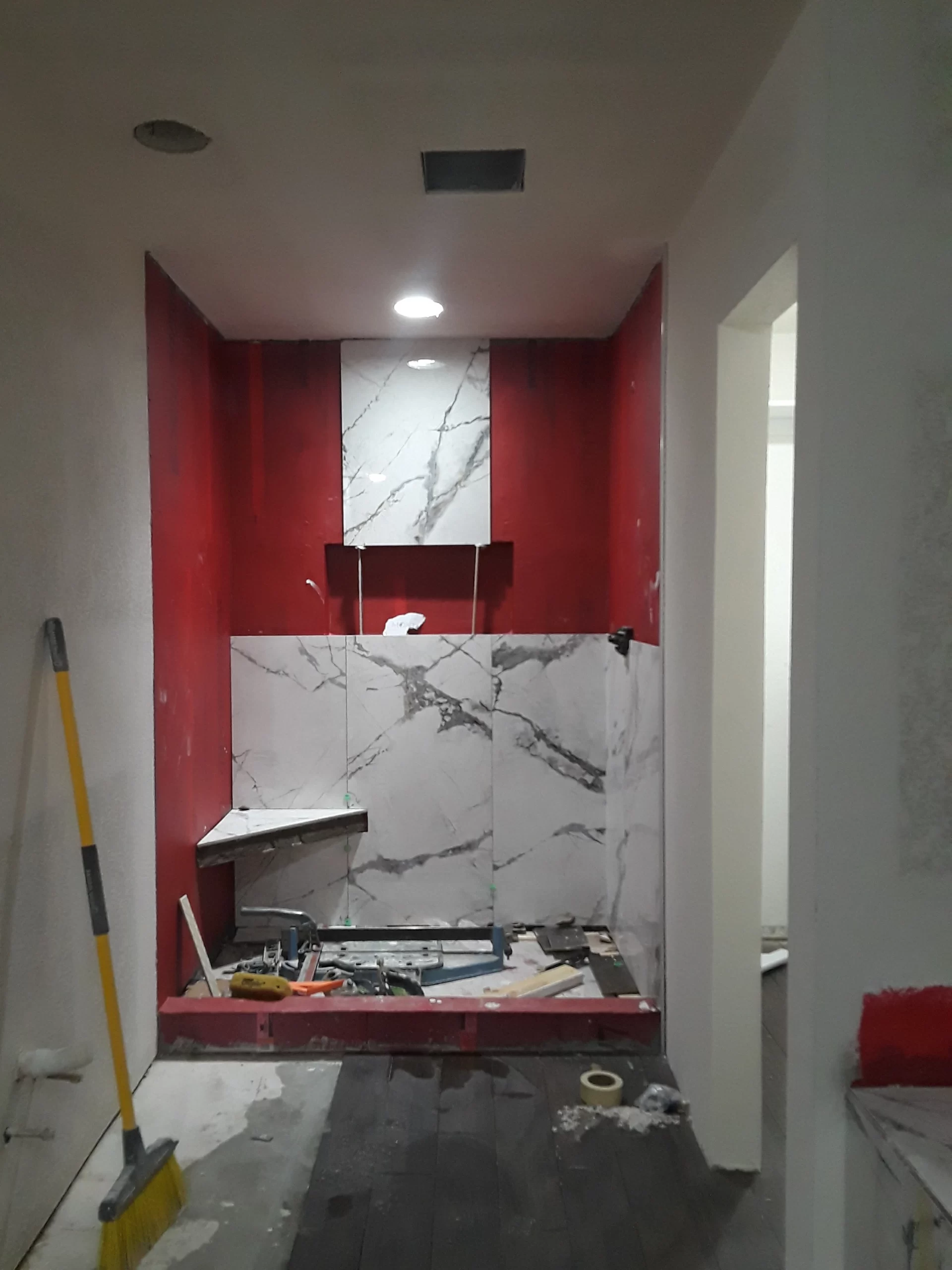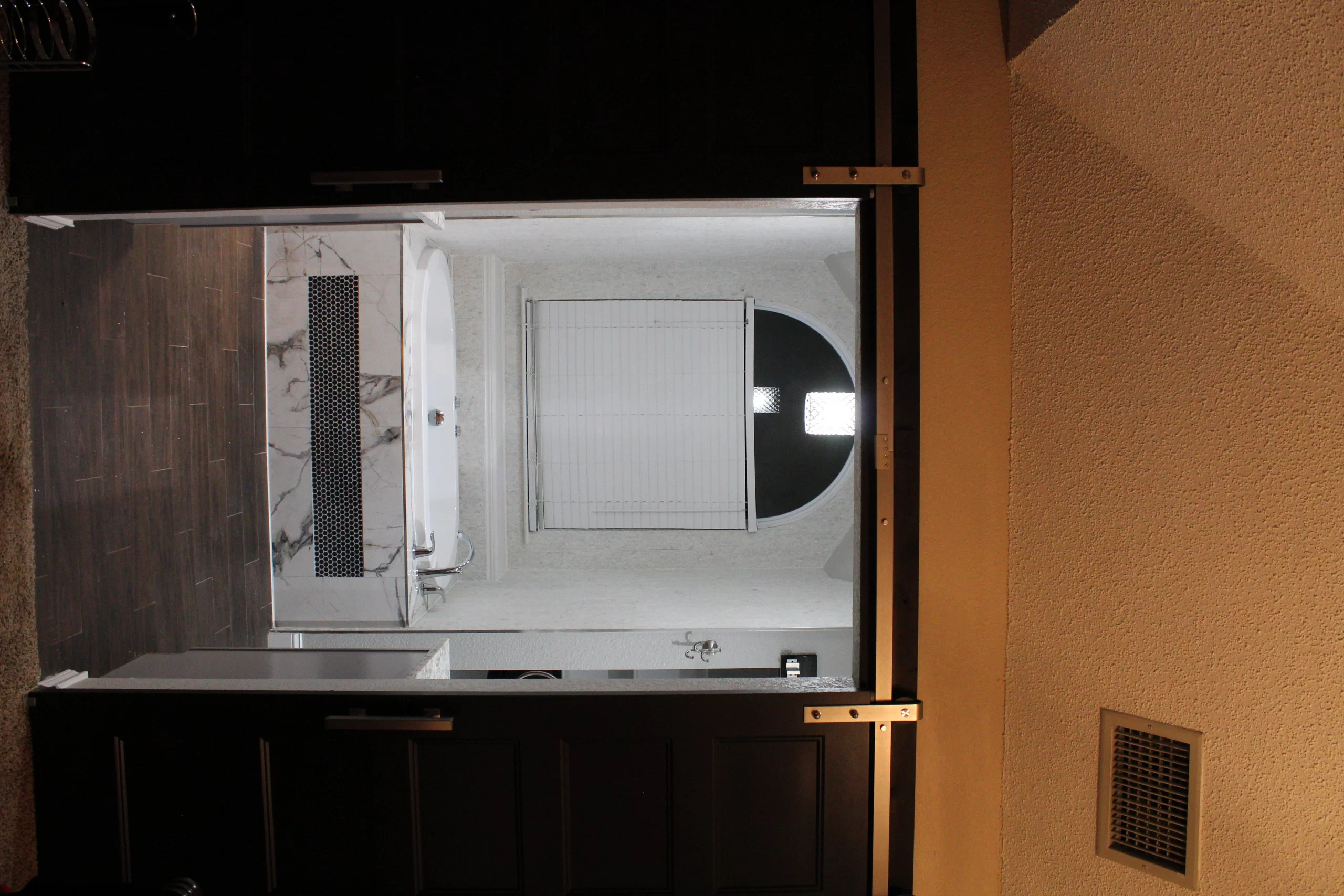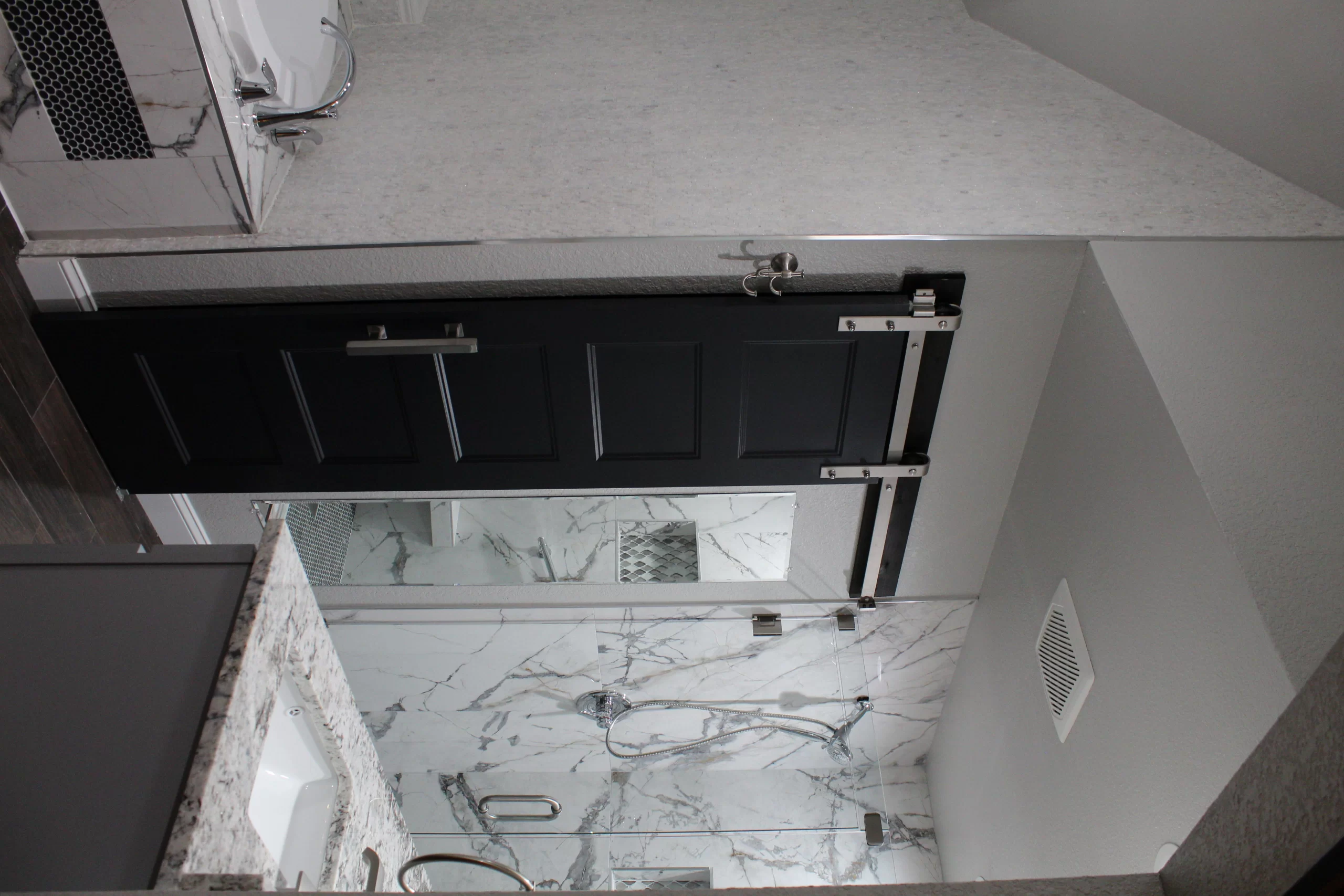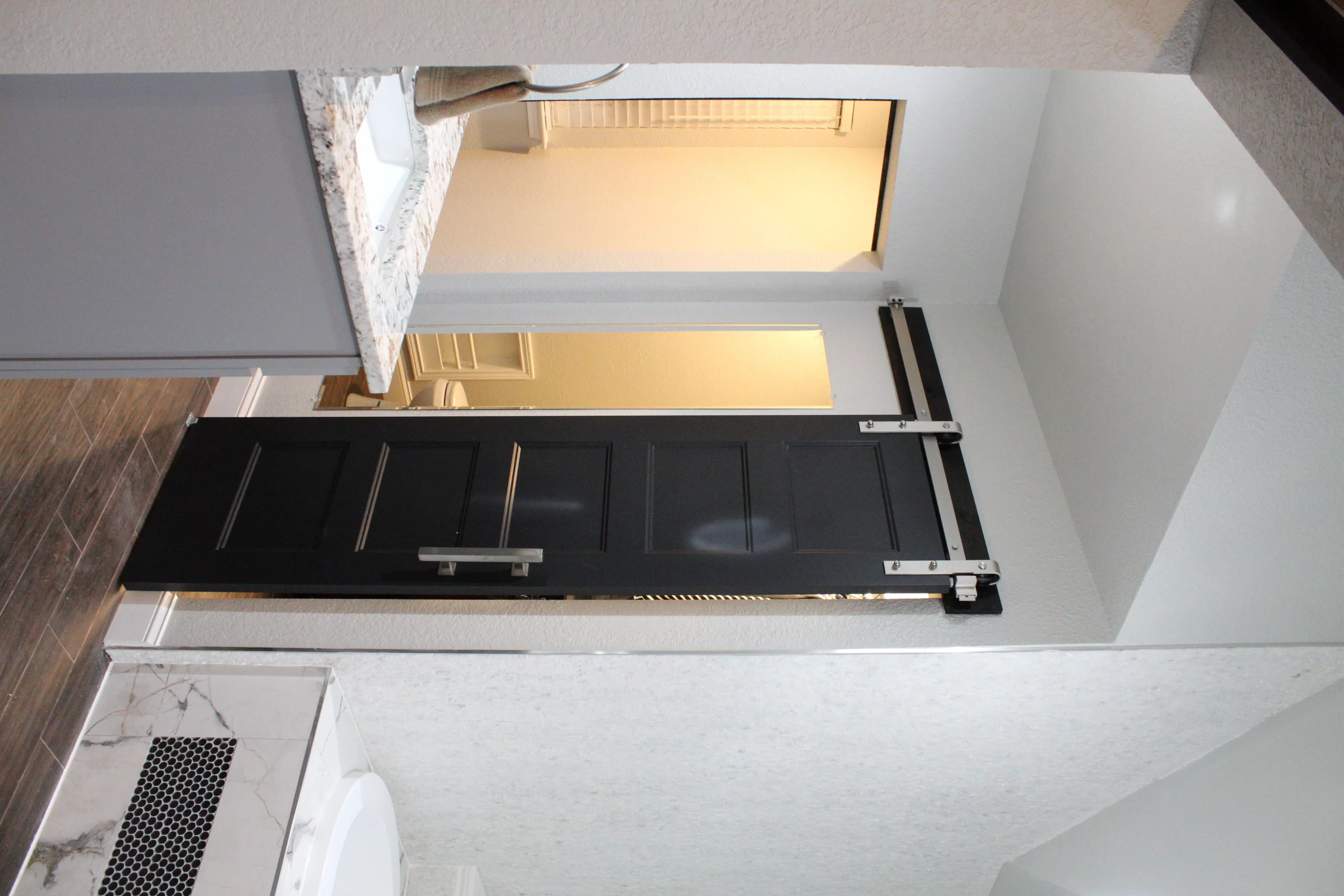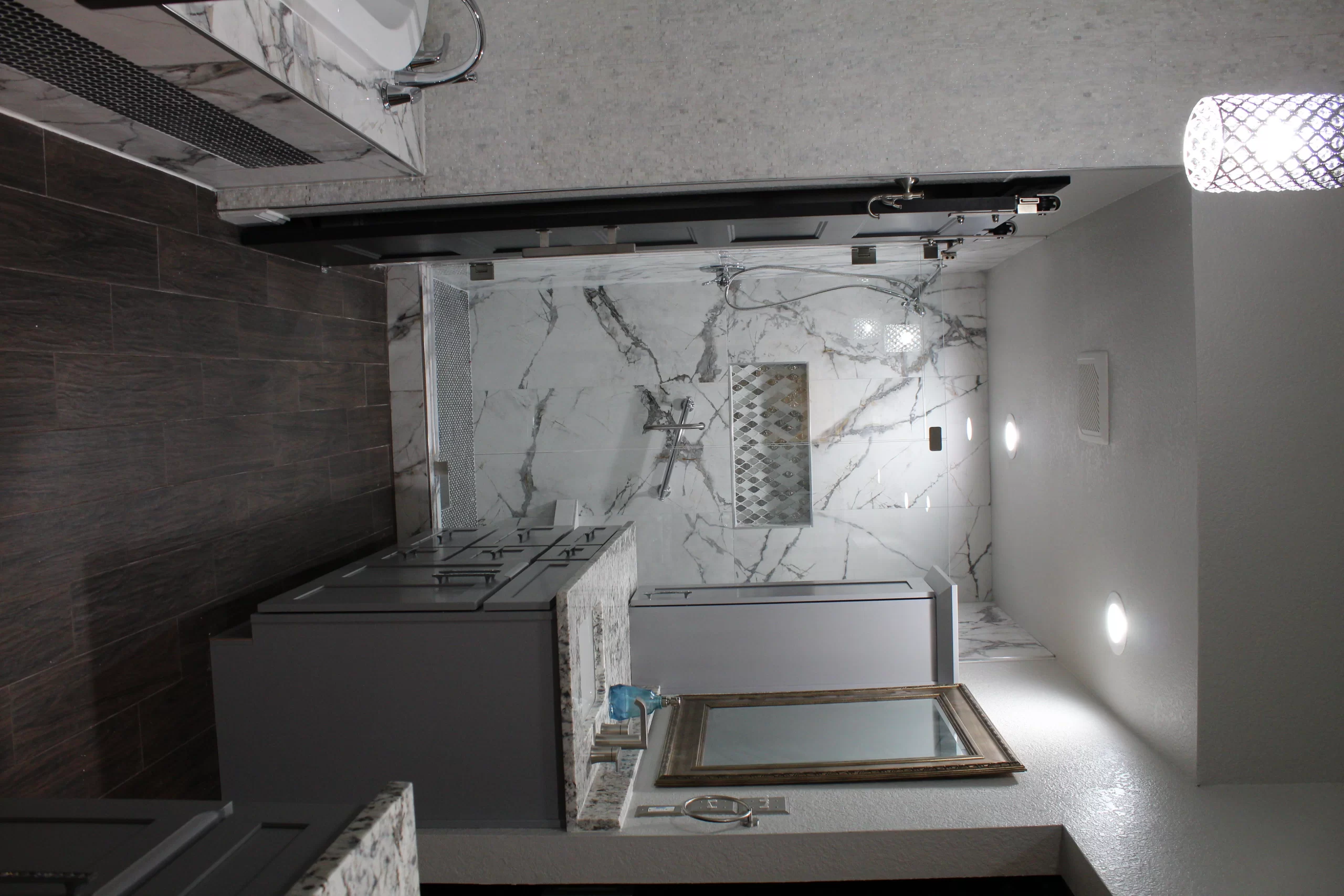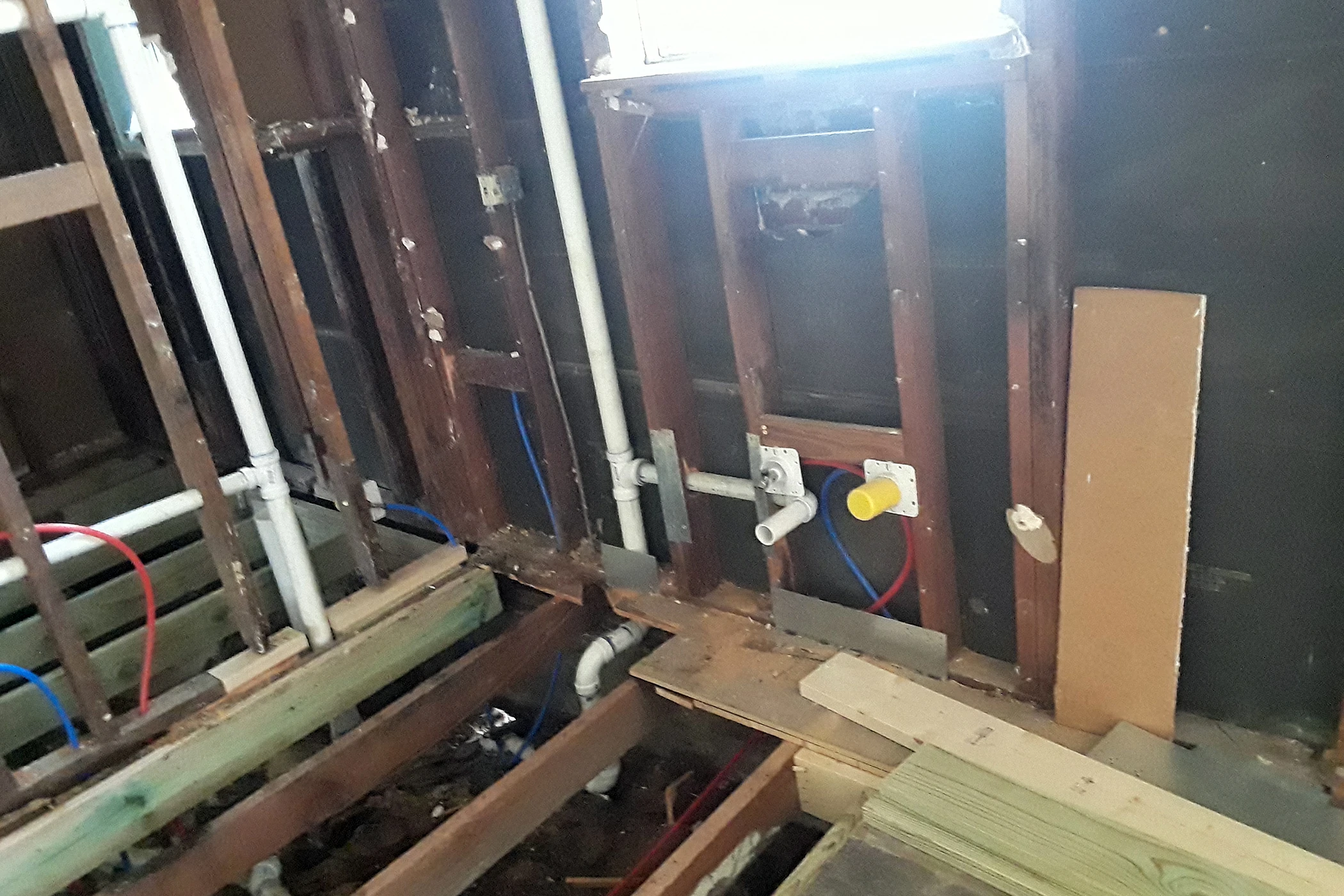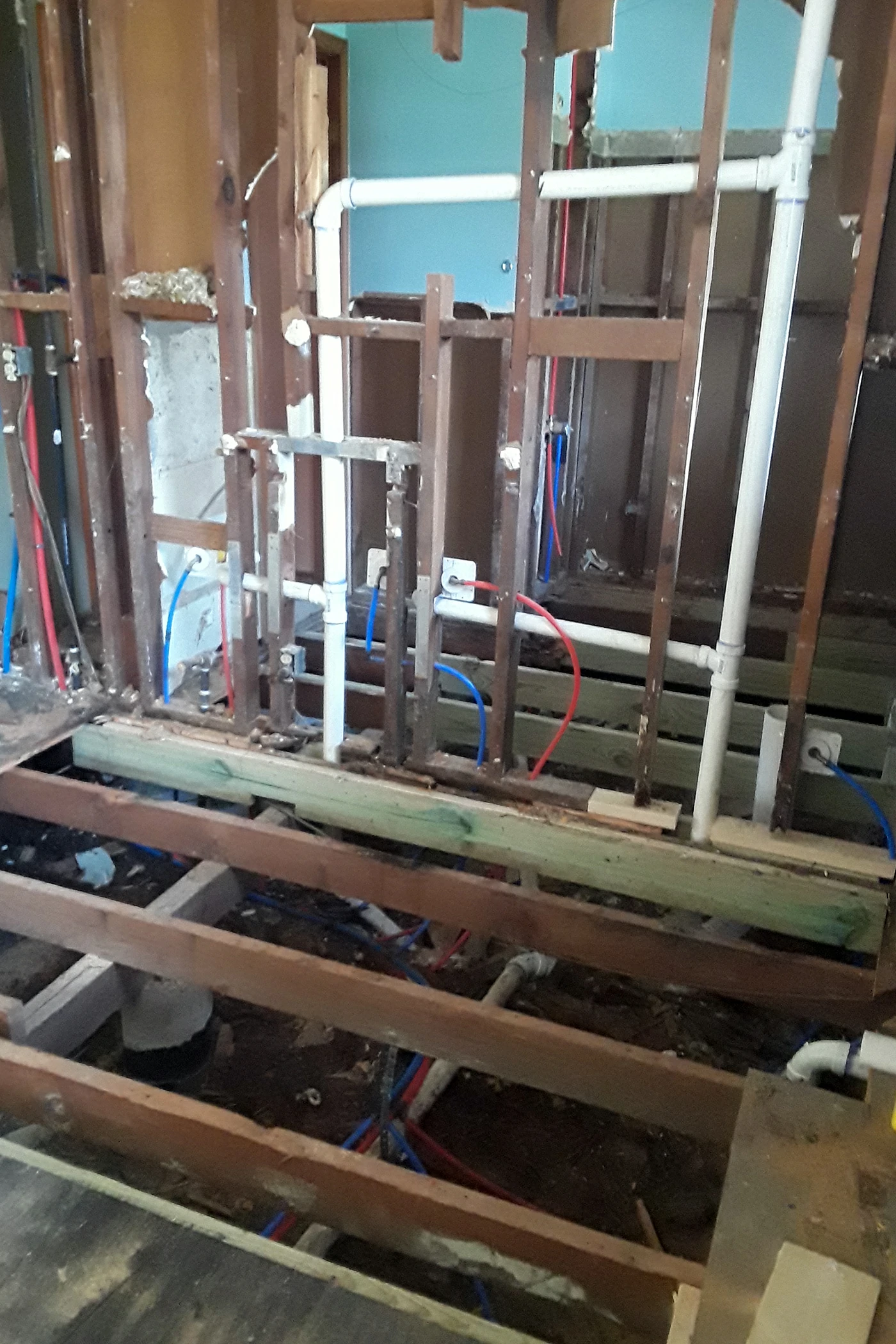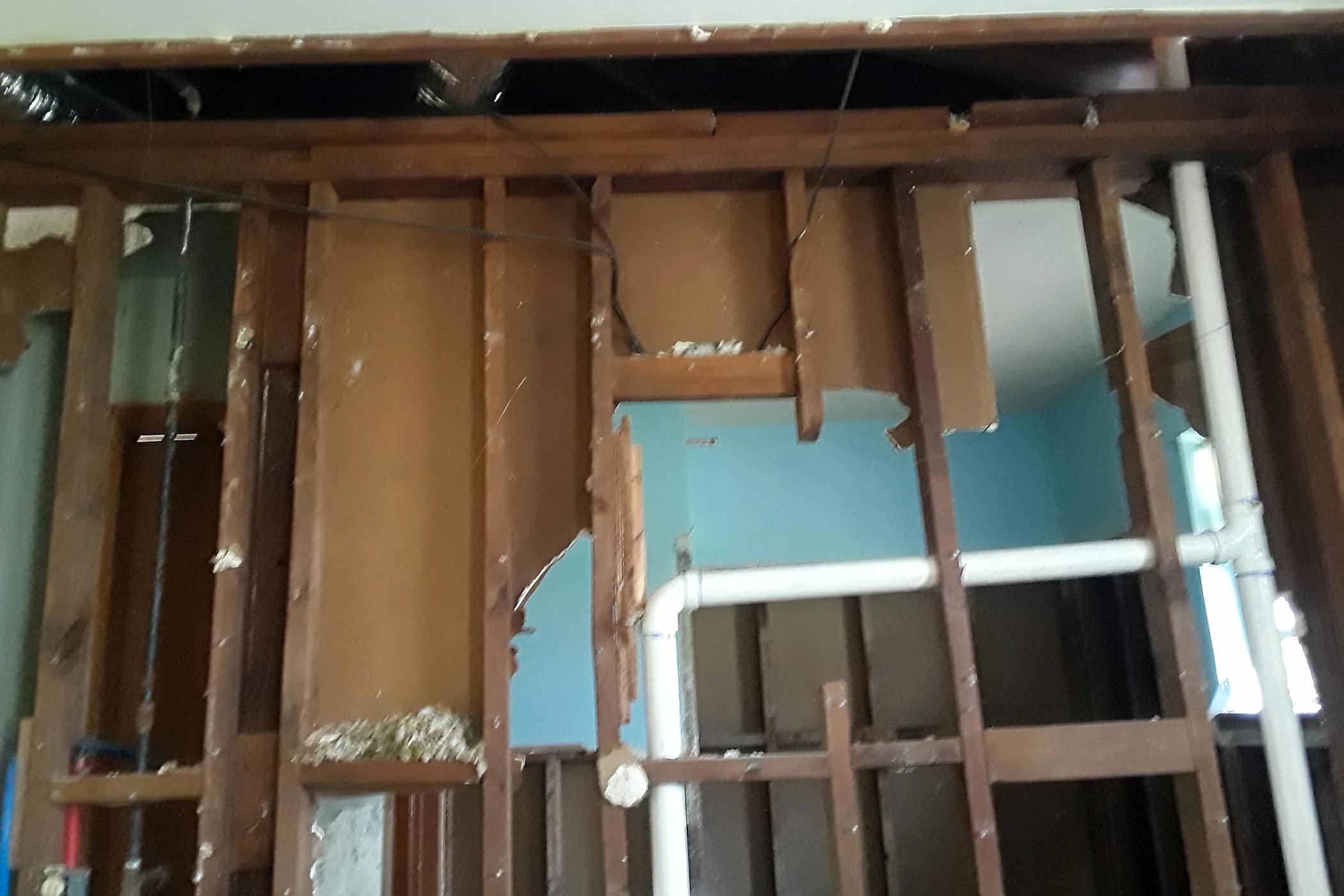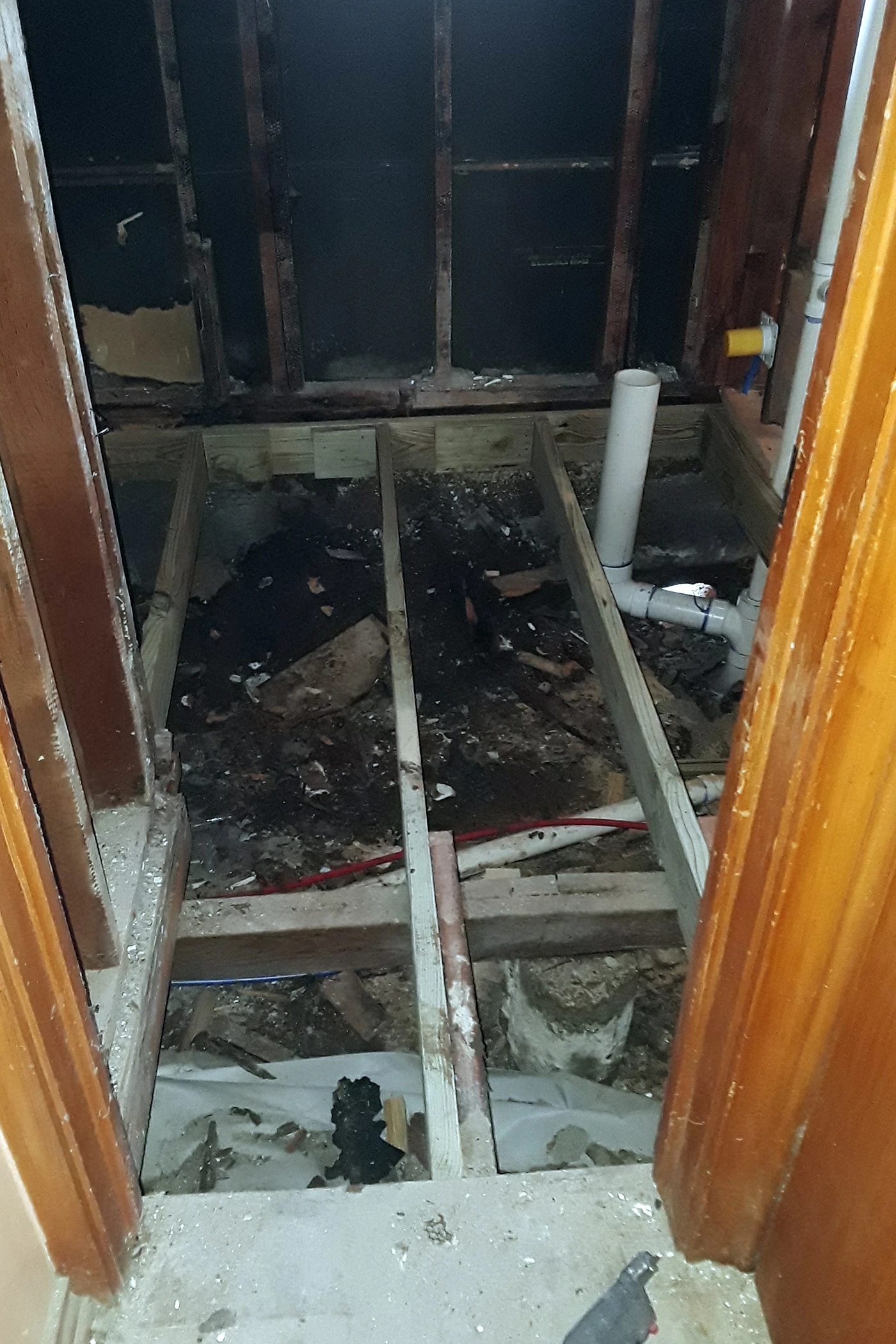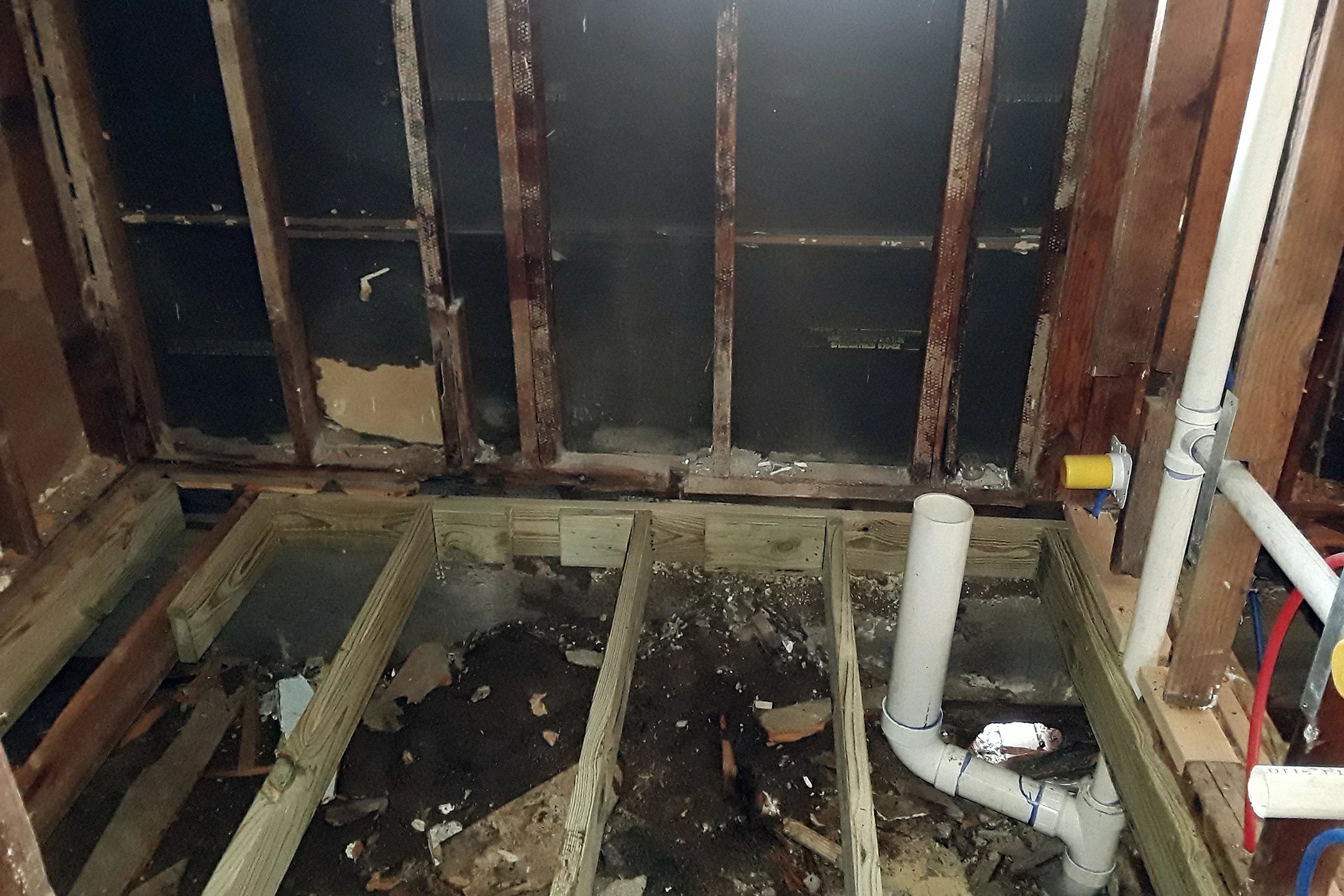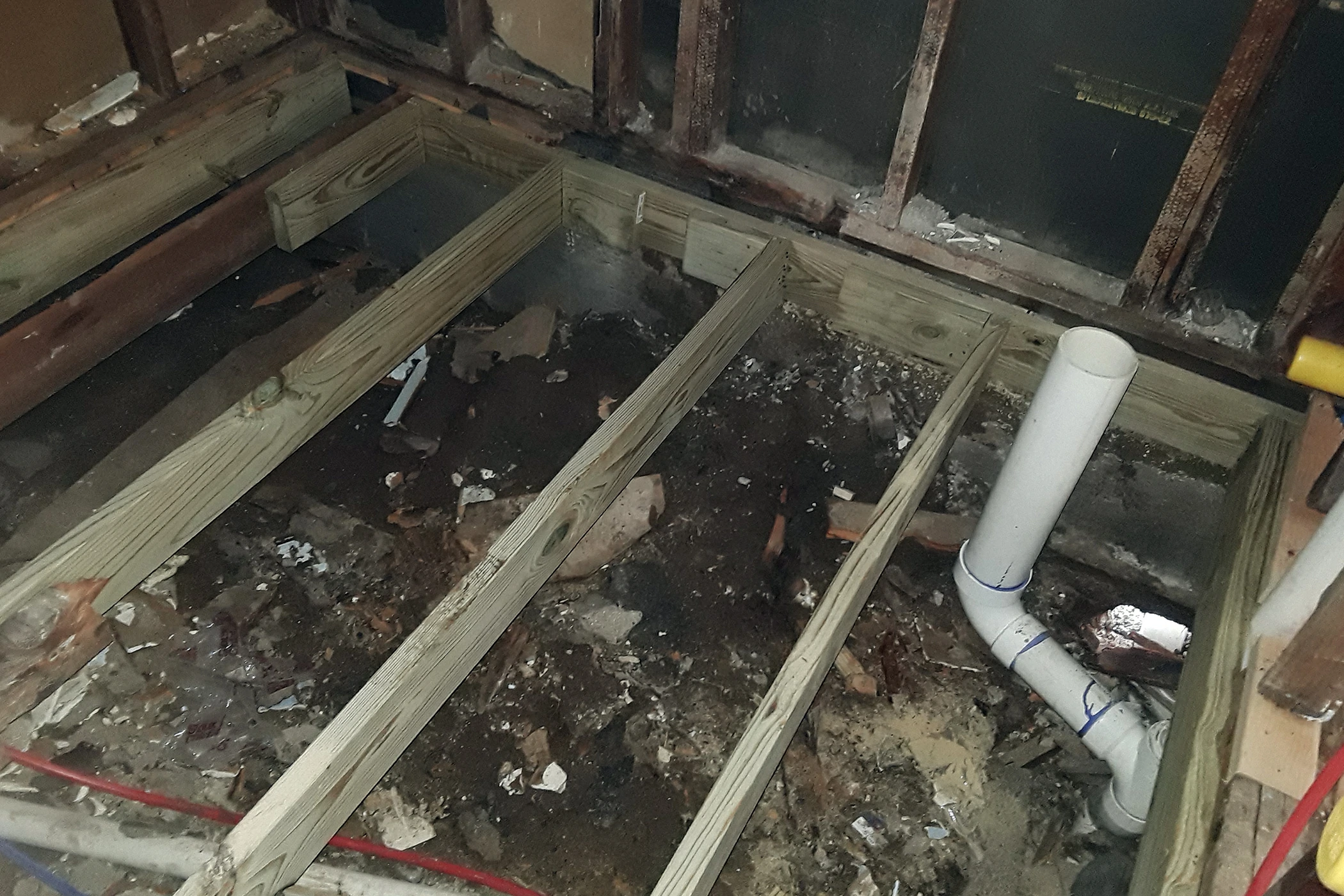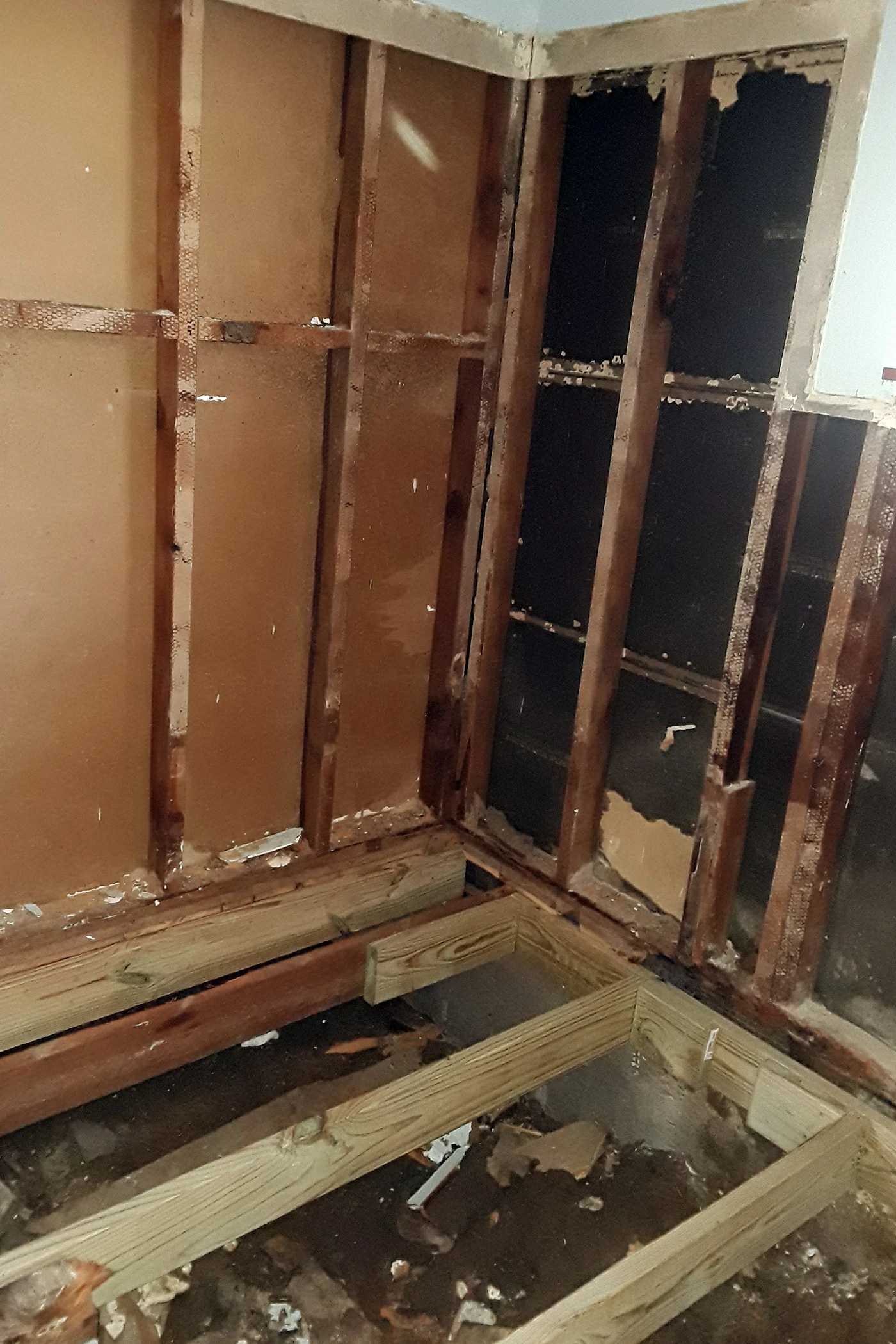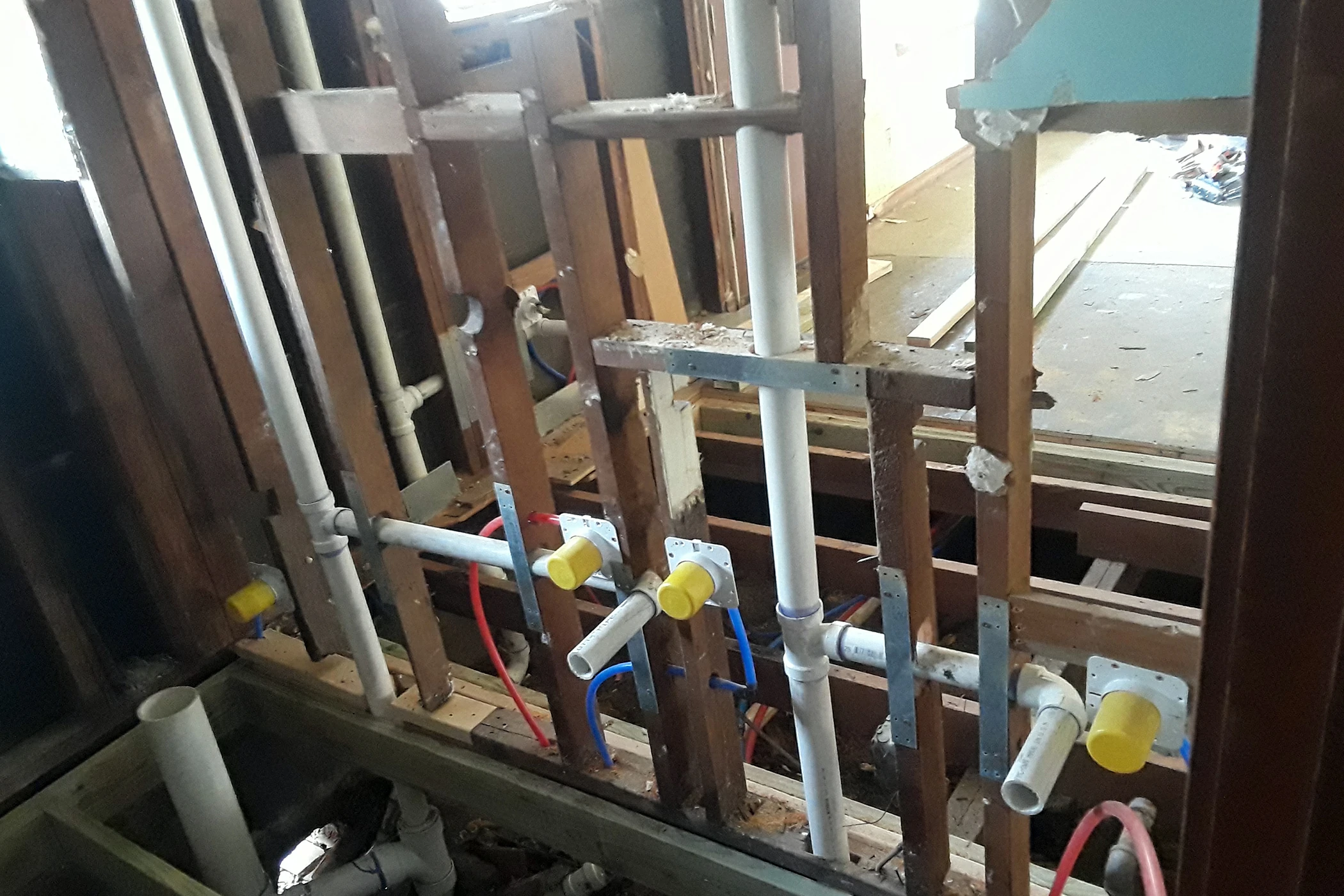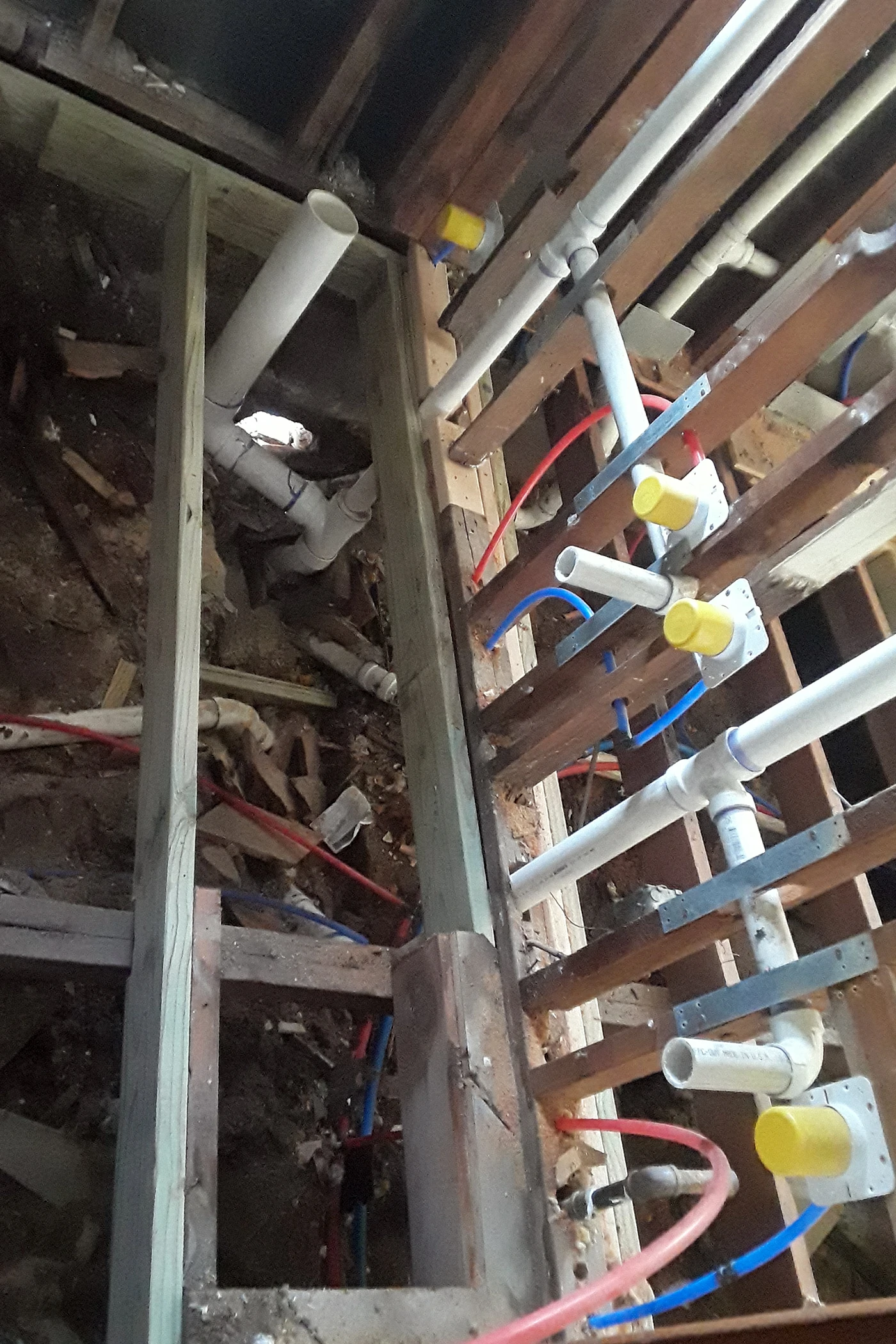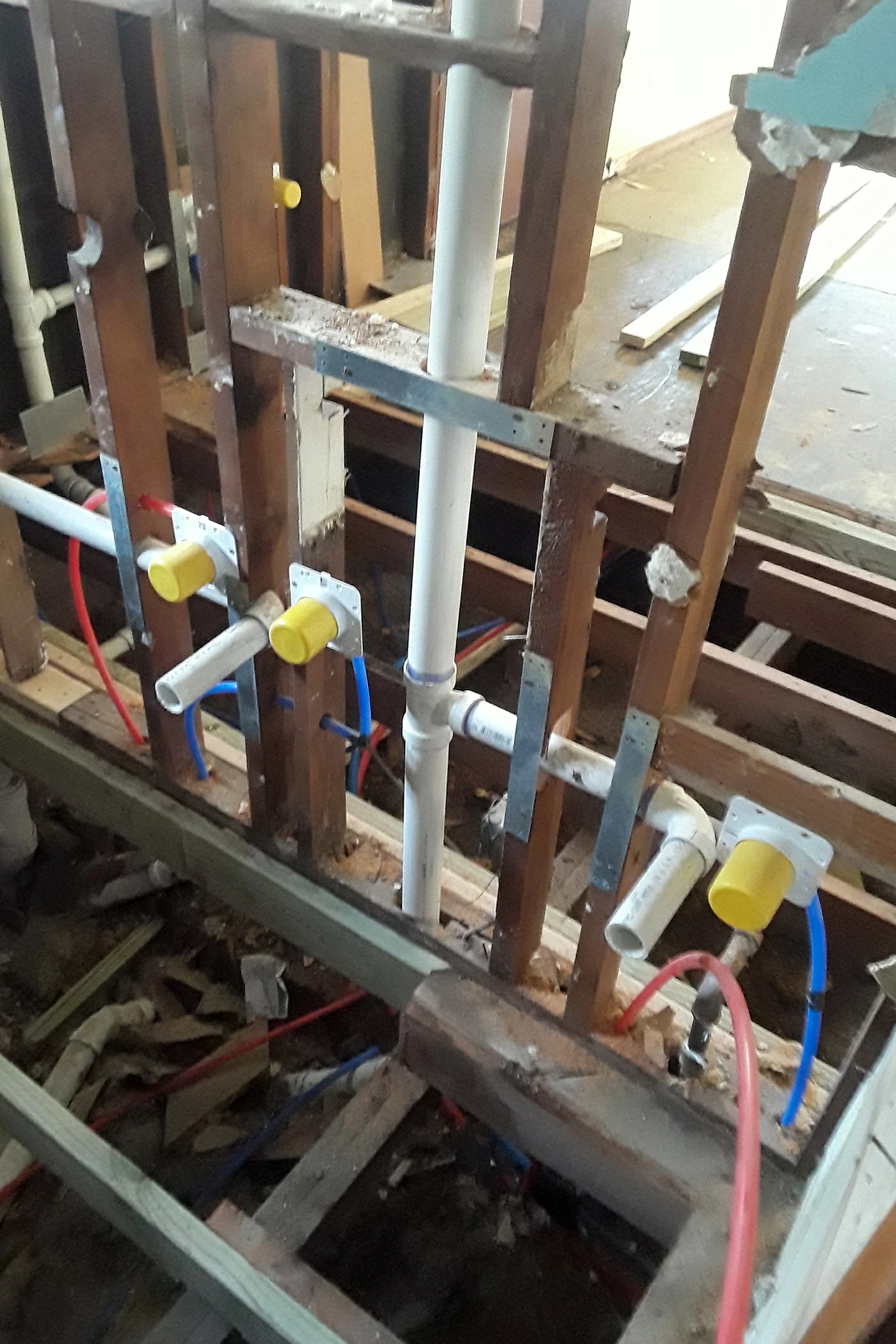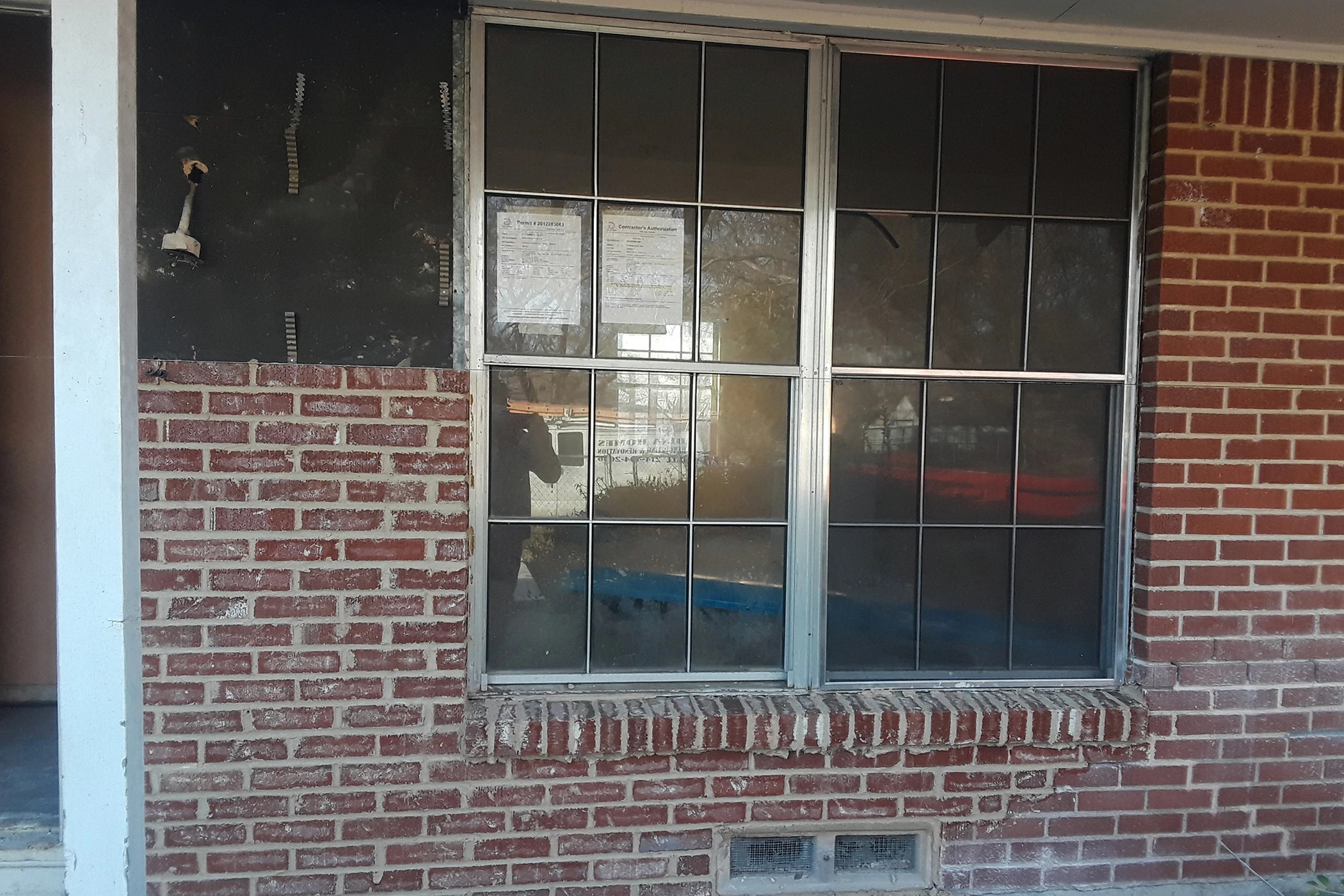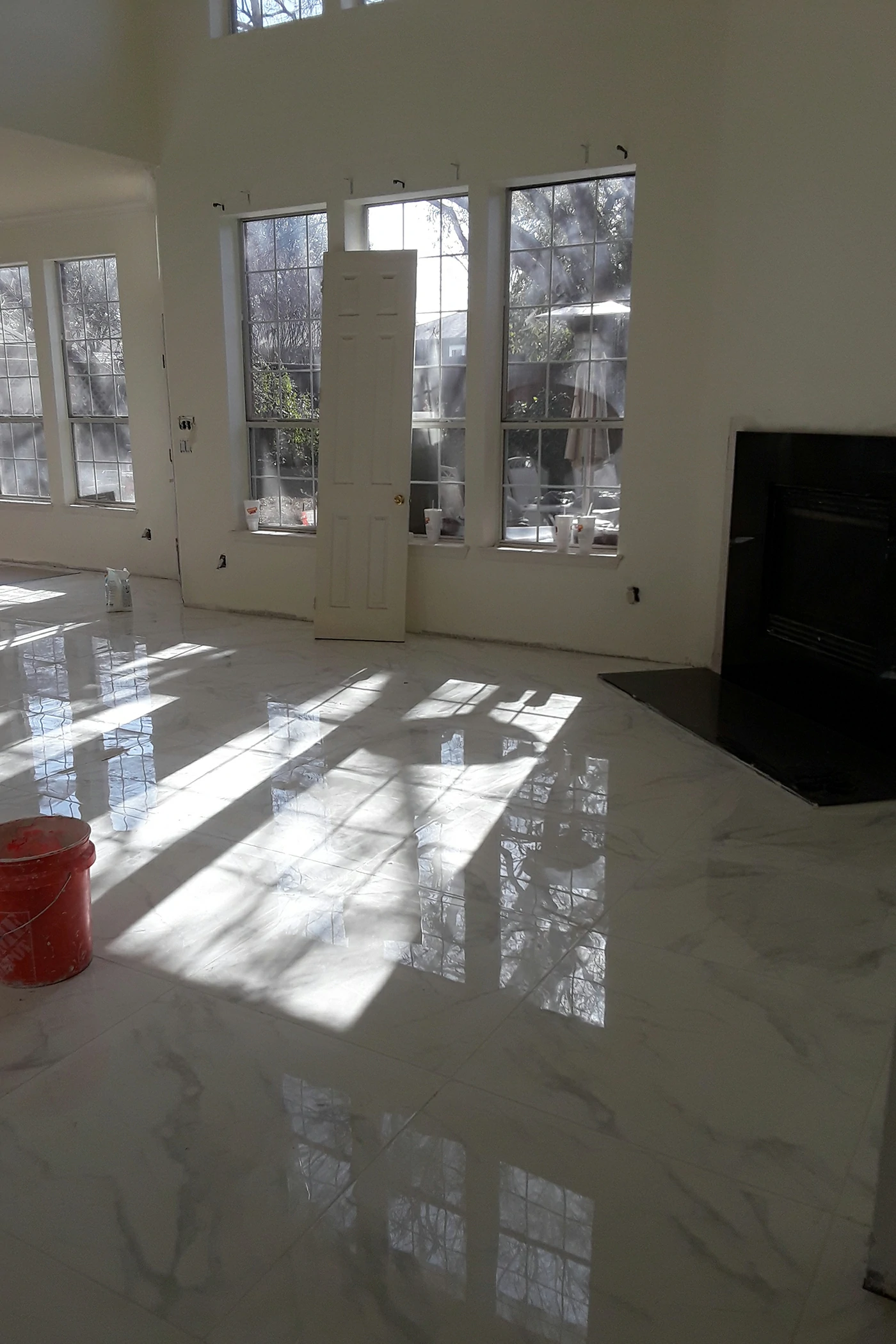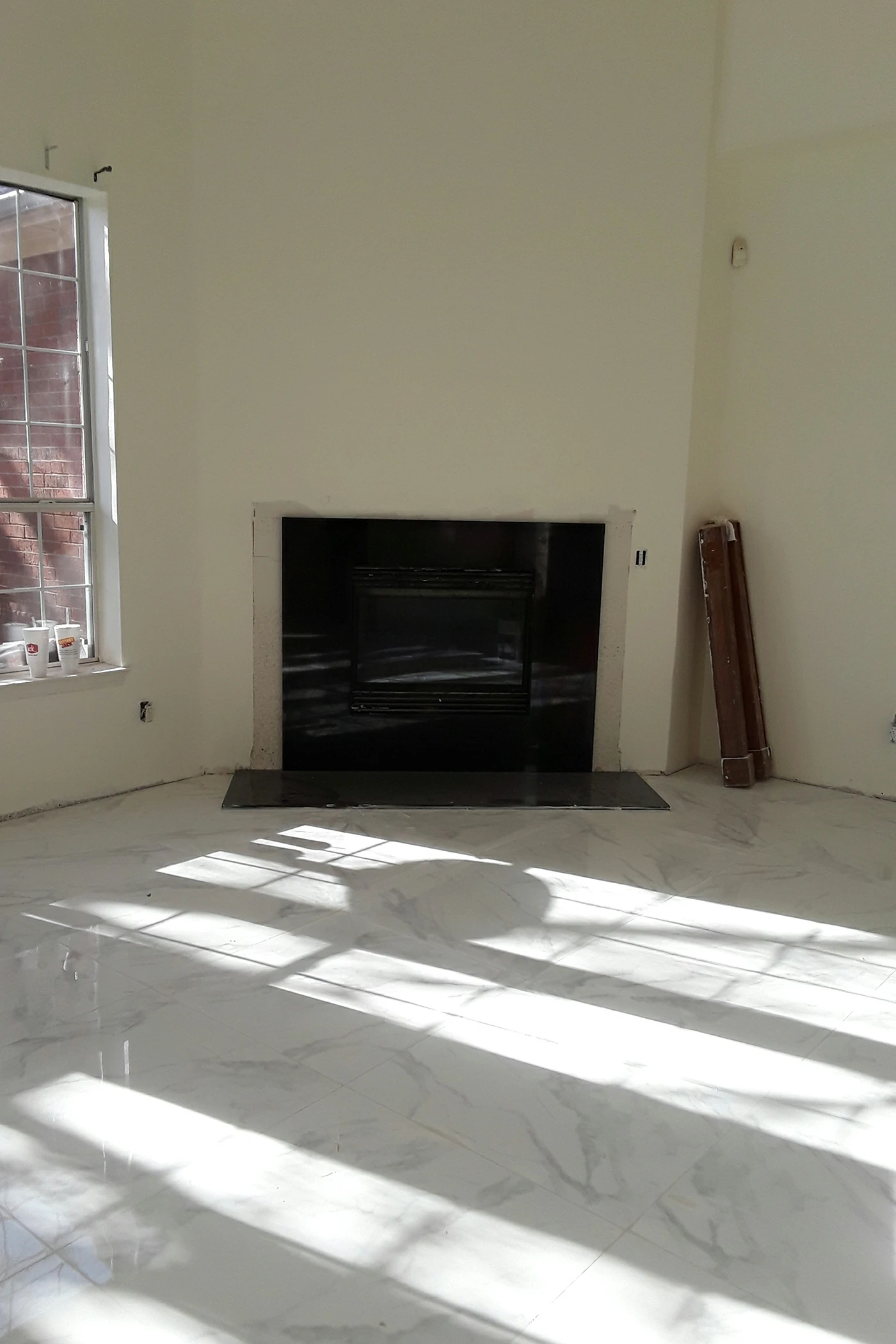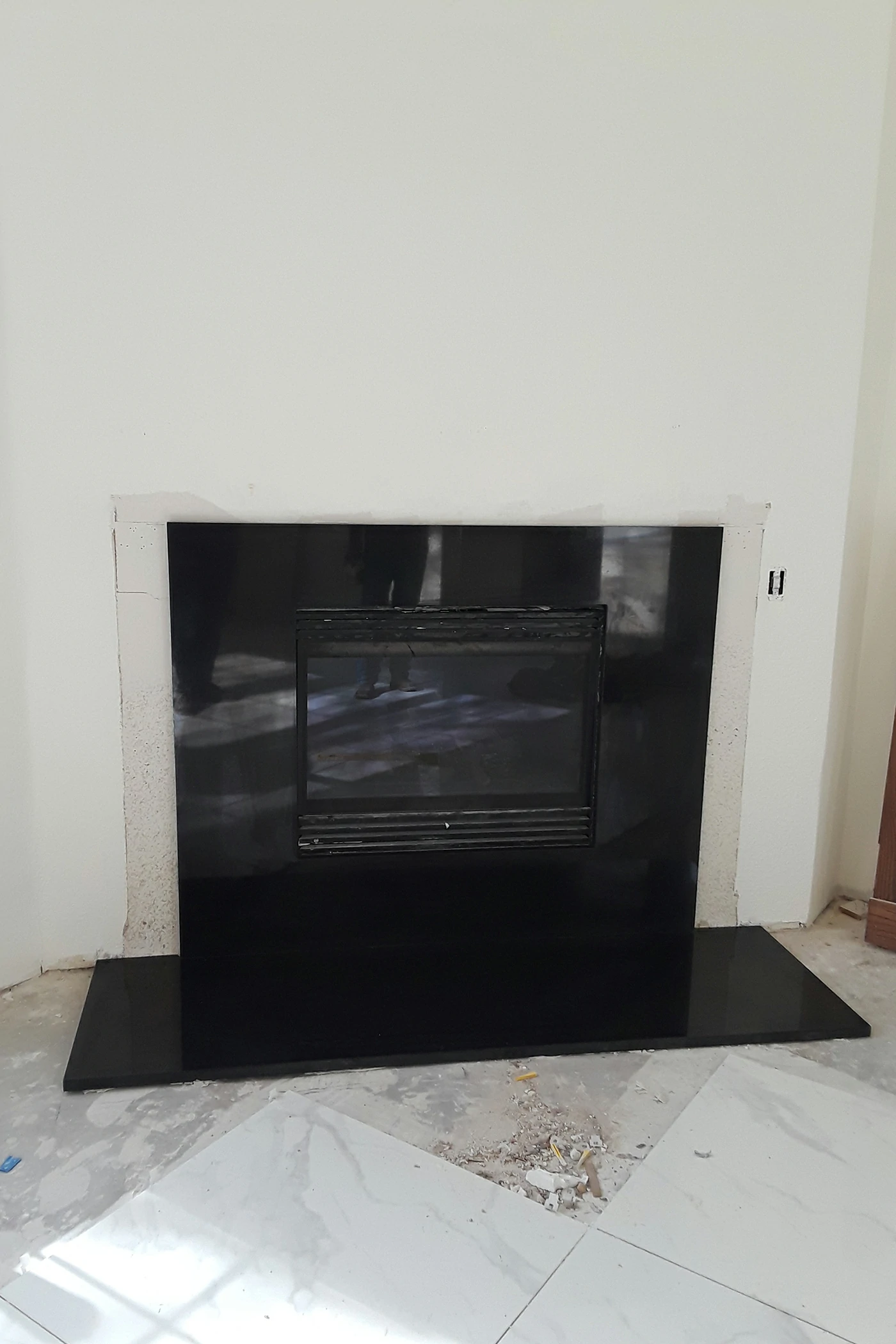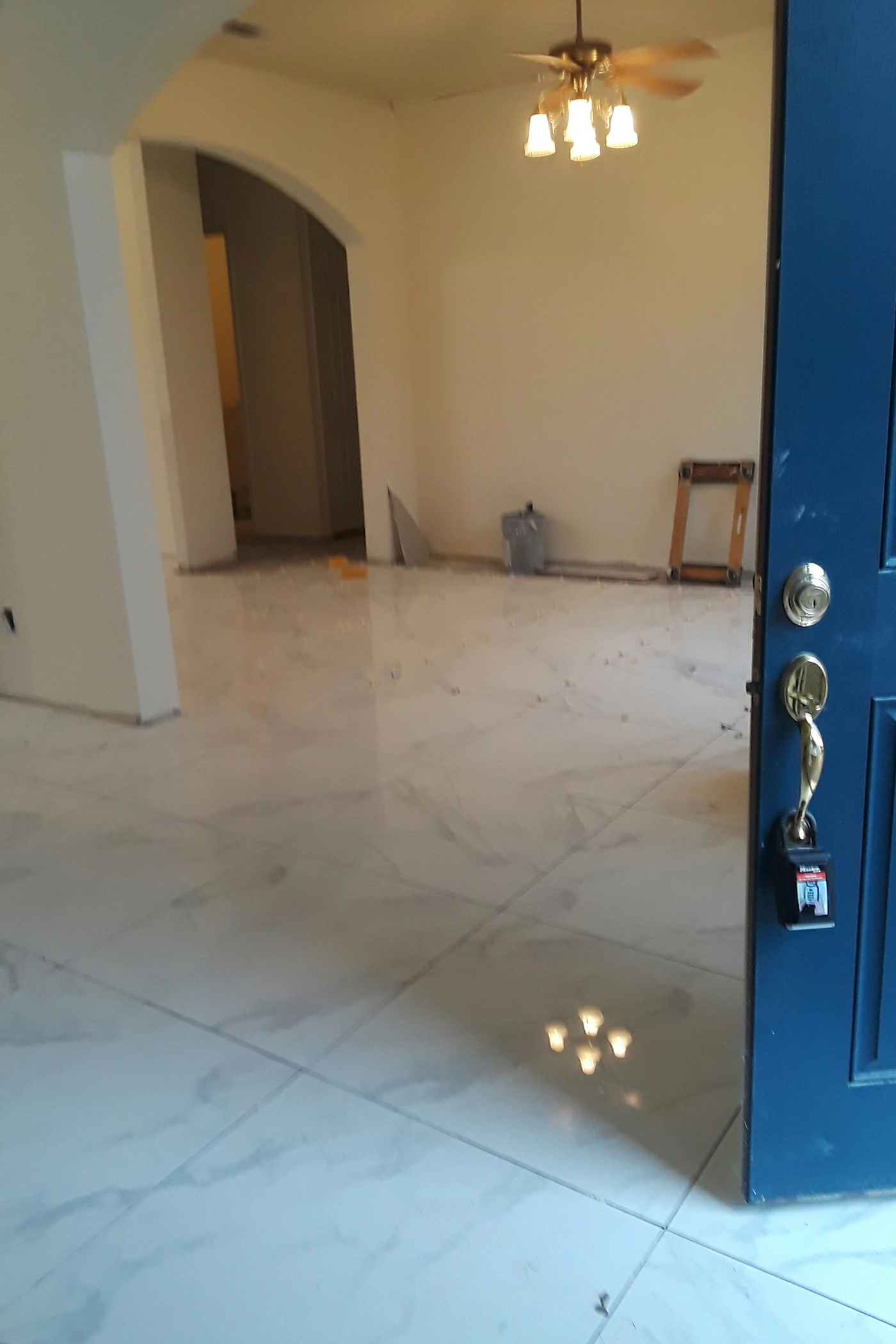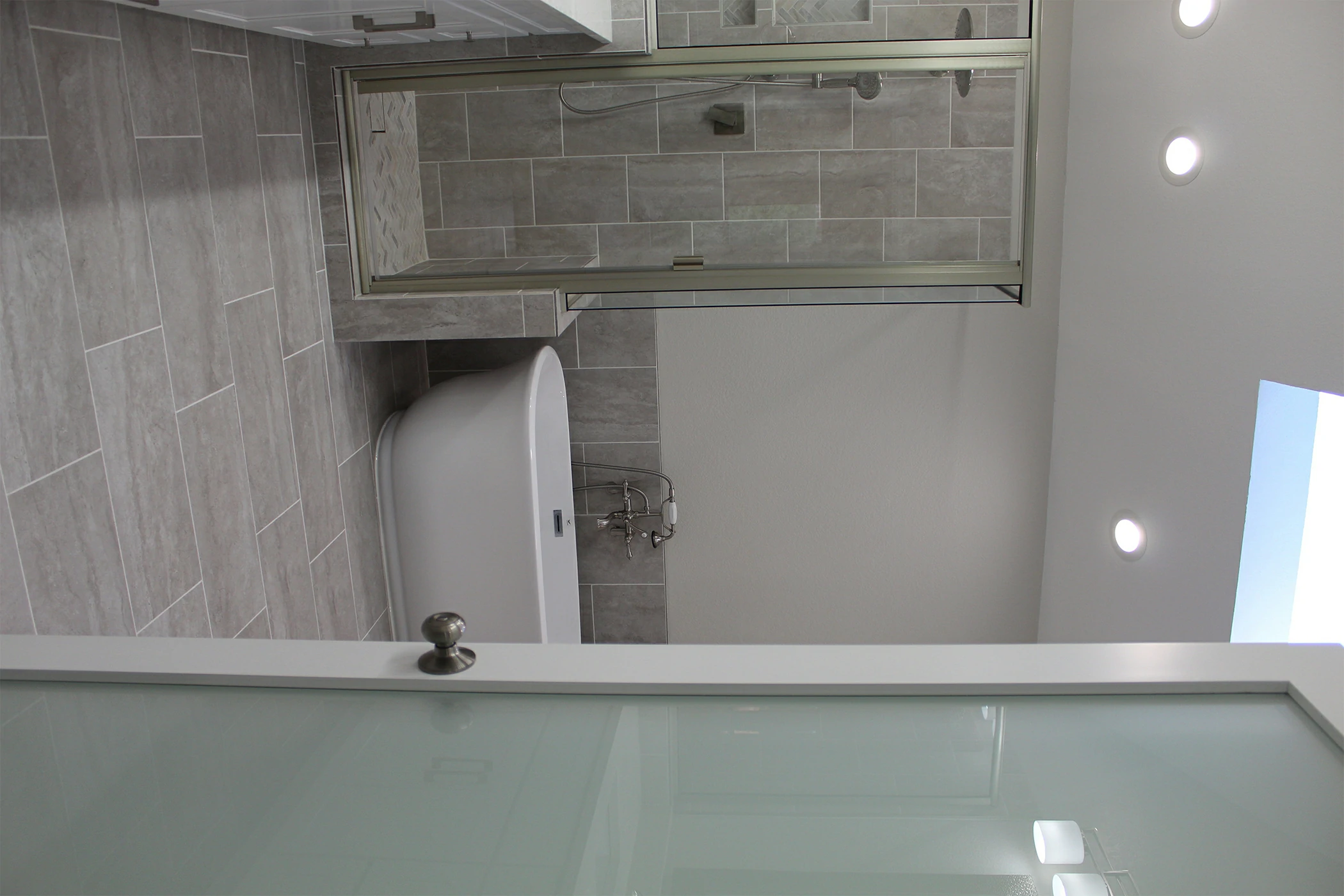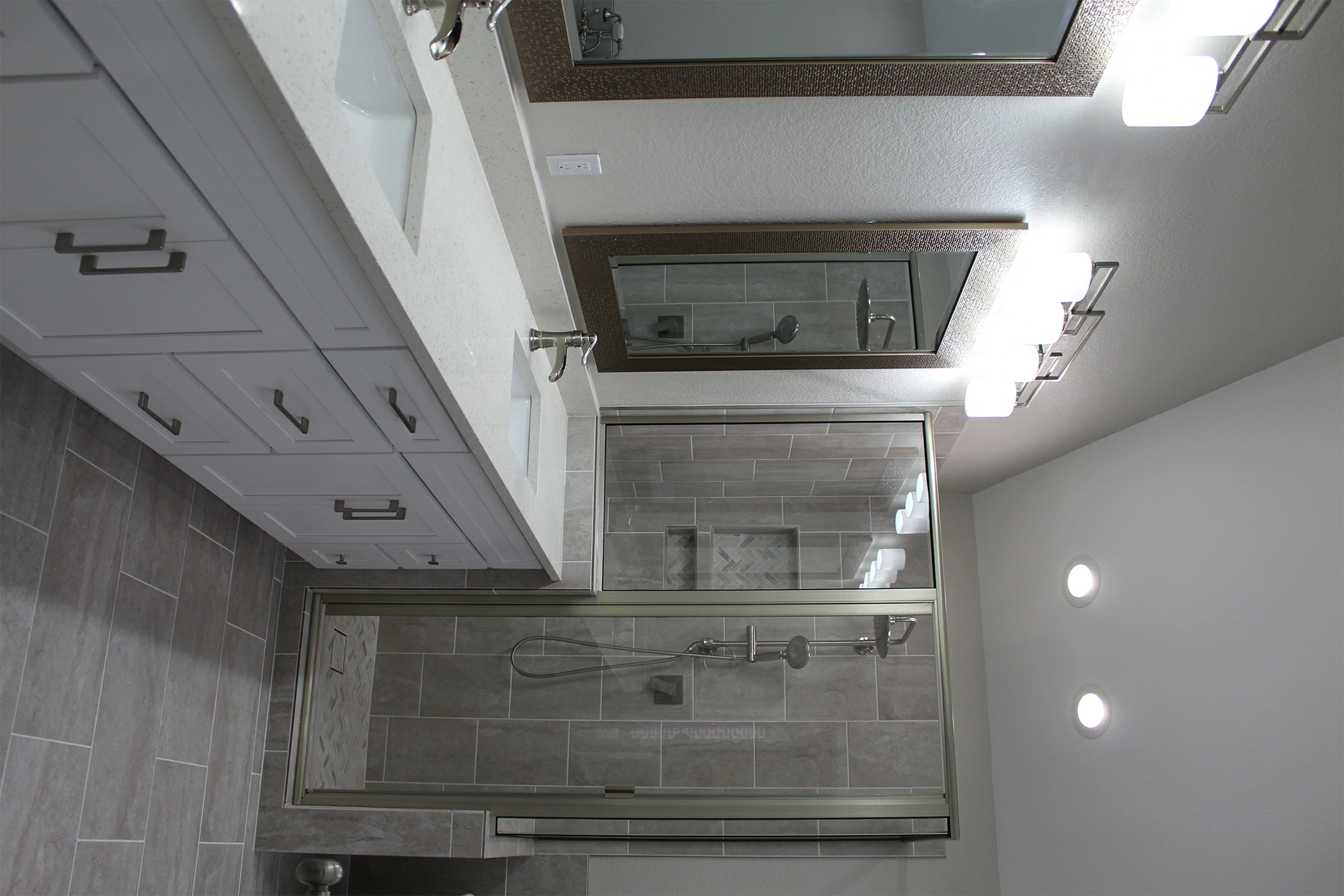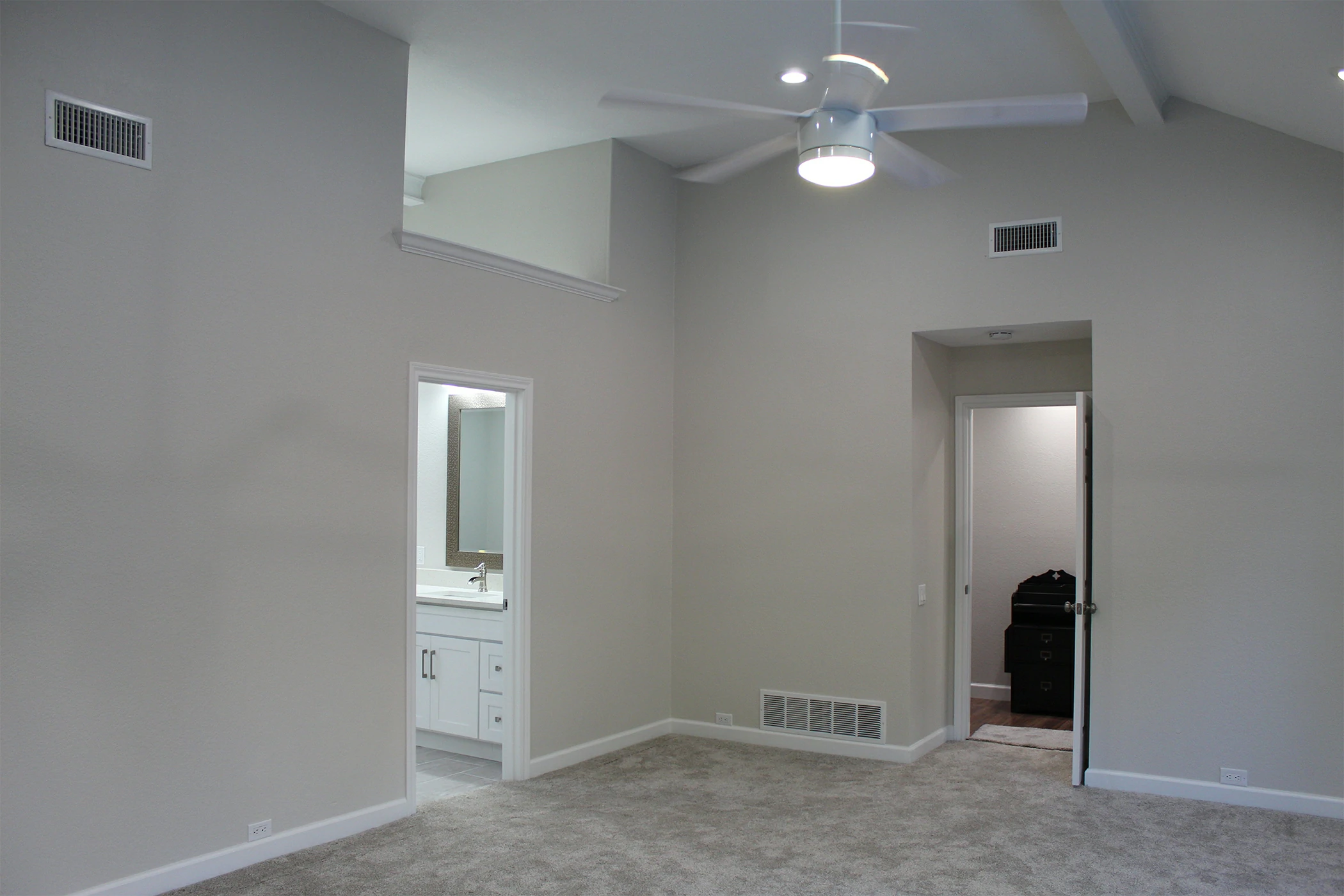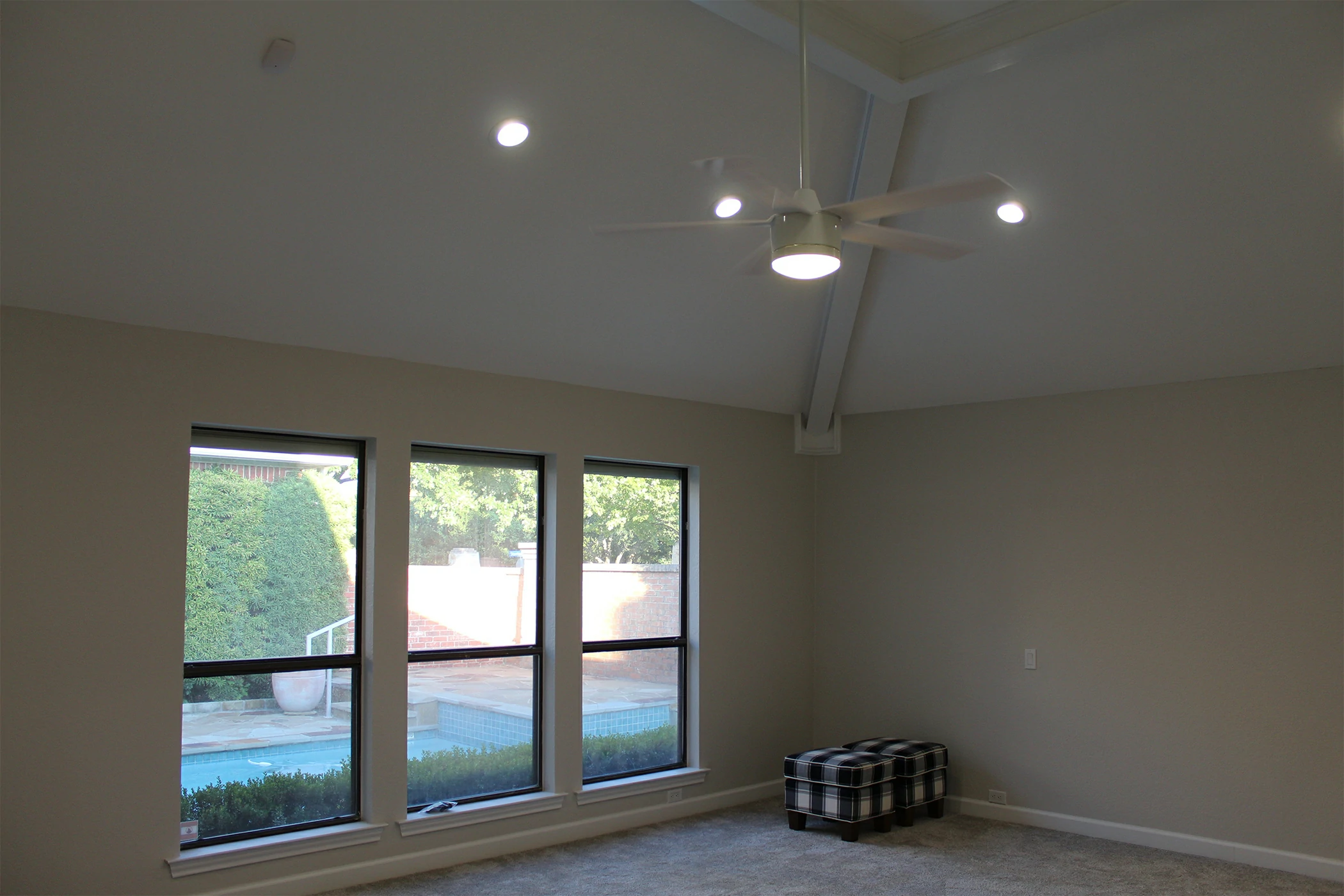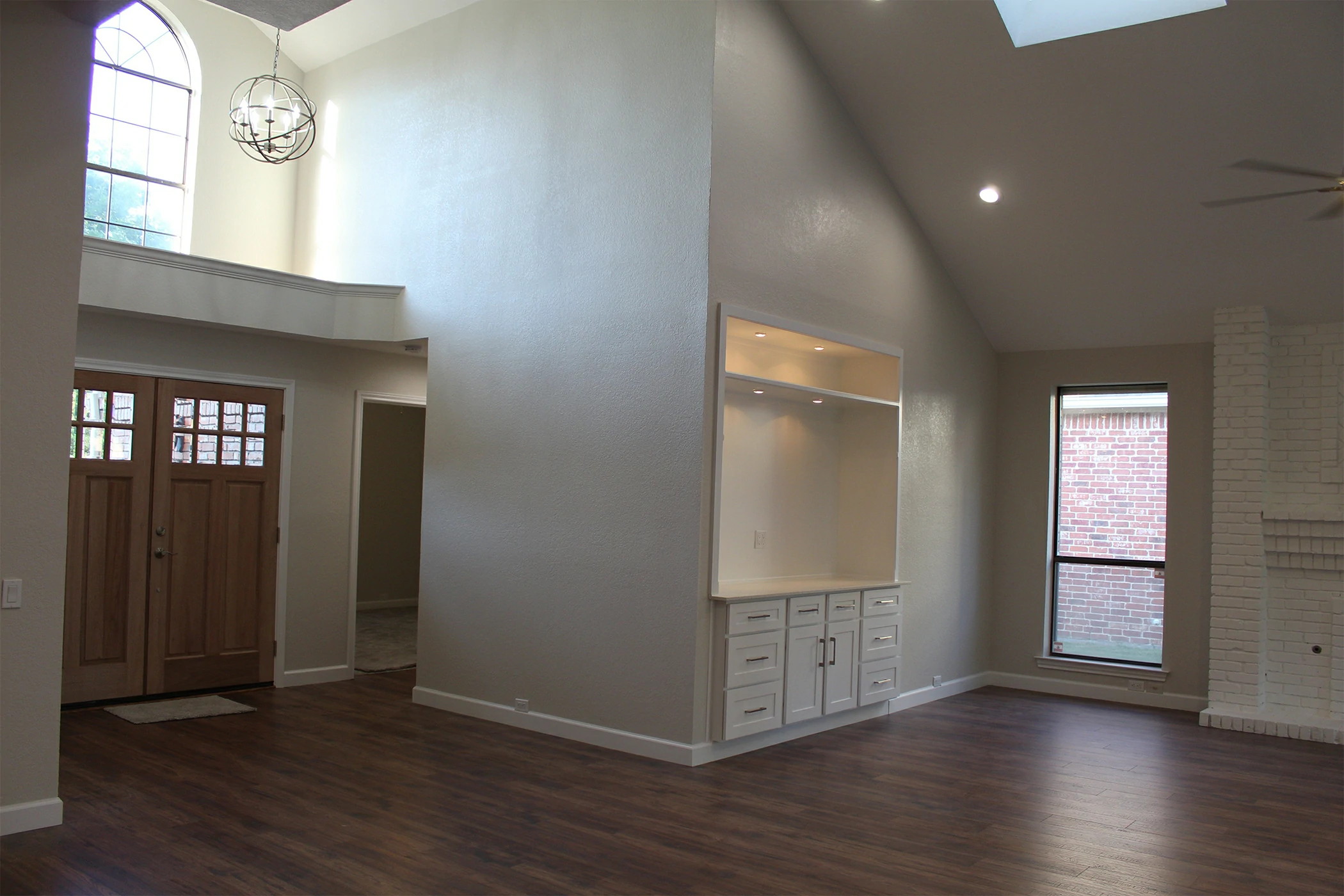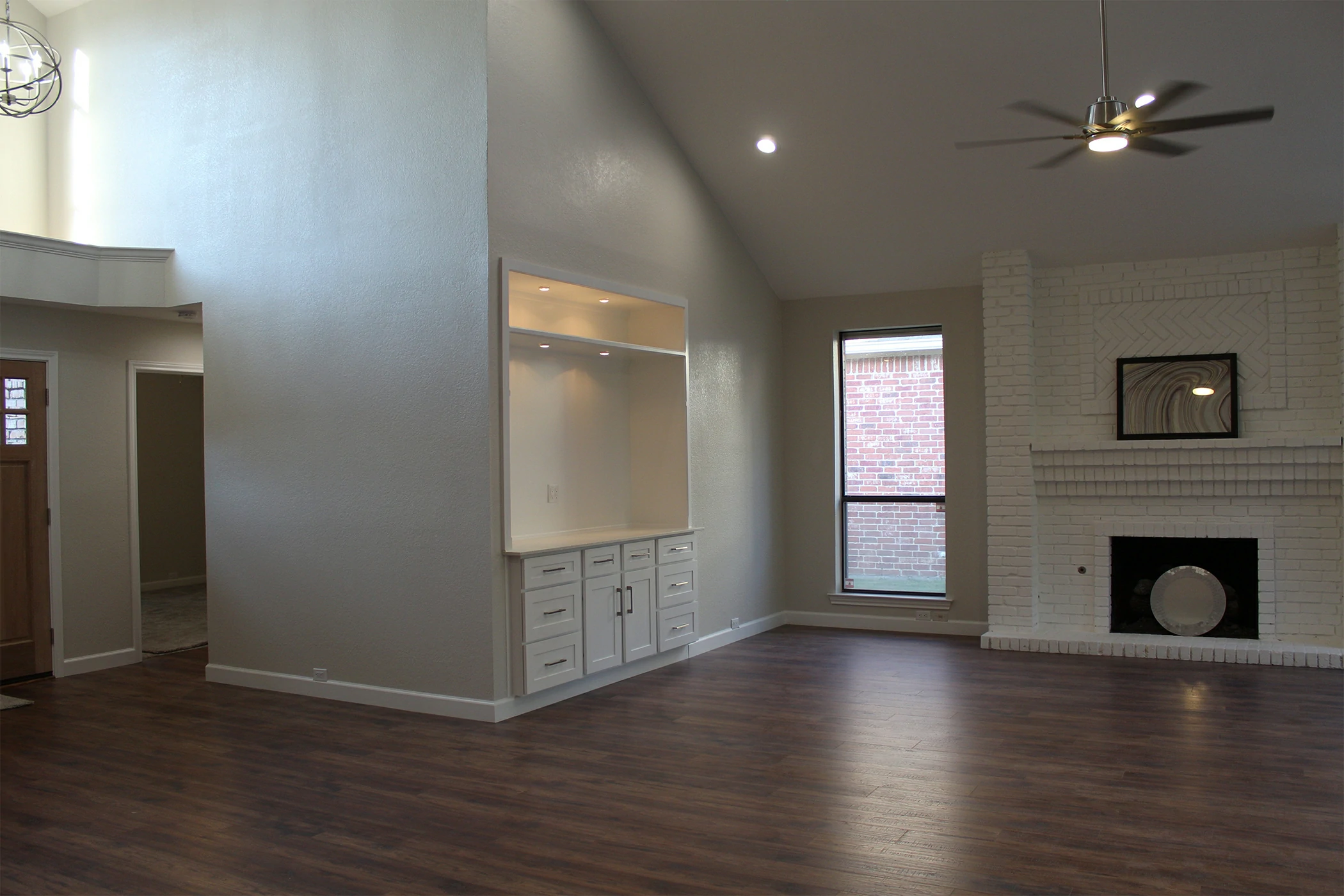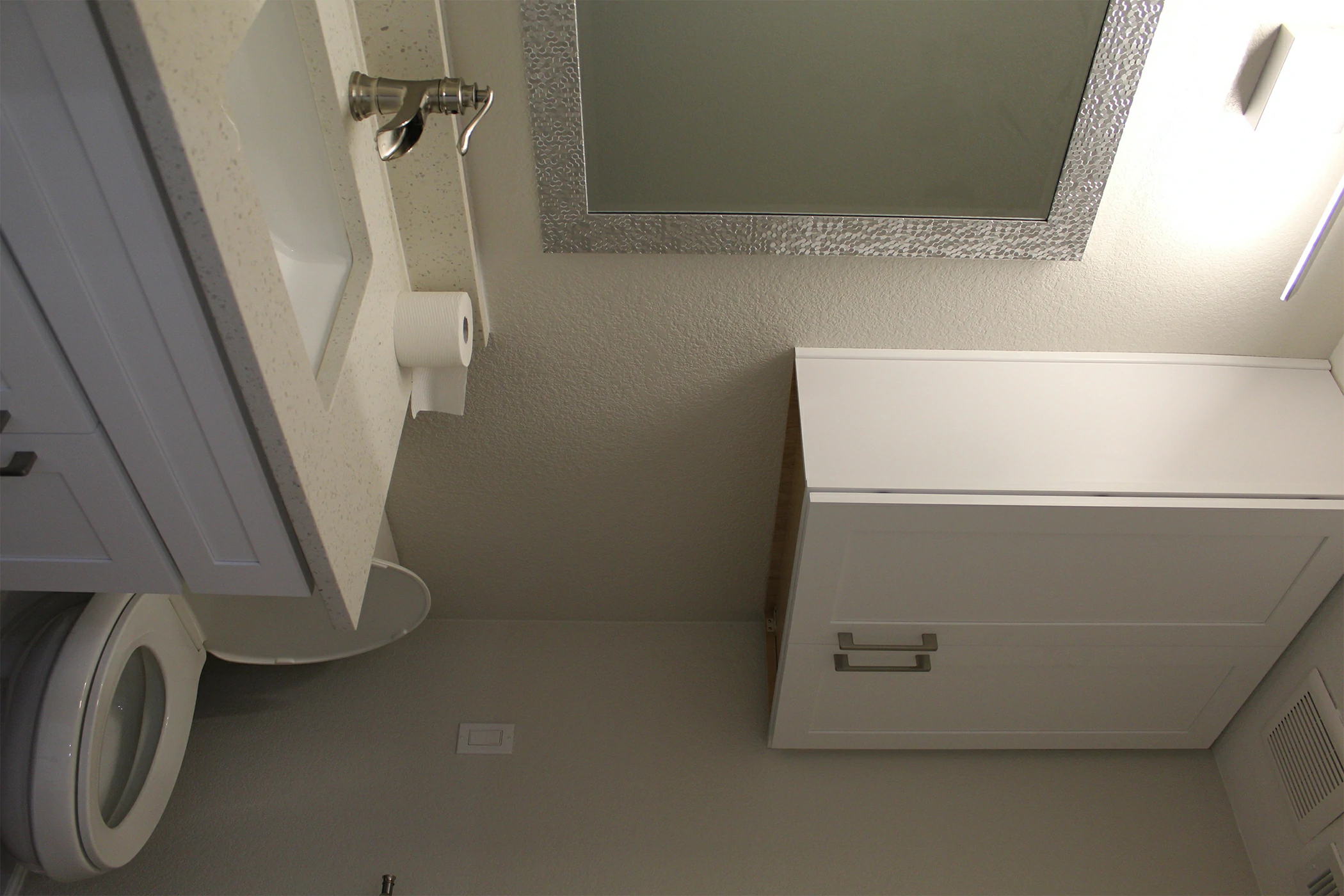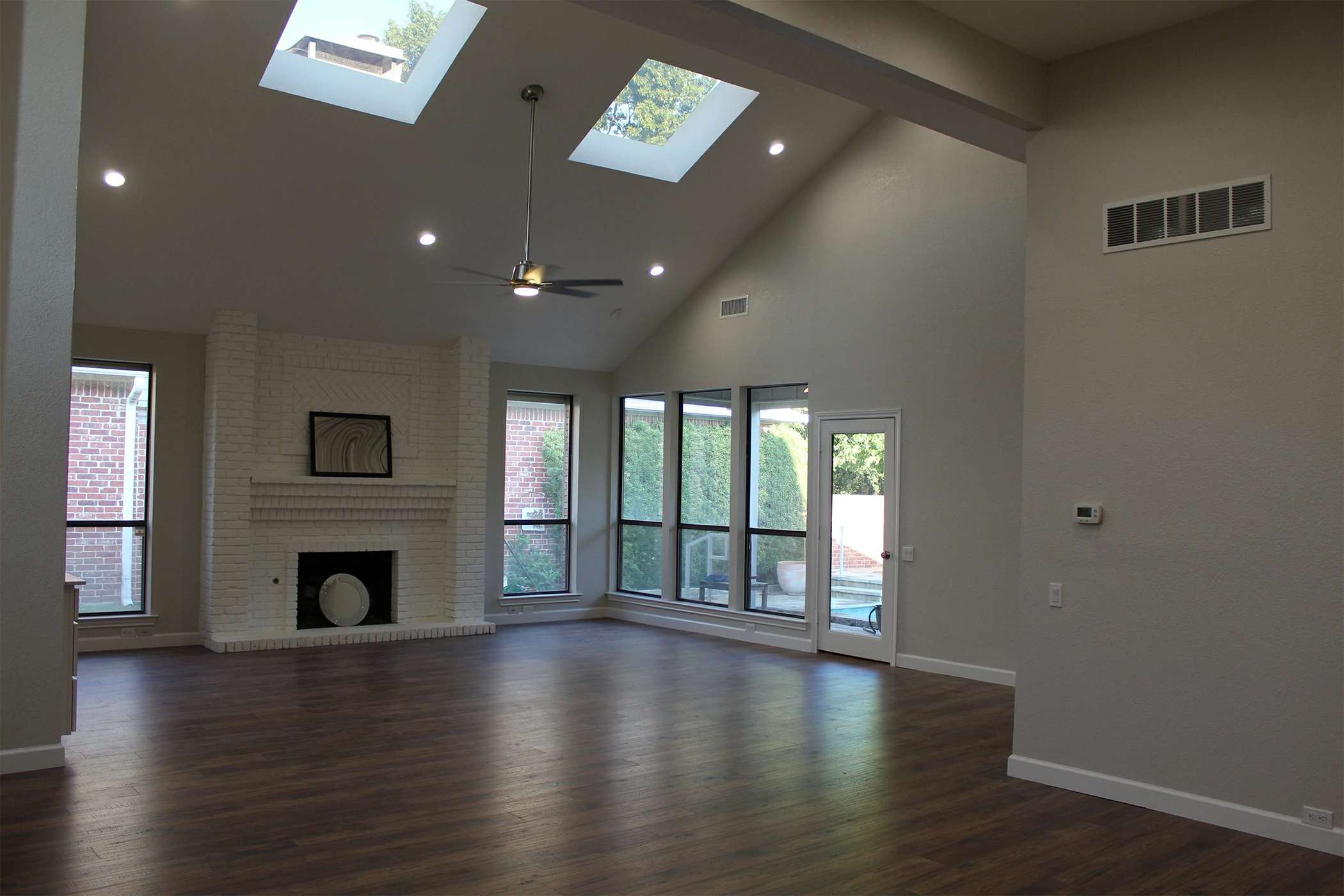

When homeowners begin to outgrow their space, one common question arises: should you move, remodel, or build an addition? At Bina Homes, the focus is on helping homeowners make informed decisions about expanding and improving their properties.
A home addition is a significant investment. It affects your property value, daily living experience, and financial planning. This guide explores the home additions benefits, potential drawbacks, costs, and return on investment to help you decide whether it is the right move.
Understanding Home Additions
A home addition involves expanding your existing home by building new square footage. This can include:
- Room additions such as bedrooms or family rooms
- Second-story additions
- Garage conversions
- Sunrooms or enclosed patios
- In-law suites
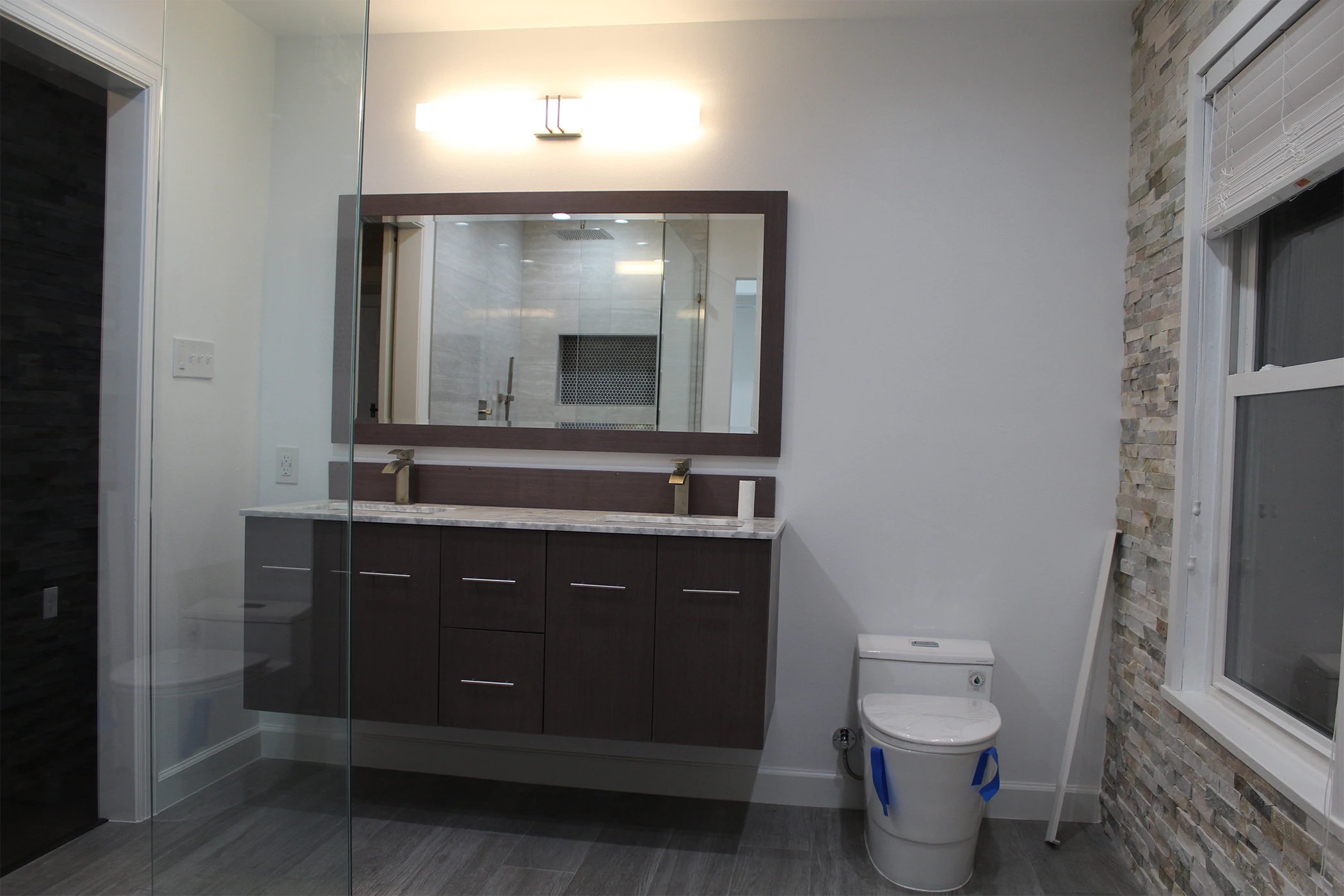
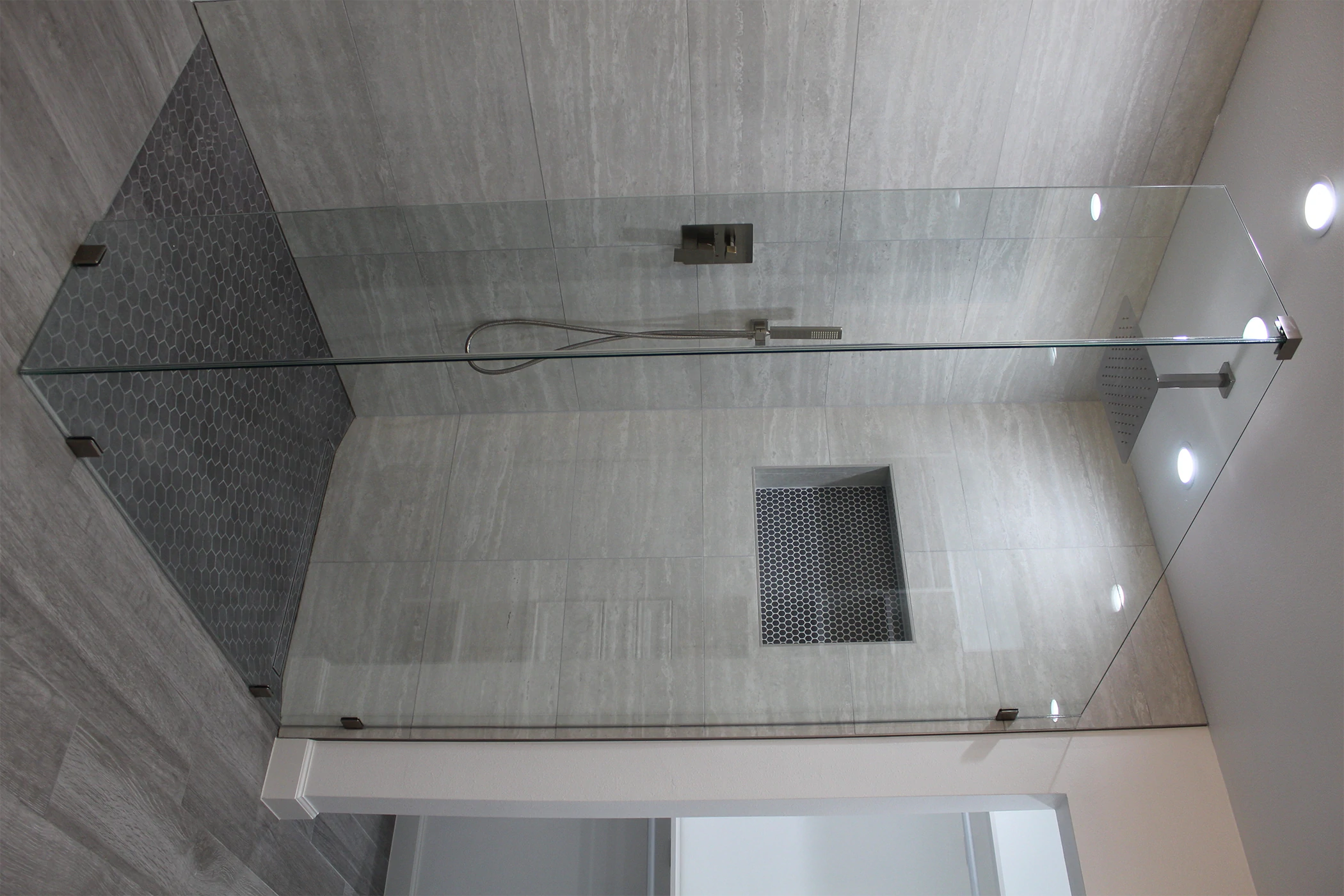
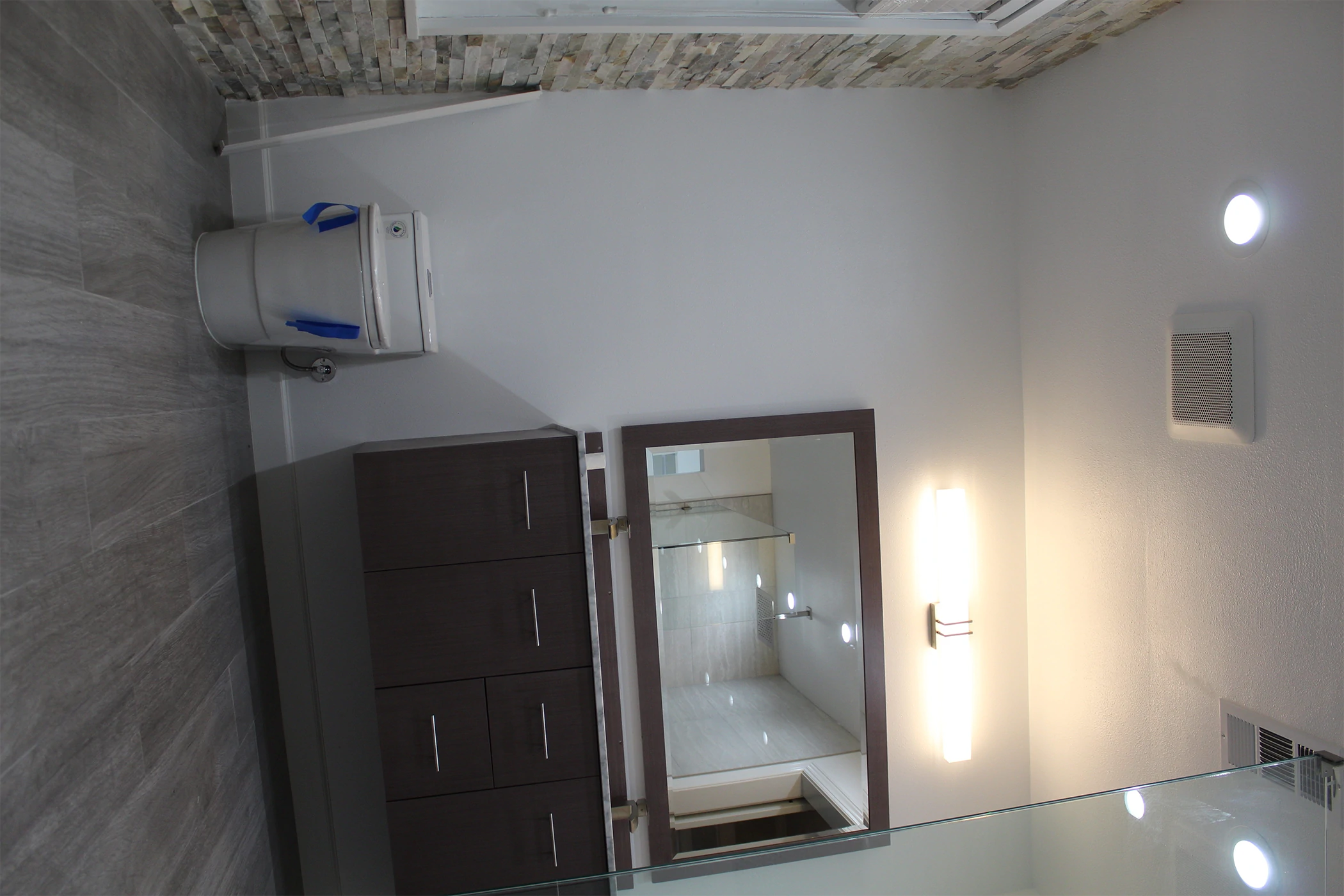
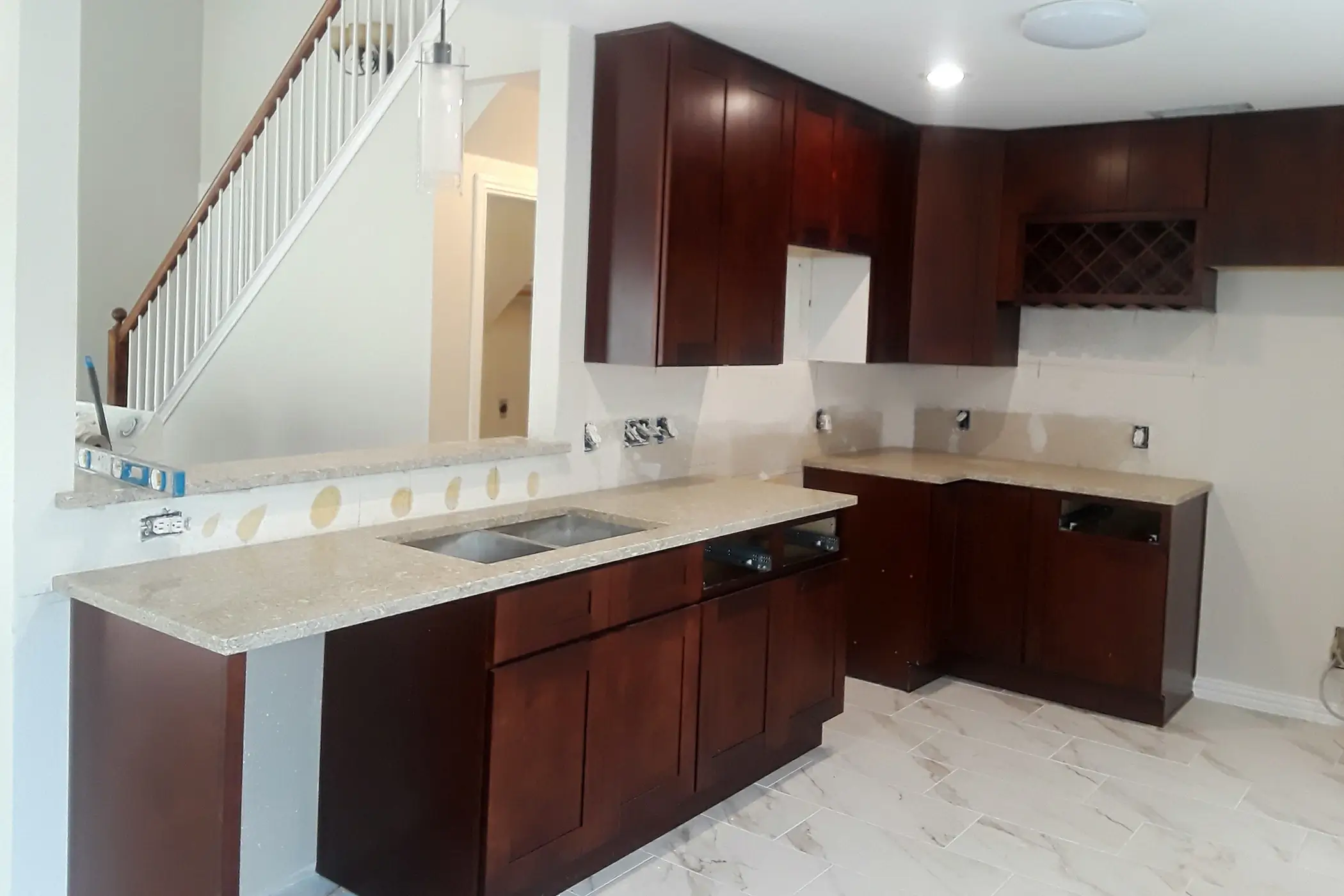
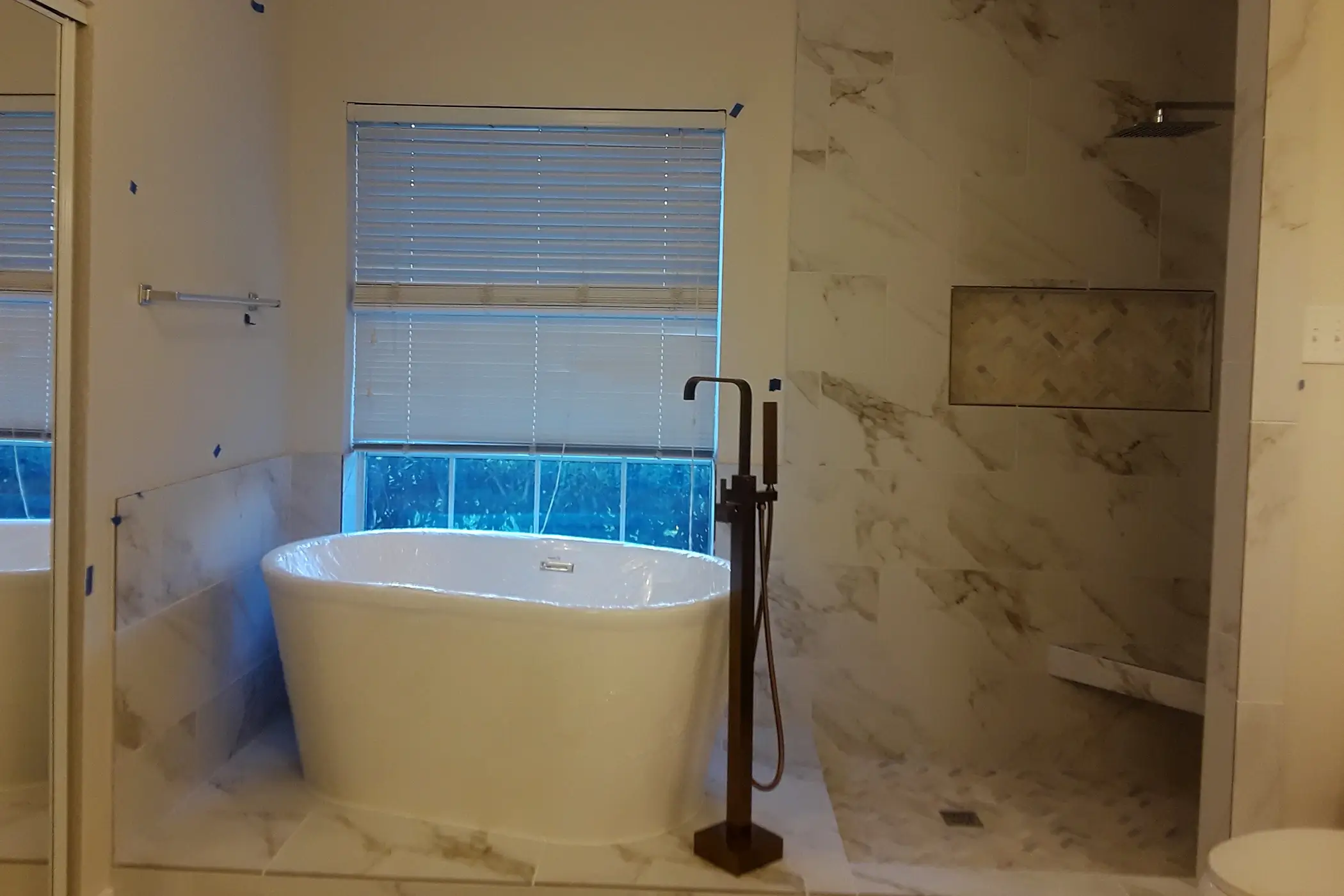
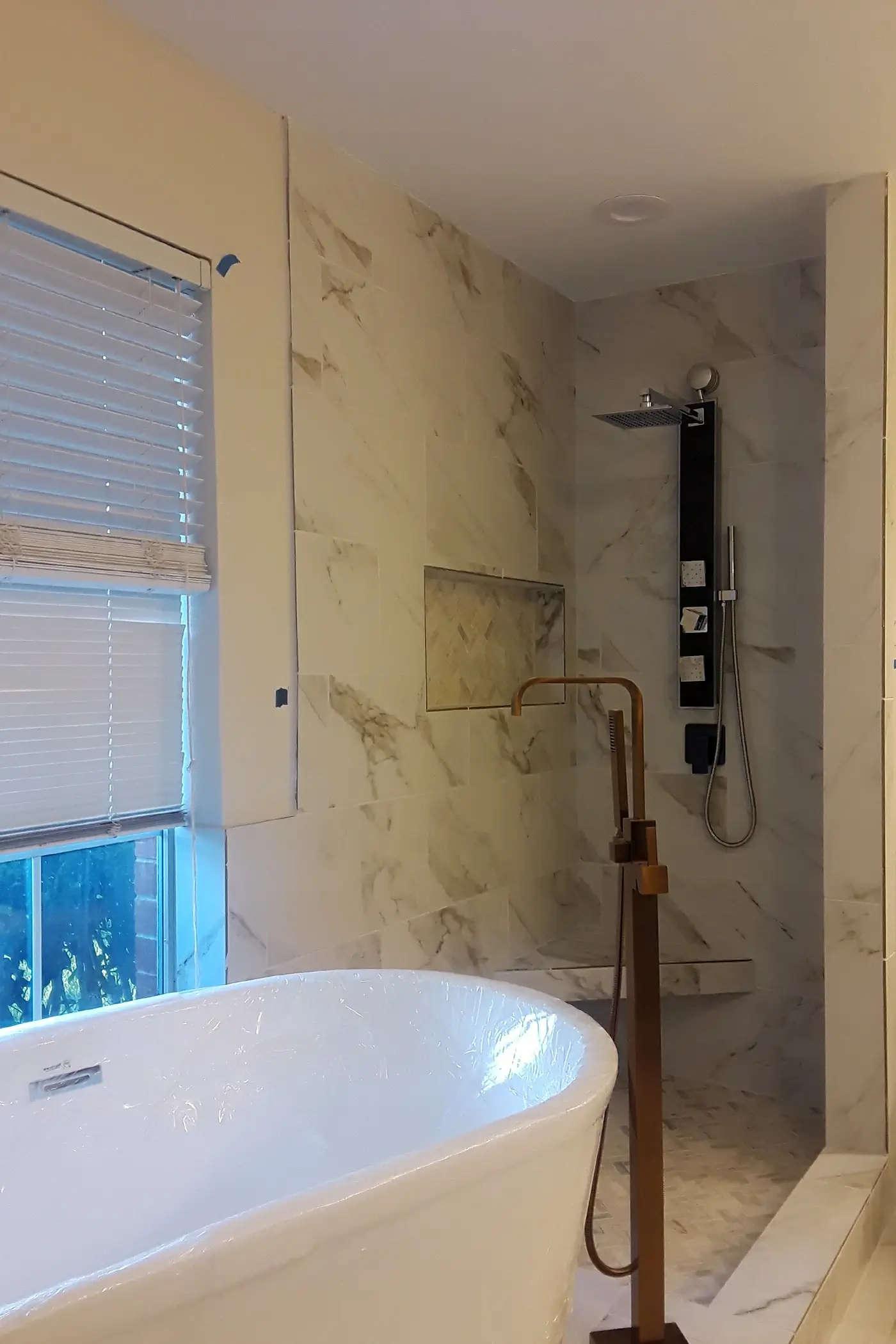
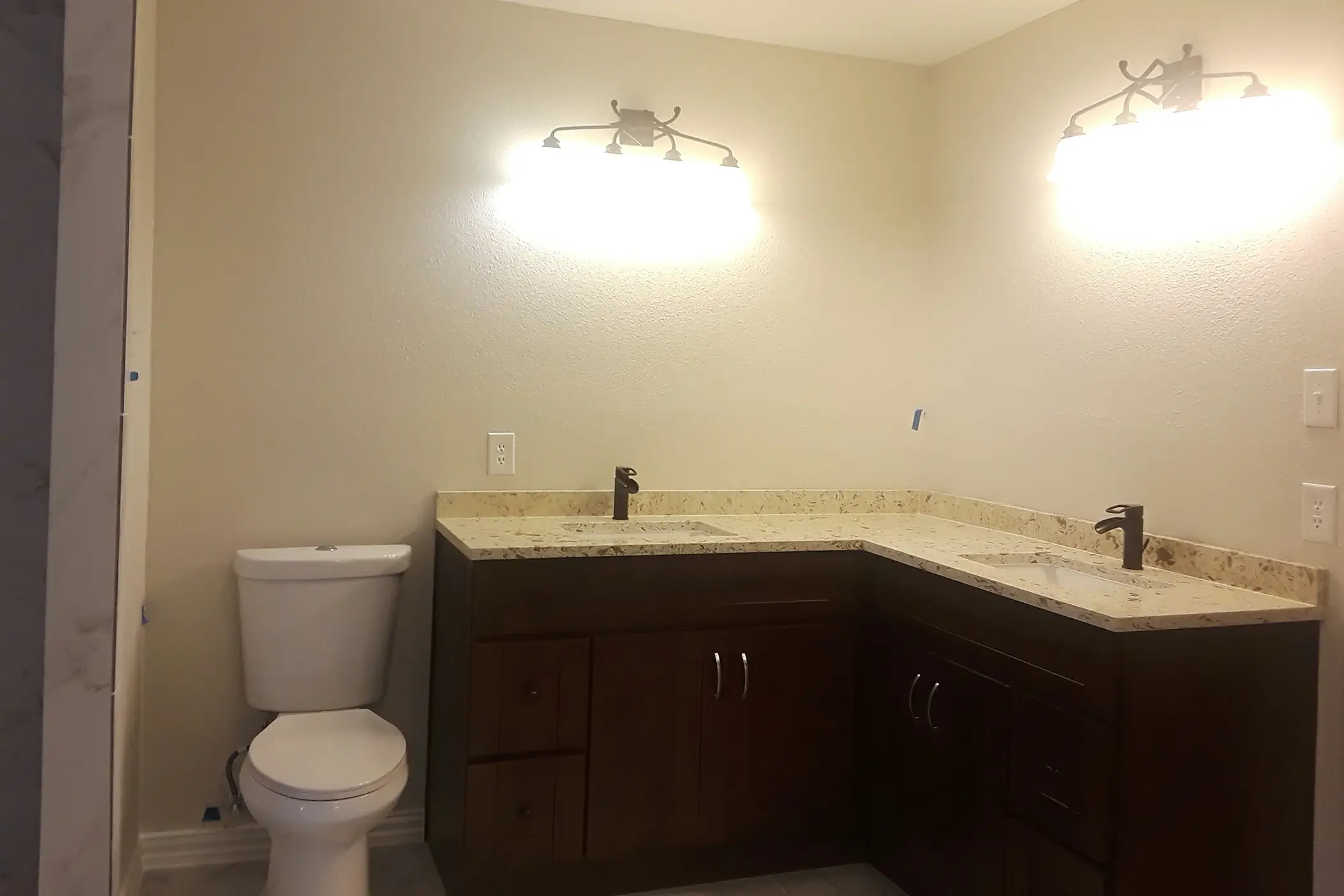
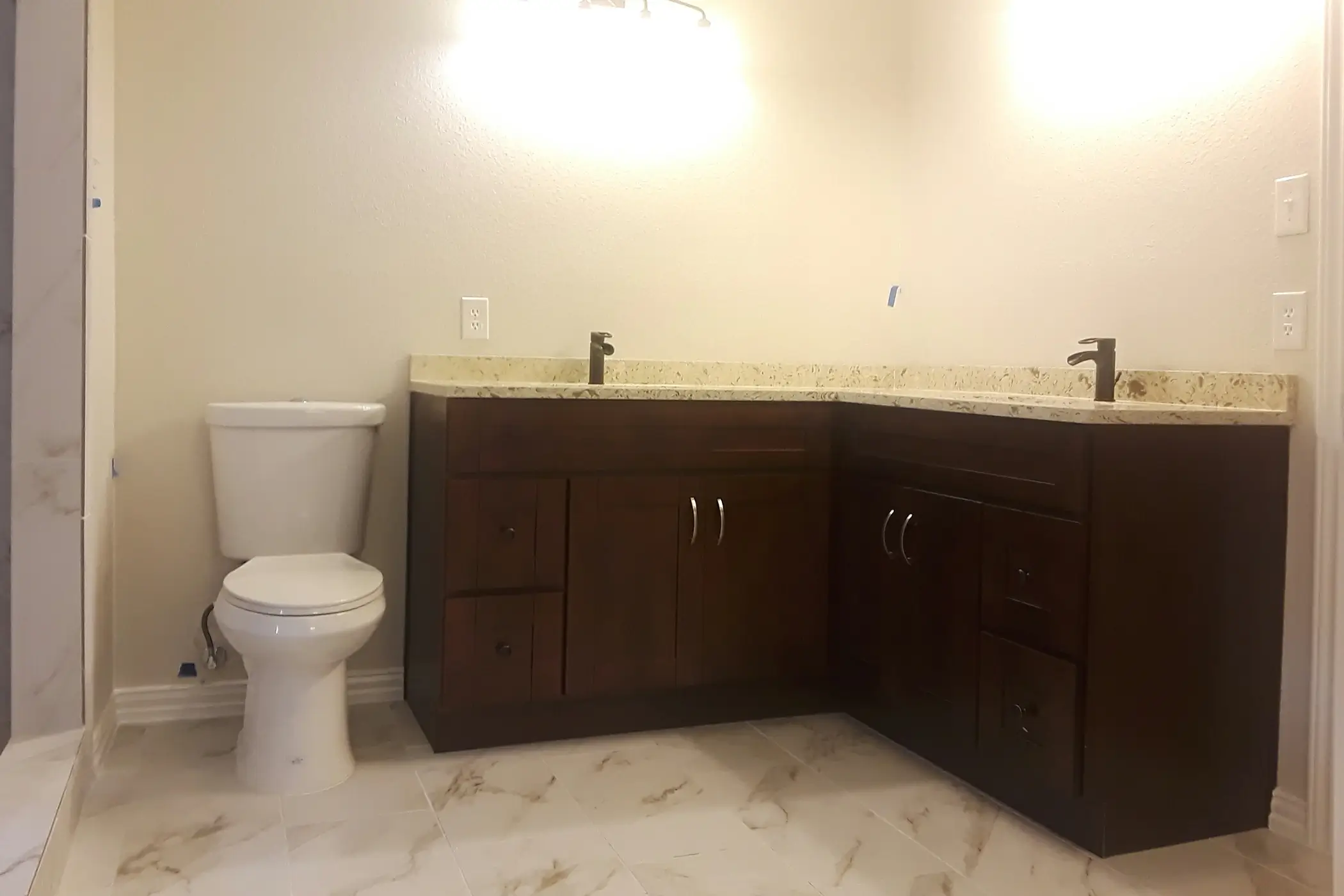
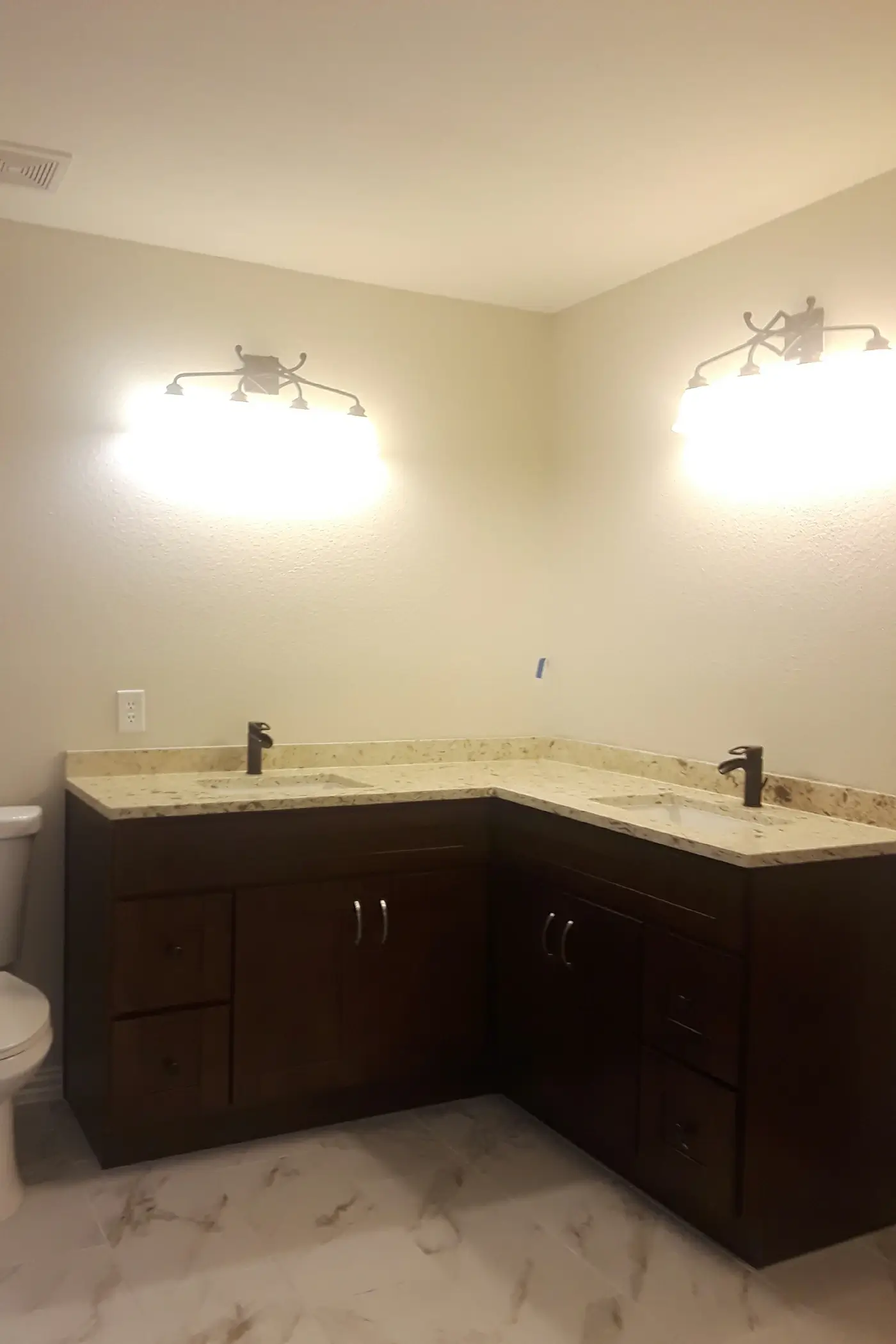
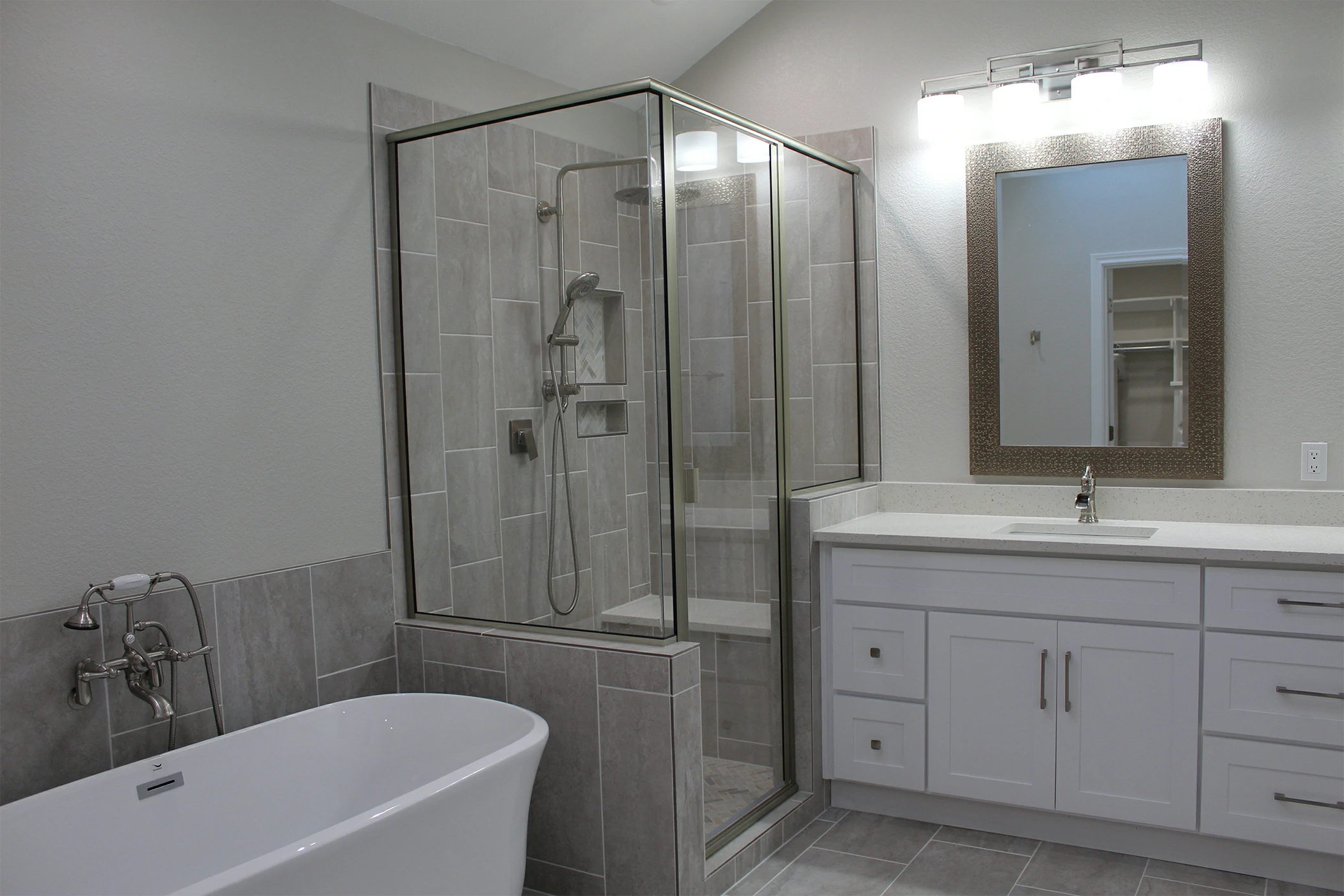
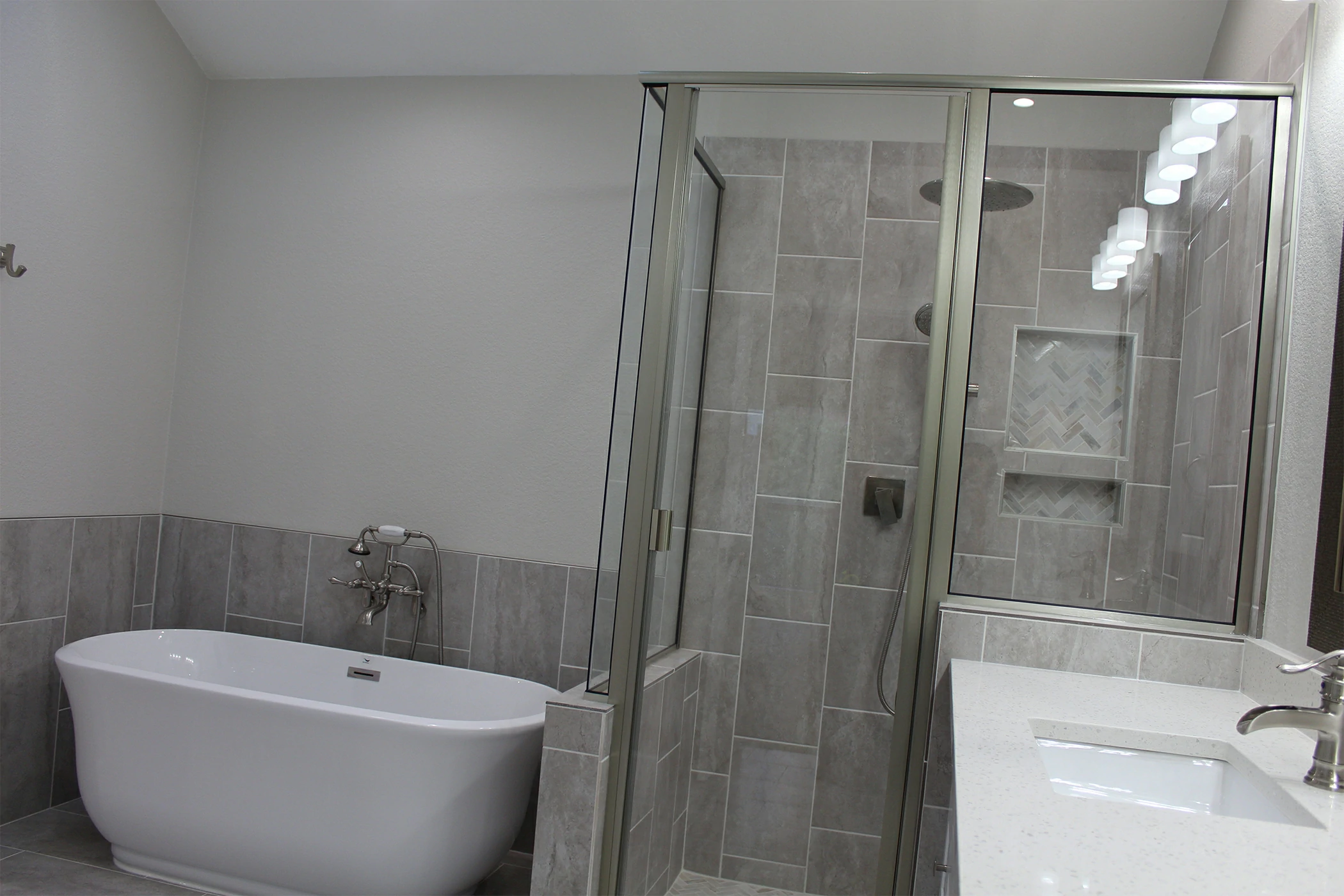
- Expanded kitchens or bathrooms
Unlike remodeling, which modifies existing space, an addition increases the physical footprint or livable area of your home.
Why Homeowners Consider a Home Addition
There are several practical reasons homeowners explore additions instead of moving.
Growing Family Needs
As families grow, space becomes limited. An extra bedroom, bathroom, or playroom can significantly improve comfort and functionality.
Remote Work Requirements
With more people working from home, dedicated office space has become essential. A well-designed addition can create separation between professional and personal life.
Avoiding the Cost of Moving
Moving involves real estate commissions, closing costs, moving expenses, and potential market competition. In many cases, building an addition may cost less than purchasing a larger home in the same neighborhood.
Increasing Property Value
Strategic additions can increase the overall value of a property, especially when they add usable square footage such as bedrooms or bathrooms.
Home Additions Benefits
Understanding the home additions benefits is essential before committing to a project.
1. More Functional Living Space
The most obvious advantage is additional square footage. Whether it is a new primary suite, extended kitchen, or family room, extra space improves everyday living.
2. Improved Home Layout
Additions often provide an opportunity to reconfigure flow and design. For example, expanding a kitchen can create an open-concept layout that connects dining and living areas.
3. Customization
When building an addition, homeowners can tailor the space to their needs. This is especially valuable for multigenerational living, hobby rooms, or home offices.
4. Potential Increase in Home Value
Well-executed additions typically increase resale value, particularly when they align with neighborhood standards. A bedroom and bathroom addition often provides a stronger return compared to highly specialized spaces.
5. Staying in a PreferredNeighborhood
If you love your location, schools, or community, an addition allows you to remain in place while adapting your home to new needs.
The Potential Drawbacks of a Home Addition
While there are many home additions benefits, it is important to consider potential challenges.
1. High Upfront Costs
Additions are often more expensive than remodeling existing space. Costs vary depending on size, complexity, materials, and structural changes.
2. Construction Disruption
Building an addition involves noise, dust, and limited access to certain parts of your home. Depending on the scope, projects may take several months.
3. Zoning and Permit Restrictions
Local regulations may limit the size, height, or placement of additions. It is important to verify zoning laws and obtain proper permits.
4. Risk of Overbuilding
If the addition significantly exceeds neighborhood standards, resale value may not increase proportionally to the investment.
How Much Does a Home Addition Cost?
Costs vary depending on region, materials, and design complexity. On average:
- Basic room additions may range from moderate to high cost per square foot
- Second-story additions often cost more due to structural reinforcement
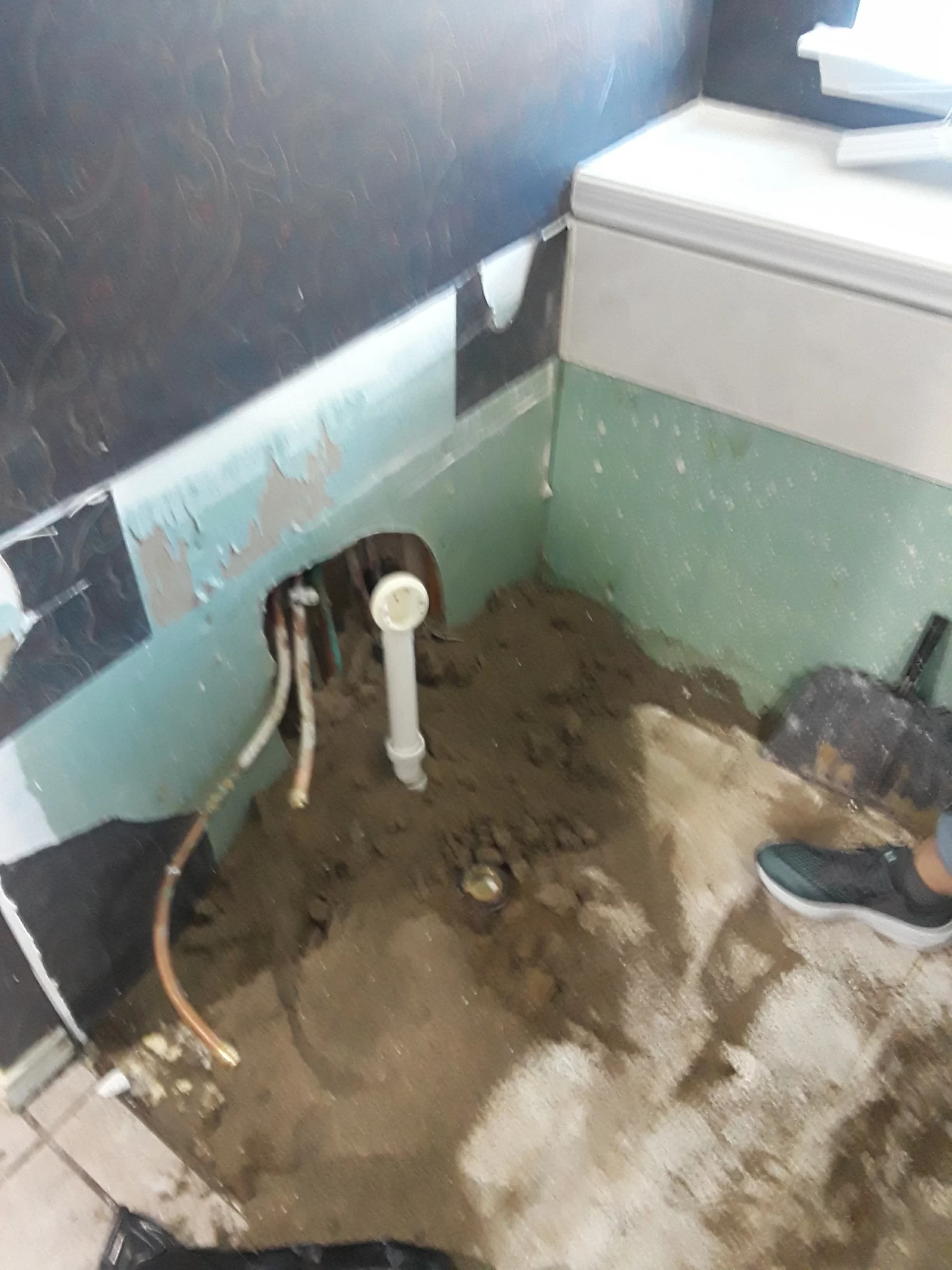
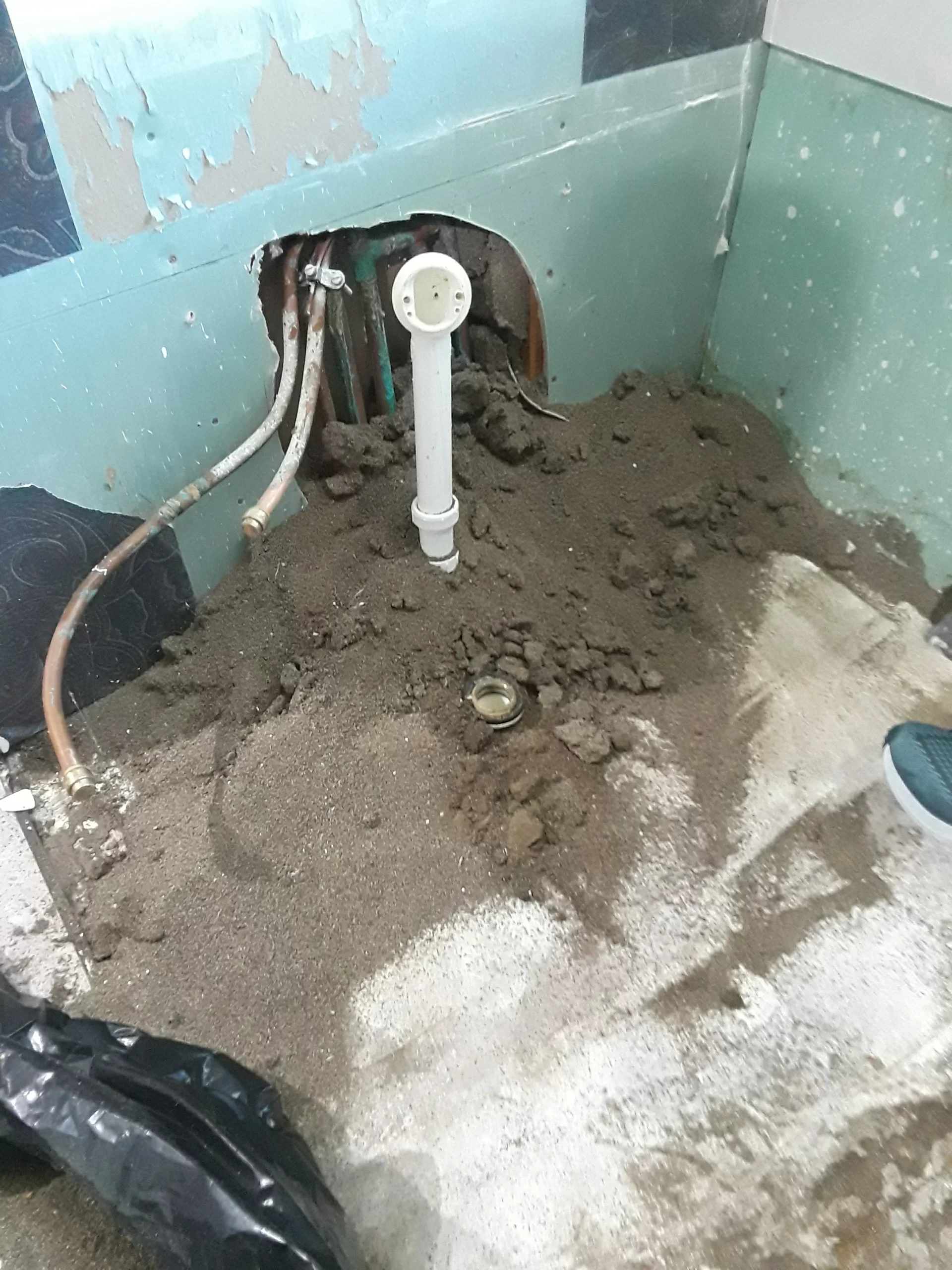
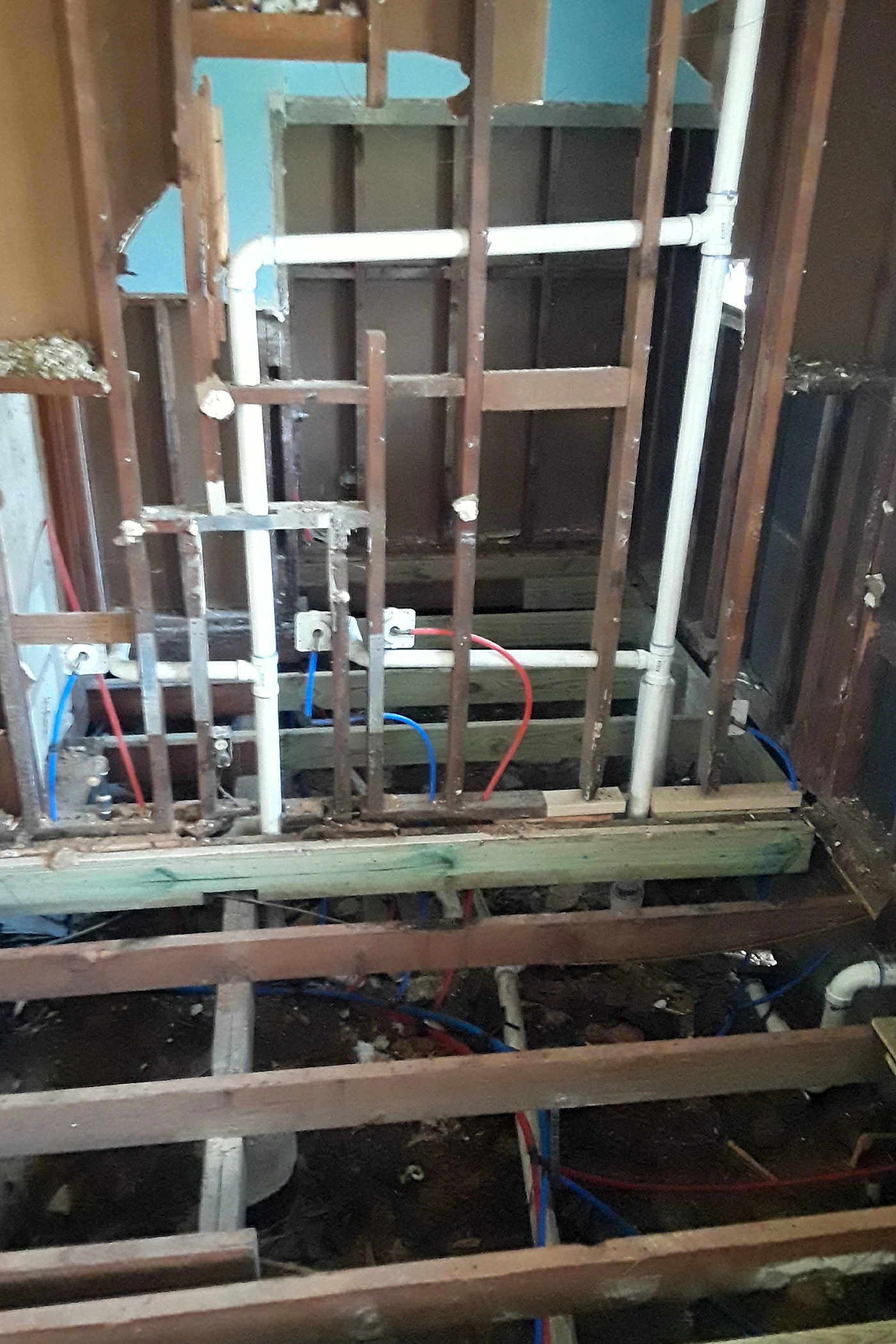
- Kitchen or bathroom additions typically have higher expenses because of plumbing and electrical requirements
Additional costs may include:
- Architectural design
- Structural engineering
- Permits
- Site preparation
- HVAC extensions
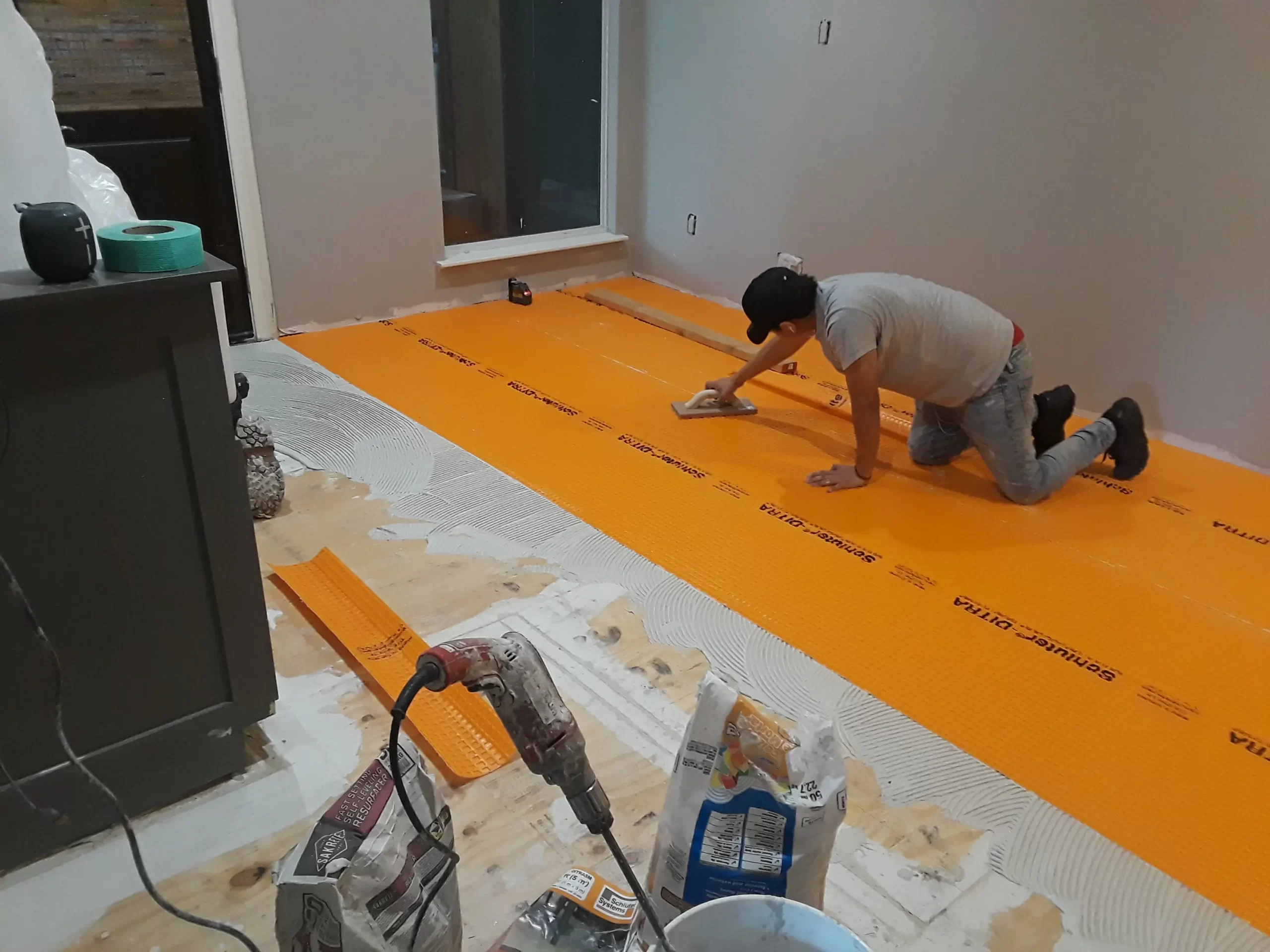
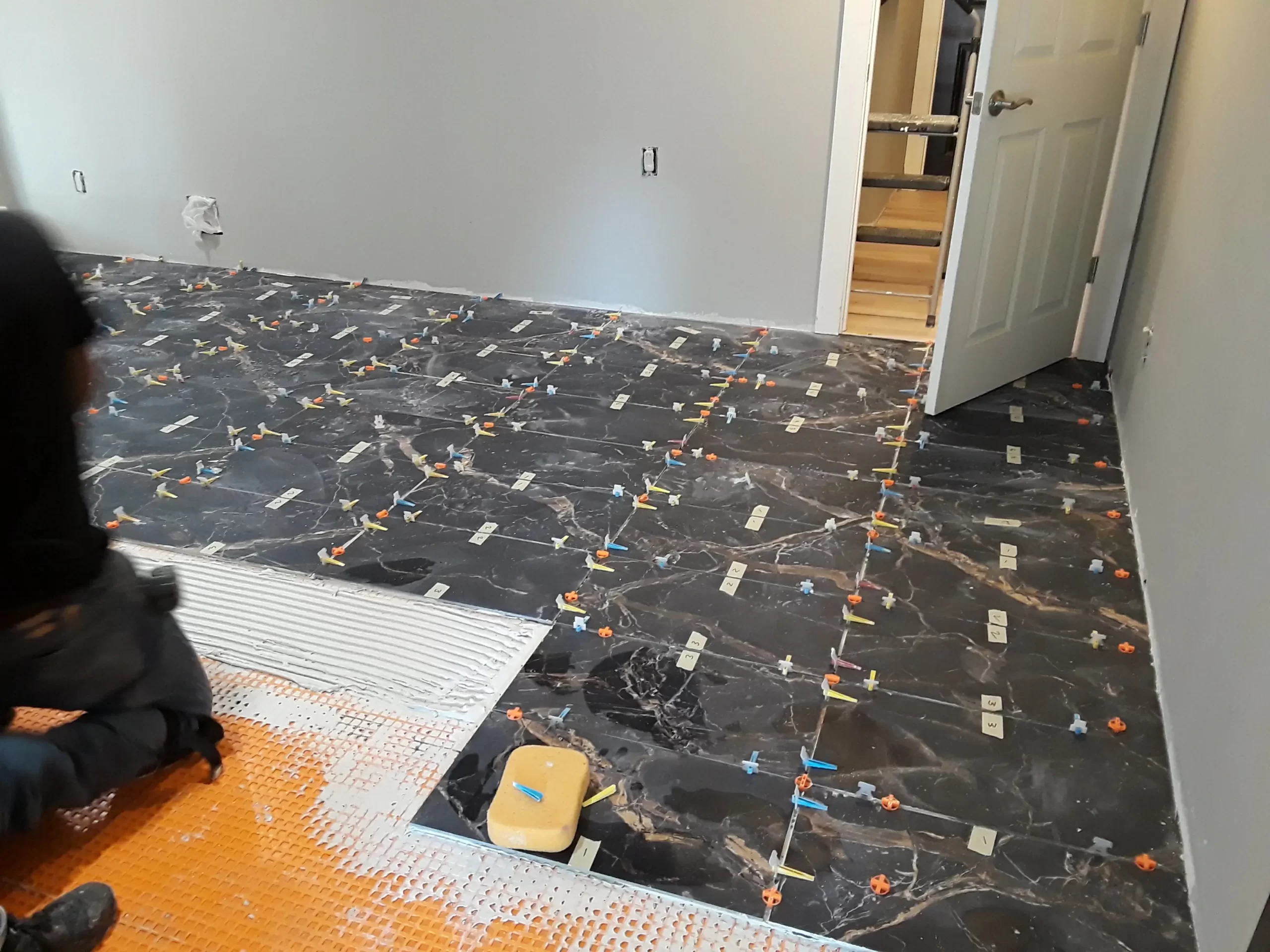
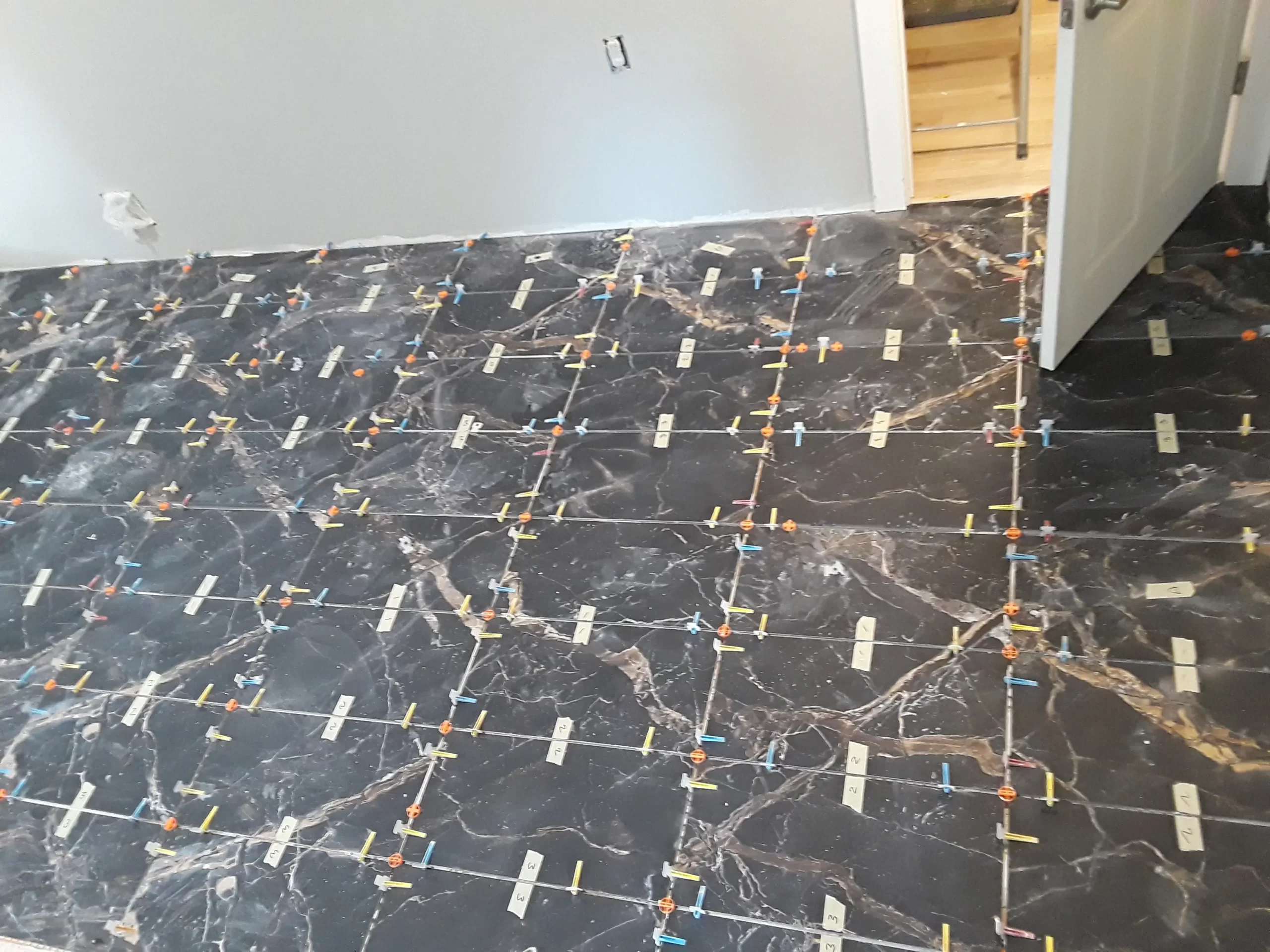
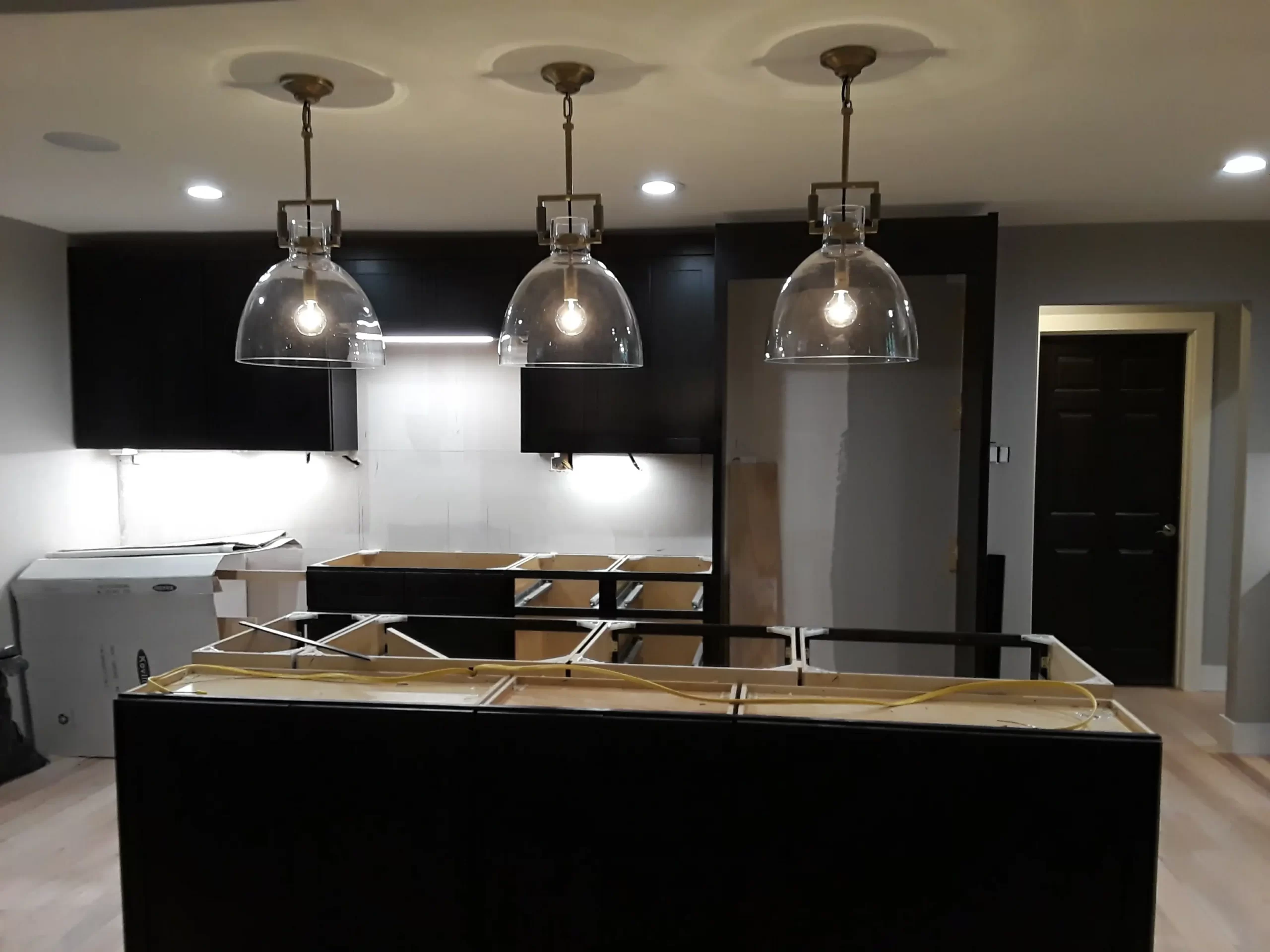
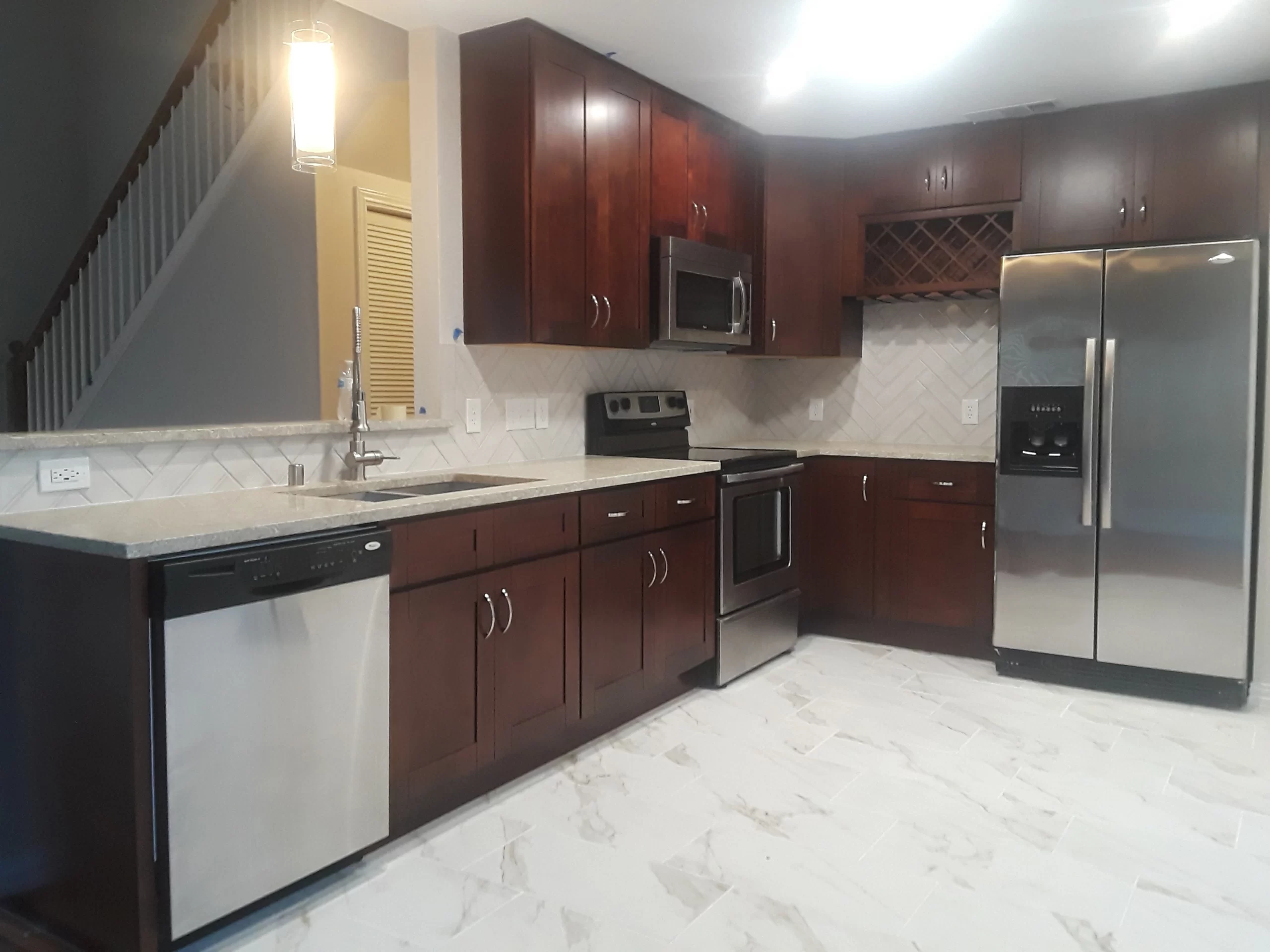
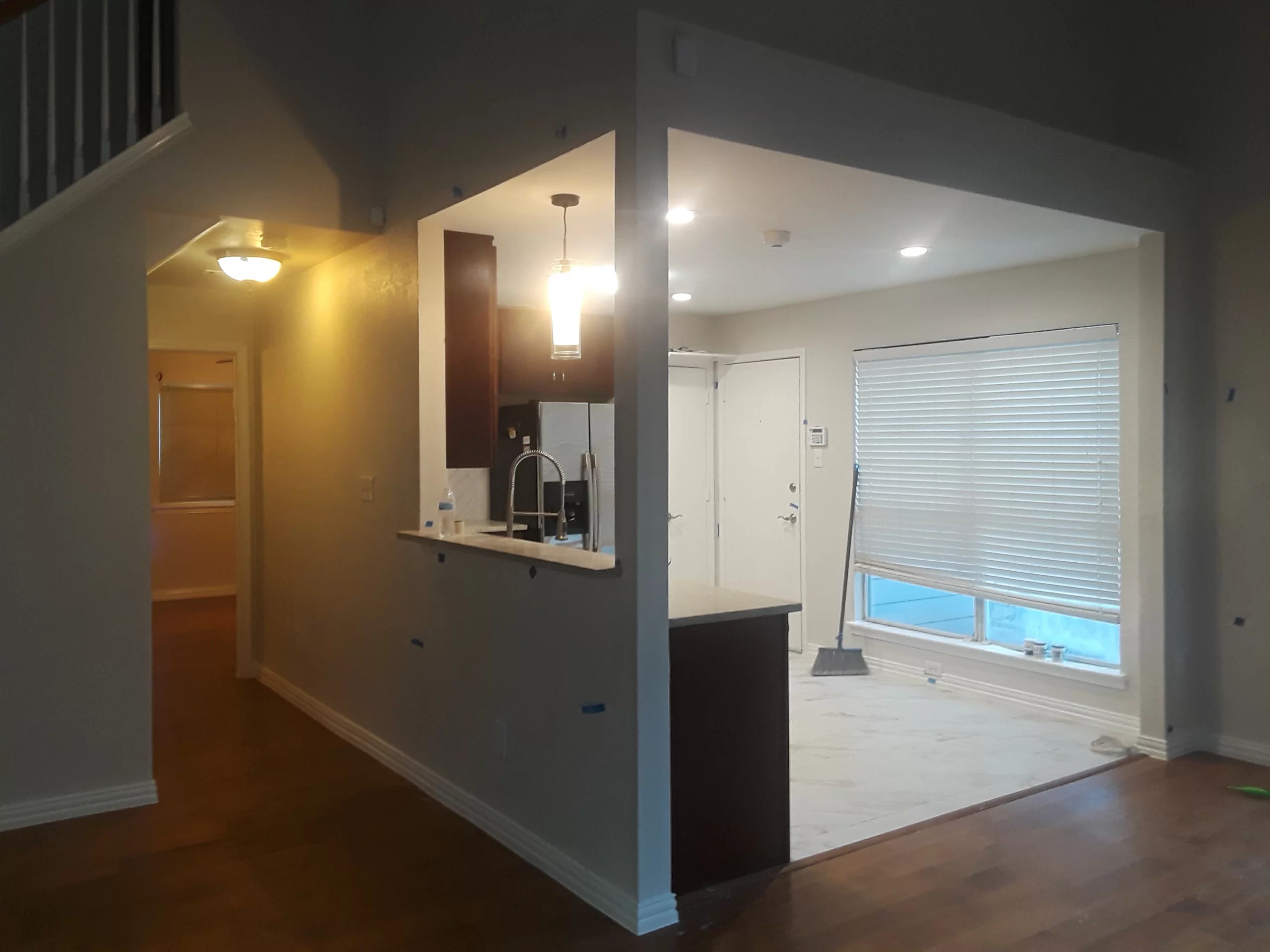
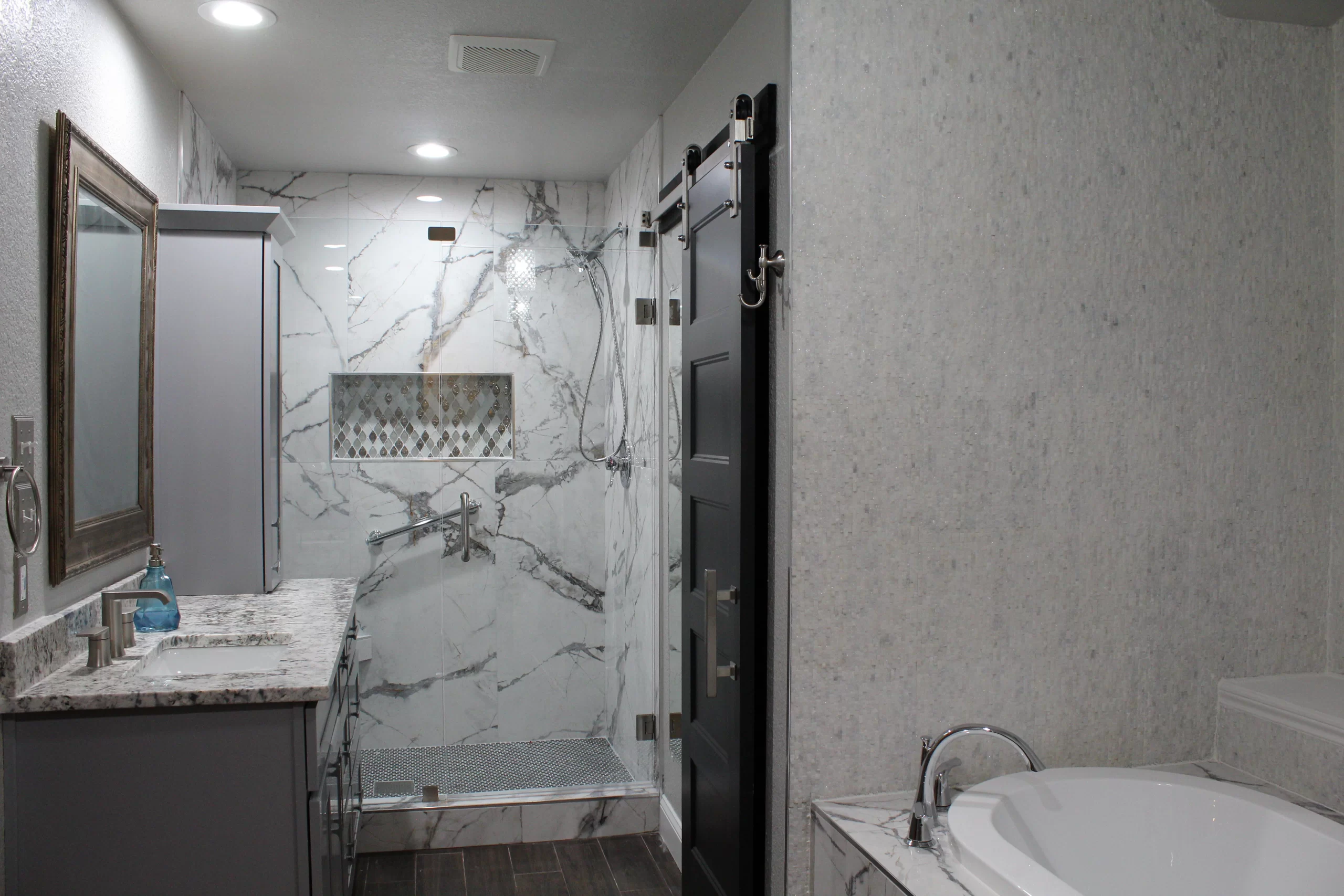
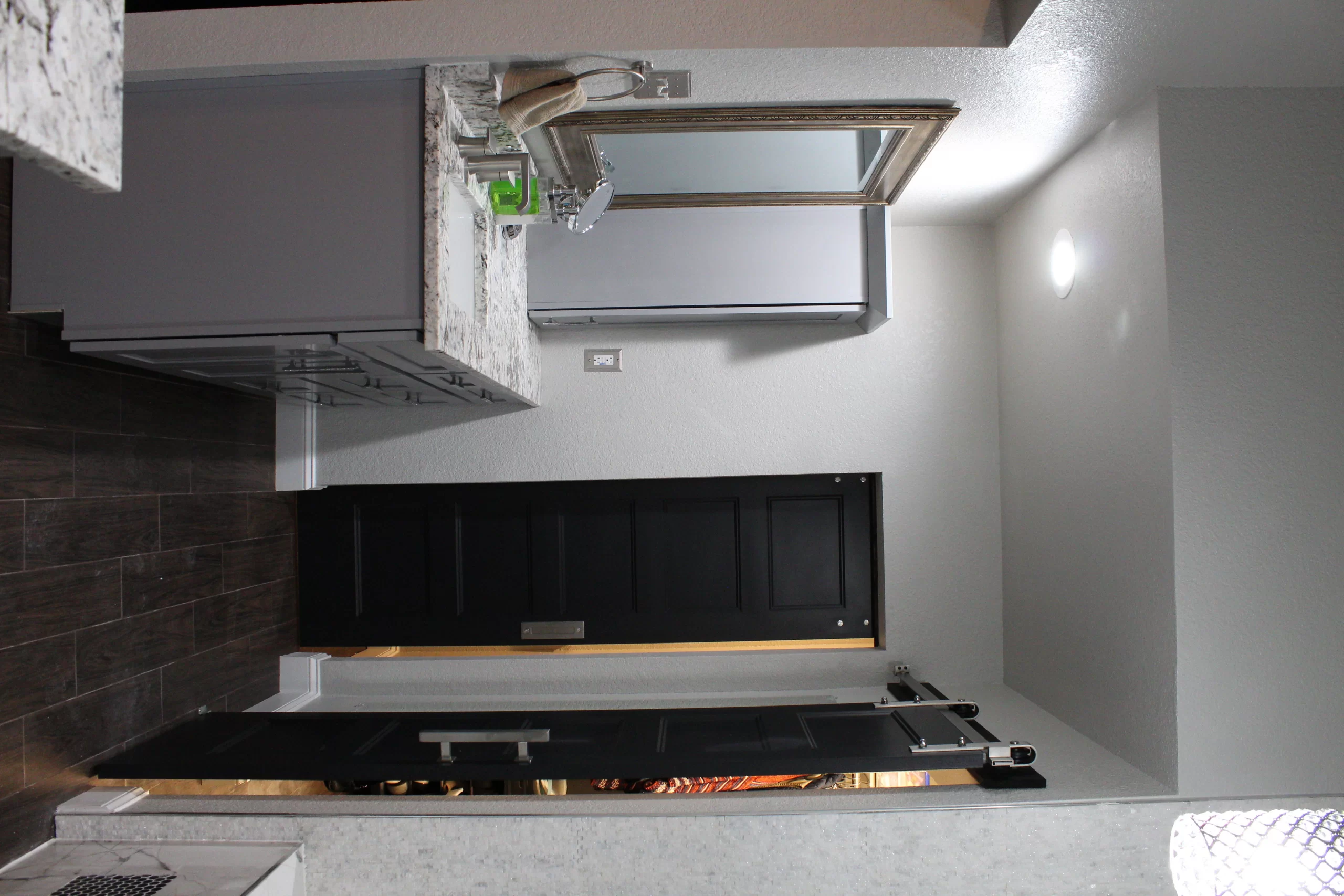
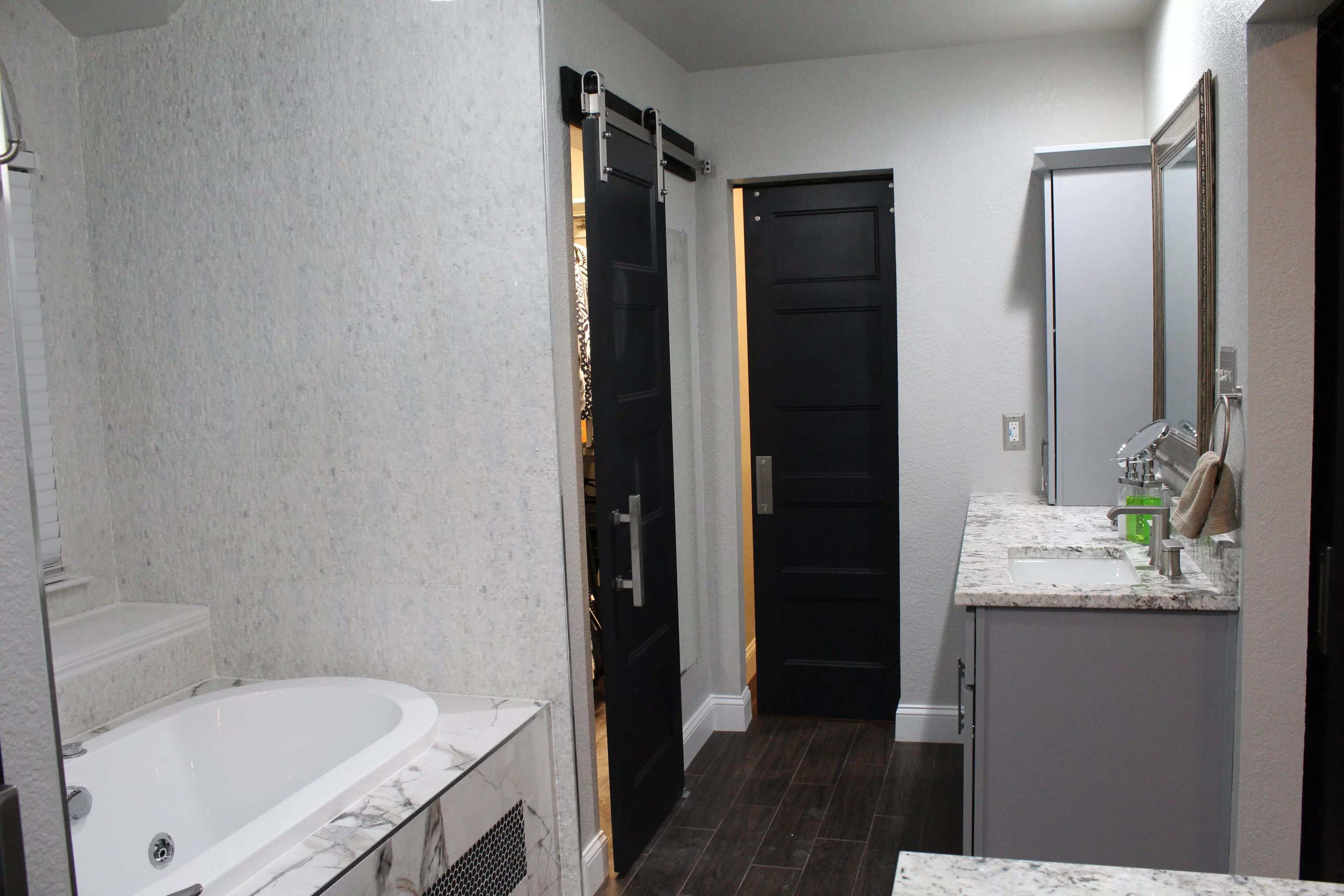
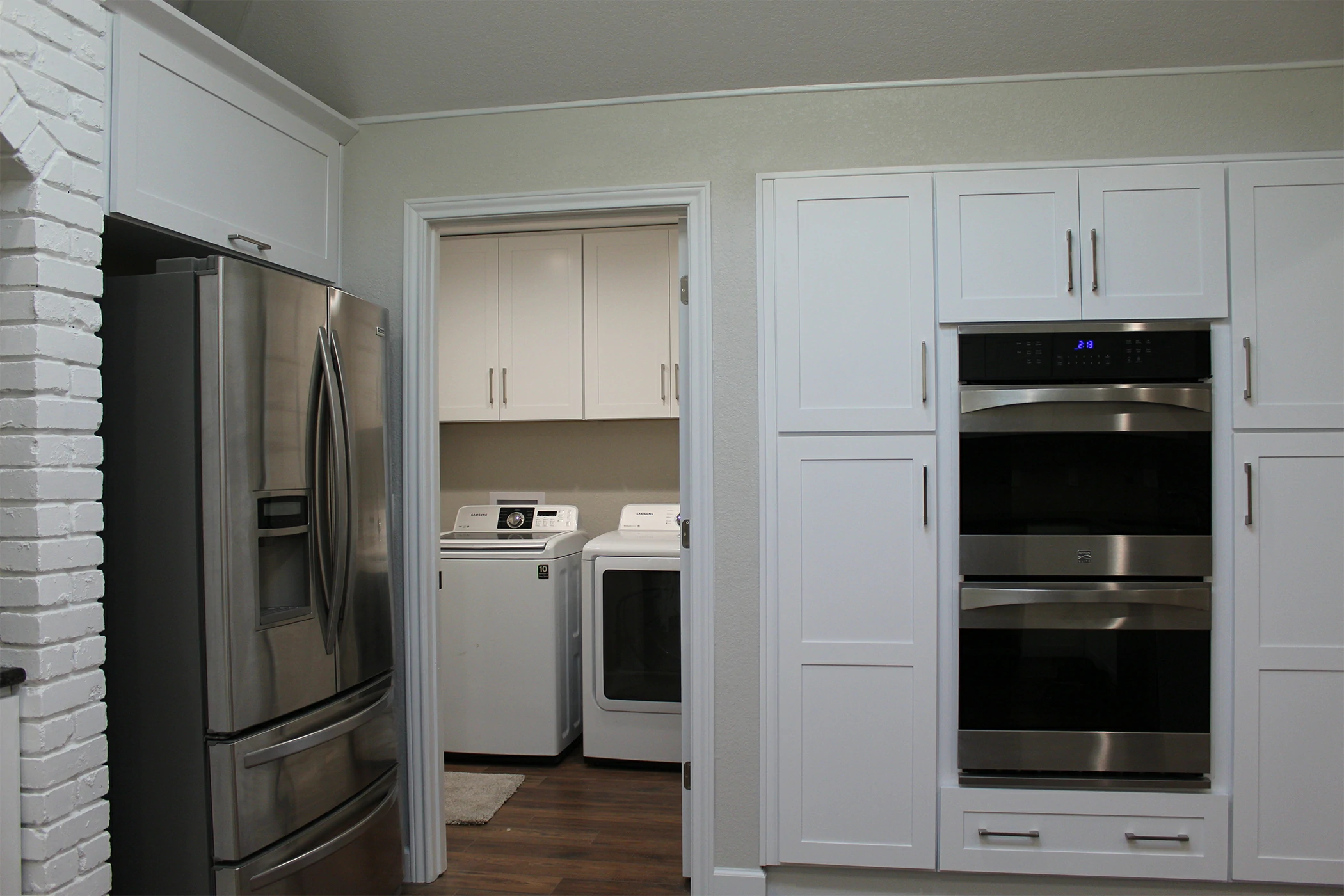
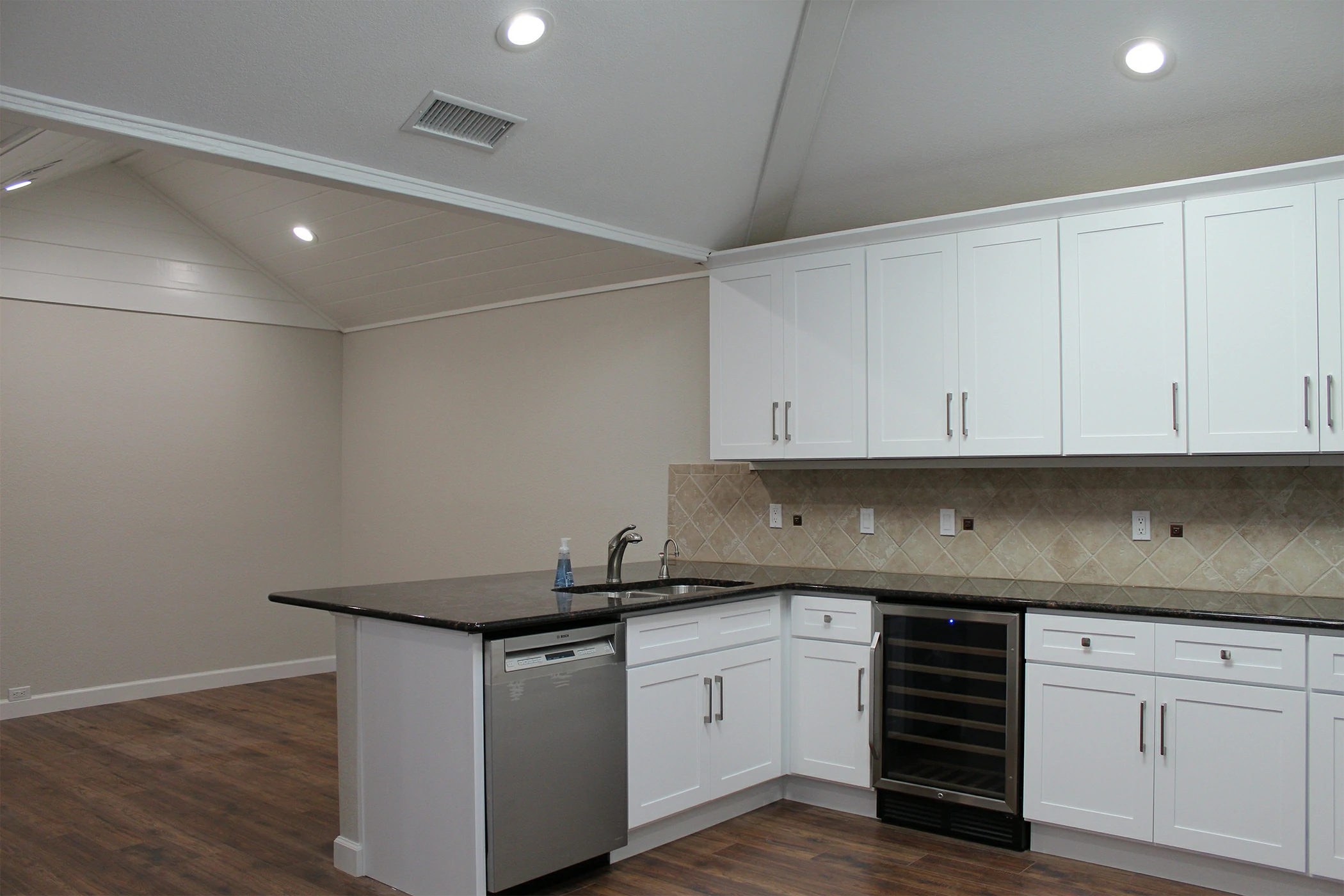
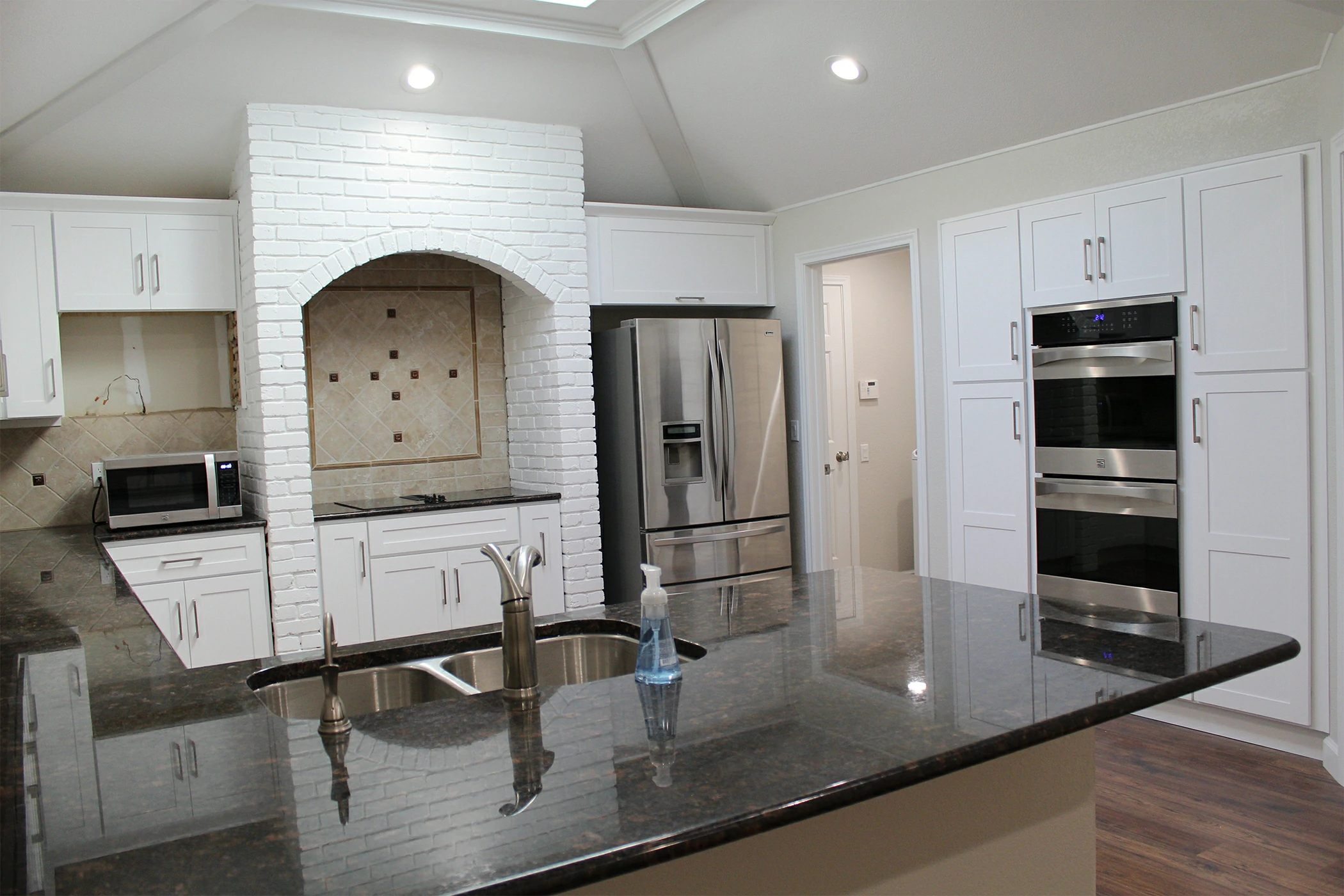
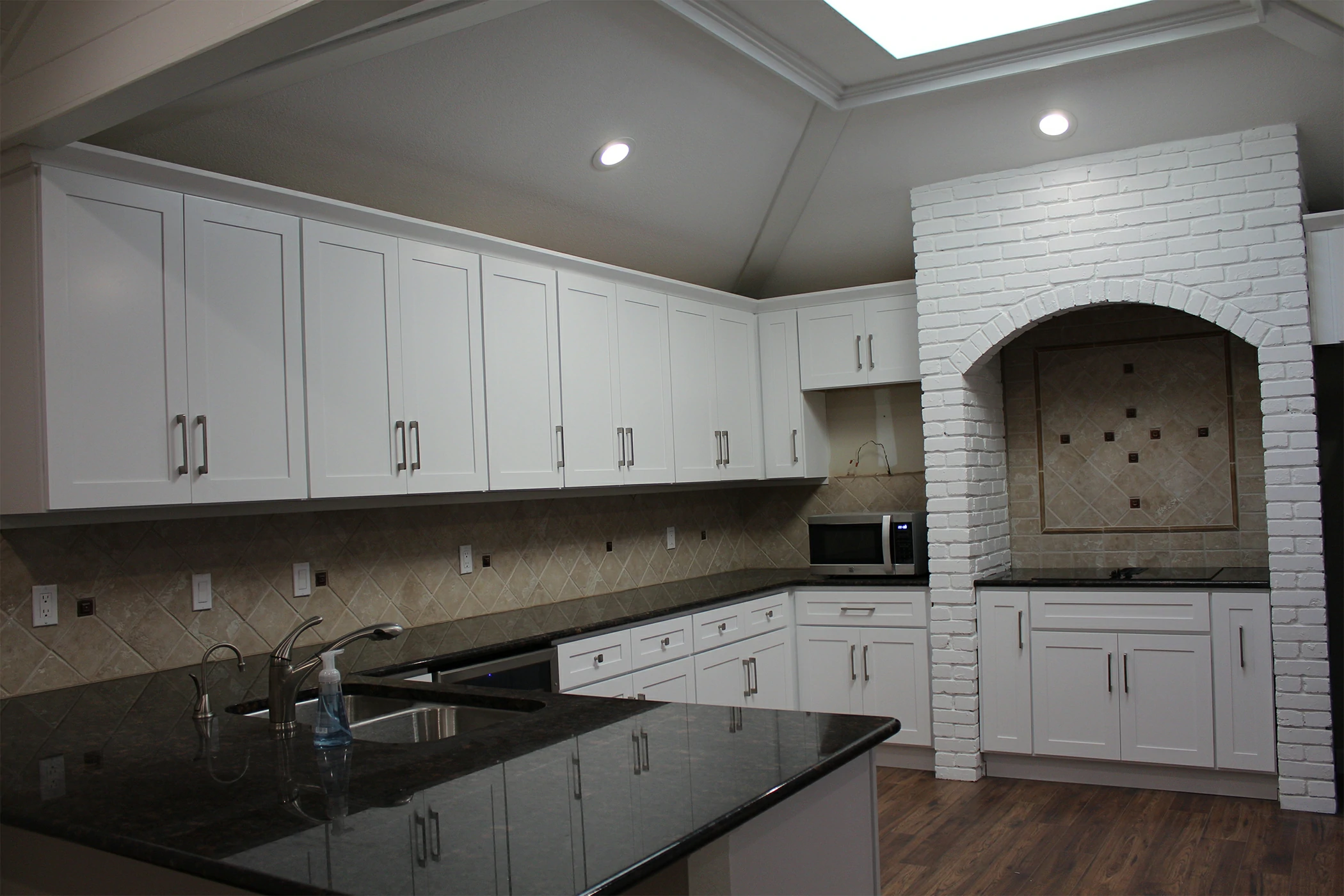
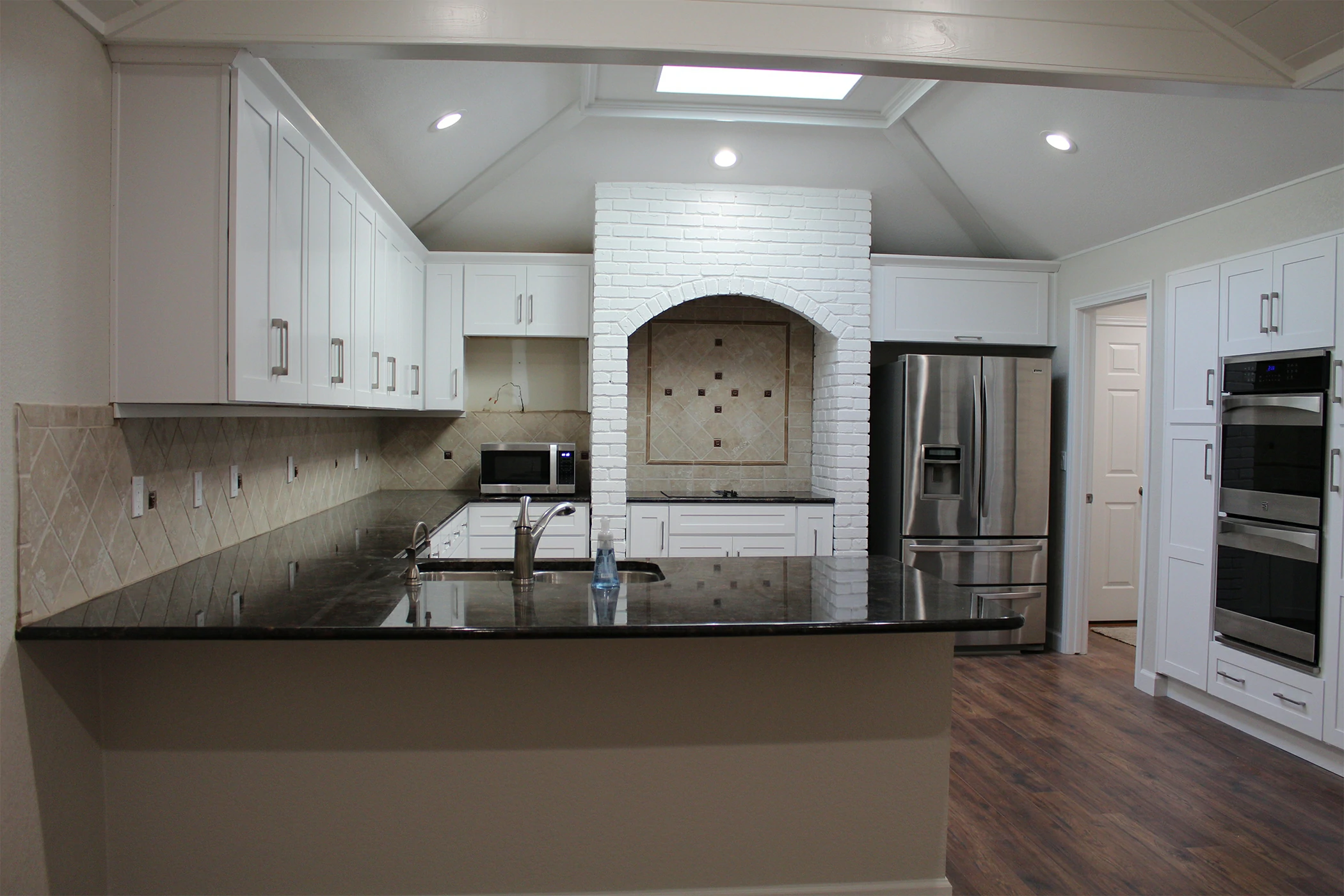
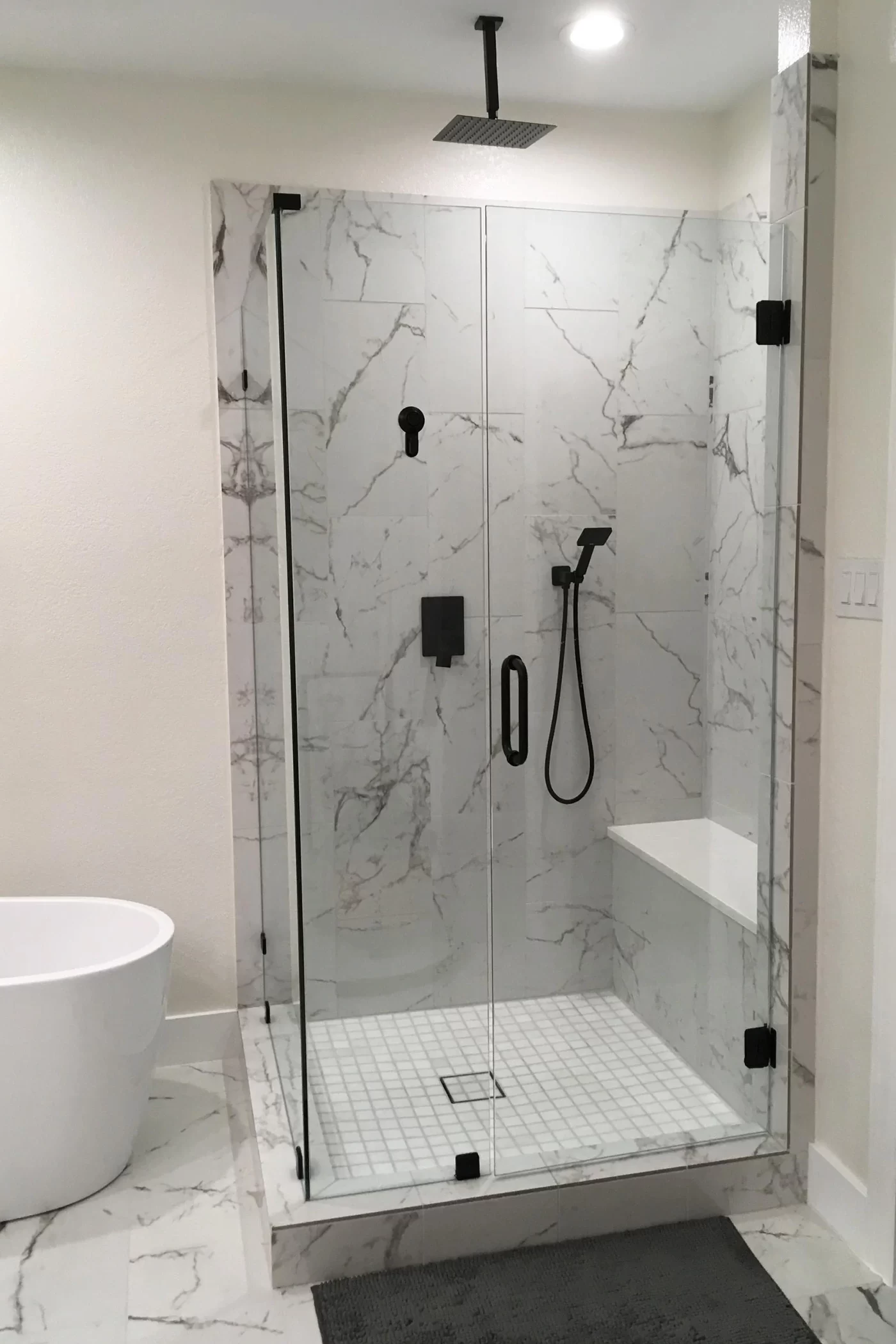
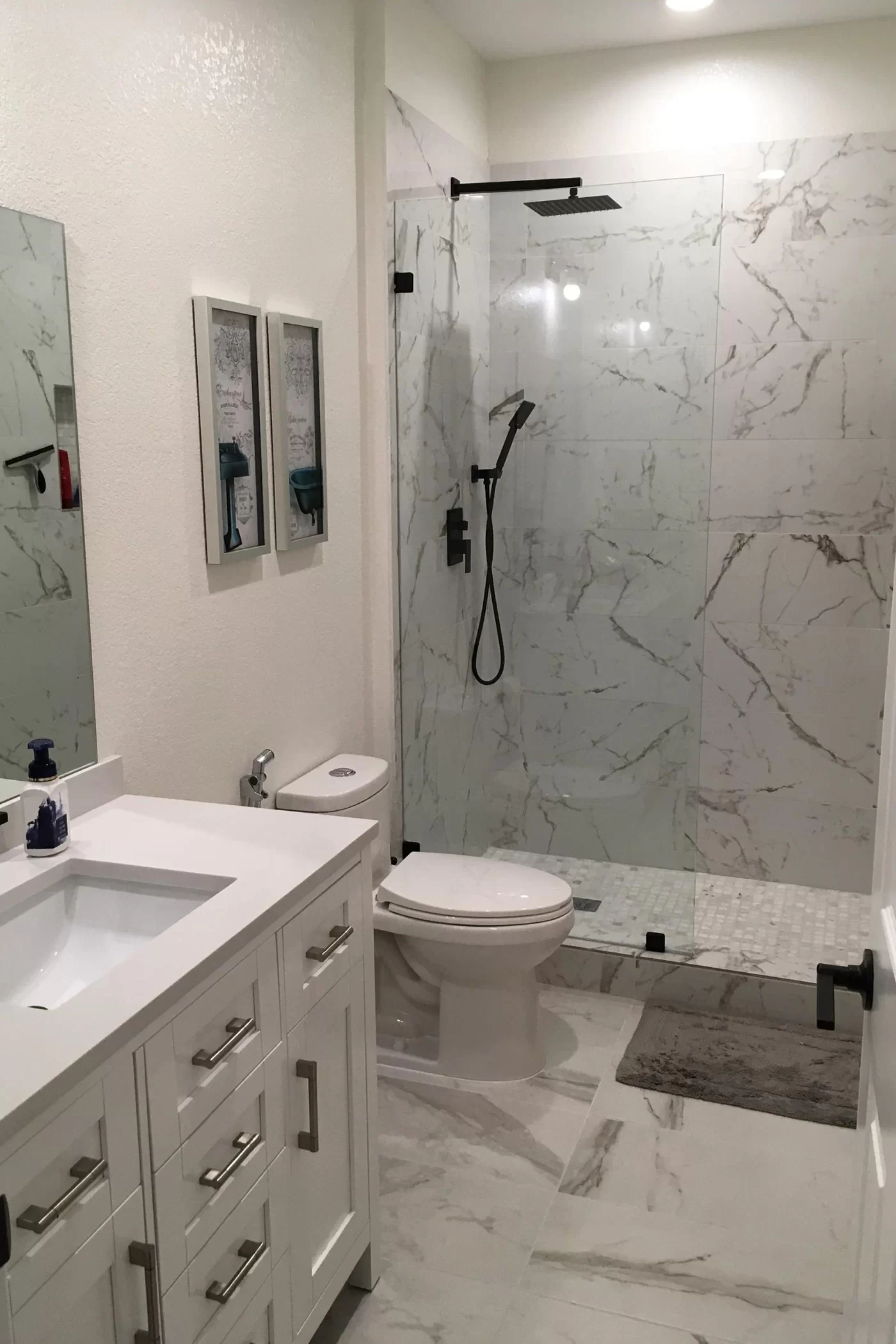
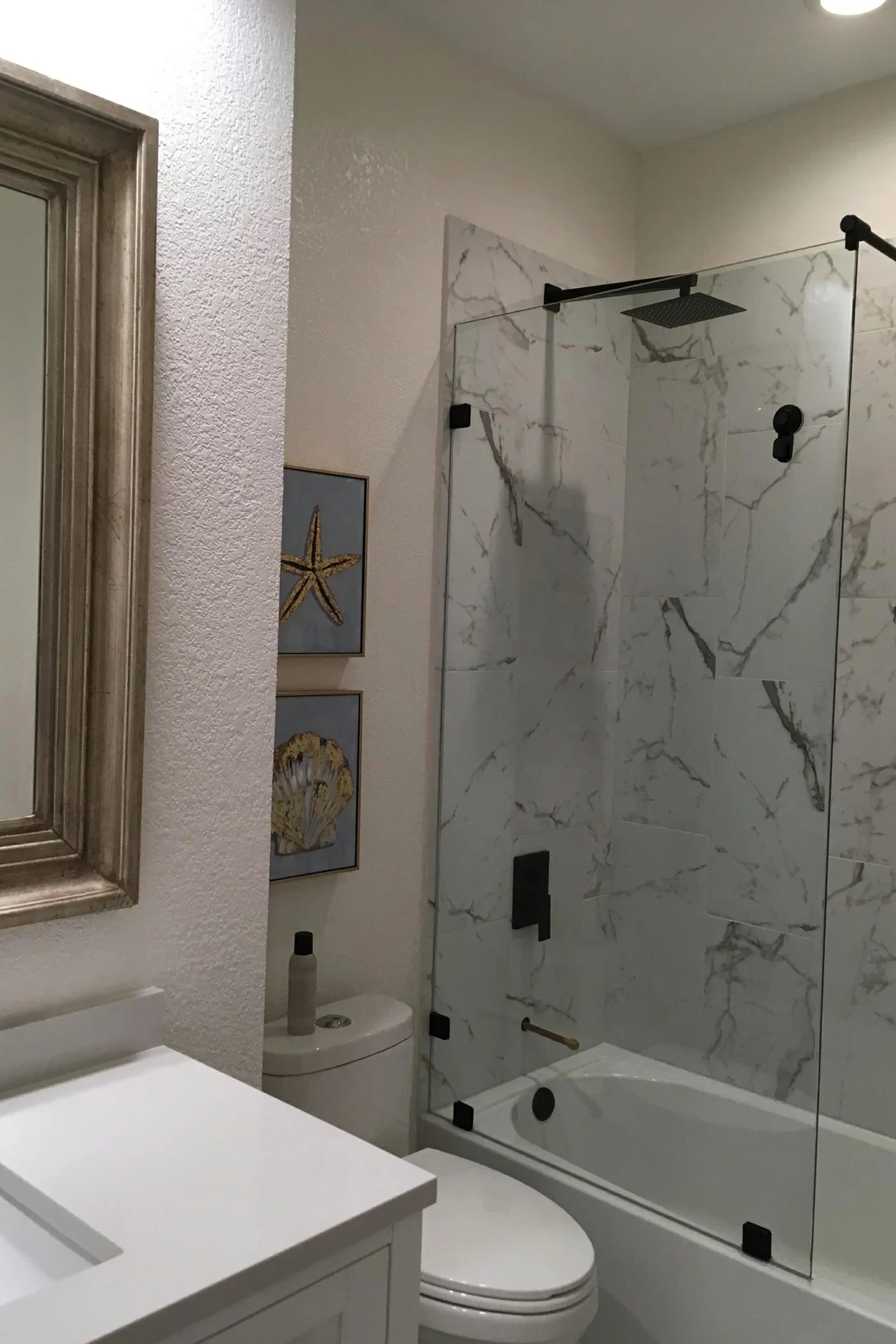
Reviewing completed projects can provide insight into what similar work looks like in practice and help set realistic expectations.
Home Addition ROI: What to Expect
Return on investment varies depending on the type of addition and local market conditions.
Additions with Strong ROI Potential
- Bedroom additions
- Bathroom additions
- Kitchen expansions
- In-law suites
These spaces add functional square footage that appeals to future buyers.
Additions with Moderate ROI
- Sunrooms
- Bonus rooms
- Luxury primary suites
These may improve lifestyle significantly but do not always deliver the highest financial return.
Key Factors That Influence ROI
- Location and housing market conditions
- Quality of workmanship
- Design consistency with the existing structure
- Overall neighborhood property values
In many markets, homeowners recoup a significant portion of their investment, though rarely 100 percent. The real value often combines financial return and improved quality of life.
Home Addition vs. Remodeling: Which Is Better?
Homeowners often compare additions to remodeling.
Choose a Home Addition If:
- You need more square footage
- Your lot allows expansion
- You want to increase bedroom or bathroom count
Choose Remodeling If:
- The layout is inefficient
- You have unused space
- Structural expansion is not possible
A professional consultation can help determine whether an addition or a remodel is the better solution. Learn more about options through the dedicatedadditions service page or explore broader renovation possibilities under home remodeling services.
Planning a Successful Home Addition
A well-planned project reduces stress and protects your investment.
Step 1: Define Clear Goals
Identify whether your priority is resale value, lifestyle improvement, or accommodating family needs.
Step 2: Set a Realistic Budget
Include contingency funds for unexpected structural or material costs.
Step 3: Evaluate Structural Feasibility
A structural assessment determines whether your foundation and framing can support expansion, especially for second-story additions.
Step 4: Consider Long-Term Needs
Design the addition to serve both current and future requirements.
Step 5: Work With Experienced Professionals
Licensed contractors, architects, and engineers ensure code compliance and design continuity.
Design Considerations That Impact Value
Not all additions deliver equal results. Thoughtful design plays a major role in maximizing home additions benefits.
Maintain Architectural Consistency
The new space should blend seamlessly with the existing structure in terms of materials, rooflines, and finishes.
Focus on Natural Light
Windows, skylights, and proper orientation can make additions feel integrated rather than separate.
Prioritize Energy Efficiency
Modern insulation, efficient windows, and upgraded HVAC systems reduce long-term operational costs.
Avoid Over-Personalization
Highly customized features may limit appeal to future buyers.
For creative inspiration, explore practical concepts in this article on creative home addition ideas.
When Is a Home Addition Worth It?
A home addition is generally worth it when:
- You plan to stay in your home long term
- The addition meets clear functional needs
- The cost aligns with neighborhood property values
- The design improves both usability and market appeal
It may not be worth it if:
- You plan to move within a short time
- Local property values limit return potential
- Structural constraints significantly increase cost
The decision ultimately depends on balancing financial considerations with lifestyle improvements.
Final Thoughts
Deciding whether a home addition is worth it requires careful evaluation of costs, long-term goals, and market conditions. The home additions benefits can be substantial, including increased living space, improved functionality, and enhanced property value. However, they must be weighed against construction costs, potential disruption, and local regulations.
For homeowners seeking detailed information or project guidance, you can explore available services or request consultation through the contact page.
A well-planned home addition is not simply about adding square footage. It is about aligning your home with your evolving lifestyle while protecting your investment for the future.