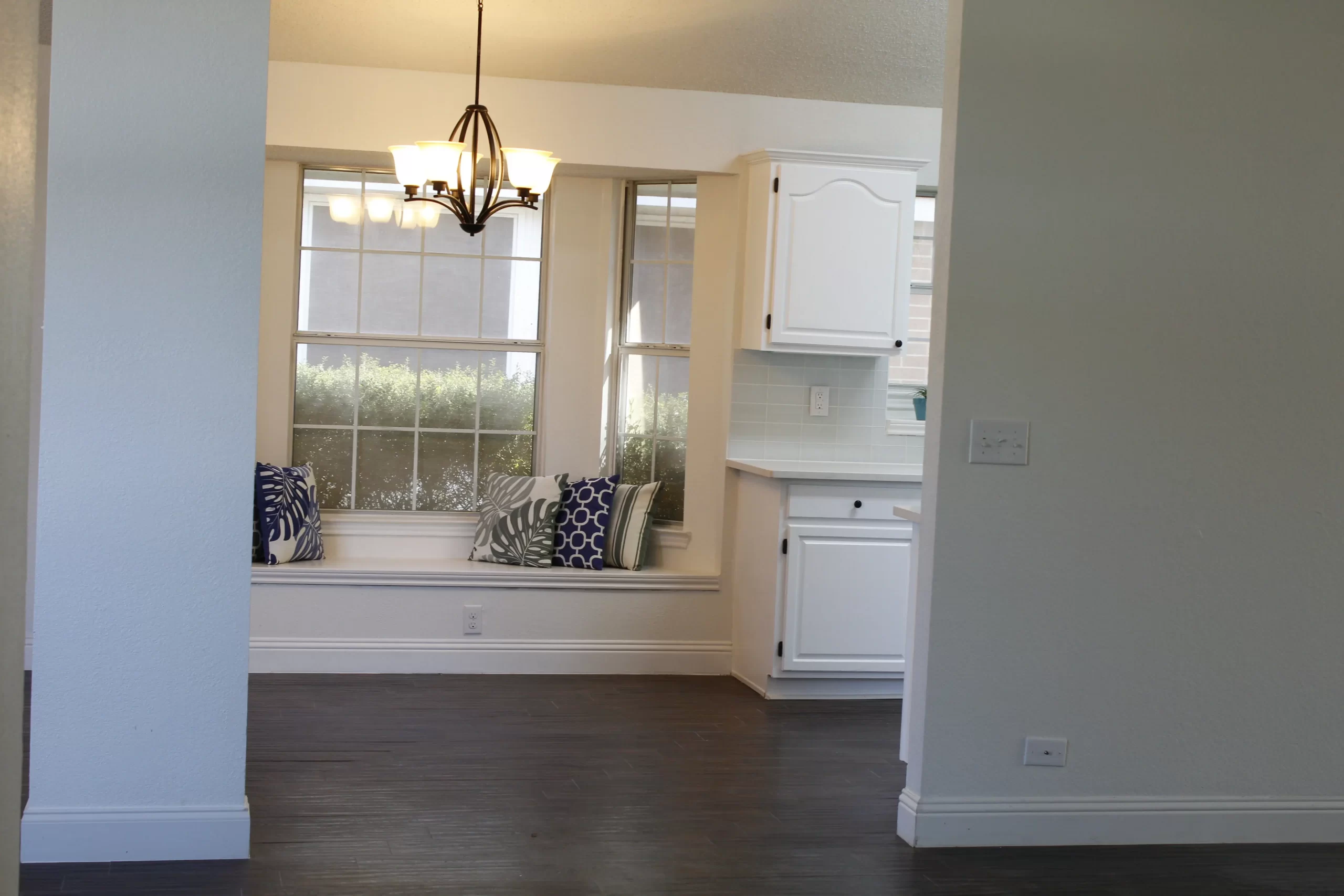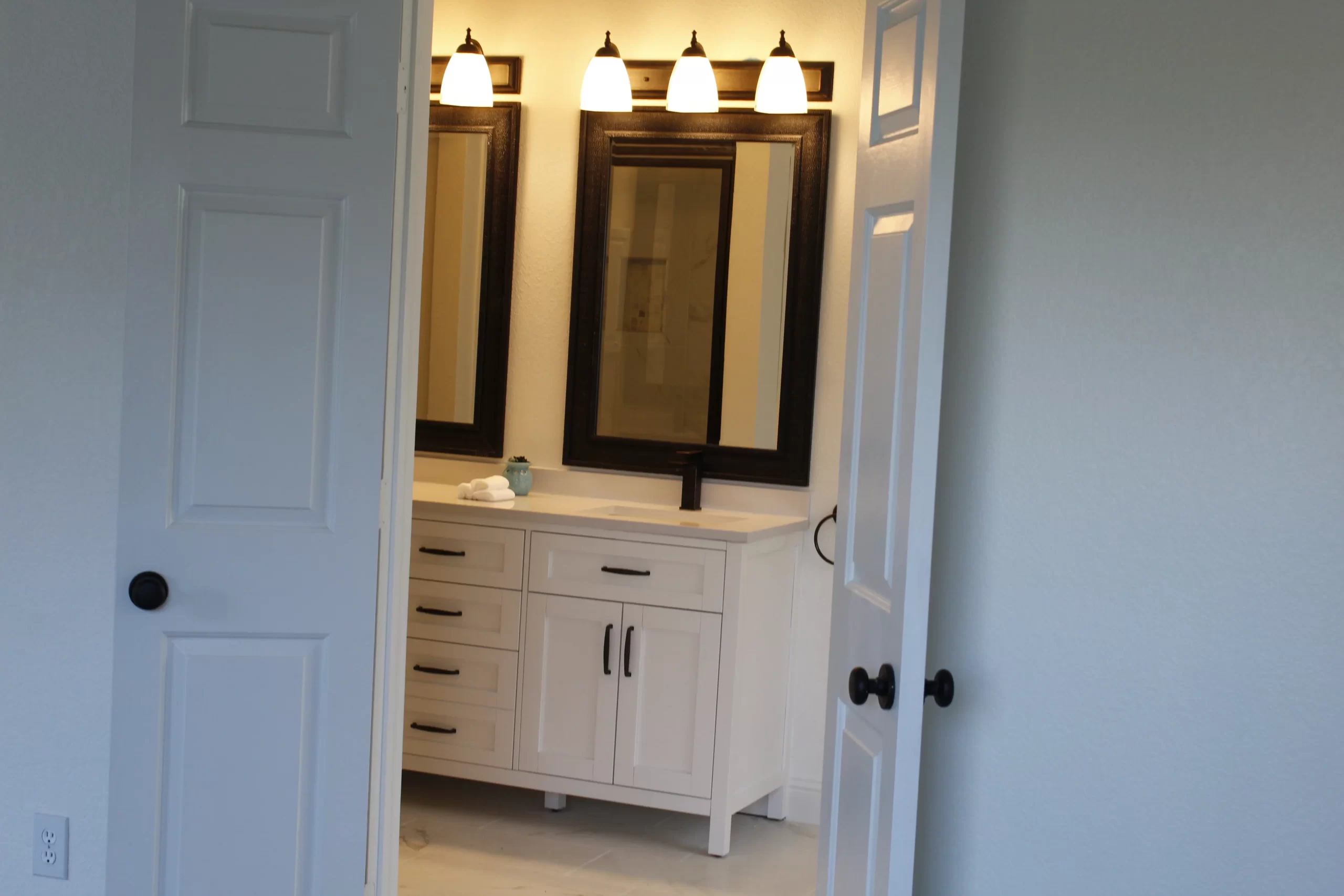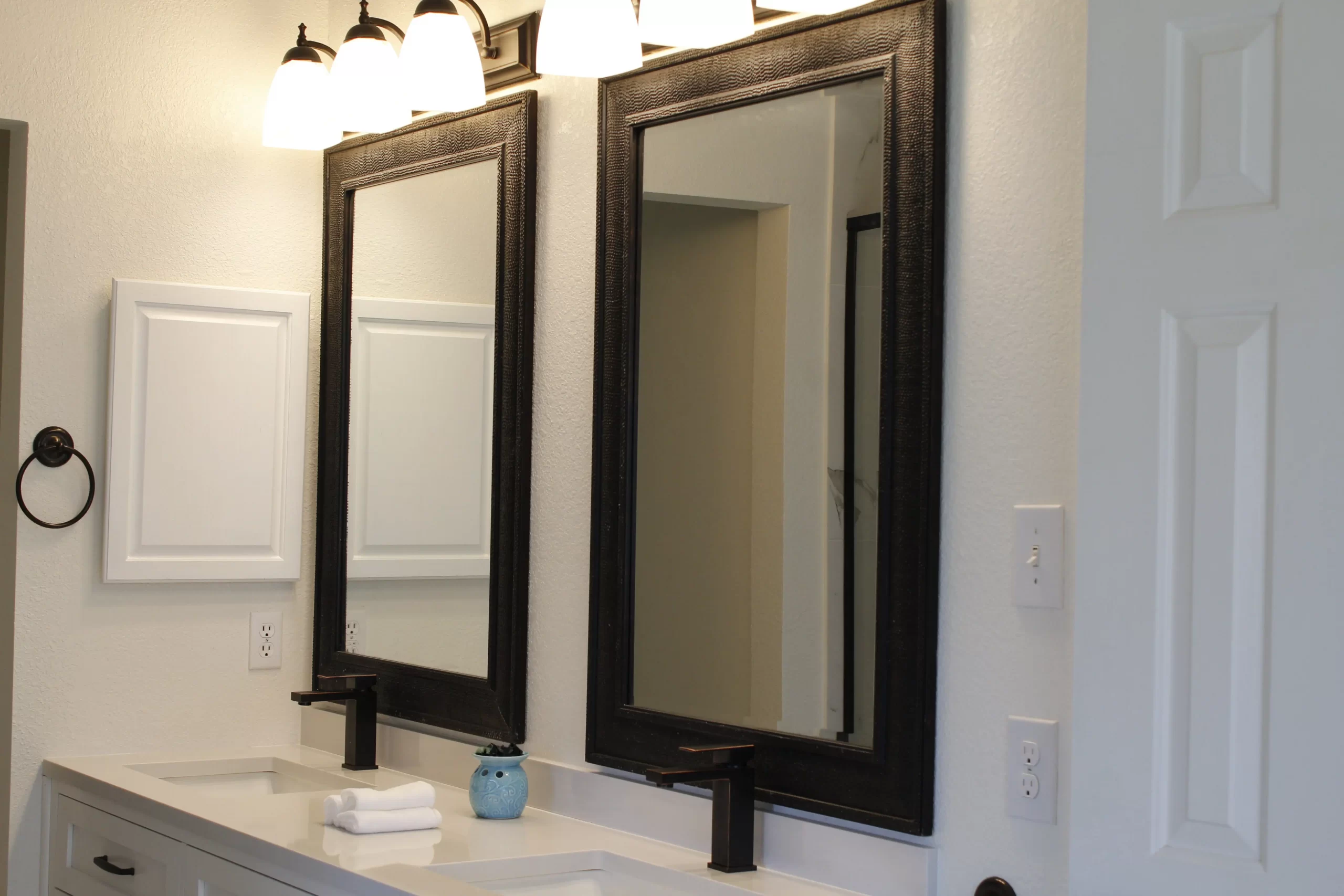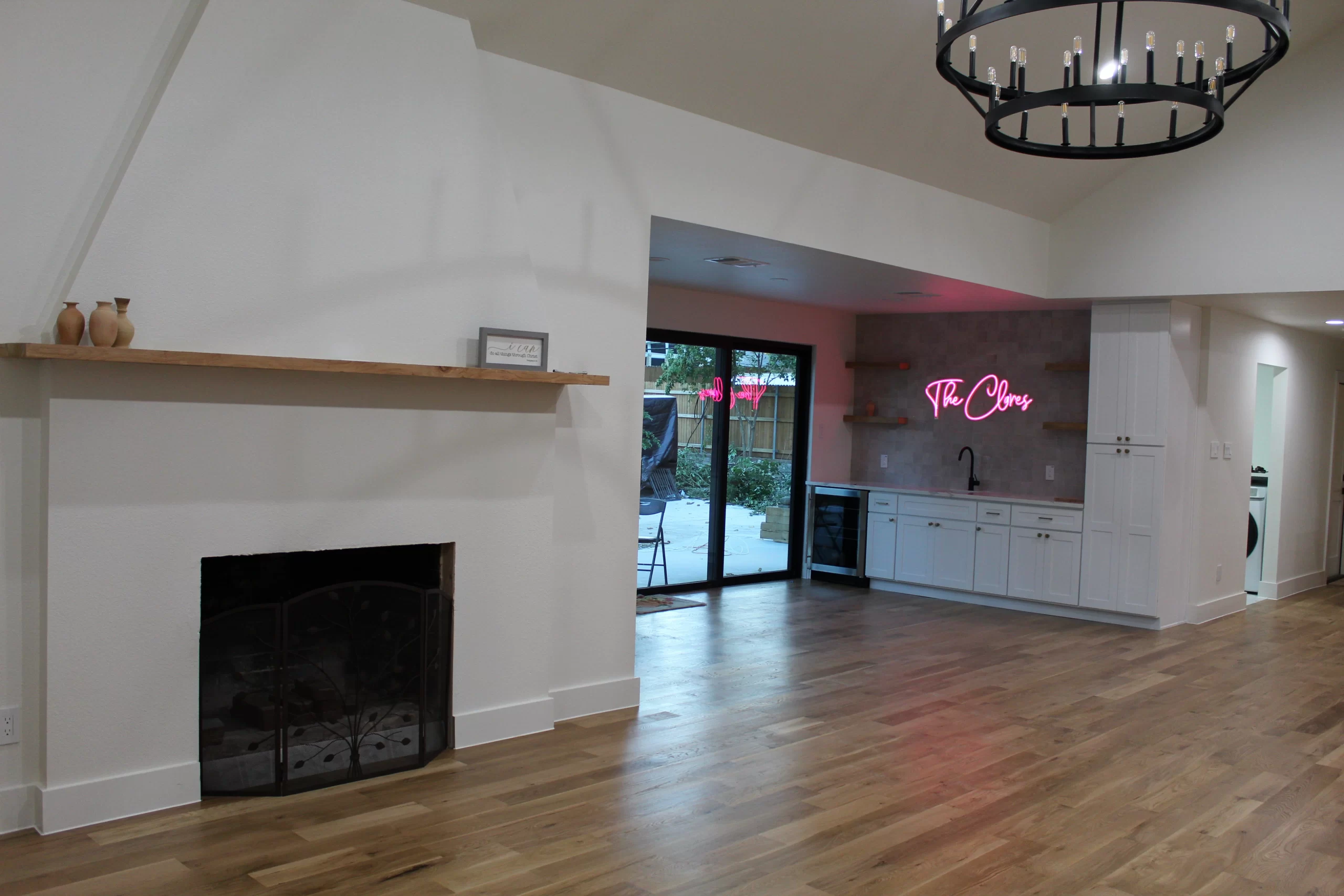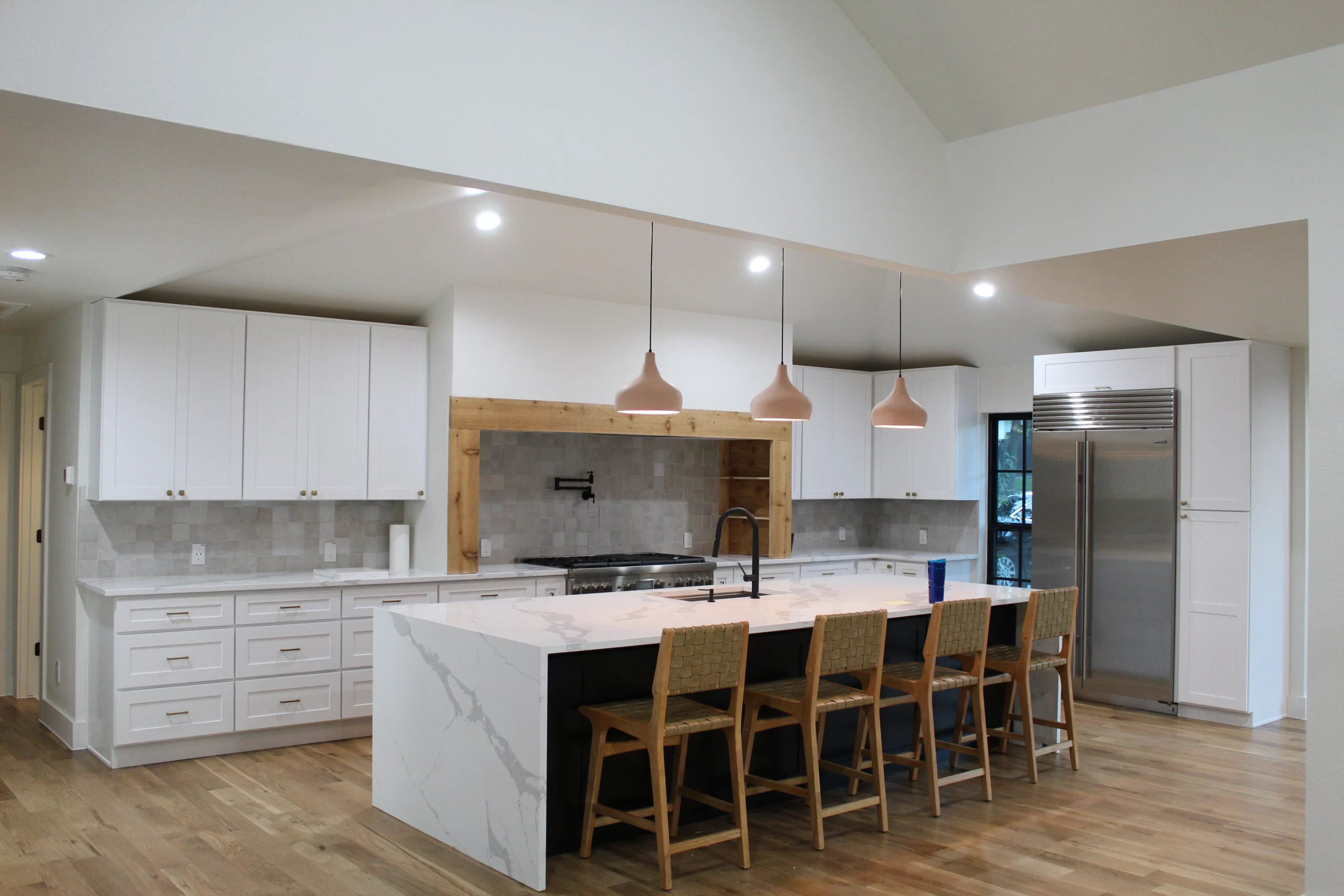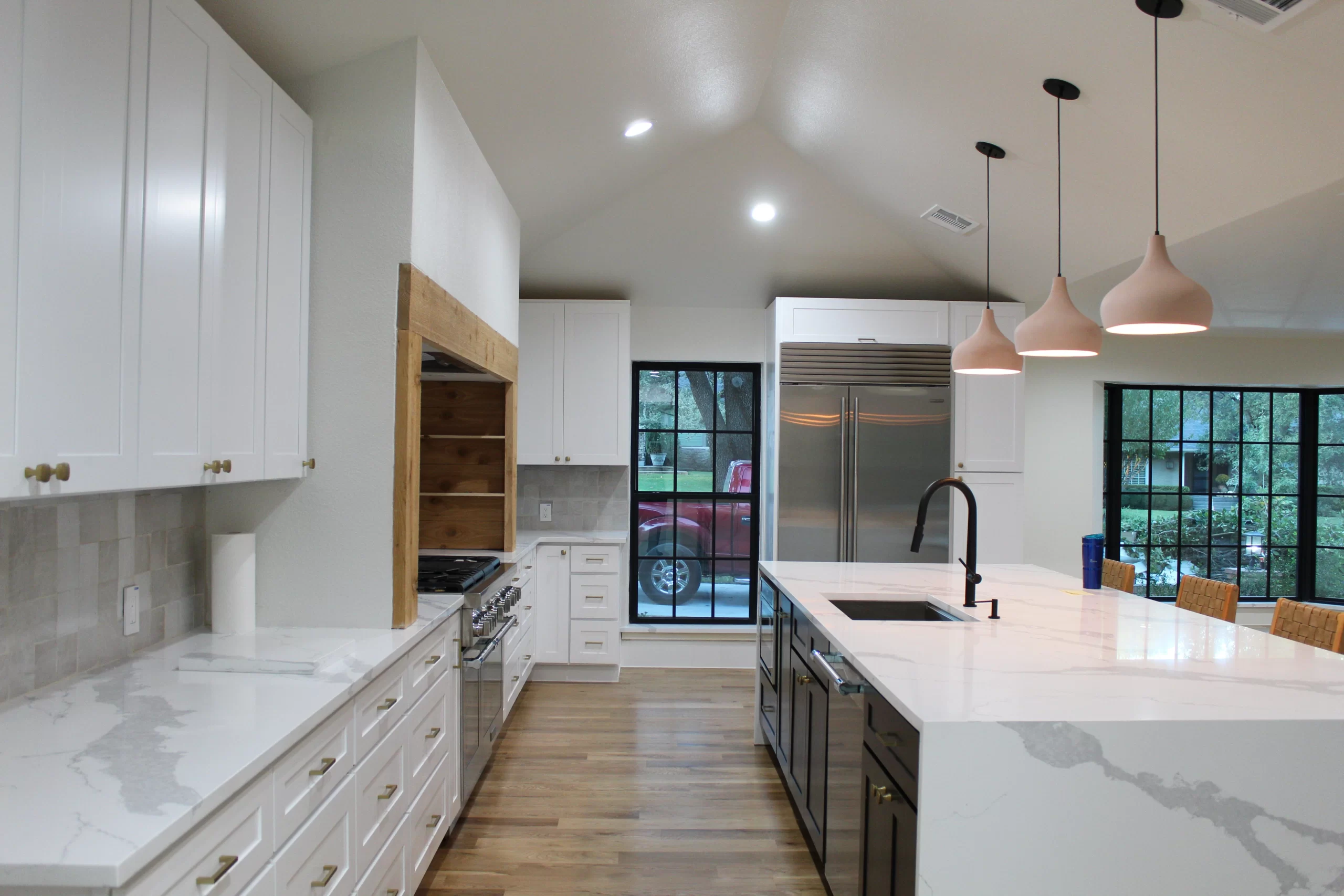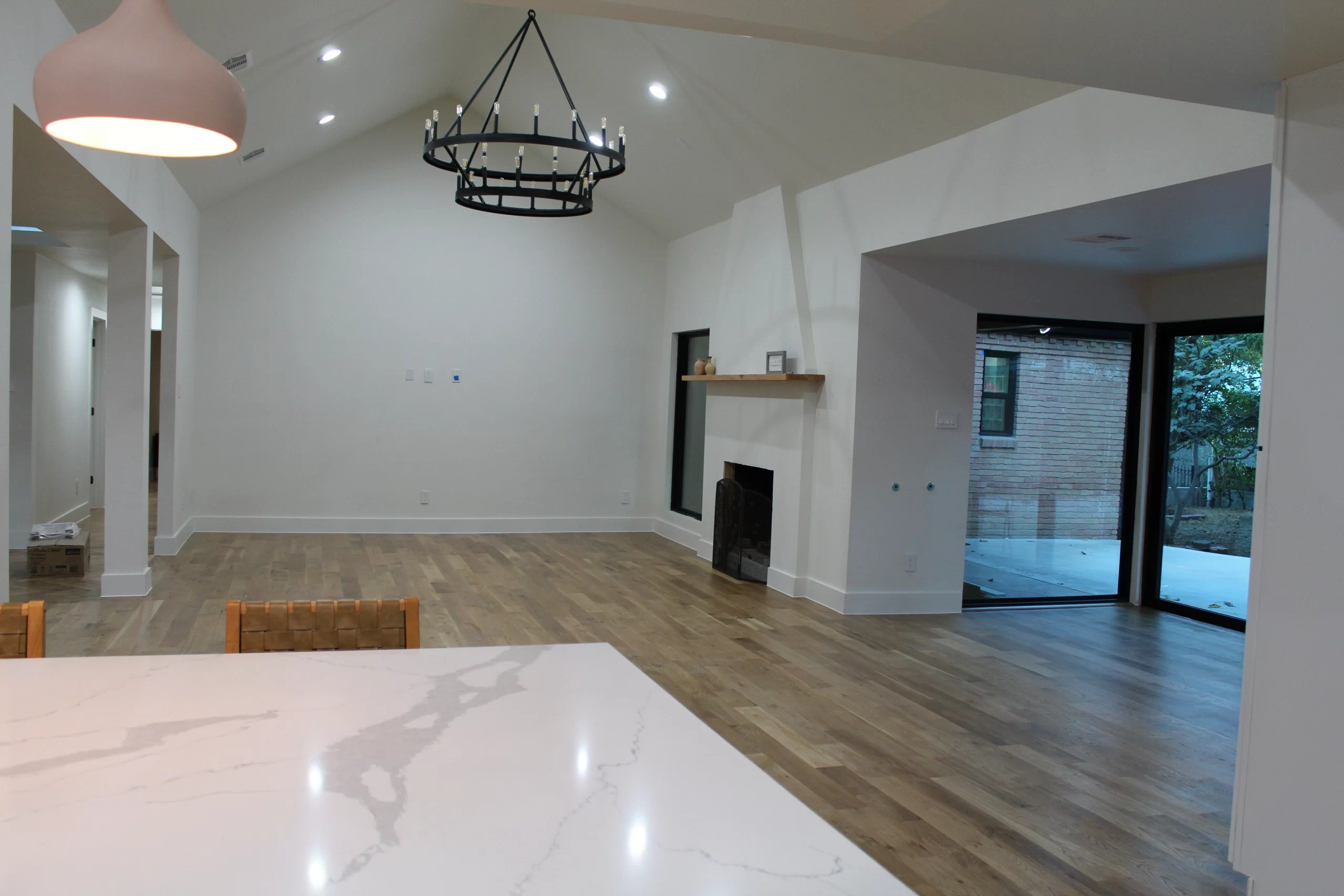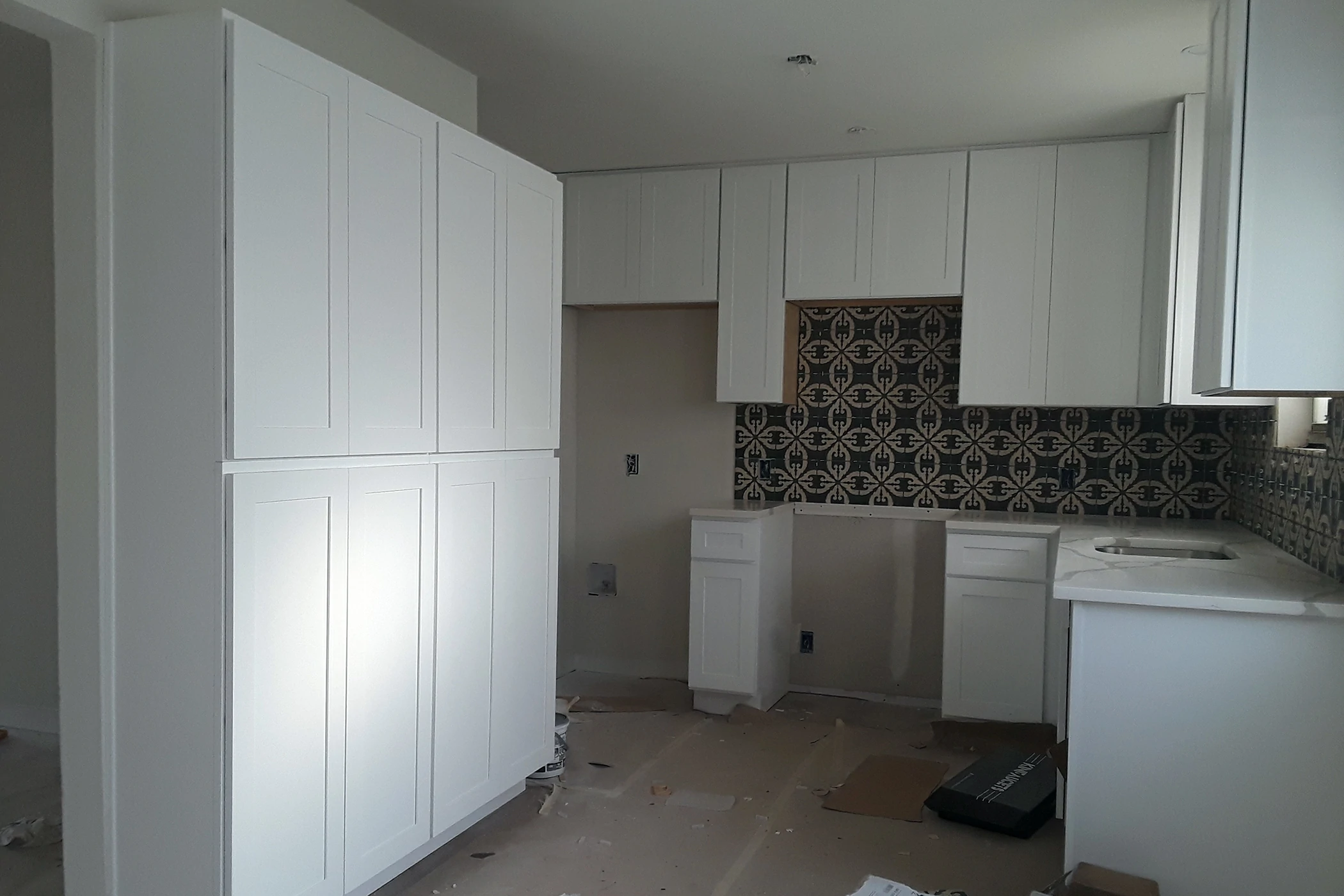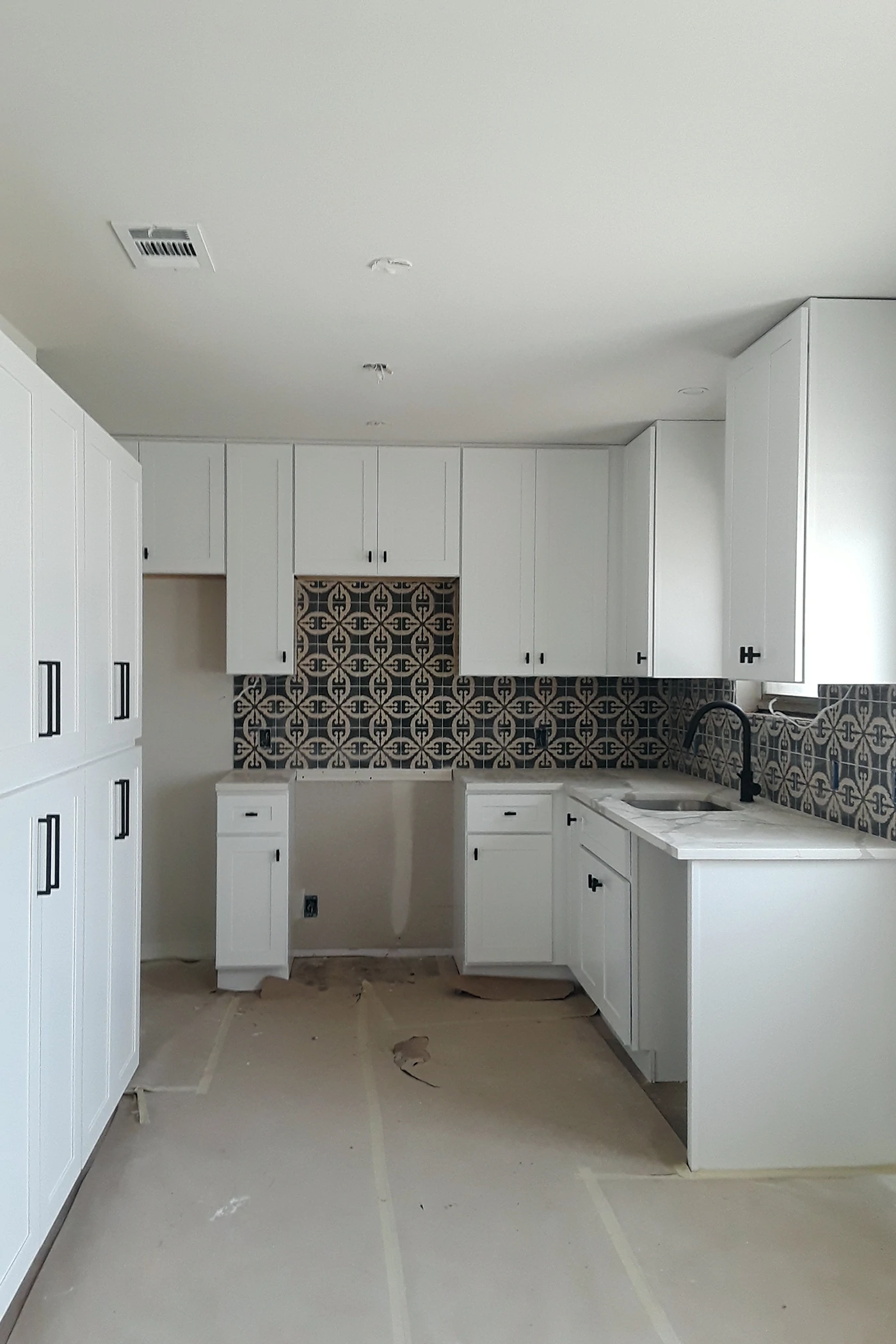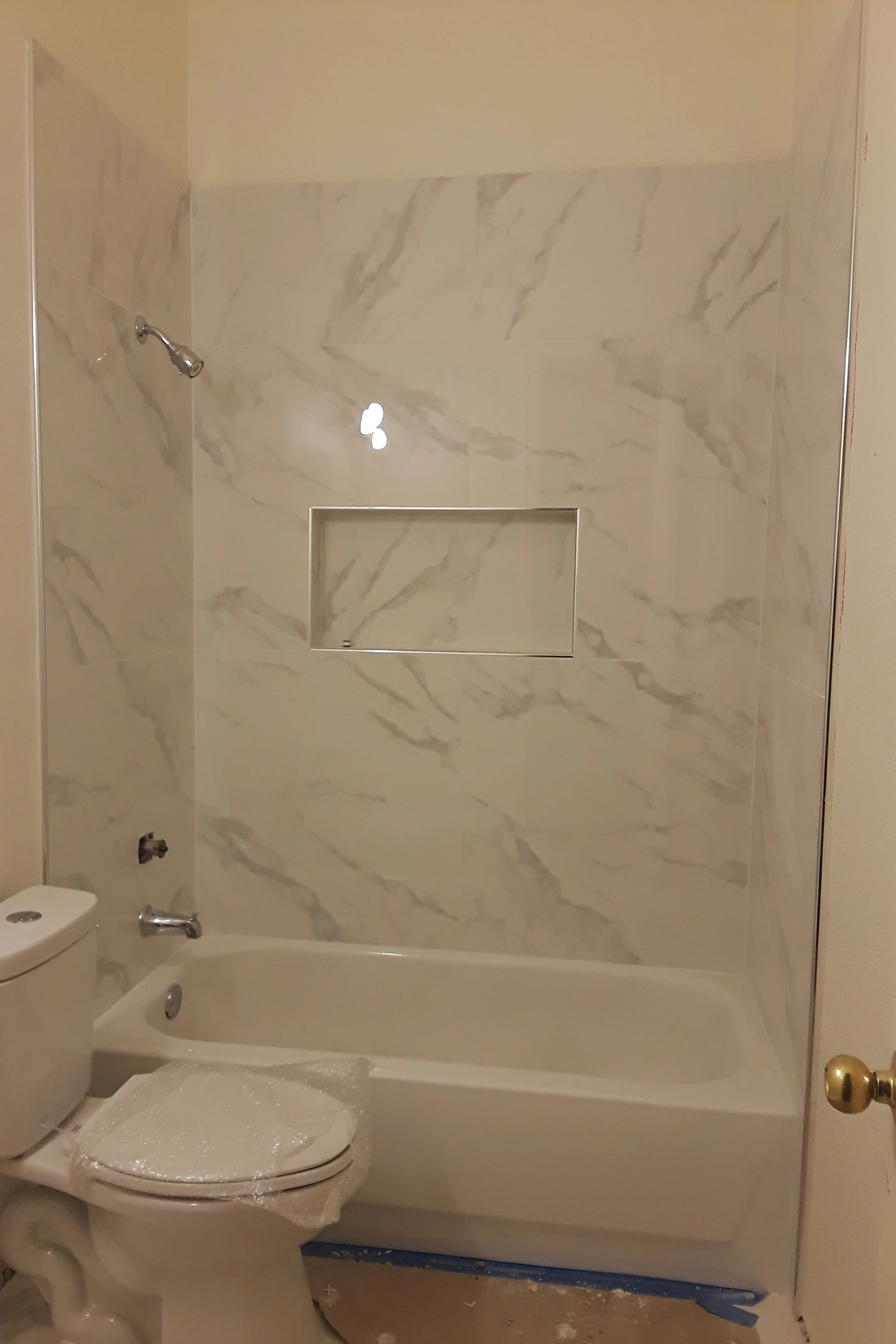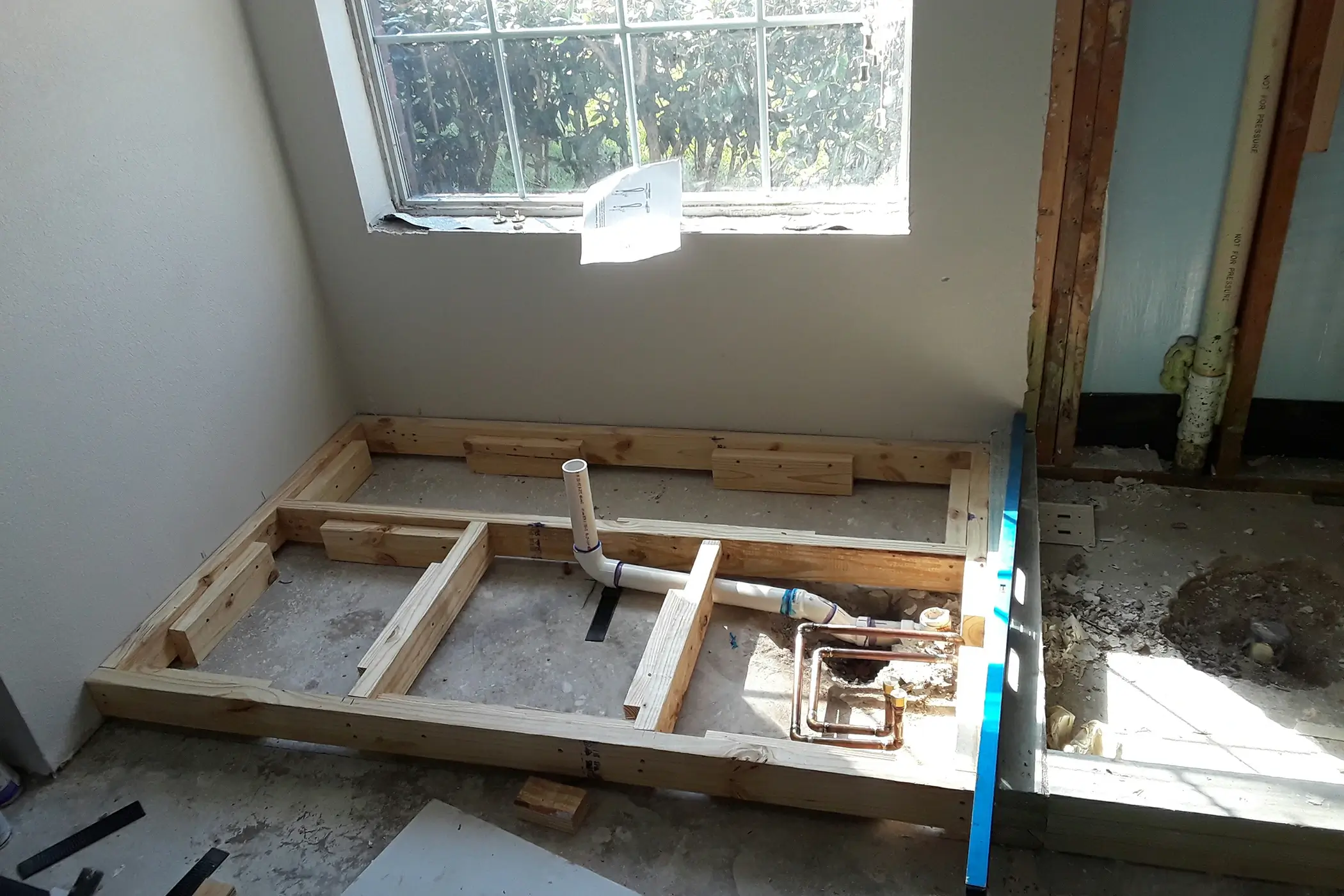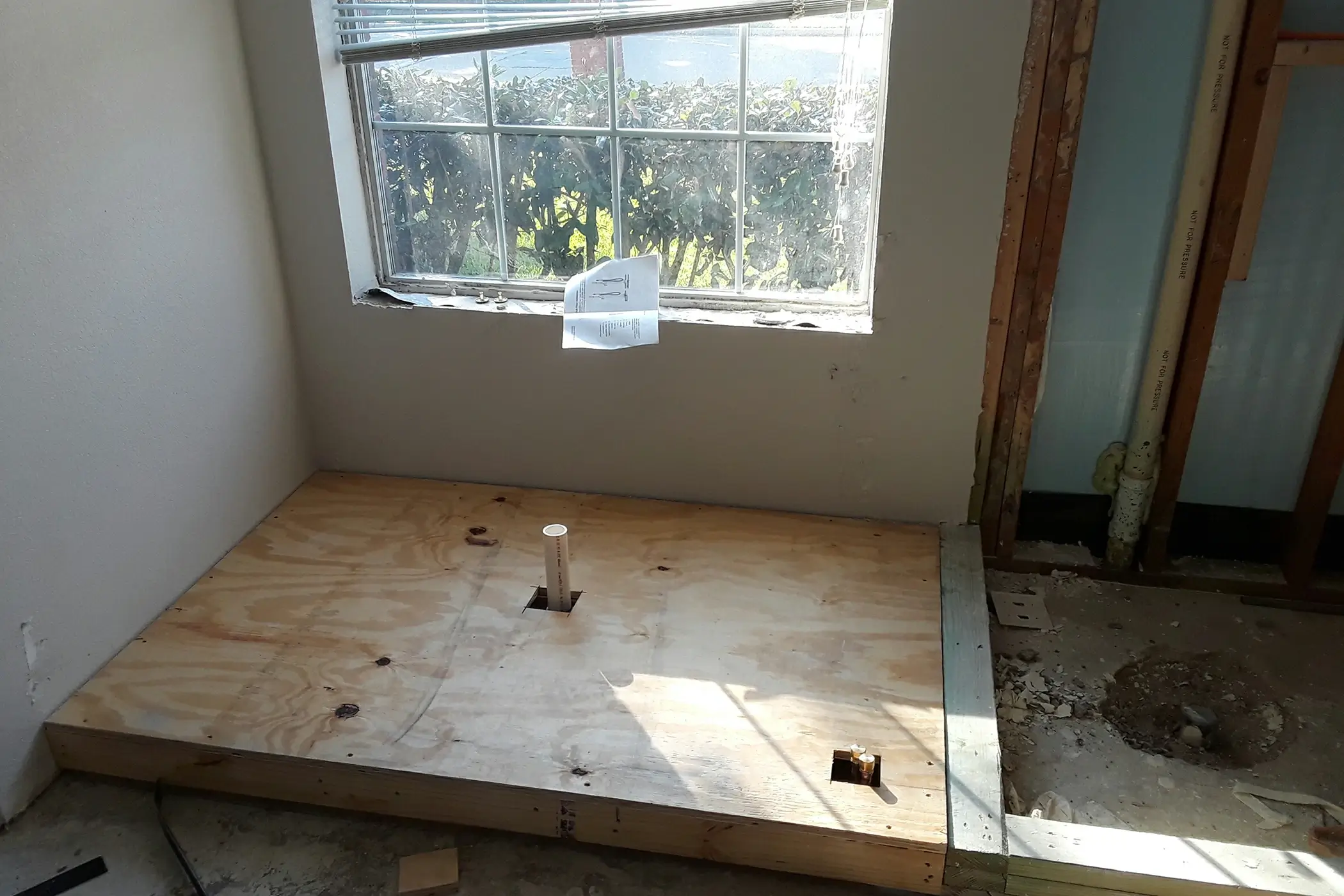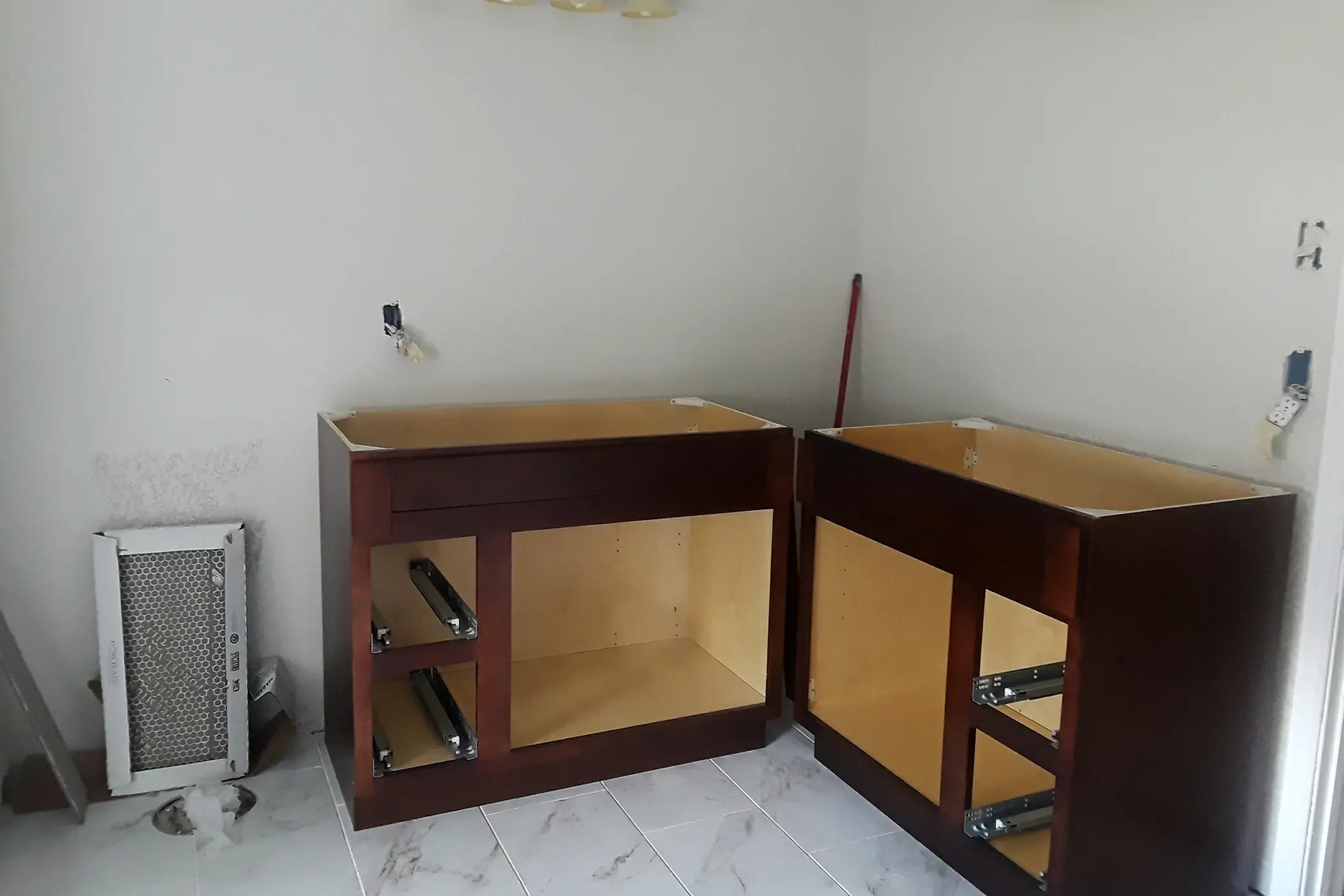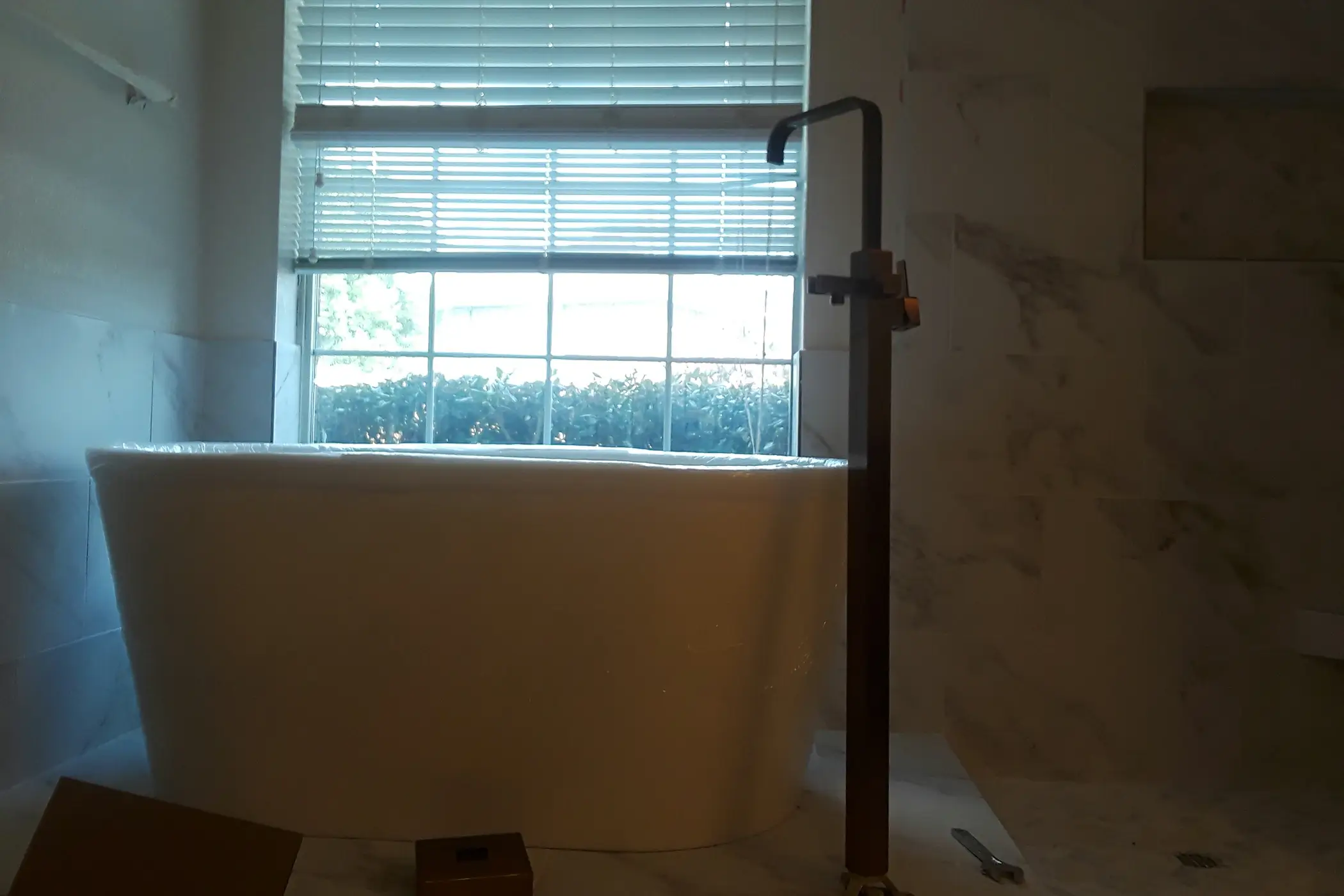
Home renovation projects involve many design decisions, including layout changes, material selections, and structural updates. For homeowners, it can be difficult to imagine how these elements will look together before construction begins. Traditional drawings and blueprints often provide technical information but may not fully communicate the final outcome.
This is where 3D design for home renovation becomes an essential part of modern remodeling. By using digital visualization tools, homeowners and designers can see realistic models of renovation projects before work starts. This approach helps improve planning, reduce uncertainty, and make the entire remodeling process more transparent.
Homeowners researching renovation planning can explore design approaches and remodeling services through resources like Bina Homes, which provides insights into remodeling, additions, and renovation planning. These digital tools are increasingly used across the industry to help homeowners visualize their spaces and make informed decisions.
In this guide, we will explore how 3D visualizations support renovation planning, improve collaboration, and help homeowners achieve better results during remodeling projects.
Understanding 3D Design for Home Renovation
3D design for home renovation refers to the process of creating digital models that represent the layout, structure, and interior design of a home. These models allow homeowners to see how renovations will look from different perspectives.
Unlike flat drawings, 3D models provide depth, lighting effects, textures, and realistic spatial representation. Designers can present the renovated space with accurate dimensions, materials, and furniture placements.
Home remodeling professionals often use these models when planning projects such as home remodeling services, where multiple design elements need to work together within the existing structure of the home.
3D visualization helps bridge the gap between technical plans and the homeowner’s understanding of the project.
Why Visualization Matters in Renovation Planning
Renovation projects can involve significant investments, so homeowners need clarity before construction begins. Visualization tools help address common challenges such as misunderstanding layouts, selecting finishes, and planning structural modifications.
Improved Understanding of Layout Changes
When walls are moved or new rooms are added, it can be difficult to imagine how the space will function. A 3D model shows the relationship between rooms, windows, and walkways.
For example, homeowners considering structural updates or expansions may explore concepts related to home additions. Seeing these ideas in 3D helps determine whether the new layout improves functionality.
Realistic Representation of Interior Design
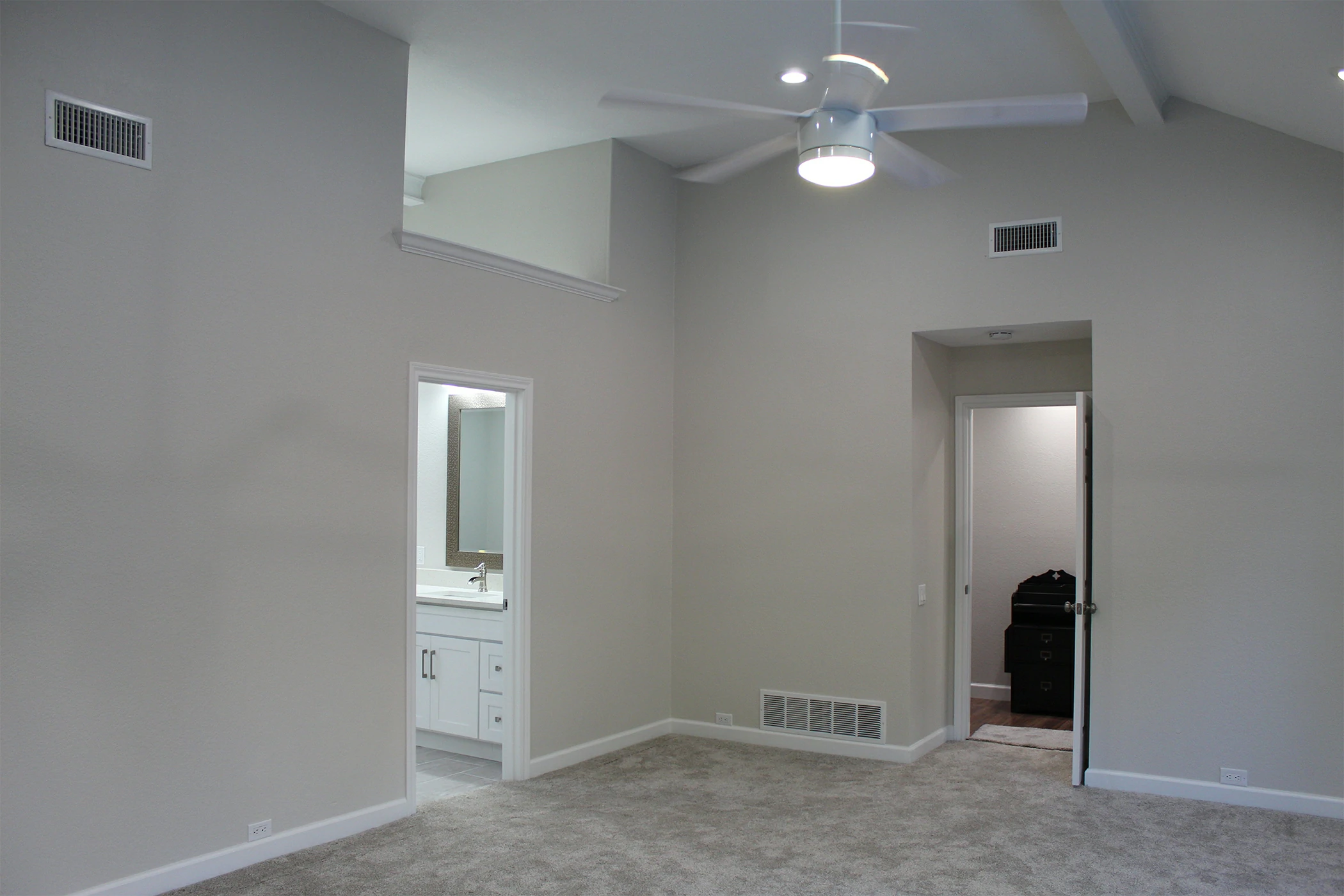
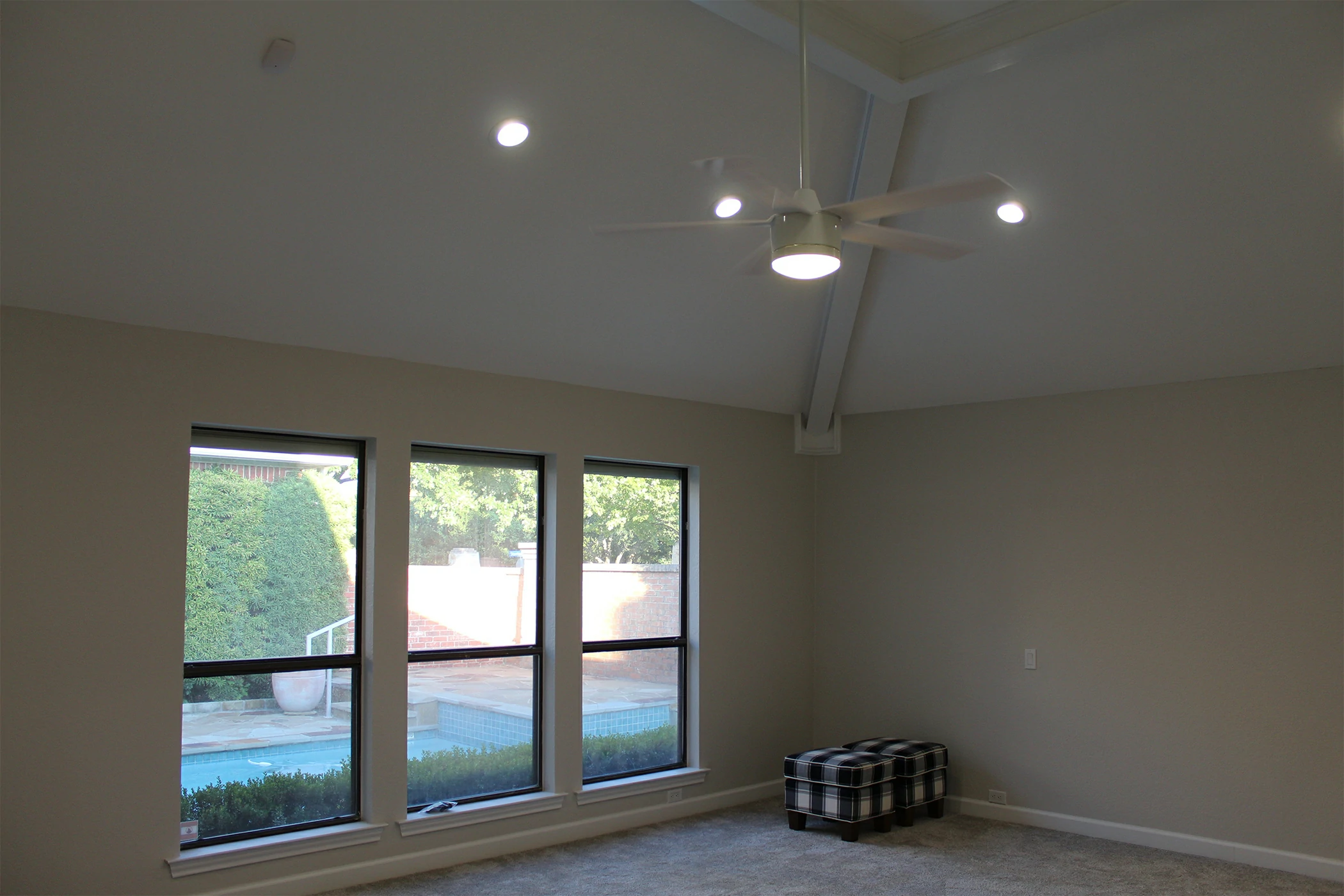
Materials such as flooring, cabinetry, and lighting can dramatically change the appearance of a space. With 3D visualization, designers can show how these materials interact with natural and artificial light.
Homeowners can review different combinations before committing to final selections, which reduces uncertainty in the design process.
Benefits of Using 3D Design for Home Renovation
The adoption of 3D visualization technology has transformed the way renovation projects are planned and communicated.
1. Better Communication Between Homeowners and Contractors
Miscommunication is a common challenge in construction projects. When homeowners describe ideas verbally, contractors may interpret them differently.
3D models act as a shared visual reference that clearly communicates the design intent. This reduces misunderstandings and helps ensure that everyone involved in the project understands the expected outcome.
Local remodeling services such as home remodeling in Allen often use visualization tools to help homeowners better understand renovation concepts before the project begins.
2. Early Identification of Design Issues
One of the major advantages of 3D design for home renovation is the ability to identify potential issues before construction begins.
Designers can analyze:
- Room proportions
- Furniture placement
- Lighting distribution
- Traffic flow between spaces
By reviewing these elements early, homeowners can adjust the design without the added costs associated with construction changes.
3. More Informed Design Decisions
Homeowners frequently struggle to visualize how design choices will appear once completed. For example, selecting paint colors, cabinetry styles, or countertops may feel uncertain when viewing small samples.
3D visualization allows homeowners to experiment with various combinations in a digital environment. They can compare design options side by side and choose the one that fits their preferences and lifestyle.
Design concepts such as color selection also play an important role in remodeling projects. Resources like how home remodeling contractors use color to transform your space provide additional insights into how color choices affect interior spaces.
4. Greater Confidence Before Construction Begins
Homeowners often feel uncertain about major renovations because the final outcome is difficult to predict. A detailed 3D model provides a realistic preview of the project.
This visual confirmation gives homeowners confidence in their decisions, reducing stress during the planning stage.
5. Easier Collaboration During the Design Process
Renovation projects typically involve collaboration between homeowners, designers, architects, and contractors.
3D models allow everyone involved to review the same design and provide feedback. Adjustments can be made quickly, and the updated design can be shared with all participants.
This collaborative process leads to more accurate planning and smoother project execution.
How 3D Visualization Supports Different Renovation Projects
3D design is useful for a wide variety of remodeling projects, from small interior updates to large structural renovations.
Kitchen Renovations
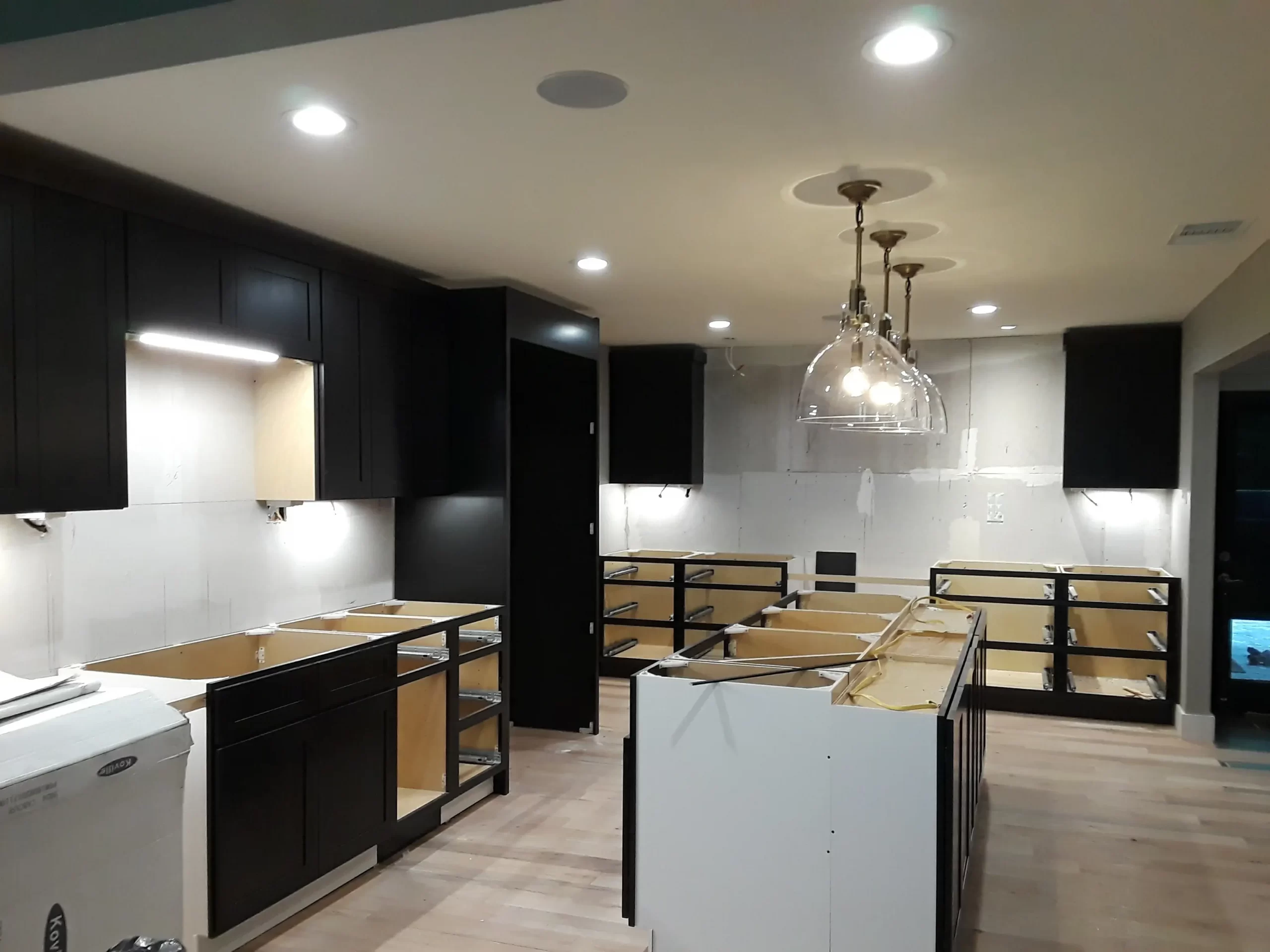
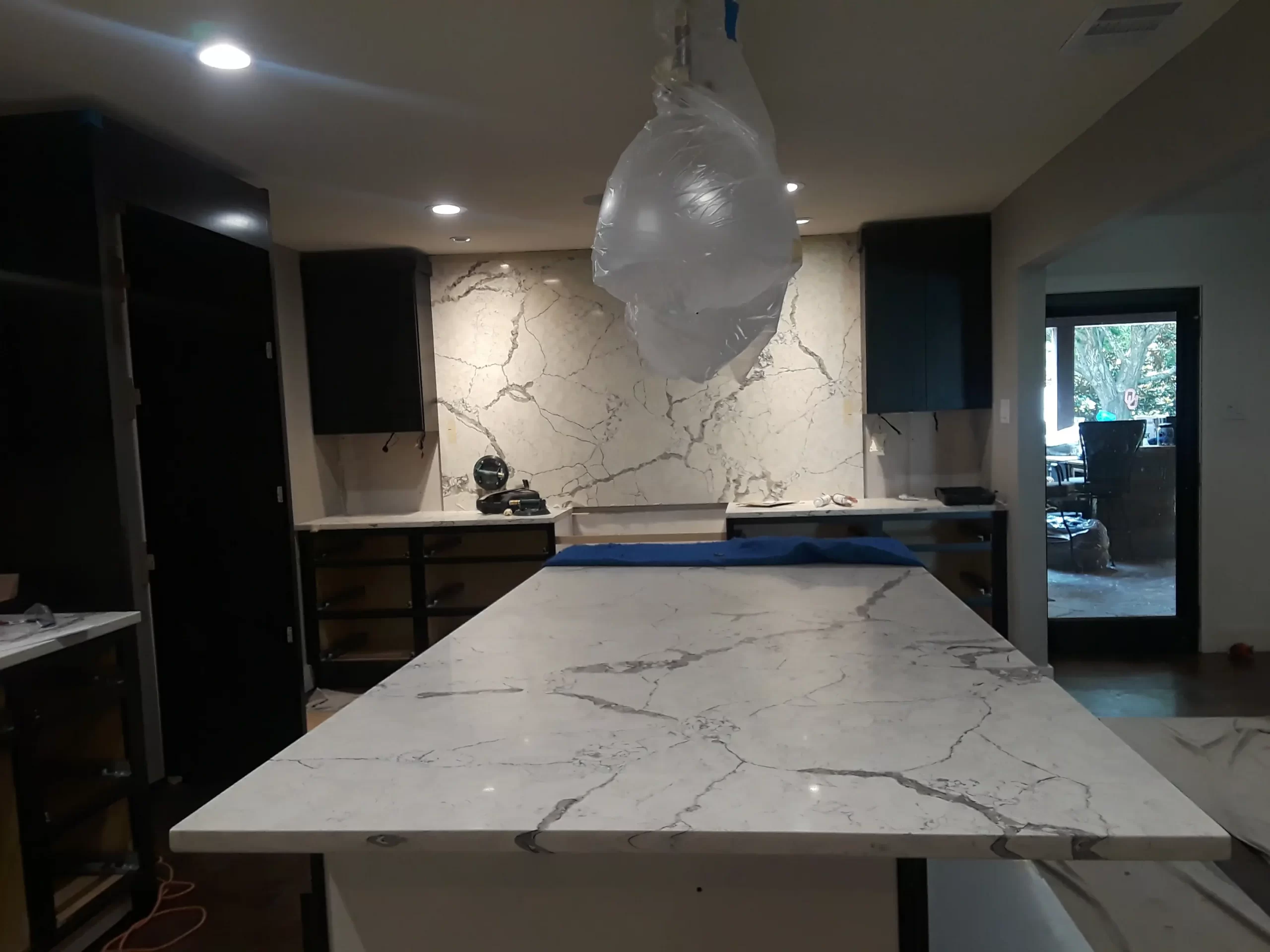
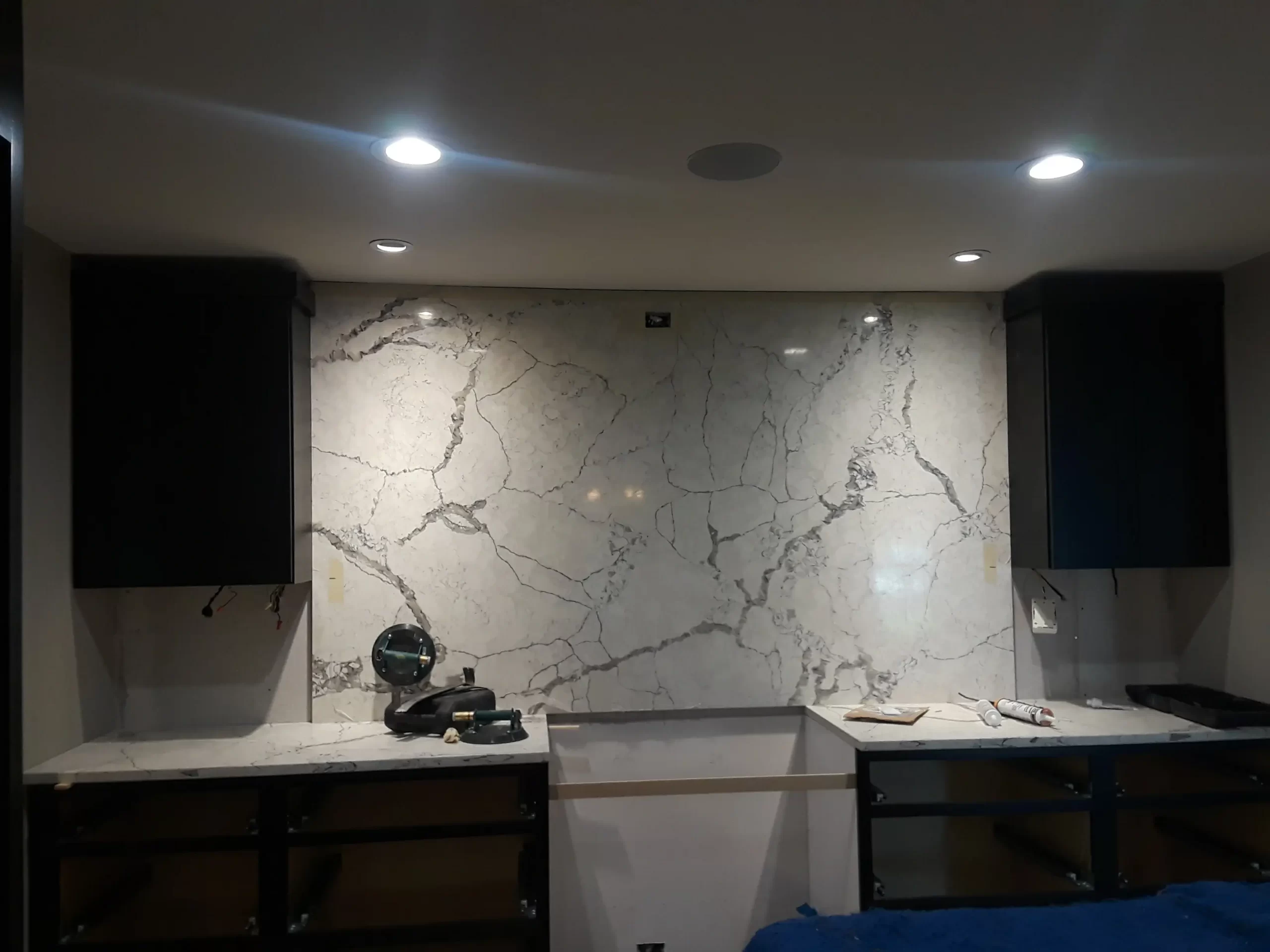
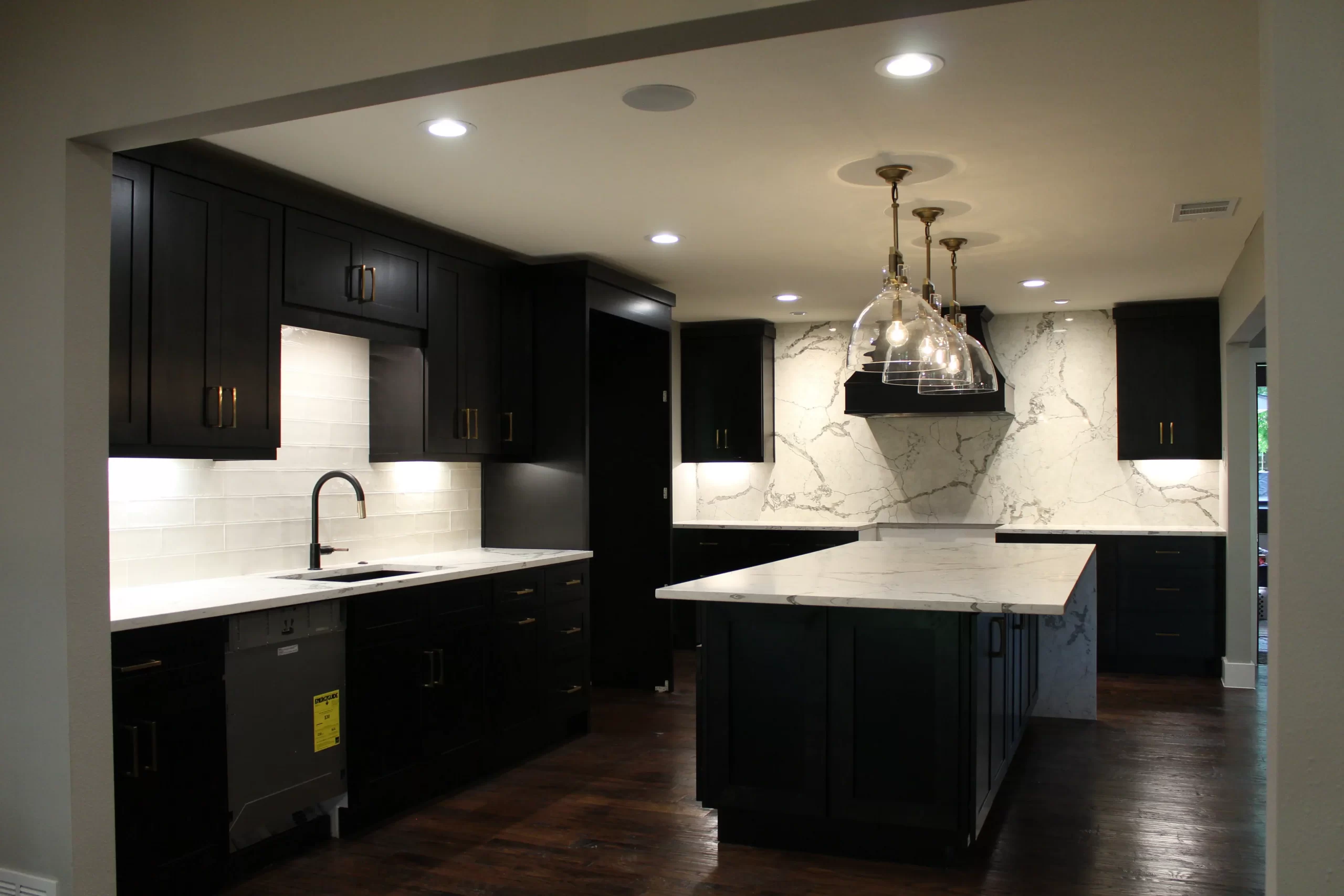
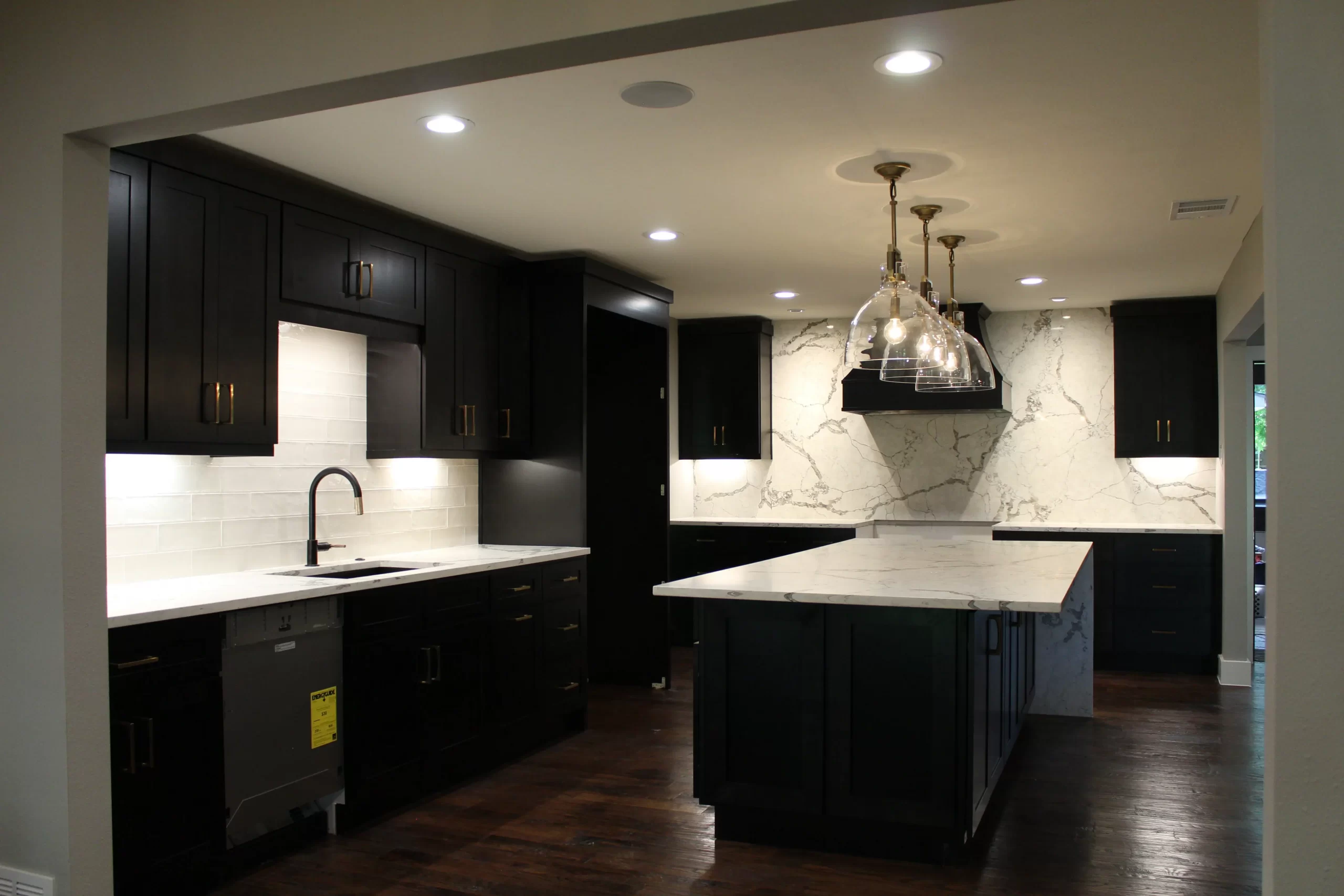
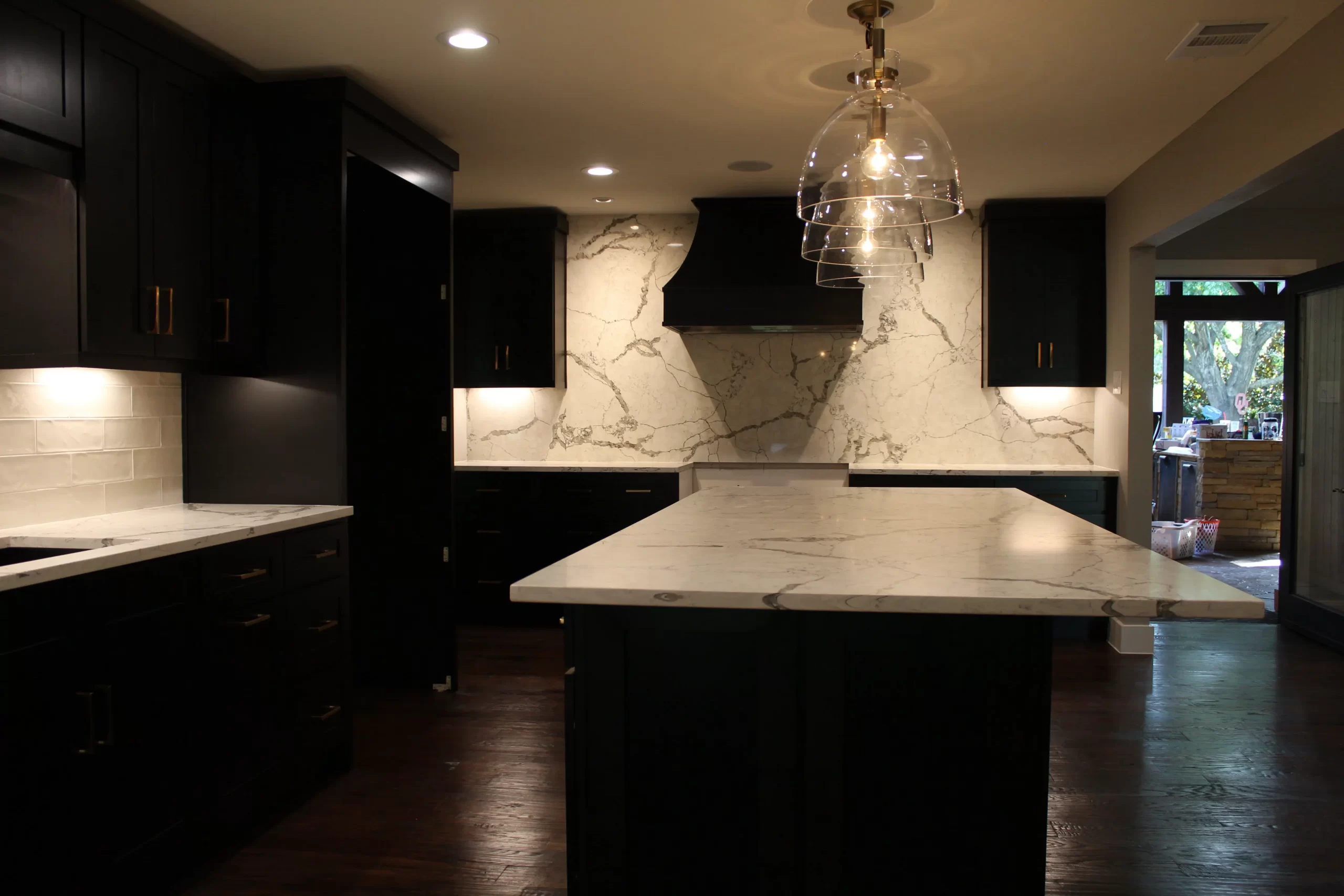
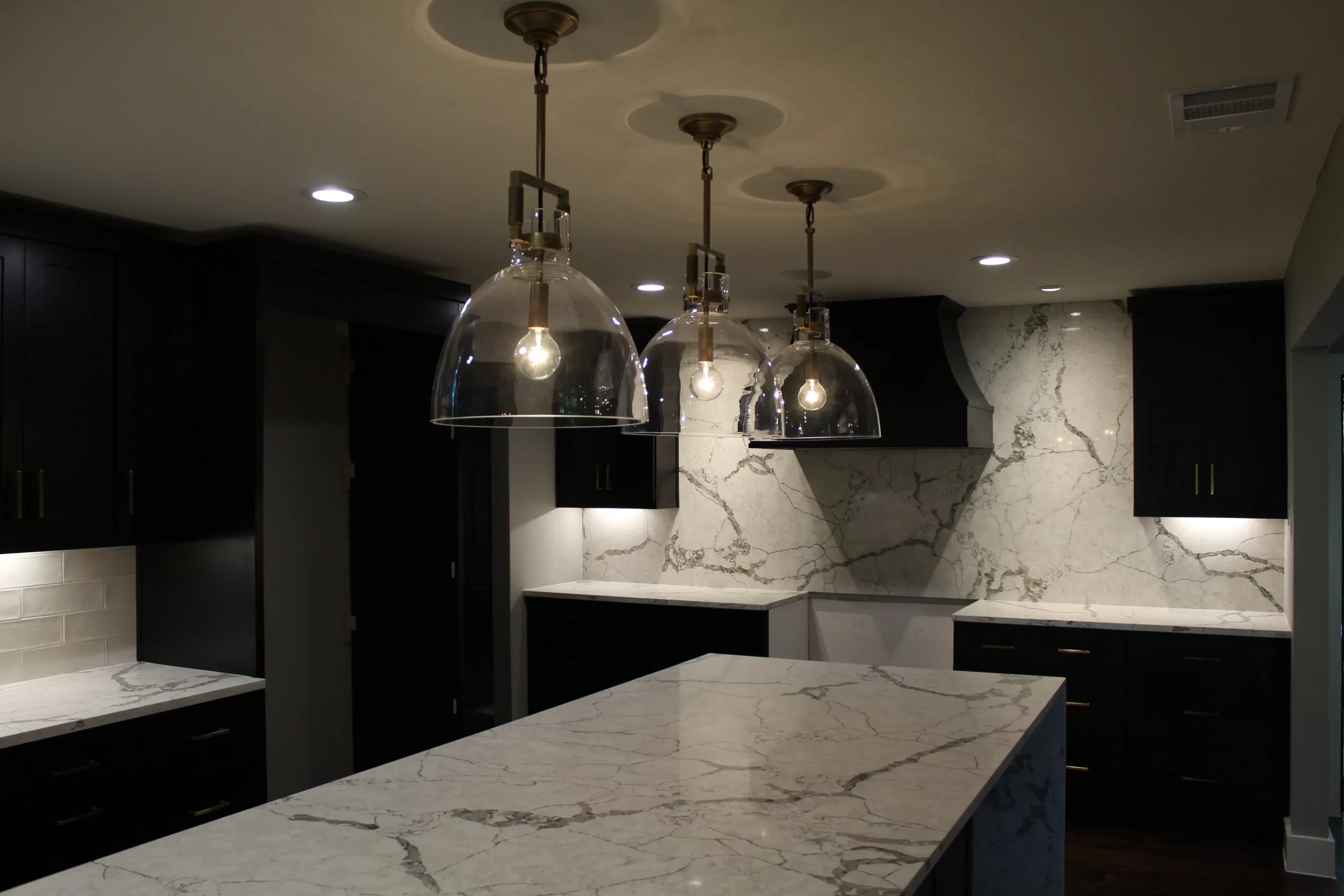
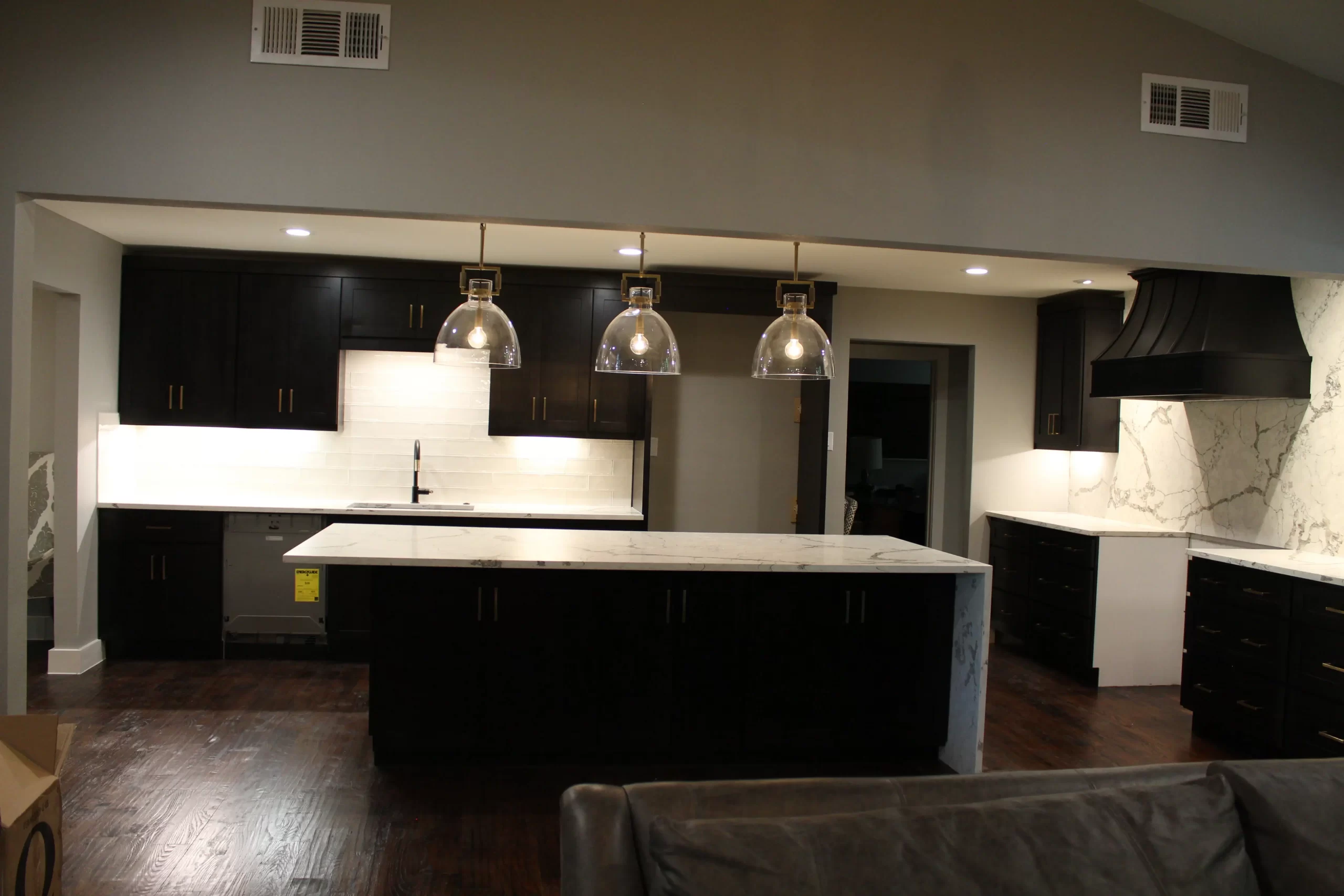
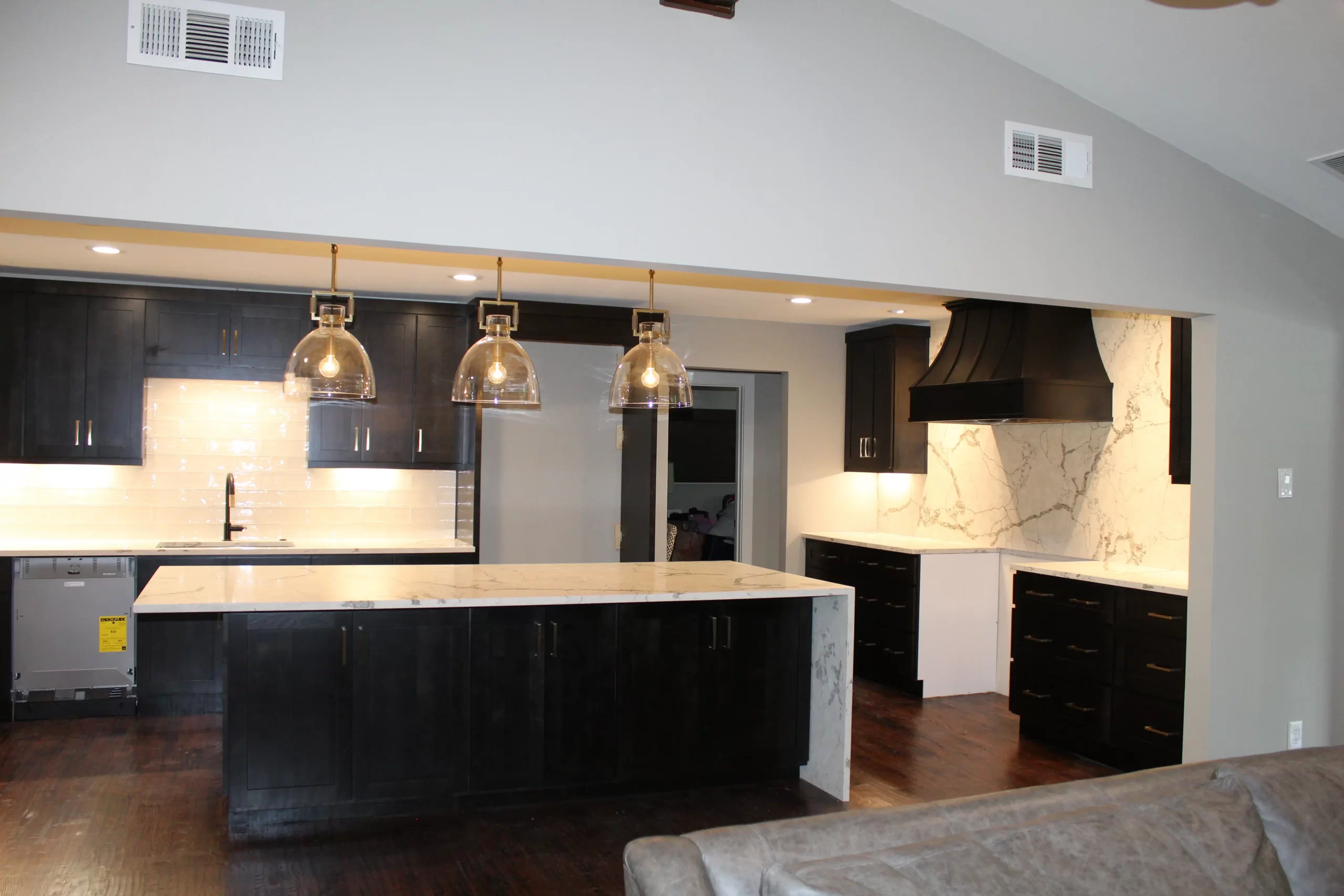
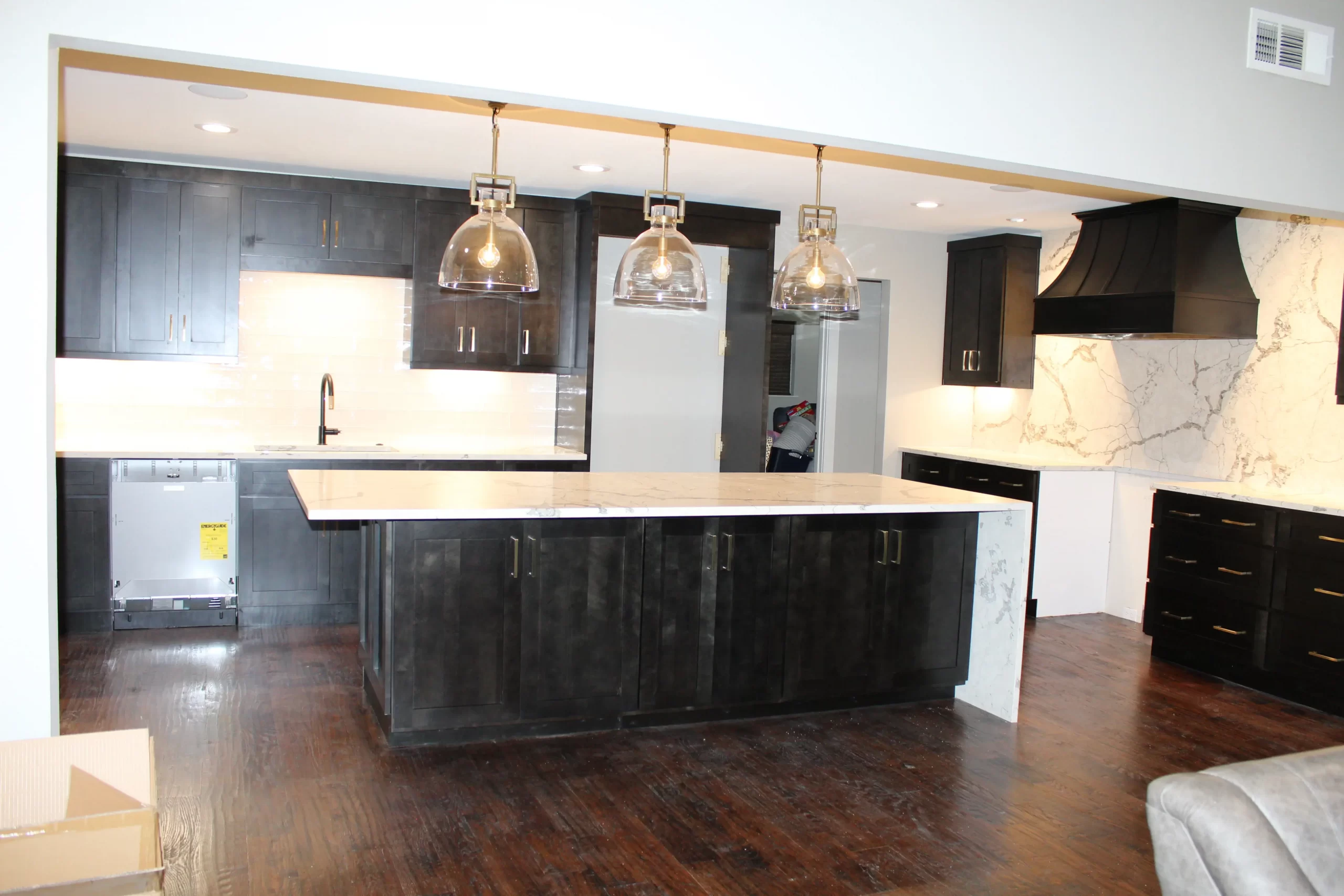
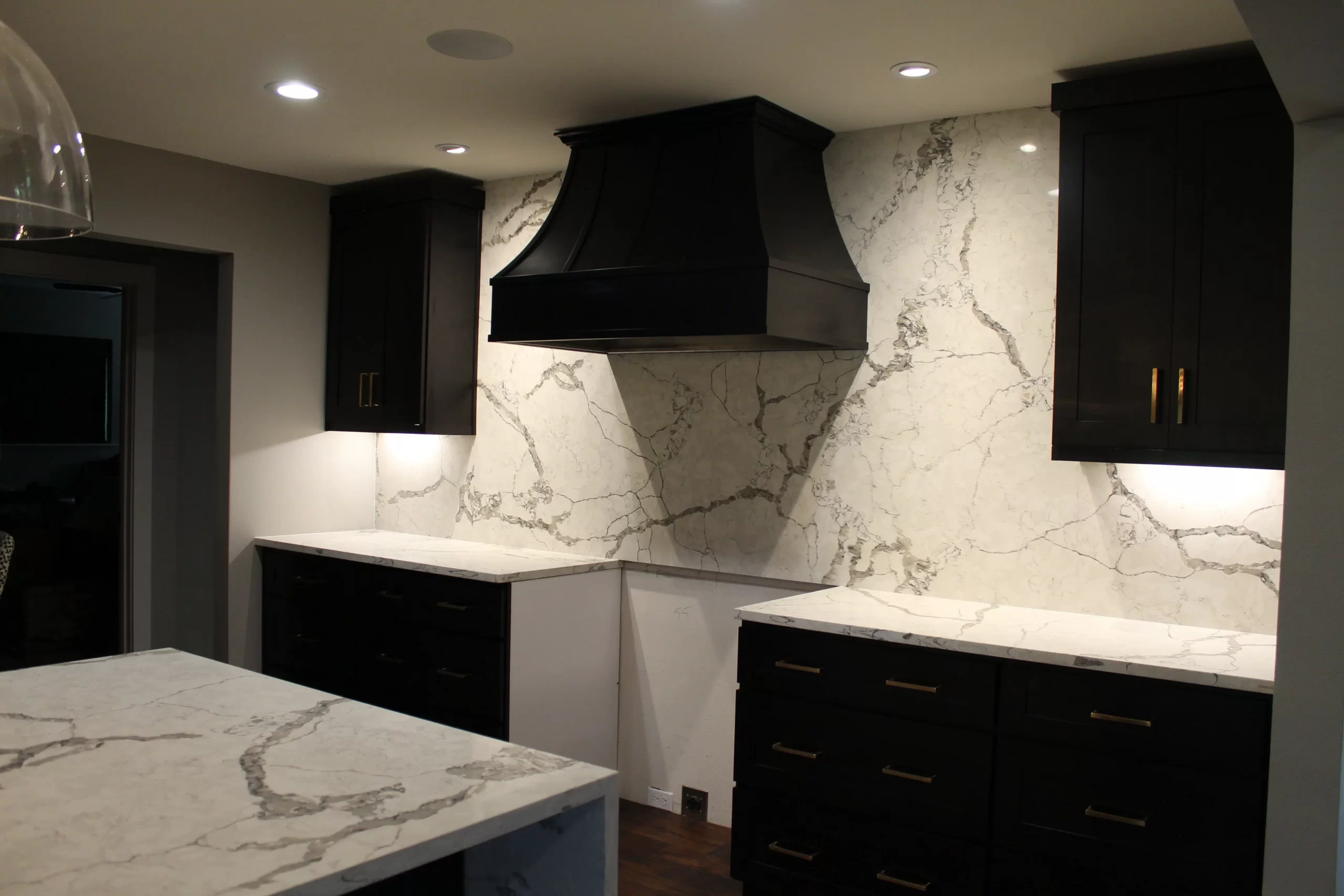
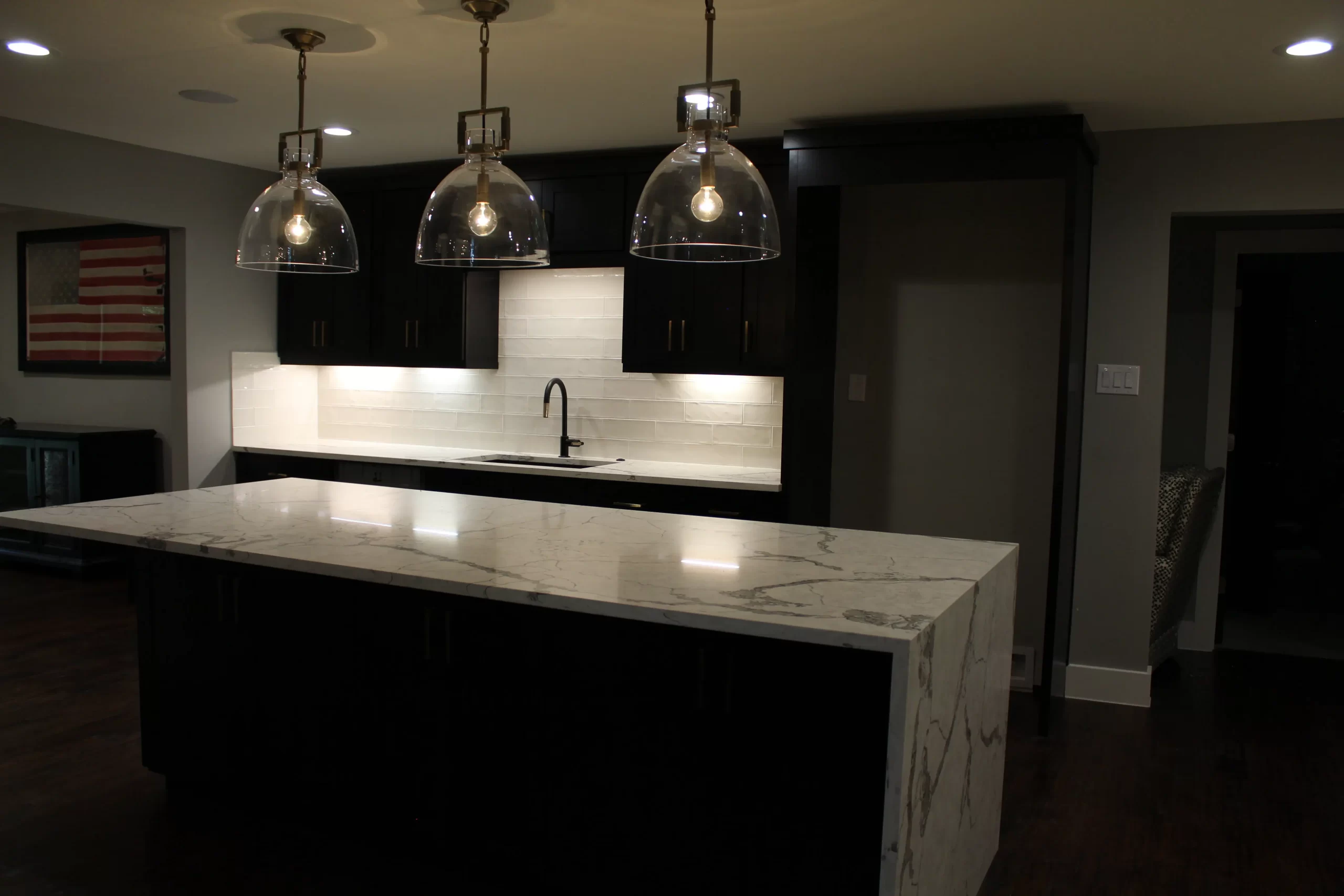
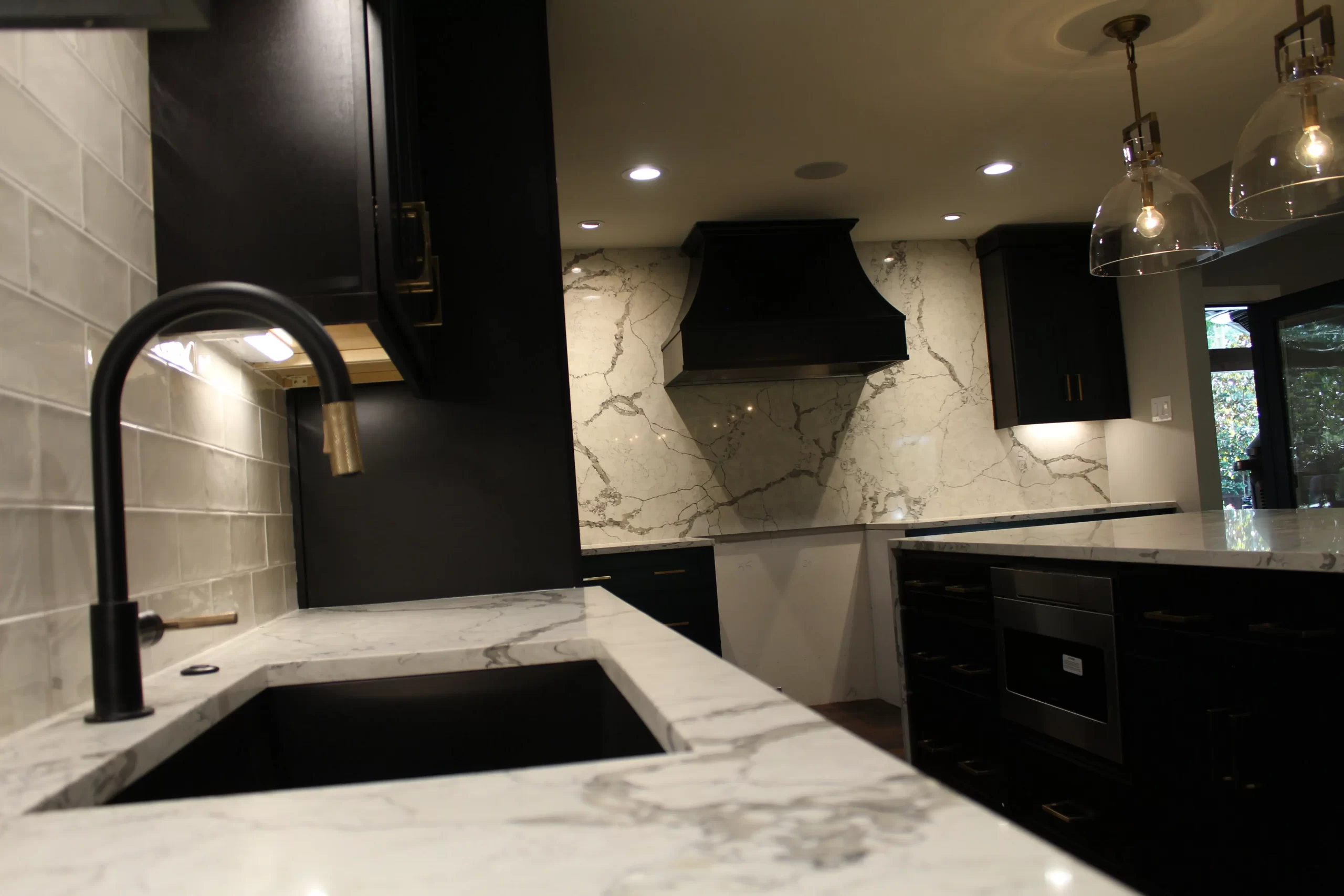
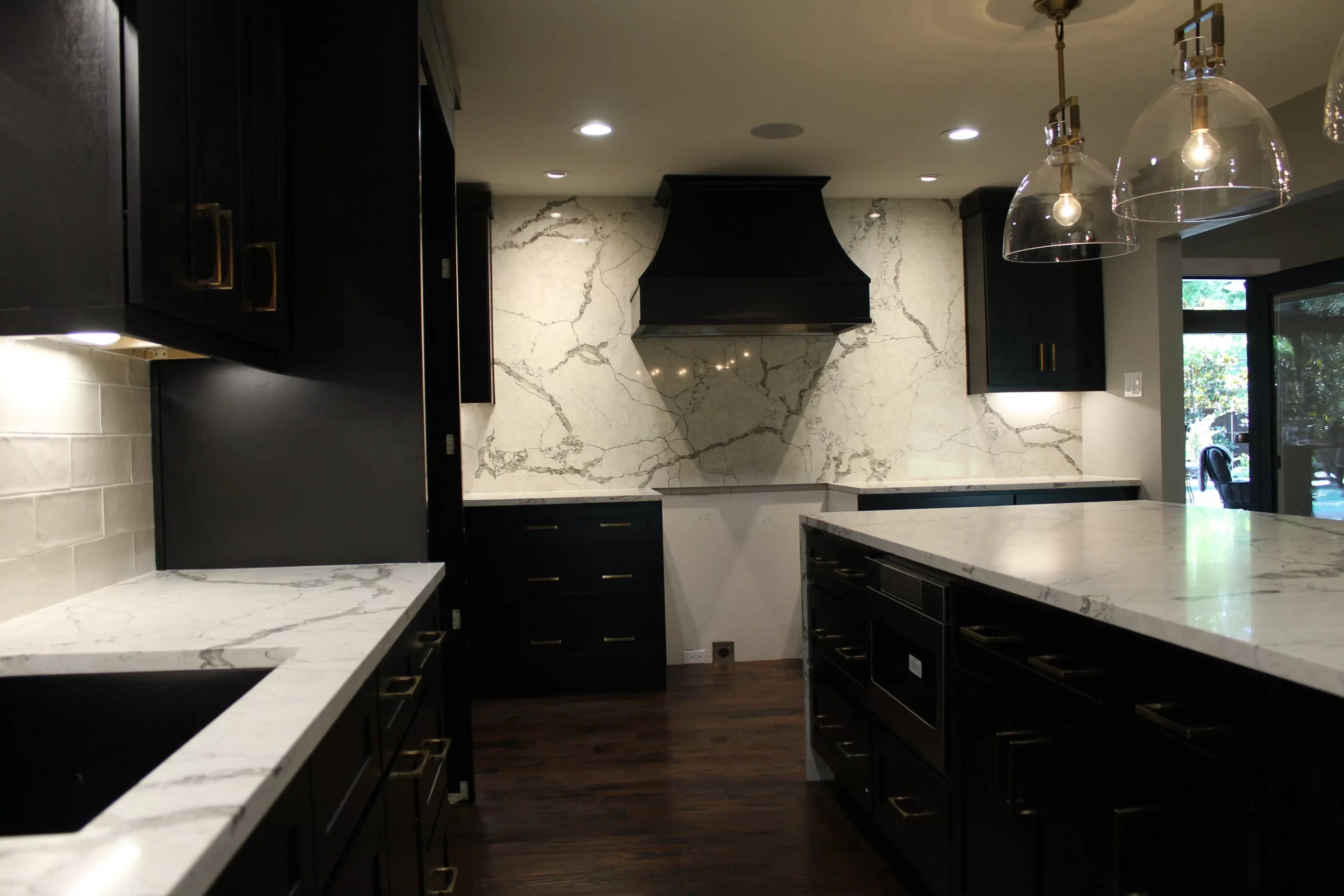
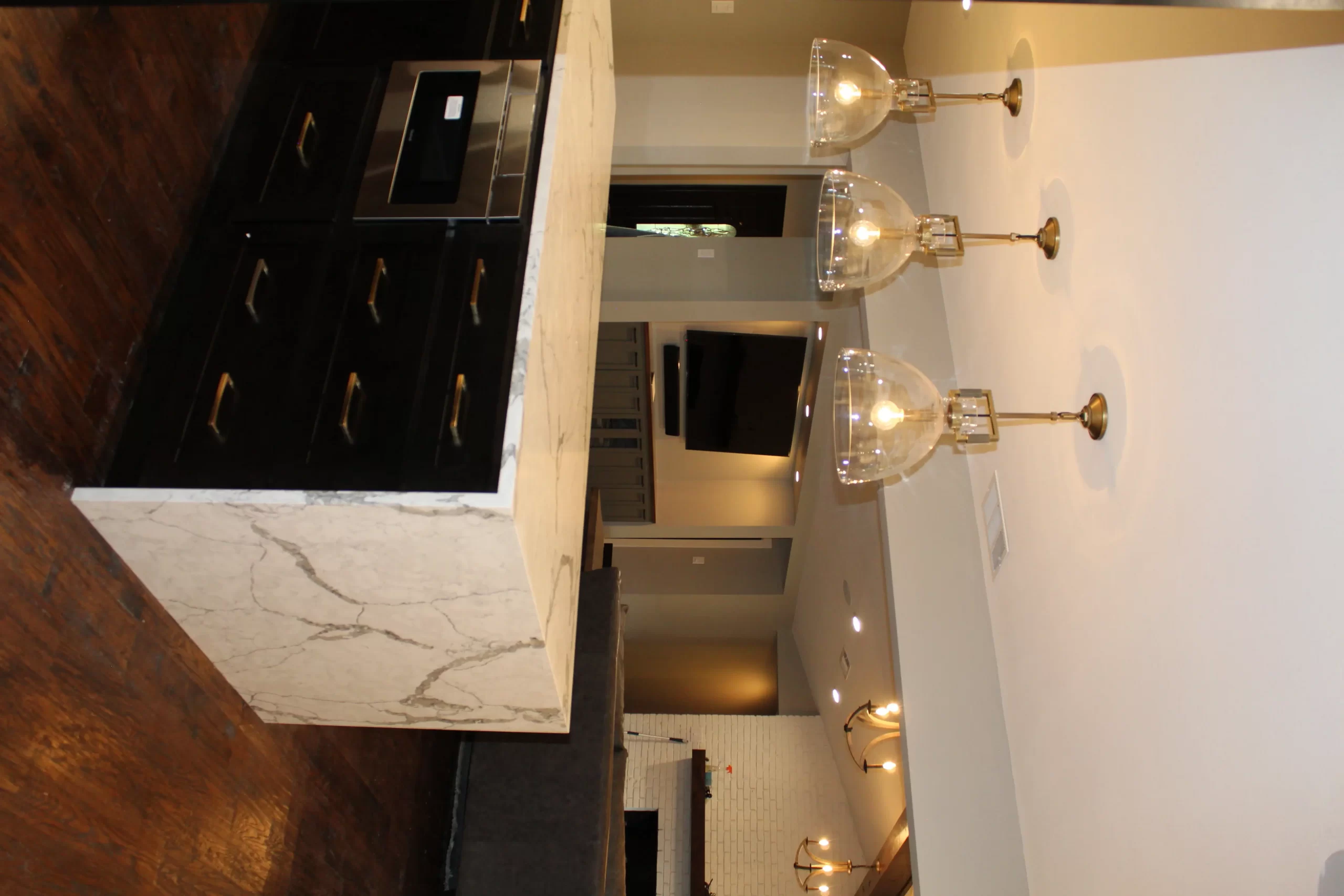
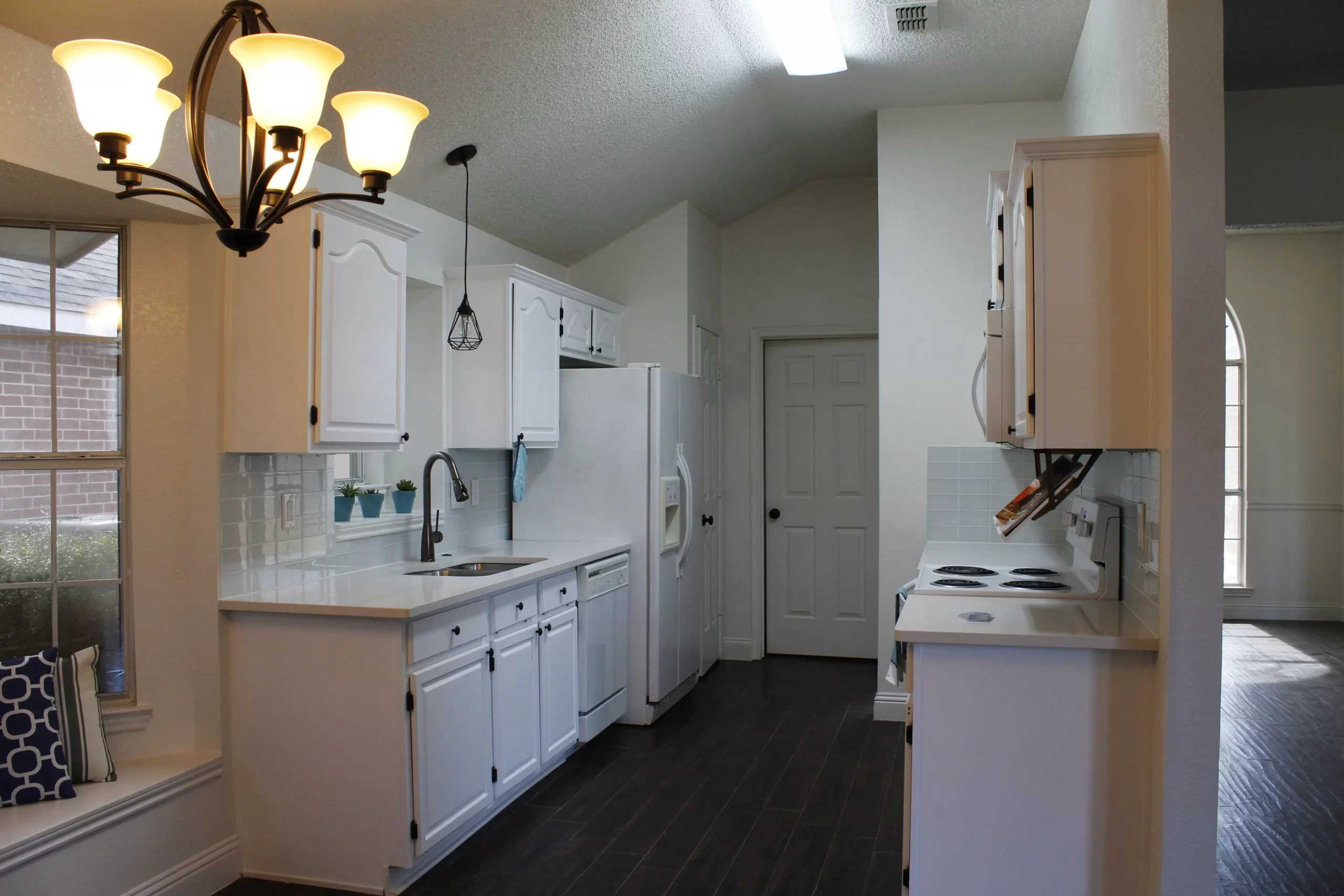
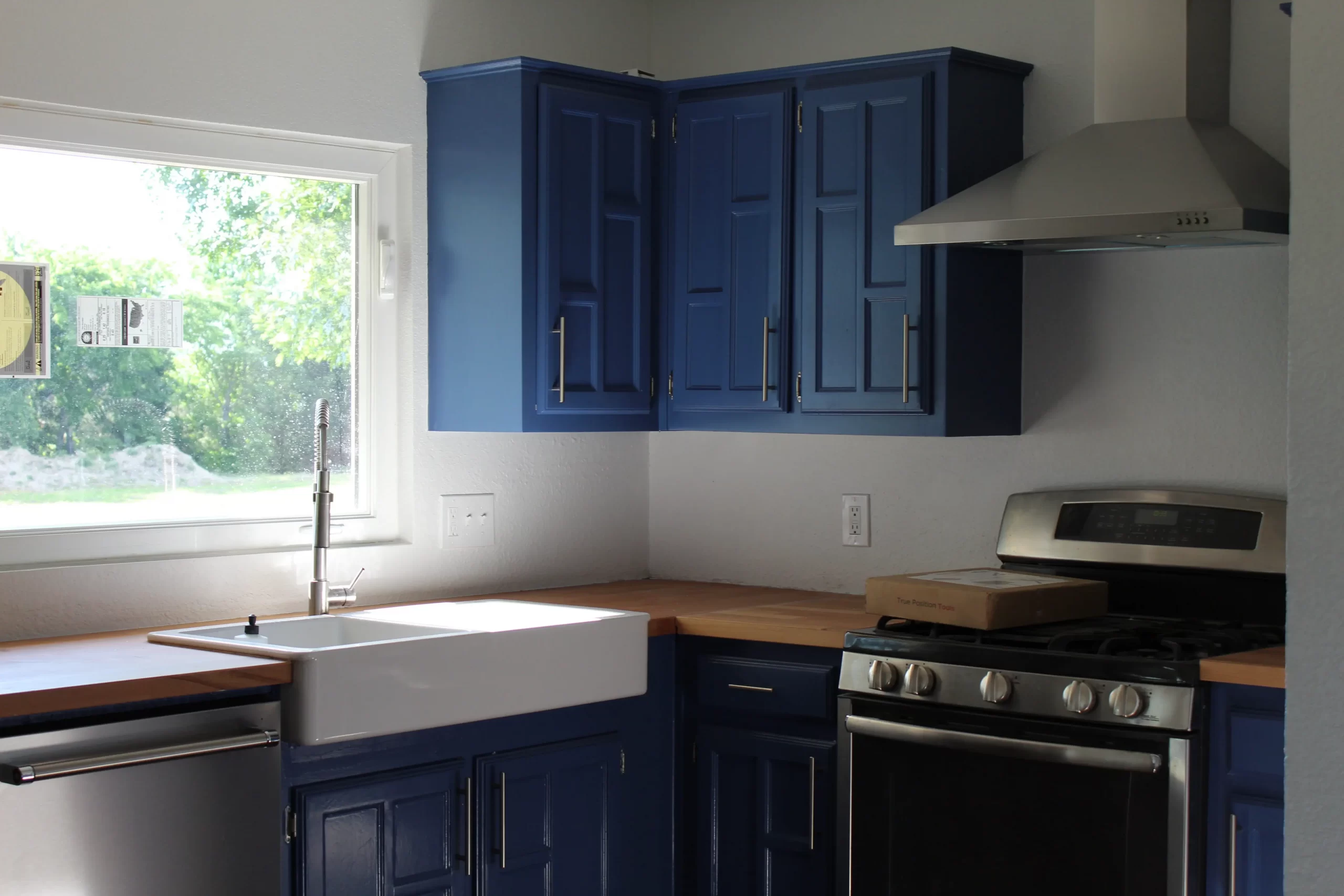
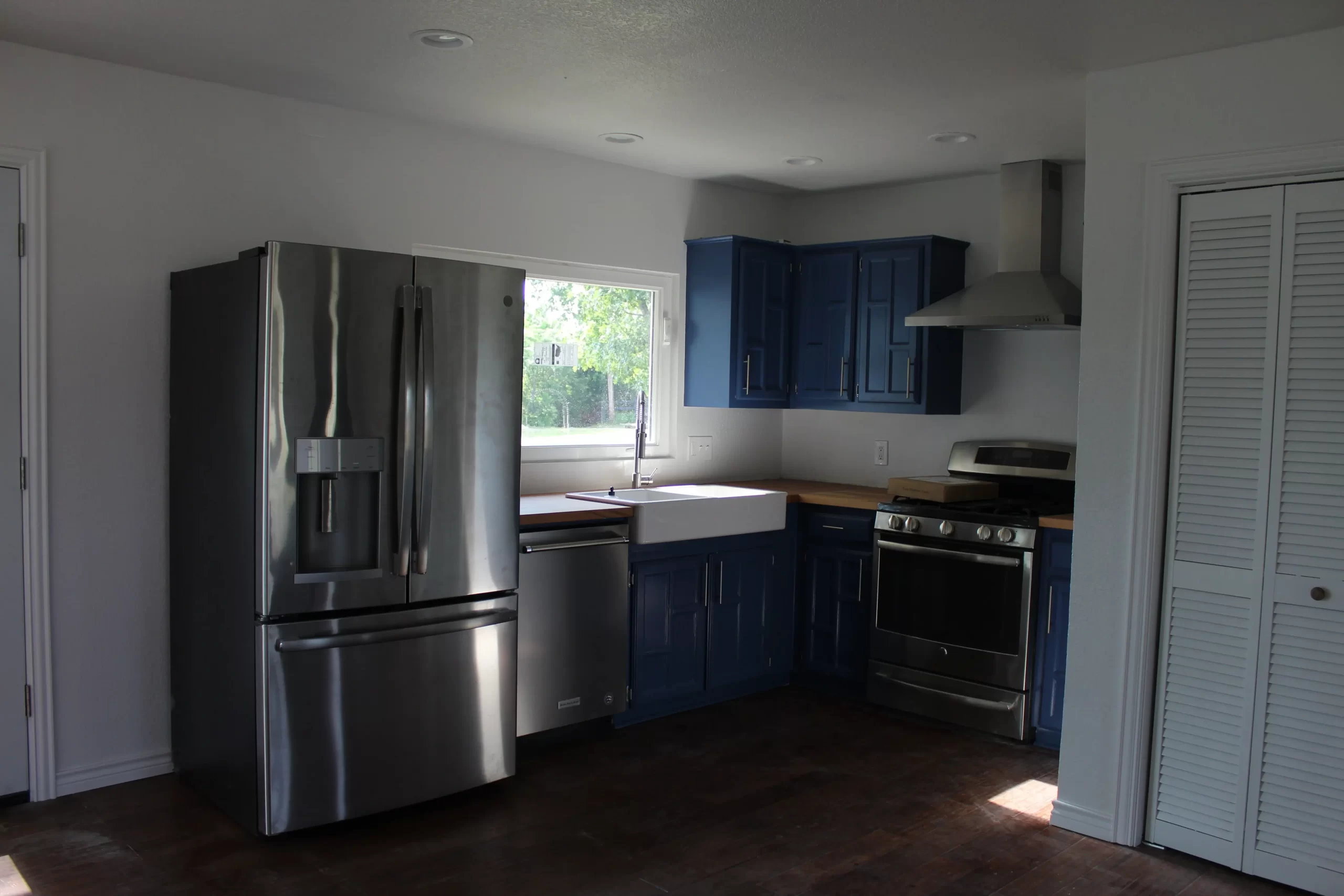
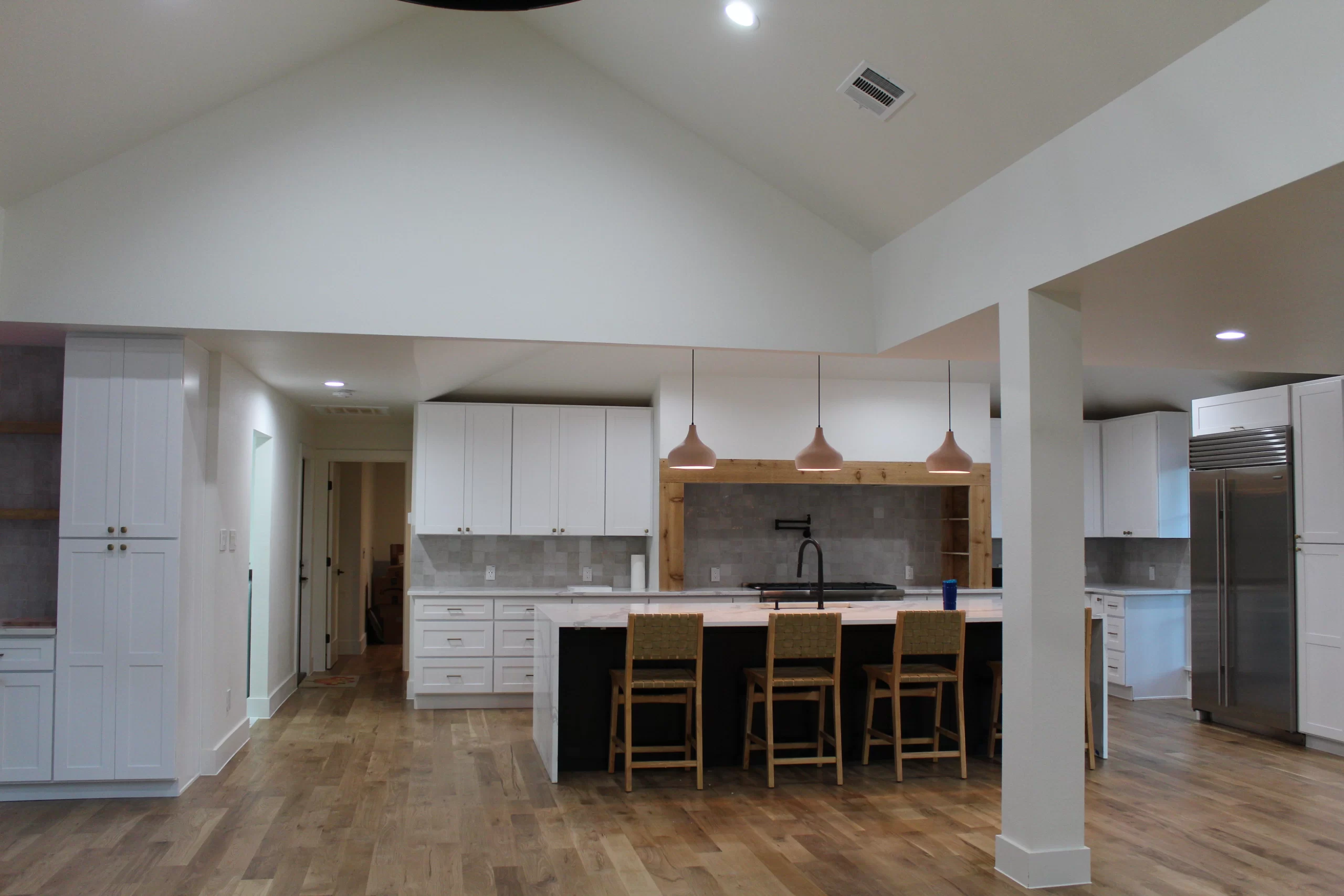
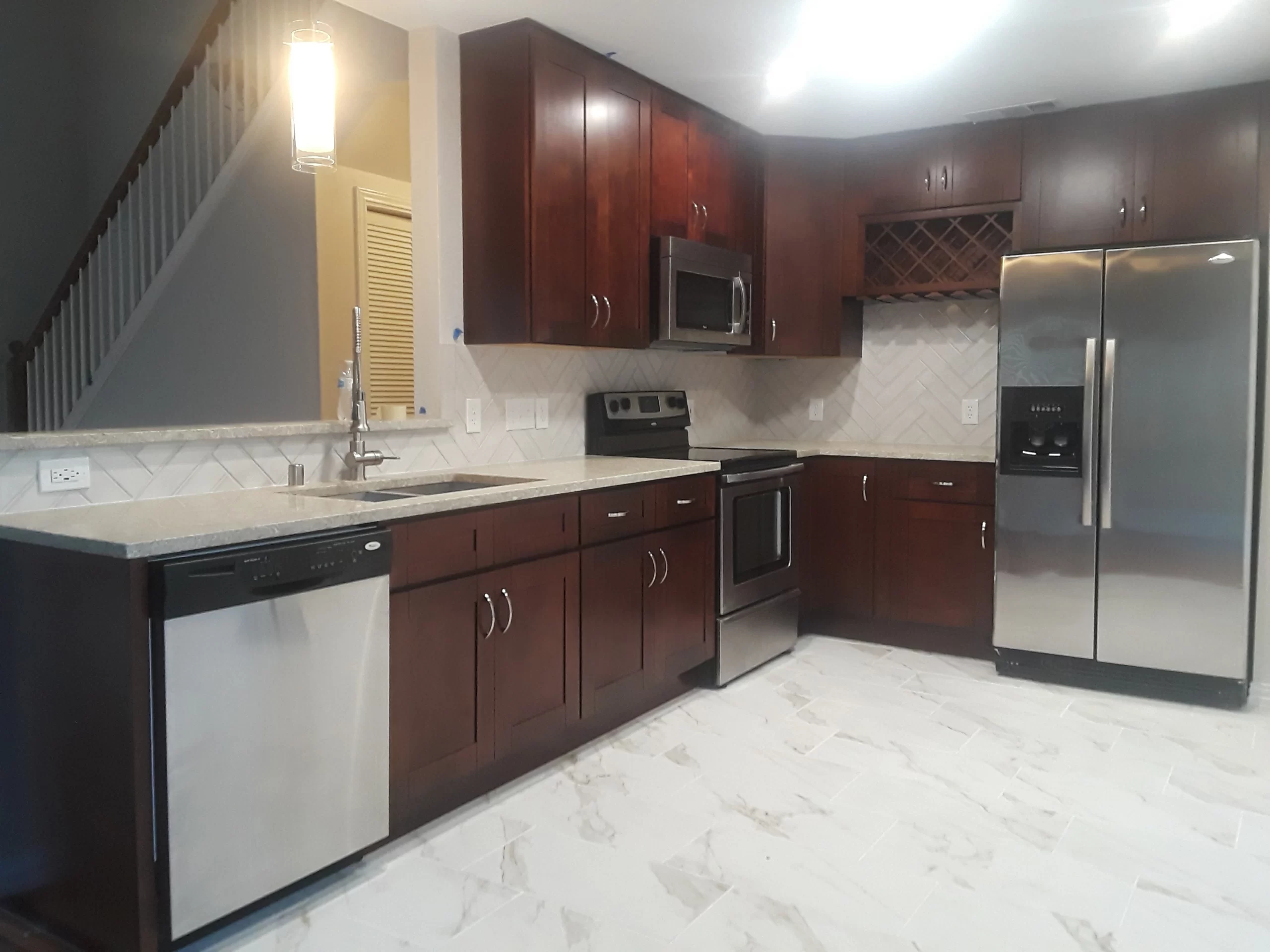
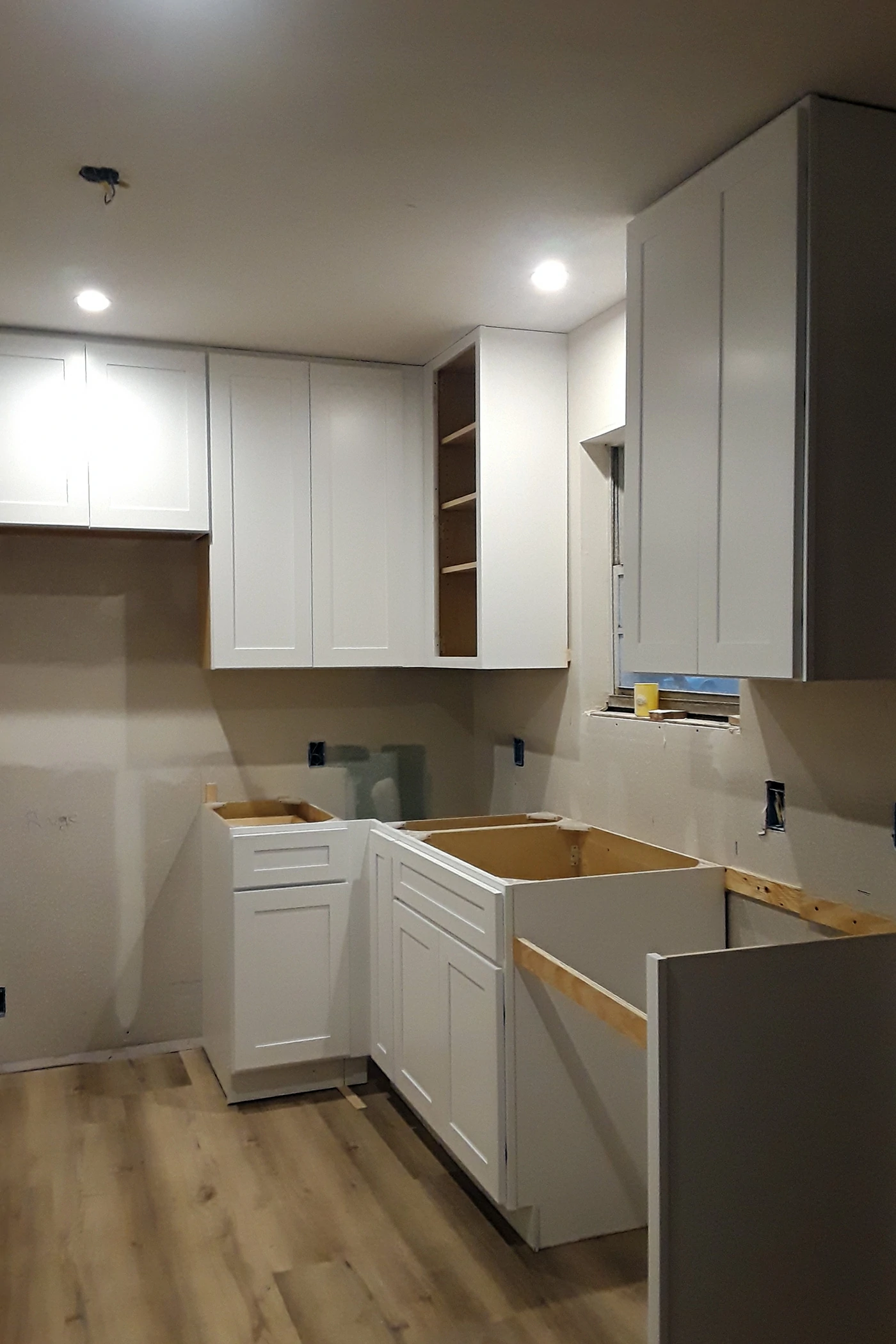
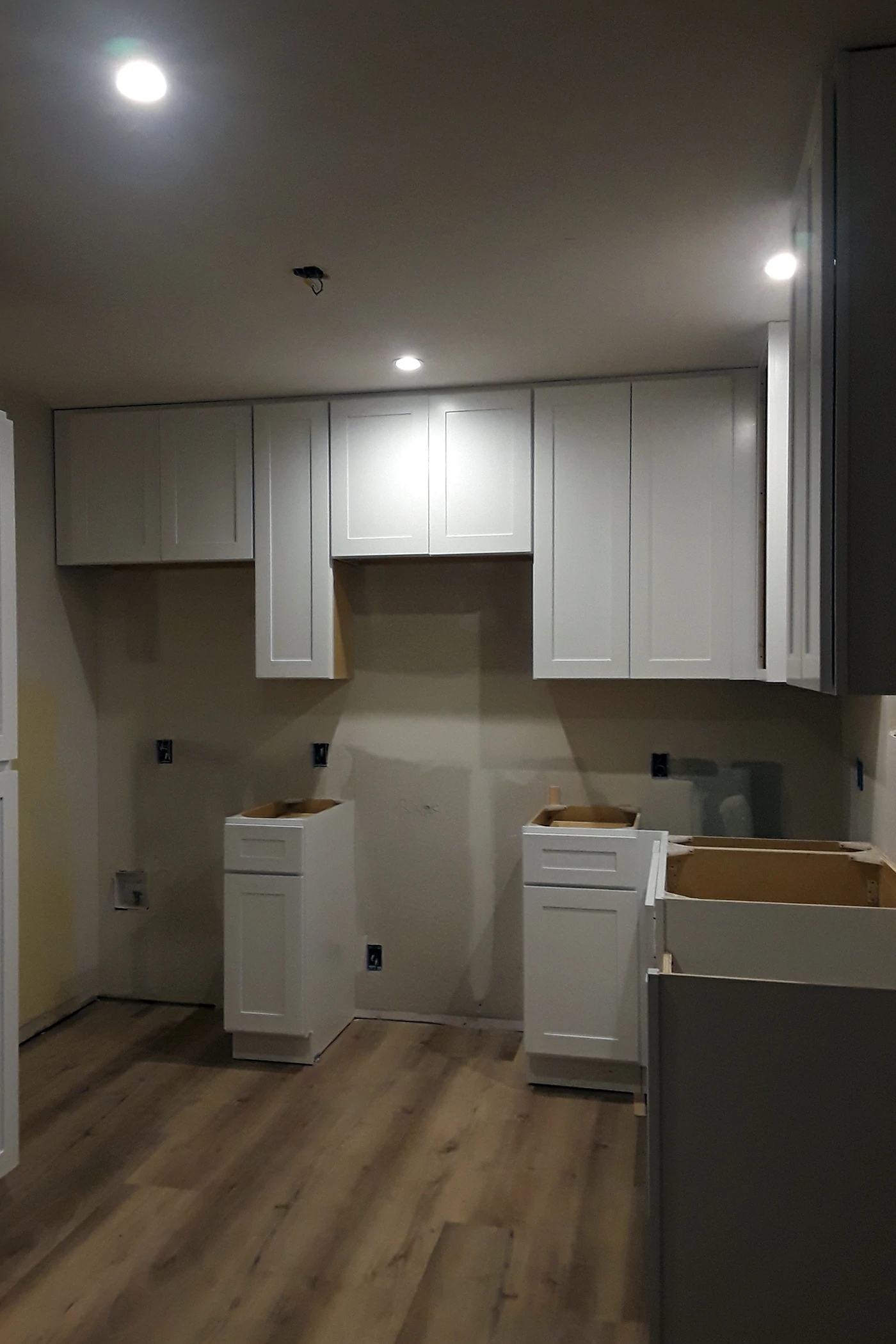
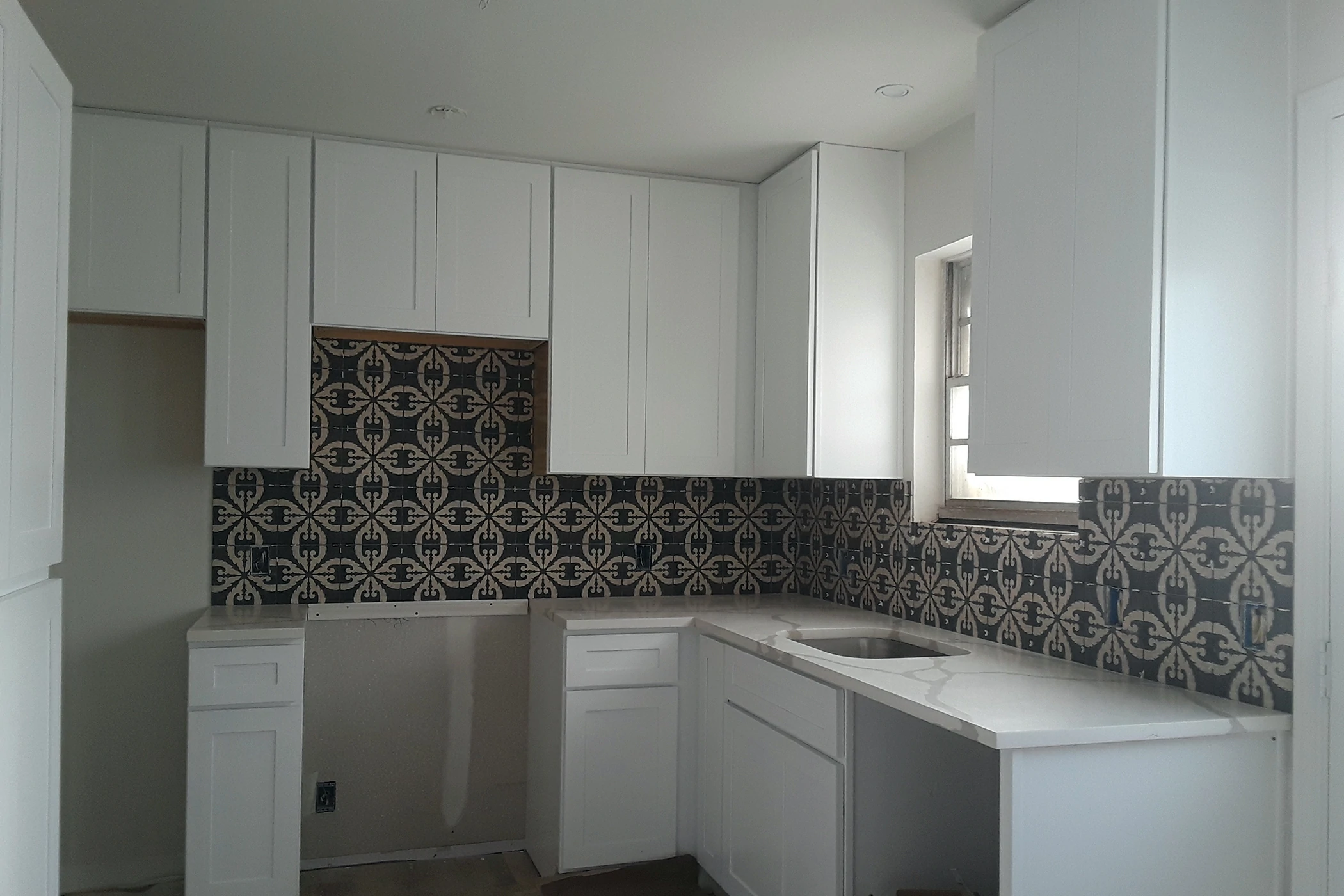
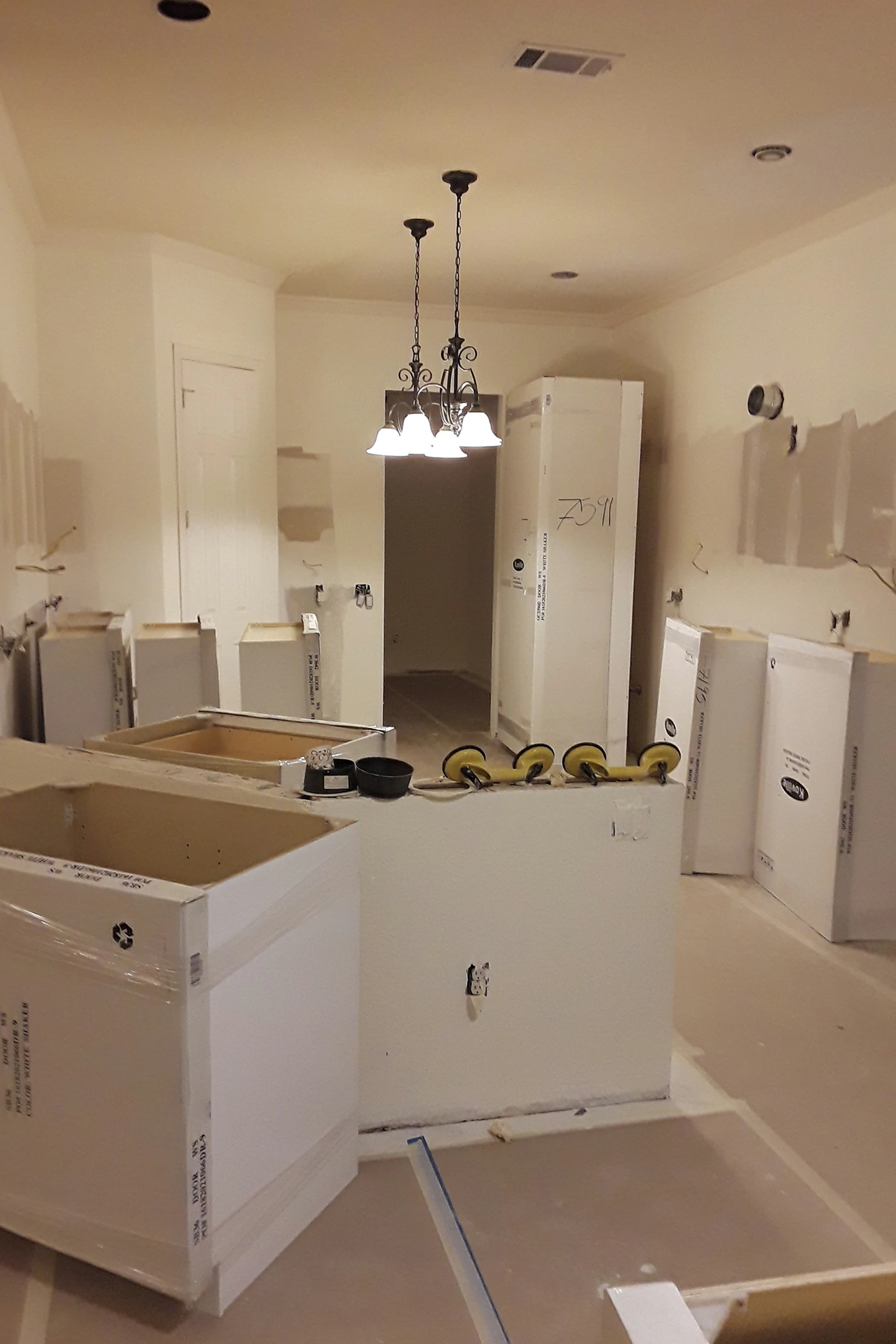
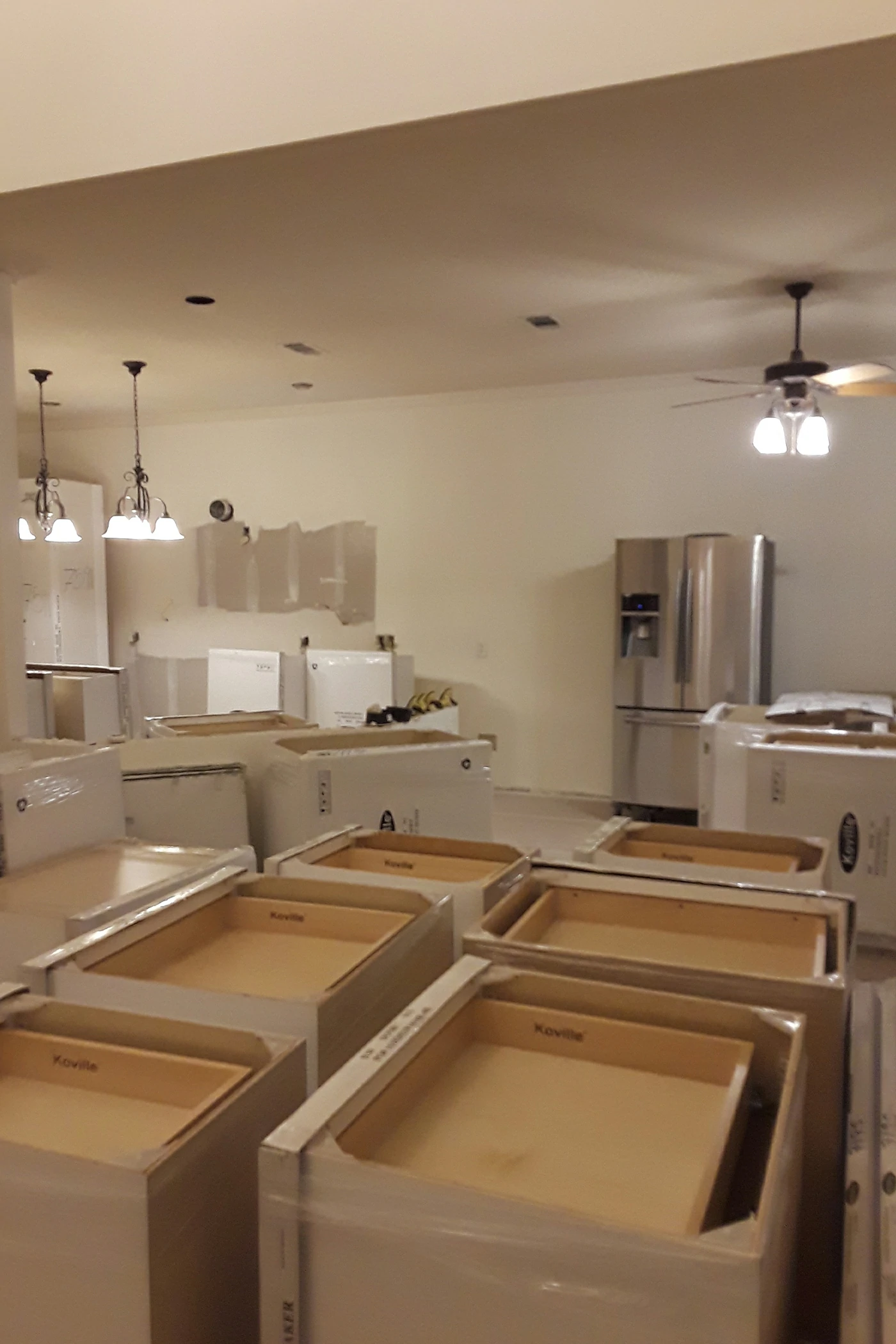
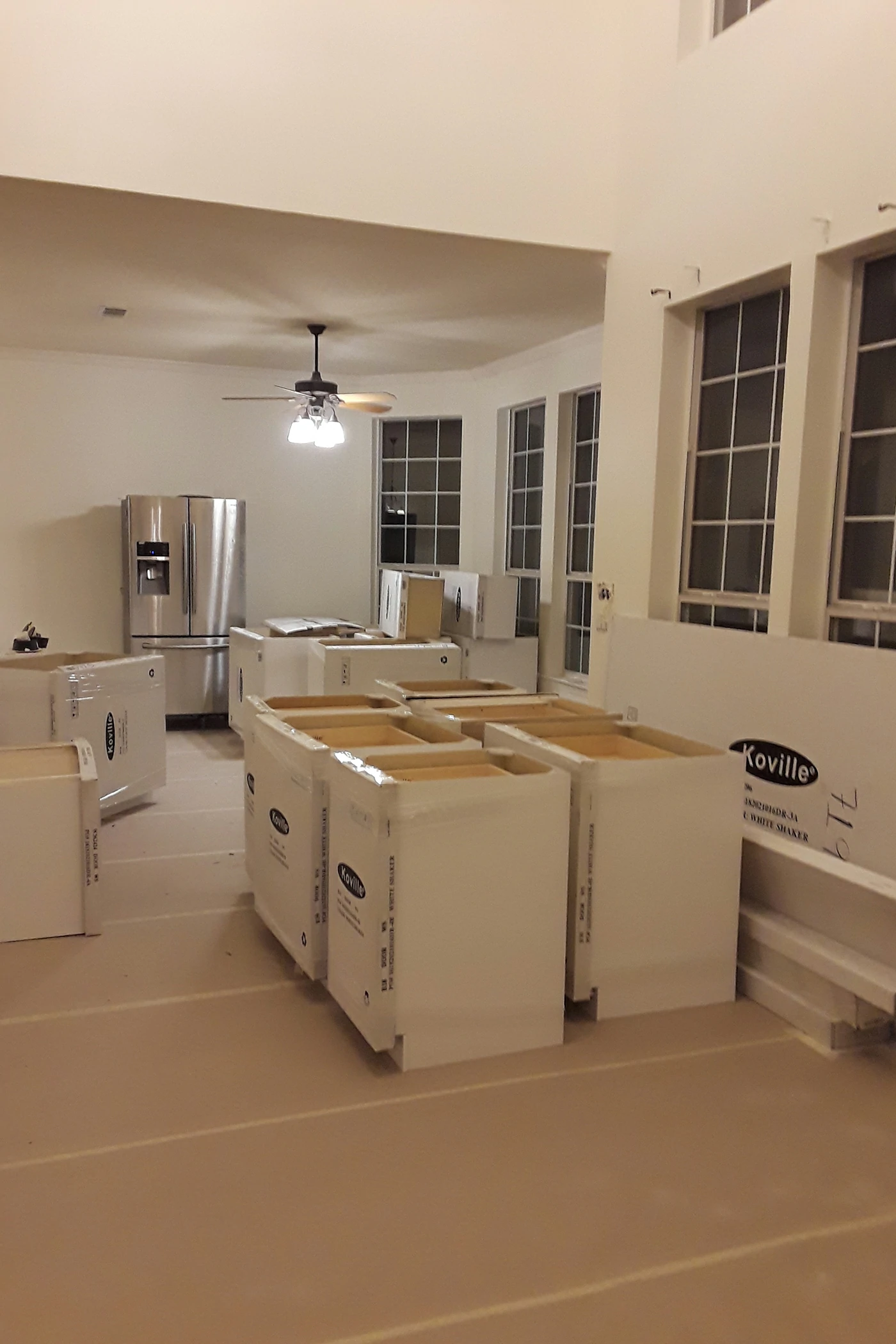
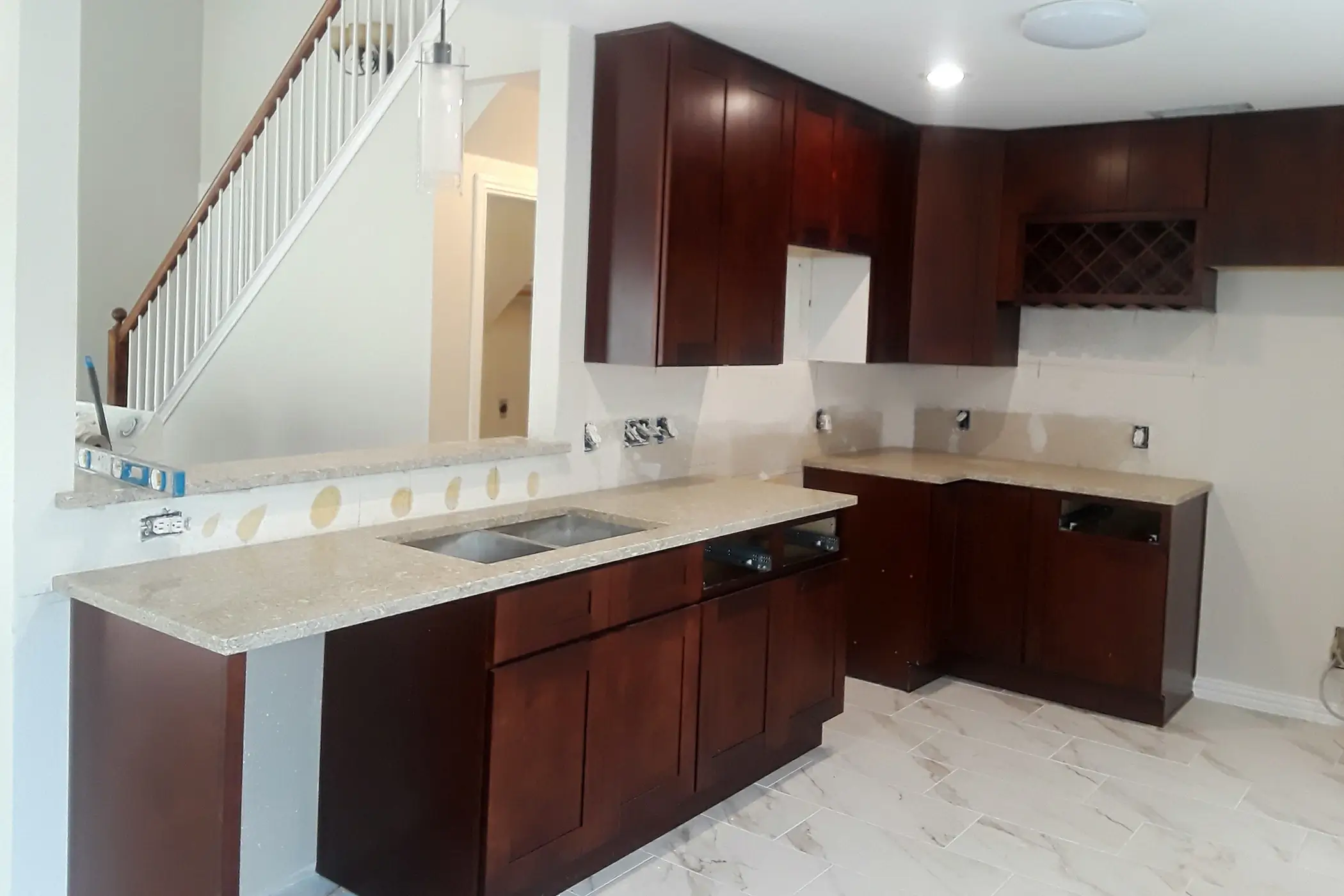
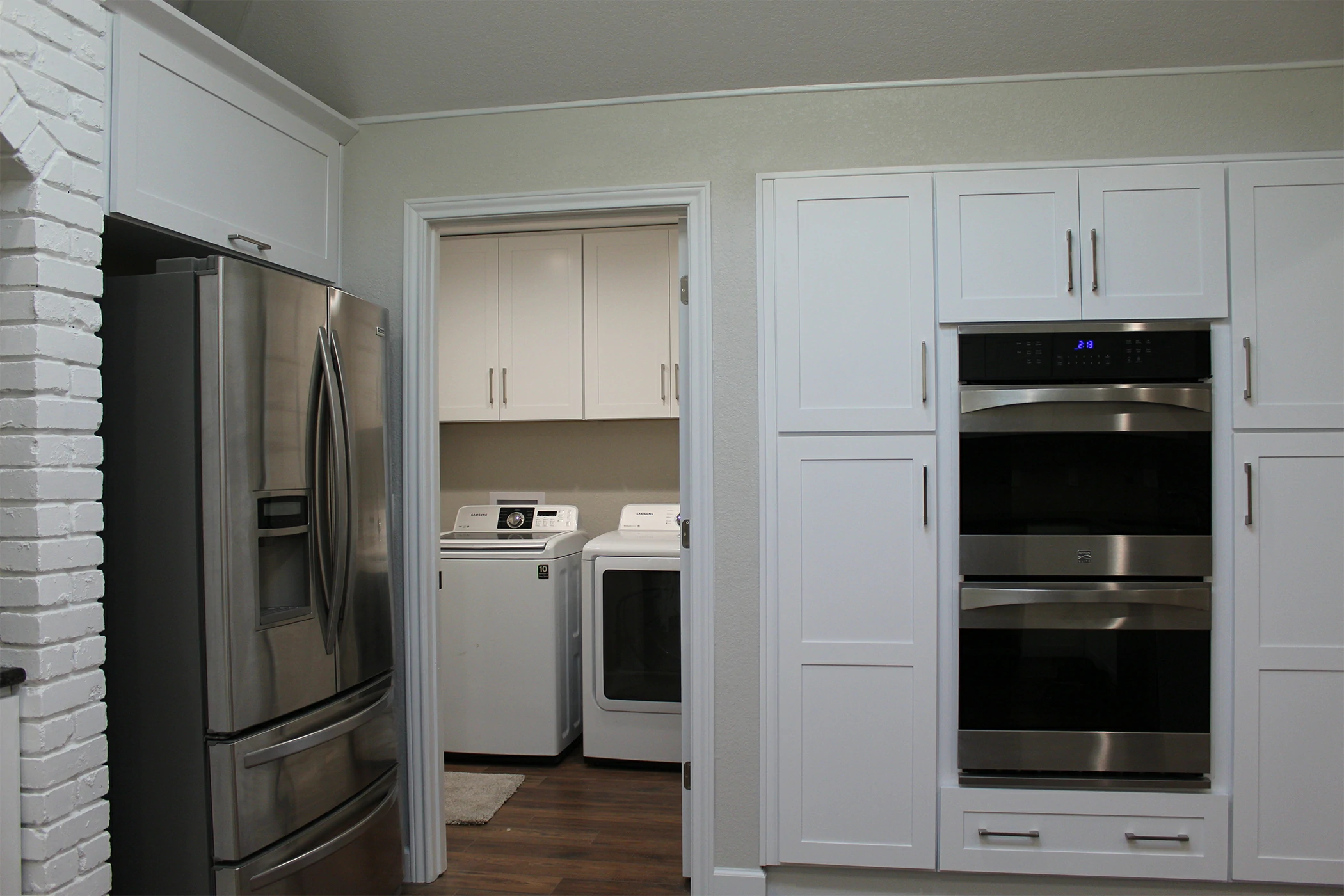
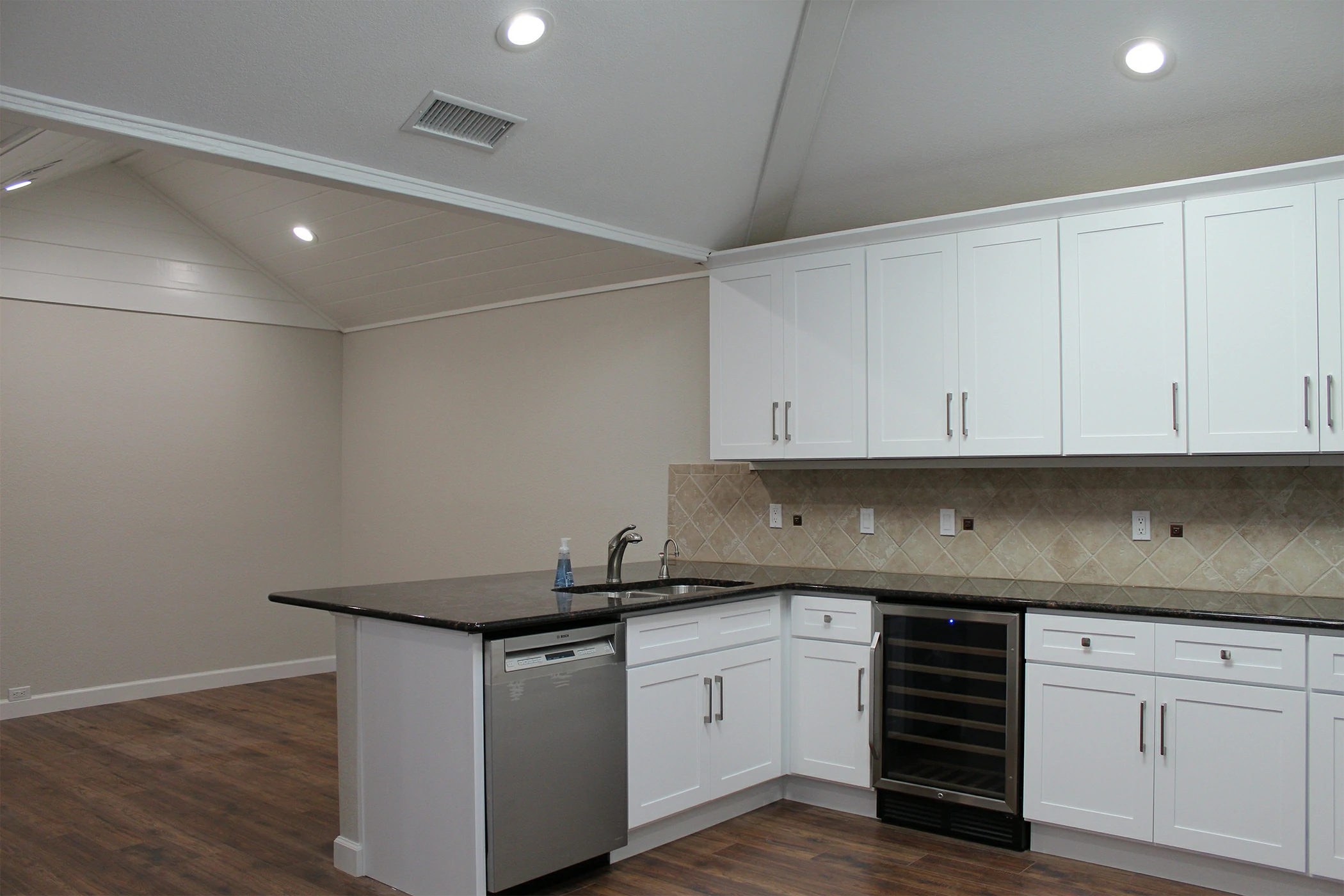
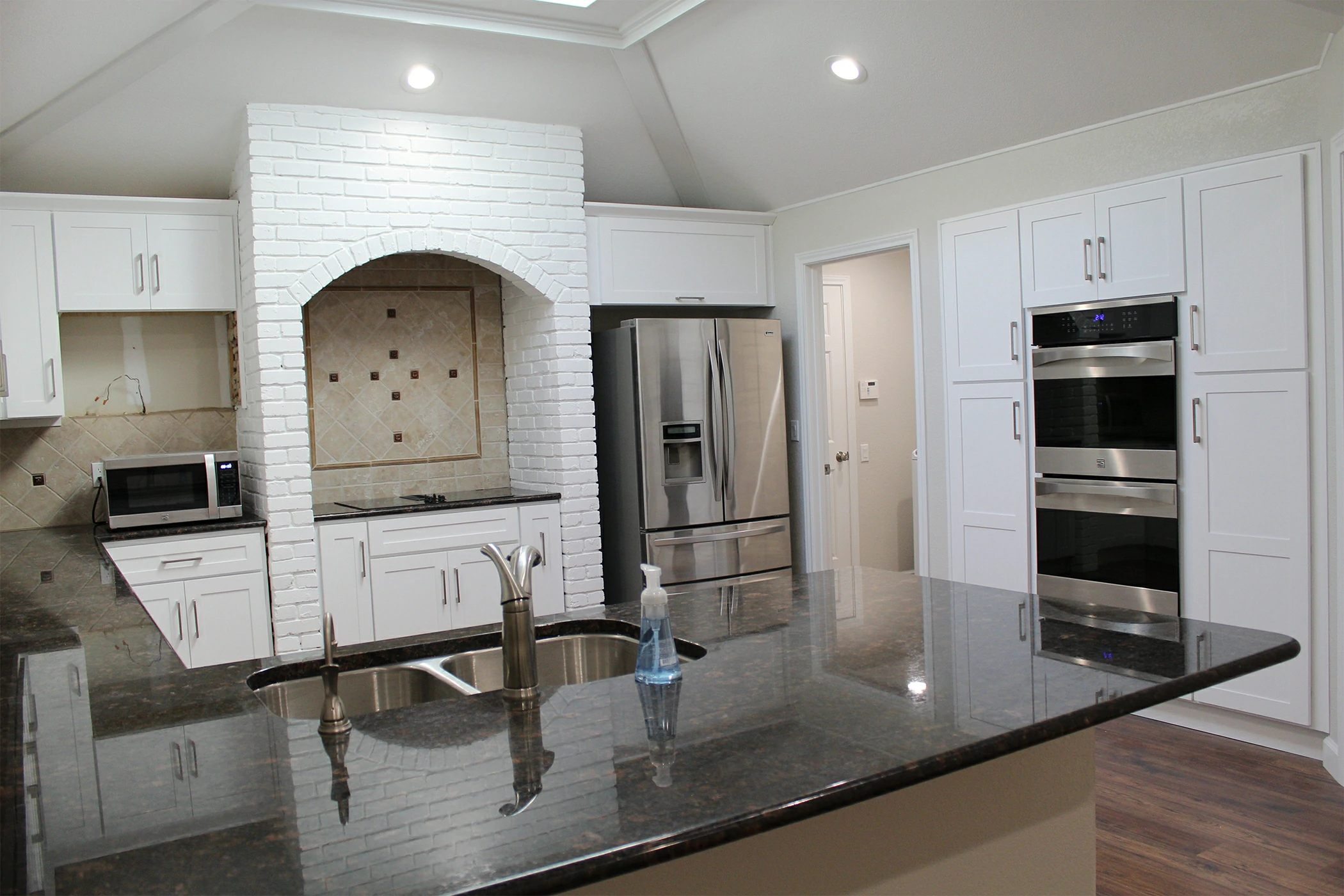
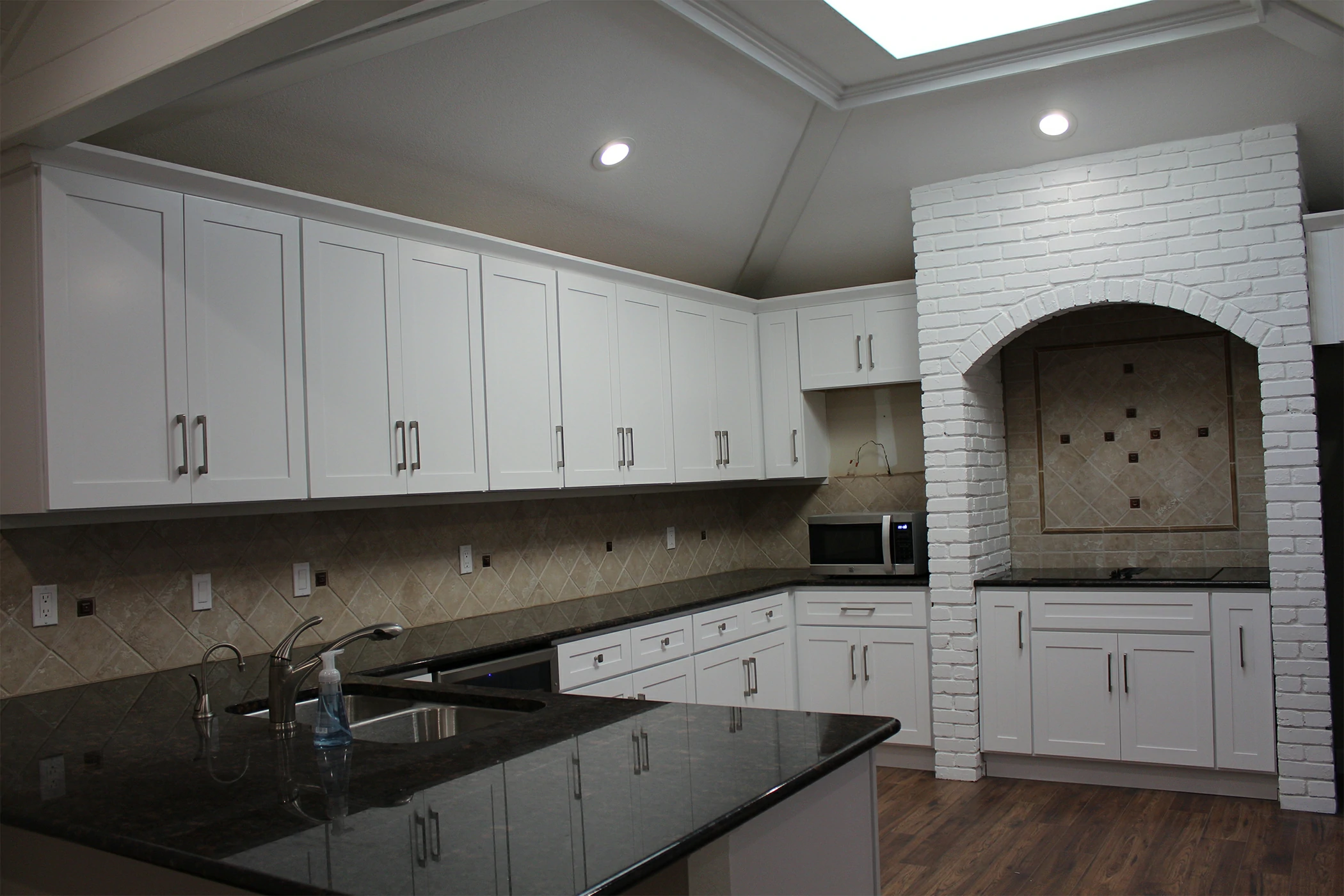
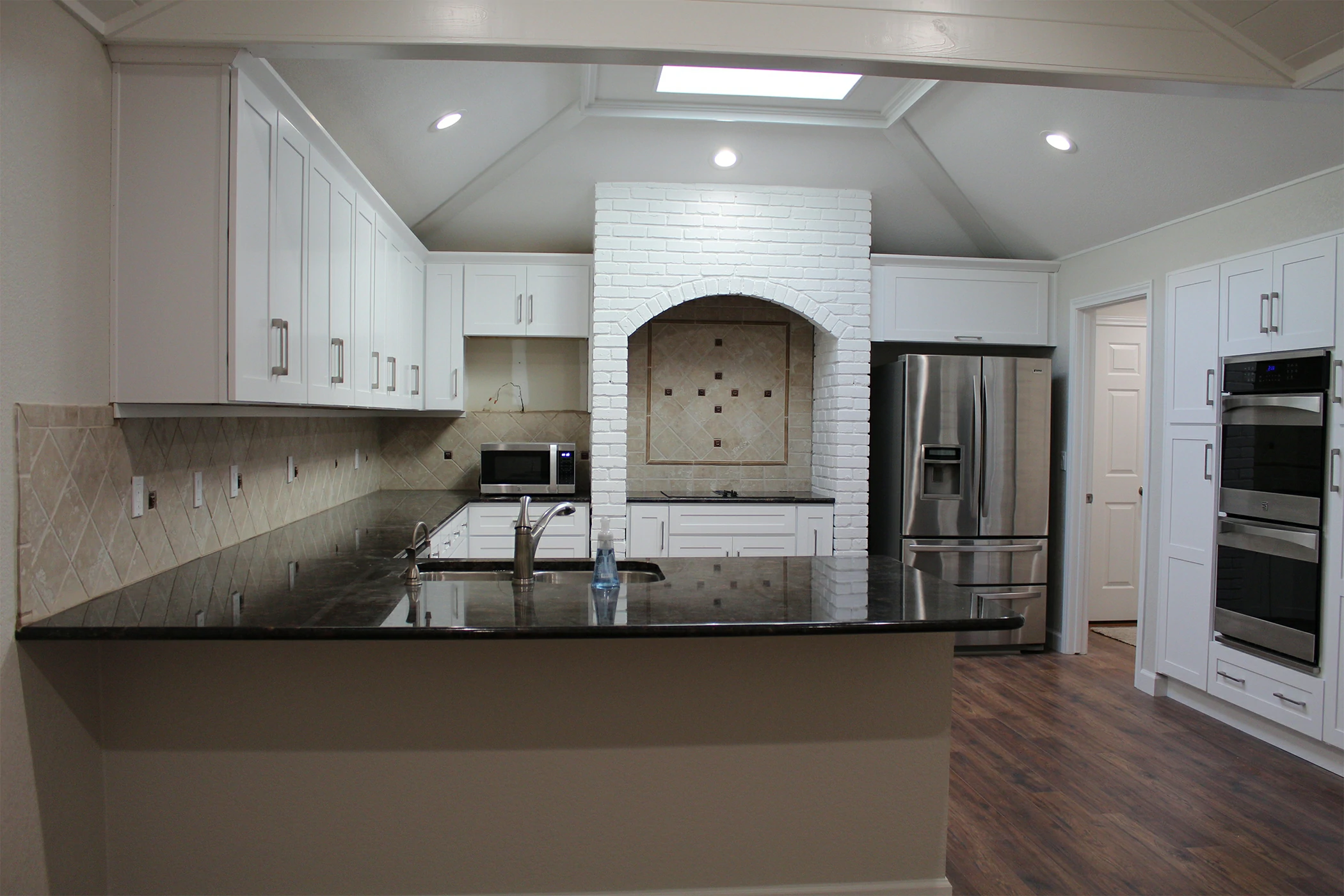
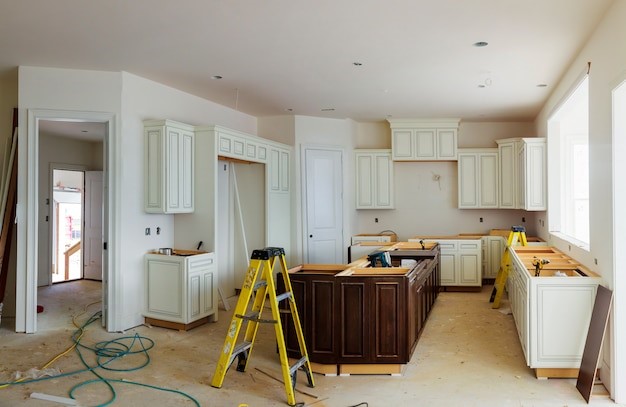
Kitchens are complex spaces that combine functionality with design. Layout planning, cabinet placement, and appliance positioning must all work together.
A 3D model helps homeowners evaluate:
- Countertop workspace
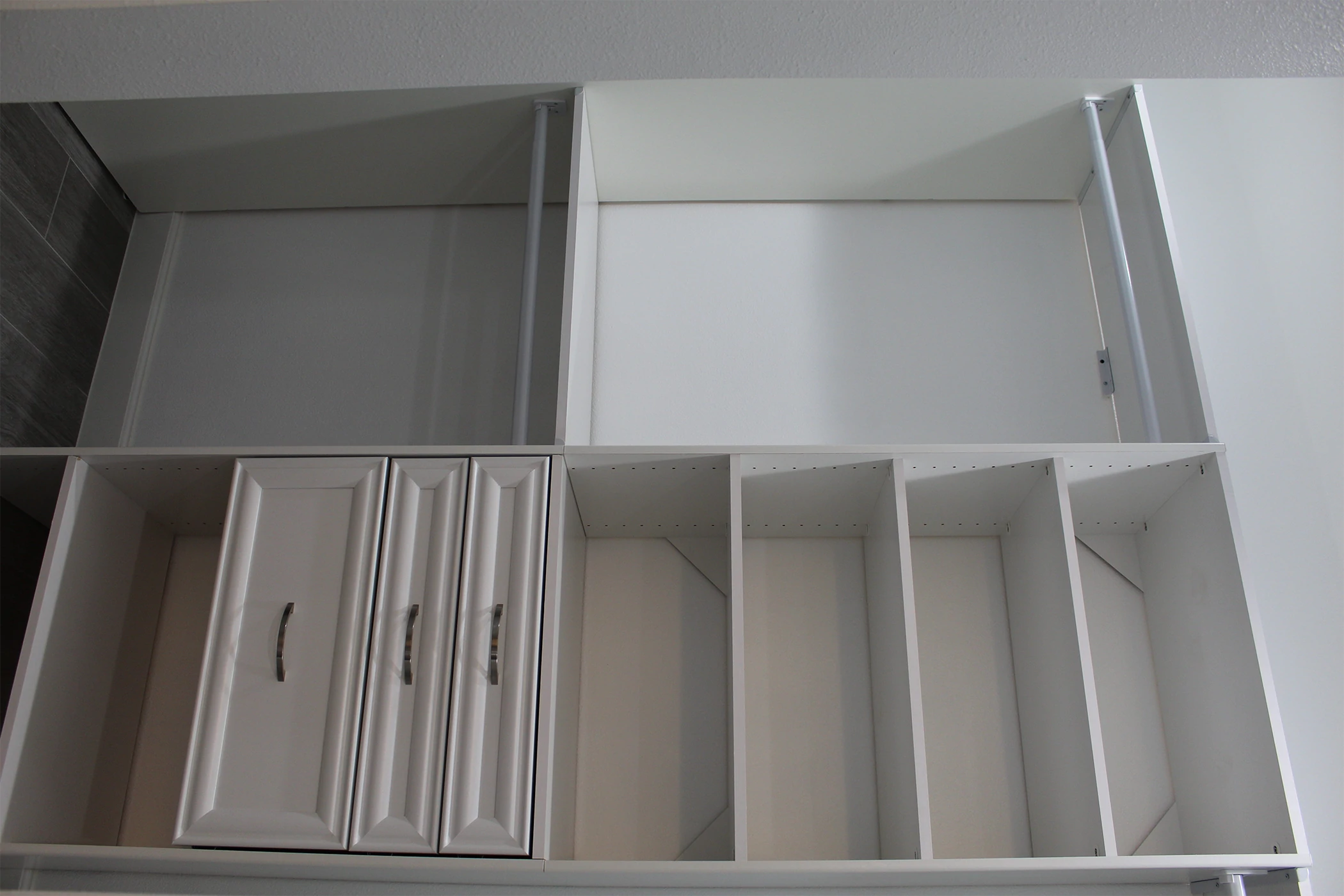
- Cabinet storage capacity
- Traffic flow around islands
- Lighting placement
This visual planning ensures that the kitchen design supports both everyday use and long-term functionality.
Bathroom Remodeling
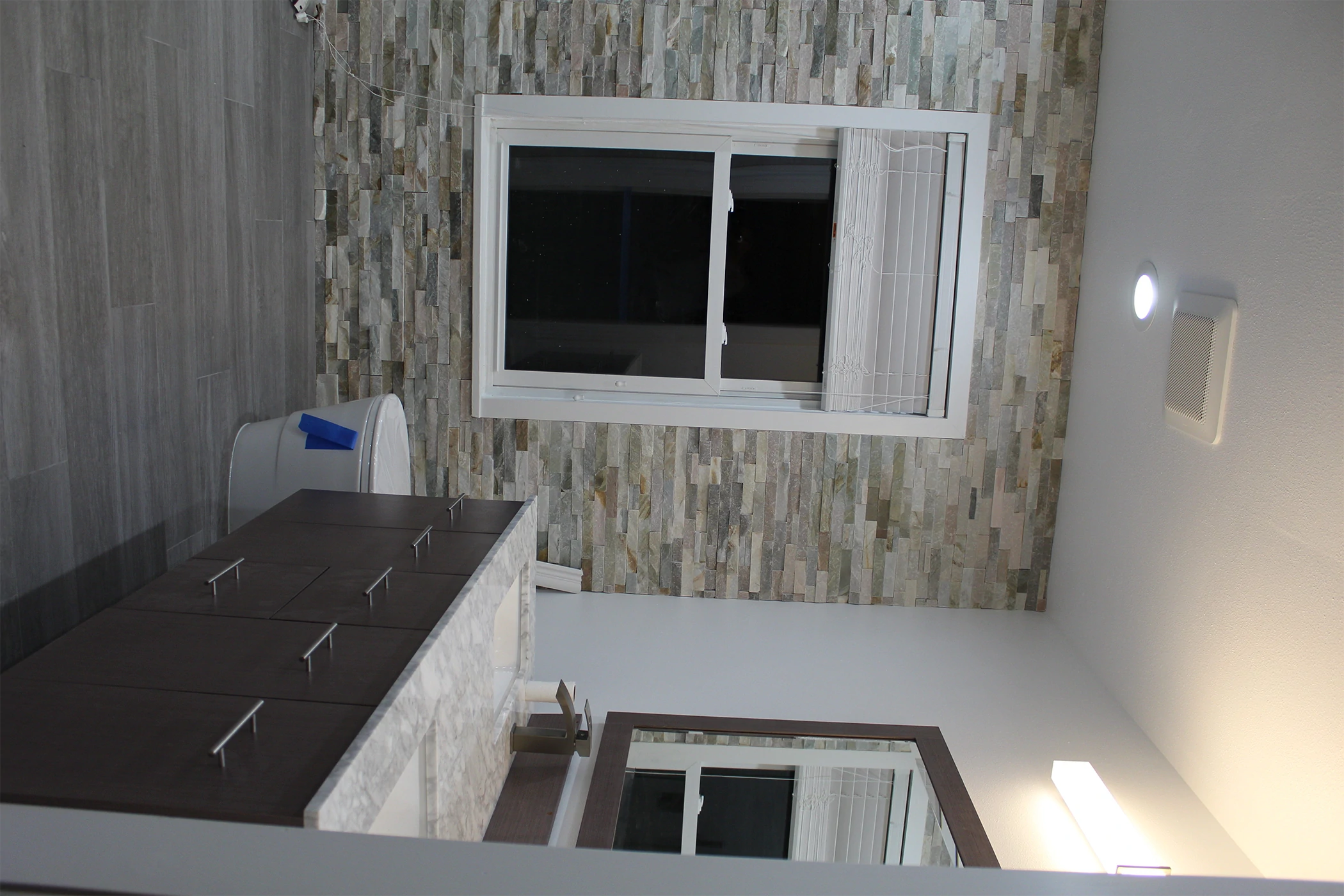
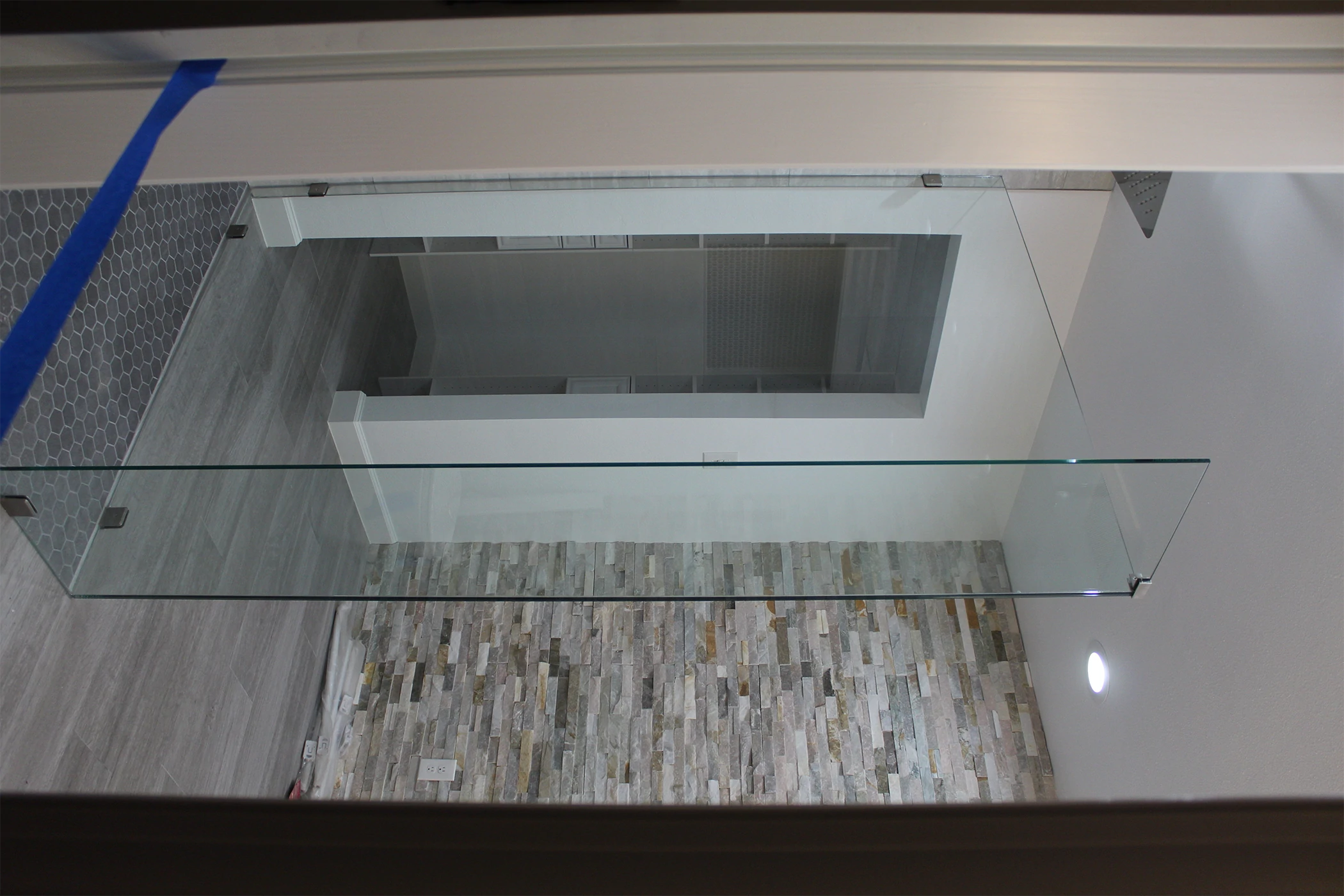
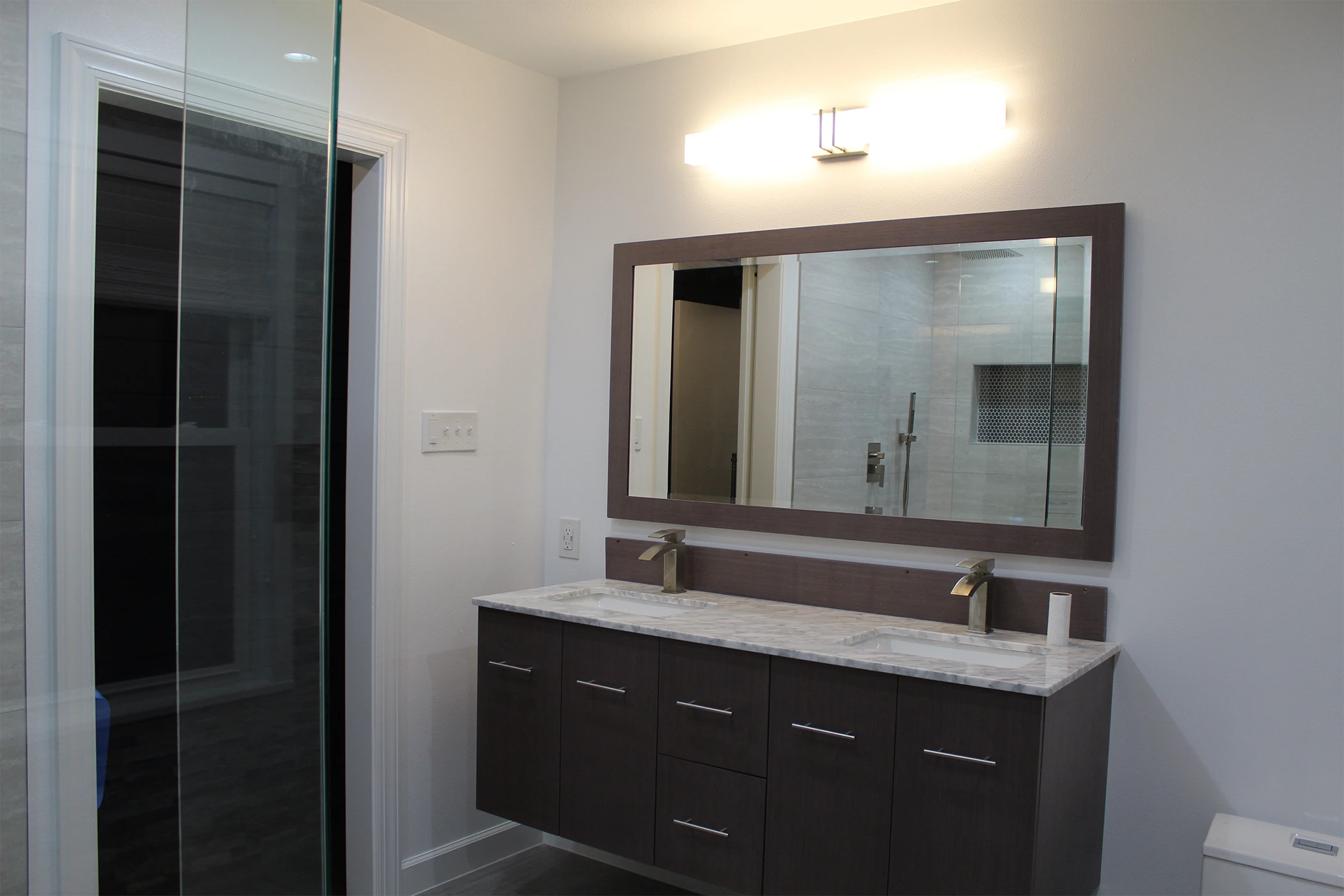
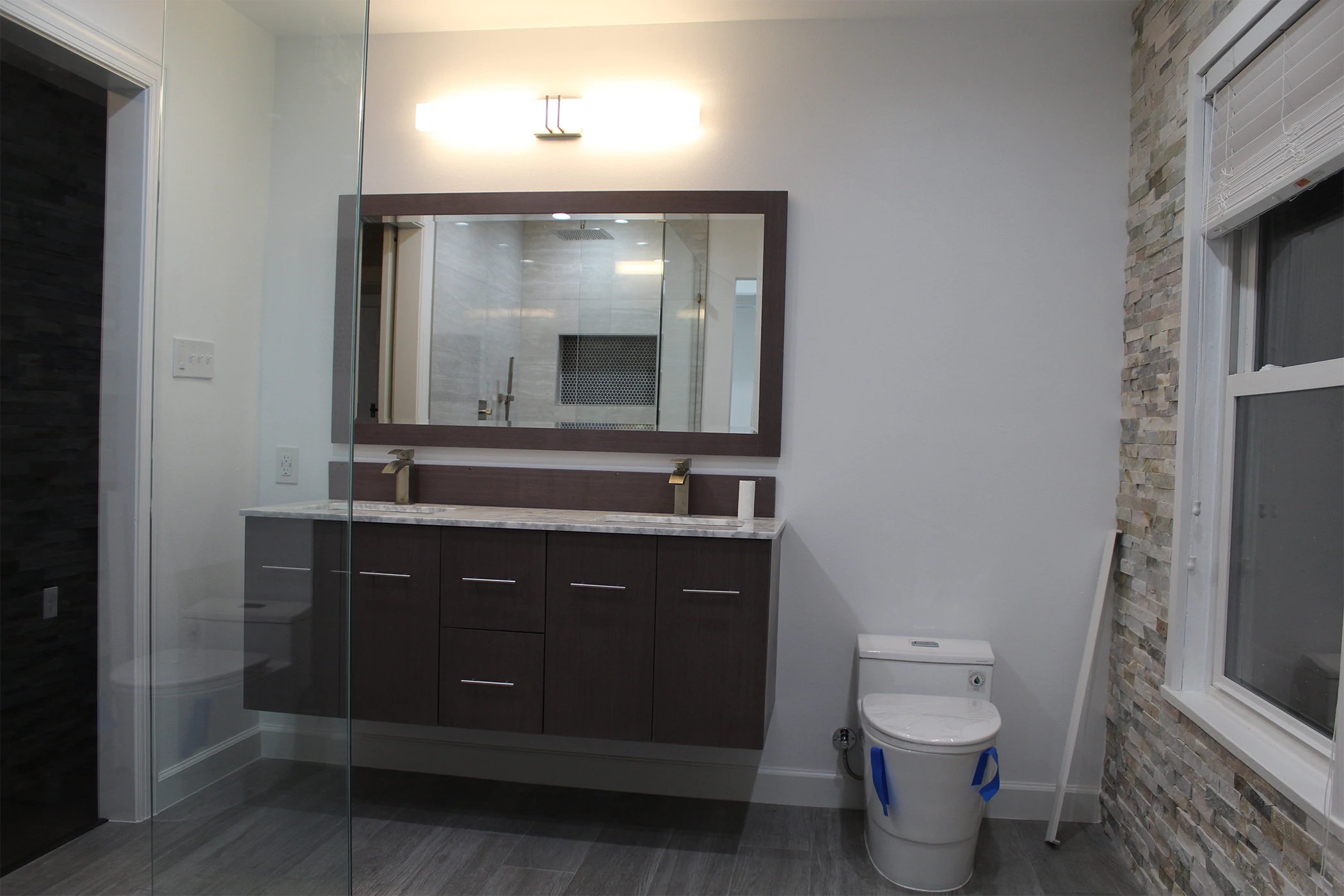
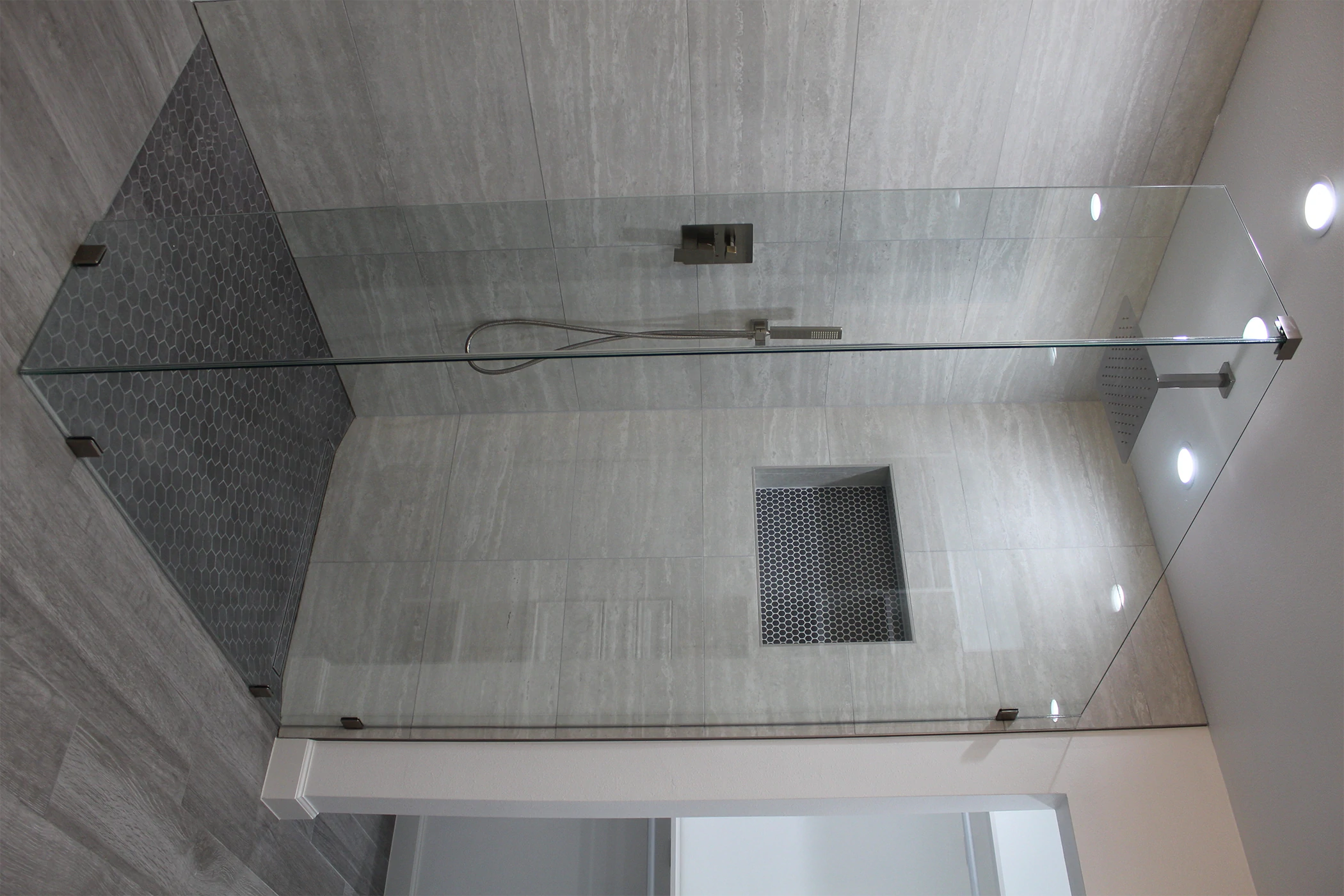
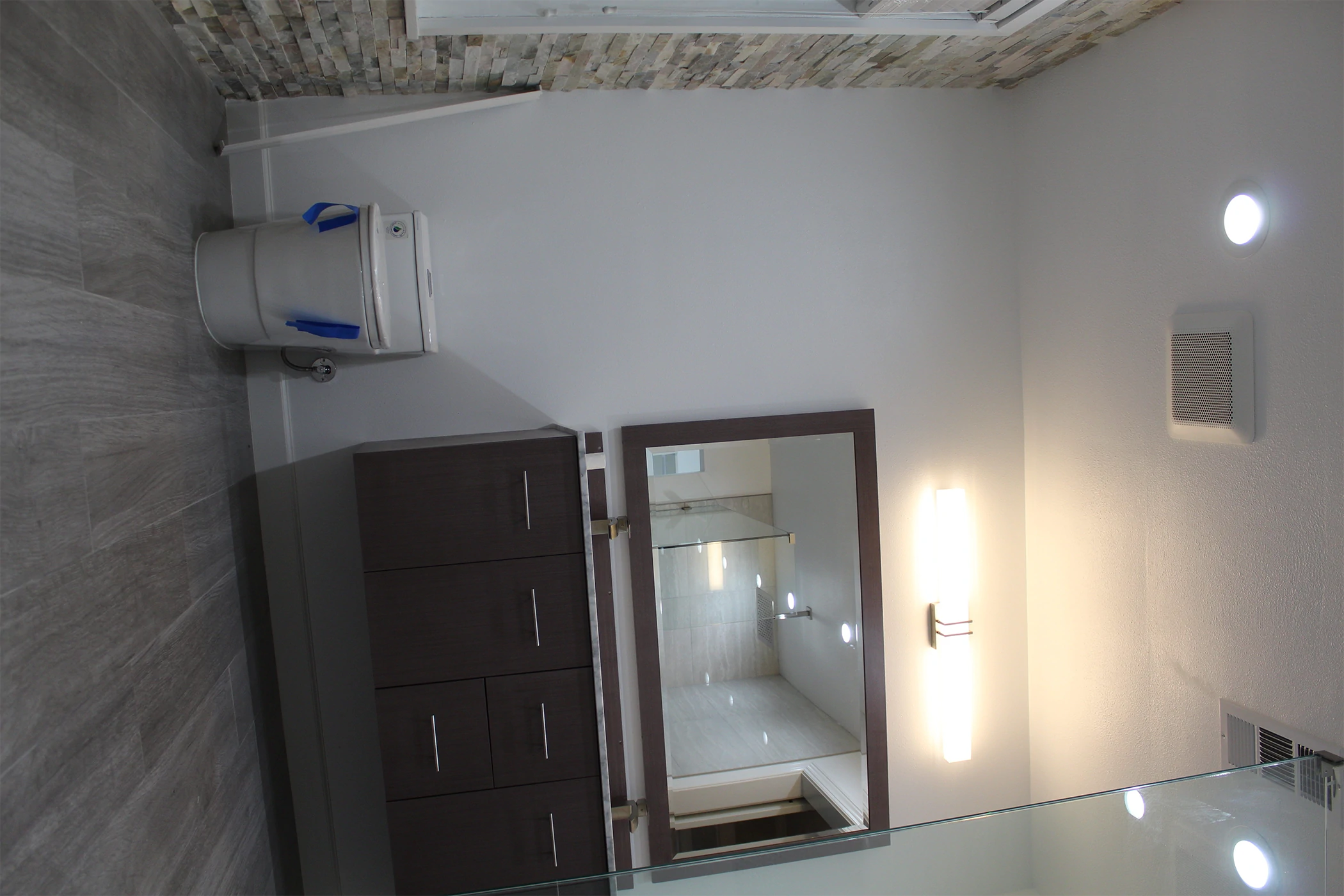
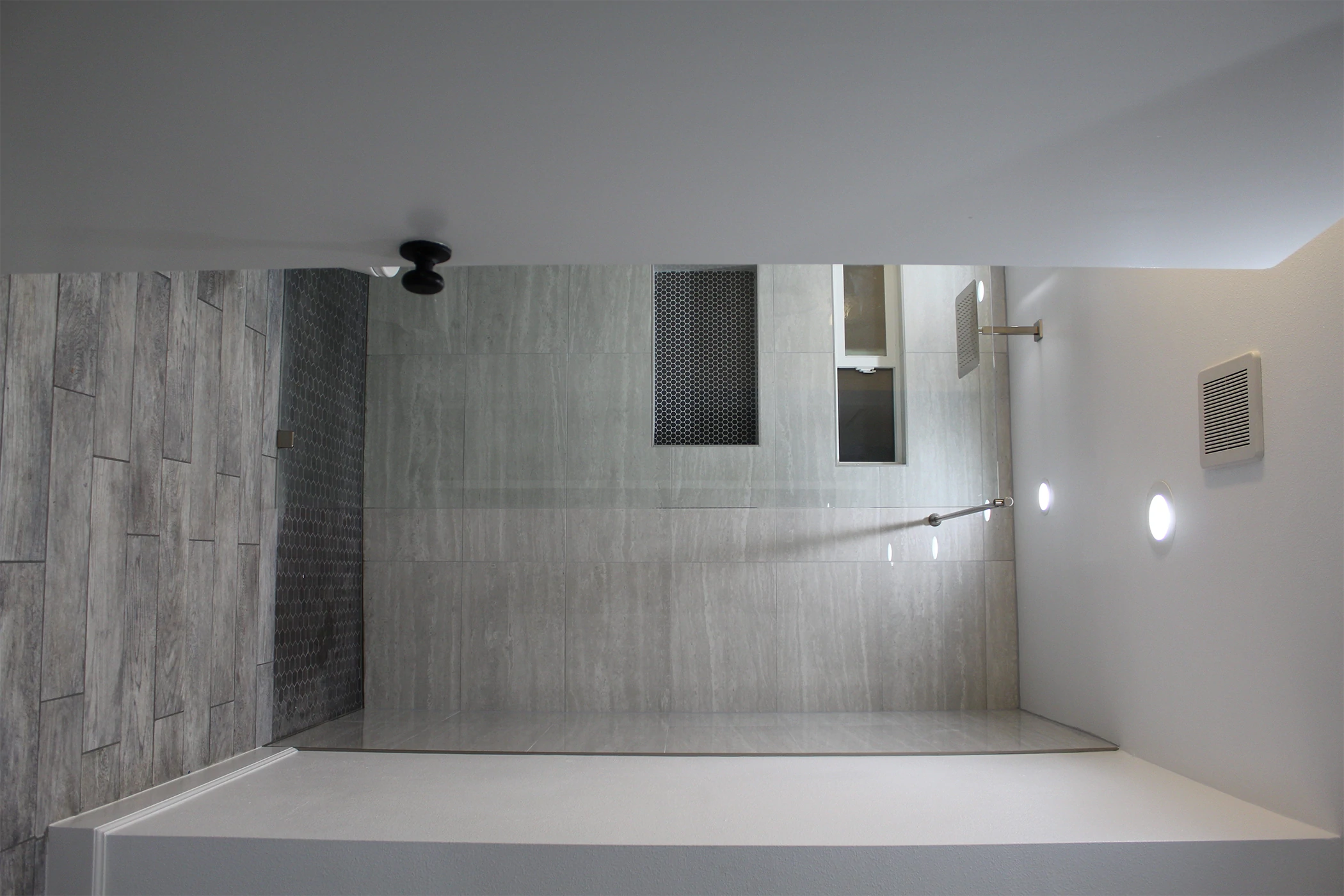
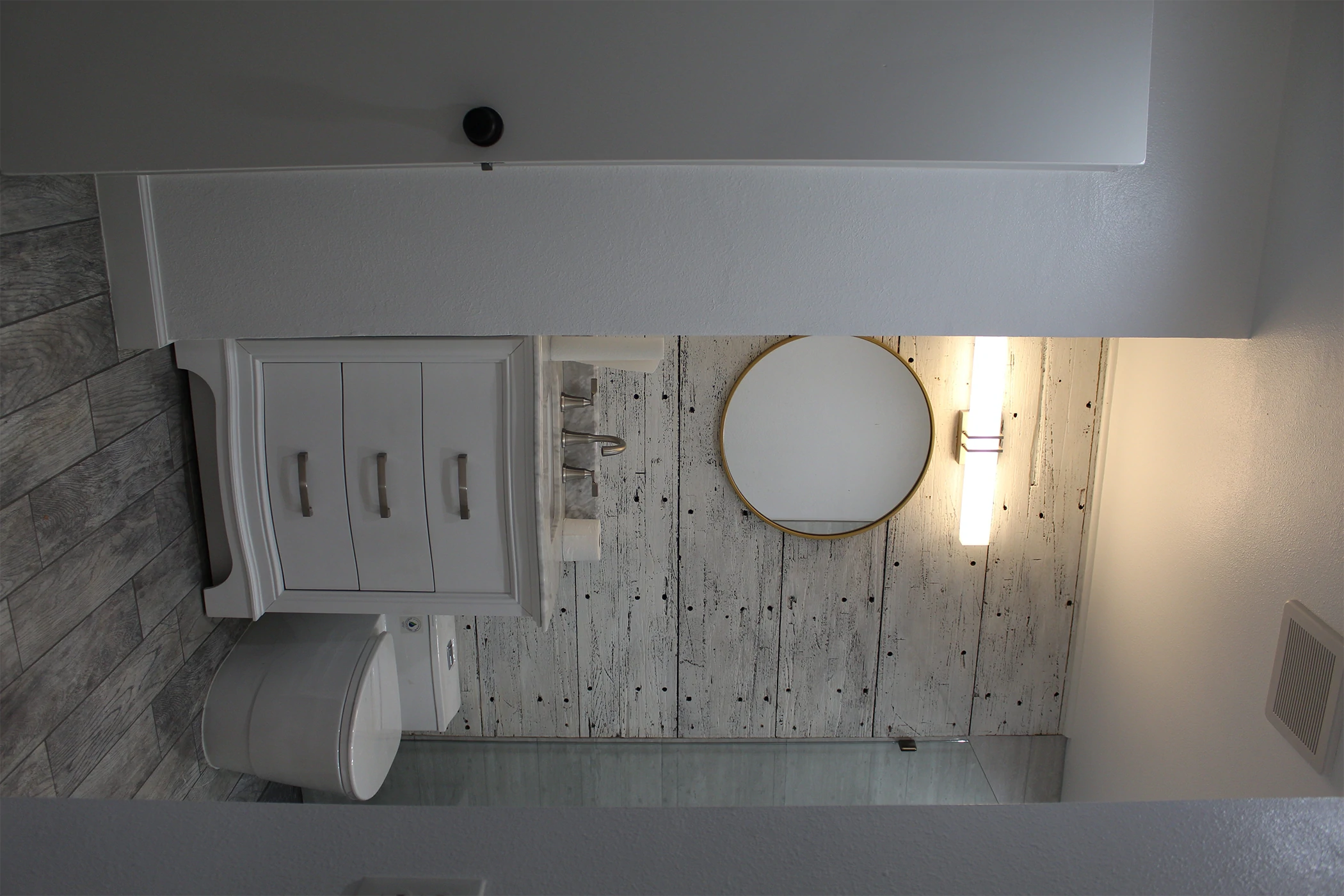
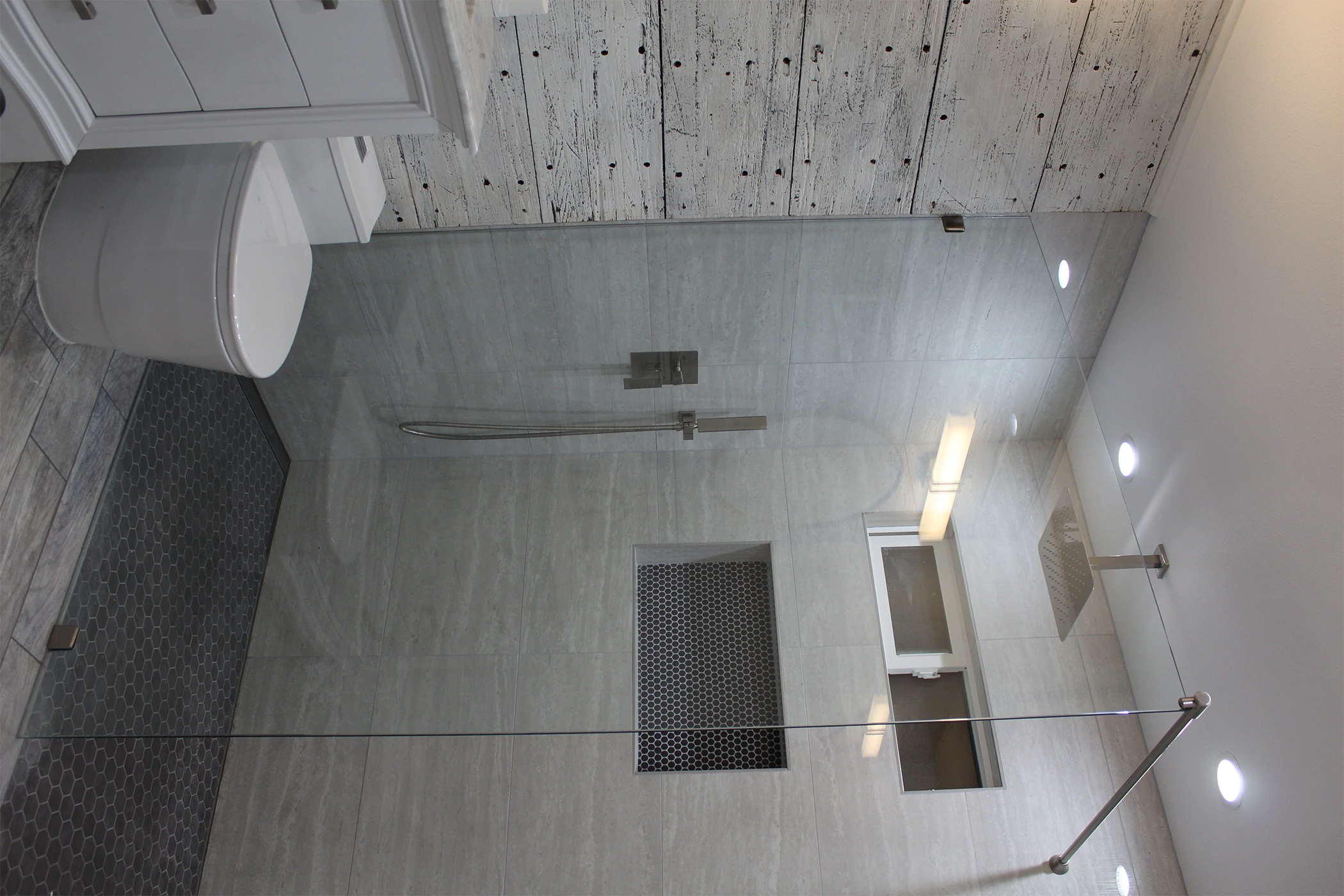
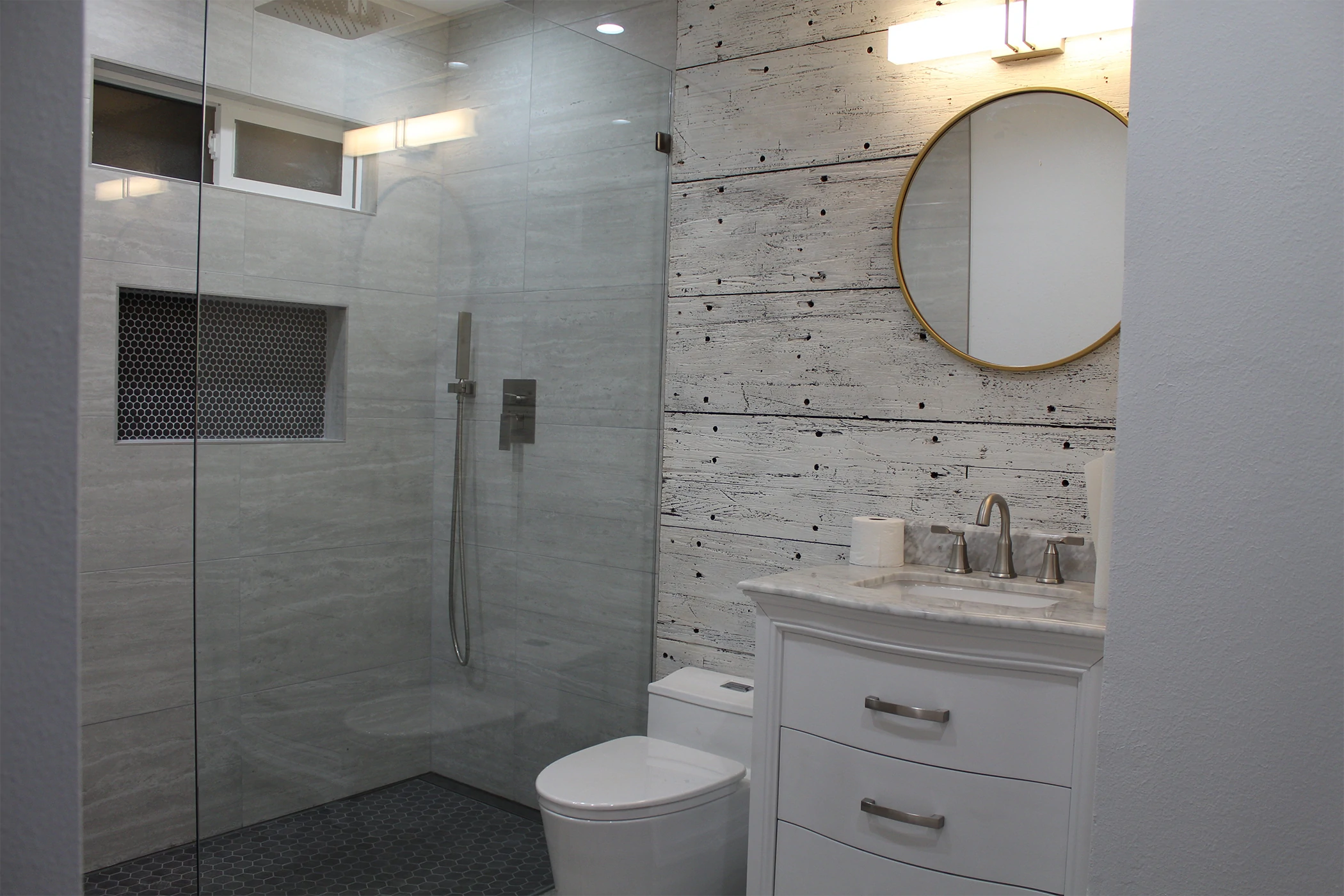
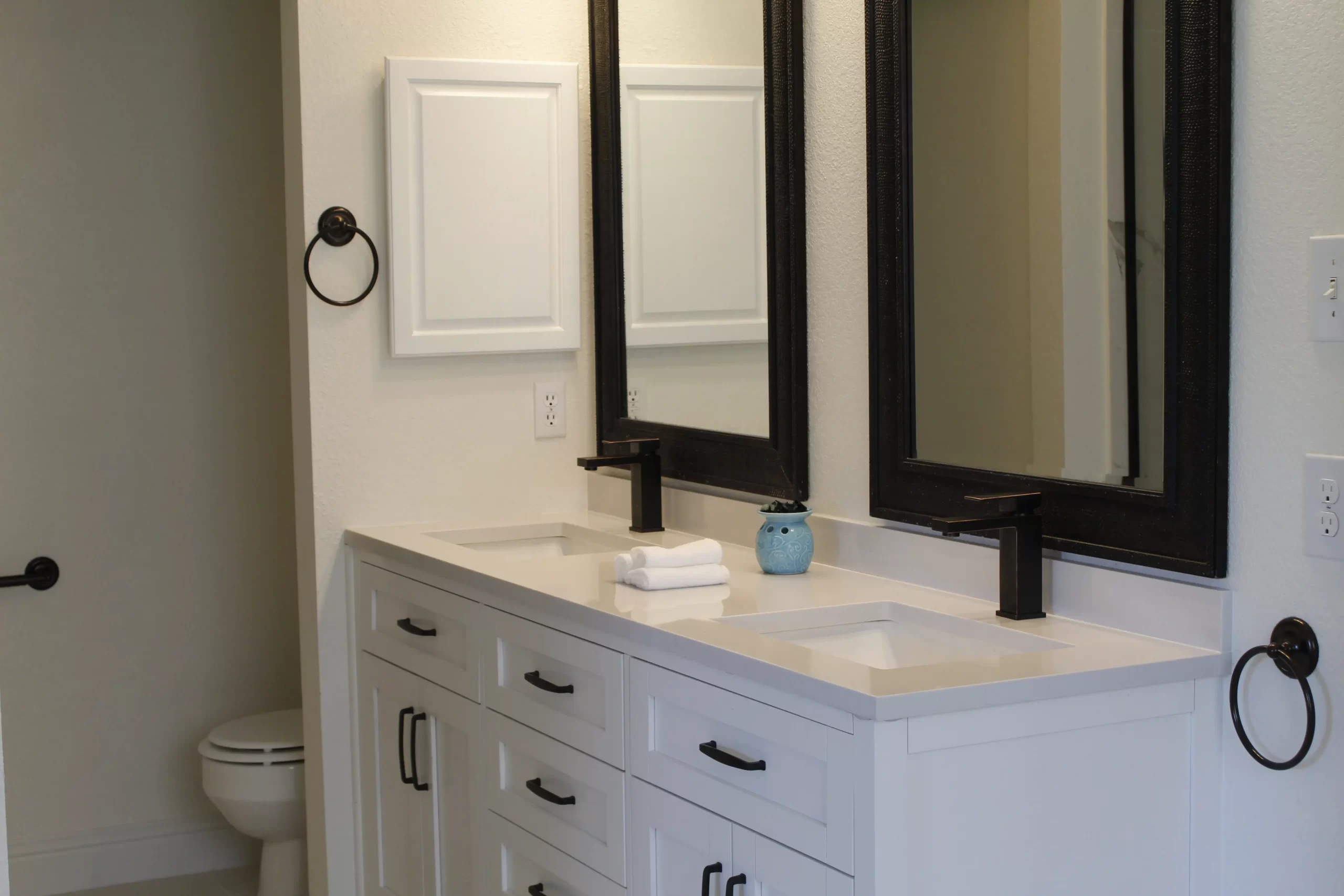
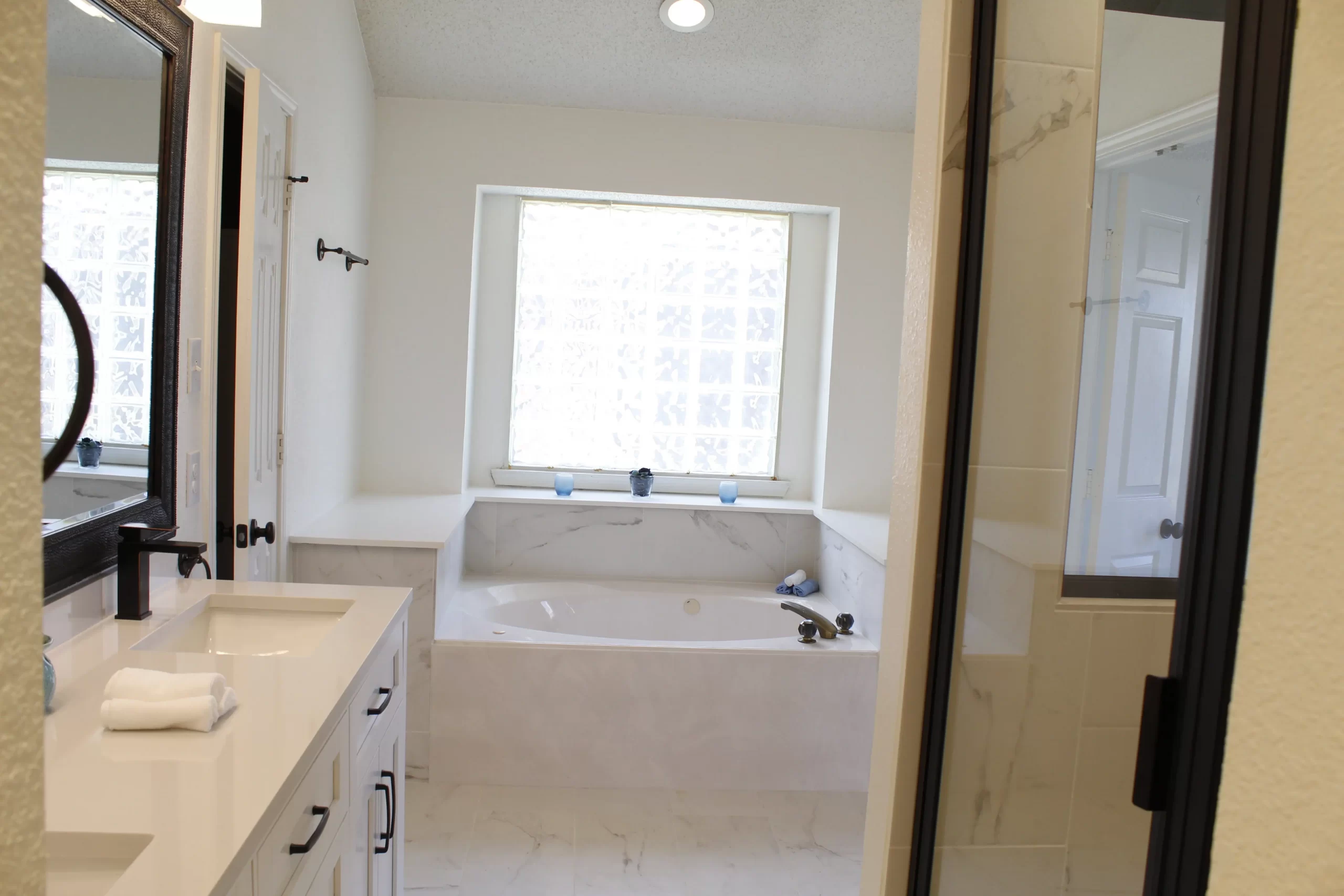
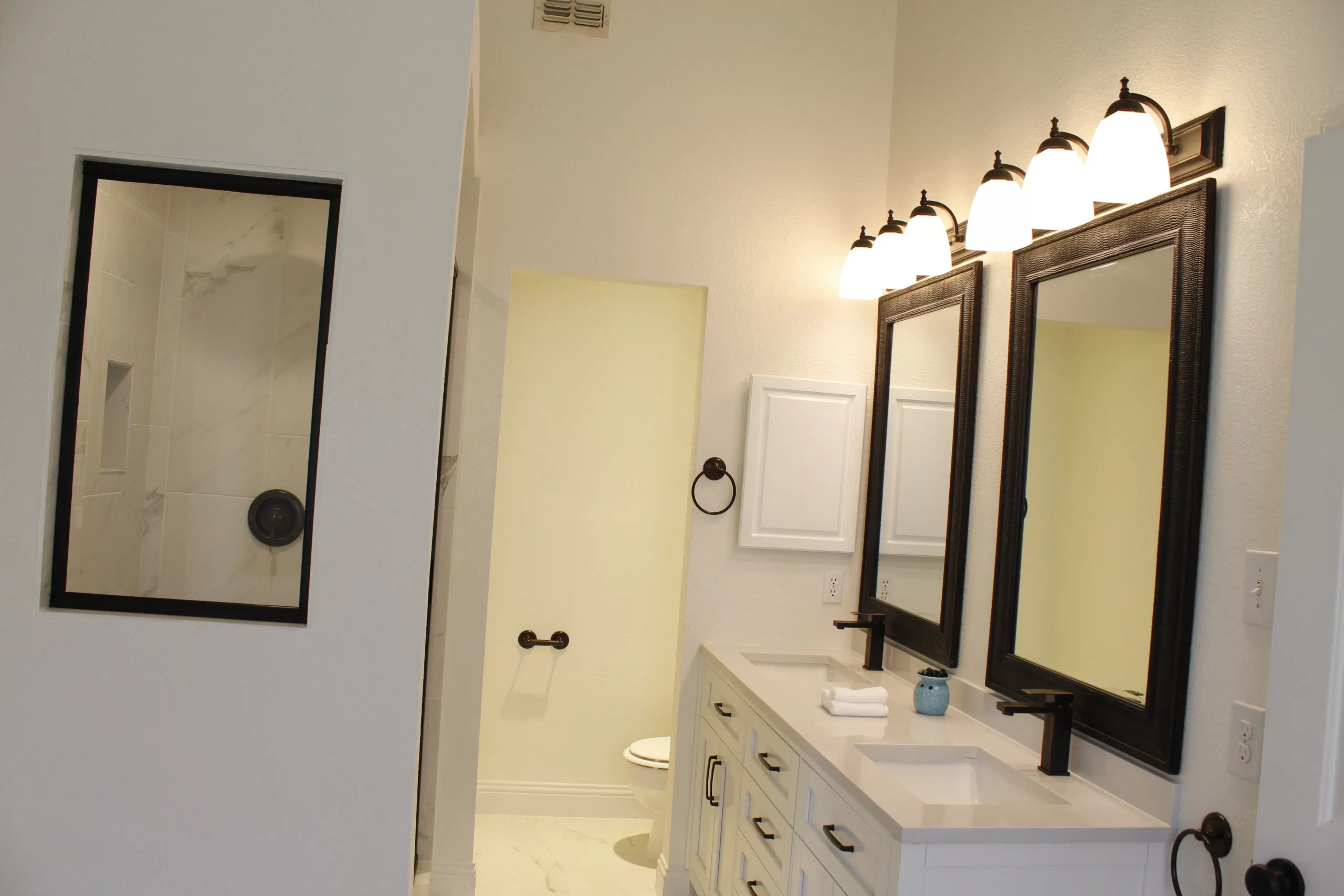
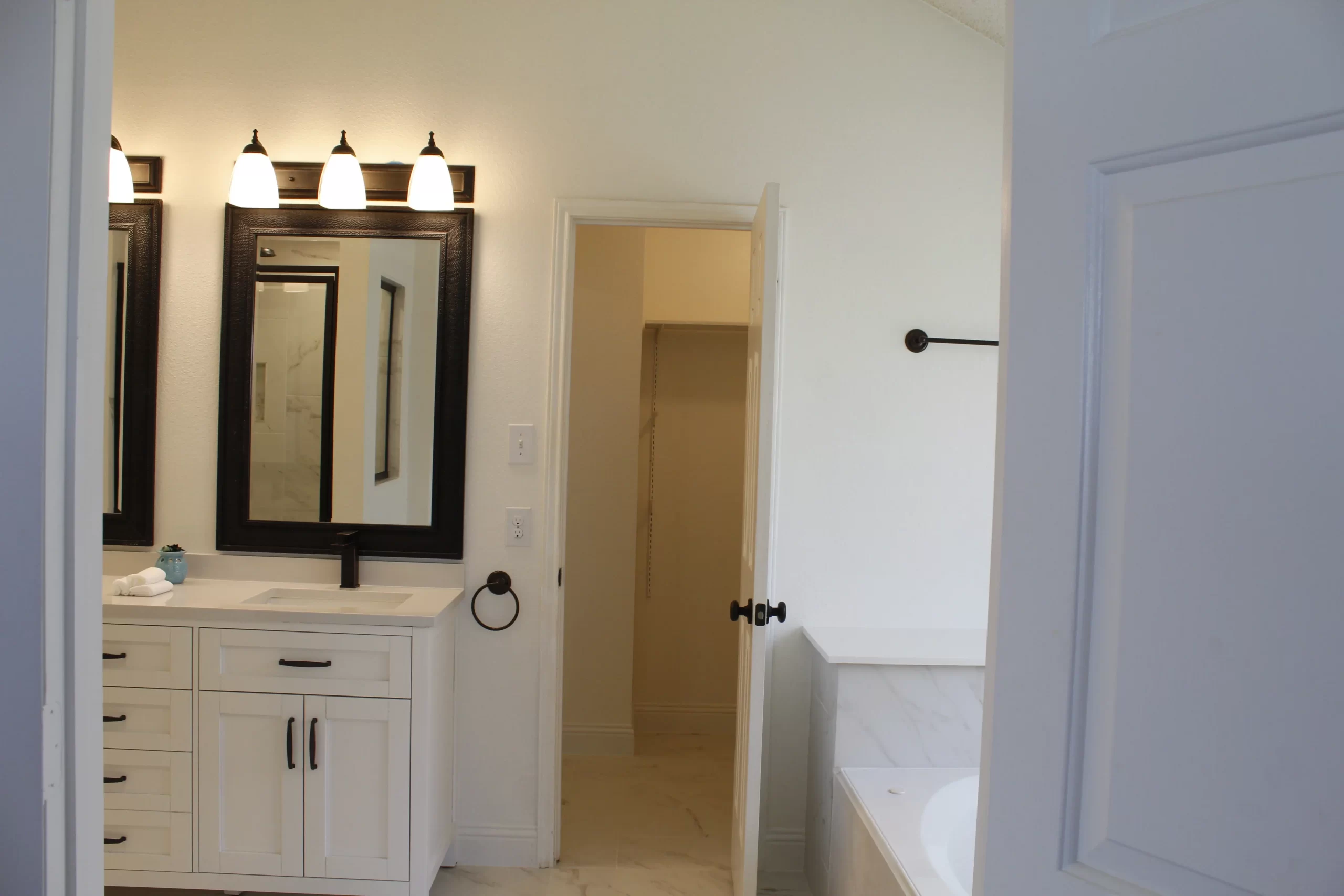
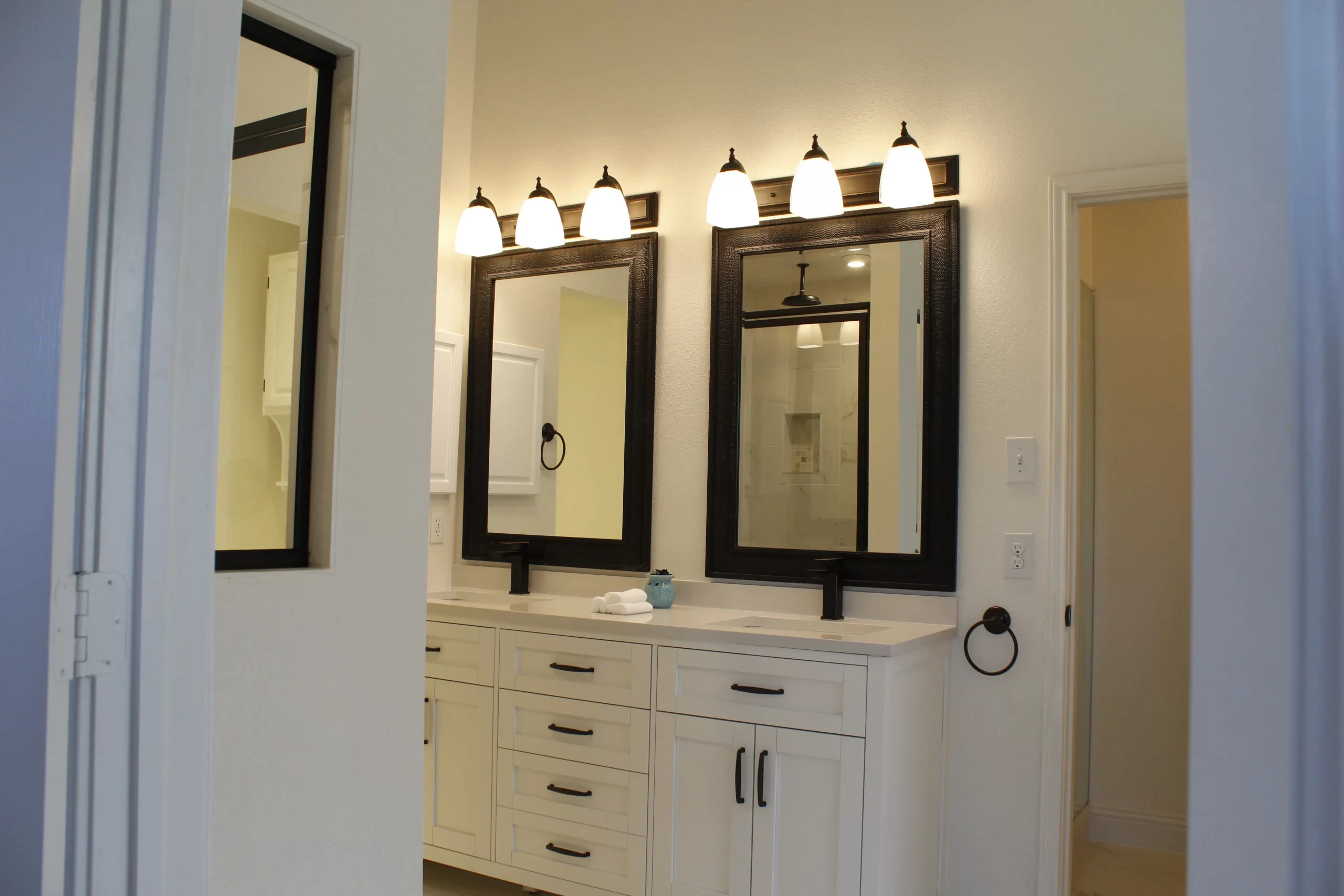
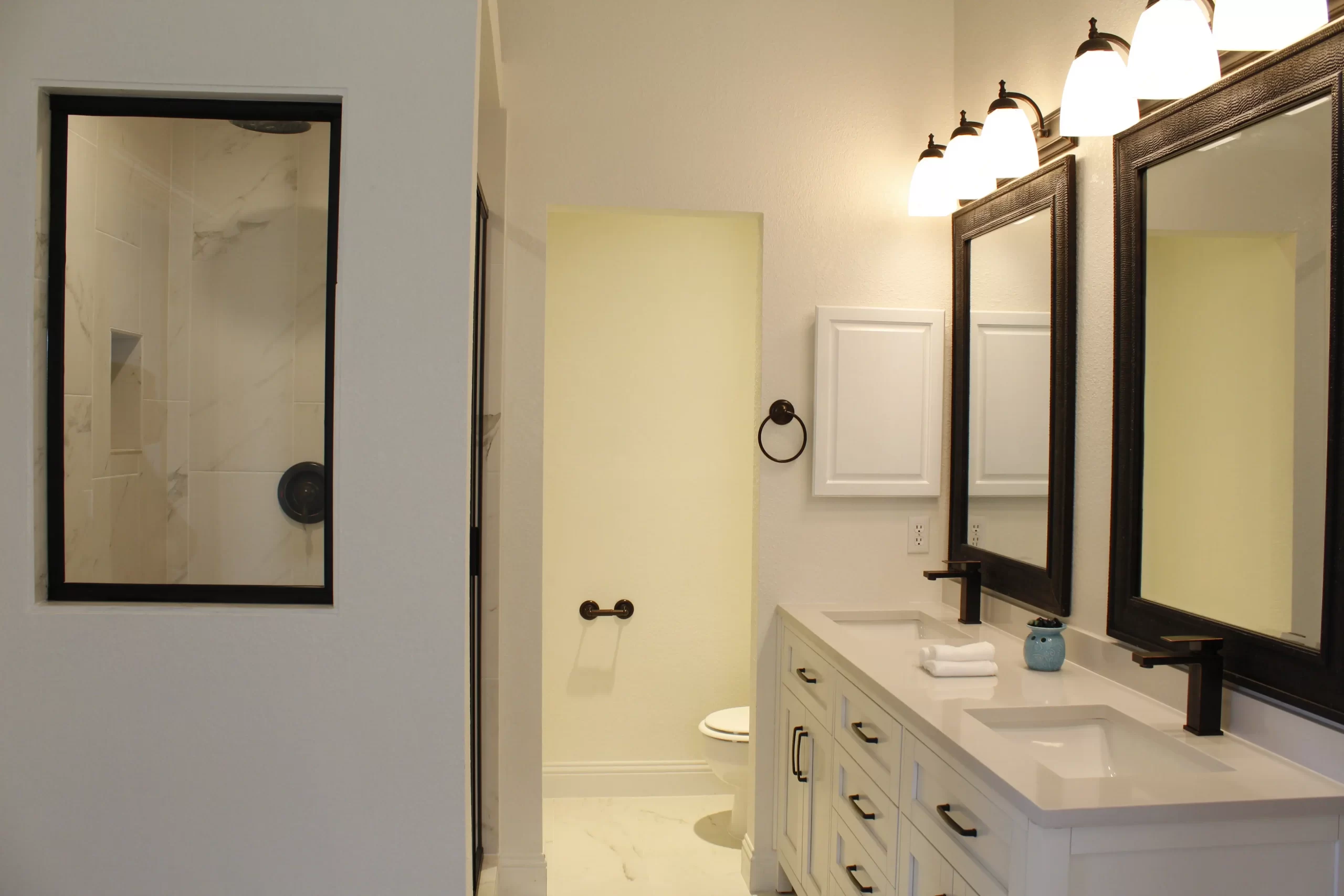
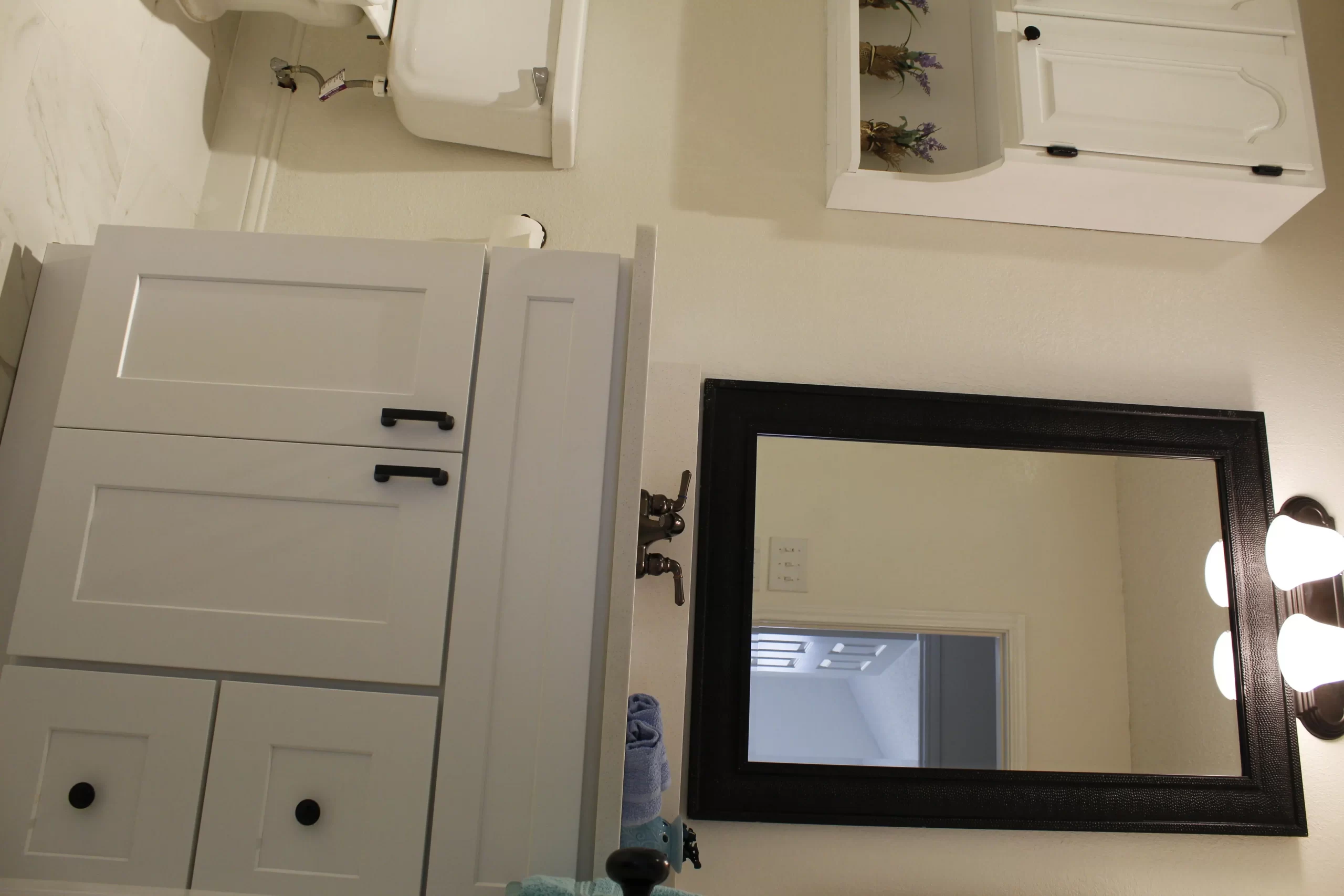
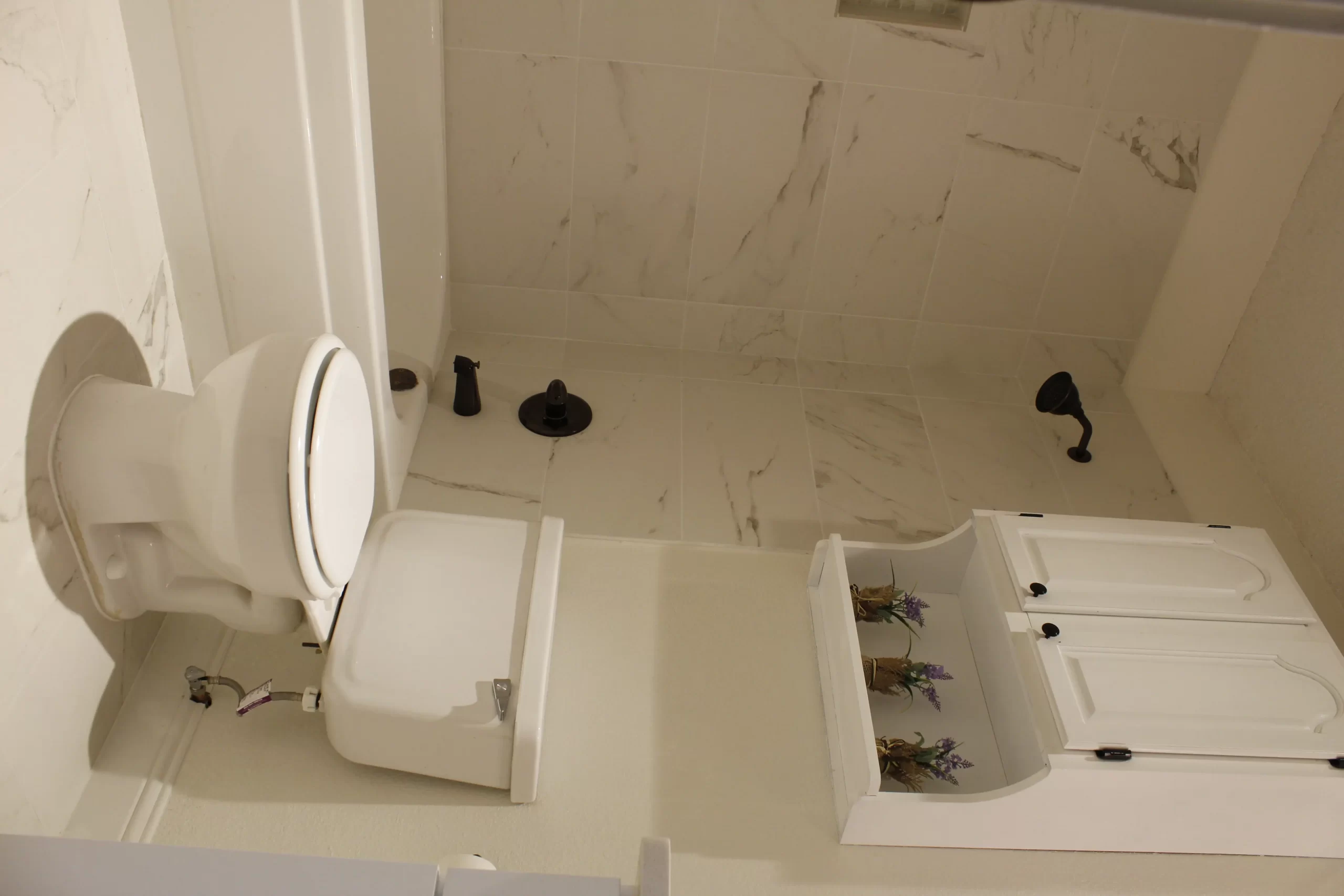
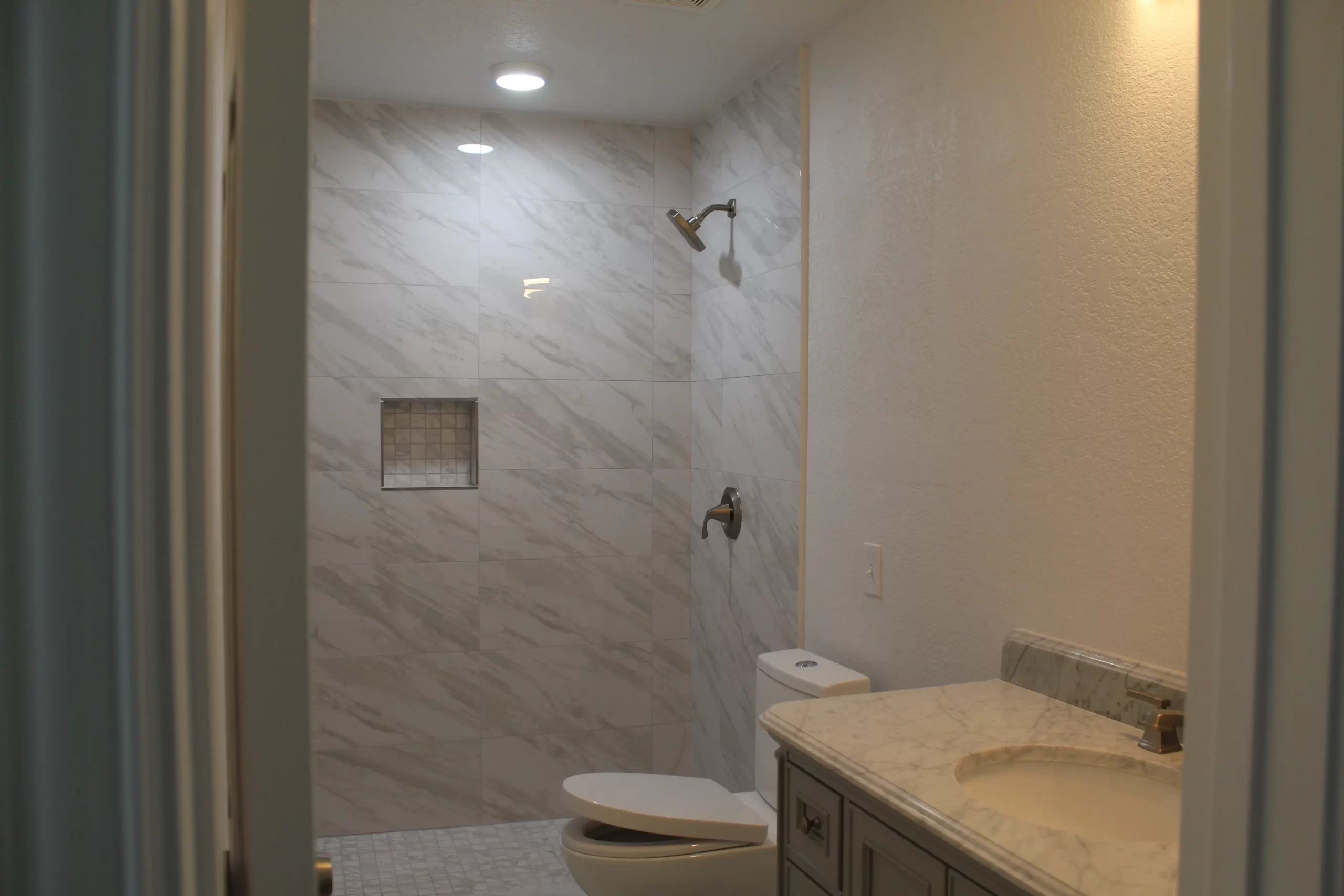
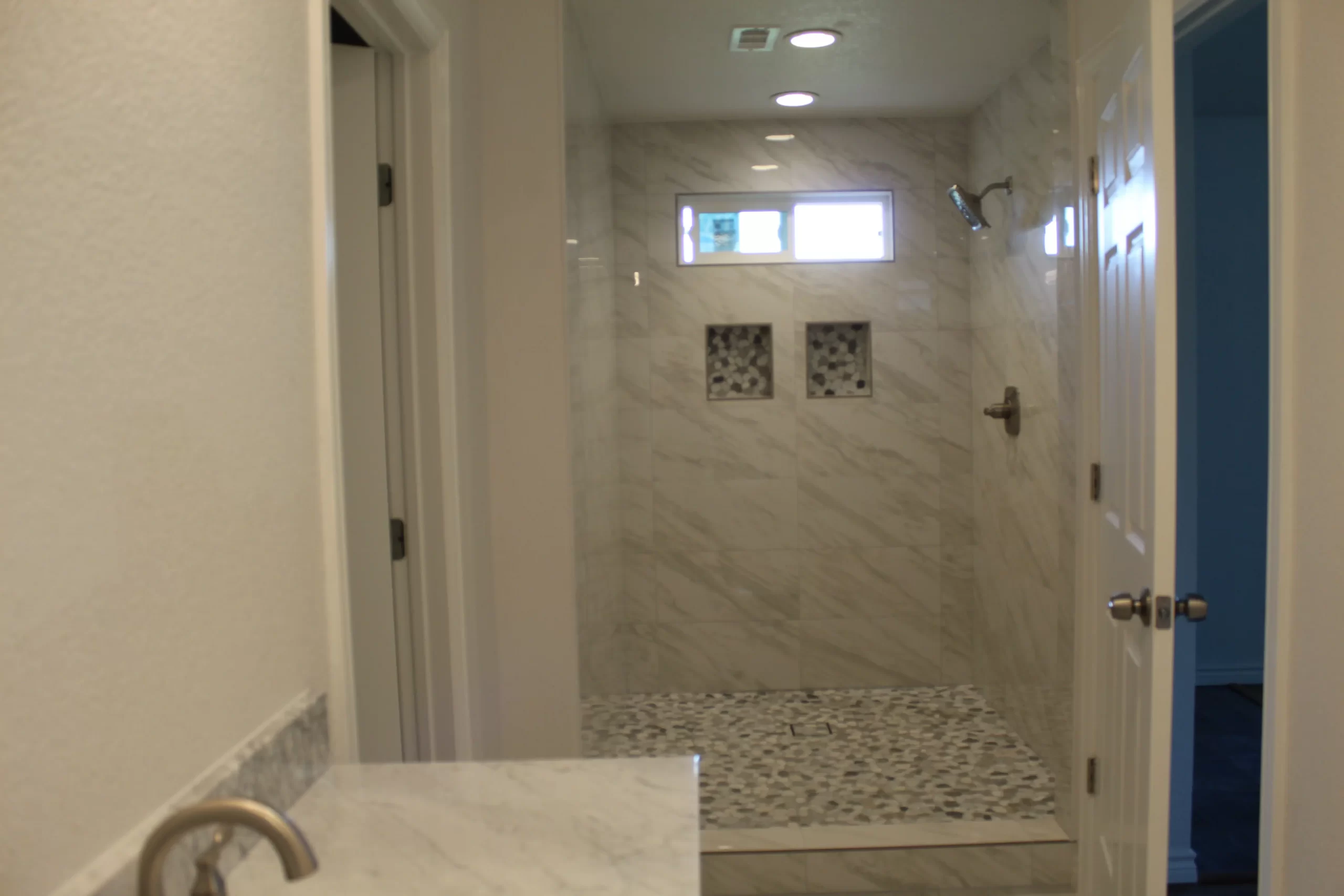
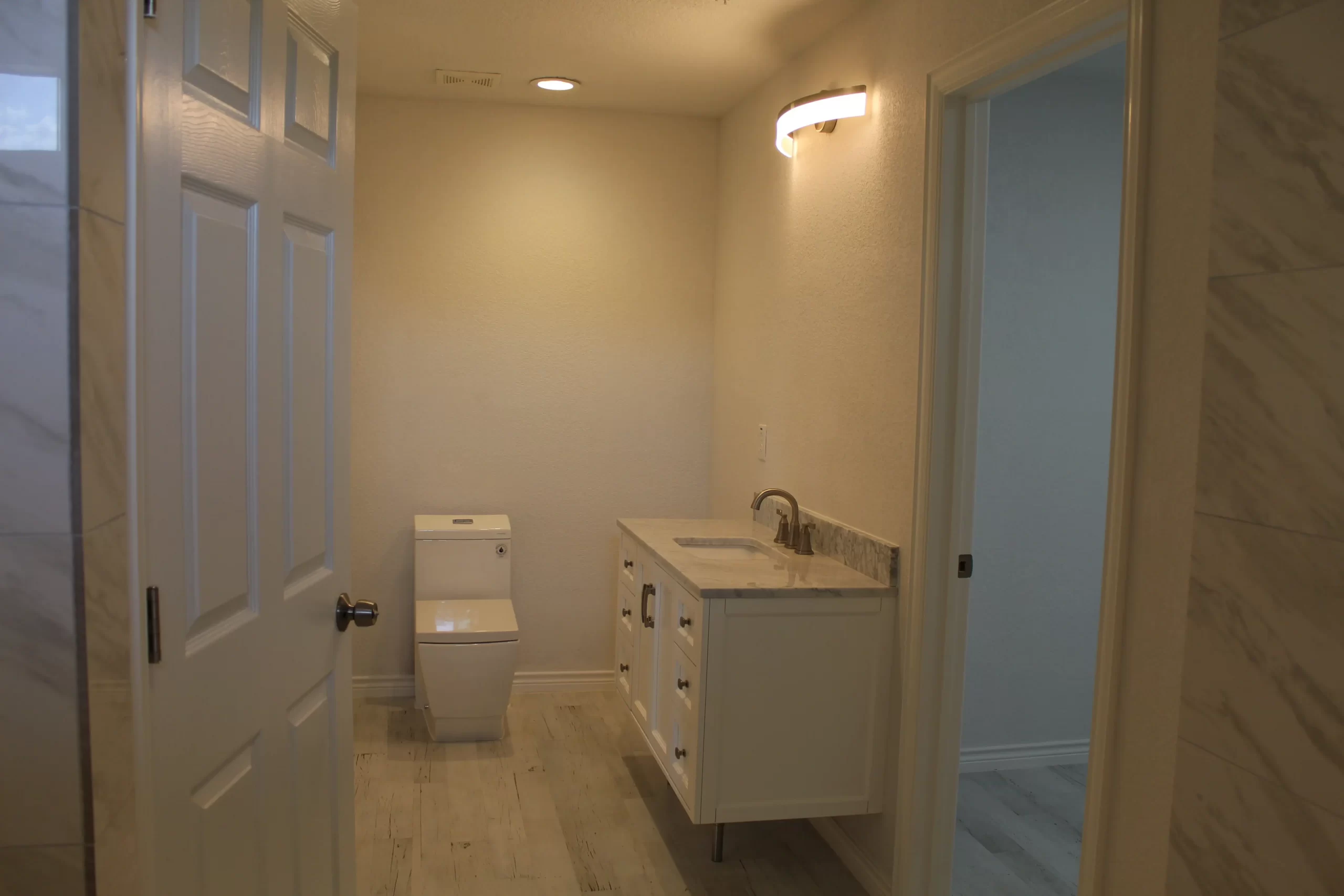
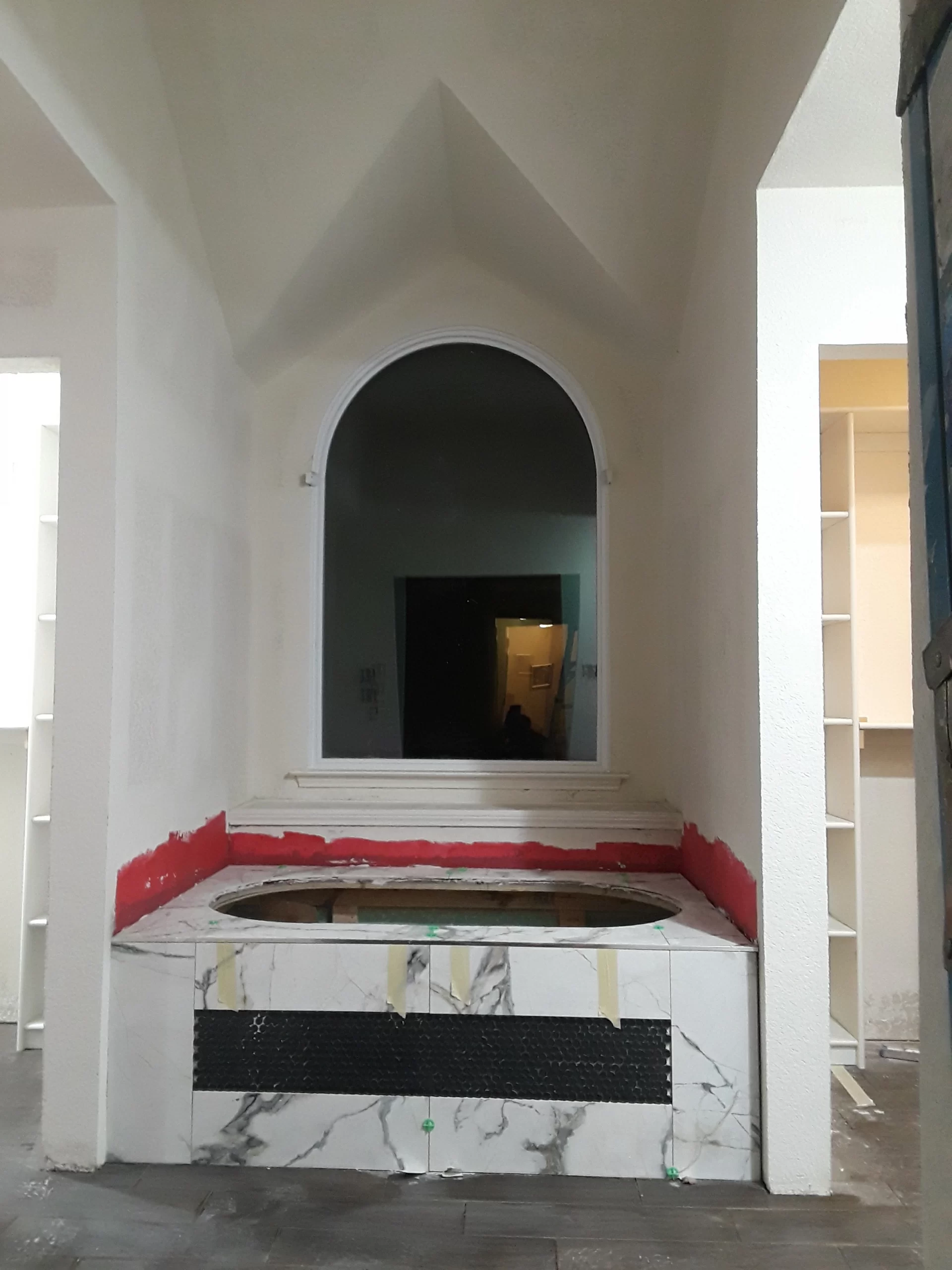
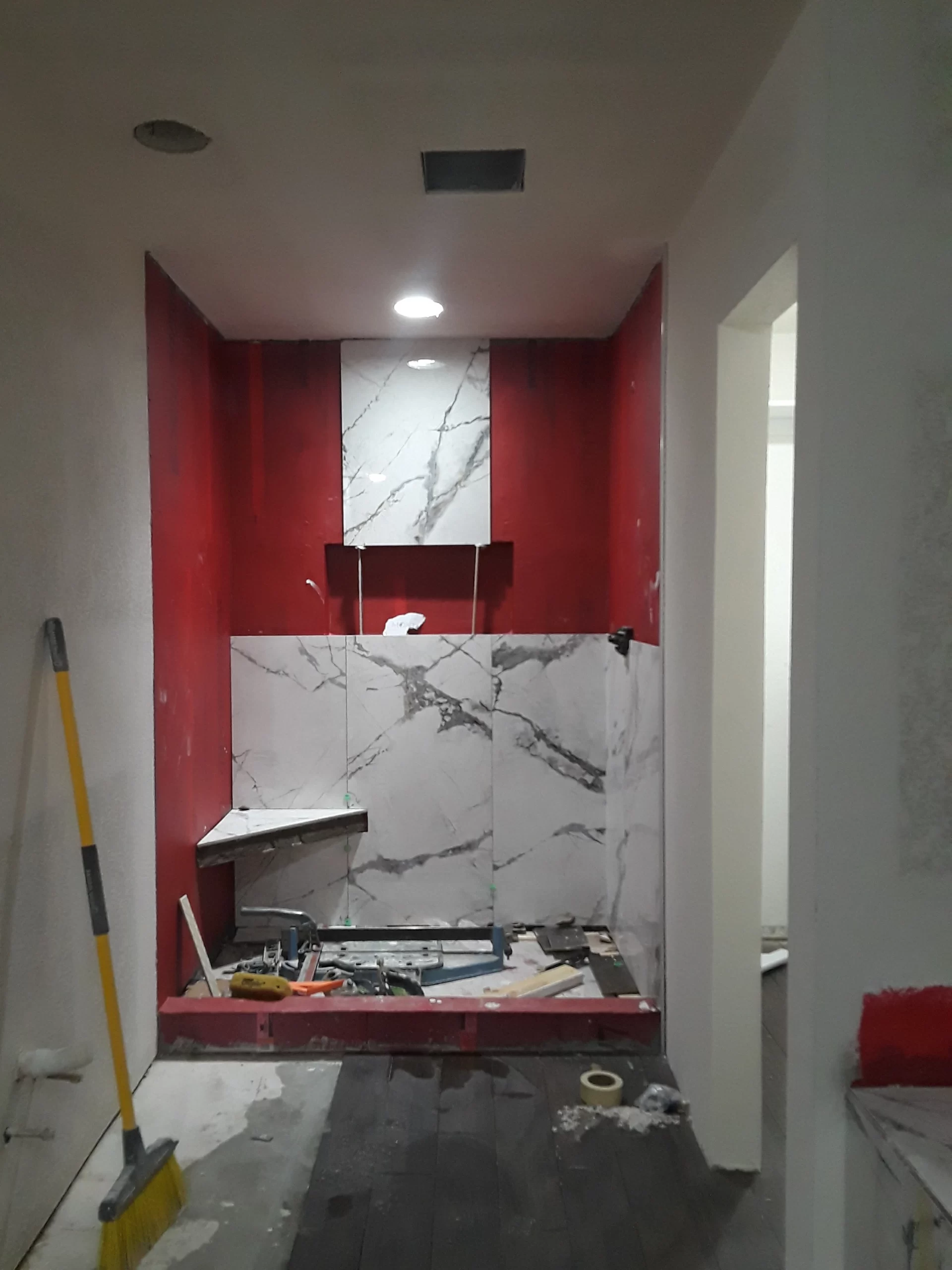
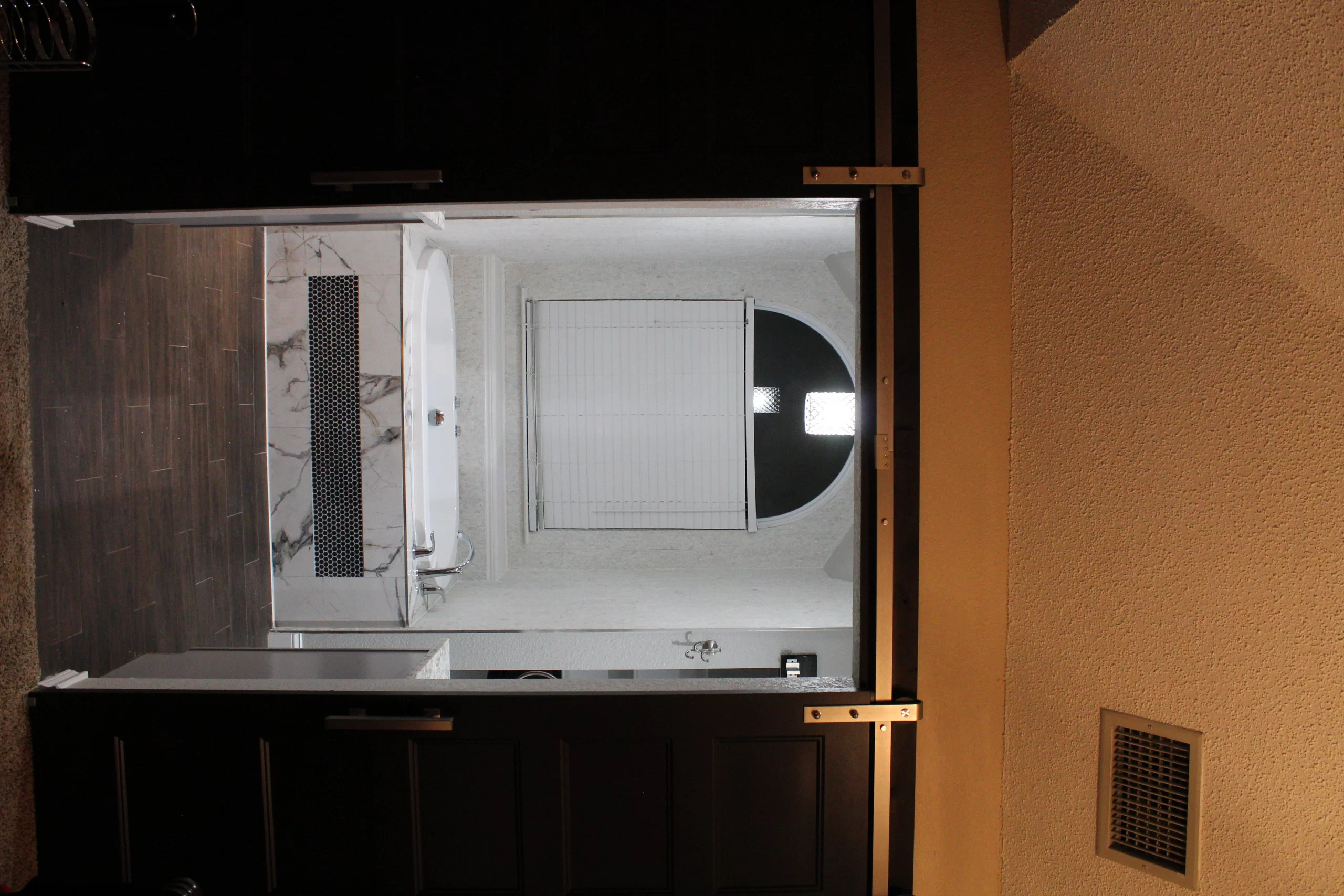
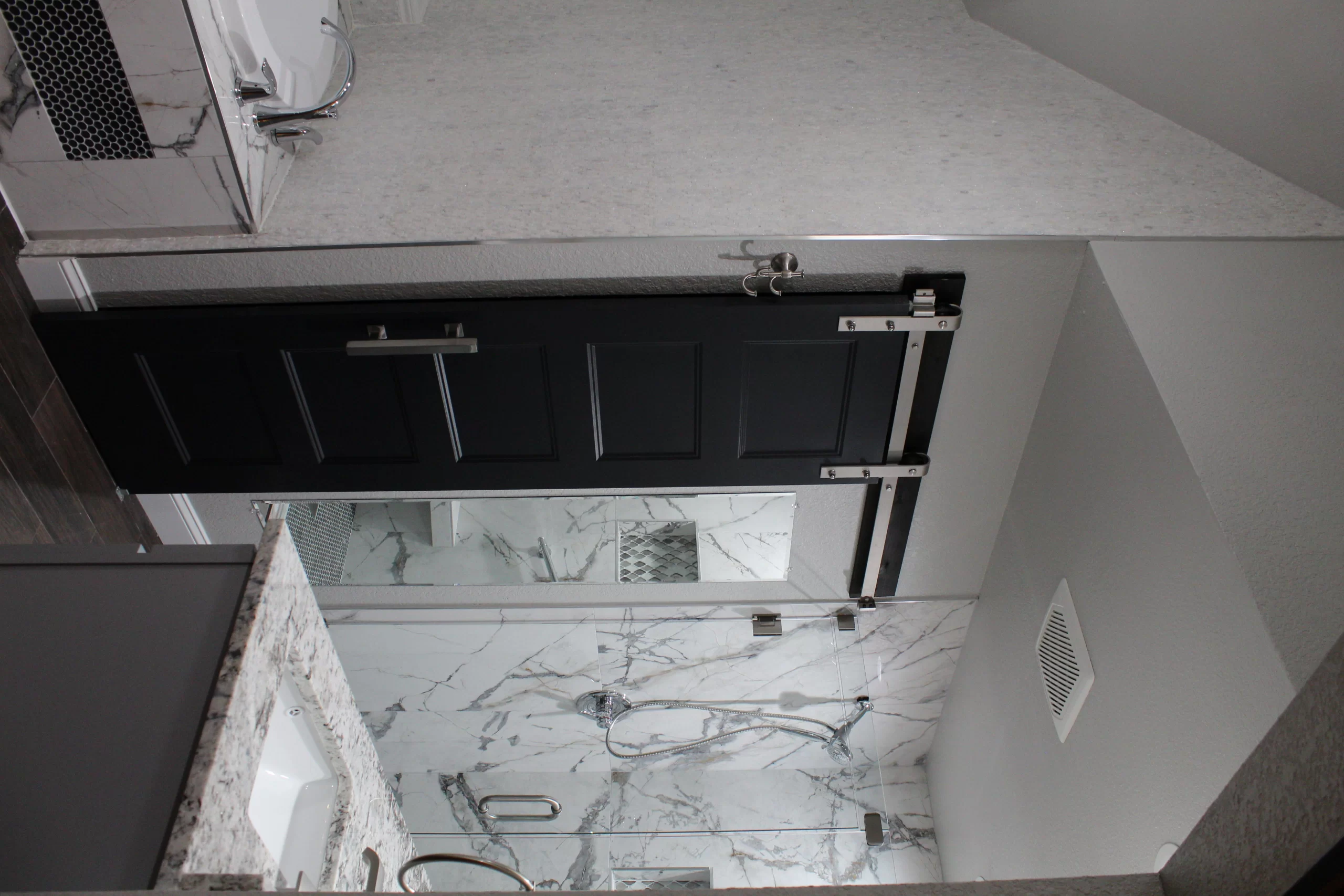
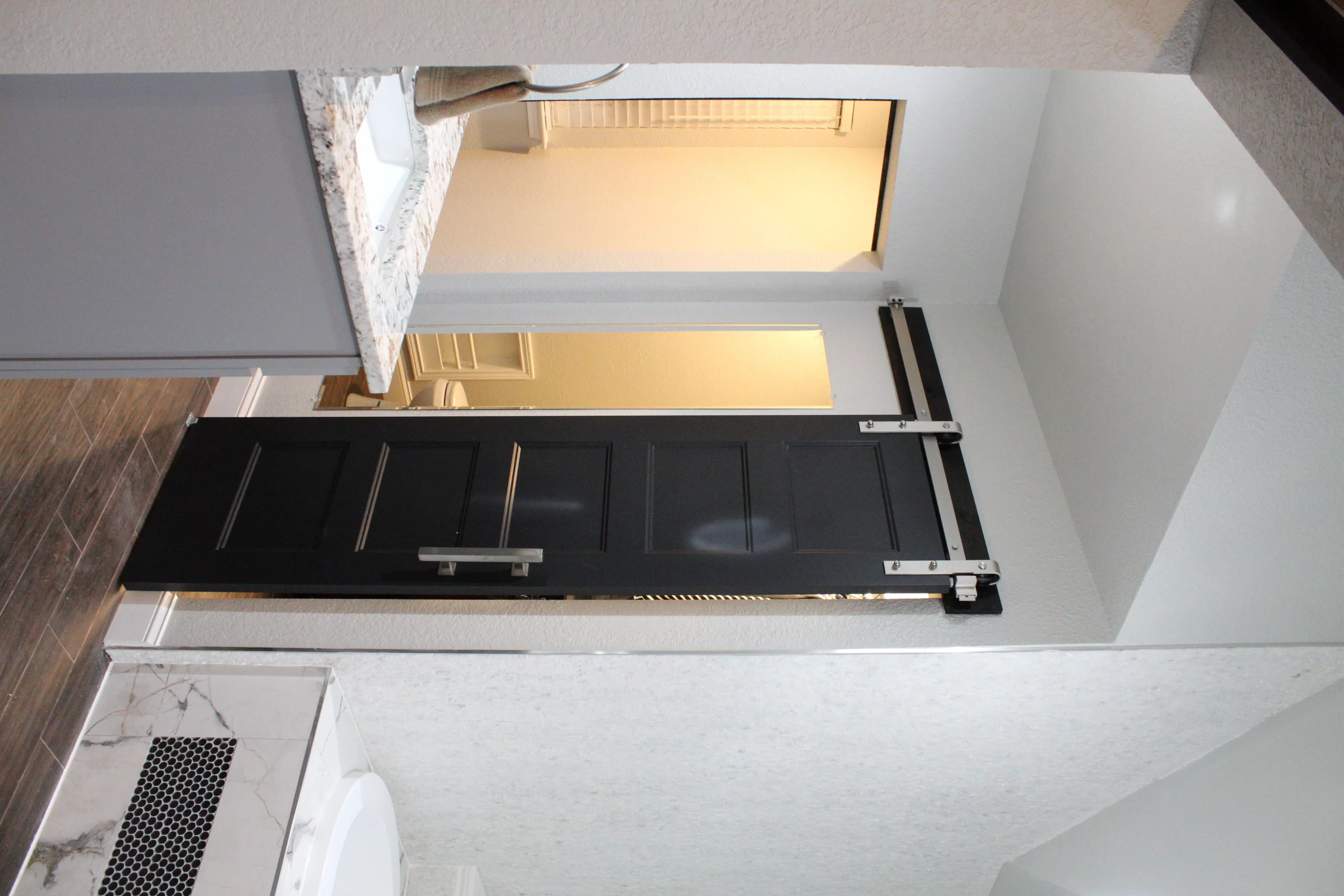
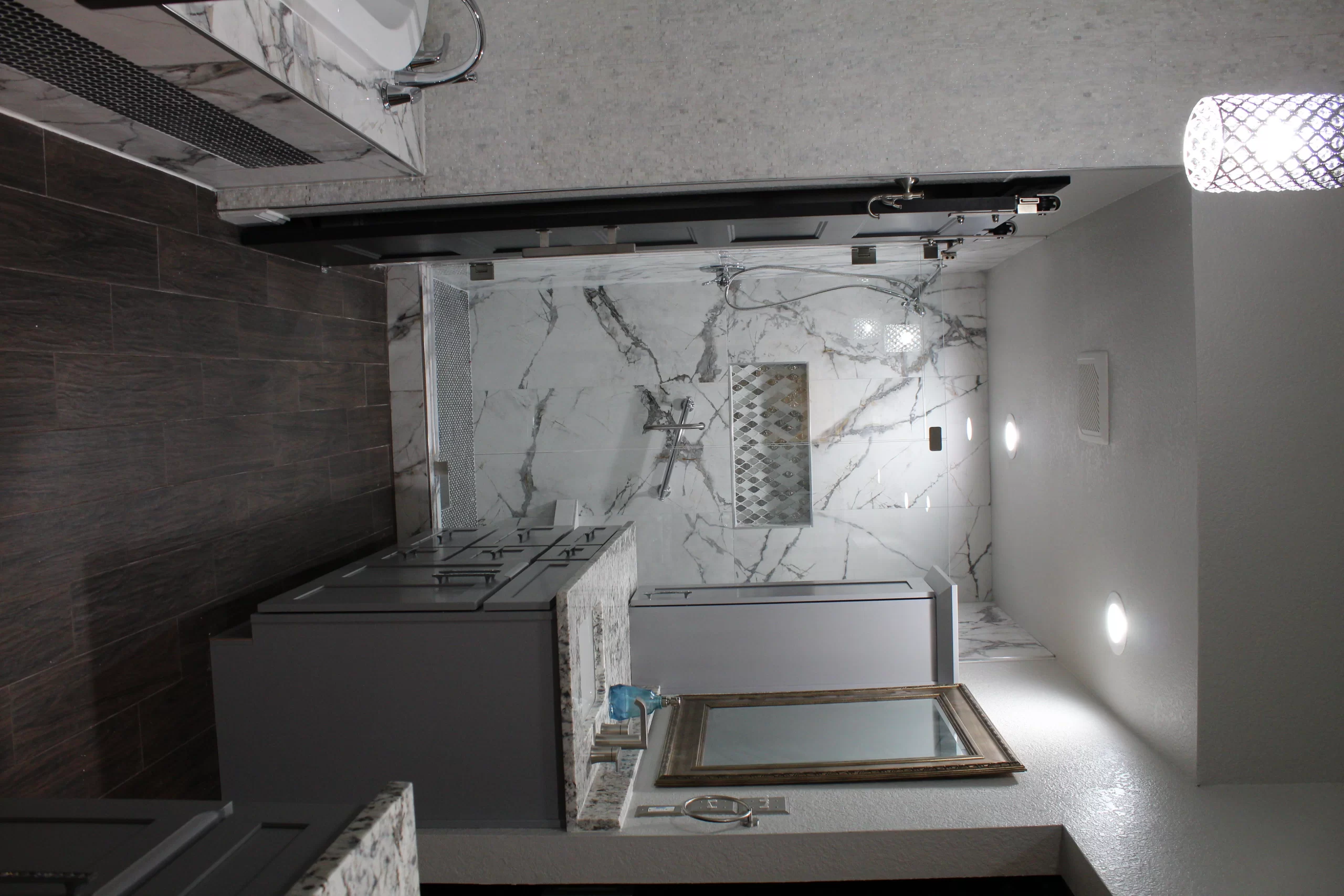
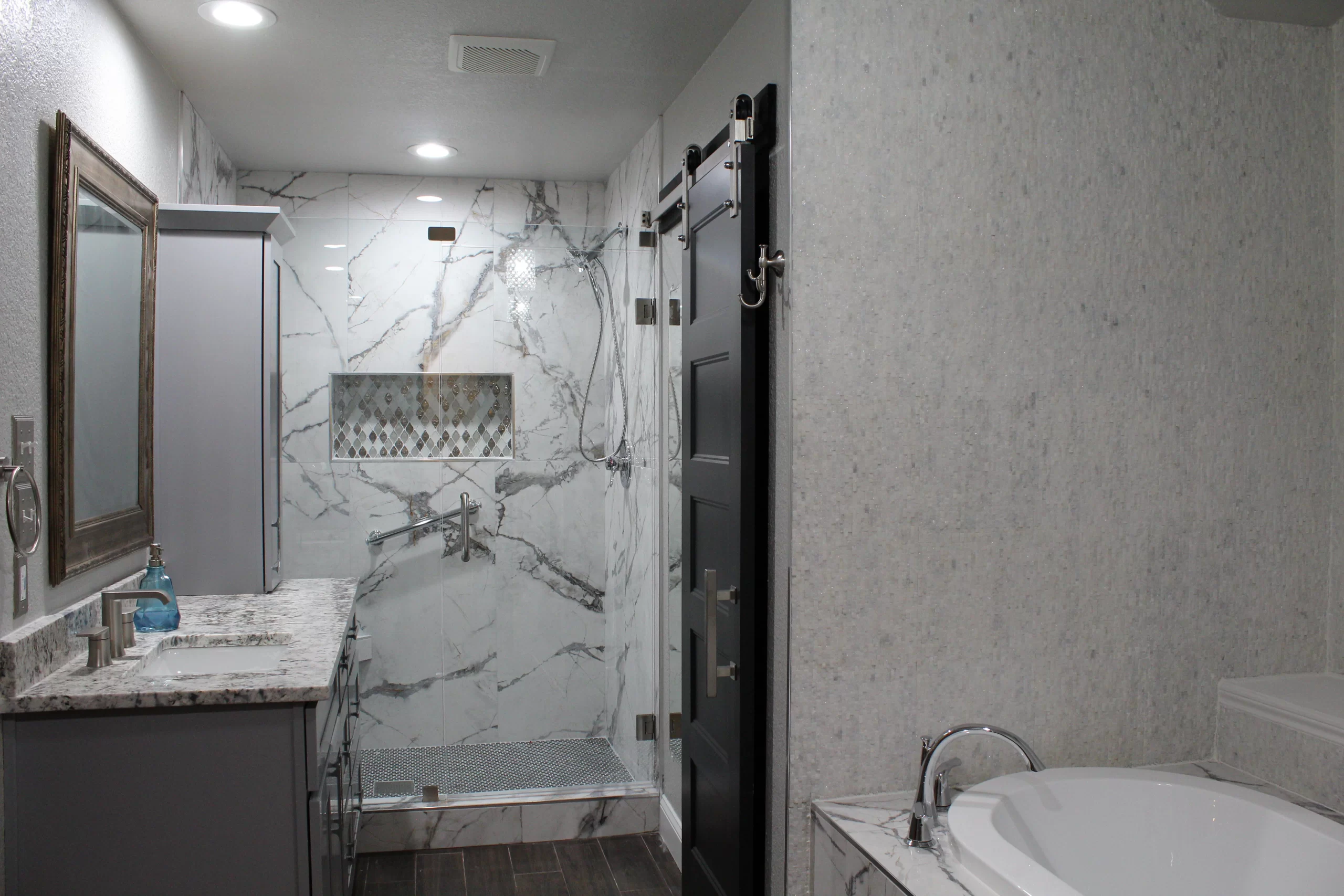
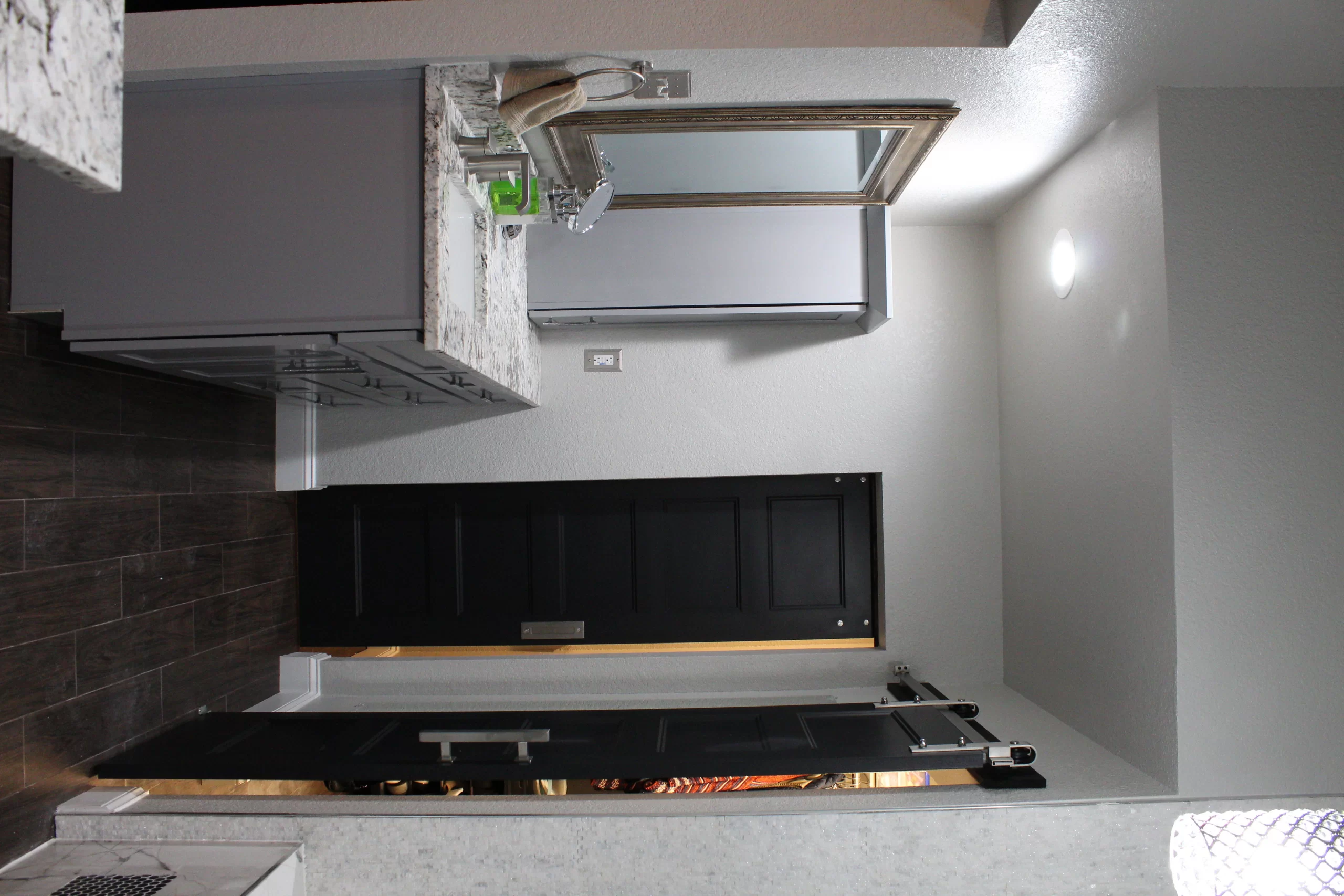
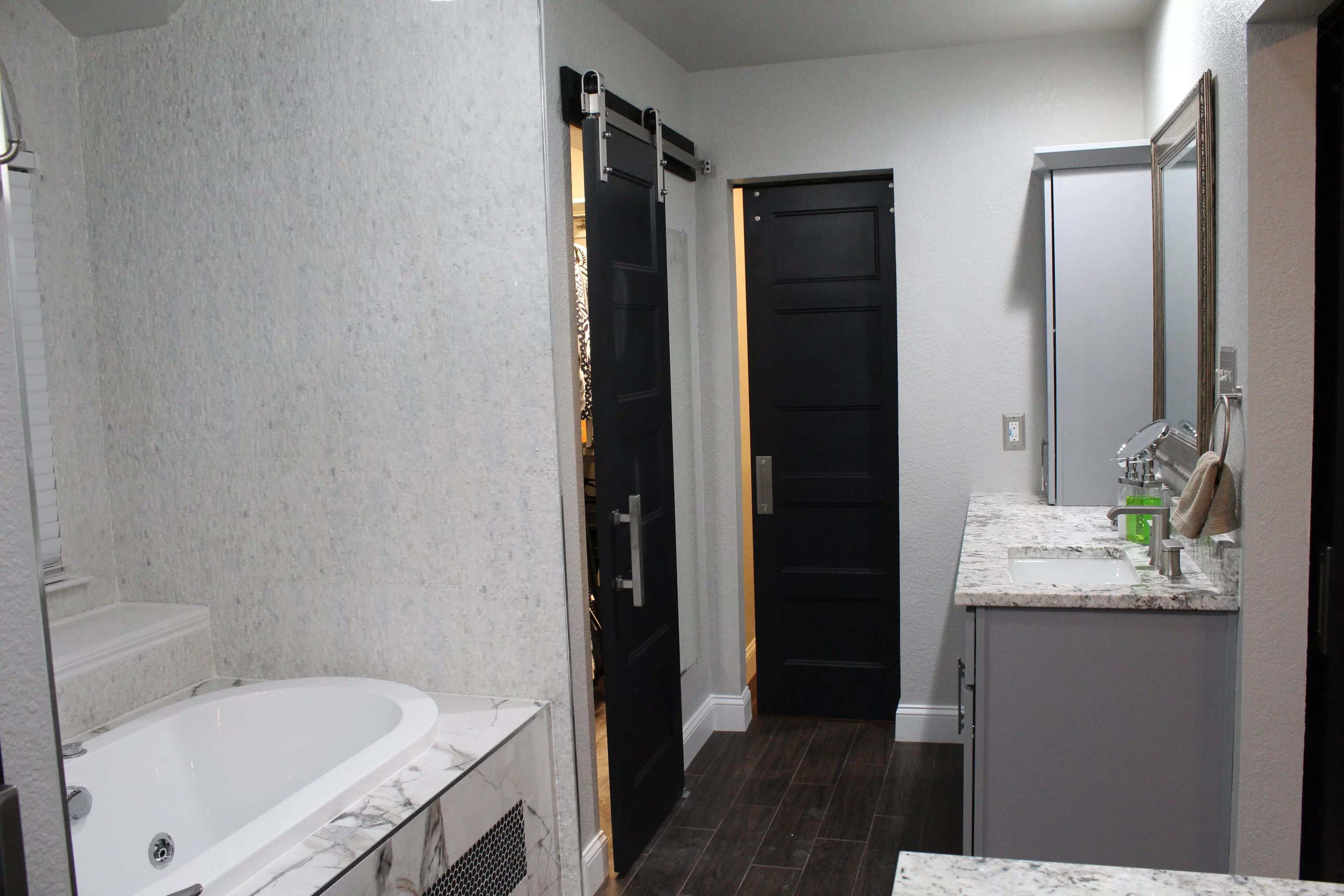
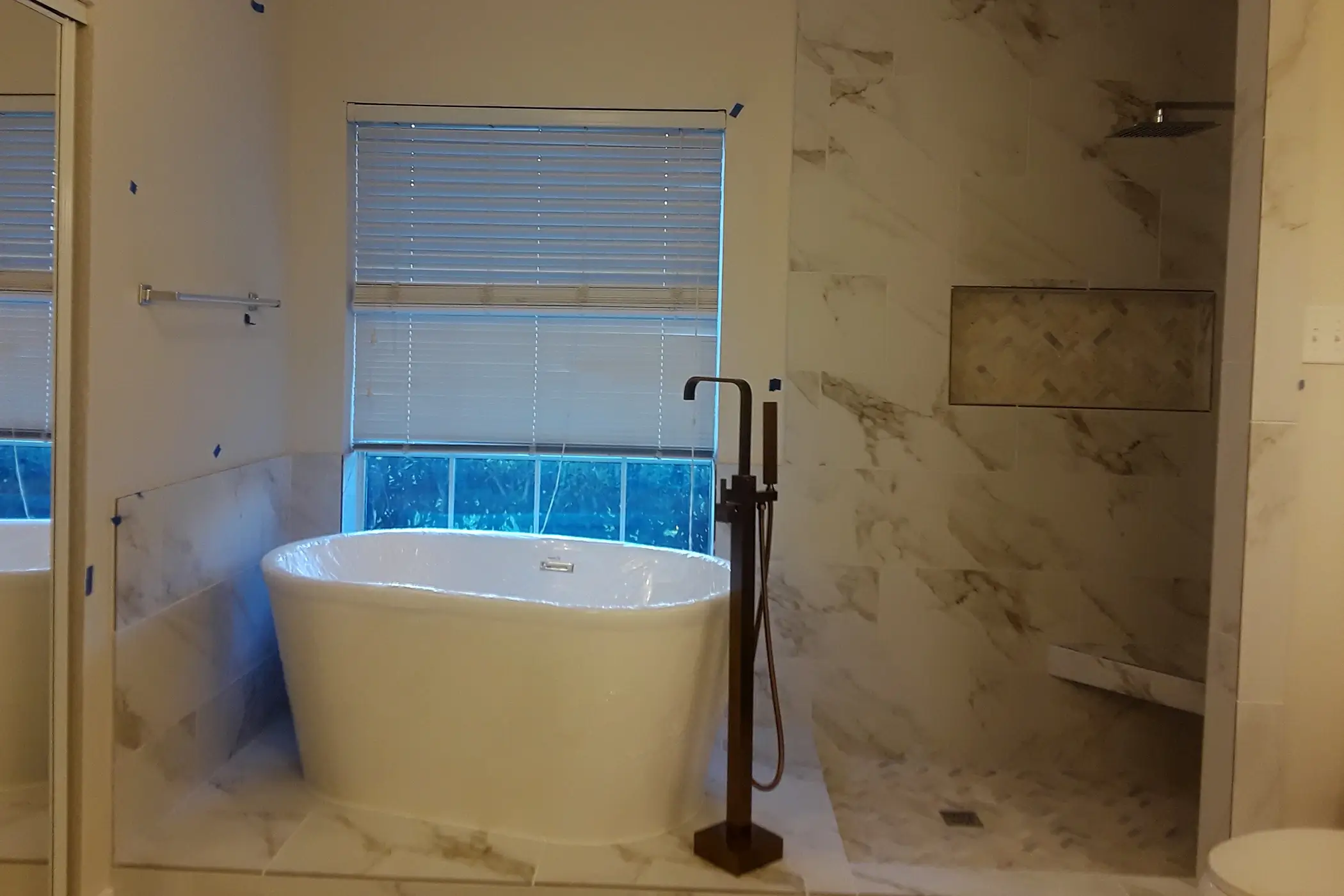
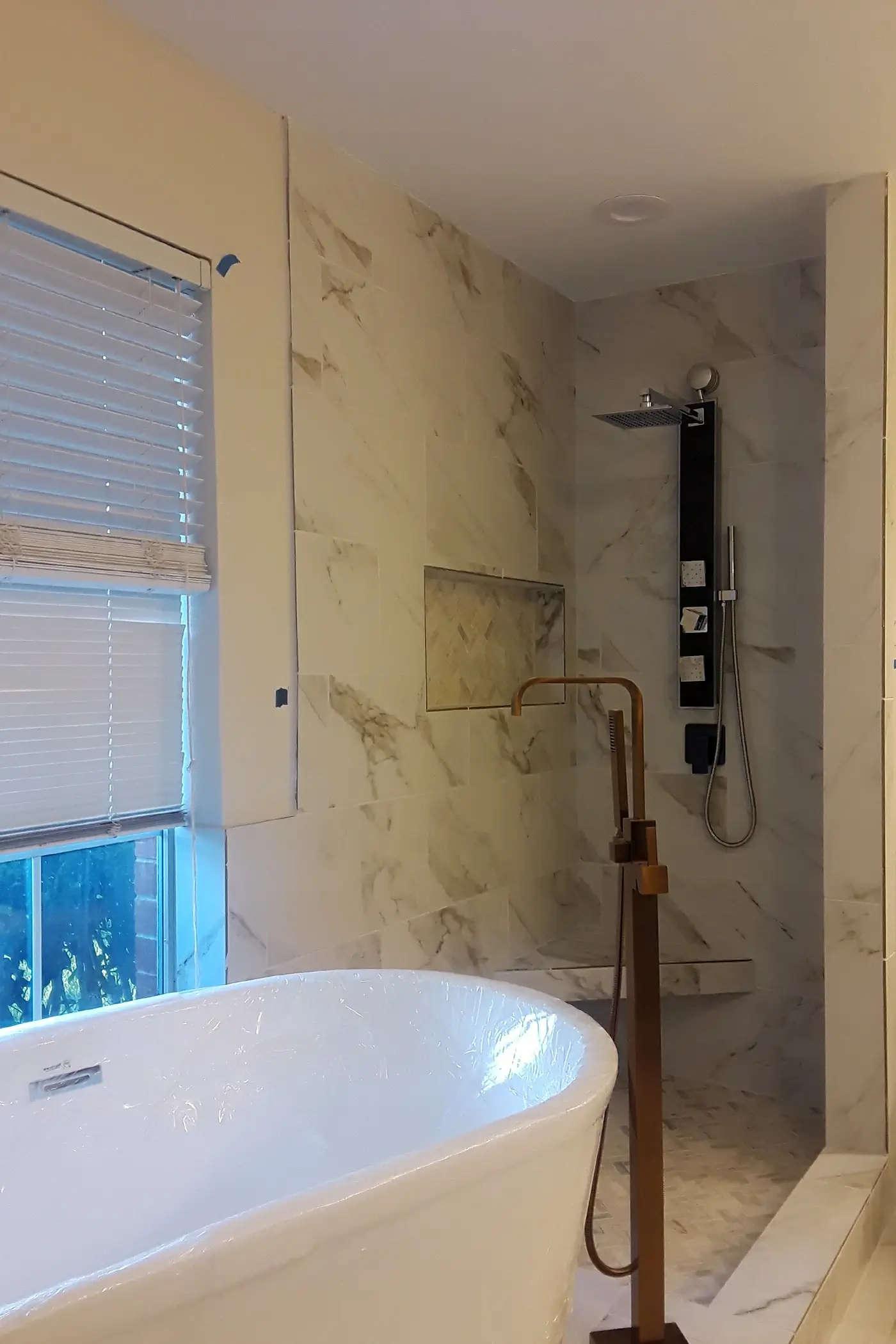
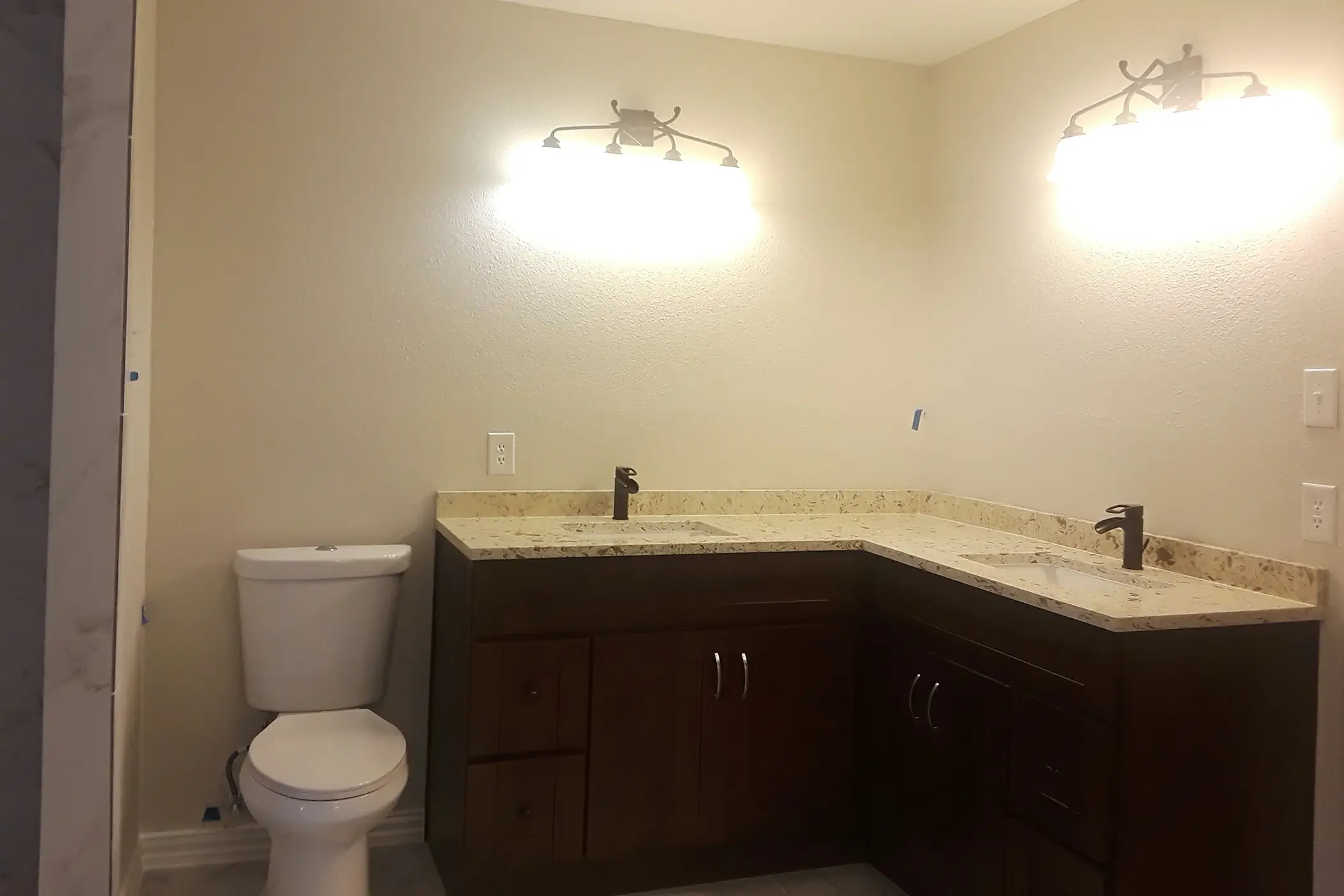
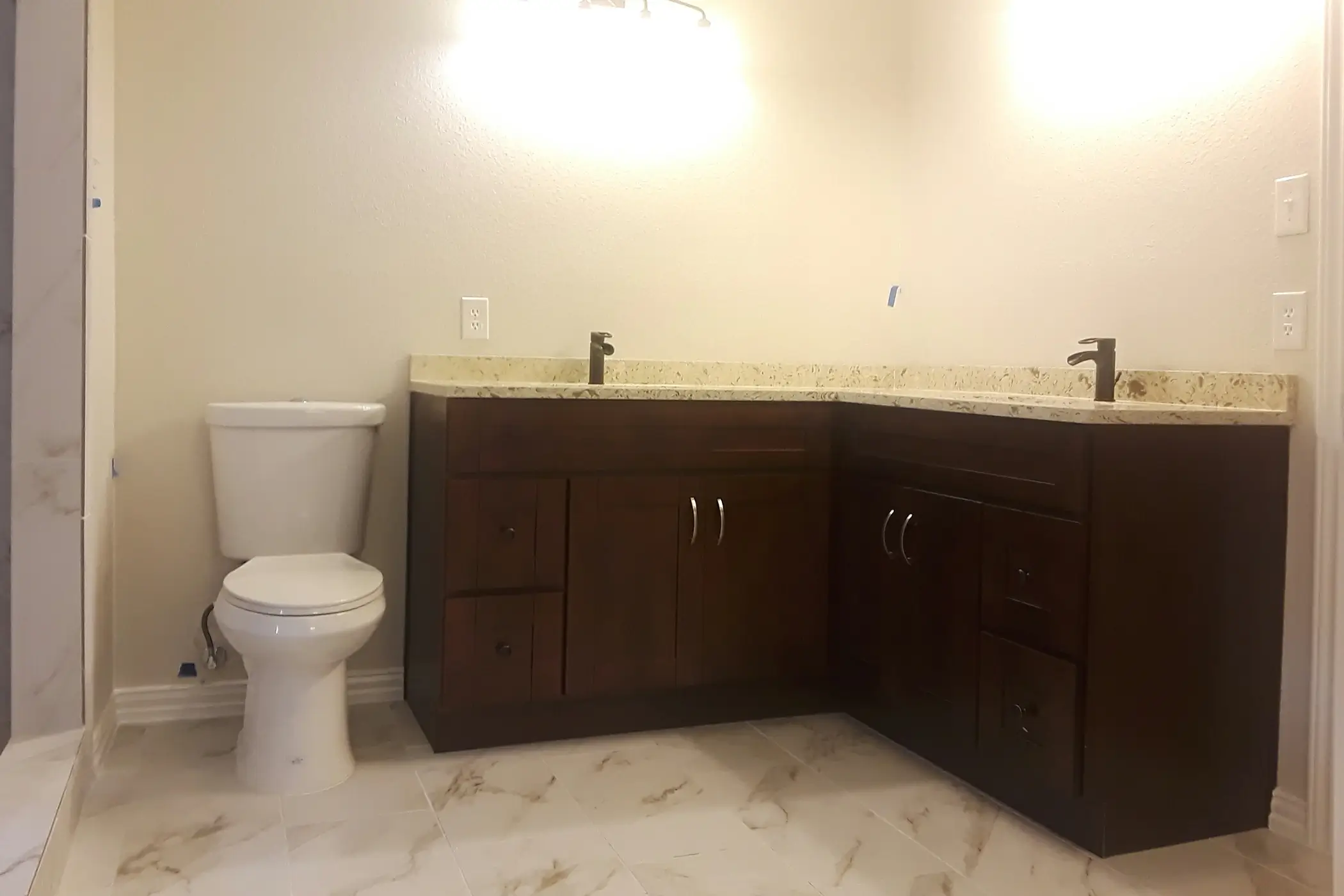
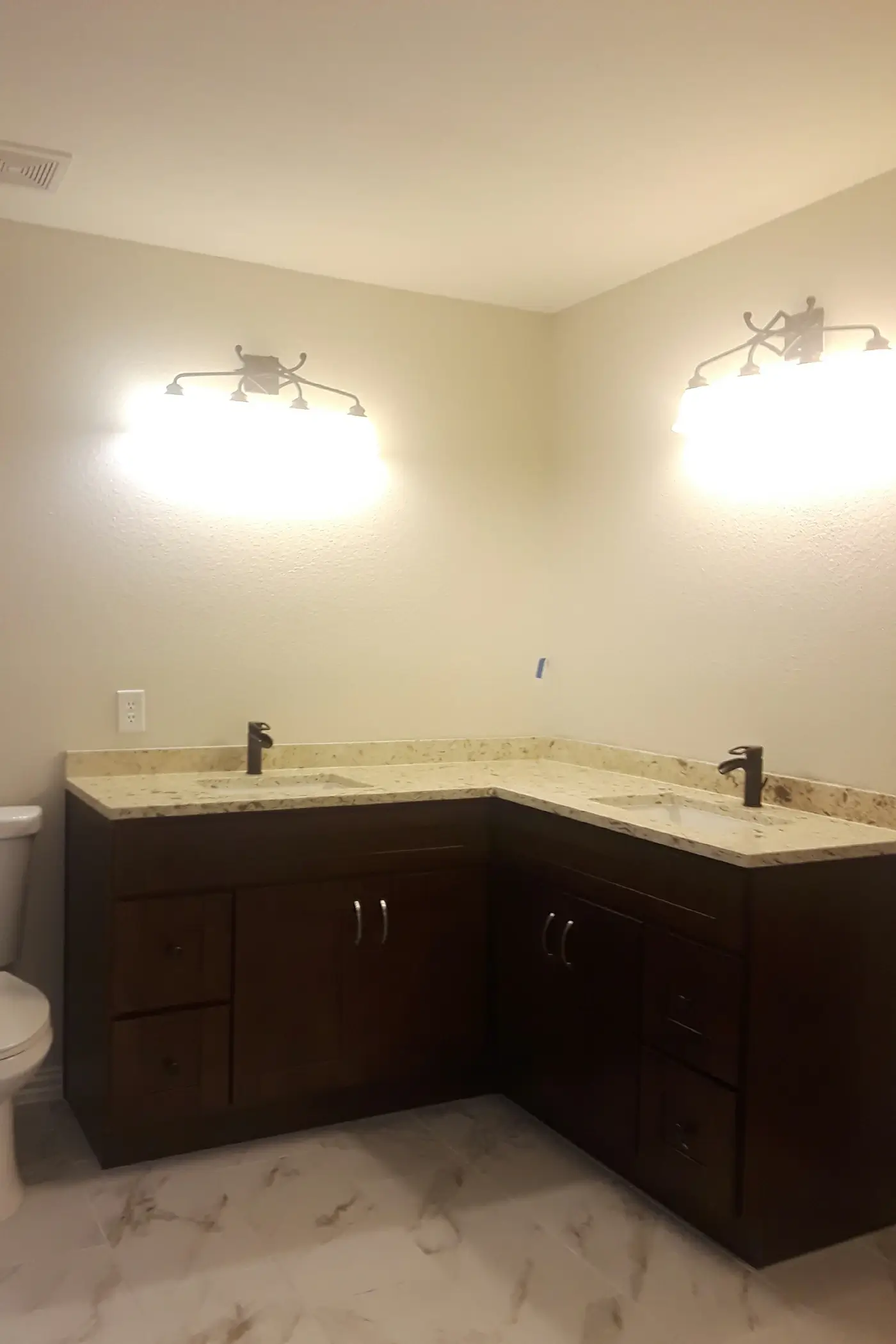
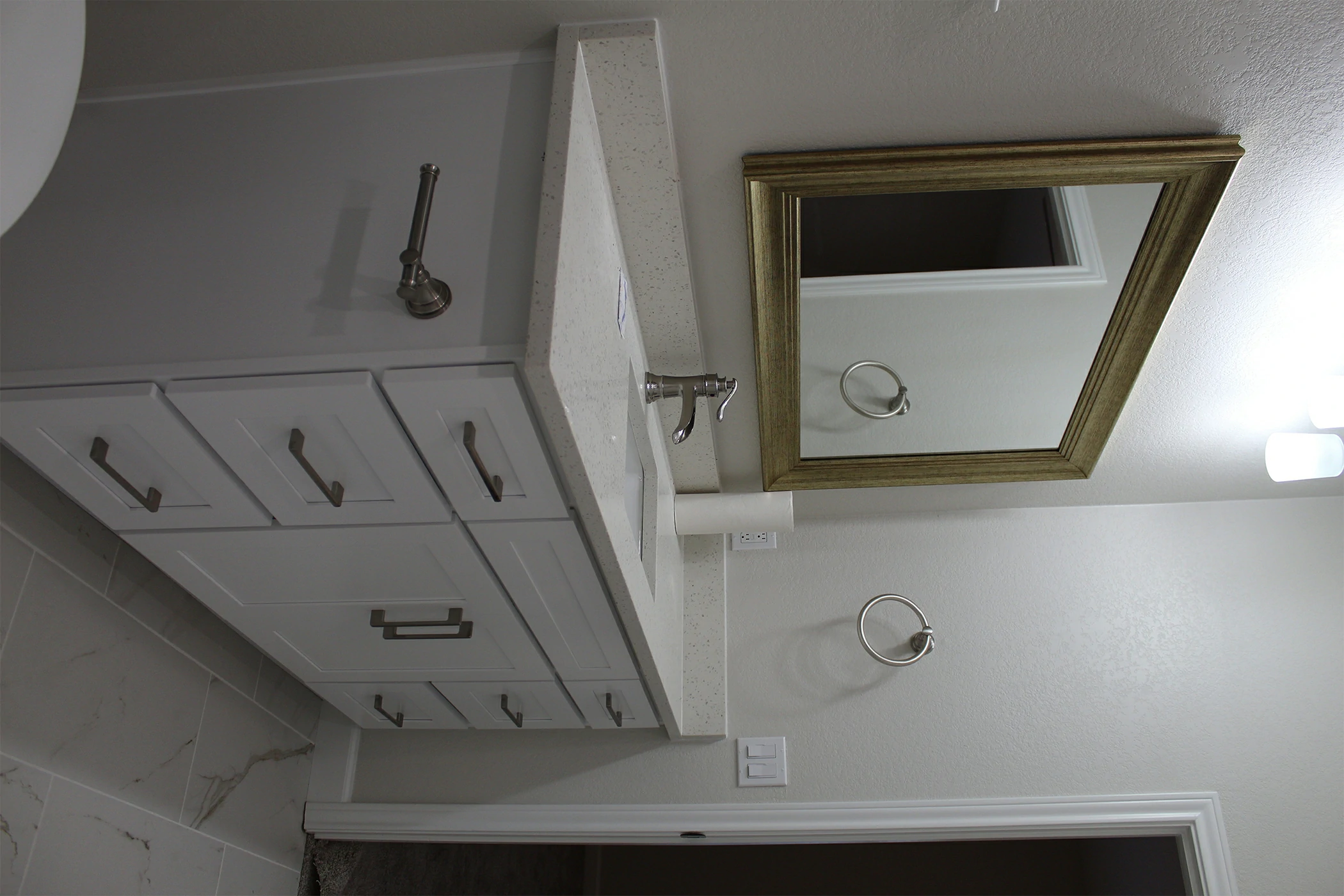
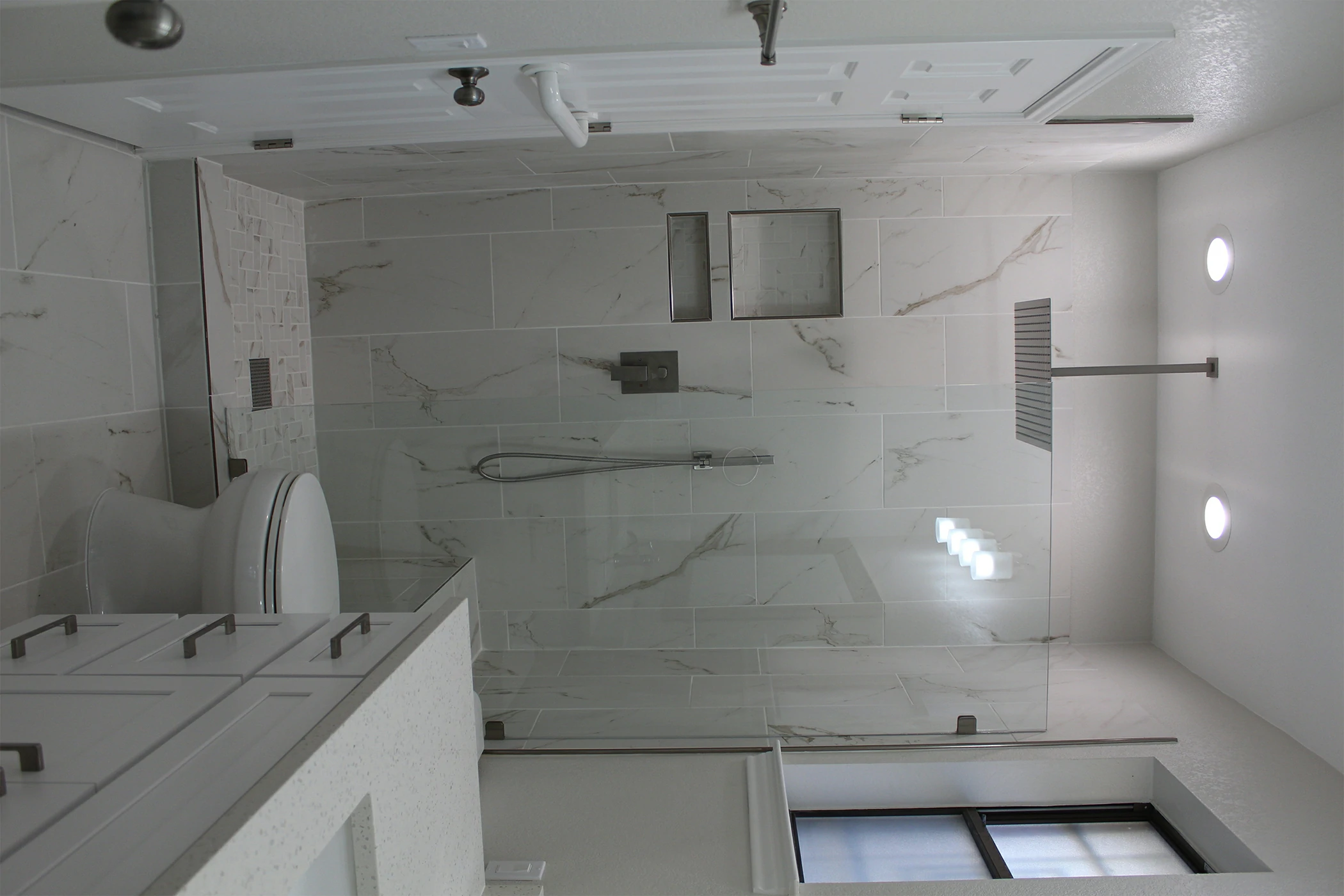
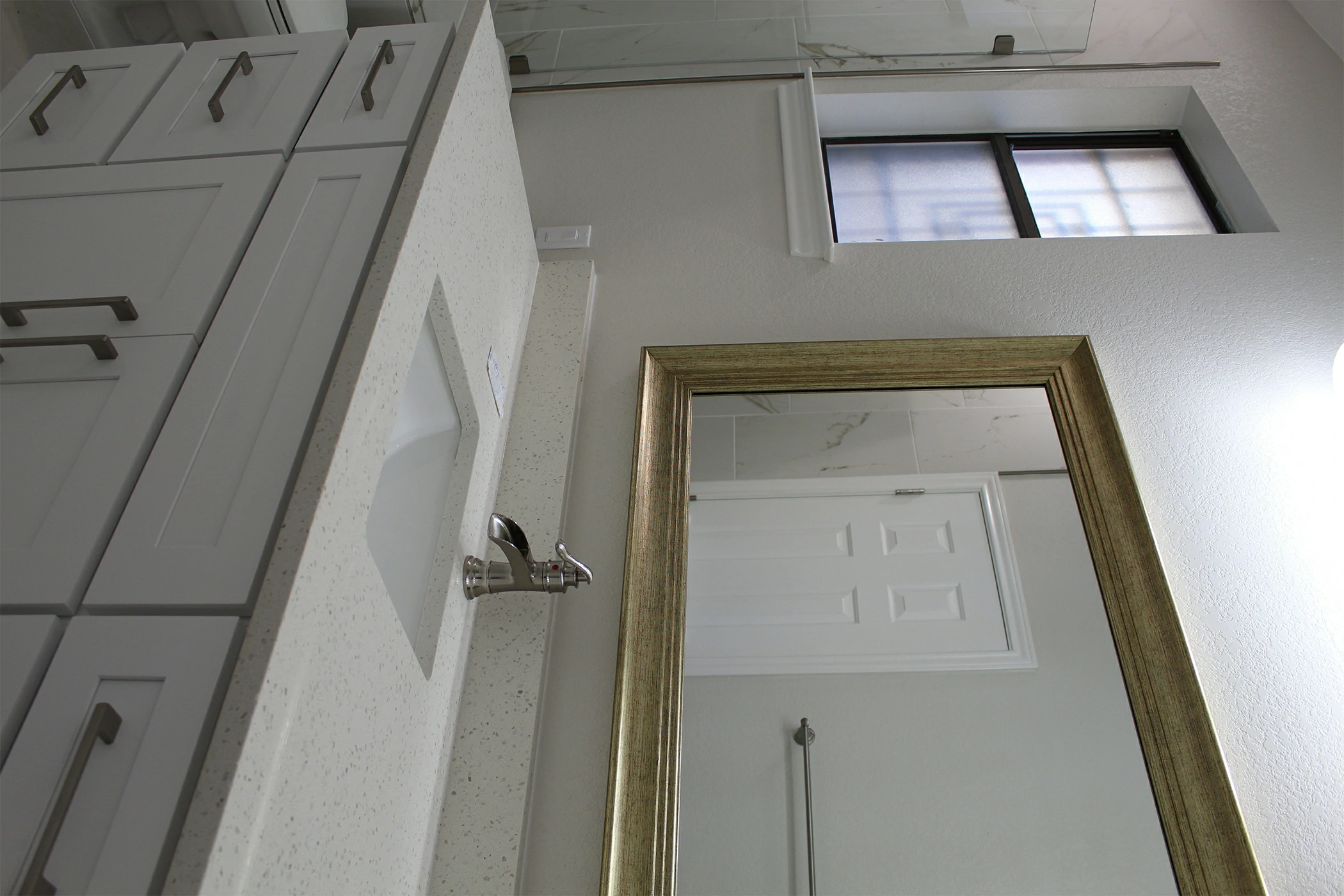
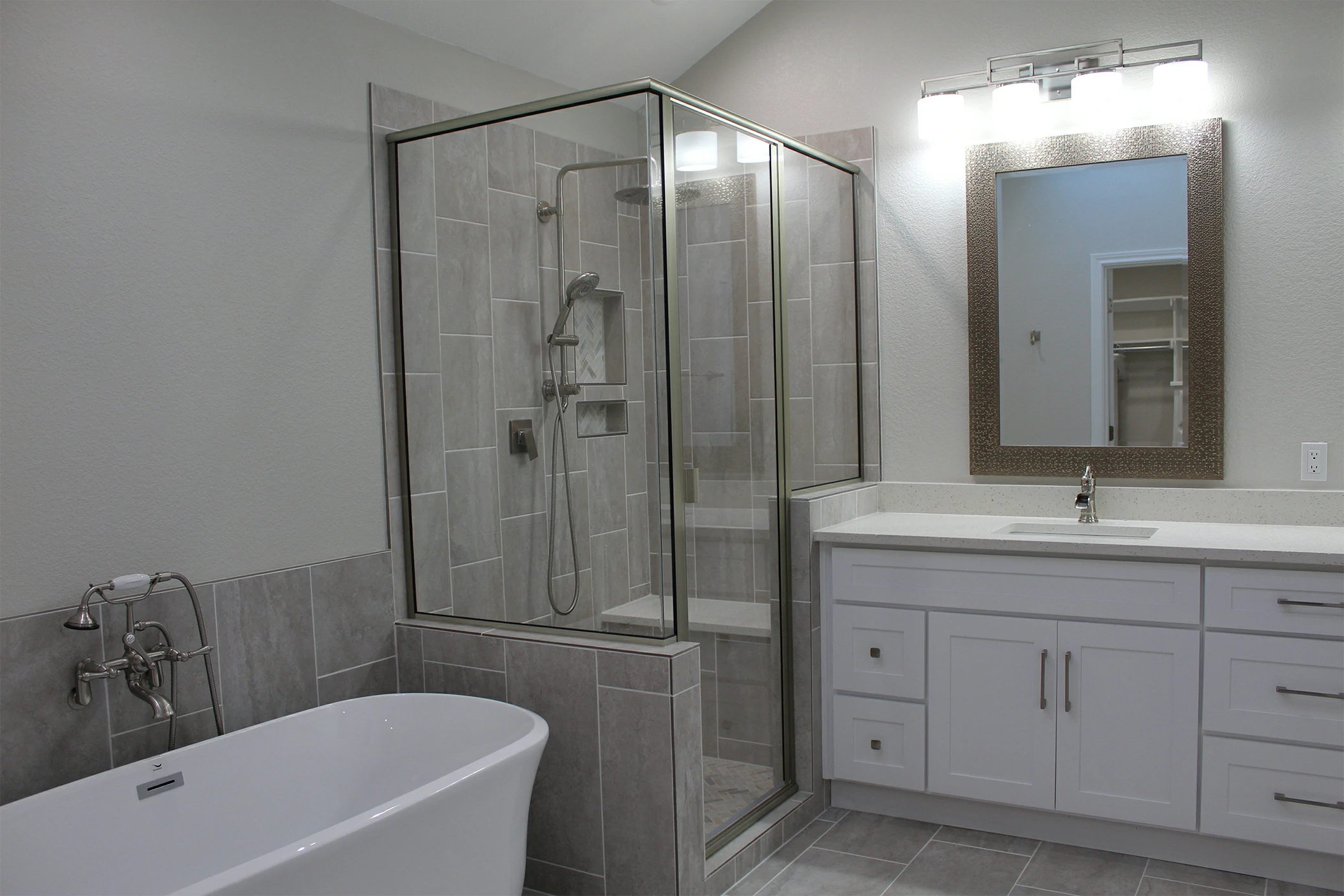
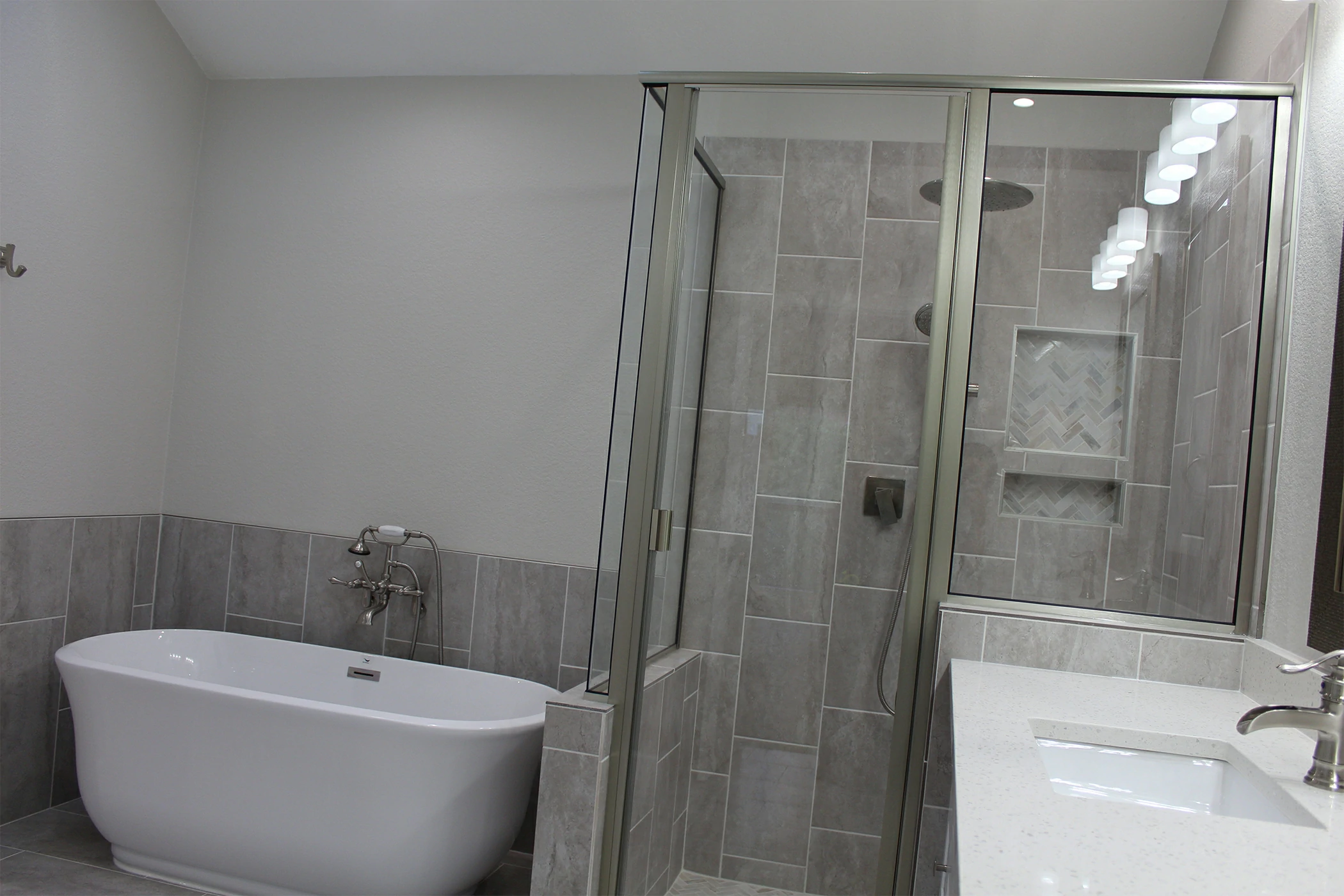
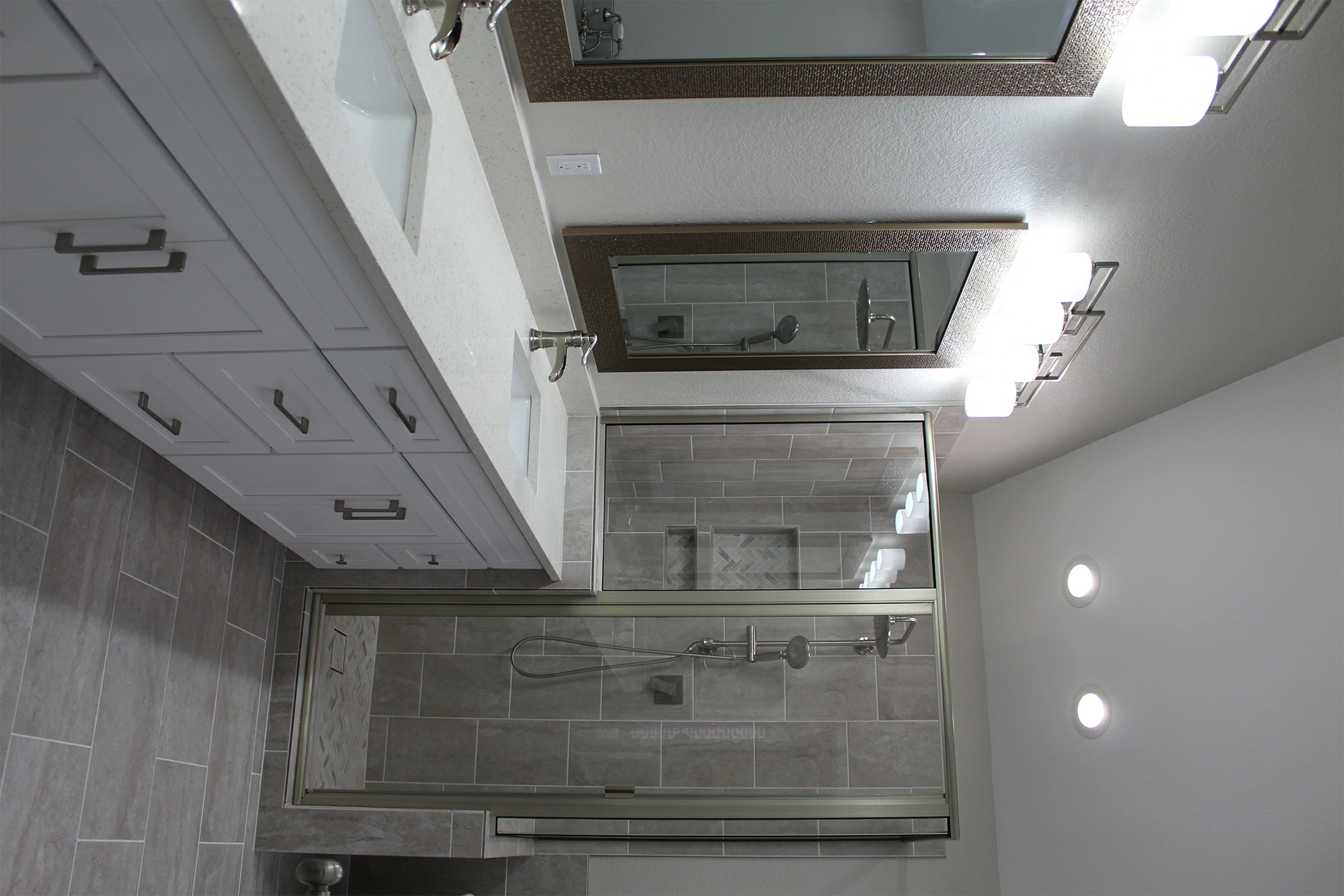
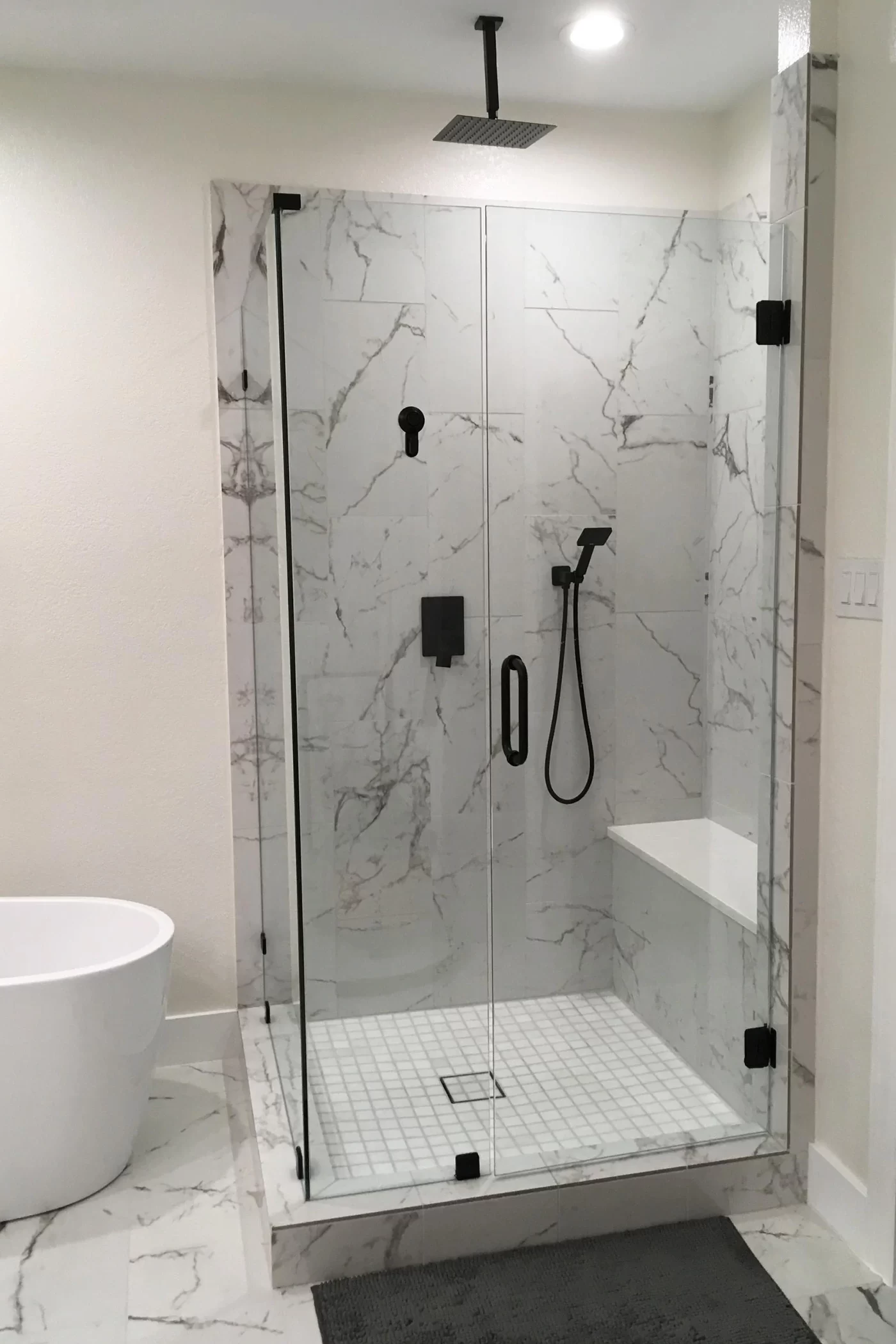
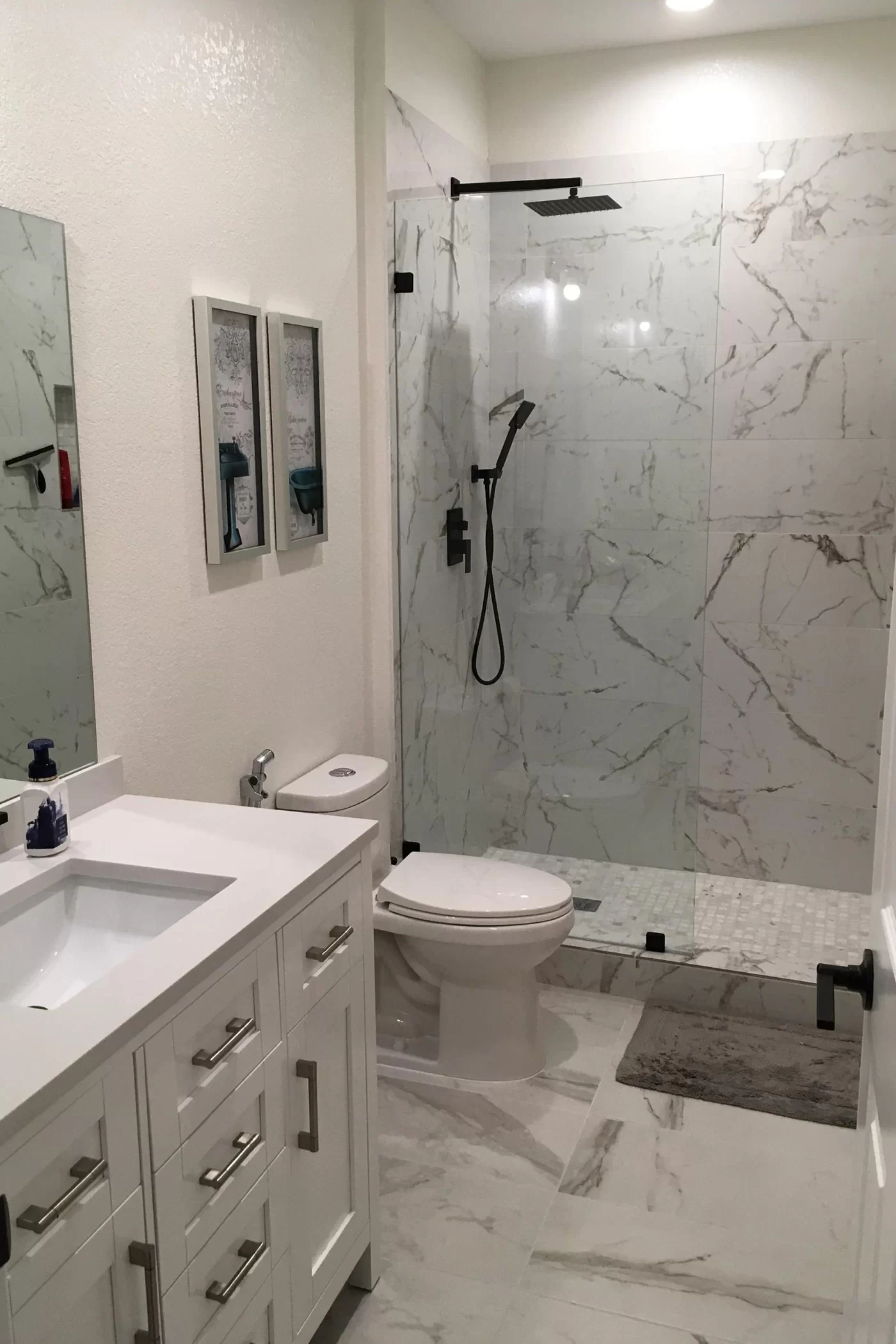
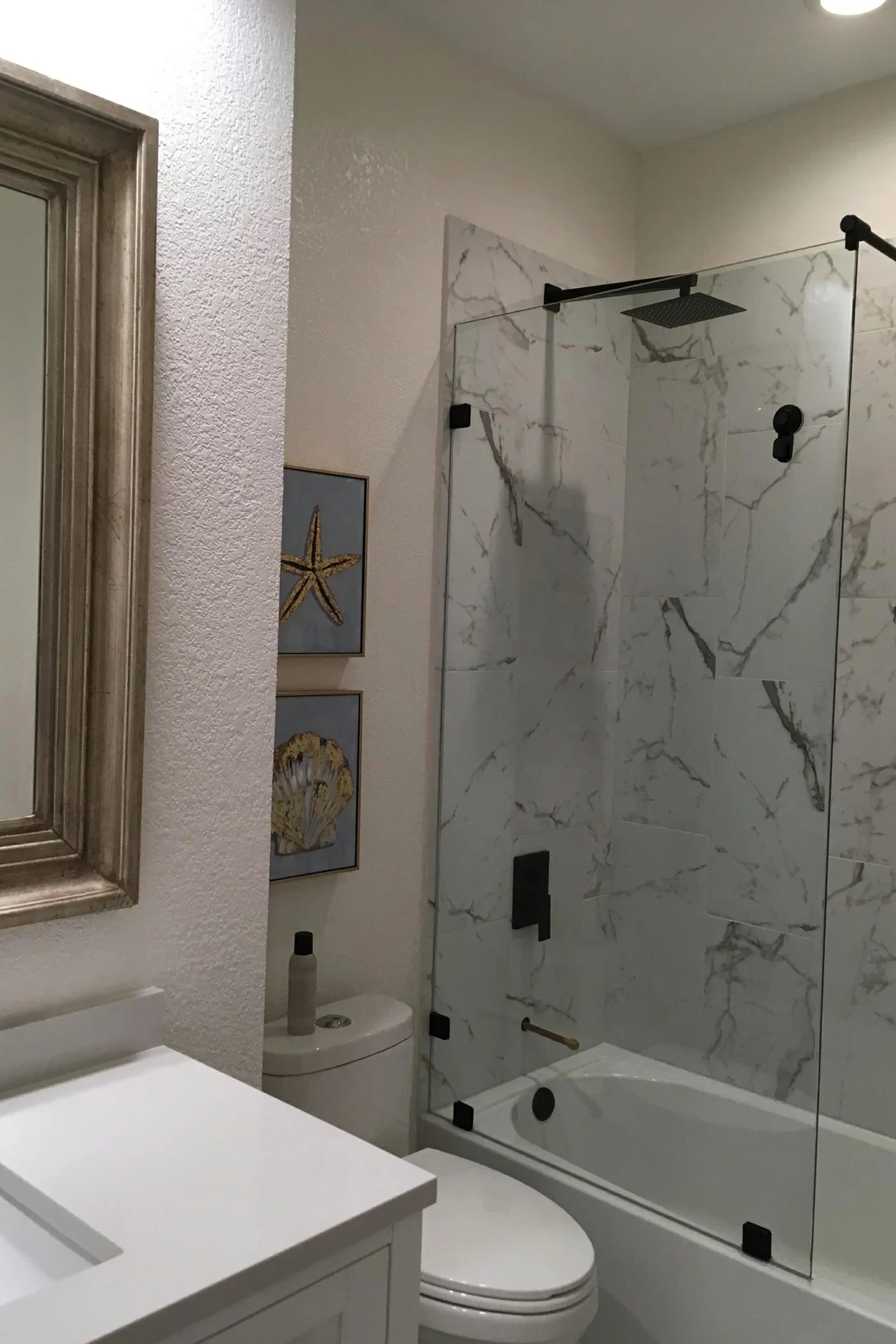
Bathrooms often involve limited space and many design elements such as fixtures, tiles, and lighting. Visualization allows homeowners to test different layouts and see how materials will look together.
For example, tile patterns, vanity sizes, and lighting styles can all be previewed within the 3D design.
Home Additions
When adding new living spaces, it is important to ensure that the addition integrates well with the existing structure.
3D models show how the new area connects to the rest of the house, how natural light enters the space, and how the exterior design will appear after construction.
Living Room and Open Space Renovations
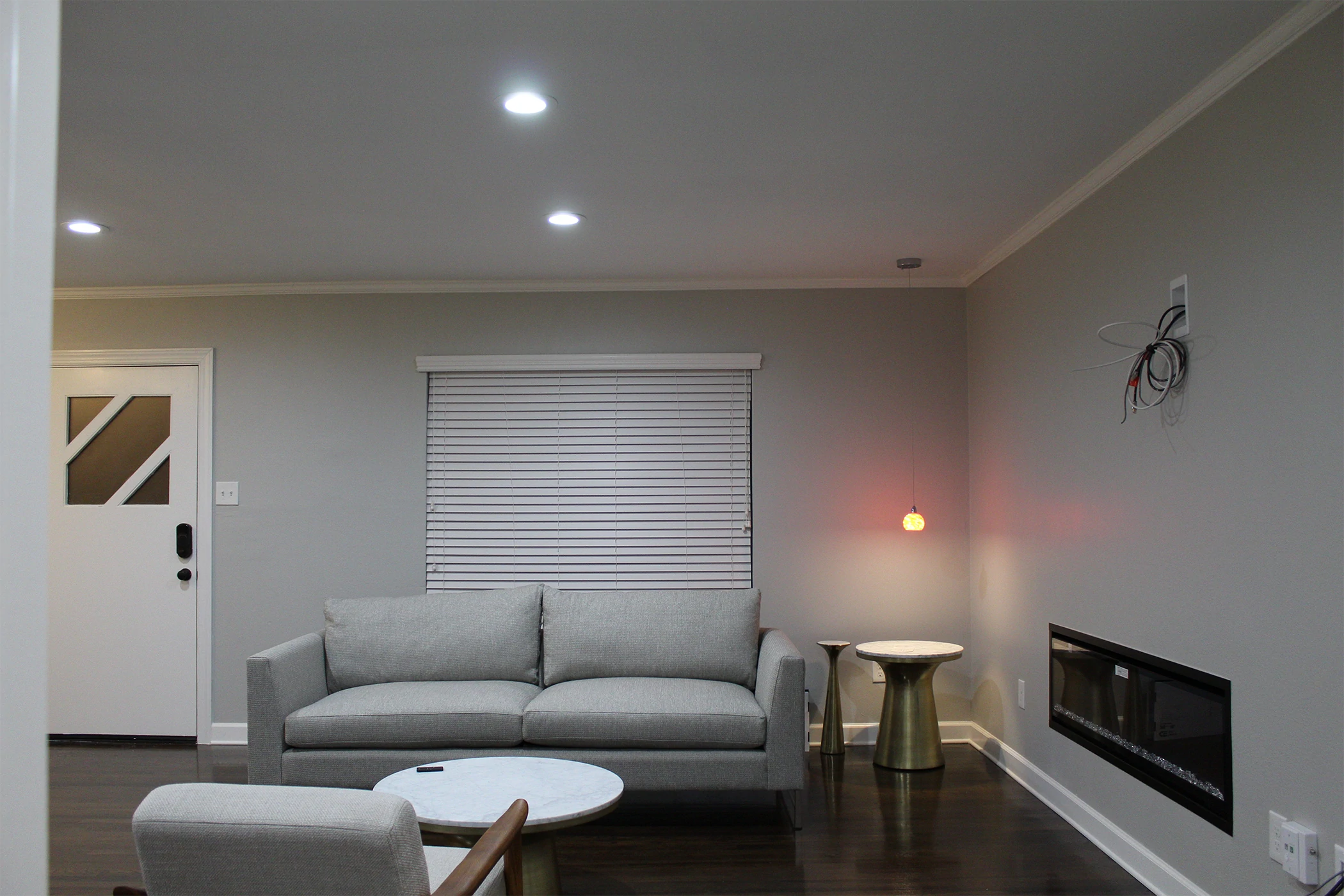
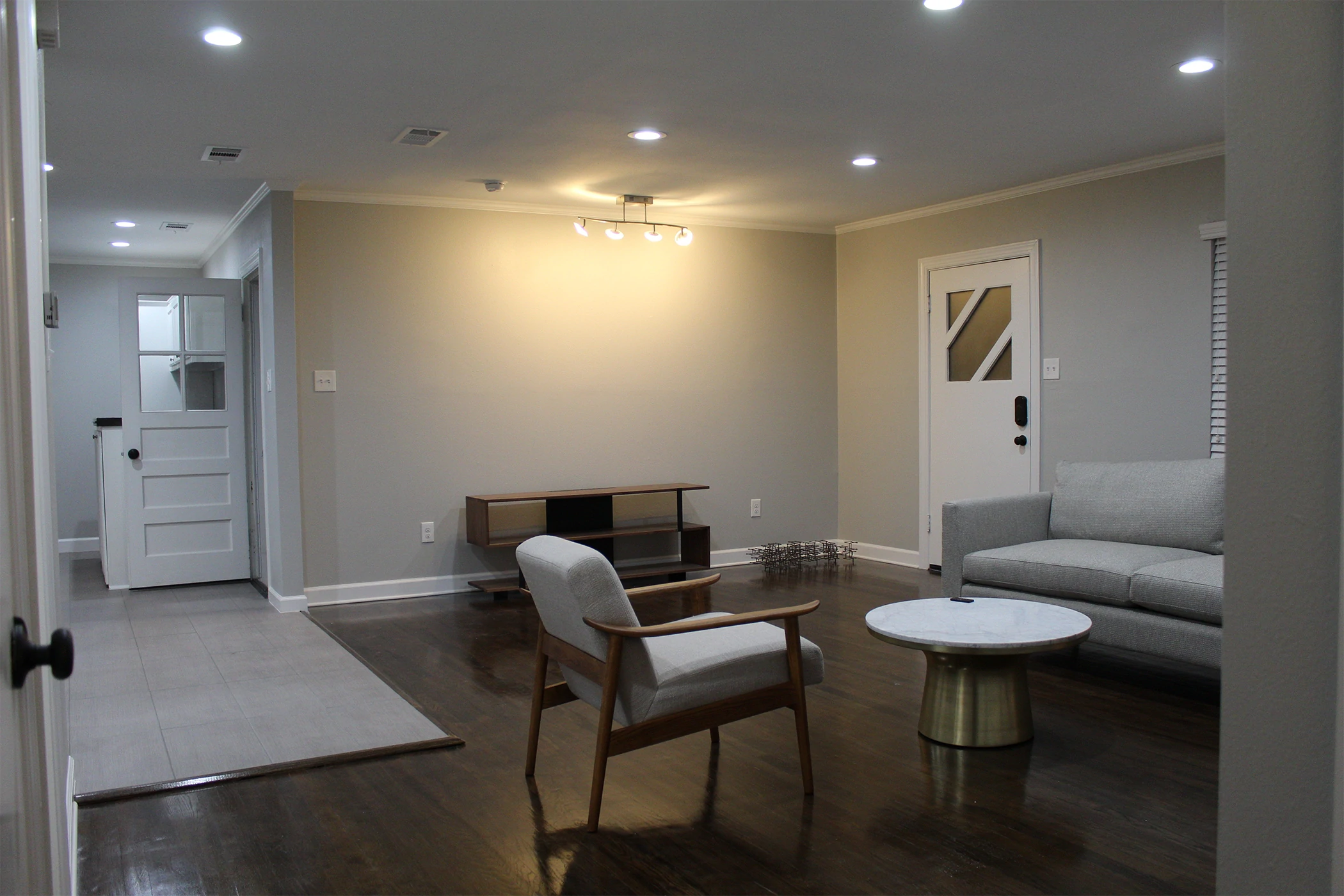
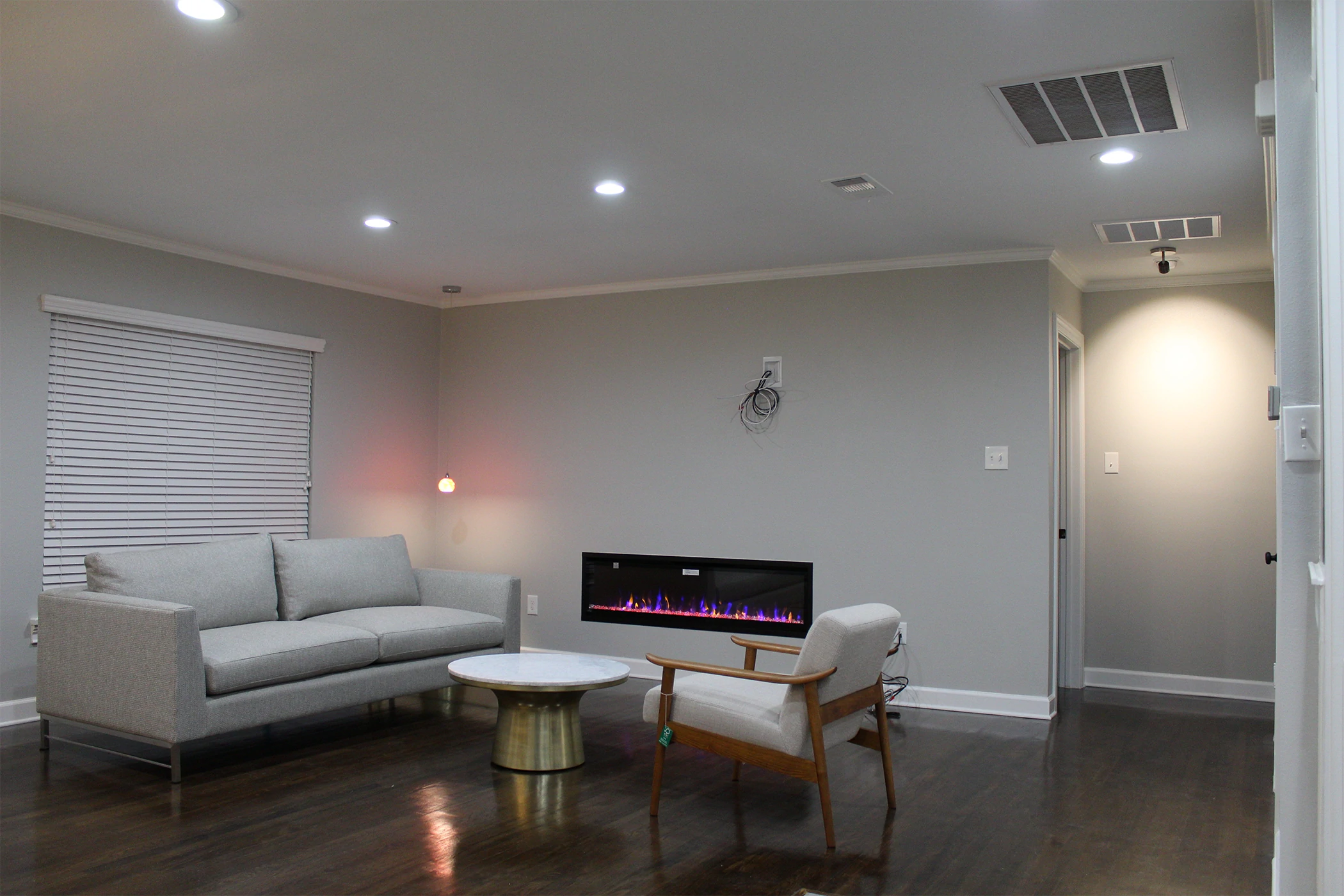
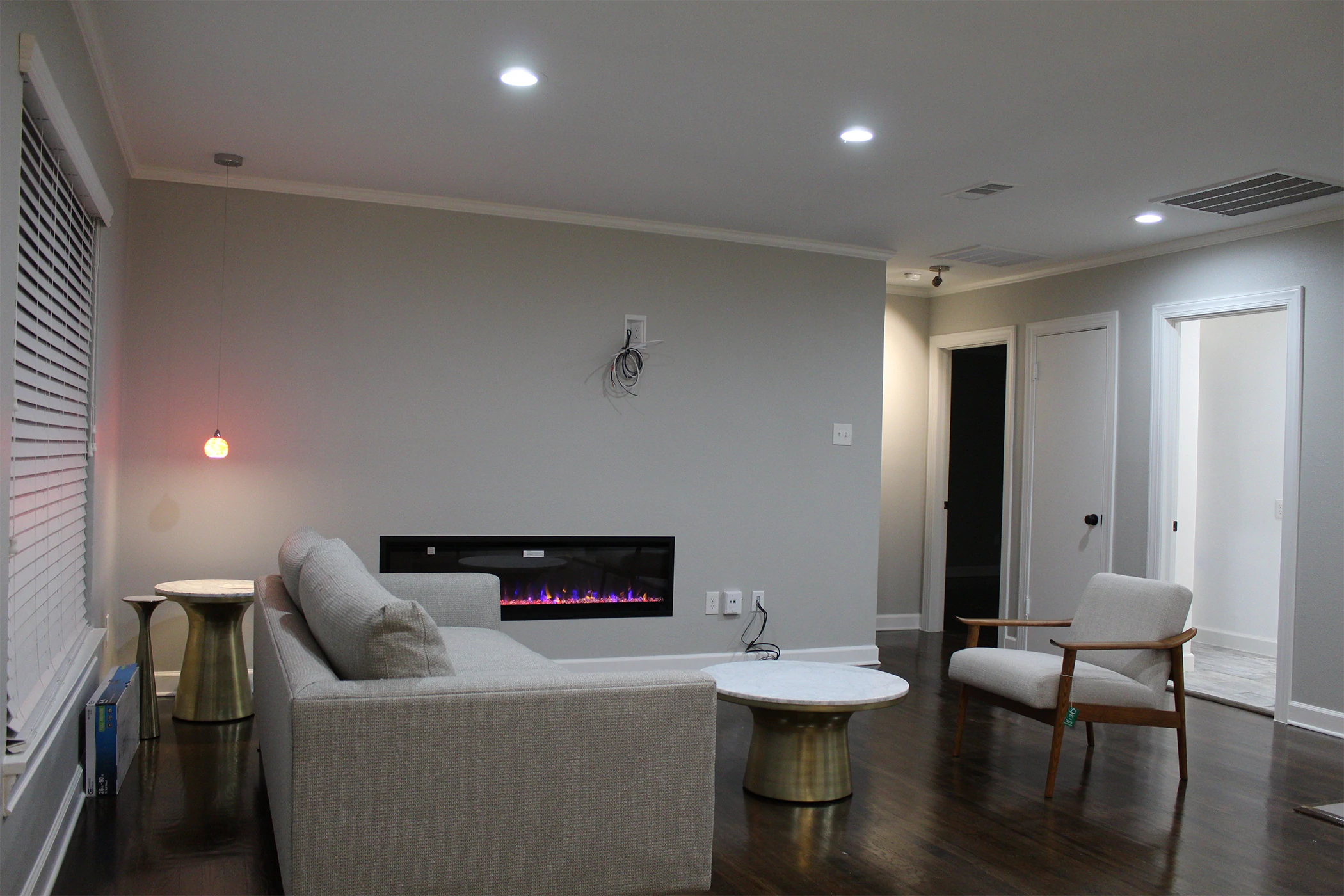
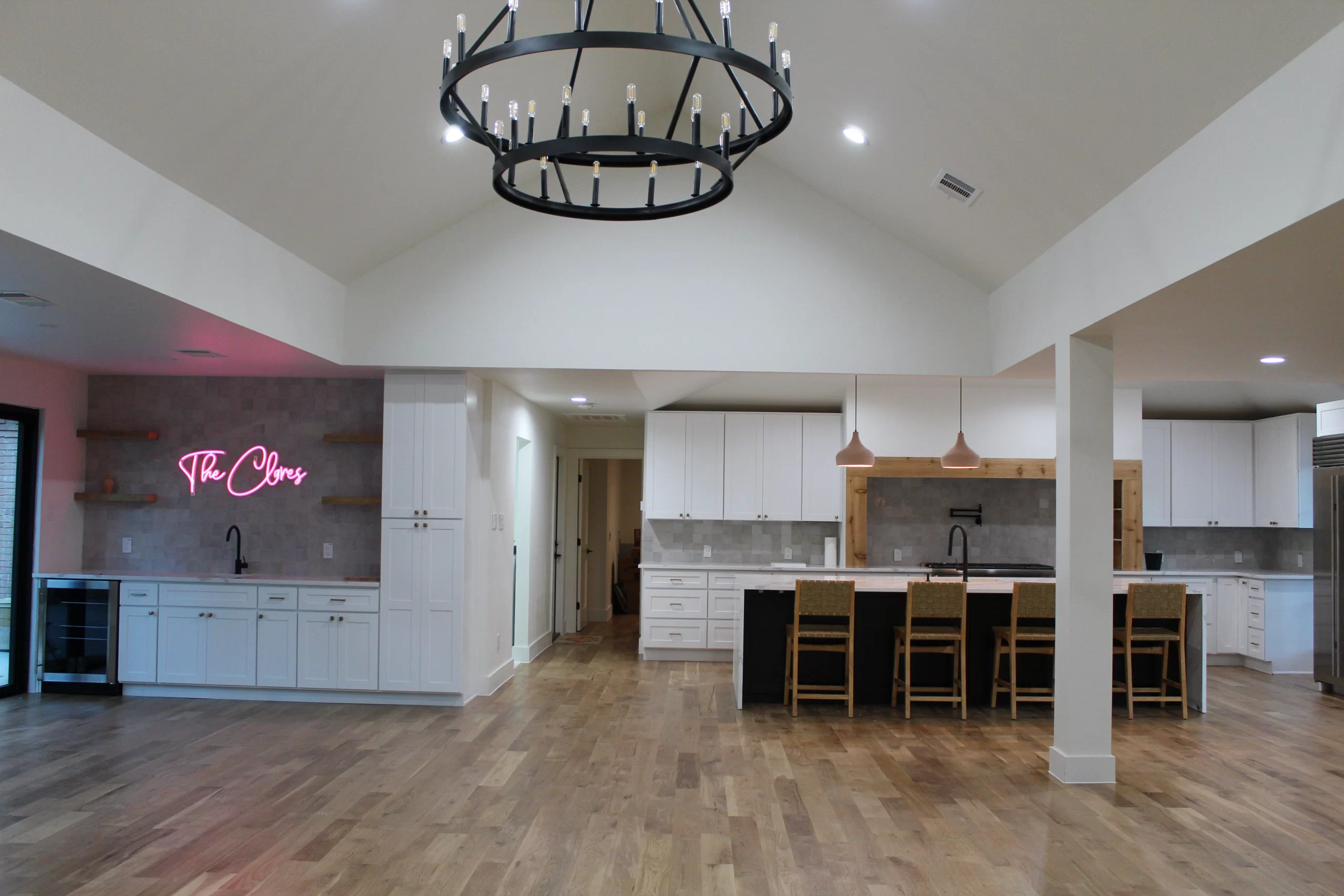
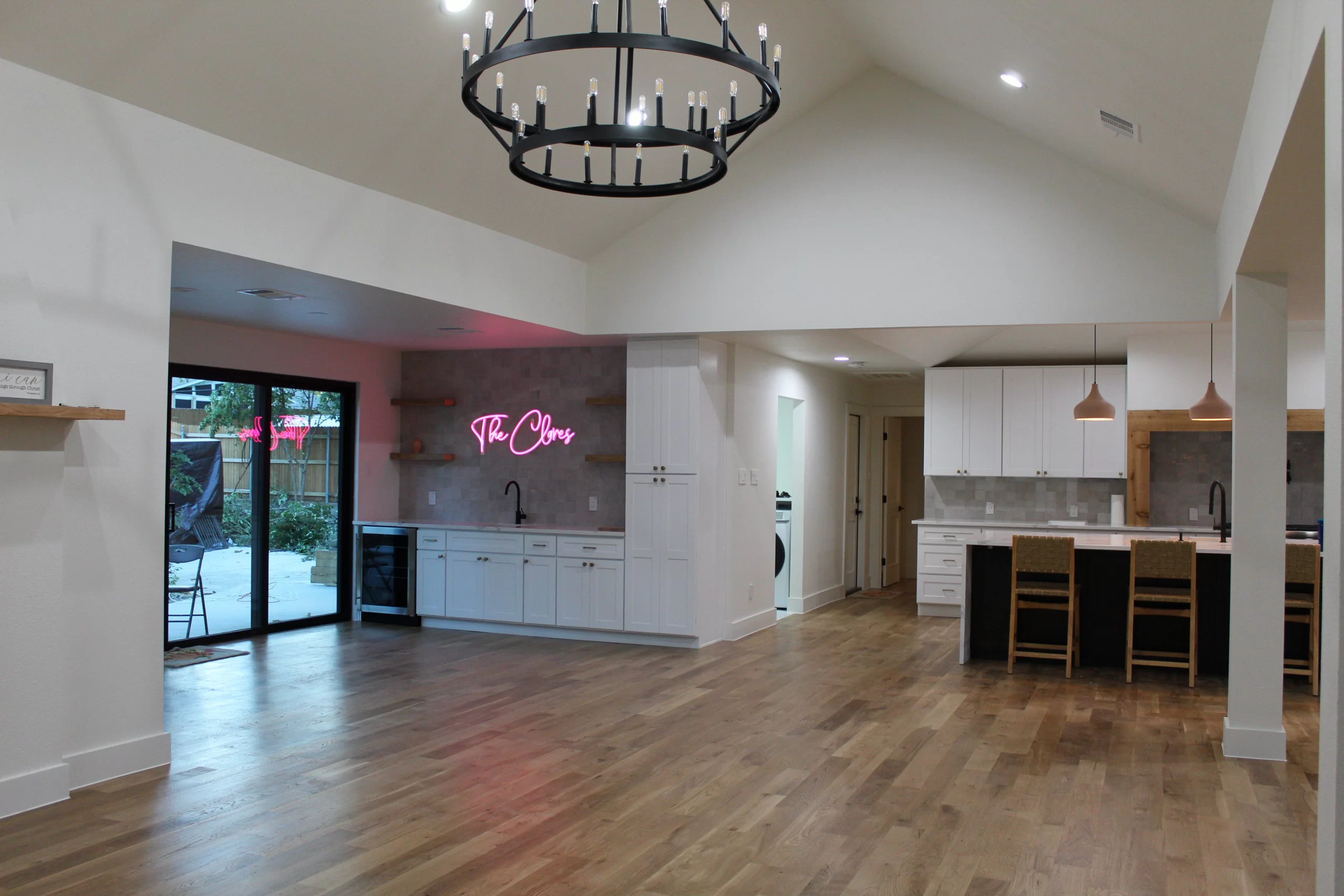
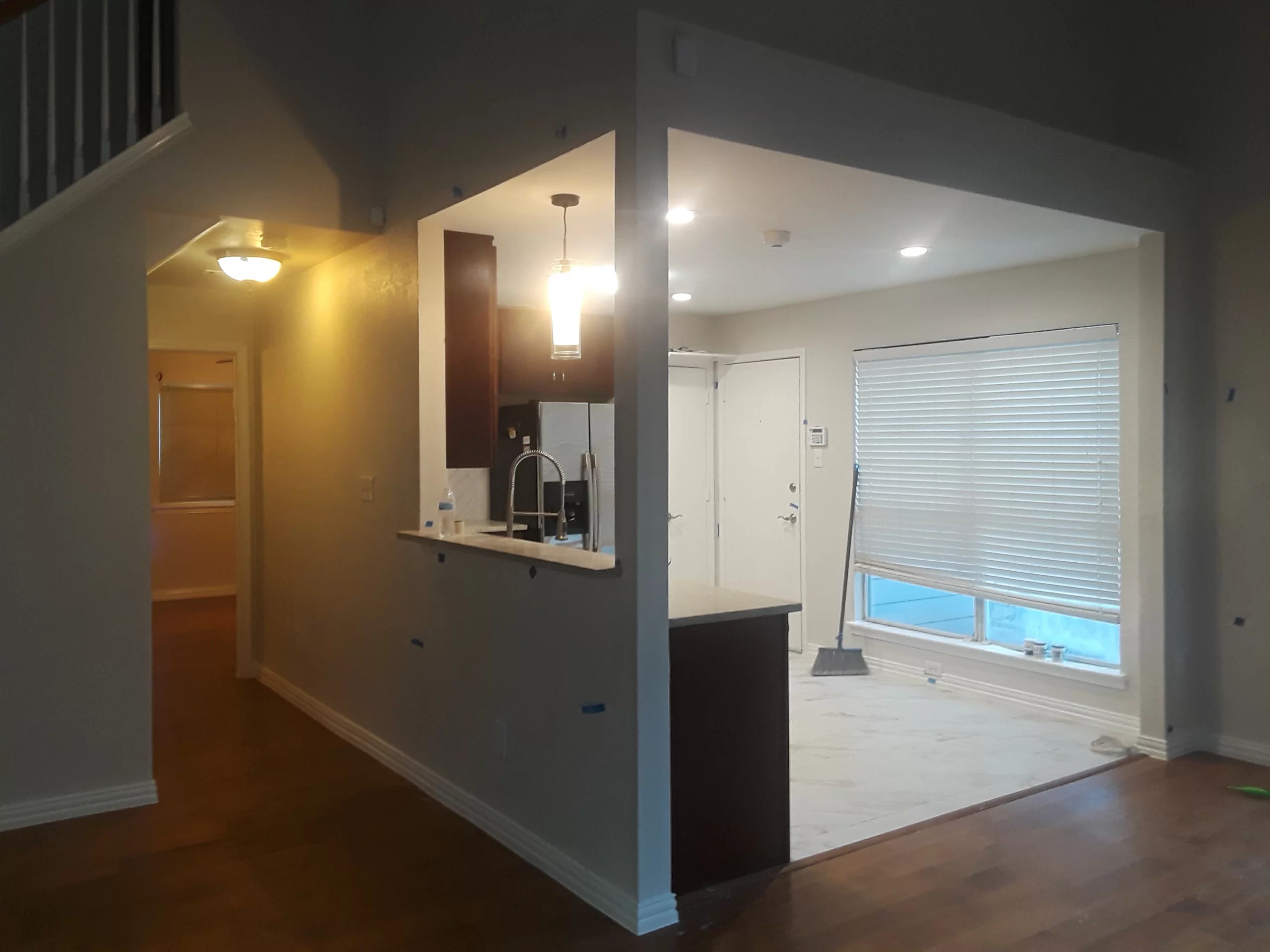
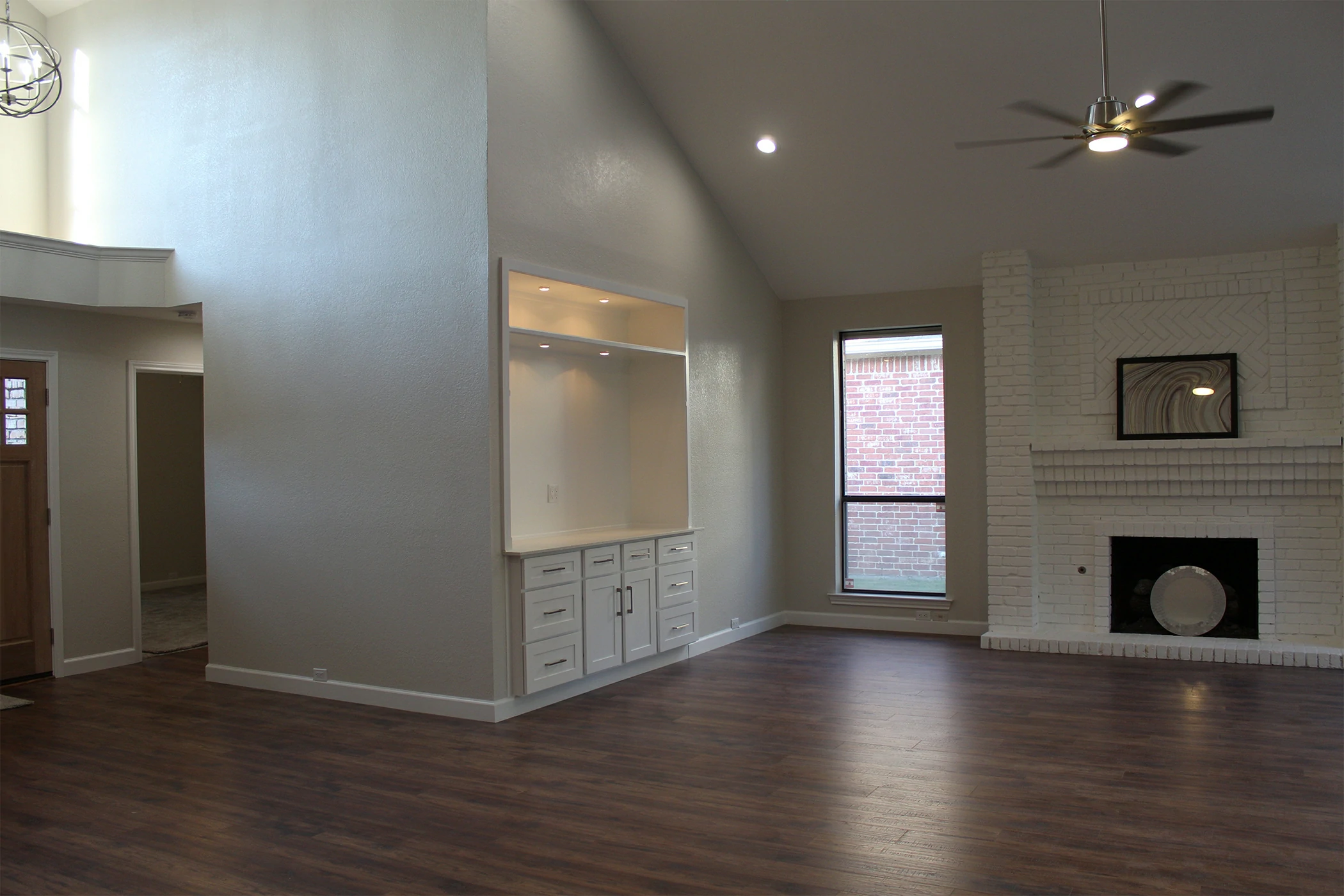
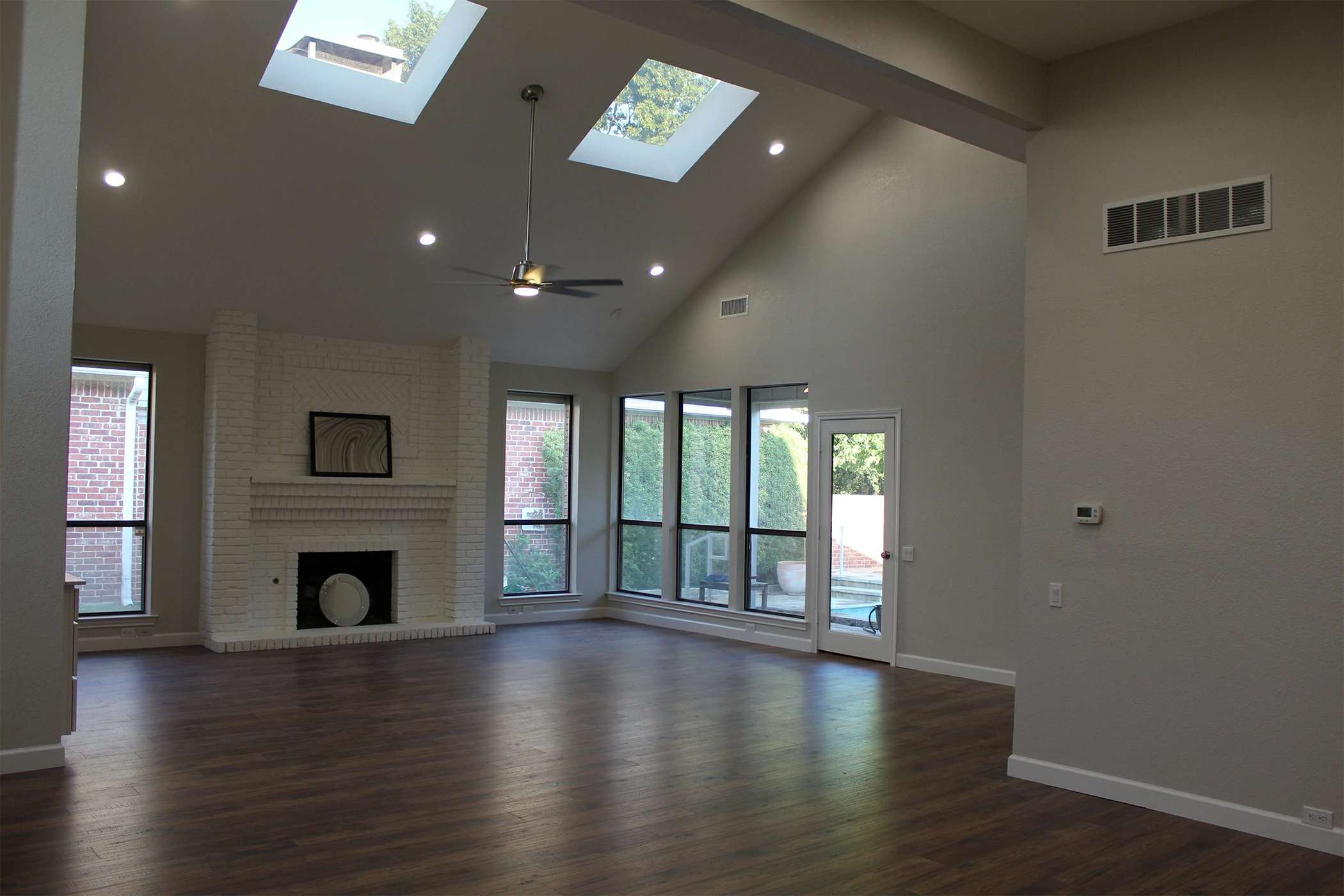
Many homeowners today prefer open layouts that connect living rooms, dining areas, and kitchens. Visualizing these changes through 3D design helps homeowners understand how removing walls or rearranging spaces will impact the overall flow of the home.
The Role of Technology in Modern Remodeling
Advancements in digital design tools have made 3D visualization more accessible and detailed than ever before. Modern software allows designers to create highly realistic models that simulate lighting conditions, textures, and materials.
Some tools also include virtual walkthroughs that allow homeowners to explore the redesigned space from different perspectives.
These technological developments have improved the planning stage of renovation projects, making it easier for homeowners to understand design proposals and provide feedback.
How Homeowners Can Prepare for a 3D Renovation Design Process
Before beginning the design phase, homeowners can take several steps to make the process more efficient.
Identify Renovation Goals
Understanding the purpose of the renovation helps guide the design process. Homeowners should consider whether they want to improve functionality, increase space, or update the style of their home.
Gather Inspiration
Looking at design ideas in magazines, online galleries, and remodeling blogs can help homeowners communicate their preferences to designers.
Share Existing Home Details
Providing accurate measurements, floor plans, and photos of the current home allows designers to create more accurate 3D models.
Discuss Design Preferences
Talking about color schemes, materials, and furniture styles early in the process helps ensure the design reflects the homeowner’s vision.
If homeowners have questions about renovation planning or design services, they can reach out through the contact page to request more information or discuss their project needs.
The Future of 3D Design in Home Renovation
As digital technology continues to evolve, 3D visualization will likely become even more integrated into the renovation process.
Emerging technologies such as virtual reality and augmented reality allow homeowners to experience their future spaces in immersive ways. These tools may further improve design communication and decision making.
For homeowners planning renovations, 3D design for home renovation is becoming an increasingly valuable tool that supports better planning, clearer communication, and more confident design choices.
Conclusion
Home renovation projects require careful planning, clear communication, and thoughtful design decisions. Traditional drawings often make it difficult for homeowners to fully understand how their renovation will look once completed.
3D visualization provides a more realistic and accessible way to explore renovation ideas. By creating digital models of homes and remodeling projects, designers and homeowners can collaborate more effectively and identify potential issues early in the planning process.
Whether planning a kitchen remodel, a bathroom upgrade, or a home addition, 3D design for home renovation offers a clearer path from concept to construction. Through improved visualization and communication, homeowners can make better decisions and approach renovation projects with greater confidence.